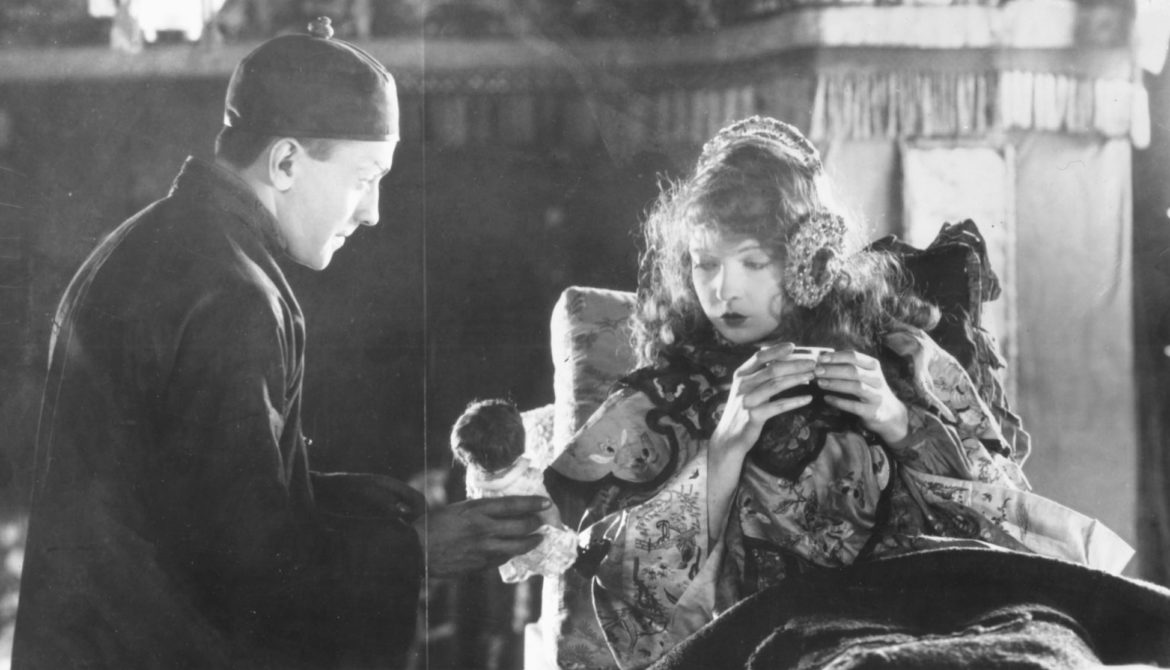
Hearing Guy Maddin narrate My Winnipeg last week was important to me.
I remember trying to watch The Saddest Music in the World early in high school, when I was digging up anything people on movie forums described as “weird,” but lacked any of the cultural touchstones to understand what I was seeing.
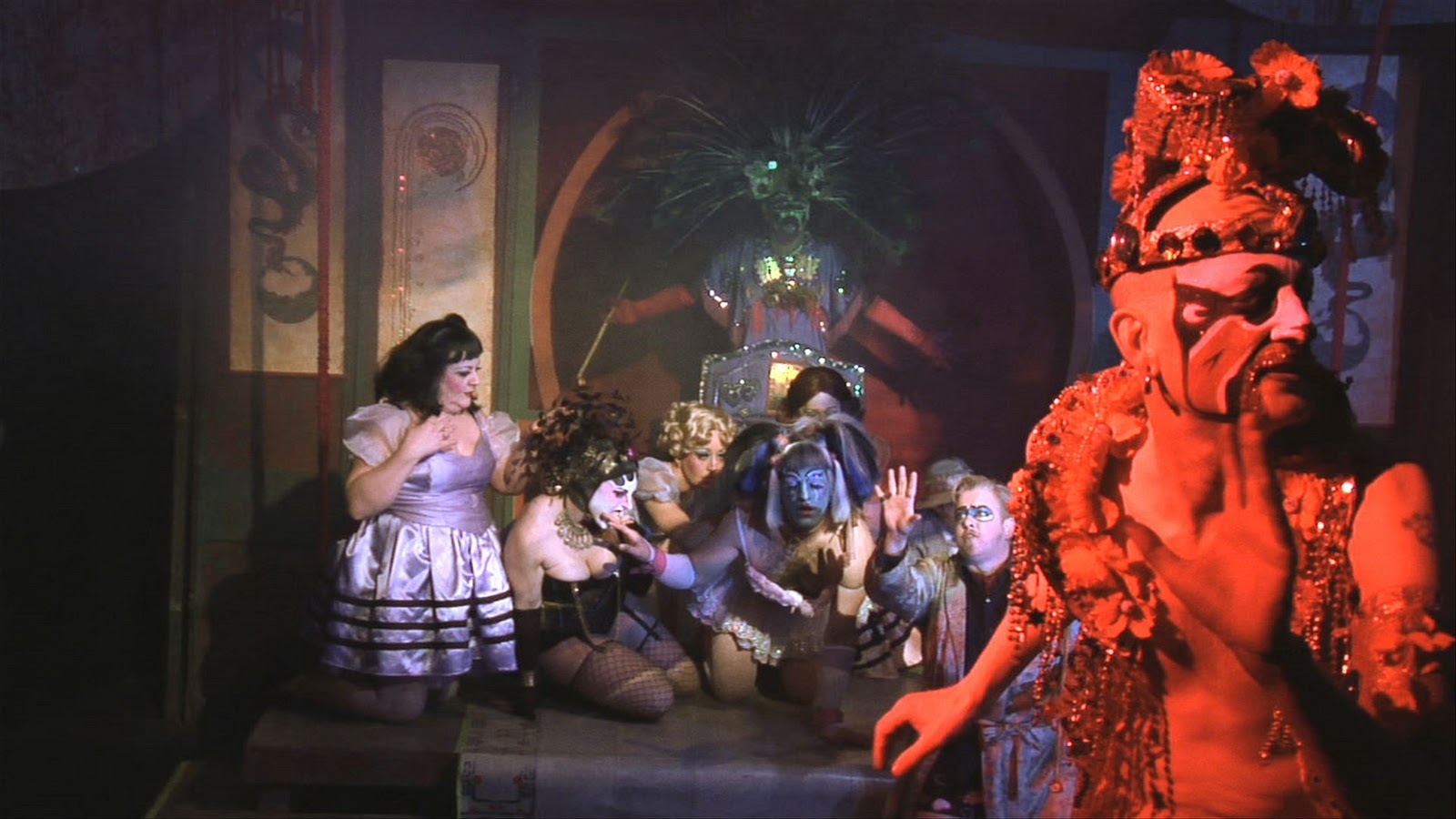
When I finally gave him another chance during my ill-fated attempt at film school, I understood the references being made, but was wary. All the arthaus kids, the ones with nose rings and Twin Peaks tattoos, were making silent films saturated with Impressionist aesthetics and surreal images. (And a lot of witches.) It always felt like they were wearing those influences like a fun costume more than as an expression of anything personal, and as an insecure person desperate not to be tricked by the cool kids, I never gave him a fair shot.

Hearing Maddin’s voice makes that clear, and makes it obvious he is not just trying to be cool. It’s not a cool voice. He sounds like any other geek you know. When he gets angry about his favorite hockey rink being destroyed, it is clear he is being entirely sincere, in the way John Darnielle’s voice instantly establishes his sincerity. No one could be ironic with that voice – they wouldn’t survive long.
It’s that openness that makes My Winnipeg such a strong film, and one that, if you’re having trouble piercing Maddin’s at times intimidating aesthetic, can serve as a skeleton key. In turn, that openness really shines any time Maddin gets to talk about labor struggles.
Watching his movies, it’s hard for me not to imagine them coming out of a parallel universe, where the early days of Communist art was not crushed and replaced with the dull march of socialist realism. They (and despite the personal nature of Maddin’s narration in Winnipeg, it still seems proper to speak of his films as if they have minds of their own) never have gotten over two simultaneous shocks: the shock of the discovery of Marxism and the shock of Eisenstein’s editing.
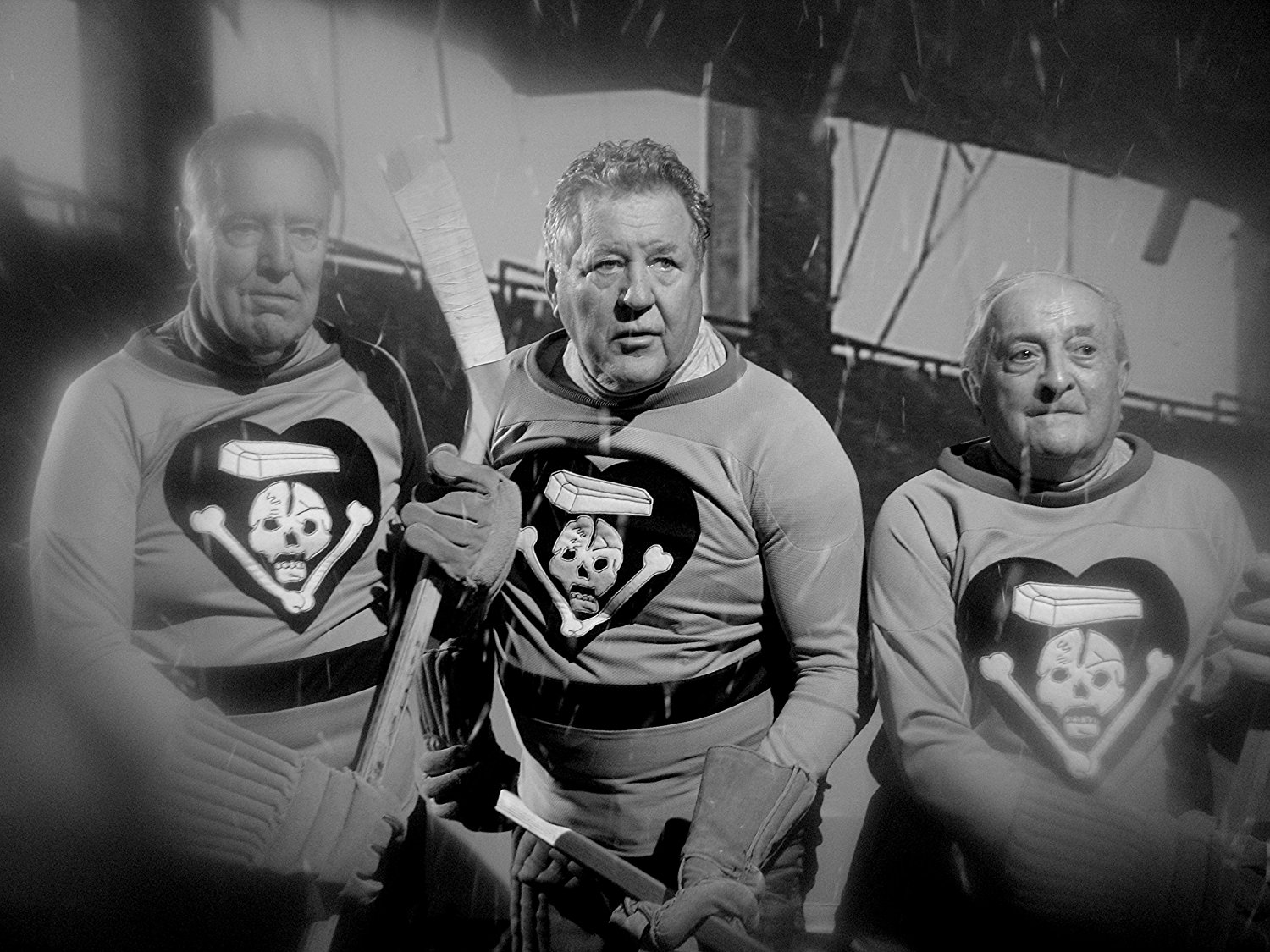 The beauty of Maddin’s vision of the world is one that resonates deeply with me, and, I think, with any radically-minded art lover. History – all history, personal and communal – is rearranged into something free, free from necessity and constraint. His rhapsodies about hockey (one particular section which serves more or less as a climax will make you, briefly, care about the legacies of long-forgotten Canadian hockey players) give a glimpse of another world, politically just as much as aesthetically.
It’s not without the standard tropes of the male filmmaker talking about his life: an obsession with his mother paired with some mostly positive essentializing visions of women.
Some things are unavoidable. But if you’re worried, like I was, that Maddin is playing it coolly ironic: he isn’t.






 weakest. Like his 2015





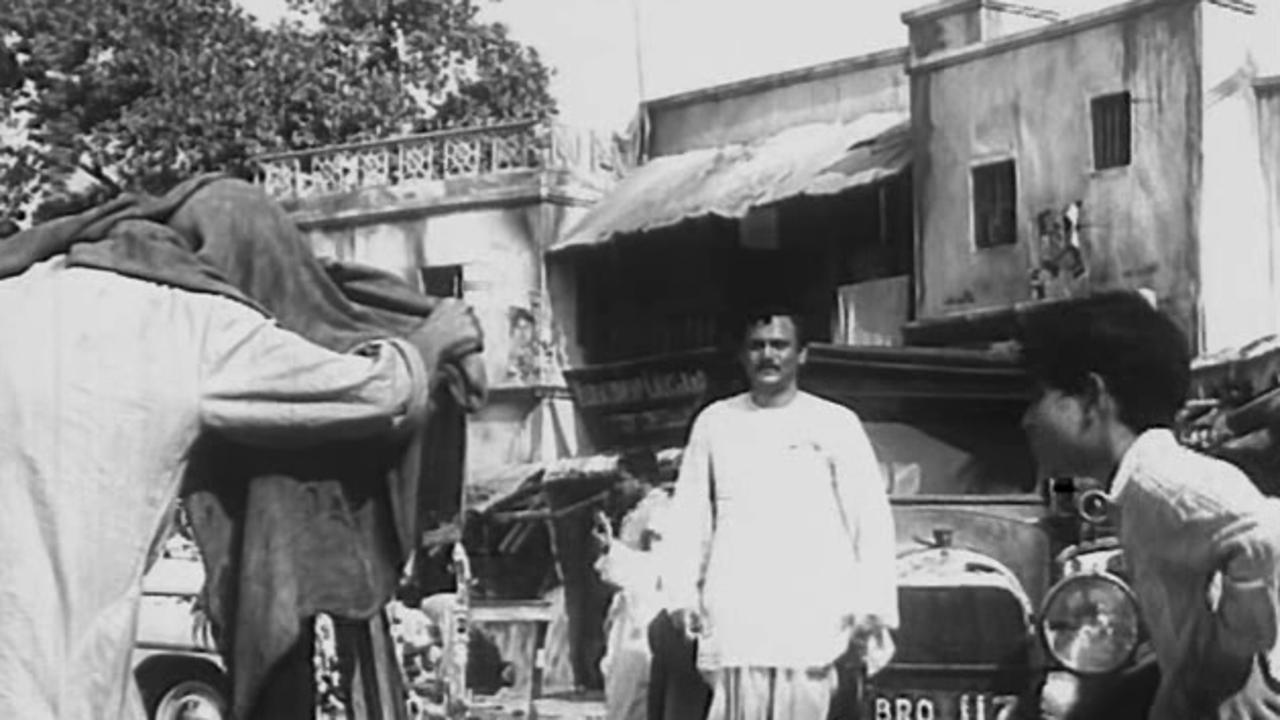
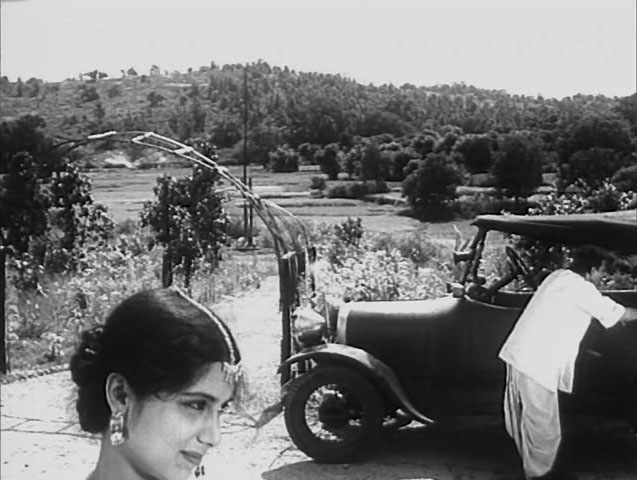 Ajantrik channels many modes simultaneously: manic slapstick, Brechtian absurdity, deeply felt commentary on social conditions. Satyajit Ray is commonly credited with founding
 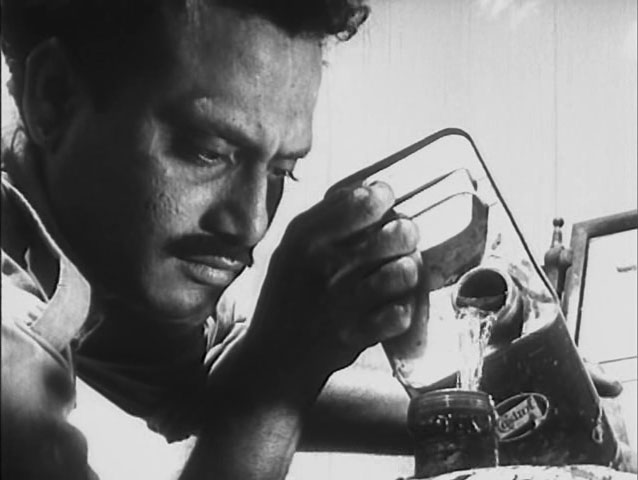 No one else’s car has a name. And certainly no one would lavish upon their car the care he reserves for Jaggadal. His self-identity is bound up with this thing, which, in Ghatak’s hands, takes on a life of its own. Long before the Disney-helmed Bernie series, post-production sound design give Jaggadal an almost corporeal personality: the car is essentially the main character of the film with Bimal in the supporting role. As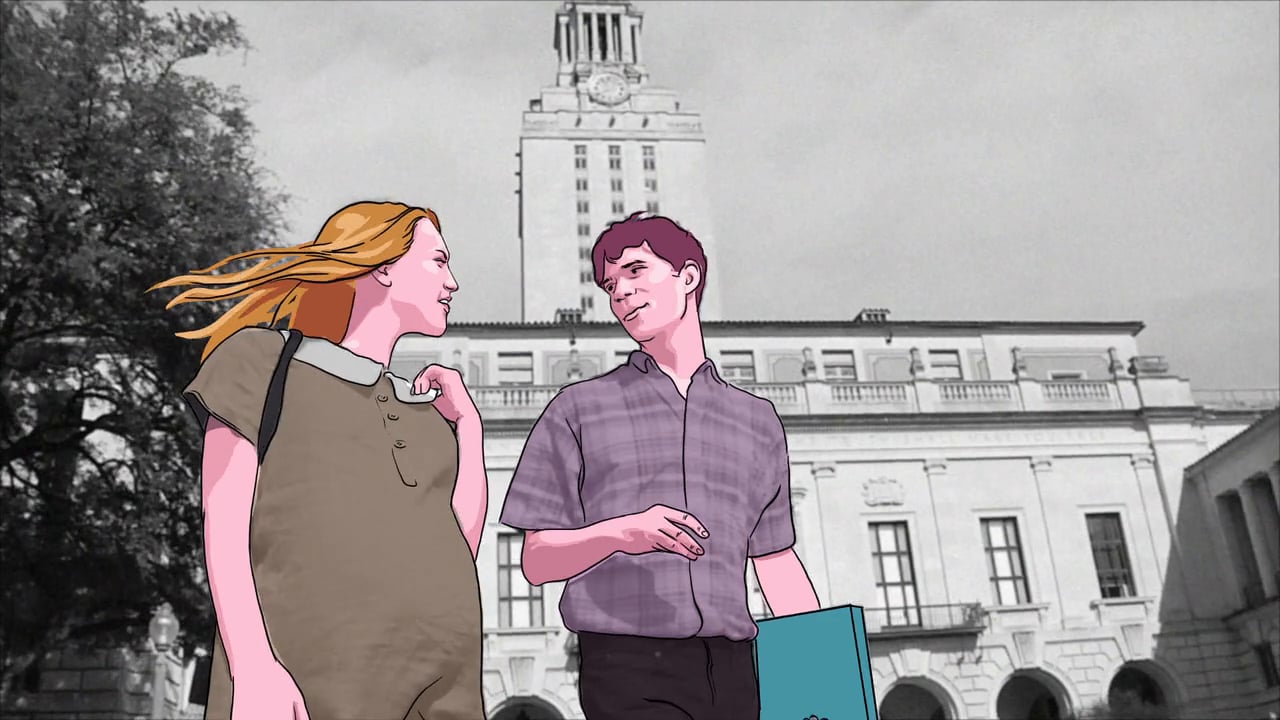
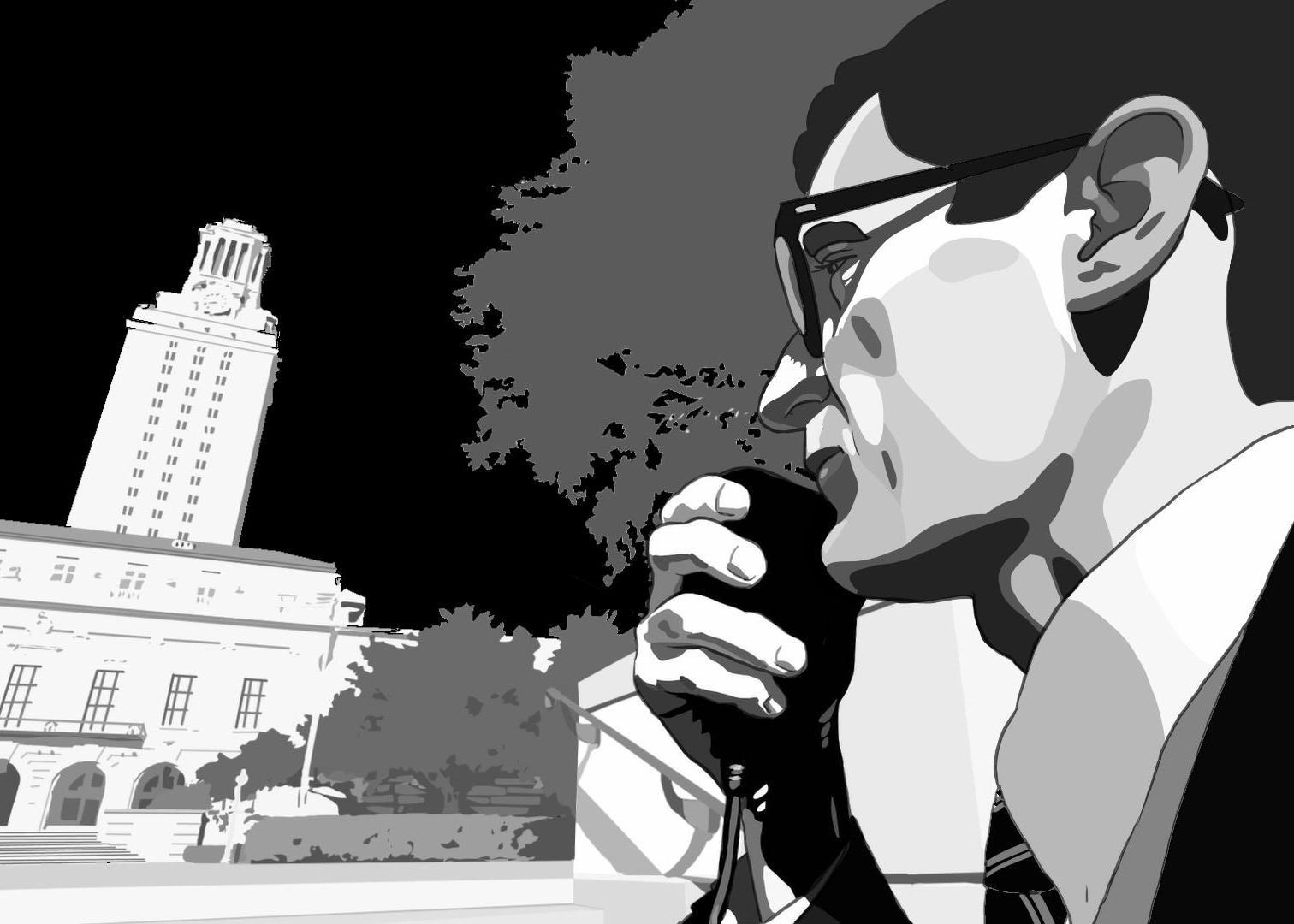
 When I first heard about this film, I, like many others, sighed deeply. Can a mostly animated retelling of a tragedy, one that’s recurred with alarming frequency in the years since, do justice to it? Will it be gross?