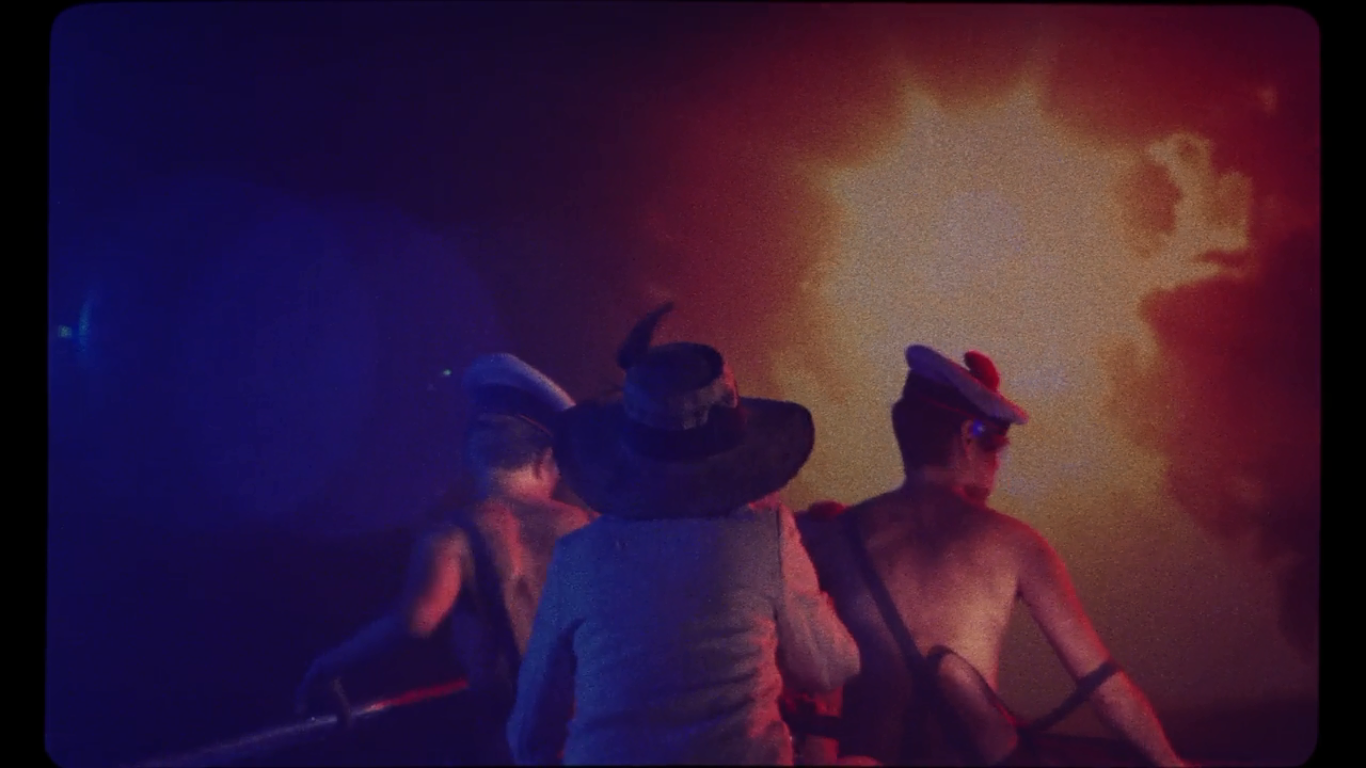
The Wild Boys, Bertrand Mandico’s feverish and gleefully overstuffed debut feature, is many things at once, and not all of those things make immediate sense together. It’s a highly theatrical coming-of-age story set on the high seas, featuring boys played by women becoming men who become women. It’s an island confinement narrative where the prison is an island of pleasure, where sexuality is a hovering menace and a source of connection to the natural world. It’s an explosion of impressionist color filmed in frequent high-contrast black and white.
And it’s nearly impossible to talk about without invoking a cascade of references, cinematic and otherwise. We give it a shot below. Climb aboard, but watch your step.
(Spoilers to The Wild Boys follow)
 Liz: Well, Rick, I’ve now picked two movies for our discussion pieces – Eisenstein a couple weeks ago, and now The Wild Boys — and it turns out if I get to pick movies, they end up very weird and very gay. I just happened across this one as the Movie of the Day on Mubi, and usually Mubi’s new release gets are — forgive me, it’s a wonderful service — boring as hell.
I think we are about as far from boring as you can be with this thing. Boats with sails coated in body hair, phallic and vaginal fruits, boys on leashes, rear-projection weirdness, high contrast black and white interrupted by woozy scenes of color, mysterious islands that change your gender: this movie is almost too filled with ideas to talk about.
I might start with saying as a trans person, this is a movie I really responded to. The five wild boys are all played by women (between this and Suspiria, it’s quite the year for cross-gender casting, huh), and a lot of the themes of the film revolve around that performance of masculinity (literally, here).
It’s interesting to me as a kind of twist on the traditional story of the transition out of childhood. The transition from boy to man is something that, traditionally, has to happen in secret, outside of the public eye, because it’s supposed to be impossible: Man must always have been Man, it gains its power from its timelessness. That’s the purpose of the boy’s sea tale: to give the boy somewhere outside of the social world (but still inside the economic one, often) to process his transition.
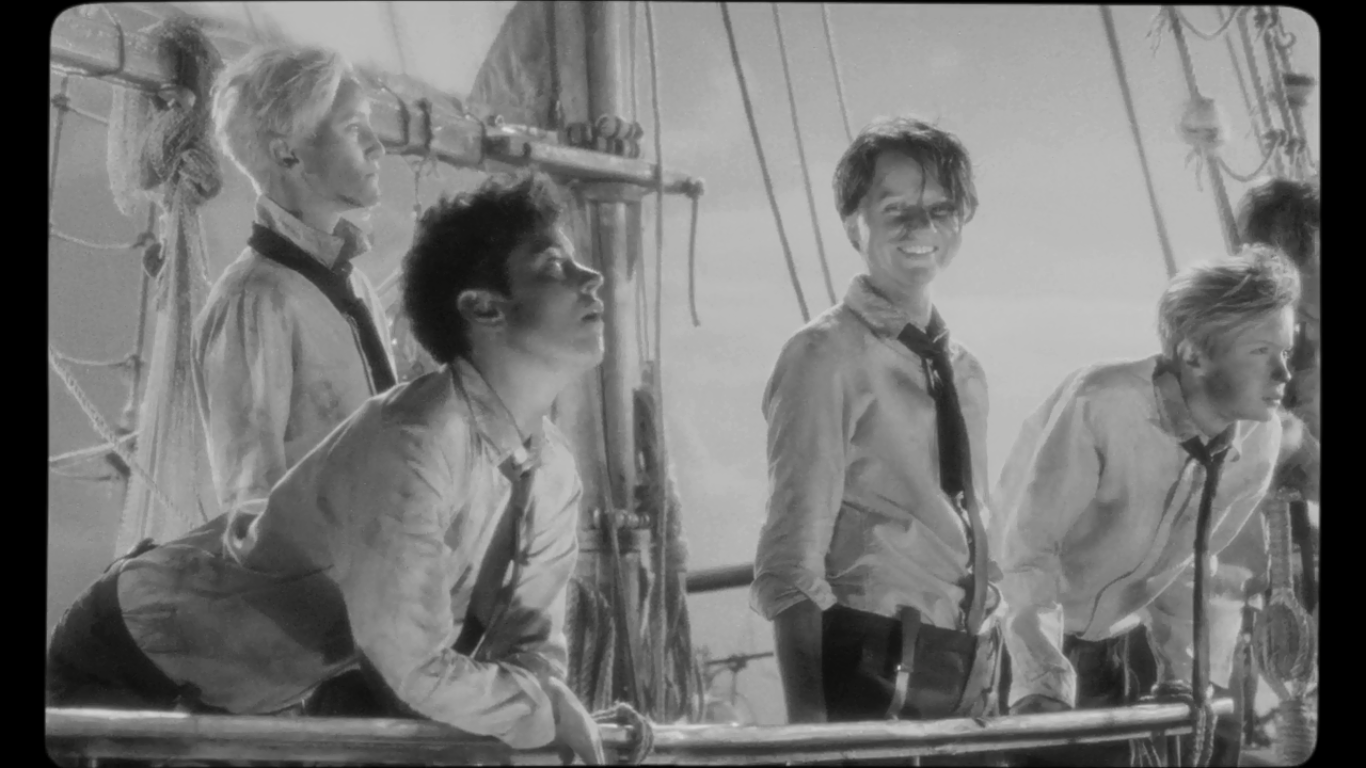 Here we kind of hold on that transition, and play with it in weird ways. In the traditional Western gender roles, boy children are basically considered girls; here, instead of boy-girl children maturing into men, unequivocally male children/teenagers “mature” into women.
There’s a lot going on here – what did you think of it?
Rick: There sure is! And as with Eisenstein, there’s a frequently comical quality to all the camp excess. (Incidentally, Camp Excess might be a good alternative title for The Wild Boys, or for a program of films at the Liz Lerner Festival.)
The Wild Boys is director Bertrand Mandico’s feature debut, following a number of short and medium-length films that I’m totally unfamiliar with, and even though it’s a bit of a dismissive cliché to attribute an excessive amount of ideas to debut features, there might be some of that going on here. In an interview, Mandico says:
[M]y core desire was to make an unlikely hybrid between a Robinson Crusoe-style adventure à la Jules Vernes and William Burroughs. I was also thinking of the paintings of Henry Darger. But also, from a purely cinematic point of view, there was a whole kaleidoscope of films that fuelled my fire on this movie: Buñuel’s The Young One, Peter Brook’s Lord of the Flies, Mackendrick’s A High Wind in Jamaica, Suzuki’s Fighting Elegy, Toshio Okuxaki’s Naked Pursuit, Fassbinder’s Querelle, Kenton’s Island of Lost Souls, von Sternberg’s The Saga of Anatahan, Koundouros’ Young Aphrodites, Genet’s A Song of Love, Wakamatsu’s Gewalt! Gewalt: shojo geba-geba, Imamura’s Profound Desires of the Gods, Schrader’s Mishima: A Life in Four Chapters and Carpenter’s The Fog.
That … would be a lot. And all the thematic excess is matched by The Wild Boys’ similarly overstuffed, hypnotic aesthetic, vibrant colors and high-contrast black and white, rear projection, a generally Guy Maddin-like frenzy in the editing. (It’s hard to write about this film without evoking other filmmakers!) All told, I found it rapturous and woozy, but also a sometimes jarring experience. One of the wild boys in question is described as “a strange mix of acid and milk,” and this might as well be characterizing The Wild Boys itself.
Since you chose this and Eisenstein back to back, I’m wondering what you think links them and how they differ?
 Liz: Well, for starters, I think that, for all of those references — some of which I definitely recognize — in Wild Boys, the film is much less interested in showing off and making sure you know them than Eisenstein is (and as Greenaway is in general). I can imagine Greenaway making you take a quiz to make sure you’re ready for Eisenstein in a way I can’t imagine with Wild Boys.
I also get the sense that those references and citations — to Crusoe, to Verne, to all those films — are not historicized in the way references are in Eisenstein. Greenaway’s references take place within an artistic and cinematic history; Mandico is, I think, more interested in all these works for their vibe (or if I want to use proper academic-ese, their affect). The film is set in a vague not-present, something like the past of desire rather than the past of history.
It’s almost as if Mandico had to place the narrative in a world where gender roles were more well-defined so we can properly enjoy their transgression. I’m reminded of how Georges Batailles, pornographer and weirdo, was wholly against sexual liberation, because he thought desire only is enjoyable in the presence of constraint.
There’s also a real sexual menace at play in the sexuality of this film that is absent from Eisenstein, I think. The boys are introduced raping their English teacher, and that moment lingers over the rest of the film for me: we (or I, at least) are waiting for the sexual violence to reappear in some way.
What do you think of the sexual violence at play in the film?
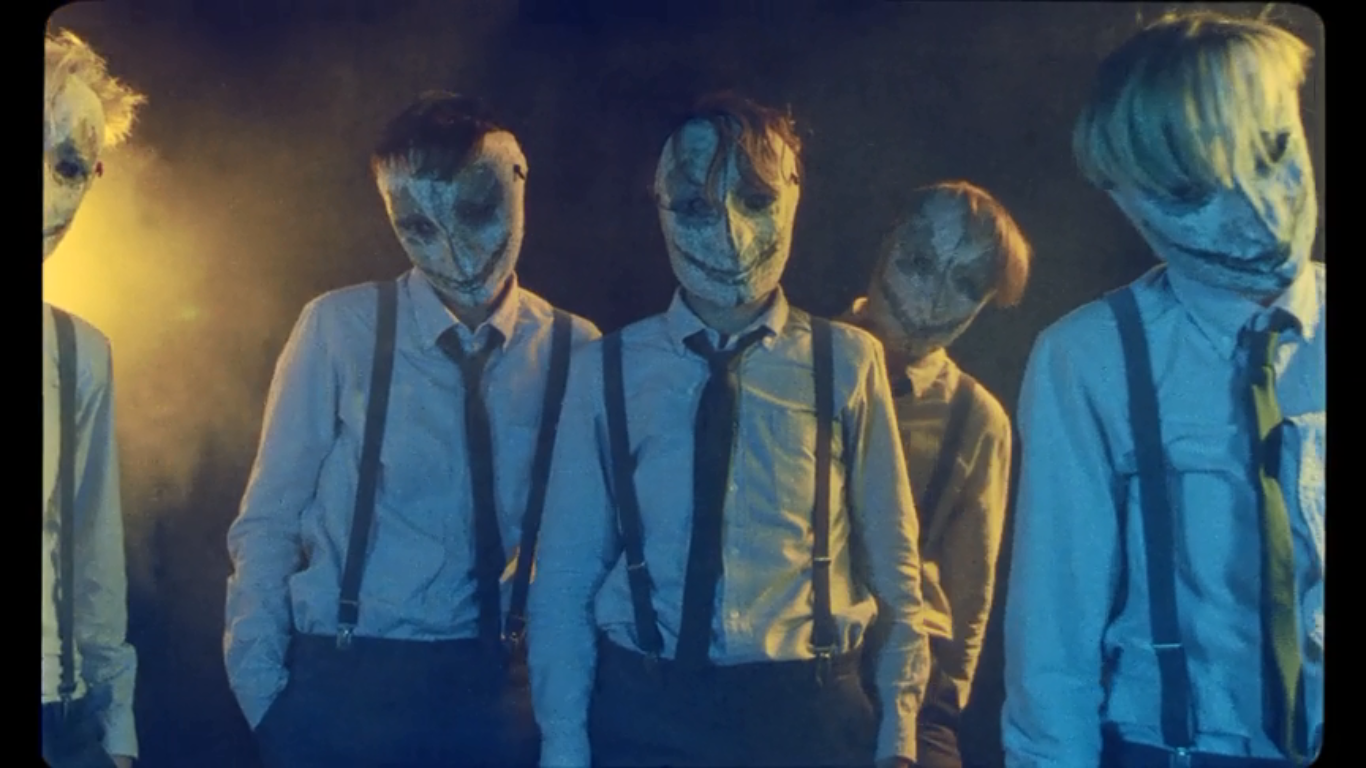
Rick: It’s the inescapable question. To be honest, it took me out of it right from the beginning, to the point that re-engaging with the film was challenging. I don’t think it was the (mostly arthouse-rendered) sexual violence itself so much as the way it’s depicted in that first scene. There’s a dreamlike quality to everything in The Wild Boys, but that particular sense at the start feels especially barbed: the layering of an unnamed narrator’s voiceover, carrying an air of fatalism with it, the intoxicated images (of intoxicated adolescents in masks), and, more than anything, the porous border between play and violation, performance and enactment. By starting The Wild Boys in this way, Mandico seems to announce, “Don’t get too comfortable.”
Blurring borders, investing desire with danger (and menace), and reveling in unresolvable contradictions — these are all at the heart of the film, I think, and so it makes sense to lead this way. But I have to imagine not everyone will stick things out for another 100 minutes after this introduction.
Liz: Yeah, the rape of the teacher in particular was very close to turning me off for good from the film, honestly. I’m not sure why knowing the actors were women made it a little less uncomfortable for me. (I hadn’t looked up the director yet, and I suppose imagined he was a woman, too, for some reason.)
I’m much choosier about violence than most of the film buffs I know, and there are a lot of things that will disqualify a movie for me for good. (I’m probably never going to watch I Spit on Your Grave, for example.) But once the reality of it was over, and it was more just a hovering intensity in the film — a threat of violence that was always about to come back and repeat itself with the captain, and then with the person on the island, and then with the boys themselves in the final scenes — I do think it communicated … something, although I’m not sure what.
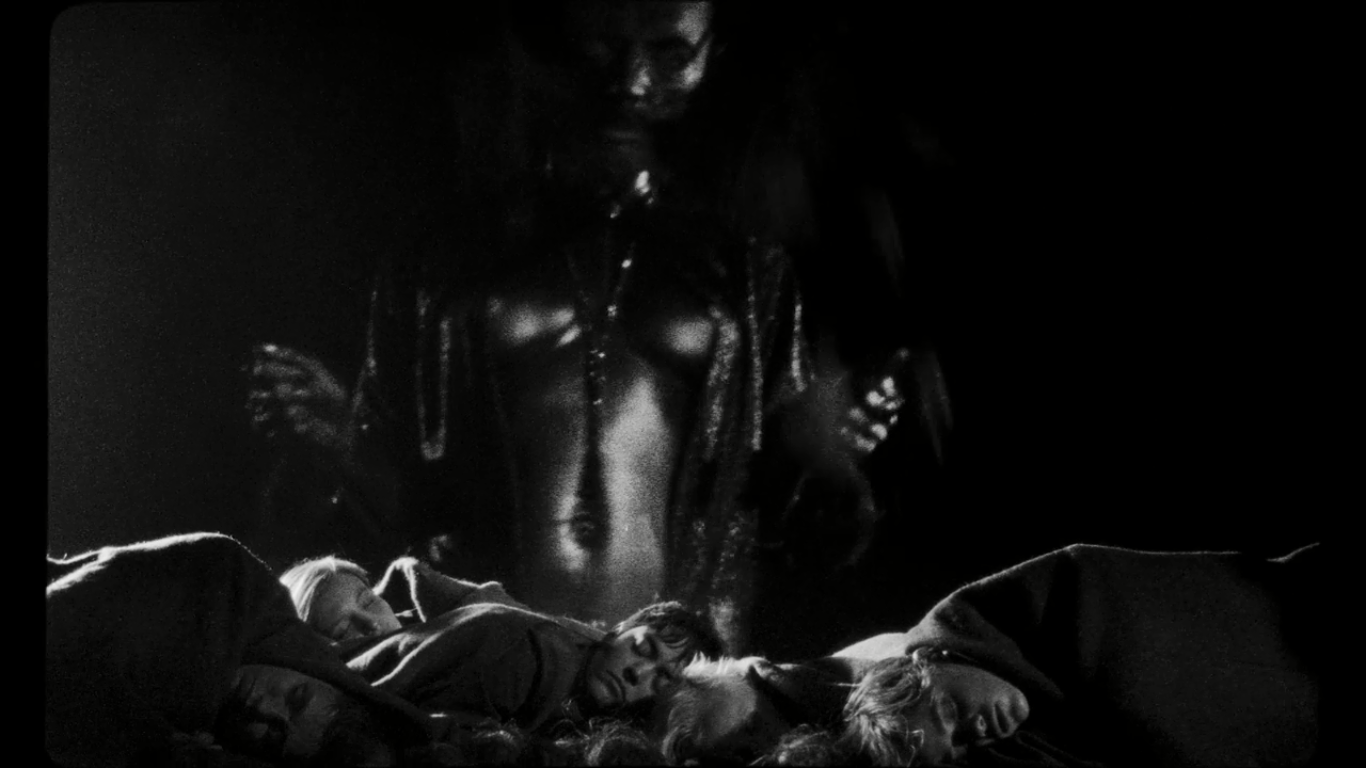 In queer circles, there often is this complicated sense of micro-power dynamics, that threaten to replicate the patriarchal structures that people in theory are trying to escape. The way that as soon as some of the boys begin to transform into women at the end of the film, they open themselves up to being victims of sexual violence, seemed to me to be the culmination of that thread through from the teacher (to the questionable figure of the judge at the school, to some extent) to the captain of the ship to the boys themselves. It seemed fully explored enough that I didn’t feel like it was just a matter of exploitative sexual prurience.
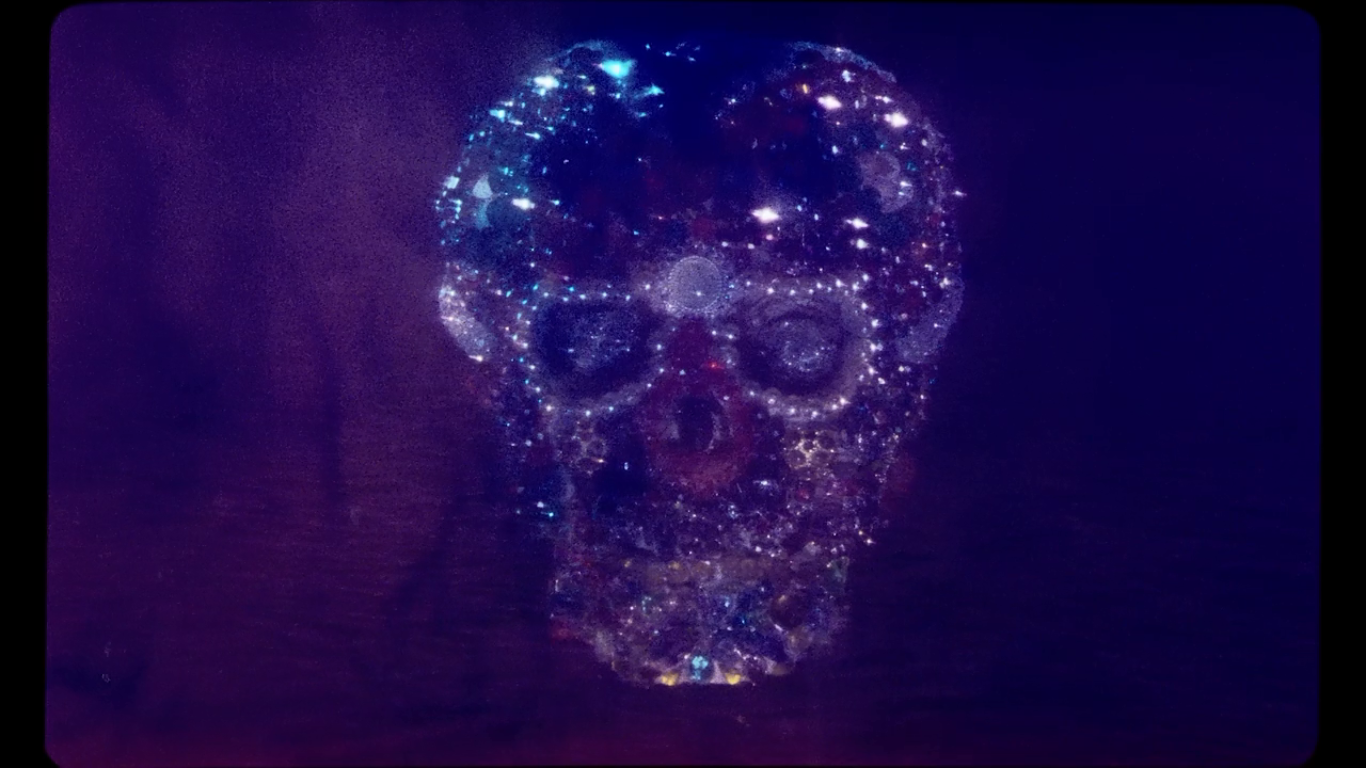
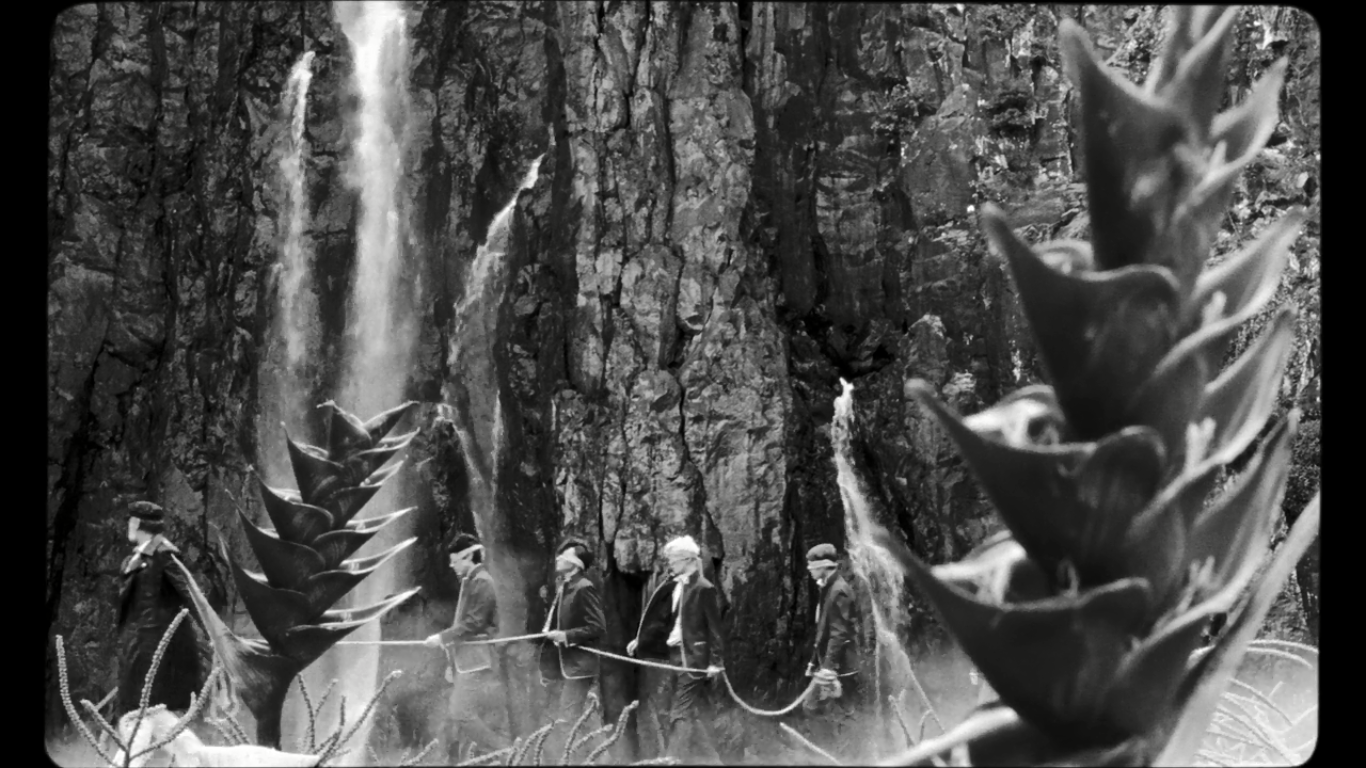
To go back to the earlier conversation, I think it’s interesting to think about how this movie relates to the “body horror” thing. It definitely has some similarities to body horror – the phalli really remind me of Naked Lunch – but I don’t think it’s particularly horrific, at least in that way. It’s more of a body transformation thing, but in a grotesque, beautiful way, like Cronenberg uncoupled from capitalism or social “points”. What do you think of that whole aesthetic — plants that act like bodies, fruits that act like bodies, bodies that turn into other bodies, and a weird floating skull that floats through all of that?
Rick: There is absolutely a Cronenbergian quality to those Mugwump blowjob plants! (Side note: now there is a sentence I didn’t expect write.) Approaching The Wild Boys as a body horror with the horror stripped out — or, if you like, translated instead as an intensity — seems about right.
 But that way in which it is horror-but-not-quite, that genre trope playfulness, applies across the board. Mandico is clearly having a lot of fun mixing and matching, not “subverting” tropes so much as sending them spinning against each other. The very notion of being sent to an island of pleasure as a form of transformative punishment is part of this set of contradictions and imploded binaries.
The instability of all these various identities is, again, matched by the instability of the aesthetic: the black and white and color, the silent film conventions and the action movie, the body horror and orgies shot like lurid dance, the rear projection that suddenly turns figures into monstrous presences in the background, submission and deliverance. Your reference to Batailles and the need for a stability to undermine makes me think of how much The Wild Boys seems to loathe artificial divisions even as it enacts them. As Mandico says, he “hates boundaries but loves smugglers.”
Liz: The punishment thing — I hadn’t thought about that, but it is interesting how the film kind of revolves around this idea of punishment as maturity, or maturity as punishment. The boys are sent off on the boat by their parents, who are promised their kids will return as model citizens. That model citizen is represented by a boy who has returned on a leash, completely docile.
But is that boy the successful end point of the punitive process? Even before they leave, the captain forces them to start eating the genital fruits that will turn them into women. It’s interesting to think of the actual process, of bringing them to this island to explore their pleasures, from a Lacanian perspective: we want to put the seed of woman-ness inside of you, because that will civilize you enough that we can accept you as men. But the conversion works too well and turns them completely into women — which, paradoxically, turns them into permanent outsiders, who, as we see in the last moments, prey on other boats of men.
I think there’s something very Lacanian-superego about the structure of the film, the version of a superego that says — Go out there, enjoy! (Within an endless number of implicit rules that you will only find out when you break them, so don’t really enjoy, don’t really follow any desire too much.) Use your penis, mangle it in whatever ways you want! (But don’t mangle it so much that you stop being a man, which you can’t be allowed to enjoy.)
I don’t know, there’s a lot going on here that rewards re-watching.
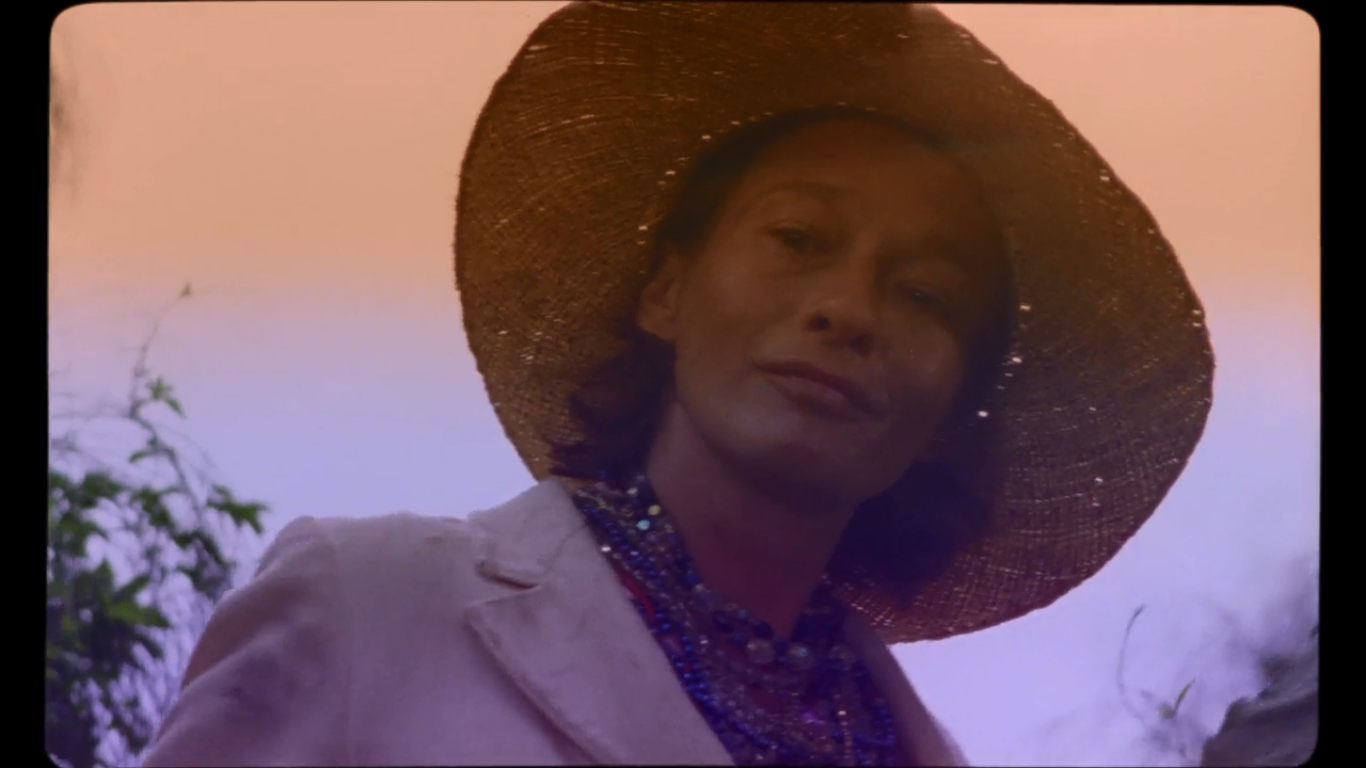 Rick: And further discussion! We’ve talked all this time and haven’t really touched on the remarkable performances.
I’d single out Vimala Pons, as the swaggering alpha of the group, Jean-Louis, and Elina Löwensohn, who plays a sort of post-gender master of the island named Severin(e). Löwensohn, who also appears this year in Hélène Cattet and Bruno Forzani‘s latest genre freak-out Let The Corpses Tan, seems to be Mandico’s muse, starring in many of his shorts, and she’s fascinating in The Wild Boys, imperious, mischievous, and menacing. Pons and the rest of the wild boys really drive home how unusual it is to see women playing roles like this, complicated coming-of-age depictions rooted in adolescent masculinity. There’s a real sense of freedom and nuance in their performances that holds together all of the film’s unstable threads, at least for the time it takes for them to unravel.
But like you said, this is an endlessly beguiling movie that almost definitely would reward revisits. I look forward to whenever the seas wash me back into its deeply strange waters.

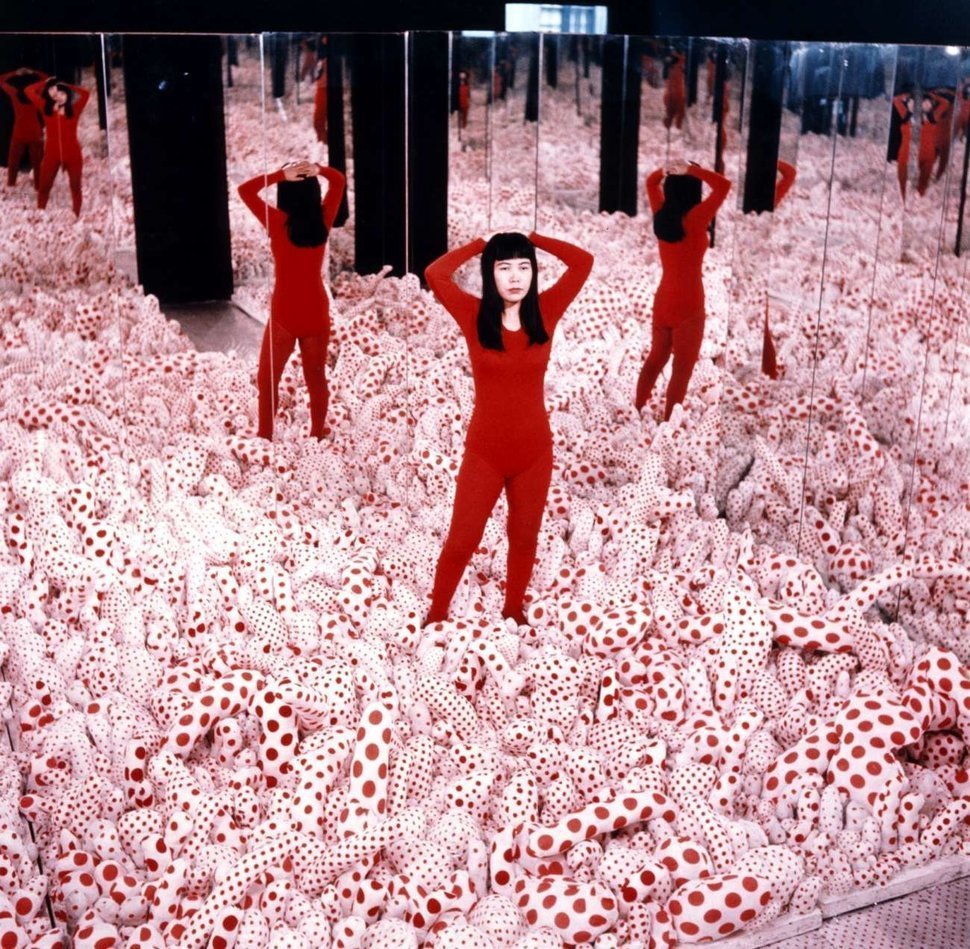 Kusama’s relatively recent acclaim was a long time coming. She’s currently most associated with
 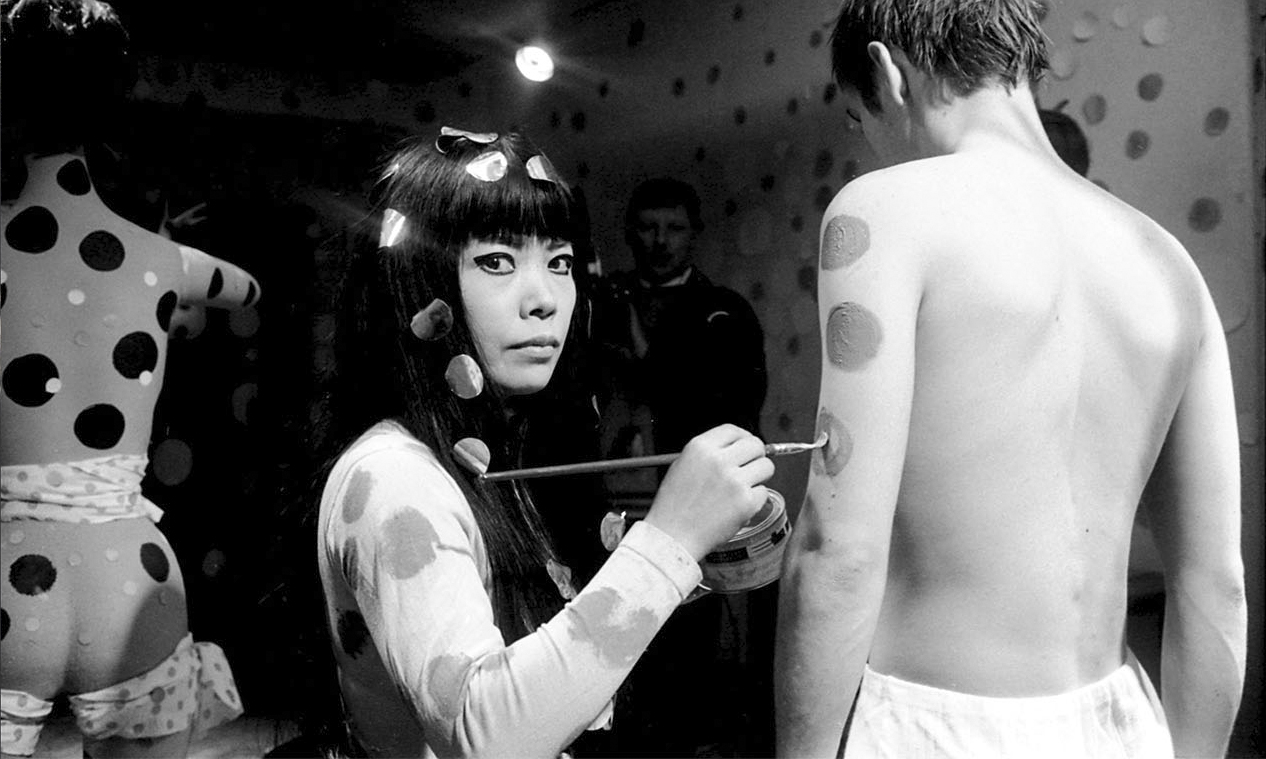 Lenz’s biographical portrait is affecting both for what it reveals and withholds about its subject, and the film mostly functions as an admiring appeal for wider appreciation, but we’re left with some crucial questions that Kusama: Infinity clearly feels are outside of its scope. We are casually told that an early trauma in a field of flowers led to a sense of being swallowed into the landscape, informing her lifelong fixations, but this thread just trails off. Is it ghoulish to insist on more information from the film on this, if we’re going to talk about it all? Probably, but its inclusion — and Kusama’s own insistence on its centrality to her aesthetic — begs the question. In a sense, it’s very much like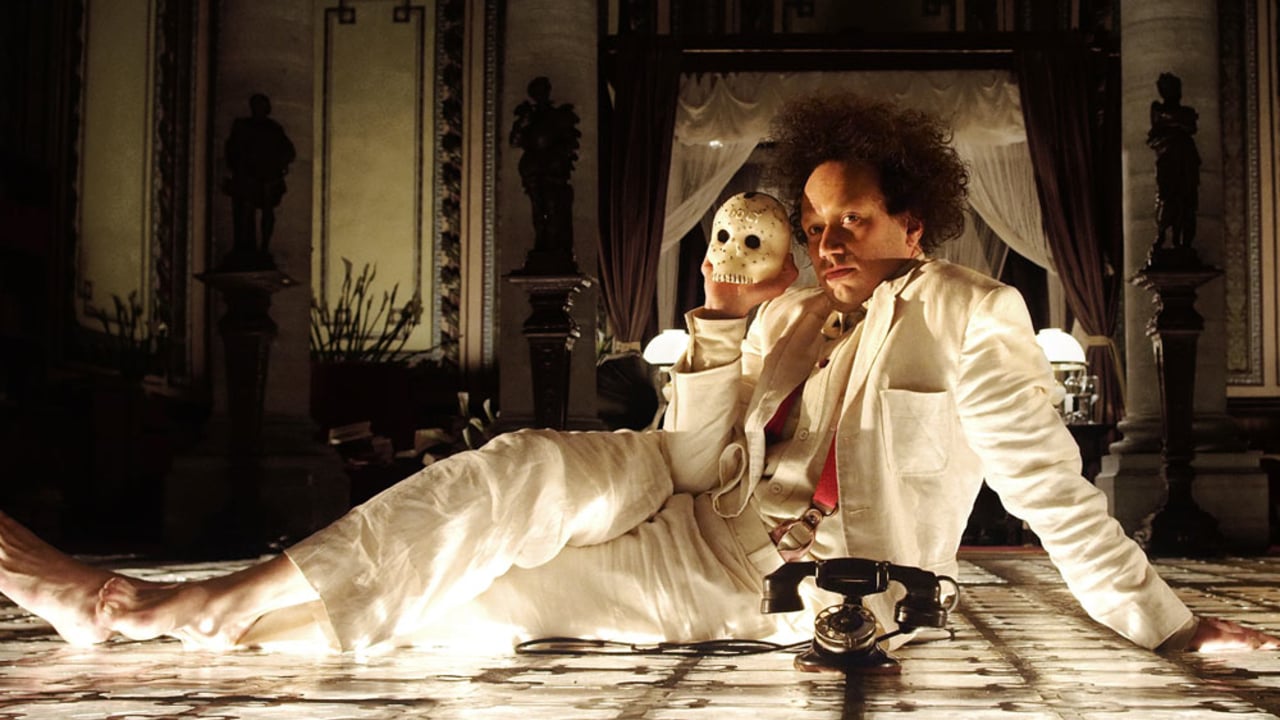
 Liz: So, Rick, this is the first time we’ve done one of these discussion pieces on anything not recent, and Eisenstein in Guanajuato probably looks like a bit of a random choice. I think I had had
  Rick: Eisenstein is so exuberant and draws so much attention to itself, both formally and as a kind of playful re-imagining of a major player in film history, that I think it’s pretty much impossible to avoid asking what it’s all about!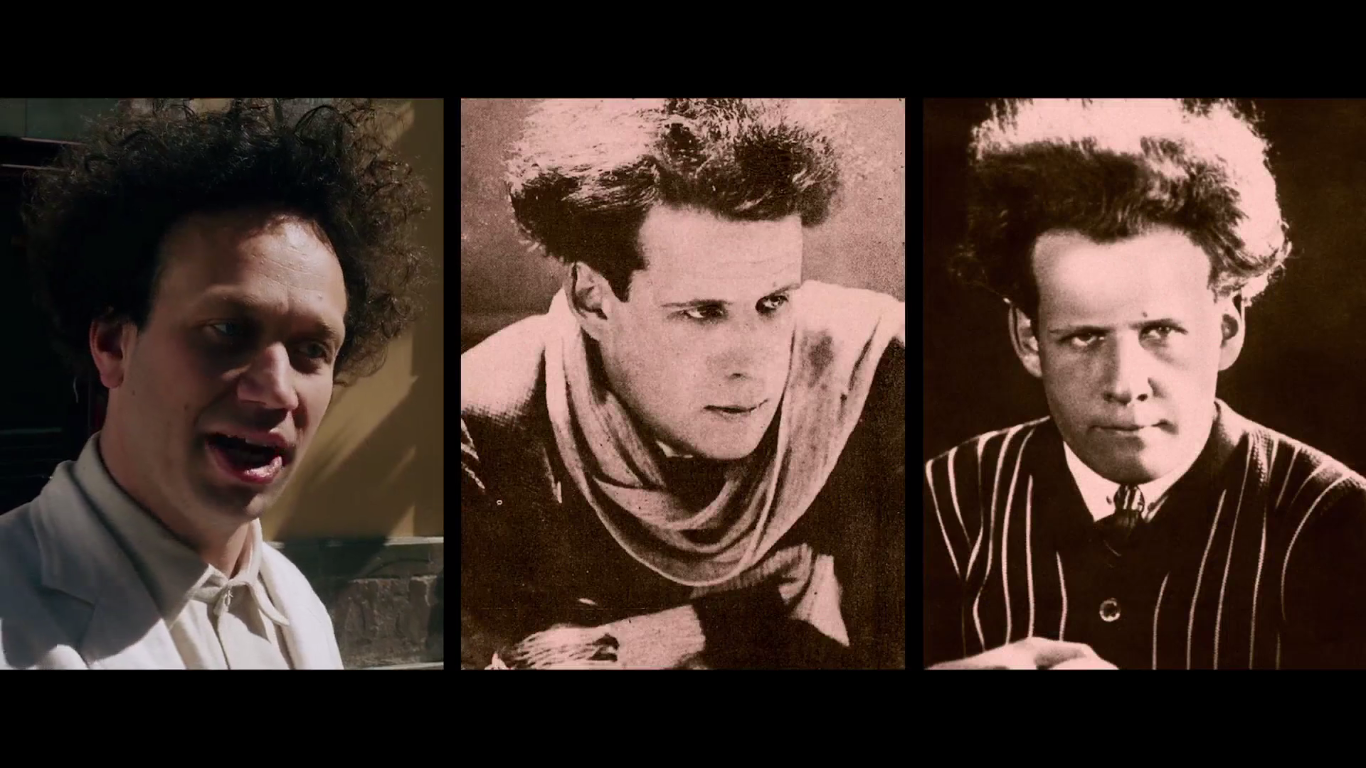
 I also do want to comment on how much I loved the performances here. Not just Elmer Back as Eisenstein, who I’ve mentioned already (I sincerely want to know what Greenaway told him to get this performance out of him), but also the man who plays his guide-turned-lover,
  Liz: Hmm… I suppose I can see it. I can see the idea that he is somehow expanding or realizing Eisenstein’s dialectical imagery, that the two images inter-penetrate each other, but I’m not entirely certain I see it relating to Eisenstein’s homosexuality here. And that’s definitely partly because I’m a bit exhausted of the idea of “queering” in academic writing, and tend to resist it unless I see a pretty clear line of development.
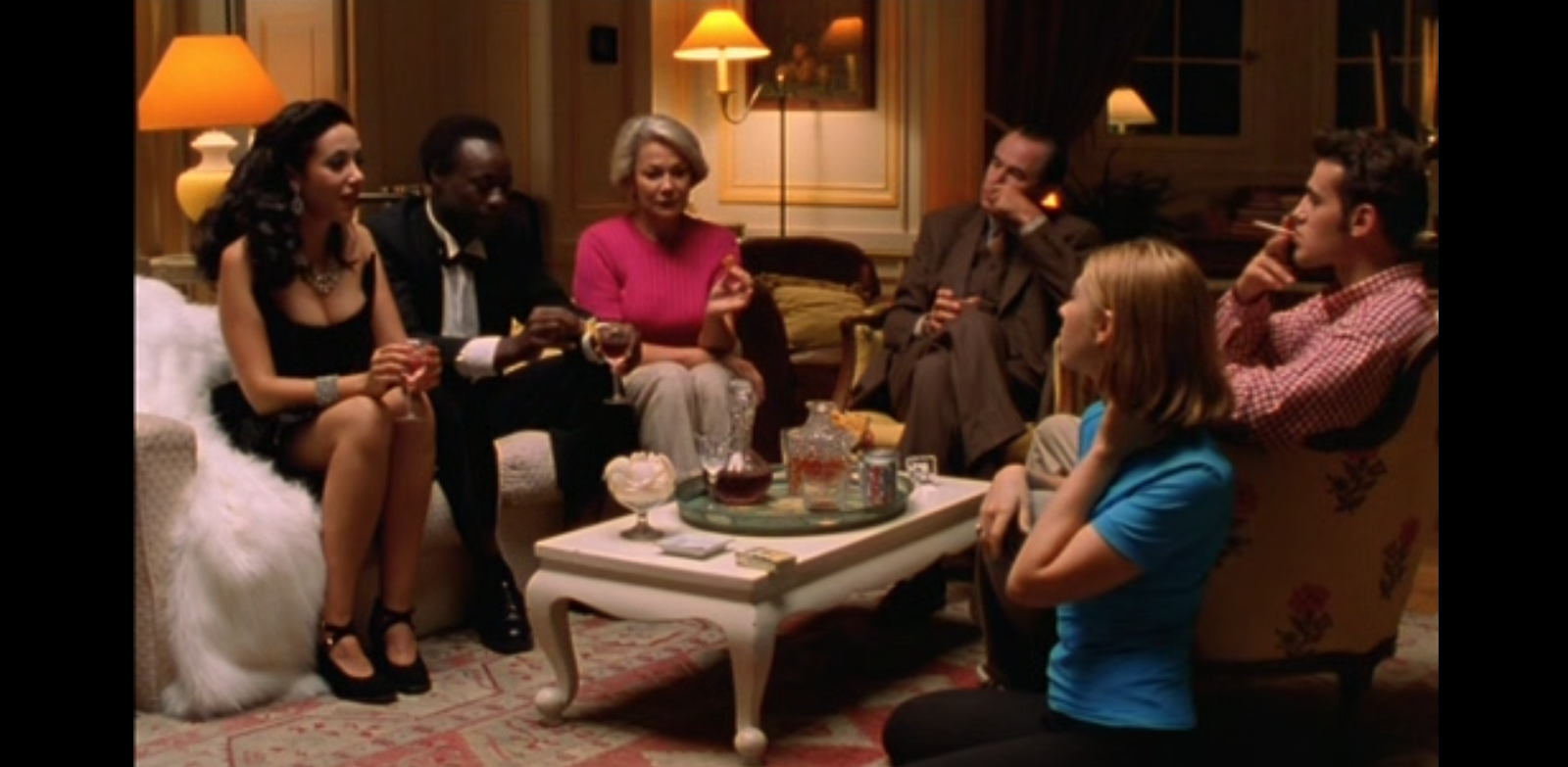 Then, the flashback. It is weeks earlier and the family is alive, balanced for maximum future debasement: a father and a mother, a son and a daughter, and a maid (Spanish, and with an African husband; the mother’s
 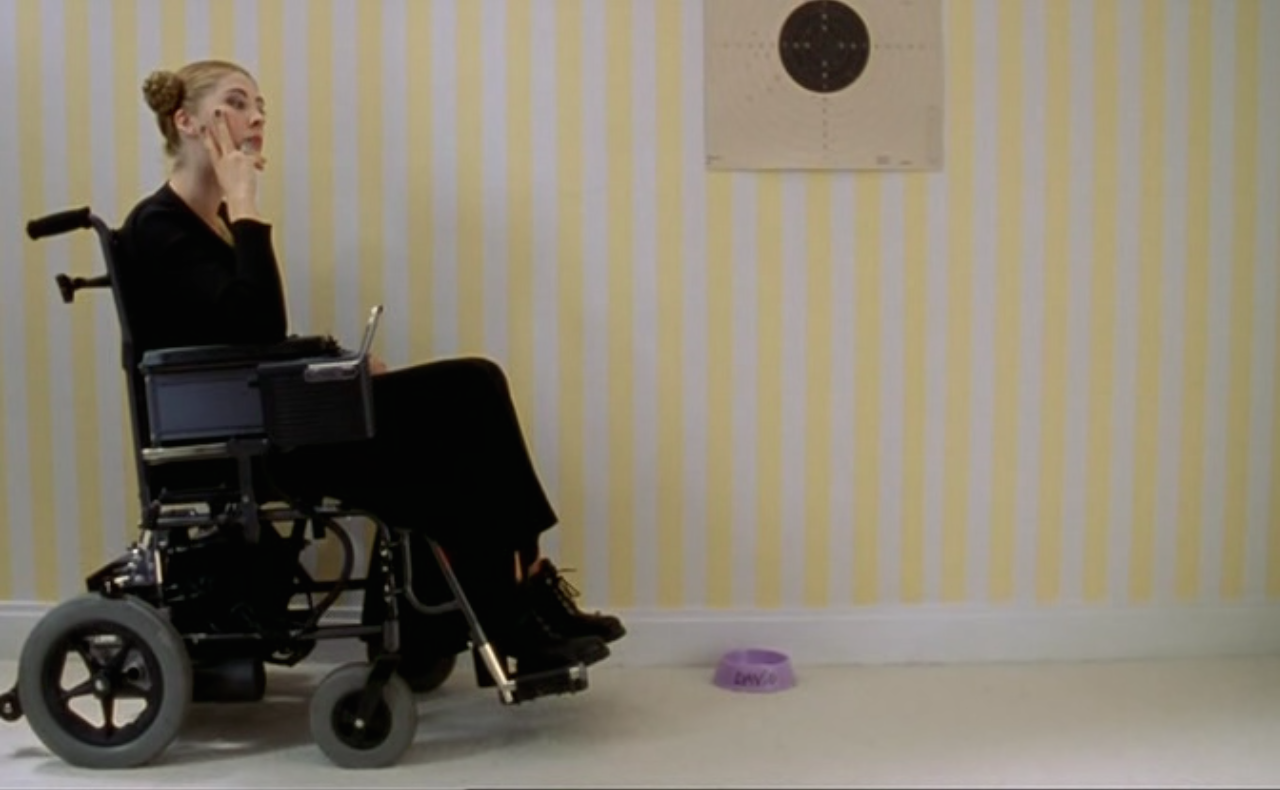 All the cold repulsion one might expect from the camera ends up in the place of the father, who finally gets sick of the whole situation. There is a moment here that is the clear original end of the film: the father plays with the rat, gets the same red-eyed shot as everyone else, and we see the scene from the opening, in which he returns home and shoots everyone. Then, suddenly, at the sixty-minute mark, this is revealed to be a dream of his. (It’s a goofy decision, and I wonder who told Ozon he needed another fifteen minutes of footage.)
 I feel a little dumb for having taken so long to finally watch this.
 Hitler’s Hollywood is more or less a companion piece to director Rüdiger Suchsland’s 2014
  I’m starting to think that bad acting is one of those concepts that is way more interesting and complicated than we give it credit for. How distinctive does bad acting have to be before it becomes in some way aesthetically interesting?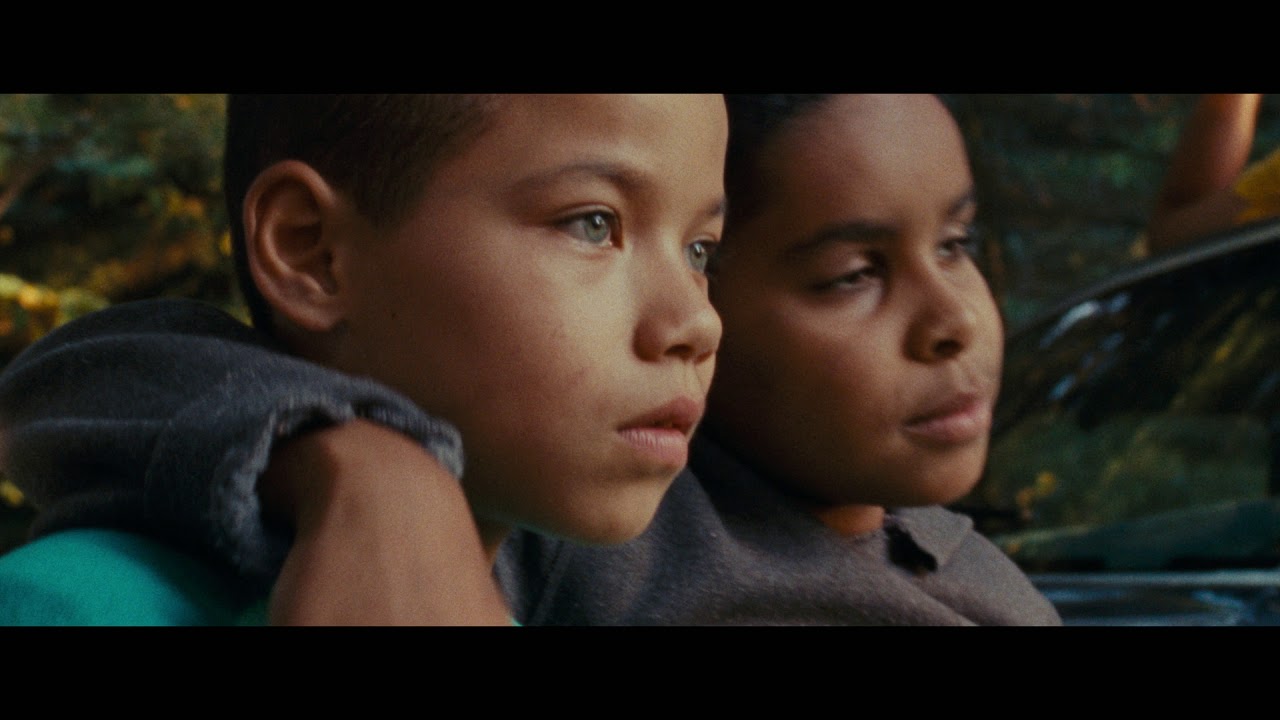
 The narrative, such as it is, concerns a white Brooklyn mother (
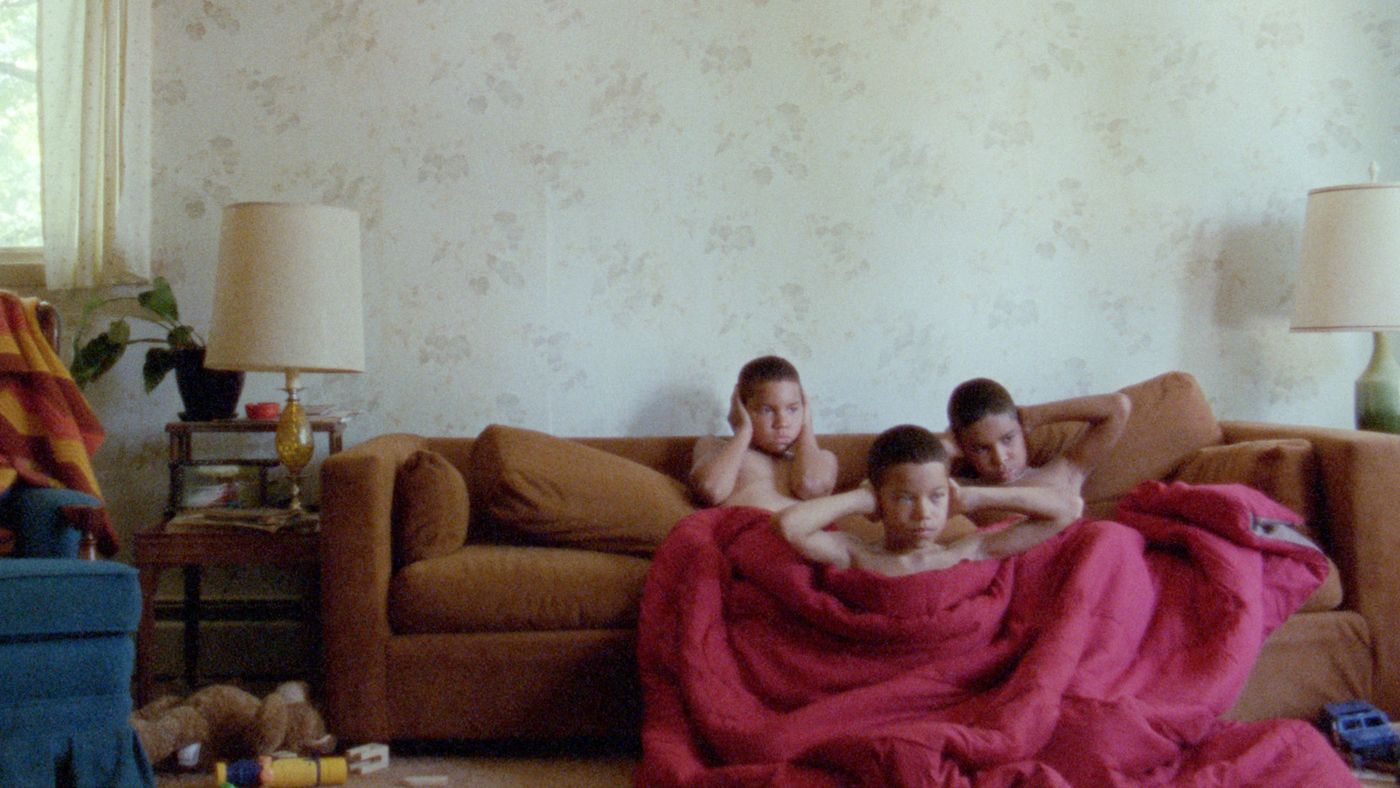 It can’t last. Cumulative traumas lead to acting out, to semi-random violence like throwing rocks at cars — desperate acts to announce, defiantly, that they exist. In We The Animals, nearly every act carries with it that child-like desperation for presence: “I am here.” Jonah’s secret notebooks — he writes under the bed at night, dreaming up fiery imagery and fierceness, words we never read spilling out all over the place, desires upon desires — are discovered, and he’s marked, wordlessly, as the “weird one”. He falls in love with the metalhead down the road, risking everything for a kiss. Once, we see him smile, alone in the dark.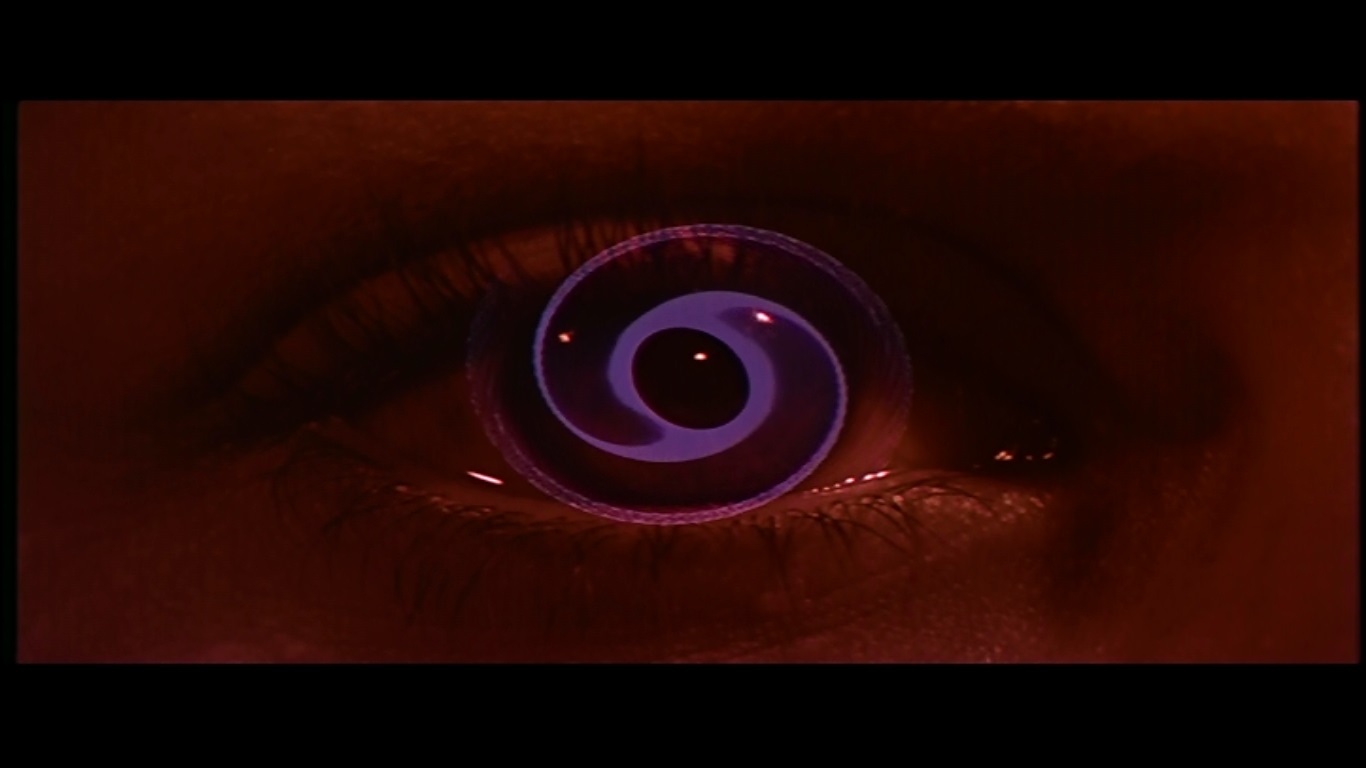
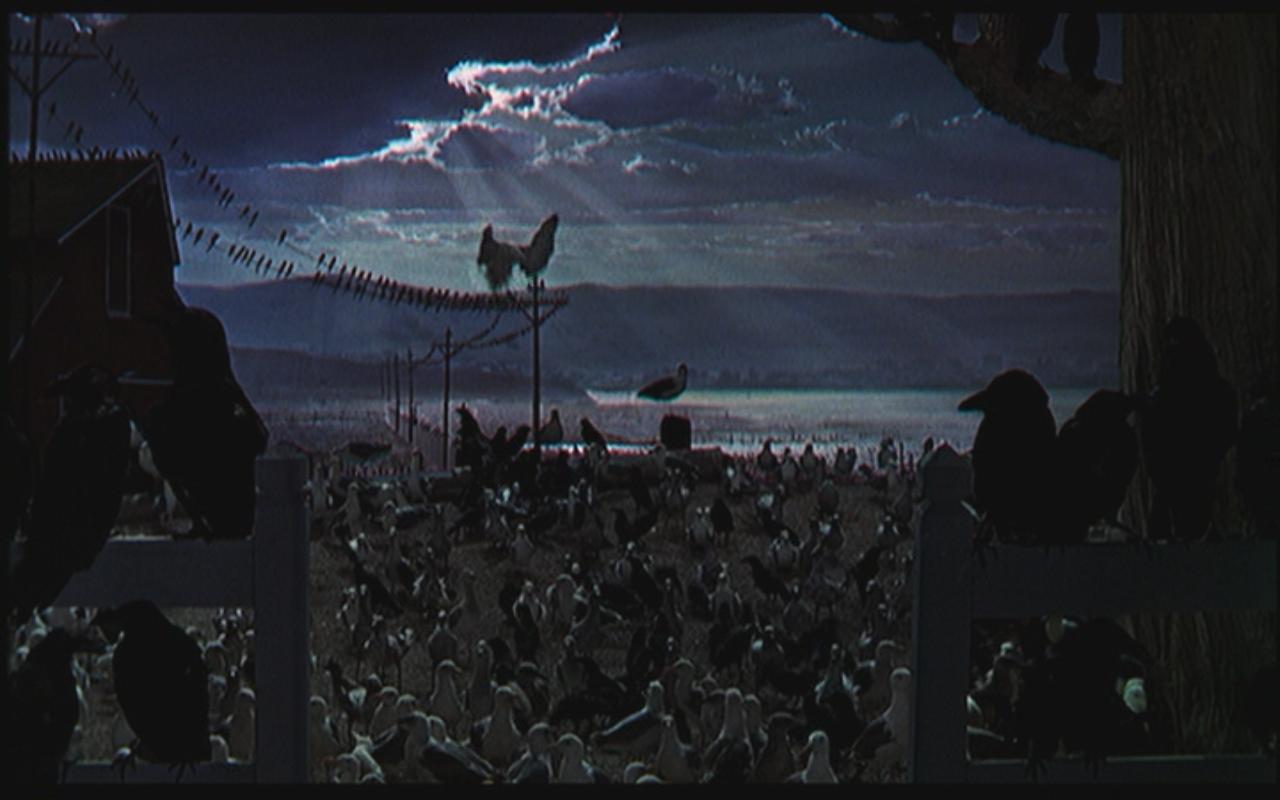 Here’s the secret: I’ve only seen a handful of Hitchcocks, and I only really remember the beginnings and endings. I remember the opening music hall scene of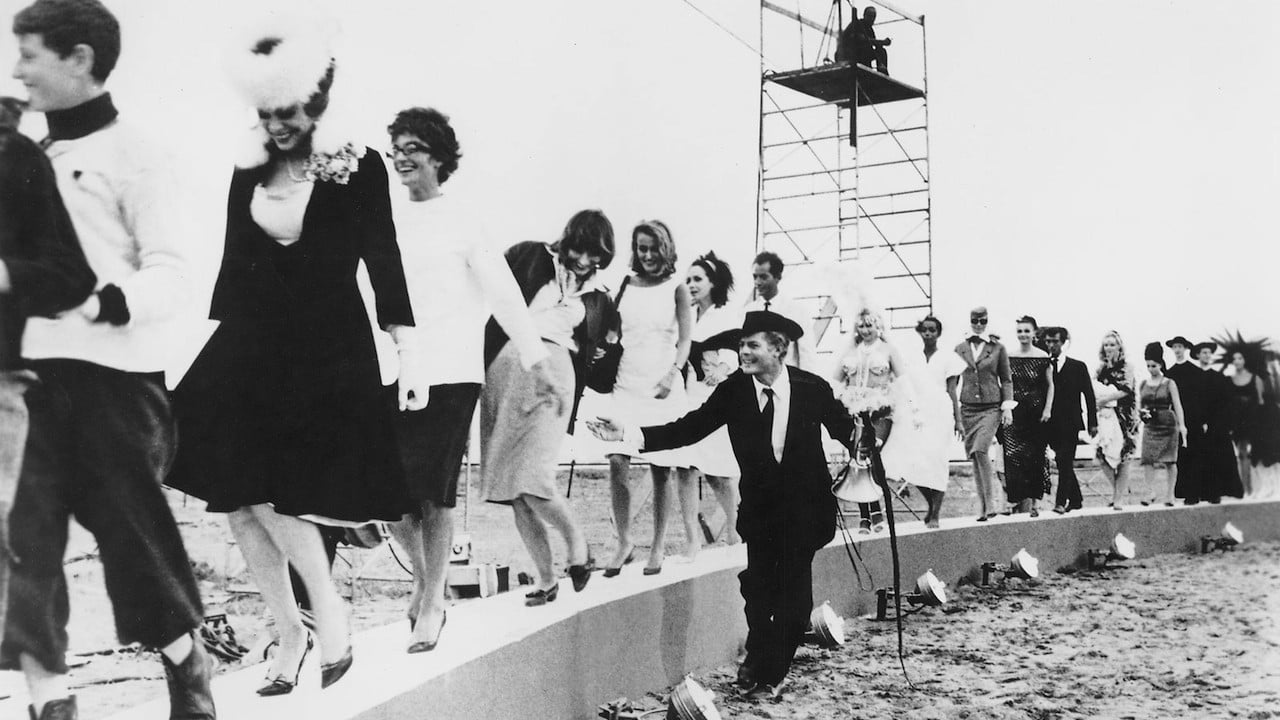
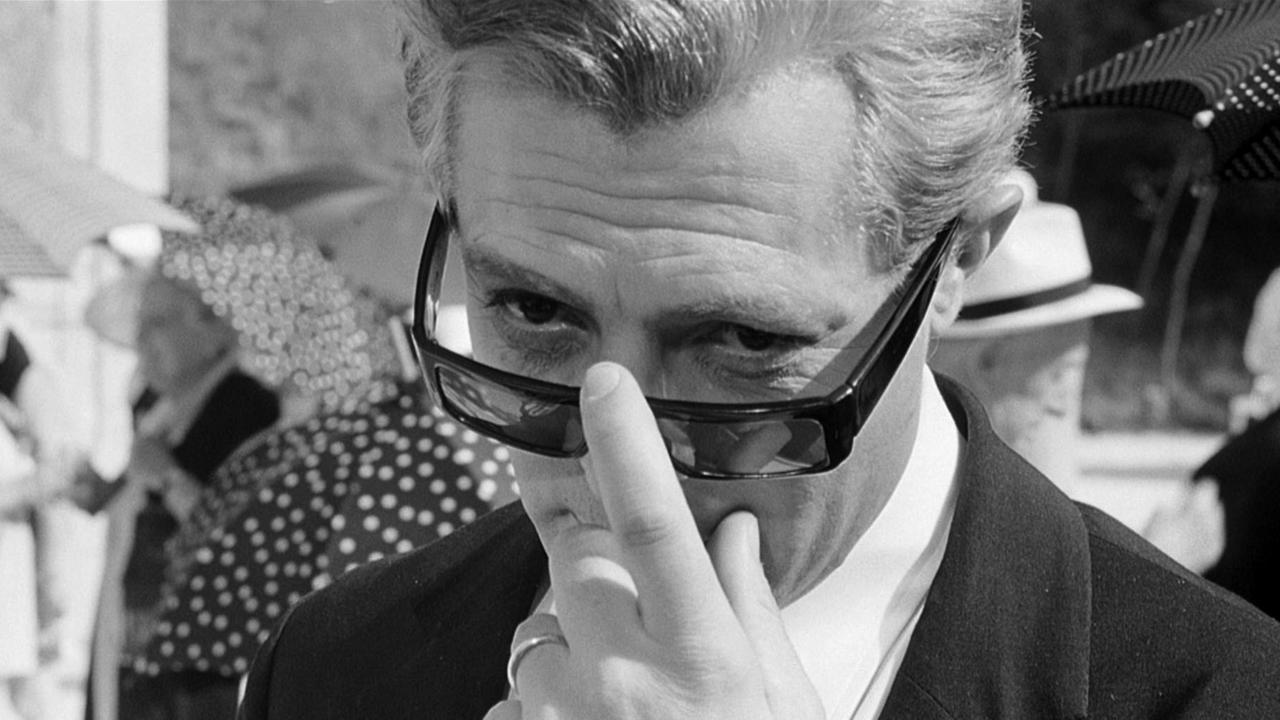 To continue, let me pick a specific example somewhat arbitrarily — mostly just because it’s what I watched last night: Fellini’s
 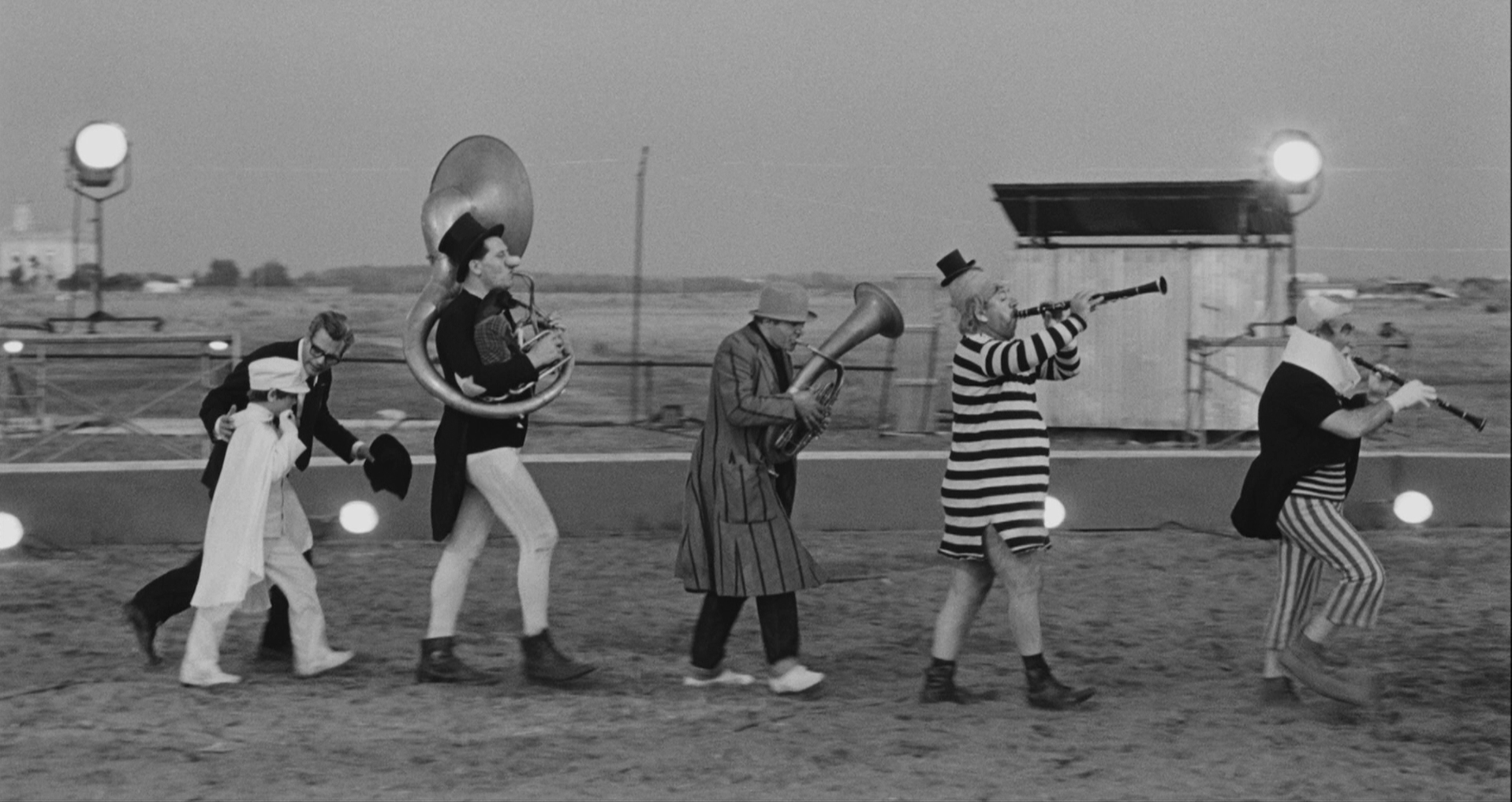 And yet, we spend the entire movie essentially in his head. We fantasize with him, and all the brilliant visual touches are in service of him: the final, justly famous moments, in which all the characters dance to circus music, are really just a recapitulation of his harem fantasy.
 To extend this idea of betting a little bit more, and circle back to the idea of virtue being a matter of re-watching: It is extremely unlikely to me that I will ever watch another Friday the 13th movie. I’ve seen a few scattered entries, and found them cruel and vicious, lacking in even the virtues of the other classic slasher series (like Halloween or Nightmare on Elm Street).

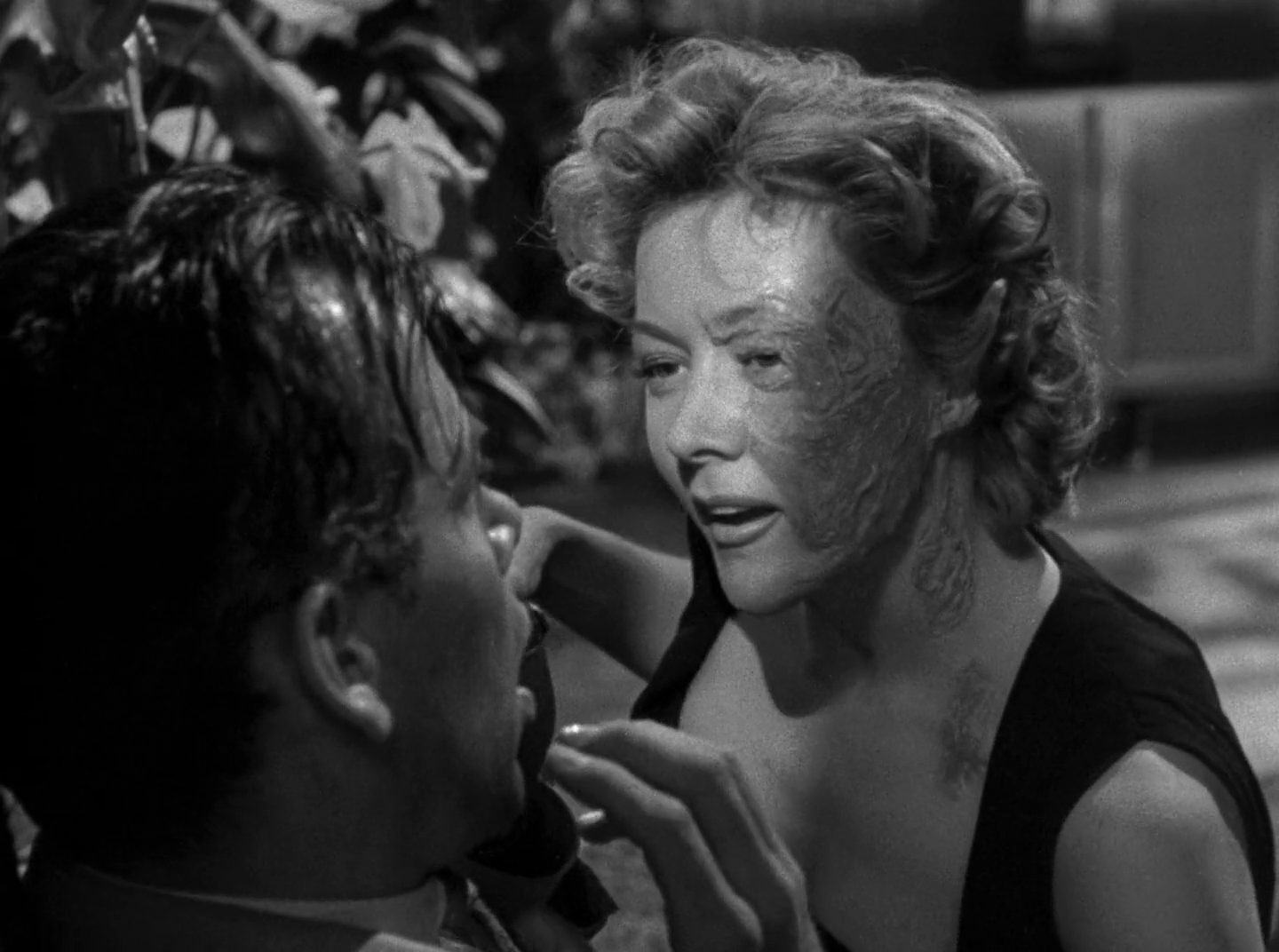
 Gloria Grahame’s mob moll has her face burned off by