
Every programming choice needs its counter, and every canon should be challenged. The Great Movies: The Counter Programming series seeks to undermine the ongoing Great Movies Project. By recognizing the glut of white, European and Anglo-American, straight dudes who generally constitute what we think of as “the masters,” it becomes necessary to widen the frame.
This is an ongoing project to watch a set of films from non-white, non-Western, non-straight, and/or non-dudes. It will be ongoing, probably, forever. Please feel free to chime in about titles and movements I have overlooked, as I know beyond all doubt there are many. The point is not to slam universally loved and respected films. The point is simply to broaden a conception of where films have been made, by whom, and to what ends or concerns. The larger point, as always, is to discover hidden gems in the rich history of cinema. I hope you enjoy it.
 Where the “
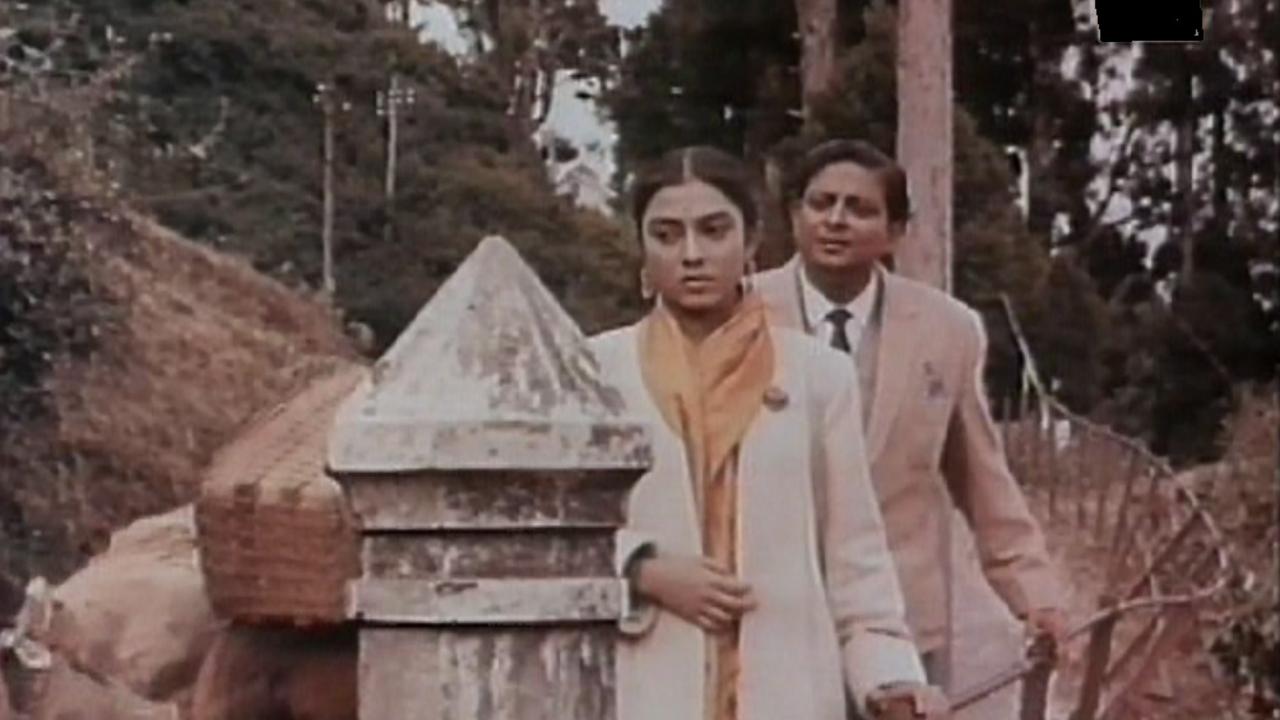
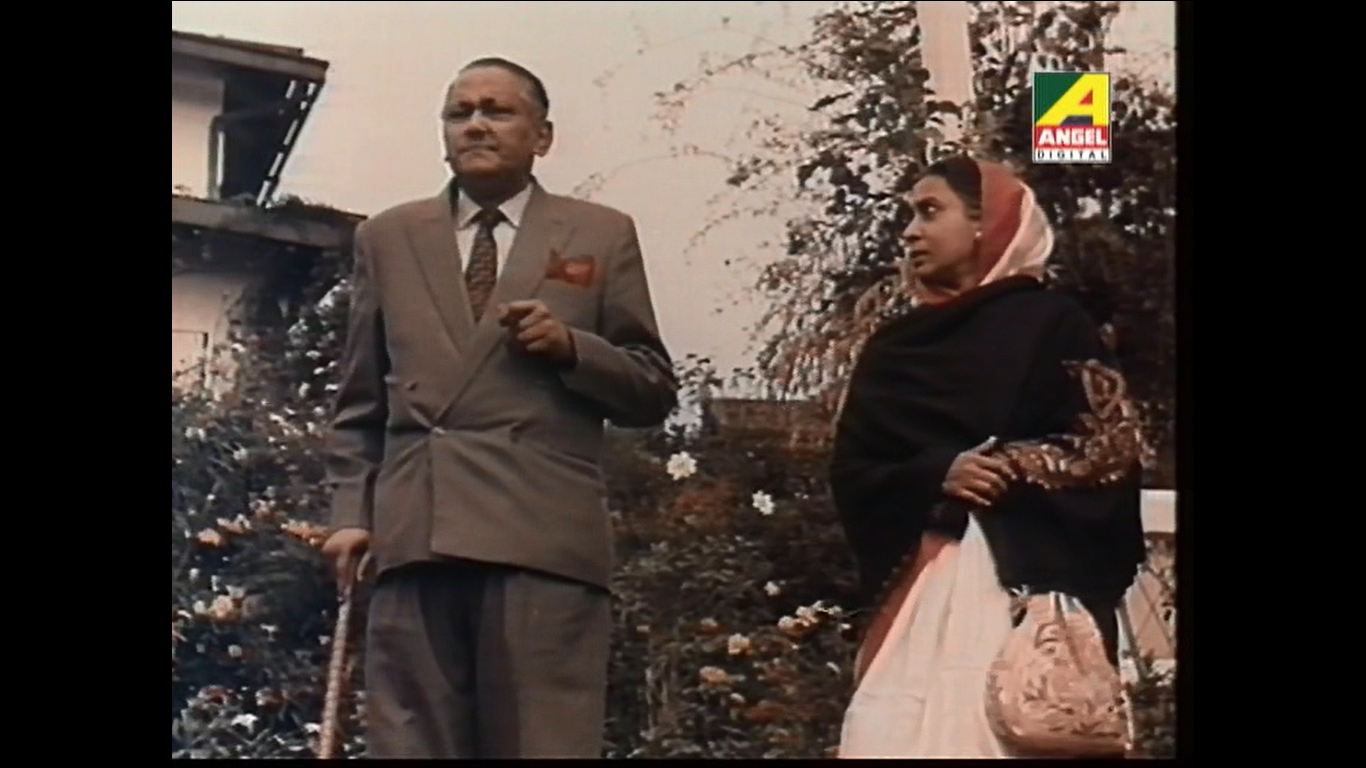
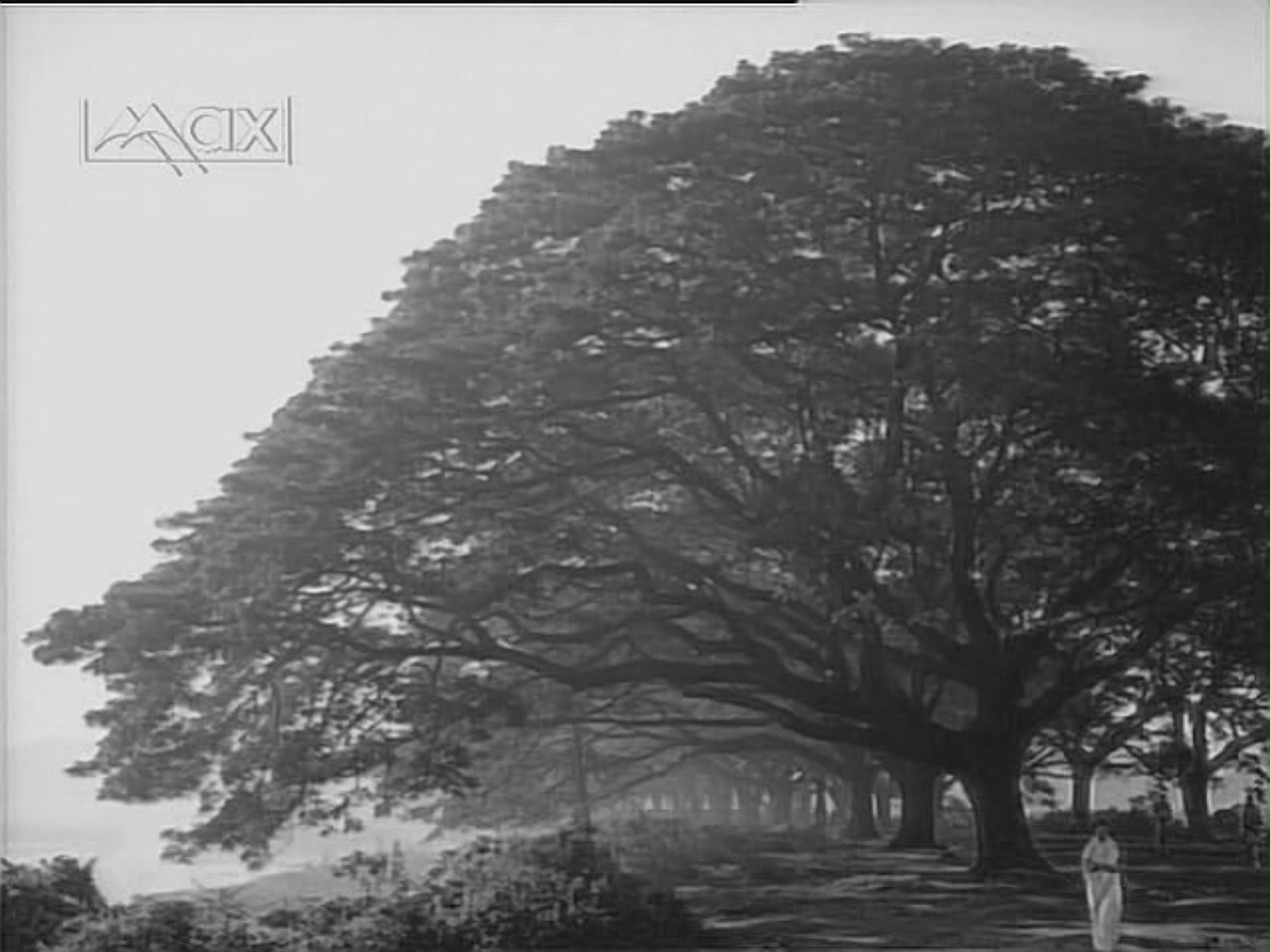
 That reckoning won’t happen within the structure of Kanchenjungha. The holiday ends without a marriage (or, for that matter, a divorce). Ray is content to set up the dominoes, and far less interested in knocking them over. The film’s ending is open to any number of possibilities, though, contra Crowther, the long-delayed appearance of the mountain itself isn’t just symbolic of “the emergence of Indian society” (whatever that means). It seems instead part of a continuum, a brute, beautiful fact reasserting itself but transformed; its textual meaning is more a function of the fact that Indranath fails to even notice its emergence … this event that the whole film, the whole holiday in the film, has waited for. He’s lost in thought instead.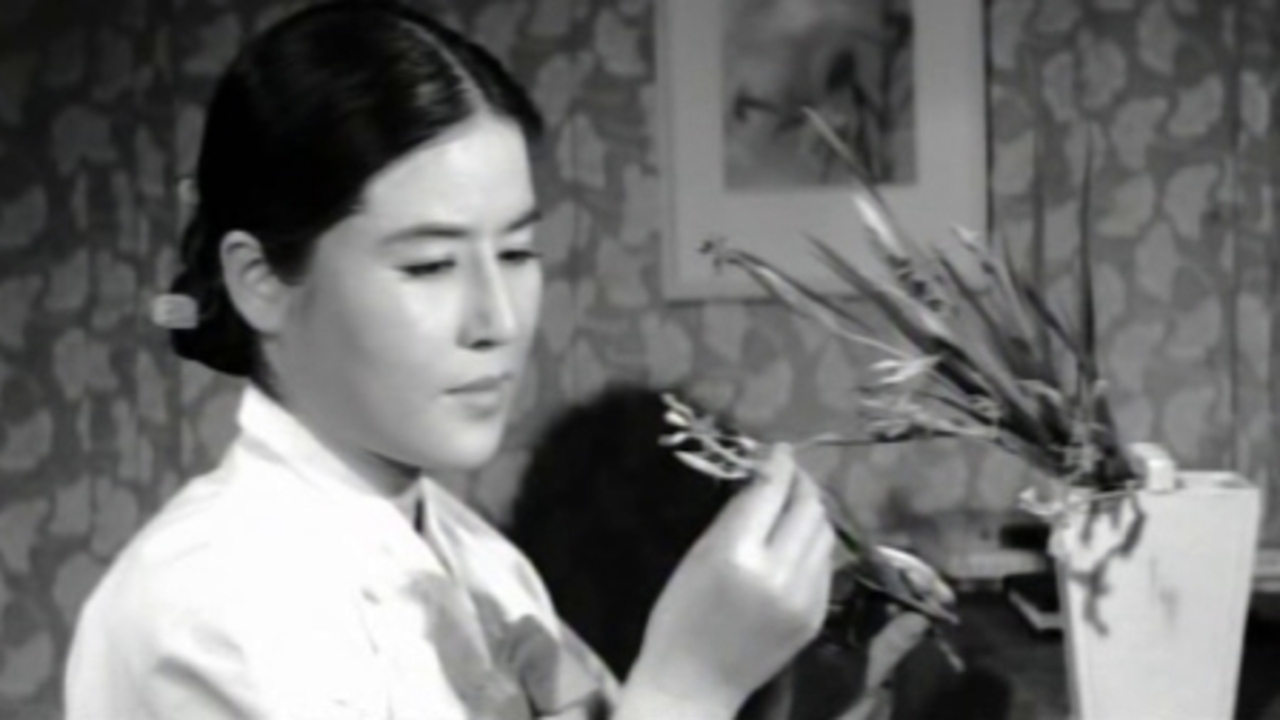
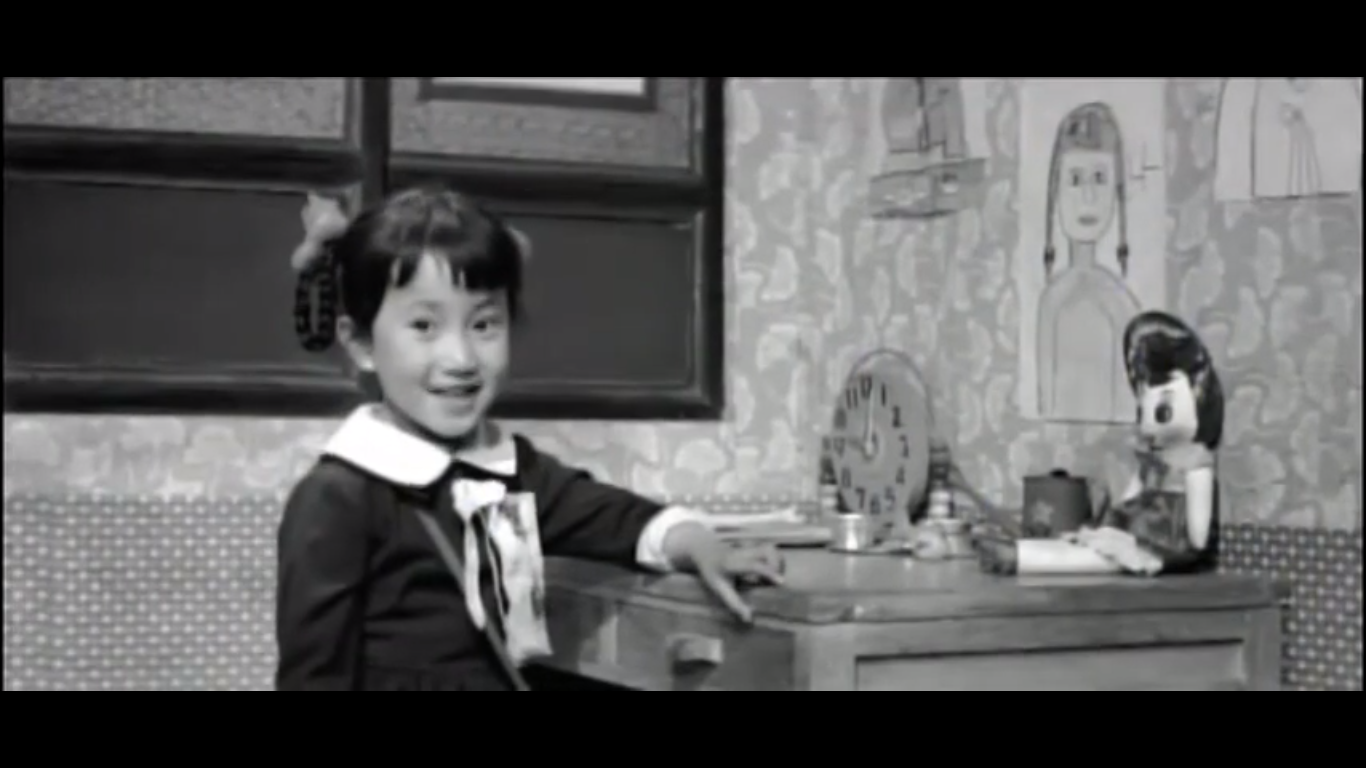
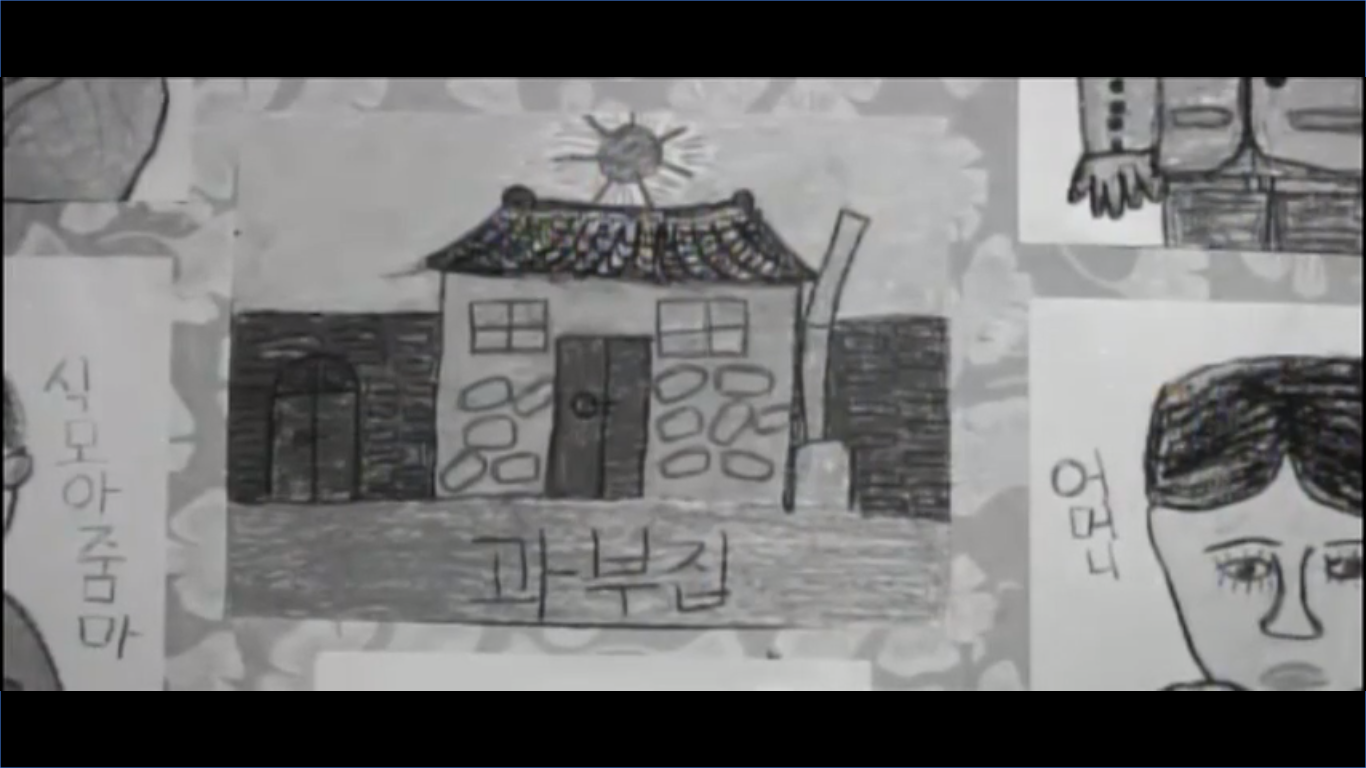 The narrative is guided by 6-year-old Ok-hee (
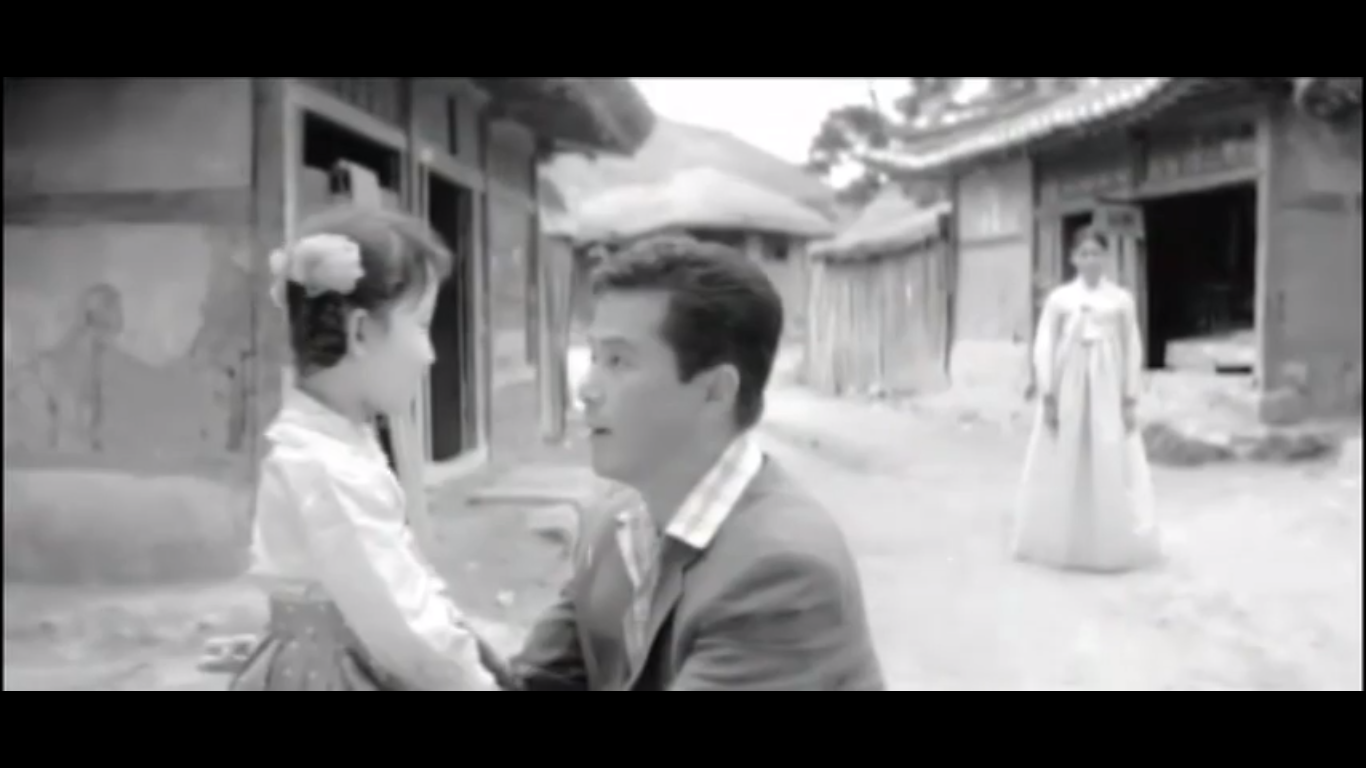 Of course, the world is not so easy. There are strictures against conversation outside the family, much less widows re-coupling. Combined with obligations to home and to her mother-in-law, we doubt the possibilities of the romance the film tenderly draws out. Much of My Mother and Her Guest carries the wistfulness of melodrama. The “will they or won’t they?” aspect is more or less cut off at the knees, which is the point. But Choi and Kim convey all their longing effectively, with surreptitious and fumbling attempts at quasi-courtship frequently made even sweeter by Ok-hee’s tendency to just blurt stuff out. There’s a selfishness and a tendency to color around the details to her would-be match-making, which is entirely appropriate to a 6-year-old girl trying to make sense of her world.
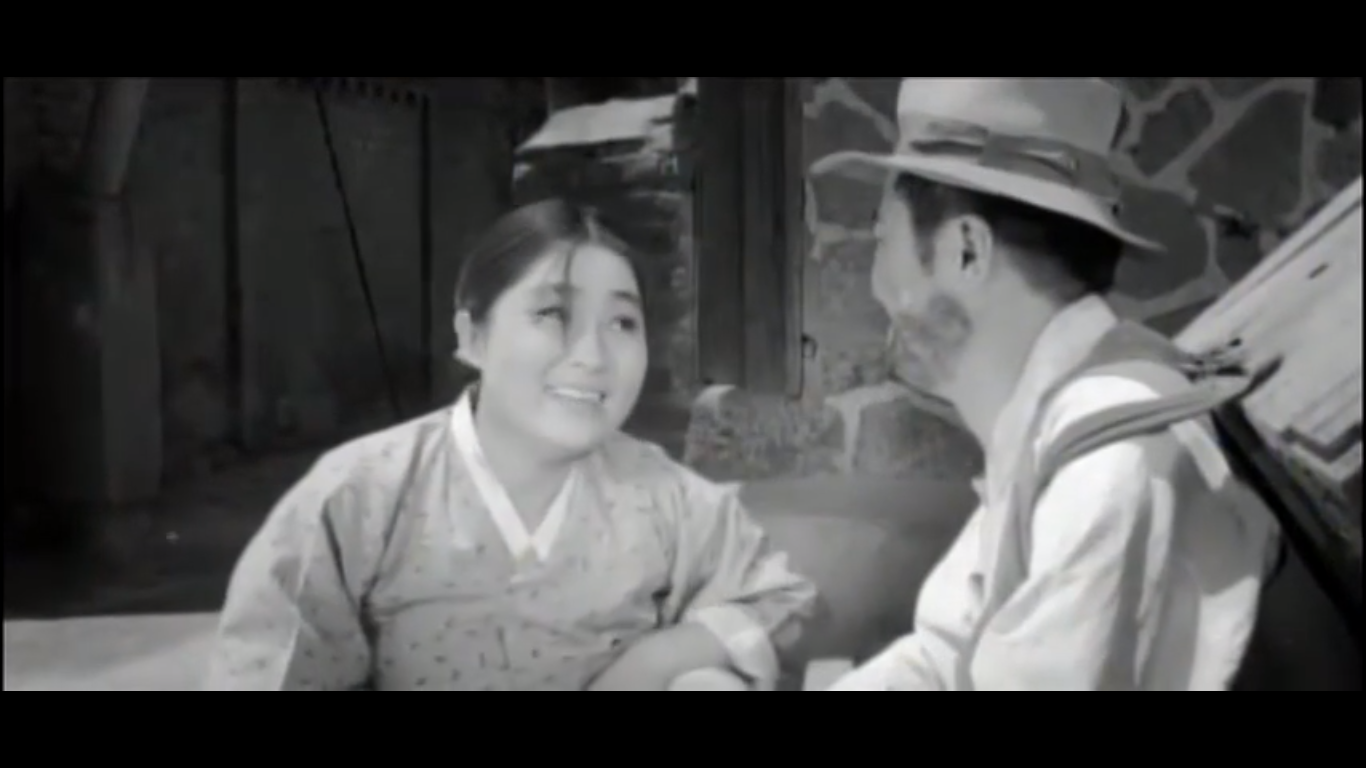 The only really happy romantic relationship in the small cast is the one that develops between the maid and the local egg vendor. Shin seems to imply that their particular place in the structure, widowed and working class, allows possibilities denied to more proper folks. (They are even implied to fool around just offscreen when everyone is out of the house, a pretty startling development in My Mother and Her Guest — I was not expecting maid/egg vendor sex.) It rings a bit simplistic, but from the very opening moments, the maid’s appetites are emphasized, and she’s “the happiest person in our family,” according to Ok-hee. So that’s nice.
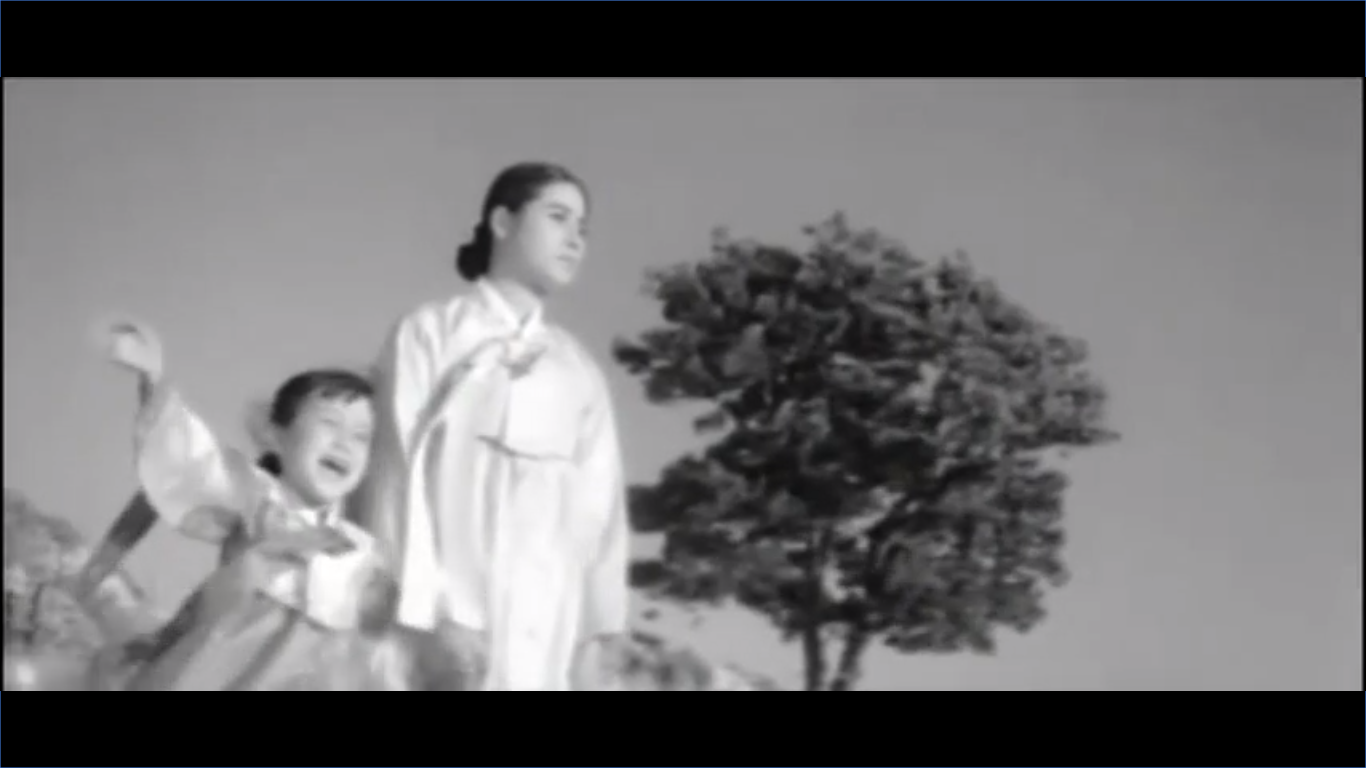 Still, as the title would have it, this is not their story. The main focus here is on an impossible romance, and the film manages to portray this without turning didactic. There’s very little anger in My Mother and Her Guest; just a lingering sense of what could’ve been, if the world were different than it is.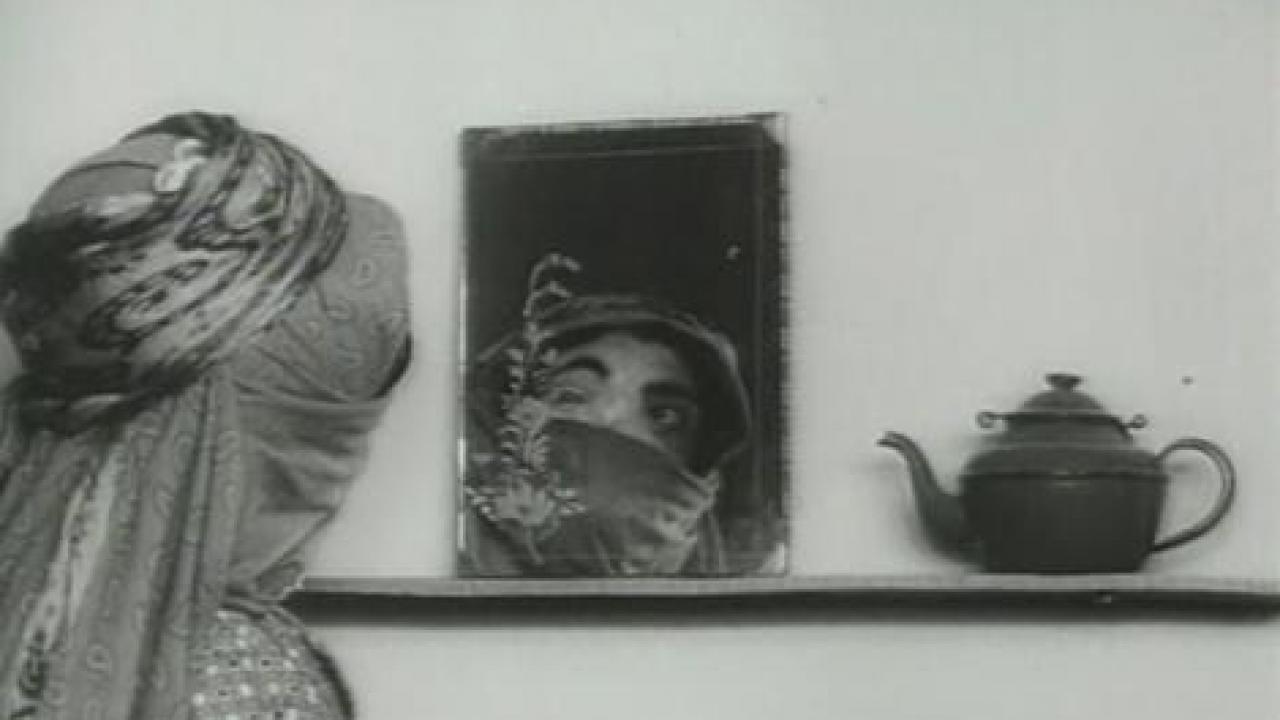


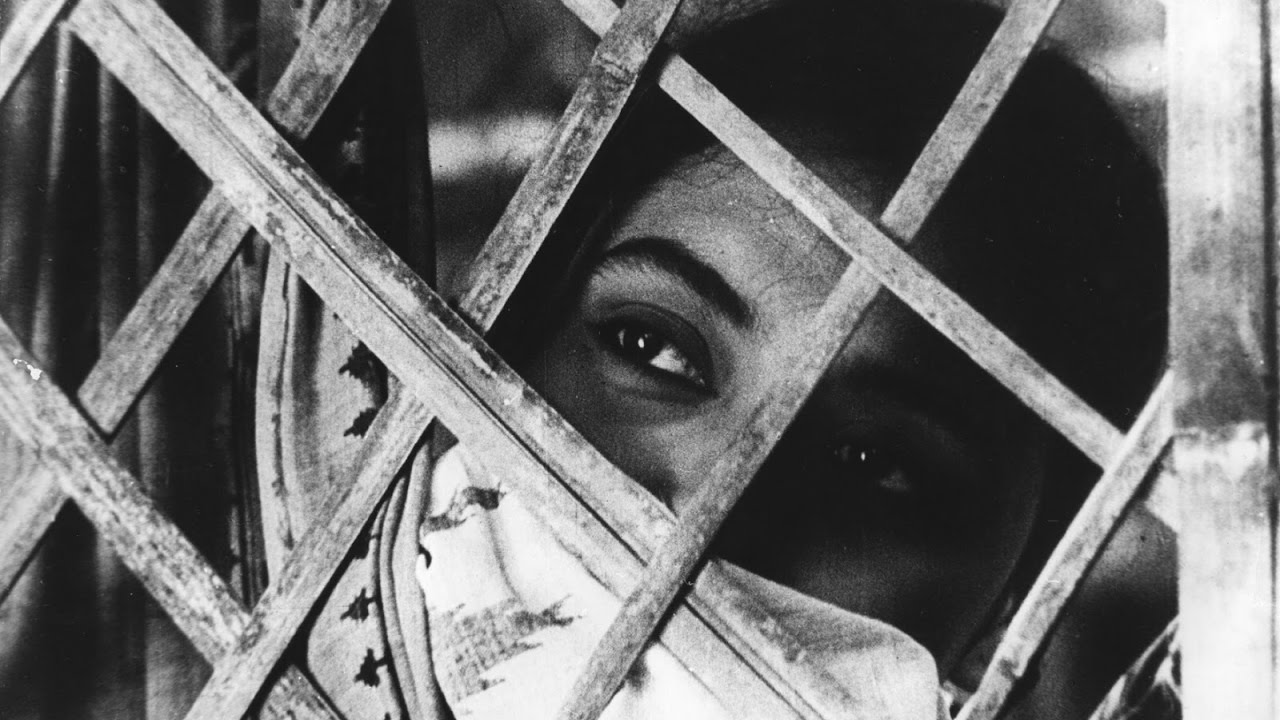
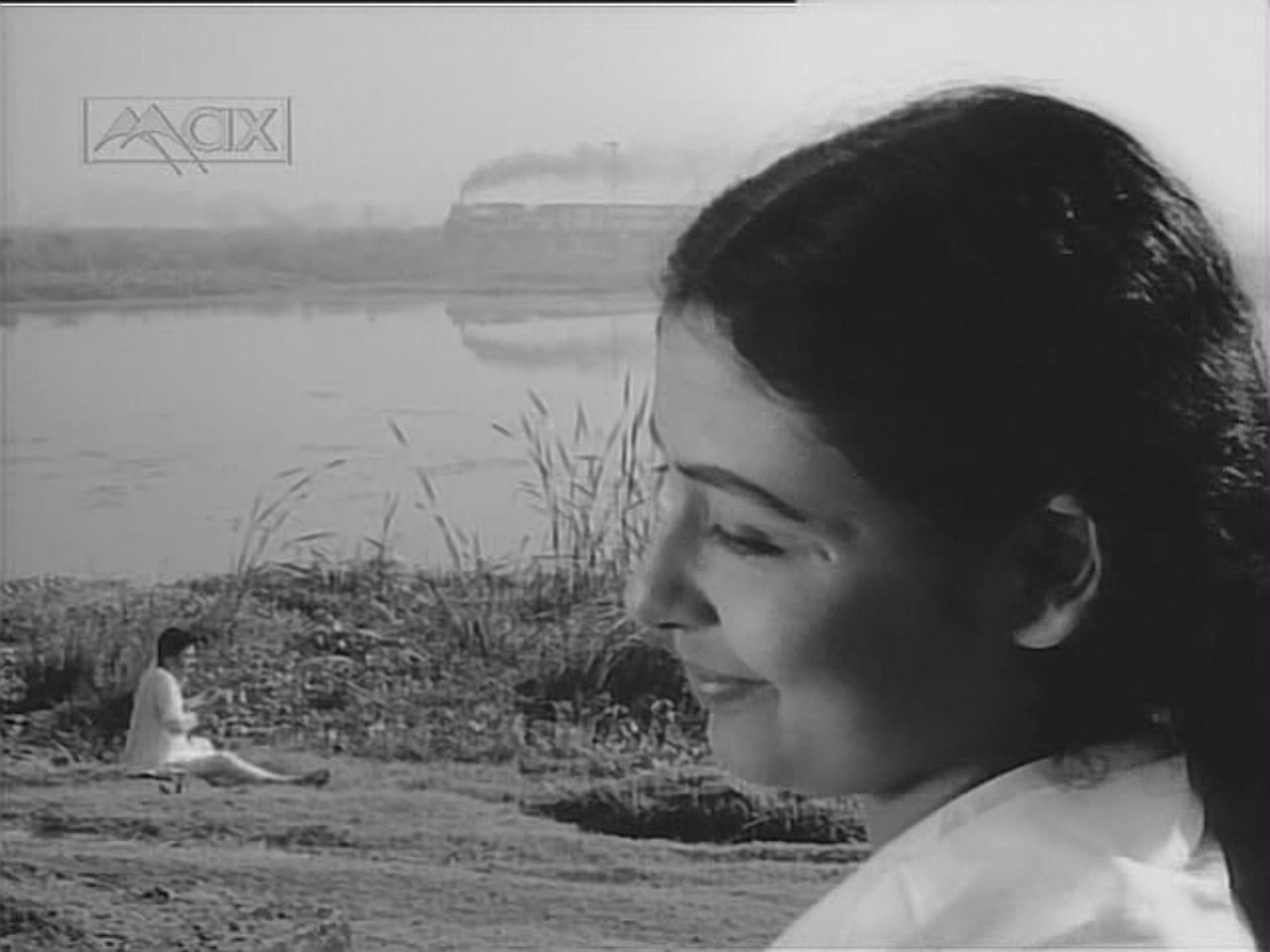
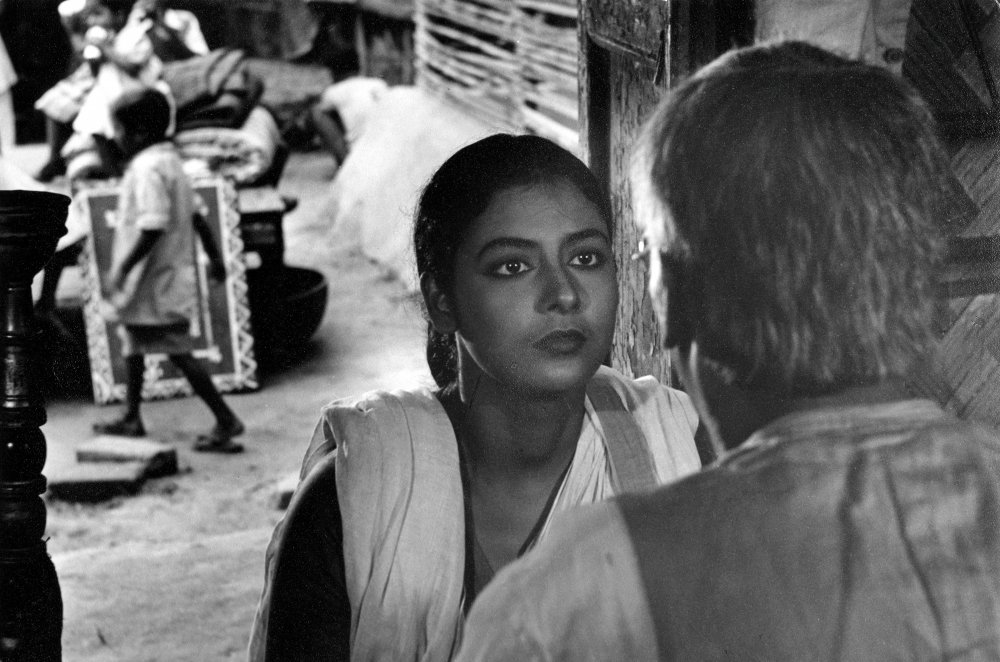
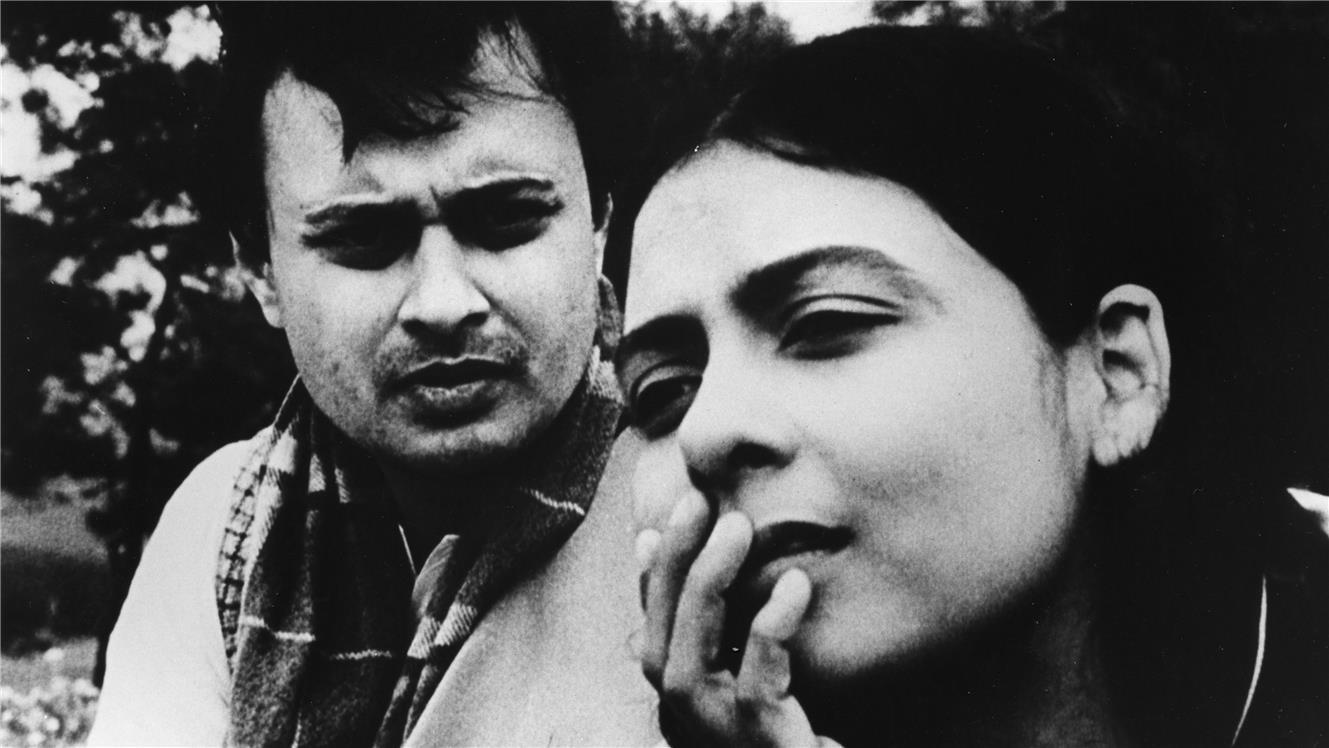 Is it all so obvious? The Cloud-Capped Star certainly doesn’t hide its affinities. Ghatak films in broad strokes half the time, without filters, and with extraordinary nuance for the rest. The Bengali specificity is there, but there’s a more general, even universal rage here. I have trouble even getting at my admiration for this movie. Like

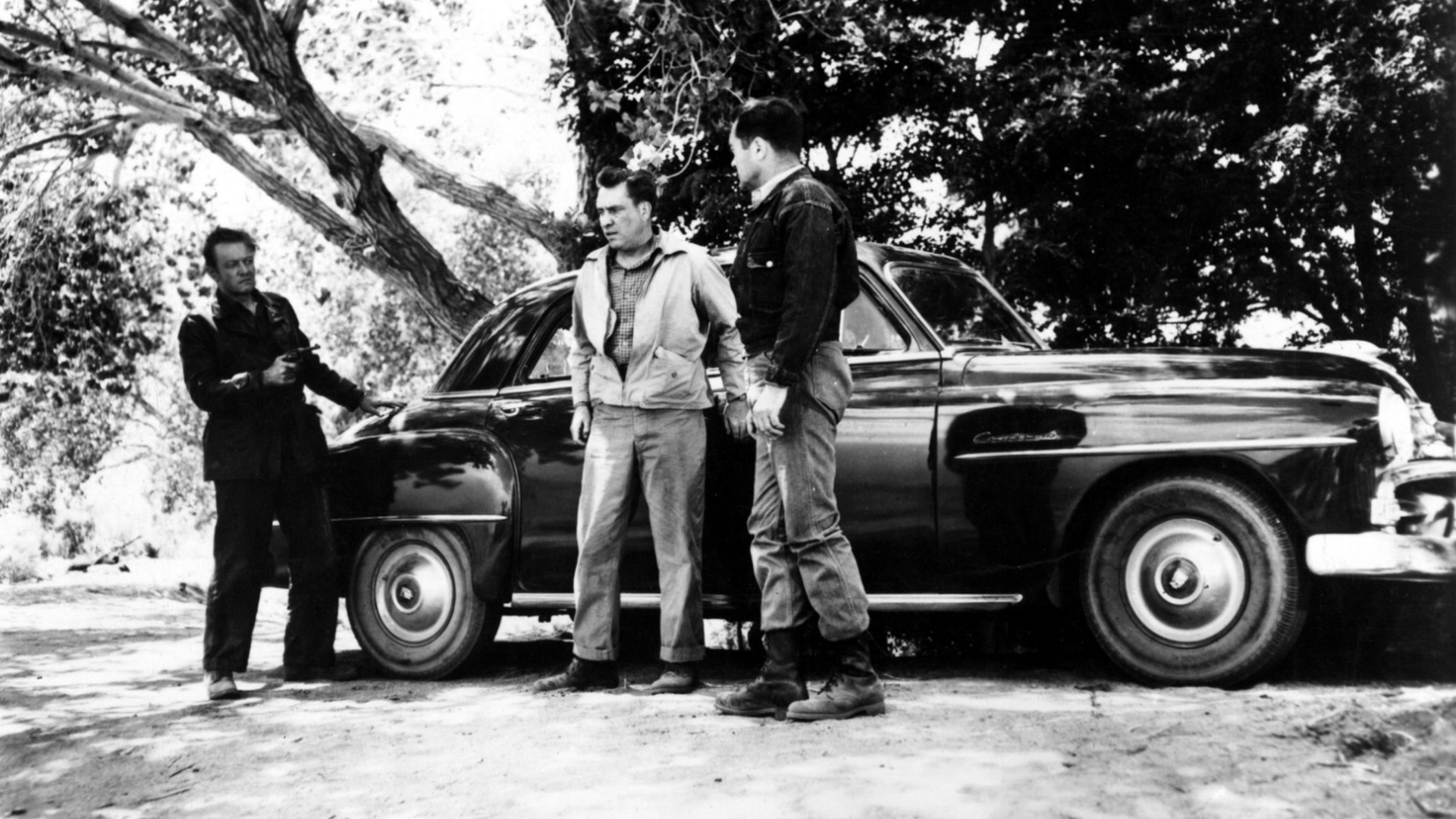
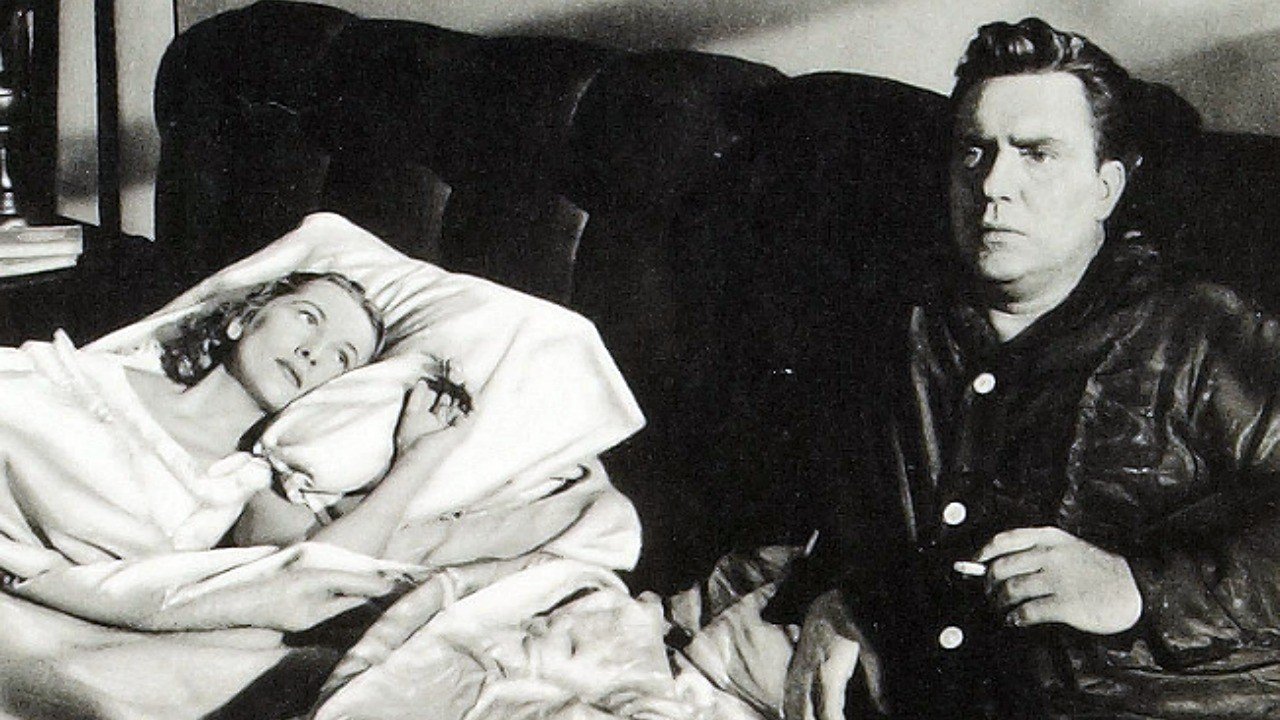
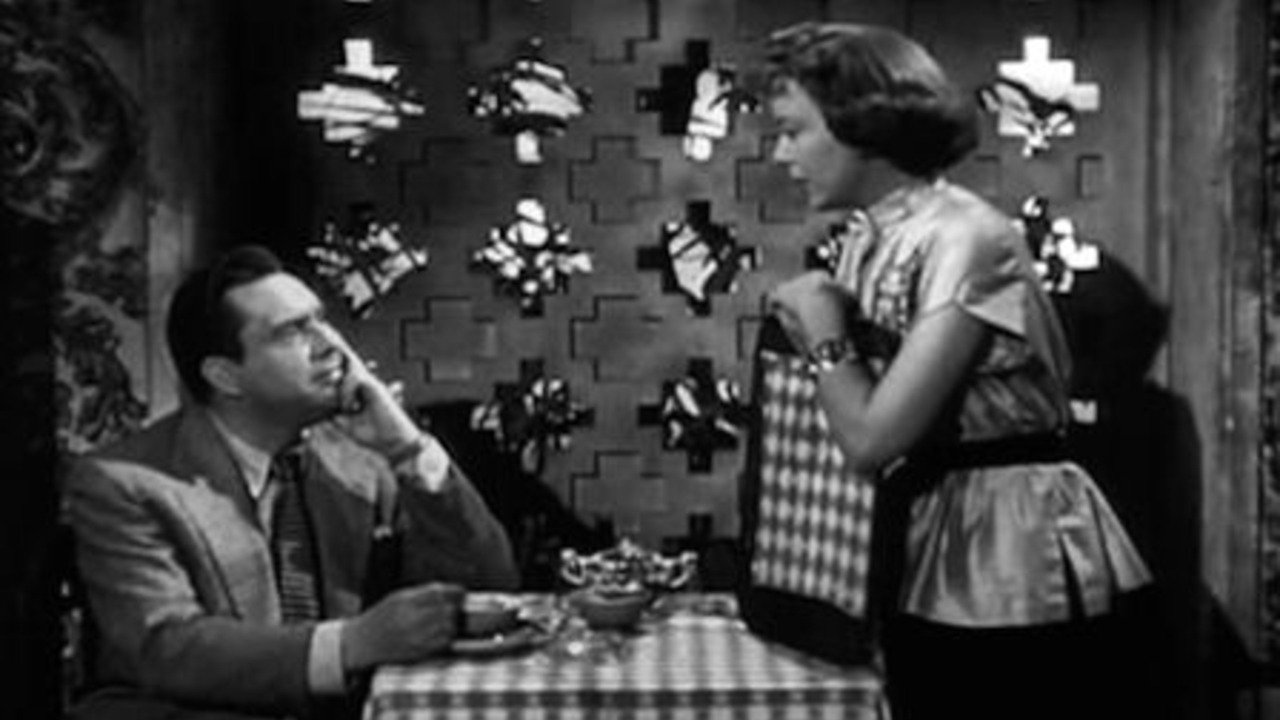
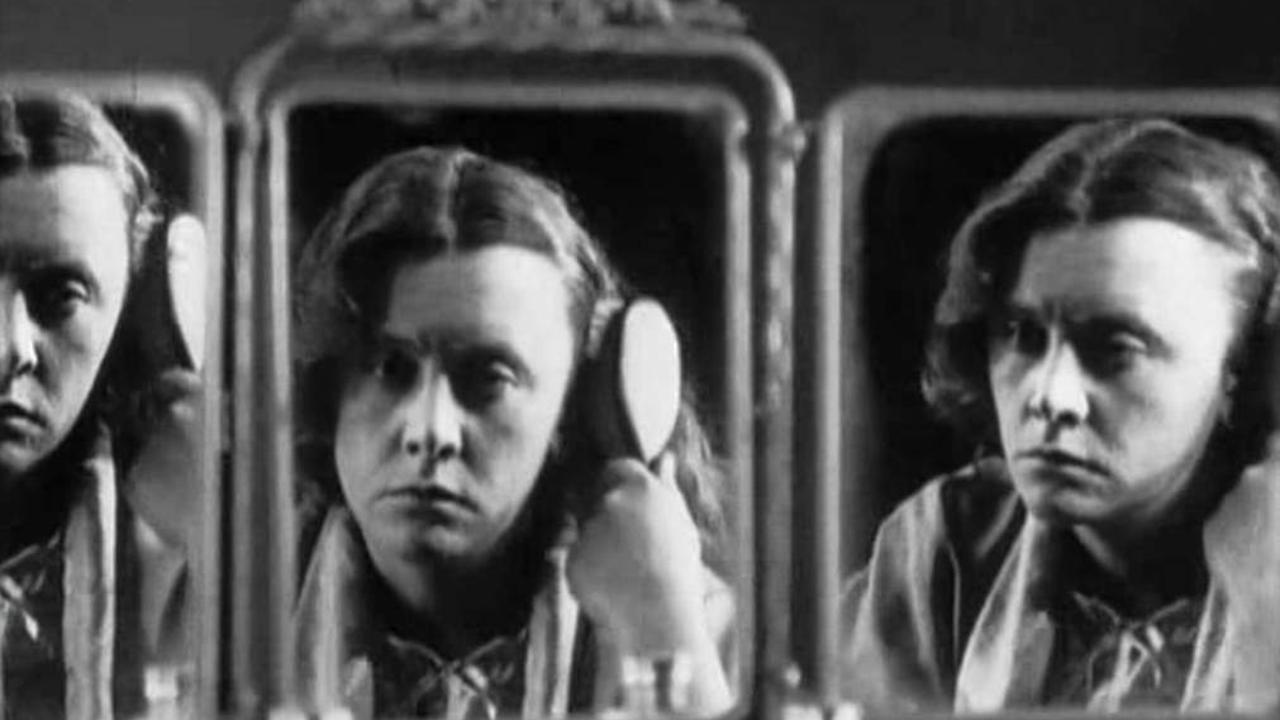
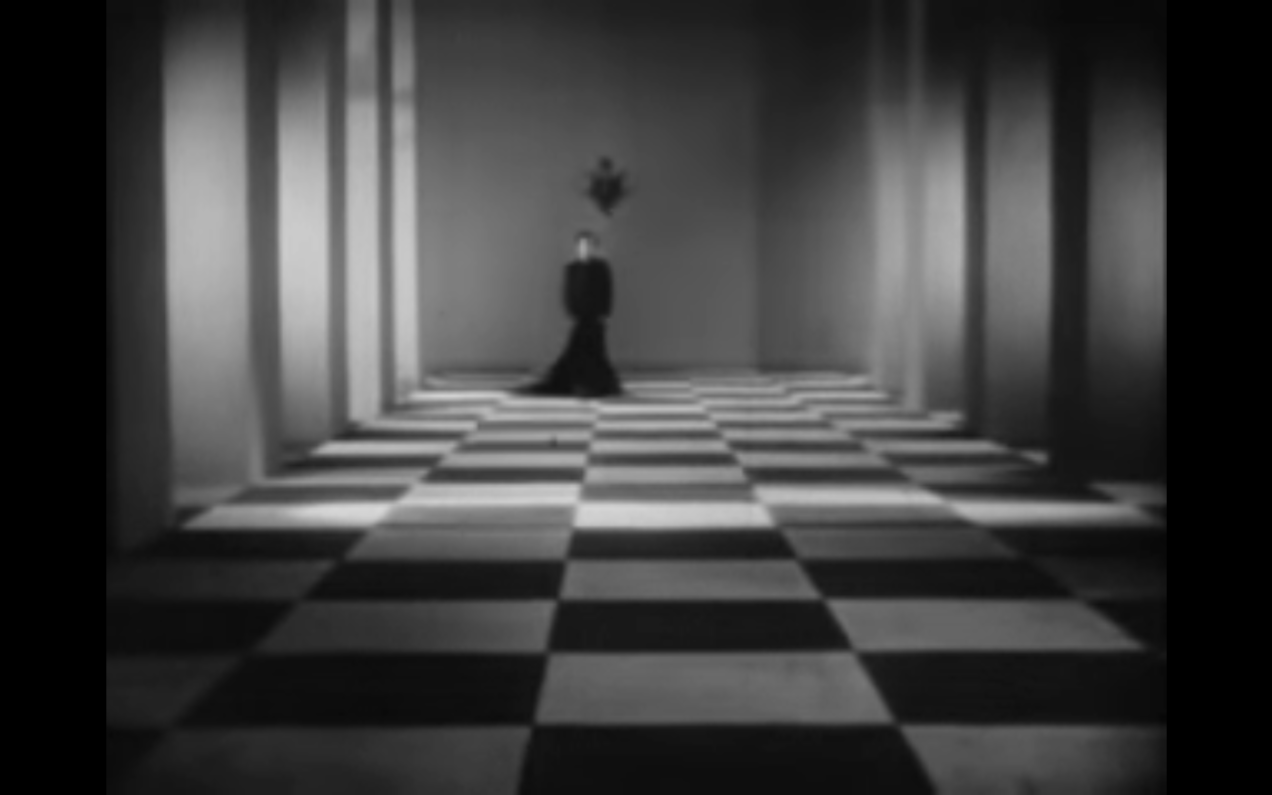
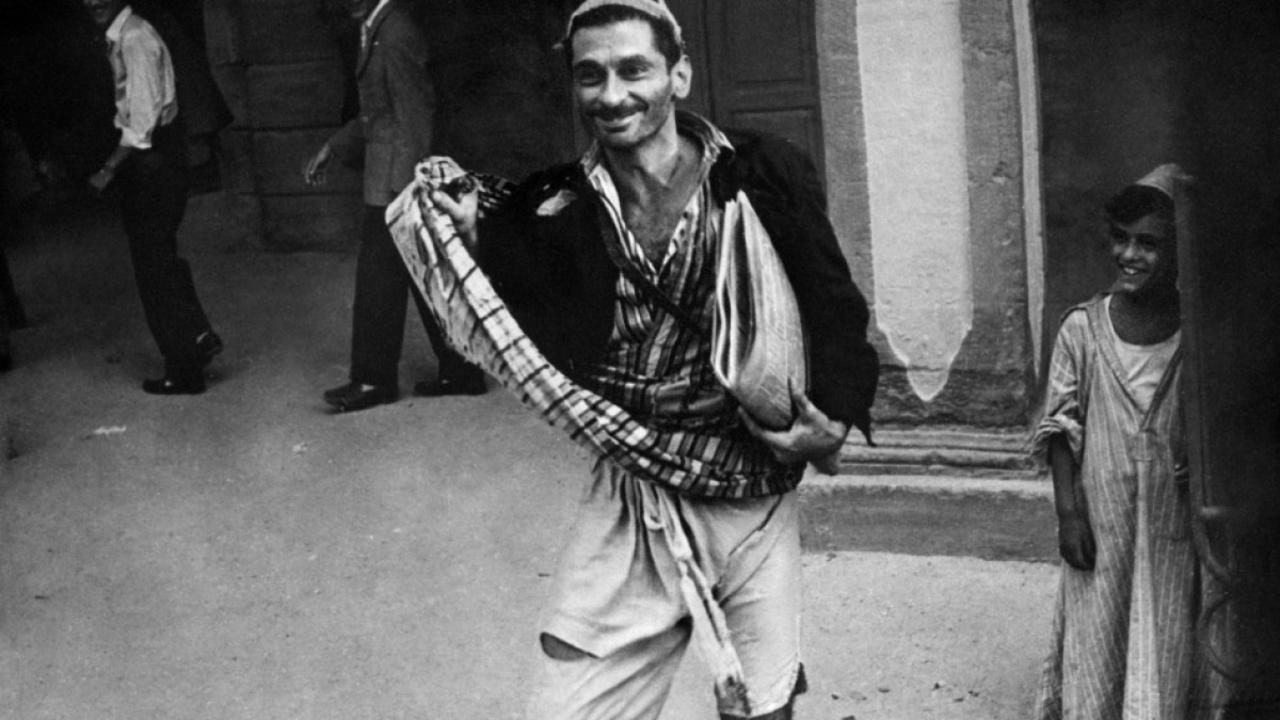
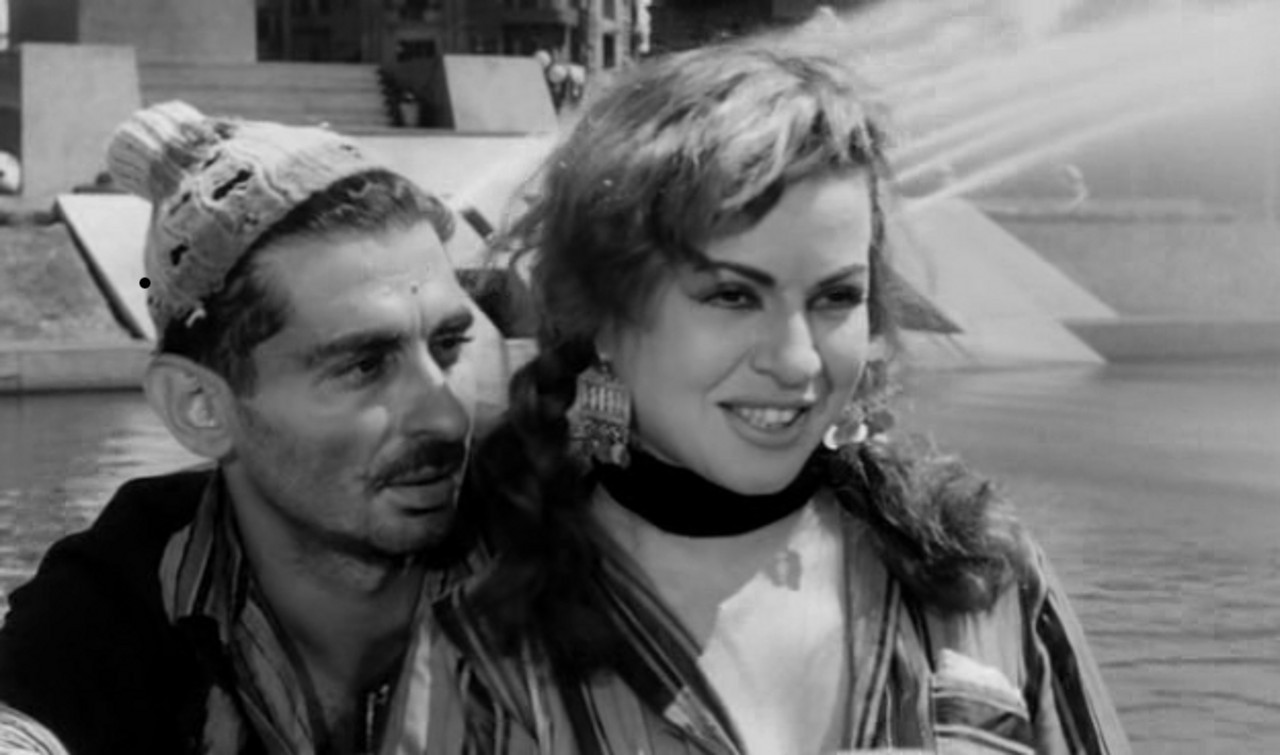

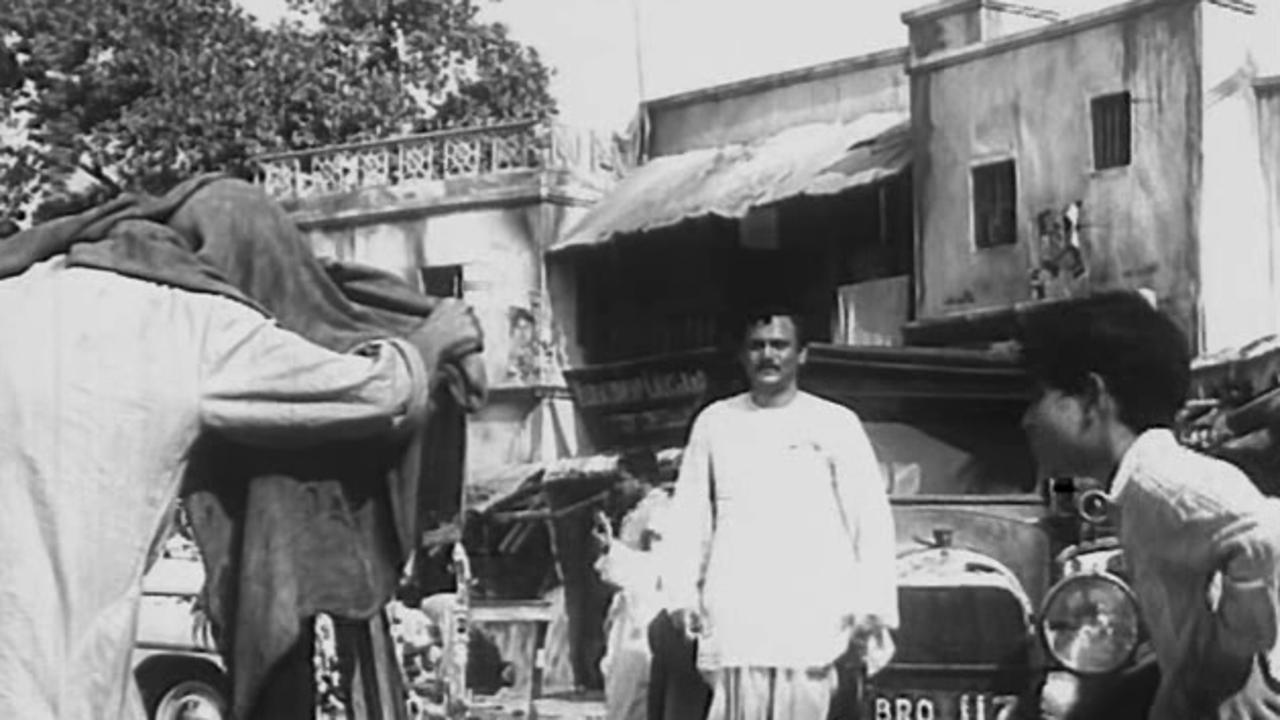
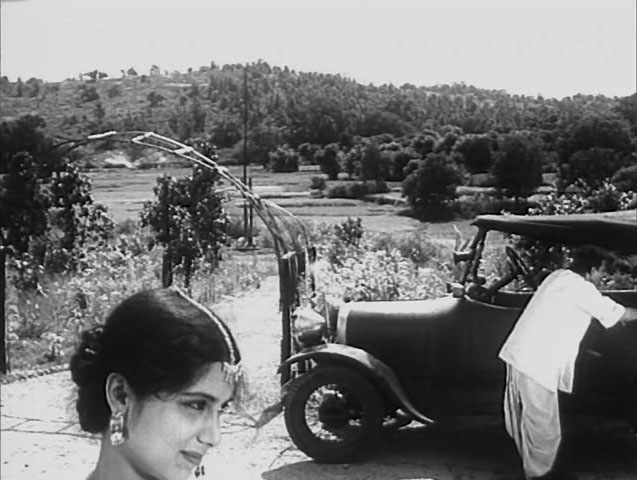 Ajantrik channels many modes simultaneously: manic slapstick, Brechtian absurdity, deeply felt commentary on social conditions. Satyajit Ray is commonly credited with founding
 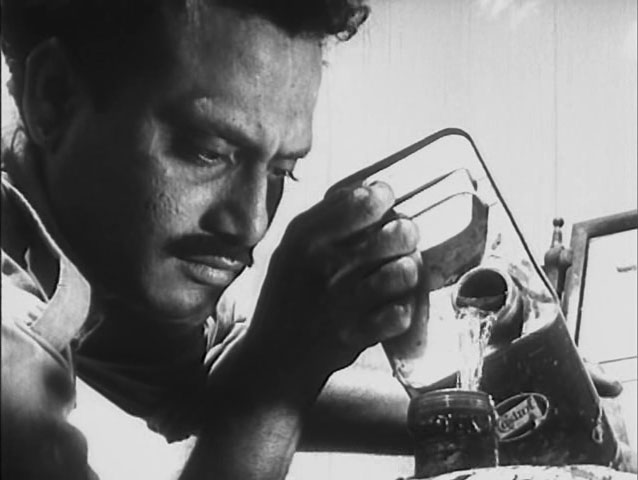 No one else’s car has a name. And certainly no one would lavish upon their car the care he reserves for Jaggadal. His self-identity is bound up with this thing, which, in Ghatak’s hands, takes on a life of its own. Long before the Disney-helmed Bernie series, post-production sound design give Jaggadal an almost corporeal personality: the car is essentially the main character of the film with Bimal in the supporting role. As
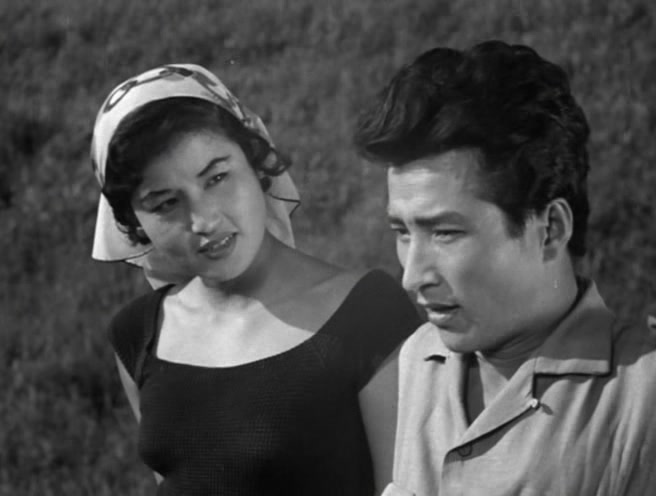
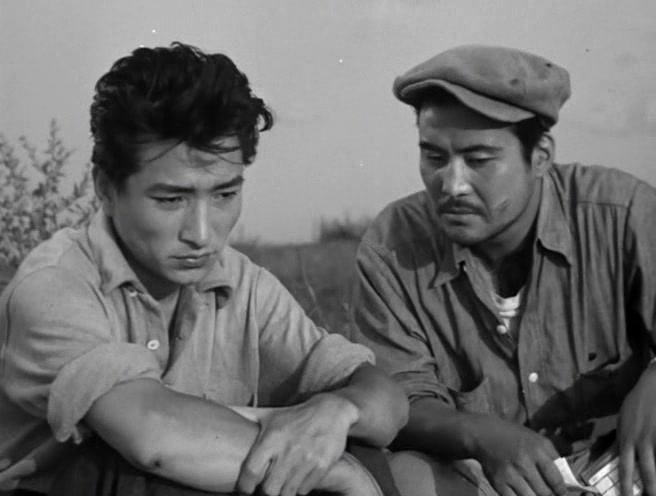
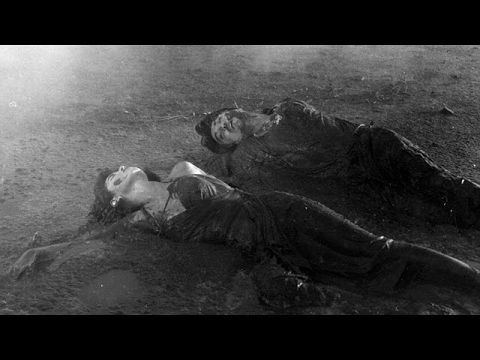
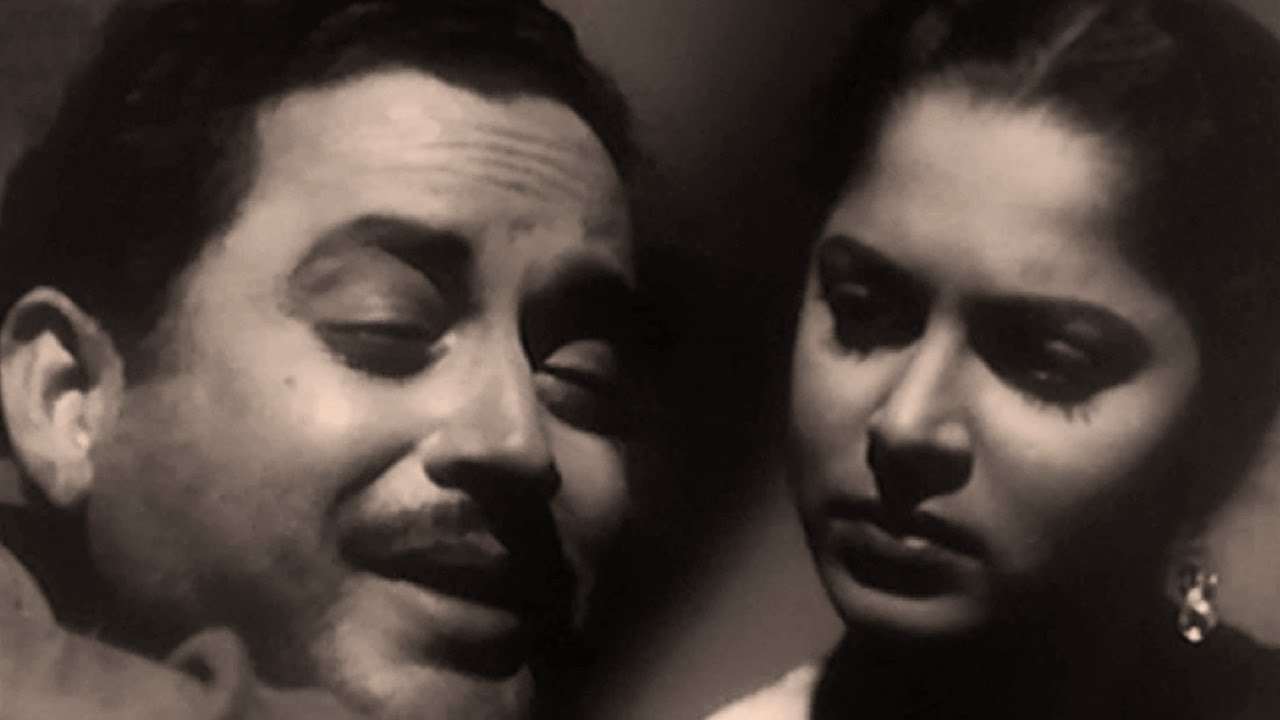
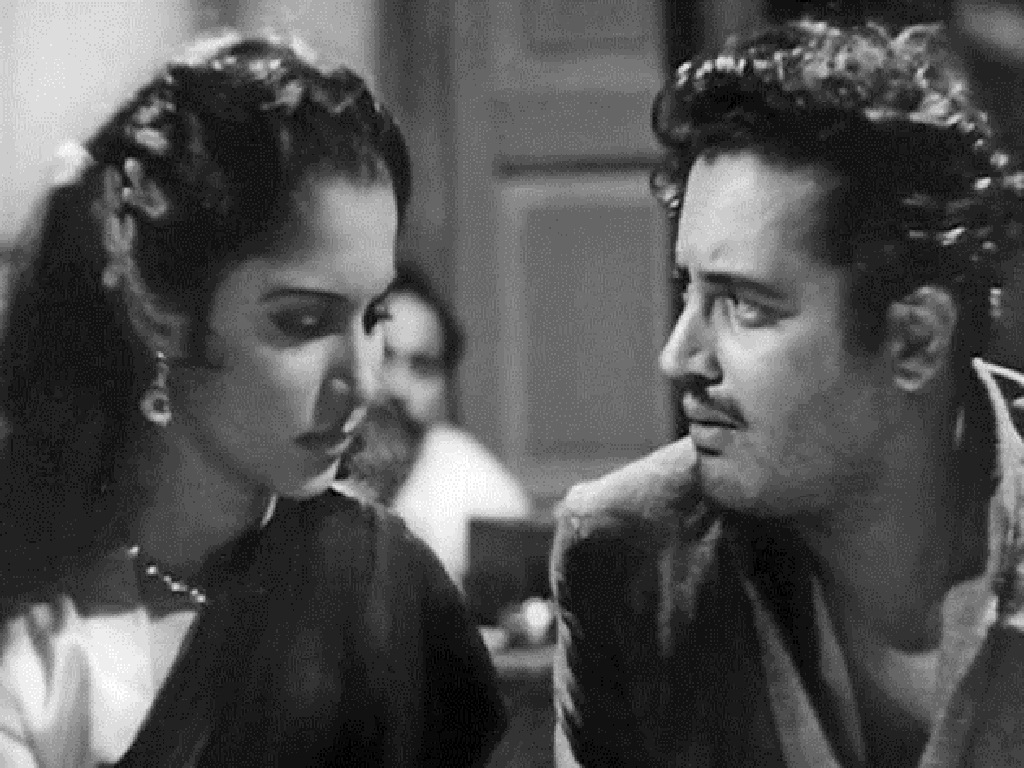
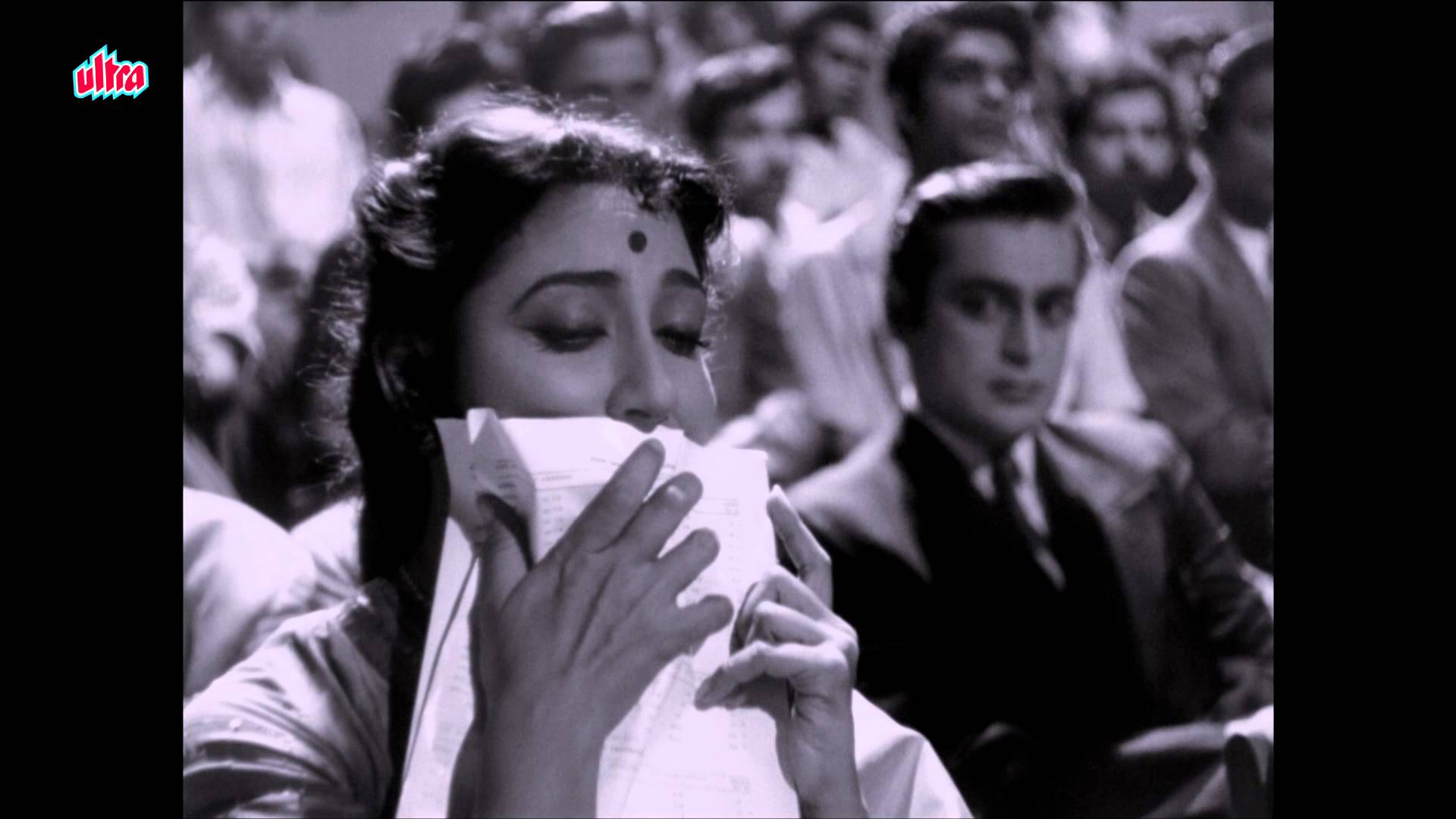
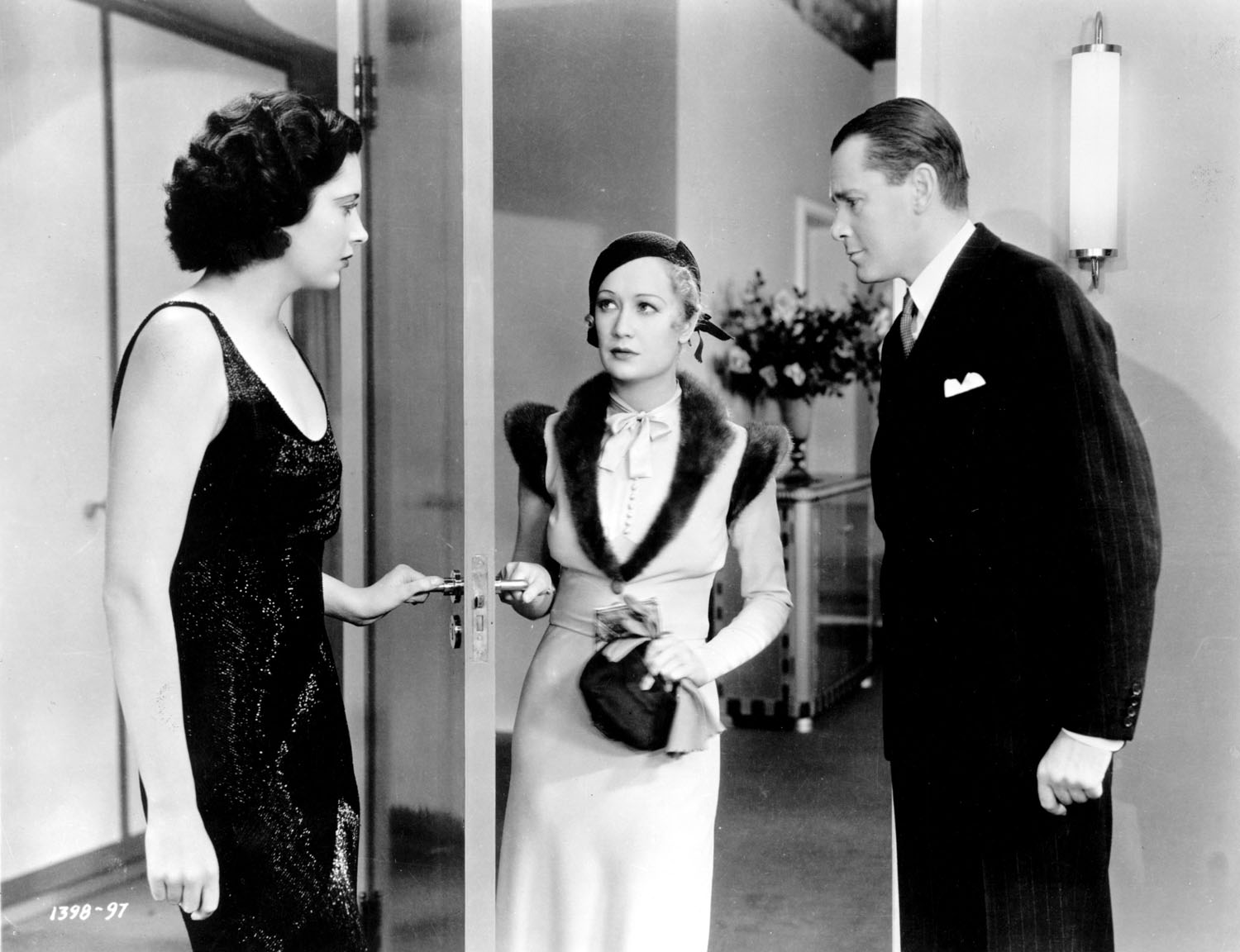 One crucial difference: Trouble In Paradise never asked audiences to root against Madame Colet, and certainly never subjected her to any lecturing. In that sense, Datt, with his sincere belief in the virtue of the artistic and the maligned, is far removed from the Continental cynicism of someone like Pabst, who views everyone as a crook of one sort or another.