
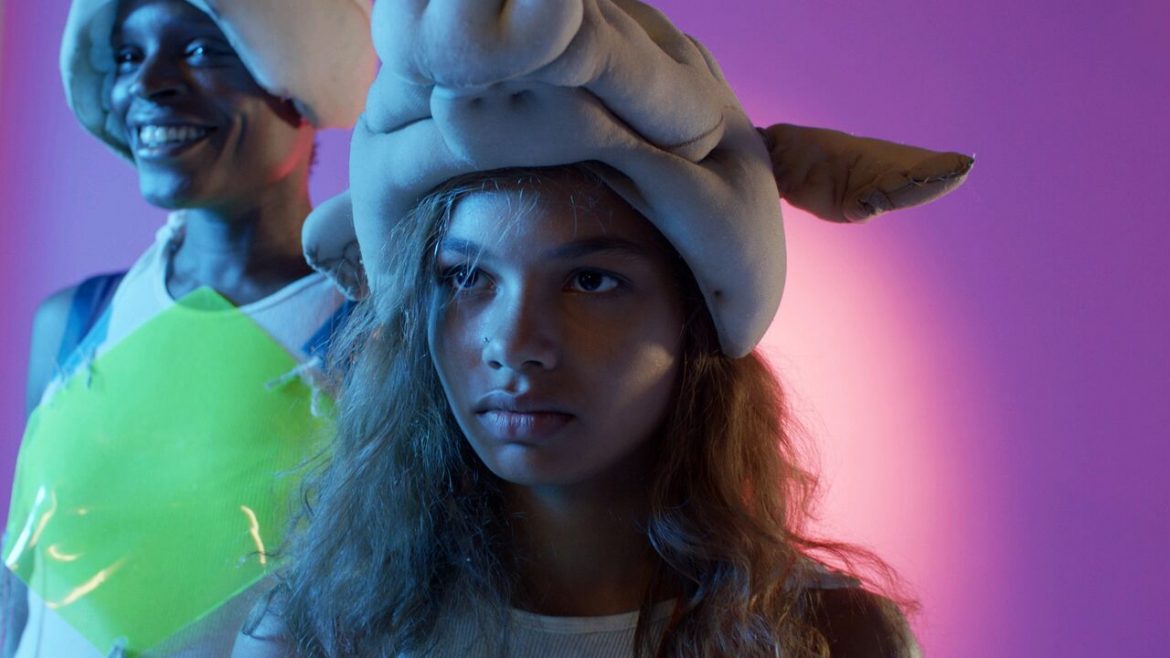
Josephine Decker‘s work carries with it a high-wire sense of danger, an aesthetic of possibility and collapse. Whether in the costumed genre trappings of Thou Wast Mild and Lovely, the shifting and uneasy ambivalence of Butter on the Latch‘s just-this-side-of-horror stay at a Balkan folk gathering, or (especially) the self-immolation of Flames, in which Decker’s camera focused with supreme discomfort on her own relationship, the viewer is simultaneously at a remove and much, much too close, piecing together fragments with a mounting sense that the whole edifice could topple. Hers is a performance art sensibility transferred to cinema, and Madeline’s Madeline is her wobbly magnum opus.
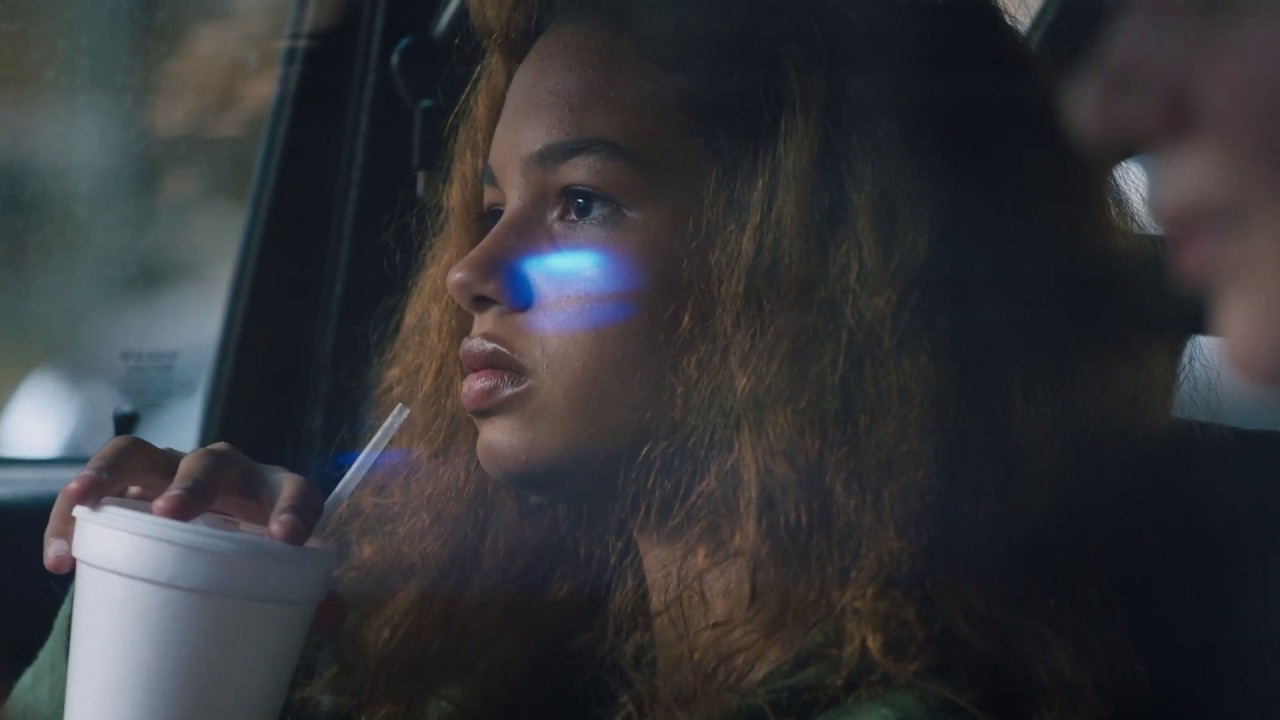 Fitting, then, that Madeline’s Madeline should explicitly focus on performance art. The title evokes Proust — appropriate for a film pitched between memory and enactment — but also identity and self-determination for the film’s actual Madeline (instant star Helena Howard). Madeline is a 16 year old struggling with some sort of obliquely referenced mental illness, a source of constant worry to her constantly worried mom (Miranda July, rounding out the performance art meta-text but expertly cast against type).
Her father is apparently absent, and things at home have been tough, which makes it all the more meaningful when Madeline discovers a home away from home: an avant-garde ensemble somewhere in the Village, which registers as both surrogate family and a near-cultish group of true believers in thrall to the charismatic Evangeline (Molly Parker), who’s mounting a collectively determined piece about … mental illness. Things will go through the looking glass shortly, with a far more convincing portrait of destabilizing dance magic than the overwrought extra witchiness of Suspiria could muster.
If ever there were a film that should be experienced rather than described, it’s Madeline’s Madeline, so we’ll leave the plot there. Decker, cinematographer Ashley Connor, editors Harrison Atkins and Elizabeth Rao, composer Caroline Shaw, and the Pig Iron Theater Company aim for something more like synaesthesia than spectatorship — this is participatory immersion cinema, and Madeline’s Madeline feels off-putting and new.
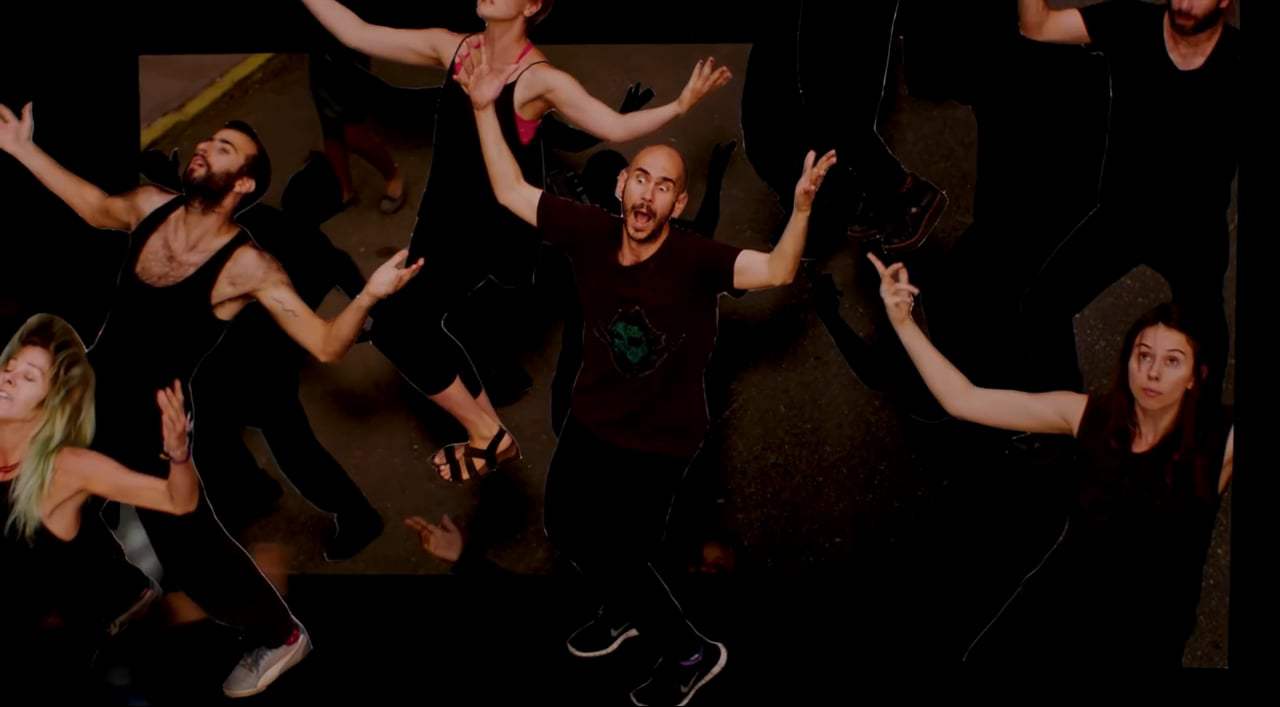 Decker, after all, is the same woman who sat across from Marina Abramović and took her own clothes off, until the cops dragged her out; she wanted to be “as vulnerable to [Abramovic] as she constantly makes herself to us,” but it’s hard not to think that this impulse also relates to a suspicion of calcified art, of unresponsive aesthetics. Madeline’s Madeline is in a constant state of psychic undress, and it’s not entirely a pleasant experience.
But it might be a masterpiece. Its themes — of the ethics and responsibilities of representation, the boundary-blurring and existential dangers of making art together, the Frankenstein-like ambiguities of parenting and care, the blindnesses to race and class and gender even in spaces dedicated to their exploration — are as timely as they come. If Decker never made another film — and it seems she barely made this one, unconvinced of her work’s relevance, a heaving anxiety that makes it every bit as nail-biting as recent panic attacks like Good Time — Madeline’s Madeline establishes her as a pivotal artist of our moment.
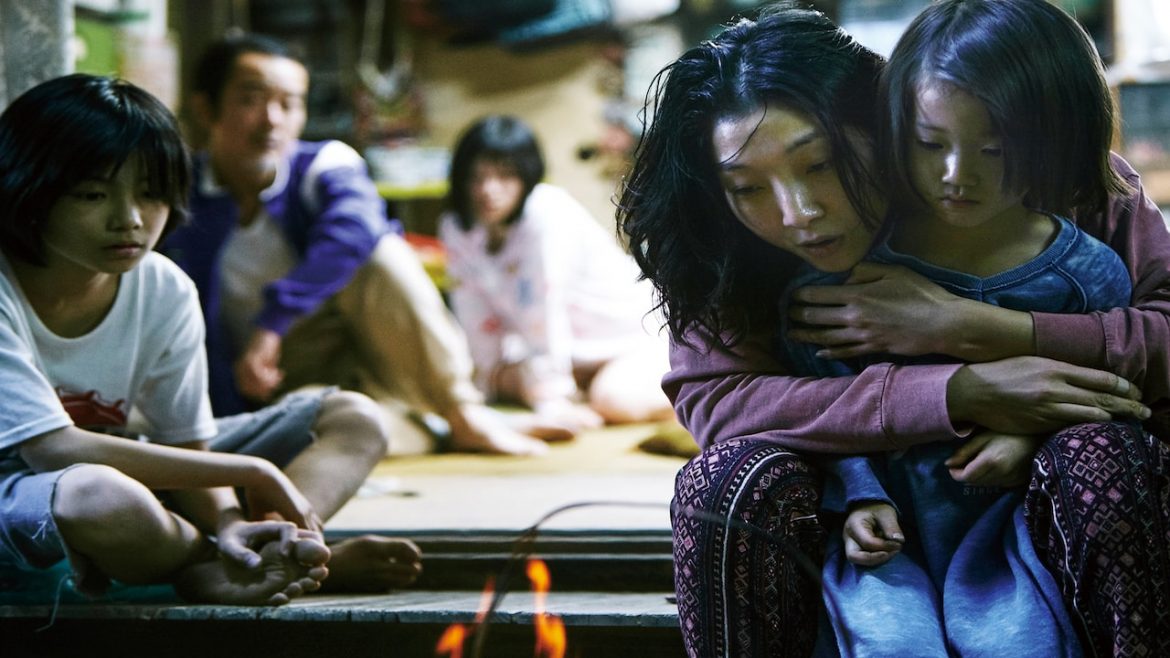
 Nobuyo (
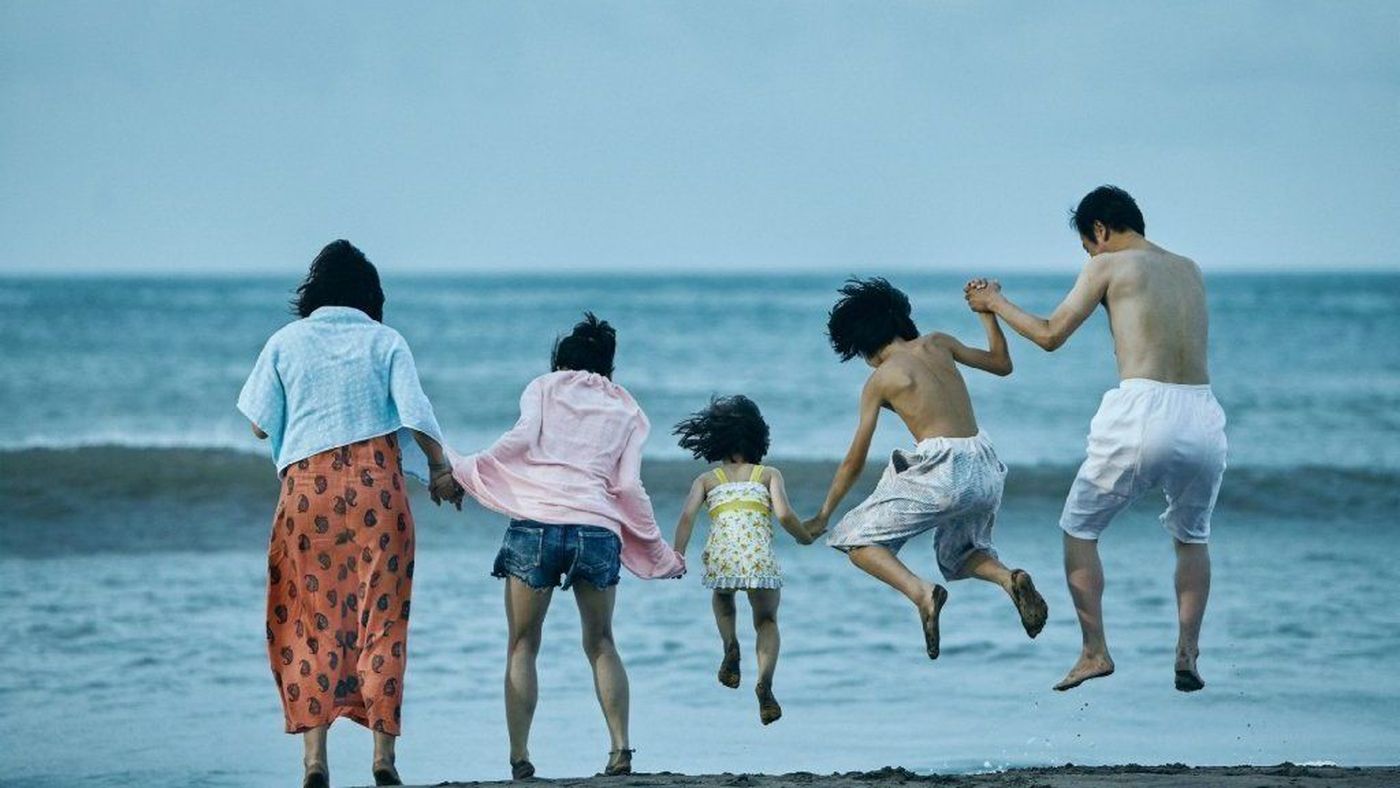 This is where Shoplifters begins to make explicit its core ideas about chosen families. Poverty, abuse, and the demands of survival dictate the terms; our freedom to construct our lives is circumscribed. The rest of the film tracks the family’s collective and individual choices under conditions not of their choosing, and revelations about each character’s background and motivations undercut any purity of the ideal. Kore-eda’s commitment to empathetic realism overwhelms the sentimentality of the narrative; this world is much less cute than audiences might hope.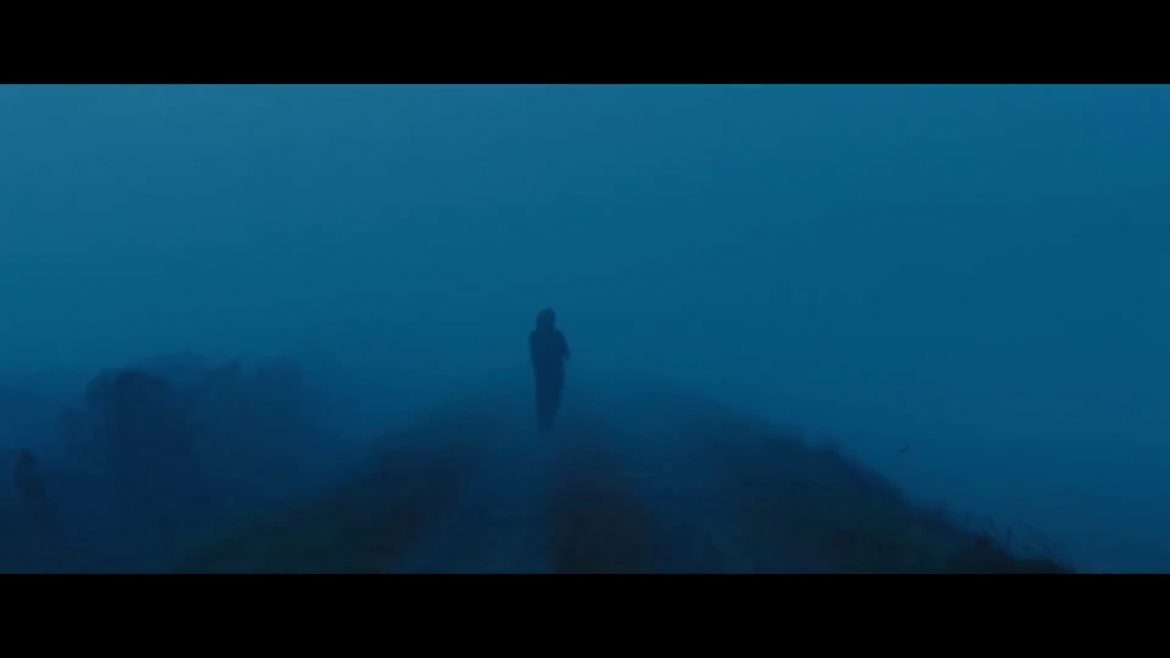
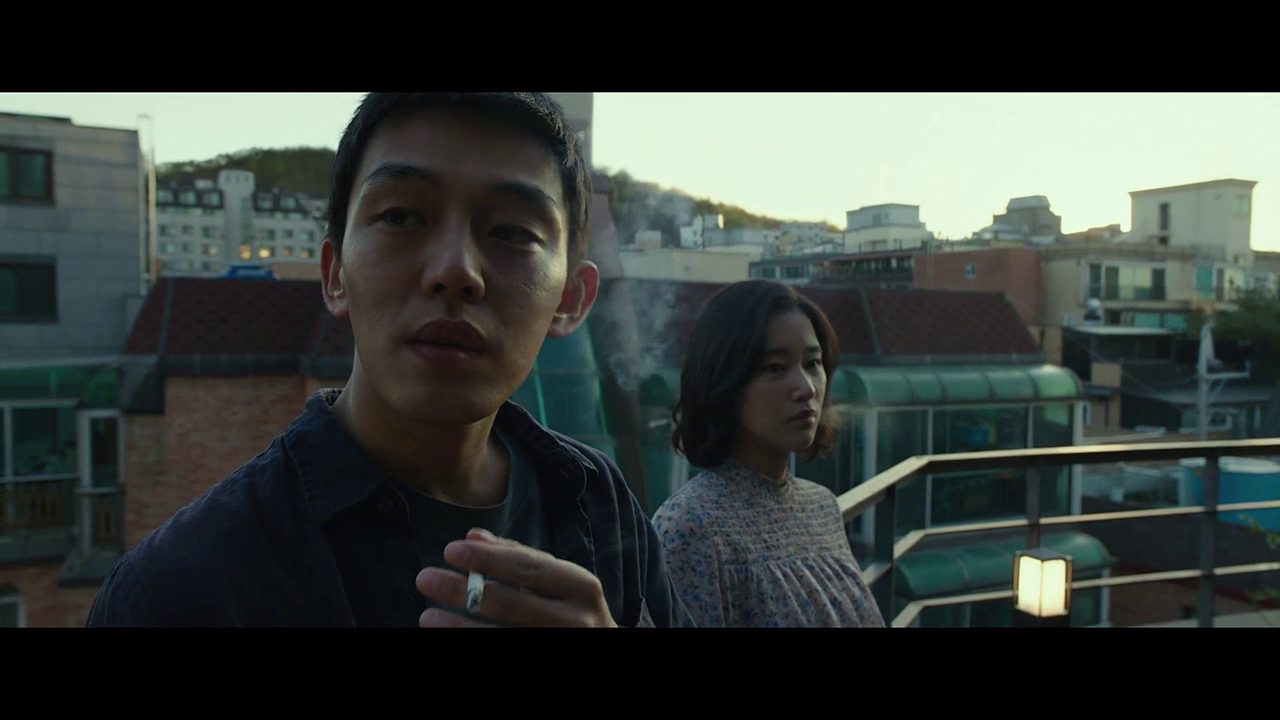 The narrative seems too slight to sustain Burning‘s 148 minutes. Jong-su (
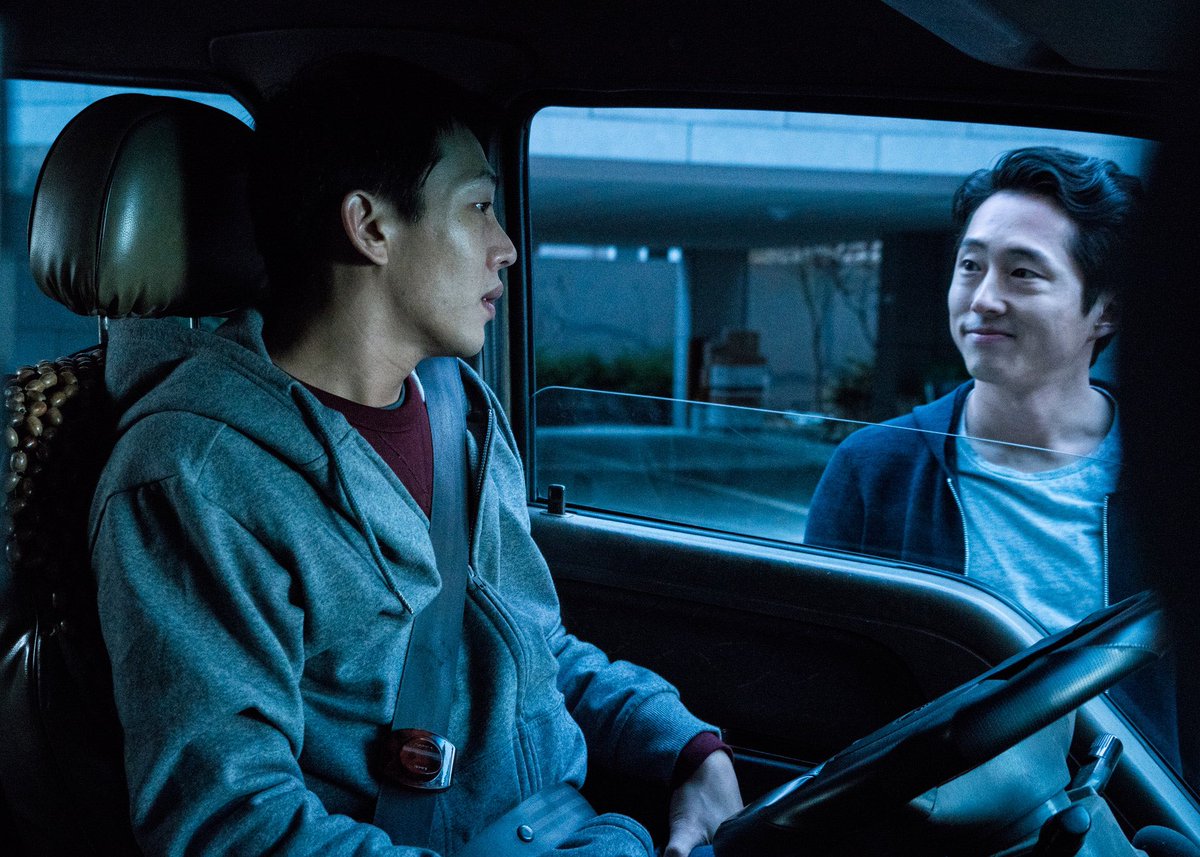 The rest of Burning trails Jong-su as he trails Ben. The question of Hae-mi’s fate hangs over everything, but the film keeps it at a remove. Clues materialize, along with doubt as to whether they are clues at all. Jong-su’s jealousy clouds the issue; so does Ben’s nonchalance. Burning balances ambiguities, dropping them into a carefully tenuated portrait of Korean millenial angst, and it becomes increasingly difficult to turn away from our own role in distinguishing what’s there from what’s not not there. Is Ben
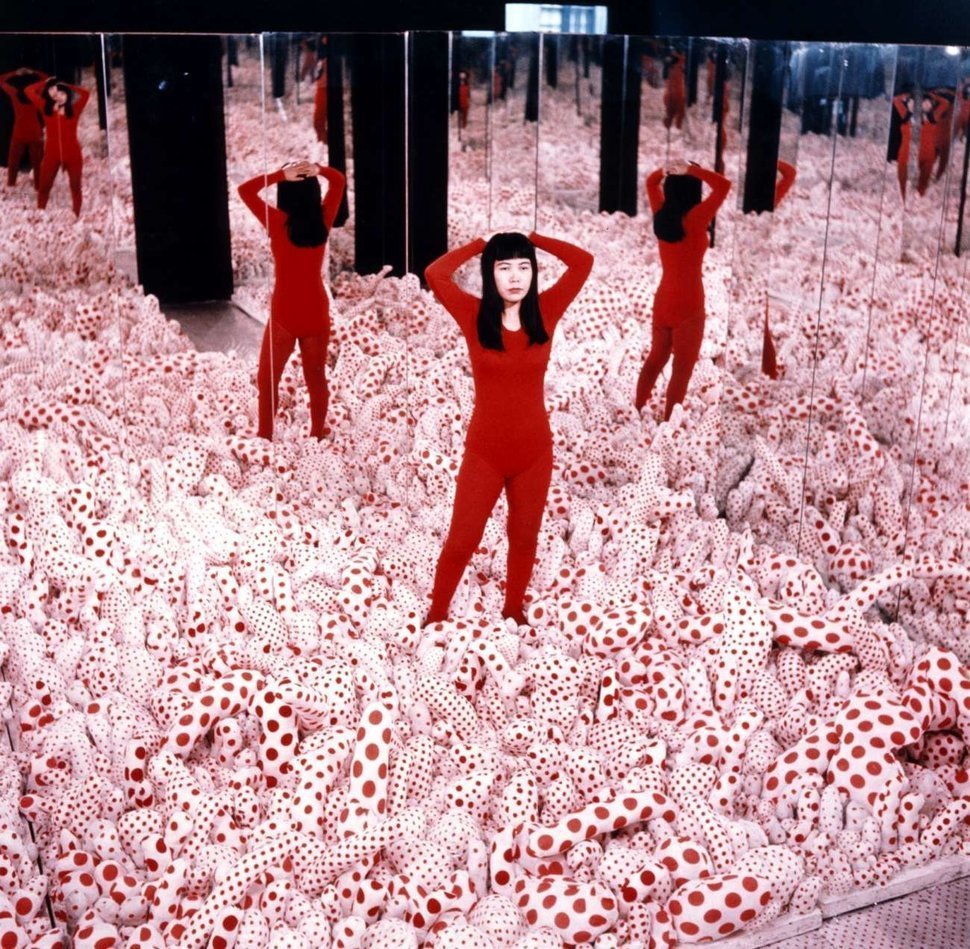 Kusama’s relatively recent acclaim was a long time coming. She’s currently most associated with
 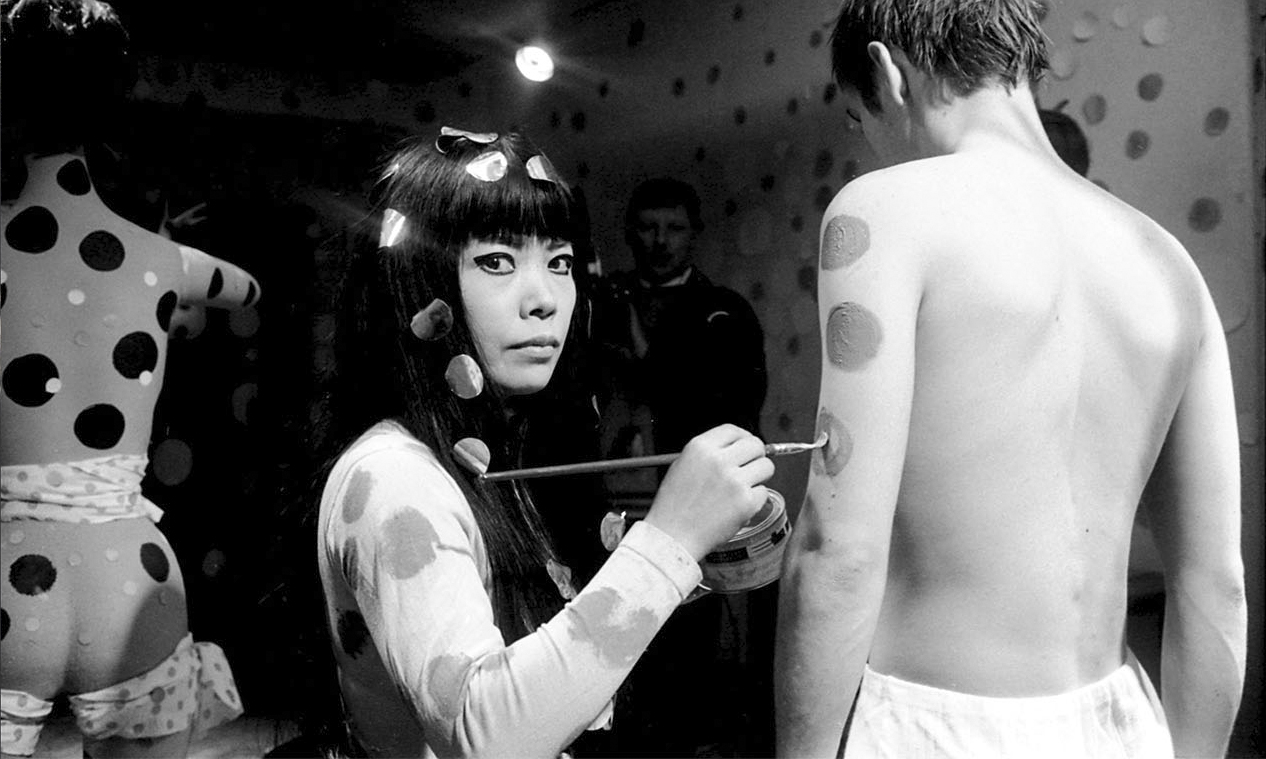 Lenz’s biographical portrait is affecting both for what it reveals and withholds about its subject, and the film mostly functions as an admiring appeal for wider appreciation, but we’re left with some crucial questions that Kusama: Infinity clearly feels are outside of its scope. We are casually told that an early trauma in a field of flowers led to a sense of being swallowed into the landscape, informing her lifelong fixations, but this thread just trails off. Is it ghoulish to insist on more information from the film on this, if we’re going to talk about it all? Probably, but its inclusion — and Kusama’s own insistence on its centrality to her aesthetic — begs the question. In a sense, it’s very much like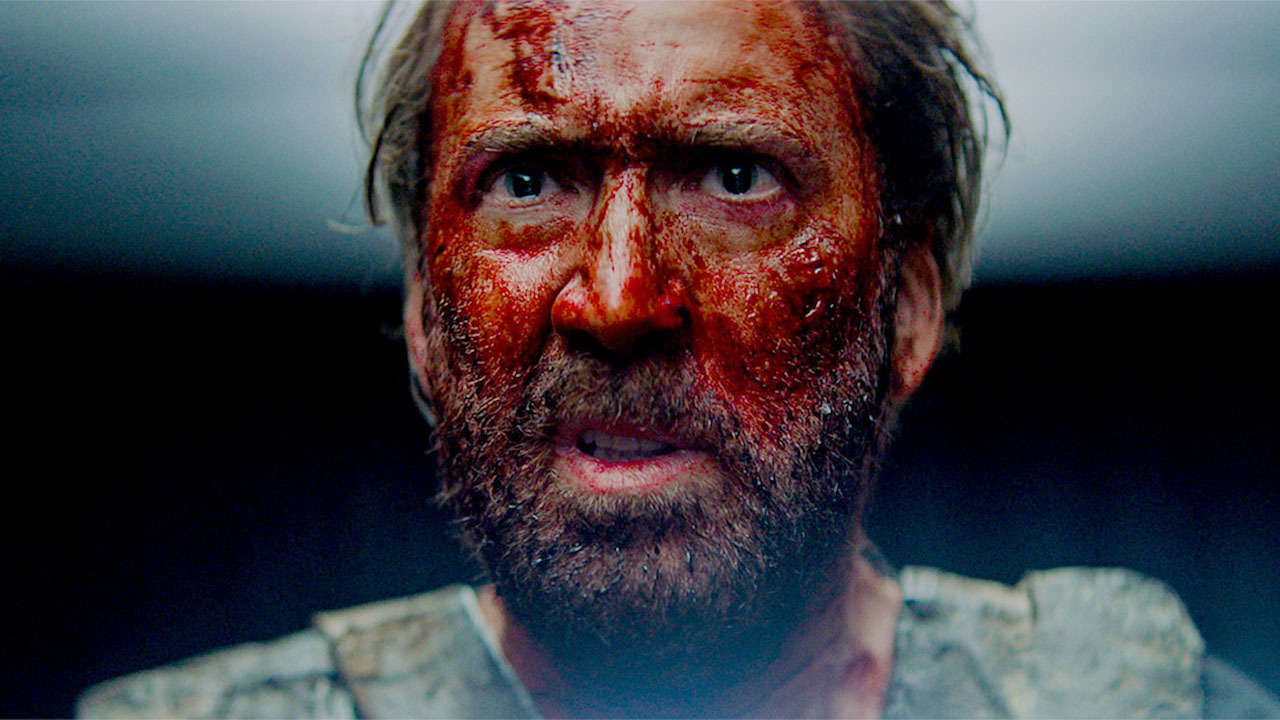
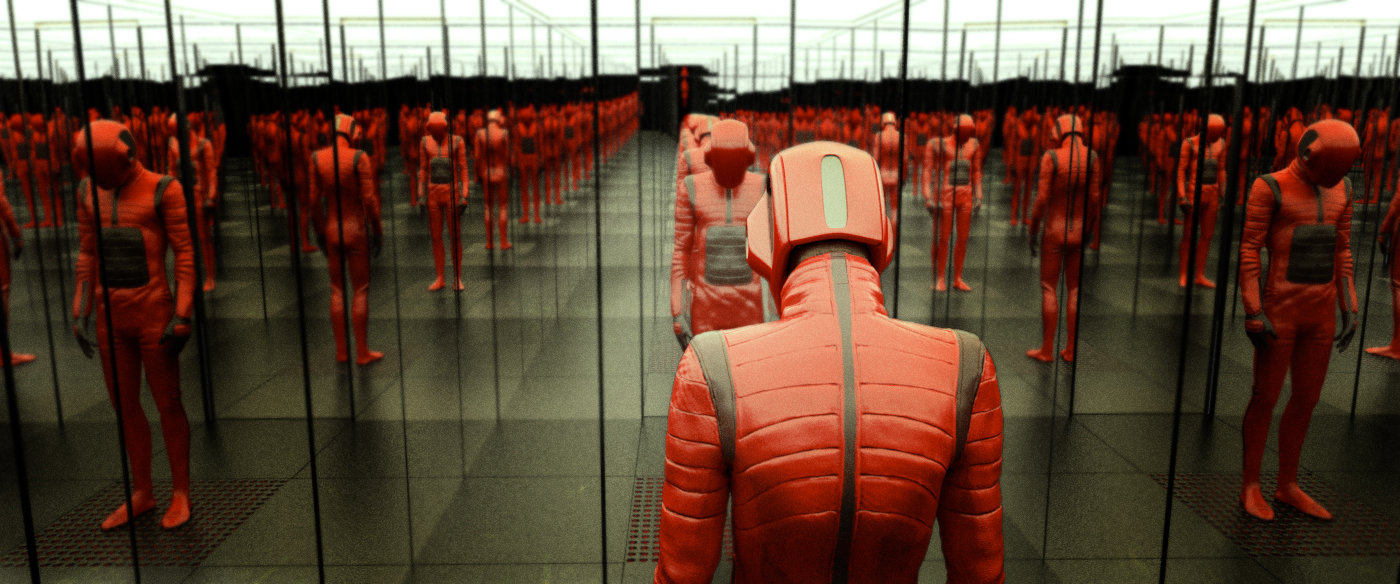 Rainbow does, in fact, do something more than that. The other movies in this little clade —
 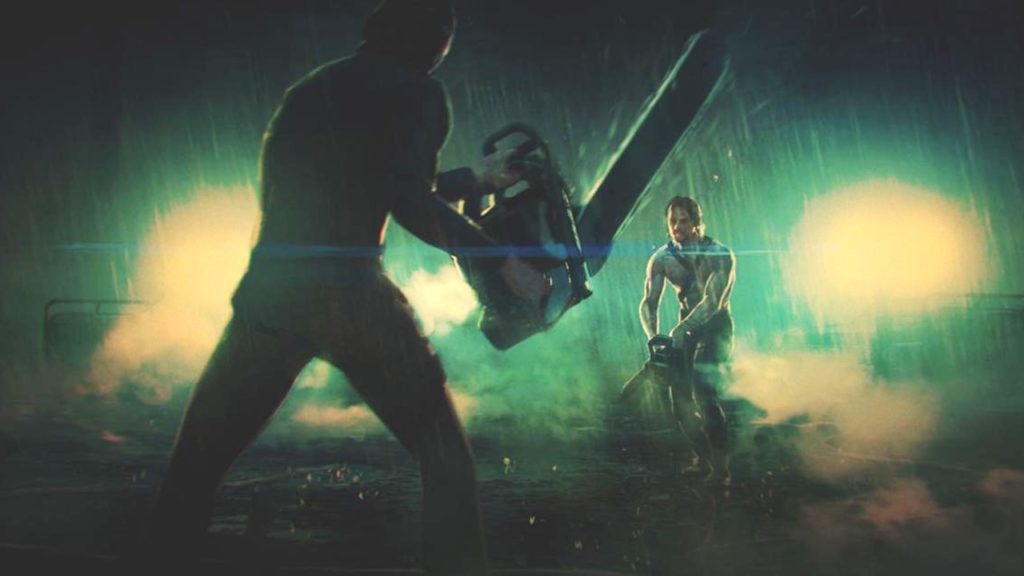 The last half has no doubt about itself, and it has no doubt because it comes entirely pre-digested. Scenes like Cage pouring the metal for a D&D-looking battleaxe and snorting from a gigantic pile of coke are meant only to be talked about with other genre buffs, and as such are incapable of surprising anyone. You can hear that Cage gets into a chainsaw duel with a biker, and you can imagine the scene for yourself; no addition the film could give you could change the purpose of the scene, which is to be discussed with others later and given a badassedness rating.
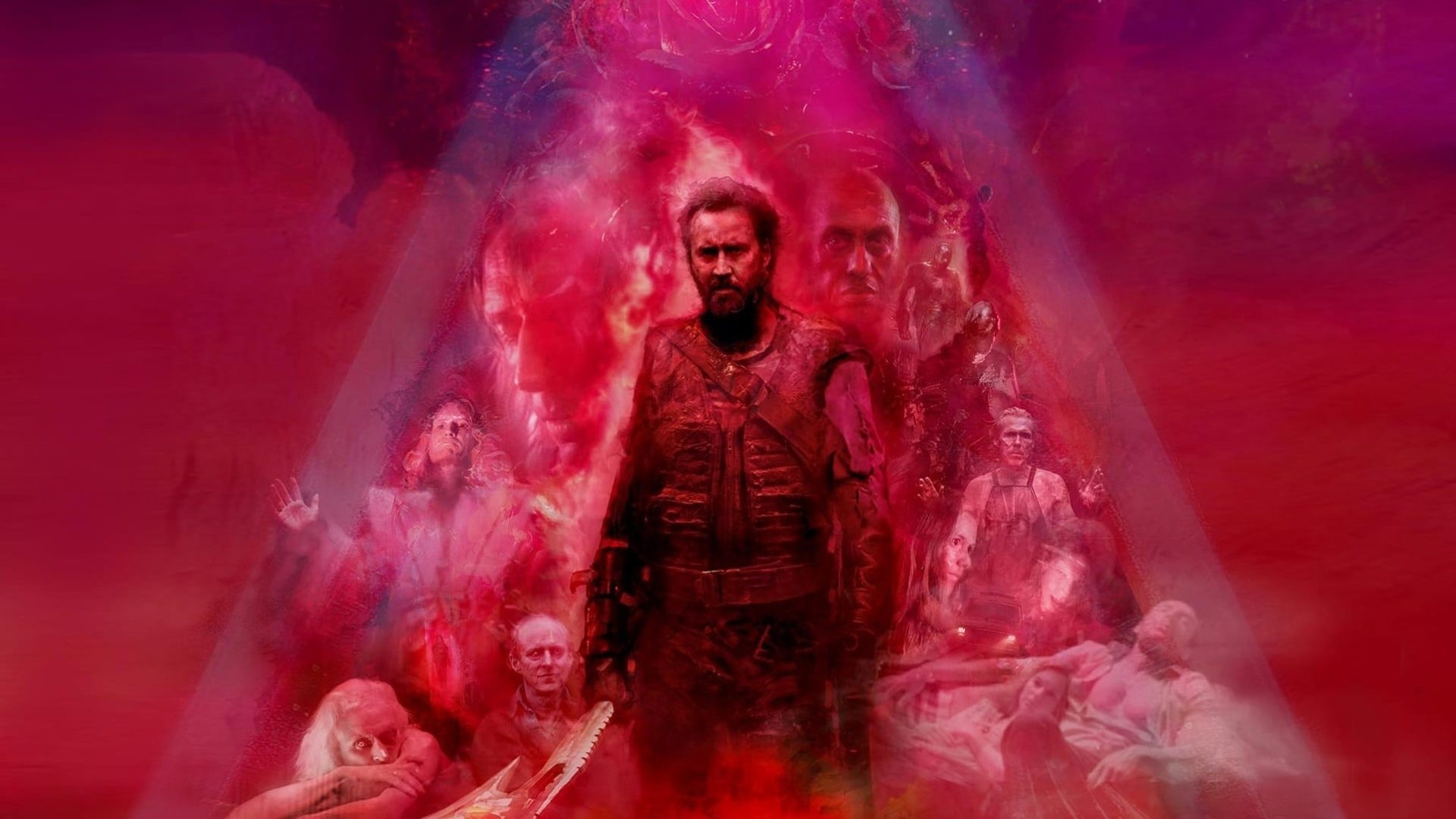 That is the secret answer to the obvious question to the positive press on Mandy. I’ve seen several people say something like: “Mandy is awesome because it’s a heavy metal album cover come to life.” And the obvious question is: Who needs it to come to life? Don’t you have thousands of heavy metal album covers? Who needs a movie of them?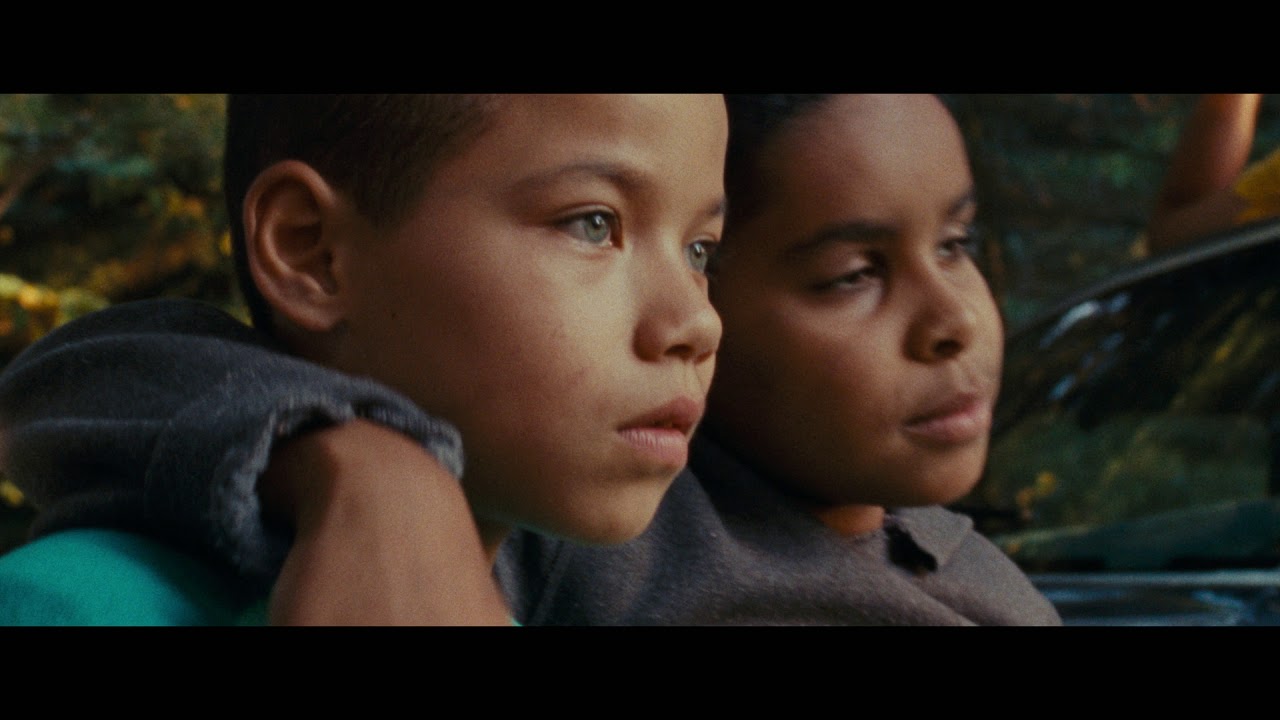
 The narrative, such as it is, concerns a white Brooklyn mother (
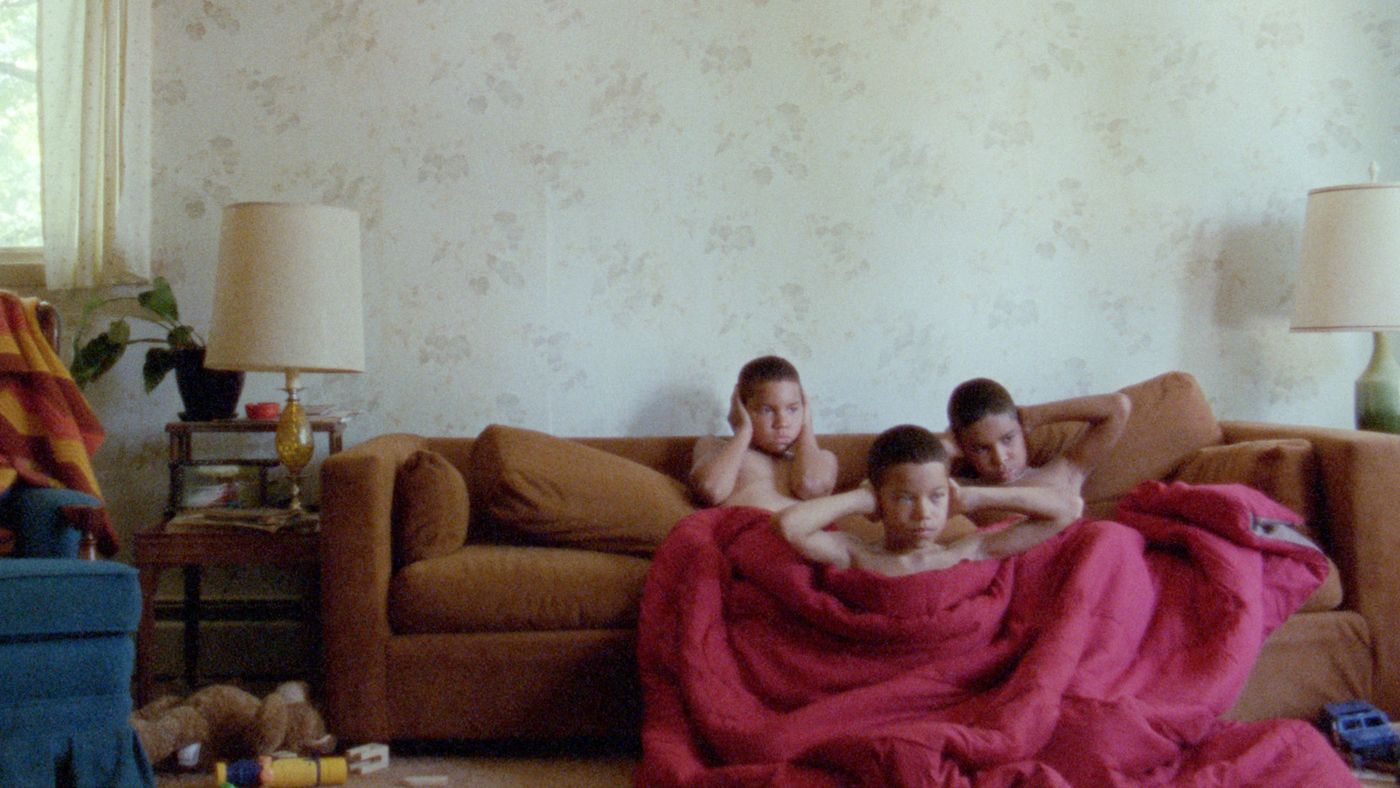 It can’t last. Cumulative traumas lead to acting out, to semi-random violence like throwing rocks at cars — desperate acts to announce, defiantly, that they exist. In We The Animals, nearly every act carries with it that child-like desperation for presence: “I am here.” Jonah’s secret notebooks — he writes under the bed at night, dreaming up fiery imagery and fierceness, words we never read spilling out all over the place, desires upon desires — are discovered, and he’s marked, wordlessly, as the “weird one”. He falls in love with the metalhead down the road, risking everything for a kiss. Once, we see him smile, alone in the dark.
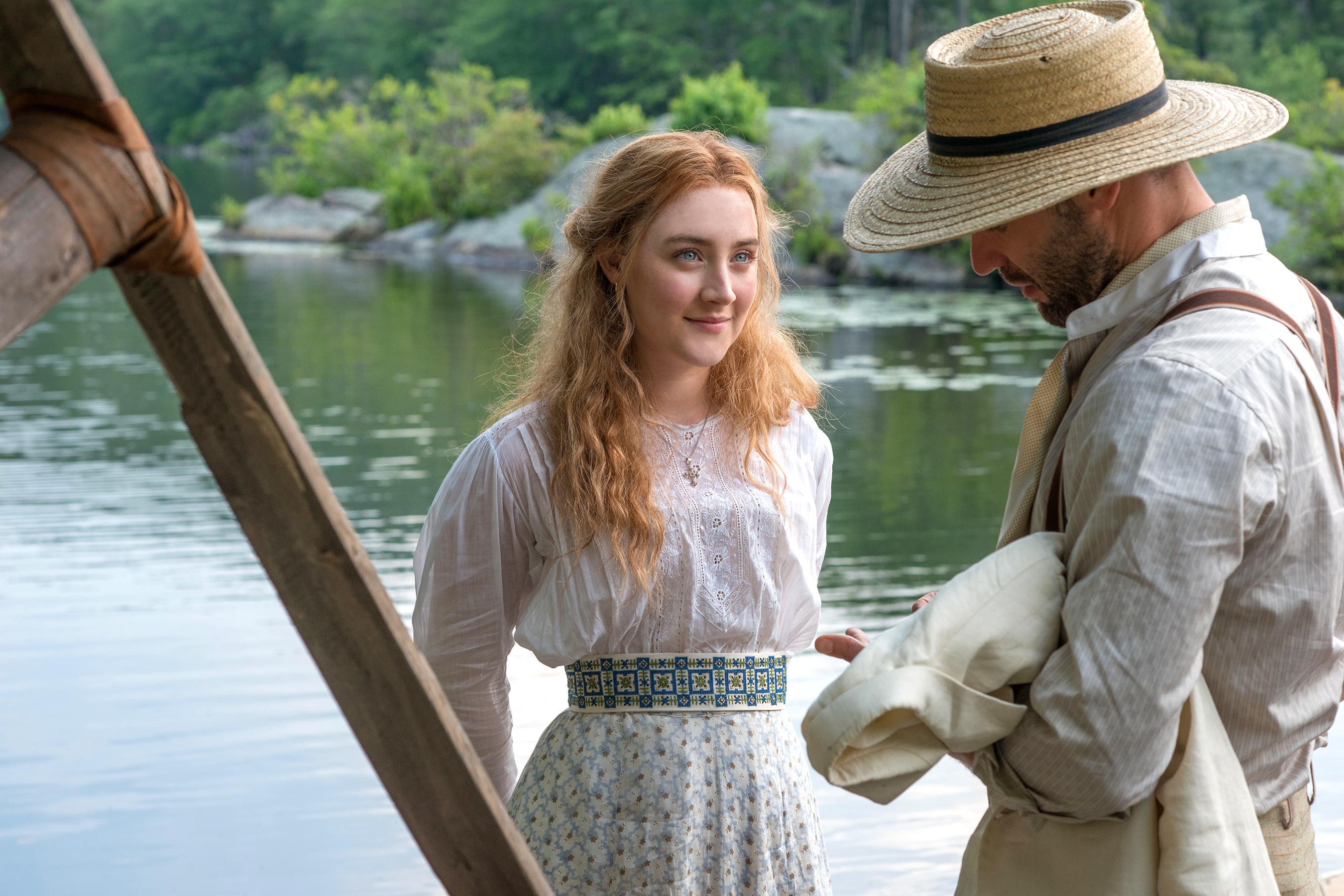 And it’s understandable. If you want to do a film, you have to cut a lot out; as in much of Chekhov, there are a lot of speeches that aren’t quite monologues, but do just go on in a way a film can’t. If you’re going to strip The Seagull down to — well, maybe not the bone, but down to the muscle, at least, you have to stick to the main story of the thing: Treplyov trying to be a writer, his “muse” Nina leaving him to go off with Trigorin, Trigorin abandoning her and her failure to be a superstar actress.
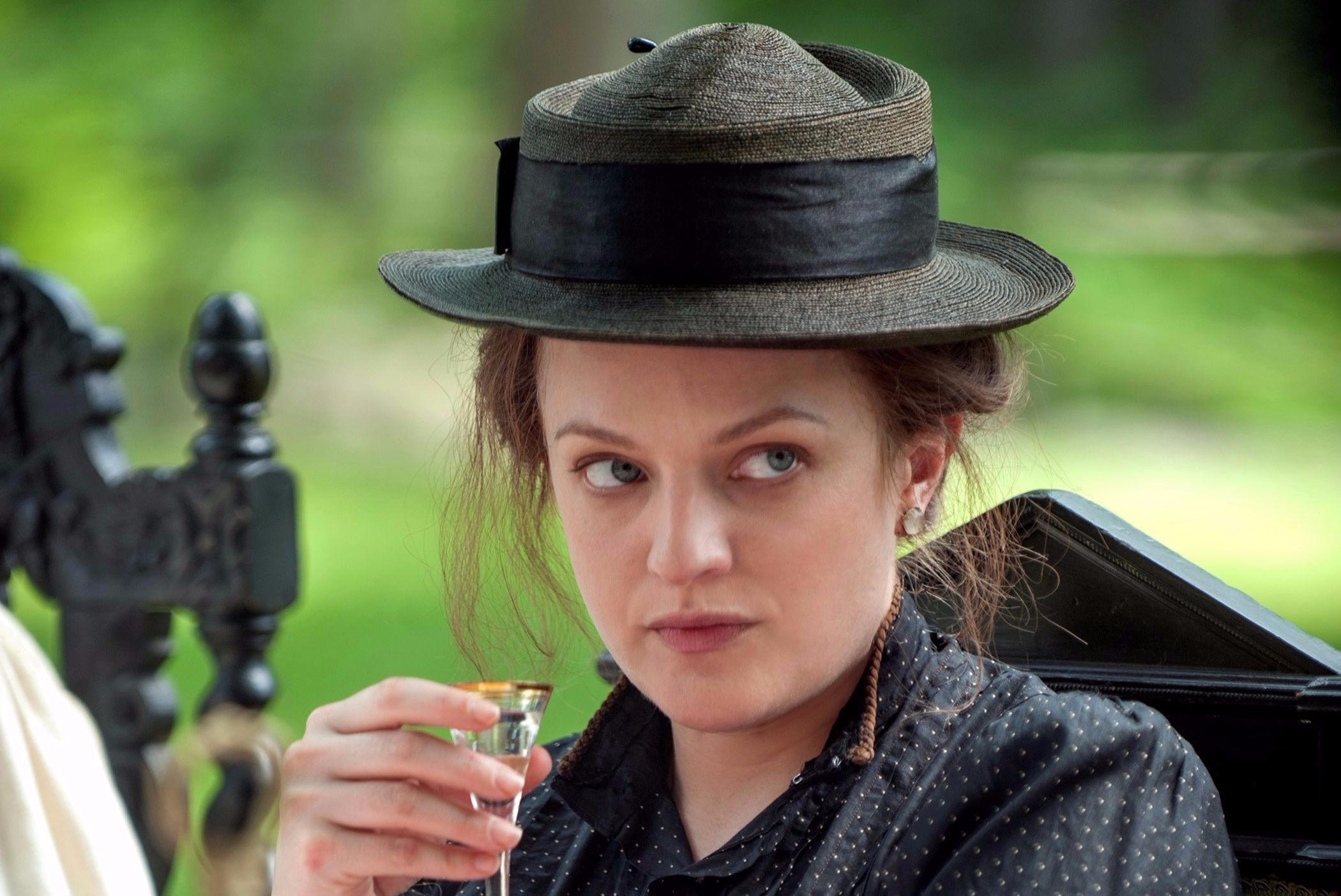 It all helps that the cast is fantastic. In a more traditional adaptation,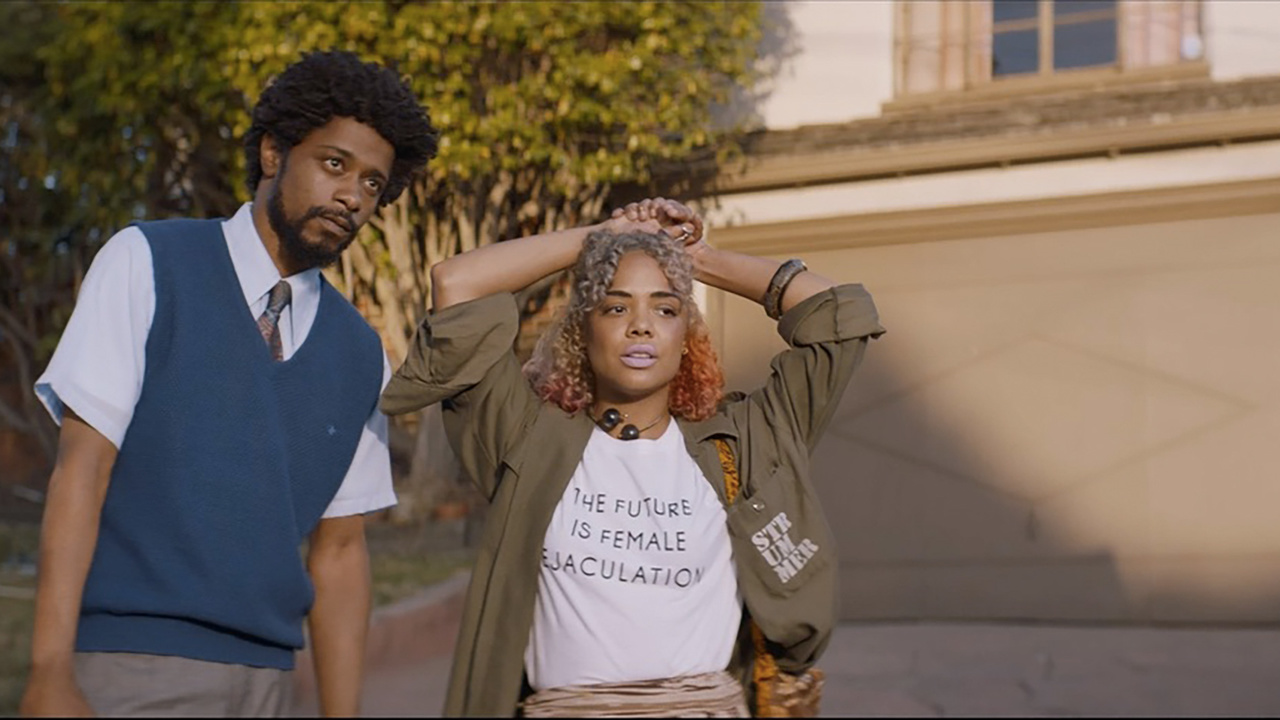
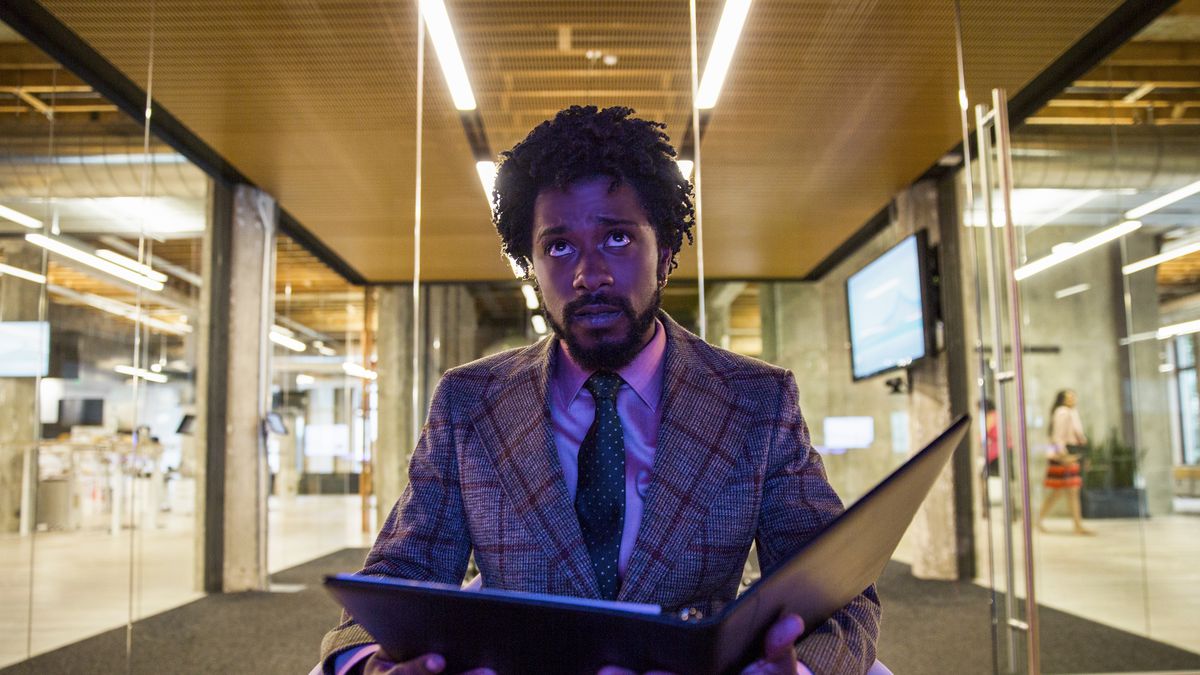 Cassius’ early failures to make a sale are some of Sorry To Bother You‘s funniest bits, as Riley plops his protagonist and his desk down, as if by magic, in the living rooms of his would-be marks. No one is having it, or even staying on the line, until a fellow worker (
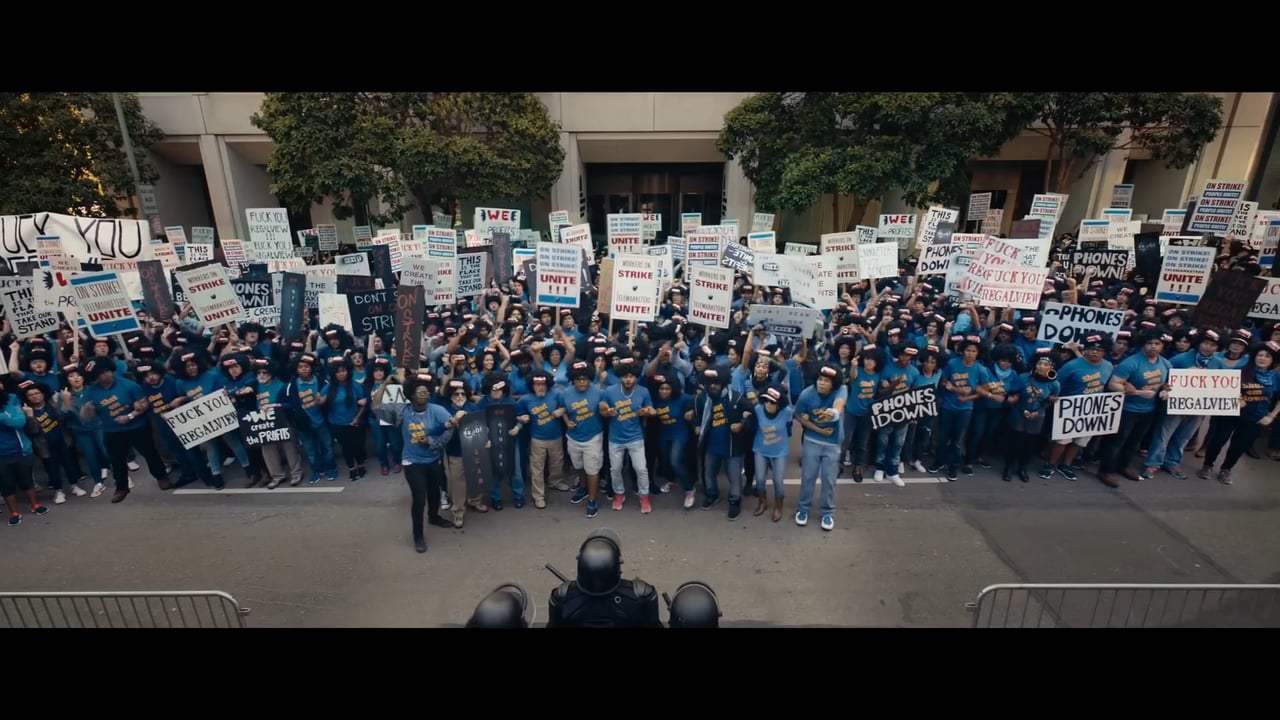 The film’s final pedagogical thrust emphasizes the importance of collective action rather than attempting to beat the bastards at their own game; even the most damaging revelations Cassius presents to the public are quickly recuperated by capital. The revolution still will not be televised. Here, Riley draws on some familiar images and sounds: the recent experiences of Occupy Oakland, in which he was something of a de facto public face, hang heavy over the film’s Oakland streets and scenes of pitched confrontation. There’s a rich engagement between screen and street throughout Sorry To Bother You: not just shoutouts to recognizable locales like the downtown buildings, The Layover where they get drinks, or the Grace Beauty Supply sign hanging over Broadway, across the street from where Thompson’s character stages her post-art performance, a block off from the 19th St. station, along a corridor through which we ran through tear gas late at night not very long ago.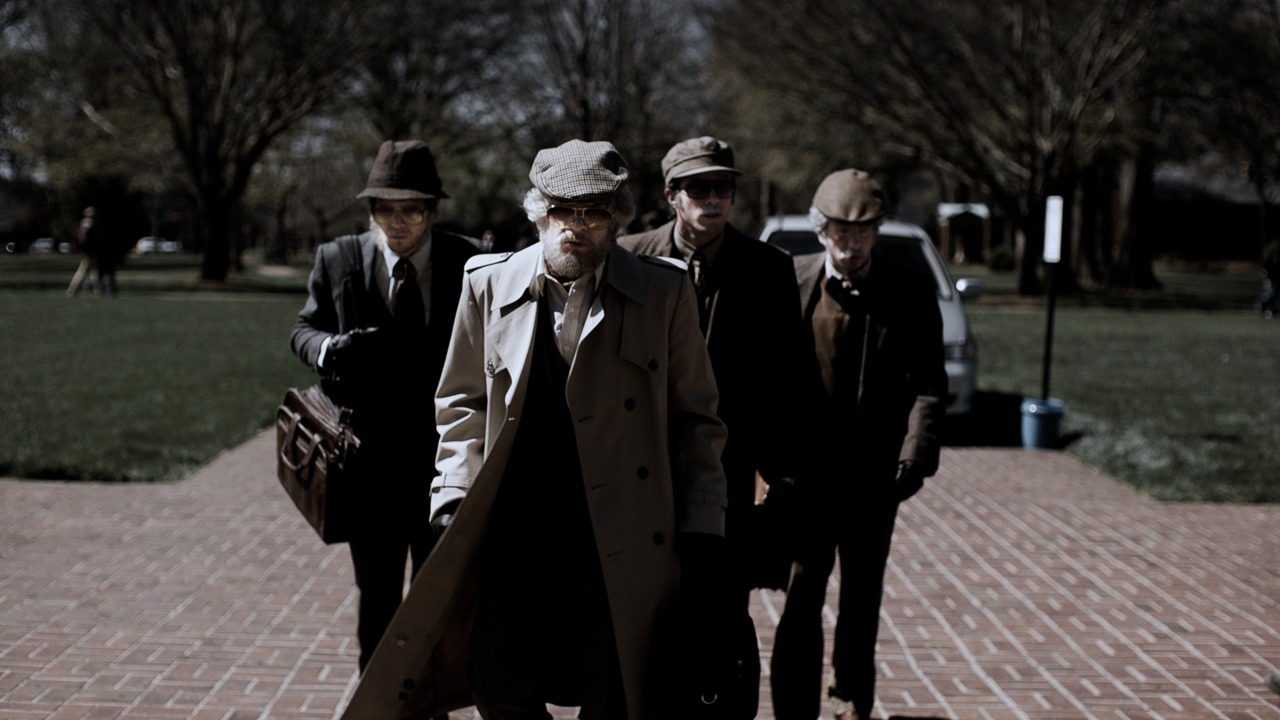
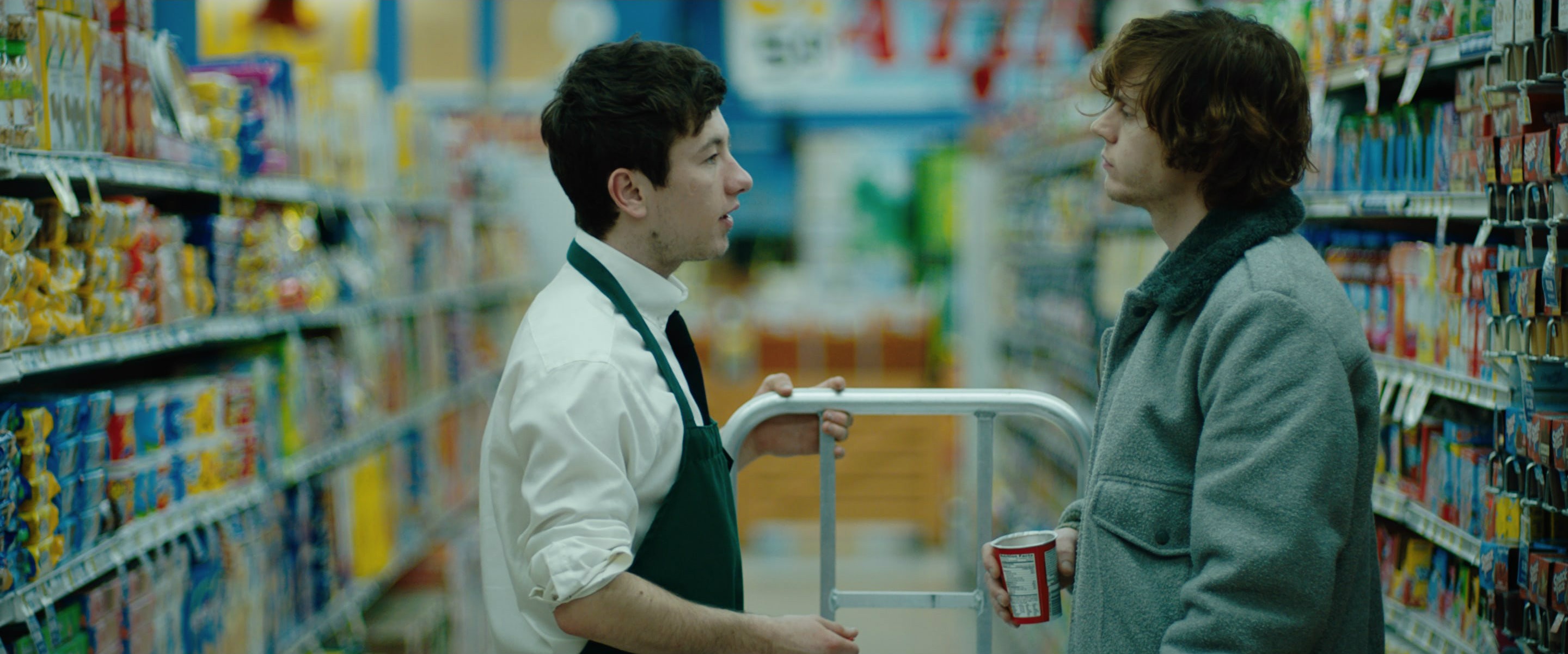 American Animals is a sporadically clever but underwritten contribution to his trend. Its narrative –
 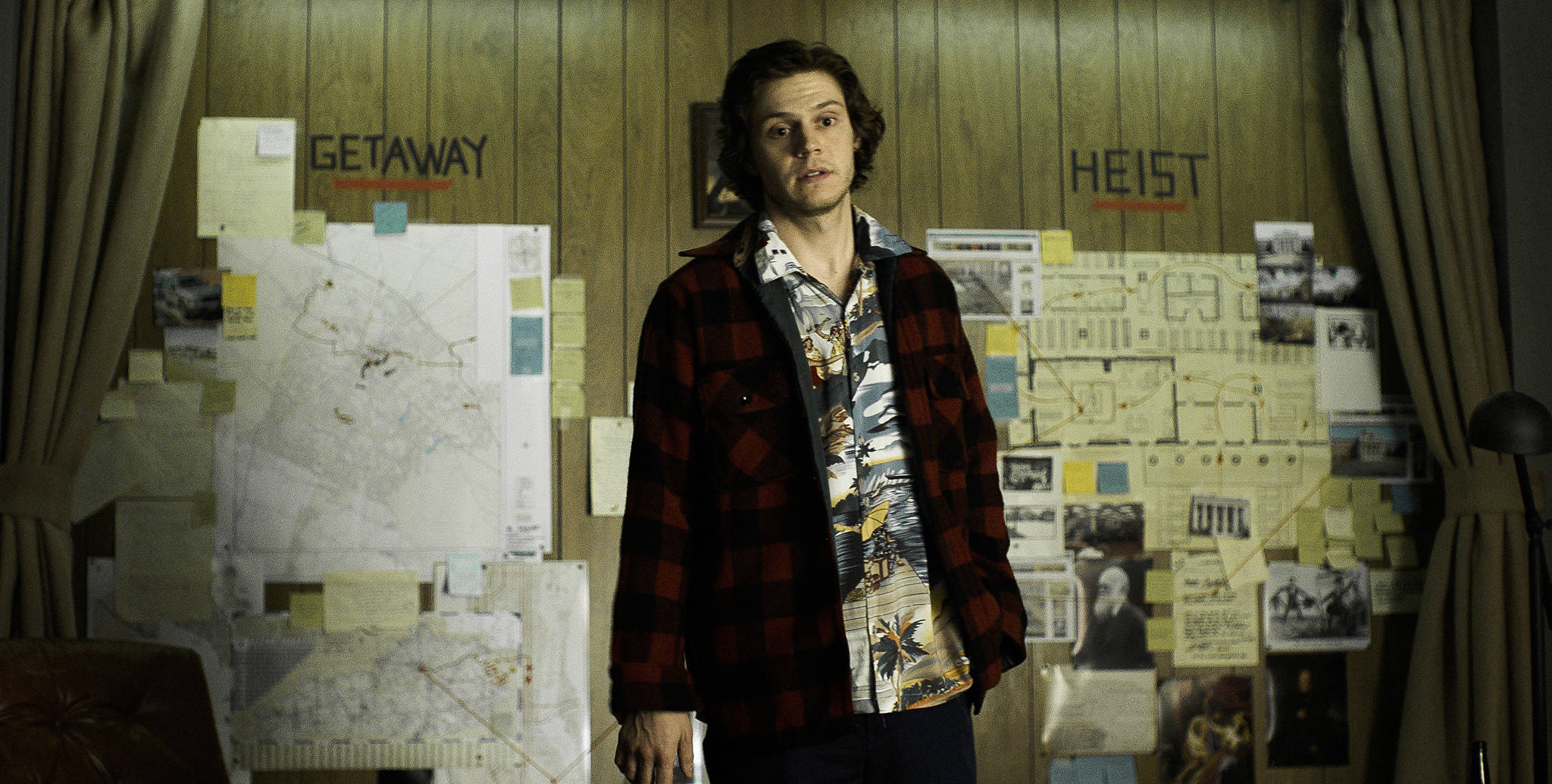 What American Animals does do very well is puncture the consequence-free fantasy of the heist movie. I can’t remember the last time a film placed so much emphasis on the person the robbers tie up as a matter of course, as part of their larger plan. We’re rarely encouraged to think of them except as the protagonists do; an obstacle to be removed, hopefully without much violence, and never considered again. We’re often encouraged to laugh at the hijinks: the pitiable, surprised exclamation, the bonk or bag over the head, the darkly comic struggle over the shoulder as they’re carried out of the story.
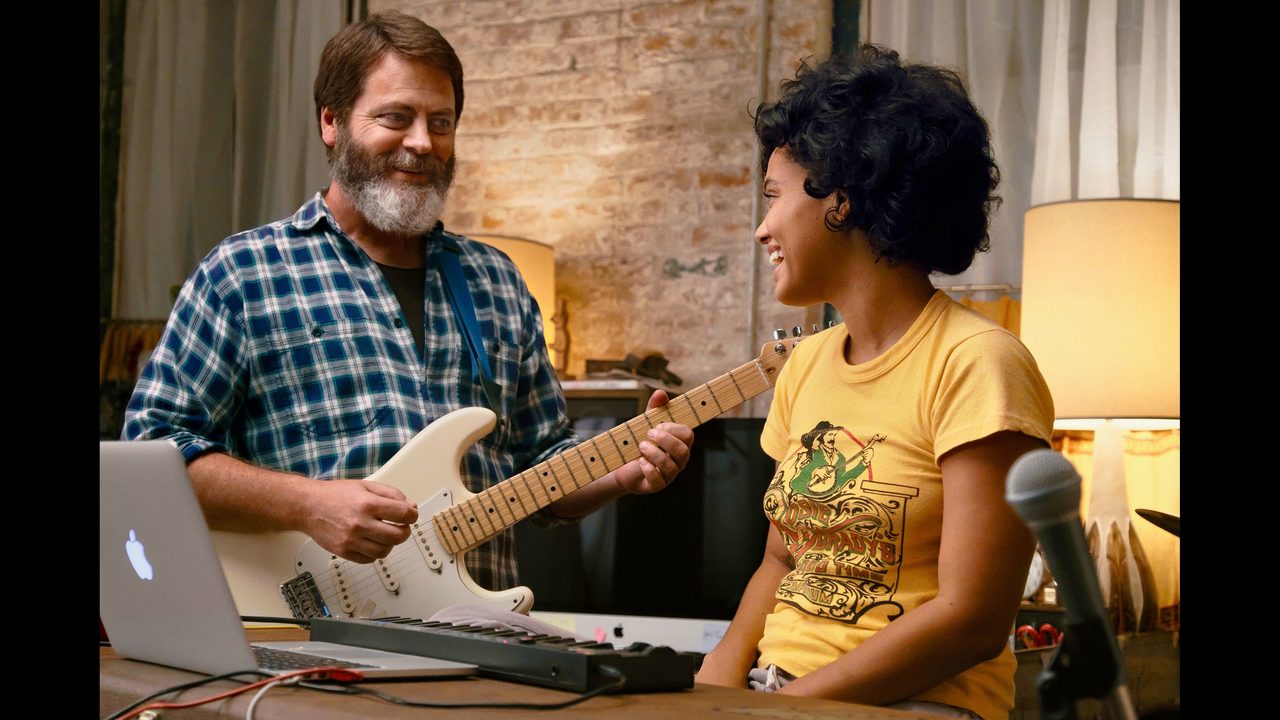
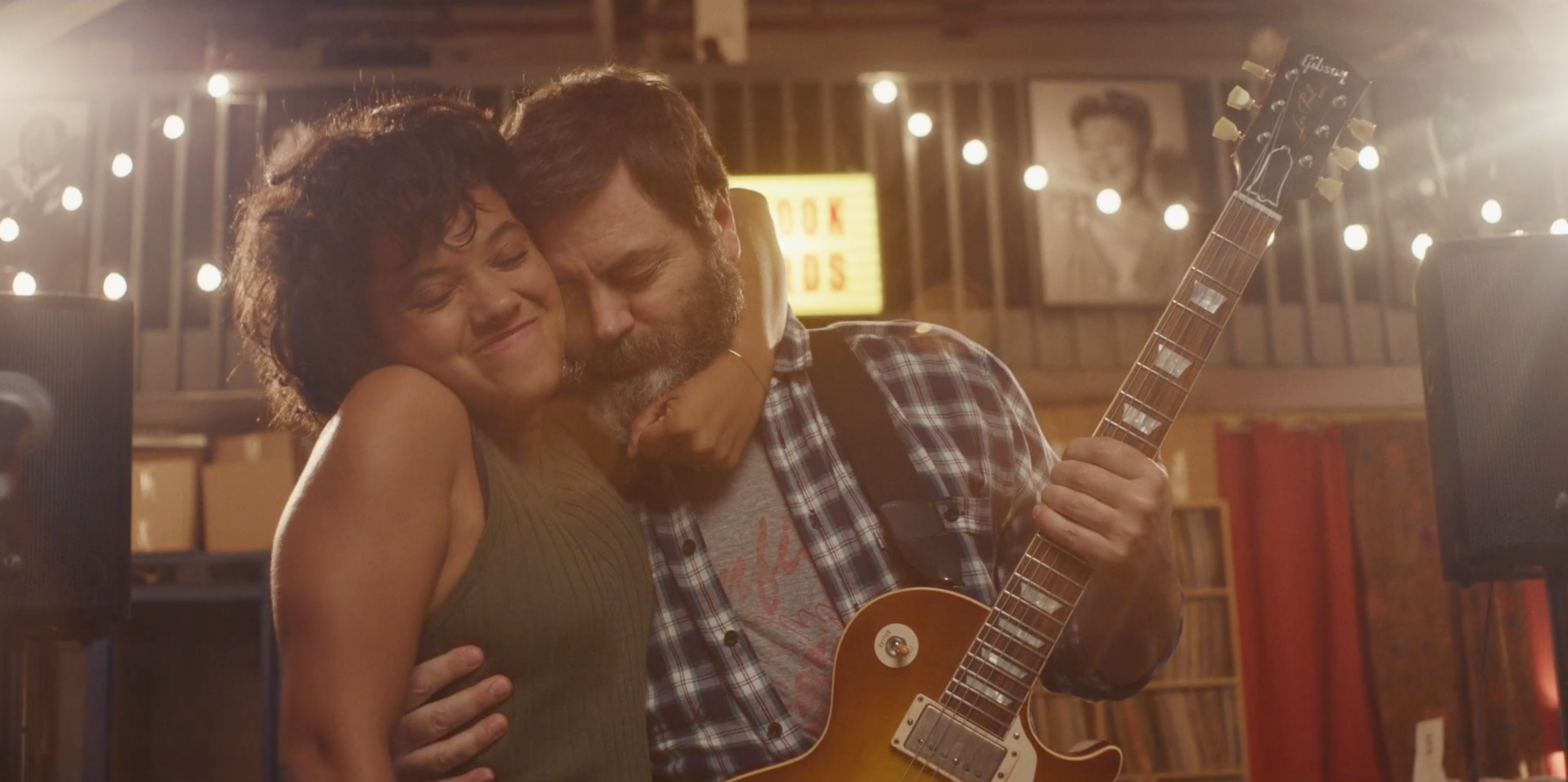 The beating heart of Hearts Beat Loud is the father/daughter relationship between
 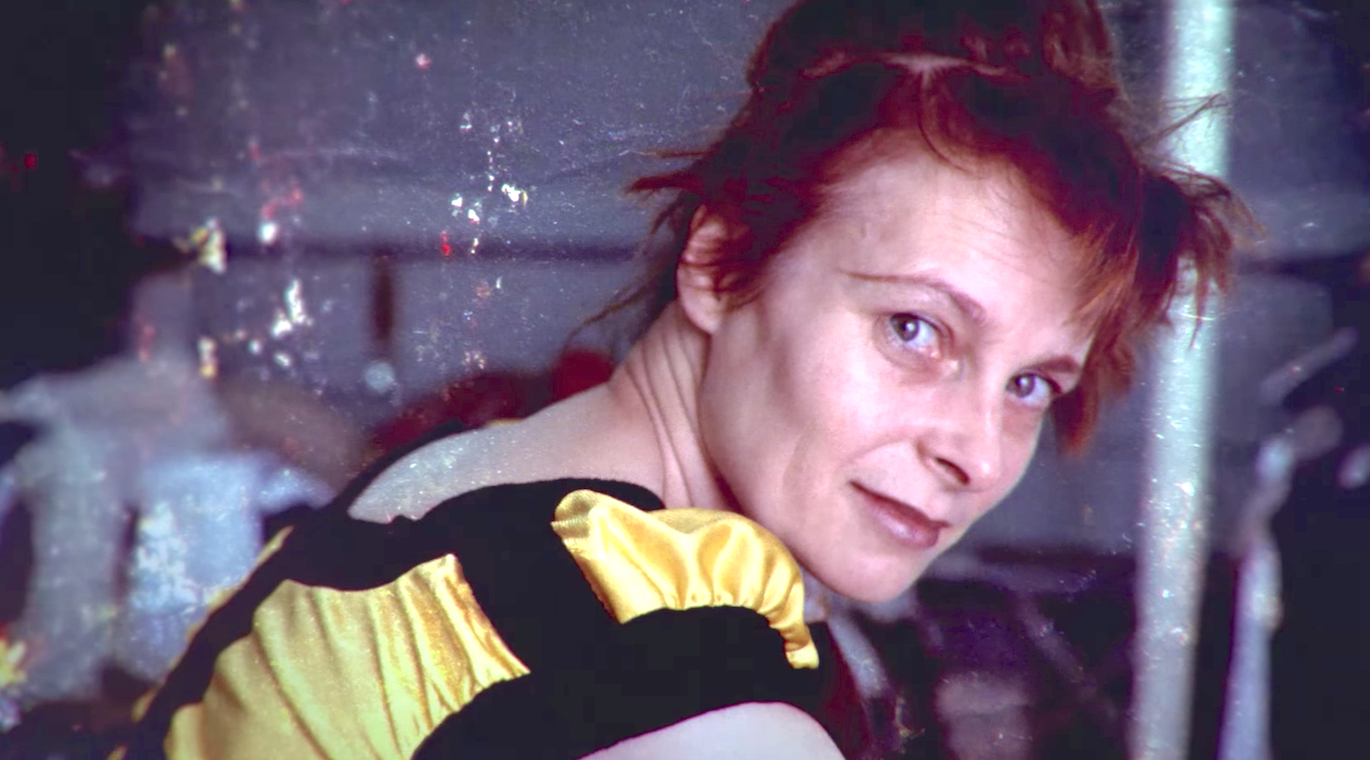 The problem with Westwood: Punk, Icon, Activist is all there in the over-stuffed title.