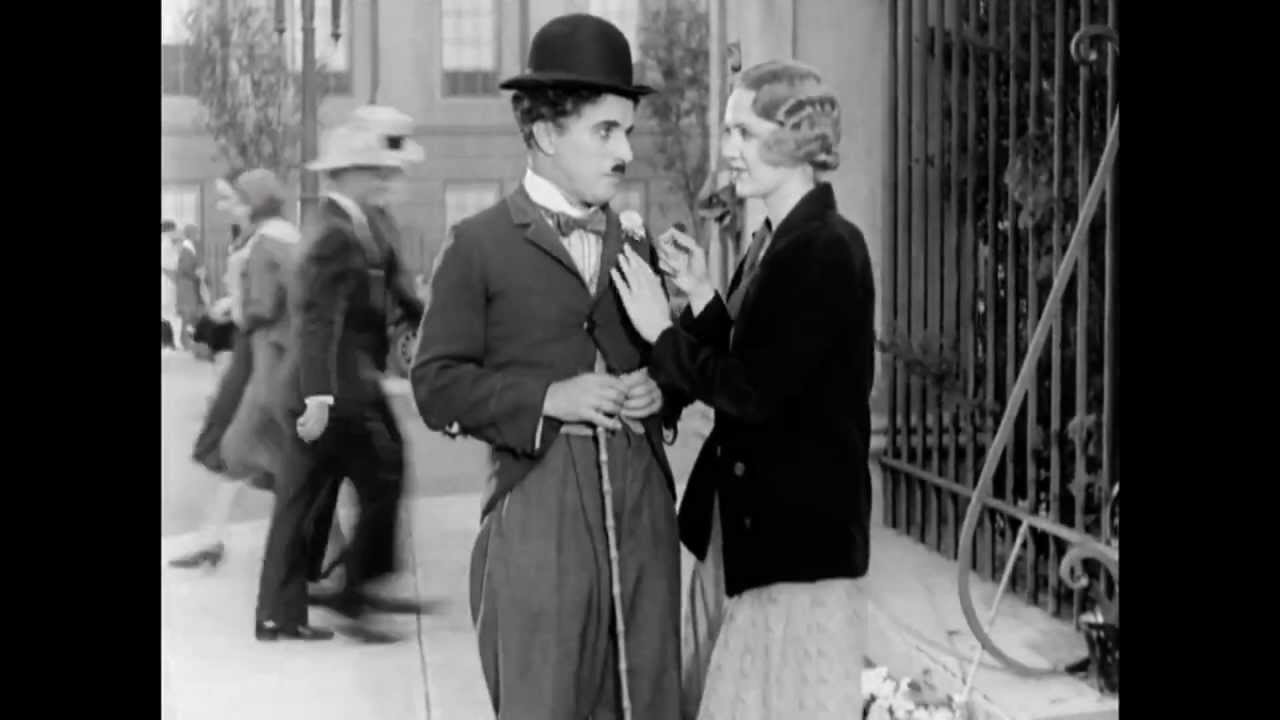
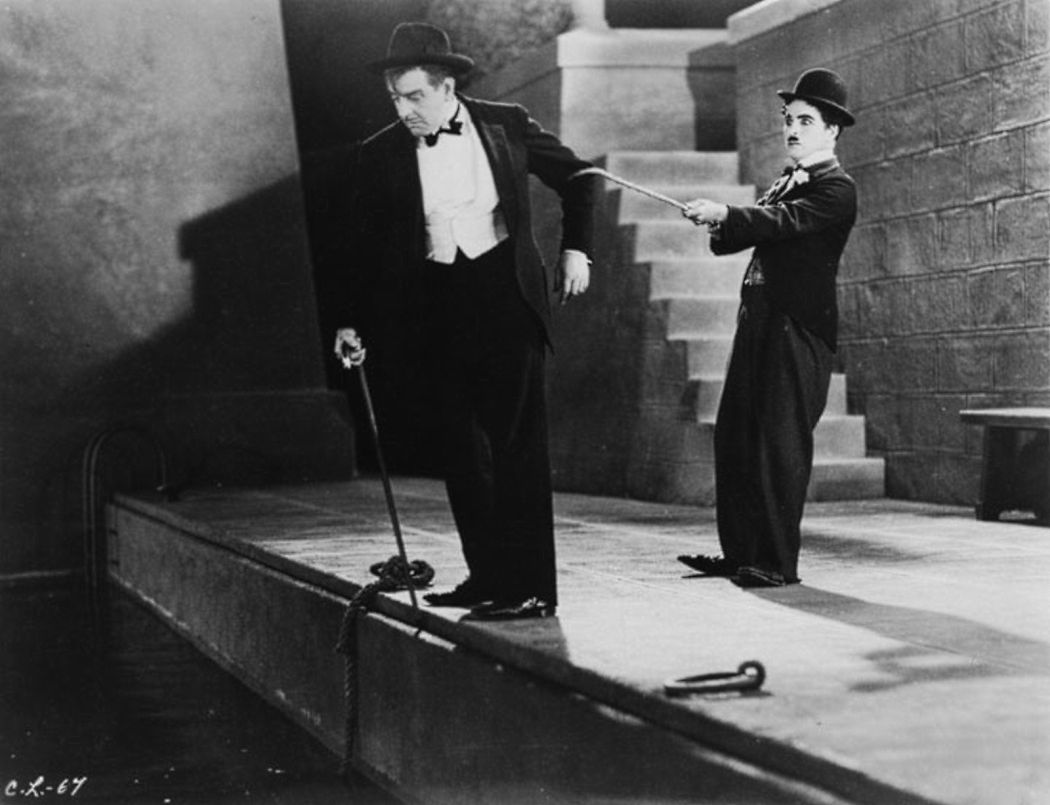
An ongoing effort to watch each of the film’s in Roger Ebert’s Great Movies series. The Great Movie Project is, first and foremost, an excuse to watch (or re-watch) a set of films that more or less constitutes a canon — the frequently discussed, often-mentioned cinema that has come to define our collective imagination, for better and worse.
These are, by and large, the films that have formed a collective (Western) understanding of what cinema is, what’s important about it, and what it’s capable of achieving. As with any canonical construction, there are omissions and weird inclusions, but the general sense is that these are the films that have laid the groundwork for our wider understanding. By watching them, as much as availability allows, in sequence, I hope to place them in conversation with each other. In a further twist, I have a concurrent series called Great Movies: The Counter-Programming, which will hopefully expand that conversation even further.
Follow along! This is going to take a minute.
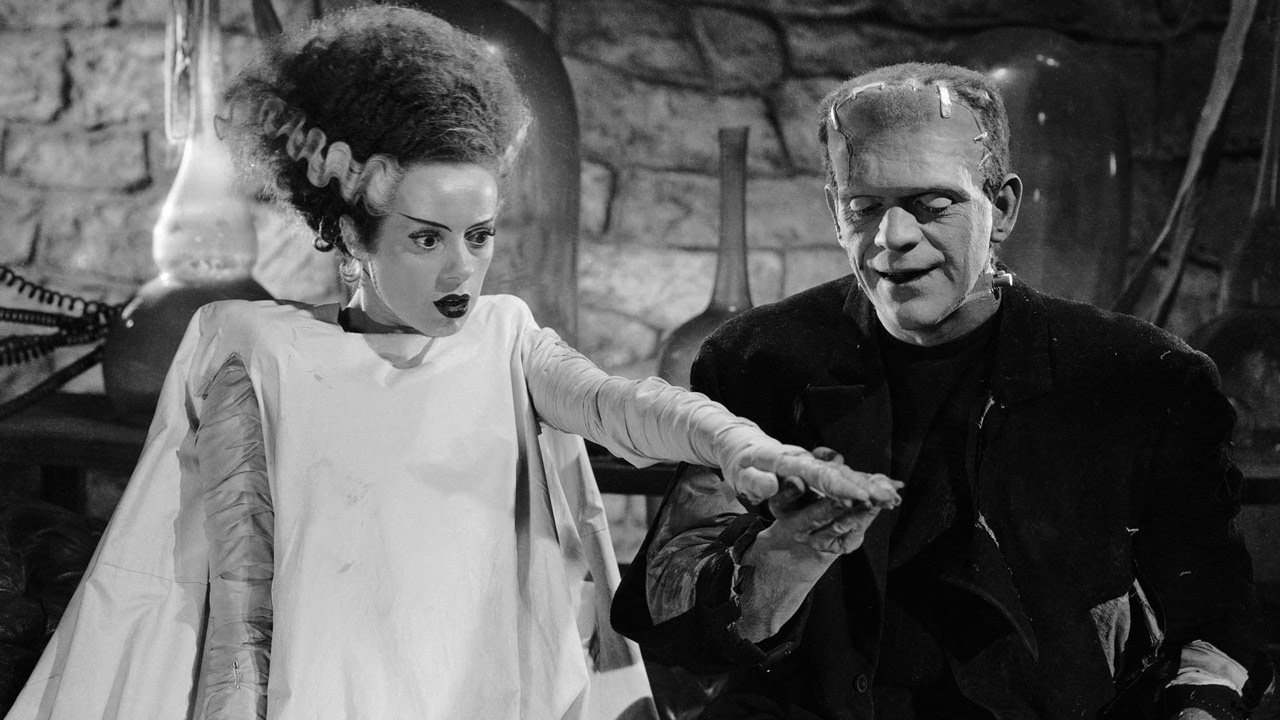
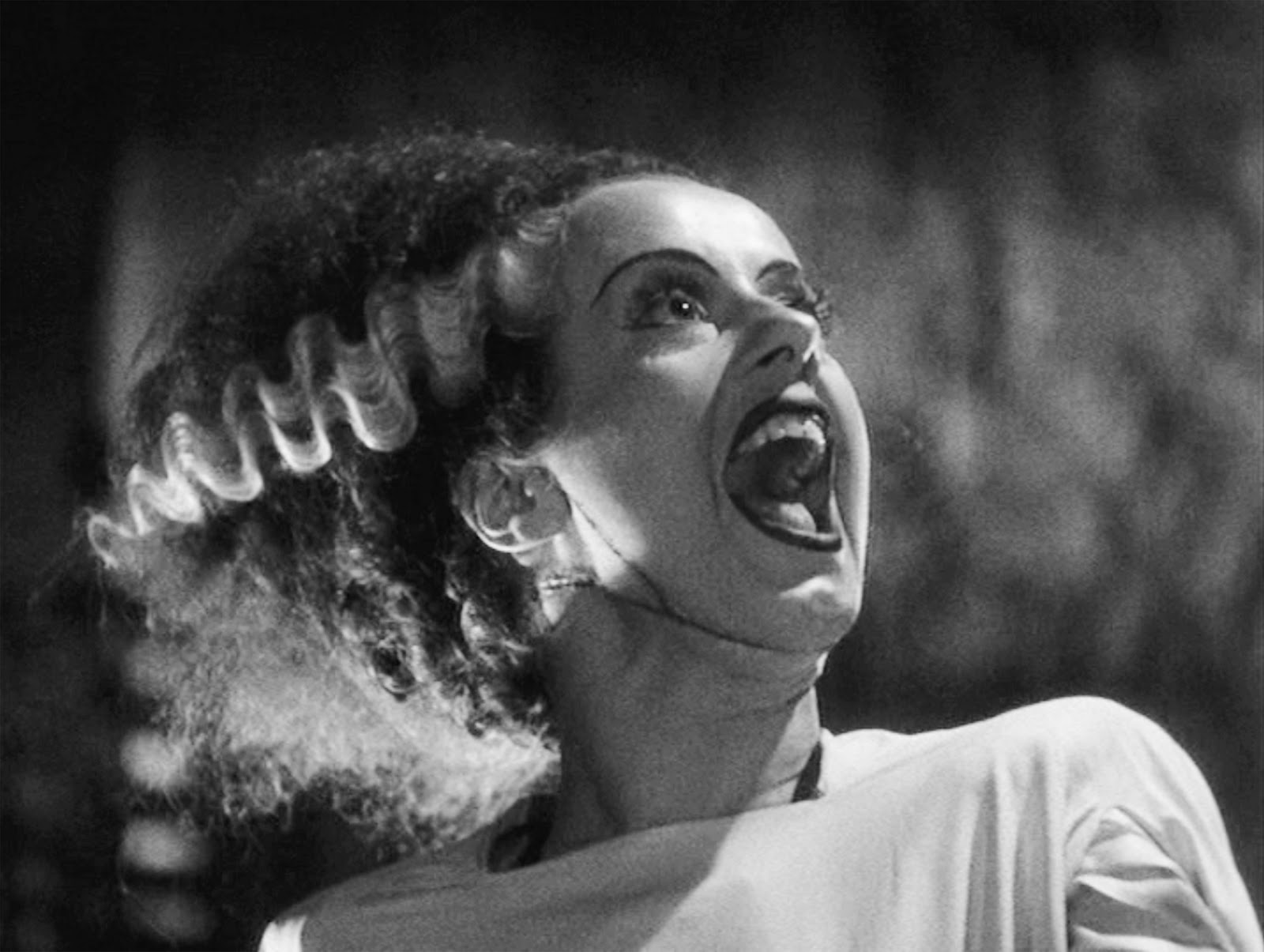 It’s a ridiculous thing, art proselytizing. Who even cares? Bride of Frankenstein doesn’t. In fact, James Whale’s combination of navel-gazing puffery and honest retconned genius actively refuses to play along. That’s one of the reasons that it is one of the greatest films ever made.
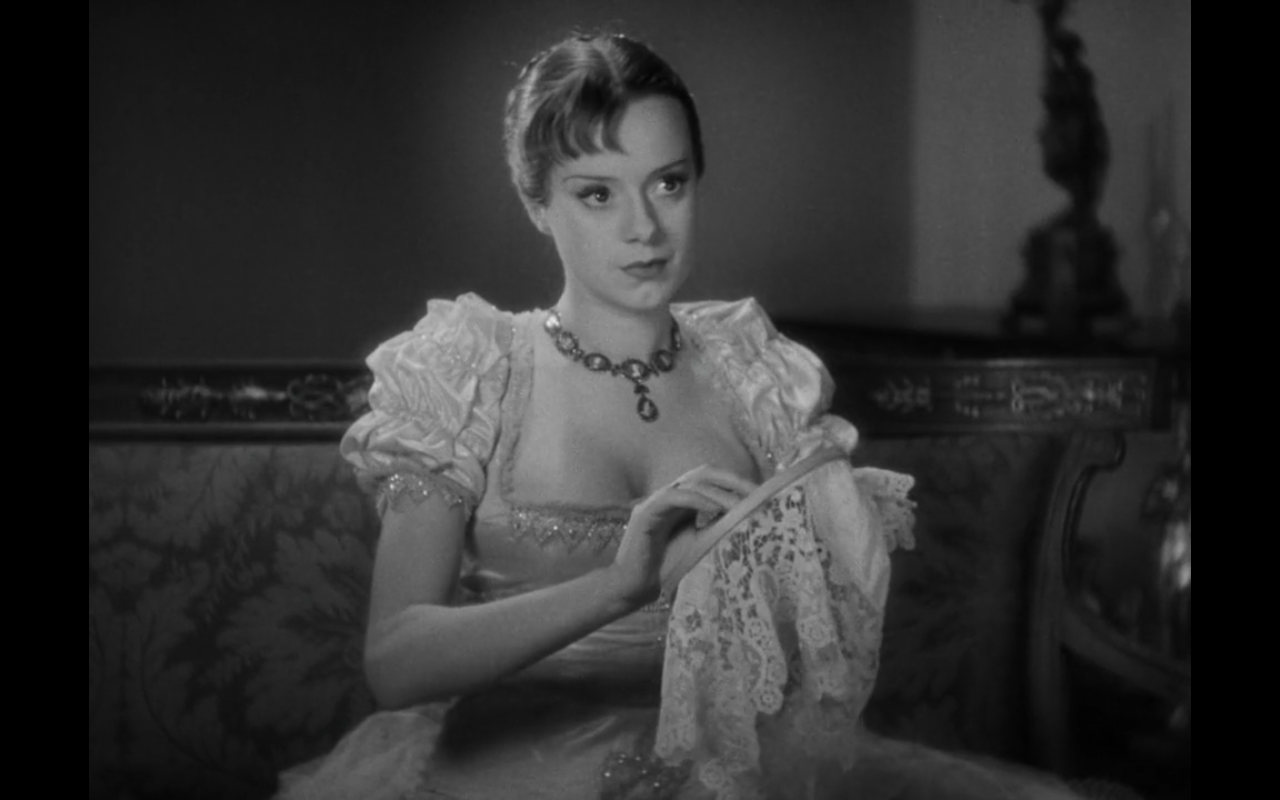 The rest of the film echoes this sentiment. From an entirely incongruous opening we segue into a story about solidarity and difference, run through with as much skepticism about heteronormative coupling as God-like creation. If the first film, and Mary Shelley’s novel for that matter, are about the horrors of reproduction and responsibility, Bride is about the ways in which presumptions about our connection to others fail us, especially connections based in patriarchy. If Frankenstein will present a drowned child, Bride will feature a rescue from drowning. It is an inverse, a mirror-image reflected in broken glass.
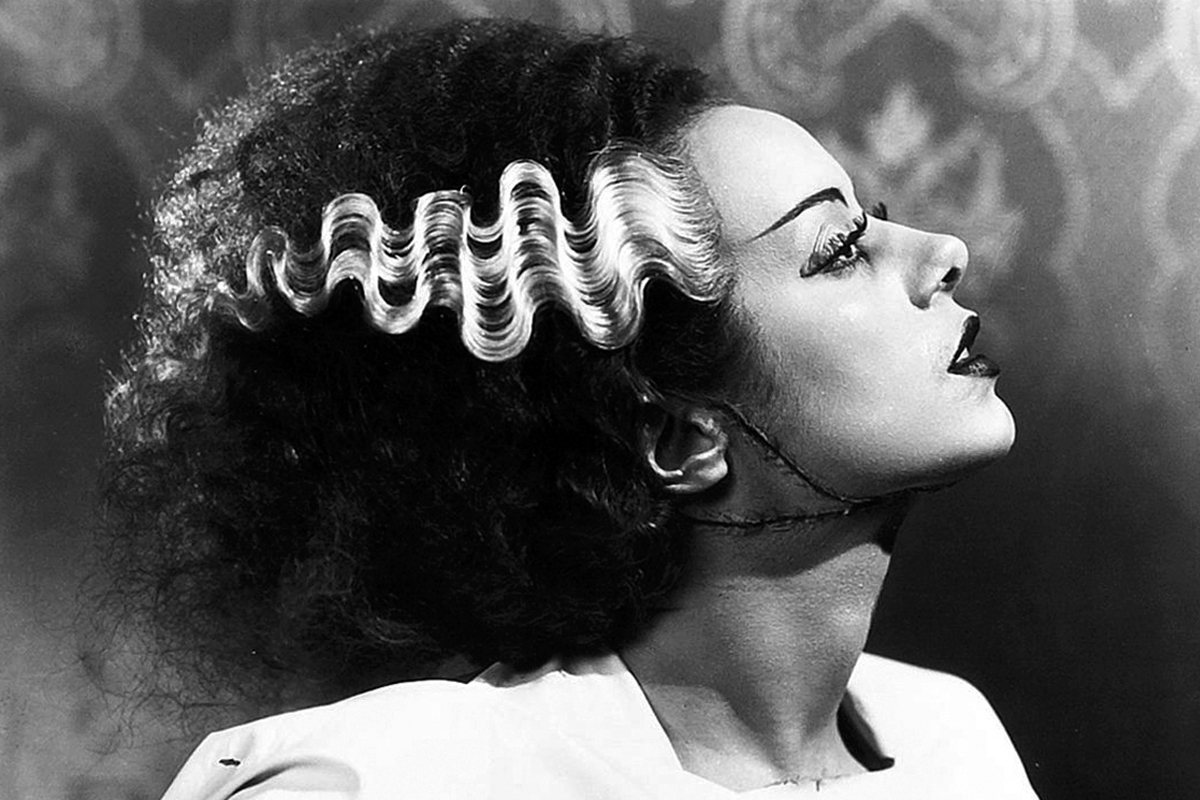 shortlist: queers, freaks, people who don’t fit in, outliers, people skeptical of modern science’s ability to explain our pain, existentialists, revolutionaries, those who find white people in positions of power inherently suspicious, anyone who’s wanted to burn it down, anyone who’s wanted to know more than they do right now, anyone who’s known too much, cinephiles, James Whale enthusiasts, Karina Longworth, Mel Brooks, rooftop architects, fans of Byron or either of the Shelleys, German Expressionism enthusiasts, violin players, suckers.
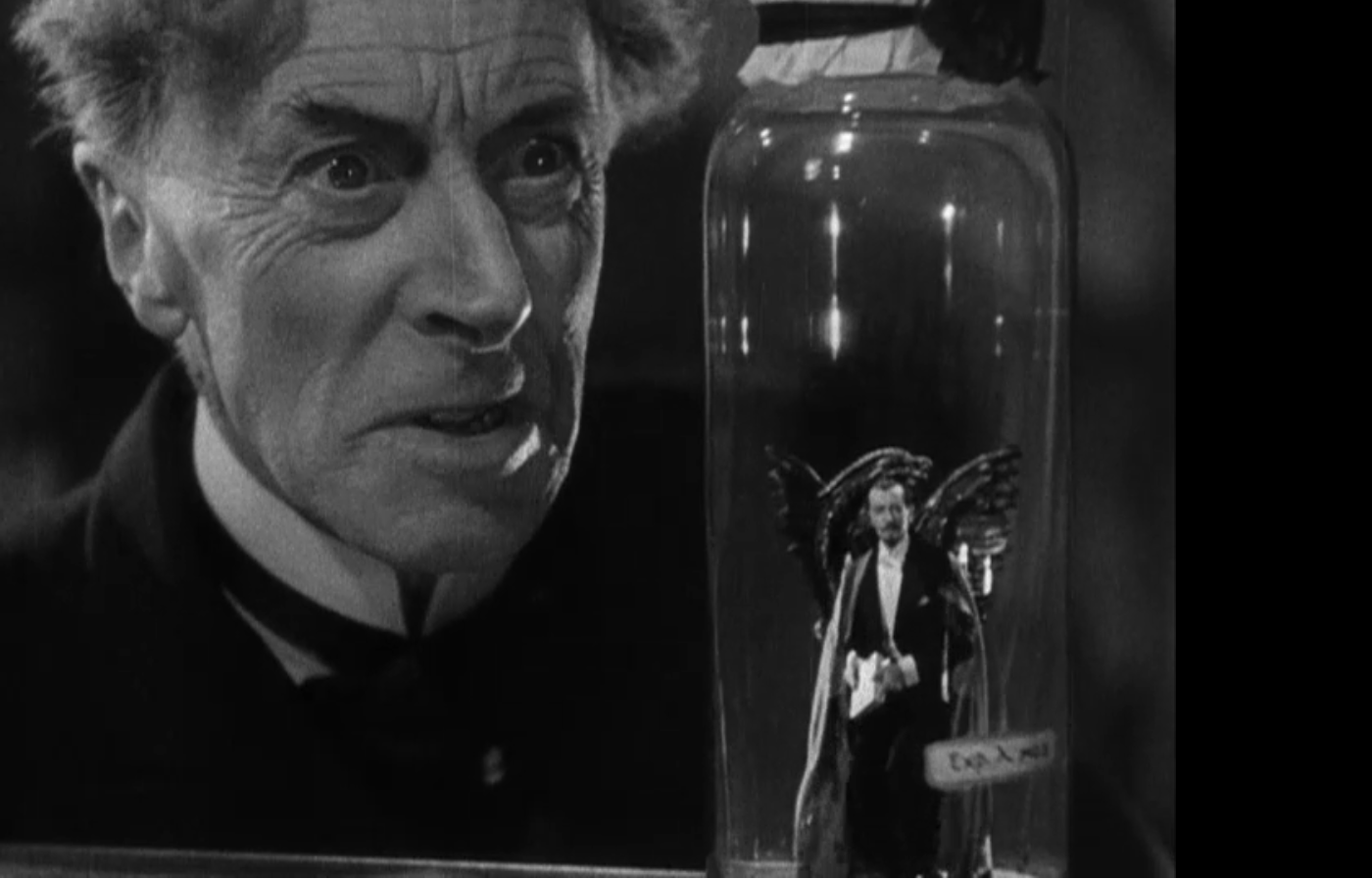 bemused by the material and in thrall to it. It’s a not-so-secret attack on conventional values, masquerading as a horror movie about a big dead guy and his big dead wife. It’s perfect. It is art.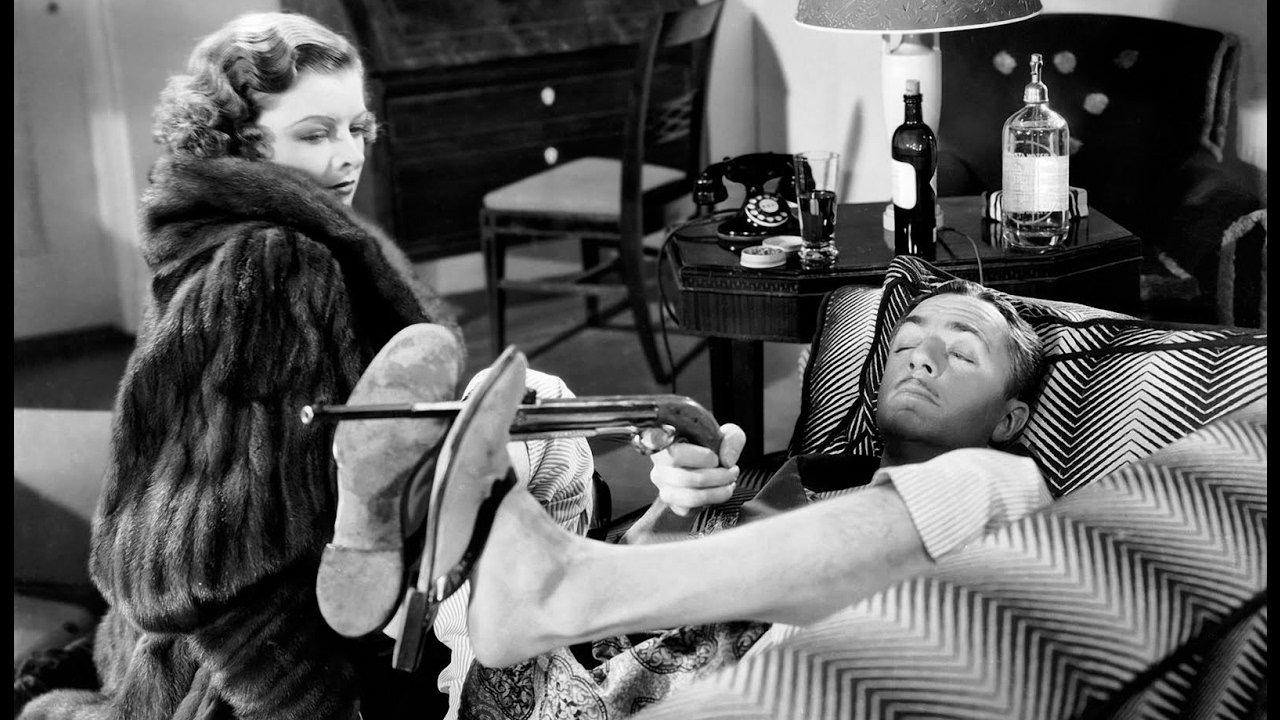
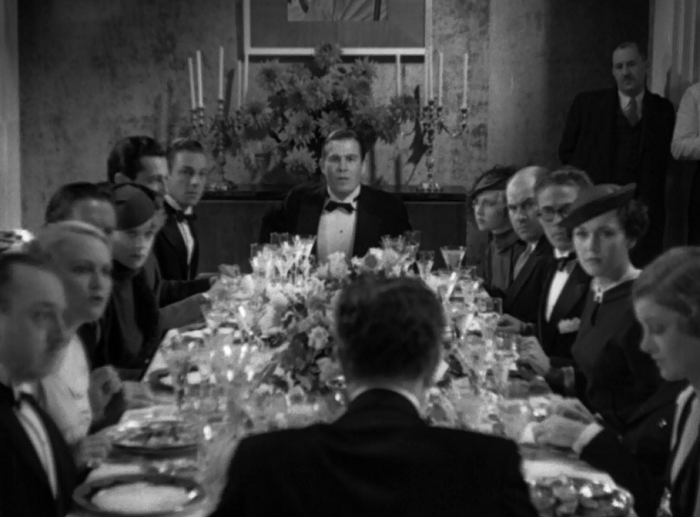
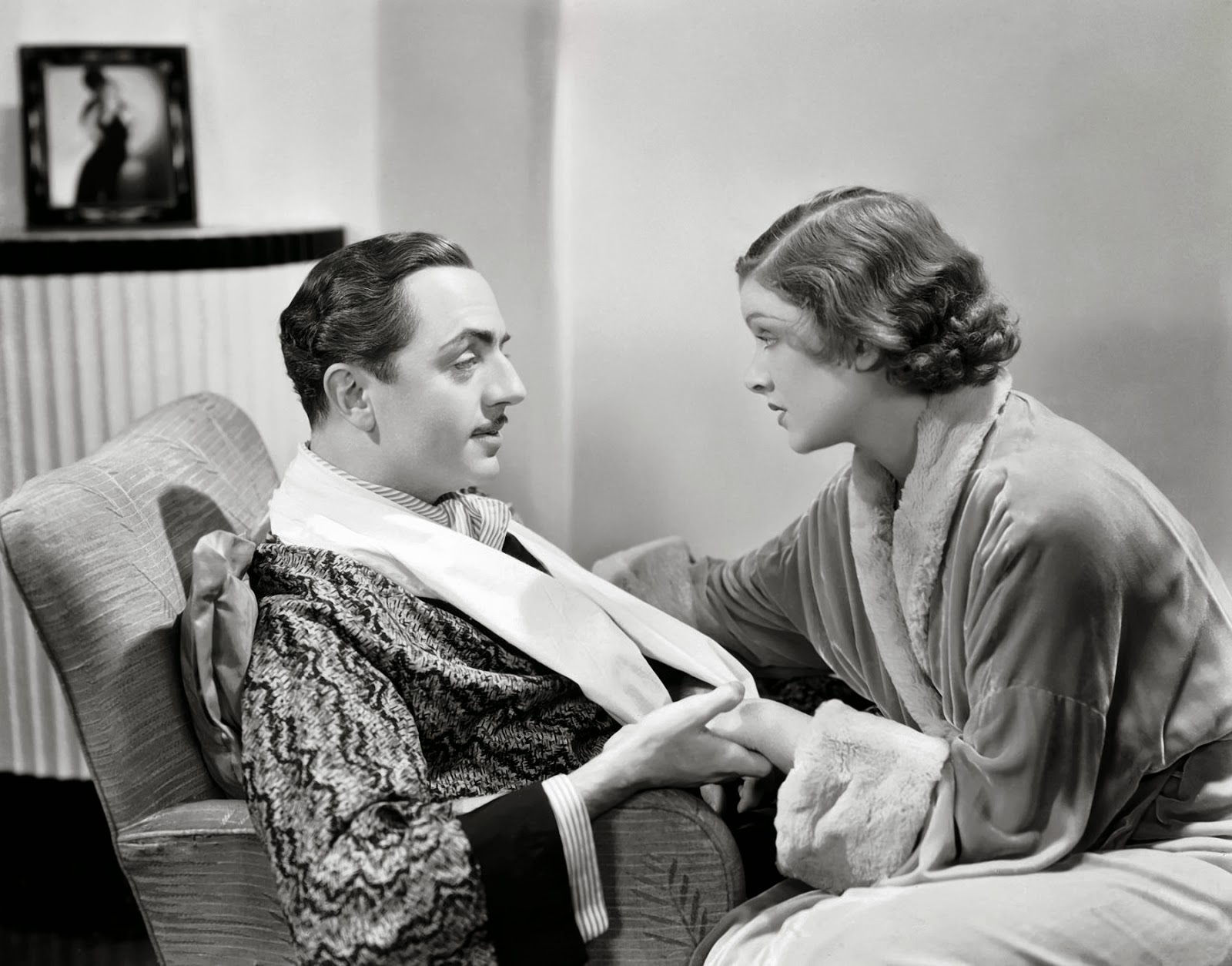 Nick and Nora’s banter is inspired, but it’s all in the ease of the delivery, an obvious affection for each other that let the newly official Hays Code censors overlook gags that might otherwise have been shut down, particularly if they weren’t married. There’s a lot of lap-sitting, necking, and innuendo here — not to mention Asta The Dog covering his eyes in a reaction shot when our heroes actually get down to lovin’ off-camera — but it can be accepted in the larger depiction of a truly happy, if unconventional, union.
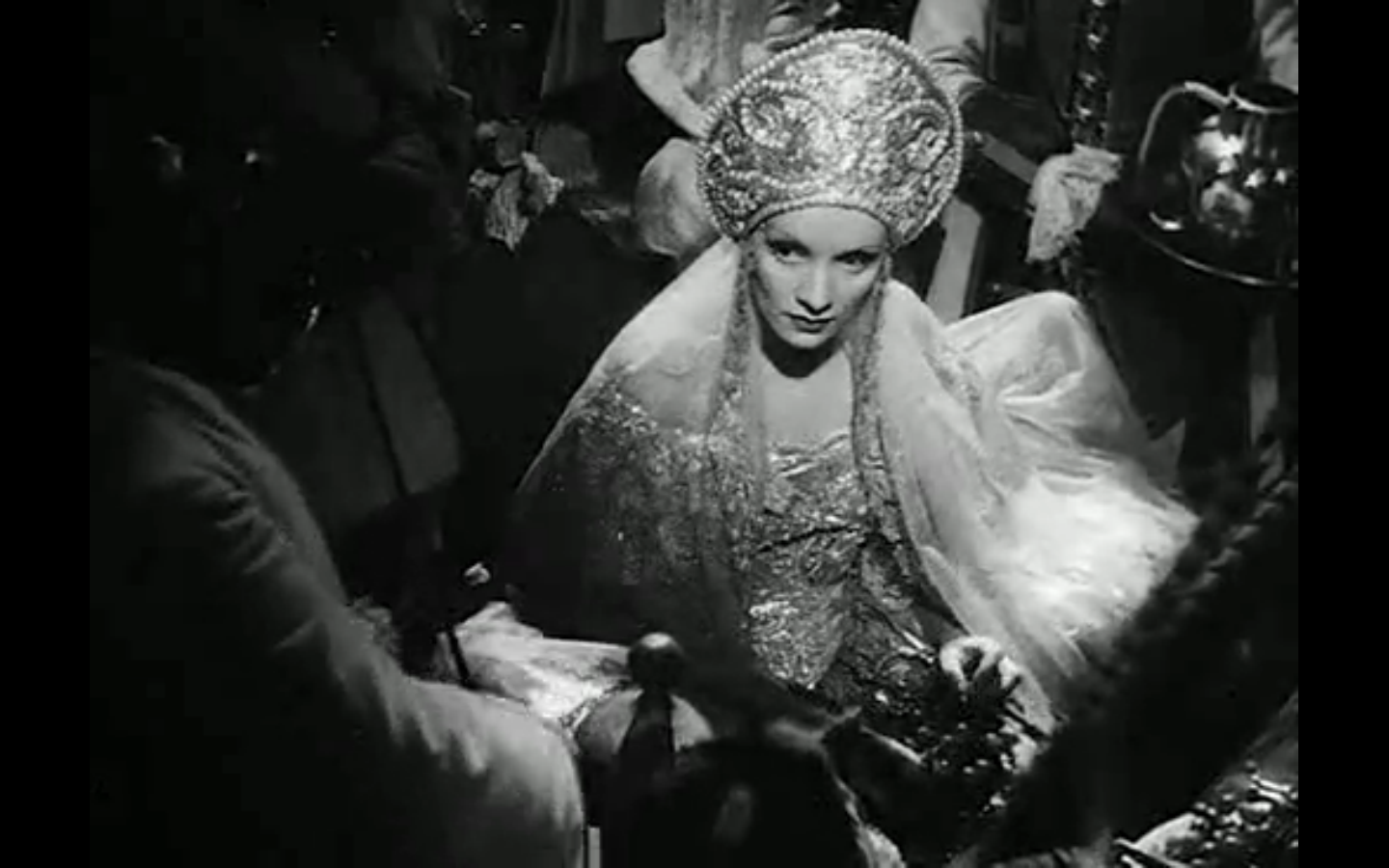
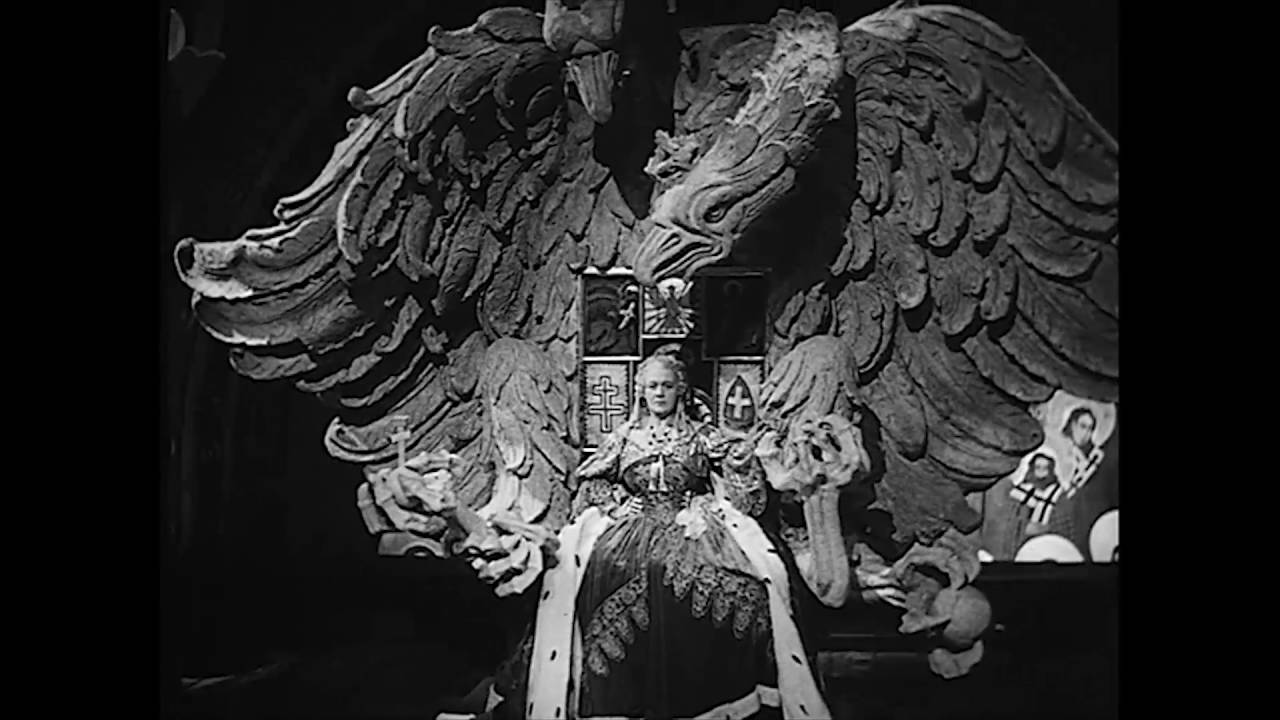
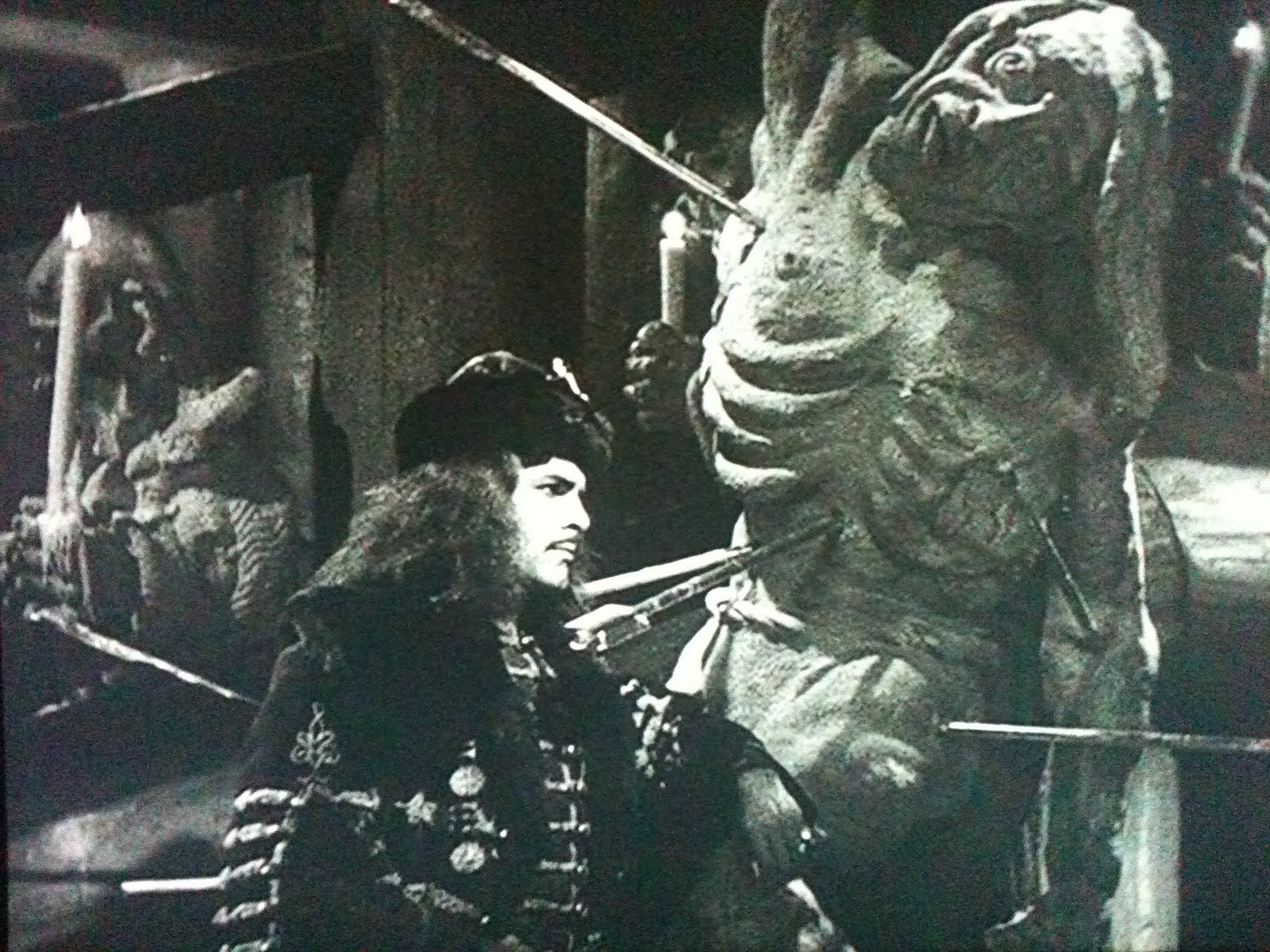
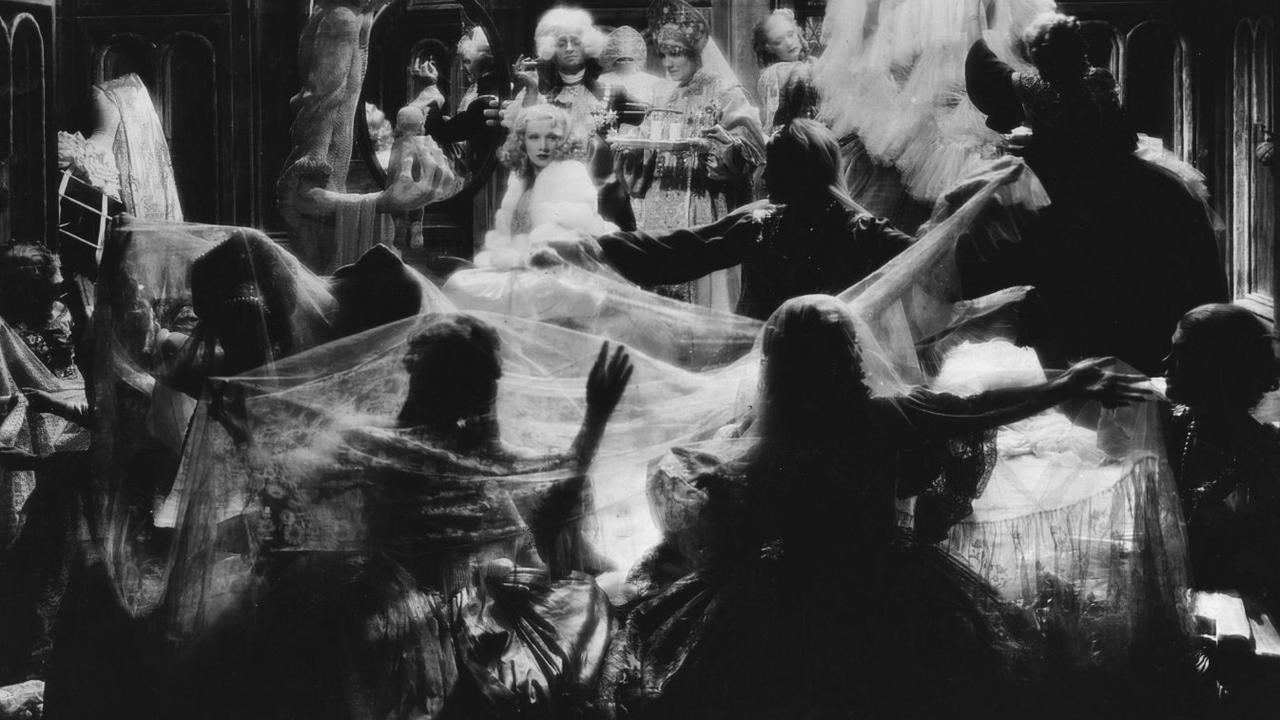
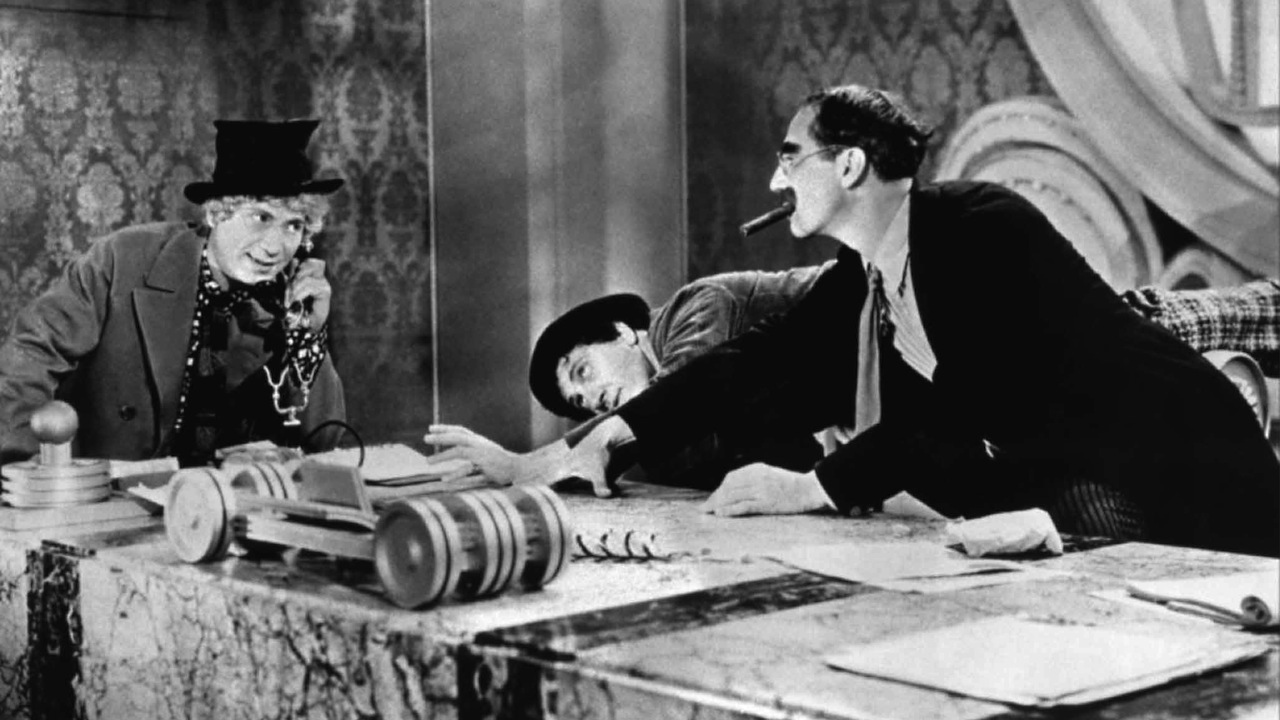
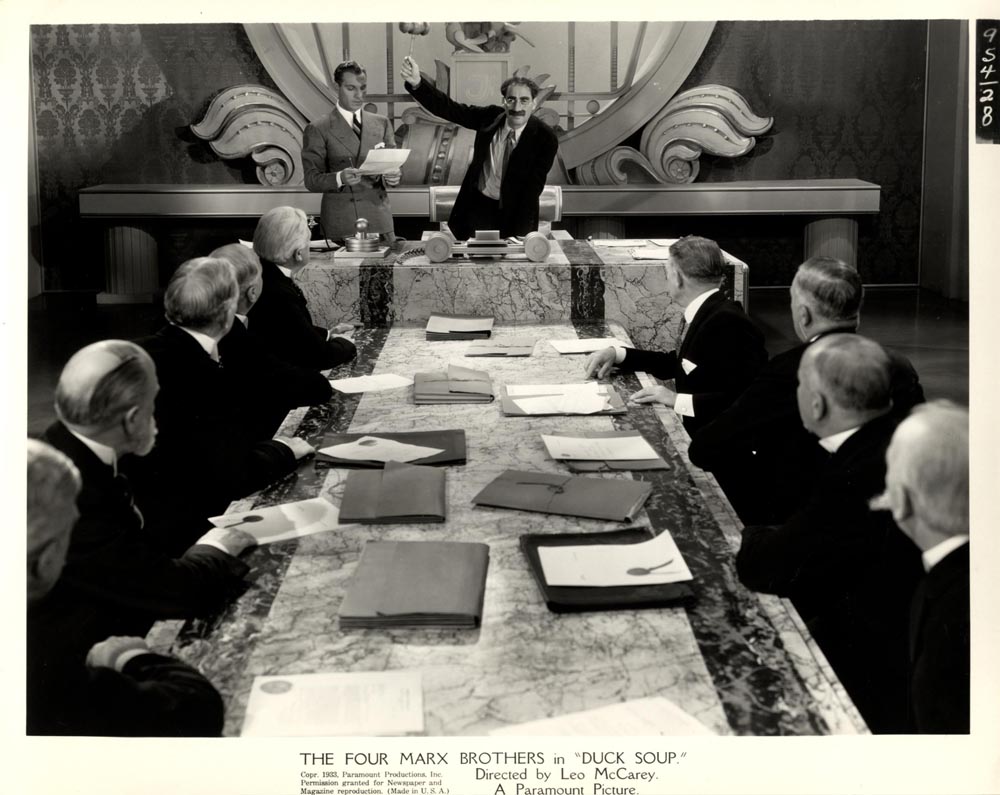
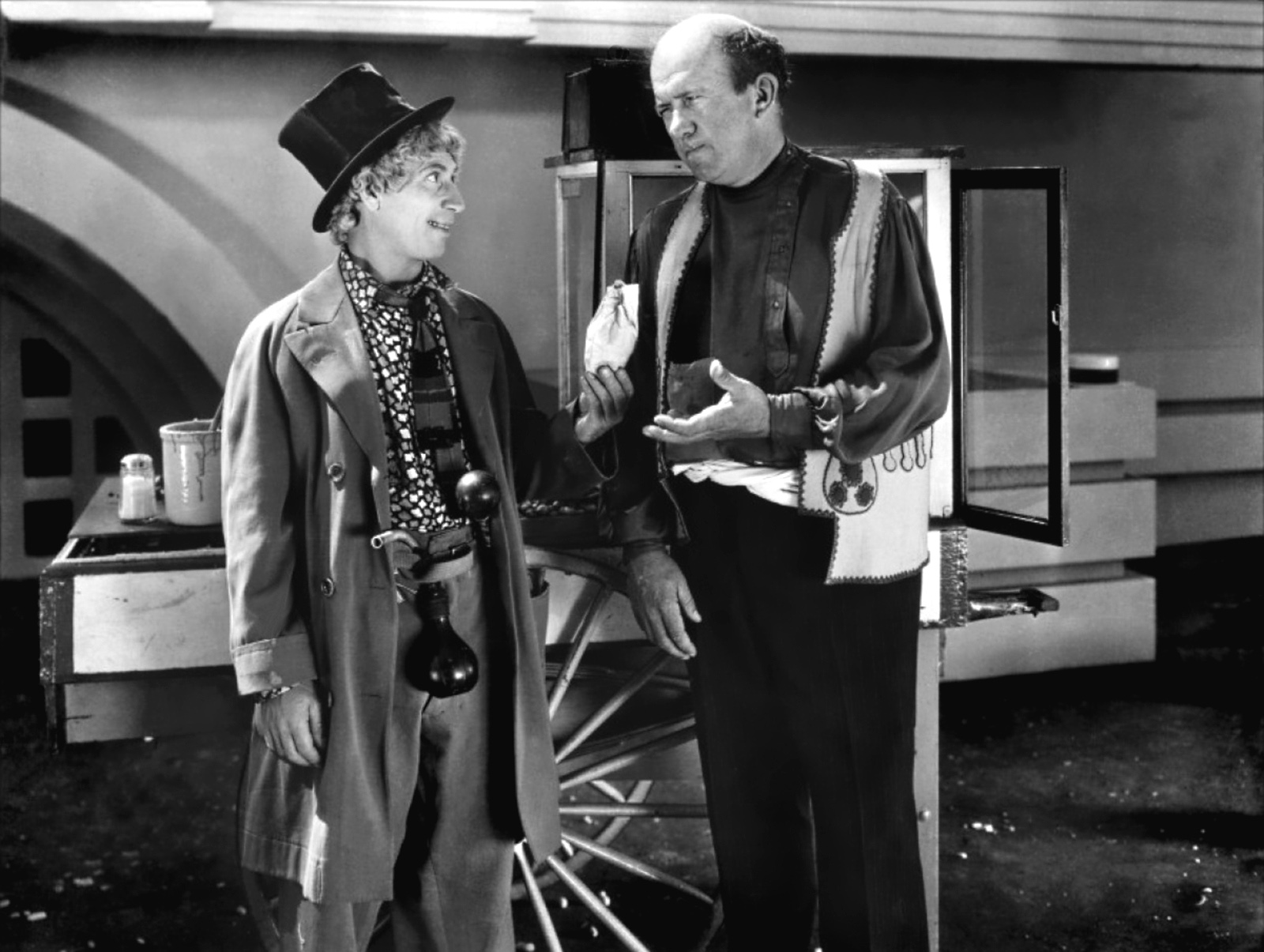
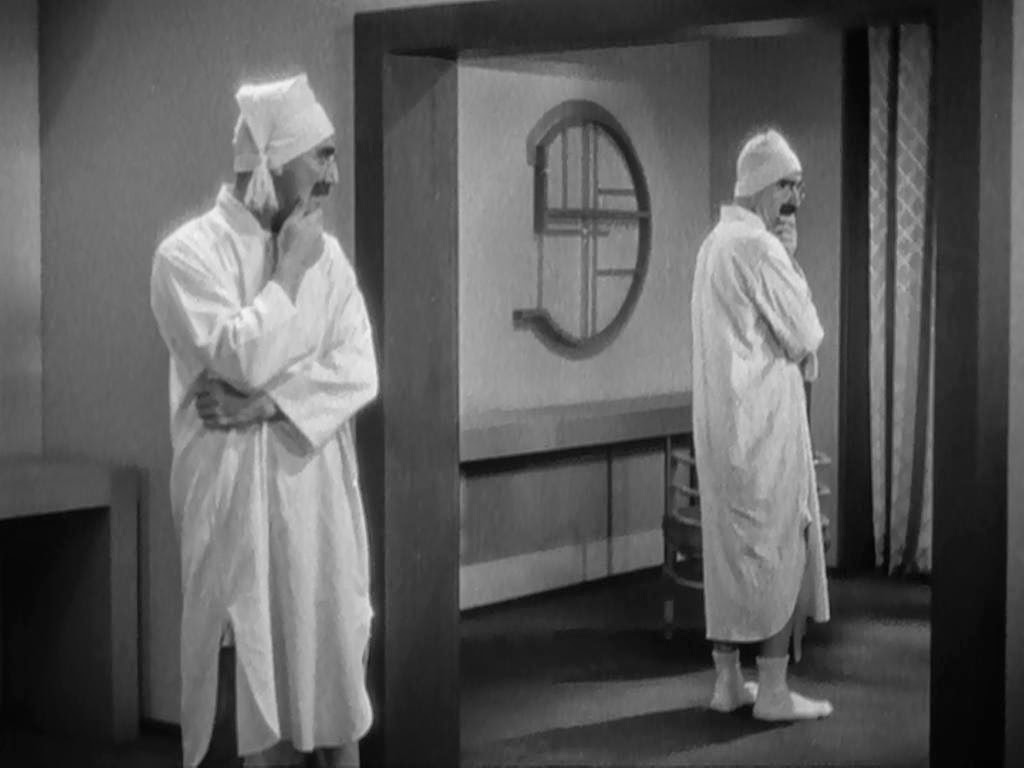 There are great physical bits, particularly the famous mirror scene, in which Groucho and Harpo (dressed as Groucho) mimic each other. In just a few short minutes, the film engenders an entire trope that will be carried through cartoons for the rest of time. There’s also something oddly touching about it: you can feel the staginess and yet you don’t care. The gag is too good to care.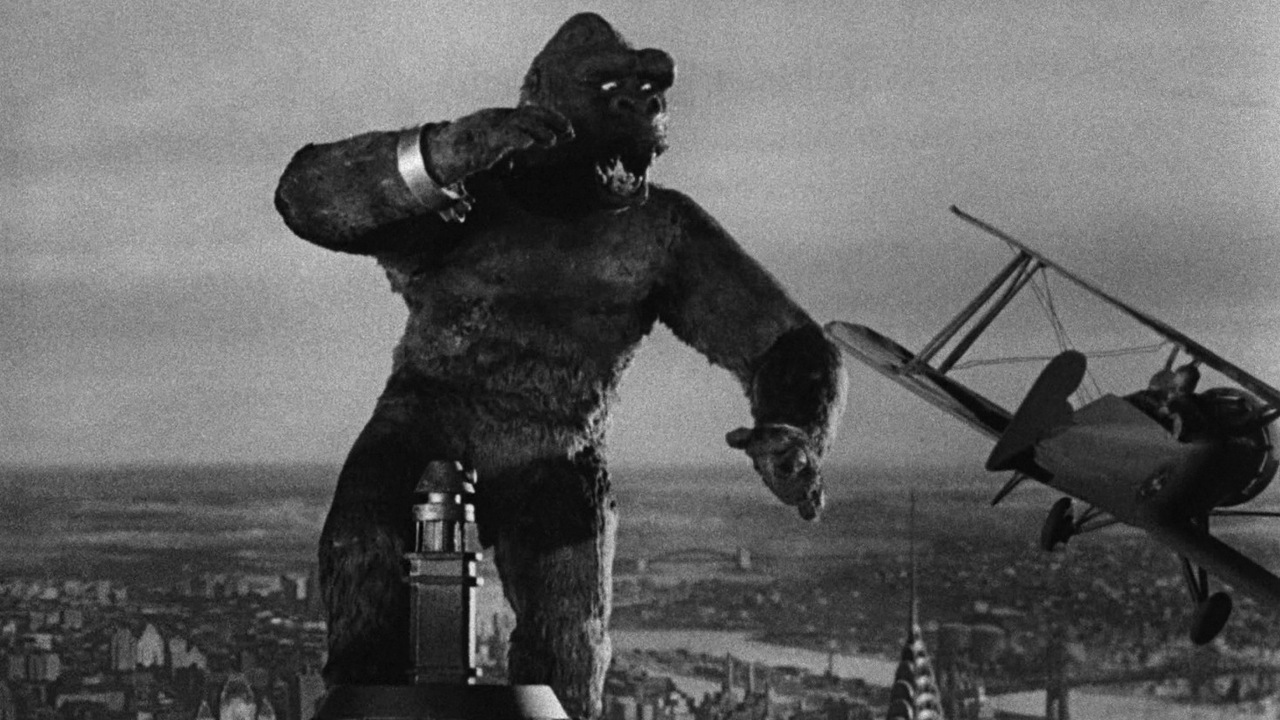
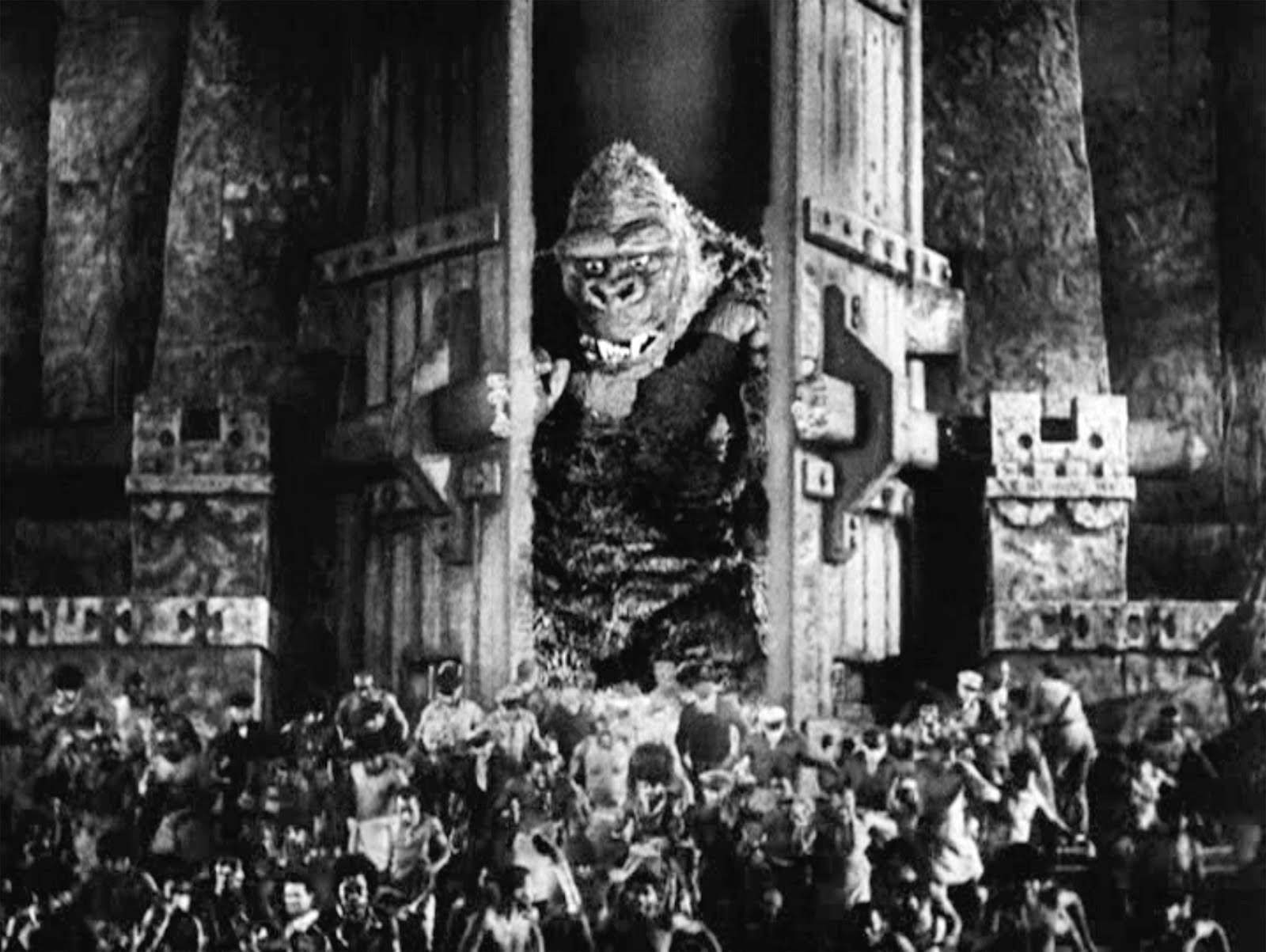
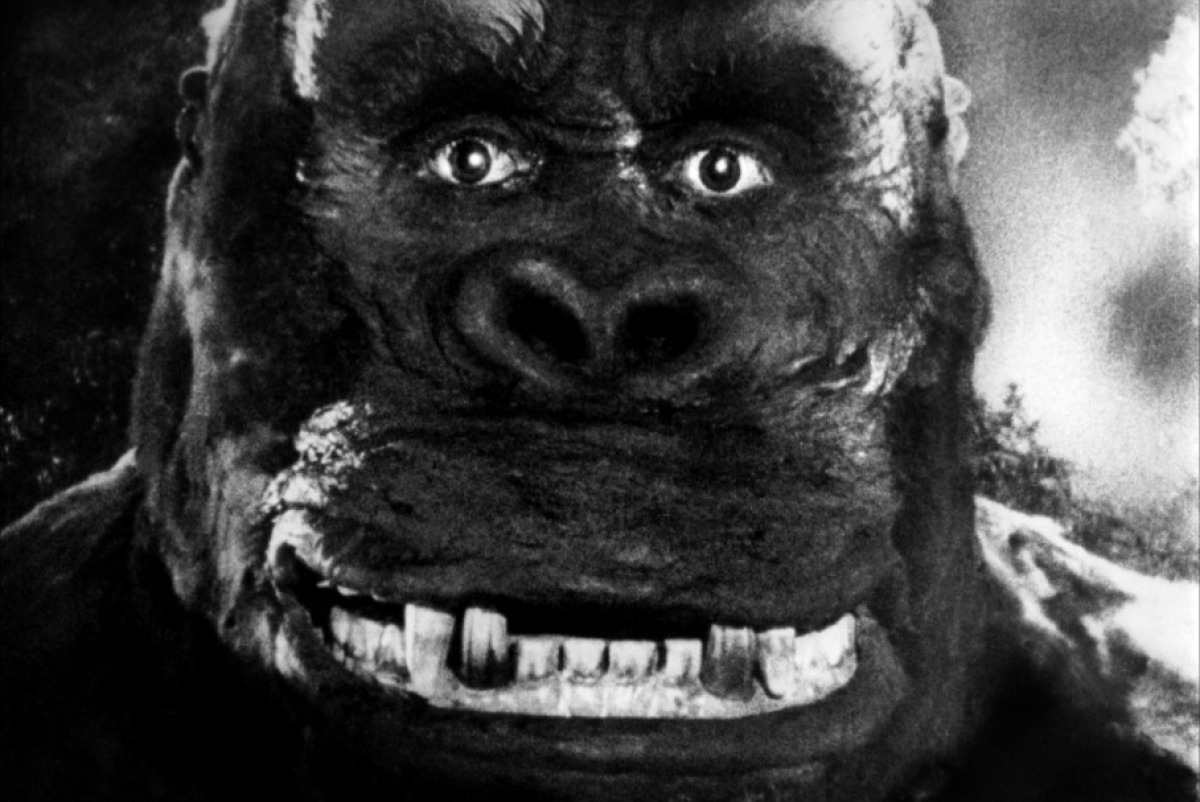
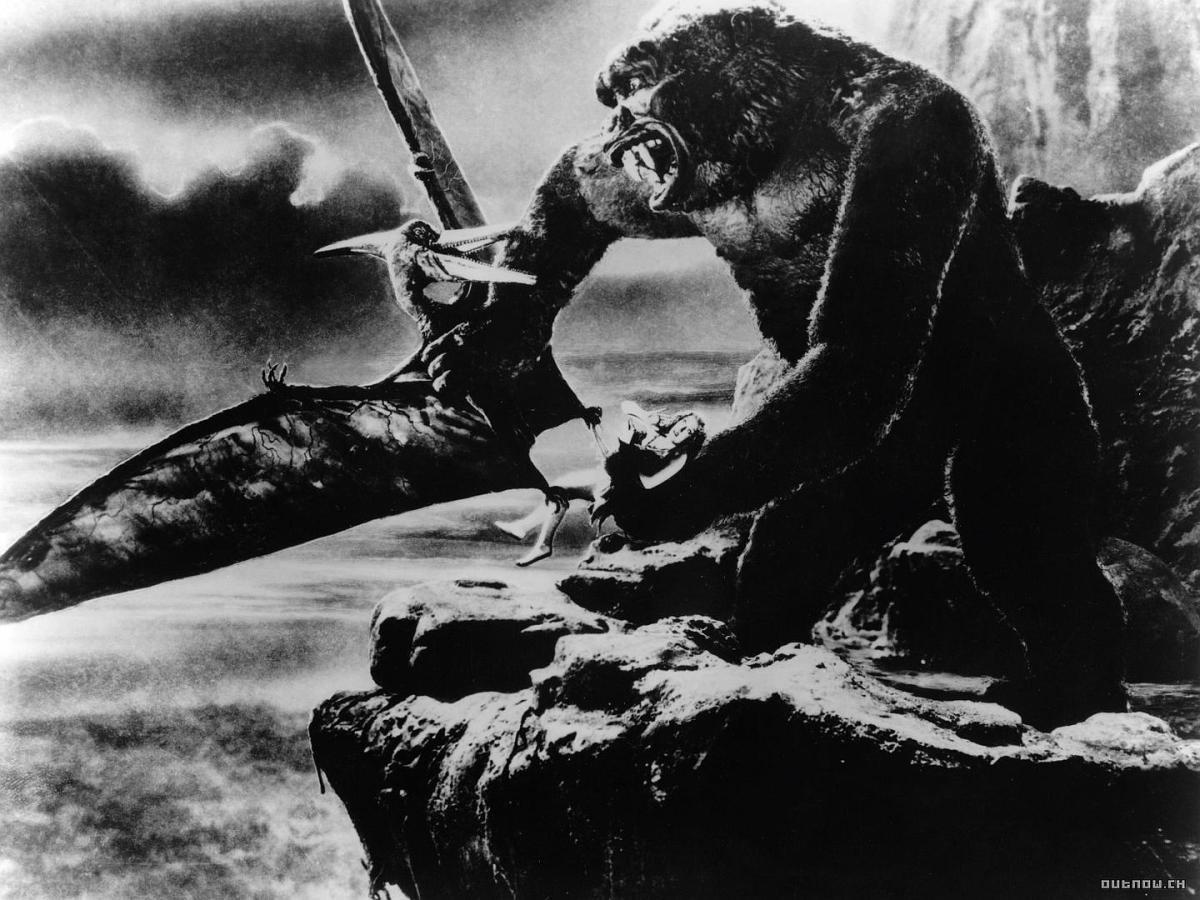 $600,000, starring mostly no-name actors, and with a script co-billed to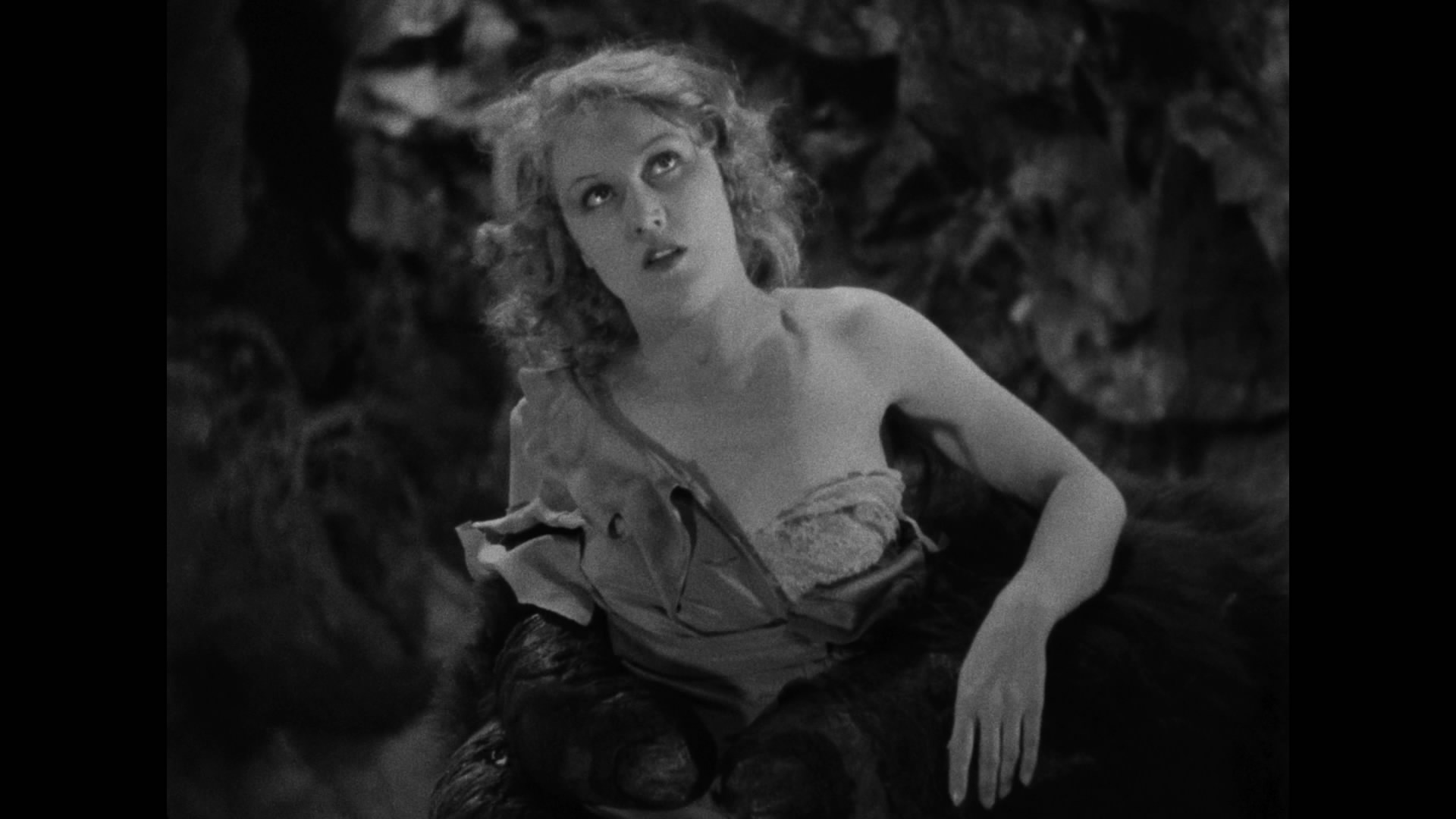
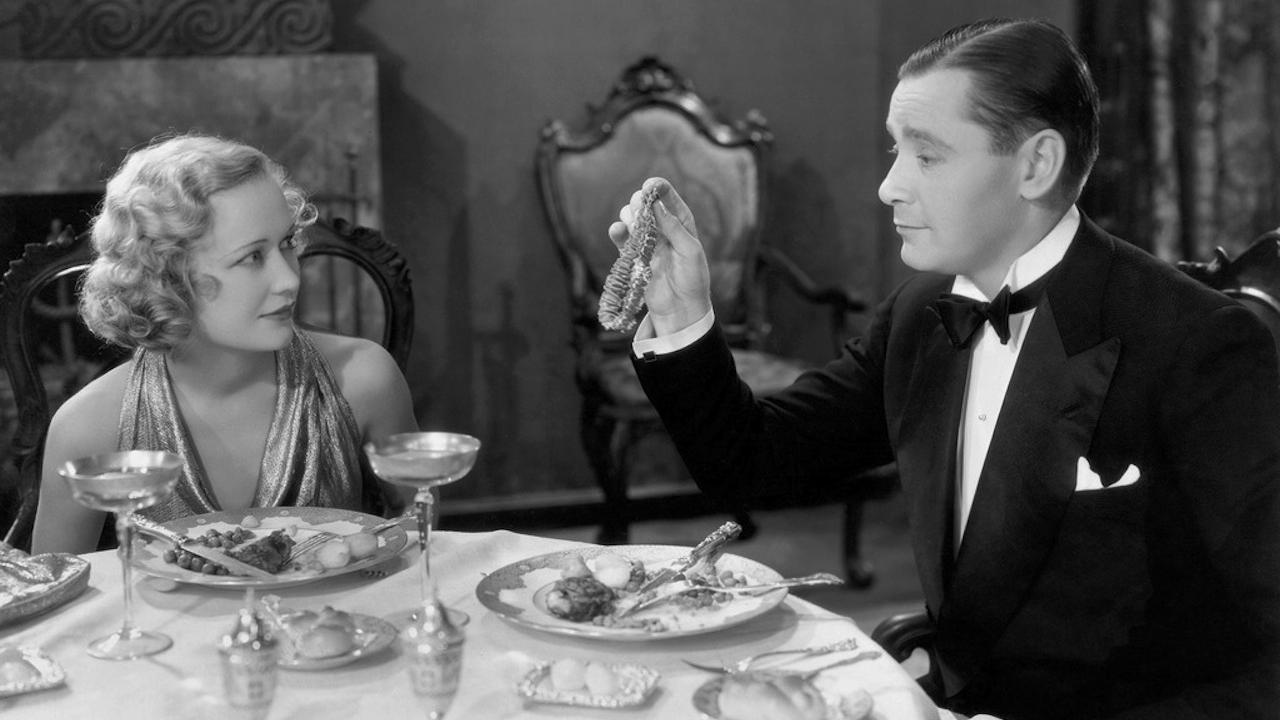
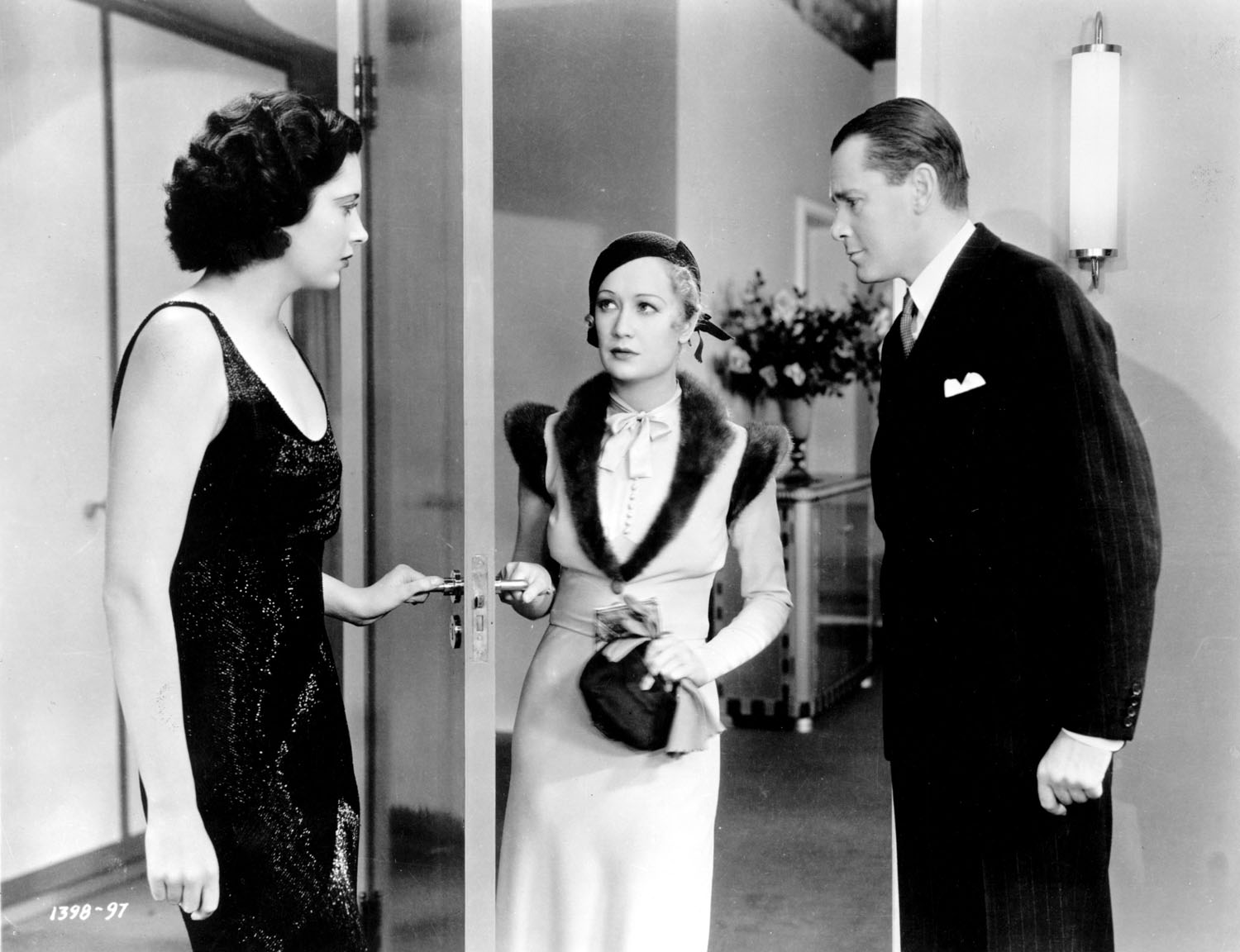
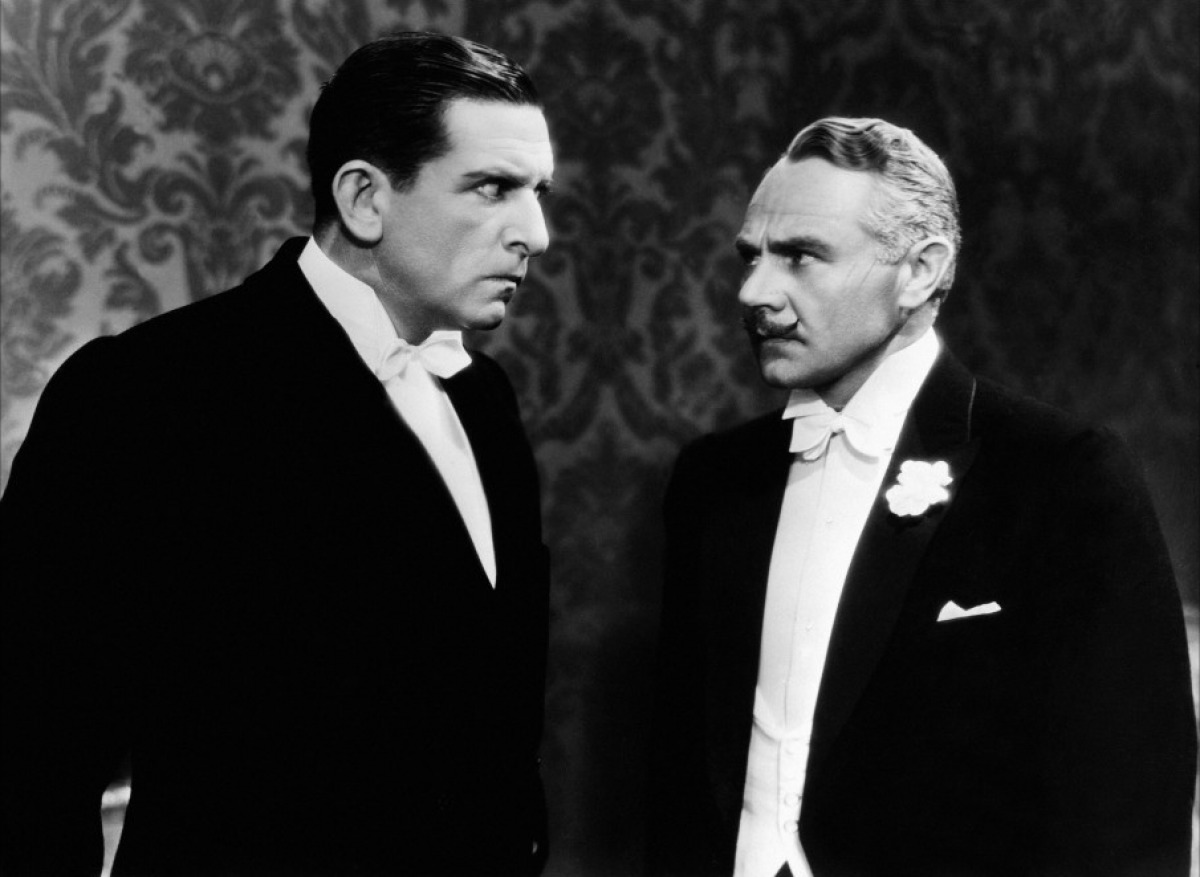
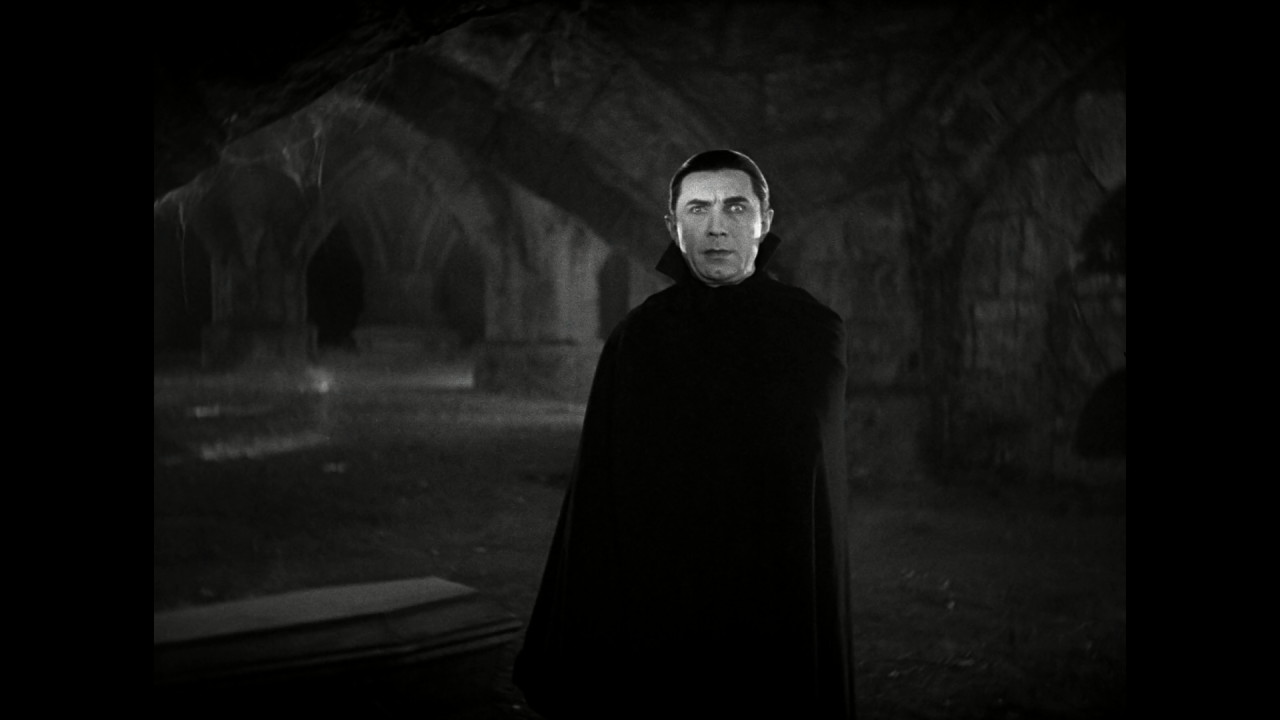
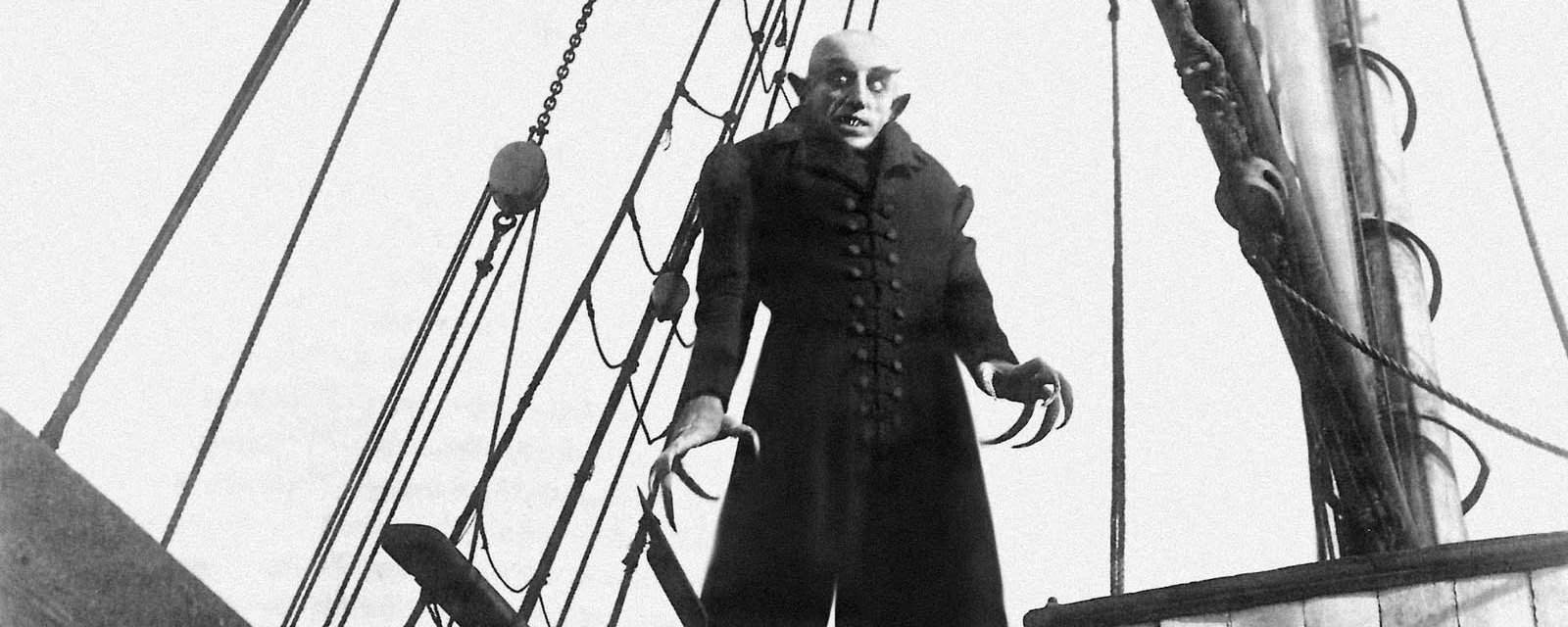
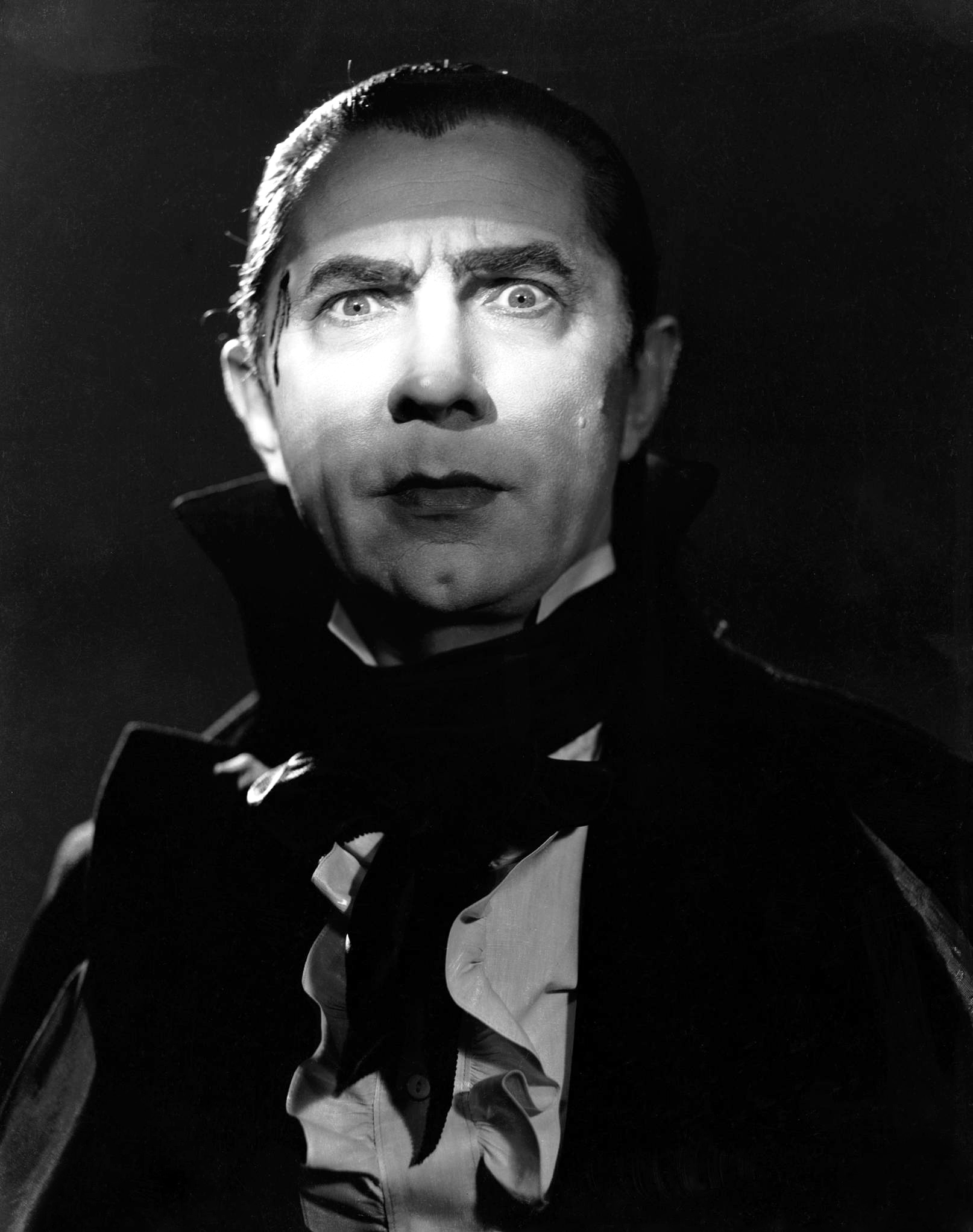
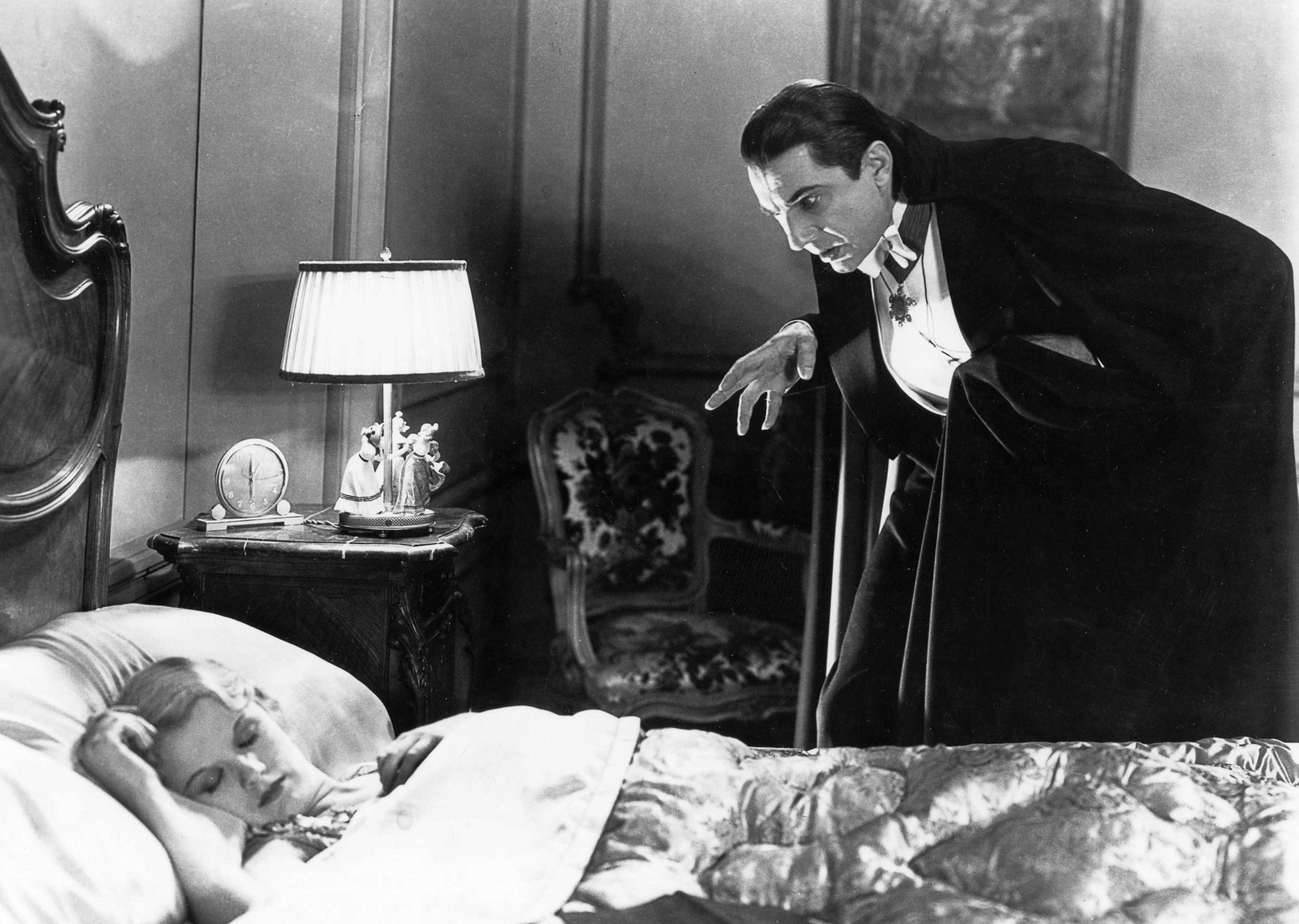
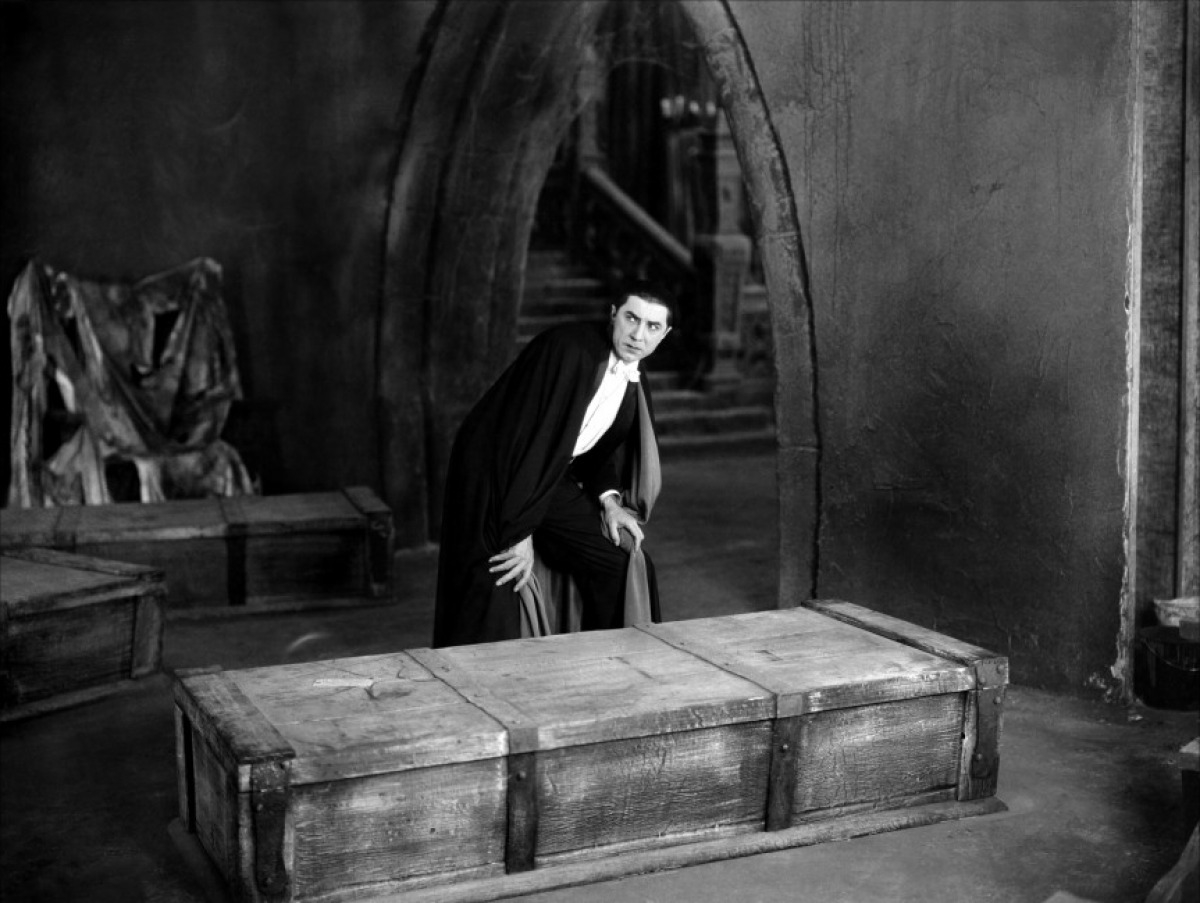
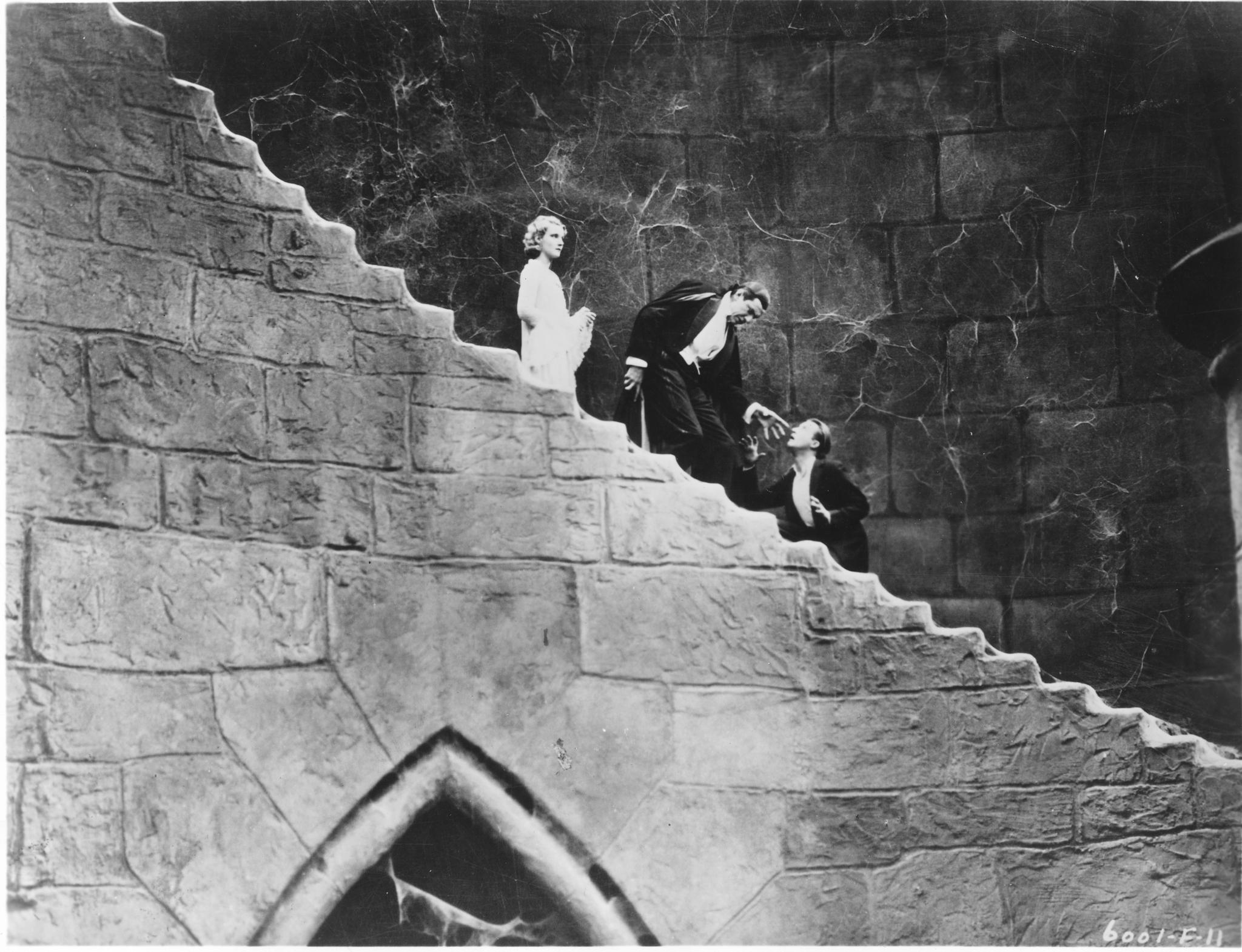
 The 1931 Dracula turns out to be one of the weaker of the classic Universal monster movies; the fact that Lugosi made such an impression is almost certainly related to the fact that little else does. The film owes a great deal to the earlier stage play by