Every programming choice needs its counter, and every canon should be challenged. The Great Movies: The Counter Programming series seeks to undermine the ongoing Great Movies Project. By recognizing the glut of white, European and Anglo-American, straight dudes who generally constitute what we think of as “the masters,” it becomes necessary to widen the frame.
This is an ongoing project to watch a set of films from non-white, non-Western, non-straight, and/or non-dudes. It will be ongoing, probably, forever. Please feel free to chime in about titles and movements I have overlooked, as I know beyond all doubt there are many. The point is not to slam universally loved and respected films. The point is simply to broaden a conception of where films have been made, by whom, and to what ends or concerns. The larger point, as always, is to discover hidden gems in the rich history of cinema. I hope you enjoy it.
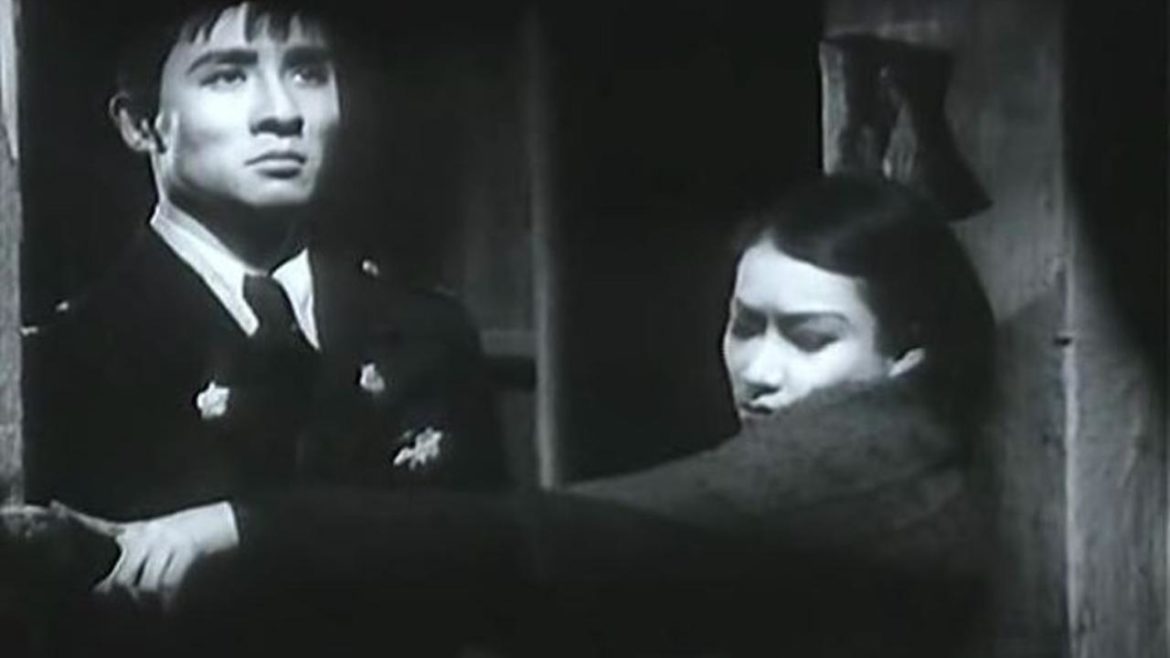
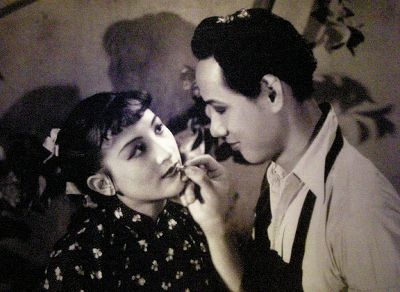
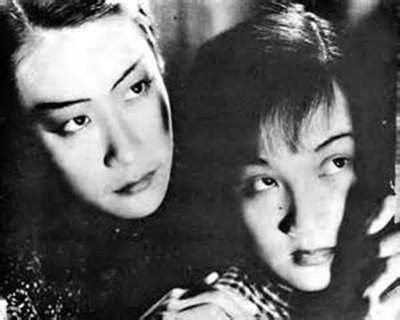
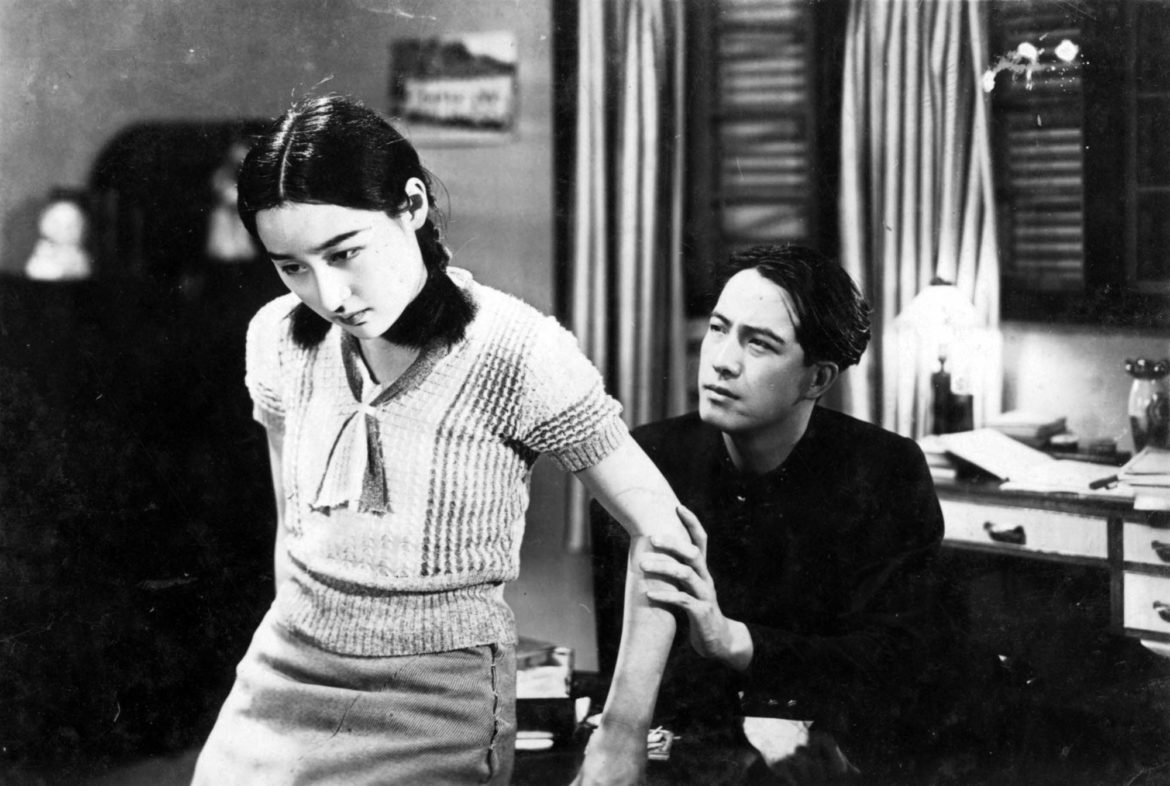
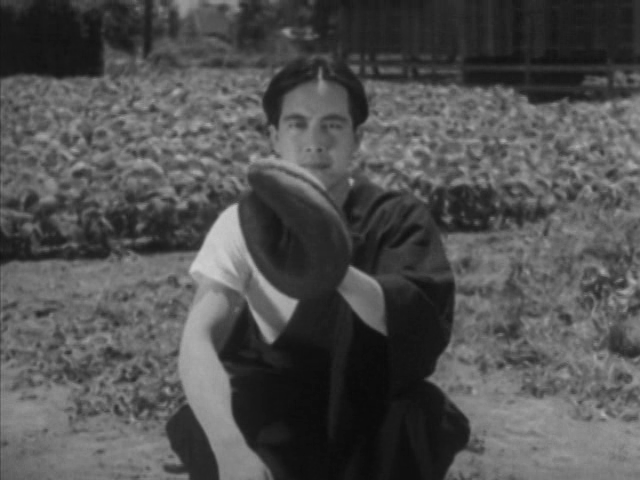
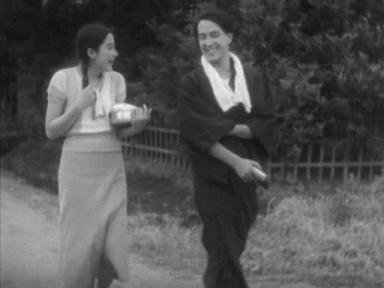
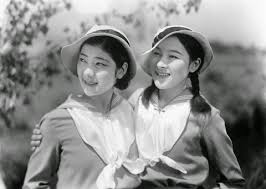
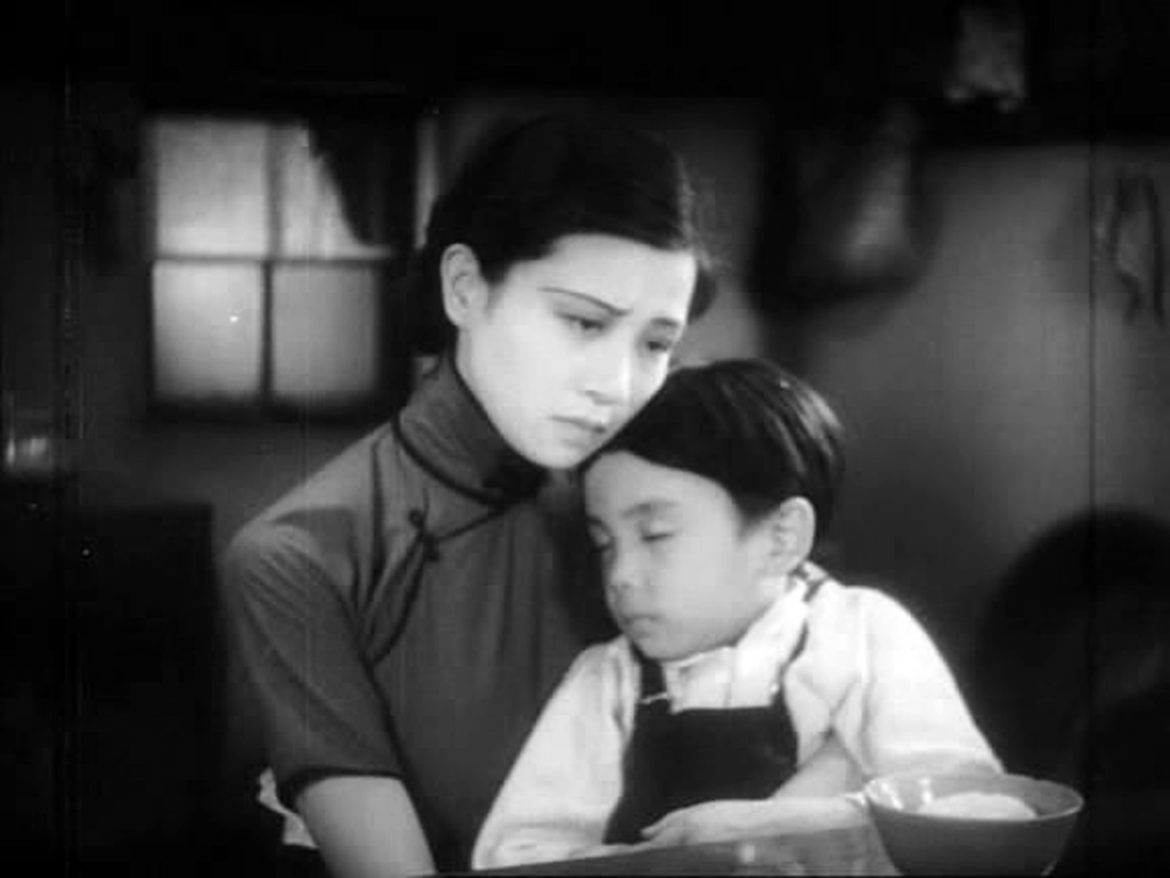
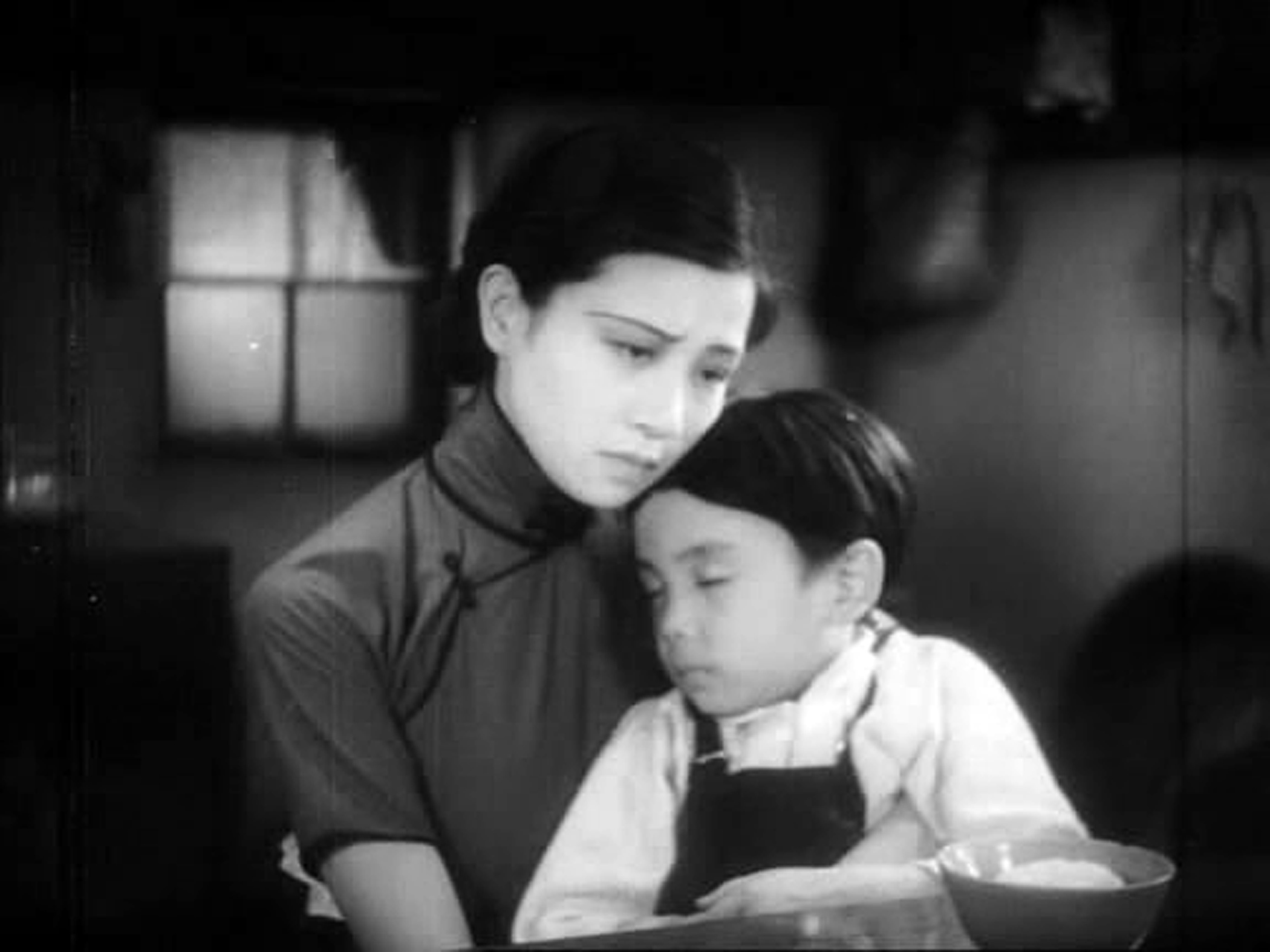
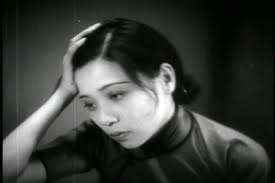
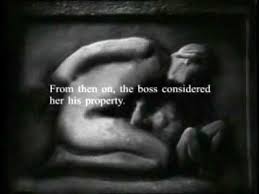
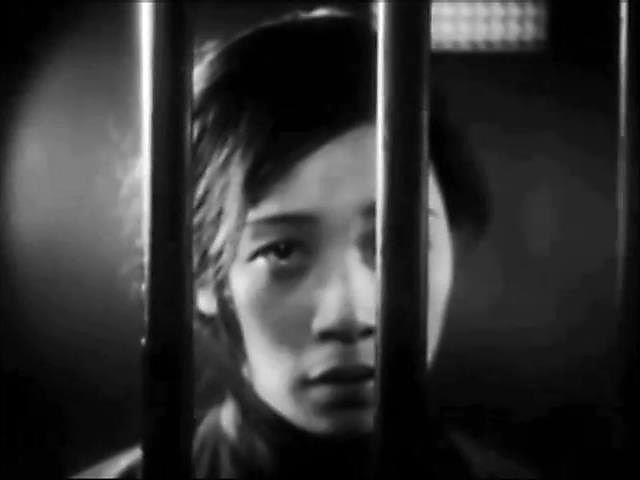
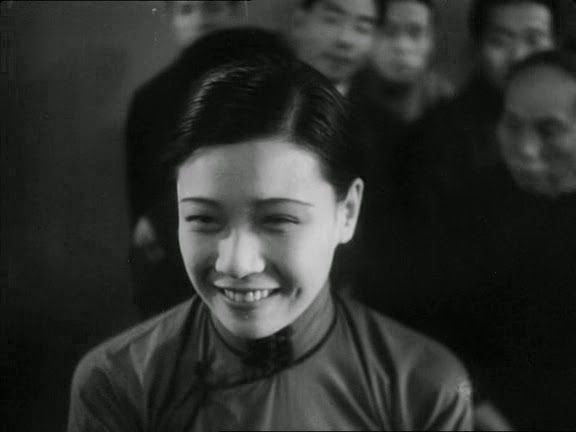
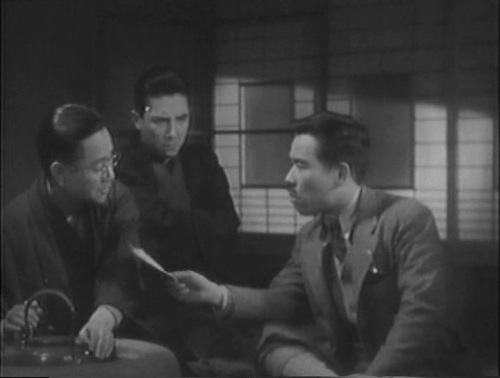
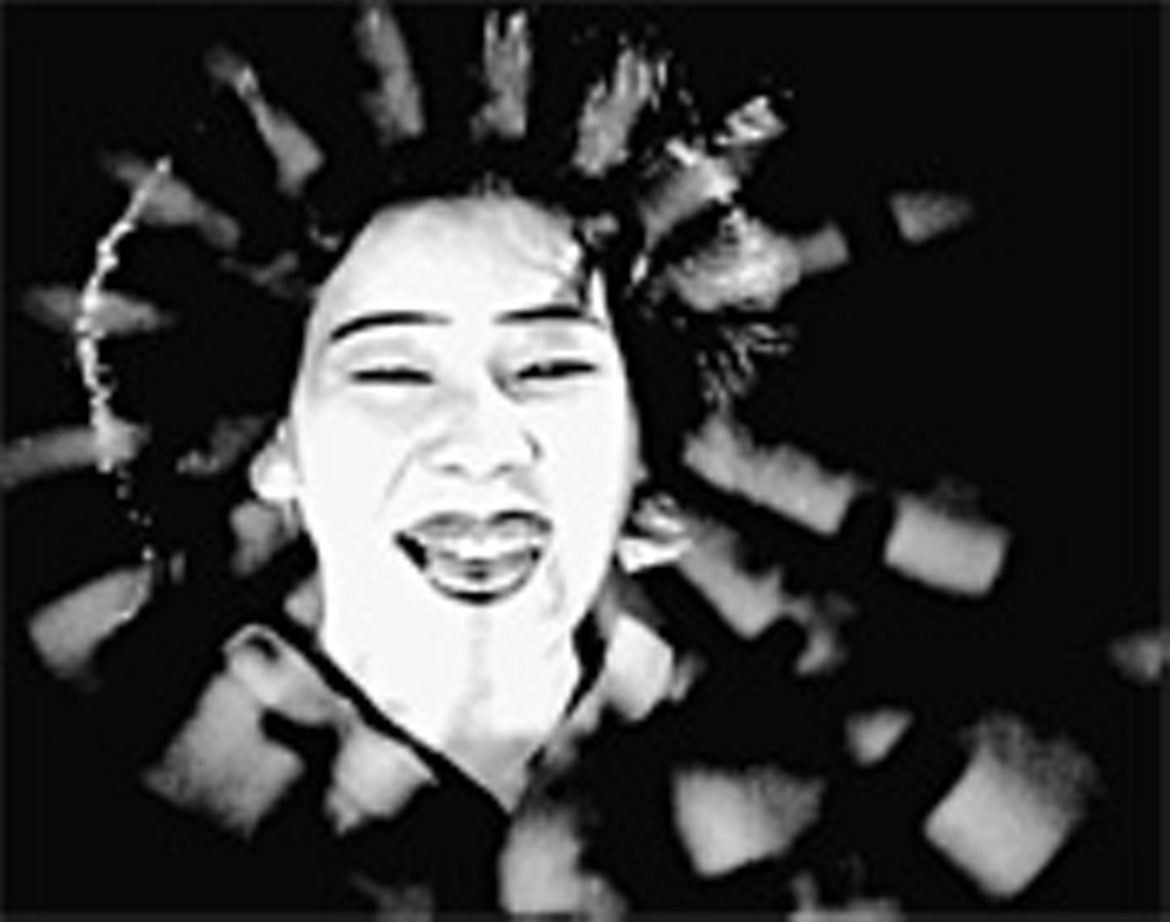
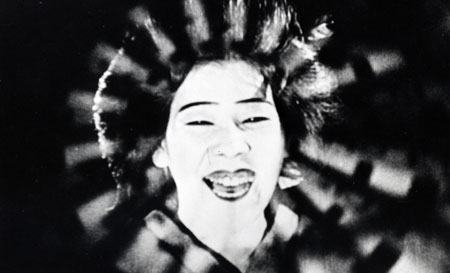 To make matters worse, he believes he’s killed the rival suitor, placing both him and his sister in a precarious position. As he holes up in their apartment and she tries to negotiate these dangerous waters, the world impinges on them both. Kinugasa finds shadows even in the darkness they live in, which is occasionally near-total. There is little light, and little hope for redemption. All the figures in the story either want something from Okiku or strategize how to best exploit Rikiya’s situation. This is an unforgiving world that punishes people for having the temerity to fall in love.
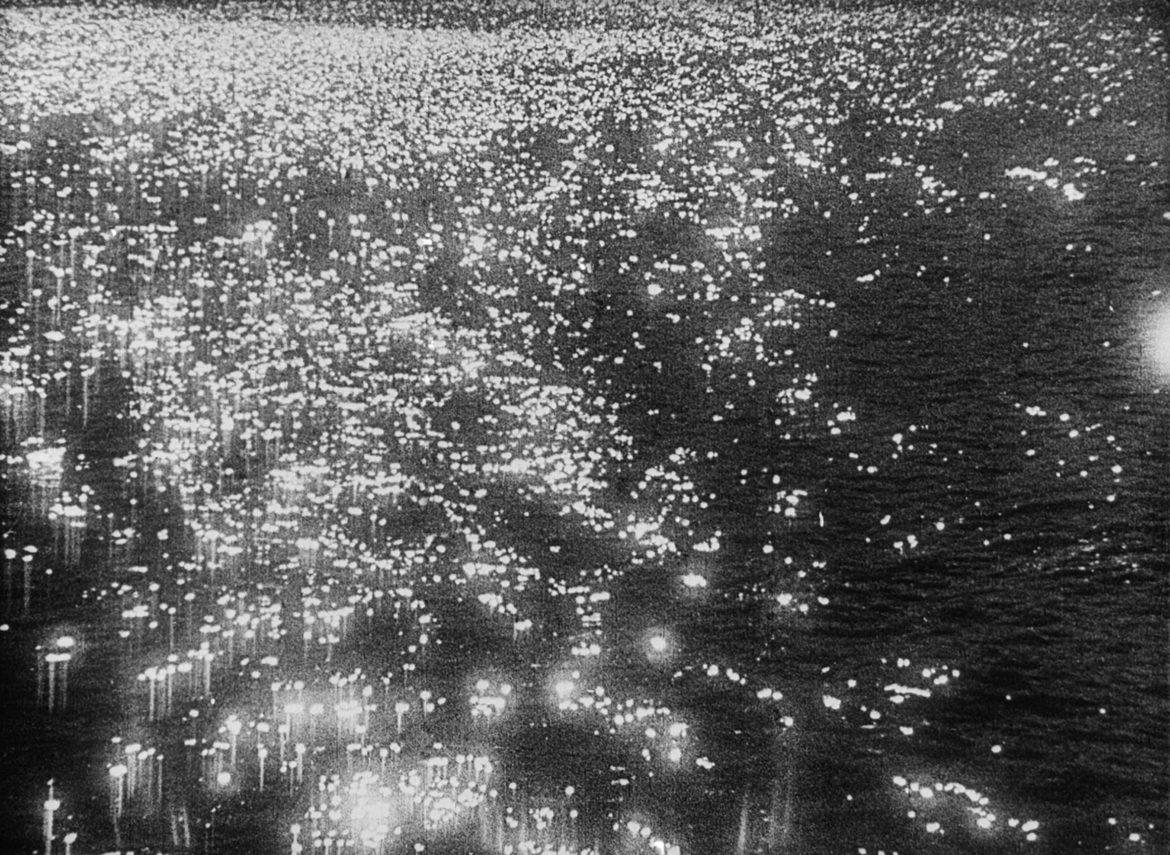
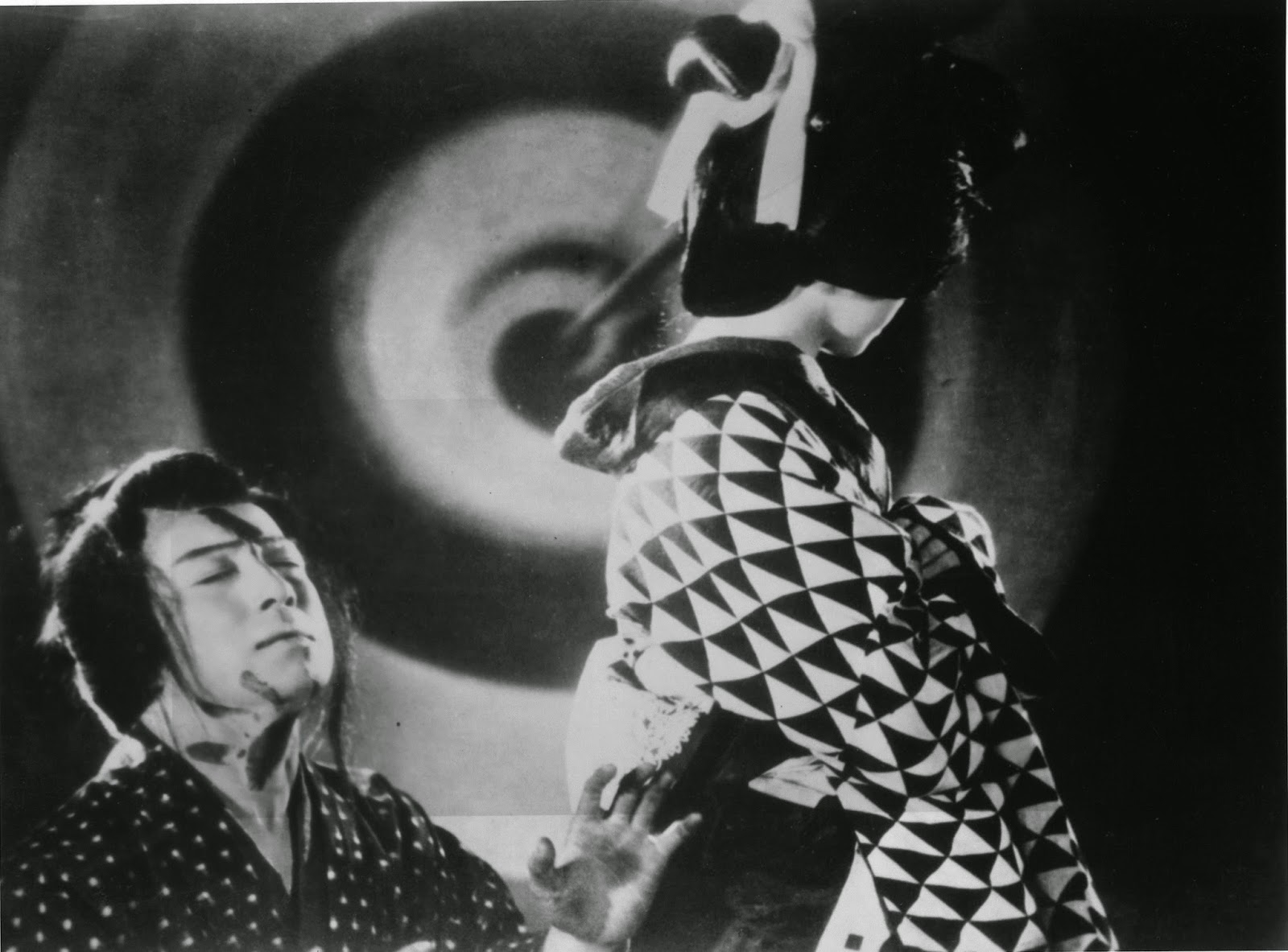 In the end, it doesn’t matter. In classic melodrama fashion, the facts of the world are immovable and the choices that have been made irrevocable. Things are headed for a fall from the start. In the meantime, though, Kinugasa fills the frame with impressionistic touches that put us fully in the place of the characters. Some are pretty bold — he deploys superimpositions and double exposures and a spinning camera, turning wheels and rotating lanterns as motifs. Crossroads flashes back and forward with ease, emphasizes the rush of memory through quick cutting, and fades to bright lights and what seems to be falling snow to indicate wounded eyes struggling to come into focus. The decision to position us in individual characters’ points of view, visually, is an unusually evident stylistic choice for 1928.