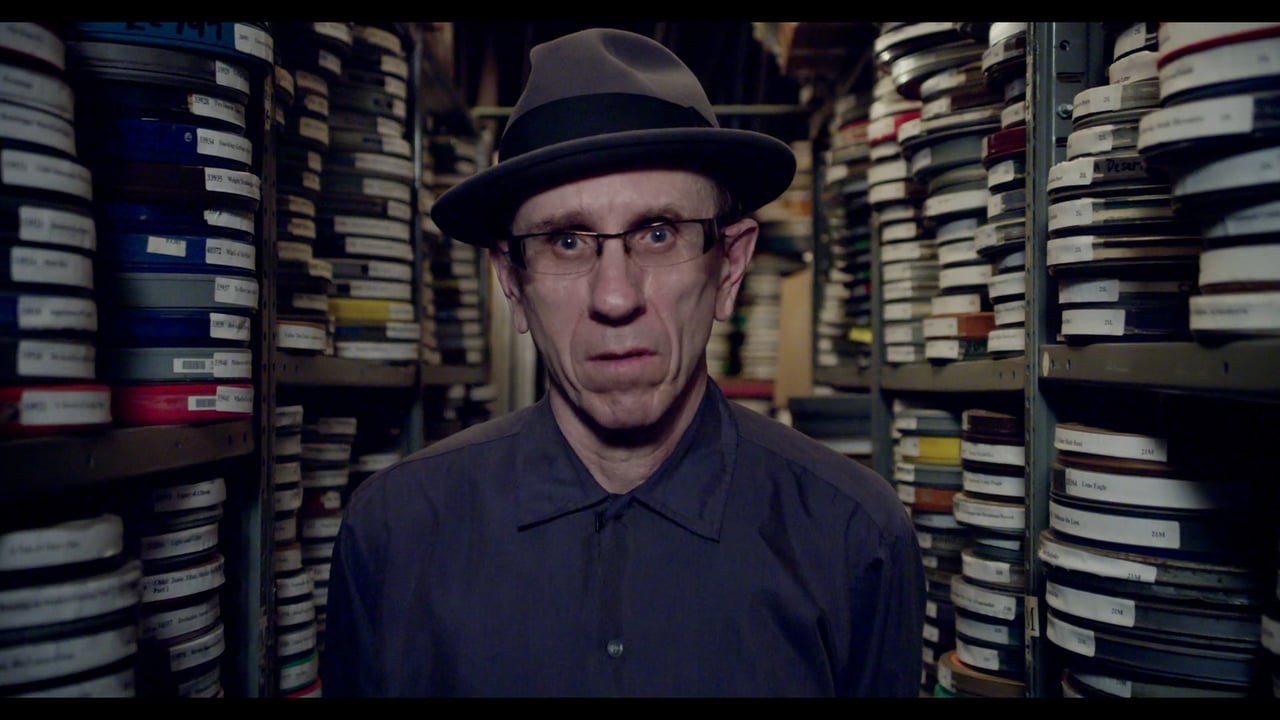
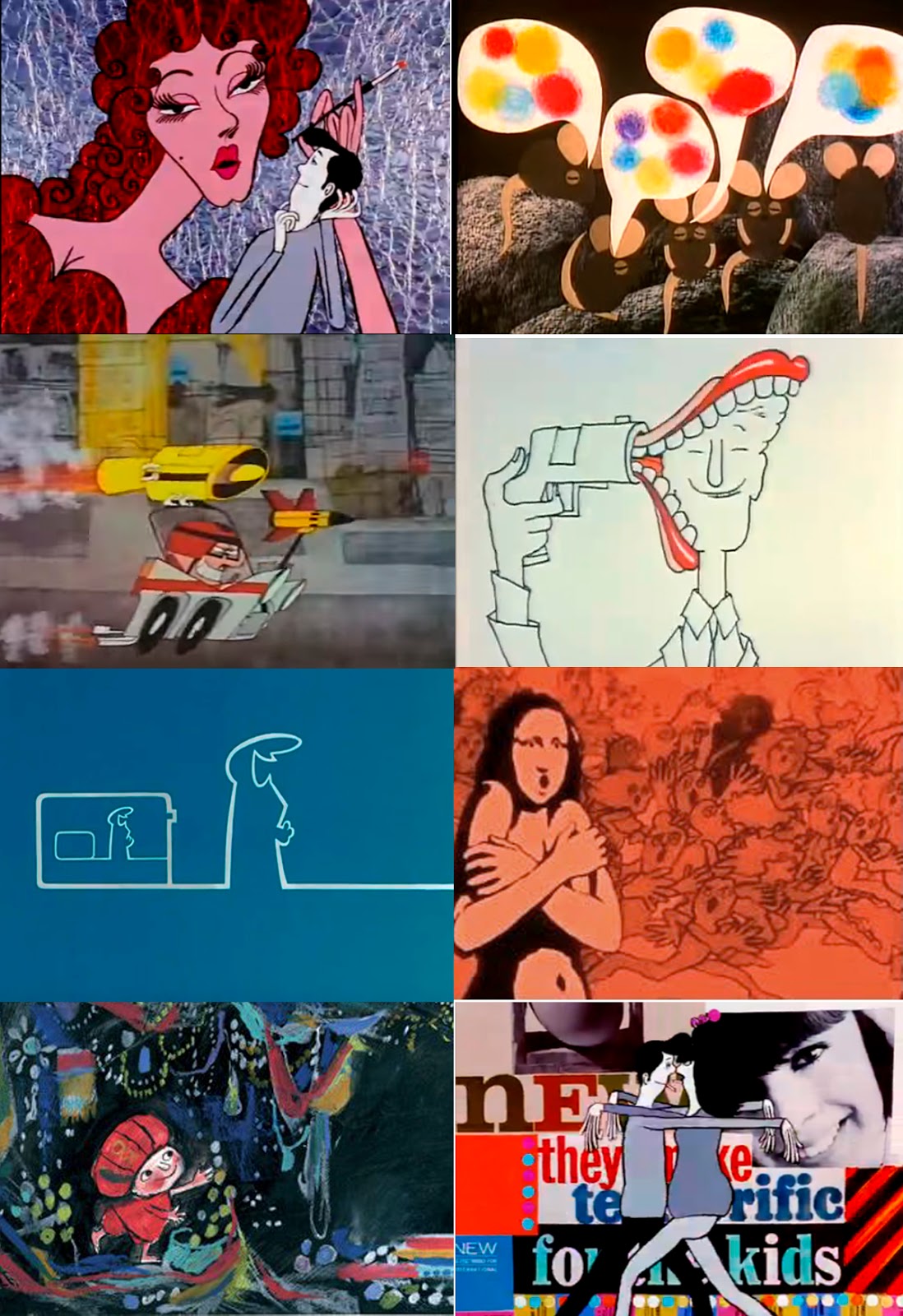
Since its founding in 1984, the aptly-named Oddball Films has constituted one of the stranger spaces in the cinema world. An archive as interested in orphan home video, Italian psychedelic cartoons from the 60s, and instructional bumpers about hygiene intended for American classrooms as any neorealist classic or lost masterpiece, it was the brainchild of Stephen Parr, who passed away on October 24th.
Oddball Films’ distinct “only in San Francisco” vibe has long been immediately apparent to anyone attending an event there; for my birthday one year, we drank beer on couches while taking in a program that included The Story of Menstruation, the 1946 Disney/Kimberley Clark collaboration that the Mouse House promptly buried, followed by excerpts from Leni Riefenstahl films double-projected over vintage pornography. (We left with a printed copy of Very Personally Yours, which you can read in awe here.) Punk, puckish, and playful, with an undercurrent of very real affection for the materiality of film, it was Oddball and Parr in a nutshell.
Of course, Parr’s work wasn’t just preserving weird ephemera, though that was a big part of it. (“I’m really in the memory business,” he dryly notes in Joshua Moore’s short profile.) Oddball Films’ first paying client was Ridley Scott, looking for unusual footage for a Chanel commercial.
More recently, the archive has provided hard-to-find footage to any number of documentaries. Sure, this likely helped keep the lights on, but there’s no real sense of contradiction; Parr’s passion and love of film in and of itself seems to blur the boundary between the commercial and experimental. It’s all film.

Parr’s passing hit many in the SF film community hard, as a quick perusal of comments on any story about him reveals. He was by all accounts an unusually generous and committed guy, and in Oddball Films built a very unique legacy.
After checking out Moore’s short, you can burn as many hours as you’d like sifting through the digital stacks on their website and program your own strange night, the next best thing to visiting the space itself. (I highly recommend including this tripped-out ad for Life Savers from 1977, as well as this inscrutable footage of couples falling asleep during a “dance marathon.”)
Oddball Films seems determined to continue, and they deserve everyone’s support. There’s no archive like it, and Parr’s weird, delightful contributions need to be honored. Here’s Oddball’s “In Remembrance.” RIP Stephen Parr. I can’t imagine a more fitting tribute to someone in “the memory business” than doing whatever we can to keep those memories on hand, those off-kilter glimpses into the collective image, stacked lovingly on the shelves, and projected onto screens for the next generation of oddballs.
Sadly, founder and Director of Oddball Films and the San Francisco Media Archive, Stephen Parr, passed away suddenly on October 24, 2017 after a struggle with declining health. His family and Oddball staff have come together and are carefully working on ensuring a productive future for both entities while preserving the proud tradition of providing the most eclectic footage to our customers. Oddball continues to fill your orders for the most unusual and hard to find material for your projects.
Concurrently, we are accessing the arts community of the most creative city in the world to help reshape Oddball Films. Exciting and challenging, we are confident that we will be able to maintain the high quality of our product and services.
A Memorial Service for Stephen Parr is being planned for early 2018. Details to follow.
Quick Links
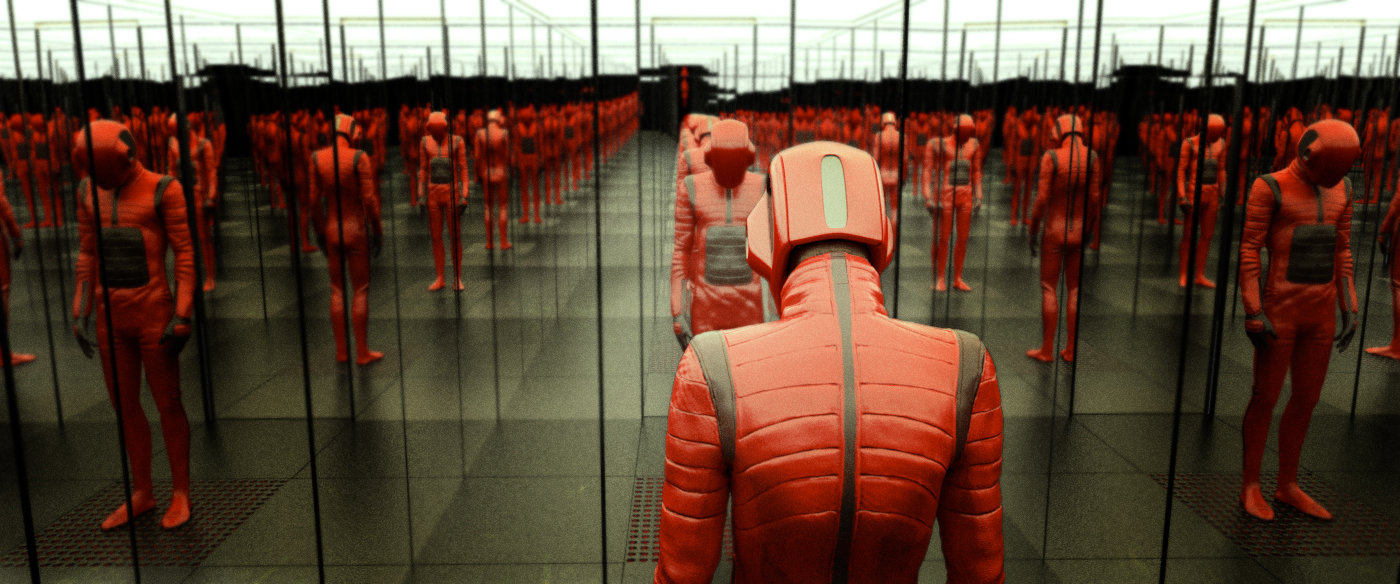
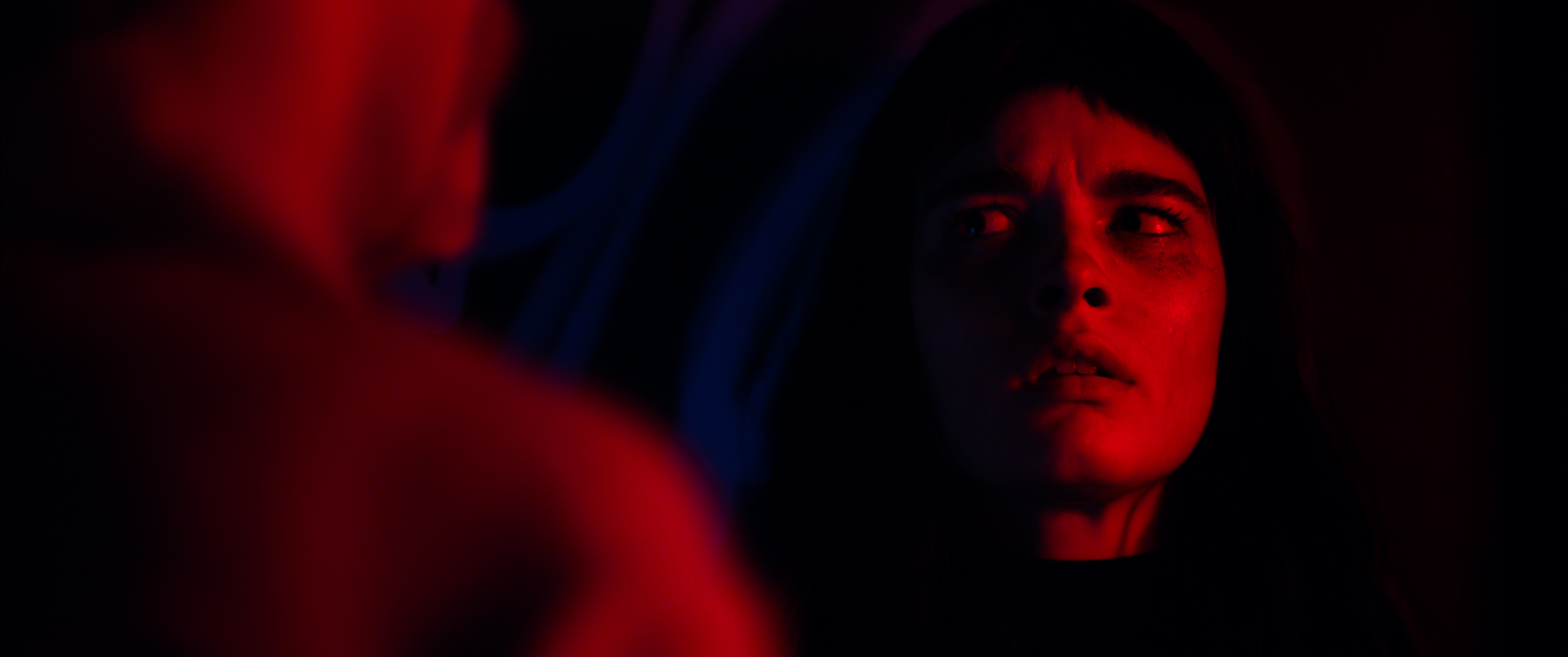
It took me more or less the entire runtime of Beyond the Black Rainbow to realize what it isn’t.
I assumed it was just an incredibly patient slasher in the mold of The House of the Devil, and that the other shoe was going to drop at any moment. In reality, it’s one hundred percent a mood piece. It’s not really building up to anything – just luxuriating in its hyper-specific aesthetic. You probably already know if that sounds good or not.
(Liz -Streaming on Shudder)
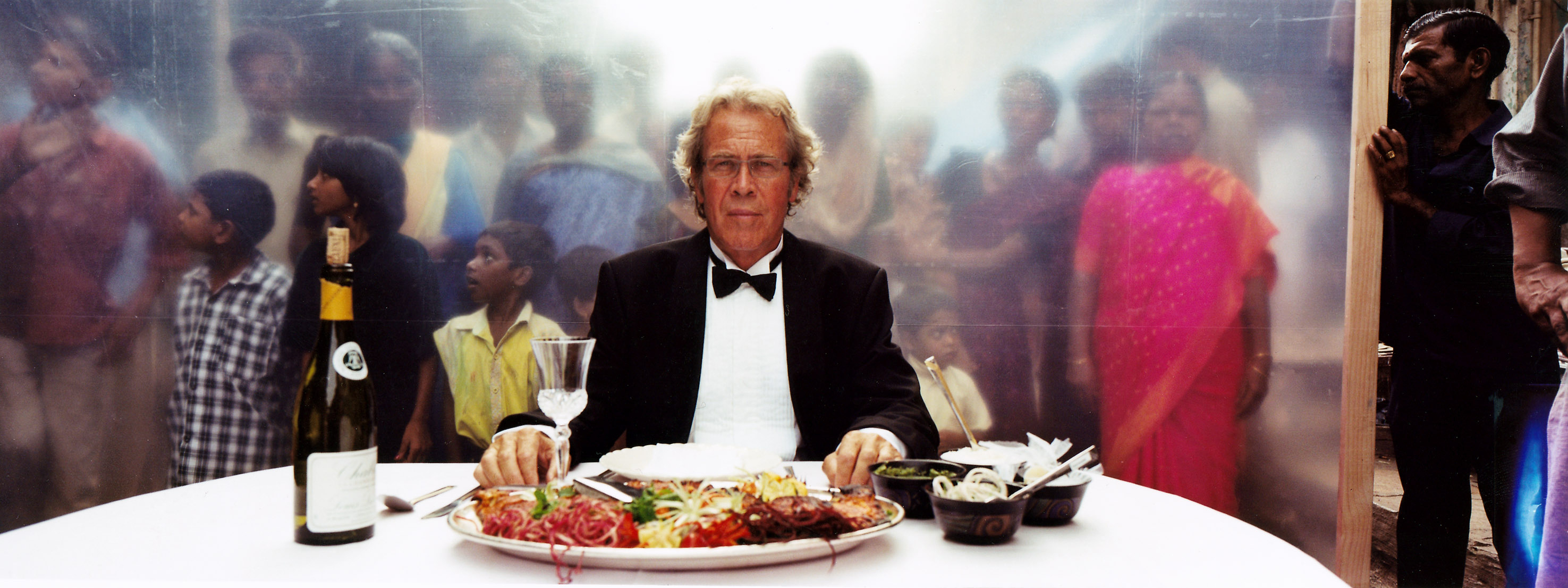
Lars von Trier had the worst thing that could happen to a scrappy, impish, occasionally-dickheaded young artist: he became respected.
So it’s wonderful that Mubi has put up The Five Obstructions, a documentary of him provoking experimental filmmaker/poet/sports commentator (yes, really) Jørgen Leth into remaking his 1967 short film The Perfect Human repeatedly, under increasingly strict guidelines. It’s worth watching, if only to see von Trier having fun.
(Liz – Streaming on Mubi)
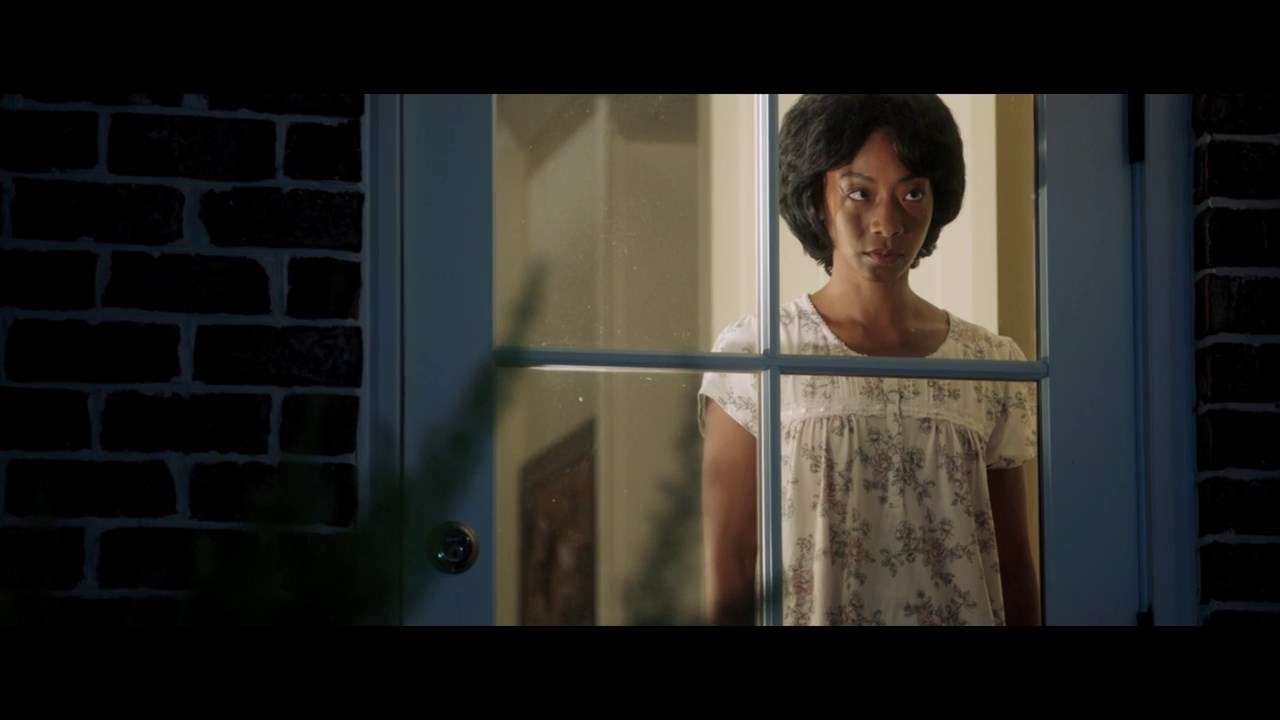
Still one of my favorites of 2017, Jordan Peele’s breakout piece of racially-fraught nightmare fuel demonstrated a real love of genre and a deft directorial touch. (Please let his Twilight Zone reboot move forward!)
In any other year, we’d laugh at the the notion of a clever, small-scale horror like Get Out generating year-end awards talk, but this is no normal year. Issues of race and gender dominate the news cycles, shops like Blumhouse and A24 are among the most notable success stories in cinemas (to say nothing of the juggernaut that is IT), and there’s (yet again) a demonstrable audience for adult-oriented films that do not center on or cater exclusively to the white men in charge.
Get Out is entirely of a piece with the zeitgeist, and horror is, shall we say, having a moment. If you haven’t seen it, now’s your chance.
(Rick – Streaming on Netflix, 11/4)

Finally!
Now that I’ve raved about its initial screening at 2015’s SF International Film Fest, reflected on a second theatrical viewing, interviewed its director, and placed it on a best-of-the-year list, Jason Zeldes’ moving, poetic portrait of Richmond, CA and the folks growing up there is available to stream. Click play and see what I’ve been on about for 2 years.
(Rick – Streaming on Netflix)
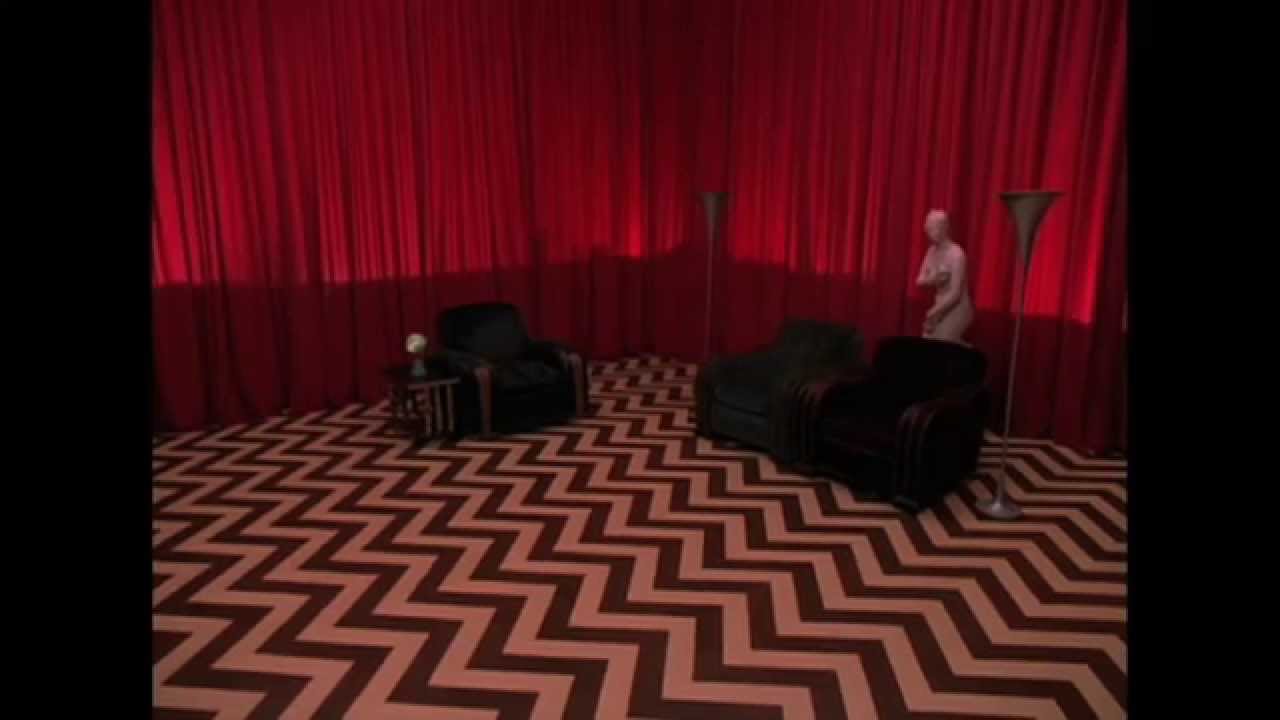

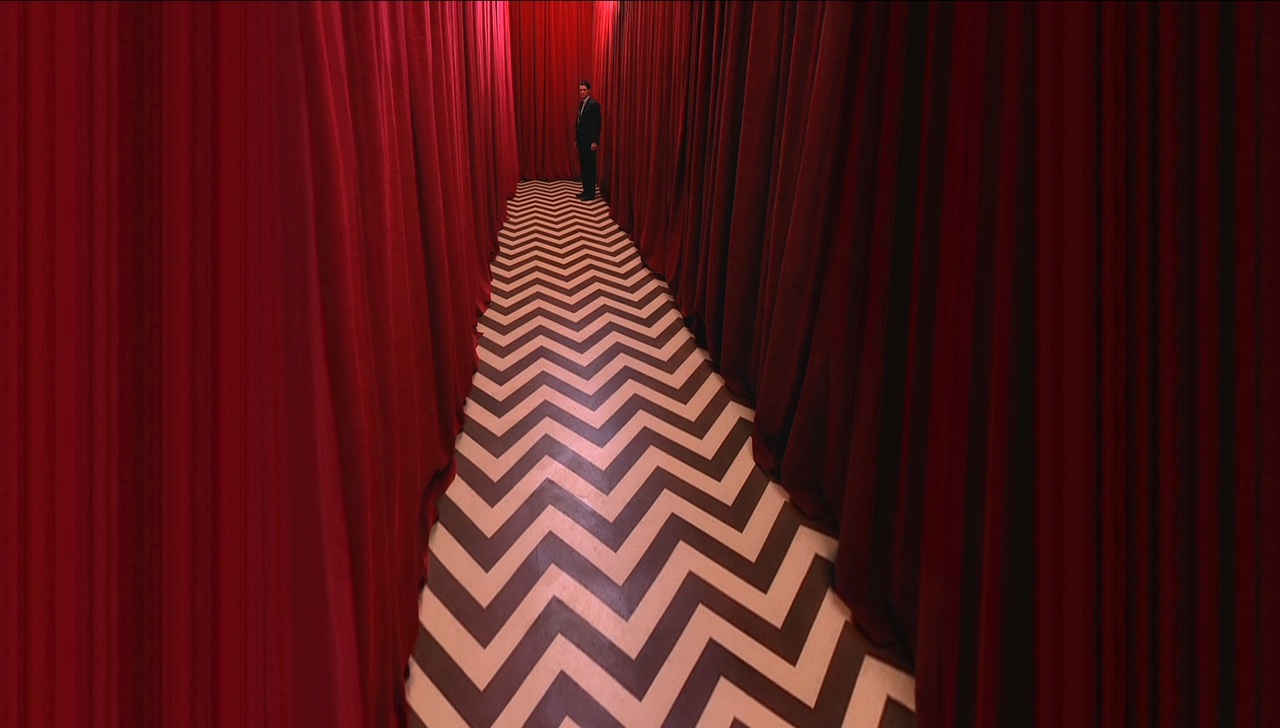
 The Lynch mystique is carefully built to seem unbuilt. We want to believe in him as someone who is not putting on a show, an “all-American Martian boy”, as one critic called him. We are getting the real deal, and it is because we (I should really say I here, but I think I am not the only one who falls into this trap) believe in his sincerity that we can believe in the infinite deferral of explanation and meaning. We can only say we will never get an explanation because we already have an explanation in the presence of what we understand Lynch to be.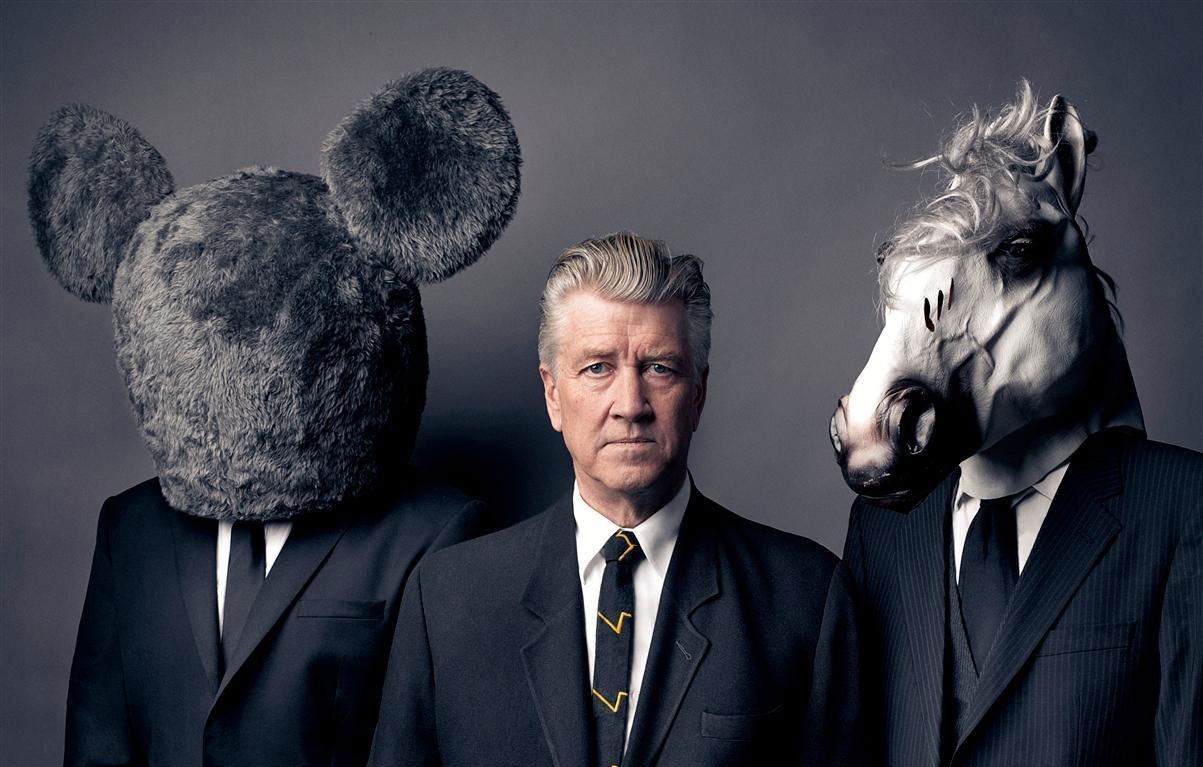
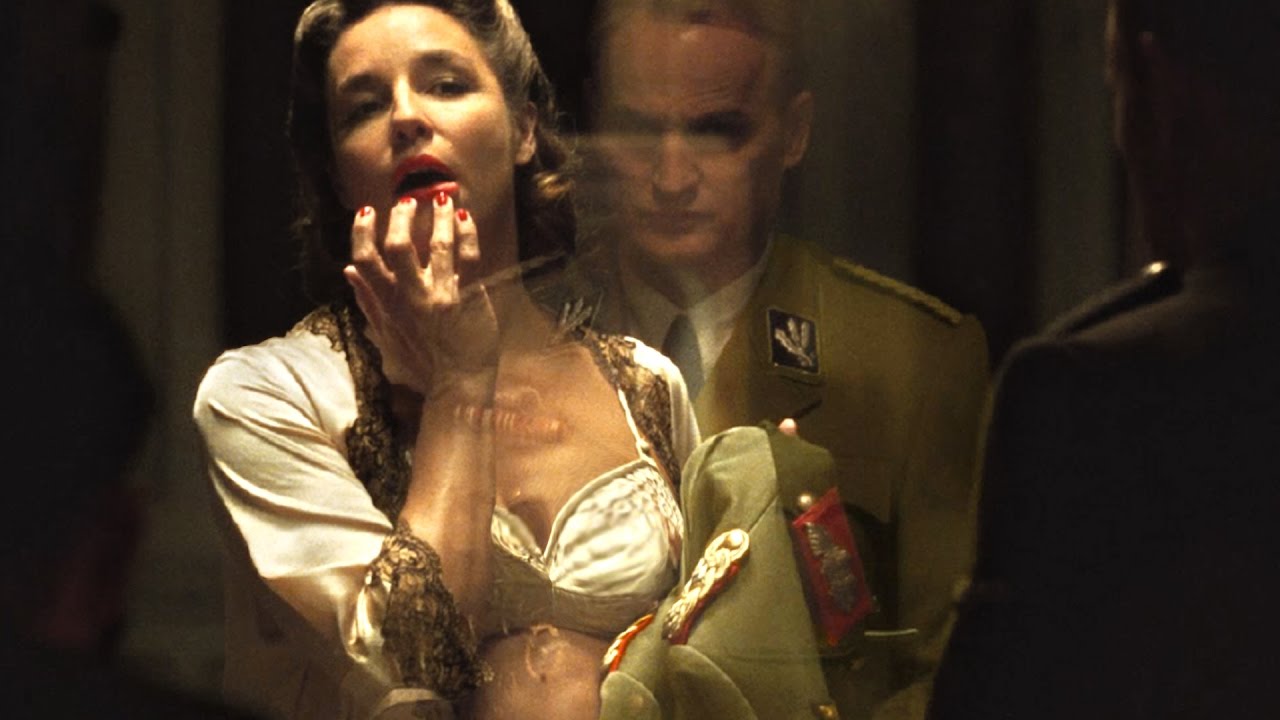
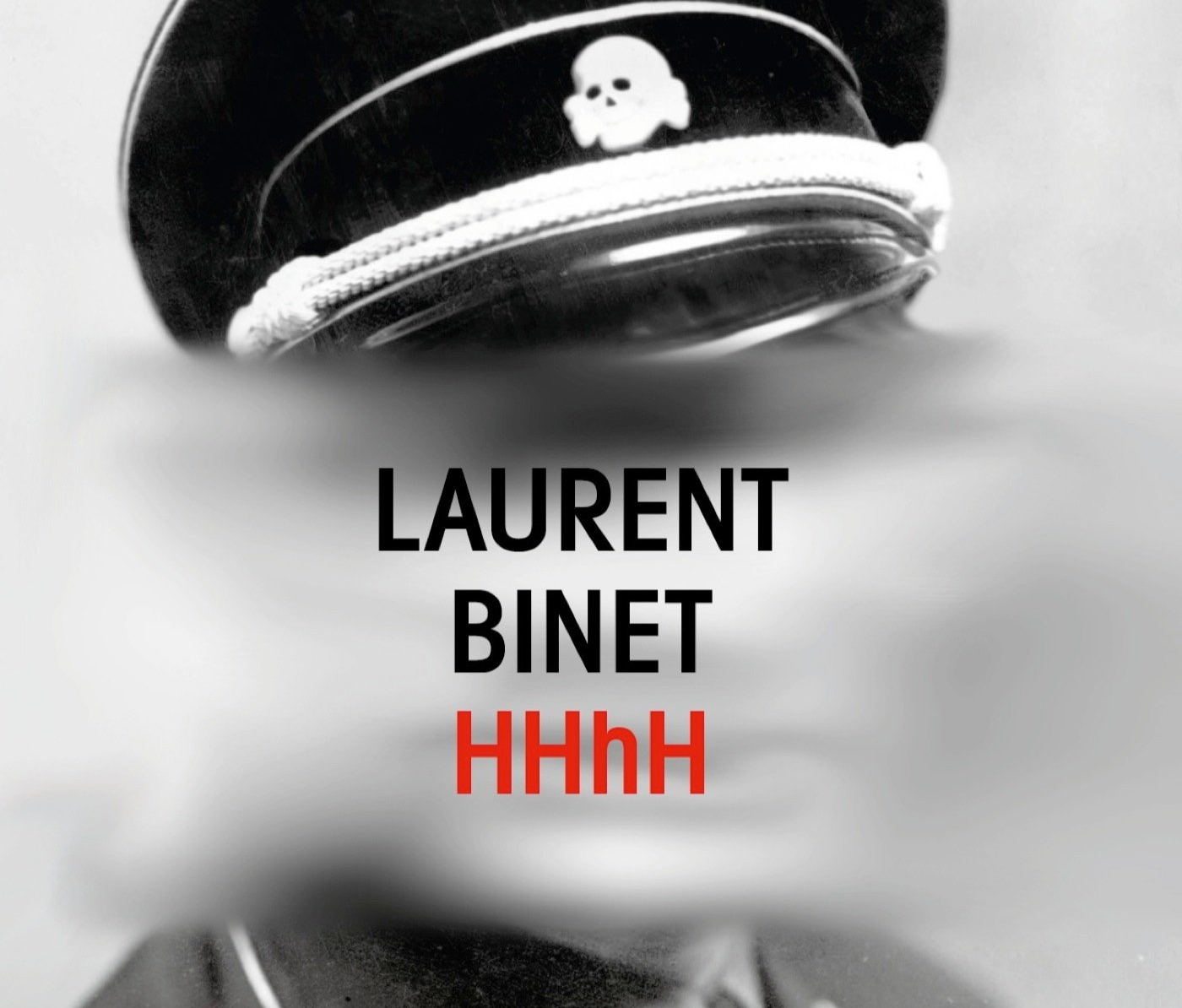




 Instead, she’s the classic melodramatic villain, closer to
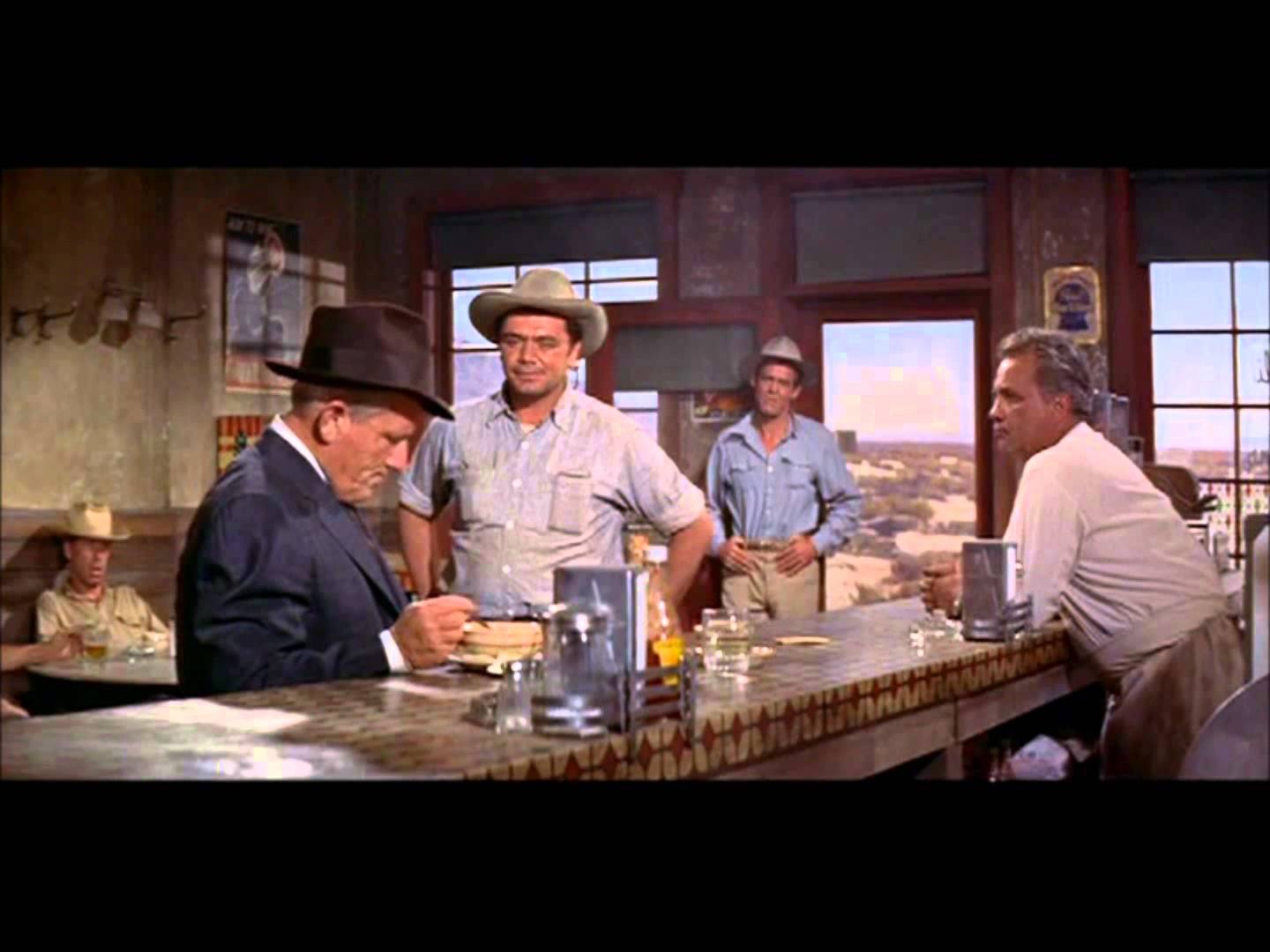

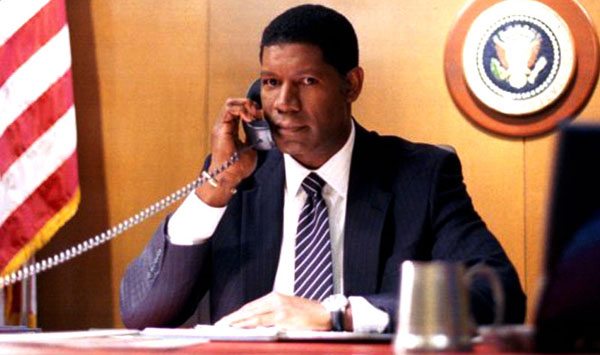 I suppose I try to suppress my desire to view every movie politically. After all, at that point it becomes extremely hard to avoid making a value judgment based on its politics, which would cut us off from so much wonderful art in our history. And yet, and yet, as I sat there watching this purely efficient film, a film that just works, I was stuck ruminating on how that idea and the political are so intertwined.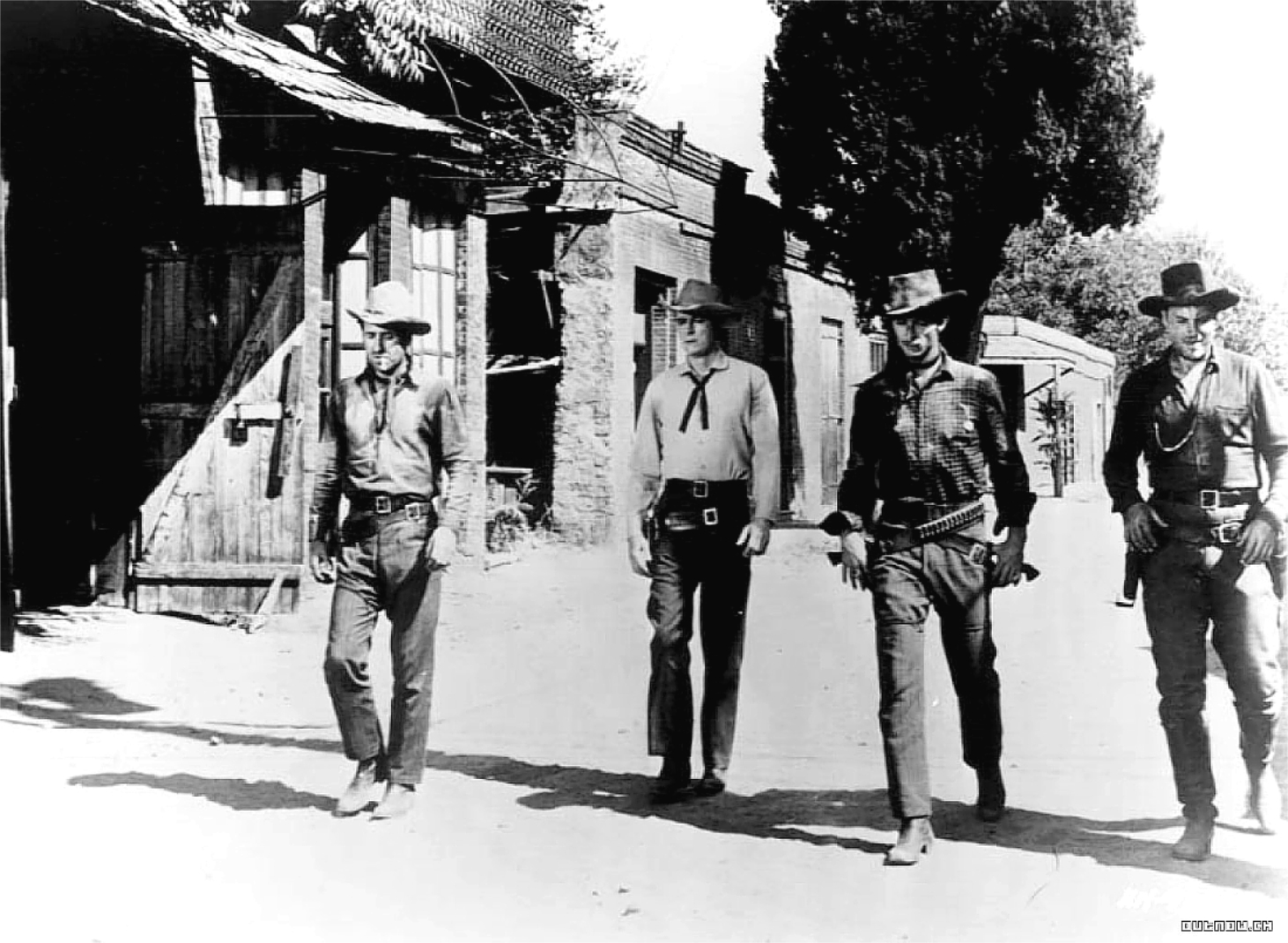
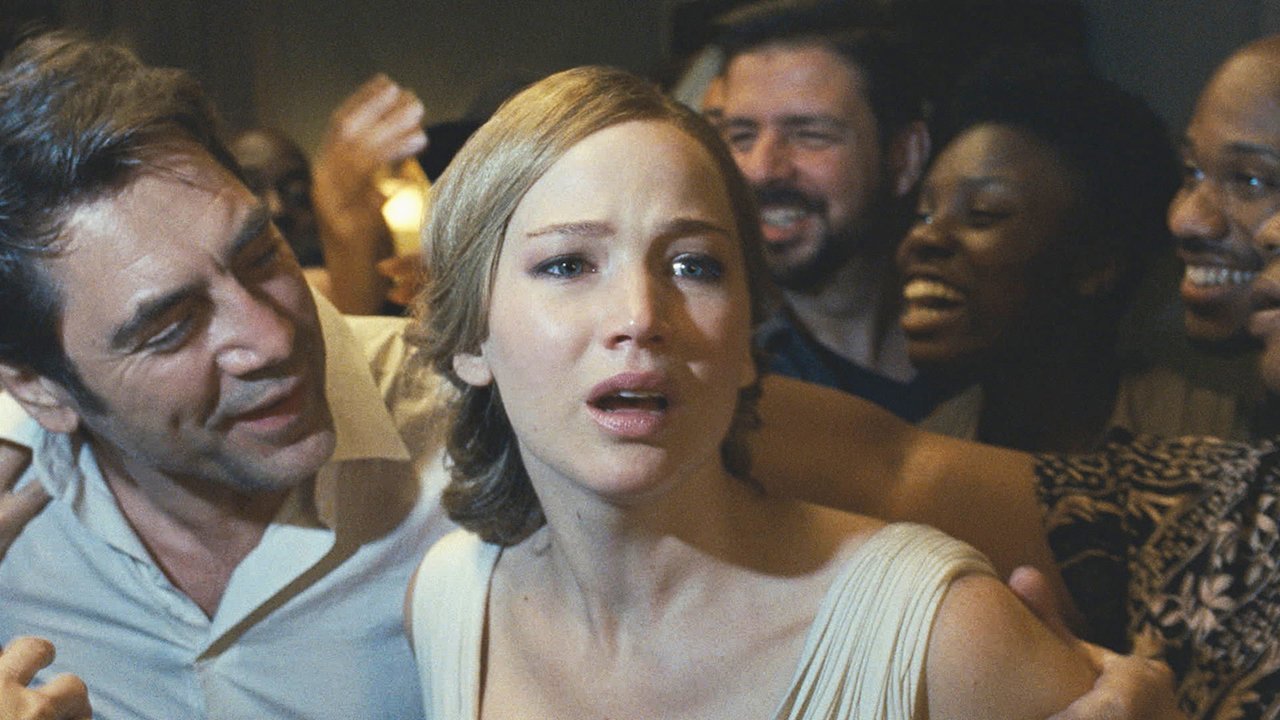



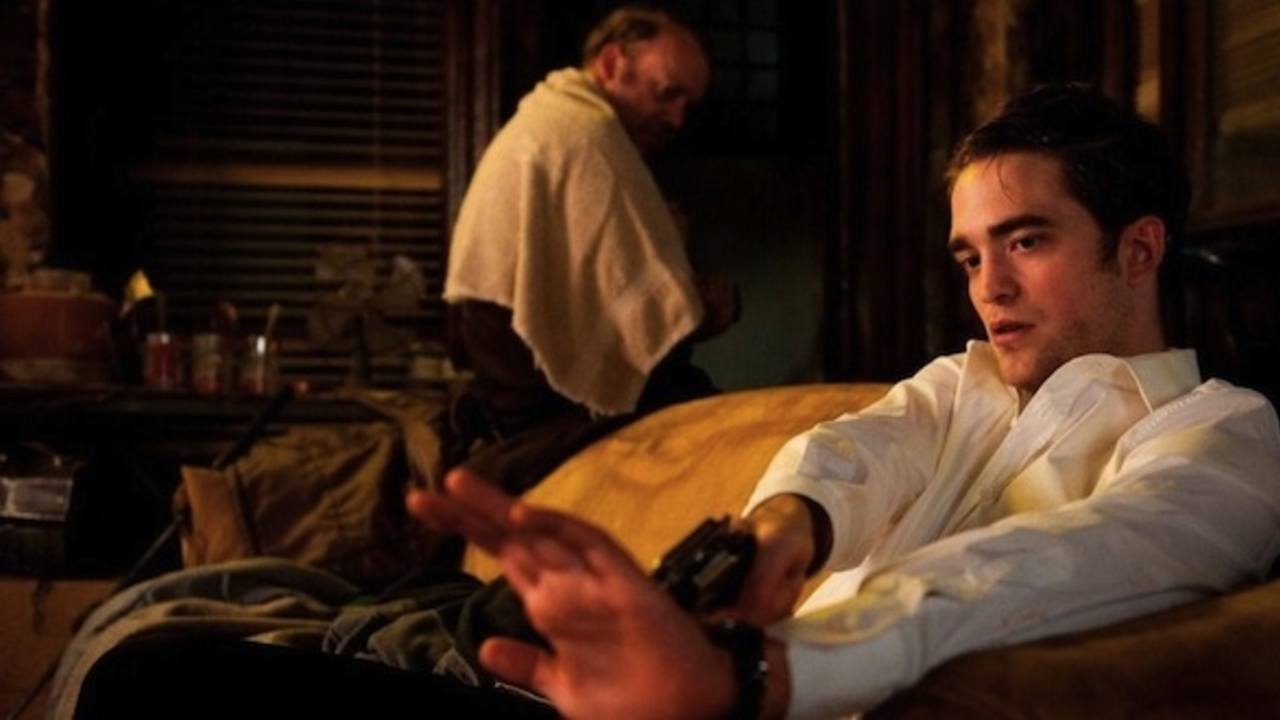
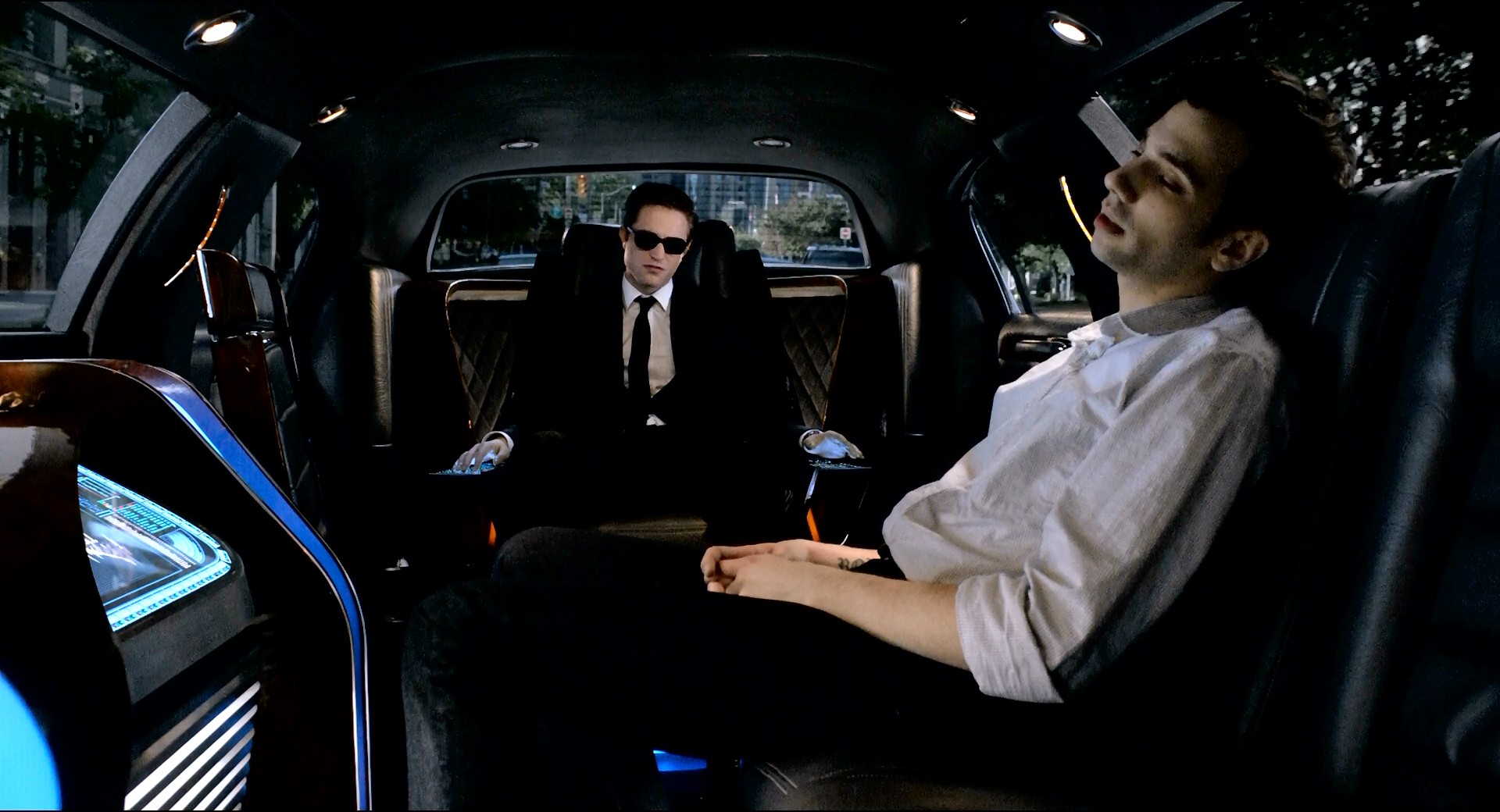
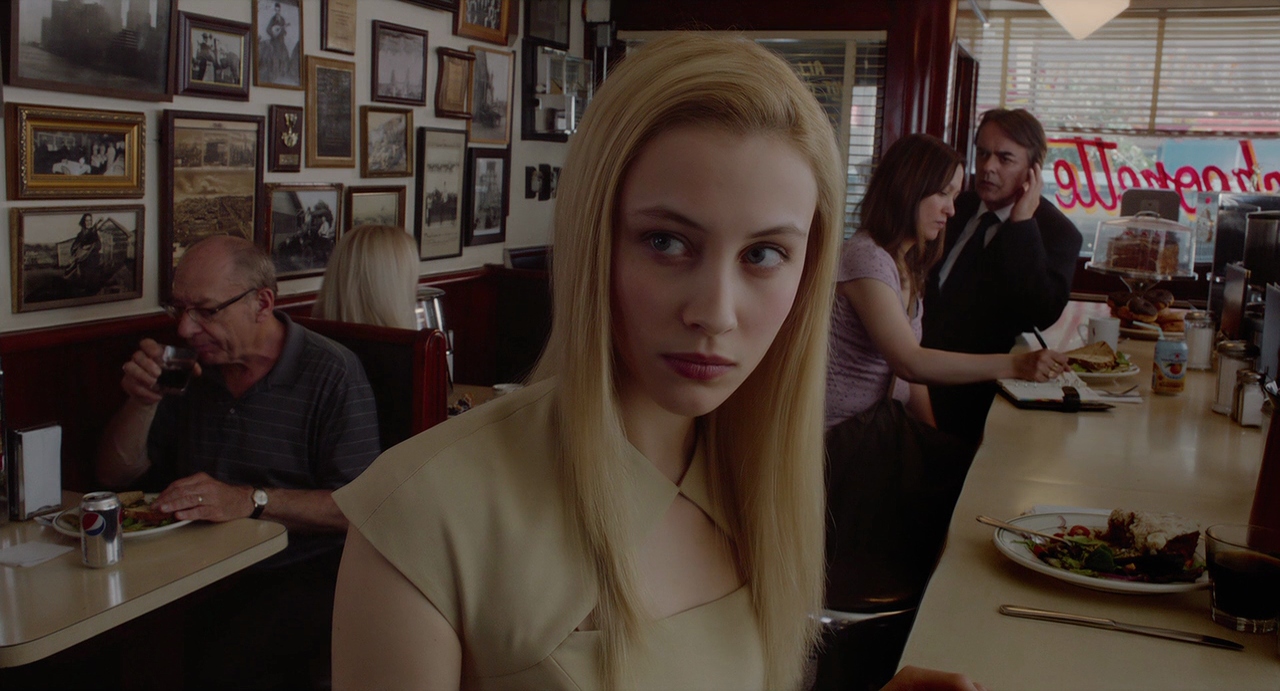


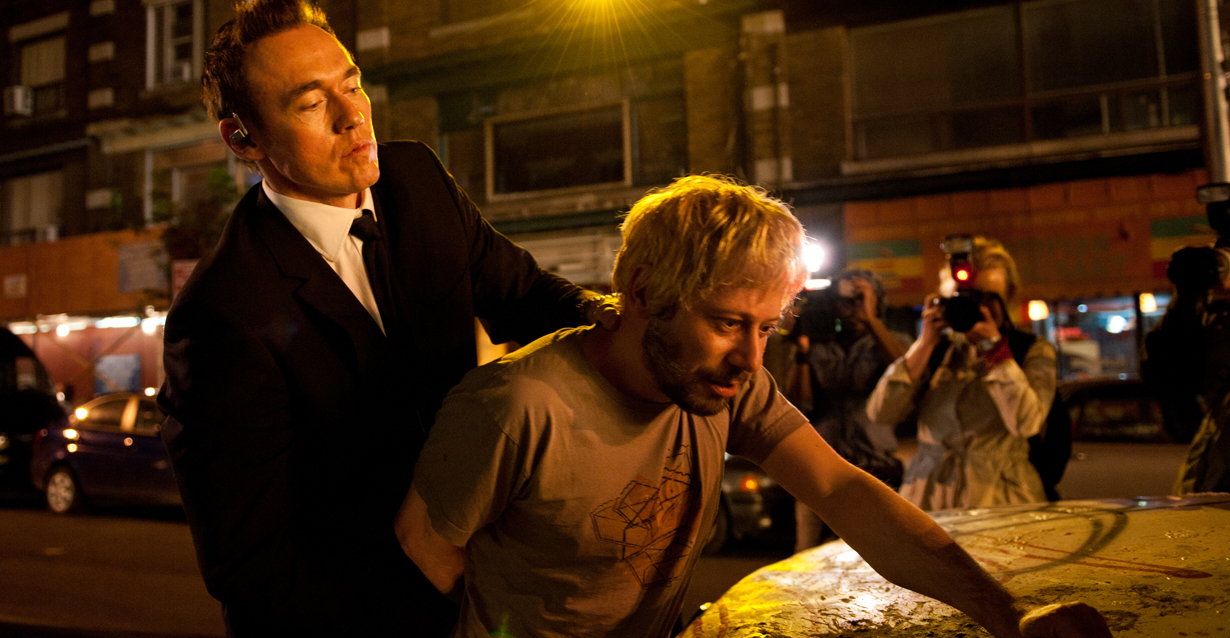 But, in Cosmopolis, Pattinson is increasingly irrelevant to the system at large. He reacts wholly to the system and instructs others to do the same. This Zen-like receptivity to the environment, however, can just as easily be adopted into the system itself. (In this way the film can be seen as a commentary on the efficient markets hypothesis—the idea that, effectively, all information about the system is already part of the system itself.) He is a fleshy bit of excess wasting away.

 To steal Singer’s framework, Popstar grossed less than half what
 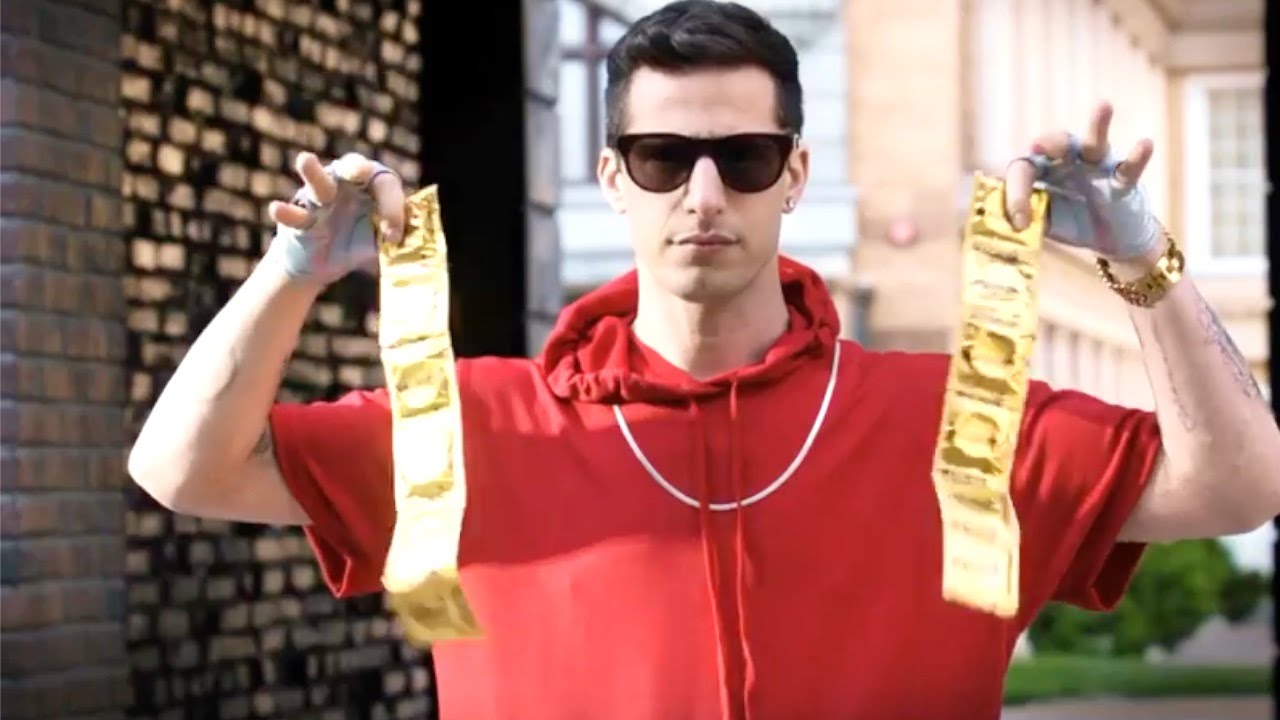 cast gamely ups the idiocy. (Chris Redd especially deserves mention for his ludicrously ferocious turn as the next big thing stealing Conor’s spotlight.)