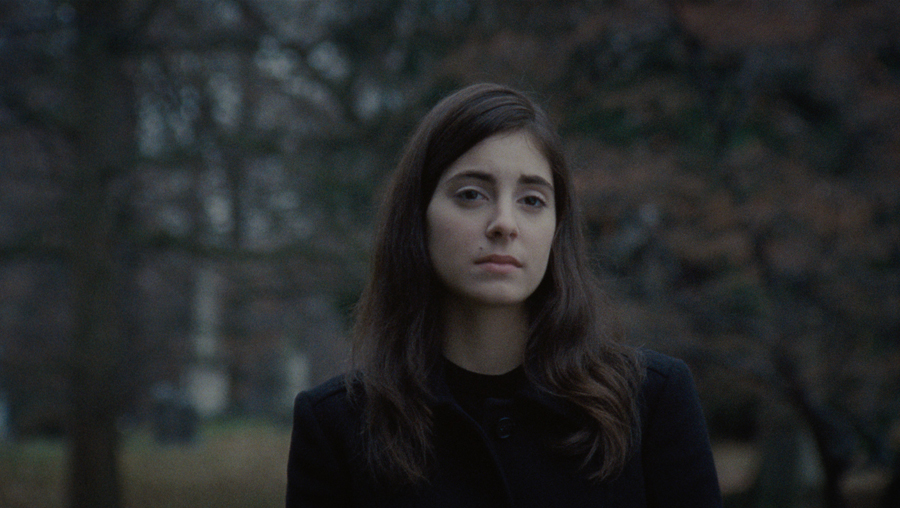
Jean-Pierre and Luc Dardenne specialize in humanist fables, small-scale social realist portraits of working-class people caught in difficult moral situations. At their best — the Palme D’or-winning L’Enfant, The Kid With A Bike, Two Days, One Night — the brothers conjure believably fraught circumstances and ethically conflicted characters on journeys of different kinds. The Unknown Girl fits snugly into this mold, but it squanders a typically fraught narrative with unknowable characters and a wandering tone that never coheres the way it should.
Those earlier films work because of the Dardennes’ obvious affection for their town of Liège, Belgium and its lived details, and because the stakes seem personally high for their protagonists. Here, our lead character — Dr. Jenny Davin (Adèle Haenel) — still remains a cypher by the end of The Unknown Girl. The title refers to a young woman Davin is trying to discover more about, but it could just as easily apply to her.

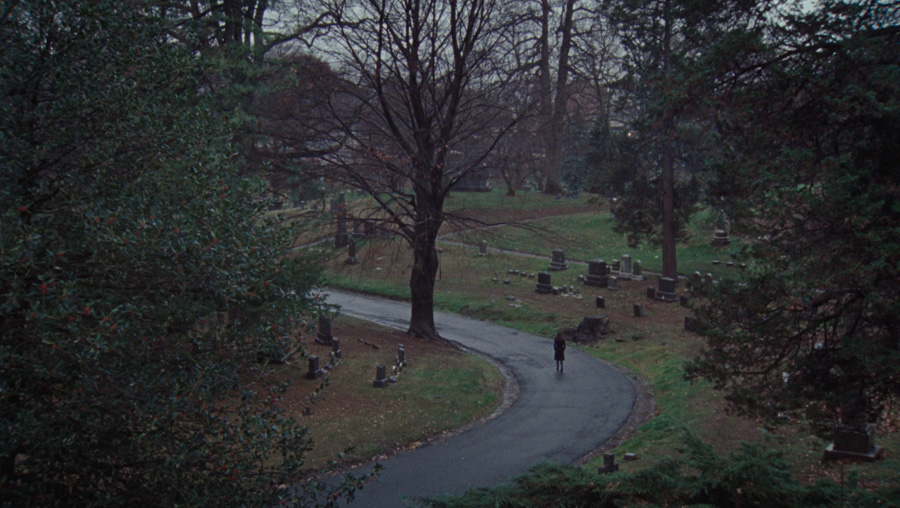
Dr. Davin is in a new head position at the hospital, and almost immediately something goes wrong. In true Dardenne fashion, it’s a small act with large consequences. Davin turns away a woman trying to gain entrance after-hours, concluding it doesn’t seem like much of an emergency from the looks of it. The next day, the woman is found dead across the street.
Most films would turn this into a potboiler, but that’s not how the Dardennes make movies. The Unknown Girl does indeed focus on Jenny’s one-woman search to learn who this girl was and how she came to be there, but the quest becomes more about her own need for resolution and alleviating her apparent guilt.
Meeting indifference or hostility at every turn, her mission amounts to giving a name and a story to this person who, it seems, society has cast off, to bear witness and to atone for the role she herself played in the death.

So far, so good. And The Unknown Girl has moments that work very well, particularly the doctor’s relationship with her young intern who was with her that fateful night.
But as the film proceeds, a kind of listlessness takes over: information is simply dropped into our lap rather than emerging organically from the story. And Jenny’s unchanging demeanor, presumably meant to convey determination but seeming more like boredom, doesn’t help matters.
All of which is a shame. There’s a morally compelling and engaging film in here somewhere, and one very much in the Dardennes’ existential wheelhouse. But, ironically, it’s the very notion of unknowability that sinks The Unknown Girl.









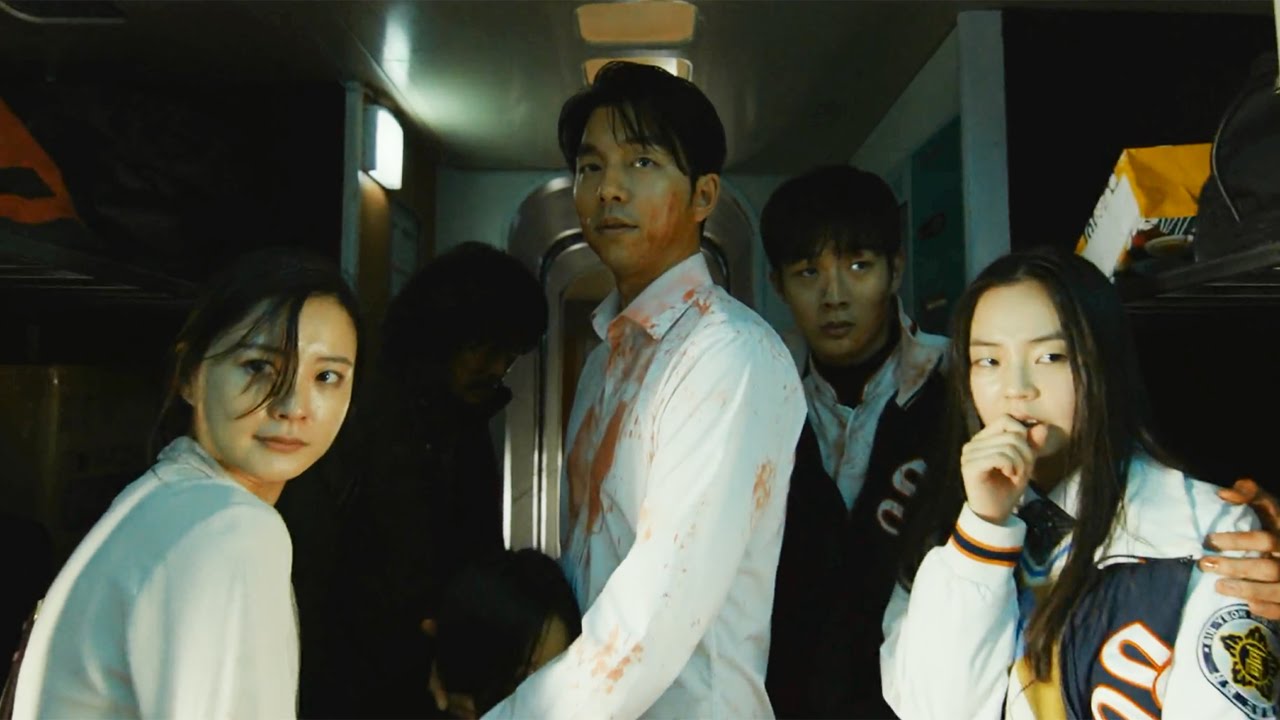
 Train To Busan makes another smart choice by introducing us to compelling principle characters, including an adorable little girl protagonist. The human drama — a wayward dad too obsessed with his job, an expectant father with clear class antagonism, the lone girl among a group of teenage baseball players — raises the stakes and compels real investment. This is another thing the train helps elucidate: its close confines creates a revealing mise-en-scene, allowing character differences to come to the fore. This makes all the difference when the face-eating starts.














 Sequestered in the cat’s body and only able to communicate with Christopher Walken, Tom has some lessons to learn about family, friendship, selflessness, and life in general. Will these lessons involve personal growth, and also pooping? Will they hinge heavily on the curiously outsized role of base-jumping for no apparent reason? Will Tom’s son David (Robbie Amell) save the company, and also become a man (again, via skydiving)? Only Nine Lives can answer these questions. (The answers are “yes”.)