

On several occasions in Eliza Hittman‘s shimmering, woozy Beach Rats, Frankie (Harris Dickinson) insists, “I don’t know what I like.”
It rings false — Beach Rats is a catalog of desires, a kind of aesthetic carnival of lazy afternoons near the water, glistening skin, boardwalk trysts, neon clubs (which reminded me of Hittman’s excellent 2011 short Forever’s Gonna Start Tonight), desperate fumblings between bodies in secluded spaces, fireworks — but there’s an element of truth to it.
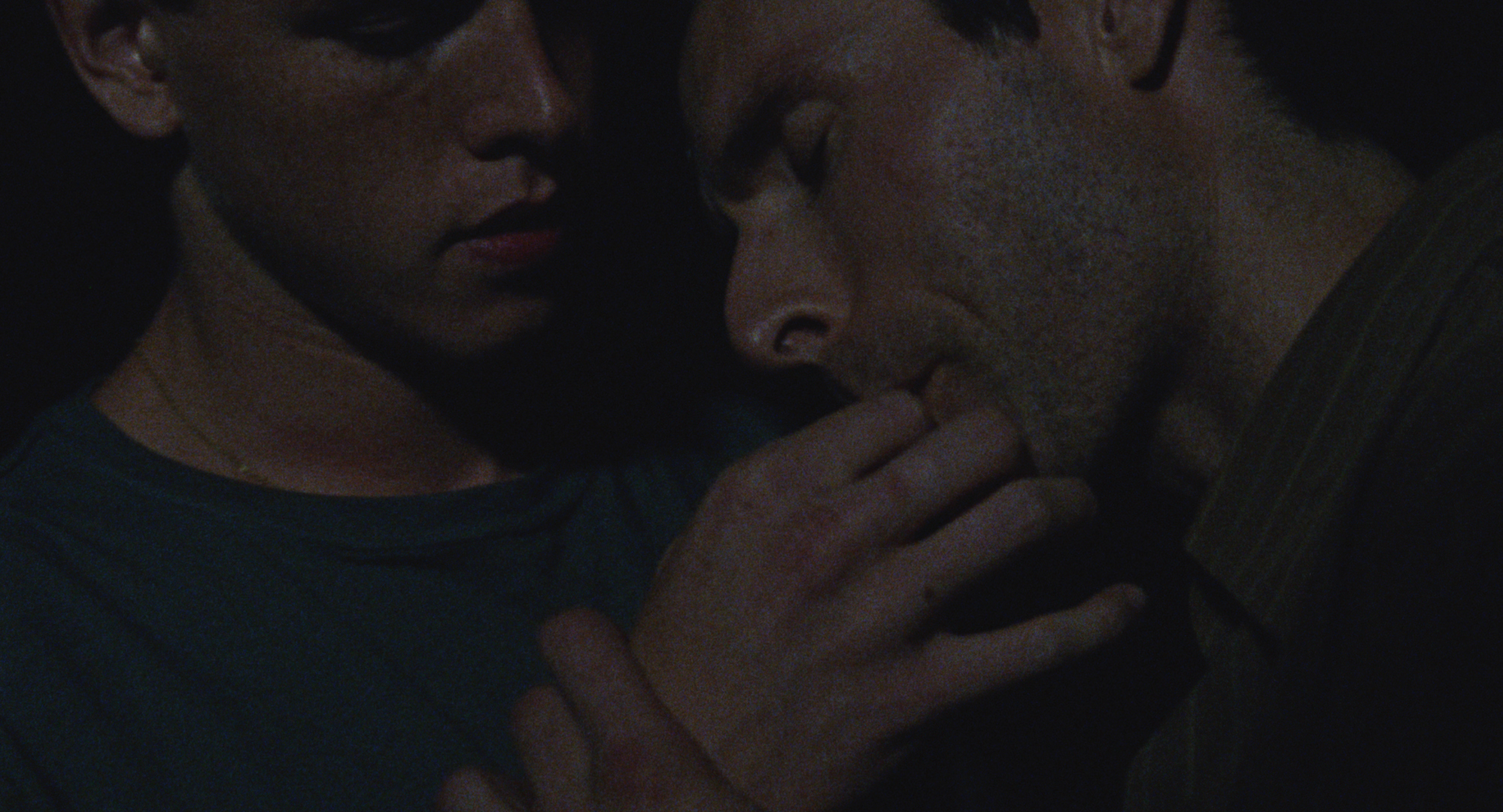 Frankie is a closeted teen, trying and mostly failing to square the low-rent machismo of his idiot Brooklyn friends with his own desires, which he retreats to at night in chatrooms and, later, in furtive hook-ups. Much of the mood and atmosphere sets the viewer up for some sort of Stranger By The Lake narrative twist, but Beach Rats doesn’t go that route. Instead, Hittman follows Frankie’s journey with a huge amount of empathy and a rare wisdom — it’s not clear whether it will, indeed, get better for him, at least not within the structure of Beach Rats itself. Hittman’s strategy is observational, her images mirroring Frankie’s confusion and desire. It’s tense and undeniably intoxicating.
 Newcomer Dickinson is stellar, and so is Madeline Weinstein as Simone, a girl Frankie meets on the boardwalk who, at least for a time, offers a heteronormative out. The emotions generated, mostly conveyed through small gesture and flickers across faces, feel painfully genuine throughout — Beach Rats is quietly tragic, without ever putting too fine a point on it.
Hittman constructs a powder keg of adolescent sexuality, and then refuses to light the fuse. We simply encounter these people, these fraught, complicated bodies, at a moment of particularly heightened sensitivity and, like adolescence itself, it feels profoundly dangerous. (Rick – Streaming on Amazon Prime)
Quick Links
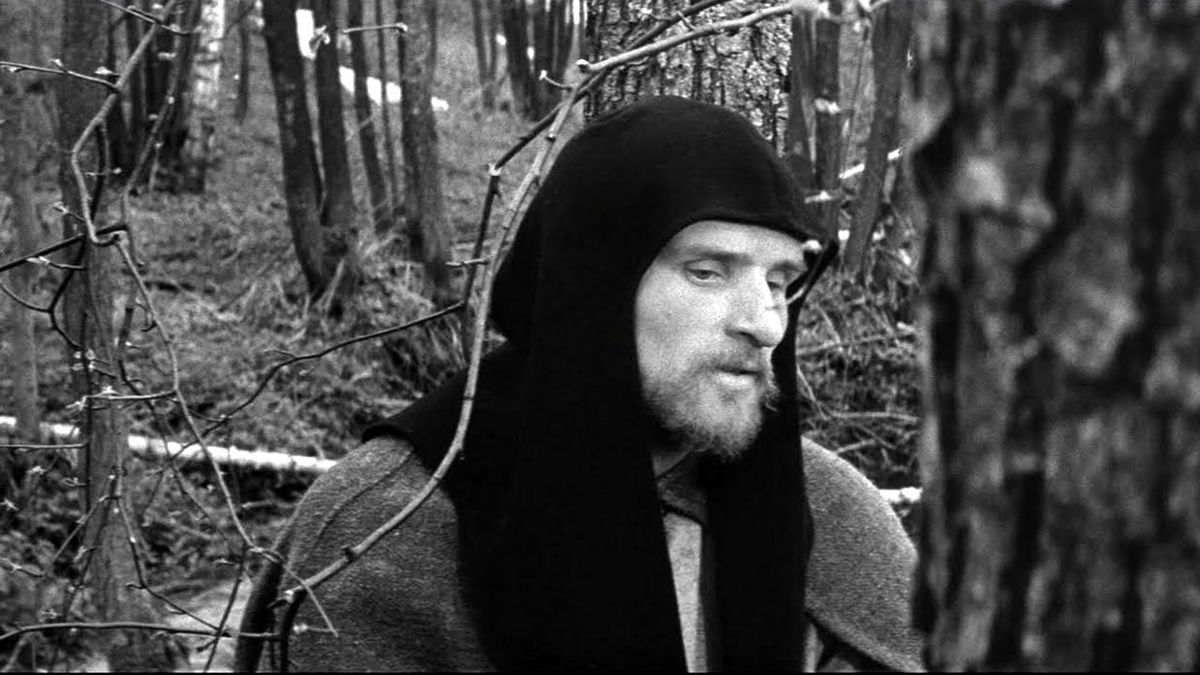
It is, I’ve found, much easier to interest Western audiences, even cinephile audiences, in Tarkovsky‘s science fiction films like Solaris and Stalker than in his “realist” films. That’s a shame, because his films like Andrei Rublev have a tremendous amount to offer the careful viewer.
I understand being frightened off by a lengthy exploration of the life of a medieval icon painter; if Russian culture is an inscrutable monolith for many Westerners, the Eastern Orthodox Church is the monolith of monoliths. My advice: treat this wonderful, mysterious film like one of his sci-fi movies, accepting as artifice what you don’t understand. Given Tarkovsky’s extremely loose use of historical material, you may be closer to reality than you think. (Liz – Streaming on Filmstruck)
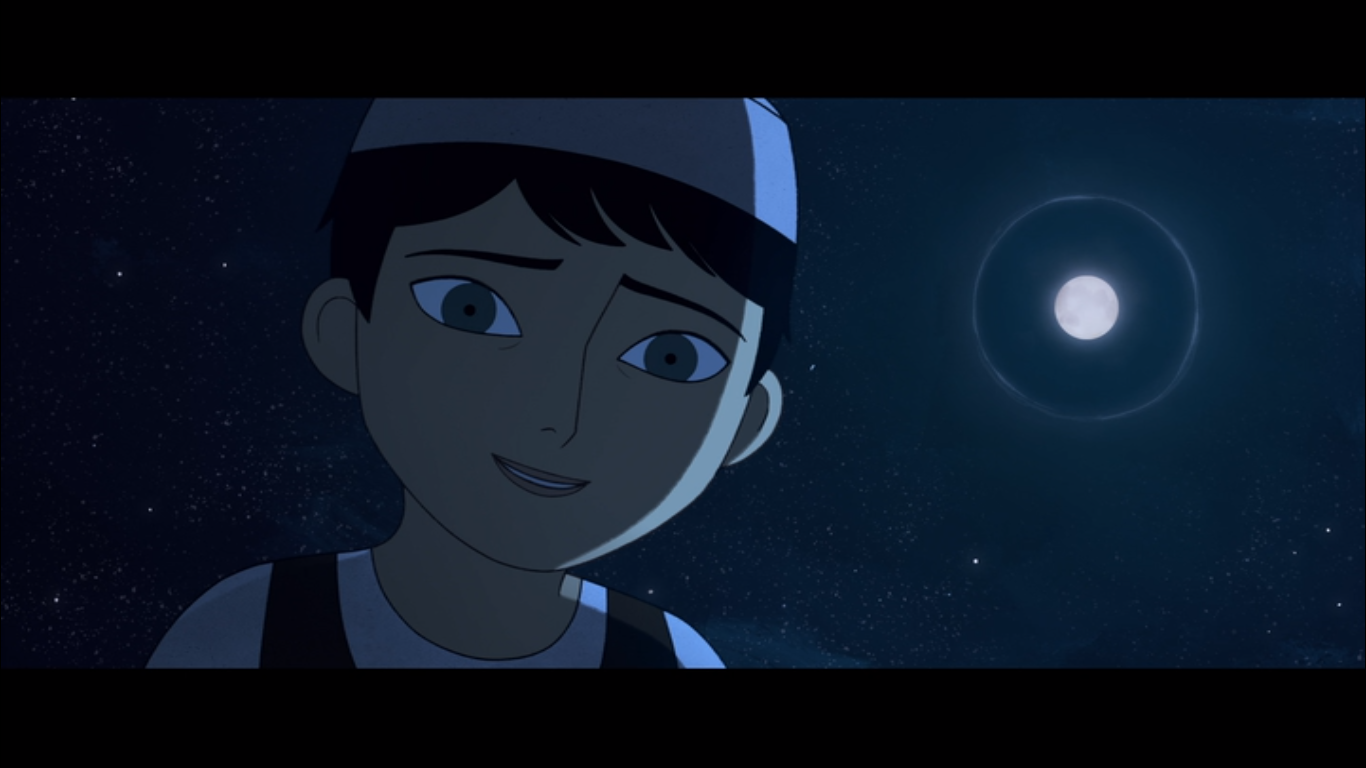
One of the 5 nominees for Best Animated Feature next month, Nora Twomey‘s story of a young girl’s quest to free her schoolteacher father from a Taliban-controlled prison is perfectly told and exquisitely rendered. Like her previous films The Secret of Kells and Song of the Sea, it’s steeped in mythology and childlike wonder, though The Breadwinner alternates between that gentleness and a much darker, much scarier realism.
Our protagonist Parvana (voiced by Saara Chaudry) makes for a wonderful audience surrogate, though, quietly bucking a horrific system out of necessity, and Twomey’s presentation of particular gender concerns — social oppression, family dynamics, friendship — are both nuanced and integral to the narrative. It’s a tough balancing act all around, with the vast Afghani vistas and dark interiors contrasted with the geometric designs of Kells and Sea that animate a story-within-the-story, and The Breadwinner pulls it off to great emotional effect. It’s further proof that the Irish Cartoon Saloon is the real deal. (Rick – Streaming on Netflix)
Raiders of the Lost Ark, Indiana Jones and the Temple of Doom, Indiana Jones and the Last Crusade
I ate a bunch of cannabis and watched all 3 of these in a row. Recommended! (Rick – Streaming on Amazon Prime)
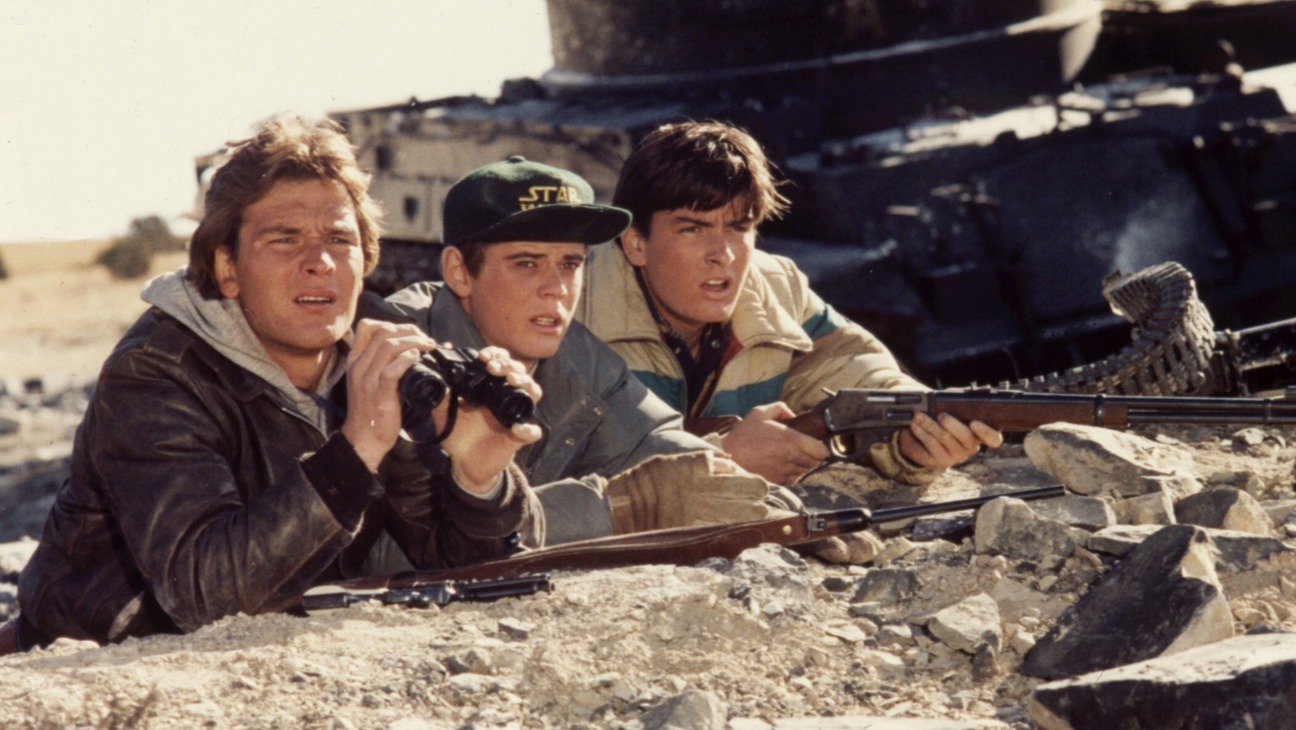
The movie that John Milius believes led to his de facto blacklisting, presumably because Liberal Hollywood wasn’t ready for this variety of bold truth-telling and/or for Patrick Swayze firing rocket launchers at the Cubans and Russians who have occupied all the McDonald’s franchises of the heartland.
Everything about Red Dawn is ridiculous and overblown, but holy shit is it a sight to behold. Not only do you get a revolutionary, insurgent Brat Pack (with C. Thomas Howell, Charlie Sheen, Lea Thompson, and Jennifer Grey rounding out the trenches, under Swayze’s Eagle Scout leadership), but Powers Boothe is there to bring news from the front lines, and Harry Dean Stanton is the dad, who actually yells out “Avenge me!” Red Dawn‘s got it all.
What’s most striking about this particular piece of conservative Cold War fantasy is how Milius stages an inverse Vietnam, as though, in order to heal the psychic wound left by the realization that America is not invincible, he would finally deliver the U.S. a victory as the Viet Cong. The Apocalypse Now-scribe always regretted not being able to go to Southeast Asia and fight himself — or so he claims, anyway — and Red Dawn serves as his belated contribution to the war effort. By bringing together his obsession with Teddy Roosevelt, his cartoon masculinity, and his clearly genuine enthusiasm for his vision of the American character, it’s almost certainly Milius’ most personal film. Make of that what you will. (And, if you just can’t get enough of the chest-pumping bravado, you can move right along to the documentary Milius, also on Prime.) (Rick – Streaming on Amazon Prime)
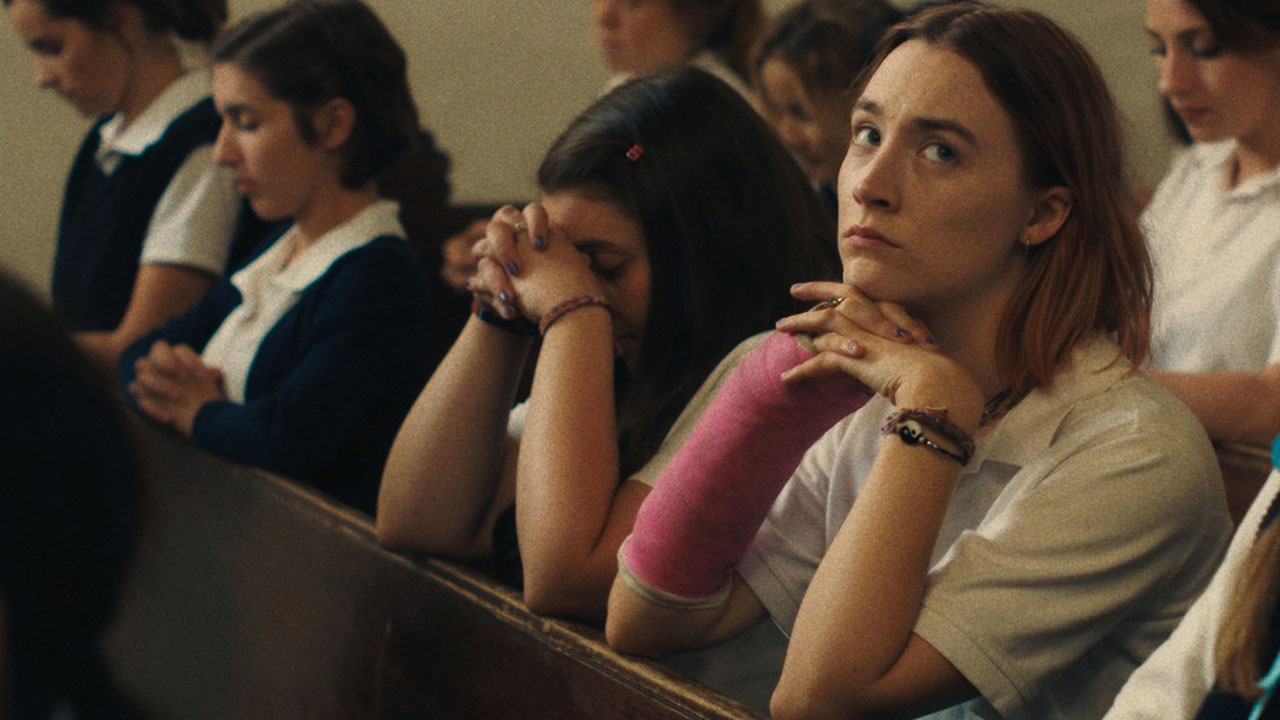
 “Challenge” definitely belongs in quotation marks here. While it’s absolutely true that our culture defaults to the masculine in basically all realms, and women directors are grossly underrepresented, it turns out that it’s really not that difficult to hit this mark — embarrassingly easy, in fact, with even minimal effort. The problem, of course, is that many of us just don’t make the effort. One thing I learned this time around: when presented with two viewing options of more or less equal interest, just watch the one that isn’t by the dude. It’s not revolutionary, but it’s also not exactly a back-breaking, Herculean effort, and you’ll often be rewarded with amazing films you might’ve missed thanks to cultural inertia (and patriarchy!).
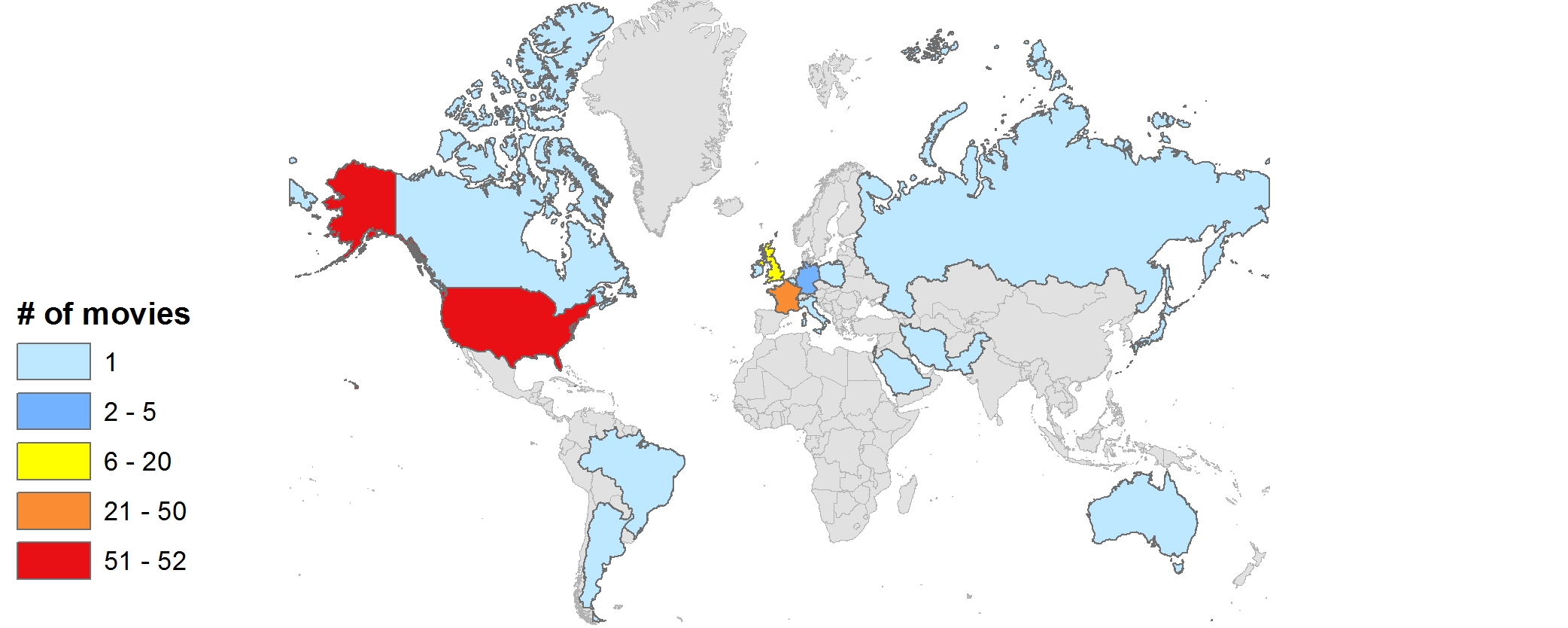 first-time viewings. This is roughly 30% of everything I watched, give or take. (Film only; none of this includes serialized TV, a realm in which women directors have been faring better.) Women directors from 18 countries were represented; 10 from outside the U.S./Canada/England/Western Europe.
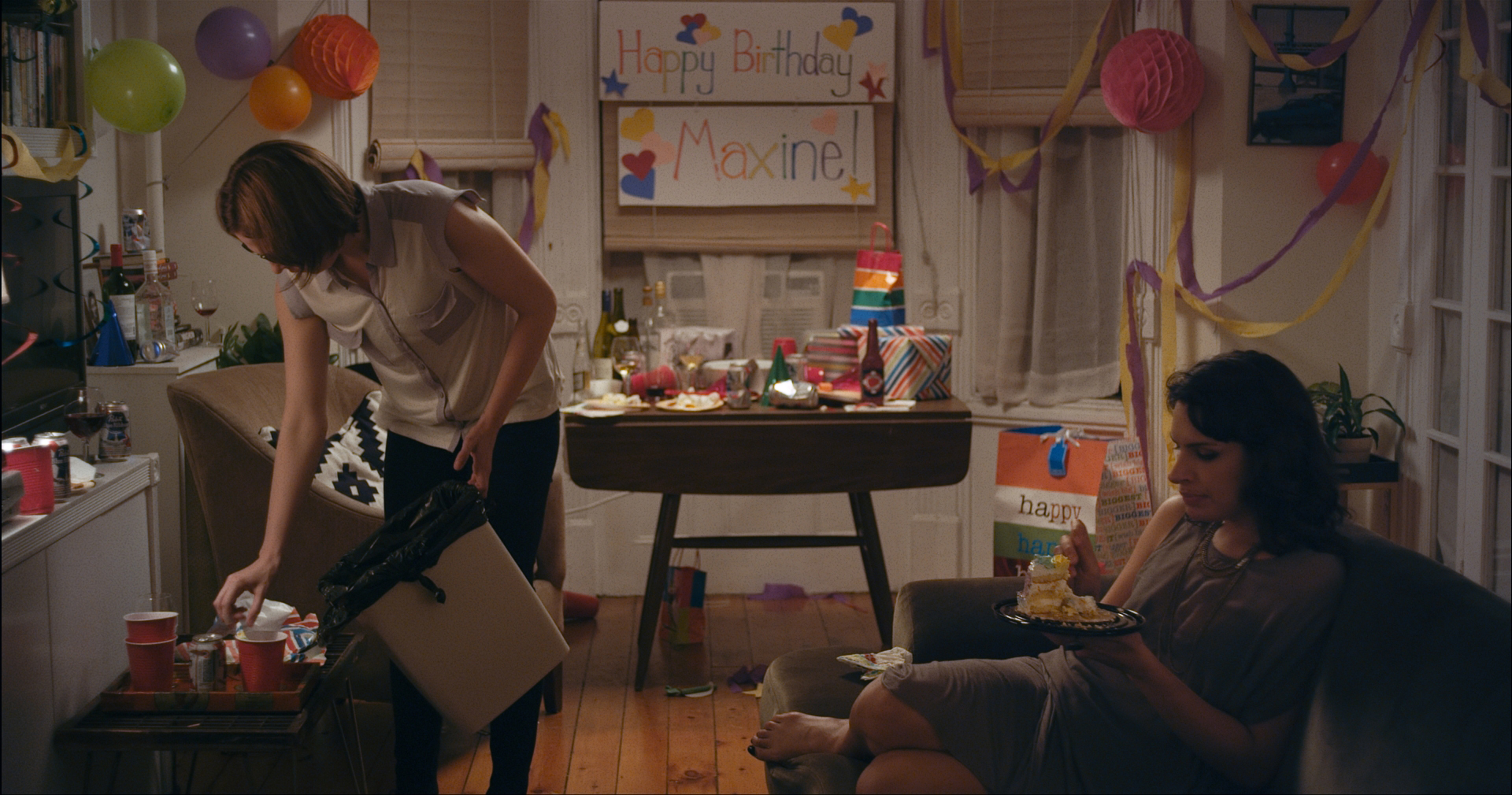 millenial cringe-comic examinations of Relationships In The Big City (Of New York). I’m glad I caught it now, because it’s actually an accomplished, frank affair.
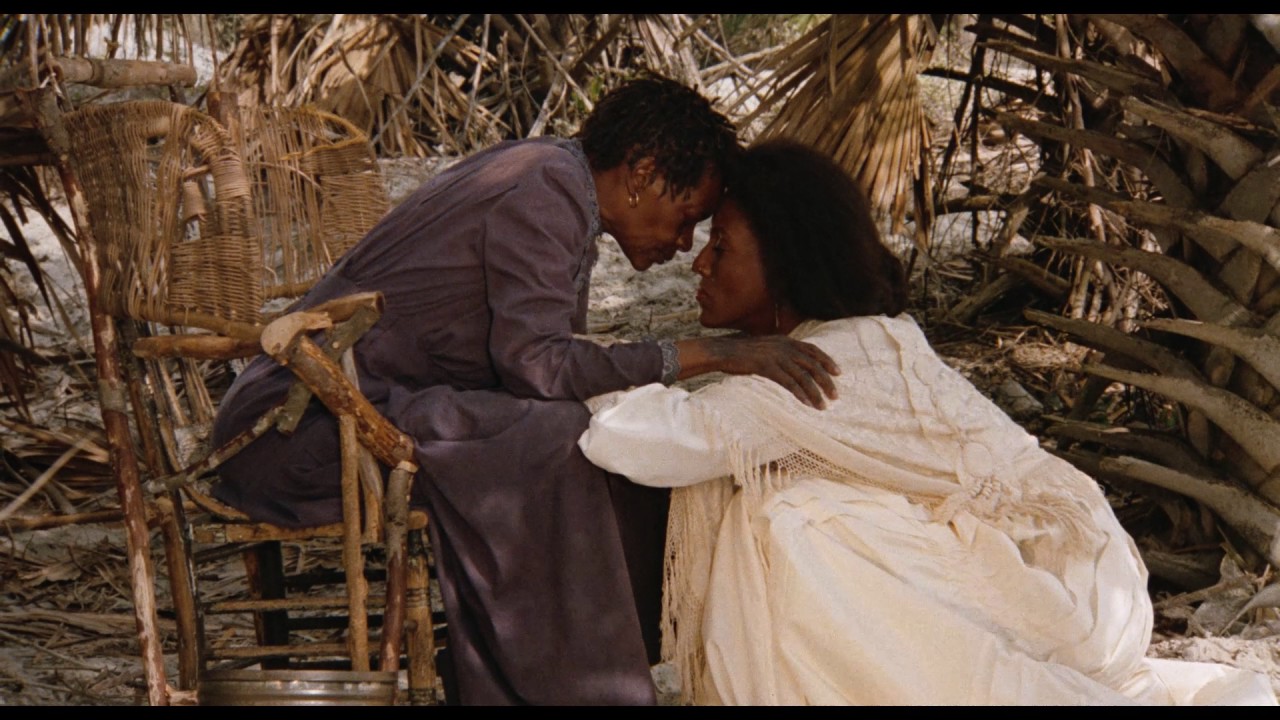 cultural and historical cross-roads is a wonder. There’s really nothing else like it: the poeticism comes through in the language and the images, with tradition echoing into the unsure present and the conflicted future of a people. It’s gorgeous in every way.
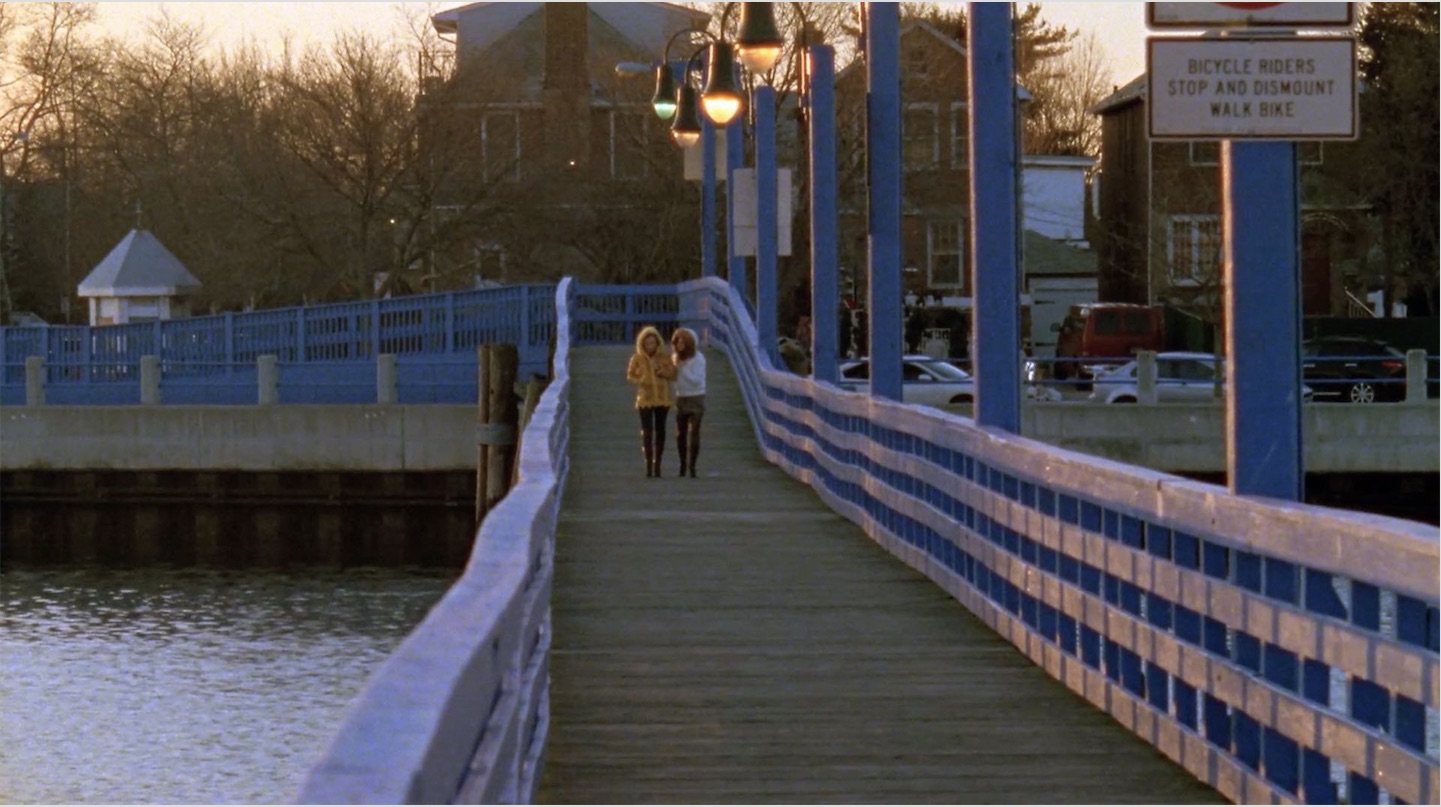 few cinephile lists.
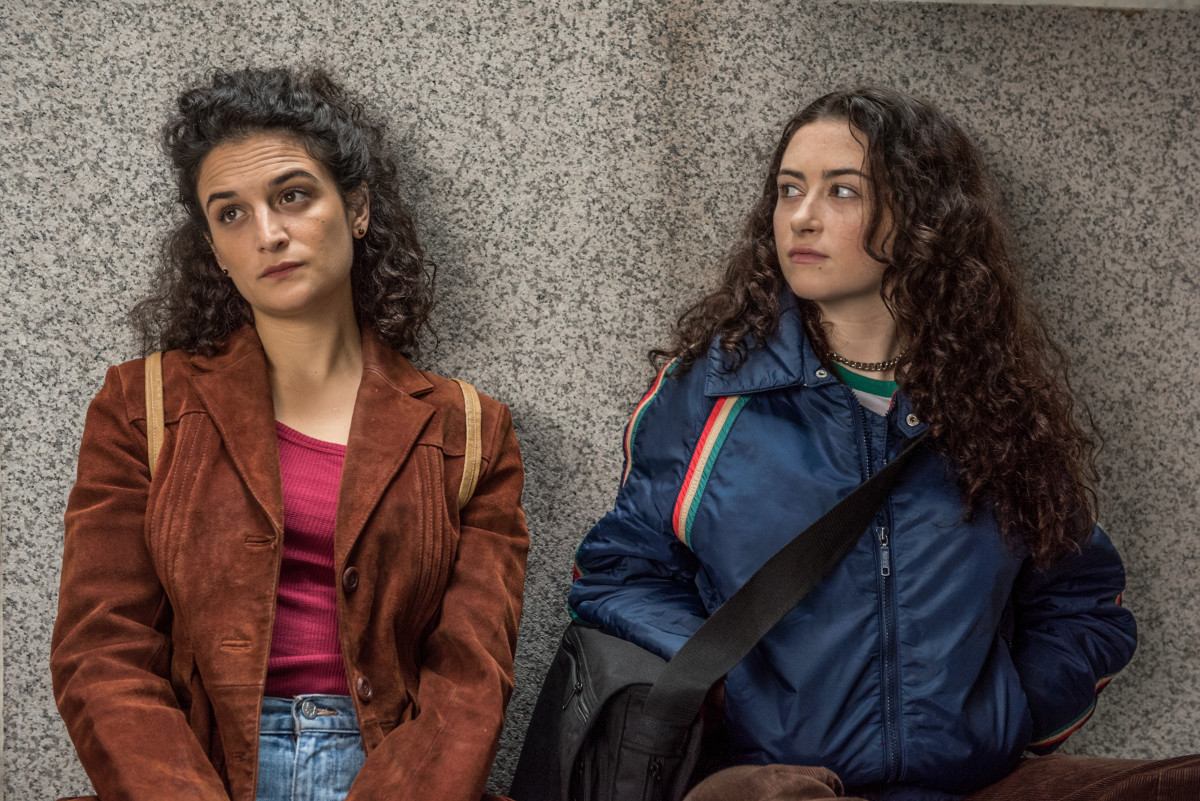 throwback about family dysfunction and sisterhood. If Landline lacks the sure narrative footing (and irresistible logline) of the previous film, it makes up for it in shaggy charm and small moments of recognition. (The lovingly detailed, decade-specific touches don’t hurt either, at least for those of us who very much remember dial-up internet.)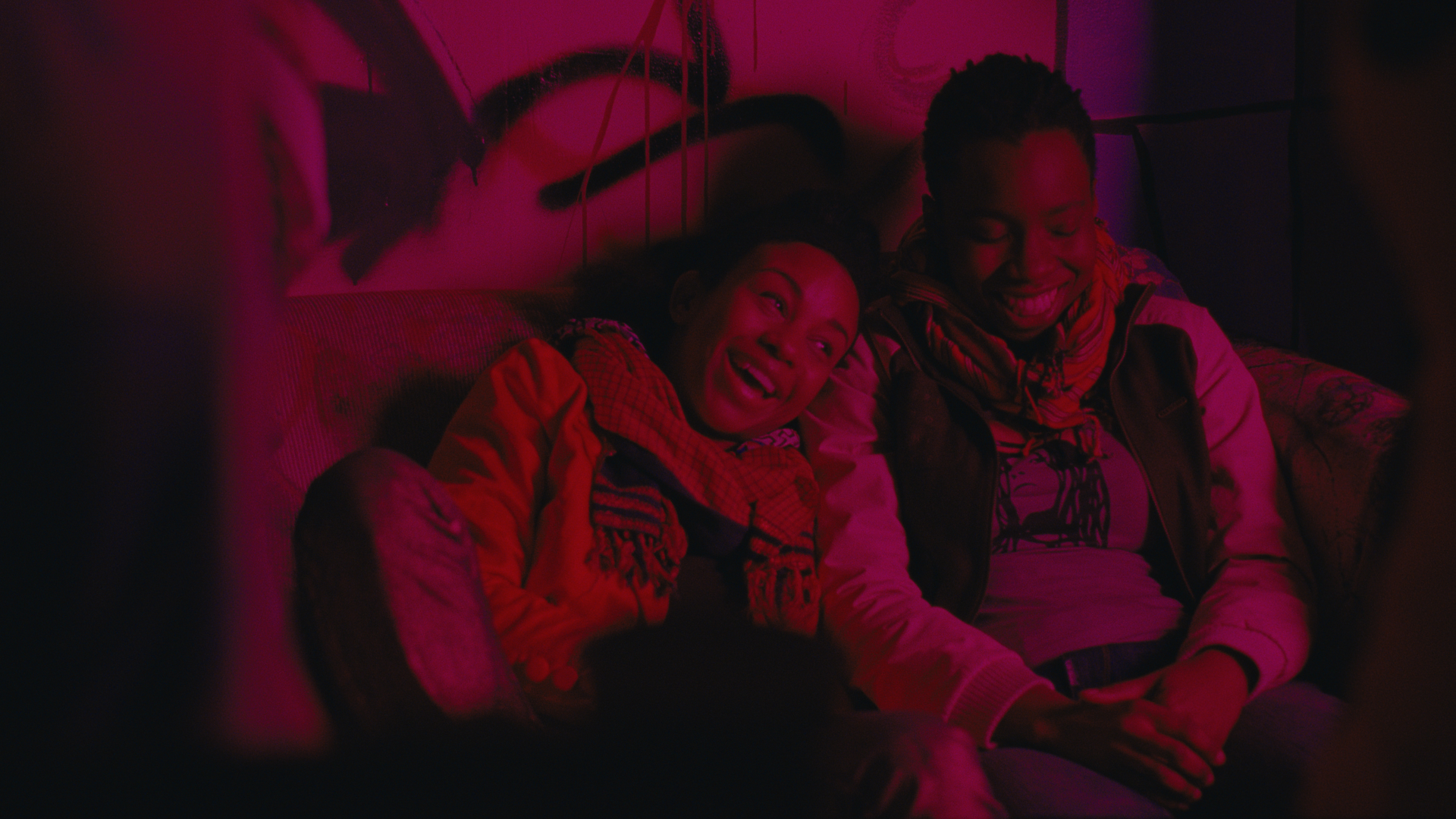
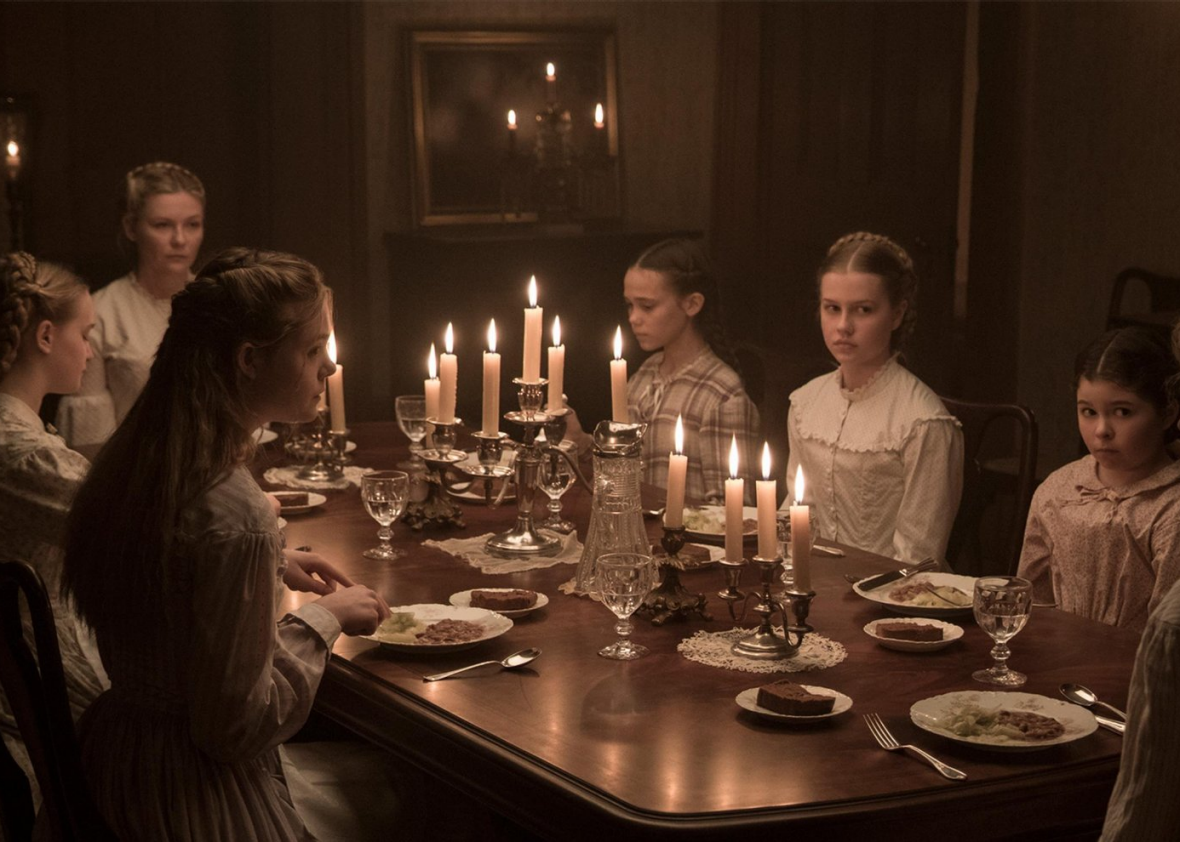 undoubtedly perverse about a Civil War story in which the Civil War barely registers, much less slavery, and many viewers were critical of it for this reason.
  I watched