
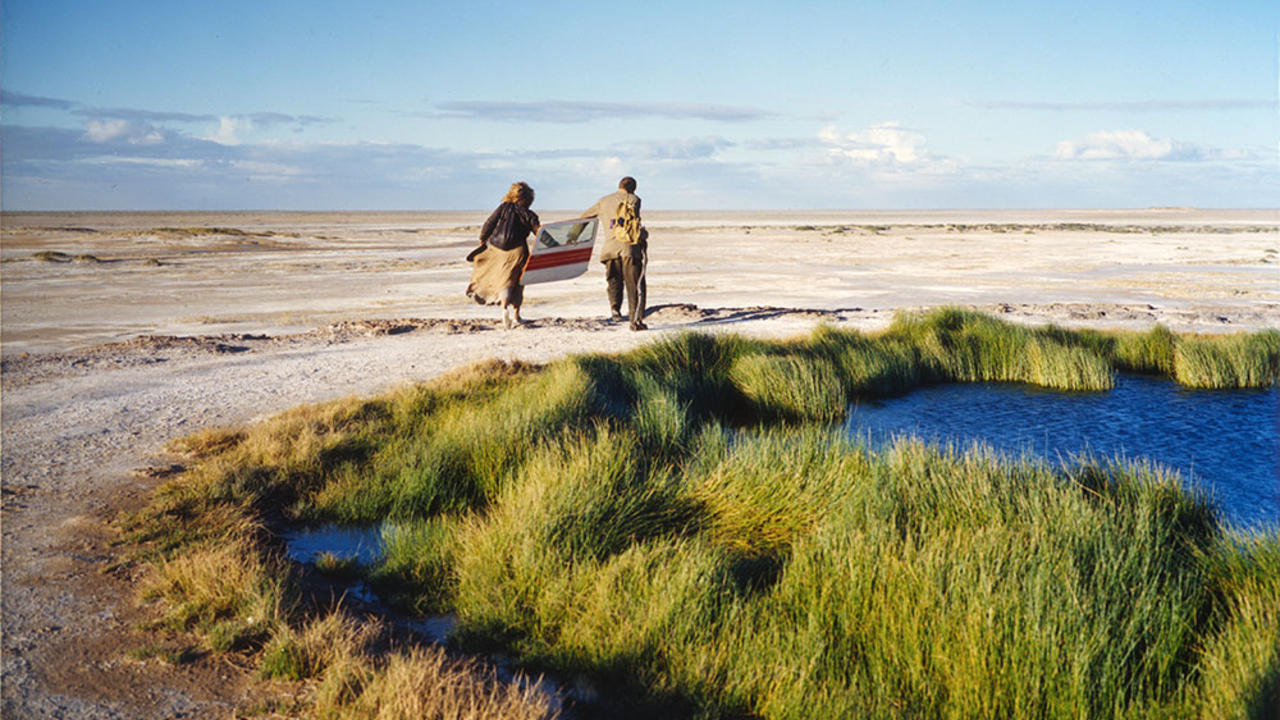
The road trip belongs to an incredibly particular technological moment.
There must be an element of protraction; it must take long enough to get from point A to point B to generate enough plot to keep the opening and closing credits 90-plus minutes apart.
But there also must be an element of ease which makes the trip an escape from the travelers’ everyday lives, not a permanent and irreversible shift. The Joads were not quite going on a “road trip,” nor were the thousands of families who schoolchildren killed off playing Oregon Trail.
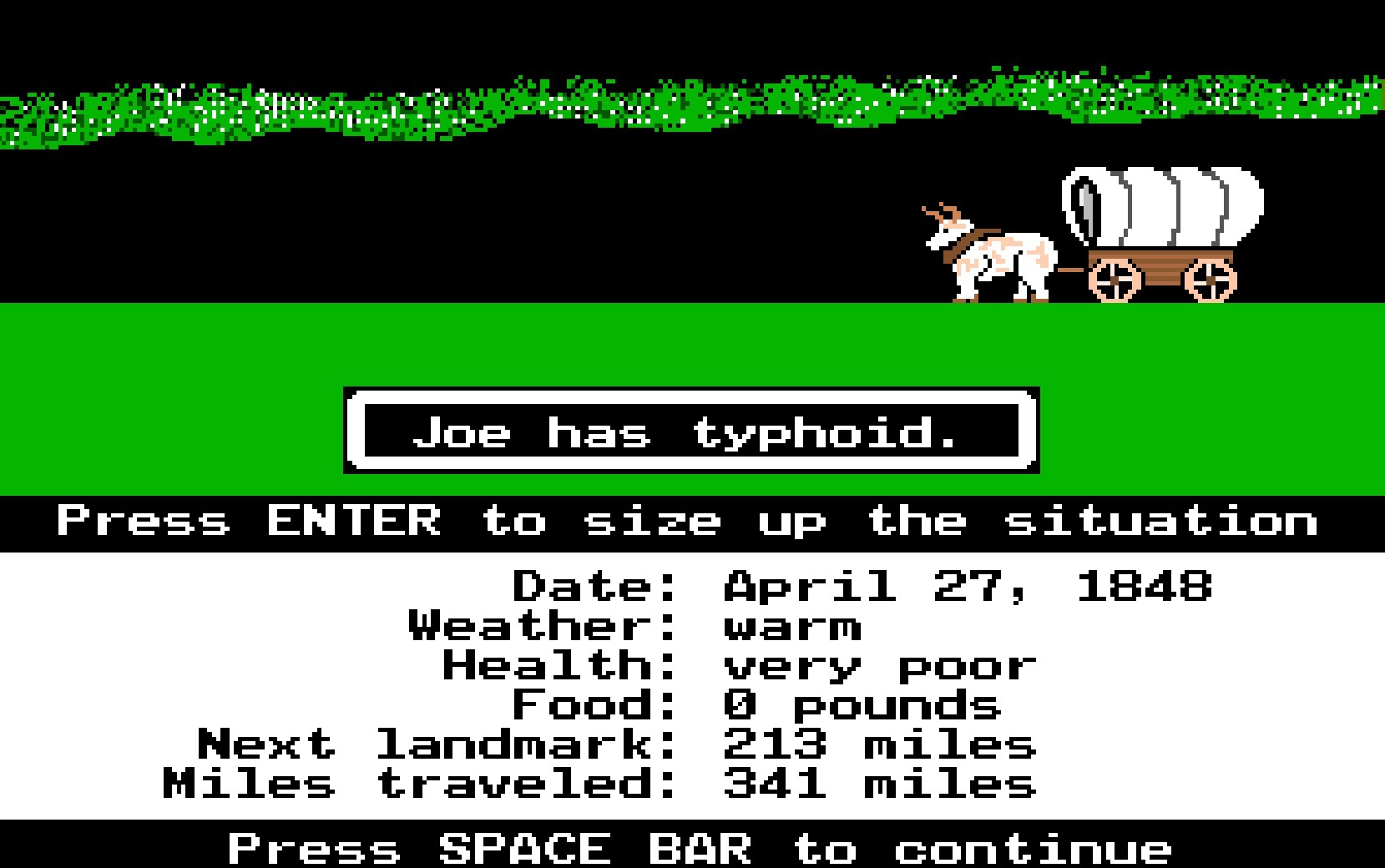 Before the post-war automobile production boom in the United States, the road trip movie couldn’t exist. What is—or was—its endpoint? Genres usually are born more suddenly than they die, but if Wim Wenders’ Until the End of the World doesn’t mark the end of the genre as a real form of life (as opposed to a self-referencing, self-replicating fantasy machine), it can mark one of the logical endpoints of it.
In its extended form (the 270-minute The Trilogy version, which splits the movie into three feature-length films; a 300-minute, 2-part version recently toured as part of a Wenders’ retrospective and is rumored to have a Criterion release in its future), Wenders’ film is the road trip at the end of its life.
Released in 1991 and set in 1999, it feels like the last gasp of a world where points on a map are close enough to make travel possible, but far enough away to make them distinct, to make it still possible to tell a story about the getting there.
In fact, remarkably little attention is paid to the travel. Most of the “road trip” elements take place in the first 2-and-a-half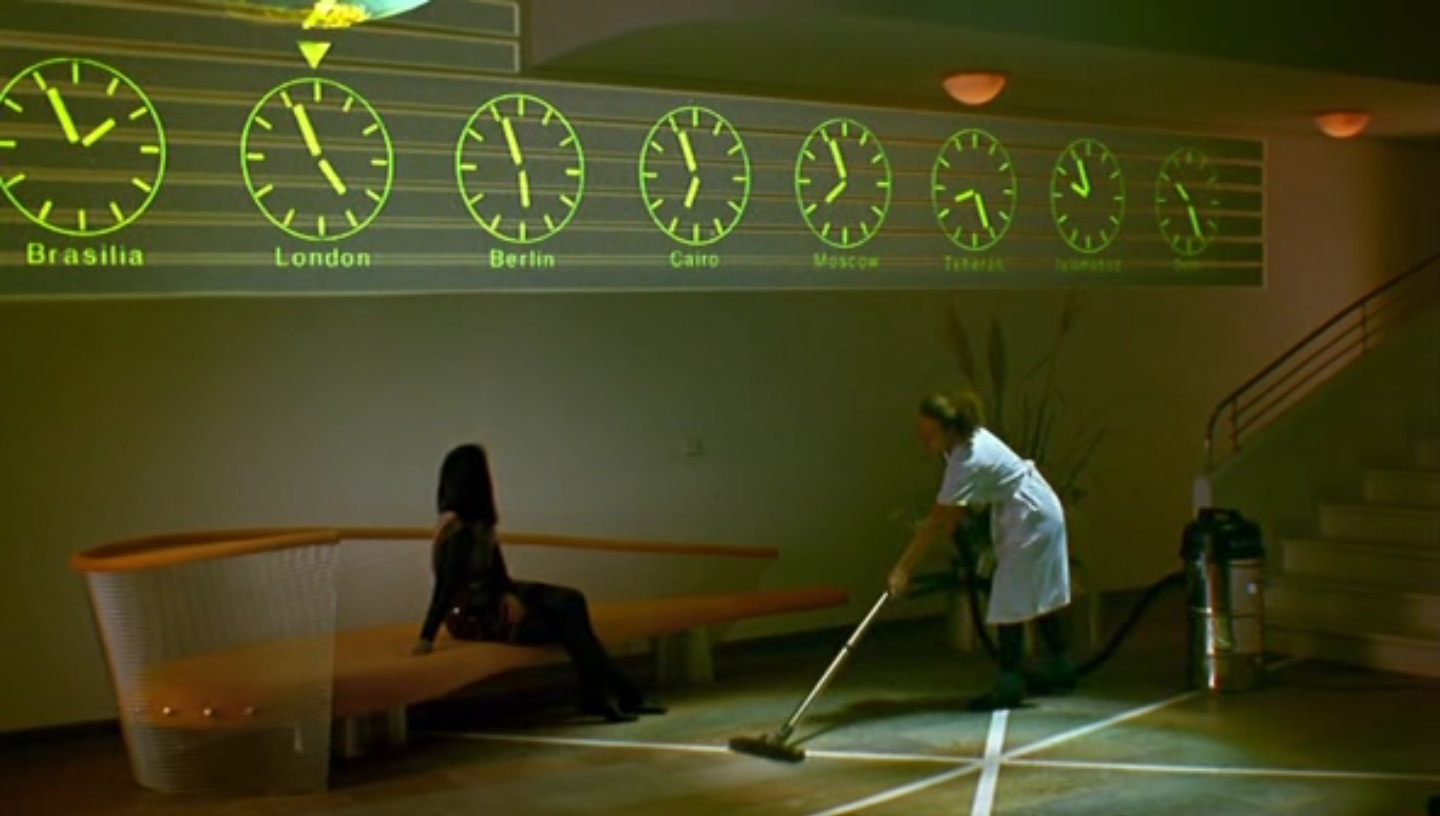 hours, as Solveig Dommartin (who co-wrote the script with Wenders) tracks down William Hurt, a fugitive with whom she falls in love. But outside of their ‘meet cute’, a segment in which Dommartin gives Hurt a ride to help him escape from mysterious bounty hunters, all the travel of her chase takes place in brief shots of boats, of cars, or of planes as her former lover (Sam Neill) narrates.
As all points on the map become neighbors to all the others — and I’m using the term as much in its mathematical sense as its commonsense one — each individual place they visit becomes essentialized. Removed from its place in Japan as a whole, the traditional inn Dommartin and Hurt visit becomes merely a magical place where the mystical owner uses vague ancient 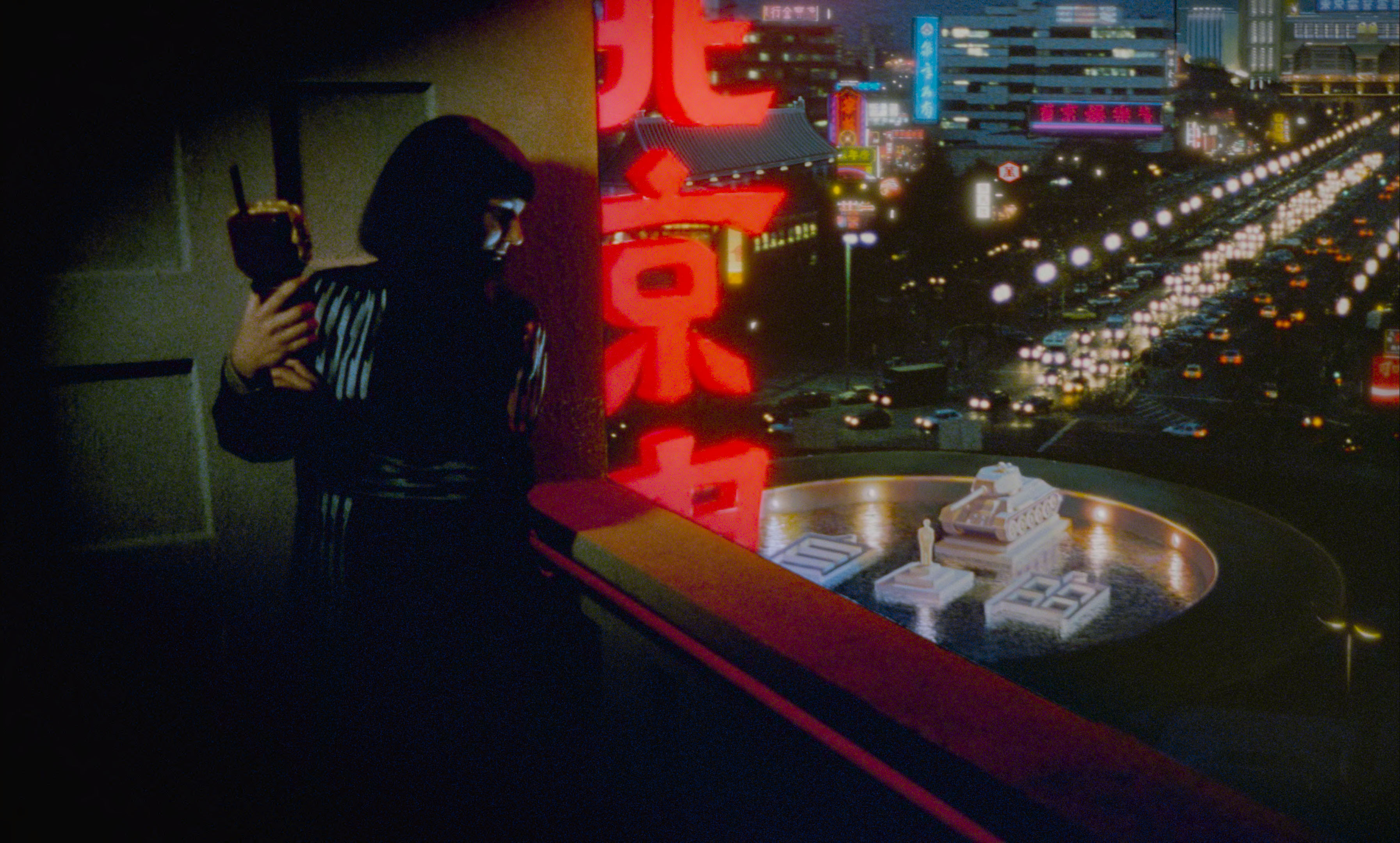 rituals to heal Hurt’s failing eyes. The trip to Japan serves as an essential turning point in the movie, occurring roughly 2 hours in and marking a transition from European ports of call like Germany and America, which still manage to retain some uniqueness, to Eastern locations which increasingly stand in for the magical other-place.
As the film moves into its final third (The Trilogy is so clearly divided into thirds that the credits run in their entirety before each section), it reaches the final stage of a terminal acceleration. It settles into the Australian outback as an EMP blast wipes out all technology, and aboriginal Australians begin to stand in for all sincere life. Whether or not Wenders’ depiction of indigenous Australians is essentialist or Orientalist (I’m not nearly informed enough to say for sure), they are really stand-ins for something else. They are the ultimate end of the “road trip” as such. Absolutely situated, unable to move from their place (several scenes center around them marking sacred spaces in the land so they are not destroyed by radiation), they are every point on the road the road trip travels down brought to a point.
After all, that is always the essential relationship of the stops on the road to the travelers on the road. For the travelers to travel down the road, everything along the side must stay still. And for those things to stay still, they must have their own frames of reference. As travel changes and those points become closer, the uniqueness of the places at which one can stop must shrink inwards. The magic secret that was located in a place now has to be located somewhere inside. What does that do to the road trip as a narrative idea?
The exhaustion of the movie, the sense that this is the “ultimate road trip movie” (to quote the tagline) — ultimate in 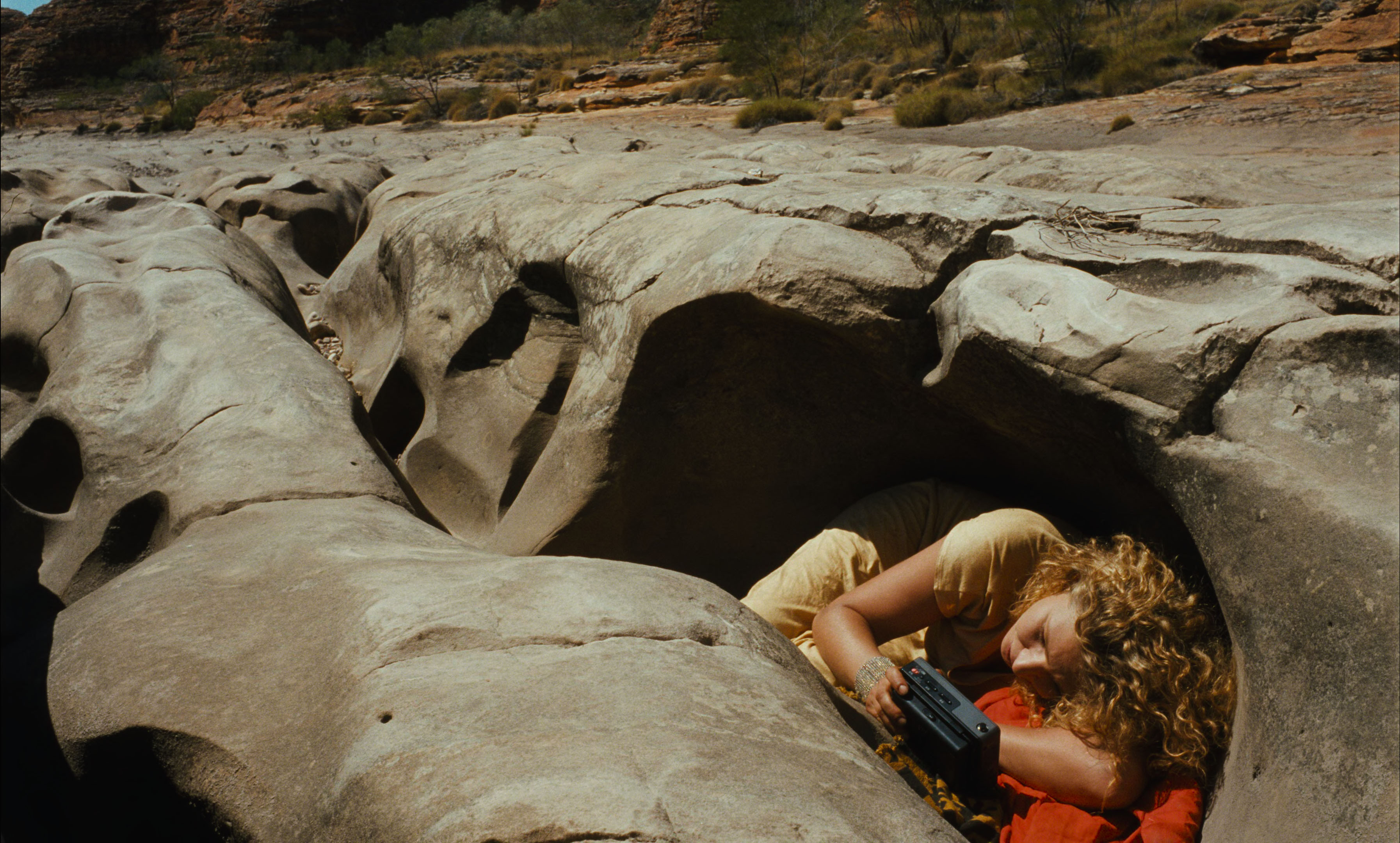 the sense of final — is what drives the colossal running time. One wonders if it is the increasing closeness of everything that has led to the stagnation of the second half of Wenders’ career; other than the documentary Buena Vista Social Club in 1999, he hasn’t made an acclaimed movie since Wings of Desire (1987).
Maybe it’s time to reorganize how we think about Wenders’ films. It is easy to celebrate the brilliance of his early movies like Alice in the Cities, Kings of the Road, Paris, Texas, and a half-dozen others and ignore everything post-Wings of Desire as the result of a brilliant artist losing their touch. But maybe it is closer to an artist whose world shriveled up in the face of technological progress, and has spent half his career trying to recreate and recover it. Maybe it’s in that failure that we can understand the world better and more beautifully than in a nostalgic desire for his golden period.
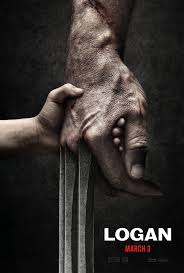
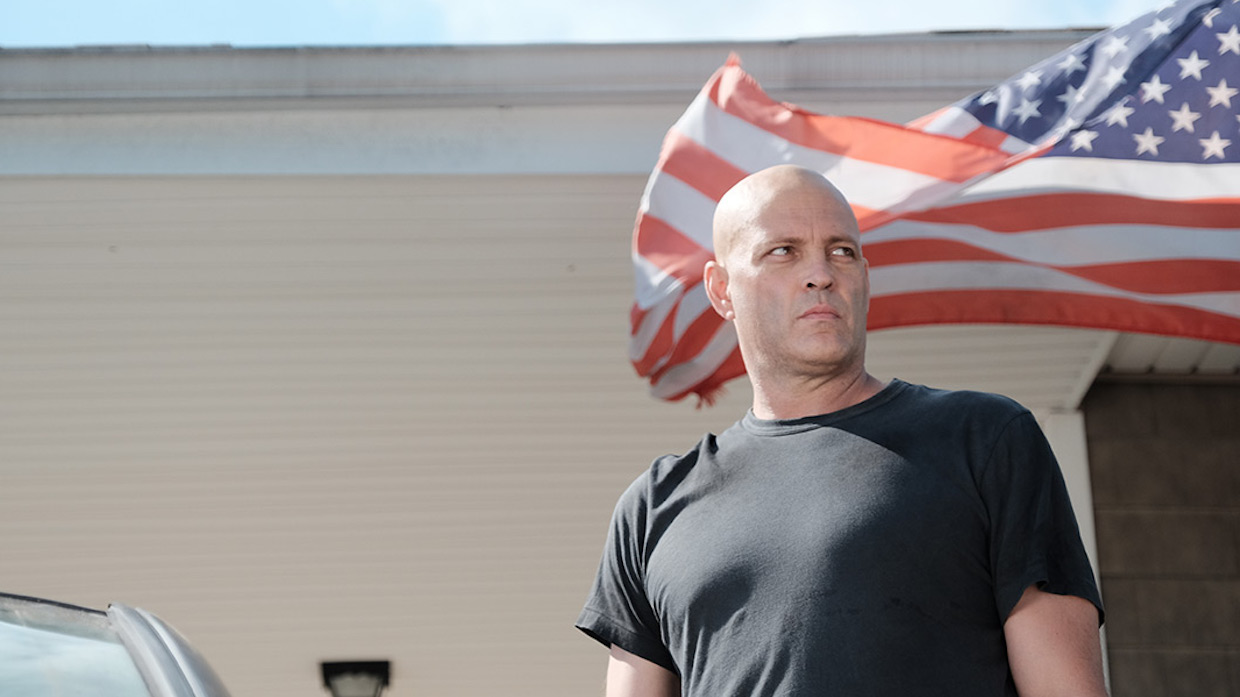 That article was, frankly, a little nuts, and not at all representative of what art I’m usually interested in. I mean, there was never a chance I was going to like Logan or Brawl in Cell Block 99. Action movies about middle-aged men aging is my least favorite genre of media in the world. I’m sorry to my genre-movie loving friends—and hey, I like a genre movie as well as the next guy—but when those themes are put in the context of an action movie, what you end up with is usually not an exploration of aging, but a denial of it. You get a 2-hour trip into a fantasy world in which aging is overcome by a potent mixture of punching very hard and defending wives and daughters. (Brawl helpfully combines the 2 dependent woman roles into a pregnant wife.)
 conversations were partially just because I’m a jerk who never met an adversarial position I wouldn’t take, but they were also about frustration at myself, frustration that I felt pressured to watch movies I knew from the pitch I wouldn’t like.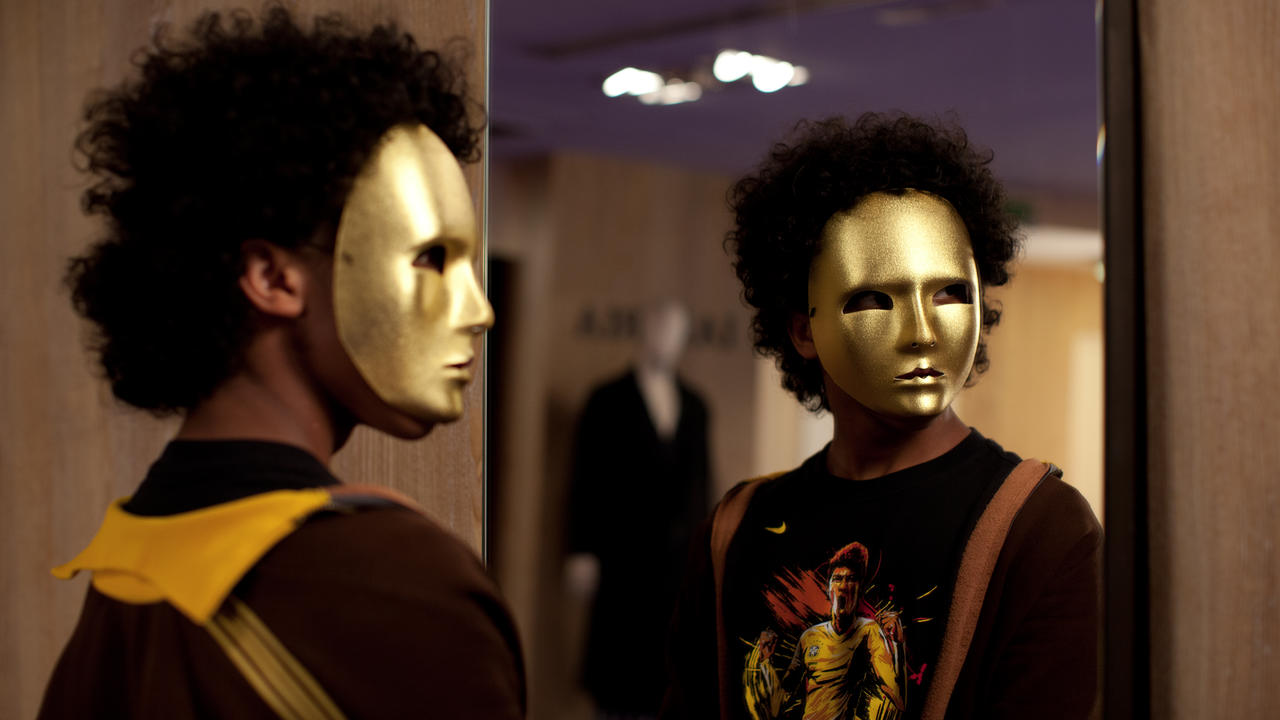
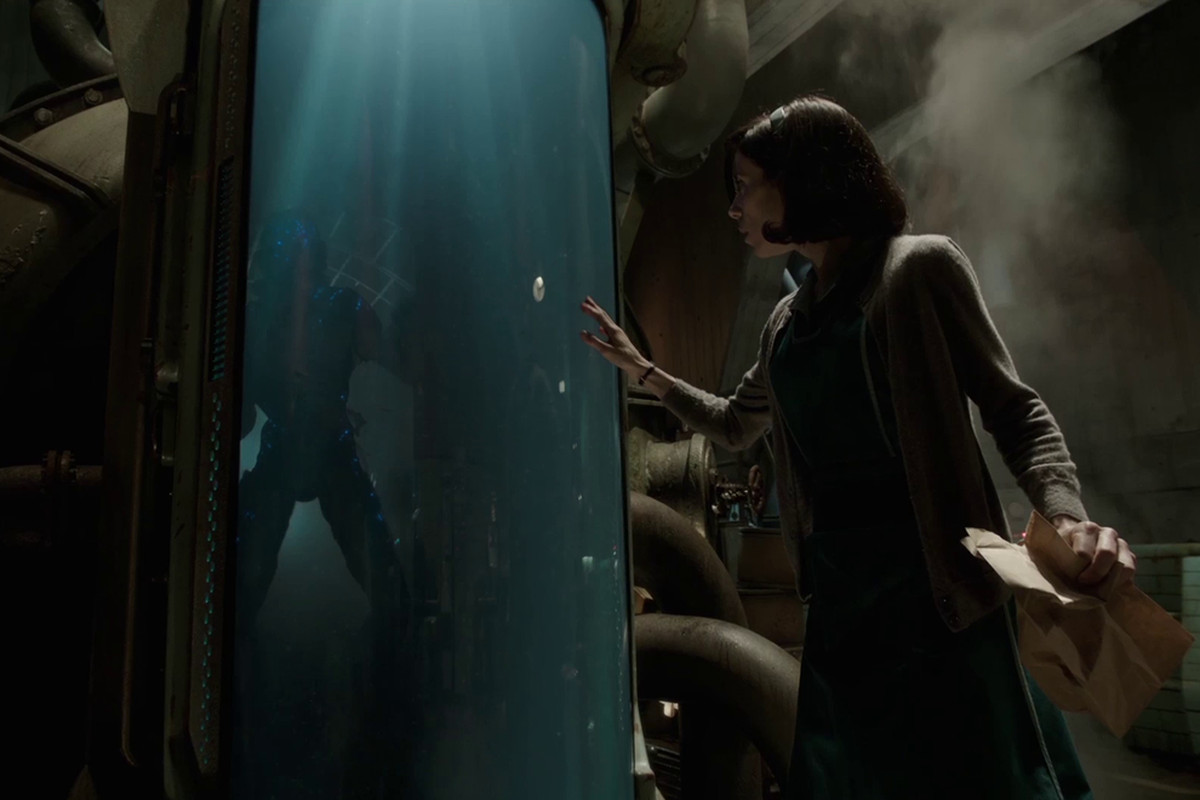
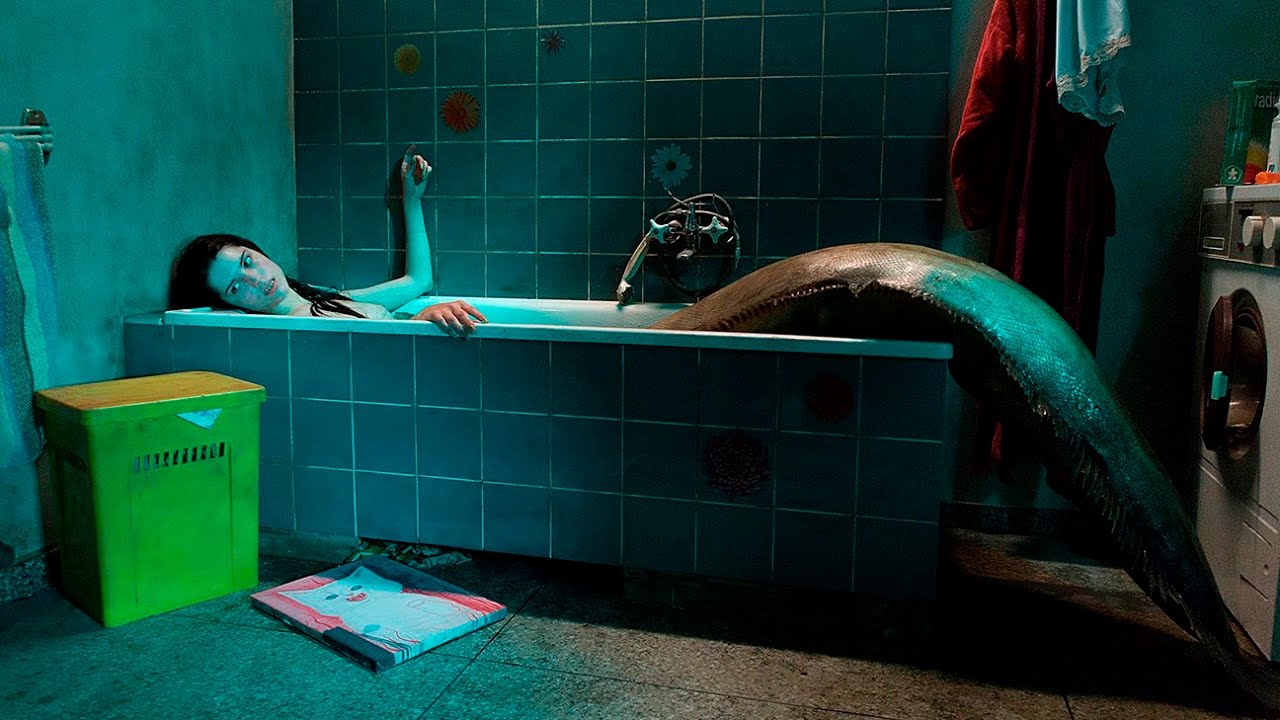 2017 was, among other things, a big year for the Fish-people who live among us, with
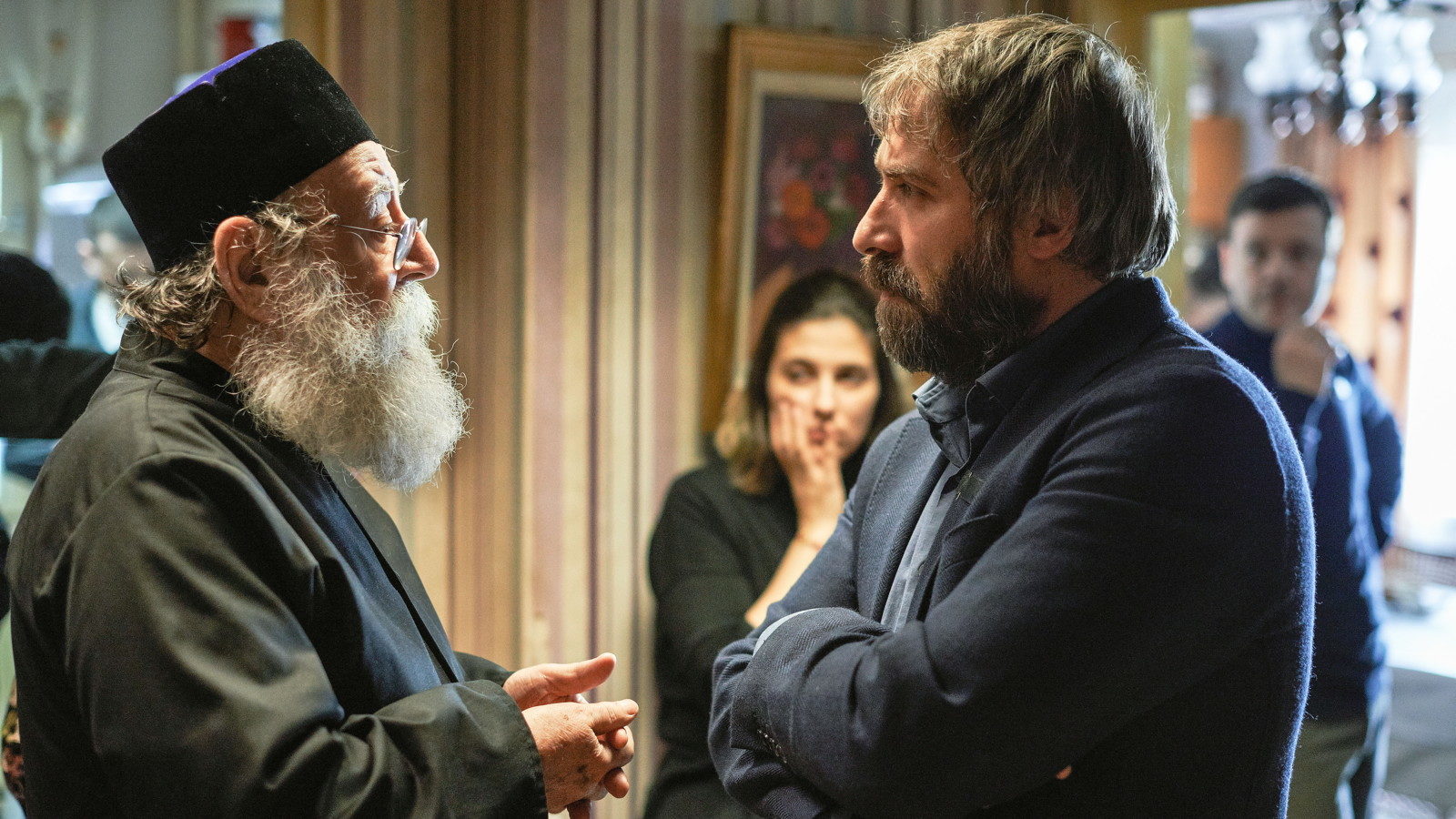 A 3-hour Buñuel-like feast of false starts and farcical interruptions, filled with offhand discussions of Romanian post-Communism, faulty power outlets, religious tradition and modernity, and claustrophobic family dynamics?
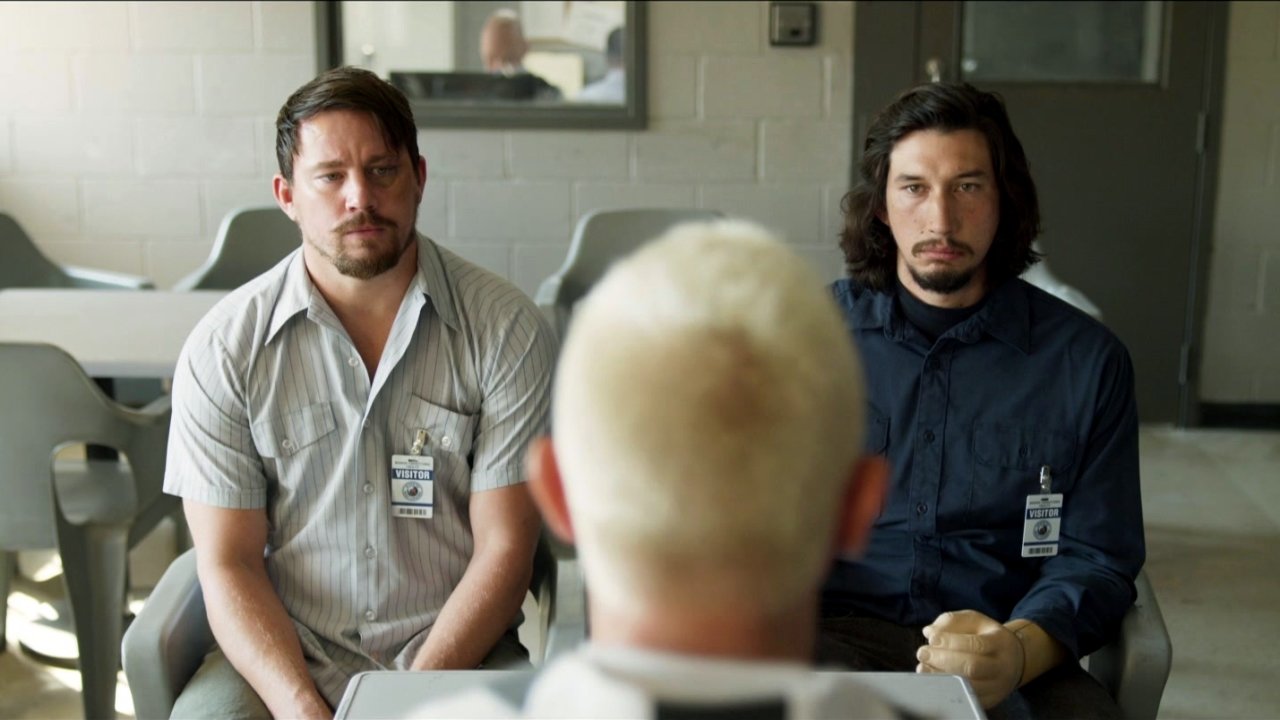 The flat-out most enjoyable, satisfying release of 2017 (and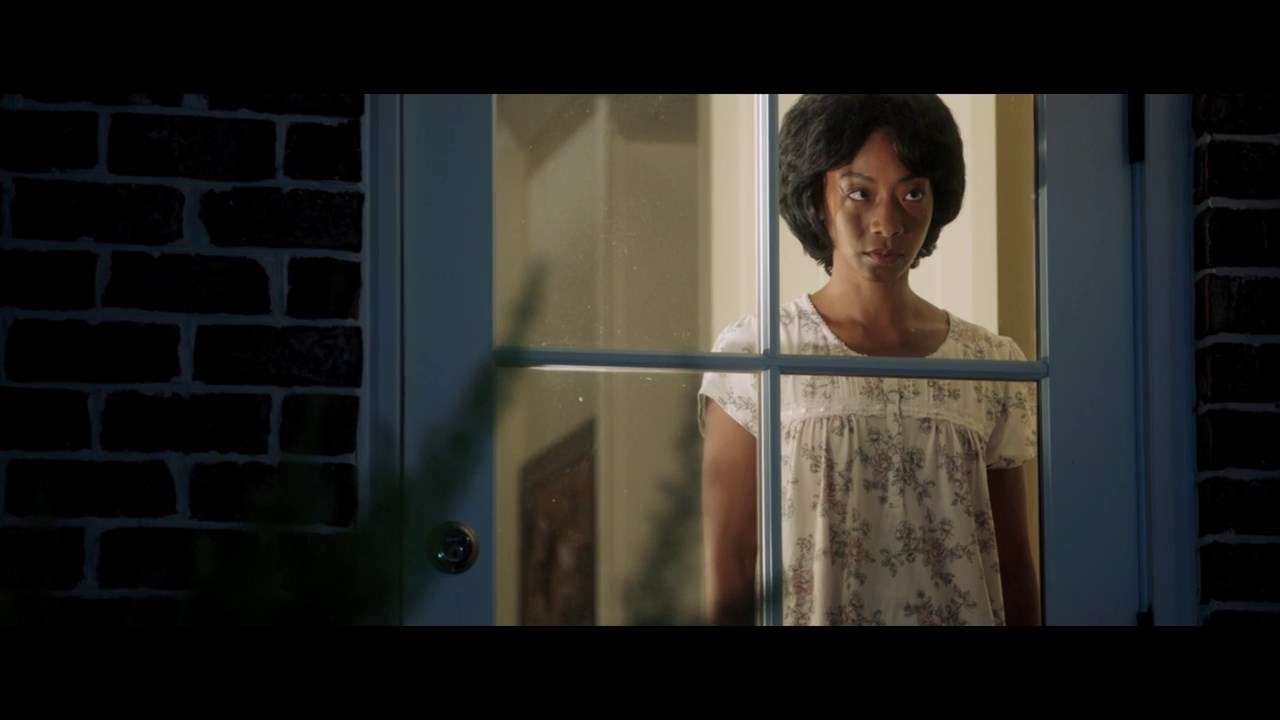
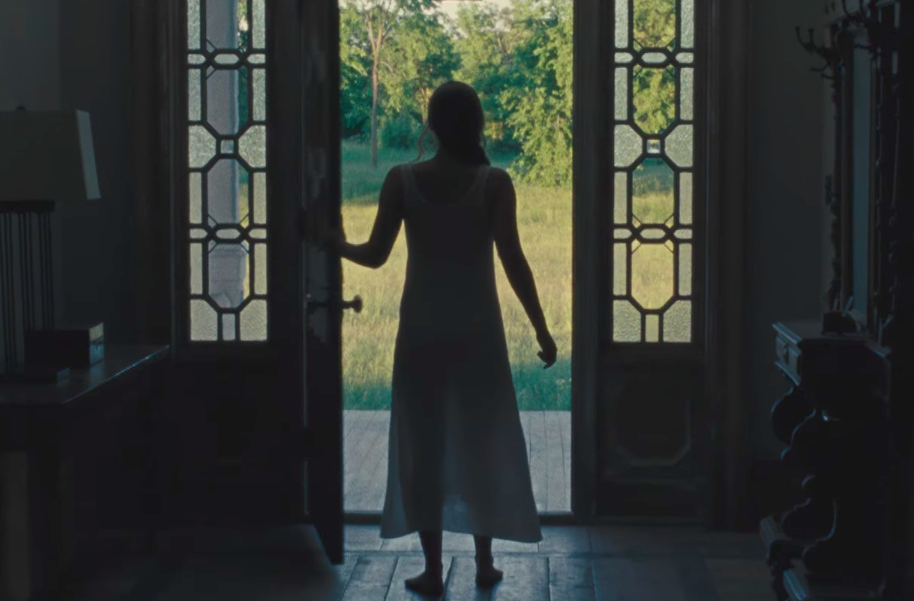 So this is what it looks like when
 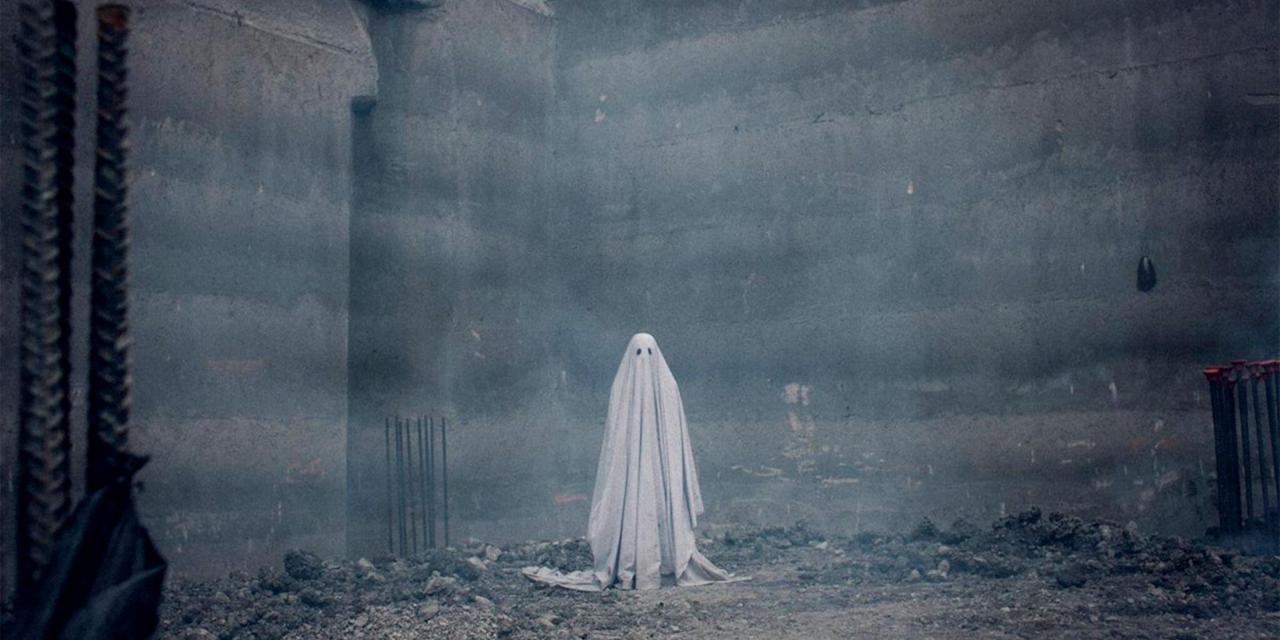 With its self-consciously lo-fi costuming, extended single-take depiction of a woman eating a pie, and the sudden appearance of Will Oldham waxing cosmic and philosophical at some indeterminate dinner table of the future,
 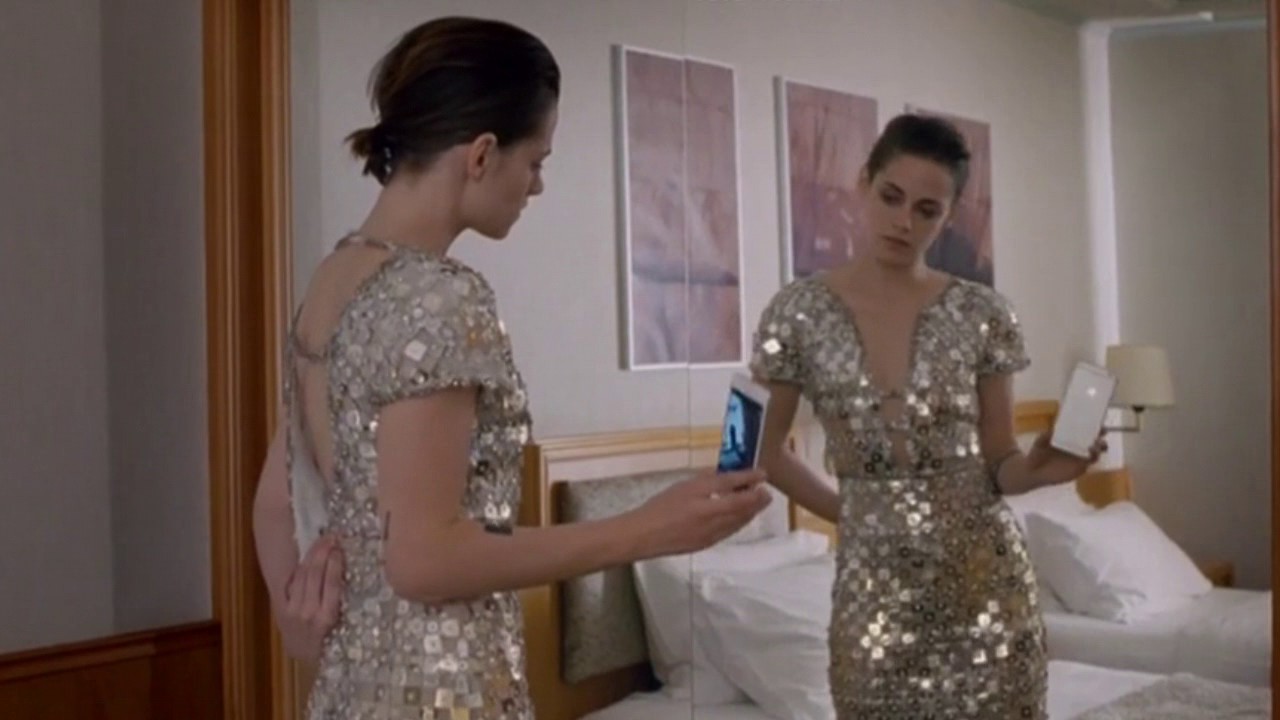 “Film,”
  There was no more visceral experience in movie theaters this year than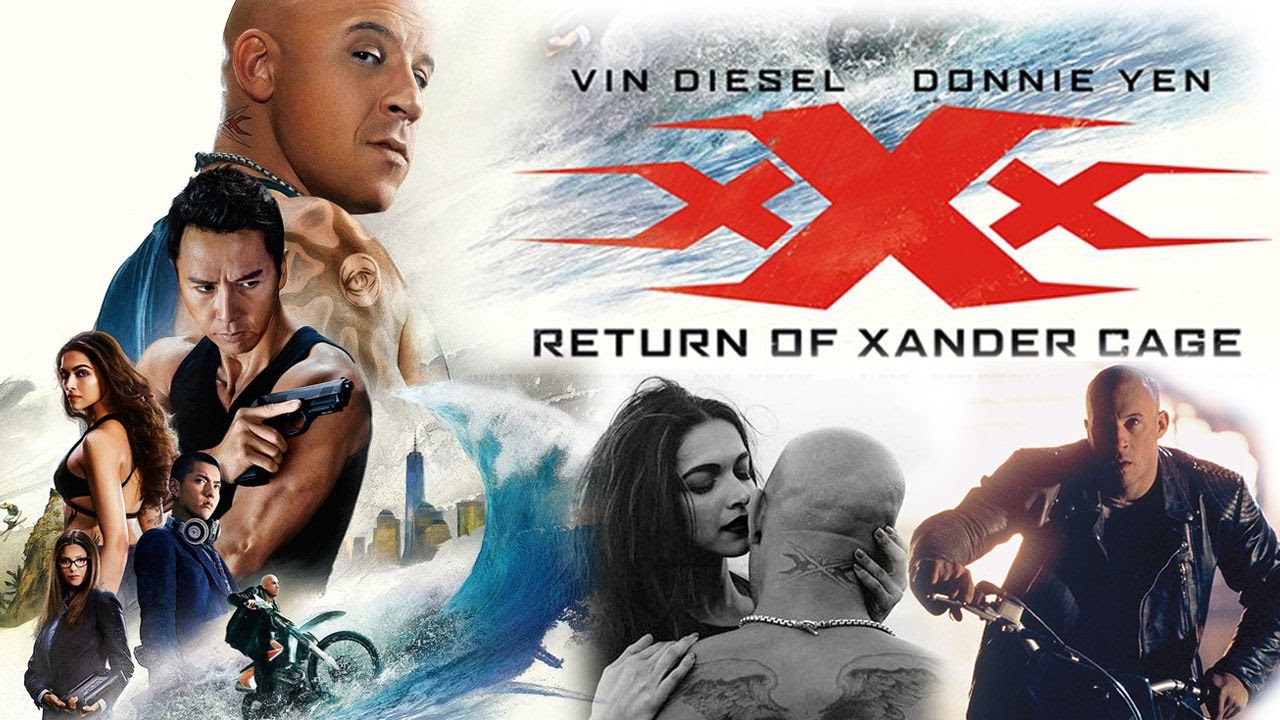
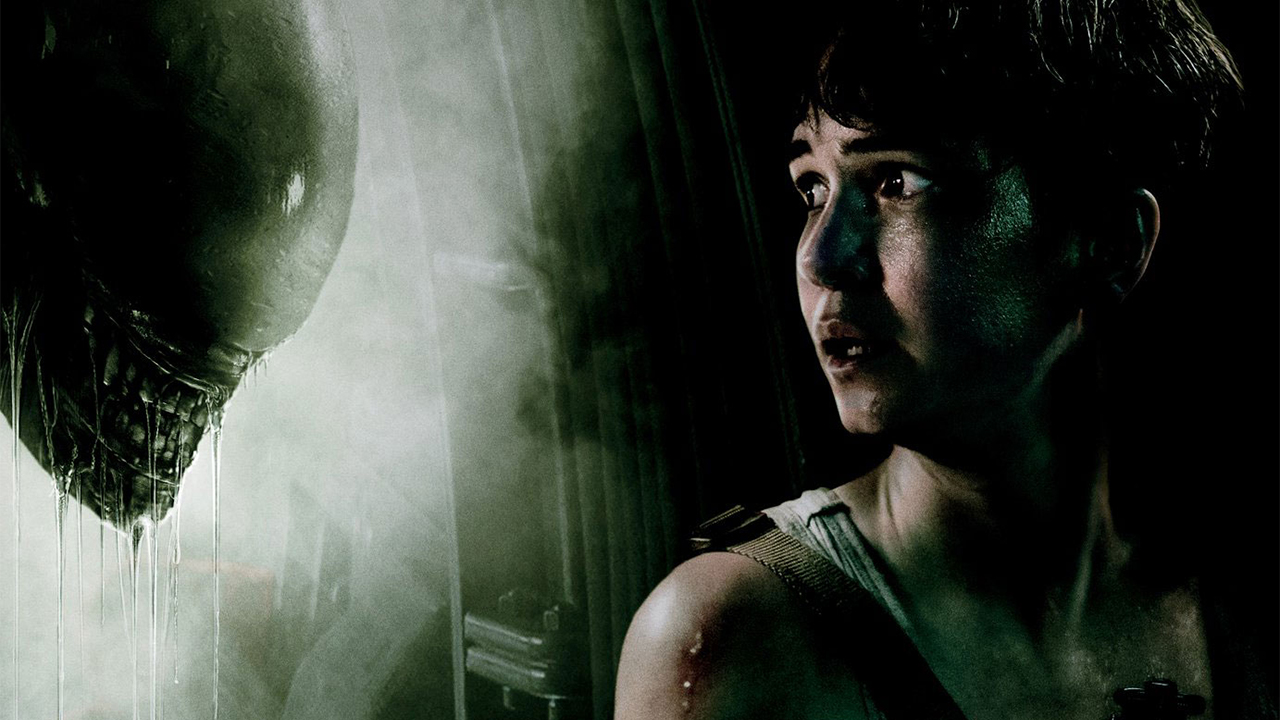 It may spend its first half hour playing out the standard tropes of the Alien franchise, but once you arrive in Michael Fassbender’s bizarre alien Dracula castle, it becomes something else. Bonus points for being one of three movies to prominently use “Take Me Home, Country Roads” this year.
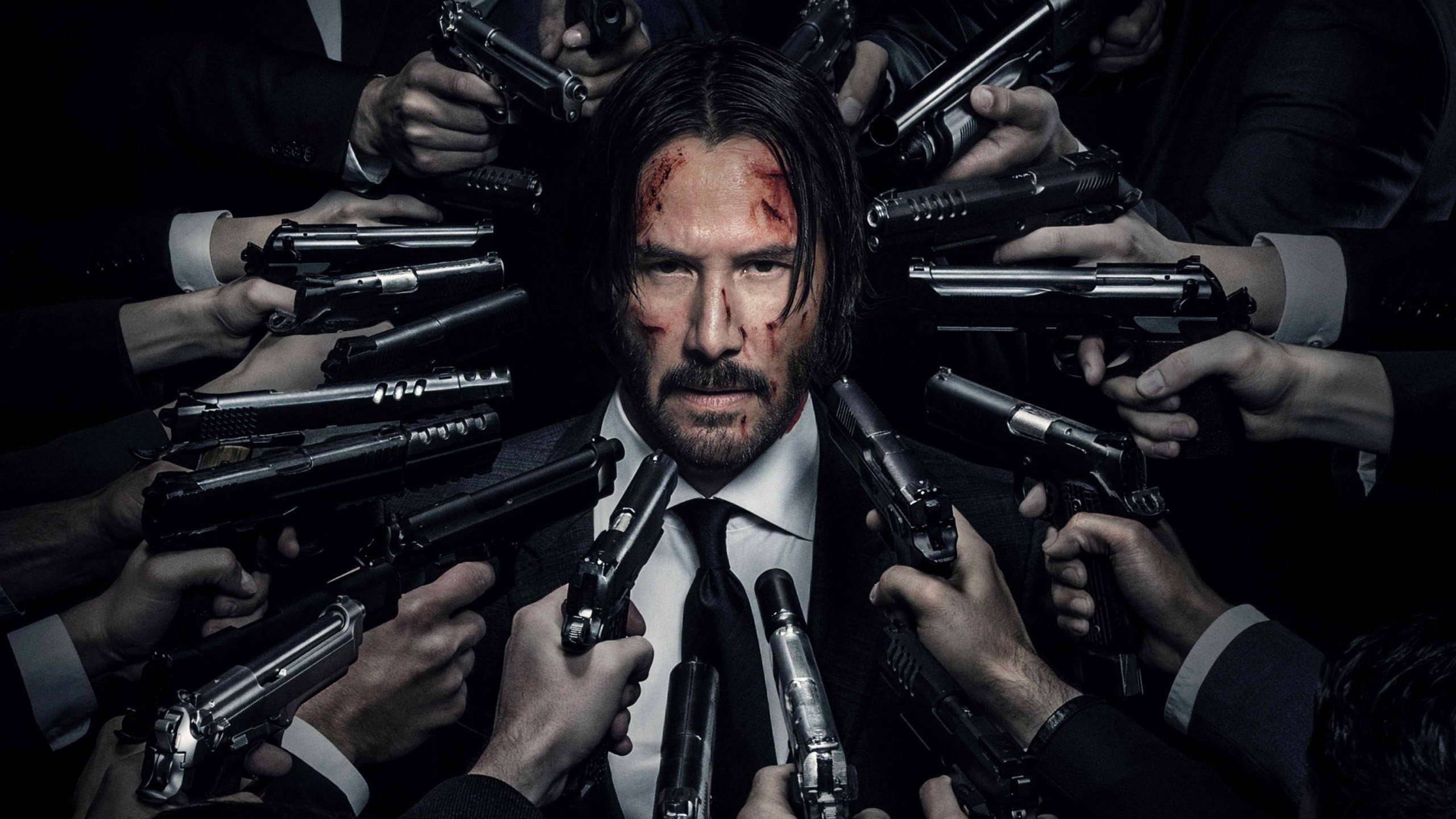 All of my friends put up with a lot of talking about the original and this sequel over the last 2 years or so. (How does the economy make any sense? Getting rid of a body costs as much as a drink?) But this one felt much, much cooler than the original to me, which relied on goofy-looking dudes in suits being inherently visually fascinating. Also, no Marilyn Manson this time.
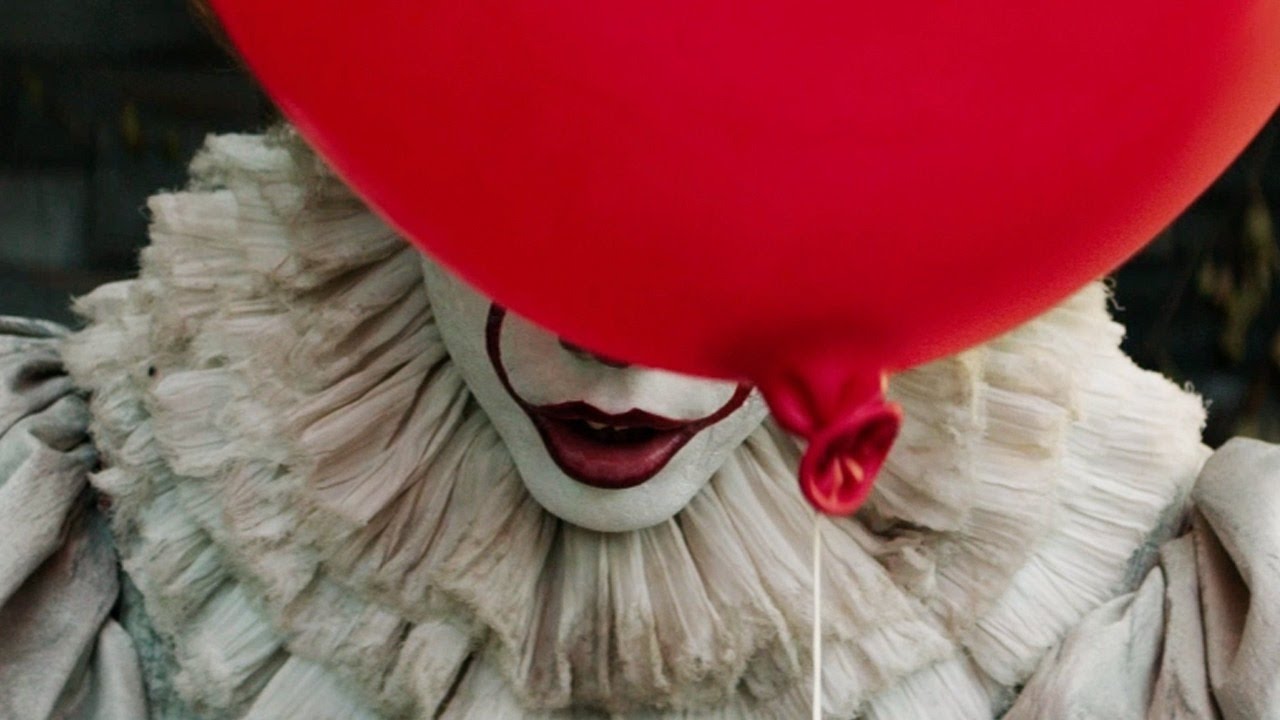 I will stand by my fervent anti-Stephen King bias—I think he’s atrocious—but this movie helped me get the appeal. There is a sense of a genuine wider American horror mythology at play here, much wider and less place-dependent (and less explicitly dependent on racist fears) than Lovecraft. Everything about Beverly was exhausting and lazy, but I get why this was a phenomenon.
  I have a piece on this in the works, but frankly, I am always going to be excited about an adaptation of 14th century writer Boccaccio’s impossibly ribald Decameron. It’s the definition of slight, but
  Yes, it’s just Groundhog Day as a horror movie, but the free mixture of pop music empowerment and horrible murder makes this something really curious and charming. One particular montage set to Demi Levato’s “Confident” is simply the best use of music I saw this year.
 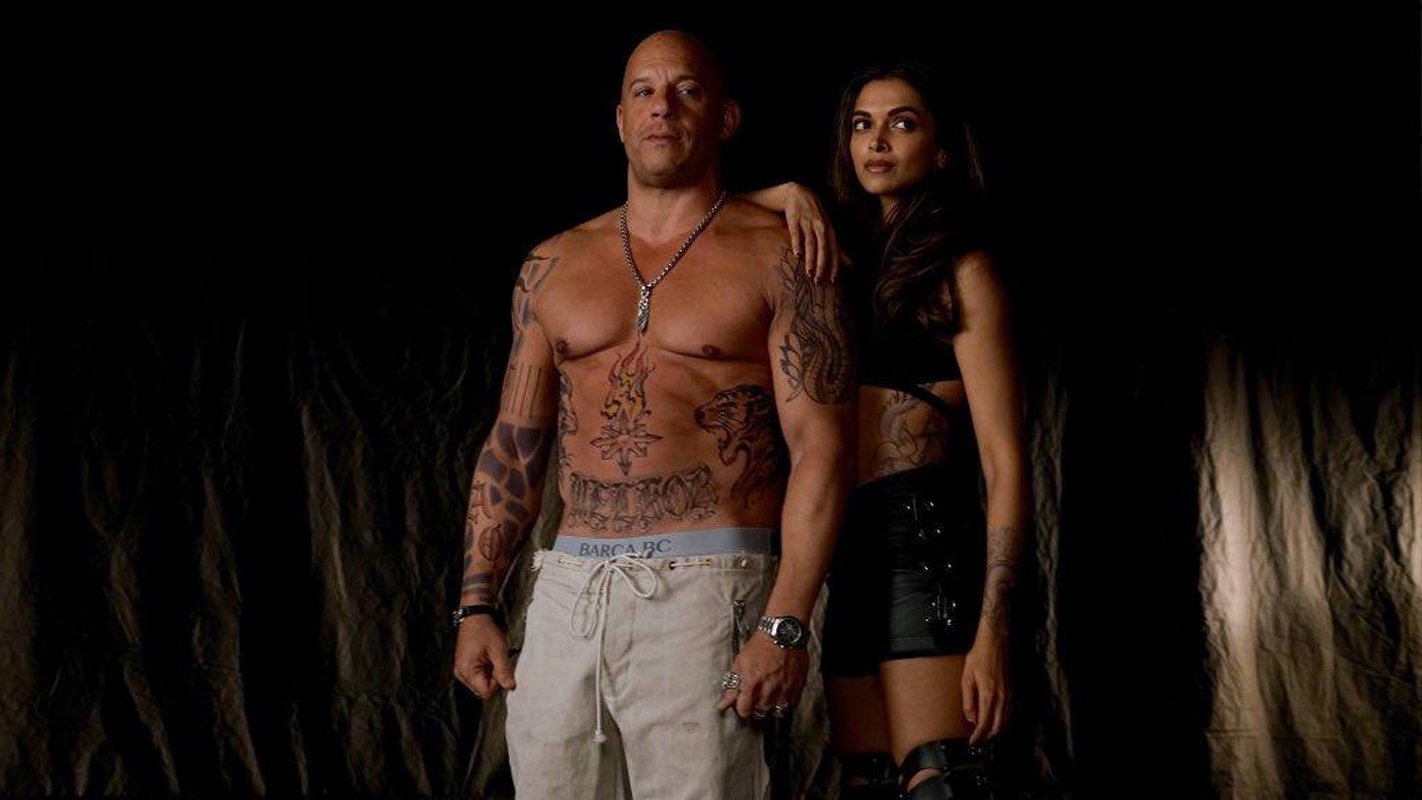 Vin Diesel’s throbbing cock became sentient and made a movie. Two stars.
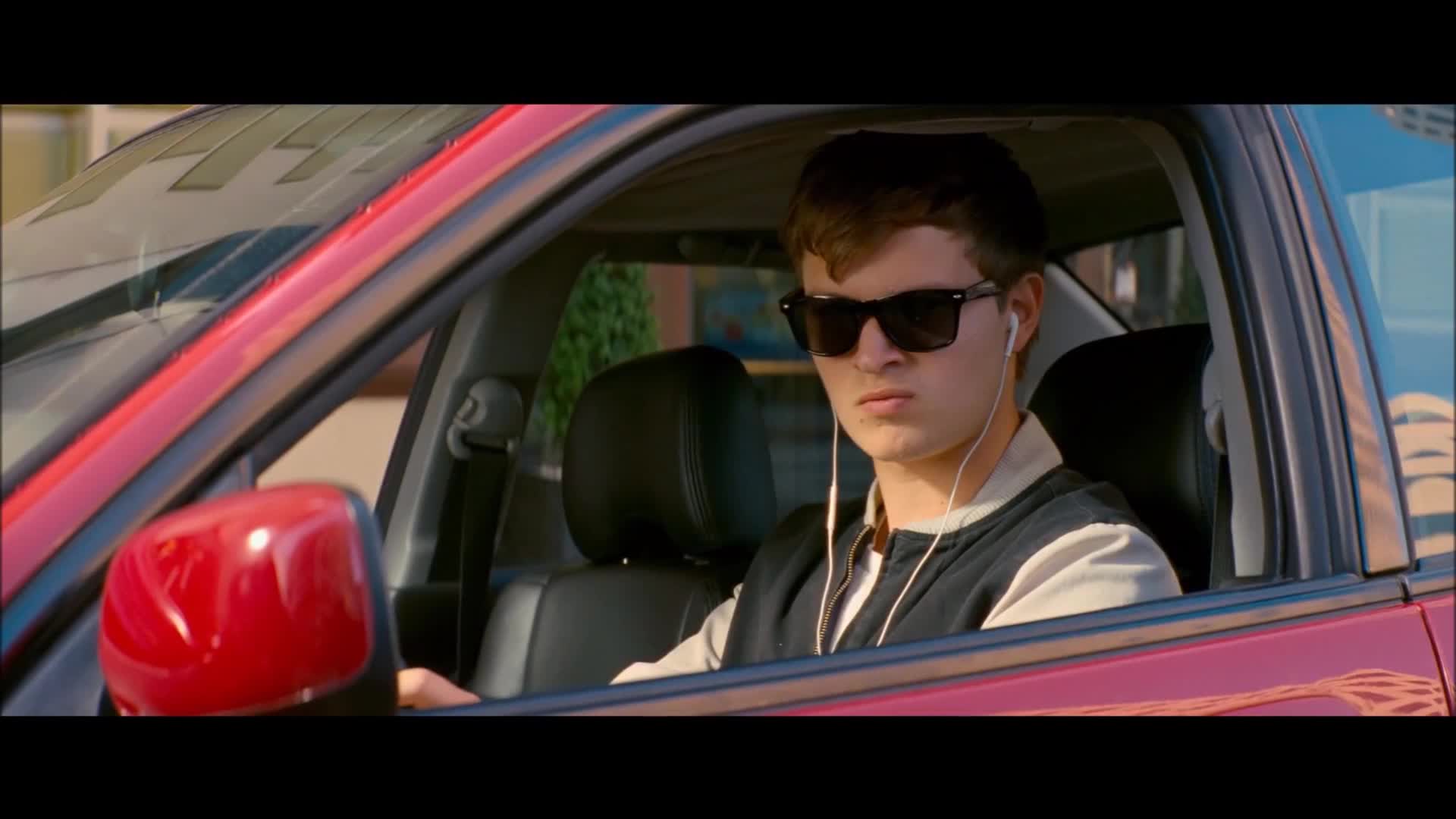 What idiot called this car chase movie with intensely weird Oedipal themes “Baby Driver” and not “Oedipus Wrecks”? Thank you.
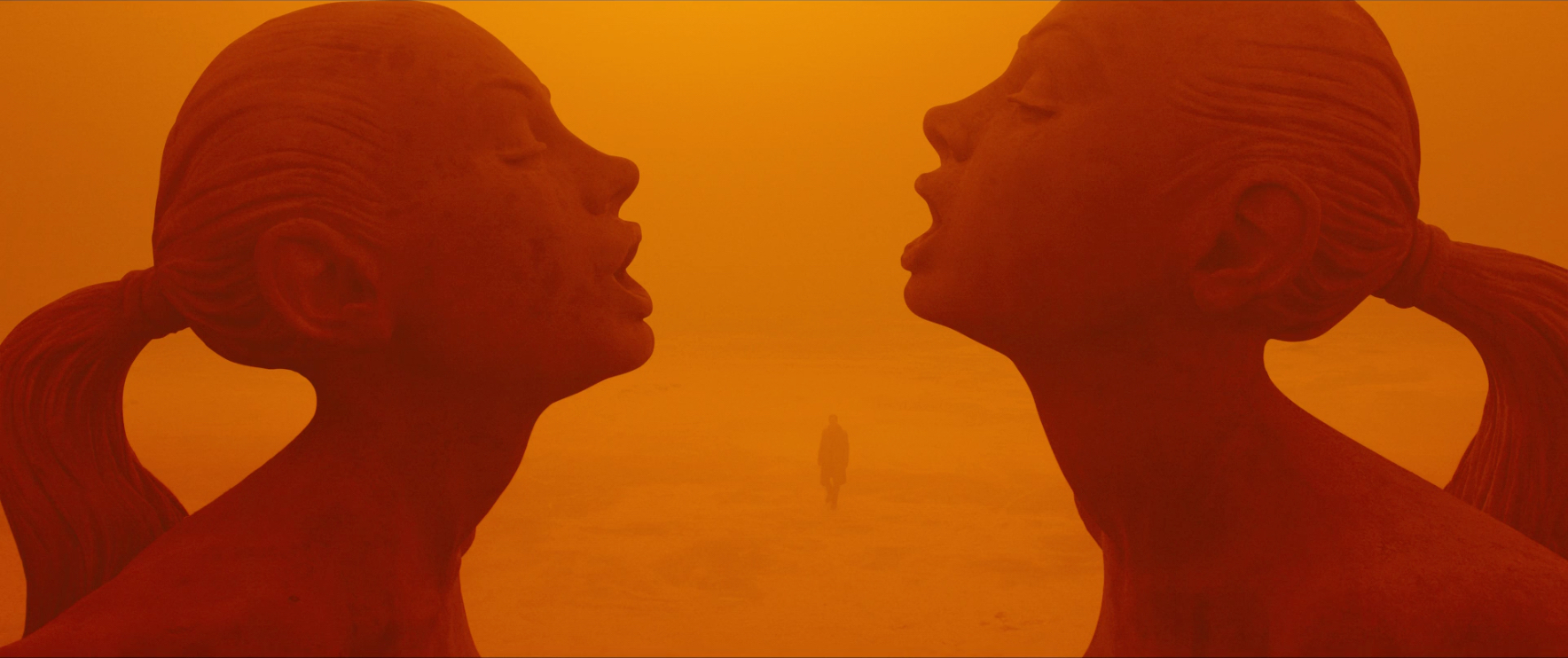 What would this movie be if it ended the frame before Harrison Ford showed up on screen? The idea that Rick Deckard—less a character than a narrative point in the original film, a fold in the world that helped reveal how the viewer’s assumption of the protagonist’s point of view can make them complicit in quiet fascism—is suddenly to be embraced as hero could be done, but it would require a hell of a lot more set-up than we get here. I do appreciate the implication, however, that Edward James Olmos has the magical ability to intuit what animal fills the fantasy life of each character.
 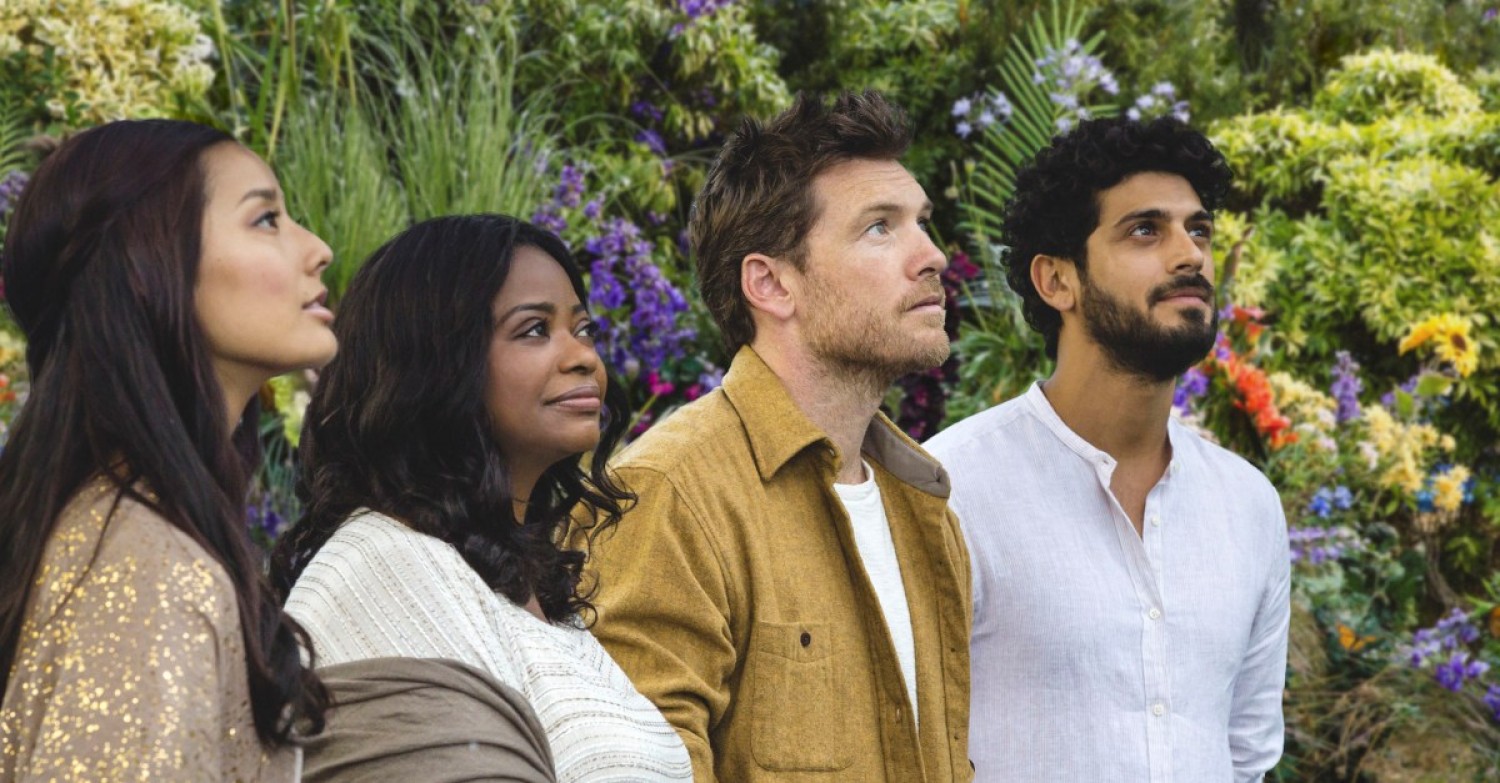 We recorded an episode of
 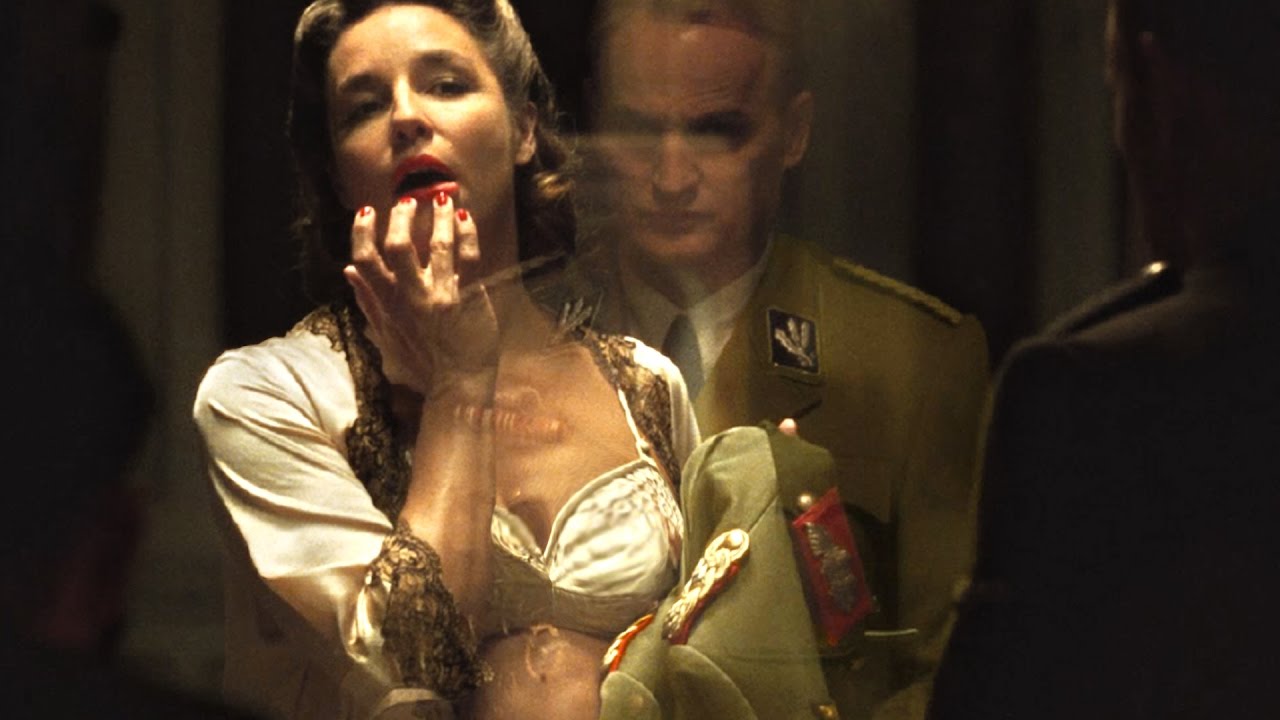 A historical biopic not even quite interesting enough to fall into the “released directly to 12th grade US history class” camp.
 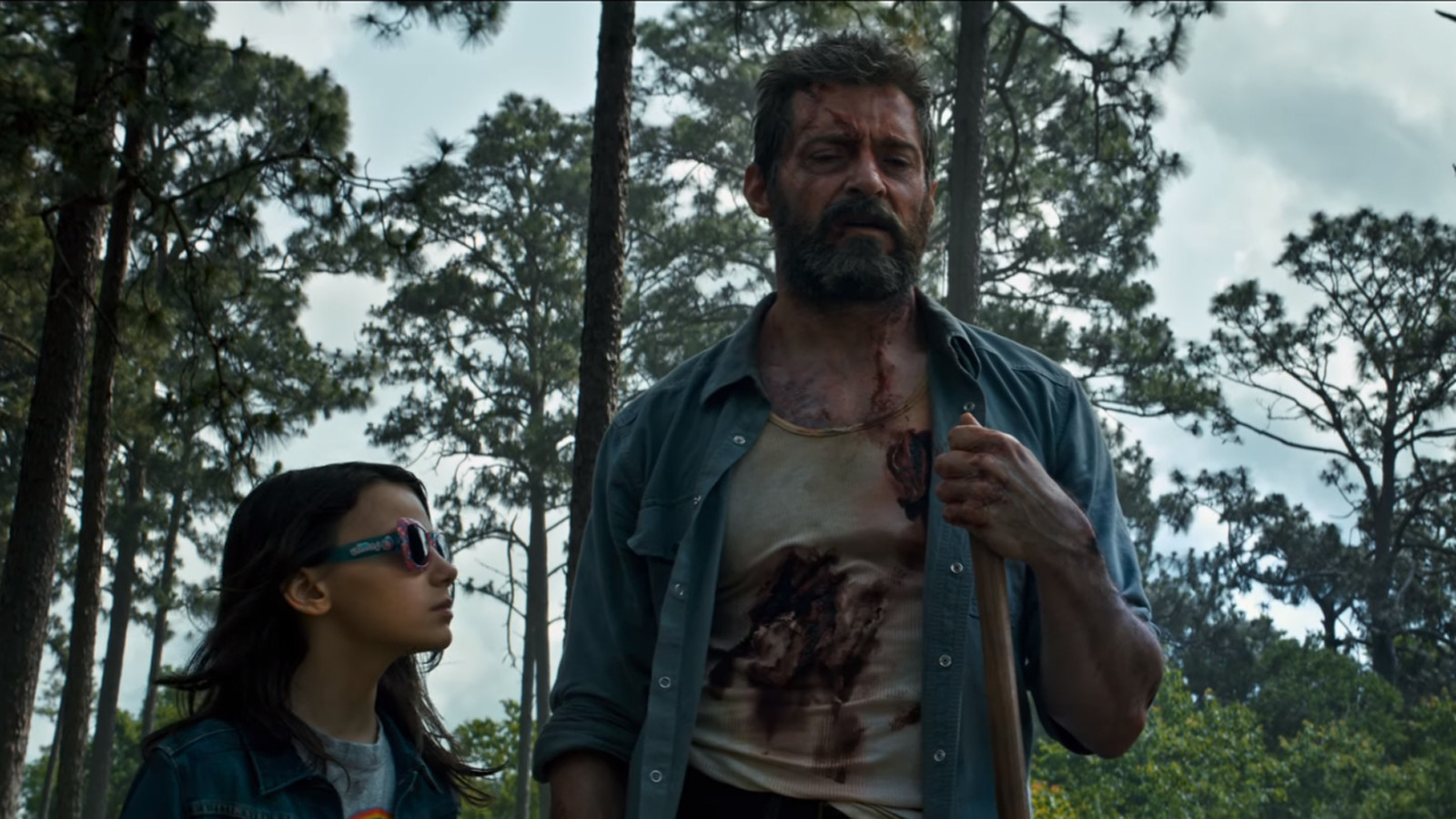 This is only ranked so low because I was so hyped up for it. There’s one perfect moment: when Wolverine instinctively uses his body to protect the limo from gunfire. That brief moment perfectly encapsulates the world he’s living in and his place in it. Unfortunately, the rest of the movie is unbelievably boring (everyone always knew that getting stabbed with claws is violent and horrible—seeing the blood oozing out adds nothing). I’ve never felt more separated from other movie dorks than on this, honestly.
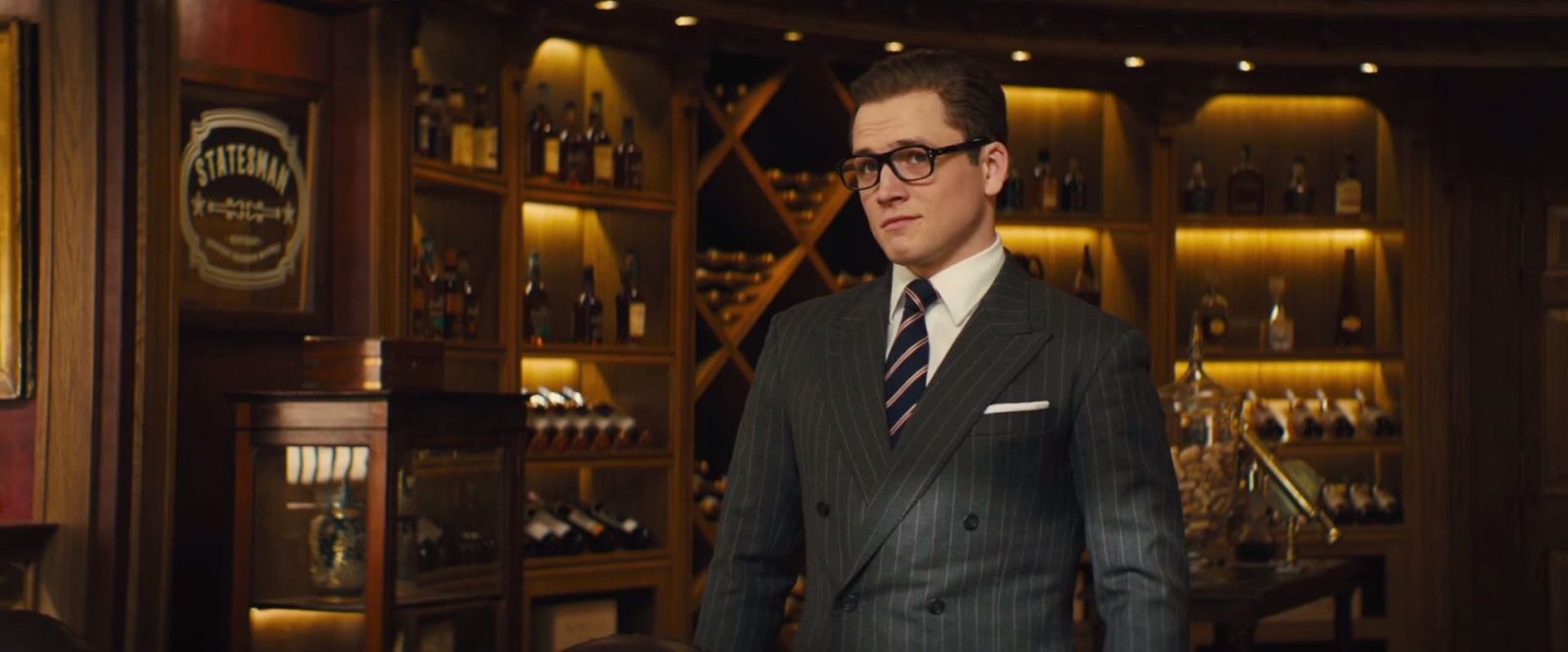 Axe body spray in an Yves Saint Laurent bottle. Points taken off for the absolute worst usage of “Take Me Home Country Roads” this year. (Logan Lucky apparently used it, too; I’ll let you know how it was in 2018 sometime.)
 “Challenge” definitely belongs in quotation marks here. While it’s absolutely true that our culture defaults to the masculine in basically all realms, and women directors are grossly underrepresented, it turns out that it’s really not that difficult to hit this mark — embarrassingly easy, in fact, with even minimal effort. The problem, of course, is that many of us just don’t make the effort. One thing I learned this time around: when presented with two viewing options of more or less equal interest, just watch the one that isn’t by the dude. It’s not revolutionary, but it’s also not exactly a back-breaking, Herculean effort, and you’ll often be rewarded with amazing films you might’ve missed thanks to cultural inertia (and patriarchy!).
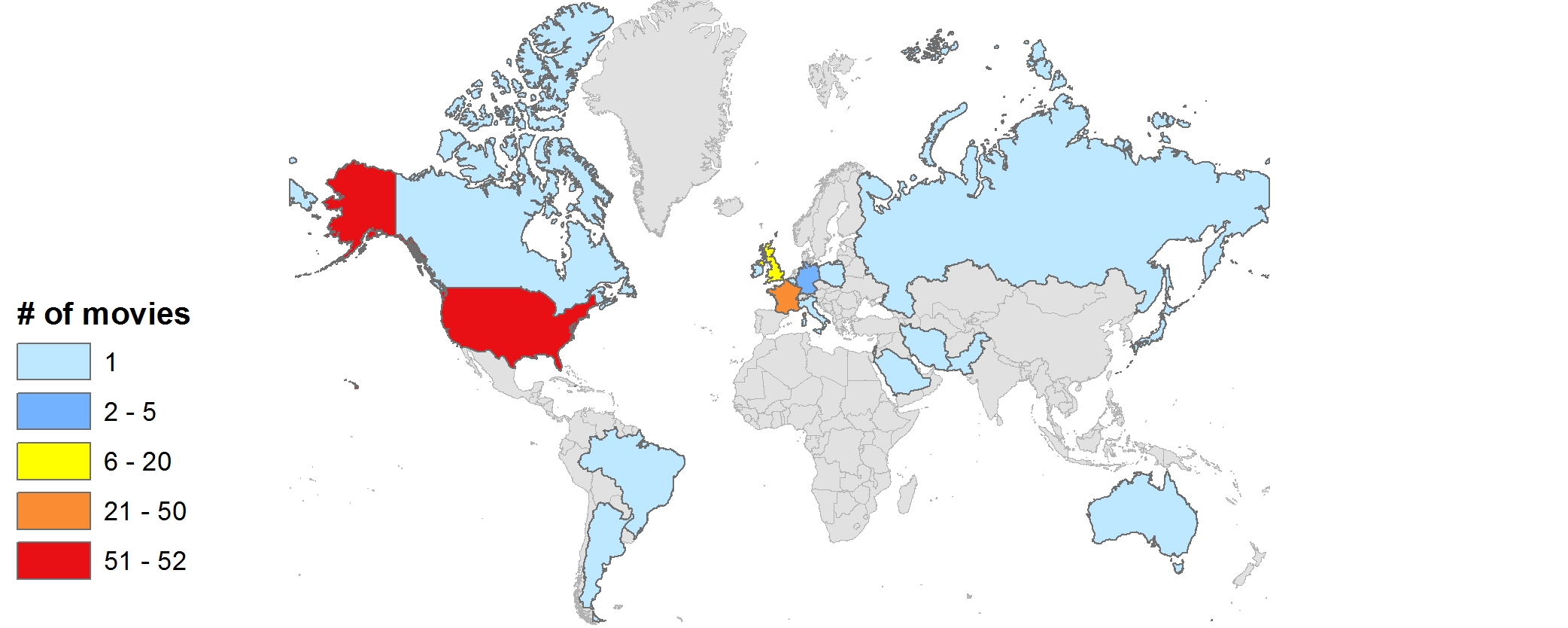 first-time viewings. This is roughly 30% of everything I watched, give or take. (Film only; none of this includes serialized TV, a realm in which women directors have been faring better.) Women directors from 18 countries were represented; 10 from outside the U.S./Canada/England/Western Europe.
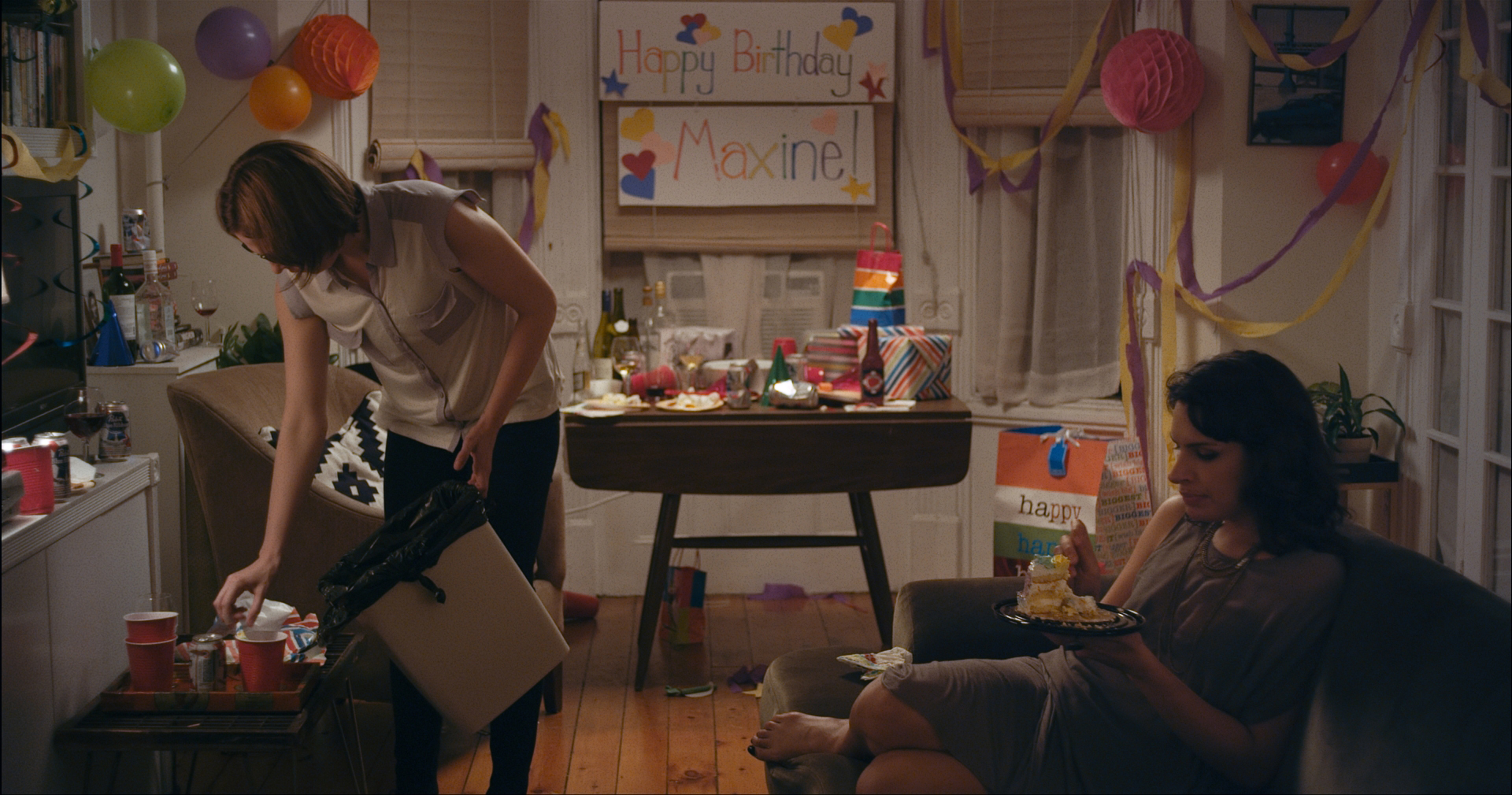 millenial cringe-comic examinations of Relationships In The Big City (Of New York). I’m glad I caught it now, because it’s actually an accomplished, frank affair.
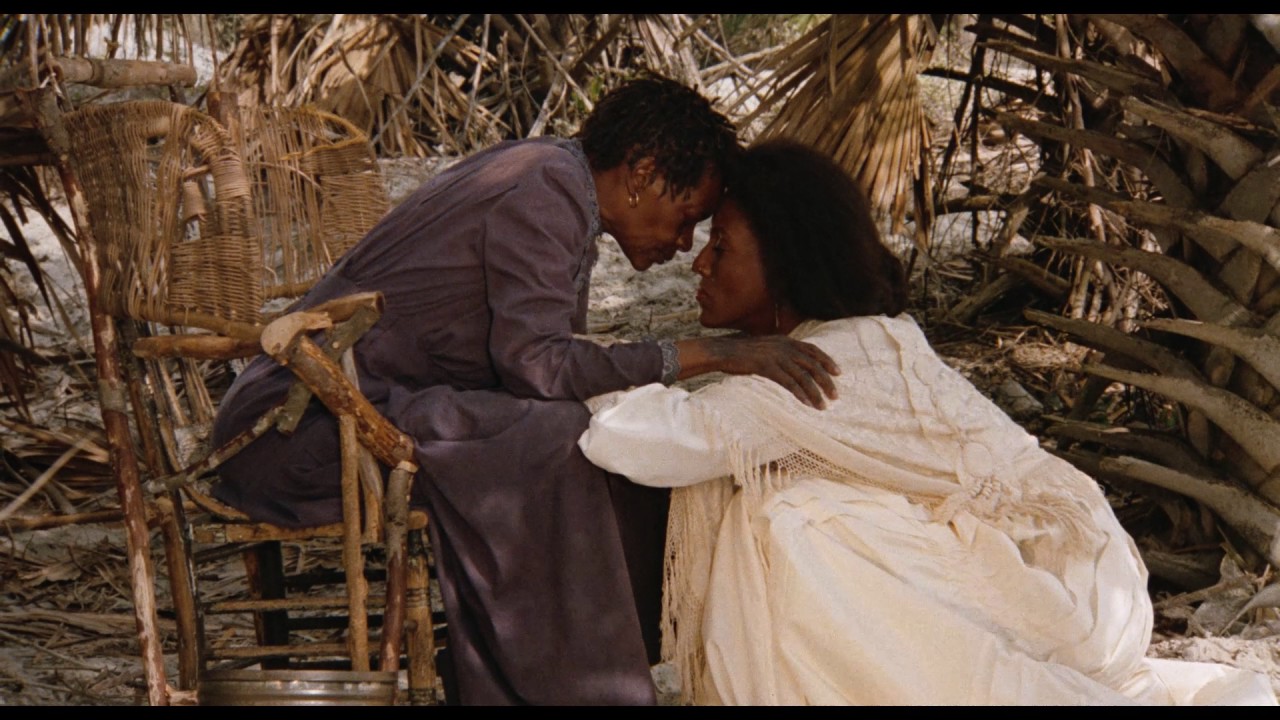 cultural and historical cross-roads is a wonder. There’s really nothing else like it: the poeticism comes through in the language and the images, with tradition echoing into the unsure present and the conflicted future of a people. It’s gorgeous in every way.
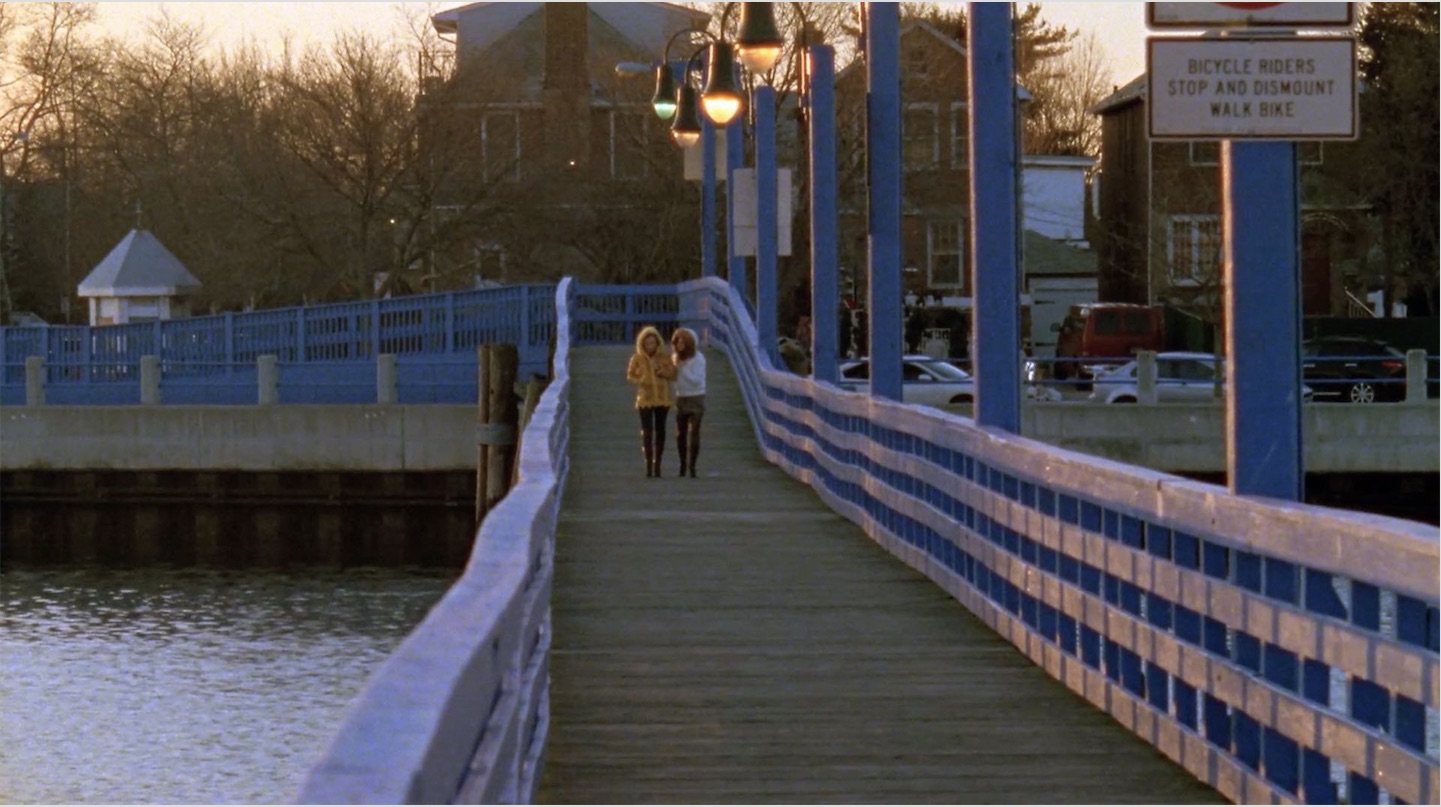 few cinephile lists.
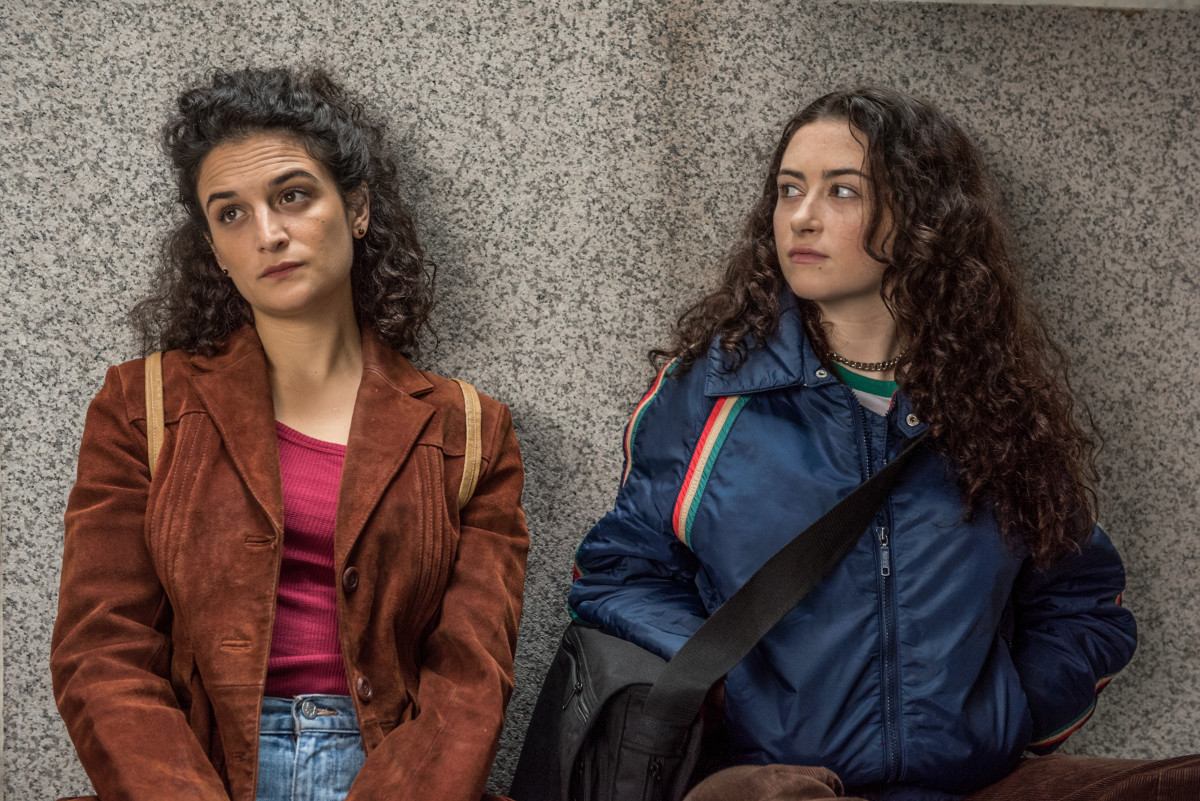 throwback about family dysfunction and sisterhood. If Landline lacks the sure narrative footing (and irresistible logline) of the previous film, it makes up for it in shaggy charm and small moments of recognition. (The lovingly detailed, decade-specific touches don’t hurt either, at least for those of us who very much remember dial-up internet.)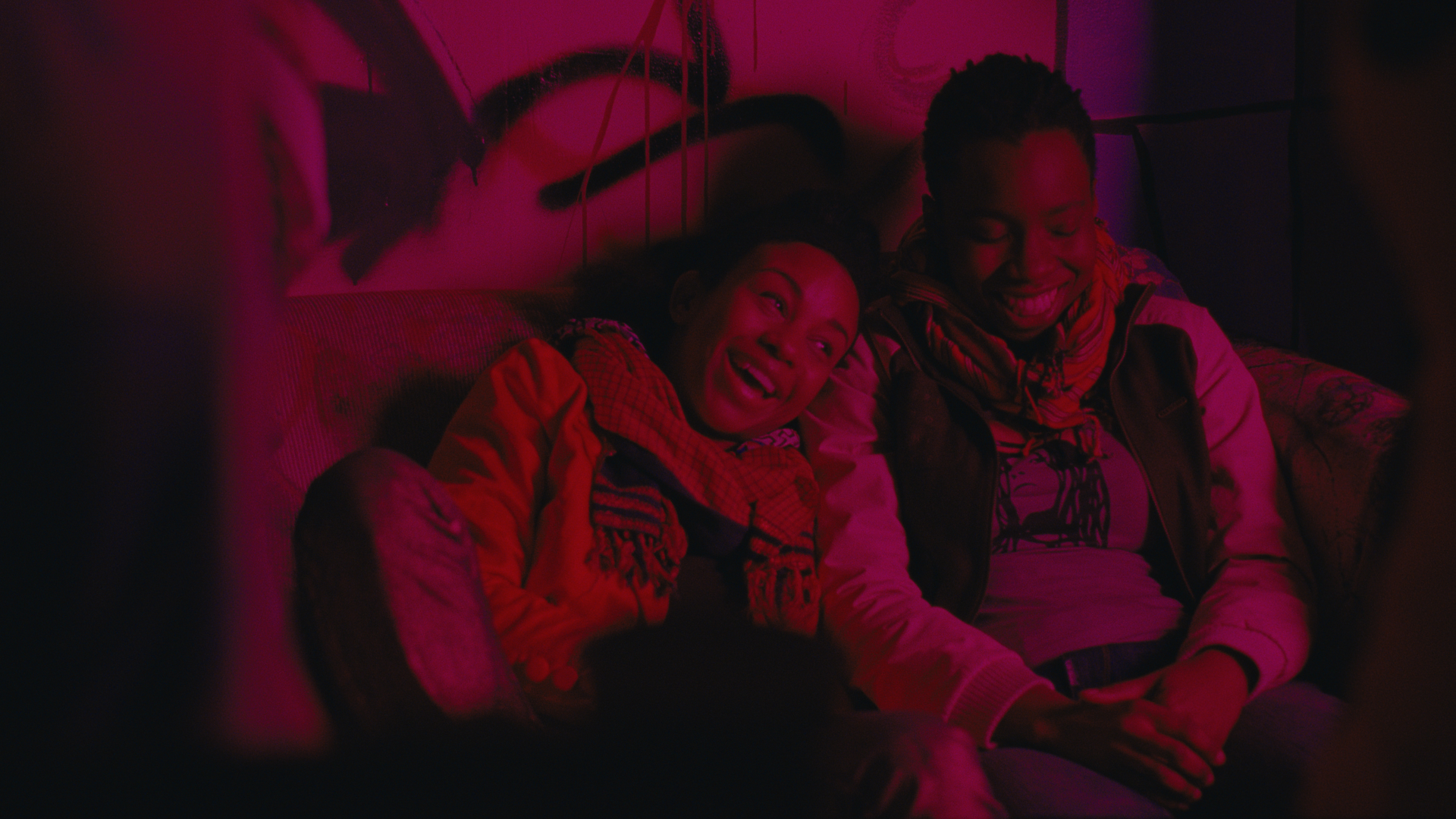
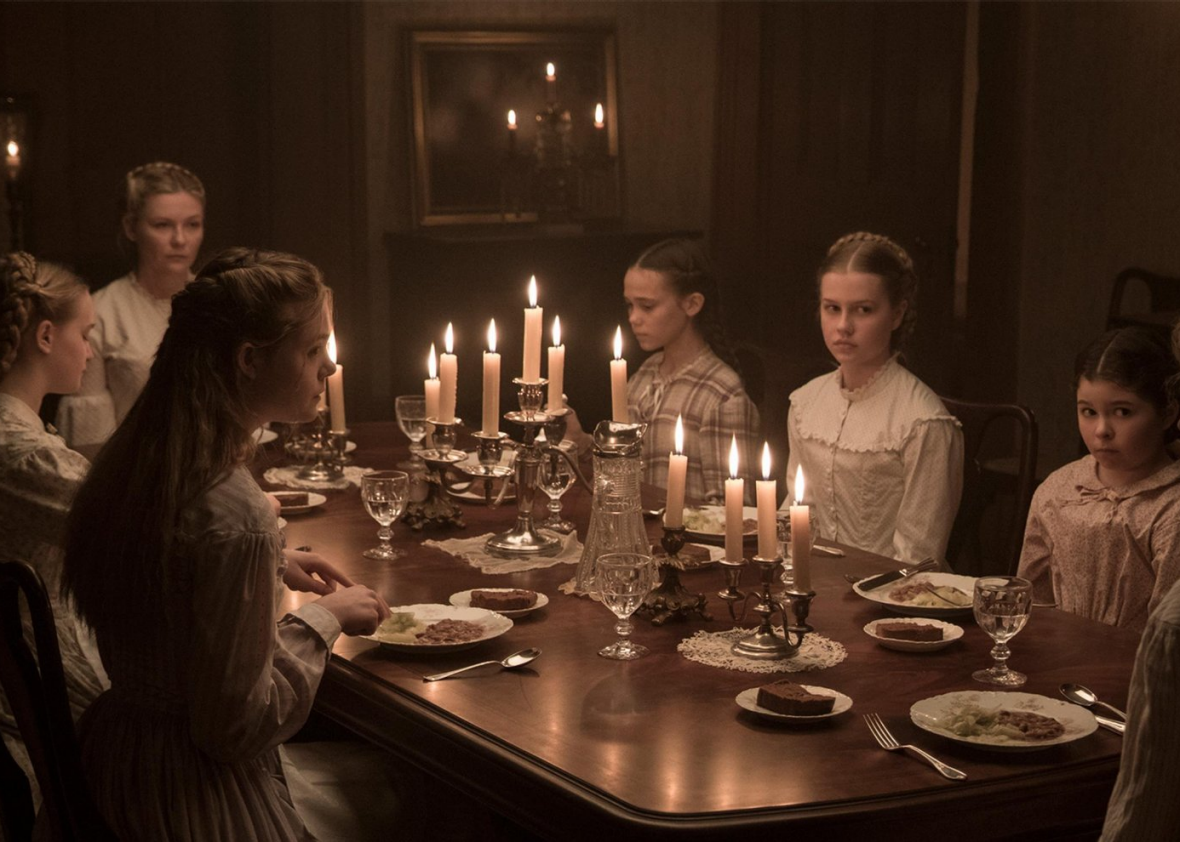 undoubtedly perverse about a Civil War story in which the Civil War barely registers, much less slavery, and many viewers were critical of it for this reason.
 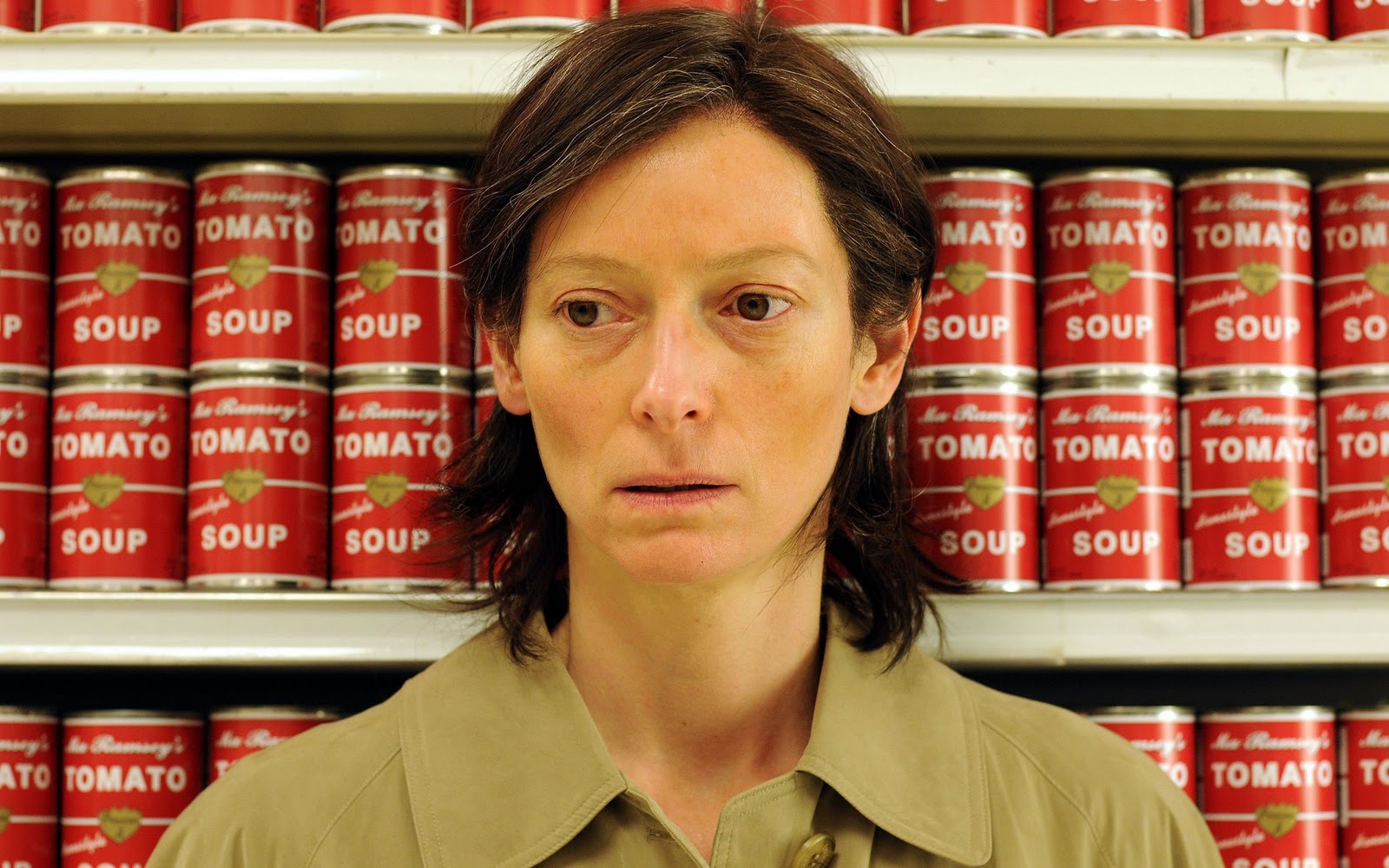 I watched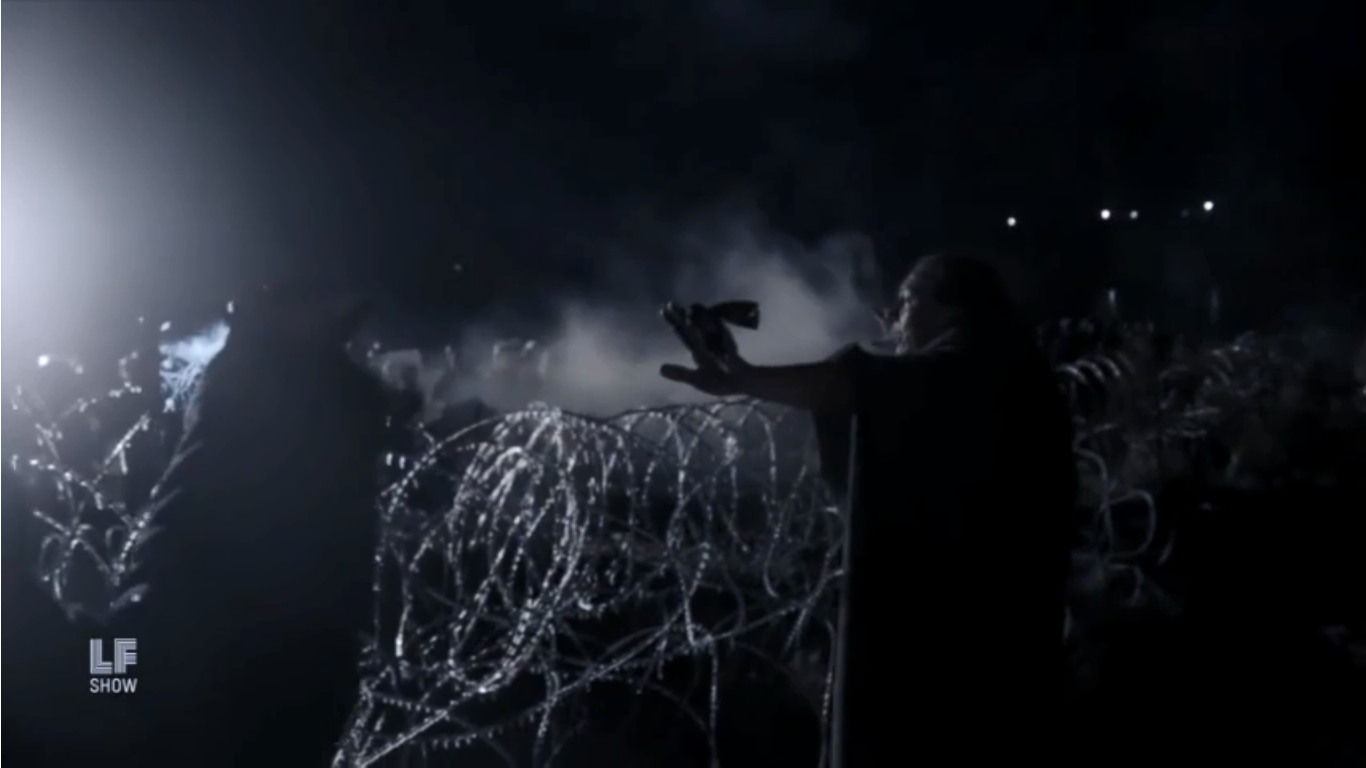
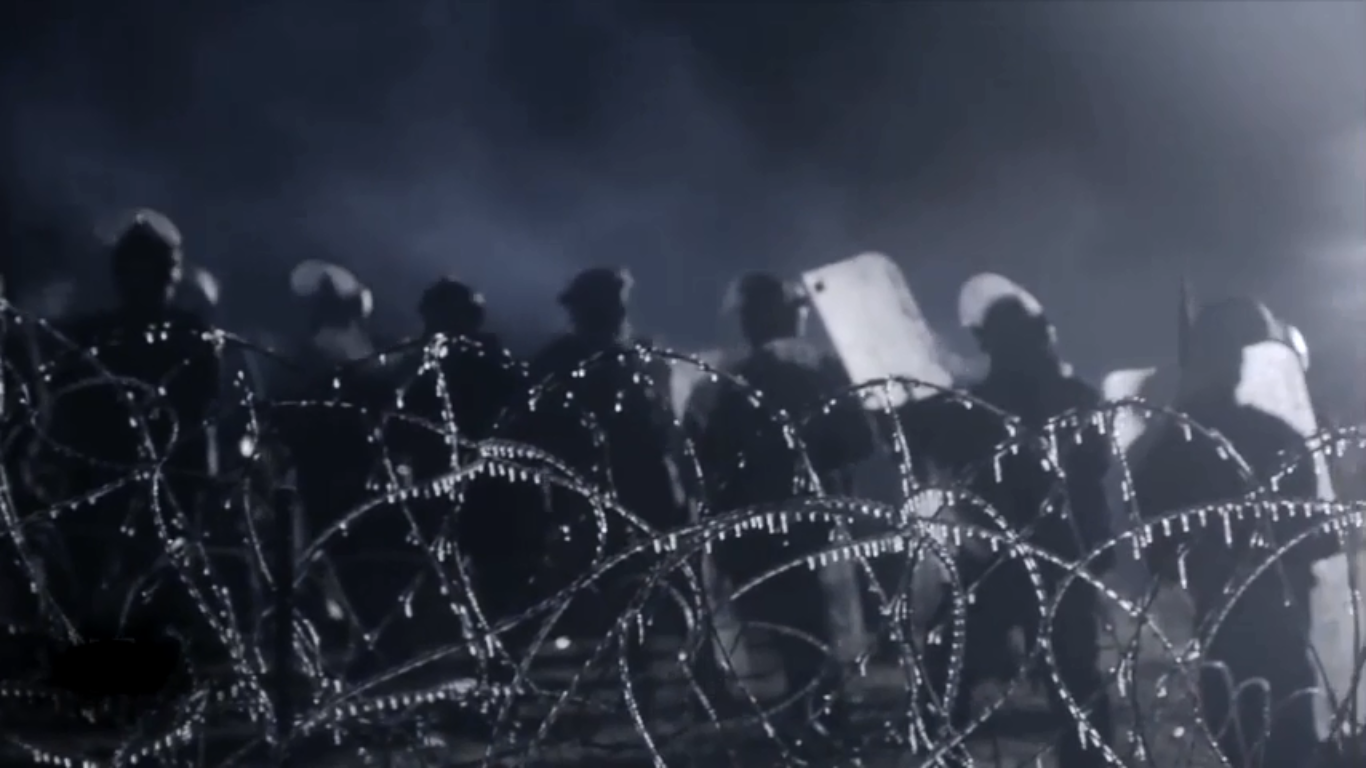 It’s a small detail, even a passing one. Particularly in a documentary filled with startling on-the-ground footage of the brutality inflicted by the U.S. Government on tribal members and allied water protectors, and sobering aerial views of the land beloved by its inhabitants (and rightful “owners,” to whatever degree land can be owned) but treated as little more than a resource by corporatist bureaucrats. But its quiet poeticism lingers — it literally is an image, even in its sad stillness, of the conflict between water and jagged metal, between life and the tools of those who would bend it to their will regardless of the cost.
 clearly not the case for those most impacted, and the doc takes us into their lives, histories, and demands. Make no mistake, this is an overtly ideological piece of work, intended to inform but primarily to outrage and spur to action. It’s entirely successful on the first count; one hopes the second will follow.
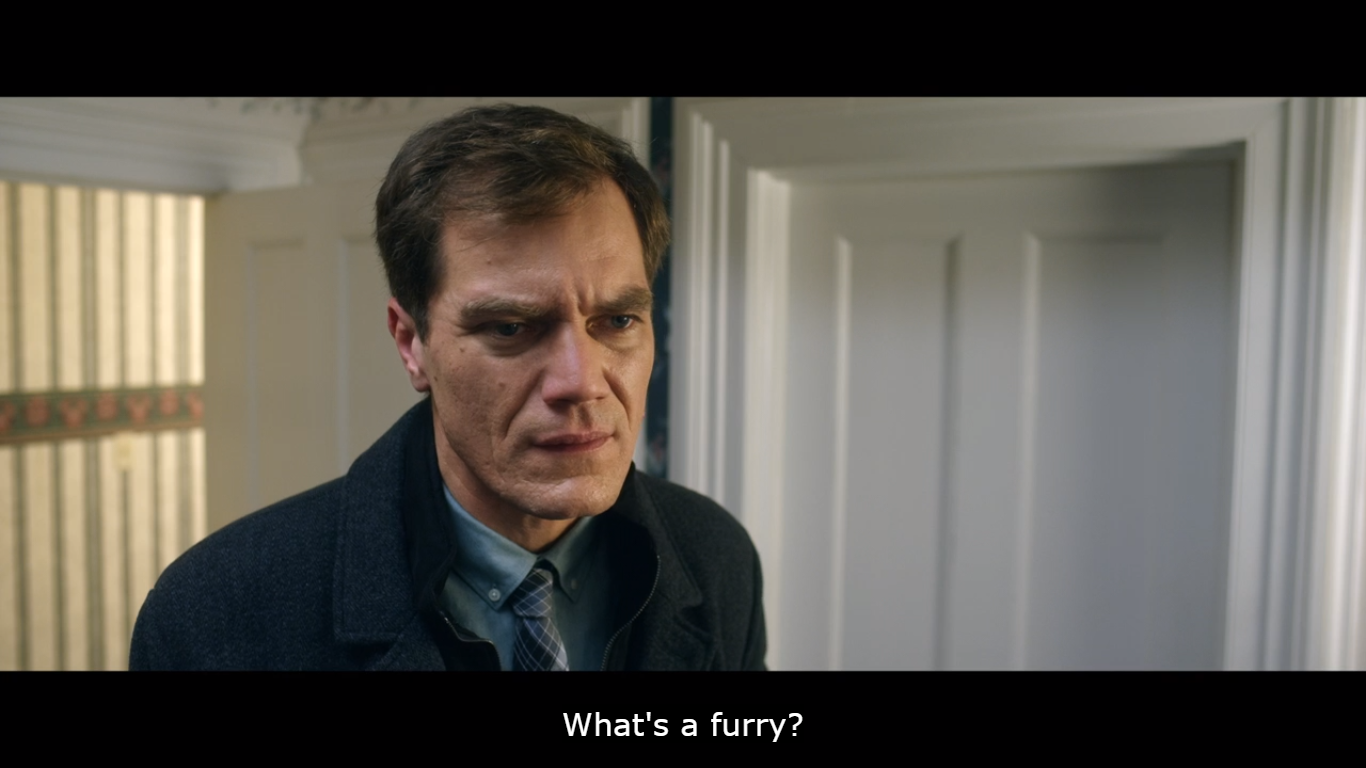
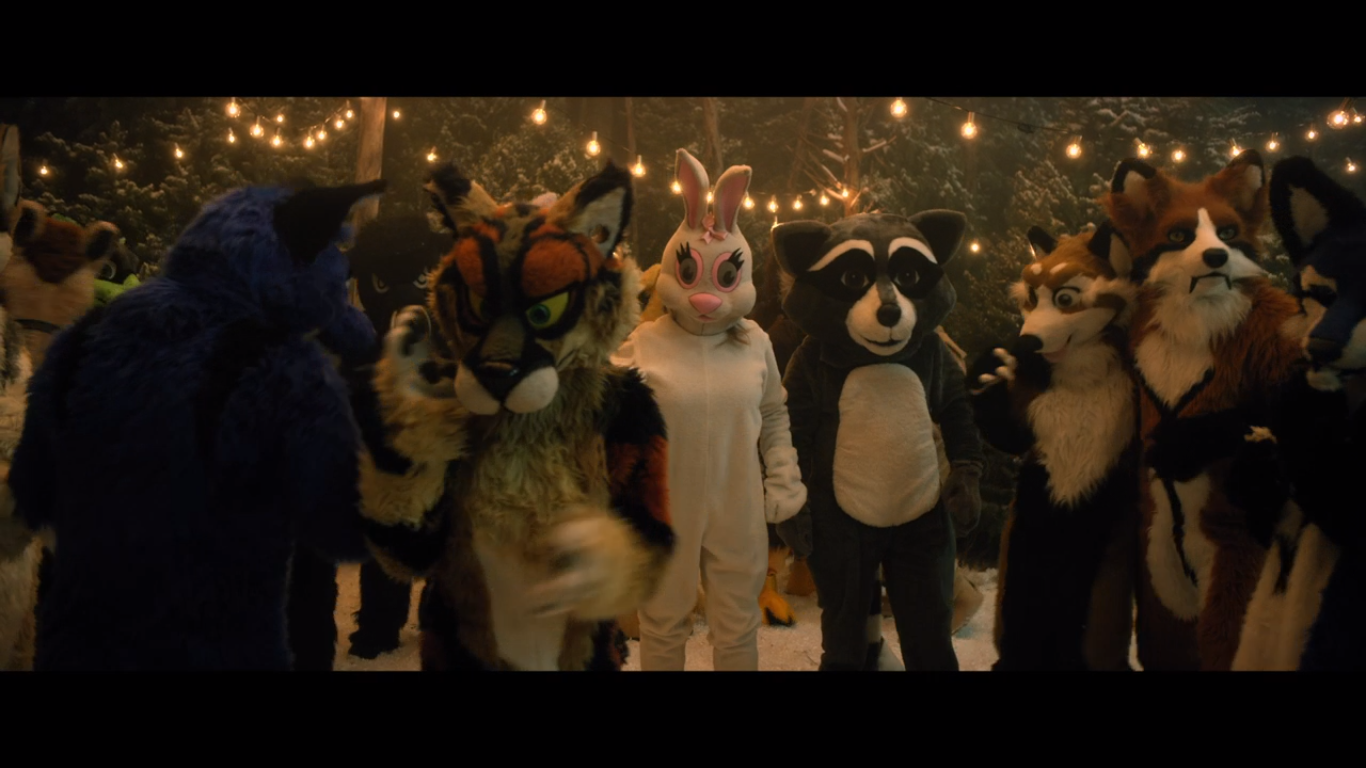 the confusion was not allayed. If anything, this only raised the stakes for Pottersville and for those who relish inscrutable bargain-bin absurdities.
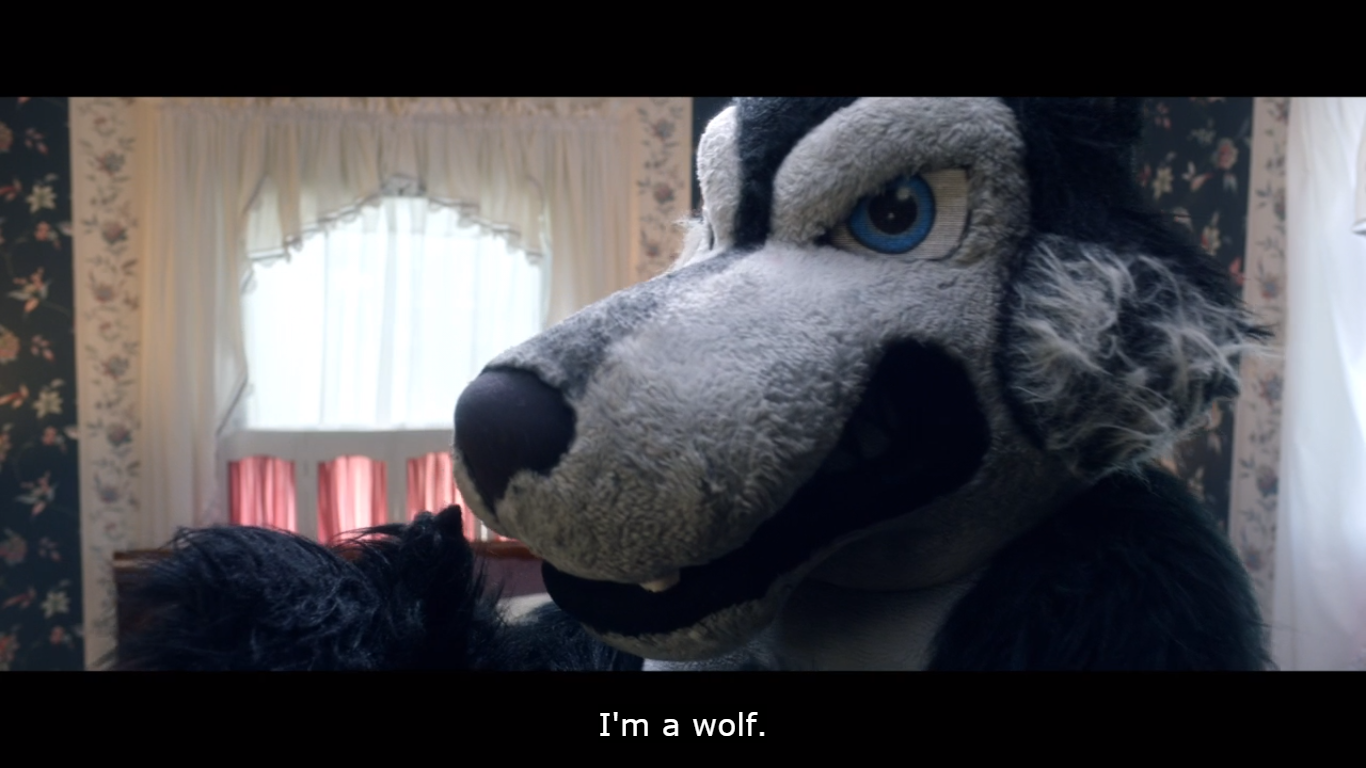 And if what you want is a furry-themed Christmas movie about fake-Bigfoot and the town he saves through drunken participation in their curiously specific sexual proclivities, Pottersville has you covered.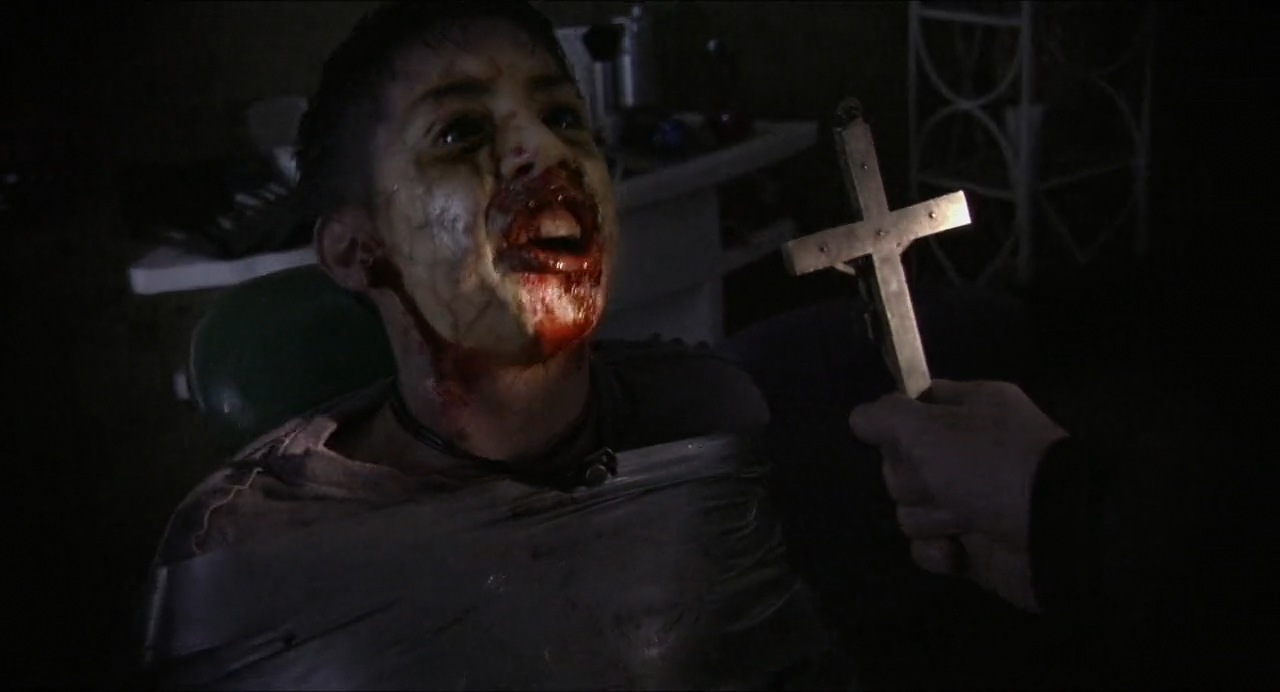
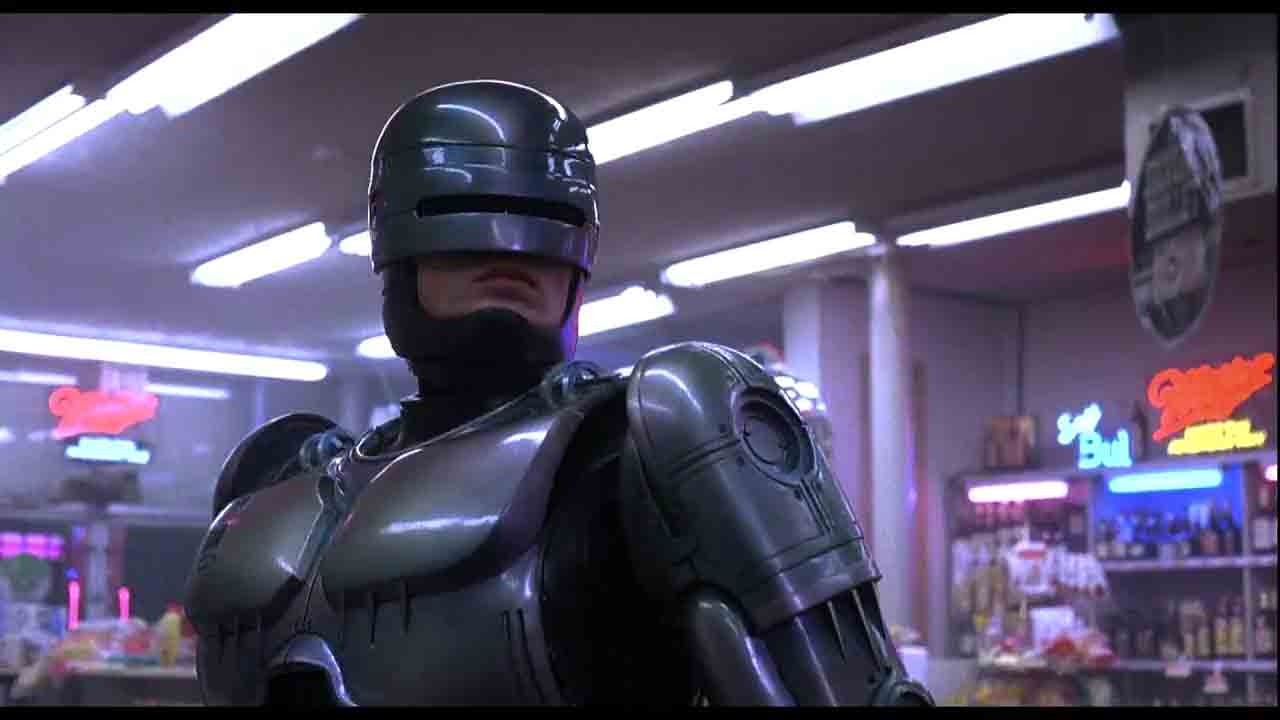
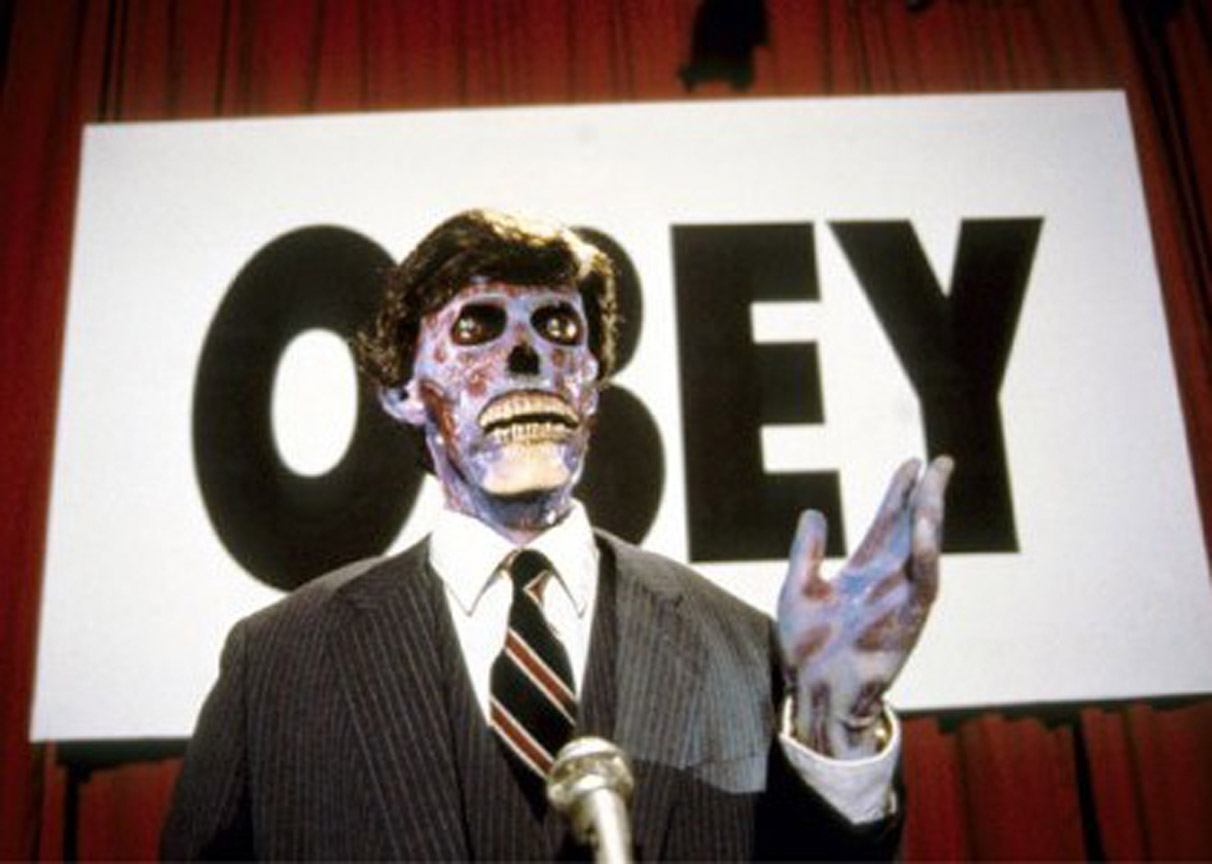 They want us to look at those movies, depicting a world where everyone worships a stupid state that mixes brutal violence and inanity to ensure a sense of order. Then, they want us to look at the world, where exactly those states seem to fill the West. What else can we say? They clearly were predictive.
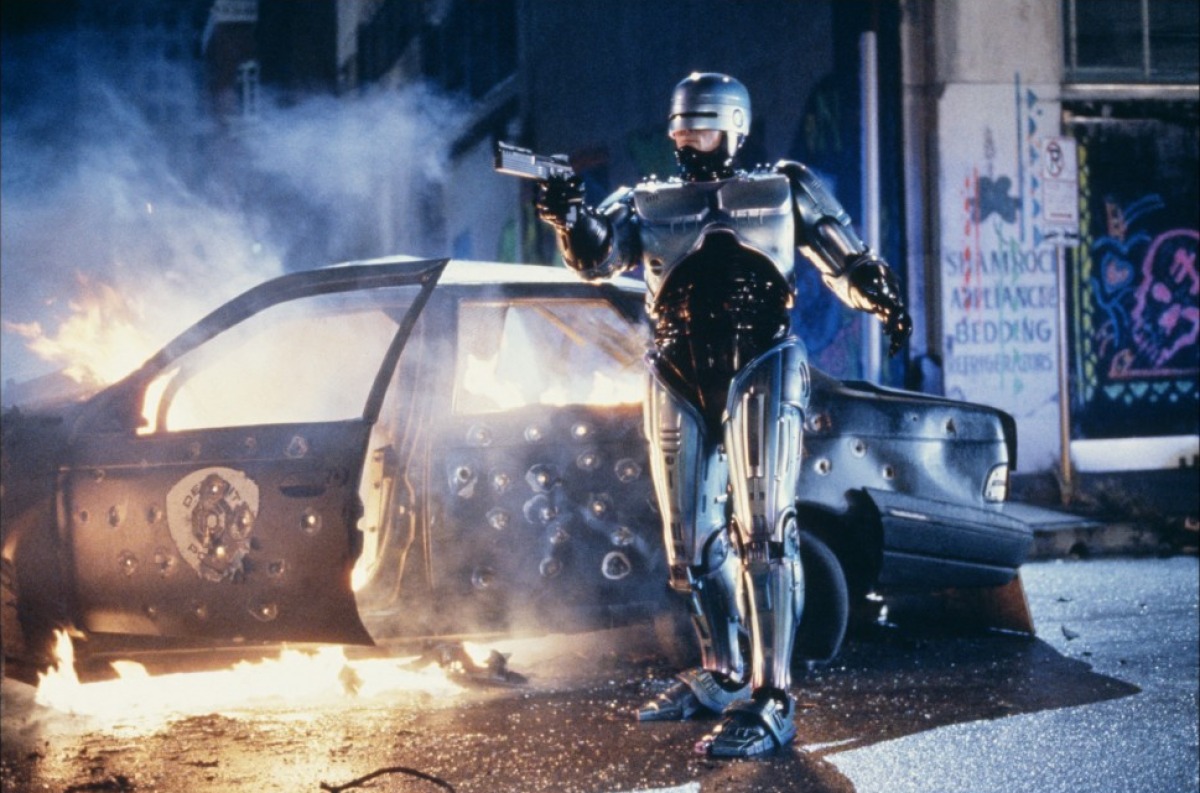 media to care about their world. And again, thank God for that: it’s a lazy observation when people do make it, and it’s far less accurate in describing the fragmented, complex ways we consume even mass art in 2017.
 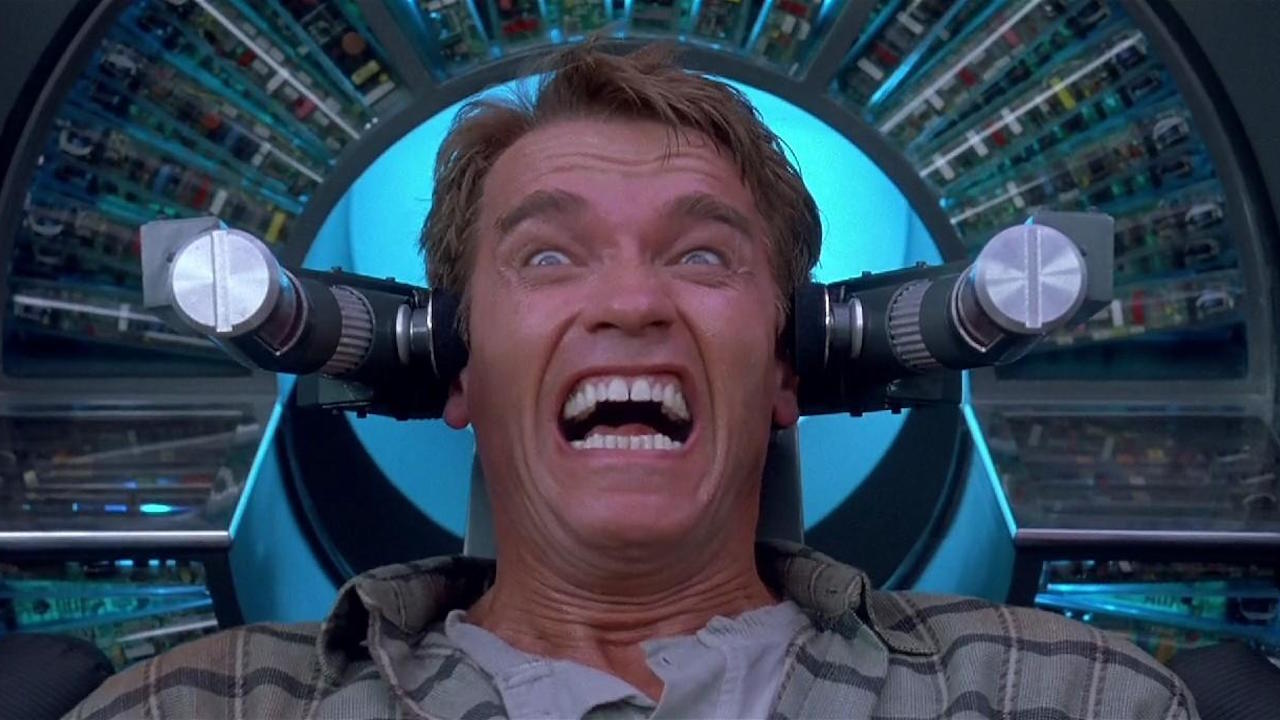 But Verhoeven has always been more self-aware than I think he is given
  credit for, and partially aware of that on which he is open to critique. He’s aware that his movies visually celebrate the fascism they depict.
  Just as billions of Christians have assumed that John was predicting someone to come and shuddered as they waited for its arrival, political film fans have (in perhaps a more circumspect manner) looked at the modern corporation and assumed that the films of the 80s and 90s “predicted” them.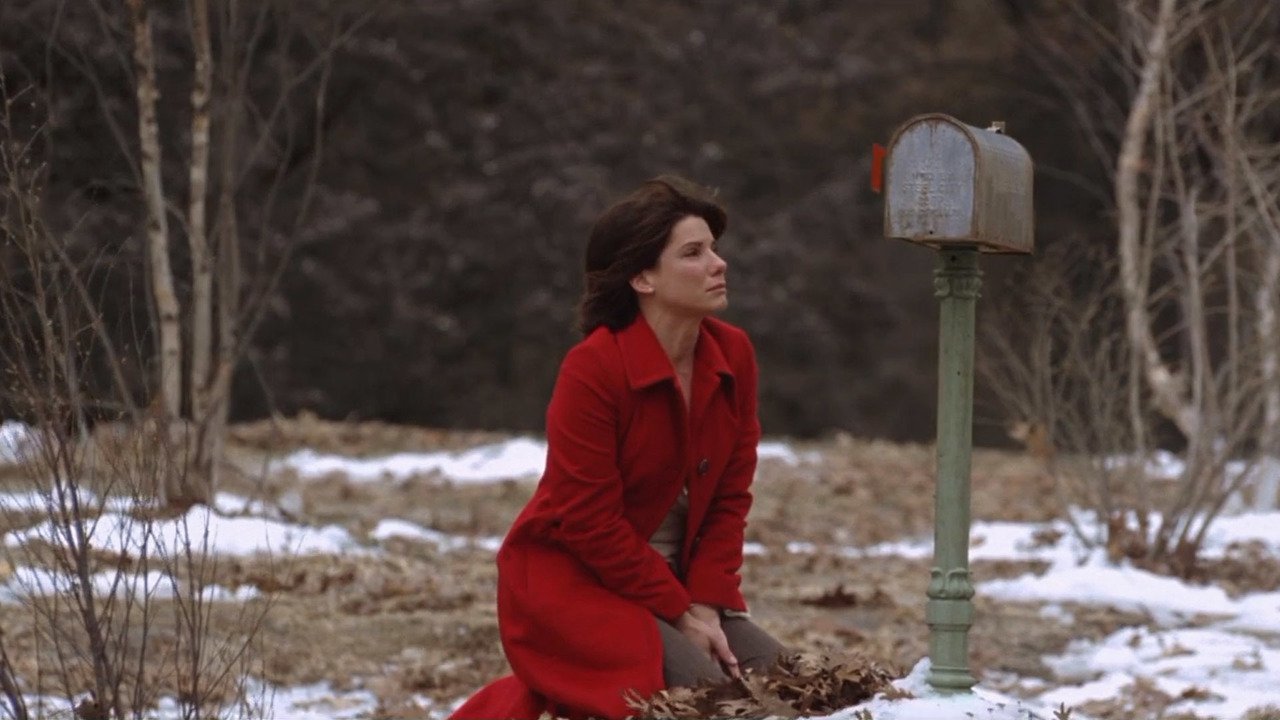
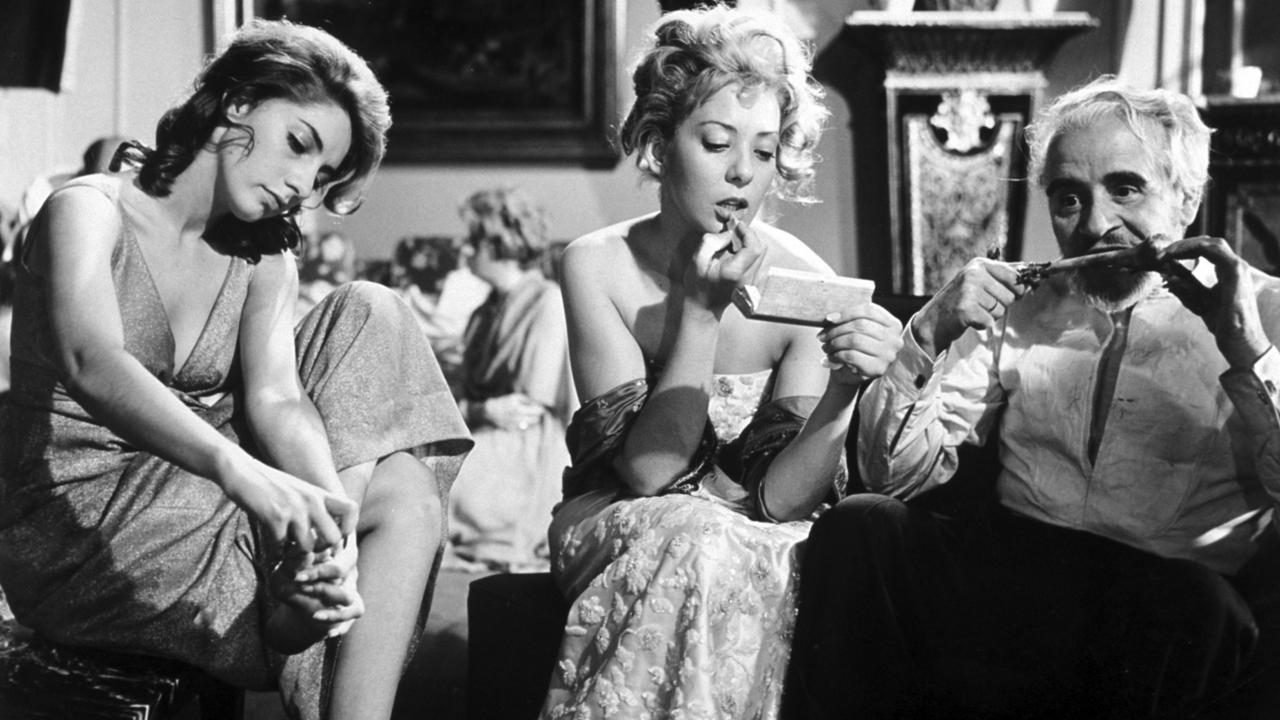
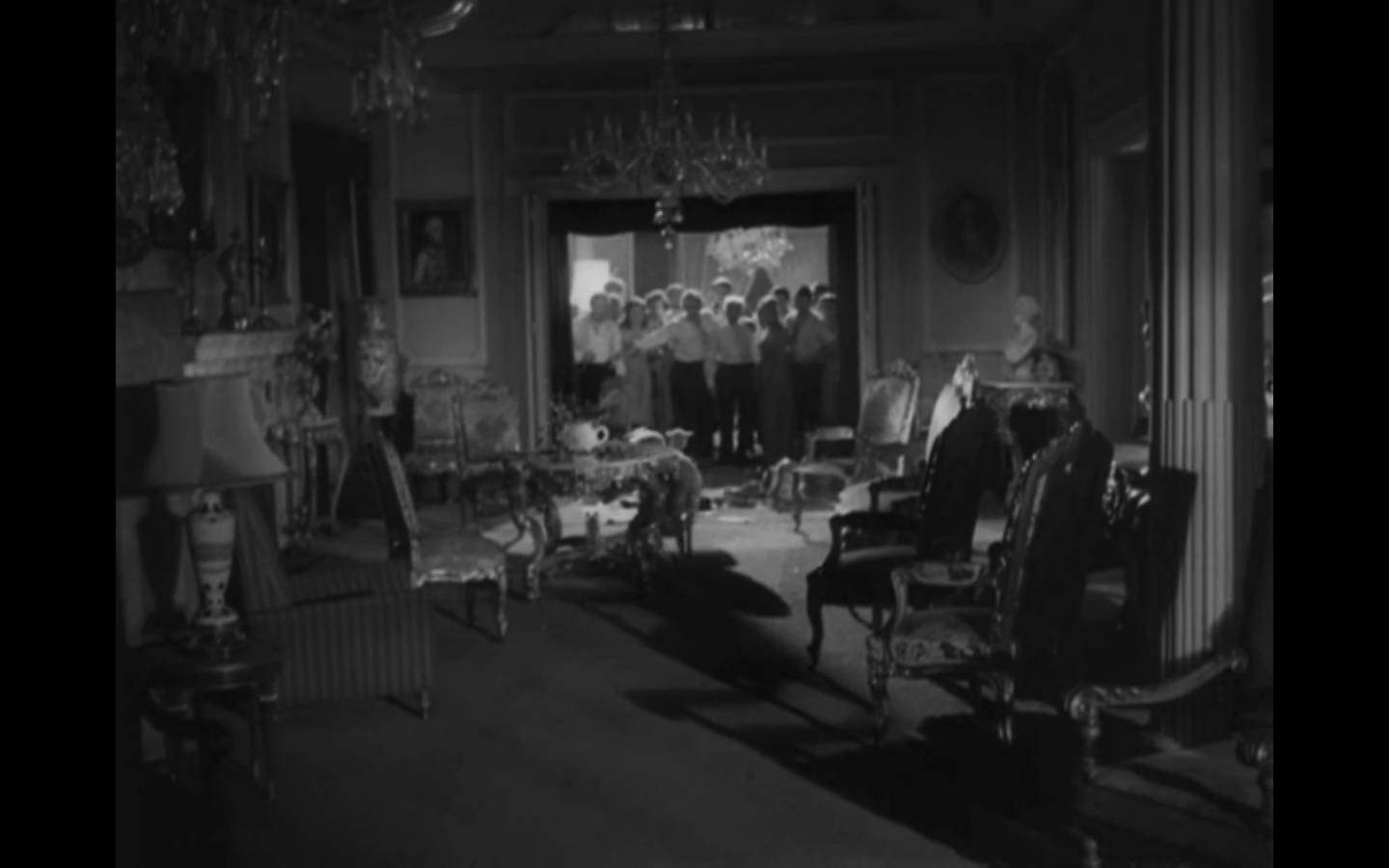 It’s a fantastic idea, and Buñuel has wonderful fun with it. (The police, for example, set up a heavily guarded perimeter—even though it is, they admit, just as impossible to enter the house as to leave it.) But once the absurdity of the premise is accepted, what we end up with is another movie about the barbarous breakdown of the upper class. The core of the film, the million petty ways in which the inhabitants aggravate one another, could play out just as easily on a deserted island, around a plane that crash-landed in the Alps, or anywhere else. In other words, the surreality does not suffuse the push of the film.
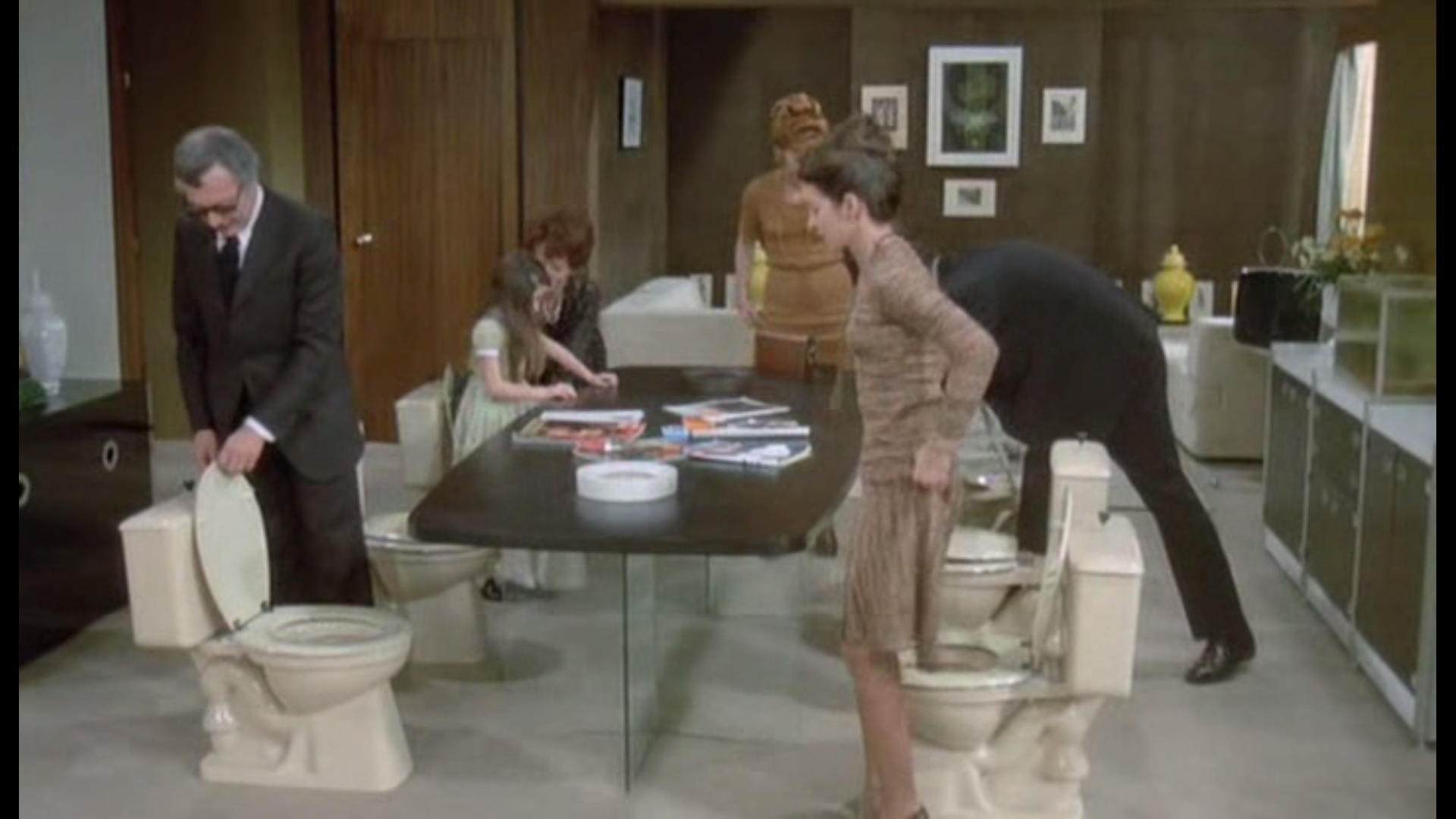 party that refuses to end, the dinner party refuses to start. We begin with one dinner, planned by four upper middle-class couples, but every time they are about to sit down for dinner something interrupts them—at first, relatively simply (there is confusion about the date; the restaurant is somehow sold out of all food), but then for increasingly absurd reasons (the couples are all arrested for drug trafficking; a group of terrorists murder them all).
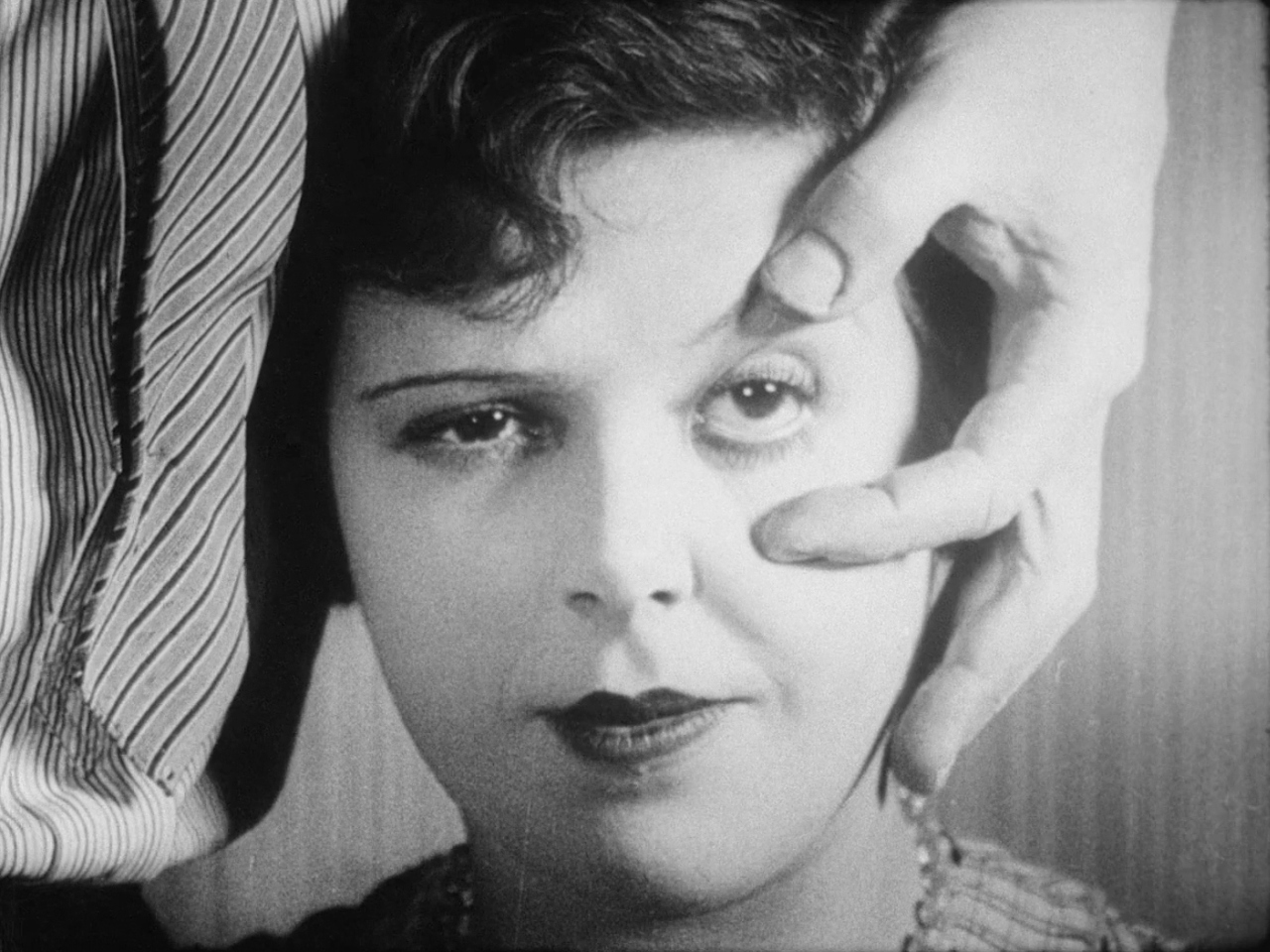 Buñuel’s two films really represent two kinds of surrealism. The highly romantic one that can be traced backwards from Angel to Un Chien Andalou (
 That ideal, that lies dormant in a lot of film studies even now, was expressed by
 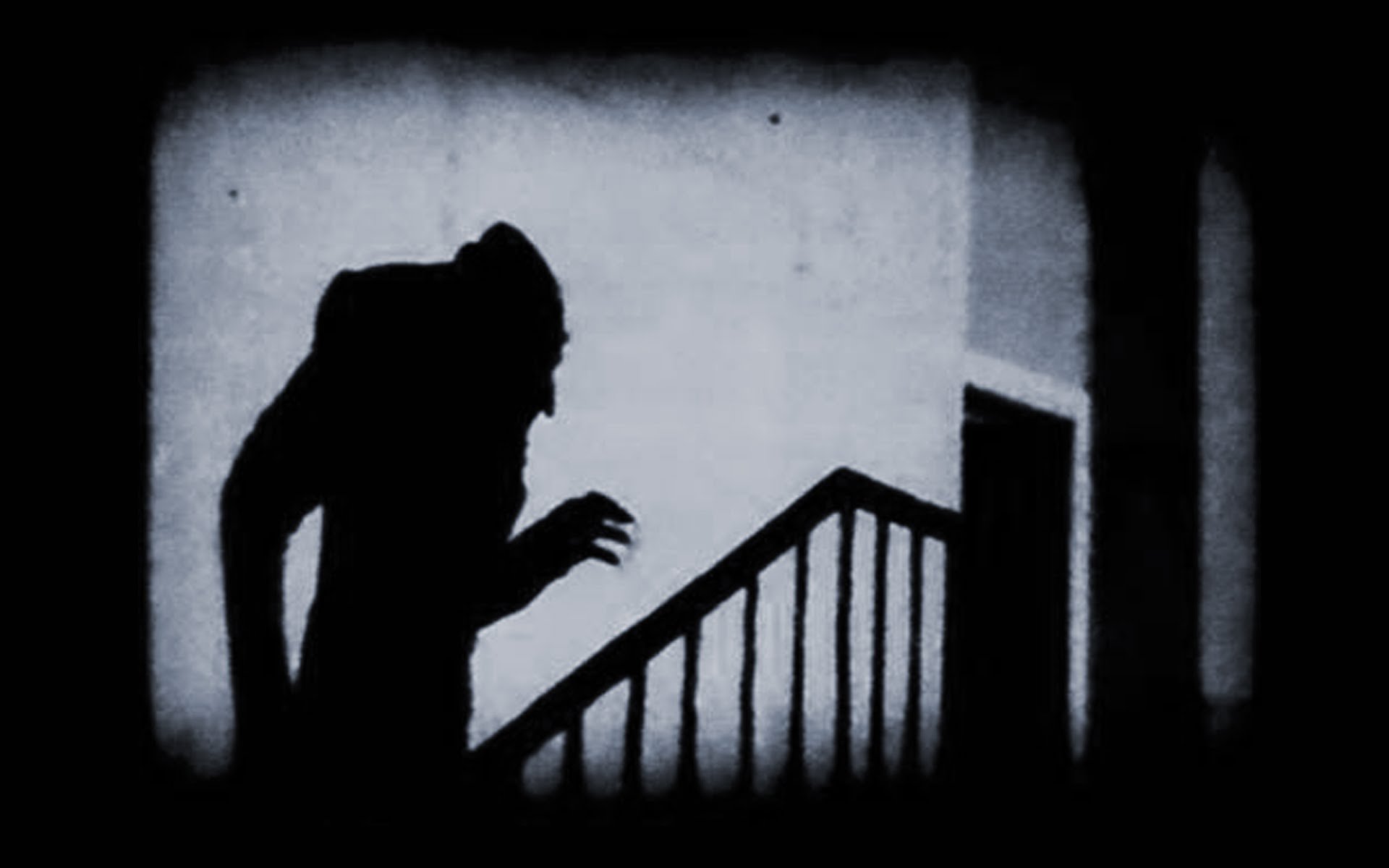 It was, I now realize, a problem with the entire vampiric structure of that kind of writing. That kind of film studies writing takes the pleasure of an audience and attempts to explain it like an alien. It can be “duped” pleasure, false pleasure, like what Adorno and the Frankfurt School was looking for, like the psychoanalytic schools and Marxist schools dissected, or “un-duped” pleasure, sincere pleasure, which we see more in the formalist, “scientific” schools of
 Ray’s book is mainly focused on using a variety of oddball techniques to analyze
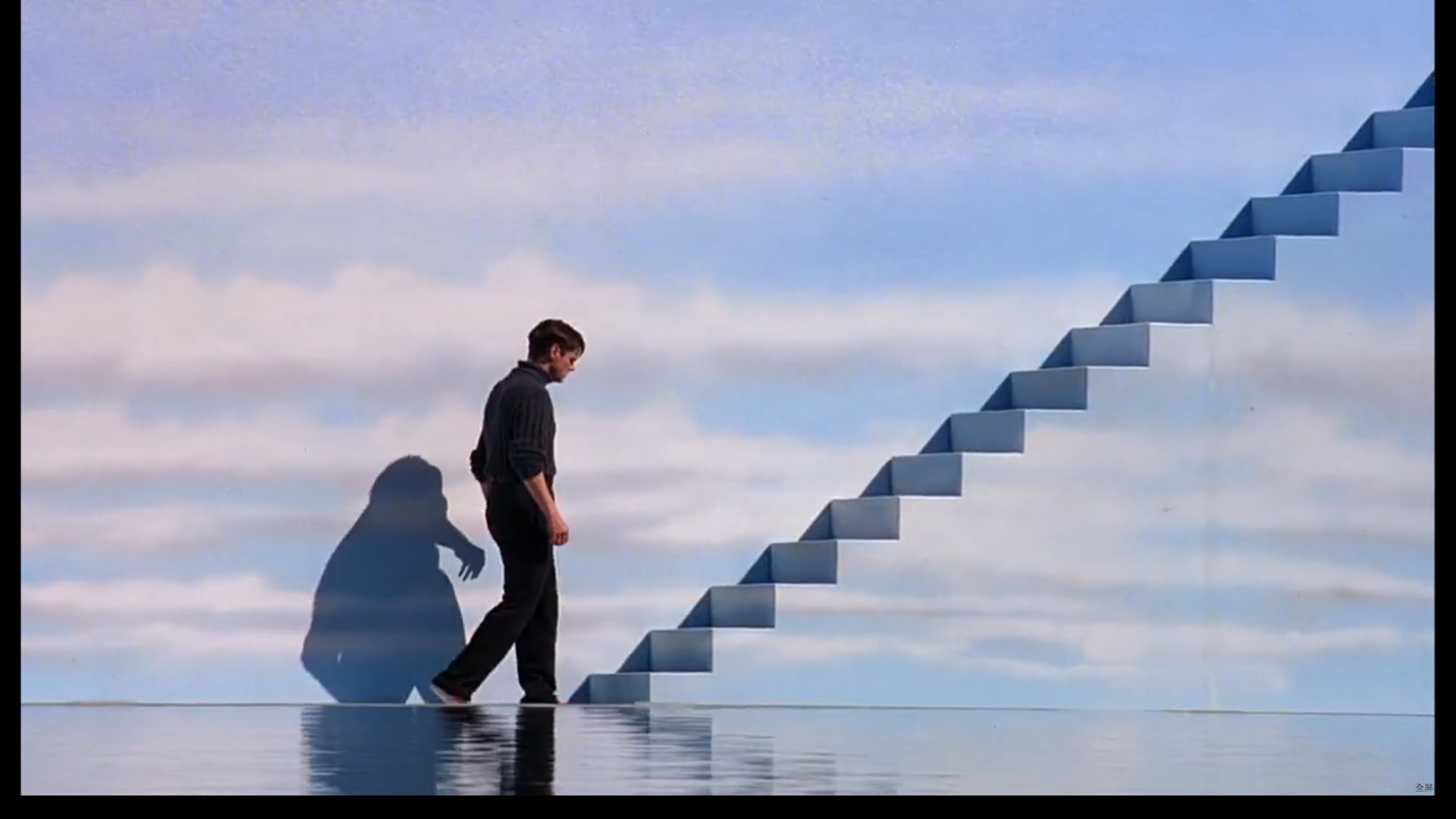
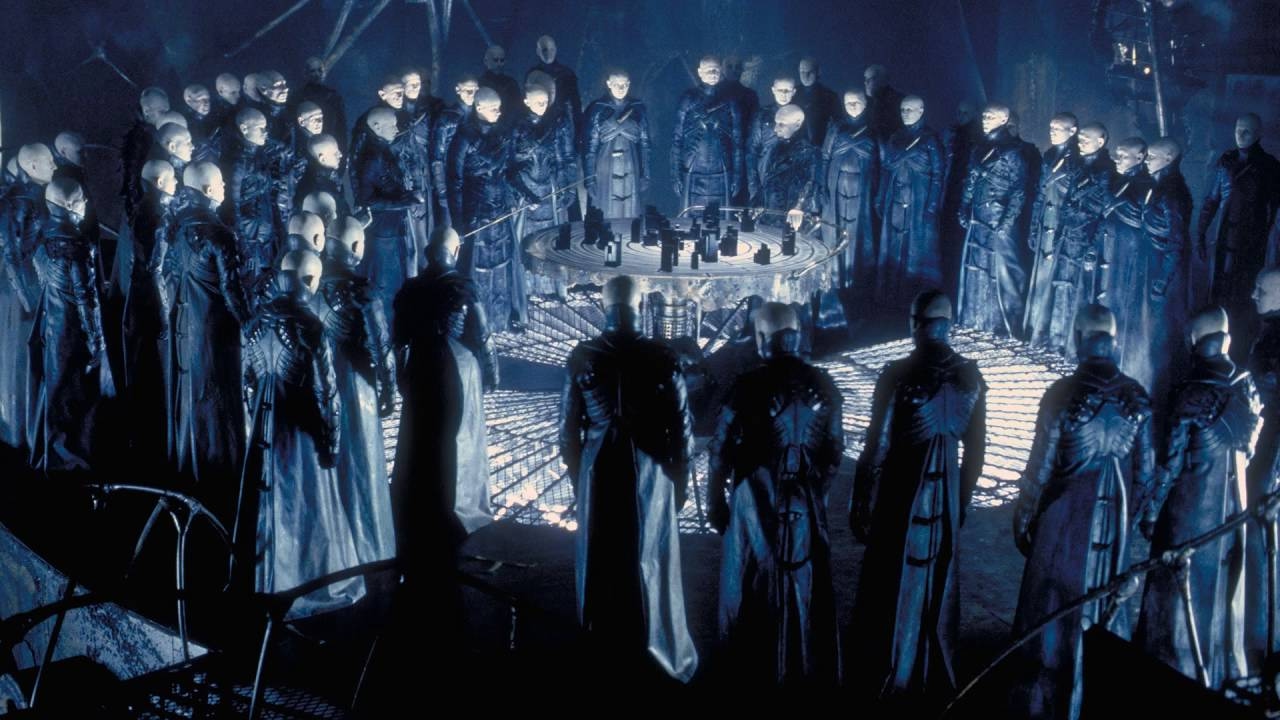
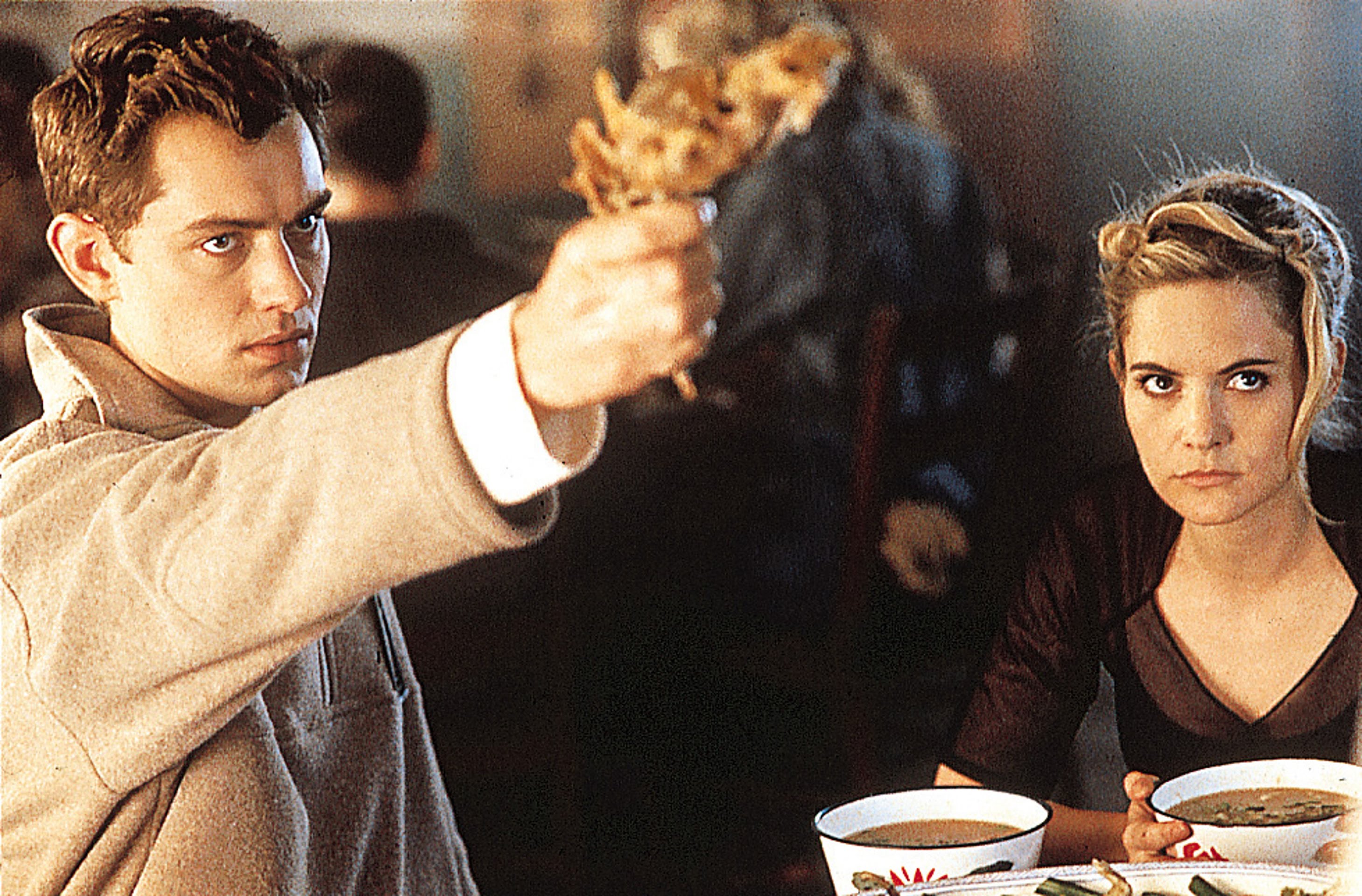 In other words, I treat this space as much as a journal, a workspace, as anything else. I’m planning in the coming weeks to write about a number of contemporaneous films about realizing your world is “fake”—The Matrix, eXistenZ, The Thirteenth Floor, Dark City, and The Truman Show, all from 1998/1999. But the articles that come out of that mini-project are going to be more an attempt to work through a theory than to present one. In other words, the writing is as much a process of discovery as one of explanation.