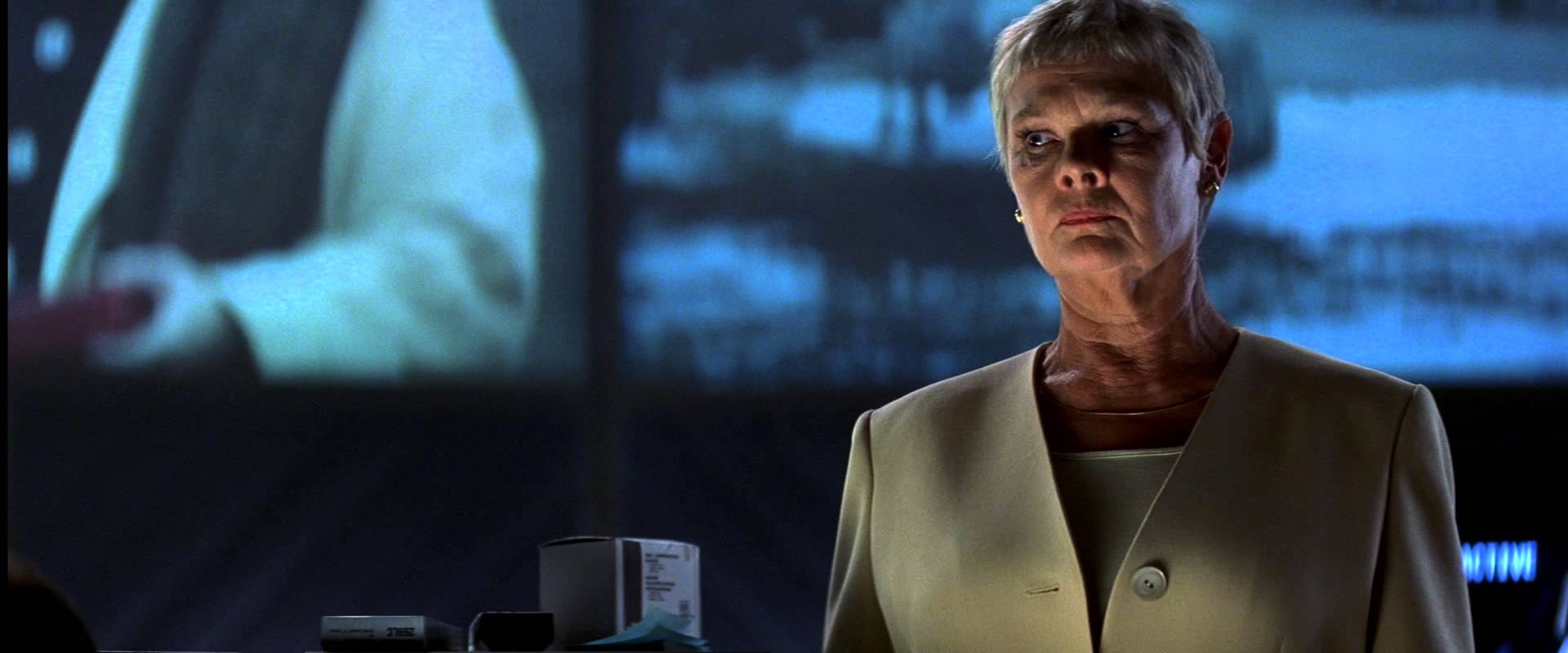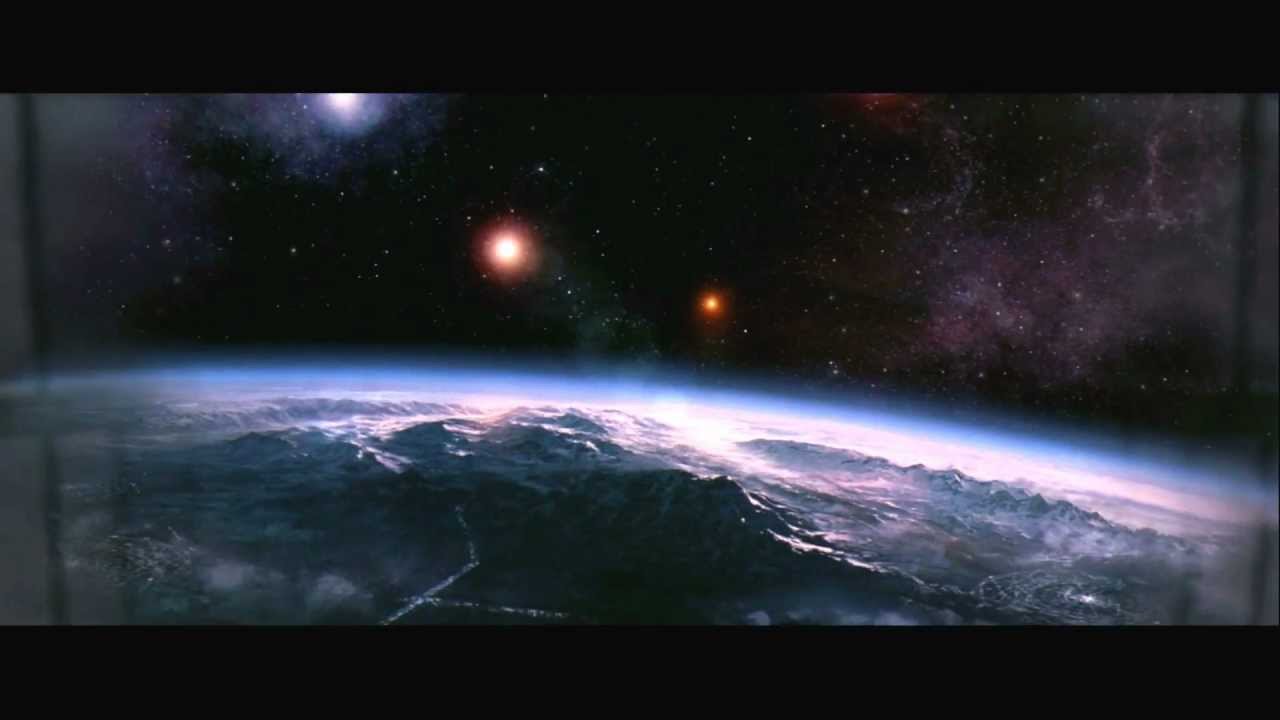
What is the place of 1997’s Contact in the public consciousness? I’ve never been able to get a solid lock on it. It wasn’t one of the 90s movies that permanently took up residence on basic cable, but it’s a common enough experience that people can make jokes about it. (Go search on Twitter for “they should have sent a poet” if you don’t believe me.)
The entire film is in the shadow of Carl Sagan: it is an adaptation of his 1985 novel, which itself was essentially the novelized form of a 100-page film treatment he and his wife tried and failed to get made in the late 70s. What we end up with, then, in Contact is a 70s conception of science and religion that was released just years away from the 21st century.
The figures who have attempted to set themselves up as the “heirs” of Sagan — Neil deGrasse Tyson is the major name, having made his own version of Cosmos, but any number of popular-level scientists, usually with somewhat dubious credentials, have tried to position themselves in his wake — are often so insufferable and odious that it’s hard to remember Sagan’s actually very human project. One can’t imagine a New Atheist version of this story.
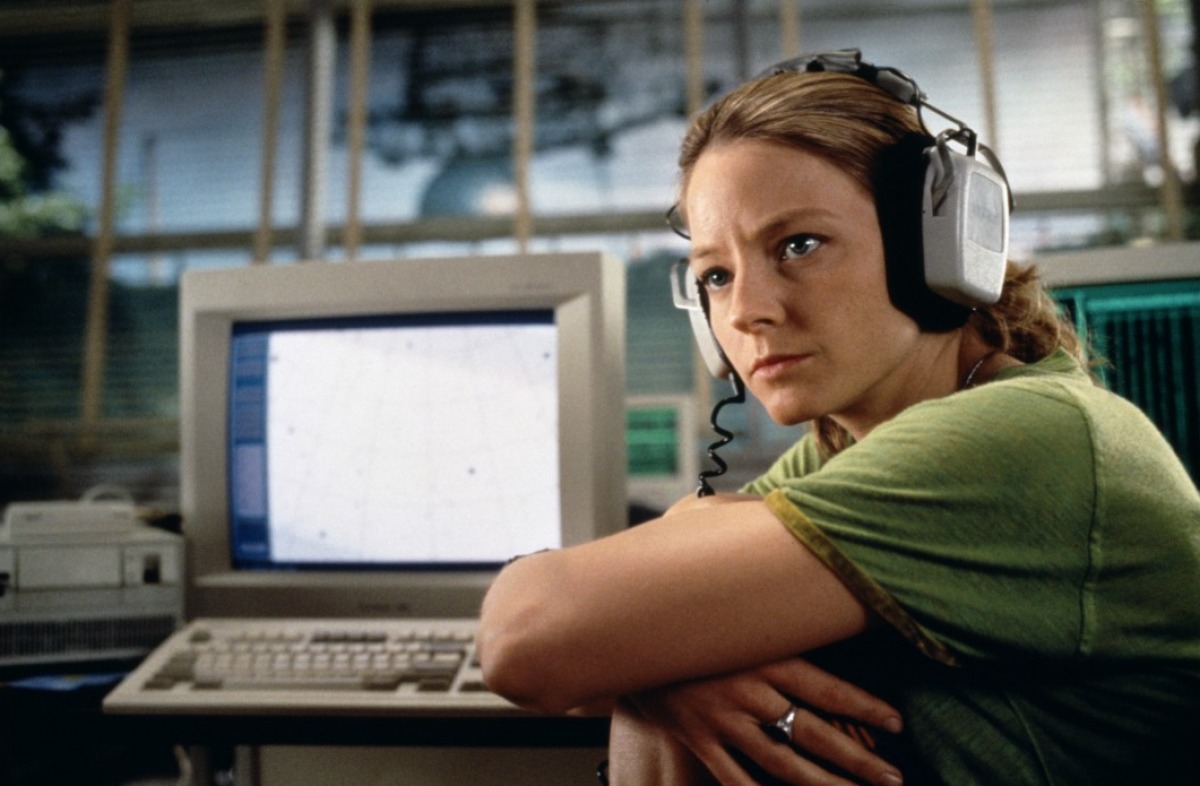 They would, of course, have no trouble with Jodie Foster’s fiercely atheist logical fact-based Occam’s razor-referencing protagonist for most of the movie. And Matthew McConaughey’s vaguely Christian “spiritual advisor” could stay mostly intact, if only because many would see him as so obviously wrong today.
But it’s Contact‘s famous final sequence, in which Foster finally does travel to the alien planet trying to contact Earth — but in a way that makes it seem as if she hadn’t, leading James Wood’s conspiracy-minded bureaucrat to accuse her of fabricating it — that the film takes a surprising position, one which would not sit well with the modern pop science world.
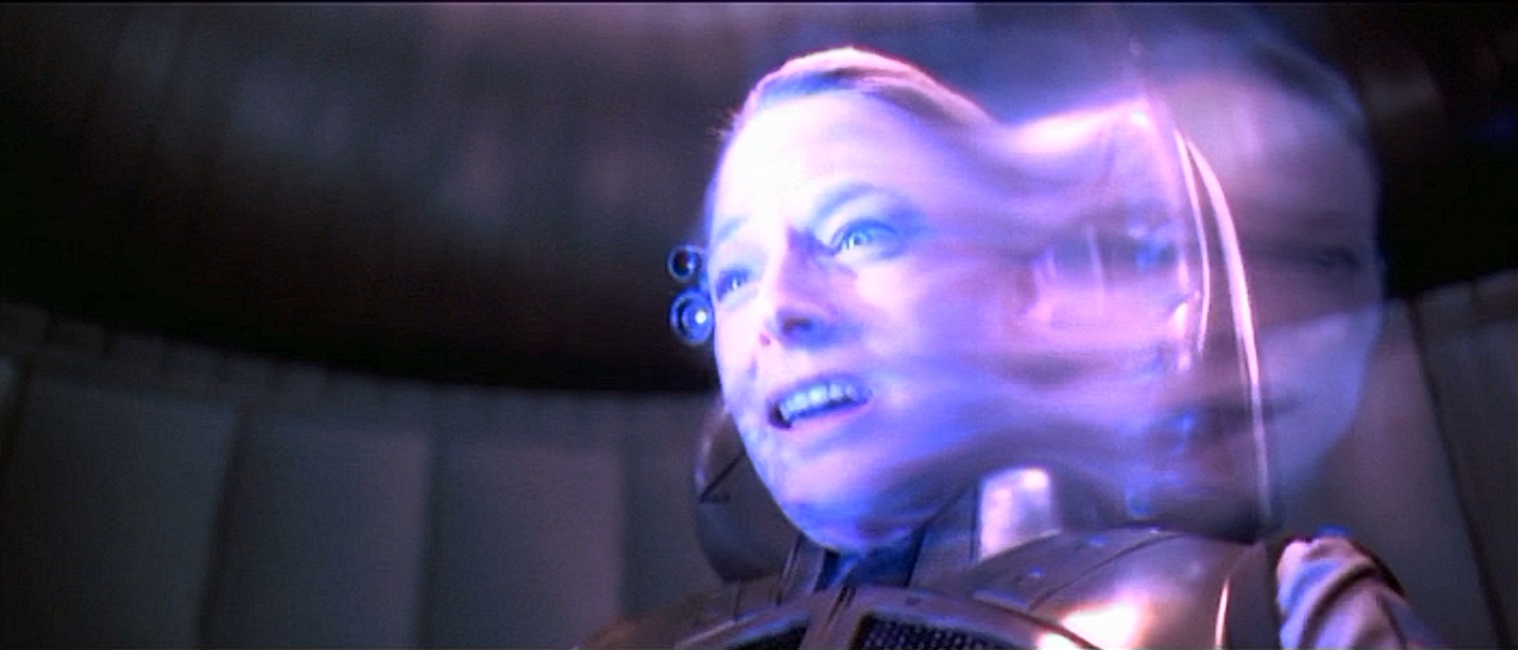 Foster admits that there is no evidence she traveled to a foreign planet, but, borrowing language from McConaughey’s earlier description of his religious experience, she stands by her experience. It’s a wonderful scene, and if I were ever teaching a class on Hume’s argument against miracles, it would be exactly the scene to use.
But it bears some further thought. For the entirety of Contact, Foster has been the figure of what we would now call “scientism,” an absolute belief in testable, verifiable hypotheses. In other words, she basically stands in for every goofball on YouTube who rants about “evidence” and “proof” in an incredibly vague way, as if they were independent forces on their own.
But in the final moments of the film she is admitting that everyone’s experience is different — and that science should not reject or ignore personal experience. It would be a remarkable argument.
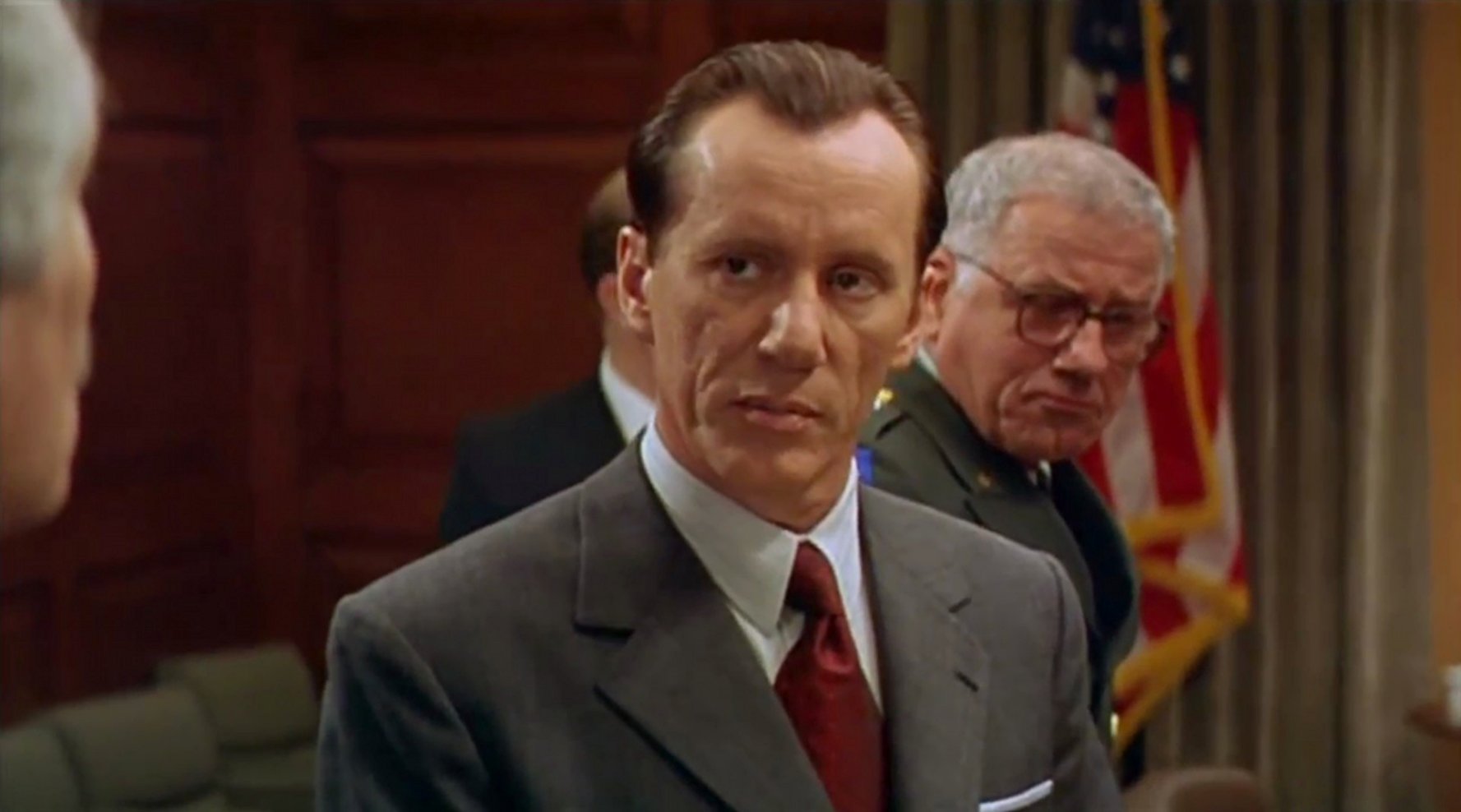 And yet, they can’t stick with it. Slipped in between the climactic scene and the final credits is one last conversation between Woods and a minor assistant. (Woods, by the way, may have been hit on the head during filming and may have been stuck in this persona ever since.) It is revealed that while the camera did only record static during Foster’s visit, it “recorded 17 hours of static”, a fact that the government is hushing up.
In other words: Foster is right, and there is objective, falsifiable proof backing her up. (Why, by the way, 17 hours? It was established earlier that it would take half a century to travel to the planet and back, and that Foster was essentially giving up on Earth by traveling; if it took any time at all, why would it take 17 hours? The way this makes mincemeat of the logic of the dilemma points to the fact that this scene is somehow psychologically necessary for the creators.)
So the film tries to take a perspectivist approach — that we are ultimately locked only in our particular perspectives and experiences — while also judging one side objectively correct. What else could better encapsulate the cult of science we see in 2018 — or, for that matter, the evangelical Christian cult in 2018? The idea that we are both living in a world fractured into an infinity of perspectives, but also that some are objectively right, is the motivating factor behind the bludgeoning and aggressive techniques of both sides of the science/religion debate.
It’s what a psychoanalyst would call the hysterical objection: it’s impossible, and it’s wrong. It’s impossible to understand anyone else’s experience, and it’s wrong to do so because they’re wrong anyway.
Contact is a remarkable movie (at the very least, it’s the only Zemeckis movie post-Death Becomes Her I can sit through). It may be a last hurrah of sorts for a century in which it was fitfully believed that science and religion could say anything to each other. But in its final moments, it points to the future.
 Roger Ebert
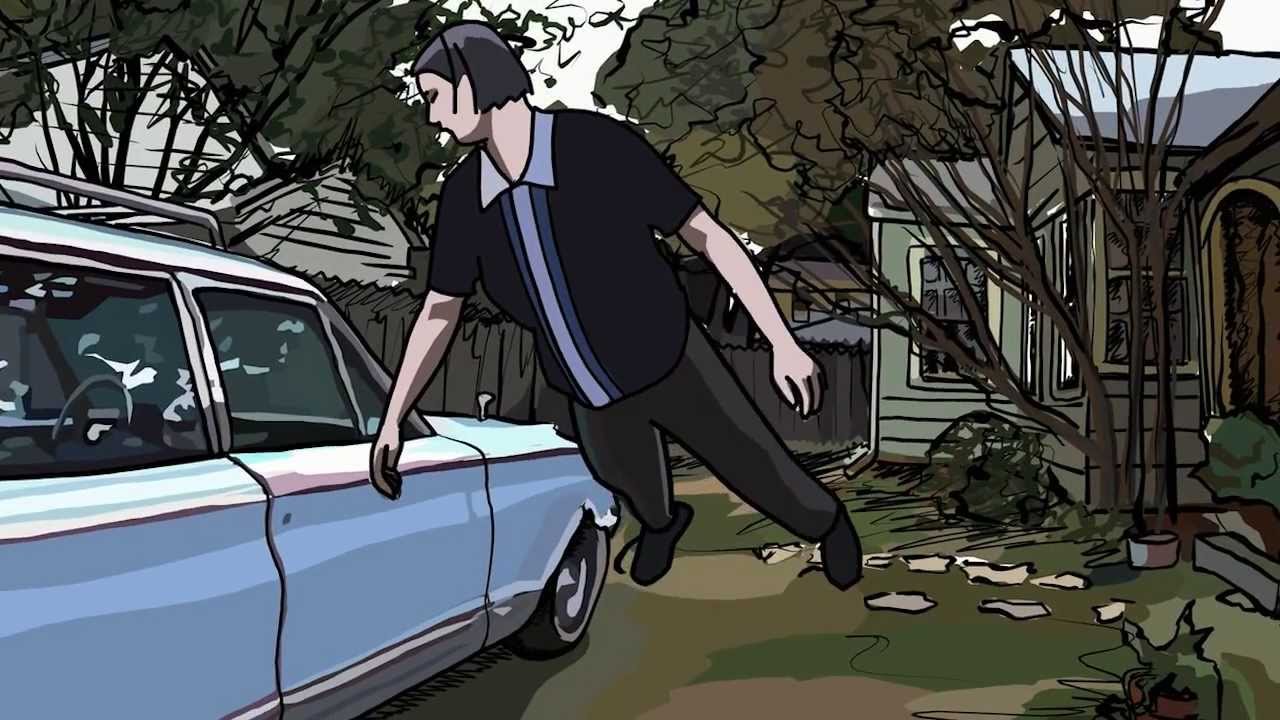
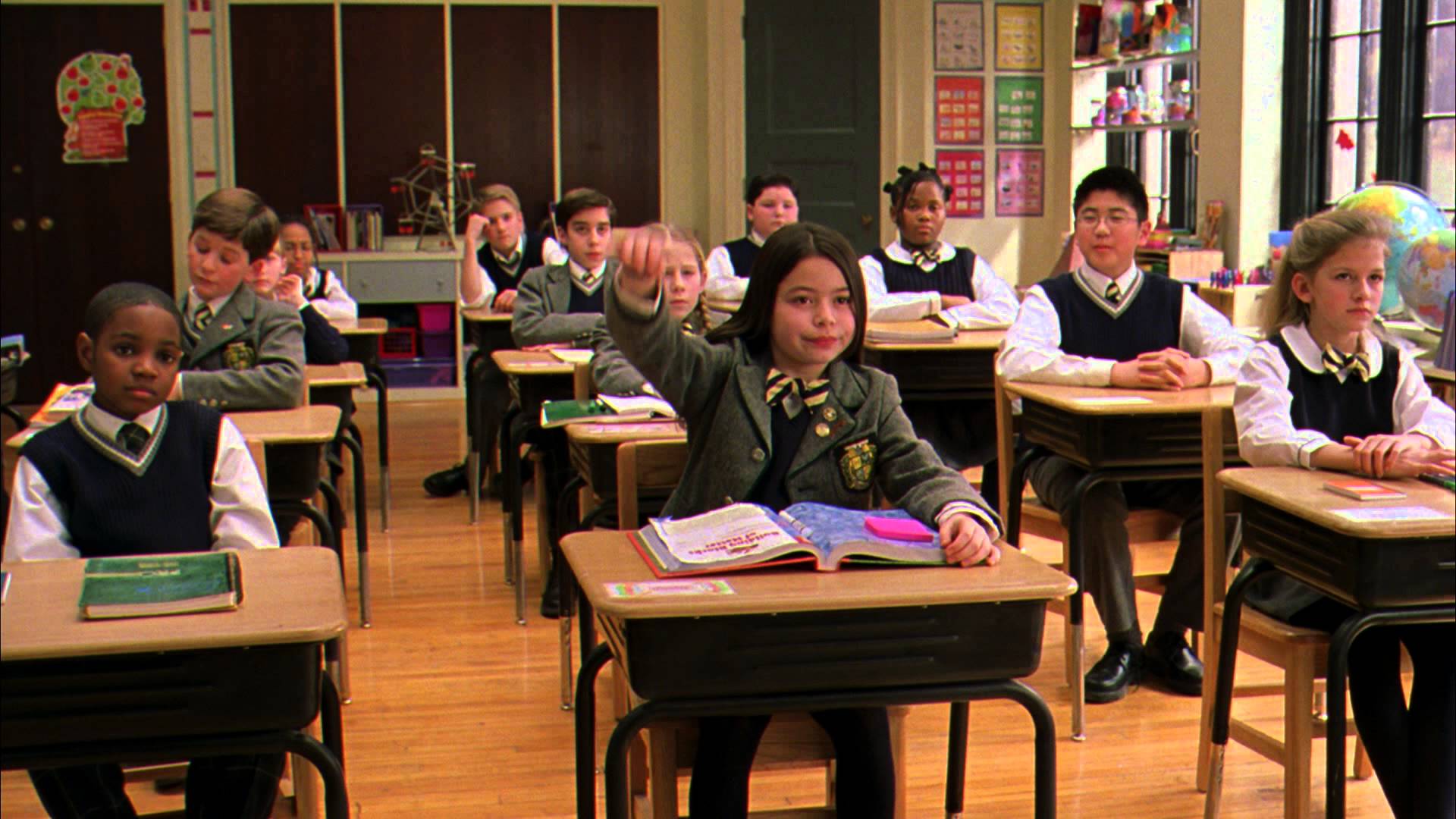
 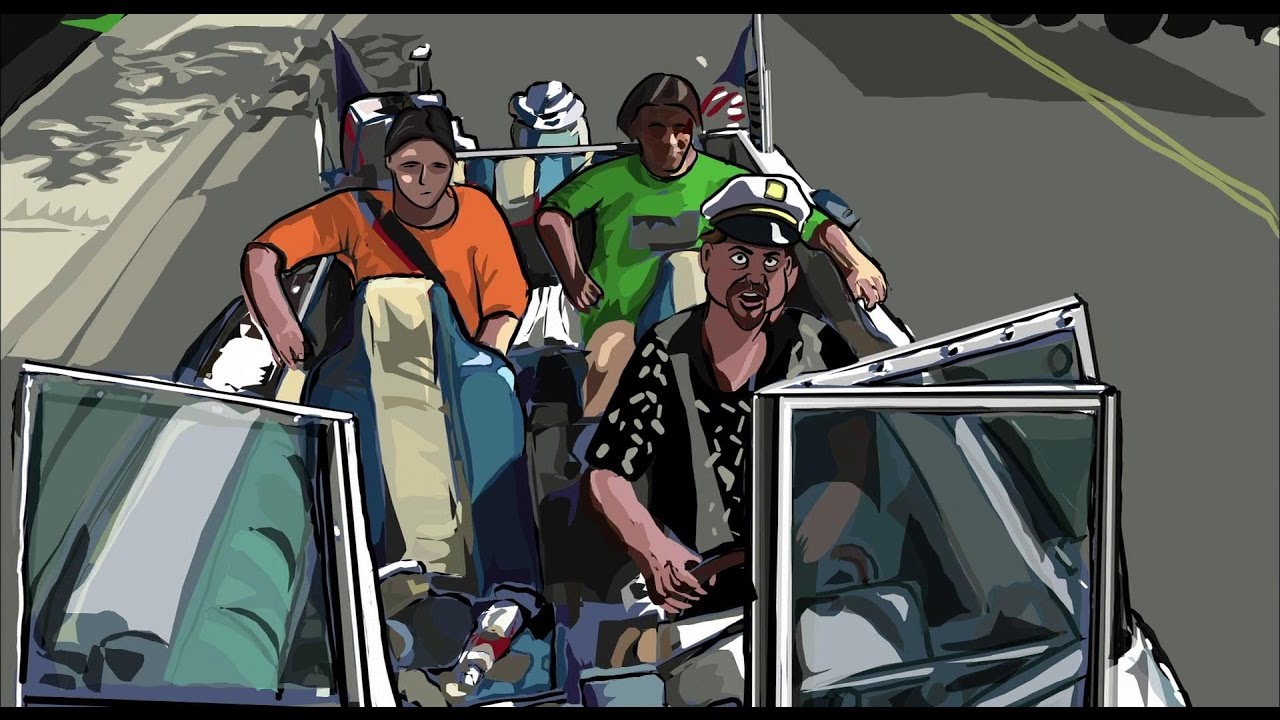 In the great push and pull of everything, it’s fair to say that both Waking Life and School of Rock are silly texts. They ask very little of you, apart from joining them on a swift ride, steered by a guy who might just leap off the boat.
 That Linklater would insist on its inclusion tells us a lot about Linklater. The central conflict in the poem is between romance and time. Apart from the “one for me, one for them” logic of his output, we have to acknowledge this emphasis. “The deep river ran on.”
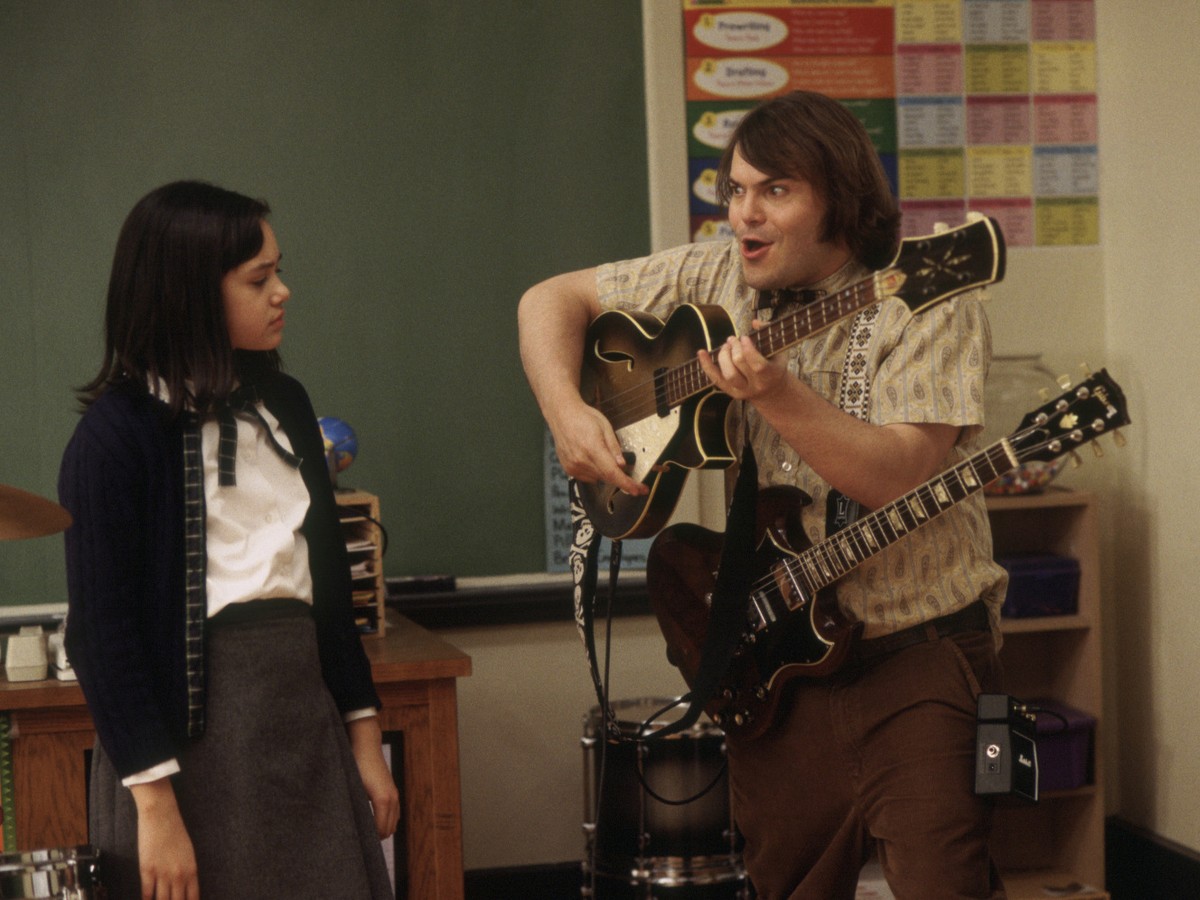 The rotoscoped half-wisdoms of Waking Life would have no place in the offbeat formula comedy of School of Rock (written by and starring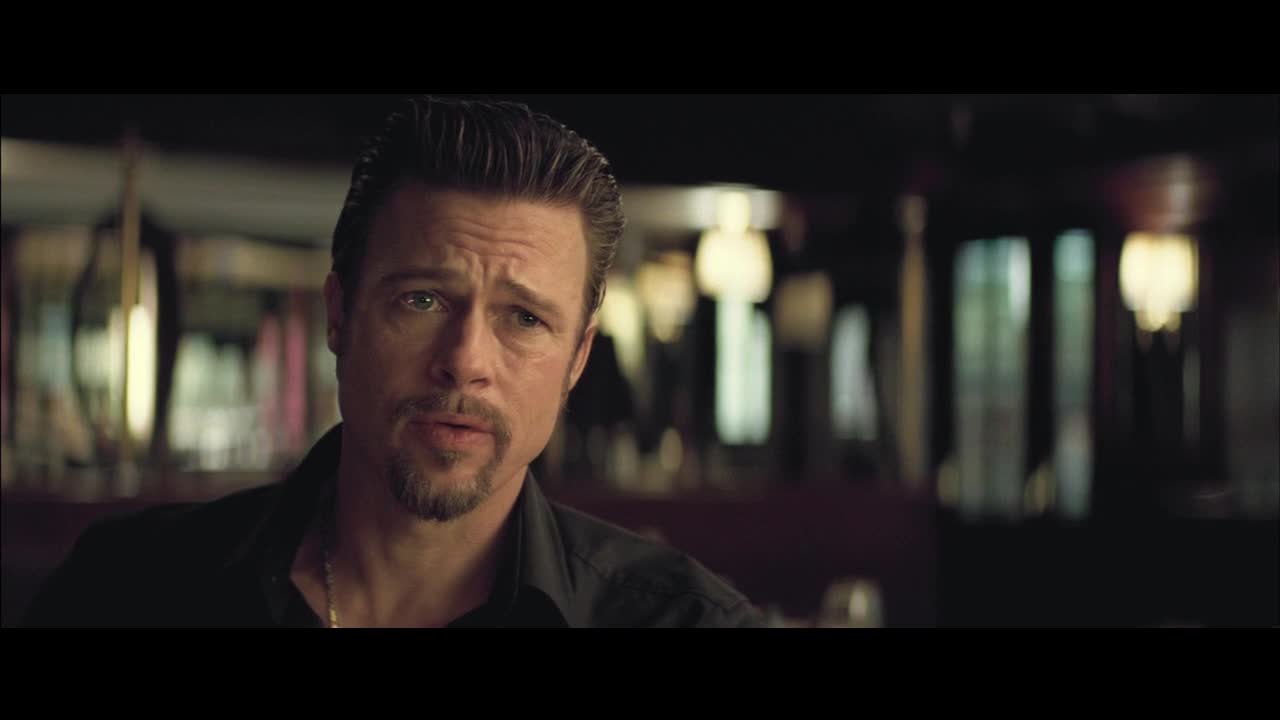
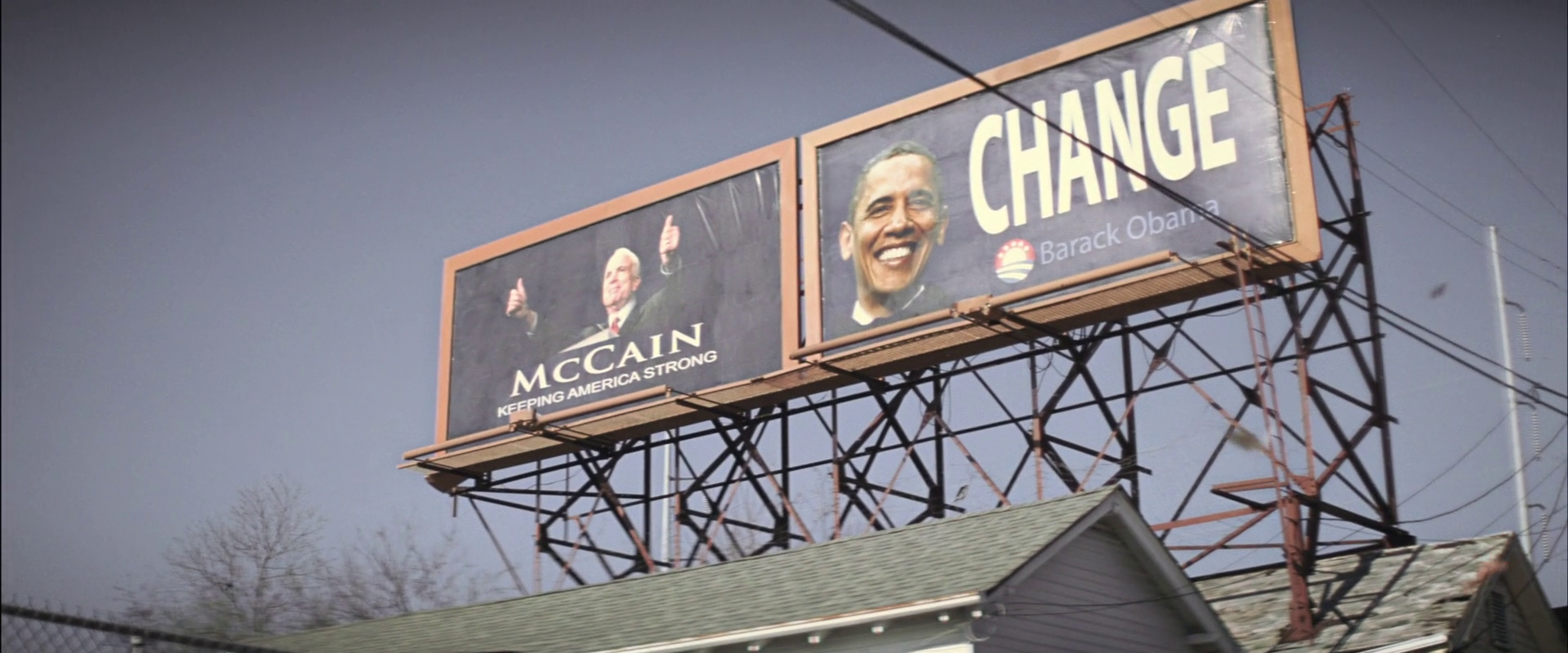 However, I’m reasonably sure that real life mobsters watch a lot less C-SPAN. Out of a desperate desire to turn Higgin’s novel into a timely bit of political commentary,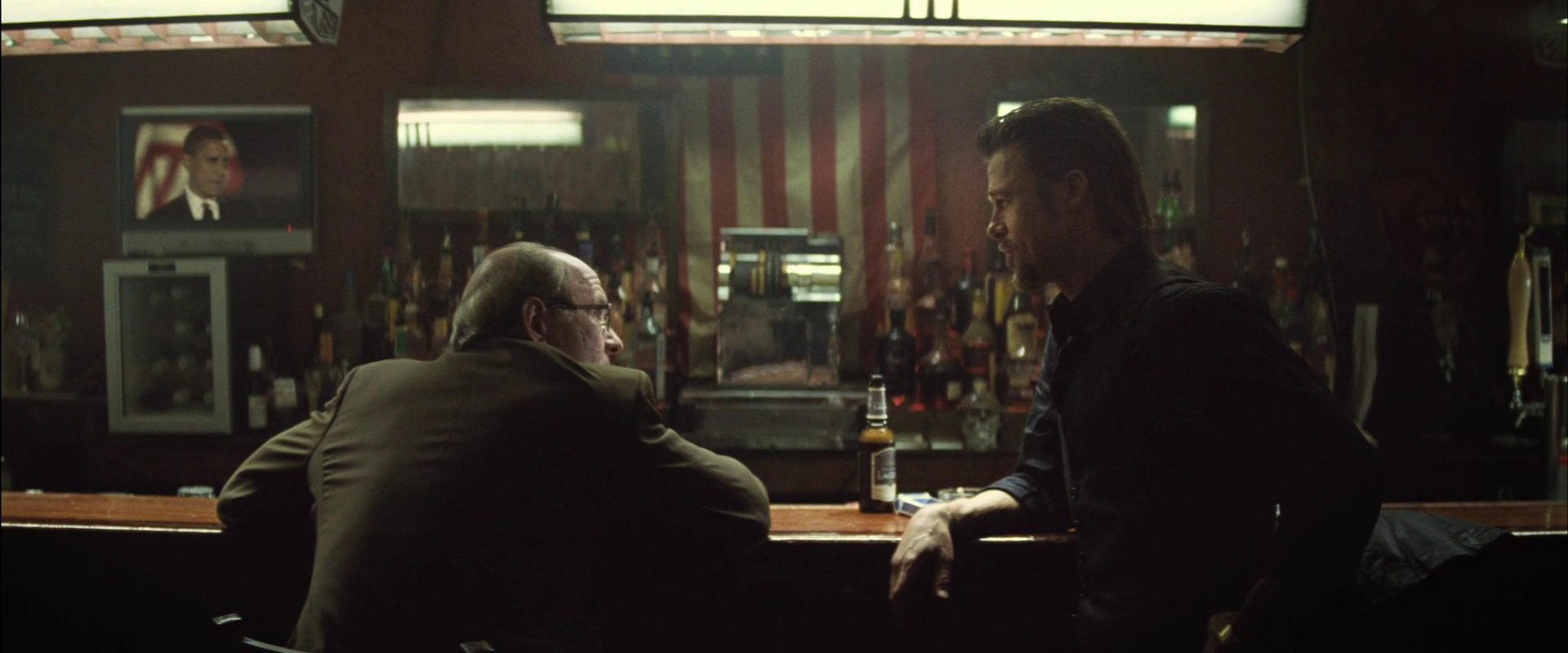
 As “Dr. Richard Kimble” (the prestige prefix is non-optional),
  Dr. Richard Kimble is on the run from more than
 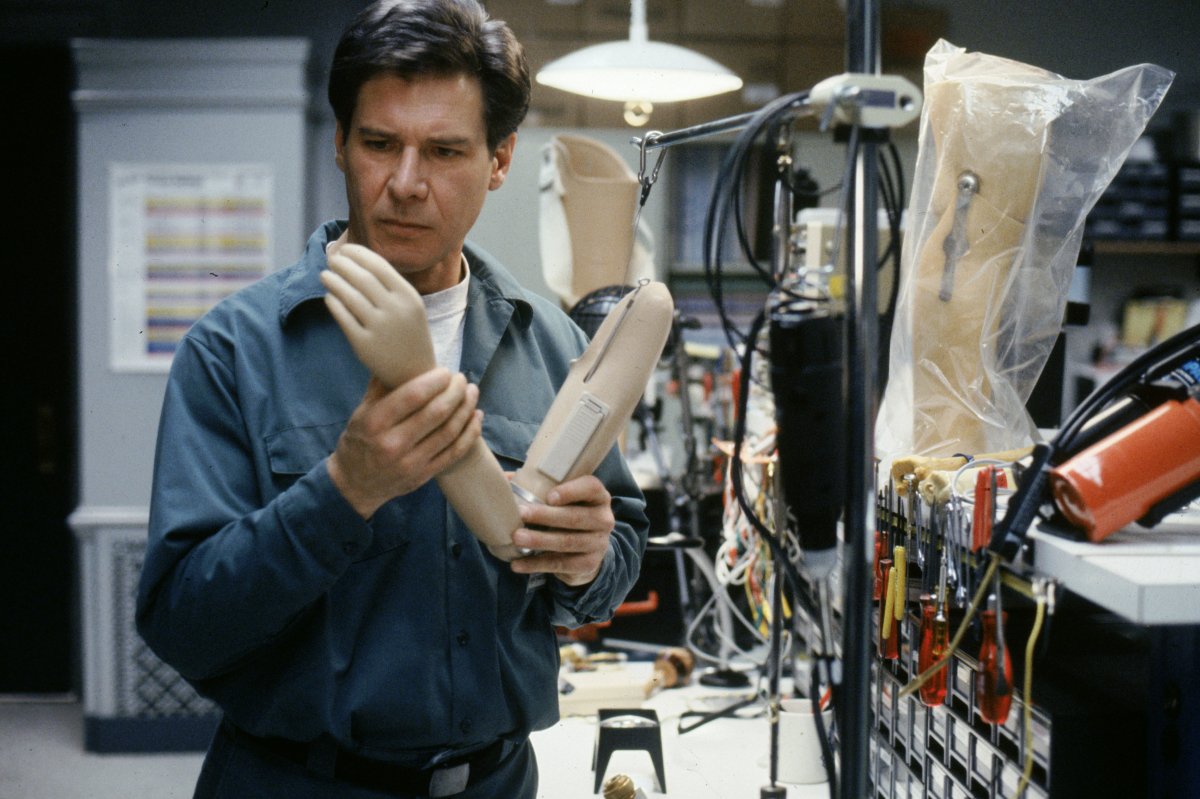 As in
As in 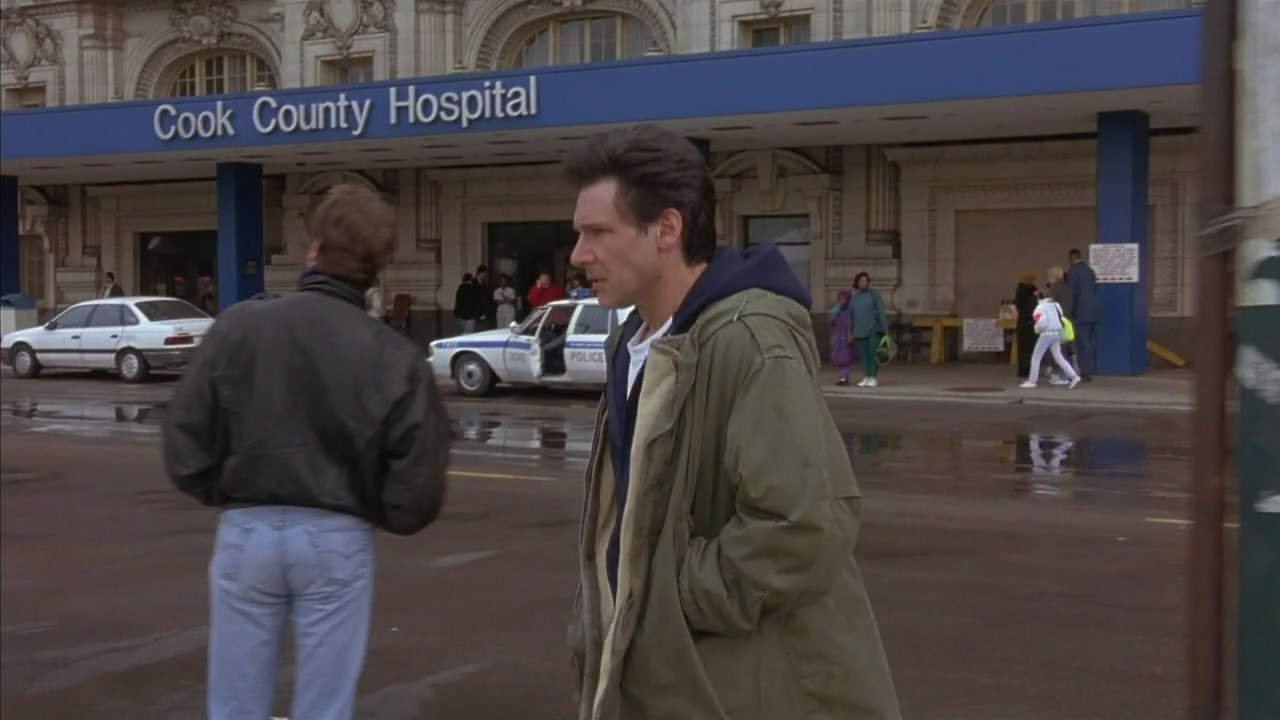 The entire structure of the film revolves around the (rather brutal, rather pointless) murder of Kimble’s wife Helen (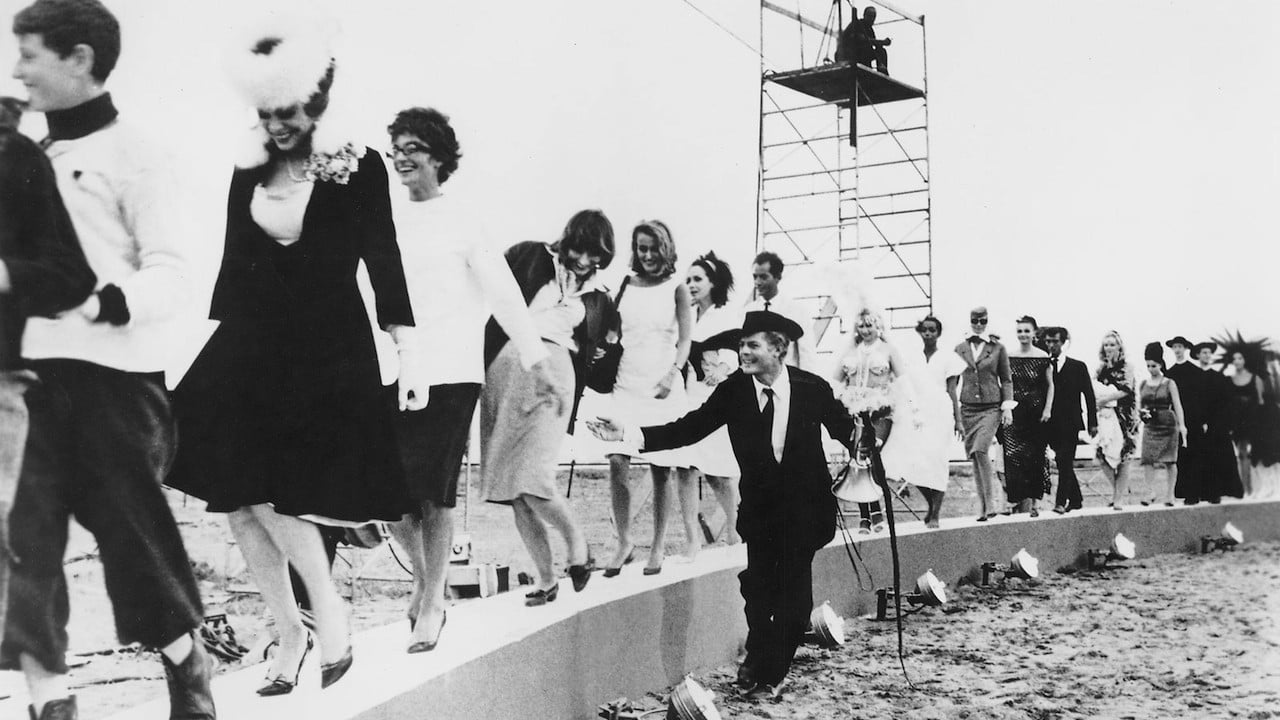
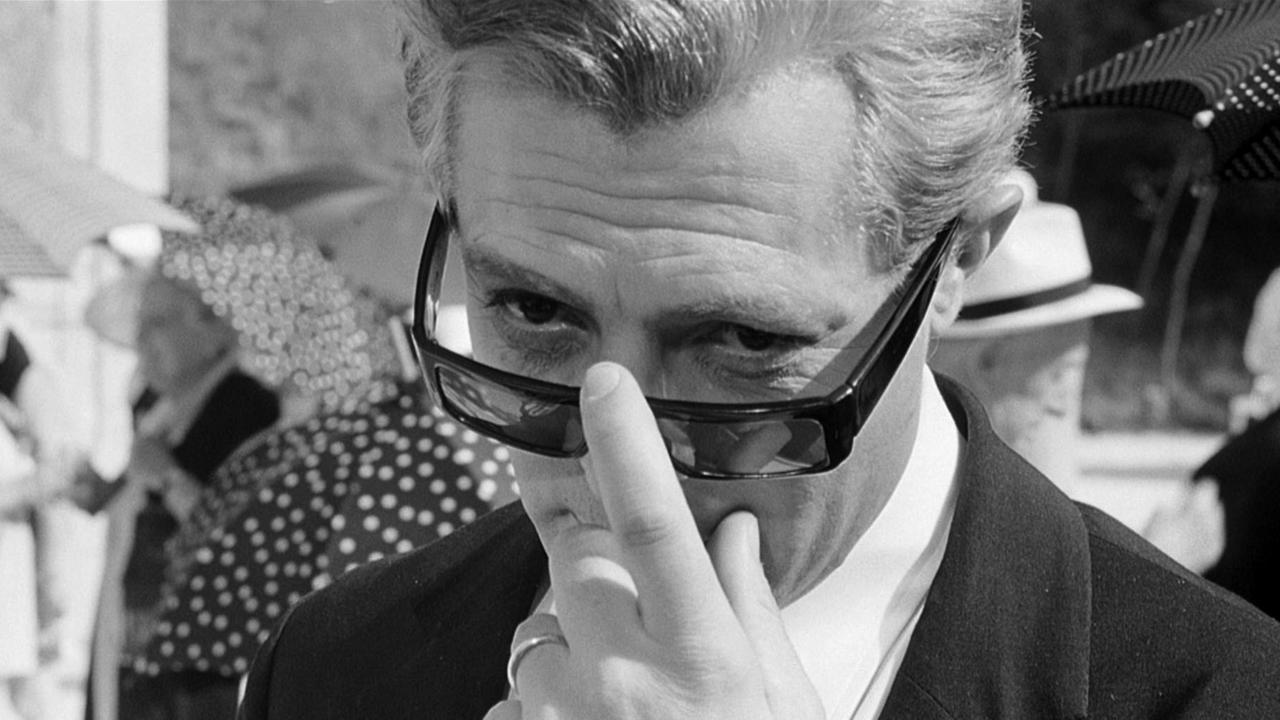 To continue, let me pick a specific example somewhat arbitrarily — mostly just because it’s what I watched last night: Fellini’s
 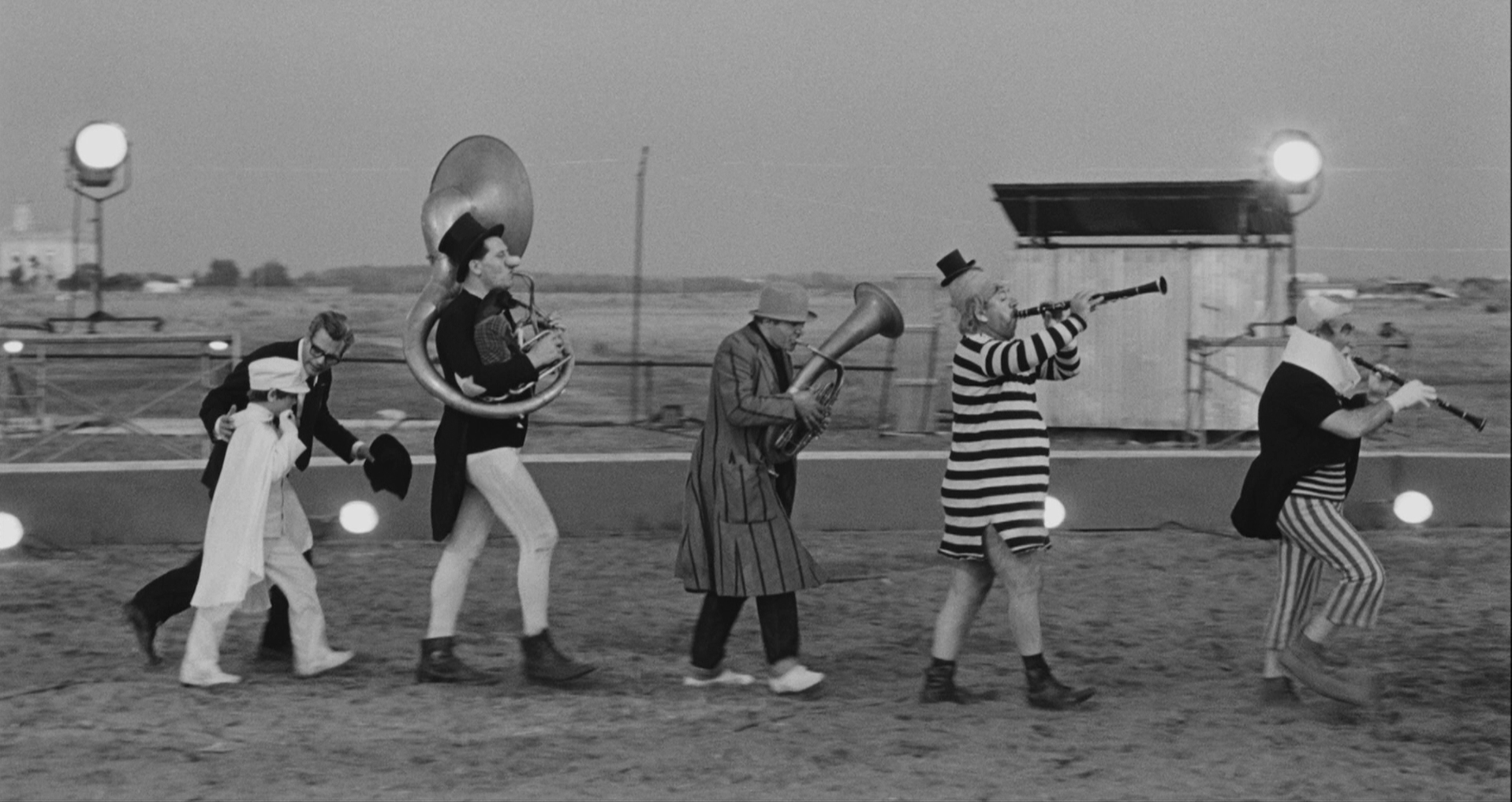 And yet, we spend the entire movie essentially in his head. We fantasize with him, and all the brilliant visual touches are in service of him: the final, justly famous moments, in which all the characters dance to circus music, are really just a recapitulation of his harem fantasy.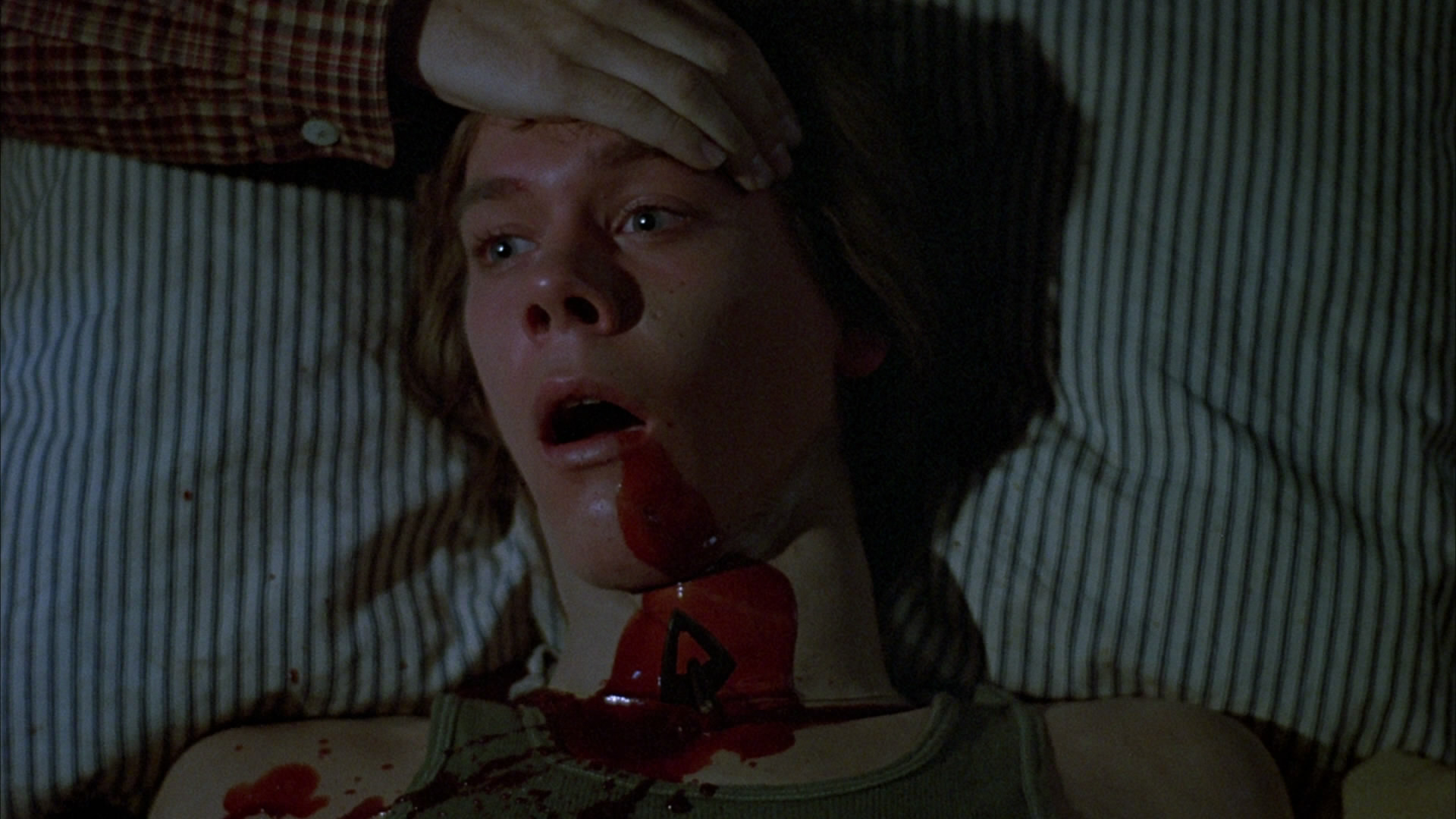
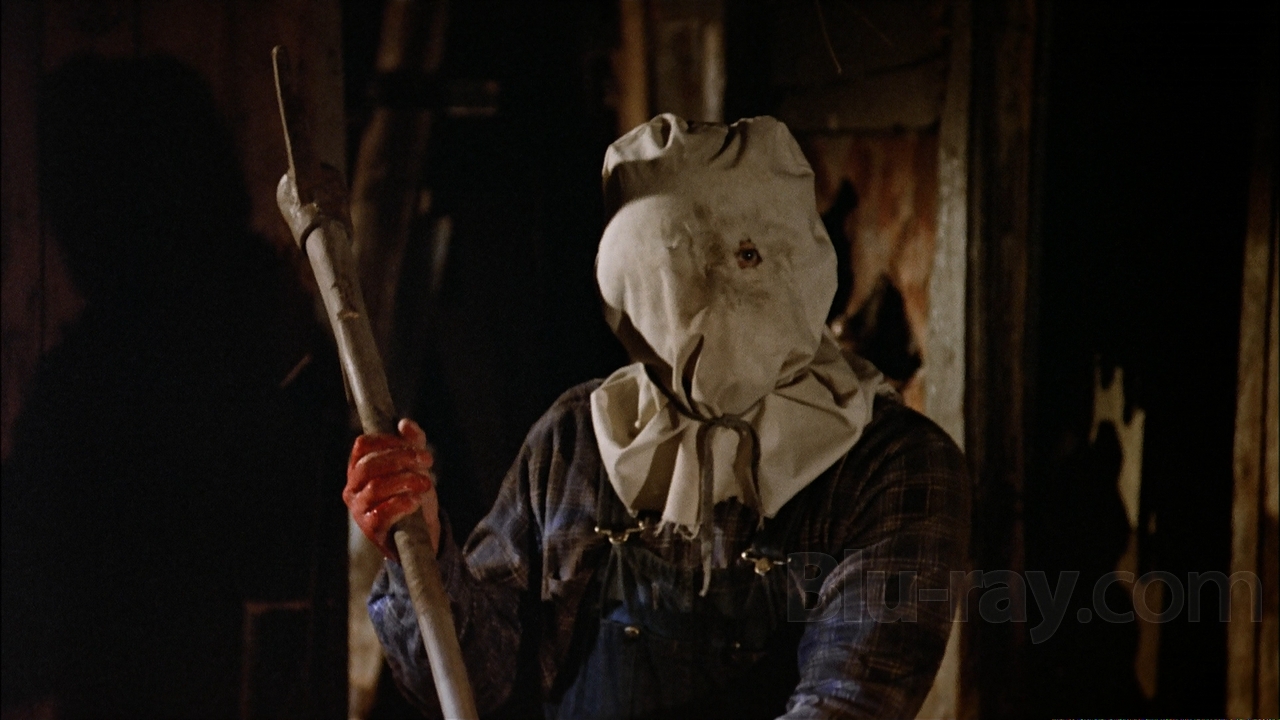
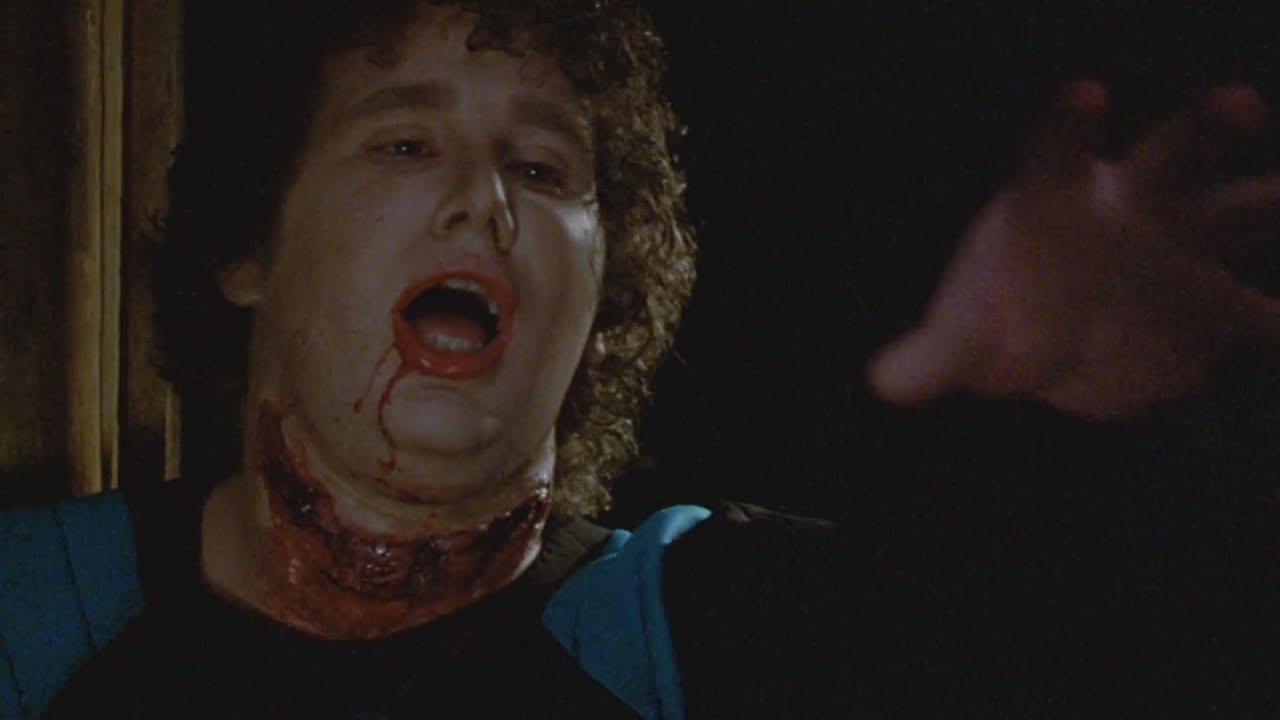 To extend this idea of betting a little bit more, and circle back to the idea of virtue being a matter of re-watching: It is extremely unlikely to me that I will ever watch another Friday the 13th movie. I’ve seen a few scattered entries, and found them cruel and vicious, lacking in even the virtues of the other classic slasher series (like Halloween or Nightmare on Elm Street).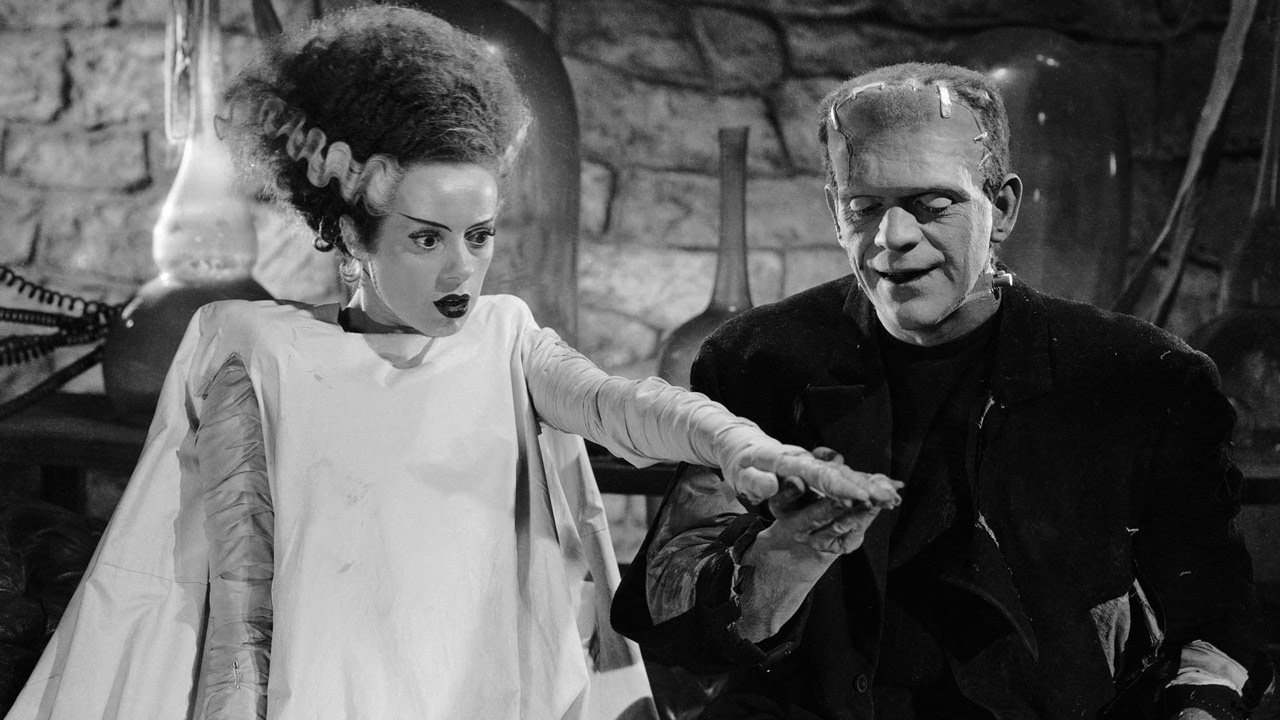
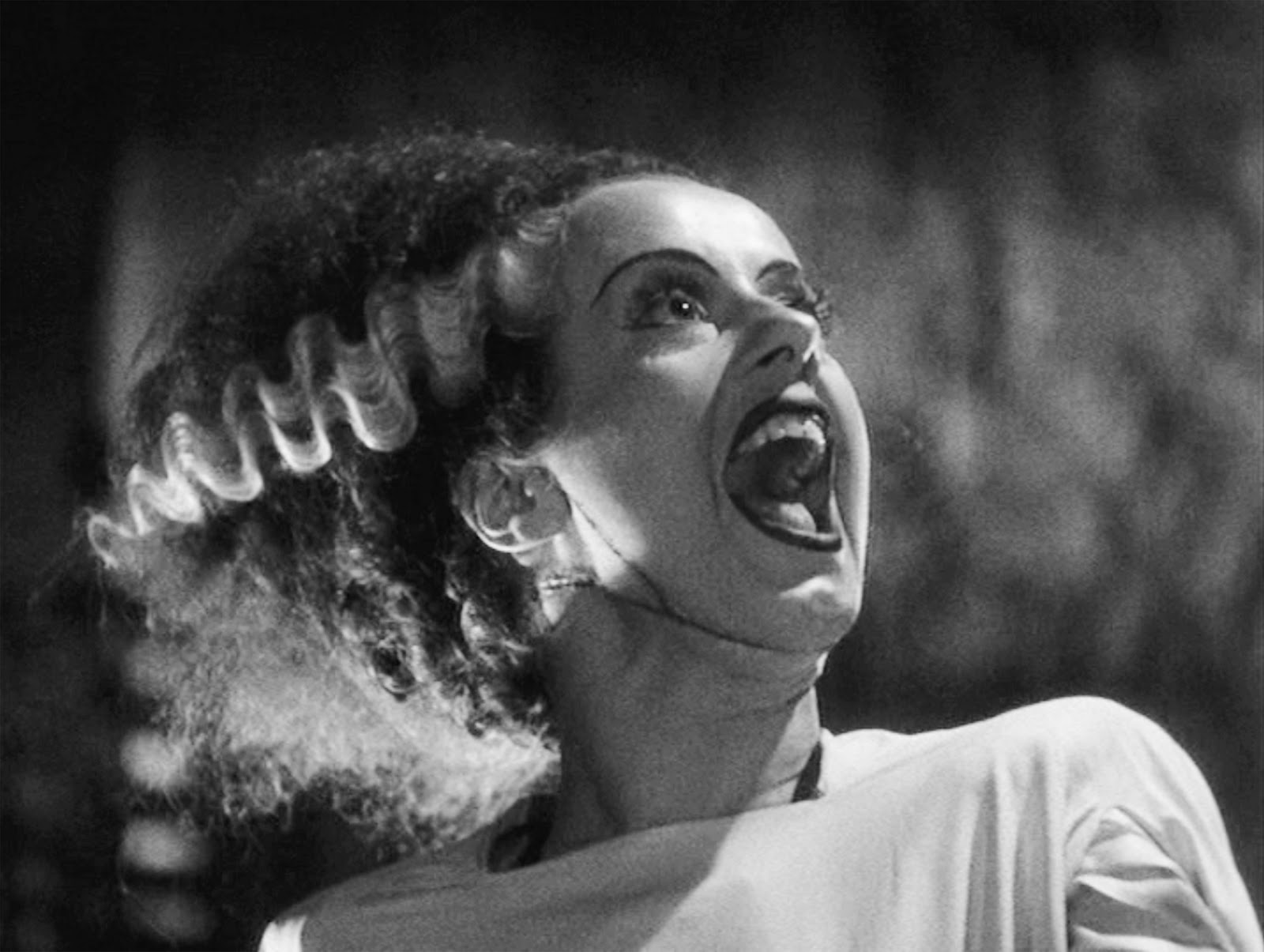 It’s a ridiculous thing, art proselytizing. Who even cares? Bride of Frankenstein doesn’t. In fact, James Whale’s combination of navel-gazing puffery and honest retconned genius actively refuses to play along. That’s one of the reasons that it is one of the greatest films ever made.
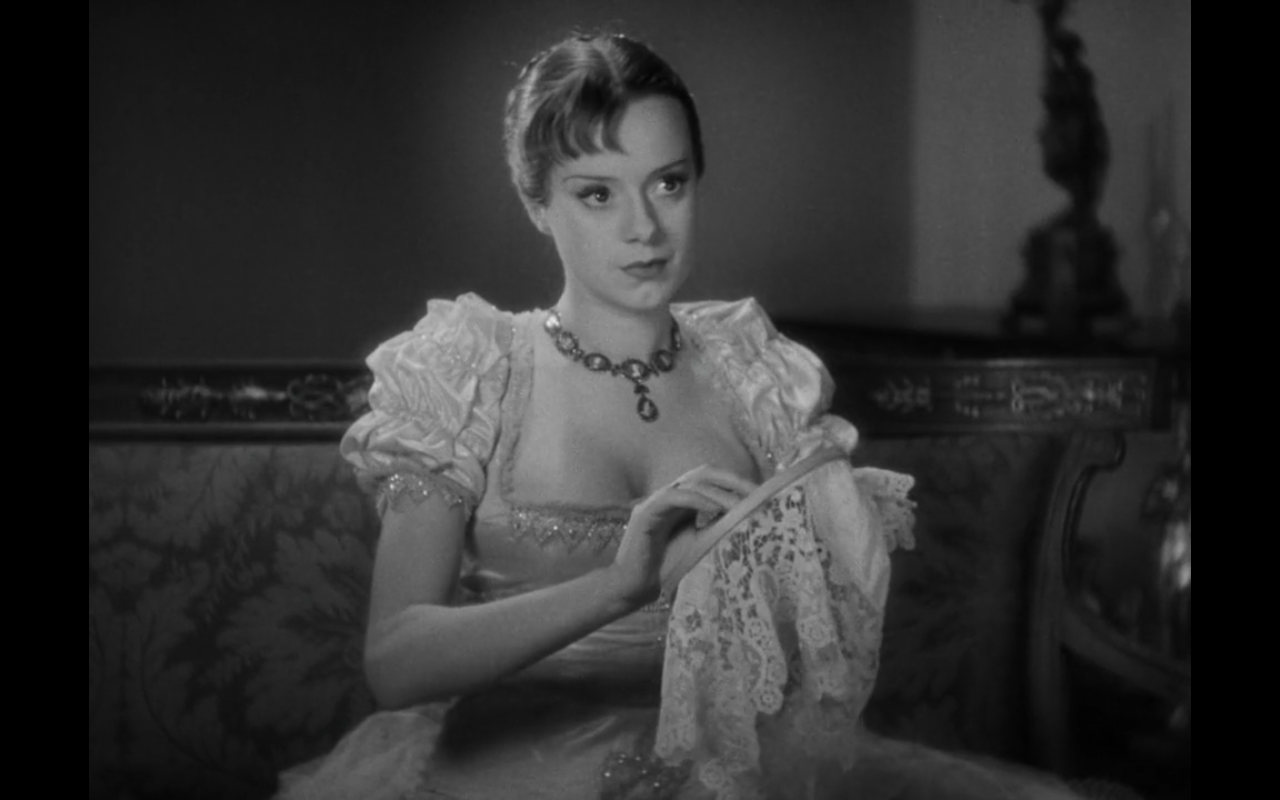 The rest of the film echoes this sentiment. From an entirely incongruous opening we segue into a story about solidarity and difference, run through with as much skepticism about heteronormative coupling as God-like creation. If the first film, and Mary Shelley’s novel for that matter, are about the horrors of reproduction and responsibility, Bride is about the ways in which presumptions about our connection to others fail us, especially connections based in patriarchy. If Frankenstein will present a drowned child, Bride will feature a rescue from drowning. It is an inverse, a mirror-image reflected in broken glass.
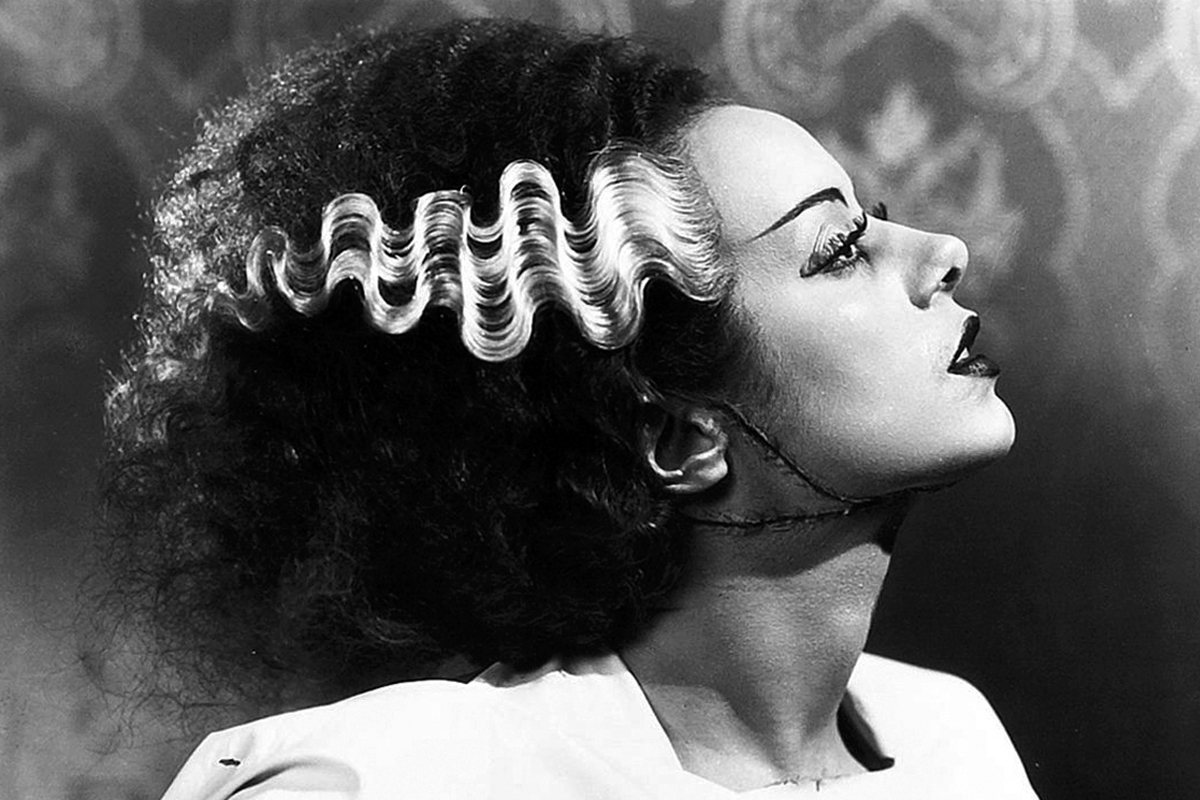 shortlist: queers, freaks, people who don’t fit in, outliers, people skeptical of modern science’s ability to explain our pain, existentialists, revolutionaries, those who find white people in positions of power inherently suspicious, anyone who’s wanted to burn it down, anyone who’s wanted to know more than they do right now, anyone who’s known too much, cinephiles, James Whale enthusiasts, Karina Longworth, Mel Brooks, rooftop architects, fans of Byron or either of the Shelleys, German Expressionism enthusiasts, violin players, suckers.
 bemused by the material and in thrall to it. It’s a not-so-secret attack on conventional values, masquerading as a horror movie about a big dead guy and his big dead wife. It’s perfect. It is art.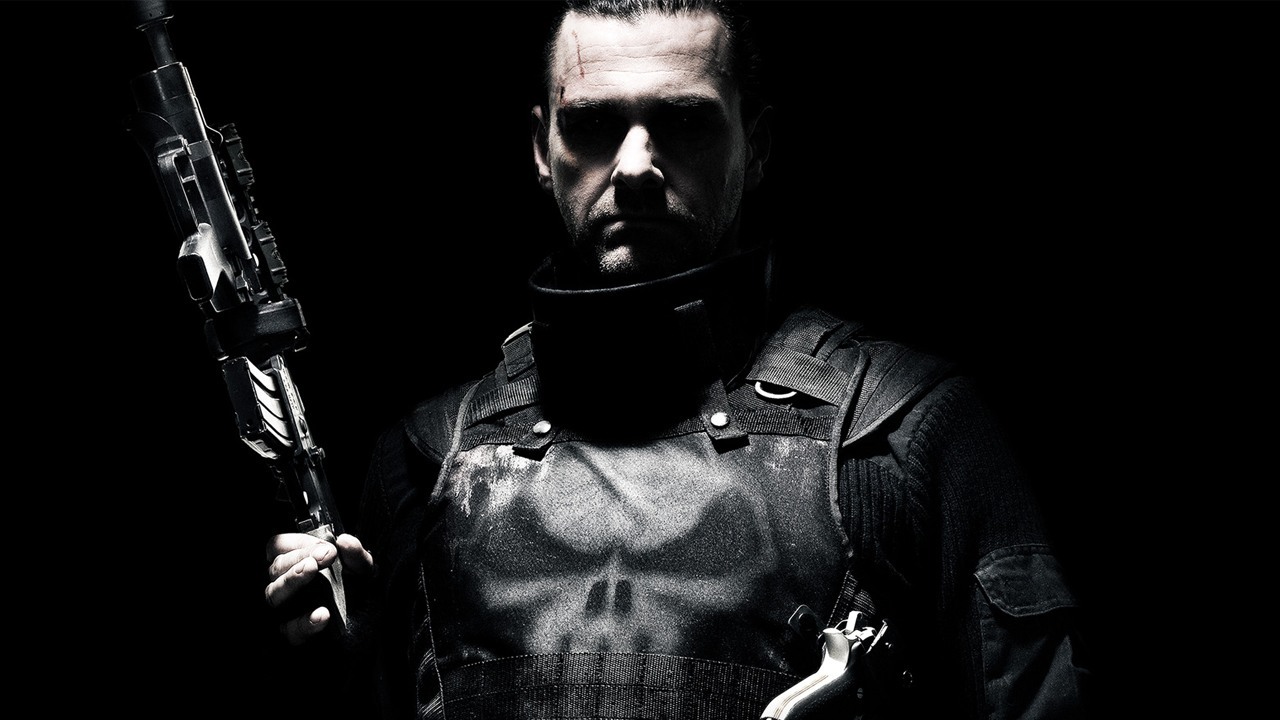
 But the artificial brevity Twitter forced on this reader made me wonder about their argument. Of course things never “get better” in The Punisher’s comics — he’s a superhero. Nothing ever “gets better” in Gotham or Metropolis, or in Peter Parker’s New York City. There’s no end-game for most superhero comics, and if there is one, it will get unwritten pretty soon.
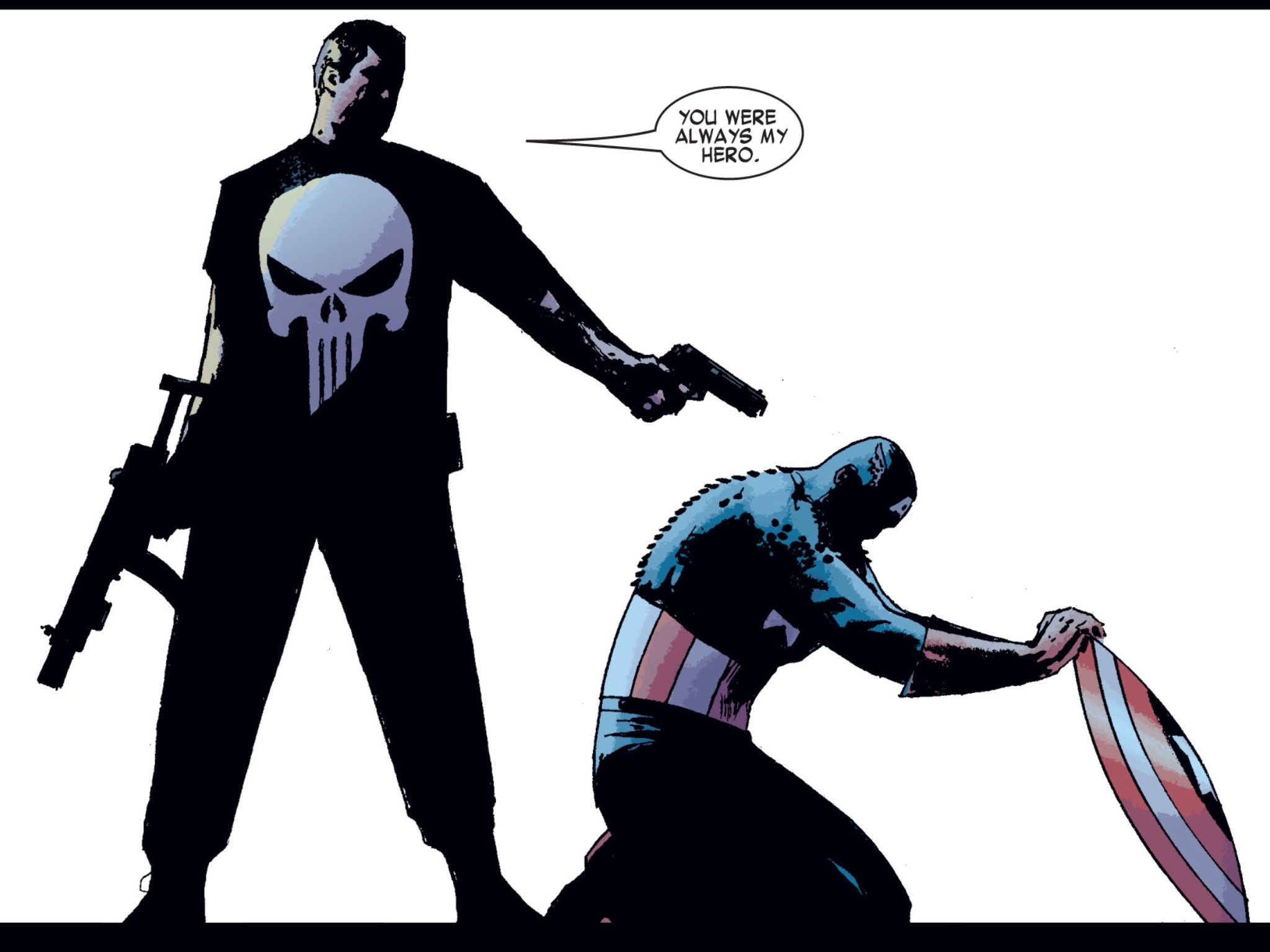 The Punisher example: if the Twitterer was making the point that the way in which superheroes never seem to solve any real problems in the city and that every fantasy that things are OK falls apart at the start of the next issue ultimately means the work in question is left-leaning (by suggesting that something more fundamental needs to change than just another group of bank robbers being rounded up), then that is an interesting position worth exploring.
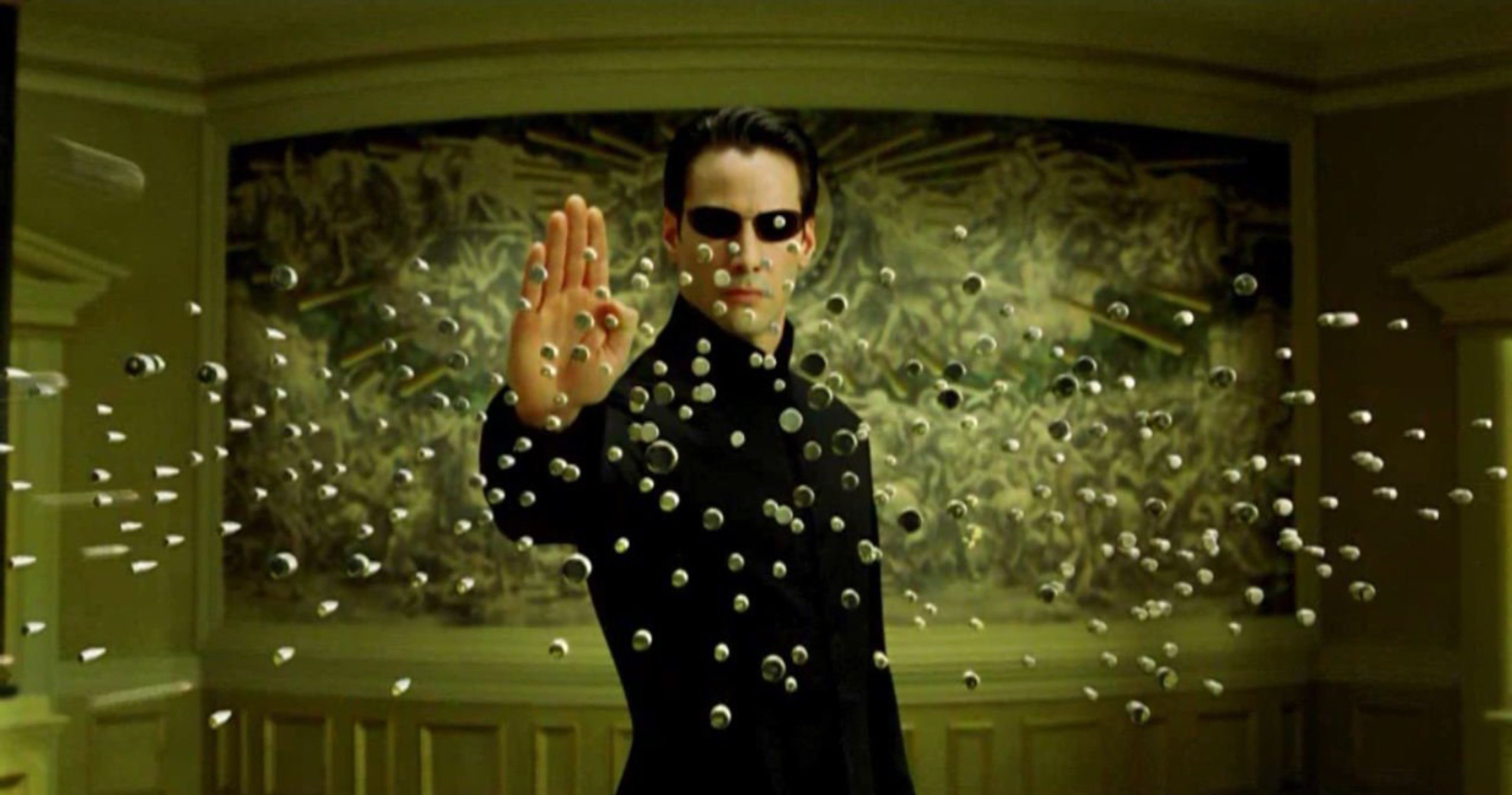
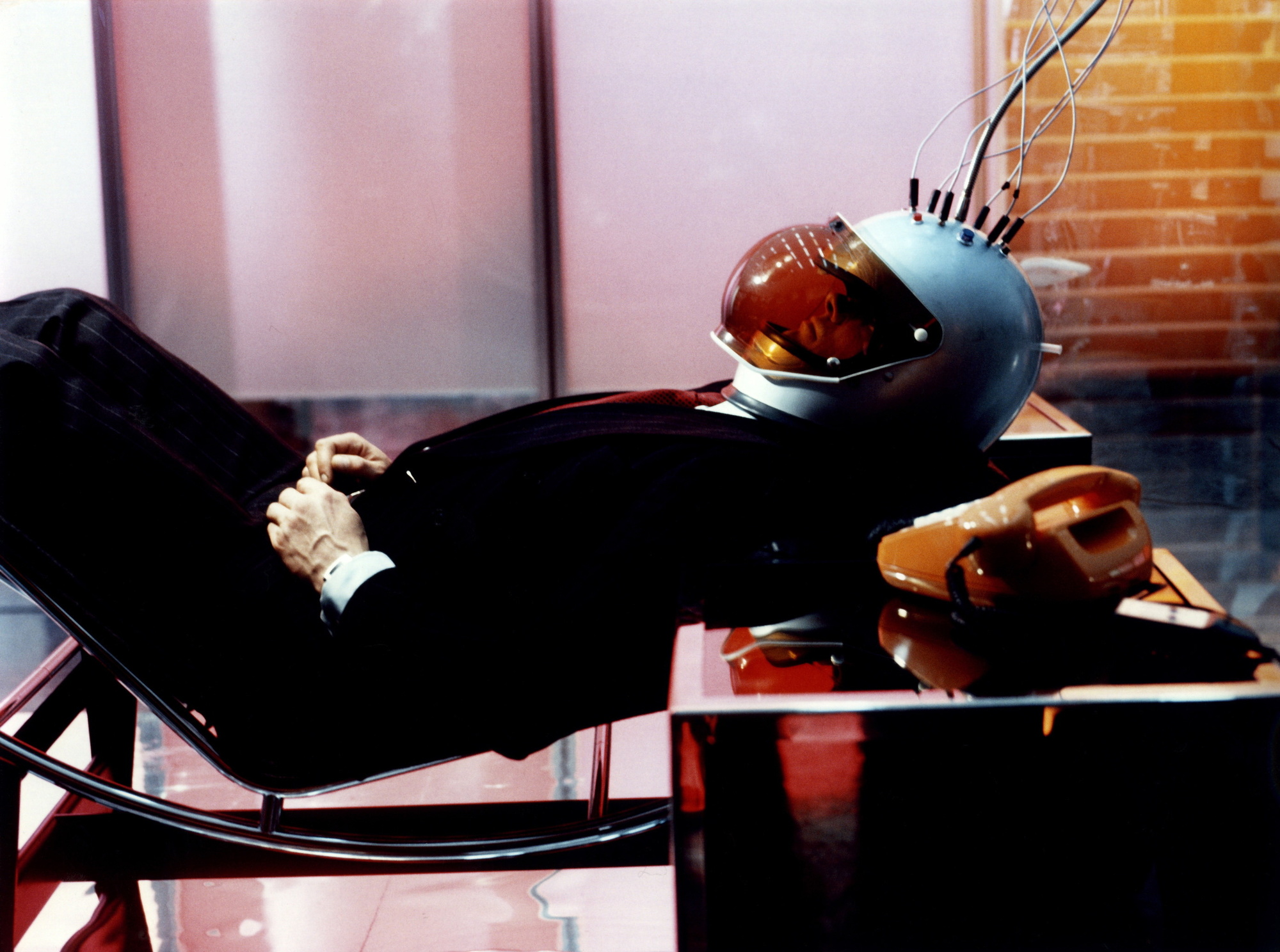
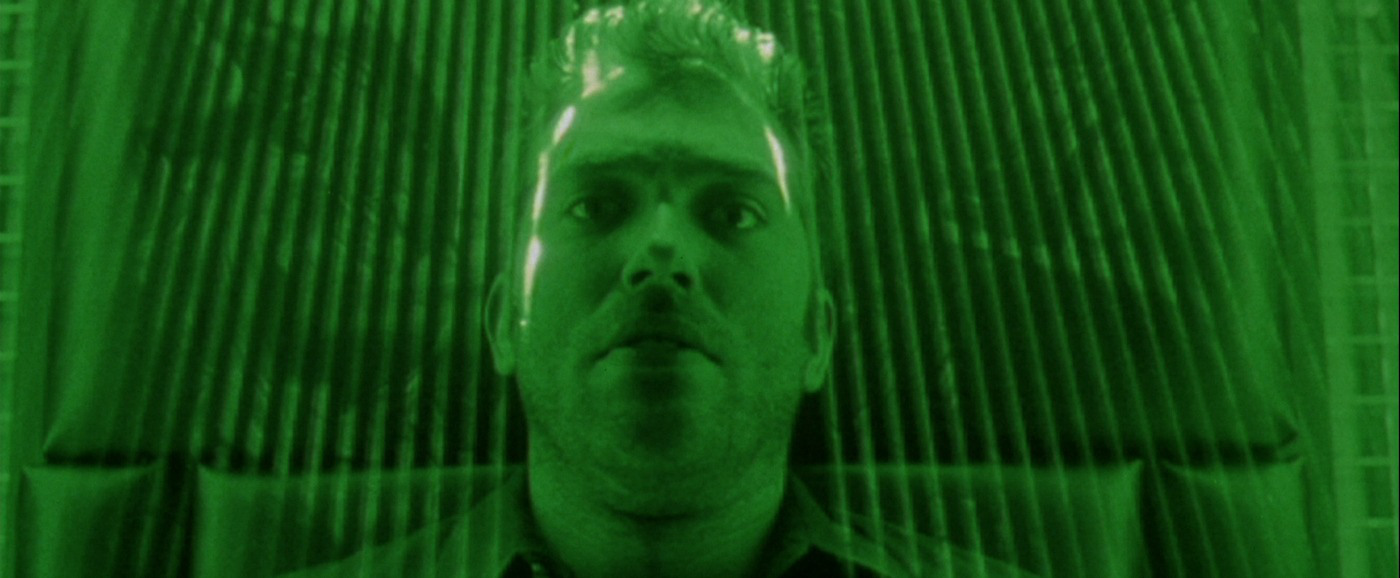 But in 1999, three more movies were released: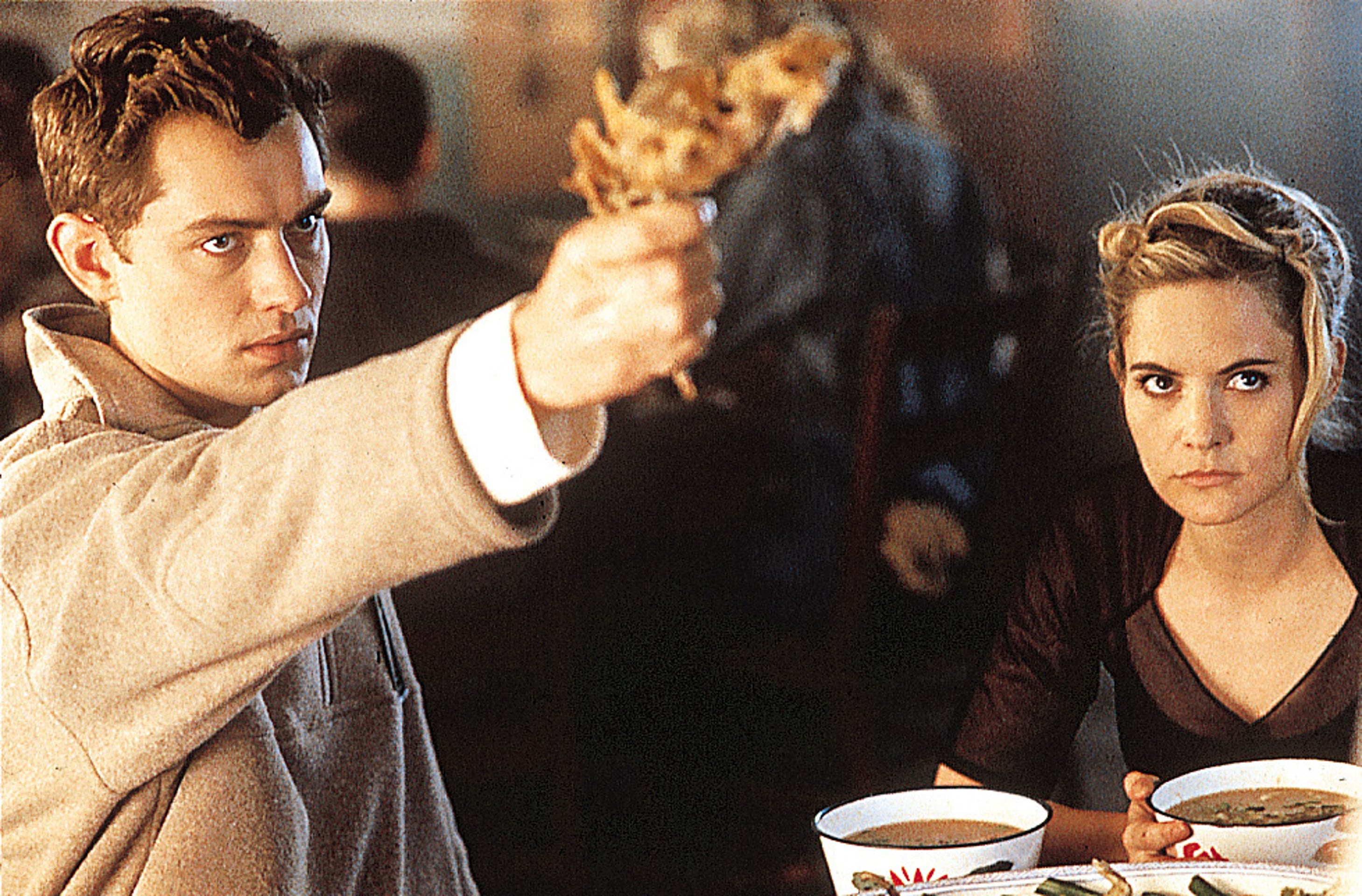
 The 3 computer-reality films could be explained by the development of computers, but I don’t think it’s so simple. First, that doesn’t explain The Truman Show or Dark City, which are unrelated to computers. Second, the source material for The Thirteenth Floor (the novel Simulacron-3) was released all the way back in 1964 (Rainer Werner Fassbinder, of all people, adapted it for German TV as World on a Wire in 1973), and that was hardly the first story of its kind. And third, 1990s computers were not much closer to computer-simulated consciousnesses than we are now.
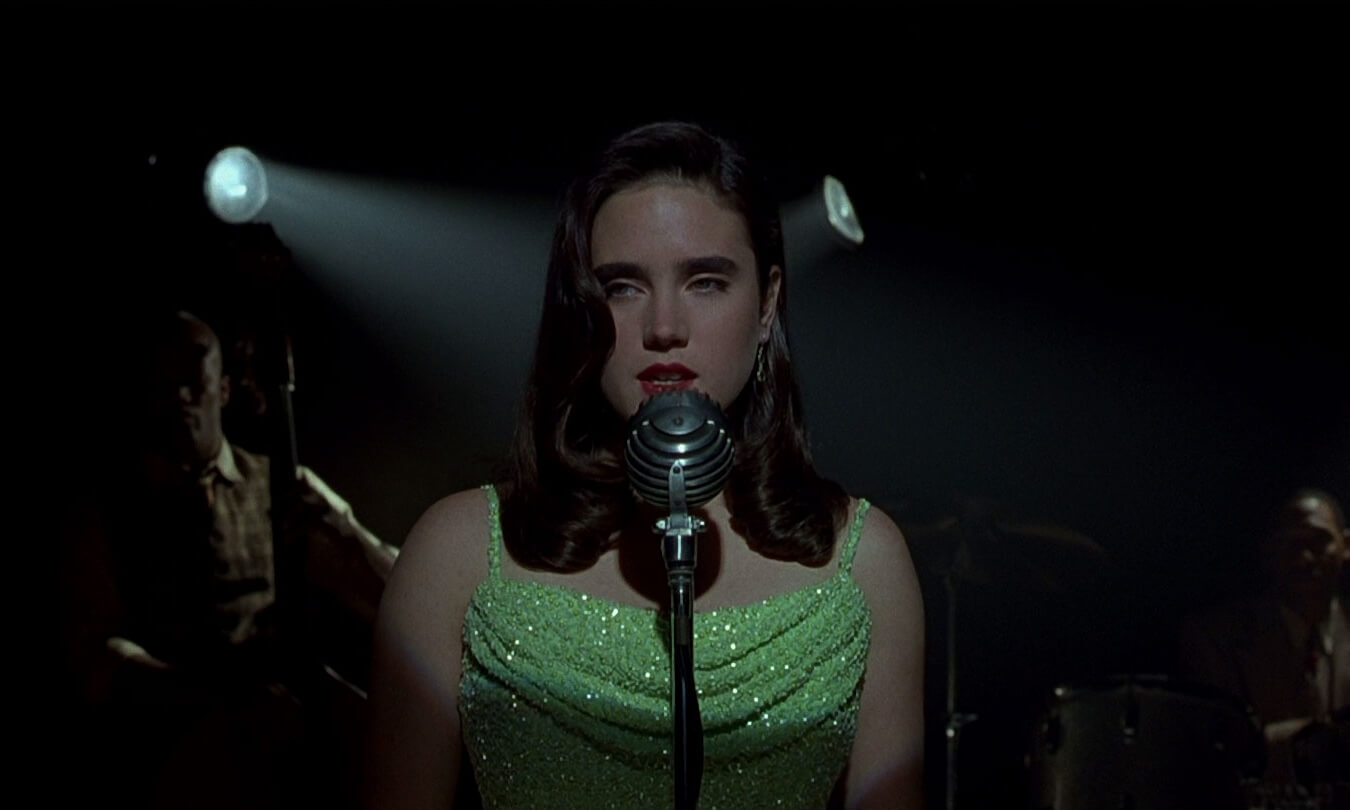 Even by the standards of neo-noir jazz, which is itself a more recent invention — the number of original noirs that have prominently jazz soundtracks can be counted on both hands — this sounds nothing like the period it is trying to evoke.
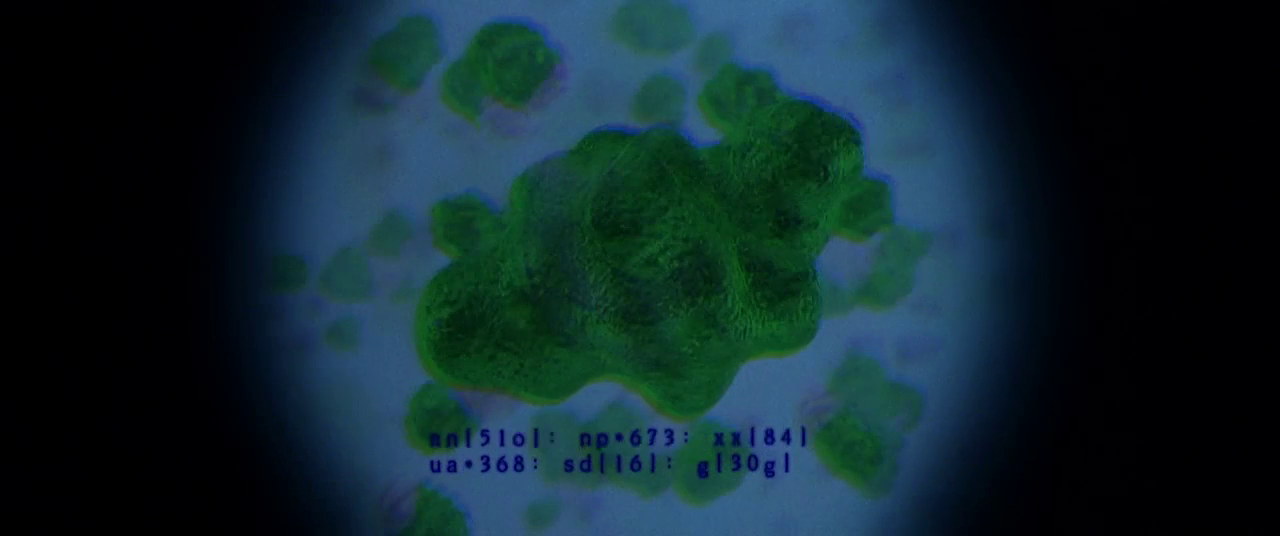 Synthesizing is very literal here. In one incredibly silly scene, Sutherland looks through a microscope at science-y looking blobs and literally mixes memories together. “A touch of unhappy childhood,” he says, “good. Ah, a dash of teenage rebellion… and last, but not least, a tragic death in the family.” A death in the family is represented, of course, by green goo.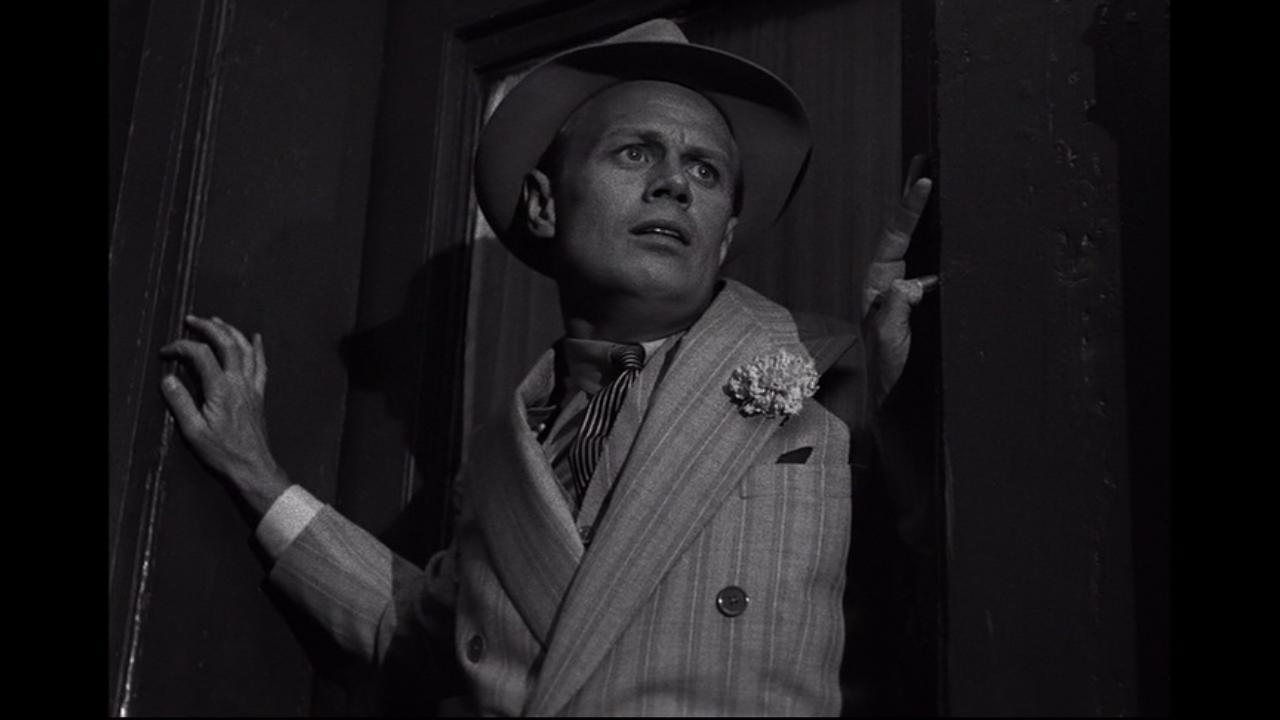
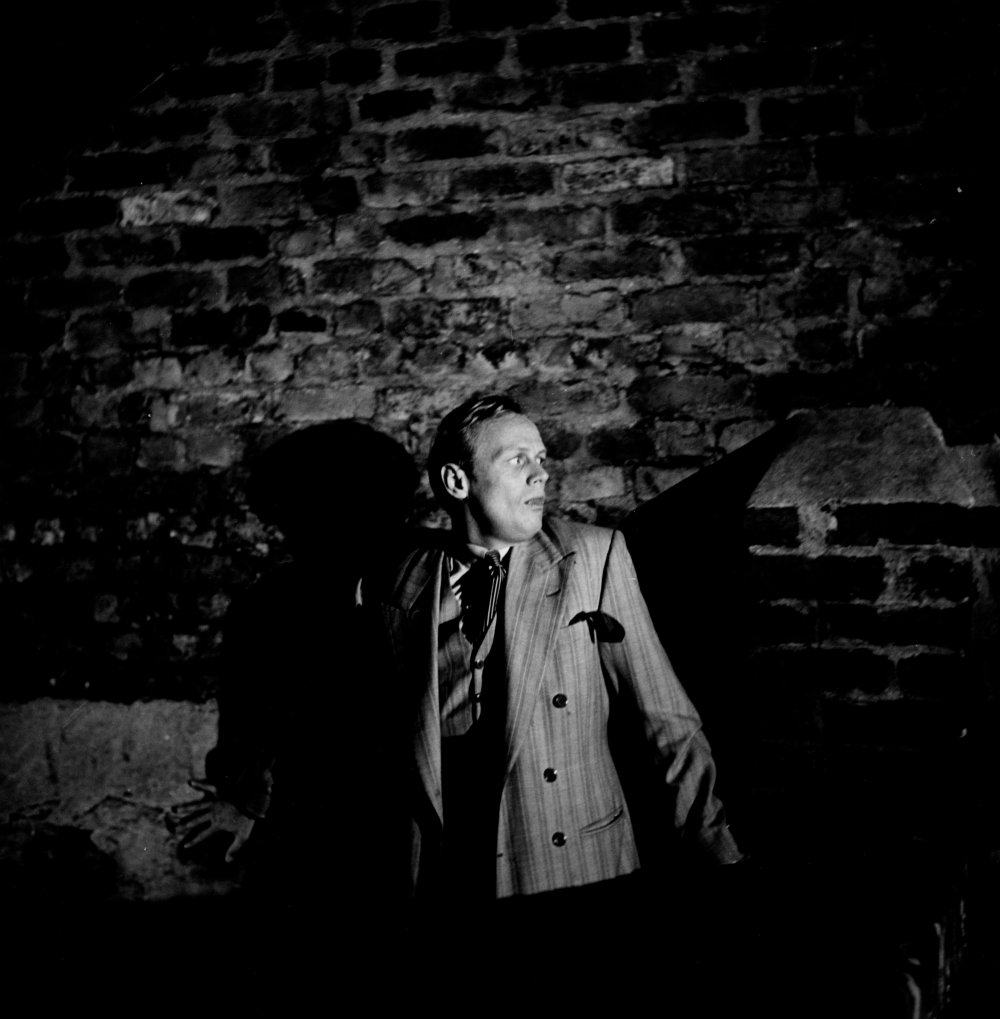
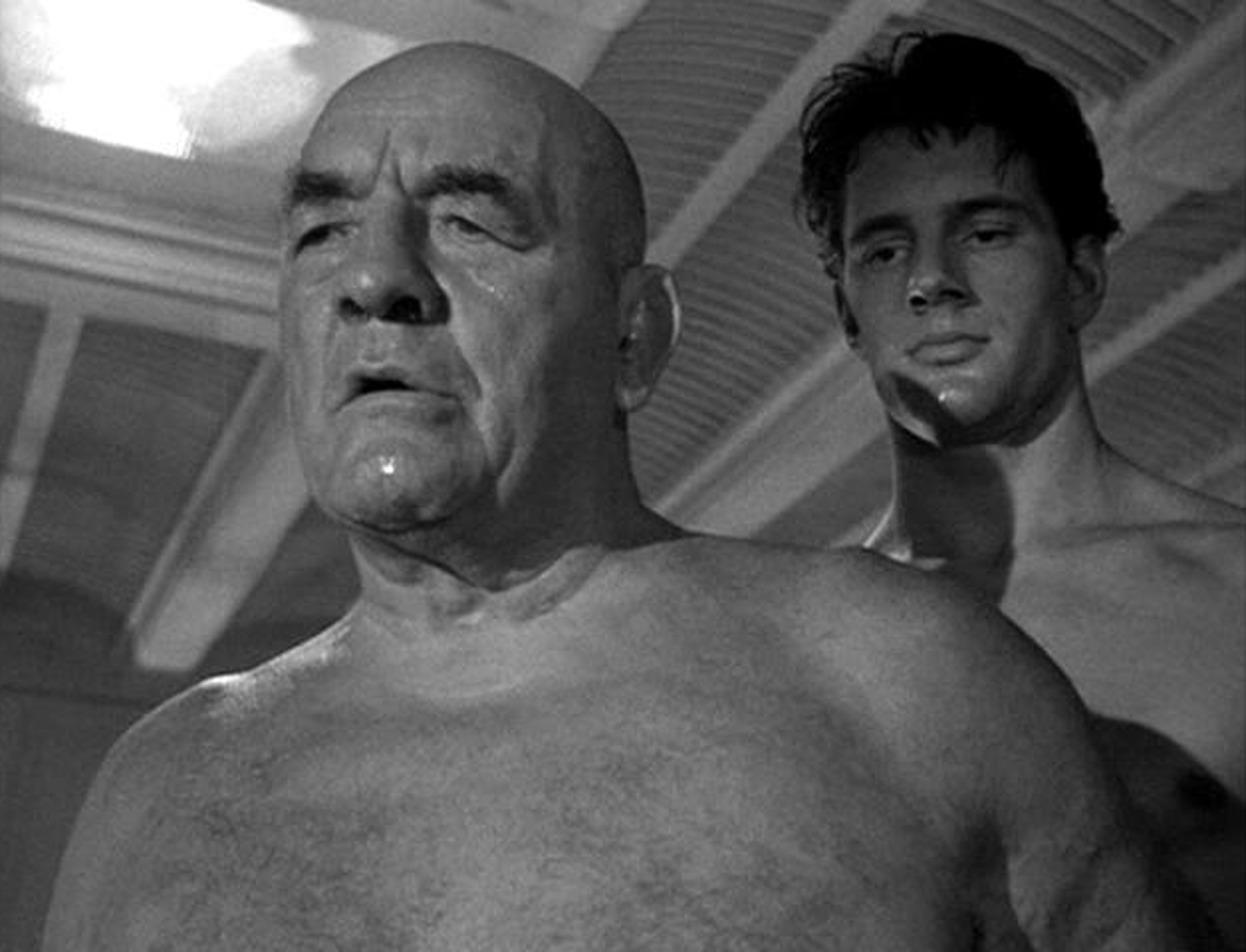 grotesque” with “only one character in it for whom a decent, respectable person can give a hoot,” comes as no surprise. Night and the City is angry through and through, not least at the pointlessness of its characters efforts to ever come out on top.