Cinema, according to Nicolas Winding Refn, is “generally not an art form anymore.” Too extreme, or not extreme enough? It is “dead … [and] clings on to our feet as we move forward.”
Film’s physicality is one aspect of Refn’s gleeful proclamations of doom. We simply live in a post-film world, with the hoary conventions, technical challenges, and byzantine structures of ownership and distribution seeming with each passing day to belong to another time and place. To the degree that film exhibition and actual film itself are considered constitutive of “cinema,” the proper place for it now is the museum, where lithographs and daguerreotype live. The enthusiasm for it is the collector’s passion or the scholar’s; “cinephilia” is a rarefied structure of feeling and unlikely to go away anymore than opera has gone away, but marginal and with more than a whiff of fetish. Everyone else is on their phone. (Including, I could add as someone who currently works at a movie theater, in the movie theater.)
David Lynch may rail against the cell phone as an affront to artistry, but Refn is matter of fact: “The only thing to know is that the cinema screen and the phone are co-existent. One is not better than the other. They are co-existent.” This embrace is not so unusual, particularly if we interpret “the cell phone” as a stand-in for digital more generally. This is especially evident among those most indebted to or admiring of the film auteur tradition: Godard‘s late-period embrace of digital is legendary (his Skype press conference for The Image Book being only a particularly puckish recent exclamation point), for instance, and recently Paul Schrader, whose First Reformed reveled in appallingly banal digital surfaces, has taken to social media to declare cinema itself “a questionable term … Cat videos or Shoah? What’s the difference?”
We could chalk this up to good old-fashioned curmudgeonism, a weird variant by which Old Man Yells At Cloud becomes Old Man Extols Cloud. (“In a digital world,” Refn proclaims, like an anarchist philosopher-king, “‘free’ is a currency.”) But the auteurism itself of these spokespeople for Cinema’s Death underscores another point: it’s precisely the possibilities of streaming and the non-hierarchy adherent to digital production that excites, that makes possible new and fresh personal expressions. From this vantage point, it’s not so unlike the ways in which hand-held film cameras and low-budget productions gave birth to the nouvelle vague and, later, independent American film in the good old days of cinephilic worship.
The more curious tension is between the celebration of digital possibility and the archival impulse. It seems it’s those who most fervently declare cinema dead again who also rush to its preservation. The Image Book, like the magisterial Histoire(s) du cinéma before it and from which it draws its method and aesthetic, can be read as a digital processing of the analog memory. First Reformed is in conversation not only with Bresson, Dreyer, and the “transcendental style” Schrader has written about extensively, but with the very flat surfaces of our digital Anthropocene that either give way to despair or provide glimpses of grace. Refn, of all people, simply started buying old films.
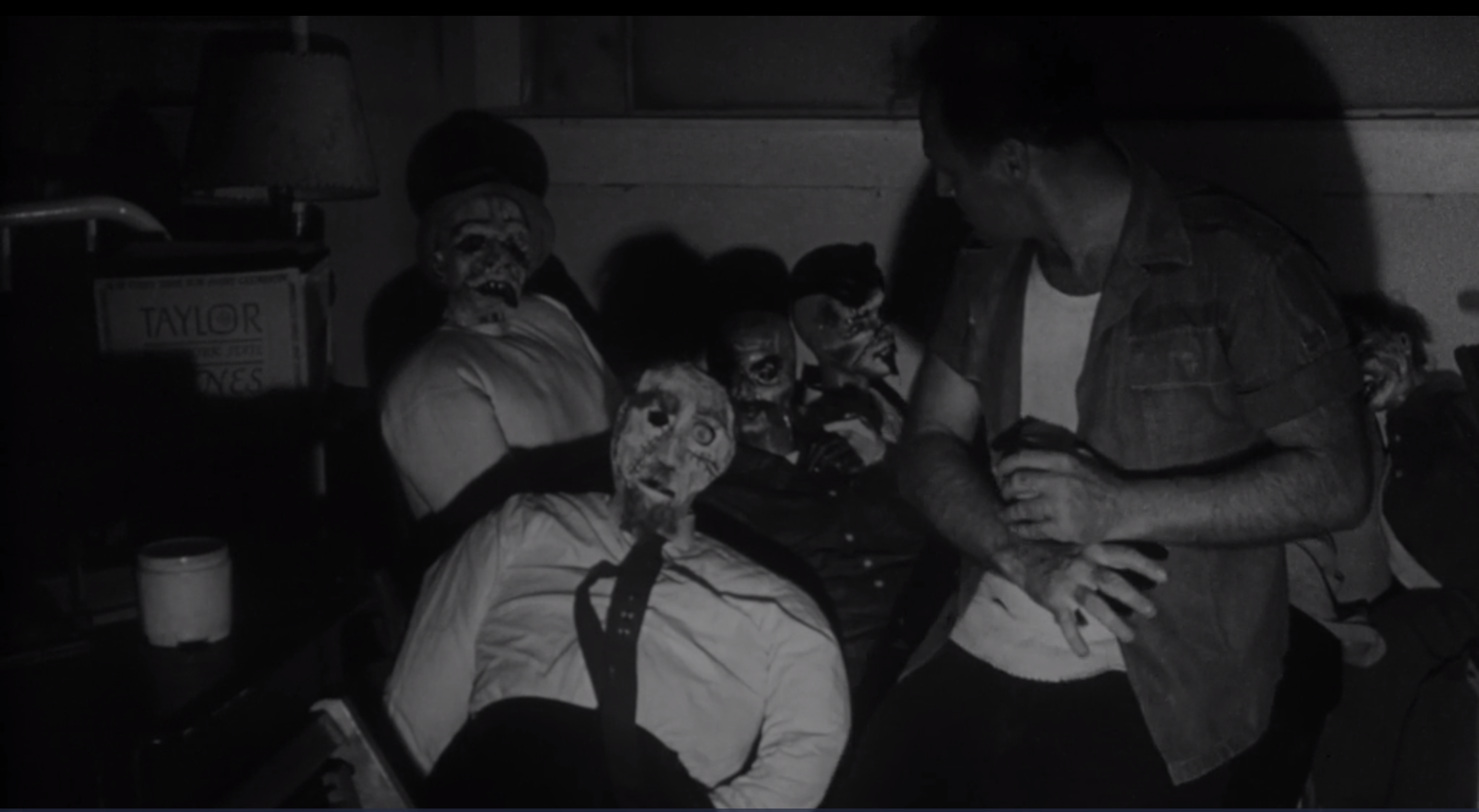 The result — byNWR, a free online portal to some of his acquisitions — is as strange as the ironies that underwrite it. Why restore forgotten exploitation movies, no-budget curios, apocalyptic “gospel grindhouse” fragments of anti-Communism if cinema is dead? Why show this digital archive of half-forgotten marginalia, as Refn recently did, in the decidedly analog, decidedly high-fashion space of Fondazione Prada? (“Prada stands for – progression,” Refn offers, unhelpfully.) Why these weird movies, and not others? Why any at all?
To Refn, they are “individual expressions,” unbound by our current aesthetic malaise in which “everything is so generalised and democratic and everyone’s opinion has to be valued, everyone’s department has to be heard, everyone’s idea of acceptability is thought out.” Auteurs, as they say, gonna auteur. The choices are indeed singular, and might even shed light on Refn’s own maximalist provocations. (Watching them, you may find yourself, as I have, appreciating Refn’s work more than before.)
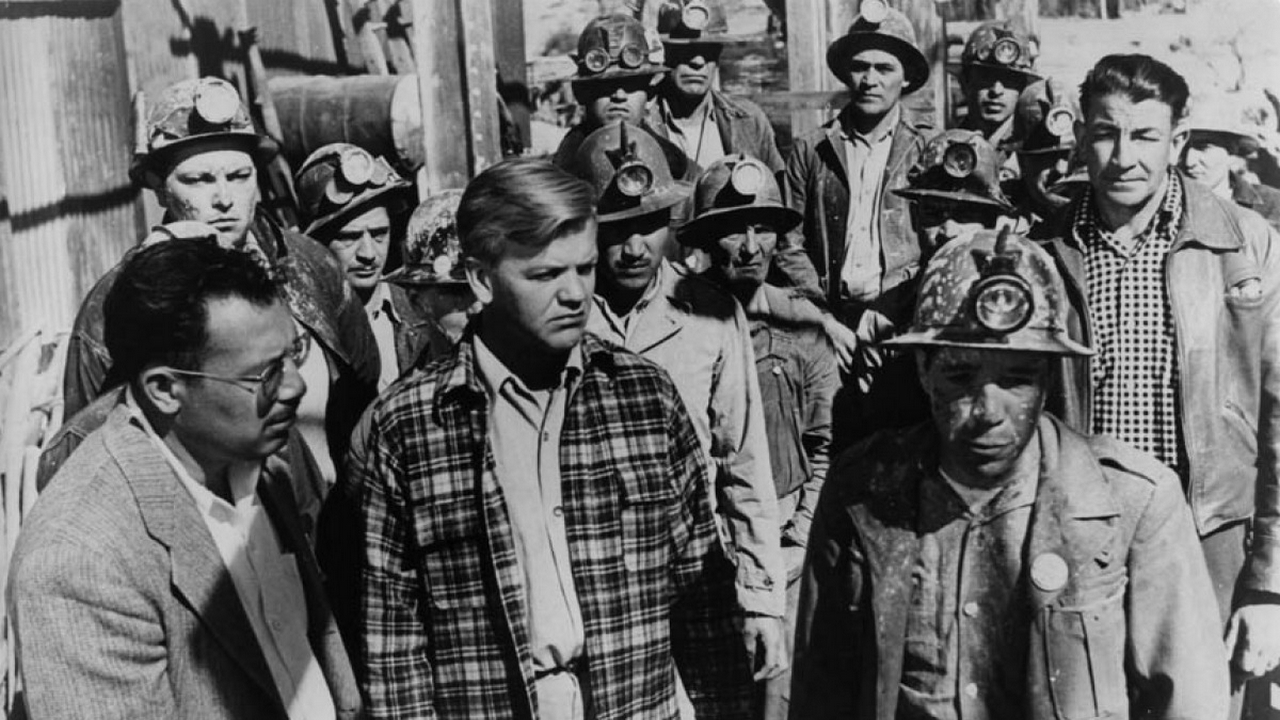
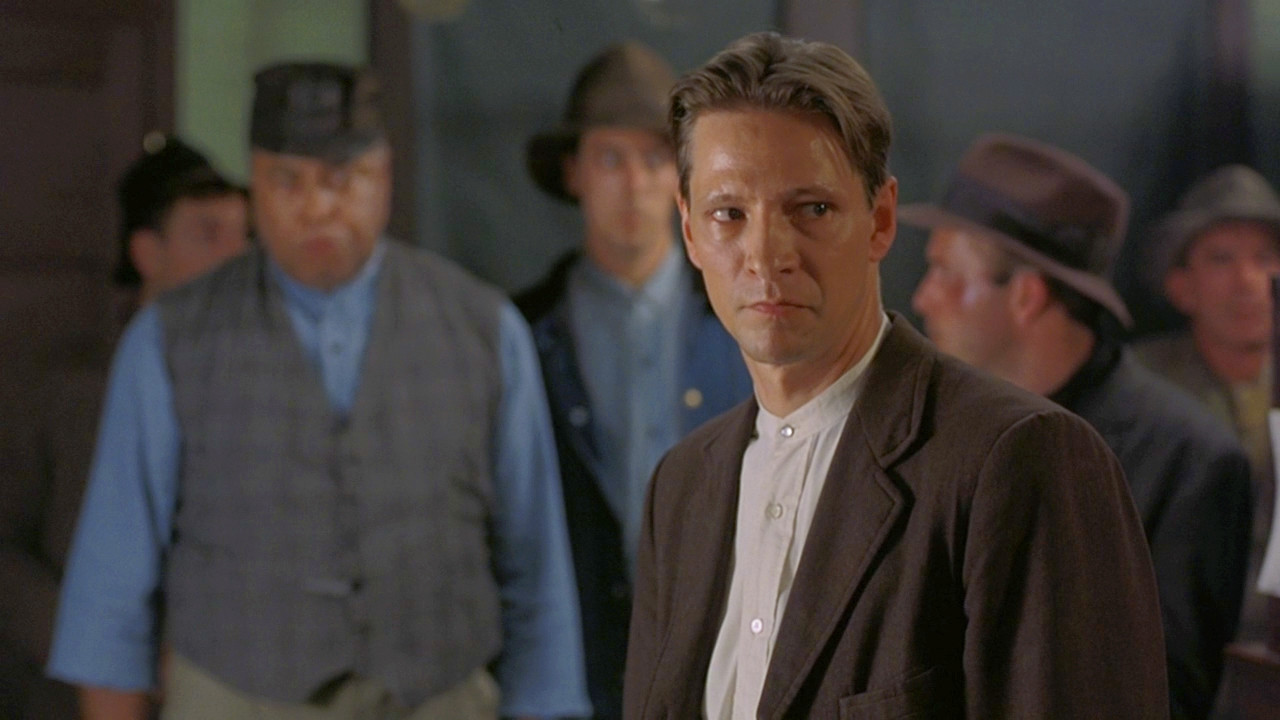
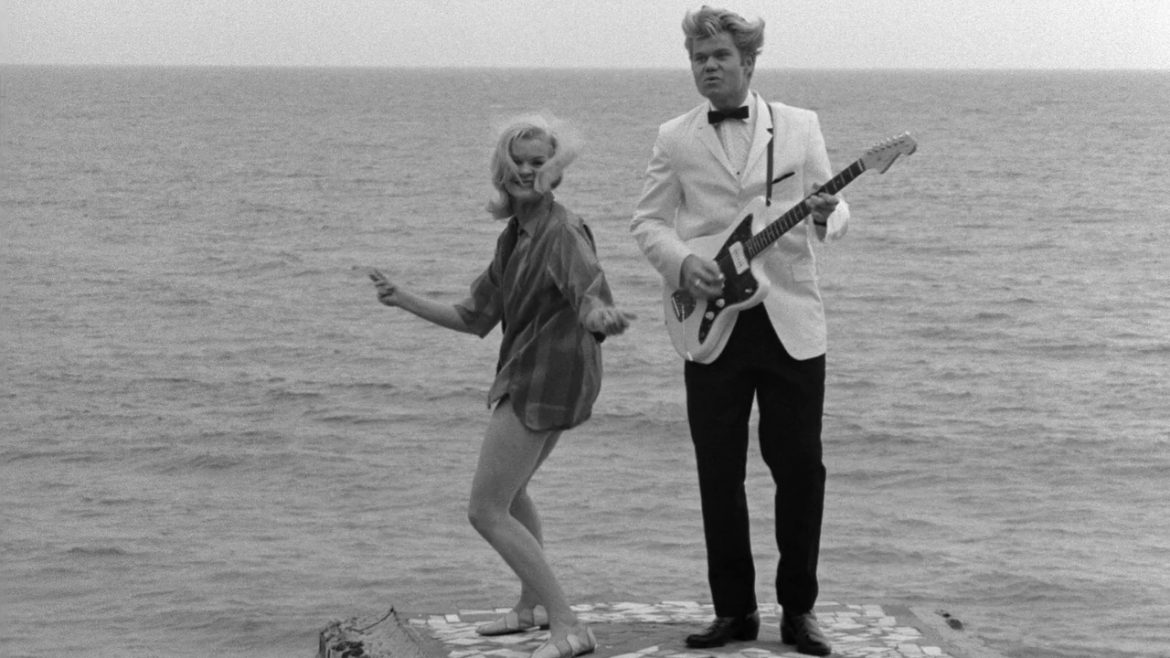
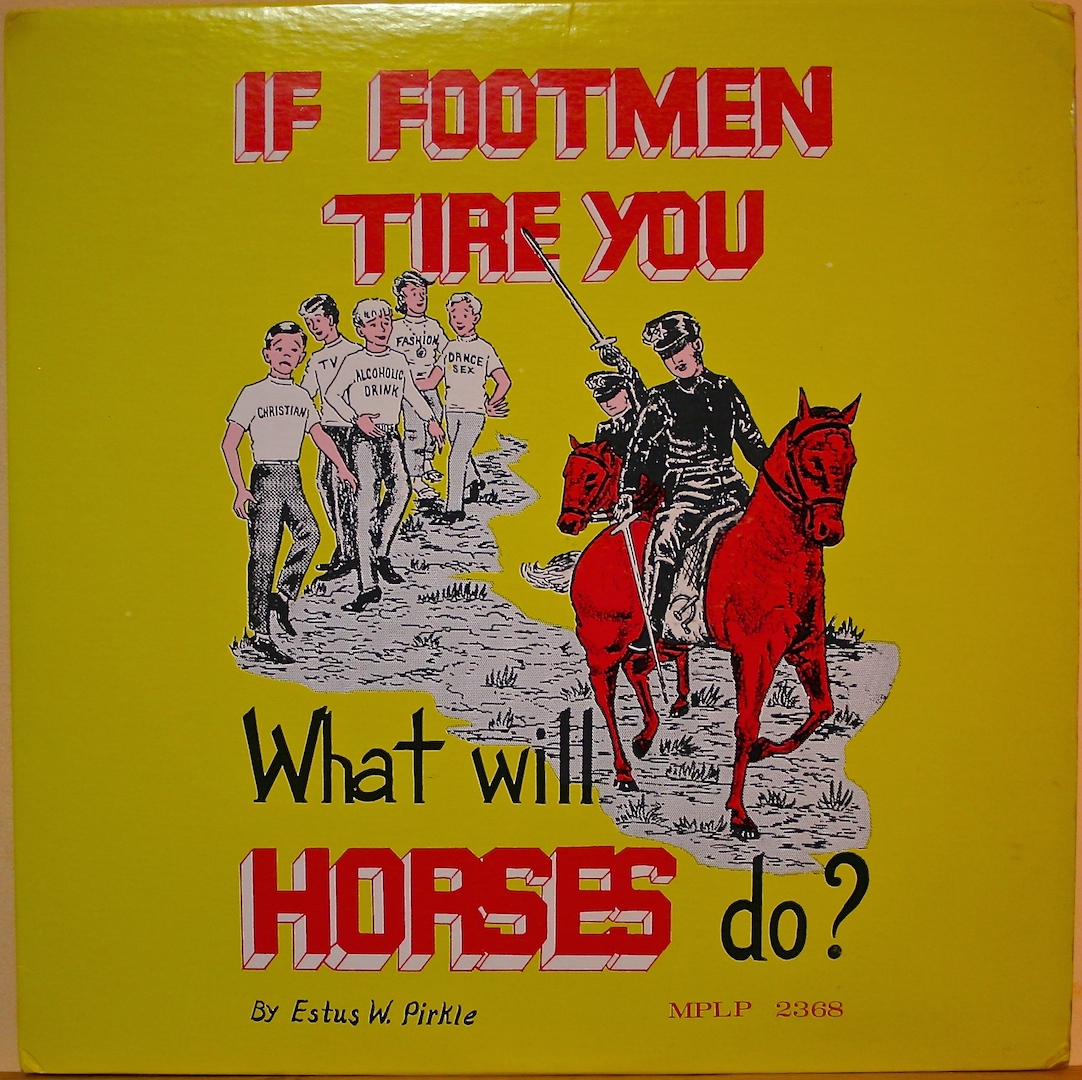 Here are a few favorites from this archive of the undead. The monthly releases are presented as chapters in volumes, each curated by a guest editor: “Regional Renegades,” with stand-out Nest of the Cuckoo Birds, a truly strange swamp Gothic that looks like a broke-ass Night of the Hunter, seems to forget where it’s going, and builds to something delirious. “Missing Links” – which “sheds light on the weird cultural enclaves of American society during the mad mid part of the 20th century” – contains the truly batshit evangelical anti-Communist screed If Footmen Tire You, What Will Horses Do?, almost certainly the only movie you’ve ever seen in which a Soviet officer who wants to replace Jesus with Fidel Castro shoves pencils into a child’s ears so he can’t hear the word of the Lord. “Hillbillies, Hustlers, and Fallen Idols” is “a beguiling selection of stories about those who instinctively mingle their creativity with criminality, habitually push the boundaries of common sense and good taste, and seem to thrive on a chaos of their own making.” Mention must be made of House on Bare Mountain, which pairs (kind of adorable) nudie-cutie prurience with a plot involving a school for girls that serves as a cover for a moonshining operation staffed by a werewolf. But my personal favorite is Wild Guitar, in which Arch Hall, Jr. is your low-rent Elvis and Arch Hall, Sr. your discount Colonel Tom Parker. (Yes, the team behind Eegah! bring you a rags-to-riches rock n’ roll fantasy, a world where nothing looks quite right but is also partially shot, with inappropriate beauty, by Vilmos Zsigmond.)
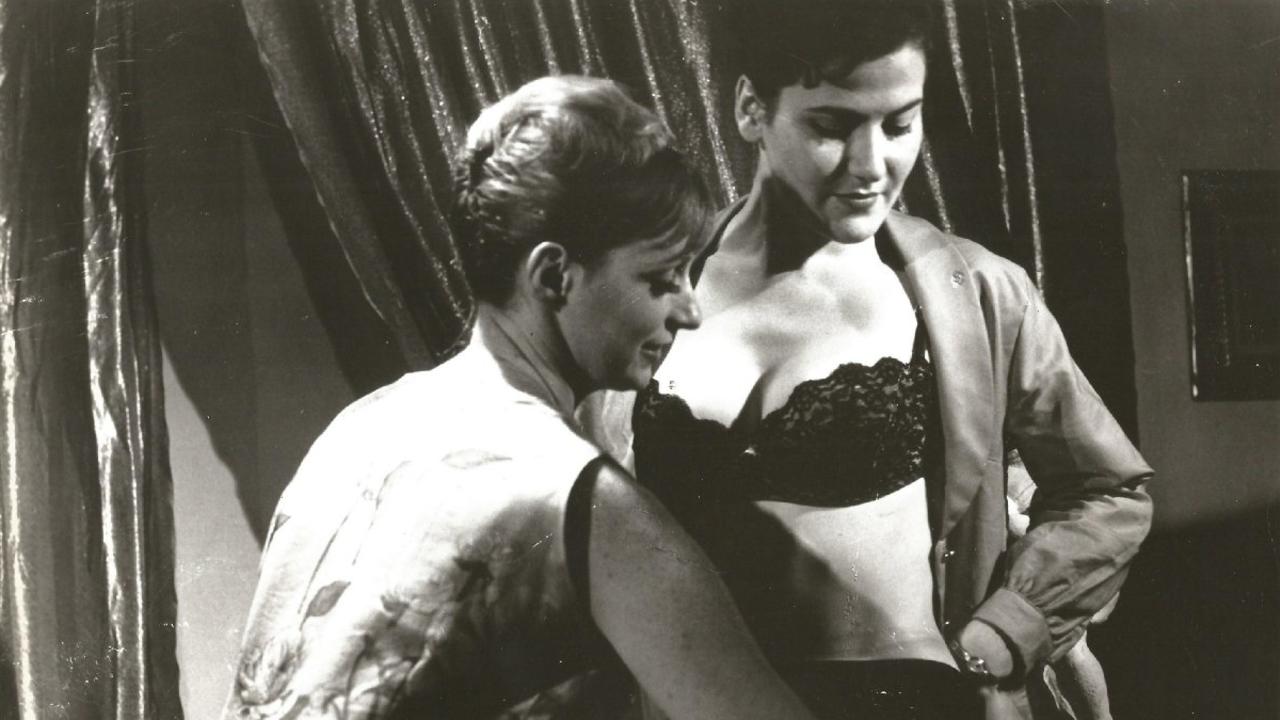 The fourth volume, “Smell of Female” (from a song by The Cramps, natch), was just released; its first entry is Chained Girls, an fake-ethnographic sexploitation fantasia of lesbianism that is both hilarious and repellent, sometimes simultaneously. Guest editor Ben Cobb wisely decided to hand over the copious commentary on this volume to “all-girl gang of writers, designers, photographers, artists, editors, musicians and thinkers;” the result aims to be an interrogating and artistic dialog with the archival material.
All of which is to say, Refn and his accomplices are up to something truly missing from the vast, flat expanses of streaming: curation, and supplements that go beyond the cursory. Some of the swirling discourse is as idiosyncratic as the films on offer. Did Cuckoo Birds really need a barely related, if fascinating, expose on Florida murder families? Did the John Waters-esque camp of Hot Thrills and Warm Chills warrant an entire biography of its country-music impresario of a director Dale Berry, including links to his non-hits “Varmints In My Garments” and “There’s A Map Of Texas On My Heart”? Did Curtis Harrington’s wonderfully bizarre Night Tide – starring an impossibly boyish Dennis Hopper as a sailor on leave falling in love with a carnie who might be a killer mermaid – obviously call out for a gorgeously constructed rumination on growing up in the shadow of the H-Bomb?
Of course not, but these are the kind of obsessive unearthings and adjacent exorcisms that archival endeavors make possible. If cinema is dead, as Refn insists, then this whole project is a curious half-light séance, an invocation of hauntologies, and a map of non-places. It might be better to consider cinema’s shadow-play as ghostly from the start, and these the strange bursts from vanishing peripheries. Maybe we’ve always been the afterlife.
.

 I feel a little dumb for having taken so long to finally watch this.
 Hitler’s Hollywood is more or less a companion piece to director Rüdiger Suchsland’s 2014
  I’m starting to think that bad acting is one of those concepts that is way more interesting and complicated than we give it credit for. How distinctive does bad acting have to be before it becomes in some way aesthetically interesting?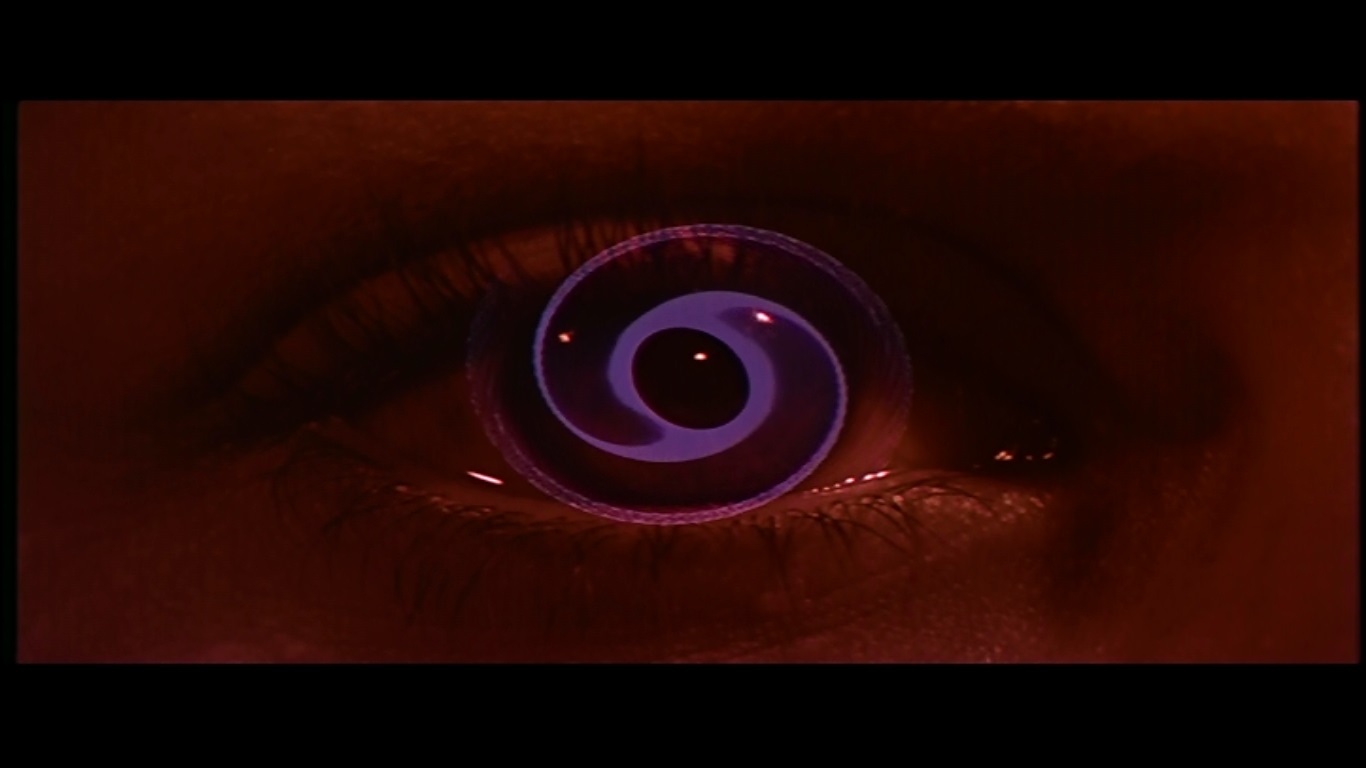
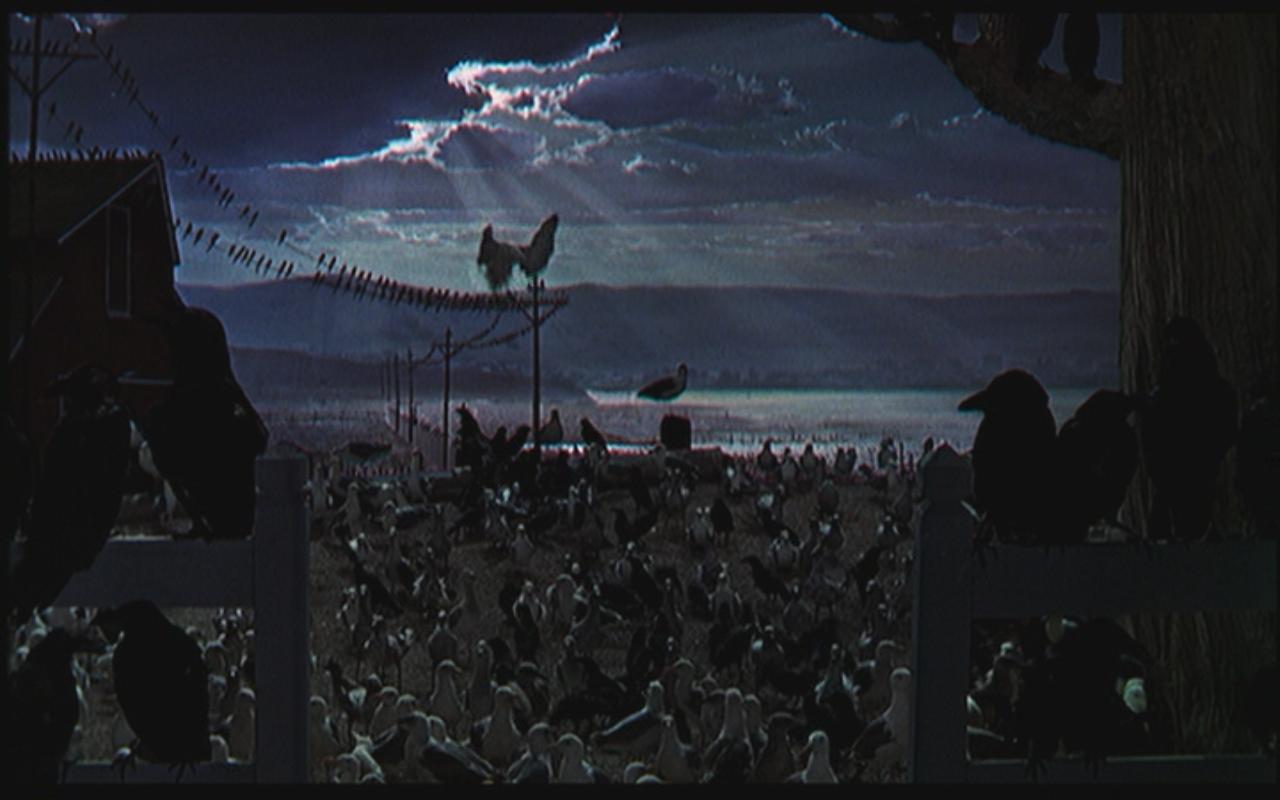 Here’s the secret: I’ve only seen a handful of Hitchcocks, and I only really remember the beginnings and endings. I remember the opening music hall scene of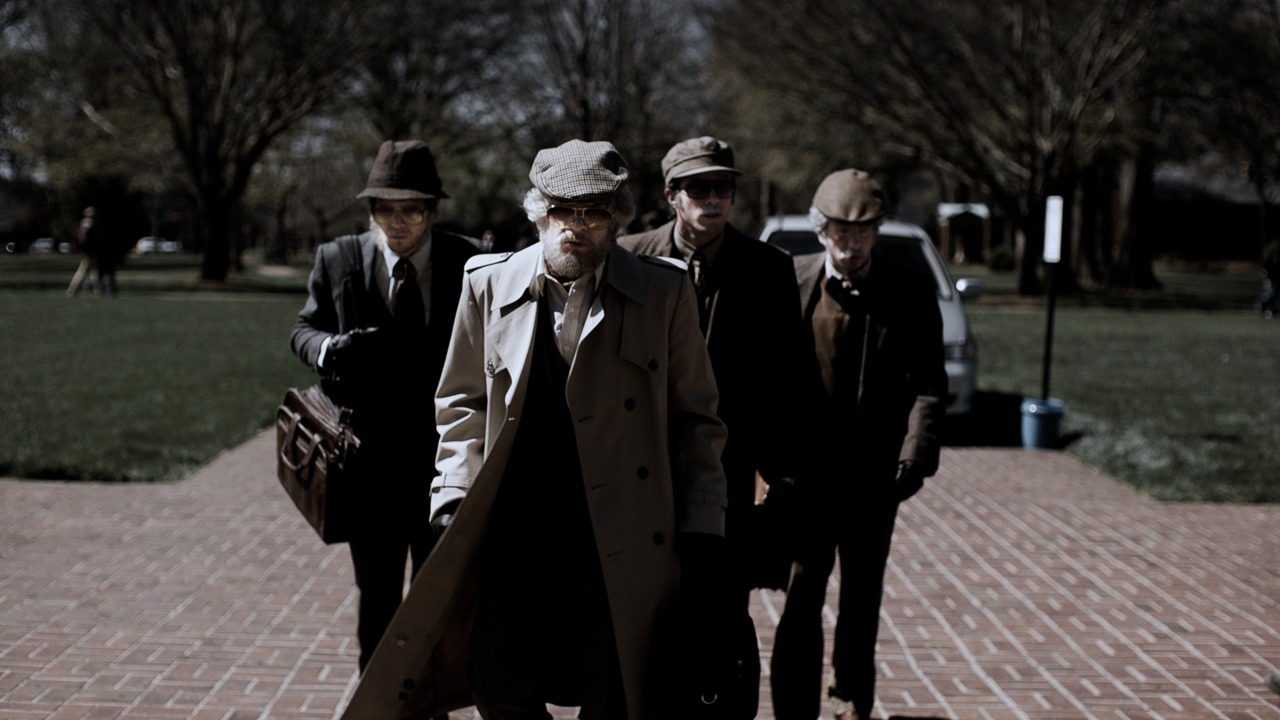
 American Animals is a sporadically clever but underwritten contribution to his trend. Its narrative –
 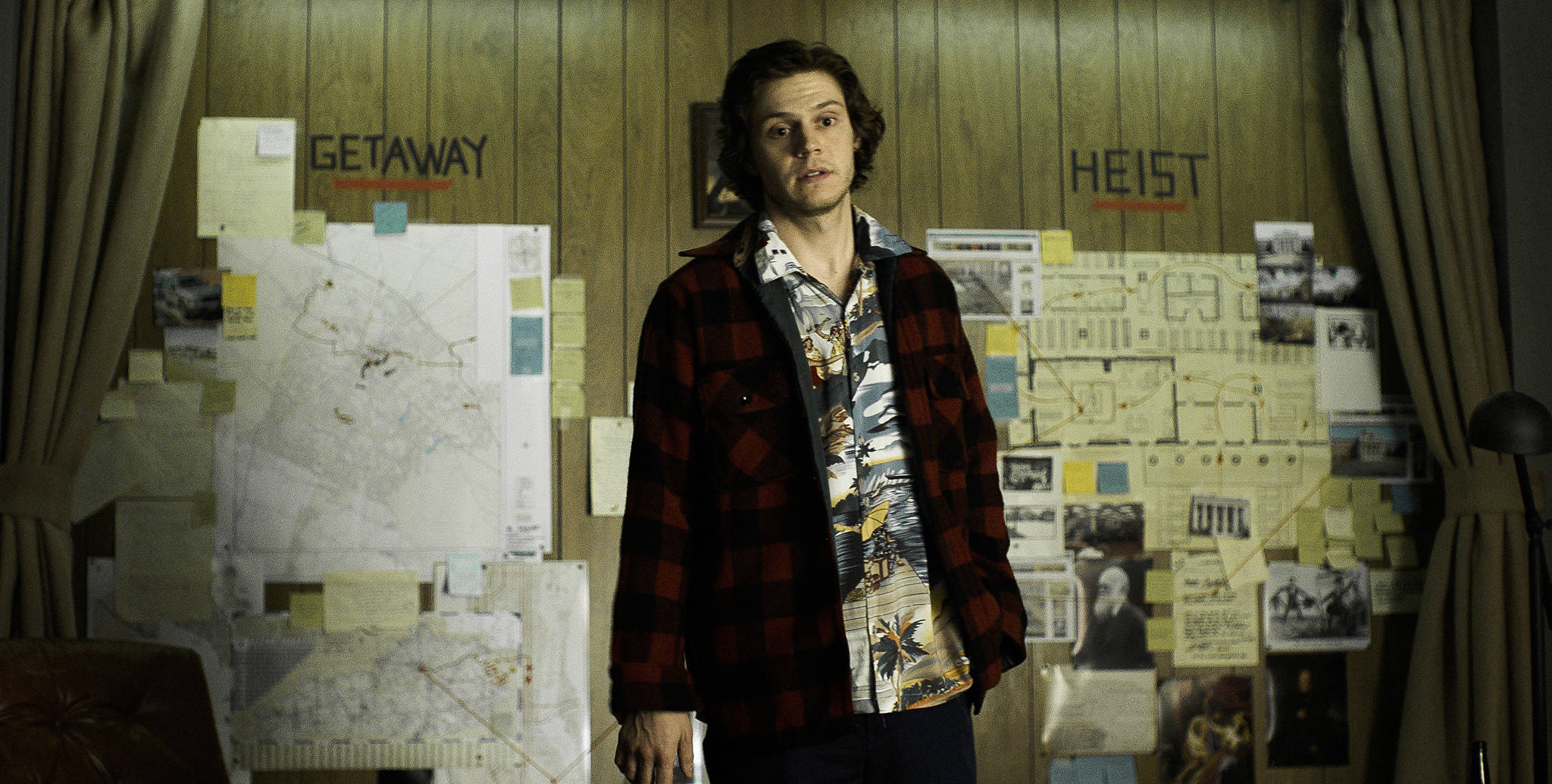 What American Animals does do very well is puncture the consequence-free fantasy of the heist movie. I can’t remember the last time a film placed so much emphasis on the person the robbers tie up as a matter of course, as part of their larger plan. We’re rarely encouraged to think of them except as the protagonists do; an obstacle to be removed, hopefully without much violence, and never considered again. We’re often encouraged to laugh at the hijinks: the pitiable, surprised exclamation, the bonk or bag over the head, the darkly comic struggle over the shoulder as they’re carried out of the story.
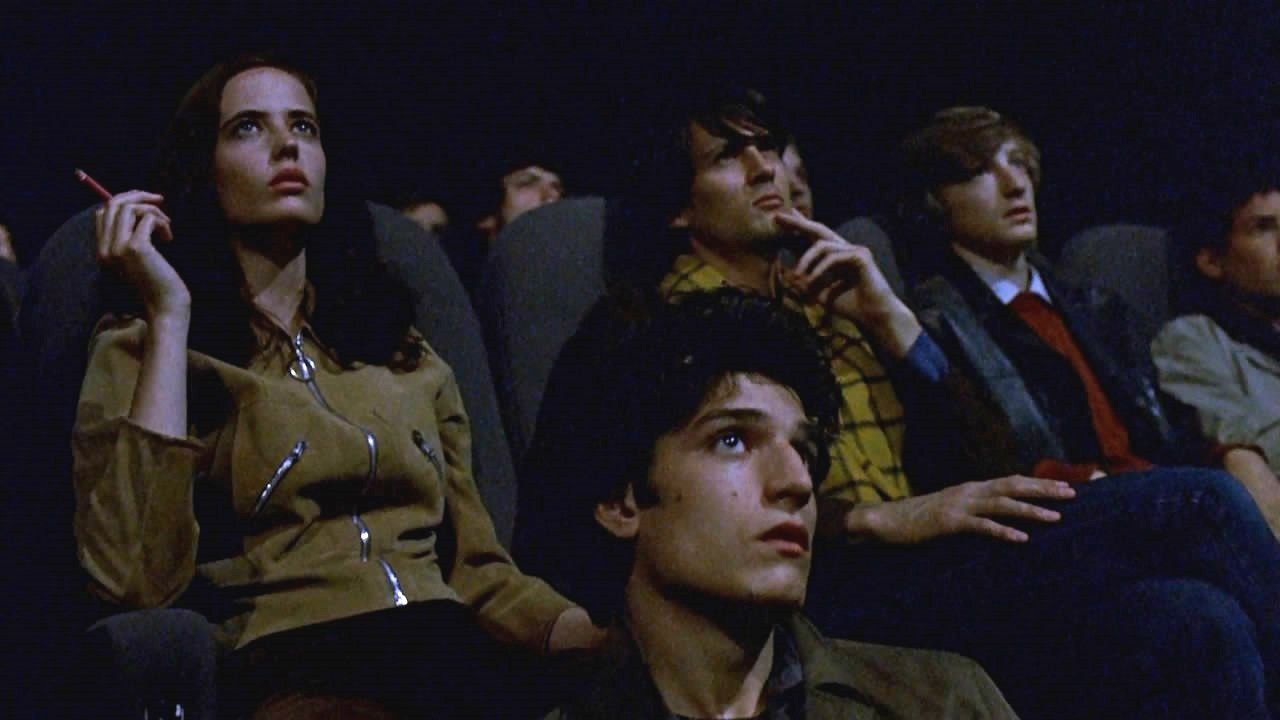
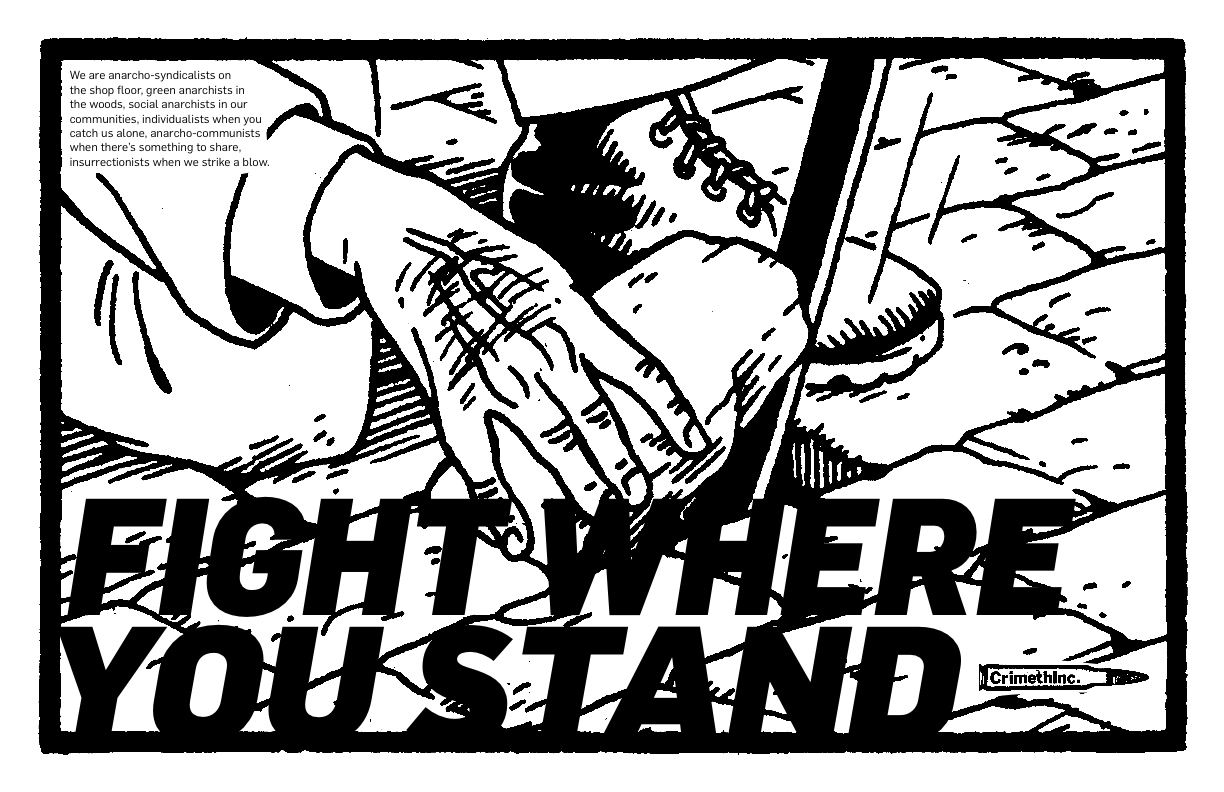 Within some radical circles (in the Situationist-inflected sloganeering of Crimethinc, say, or the enduring wheatpaste aesthetic of protest movements) and among some cinephiles (those who remember, first or second or third-hand, the shutdown of Cannes and the long shadow of that period’s mythology) this is sometimes less the case. But on the whole, explanation seems required, 50 years out.
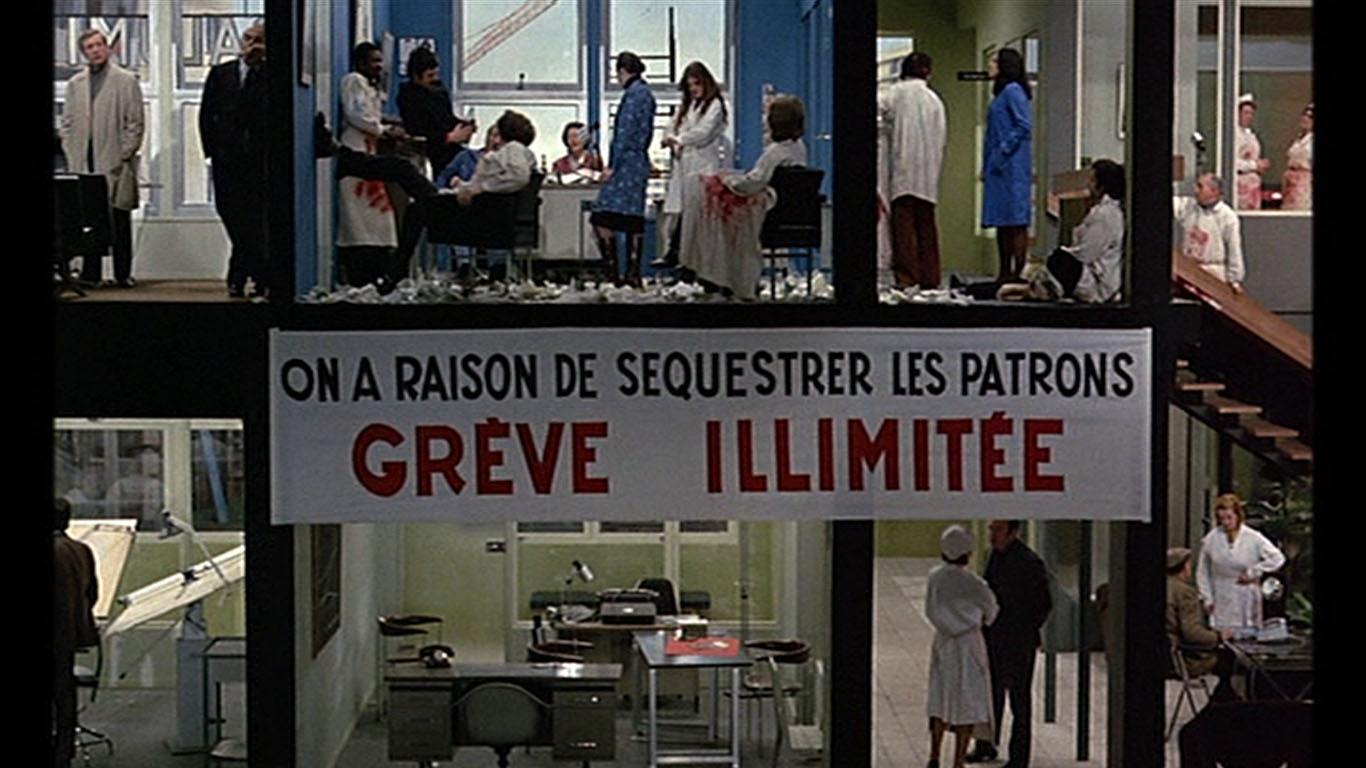
 The reader wonders, then, at this French insurrectionary miracle, where factories were shut down and a general strike called amid truncheons and barricades, all in defense of that most noble struggle, the undying integrity of collegiate horniess. The intended point – that demands for social and political change, largely springing from youth revolt, coalesced with labor’s aspirations in a time of widespread questioning of norms and global tumult – is so elided that we end up with a comic shorthand: Sex strike! (Not to say that fucking isn’t worth setting cop cars on fire for. Bien sûr.)
 Film, of course, remembers. Between the
 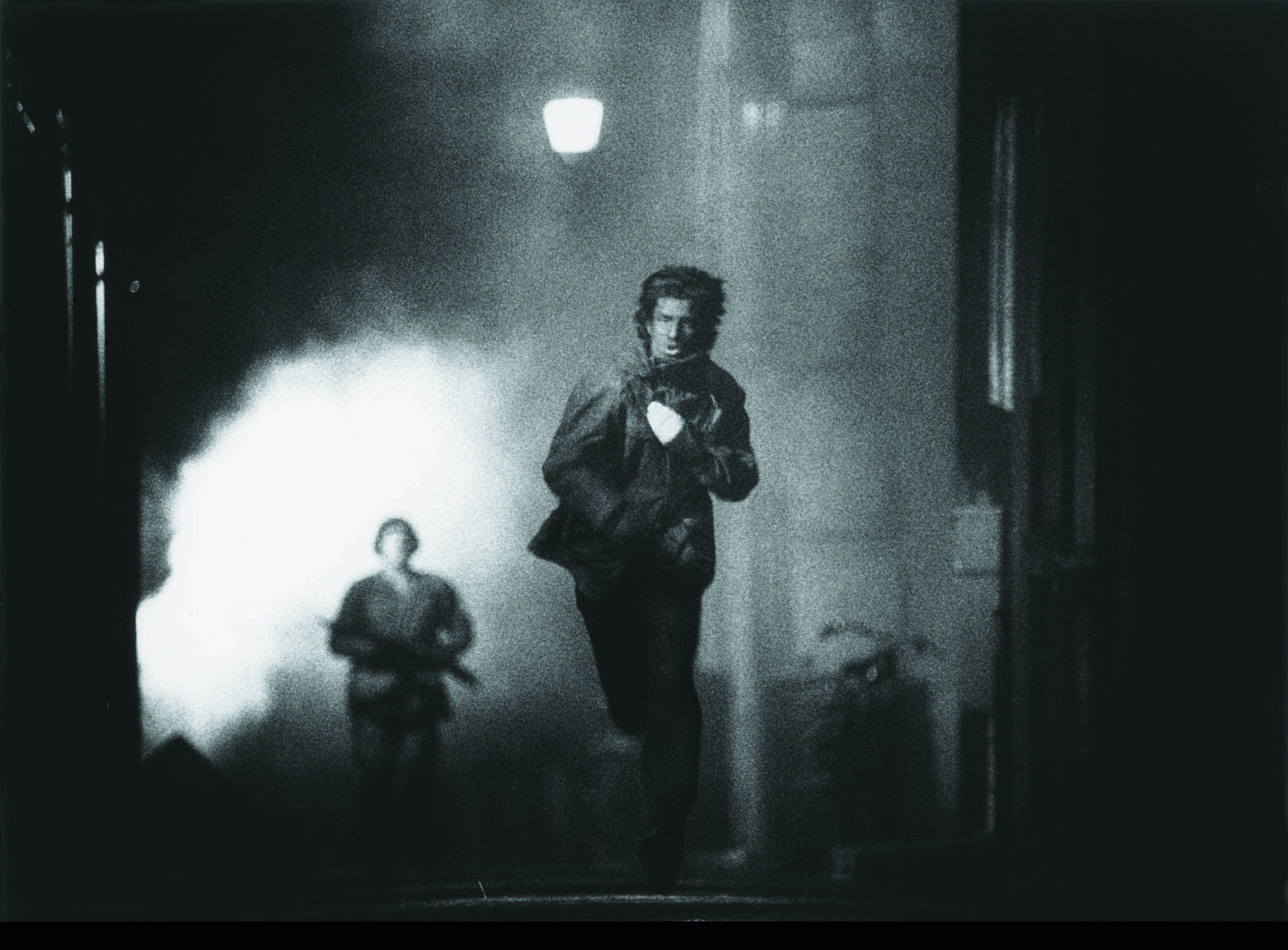 In fact, at Regular Lovers‘ Venice premiere, the two Garrel’s amusingly recounted how the film was made: to cut costs, they intentionally followed Bertolucci’s footsteps like an old Hollywood B-movie, reusing costumes and sets. And even extras — the young Garrel is recounts with bemusement that he found himself staring down the same flics across the same barricades. The memories intertwine in their retellings and their images.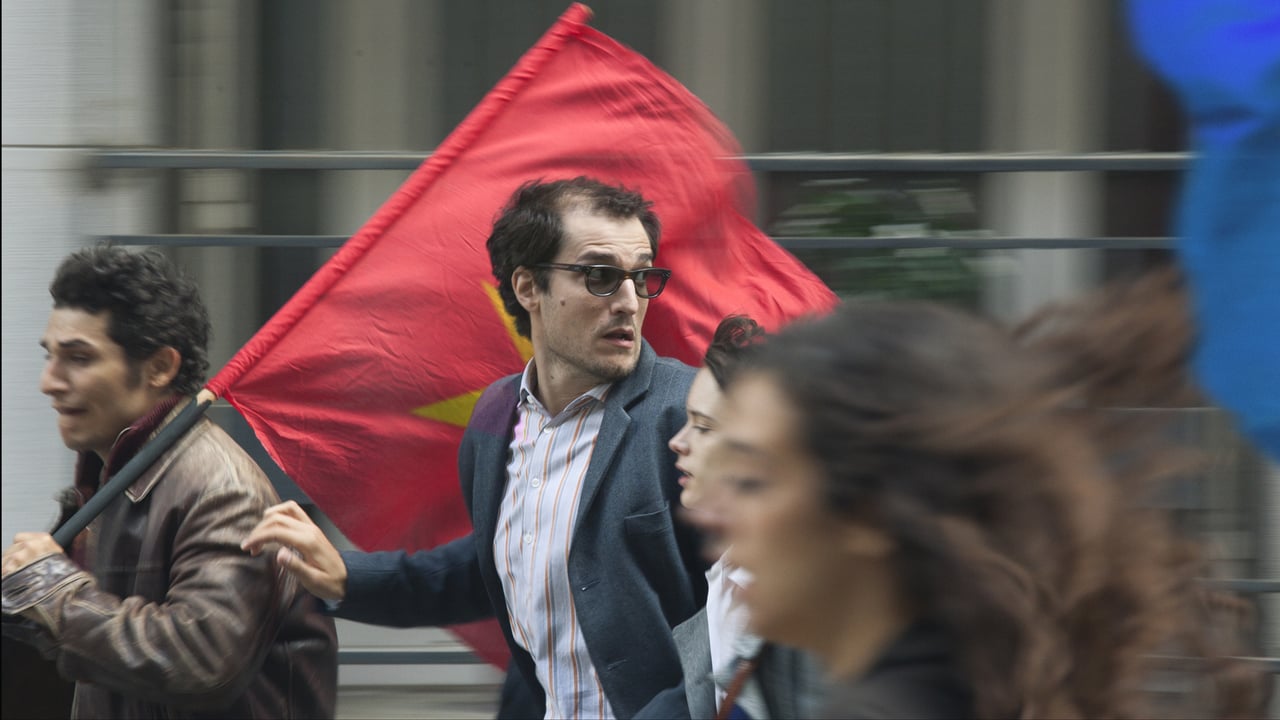
 Thinking things through is not
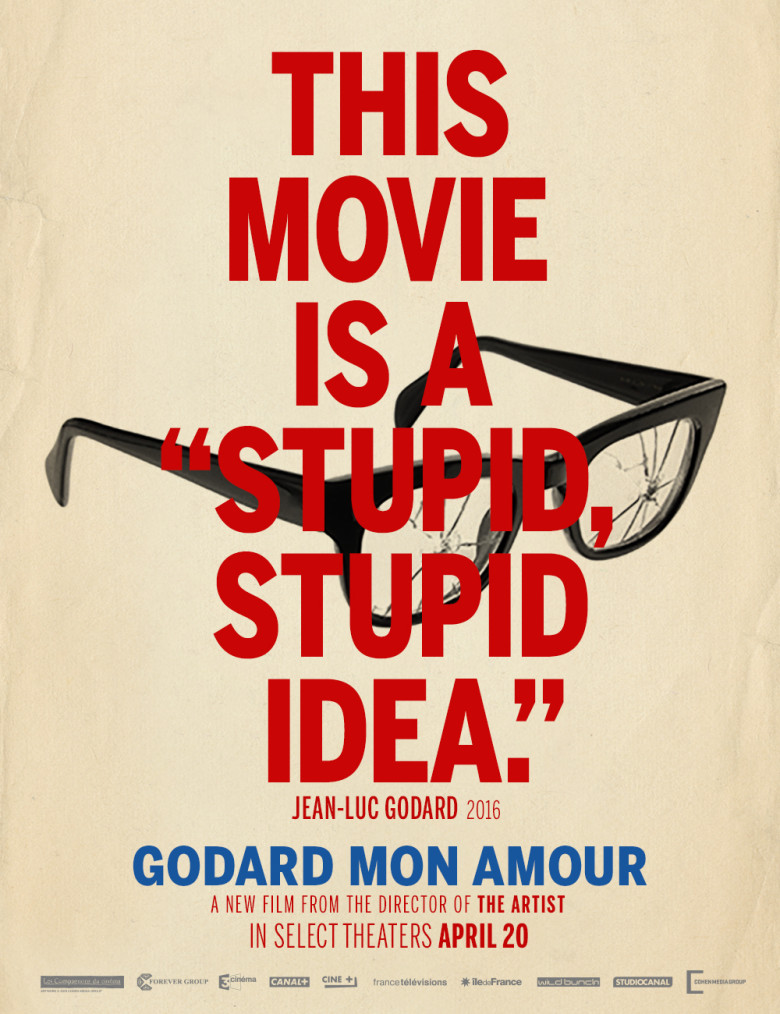
 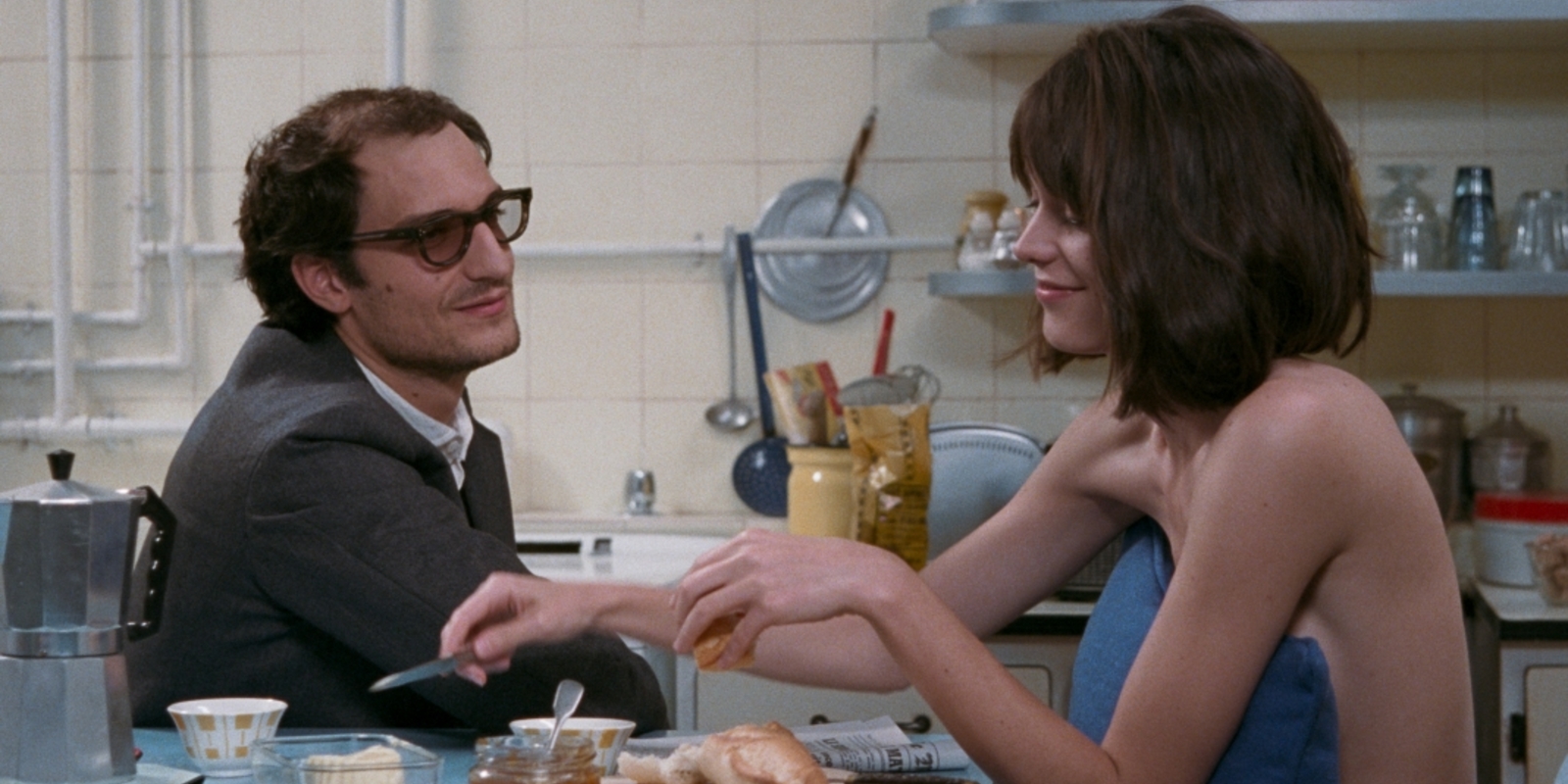 Brody is too kind. Godard Mon Amour posits that Godard (
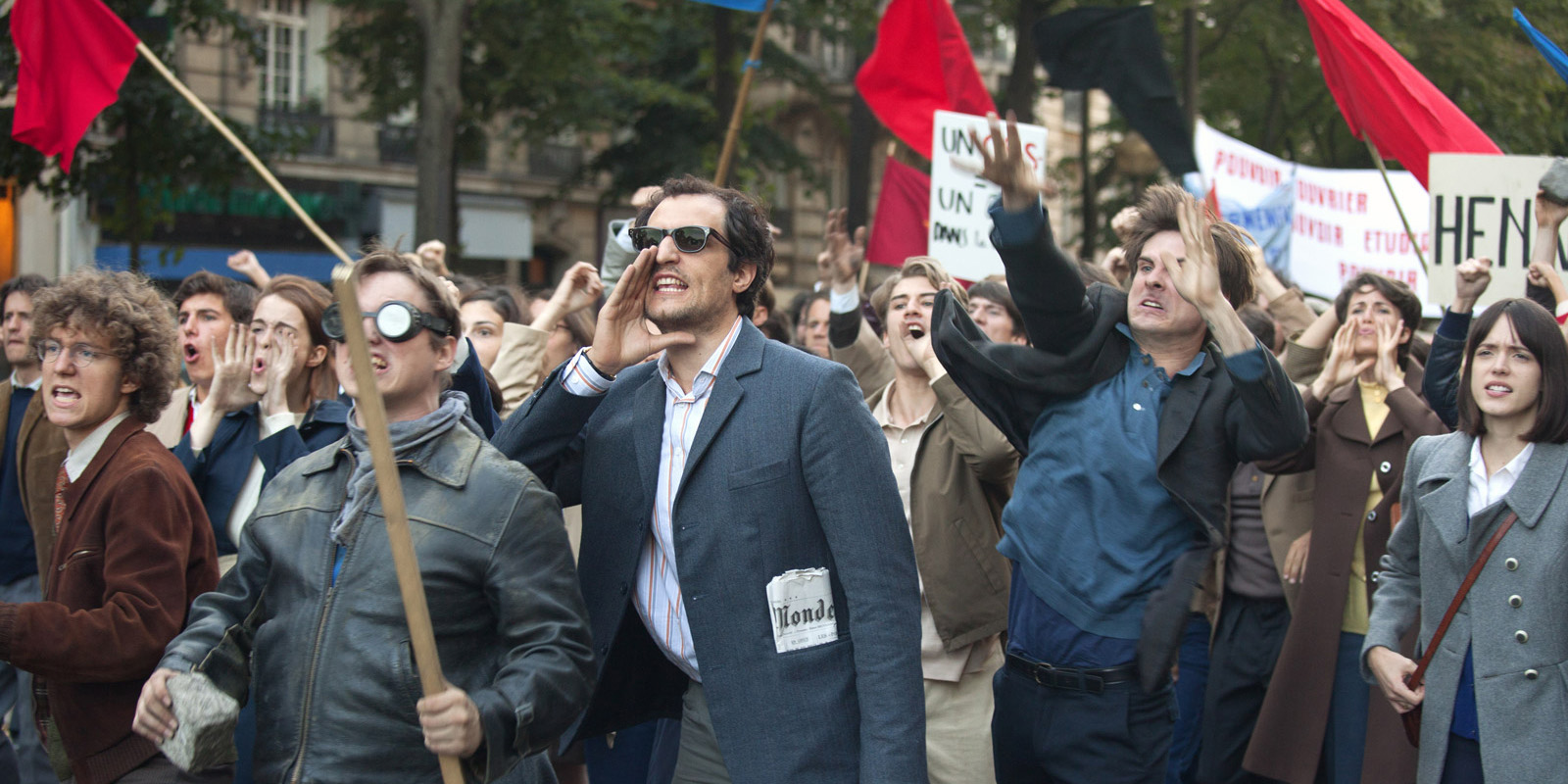 Garrel is encouraged to play Godard as the Forrest Gump of the revolution, stalking around with the mock-simian postures of a Groucho Marxist, minus the anarchist glee. A recurring slapstick motif finds Godard’s glasses repeatedly crushed, often by protestors, which does double duty in demonstrating that: a) he’s a
  Why, then, does Godard Mon Amour exist? For who? The biopic elements, that bourgeois romance, is clumsily intertwined, a transtexual Contempt for the Cliff’s Notes set. The whole air of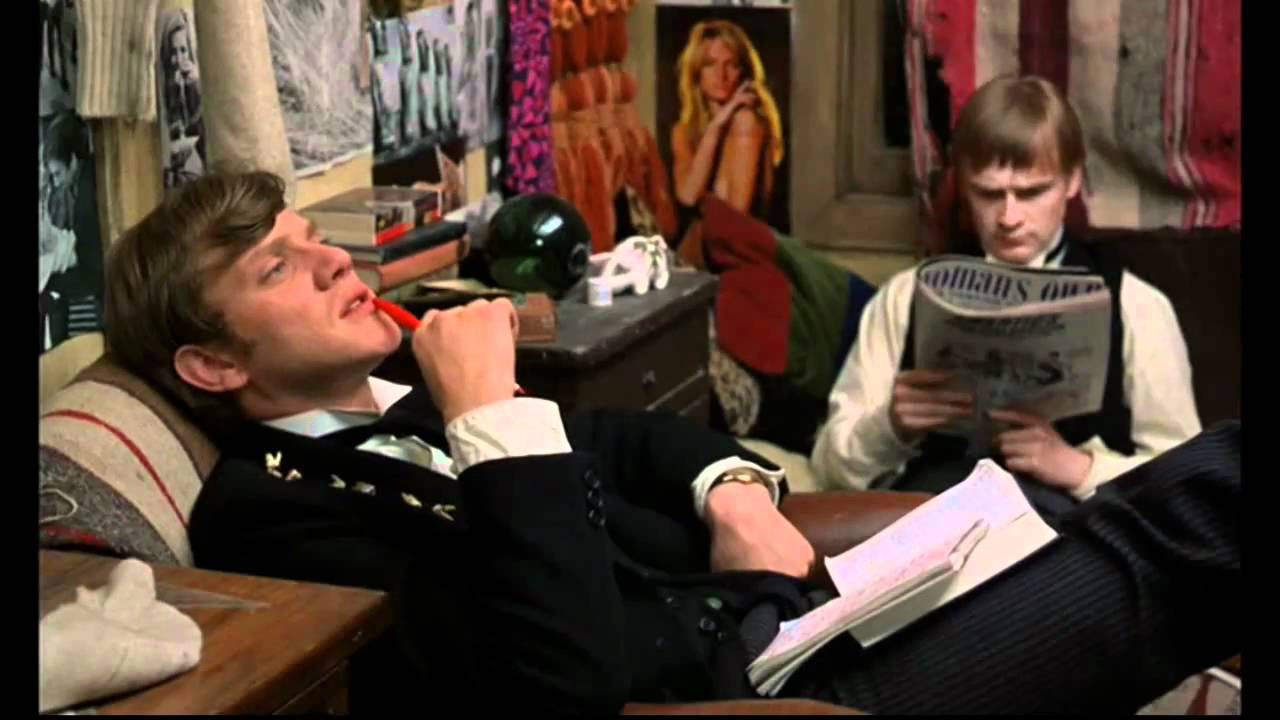
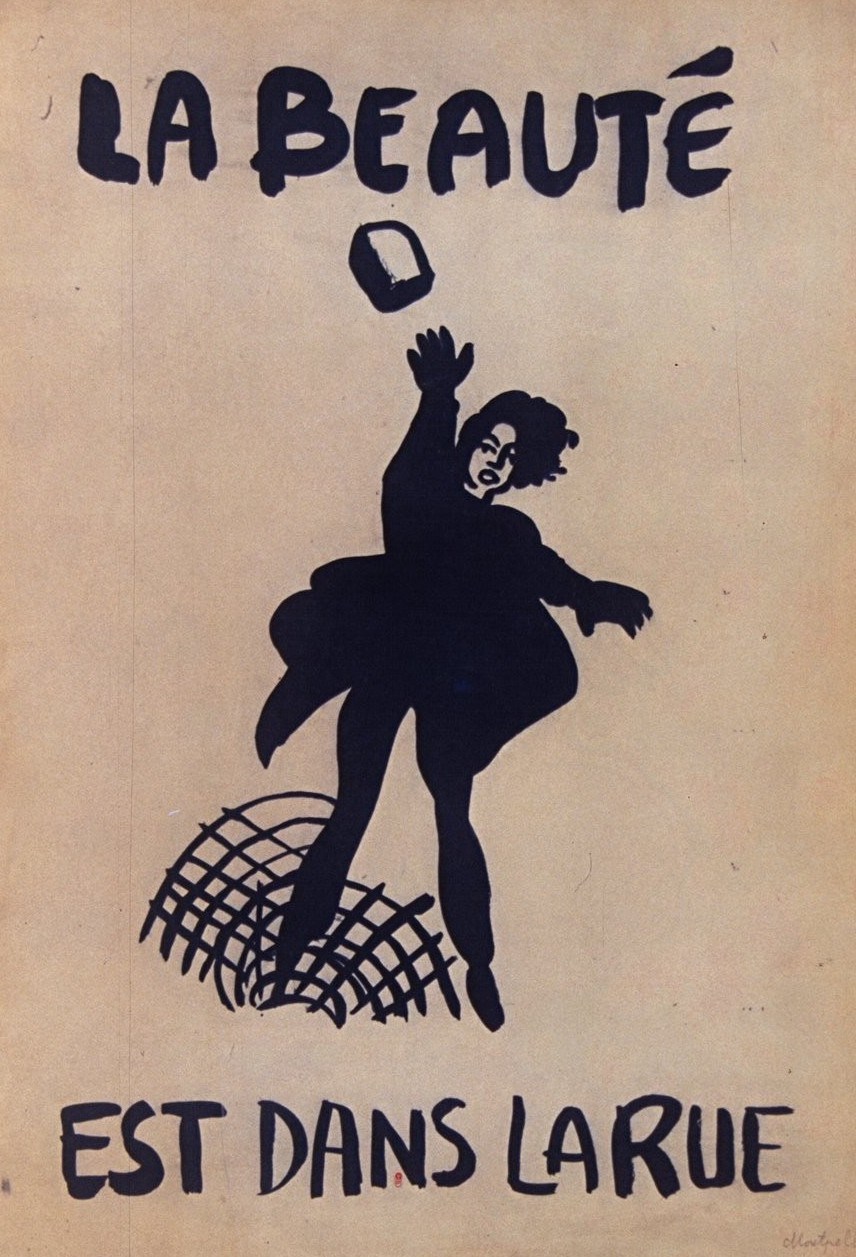
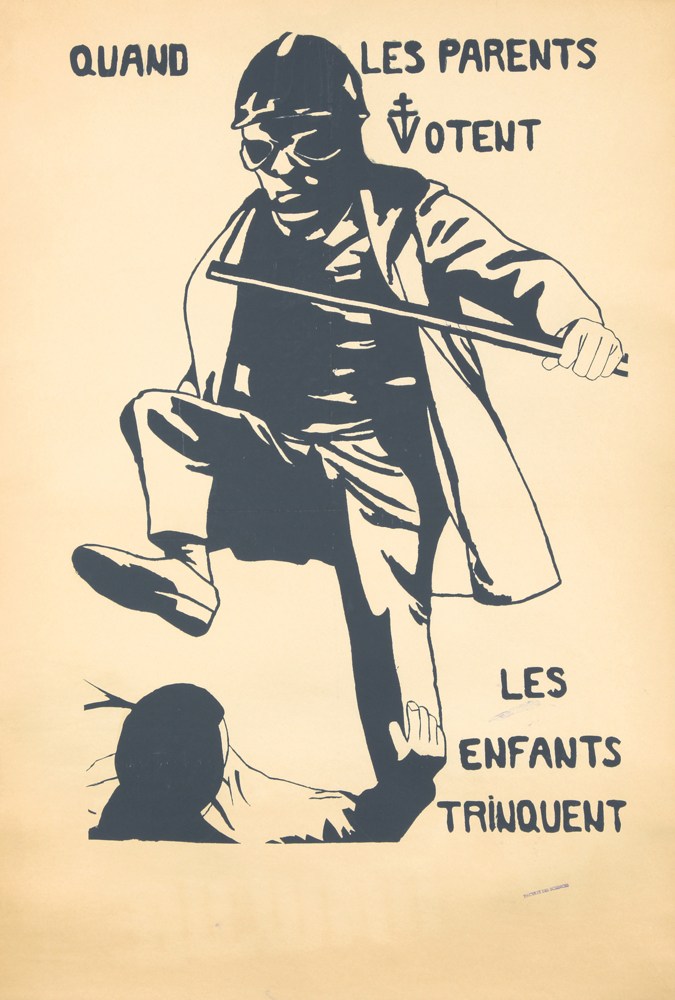
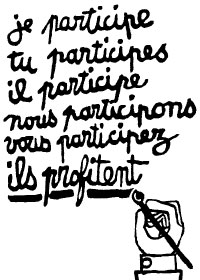
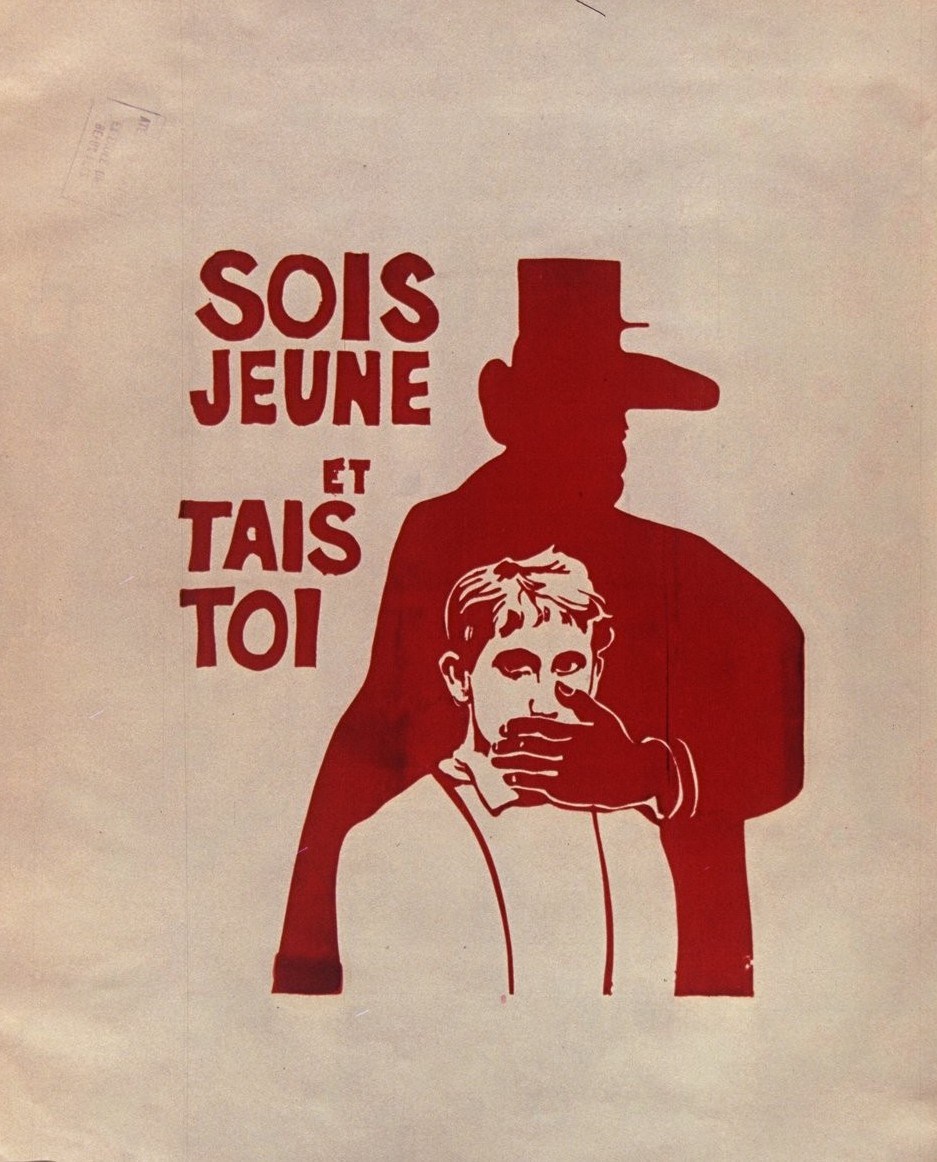 But for the youth of ’68, raised on the
 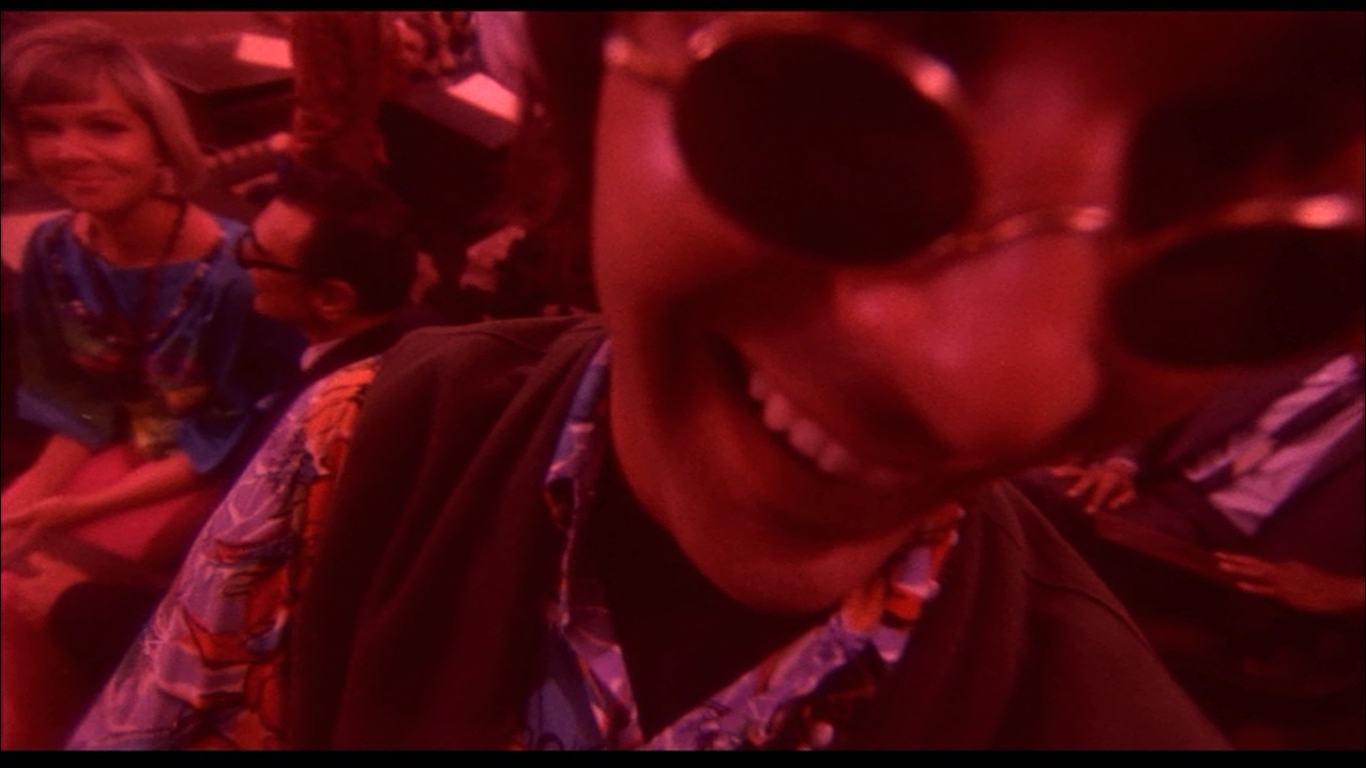 In other words, outnumbering adults 5 to 1, the youth of ’68 wanted the world and they wanted it now. It’s perhaps useful to move out of the cobblestone riot streets of Paris to get a perspective on the aesthetic revolutions of that moment. Two films, one American and one from the U.K., can help.
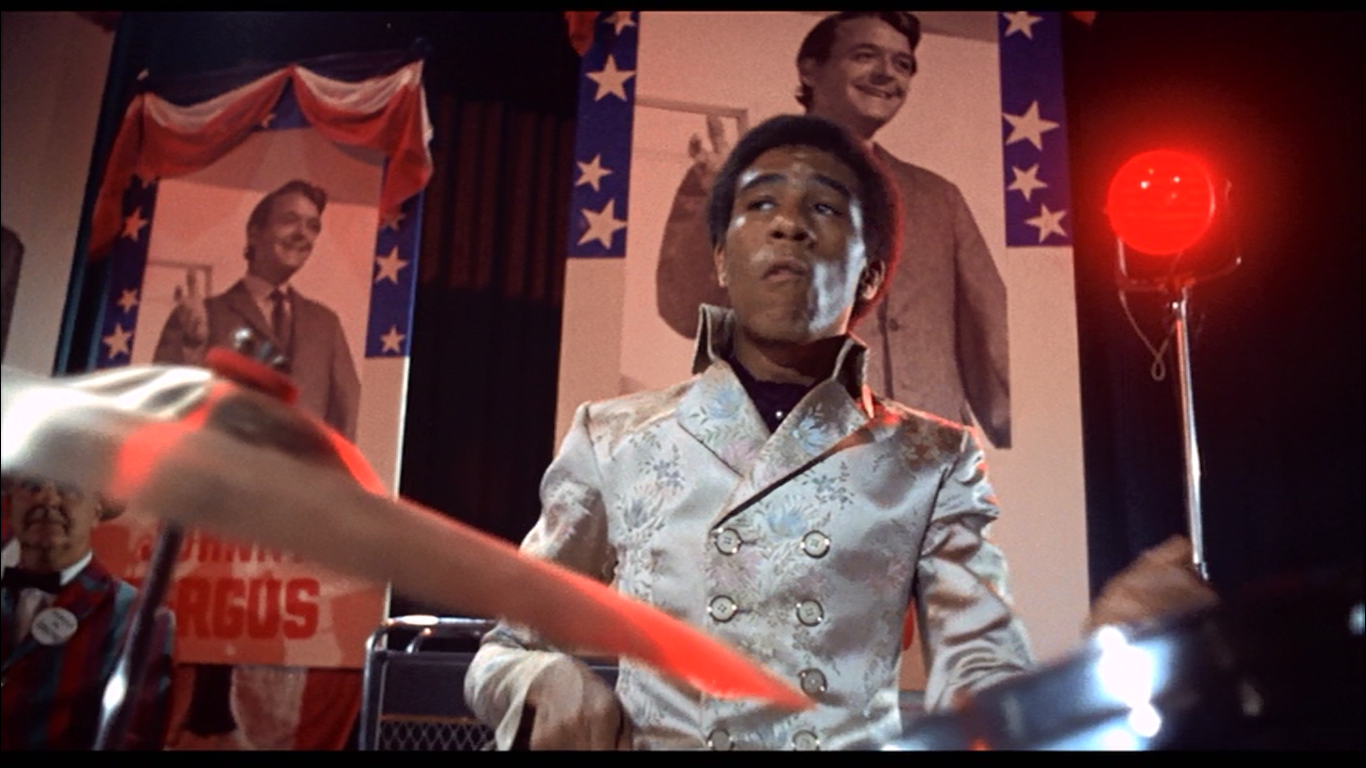 Wild In The Streets is about the meteoric rise of Max Frost, who escapes a childhood of suburban drudgery and Freudian overstatement to become the Lizard King-like frontman of a rock outfit. (They sound like
 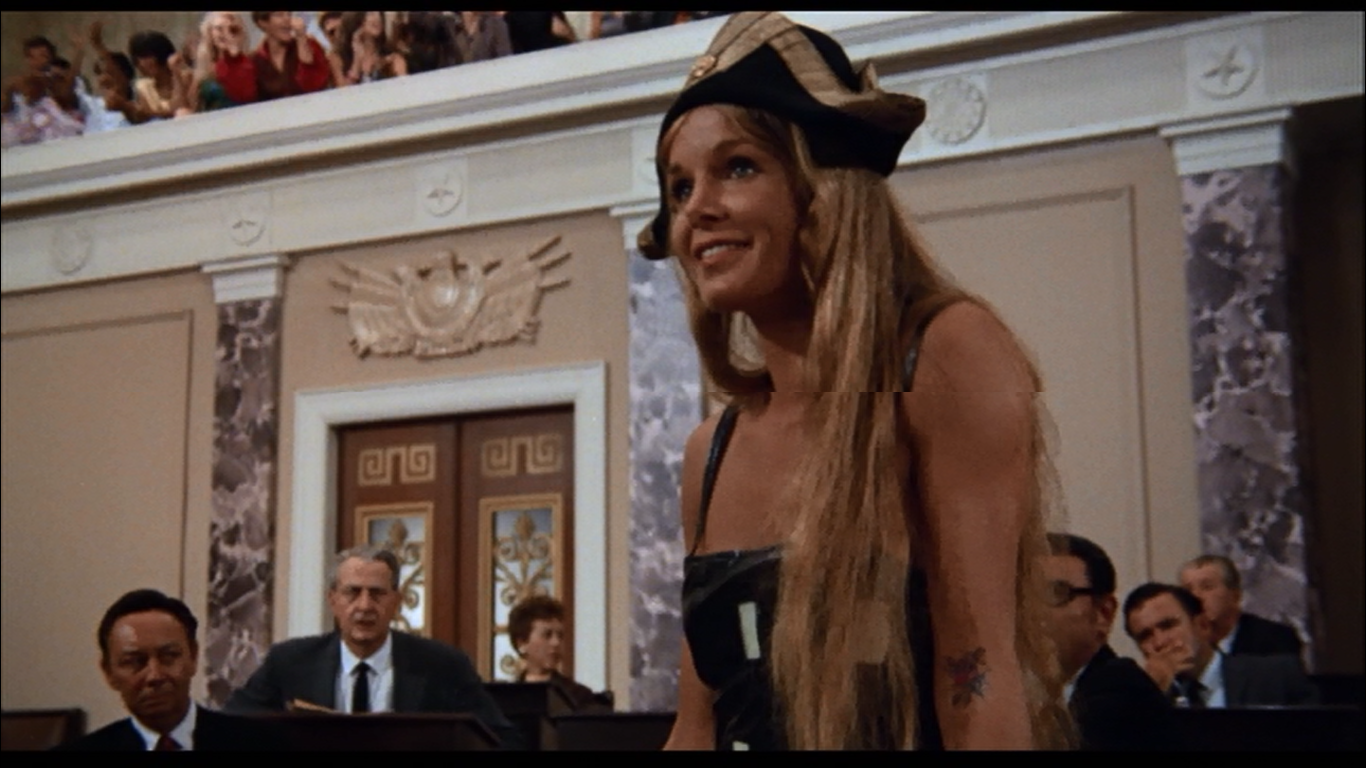 For a while. After getting Holbrook elected, they campaign for one of their own – the film’s most memorable sequence involves their newly elected spokeswoman, with a three-pointed hat and a tambourine, declaring to Congress that “America’s greatest contribution has been to teach the world that getting old is such a drag.” From there, it’s on to the Frost Presidency and the … re-education camps. Wild In The Streets beat Jello Biafra to this particular joke by a decade, though the “hippie fascists” here really only mean to get the olds out of the way. The rivers are spiked with LSD, the camps don’t feature any possibility of exit, and Hawaii, the only state that resisted Frost’s shamanic charms electorally, is effectively drugged into oblivion.
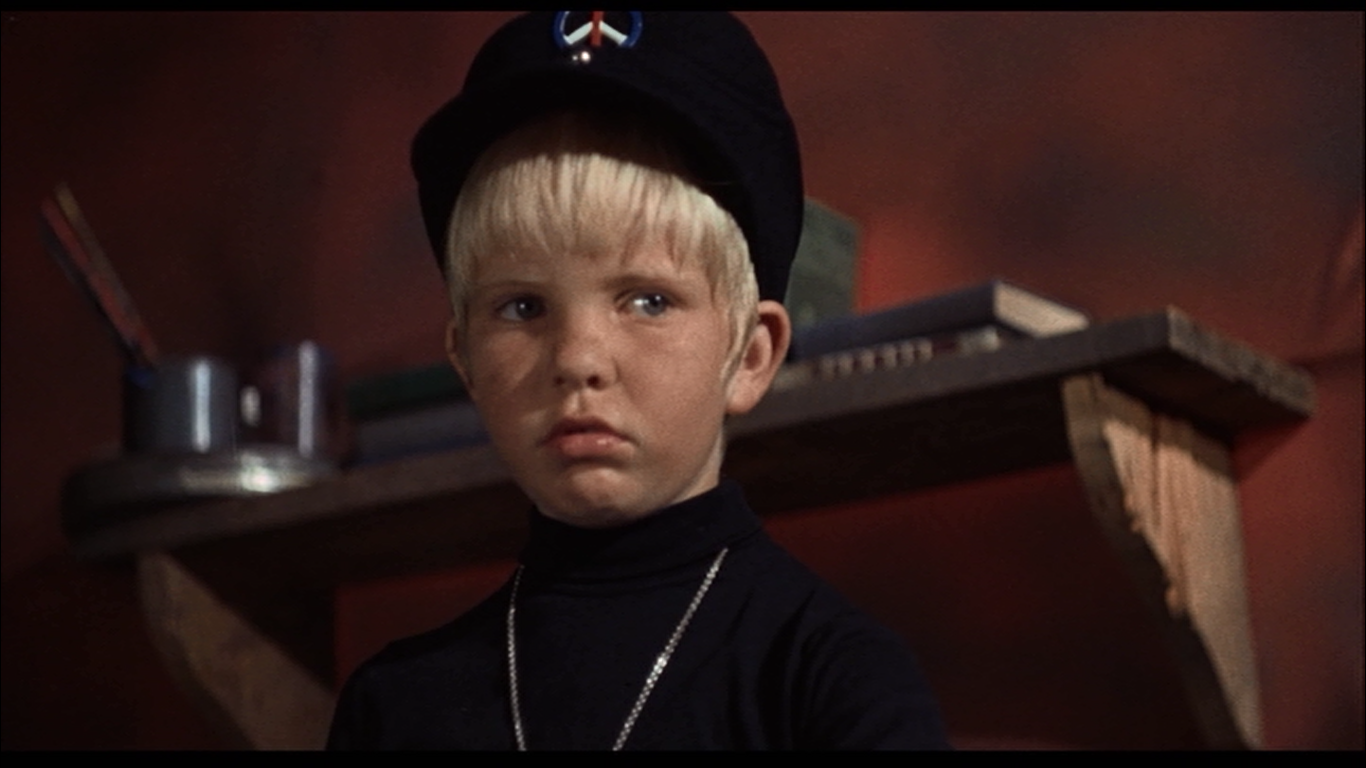 The rest of the world is only briefly mentioned, in that typically American fashion; we never find out how revolutionaries elsewhere respond to the youth takeover, and the whole freaky endeavor seems a lot more like the following year’s
 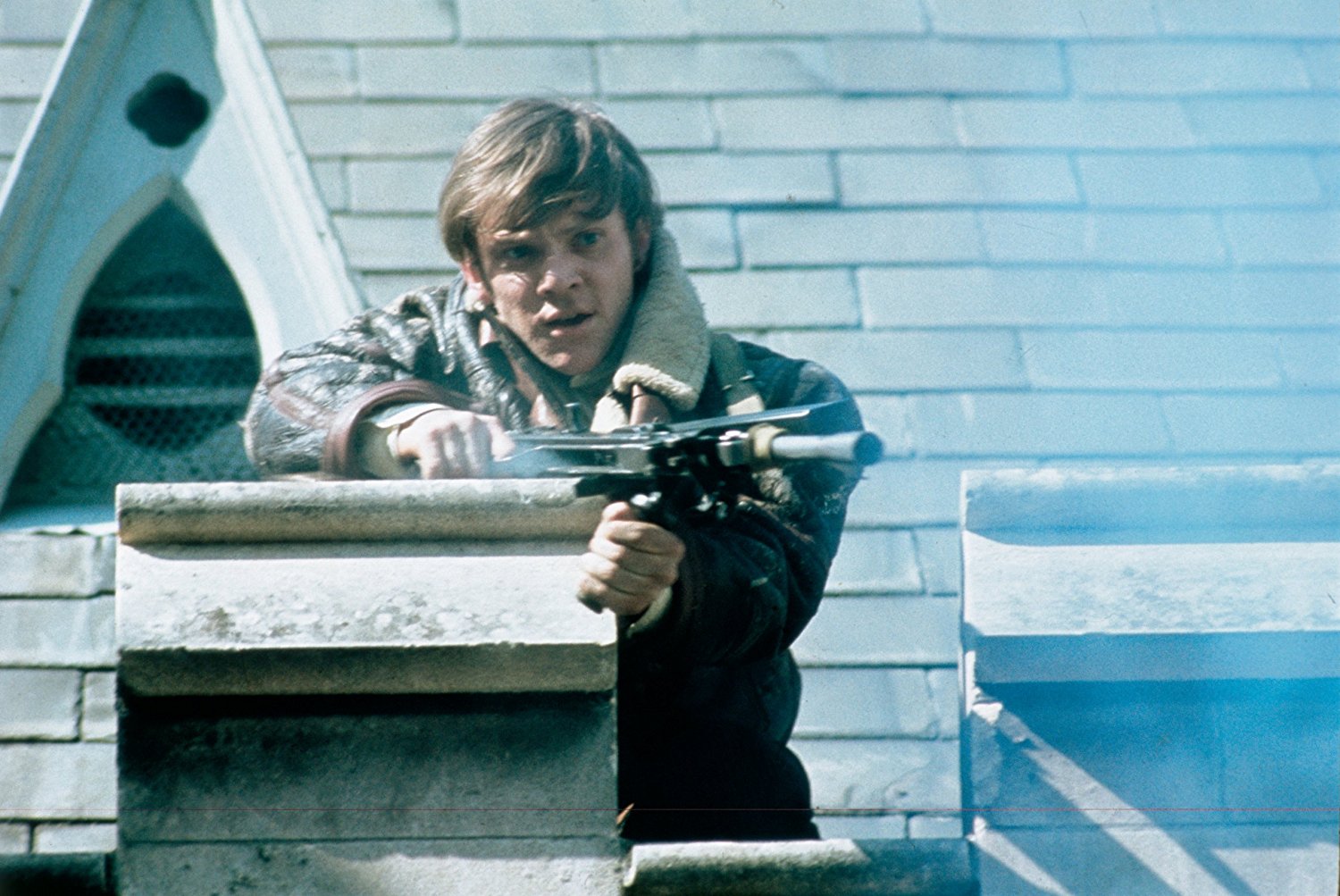 Power too is fractured, and that’s where Anderson’s anxieties prove most resonant. The face of authority in If… is less the tyrannical schoolmasters – they seem, for the most part, oblivious and irrelevant – than the Whips that serve them like prison guards.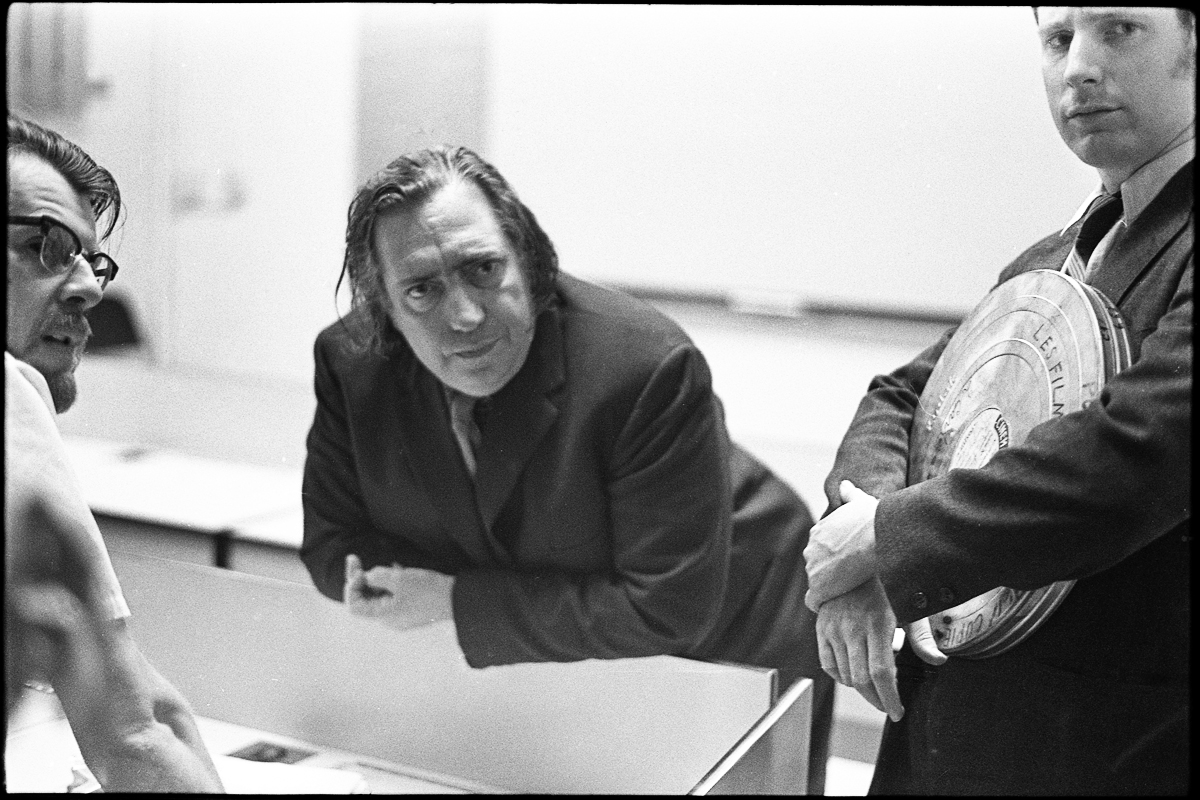
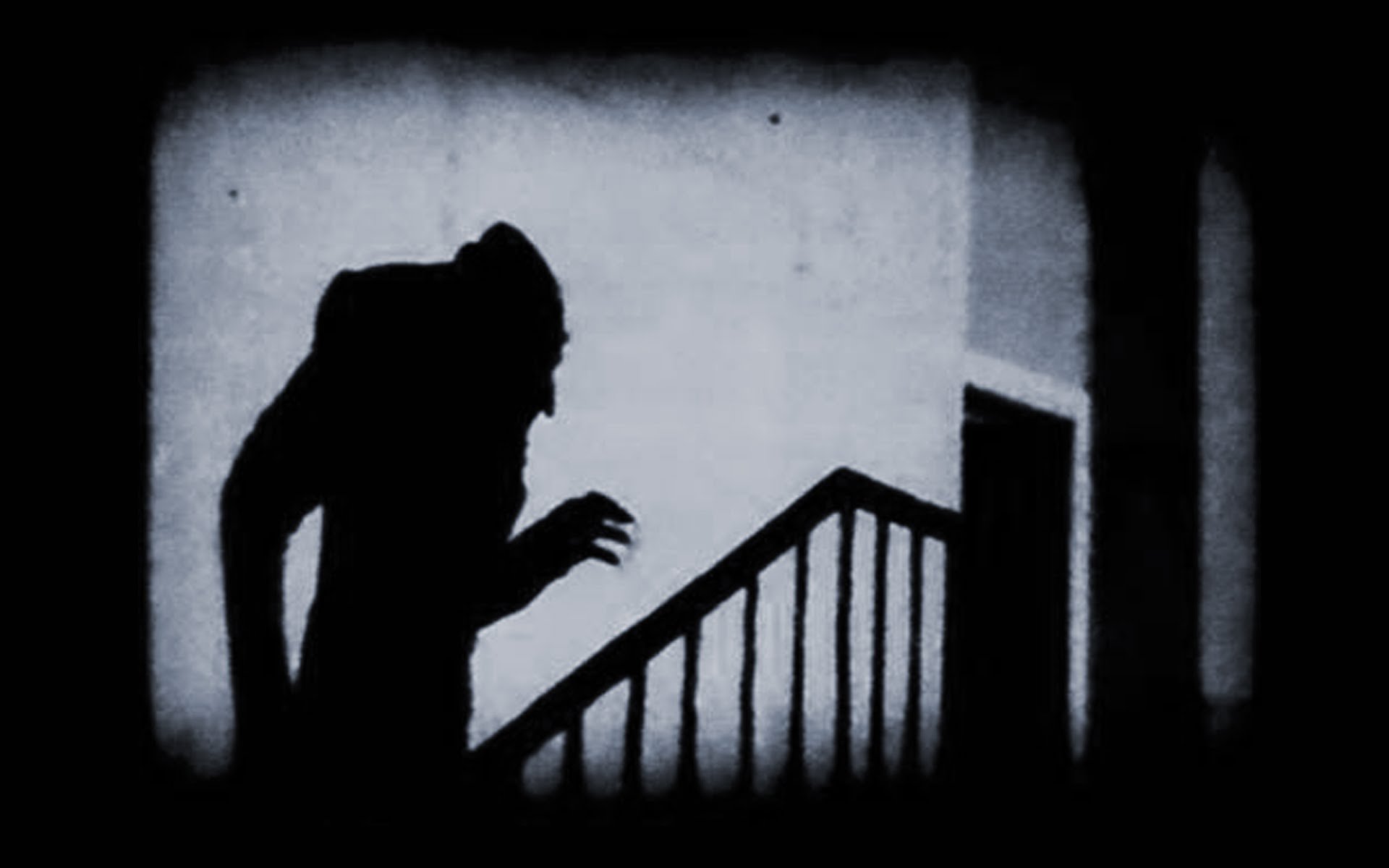 After founding the
 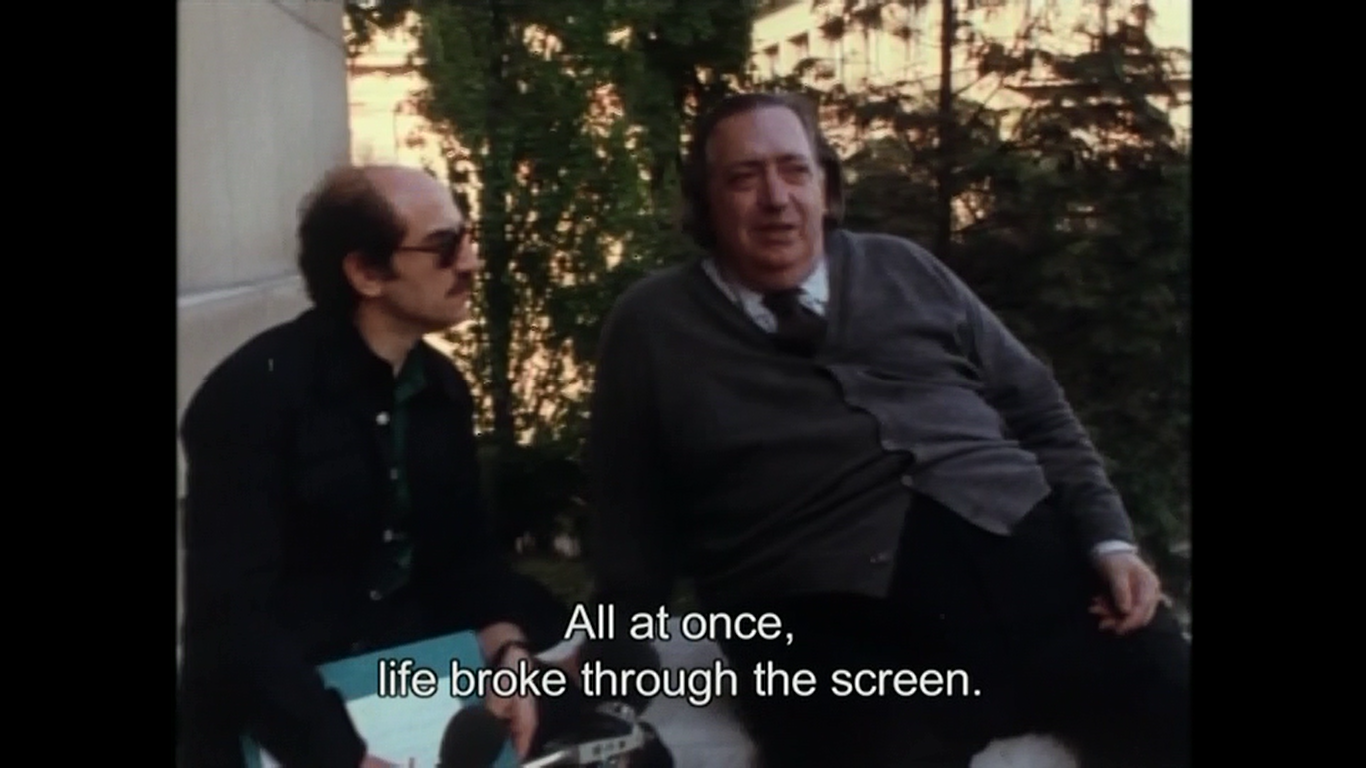 Is it too much to say that the Cinémathèque’s post-war screenings created the New Wave? New Wavers themselves certainly thought so. The doc points out that Langlois’ obsessive programming made authorial stamps across a diffuse body of work so obvious that
 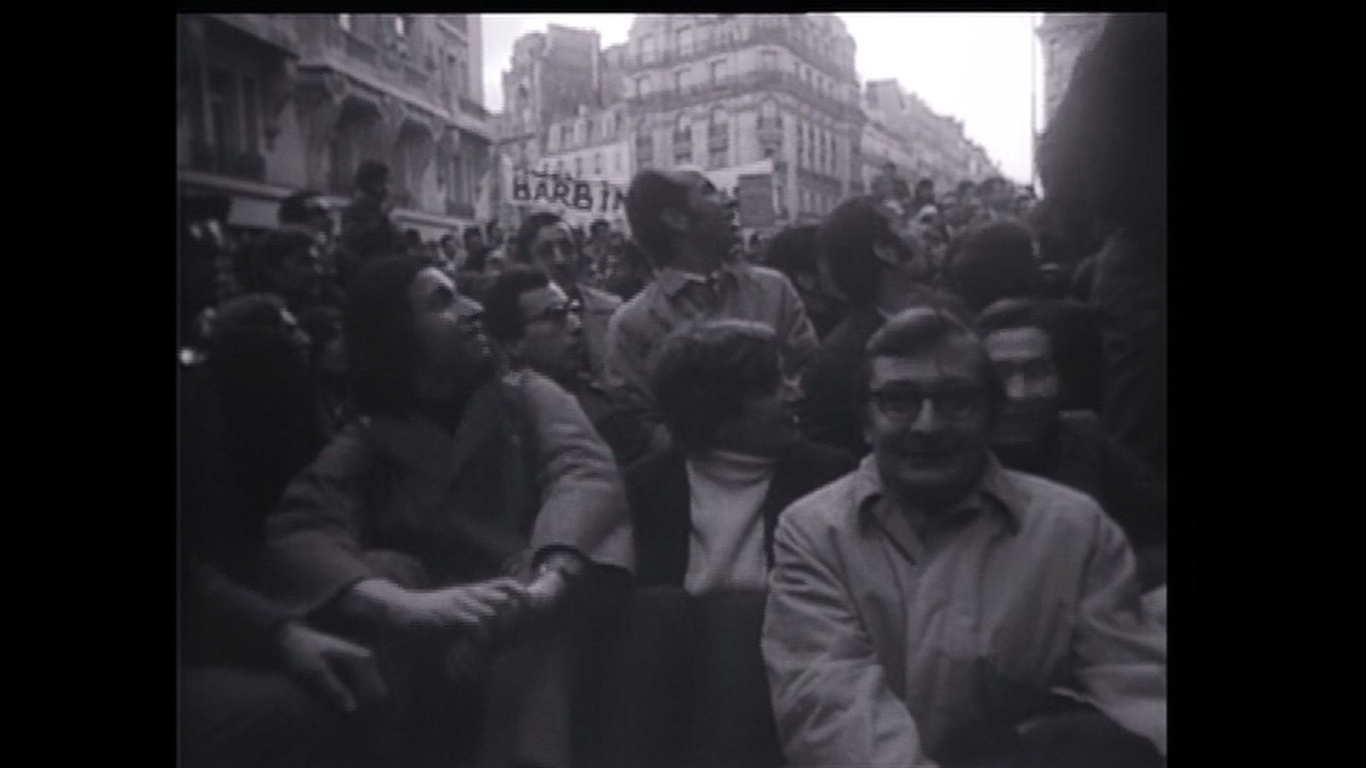 Imagine the ouster of a cinema director, archivist, and programmer leading to buildings seized by the people in protest, imagine the riot police being called, imagine throngs of film-lovers armed with sticks and prepared for physical confrontation in defense of art. Of art!
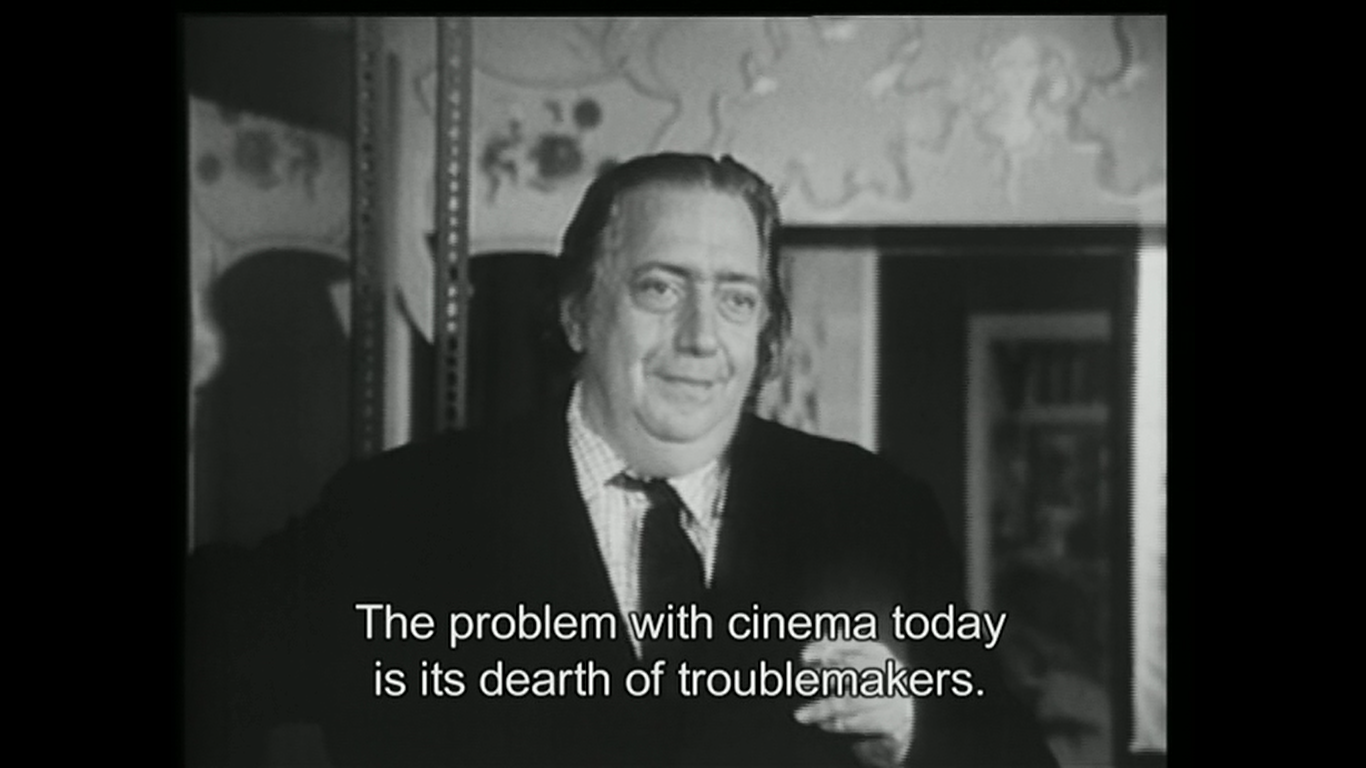 It’s silly. Of course, it’s silly. That horrific availability also means wonderfully expanded viewing opportunities, a democratized audience, a democratized universe of voices (or as much aesthetic democracy as capital opts to permit). In one interview, Langlois celebrates the development of newer, cheaper cameras – “we have writers because everyone can write,” he notes cheerfully. It’s not difficult to imagine his possible excitement at the iPhone releases of a
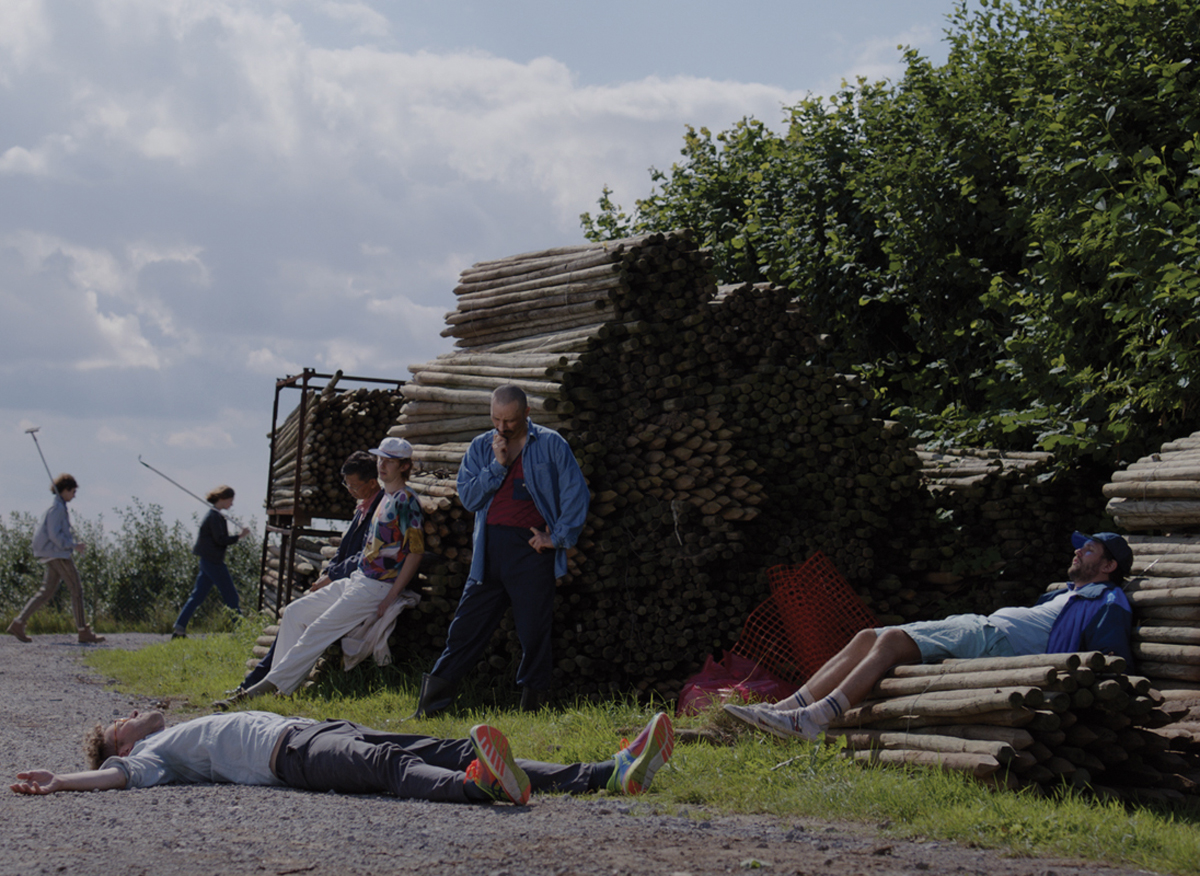 The politics of the plantation are a little blunt and simplistic (the term “neo-liberalism” could be used a lot in describing it), but the film is saved by Radlmaier’s incredible eye for comedic shot construction. As both director and star, he has a Chaplinesque combination of skills, both at framing a shot to tell a joke on its own and at using his tall, lanky body in inherently funny ways.