
As in Steven Soderbergh’s much-loved Ocean’s Eleven, Gary Ross’ Ocean’s 8 begins at a parole hearing for our protagonist. She’s making nice and saying all the right things, arguing for a rehabilitation we genre fans know hasn’t occurred. This time, it’s Debbie Ocean (Sandra Bullock), and like her brother Danny before her, there’s a sly edge to her appeal. Of course she’ll commit a crime the minute she walks out the door, if not before then; she’s had five years to chart it out in her head after all. Plus, as the film will argue, crime-doing is just in her blood. The whole family’s a bunch of crooks.
This opening implicitly makes a promise: Ocean’s 8 will do the sorts of things you might expect of an Ocean’s 8 sort of affair. Do not fear. The following two hours will dutifully see this promise through, lifelessly and with all the panache (and some of the aesthetics) of a PowerPoint presentation.
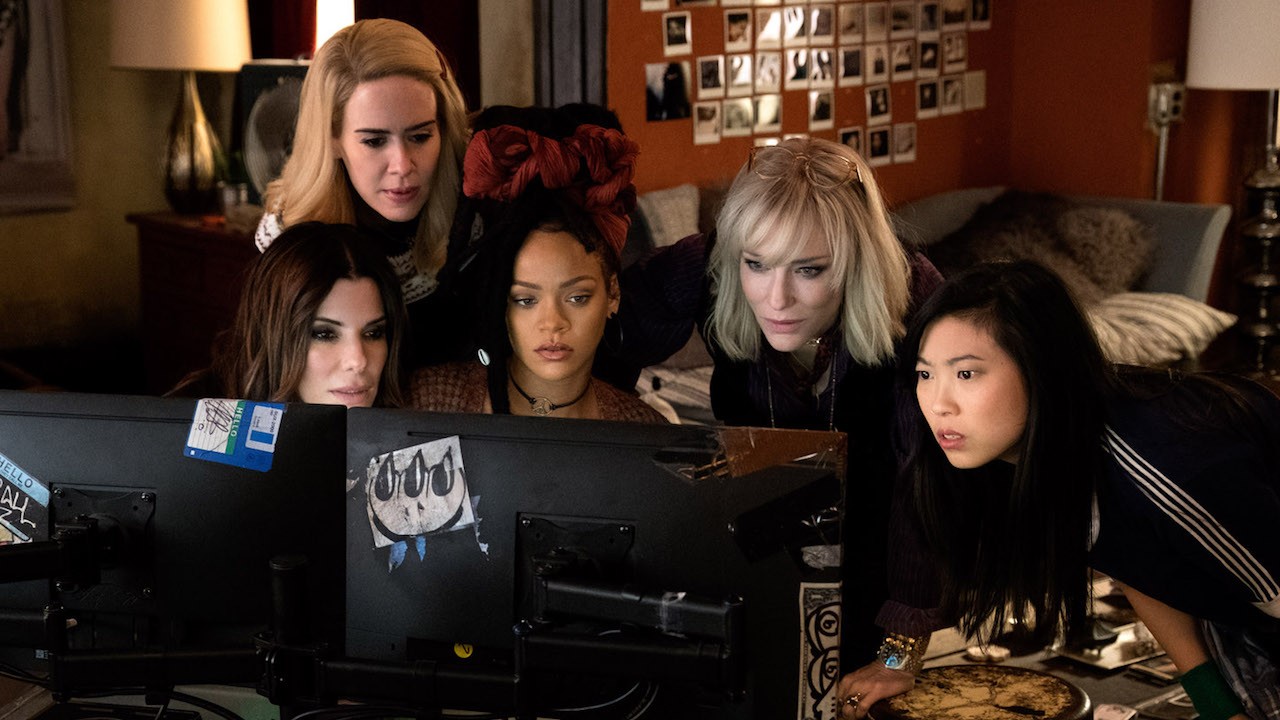
Double-crossed by ex-lover / current art dealer / all-around narrative device Claude (Richard Armitage)), Debbie has used her forced sabbatical to dream up an epic heist of a rare necklace from the Met Gala, and, wouldn’t you know it, get a little revenge. Upon release, she promptly enlists her crew — as one usually does, in montage. With relevant, mostly exhaustive descriptors affixed, they are: , her former partner and owner of nice suits (Cate Blanchett); a passé fashion designer (Helena Bonham Carter) in tax trouble; a weed-smoking hacker (Rihanna) who has a sister; a diamond expert (Mindy Kaling) looking to get away from her parent’s store; a skateboarding pickpocket (Awkwafina); and a suburban mom she knows (Sarah Paulson), who seems to generally enjoy stealing. The cast is rounded out by unwitting accomplice, a vain model (Anne Hathaway) who will get the necklace through the door.
You don’t need to know anything else about these people. They have names, allegedly, but really, who cares? Ocean’s 8 does not care.
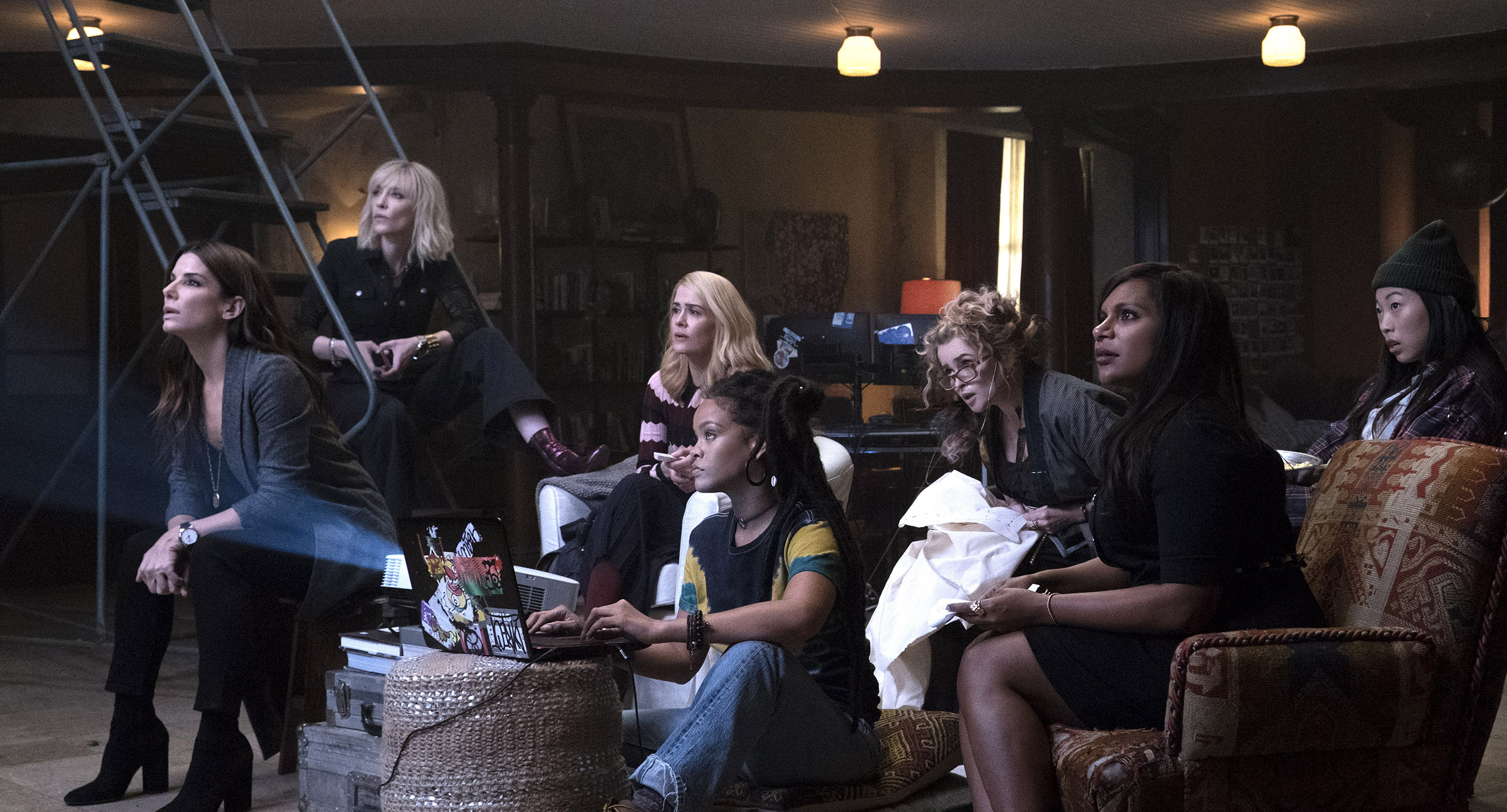 It is a mystery how Ross and co-screenwriter Olivia Milch could lose, numerically, several supporting characters from the central team and somehow end up fleshing out the ones who remain even less. An extraordinarily brief interaction between Kaling and Awkwafina, the latter providing Tinder tips, is a highlight, simply because it provides a glimpse of some human relatability missing from the rest of the rote proceedings. The fact that a scene which occupies less than five seconds of screen time stands out isn’t a tribute to the small moments of Ocean’s 8 so much as a testimony to how empty the other 109 minutes and 55 seconds are.
In Soderbergh’s trilogy, there were identifiable individual motivations that breathed life into the larger group interactions, things like the drive of Matt Damon‘s Linus to prove himself and garner the others’ respect, which both humanized his character and frequently made him a comic foil. Even Lewis Milestone‘s quite terrible original, for all its Rat Pack machismo and meandering “hard-drinkin’, occasionally singin’, casually racistin’ Army Buddies out on the town” plotting, went out of its way to set up internal dynamics.
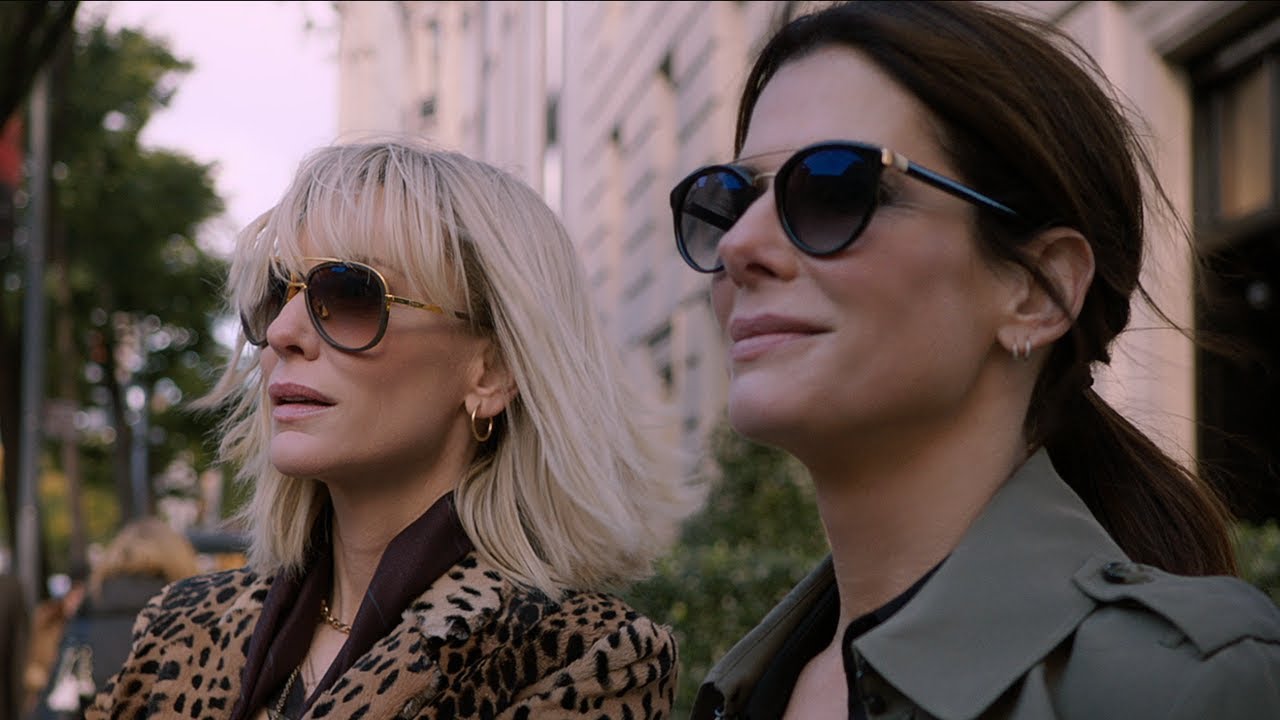 Ocean’s 8 has nothing along these lines, rendering the entire cast a set of interchangeables and draining any personal stakes. (Another brief interaction, this one between Bullock and Blanchett, indicates that the film remembers it ought to have subtext but can’t be much bothered with it, figuring that alluding to this structural need is the same as developing it.) Similarly, previous entries presented antagonists who structured the action, pricks to kick against, and who also grounded the films in an aspirationally criminal, eat-the-rich ethos appropriate to their historical moments. Ocean’s 8 simply posits a backstabbing ex and assures us he deserves what’s coming to him.
Both this vengeance and the heist itself seem beside the point, which begs the question, “What are we even doing here?” Perhaps it’s a hangout movie? But there’s no consistency to Debbie Ocean, much less charm. It’s fine to set her apart from her icoinc brother, but it’s never clear who she is or how we’re supposed to feel about her. It’s not even clear how Ocean’s 8 feels about her. Is she the hardened criminal who threatens her ex with a blade to his throat and jokes about intentionally getting put into solitary because it “gave her time to think”? Or the wounded soul who suddenly shifts to describing prison as a difficult trial, specifically citing the indignities of solitary? Was the first characterization a feint to cover up this pain, and the steely resolve to get revenge that it nurtured? Over the course of five years in the slammer, has she never ran across a Black person or someone with a name like “Nine Ball” or someone who speaks in a patois or someone who smokes weed – all of which leads to eye-rolling incredulity and a cringy hesitance to allow Rihanna into the crew? Or she has encountered these mysteries of the wider world, but she’s fundamentally conservative and somehow sheltered, despite apparently also running contraband behind bars? Or she’s worried about stoners messing up the gig? Or she’s just racist? And what value does she place on her pilfered poshness? “You are fascinating,” she tells Awkwafina, apparently bewildered by the notion of … what? A lack of reverence for finery? Skateboarding? Phones? Asians? Bullock’s impenetrability and contradictions don’t read as complexity; they just reflect another lazy facet of a lazy script.
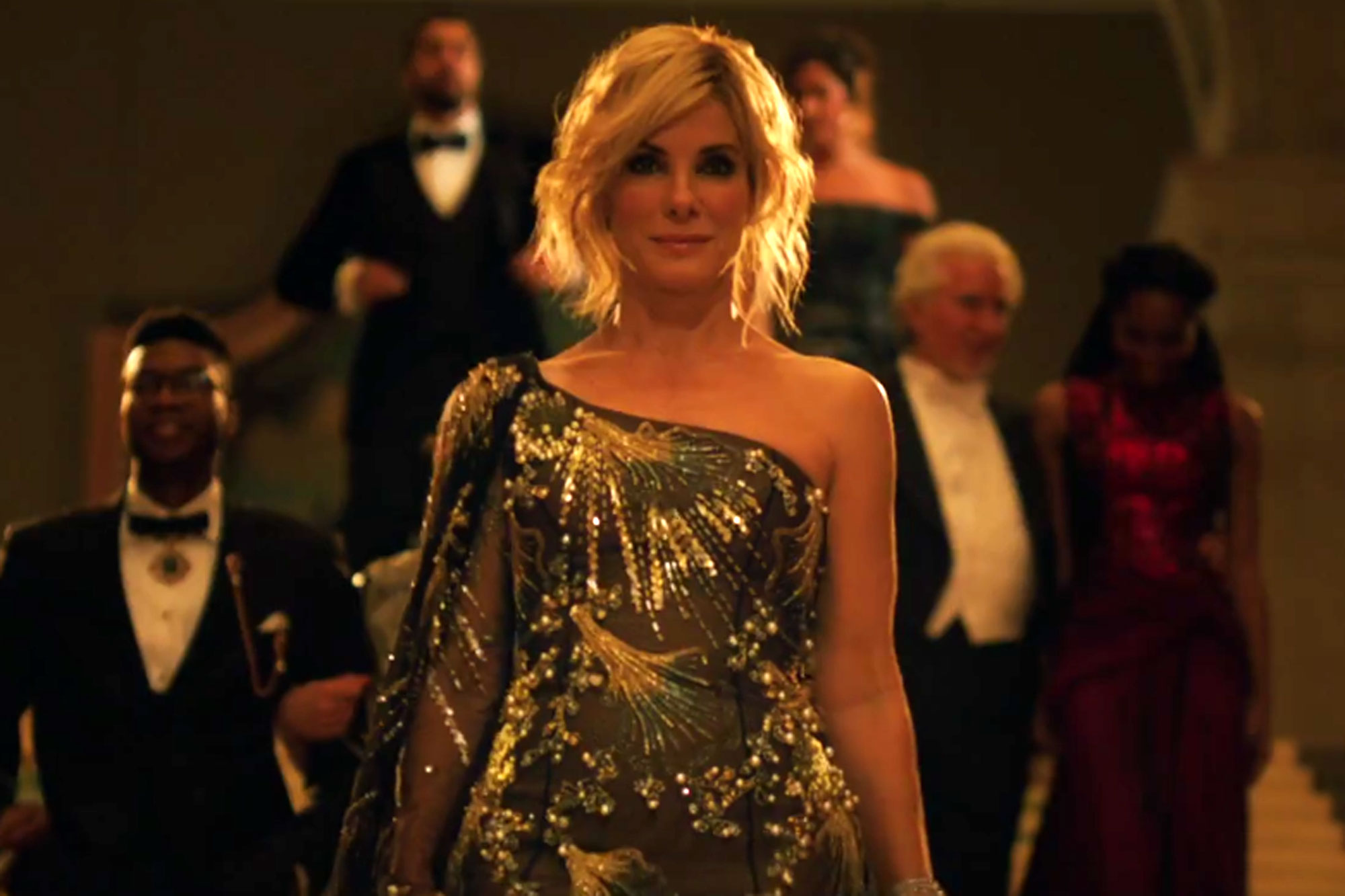 So much for the characters; at least there’s a spectacle to look forward to, something high-wire and clever. But the heist itself is almost aggressive in its insistence that nothing go wrong. It simply happens, and then it’s over. (Though not before multiple trips to the bathroom; this is easily the most bathroom-focused heist in history.) Nothing breaks up its easy flow: no silly costumes, no impressive stunts, no thinking-on-their-feet or unexpected snags. It mostly hinges on a 3-D scanner and a secret lockpick, both of which are provided with all the difficulty of placing an Amazon order.
The Met Gala ought to stun with the ludicrous grandeur of high fashion, but it’s a dimly-lit, indifferently photographed room perfunctorily padded with blink-and-you’ll-miss-‘em cameos. The direction and editing smother any vicarious thrill the setting or costumes might offer. In fact, the only high thing about the Gala are the busboys who briefly discuss, at a pivotal moment, smoking weed on the loading dock, in what passes for suspense here.
Some of the stars fare better than others – Paulson is always welcome, and James Corden gets the best lines, in a last gasp of narrative imported from Soderbergh’s more recent “Ocean’s 7-11” heist, Logan Lucky — but there’s just something weary in the telling and strikingly clunky in the execution. It’s a curious tone for a franchise characterized by its light, fleet tone, and for a reboot that ought to be blazing out of the gate on the charm of its cast.
“It’s the attention to the small details that really make the whole thing sing,” Hathaway, the meta-chorus of Ocean’s 8, tells us, quite meta-ly. She’s right, but she’s thinking of a different movie. Maybe Ocean’s 9? Just please put someone else in charge of the team. (And maybe make that someone one of the many, many women directors with the visual flair and energy for the material? Crazy idea, I know. Just spitballin’ here.)
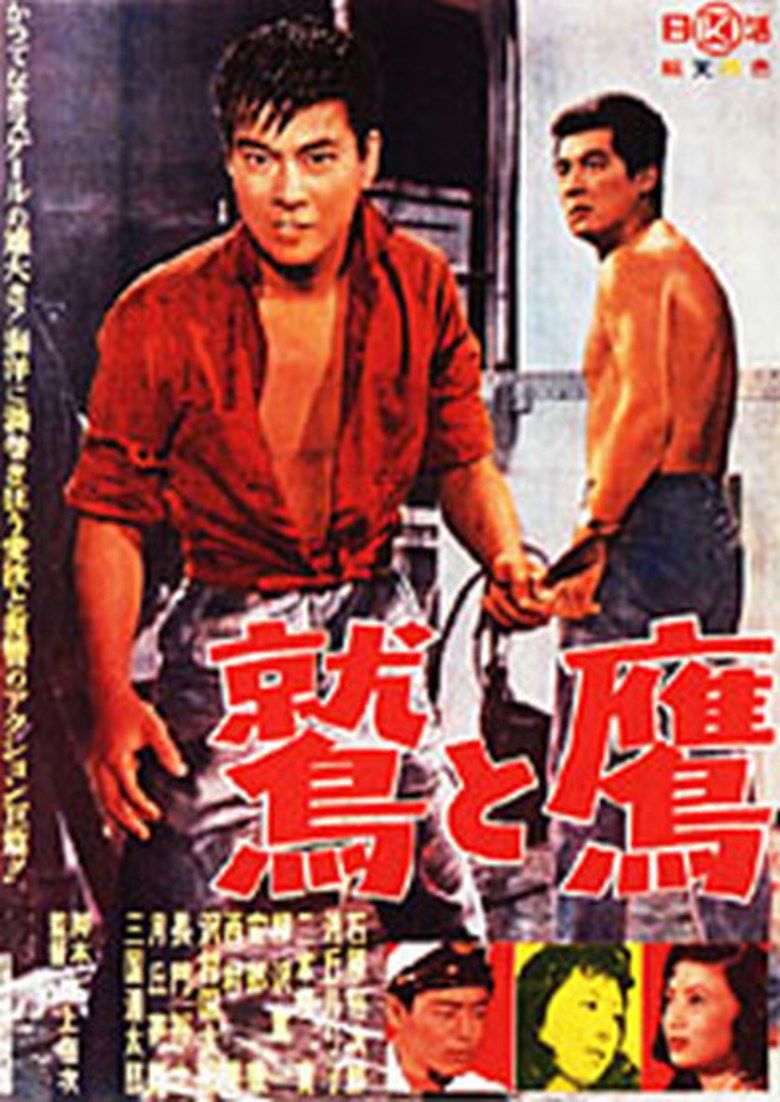
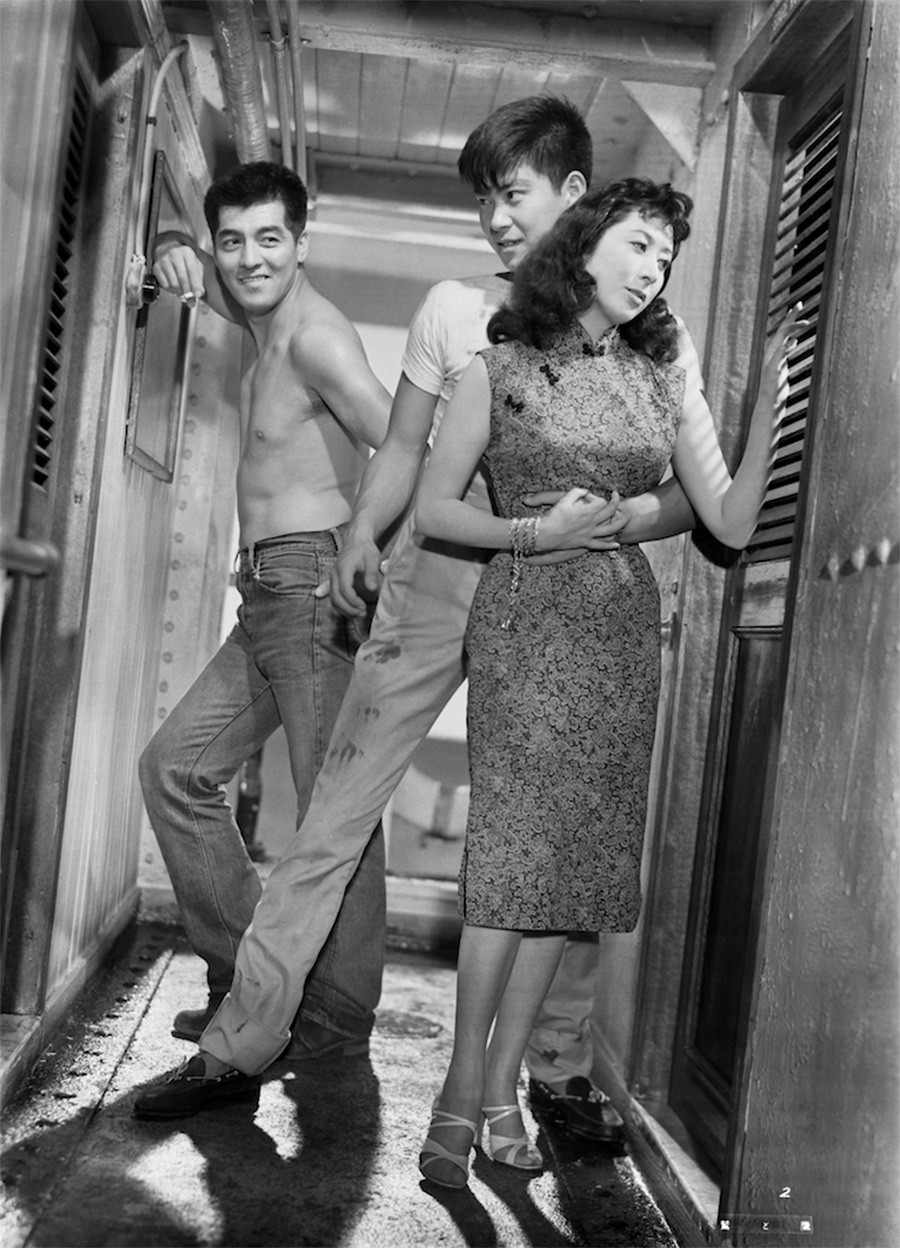 The Eagle gives us, recounted in short, two female stowaways (one high culture, one low-class), a love triangle that expands over time into a pentagon, a secret cop, a secret criminal, a dark backstory for the captain and his first mate nephew, a revenge plot, insurance fraud, a climactic typhoon (apparently filmed in a real typhoon), a repeated musical number that becomes plot-relevant, a common-man trope character who wins the lottery while at sea and manages to lose his ticket, and a man-with-a-past one day away from passing the statute of limitations for a long-ago murder.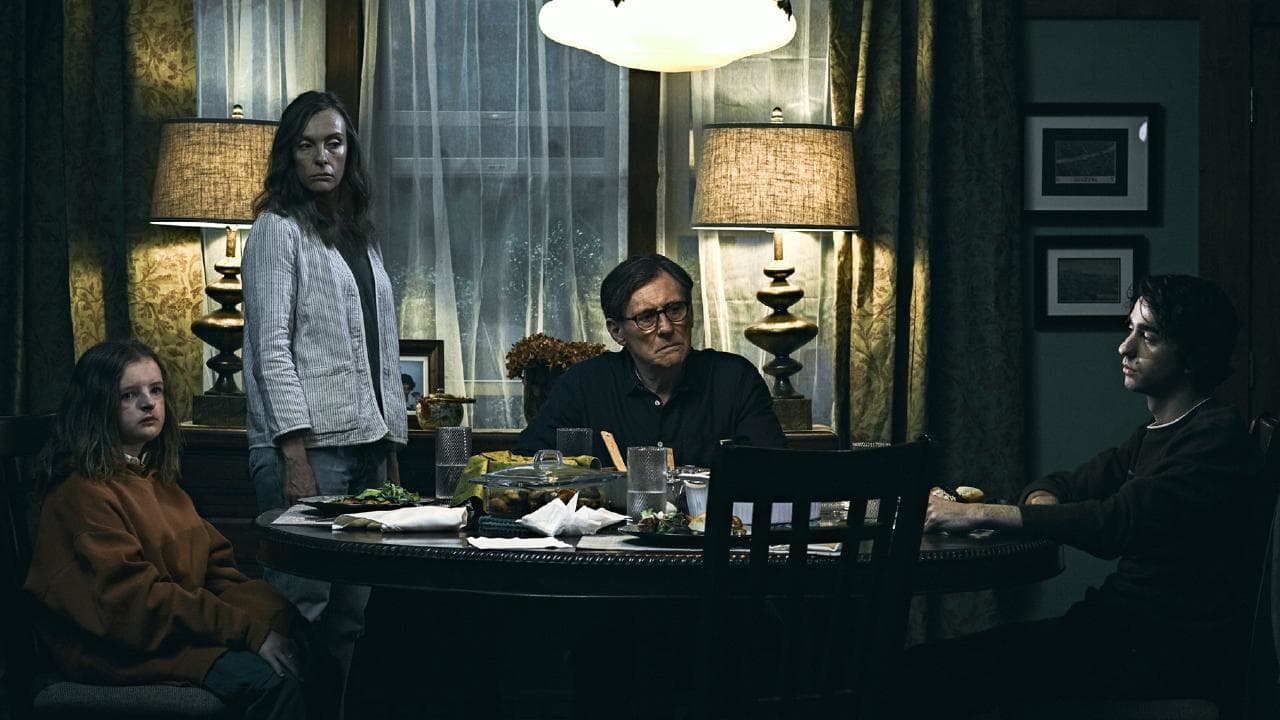
 This moody speculative horror is the best of the three films that writer/director
 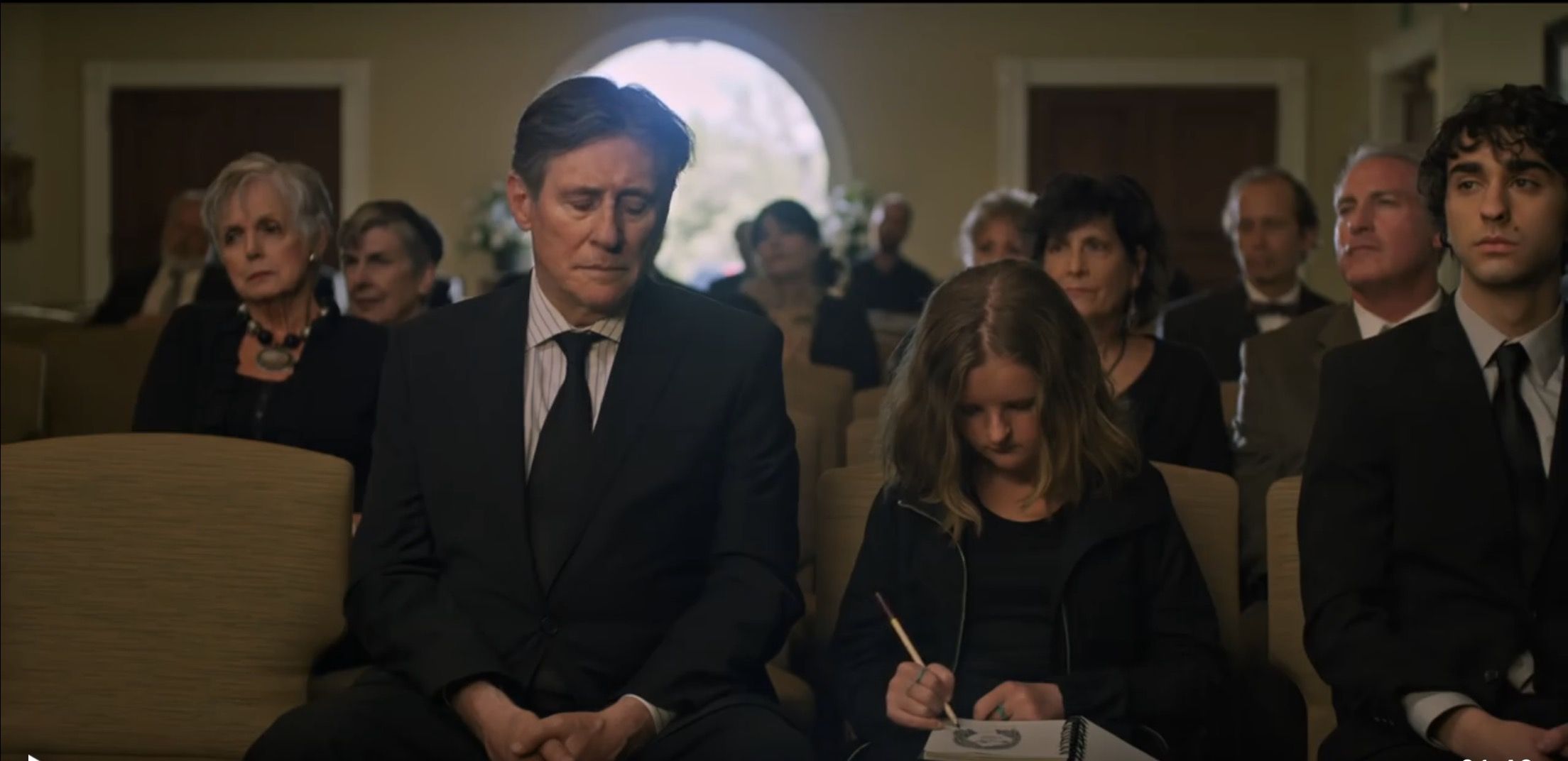 Aster grounds Hereditary in generational grief, or at least its trappings, from the get-go. Annie’s semi-estranged mom has just died, and at the funeral, from her eulogy, we learn about their supremely ambivalent relationship – a withdrawn mother from whom the daughter has inherited her stubbornness. But it’s not long before the spectre of the old woman — already hovering over the proceedings, driving Annie to a grief support group in an attempt to feel more grief and haunting the already morbid Charlie’s thoughts — starts making itself visible in the shadows.
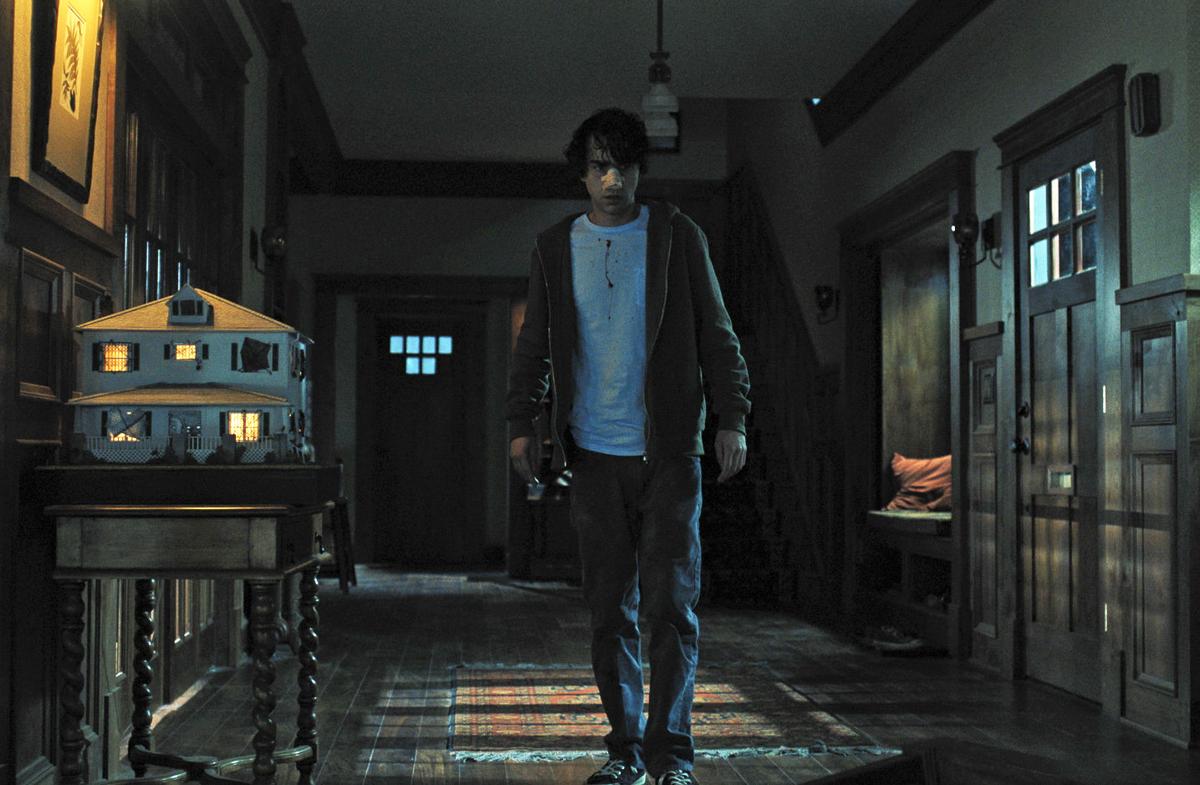 It’s often effective, if kind of predictable, but Aster has trouble wrestling Hereditary into consistent coherence. (Again, the technical wizardry, Pogorzelski’s elegant camerawork, and the miniature motif papers much of this over.) Long moments of held-breath anxiety are punctuated with sudden bursts of awkward exposition. A crucial reveal takes place in a room we hadn’t, as far as I could tell, been given any indication exists. A key requirement for the séance (of course there will be a séance) makes little sense. The jump-scares (and there are two excellent ones) don’t sit quite right with the Old, Dark House unease – ideally, the two should accentuate each other, with the scare all the more jumpy because of the nervy quiet that preceded it. With one major exception, the opposite often happens; the GAAAH! moment proves a let-down instead of a jolt, and almost retroactively diminishes the discomfort of the previous moment.
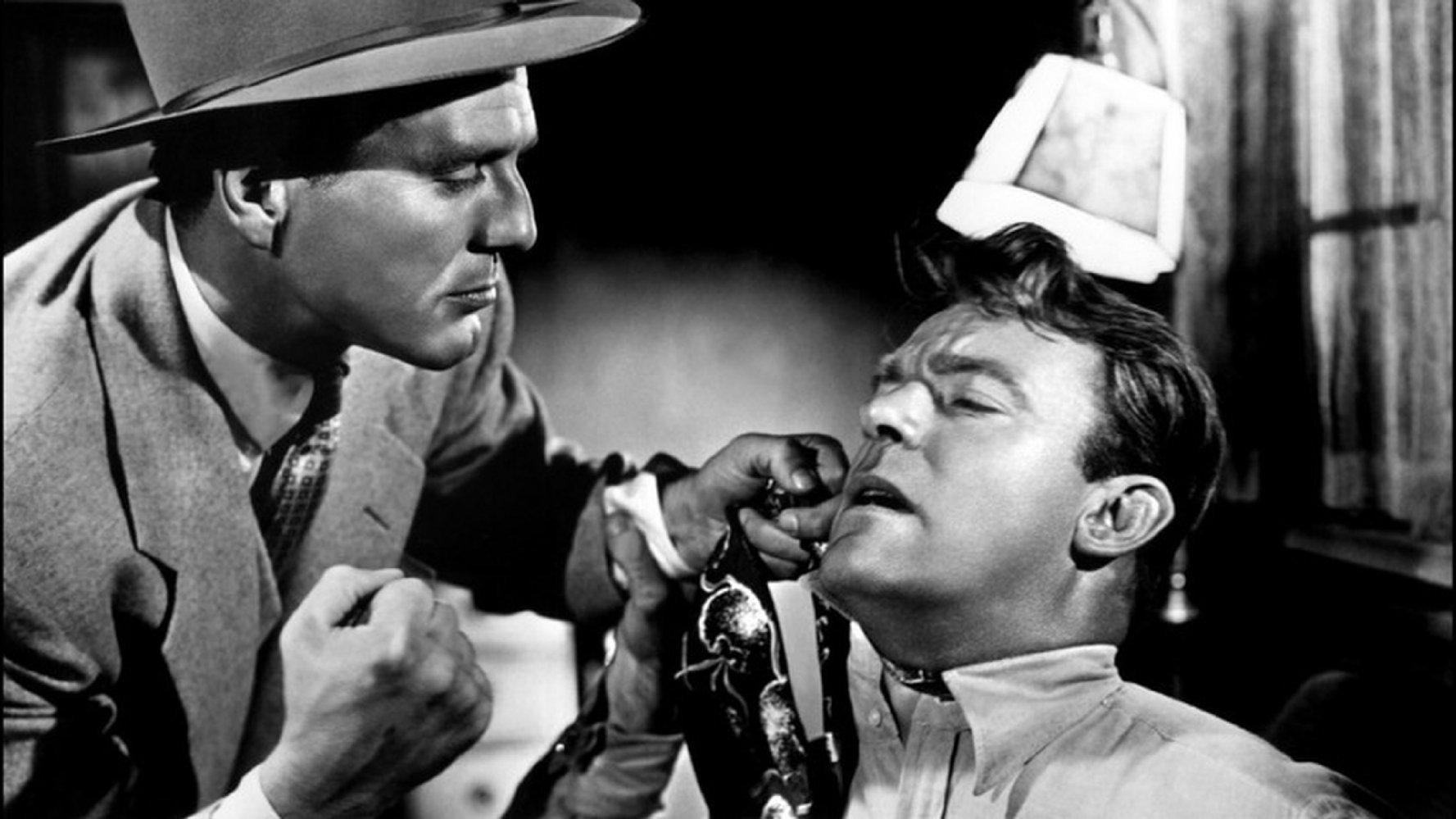 Like Mann’s
 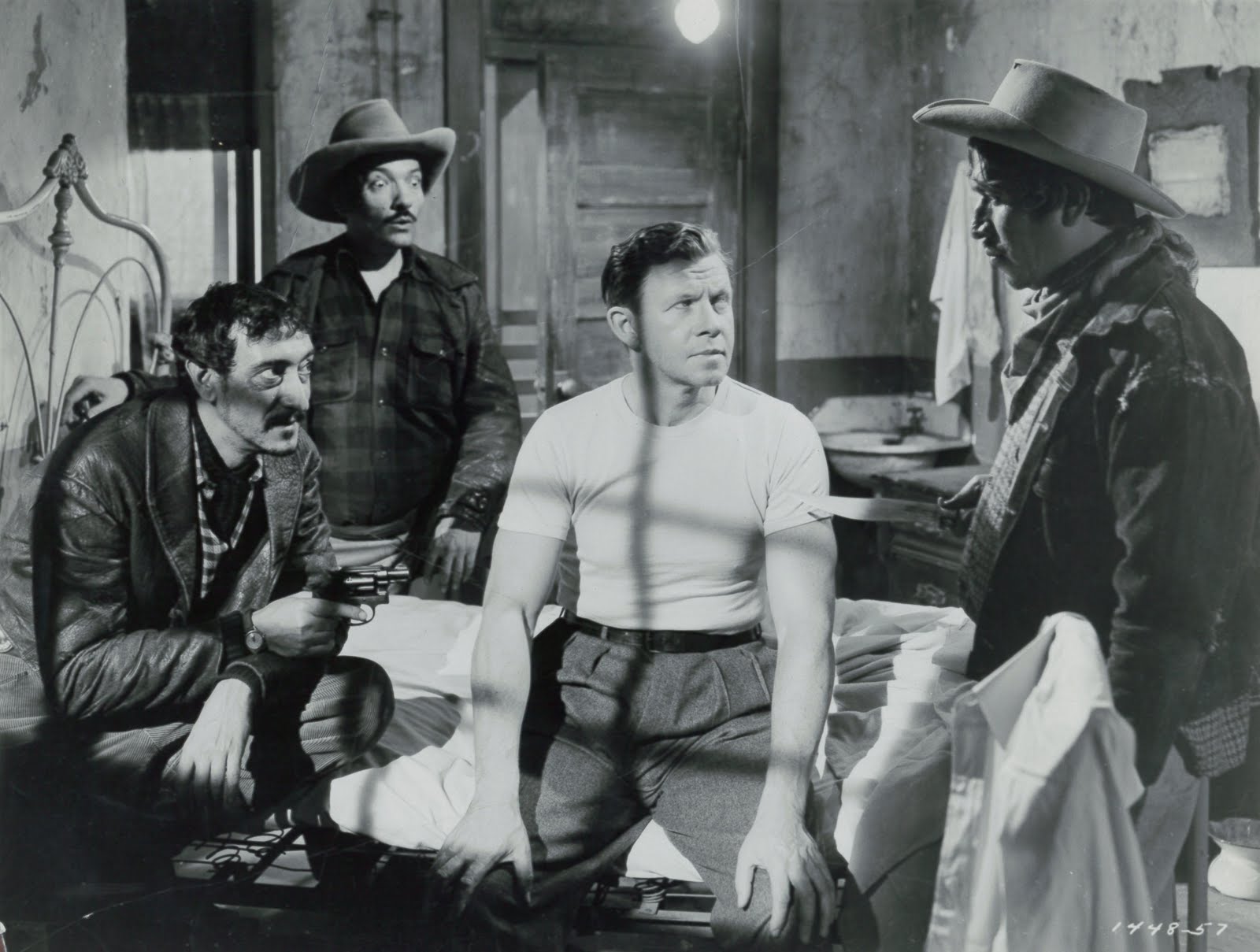 The implicit Leftism of this construction is hard to miss, barely concealed by the paeans to patriotism and the stamp of approval. What’s interesting, from a viewpoint under daily assault by the Trump administration’s venality, is how clearly compassion and justice feed a country’s self-image: there’s no contradiction here. It is a marker of patriotism, of American (and Mexican) greatness, that our protagonists care about the downtrodden.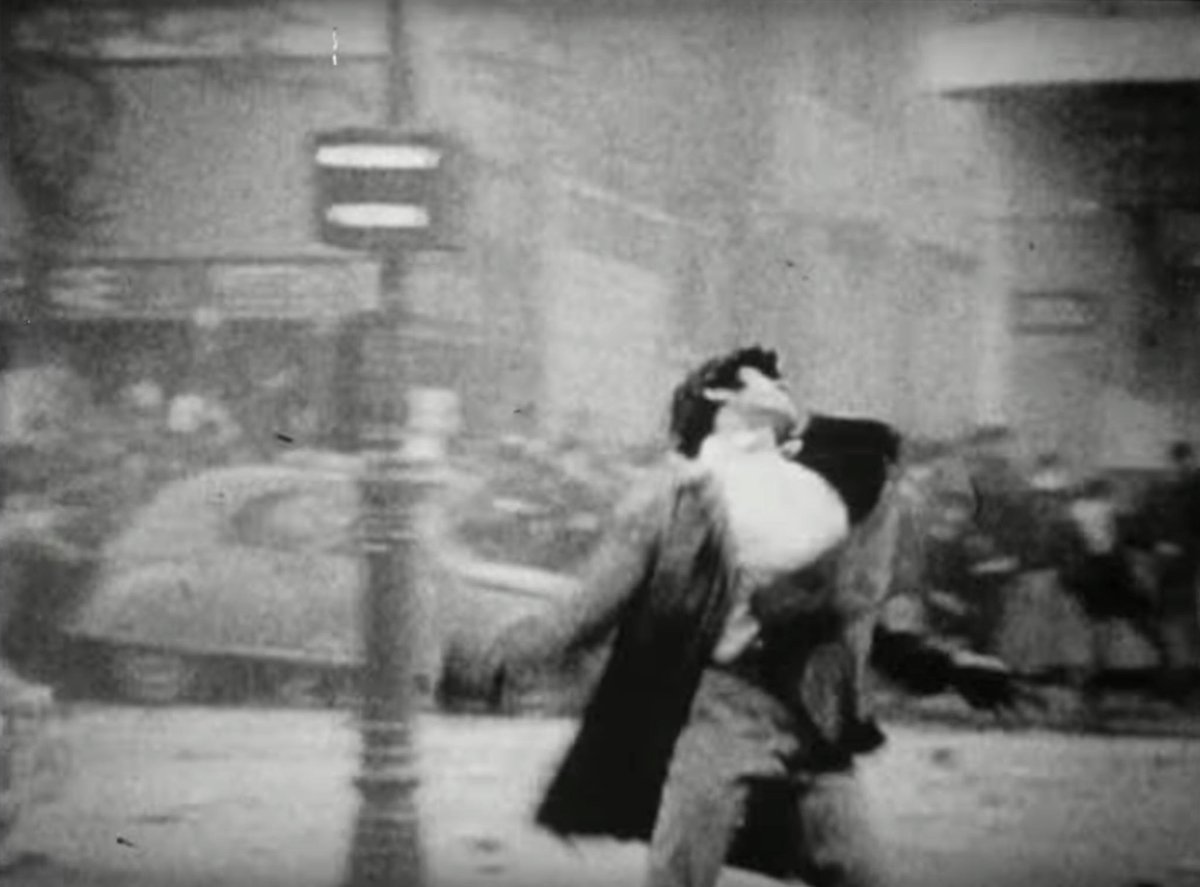
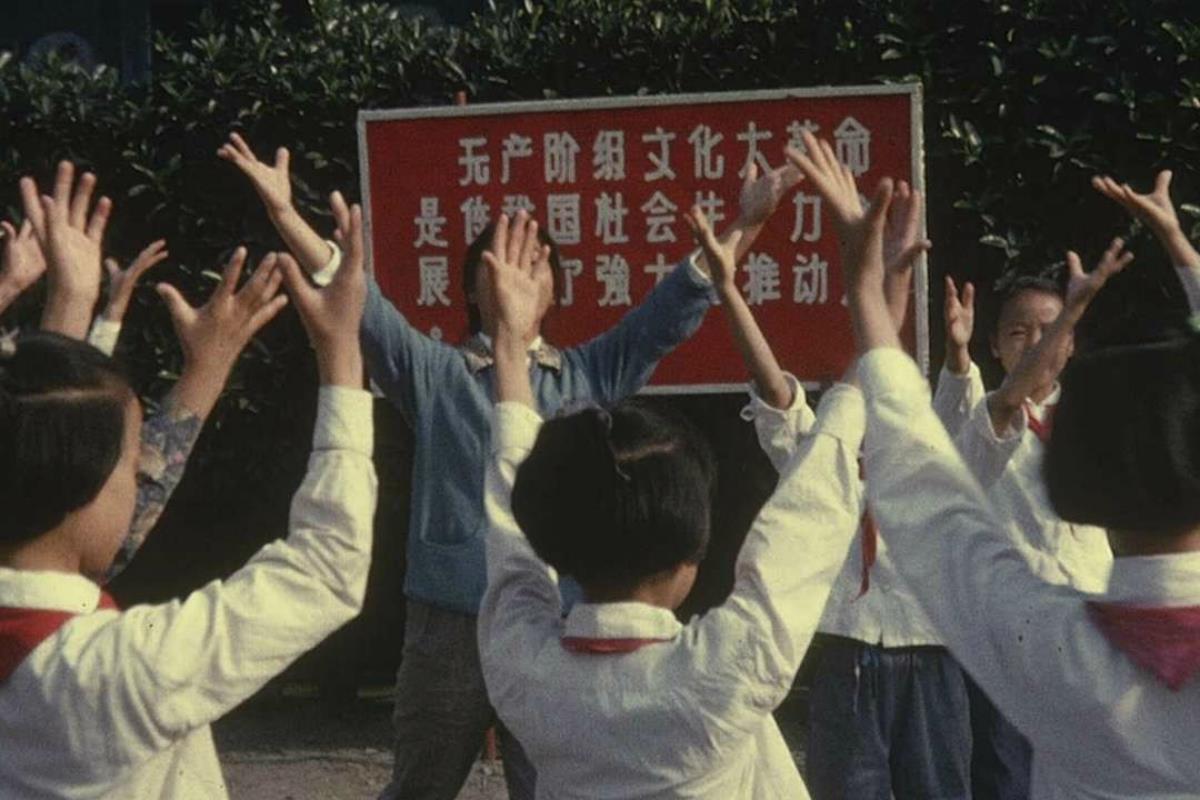 As a lyrical treatment of a tumultuous time, though, the film often succeeds in transporting the viewer, making unexpected connections that diverge from your standard barricades-and-pranksters portraits. In The Intense Now is at its best when zeroing in on specific fragments, usually culled from the archival material. The images of a family in a Czechoslovakian home movie are read — by their clothes, countenances, placement within the frame — for commentary on social and class conditions. Footage shot surreptitiously from an apartment window reveals the unseen dangers on the Prague street that drove the anonymous videographer upstairs, to film his or her own city like a spy. The joy evident on his mother’s face in China tells more about her life and its dwindling moments of possibility than it does about the Cultural Revolution she fails to see transpiring in the background.
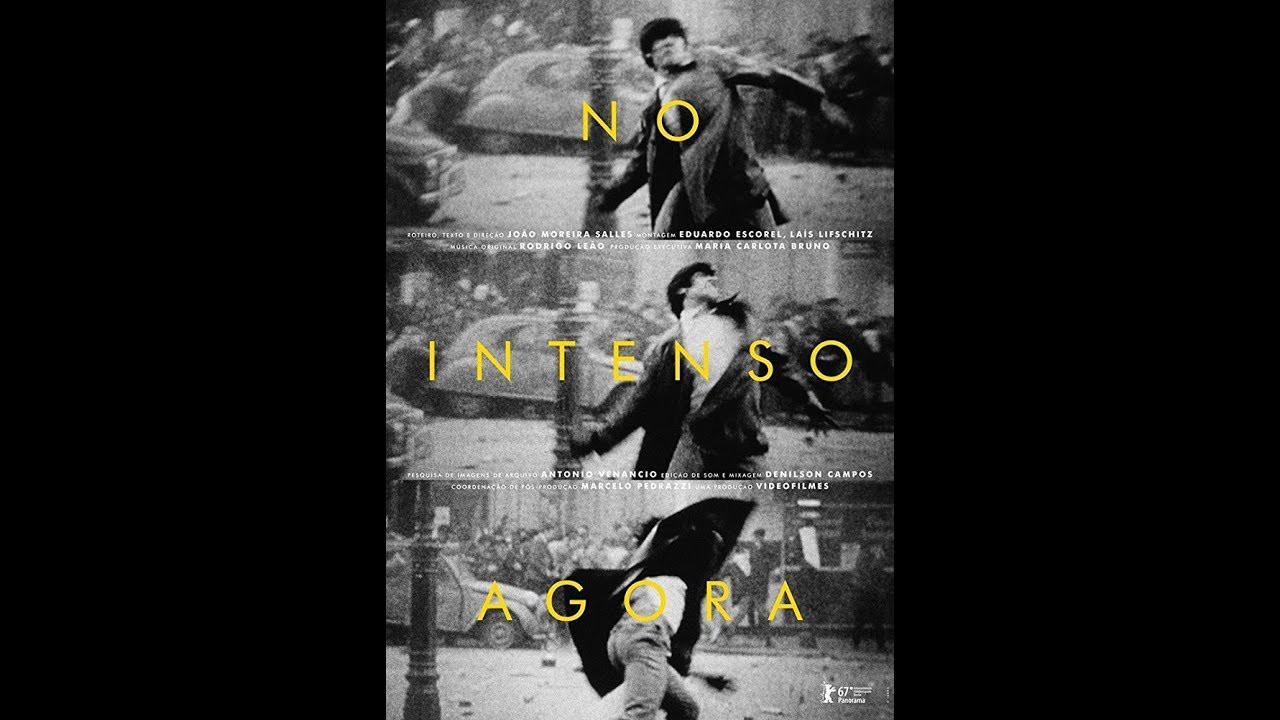 And then there is the famous image of the Parisian protester hurling a stone; you know the one. It adorns every depiction of the events of May, carried down to us by screenprints, Banksy, and, inevitably, the promotional materials for In The Intense Now itself. Salles’ analysis is stirring, astute, and ultimately delivered with a sigh: we always see the insurgent’s wind-up, a fiercely physical expression of possibility, the heroic moment of release. We rarely remember the retreat. And there is always a retreat, as the footage makes clear again and again, even in the moment. The stone is hurled, the momentum carries passionately outward, and then there are several steps back. We remember the general strike on the 13th, but not the hundreds of thousands marching for a reclaimed stasis on the 30th. It’s the film’s aesthetic and politics, embodied in the moment.
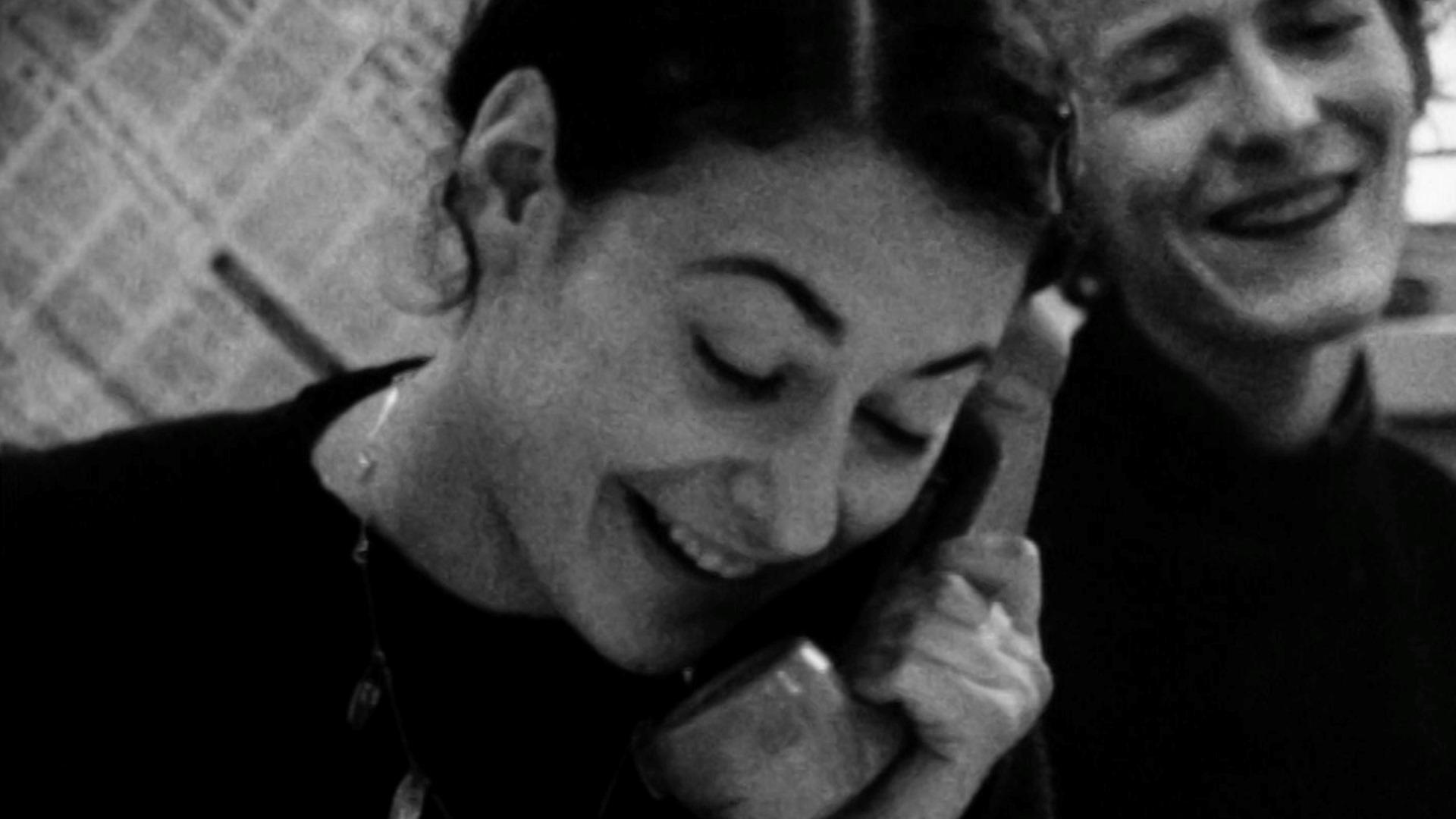 Sartre and Cohn-Bendit appear mythically here as the Marxist and the Anarchist, some sort of Aesopian fable we haven’t lived to see resolve yet into a moral. It pops up every time we are asked to give a 10-point plan, for it to be subsumed, in time or almost immediately, into the mechanics of governance or aesthetic despair.
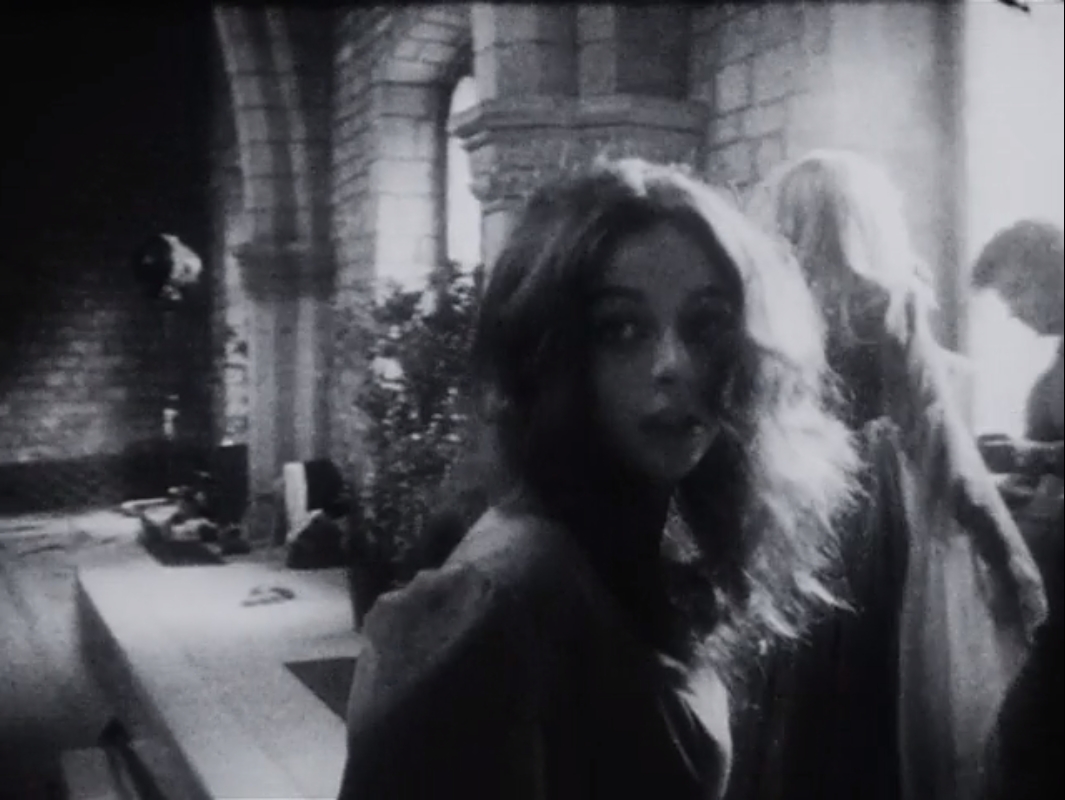 Cuadecuc is made up of footage shot on the set of
 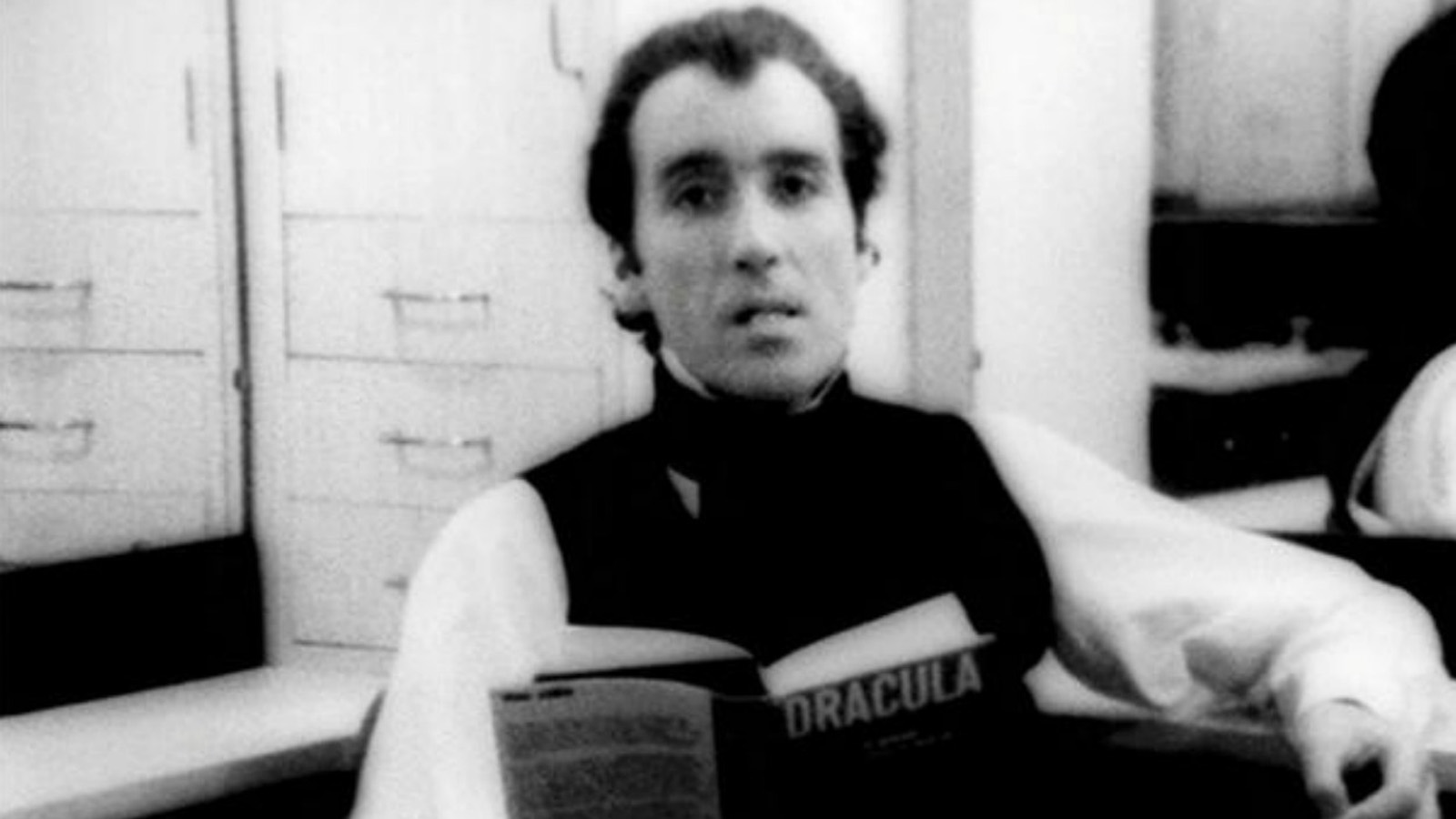 The editing and camerawork, too, play too much into the story to allow the real and fictional worlds to settle into layers. Portabella uses a cut to turn Lee into a bat, matching Franco’s original cut, and the zooming handheld camera — Portabella regularly repeats that most characteristic of classic horror camera moves, the slow zoom on a woman’s horrified face — to invest emotional energy here and there, where it makes dramatic sense.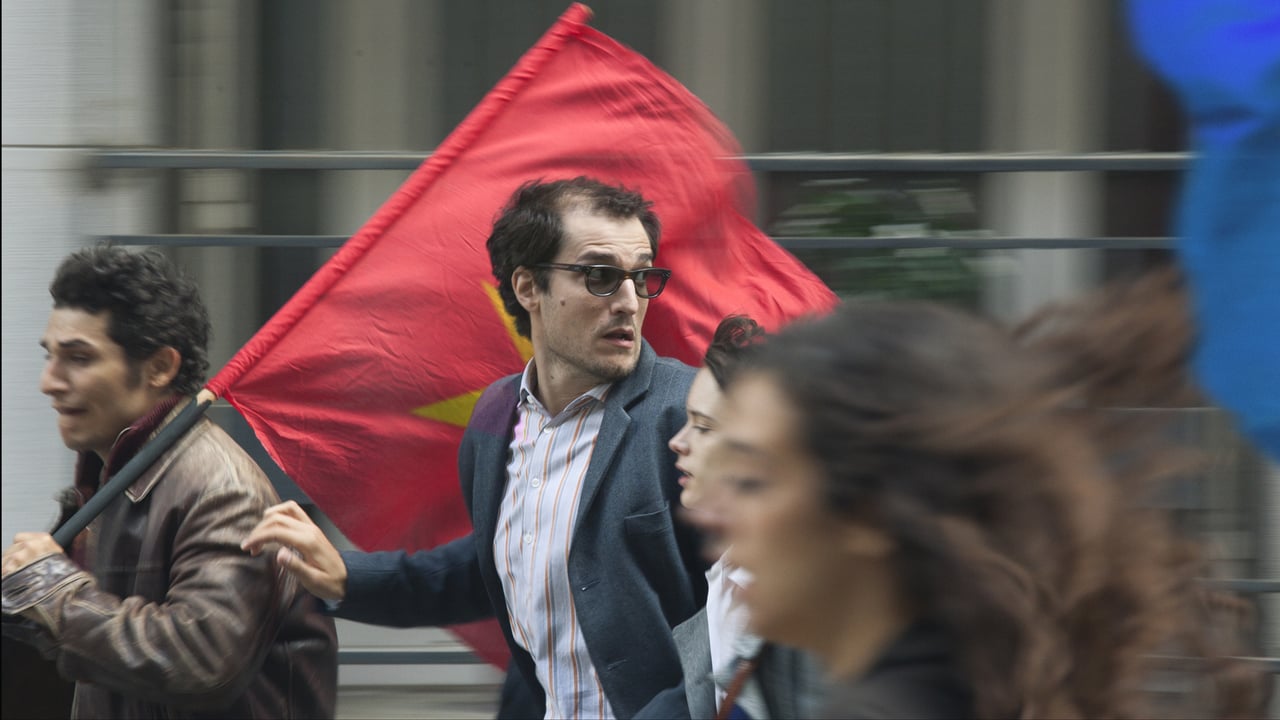
 Thinking things through is not
 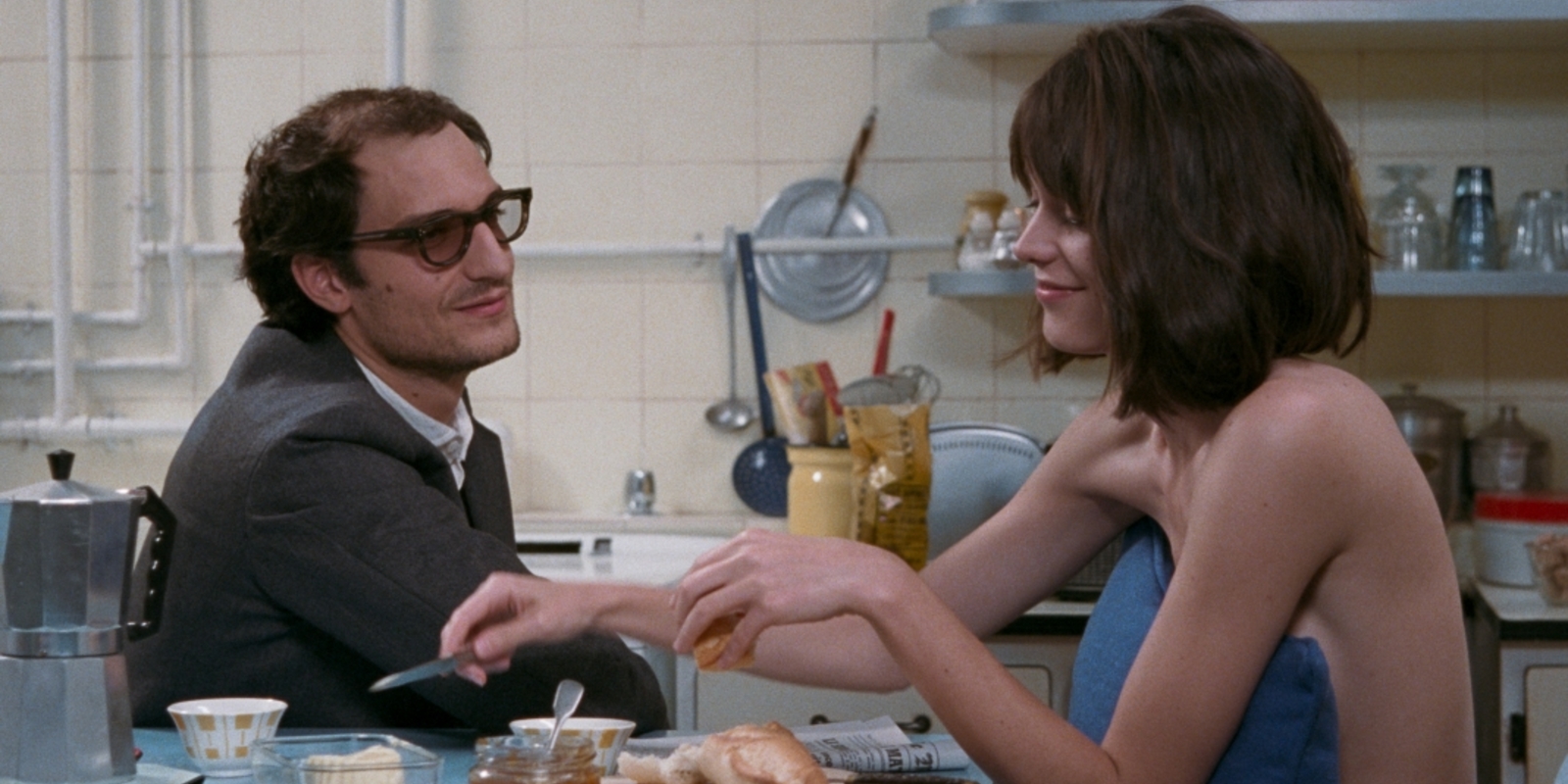 Brody is too kind. Godard Mon Amour posits that Godard (
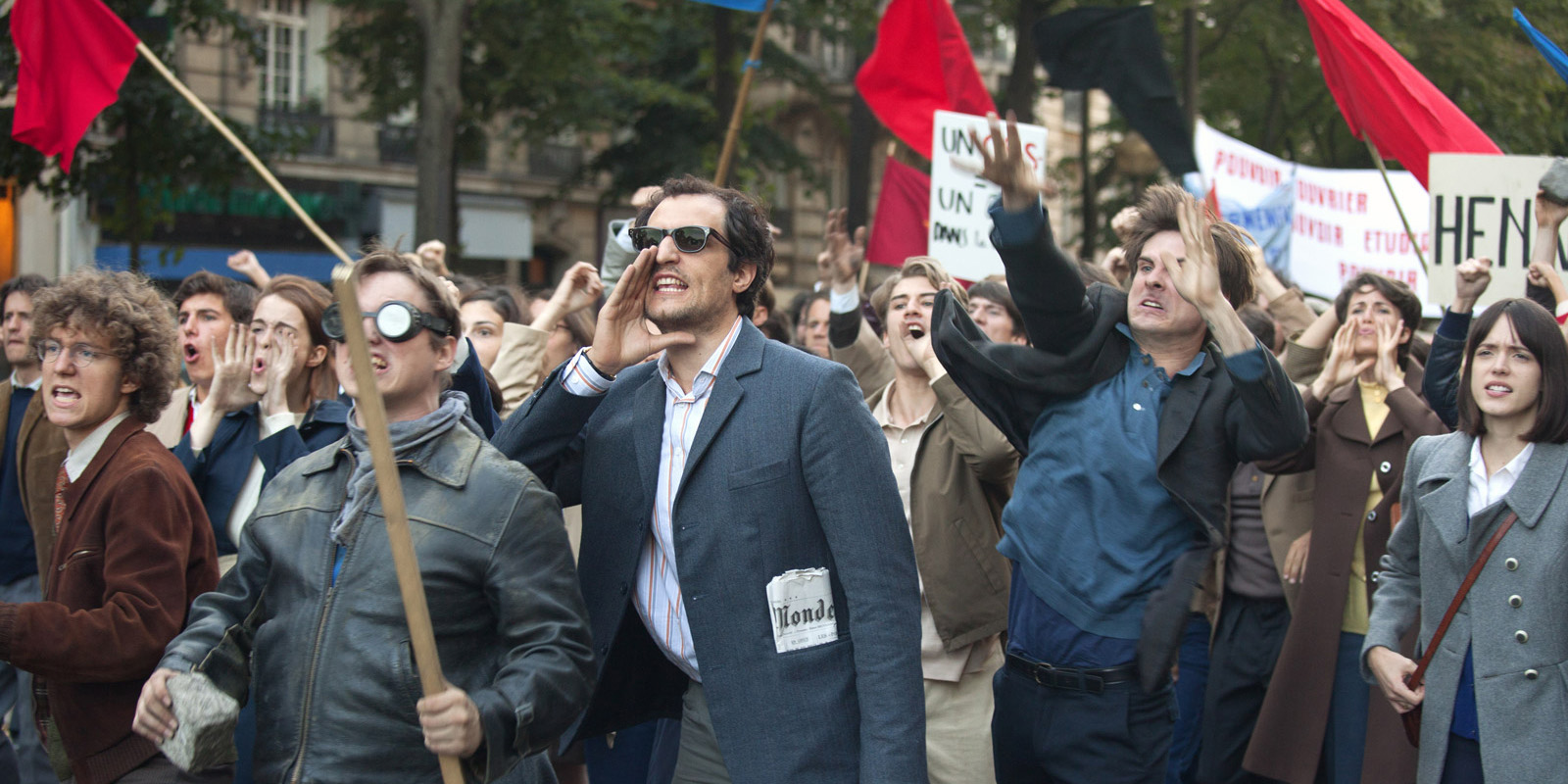 Garrel is encouraged to play Godard as the Forrest Gump of the revolution, stalking around with the mock-simian postures of a Groucho Marxist, minus the anarchist glee. A recurring slapstick motif finds Godard’s glasses repeatedly crushed, often by protestors, which does double duty in demonstrating that: a) he’s a
 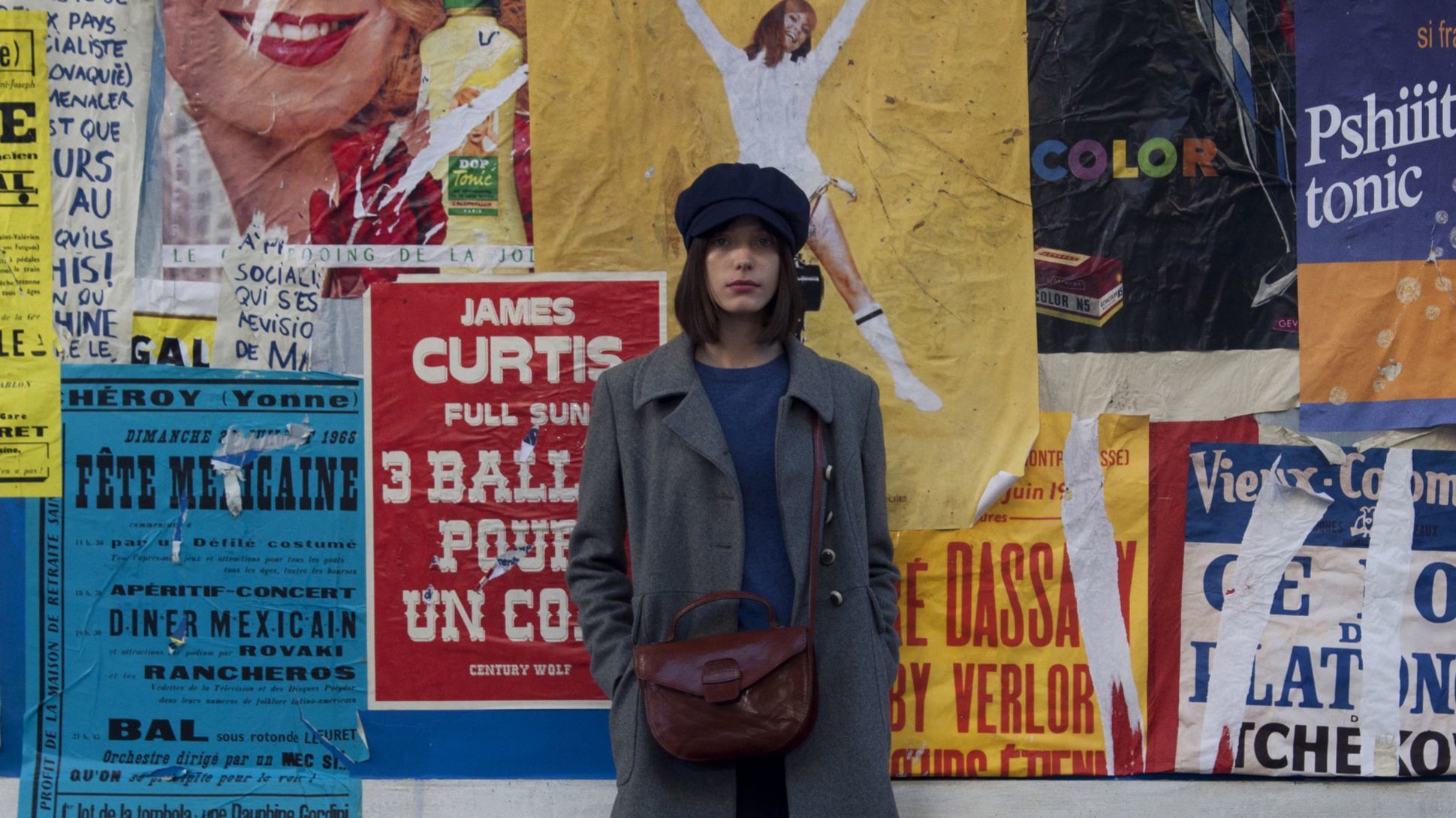 Why, then, does Godard Mon Amour exist? For who? The biopic elements, that bourgeois romance, is clumsily intertwined, a transtexual Contempt for the Cliff’s Notes set. The whole air of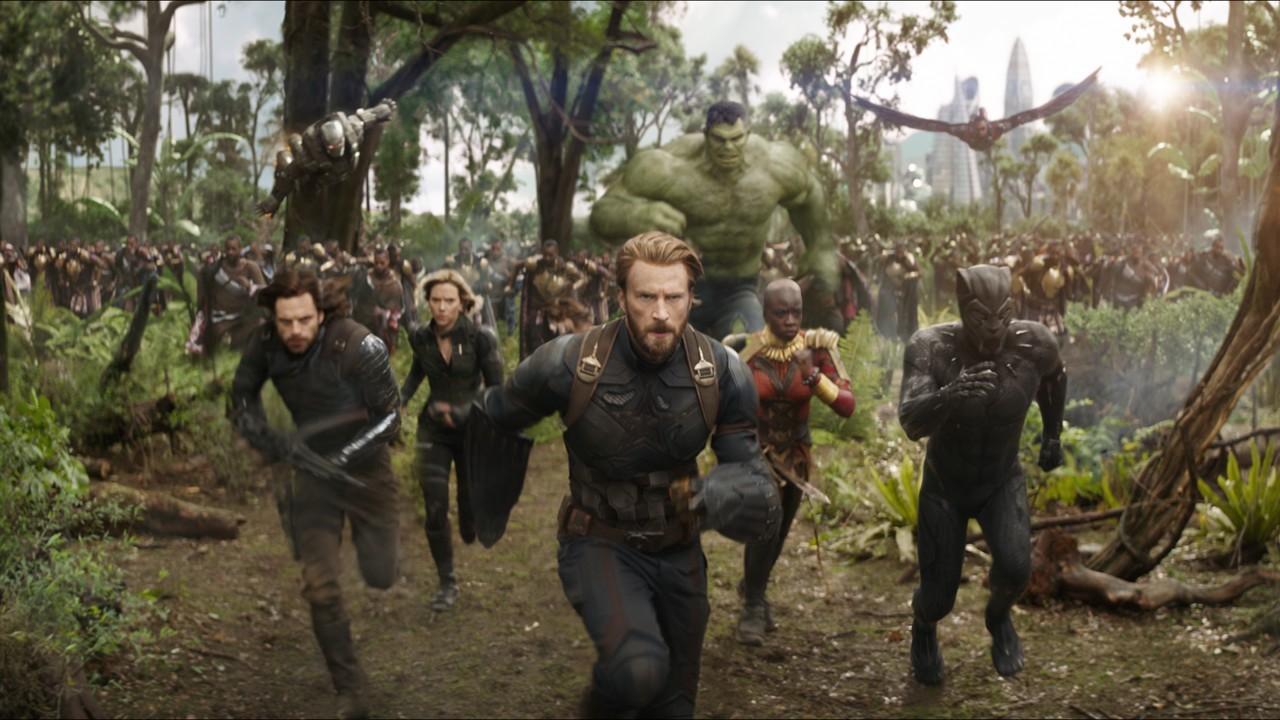
 I’ve noticed
 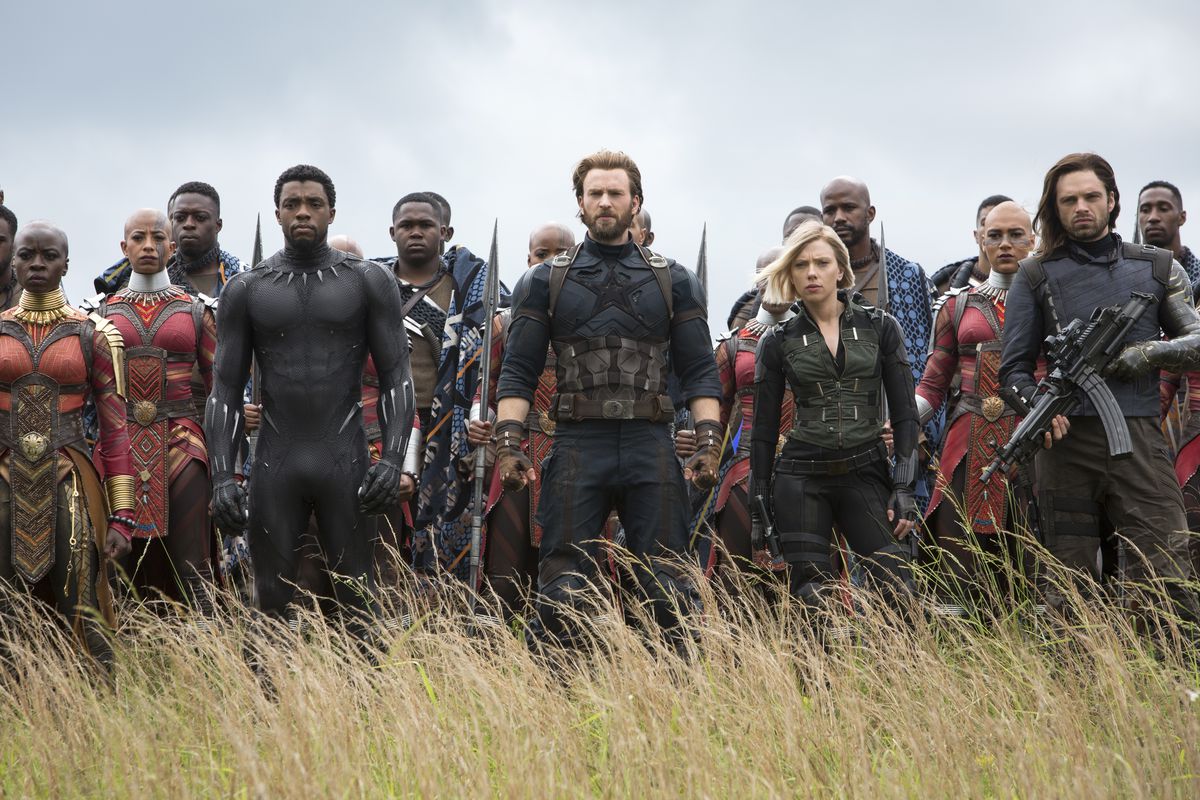 It’s never boring because boredom is (usually) the conflict between not being interested in something, but feeling you should pay attention to it for some later payoff. But no scene in Infinity War points towards some future payoff; as a result, almost every scene is unnecessary. If you zone out for a few minutes, you’ve missed nothing; if you pay attention to every moment perfectly, you’ve gained nothing.
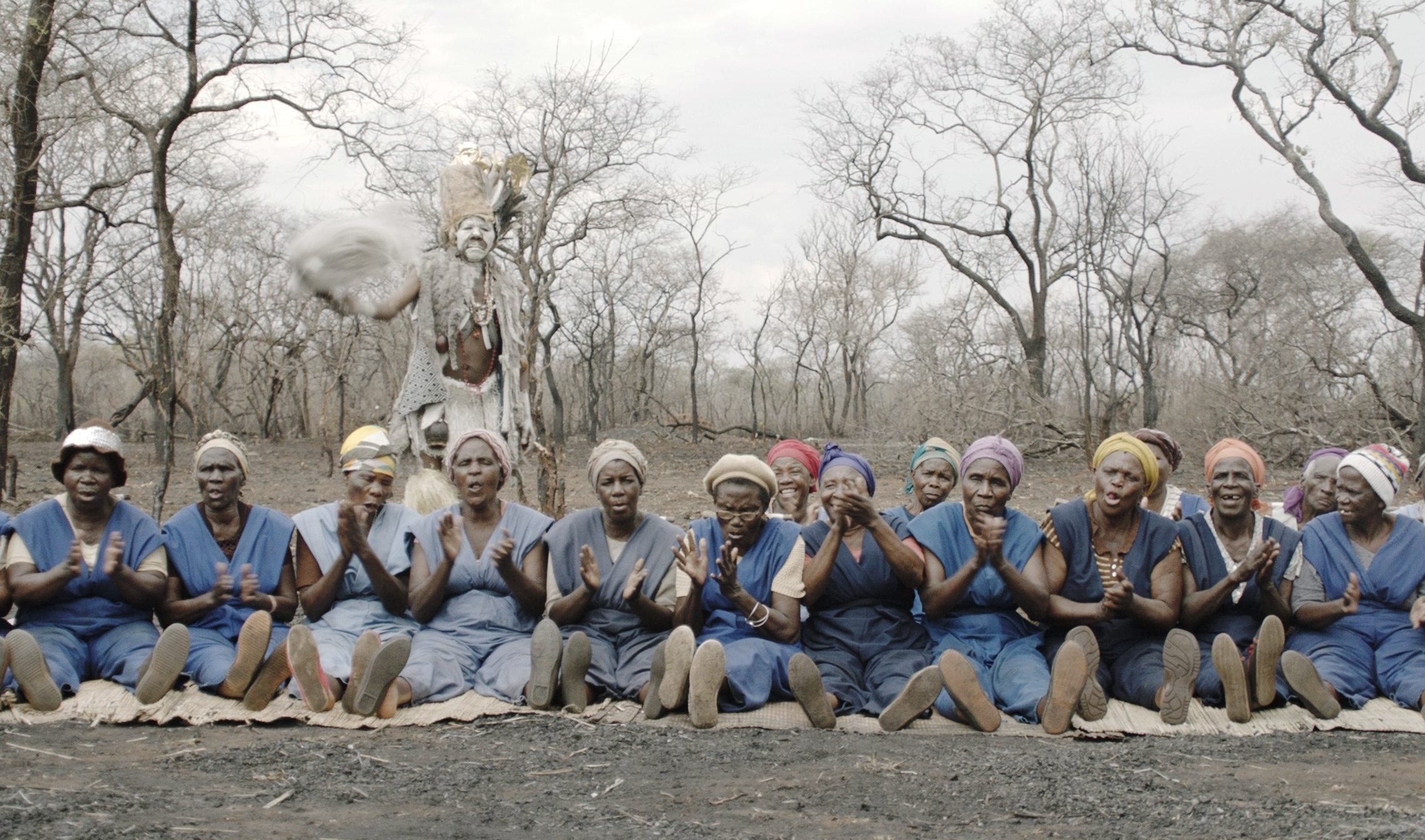 I Am Not A Witch is full of these images, hauntingly captured by
  Shula’s adventures can take her from a government-mandated outdoor school in a forest clearing to the set of a Zambian talk show, coming on after a hip-hop artist to sit silently while her overseer tries to normalized her presence and more urbanized Africans look with something like horror at her exploitation. All of the witches are attached to ribbons, which can be retracted by enormous, surreal spools when they are needed elsewhere.
 Nyoni’s magic realist satire inverts this: witches are born rather than exterminated in Shula’s Zambia of the mind, though their bodies are still rendered work-machines for late capitalism. An early comic scene in I Am Not A Witch finds a villager recounting his evidence for Shula’s sorcery in detail to the local policewoman — the girl appeared out of nowhere and lopped his arm off! — before abashedly adding that this happened in a dream. Still, the information is sent up the chain, from village rumor to police report to corrupt government official Mr. Banda (
 The focus is less the beatings suffered and deadly dangers faced by the children — mostly recounted in heartbreaking asides, all the more painful because of the youthful innocence and shrugs hiding unimaginable hurt — then the friendships that sustain them in horrific circumstances. Poetic and lavish images of sunsets on the water alternate with memories of brutality and with the story of 17-year-old Peter, awaiting the removal from bondage of his missing friend. We also trail Kwame, verite-style, on rescue missions by boat across the vast expanse.
 But there’s a structural limit to the film’s perspective. For one thing, it would’ve helped The Rescue List, and our understanding of the situation, to spend more time with the parents. We get a bare sense of why they would do it — poverty — but never get to delve deep into psychological or social ramifications in home villages (with small exception at end). We are talking about selling your own children here; the film’s otherwise admirable matter-of-factness obscures the gravity of this act. Fedele and Fink also opt to steer clear of any real examination of the government’s role, or the mining companies that created the conditions for slavery to flourish, or the colonialism that created the condition for the mining companies. We are routinely submerged, in media res, and experience first-hand what it’s like to confront these injustices, but we never get a full grasp on how or why they came to be.