
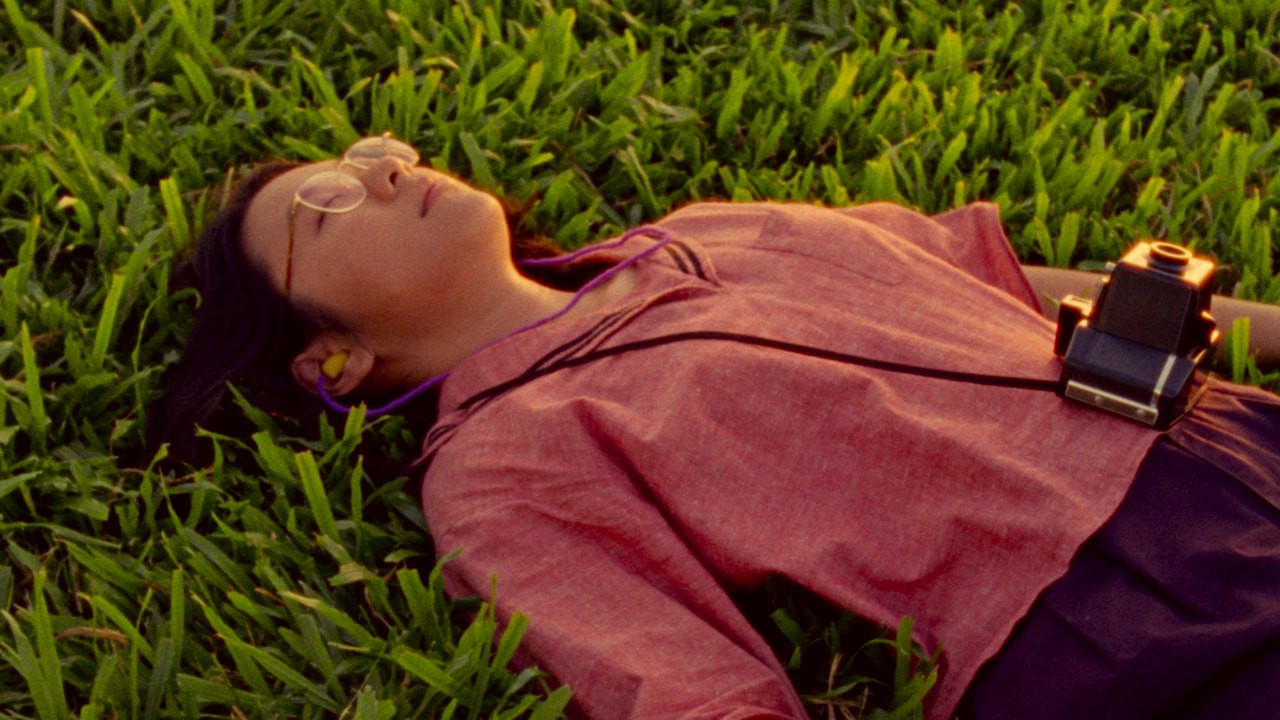
We are familiar with the “making-of” documentary, but Sandi Tan‘s Shirkers turns it inside out. This is a “losing-of” documentary — a relentlessly charming love letter to indie cinema and its irrepressible DIY spirit, but also a confounding psychological mystery that asks, “How do you represent a film that exists almost entirely in memory?”
The film in question was meant to be titled, like its decades-later doppelganger, Shirkers. A metaphysical ghost story / revenge narrative / road movie written by and starring Tan, and filmed in an early 90s Singapore that wasn’t exactly a haven of filmmaking, independent or otherwise, Shirkers was not so much “lost” as “absconded with.”
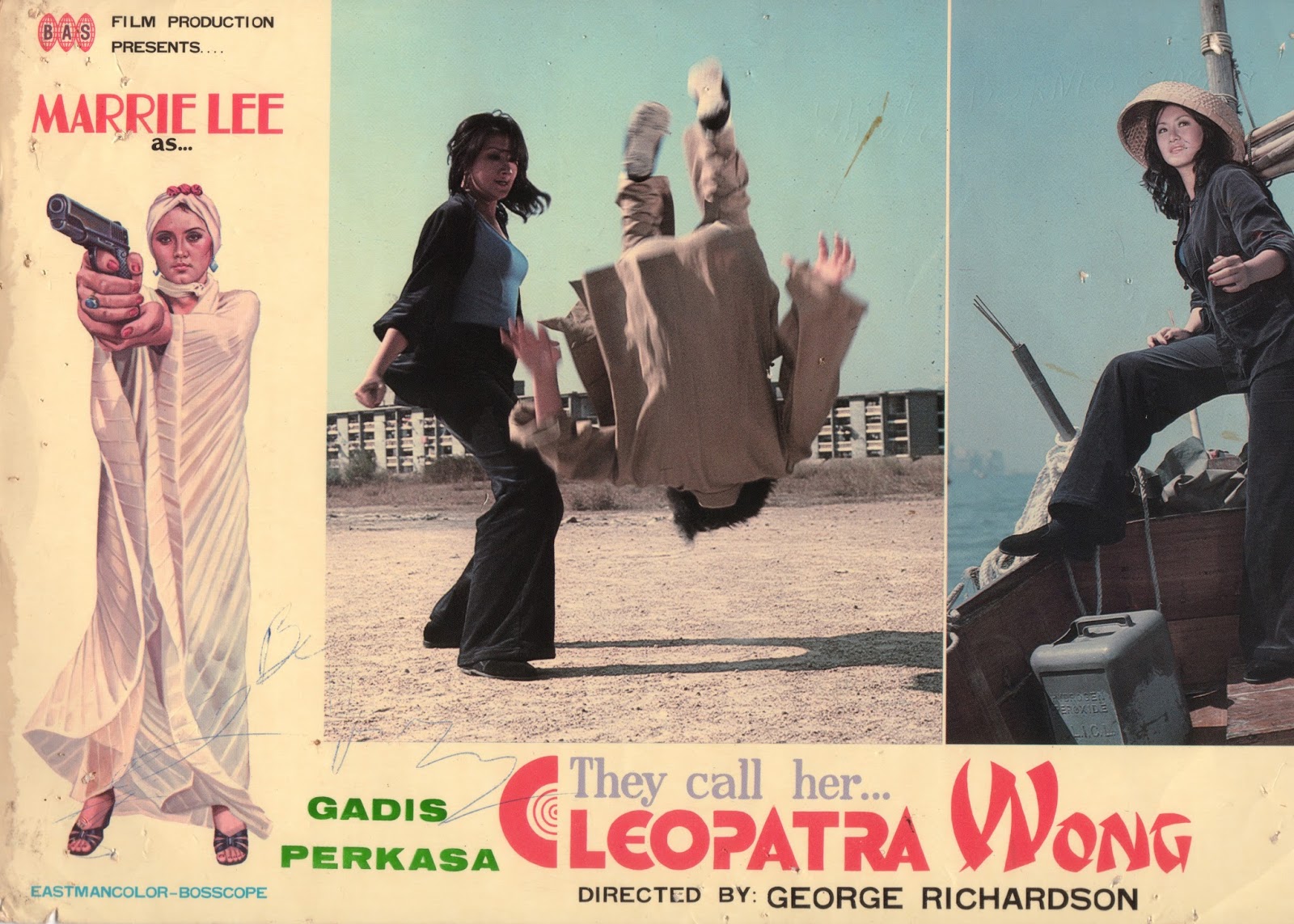 For a variety of reasons, Singapore has not historically been known for its cinema, certainly not its home-grown productions. With the notable exception of They Call Her Cleopatra Wong, a 1978 martial arts / distaff superspy flick self-consciously reworking the Blaxploitation of Cleopatra Jones for local audiences, there are very few touchstones after the industry declined post-Independence in 1965. (Wikipedia’s “List of Singapore films by year,” for example, collapses the 1920s – 1990s into a single category.) Shirkers might’ve changed that, or at least marked an early explosion of rebellious energy, had the reels not been stolen by a sinister, charismatic international man of mystery named George Cardona. Cardona — who represented himself as a filmmaking mentor and well-connected old hand, and even dubiously bragged that he’d been the model for James Spader‘s character in sex, lies, and videotape — was Shirkers‘ erstwhile director. He zealously coached a group of Jarmusch-and-Varda-loving teenagers into making their road movie passion project, and then vanished with the footage, like a total, absolute weirdo.
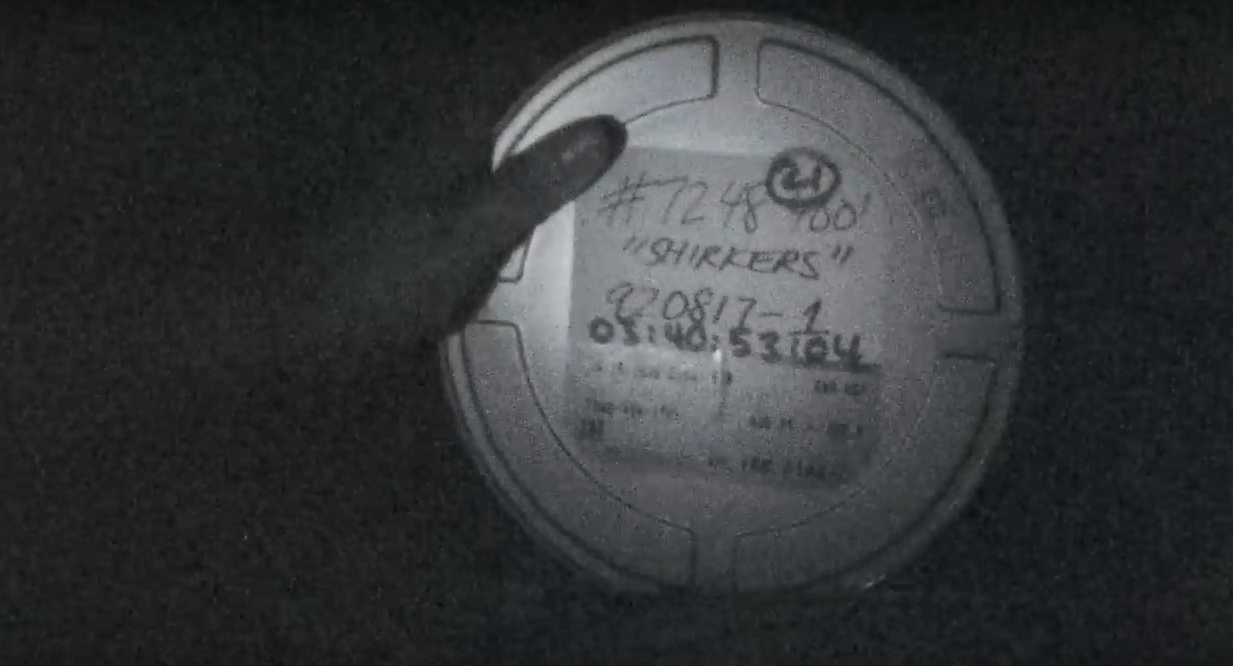 Tan’s documentary is an evocation of the time, place, and people involved in this oddball story, and also something of a necromancy. After Cardona’s death decades later, his widow gets in touch; Shirkers lives! The complete reels of film, minus the sound, had been kept and preserved over the years, transported obsessively between the houses and countries where Cardona had lived in the interim, along with an alarmingly meticulous collection of Shirkers ephemera. He’d somehow appointed himself sole curator of the world’s most bizarre personal archive, like a mythological creature hoarding other people’s memories.
Why would he do this? Shirkers, and Tan, try on some answers for size — To sabotage success he could never obtain personally, a pattern other Cardona acquaintances recognize? To wield some kind of fetish power? Did he envision editing and releasing the film himself? — but nothing really fits. Cardona’s motivations remain as absent as the location recordings he pointedly trashed. The whole situation has a strong sense of abuse — the age and power differences; recollections of his increasingly controlling, occasionally outright suspicious behavior during production; sending, as his final gesture of post-Shirkers contact, dummy videotapes full of snow in lieu of the footage, like a serial killer without the killing or a bizarro James Spader — and Tan seems to feel that something, an innocence or trust, was indeed stolen along with her movie.
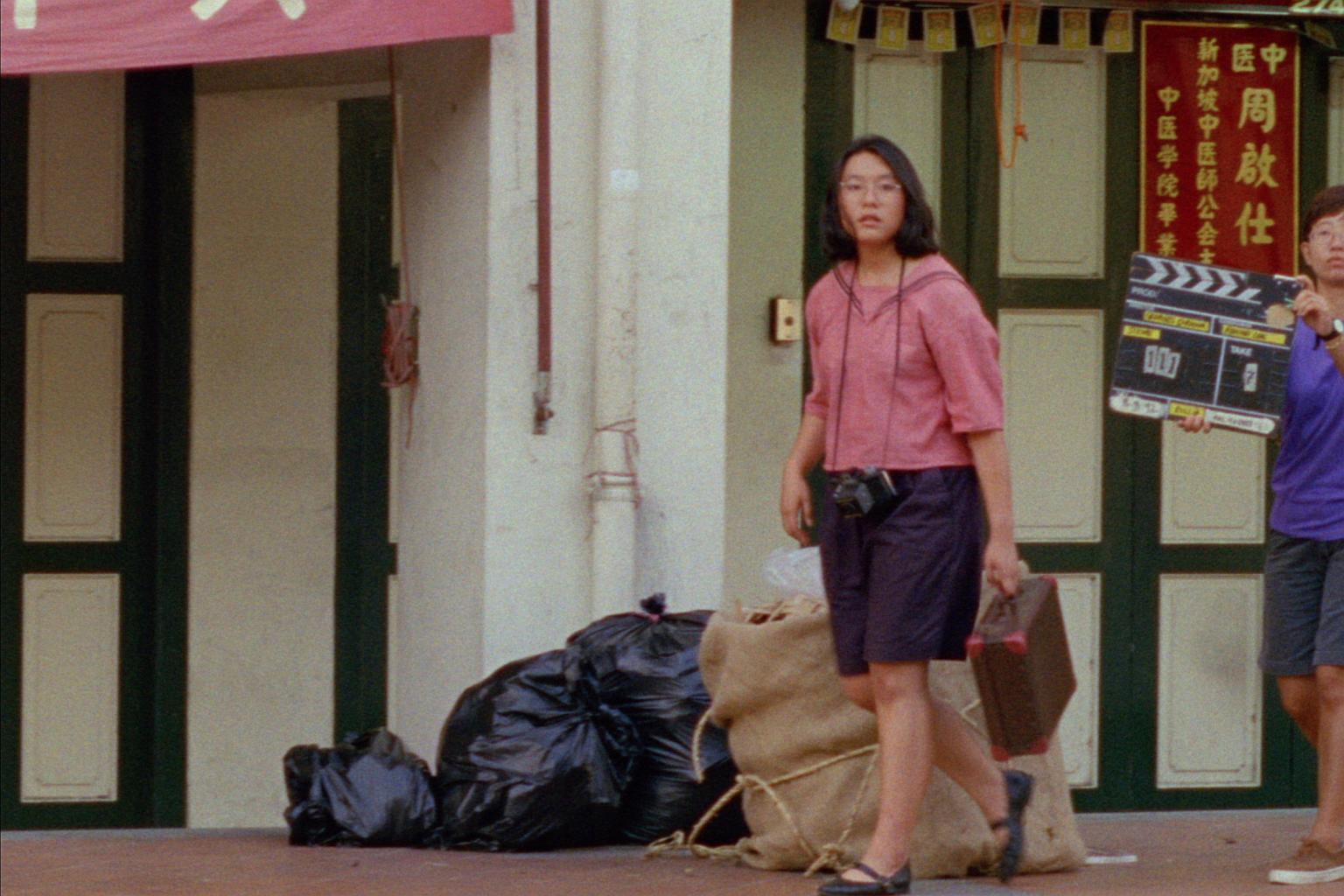 We are left with a triple absence, in the form of a movie that never was and a man it is nearly possible to situate in a country that has changed dramatically since Tan’s cameras captured its storefronts and countrysides. Shirkers, the documentary, is not simply Cardona’s story, as creepily compelling as it is. It’s also the road movie — its unspooling, indeterminate structure emphasized with experimental manipulations and complex textures in the sound design — that Tan never got to release, an excavation of memory and an occasion for reunion. Her Shirkers compatriots Jasmine Ng (with whom Tan endearingly pledged to form “the Coen Sisters” back in the day) and Sophia Siddique are on hand to give their takes, which range from lingering bewilderment to bemused grievance; the two are, respectively, a filmmaker/activist and the chair of Film Studies at Vassar. Their Shirkers is a flickering, cinematic bond between the three, made of fugitive stills.
It’s tempting to clamor for the reconstruction and “re-release” of Shirkers, the enigmatic road movie, now a silent (or, as Tan puts it, “rendered mute.”) What we see of the footage is intriguing: it could be lyrical, post-punk outsider art, wearing its color-saturated heart on an absurdist early-90s Singapore sleeve. The Tan who comes across in the documentary seems unlikely to make that film now, though. Her interrogation of Shirkers and its ghosts is more interesting anyway. It is Shirkers, and we’re lucky to have it.

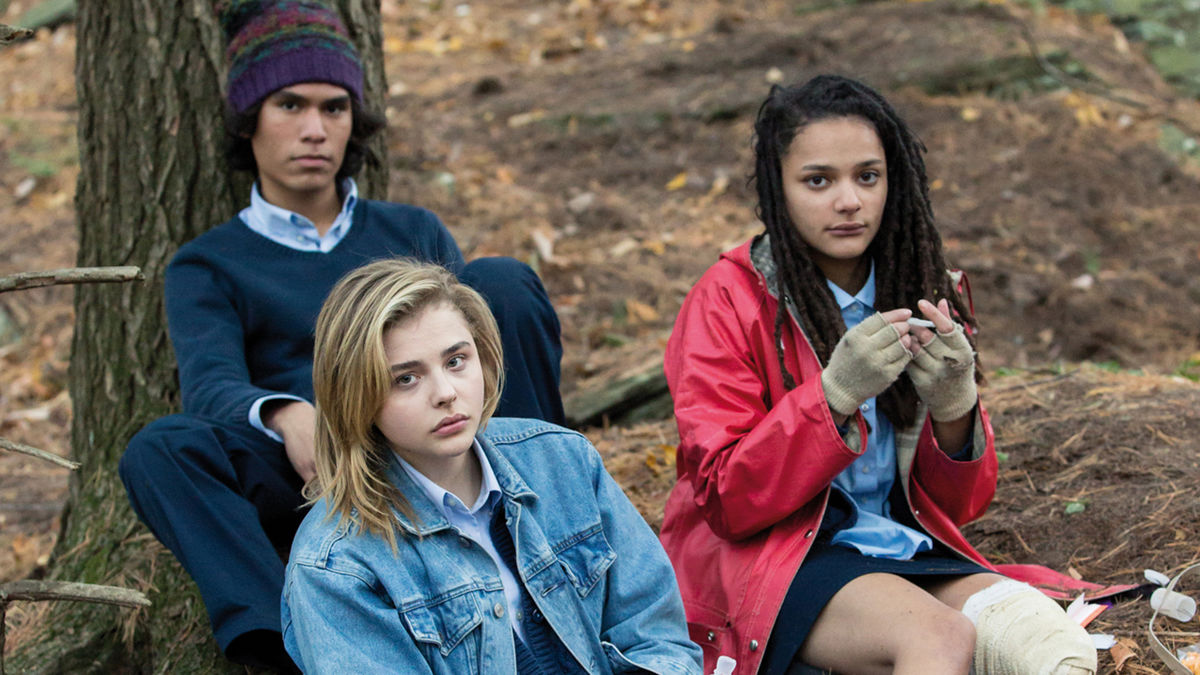 A quietly rebellious central trio forms as Cam befriends bad girl Jane (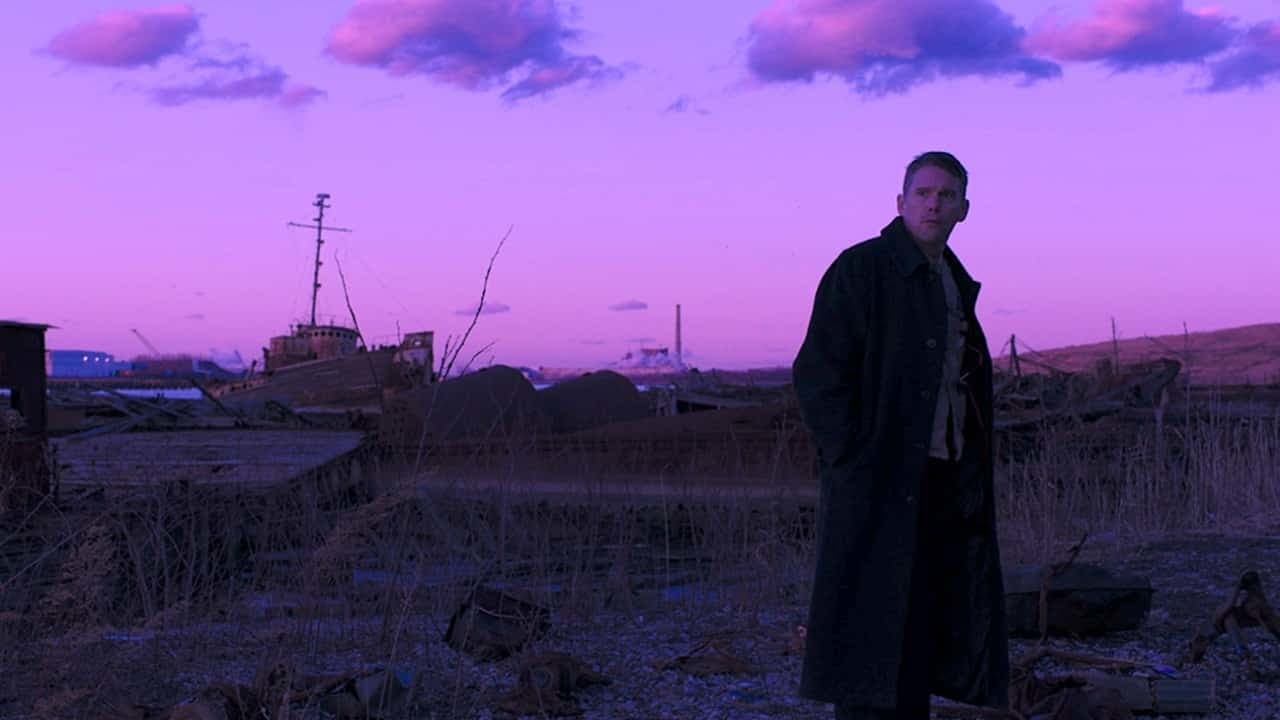
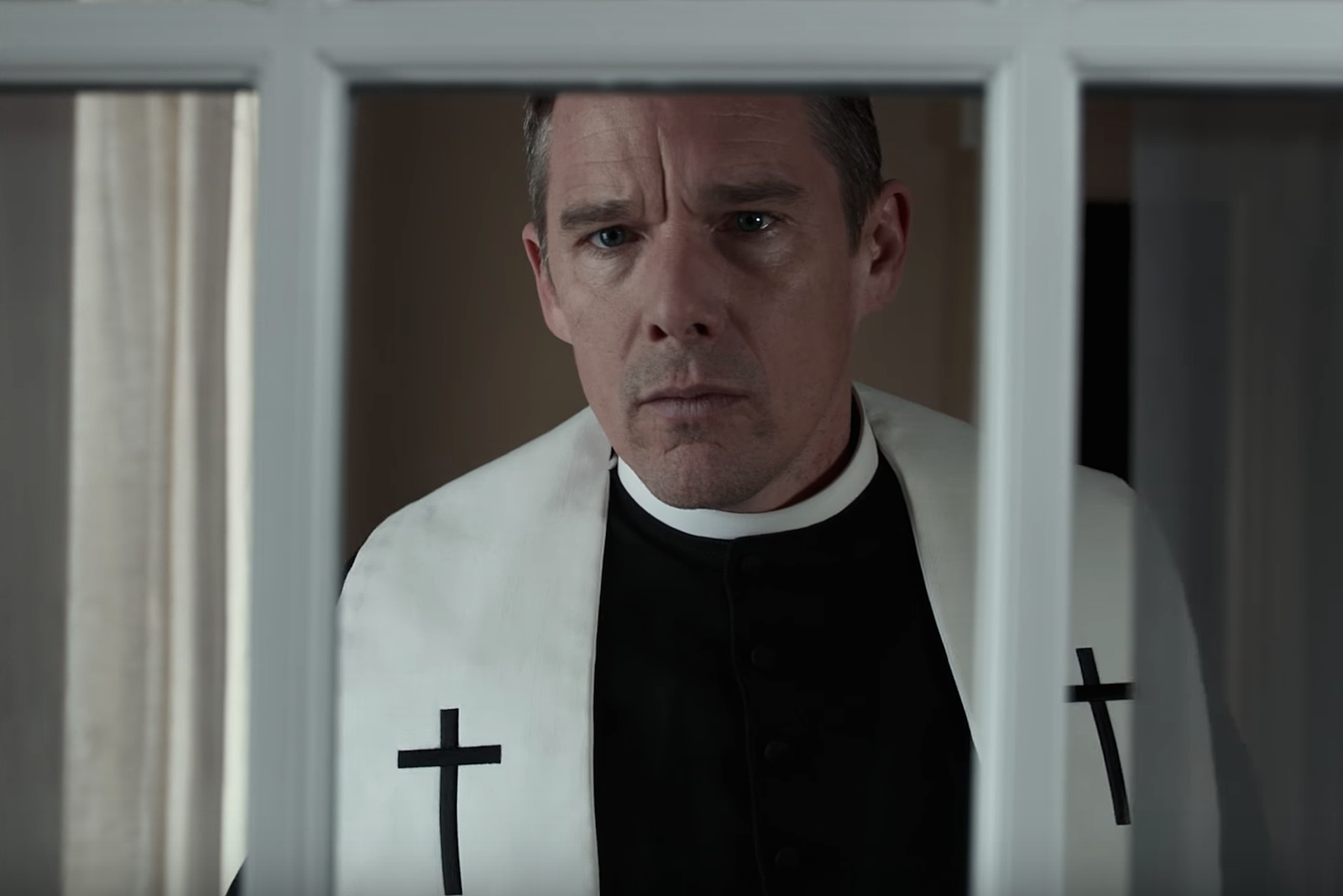 We know Toller is a broken man long before we hear about his past. With a nod to
 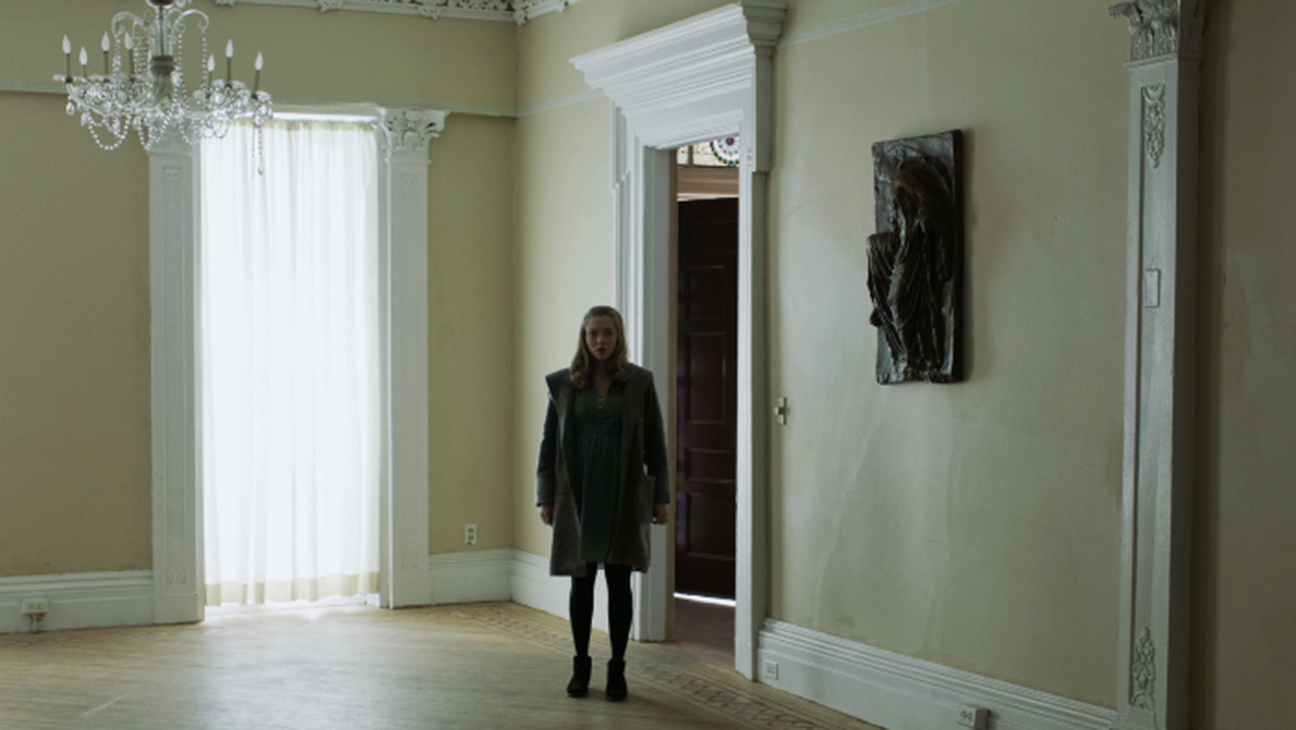 The listlessness is broken up by the introduction of a pregnant parishioner, Mary (natch), played by
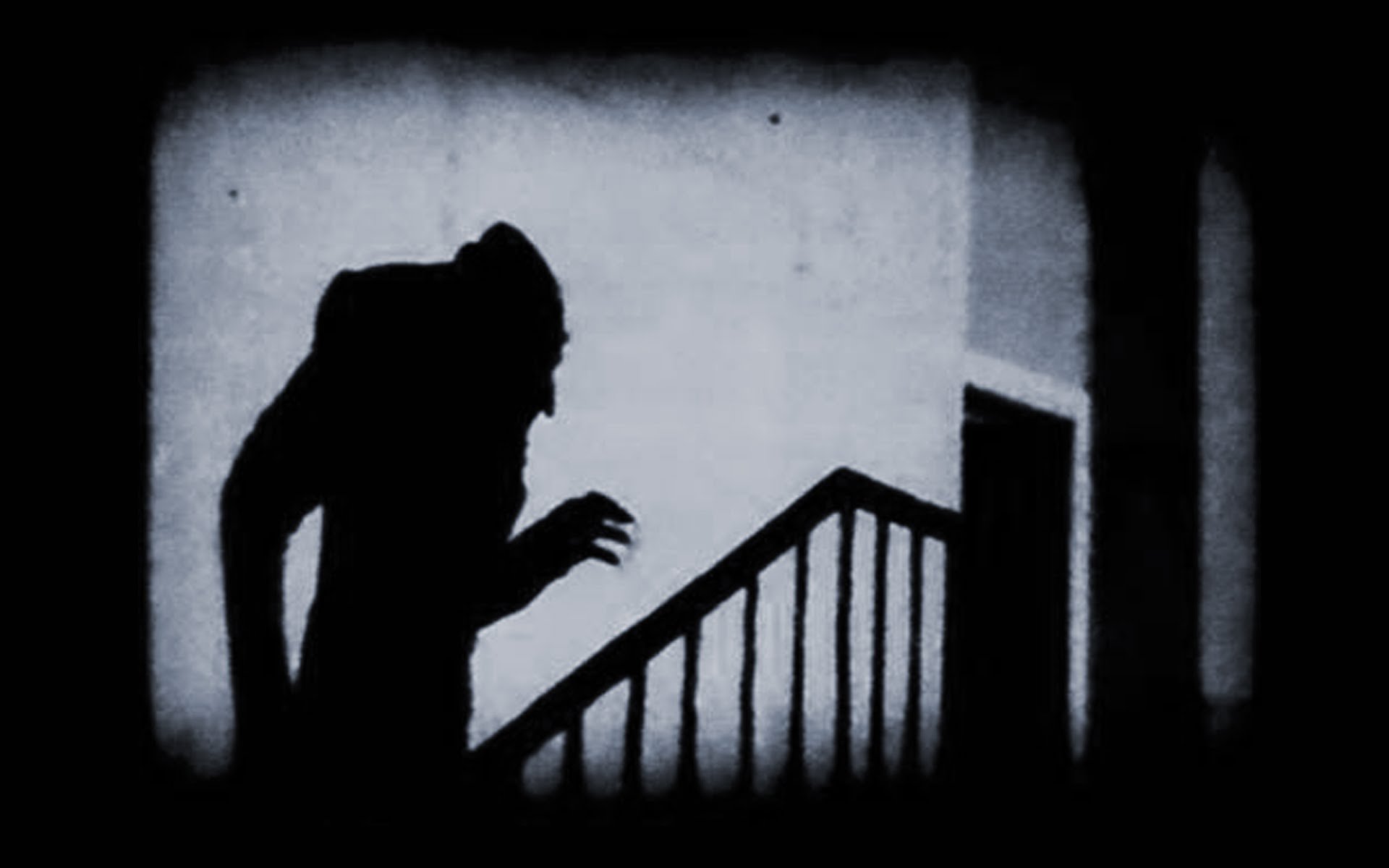 After founding the
 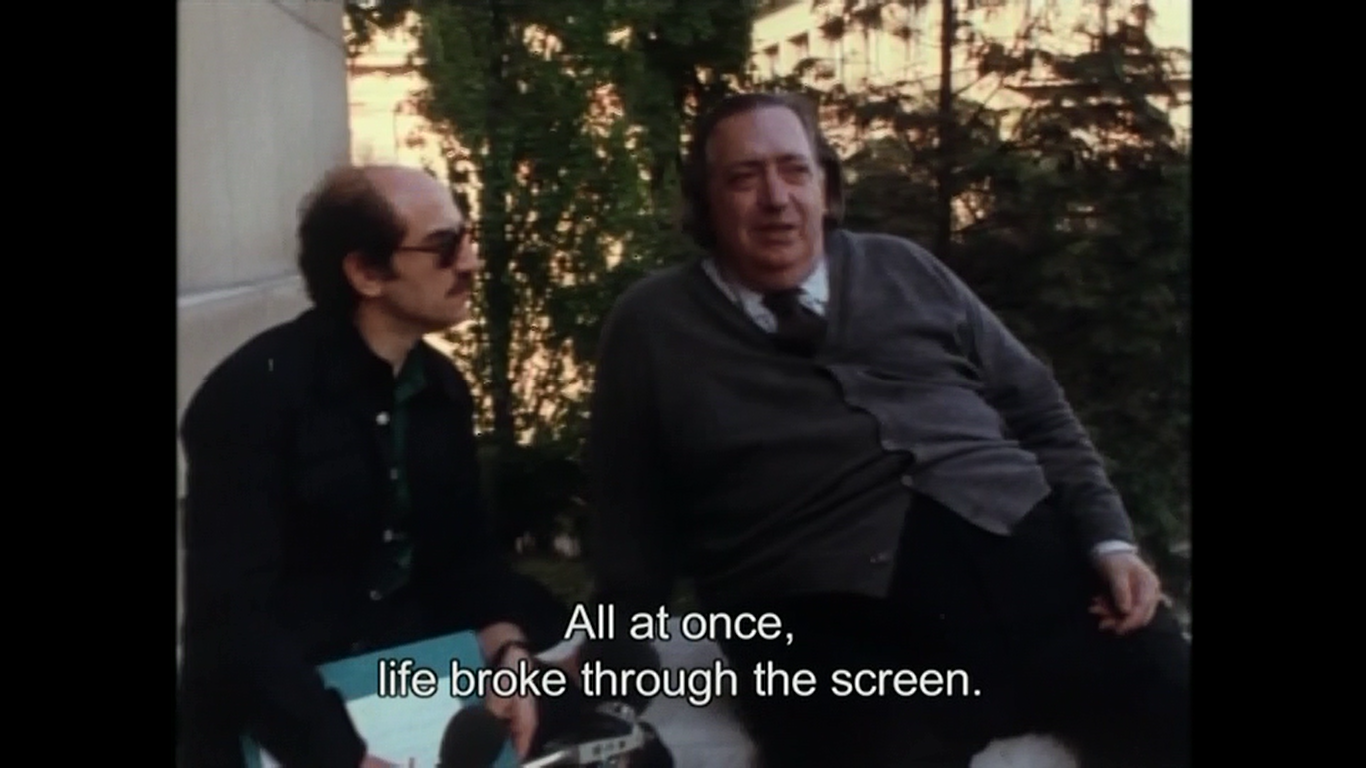 Is it too much to say that the Cinémathèque’s post-war screenings created the New Wave? New Wavers themselves certainly thought so. The doc points out that Langlois’ obsessive programming made authorial stamps across a diffuse body of work so obvious that
 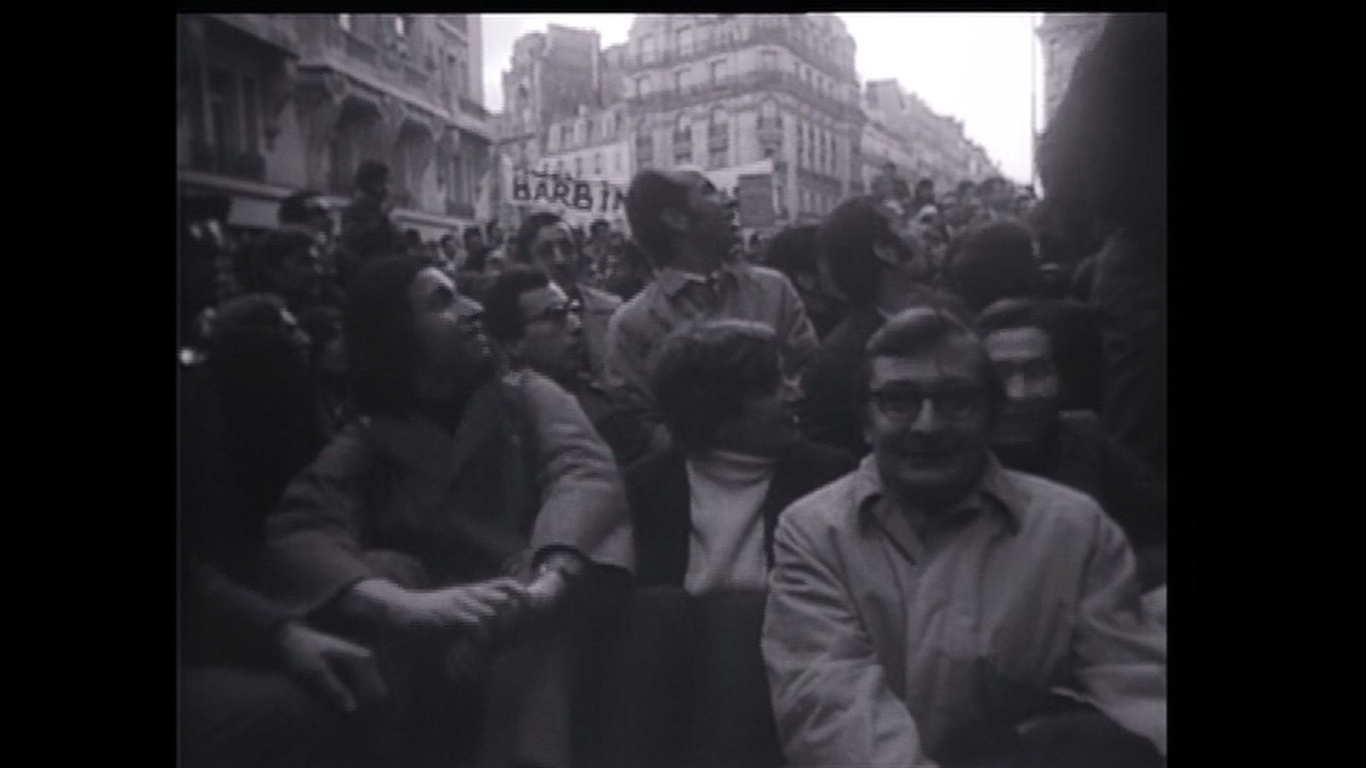 Imagine the ouster of a cinema director, archivist, and programmer leading to buildings seized by the people in protest, imagine the riot police being called, imagine throngs of film-lovers armed with sticks and prepared for physical confrontation in defense of art. Of art!
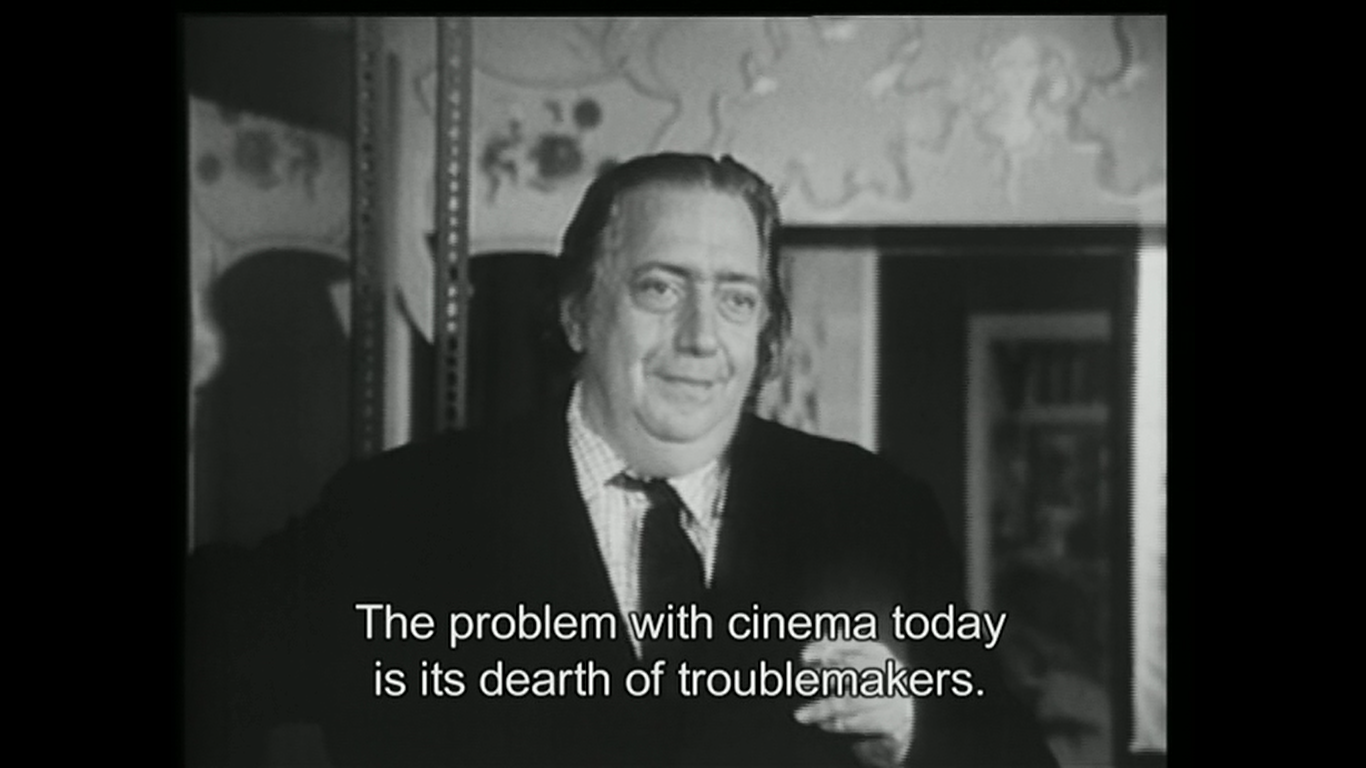 It’s silly. Of course, it’s silly. That horrific availability also means wonderfully expanded viewing opportunities, a democratized audience, a democratized universe of voices (or as much aesthetic democracy as capital opts to permit). In one interview, Langlois celebrates the development of newer, cheaper cameras – “we have writers because everyone can write,” he notes cheerfully. It’s not difficult to imagine his possible excitement at the iPhone releases of a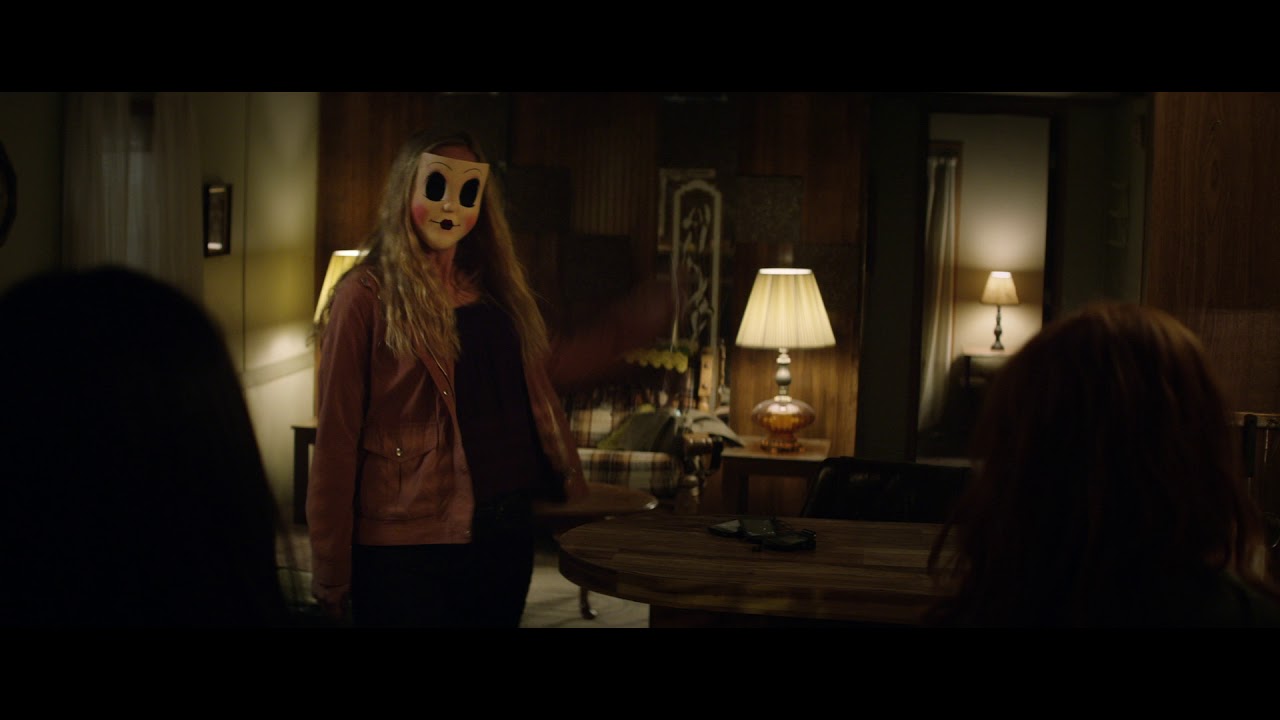
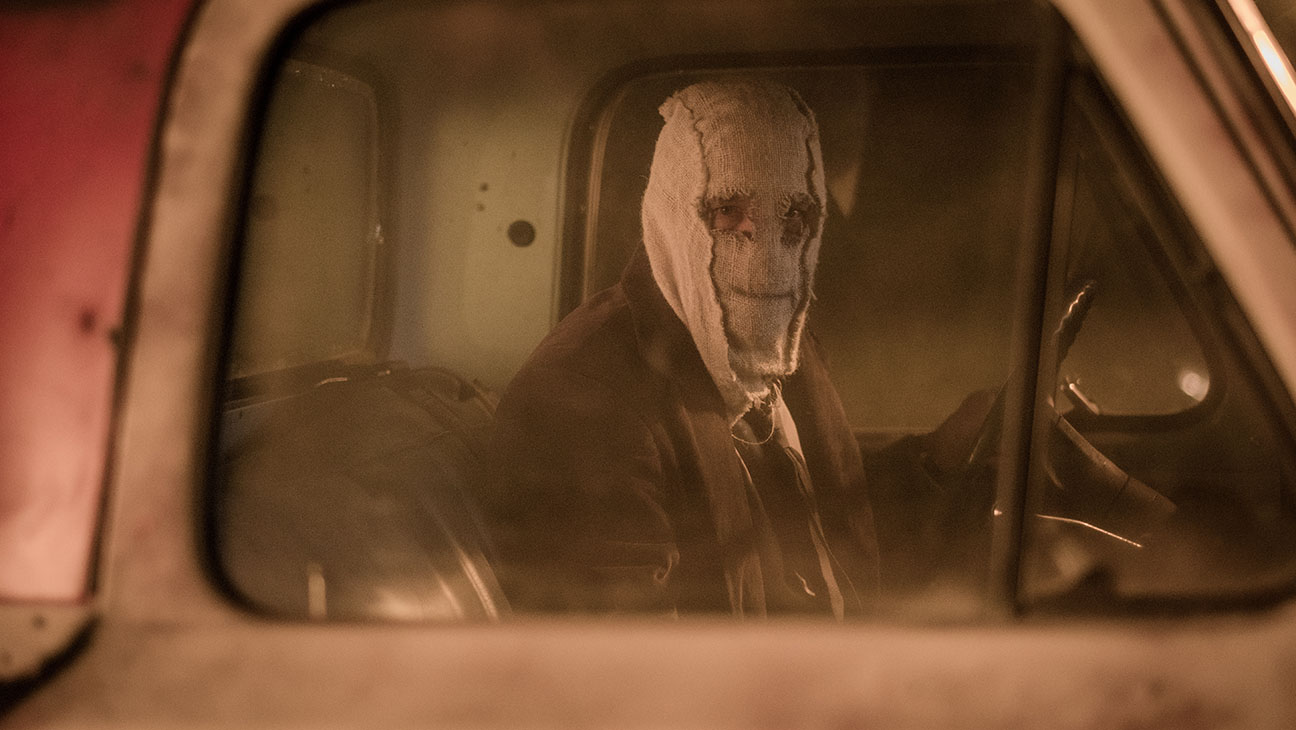 This isn’t really a
  Prey At Night
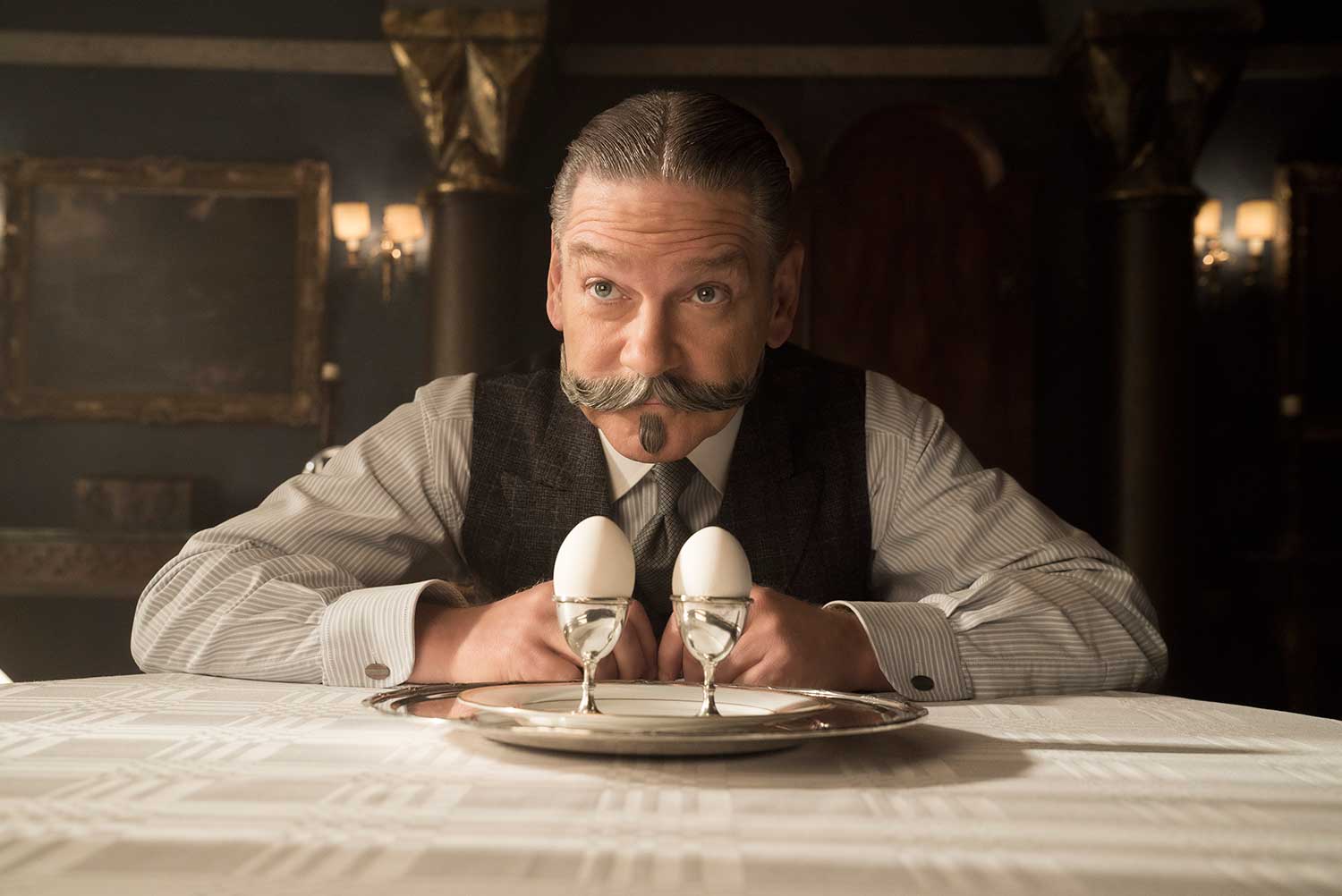 Branagh’s Poirot is not simply awful because he is different from Christie’s novels; he is awful because he is different in ways that serve only to make him more boring. This Poirot takes time out to stare longingly at a picture of a lost love (who has no particular characteristics except being lost and being loved), when the original Poirot seems to have misplaced his penis and never spent much time trying to find it. This Poirot repeatedly gets into fights and chases. This Poirot is stern and serious and interrogates his suspects like
 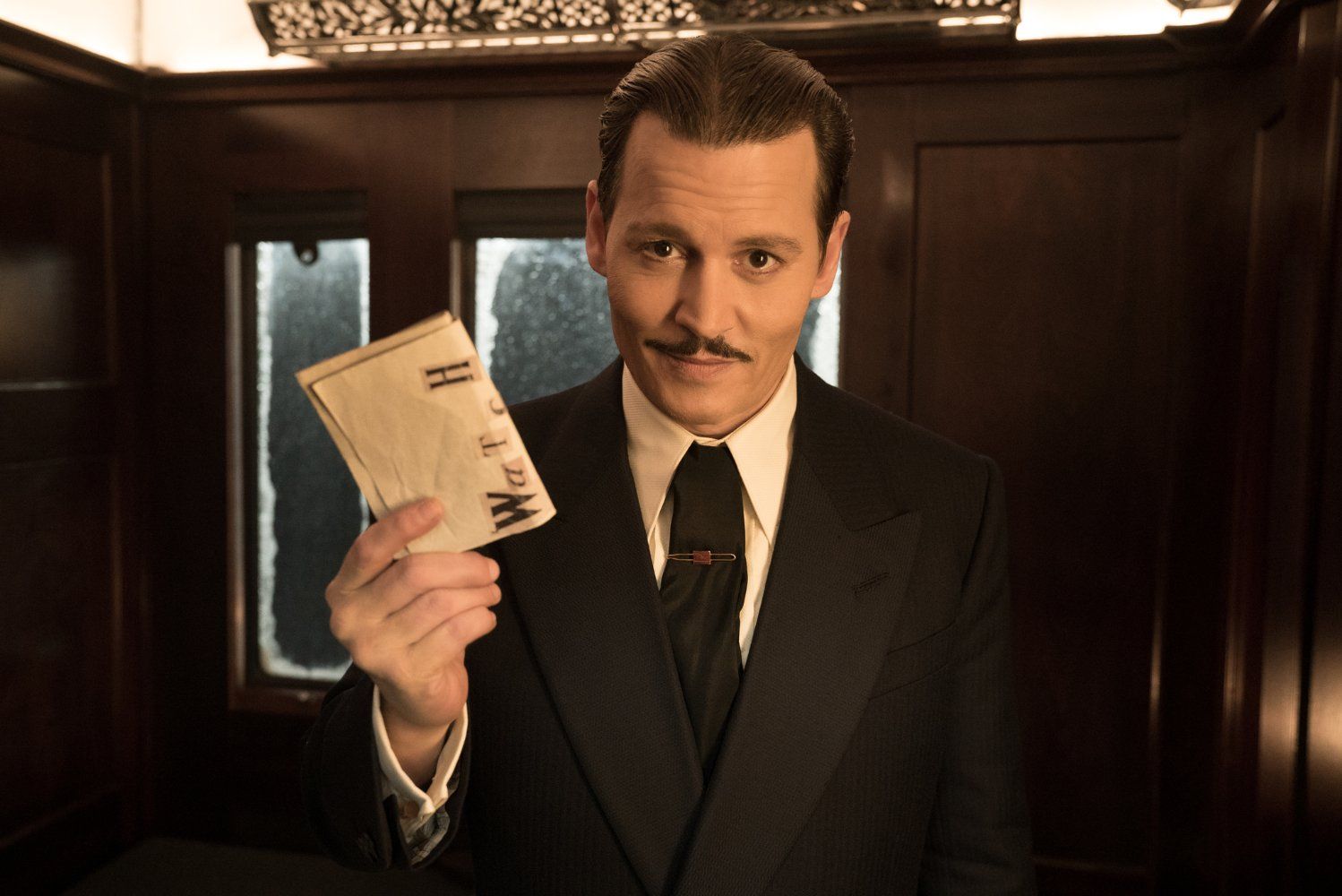 Orient
 Well, it doesn’t and it won’t. Instead, A Wrinkle In Time and its team will have to settle for being an entertaining, visually-stunning kid’s movie stamped by a personal vision and aimed at youthful audiences who don’t often see themselves on screen.
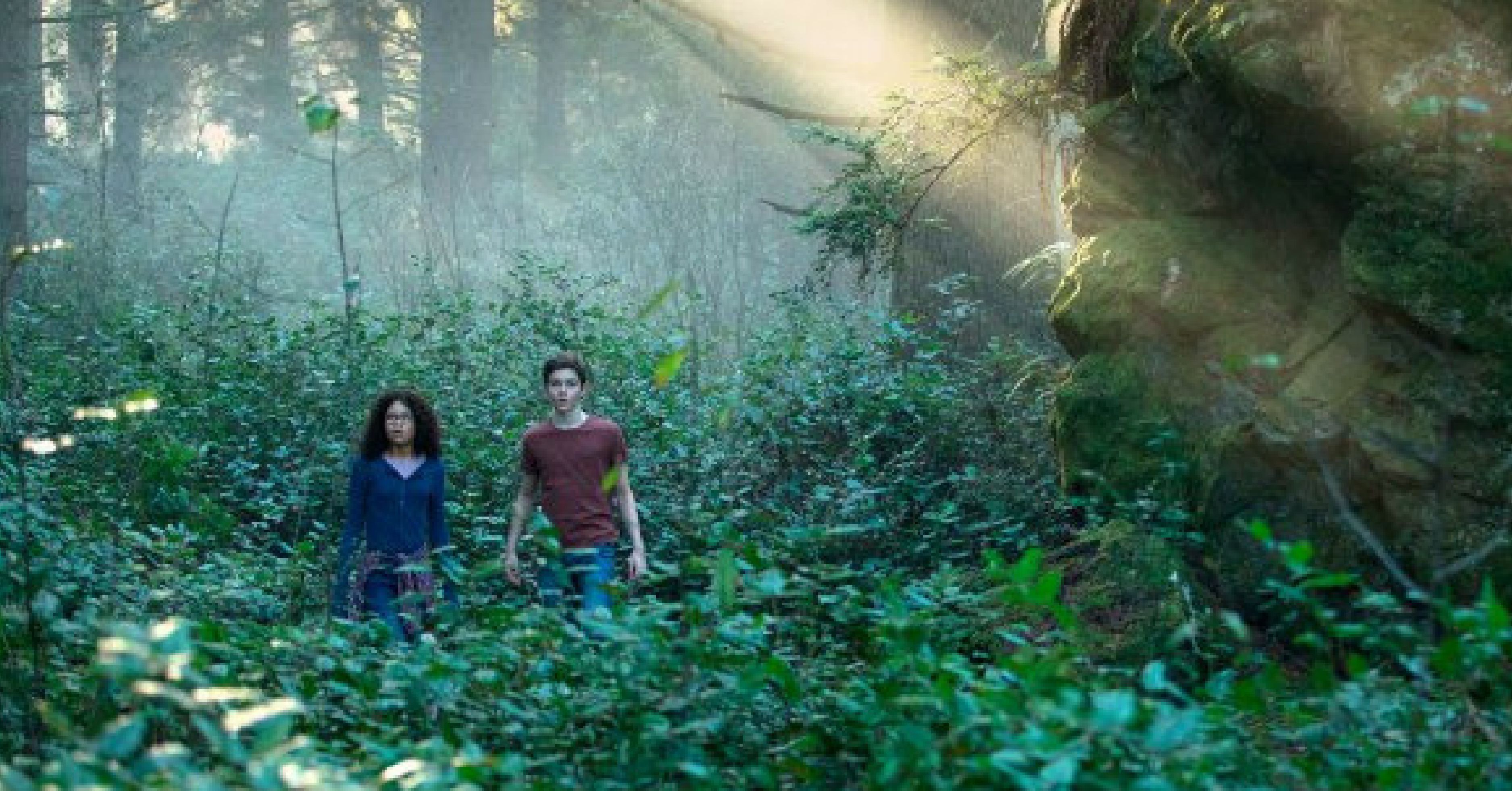 Dad’s tragic absence, and the quest to find him across space and time, drives the narrative. After a brief check-in regarding Meg’s struggles in school four years later, a hero’s journey is set in motion by the unexpected arrival of a strangely-clad woman named Mrs. Whatsit (
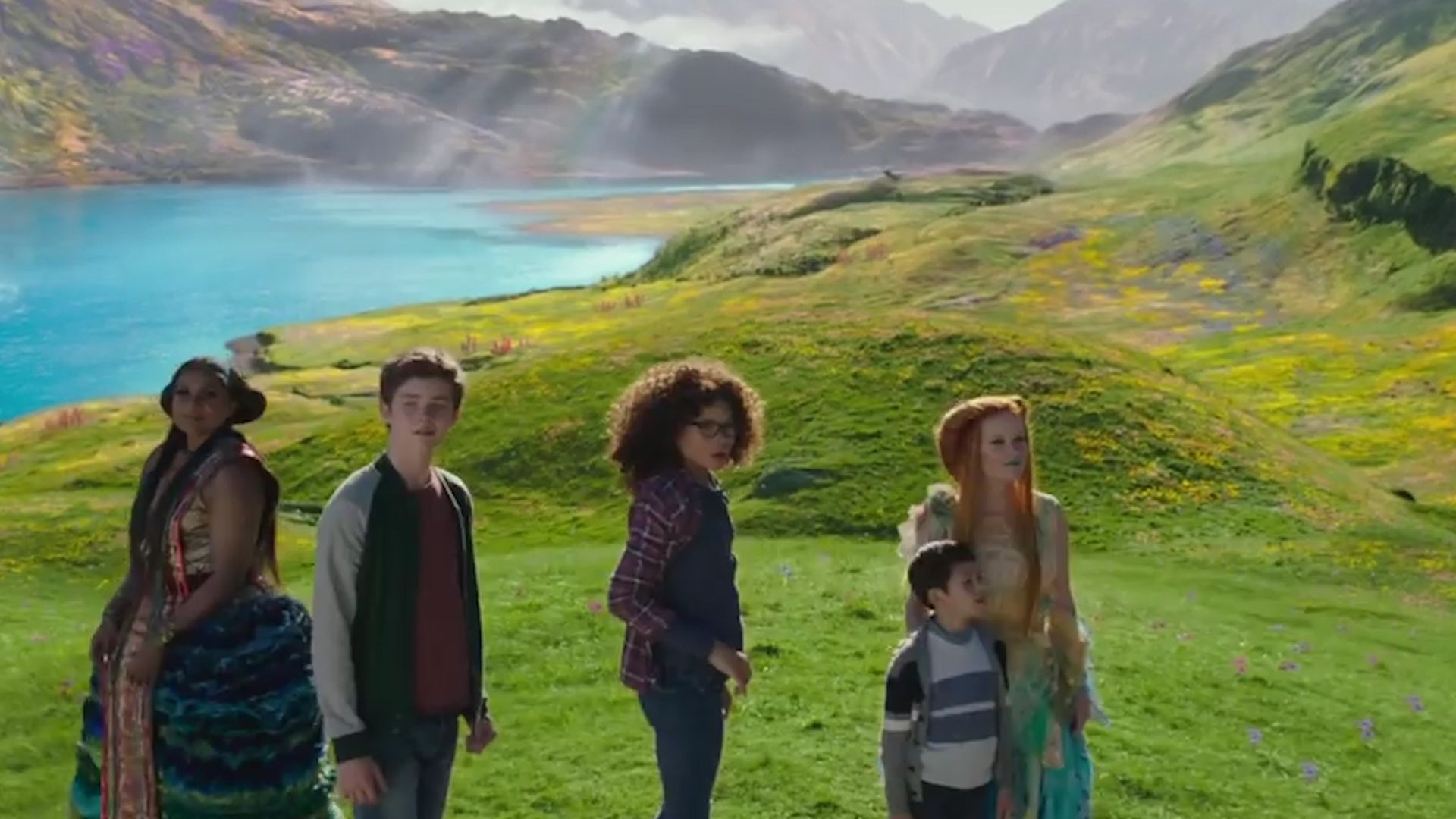 Still, amid the unsteady pacing, there are some glorious images. In order to find Dad, the trio is introduced to the tesseract, a space-time continuum, the title’s “wrinkle.” They fly across alien skies, interact with sentient flowers, hang out with a very funny
  Is it weird that Witherspoon, Kaling, and Winfrey, the ostensible draws, make the least impact and are the least developed characters, apart from Mbatha-Raw? Functioning,
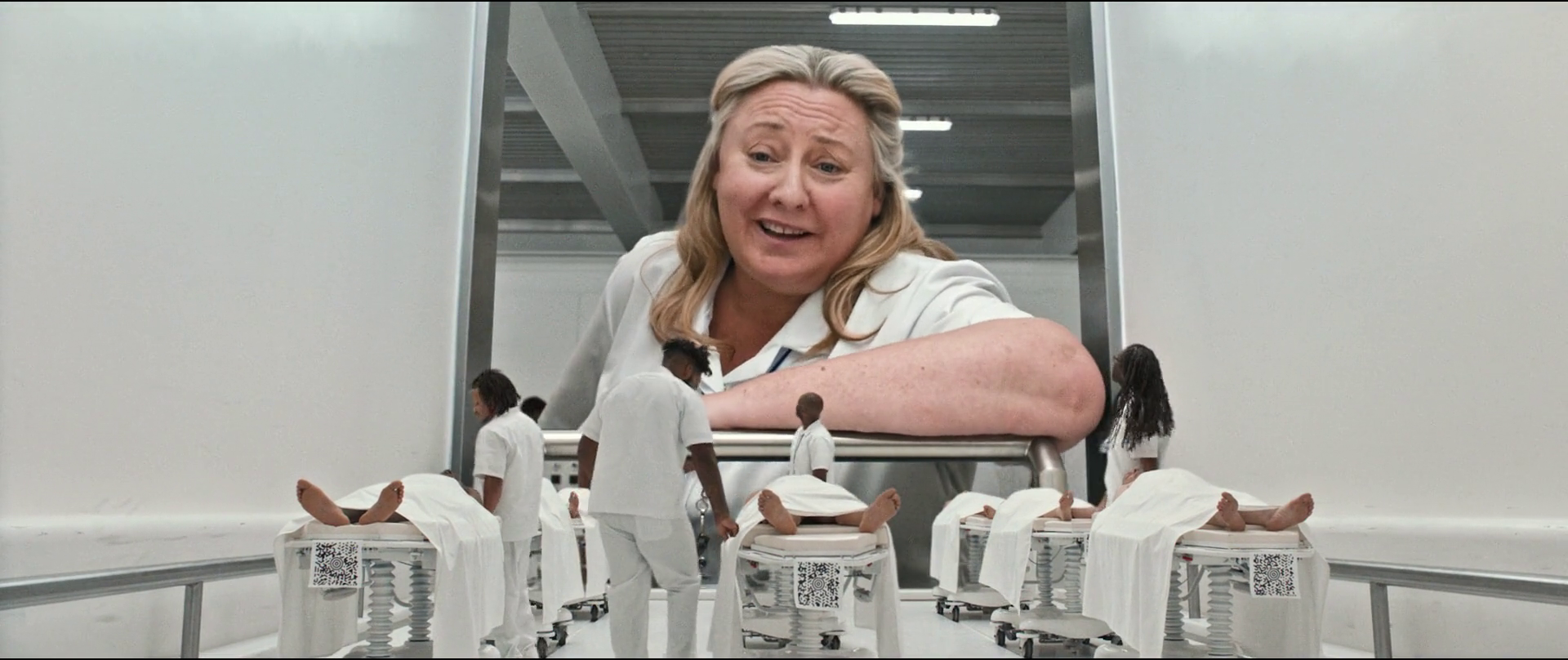 Of those varieties, none are more boring than a movie with a clever idea and nothing else. Who on Earth is
 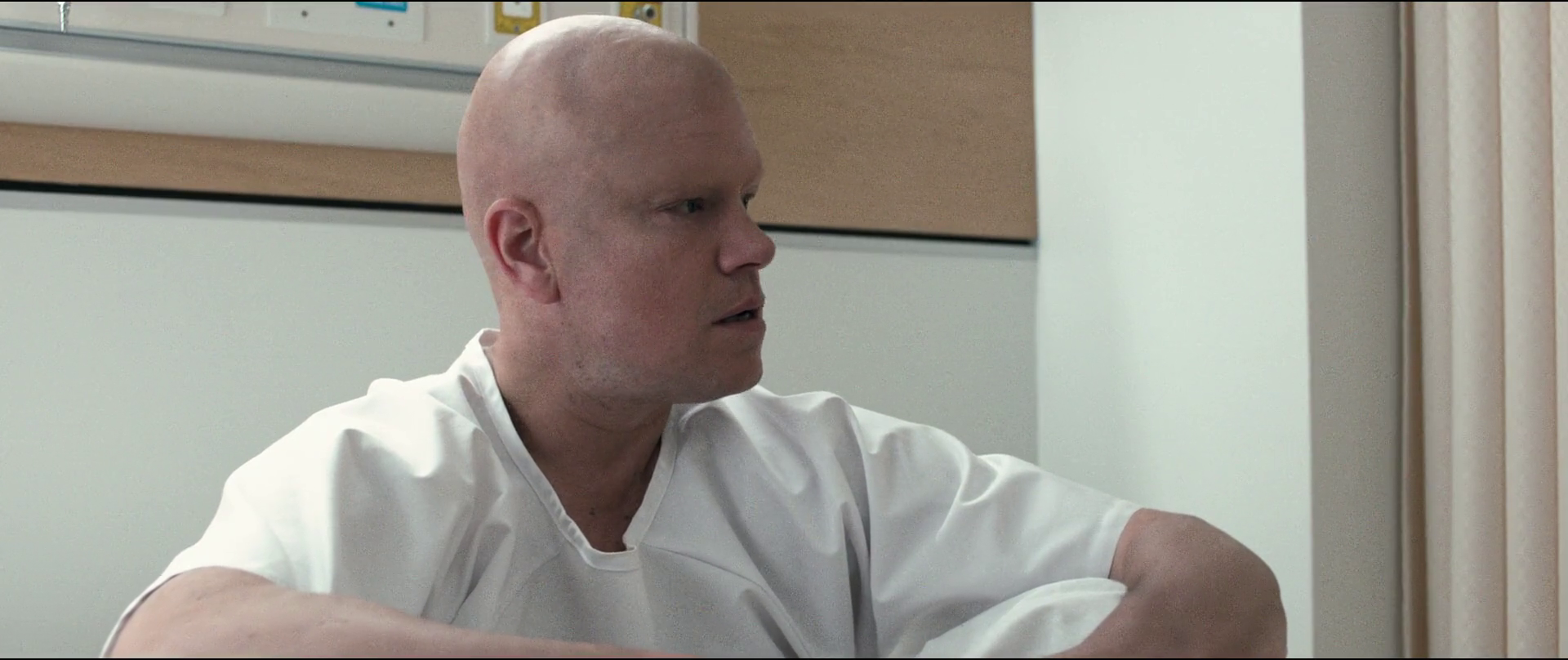 It is only at minute 33 that we get to the titular downsizing, by far the most fascinating sequence in the film. For some reason, to be made “little,” you have to have your hair shaved and your teeth removed. So, set to an off-brand
 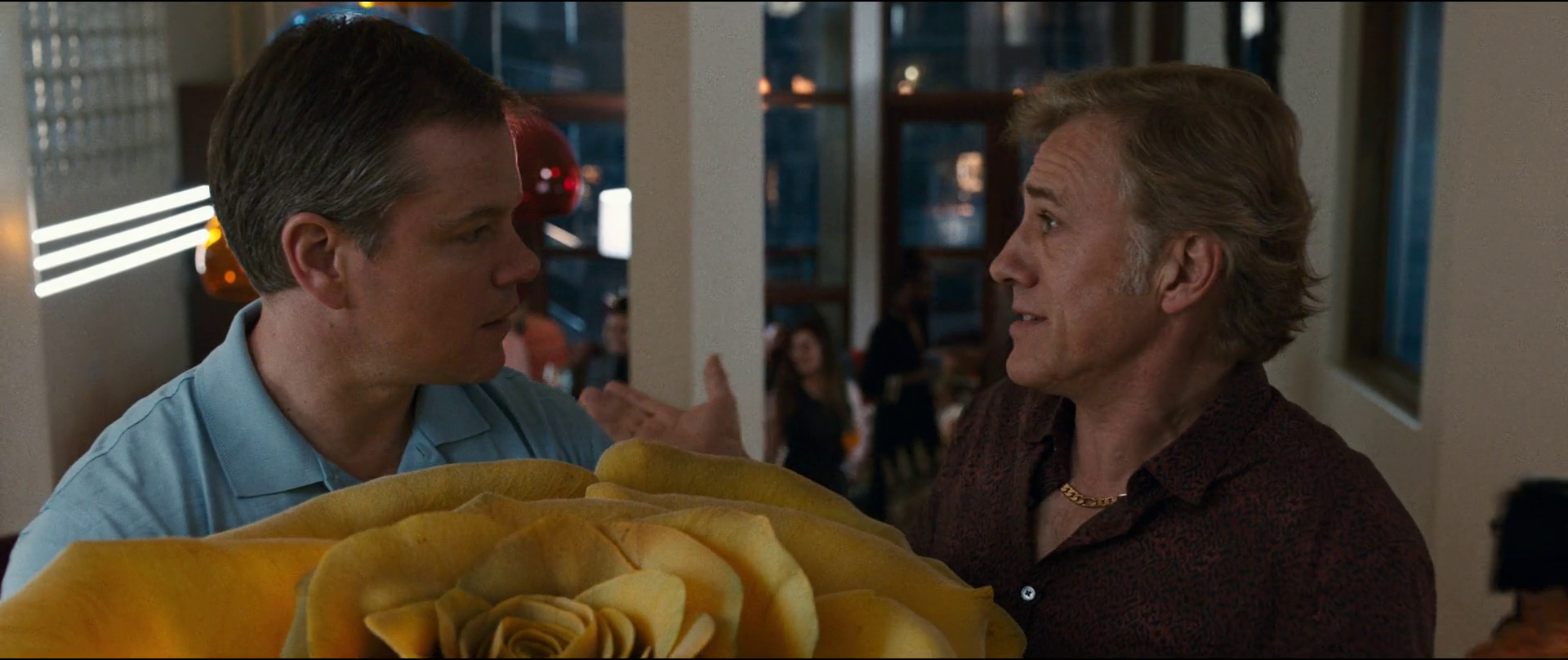 This is the 50-minute mark, and we are almost done with Downsizing‘s preamble. Audrey refuses to get the procedure and divorces Paul, and, through the slow, wandering process by which white middle-aged divorced men fall within the orbit of the kooky non-whites, he ends up neighbors with and attends a party hosted by Dusan (
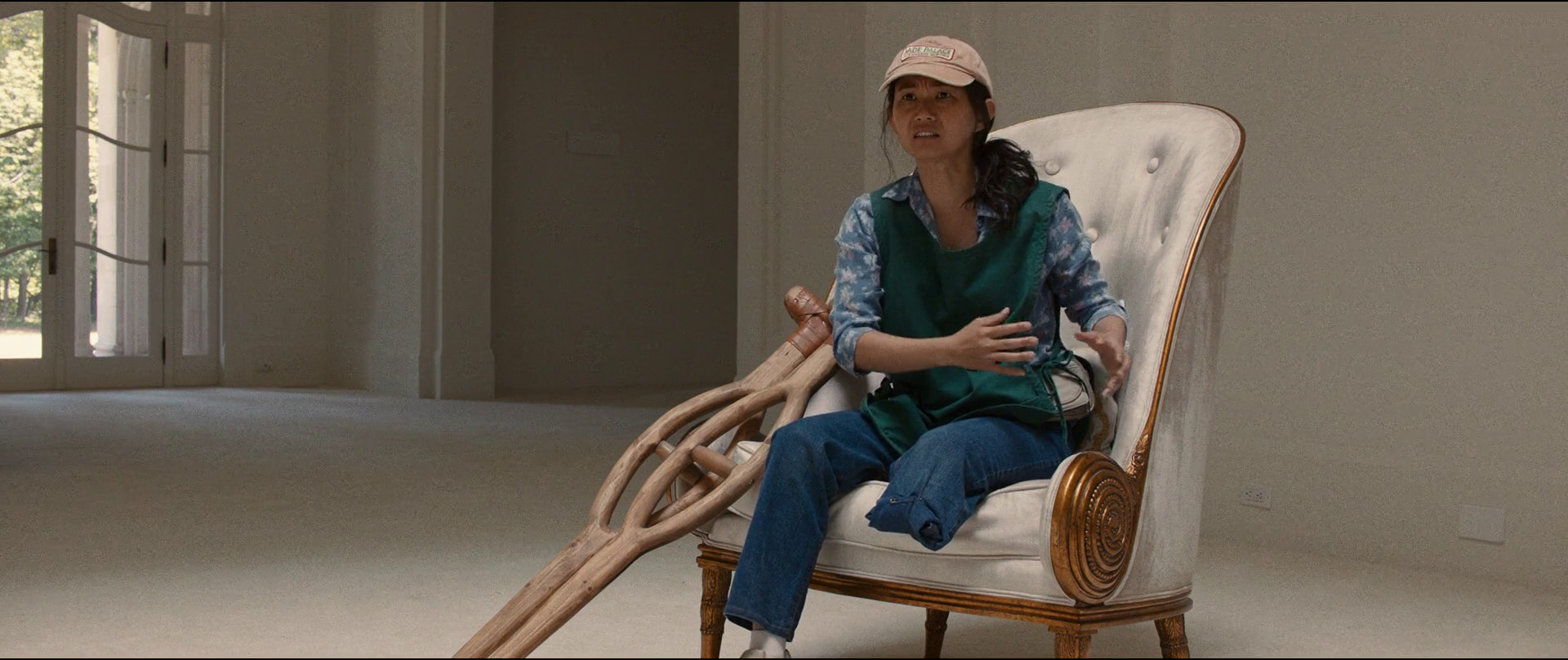 Past this point, the plot is not worth recapping. Nick purposefully breaks Tran’s prosthetic foot so he can help her take care of those living in the “little” slums. (Is any of the destitution supposed to be some sort of black comedy? In their first scene together, Nick and Tran accidentally overdose a sick friend on Percocet and kill her. Is
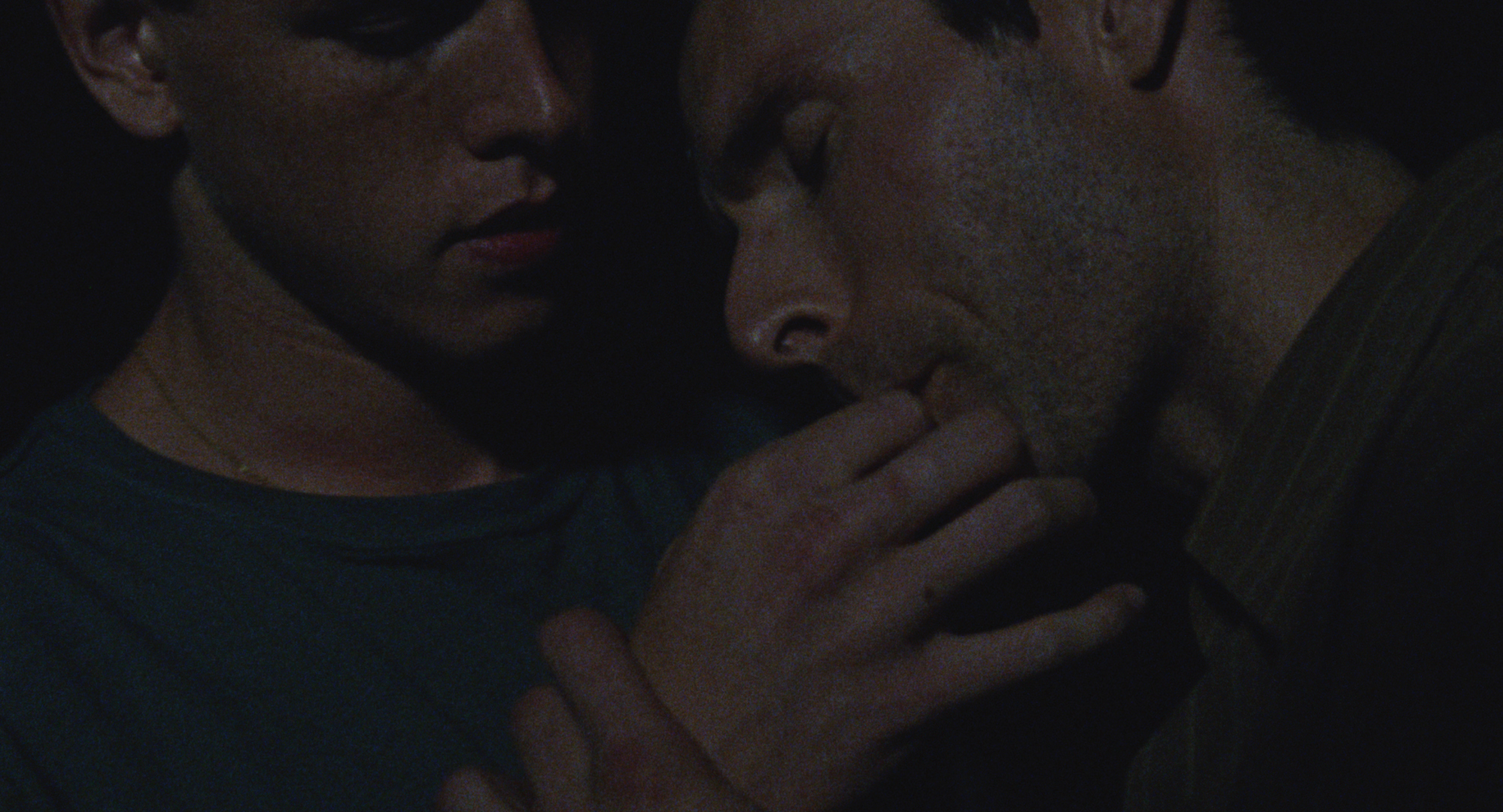 Frankie is a closeted teen, trying and mostly failing to square the low-rent machismo of his idiot Brooklyn friends with his own desires, which he retreats to at night in chatrooms and, later, in furtive hook-ups. Much of the mood and atmosphere sets the viewer up for some sort of Stranger By The Lake narrative twist, but Beach Rats doesn’t go that route. Instead, Hittman follows Frankie’s journey with a huge amount of empathy and a rare wisdom — it’s not clear whether it will, indeed, get better for him, at least not within the structure of Beach Rats itself. Hittman’s strategy is observational, her images mirroring Frankie’s confusion and desire. It’s tense and undeniably intoxicating.
  Newcomer Dickinson is stellar, and so is
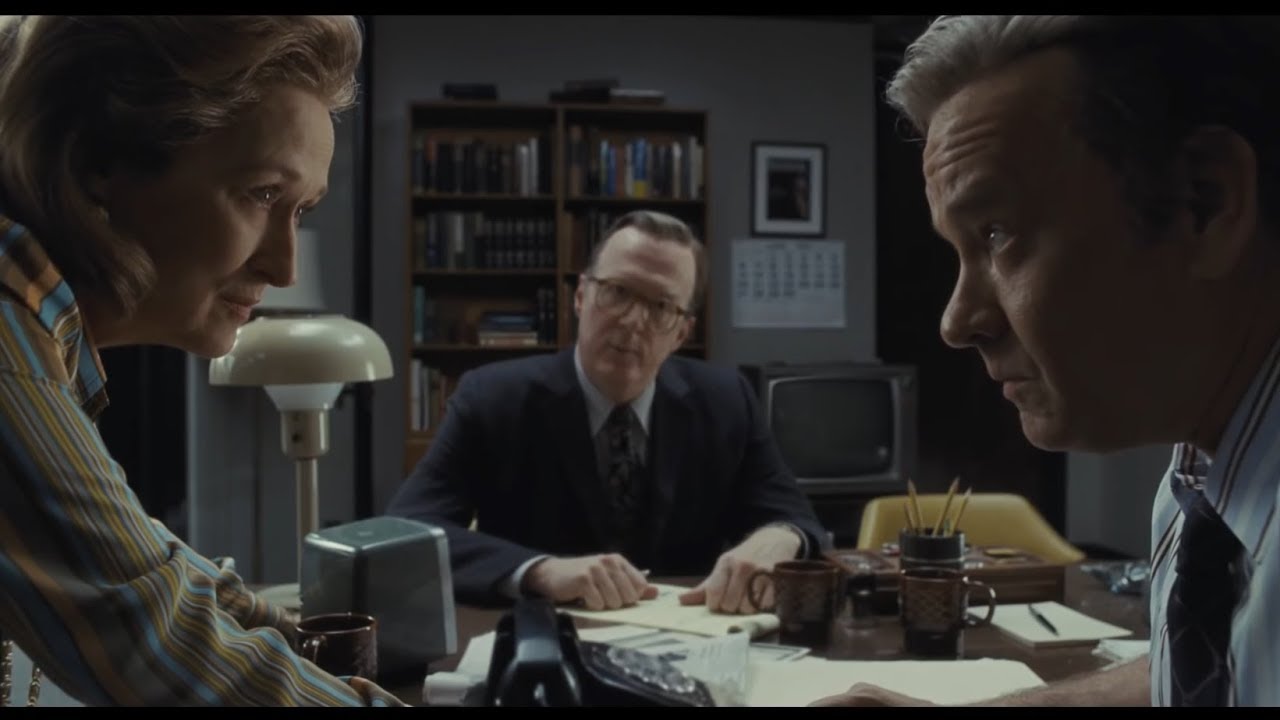
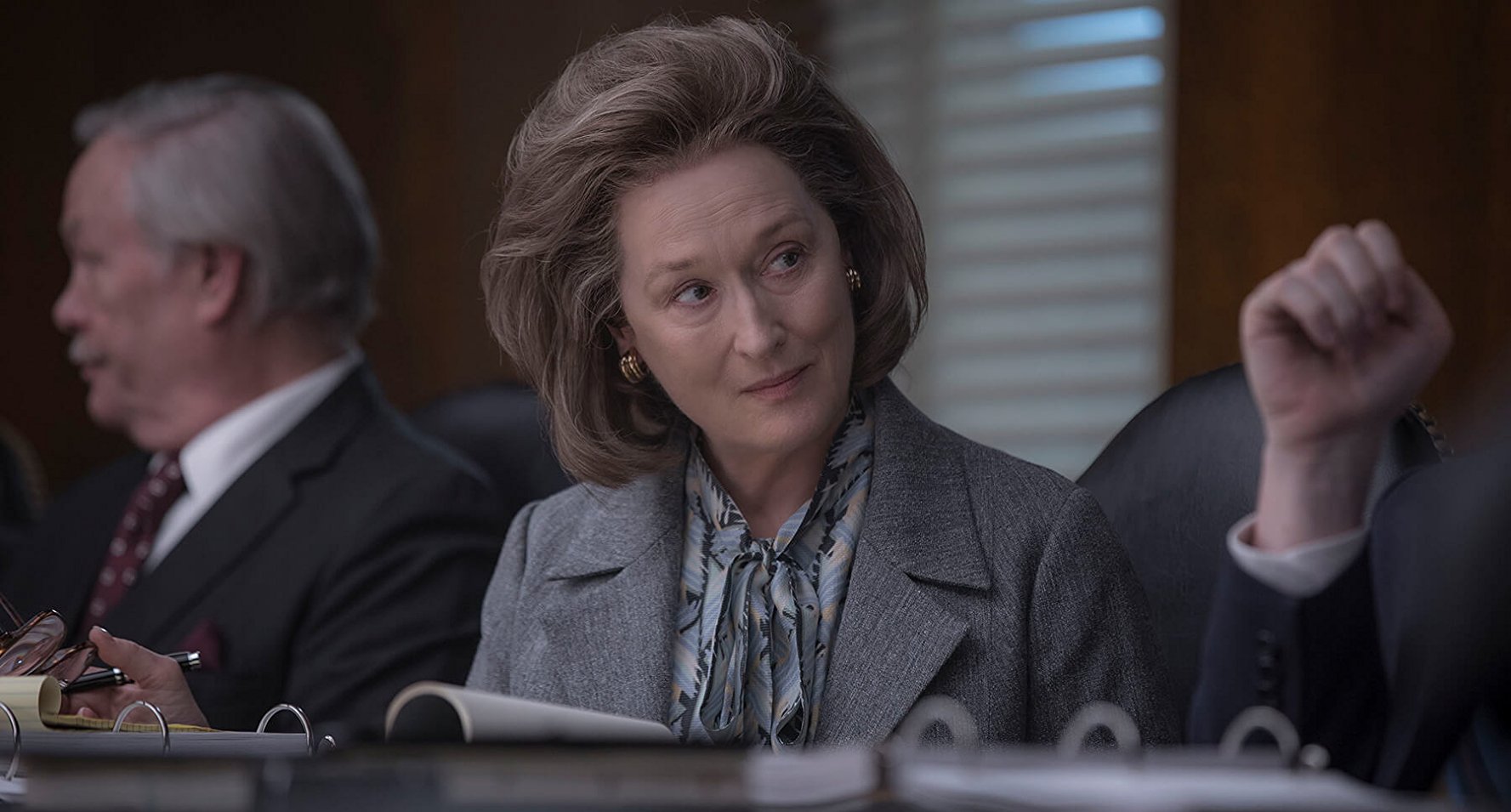 The Post tells, once again, the story of
 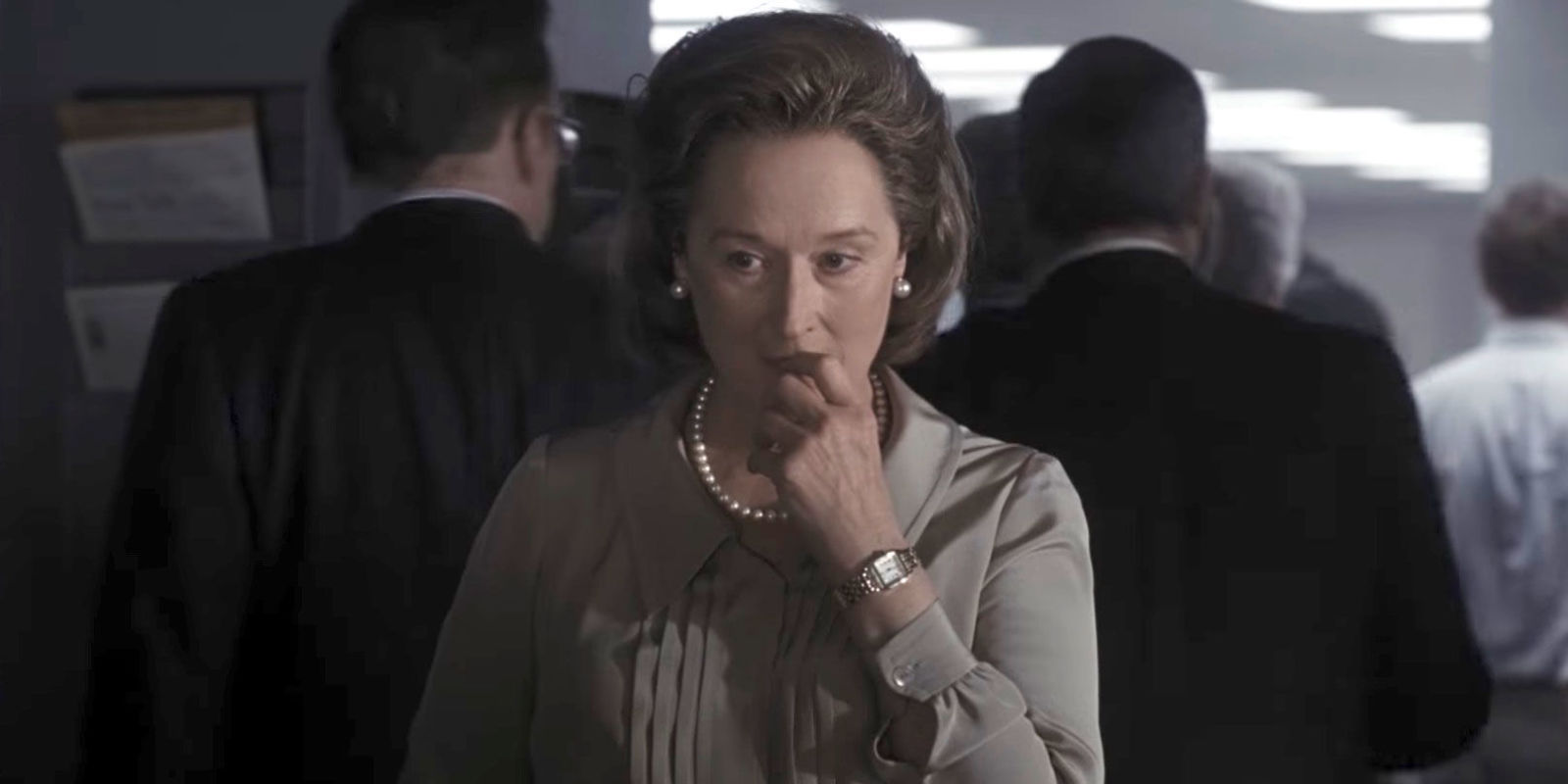 Spielberg is at his best in The Post when he lets the images do the sermonizing for him. The blue-collar materiality of the paper’s production – The Post loves its typesetters, machines, and ink-stained scribes, as noble and unerring as any Gus from
 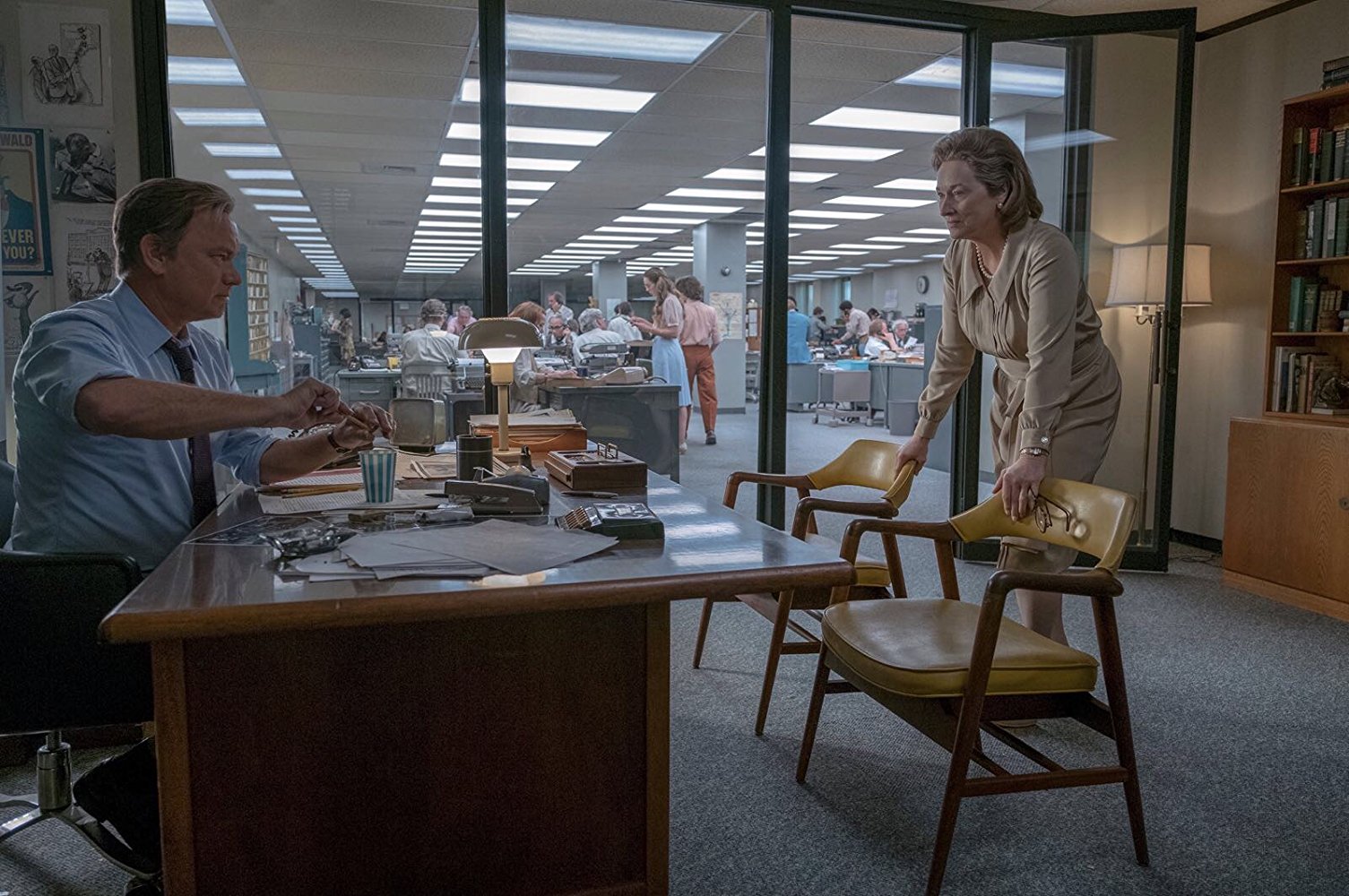 Those complications, and their attendant questions, occasionally threaten to rise to the surface. Do Graham’s socialite friendships with the powerful, or Bradlee’s allegiances to the Kennedys, affect the stories that can be told? What does the development of the Post’s ownership model, or its scoop-heavy ambitions, portend for the kinds of media that would proliferate in the years to come? Is a woman who occupies the most rarefied, whitest, wealthiest echelons of social power really the #MeToo icon the moment demands, a construction The Post goes out of its sappy way to underscore in the cringiest slo-mo shot of the year? Where are all the Black people?