

Josephine Decker‘s work carries with it a high-wire sense of danger, an aesthetic of possibility and collapse. Whether in the costumed genre trappings of Thou Wast Mild and Lovely, the shifting and uneasy ambivalence of Butter on the Latch‘s just-this-side-of-horror stay at a Balkan folk gathering, or (especially) the self-immolation of Flames, in which Decker’s camera focused with supreme discomfort on her own relationship, the viewer is simultaneously at a remove and much, much too close, piecing together fragments with a mounting sense that the whole edifice could topple. Hers is a performance art sensibility transferred to cinema, and Madeline’s Madeline is her wobbly magnum opus.
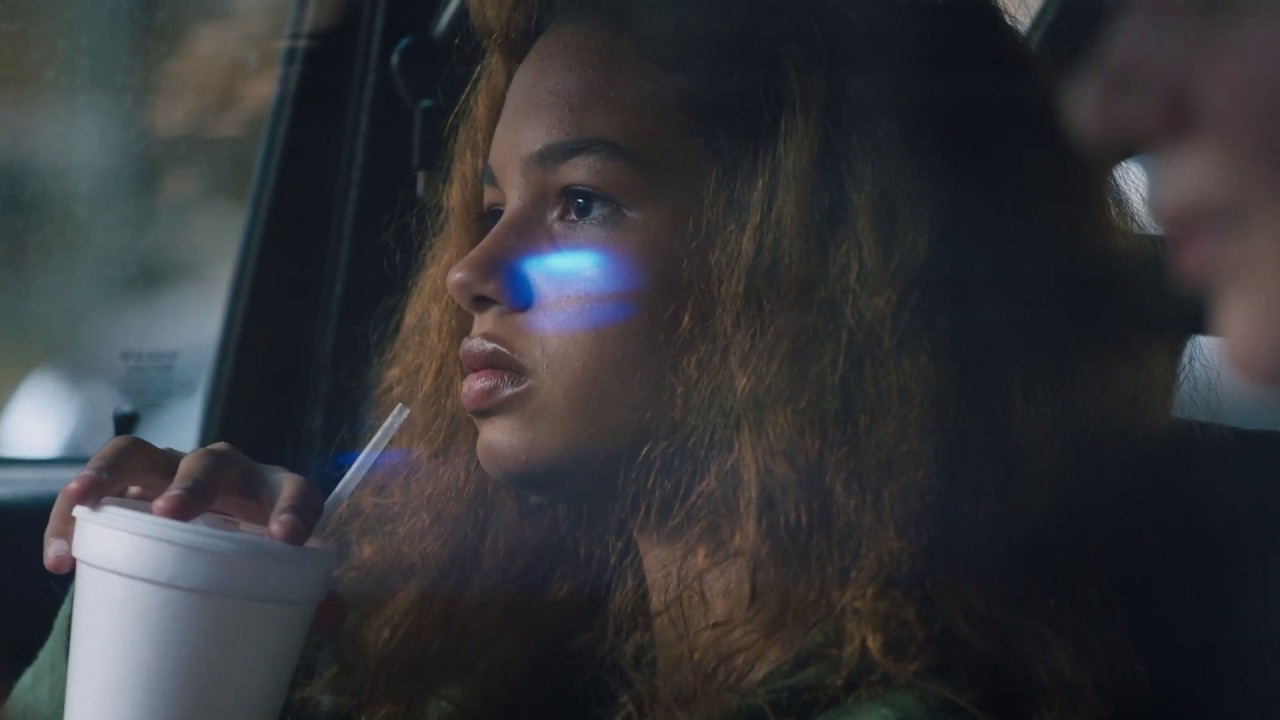 Fitting, then, that Madeline’s Madeline should explicitly focus on performance art. The title evokes Proust — appropriate for a film pitched between memory and enactment — but also identity and self-determination for the film’s actual Madeline (instant star Helena Howard). Madeline is a 16 year old struggling with some sort of obliquely referenced mental illness, a source of constant worry to her constantly worried mom (Miranda July, rounding out the performance art meta-text but expertly cast against type).
Her father is apparently absent, and things at home have been tough, which makes it all the more meaningful when Madeline discovers a home away from home: an avant-garde ensemble somewhere in the Village, which registers as both surrogate family and a near-cultish group of true believers in thrall to the charismatic Evangeline (Molly Parker), who’s mounting a collectively determined piece about … mental illness. Things will go through the looking glass shortly, with a far more convincing portrait of destabilizing dance magic than the overwrought extra witchiness of Suspiria could muster.
If ever there were a film that should be experienced rather than described, it’s Madeline’s Madeline, so we’ll leave the plot there. Decker, cinematographer Ashley Connor, editors Harrison Atkins and Elizabeth Rao, composer Caroline Shaw, and the Pig Iron Theater Company aim for something more like synaesthesia than spectatorship — this is participatory immersion cinema, and Madeline’s Madeline feels off-putting and new.
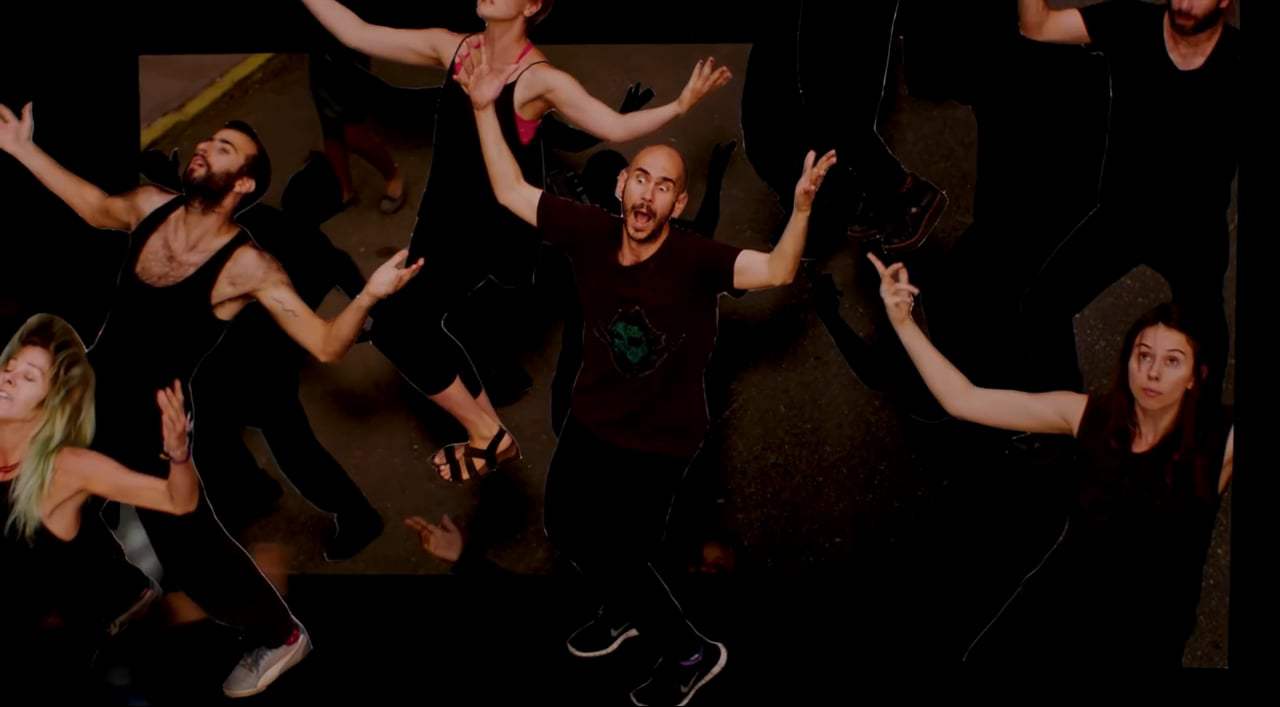 Decker, after all, is the same woman who sat across from Marina Abramović and took her own clothes off, until the cops dragged her out; she wanted to be “as vulnerable to [Abramovic] as she constantly makes herself to us,” but it’s hard not to think that this impulse also relates to a suspicion of calcified art, of unresponsive aesthetics. Madeline’s Madeline is in a constant state of psychic undress, and it’s not entirely a pleasant experience.
But it might be a masterpiece. Its themes — of the ethics and responsibilities of representation, the boundary-blurring and existential dangers of making art together, the Frankenstein-like ambiguities of parenting and care, the blindnesses to race and class and gender even in spaces dedicated to their exploration — are as timely as they come. If Decker never made another film — and it seems she barely made this one, unconvinced of her work’s relevance, a heaving anxiety that makes it every bit as nail-biting as recent panic attacks like Good Time — Madeline’s Madeline establishes her as a pivotal artist of our moment.
 But the relentless way that queasiness is conveyed is a big part of the reason
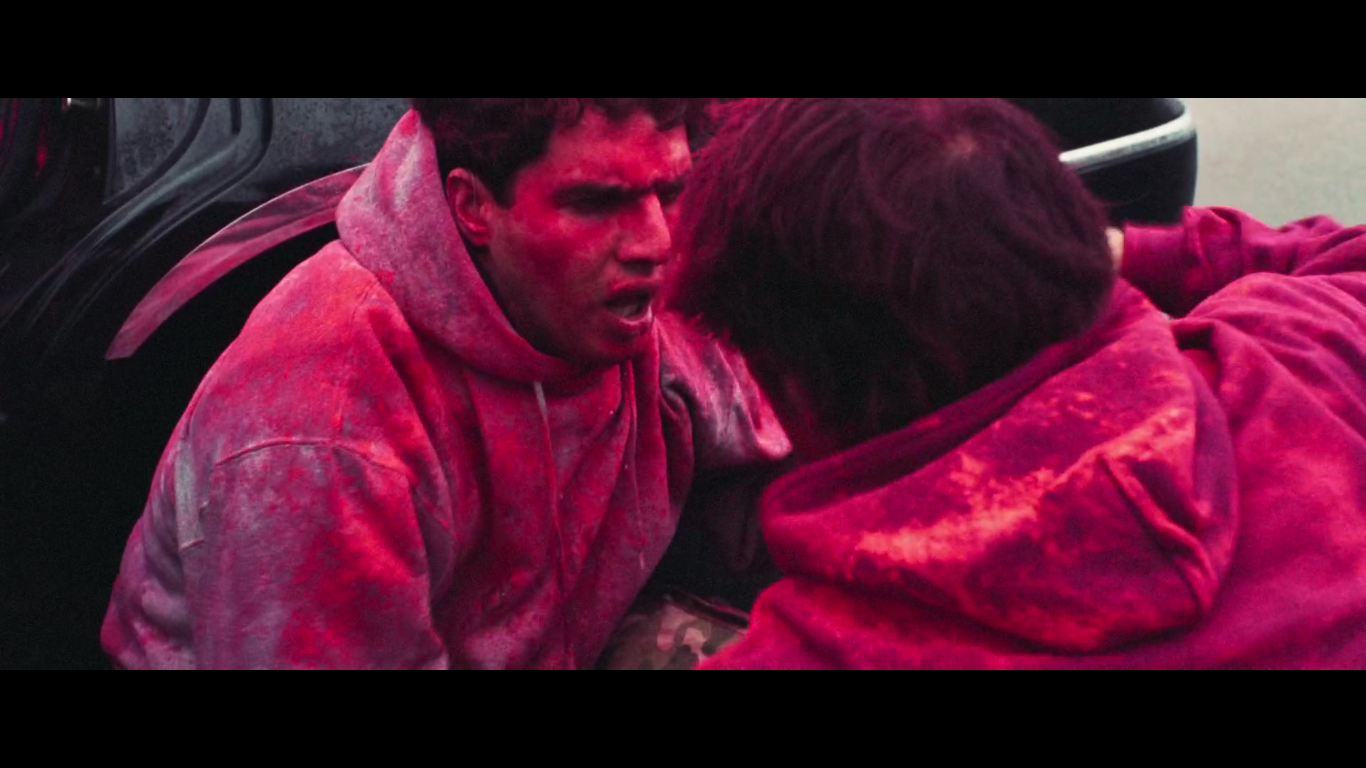
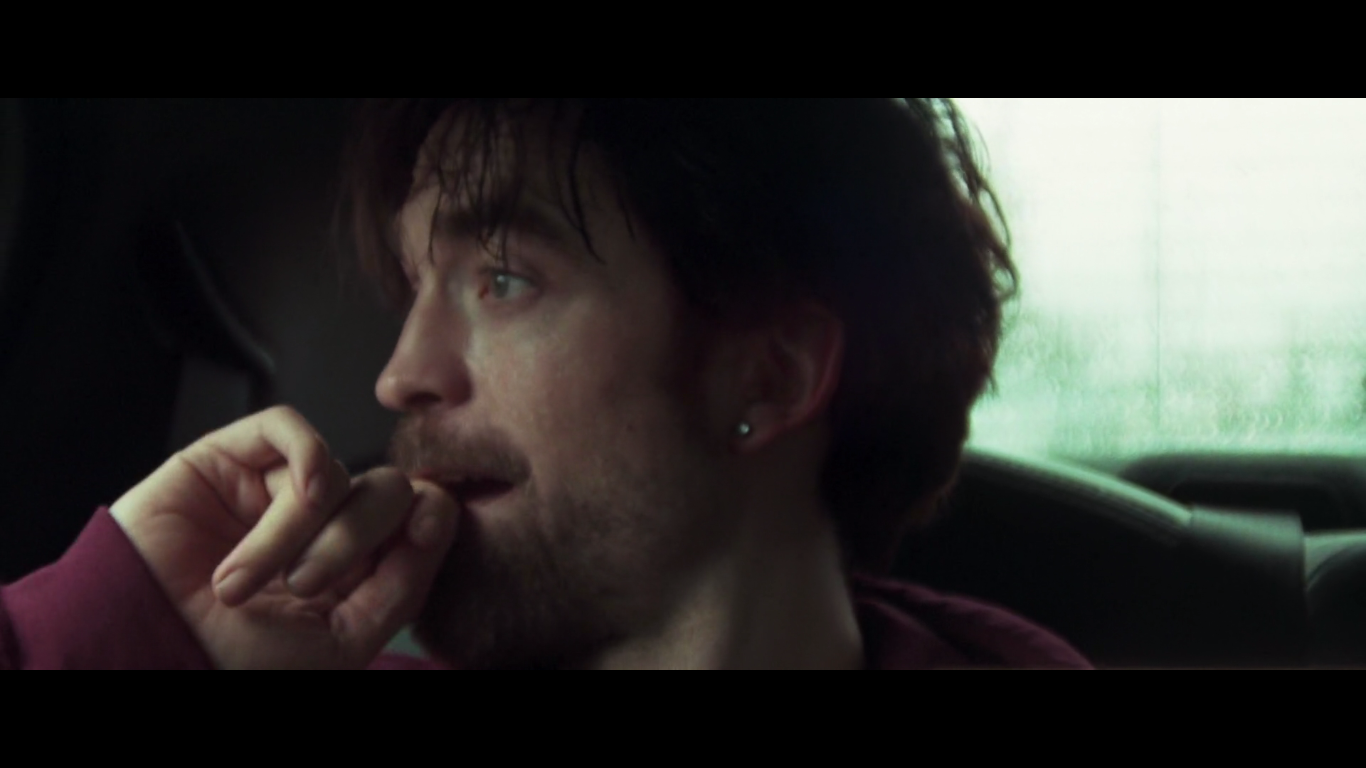
 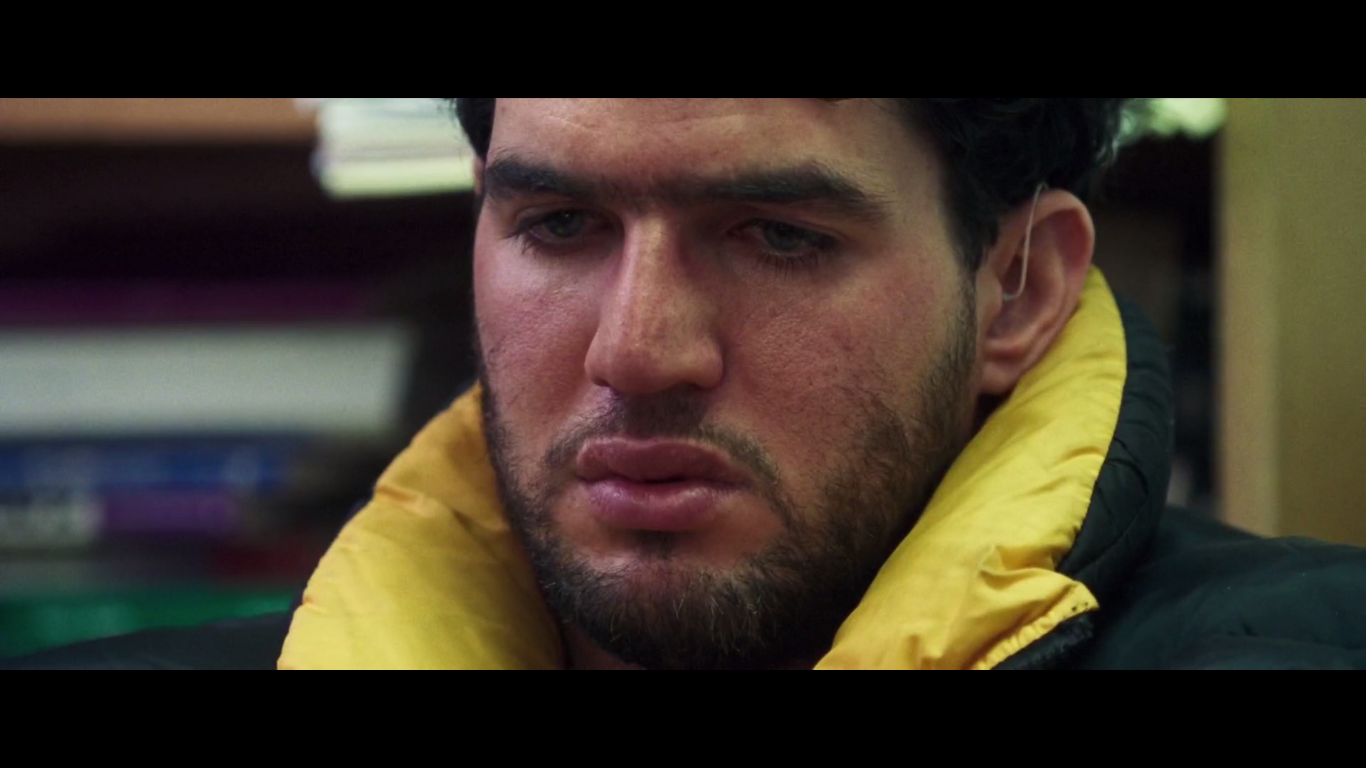 What struck me leaving the film was the way the Safdie brothers bring together all these different ways of being a “subject” of the state. We open with Nick, who is developmentally disabled and is being interviewed by a psychiatrist, and he objects vehemently to having what he says written down for people to talk about later. His brother (after taking him from the meeting and encouraging him to rip up the form) asks him if he thinks he’s “like one of those,” referring to another patient in the hallway. Then, the plot revolves around his imprisonment and hospitalization, making him a subject 3 times over (as mentally disabled, prisoner, and medical patient).
 The idea of Nick as a subject of the state 3 times over also occurred to me … and before the credits finish, at that! This is effectively Nick’s entire role in the film. That casually contemptuous aside that you cite from Connie — “like one of those” — seems crucial. His affection for his brother demands that he draw a distinction between Nick and these others, who he considers virtually sub-human, or at least little more than means to an end. (Sociopath that he is, this applies to everyone he meets, and occasionally extends to Nick too, though some other impulse seems to block it.)
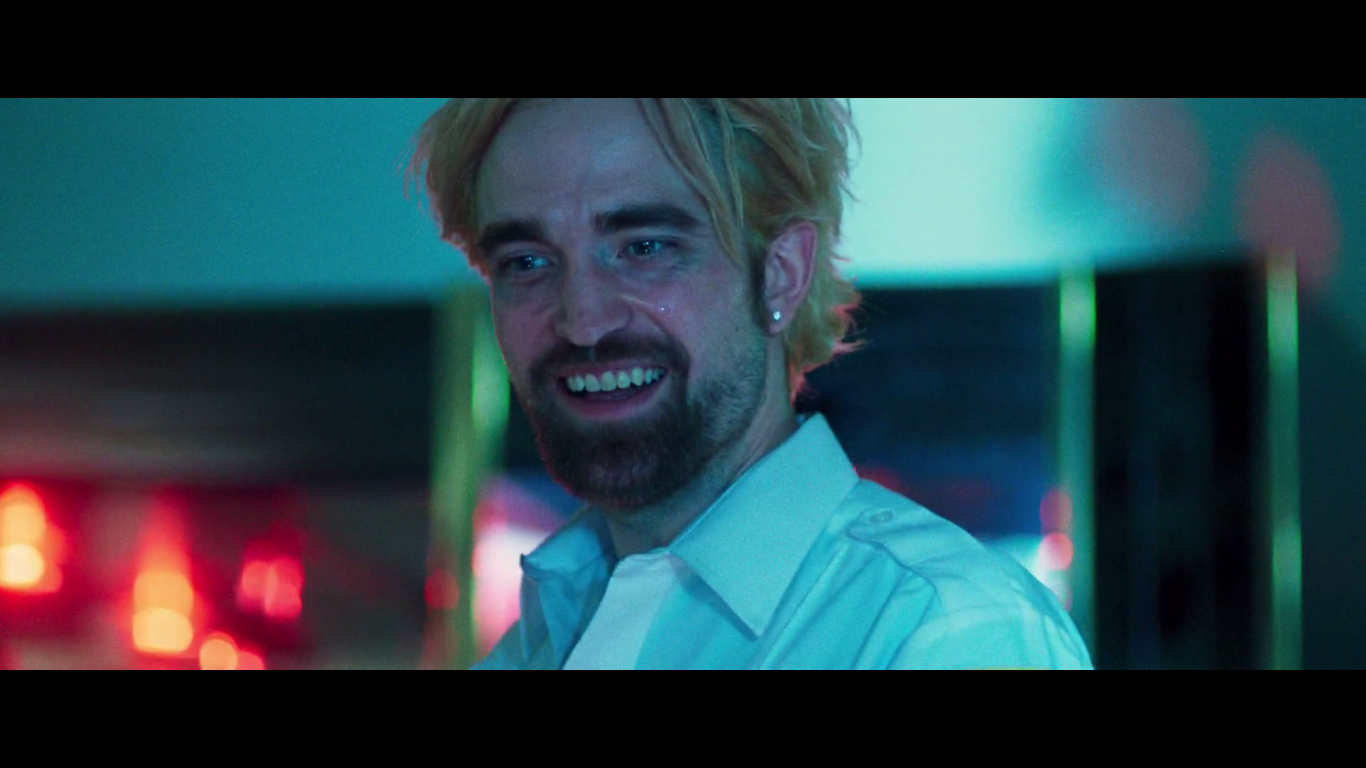 It’s one of his longest rants, and one of the more savage. What did you make of that sudden break in the text, by which Nick is essentially eclipsed or substituted by Ray?