Certain genres, subgenres, movements, categories of art have threatened to purify themselves, if not into silence entirely, at least so far out of the artistic mainstream that it becomes something wholly inward, communicating only with itself.
There are two types of genres that risk such a fate: the most avant-garde and the most lowbrow. Certain moments in classical music (Boulez) or experimental film/video art (The Cremaster Cycle) have come close to the former, but no avant-garde project has come as close to exiling itself as pornography has.
By the time I was aware of porn, the exile had already taken place. (My aggressively censored childhood didn’t help; I didn’t watch a PG-13 movie with my parents until I was 15 or so.) So there has always been something uncanny about watching the “erotic” movies of the 60s and 70s, like Jess Franco’s Succubus.
The strangeness was something like: Who are these sex scenes for? Are they for masturbating to? Why would you watch this hybrid-porn, porn with surrealism and strangeness mixed in?
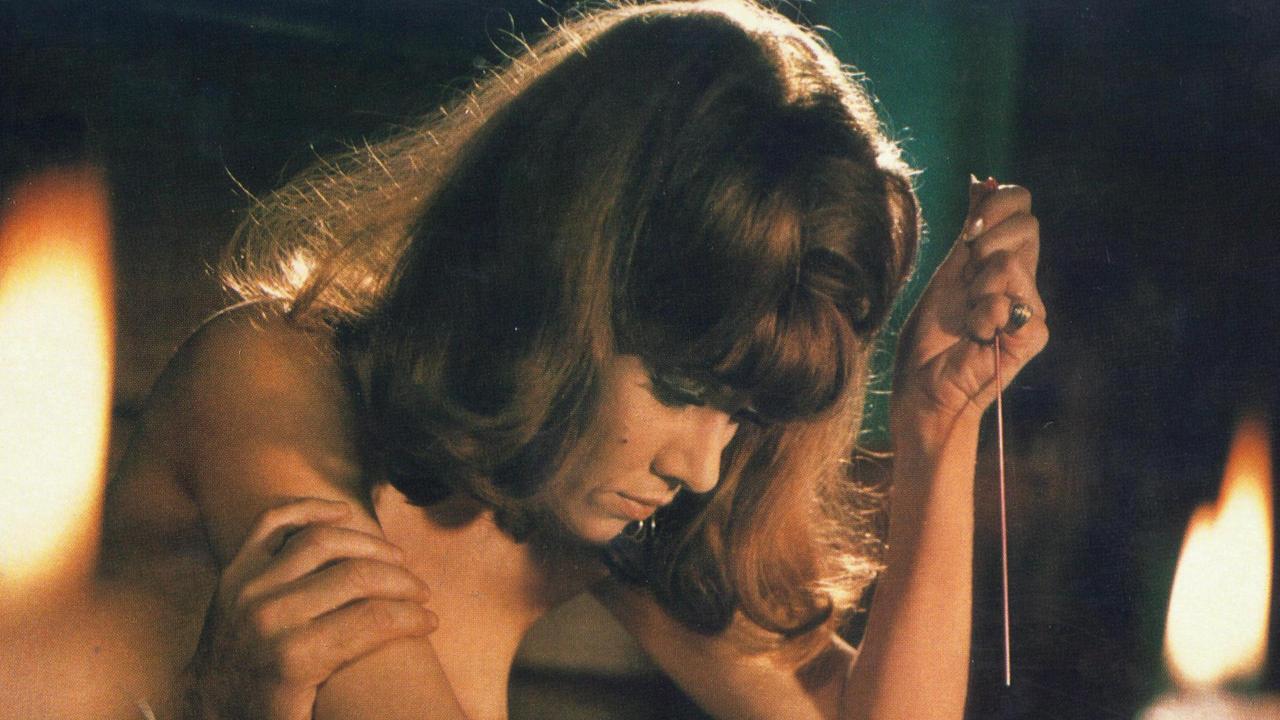
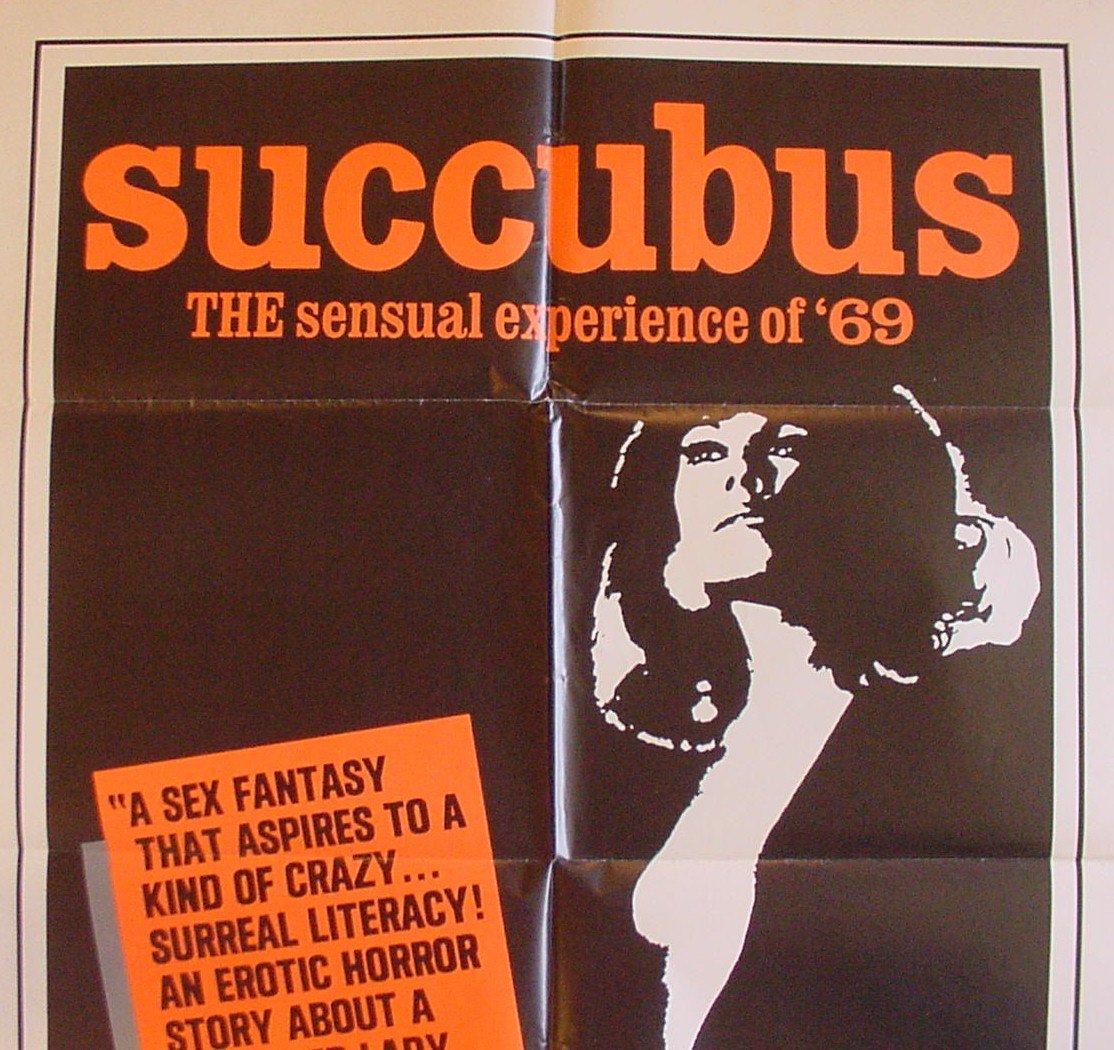 If I had seen Succubus (1968) about a decade earlier, my 16-year-old self would probably have just given up and mentally categorized it as a horror movie. The movie does open up with one of those BDSM-themed theater acts that are omnipresent in 60s European movies, and there are a few murders sprinkled throughout, as our heroine Lorna Greene (Janine Reynaud) daydreams surreal episodes and ends up around dead bodies.
The English title makes the whole murderous ordeal sound more purposeful than it is; the German title translates Necronomicon – Dreamed Sins, which is a more accurate representation. The film is by no means a horror film, to the extent that it has any plot at all. (We spend about as much time with Lorna’s theater owner boyfriend William (Jack Taylor), who is worrying that he is becoming artistically irrelevant.)
I would suggest that it only ends up categorized as a horror movie, sitting on Shudder alongside Sleepaway Camp and [REC], because we have lost the erotic as a category. Surreal moments, like those which large bits of Succubus try to create, exist in the play between the erotic and the horrific. Some films sit closer to one end and some to the other, and some attempt to be both at once; but if eroticism is given over entirely to porn, then surrealism can only sit at the horrific end.
Without the possibility of an erotic movie that isn’t quite porn, that doesn’t exist on a separate website with pop-ups and viruses but as a live option in communication with others, we don’t just lose another form of pleasure. We’re not just in danger of losing eroticism, but surrealism itself.
In a time when these questions were less important, it was probably reasonable to agree with Roger Ebert, who called Succubus “a flat-out bomb” (although it’s surprising to see Uncle Roger go on to say that “even the girl was ugly”). But if we have lost something that that film understood implicitly — that the erotic cannot be refined and distilled into something done behind a locked bedroom door — then it is still worth digging back into it and its time.
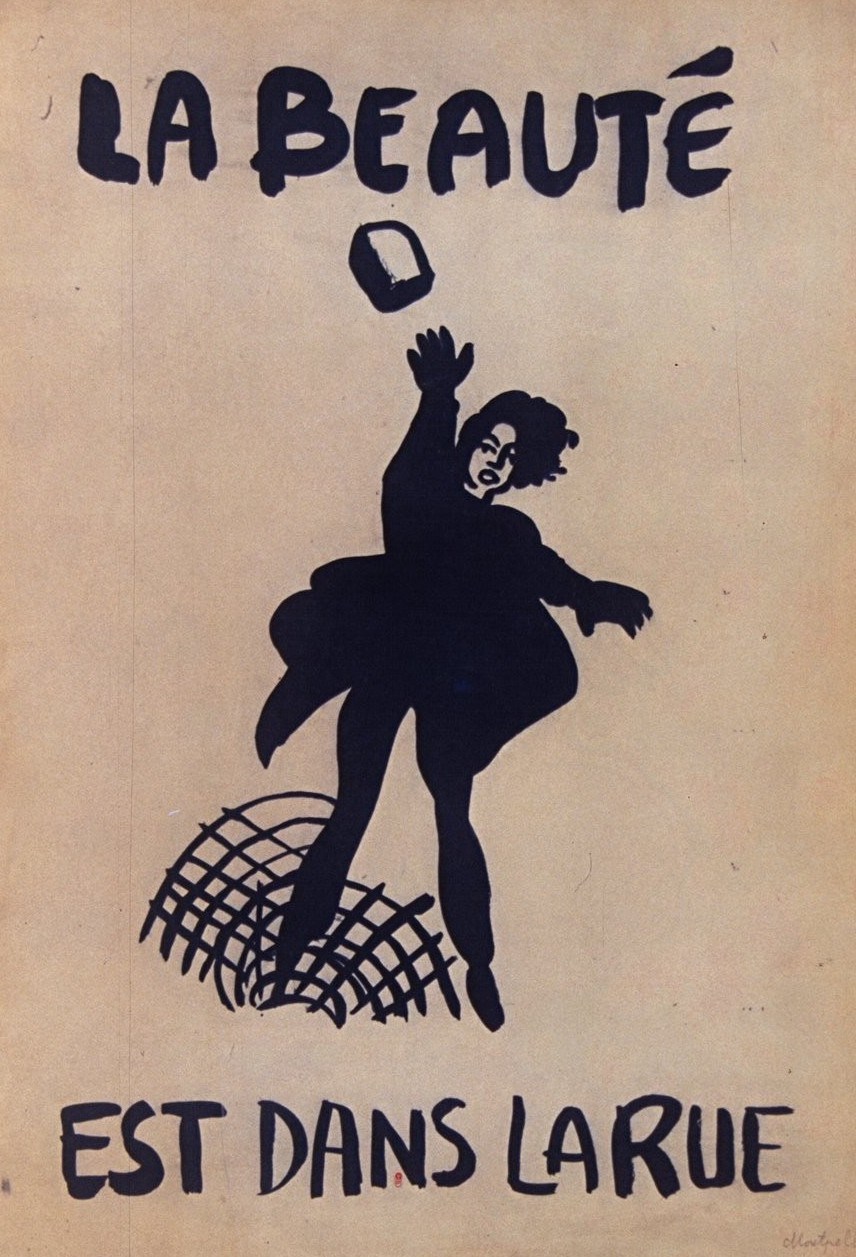
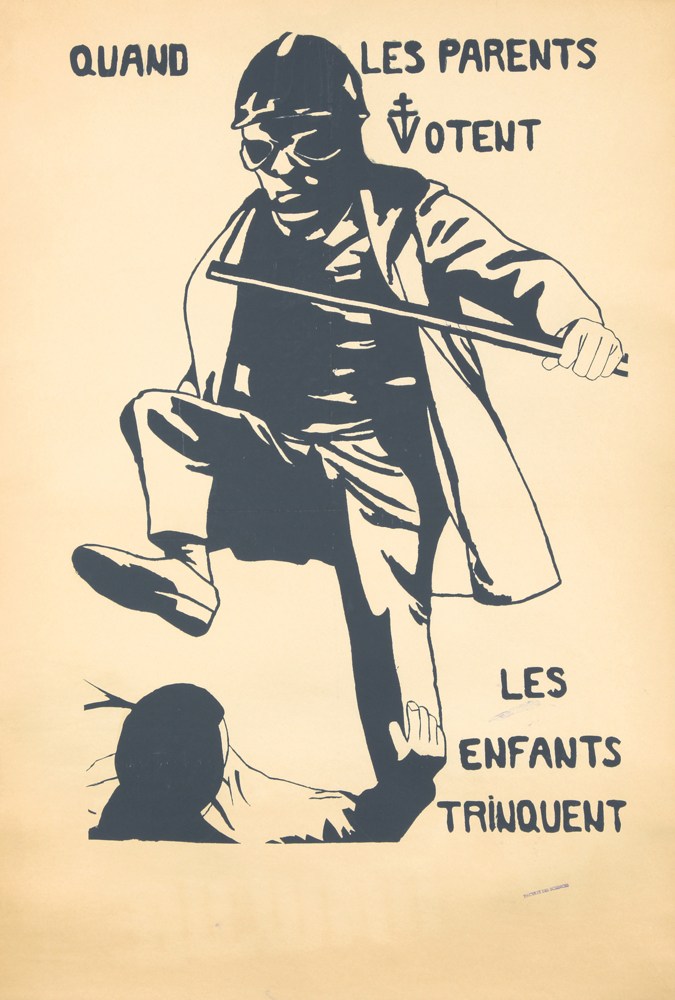
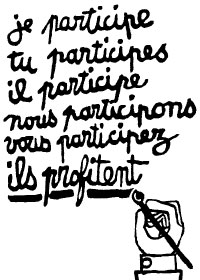
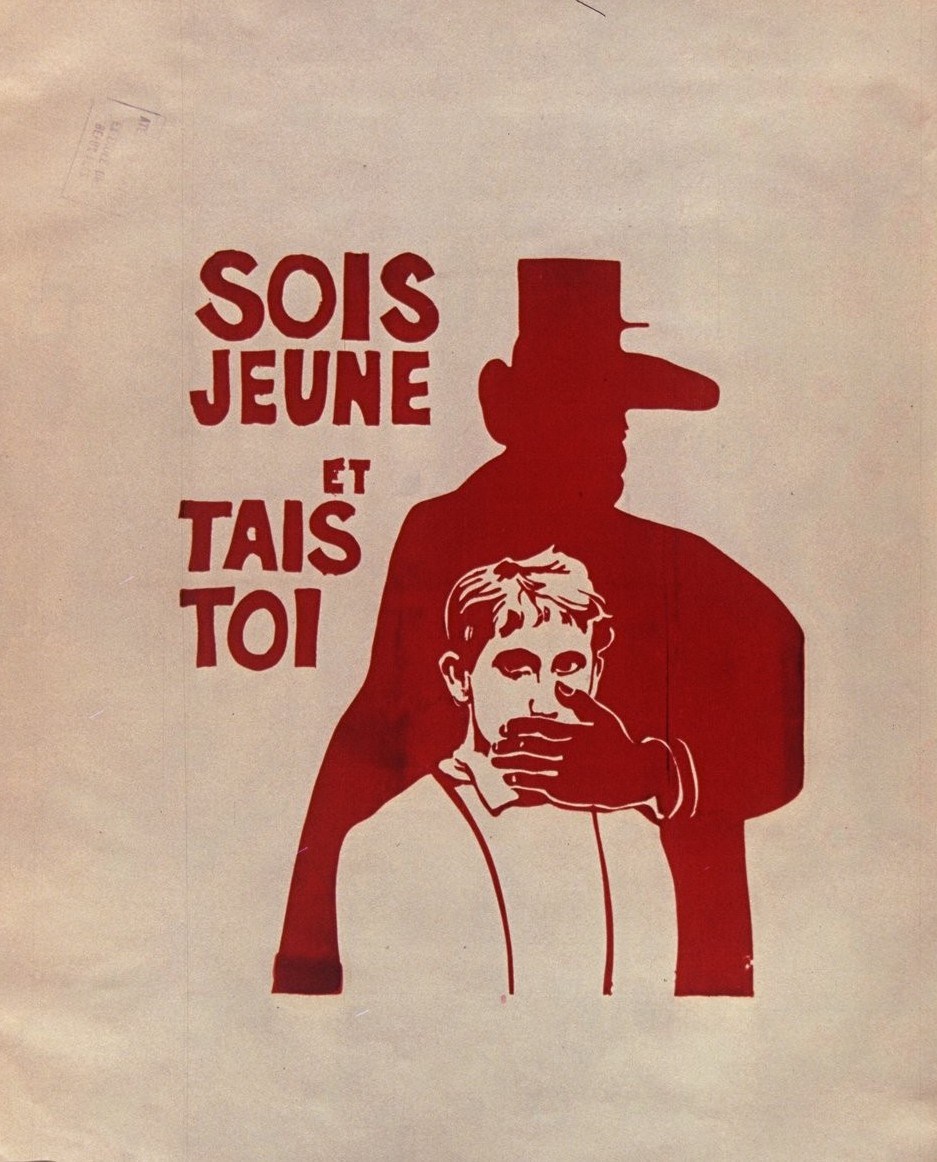 But for the youth of ’68, raised on the
 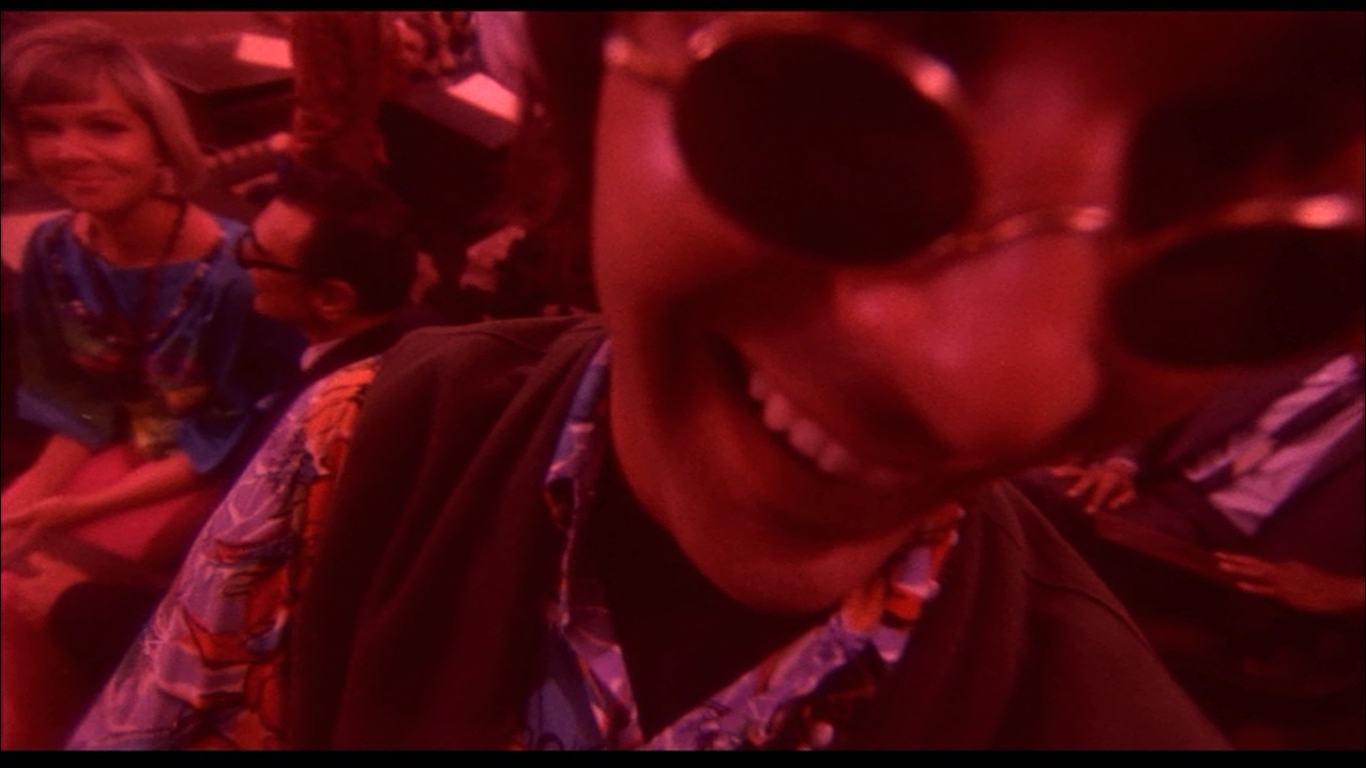 In other words, outnumbering adults 5 to 1, the youth of ’68 wanted the world and they wanted it now. It’s perhaps useful to move out of the cobblestone riot streets of Paris to get a perspective on the aesthetic revolutions of that moment. Two films, one American and one from the U.K., can help.
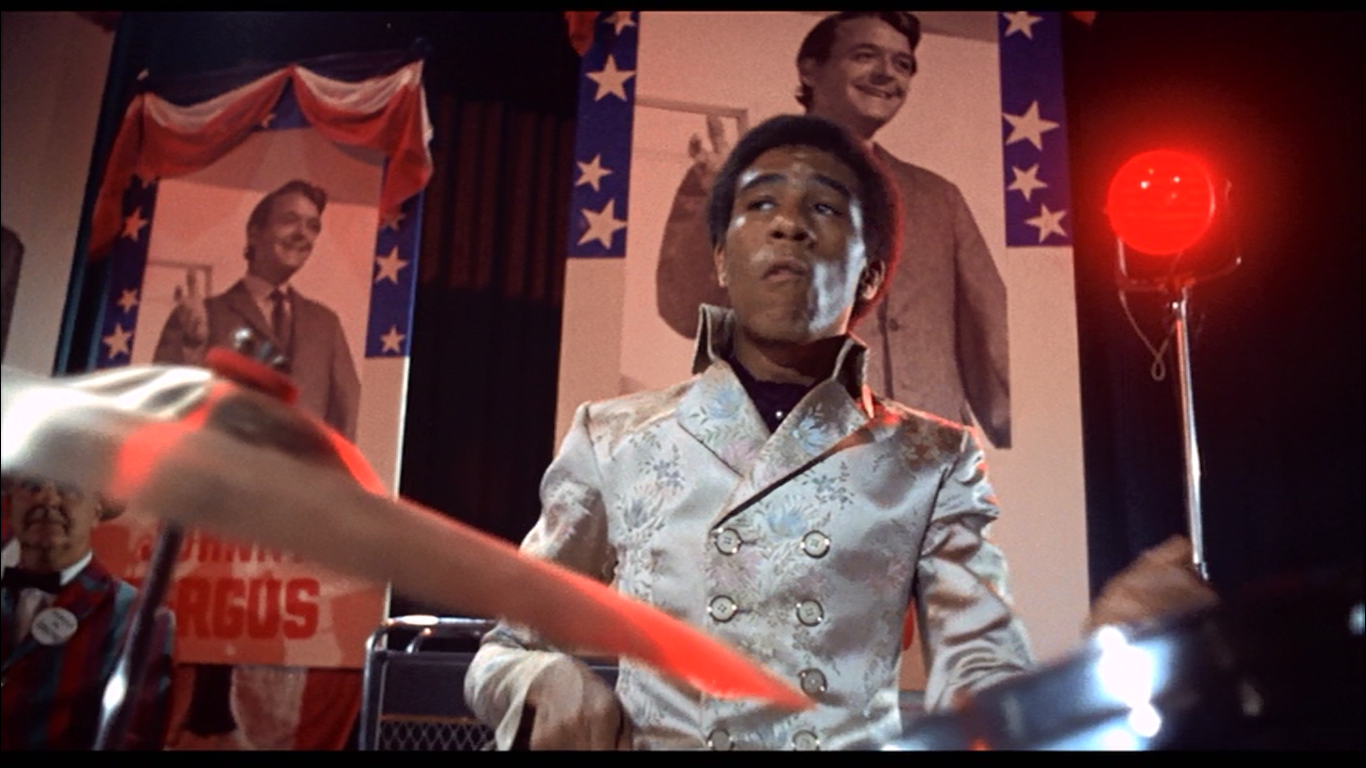 Wild In The Streets is about the meteoric rise of Max Frost, who escapes a childhood of suburban drudgery and Freudian overstatement to become the Lizard King-like frontman of a rock outfit. (They sound like
 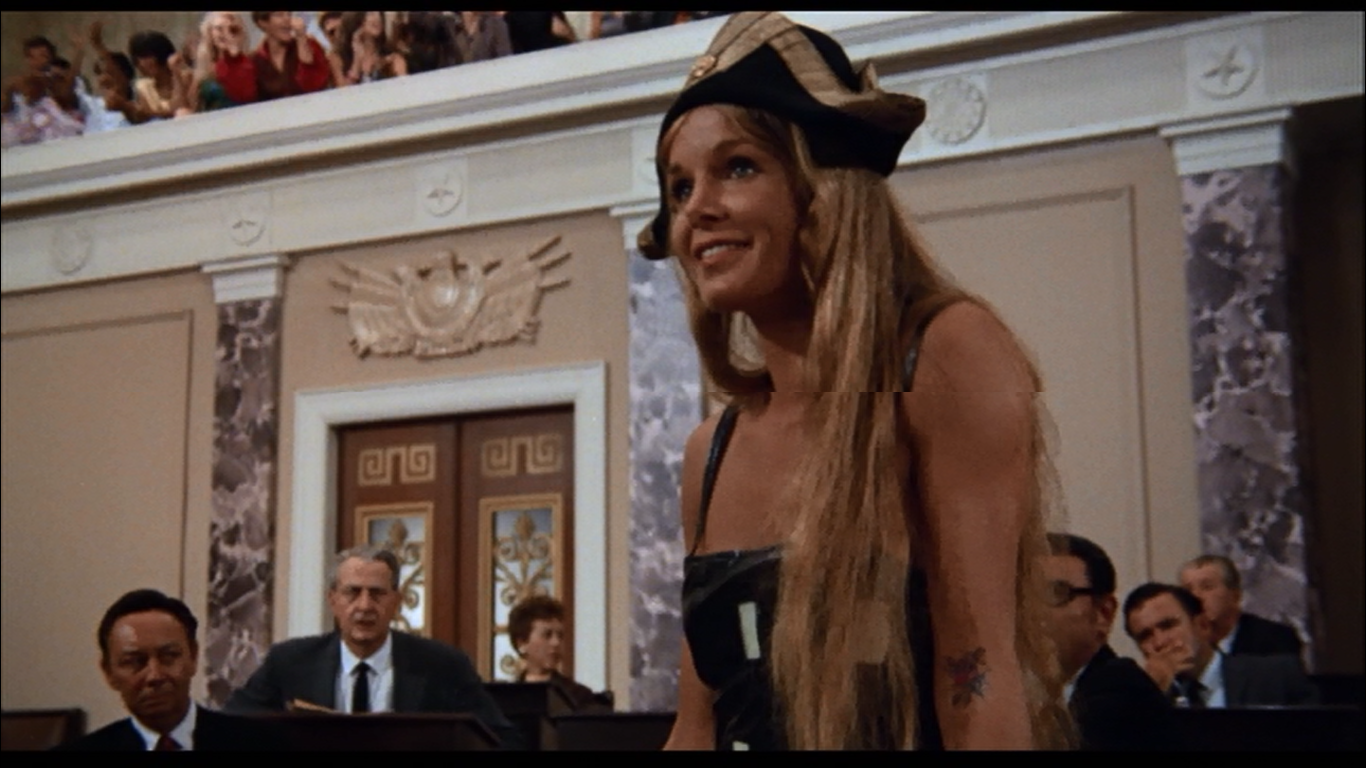 For a while. After getting Holbrook elected, they campaign for one of their own – the film’s most memorable sequence involves their newly elected spokeswoman, with a three-pointed hat and a tambourine, declaring to Congress that “America’s greatest contribution has been to teach the world that getting old is such a drag.” From there, it’s on to the Frost Presidency and the … re-education camps. Wild In The Streets beat Jello Biafra to this particular joke by a decade, though the “hippie fascists” here really only mean to get the olds out of the way. The rivers are spiked with LSD, the camps don’t feature any possibility of exit, and Hawaii, the only state that resisted Frost’s shamanic charms electorally, is effectively drugged into oblivion.
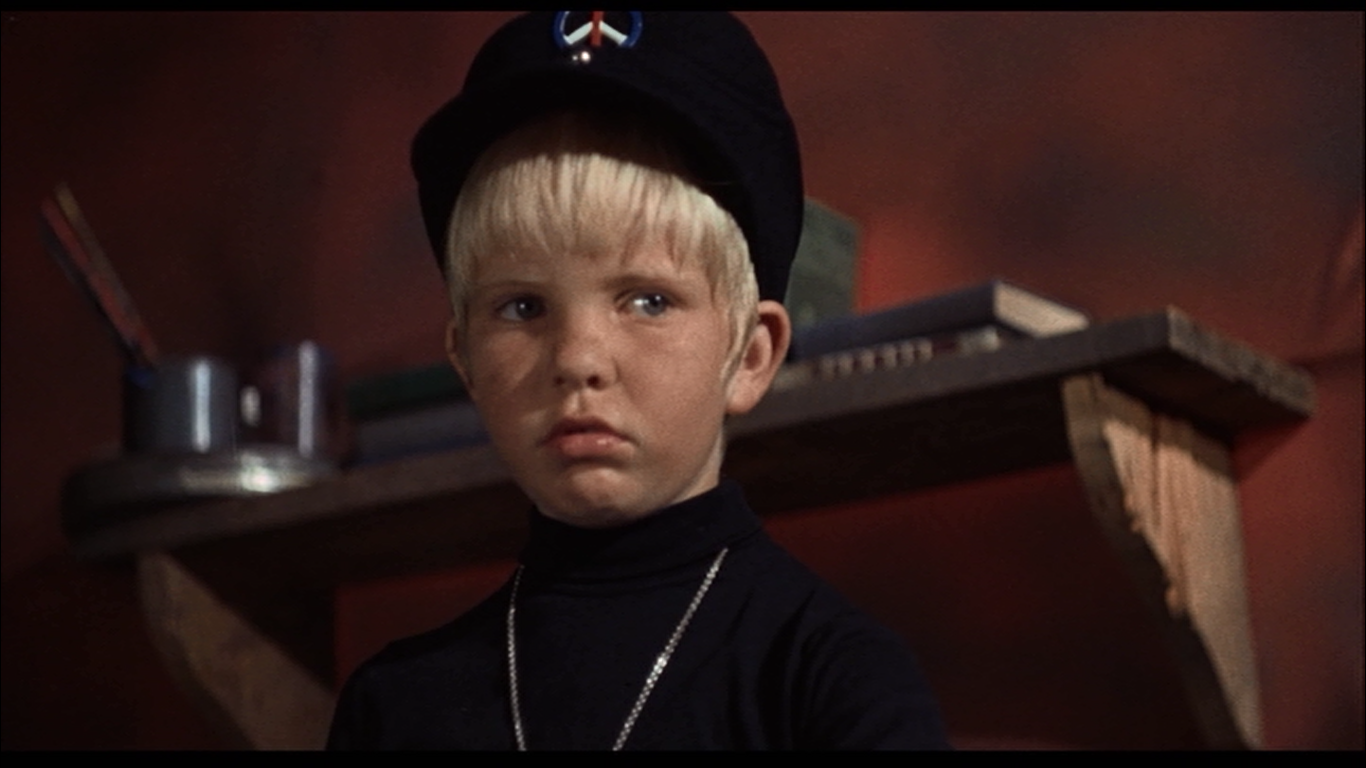 The rest of the world is only briefly mentioned, in that typically American fashion; we never find out how revolutionaries elsewhere respond to the youth takeover, and the whole freaky endeavor seems a lot more like the following year’s
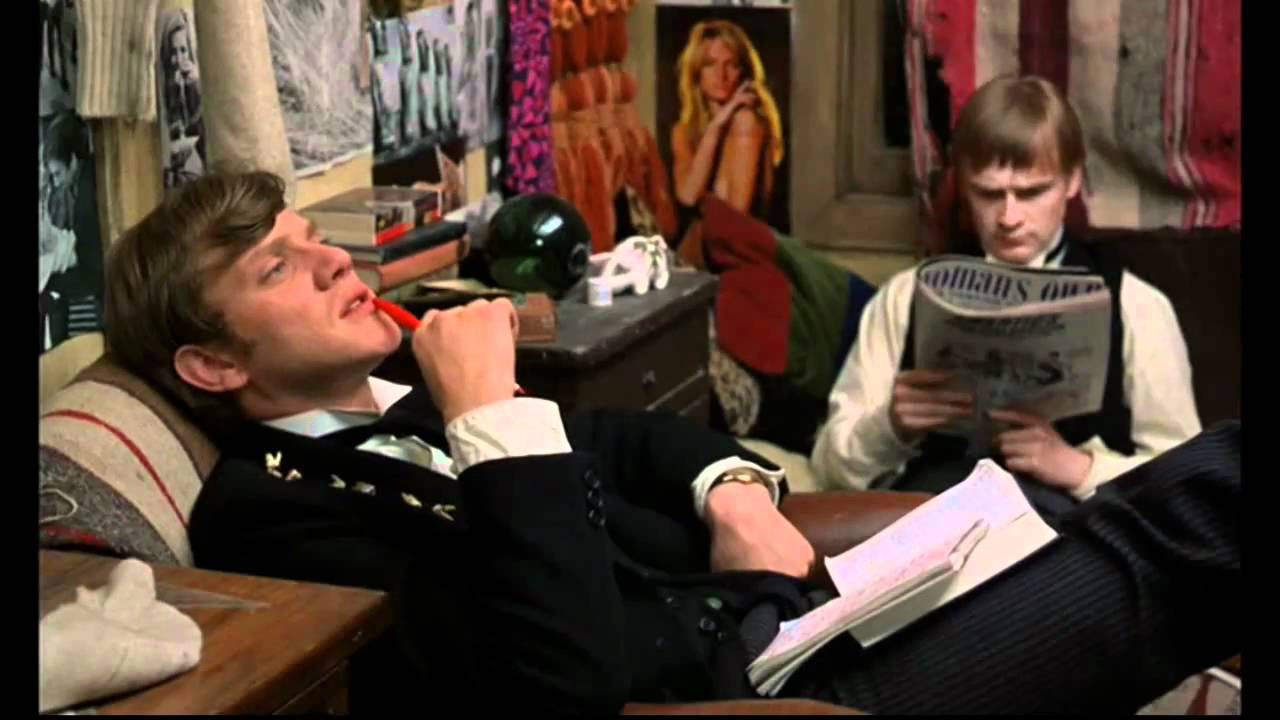
 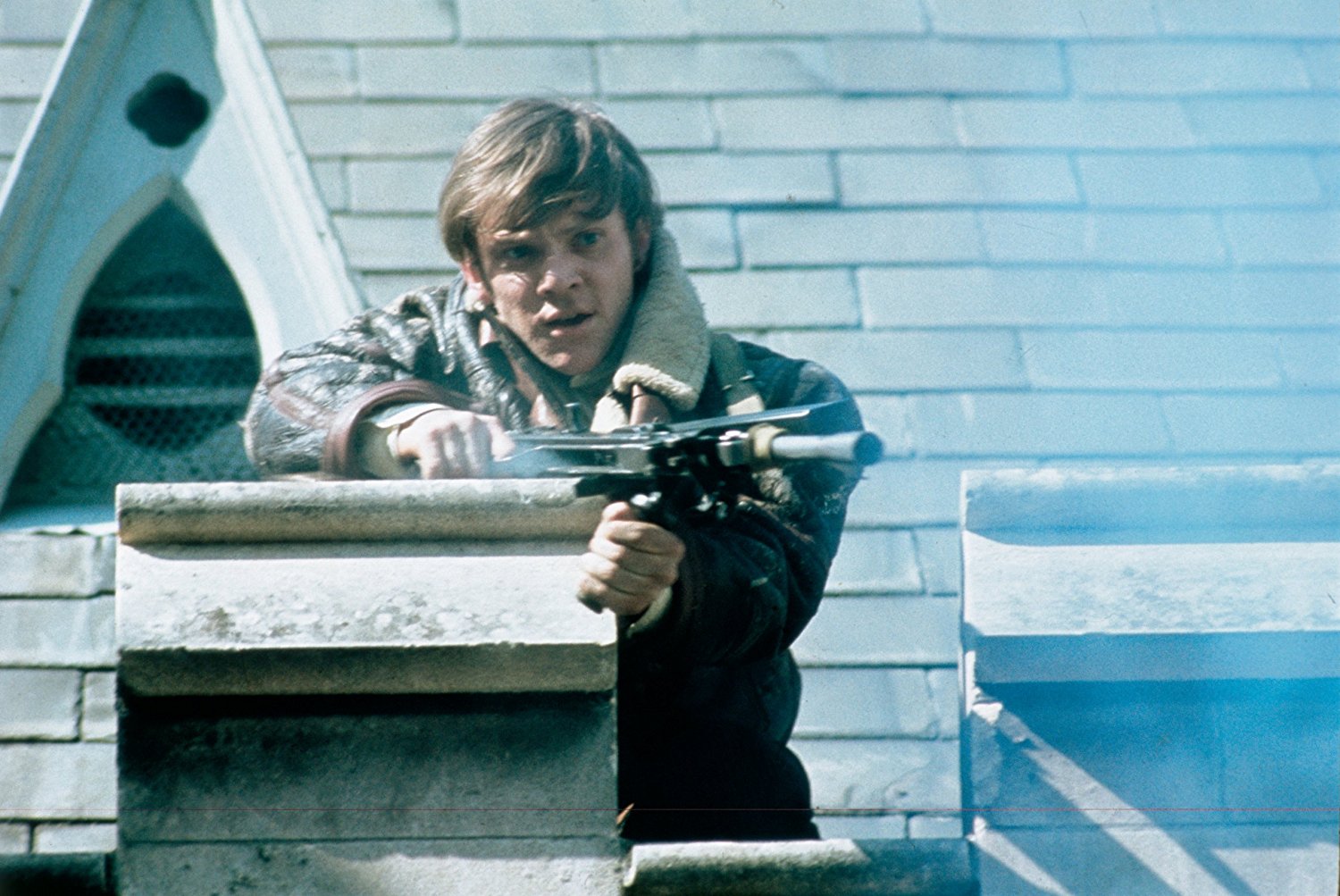 Power too is fractured, and that’s where Anderson’s anxieties prove most resonant. The face of authority in If… is less the tyrannical schoolmasters – they seem, for the most part, oblivious and irrelevant – than the Whips that serve them like prison guards.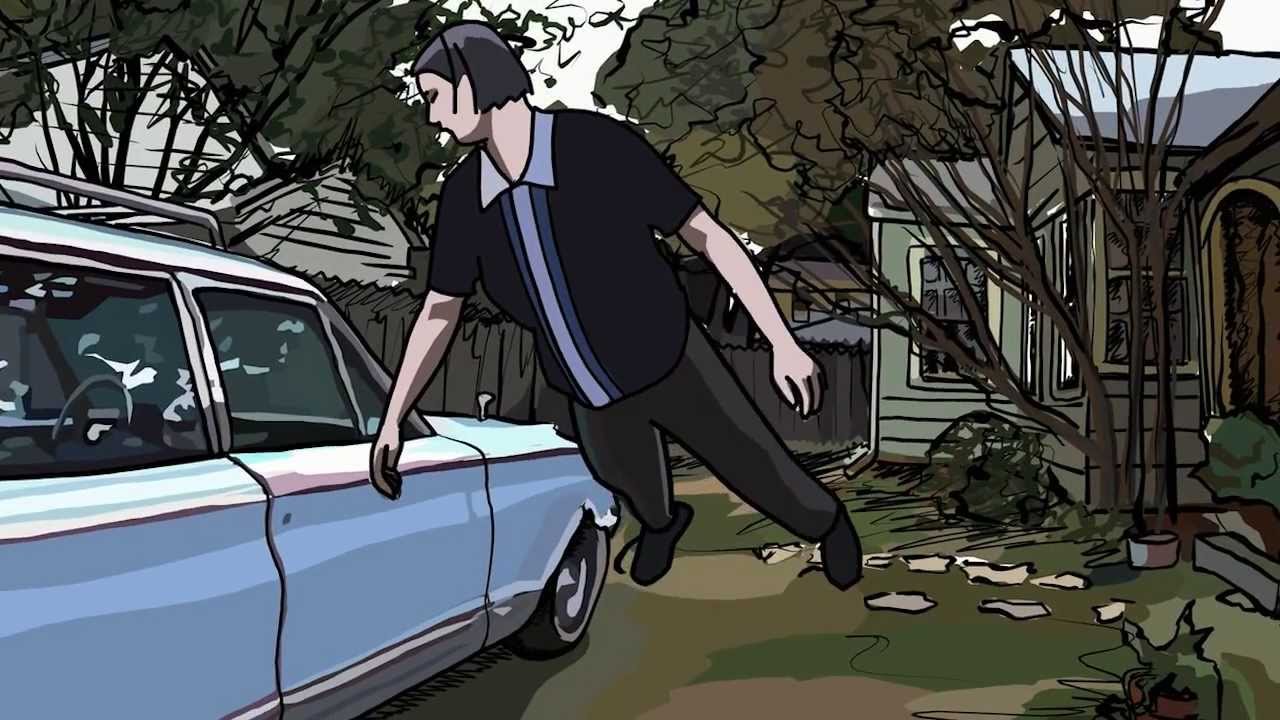
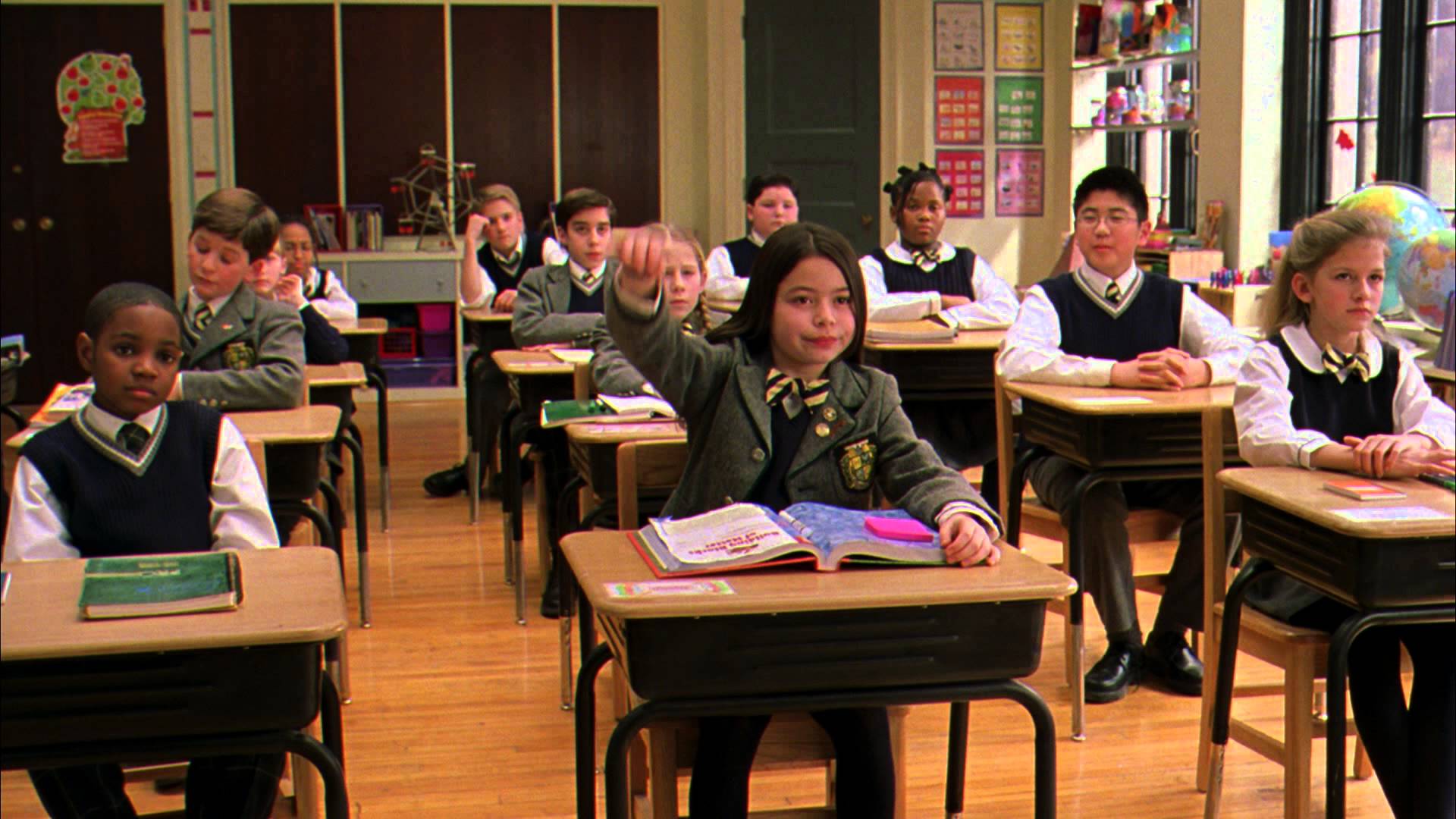 Roger Ebert
 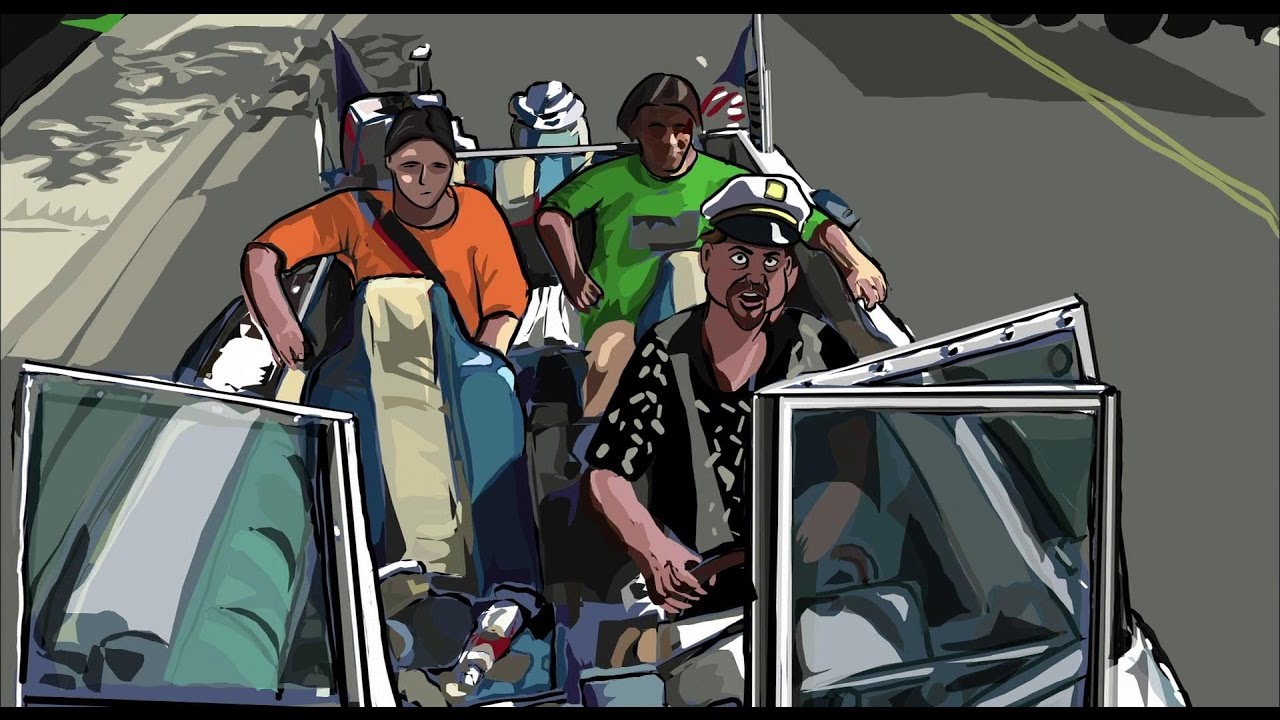 In the great push and pull of everything, it’s fair to say that both Waking Life and School of Rock are silly texts. They ask very little of you, apart from joining them on a swift ride, steered by a guy who might just leap off the boat.
 That Linklater would insist on its inclusion tells us a lot about Linklater. The central conflict in the poem is between romance and time. Apart from the “one for me, one for them” logic of his output, we have to acknowledge this emphasis. “The deep river ran on.”
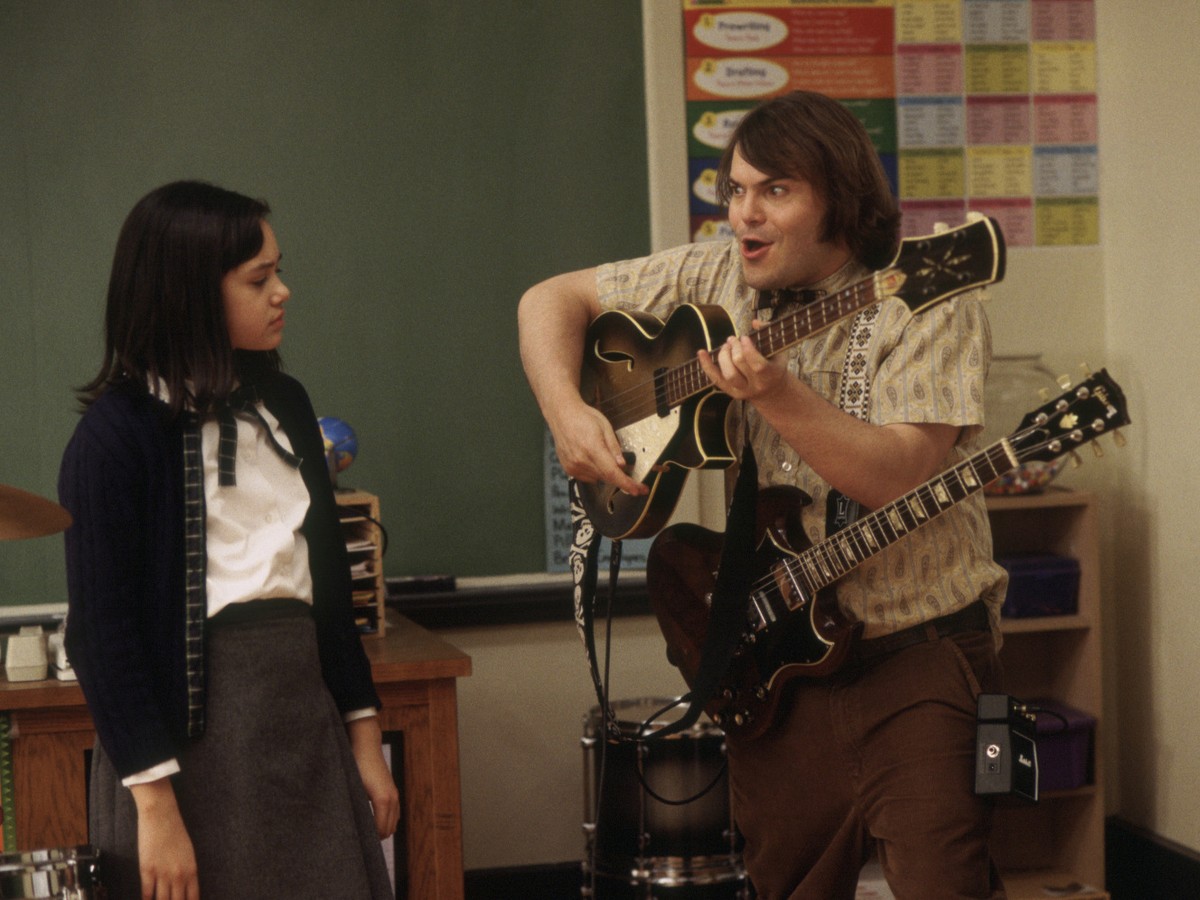 The rotoscoped half-wisdoms of Waking Life would have no place in the offbeat formula comedy of School of Rock (written by and starring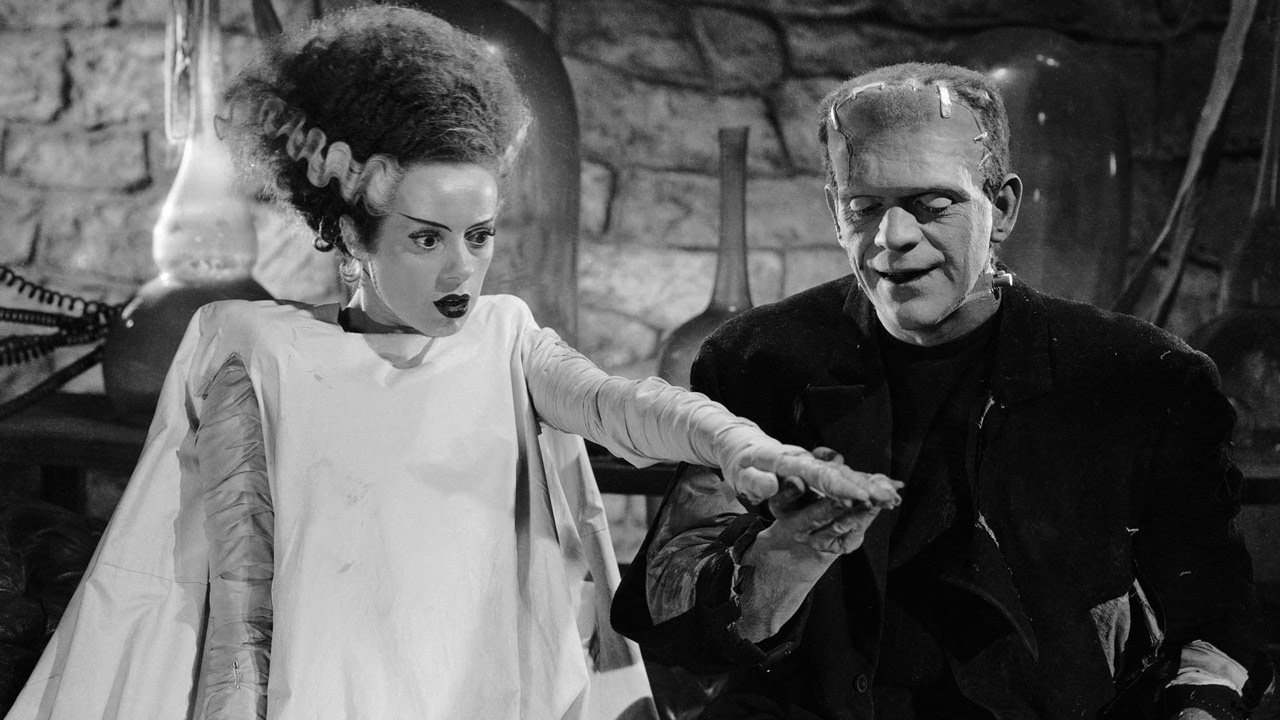
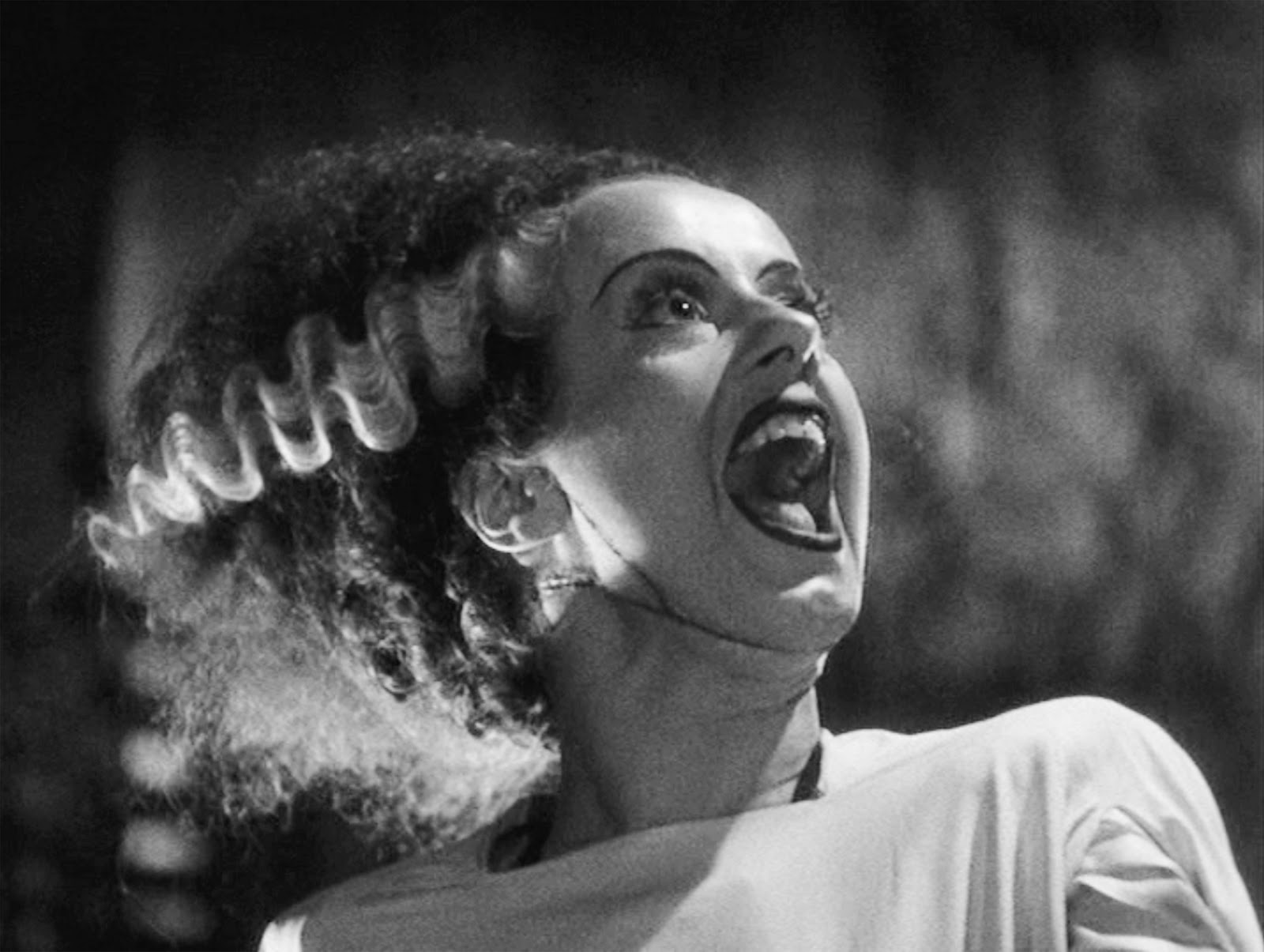 It’s a ridiculous thing, art proselytizing. Who even cares? Bride of Frankenstein doesn’t. In fact, James Whale’s combination of navel-gazing puffery and honest retconned genius actively refuses to play along. That’s one of the reasons that it is one of the greatest films ever made.
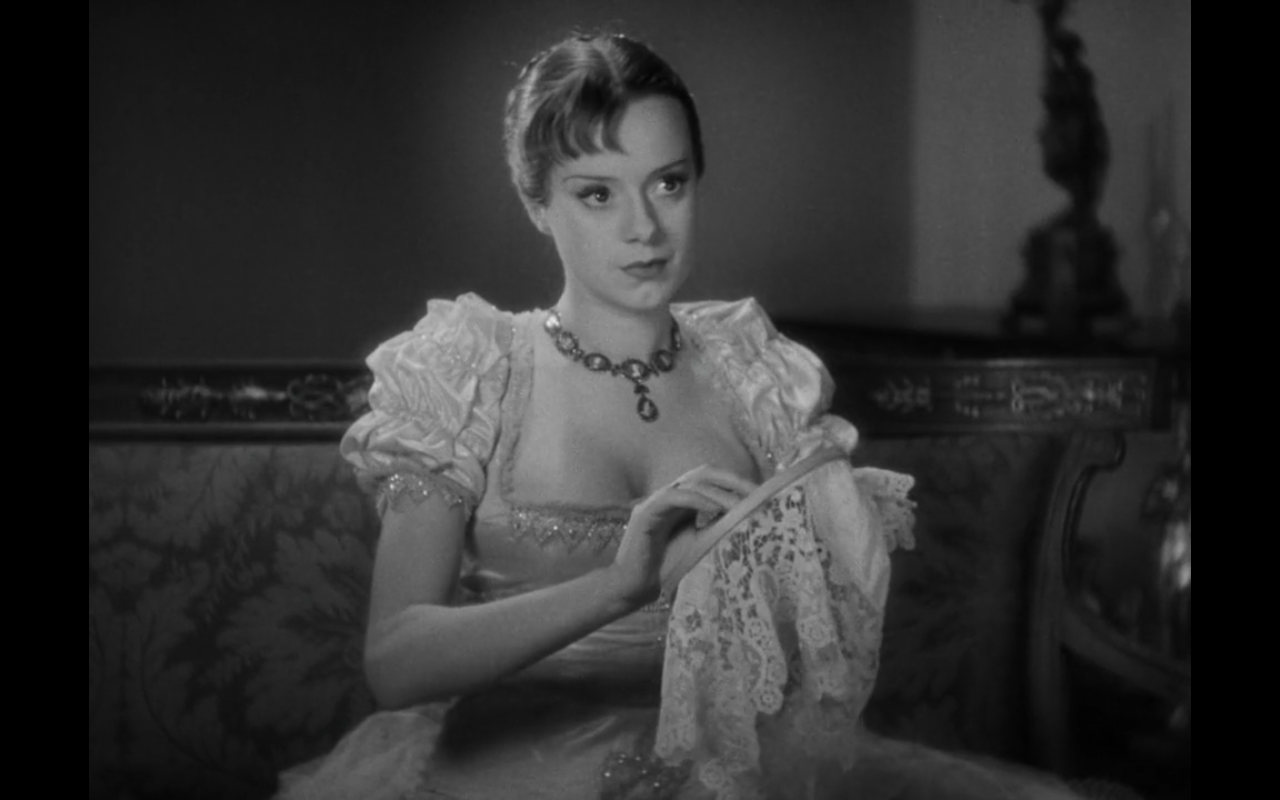 The rest of the film echoes this sentiment. From an entirely incongruous opening we segue into a story about solidarity and difference, run through with as much skepticism about heteronormative coupling as God-like creation. If the first film, and Mary Shelley’s novel for that matter, are about the horrors of reproduction and responsibility, Bride is about the ways in which presumptions about our connection to others fail us, especially connections based in patriarchy. If Frankenstein will present a drowned child, Bride will feature a rescue from drowning. It is an inverse, a mirror-image reflected in broken glass.
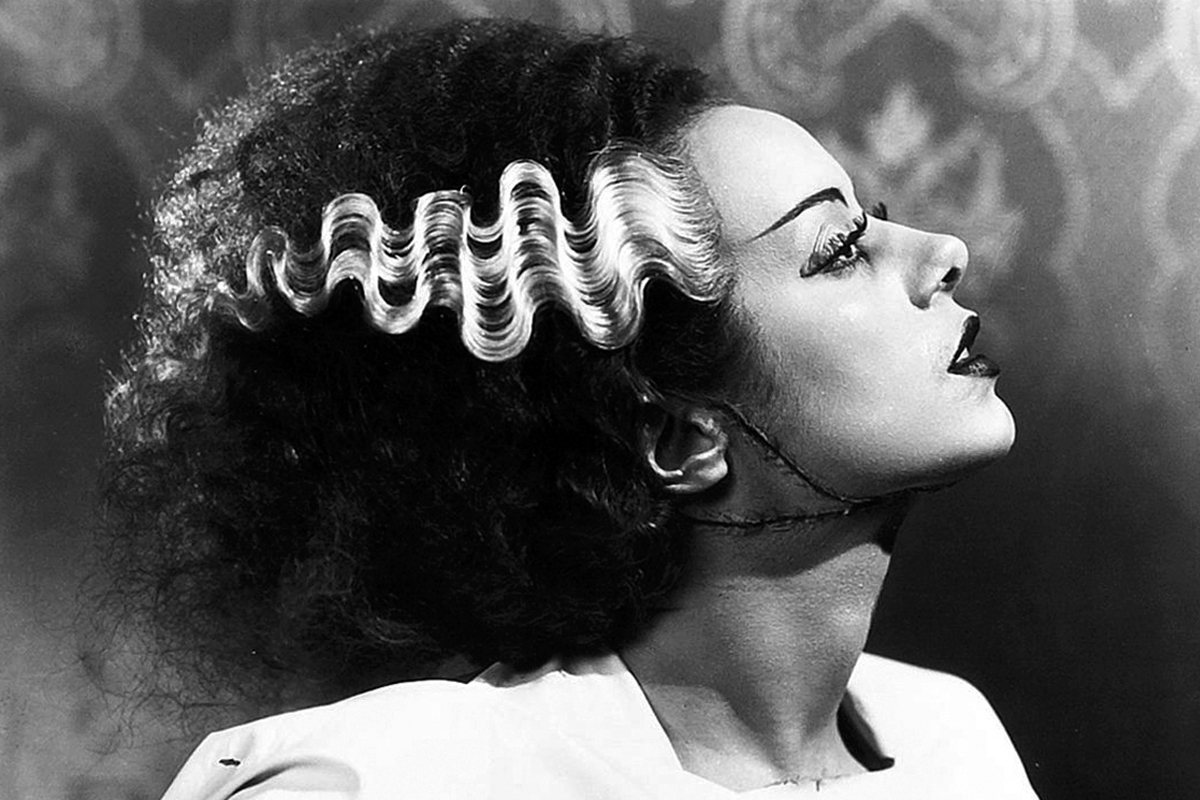 shortlist: queers, freaks, people who don’t fit in, outliers, people skeptical of modern science’s ability to explain our pain, existentialists, revolutionaries, those who find white people in positions of power inherently suspicious, anyone who’s wanted to burn it down, anyone who’s wanted to know more than they do right now, anyone who’s known too much, cinephiles, James Whale enthusiasts, Karina Longworth, Mel Brooks, rooftop architects, fans of Byron or either of the Shelleys, German Expressionism enthusiasts, violin players, suckers.
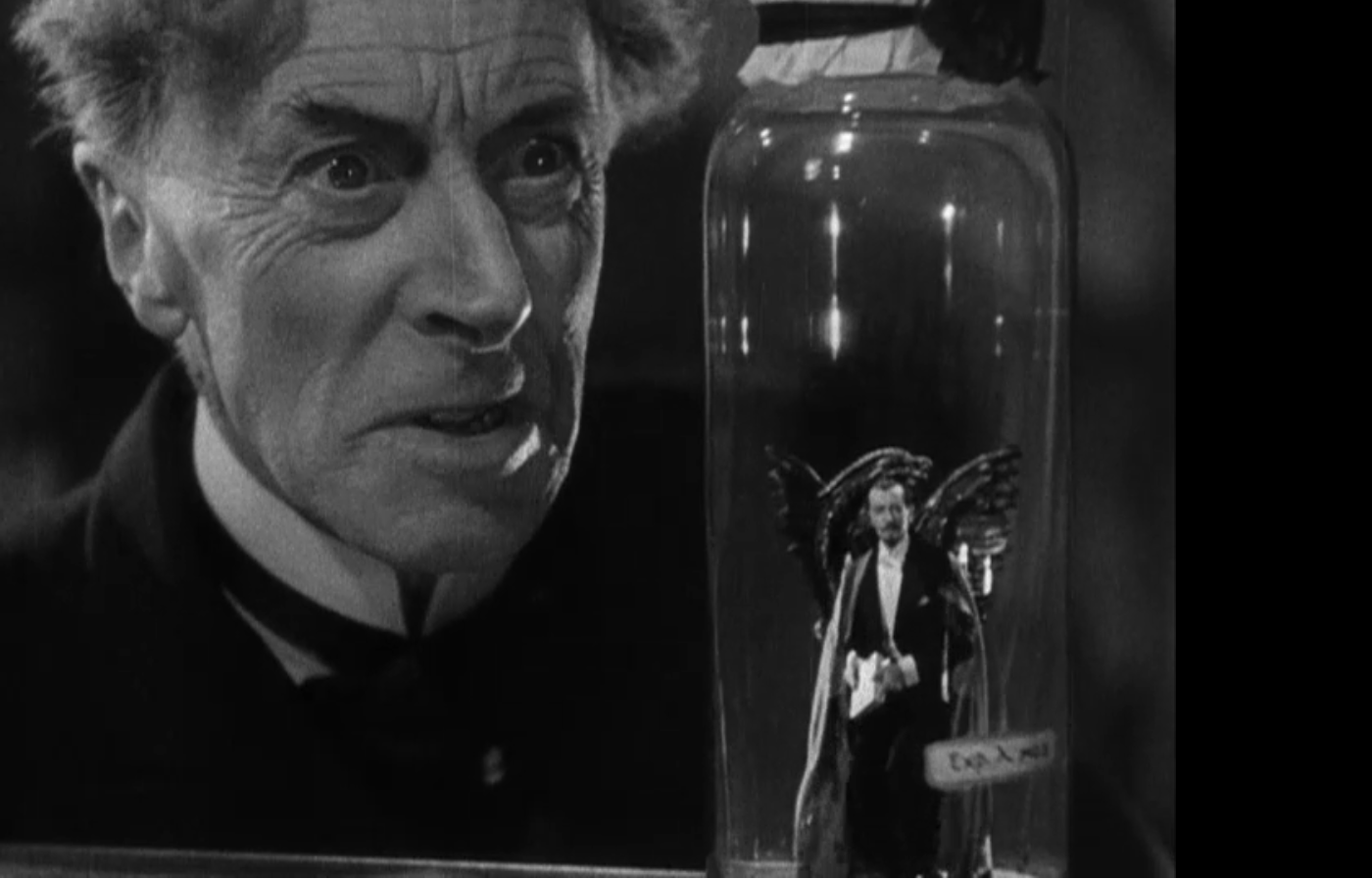 bemused by the material and in thrall to it. It’s a not-so-secret attack on conventional values, masquerading as a horror movie about a big dead guy and his big dead wife. It’s perfect. It is art.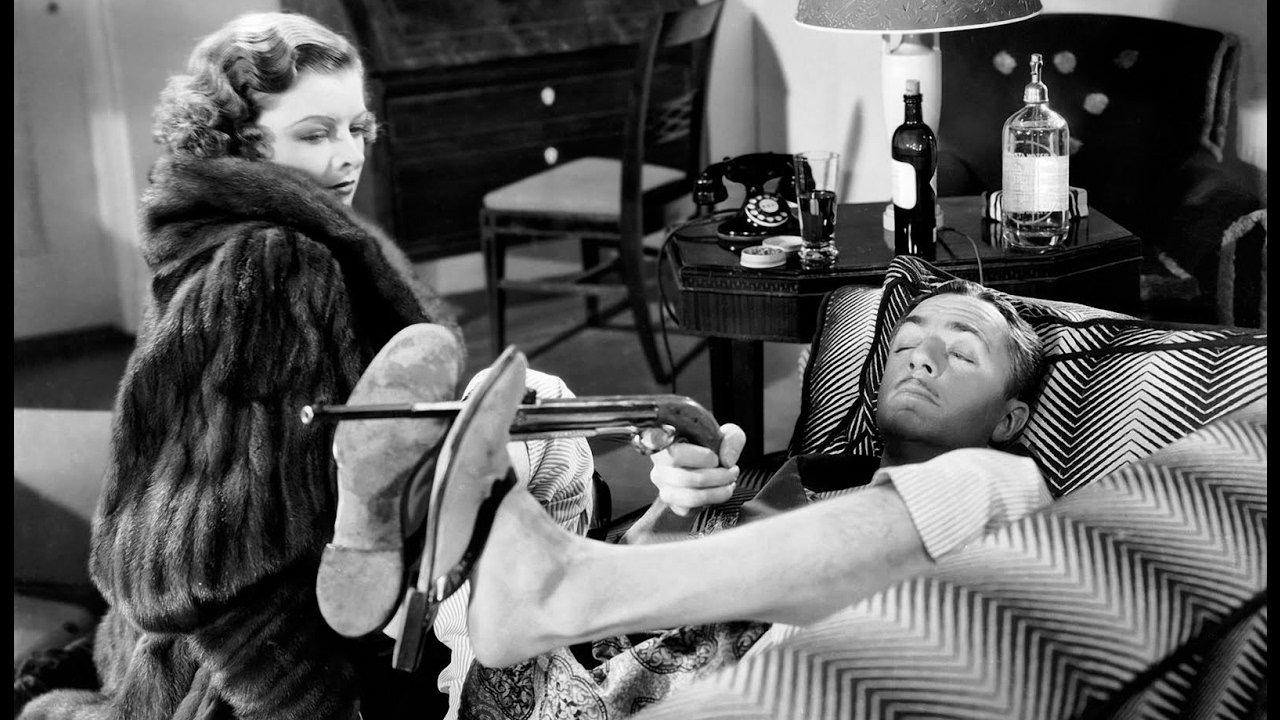
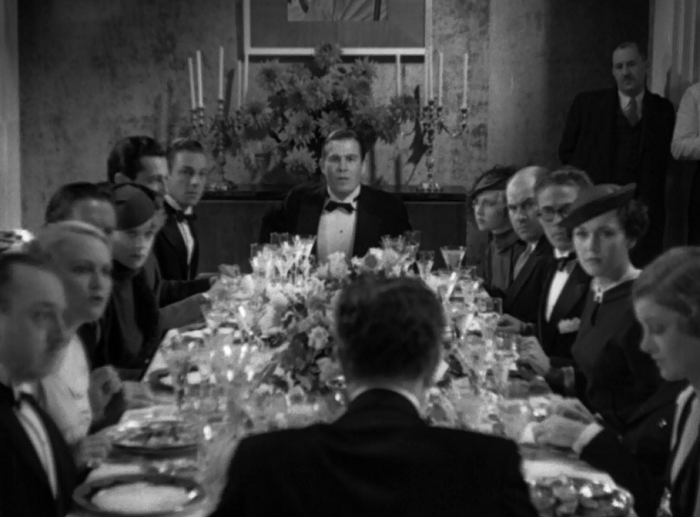
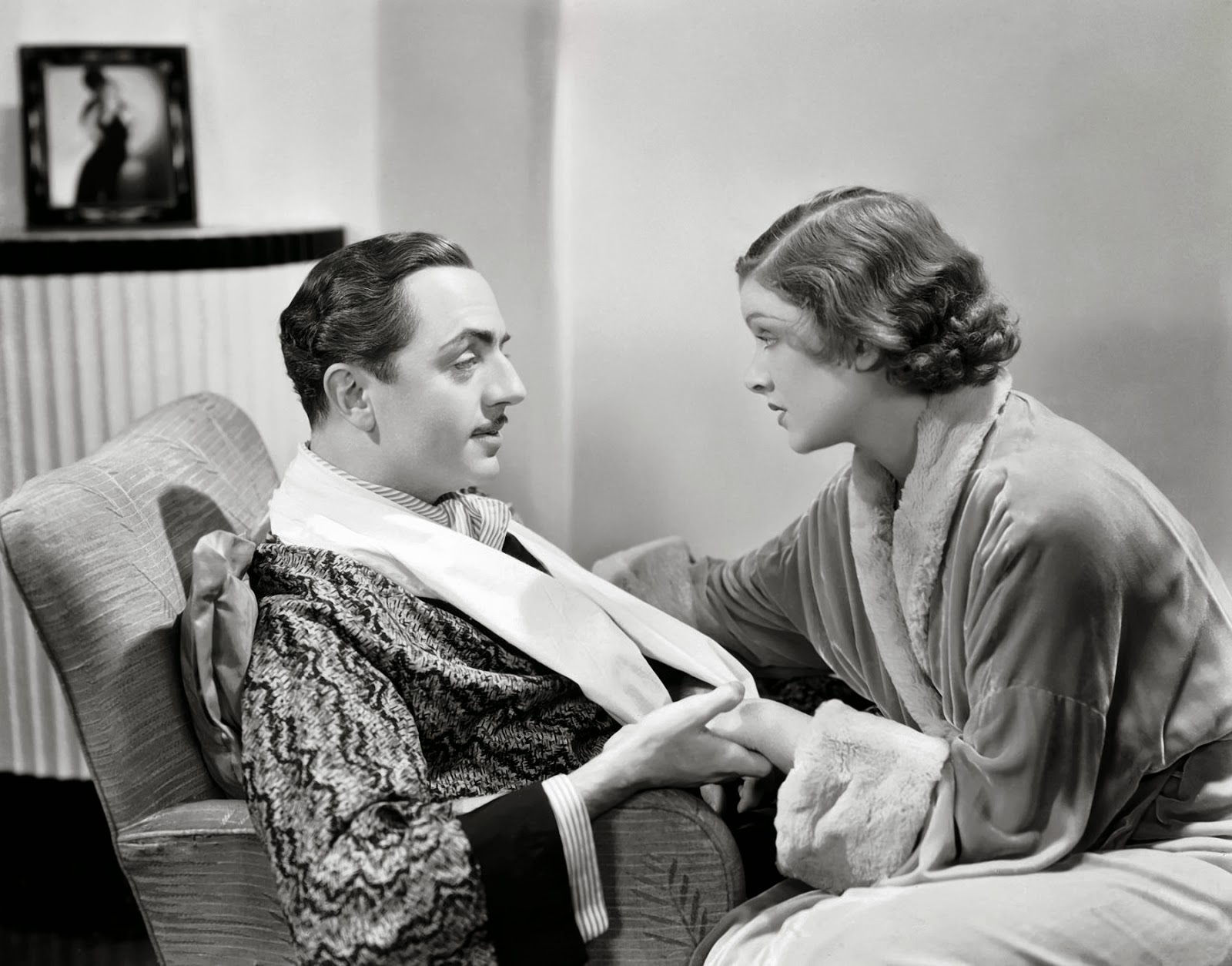 Nick and Nora’s banter is inspired, but it’s all in the ease of the delivery, an obvious affection for each other that let the newly official Hays Code censors overlook gags that might otherwise have been shut down, particularly if they weren’t married. There’s a lot of lap-sitting, necking, and innuendo here — not to mention Asta The Dog covering his eyes in a reaction shot when our heroes actually get down to lovin’ off-camera — but it can be accepted in the larger depiction of a truly happy, if unconventional, union.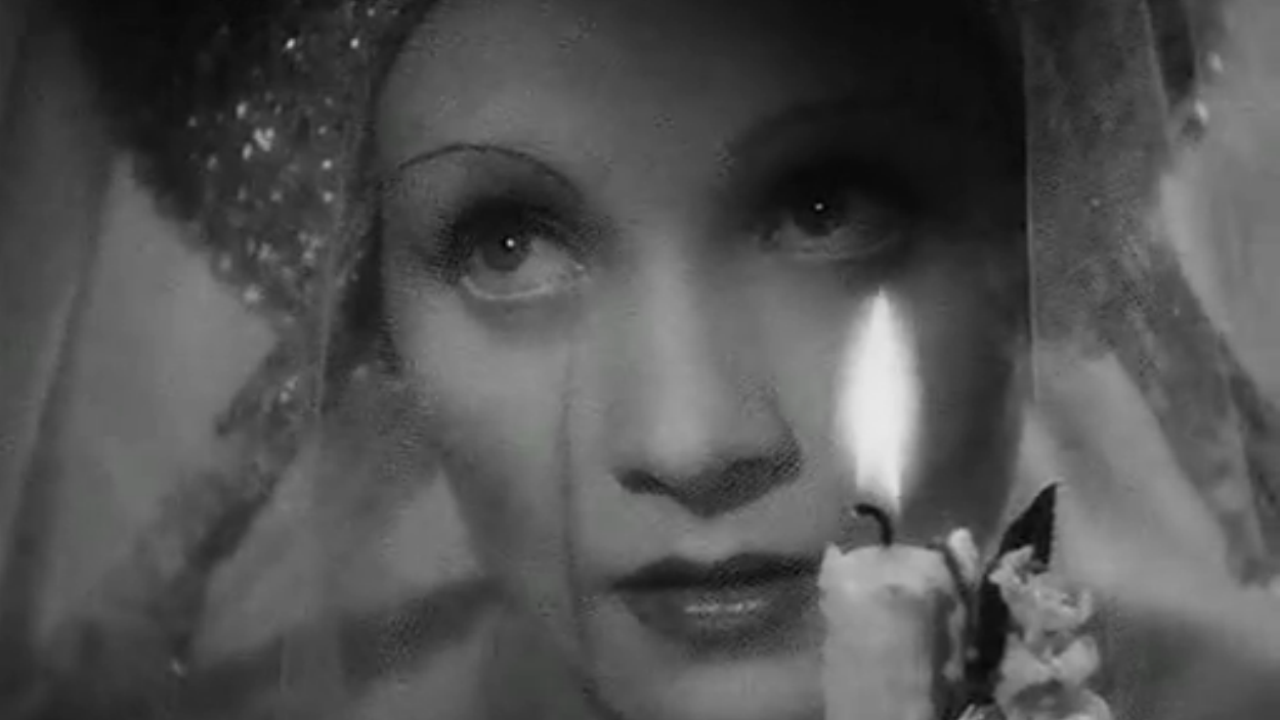
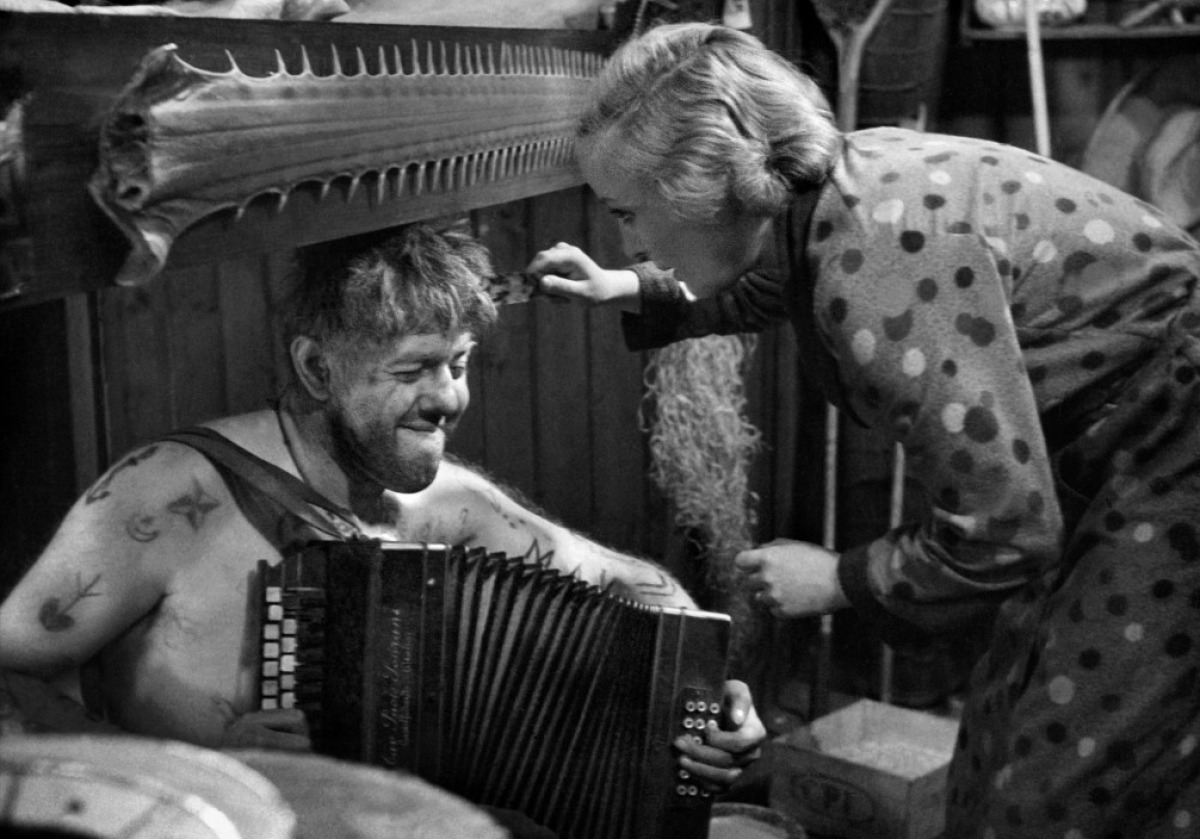
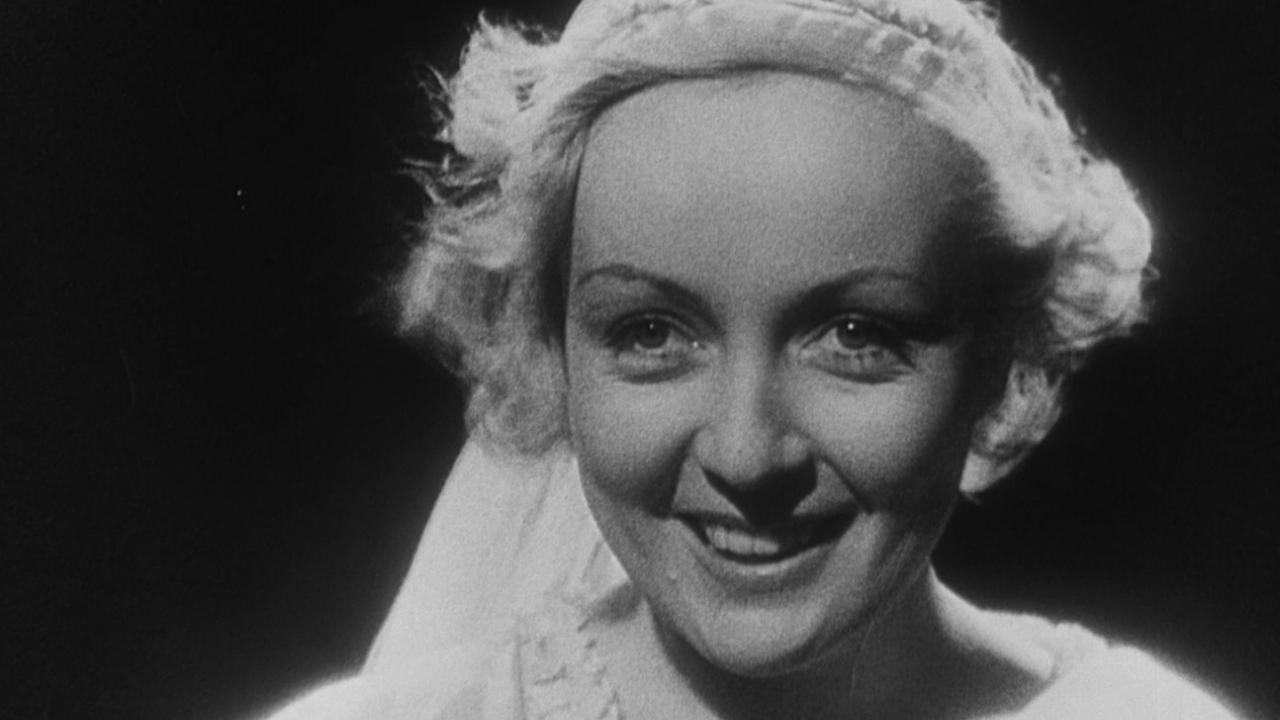
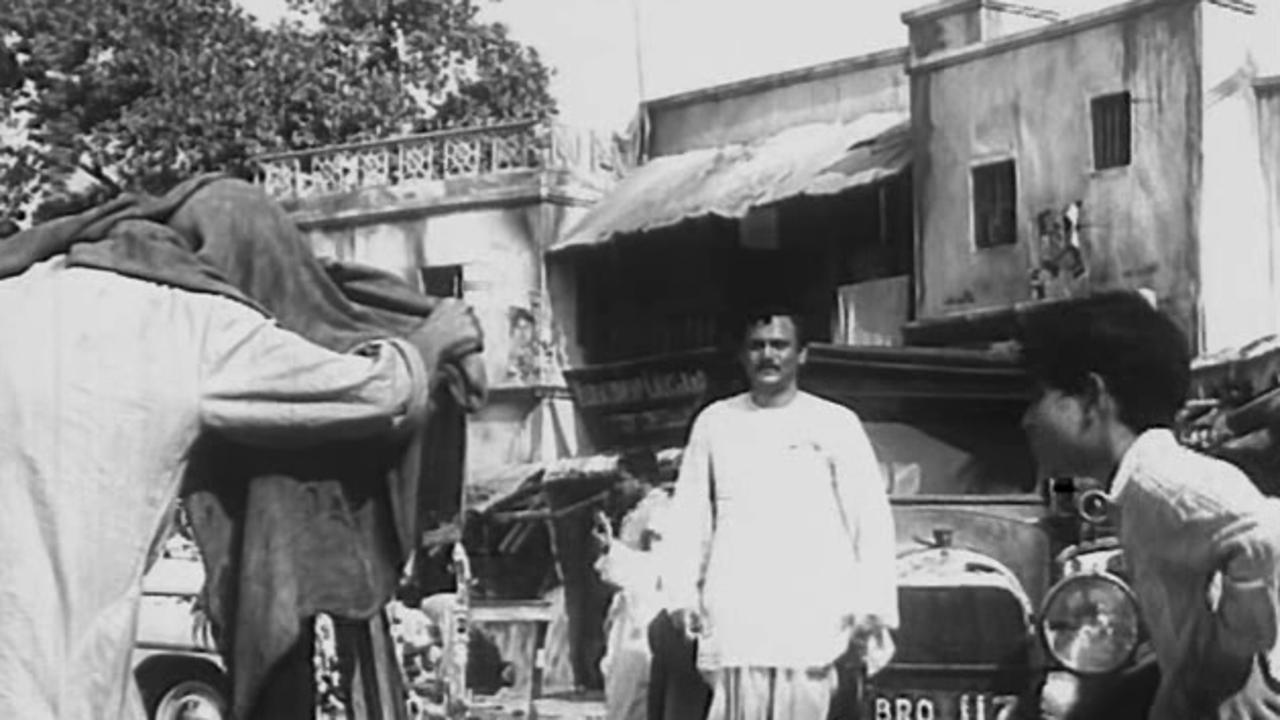
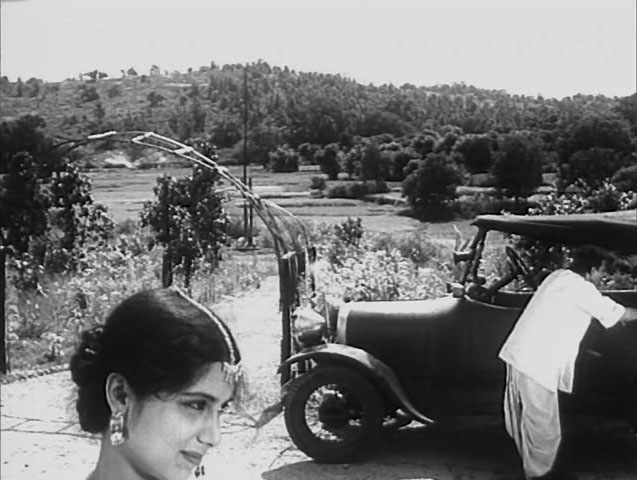 Ajantrik channels many modes simultaneously: manic slapstick, Brechtian absurdity, deeply felt commentary on social conditions. Satyajit Ray is commonly credited with founding
 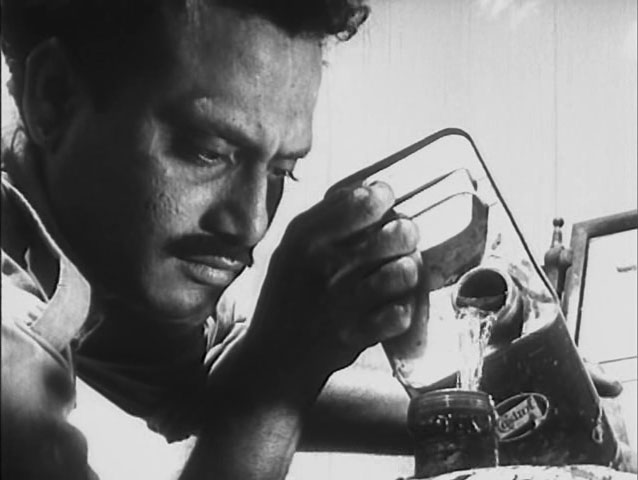 No one else’s car has a name. And certainly no one would lavish upon their car the care he reserves for Jaggadal. His self-identity is bound up with this thing, which, in Ghatak’s hands, takes on a life of its own. Long before the Disney-helmed Bernie series, post-production sound design give Jaggadal an almost corporeal personality: the car is essentially the main character of the film with Bimal in the supporting role. As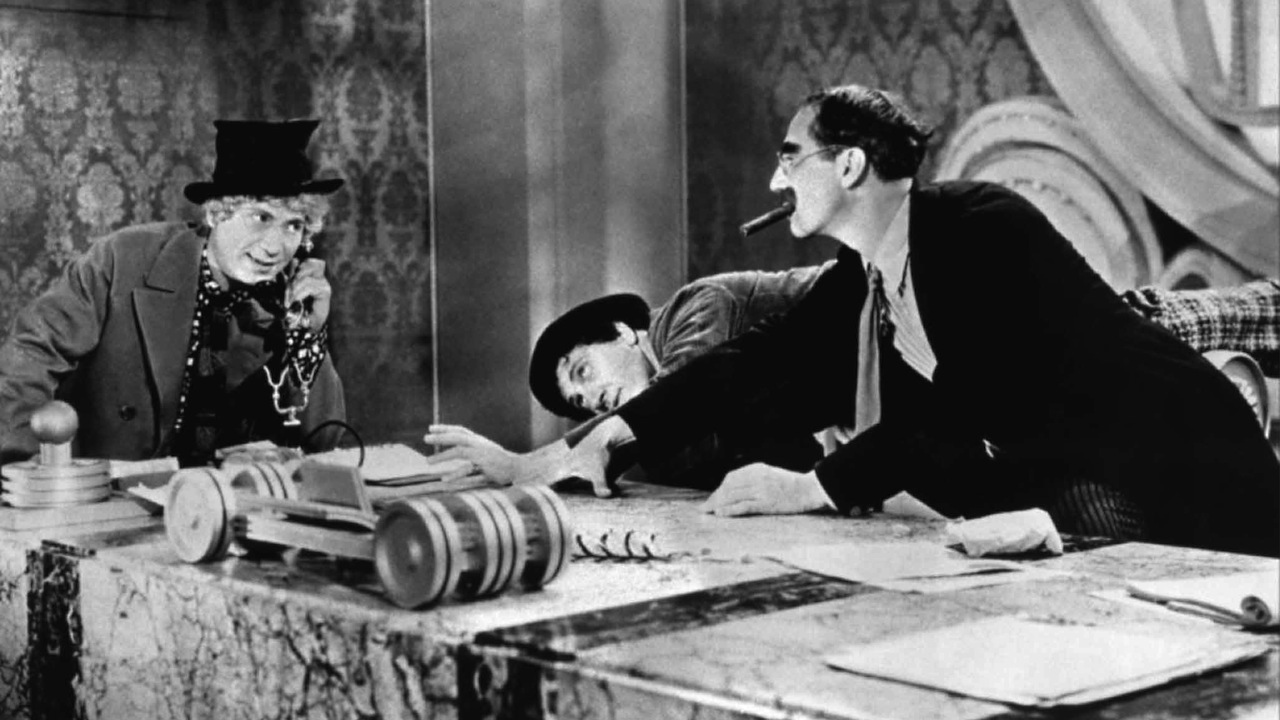
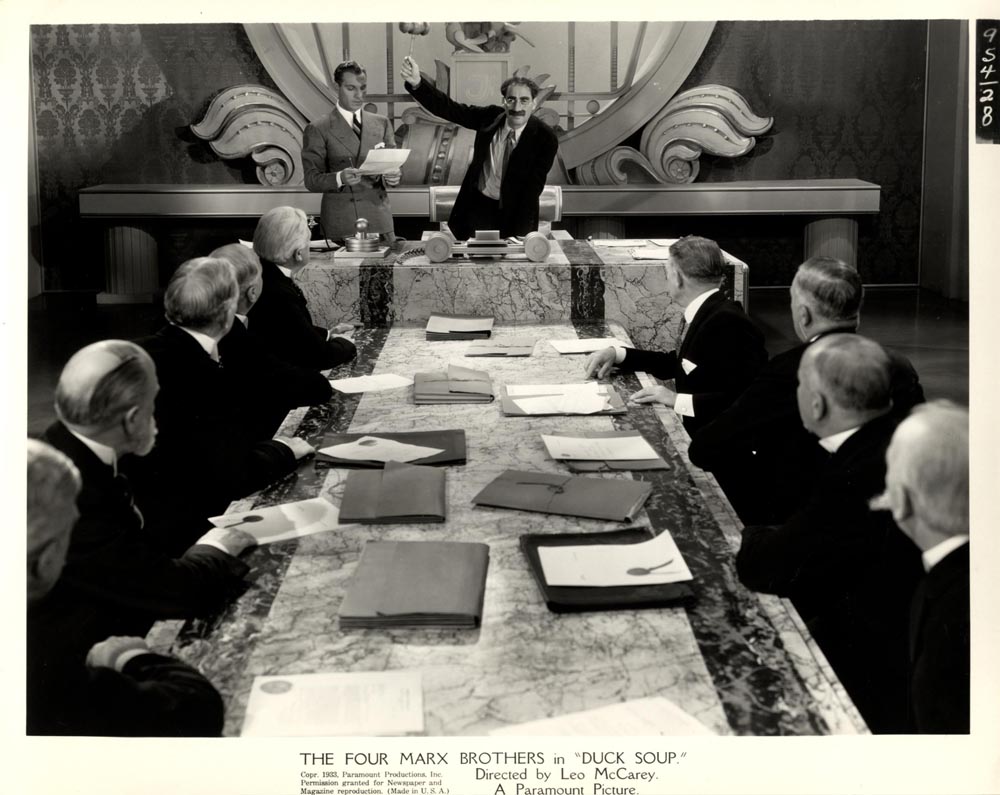
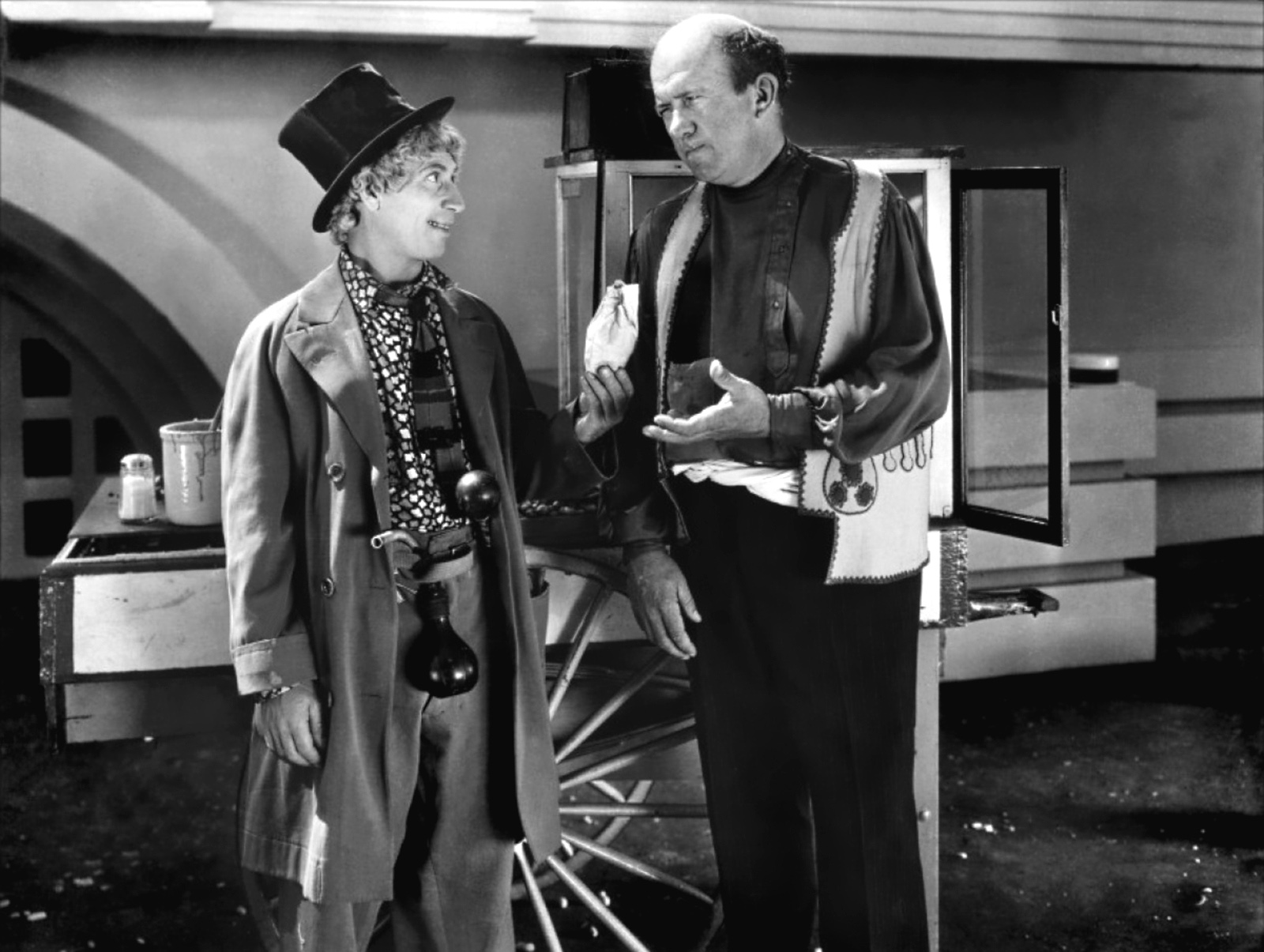
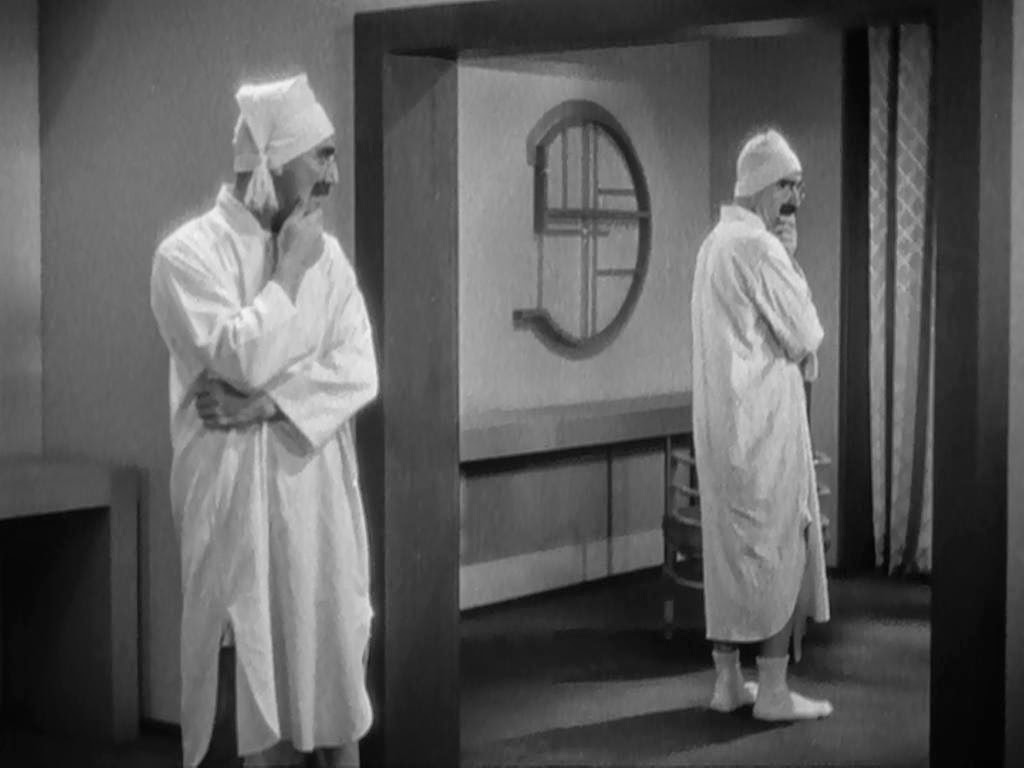 There are great physical bits, particularly the famous mirror scene, in which Groucho and Harpo (dressed as Groucho) mimic each other. In just a few short minutes, the film engenders an entire trope that will be carried through cartoons for the rest of time. There’s also something oddly touching about it: you can feel the staginess and yet you don’t care. The gag is too good to care.
 $600,000, starring mostly no-name actors, and with a script co-billed to