
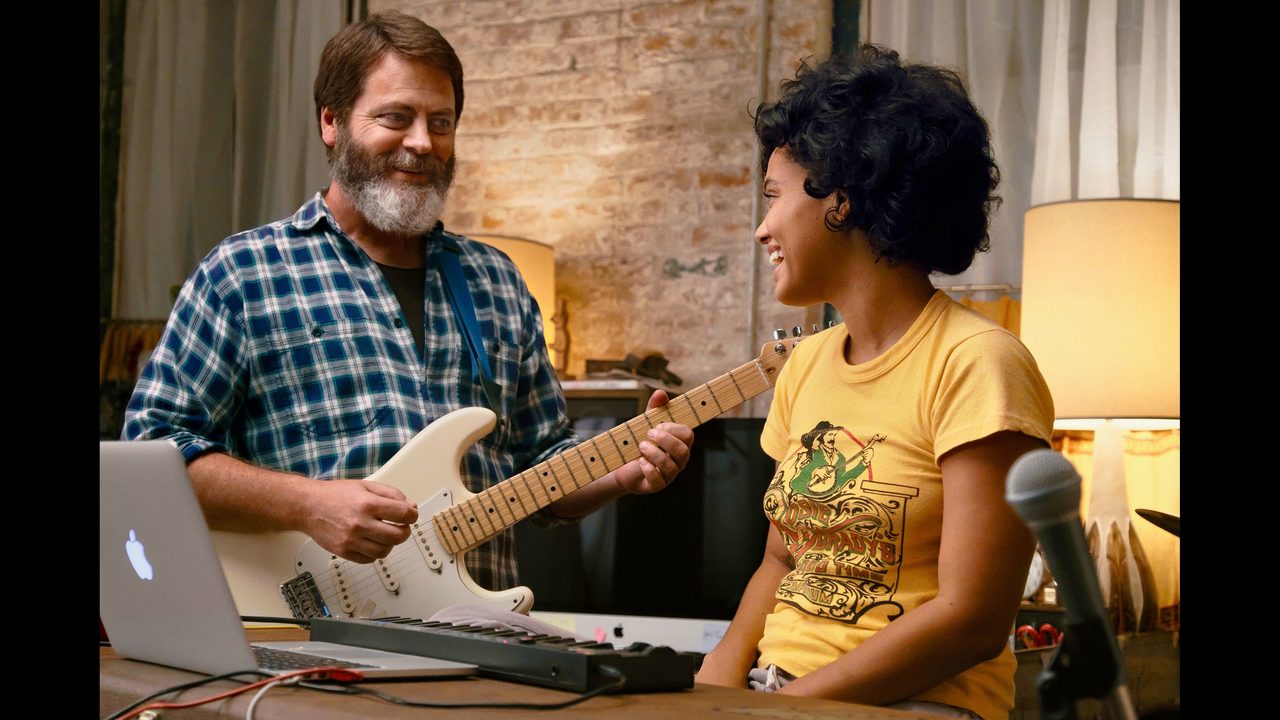
Calling it “the season’s most huggable film” shortchanges the charm of Hearts Beat Loud, but it’s not entirely wrong.
There are undercurrents of deep melancholy beneath all the indie-rock, Red Hook whimsy that ground it in something real, relatable, and honest. Writer/director Brett Haley’s narrative strains, not always successfully, to integrate the loose ends on the periphery – Blythe Danner’s klepto grandma is especially stranded, though Ted Danson’s friendly neighborhood barkeep, Toni Collette’s landlady / potential love interest, and Sasha Lane’s girlfriend-for-now are underused, too. They all make the most of their time, but this isn’t their gig anyway.
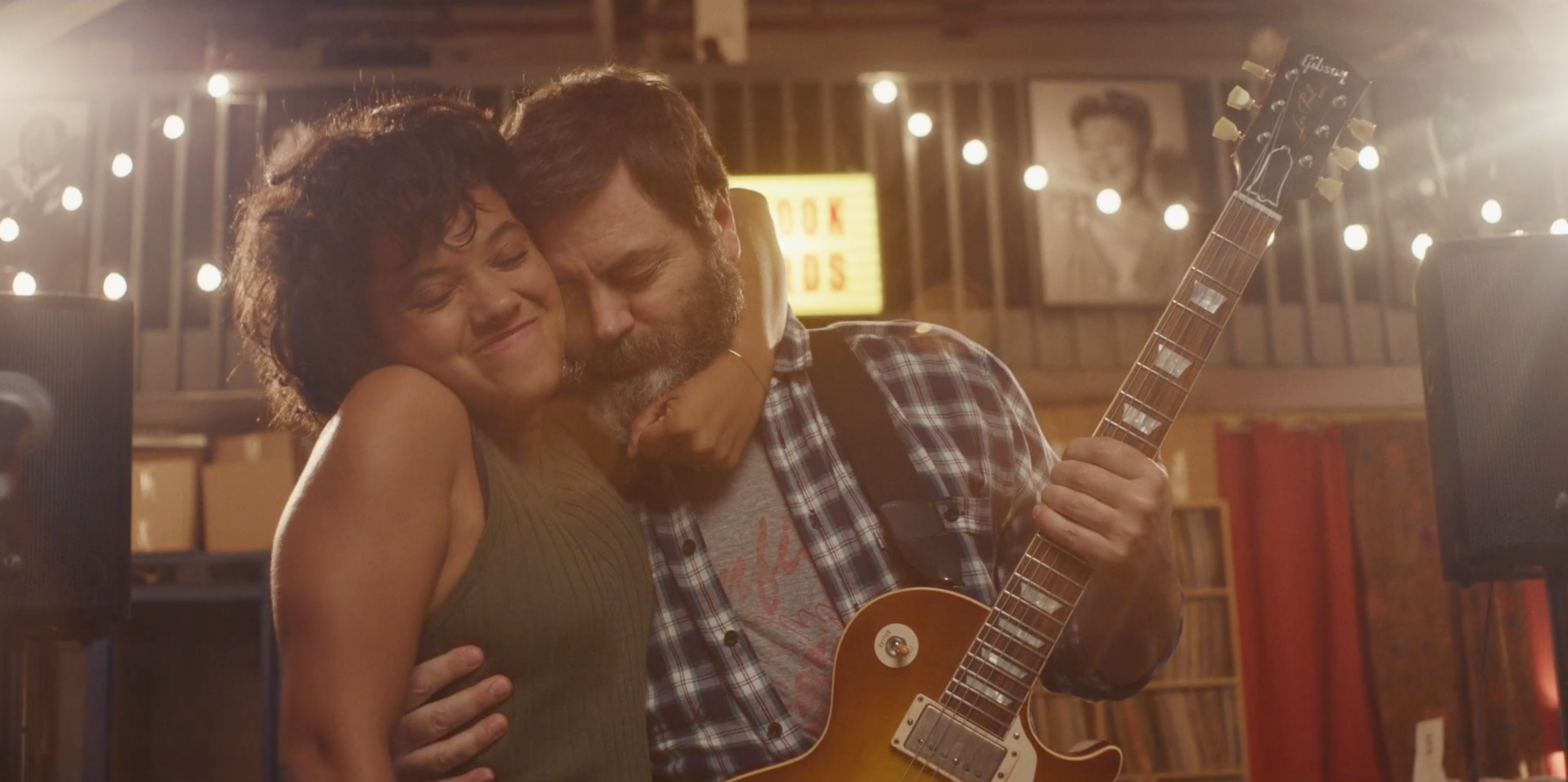 The beating heart of Hearts Beat Loud is the father/daughter relationship between Nick Offerman and Kiersey Clemons, and they carry the day. The film feels effortlessly of the moment; not just the matter-of-fact biraciality (and bisexuality), but the gentrification, the tenuousness of stability, financial, romantic, and otherwise. Hearts Beat Loud also poignantly foregrounds the ways our desires shape perception. The pair’s overnight (and surely fleeting) Spotify success is interpreted by record store owner Offerman as a sign of potentially impending mini-stardom: a return to the music career he left a lifetime ago, but mostly a way to keep his daughter close, doing something they love together. The pragmatic, college-bound Clemons, meanwhile, imbued with a skepticism her generation is usually faulted for, recognizes the perils of dubious internet fame, even if there are undeniable draws to believing in it. Watch this conflict play out on her face, the desire for proximity’s closeness and the world that beckons. “L.A.’s not New York,” Lane points out. Clemons nods: “No, it’s not.” It’s a star-making gesture.
Hearts Beat Loud is a big-hearted movie about such small moments, and about the need to hold on in other ways, to mark time and place, even as we confront change. There’s a lot of wisdom in its earwormy pop hooks.
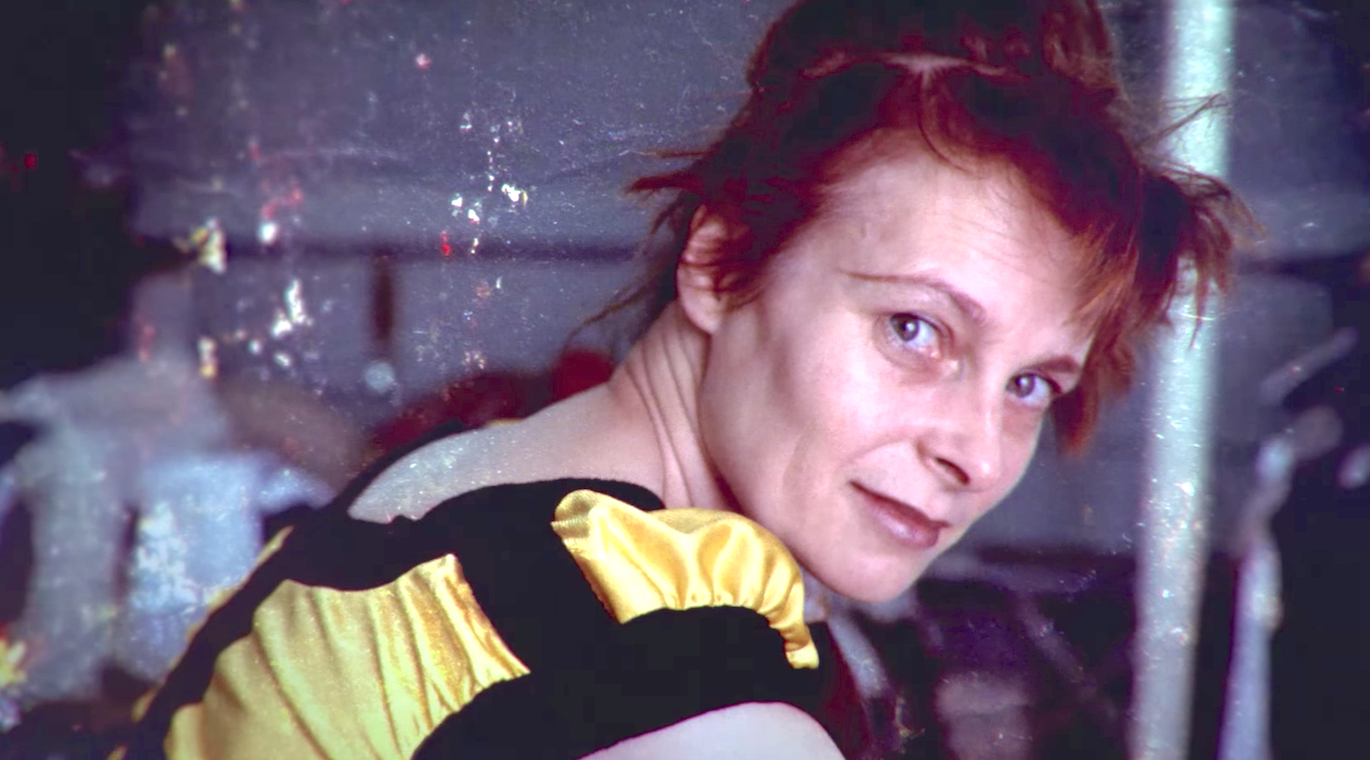 The problem with Westwood: Punk, Icon, Activist is all there in the over-stuffed title. Lorna Tucker’s engaging and admiring portrait of renegade fashionista Vivienne Westwood aims to be all-encompassing, something its 83-minute running time can’t possibly achieve.
Still, it’s not for lack of trying. We learn about Westwood’s working-class upbringing and the “spatial intelligence” which, exhibited since early childhood, would eventually land her on high-fashion catwalks and at the top of a fashion empire she fears has expanded past her ability to rein it in. Her early collaborations with Malcolm McLaren and their invention of the Sex Pistols – the ultimate pre-fab band that birthed a movement – is Westwood’s most fascinating section, at least to me: the notion that there aren’t just “fashion punks,” but that “punk” itself self-consciously sprang from the fashion world, is a deep well of irony that never runs dry.
“I don’t want to talk about the Sex Pistols,” Westwood complains to the unseen interviewer. “We can’t go on about that.” And so we don’t. (Westwood’s constant, prickly complaints that the world doesn’t need this movie is one of the movie’s more charming inclusions.) Tucker subsequently brings in examinations of her complicated, devoted romance with a much-younger collaborator, the scorn she endured from the fashion world, the rise and fall and rise of her fortunes (deeply intertwined with McLaren’s legendary assholery), and her late-in-life commitment to climate change activism – all dutifully depicted but never coalescing, or even sitting comfortably in the same room.
Westwood is a snapshot that wants to be a mural, but there are plenty of fascinating details scattered throughout, and Westwood herself is clearly a force of unbridled, scattered energy and puckish enthusiasm. Perhaps there’s no other way this film could turn out.
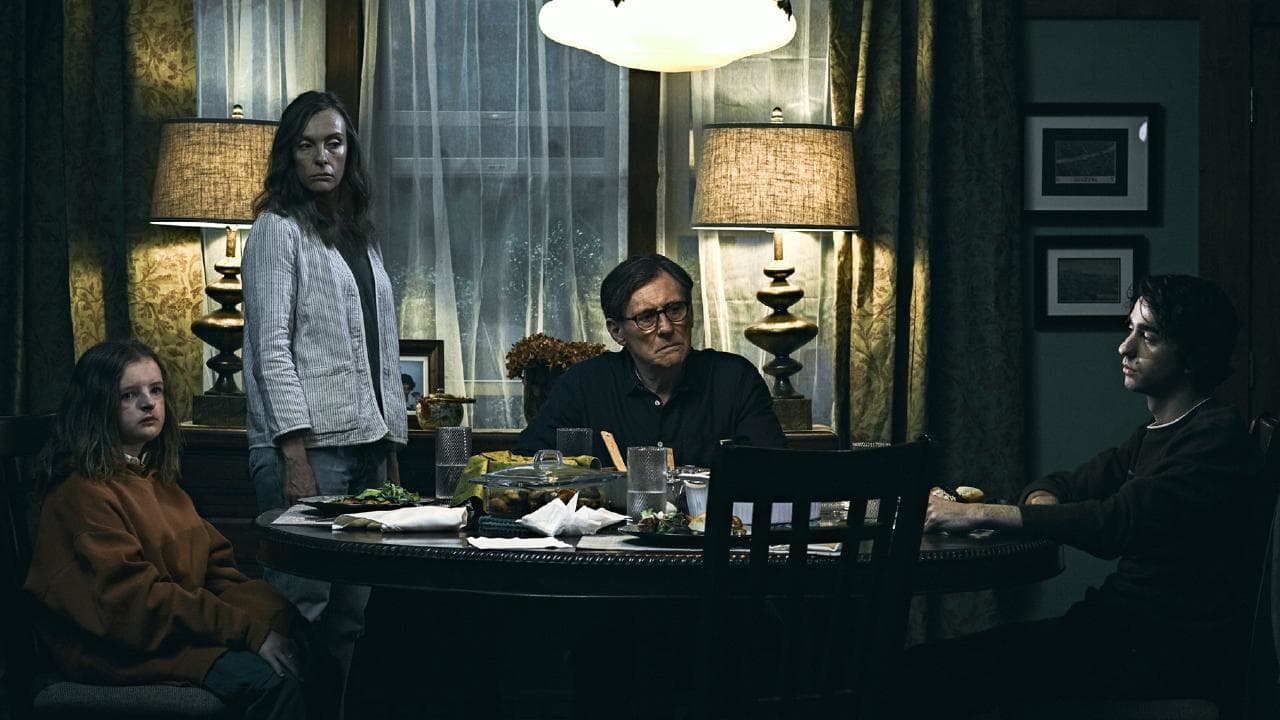
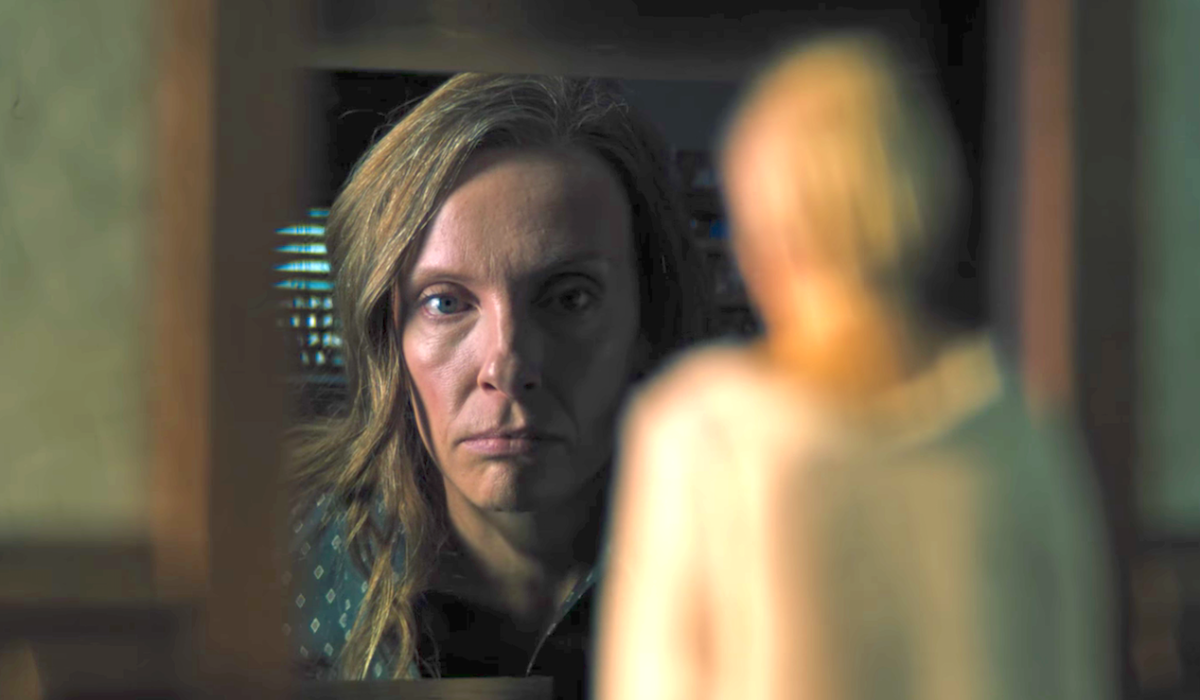 This moody speculative horror is the best of the three films that writer/director
 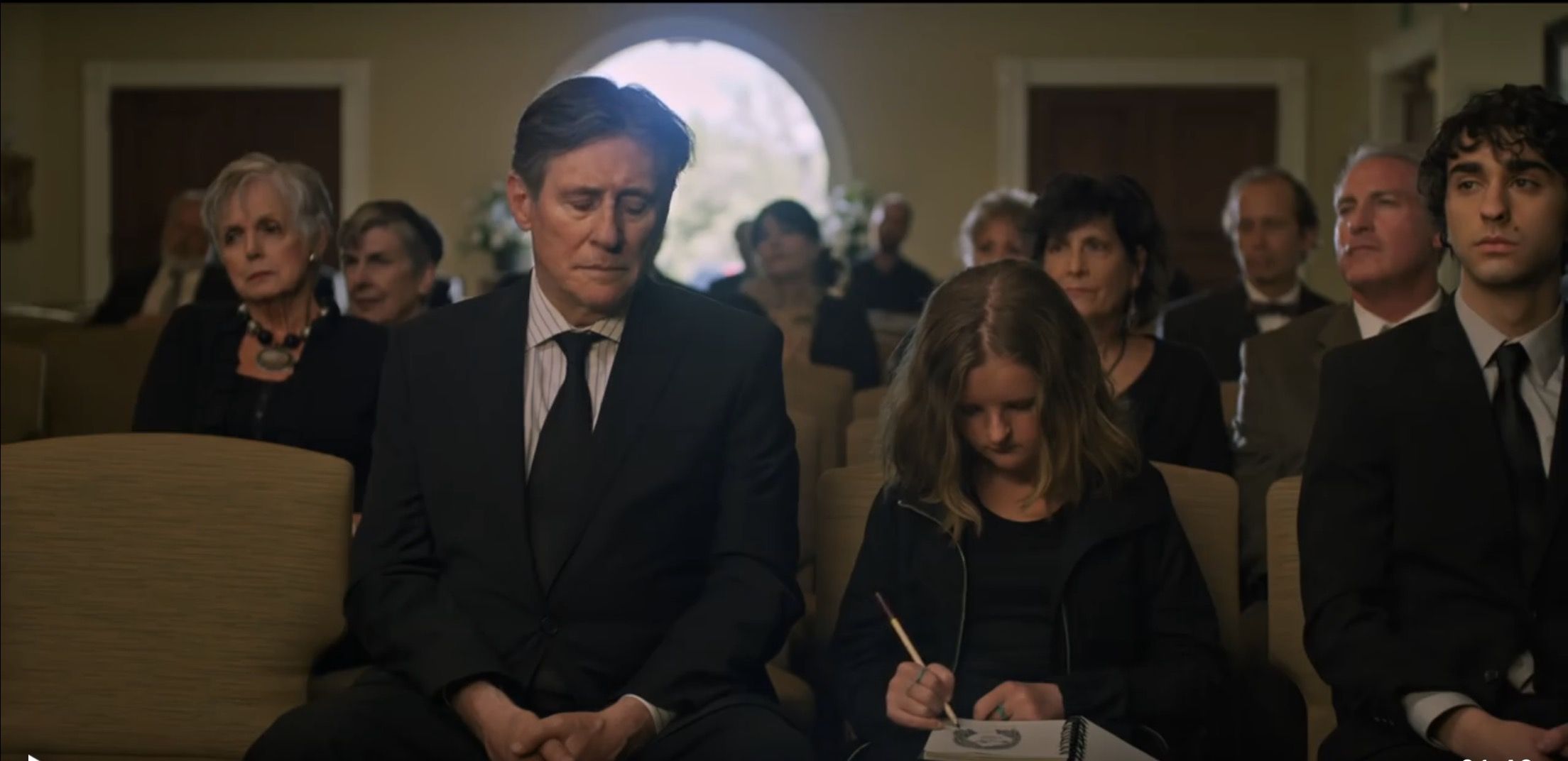 Aster grounds Hereditary in generational grief, or at least its trappings, from the get-go. Annie’s semi-estranged mom has just died, and at the funeral, from her eulogy, we learn about their supremely ambivalent relationship – a withdrawn mother from whom the daughter has inherited her stubbornness. But it’s not long before the spectre of the old woman — already hovering over the proceedings, driving Annie to a grief support group in an attempt to feel more grief and haunting the already morbid Charlie’s thoughts — starts making itself visible in the shadows.
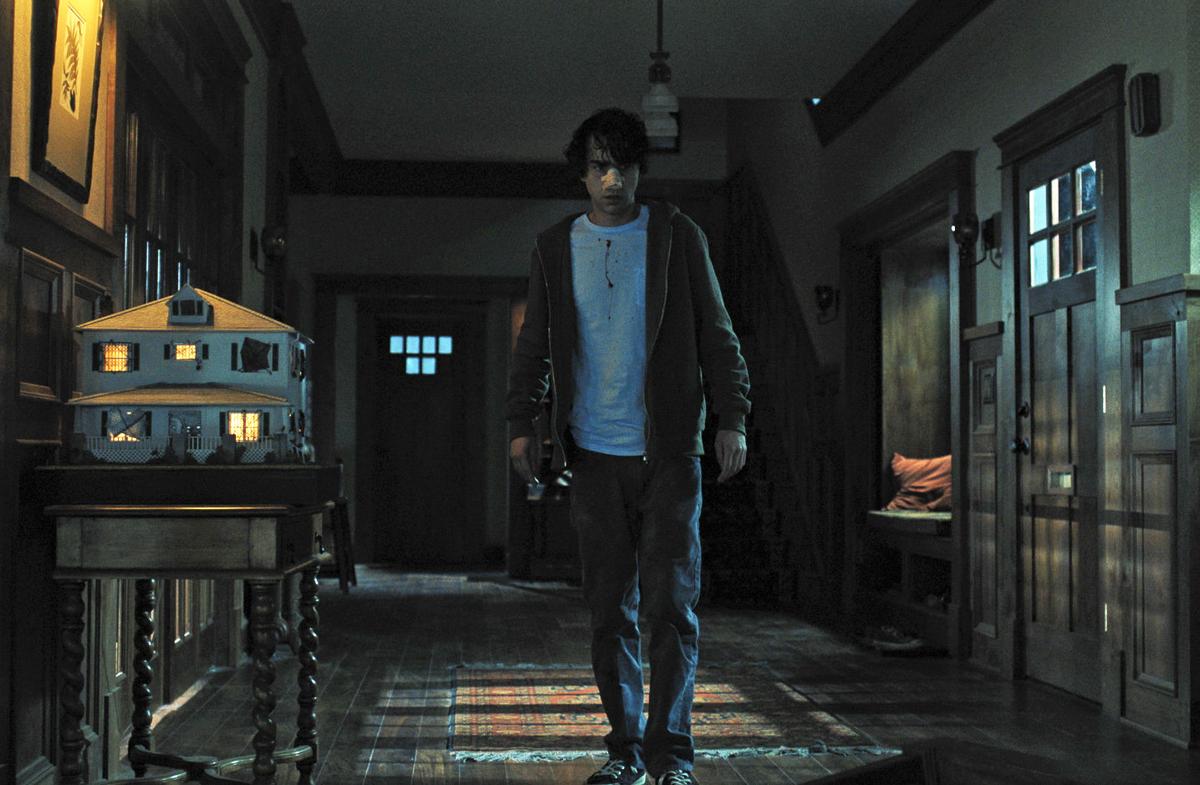 It’s often effective, if kind of predictable, but Aster has trouble wrestling Hereditary into consistent coherence. (Again, the technical wizardry, Pogorzelski’s elegant camerawork, and the miniature motif papers much of this over.) Long moments of held-breath anxiety are punctuated with sudden bursts of awkward exposition. A crucial reveal takes place in a room we hadn’t, as far as I could tell, been given any indication exists. A key requirement for the séance (of course there will be a séance) makes little sense. The jump-scares (and there are two excellent ones) don’t sit quite right with the Old, Dark House unease – ideally, the two should accentuate each other, with the scare all the more jumpy because of the nervy quiet that preceded it. With one major exception, the opposite often happens; the GAAAH! moment proves a let-down instead of a jolt, and almost retroactively diminishes the discomfort of the previous moment.