
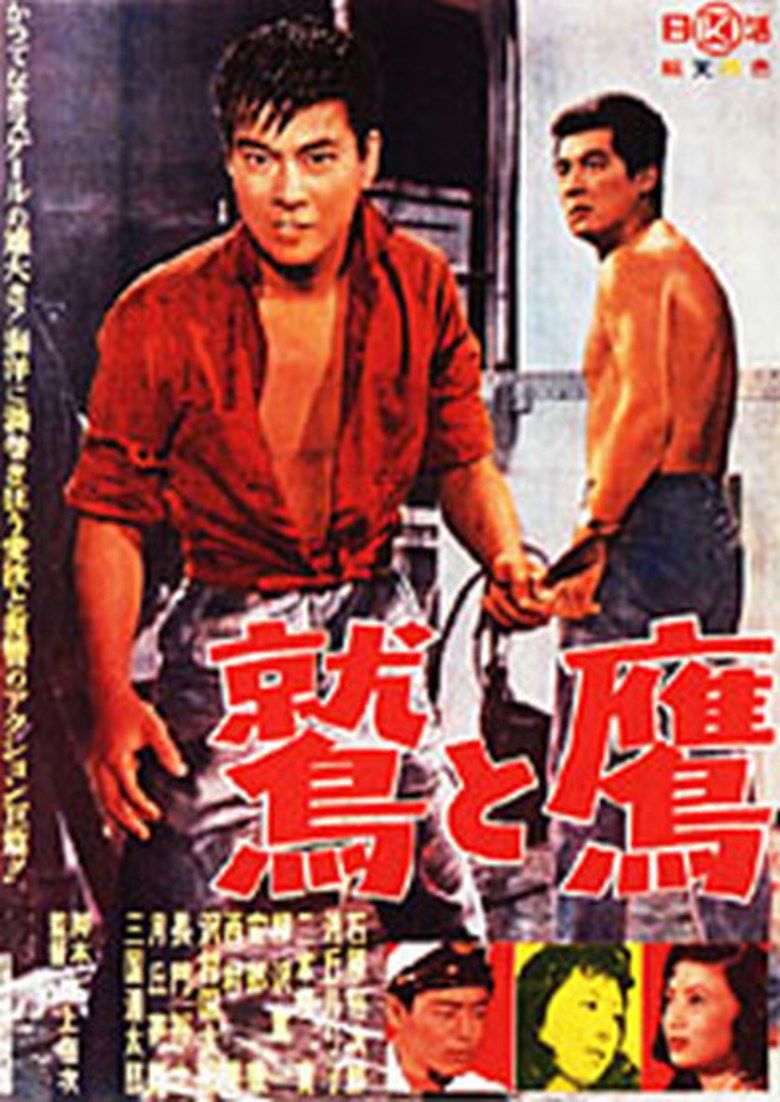
I can’t confirm for sure that the minds behind The Eagle and the Hawk (Washi to Taka, 1957) saw John Ford’s The Long Voyage Home (1940) — a number of shots seem to duplicate ones from the earlier film, although on a ship the number of places from and at which to shoot is certainly delimitable — but I couldn’t stop thinking of the two films next to one another. (In fairness, I saw them at the same theater.)
Both films deal with the standard melodramatic structures of the sea voyage, which literature made unfortunately passé and cultured before film could fully sink its teeth into it. But although they may share certain tropes (the level-headed de facto leader, the booze-soaked party, the secret load of dynamite in the hold), the Japanese film takes every potential seagoing trope to its highest possible level.
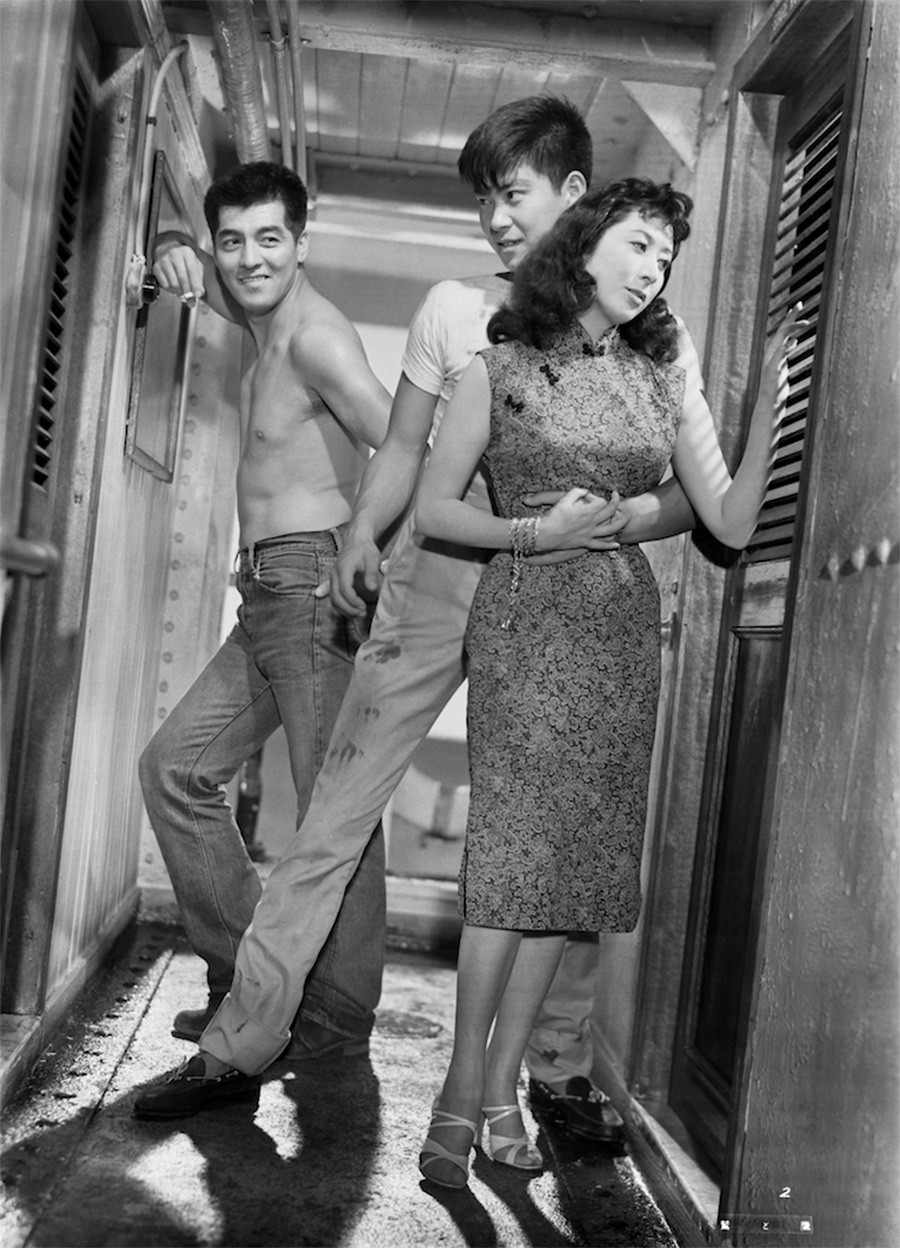 The Eagle gives us, recounted in short, two female stowaways (one high culture, one low-class), a love triangle that expands over time into a pentagon, a secret cop, a secret criminal, a dark backstory for the captain and his first mate nephew, a revenge plot, insurance fraud, a climactic typhoon (apparently filmed in a real typhoon), a repeated musical number that becomes plot-relevant, a common-man trope character who wins the lottery while at sea and manages to lose his ticket, and a man-with-a-past one day away from passing the statute of limitations for a long-ago murder.
Revealing all of this could be considered a spoiler. But while the epic scope of the melodrama (which manages to fit within a post-Thanksgiving-dinner-stuffed two hours) is certainly based around shocking revelations, they are revelations one hears treading heavily long before they are revealed.
That is, the handsome youngster with a strong right hook (if this film has no point other than getting handsome men to barely wear shirts, it does its job well) will, in fact, be involved with the mysterious murder that opens the film; the shifty captain will ultimately be revealed to be filled with guilt; and the amiable fool who wins the lottery will, in the last half hour, manage to lose his ticket. These beats fall with as little surprise as a tonic chord following a dominant.
But does it matter? Are we so emotionally inexperienced as to need a narrative curtain to keep us present in the scene we are in — that is, to stay present with the deck-set love serenade between ruffian and captain’s daughter that, we know, will not end well? I’m not sure we need such an explicit tool to justify our fantasies.
If The Eagle and the Hawk is unique, it is only in the fullness of its bursting fantasy. But we should not emptily look only for the historically significant and unique fantastic melodrama to justify our interest in an uncomfortably out-of-fashion, rather predictable genre. If there is a film type that helps us learn how to feel — and that is a smaller category than many critics, and fans, accept — it is something like this film.
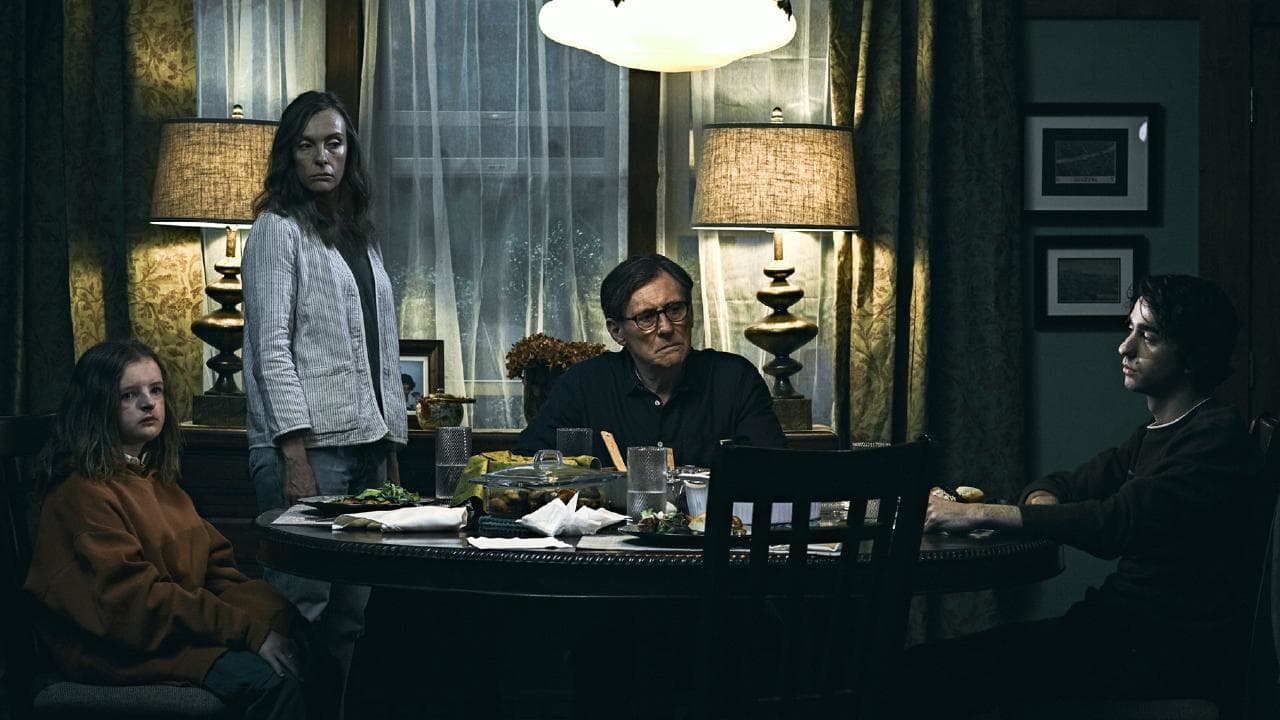
 This moody speculative horror is the best of the three films that writer/director
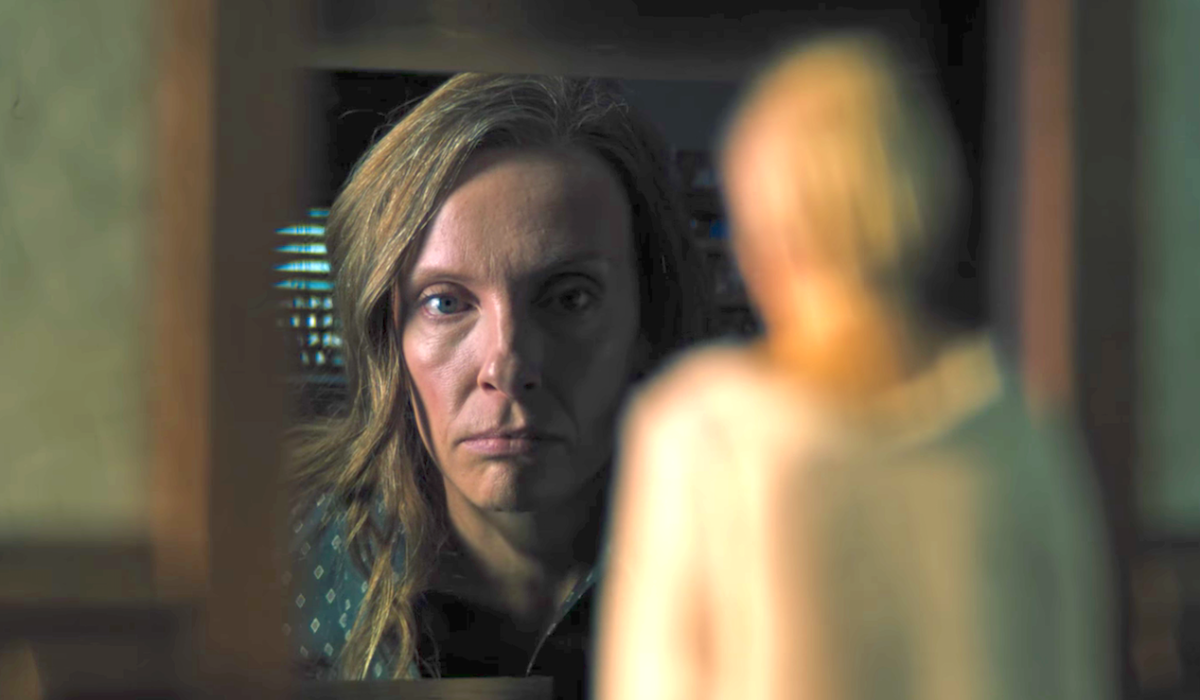
 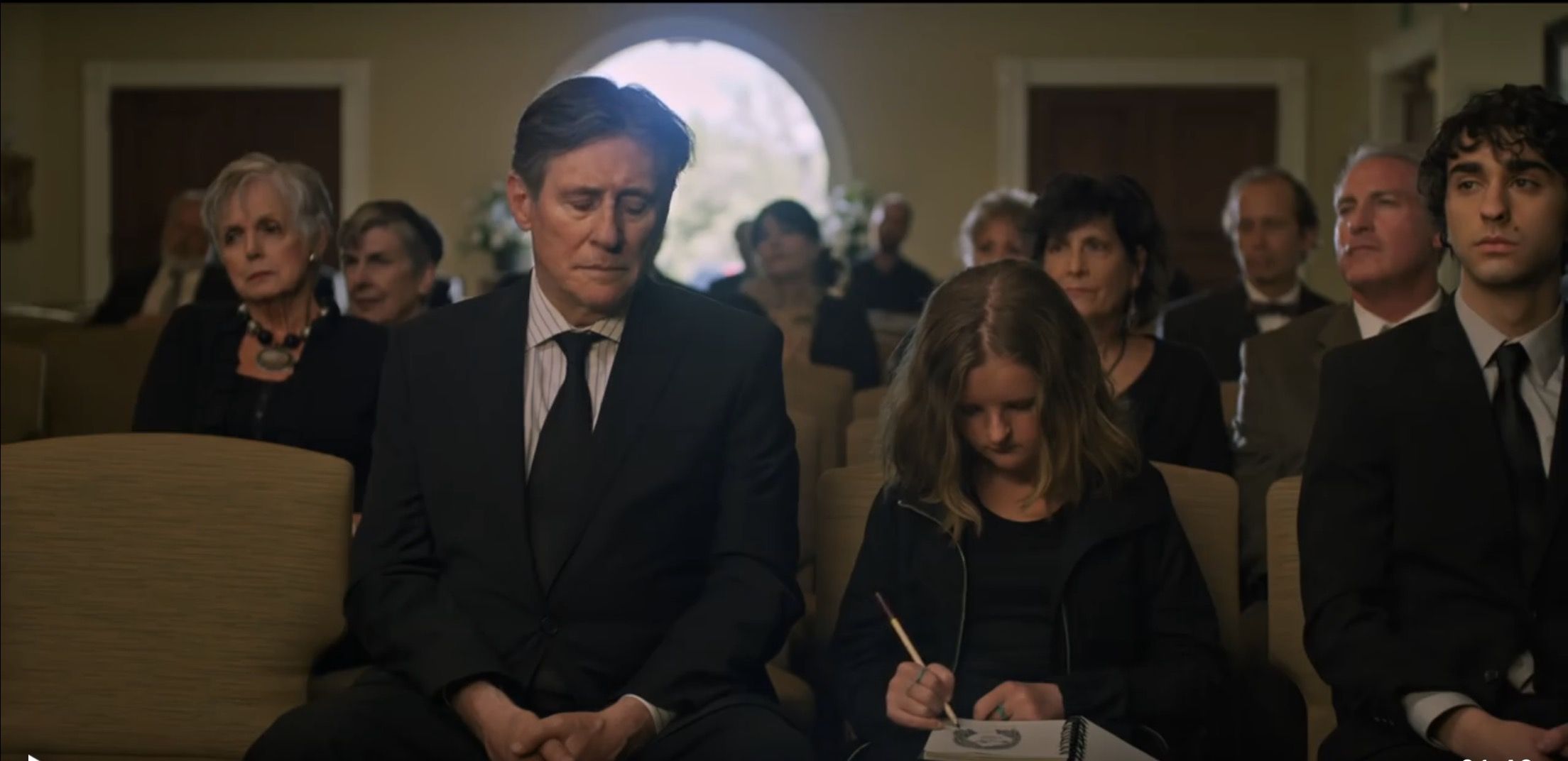 Aster grounds Hereditary in generational grief, or at least its trappings, from the get-go. Annie’s semi-estranged mom has just died, and at the funeral, from her eulogy, we learn about their supremely ambivalent relationship – a withdrawn mother from whom the daughter has inherited her stubbornness. But it’s not long before the spectre of the old woman — already hovering over the proceedings, driving Annie to a grief support group in an attempt to feel more grief and haunting the already morbid Charlie’s thoughts — starts making itself visible in the shadows.
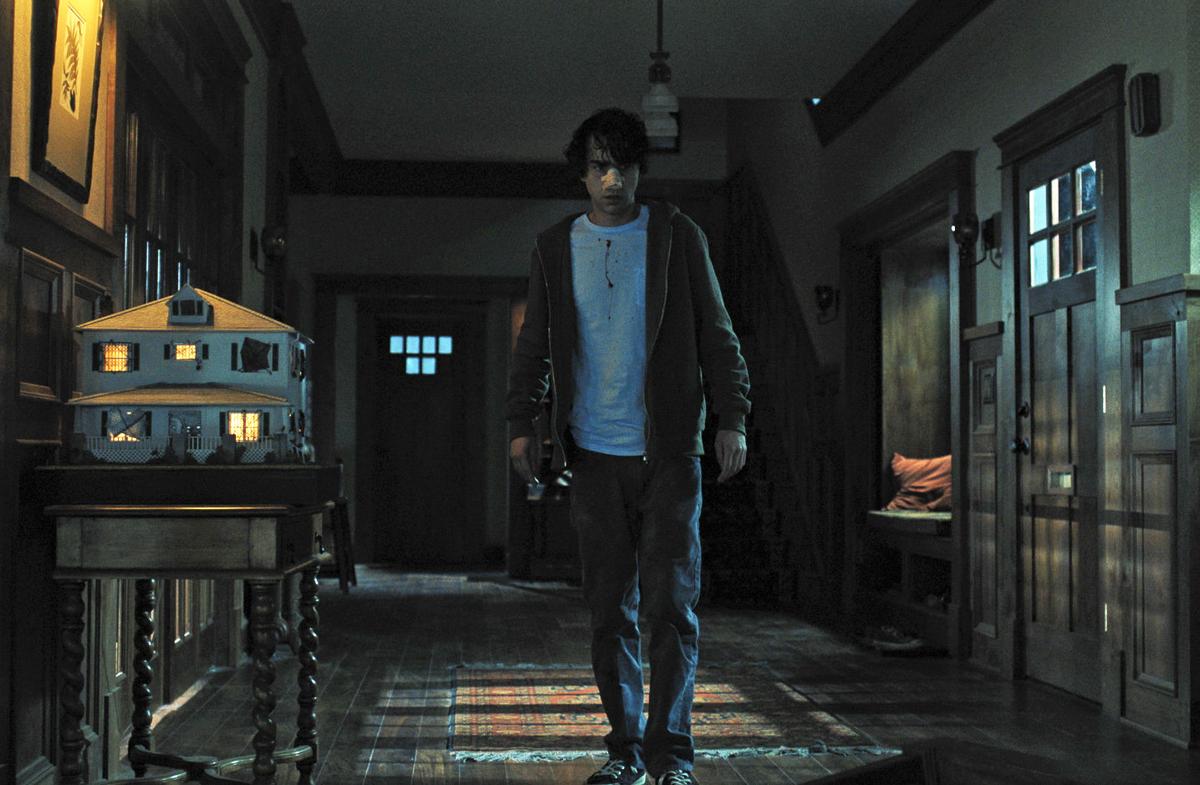 It’s often effective, if kind of predictable, but Aster has trouble wrestling Hereditary into consistent coherence. (Again, the technical wizardry, Pogorzelski’s elegant camerawork, and the miniature motif papers much of this over.) Long moments of held-breath anxiety are punctuated with sudden bursts of awkward exposition. A crucial reveal takes place in a room we hadn’t, as far as I could tell, been given any indication exists. A key requirement for the séance (of course there will be a séance) makes little sense. The jump-scares (and there are two excellent ones) don’t sit quite right with the Old, Dark House unease – ideally, the two should accentuate each other, with the scare all the more jumpy because of the nervy quiet that preceded it. With one major exception, the opposite often happens; the GAAAH! moment proves a let-down instead of a jolt, and almost retroactively diminishes the discomfort of the previous moment.
 But why not? Crime movies are defined in part by their simmering anti-capitalism, often featuring anti-heroes undone by their fetishes.
 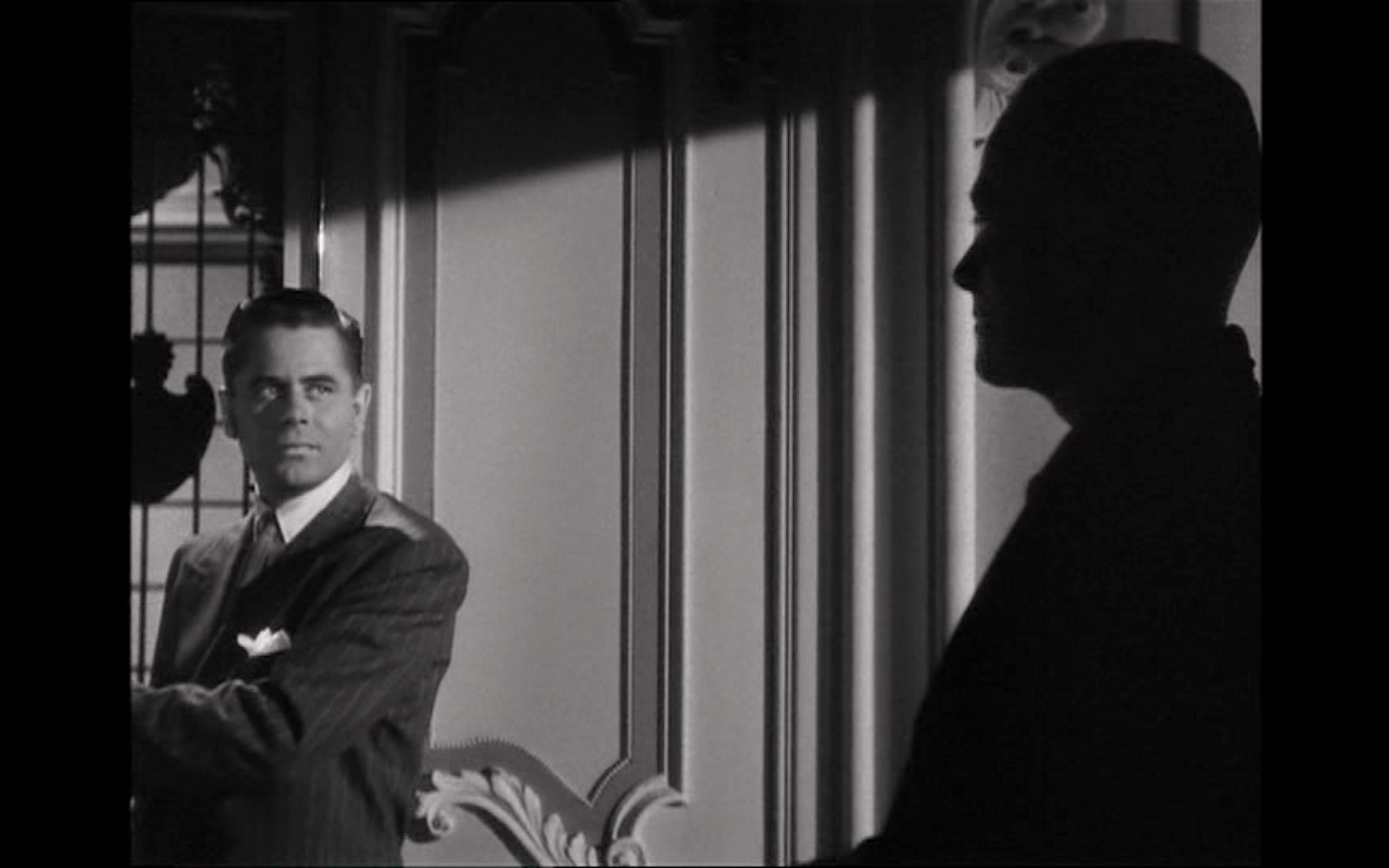 In any case, the supremely perverse relationships between Gilda‘s three principles already does the heavy lifting in the fetishization department; between Macready’s “little friend” – the cane-sword with which he woos Ford’s American drifter and then holds him as a willing hostage in his world – and Hayworth’s gravity-defying black dress (which has
 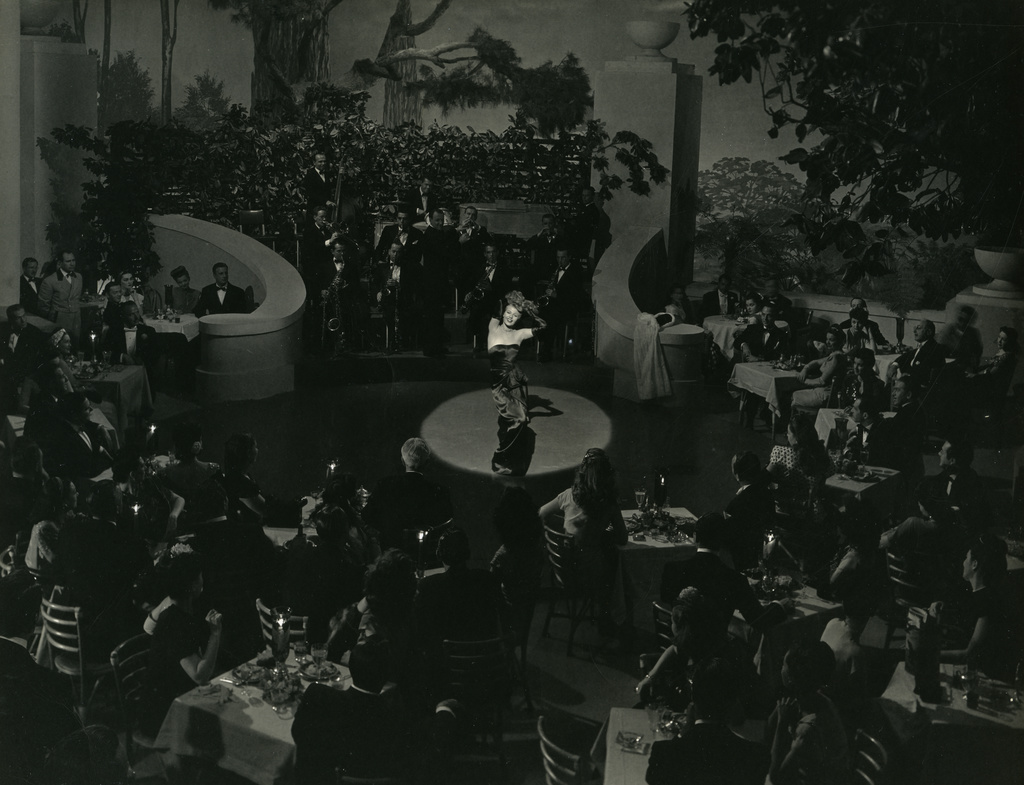 Still, I know … tungsten. But it’s this banality that points to the wider conspiracies of capital which noir assumes as a matter of course. In some sense, Gilda‘s tungsten operates like plastics in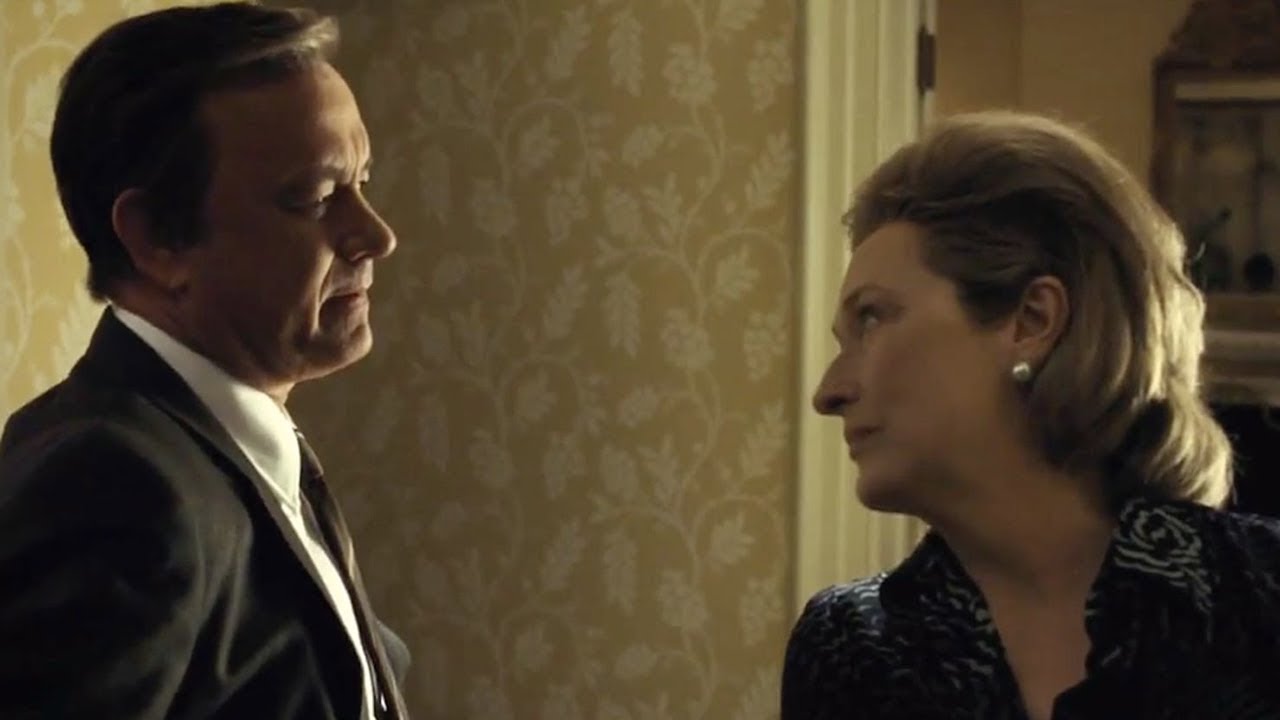
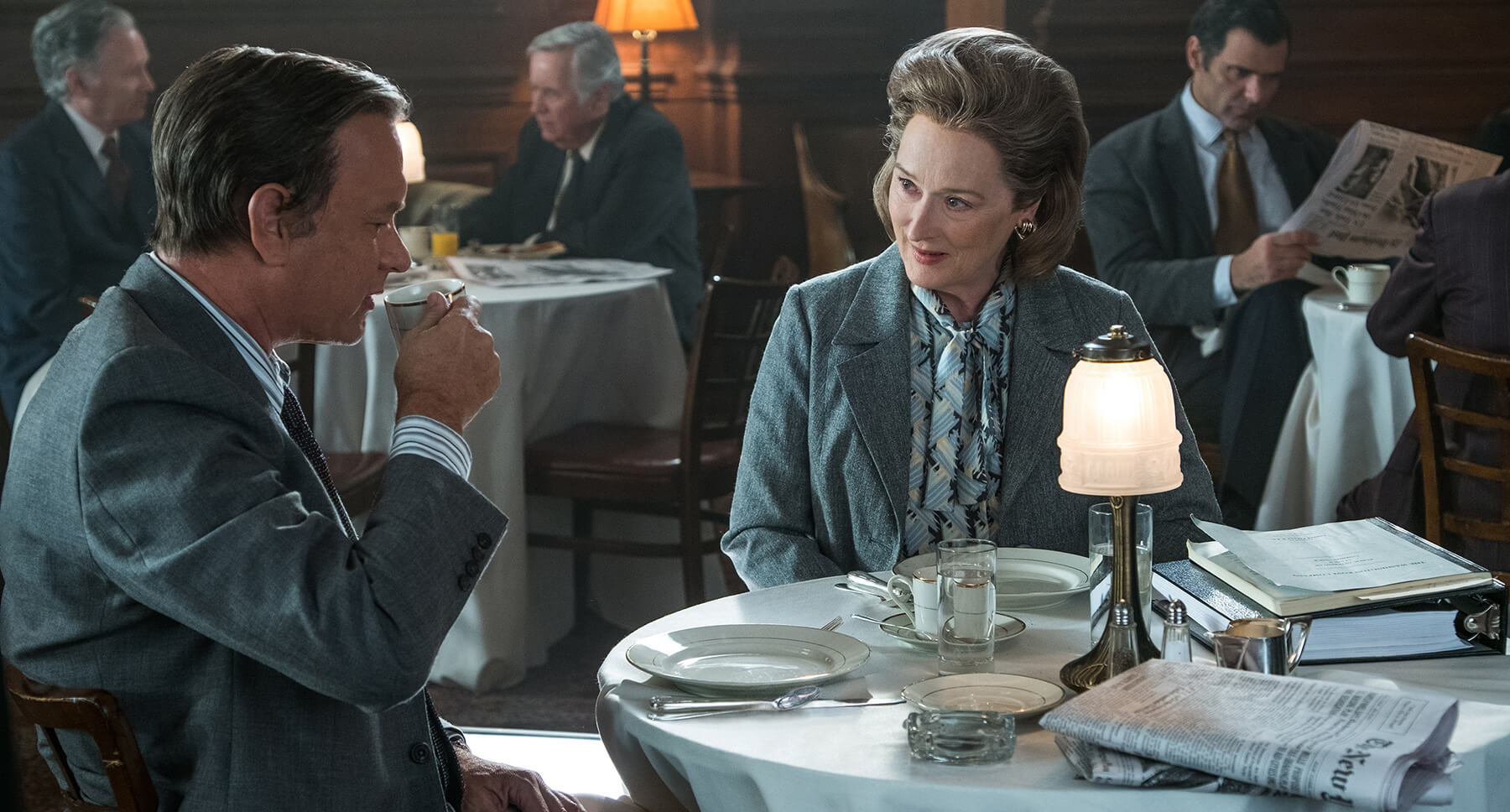 In these scenes — for example, the excruciatingly long one in which Streep and
 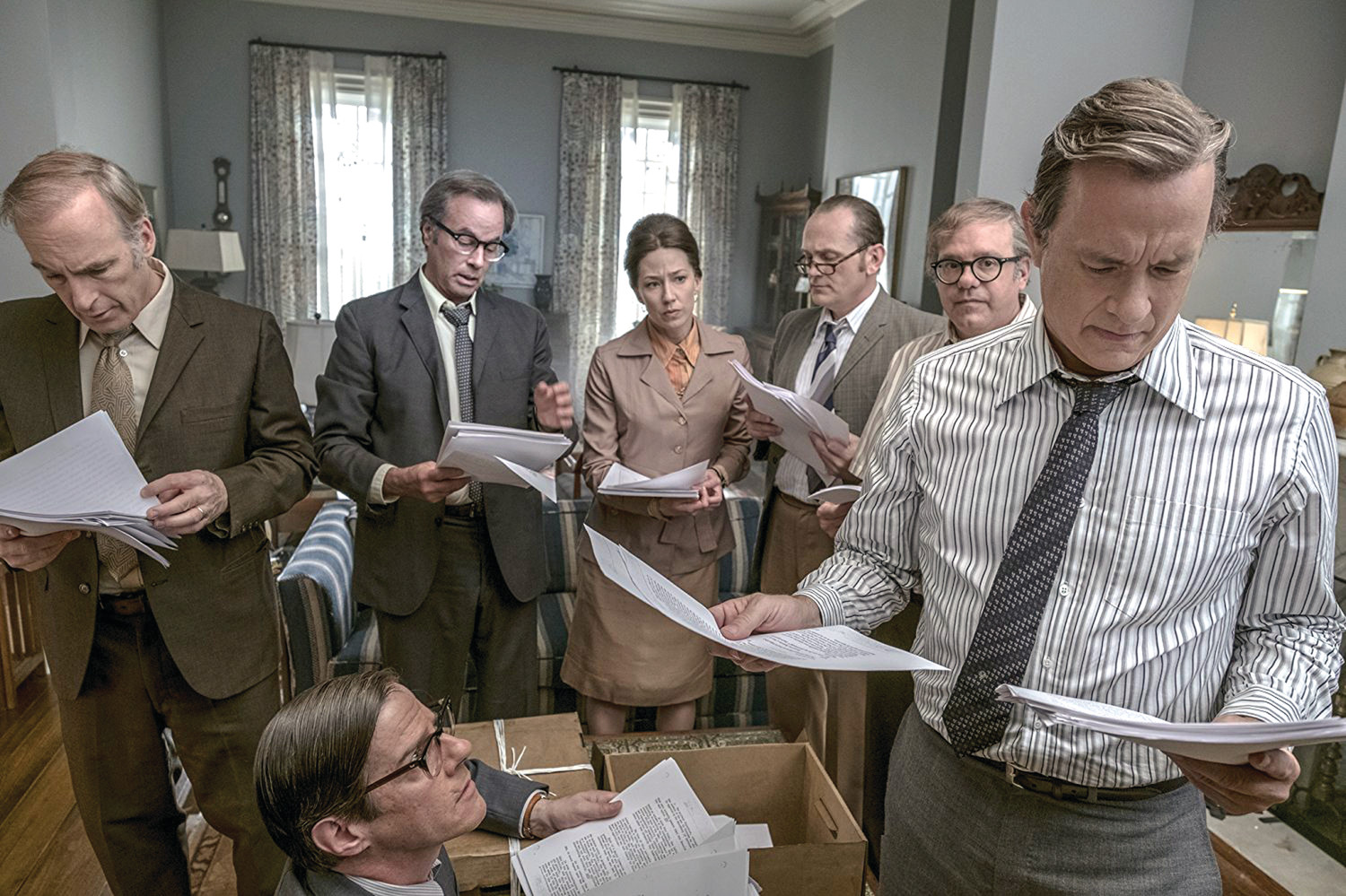 This brings about the third film, and the third shooting style, borrowed mostly from The West Wing. Unfortunately, most of the characters can’t do too many walk-and-talks — it’s hard to walk-and-talk with one ear to a corded phone, and too much of Tom Hanks’ brain is occupied flexing every muscle in his face to also handle bipedal movement — so the camera is forced to make up the difference.
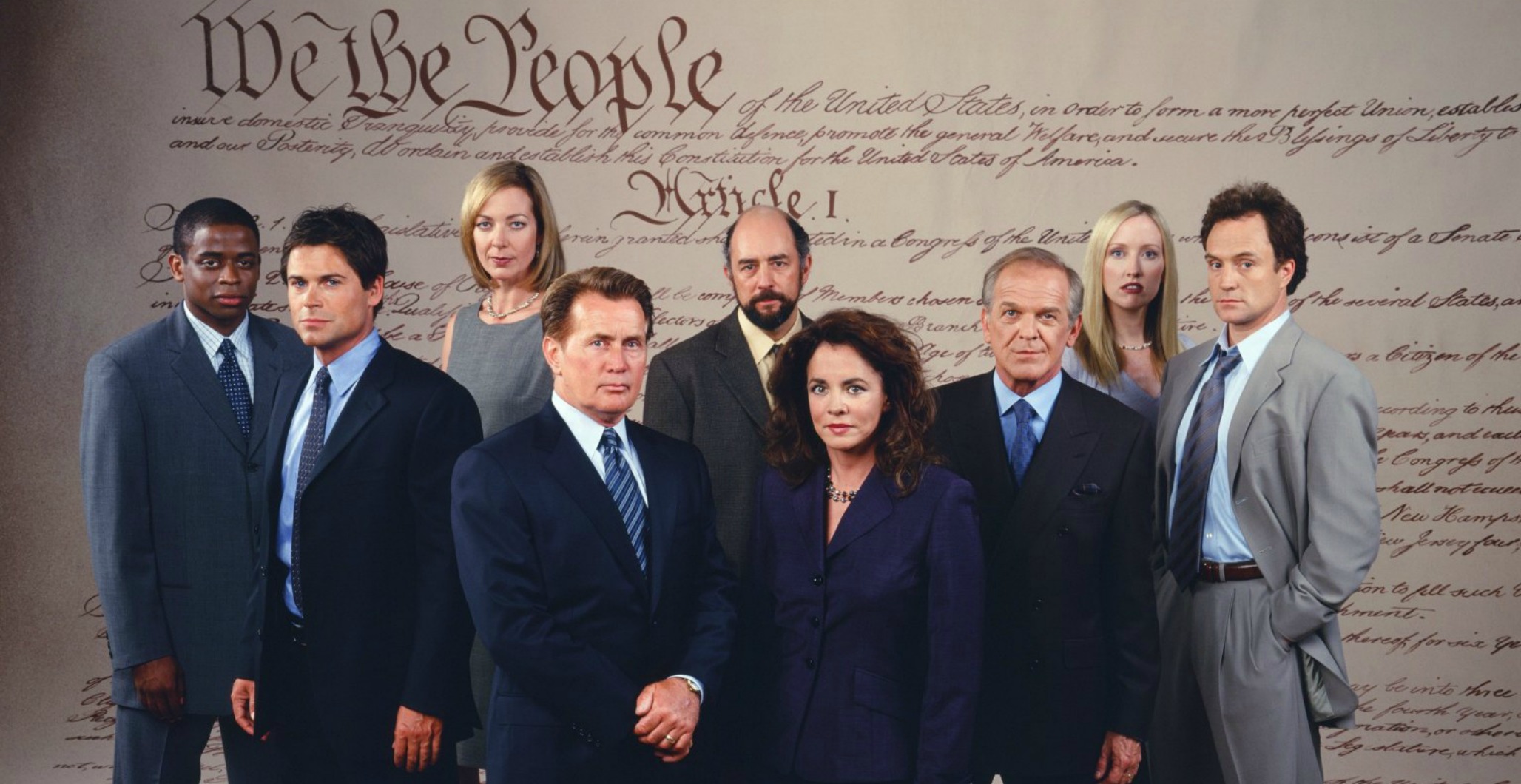 The endless speeches about the freedom of the press raise in prominence at the same rate the Sorkinesque style takes over the film, and this is not a coincidence. The West Wing is the darling of liberals because it manages to act like a vision of a progressive future while having its heroes constantly make the “pragmatic” decision — that is, sell out their values to stay in control so that they can ostensibly do something good at some unstated future point.
 The real horror of Vietnam barely comes up because it would interrupt the free flow of fantasy that the film offers. Our heroes in the film were pragmatic people who Know the Score and just want to get that information to the people, just like the filmmakers themselves Know the Score — they know who all these newspapermen are, unlike those rubes outside of big cities, unlike those millennials who don’t even know how typewriters work — and are telling an important story to the people, just like we in the audience Know the Score because we chose to watch The Post.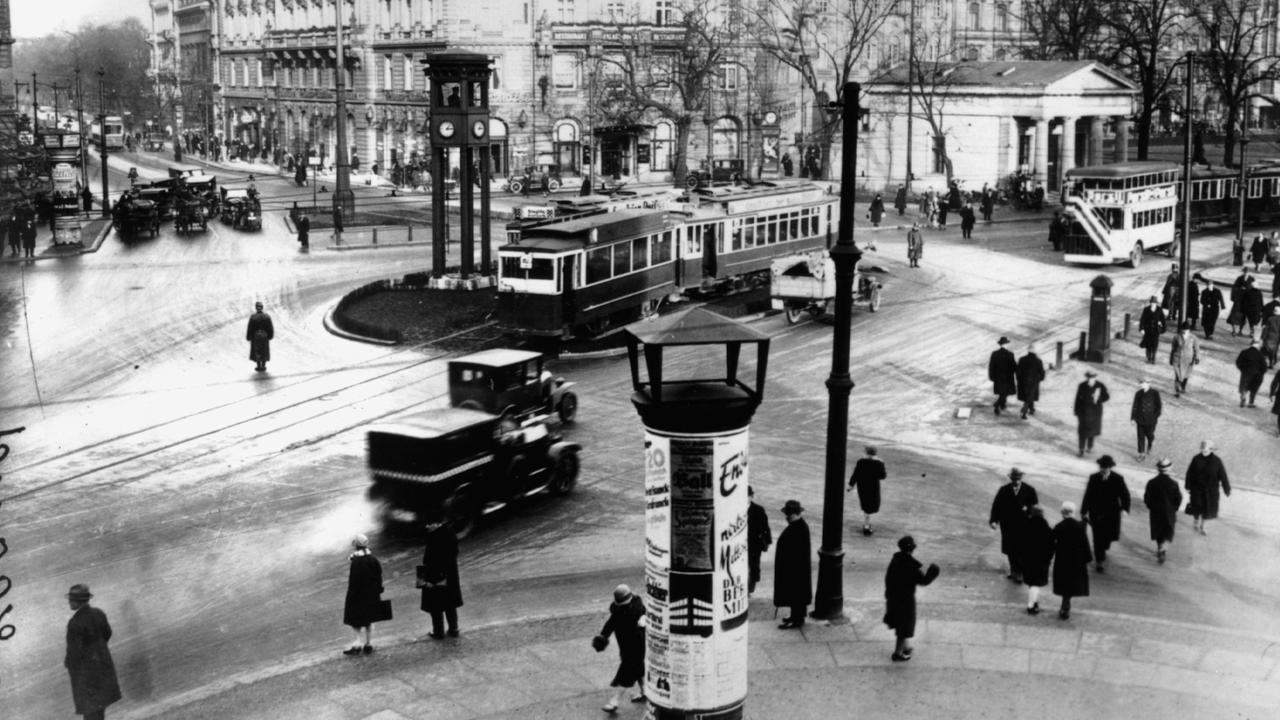
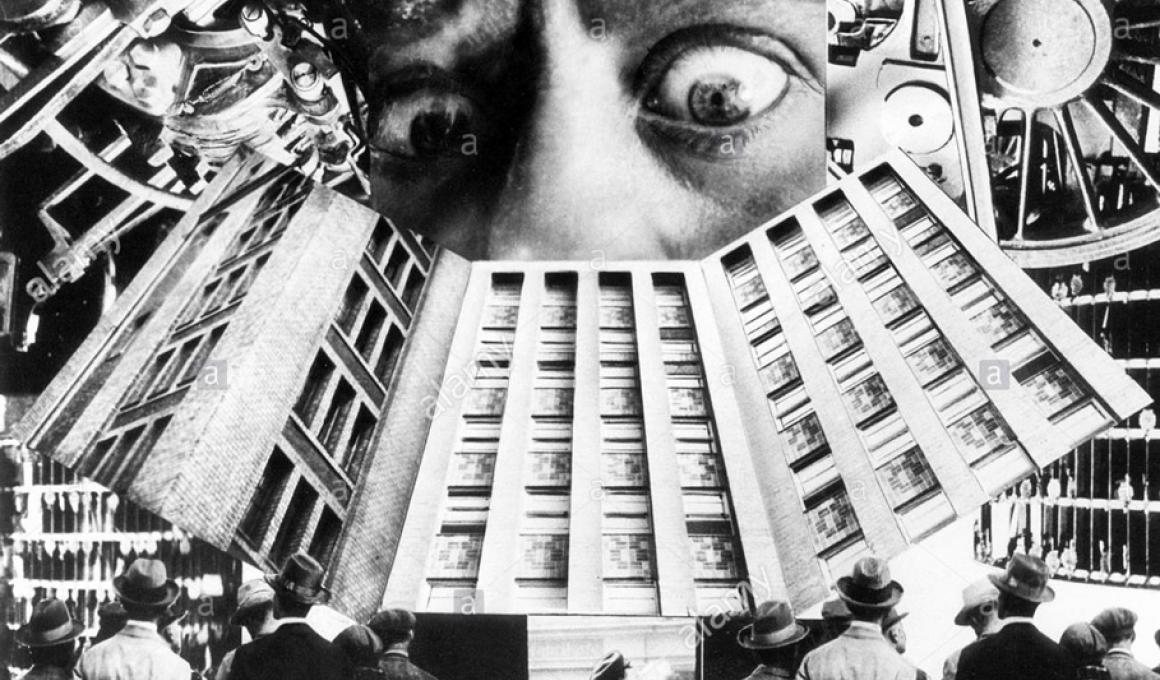 One of the strange things about watching a city symphony film now is the double position we must take. To follow the film, we have to place ourselves in the position of the film’s ideal viewer: someone of the time who is shocked by the newness of the images and the speed of the world.
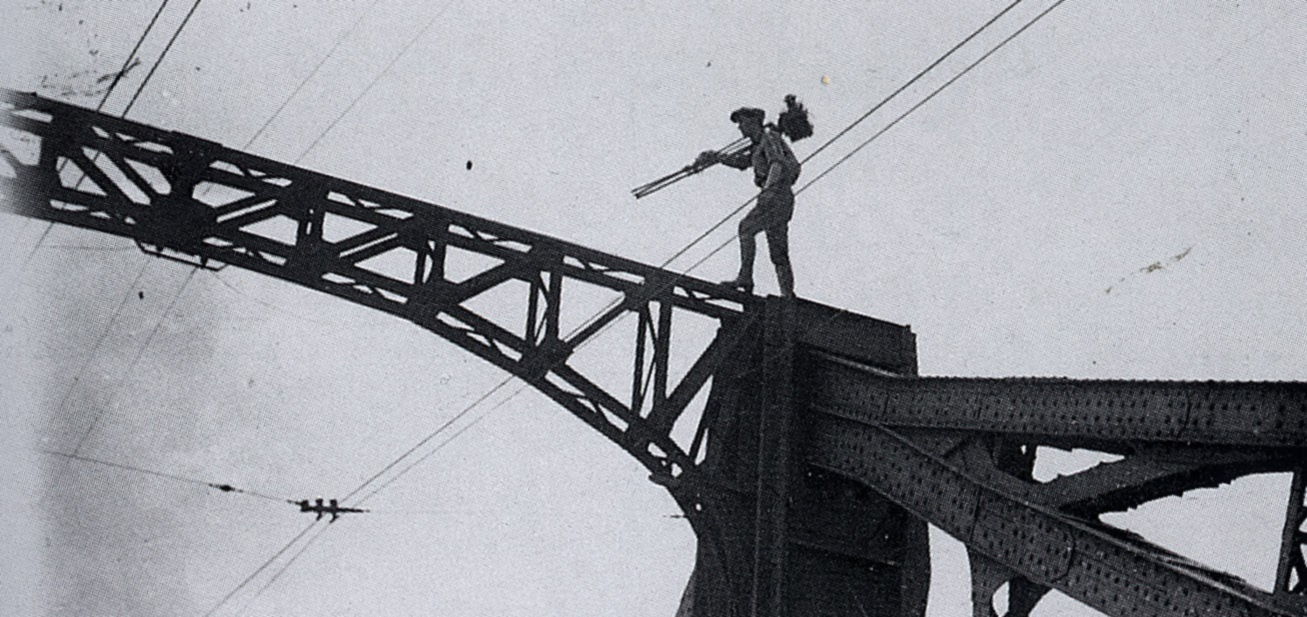 With that common language, it is easy to slip entirely into the mindset of someone watching a narrative film, waiting for the real story to start now that we have a sense of the time and space. But there is no real story to come.
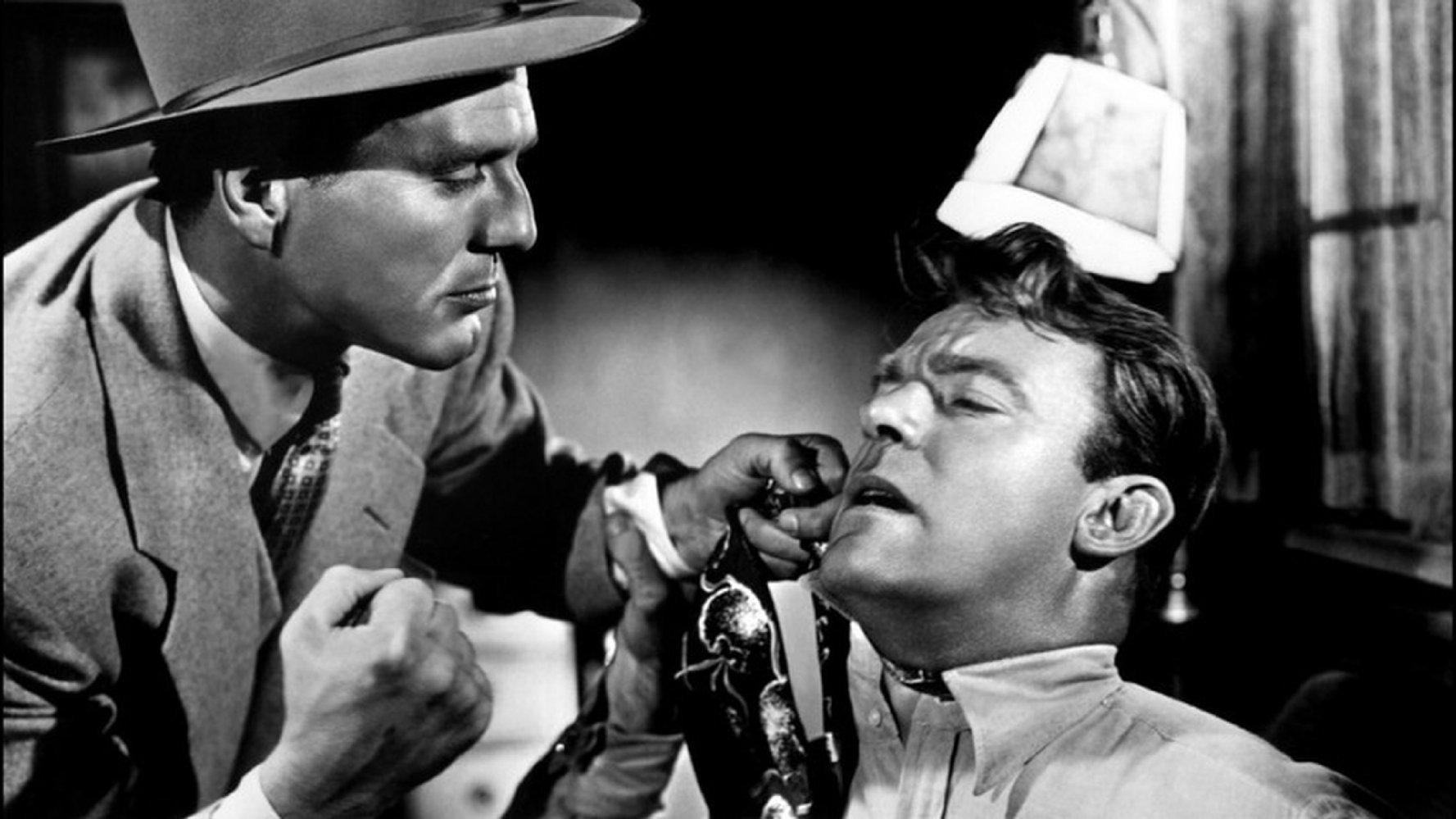 Like Mann’s
 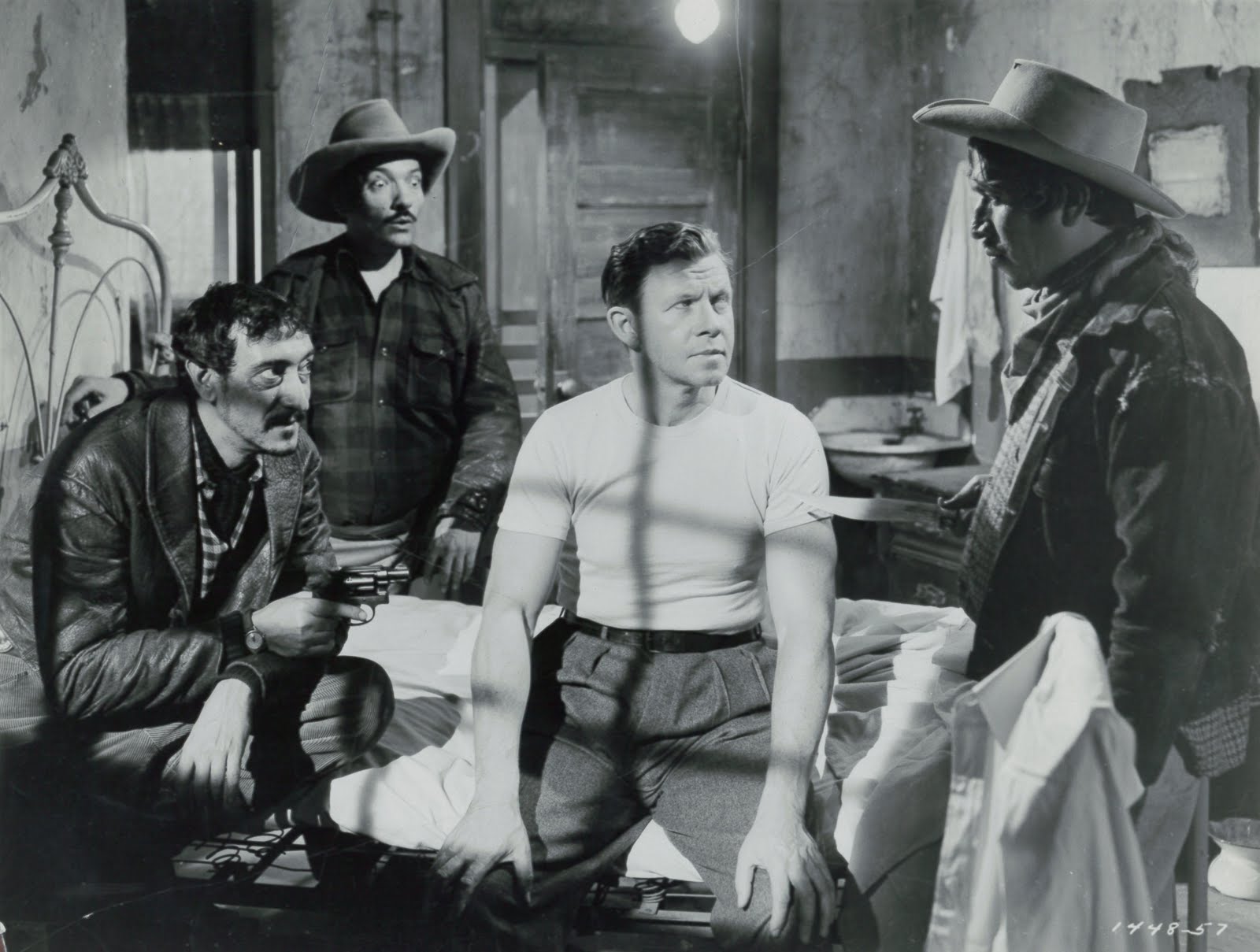 The implicit Leftism of this construction is hard to miss, barely concealed by the paeans to patriotism and the stamp of approval. What’s interesting, from a viewpoint under daily assault by the Trump administration’s venality, is how clearly compassion and justice feed a country’s self-image: there’s no contradiction here. It is a marker of patriotism, of American (and Mexican) greatness, that our protagonists care about the downtrodden.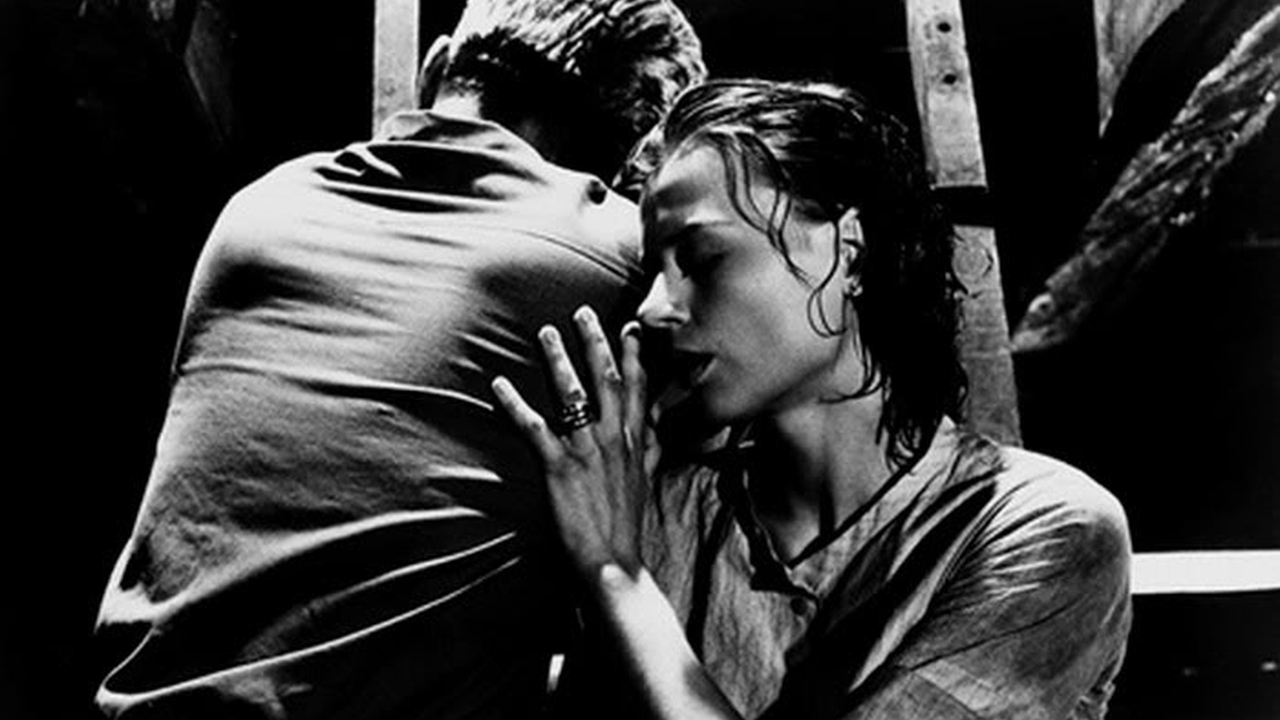
 Knocking Bergman for being “out of touch” is no new game. I open
 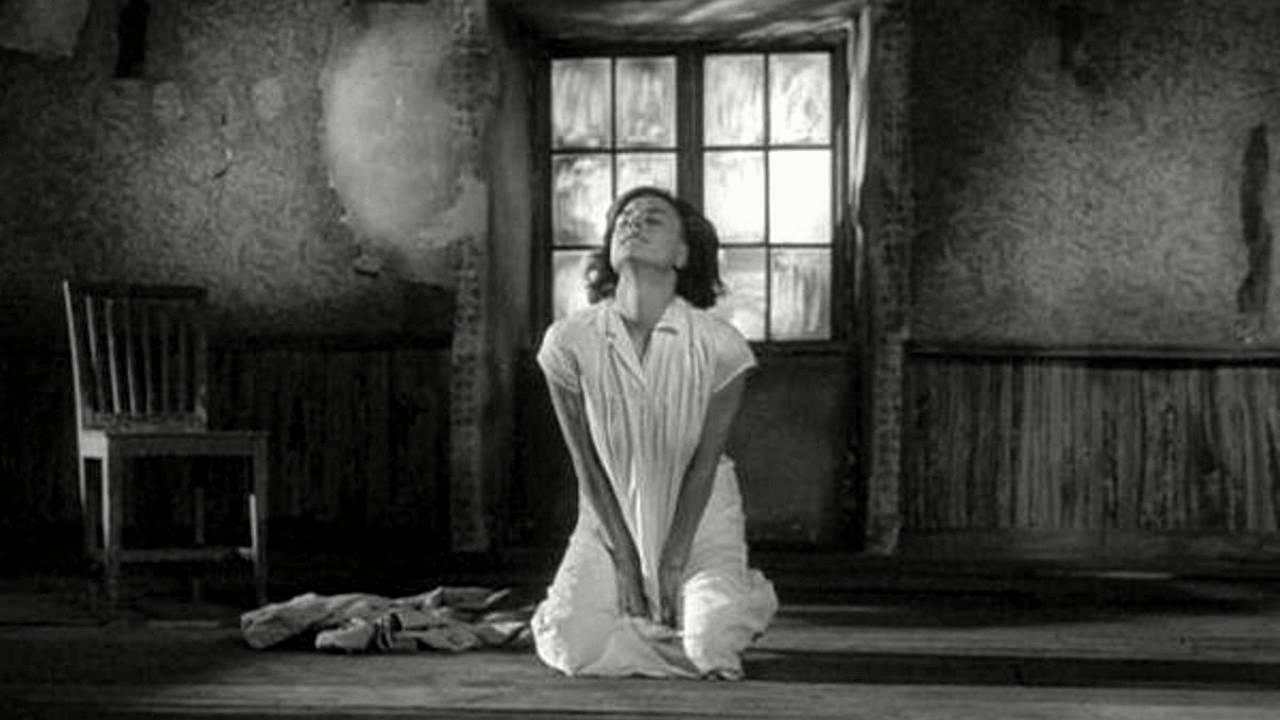 The God of Through a Glass Darkly lives in a gash in a wall. This is the gash where Karin (
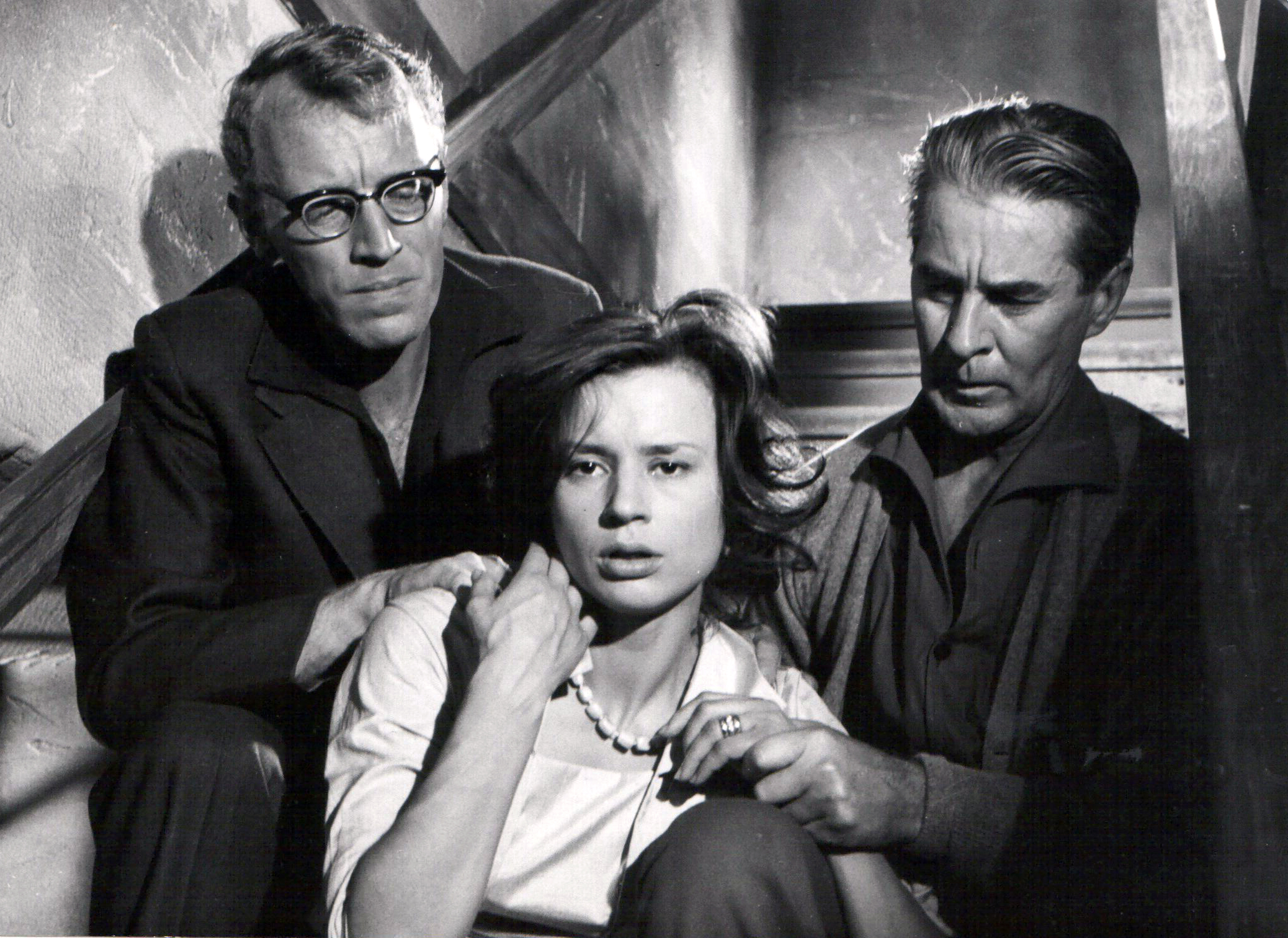 In that, I would suggest that the “difficult” corner of the canonical web can be just as relevant to the modern viewer than the “fun” corner. And I wonder if it is not a fear of confrontation with unpleasant but common realities that keeps some viewers away — whether it is sometimes too easy to use the entirely legitimate cause of diversifying art and not underrepresenting minority figures to avoid works that might be difficult to enjoy.
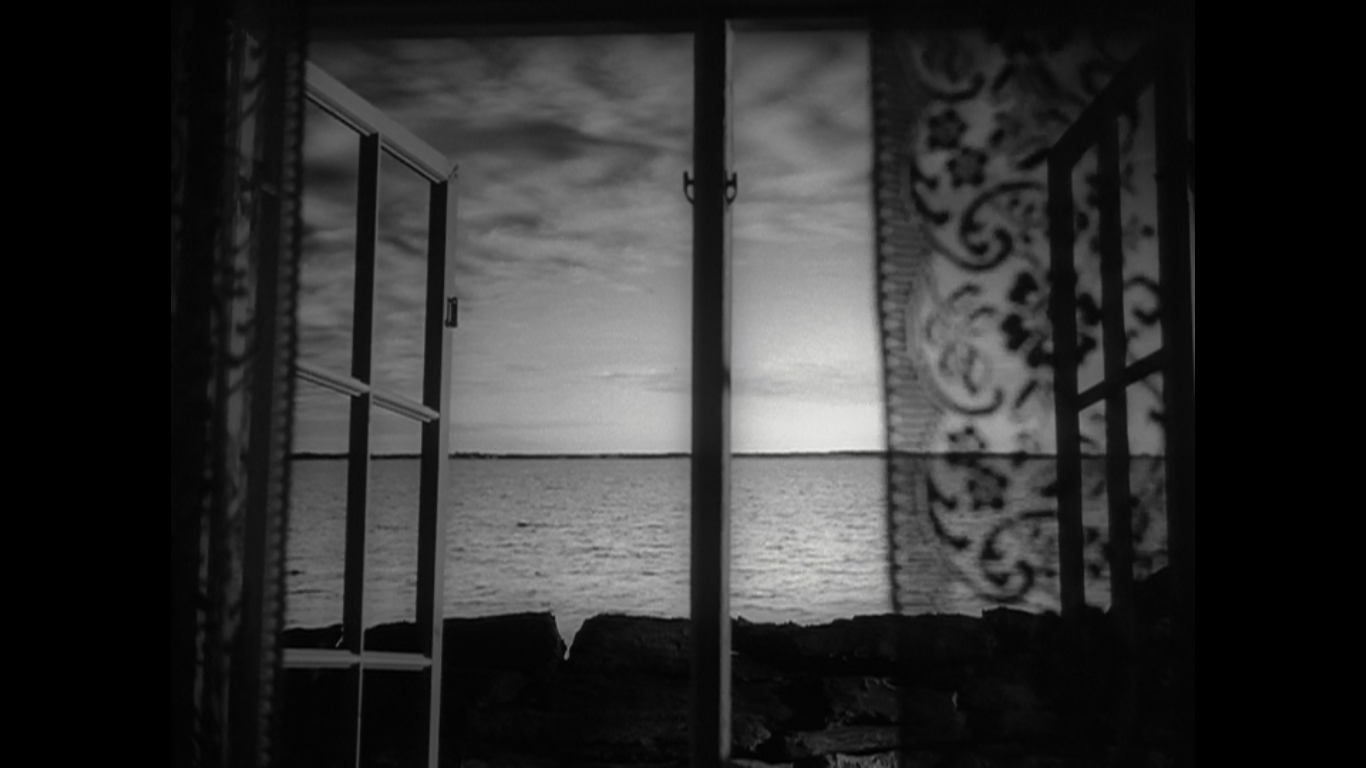 To those people I can only say: I don’t know what baggage the “slow depress-o” corner of the art film canon might bring to you. But the fact that one might react that way to the work as a whole might mean that the work itself might be particularly well-suited to one. The same tension one feels hovering over a film that one Should Have Seen when flipping through Netflix is itself within many of these canonical films, in particular Bergman’s masterpieces.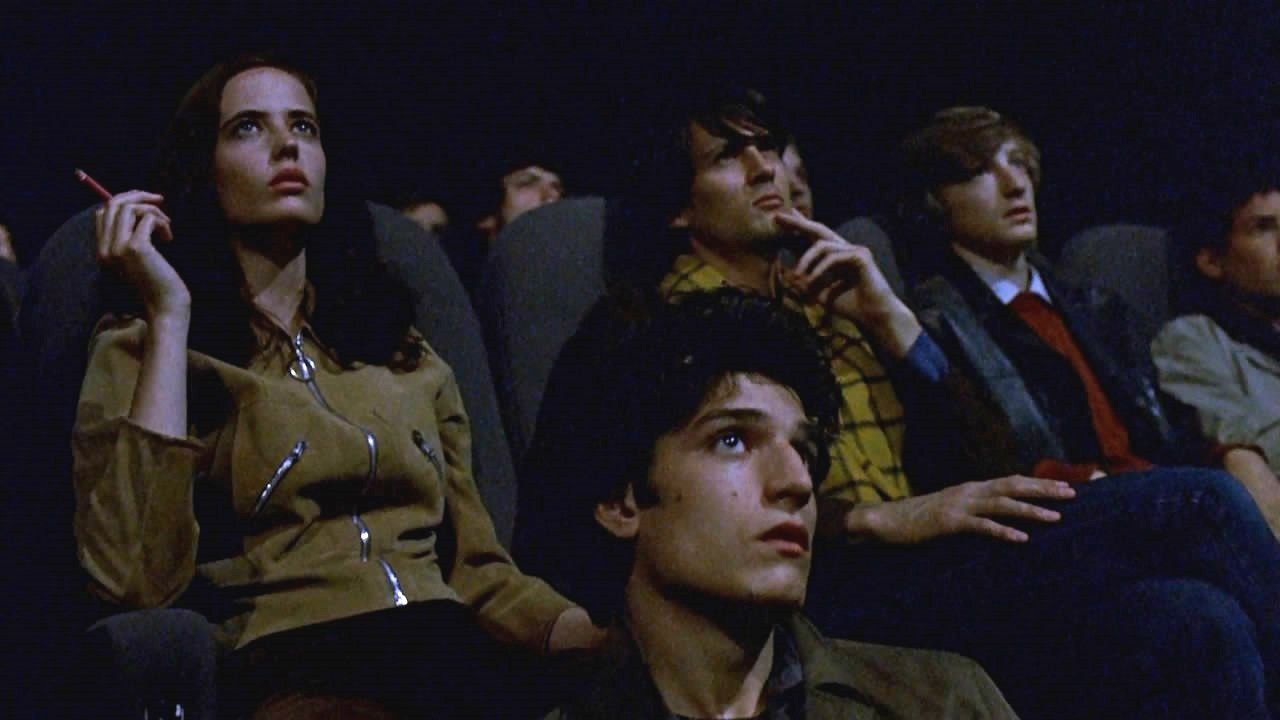
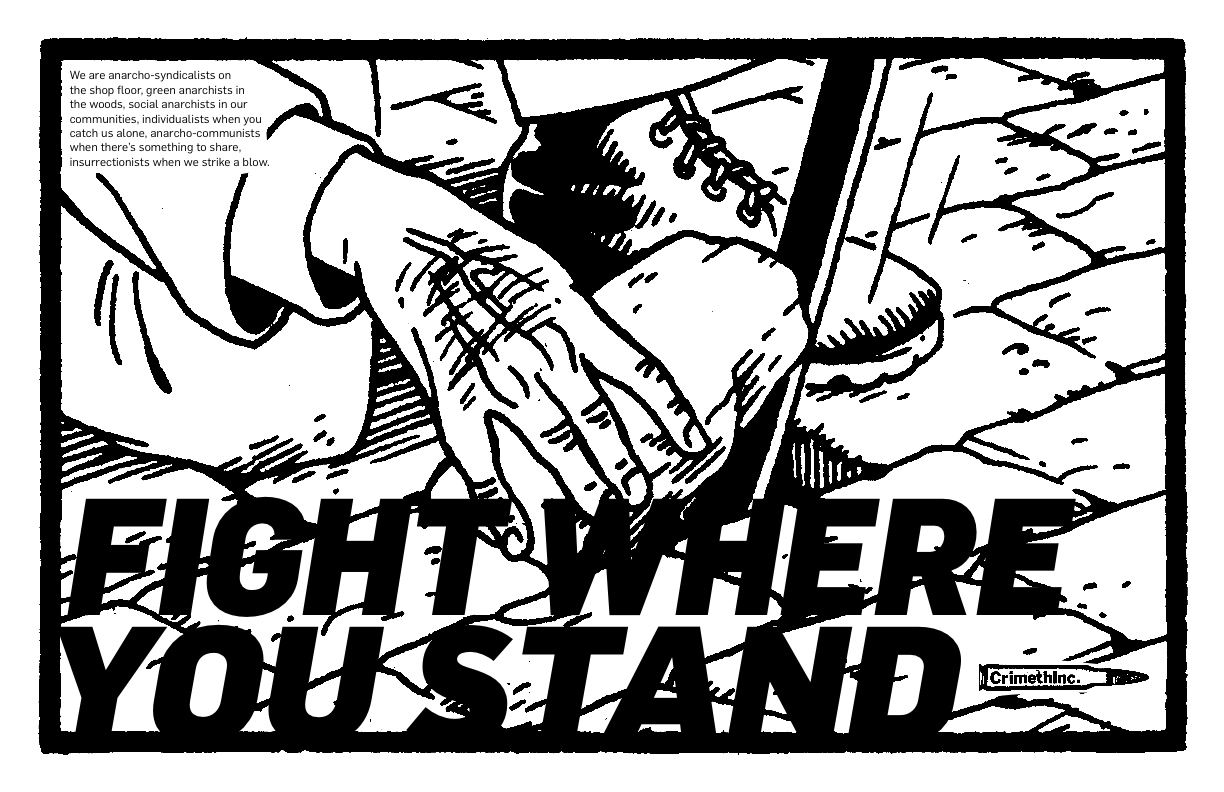 Within some radical circles (in the Situationist-inflected sloganeering of Crimethinc, say, or the enduring wheatpaste aesthetic of protest movements) and among some cinephiles (those who remember, first or second or third-hand, the shutdown of Cannes and the long shadow of that period’s mythology) this is sometimes less the case. But on the whole, explanation seems required, 50 years out.
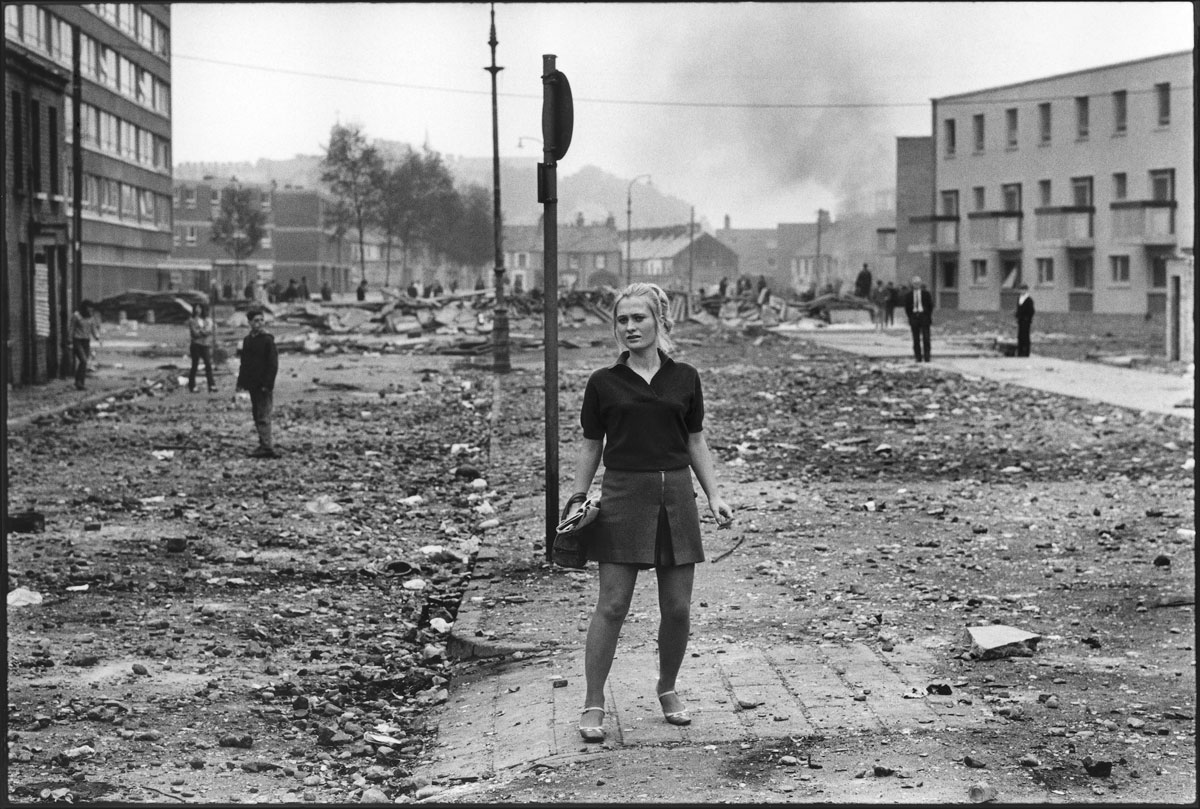 The reader wonders, then, at this French insurrectionary miracle, where factories were shut down and a general strike called amid truncheons and barricades, all in defense of that most noble struggle, the undying integrity of collegiate horniess. The intended point – that demands for social and political change, largely springing from youth revolt, coalesced with labor’s aspirations in a time of widespread questioning of norms and global tumult – is so elided that we end up with a comic shorthand: Sex strike! (Not to say that fucking isn’t worth setting cop cars on fire for. Bien sûr.)
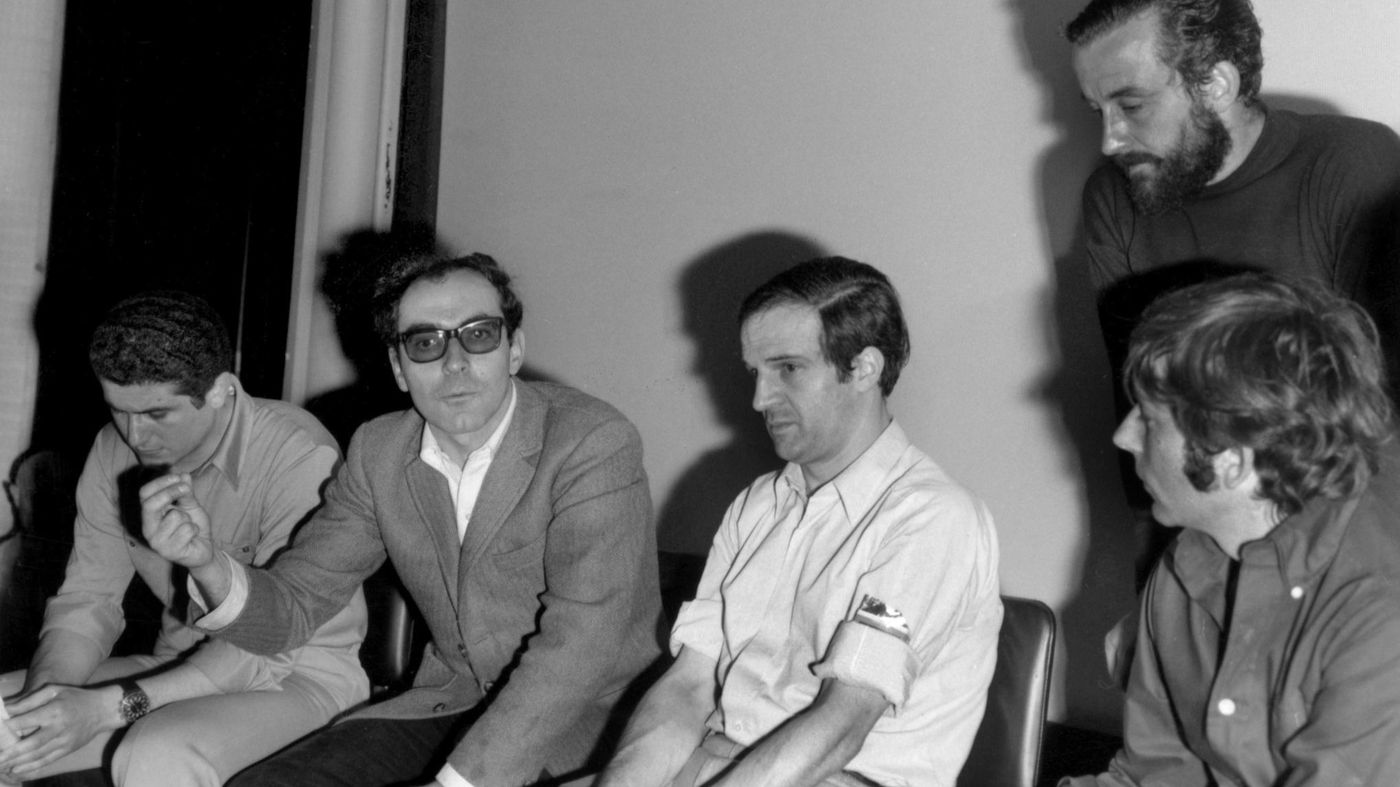 Film, of course, remembers. Between the
 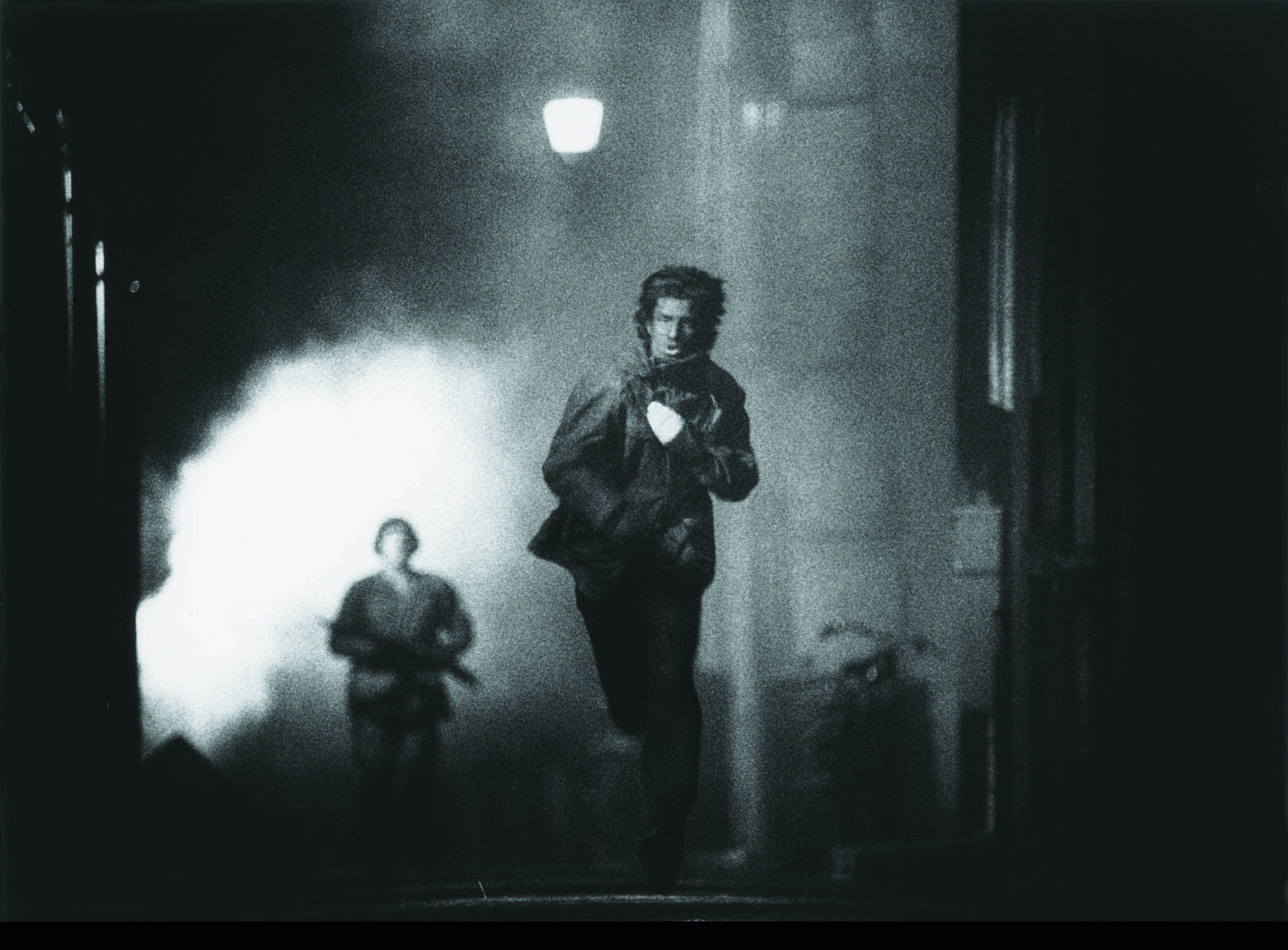 In fact, at Regular Lovers‘ Venice premiere, the two Garrel’s amusingly recounted how the film was made: to cut costs, they intentionally followed Bertolucci’s footsteps like an old Hollywood B-movie, reusing costumes and sets. And even extras — the young Garrel is recounts with bemusement that he found himself staring down the same flics across the same barricades. The memories intertwine in their retellings and their images.
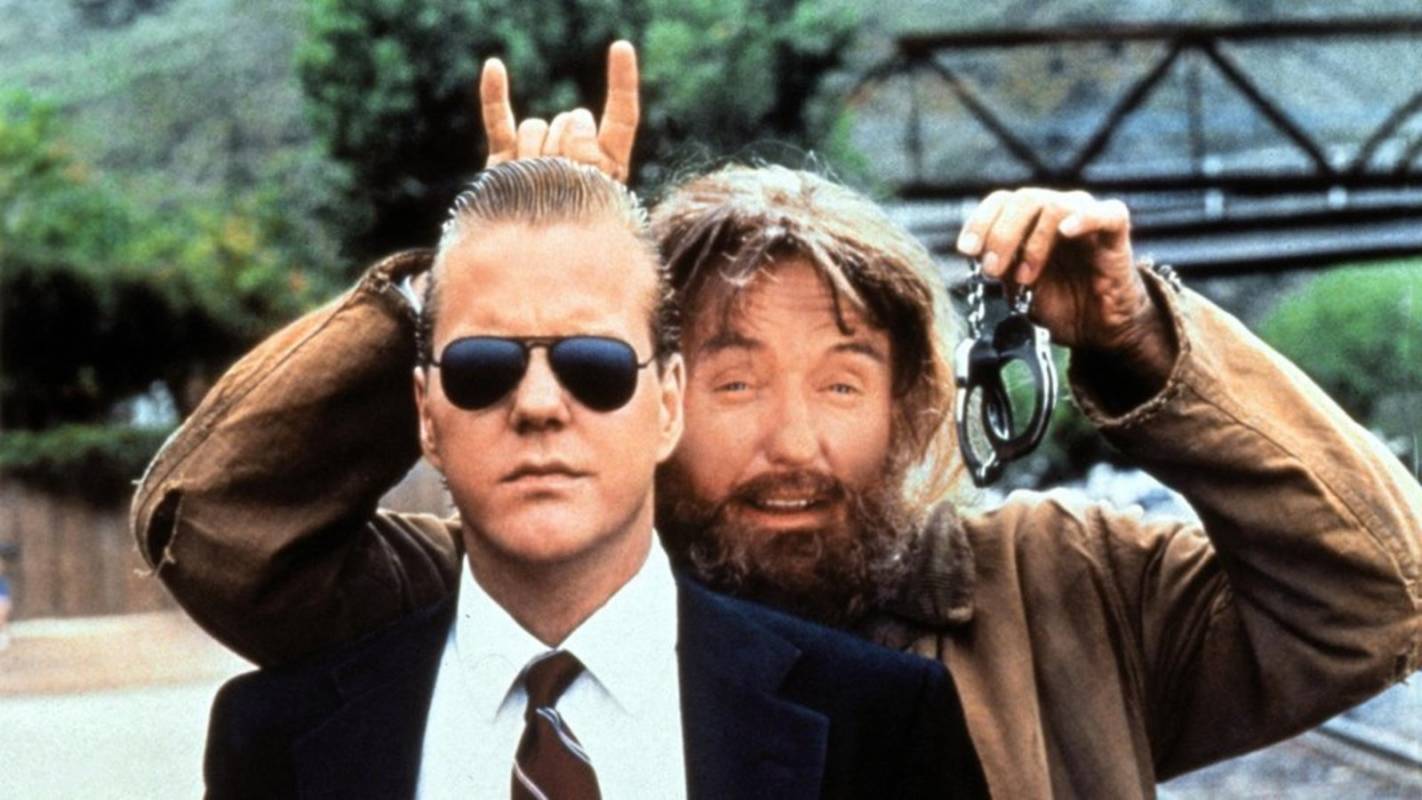
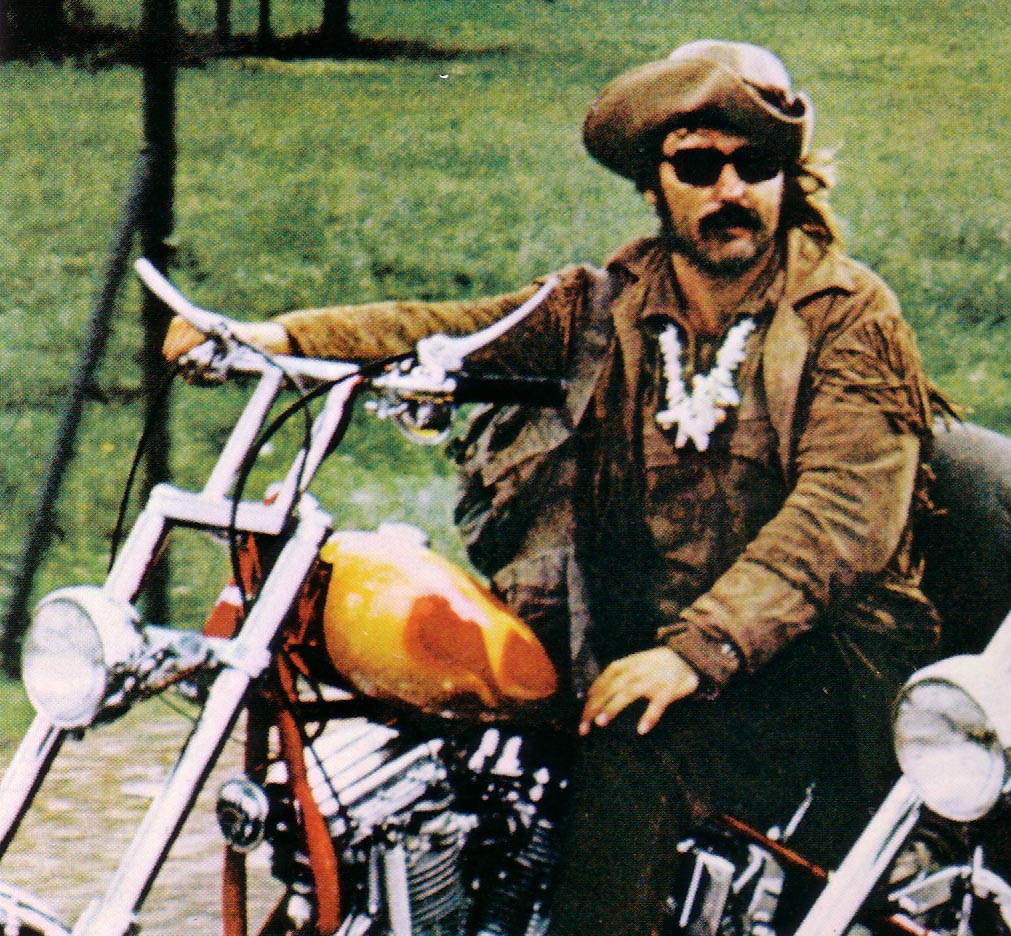 This is, of course, very boring, but what is interesting about Flashback is the way it remembers, the specific forms of cinematic citation it deploys for contemporary meaning. Hopper is the central focus here precisely because he is himself an icon of the late ’60s, and his every gesture and Dennis Hopperism reminds us of this. Lest we forget his acid auteur status, Huey even compares their trip to
 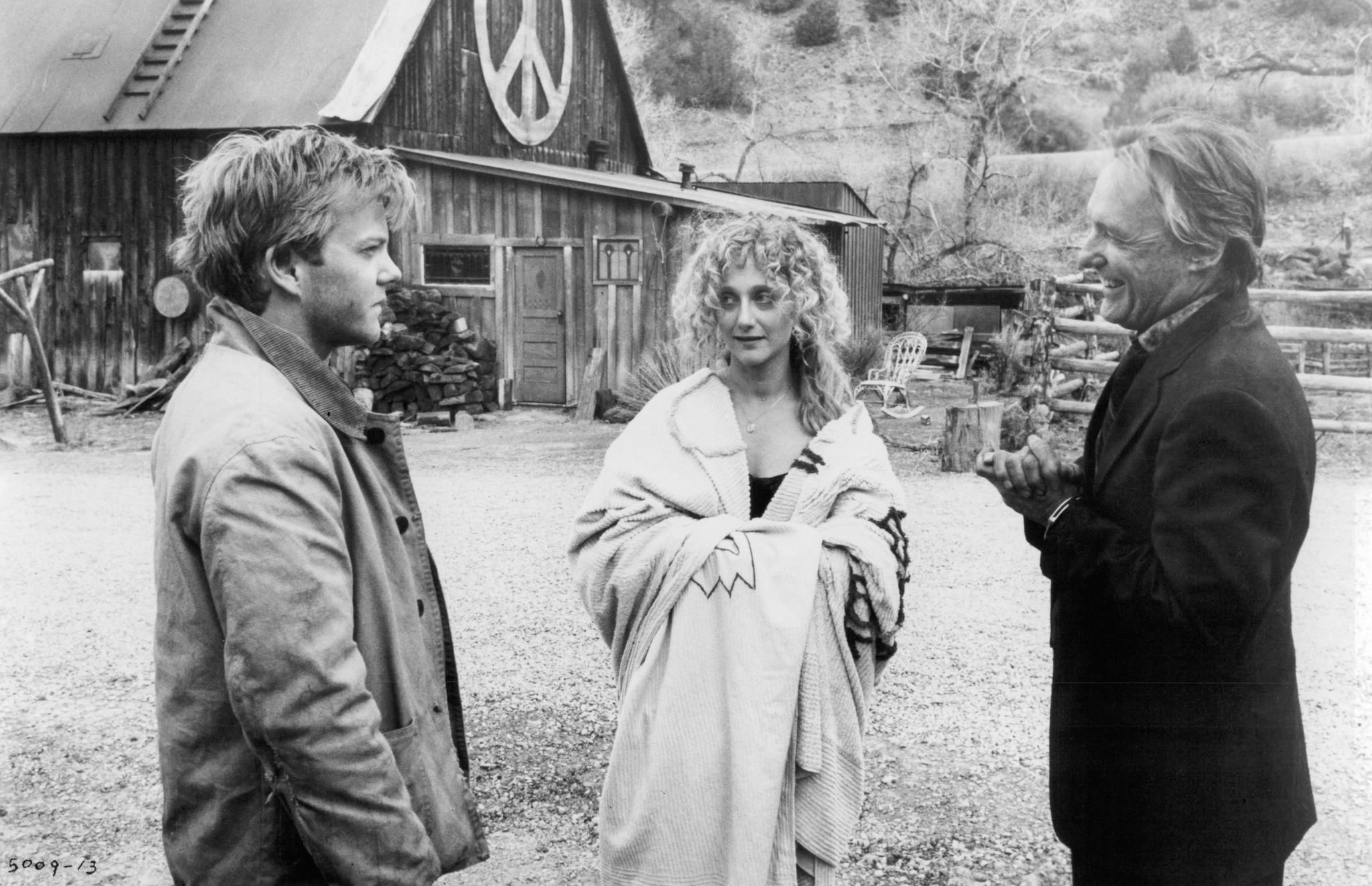 Commenting on Bertolucci and 1968,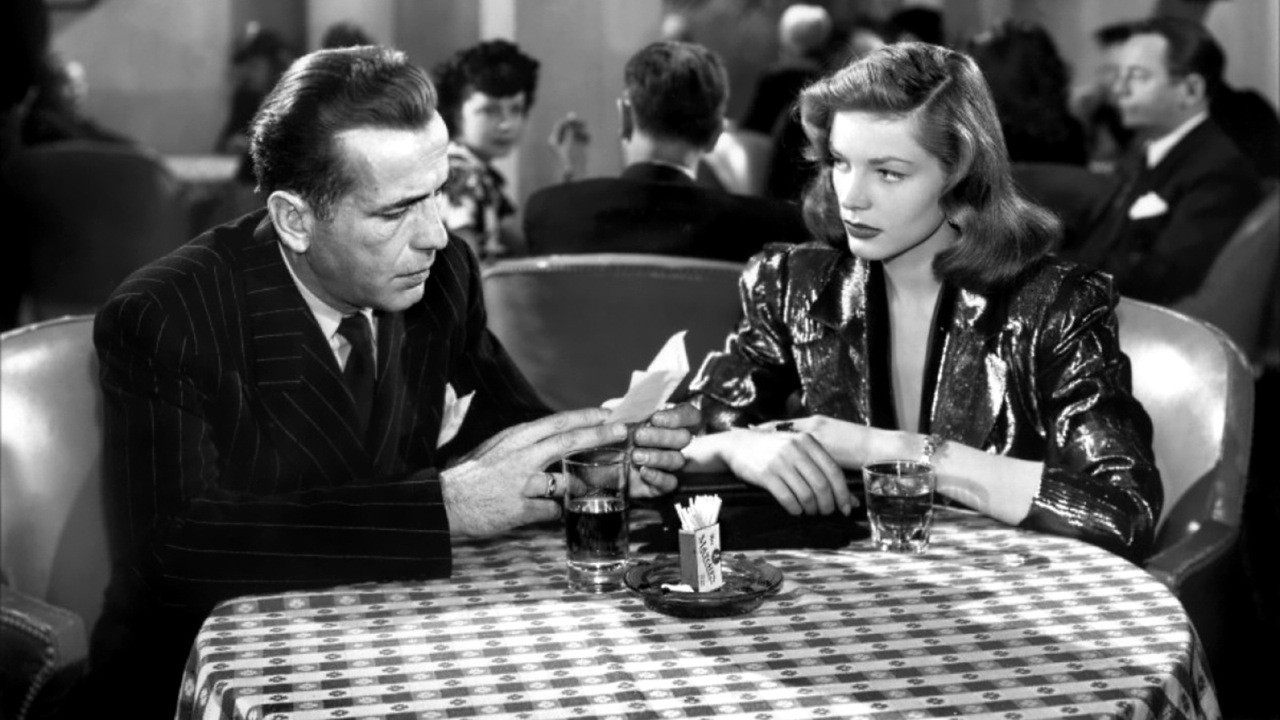
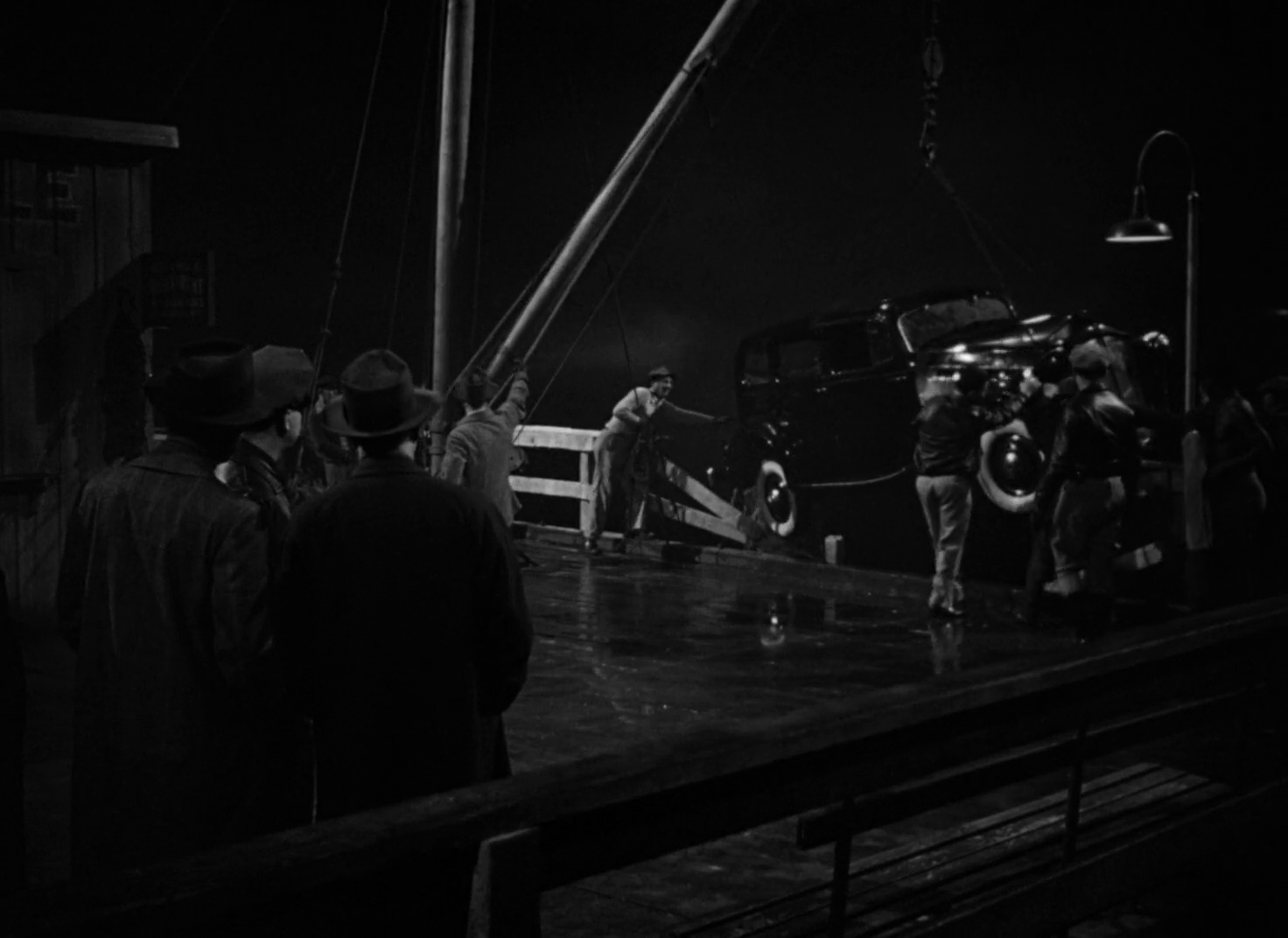 Marlowe quickly discovers that Geiger runs a pornography library with a large circulating collection. Trying to investigate Geiger further, he stumbles into the scene of a murder: Geiger dead in his living room, with Carmen drugged and naked in front of a camera which had recently been used, but from which the film had been taken.
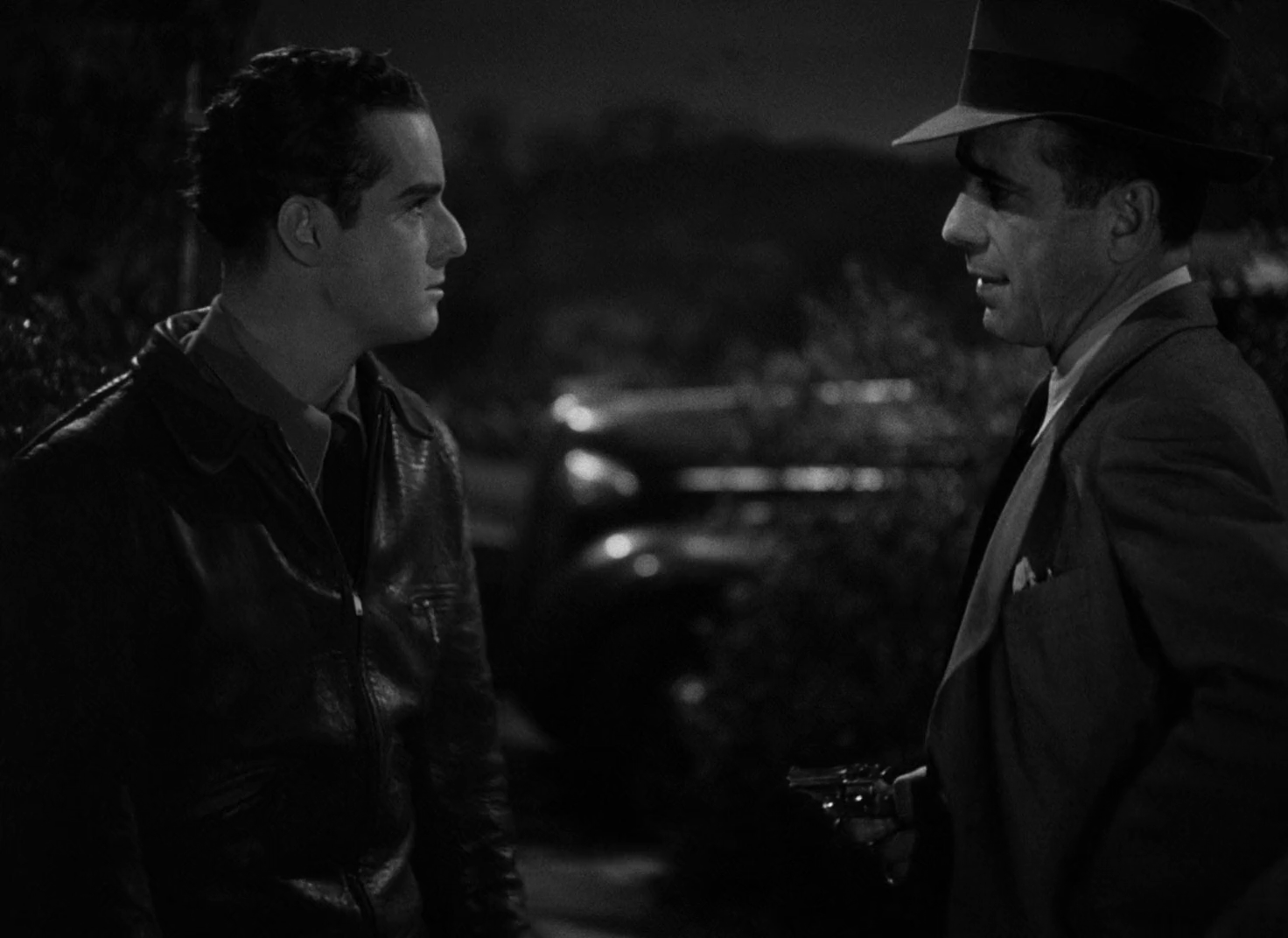 This is around where your average reader starts to nod off, but there’s an entire second chunk of plot to come. Marlowe decides to try to find the missing Regan, Vivian’s missing husband, as a favor to … the General? Vivian? All of the above. Regan ran away with the wife of a prominent gangster and the owner of a casino, Eddie Mars, but everyone agrees Mars couldn’t have killed the man — he would be too obvious as a suspect.
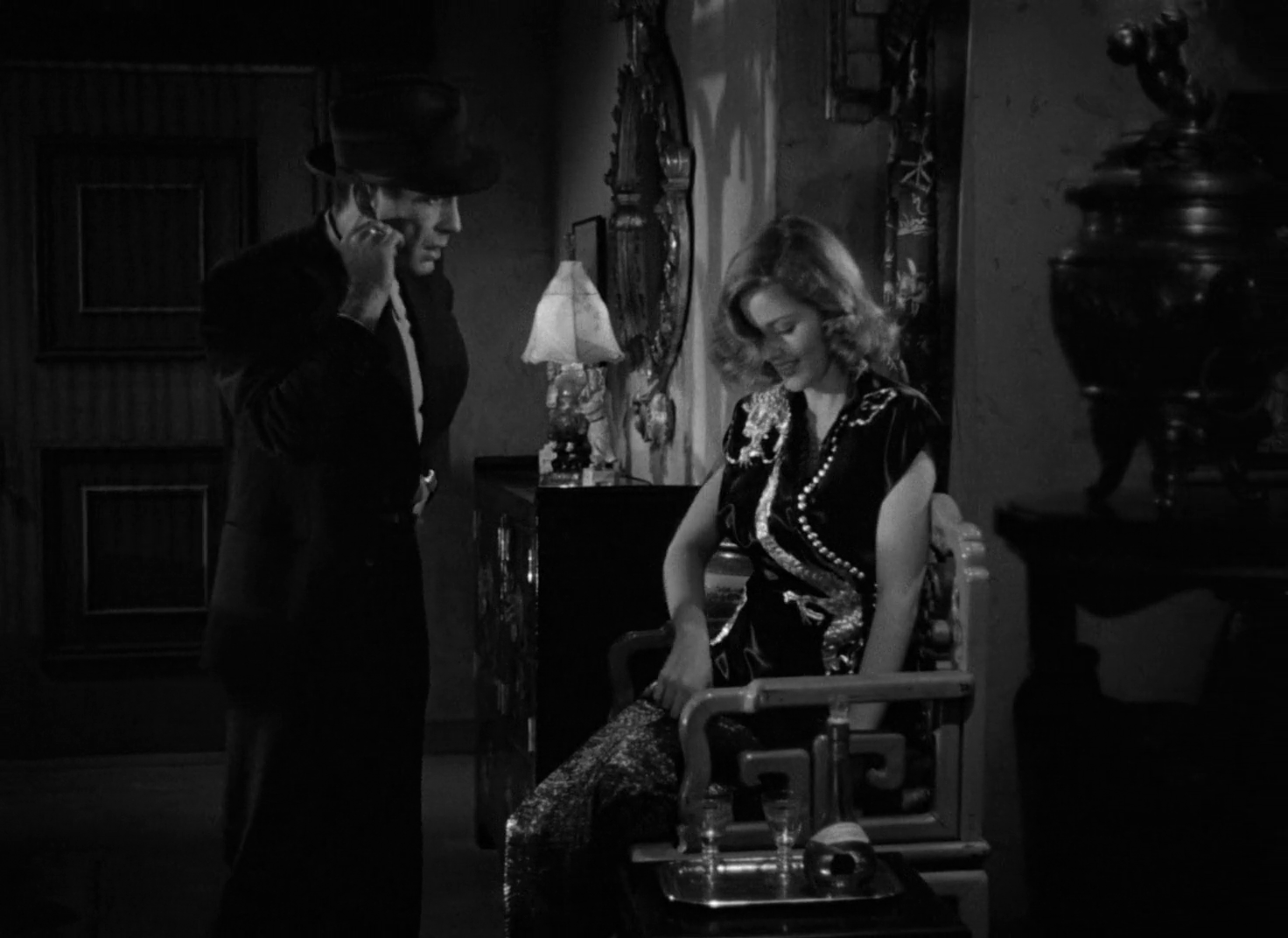 For starters, there’s the censorship. I know I’m not the only one who, watching the movie over and over, could never figure out why Carmen was being blackmailed with pictures of her … fully clothed. (Maybe, I thought, she was being blackmailed because the photos put her at the place of the murder — but the photos could have been taken at any time! And if they were set up to capture the murder, too, who would have set it up that way, since the murder was committed by the chauffeur — who was angry about the pictures?)
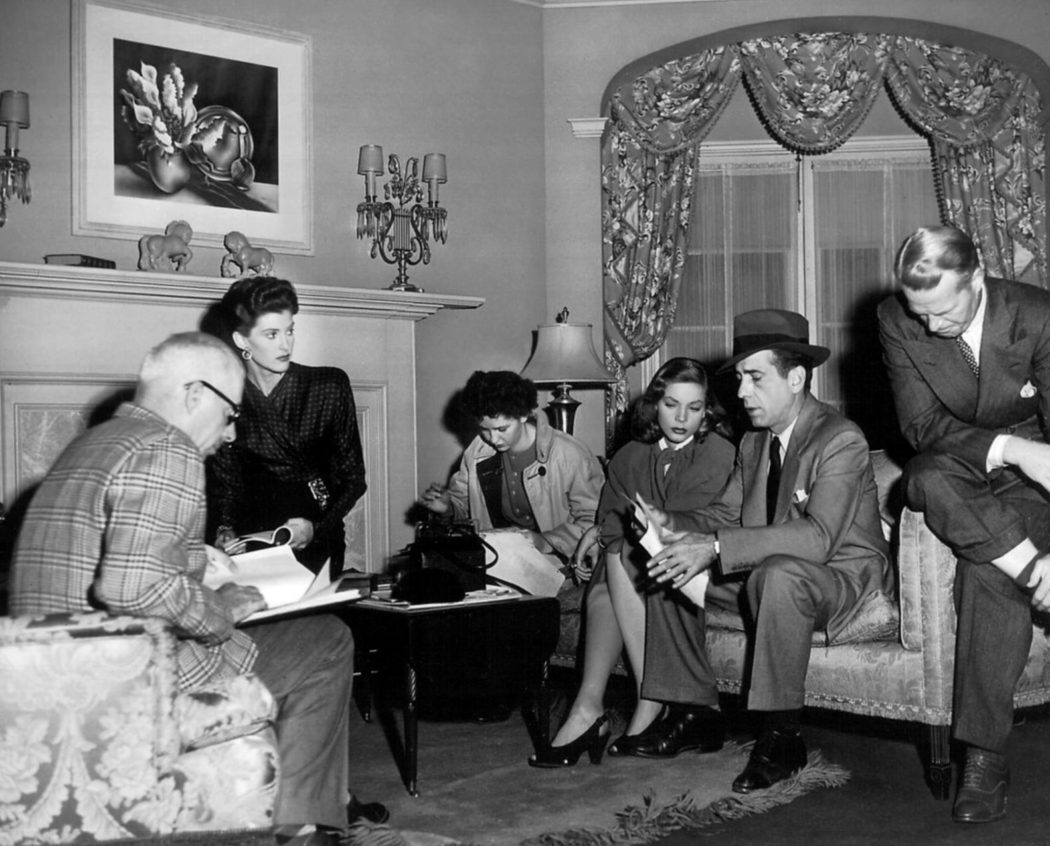 As in the novel, Mars covered up the murder by having his wife go into hiding, and spreading the story that she and Regan ran off together. But if Mars actually did kill Regan, this makes him a much stronger suspect. If only Regan disappears, it could have been a random murder, with Mars being protected by the idea that he is too smart to be the murderer. But if both Regan and Mars’ wife disappear, then the most likely explanation is that Mars killed them both out of jealousy. And if it was all merely to blackmail the Sternwoods, that makes no sense, because there is no reason to suspect Carmen murdered Regan!