
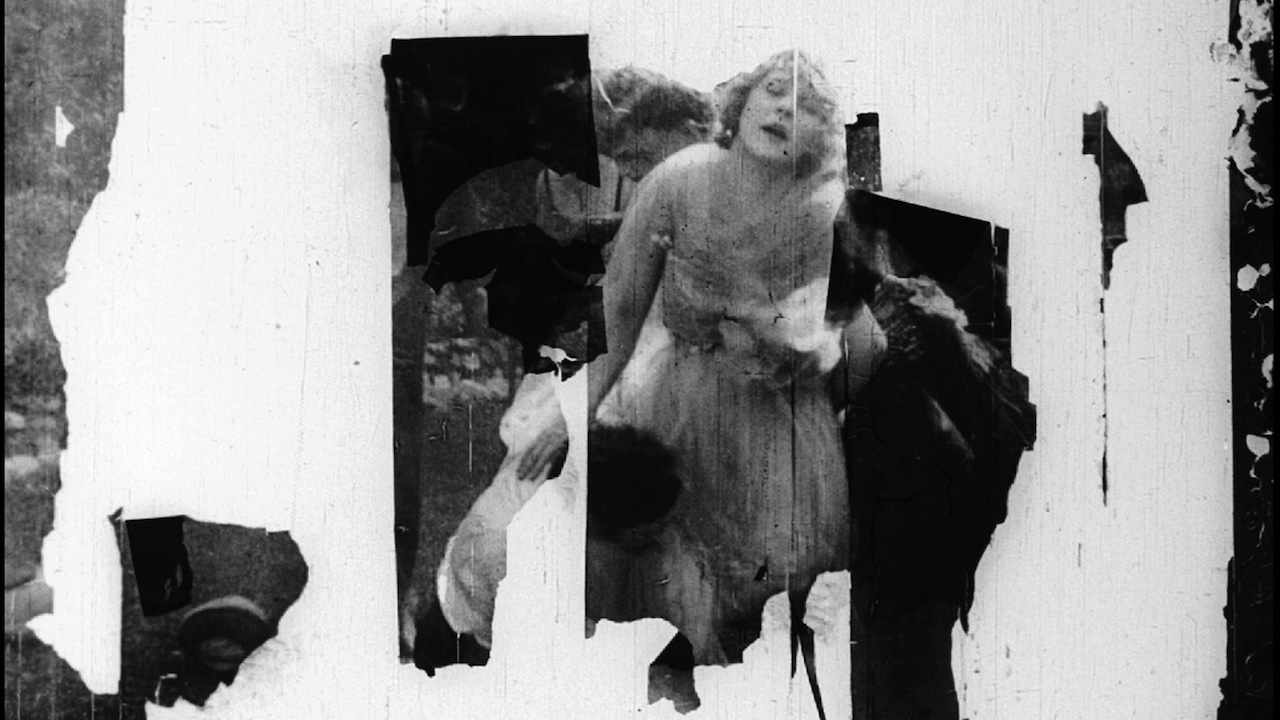
When bulldozers accidentally hit upon a cache of film reels in the cold ground of Dawson City, deep in the Yukon Territory, it was compared to the discovery of King Tut’s tomb.
Hyperbolic? Maybe. But the find — 533 films “dating from the 1910s and 20s [and mostly] previously unknown to film scholars or thought to be totally lost” — really was something of a miracle. It’s a hell of a story, full of unexpected correspondences, that film-loving experimental documentarian Bill Morrison tells in the Dawson City: Frozen Time.
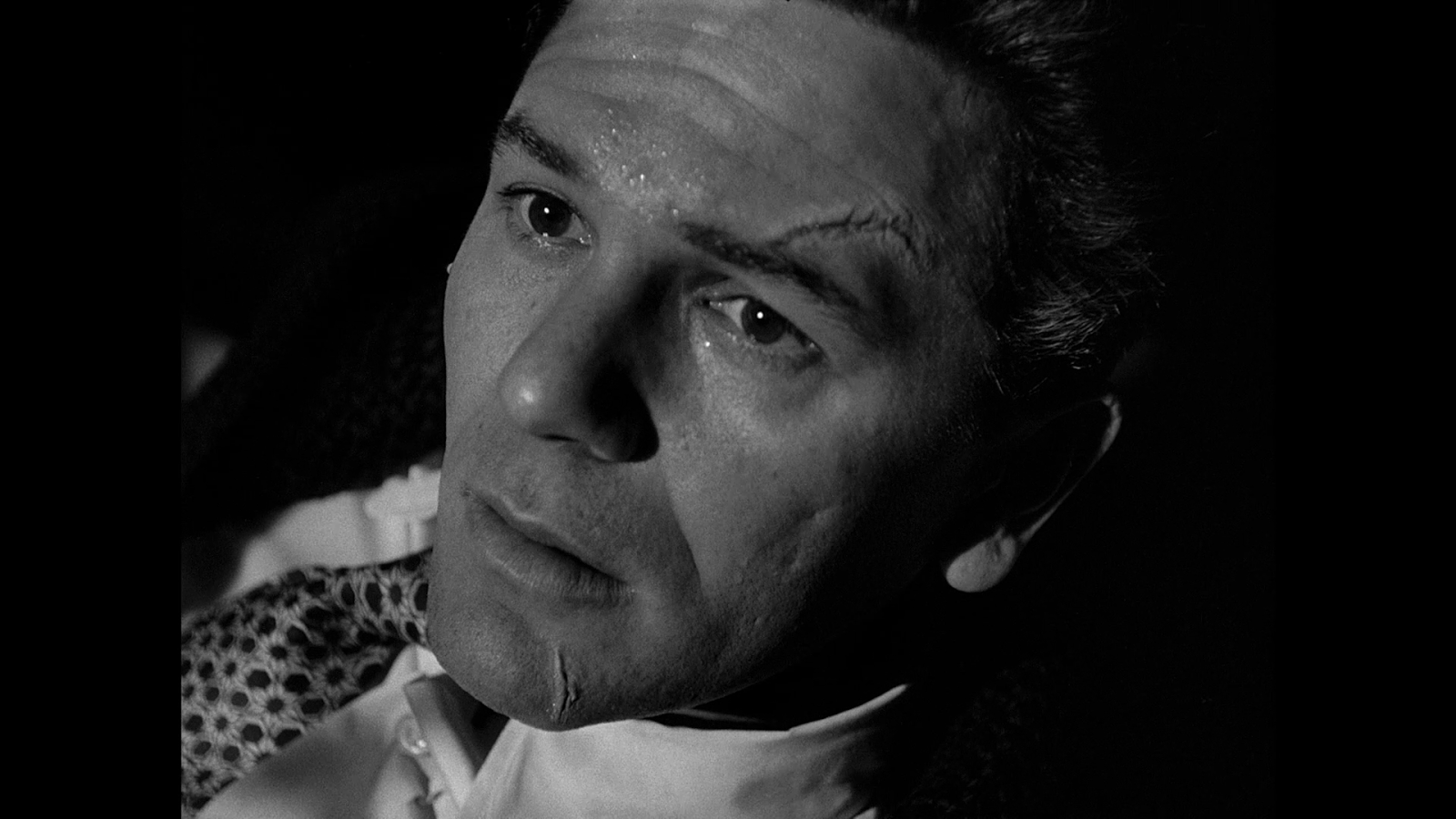
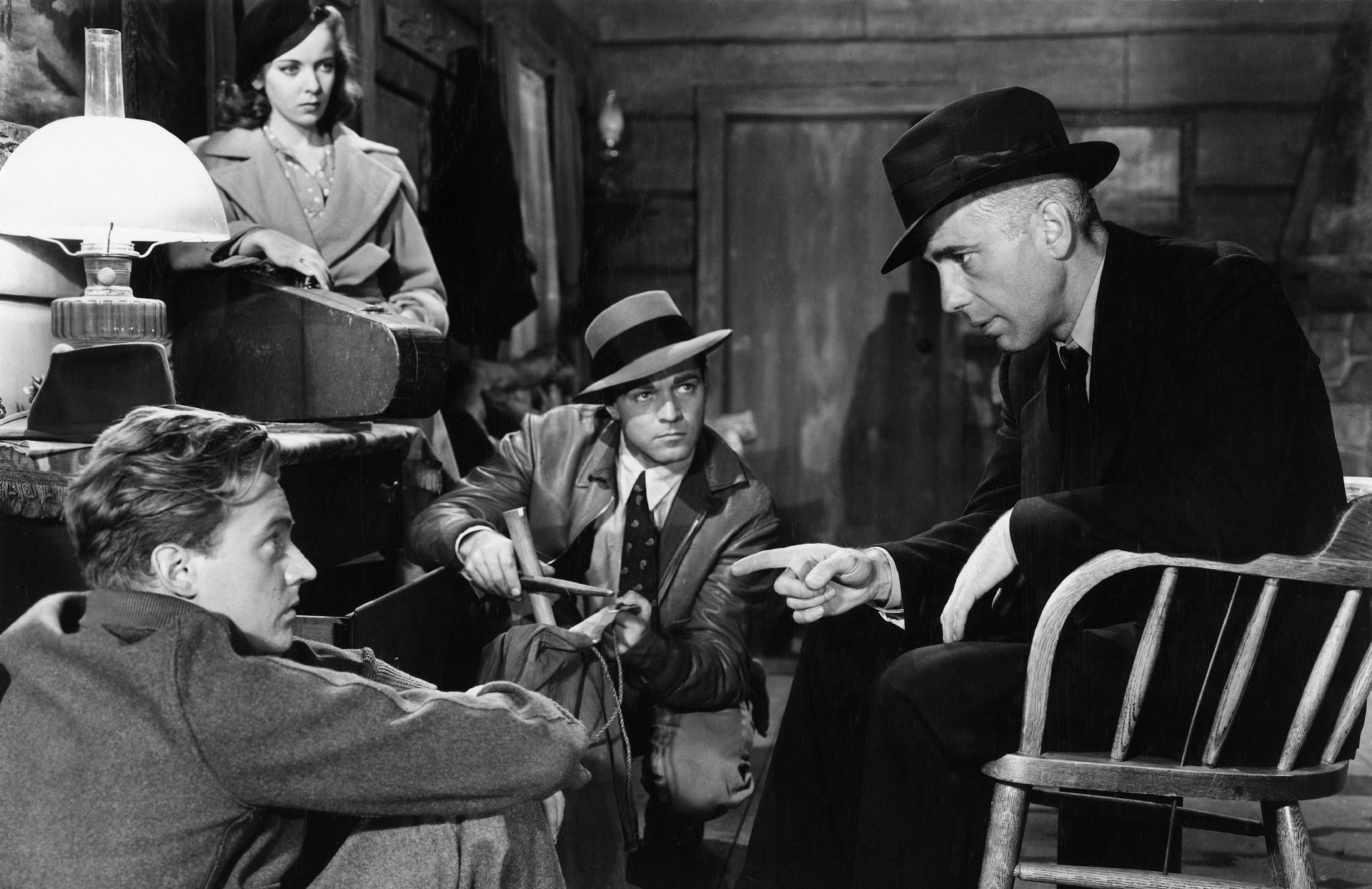
Perhaps “tells” is the wrong word for what Morrison does. Perhaps “documentary” is the wrong word for his film. But here, 500 miles north of Juneau, frozen in the remains of a Gold Rush-era mining town’s rec center swimming pool / hockey rink, at the far outpost of the continent’s most punishing theatrical distribution route, were movies no one knew about or barely remembered, films once screened to the remote thousands now pulled, remarkably preserved, like nuggets from the earth. Morrison shows us clips, provides some context, but the stories are in the images themselves, in their very improbable existence, at the edge of the world.
In this digital era — in which, we imagine at least, nothing ever really vanishes — the degree of silent film obsolescence is hard to process. According to the Library of Congress (PDF):
[T]here are 1,575 titles (14%) surviving as the complete domestic-release version in 35mm. Another 1,174 (11%) are complete, but not the original—they are either a foreign-release version in 35mm or in a 28 or 16mm small-gauge print with less than 35mm image quality. Another 562 titles (5%) are incomplete—missing either a portion of the film or an abridged version. The remaining 70% are believed to be completely lost.
 Scholars, historians, and film enthusiasts can be forgiven some hyperbole, then, as far as the Dawson City find is concerned; every discovery’s notable, but more than 500 at once? These are films that everywhere else have literally exploded and burned down the buildings where they were clumsily housed, or tossed out as unprofitable garbage (including, in Dawson City, into the Yukon River), back in the days when the notion of “preserving” something so trivial as a film at all would’ve sounded ludicrous. The primary reason so many reels even remained in Dawson City in the first place is that distributors and studios were unwilling to pay to transport them back.
Morrison gives us a material history of and through these movies, zooming in on their images and then out, to the worlds they reveal. To Alberto Zambenedetti, Morrison’s work in general is “devoted to the contemplation of ‘ruin beauty.'” As in his landmark Decasia, Dawson City emphasizes impermanence and the volatility of nitrate, with a focus on the uncompromising aesthetics of natural processes that seems like a distant, filmic cousin to other wobbly postmodern forms, like the intentionally deconstructing installations of Andy Goldsworthy.
But there is no sighed so it goes in Morrison’s assemblages, and humans are front and center. The sense of nostalgia and the sorrow of loss are accompanied by a kind of narcotic bliss, a “mysterious allure” in film’s decay, and a strong desire to look closer, to peak behind curtains of time and damage, to uncover secrets, to make connections.
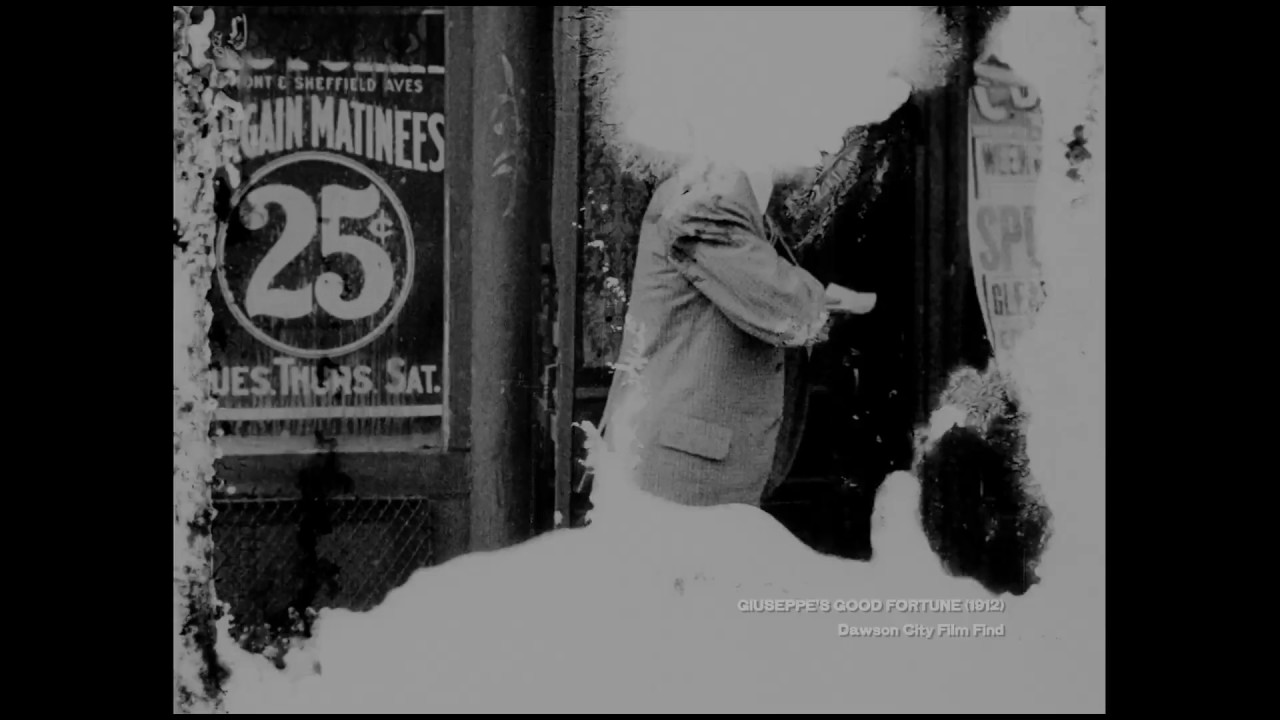 Drawing on Florence Hetzler — who described a ruin as”the disjunctive product of the intrusion of nature upon the human-made without the loss of the unity that our species produced” — Zambenedetti, in his Celluloid Museums (PDF) finds in Morrison an “archeologist of the moving image,” and in Dawson City a “film that uses films to tell the history of film.”
Not just buried film history, though: the unearthed images brought to light here also reveal life as it was lived, along with life as it was reflected back from the multiple screens of this distant Arctic Deadwood. It’s a material history in the most literal sense. The oneiric collisions and correspondences also serve a documentary purpose — we see the gambling halls and the whorehouses (including those that made the Trump family fortune); we see photographic stills that were themselves barely saved from casual destruction, handed down only by the vanishingly unlikely accidents of the world; we see the Gold Rush and The Gold Rush. It’s all so unlikely. As Deborah Eisenberg writes in the New York Times Book Review, the essence of Dawson City is:
echo, paradox, allusion—the lust for gold that drove hundreds of thousands toward the top of the world only to perish; film, the history-altering substance that records, informs, preserves, gives joy, consumes itself, and kills; Dawson City, the town that sprang up on frozen land, flourishing by impoverishing another population; the cyclical catastrophes from which it continued to rebuild itself.
The permafrost in which the reels of film were buried both left its ambiguous marks on the images while also preserving them. (A wonderful story, and preservationist’s nightmare, relates the recollections of Dawson City’s later teenagers, who’d light the edges of film peeking through the hockey rink on fire for fun, a mysterious nitrate flare in a rec center.) It’s one of the key paradoxes informing Dawson City‘s wondrous tale, and, in an offhandedly bemused reflection, archivist Kathy Jones-Gates wonders what else might lie below our feet in the ice of history.
In this case, we won’t have to wait long to find out: while digging up the earth as part of a sewer project just last week, construction crews in Dawson City uncovered a safety deposit box eight meters below ground. Officials are concerned its contents might be hazardous, assuming there’s anything inside; the town’s superintendent of public works is skeptical it’s of any real value; a Yukon government archeologist doesn’t consider the find in and of itself remarkable, though he emphasizes that the stories behind it might be.
We’ll know soon enough. The safe is scheduled to be opened on Discovery Day, August 20th, just over a week from now. Curtis Smoler, “a long-time Dawson resident,” thinks gold would be “the ultimate thing” to find inside, but added, “I hope they find something, even if it’s old documents or old photographs.”
On Twitter, Morrison was more specific: “I’m hoping for more films.”
 At its core, this is a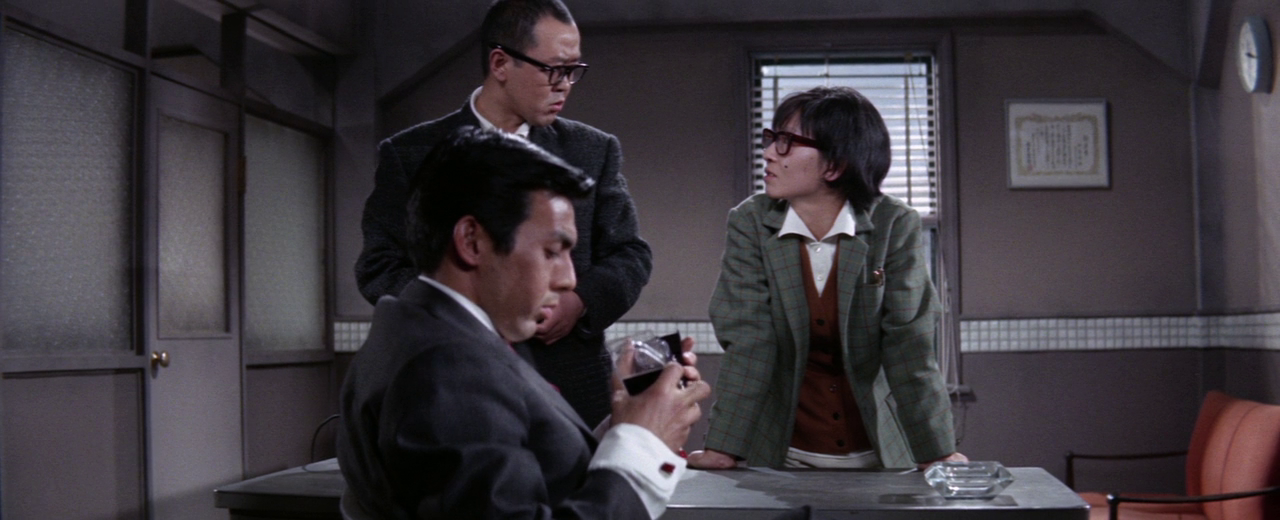
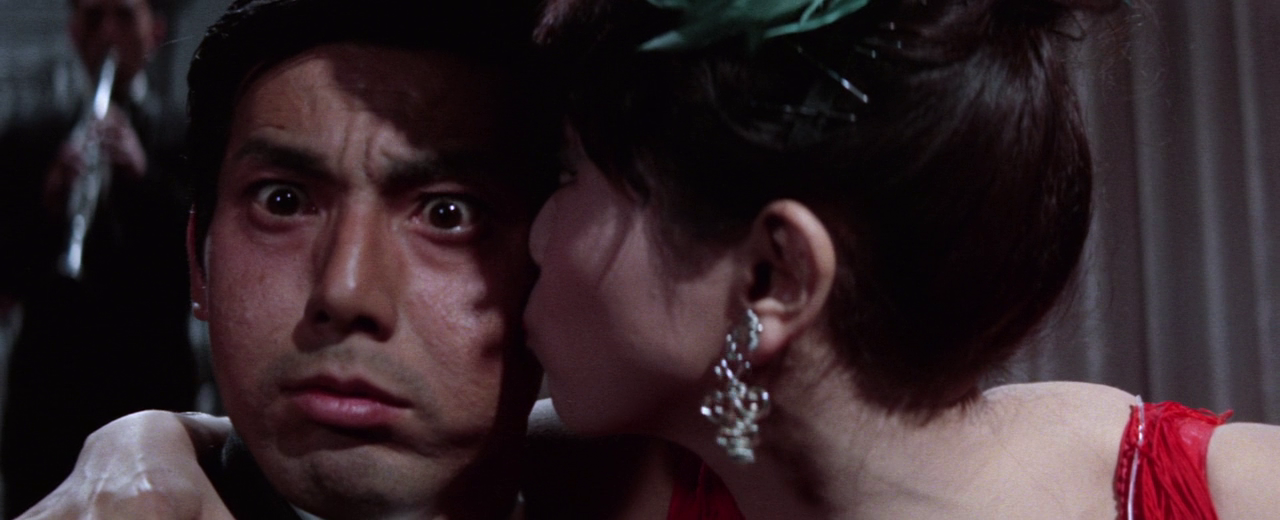
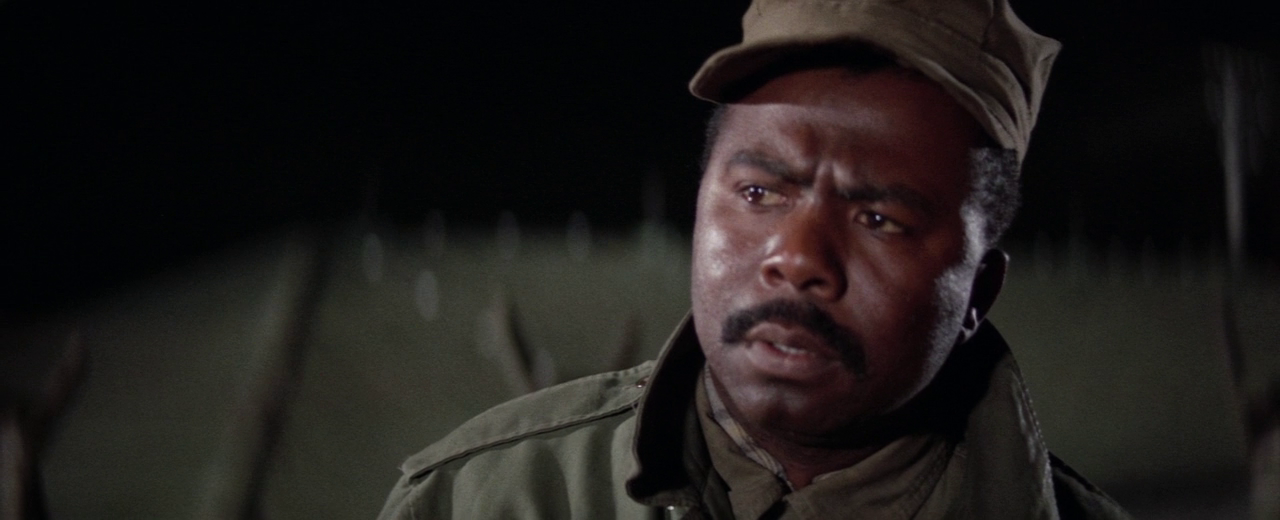
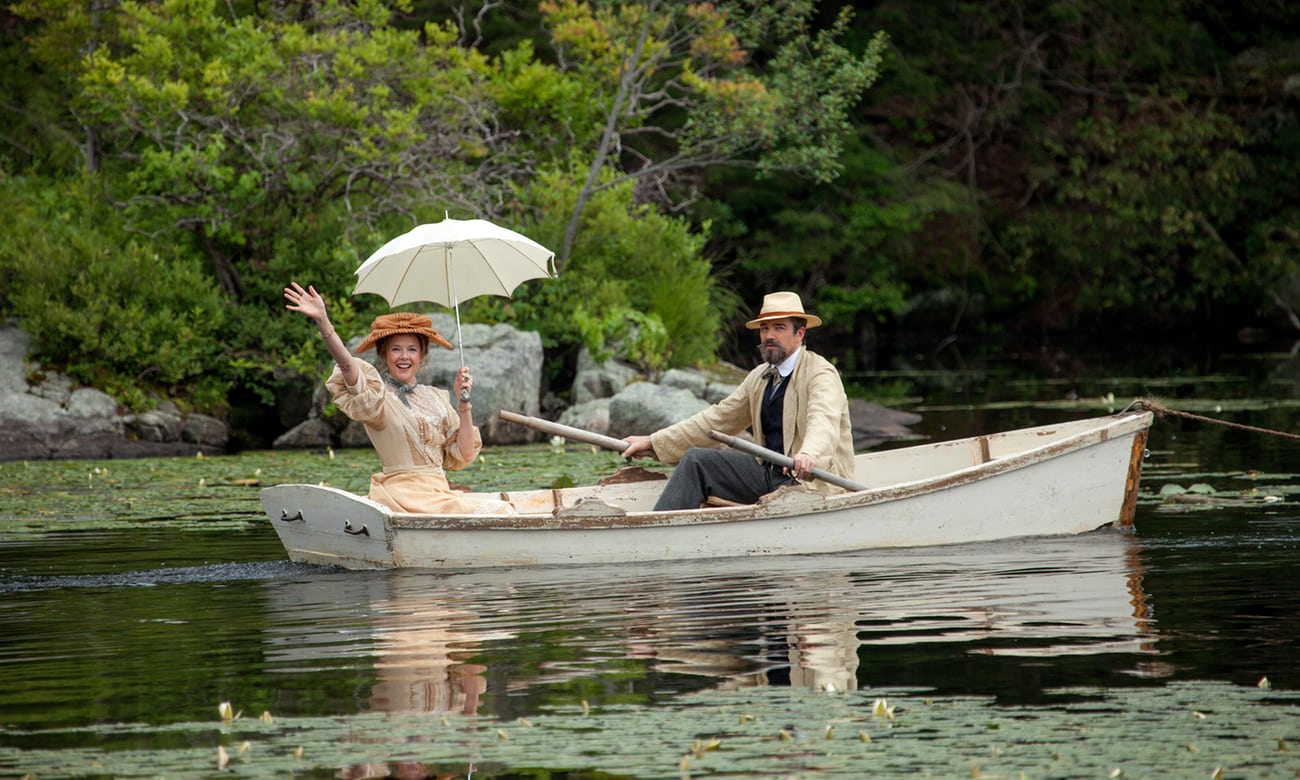
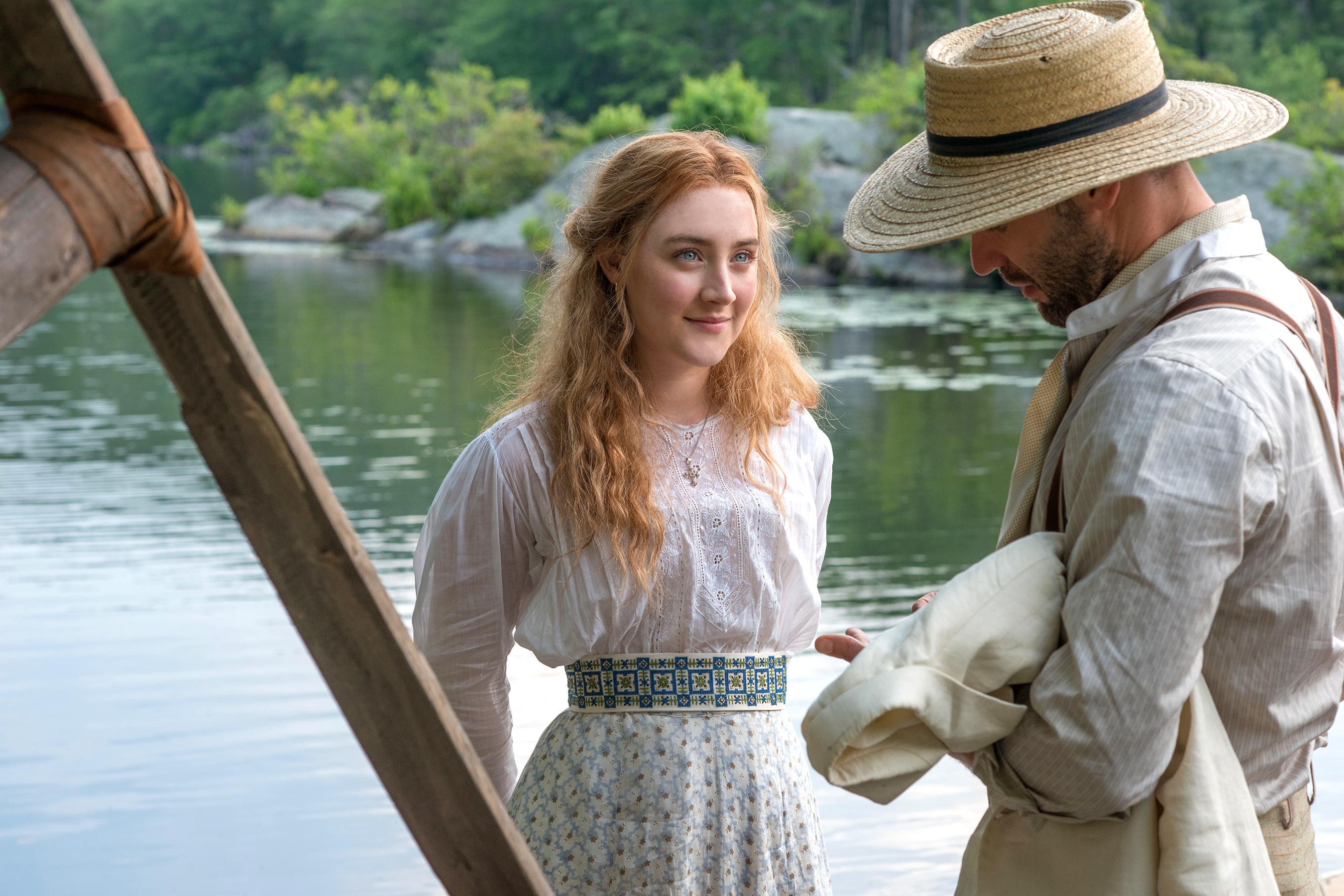 And it’s understandable. If you want to do a film, you have to cut a lot out; as in much of Chekhov, there are a lot of speeches that aren’t quite monologues, but do just go on in a way a film can’t. If you’re going to strip The Seagull down to — well, maybe not the bone, but down to the muscle, at least, you have to stick to the main story of the thing: Treplyov trying to be a writer, his “muse” Nina leaving him to go off with Trigorin, Trigorin abandoning her and her failure to be a superstar actress.
 It all helps that the cast is fantastic. In a more traditional adaptation,


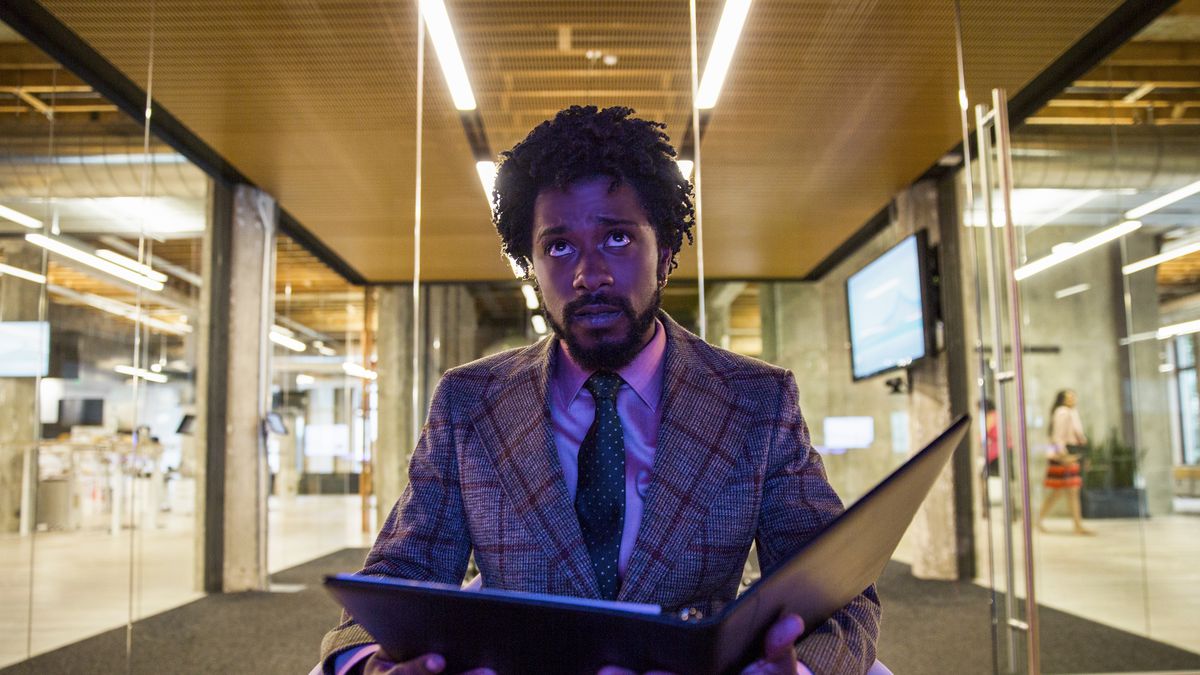 Cassius’ early failures to make a sale are some of Sorry To Bother You‘s funniest bits, as Riley plops his protagonist and his desk down, as if by magic, in the living rooms of his would-be marks. No one is having it, or even staying on the line, until a fellow worker (
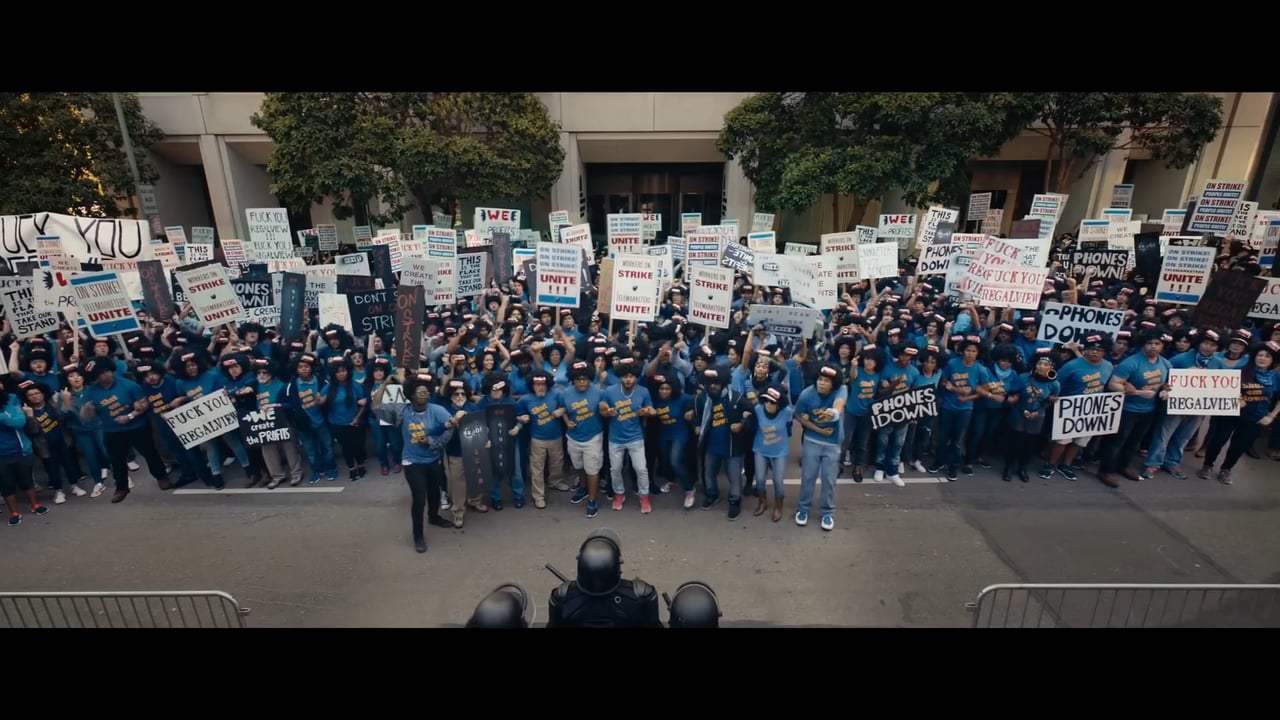 The film’s final pedagogical thrust emphasizes the importance of collective action rather than attempting to beat the bastards at their own game; even the most damaging revelations Cassius presents to the public are quickly recuperated by capital. The revolution still will not be televised. Here, Riley draws on some familiar images and sounds: the recent experiences of Occupy Oakland, in which he was something of a de facto public face, hang heavy over the film’s Oakland streets and scenes of pitched confrontation. There’s a rich engagement between screen and street throughout Sorry To Bother You: not just shoutouts to recognizable locales like the downtown buildings, The Layover where they get drinks, or the Grace Beauty Supply sign hanging over Broadway, across the street from where Thompson’s character stages her post-art performance, a block off from the 19th St. station, along a corridor through which we ran through tear gas late at night not very long ago.
 And that sense of a nuclear unit comes with us to the movie theater. We get upset if other people’s phones or talking interrupt our experience. A reminder that other people are in the theater with us is as irritating as a loud neighbor interrupting our Westworld time.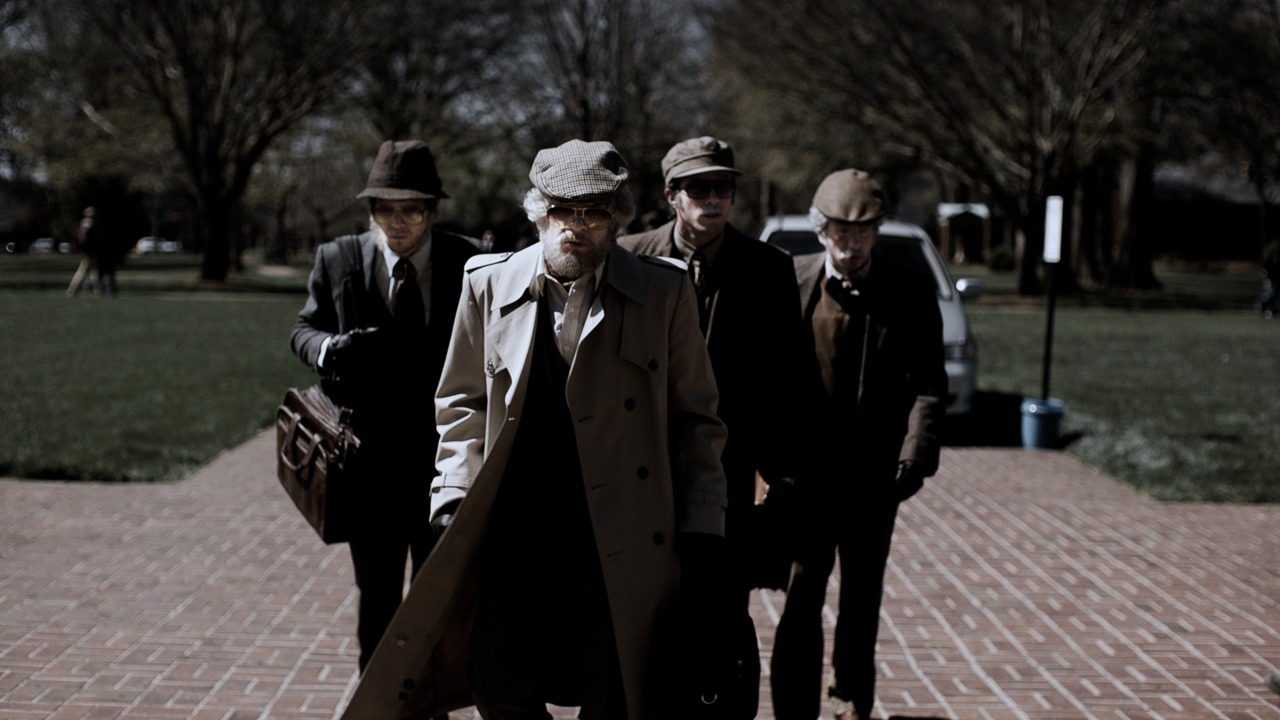
 American Animals is a sporadically clever but underwritten contribution to his trend. Its narrative –
 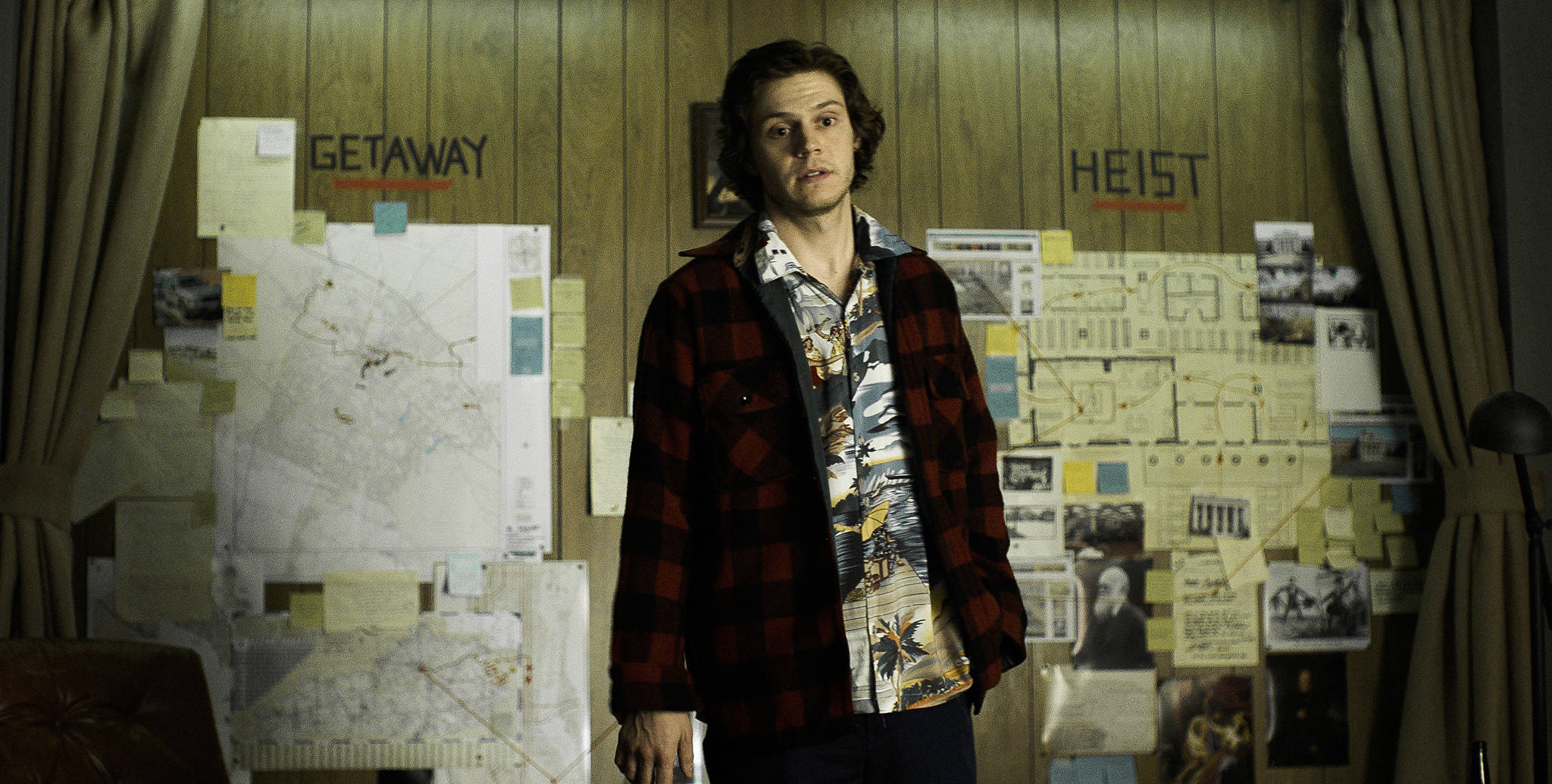 What American Animals does do very well is puncture the consequence-free fantasy of the heist movie. I can’t remember the last time a film placed so much emphasis on the person the robbers tie up as a matter of course, as part of their larger plan. We’re rarely encouraged to think of them except as the protagonists do; an obstacle to be removed, hopefully without much violence, and never considered again. We’re often encouraged to laugh at the hijinks: the pitiable, surprised exclamation, the bonk or bag over the head, the darkly comic struggle over the shoulder as they’re carried out of the story.
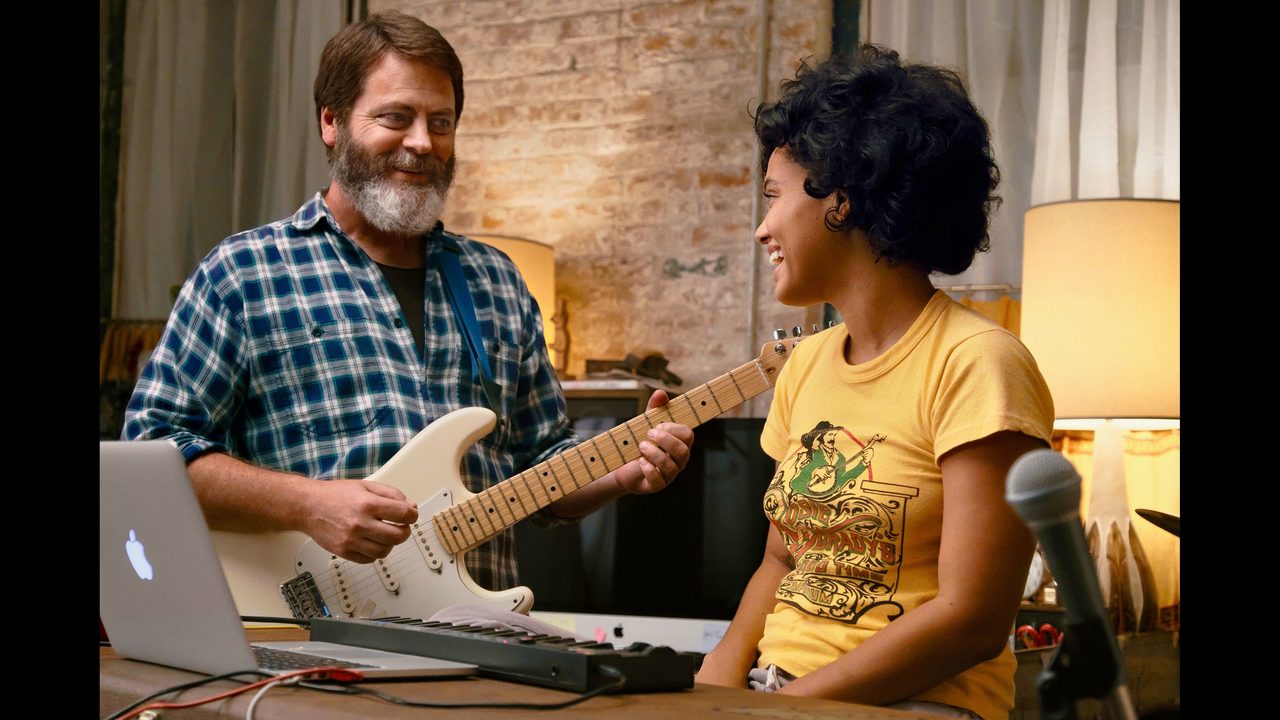
 The beating heart of Hearts Beat Loud is the father/daughter relationship between
  The problem with Westwood: Punk, Icon, Activist is all there in the over-stuffed title.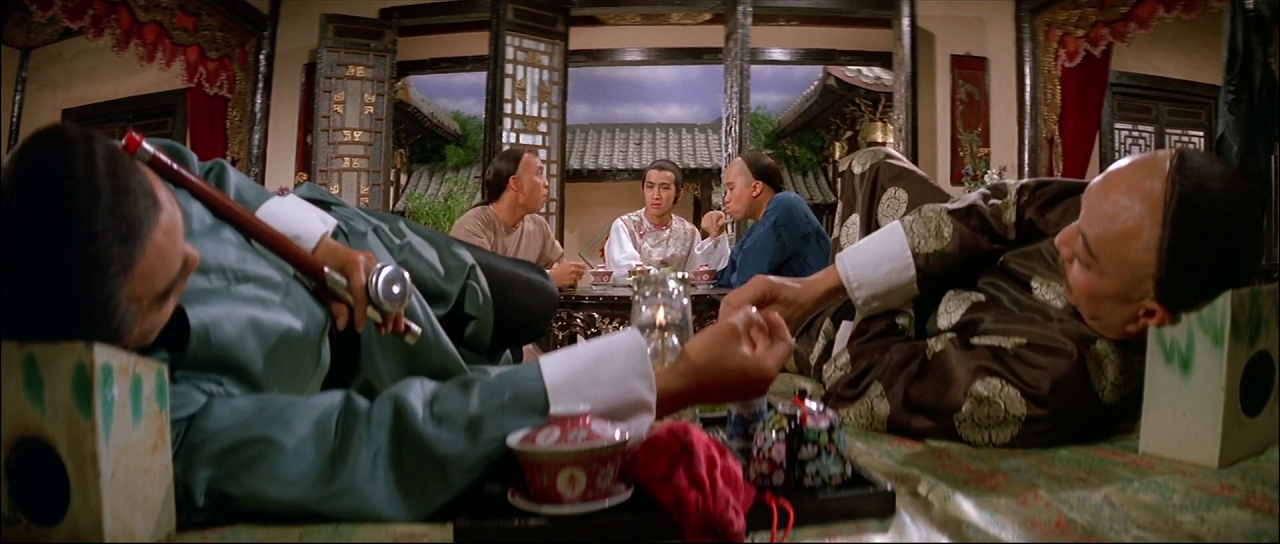
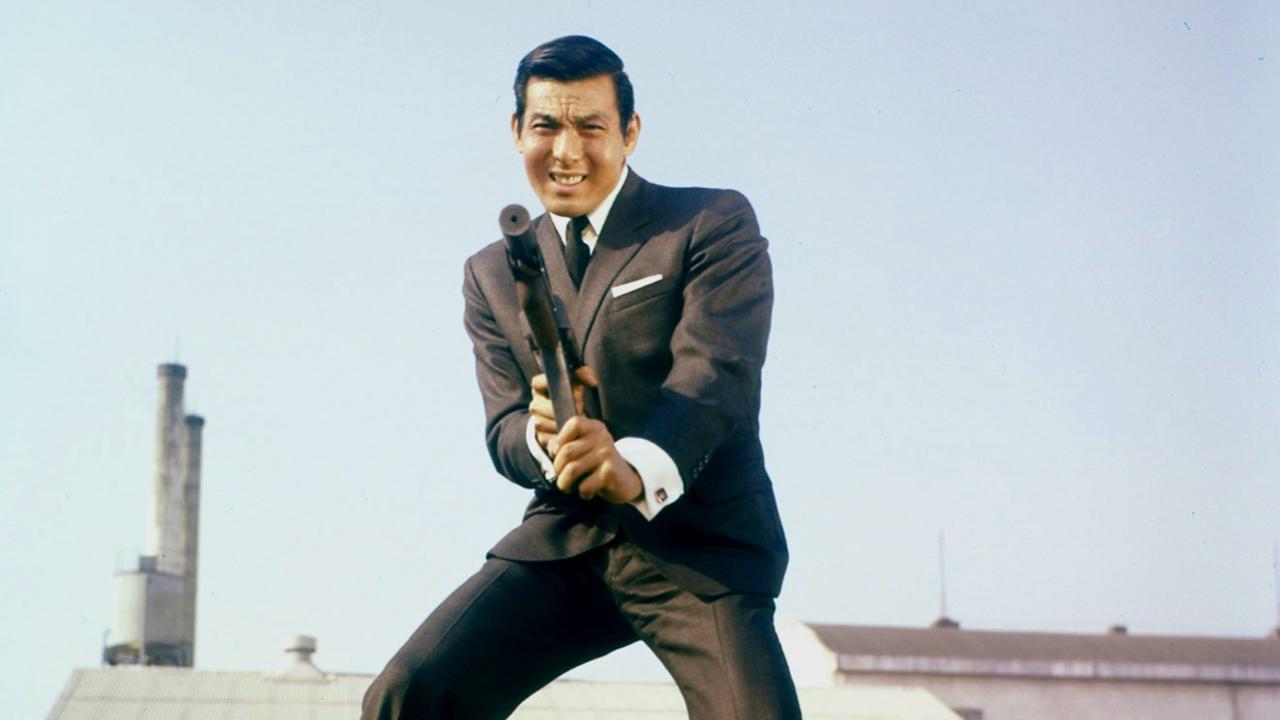
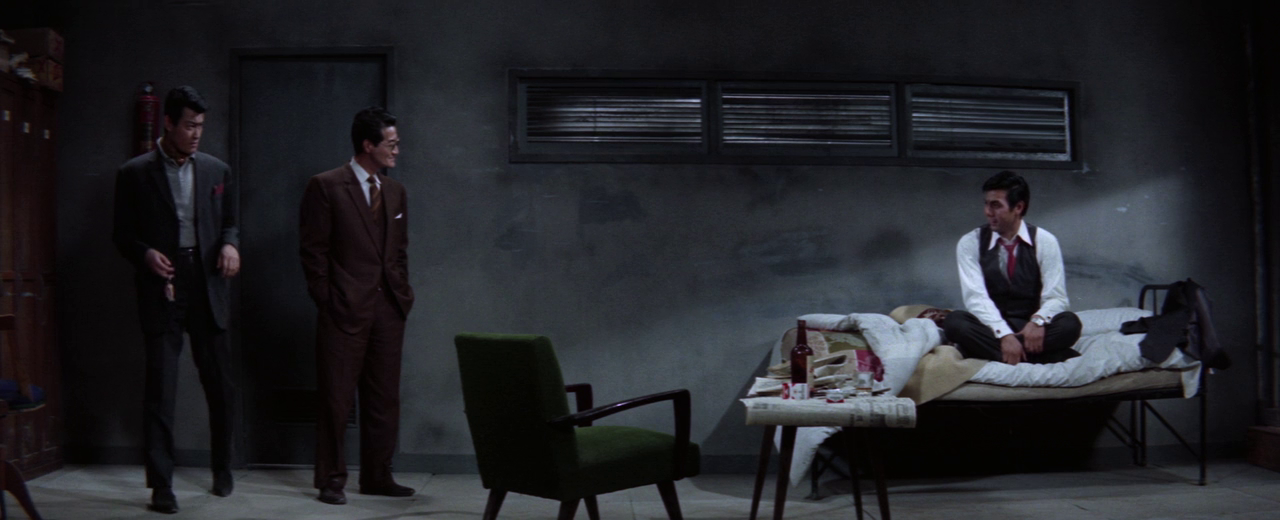
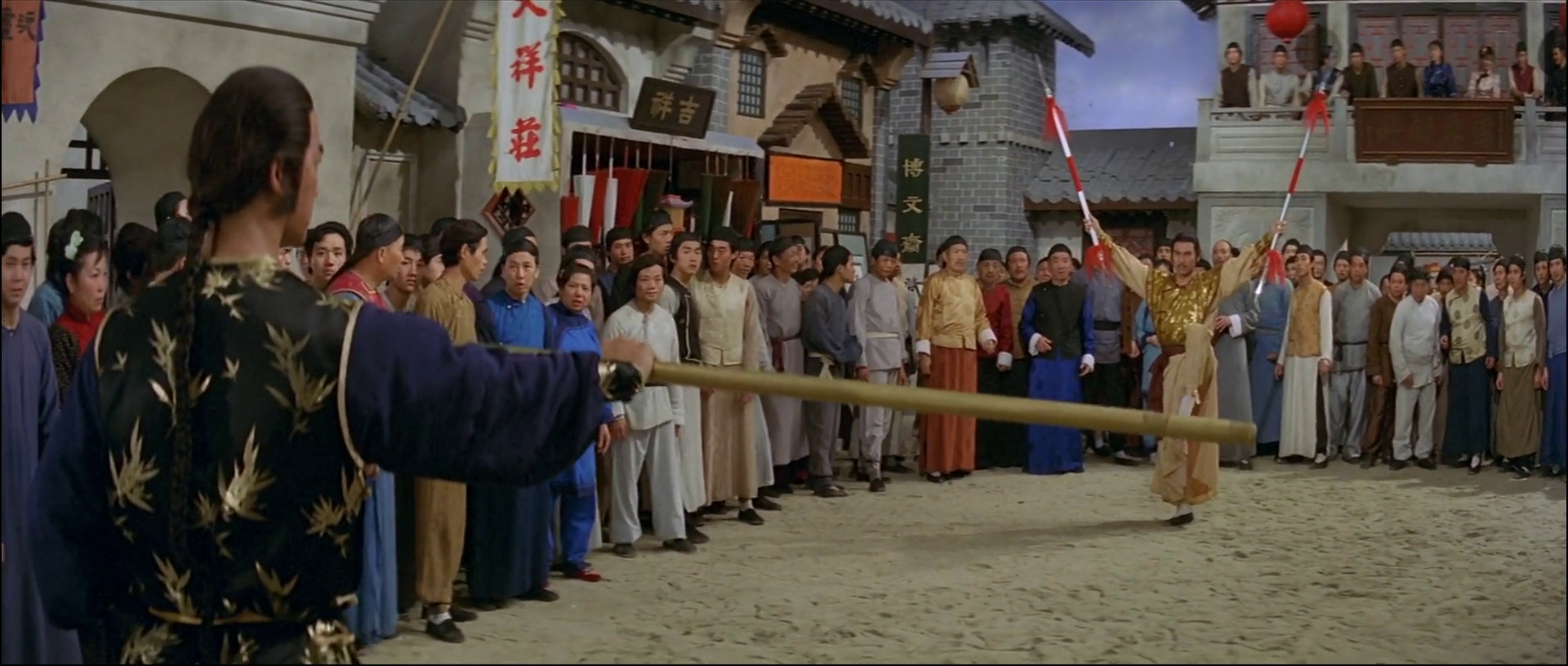 That’s why, I think, it is hard to find a lot of critical writing about the Shaw Brothers’
 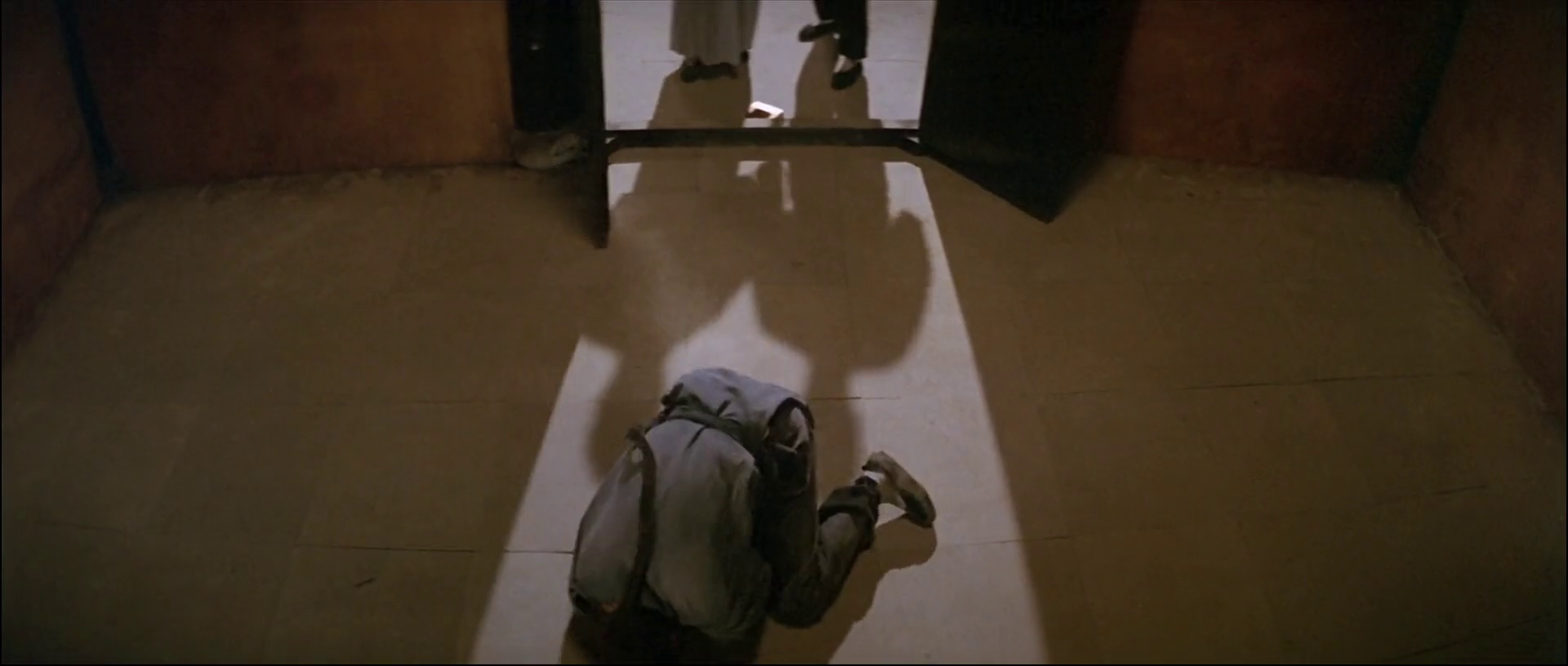 We meet our titular kung fu master (
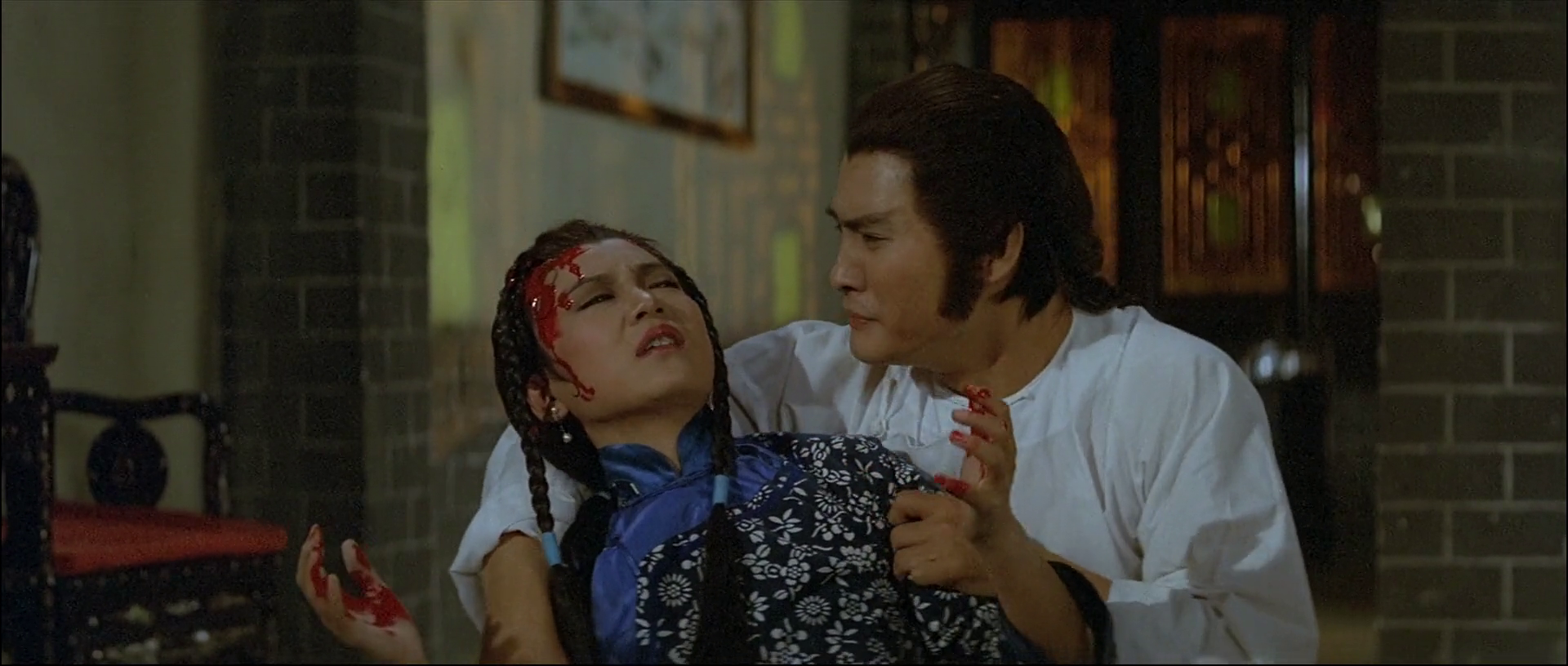 But it isn’t content with just one tragedy. Seeing the tableau, another of Ti’s followers attempts to burn down the opium house and is, in classic Hong Kong action style, dispatched by a particularly evil goon with a villainous weapon. (We know the weapon itself is villainous because it is very pointy, it is covered in metal, and it is completely unclear how it could ever actually harm a person.)
 It is a mystery how Ross and co-screenwriter
 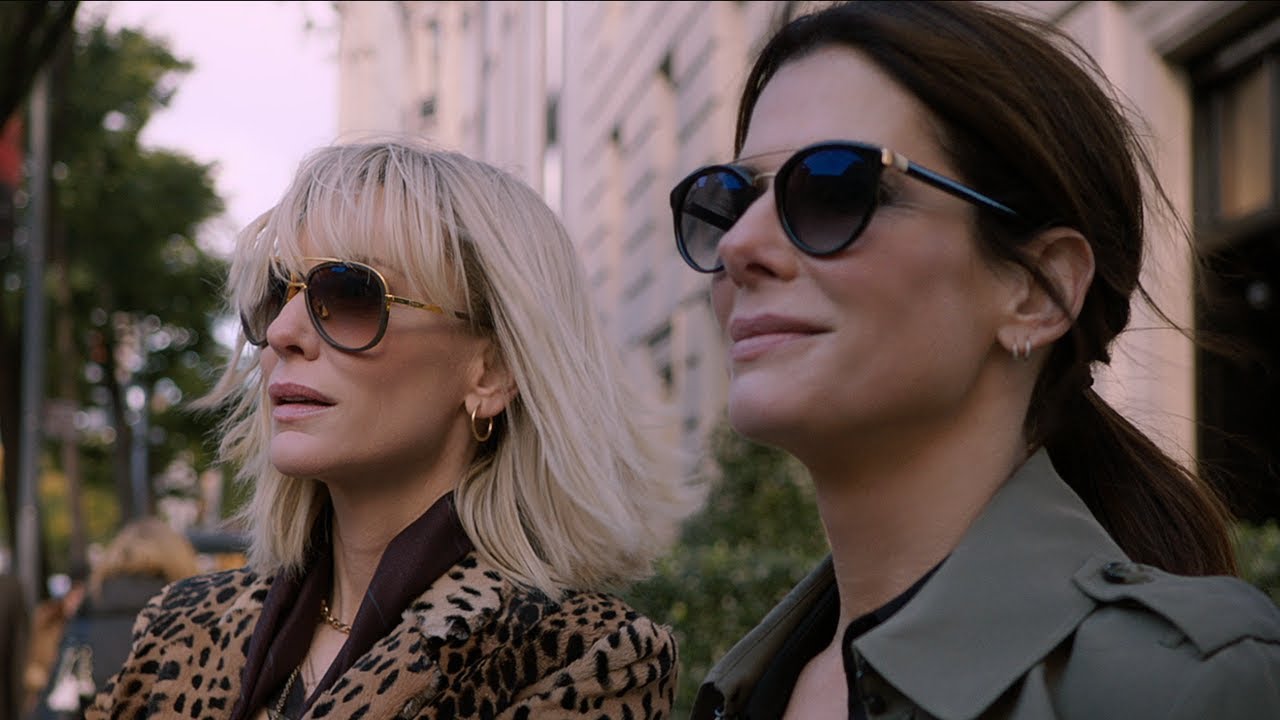 Ocean’s 8 has nothing along these lines, rendering the entire cast a set of interchangeables and draining any personal stakes. (Another brief interaction, this one between Bullock and Blanchett, indicates that the film remembers it ought to have subtext but can’t be much bothered with it, figuring that alluding to this structural need is the same as developing it.) Similarly, previous entries presented antagonists who structured the action, pricks to kick against, and who also grounded the films in
  So much for the characters; at least there’s a spectacle to look forward to, something high-wire and clever. But the heist itself is almost aggressive in its insistence that nothing go wrong. It simply happens, and then it’s over. (Though not before multiple trips to the bathroom; this is easily the most bathroom-focused heist in history.) Nothing breaks up its easy flow: no silly costumes, no impressive stunts, no thinking-on-their-feet or unexpected snags. It mostly hinges on a 3-D scanner and a secret lockpick, both of which are provided with all the difficulty of placing an Amazon order.