
May 1968 looms so prominently over the cultural imagination, at least in some circles, that the occasion of its 50th anniversary was bound to produce a universe of responses and treatments. Its ecstatic title notwithstanding, João Moreira Salles‘ essay doc In The Intense Now falls decidedly onto the elegiac side of things.
The film takes a broad view, weaving the Parisian events of May into savvy, found-footage glimpses of Prague and his own mother’s trip to China two years prior. This widens the poetic scope of the film’s concerns. Even in its deep dive into the images that came out of Nanterre, Salles’ depiction goes out of its way to avoid hero-worship, and manages to do so without trafficking in embarrassing deflationary pastiche or cutesy callback (we have Michel Hazanavicius for that, God help us). But In The Intense Now goes almost too far into sorrow: contra its title, these images, resonant of fleeting glory, are presented as graffiti from an impossible yesterday. No one needs more ’68 riot-porn, but still: this is one remarkably despondent portrait of joy.
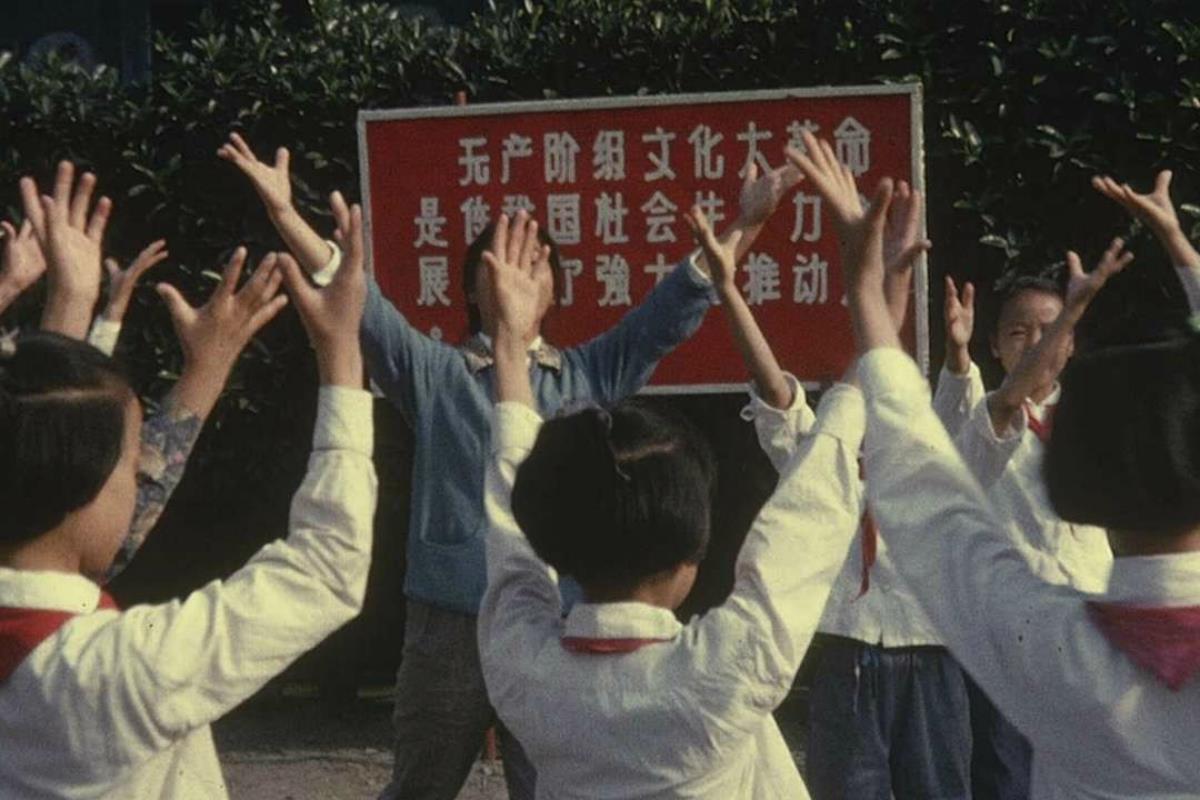 As a lyrical treatment of a tumultuous time, though, the film often succeeds in transporting the viewer, making unexpected connections that diverge from your standard barricades-and-pranksters portraits. In The Intense Now is at its best when zeroing in on specific fragments, usually culled from the archival material. The images of a family in a Czechoslovakian home movie are read — by their clothes, countenances, placement within the frame — for commentary on social and class conditions. Footage shot surreptitiously from an apartment window reveals the unseen dangers on the Prague street that drove the anonymous videographer upstairs, to film his or her own city like a spy. The joy evident on his mother’s face in China tells more about her life and its dwindling moments of possibility than it does about the Cultural Revolution she fails to see transpiring in the background.
This tendency, and the film’s relentless melancholy, is encapsulated by Salles’ examinations of France. First, a wonderfully presented bit of footage depicts an attempt by the students to connect with Renault factory workers. The workers, who vocally consider these anarchists their future bosses, are seen above, lining an implacable wall, with the students in the street below, preaching revolt. They are literally on uneven ground.
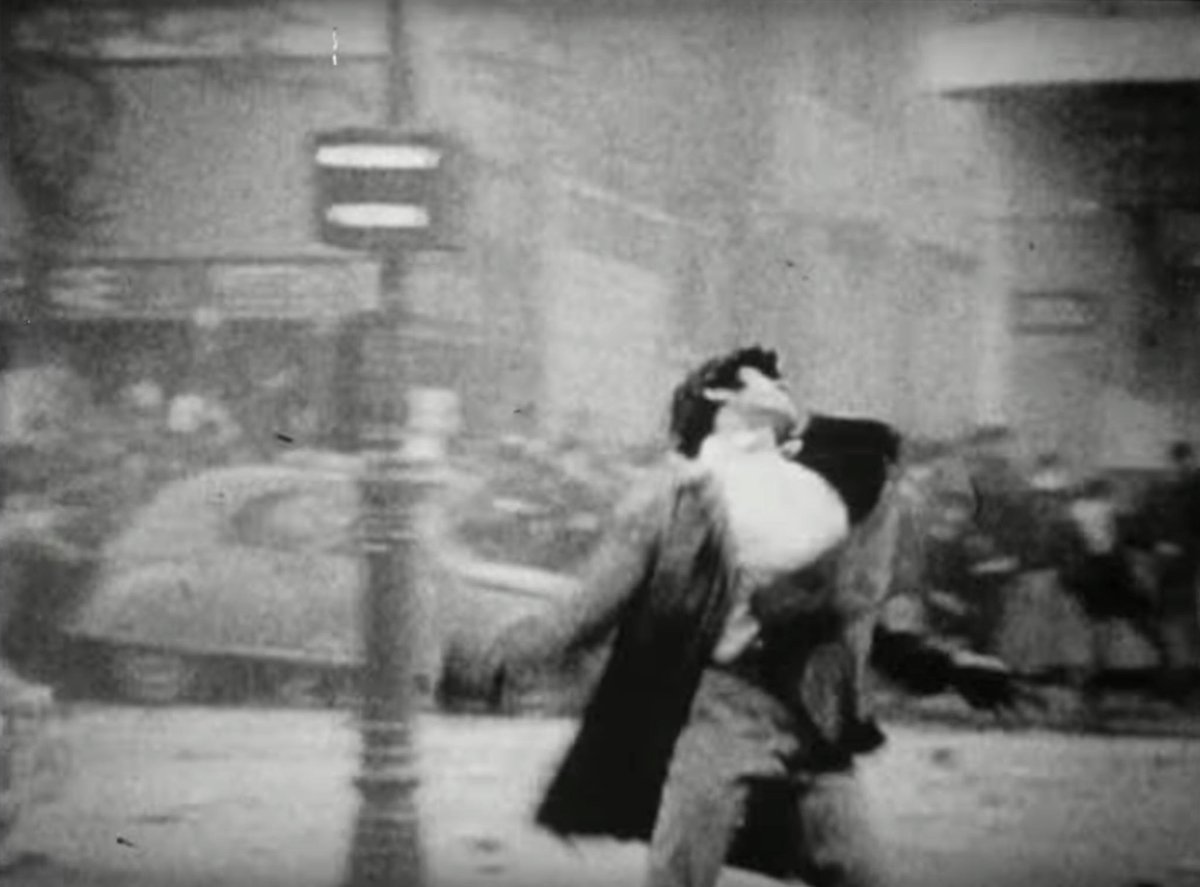
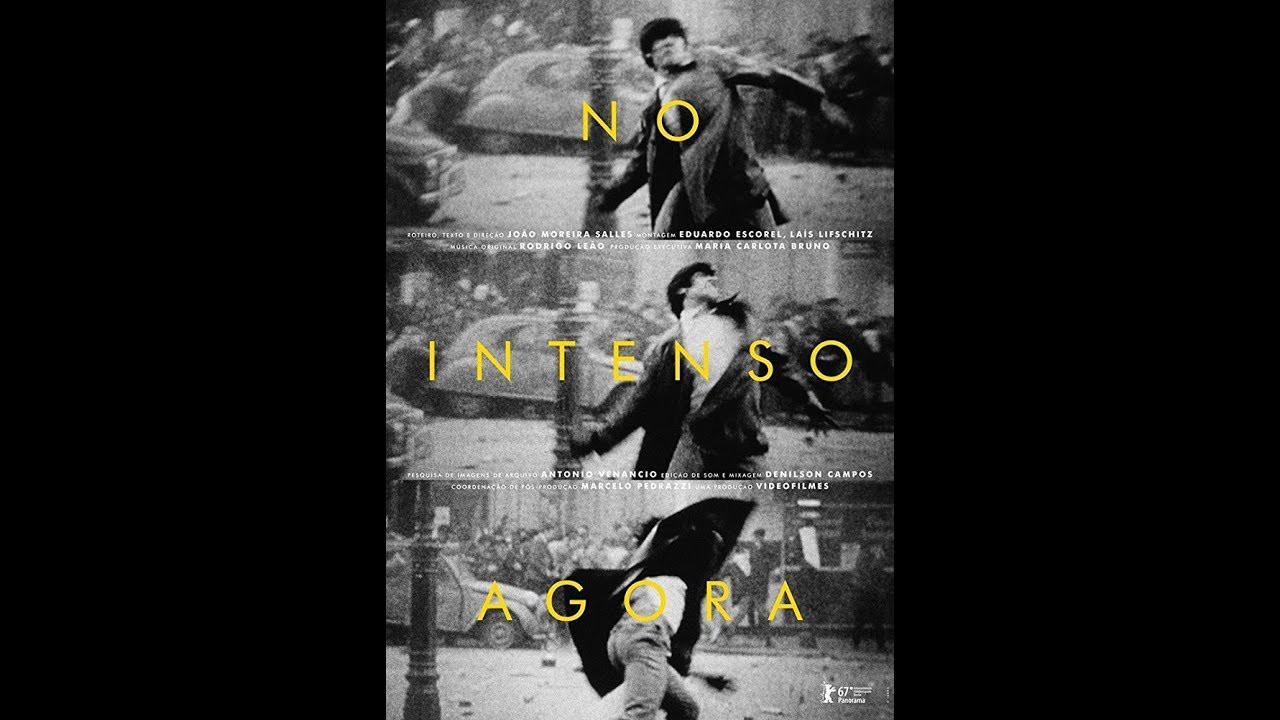 And then there is the famous image of the Parisian protester hurling a stone; you know the one. It adorns every depiction of the events of May, carried down to us by screenprints, Banksy, and, inevitably, the promotional materials for In The Intense Now itself. Salles’ analysis is stirring, astute, and ultimately delivered with a sigh: we always see the insurgent’s wind-up, a fiercely physical expression of possibility, the heroic moment of release. We rarely remember the retreat. And there is always a retreat, as the footage makes clear again and again, even in the moment. The stone is hurled, the momentum carries passionately outward, and then there are several steps back. We remember the general strike on the 13th, but not the hundreds of thousands marching for a reclaimed stasis on the 30th. It’s the film’s aesthetic and politics, embodied in the moment.
Still, Salles understands, or the poetry of his images understands, that we usually do not see what we see. Like a proper radical, he is prepared to be toppled by his own ideas, and In The Intense Now gives plenty of time to Cohn-Bendit, gleefully pointing out that May ’68 was never intended to last forever. It was a vast propaganda of the deed, an “orgasm of history,” in Yves Fremion’s phrase. When Sartre despaired at the students’ antipathy to platformism, the 23-year-old Cohn-Bendit all but shrugged at the great philosophe. Sure, there was an explosion; there were many explosions. “But there will be other explosions later on … The movement’s only chance is the disorder that lets men [sic] speak freely, and that can result in a form of self-organization”:
But now that speech has been suddenly freed in Paris, it is essential first of all that people should express themselves. They say confused, vague things and they are often uninteresting things too, for they have been said a hundred times before, but when they have finished, this allows them to ask, ‘So what?’ This is what matters, that the largest possible number of students say ‘So what?’ Only then can a programme and a structure be discussed. To ask us today, ‘What are you going to do about the examinations?’ is wish to drown the fish, to sabotage the movement and interrupt its dynamic. The examinations will take place and we shall make proposals, but give us time. First we must discuss, reflect, seek new formulae. We shall find them. But not today.
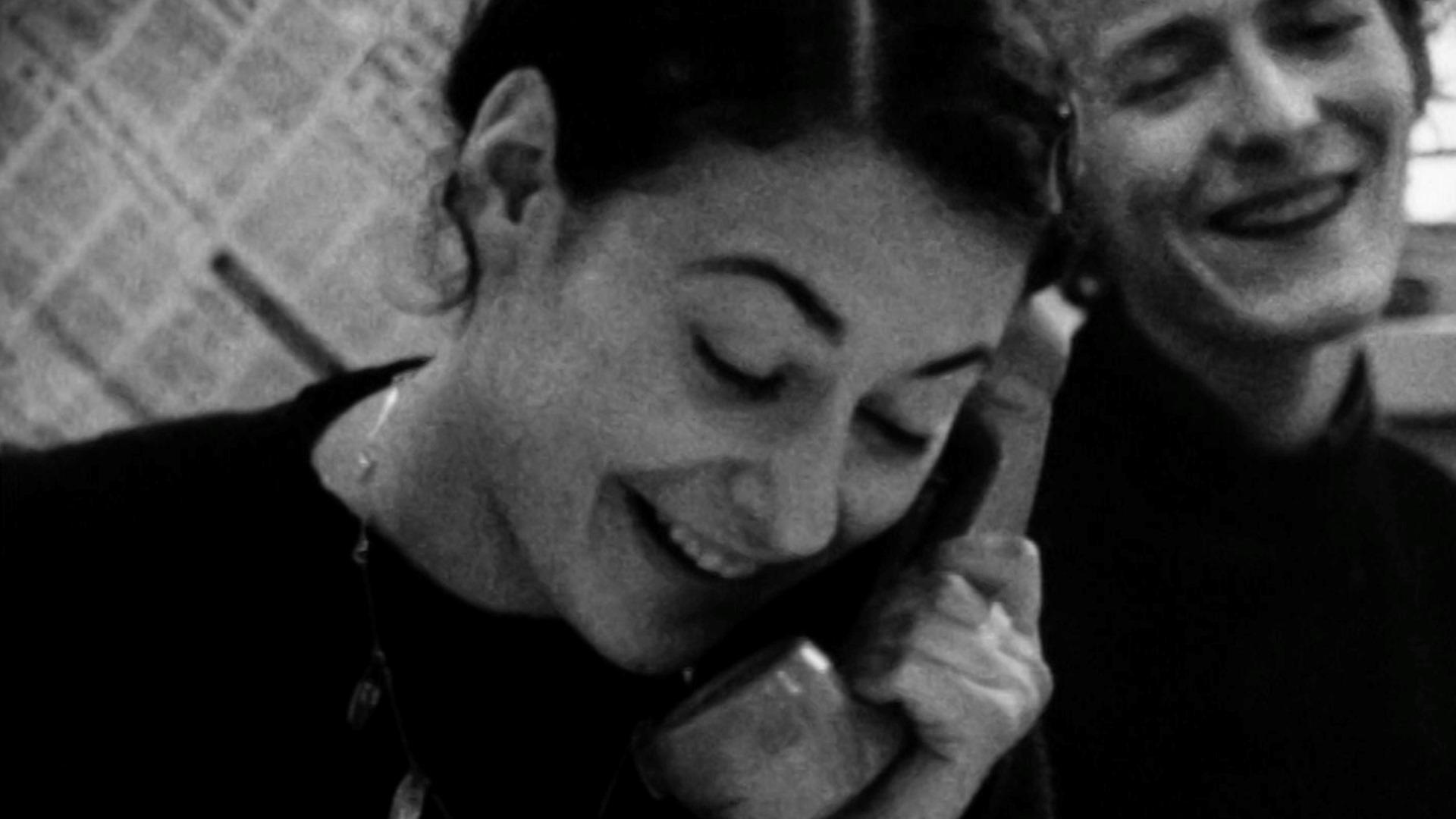 Sartre and Cohn-Bendit appear mythically here as the Marxist and the Anarchist, some sort of Aesopian fable we haven’t lived to see resolve yet into a moral. It pops up every time we are asked to give a 10-point plan, for it to be subsumed, in time or almost immediately, into the mechanics of governance or aesthetic despair.
In many ways, May ’68 from Nanterre outwards was an aesthetic endeavor as much as a political one, as Salles well knows, its slogans “owing as much to the Surrealists as Marx.” Beauty is in the streets, sure; but also “Workers of the world, have fun.”
In The Intense Now is on the lookout for beauty, but fun is almost entirely elusive here. Salles’ found cinema often shows faces illuminated with desire, as ablaze as any burning barricade, but the joy vanishes as quickly as it emerges. The idea that it could be reclaimed, that there might be embers beneath the rubble, is outside the film’s many frames. It’s not just memory but an in memorium.
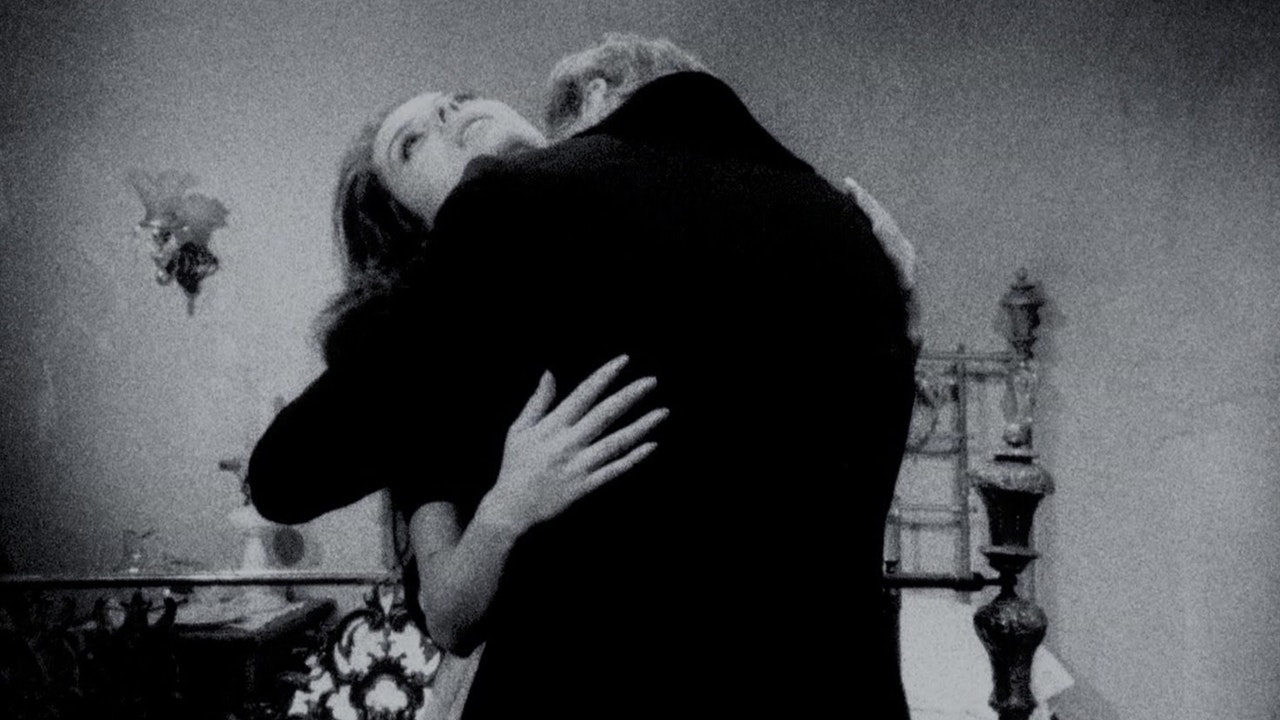
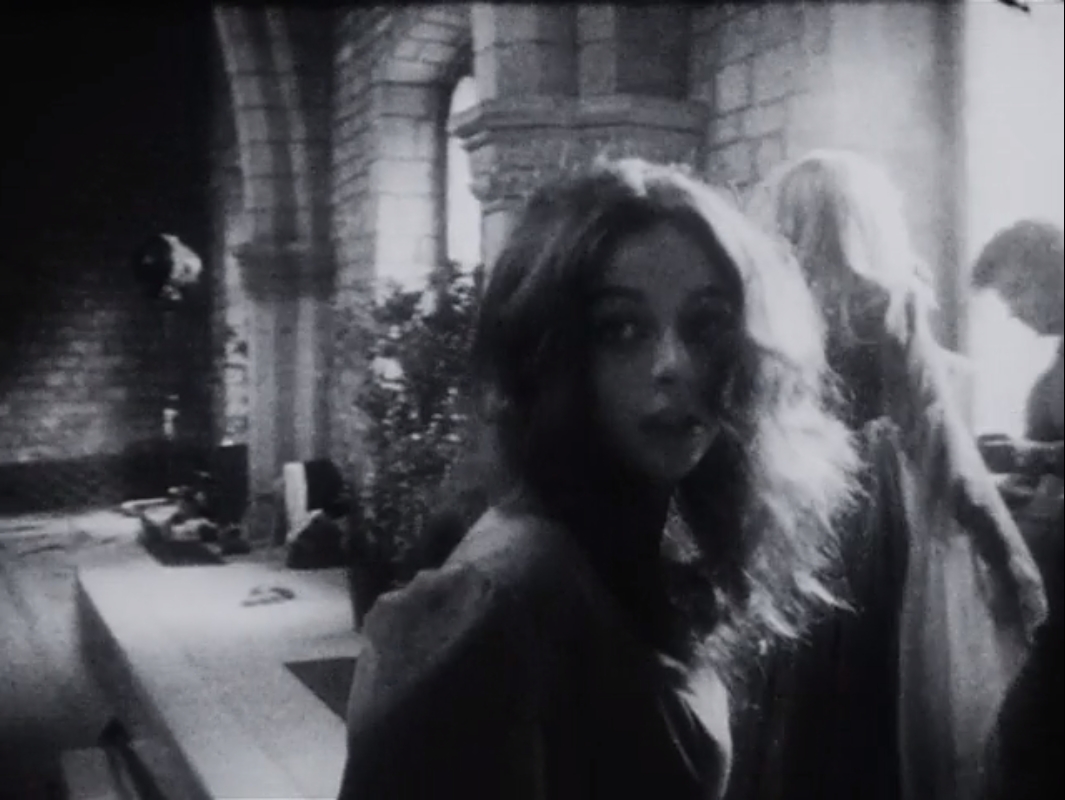 Cuadecuc is made up of footage shot on the set of
 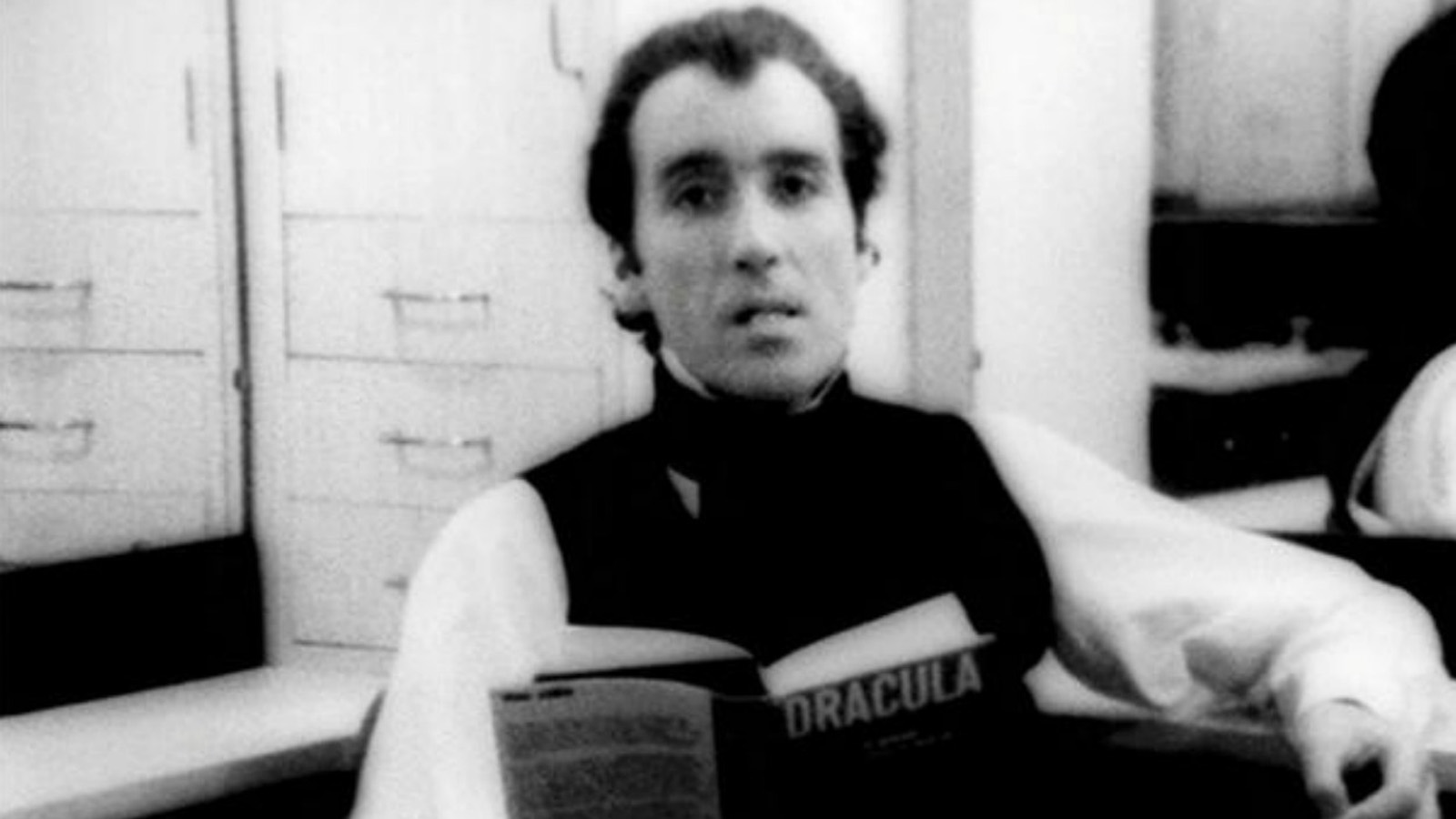 The editing and camerawork, too, play too much into the story to allow the real and fictional worlds to settle into layers. Portabella uses a cut to turn Lee into a bat, matching Franco’s original cut, and the zooming handheld camera — Portabella regularly repeats that most characteristic of classic horror camera moves, the slow zoom on a woman’s horrified face — to invest emotional energy here and there, where it makes dramatic sense.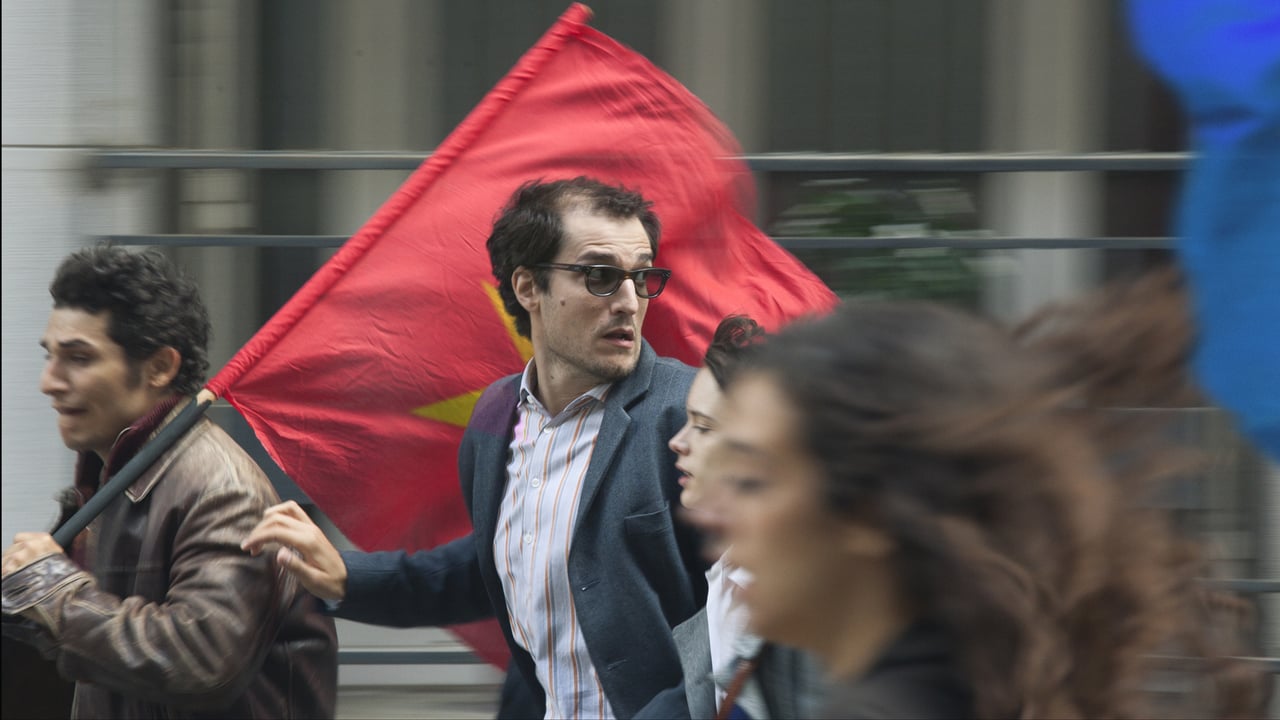
 Thinking things through is not
 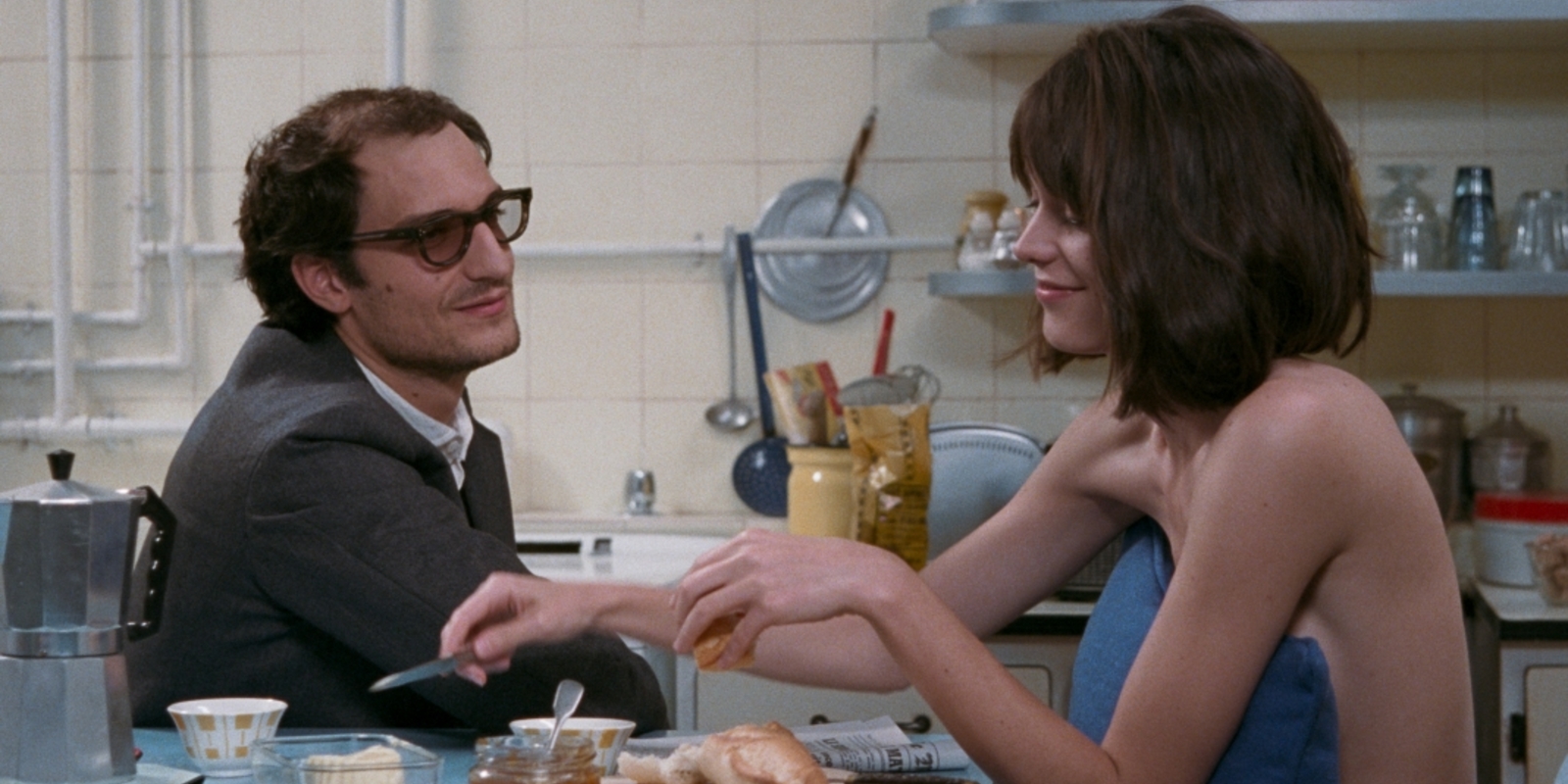 Brody is too kind. Godard Mon Amour posits that Godard (
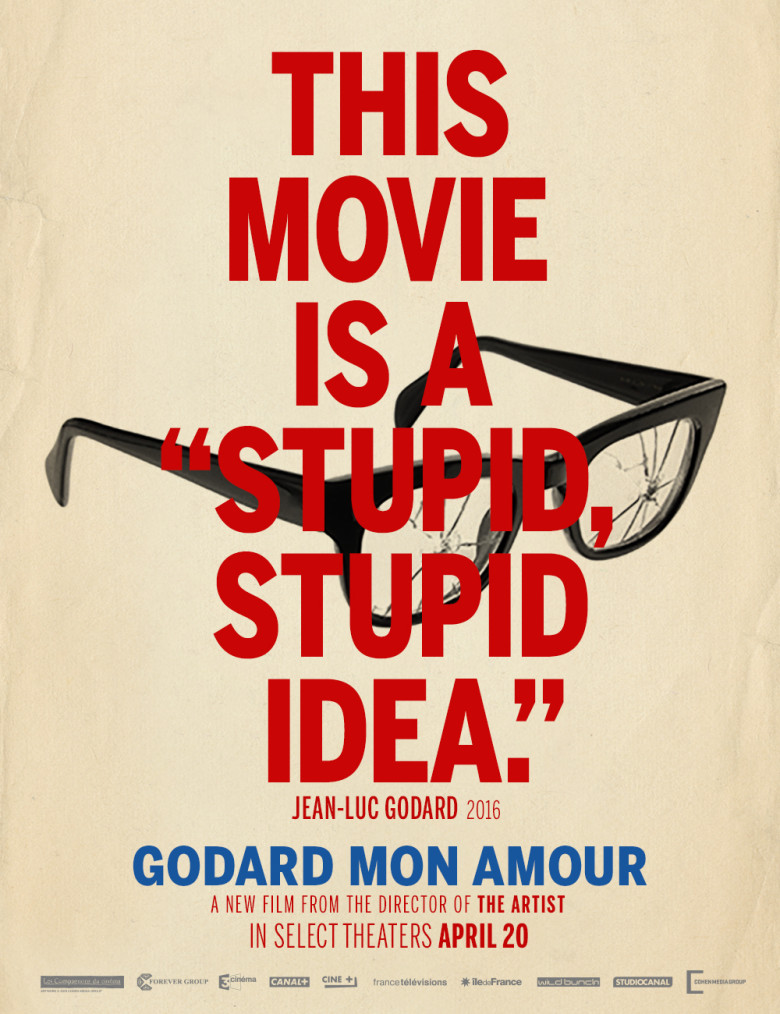
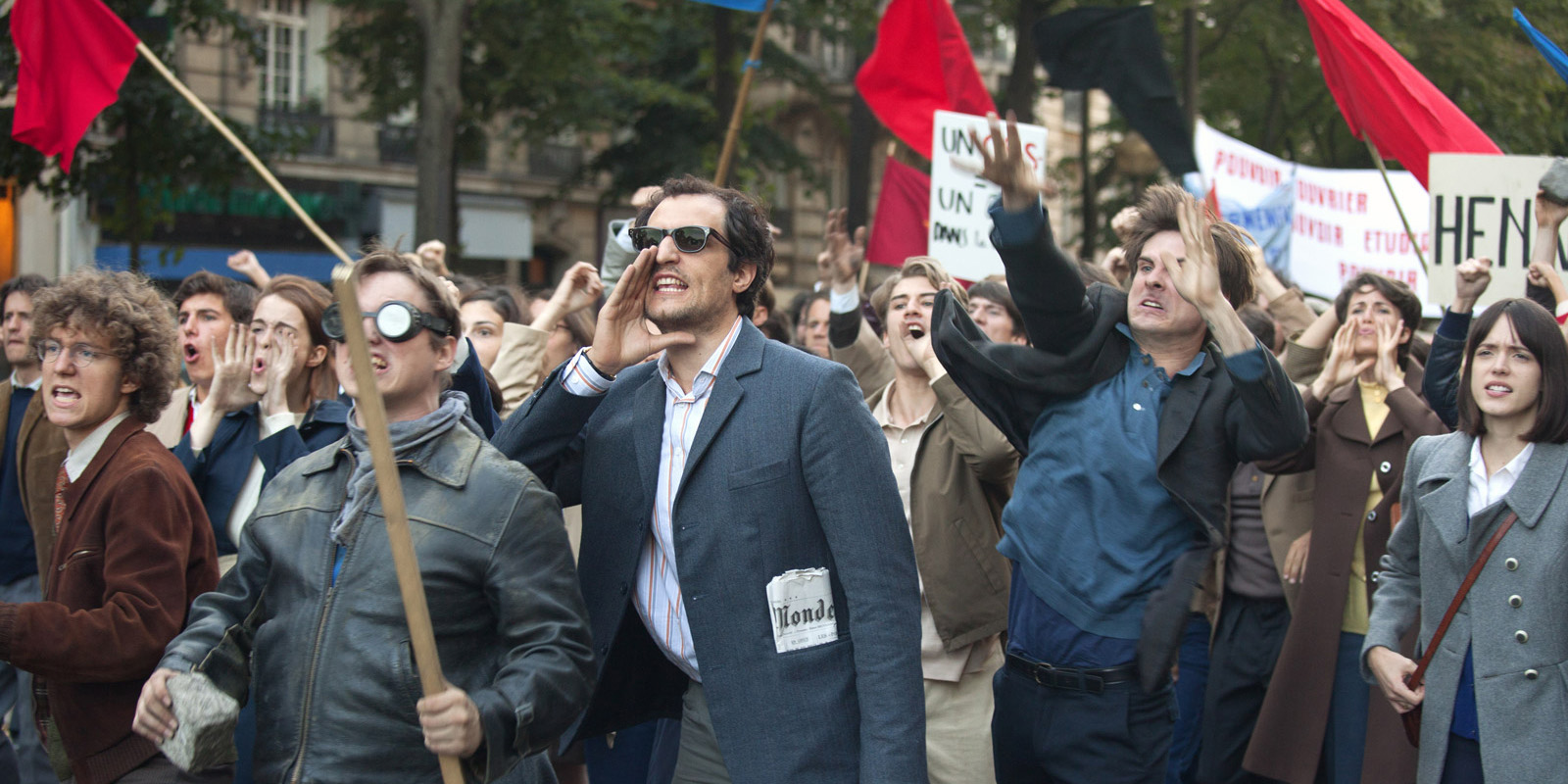 Garrel is encouraged to play Godard as the Forrest Gump of the revolution, stalking around with the mock-simian postures of a Groucho Marxist, minus the anarchist glee. A recurring slapstick motif finds Godard’s glasses repeatedly crushed, often by protestors, which does double duty in demonstrating that: a) he’s a
 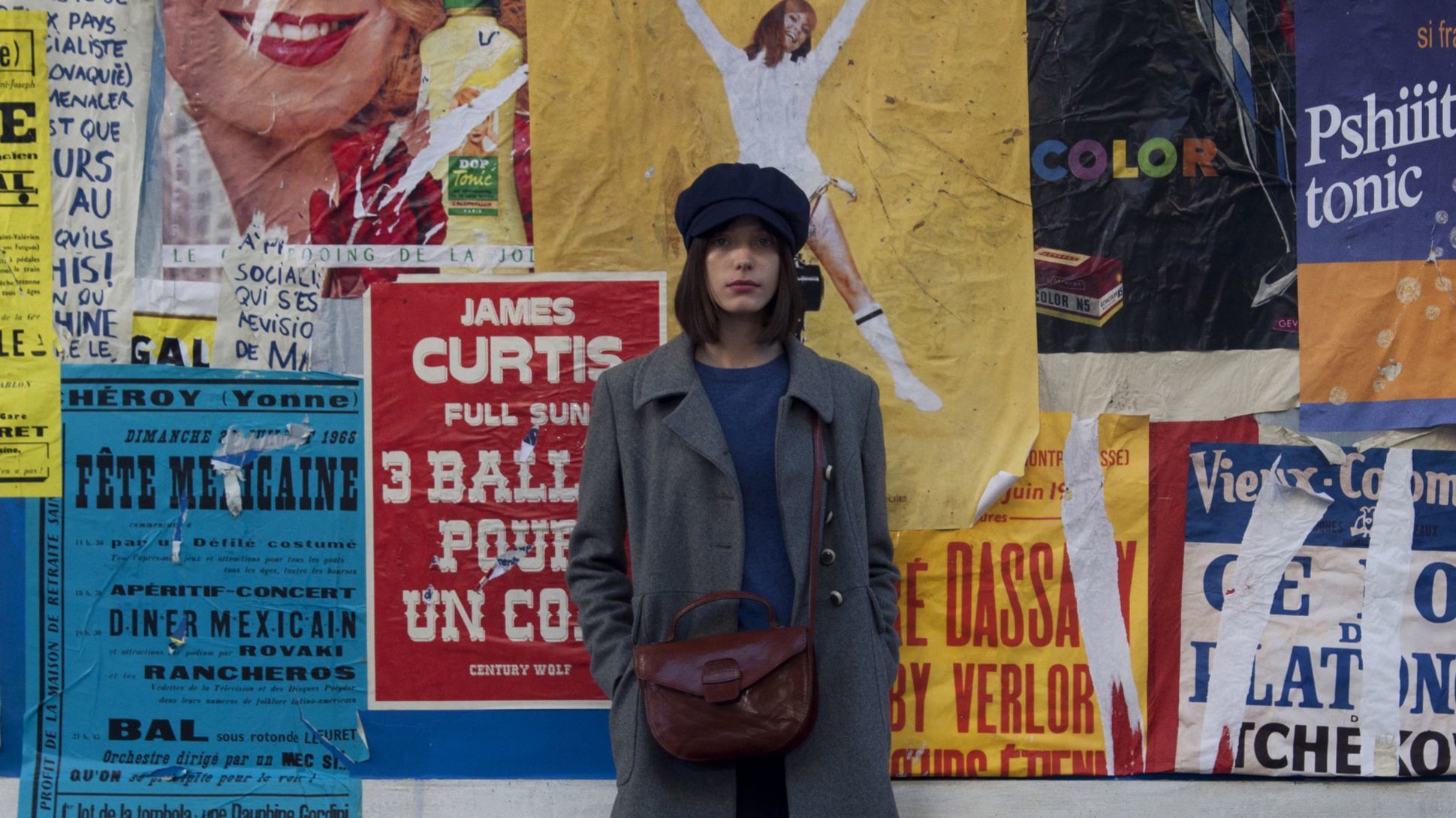 Why, then, does Godard Mon Amour exist? For who? The biopic elements, that bourgeois romance, is clumsily intertwined, a transtexual Contempt for the Cliff’s Notes set. The whole air of
 I’ve noticed
  It’s never boring because boredom is (usually) the conflict between not being interested in something, but feeling you should pay attention to it for some later payoff. But no scene in Infinity War points towards some future payoff; as a result, almost every scene is unnecessary. If you zone out for a few minutes, you’ve missed nothing; if you pay attention to every moment perfectly, you’ve gained nothing.
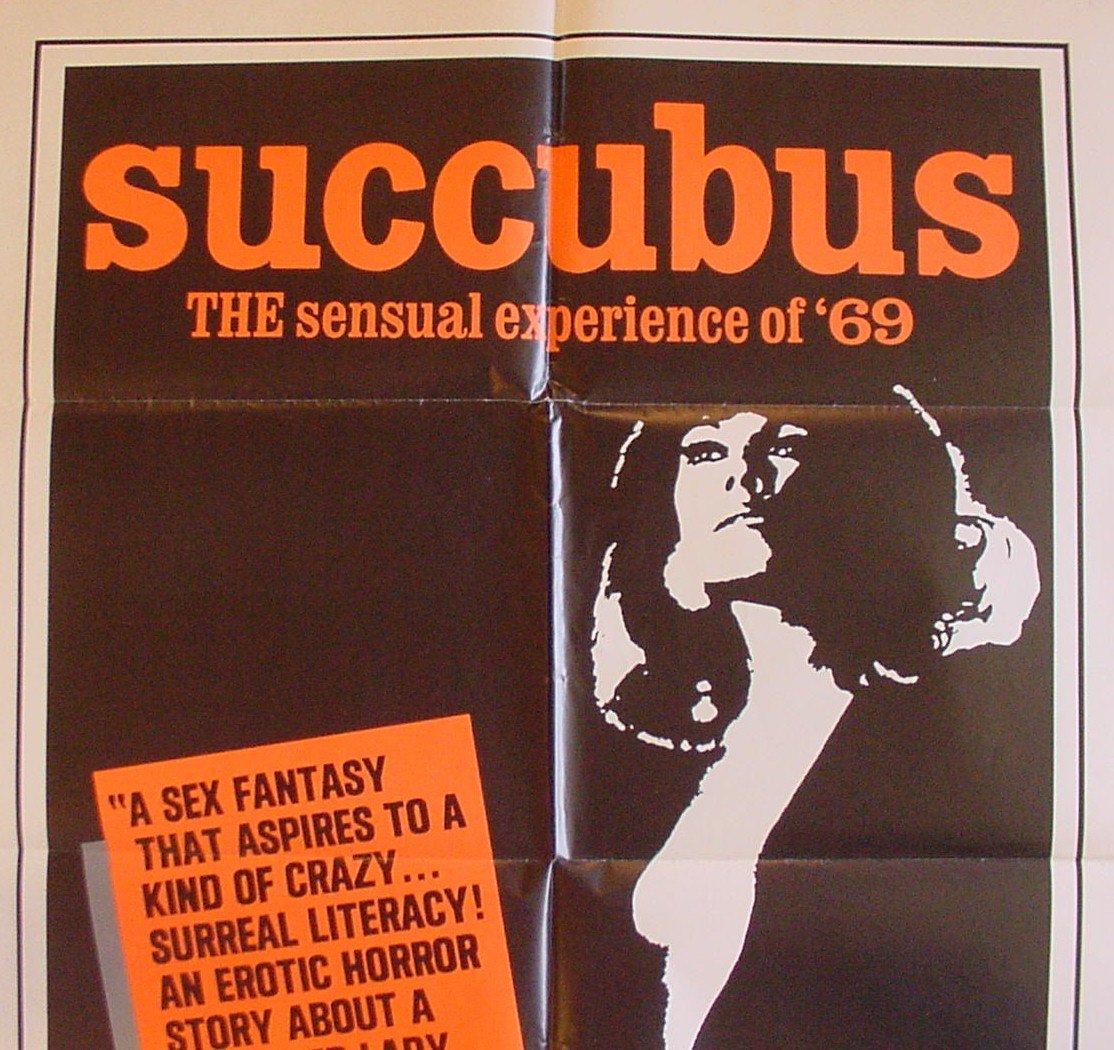 If I had seen Succubus (1968) about a decade earlier, my 16-year-old self would probably have just given up and mentally categorized it as a horror movie. The movie does open up with one of those BDSM-themed theater acts that are omnipresent in 60s European movies, and there are a few murders sprinkled throughout, as our heroine Lorna Greene (
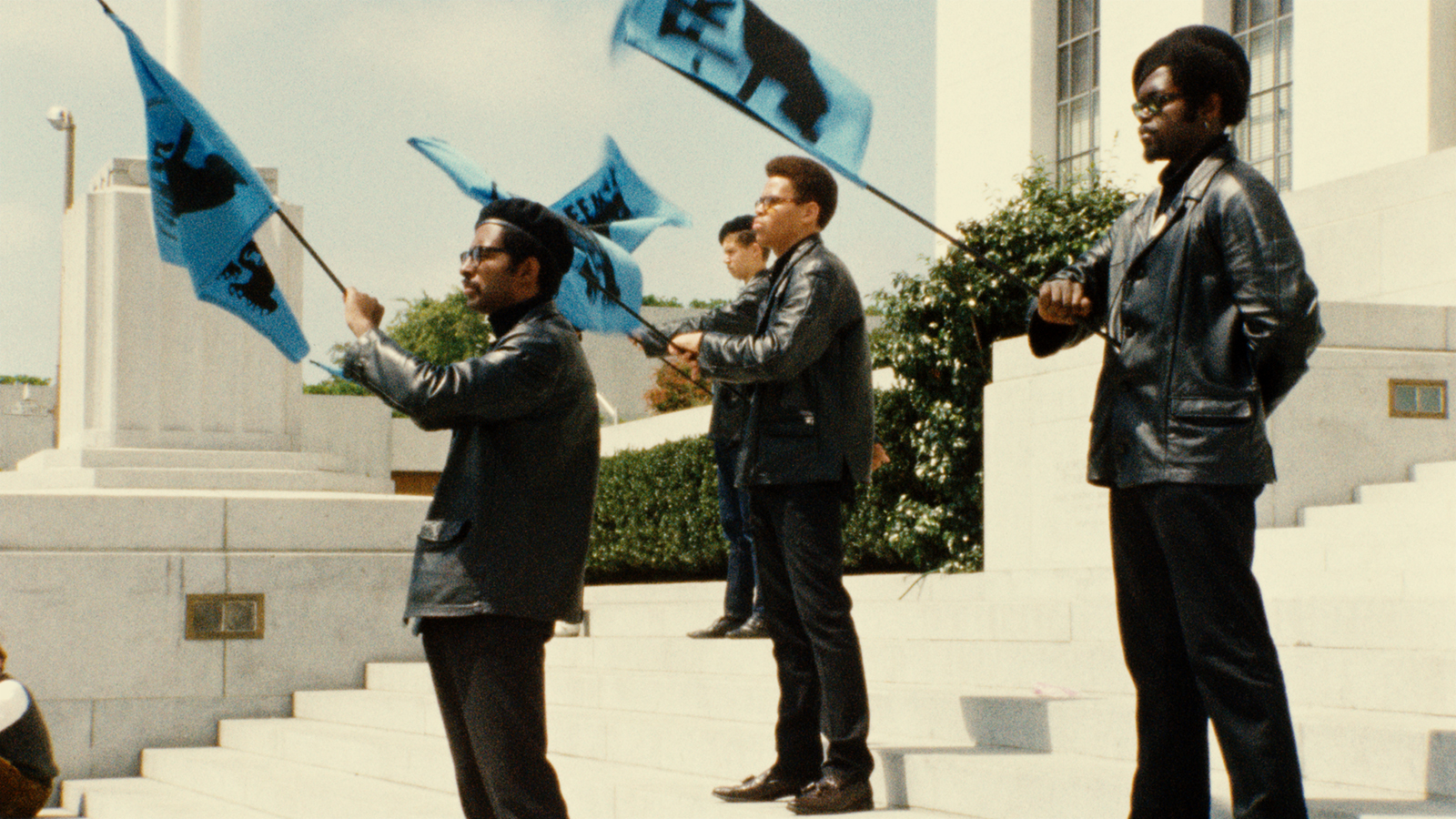 You can find it in the talking head/archival model abutting the discursive essay film (
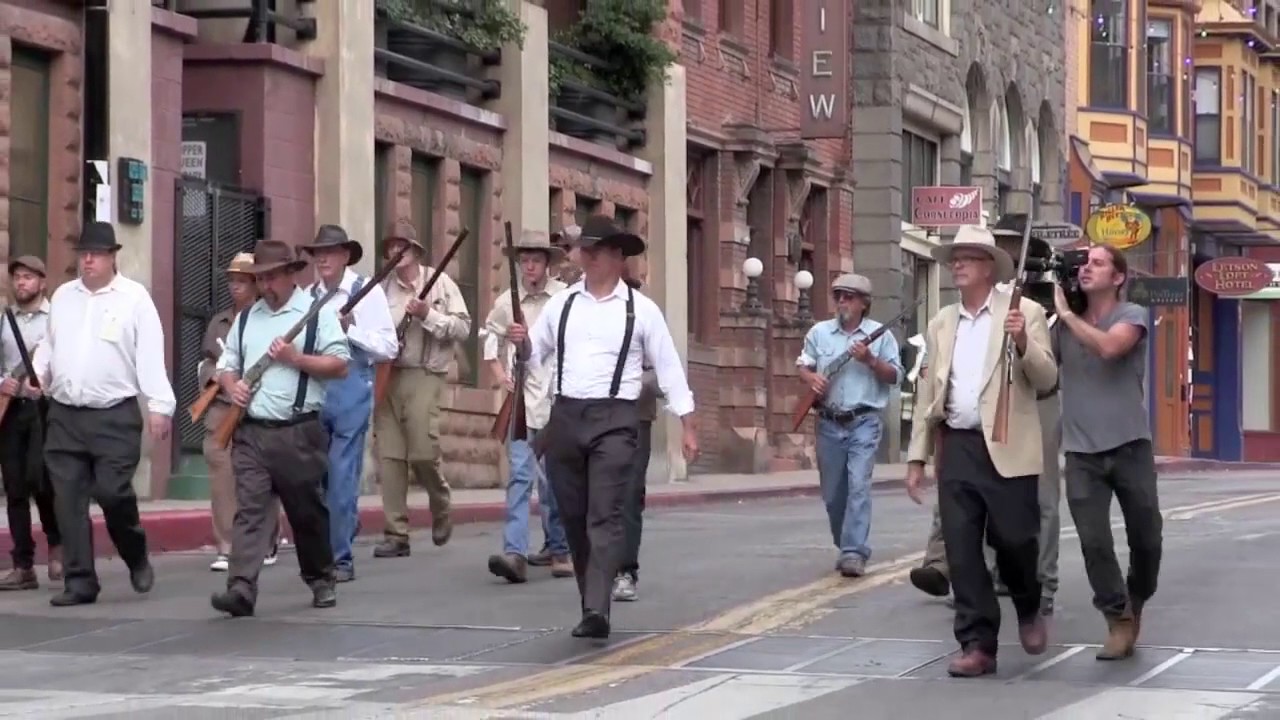 Like much of Greene’s work (
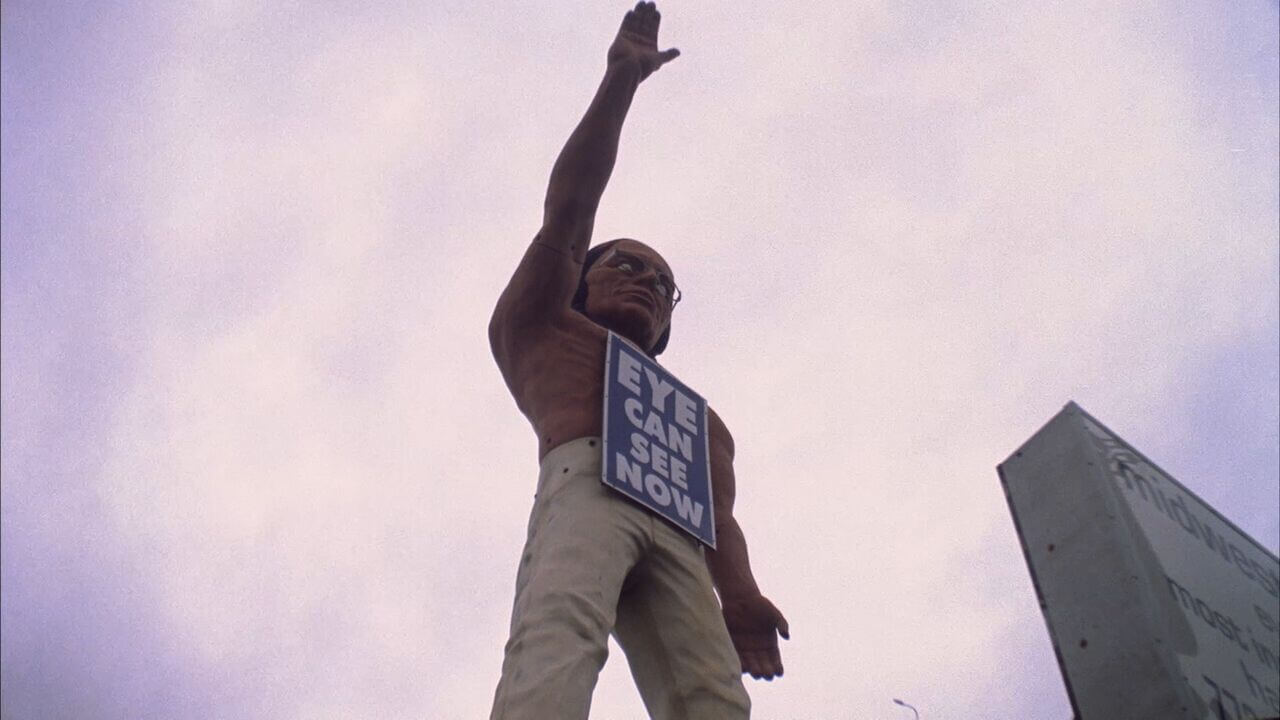 By contrast, Purge This Land is almost entirely still, oblique enough to invite charges of inscrutability. As the title quote indicates, this is a meditation on
 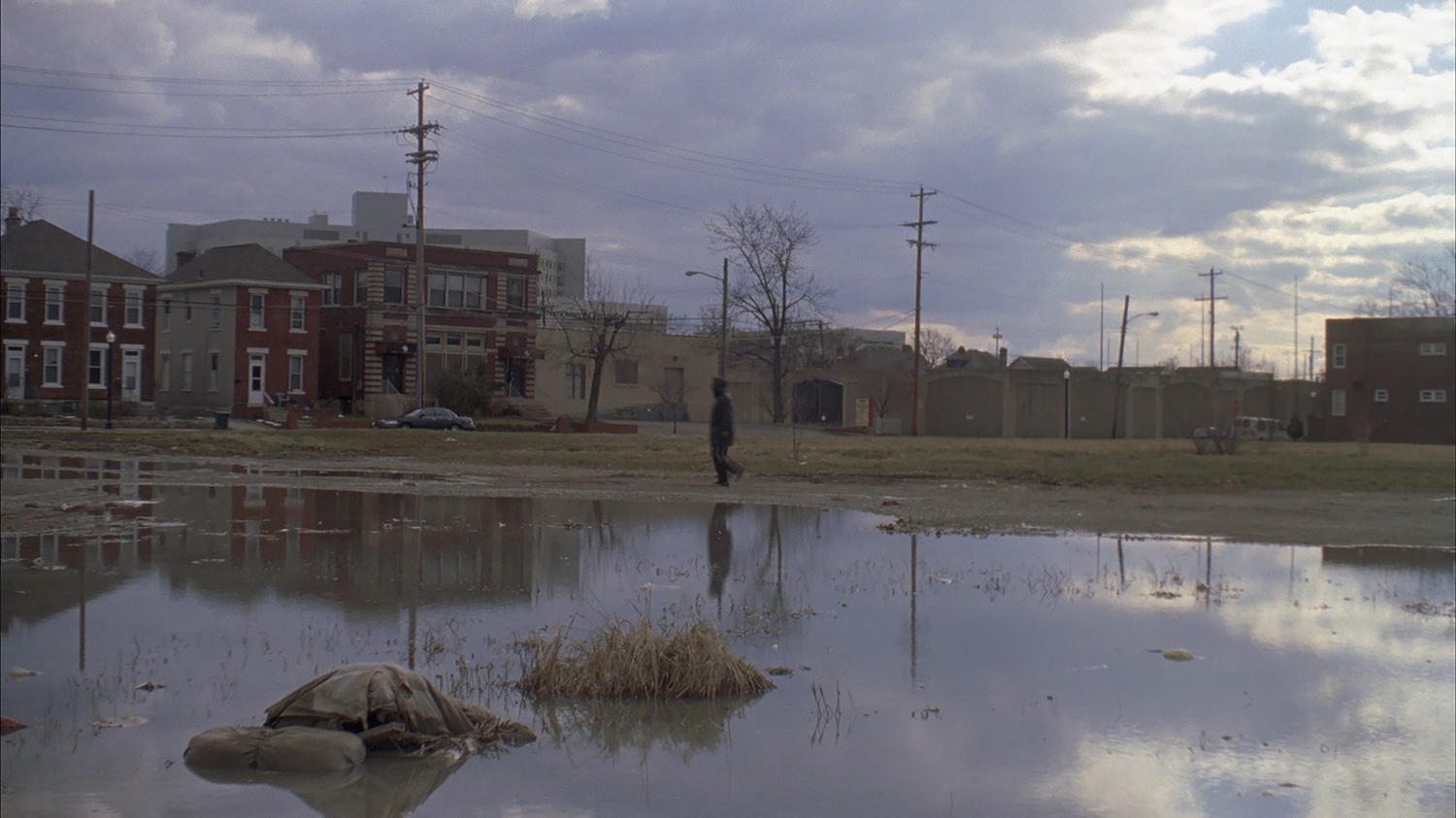 Meanwhile, we look at the land, the places Brown lived and traveled, the house where he spent a final night with Frederick Douglas, who declined to accompany him on his doomed mission. Schmitt’s film doesn’t editorialize, but the authorial presence is there all the same. We are left wondering how a stubborn gaze, a refusal to zoom or pan, even could editorialize, but we feel it. What are these objects, these landscapes? What do they reveal or hide? What do they “mean”? Why are we being asked to look, and look, and look closer? There’s something unsettled. We become unsettled.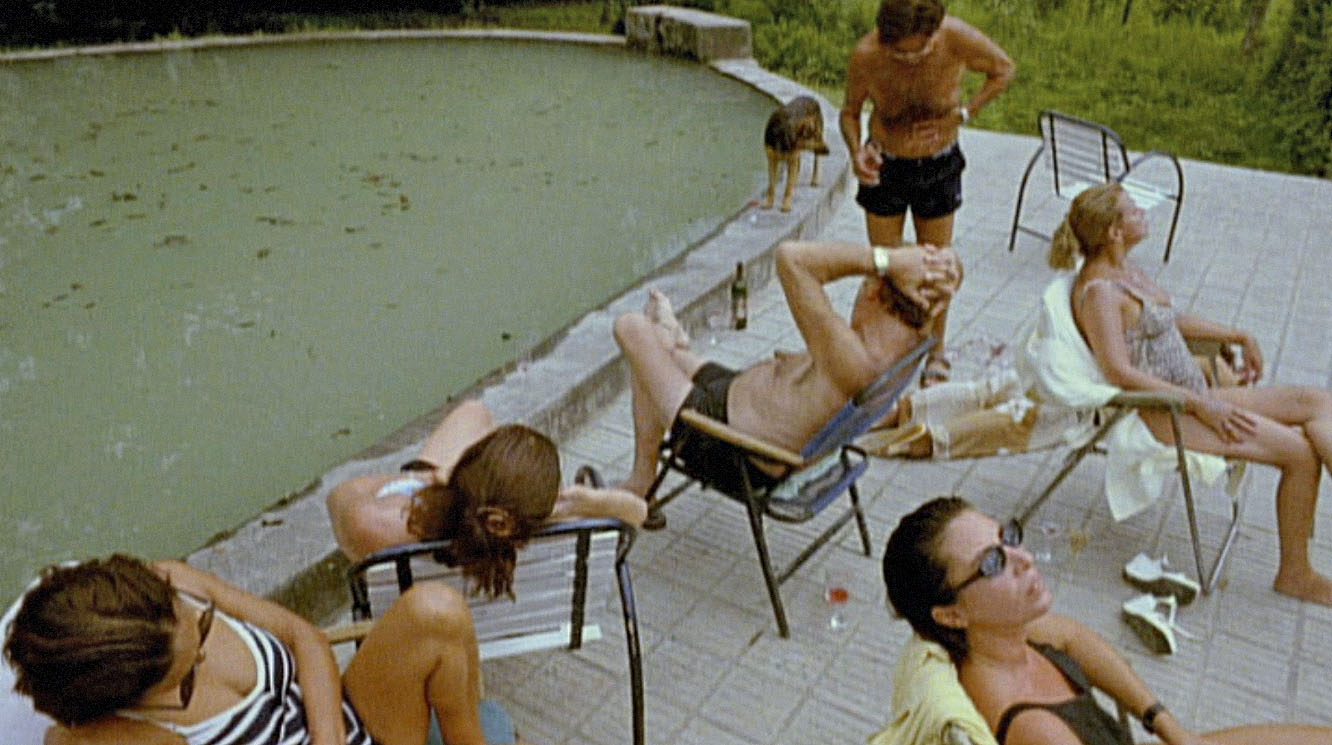
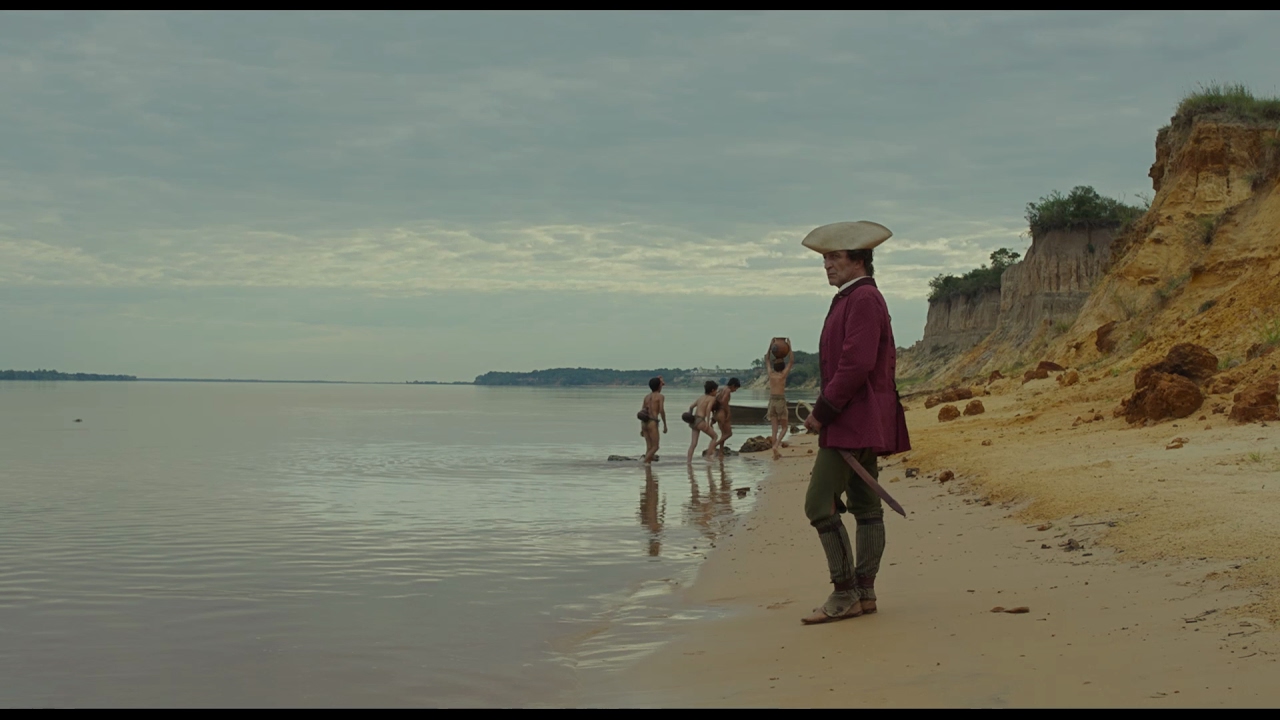 The occasion is technically the release of
 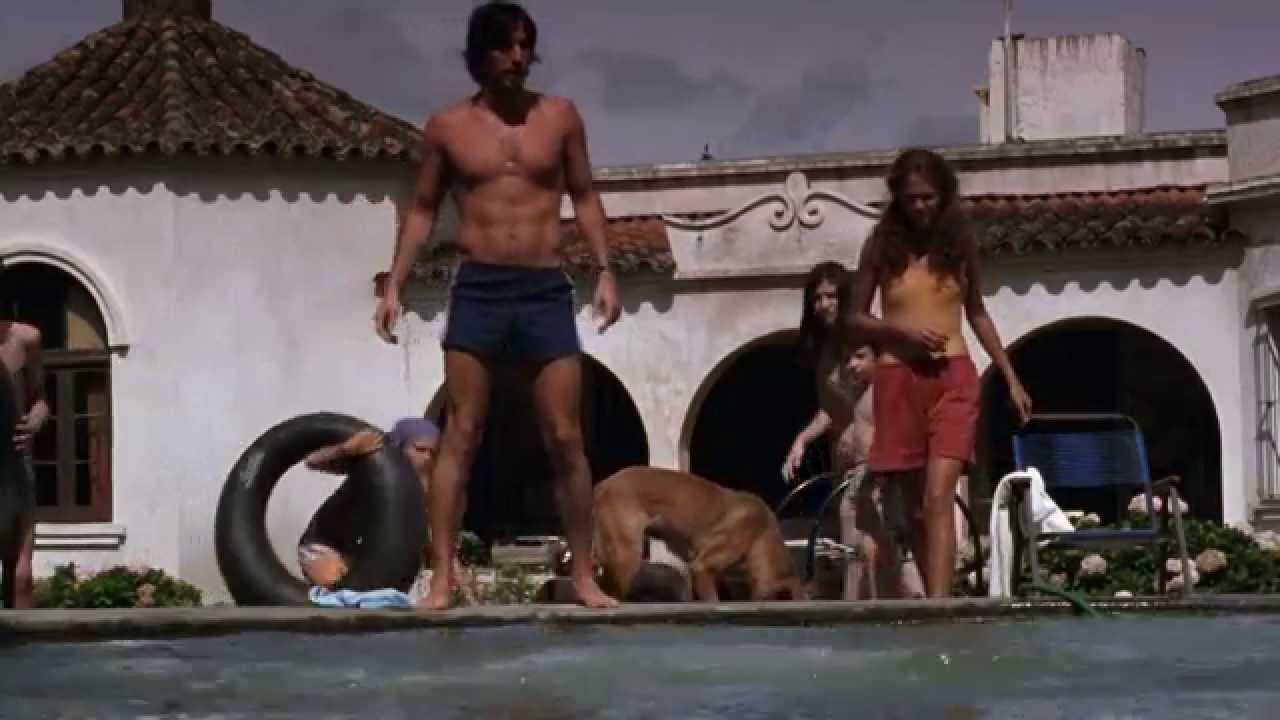 La Ciénaga has a number of options amid its sprawling bourgeois tapestry of a cast, but there’s little doubt that the men mostly haunt the periphery, phantoms of dissolute or dubious influence, their taciturn bodies frequently subject to a female gaze in the sweltering heat, with the erotically frantic teenagers,
 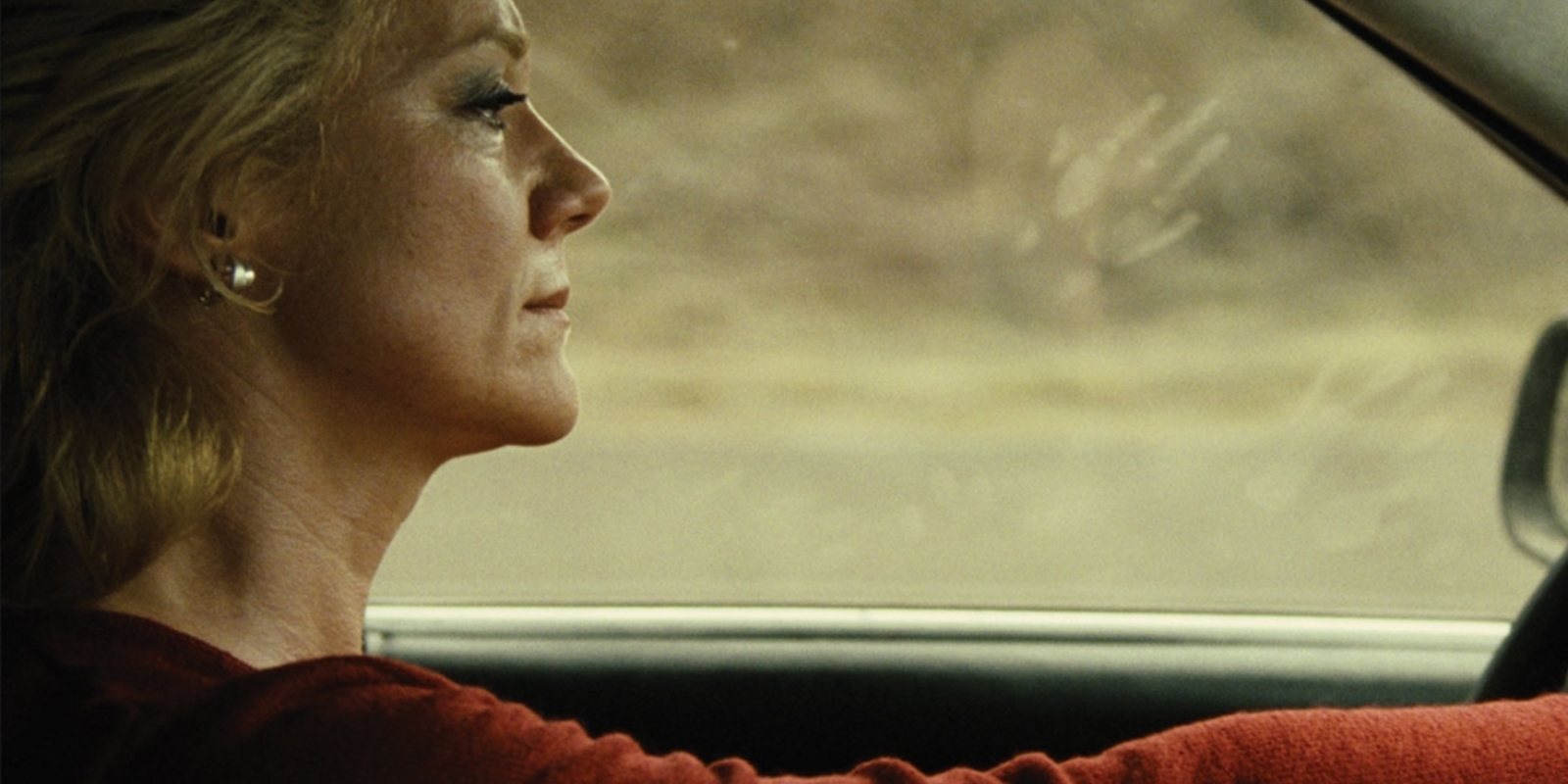 The Headless Woman (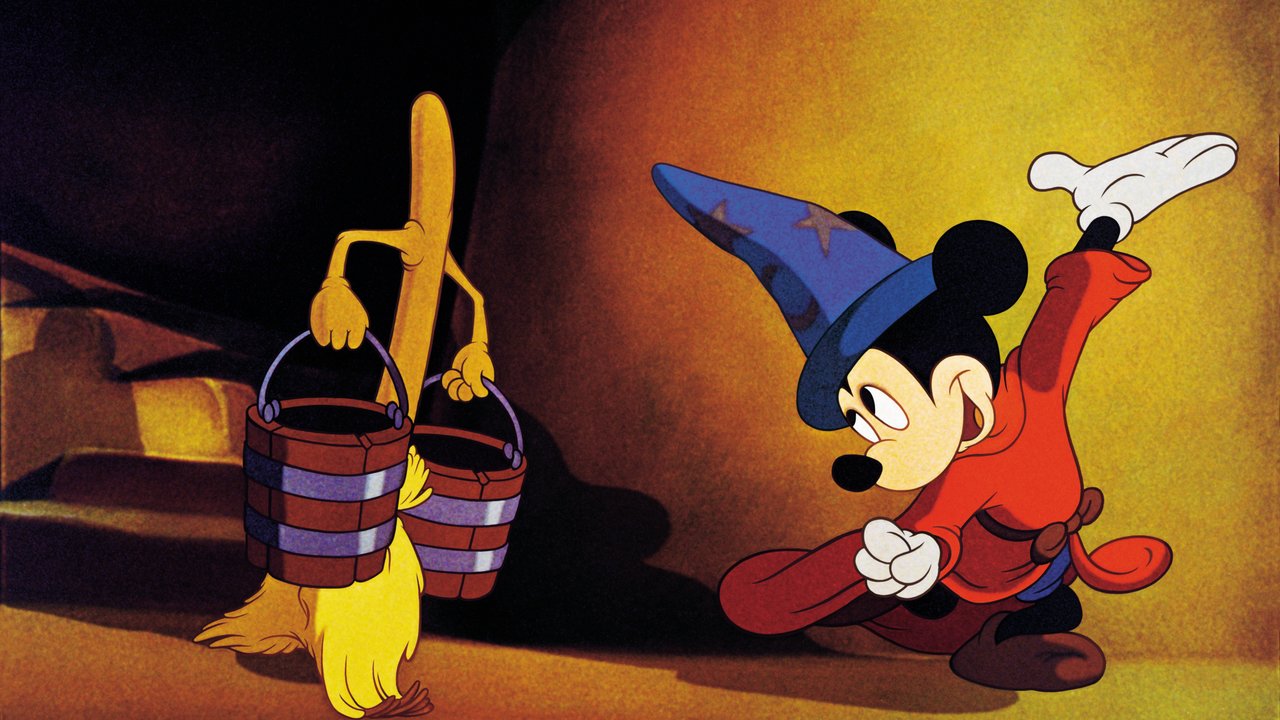
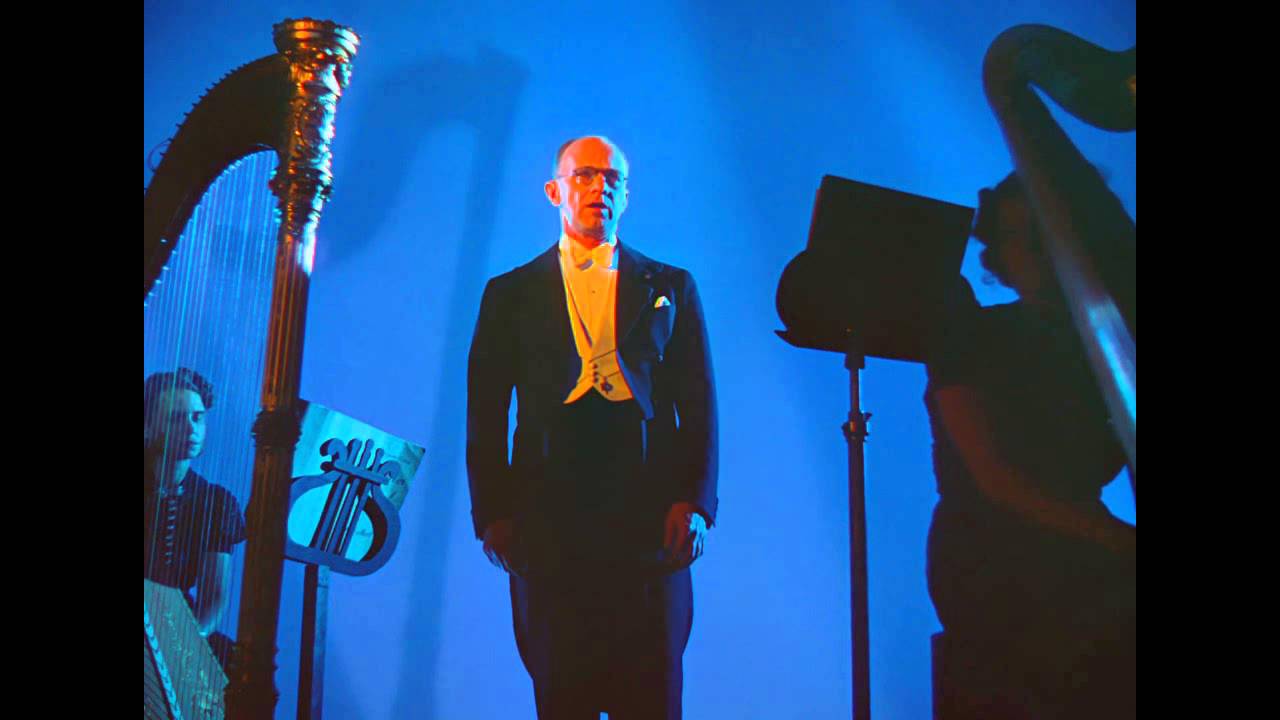 Re-watching Fantasia for the first time since childhood, I thought a lot about Bohannan’s piece. Deems Taylor, the narrator, presents Fantasia to the viewer as educational in his opening comments, but is the point here merely to “educate”? After all, to educate is to pass on a body of knowledge, something that could be done much more effectively by a series of lectures and full performances than by animated short films.
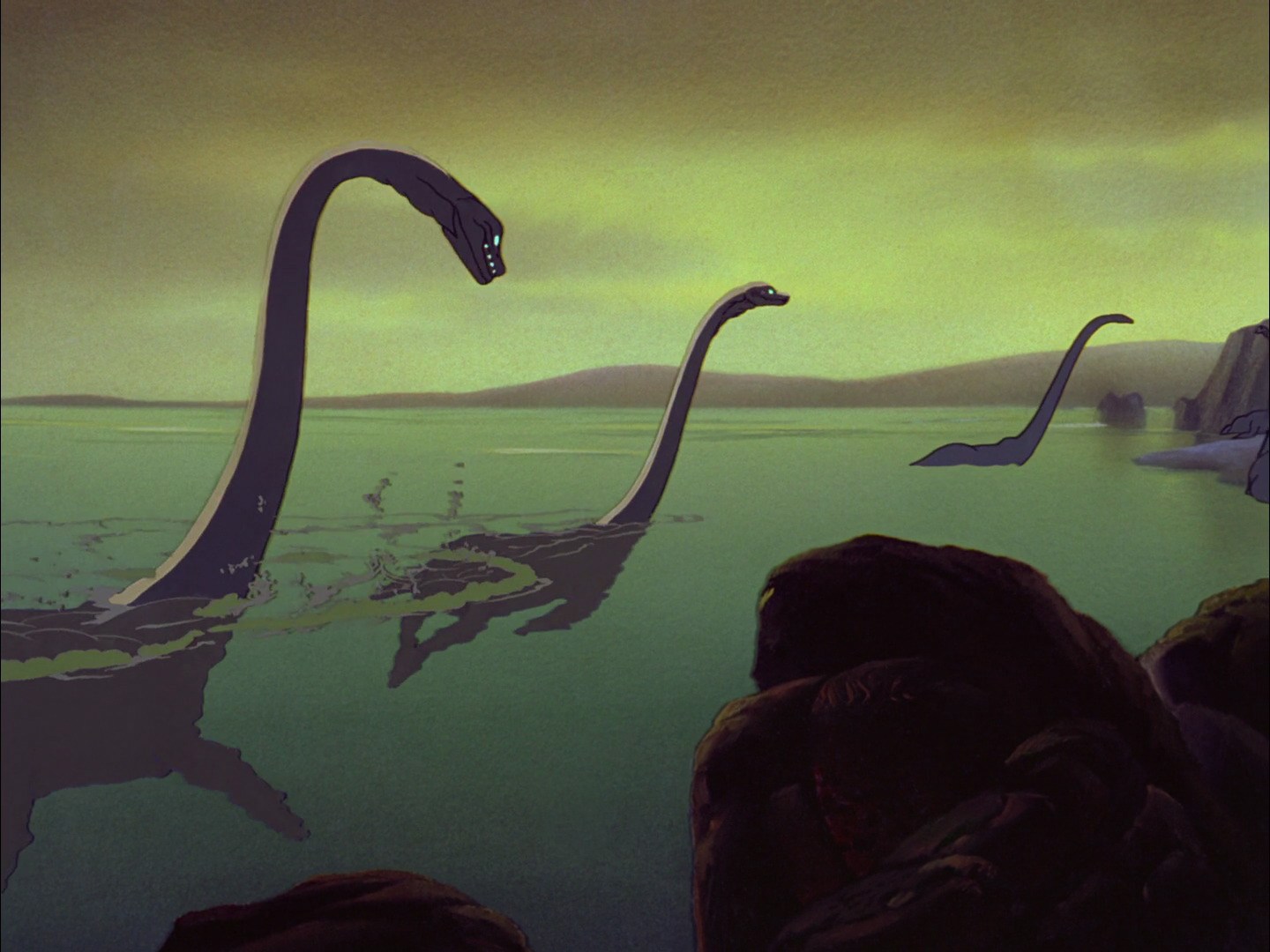 But entertainment is diachronic: the order of things does matter. It does matter whether we learn about modernism after Romanticism, or the other way around. As such Fantasia is stuck between two positions. We cultured elites must entertain the average moviegoer to get them to learn about classical music — we must introduce it to them on a reduced, primal level.
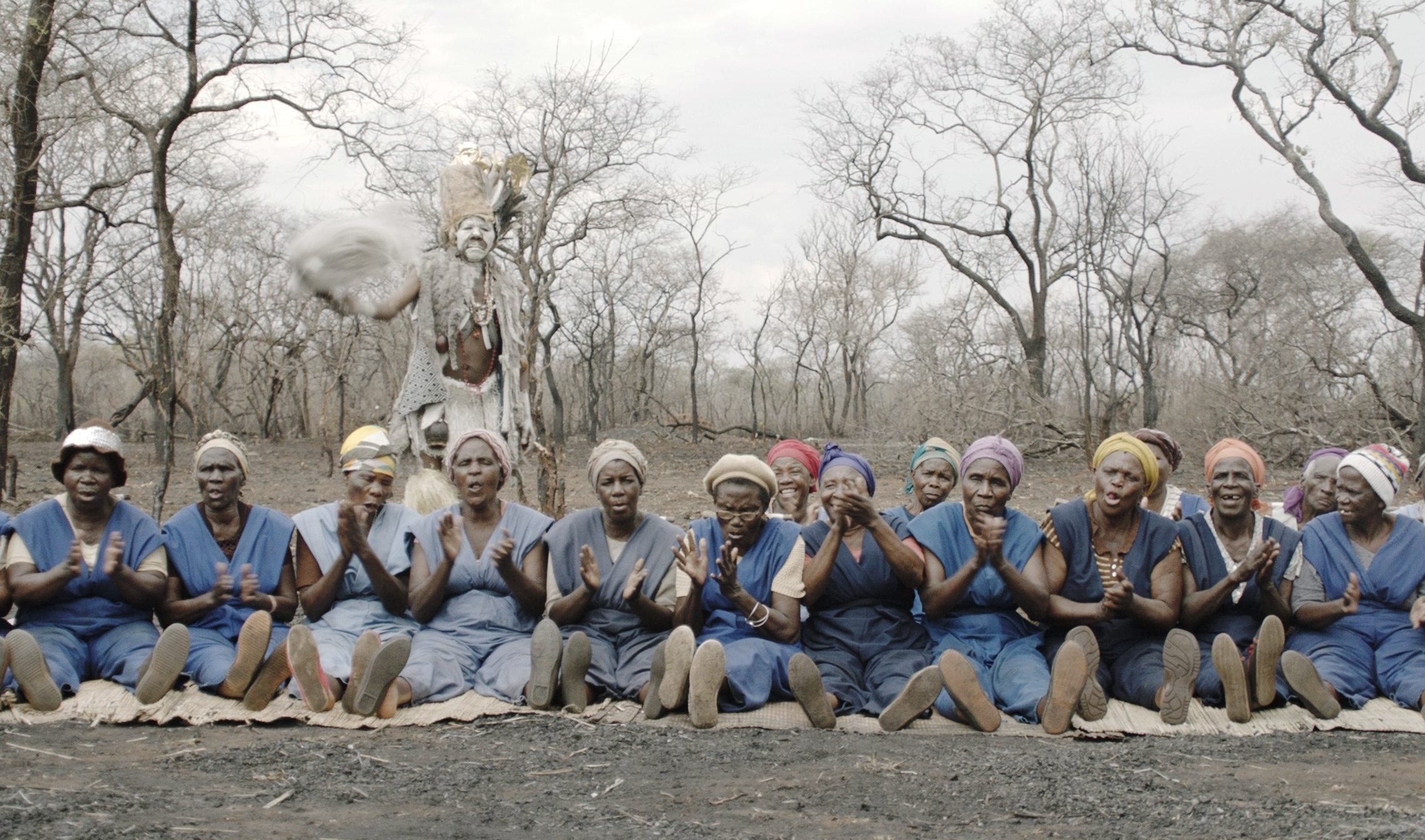 I Am Not A Witch is full of these images, hauntingly captured by
  Shula’s adventures can take her from a government-mandated outdoor school in a forest clearing to the set of a Zambian talk show, coming on after a hip-hop artist to sit silently while her overseer tries to normalized her presence and more urbanized Africans look with something like horror at her exploitation. All of the witches are attached to ribbons, which can be retracted by enormous, surreal spools when they are needed elsewhere.
 Nyoni’s magic realist satire inverts this: witches are born rather than exterminated in Shula’s Zambia of the mind, though their bodies are still rendered work-machines for late capitalism. An early comic scene in I Am Not A Witch finds a villager recounting his evidence for Shula’s sorcery in detail to the local policewoman — the girl appeared out of nowhere and lopped his arm off! — before abashedly adding that this happened in a dream. Still, the information is sent up the chain, from village rumor to police report to corrupt government official Mr. Banda (
 The focus is less the beatings suffered and deadly dangers faced by the children — mostly recounted in heartbreaking asides, all the more painful because of the youthful innocence and shrugs hiding unimaginable hurt — then the friendships that sustain them in horrific circumstances. Poetic and lavish images of sunsets on the water alternate with memories of brutality and with the story of 17-year-old Peter, awaiting the removal from bondage of his missing friend. We also trail Kwame, verite-style, on rescue missions by boat across the vast expanse.
 But there’s a structural limit to the film’s perspective. For one thing, it would’ve helped The Rescue List, and our understanding of the situation, to spend more time with the parents. We get a bare sense of why they would do it — poverty — but never get to delve deep into psychological or social ramifications in home villages (with small exception at end). We are talking about selling your own children here; the film’s otherwise admirable matter-of-factness obscures the gravity of this act. Fedele and Fink also opt to steer clear of any real examination of the government’s role, or the mining companies that created the conditions for slavery to flourish, or the colonialism that created the condition for the mining companies. We are routinely submerged, in media res, and experience first-hand what it’s like to confront these injustices, but we never get a full grasp on how or why they came to be.