
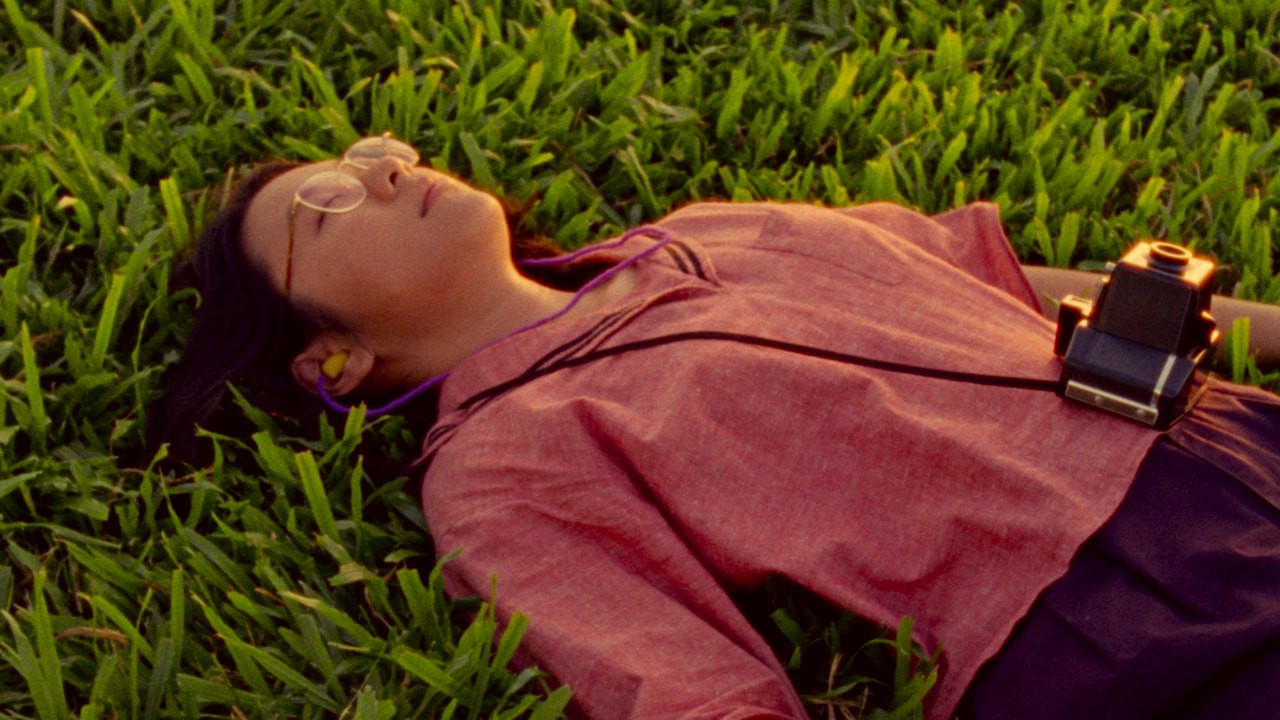
We are familiar with the “making-of” documentary, but Sandi Tan‘s Shirkers turns it inside out. This is a “losing-of” documentary — a relentlessly charming love letter to indie cinema and its irrepressible DIY spirit, but also a confounding psychological mystery that asks, “How do you represent a film that exists almost entirely in memory?”
The film in question was meant to be titled, like its decades-later doppelganger, Shirkers. A metaphysical ghost story / revenge narrative / road movie written by and starring Tan, and filmed in an early 90s Singapore that wasn’t exactly a haven of filmmaking, independent or otherwise, Shirkers was not so much “lost” as “absconded with.”
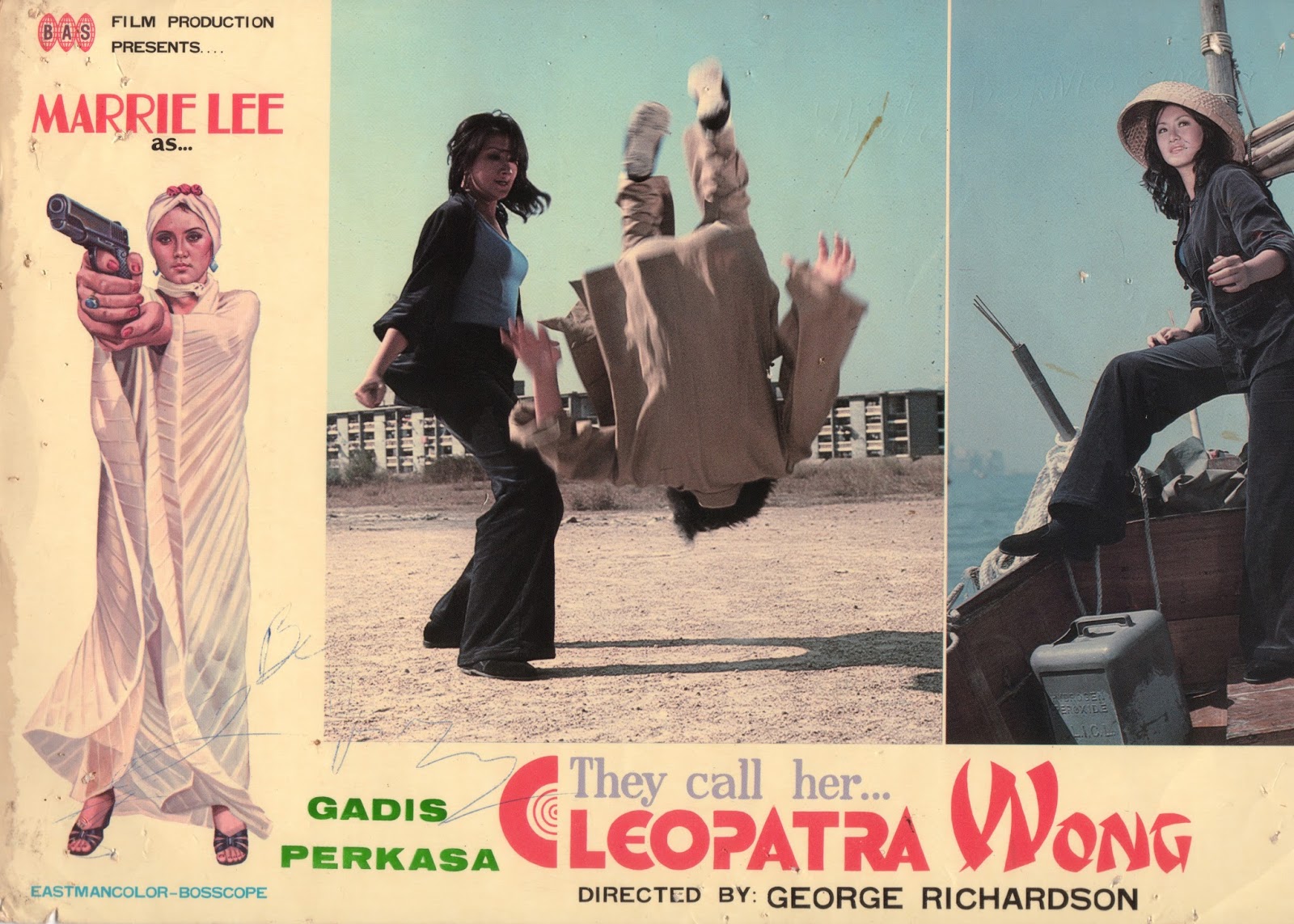 For a variety of reasons, Singapore has not historically been known for its cinema, certainly not its home-grown productions. With the notable exception of They Call Her Cleopatra Wong, a 1978 martial arts / distaff superspy flick self-consciously reworking the Blaxploitation of Cleopatra Jones for local audiences, there are very few touchstones after the industry declined post-Independence in 1965. (Wikipedia’s “List of Singapore films by year,” for example, collapses the 1920s – 1990s into a single category.) Shirkers might’ve changed that, or at least marked an early explosion of rebellious energy, had the reels not been stolen by a sinister, charismatic international man of mystery named George Cardona. Cardona — who represented himself as a filmmaking mentor and well-connected old hand, and even dubiously bragged that he’d been the model for James Spader‘s character in sex, lies, and videotape — was Shirkers‘ erstwhile director. He zealously coached a group of Jarmusch-and-Varda-loving teenagers into making their road movie passion project, and then vanished with the footage, like a total, absolute weirdo.
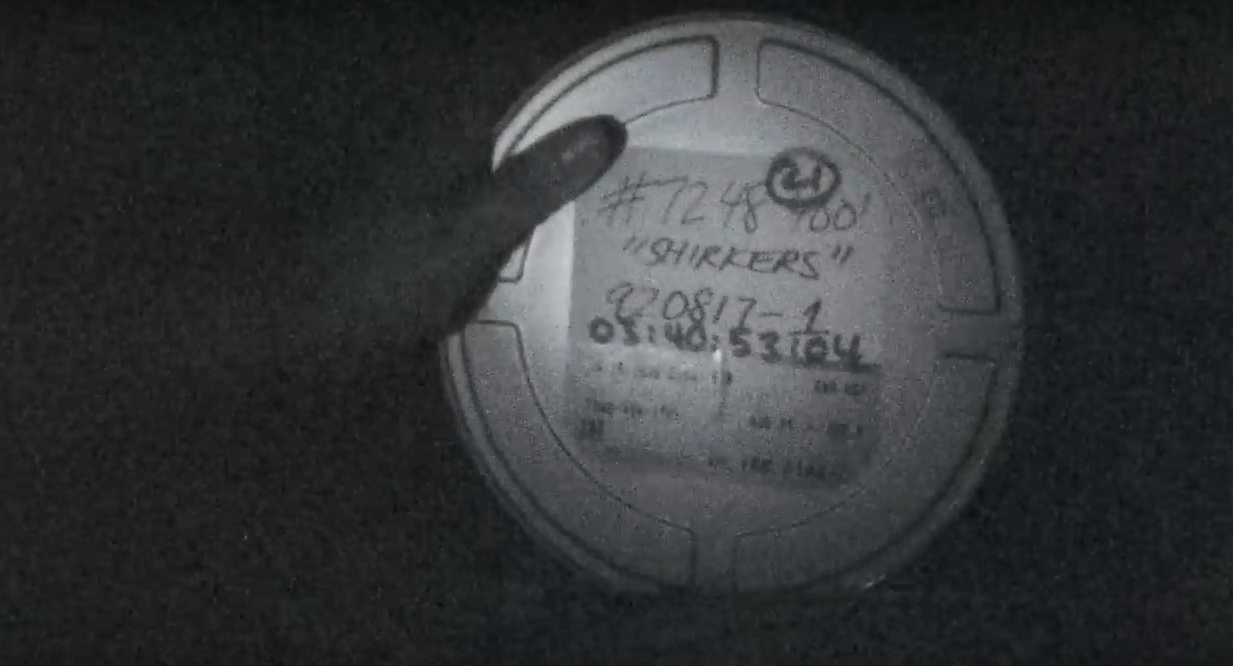 Tan’s documentary is an evocation of the time, place, and people involved in this oddball story, and also something of a necromancy. After Cardona’s death decades later, his widow gets in touch; Shirkers lives! The complete reels of film, minus the sound, had been kept and preserved over the years, transported obsessively between the houses and countries where Cardona had lived in the interim, along with an alarmingly meticulous collection of Shirkers ephemera. He’d somehow appointed himself sole curator of the world’s most bizarre personal archive, like a mythological creature hoarding other people’s memories.
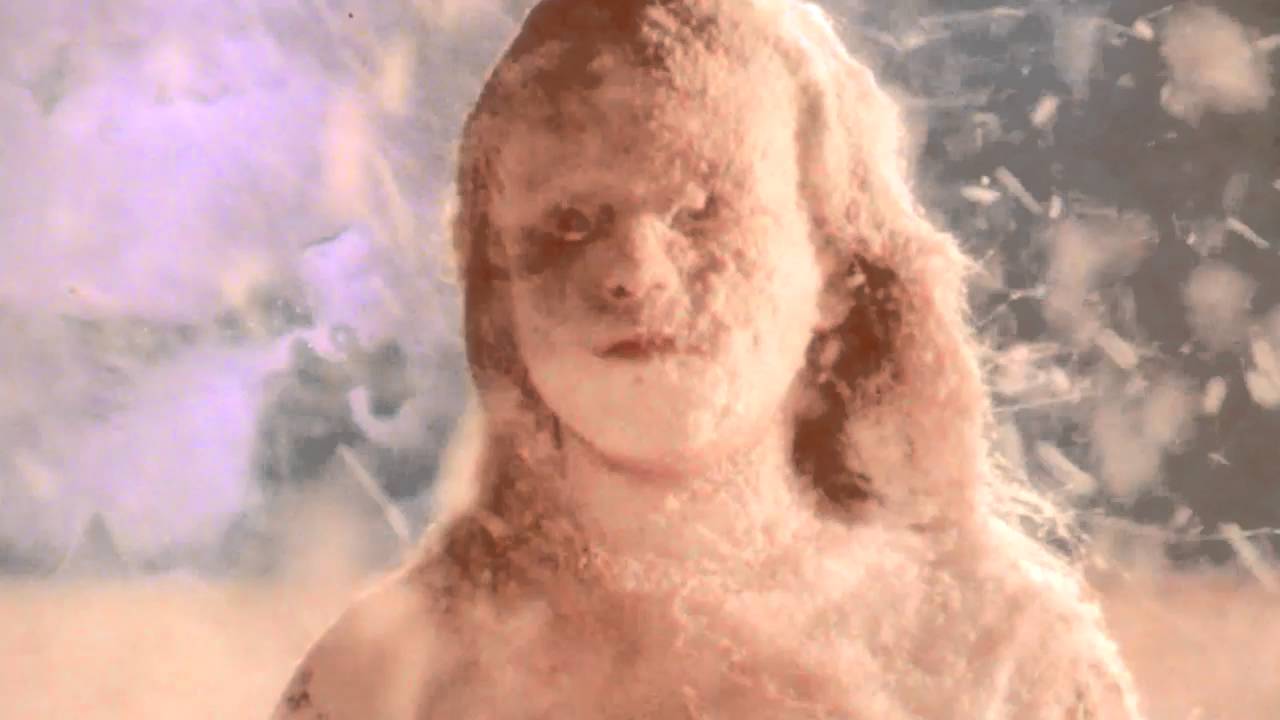
Why would he do this? Shirkers, and Tan, try on some answers for size — To sabotage success he could never obtain personally, a pattern other Cardona acquaintances recognize? To wield some kind of fetish power? Did he envision editing and releasing the film himself? — but nothing really fits. Cardona’s motivations remain as absent as the location recordings he pointedly trashed. The whole situation has a strong sense of abuse — the age and power differences; recollections of his increasingly controlling, occasionally outright suspicious behavior during production; sending, as his final gesture of post-Shirkers contact, dummy videotapes full of snow in lieu of the footage, like a serial killer without the killing or a bizarro James Spader — and Tan seems to feel that something, an innocence or trust, was indeed stolen along with her movie.
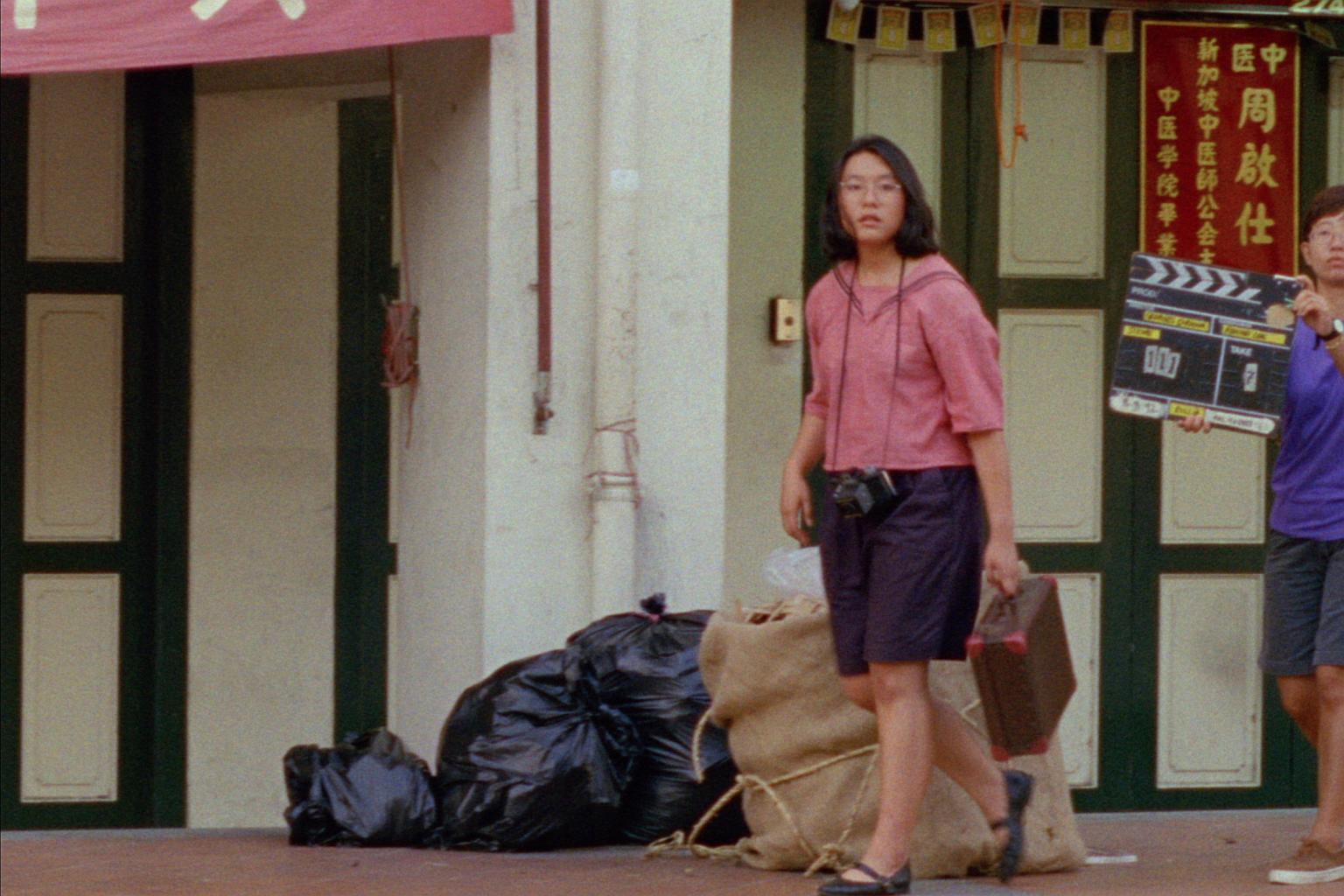 We are left with a triple absence, in the form of a movie that never was and a man it is nearly possible to situate in a country that has changed dramatically since Tan’s cameras captured its storefronts and countrysides. Shirkers, the documentary, is not simply Cardona’s story, as creepily compelling as it is. It’s also the road movie — its unspooling, indeterminate structure emphasized with experimental manipulations and complex textures in the sound design — that Tan never got to release, an excavation of memory and an occasion for reunion. Her Shirkers compatriots Jasmine Ng (with whom Tan endearingly pledged to form “the Coen Sisters” back in the day) and Sophia Siddique are on hand to give their takes, which range from lingering bewilderment to bemused grievance; the two are, respectively, a filmmaker/activist and the chair of Film Studies at Vassar. Their Shirkers is a flickering, cinematic bond between the three, made of fugitive stills.
It’s tempting to clamor for the reconstruction and “re-release” of Shirkers, the enigmatic road movie, now a silent (or, as Tan puts it, “rendered mute.”) What we see of the footage is intriguing: it could be lyrical, post-punk outsider art, wearing its color-saturated heart on an absurdist early-90s Singapore sleeve. The Tan who comes across in the documentary seems unlikely to make that film now, though. Her interrogation of Shirkers and its ghosts is more interesting anyway. It is Shirkers, and we’re lucky to have it.

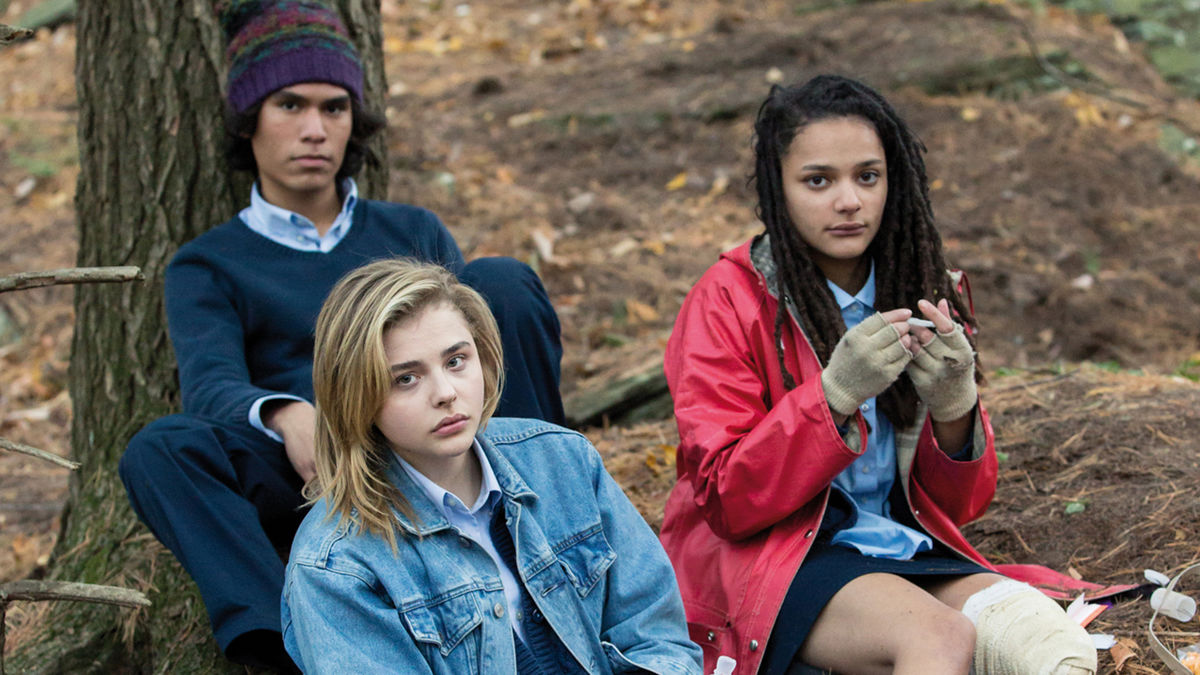 A quietly rebellious central trio forms as Cam befriends bad girl Jane (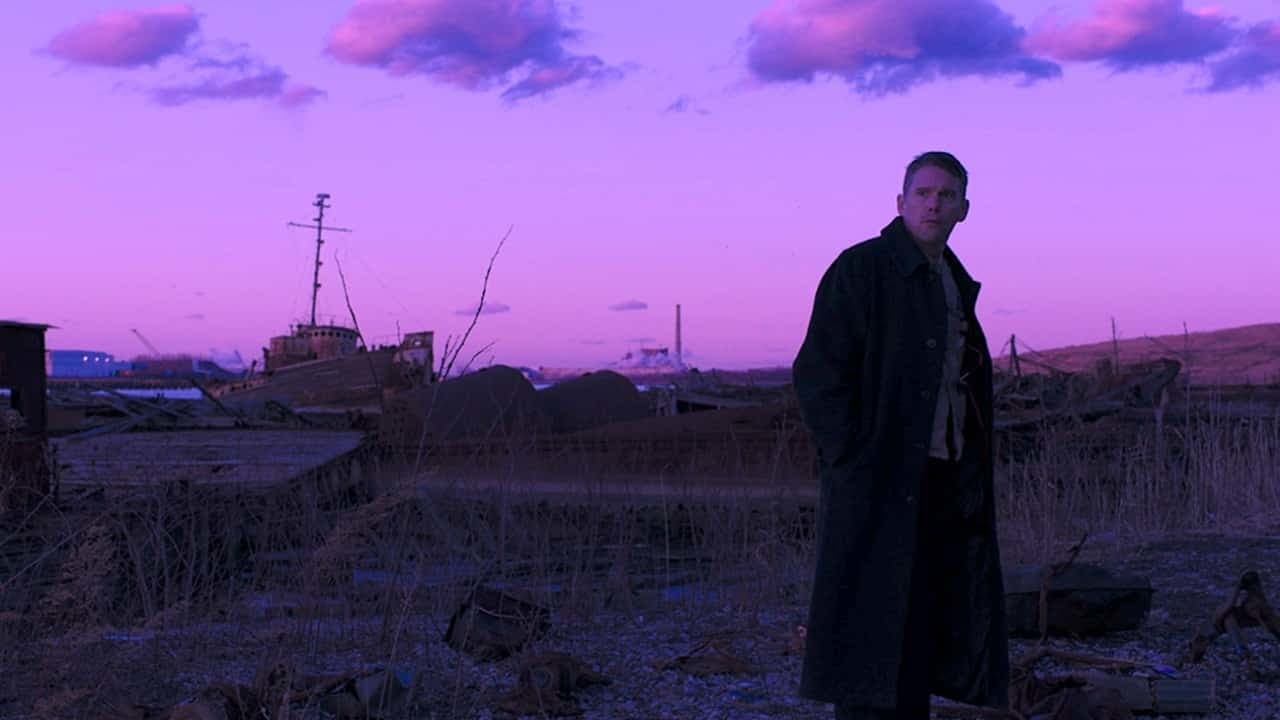
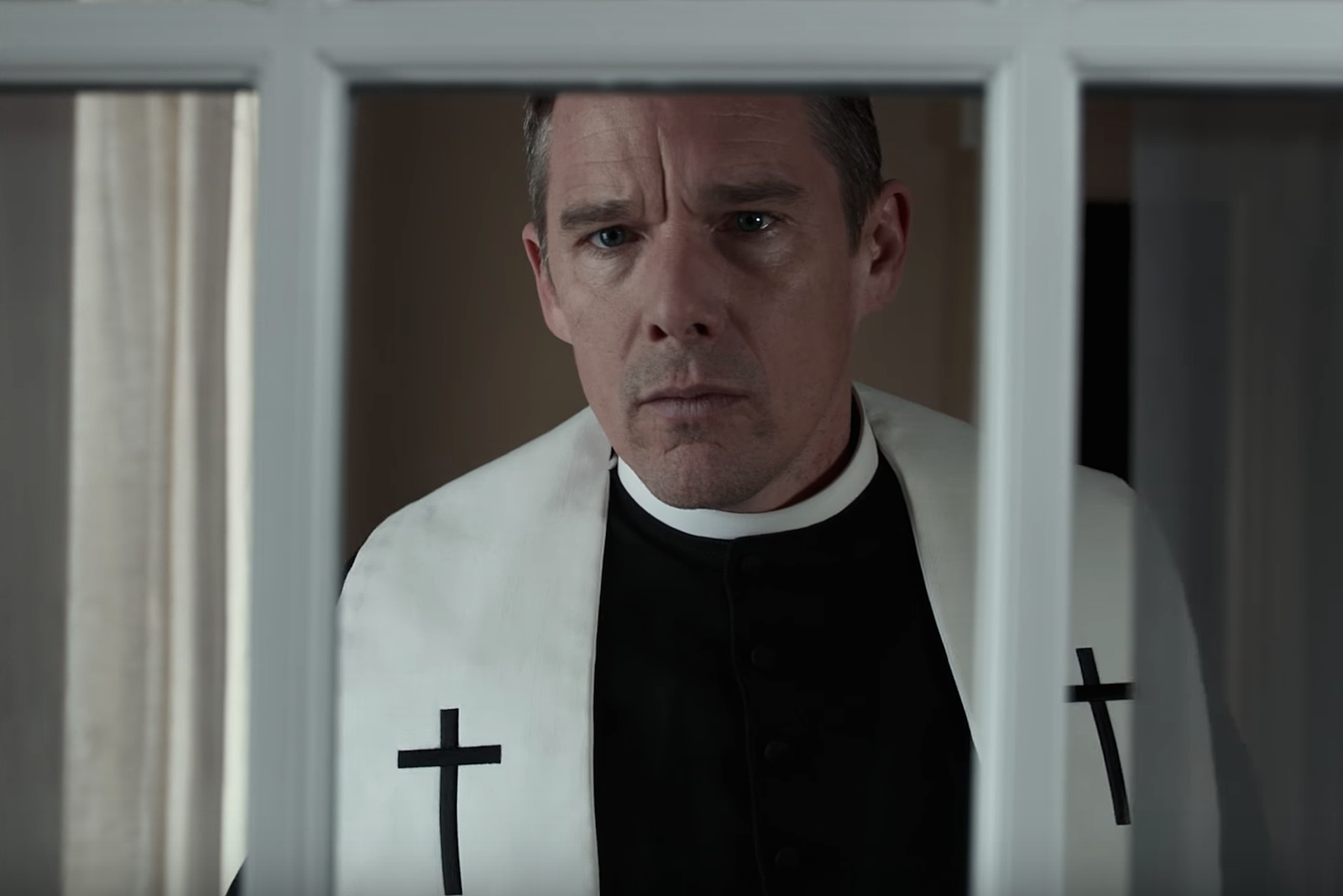 We know Toller is a broken man long before we hear about his past. With a nod to
  The listlessness is broken up by the introduction of a pregnant parishioner, Mary (natch), played by
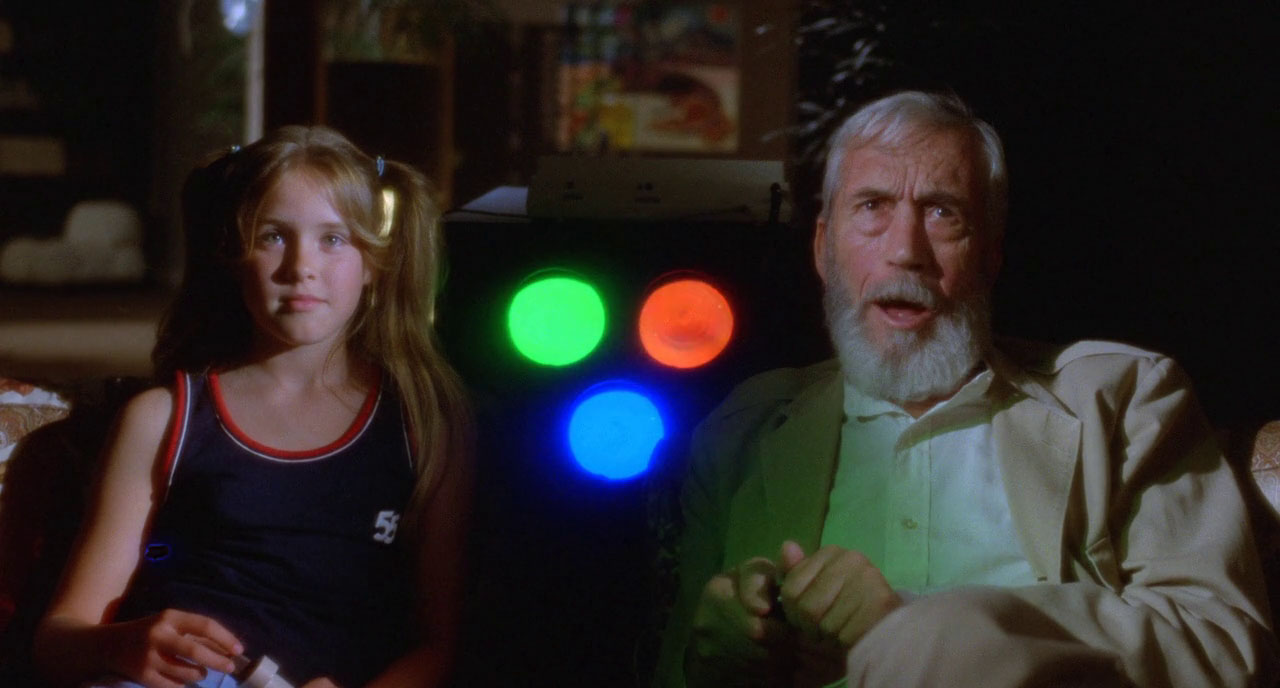 There’s an 8-year-old girl, Katy (
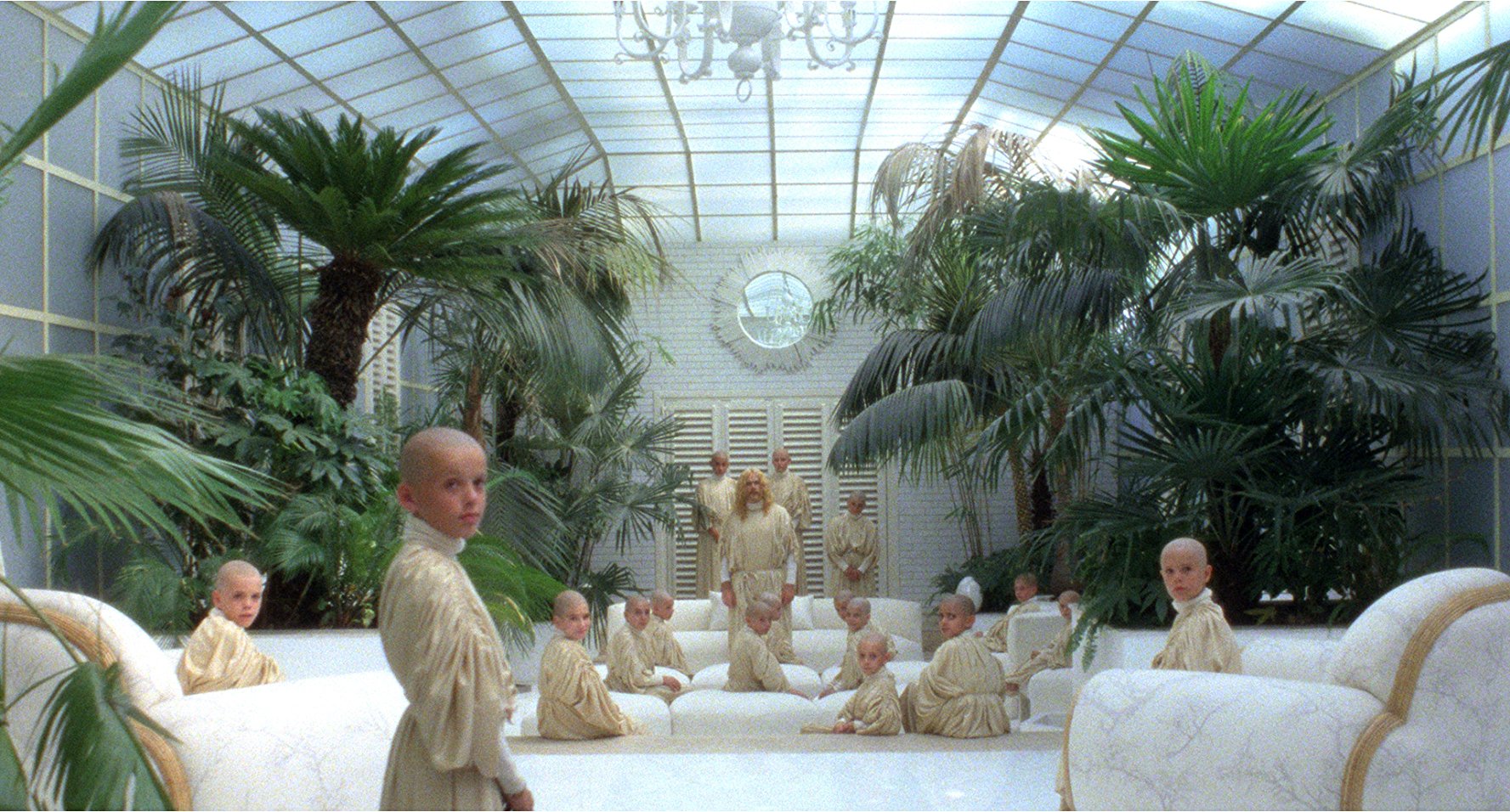 This leaves out a number of subplots that surface for a while and exist mostly to keep the opening and closing credits a little farther apart.
  All of this returns me to the opening question: How would we take this film, unadorned by cult apparatus? How would it have been taken if it hadn’t been so hard to track down for so long, if it were available at every Blockbuster? Would it have a mystique still, or would it just be one more wandering, mediocre horror movie?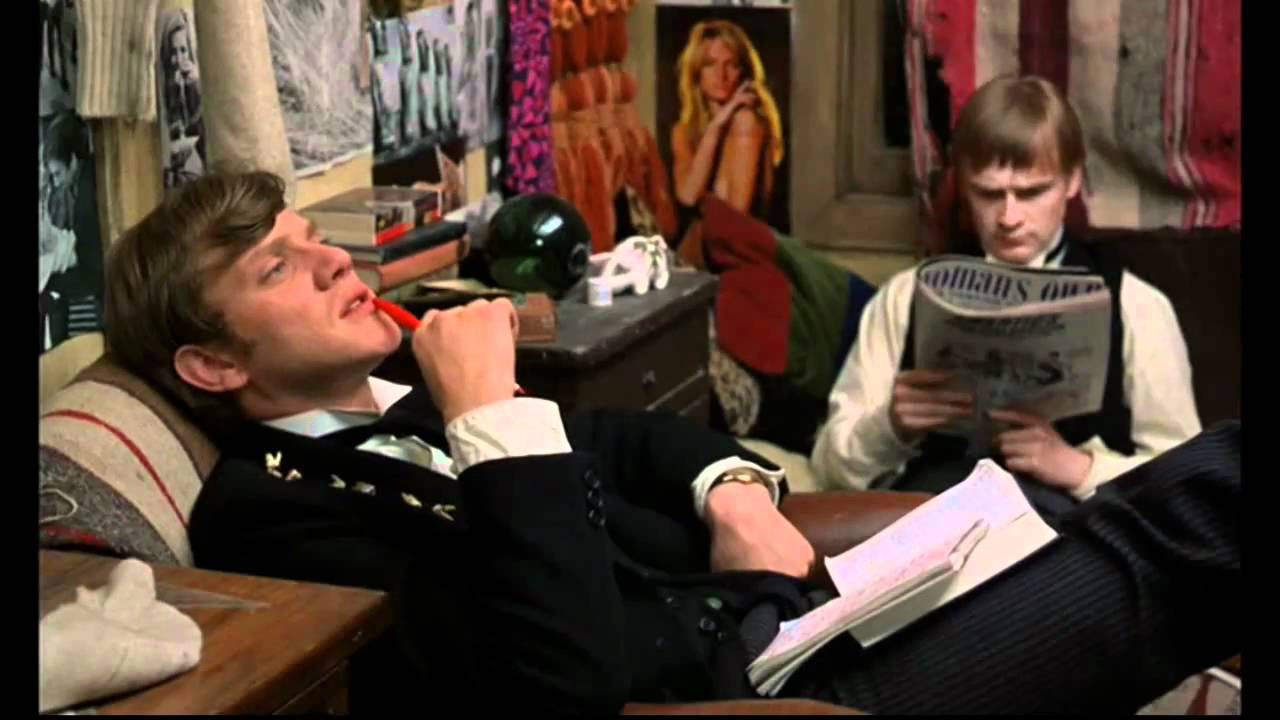
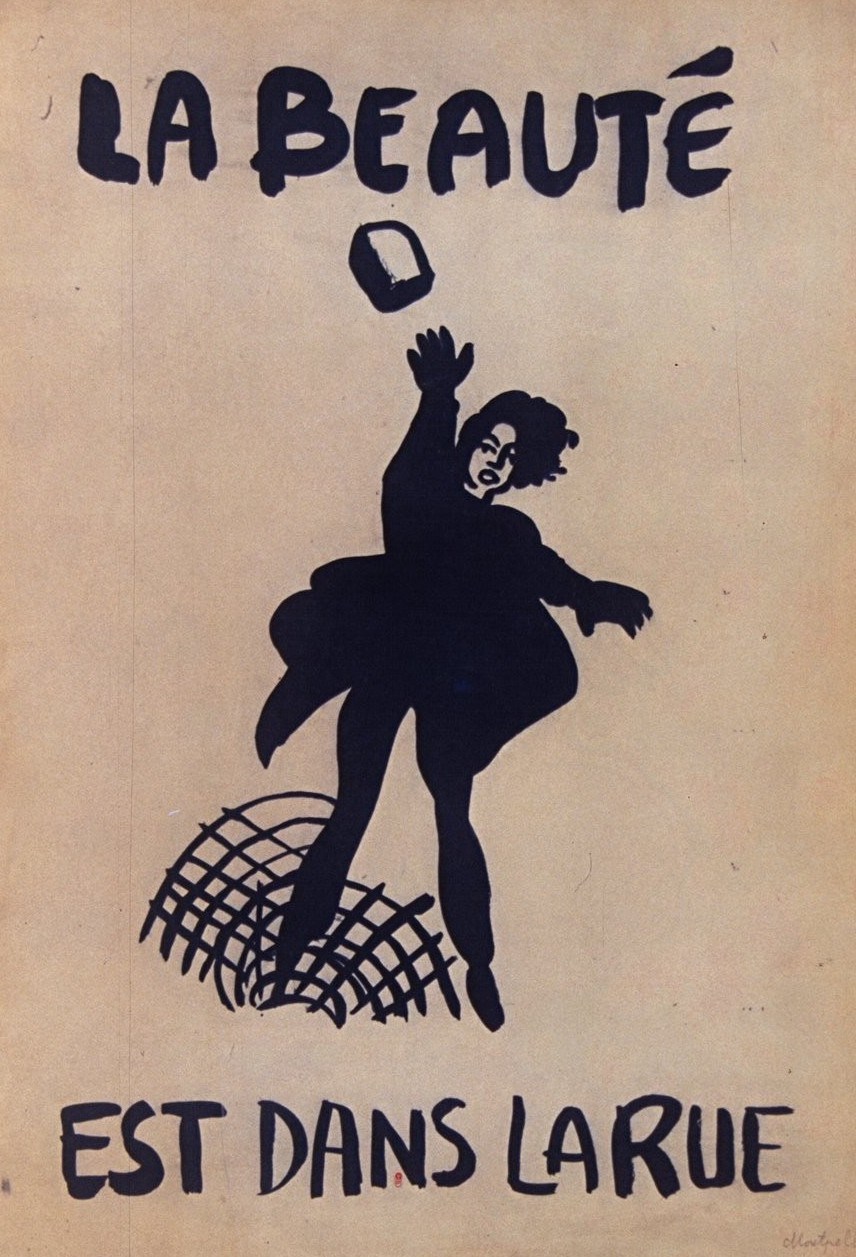
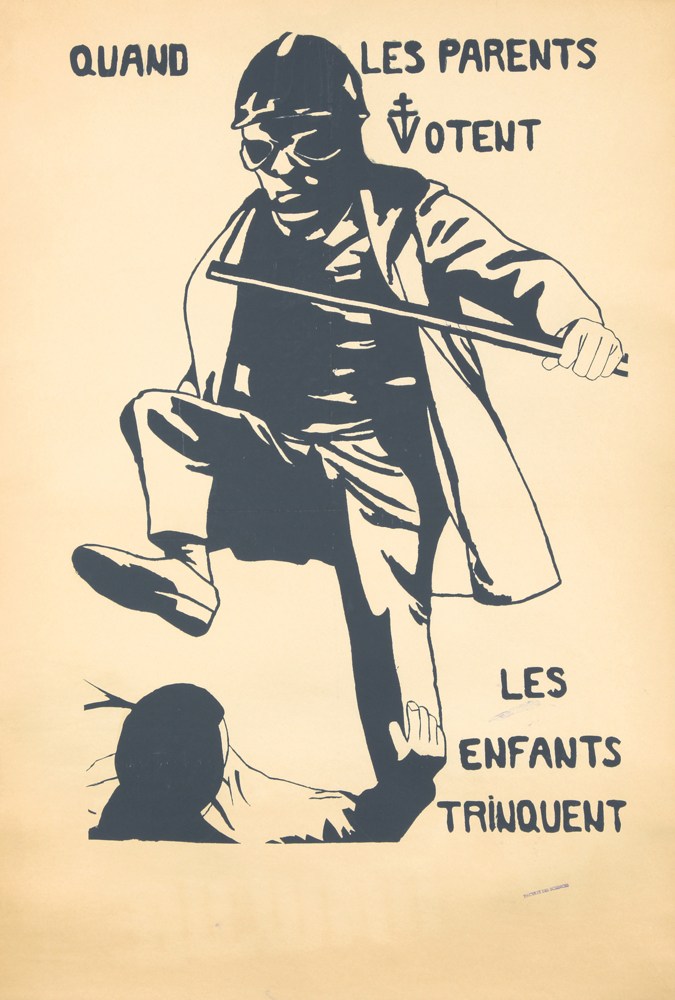
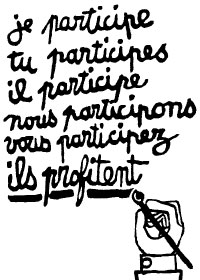
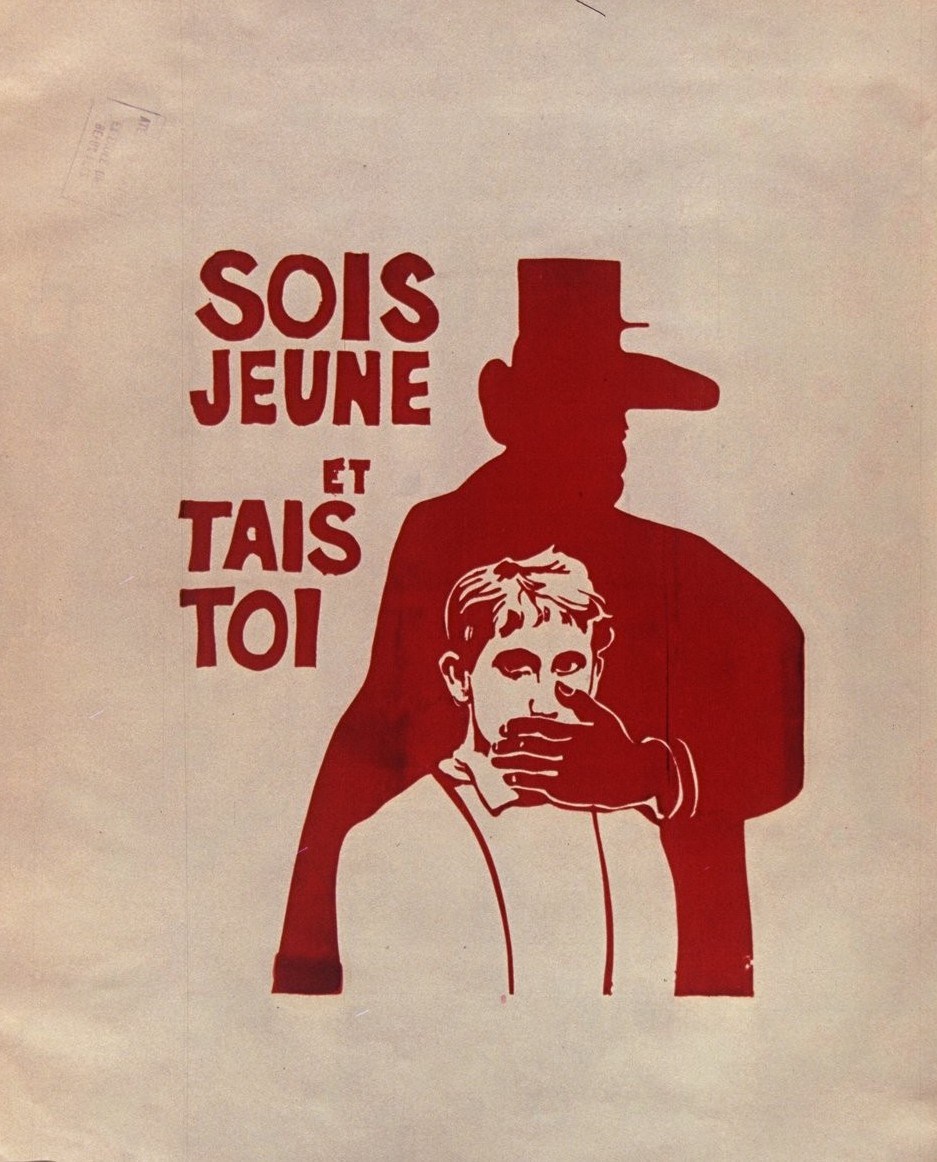 But for the youth of ’68, raised on the
 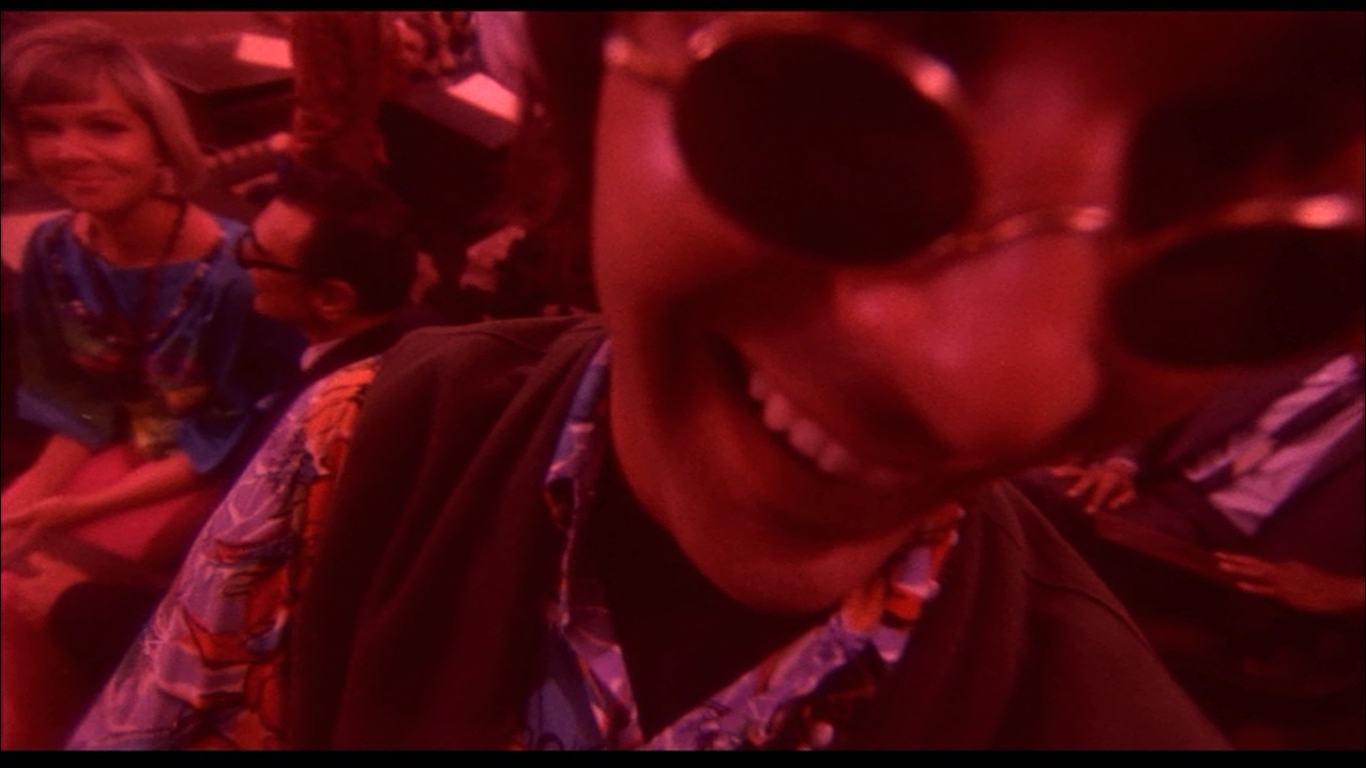 In other words, outnumbering adults 5 to 1, the youth of ’68 wanted the world and they wanted it now. It’s perhaps useful to move out of the cobblestone riot streets of Paris to get a perspective on the aesthetic revolutions of that moment. Two films, one American and one from the U.K., can help.
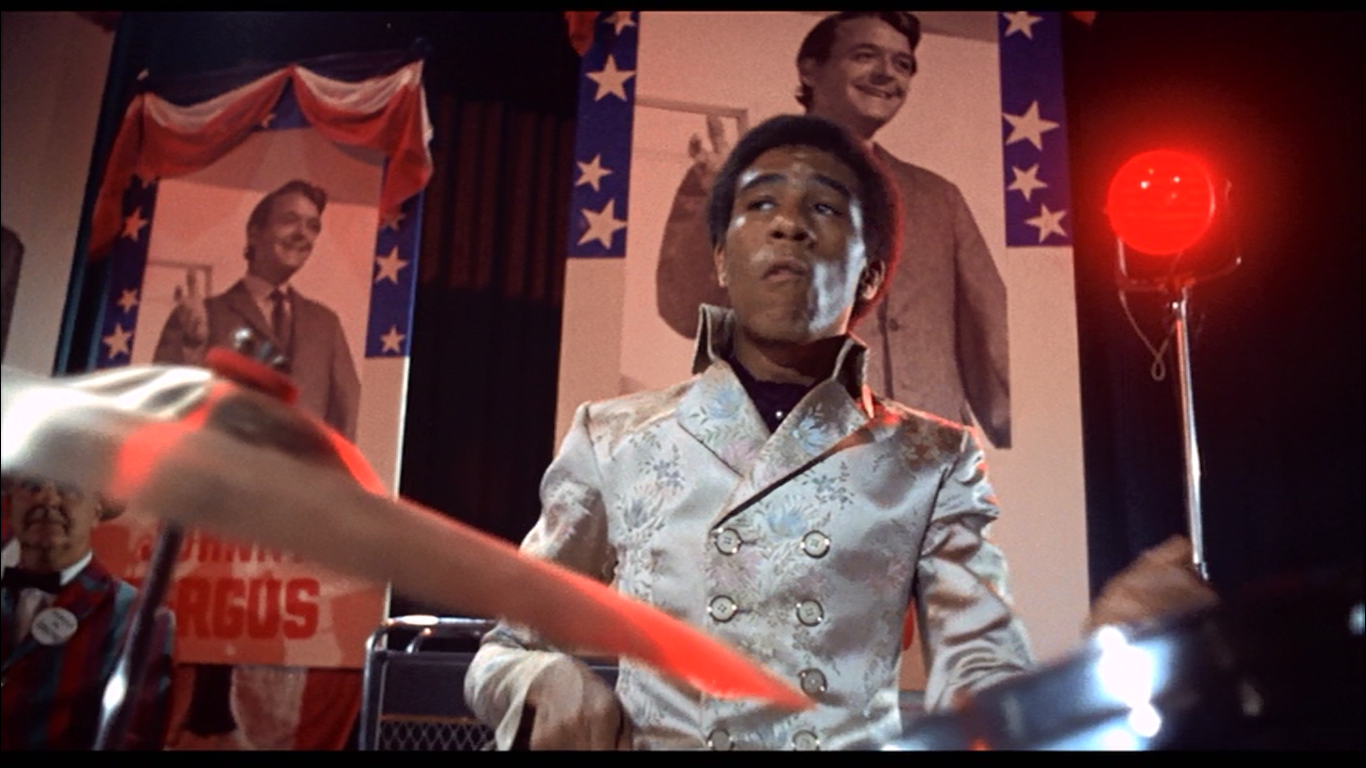 Wild In The Streets is about the meteoric rise of Max Frost, who escapes a childhood of suburban drudgery and Freudian overstatement to become the Lizard King-like frontman of a rock outfit. (They sound like
 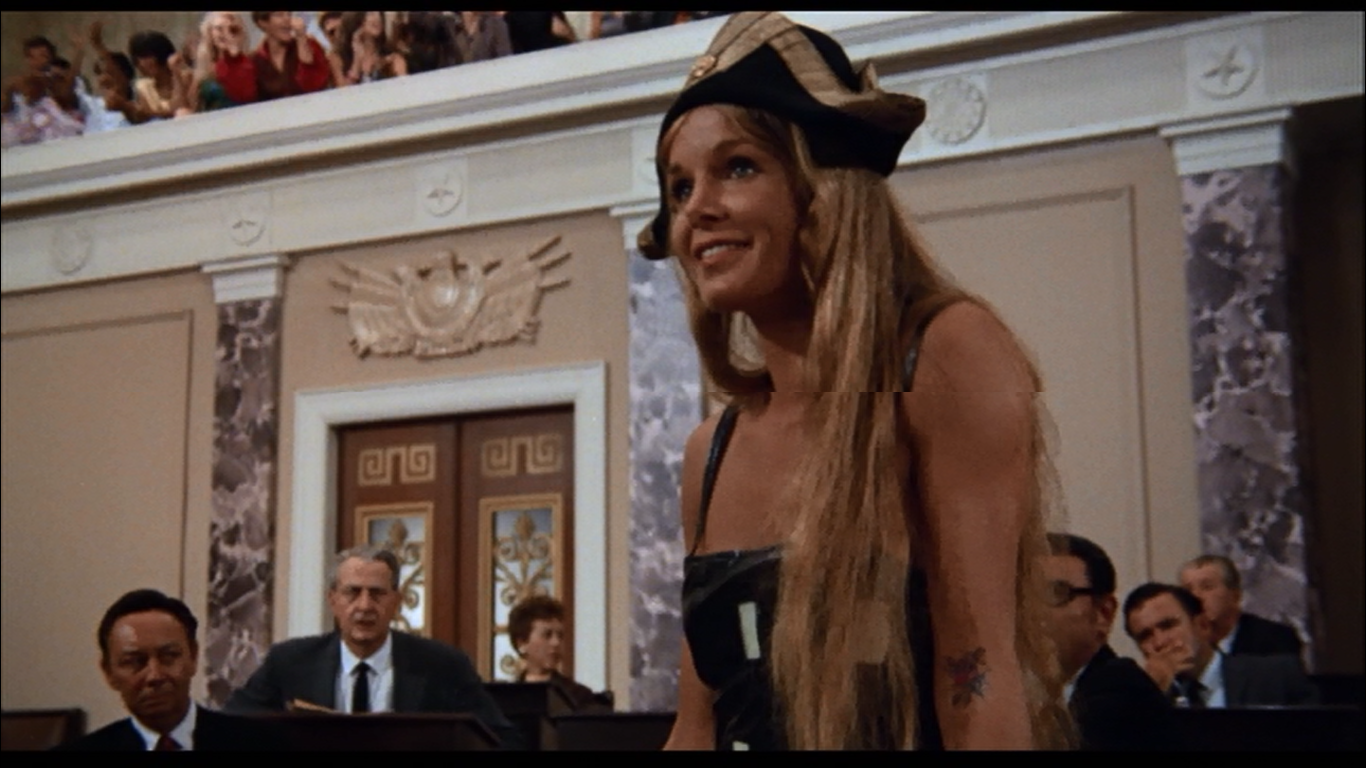 For a while. After getting Holbrook elected, they campaign for one of their own – the film’s most memorable sequence involves their newly elected spokeswoman, with a three-pointed hat and a tambourine, declaring to Congress that “America’s greatest contribution has been to teach the world that getting old is such a drag.” From there, it’s on to the Frost Presidency and the … re-education camps. Wild In The Streets beat Jello Biafra to this particular joke by a decade, though the “hippie fascists” here really only mean to get the olds out of the way. The rivers are spiked with LSD, the camps don’t feature any possibility of exit, and Hawaii, the only state that resisted Frost’s shamanic charms electorally, is effectively drugged into oblivion.
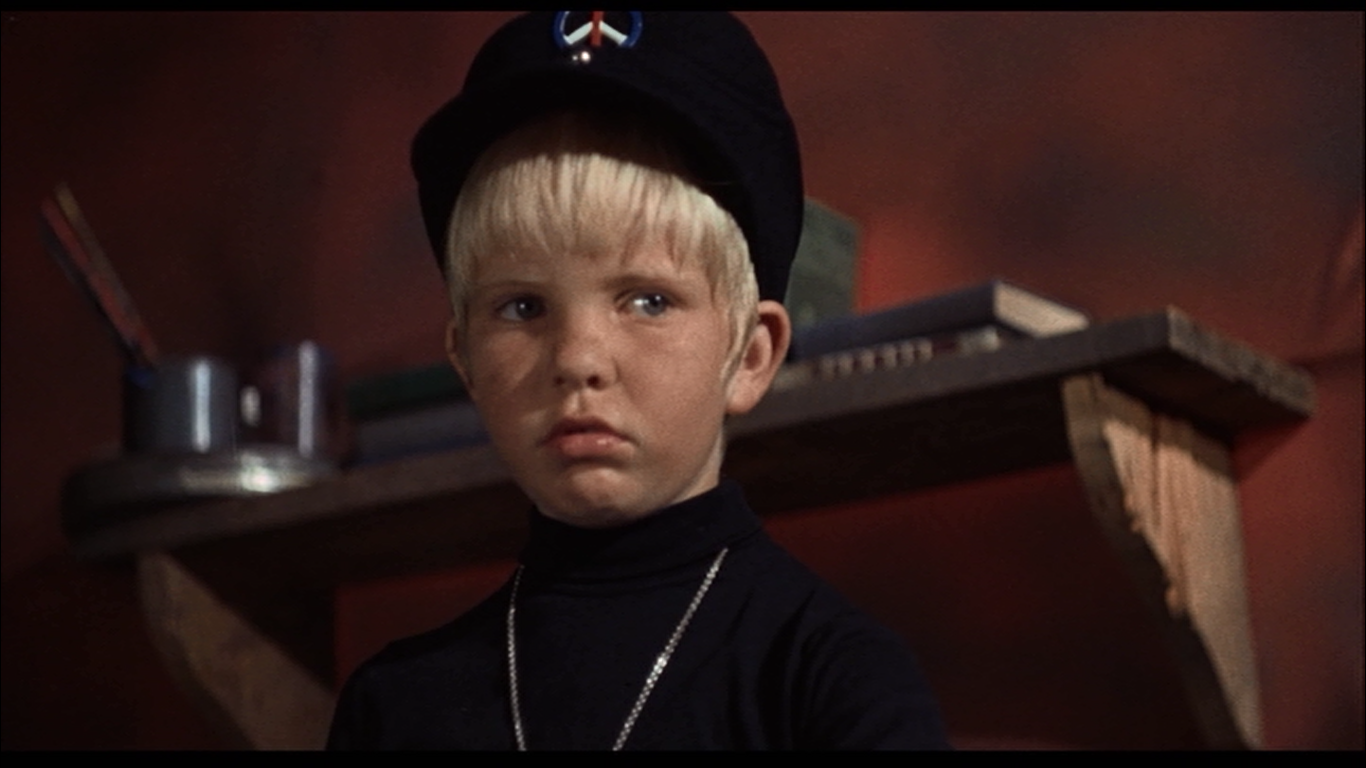 The rest of the world is only briefly mentioned, in that typically American fashion; we never find out how revolutionaries elsewhere respond to the youth takeover, and the whole freaky endeavor seems a lot more like the following year’s
 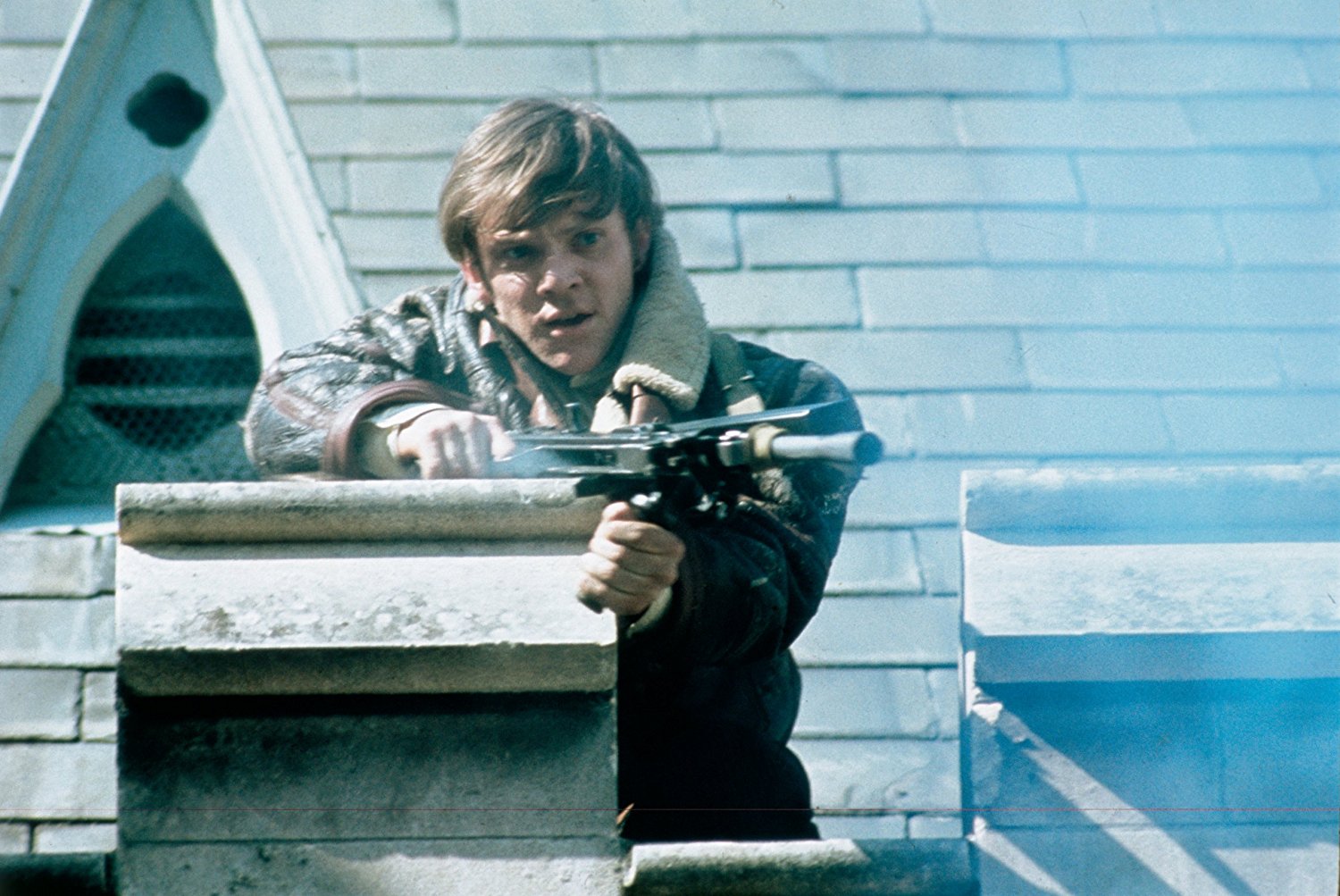 Power too is fractured, and that’s where Anderson’s anxieties prove most resonant. The face of authority in If… is less the tyrannical schoolmasters – they seem, for the most part, oblivious and irrelevant – than the Whips that serve them like prison guards.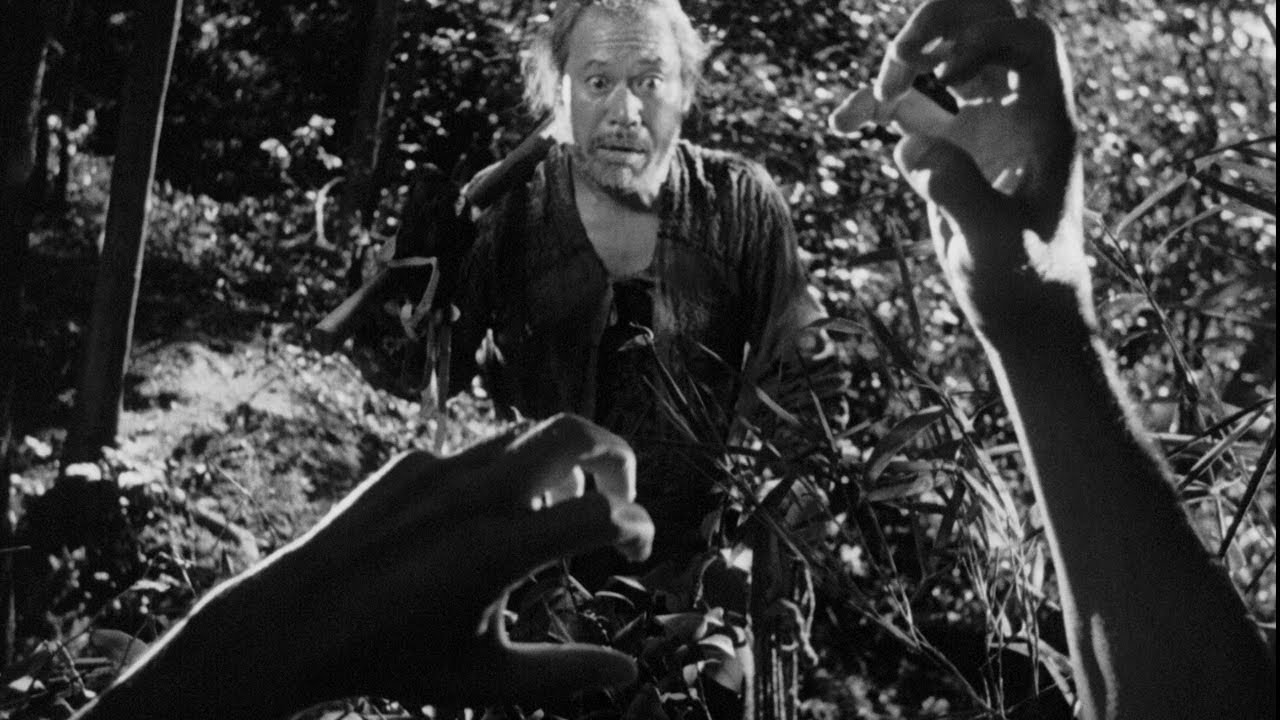
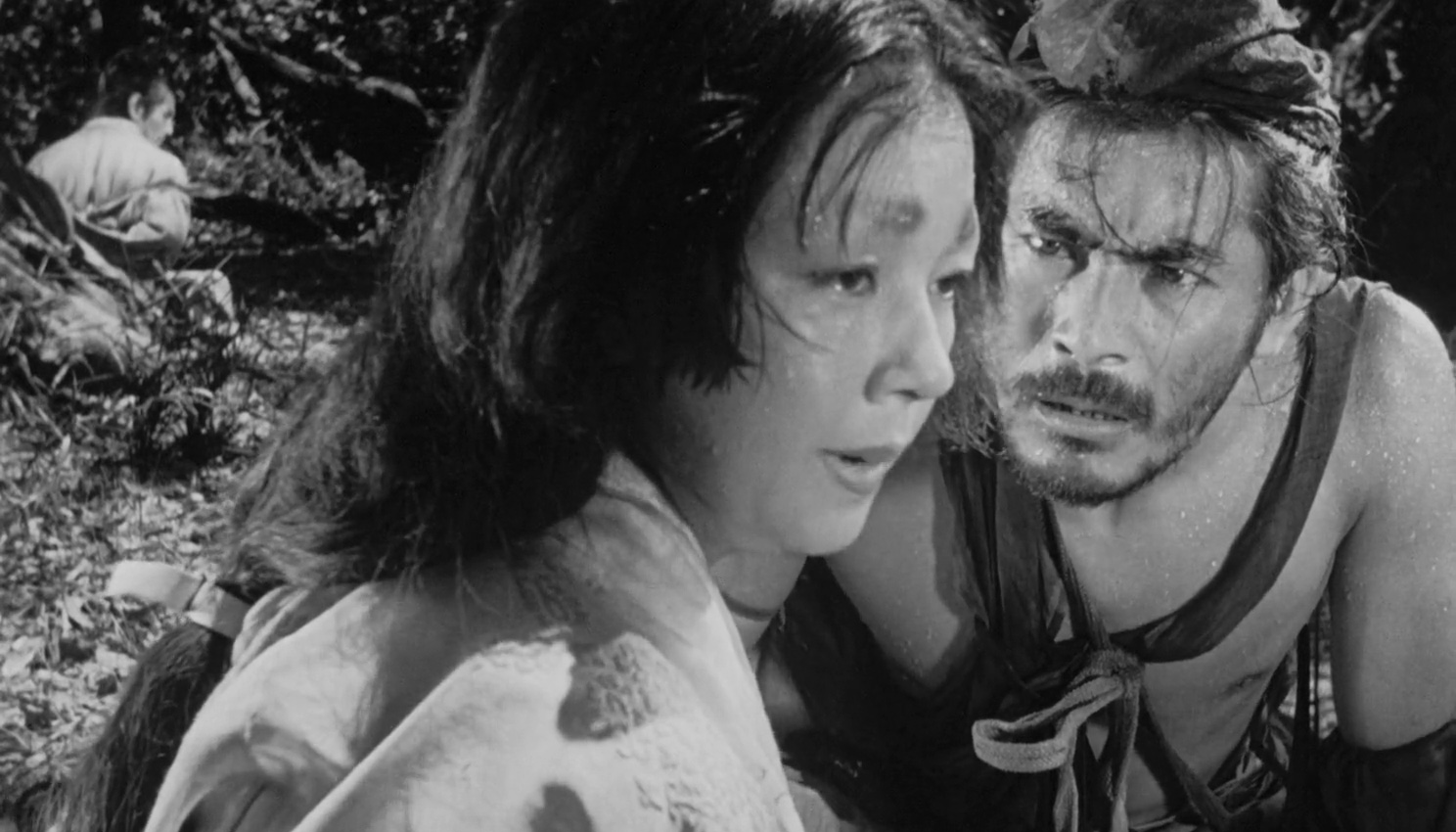 Rashomon
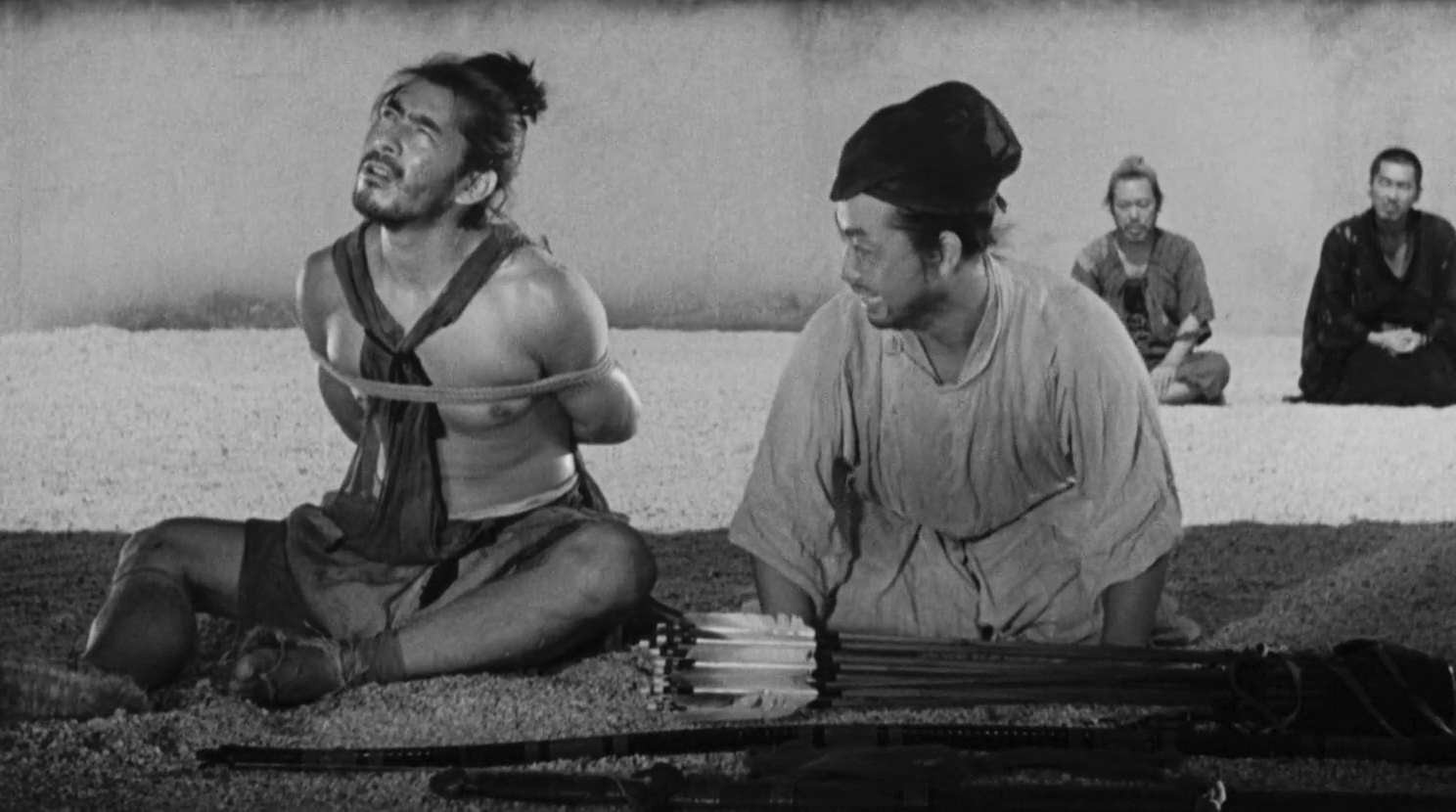 So I was surprised by the reality of
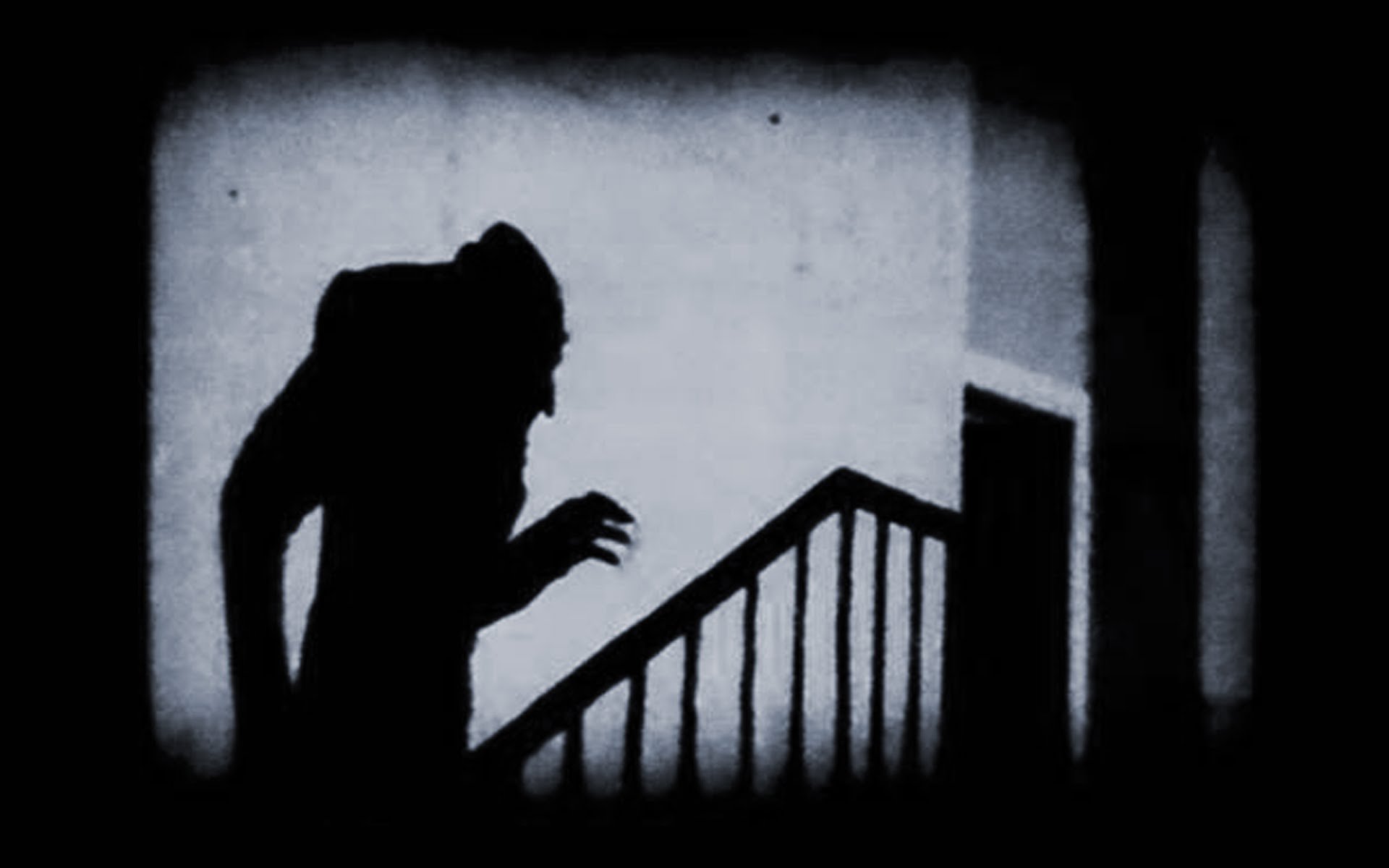
 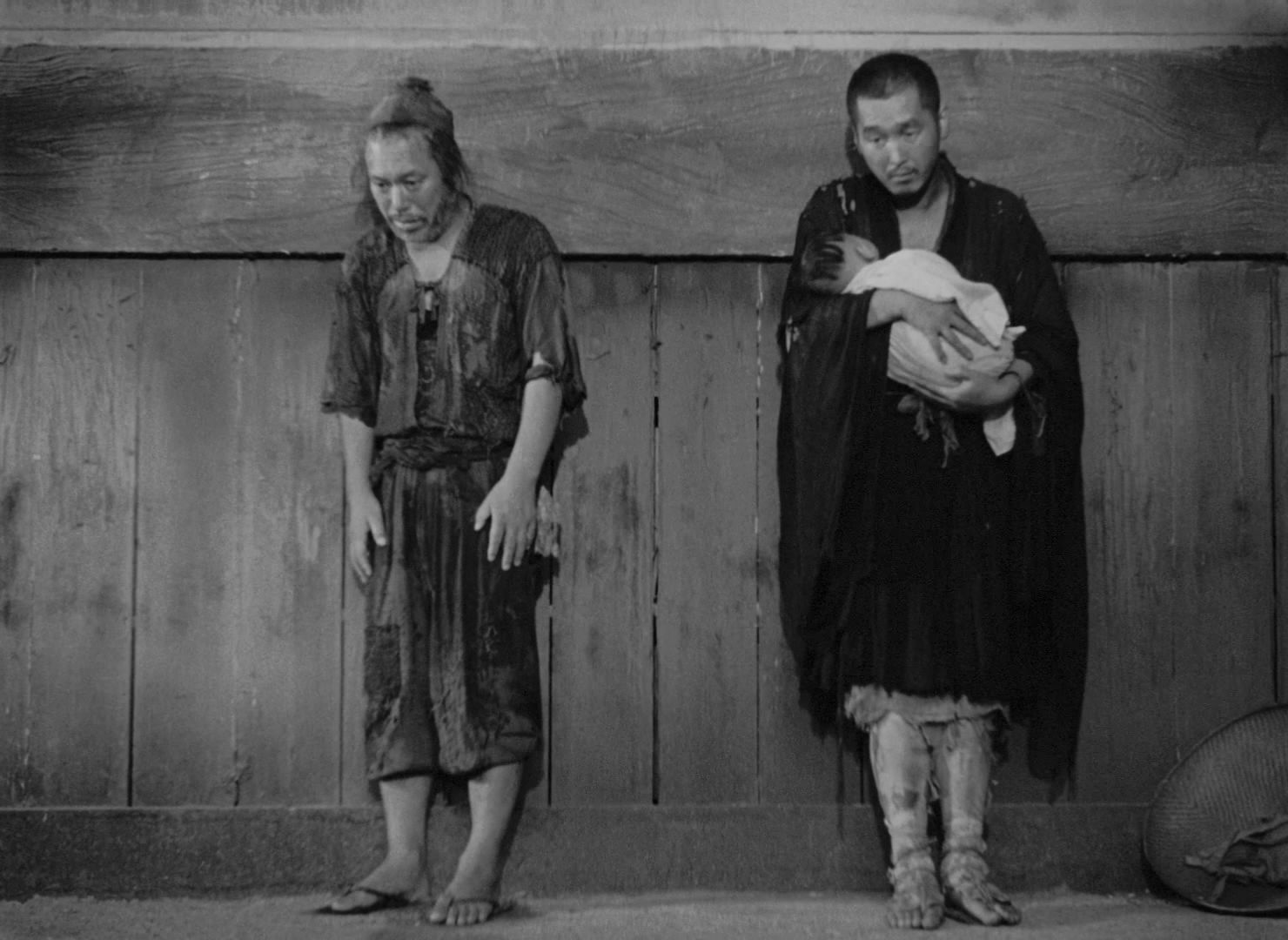 This changes the entire tone of the work. What we are dealing with is far more than just the evil that people do. We are dealing with the impossibility of collective knowledge at all, of even comprehending what biases there are for which we need to correct. This is the meaning of the priest’s crisis as the film opens: the soul is not even a Protestant source of evil, but is simply unknowable and baffling.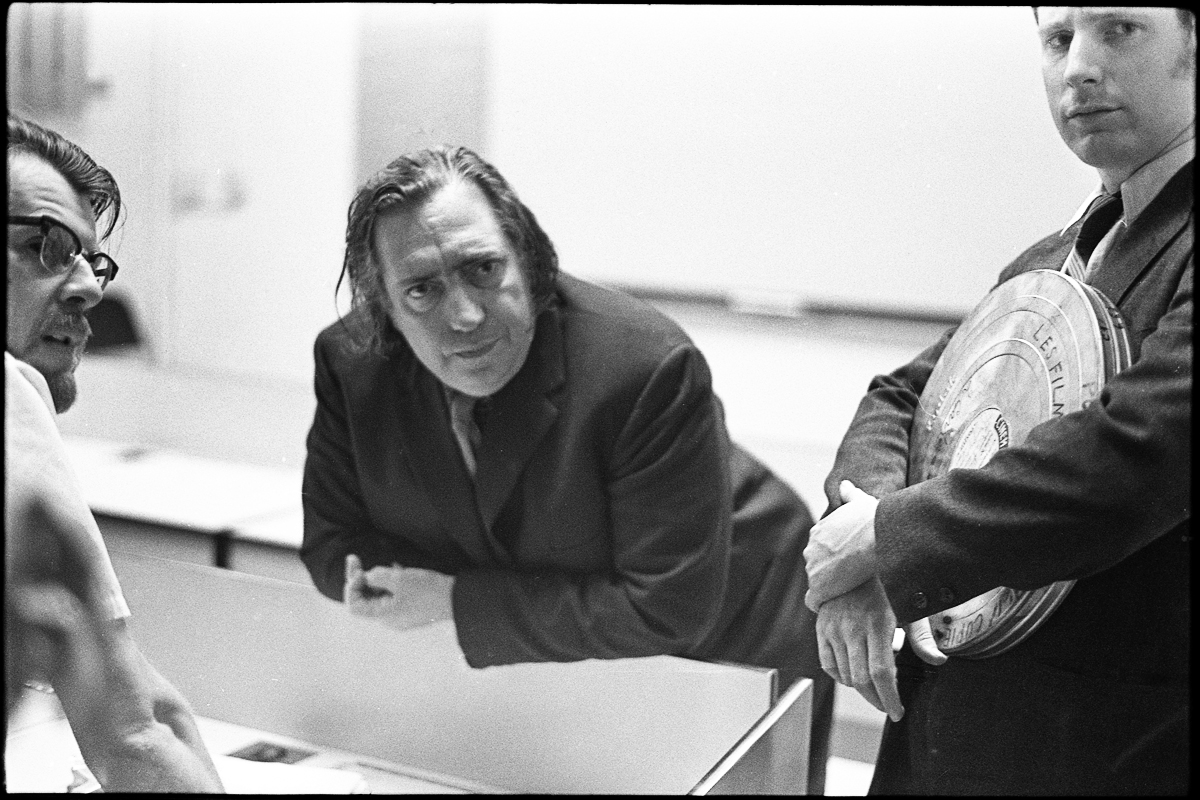
 After founding the
 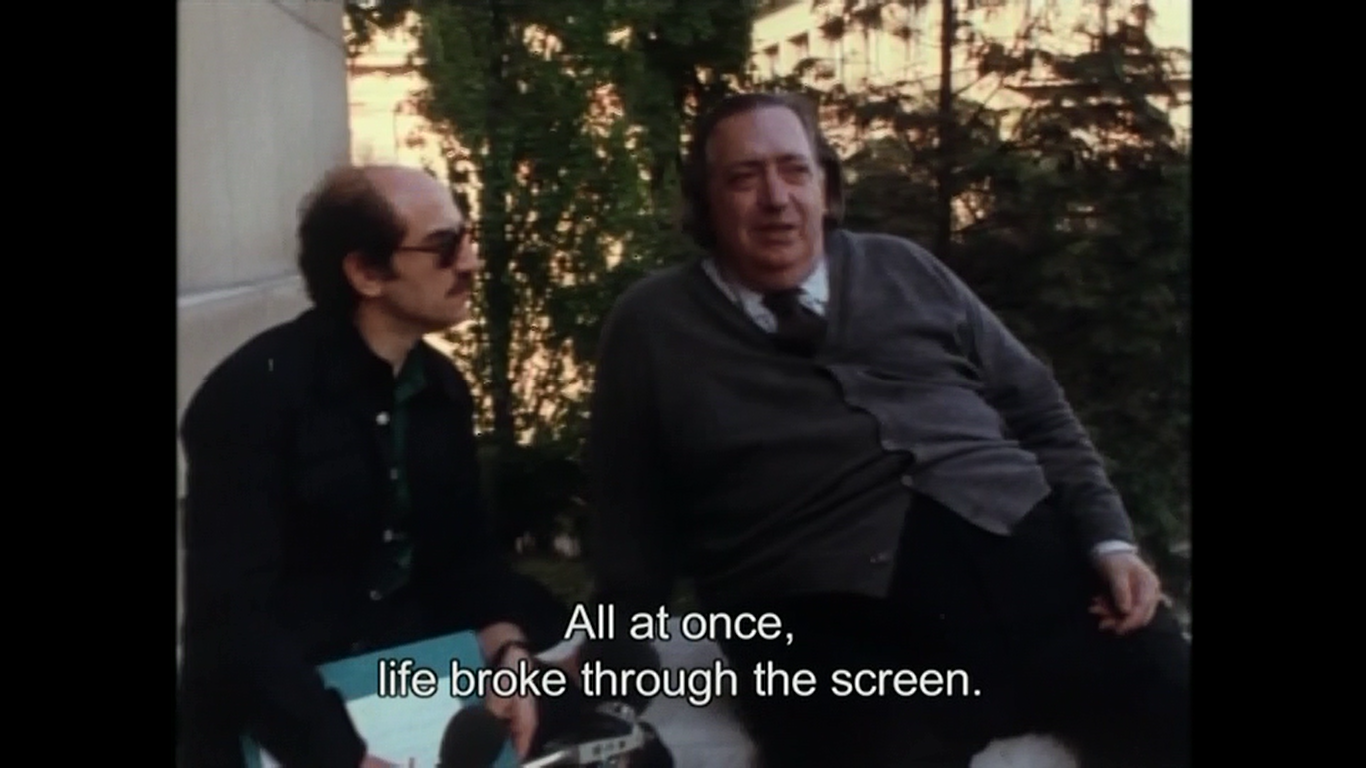 Is it too much to say that the Cinémathèque’s post-war screenings created the New Wave? New Wavers themselves certainly thought so. The doc points out that Langlois’ obsessive programming made authorial stamps across a diffuse body of work so obvious that
 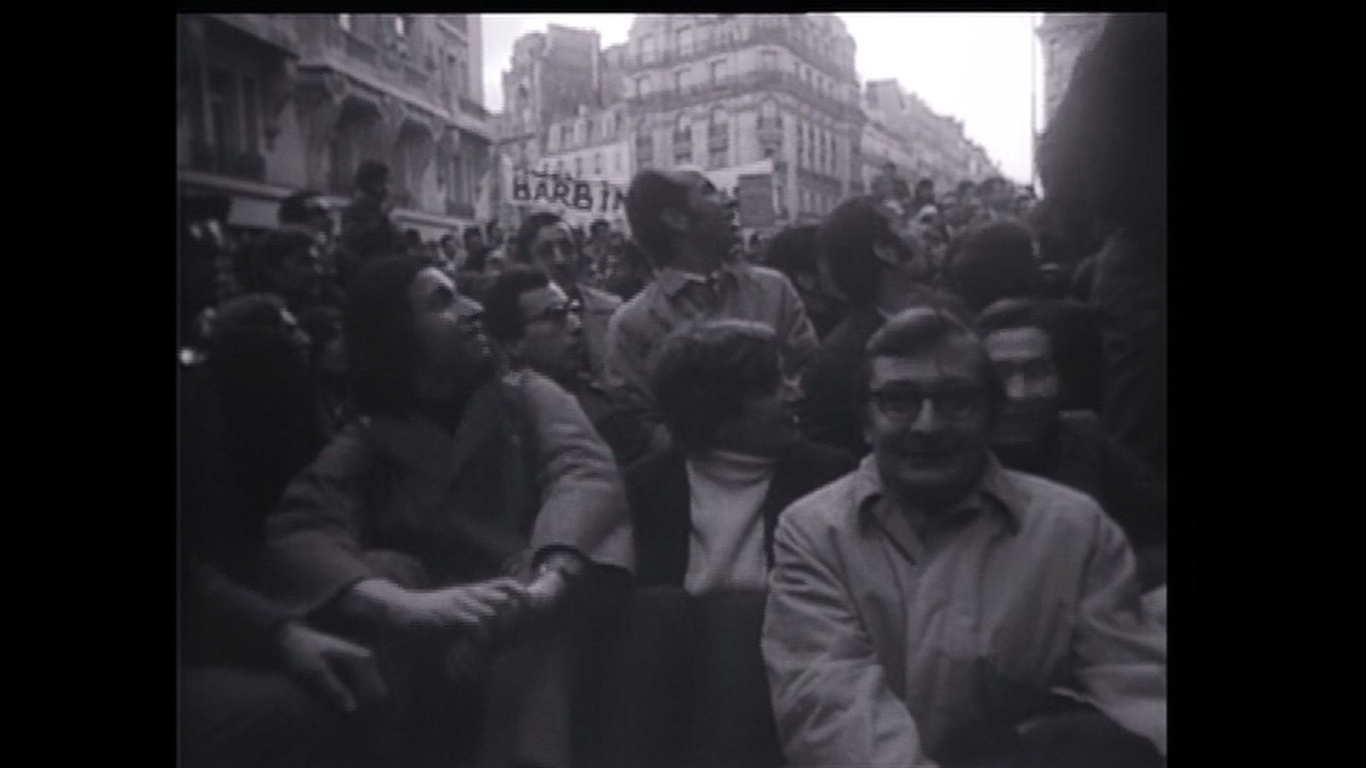 Imagine the ouster of a cinema director, archivist, and programmer leading to buildings seized by the people in protest, imagine the riot police being called, imagine throngs of film-lovers armed with sticks and prepared for physical confrontation in defense of art. Of art!
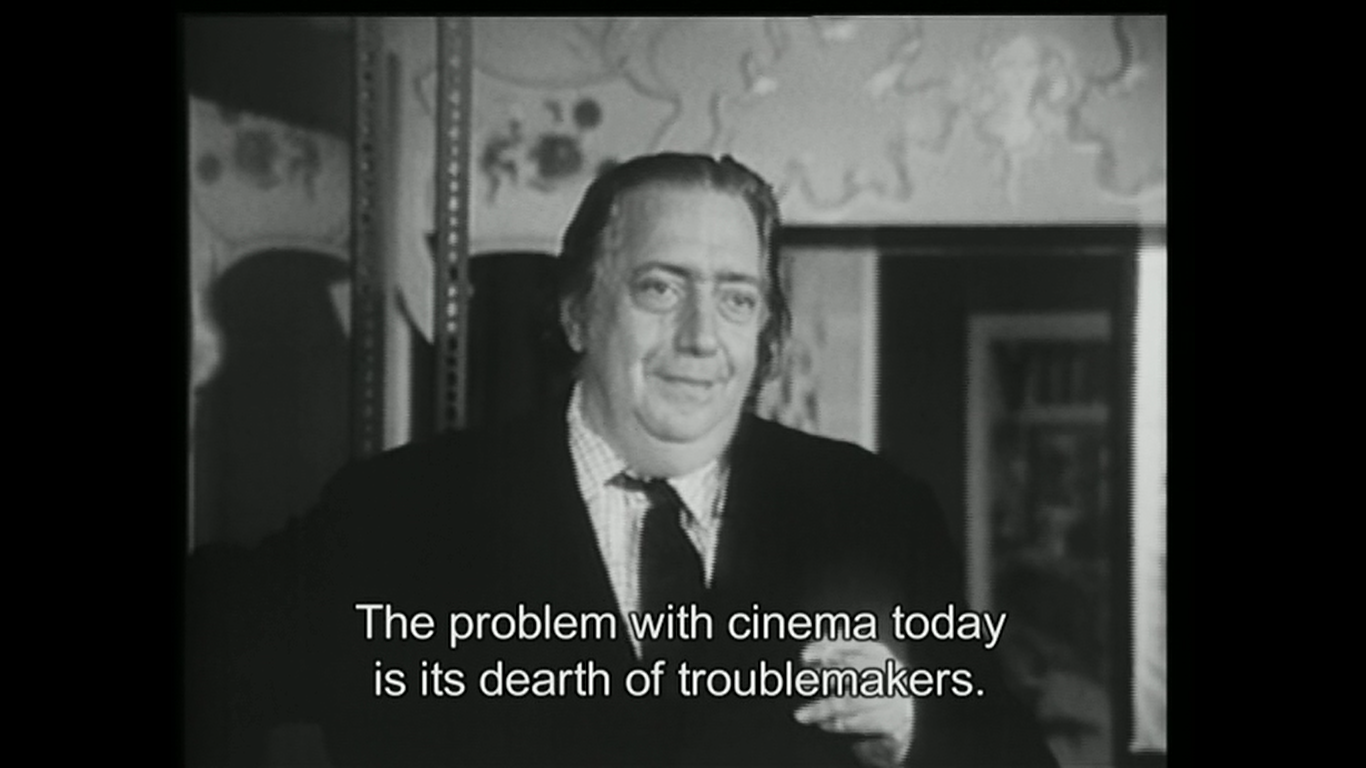 It’s silly. Of course, it’s silly. That horrific availability also means wonderfully expanded viewing opportunities, a democratized audience, a democratized universe of voices (or as much aesthetic democracy as capital opts to permit). In one interview, Langlois celebrates the development of newer, cheaper cameras – “we have writers because everyone can write,” he notes cheerfully. It’s not difficult to imagine his possible excitement at the iPhone releases of a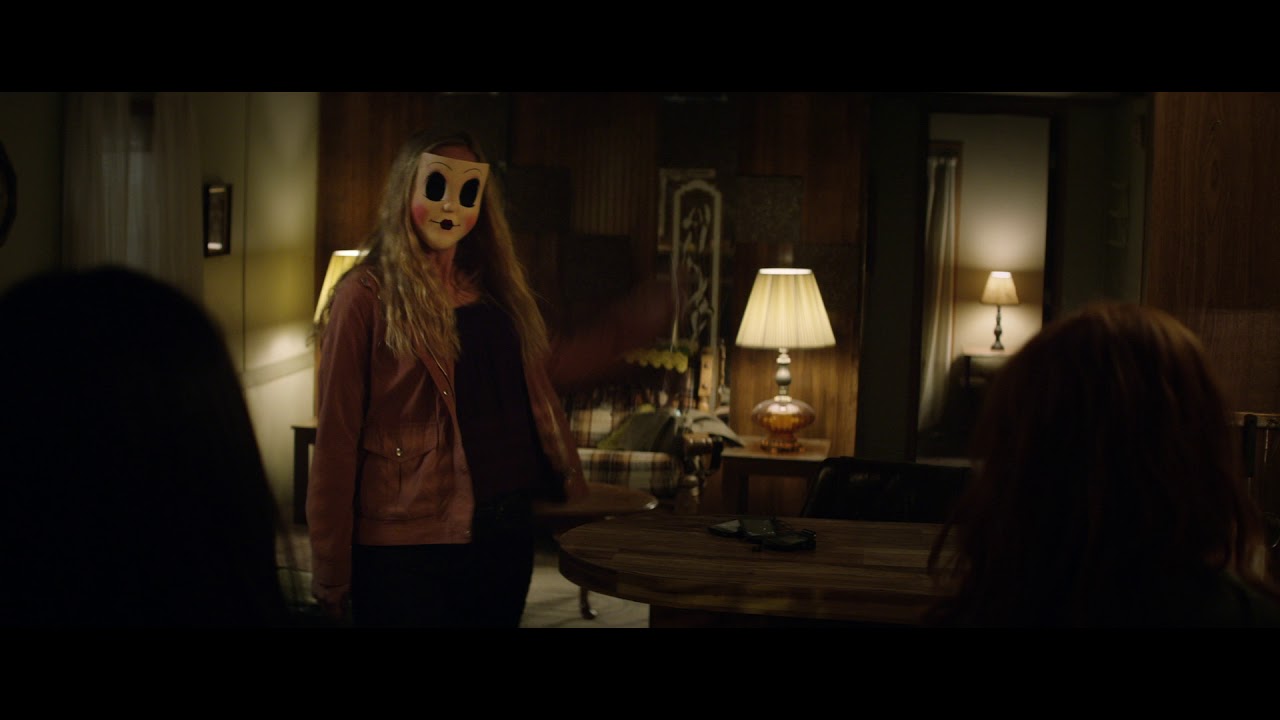
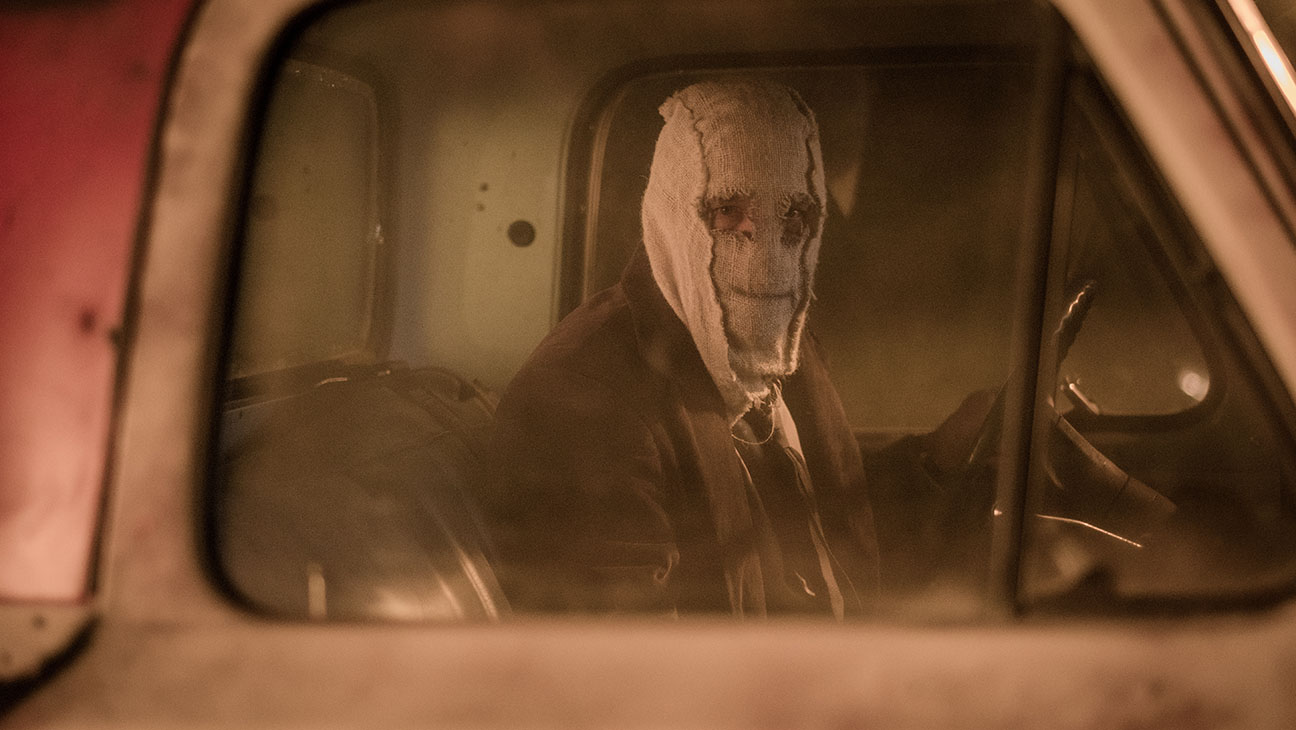 This isn’t really a
  Prey At Night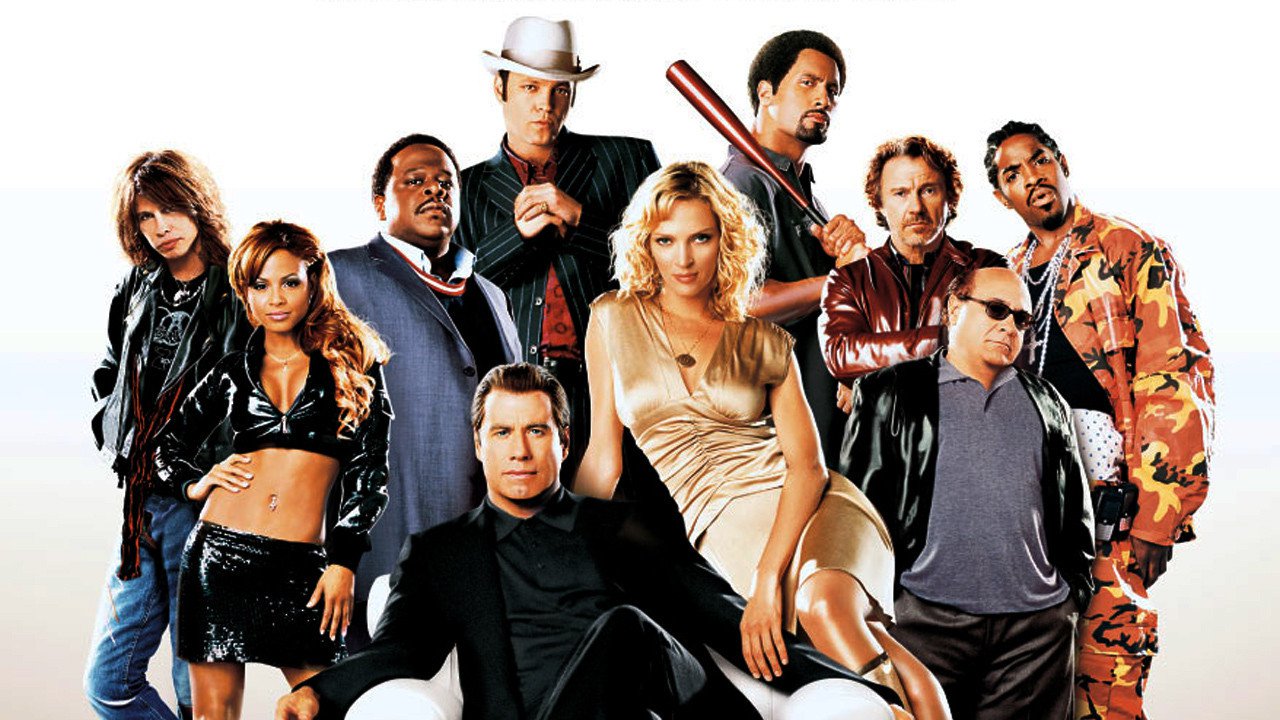
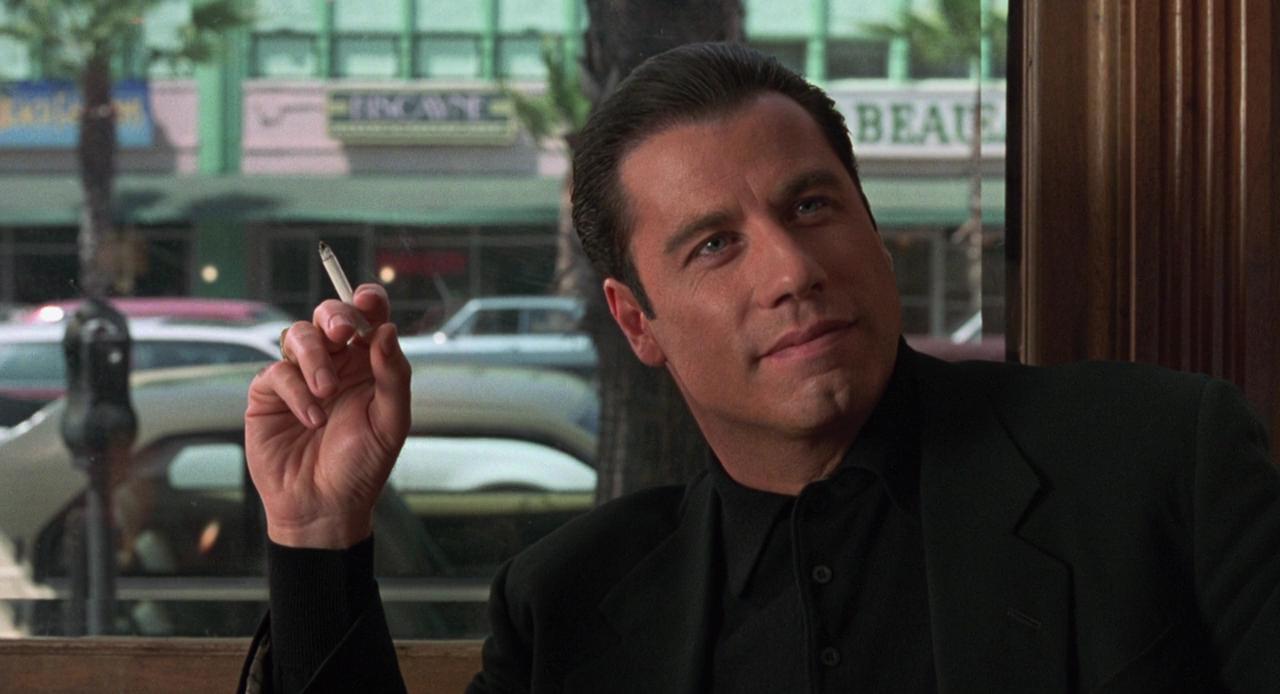 As David “No, Not That David Simon” Simon pointed out to me, these are effectively the same movie, or more specifically that Be Cool is like the simultaneously gaunt and over-stuffed shadow of its predecessor, hitting all the same beats except more stupider, like a toddler listening attentively to a song and then trying to bang it out himself on a plastic xylophone while John Travolta nods arhythmically, in a doomed attempt to seem more human and less Travoltish. It doesn’t work, is what I’m saying.
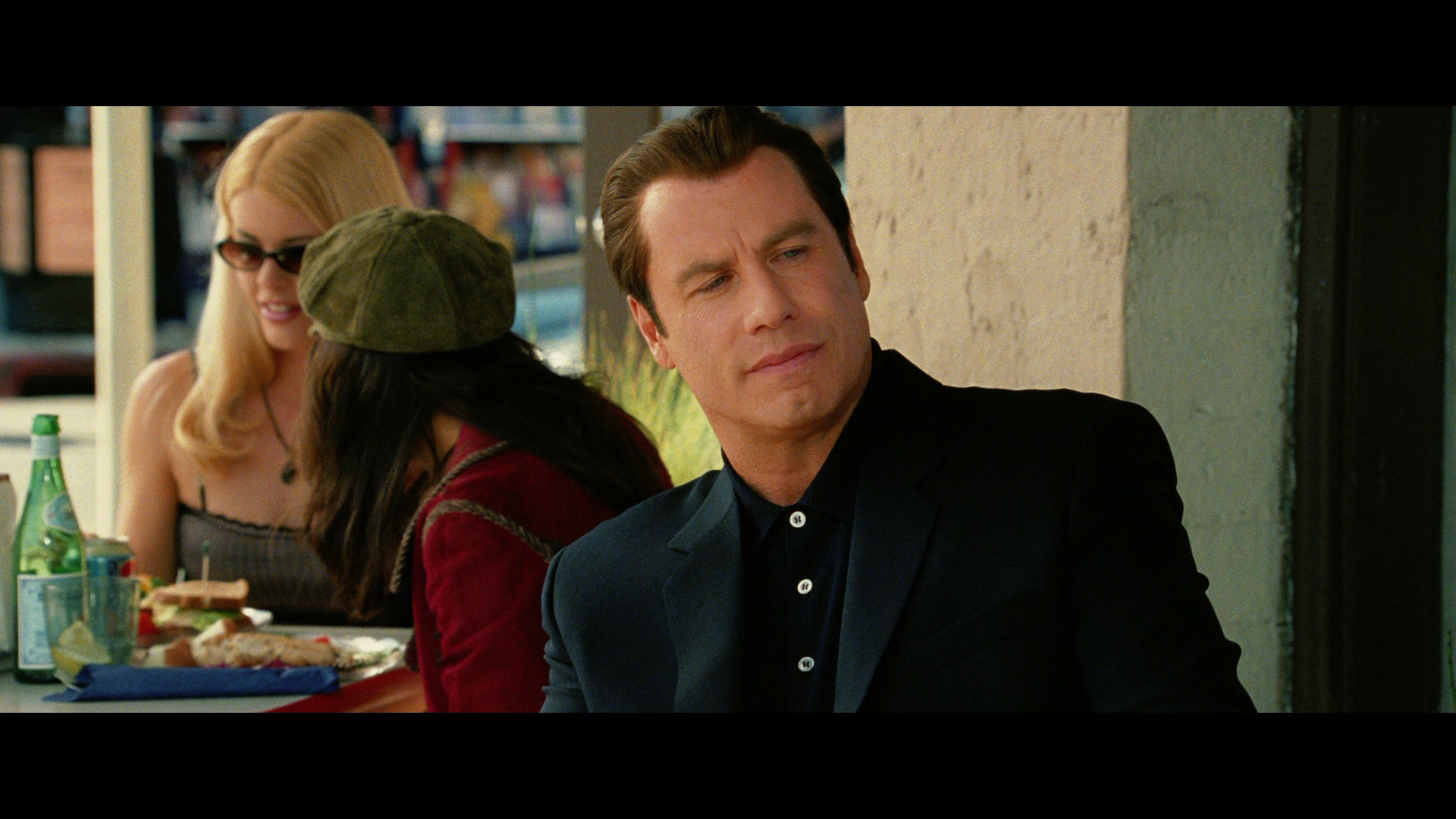 Be Cool was decidedly less fortunate. (Who, by the way, spent the previous 10 years hoping to check in on Travolta’s irritatingly-named Chili Palmer?) For one thing, it replaces Sonnenfeld with
 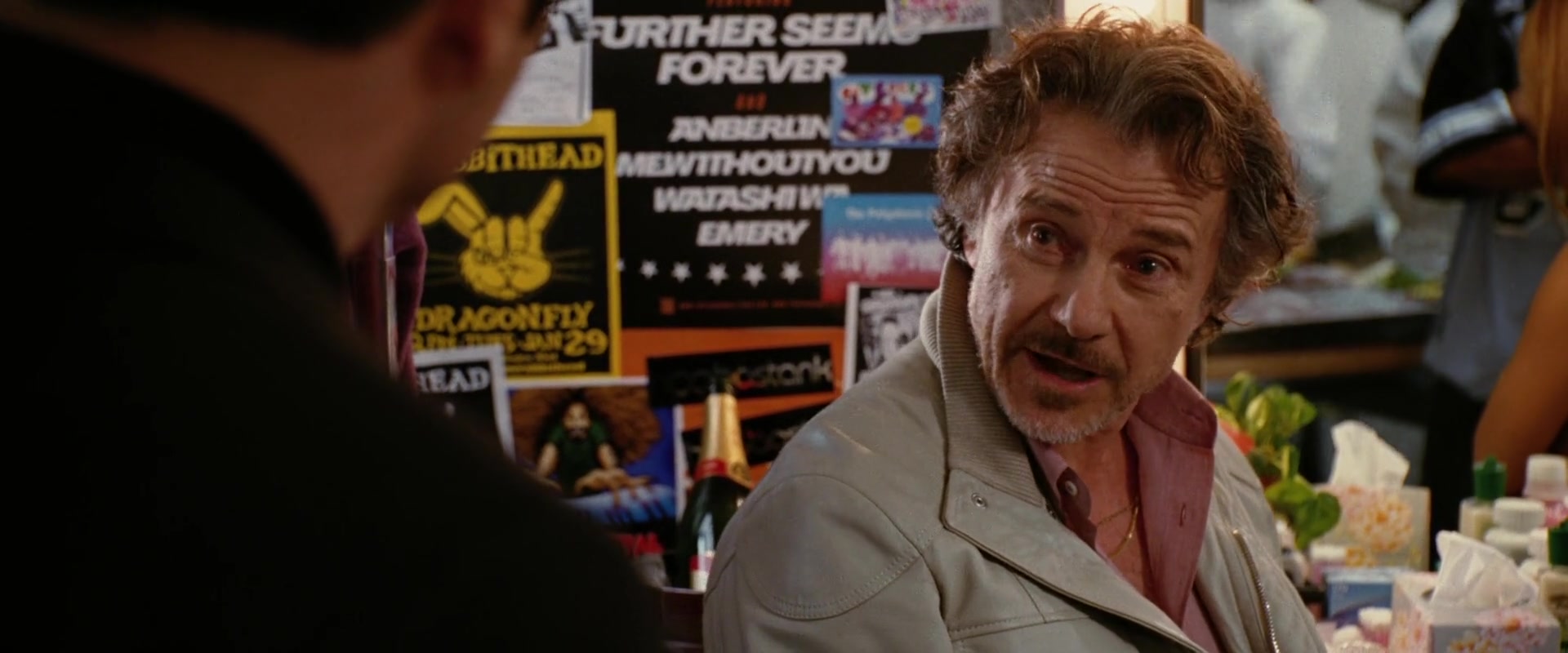 For much of the rest of its strikingly uncool playing time, Be Cool seems to have resulted from a dare to see how much racist and homophobic content a 2005 film featuring John Travolta,
 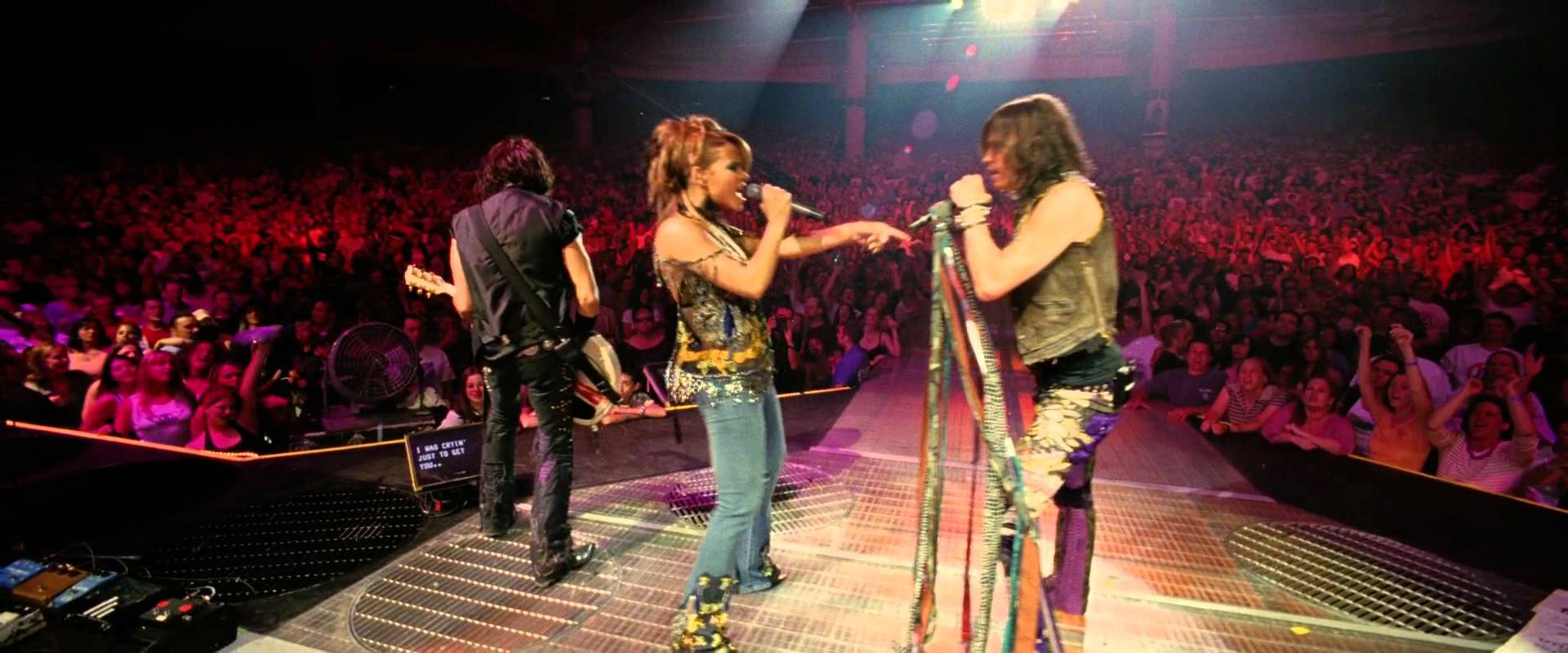 Be Cool is curiously obsessed with demonstrating its pop culture bona fides through cameos that must’ve seemed strange even at the time, winking appearances that don’t scream “insider!” so much as “available that day, and probably most days!” Fred Durst is there, and Gene Simmons. The Black Eyed Peas feature prominently, alongside Wyclef and Steven Tyler (of Aerosmith, the band).
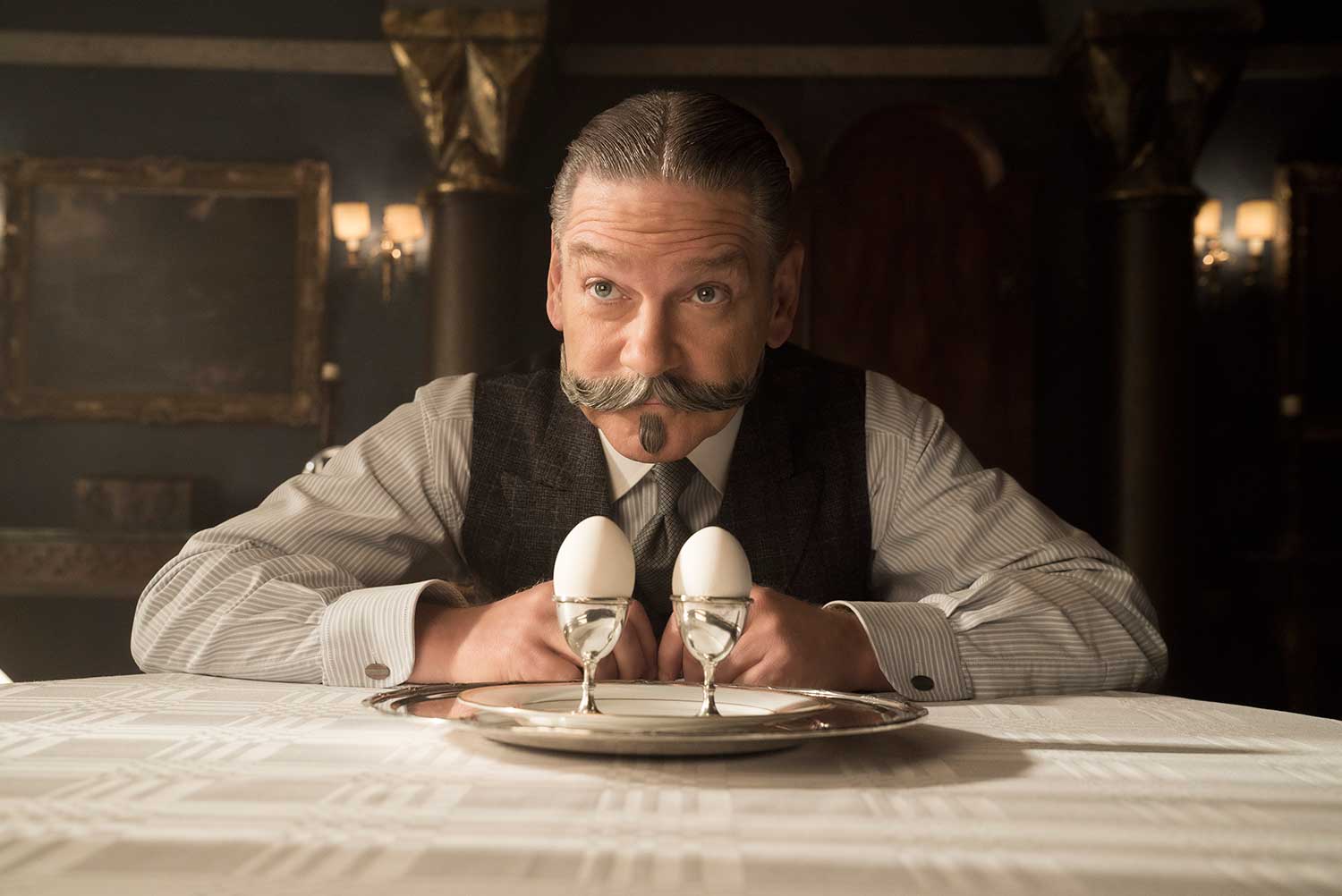 Branagh’s Poirot is not simply awful because he is different from Christie’s novels; he is awful because he is different in ways that serve only to make him more boring. This Poirot takes time out to stare longingly at a picture of a lost love (who has no particular characteristics except being lost and being loved), when the original Poirot seems to have misplaced his penis and never spent much time trying to find it. This Poirot repeatedly gets into fights and chases. This Poirot is stern and serious and interrogates his suspects like
 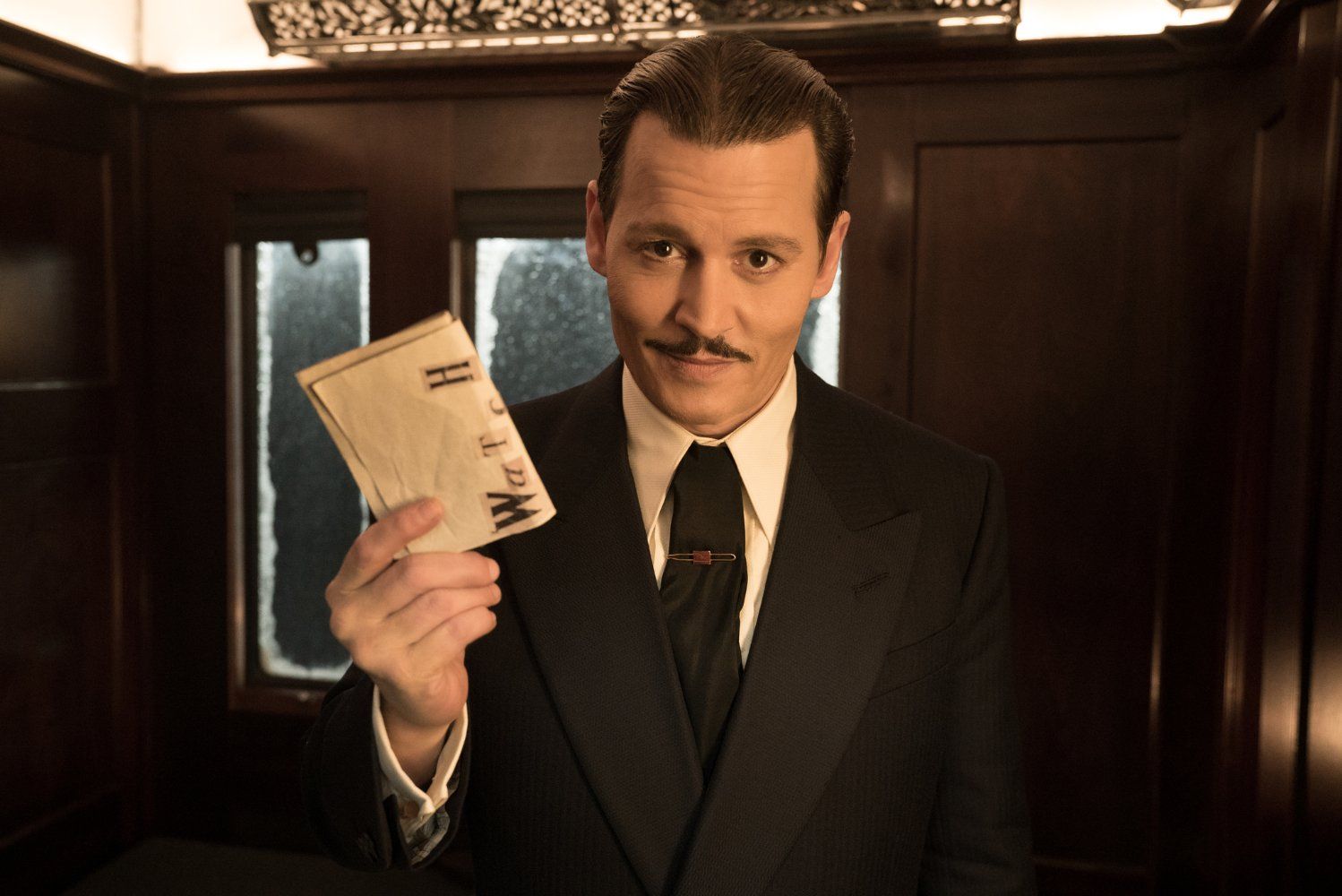 Orient