He’s a classic, essential horror movie stereotype. He has hung around for centuries, but he really came into his own once movies about hauntings turned “scientific”: The Haunting or The Stone Tape, for example. He’s the scientist who wants to empirically study demonic/ghostly activity, and he’s one of my favorite character types in the classic era. That stereotype somehow became real and made a movie, and that movie is Häxan.
That cliché has split into two over the last couple decades, into the complete scientist atheist non-believer empiricist of The Last Exorcism or the hard-nosed empirical but deeply religious and believing exorcists of The Conjuring. That split is extremely irritating: it not only gives a patina of seriousness to the scam artist Warrens, but removes all the weird, liminal fun of figures like Dr. John Markway from The Haunting.
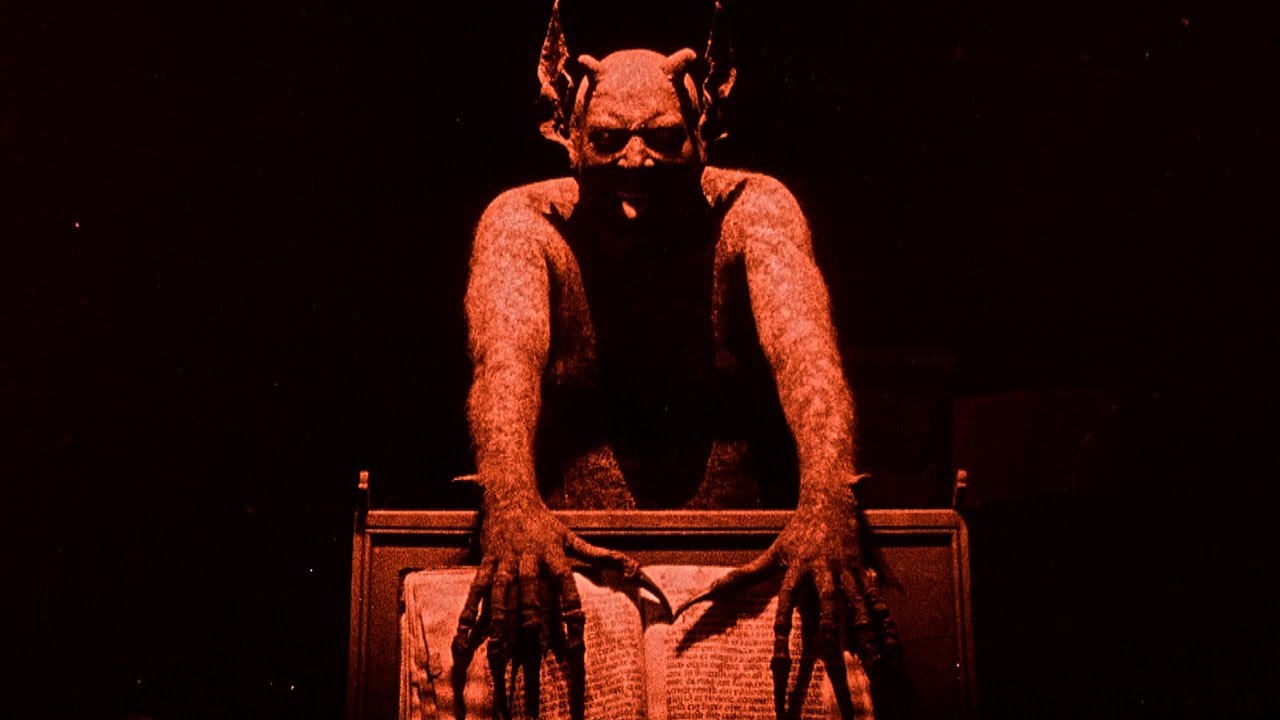 Häxan is chock-full of liminal fun. Benjamin Christensen, the director and writer, dances through a number of roles. He is the researcher, who put together all of this material on historical witchery (mostly snatched uncritically and salaciously from the admittedly salacious Malleus Maleficarum). He is the narrator, who occasionally slips into the first person in the slides.
He is the director, directing the Halloween haunted house torture show, to whom the actors as actors occasionally speak. (At two points, he is placed within the world of the re-enactment. Once, a woman playing an elderly victim of the inquisition tells him she has seen the devil. Later, a young actress “insists” on trying out the thumbscrew; the camera cuts away as she begins to grimace, and there is a Hitchcockian slide about the “secrets” he got out of her.)
He has a scientific mind, and scorns the absurd beliefs of the horrible past – but ends the film with a sequence in the present day, drawing connections to contemporaneous misunderstandings of mental health. (Unfortunately, Christensen is rather in love with the diagnosis “hysteria”, which makes him seem only a little more informed than the inquisitioners.)
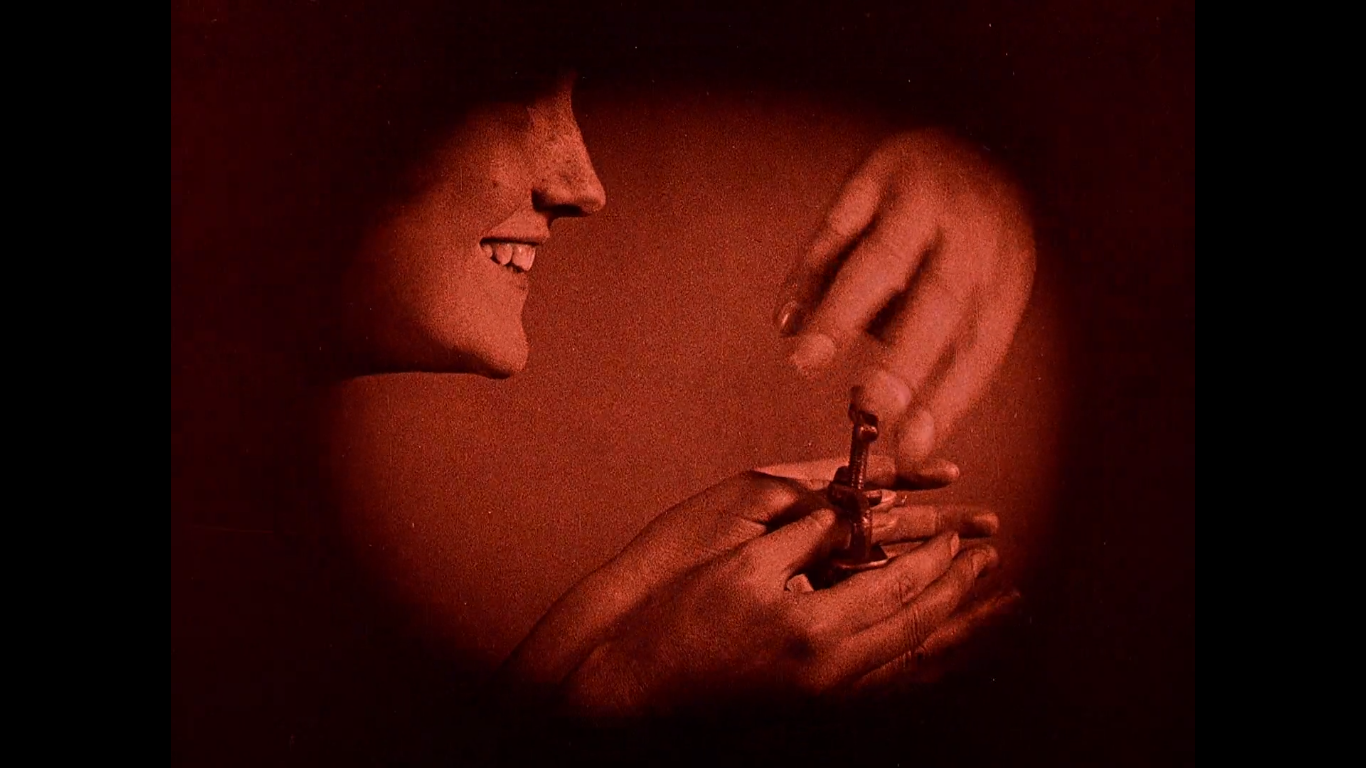 Director, writer, researcher, scientist: an objective mind, dealing with the matter objectively.
But then there is Christensen as someone who takes delight and pleasure in the entire unscientific thing. He is the first enjoyer of the film we are watching.
When we see drawings from the past, they are prefaced by his slides, some of which make plainly aesthetic judgments (he delights in one medieval toy that depicts hell). As the slides direct us to parts of the picture, his is the quivering, phallic stick that helps guide us – and strokes the pictures, almost lovingly.
He clearly has some fascination with young, bound women that can’t be excused by the material. By placing himself within the world of the recreation – with the aforementioned slide about the thumbscrew, for example – he makes clear his pleasure in the entire production.
That fascination cloaked within a cover of scientific authenticity is what always draws me through Häxan no matter how many times I watch it. I can’t imagine anything but Benjamin Christensen running off as soon as the movie is over with some primitive sensitive equipment and a couple of students to an old mansion, as much excited to find ghosts as certain he won’t.
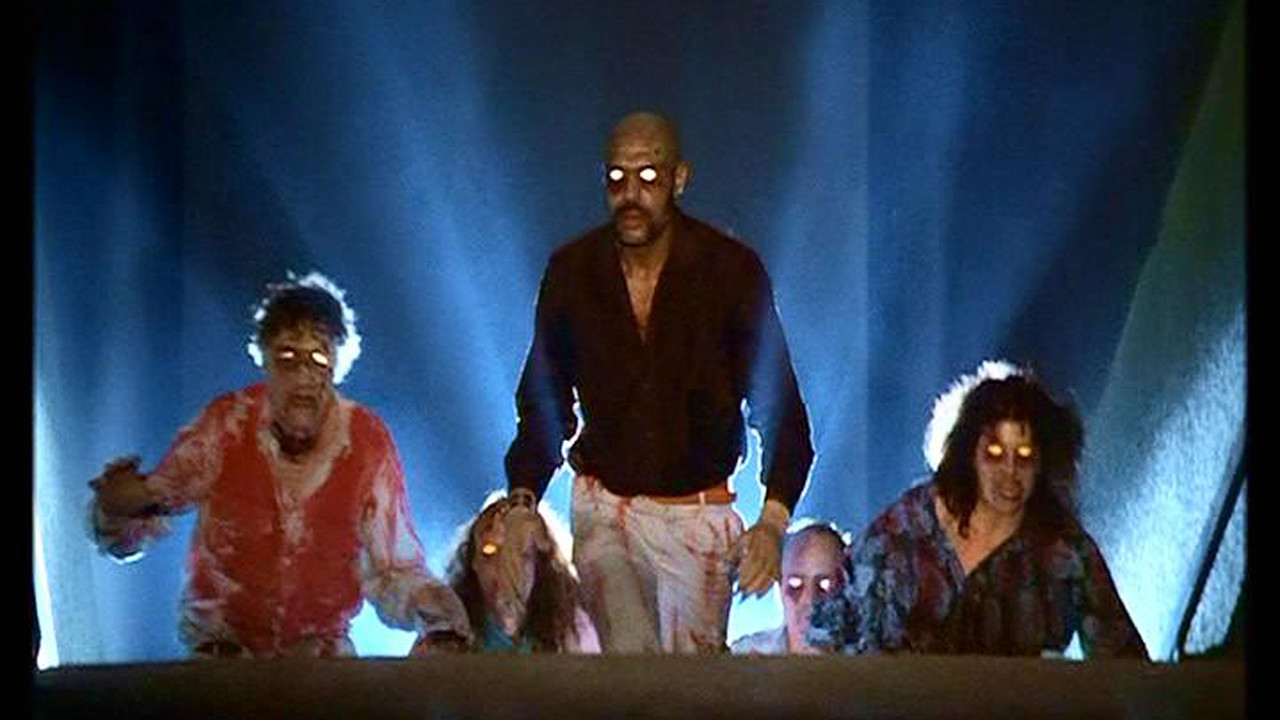


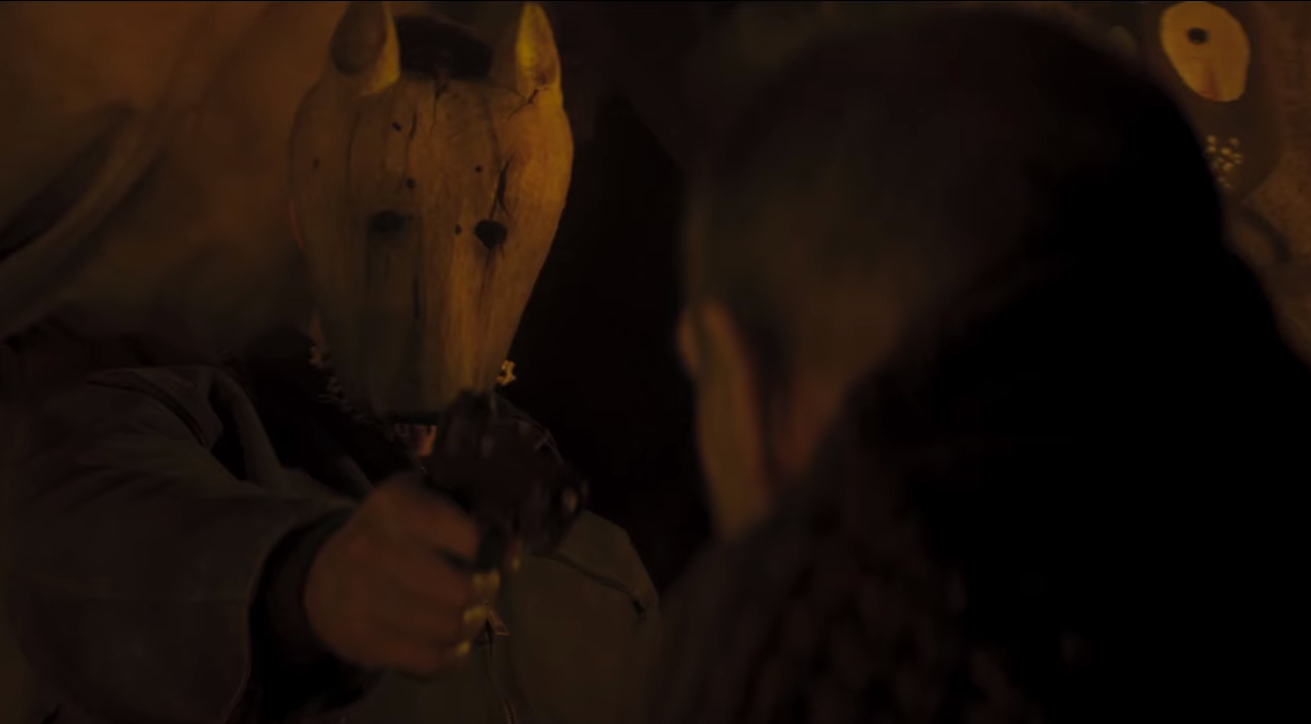
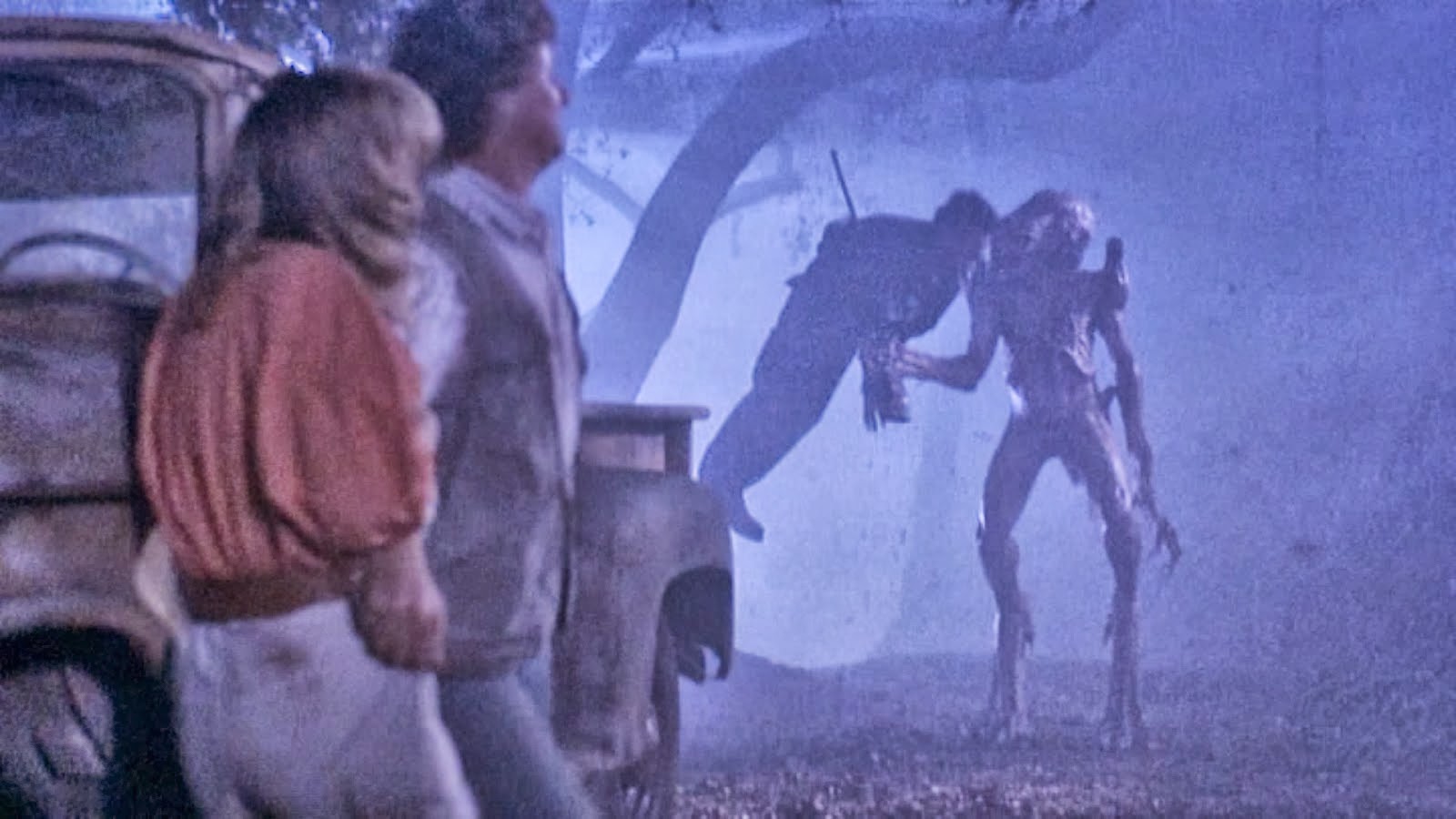
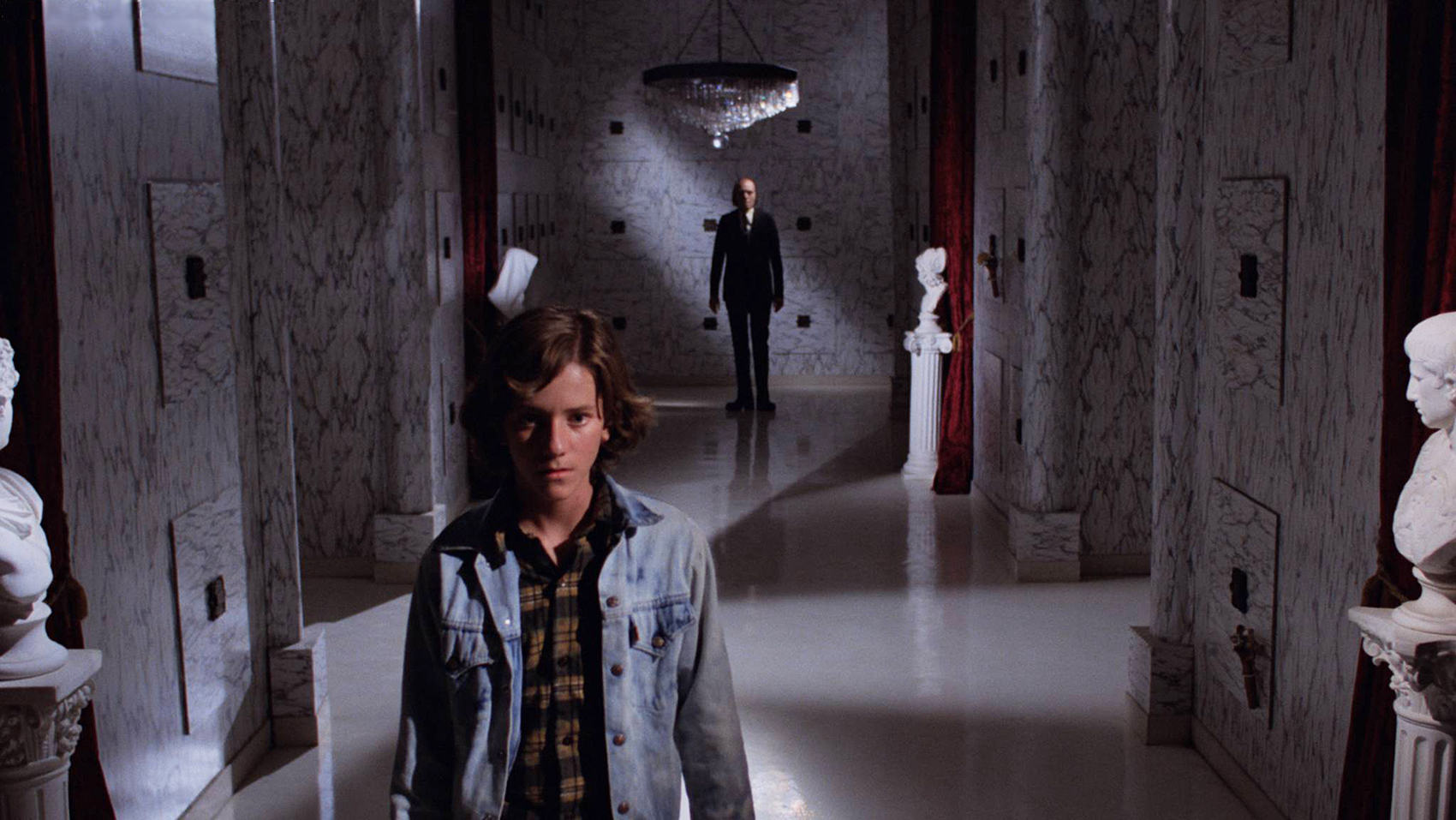 I haven’t really been feeling horror season this year. I started
 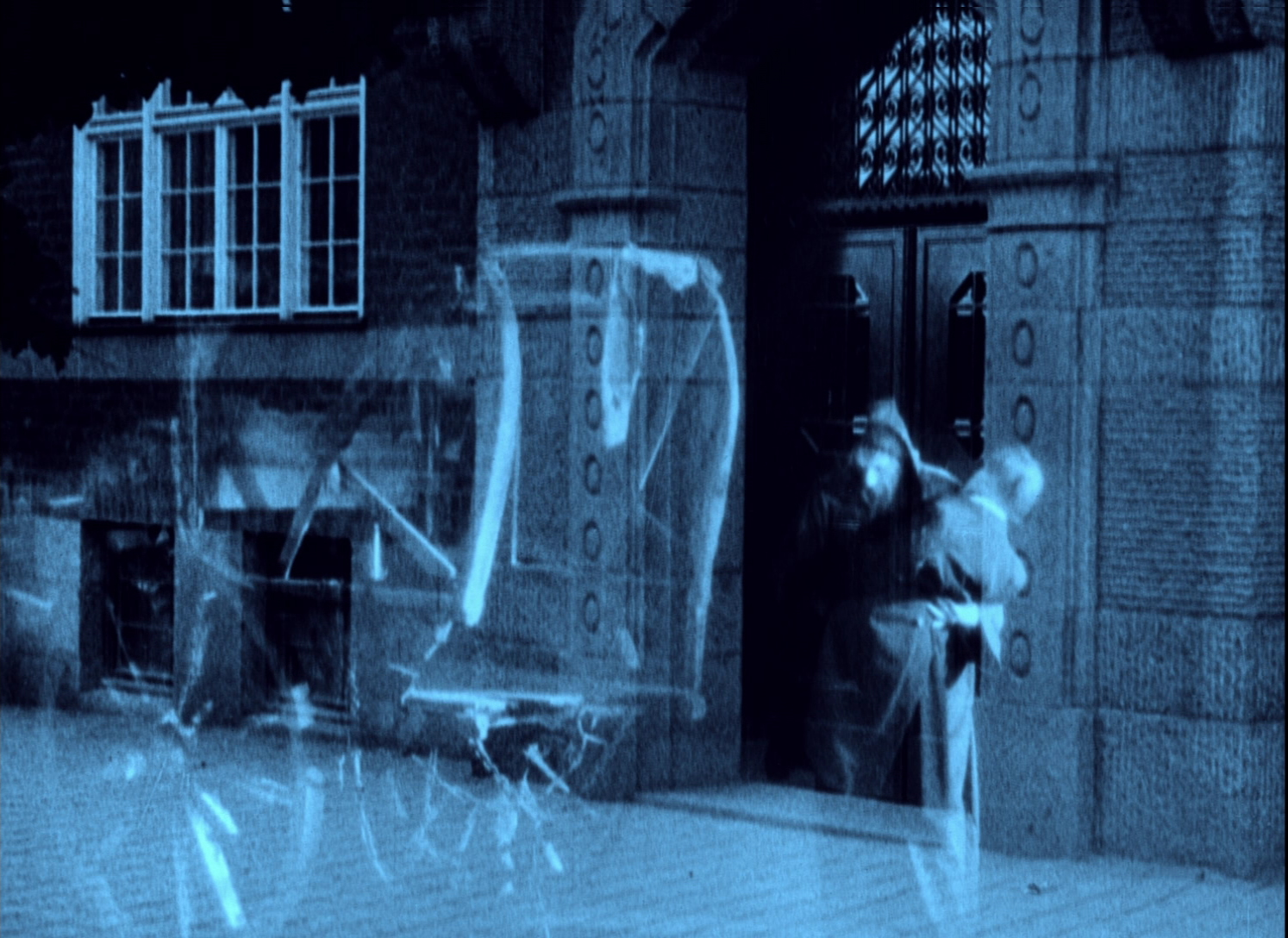 I also watched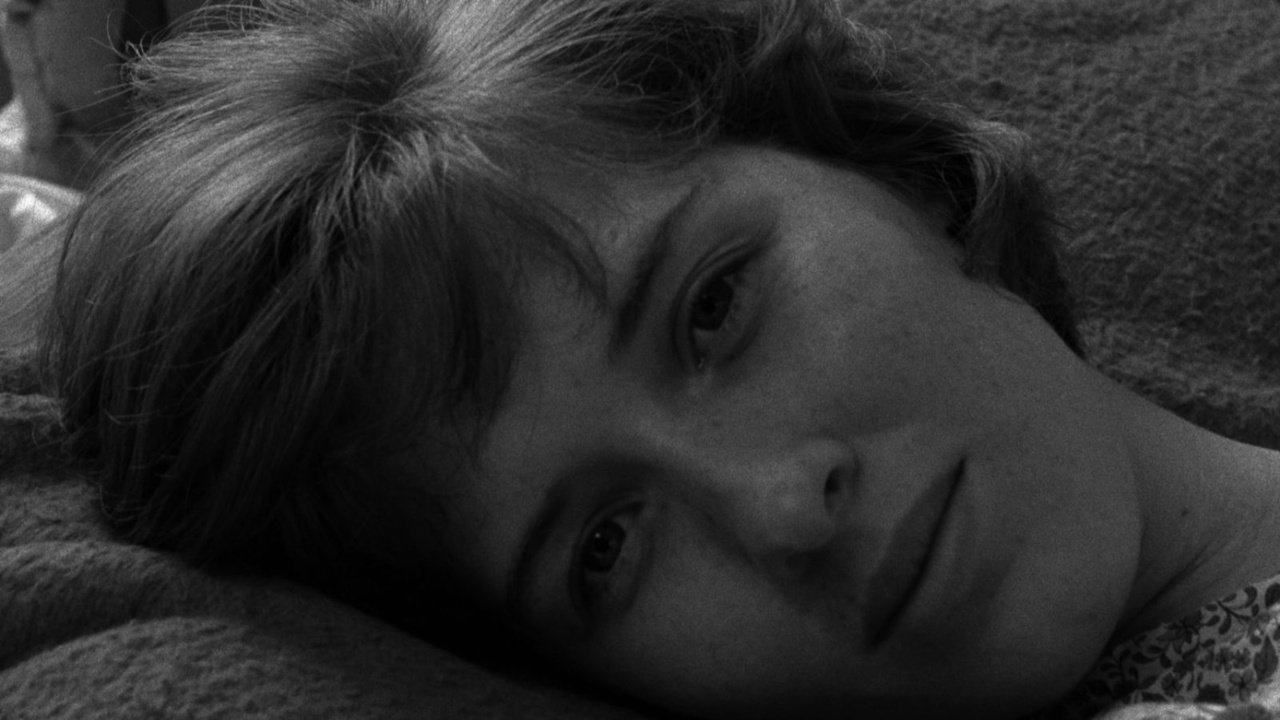
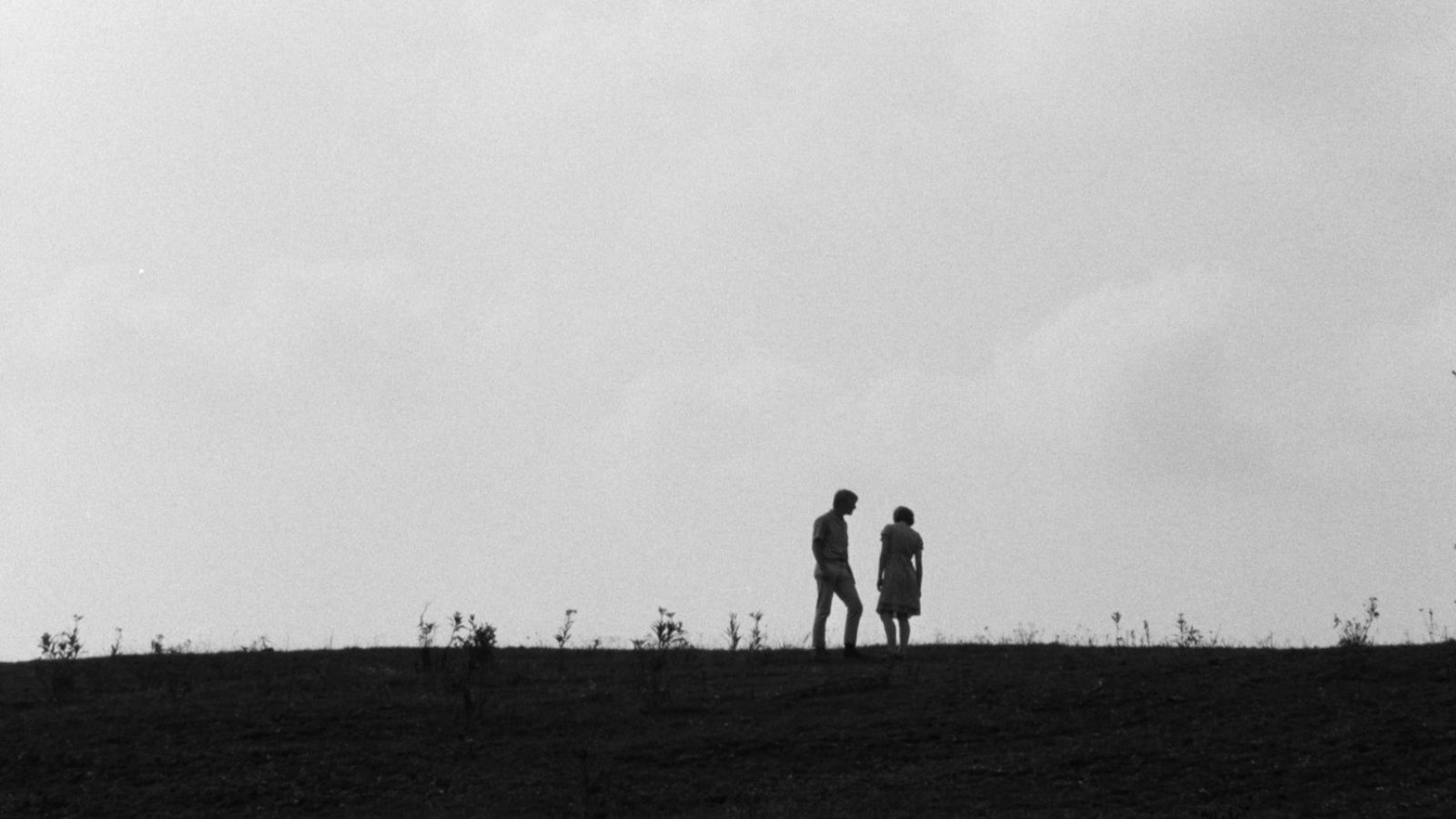
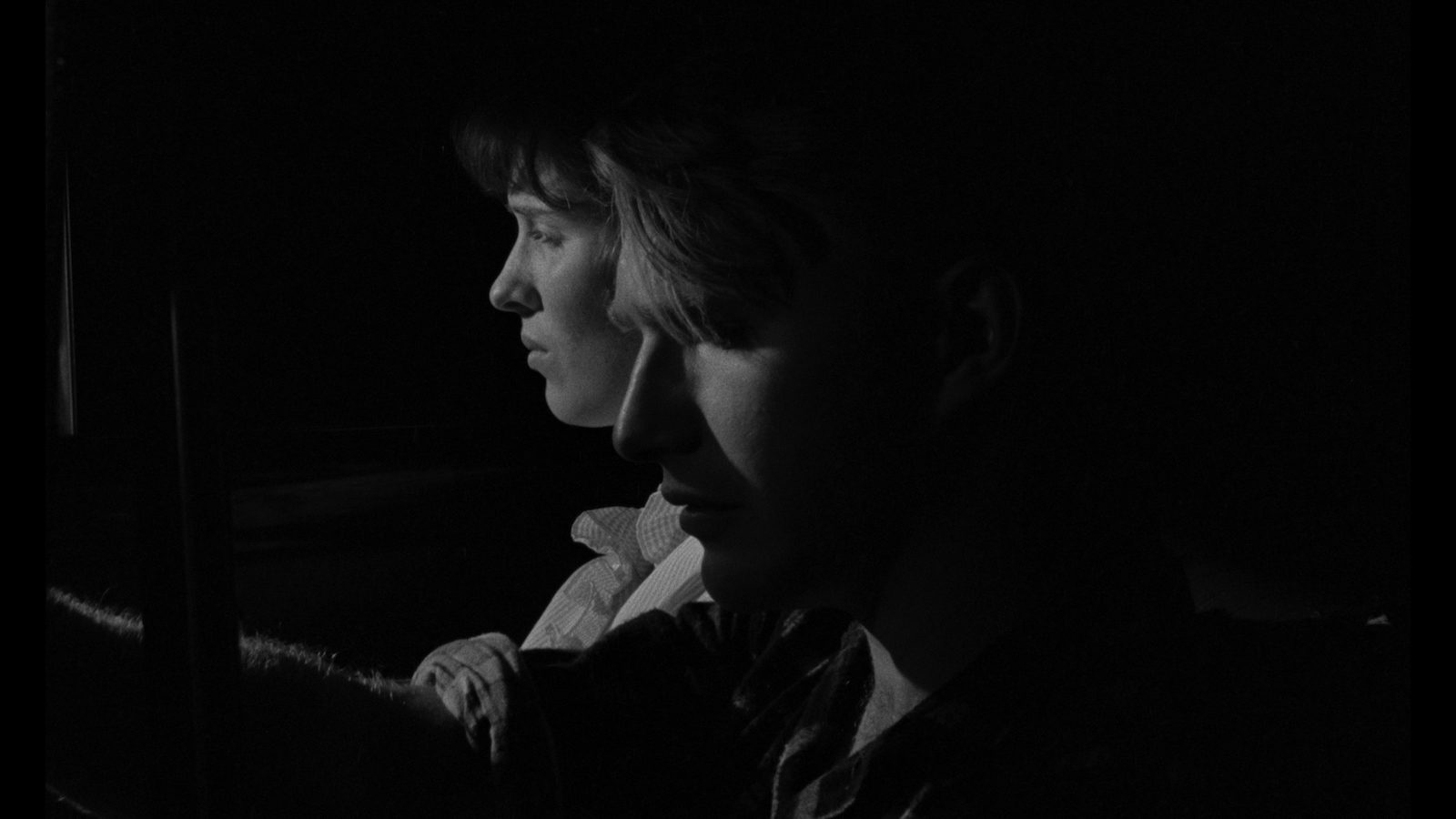 For the first quarter, the film seems like a moseying depiction of the desperate boredom of the small southern town: there is a fight around a dinner table; a grandmother goes to a revival meeting; the youths dance to fiddle music. Then, suddenly, returning home from a bar, Jessica and Carl have sex.
 Instead, like the audience in Kaufman’s film, you try to interpret how much of the irony of the character is at different discursive levels. How much do the actors and director know about how a national U.S. audience would interpret their depiction of rural life?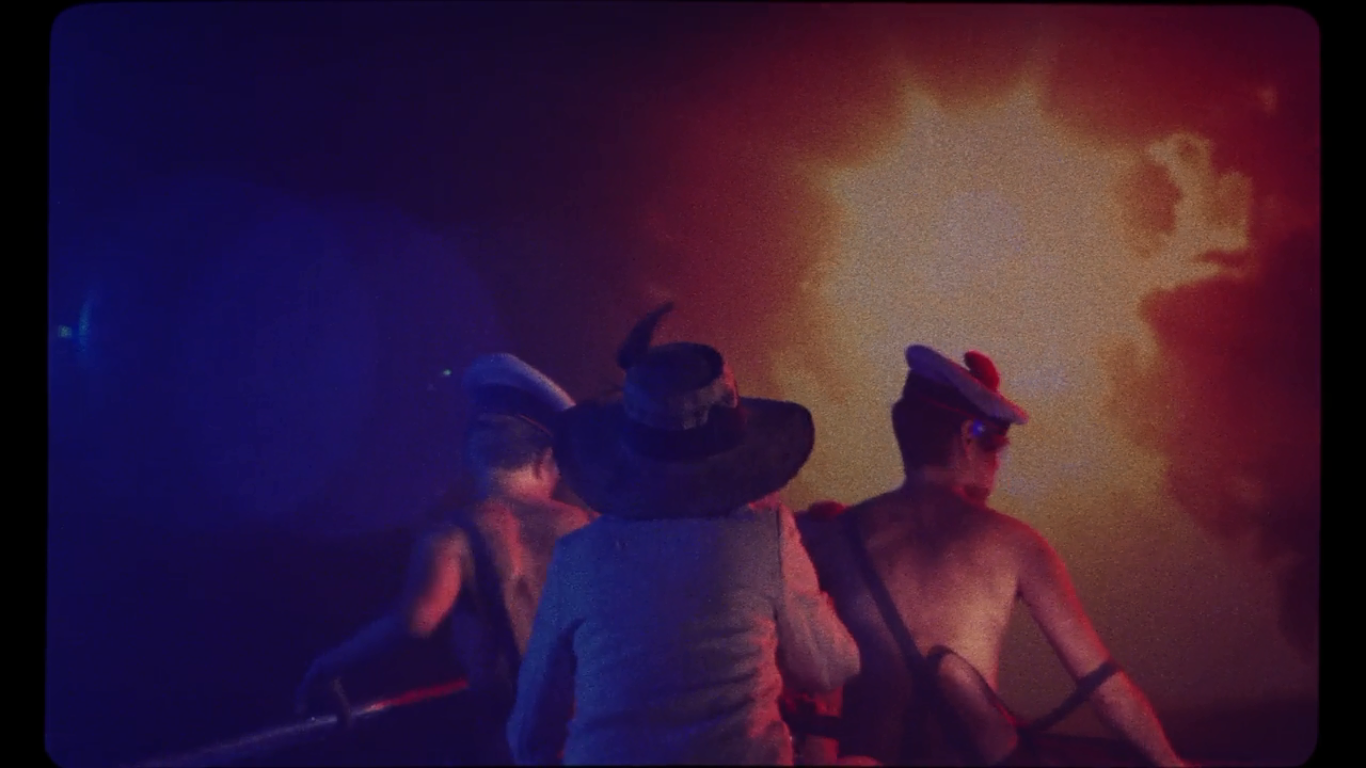
 Liz: Well, Rick, I’ve now picked two movies for our discussion pieces –
 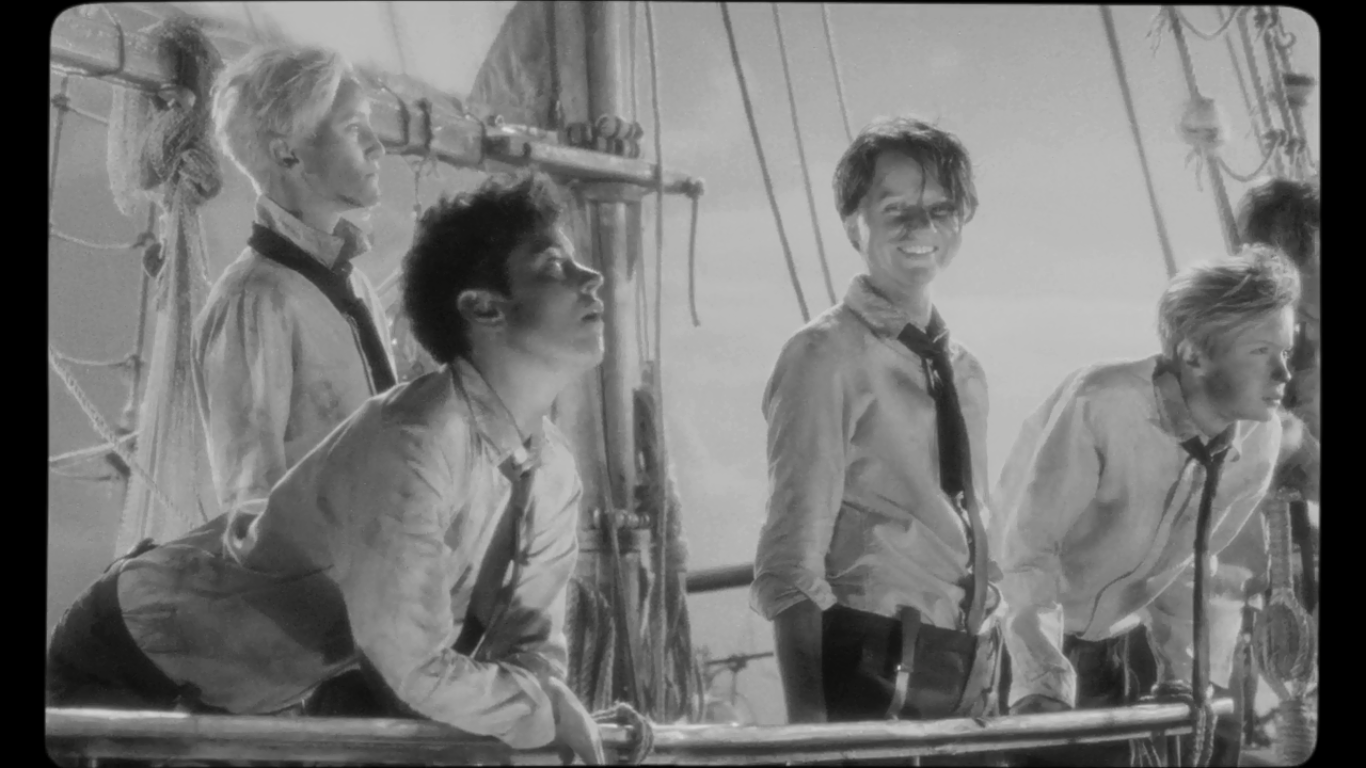 Here we kind of hold on that transition, and play with it in weird ways. In the traditional Western gender roles, boy children are basically considered girls; here, instead of boy-girl children maturing into men, unequivocally male children/teenagers “mature” into women.
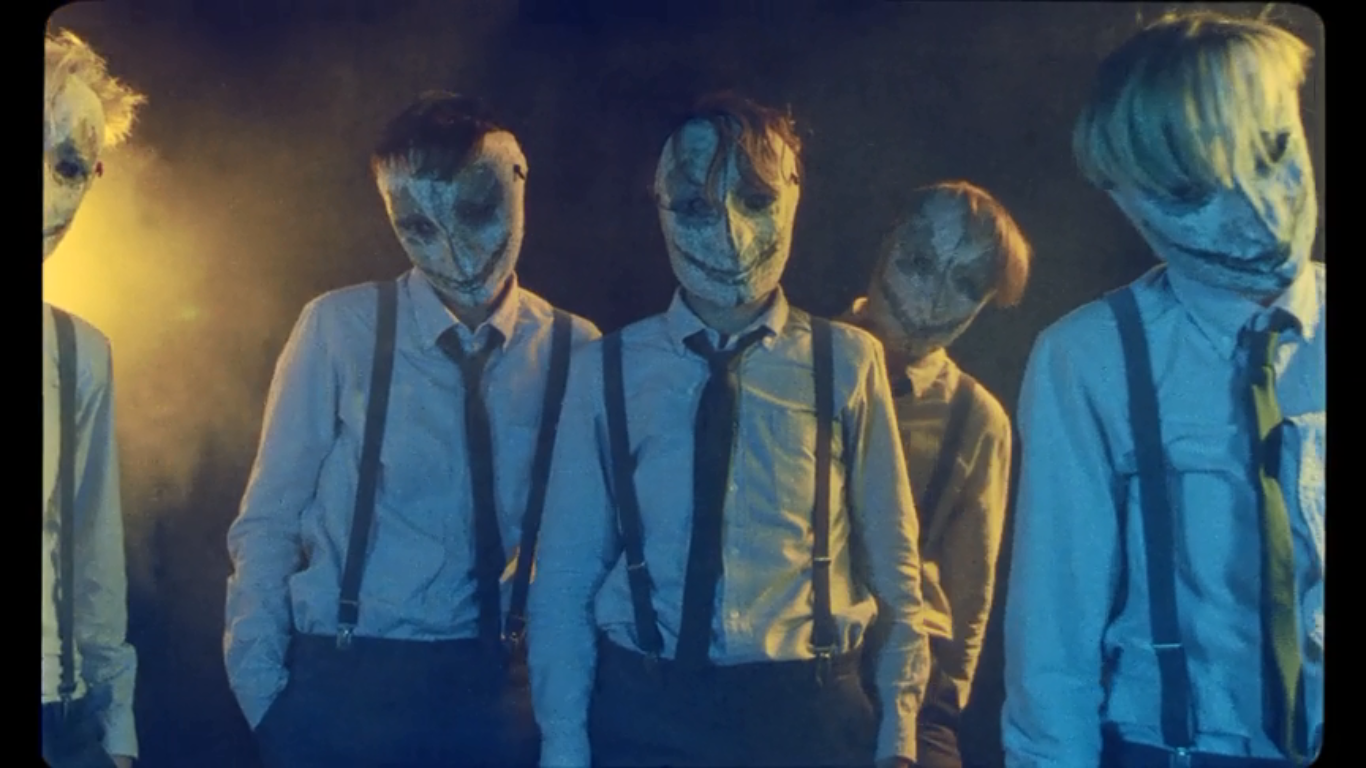 Liz: Well, for starters, I think that, for all of those references — some of which I definitely recognize — in Wild Boys, the film is much less interested in showing off and making sure you know them than Eisenstein is (and as
 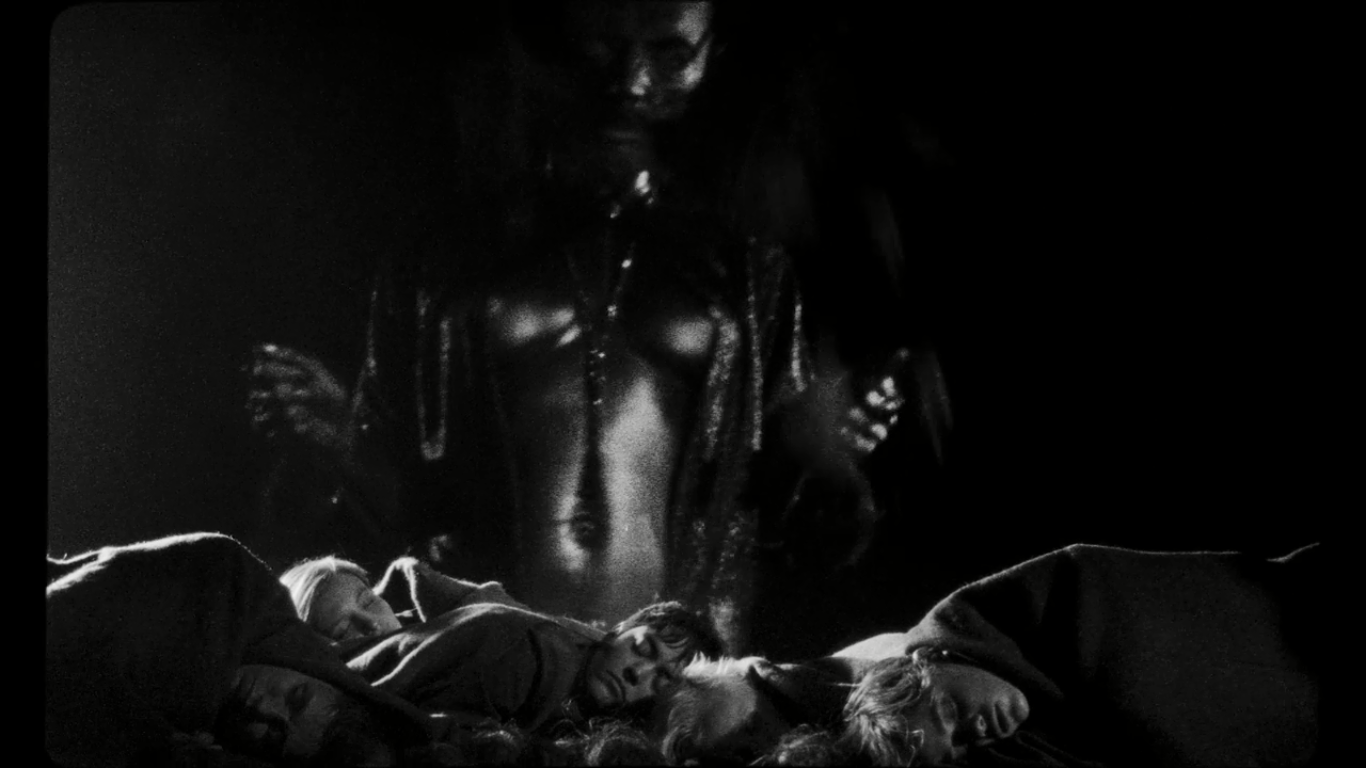 In queer circles, there often is this complicated sense of micro-power dynamics, that threaten to replicate the patriarchal structures that people in theory are trying to escape. The way that as soon as some of the boys begin to transform into women at the end of the film, they open themselves up to being victims of sexual violence, seemed to me to be the culmination of that thread through from the teacher (to the questionable figure of the judge at the school, to some extent) to the captain of the ship to the boys themselves. It seemed fully explored enough that I didn’t feel like it was just a matter of exploitative sexual prurience.
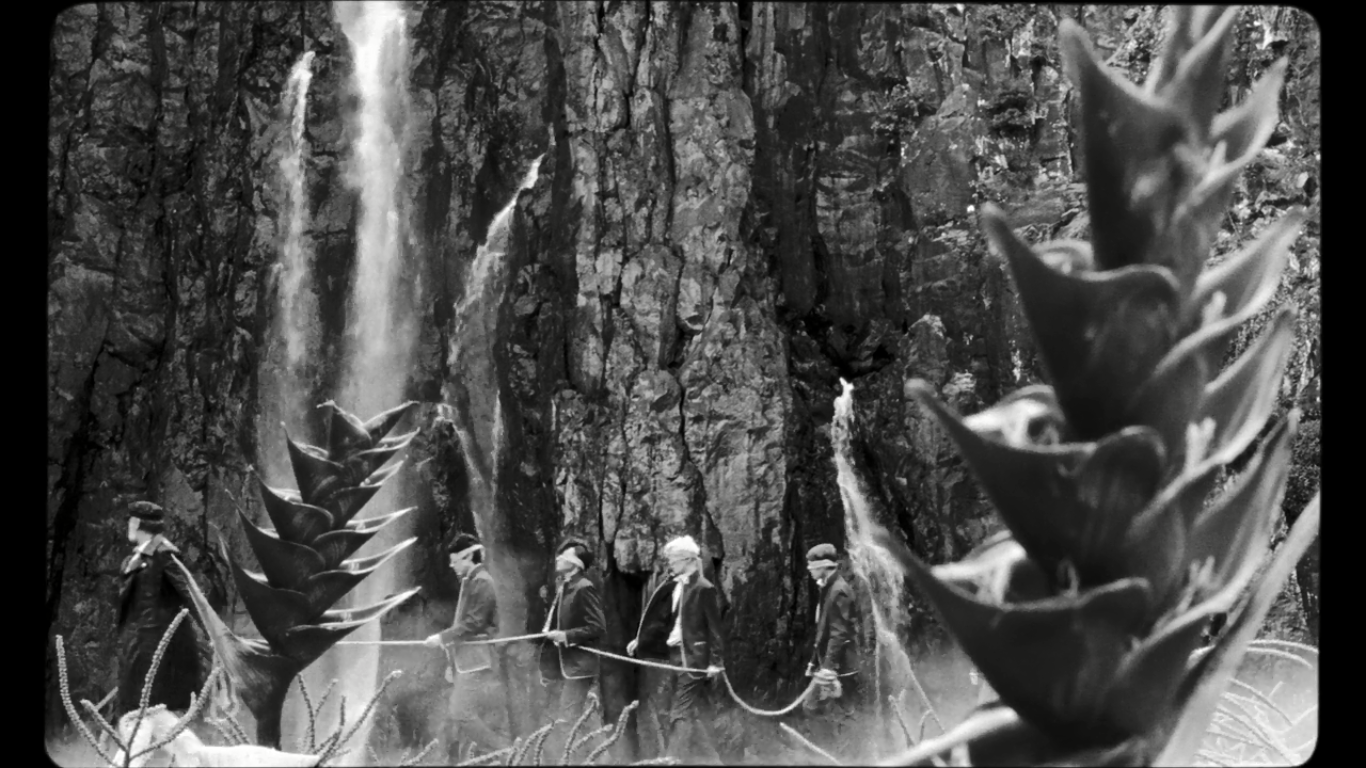 But that way in which it is horror-but-not-quite, that genre trope playfulness, applies across the board. Mandico is clearly having a lot of fun mixing and matching, not “subverting” tropes so much as sending them spinning against each other. The very notion of being sent to an island of pleasure as a form of transformative punishment is part of this set of contradictions and imploded binaries.
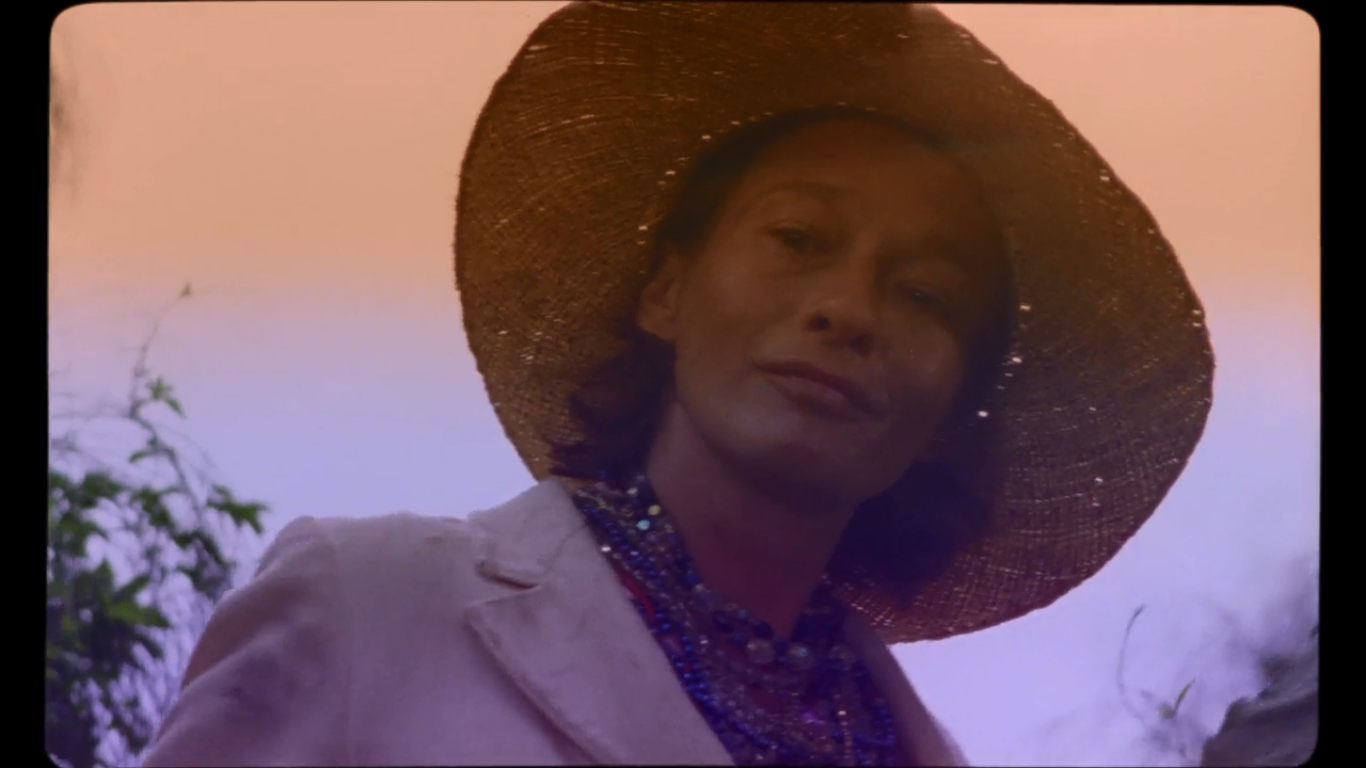 Rick: And further discussion! We’ve talked all this time and haven’t really touched on the remarkable performances.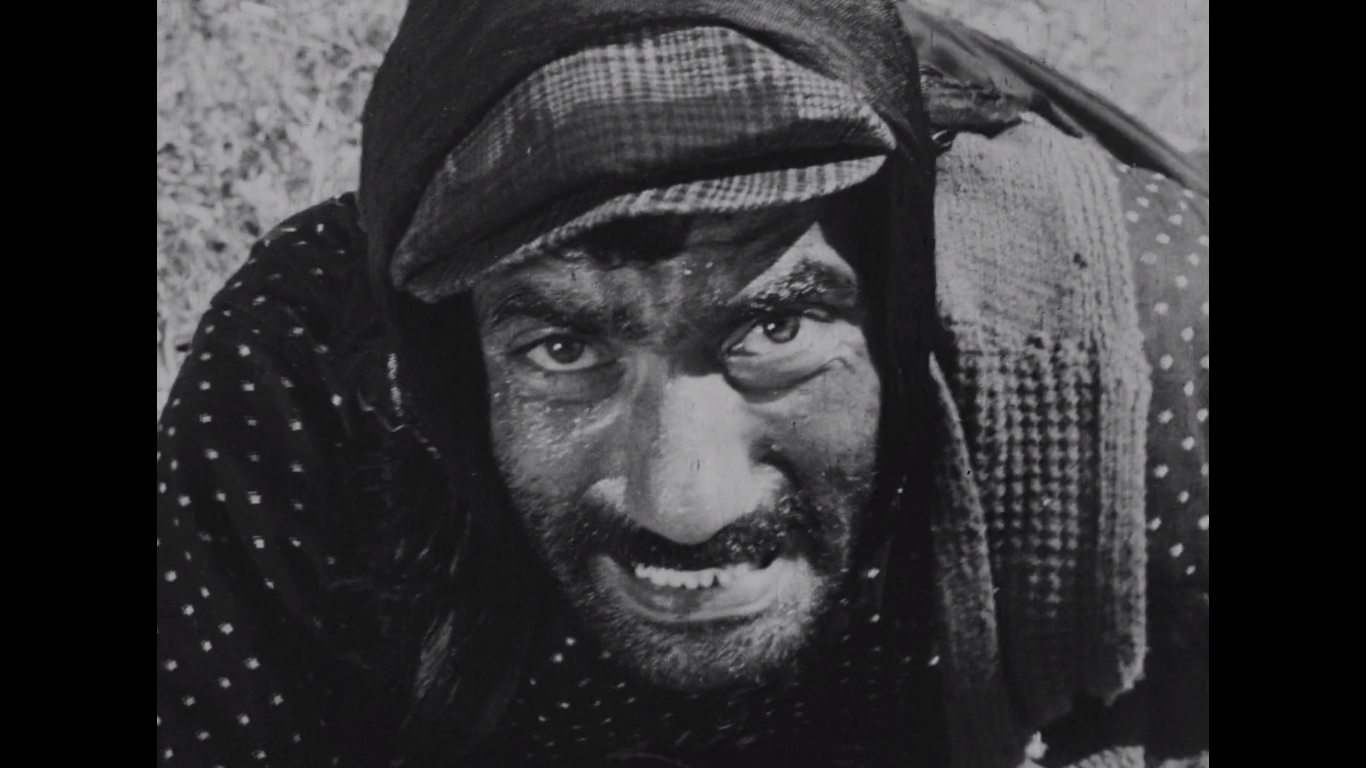
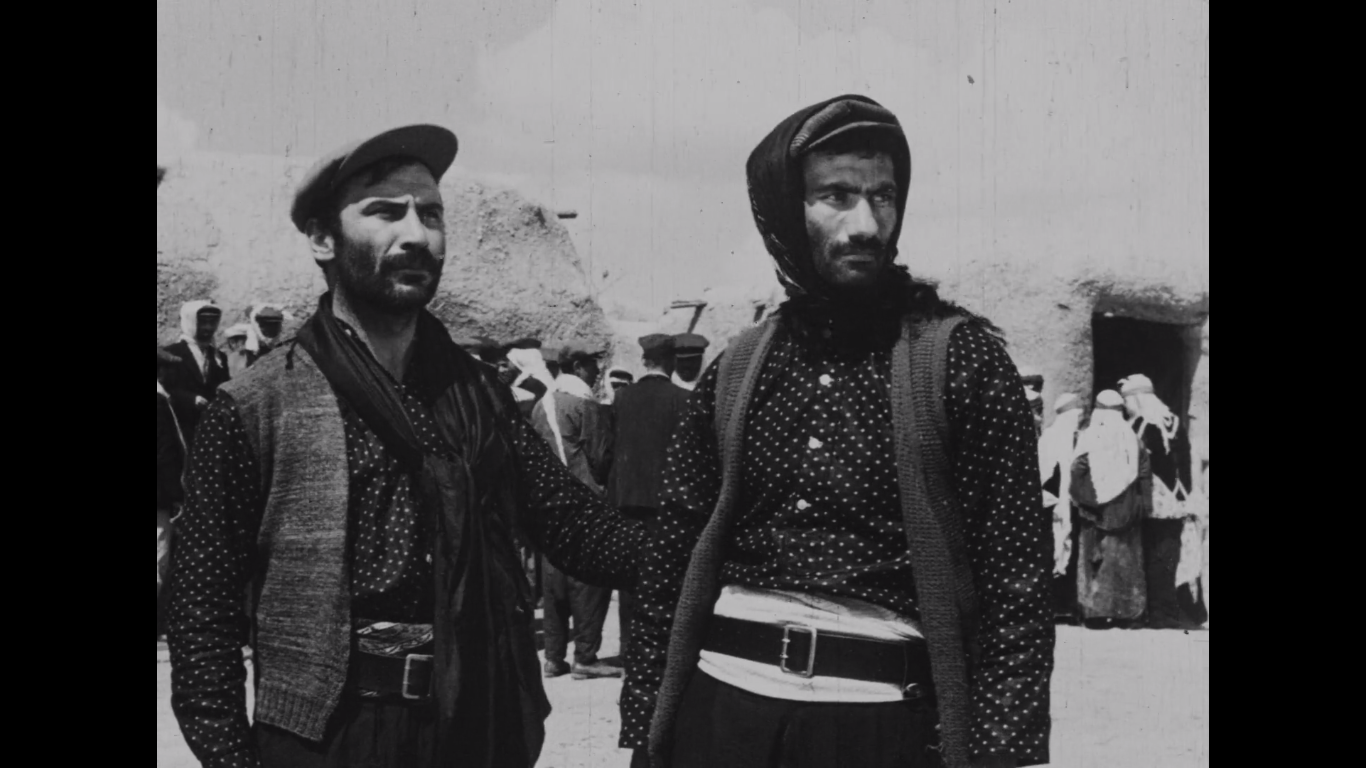 Imprisoned again for a week following the 1971 coup, he fled Ankara to make a film in Anatolia, and then was rearrested a year later, amid 1972’s widespread crackdown on leftists and sympathizers, for harboring anarchist student radicals. This unrest also included
 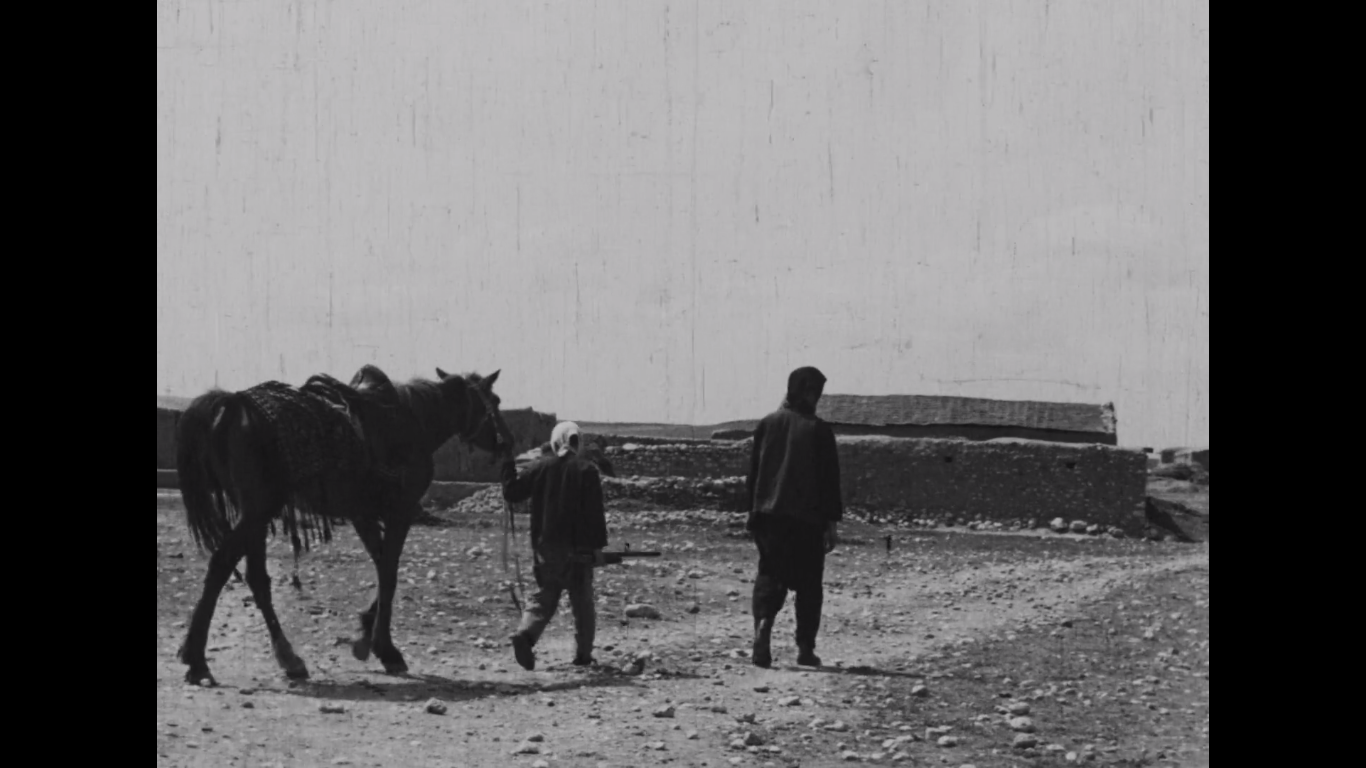 That’s a hell of a story, so why the relative invisibility? It may have something to do with the fact that Güney was largely erased even from Turkish cinema history until the early 80s. I only came across Güney in the course of my latest strategy for deciding on a movie to watch in the face of Streaming Paralysis: clicking Play semi-randomly on films I don’t know on Filmstruck, sorted alphabetically by director. In this case, it was Akad’s
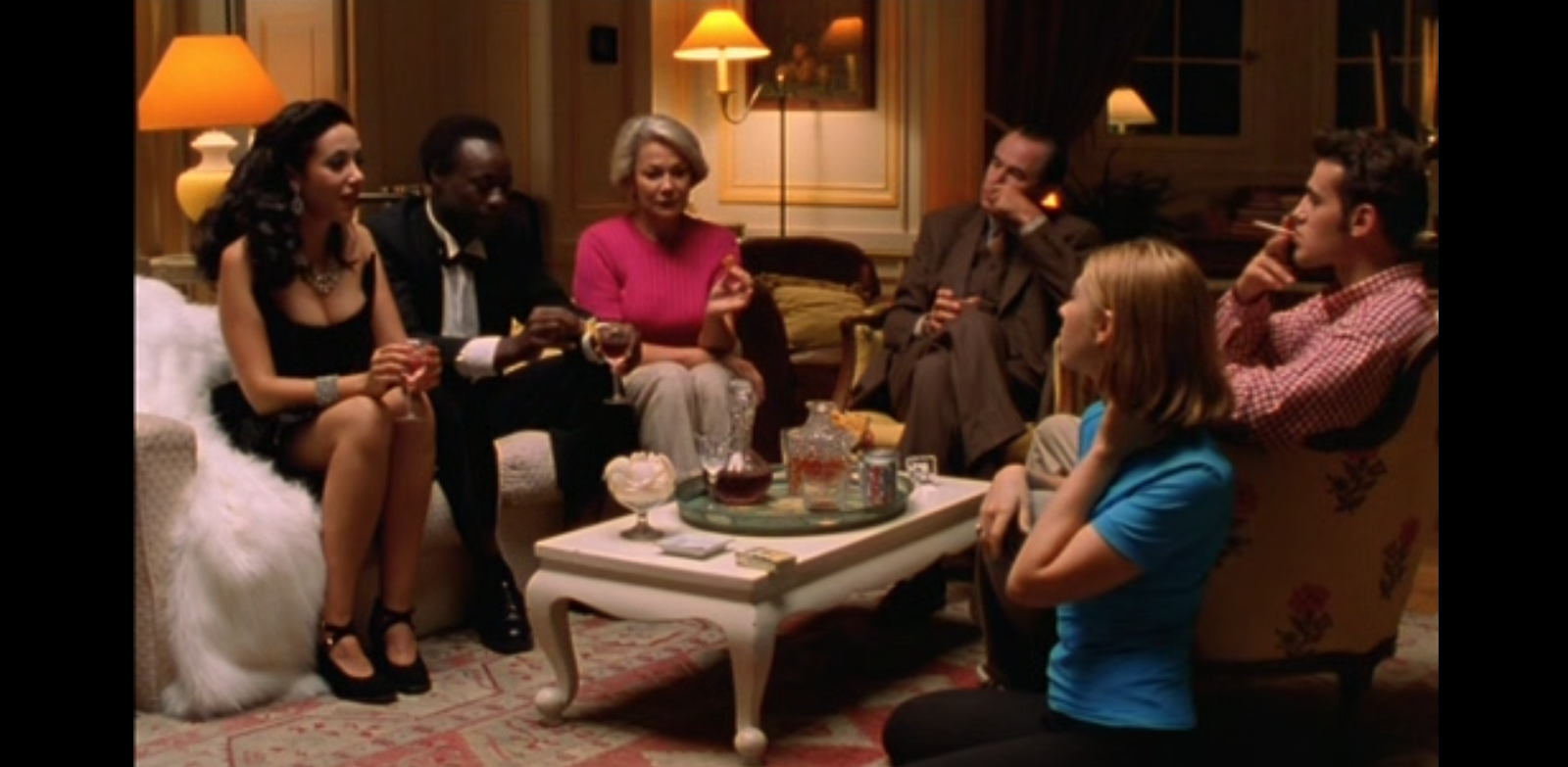 Then, the flashback. It is weeks earlier and the family is alive, balanced for maximum future debasement: a father and a mother, a son and a daughter, and a maid (Spanish, and with an African husband; the mother’s
 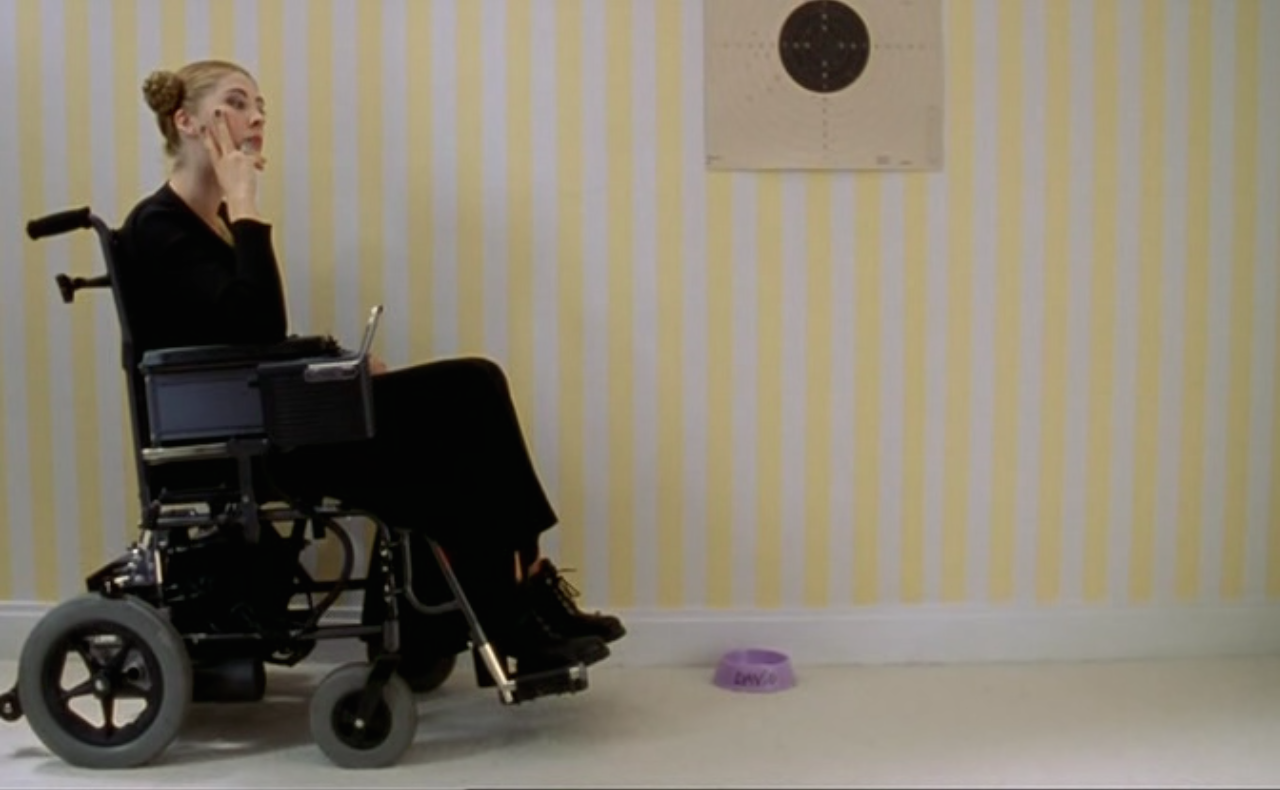 All the cold repulsion one might expect from the camera ends up in the place of the father, who finally gets sick of the whole situation. There is a moment here that is the clear original end of the film: the father plays with the rat, gets the same red-eyed shot as everyone else, and we see the scene from the opening, in which he returns home and shoots everyone. Then, suddenly, at the sixty-minute mark, this is revealed to be a dream of his. (It’s a goofy decision, and I wonder who told Ozon he needed another fifteen minutes of footage.)
 Does that mean anything to you? Does the idea of Deadpool referring to Cable, the antagonist-then-partner played by
 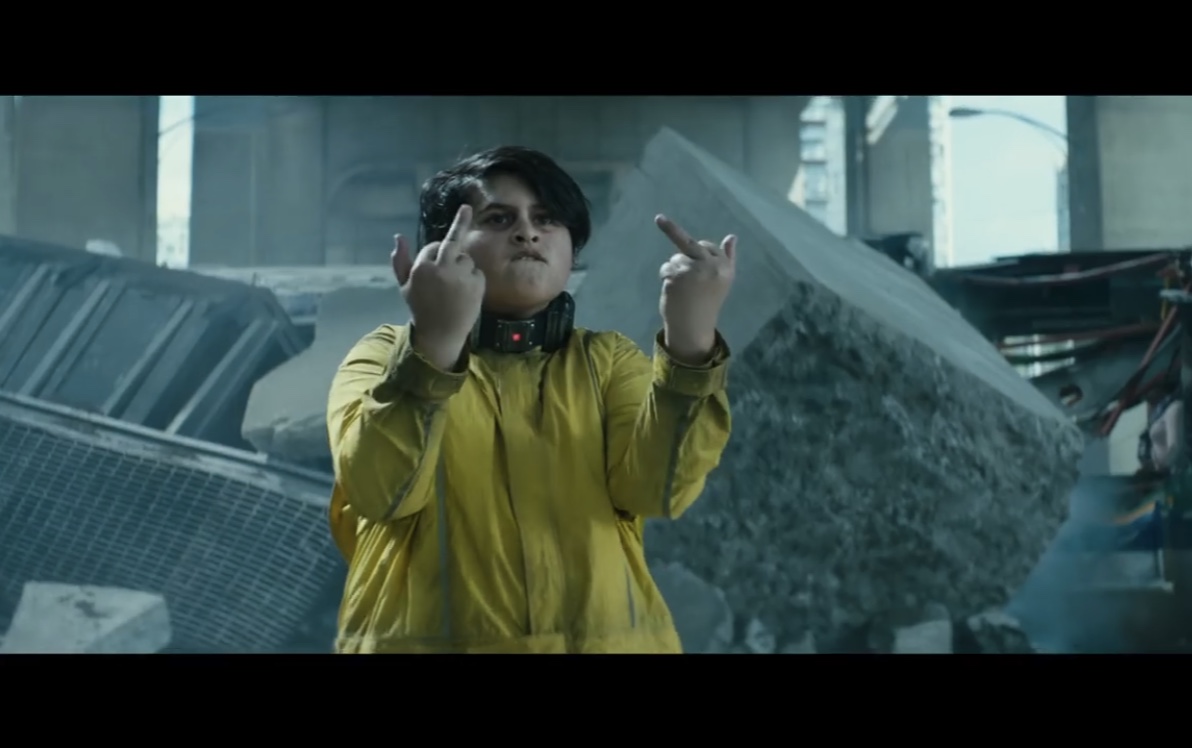 The weirdest thing about the movie, though, is that emulsion structure. Everything about the Firefist plot is intensely sincere. Cable has come back from the future to kill Firefist, who was arrested on his way to kill the people who abused him at an orphanage as a kid; in the future, Cable says, he becomes addicted to murder and kills Cable’s family. Deadpool, inspired by the dying words of his girlfriend (
 Why am I talking about any of this in relationship to Deadpool 2? Because to me, the double position of Deadpool, as sincerely emotional figure within the narrative and sarcastic joker outside the narrative, reflects a need for that kind of second-level conversation about the narrative world. And if a film like this needs so desperately to comment on itself, then that makes me start to believe that the current antipathy to that kind of commentary is not a new, less human world emerging or the final success of capitalism over art.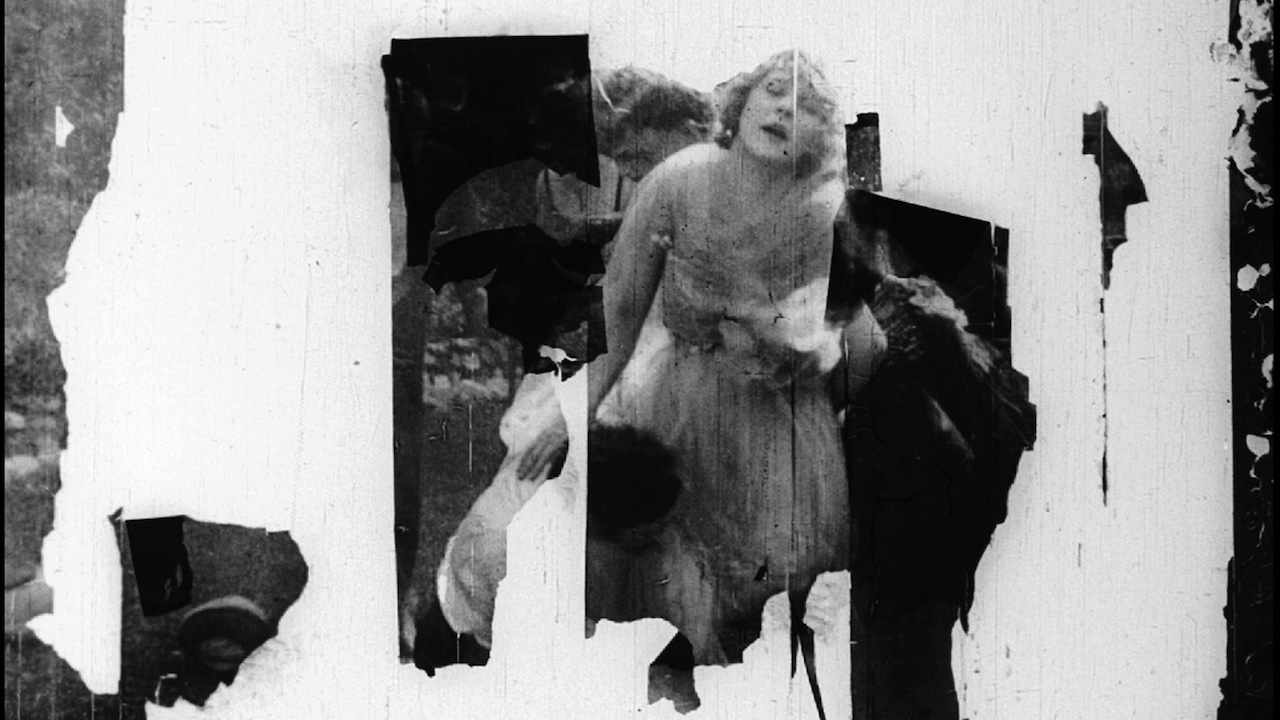
 Scholars, historians, and film enthusiasts can be forgiven some hyperbole, then, as far as the Dawson City find is concerned; every discovery’s notable, but more than 500 at once? These are films that everywhere else have literally exploded and burned down the buildings where they were clumsily housed, or tossed out as unprofitable garbage (including, in Dawson City, into the Yukon River), back in the days when the notion of “preserving” something so trivial as a film at all would’ve sounded ludicrous. The primary reason so many reels even remained in Dawson City in the first place is that distributors and studios were unwilling to pay to transport them back.
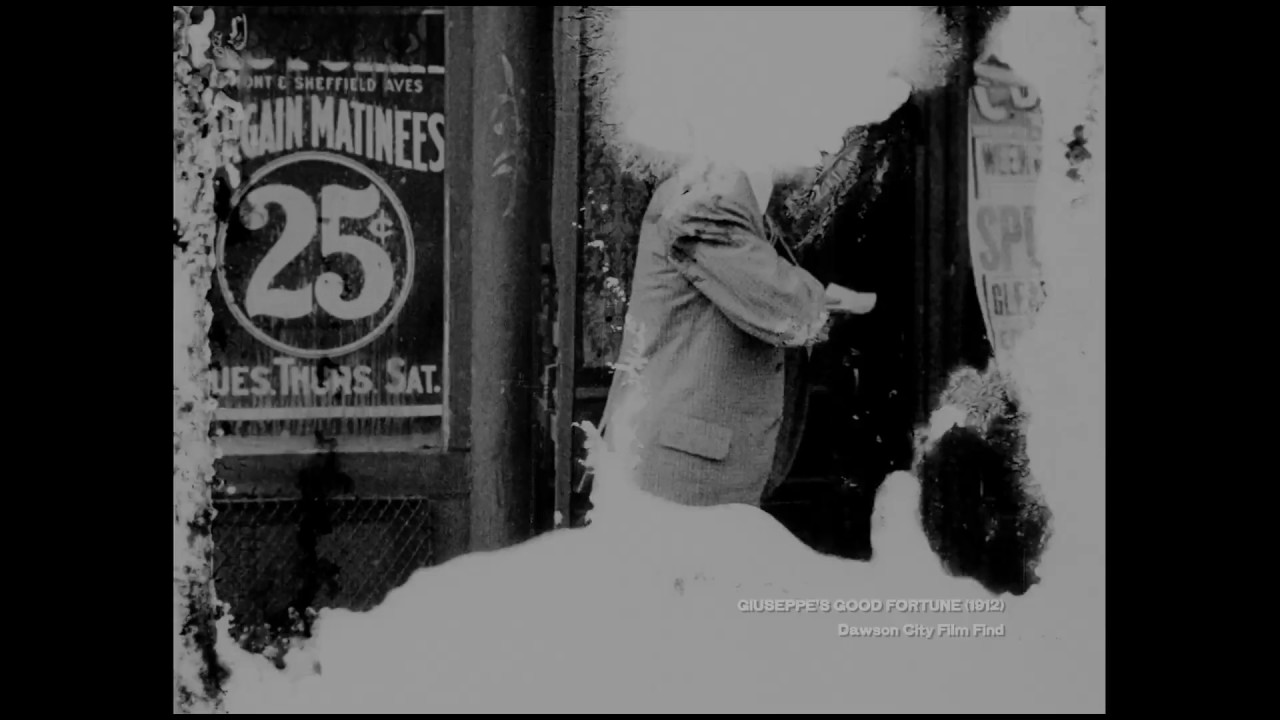 Drawing on Florence Hetzler — who described a ruin as”the disjunctive product of the intrusion of nature upon the human-made without the loss of the unity that our species produced” — Zambenedetti, in his Celluloid Museums (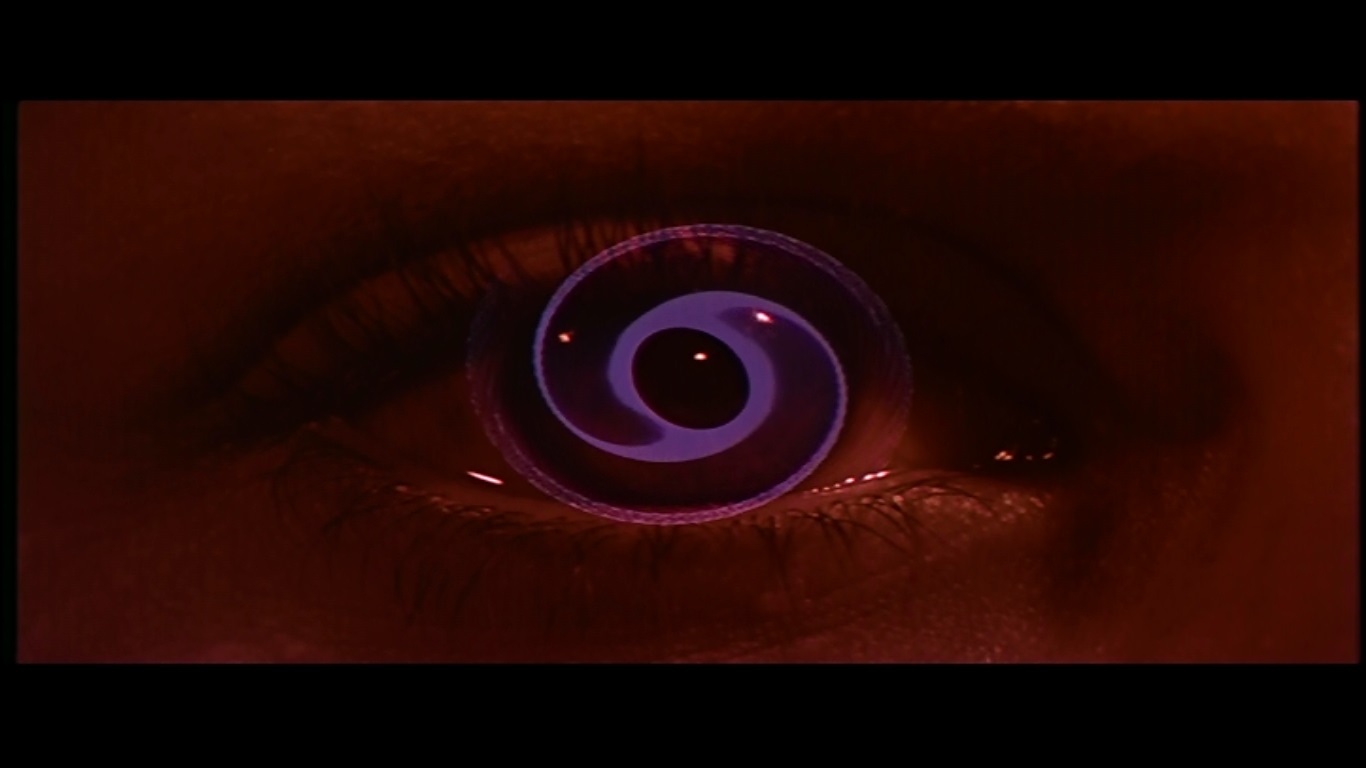
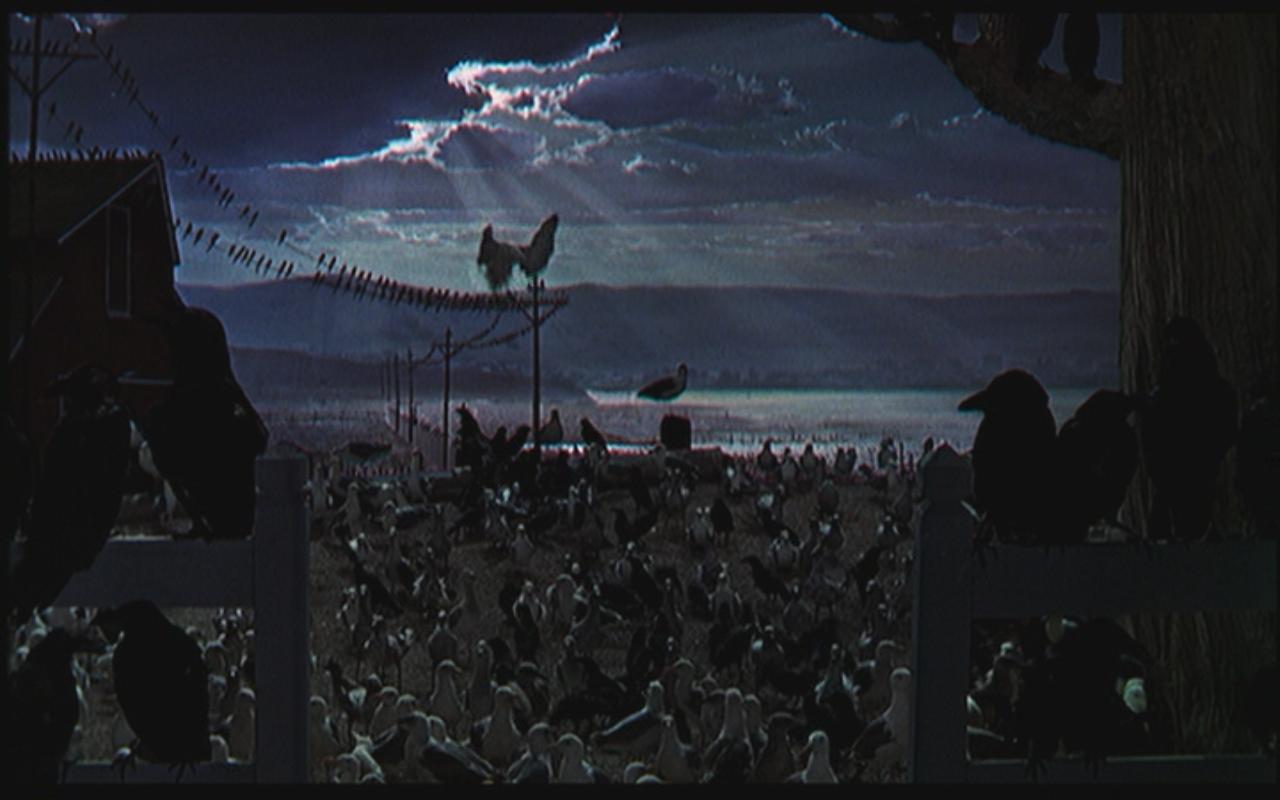 Here’s the secret: I’ve only seen a handful of Hitchcocks, and I only really remember the beginnings and endings. I remember the opening music hall scene of
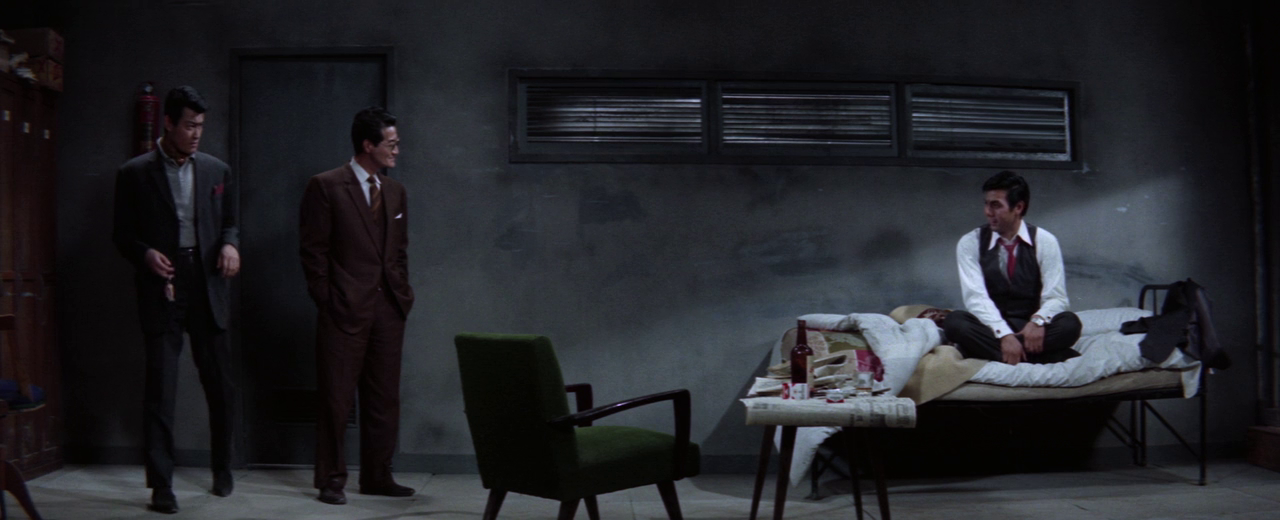 At its core, this is a