
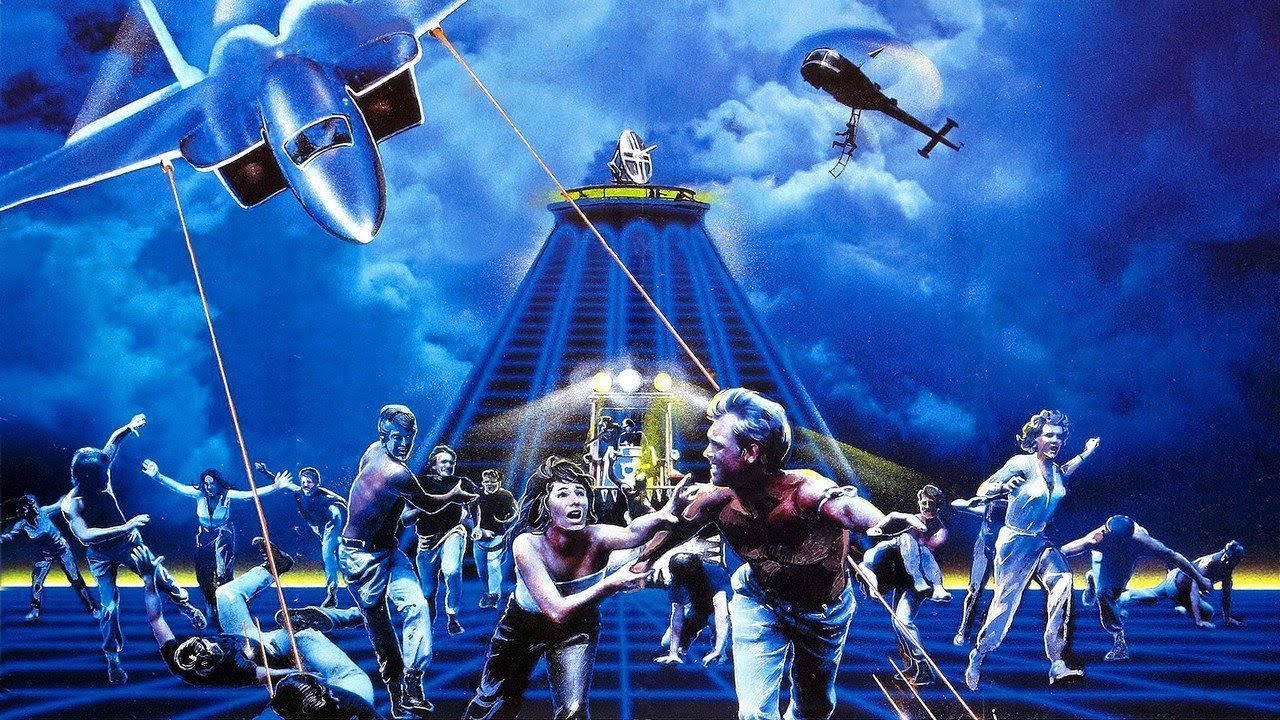
Like most movie enthusiasts, we watch more films than we ever have time or occasion to single out for longer, more in-depth discussion. Rather than cobbling together, as we have in the past, lists of currently streaming titles — there are plenty of astute critics already doing a wonderful job at this uniquely pain-in-the-ass endeavor — we’ve decided to just assemble some highlights from our week.
What Did You Watch This Week? Liz’s Highlights
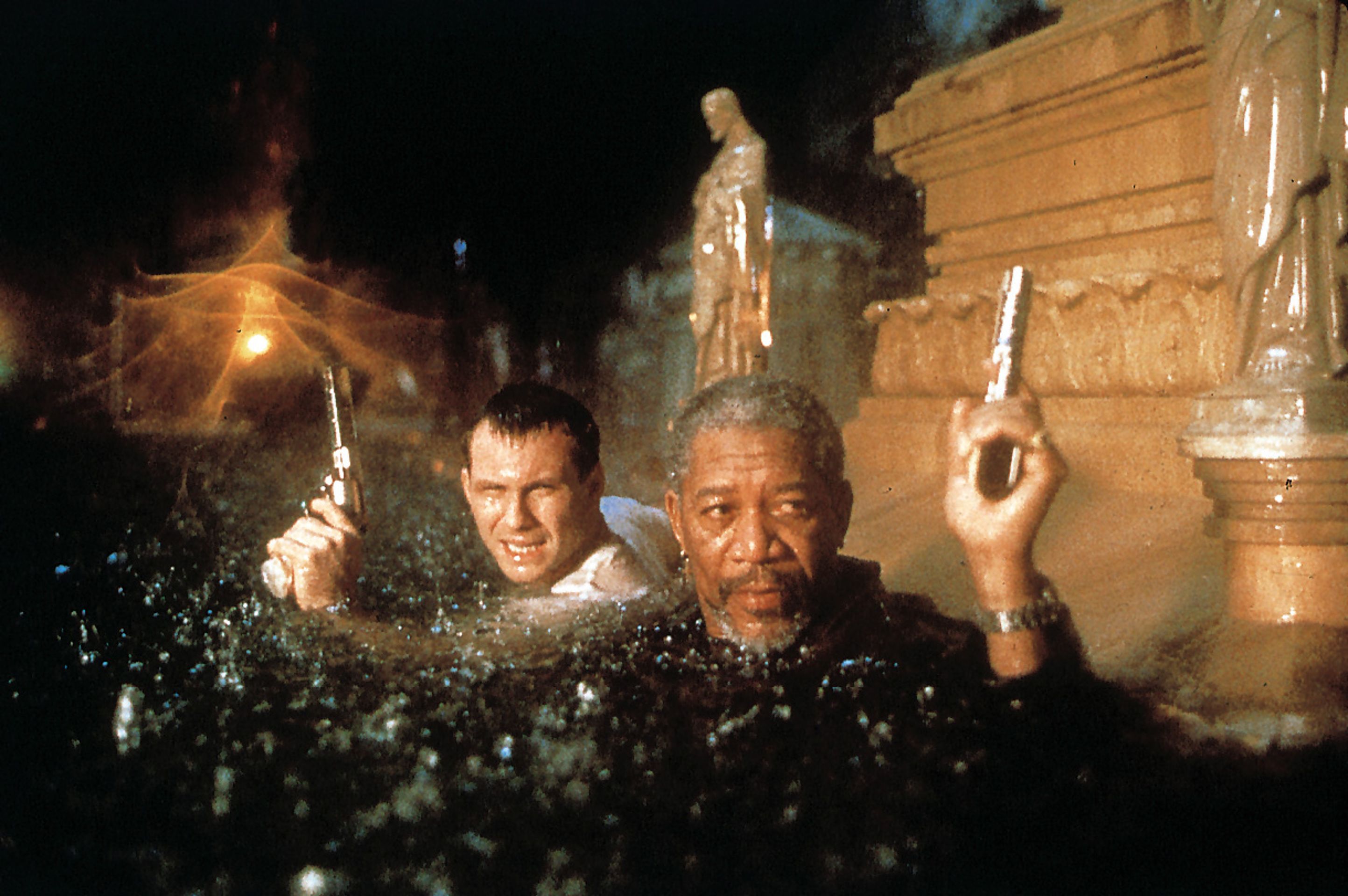 Hard Rain (1998): There is no getting around it: I have a weird affection for the 90s thriller I can’t explain. Something about the shooting, the performances, the lighting — which is, objectively, terrible — just speaks to me on some level. So when you show me the pile of bad reviews for Hard Rain, I won’t disagree, but the simple fact is: I really like this dumb movie. The Hurricane Heist avant l’ouragan, it stars Christian Slater as an unlucky armored car security guard whose car is held up. The only wrinkle is, it’s held up in the middle of a city at the base of a dam, and as such it regularly floods to a depth dependent on the plot. It’s a goofy movie (although the third act twist legitimately caught me off-guard) that mixes disaster and heist loosely — and stars Morgan Freeman as a villain, for a change. But what really sticks out is the same thing that sticks with me from movies like The Poseidon Adventure: those strange moments where rising water levels change the way we treat the dimensions of the world around us, like in a thrilling prison cell escape or in the wonderfully strange scene where the robbers drive jet skis through a high school.
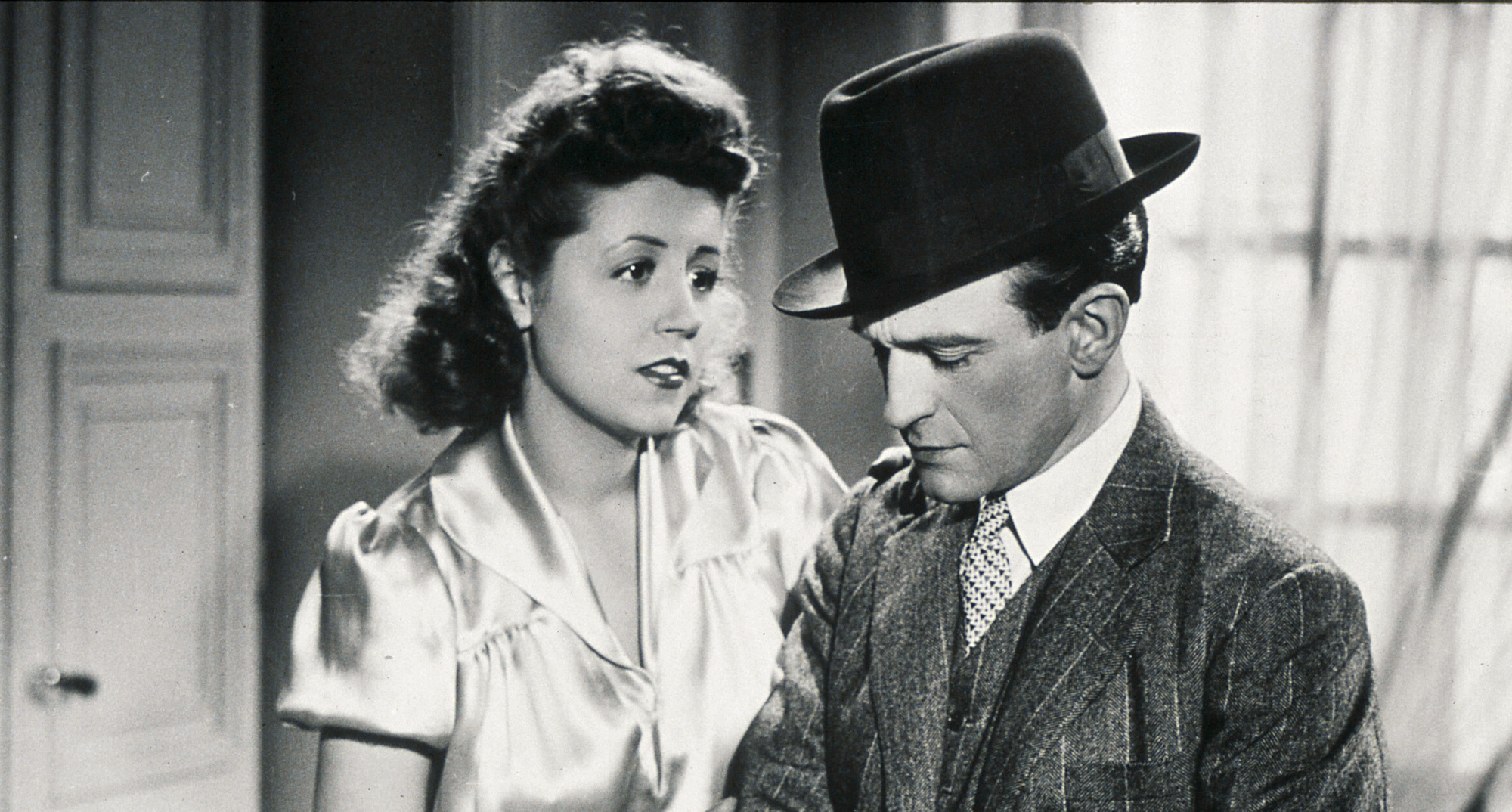 The Murderer Lives at Number 21 (1942): We stand on the precipitous brink of a Clouzonaissance, in which we will finally appreciate the great French director Henri-Georges Clouzot. Clouzot is one of the handful of directors referred to as the “French Hitchcock,” but if so the case is better made by films like Les Diaboliques than the delightful The Murderer Lives. The Murderer Lives is more like a French version of The Thin Man, but one in which Nora is truly the equal her cultural prestige has led her to be; Suzy Delair, as the girlfriend who vows to solve the string of serial killings before her detective husband, gives a hoot of a performance. If Clouzot truly is the French Hitchcock, it comes with a shift in tone: Clouzot is far better at comedy than Hitchcock because, as a Frenchman, he can say those things to which the repressed Hitch could only allude, which naturally turns psychodrama into comedy. The final reveal may not be too surprising, but it is too legitimately funny to care.
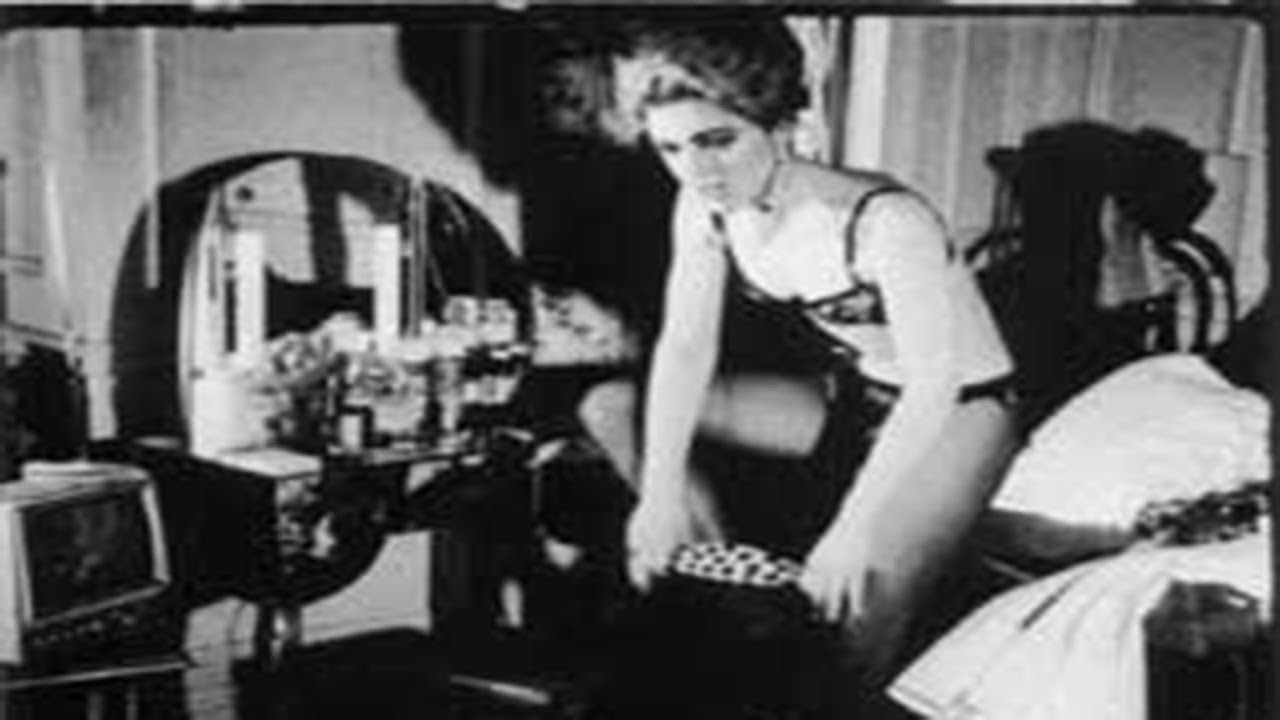 Poor Little Rich Girl (1965): Andy Warhol was truly, in the most complete sense, a conceptual artist. It would be easy to do something like Borges, and, when he came up with a clever idea for a piece, put something together that gives the consumer the idea of the piece, and not bother to make the thing itself. Instead, Warhol followed his concepts to the absolute finishing point, for better (Poor Little Rich Girl) or for worse (the dull-as-dishwater Blood for Dracula and Flesh for Frankenstein). The idea for Rich Girl came partway through production: after filming a reel of Edie Sedgwick lounging around her house, improving the extremely loose plot of the film, they realized they had shot it out of focus. Instead of reshooting it, they simply shot another reel of footage, fully in focus, a move that can almost change how you look at women on camera. Suddenly, halfway through the hour-long film, after trying to track shapes across a film seemingly shot through a cataract, Sedgwick pops into perfect focus and we see her in her self-consciously draggy makeup, giving a strange performance that we now retroject into the film from the beginning. It’s a fascinating idea and one worth seeing — although, like all experimental films, seeing it in a real theater is a crapshoot; the bros behind me chortled the whole time as I wished death upon them.
What Did You Watch This Week? Rick’s Highlights
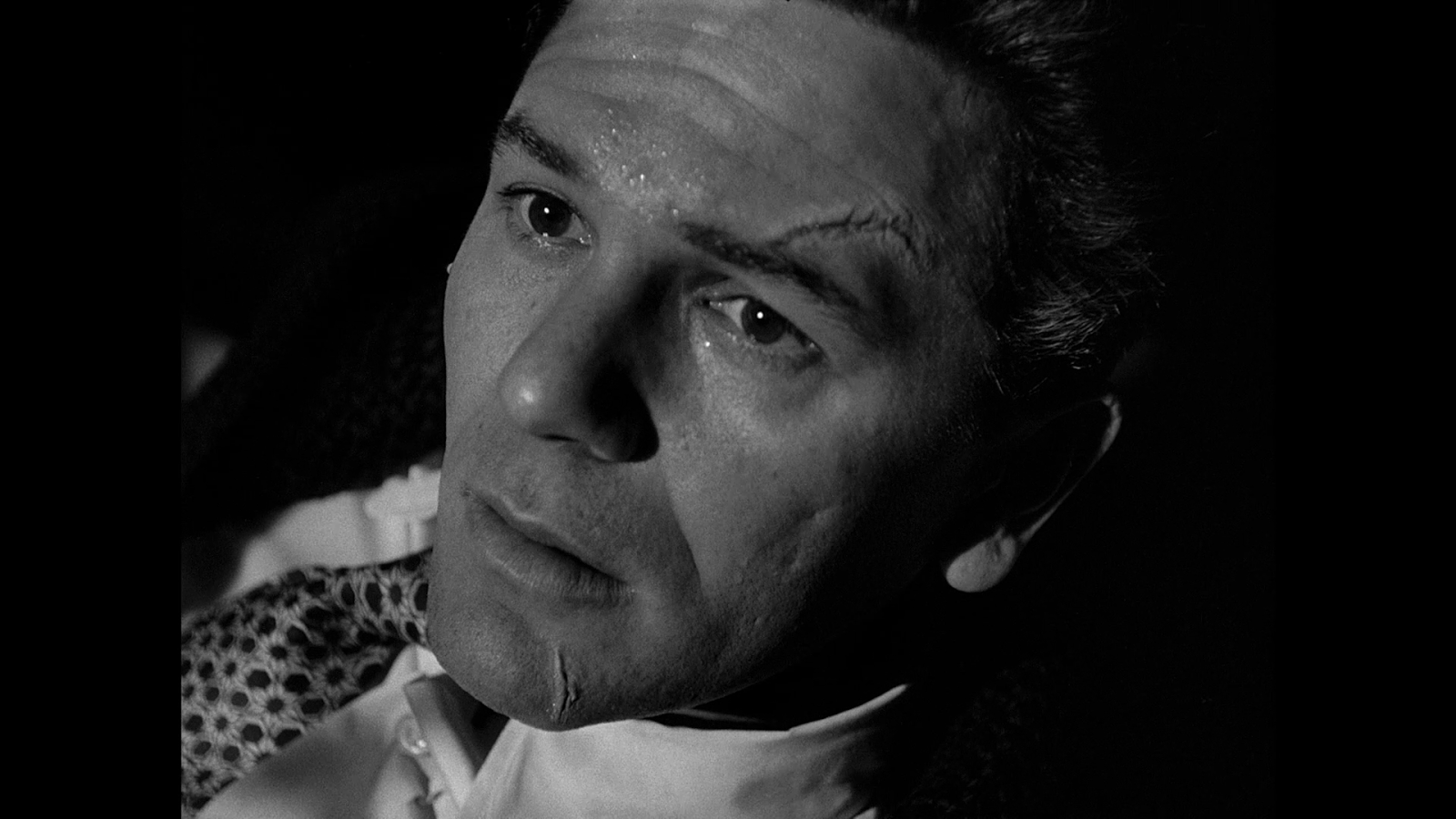 Body and Soul (1947): John Garfield‘s first collaboration with writer (and future Hollywood Ten member) Abraham Polonsky, who would direct him in the superior Force of Evil, one of the greatest of all noirs, the following year. Body and Soul has plenty to recommend it too, though: Garfield is excellent as the working-class boy rocketing to dubious success, the script sizzles despite being a bit overstuffed, and master cinematographer James Wong Howe casts his trademark pall over everything; even the light moments seem suffused with danger. (He also insisted on filming inside the ring, purportedly on roller skates, setting a template that every other boxing movie – including its most obvious descendant, Raging Bull – would strive to emulate). That Body and Soul is first and foremost a genre pic — rigged fights, the lures of crooked promoters, family and romantic melodramas — allows Polonsky ample oppotunity to sneak plenty of anti-capitalist strains into the Hollywood machine, including perhaps its most succinct, bitter summation, a bomb thrown from within by “a very dangerous citizen” who would be mercilessly targeted by the state in the years to come for his refusal to apologize, much less name names: “Everything is addition and subtraction. The rest is conversation.”
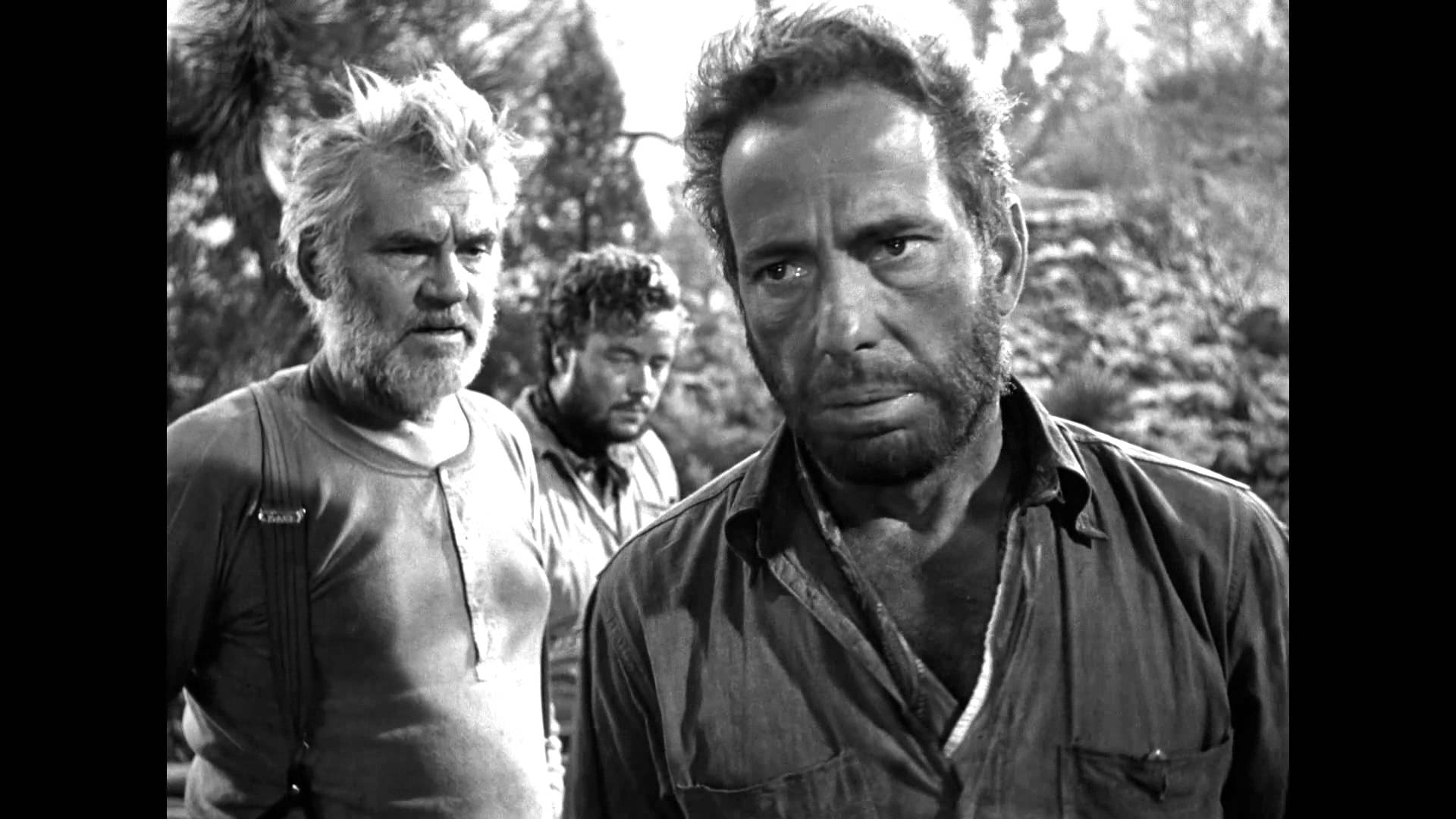
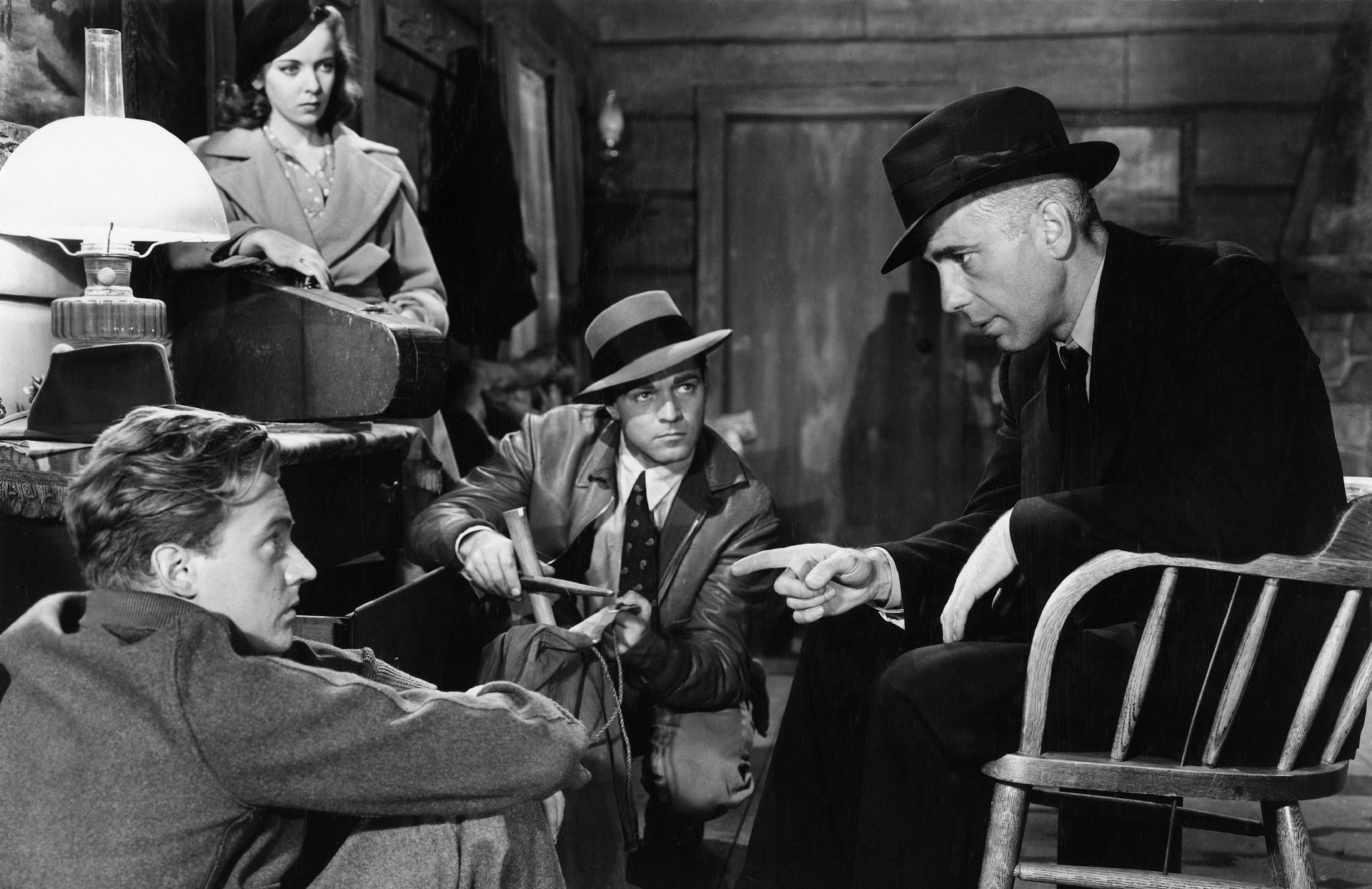 High Sierra (1941): The best thing about this nasty crime film is its obliviousness to its own content. Raoul Walsh, working from a John Huston script, seems convinced that this is a film about Bogart‘s Roy Earle, a one-last-job pro headed for a reckoning born of hubris and self-delusion. Bogart obviously seems to think so, and the film itself proceeds as though it were the case. But the structure of the narrative, and especially its Code-required third-act death, makes clear that this is entirely Ida Lupino‘s film. Her ex-dancing girl Marie — “a character trapped by the revolving door of double standards that plague countless women like her,” in Kristen Lopez’s formulation — is the one who undergoes an ambiguous transformation in High Sierra, she’s the one to whom we relate most intensely, and she’s the moral center of the grim proceedings, despite literally and figuratively being cast to the margins. It’s a fascinating case study in the way texts can elude their authors, as well as a tribute to the sheer force of intelligence in Lupino’s screen presence.
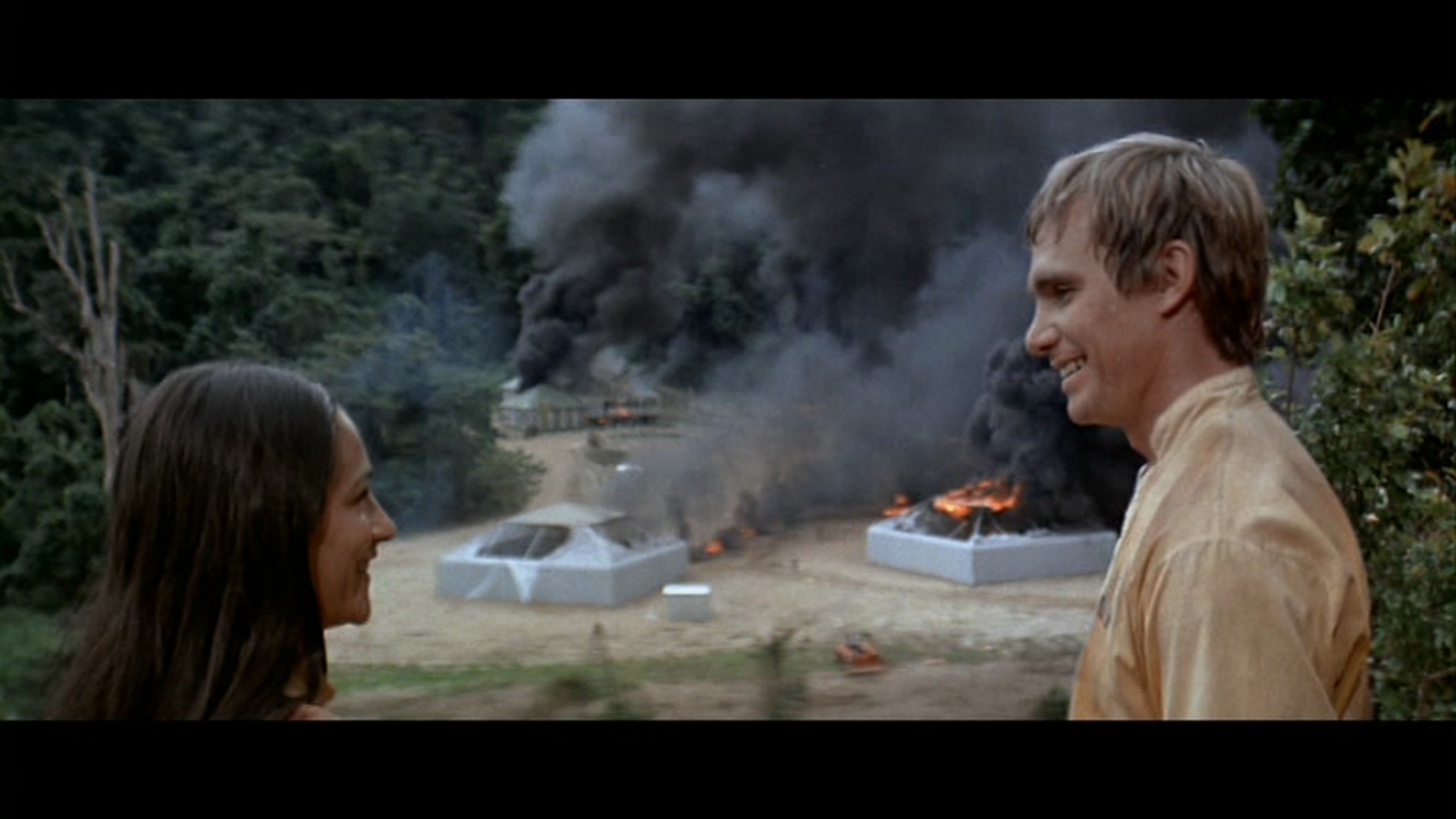 Turkey Shoot (1982): There have been many adaptations of The Most Dangerous Game, but this Ozploitation entry from Brian Trenchard-Smith (Dead End Drive-In, um, Leprechaun 4: In Space) is almost certainly the only one featuring a circus werewolf introduced wearing a top hat. Set in the kind of future dystopia that only a 28-day shooting schedule can produce, and starring the black hole of charisma that is Steve Railsback alongside Zefferelli’s Juliet Olivia Hussey, Turkey Shoot is, to put it gently, kind of a mess. But once the interminable first half is through clumsily establishing that future prison is future terrible, we are treated to 45 minutes of chase hijinks through Queensland and our Australian Z-movie folks doing what they do best, namely blowing shit up. Did I mention the werewolf? There’s also a werewolf. (Look for this on an upcoming episode of We Love To Watch, where Rick, Pete, and Aaron talk in more detail about Turkey Shoot than anyone involved in Turkey Shoot ever considered doing.)
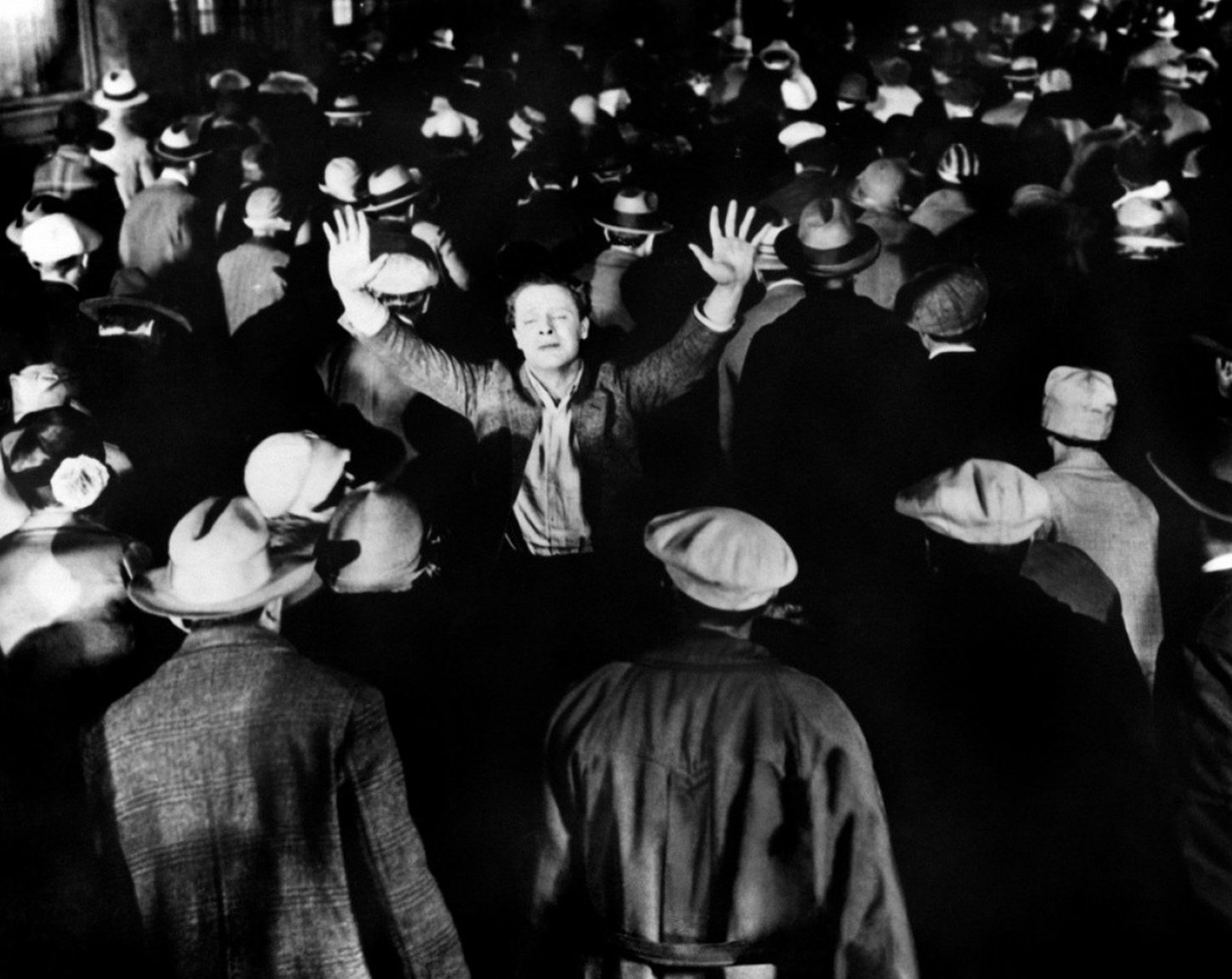 And that sense of a nuclear unit comes with us to the movie theater. We get upset if other people’s phones or talking interrupt our experience. A reminder that other people are in the theater with us is as irritating as a loud neighbor interrupting our Westworld time.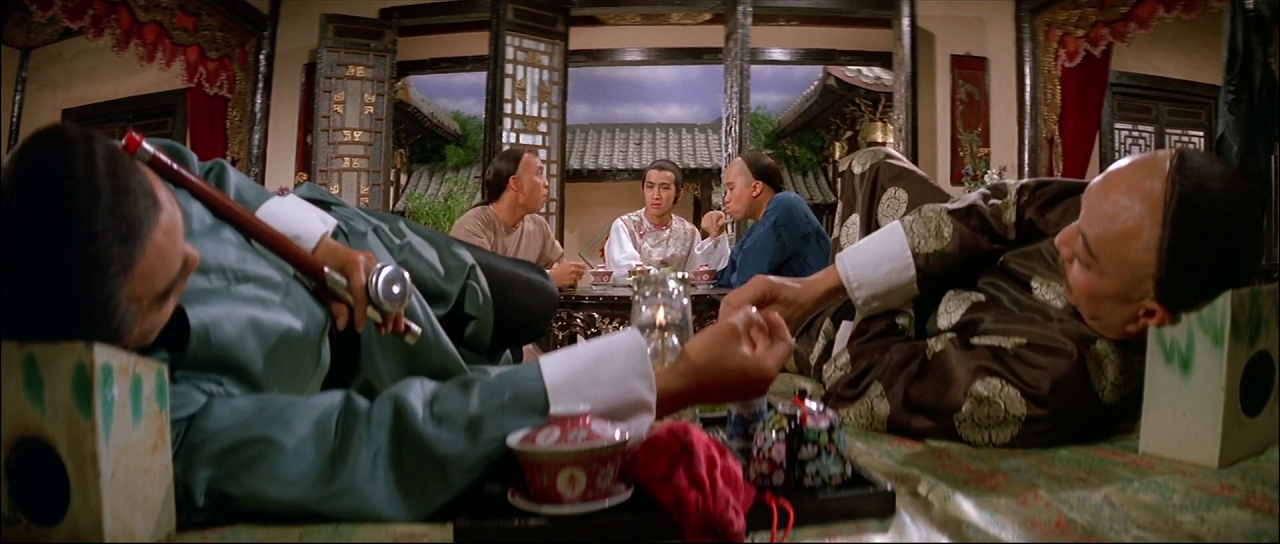
 That’s why, I think, it is hard to find a lot of critical writing about the Shaw Brothers’
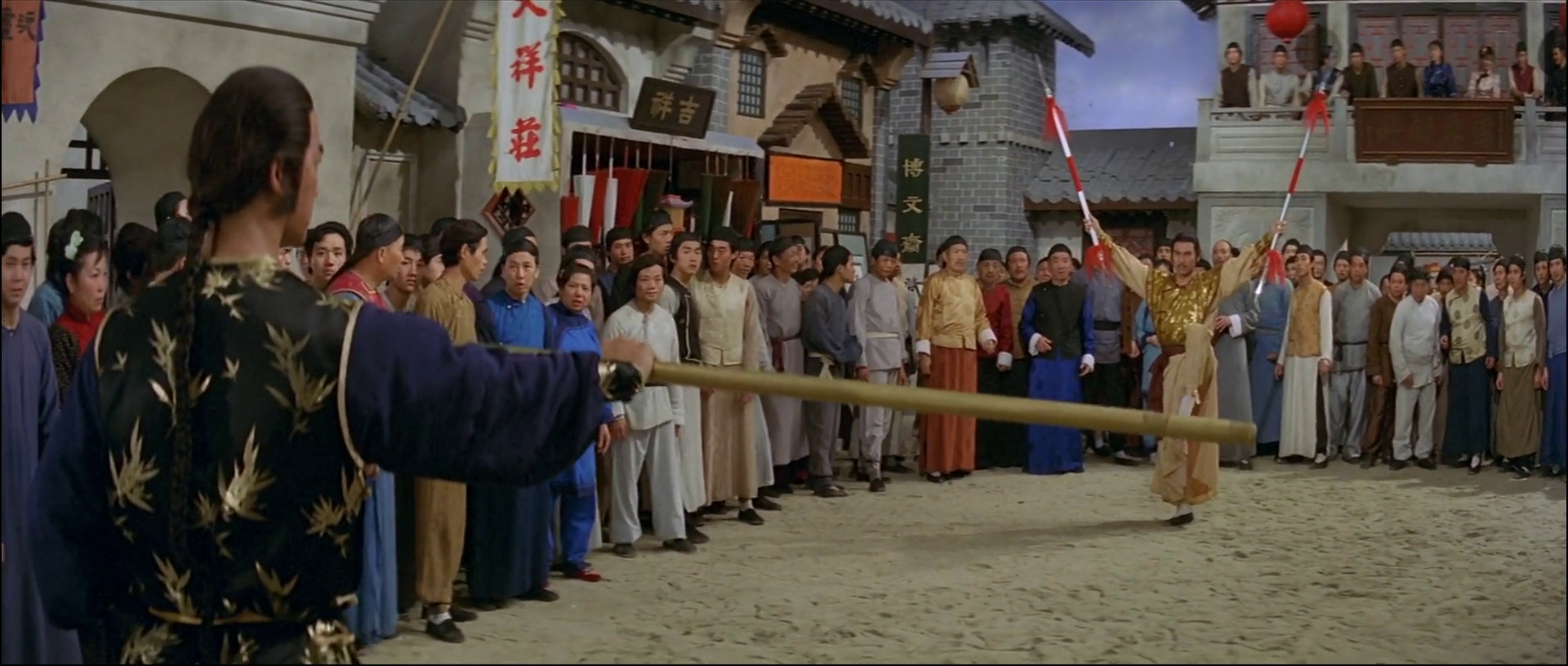
  We meet our titular kung fu master (
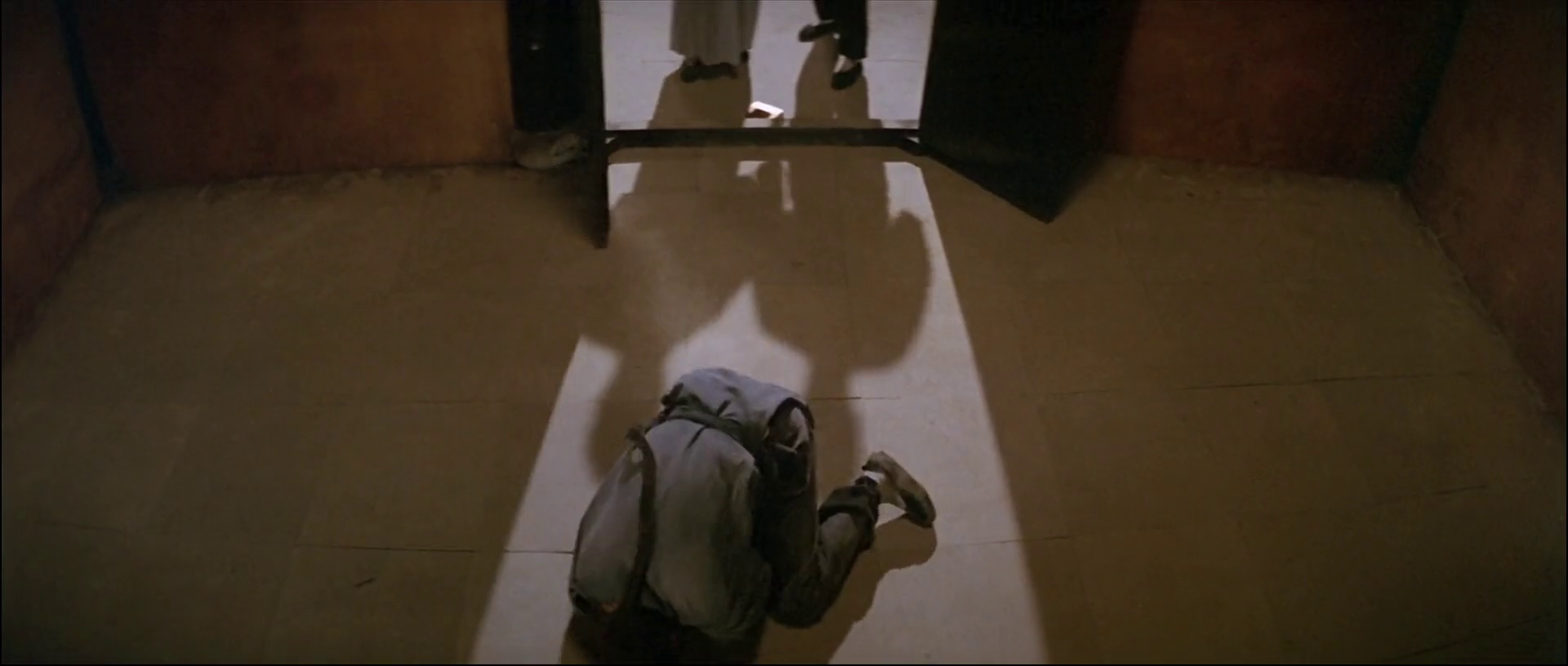
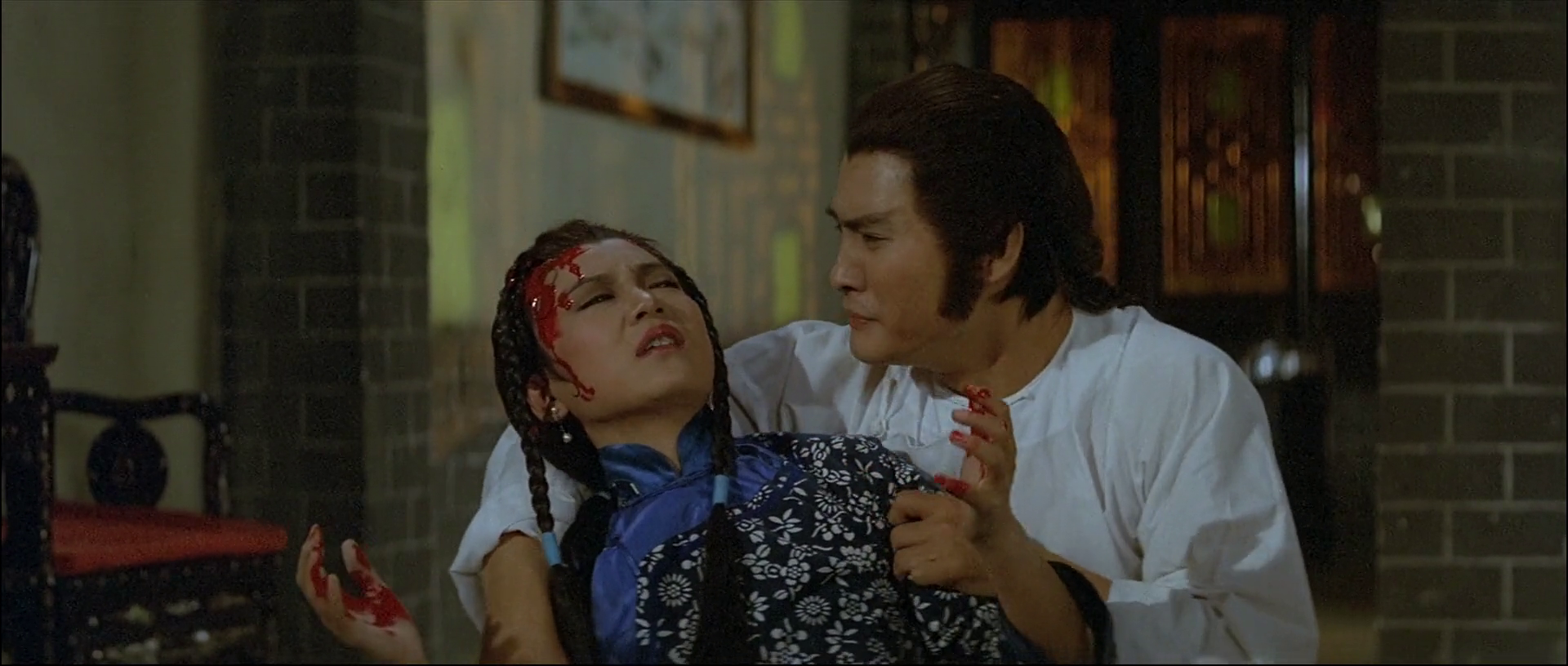 But it isn’t content with just one tragedy. Seeing the tableau, another of Ti’s followers attempts to burn down the opium house and is, in classic Hong Kong action style, dispatched by a particularly evil goon with a villainous weapon. (We know the weapon itself is villainous because it is very pointy, it is covered in metal, and it is completely unclear how it could ever actually harm a person.)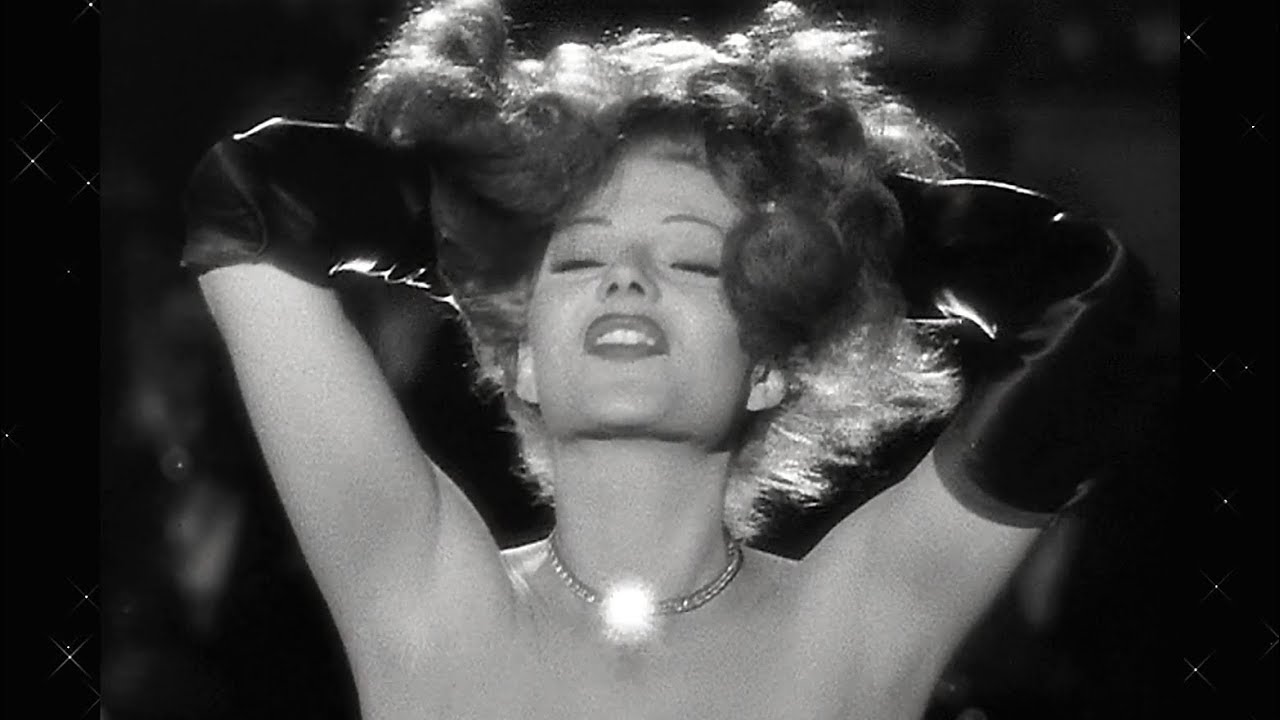
 But why not? Crime movies are defined in part by their simmering anti-capitalism, often featuring anti-heroes undone by their fetishes.
 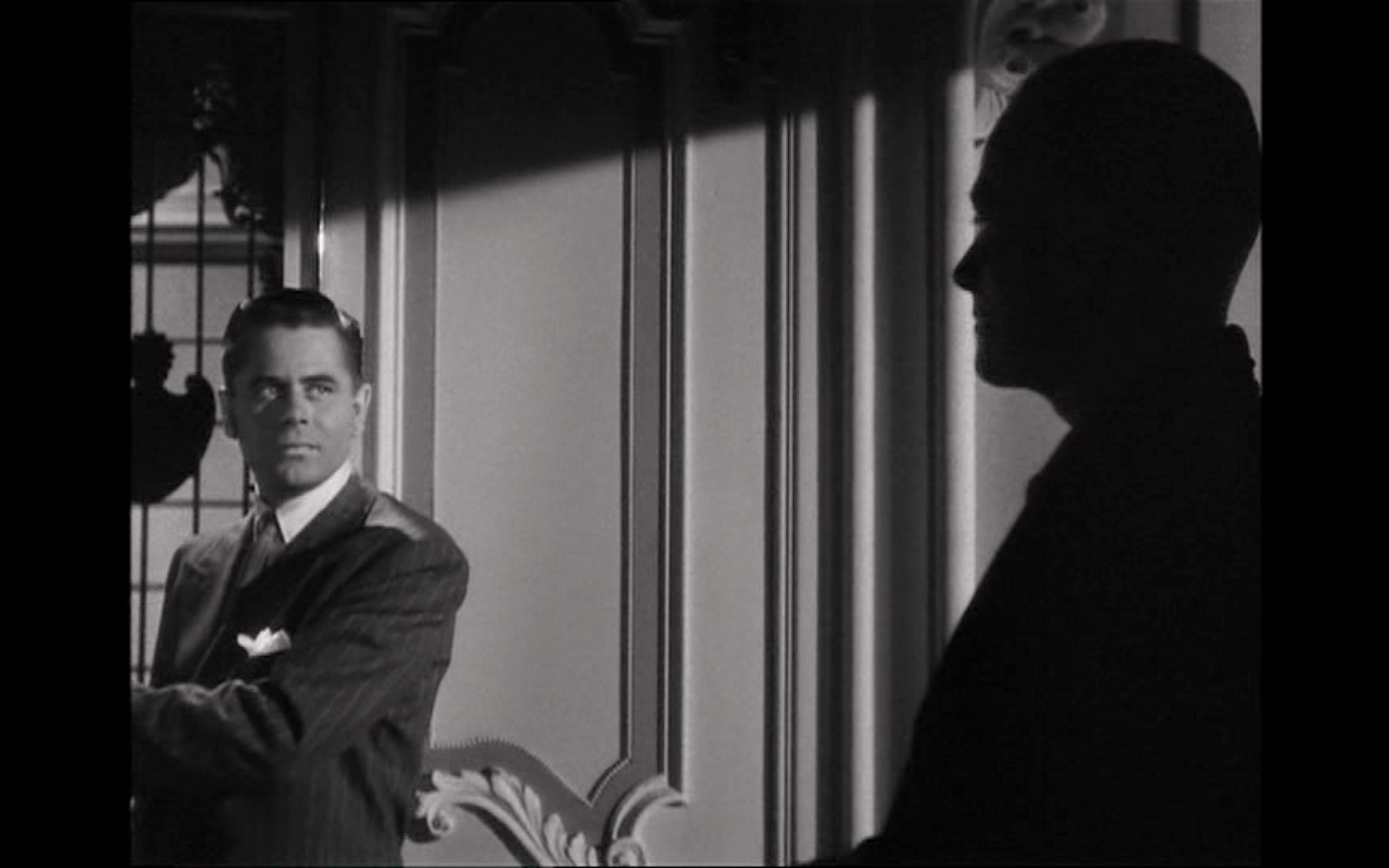 In any case, the supremely perverse relationships between Gilda‘s three principles already does the heavy lifting in the fetishization department; between Macready’s “little friend” – the cane-sword with which he woos Ford’s American drifter and then holds him as a willing hostage in his world – and Hayworth’s gravity-defying black dress (which has
 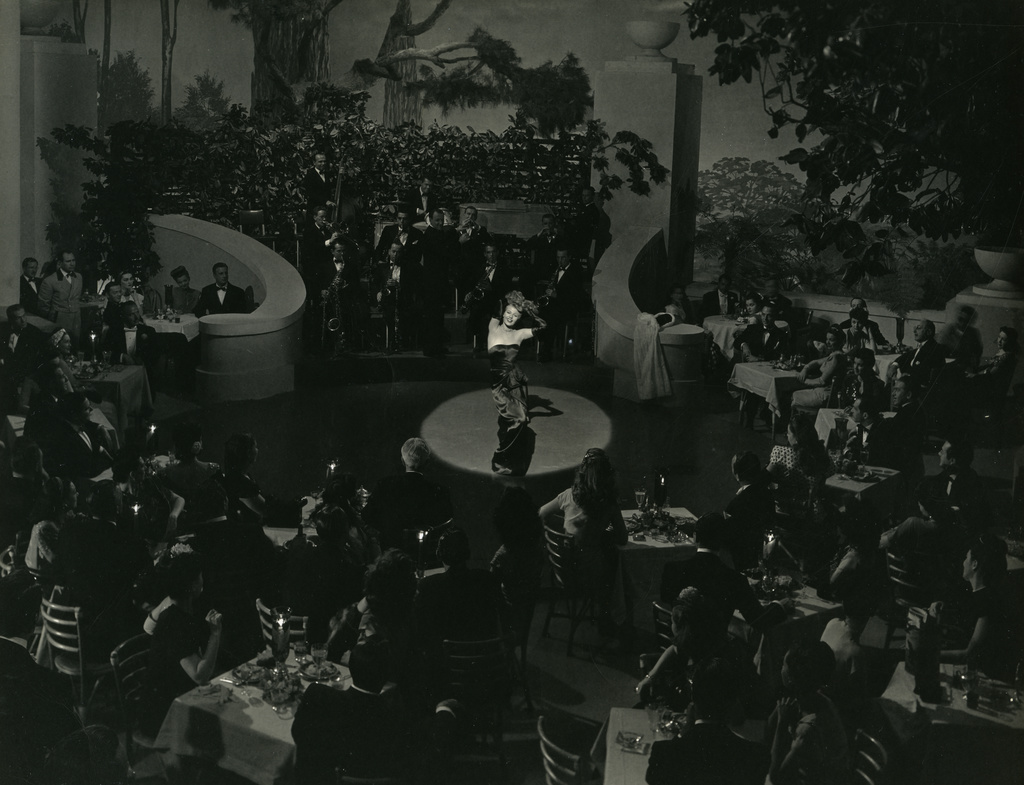 Still, I know … tungsten. But it’s this banality that points to the wider conspiracies of capital which noir assumes as a matter of course. In some sense, Gilda‘s tungsten operates like plastics in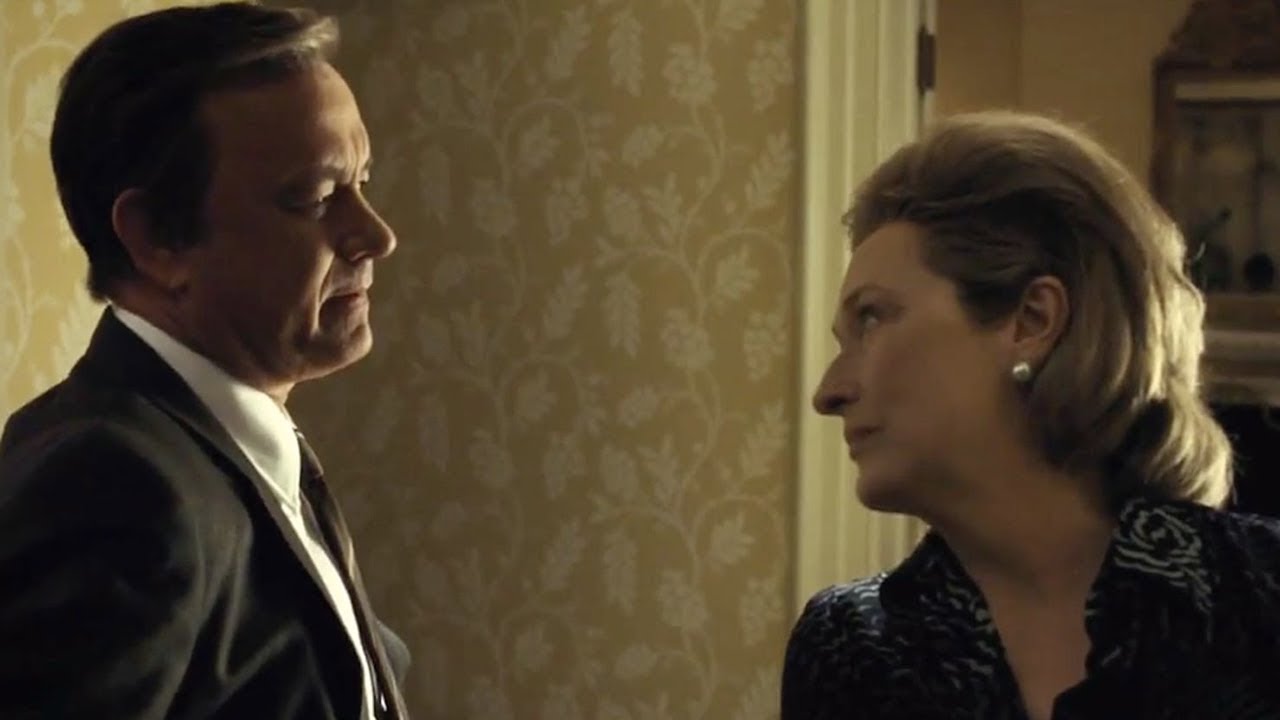
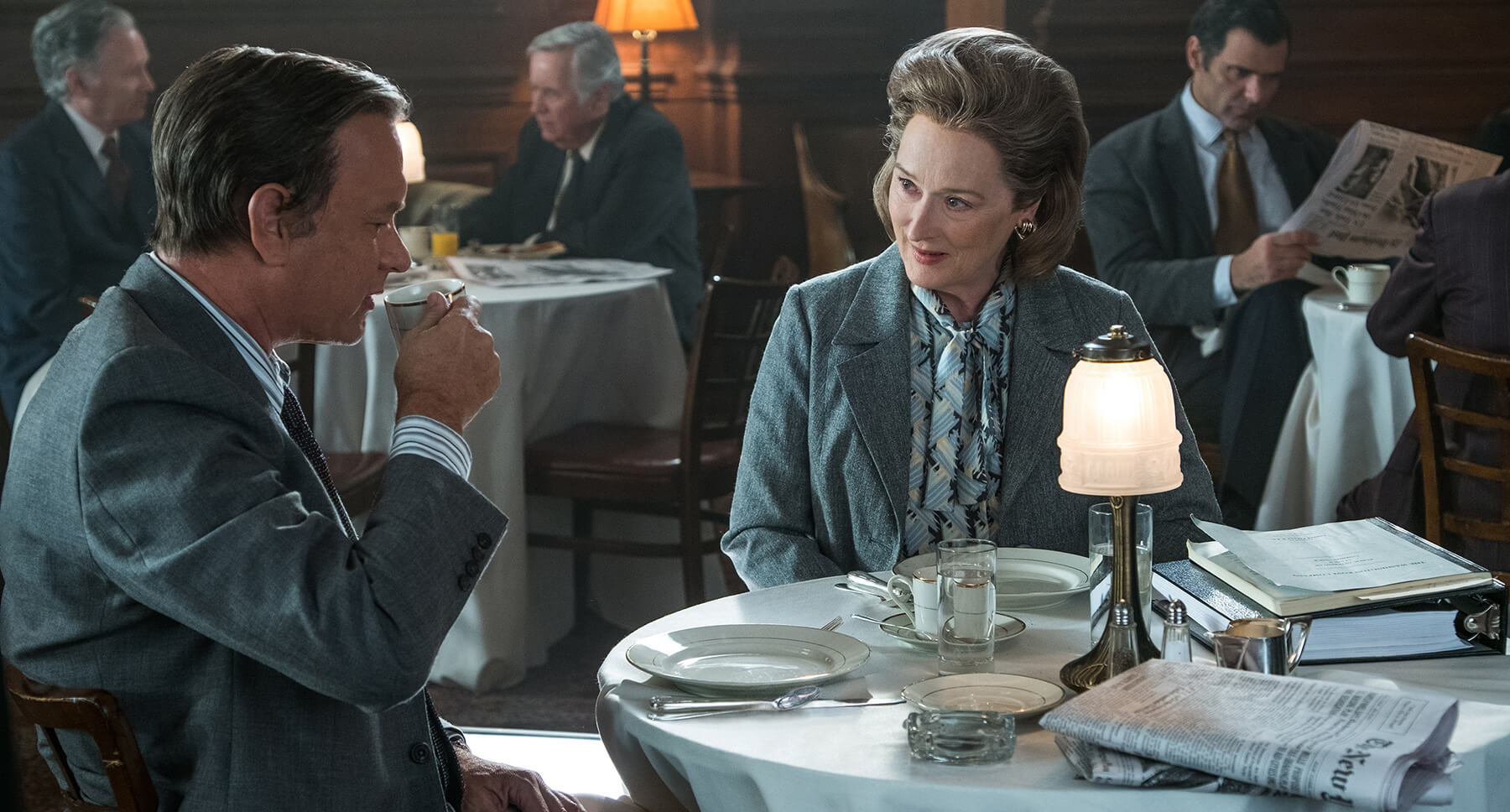 In these scenes — for example, the excruciatingly long one in which Streep and
 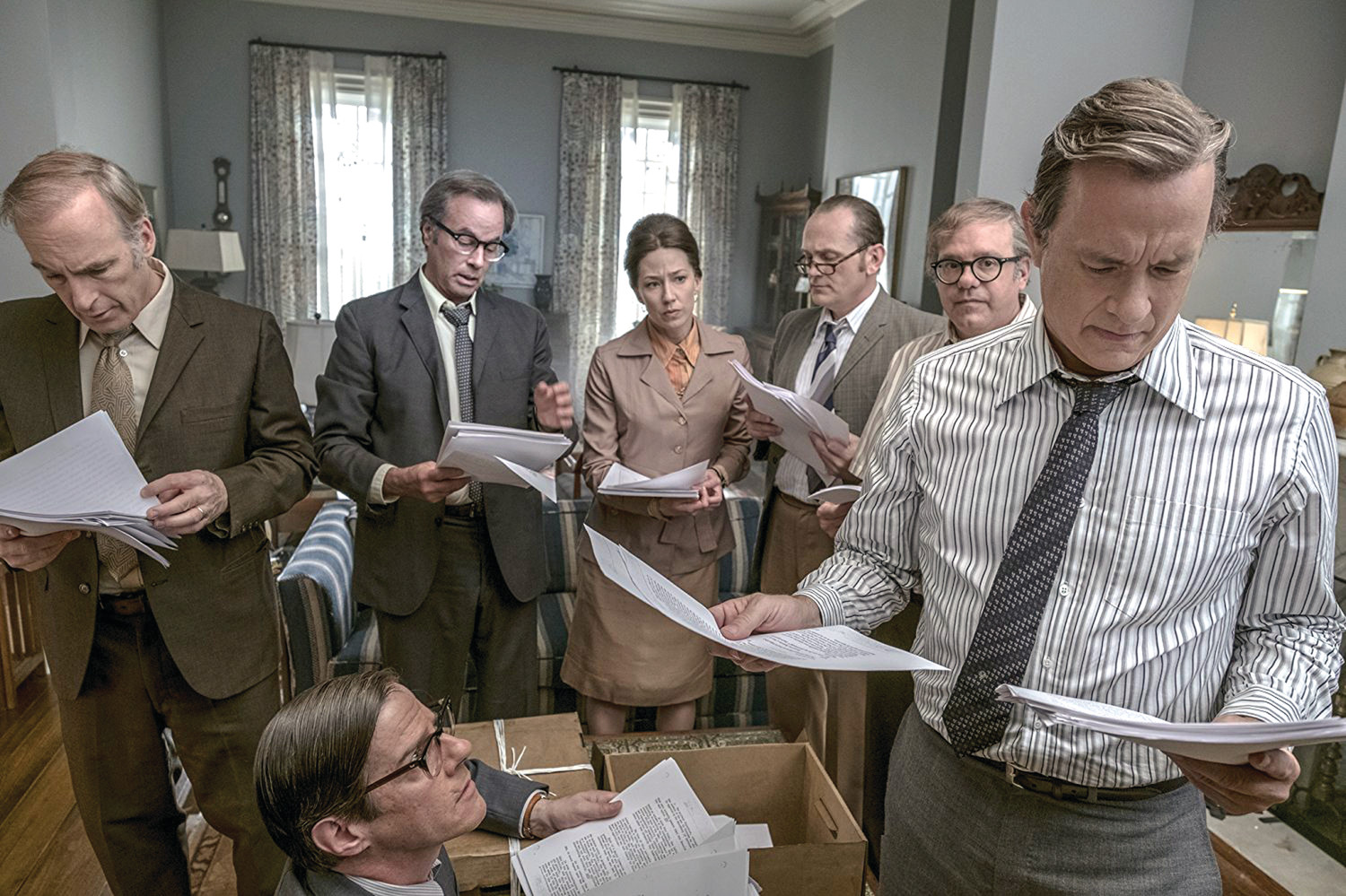 This brings about the third film, and the third shooting style, borrowed mostly from The West Wing. Unfortunately, most of the characters can’t do too many walk-and-talks — it’s hard to walk-and-talk with one ear to a corded phone, and too much of Tom Hanks’ brain is occupied flexing every muscle in his face to also handle bipedal movement — so the camera is forced to make up the difference.
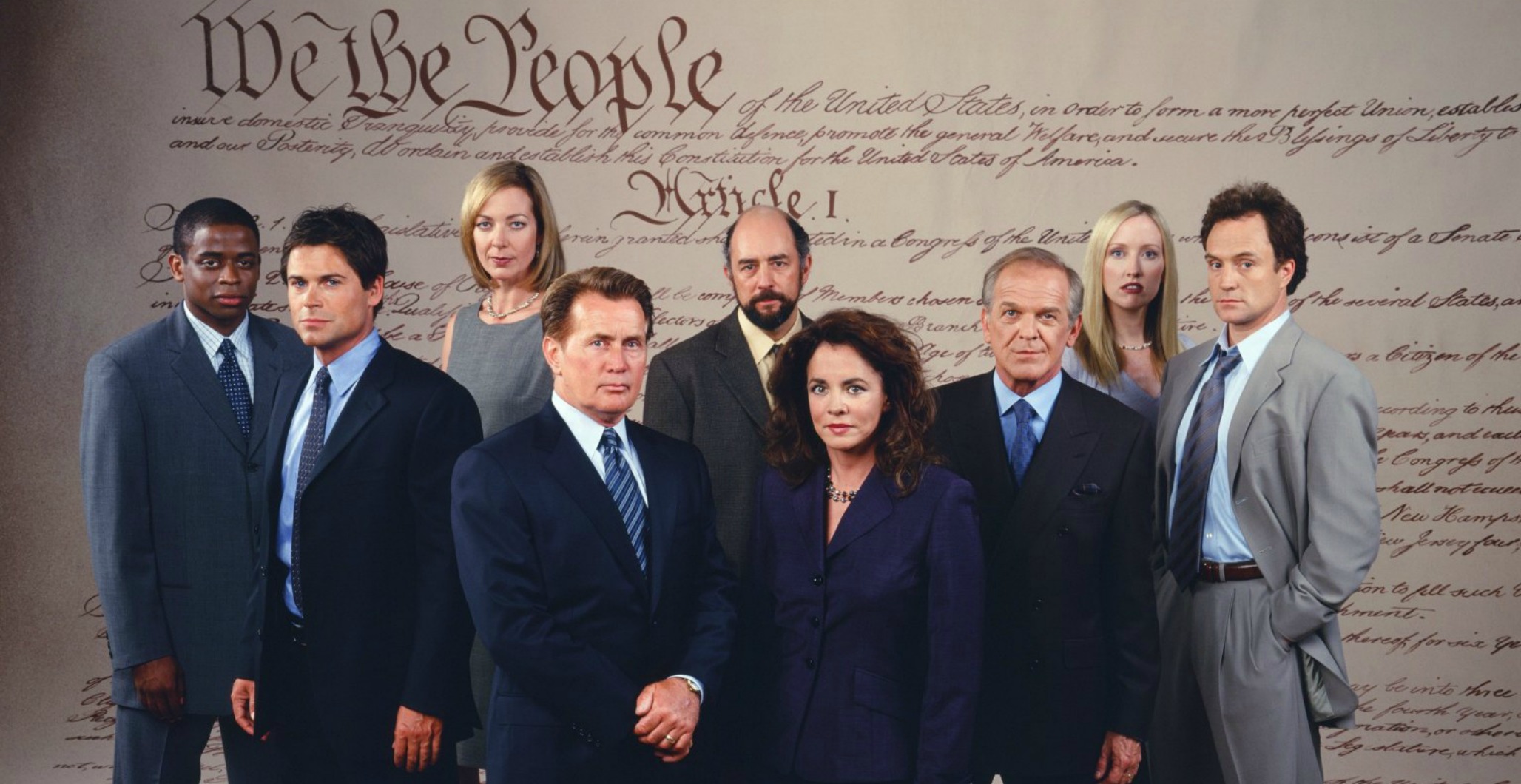 The endless speeches about the freedom of the press raise in prominence at the same rate the Sorkinesque style takes over the film, and this is not a coincidence. The West Wing is the darling of liberals because it manages to act like a vision of a progressive future while having its heroes constantly make the “pragmatic” decision — that is, sell out their values to stay in control so that they can ostensibly do something good at some unstated future point.
 The real horror of Vietnam barely comes up because it would interrupt the free flow of fantasy that the film offers. Our heroes in the film were pragmatic people who Know the Score and just want to get that information to the people, just like the filmmakers themselves Know the Score — they know who all these newspapermen are, unlike those rubes outside of big cities, unlike those millennials who don’t even know how typewriters work — and are telling an important story to the people, just like we in the audience Know the Score because we chose to watch The Post.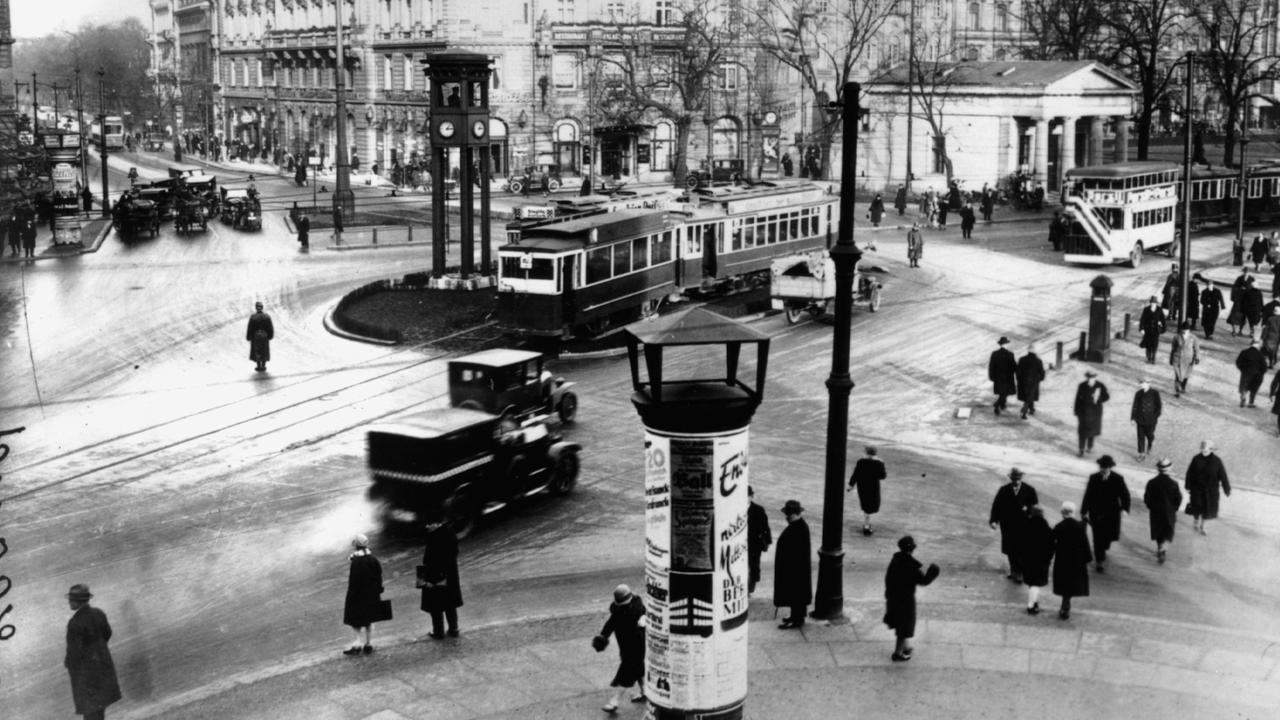
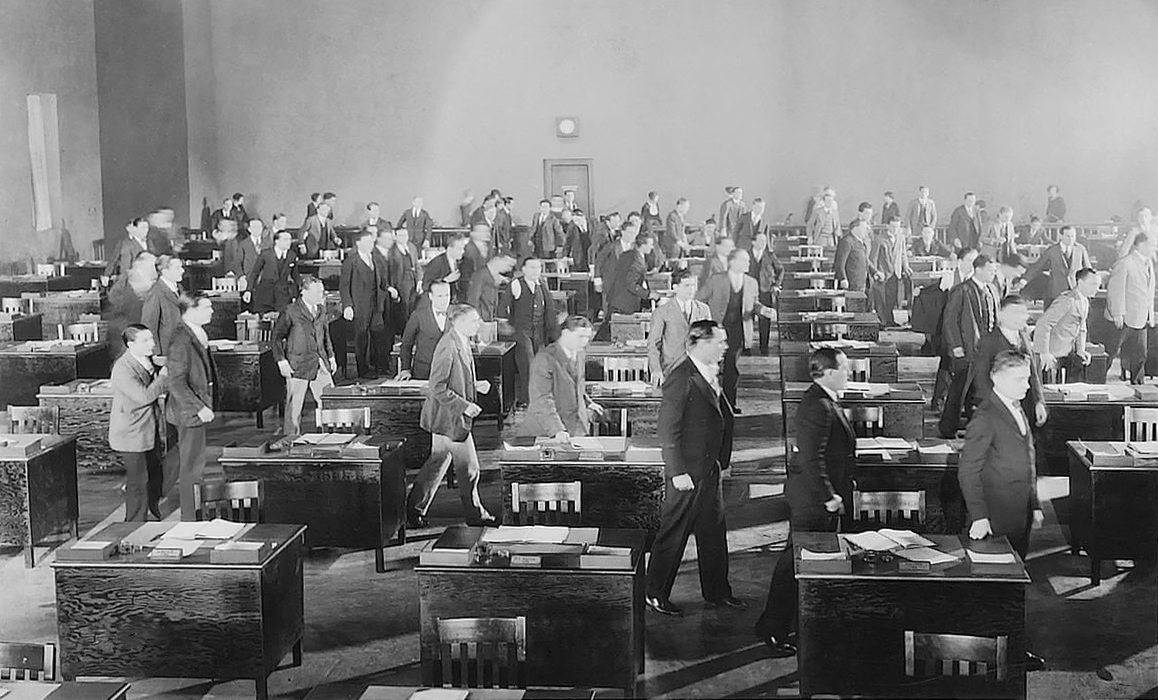
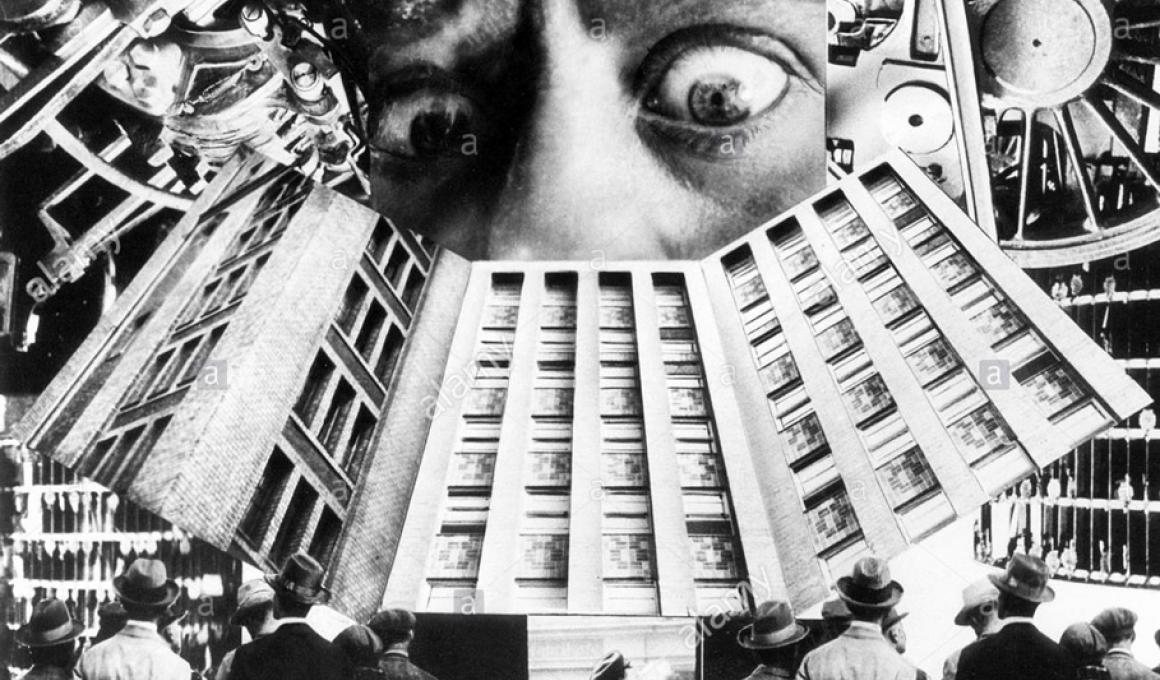 One of the strange things about watching a city symphony film now is the double position we must take. To follow the film, we have to place ourselves in the position of the film’s ideal viewer: someone of the time who is shocked by the newness of the images and the speed of the world.
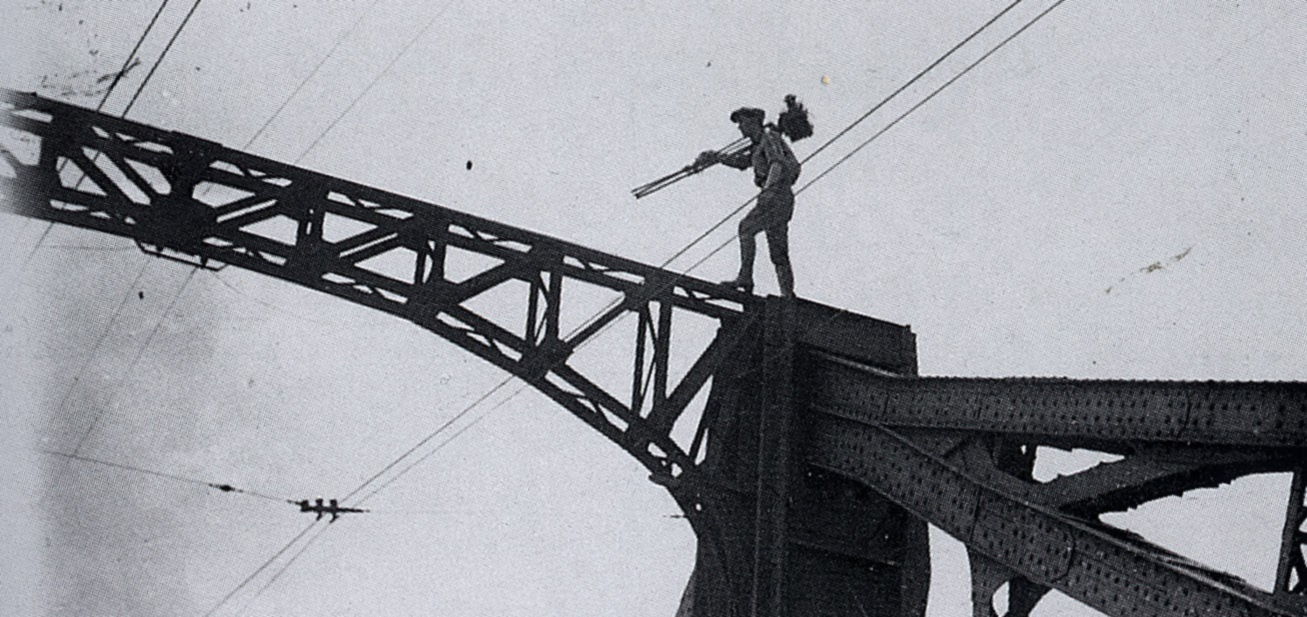 With that common language, it is easy to slip entirely into the mindset of someone watching a narrative film, waiting for the real story to start now that we have a sense of the time and space. But there is no real story to come.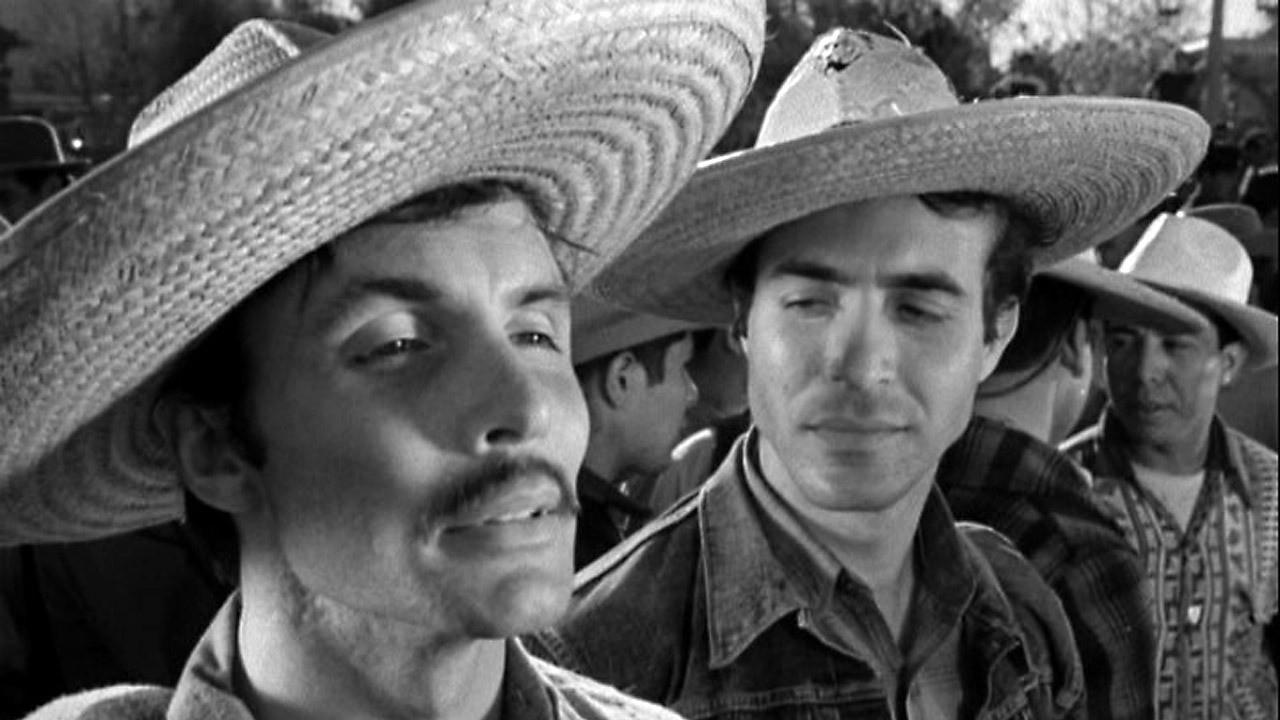
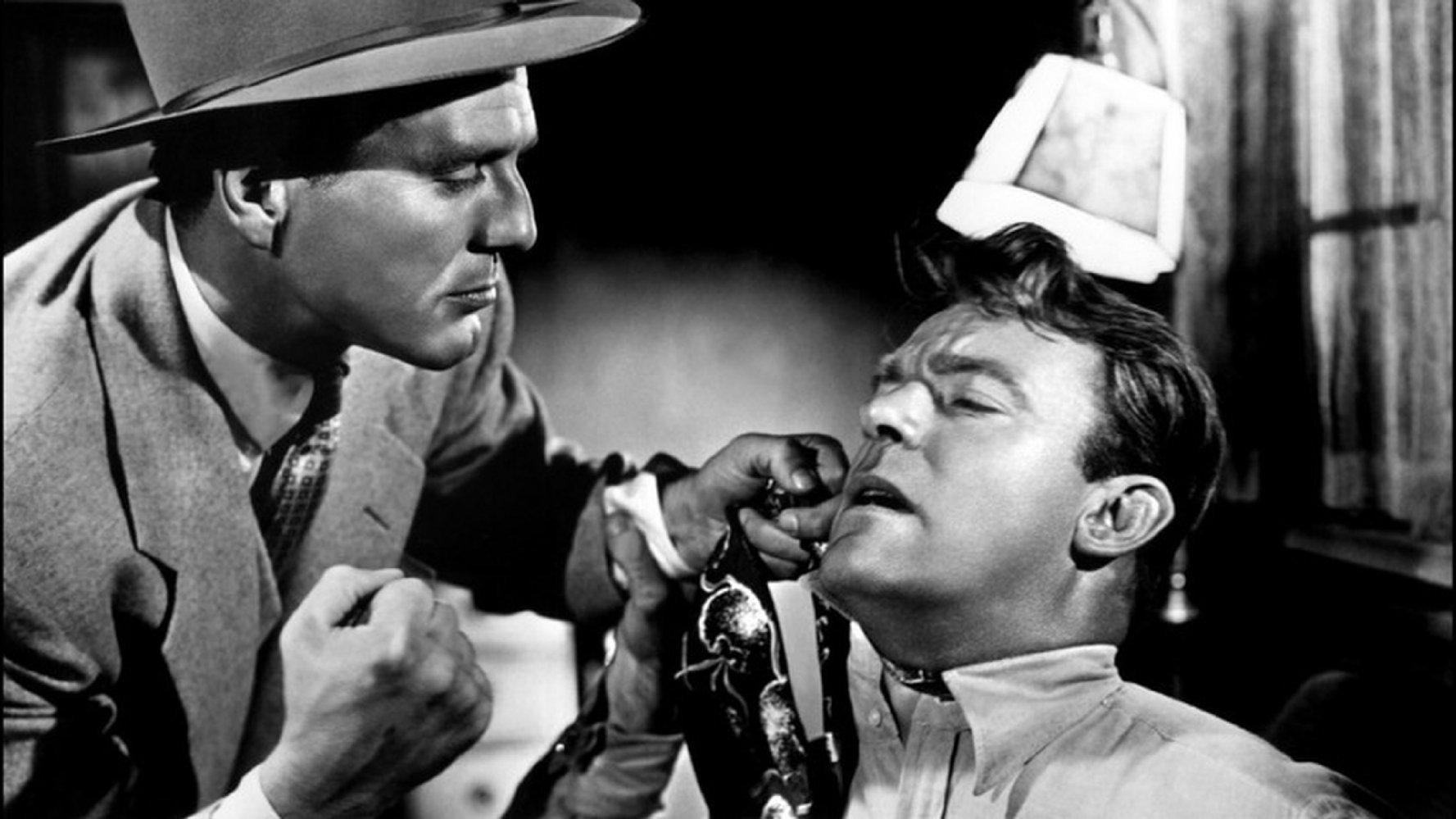 Like Mann’s
 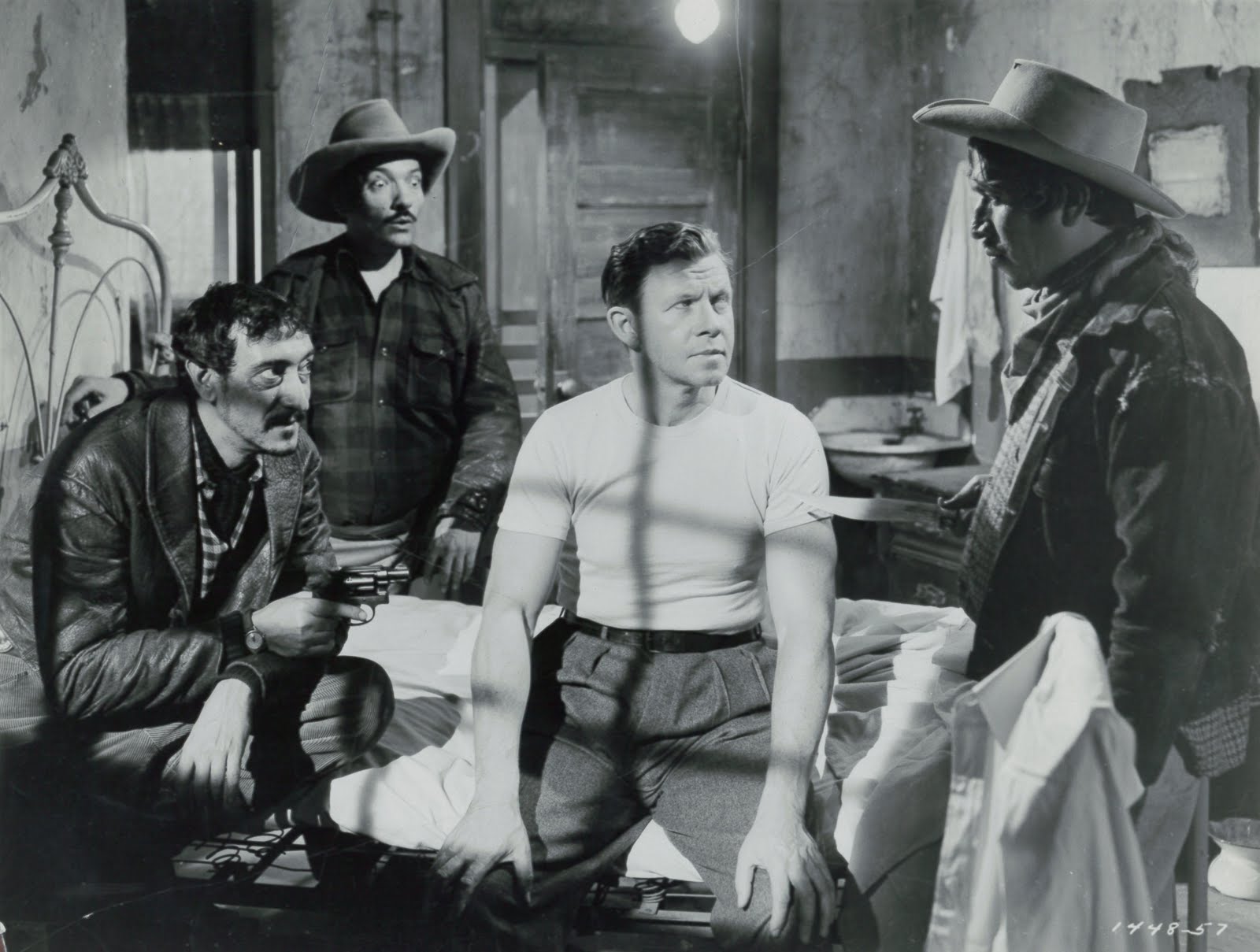 The implicit Leftism of this construction is hard to miss, barely concealed by the paeans to patriotism and the stamp of approval. What’s interesting, from a viewpoint under daily assault by the Trump administration’s venality, is how clearly compassion and justice feed a country’s self-image: there’s no contradiction here. It is a marker of patriotism, of American (and Mexican) greatness, that our protagonists care about the downtrodden.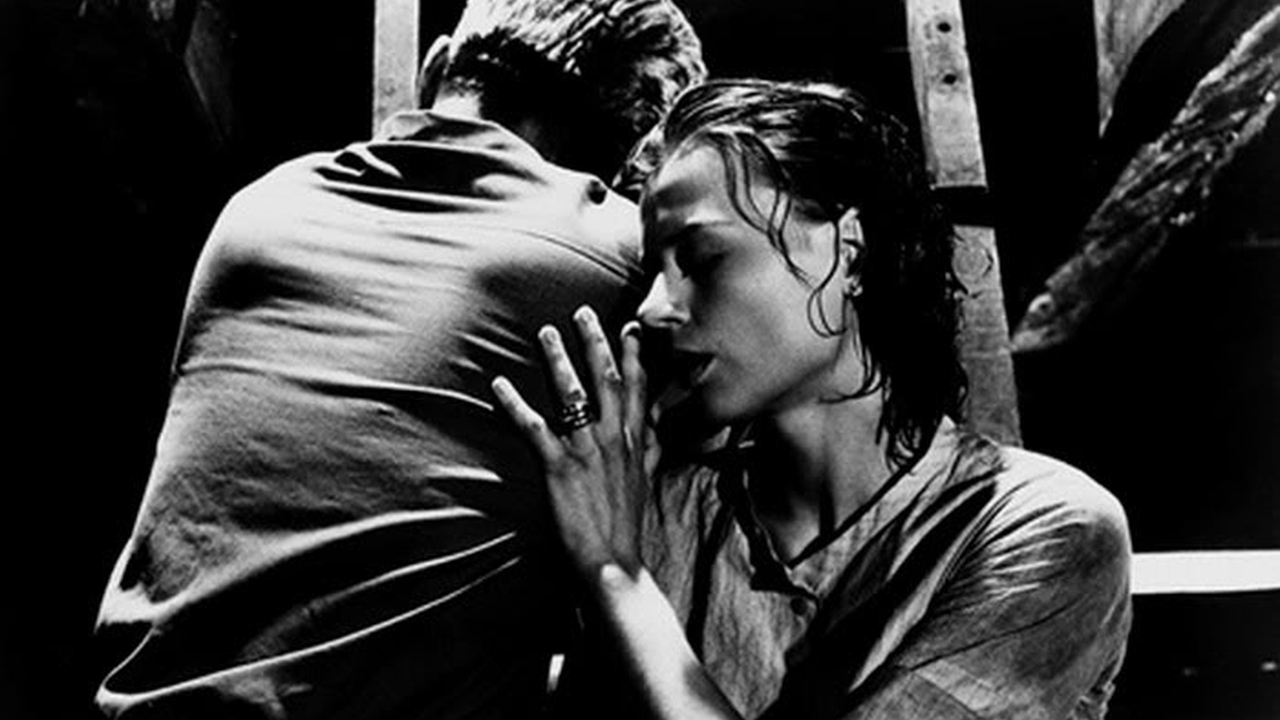
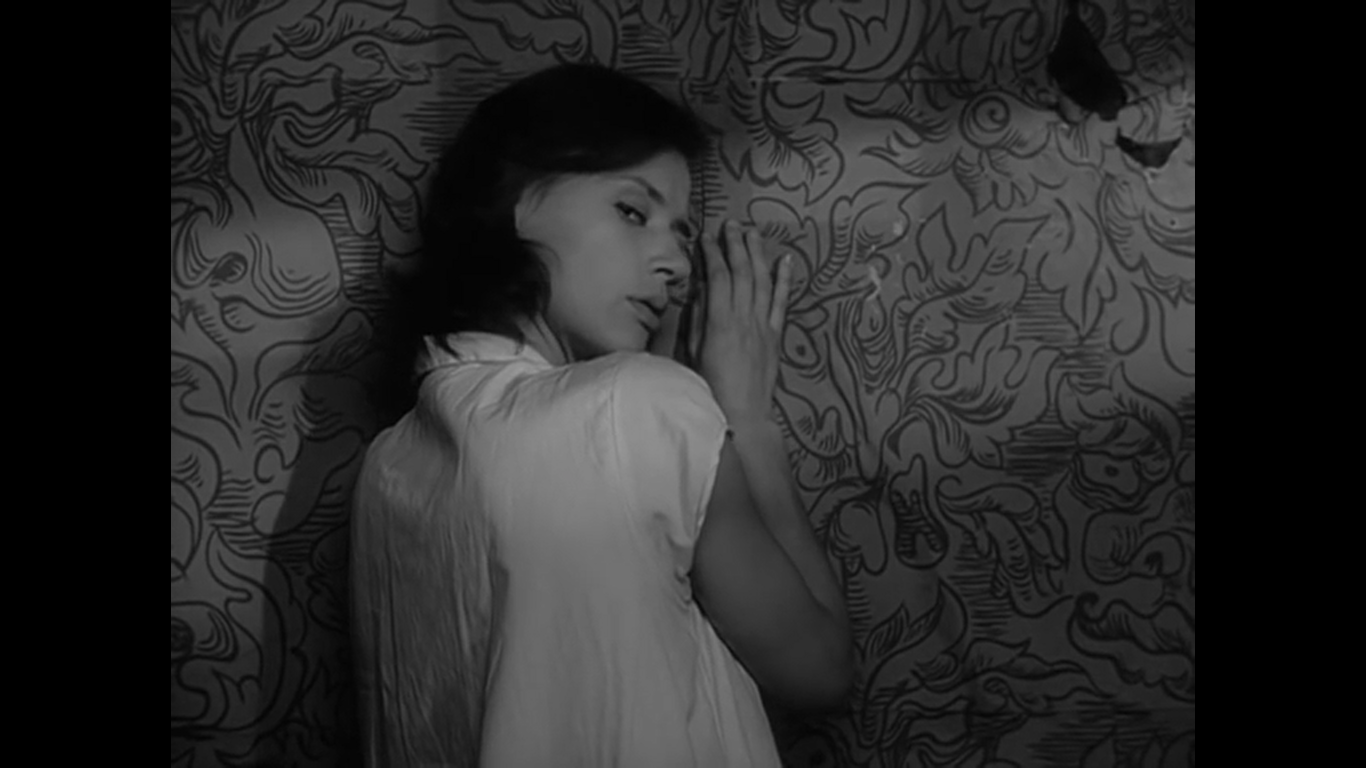 Knocking Bergman for being “out of touch” is no new game. I open
 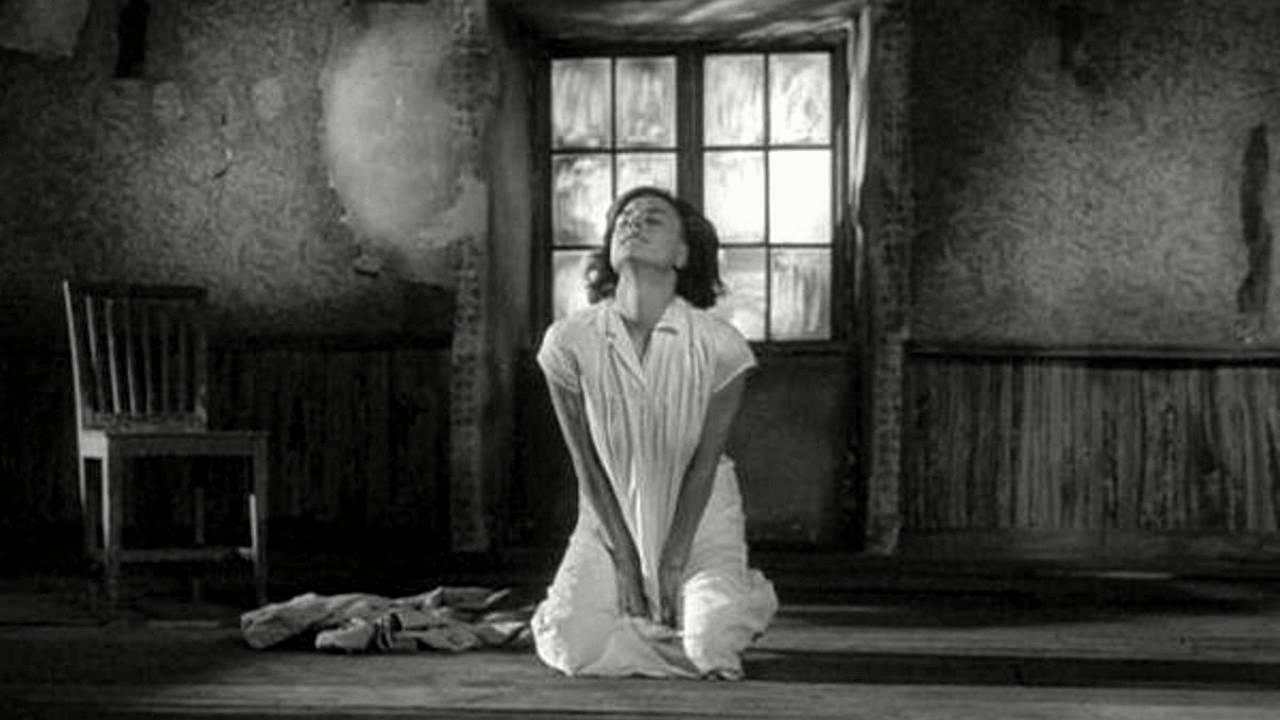 The God of Through a Glass Darkly lives in a gash in a wall. This is the gash where Karin (
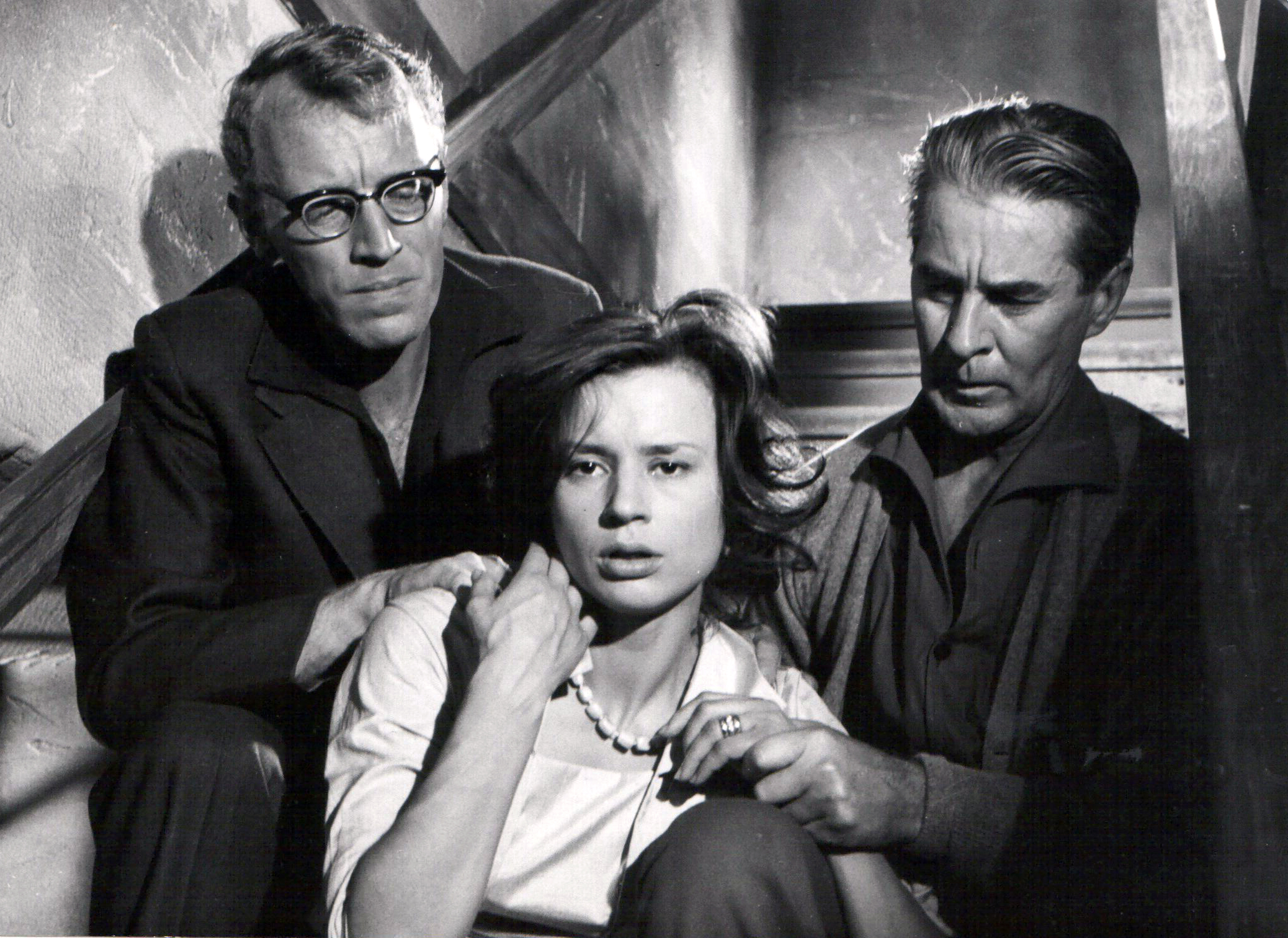 In that, I would suggest that the “difficult” corner of the canonical web can be just as relevant to the modern viewer than the “fun” corner. And I wonder if it is not a fear of confrontation with unpleasant but common realities that keeps some viewers away — whether it is sometimes too easy to use the entirely legitimate cause of diversifying art and not underrepresenting minority figures to avoid works that might be difficult to enjoy.
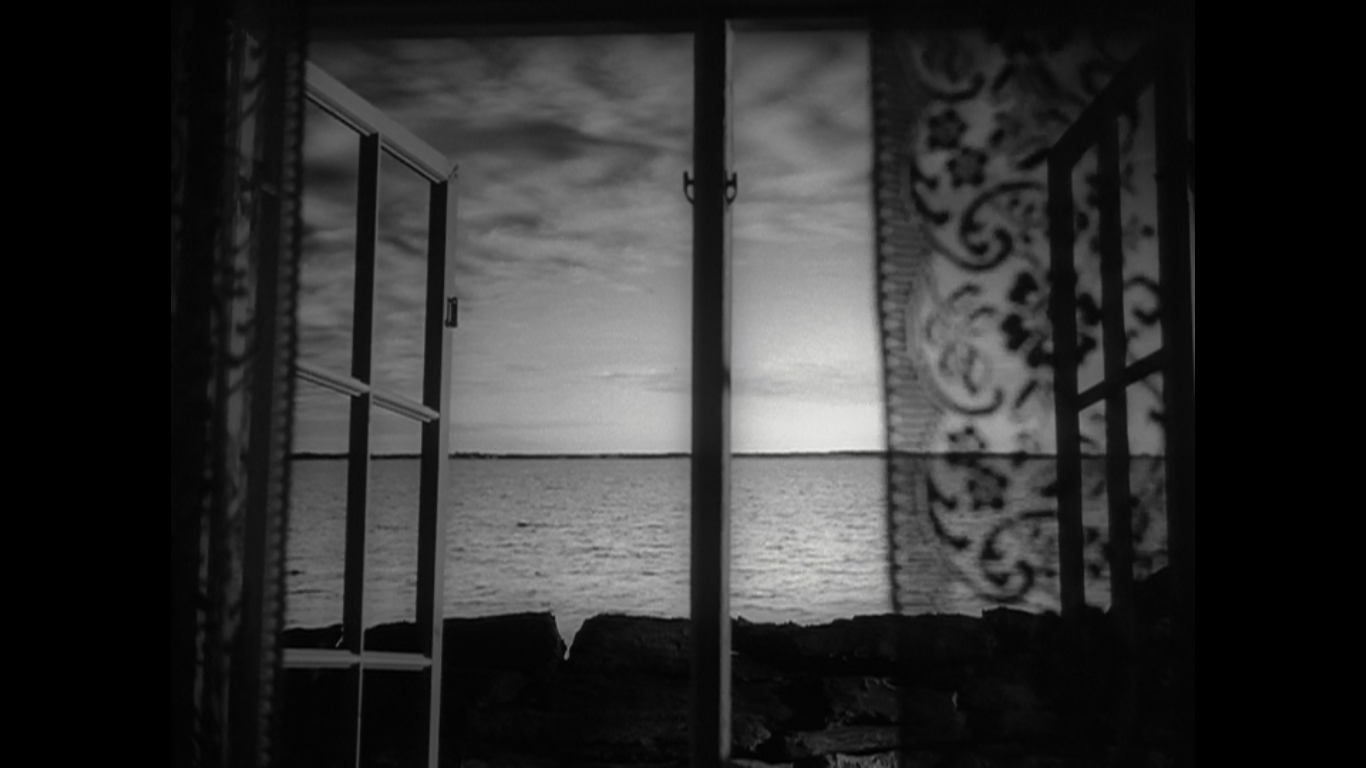 To those people I can only say: I don’t know what baggage the “slow depress-o” corner of the art film canon might bring to you. But the fact that one might react that way to the work as a whole might mean that the work itself might be particularly well-suited to one. The same tension one feels hovering over a film that one Should Have Seen when flipping through Netflix is itself within many of these canonical films, in particular Bergman’s masterpieces.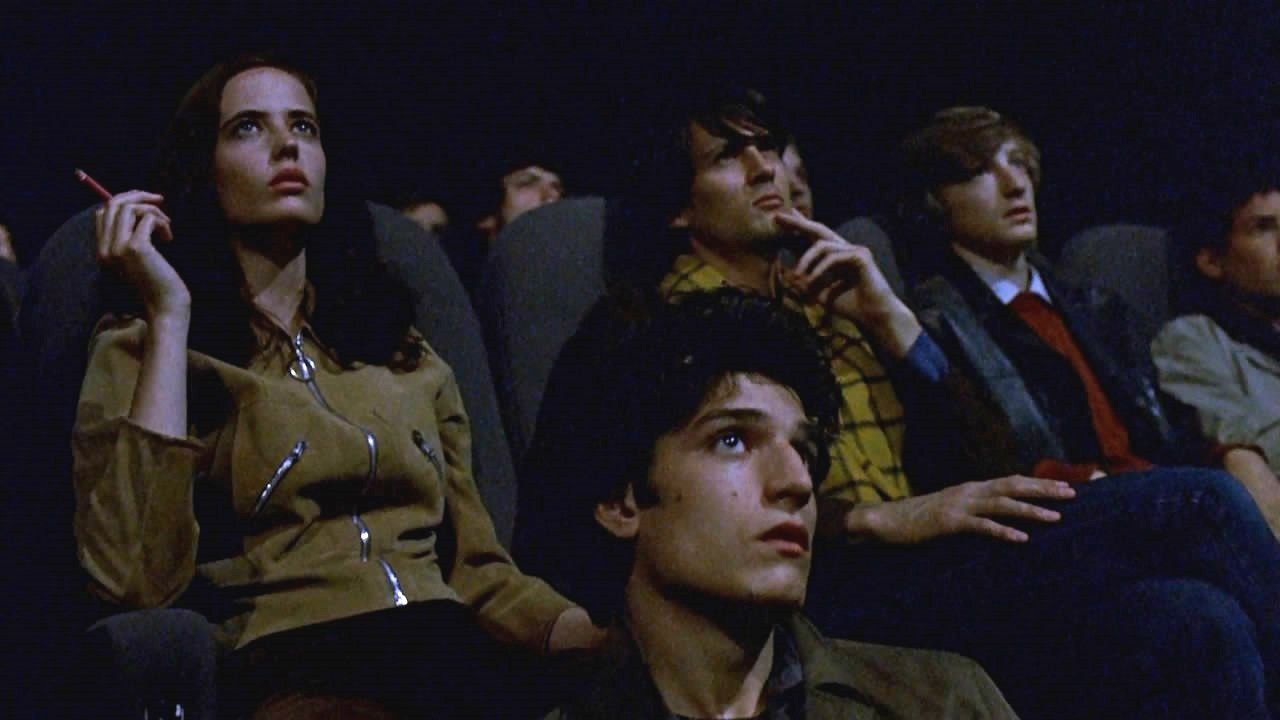
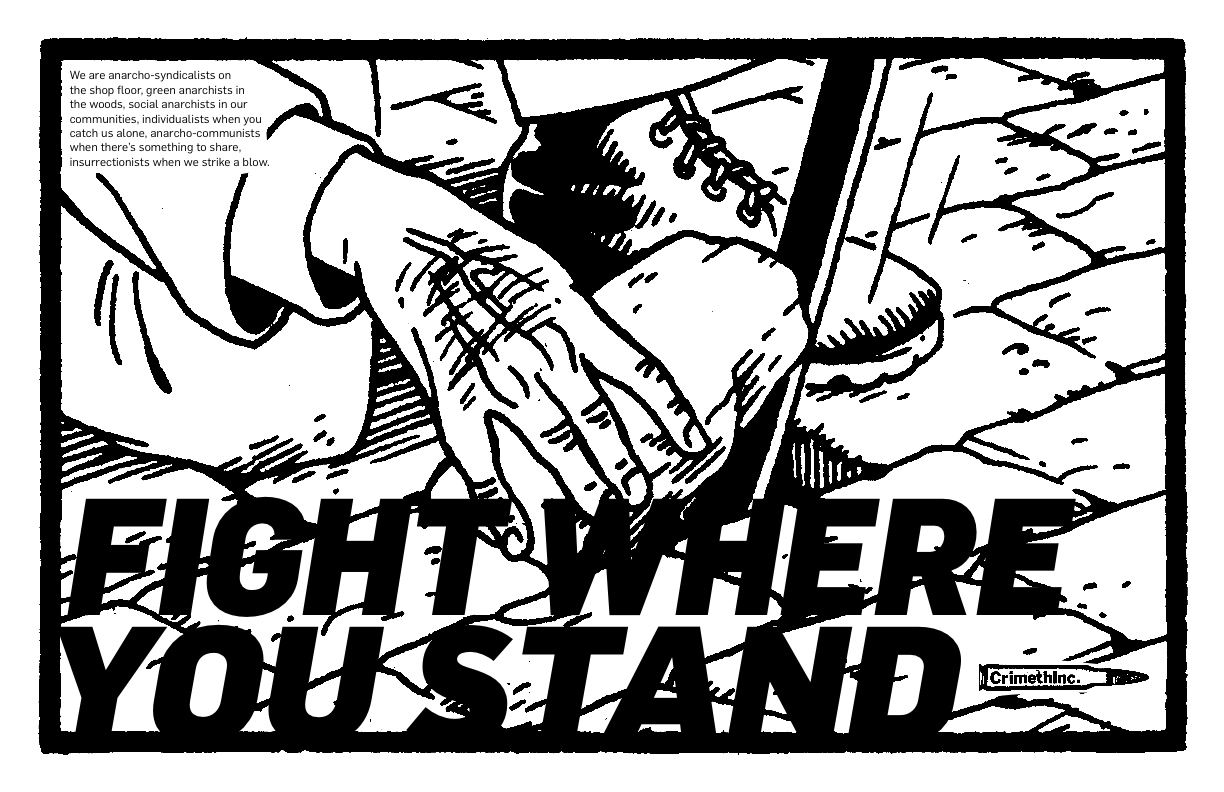 Within some radical circles (in the Situationist-inflected sloganeering of Crimethinc, say, or the enduring wheatpaste aesthetic of protest movements) and among some cinephiles (those who remember, first or second or third-hand, the shutdown of Cannes and the long shadow of that period’s mythology) this is sometimes less the case. But on the whole, explanation seems required, 50 years out.
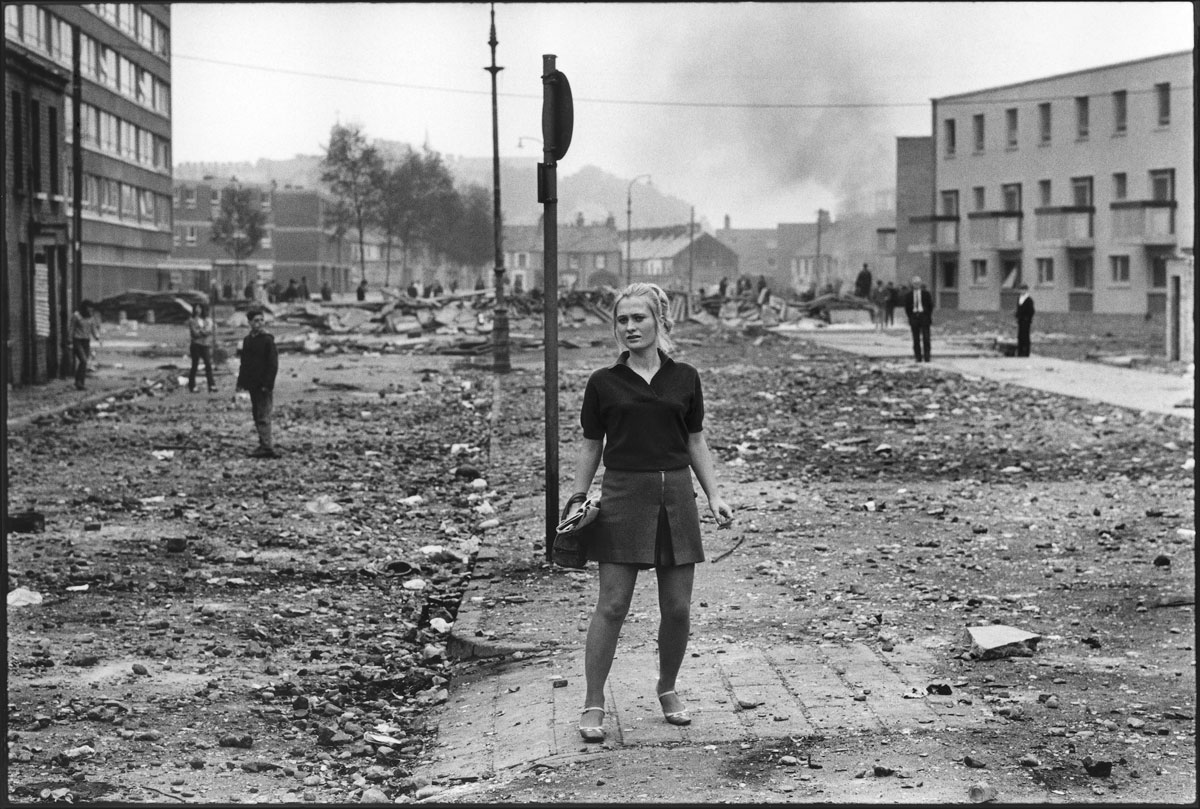 The reader wonders, then, at this French insurrectionary miracle, where factories were shut down and a general strike called amid truncheons and barricades, all in defense of that most noble struggle, the undying integrity of collegiate horniess. The intended point – that demands for social and political change, largely springing from youth revolt, coalesced with labor’s aspirations in a time of widespread questioning of norms and global tumult – is so elided that we end up with a comic shorthand: Sex strike! (Not to say that fucking isn’t worth setting cop cars on fire for. Bien sûr.)
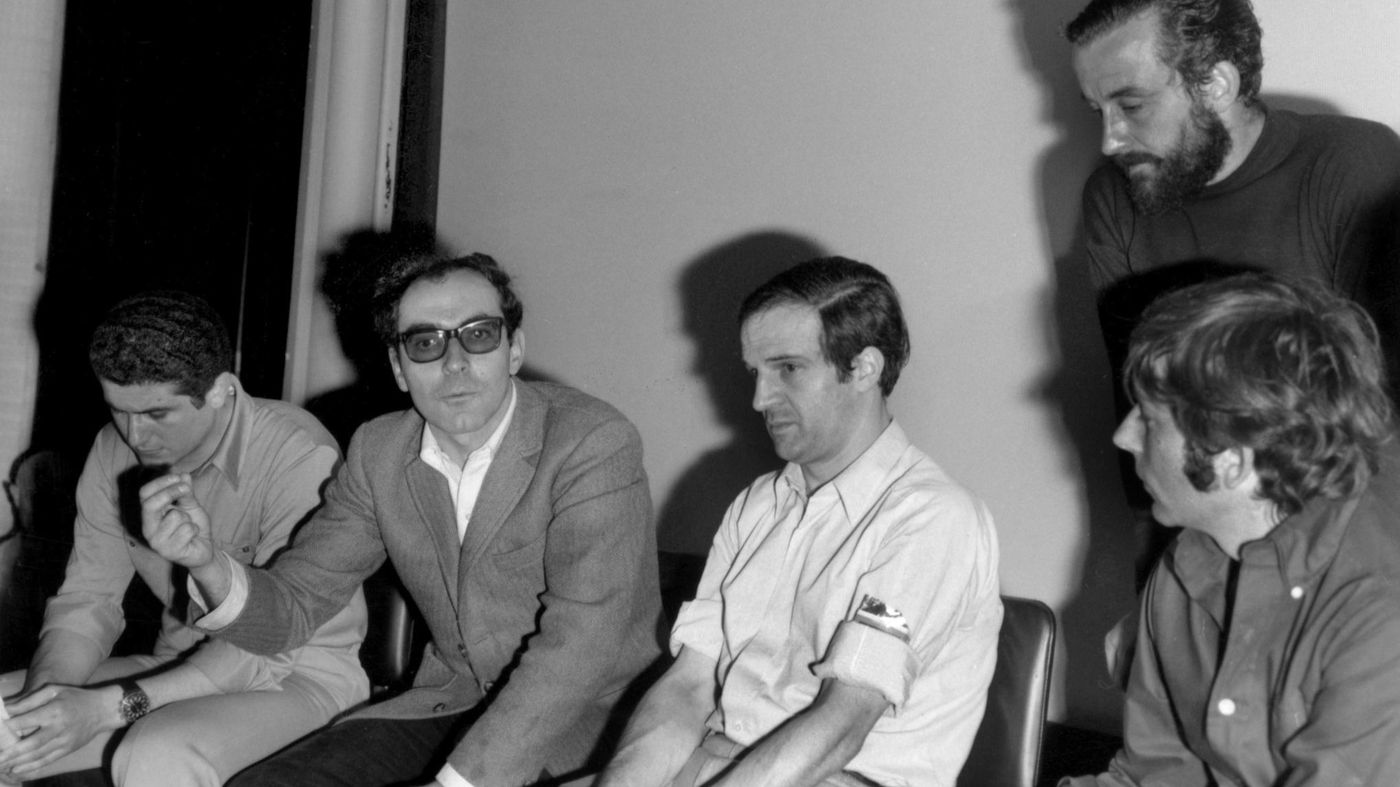 Film, of course, remembers. Between the
 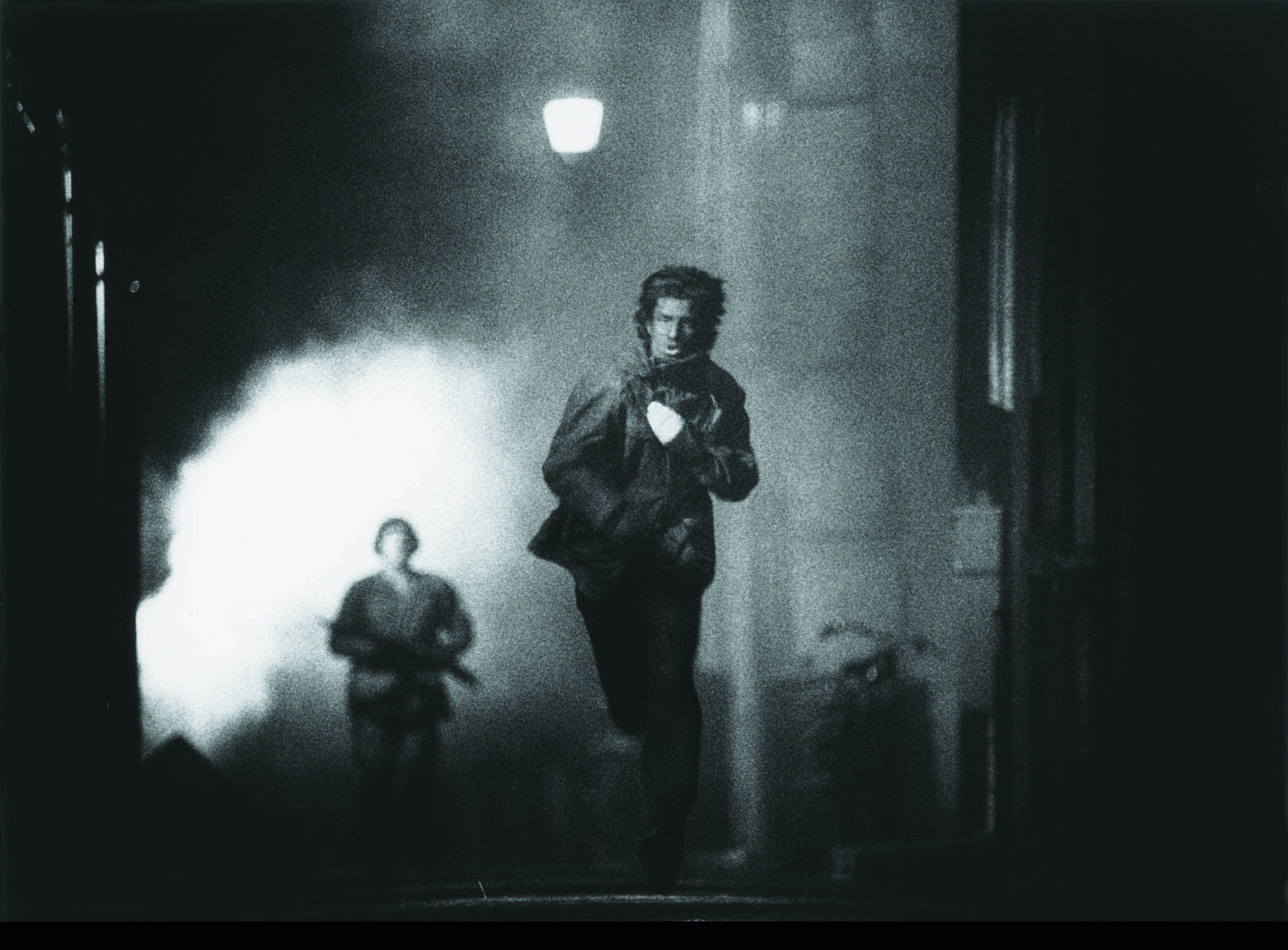 In fact, at Regular Lovers‘ Venice premiere, the two Garrel’s amusingly recounted how the film was made: to cut costs, they intentionally followed Bertolucci’s footsteps like an old Hollywood B-movie, reusing costumes and sets. And even extras — the young Garrel is recounts with bemusement that he found himself staring down the same flics across the same barricades. The memories intertwine in their retellings and their images.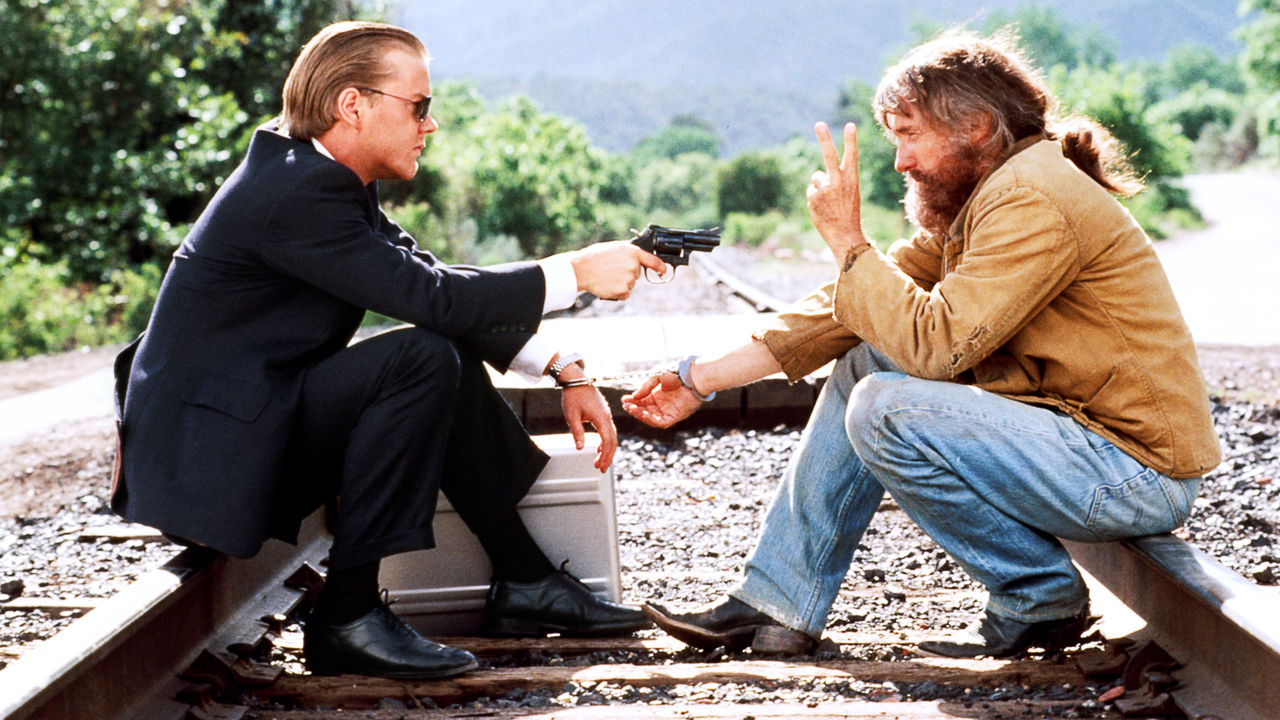
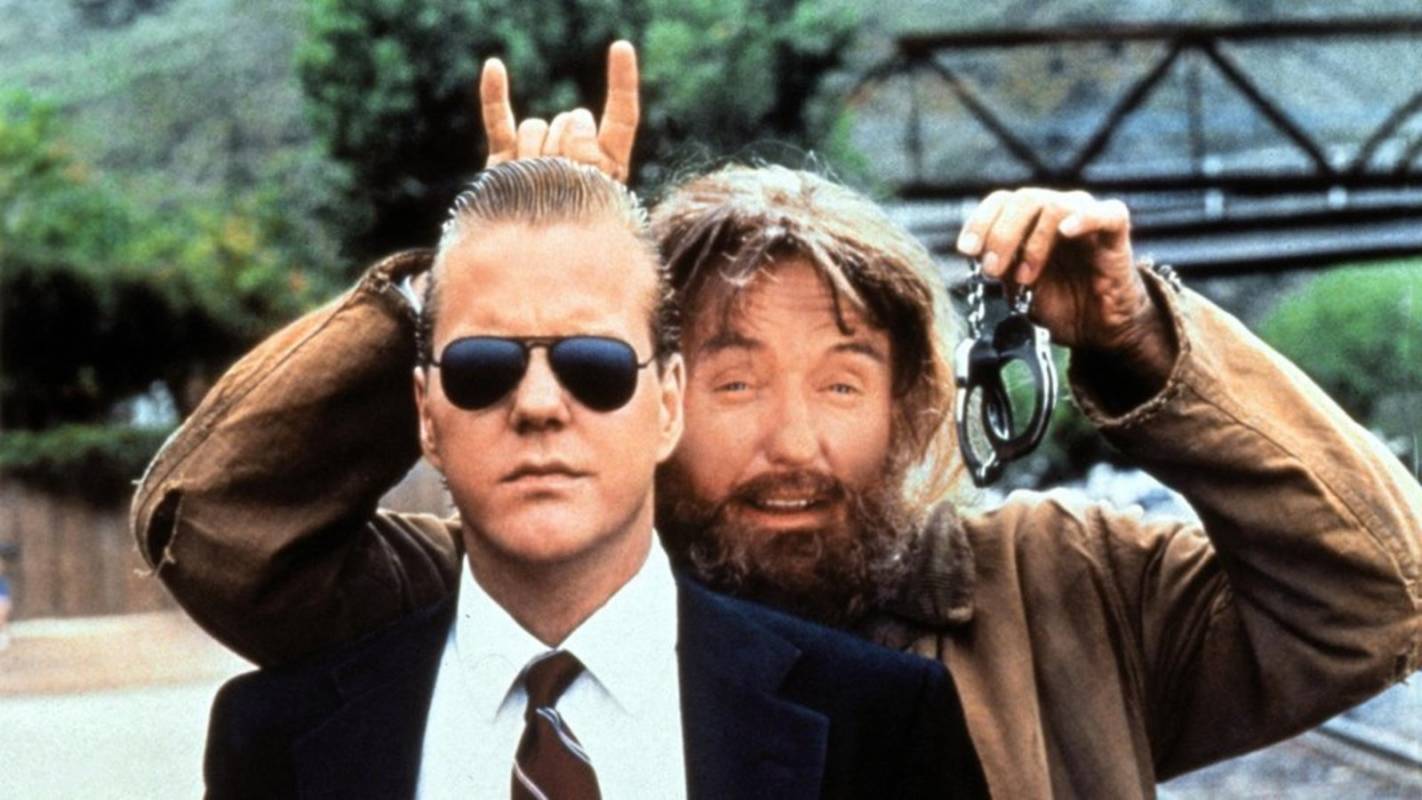
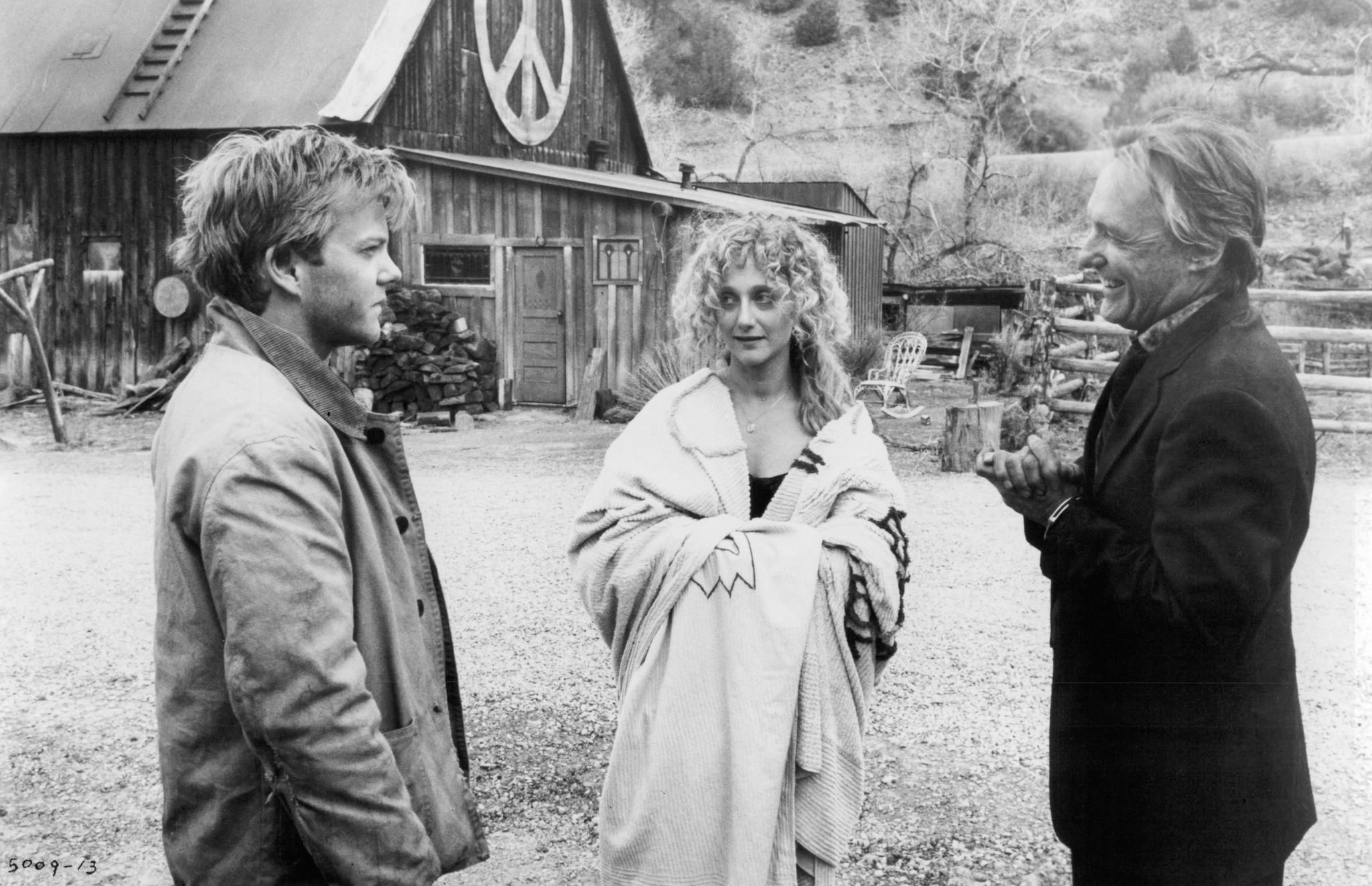
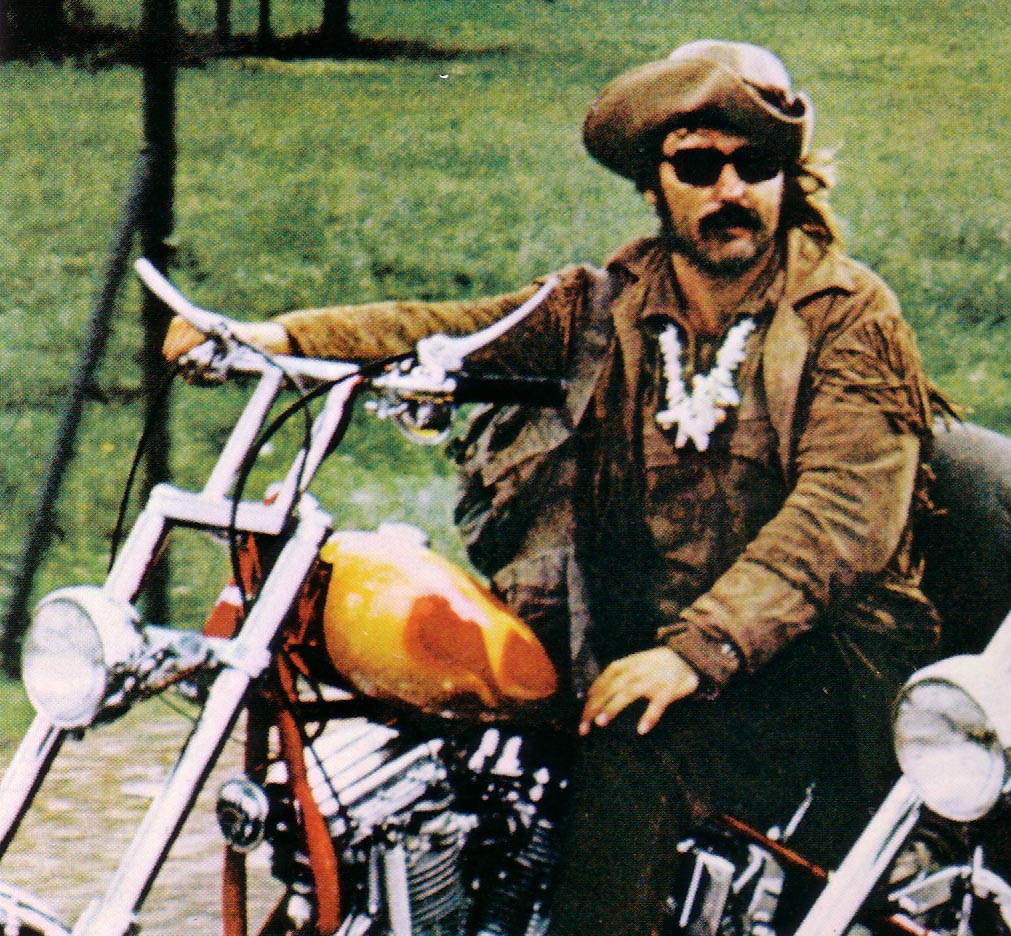 This is, of course, very boring, but what is interesting about Flashback is the way it remembers, the specific forms of cinematic citation it deploys for contemporary meaning. Hopper is the central focus here precisely because he is himself an icon of the late ’60s, and his every gesture and Dennis Hopperism reminds us of this. Lest we forget his acid auteur status, Huey even compares their trip to
  Commenting on Bertolucci and 1968,