
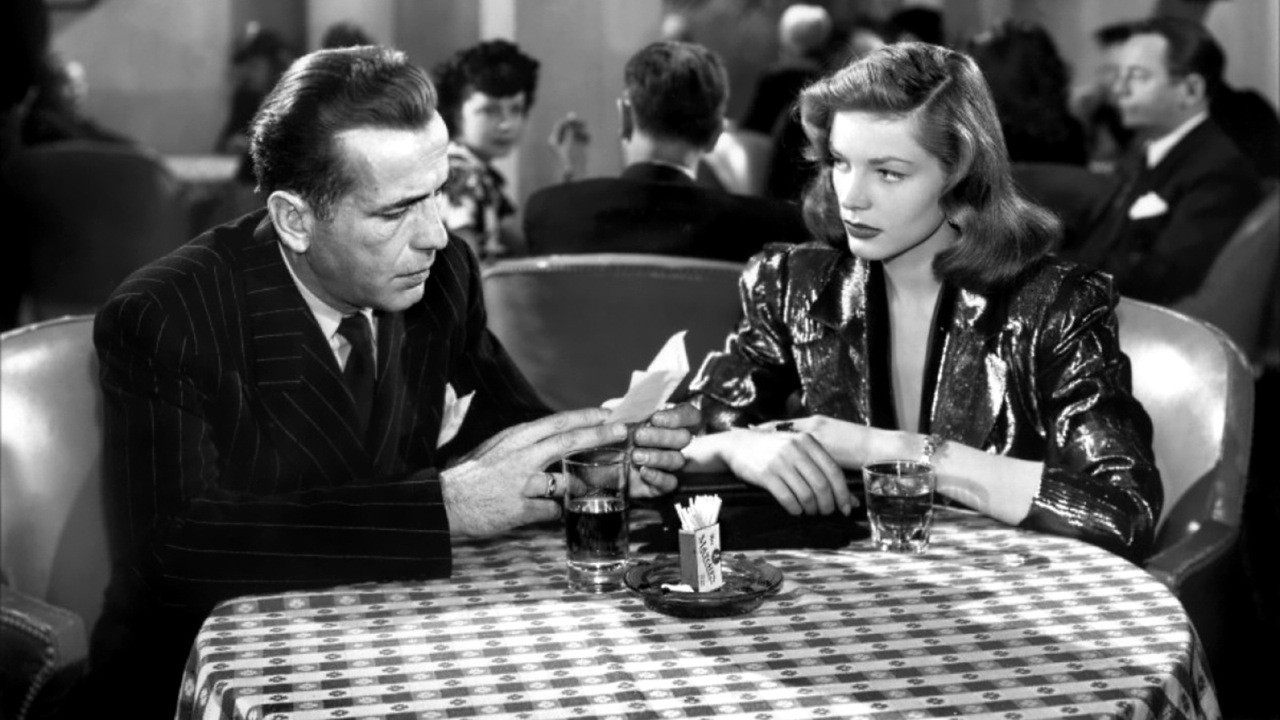
If Monty Python’s “Summarize Proust Competition” had been real, it would be a cakewalk (“A man reminisces a lot, goes to a party, and decides to write the book you’re reading”). A far harder version would take aim at a much shorter book: Chandler’s The Big Sleep. Both book and movie are famously inscrutable, and it took me probably a dozen viewings of the film and a handful of readings of the book to figure out what goes on in it.
So I am going to give you the fruit of my effort. I am going to give the shortest possible explanation of the plot of the book The Big Sleep. (Note, this is just of the book.)
A private eye, Philip Marlowe, shows up at a mansion. He’s calling on a rich man, General Sternwood, who has reached out to him through a friend. Sternwood has received an I.O.U. filled out by one of his two daughters, Carmen, for a gambling debt; the note is not legally binding, but the message suggests the sender, an A.G. Geiger, knows something scandalous about Carmen that he will make public if he is not paid.
Sternwood dispatches Marlowe to find out what Geiger knows and to settle the matter as cheaply as possible. Leaving, he is intercepted by Sternwood’s other daughter, Vivian. Vivian assumes her father hired Marlowe to find her missing husband, Rusty Regan, of whom her father was fond, and Marlowe, trying to protect her father’s privacy, doesn’t tell her his real mission.
 Marlowe quickly discovers that Geiger runs a pornography library with a large circulating collection. Trying to investigate Geiger further, he stumbles into the scene of a murder: Geiger dead in his living room, with Carmen drugged and naked in front of a camera which had recently been used, but from which the film had been taken.
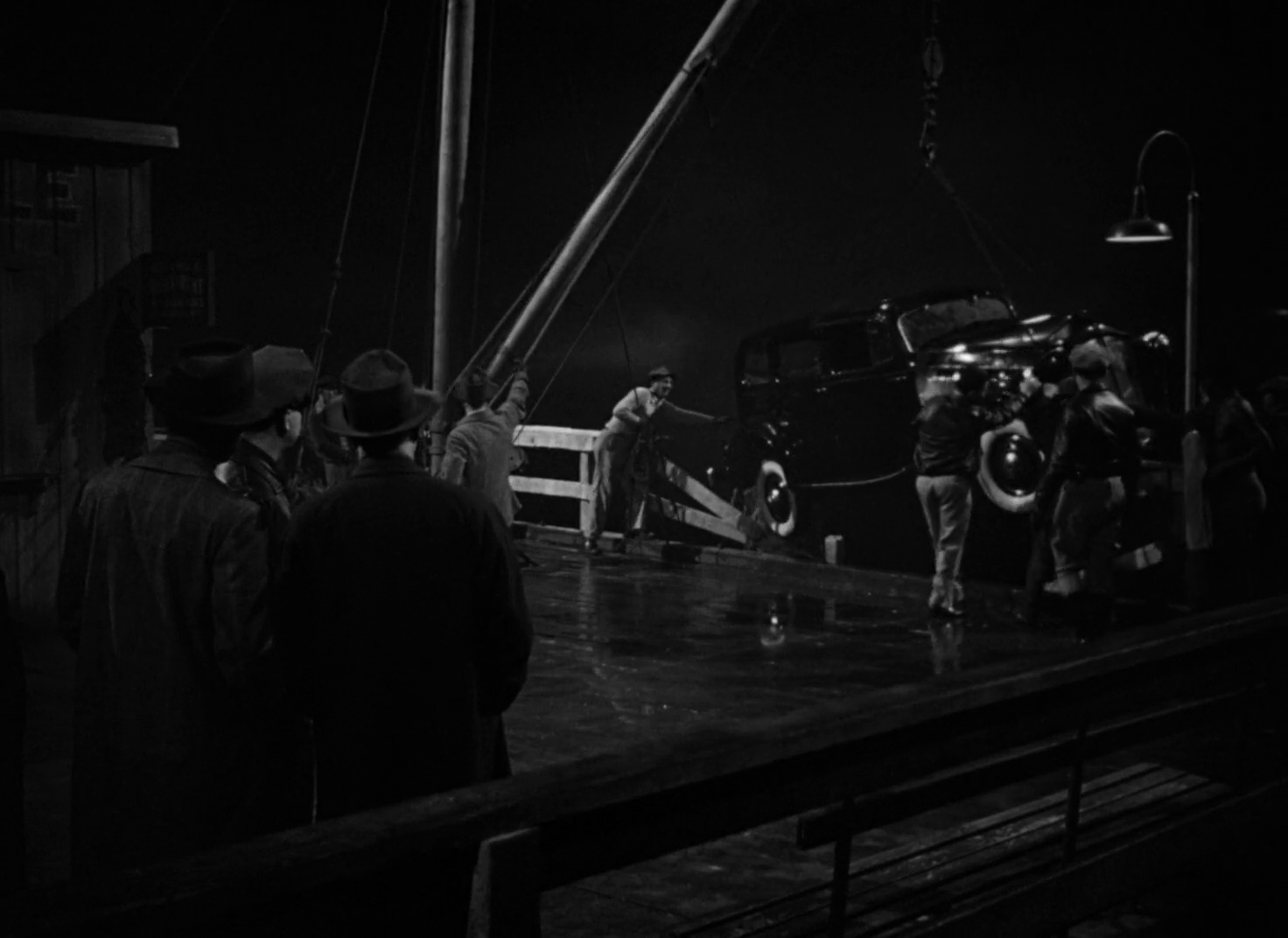
The next day, there’s a second murder to solve: the Sternwood’s chauffeur, Owen, who was in love with Carmen, is found drowned in a family car in the ocean. Later, Vivian, still unclear on what Marlowe’s case is, visits him to inform him that the family is being blackmailed with Carmen’s nude photographs from the night before.
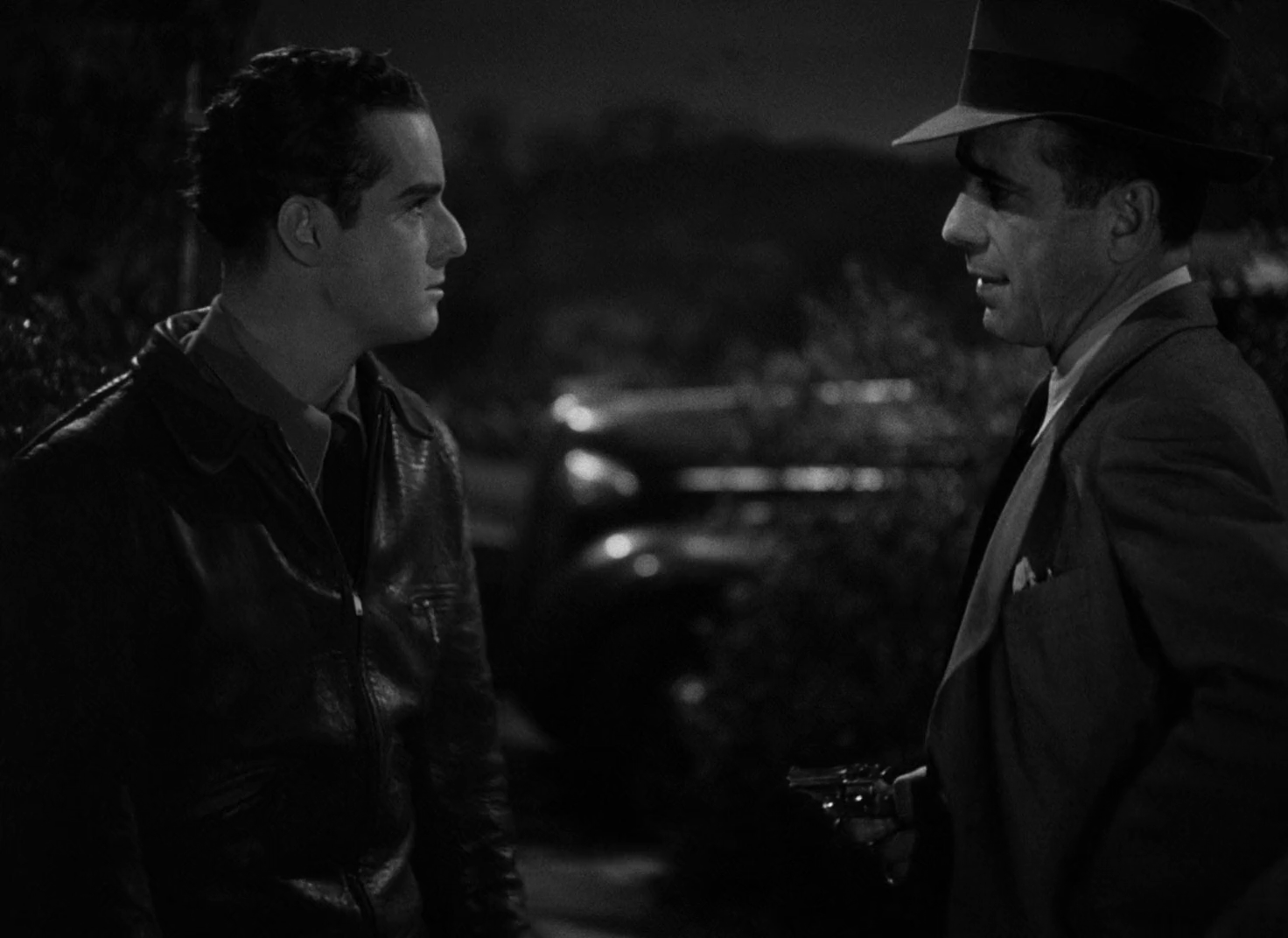
This is the basic set-up of the first half of the novel. The questions are: who murdered Geiger; who has the photographs of Carmen; and who murdered the chauffeur. The answers are all gathered by The Big Sleep‘s halfway mark. Owen was following Carmen, saw Geiger drug and photograph her, and broke into the house, shooting Geiger as revenge and taking the film with him. A two-bit criminal named Joe Brody was watching the house, planning to take over Geiger’s operation; he saw Owen flee the scene, overtook him, took the film, and sent him into the ocean to drown. He then stole the deceased Geiger’s books with the help of Geiger’s secretary and his girlfriend Agnes.
Marlowe confronts Brody with the truth and is leaving with the incriminating pictures when, suddenly, Brody is shot. The killer is Geiger’s male lover, who thinks Brody killed Geiger. Marlowe catches the lover, and the first case is wrapped up.
 This is around where your average reader starts to nod off, but there’s an entire second chunk of plot to come. Marlowe decides to try to find the missing Regan, Vivian’s missing husband, as a favor to … the General? Vivian? All of the above. Regan ran away with the wife of a prominent gangster and the owner of a casino, Eddie Mars, but everyone agrees Mars couldn’t have killed the man — he would be too obvious as a suspect.
Marlowe eventually gets a tip as to the location of Eddie’s missing wife, and, assuming Regan must be nearby, checks it out. She, however, turns out not to have run away with Regan. She’s actually hiding out on her husband’s orders.
Marlowe, pulling the standard “hand the murder suspect a gun loaded with blanks” maneuver, manages to get the truth from Carmen. She murdered Regan, angry he refused her come-ons. Her sister hired Mars to cover it up, who made up the story of Regan running away with his wife. Marlowe convinces Vivian to send Carmen to a mental institution, and he goes off to drink in a bar.
Ta-da! Way harder to explain than Proust, although there is a similar amount of gay sex.
Why, then, is The Big Sleep so damn hard to follow? I would suggest there’s no one primary reason, but a perfect storm of smaller problems, in and of themselves not crippling but which combine to obscure everything.
First, there are the problems of the source book. The novel is an awkward combination of two originally separate stories: “The Curtain” and “Killer in the Rain”, both written for Black Mask. One story is the source material for the Geiger plot, and one story is the source material for the missing husband. They share no characters, but both feature a father worried about a promiscuous daughter, so Chandler thought it made sense to paste them together.
But in reality, the two stories make one another far more confusing. We naturally expect a work of fiction to follow one case from beginning to end, and when there are two cases, we expect them ultimately to be combined (as Kiss Kiss Bang Bang said — “Your case, and my case, are the same fucking case!”).
To that end, we are distrusting of any solutions given to us before the climax of the film. But the Geiger murder is solved entirely for us at the 58 minute mark, and wholly truthfully. So the experienced viewer is waiting for the other shoe to drop, which it never does.
It also doesn’t help that the scene that gives us a clear explanation to the Geiger plot is overlong and confusing. We are suddenly introduced to a character we have not yet met, Joe Brody, with whom we spend pages and pages. Marlowe cajoles and wheedles the truth out of Brody without the righteous clarity of the Detective Who Has Figured It Out, and Geiger tells several flat untruths that aren’t contradicted (more on this in a minute).
One can always tell when Chandler doesn’t know where a scene needs to go, because he pulls the same move: someone knocks on the door with a gun in their hand. In the Brody scene, this happens twice. Marlowe eventually ends up with three guns in his pocket, and is still unprepared when Geiger’s lover comes in with gun number four. That lack of clarity can, depending on the genre, be dull or exhilarating, but for a mystery novel, it’s murder.
So, even in the novel, the Geiger plot is unclear, and the reader is too distracted waiting for it to reappear to follow the Eddie Mars plot, which is relatively clear-cut in comparison. But the movie makes everything far, far worse.
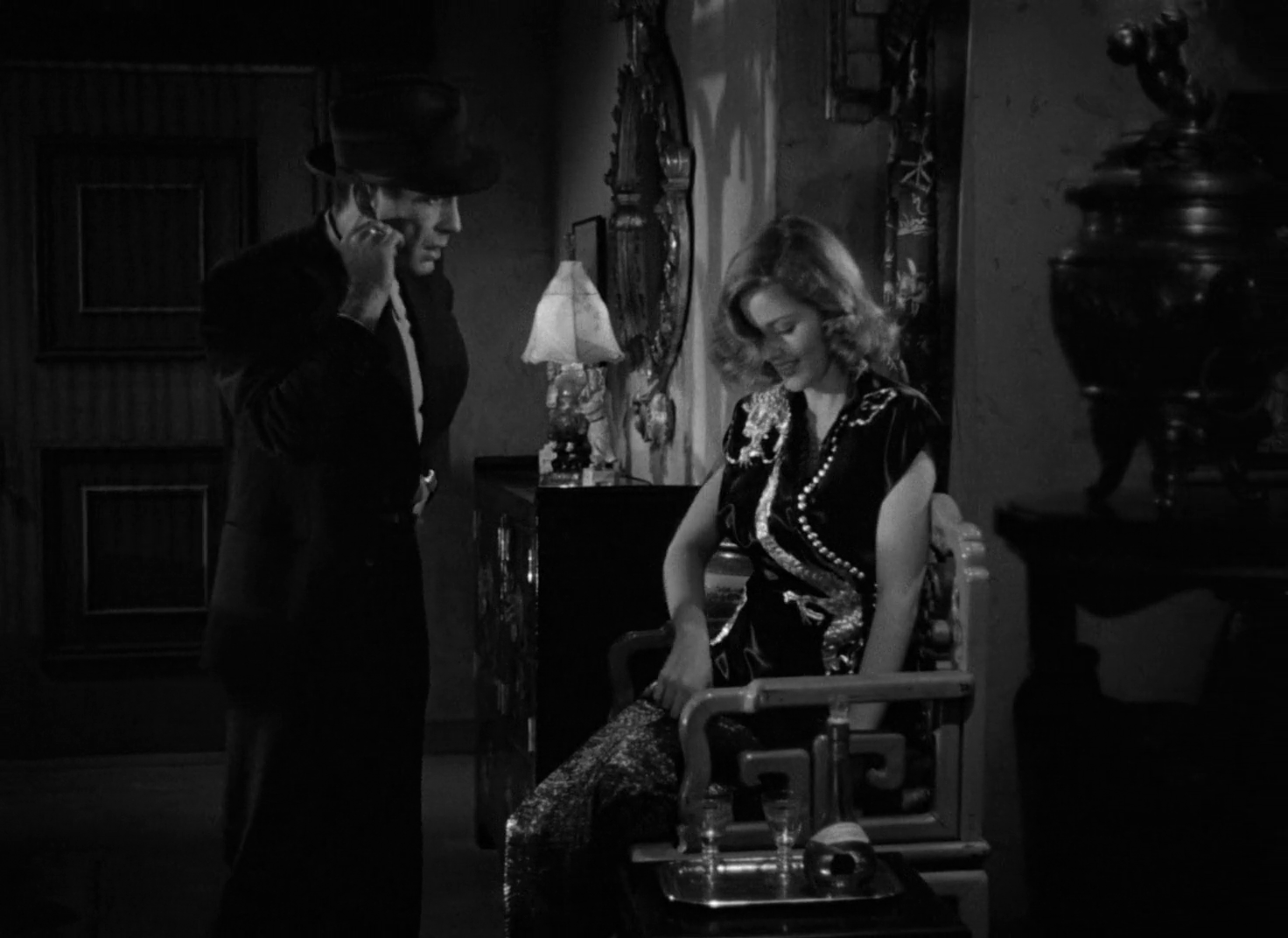 For starters, there’s the censorship. I know I’m not the only one who, watching the movie over and over, could never figure out why Carmen was being blackmailed with pictures of her … fully clothed. (Maybe, I thought, she was being blackmailed because the photos put her at the place of the murder — but the photos could have been taken at any time! And if they were set up to capture the murder, too, who would have set it up that way, since the murder was committed by the chauffeur — who was angry about the pictures?)
In fact, none of Carmen’s behavior in The Big Sleep makes sense. With her sexuality toned down — later, she shows up in Marlowe’s bed, but fully clothed instead of nude like in the book — her childishness just seems childish.
And the screenwriters didn’t make the obvious substitution to avoid Geiger’s bisexuality, switching out his jealous male lover for a jealous female one. Without any queerness, there is simply no explanation for why this random character kills Brody, or why Geiger’s body disappears and then reappears. (In the novel, his lover hid the body for long enough to remove his stuff from his secret bedroom, then returns it out of some vaguely defined, gay-coded reverence).
And it’s this lacuna, this complete lack of explanation for the random character who appears and disappears within five minutes, that leaves us hanging, waiting for further explanation in the Eddie Mars half, an explanation which is not forthcoming. So, the viewer sinks deeper into confusion.
To top all of this off, there’s the elision of the explanation for Owen the chauffeur’s murder. Even in the novel, we have to infer that Brody killed Owen. He denies it (this being the flat untruth referred to above), but there is no other person who could or would have killed Owen, and Marlowe is unsure whether or not to buy his denial. (This, by the way, is the missing murderer that the screenwriters famously contacted Chandler about; Chandler, years later, reread the section and couldn’t figure it out. Perhaps he was planning another murderer and forgot about it, but as The Big Sleep stands, it’s the only possible explanation.)
But this bit of narration is missing from the film, and without Marlowe’s doubts about his denial, we have no reason not to believe them. So subconsciously or consciously, we have another murder hanging over our heads, a murder that is never explained.
All of this contributes to the confusion around the Geiger half of the story, but the Eddie Mars half has problems of its own. Specifically, the screenplay changes the ending. We are assured repeatedly in the novel that Eddie Mars couldn’t have killed the missing Regan; he would be the most obvious suspect, and couldn’t afford to attract the attention. Pages are spent assuring us that, even though he is the most obvious suspect, Mars would not be so dumb as to kill Regan. It is, of course, a classic move to have a murder in which the most obvious suspect has to be ruled out, whether because of a gut feeling or because he’s the detective’s friend or a million other things. The pressure of that “but who else could it be?” is what gives the resolution; here, Carmen killing him out of frustrated horniness, its satisfaction.
What is not satisfying, however, is to have the murderer turn out to be exactly that person anyway. Which is what the film does by, after assuring us that Eddie Mars couldn’t have murdered Regan, finally revealing that Mars was the murderer after all! Mars merely convinced Vivian that Carmen killed Regan, somehow, despite: a) Mars, a rich and powerful gangster who believed his wife was cheating on him with the dead man, being the most obvious suspect, and b) Vivian presumably seeing no proof Carmen murdered Regan, since she didn’t.
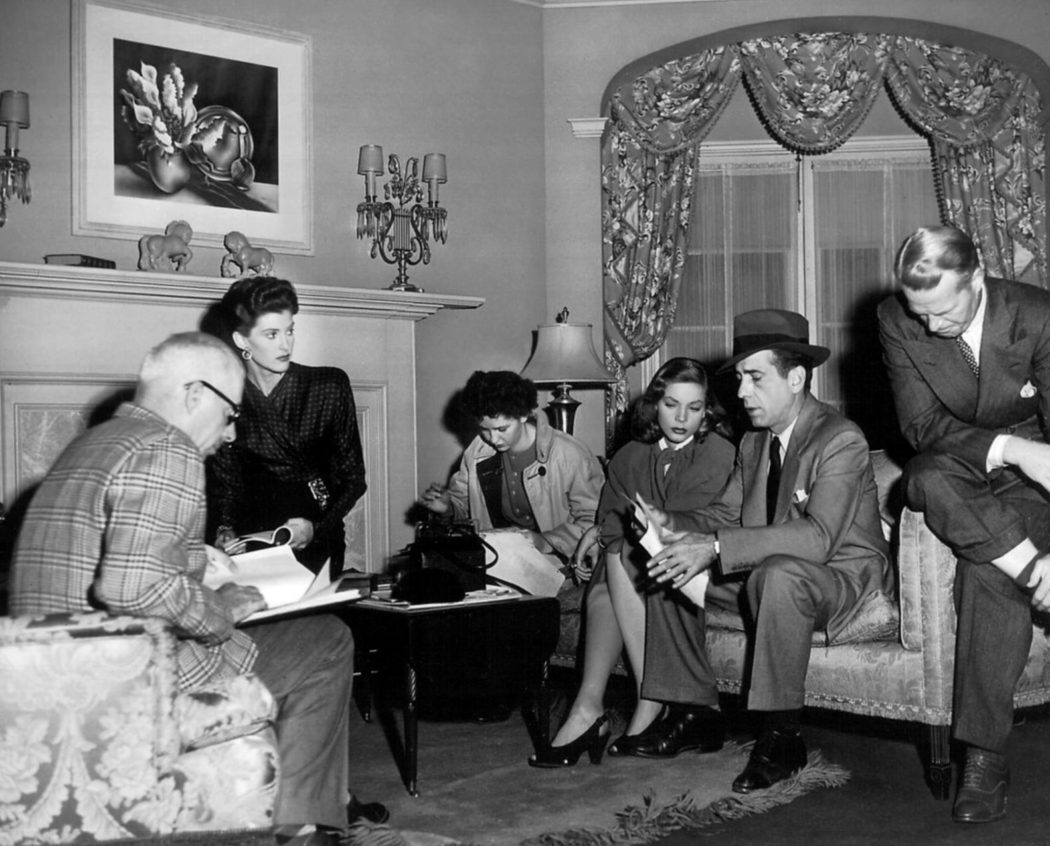 As in the novel, Mars covered up the murder by having his wife go into hiding, and spreading the story that she and Regan ran off together. But if Mars actually did kill Regan, this makes him a much stronger suspect. If only Regan disappears, it could have been a random murder, with Mars being protected by the idea that he is too smart to be the murderer. But if both Regan and Mars’ wife disappear, then the most likely explanation is that Mars killed them both out of jealousy. And if it was all merely to blackmail the Sternwoods, that makes no sense, because there is no reason to suspect Carmen murdered Regan!
So, step by step, The Big Sleep‘s screenwriters — William Faulkner, Leigh Brackett, and Jules Furthman — are forced by censorship to remove a number of motivations too prurient for the Hays’ Code. In 1945, even what we have had to be recut, as the scene in which Carmen shows up in Marlowe’s bedroom, fully clothed, was too risqué; in 1946, it was returned. Without that scene, we have even less evidence of Carmen’s sexuality — although that thread itself mostly exists to set up her attempted murder of Marlowe in the final scene, which doesn’t appear in the film!
The book is, by modern standards, structured inscrutably, but clearly explains everyone’s motivations. But where the screenwriters could have replaced elements too risqué for the time with more acceptable ones — replace the male lover with a female one, or make Carmen’s attention to Regan explicit but more chaste, or still have Carmen be the murderer but have her sent to prison instead of a mental institution — they mostly just hacked those elements out entirely.
Which leaves us with a film in which the motivations make no sense, and the structure makes no sense.
***
So what.
I have spent, now, probably 15 years watching and rewatching The Big Sleep. It is one of my favorite movies of all time, a movie I can almost quote from beginning to end.
I can barely imagine the history of mysteries without it. Without its glorious complications, would we have James Ellroy’s The Black Dahlia? Without its refusal to solve its murders, would we have Paul Auster’s The New York Trilogy? If it made any goddamn sense, how many of the great neo-noirs would still be the way they are?
In 1978, Michael Winner made a second adaptation The Big Sleep. I can only assume that some of the sex was left in, and that the plot therefore makes a little more sense. For some reason, I’ve never even thought about watching it. Who wants the plot of The Big Sleep to make sense?
Plots are, after all, only for tracts of land. One plots land to figure out the boundaries, to say: this space is mine. A plot leaves us with a bounded, two-dimensional shape, well-defined.
But The Big Sleep isn’t land, it’s an ocean. No matter how well one tries to define its boundaries, it’s a fool’s game.
Margreta de Grazia is a brilliant Shakespeare scholar who has made a career out of puncturing the myths of Shakespeare. Her book Hamlet without Hamlet systematically shows how many of the things about the play that seem inexplicable, and thus testify to the depth of the human soul, are actually perfectly sensible within the context in which it was written and set. Her Hamlet, perhaps the true Hamlet, is not a tortured existential soul, but merely a man trying to get his revenge in the way his culture will allow him.
Her arguments are probably right, but they will never defeat the idea of Hamlet; they can only add to his mystique. In the same way, these 2,500 words can’t defeat The Big Sleep, by explaining how an explicable mystery became a wholly inexplicable one; they can only add to it.
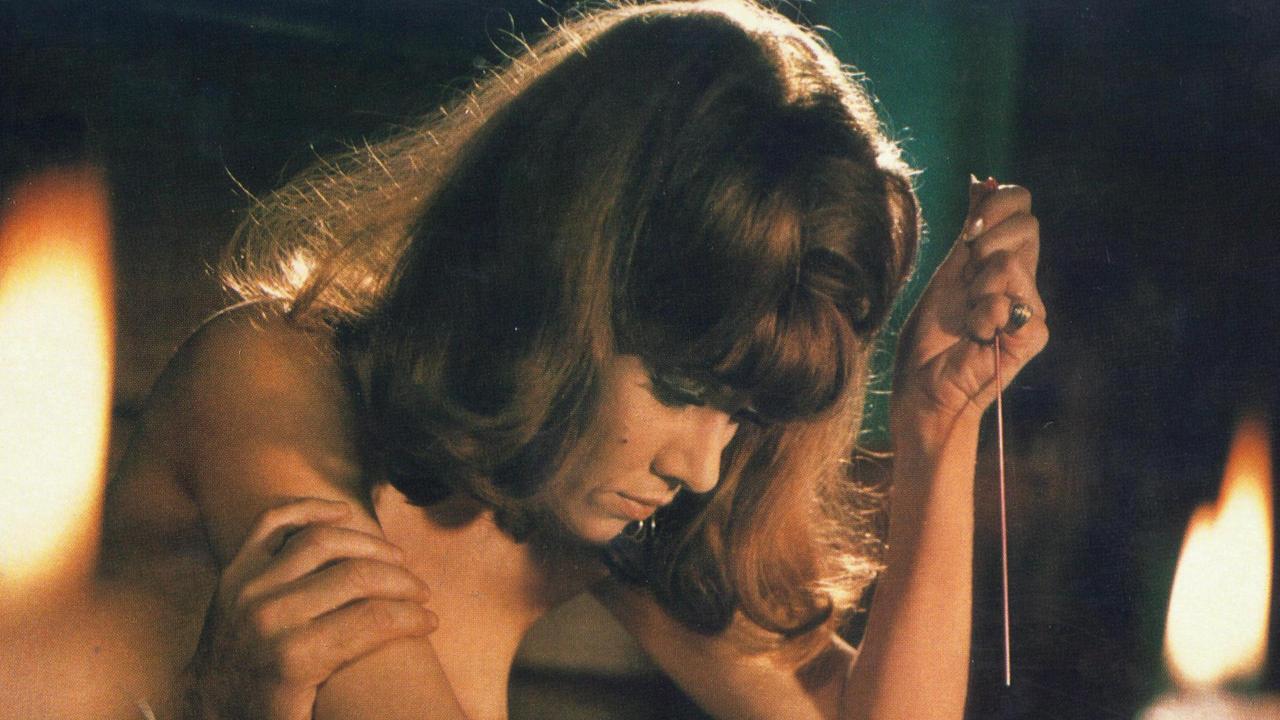
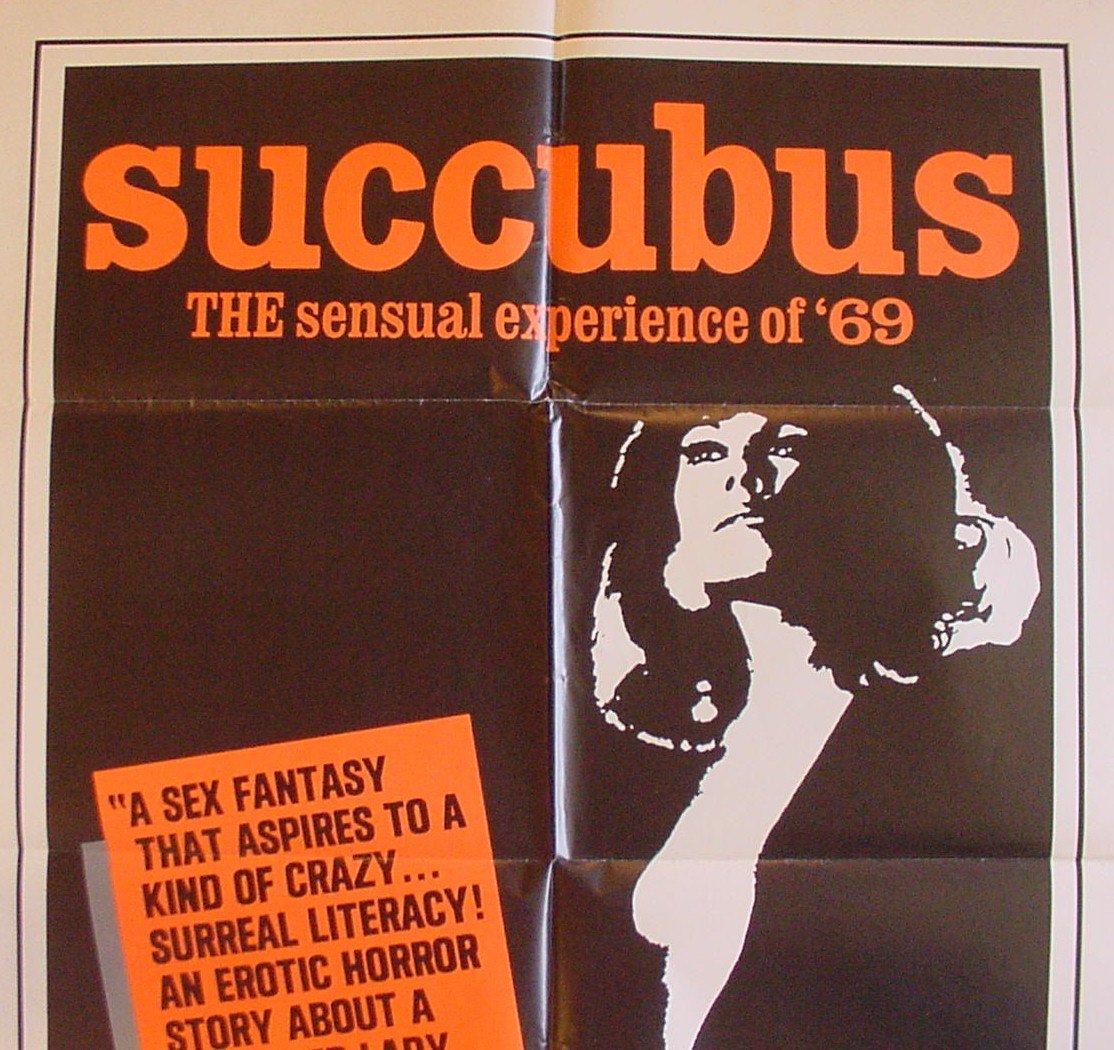 If I had seen Succubus (1968) about a decade earlier, my 16-year-old self would probably have just given up and mentally categorized it as a horror movie. The movie does open up with one of those BDSM-themed theater acts that are omnipresent in 60s European movies, and there are a few murders sprinkled throughout, as our heroine Lorna Greene (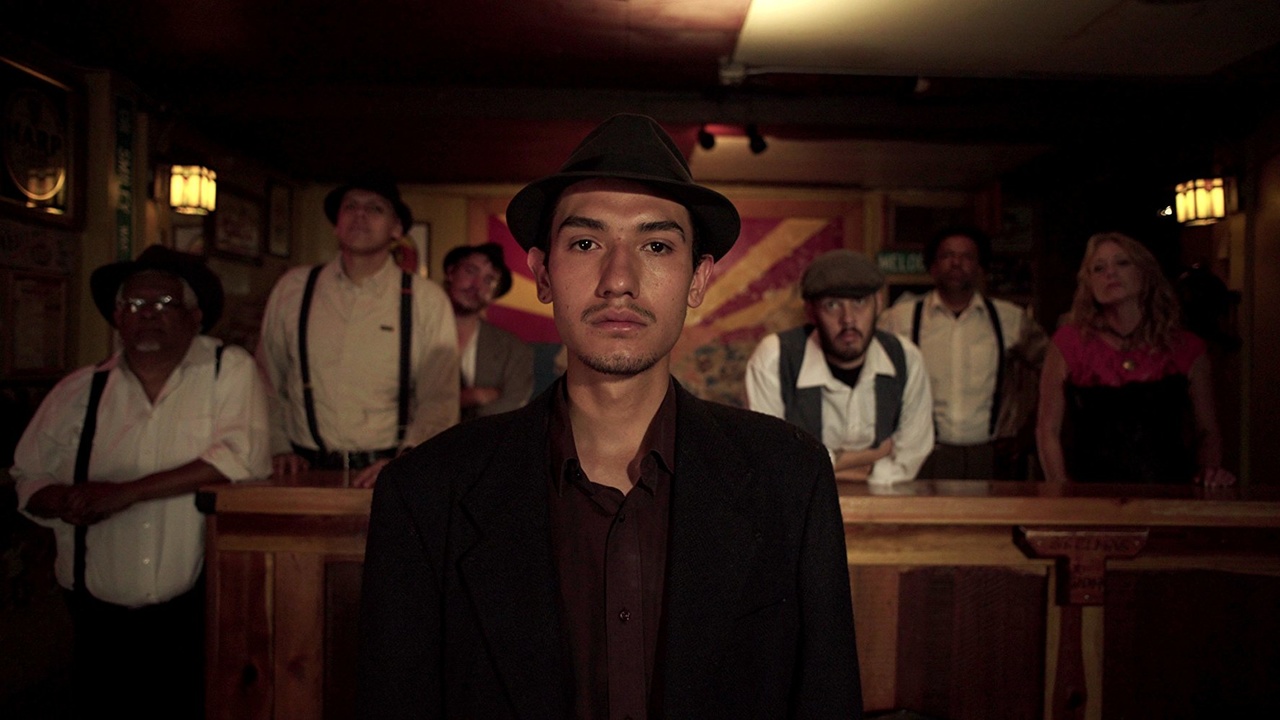
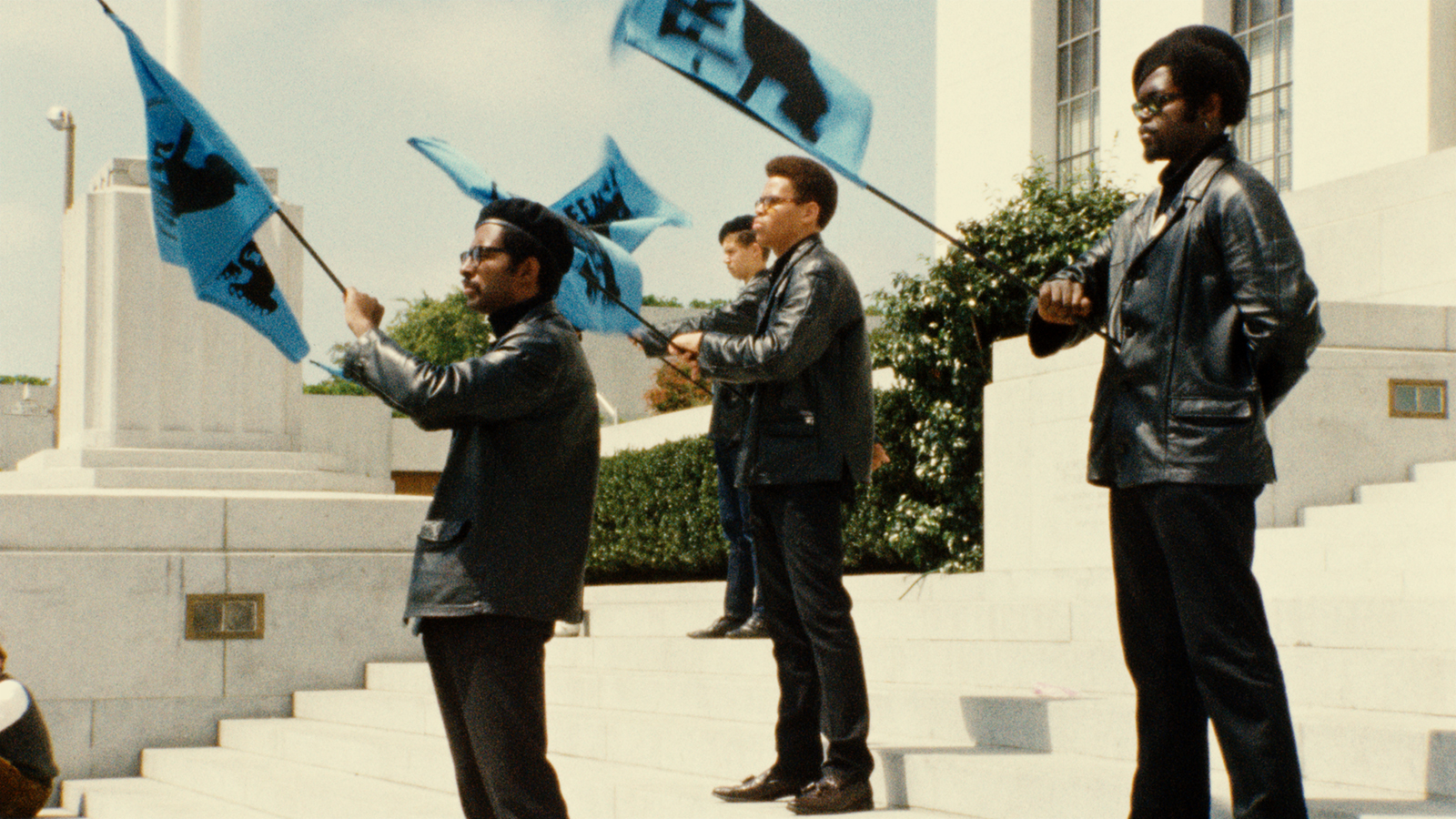 You can find it in the talking head/archival model abutting the discursive essay film (
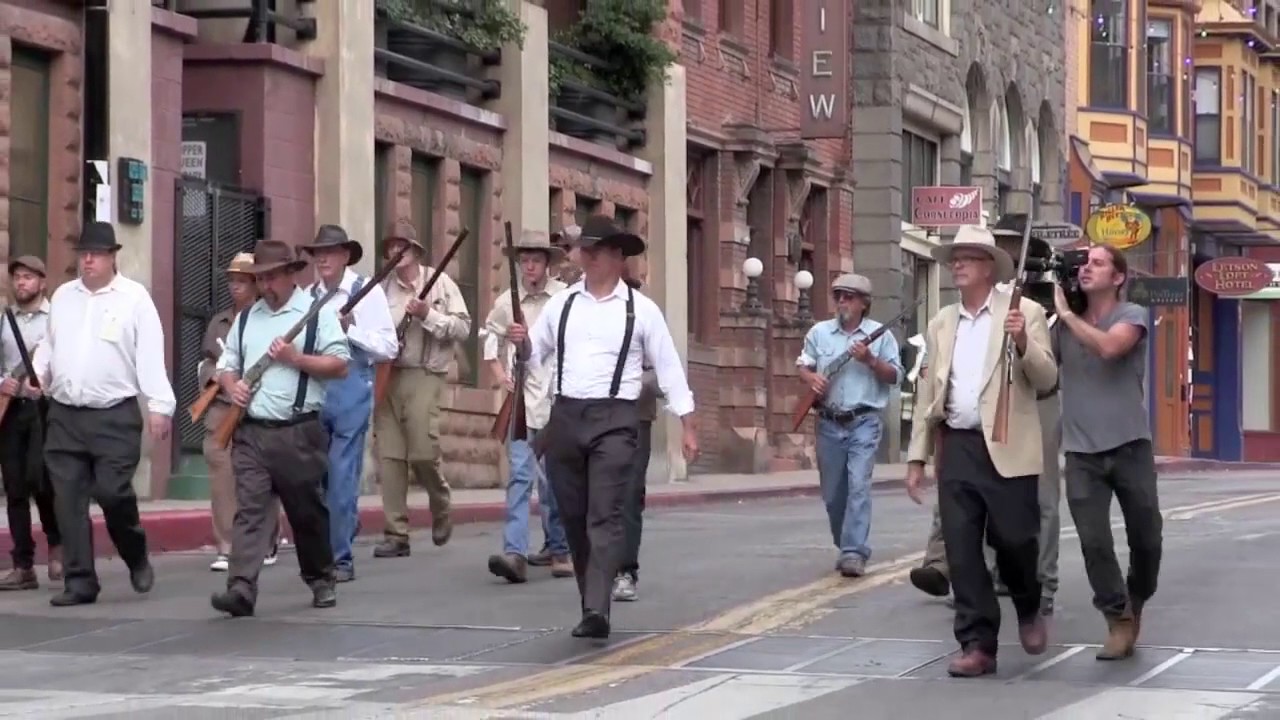 Like much of Greene’s work (
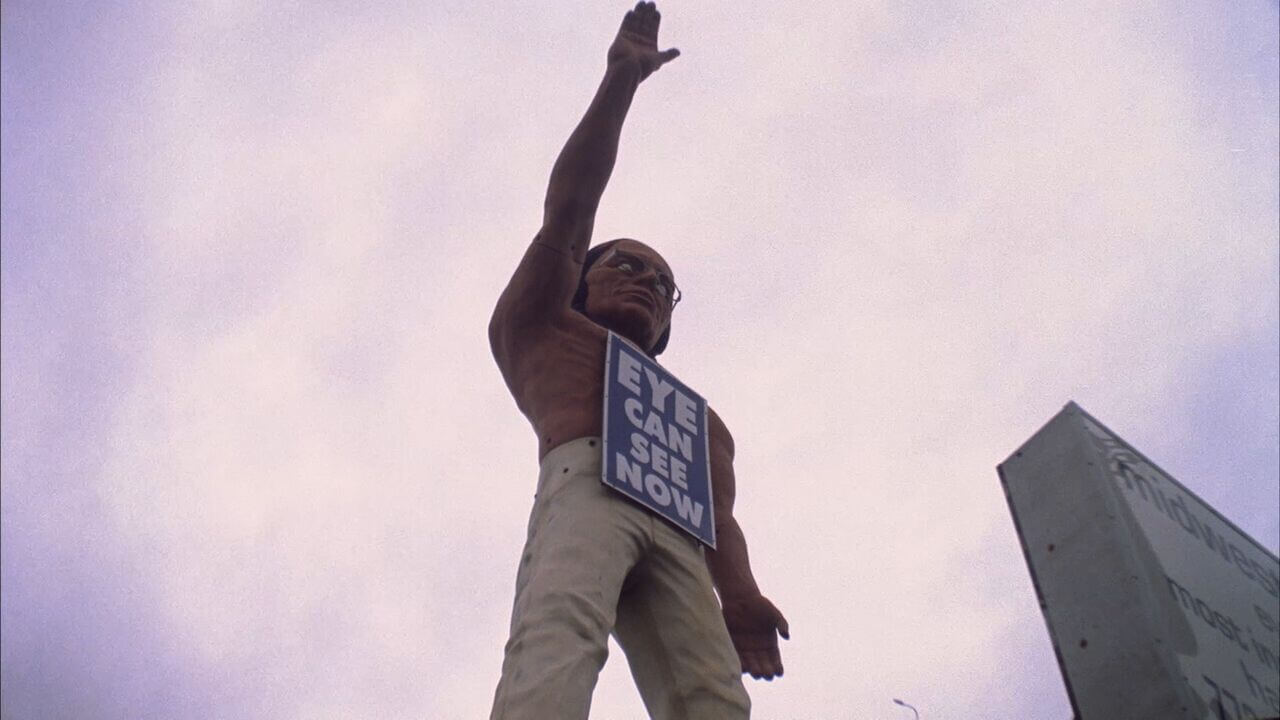 By contrast, Purge This Land is almost entirely still, oblique enough to invite charges of inscrutability. As the title quote indicates, this is a meditation on
 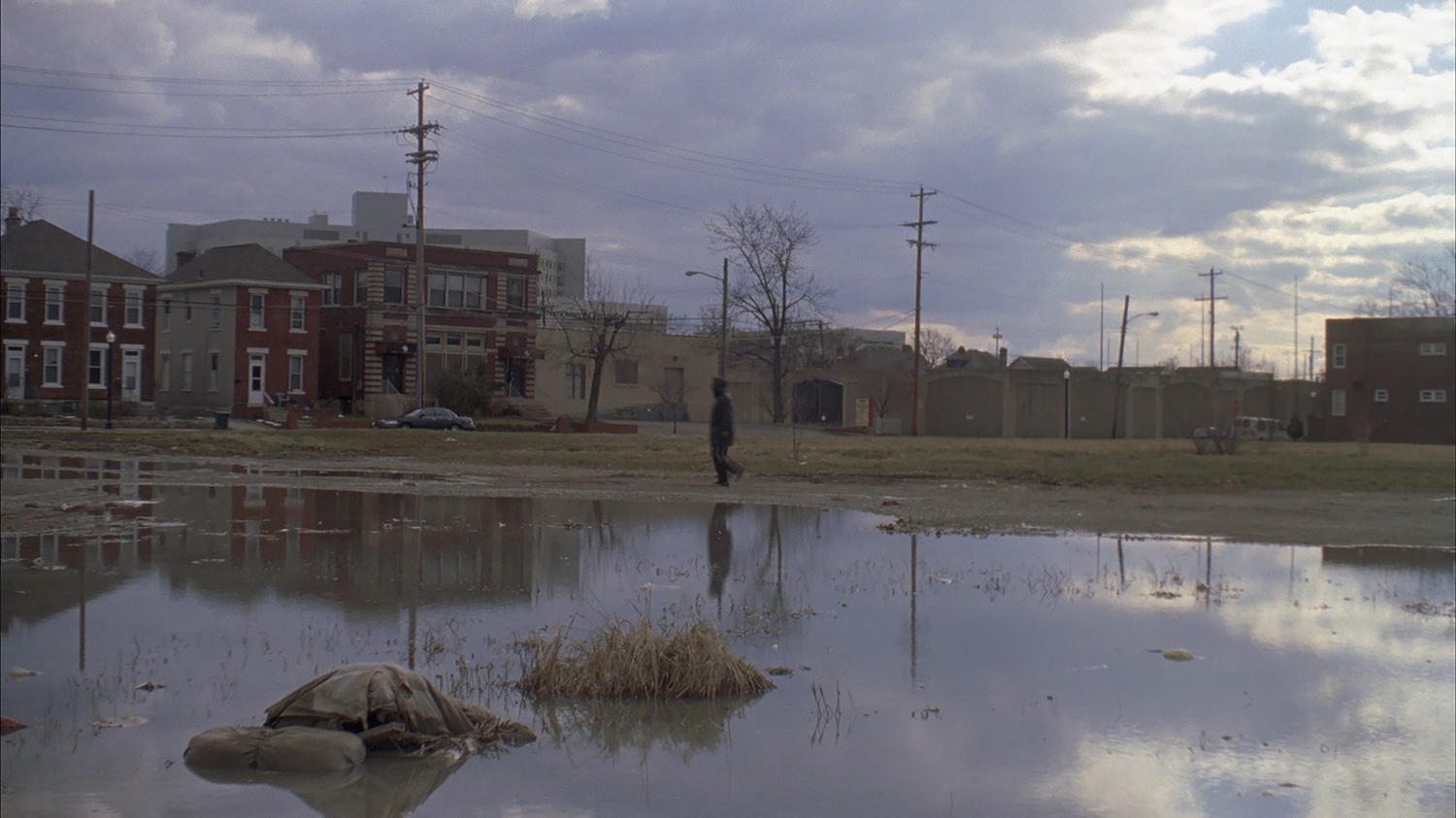 Meanwhile, we look at the land, the places Brown lived and traveled, the house where he spent a final night with Frederick Douglas, who declined to accompany him on his doomed mission. Schmitt’s film doesn’t editorialize, but the authorial presence is there all the same. We are left wondering how a stubborn gaze, a refusal to zoom or pan, even could editorialize, but we feel it. What are these objects, these landscapes? What do they reveal or hide? What do they “mean”? Why are we being asked to look, and look, and look closer? There’s something unsettled. We become unsettled.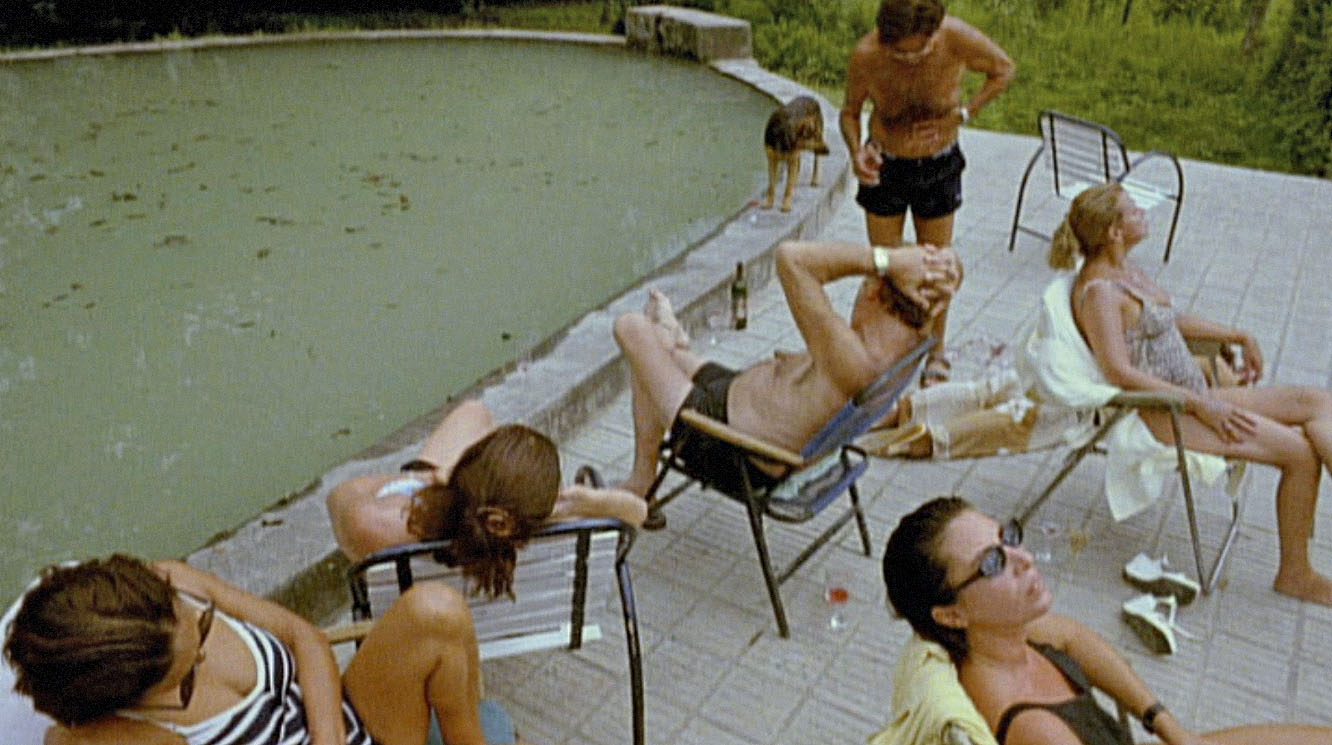
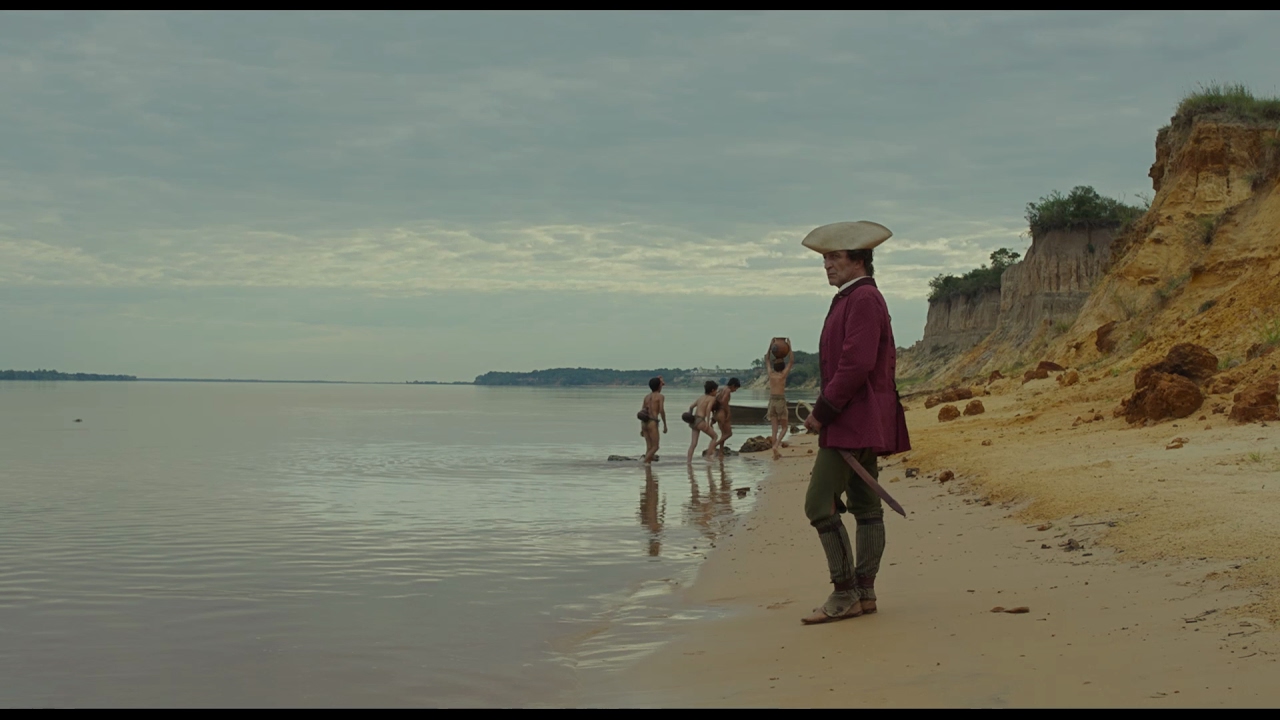 The occasion is technically the release of
 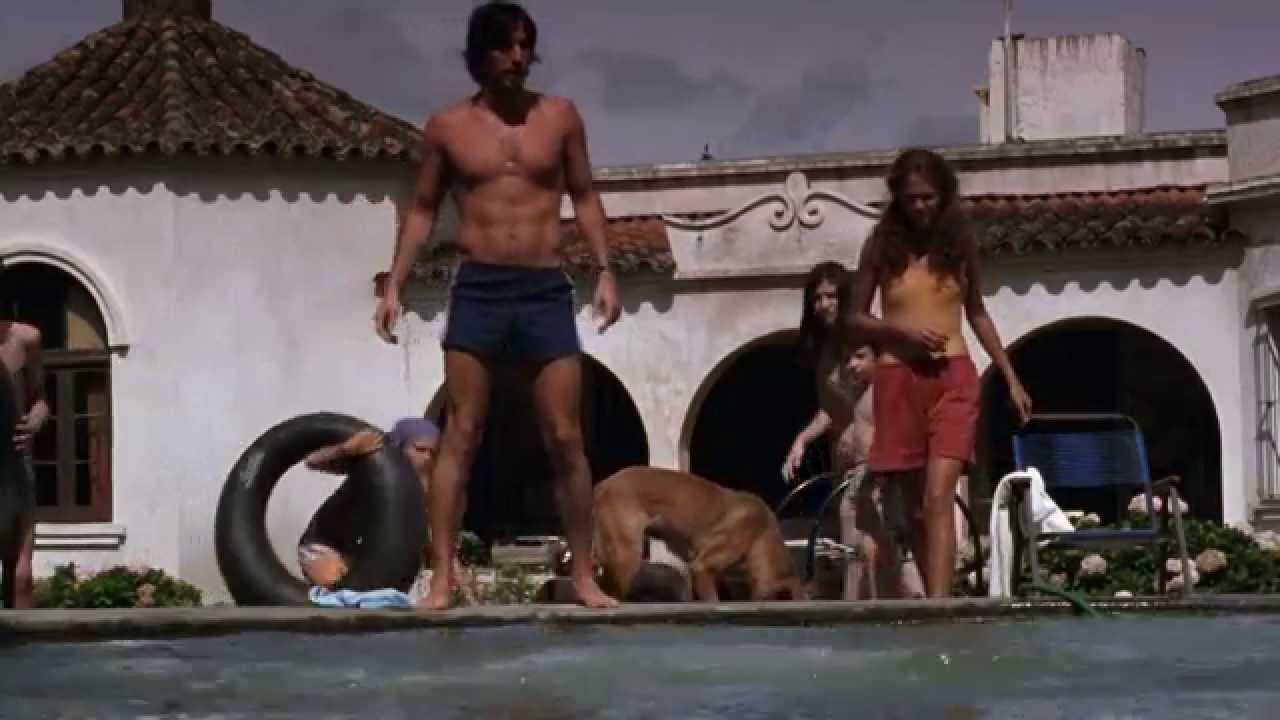 La Ciénaga has a number of options amid its sprawling bourgeois tapestry of a cast, but there’s little doubt that the men mostly haunt the periphery, phantoms of dissolute or dubious influence, their taciturn bodies frequently subject to a female gaze in the sweltering heat, with the erotically frantic teenagers,
 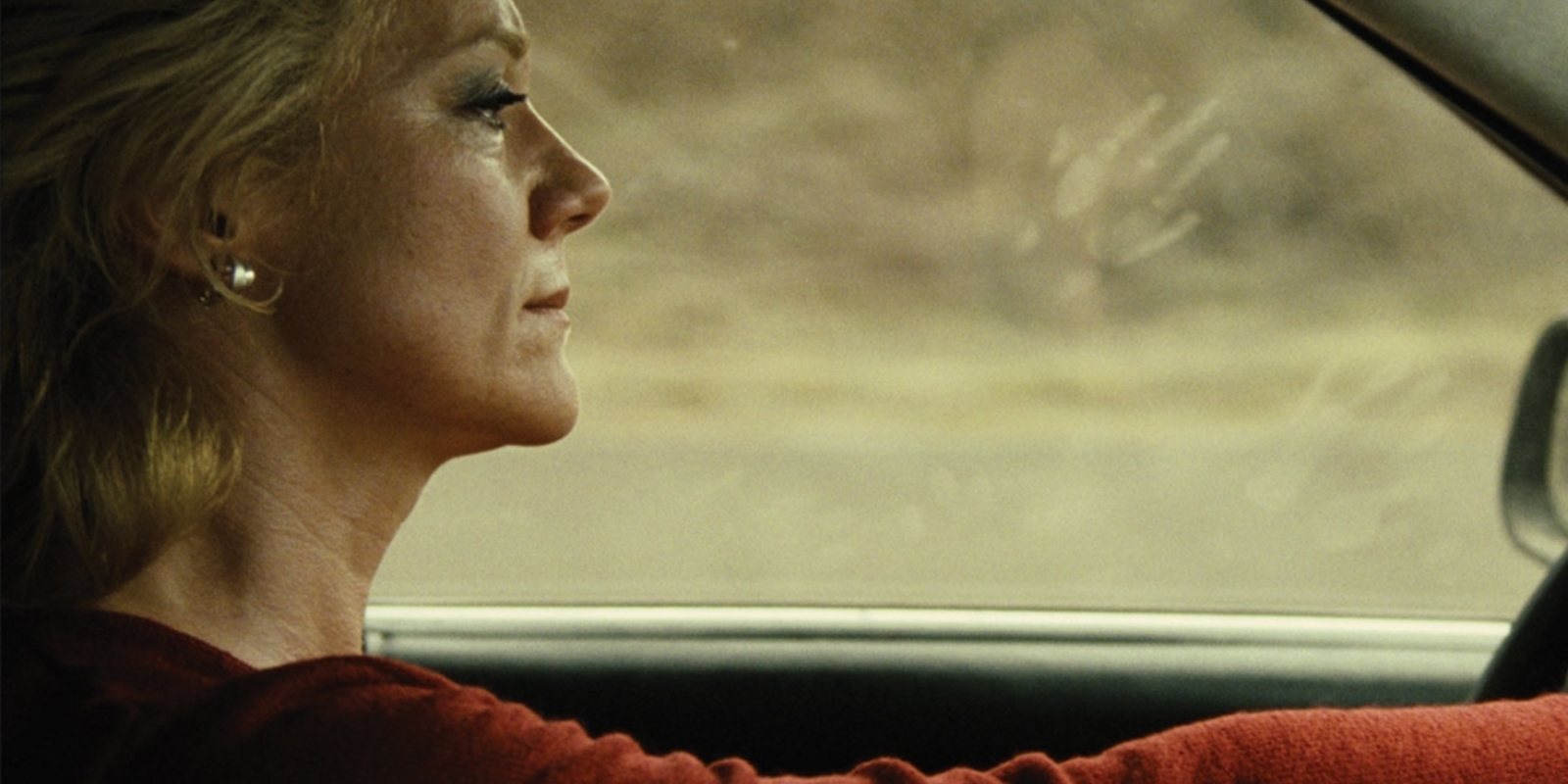 The Headless Woman (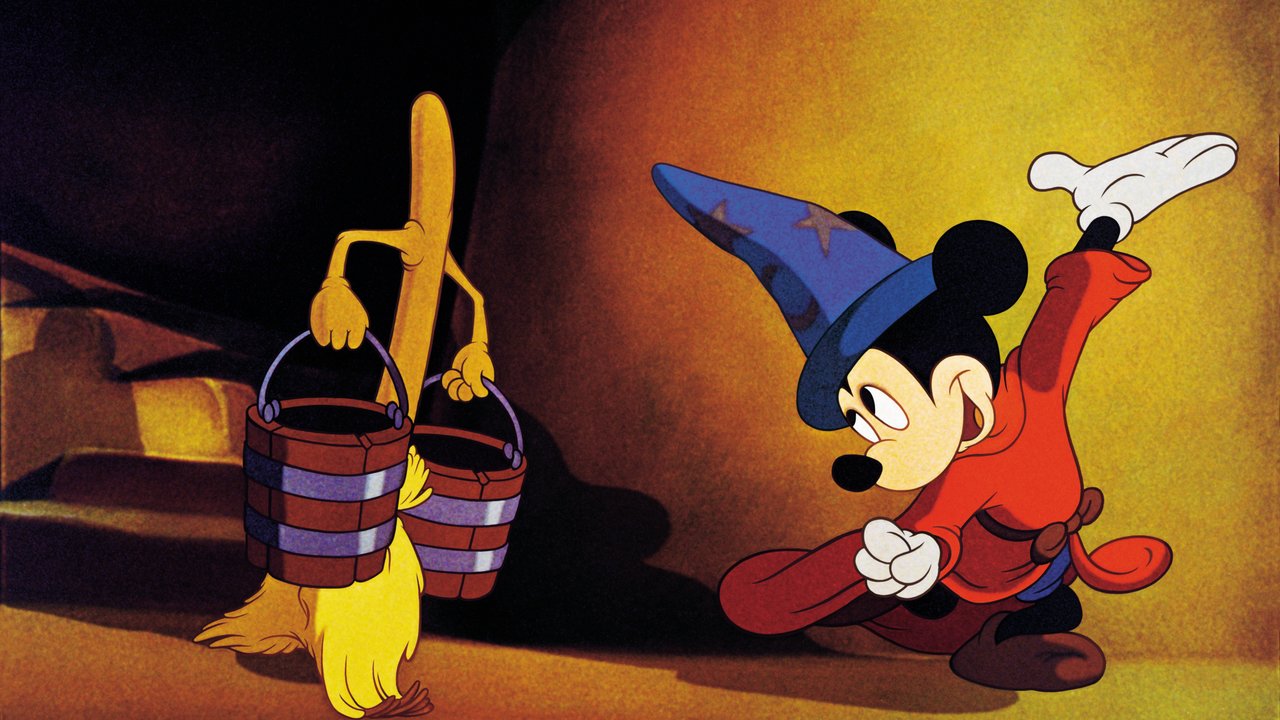
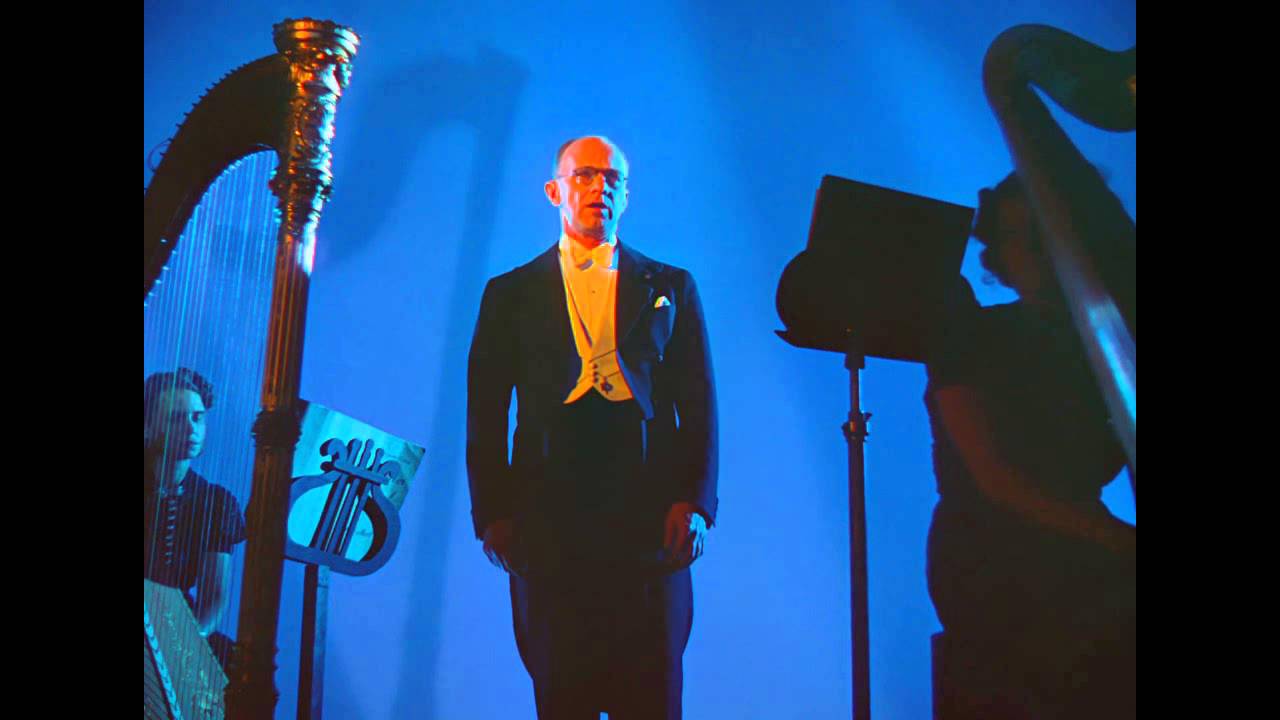 Re-watching Fantasia for the first time since childhood, I thought a lot about Bohannan’s piece. Deems Taylor, the narrator, presents Fantasia to the viewer as educational in his opening comments, but is the point here merely to “educate”? After all, to educate is to pass on a body of knowledge, something that could be done much more effectively by a series of lectures and full performances than by animated short films.
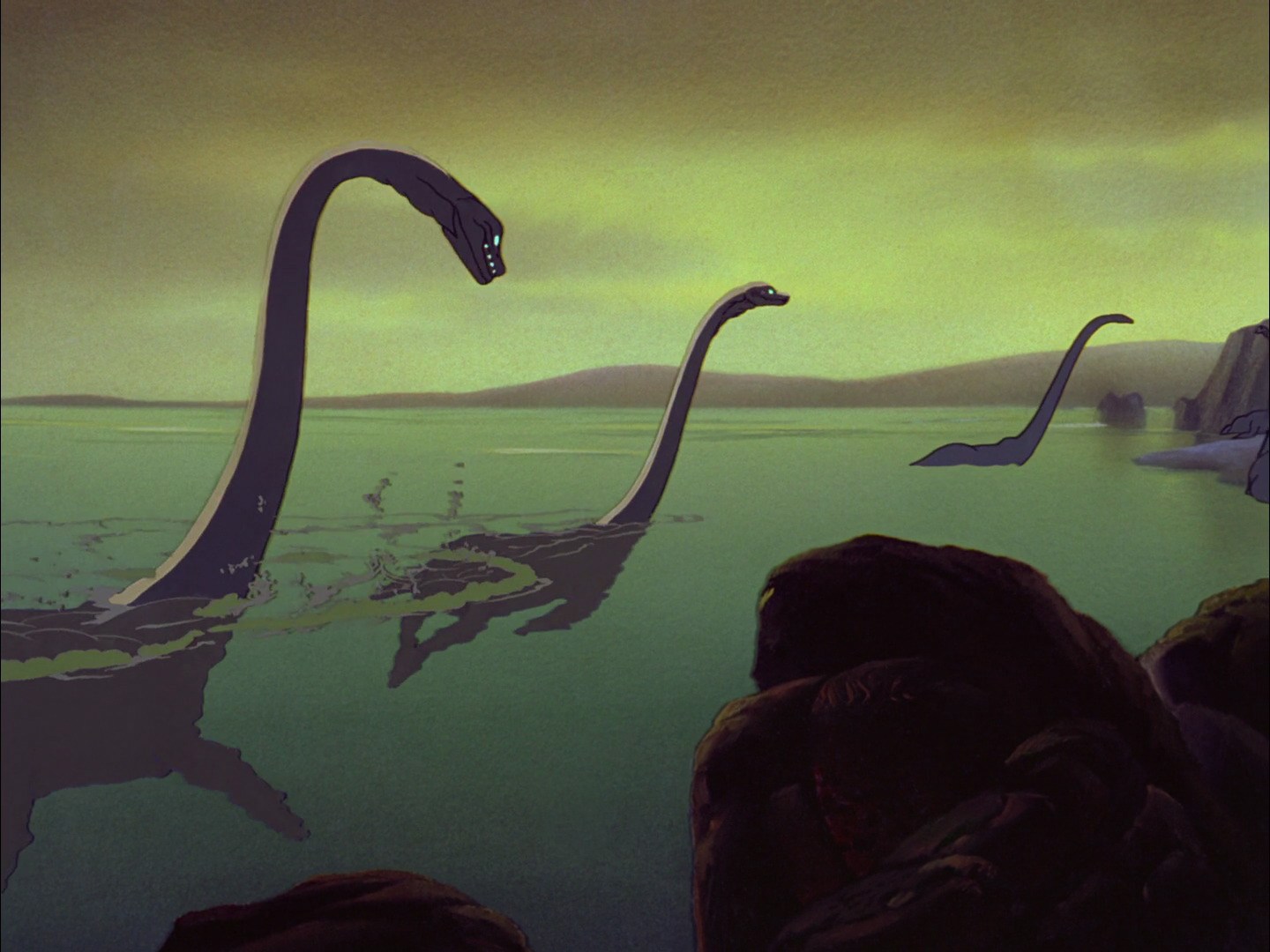 But entertainment is diachronic: the order of things does matter. It does matter whether we learn about modernism after Romanticism, or the other way around. As such Fantasia is stuck between two positions. We cultured elites must entertain the average moviegoer to get them to learn about classical music — we must introduce it to them on a reduced, primal level.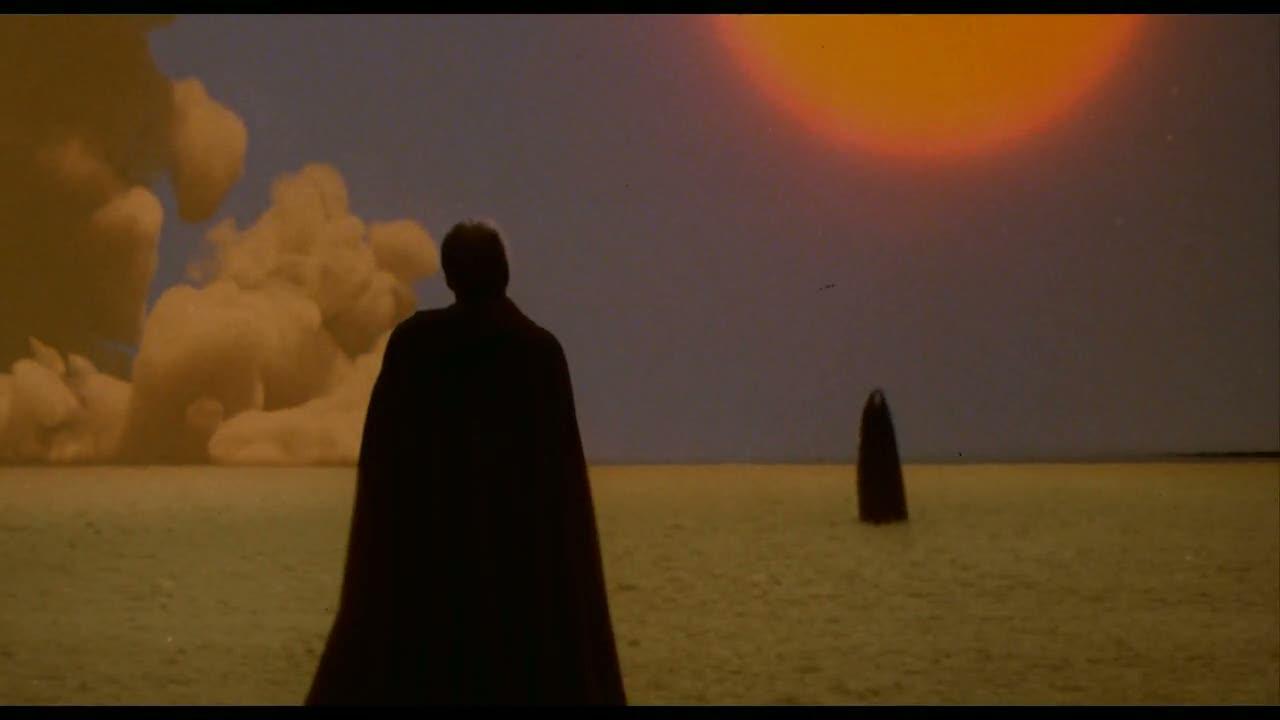
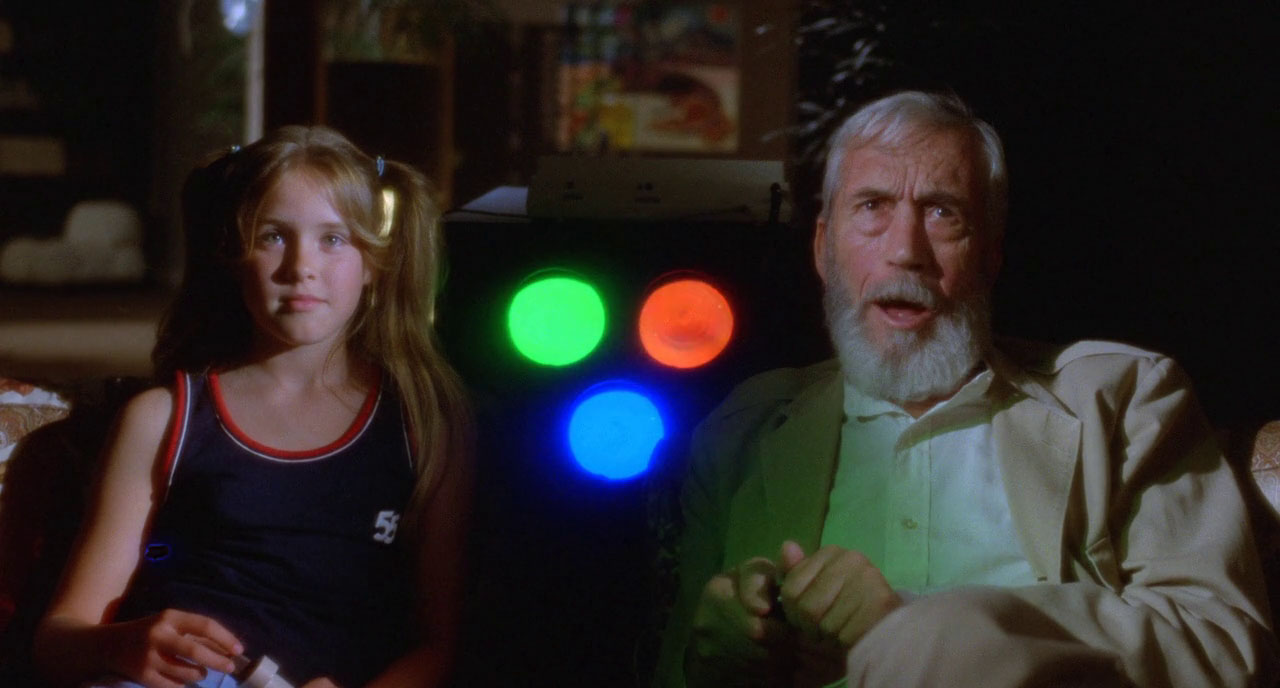 There’s an 8-year-old girl, Katy (
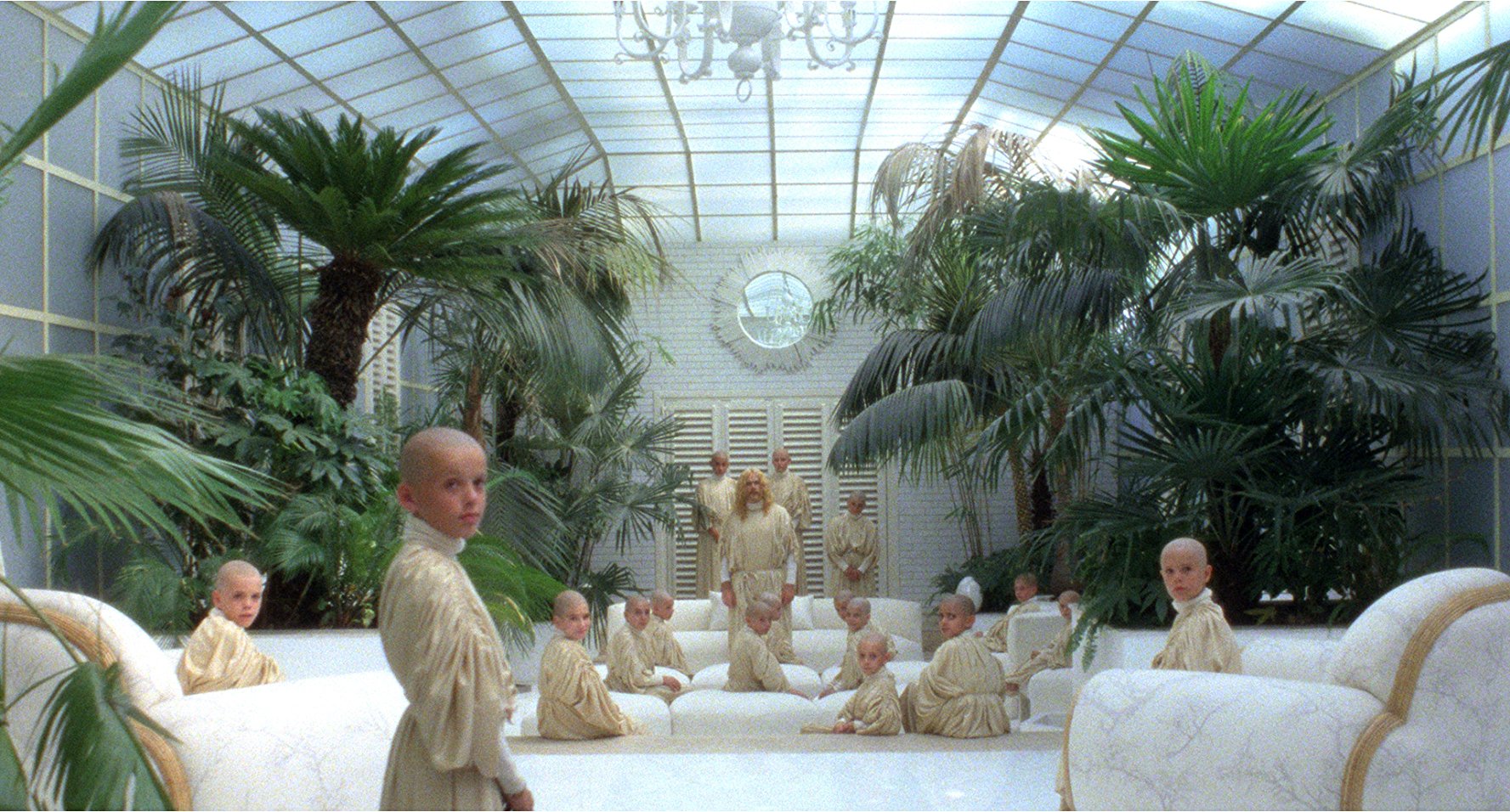 This leaves out a number of subplots that surface for a while and exist mostly to keep the opening and closing credits a little farther apart.
 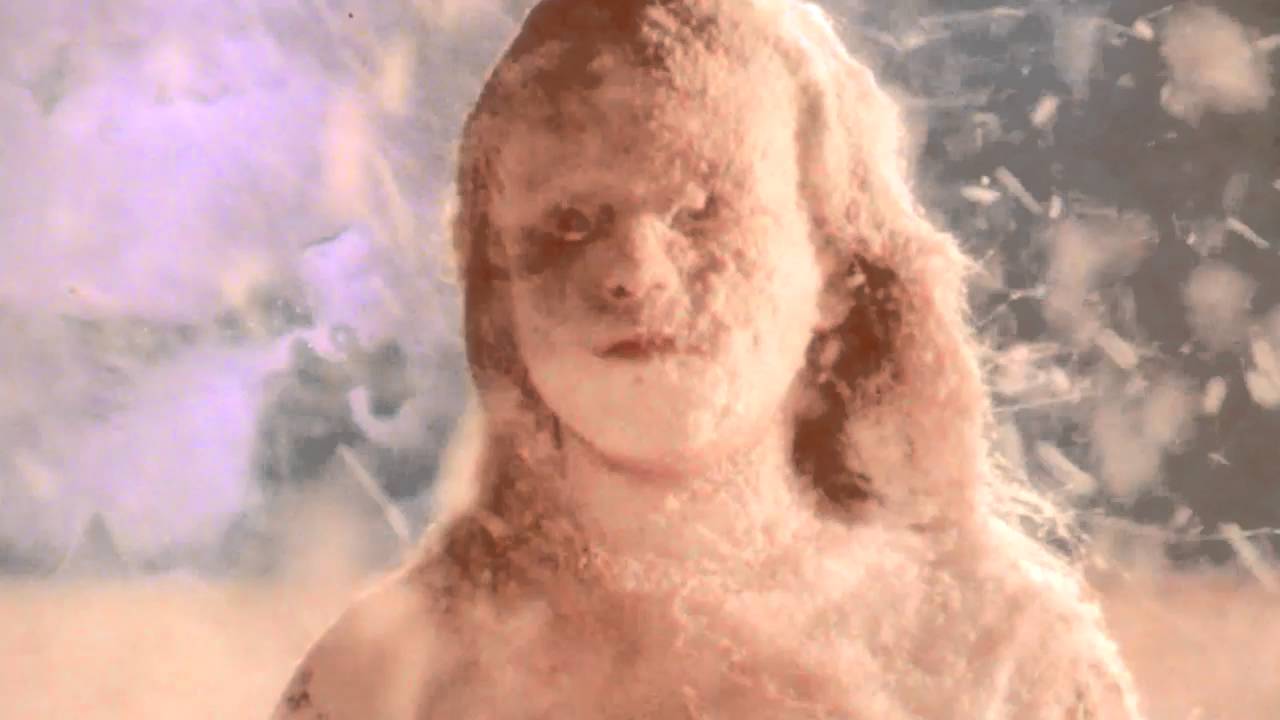 All of this returns me to the opening question: How would we take this film, unadorned by cult apparatus? How would it have been taken if it hadn’t been so hard to track down for so long, if it were available at every Blockbuster? Would it have a mystique still, or would it just be one more wandering, mediocre horror movie?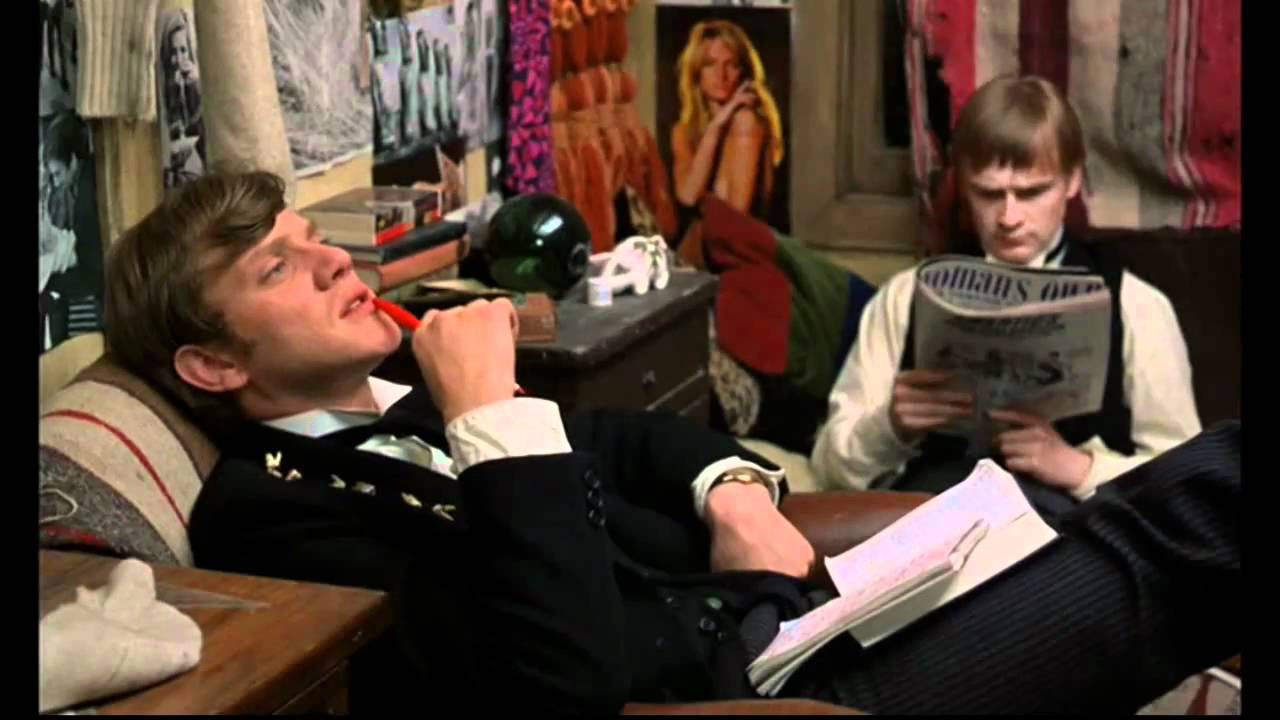
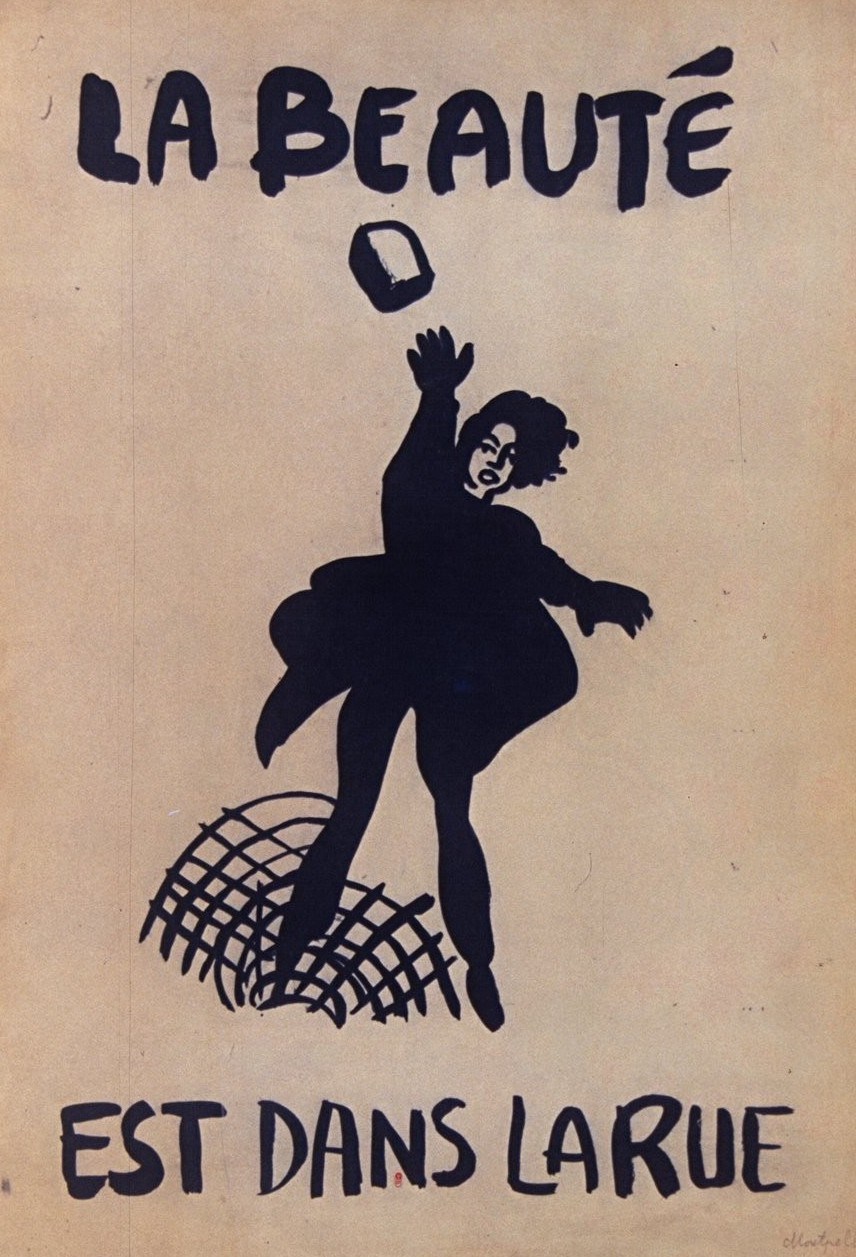
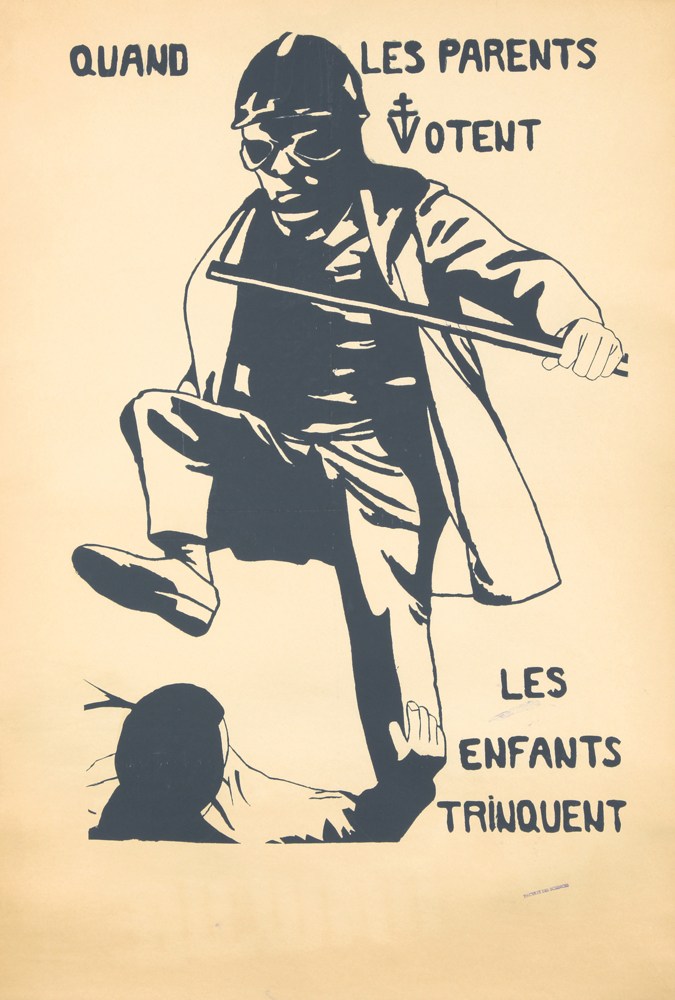
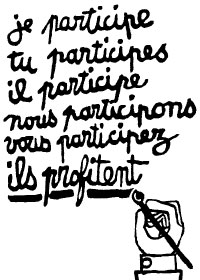
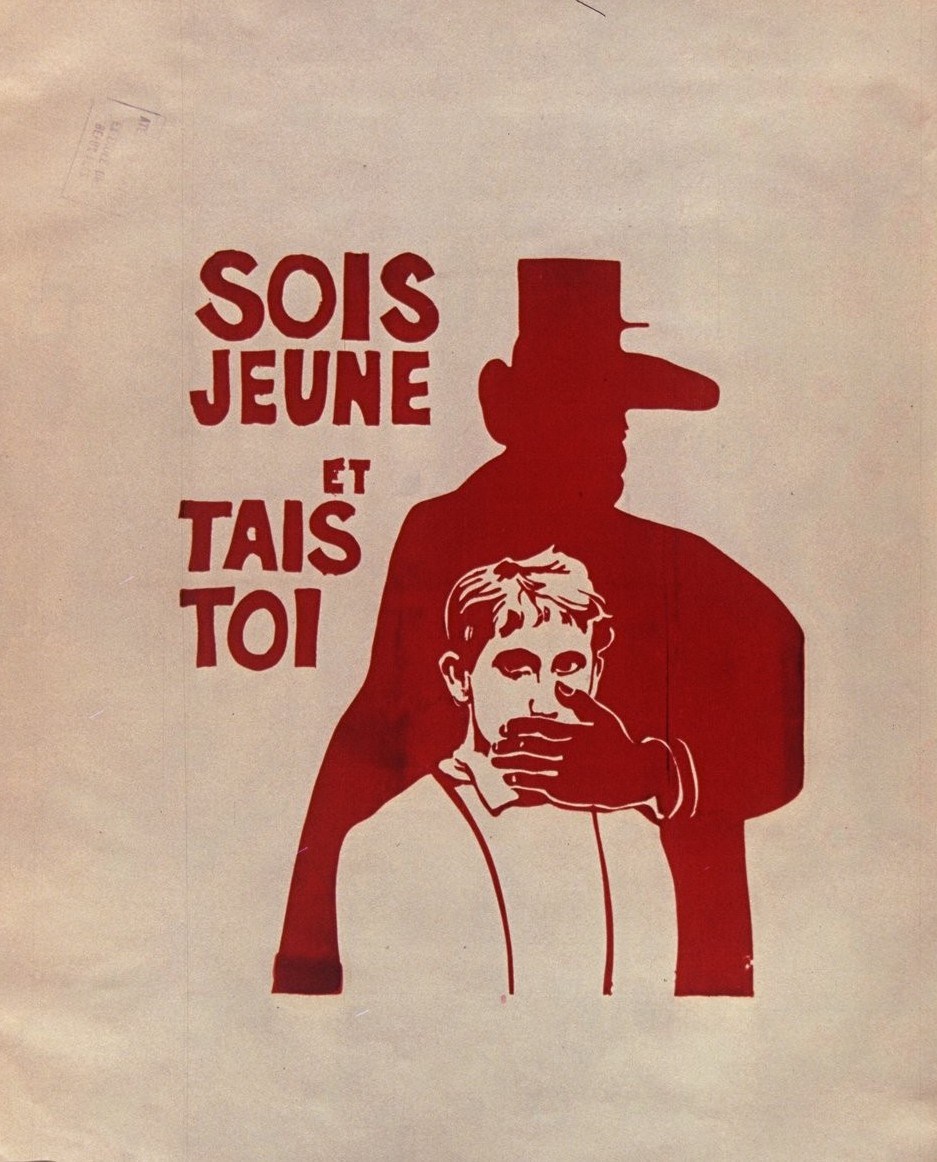 But for the youth of ’68, raised on the
 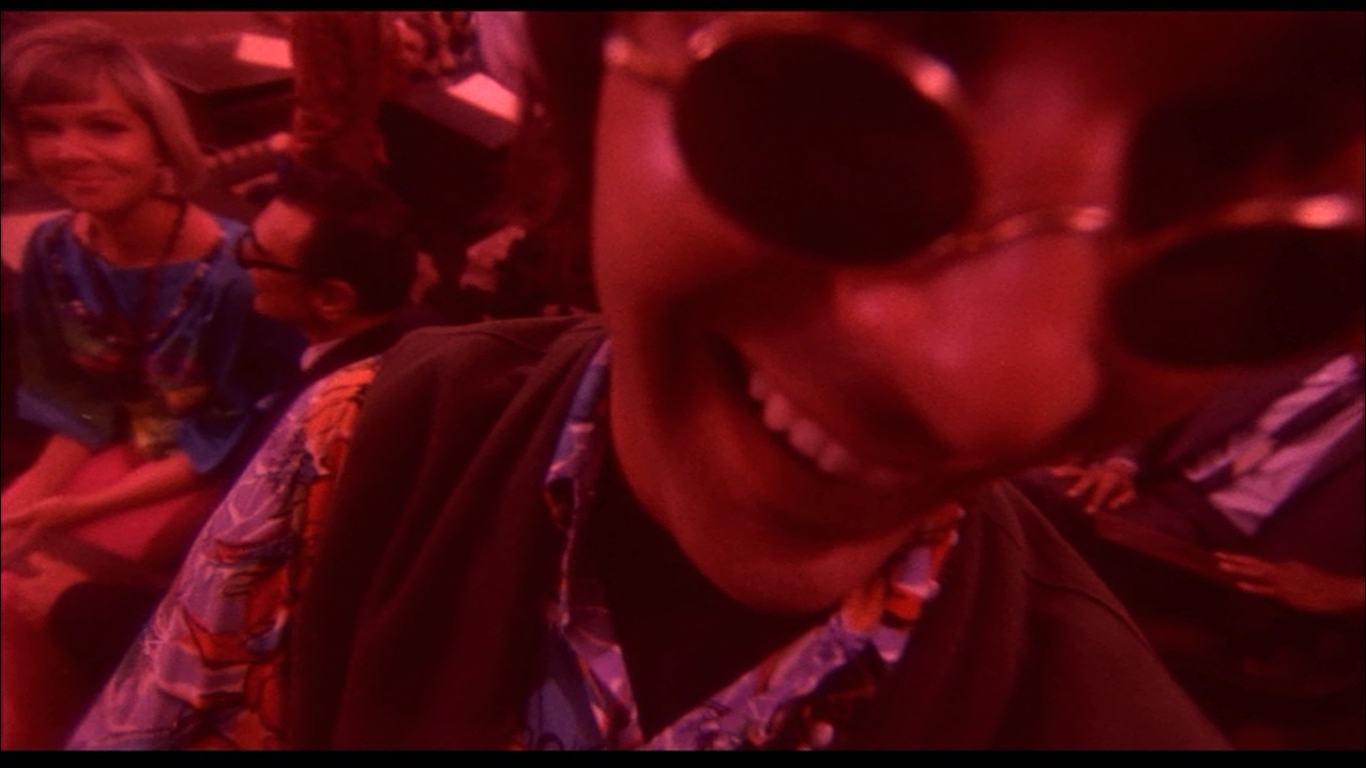 In other words, outnumbering adults 5 to 1, the youth of ’68 wanted the world and they wanted it now. It’s perhaps useful to move out of the cobblestone riot streets of Paris to get a perspective on the aesthetic revolutions of that moment. Two films, one American and one from the U.K., can help.
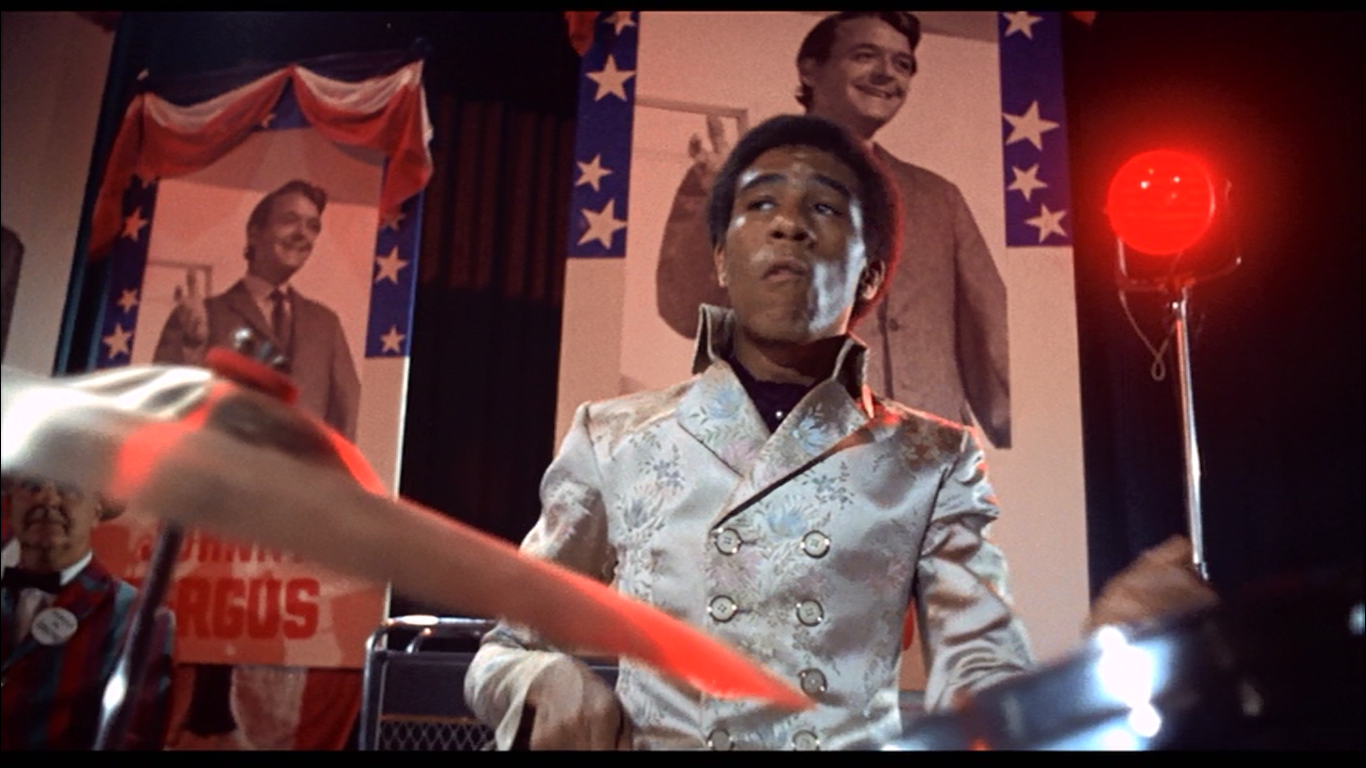 Wild In The Streets is about the meteoric rise of Max Frost, who escapes a childhood of suburban drudgery and Freudian overstatement to become the Lizard King-like frontman of a rock outfit. (They sound like
 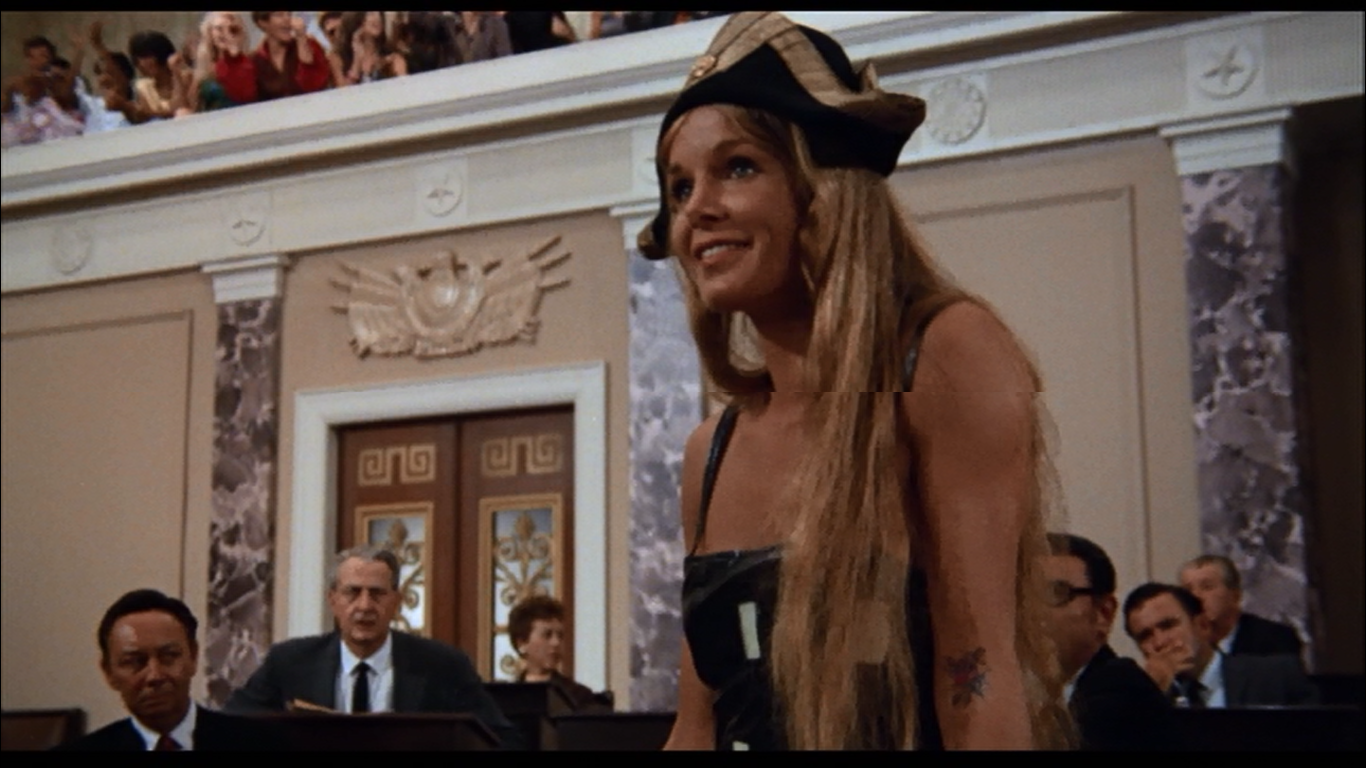 For a while. After getting Holbrook elected, they campaign for one of their own – the film’s most memorable sequence involves their newly elected spokeswoman, with a three-pointed hat and a tambourine, declaring to Congress that “America’s greatest contribution has been to teach the world that getting old is such a drag.” From there, it’s on to the Frost Presidency and the … re-education camps. Wild In The Streets beat Jello Biafra to this particular joke by a decade, though the “hippie fascists” here really only mean to get the olds out of the way. The rivers are spiked with LSD, the camps don’t feature any possibility of exit, and Hawaii, the only state that resisted Frost’s shamanic charms electorally, is effectively drugged into oblivion.
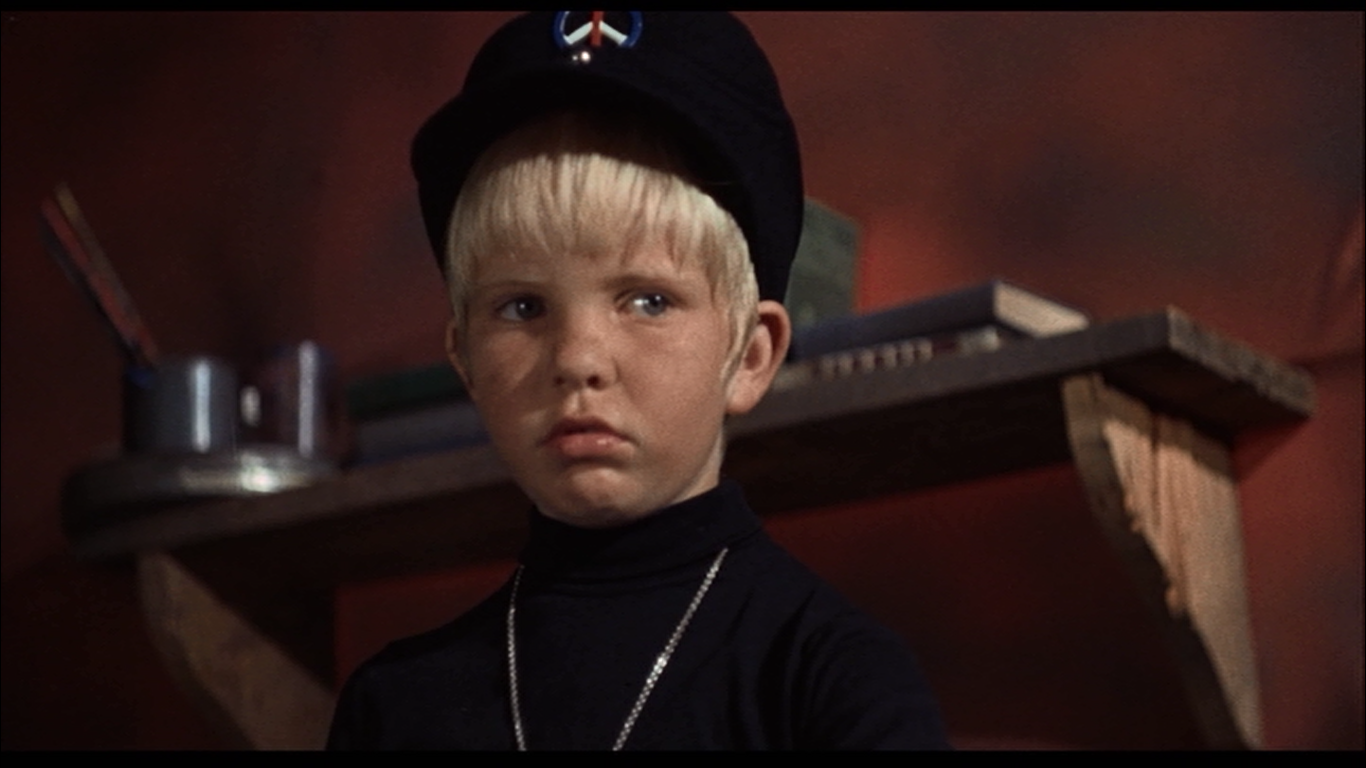 The rest of the world is only briefly mentioned, in that typically American fashion; we never find out how revolutionaries elsewhere respond to the youth takeover, and the whole freaky endeavor seems a lot more like the following year’s
 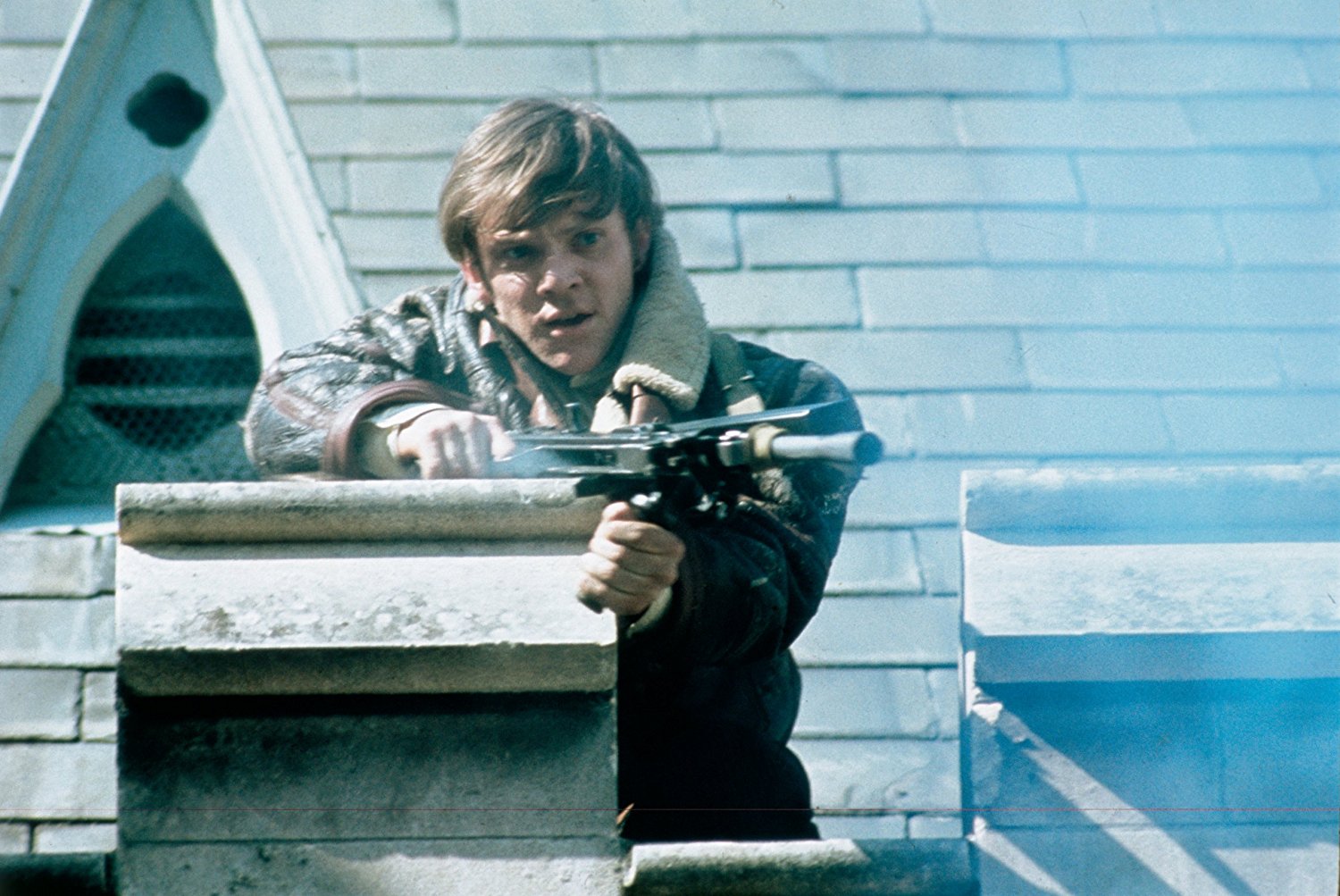 Power too is fractured, and that’s where Anderson’s anxieties prove most resonant. The face of authority in If… is less the tyrannical schoolmasters – they seem, for the most part, oblivious and irrelevant – than the Whips that serve them like prison guards.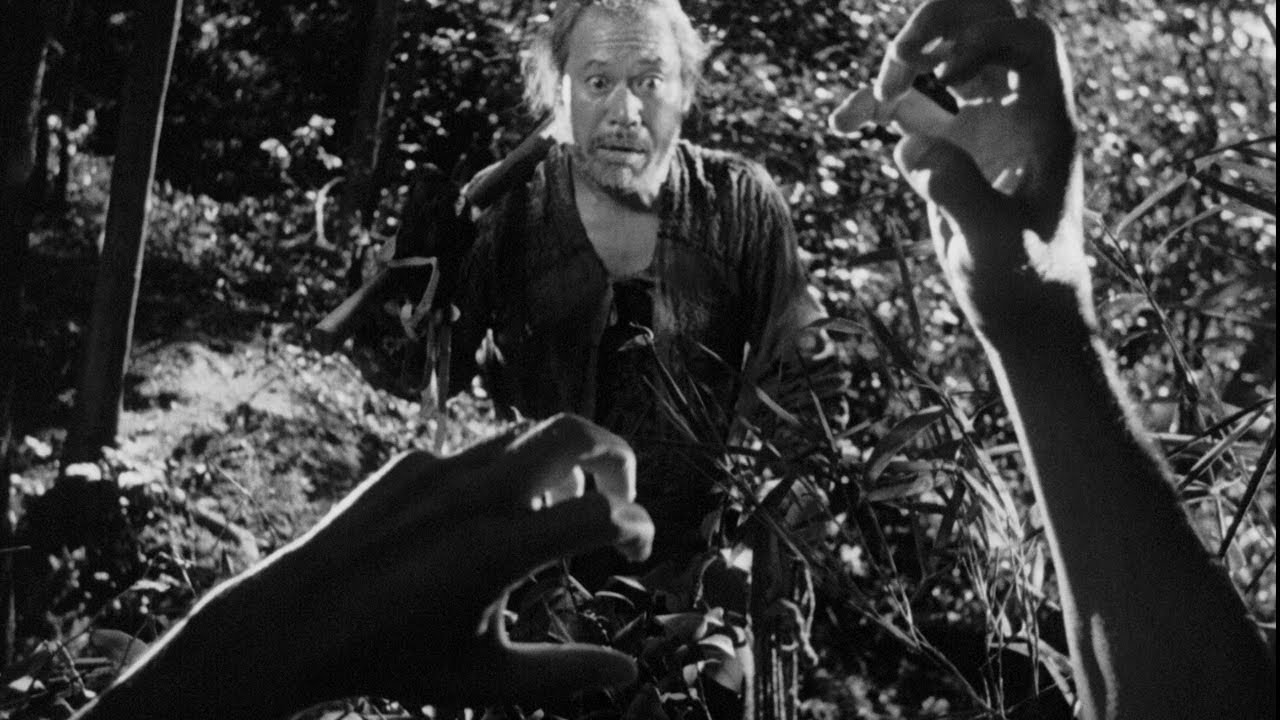
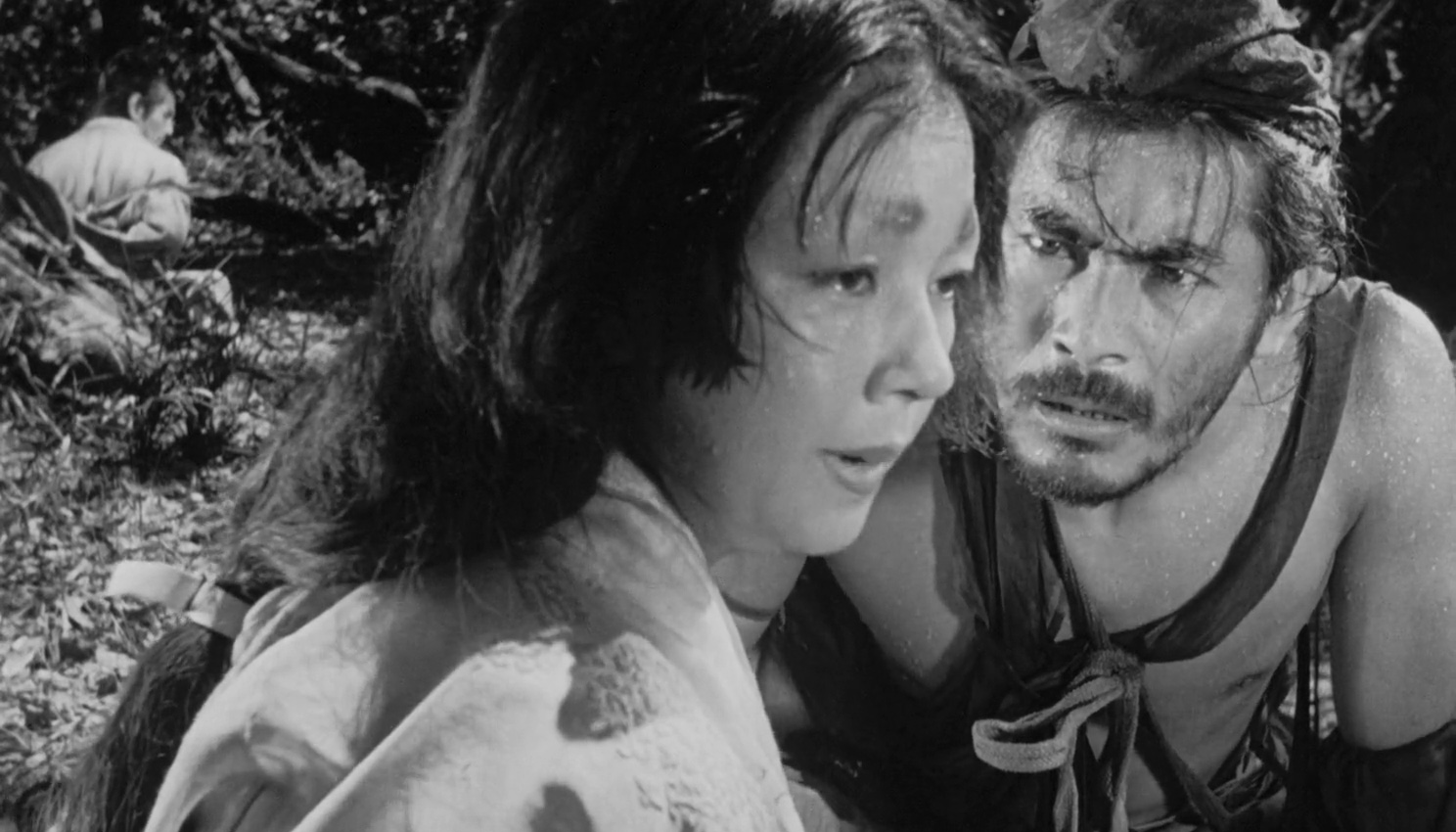 Rashomon
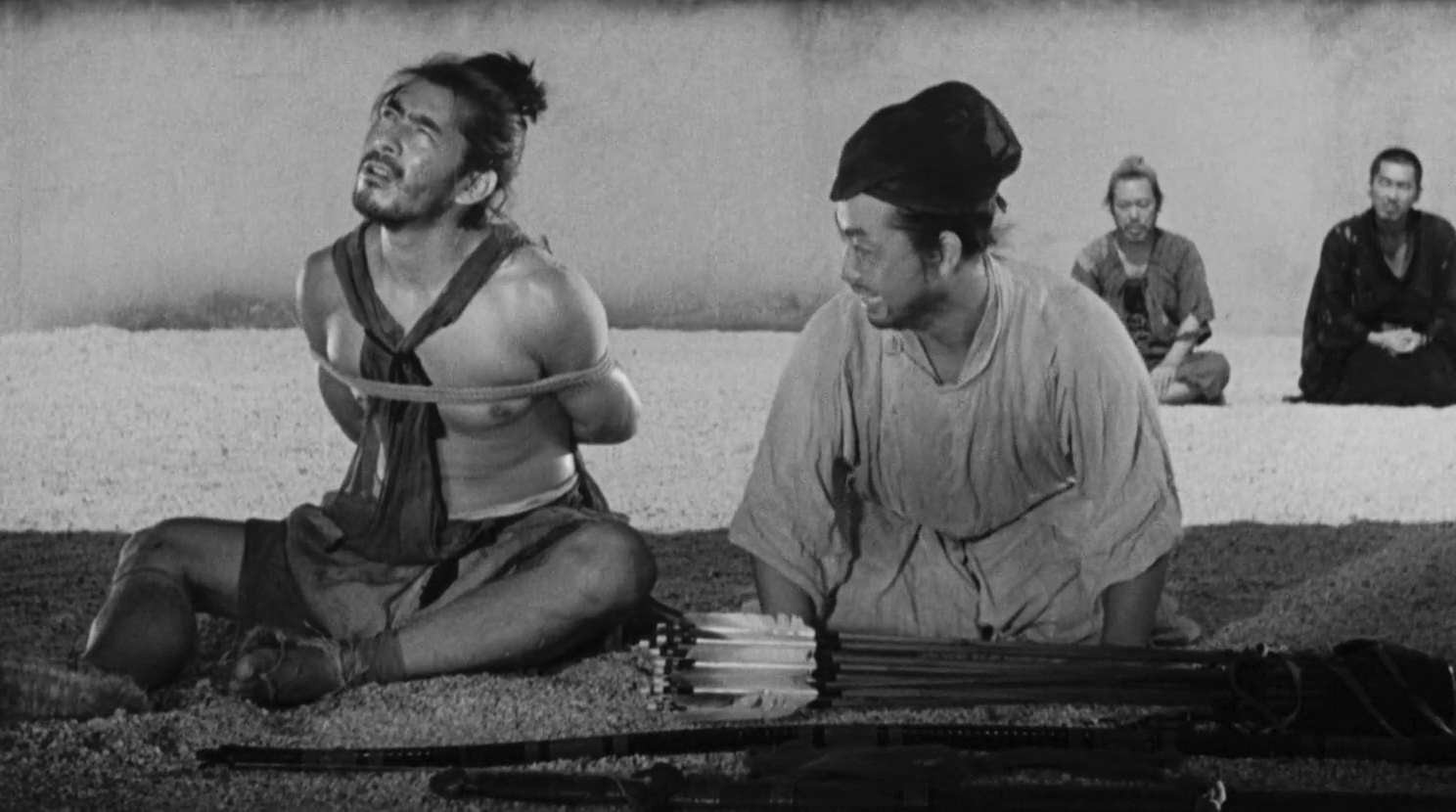 So I was surprised by the reality of
 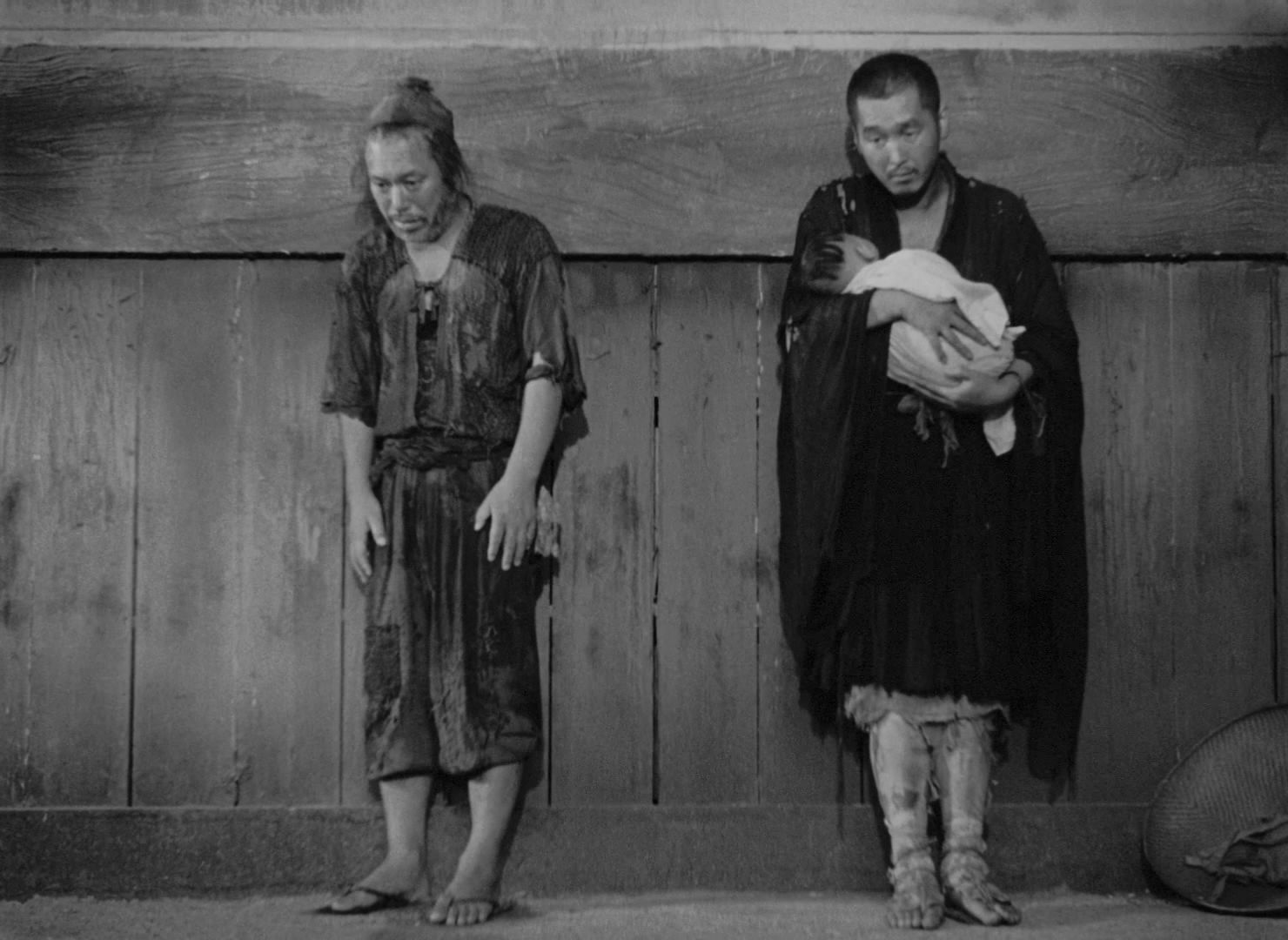 This changes the entire tone of the work. What we are dealing with is far more than just the evil that people do. We are dealing with the impossibility of collective knowledge at all, of even comprehending what biases there are for which we need to correct. This is the meaning of the priest’s crisis as the film opens: the soul is not even a Protestant source of evil, but is simply unknowable and baffling.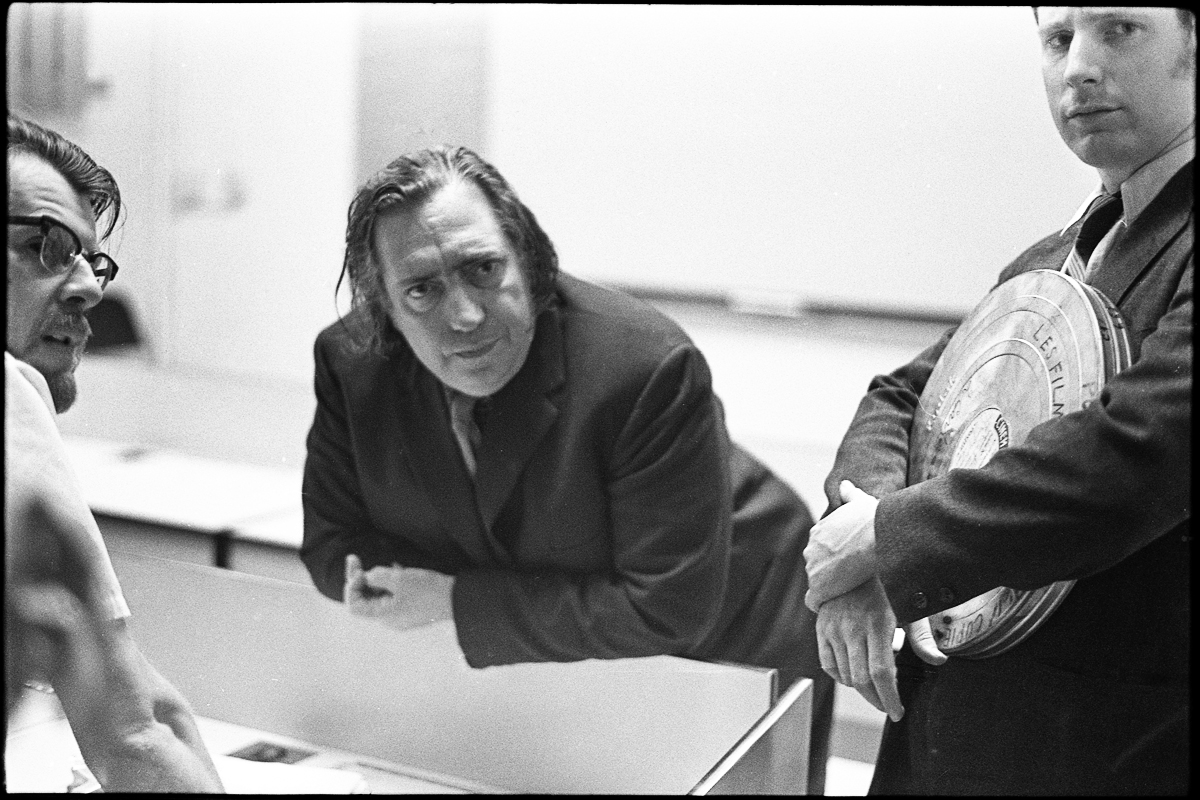
 After founding the
 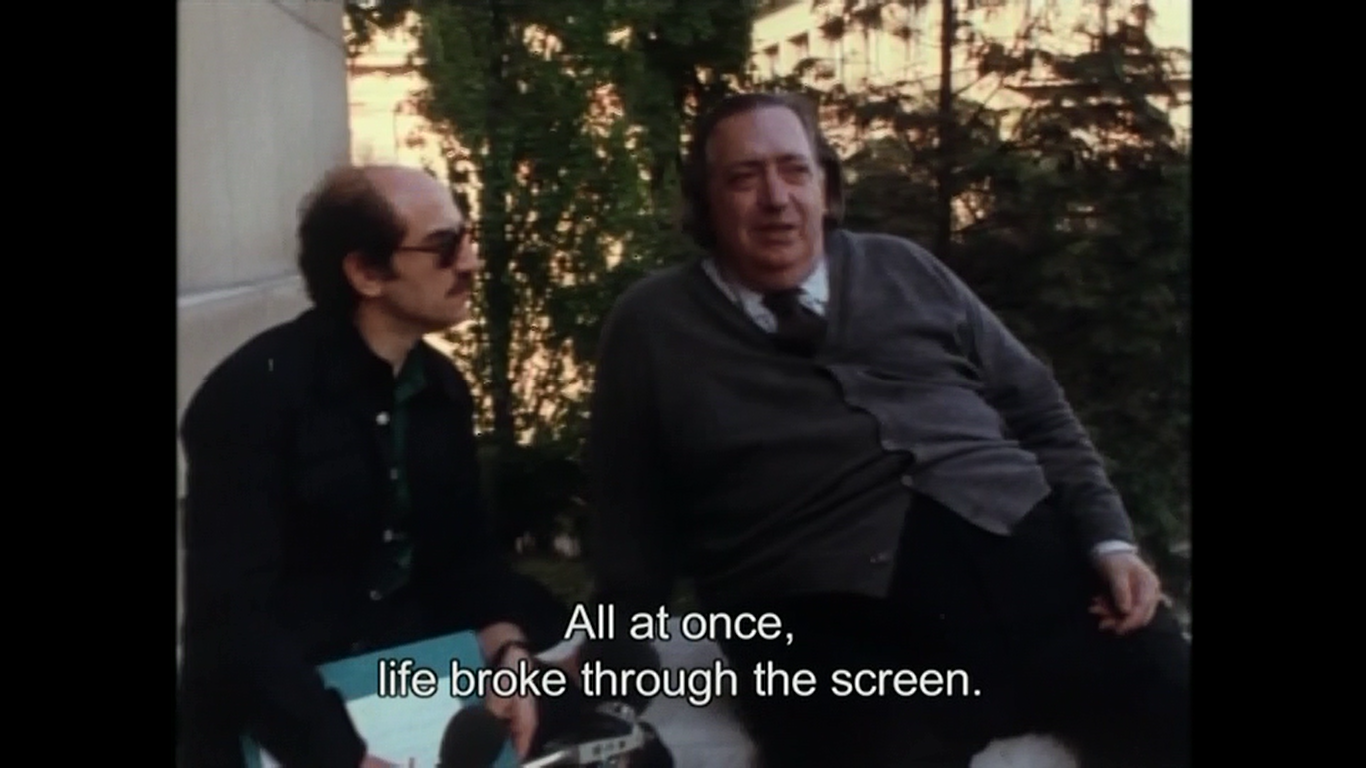 Is it too much to say that the Cinémathèque’s post-war screenings created the New Wave? New Wavers themselves certainly thought so. The doc points out that Langlois’ obsessive programming made authorial stamps across a diffuse body of work so obvious that
 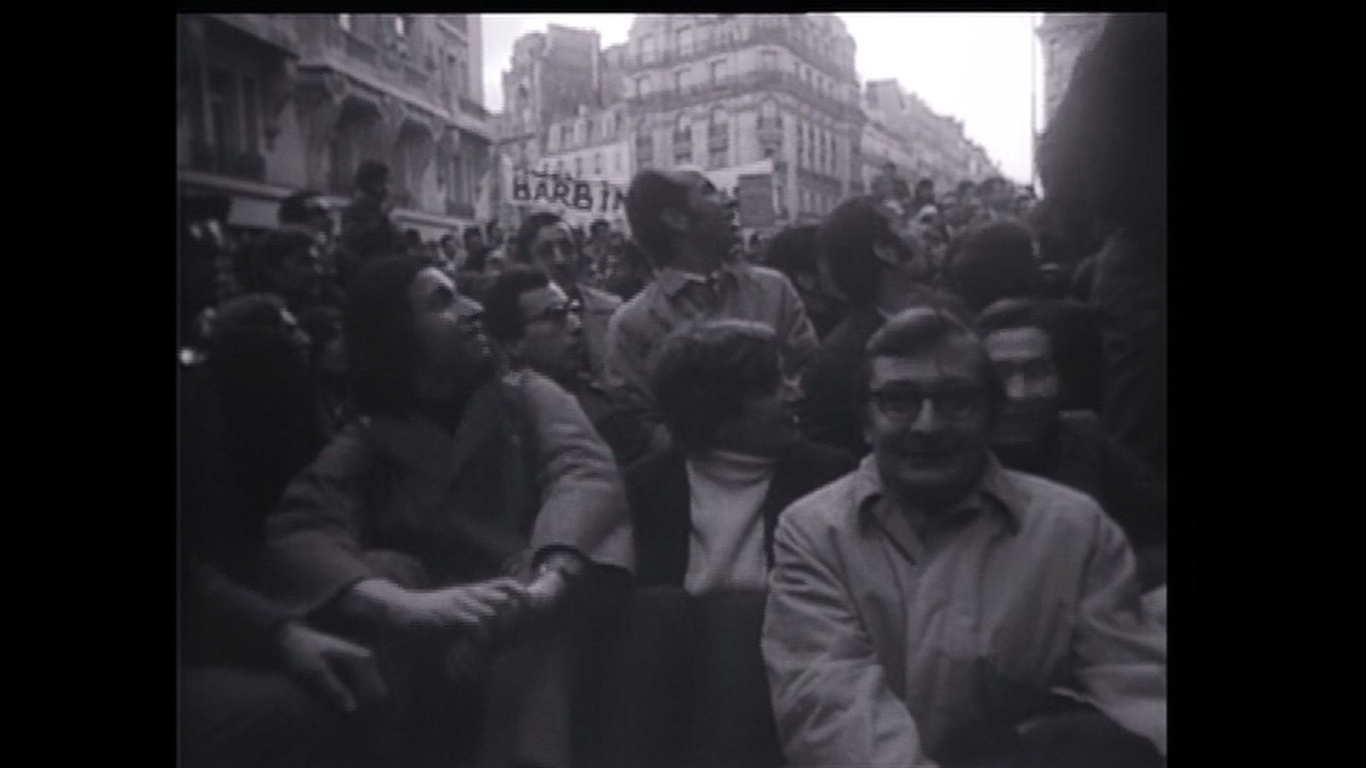 Imagine the ouster of a cinema director, archivist, and programmer leading to buildings seized by the people in protest, imagine the riot police being called, imagine throngs of film-lovers armed with sticks and prepared for physical confrontation in defense of art. Of art!
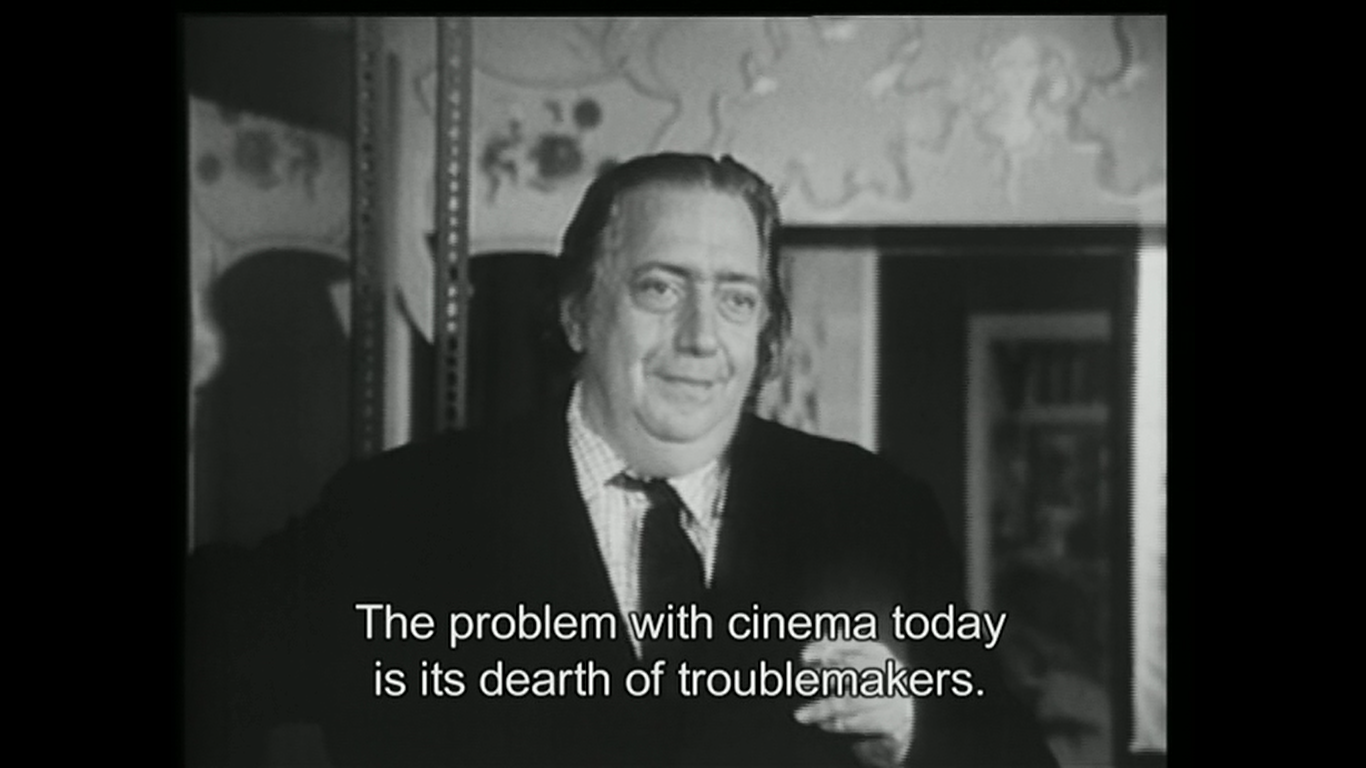 It’s silly. Of course, it’s silly. That horrific availability also means wonderfully expanded viewing opportunities, a democratized audience, a democratized universe of voices (or as much aesthetic democracy as capital opts to permit). In one interview, Langlois celebrates the development of newer, cheaper cameras – “we have writers because everyone can write,” he notes cheerfully. It’s not difficult to imagine his possible excitement at the iPhone releases of a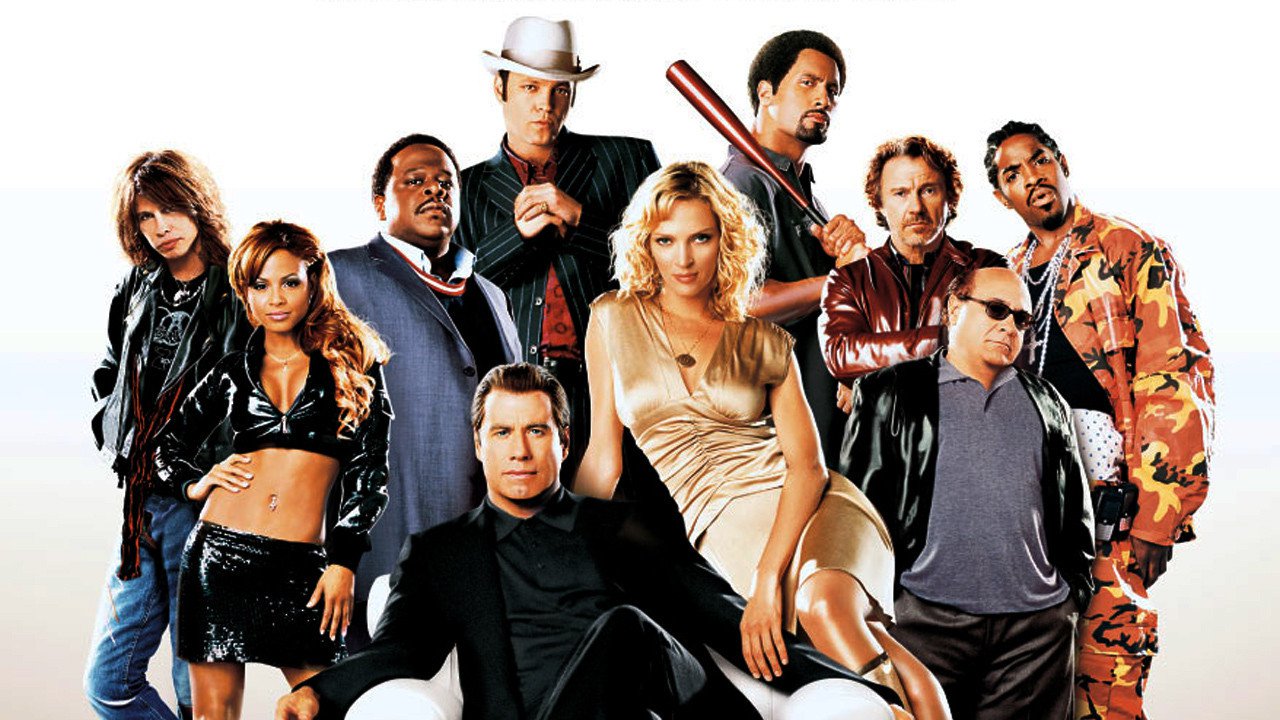
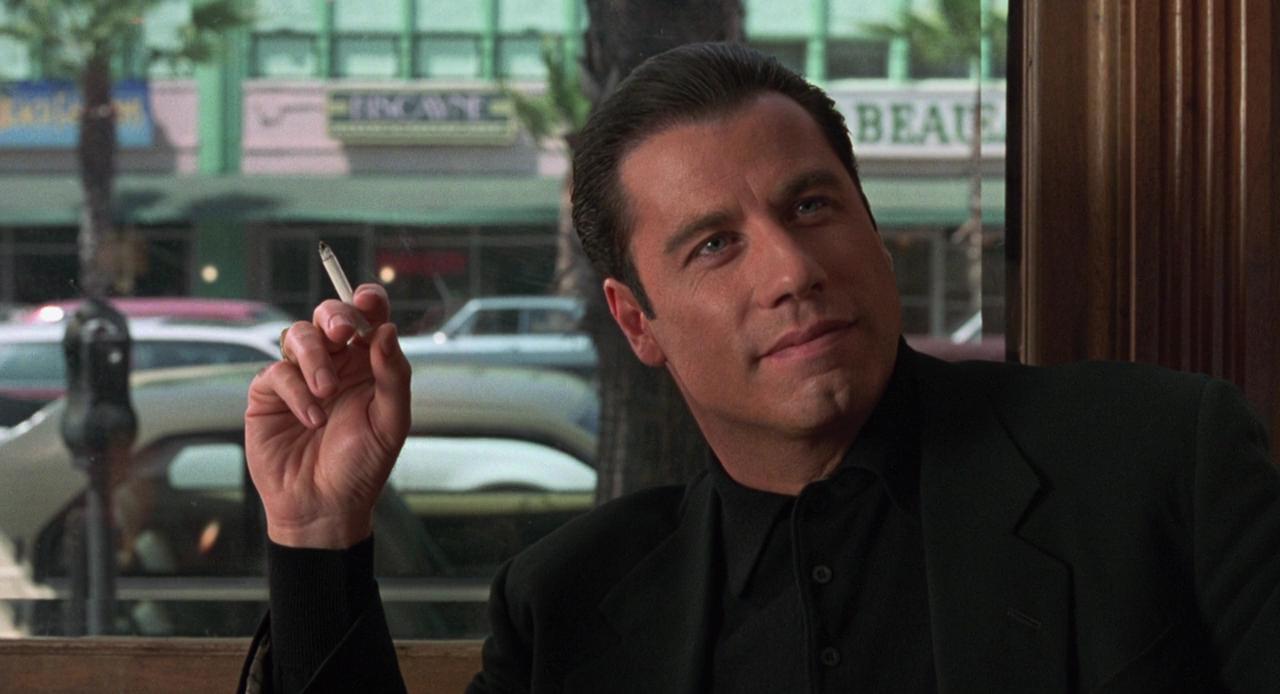 As David “No, Not That David Simon” Simon pointed out to me, these are effectively the same movie, or more specifically that Be Cool is like the simultaneously gaunt and over-stuffed shadow of its predecessor, hitting all the same beats except more stupider, like a toddler listening attentively to a song and then trying to bang it out himself on a plastic xylophone while John Travolta nods arhythmically, in a doomed attempt to seem more human and less Travoltish. It doesn’t work, is what I’m saying.
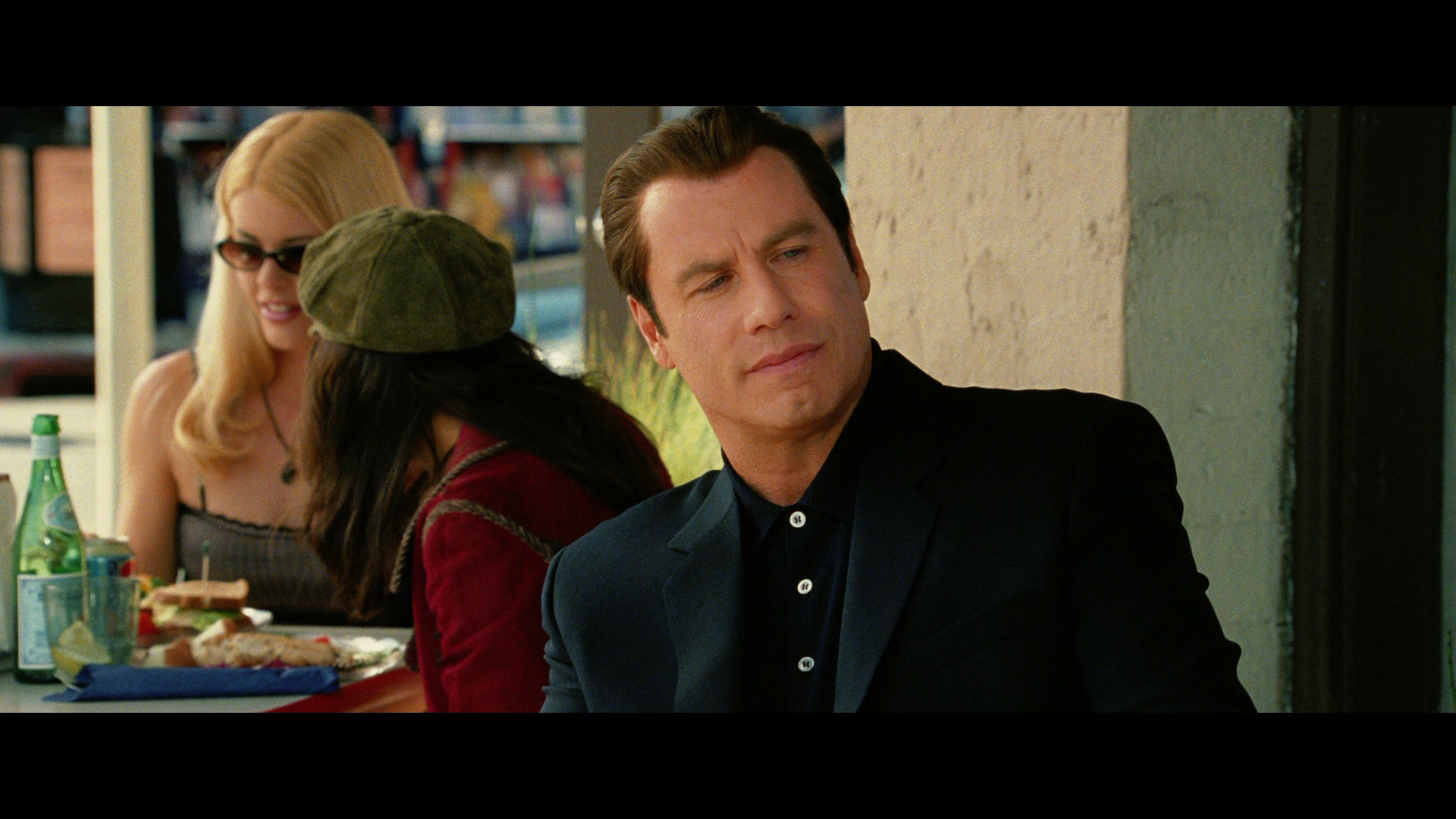 Be Cool was decidedly less fortunate. (Who, by the way, spent the previous 10 years hoping to check in on Travolta’s irritatingly-named Chili Palmer?) For one thing, it replaces Sonnenfeld with
 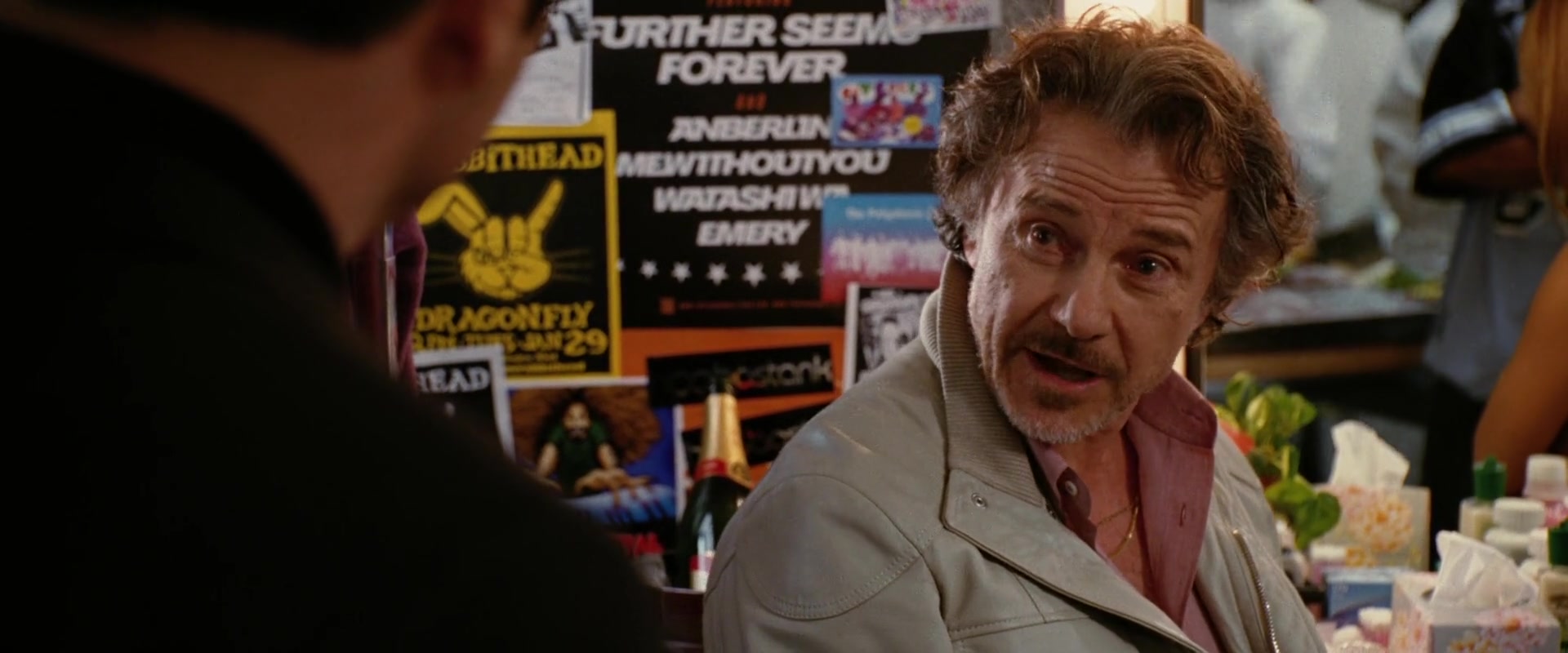 For much of the rest of its strikingly uncool playing time, Be Cool seems to have resulted from a dare to see how much racist and homophobic content a 2005 film featuring John Travolta,
 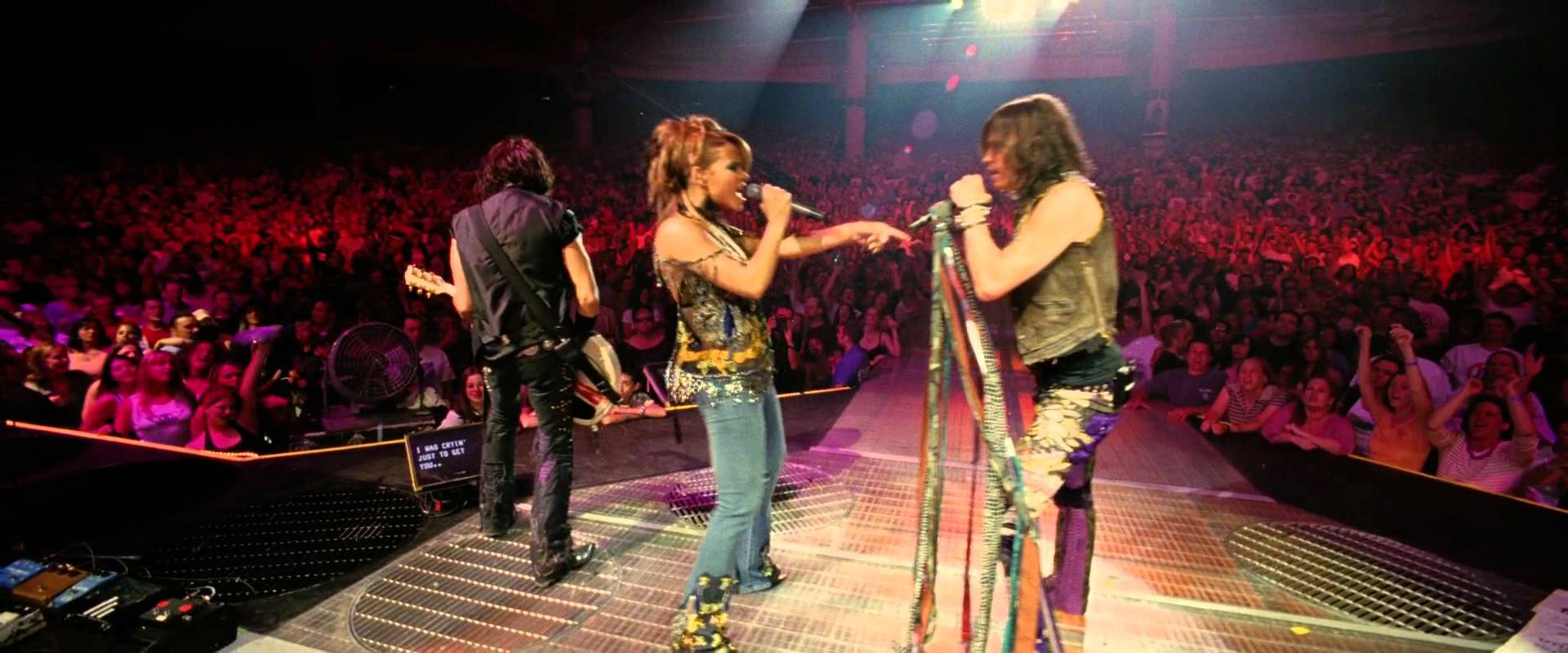 Be Cool is curiously obsessed with demonstrating its pop culture bona fides through cameos that must’ve seemed strange even at the time, winking appearances that don’t scream “insider!” so much as “available that day, and probably most days!” Fred Durst is there, and Gene Simmons. The Black Eyed Peas feature prominently, alongside Wyclef and Steven Tyler (of Aerosmith, the band).