
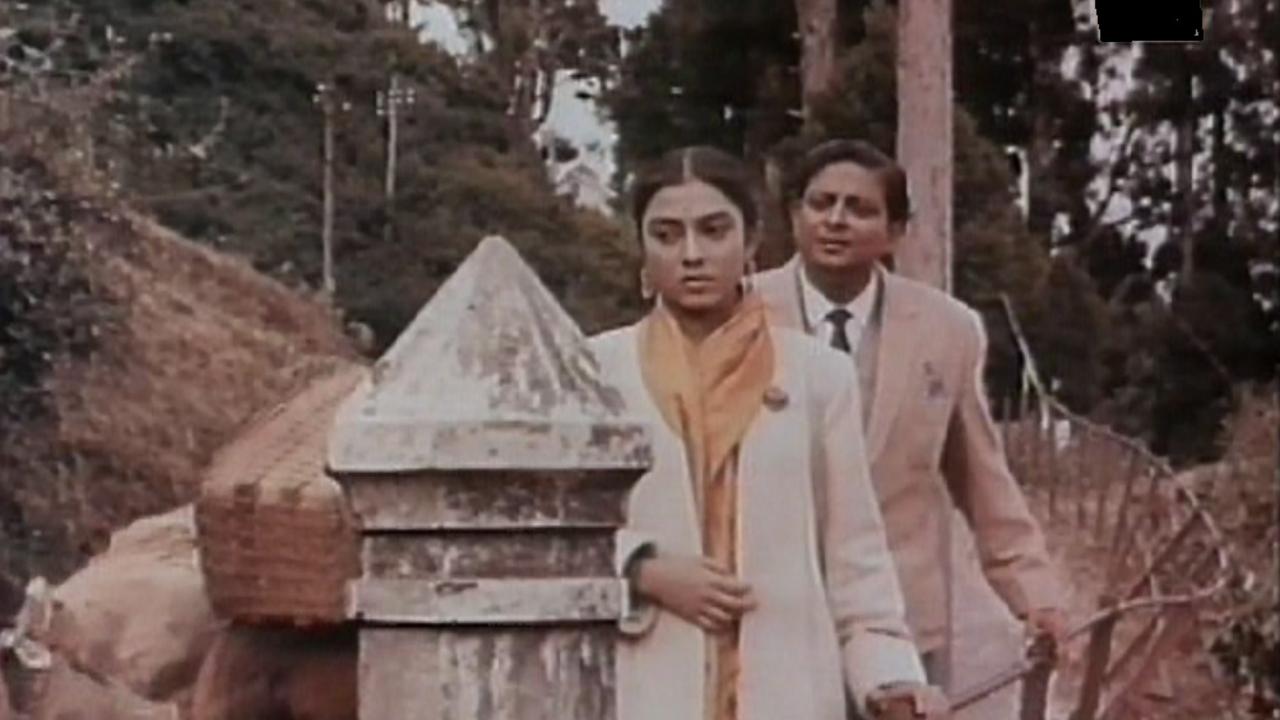
For most revered mid-century filmmakers, noting that a particular film featured their first original screenplay and was their first in color would seem to guarantee it additional attention. Curiously, that’s not really the case for Satyajit Ray‘s Kanchenjungha (1962). A careful tapestry of small interactions set against a backdrop of physical grandeur and social change, it seems to get lost in the critical shuffle, functioning as a kind of way station between the narrative sweep of the first two entries in the Apu trilogy and the more refined, self-aware craftsmanship of The Big City and beyond.
That’s unfortunate, because it’s a wonderful movie, but it was there from the start in Kanchenjungha‘s reception — this sense of something ephemeral or slight. Bosley Crowther, for instance, rather impatiently reviewed Kanchenjungha for the Times in 1966 (it took 4 years after its release to premiere in the U.S., further evidence of its curious also-ran status). Approaching Ray with impatience is, of course, a pretty bad idea in general, as Crowther’s assessment demonstrates:
Lest one be misled by the title of Mr. Ray’s unfamiliar film into thinking it may have something to do with mountain climbing on the world’s third highest peak, be assured that there is nothing as dramatic or strenuous as mountain climbing in it. Indeed, the great mass of Kanchenjungha is revealed only at the end, when the mists roll away and we are shown it as an evident symbol of the emergence of Indian society—or social snobbery—out of the mists of the past.
Armed with a backhanded compliment and dreaming of another epic of Bengali impoverishment (or possibly, inscrutably awaiting the arrival, 26 years later, of Cliffhanger), Crowther concluded that Ray had “not bitten off as much as he could chew.” Watching it for the first time this year, I was instead struck by how much Ray managed to cram into the text, and how forward-looking Kanchenjungha is, what a break it represents.
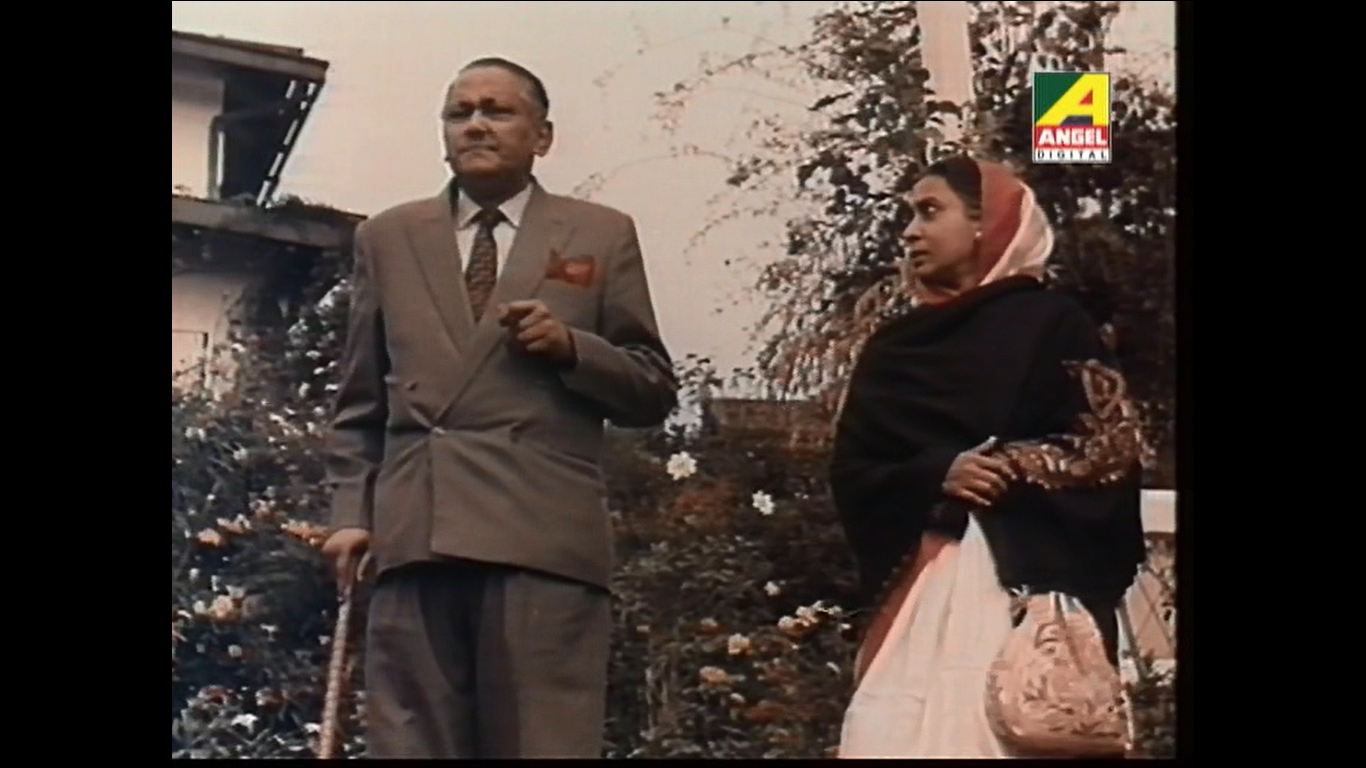 Where the “one-man New Wave” of the Apu bildungsroman focuses on the struggling and striving rural poor, with the kind of formal “naivety” that only someone actually making it up as they go along can manage, and The Big City on the social tensions of a more urban modernity, Kanchenjungha falls somewhere in between. The film’s narrative concerns an upper-class family on holiday in Darjeeling, in the shadow of the titular mountain … or what would be its shadow, if the rains would ever lift. Ray creates an almost-familiar nouvelle vague dynamic; his characters seem suspended, held together by place and circumstance for the duration, playing out small, interrelated, naturalistic dramas between them in the open air. Kanchenjungha‘s basic tension comes from this: it’s at once intimate and expansive, grounded in isolated family discourse that clearly hints at tumultuous worlds beyond the fog.
“The idea,” Ray told Andrew Robinson, “was to have the film starting with sunlight. Then clouds coming, then mist rising, and then mist disappearing, the cloud disappearing, and then the sun shining on the snow-peaks. There is an independent progression to Nature itself, and the story reflects this.”
That story concerns the stridently pro-British patriarch Indranath (Chhabi Biswas, so memorable as a very different sort of figure in 1958’s The Music Room); his cowed wife Labanya (Karuna Bannerjee), subservient but possessing hidden reserves of agency; their eldest daughter Anima (Anubha Gupta), unhappily married to Shankar (Subrata Sensharma); dissolute playboy son Anil (Anil Chatterjee); and the youngest daughter Monisha (Alakananda Ray), who they hope will find a man on this mountain excursion.
Monisha is the moral center of the narrative and the audience surrogate. Pressed to converse, and hopefully pair up, with Mr. Bannerjee (N. Viswanathan) — the Anglicized favorite of her Anglophile industrialist of a father — her attentions turn instead to Ashok (Arun Mukherjee), a young, barely employed figure of the new generation. Poetic, passionate, working class, unapologetic in his anti-colonial patriotism, contemptuous of the idle wealthy, and linked with the natural world, Ashok is everything Bannerjee (and her father) is not. When Indranath offers Ashok a job when they all return to Calcutta, Ashok declines, a moment of small revolution. A reckoning is coming for all of India, a generational struggle boiled down to multiple sets of two.
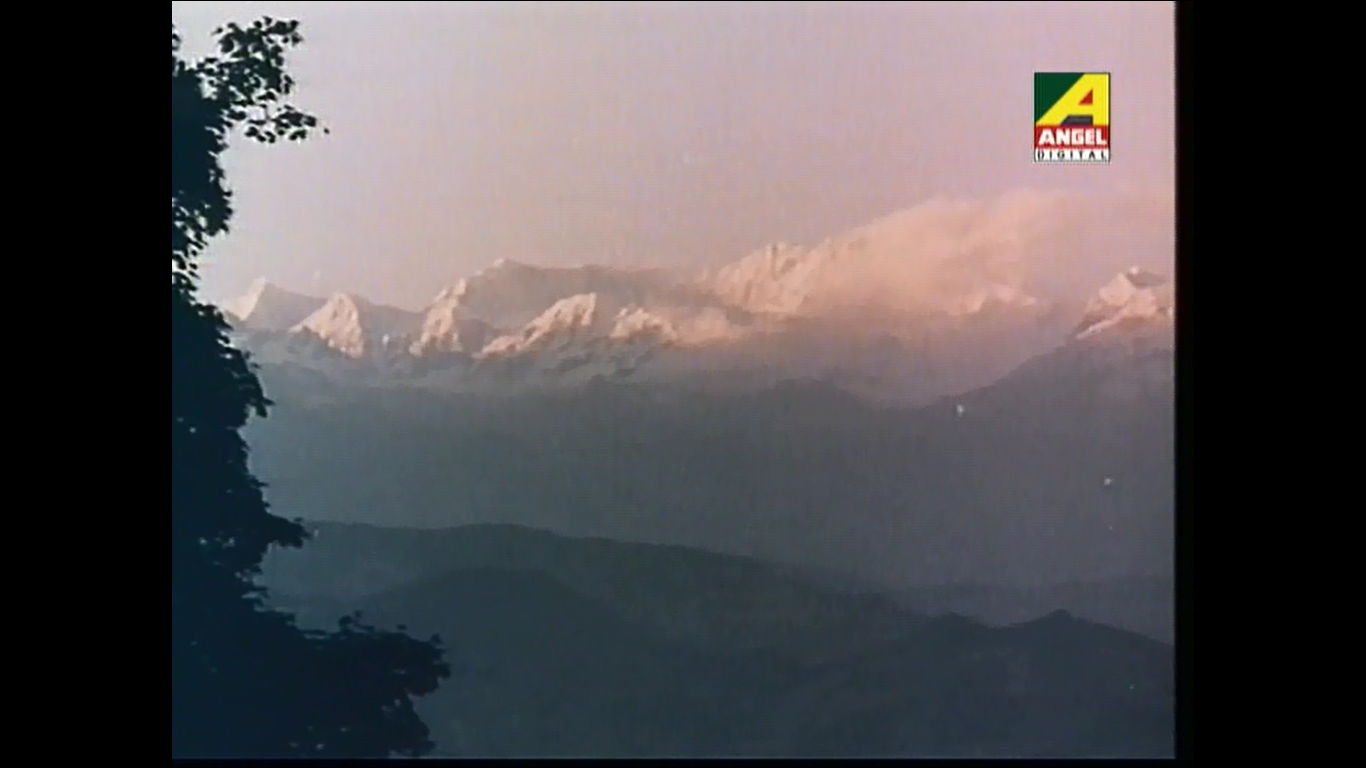 That reckoning won’t happen within the structure of Kanchenjungha. The holiday ends without a marriage (or, for that matter, a divorce). Ray is content to set up the dominoes, and far less interested in knocking them over. The film’s ending is open to any number of possibilities, though, contra Crowther, the long-delayed appearance of the mountain itself isn’t just symbolic of “the emergence of Indian society” (whatever that means). It seems instead part of a continuum, a brute, beautiful fact reasserting itself but transformed; its textual meaning is more a function of the fact that Indranath fails to even notice its emergence … this event that the whole film, the whole holiday in the film, has waited for. He’s lost in thought instead.
Unlike his contemporary (and earlier entrant in this series) Ritwik Ghatak — for whom Partition is a metaphysical presence, a ghostly “hunk of iron and steel,” or an entirely physical one, like a train bisecting the countryside — Ray constructs the entire mise-en-scene in Katchenjungha as a post-colonial contradiction. The mountain itself can’t be said to denote Partition any more than it stands in for a generational divide. It looms, mostly unseen, over the characters strolling contemplatively, stopping, arguing, dismissing, apologizing, reconnecting; there’s something almost Linklater-like in the desperate conversation, an eddying stillness. The relations between them, physical and emotional, and their movements give shape to the larger themes of the film, as Ruma Chakravarti notes:
The film unrolls in the form of several conversations between pairs of characters as they take long rambling walks. At no point in the film are these characters more than a few minutes apart from each other. I felt the different stretches of mountain roads were almost an allegory for the different paths people take. The married couples have their conversations in situations where they are generally static. The younger un-married characters such as Monisha, Mr Banerjee and Ashok are shown walking almost constantly.
If the Apu trilogy charted Ray’s engagement with the Bengali underclass, The Music Room with a patriarch’s fading glory, and The Big City with a tumultuous modernity, Kanchenjungha is located at a crucial mid-point, where any number of paths are open and history is actively being contested. It’s an essential masterpiece from a career that seems to have produced only masterpieces.

 The colors coat every surface, to the point where it becomes impossible to tell how much is paint and how much is lighting. They are impossibly, cartoonishly vibrant, almost becoming a form of violence against the viewer. They are so garish one has to turn away from the screen. In their own way, they take the place of the violence typical of the
 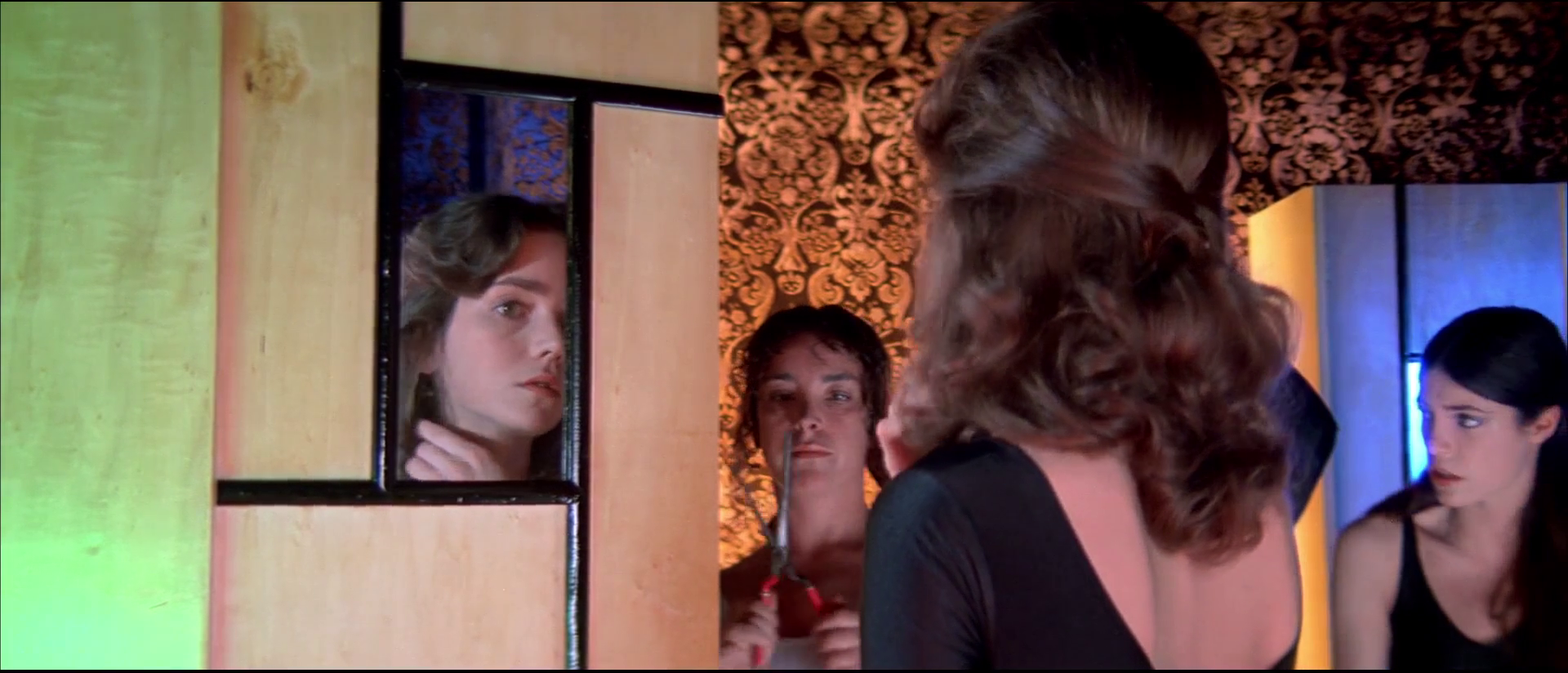 What strikes me most about Suspiria‘s colors is the way they completely fail to coordinate in any meaningful way. The colors may be technically complementary — the blue and gold so notoriously overused in movie posters make quite a few appearances — but they don’t act as complements to one another, with one breaking up the other as an accent.
 The very impossible brightness of the brightest patches and the completely monochromatic design draw our eyes to the shadows and the nuances in a way the typical use of color does not. It is as if we are watching a black-and-white movie, but one in which there are different kinds of white at play.
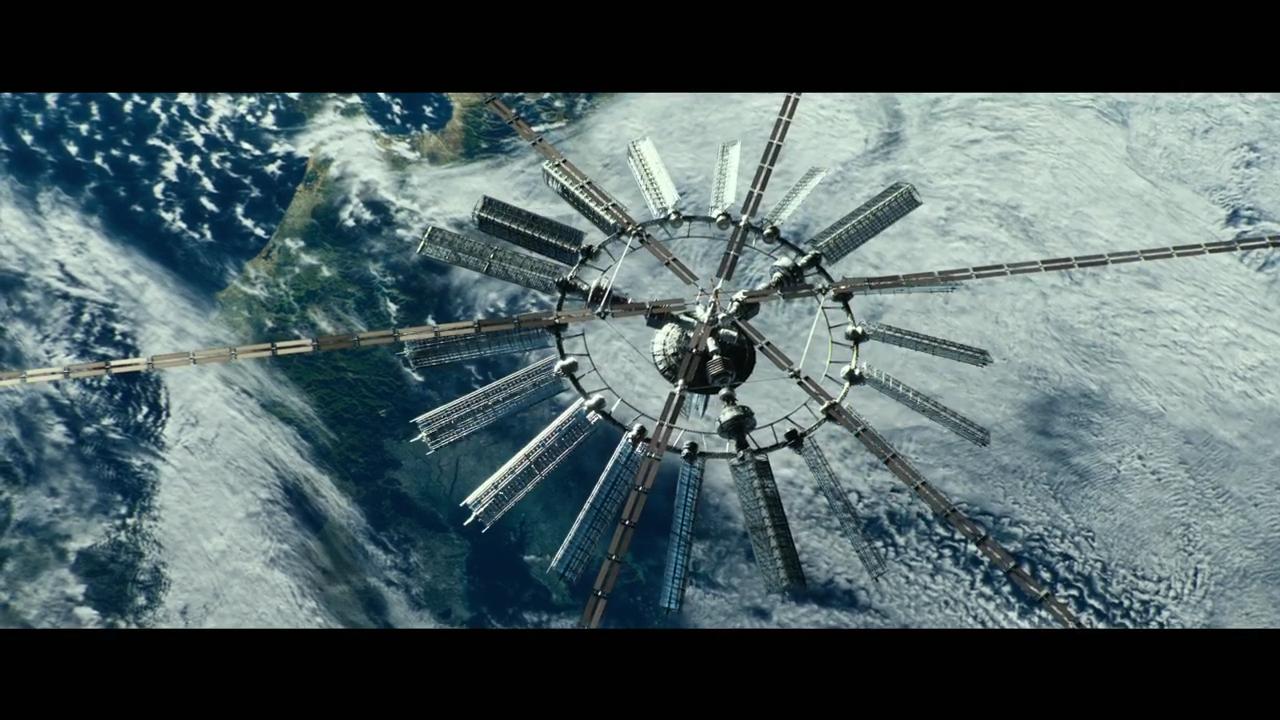
 We know it isn’t because
  Geostorm
 In the final moments, we are set up for
 Frankie is a closeted teen, trying and mostly failing to square the low-rent machismo of his idiot Brooklyn friends with his own desires, which he retreats to at night in chatrooms and, later, in furtive hook-ups. Much of the mood and atmosphere sets the viewer up for some sort of Stranger By The Lake narrative twist, but Beach Rats doesn’t go that route. Instead, Hittman follows Frankie’s journey with a huge amount of empathy and a rare wisdom — it’s not clear whether it will, indeed, get better for him, at least not within the structure of Beach Rats itself. Hittman’s strategy is observational, her images mirroring Frankie’s confusion and desire. It’s tense and undeniably intoxicating.
  Newcomer Dickinson is stellar, and so is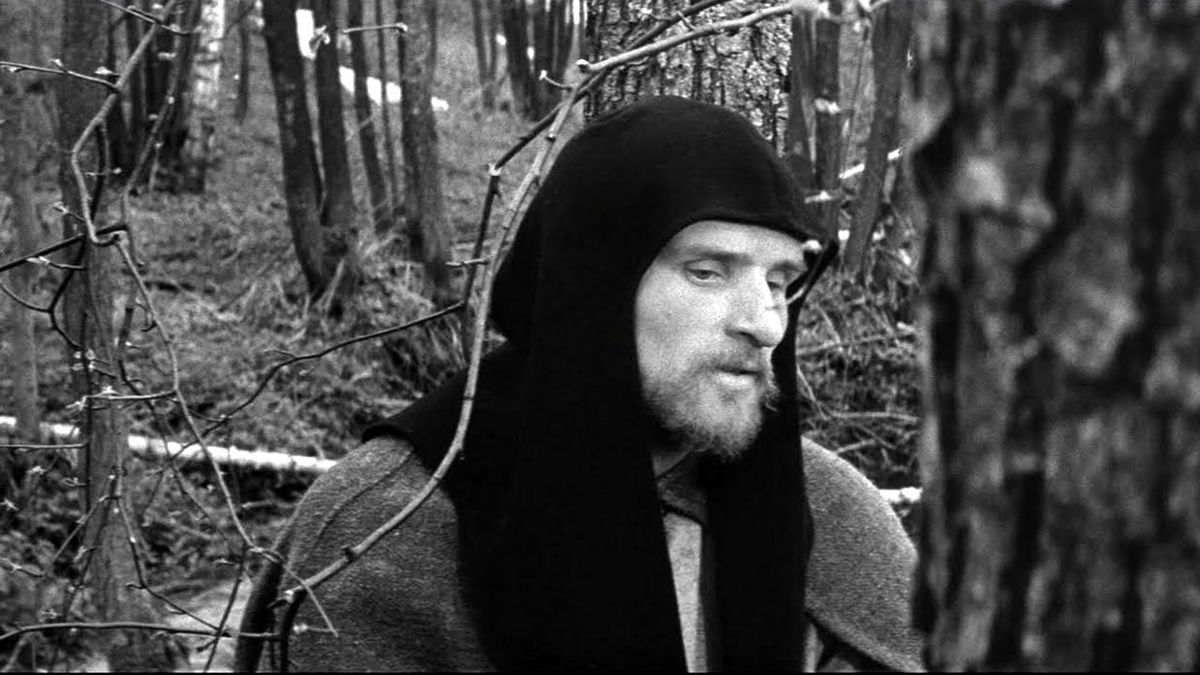

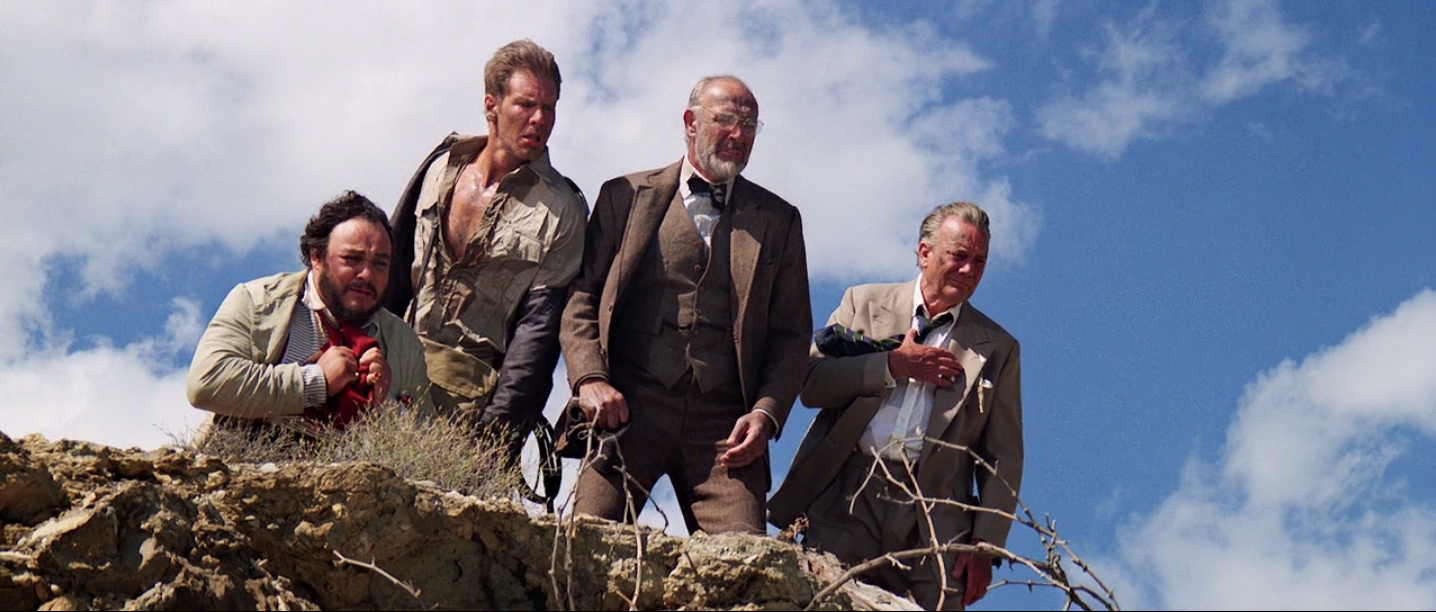
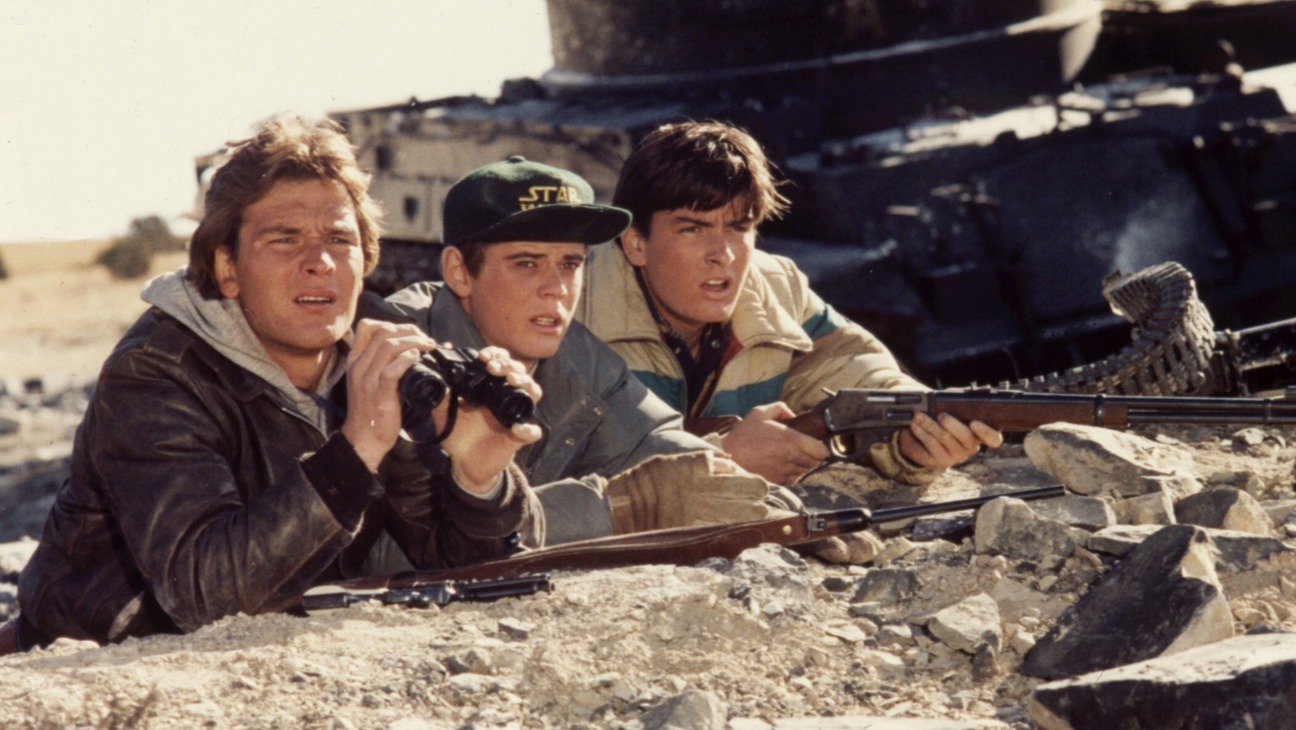

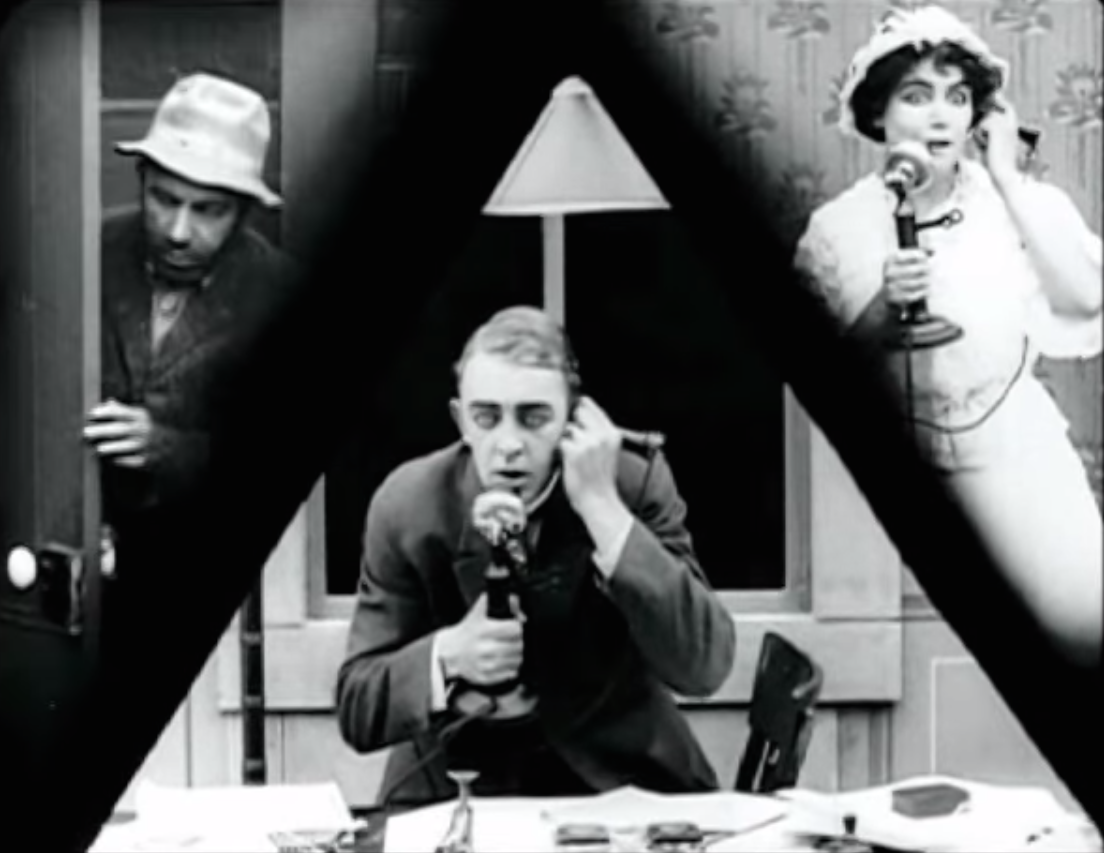 The emphasis, in itself, is nothing new. High art or low, schlock or masterpiece, we’ve been fed a steady cinematic diet of people on the phone. (Lois Weber’s tri-furcated
  communication, AI … these are all familiar background elements, the sometimes literal wallpaper of the past’s dreams of the future, which, as
  Nerve and Ingrid Goes West mark a fairly radical shift from that construction, though. In Wall Street, the phone is an accoutrement, a capitalist signifier of Gecko’s own power and ubiquity, and those of people like him. In these newer films, the relation is reversed. Our protagonists are creatures of the phone in a way completely alien to a creation like Gecko; the worlds we encounter in Nerve and Ingrid Goes West, the interesting parts of those worlds anyway, largely do not exist outside of the phone. It’s not that the world are fake, as in
  Nerve tells the story of a sort of Dark Web interactive game, in which users sign on as “players” or “watchers”. The watchers suggest outlandish dares, ranging from Jackass-style cringe-comedy to life-threatening stunts, and the players seek to outdo each other for the anonymous approval of strangers (and also prize money). Directors
  Meanwhile, Ingrid Goes West takes place mostly in a sun-dappled L.A., where Aubrey Plaza’s protagonist, an Aubrey Plaza type, has fled after an unfortunate stint in the mental hospital. She, too, is more an accessory to her phone than the other way around. Consistently refusing to realize that,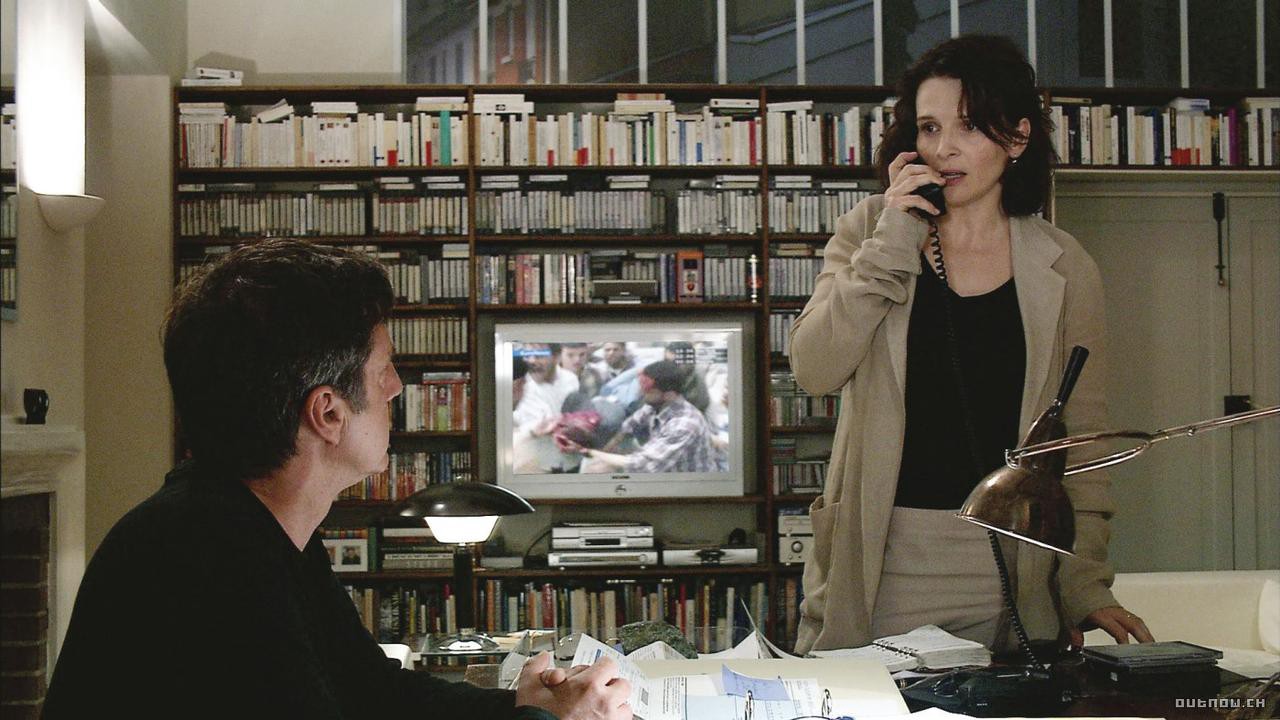
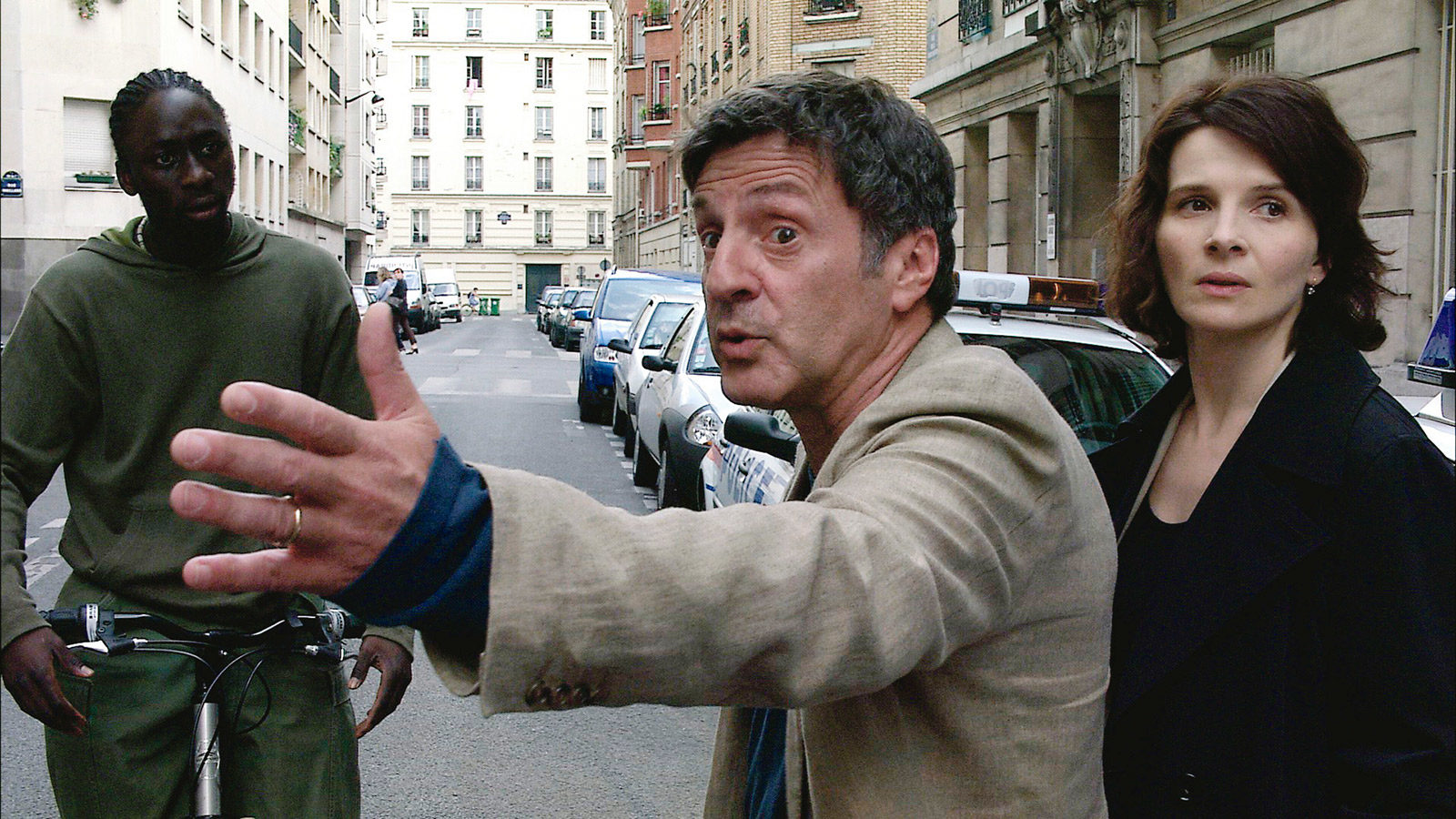 How do you identify the off-putting thing about Haneke’s movies? Is it that they’re dour? Sure, but there have been plenty of great dour filmmakers. Is it that he’s preachy? Sure, but most of the things he’s preaching against — racism and the casual cruelty of people with cultural power — are legitimately horrible.
 I’m not sure if 2005’s
  By placing
 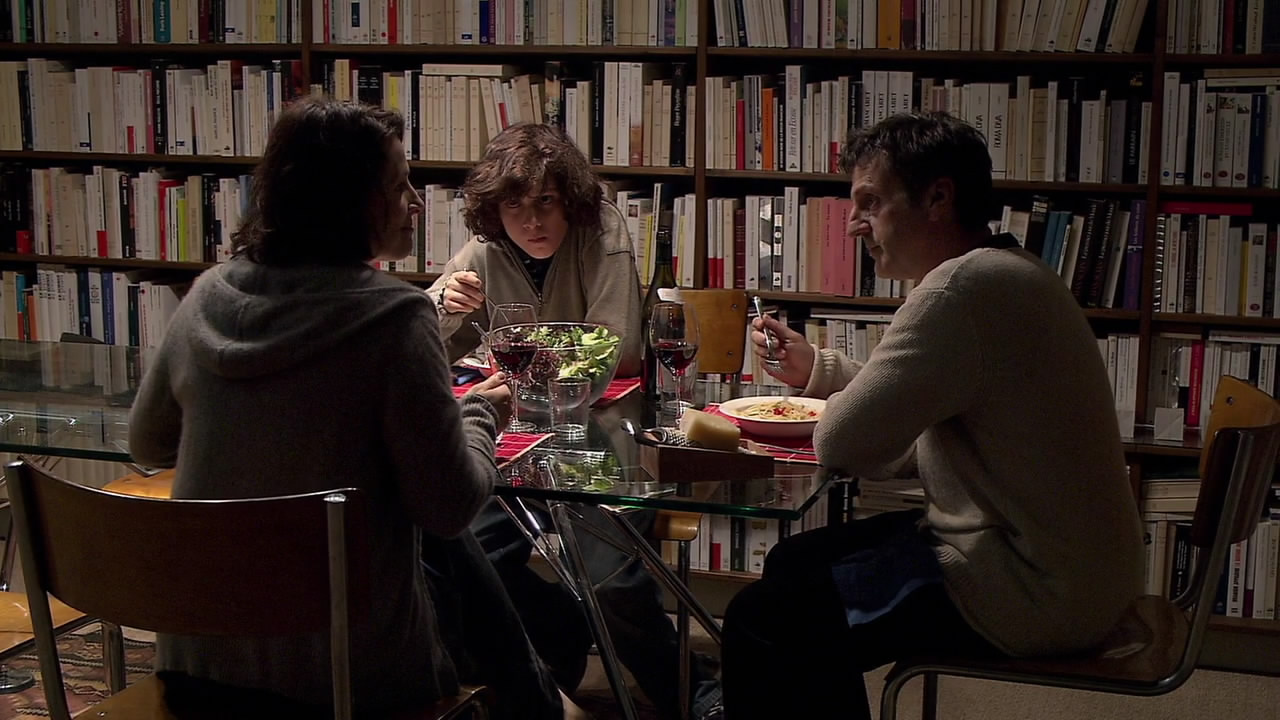 All of this makes
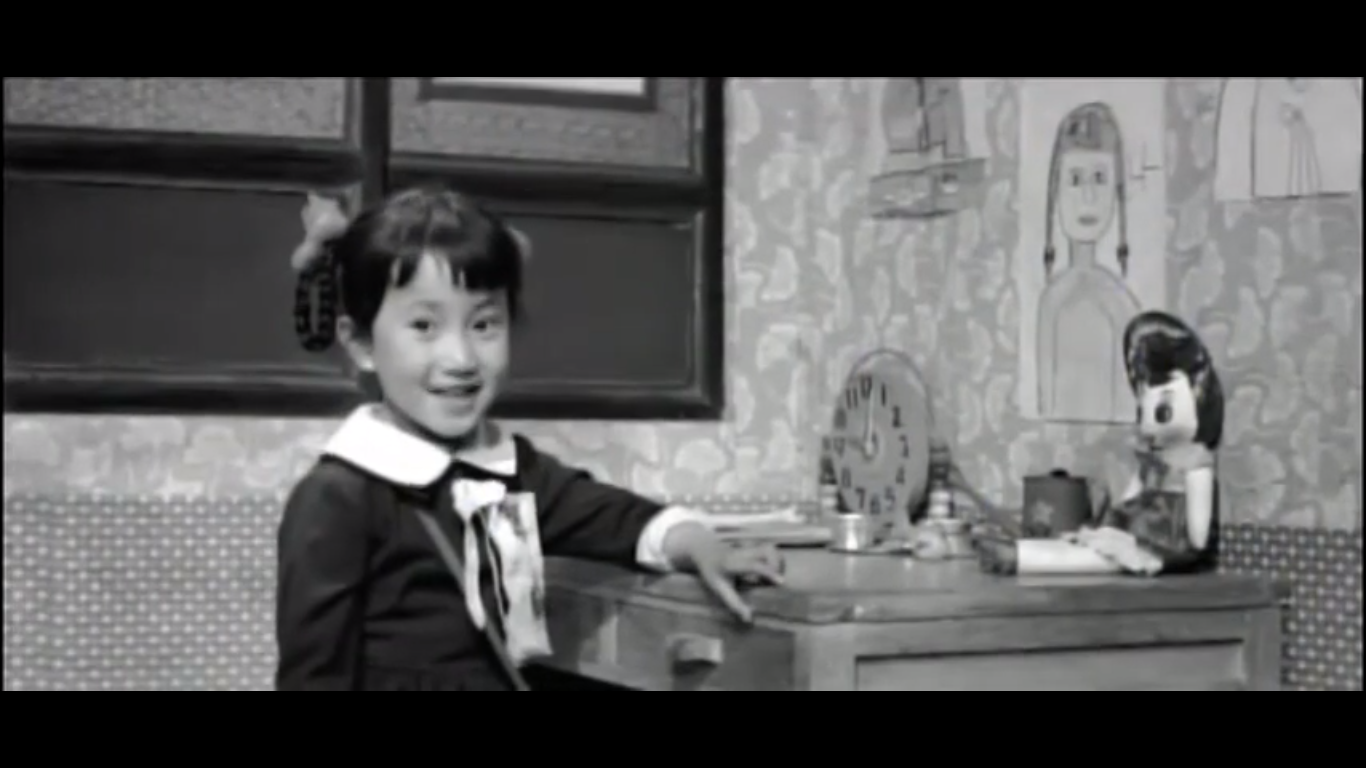
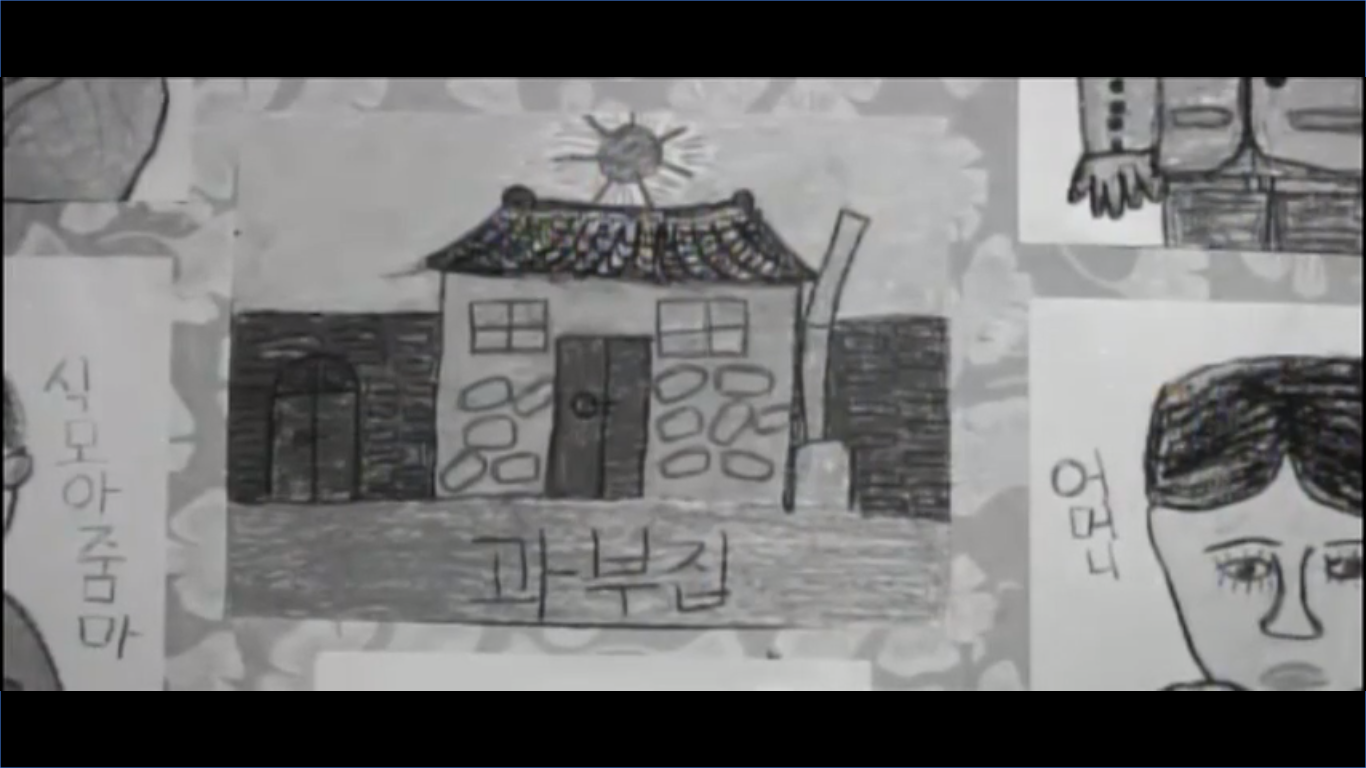 The narrative is guided by 6-year-old Ok-hee (
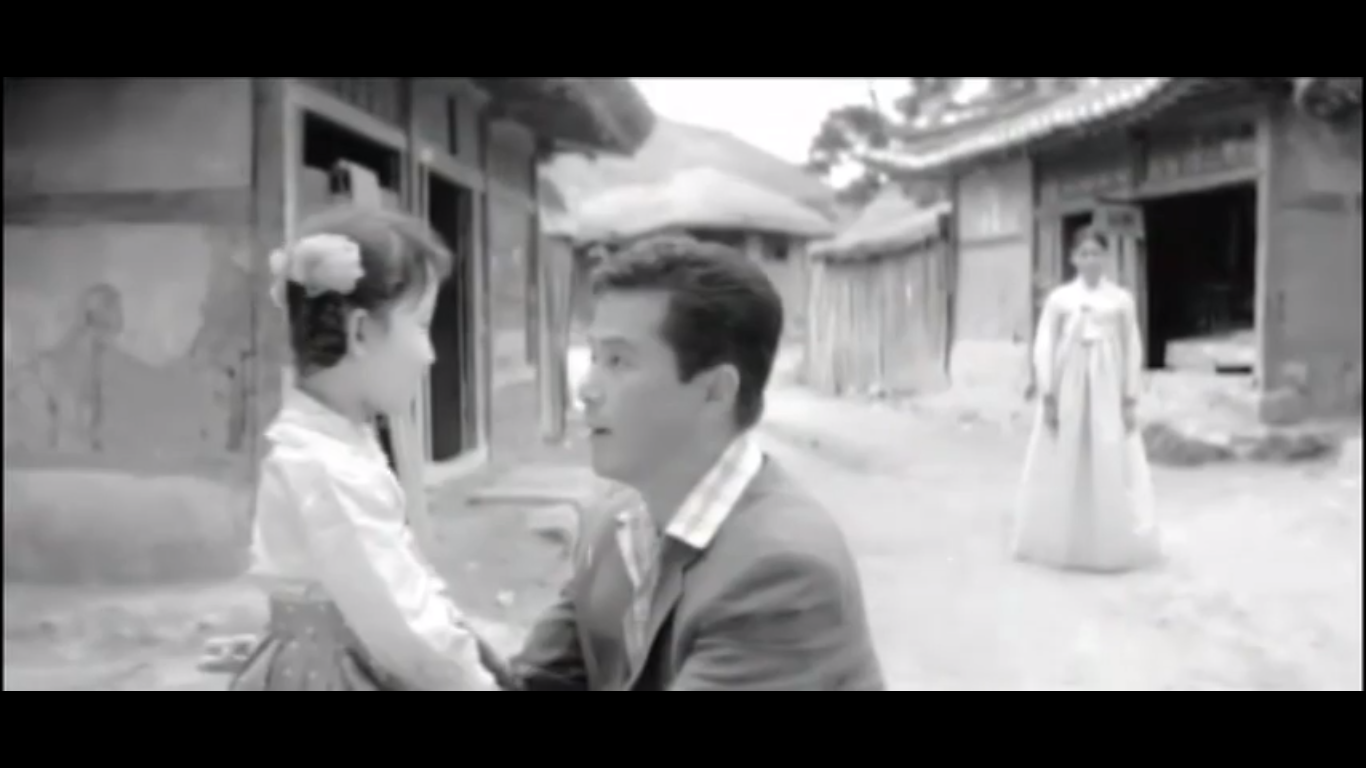 Of course, the world is not so easy. There are strictures against conversation outside the family, much less widows re-coupling. Combined with obligations to home and to her mother-in-law, we doubt the possibilities of the romance the film tenderly draws out. Much of My Mother and Her Guest carries the wistfulness of melodrama. The “will they or won’t they?” aspect is more or less cut off at the knees, which is the point. But Choi and Kim convey all their longing effectively, with surreptitious and fumbling attempts at quasi-courtship frequently made even sweeter by Ok-hee’s tendency to just blurt stuff out. There’s a selfishness and a tendency to color around the details to her would-be match-making, which is entirely appropriate to a 6-year-old girl trying to make sense of her world.
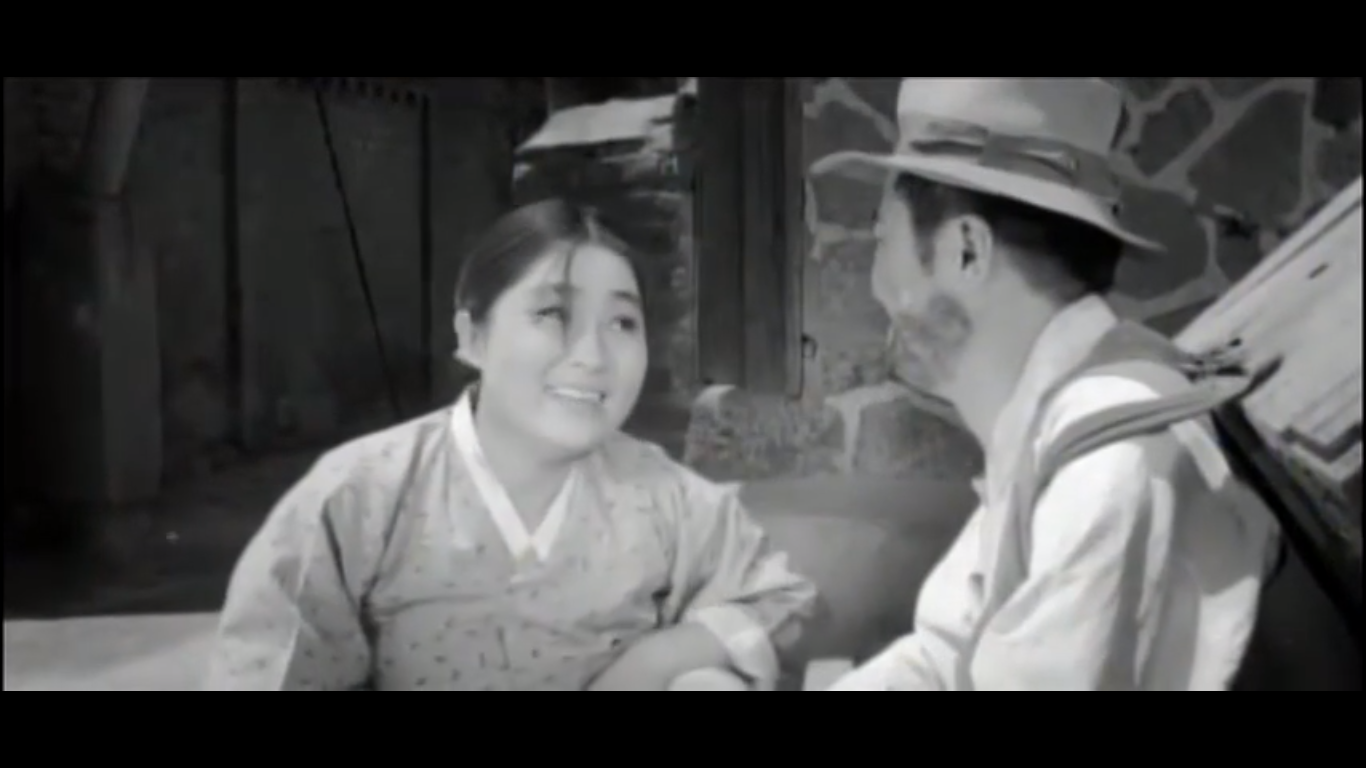 The only really happy romantic relationship in the small cast is the one that develops between the maid and the local egg vendor. Shin seems to imply that their particular place in the structure, widowed and working class, allows possibilities denied to more proper folks. (They are even implied to fool around just offscreen when everyone is out of the house, a pretty startling development in My Mother and Her Guest — I was not expecting maid/egg vendor sex.) It rings a bit simplistic, but from the very opening moments, the maid’s appetites are emphasized, and she’s “the happiest person in our family,” according to Ok-hee. So that’s nice.
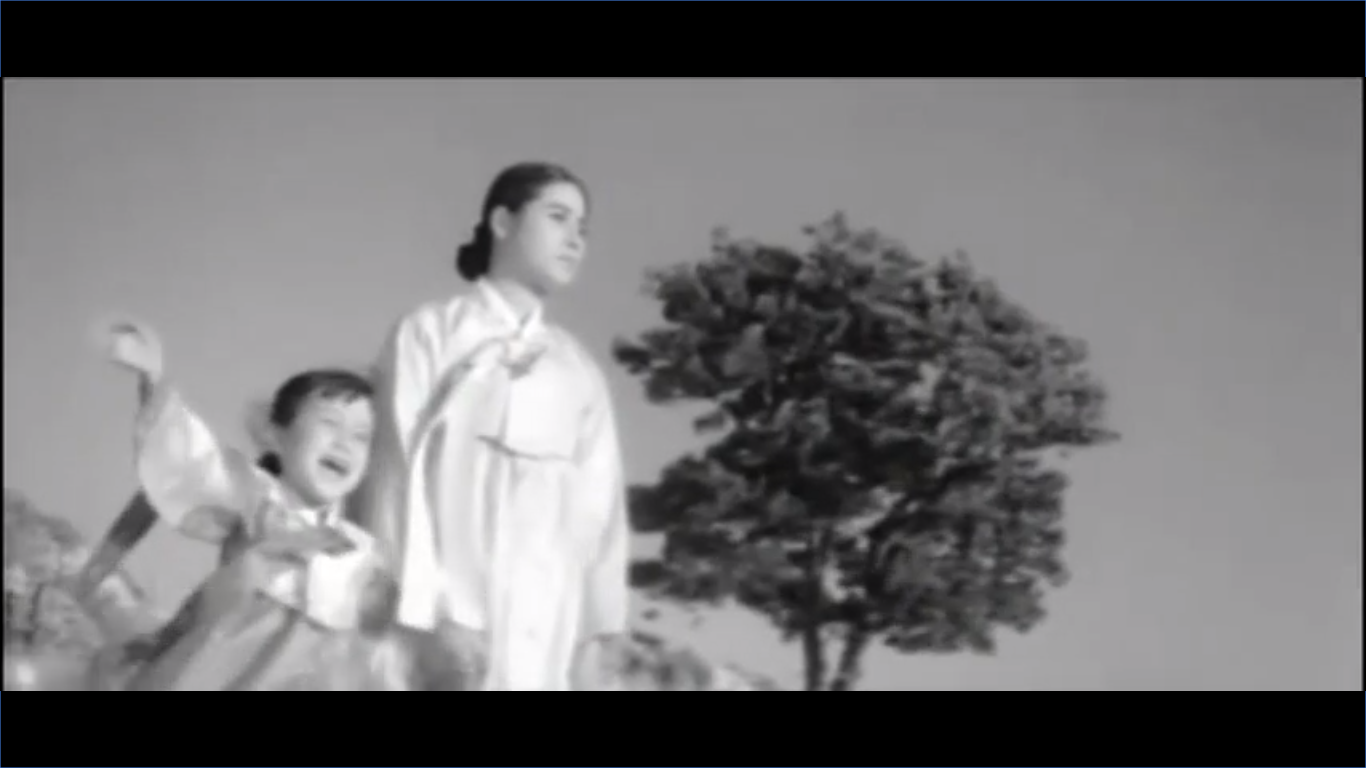 Still, as the title would have it, this is not their story. The main focus here is on an impossible romance, and the film manages to portray this without turning didactic. There’s very little anger in My Mother and Her Guest; just a lingering sense of what could’ve been, if the world were different than it is.
 Buber has often been accused of romanticizing the early Hasidic movement —justifiably — and I would say that he exaggerates the horrible evil of Gnosticism (as we’ll see in discussing
 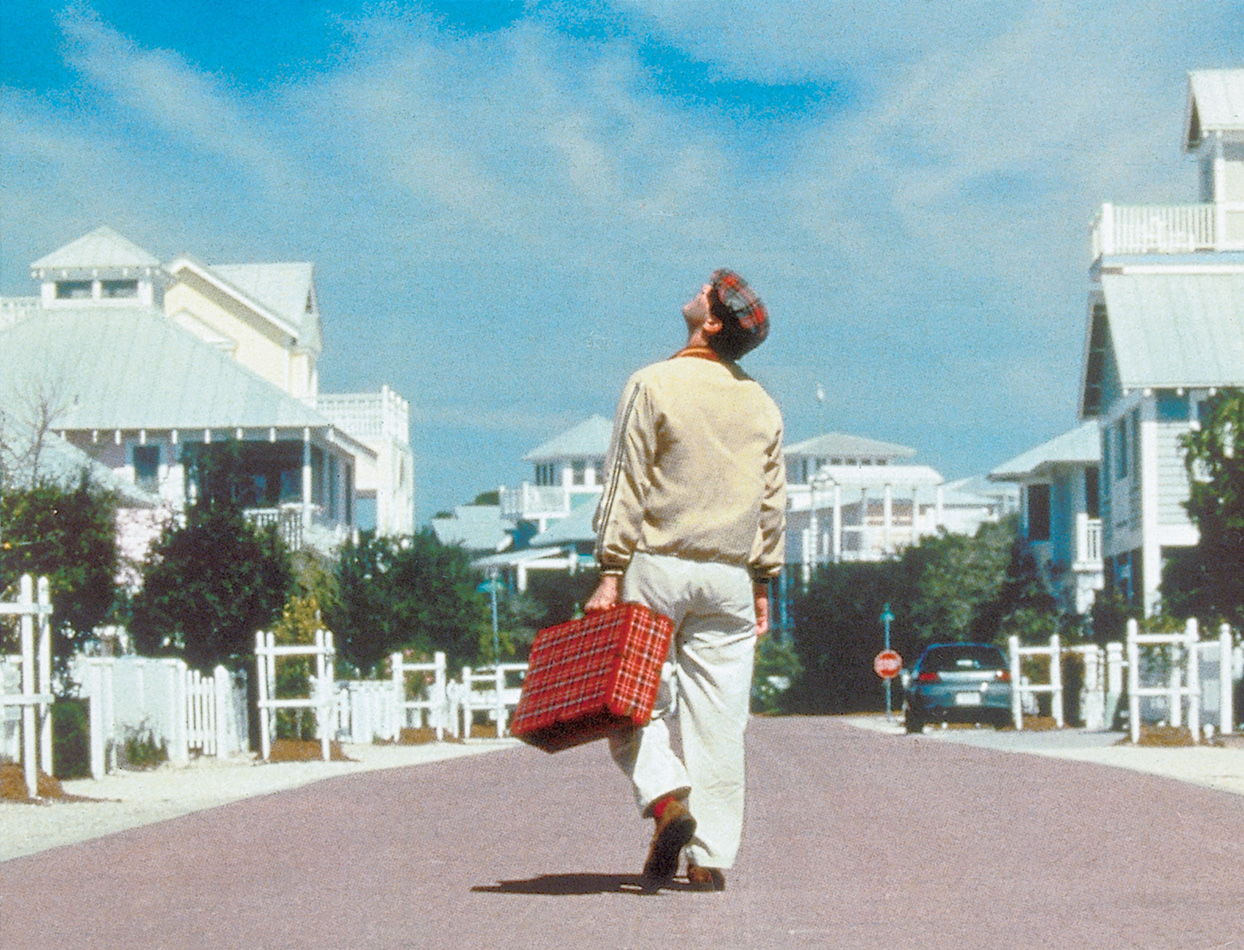 The first half of Truman is the apex of this fantasy, the fantasy of discovering some knowledge that frees you from being a subject. Realizing the world is fake,
 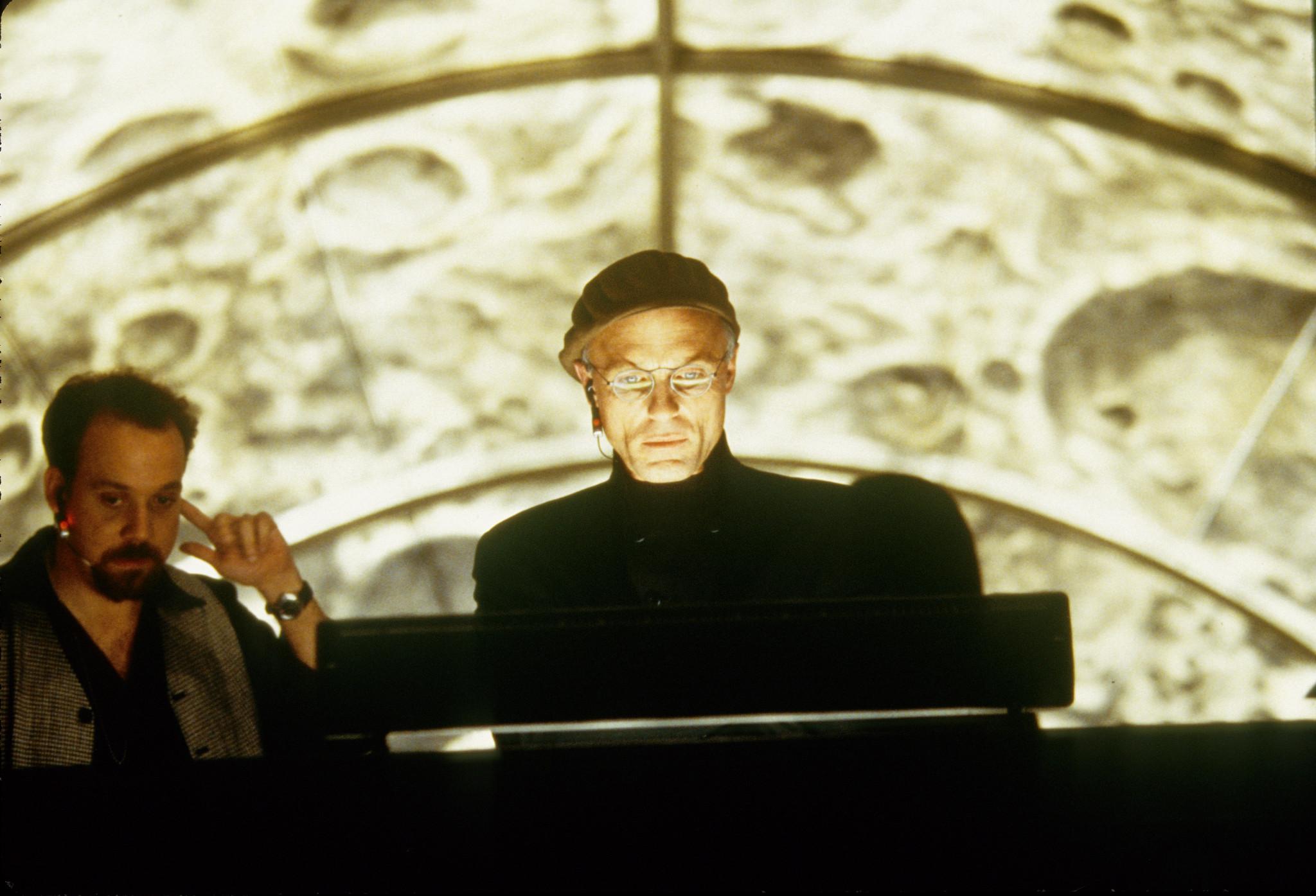 If Buber is right and Gnosticism is about dissolving social ties, then the first half is the properly gnostic half. But a complete dissolution of social ties, the fantasy of invisibility, isn’t emotionally satisfying for very long. The second half of Truman reorganizes the fantasy: the social ties are all restored, but they are all one-directional. They all head towards Carrey, and none head away.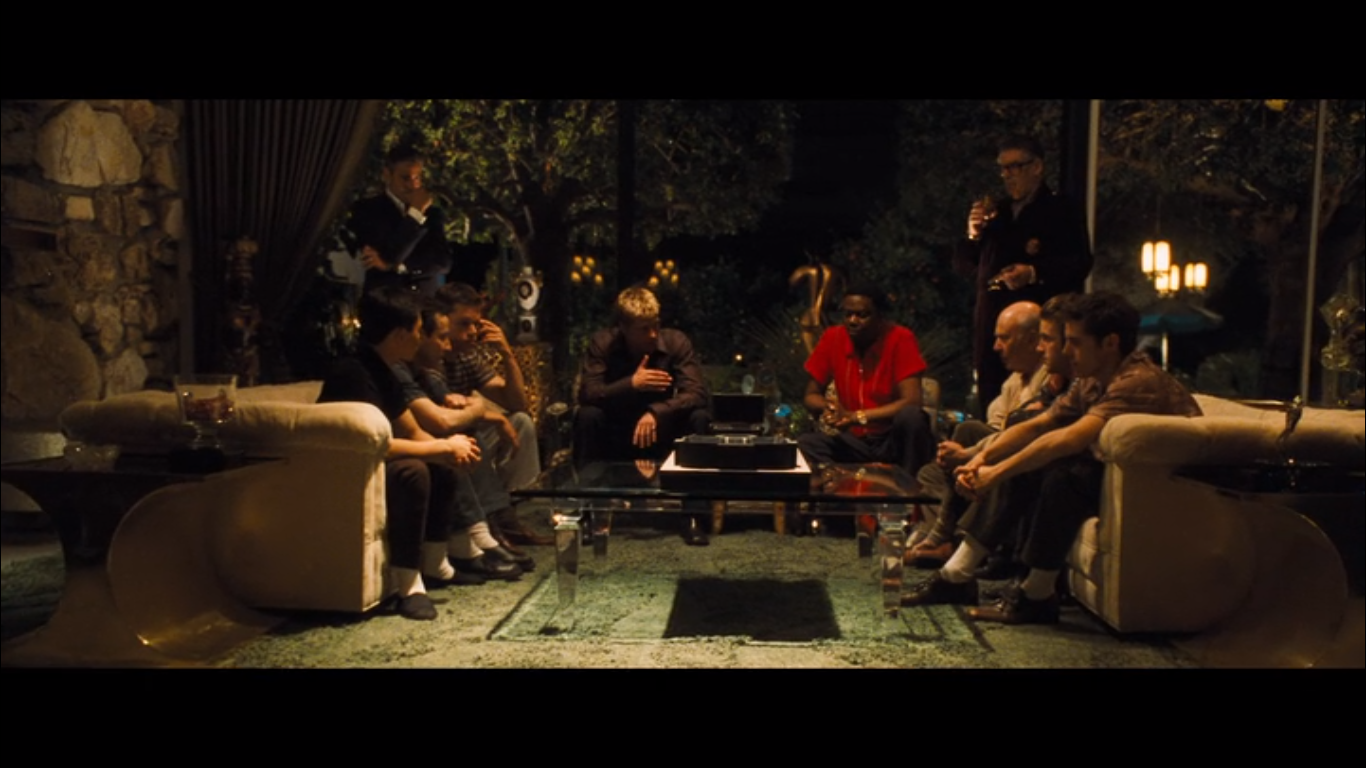
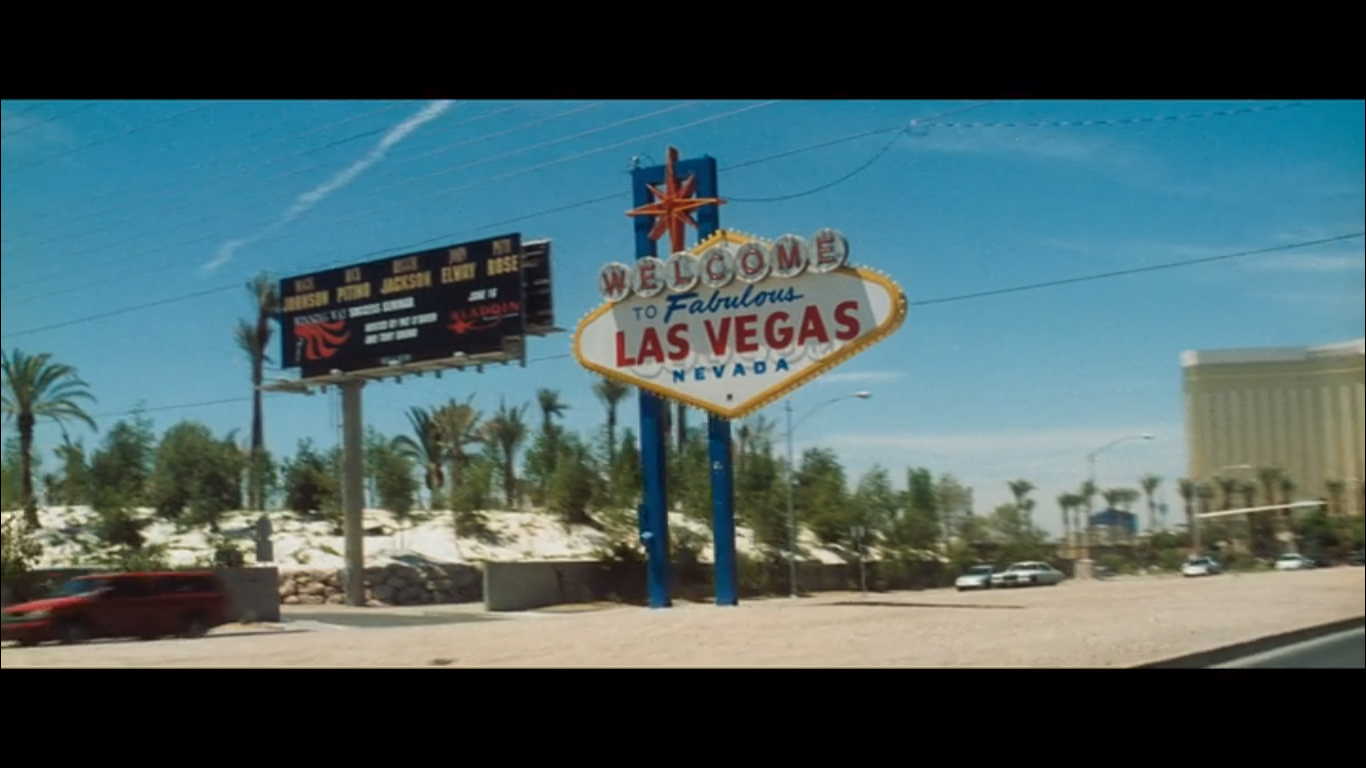 Focused more on professional lovable rogue
 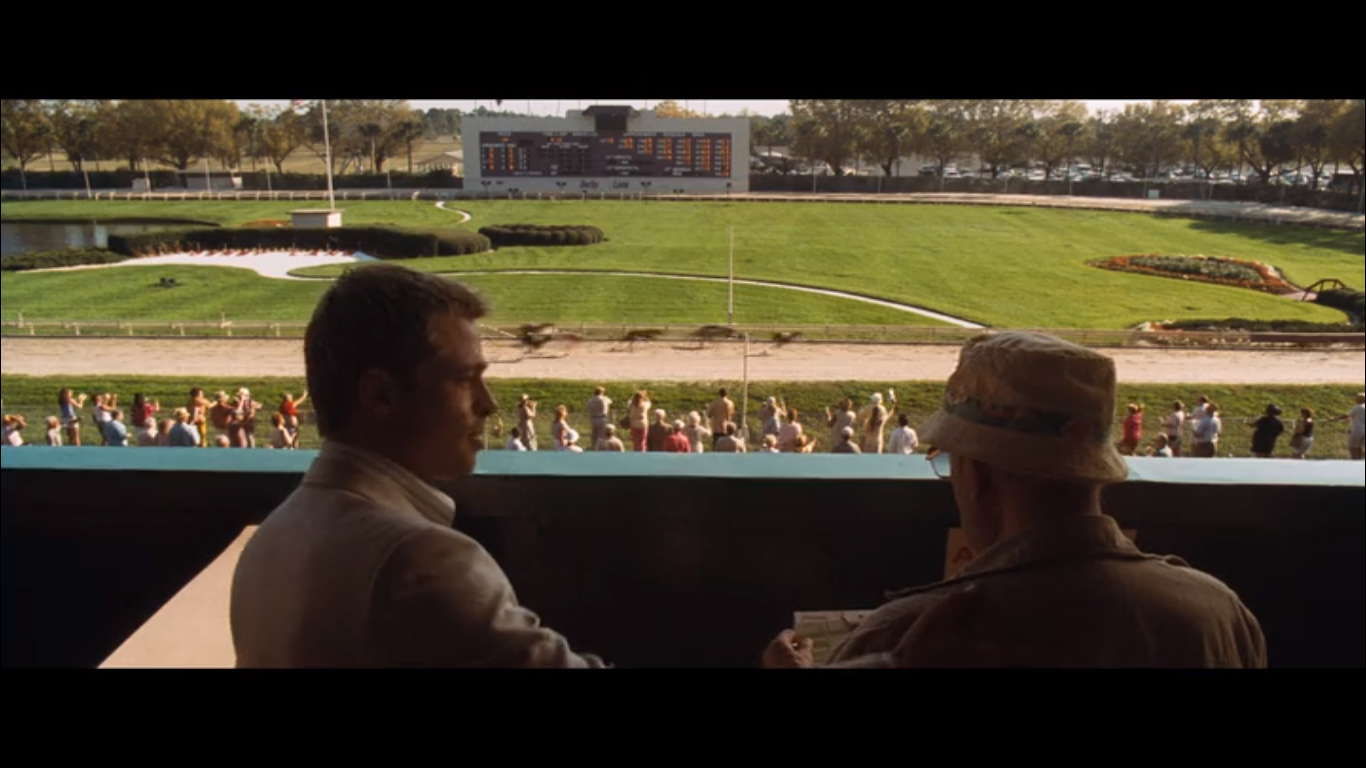 But of those lovable rogues, Ocean’s team hews closest to the essentials of Lubitsch’s protagonists in
  The Lubitsch classic was released at the height of the Great Depression. Ocean’s Eleven arrived just as
 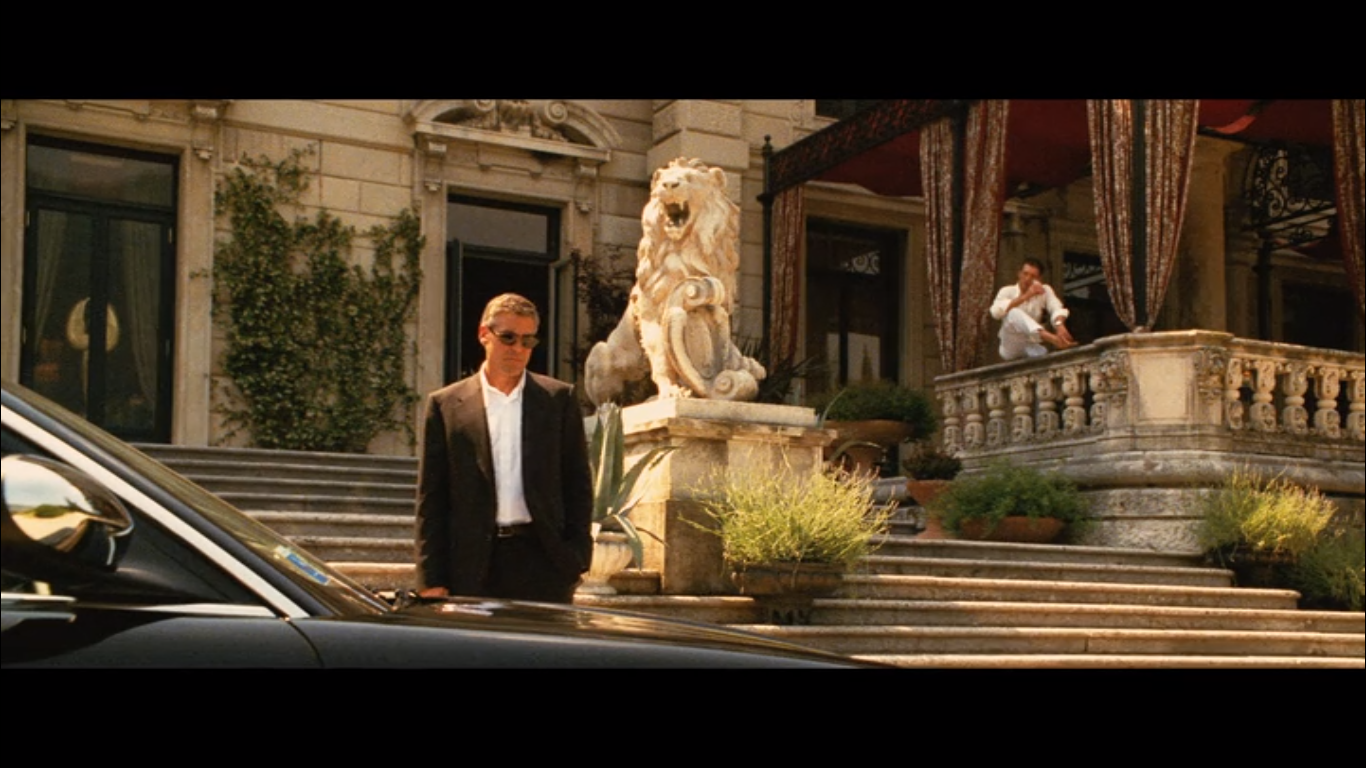 The irony is that we cheer on famously wealthy actors as they fleece the 1%. Hell, scenes in Ocean’s Twelve are shot at a Lake Como villa, not dissimilar from the one Clooney owns, the scoundrel. (That
 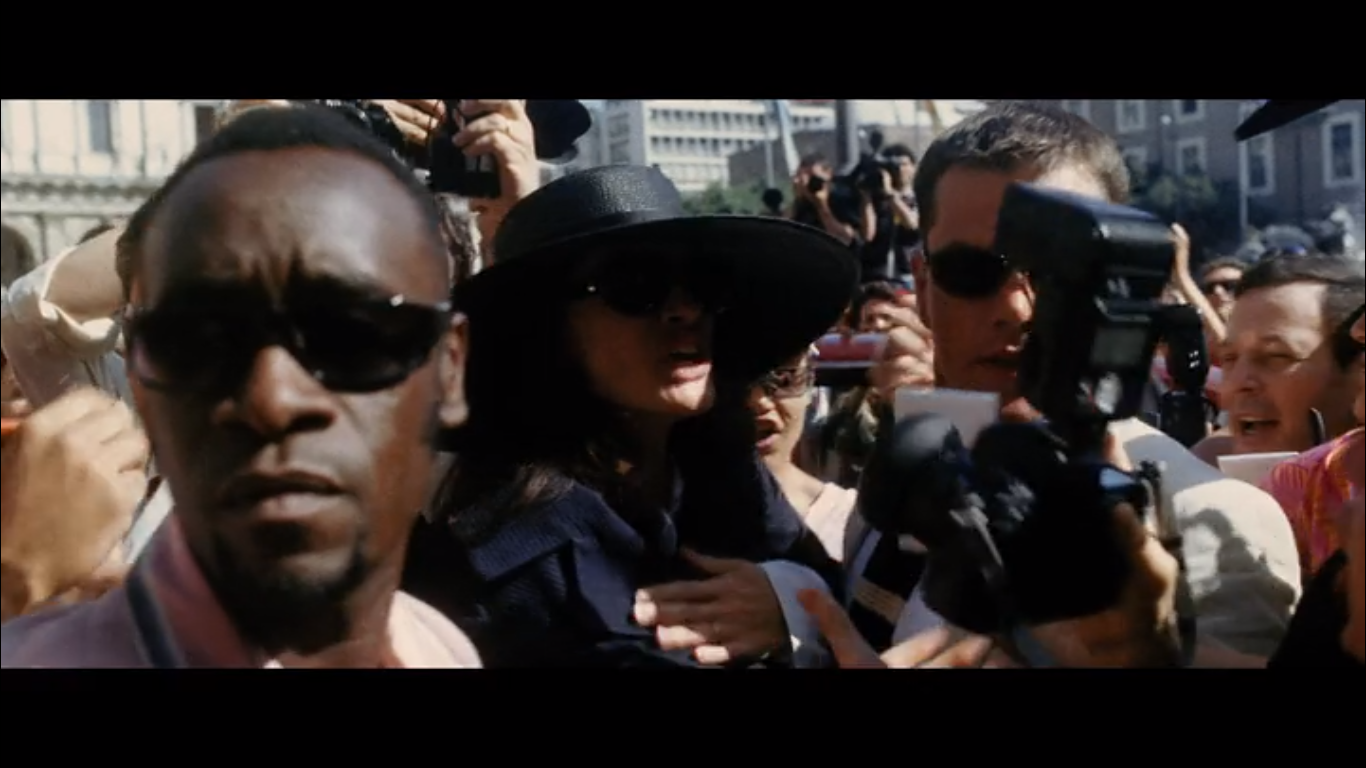 impersonate the “real” Julia Roberts, before running into Bruce Willis, playing himself. A shaky-cam sequence in Ocean’s Thirteen features Damon in London,