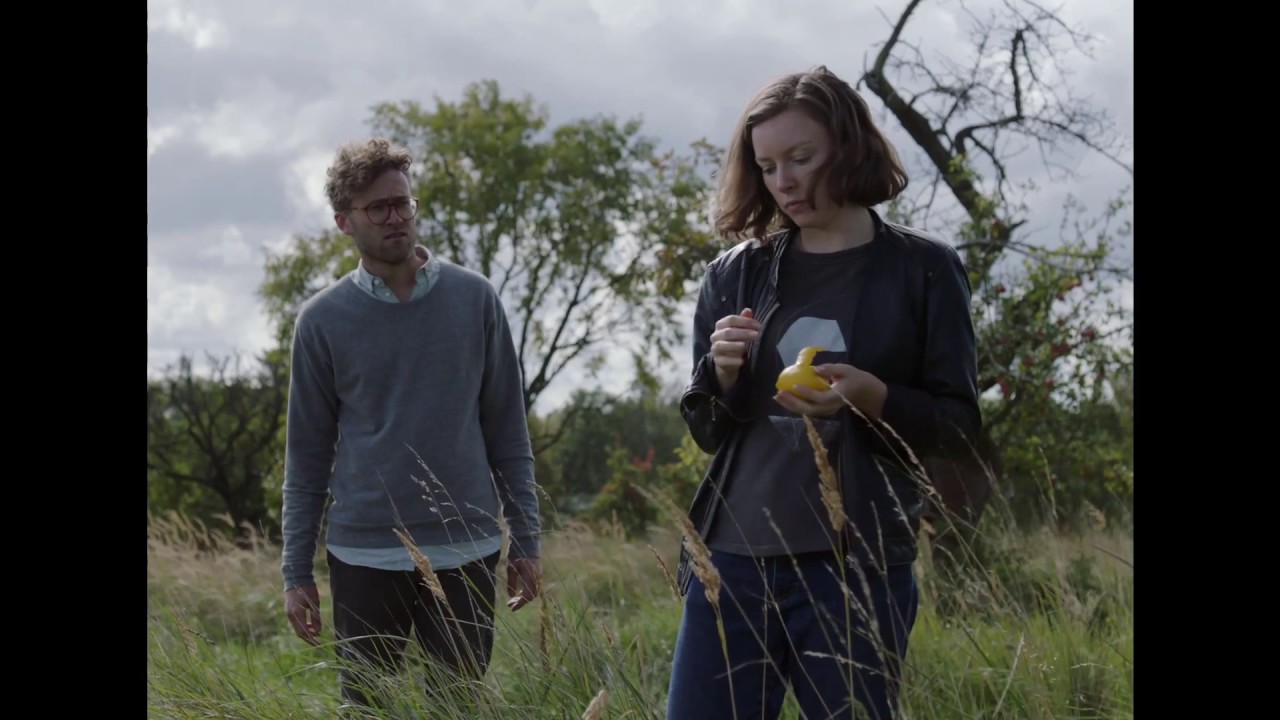
Don’t let the name or the opening moments trick you: Self-Criticism of a Bourgeois Dog is not really about dogs. But that feint is itself representative of Julian Radlmaier’s comedy, which propels itself along by sudden swerves.
Its first real narrative thread is inauspicious: Radlmaier, playing himself, out of money to make his next film, is forced to work at a peach-picking plantation, convinces a woman (Deragh Campbell) he is doing research for a new film that he wants her to star in. (She’s rightfully suspicious: he just wants to sleep with her.) It is the dullest variation on the dullest story (director makes a film about himself trying to make a film), but it quickly turns into a meandering comedy.
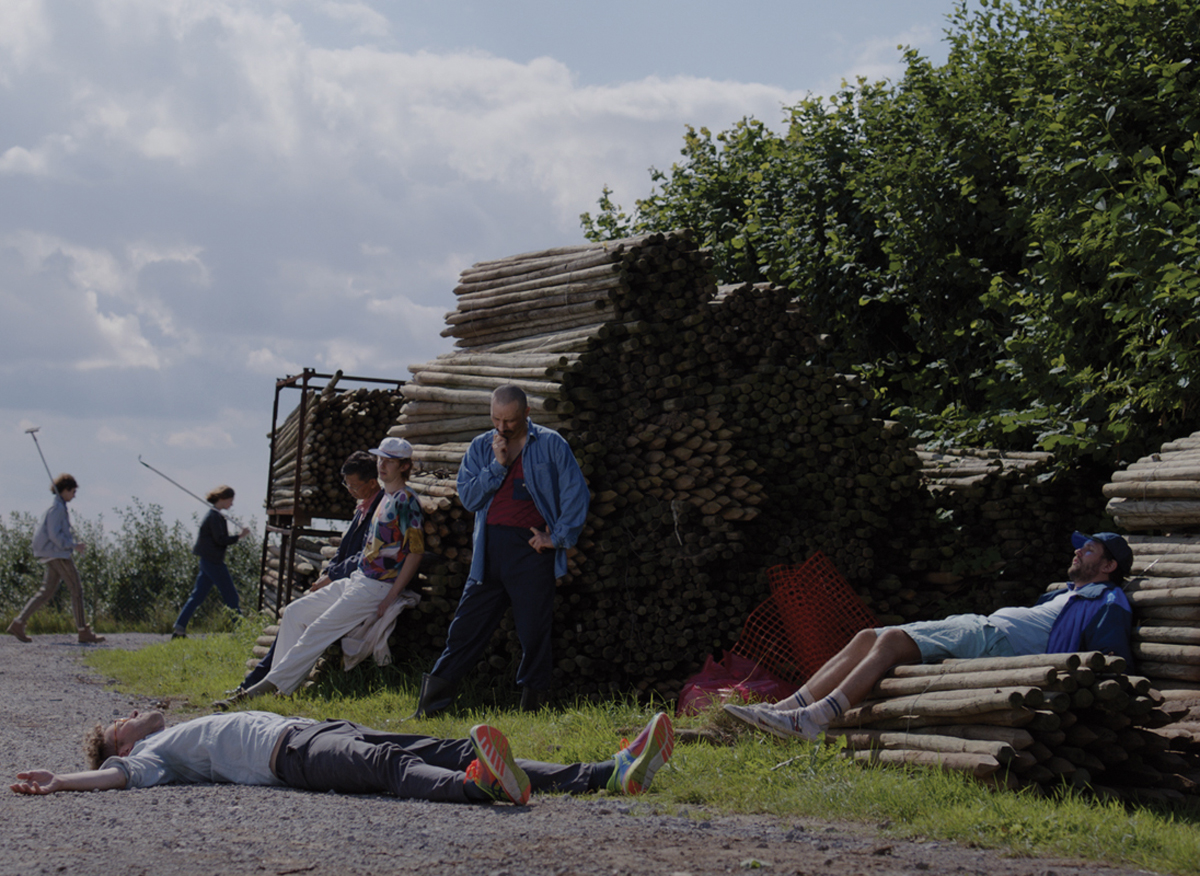 The politics of the plantation are a little blunt and simplistic (the term “neo-liberalism” could be used a lot in describing it), but the film is saved by Radlmaier’s incredible eye for comedic shot construction. As both director and star, he has a Chaplinesque combination of skills, both at framing a shot to tell a joke on its own and at using his tall, lanky body in inherently funny ways.
Eventually, he fades away, and Bourgeois Dog becomes more of a free-floating comedy on Marxist themes. One section in particular — in which two workers are convinced that the Communists have taken over Italy, and wander around, convinced every sign is proof of the successful revolution — is such a clever idea that I’m shocked I haven’t seen it before.
MUBI’s description compares it to Bunuel, but I’m not sure outside of their shared political beliefs that’s entirely fair. Bunuel may have abandoned narrative form, but usually held carefully onto his concepts. Godard seems a better comparison, both for Radlmaier’s careful Academy ratio compositions and for his floating form.
But if he’s like Godard, it’s Godard at his funniest, his most humane, and his least doctrinaire. Despite some touchy aspects (even as the subject of a comedy, no one needs another film about misogynist directors), it’s a real accomplishment and something to be shared.
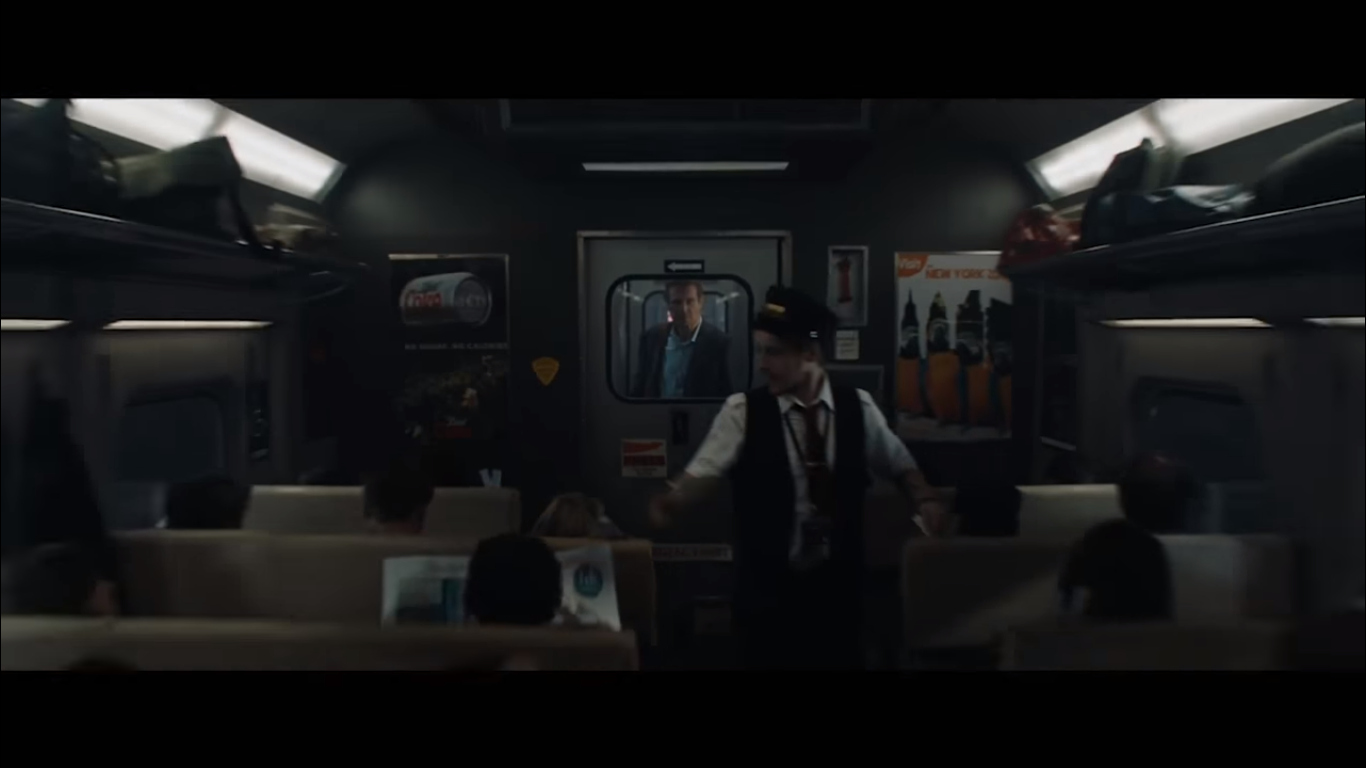
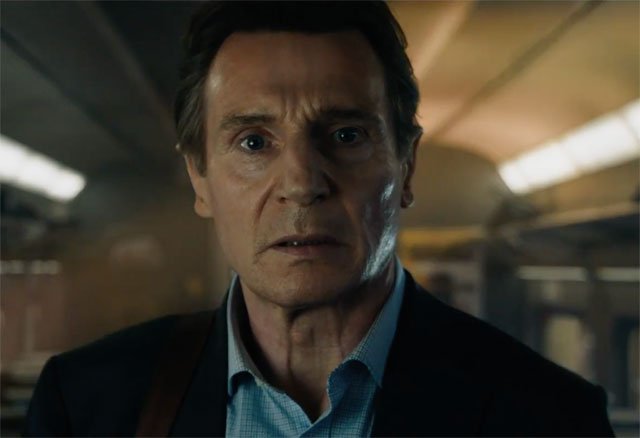 Here, Neeson is a former cop who’s given up that dangerous line of work (police work in the movies is, by definition, dangerous) for the almost too on-the-nose banal safety of selling life insurance. Interestingly, we only see Neeson try to sell life insurance once, and he doesn’t seem great at it, and then he gets fired, so perhaps that career move wasn’t so wise after all.
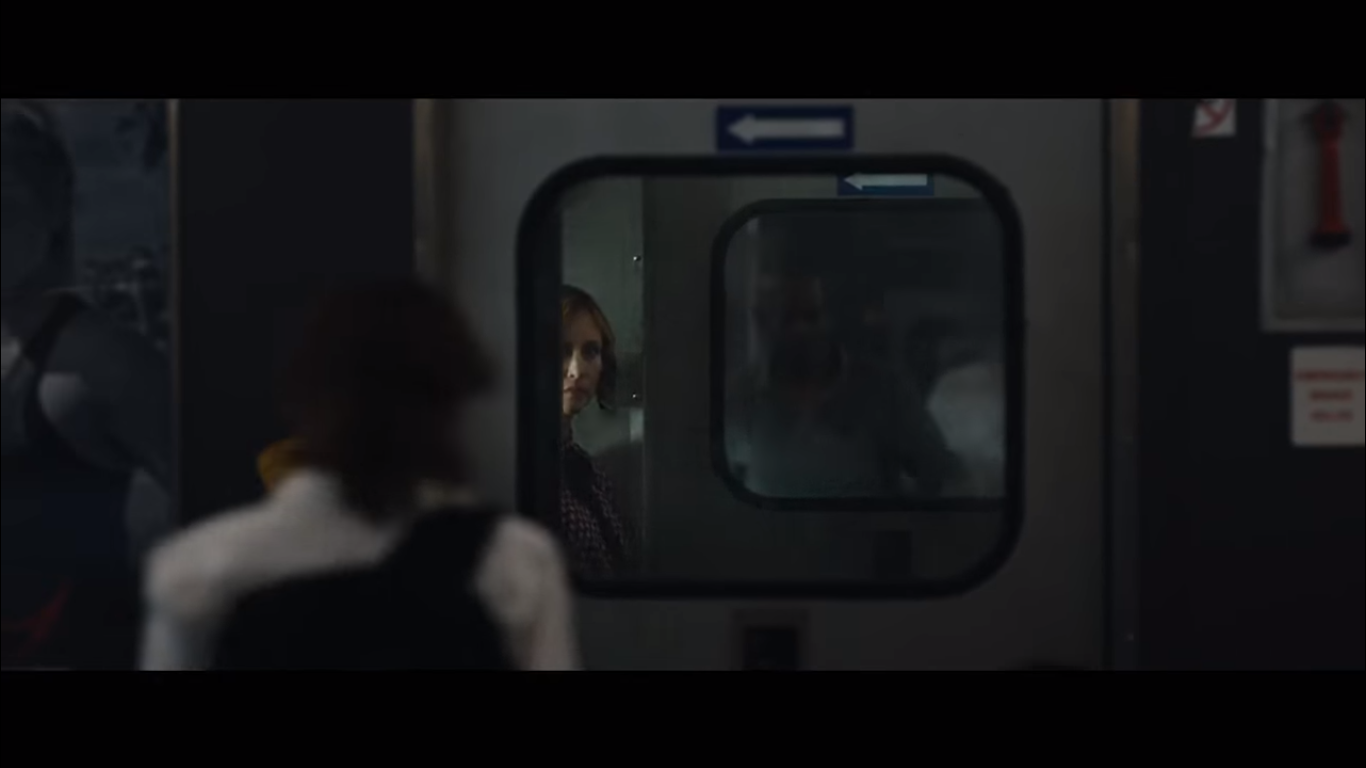 “hypothetically,” to find the person on the train who “does not belong,” it seems both a dubious answer to his financial woes and the kind of plot device that compels us to look closer. In an overt retread of The Box, all he has to do is choose whether to play or not; something will befall a stranger, and then it will be over. When he discovers that this is not a hypothetical, that his family is in jeopardy if he doesn’t comply with these imperatives mysteriously issued from on high, we remember we are in a Liam Neeson movie. He may be a swatted-down victim of the times, but he’s also both cop and actuary, skills he will need to deploy to save any number of lives on the train and at home.
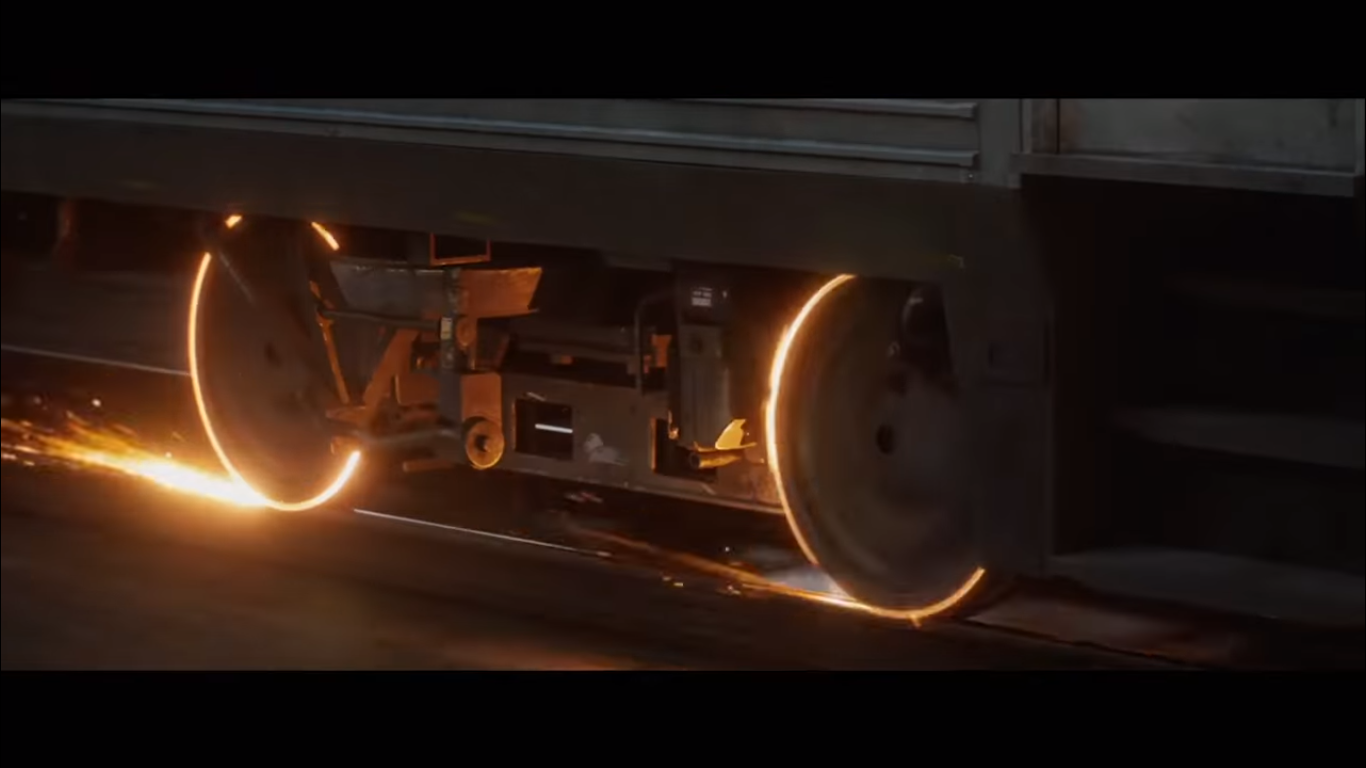 The train, of course, is the ideal setting for this sort of affair. I’m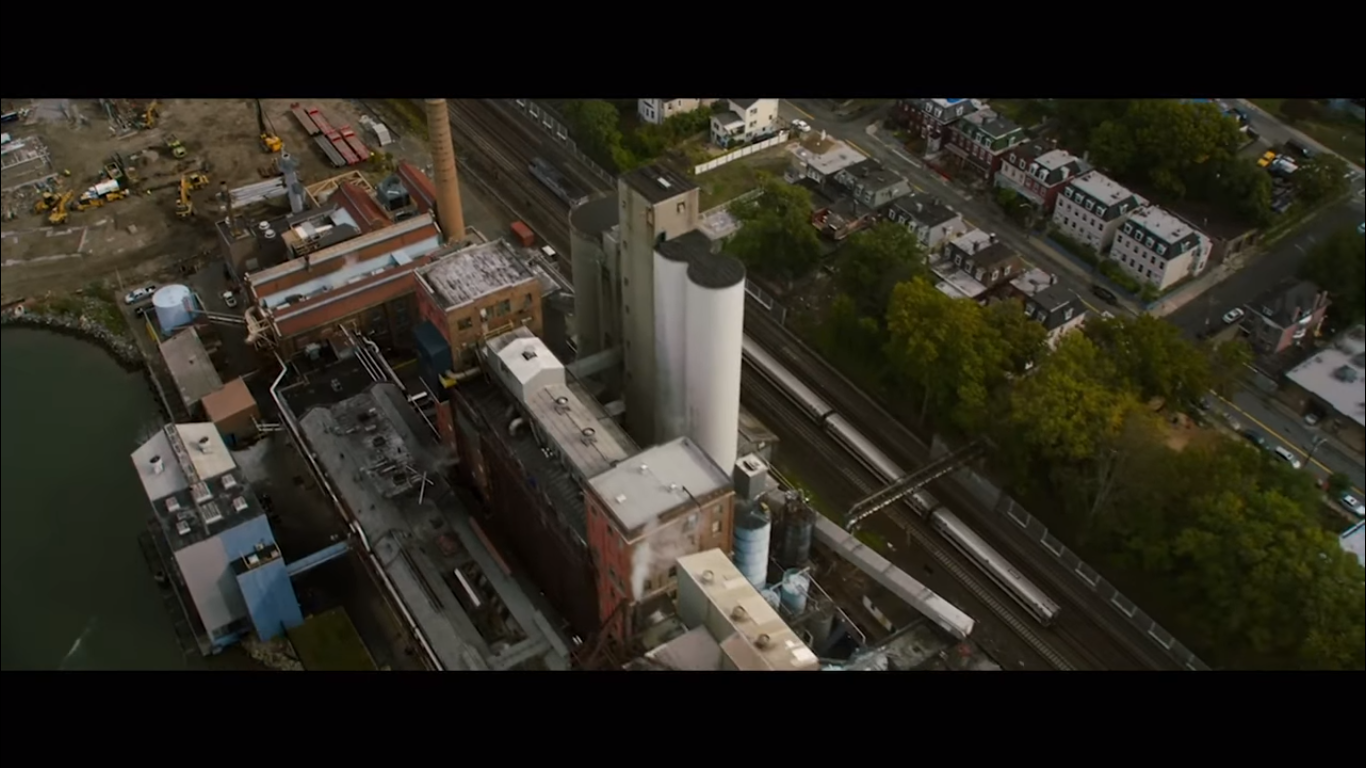
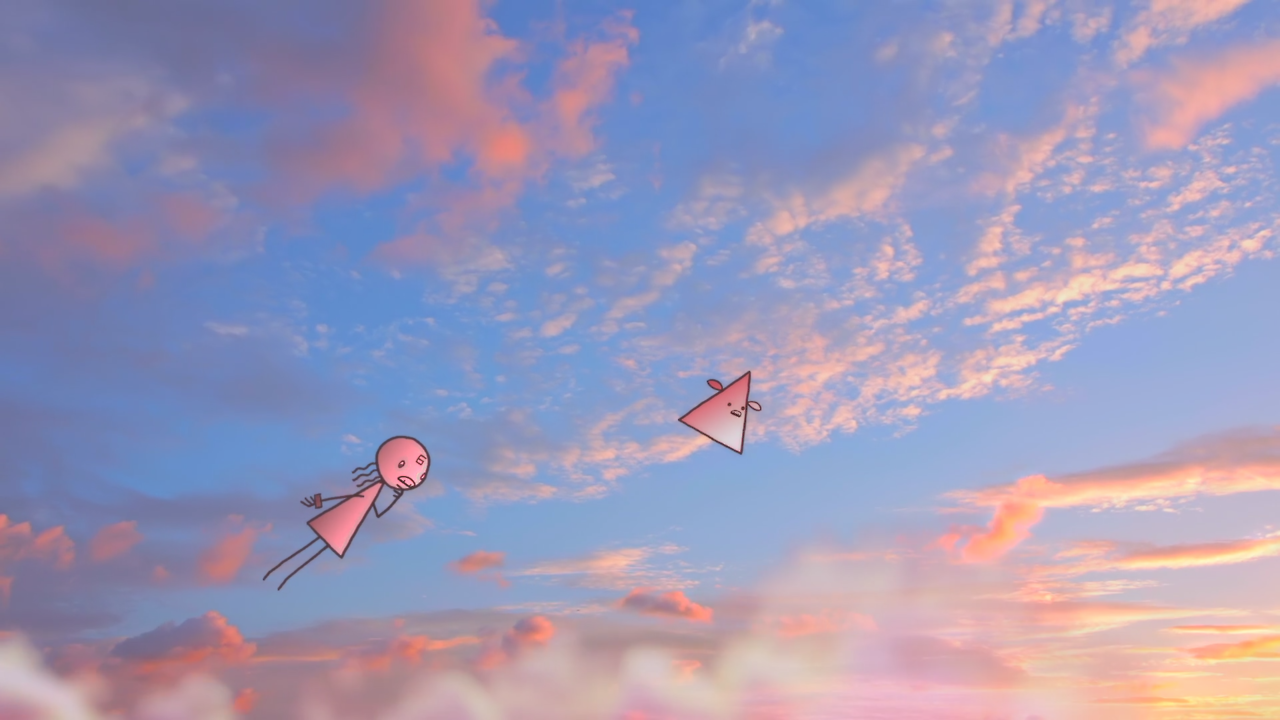
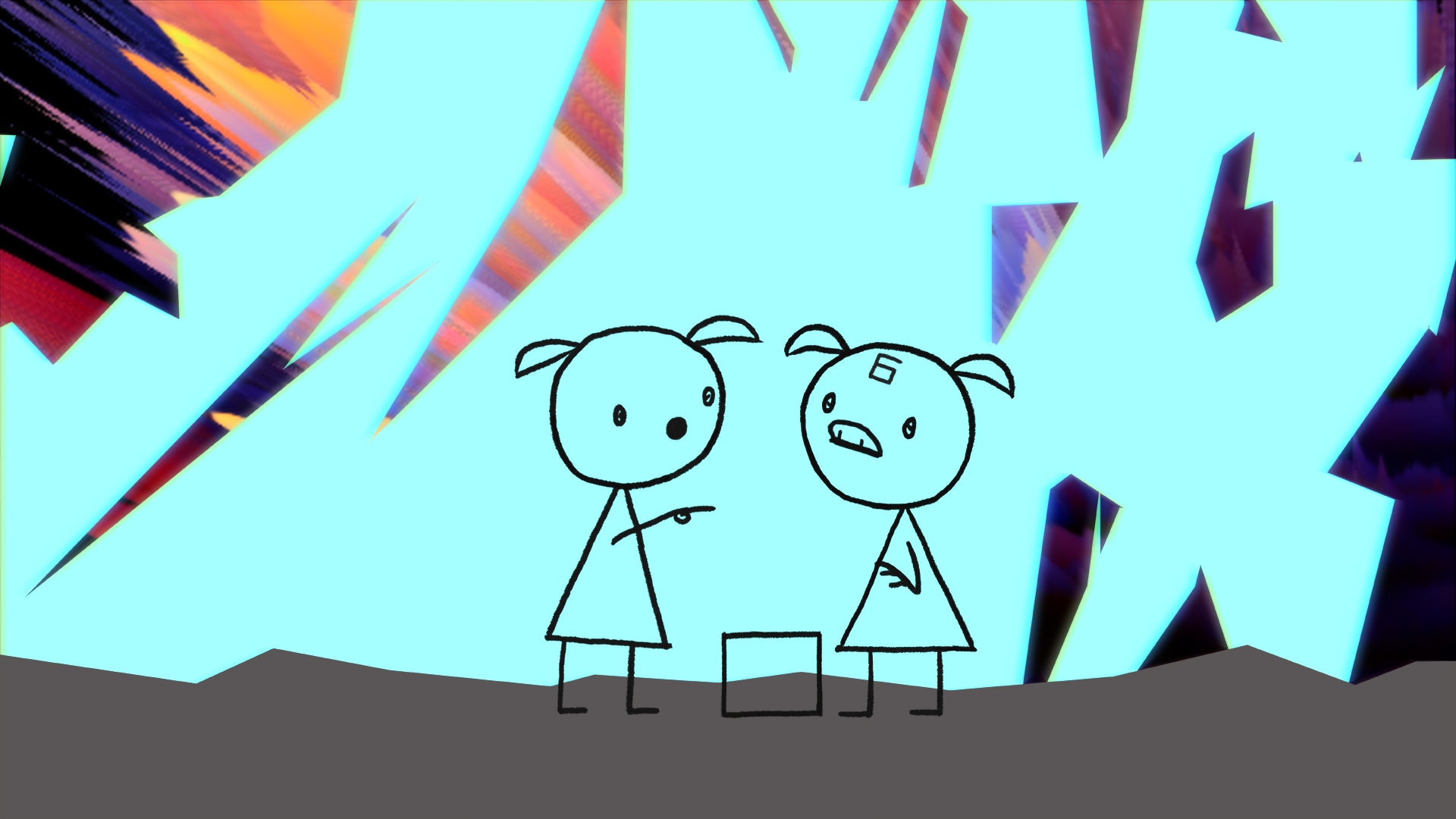 With all due respect, those people are lunatics. World of Tomorrow Episode 2 picks up where its short predecessor left off (and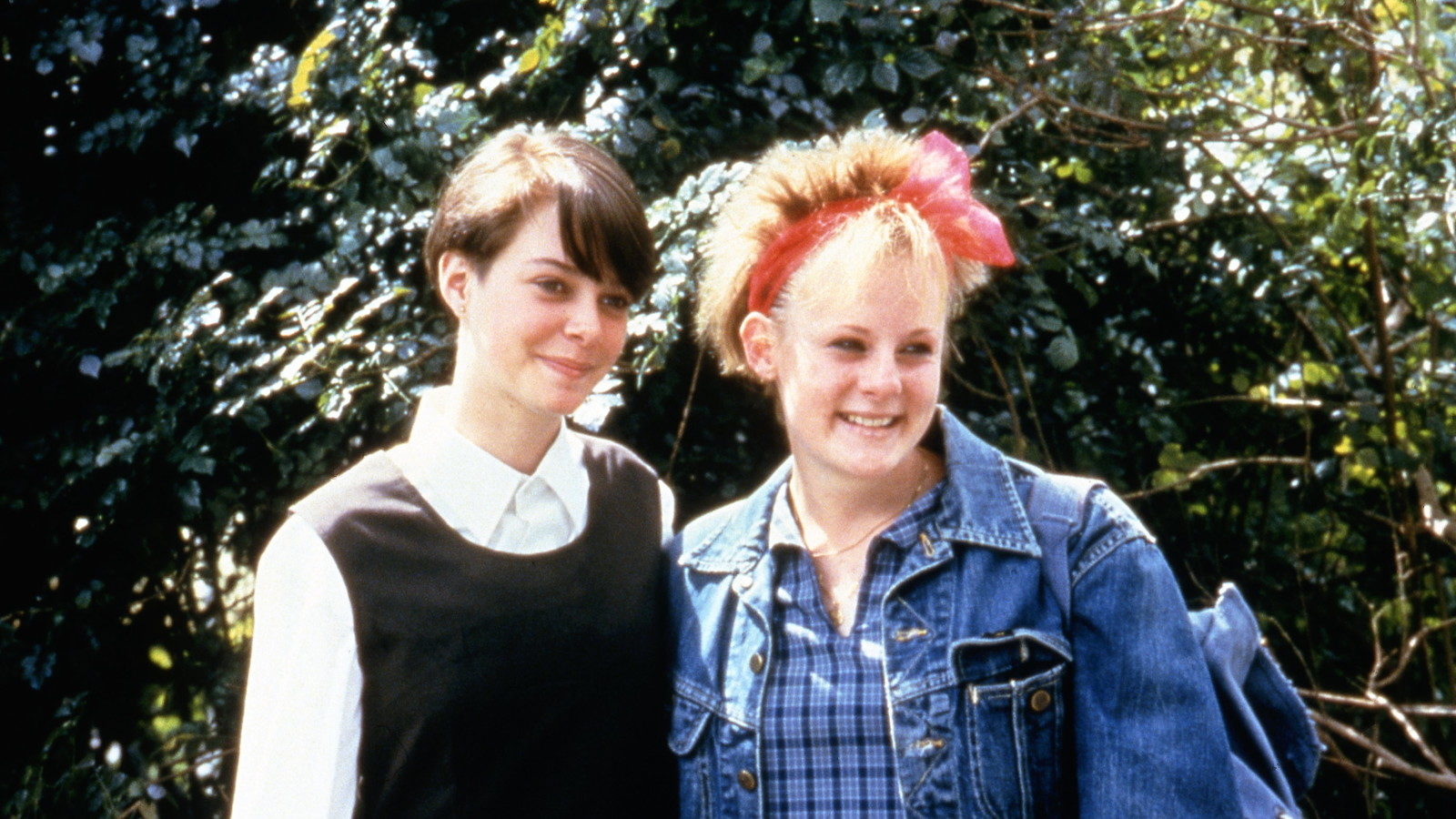
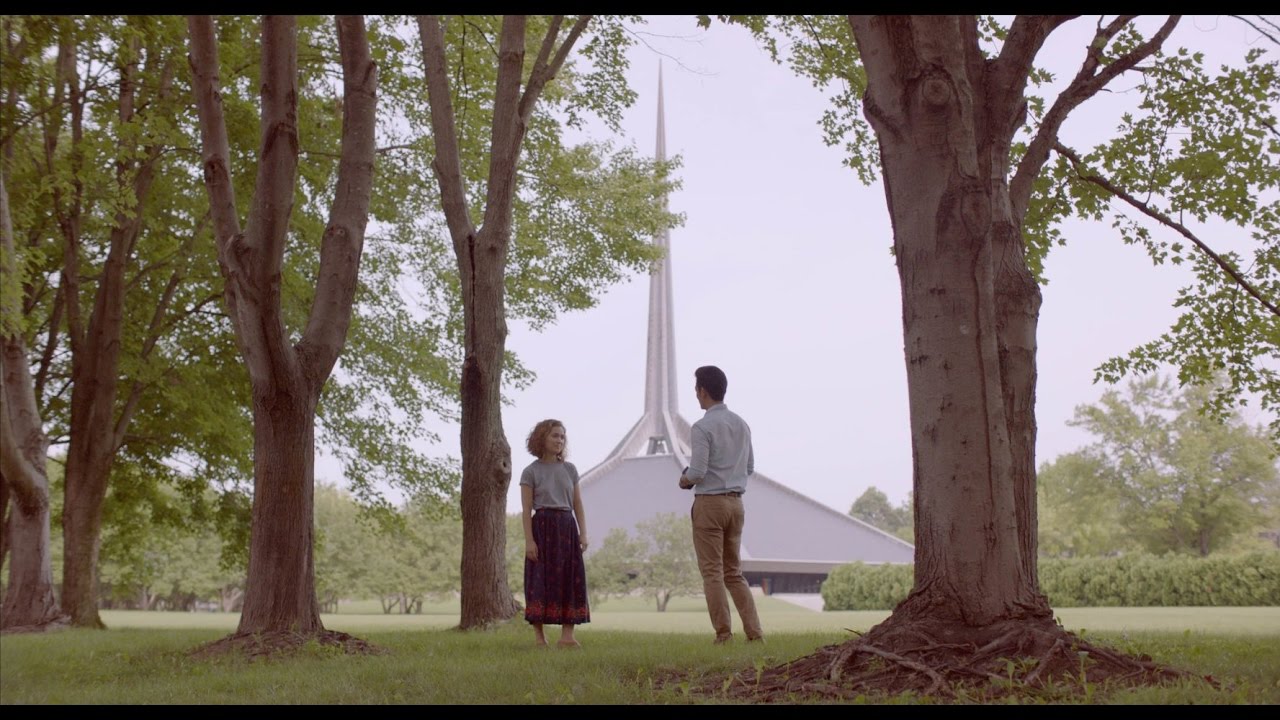
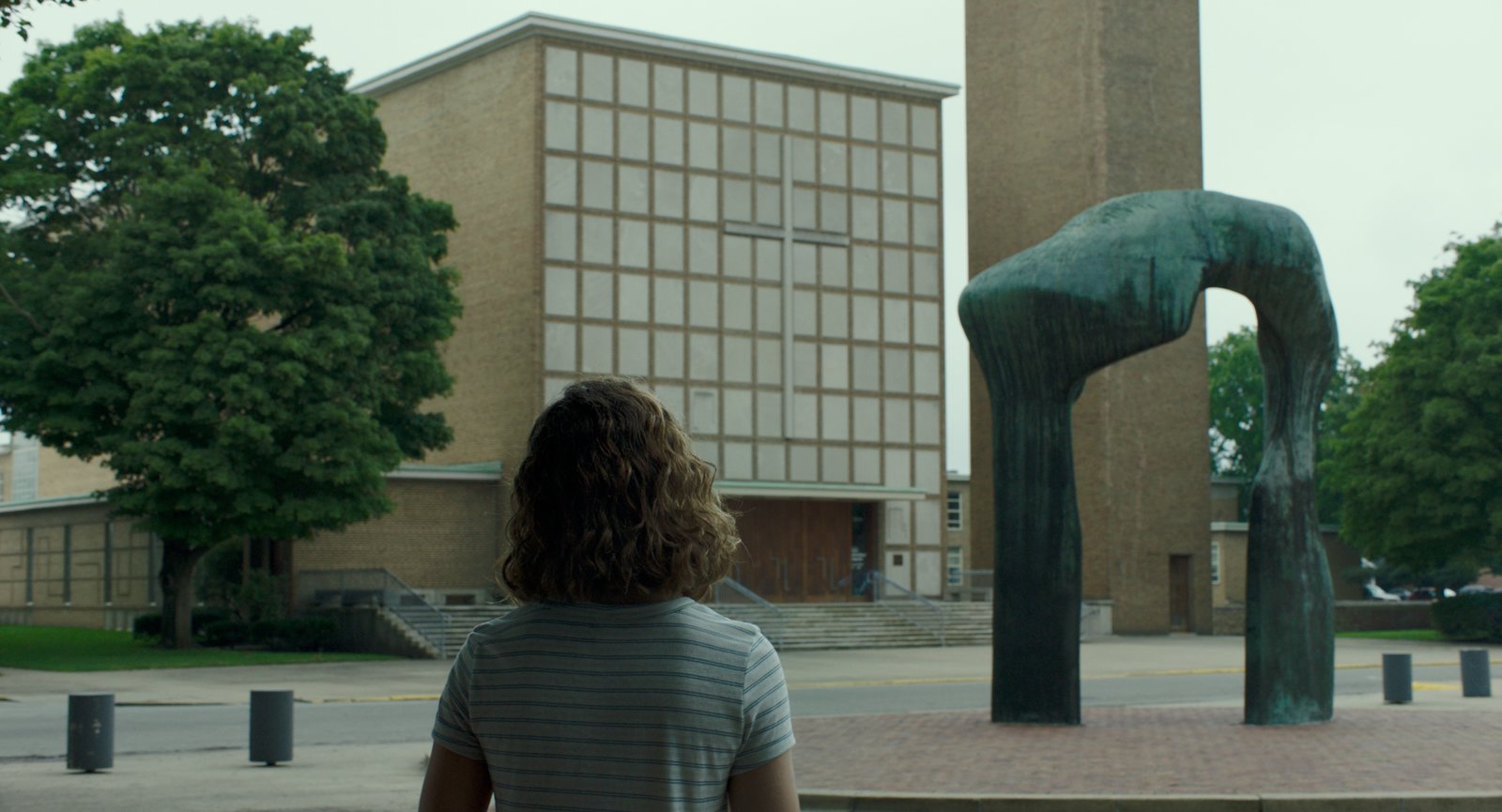 analyzed at lengths short and shorter for Sight & Sound. The critic-turned-filmmaker is one of our more cherished notions, at least since the French New Wave exploded off the pages of journals and changed cinema forever, and Kogonada is a worthy heir to the tradition. No one really likes the writer’s crutch of dredging up disparate sources for comparison, magically encapsulating tendencies. (“It’s like Tarkovsky and David Bowie had a baby, in a room that Rimbaud grew up in and also the doctor was John Cage and he had recently been crashing on David Lynch’s couch and Patti Smith hated it.”). But in Columbus, the two presences that most make themselves felt are Ozu and Linklater — the silent, geometric, measured and the restless, grasping, shaggy. This is no accident. (And not just because the director’s name is
 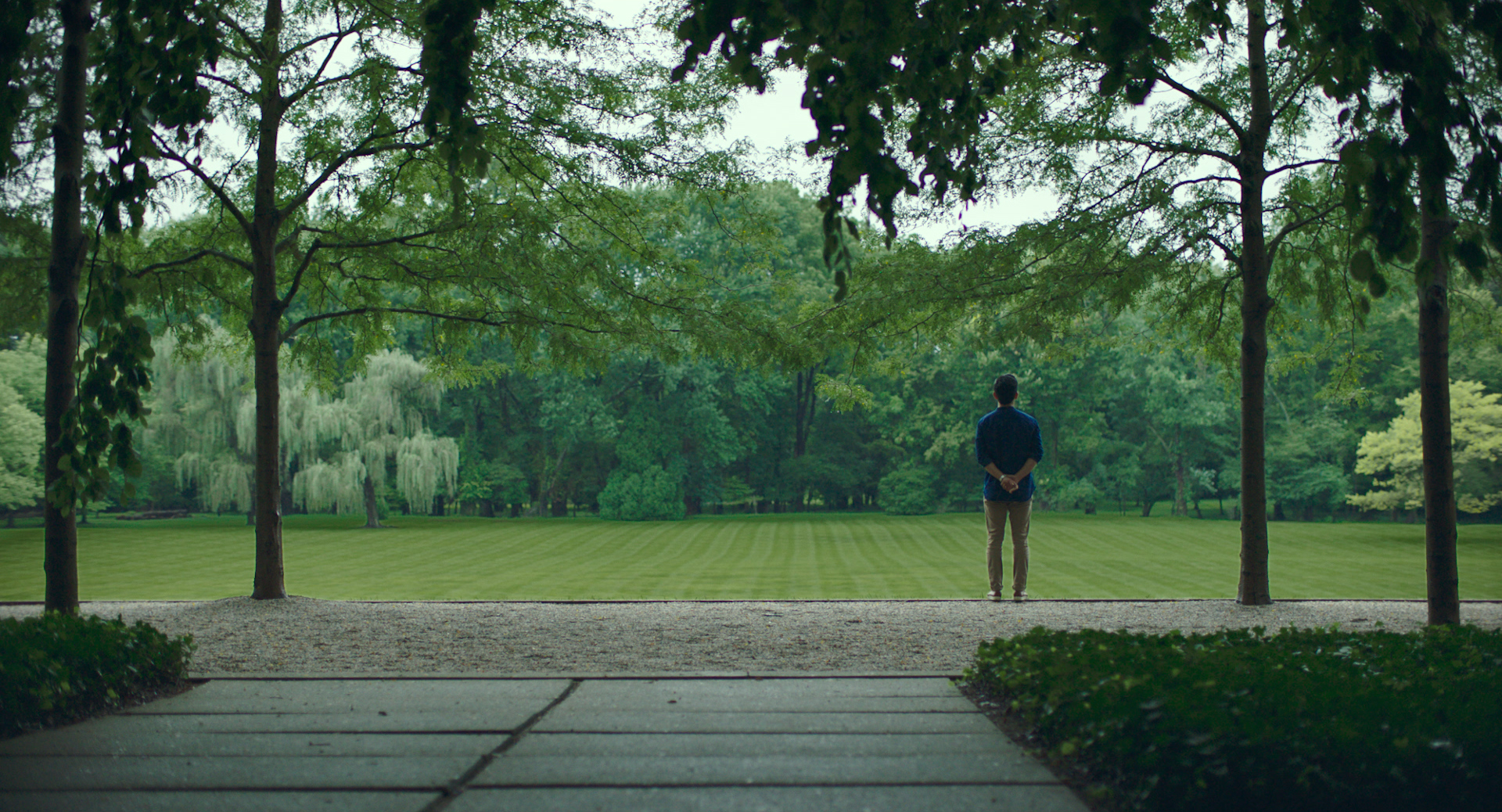 The narrative is true to both. Jin (
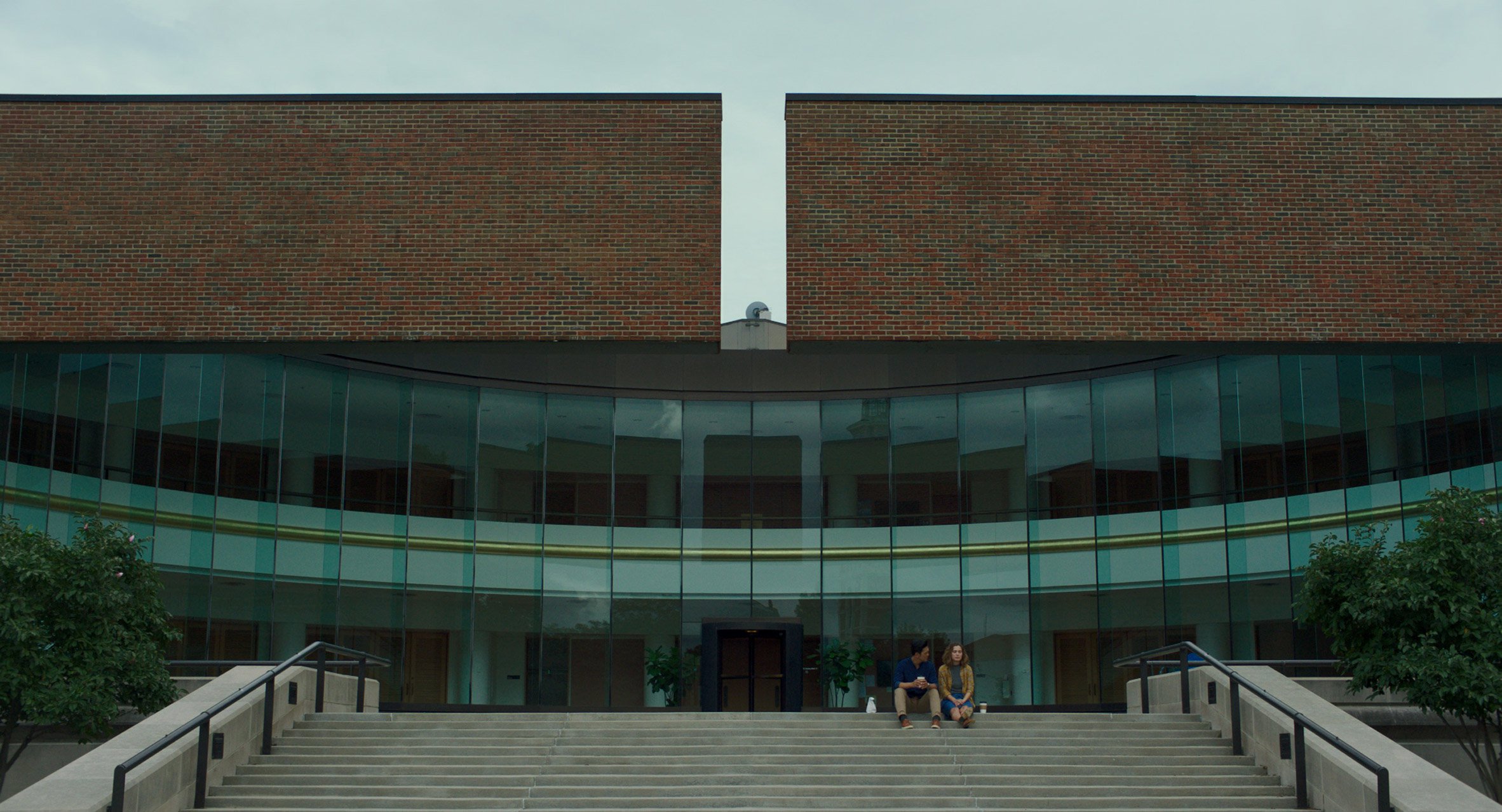 often see in Western film. Empty space — or rather negative space, which is not empty — is foregrounded. Jin’s critic father left behind notes on his latest work, which the son, almost against his will but guided by either filial or cultural or personal compulsion, finds himself translating. One of the keys is a scrawled exclamation — “much ado about nothing!” Nothing is underlined.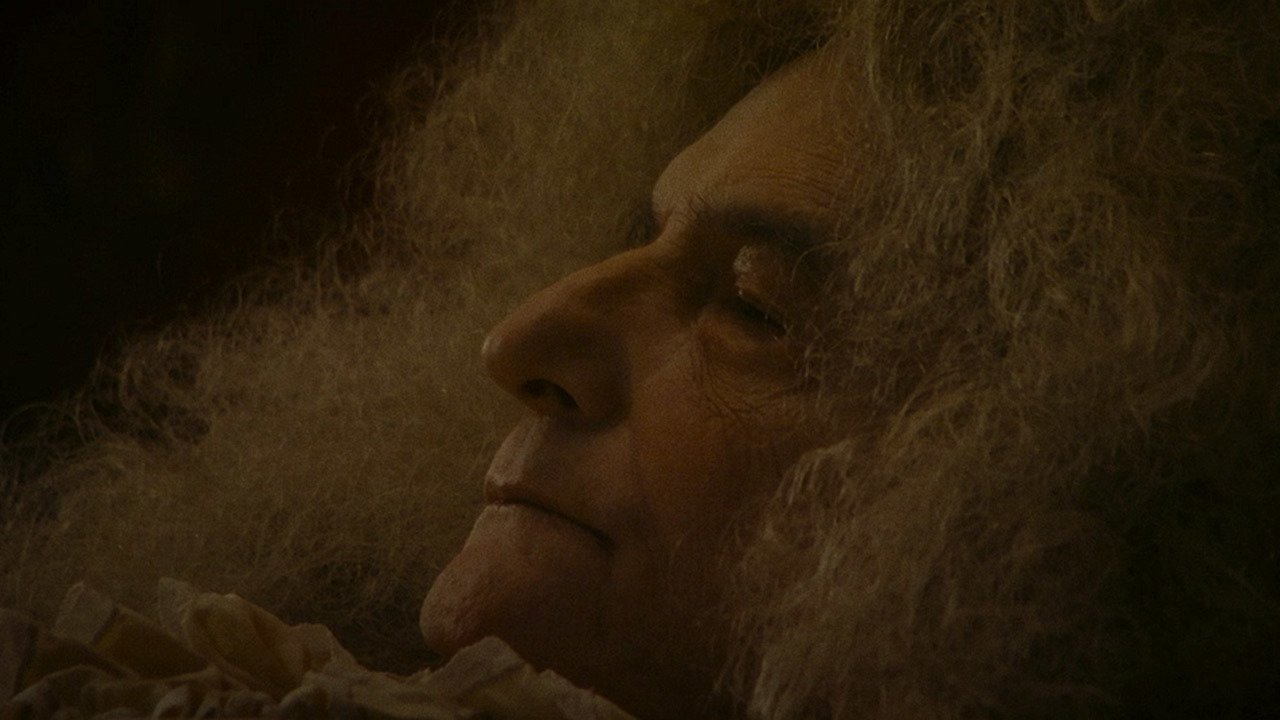
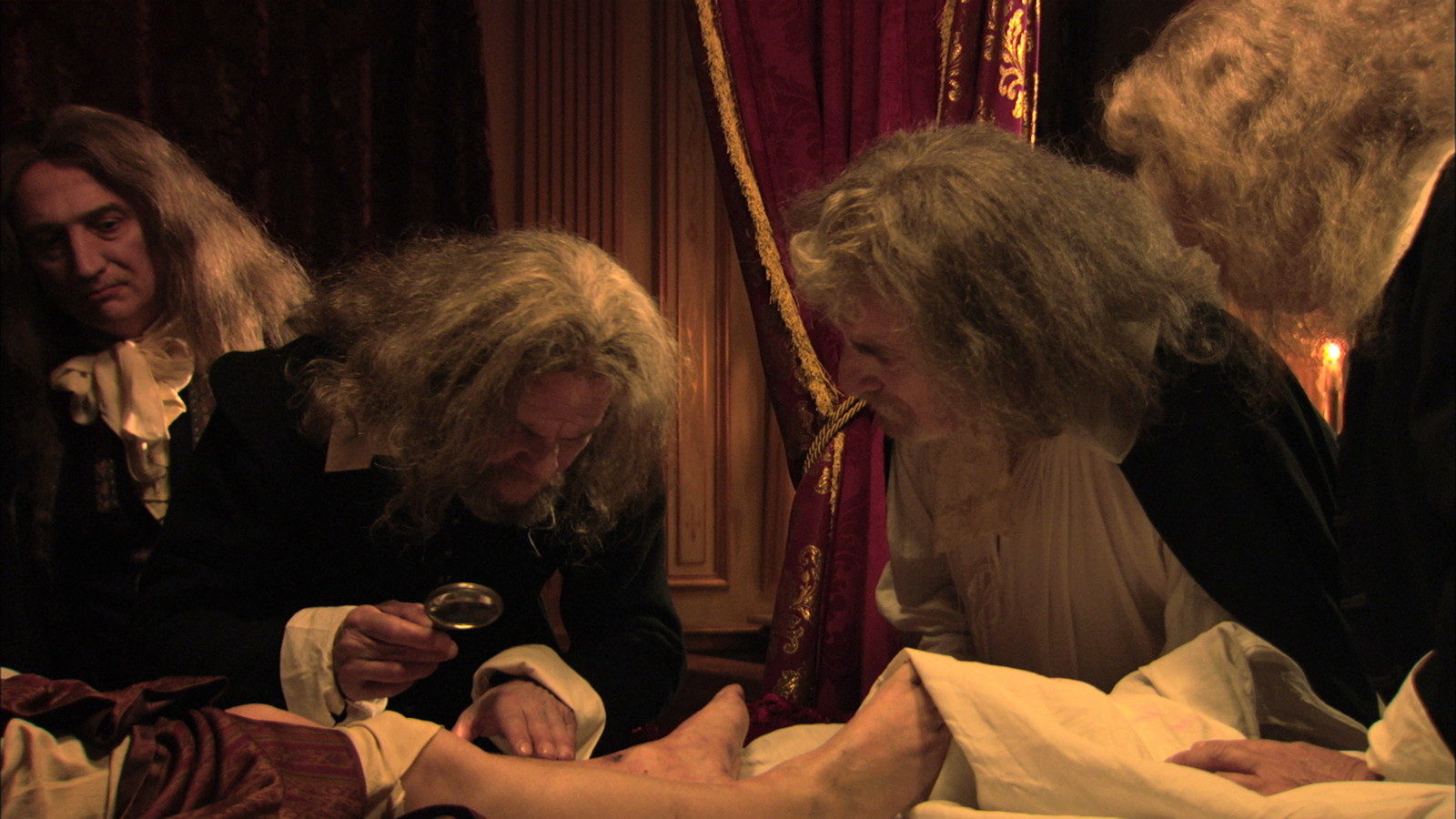 The intensely cramped spaces shape the brilliant camerawork. Historical movies are defined by how they use masses, great groups of people reduced to form by their relationship with absolute authority. The most important camera relationship to bring about that effect is the bird’s eye view, which allows us to take it all in at once, to understand the scale. The bird’s eye view is a democratic alternative to placing the camera in the place of the monarch (or general or tyrant or…). Spectacle has, for most of human history, been organized specifically in relation to the particular place from which it can be wholly taken in, like the king’s seat at the theater.
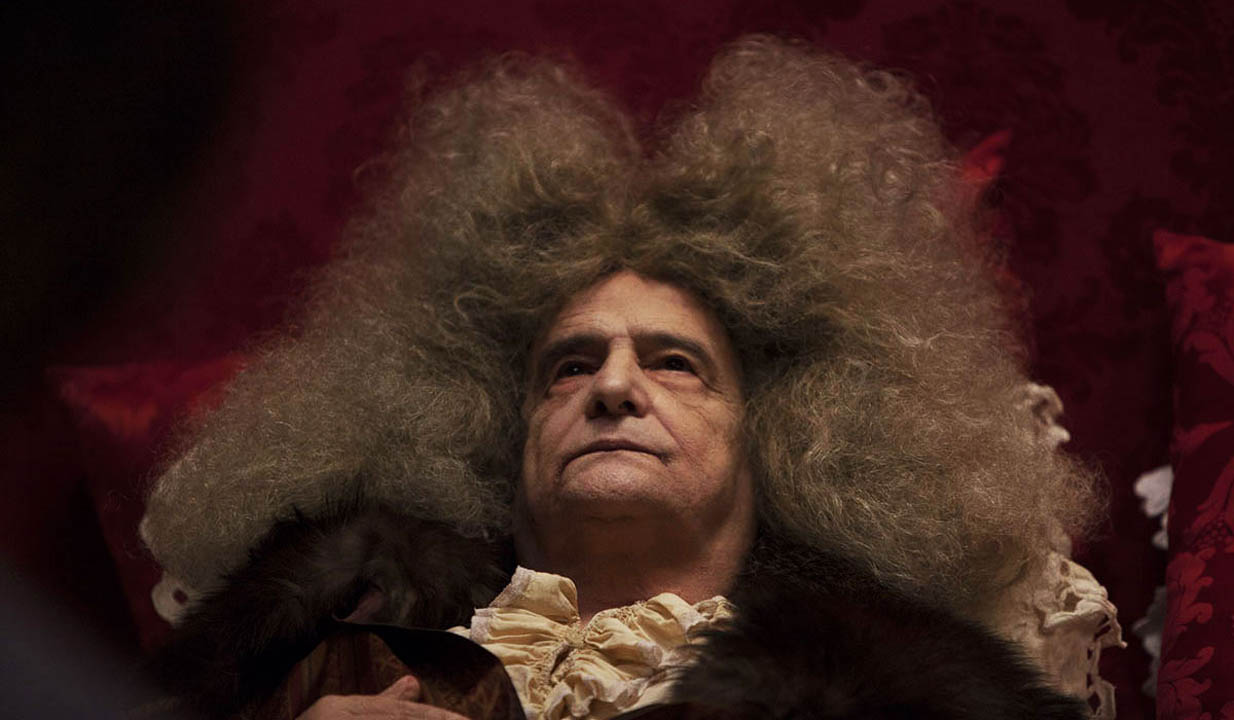 his absurd wigs and desiccating body. Scenes operate in relationship to him—people talk to him, listen to him, give him food or water, examine his body—and we are both too close and too far to observe it either wholly subjectively or objectively. We are instead simply one more observer in a room full of them.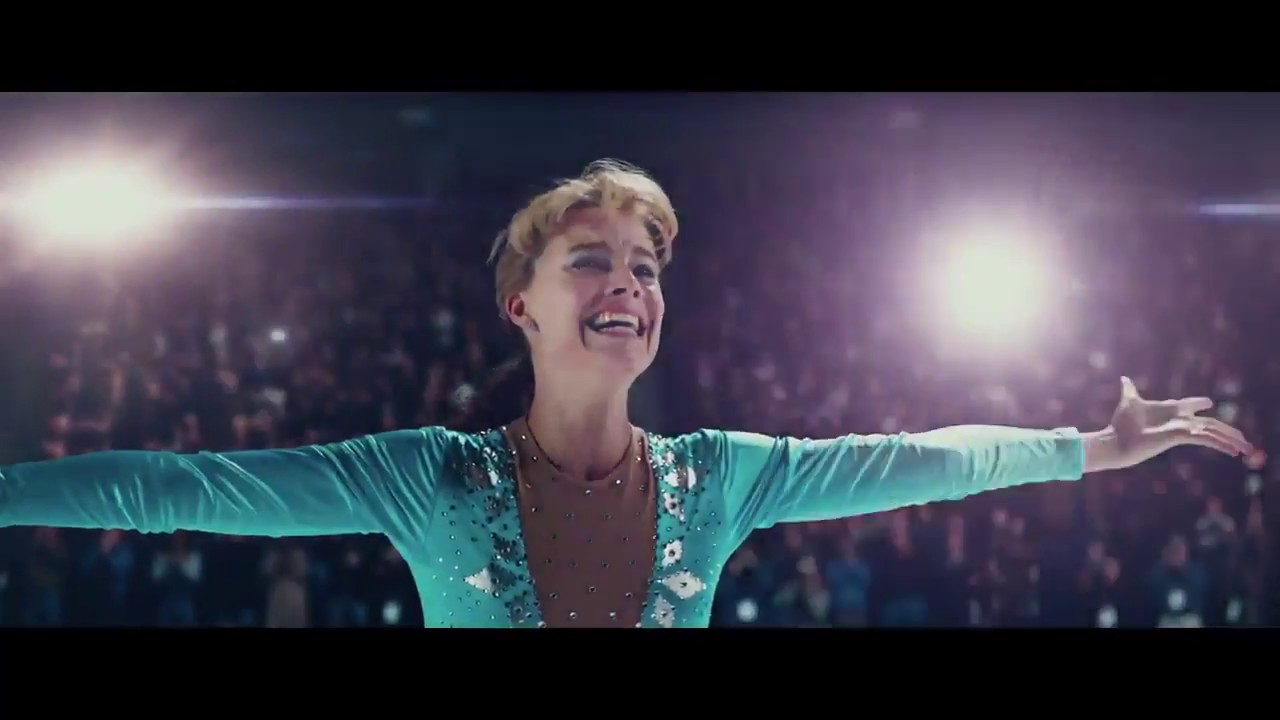
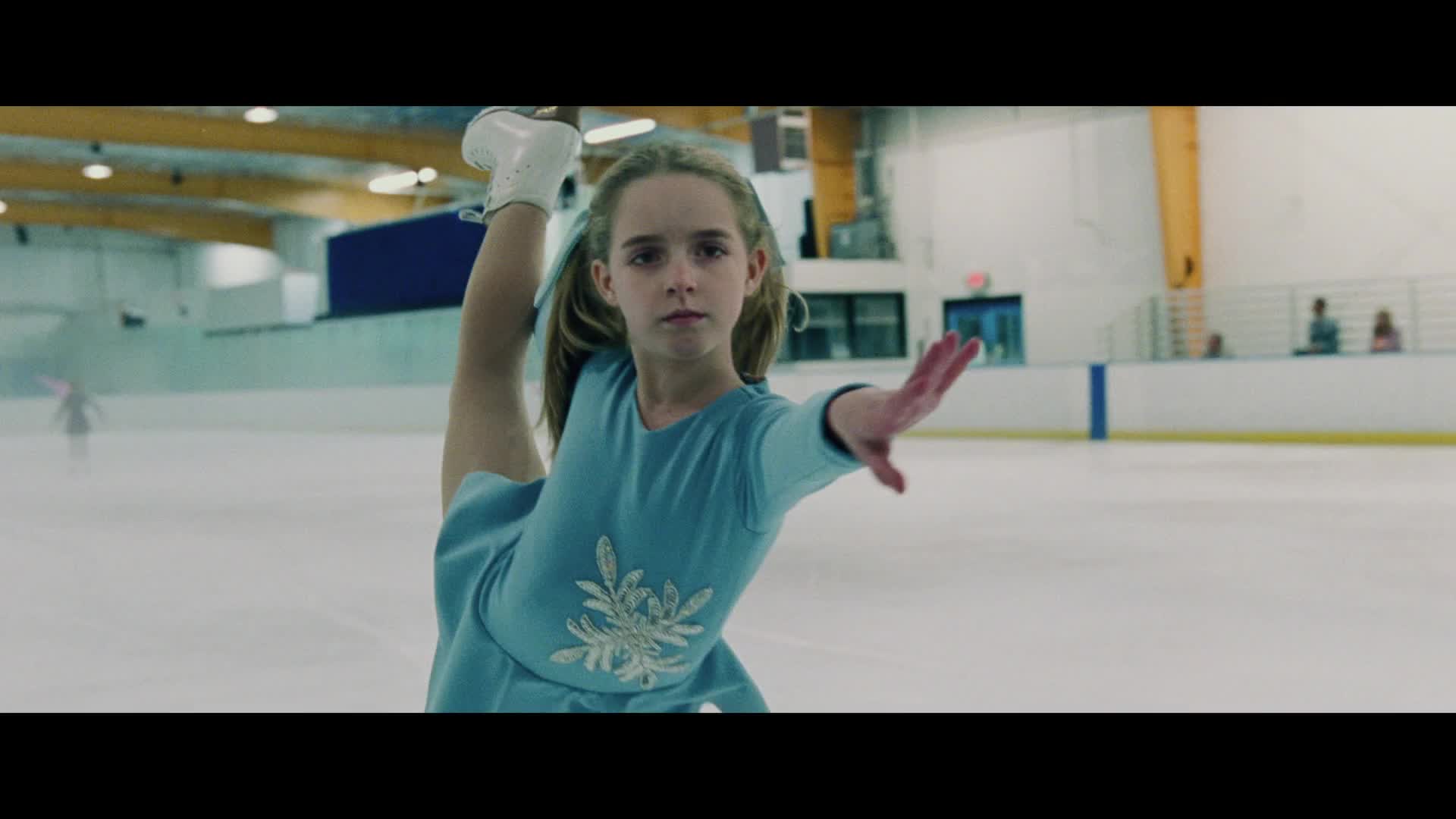 classism on display, as a rarefied world of hoity-toity ice princesses and stodgy judges react with nothing short of contempt for a roughneck upstart who can land jumps no one else can, helps. So do the biographical details — a monstrous mother (
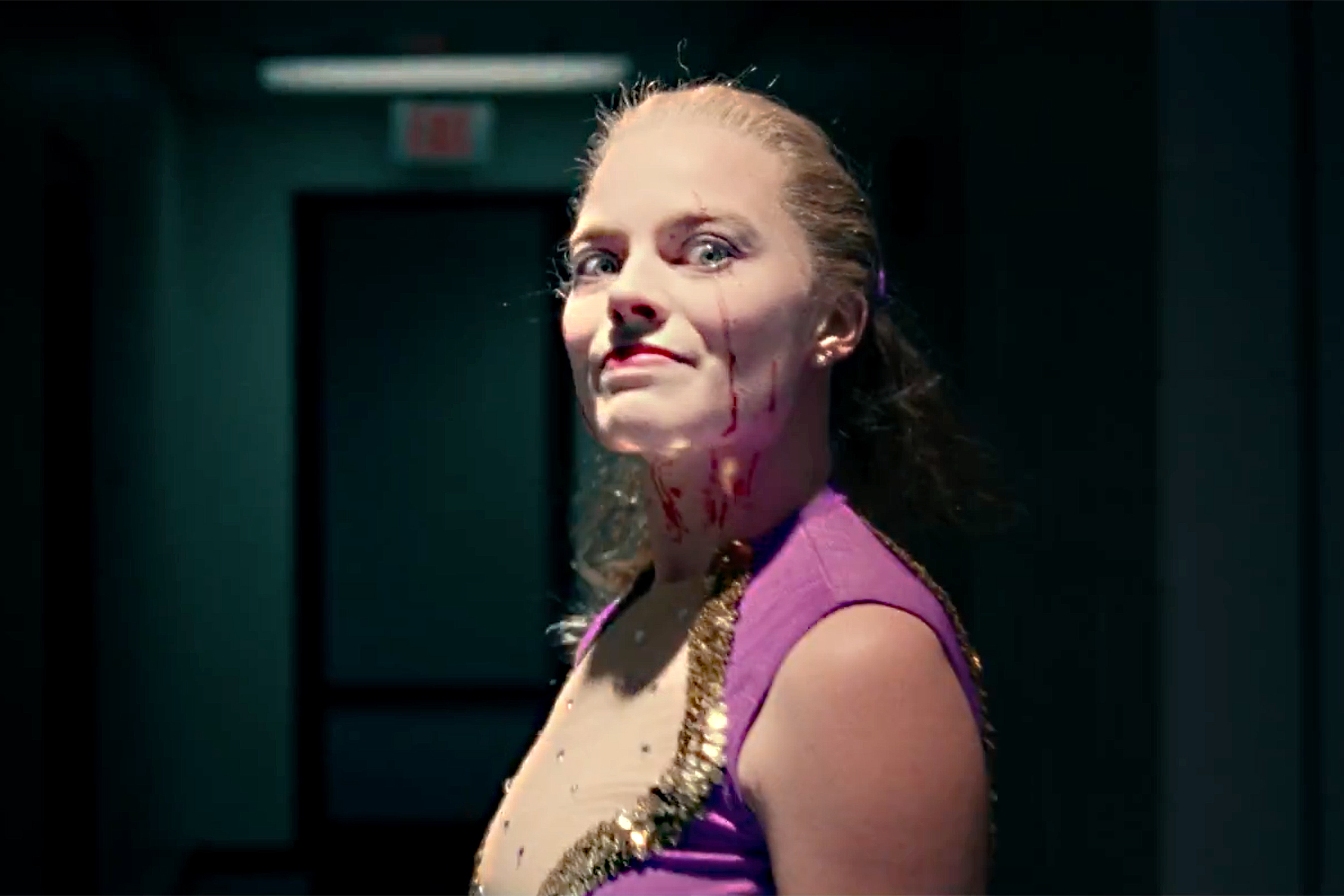 This tendency reaches its nadir in a fantasy sequence of Harding beating Kerrigan personally, horror-movie-style, brutally quick-cut, Tonya’s gleeful, bloody face. Introduced by a bemused Gillooly, it’s a mock execution for all the morons in the world (read: the audience) who imagined this is how it went down. But it’s also a re-enactment that fulfills that viewing desire. We are meant to laugh at the idiocy of the vision while simultaneously celebrating the cleverness of having it presented to us, having our bluff called by a film that knows: this is what you came here to see, isn’t it? Again and again, I, Tonya wants it both ways: to disown and pillory toxic celebrity while catering to its worst aspects, to mock its redneck players in the name of anti-classism, to deploy every trick it can muster to engineer snappy fun out of brutality and then chide us for indulging in the fantasies it created. The effect is striking, and not in a good way.
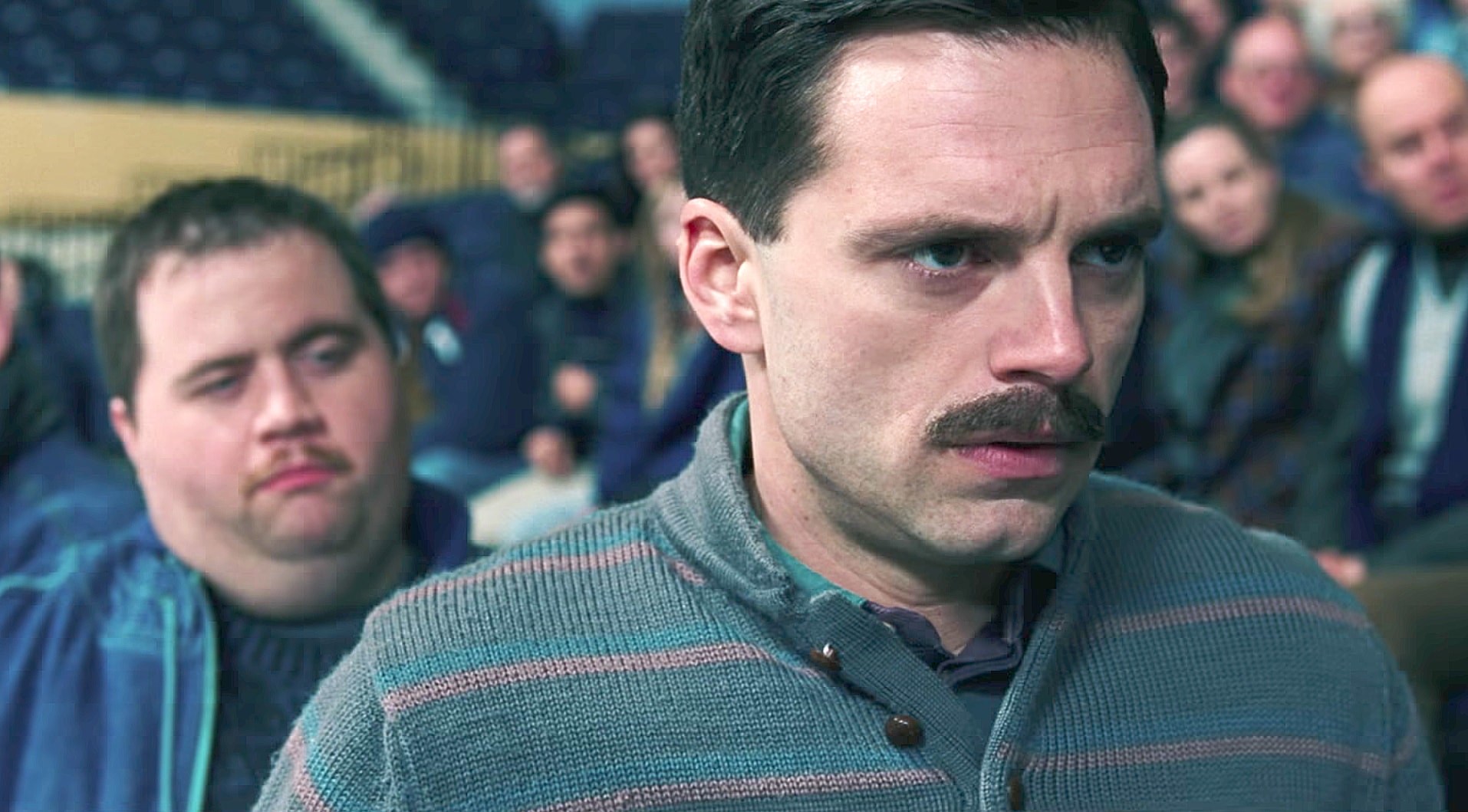 violence, but also some laughs … which the jump-scare has trained us to do. The film’s conceit seems to be that, by eliding tones and genres in these discordant ways, something important will be said about viewership as much about Tonya, or the 24 hour news cycle, or anything else. What’s more clear is how little I, Tonya actually cares about the violence it deploys in attempts to be cute.
 I, Tonya would, I am certain, laugh at any expectation of a “moral,” but is it too much to ask for some kind of rigor to the filmmaking, a desire to contextualize things in ways that resolve into something more than “Everyone has their own truth,” spit out with disdain for the players, the audience, even for the film itself? Reflexive self-laceration and gotcha finger-wagging, what Gillespie seems to imagine are the film’s contributions, are nothing new, certainly not in a world where Haneke already exists.
 part thanks to this film and their previous collaboration,
  But there are other spectres haunting our world. (The Assayas of
 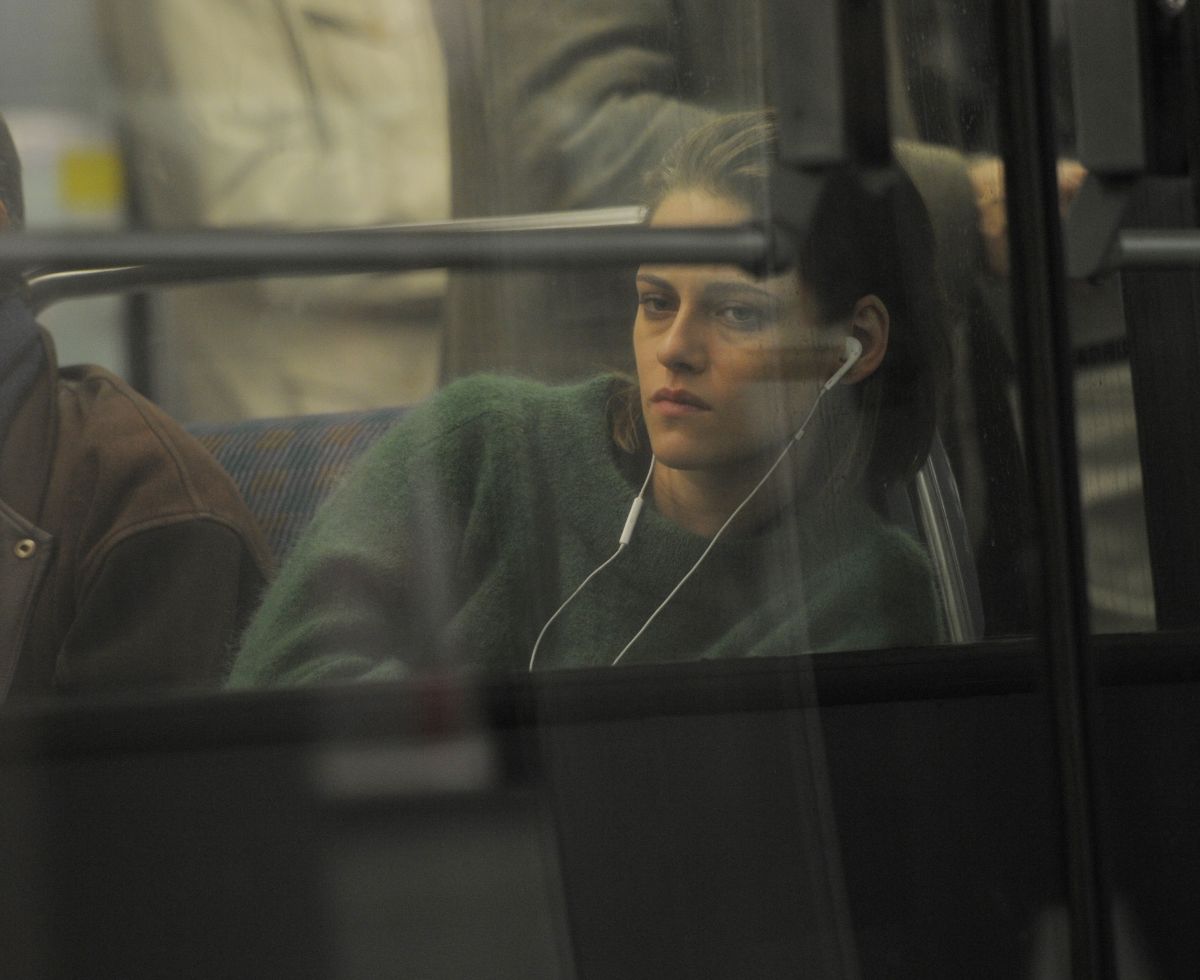 Derrida’s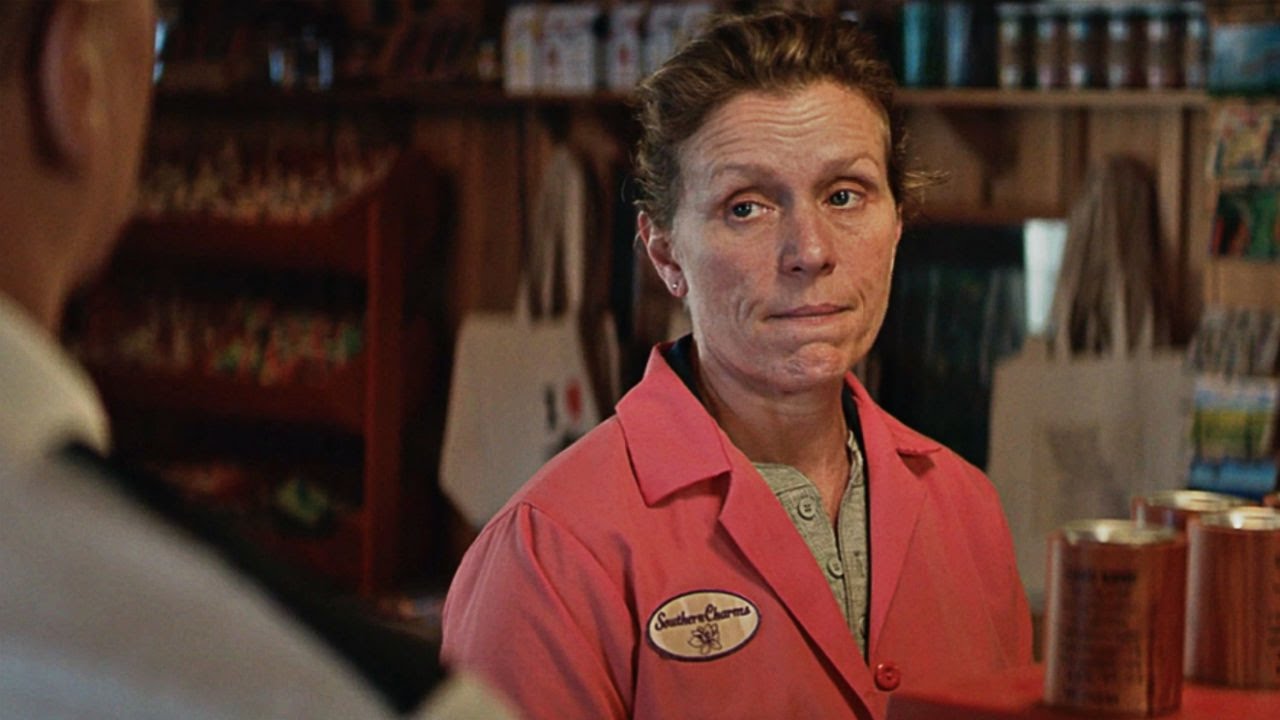
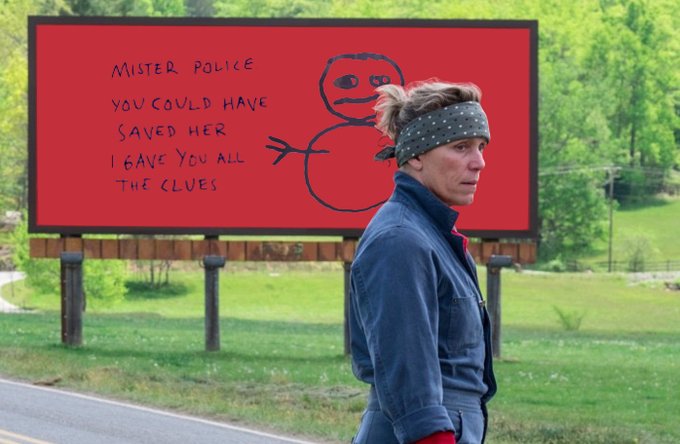
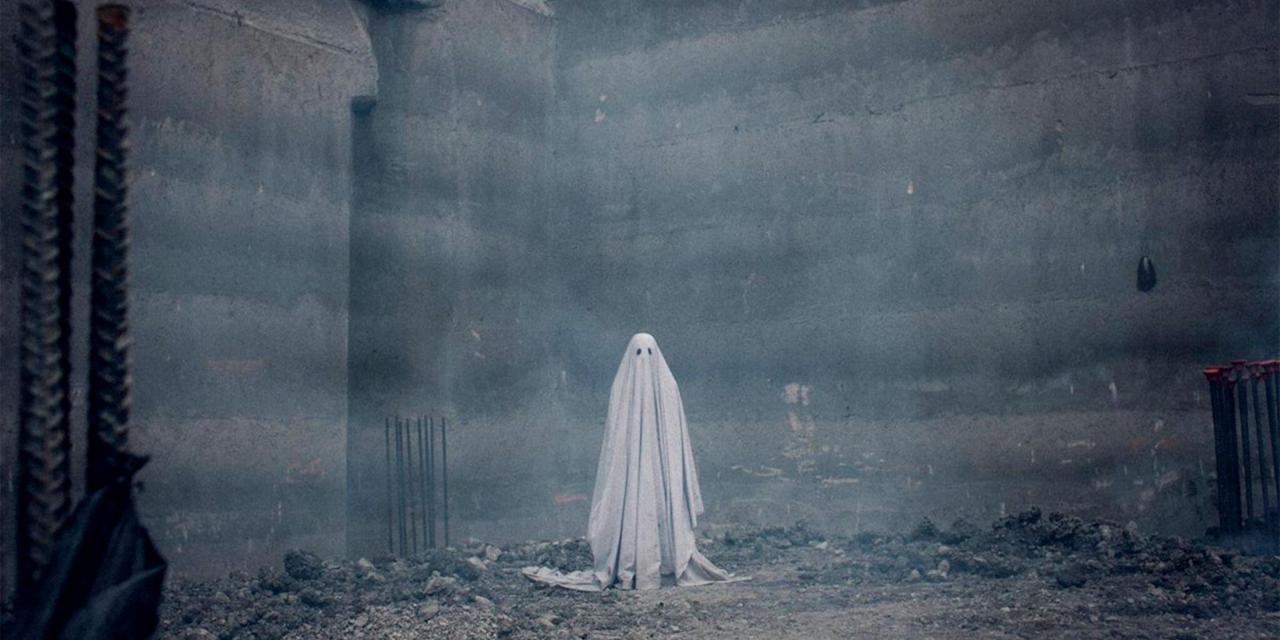
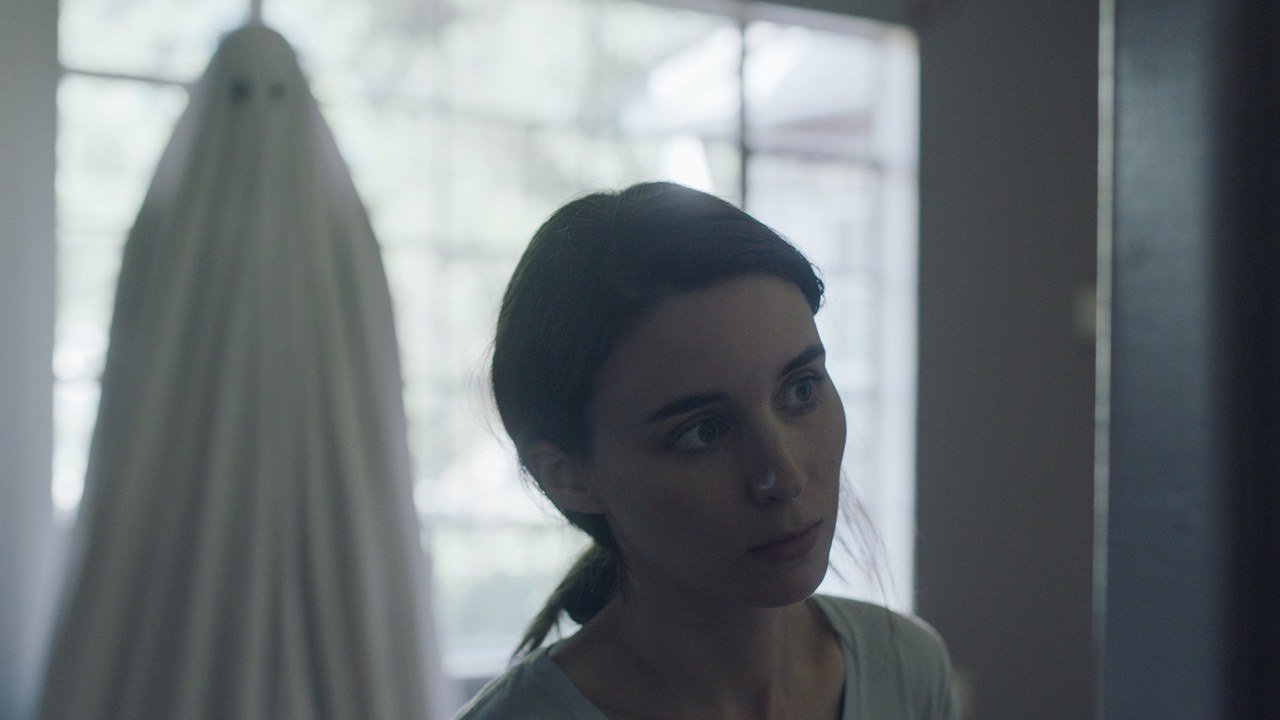
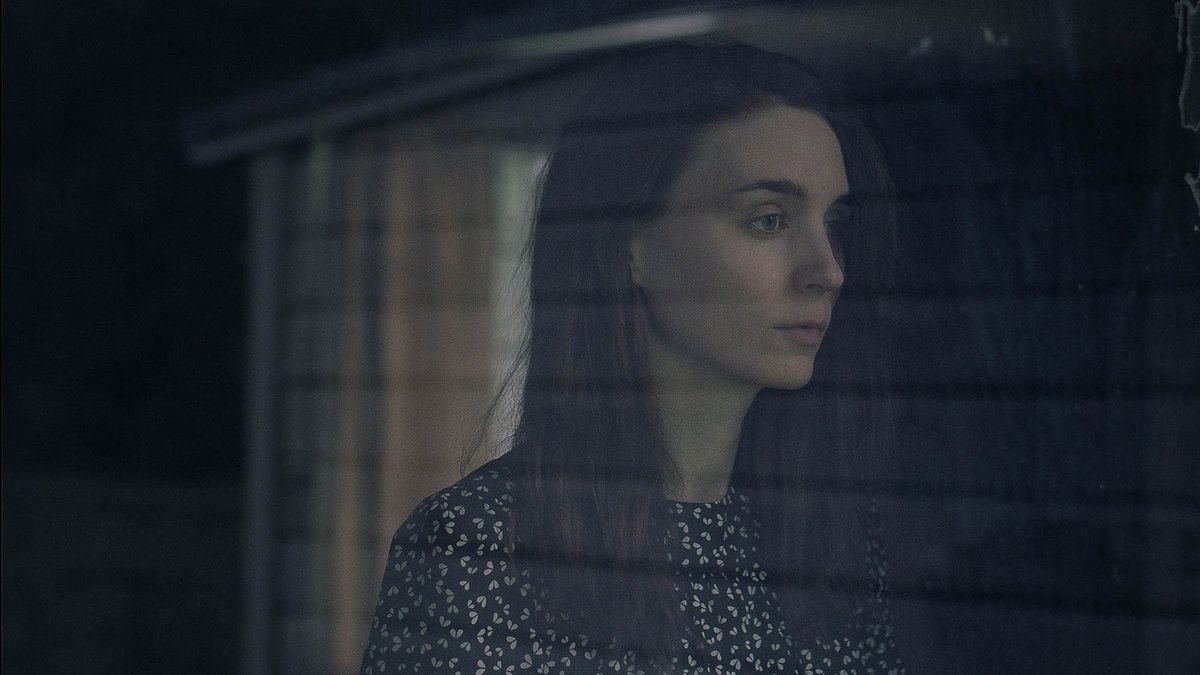 It’s a difficult film to discuss without giving away what little there is to hold on to in the narrative. As in Lowery’s gorgeously lyrical, quasi-Western
 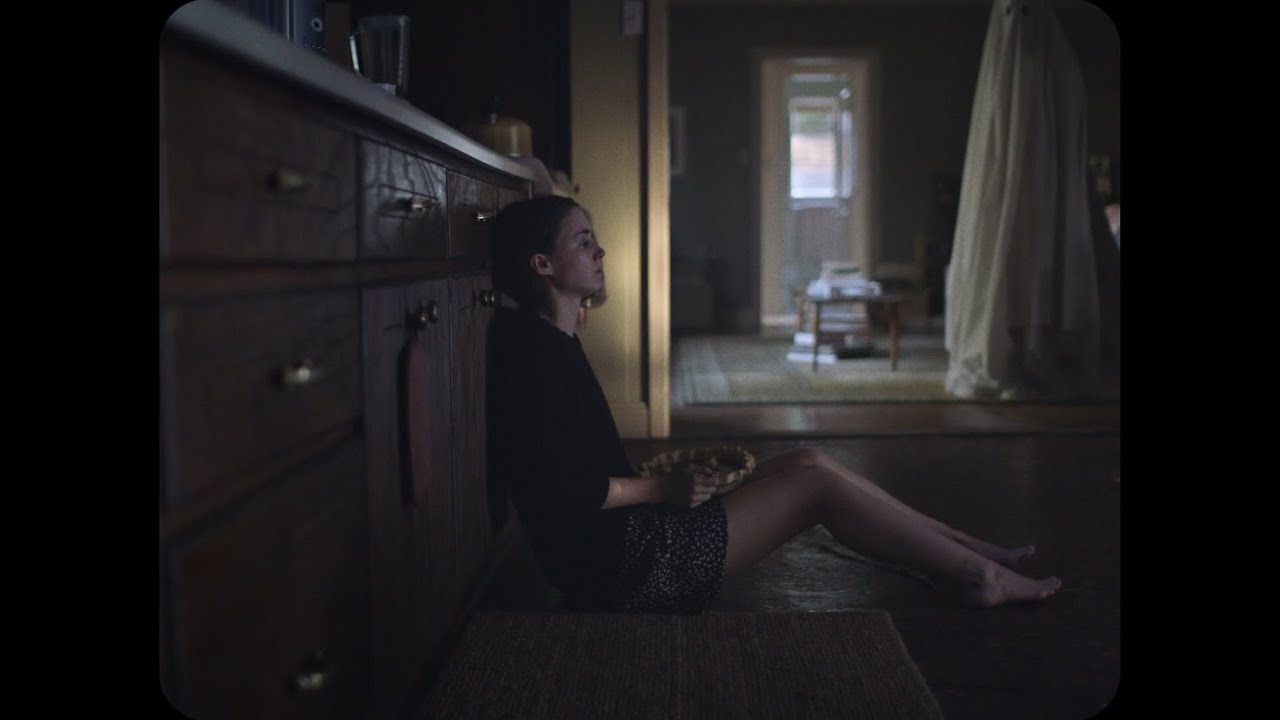 In its most-talked about sequence, Mara eats nearly the entirety of a pie, sitting on the kitchen floor in silence for a good 5 minutes. It’s tense, absurd, wacky, and — in the context of overwhelming, conflicted grief, as a picture of someone who doesn’t know what to do right now just doing something because the alternative is far worse – viscerally moving. It’s the saddest pie-eating contest in cinema history.