Top Posts
Madeline’s Madeline: An Unclassifiable Panic Attack Maybe-Masterpiece
Shoplifters Steals Moments of Wonder from the Mundane
Burning and Forgetting What’s Not There
Kusama: Infinity Expands Beyond The Canvas
Mandy Risks Little, Wins Little
In We The Animals, The Children Are Away...
The Seagull Isn’t Quite Chekhov, But It’s Still...
5 Million Ways Boots Riley Isn’t Sorry To...
American Animals’ and the Queasiness of the Heist
A Star Is Born In Hearts Beat Loud
  • Reviews
  • Commentary
  • Great Movie Project
    • Great Movie Project
      Bride of Frankenstein is a movie for and…

      January 25, 2018

      Great Movie Project
      The Enduring Appeal of Nick and Nora in…

      November 29, 2017

      Great Movie Project
      The Ahistorical Fever Dream of The Scarlet Empress

      August 2, 2017

      Great Movie Project
      Dreams, Mundanity, and the Anarchist Yearnings of L’Atalante

      July 12, 2017

      Great Movie Project
      Duck Soup Is And Will Always Be A…

      April 19, 2017

  • Counter Programming
    • Great Movies: The Counter Programming
      Walking and Talking in the Shadow of Kanchenjungha

      March 7, 2018

      Great Movies: The Counter Programming
      A Brief Encounter in My Mother and Her…

      February 9, 2018

      Great Movies: The Counter Programming
      Horror’s Refusal in Farrokhzad’s The House Is Black

      October 13, 2017

      Great Movies: The Counter Programming
      The rage and beauty of The Cloud-Capped Star

      October 3, 2017

      Great Movies: The Counter Programming
      The daylight noir and social issue empathy of…

      June 22, 2017

  • Vegan Horror
    • Vegan Horror
      Julia Ducournau doesn’t think her film Raw is…

      June 7, 2017

      Vegan Horror
      Licking our wounds: The vampiric masculinity of Ravenous

      December 13, 2016

      Vegan Horror
      Eggertsson and animals: An approach to horror cinema

      September 15, 2016

      Vegan Horror
      “It’s Not My Nature” – Vegetarianism, Body Horror,…

      August 30, 2016

      Vegan Horror
      Bodies and Carcasses in Predator 2

      August 23, 2016

  • Interview
    • Interview
      Jasmine Leyva’s doc The Invisible Vegan aims to…

      May 3, 2017

      Interview
      Bridging The Abyss: An Interview With The Directors…

      November 28, 2016

      Interview
      7 Days in Ohio: An Interview with Nathan…

      September 12, 2016

      Interview
      Film Critic Phil Dy talks New Filipino Cinema

      June 17, 2016

      Interview
      “I Love Seeing Film Projected.” A Conversation with…

      March 22, 2016

Luddite Robot
Film critique, theory, and assorted nonsense.
CommentaryFilm

China Girls, Death Proof, and the Hidden Face

April 14, 2019

Old News: Old Noise Edition

April 8, 2019

Old News: April 1, 2019

Nicolas Winding Refn, Marginalia, and the Deaths of Cinema

CommentaryFilm

And now, let us praise Kanopy

January 24, 2019

Warren Sonbert and the Relief of Anti-Narrative

January 14, 2019

The World Is Ending and It Doesn’t Matter

The Best Films of 2018

FilmReviews

Madeline’s Madeline: An Unclassifiable Panic Attack Maybe-Masterpiece

December 21, 2018

Shoplifters Steals Moments of Wonder from the Mundane

December 11, 2018

Burning and Forgetting What’s Not There

Alien, Musicology, and Reading Soundtracks

CommentaryFilm

Shocktober III: Halloween 2018 Edition

October 24, 2018

Shirley Jackson’s The Lottery Traumatized Schoolkids in 16 mm

October 18, 2018

Shocktober 2018 II: Another Reshockening (of Horror)

Häxan is a movie made by a movie character

CommentaryFilm

Shocktober 2018

October 7, 2018

Unprofessional! Spring Night, Summer Night

October 3, 2018

The Wild Boys: A Luddite Robot Conversation

Kusama: Infinity Expands Beyond The Canvas

FilmReviews

Saoirse Ronan is Greta Gerwig is Lady Bird

by rick November 21, 2017
written by rick

Christine McPherson (Saoirse Ronan) — the preternaturally calm, quirkily rebellious titular protagonist who has renamed herself Lady Bird — seems awfully familiar. As the heart of Greta Gerwig’s adorkable coming-of-age-in-Sacramento writing/directing debut, her mannerisms, her slightly antiquated vernacular and social gestures, her entire mode of qualified suburban angst and dubiously offhand witticisms call to mind something or someone we seem to know. This is a strength and a weakness.

Lady Bird tracks moments in its lead’s final year of Catholic high school, the collection of soon-to-be memories of 2002, as she exits her parents’ nest and comes into her own. There are the requisite, awkward couplings with boys, shitty end-of-year dances with gauche adornments, the looming threat and promise of college. We’ve seen this story a million times, but it’s whimsically rendered and Ronan is ideal for the role, a world away from her soulful turn in 2015’s Brooklyn; here she embodies the inarticulately smart, affectionate, slightly daft generosity of … well, of Greta Gerwig.
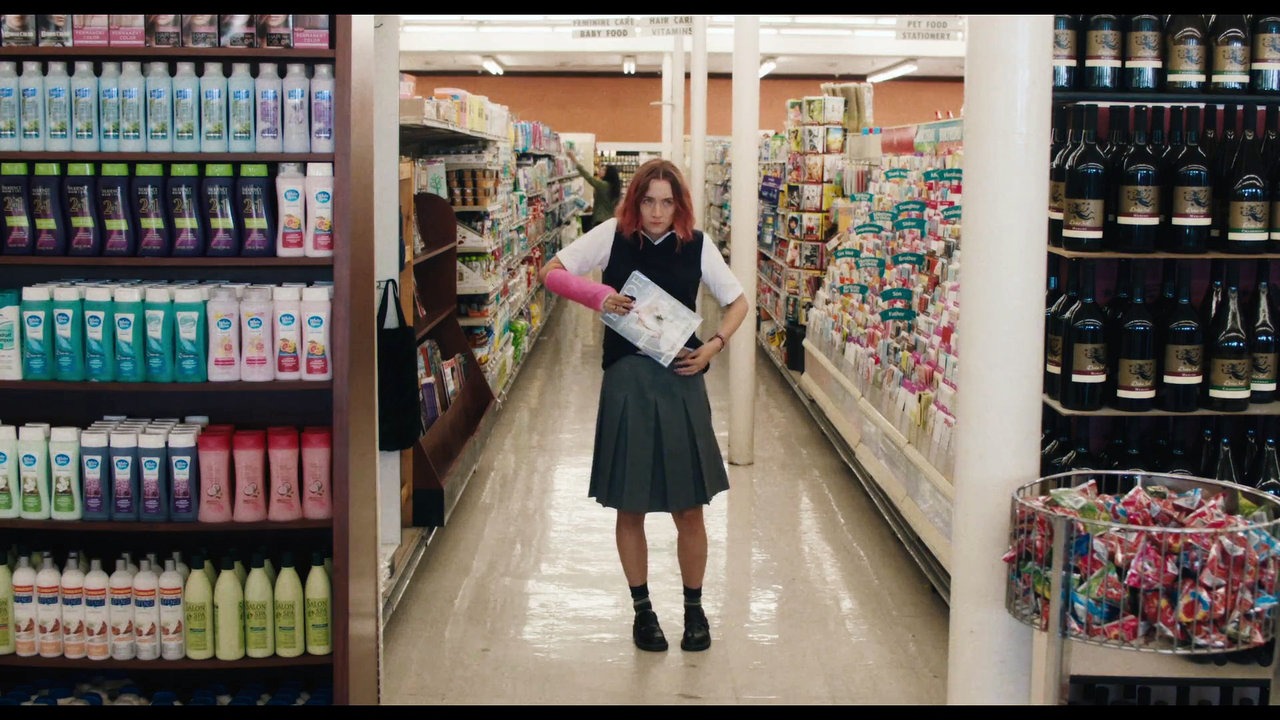
Cue the familiarity. A more generous reading would argue that this sense of déjà vu is personal resonance – that everyone will find themselves, with a mix of embarrassment and a nostalgic grin, in Lady Bird’s characterizations. That’s surely part of it, and speaks to the film’s greatest strengths. (I was, I am sad to report, a total Kyle.)

But on a number of structural levels, this is a different sort of familiarity. It relates to Lady Bird’s status as something of an origin story for Frances Ha, replete with Joan Didion epigram. (In the age of the superhero blockbuster, even endearingly clumsy, millennial anti-heroism gets an origin story.)

It emerges from the well-worn bildungsroman structure, an episodic treatment that calls to mind John Hughes with a Dave Matthews Band soundtrack. And it’s there, internally, in the generational doppelgangers: father Larry (Tracy Letts) and son Miguel (Jordan Rodrigues) vying for the same job in a fractured economy, mother Marion (Laurie Metcalf) and Lady Bird edited together in a lyrical, final reminiscence of gauzy, car-culture Sacramento, the “Midwest of California.”
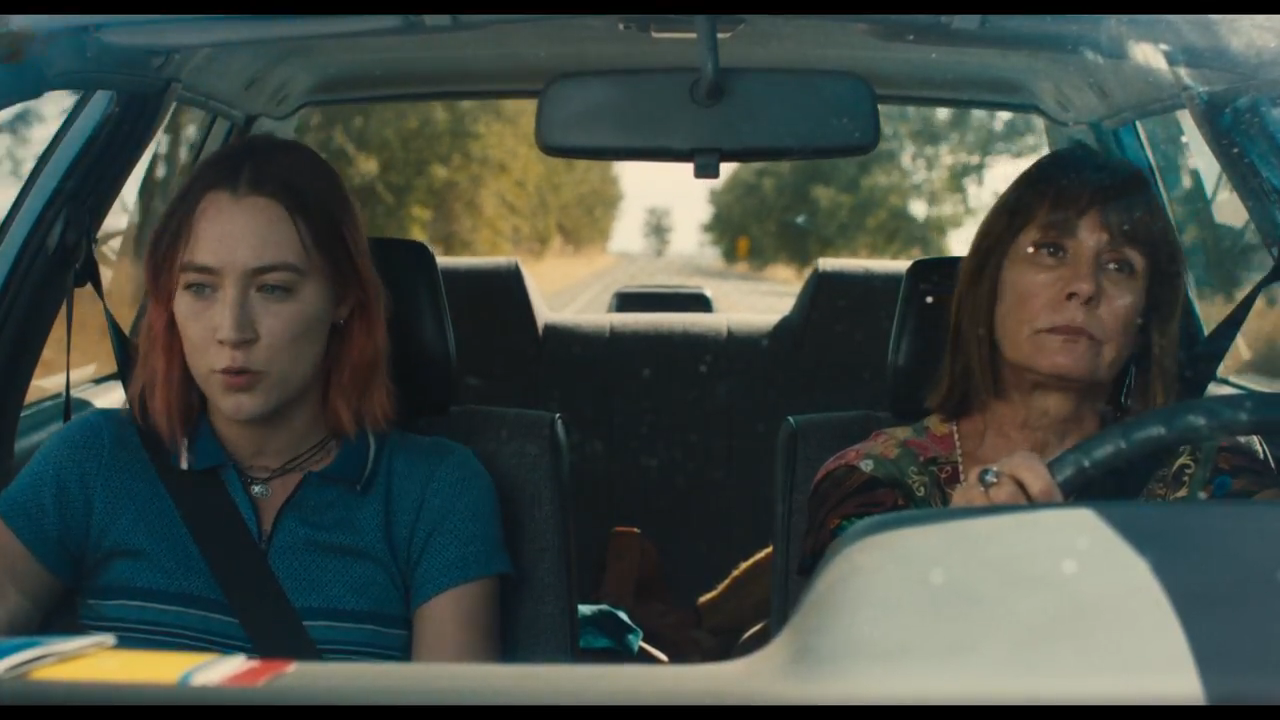
All of this is, for the most part, played loose and snappy. There aren’t too many truly mumblecore moments, but the spirit of that movement, from which Gerwig emerged as its most familiar voice, remains. Lady Bird is fast and often funny, sprinting, like its hero, from scene to scene at a breakneck pace, eager to get out of Sacramento and on with life. Individual moments ring true – especially anything involving best friend Julie (Beanie Feldstein), the secret hero of the film – even if they seem to evaporate seconds later in the rush to get nowhere in particular. And, on that level, perhaps Gerwig has fashioned an acutely accurate portrait of adolescent longing.

Of some adolescences, anyway. For a film that self-consciously centers gender and class, Lady Bird is awfully quiet about race. The only non-white characters who play any real role – or, by and large, even show up on screen for that matter – are adopted brother Miguel and his girlfriend Shelly (Marielle Scott), both of whom Gerwig’s narrative sidelines with an almost comical shrug. (One conversational aside posits that they’ve become the same person since they started dating, which would be of a piece with both the focus on doubles and the amount of individual attention they receive from a story that thought they should be included but promptly forgot why, exactly.)

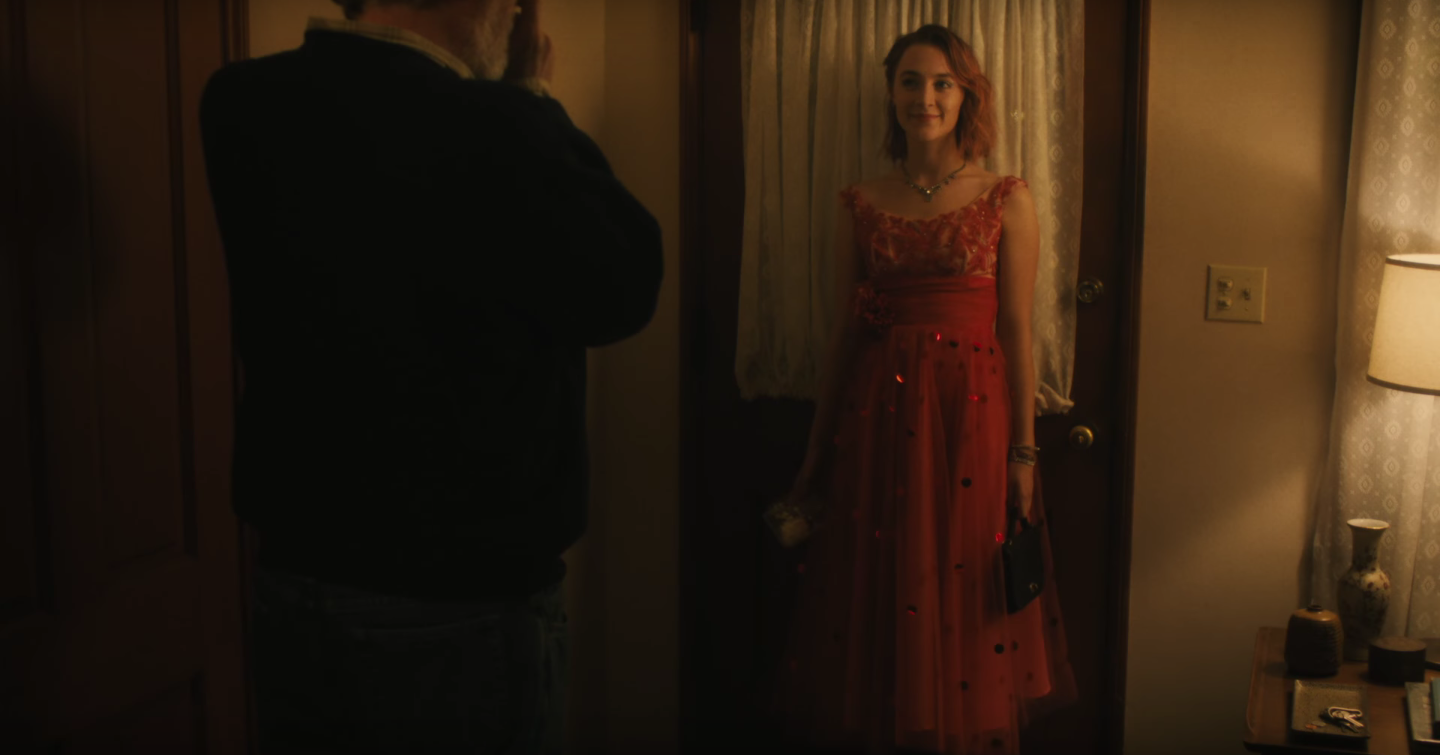
Of course, this forgetting is probably preferable to their cinematic cousin Long Duk Dong, who we remember all too well. Speaking of which, the outsized critical celebration of class-consciousness in Lady Bird is puzzling – one reviewer actually asks how many of these films even dare to address such things, as though John Bender and Claire Standish never existed, not to mention the entirety of Pretty In Pink. (Lady Bird, with its sartorial choices and even an explicit sequence in which a second-hand dress is altered at home, seems more aware of this anxiety of influence than its viewers, somehow.)
Still, Gerwig does ground Lady Bird in the economic anxieties of the time and place in a very non-Hughesian fashion. Marion’s entire character seems rooted in working-class privation, and it grants an almost believable edge to her unrelenting, borderline-manic pessimism about literally everything in her daughter’s life. Metcalf sells this beyond the script she’s provided – her reaction shot when her daughter’s date laughs that the family really does live on “the wrong side of the tracks” is heartbreaking – but you can feel the effort at every turn.

That groaning half-realism hamstrings the film’s central relationship – only in Lady Bird would its teen protagonist accept the mountain of emotional abuse heaped on her. This, we are told, is actually a brave reflection of female relationships, but it ends up lacking the honesty of Lady Bird’s friendships, relationships, and social group foibles, which benefit from Gerwig’s episodic approach. School does feel fleeting in the rush to adulthood; family doesn’t.
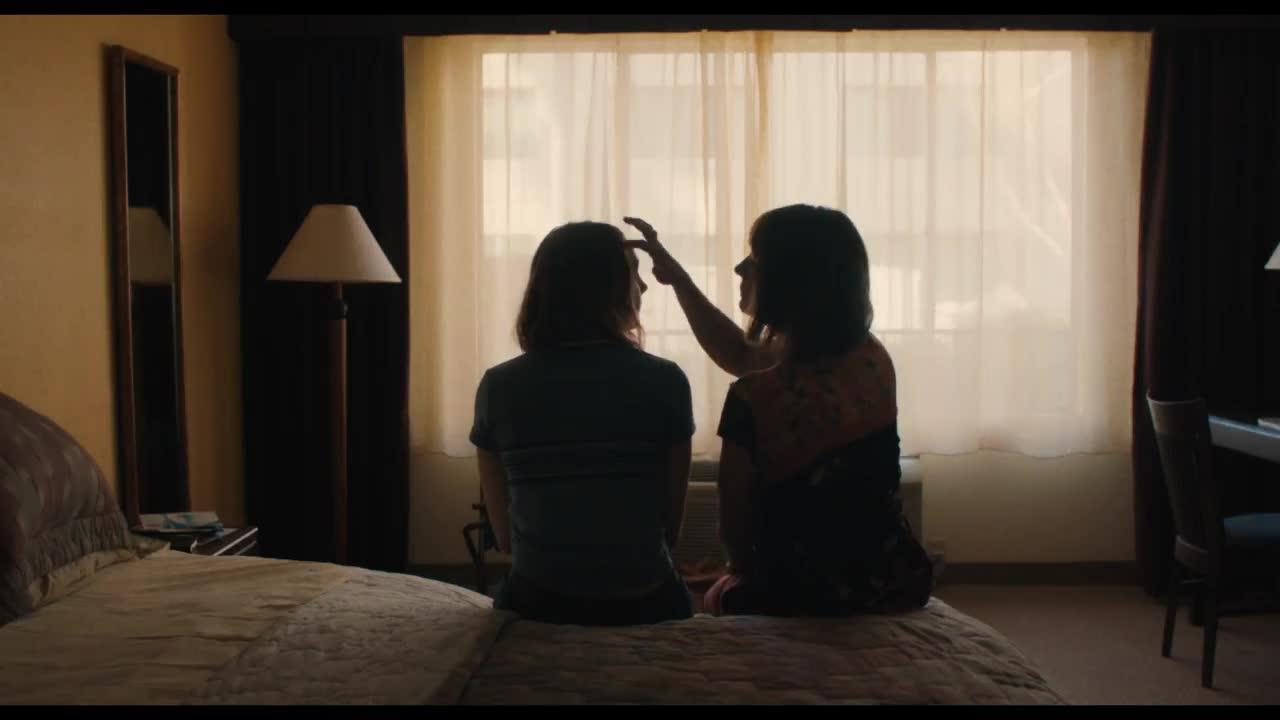
All of which might sound more negative than intended. Many of its faults – like “characters mov[ing] in the wrong direction on screen, so that meaningless little transitional scenes suddenly feel like a horror movie,” in Walter Chaw’s hilarious observation – reflect its first-film status. Others seem ingrained in the worldview presented, though not in any particularly awful fashion.

At its best, Lady Bird pulses with vitality, drawn from the strength its performances, its sympathy for the characters, and its unabashed affection, visual and otherwise, for Sacramento, or at least some sort of Sacramento-of-the-mind. Gerwig’s fans will warm to it immediately and her detractors likely roll their eyes a bit, for exactly the same reasons.

Which is fine. In an age of tentpole blockbusters and grueling reminders of the patriarchy at every turn, Lady Bird is still a welcome corrective — small-scale, female-centric, and guided by a personal vision.


November 21, 2017 0 comments
0 FacebookTwitterPinterestEmail
CommentaryFilm

The Geeky Sincerity of Guy Maddin’s Voice

by Lark November 20, 2017
written by Lark

Hearing Guy Maddin narrate My Winnipeg last week was important to me.

I remember trying to watch The Saddest Music in the World early in high school, when I was digging up anything people on movie forums described as “weird,” but lacked any of the cultural touchstones to understand what I was seeing.

When I finally gave him another chance during my ill-fated attempt at film school, I understood the references being made, but was wary. All the arthaus kids, the ones with nose rings and Twin Peaks tattoos, were making silent films saturated with Impressionist aesthetics and surreal images. (And a lot of witches.) It always felt like they were wearing those influences like a fun costume more than as an expression of anything personal, and as an insecure person desperate not to be tricked by the cool kids, I never gave him a fair shot.

Hearing Maddin’s voice makes that clear, and makes it obvious he is not just trying to be cool. It’s not a cool voice. He sounds like any other geek you know. When he gets angry about his favorite hockey rink being destroyed, it is clear he is being entirely sincere, in the way John Darnielle’s voice instantly establishes his sincerity. No one could be ironic with that voice – they wouldn’t survive long.

It’s that openness that makes My Winnipeg such a strong film, and one that, if you’re having trouble piercing Maddin’s at times intimidating aesthetic, can serve as a skeleton key. In turn, that openness really shines any time Maddin gets to talk about labor struggles.

Watching his movies, it’s hard for me not to imagine them coming out of a parallel universe, where the early days of Communist art was not crushed and replaced with the dull march of socialist realism. They (and despite the personal nature of Maddin’s narration in Winnipeg, it still seems proper to speak of his films as if they have minds of their own) never have gotten over two simultaneous shocks: the shock of the discovery of Marxism and the shock of Eisenstein’s editing.

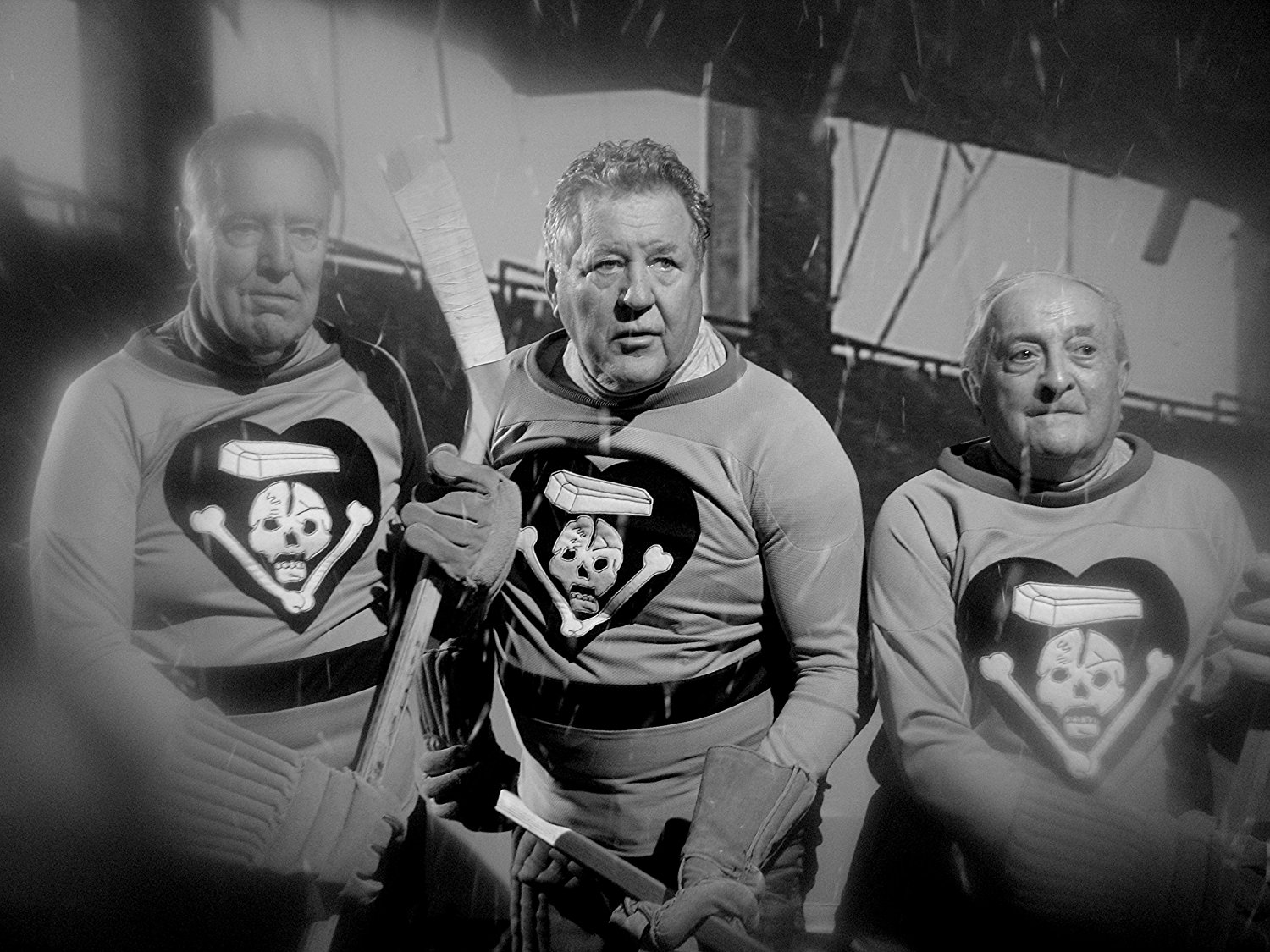
The beauty of Maddin’s vision of the world is one that resonates deeply with me, and, I think, with any radically-minded art lover. History – all history, personal and communal – is rearranged into something free, free from necessity and constraint. His rhapsodies about hockey (one particular section which serves more or less as a climax will make you, briefly, care about the legacies of long-forgotten Canadian hockey players) give a glimpse of another world, politically just as much as aesthetically.


It’s not without the standard tropes of the male filmmaker talking about his life: an obsession with his mother paired with some mostly positive essentializing visions of women.

Some things are unavoidable. But if you’re worried, like I was, that Maddin is playing it coolly ironic: he isn’t.

November 20, 2017 0 comments
0 FacebookTwitterPinterestEmail
CommentaryFilmStreaming Selections

Streaming Selections: Starlet

by Sam and Rick November 17, 2017
written by Sam and Rick

It’s almost Thanksgiving and Sean Baker’s The Florida Project is holding fast to its top-tier position on many folks’ Best of 2017 list (mine included), rightfully generating some awards talk. His Tangerine was one of the very best films of 2015. So now seems like a good time to visit, or revisit, his 2012 Starlet, another humanistic treatment of life on the social and economic margins that shows a filmmaker hitting his stride.

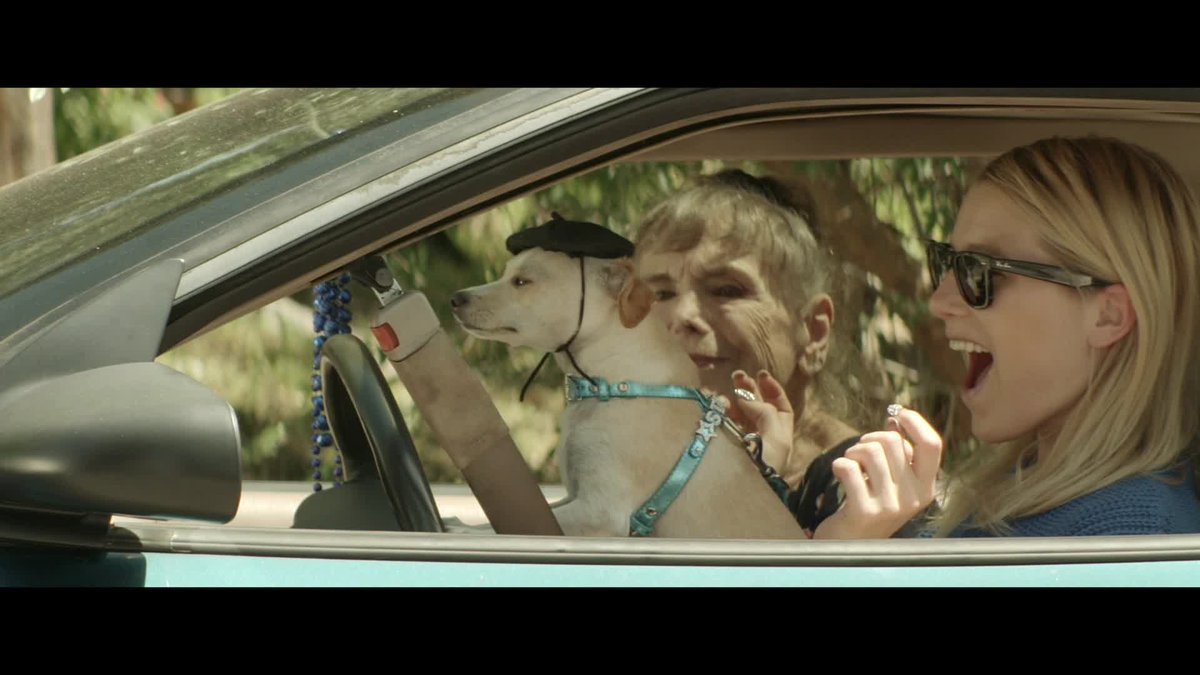
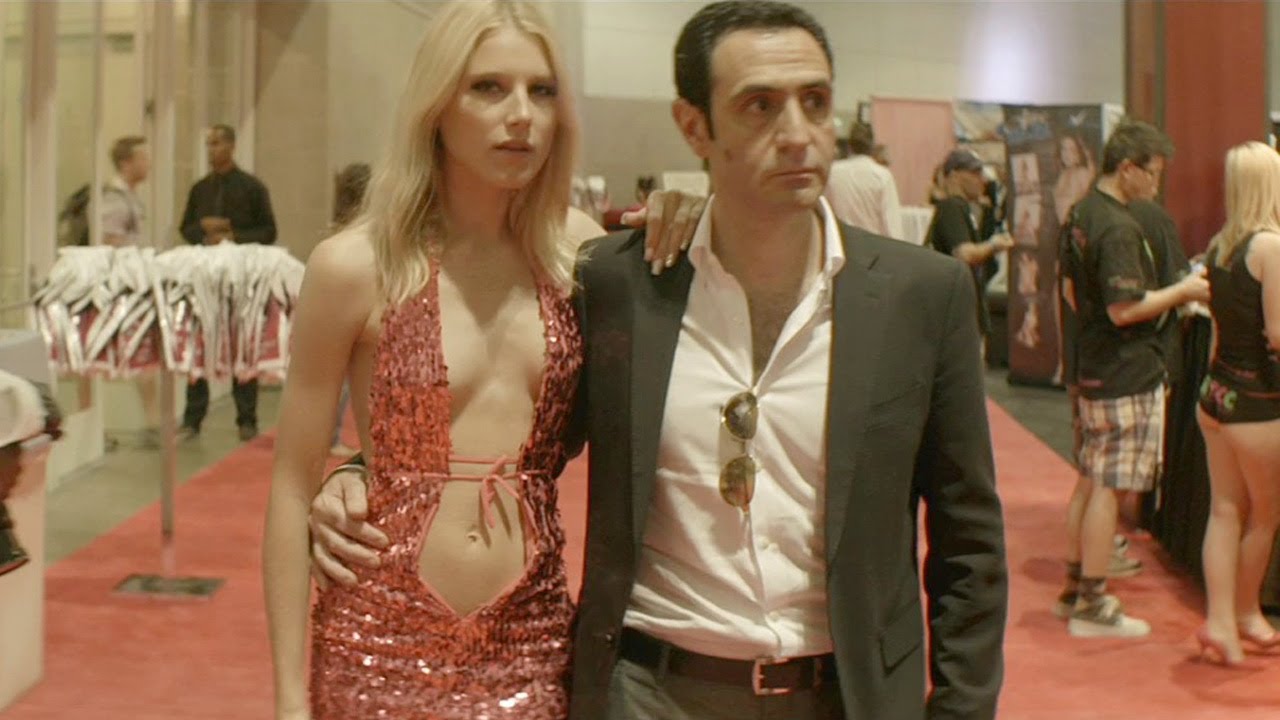
Set in the San Fernando Valley, Starlet does focus on Jane (Dree Hemingway), a film star of sorts, but the title refers to the adorable Chihauhau who tags along with her nearly all the time. It’s the kind of gentle misdirection that characterizes the film as a whole, like the gradual, almost offhand reveal that Jane works in porn. As in his more recent community portraits, Baker roots his characters in their time, place, and locale first, and builds relationships from there.

The central relationship in Starlet is that between Jane and the much older, much grouchier Sadie (Besedka Johnson, another in the long line of non-actors that populate Baker’s filmography), from whom she buys a yard sale thermos.

Filled with a stash of unexpected money, it’s the most plotty element of a film that otherwise seems to sort of float along, but it does provide occasion for the two to get to know each other. (Also, in Jane’s insistence that it could be a vase if she wants it to be, and Sophie’s stubborn retorts that it’s still a thermos, it makes for a revealing and funny recurring joke.)

The rest of Starlet tracks their growing bond, with Sophie wearing down the cantankerous maternal figure through sheer will (and thanks to some complicated guilt about the money she inadvertently stole). There are some halting subplots involving her roommates, but this is more or less the Jane and Sophie show.

If Starlet lacks the overall, bird’s-eye-view coherence of The Florida Project, the two leads still justify this focus, and you can see Baker developing his style. The bingo halls, powerline vistas, and web-cam rooms are all shot with a gauzy Southern California sheen, and the expressionist camera jumps back and forth, reflecting character as much as incident.     

Fans of Tangerine and The Florida Project who might’ve missed this one will immediately jump on its wavelength, as will anyone who enjoys finely tuned character studies that take their time. Plus, it features this shot, which should please anyone who enjoys dogs wearing berets.

I mean, c’mon. Just look at that guy.

(Streaming on Fandor)

Quick Links

Hatchet For The Honeymoon

What a gift for the horror film genre the Oedipus complex was! If Freud hadn’t created it, how else would we motivate our horror movie villains?

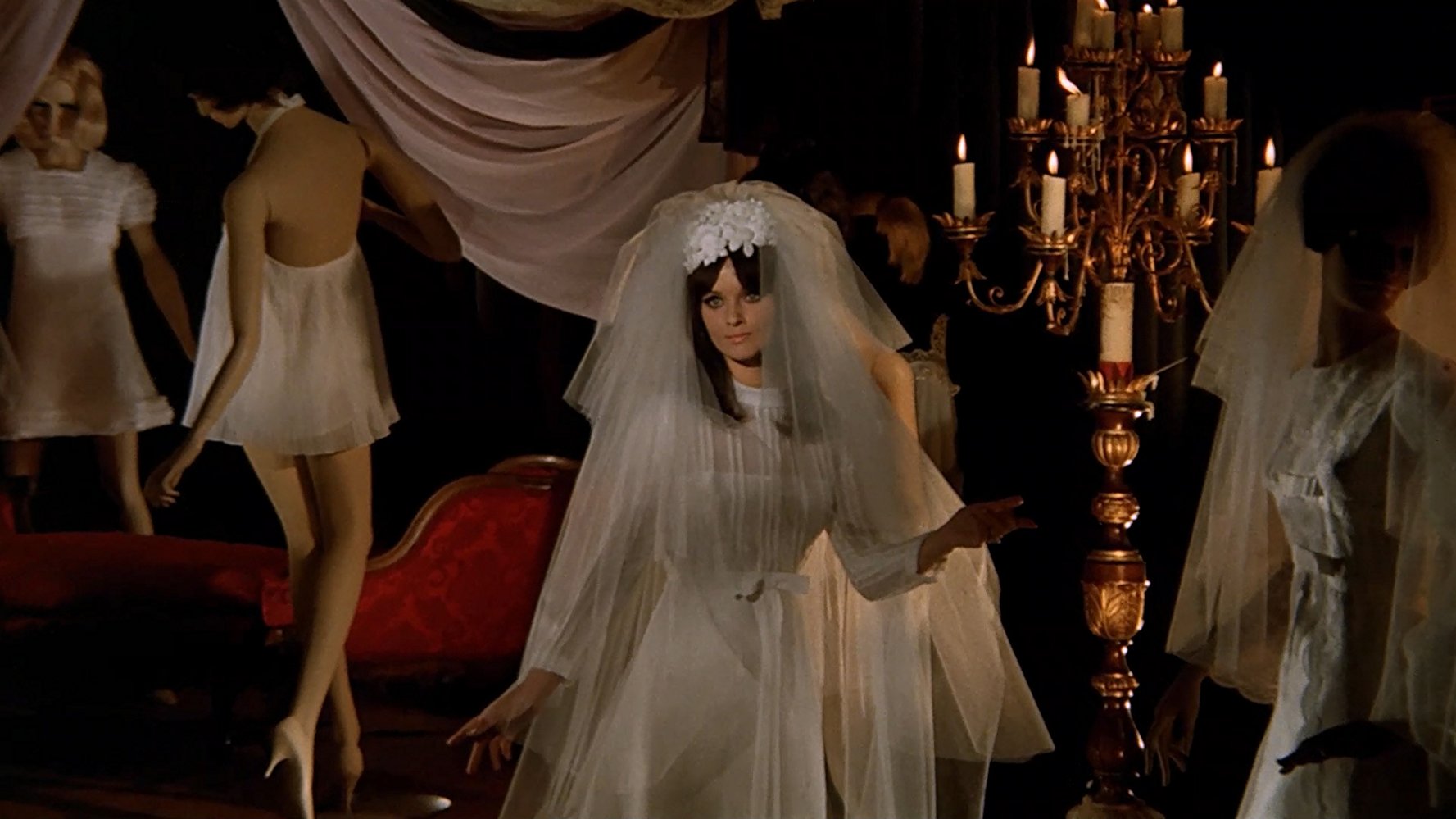
Mario Bava’s Hatchet for the Honeymoon (1970), about a serial killer fashion designer who murders brides on their wedding night, makes a whole lot of use of it. That obsession helps the movie avoid the biggest flaw of many of its more recent followers like American Psycho: there is nothing cool about its villain protagonist. Something about its fantastically dated idea of fashionable (I kept thinking of Blow-Up) makes it all more lurid and pathetic, in a very good way. It’s also a great introduction to an intimidating filmography.

(Liz – Streaming on Shudder)

Mudbound

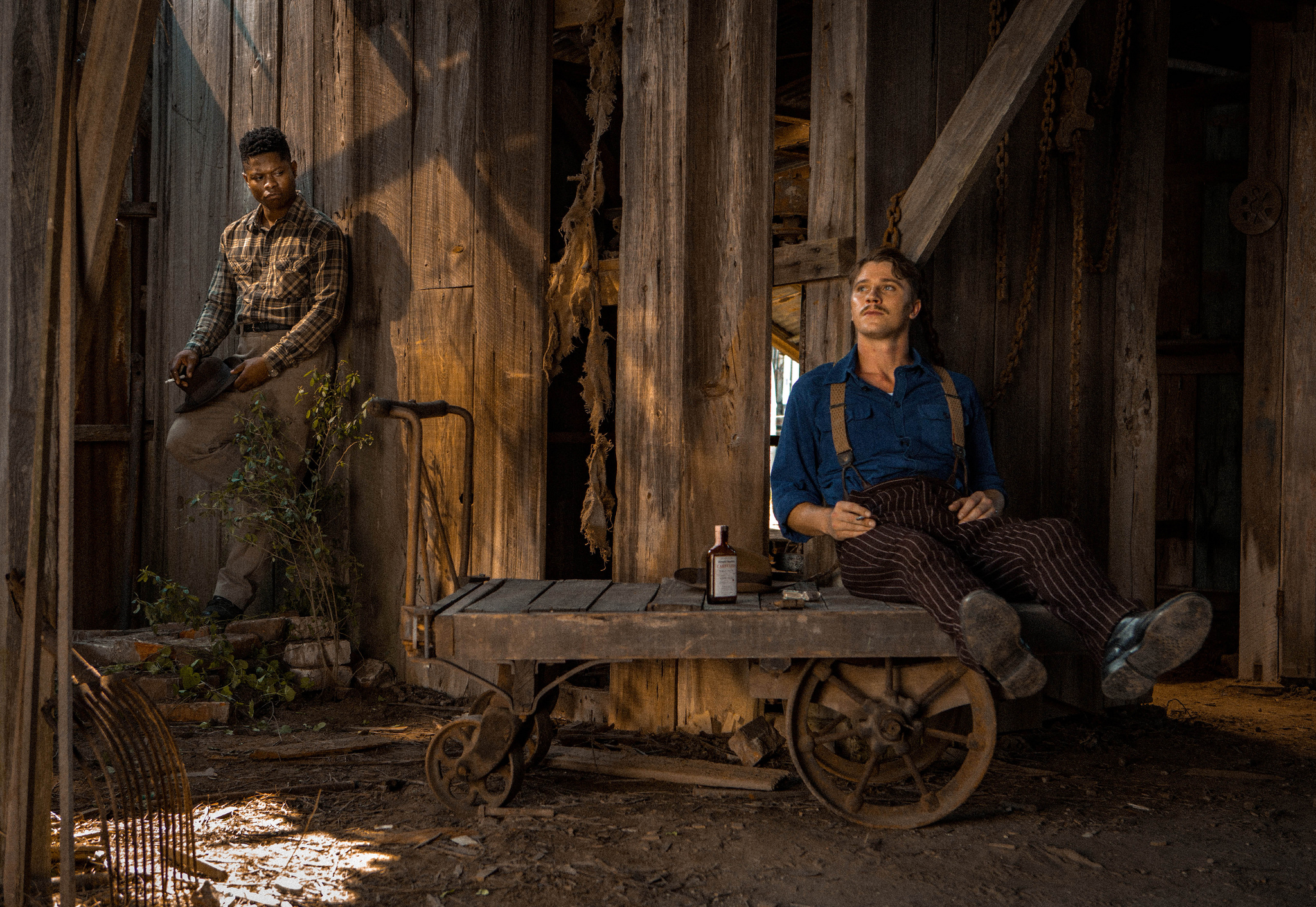
Netflix’s well-received prestige offering arrives to streaming today. When I saw it at Mill Valley, I admired its period sweep, the grandeur and nuance of its image, and the overall ambition, but thought the fractured narrative might’ve worked better on the page. I’m curious to see how it plays outside of a festival.

Director Dee Rees, who imbued her 2011 Pariah with so much youthful energy, takes a more stately approach to adapting Hillary Jordan’s novel, aiming for a multi-faceted epic about sharecropping, intersecting lives, and tumultuous times. You can decide for yourself how effectively this ultimately works. Mudbound is absolutely well-acted and worth seeing, though, and Rachel Morrison‘s cinematography is enough to recommend the film in and of itself.

(Rick – Streaming on Netflix)

My Night at Maud’s

Rick and I are planning on writing about Rohmer’s Six Moral Tales, but that won’t stop me from recommending one. The third film in the series to be shot, but the fourth to be released, My Night at Maud’s (1969) isn’t quite at My Dinner with Andre–levels of conversation, but it’s not far off.

Jean-Louis, a young Catholic (if he is representative of the very devout director, it’s not a flattering self-representation) chats with his Marxist friend and the complexly libertine Maud. They ski and wander around; there’s a bit of a love triangle, but not much of one.

Like many of Rohmer’s best films, it approaches complete plotlessness like an asymptote. Frankly, you know if you want to see it from that description, don’t you?

(Liz – Streaming on Filmstruck)

Shatterbox Anthology

Are you behind on your #52FilmsbyWomen count? If you include shorts (which you should), Refinery29’s Shatterbox Anthology is here to help.

As Kate Erbland writes on IndieWire, this effort debuted in August of 2016,

anchored by a forward-thinking concept: to “create short films that redefine identity, imagination, and storytelling through the female lens.” So far, they’ve made a dozen films with a dozen female directors.

Offerings include first films from established names in front of the camera, like Gabourey Sibide and an upcoming debut from Kristen Stewart, and many more from inside and outside the industry. It’s a small treasure trove of promising films you might not notice unless you’re looking for them.

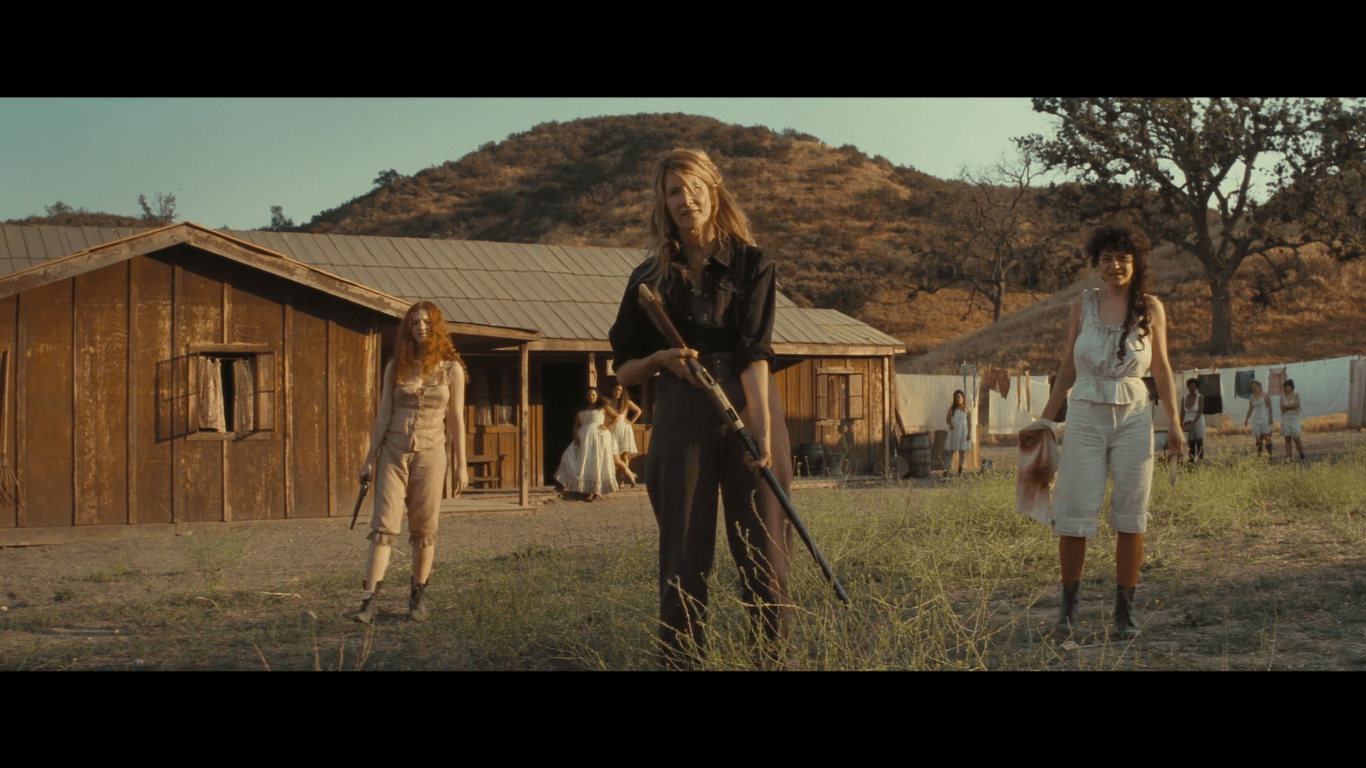
One highlight: The Good Time Girls, a bloody revenge quickie starring Laura Dern and Alia Shawkat that already seems primed for a feature treatment. As it is, it’s nasty, brutish, and short; when you add “and Executive Produced by Quentin Tarantino,” here’s another one you already know if you want to check out.

(Rick – Streaming on Refinery 29)

November 17, 2017 0 comments
0 FacebookTwitterPinterestEmail
CommentaryTV

Channel Zero Misunderstands What Makes Technology Creepy

by Lark November 15, 2017
written by Lark

If Howard Hawks was right in saying a good movie is “three great scenes and no bad ones,” how many great scenes does a TV show need? I’ve been wrestling with that question ever since the first season of Channel Zero went off the air. Now that the second season has ended, it’s time to make yet another appeal for people to check out this peculiar, deeply flawed show – if only to help me figure out if it’s any good.

Channel Zero is an anthology show on SyFy, with each season a 6-episode adaptation of another “creepypasta” story (basically, creepy short text stories that spread across the Internet). It was one of the rare series that I started watching immediately.

The pilot is fantastic, a wonderful mixture of Stephen King’s unbound-from-time nostalgia delivered with an almost sociopathic coldness. And at the center was a pretty easy hook: a leading role filled by early Parks and Rec star Paul Schneider, whose “aw-shucks” persona slowly peels apart and becomes something almost upsetting.

But it’s hard to just recommend a pilot, particularly when it’s the first chapter in a 6-part mystery. I actually spent a good 10 to 15 hours trying to cut the episodes down to film length by trimming out the wheel-spinning that followed.

People were arrested for very thin plot reasons, only to be released again a few episodes later when the plot needed them to be free. Each hour was punctuated by another character being murdered, until it seemed more motivated by budget than story.

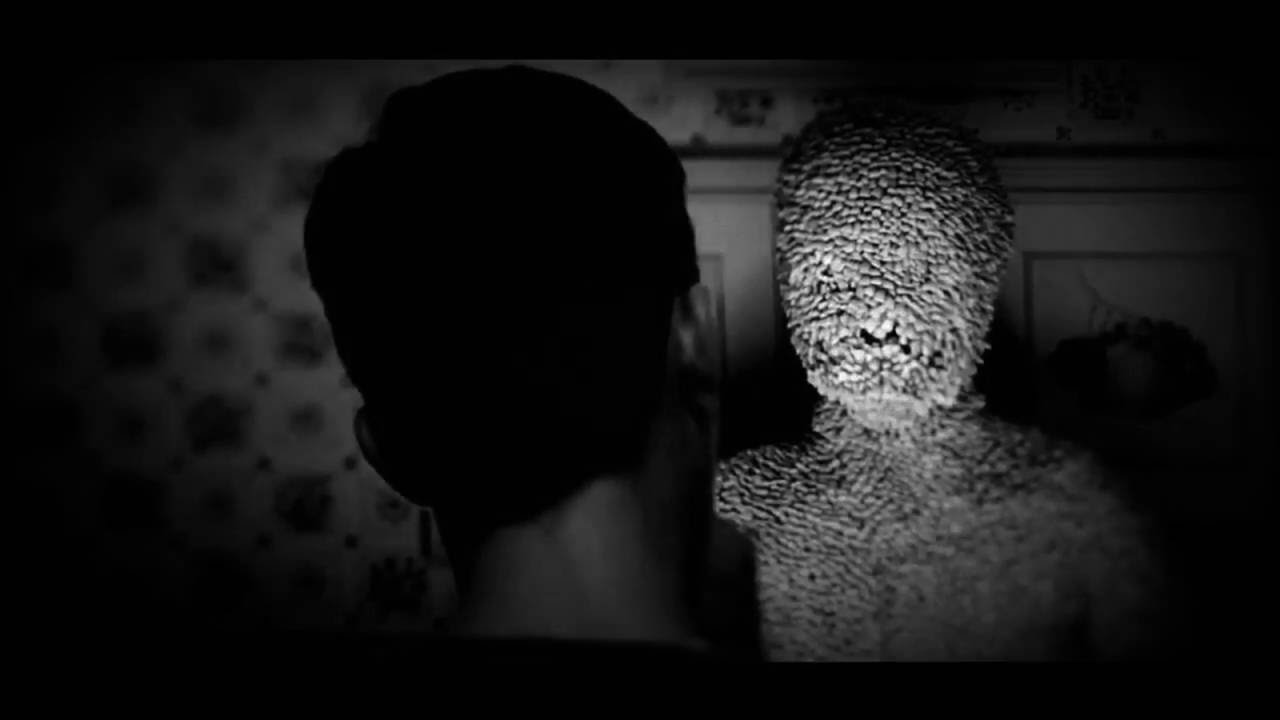
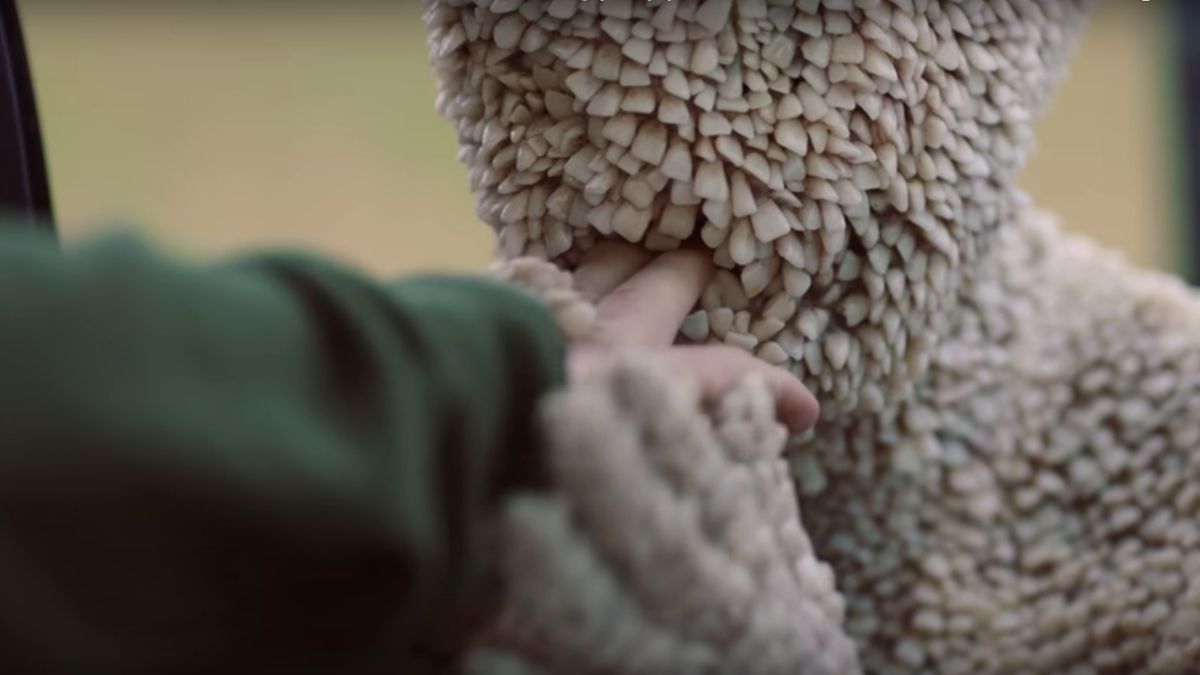
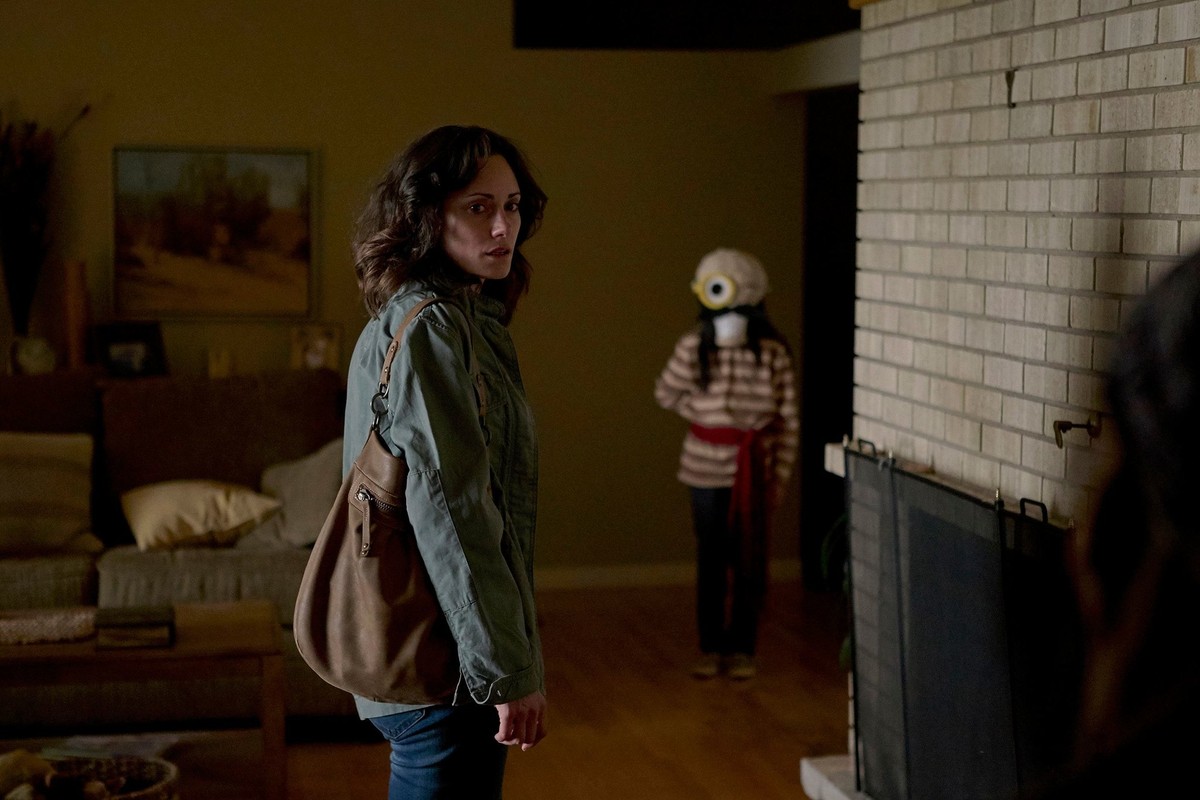
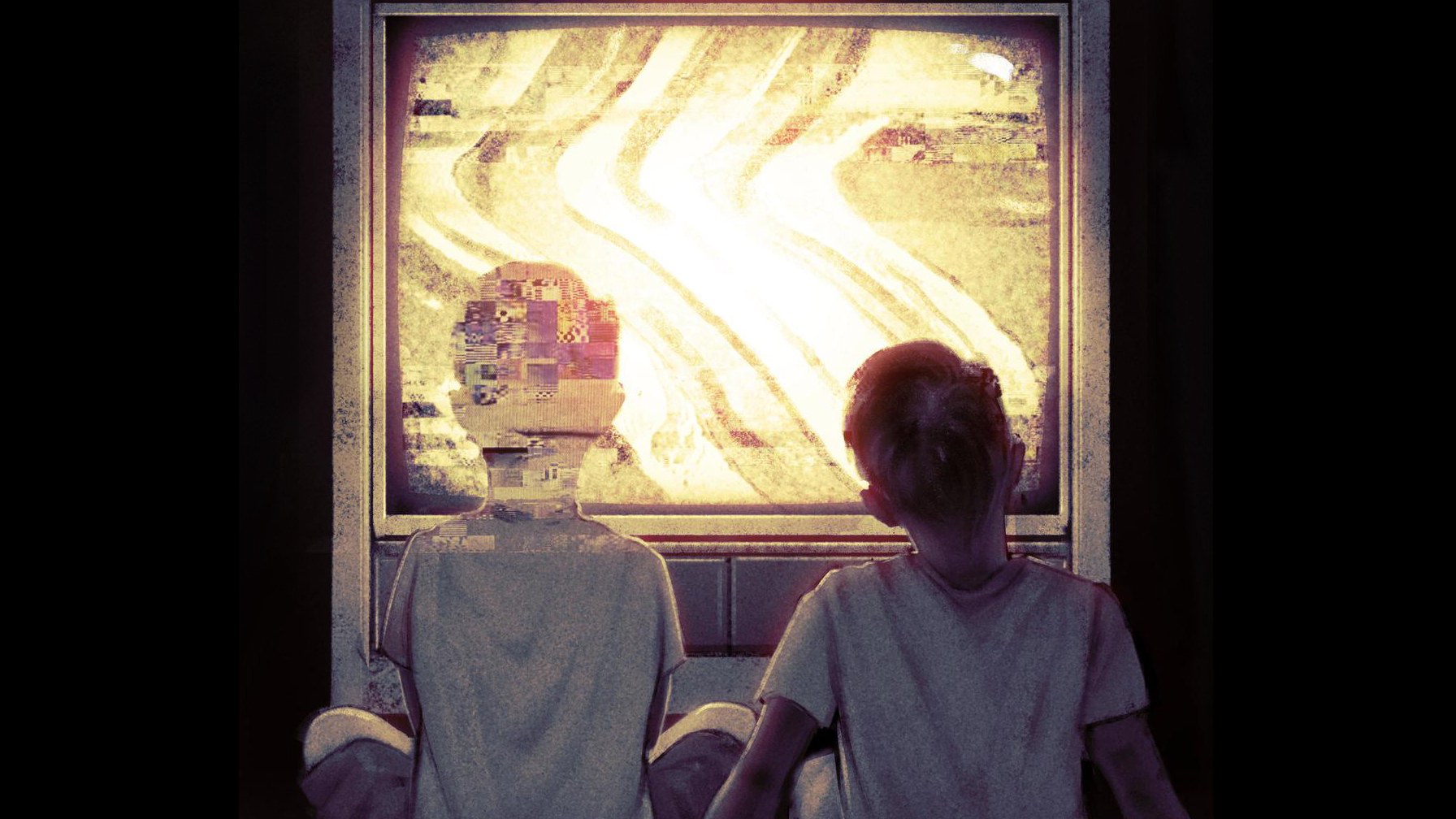
At the heart of the show’s unraveling is a misunderstanding of what makes technology creepy. The corrupting horror of Channel Zero interacts with the world though an unsettling children’s puppet show. There is a very particular aesthetic at play here. It’s something along the lines of H.R. Pufnstuf, but even more low-budget. Every time we see the show, it is the same episode, the same lines, repeated over and over again with minor variations. When we’re first introduced to it, we see it on cathode ray tube TVs, layering the image with dust and crackle.

But then we see it on a modern, high-def, digital TV. And then on a cell phone. And then on a computer display. On the one hand, I appreciate the desire not to just endlessly repeat the same trick of using ancient technology as a shorthand for the anxiety of childhood. (It’s not a coincidence that the most popular Paranormal Activity film is Paranormal Activity 3, which consciously emulates the VHS look.)

But the simple fact is that there is nothing creepy about a high definition screen.

It isn’t even solely the crispness that destroys the effect, but also the position of choice. On the TVs of yore, there was a position of authority at the other end of the content tube, choosing what you saw or didn’t see. Today’s children can look at whatever they want. That secret authority figure that sneaks in through the cable isn’t completely gone, but he’s profoundly diminished.

Even with all those caveats, I still love the show, and I don’t know why. Maybe it’s just because the first episode is fantastic, and I have never fully accepted the inferiority of what follows. Whatever it is, please watch it – and let me know what you think.

November 15, 2017 0 comments
0 FacebookTwitterPinterestEmail
FilmReviews

Surveillance, Memory and the Image in Karl Marx City

by rick November 14, 2017
written by rick

There’s no corner of cinema so explicit about its role as an act of remembrance than documentary film. Any film, in any genre, carries within it an aspect of memory — as a material object that dates from a certain moment and reflects its conditions, and as something more ethereal, something personal, cultural, and collective, subject to revisiting and remapping. Petra Epperlein and Michael Tucker‘s excellent Karl Marx City explores this in fascinating ways.

Part Guy Maddin-indebted excavation of Epperlein’s family and their former lives in East Germany and part true-crime mystery, Karl Marx City is fixated on cinema’s power to document and the ways this power is deployed. The documentary is propelled forward by Epperlein’s quest to find out whether her father, who committed suicide late in life, was a STASI informant, but it’s the film’s complicated grappling with images and their meanings that most resonates.

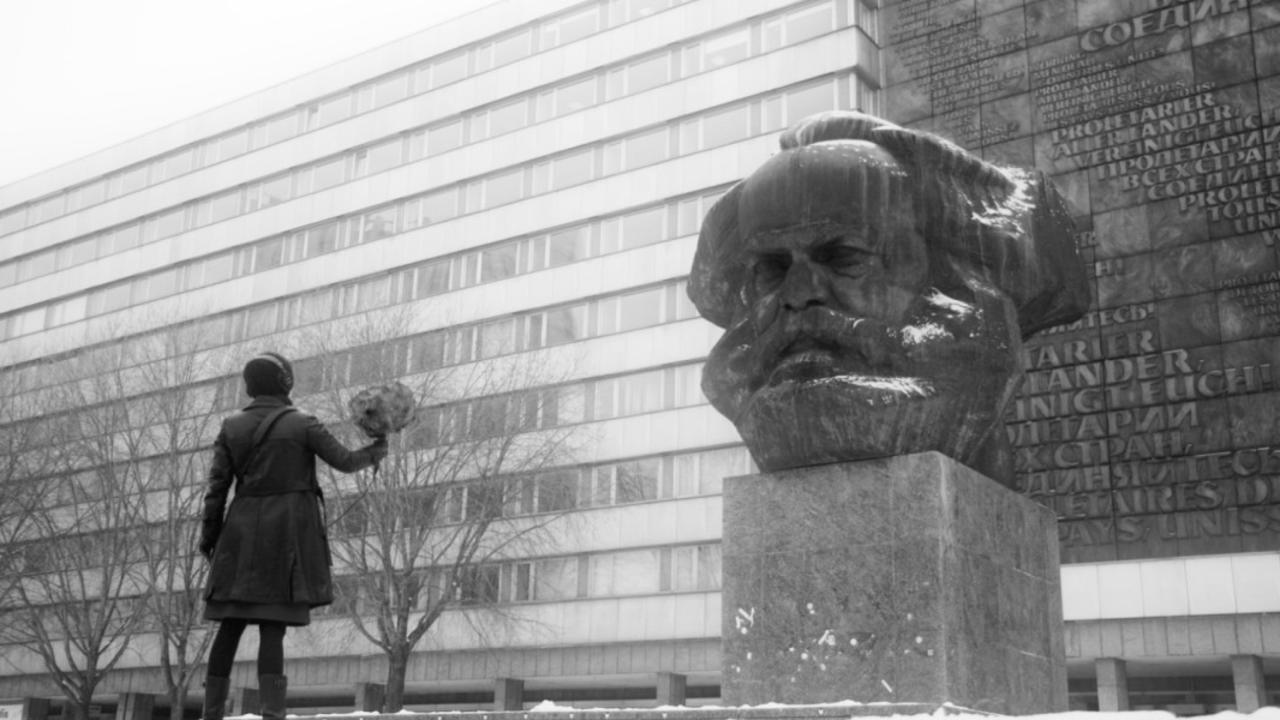
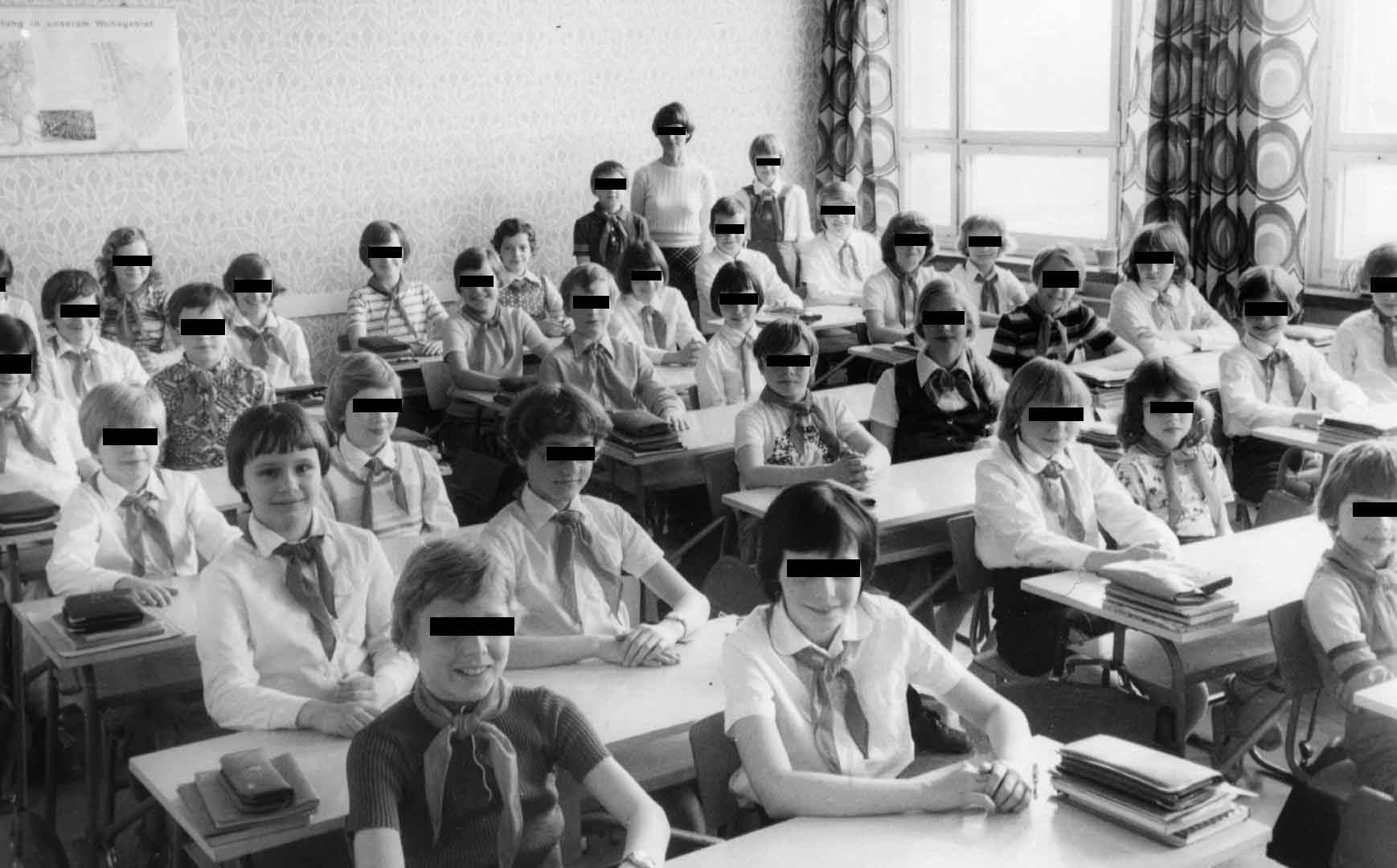
Epperlein, her surviving family, and a crew of experts paint an intimate and unnerving portrait of life in the GDR, famously described as “the most heavily surveilled society in history.” The mundanity of life is emphasized, routines as drab and predictable as the architecture of Karl Marx City (formerly, and currently, Chemnitz), where they live. (At least Epperlein emphasizes this; with some amount of familiar maternal pride, her mom counters that it wasn’t all that bad on the day to day.) At the same time, so is the vast network of informants and cameras, and the looming threat of state pressure.

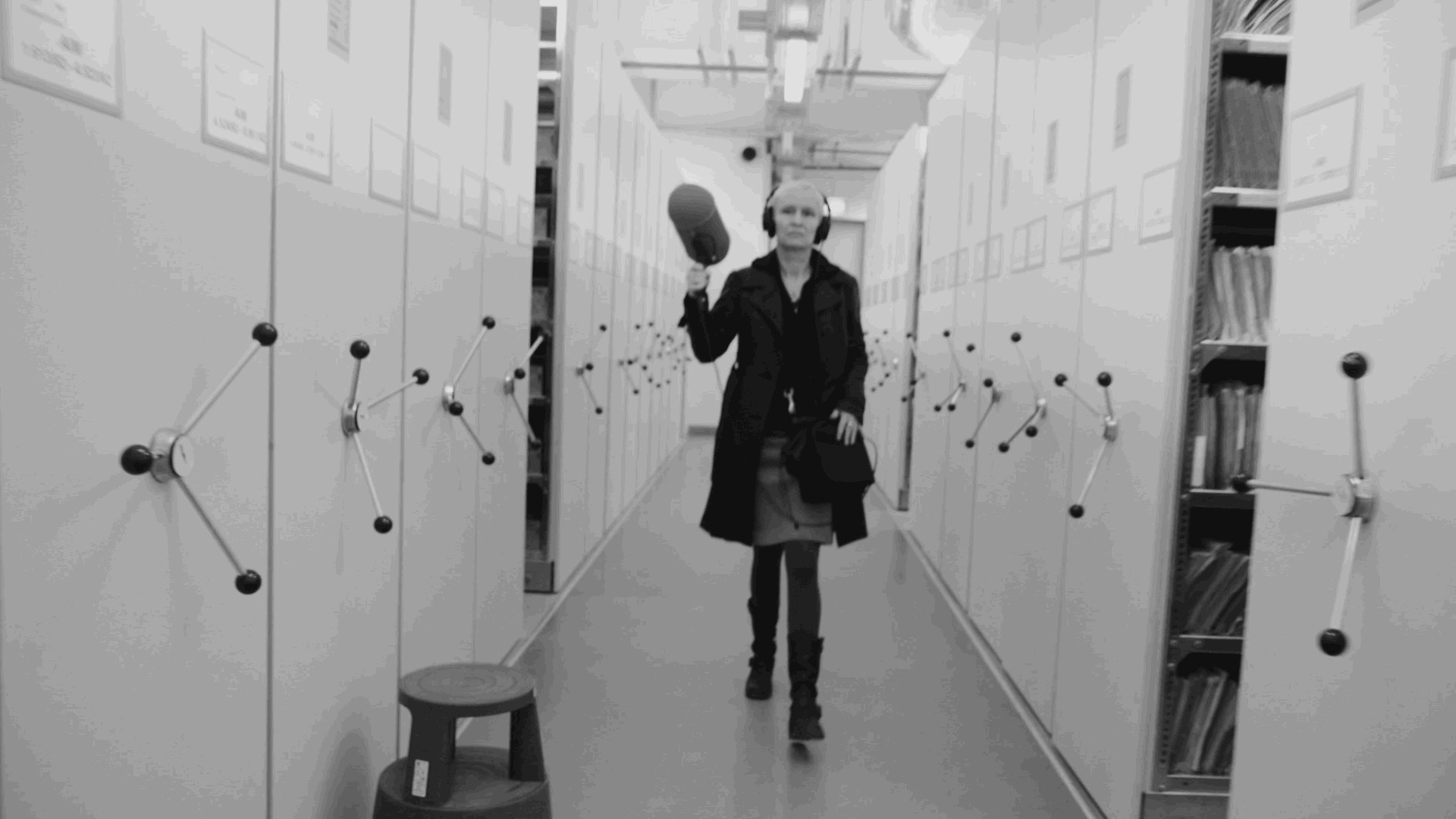
The evidence of that total control is at the heart of Karl Marx City. Epperlein and Tucker examine not just the sociological implications of constantly being looked at, but their existential consequences, and specifically what it means to have so much of your life documented and reflected back as film. Epperlein’s efforts to uncover the truth about her father are essentially deep dives into an archive; set against the backdrop of the totalitarian state, the act of understanding her own history and the work of the film historian start to blur.

And the work of the filmmaker and viewer, for that matter. Karl Marx City enjoys positing Epperlein as a detective in a film noir. Other times, she’s like a spaghetti western protagonist, marching through the town square or the endless archive with her handheld microphone rather than six-shooter.

In an early sequence, she remembers the East German films they watched, inverse Westerns where the imperialist, capitalist cowboys are shot down by the natives, the U.S. flag set on fire. In Karl Marx City, the image is always up for grabs, and therefore dangerous.

The question of memory’s ownership haunts the film. On some level, the central point is about the ways the state demands a particular kind of forgetting, and wresting back meaning from those would cage it for their purposes. Epperlein and Tucker insert actual STASI recordings into their film, eavesdropping soundscapes from another time echoing into ours, but remixed, reclaimed, redeployed for a voyeurism divorced from its original intent.

The irony, of course, is that the total surveillance of a state structure like the GDR demands total documentation, and documentation enables memory. The fact that the STASI relied so heavily on photo- and video-graphic evidence makes the GDR not just the most heavily surveilled society in history, but, in a weird way, the most cinematic. In the name of total control, the documentarians of the state insisted on creating an imagistic repository of cultural memory that exceeded their grasp.

It’s no accident that, in the wake of the GDR’s fall, citizens stormed STASI headquarters and installations — not, as Epperlein notes, to raze them in revenge, but to seize their own files. If the state’s power was located in their sole possession of information, and the constant threat of disclosure, then one of the first orders of business would be to take it back.

It is a rerouting of narrative on grand and personal scales. As an observer in Karl Marx City notes, the STASI had one story to tell when they collected these images, but he’s not interested in their story. The surreptitiously shot footage, the millions of annotated index cards, the miles of miscellaneous material cataloging every aspect of citizens’ lives end up both revealing and obscuring, creating a vast network of possibilities.

And Karl Marx City ends, as any cinematic interrogation must, with more questions. It, too, can now be located in the archive, for someone else to grapple with.

November 14, 2017 0 comments
0 FacebookTwitterPinterestEmail
CommentaryFilm

Recollection vs Repetition in Alien: Covenant

by Lark November 13, 2017
written by Lark

Recollection or repetition?

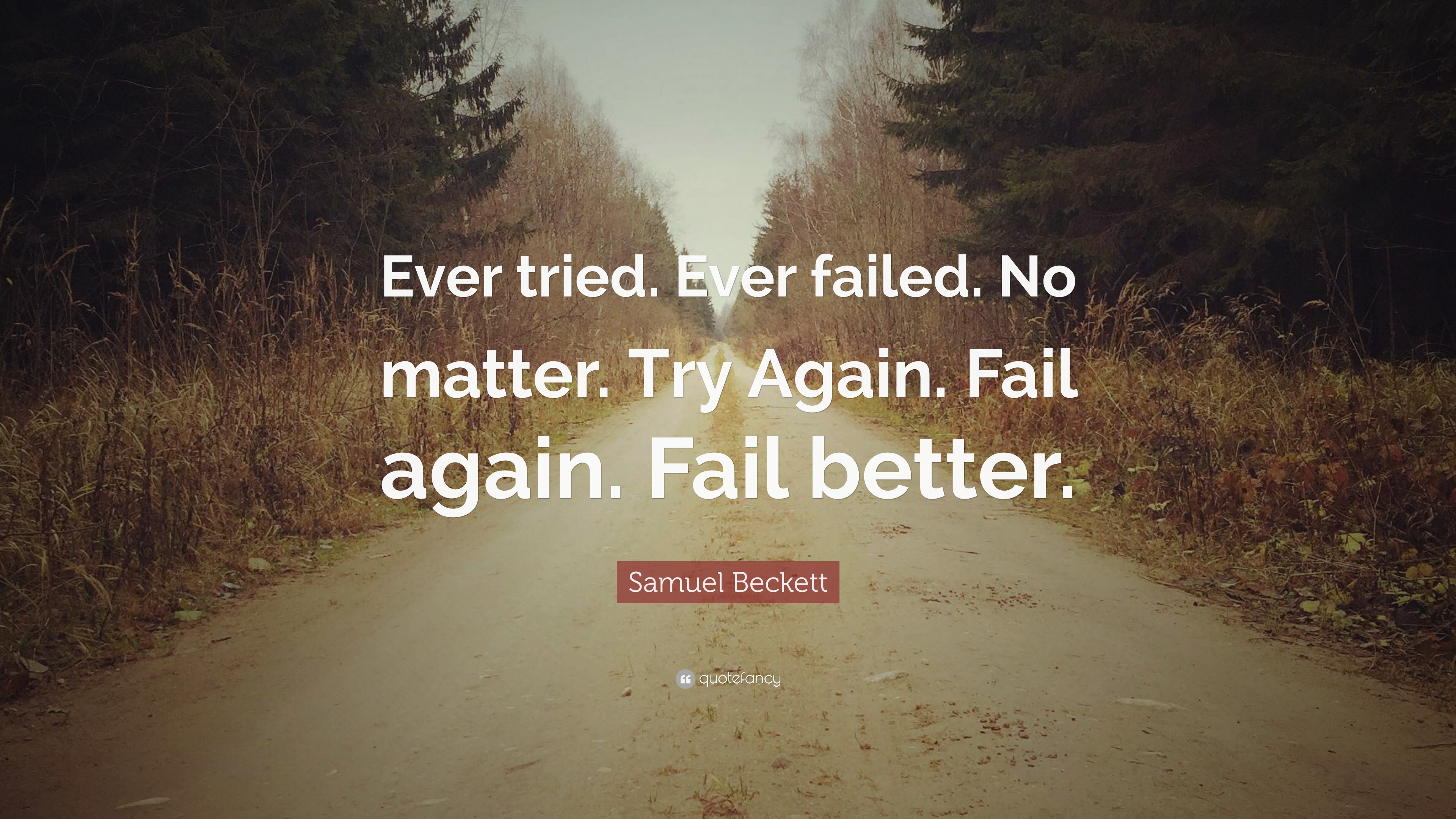
Kierkegaard asks this question repeatedly. Recollection is pagan and, more specifically, Greek, representative of all the moral failure of the ancient world. Repetition is Christian and representative of the positive and the good. Recollection is backwards-looking, repetition looks forward. In repetition, we endlessly try to start over at the beginning. We hope that if we can just get everything right from the first step, we can be perfect. Repetition is summed up by Beckett’s most famous quote, which has improbably been turned into an inspirational slogan: “Ever tried. Ever failed. No matter. Try again. Fail again. Fail better.”

Film series and franchises have always mixed recollection and repetition, but now they lean more heavily on the latter. Even the term “film franchises” shows this. There are no longer any simple series, which imply a first and then a second and then a third. There is instead a vague cloud of entries that spreads slowly in many directions.

The Alien series was a little ahead of the curve in becoming a complex morass. The two Alien vs Predator films, in 2004 and 2007, were ambiguously related to their original series. When the series finally returned, it was with a semi-prequel, Prometheus (2015). That movie never really clearly tied into the series proper, to the frustration of message boards everywhere.

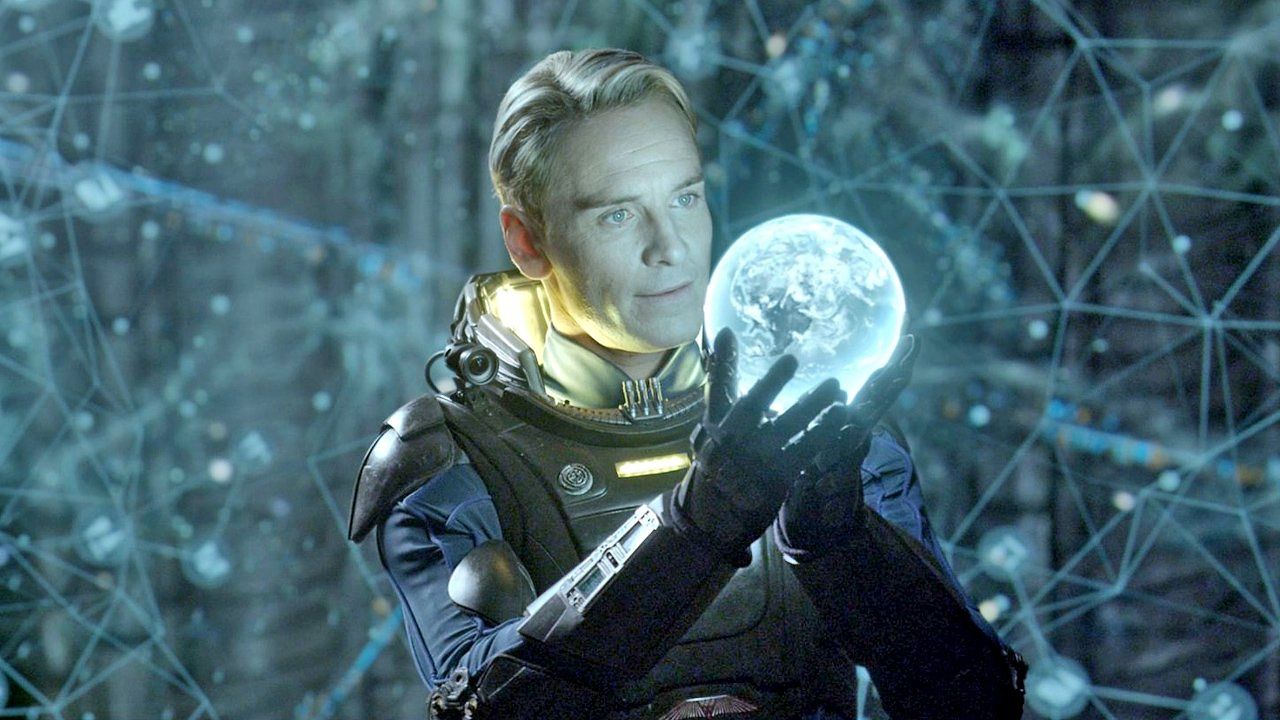
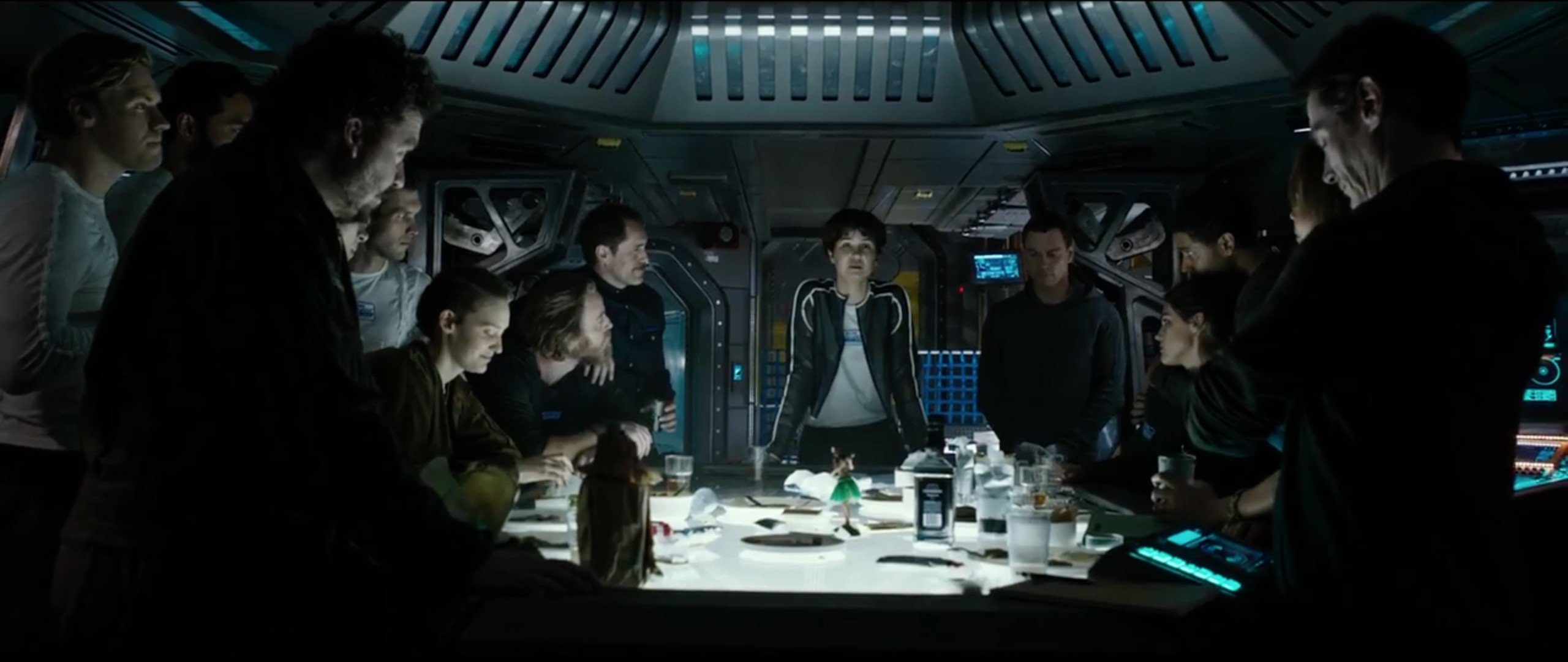
Alien: Covenant finally gets around to connecting the story of Michael Fassbender’s Wagner-loving robot (how did he get his body back, by the way?) to the beloved Xenomorphs. In doing so, it helps reveal what the drive to recollect the origin is trying to do to these series.

The original Alien transpired in a workplace. The labor politics were front and center: Parker and Brett, the two engineers, complain constantly about being underpaid and ignored by the other workers. Ripley’s famous coldness is ultimately that of a middle-manager, established by going down to the bowels of the ship to talk tough with the manual laborers and by her ability to follow the rules even when they seem inhumane, by her insistence on quarantine.

The quarantine scene is repeated in Covenant, but presented instead more as an act of cowardice. Instead of defending the ship, Amy Seimetz’s Maggie is defending herself, locking one crewmate in with one of the Neumorphs (which look like Xenomorphs if they were designed by Apple). It only buys her a couple minutes, as she is killed right afterwards. What the echoing establishes, though, is that the film is avoiding the “workplace horror” of the original and replacing it with something else.

By placing the evil of the Xenomorphs in the hands of Fassbender’s wonderfully campy android David, instead of the original’s company by way of the android Ash, they are removed from the world of finance into the world of science. It places the film in the tradition of the horror movies of the 50s, covered so wonderfully by Peter Biskind in Seeing Is Believing. By Biskind’s categorization, that would make Covenant a conservative film, in that science and knowledge is not to be trusted (as opposed to the scientist being in the right and those who want to destroy in the wrong).

The movie both is and isn’t based on those themes. It is, to the extent that the Romantic drive to know forms the backbone of the film, but it isn’t to the extent that this seems to be partially just an excuse. It’s the desire to return to the series’ beginning and re-found it away from economic lines that seems more important to me. The film desires to create a new, free-floating series that motivates only itself, unconnected to the real world, ignoring the fact that it is once again tying itself to particular aesthetic and political lines that it can’t avoid.

After all, in the end David becomes something of a colonialist villain. His arrival and immediate destruction of the Engineers brings to mind any number of European first contacts, and he ends the film quite literally in control of a colonizing ship, with thousands of bodies to experiment on. In this light, his British accent and the copying of T.E. Lawrence in Prometheus takes on further layers.

That’s what’s interesting about this movie to me, even beyond its wonderfully manic design (particularly in the second half, where David’s tunnel-filled ruin/home replicates in stone the series’ mutations of the body), and beyond its two wonderful set pieces (the battles against fully-fledged Xenomorphs in the last half hour, both of which are shot wonderfully).

It’s how the attempt to recollect the past – and, in that recollection, sever it from its particular historical and materialist places of origin – merely re-places it in a new one. In trying to recollect, they merely end up repeating – and, despite the fear about “too many sequels,” repeating is not necessarily a bad thing.

November 13, 2017 0 comments
0 FacebookTwitterPinterestEmail
FilmReviews

The Hollow Shocks of The Killing of a Sacred Deer

by rick November 9, 2017
written by rick

It’s fundamentally irritating when someone is dead set on shocking you. Full of pride and vague malice, it’s a weirdly authoritarian impulse – a gesture of control that both insults you by assuming you’re a delicate flower who will wilt under the awesome power of the image, while simultaneously flattering itself by imagining the spectacle is so awesomely powerful in the first place. It’s a kid taking a shit on the kitchen floor during a dinner party, just to see what you’ll do. The Killing of a Sacred Deer is that kid, in movie form.

Of course, this is a Yorgos Lanthimos film, so the kid – smiling impishly, staring at you without blinking as he shits on the floor – is also impeccably dressed, and has much to recommend him otherwise. This incongruity, you can tell, thrills him; he really got you this time! You sigh, half-heartedly wag your finger, and get a mop, as he skips back into the main room to mischievously show your guests his genitals. What a rascal.

The Killing of a Sacred Deer is the latest entry in Lanthimos’ career-long foray into absurdist amorality tales, and his weakest. Like his 2015 The Lobster, the similarly English-language and animal-centrically-titled Sacred Deer revels in treating its magical conceits as commonplace, right down to a Colin Farrell protagonist who speaks in clipped, distant monotone. But rather than that earlier, much better film’s purely imaginative locale – a resort of sorts, where uncoupled adults have to either pair up or accept being turned into an animal of their choosing – Sacred Deer takes place in the more-or-less real world, or at least Lanthimos’ approximation of it.

Farrell is Steven Murphy, a cardiologist. Sacred Deer wants very much for us to know that Steven Murphy is a cardiologist. Not only does the film begin – uh oh, here comes that waggish kid again, naughty bits in hand! – with an agonizingly long close-up of a beating heart in surgery, but he also gives speeches about cardiology and nearly every character mentions it at some point.

It’s surprising the people Dr. Murphy passes on the street don’t say Lanthimos-esque things like, “Ah, hello Dr. Steven Murphy, the cardiologist. You work with hearts, I understand, because you are a cardiologist.” (Was the director gleefully waiting for scandalized critics to describe this film as “The Lobster with its heart excised”? This is perhaps a question for Steven Murphy, the cardiologist.)

In any case, the cardiologist Steven Murphy is patriarch to a picture-perfect bourgeois family, a set of blandly-named interchangeables co-habitating in their immaculate, stagey suburban house, a stock company as much as a domestic unit.

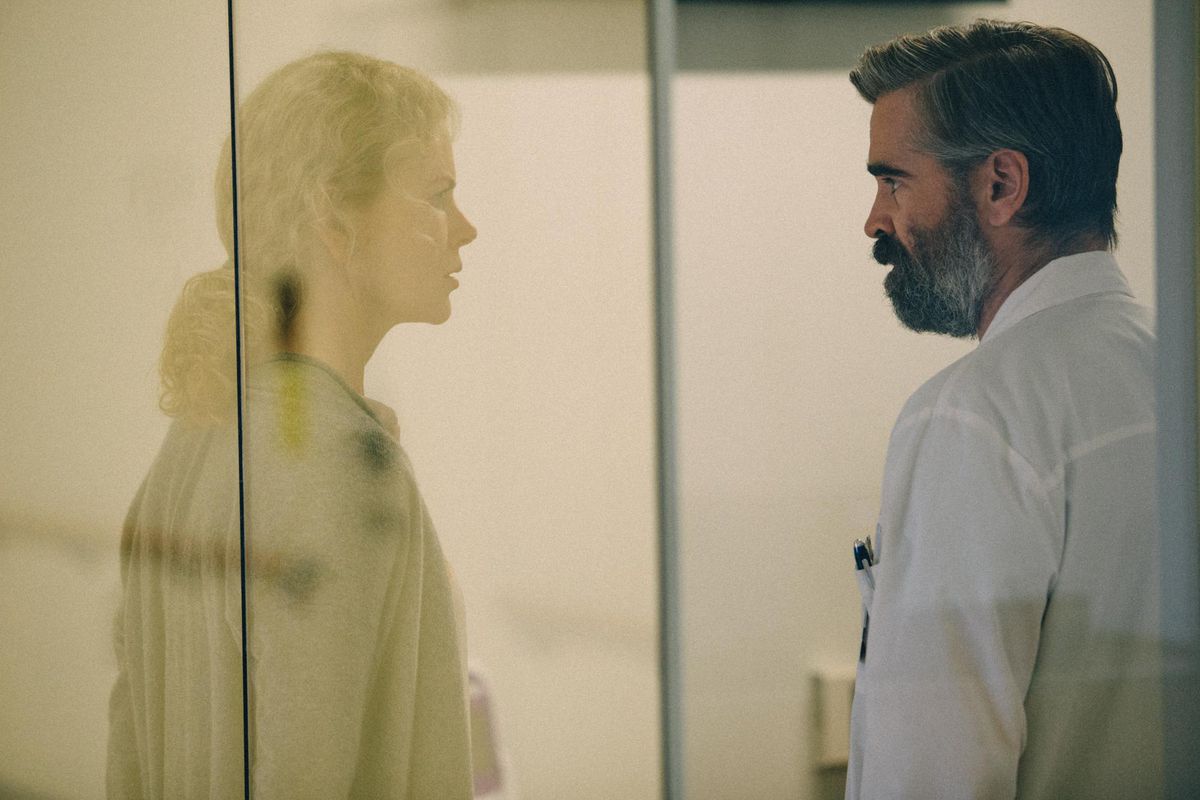
His wife Anna (Nicole Kidman, in full Eyes Wide Shut mode) is an ophthalmologist. (Eyes!) They have a very companionable rapport, a sort of contented boredom; their sex seems exclusively based on doctor role-play with her being fake-anesthetized, because of course it does. Their adolescent daughter Kim (Raffey Cassidy) sings in the school choir and, we are repeatedly informed, just got her first period. Their son Bob (Sunny Suljic) needs a haircut, but is otherwise acceptable. When he grows up, he wants to be either a cardiologist or an ophthalmologist.

In its earliest sequences, Sacred Deer seems squarely aimed at pitiless satire, and it’s amusing enough. Lanthimos and co-writer Efthymis Filippou provide the kind of meaningless, platitude-heavy dialog we associate with Ionesco, full of repetitions, formal phrasing, and a clipped, robotic edge, an unsettling vernacular that draws attention to itself.

The effect is distancing and theatrical – an anti-mimetic spin on daily routines. (Did you know that some people consider the illusion of self-satisfied domesticity kind of phony and shit, and consider the suburbs not a reprieve from a violent world but in fact an escapist fantasy space, a class construction in which man’s inhumanity to man is revealed in its most distilled form amid buried secrets and casual cruelty? It’s true!) More enfant terrible stuff, really, but it has promise for a while.

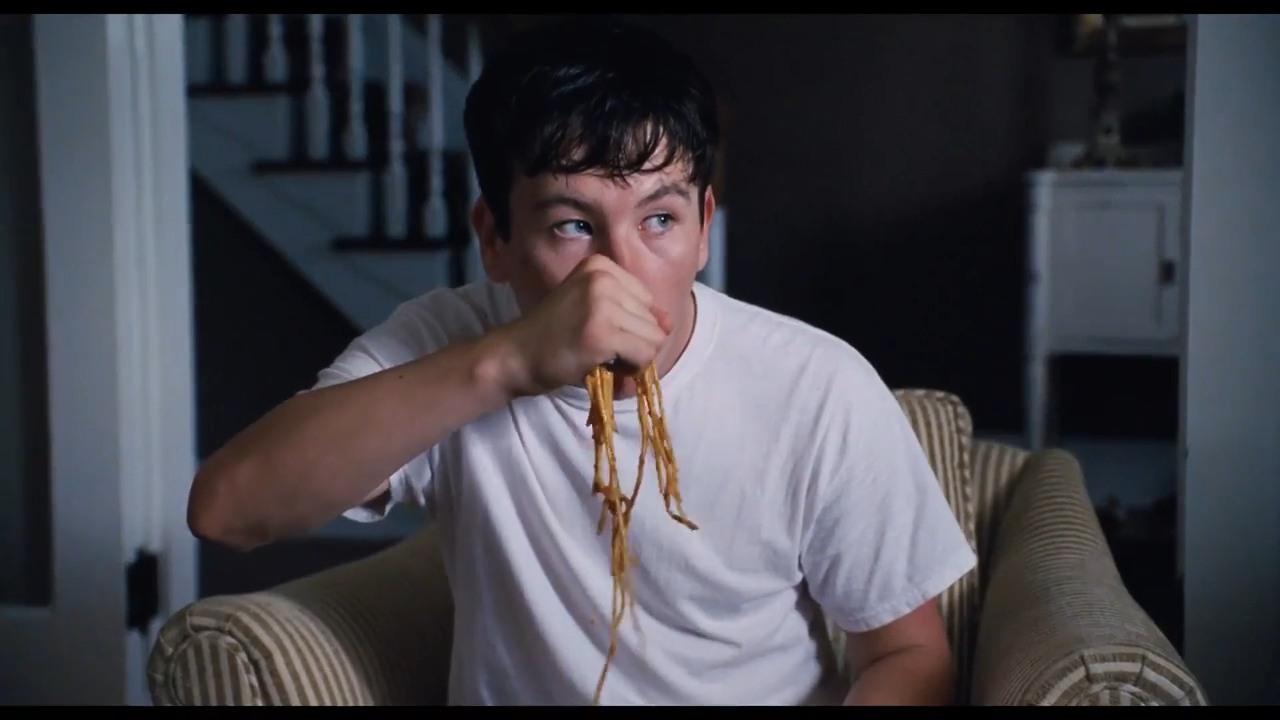
Lanthimos, you will be unsurprised to learn, hurls a bomb into this Garden of the Automatons, and that bomb is named Martin (Barry Keoghan). His name brings Romero’s understated classic to mind, which seems hardly an accident – like Romero’s suburban “vampire,” Sacred Deer’s Martin is polite but off. (As things develop, there will be more explicit similarities.) The pimply teenager is introduced obliquely; for reasons initially left vague, he seems to spend a lot of time with Steven, alone in diners or parking lots, and this relationship is kept hidden from Anna. The cardiologist gifts him money, an expensive watch. We suspect the worst.

The worst arrives, but not in the way it’s been teased, and with the power structure inverted. Martin is in charge here. His late father had been the doctor’s patient, and died on the operating table. What had earlier seemed either an unhealthily close paternal relationship or a possible abuse situation is revealed to be something else entirely. The grinning malevolence, barely disguised as winsome charm, that Keoghan had brought to earlier scenes manifests instead as a full-blown revenge plot. Someone is going to die.

Through powers we cannot divine and which Lanthimos is admirably disinterested in explaining, the Murphys go down one by one, stricken first by paralysis and eventually copious amounts of bleeding from the eyes. Martin hastily but matter-of-factly informs his cardiologist friend that the entire family will slowly be killed unless the patriarch chooses one to sacrifice himself. Thus, the scales of universal justice will be balanced – death for death, anguish for anguish. (Is this actually commensurate? No, Martin/Yorgos, it’s not, but never mind.)

From this point on, Sacred Deer grinds its way through the narrative motions, following the straight line it’s laid out. A relationship develops between Martin and the daughter, muddying motives. Family members start angling for preferential treatment, like inmates turning on each other on the way to the gallows. The whole apparatus, the veneer of respectability, falls away. Eventually, the film doesn’t so much “draw to a close” as stop.

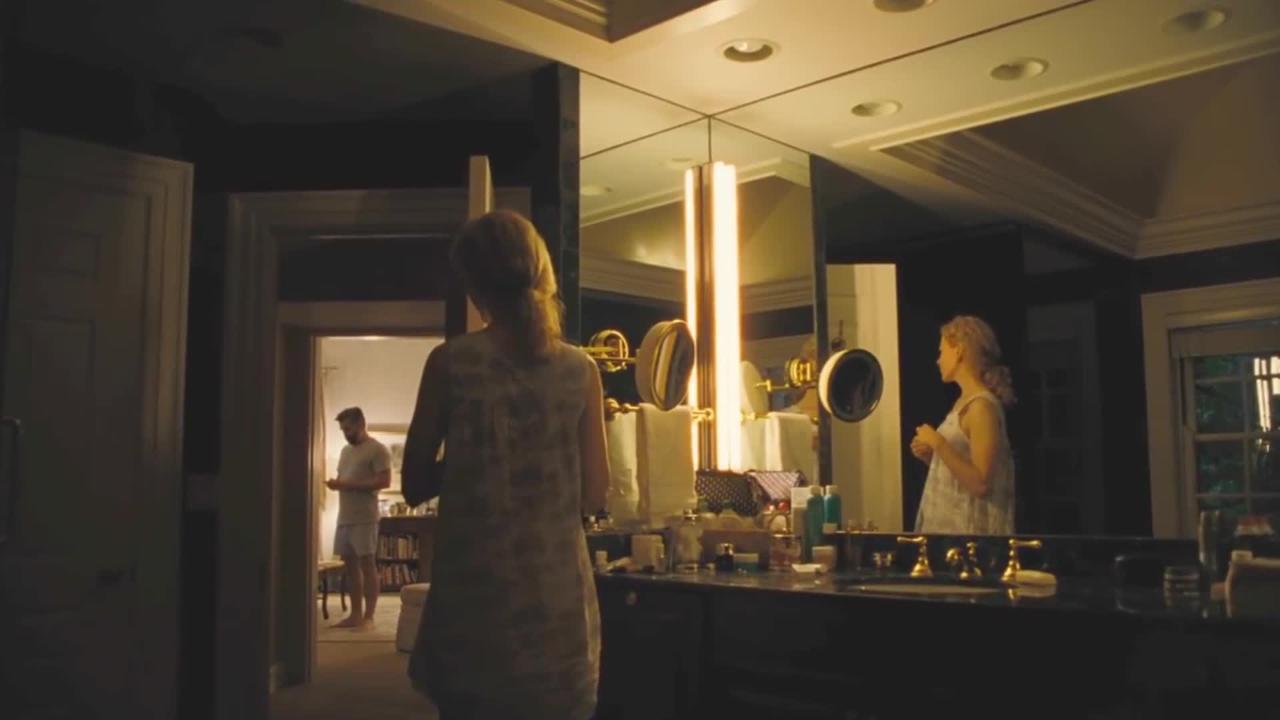
But like the mirrors, windows, and glass dividers that Lanthimos-regular Thimios Bakatakis lingers on in gorgeous shot after gorgeous shot, nothing coheres beyond the surfaces. (The cinematography is the real star of Sacred Deer, incidentally; the nihilism may be cheap, but it never looks it.)

Lanthimos isn’t in the business of underlining the moral of the story, nor should he be, but this is a film with even less to clumsily say than it initially appears. A plot involving a blink-or-you-miss-her Alicia Silverstone as Martin’s horny mom is introduced and promptly jettisoned. It’s not even a formal triumph; the aesthetic hollowness can’t even get close to the narrative distancing. No one, and nothing, is worth caring about here.

What are we left with, then? An anti-humanist shrug, too distant to be affecting and too cute to be mean. Pretty pictures. A set of wasted performances. (Keoghan is particularly grotesque, and I’d worry about him getting typecast if Sacred Deer were to become a hit. He probably shouldn’t worry too much about that.) And, of course, Colin Farrell dispassionately telling his son about the time he jerked off his own passed-out dad when he was a kid to see how much sperm grown men produce.

Oh, my stars. Are you shocked? Don’t be. It’s just how Yorgos is, sometimes; he thinks he’s being clever. Go back to the party. We’ll clean this up.

November 9, 2017 0 comments
0 FacebookTwitterPinterestEmail
Commentary

Happy Death Day and the Slasher Cult of the Teenager

by Lark November 8, 2017
written by Lark

It’s so hard to pin down, or even to make out the boundaries of, the feelings that horror movies have towards the late adolescent white woman, aged roughly 17-23. Maybe hatred is too strong of a word – it’s more a mixture of envy, contempt, worship, and desire. I would suggest it’s the difficulty in figuring out exactly how the film feels about them that necessitates their bloody death, and the separation of one to be superior to the rest. And Happy Death Day is a fascinating place to tease out these feelings.

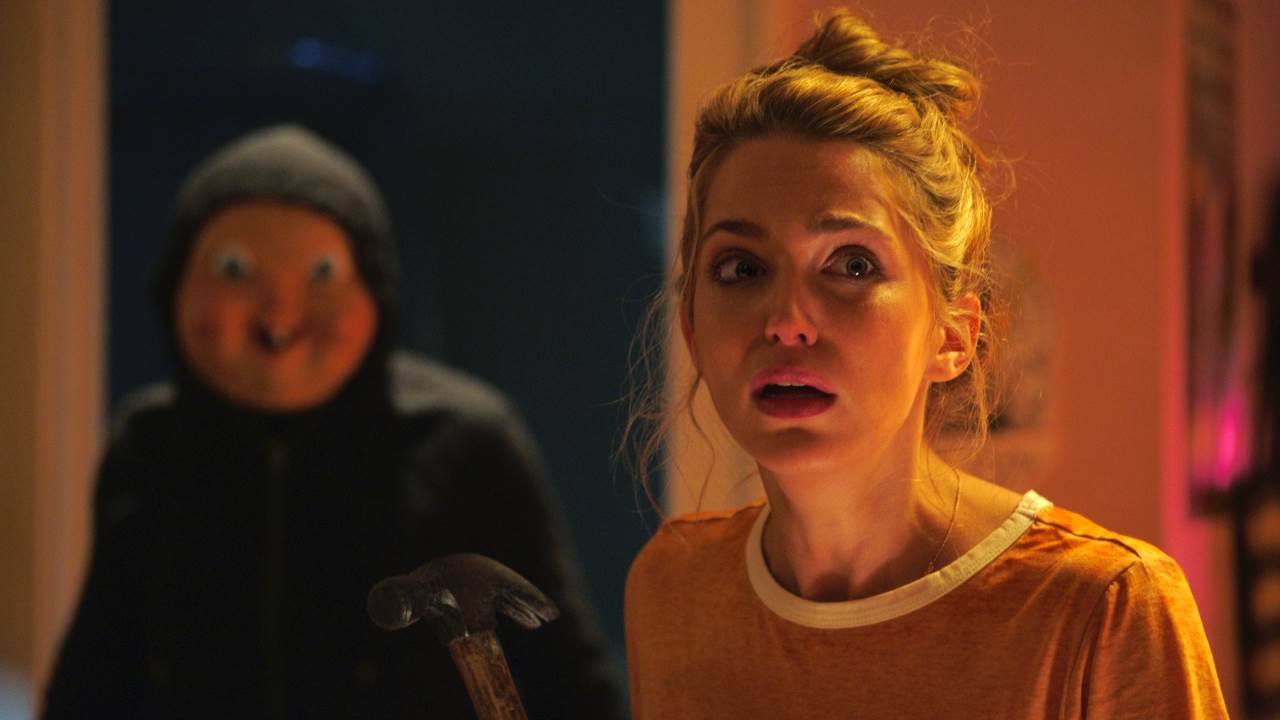
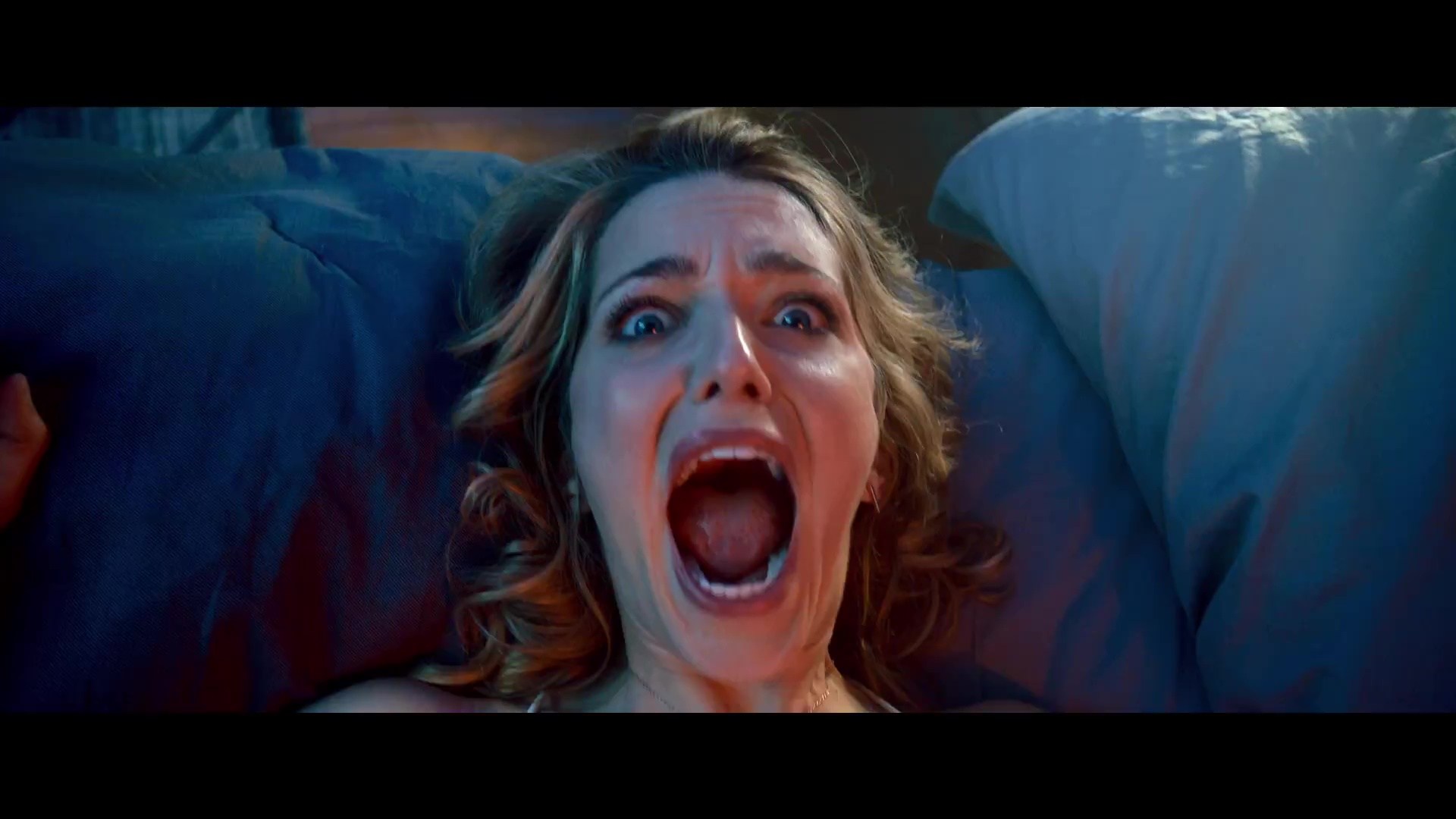
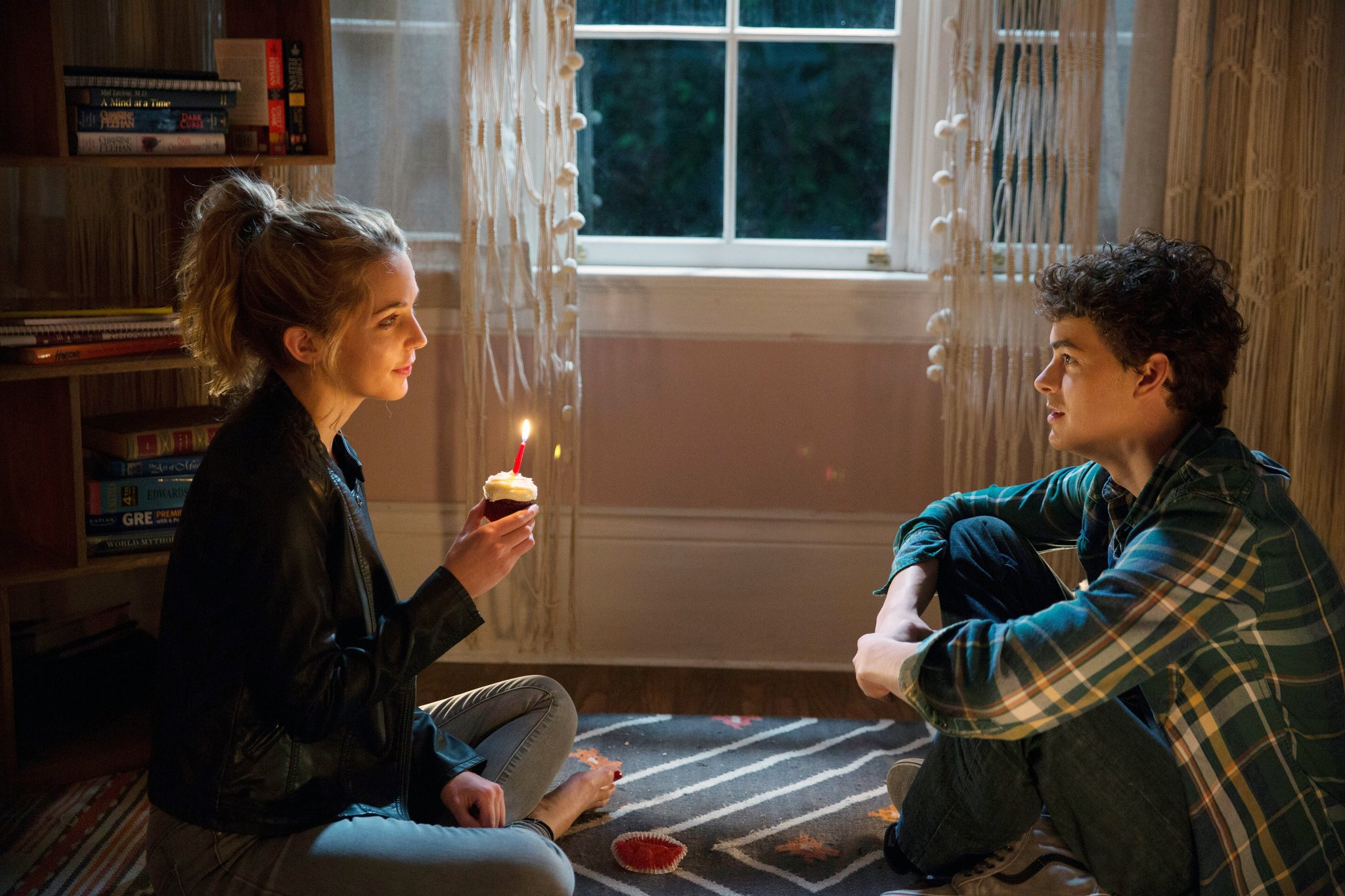
For one, the film’s structure – another spin on the Groundhog Day formula, to go along with Edge of Tomorrow and the quickly-forgotten Marlon Wayans’ vehicle Naked, in which a hard-partying sorority girl is murdered every night, only to wake up again in bed the next morning – reduces the many bodies of the classic slasher to one singular body. Jessica Rothe bears the brunt of almost all the film’s pent-up violence, repeatedly giving us that slasher money shot: her face, framed in the center, screaming, as the camera-knife descends on her.

In Happy Death Day, it is her indestructibility (which is never explained) that brings to the surface the issues surrounding the white, blonde, female body.

In his recent collection Against Everything, Mark Greif argues that the cult of the teenager that our culture promotes (which we see in everything from constant defenses of the quality of young adult fiction to the brief period in which certain sections of the Internet felt it was their duty to read and praise Teen Vogue) doesn’t actually come from a respect for them. It comes more from a feeling of having been shortchanged ourselves on adolescent freedom – a feeling that high school and college were never the joyful free-for-all promised by TV, movies, and everything else – and a desire to perpetuate that period as much as we can.

I think there’s something to his piece (which I’m paraphrasing very badly), and it’s what was running through my head while watching Happy Death Day. The movie has more in common with Groundhog Day than just its conceit. In between slowly moving her way towards solving the mystery, Rothe’s protagonist learns to be a better person, with a very particular definition of “better.”

She signs an anti-global warming petition, which between this and The Good Place is quickly becoming the gold standard of morality. She snoops on a creepy ex-boyfriend while trying to find the murderer (in a montage set to a Demi Lovato track, which may be, without sarcasm, the montage of the year), and, after finding him watching gay porn, pressures him into coming out. She starts dating the harmless dork in whose dorm room she keeps waking up.

So, just as much as it is a slasher, Happy Death Day is also a story about graduating and being integrated into a very well-defined concept of maturity – the liberal-flavored version of the 2.6 kids fantasy. But why mix that story with a slasher? Why are these scenes of bourgeois maturation interwoven with scenes of our heroine being stabbed to death? It’s a bizarre mixture.

Maybe – and I’ll be thinking about this movie for a long time, so I’ll probably come up with more theories – it’s self-flagellation, a punishing of the body that has too much fun. It’s almost a guarantor of having wrung late adolescence out. She can only move into the adult bourgeois world because she has traversed the fantasy of the body. Maybe that puts Happy Death Day thematically in the canon of explorations of sex drive, along with Belle de Jour and others.

Or maybe I’m way off. But it’s a wonderfully peculiar movie, and it’s going to take years to untangle it.

November 8, 2017 0 comments
0 FacebookTwitterPinterestEmail
CommentaryFilmStreaming Selections

Streaming Selections: Oddball Films (Stephen Parr, RIP)

by Sam and Rick November 3, 2017
written by Sam and Rick

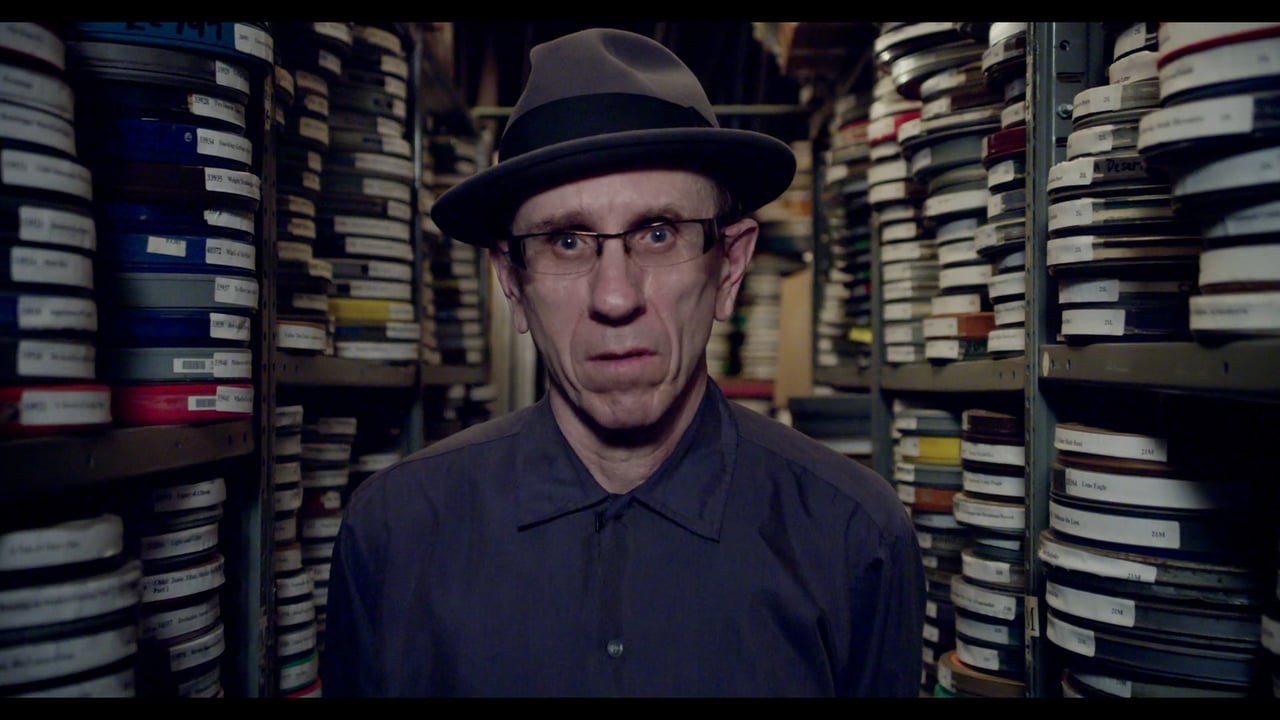
Since its founding in 1984, the aptly-named Oddball Films has constituted one of the stranger spaces in the cinema world. An archive as interested in orphan home video, Italian psychedelic cartoons from the 60s, and instructional bumpers about hygiene intended for American classrooms as any neorealist classic or lost masterpiece, it was the brainchild of Stephen Parr, who passed away on October 24th.

Oddball Films’ distinct “only in San Francisco” vibe has long been immediately apparent to anyone attending an event there; for my birthday one year, we drank beer on couches while taking in a program that included The Story of Menstruation, the 1946 Disney/Kimberley Clark collaboration that the Mouse House promptly buried, followed by excerpts from Leni Riefenstahl films double-projected over vintage pornography. (We left with a printed copy of Very Personally Yours, which you can read in awe here.) Punk, puckish, and playful, with an undercurrent of very real affection for the materiality of film, it was Oddball and Parr in a nutshell.

Of course, Parr’s work wasn’t just preserving weird ephemera, though that was a big part of it. (“I’m really in the memory business,” he dryly notes in Joshua Moore’s short profile.) Oddball Films’ first paying client was Ridley Scott, looking for unusual footage for a Chanel commercial.

More recently, the archive has provided hard-to-find footage to any number of documentaries. Sure, this likely helped keep the lights on, but there’s no real sense of contradiction; Parr’s passion and love of film in and of itself seems to blur the boundary between the commercial and experimental. It’s all film.

Parr’s passing hit many in the SF film community hard, as a quick perusal of comments on any story about him reveals. He was by all accounts an unusually generous and committed guy, and in Oddball Films built a very unique legacy.

After checking out Moore’s short, you can burn as many hours as you’d like sifting through the digital stacks on their website and program your own strange night, the next best thing to visiting the space itself. (I highly recommend including this tripped-out ad for Life Savers from 1977, as well as this inscrutable footage of couples falling asleep during a “dance marathon.”)

Oddball Films seems determined to continue, and they deserve everyone’s support. There’s no archive like it, and Parr’s weird, delightful contributions need to be honored. Here’s Oddball’s “In Remembrance.” RIP Stephen Parr. I can’t imagine a more fitting tribute to someone in “the memory business” than doing whatever we can to keep those memories on hand, those off-kilter glimpses into the collective image, stacked lovingly on the shelves, and projected onto screens for the next generation of oddballs.

Sadly, founder and Director of Oddball Films and the San Francisco Media Archive, Stephen Parr, passed away suddenly on October 24, 2017 after a struggle with declining health. His family and Oddball staff have come together and are carefully working on ensuring a productive future for both entities while preserving the proud tradition of providing the most eclectic footage to our customers. Oddball continues to fill your orders for the most unusual and hard to find material for your projects.


Concurrently, we are accessing the arts community of the most creative city in the world to help reshape Oddball Films. Exciting and challenging, we are confident that we will be able to maintain the high quality of our product and services.


A Memorial Service for Stephen Parr is being planned for early 2018. Details to follow.

Quick Links

Beyond the Black Rainbow

It took me more or less the entire runtime of Beyond the Black Rainbow to realize what it isn’t.

I assumed it was just an incredibly patient slasher in the mold of The House of the Devil, and that the other shoe was going to drop at any moment. In reality, it’s one hundred percent a mood piece. It’s not really building up to anything – just luxuriating in its hyper-specific aesthetic. You probably already know if that sounds good or not.

(Liz -Streaming on Shudder)

The Five Obstructions

Lars von Trier had the worst thing that could happen to a scrappy, impish, occasionally-dickheaded young artist: he became respected.

So it’s wonderful that Mubi has put up The Five Obstructions, a documentary of him provoking experimental filmmaker/poet/sports commentator (yes, really) Jørgen Leth into remaking his 1967 short film The Perfect Human repeatedly, under increasingly strict guidelines. It’s worth watching, if only to see von Trier having fun.

(Liz – Streaming on Mubi)

Get Out

Still one of my favorites of 2017, Jordan Peele’s breakout piece of racially-fraught nightmare fuel demonstrated a real love of genre and a deft directorial touch. (Please let his Twilight Zone reboot move forward!)

In any other year, we’d laugh at the the notion of a clever, small-scale horror like Get Out generating year-end awards talk, but this is no normal year. Issues of race and gender dominate the news cycles, shops like Blumhouse and A24 are among the most notable success stories in cinemas (to say nothing of the juggernaut that is IT), and there’s (yet again) a demonstrable audience for adult-oriented films that do not center on or cater exclusively to the white men in charge.

Get Out is entirely of a piece with the zeitgeist, and horror is, shall we say, having a moment. If you haven’t seen it, now’s your chance.

(Rick – Streaming on Netflix, 11/4)

Romeo Is Bleeding

Finally!

Now that I’ve raved about its initial screening at 2015’s SF International Film Fest, reflected on a second theatrical viewing, interviewed its director, and placed it on a best-of-the-year list, Jason Zeldes’ moving, poetic portrait of Richmond, CA and the folks growing up there is available to stream. Click play and see what I’ve been on about for 2 years.

(Rick – Streaming on Netflix)

November 3, 2017 0 comments
0 FacebookTwitterPinterestEmail
Reviews

Spooktober Wrap-Up: The Final Conflict

by rick November 2, 2017
written by rick

Spooktober officially came to an end 2 days ago. Let’s wrap this business up!

You can find this year’s previous entries here, here, and here. I did not meet the criteria I set out for myself this time around, and I closed out Spooktober with a movie from the man who also brought us City Slickers. It’s been a weird adventure.

In any case, I did watch some horror movies — or horror-adjacent movies, at least — and that’s always a positive thing. Here’s one more round. Let’s never speak about horror again.

Blair Witch

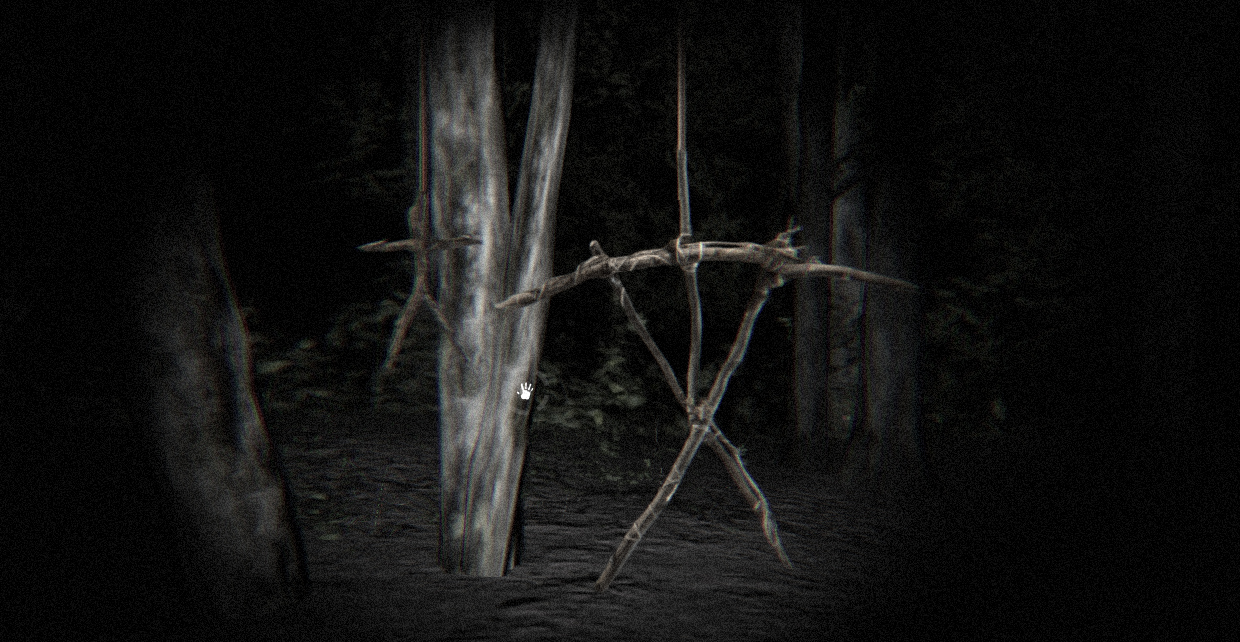
My first viewing of 1999’s The Blair Witch Project remains one of my favorite film-going experiences. To say that the audience was “into it” would be a vast understatement: the ordinarily shouty crowd of teenage horror-enthusiasts at that particular cinema were stunned into a silence so total that some poor girl was shouted down for an innocuous moment of MST3K-style heckling. It was right and just, if a little intense — but people really were paying attention, straining to see and hear any nuance or variation, looking for clues on the screen. It’s hard to convey how different the film seemed at the time from your standard fare; it felt like something entirely new, something worth shouting down strangers for.

Nearly 2 decades later, that found-footage thrill has largely (though with occasional exceptions) been lost in the forest of imitators and head-scratching cash-grabs. At the very least, the surprise, and the silence it demanded, is a thing of the past. Adam Wingard and Simon Barrett seem to know this, and it’s reflected in their Blair Witch remake/homage. Here’s a movie so roaringly loud out the gate that no one in a theater would even be able to hear you if you shouted at them to be quiet.

There are jump-scares aplenty, the introduction of new visual technologies (YouTube, Gopro cameras, a drone), and retrofitted narrative tweaks. Some of it works, some of it doesn’t, and none of it is really necessary. Unlike Wingard and Barrett’s other joints You’re Next and The Guest, Blair Witch isn’t so much nostalgic pastiche as an attempt to recreate a moment, but add more. And more. And more. The technical chops on display are predictably competent, but Blair Witch is little more than a noisy supplement to its game-changing predecessor. The paradox remains: a supplement assumes the original was already whole. We already had the masterpiece we needed.

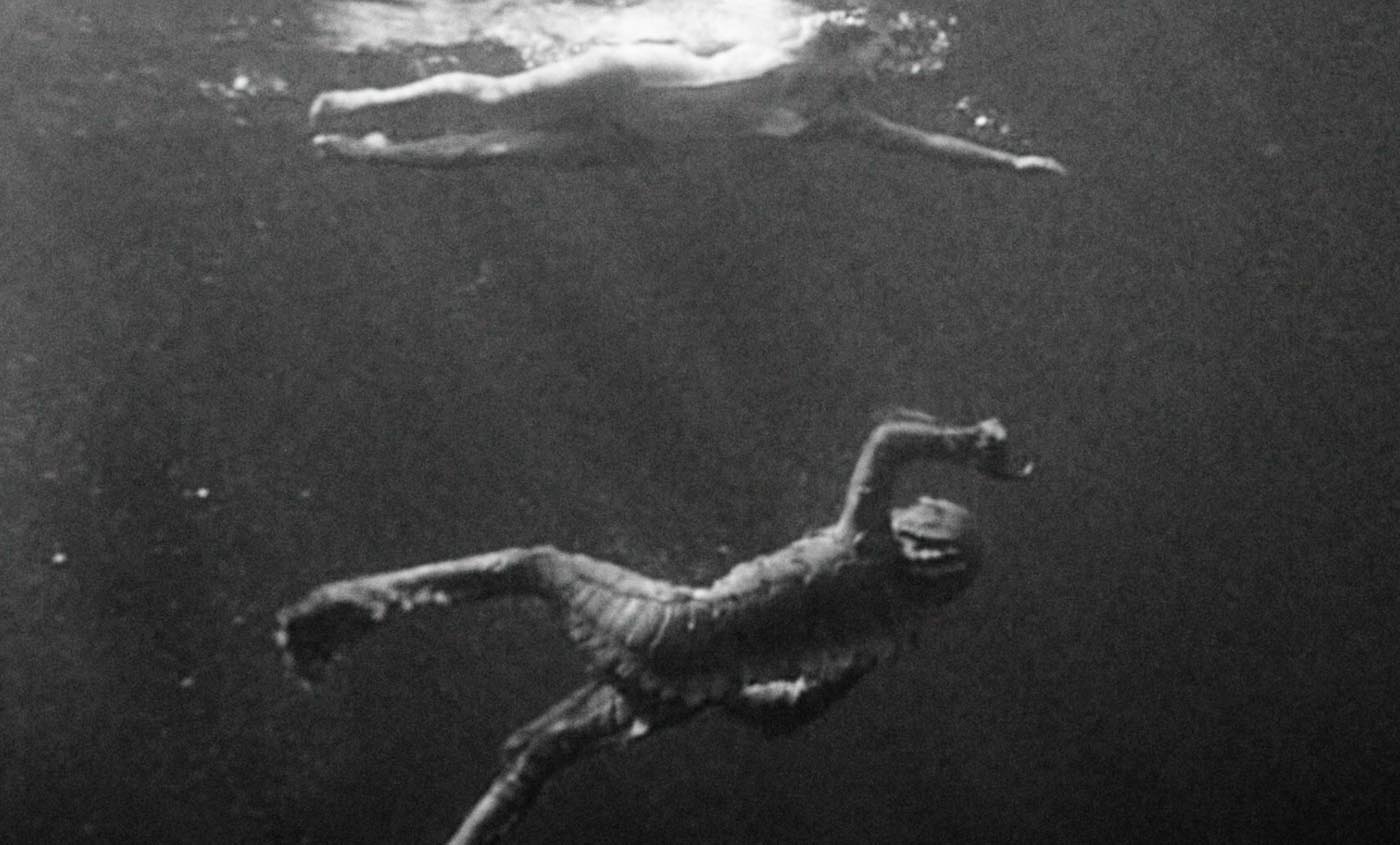
Creature From The Black Lagoon

The Creature (or Gill-Man, which must’ve sounded silly even in 1954) is the one Universal Monster I have the least familiarity with, so this snuck onto my Spooktober list under the heading Classic Horror You’ve Never Seen. I’m not sure how that happened. As with a lot of iconic titles and characters, it seems to exist in some realm of the already-viewed, absorbed through cultural reference rather than, you know, actually watching it.

Which is both silly and too bad, because this is a fun bit of monster-mashing. As the Creature, Ricou Browning pulls off some balletically graceful underwater stunts, even weighted down by his monster get-up. As Gillianren writes,

Now, I’m a pretty decent, if not great, swimmer, and I wouldn’t even want to think about swimming in that costume, much less swimming and acting at the same time—and Browning was acting, make no mistake.

She’s right. The underwater sequences are the most memorable, but the film as a whole accumulates its B-movie power not just from stunts, costume, and early 3D gimmickry, but also from the Creature himself, who, like many a monster before and since, is more sad and lonely than terrifying, really.

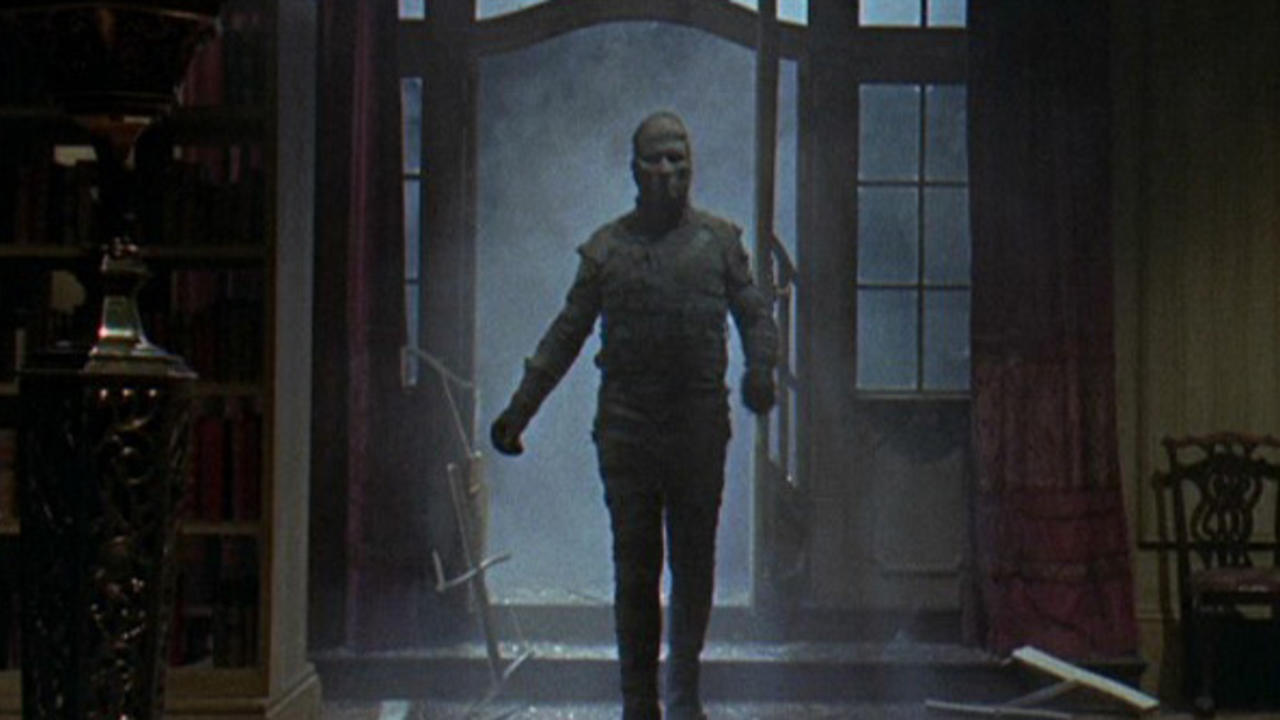
The Curse of the Mummy’s Tomb

Speaking of not being terrifying, heeeeeeere’s Hammer!

Mummy’s Tomb doesn’t feature any of the venerable UK house’s most famous names, but it still carries with it that particular whiff of respectable schlock. It’s impressively shot by Otto Heller, who also worked on Powell’s Peeping Tom (and 236 other titles), and traffics in colonial critiques, American hucksterism, and third-act horror reveals. A fine way to spend 81 minutes.

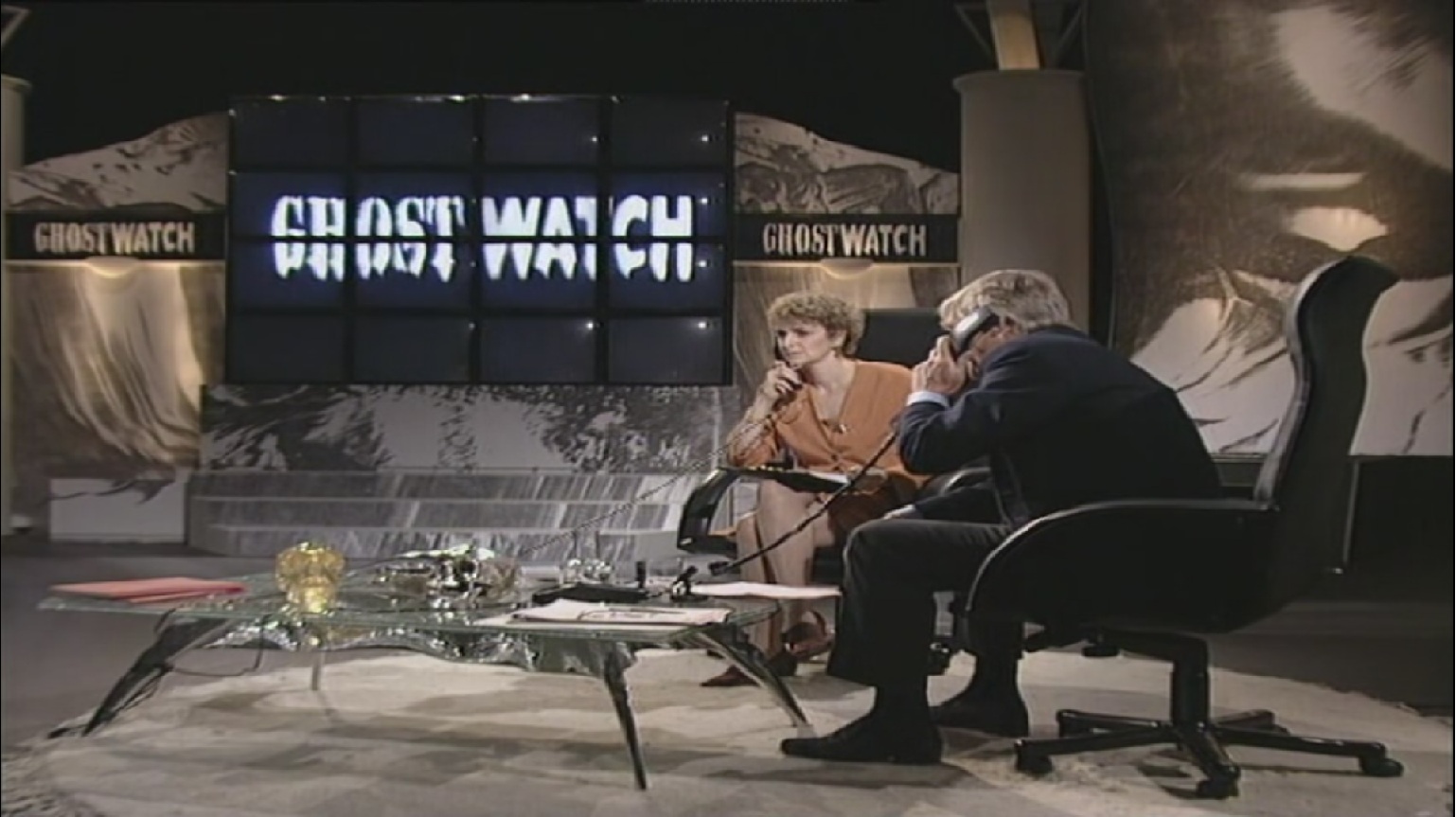
Ghostwatch

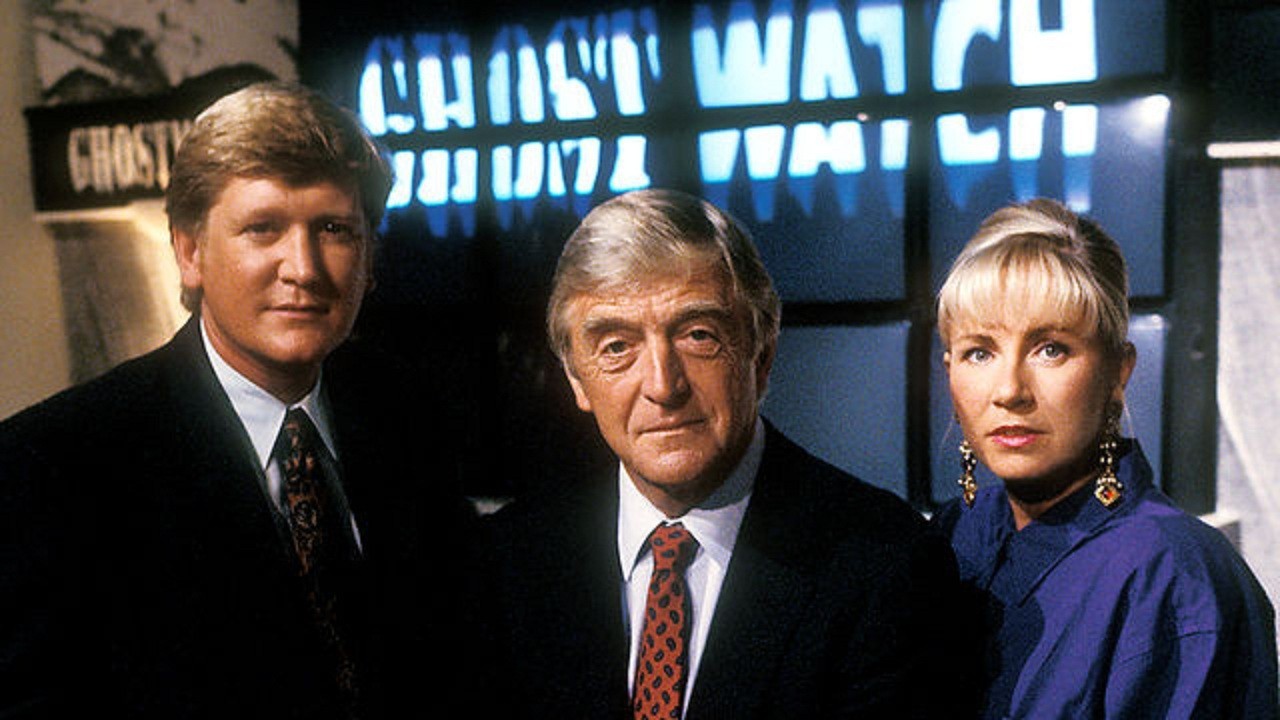
One of my favorite Spooktober surprises, Ghostwatch was totally unknown to me. I did not know it existed. I did not know it was something of a cultural phenomenon in 1992, or resulted in tens of thousands of calls to the BBC that Halloween night. I did not know it led to court actions and allegations that its airing resulted in actual deaths. I did not know it was subsequently banned for a decade and the BBC chided for irresponsibility in ever unleashing it on an unsuspecting audience.

All of which seems hard to fathom watching it now. It’s too funny and self-aware to trick anyone! But of course, unlike the new Blair Witch, Ghostwatch played before such things were old hat. The notion of actual BBC personalities starring in a live production about a fake poltergeist, complete with phony call-ins and familiar set locations, apparently boggled the minds of the viewing public, and scared the shit out of some people.

And even today, it goes to some unexpected places, turning in on itself at the close while also indicating that the evil it’s been documenting is now inside your machine, coming for you.

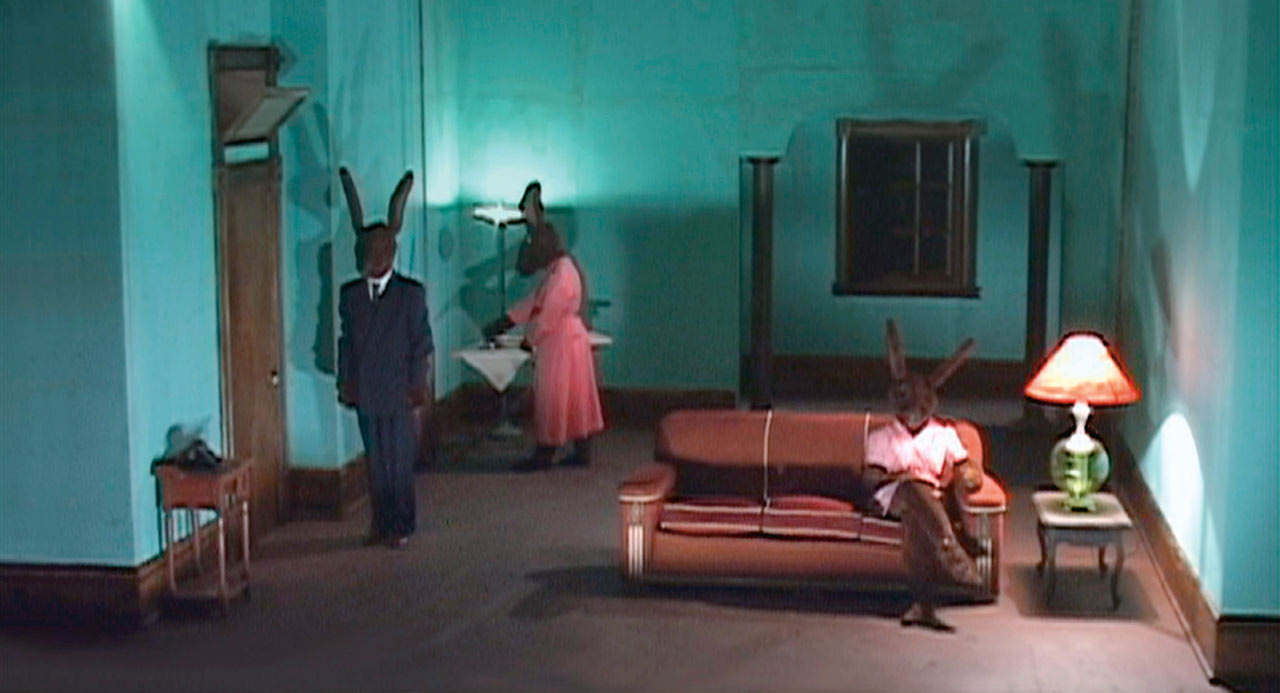
Inland Empire

David Lynch’s Spooktober offering is the story of 3 bipedal rabbits who live in the television. It is 3 hours long. Scarier than The Curse of the Mummy’s Tomb but less scary than Ghostwatch. 5 stars.

The Living Skeleton

Directed by Hiroki Matsuno (his only credit on IMDB) and co-written by Kyûzô Kobayashi (of Goke, Body Snatcher From Hell fame), this is all late-60s Japanese-horror moodiness, some exploitation notes, skin-melting potions and ghost-ships and budget skeletons bobbing in the ocean.

I liked it. 

Severe Injuries

It’s hard to fault director/star Amy Lynn Best for the juvenile goofballery on display here. This is sub-Troma outsider art, and there is literally no other reason to watch Severe Injuries than to marvel at it. (Hell, if you’re unsure what you’re in for, the radical feminist professor who introduces her students to Aristophanes’ Lysistrata, thus setting the “madcap” plot in motion, wearing a Tromeo & Juliet t-shirt and the brief appearance of Lloyd Kaufman should clear things up.)

This is Spooktober at its dumbest, and I honestly wasn’t sure I would last the full 64 minutes. (Best knows her audience, though: the narrative is bookended by 10-minute-long credit sequences, meaning Severe Injuries effectively plays for less than 45 minutes total.)

But taken as it is — a poorly-acted, indifferently photographed no-budget slasher parody — it has its moments. If nothing else, the idea of a family of serial killers who’ve never been able to get the job done, generation after generation, is funny enough, and everyone looks like they’re having a good time, so that’s nice for them.

Tremors

On Halloween, most horror fans are probably putting on Carpenter or Hooper or Romero. Me? I watched some good old fashioned Underwood.

Why? Because Tremors is awesome, that’s why.

November 2, 2017 0 comments
0 FacebookTwitterPinterestEmail
Newer Posts
Older Posts

About

About

Towards a provisional theory of the cinema, or, failing that, just some shit about movies

Authors
Rick Kelley
Lark Lundberg

Keep in touch

Facebook Twitter

Categories

  • Conversation
  • Film
  • Film By Film
  • Great Movie Project
  • Great Movies: The Counter Programming
  • Guest
  • News
  • Other
    • Commentary
    • Film
    • Interview
    • Reviews
    • Song for a Sunday
  • Streaming Selections
  • TV
  • Uncategorized
  • Vegan Horror

Archives

  • April 2019
  • March 2019
  • January 2019
  • December 2018
  • November 2018
  • October 2018
  • September 2018
  • August 2018
  • July 2018
  • June 2018
  • May 2018
  • April 2018
  • March 2018
  • February 2018
  • January 2018
  • December 2017
  • November 2017
  • October 2017
  • September 2017
  • August 2017
  • July 2017
  • June 2017
  • May 2017
  • April 2017
  • March 2017
  • February 2017
  • January 2017
  • December 2016
  • November 2016
  • October 2016
  • September 2016
  • August 2016
  • July 2016
  • June 2016
  • May 2016
  • April 2016
  • March 2016
  • February 2016
  • January 2016
  • December 2015
  • October 2015
  • September 2015
  • August 2015
  • July 2015
  • June 2015
  • May 2015
  • April 2015
  • March 2015
  • February 2015
  • January 2015
  • December 2014
  • November 2014
  • October 2014
  • August 2009
  • September 2008

Recent Posts

  • China Girls, Death Proof, and the Hidden Face
  • Old News: Old Noise Edition
  • Old News: April 1, 2019
  • Nicolas Winding Refn, Marginalia, and the Deaths of Cinema
  • And now, let us praise Kanopy

Recent Comments

  • Franklin Kat on Michael Shannon shines again in Frank & Lola
  • Sean Tempesta on Cinema and dream-logic in Meshes of the Afternoon
  • ludditerobot on The Left-Wing Slapstick and Iconic Songs of 1937’s Street Angel
  • Franklin Kat on The Left-Wing Slapstick and Iconic Songs of 1937’s Street Angel
  • Arijit Mukherjee on Great Movies Project: The Counter-Programming
  • Facebook
  • Twitter

@2021 - All Right Reserved. Designed and Developed by PenciDesign


Back To Top
Luddite Robot
  • Reviews
  • Commentary
  • Great Movie Project
    • Great Movie Project
      Bride of Frankenstein is a movie for and…

      January 25, 2018

      Great Movie Project
      The Enduring Appeal of Nick and Nora in…

      November 29, 2017

      Great Movie Project
      The Ahistorical Fever Dream of The Scarlet Empress

      August 2, 2017

      Great Movie Project
      Dreams, Mundanity, and the Anarchist Yearnings of L’Atalante

      July 12, 2017

      Great Movie Project
      Duck Soup Is And Will Always Be A…

      April 19, 2017

  • Counter Programming
    • Great Movies: The Counter Programming
      Walking and Talking in the Shadow of Kanchenjungha

      March 7, 2018

      Great Movies: The Counter Programming
      A Brief Encounter in My Mother and Her…

      February 9, 2018

      Great Movies: The Counter Programming
      Horror’s Refusal in Farrokhzad’s The House Is Black

      October 13, 2017

      Great Movies: The Counter Programming
      The rage and beauty of The Cloud-Capped Star

      October 3, 2017

      Great Movies: The Counter Programming
      The daylight noir and social issue empathy of…

      June 22, 2017

  • Vegan Horror
    • Vegan Horror
      Julia Ducournau doesn’t think her film Raw is…

      June 7, 2017

      Vegan Horror
      Licking our wounds: The vampiric masculinity of Ravenous

      December 13, 2016

      Vegan Horror
      Eggertsson and animals: An approach to horror cinema

      September 15, 2016

      Vegan Horror
      “It’s Not My Nature” – Vegetarianism, Body Horror,…

      August 30, 2016

      Vegan Horror
      Bodies and Carcasses in Predator 2

      August 23, 2016

  • Interview
    • Interview
      Jasmine Leyva’s doc The Invisible Vegan aims to…

      May 3, 2017

      Interview
      Bridging The Abyss: An Interview With The Directors…

      November 28, 2016

      Interview
      7 Days in Ohio: An Interview with Nathan…

      September 12, 2016

      Interview
      Film Critic Phil Dy talks New Filipino Cinema

      June 17, 2016

      Interview
      “I Love Seeing Film Projected.” A Conversation with…

      March 22, 2016