Top Posts
Madeline’s Madeline: An Unclassifiable Panic Attack Maybe-Masterpiece
Shoplifters Steals Moments of Wonder from the Mundane
Burning and Forgetting What’s Not There
Kusama: Infinity Expands Beyond The Canvas
Mandy Risks Little, Wins Little
In We The Animals, The Children Are Away...
The Seagull Isn’t Quite Chekhov, But It’s Still...
5 Million Ways Boots Riley Isn’t Sorry To...
American Animals’ and the Queasiness of the Heist
A Star Is Born In Hearts Beat Loud
  • Reviews
  • Commentary
  • Great Movie Project
    • Great Movie Project
      Bride of Frankenstein is a movie for and…

      January 25, 2018

      Great Movie Project
      The Enduring Appeal of Nick and Nora in…

      November 29, 2017

      Great Movie Project
      The Ahistorical Fever Dream of The Scarlet Empress

      August 2, 2017

      Great Movie Project
      Dreams, Mundanity, and the Anarchist Yearnings of L’Atalante

      July 12, 2017

      Great Movie Project
      Duck Soup Is And Will Always Be A…

      April 19, 2017

  • Counter Programming
    • Great Movies: The Counter Programming
      Walking and Talking in the Shadow of Kanchenjungha

      March 7, 2018

      Great Movies: The Counter Programming
      A Brief Encounter in My Mother and Her…

      February 9, 2018

      Great Movies: The Counter Programming
      Horror’s Refusal in Farrokhzad’s The House Is Black

      October 13, 2017

      Great Movies: The Counter Programming
      The rage and beauty of The Cloud-Capped Star

      October 3, 2017

      Great Movies: The Counter Programming
      The daylight noir and social issue empathy of…

      June 22, 2017

  • Vegan Horror
    • Vegan Horror
      Julia Ducournau doesn’t think her film Raw is…

      June 7, 2017

      Vegan Horror
      Licking our wounds: The vampiric masculinity of Ravenous

      December 13, 2016

      Vegan Horror
      Eggertsson and animals: An approach to horror cinema

      September 15, 2016

      Vegan Horror
      “It’s Not My Nature” – Vegetarianism, Body Horror,…

      August 30, 2016

      Vegan Horror
      Bodies and Carcasses in Predator 2

      August 23, 2016

  • Interview
    • Interview
      Jasmine Leyva’s doc The Invisible Vegan aims to…

      May 3, 2017

      Interview
      Bridging The Abyss: An Interview With The Directors…

      November 28, 2016

      Interview
      7 Days in Ohio: An Interview with Nathan…

      September 12, 2016

      Interview
      Film Critic Phil Dy talks New Filipino Cinema

      June 17, 2016

      Interview
      “I Love Seeing Film Projected.” A Conversation with…

      March 22, 2016

Luddite Robot
Film critique, theory, and assorted nonsense.
CommentaryFilm

China Girls, Death Proof, and the Hidden Face

April 14, 2019

Old News: Old Noise Edition

April 8, 2019

Old News: April 1, 2019

Nicolas Winding Refn, Marginalia, and the Deaths of Cinema

CommentaryFilm

And now, let us praise Kanopy

January 24, 2019

Warren Sonbert and the Relief of Anti-Narrative

January 14, 2019

The World Is Ending and It Doesn’t Matter

The Best Films of 2018

FilmReviews

Madeline’s Madeline: An Unclassifiable Panic Attack Maybe-Masterpiece

December 21, 2018

Shoplifters Steals Moments of Wonder from the Mundane

December 11, 2018

Burning and Forgetting What’s Not There

Alien, Musicology, and Reading Soundtracks

CommentaryFilm

Shocktober III: Halloween 2018 Edition

October 24, 2018

Shirley Jackson’s The Lottery Traumatized Schoolkids in 16 mm

October 18, 2018

Shocktober 2018 II: Another Reshockening (of Horror)

Häxan is a movie made by a movie character

CommentaryFilm

Shocktober 2018

October 7, 2018

Unprofessional! Spring Night, Summer Night

October 3, 2018

The Wild Boys: A Luddite Robot Conversation

Kusama: Infinity Expands Beyond The Canvas

Commentary

The Endlessly Parting Curtains of Twin Peaks

by Lark November 1, 2017
written by Lark

Last week, I checked back in with the Twin Peaks subreddit. I was mostly curious to see how the quest for theories was going, weeks after the finally final finale. It was stupid not to realize what I was actually going to get, given the fast-approaching holiday – pages and pages of Halloween costumes, of course (Dale Cooper for anyone who could afford a suit, with some dudes who were probably already halfway to looking like the Woodsmen filling out the rest of their aesthetic).

But I did find some of what I was looking for. I wasn’t aware a new Twin Peaks book was coming out: another Mark Frost novel (The Final Dossier) to inspire another round of grand theories of what was Really Going On in the world of Twin Peaks. These theories had been bubbling up over the entire course of The Return, in that subreddit and elsewhere, playing the same guessing game people on the Internet play with every show.

During Twin Peaks’ run, I had spent a lot of time mocking this kind of theory-crafting wherever it popped up. It seemed obvious to me that the show was never interested in giving the kinds of answers these theories were looking for. And the reason for that light contempt was based on a very particular understanding of David Lynch and his work.

The Lynch revealed in his films is a fetishist in the purest sense. They reveal a creator who has become so engrossed in a particular fantasy – the curtain that is about to part, revealing, on stage, both the sexual being and the solution to the puzzle – that that fantasy has become more satisfying, with its promise of satisfaction, than the satisfaction is itself. It’s present in his view of sexuality, which views the performance of sexiness as closer to sex than sex itself, and is present in his narrative: that he is more interested in the structure of the almost-here reveal than the reveal itself.

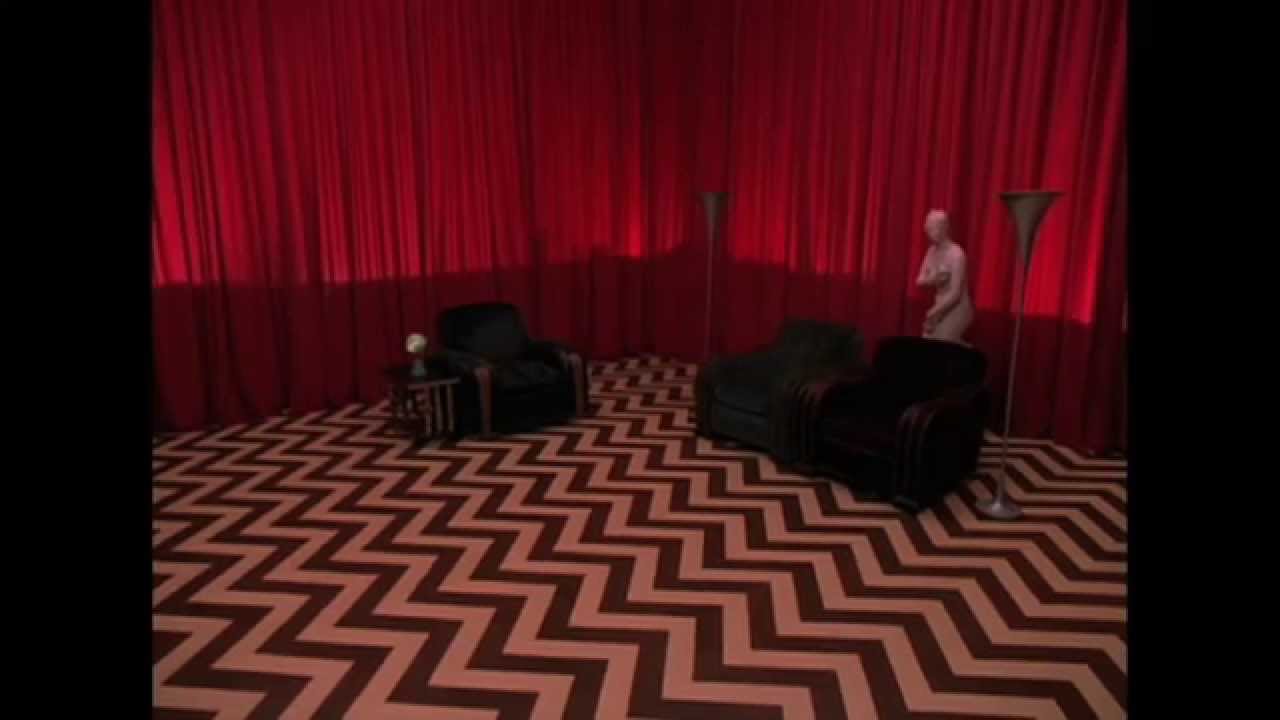
His narratives tend to be structured around constantly parting curtains – curtains that never open all the way up to the pleasure and resolution of the “event,” but only to more curtains. This isn’t completely metaphorical. I think it’s in Lynch on Lynch that he talks about his particular attraction to the Dance of the Seven Veils (not to mention Twin Peaks‘ Red Room, with its curtain lining that keeps revealing more and more hallways).
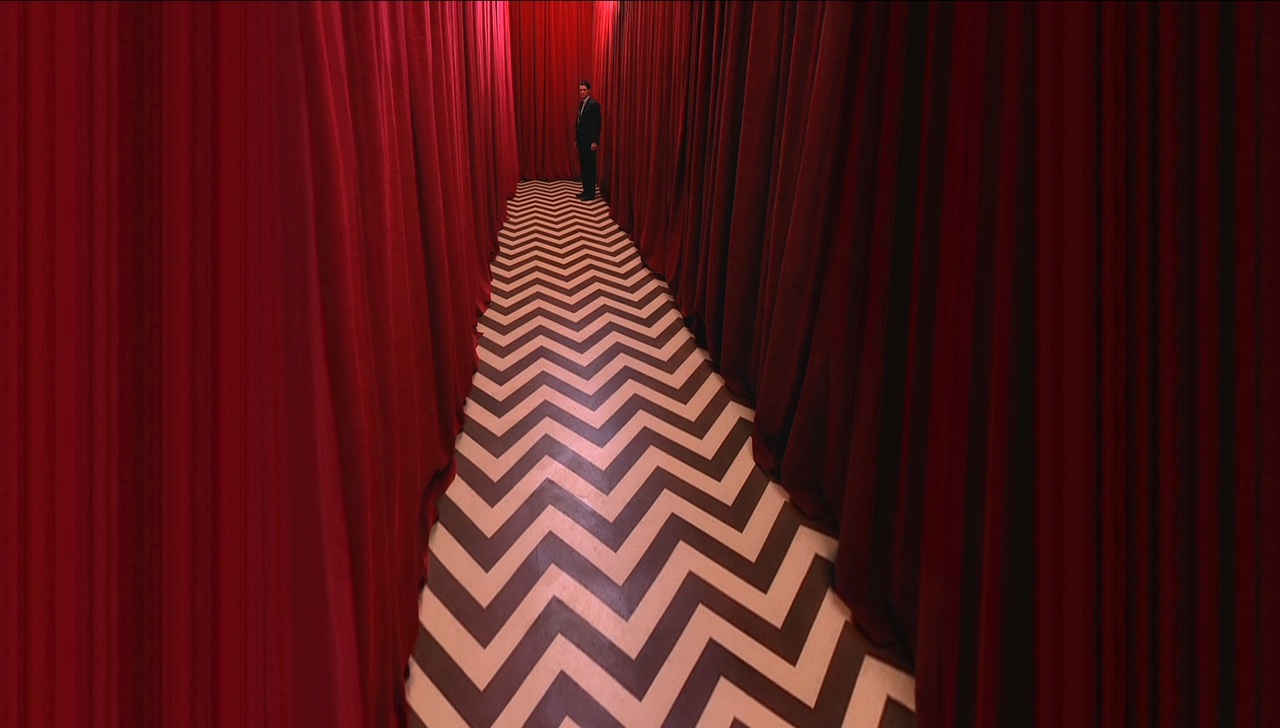
So, I thought, cockily, anyone spending time trying to bring resolution to the world of Twin Peaks, or to any Lynch production, was missing the entire point. There is no resolution, only a continual parting of curtains. Anyone who was trying to find a real “presence” by making sense of the show was missing what was so beautiful about it: that it is structured around the eternal deference of presence.

But I finally realized, looking for updated theories, that this image of Twin Peaks specifically and Lynch’s films in general as offering a perpetual deferral was itself founded on a very clear sense of presence: the presence of Lynch himself. It’s Lynch’s personality, his comportment and self-portrayal as mysterious and inscrutable, the way he wriggles out of every question, that holds up the entire system of perpetual deferral.
The Lynch mystique is carefully built to seem unbuilt. We want to believe in him as someone who is not putting on a show, an “all-American Martian boy”, as one critic called him. We are getting the real deal, and it is because we (I should really say I here, but I think I am not the only one who falls into this trap) believe in his sincerity that we can believe in the infinite deferral of explanation and meaning. We can only say we will never get an explanation because we already have an explanation in the presence of what we understand Lynch to be.
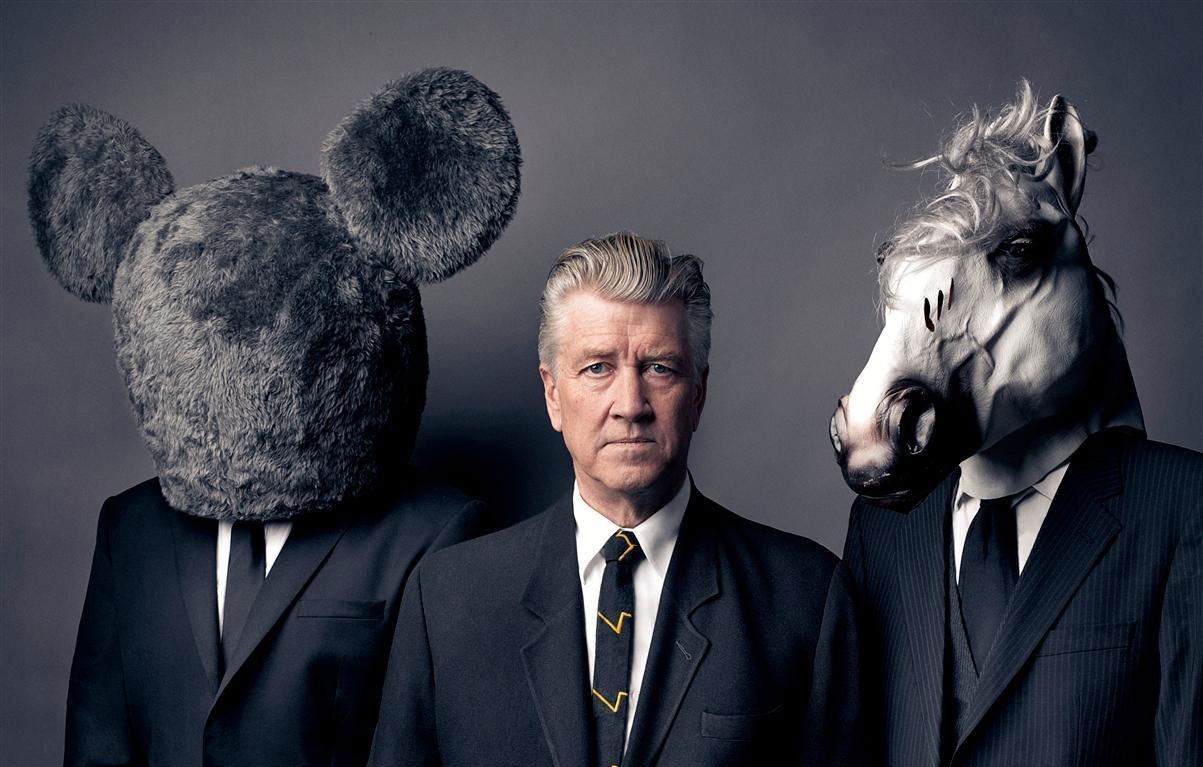
This is all to say: sorry, theory-builders and explanation-hunters, for condescending to you for so long. I was not being the enlightened one, free from a need for definitiveness and clarity, and you were not all the rubes, looking for certainty where there was none to find. What I thought was my disavowal of explanation was actually my secret commitment to it, in the form of the cult of the artist himself.

And in your search for a set of explanations that would make sense of everything, you were the ones risking uncertainty – risking, because uncertainty can always only be a risk. Realizing that there is, right now, a complete lack of certainty may simply be sensible, but being certain that there will never be certainty is just an easy way to trick ourselves.

November 1, 2017 0 comments
0 FacebookTwitterPinterestEmail
FilmReviews

Empathy and Juxtaposition in The Florida Project

by rick October 30, 2017
written by rick

There is a small, wordless scene very early on in Sean Baker‘s The Florida Project that, in its empathy and assured direction, could stand in for the film as a whole.

Moonee (Brooklynn Prince), the film’s constantly moving, relentlessly yammering 6-year-old protagonist, and her friend Scooty (Christopher Rivera) sit on the pavement, backs against a concrete wall emblazoned with a mural of oranges. Baker hasn’t provided much background on the characters yet, and none on the location. All we see, in the luminous 35 mm frame, are two children, sprawled a bit awkwardly, the way kids do, and a vast expanse of painted fruit. The camera is more or less eye-level to the kids, as it will be for much of The Florida Project.

A series of jump-cuts shows the two of them shift their positions slightly, growing bored and restless. Moonee slumps further and further to the ground, a comically physical embodiment of over-dramatic kid exasperation. There’s no dialog, and no change in camera angle. The scene lasts about 90 seconds, and you can feel every one of them.

Suddenly, they jump up and run to a door Baker hadn’t shown us, just off-screen. Moonee and Scooty are outside a restaurant, where, we will find out, they routinely come for free waffles illicitly smuggled out the back door by Scooty’s mom Ashley (Mela Murder), who works there. There is no hand-holding on the film’s part; like the kids, we just have to wait. And wait. Maybe they’d been there for an hour, or maybe for something closer to the 90 seconds we actually witnessed. To a couple of 6-year-olds on summer vacation, that can be an eternity anyway.

Brooklynn Prince, Christopher Rivera, and Valeria Cotto in Sean Baker's The Florida Project

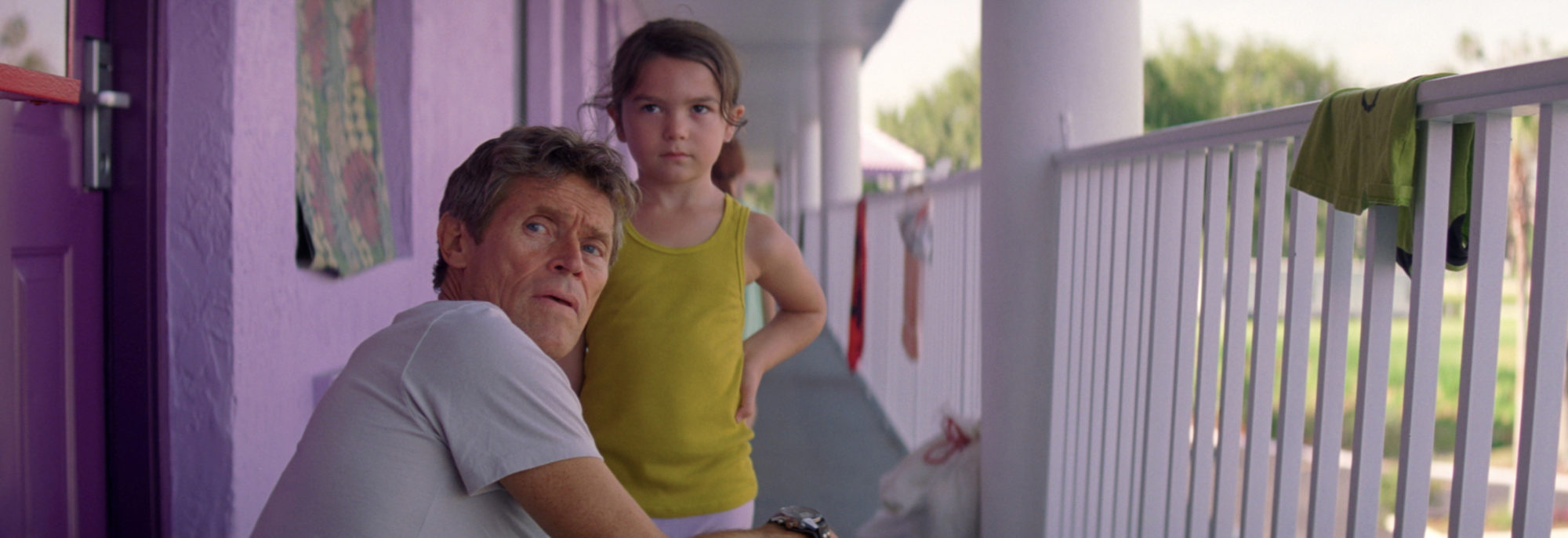
In The Florida Project, Baker holds fast to this child’s perspective, telling a decidedly adult story of poverty on the margins through the gauzy, pastel filters of younger eyes. Like Andrea Arnold, whose films Baker’s sometimes recall, he prefers non-actors in key roles, and he found a force of nature in Prince. We follow this tornado of activity and conjured invention as she, Scooty, and their new friend Jancey (Valeria Cotto) cause trouble in and around their rent-by-the-week Orlando motel, while the adults — like Ashley, Moonee’s mom Halley (Bria Vinaite), and motel manager Bobby (Willem Dafoe) — go about their tedious adult business of not being children. (When Bobby shoos them out at one point, Moonee replies, “Whatever, you guys are boring anyway.”)

Those adventures all transpire in the shadow of Disney World, a seeming juxtaposition of the real and the artificial that The Florida Project relishes. Their lives are intertwined, doppelganger-like, with the Happiest Place On Earth, whether it’s the tour helicopters taking off and landing literally next door, the off-brand motels luring visitors with names suspiciously similar to their more upscale counterparts down the road, or the tourists who pass through, easy marks for a quick buck or a prank. (Halley will take Moonee along to sell wholesale perfume at a discount in parking lots; Moonee, a quick study, will tell her new friend that a local spot is “where we get free ice cream,” before marching up to a customer in line and asking if the grown-up will please buy the kids some ice cream. “We have asthma and the doctor says we need ice cream,” Scooty adds earnestly.)

Bria Vinaite and Brooklynn Prince in Sean Baker's The Florida Project

It won’t all be fun and games. From the start, Halley’s parenting tactics raise some questions, despite her fierce, beautiful love for Moonee, and small touches, like a creepy pedophile who Dafoe’s father-figure manager runs off the premises, hint at the dangers just outside the bubble of youthful glee in which The Florida Project mostly resides.

Like in Arnold’s Fish Tank, or Baker’s own 2012 Starlet, there’s the sense of a reckoning coming, that the center won’t hold, that infuses even the smallest moments with both fondness and something like dread. It’s both a childhood dread — that the summer will end, that the anxiety of 1st grade, where the only fun thing is recess, will have to be confronted — and a particularly adult one, a nostalgia tinged with genuine concern for these kids and their futures.

Baker’s previous film, 2015’s revelatory Tangerine, drew so much attention (including from this very site) for the novelty of its custom-lensed iPhone aesthetic that it’s easy to forget how driven it was by a deep and morally serious empathy. The Florida Project goes the opposite direction in one sense, dropping iPhones for 35 mm, while completely retaining that sympathy and emotional rigor. Baker presents flawed characters making dubious decisions for understandable reasons, and he does so not only without judgment but with abiding affection. It’s a tough line to walk, and you almost don’t notice the degree to which he pulls it off until the credits come up.

Willem Dafoe and Brooklynn Prince in Sean Baker's The Florida Project

All the performances are stand-outs. Prince will get awards consideration for this, and she should. Her performance is at least as worthy as any other child actor’s that’s been nominated for an Oscar, in any case. Vinaite inhabits both Halley’s virtues and vices so fully she seems like she’s playing herself. Dafoe, the cast veteran, delivers a master class in restraint; watching him modulate his gruff exterior, a requirement in a job that involves kicking people out of their short- and not-so-short-term homes, while struggling to mask his protective affection for the kids (and their parents) who tease and madden him is, again and again throughout The Florida Project, a thing of wonder. He’s quite simply one of the best we’ve got.

The way Baker and his long-time co-writer Chris Bergoch construct Dafoe’s Bobby is yet another great example of their dramatic tact. A lesser film would’ve underlined Bobby’s back-story; in The Florida Project, we get only the barest hint, and it’s plenty. The screenwriting gives the sense of something that has been hacked away at, extraneous narrative details expertly removed because we just don’t need them.

We understand these people because of what they do, where they live, what they say, even how they hold their bodies. The kids, especially Moonee, deliver wonderfully real physical performances, contorting their arms in funny ways, kicking at nothing in particular, spontaneously dancing to a song they just remembered, slumping their shoulders in boredom.

Brooklynn Prince, Christopher Rivera, and Valeria Cotto in Sean Baker's The Florida Project

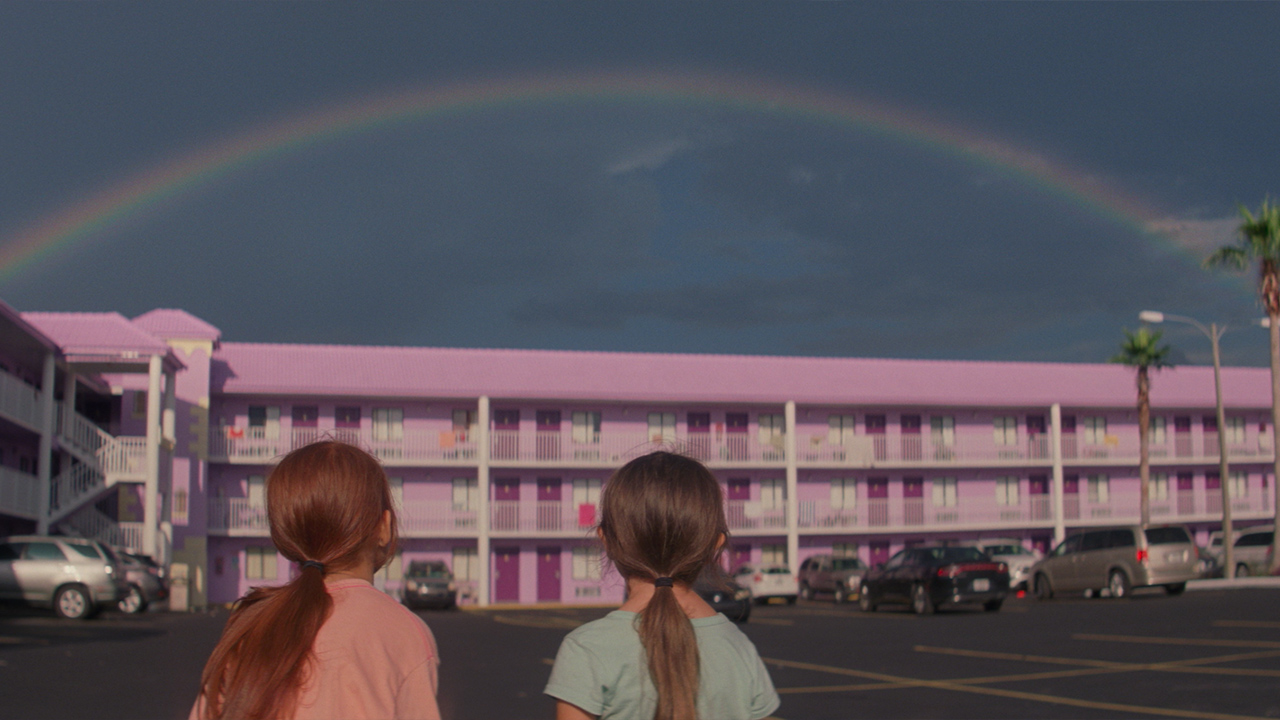
For a film that transpires over the course of a few weeks and, until its drama-packed third act, basically spends its running time according to the kids’ lazy clock, there’s a lot to discuss about The Florida Project. The contrasts between the frivolous artificiality of Disney and all-too-real poverty are prominent but also obscured; everything seems somewhat artificial here, from Bobby’s new coat of purple on the motel to the discount businesses actively blurring the lines between themselves and the “official” ones they are mimicking.

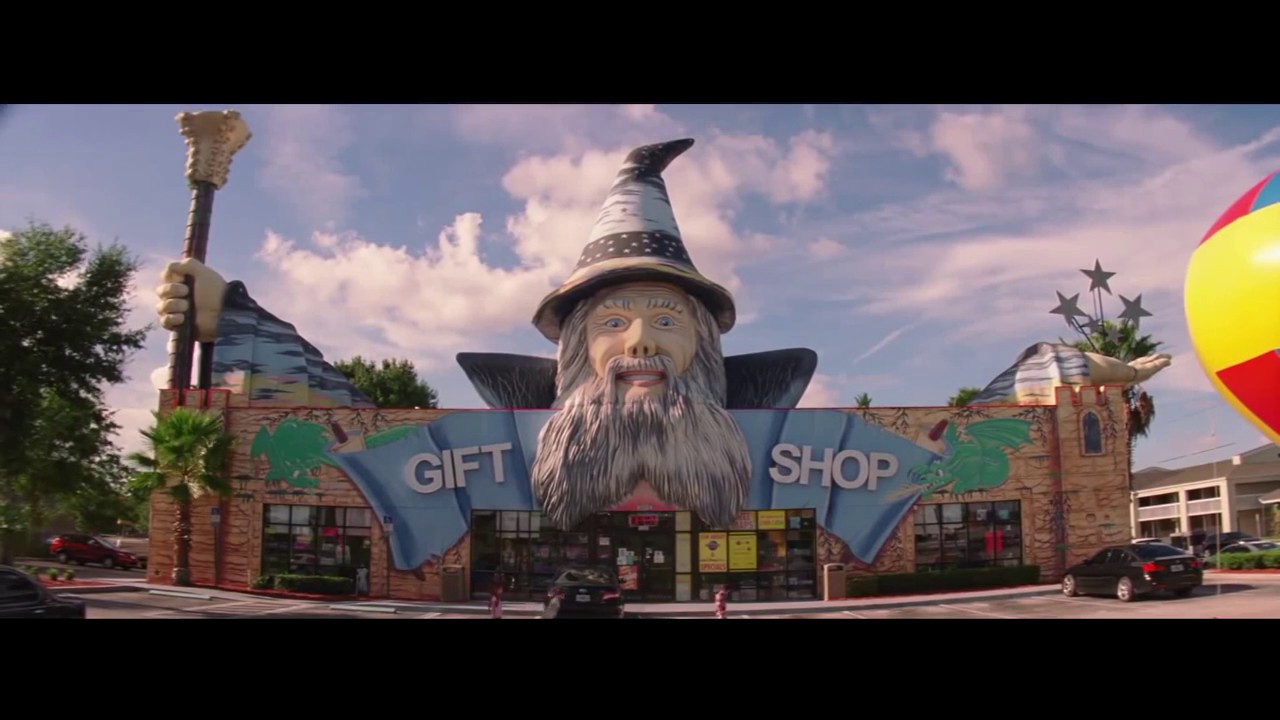
Jancey lives in “Futureland” (not to be confused with what Jancey’s mom refers to simply as “the purple place”), complete with a no-budget sign straight from the 1950s. It’s a weird material juxtaposition that ends up seeming out of time entirely, a vintage future. And Baker films on real locations, edits things down naturalistically while deploying frequently Altman-esque overlap in the sound, emphasizes documented social marginalization, coaxes painfully real performances from non-actors … all in the service of a cinema of the unreal. We walk by wizard-themed gift shops and listen in on meetings with social services; we play make-believe with actual tourist castles looming in the distance and then bear child-like witness to explosive, unexpected violence in rooms you can’t legally rent for more than a month at a time. The Florida Project is interested in both poles, and all the spaces in between.

Gift shop in Sean Baker's The Florida Project

The film’s title alludes to Walt Disney’s working name for the theme park. “The Florida Project” was not intended to be an East Coast companion to its Anaheim sister resort, but rather a planned community, something of a utopian endeavor, a “test bed for new city living innovations.” He died before realizing this rather ambitious, and odd, dream, and then capitalism went to work, as is its wont.

Halley, Ashley, Moonee, Scooty, Jancey, and Bobby could all report back on how that’s worked out. But Baker’s film never labors the point. The Florida Project is well aware of the perils of fantasy, but — closing with a frantic race, surreptitiously shot inside the theme park in the film’s only iPhone footage, and then, finally, a still shot of castle and endless sky — also knows we need our dreams. Summer isn’t going to last forever.

October 30, 2017 0 comments
0 FacebookTwitterPinterestEmail
Commentary

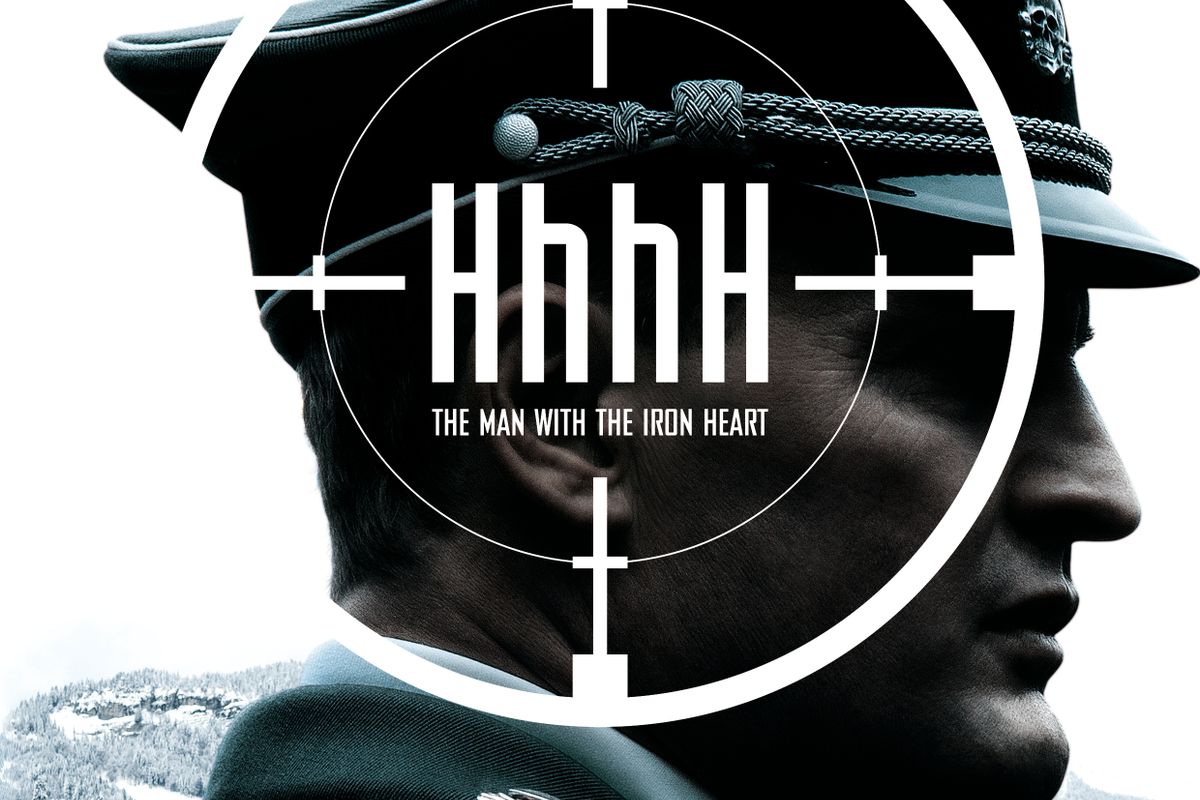
The Vanishing Meta-History of HHhH as a Film

by Lark October 27, 2017
written by Lark

If I am being completely honest, I can admit this was all my fault.

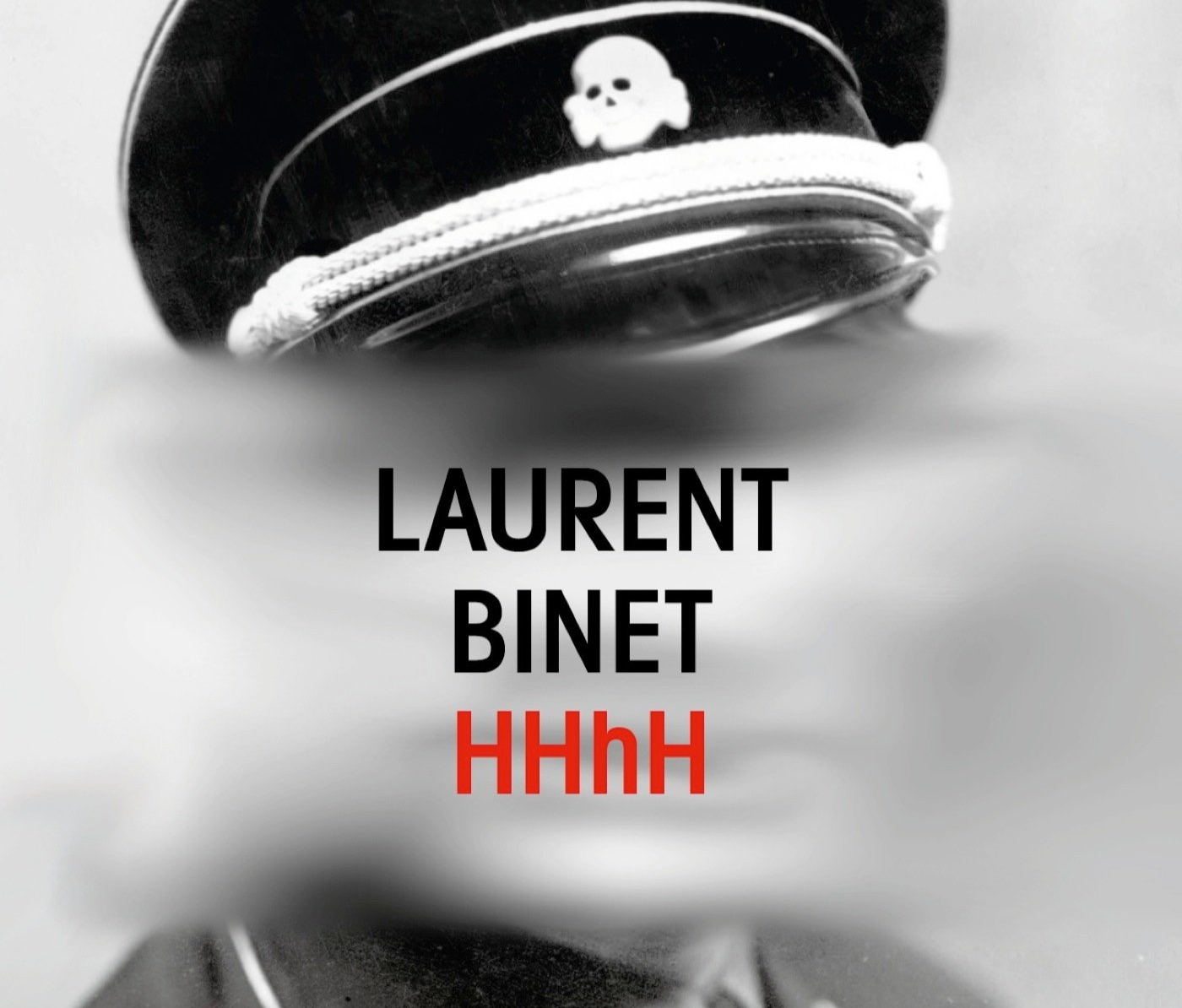
It was foolish to ever be excited for the film adaptation of Laurent Binet’s HHhH, a metafictional historical novel — but really less a novel and more a journal of the author’s attempts to write a historical novel.

If one reads it, yes, one ends up with a pretty good understanding of how Reinhard Heydrich came to power and helped orchestrate the Holocaust, and one understands how Czech nationalists managed to assassinate him in 1942. HHhH permanently changed how I thought about historical fiction. It’s a book that might put some people off — it is absurdly neurotic, for sure — but it has stuck in my brain more powerfully than any of those on the philosophy of writing history that I have read.

So I was thrilled when I heard about the adaptation, years ago. I was briefly disappointed when I heard about last year’s Anthropoid, which covers the same events, before realizing it was an unrelated film — one of those strange examples of parallel filmmaking that happens from time to time — and I was filled with excitement again when I saw that this had been released. But like I said, I should have known. The book as written is unfilmable. I get that.

But why did it have to be this film, this HHhH? If they were going to just film another drab depiction of an assassination, why connect it with the book at all, with its bizarre title that screams “postmodern metafictional weird thing”? (The movie is released in some places, and listed on IMDB, as The Man with the Iron Heart, severing even that connection.)

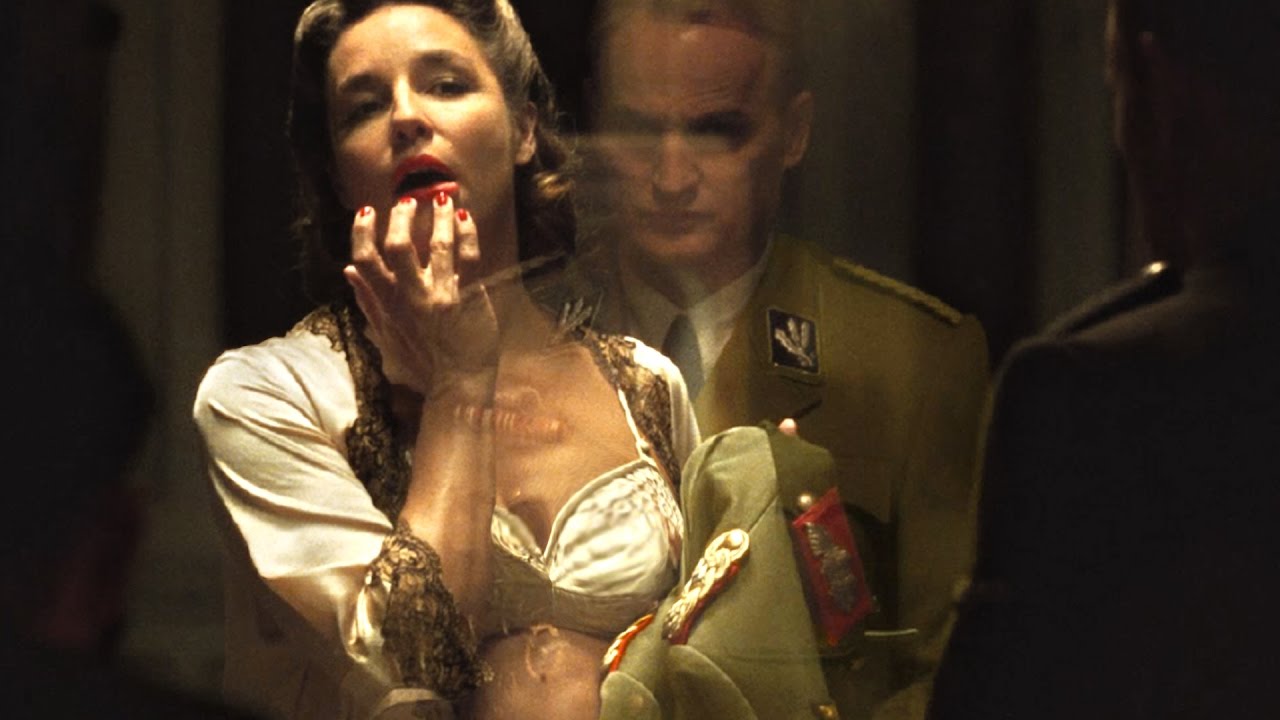
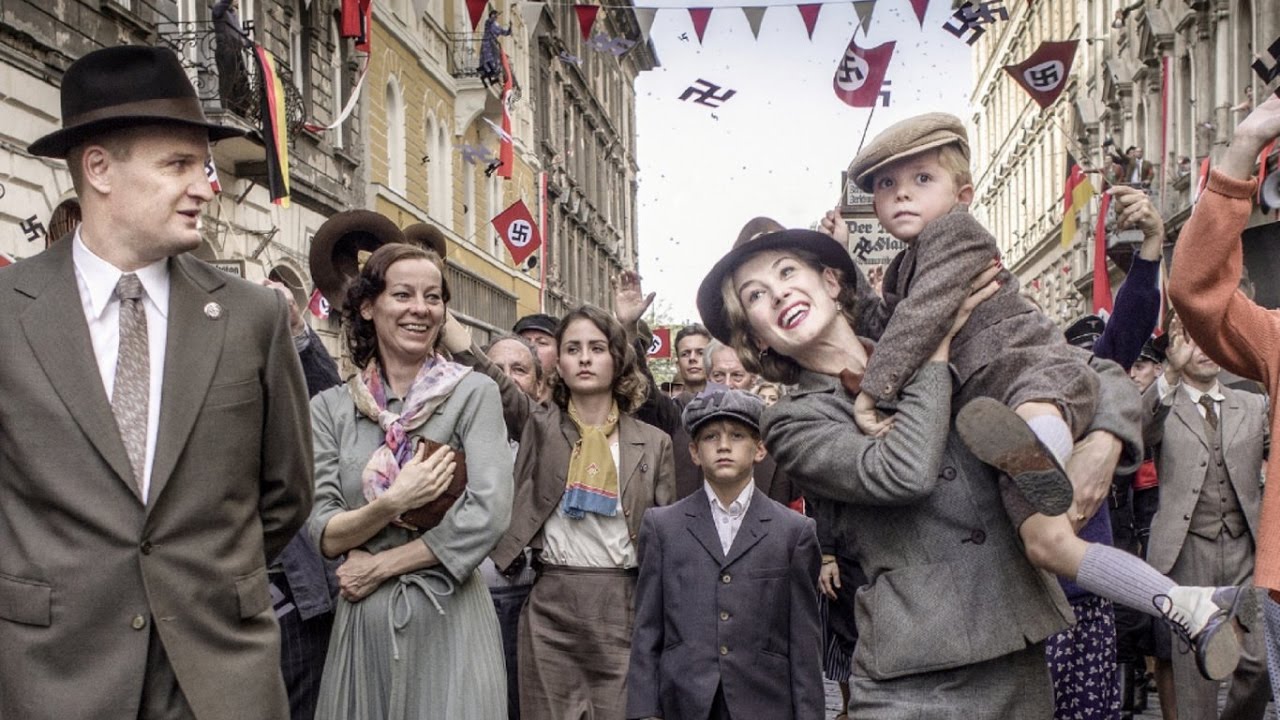
The only thing left connecting it to the original is its structure, which was not particularly odd in the book but makes little sense in film form. The first 40 minutes are spent with Heydrich (Jason Clarke) and his wife (Rosamund Pike, who makes no attempt to hide her British accent for her proudly German character). She convinces him to join the party, and he mixes scenes of blind rage with montages of executions and murders.

The entire section is shot in a drab period style, and it is unclear what we are supposed to get out of it. When Pike confronts her husband and tells him that she feels left out of his life, that she and their kids are being ignored — are we supposed to feel bad for her, an ardent Nazi? What empathy is left for domestic squabbles, when they are mixed with mass executions?

This lasts until the moment Jozef Gabčík (Jack Reynor) and Jan Kubiš (Jack O’Connell) stop Heydrich’s car in a crowded street and open fire. We then freeze — grenade frozen mid-air — and rewind back to follow their mission. They parachute into then-Moravia and make connections with resistance forces. They both fall in love with local girls, and we get a musical montage of dancing — but it is all lifeless and muted. Again, what we are supposed to get out of any of this is deeply unclear. When the assassins are reminded that they are not only risking their own lives, but that the assassination will lead to reprisals against their countrymen — that hundreds will, and did, die as a result of their actions — and when they are barely able to come up with an argument for carrying out their mission, what are we supposed to be seeing?

It often seems that anything set in World War II must automatically become “vegetable film-watching” — the equivalent of homework, of Plato’s virtue-building art. We grow our appreciation for the sacrifices made to bring the Nazi regime to an end. It probably could be traced back further, but I think this idea goes back at least to Saving Private Ryan, and to endless stories of teenagers thanking their grandparents for their actions.

All that is well and good, but one wonders how far that can bring us. Several scenes are almost impossible to watch, as countless men, women, and children are shot and buried in mass graves. Why watch it? Do I, personally, need to be reminded of the horrors of the Nazis so regularly? (It is, of course, terrifying how many people in America don’t seem to be up on this lesson, but I’m not sure this is the film that will change their minds.)
I always try to overcorrect when it comes to adaptations of things I love, since I am biased towards finding them useless and boring, so I will say this: If the intention was to depict the folly of the historical film, HHhH/The Man With The Iron Heart does not do a terrible job. If we are seeing a Brechtian expose of the absurdity of trying to explain the evils of Heydrich by looking at his family life, then it is successful. And if that were taken to a more conscious level, it may be something close to the distancing from historical fiction Binet gives in his book.

Several of the horrifying scenes of the Nazis’ murders include cameras, filming the events for Heydrich’s viewing later, and it sometimes seems that HHhH is drawing attention to this — that we are supposed to notice that these horrors were in some terrible way staged for us. Maybe.

But I think it is much more likely that this is yet another entry in a long history of a peculiar brand of exploitation film. Like all exploitation films, HHhH is driven by a need to see and bear witness to something. And the ultimate response has to be to forgive ourselves, and to realize: we do not need to pay homage to the past by endlessly restaging its atrocities. So this might be the last World War II movie I can stomach.

October 27, 2017 0 comments
0 FacebookTwitterPinterestEmail
FilmReviews

Spooktober III (Scream Warriors) – The Bad Batch, Corridors of Blood, Cauldron of Blood, Happy Death Day, Jennifer’s Body, Prevenge

by rick October 25, 2017
written by rick

Now that we’ve established the Spooktober premise in the first outing and developed some of the bit players while starting to drive home previously implicit character motivations in its arguably unnecessary sequel, we reach the third entry in the franchise, where either Dokken, Sam Neill, or cathode-ray-deploying Celtic death cults will inevitably play a central role.

Or will they? (No.) Here are 5 more new-to-me Spooktober titles, with an accidental emphasis on women horror directors this time around. (Or perhaps not that accidental, as #52FilmsByWomen remains a tacit, important commitment all year ’round.)

The Bad Batch

Ana Lily Aminpour’s debut A Girl Walks Home Alone At Night was one of the clear arthouse favorites of 2014, an assured, narratively quirky “Iranian vampire Western” that went for broke on ethereal mood and heavily contrasted B&W cinematography. In my (mostly) positive review at the time, I concluded by eagerly looking forward to her follow-up, billed, in a similarly irresistible log line, as a “dystopian love story in a Texas wasteland and set in a community of cannibals.”

Well, The Bad Batch certainly is all those things. It is not, however, very “good”. Aminpour’s ambition continues to outpace her ability to weave the strands together in any convincing way, and, although there are striking visual moments throughout (and even some actual horror), her sophomore outing is too messy and meandering to stick. In A Girl Walks Home, our protagonist had little to say, generally speaking, and The Bad Batch demonstrates in no uncertain terms that this was a good choice. People have some pretty dumb things to say and do in this desert, emptily philosophizing and glaring menacingly by turn. It doesn’t work.
There is almost certainly some truth to the idea that any director’s second feature — any director worth watching, at least, particularly of the Spooktober variety — will likely be ambitious and something of a mess. But when you have Keanu Reeves turn up as a post-apocalyptic House DJ / benevolent desert patriarch, sporting a sleazy mustache and delivering a monologue about pooping, and I’m still not engaged, something has gone wrong with the film.

Corridors of Blood / Cauldron of Blood

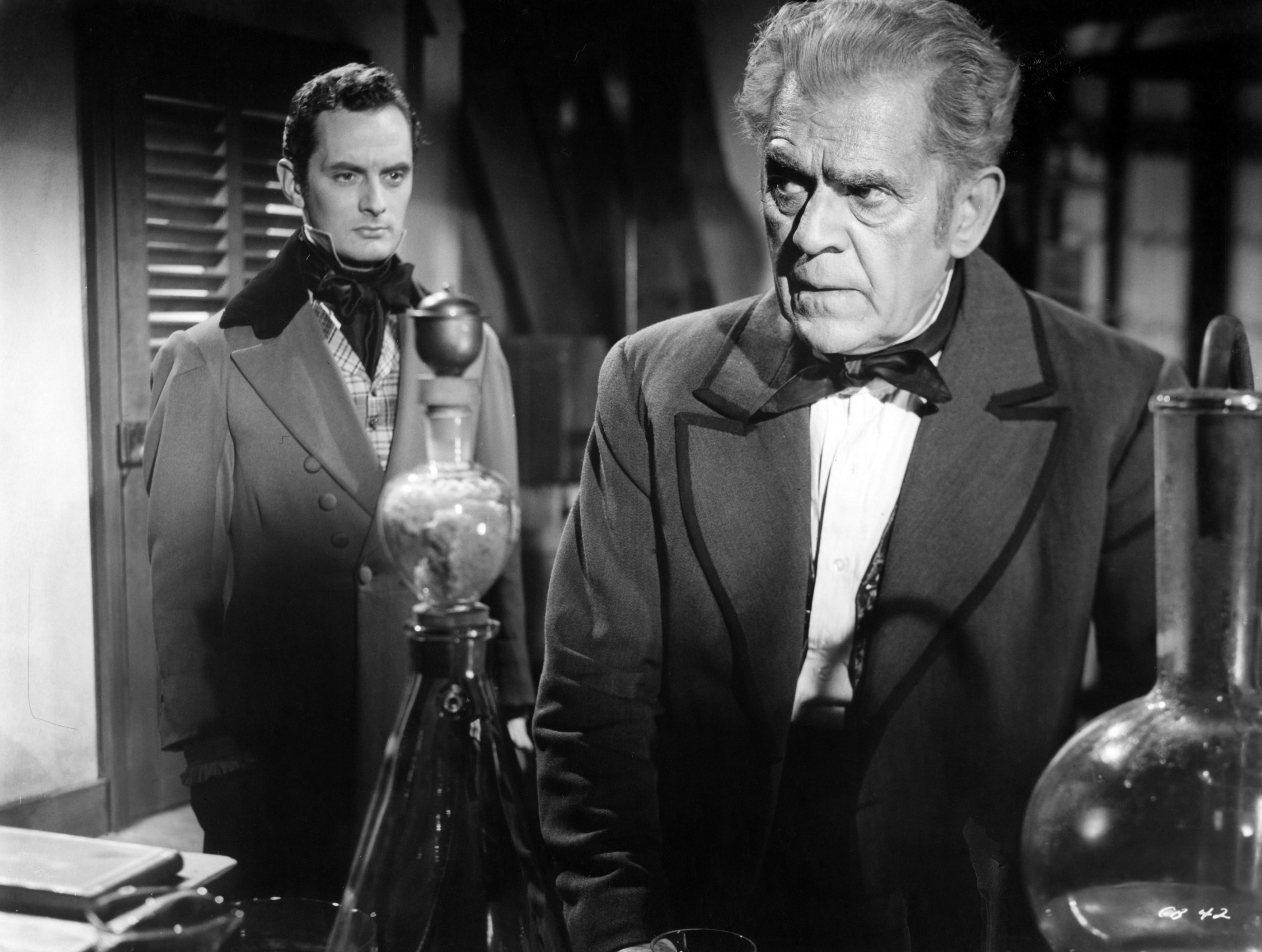
Corridors of Blood (1958)
Directed by Robert Day
Shown from left: Francis Matthews, Boris Karloff


Boris Karloff has turned out to be this year’s Spooktober VIP, entirely by coincidence. We already discussed The Mummy, a fantastic bit of classic Universal, and he turns up again not once but twice this time around.

As a testament to Karloff’s longevity and work ethic, it’s pretty amazing that The Mummy was released in 1932 and Cauldron of Blood just after his death in 1970, with the similarly-titled but very different Corridors of Blood straddling a mid-period in 1958. That’s a hell of a spread, career-wise.

Corridors of Blood is barely a horror: despite its lurid title, there’s little blood and, as far as I can remember, no corridors. But Karloff is excellent in the lead, a surgeon in the 1840s horrified by the pain his trade demands of patients and committed to discovering an effective anesthetic. An addiction to nitrous follows, exploited by a menacing Christopher Lee (is there another kind of Christopher Lee), and some deadly, gang-related hijinks ensue in the back bars of London. Despite only being released in the U.S. by MGM as a double-feature with the very Italian-sounding Werewolves in a Girls’ Dormitory, Corridors of Blood is actually a fairly high-minded affair, with most of the scares coming from the notion limbs being sawed off by sane, rather than mad, doctors. This is respectable stuff.

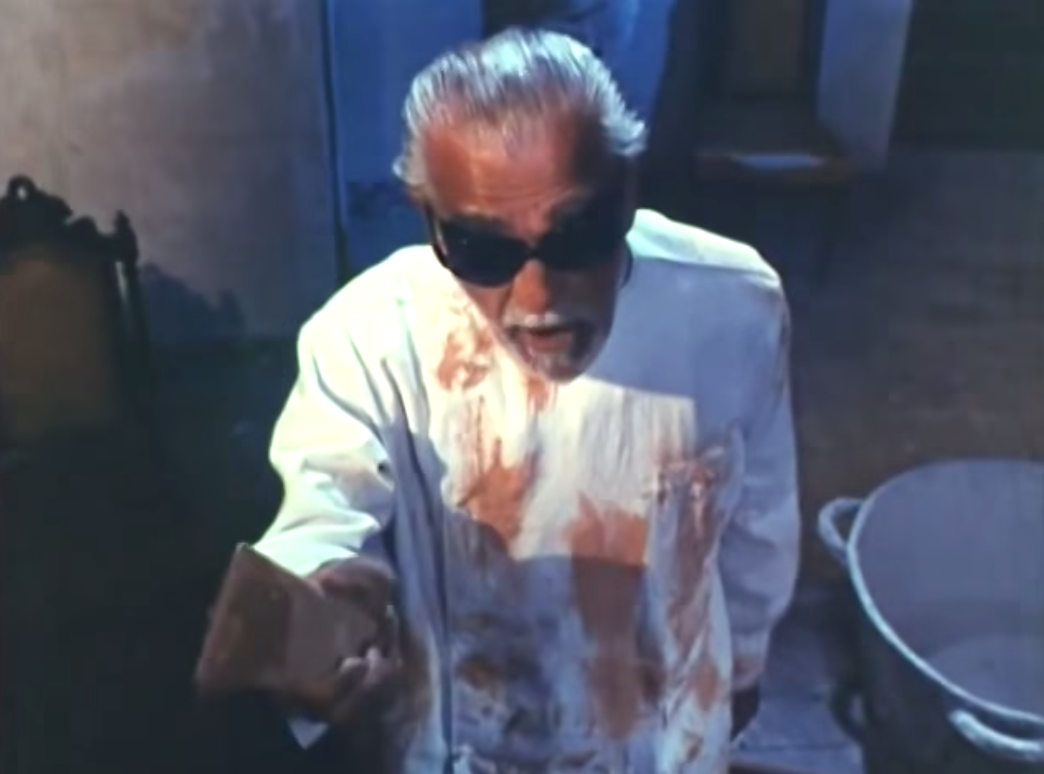
The same cannot be said of Cauldron of Blood, which does feature a lot of blood and, I think at one point, a cauldron. With nods to Corman’s Beatnik-satirizing A Bucket of Blood and the familiar beats of House of Wax, Karloff plays an elderly blind artist celebrated for his “sculptures.” He has a creepy wife/assistant intent on maintaining his fame. You can see where this is going, but it’s fun all the same. Directed by Edward Mann, who also wrote and directed a film called Hot Pants Holiday that it is now my mission to see based on its title alone.

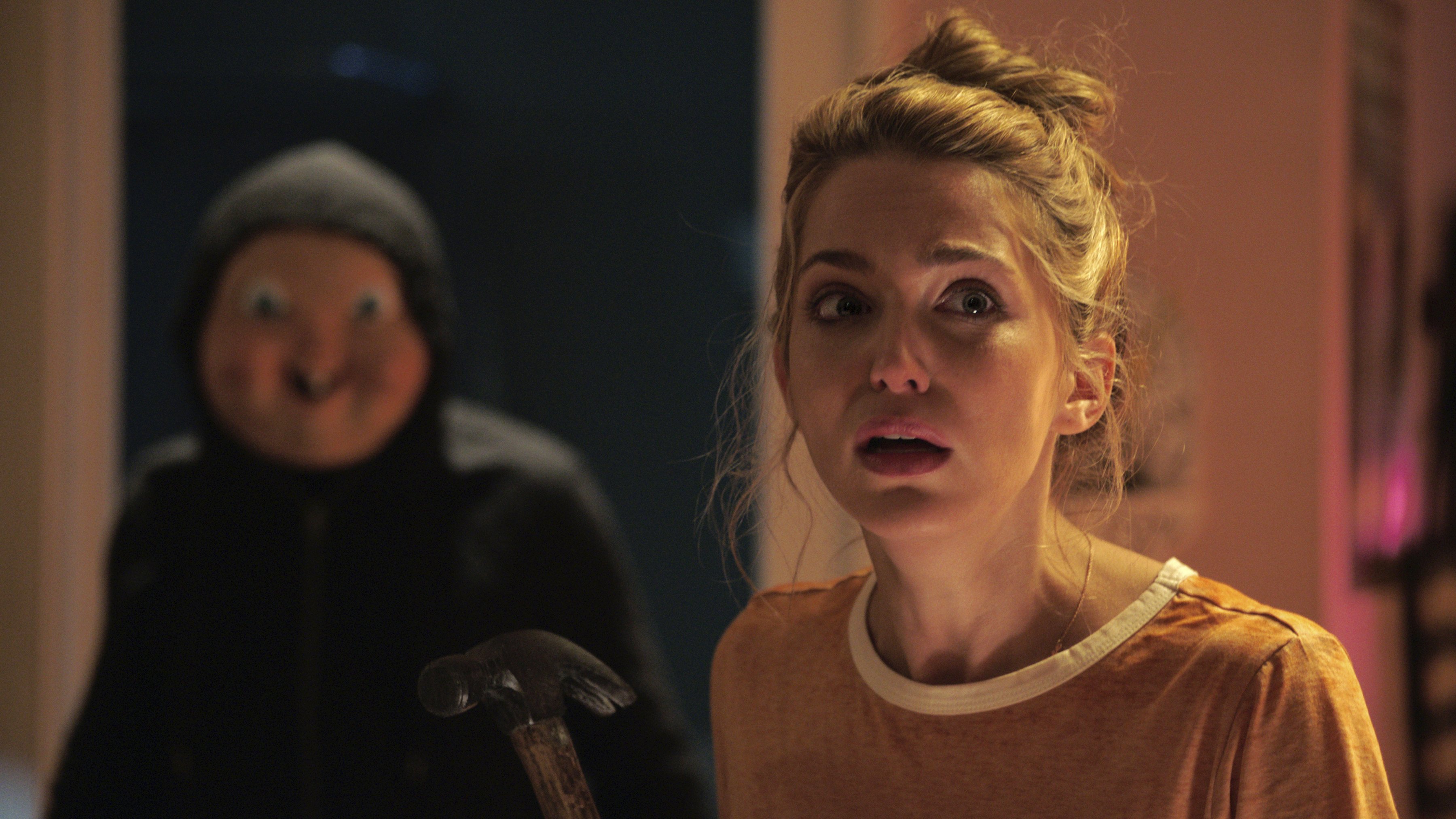
Happy Death Day

This image released by Universal Pictures shows Jessica Rothe in a scene from “Happy Death Day.” (Universal Pictures via AP)

A comic-horror Groundhog Day homage that actually includes a verbalized reference to Groundhog’s Day, this was a lot of fun. Was this at least partly because I watched it, stoned, out of a Suburu hatchback at a drive-in movie theater, the first drive-in movie theater I’ve been to in nearly 2 decades?

In a word, yes. But Jessica Rothe and Israel Broussard are appealing in the leads, the whole affair is snappy and silly, and there’s exactly enough tank in the gas to get it to the 90-minute mark. That’s good enough, as far as I’m concerned.

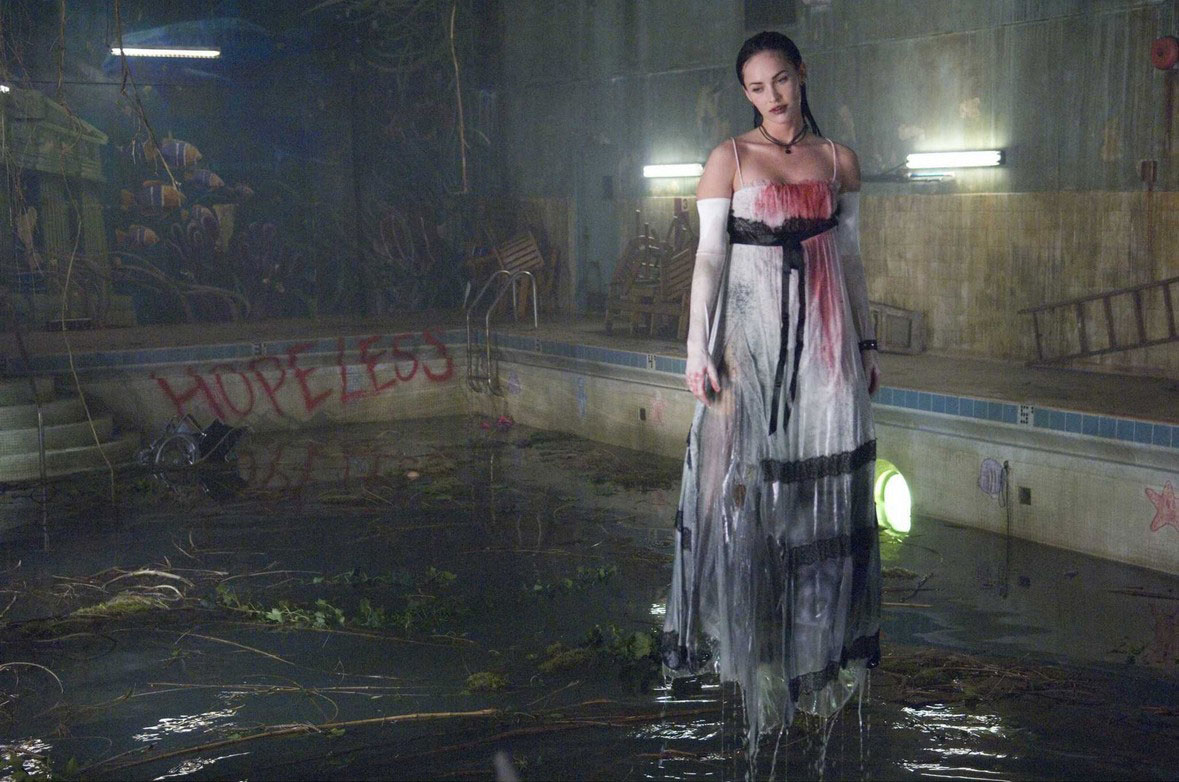
Jennifer’s Body

Though not nearly as outright goofy as Happy Death Day, Karyn Kusama‘s unfairly maligned Jennifer’s Body is playing in a similarly haunted Spooktober sandbox; hell, even its Diablo Cody-penned script shares a meta-note or two.

But Kusama and Cody are slightly more serious with both the gross-outs and the vaguely Ginger Snaps-echoing focus on femininity and sisterhood. As the tellingly-named protagonist Needy, Amanda Seyfried absolutely commits to the role, and even Megan Fox seems to be having fun sending up her own image. The amount of disdain heaped on this movie was totally disproportionate to its actual offenses, and divorced from its many charms. (Adam Brody bro-mocking his bandmate into murder with the line, “Do you want to be working at the Moose Cafe all your life or do you want to be rich and awesome, like the guy from Maroon 5?” is worth the price of admission by itself.)

There’s probably a reason for that disdain, but I’m sure it has nothing to do with the fact that it was written, directed, and starred women in the leads. Nope. Not a thing. 

Prevenge

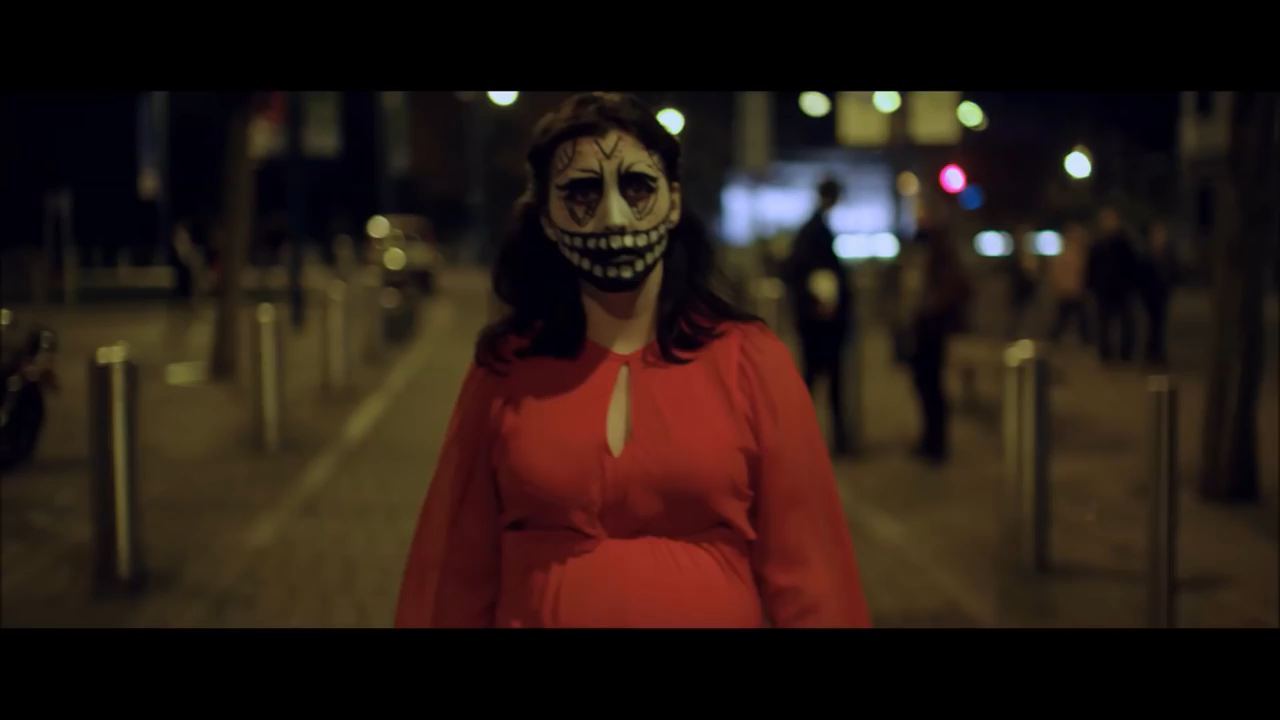
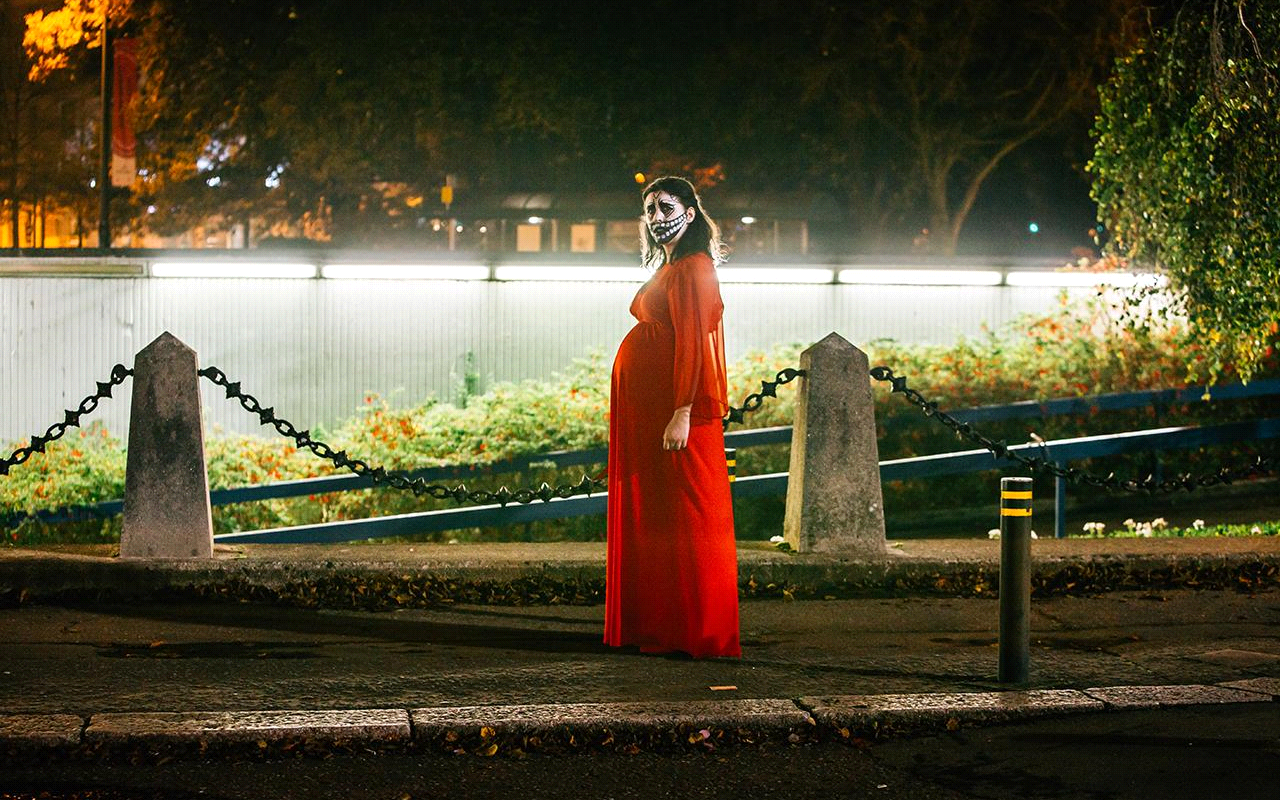
Alice Lowe wrote, directed, and stars as Ruth in this mostly creepy, often thoughtful bit of fetal terror. 7 months pregnant herself at the time of filming, Lowe certainly commits to the role in impressive fashion, playing a single mom-to-be whose gestating child encourages her to kill. The proximate cause? The unborn child’s father died in an “accident” she feels could’ve been prevented, and so revenge drives the narrative. But as Prevenge continues, things get decidedly murkier.

Lowe’s script gets a bit bogged down in its final third (and we really don’t need the “be Ruth-less” business), but there are haunting images throughout, along with a really melancholy undercurrent that unexpectedly turns the film into more of a meditation on grief and the body than the outright exploitation possibly communicated by its premise. Spooktober can also be a sad time, as it turns out.

Lowe injects the proceedings with both class-consciousness and anti-patriarchy: doctors (even female ones) that talk down to her, prospective employers unwilling to hire someone so late in their pregnancy, pathetically skeezy club DJs who think they’re doing her a favor by taking her home. Even the stray looks on the street from passersby are filled with an anxious energy — something between pity and fear.

Well, for most of Prevenge, it turns out the pity’s unwarranted, but the fear isn’t. As the body count climbs, to the pre-natal Omen-like delight of her unborn child, Lowe drives home her themes. With a knife! She drives them home with a knife.

October 25, 2017 0 comments
0 FacebookTwitterPinterestEmail
Conversation

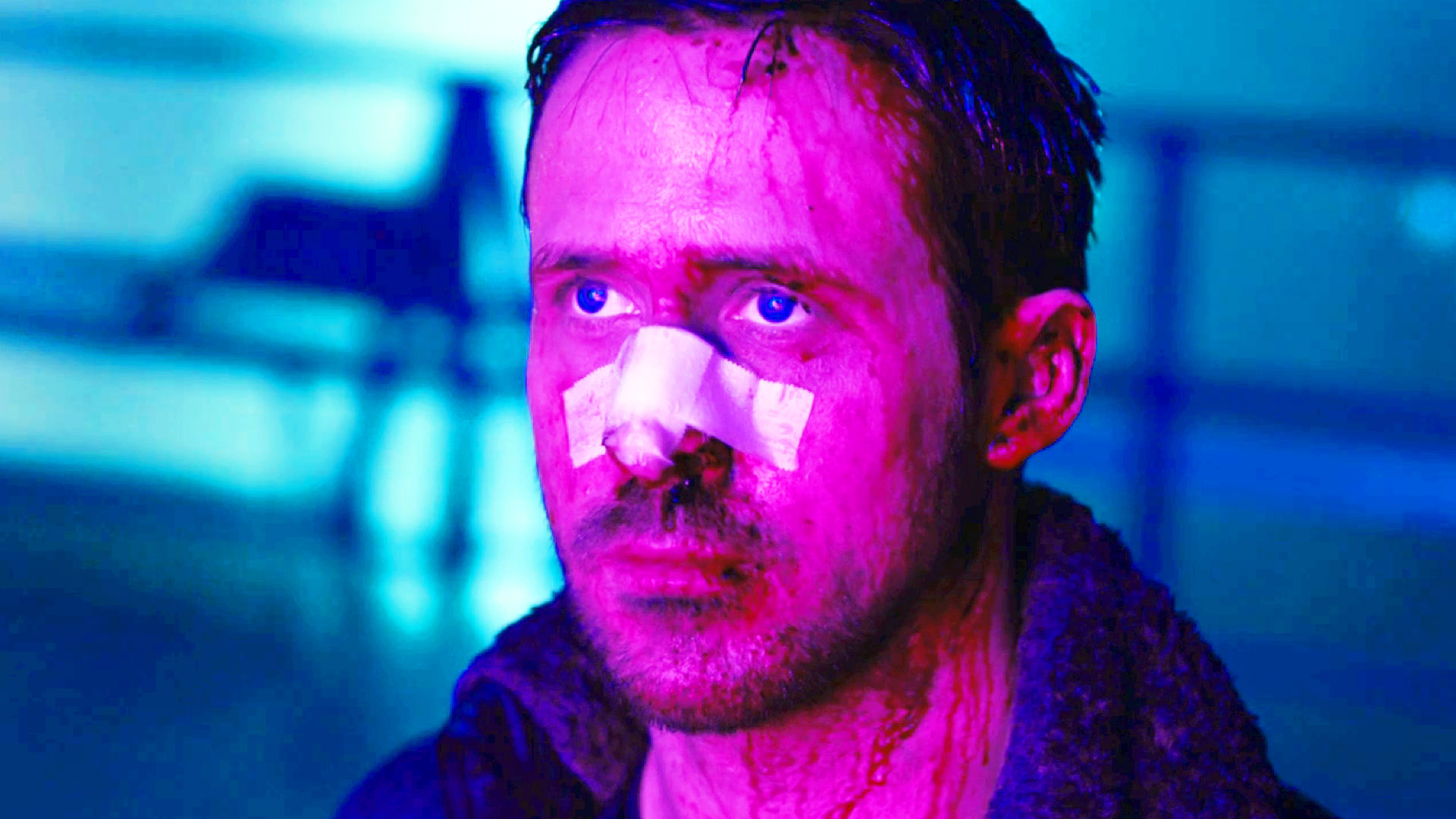
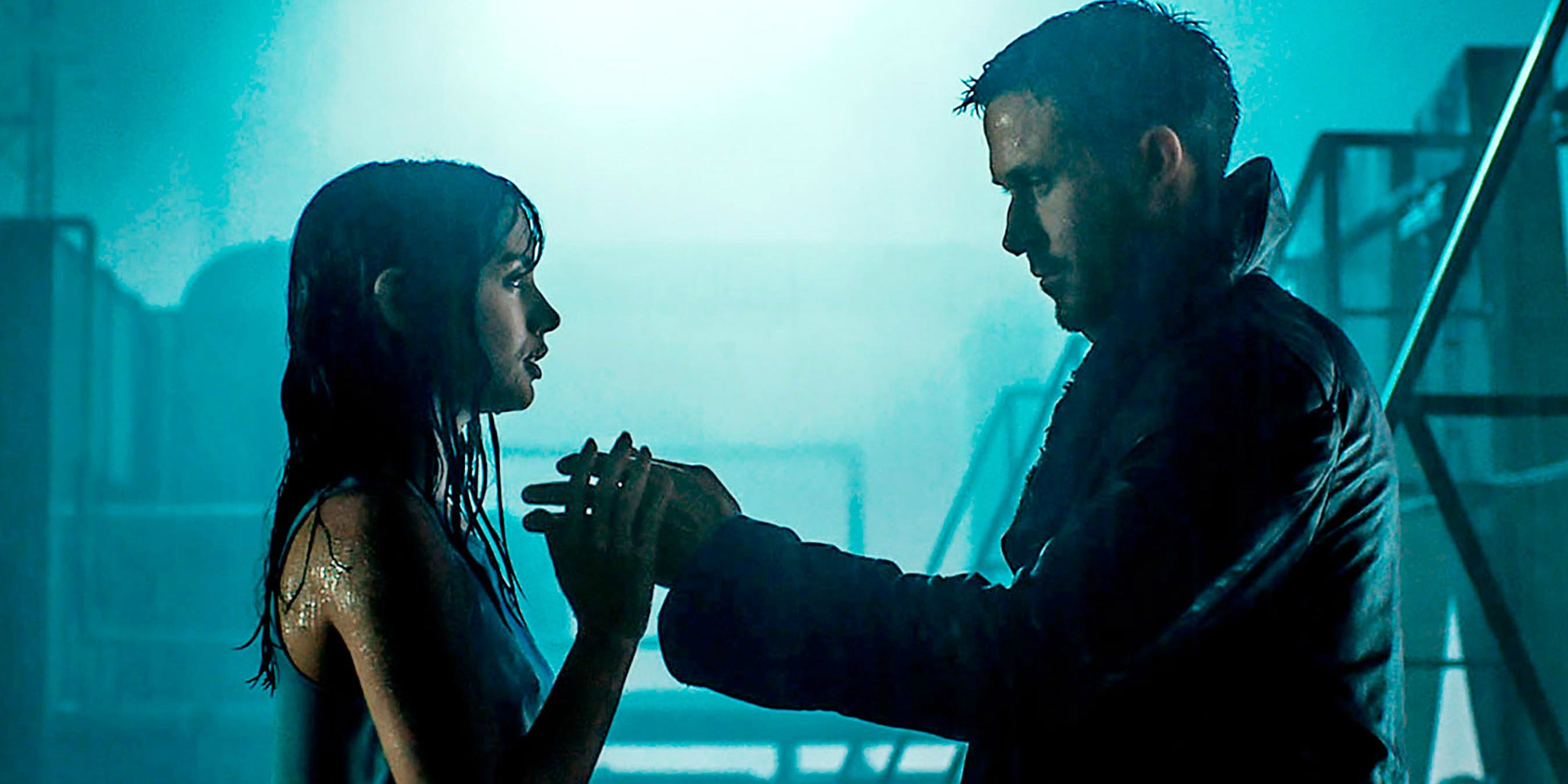
Blade Runner 2049: A Luddite Robot Conversation

by Sam and Rick October 23, 2017
written by Sam and Rick

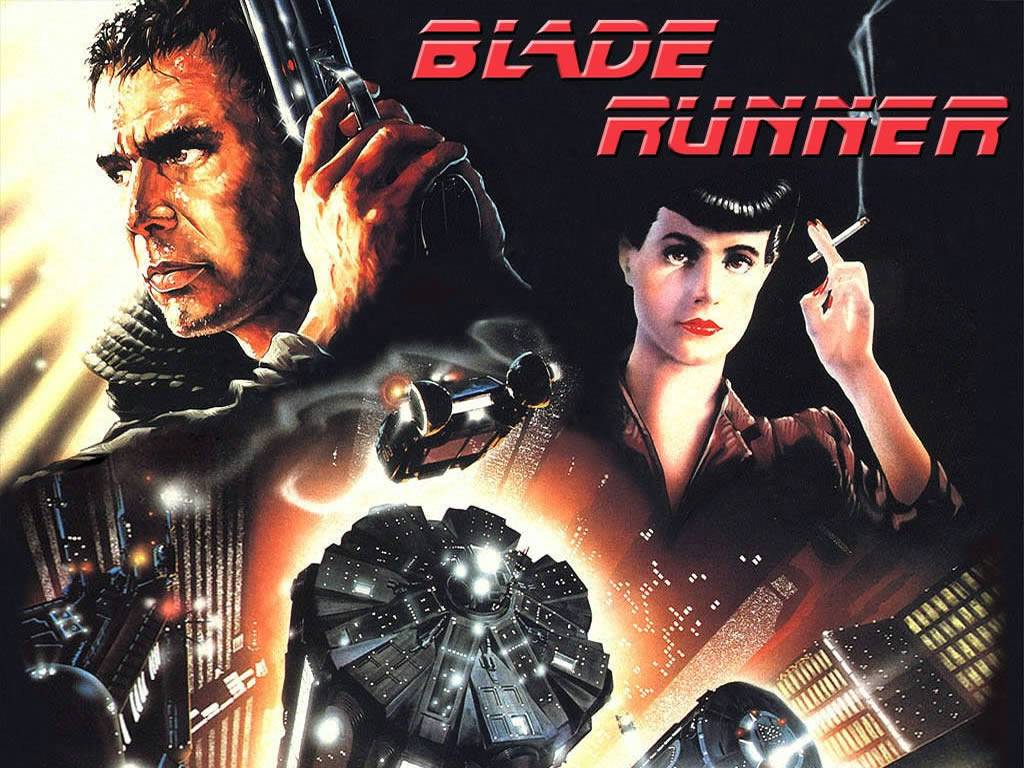
Blade Runner — 1982’s Ridley Scott-directed, Hampton Fancher-penned sci-fi classic — wasn’t immediately received as the resolutely grimy masterpiece of a Philip K. Dick adaptation that fans now cherish.

The New York Times went with “muddled yet mesmerizing,” complaining that Scott “expect(s) overdecoration to carry a film that has neither strong characters nor a strong story,” for instance, and Roger Ebert, in an otherwise positive review, concluded “[T]he movie has the same trouble as the replicants: Instead of flesh and blood, its dreams are of mechanical men.” Reports at the time detailed a rocky road to release, but its genre esteem has skyrocketed since then, beyond even the usual “cult classic” moniker. For many viewers, Blade Runner is a classic-classic, full stop.

35 years later last month, Blade Runner 2049 arrived, with celebrated director Denis Villeneuve at the helm, the great Roger Deakins bringing his particularly elaborate visual acuity to the production, and Fancher (recently the subject of a pretty fascinating documentary) returning to update the original.

Celebrated by many as a worthy successor and panned by more than a few others, who have seemed collectively determined to reinsert the word “turgid” into the critical lexicon, the sequel is doing modest, if somewhat disappointing, business (though it hasn’t opened in China or Russia yet).

How do its themes hold up 3 decades later? What does the franchise’s emphasis on humanness, identity, and artifice mean in 2017? Leaving aside the narrative dimension within the film, is Ryan Gosling actually a robot in real life? Our team discusses this and more.

(Spoilers to follow)

Liz Lundberg: So, Rick, a couple weeks ago we were anticipating that I’d like this movie a lot more than you, given your distaste for Denis Villeneuve, but now I’m not so sure. So I guess I should ask: what did you think?

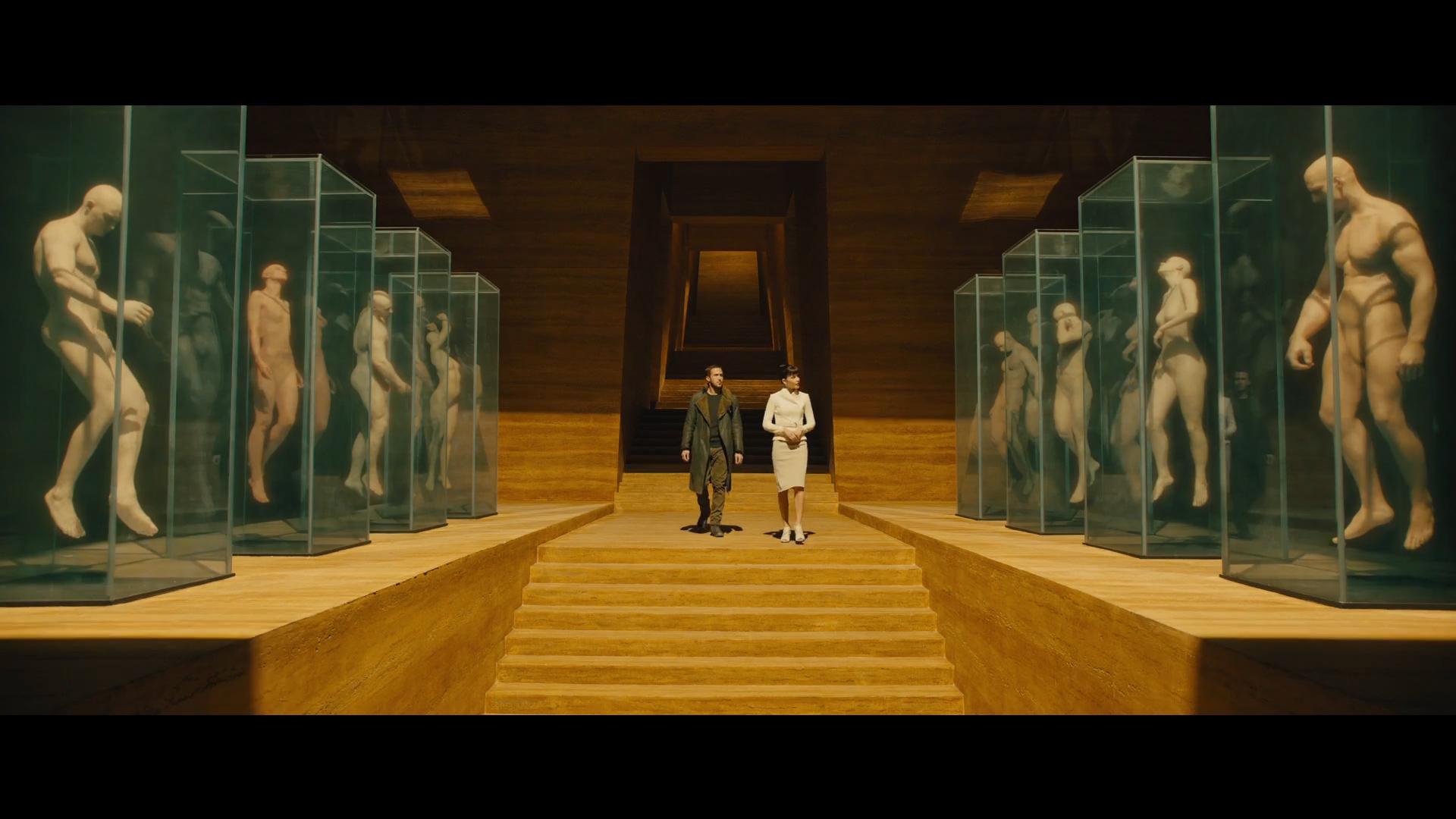
Rick Kelley: I should admit at the outset that, along with not being much of a Villeneuve guy, I’m also not a particular Blade Runner enthusiast. I mean, I’ve seen the original more than once, but it’s never been something I’ve returned to as a cinematic or cultural touchstone, like a lot of folks I know. If I’m being really honest, I fess up to barely understanding the story, unless it’s explained to me as though I were a very young child. To me, the visuals and atmospherics, the world-building, overpower everything else to such a degree that it’s hard to even tell what’s going on half the time … but those visuals and atmospherics are so intricate and attention-grabbing that they make up for what seems like a lack of coherence.

And on that score — the pure, oh-shit artifice of the image, and the ways it thematically echoes what plot aspects actually did land in my pea brain — I liked the newest iteration just fine. There are some staggering set-pieces throughout, and, apart from a weird affinity for overpowering orange-ness, Deakins especially is in top form here. It’s the rest of the movie I’m struggling to appreciate.

How did the experience strike you?

L: I’ve seen Blade Runner a few times and like it pretty well. Even if the style of the world doesn’t capture the deadly serious cartoonishness of the PKD original, the tempo of it matches the book for me. Everything is off-kilter and the lines are timed a little off, a little too close together.

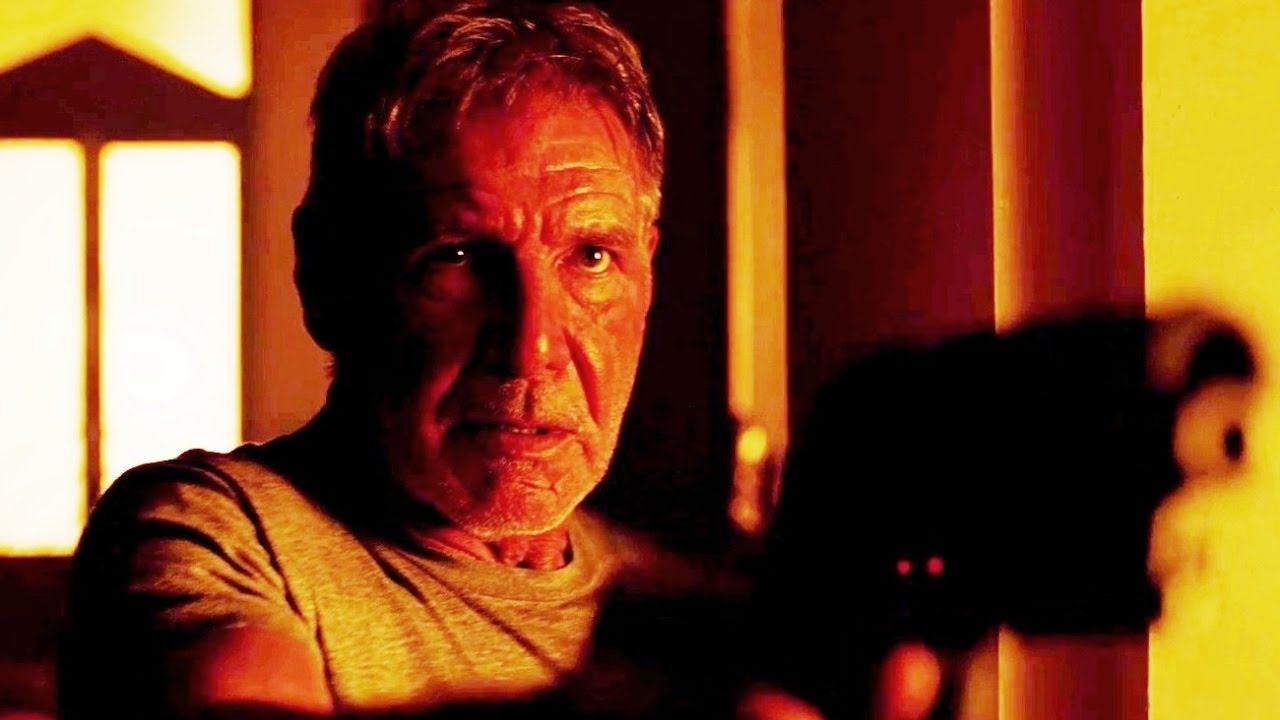
I was interested in this movie as more of an homage to the original than a real sequel, since most of what is here as a direct connection could come from any movie about robot-based societies – up until Harrison Ford showed up. I’m not going to lie, I thought Ford was terrible in this. It doesn’t seem to me like there’s any connection between the Rick Deckard here and the one in the original film. I mean, the way they try to act like it was love at first sight between him and Rachael, when in the original he keeps referring to her as “it” for the rest of the scene, is just bizarre.

On the other hand – and this sounds more like an insult than it is meant to be – Gosling might have been born to play an emotionless robot. It’s interesting to contrast him to the sexual and mostly queer-coded robots of the original. What did you think of the performances?

R: If it weren’t for his more charming outings — the ones where he shows some development from lab-constructed automaton to something approaching a real boy, usually with the assistance of Emma Stone — I would be entirely unsurprised to find out Gosling really is an emotionless robot. I mean, have you seen Only God Forgives? Here, I never once believed in Blade Runner 2049’s character MacGuffin, because, c’mon … take a look at the guy. That’s not an actual human. All of which worked for the material, actually.

I strongly agree about Ford’s Deckard, who seems to have walked in from another film in which he is not the villain. I suppose a generation out in the Sinatra-scored, statues-of-Ozymandias-strewn wasteland could’ve prompted some self-reflection, but it felt like a leap I wasn’t prepared to make.

Curiously, for a film that sometimes seems mired in toxic masculinity, the women made the larger impression. Sylvia Hoeks owns every scene she’s in, I thought, and even Ana de Armas (as Joi) makes some interesting choices. (Though they were more interesting when the film was called Her.) But since you bring up both the starry-eyed Rachael fan service and the “mostly queer-coded robots” of the original, what did you think of the sexual politics here? I found it troubling for a variety of reasons.

L: People to whom I’ve complained about the really weird presentation of Deckard here have pointed out that a guy can grow over the interim period, and I suppose they’re right. But, one, if that happens it has to be presented dramaturgically. Han Solo can’t just show up as a completely different dude and not have us notice the difference, you know? (Alternatively: Mr. President can’t show up in the inevitable Air Force One sequel and suddenly want bad guys to get on his plane.)

And more importantly: if he has grown and changed, why does he seem to show zero remorse about all the robots he murdered as a blade runner? Man, they really let you change allegiance fast in the revolution! I mean, they had a perfect place to bring it up, when they’re sending K to assassinate him, as opposed to that weak-ass “he knew what he was signing up for” argument that felt to me like an easy pitch to end the film on more humanitarian liberal morals than leftist revolutionary ones. (There’s a hint of “the revolutionaries are just as bad” once Ford shows up that is very dumb and reminded me of Bioshock: Infinite. (Rick, I know you don’t play video games, so you don’t know this is a very bad thing.))

Anyway, regarding the sexual politics, I wonder if we’re on the same page about this, because I thought they were very weird, too. There are definitely very queer tones to the original, in that Deckard is this very dull heterosexual dude contrasted with the weird sexual energy of the replicants – particularly in the last half hour or so. (Only a very heterosexual dude could pull off the most insane scene in the original, where Deckard pretends to be a morals inspector searching a stripper’s dressing room for peepholes. If you don’t remember it, go find it – it’s hysterically weird.)

And this drive for a longer life, for finding meaning in one’s own life as opposed to having kids and building this chain of memories from generation to generation, very much resonated, I think, in the AIDS-scare era. So to have the replicants all now find the possibility for rising up and claiming value because they can have kids? That all felt extremely, extremely weird.

Is that where you were going with it?

R: Very much so, though you hit on points I hadn’t considered. (Particularly the relation of baby-making to the shame of that era’s foray into AIDS-scare discourse).

I suppose I found it very odd that fertility itself is the end-game. In a film universe like Blade Runner, so consumed by questions of human-ness and its ambiguity — which is just to say, in some ways, sexuality — it seems a deeply reactionary element to guide a Revolution, particularly one founded on hybridity. The existential questions K. grapples with and dies for — also, can we just briefly mention that his name is effectively Josef K.? Ok, that’s done, moving on — don’t seem like they’d be resolved by a Children of Men-style salvational infant in the techno-manger. I do agree with Todd van der Werff that Villeneuve and Fancher cleverly dodged one bullet on the Chosen One narrative, but it seems like they just jumped in front of another one instead.

I’m also trying to get at a lingering unease I share with my friend Chris Osmond, who catalogs the extensive violence women undergo throughout the film. I am not squeamish, and much of it serves a narrative function, but there’s a particular vision of the female body presented here as a site of suffering and redemption that feels off, even lazy, and even, possibly, malicious. The disembowelment that echoes Rachael’s Caesarian in the cruelest way possible, the joke retina scan, the endless drowning … all of this, it would seem, is part and parcel of a cruel world that (I get it) resembles ours, but one that seems to want its patriarchy cake and, with the spectre of birth on the horizon, present it at the eventual baby shower, too.

Perhaps I’m reading too much into this, but Blade Runner 2049 is nothing is not a text begging to be read. How off-base am I?

L: There’s definitely some weird stuff going on with women in this movie, which is definitely tied into the fertility worship weirdness. It’s probably not a coincidence that two of the female characters very much play into the butch career woman stereotype, and are contrasted with the AI girlfriend, who is able to simultaneously play all the different types of femininity simultaneously, and the sex worker, for whom the domestic AI is almost an addition. It’s a very literal Madonna-whore complex, it seems to me, with the Madonna’s body reduced so far that it is literally spectral.

I don’t know, really, I guess. I think I’ll probably rewatch this in a year or so and have some clearer thoughts on all of what’s going on, mostly just because it’s so much content to ingest.

October 23, 2017 0 comments
0 FacebookTwitterPinterestEmail
FilmReviews

Spooktober Scares, Part II: Hard Labor, The Lure, Mirror Mirror, The Mummy, Office Killer

by rick October 20, 2017
written by rick

Yesterday, we kicked off our October horror movie run-down with an initial five viewings for the month. It would still be surprising if I scramble my way up the deadly, haunted heights of Spooktober to the eerie summit of 31 before Halloween, but it won’t be for lack of trying. Here are 5 more for the funeral pyre.

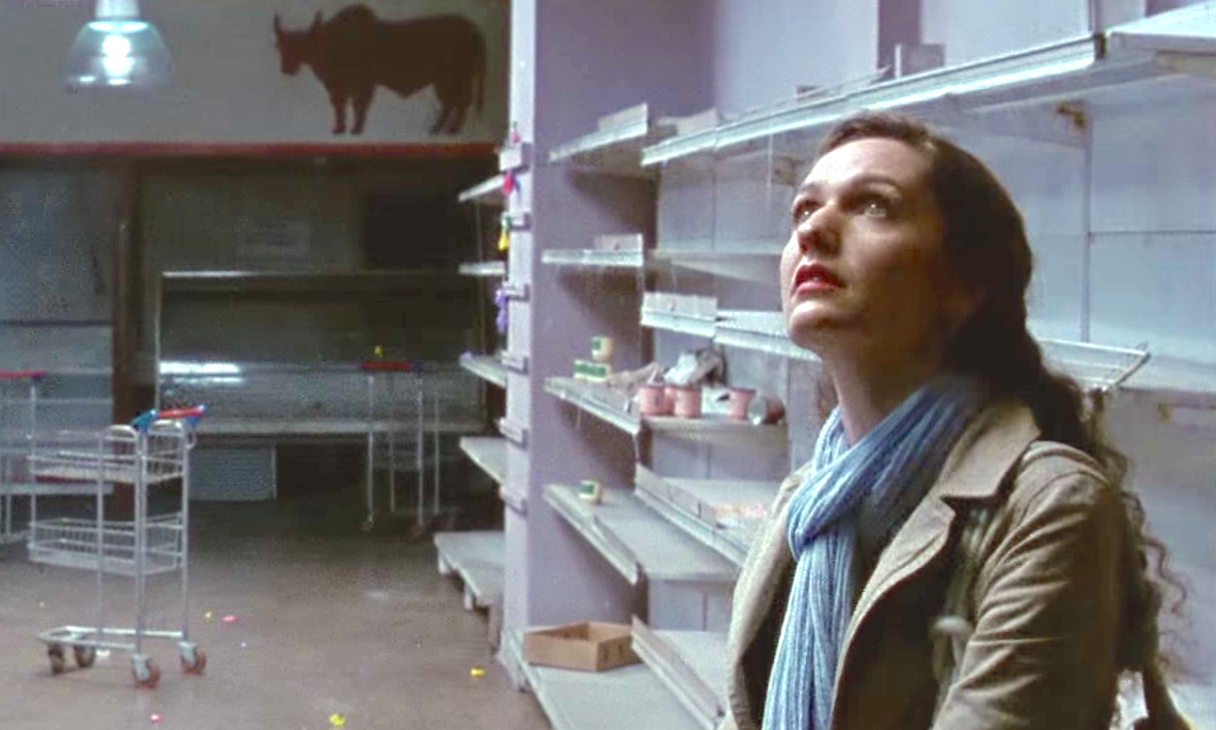
Hard Labor

Probably the only recent creepfest focused on the acquisition of a haunted grocery store, Hard Labor is as overtly class-conscious as horror comes. This is to its great credit! Helena Albergaria stars as Helen, who is struggling to maintain a middle-class existence with her recently laid-off husband Otávio (Marat Descartes).  The two have a young child, a live-in maid/nanny (Naloana Lima), and a well-furnished home, but finances are dwindling. Helen’s dream of owning and running her own shop becomes less a passion project than an economic necessity.

Of course, things do not go well at the store. Writer/directors Marco Dutra and Juliana Rojas ratchet up antics from missing products to barely audible noises behind the walls to an uncanny mechanical Santa to some sort of black ooze seeping up from the ground. There are intimations something horrible happened here, and Helen starts to lose her grip. The kicker, of course, is that the store can’t just be closed; not in this economy. The cracks are just plastered over, the viscous liquids mopped up. There’s a growing sense that we’re in a space more like Argento’s ballet academy than your average grocery.

But Hard Labor is just as interested in the fraught relationships between husband and wife, wife and nanny, and boss and employee as it is in the growing unease on the shop floor. It’s an unusual entry, one in which the culprit is less an ancient evil than contemporary capitalism. Call it the 2017 Spooktober contribution to Austerity Horror.

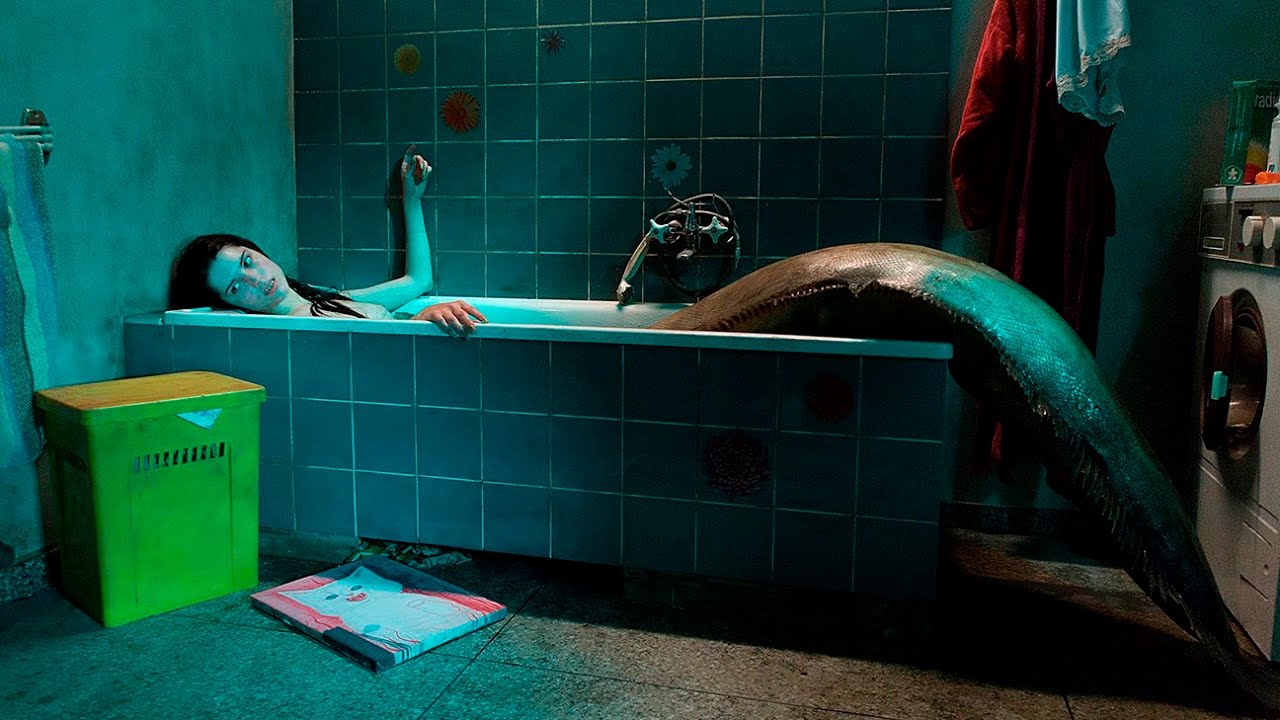
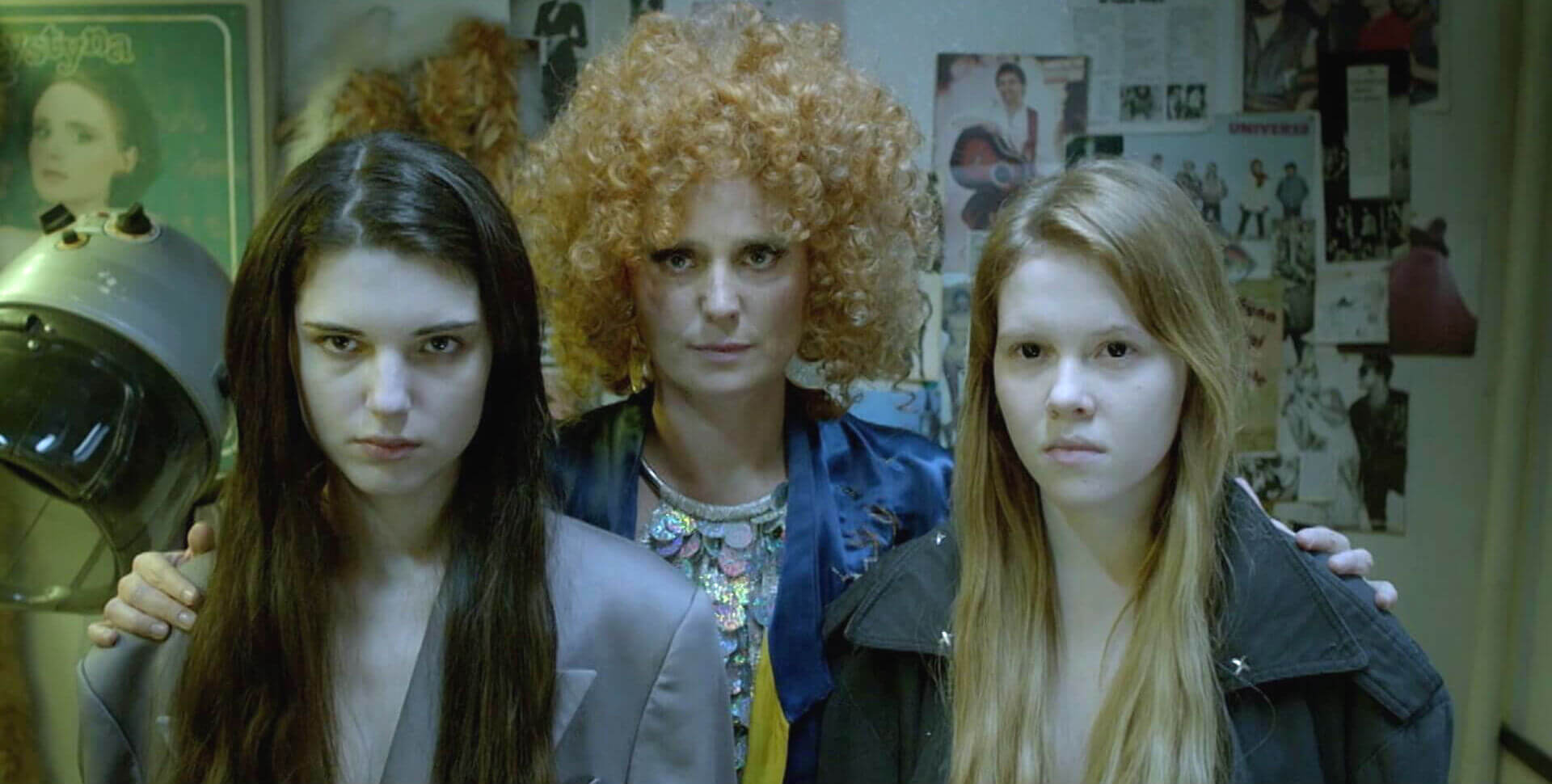
The Lure

Some years ago in Poland, an enterprising person delivered this pitch: “Ok, here’s the thing. We have two beautiful young mermaids who are lured from the water by the intoxicating music of some young guy. But it turns out mermaids are vicious, Id-governed killers who thrive on blood. No one knows this yet, though, and so they are hired as exotic dancers at a club where men are extremely excited by the novelty of half-naked pubescent mermaids, which they seem to treat as a normal development in their dance-club-going routines. Ultimately, the mermaids struggle with their desires, carnal and emotional. Oh, and it’s a musical.”

And some other person heard this, nodded solemnly, and replied, “This sounds like the sort of thing people would love!”

And God bless that second person, because The Lure is utterly unlike anything else around. Every development is weirder than the previous one, the long fantasia musical segments are hallucinatory and beautiful (and the songs are actually pretty great!), the relationship between the leads develops along believably tragic lines, and it delivers on that promised mermaid gore. Director Agnieszka Smoczynska pulls off one of the weirder balancing acts of recent years, teasing out themes of adolescence, sisterhood, jealousy, sex, and the ideology of the body amid all the absurd mermaidenhood. Hands down, my favorite new watch of Spooktober, The Seconding.

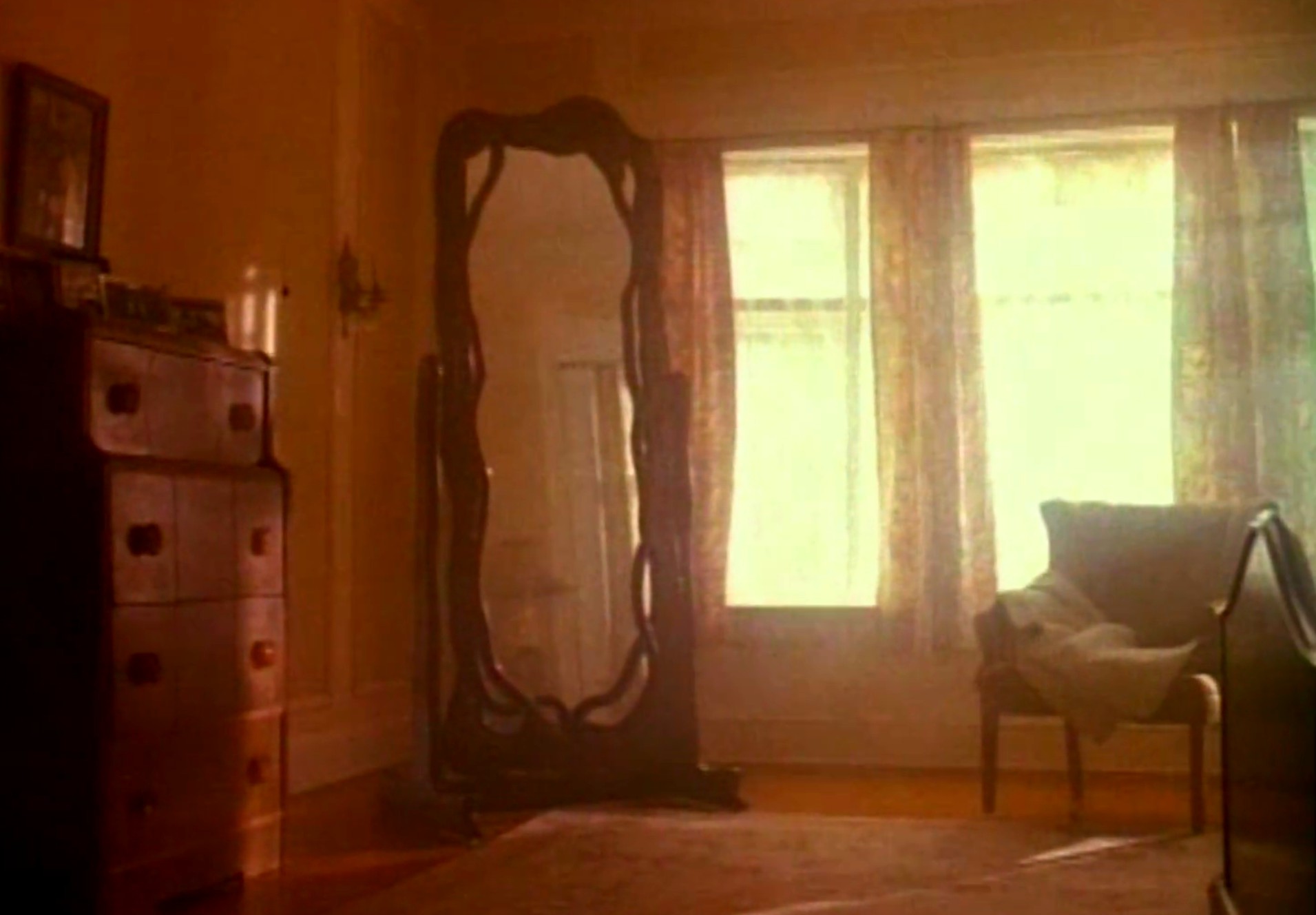
Mirror Mirror

Sort of an Oculus meets Teen Witch affair, with funnier hats and fewer rap battles, Mirror Mirror tells the age-old story of a disaffected teen compelled to move to a new town, school, and house, and deal with the combined traumas by bonding with an ancient blood-spewing mirror that grants her darkest wishes. Like some sort of cool Carrie — or a Willow, if Willow had always been goth — our protagonist Emelin (Yvonne De Carlo) first resists the pull of black magic, but then begins to recognize its possibilities.

This movie was pretty dumb and pretty fun, a decent palate cleanser from some of Spooktober’s more challenging bits of weirdo cinema. Karen Black plays the mom, too, and she’s always a welcome addition. 

The Mummy

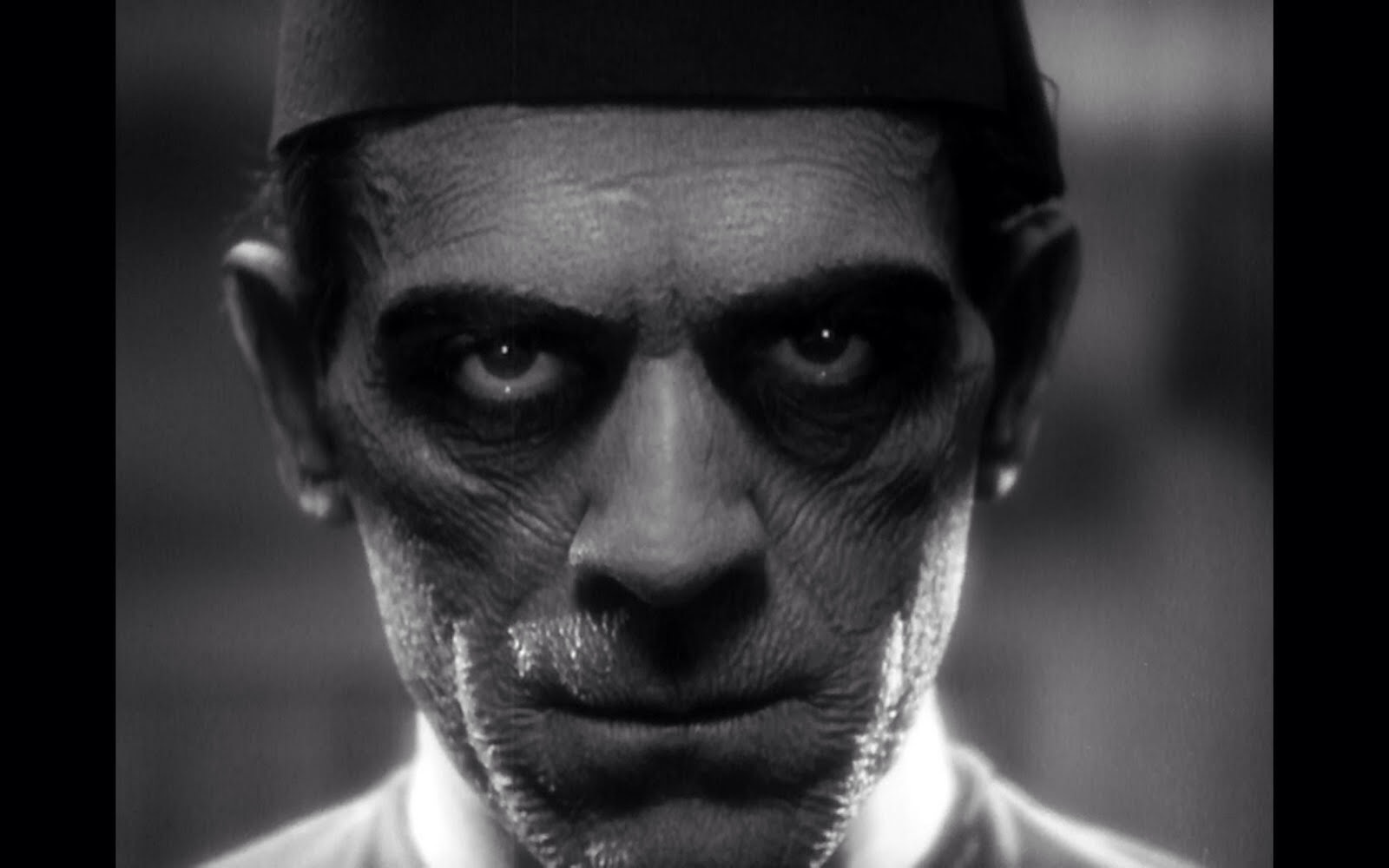
A year after Frankenstein (and sharing his 1932 roll call with The Old Dark House and The Mask of Fu Manchu, among others), Boris Karloff brought his particular brand of stoic unease to The Mummy, a film in which I frankly expected to encounter more lumbering mummies swathed in ancient cloth, but oh well. Karloff is more than sufficiently scary as the imposing Ardath Bey, a reincarnation of the Egyptian deity (and future genre crutch) Imhotep, out to raise his beloved from the dead.

With barely more than an icy stare, a rigid physical demeanor, and a kind of clipped politeness to his voice, Karloff infuses Bey/Imhotep with actual menace, a rarity (for me) among classic Universal horror. He also somehow avoids cross-cultural caricature, playing the part with a dignity you wouldn’t expect from the period, or, for that matter, from a force of resurrected evil. I will be the first to admit that I was a little stoned watching this, a tacit Spooktober requirement that may amplify certain aspects of certain films, but The Mummy is kind of scary, y’all!

Office Killer

Cindy Sherman is well-known and much-celebrated for many things, but Office Killer is generally not among them.

Sherman’s iconic, relentlessly ambiguous photographs — in which she shoots herself in the “guise” of various characters in different settings, characters who may or may not be attributes of their author — always carried with them a touch of the cinematic, like a vast collection of still frames from unstable films that would never be made. And her later work turned increasingly toward the grotesque and unsettling, seemingly at home in the experimental and uncanny.

Not all of this can be gleaned from Office Killer, her only film. It was also one which she disavowed, referring to herself as a “hired gun” despite the fact

that the general idea for the story was hers, that she was involved in preproduction, that she gave specific instructions to the cinematographer and the actors about what she wanted, and that she played a direct role in the editing. She is officially credited in the film’s titles for the story idea and her role as director.

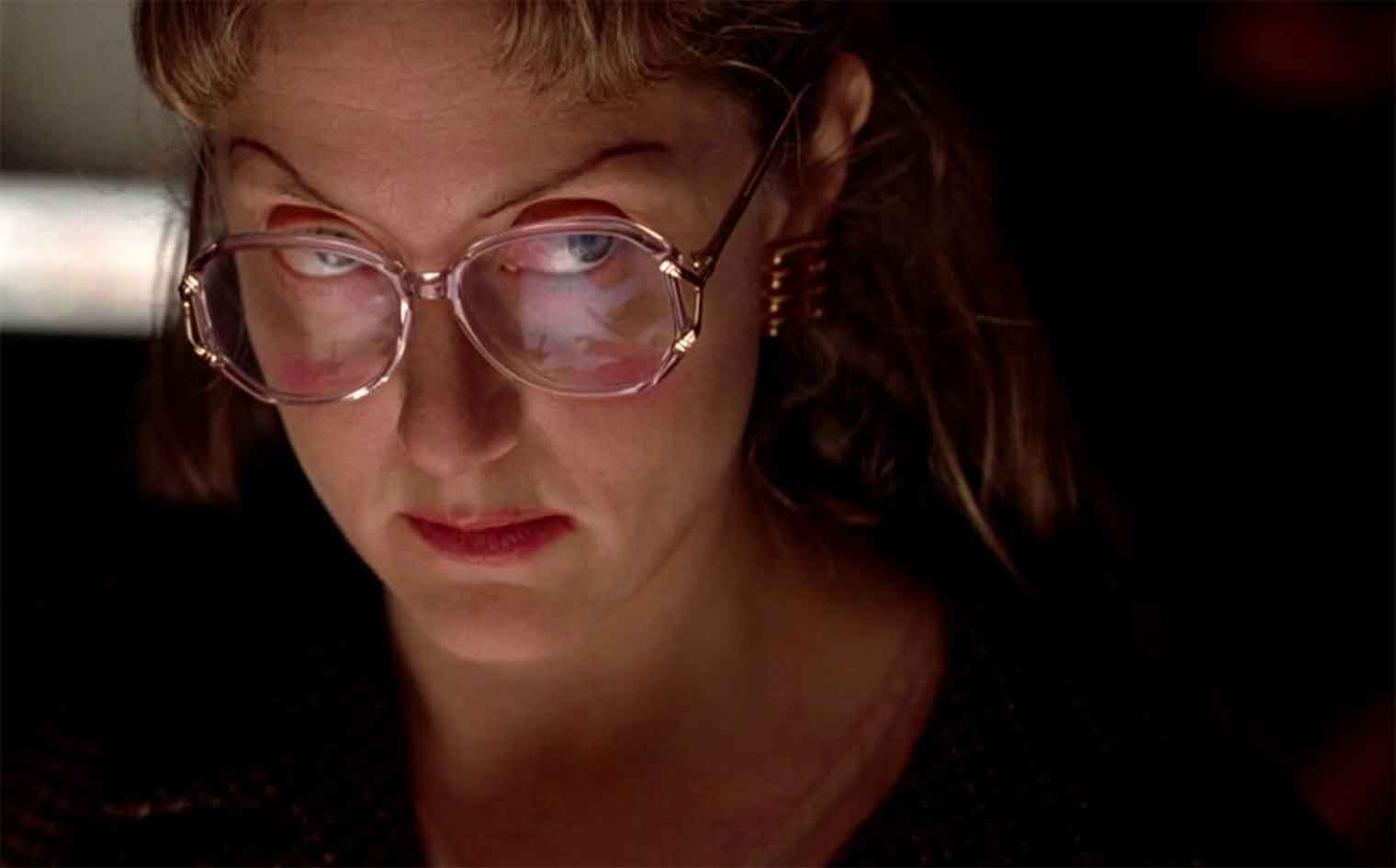
All of which is too bad, because Office Killer is a particular kind of bonkers. Playing like a camp 9 to 5 — in which the over-worked, under-appreciated women actually follow through on their murderous fantasies — Office Killer features a truly unhinged Carol Kane whose transition to a “work-from-home” position demands she recreate the office in her basement with the corpses of her co-workers. On one level, this is like John Waters directing Working Girl, but there are Sherman touches throughout (particularly the placement of their bloodied bodies in parodies of their workplace personae).

Office Killer is filled with little in-jokes and self-mockery (Evil Molly Ringwald should’ve really been a thing), and the film blends comedy, horror, and arthouse camp with a huge sense of goofy pleasure. Had it not bombed, maybe we would’ve been treated next Spooktober to more cinematic visions for Cindy Sherman to disavow. I guess we’ll just have to make do with her enormous and influential non-film canon instead. 

October 20, 2017 0 comments
0 FacebookTwitterPinterestEmail
ganja and hess 1280 Spooktober
FilmReviews

Limping Horrifically Through Spooktober

by rick October 19, 2017
written by rick

Last year, I took part in the Scary Time Festival of Fright and Terror known as Spooktober, and watched 31 horror movies over the course of the month. It was fun!

I had every intention of doing so again this year — I even have a list; a weird list, sure, but a list nonetheless, with relevant criteria filled and everything — but I’ve fallen way behind. It’s increasingly unlikely I’ll hit that target, though I suppose I could give up some of my more time-wasting exercises, like sleeping, and make it happen. I guess we’ll see.

In the meantime, I have managed more than a few. Here are an initial five, with more to follow. As in the past, my hope was to focus on new watches — I imagine favorites like The Thing or Night of the Living Dead of The Happening will find their way on to the Spooktober menu eventually, and I’m fairly sure I’ve said enough about The Texas Chain Saw Massacre at this point — but these titles were new to me.

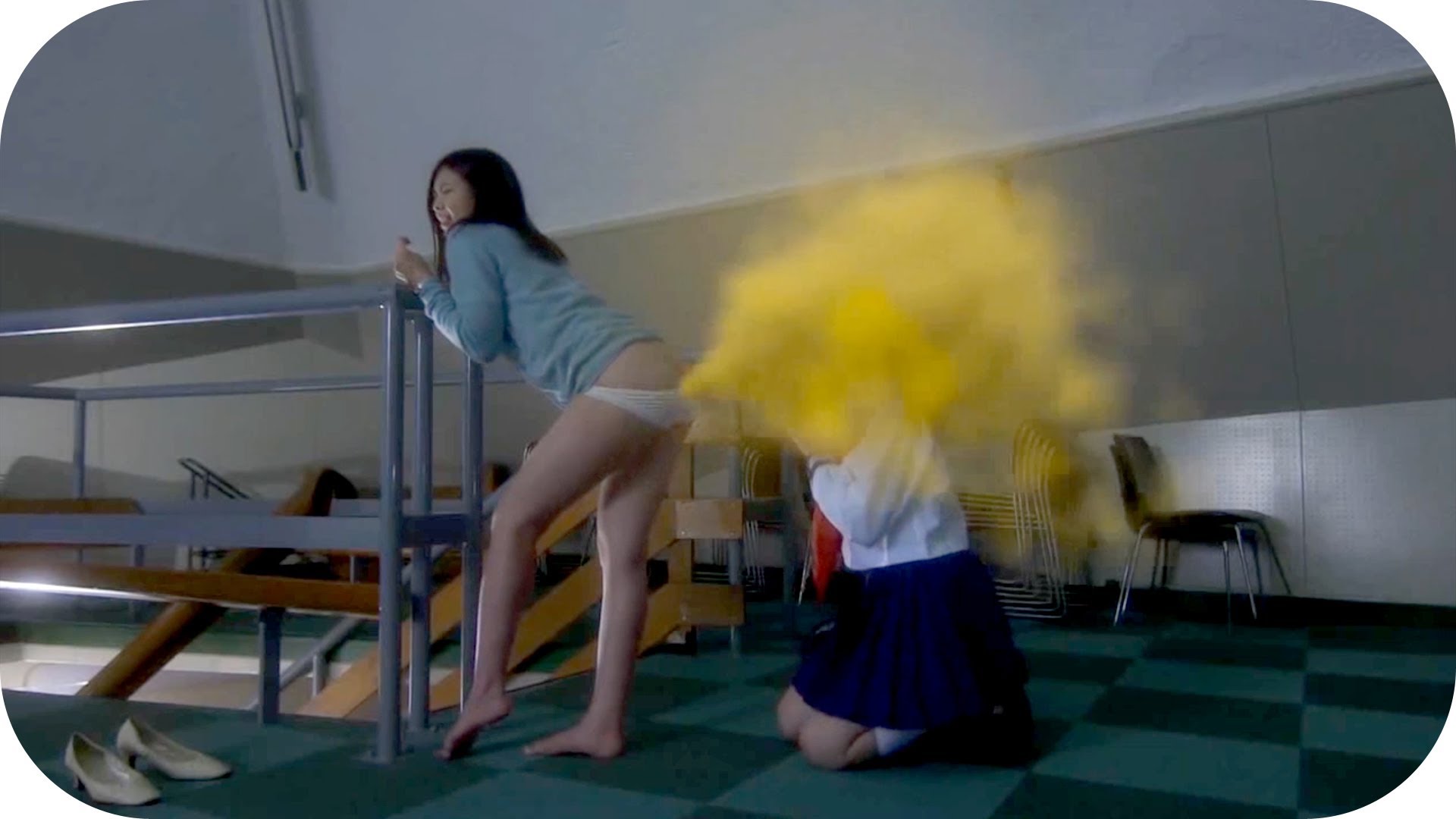
The ABCs of Death

Magic Spooktober farts in The ABCs of Death

Anthologies are, by definition, a mixed bag. Some are more mixed than others. The ABCs of Death does boast an entrancing entry from Hélène Cattet/Bruno Forzani (whose The Strange Color of Your Body’s Tears I very much enjoyed, and whose Amer is on this year’s list), and a few others make an impact. (“D is for Dogfight” is particularly good, and “X is for XXL” has a very brutal point to make). But this was, is, and shall remain the movie about magic farts.

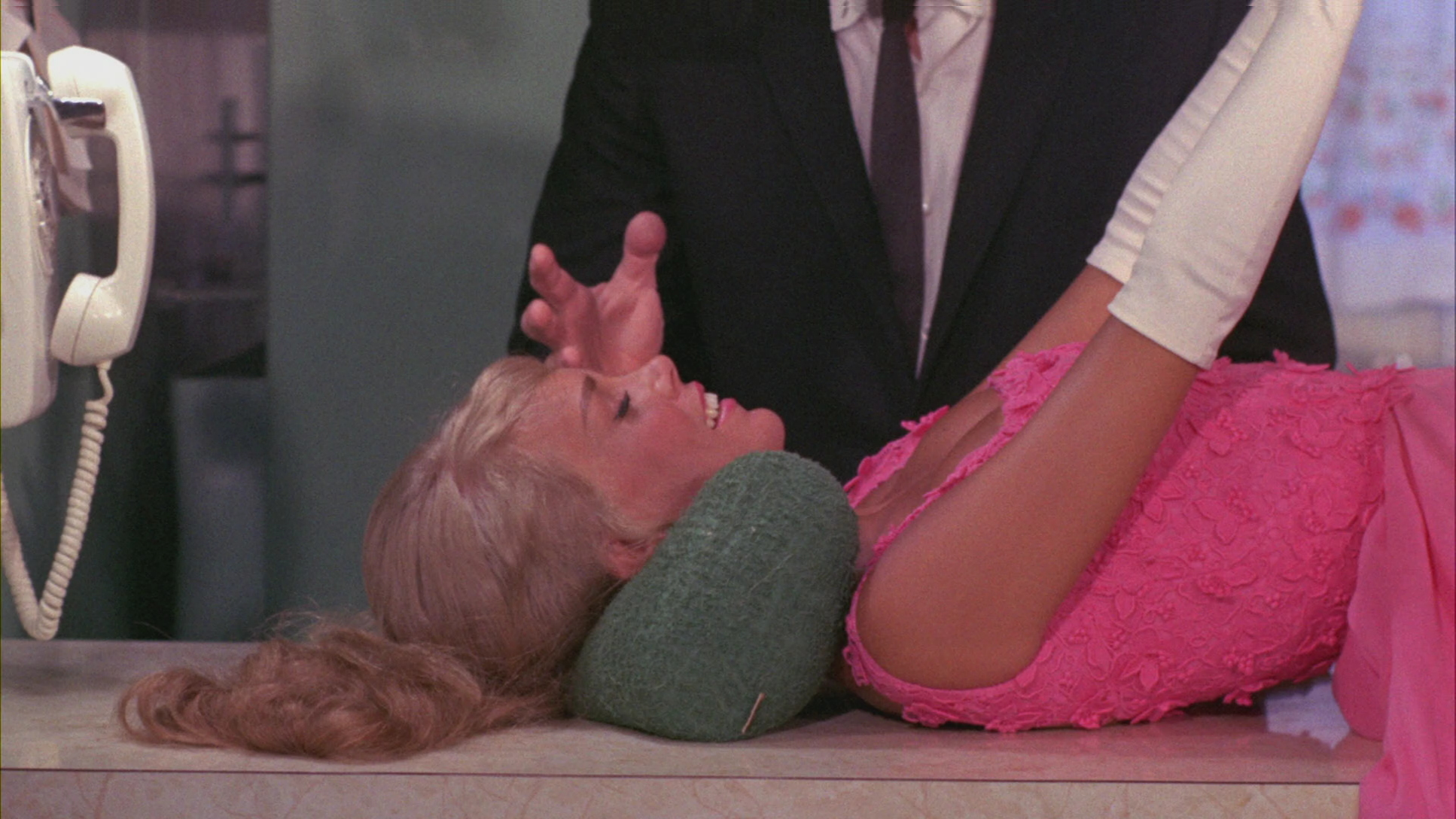
Blood Feast

Spooktober Blood Feast

Boasting the twin honorifics “First Splatter Film” and also “Kind of Terrible”, Herschell Gordon Lewis‘ groundbreaking foray into blood, gore, and guts was reportedly born of his disappointment with Psycho‘s timidity.

So instead of Hitchcock’s narrative complexity and implication, we get an Egyptian guy with an inscrutable limp who brutally decapitates women in order to make a magic soup that will summon the Goddess Ishtar. He is tracked by the world’s worst policemen, and their squadron of two other guys who occasionally show up. It all culminates in the world’s worst dinner party, as you would expect. 

There’s a lot of fun to be had here with the transparently low budget, and Blood Feast is a genre essential. But you get what pay for, even at the discount Spooktober rate. I hear later Gordon Lewis marks an improvement, though that’s a pretty low bear to clear in this case.

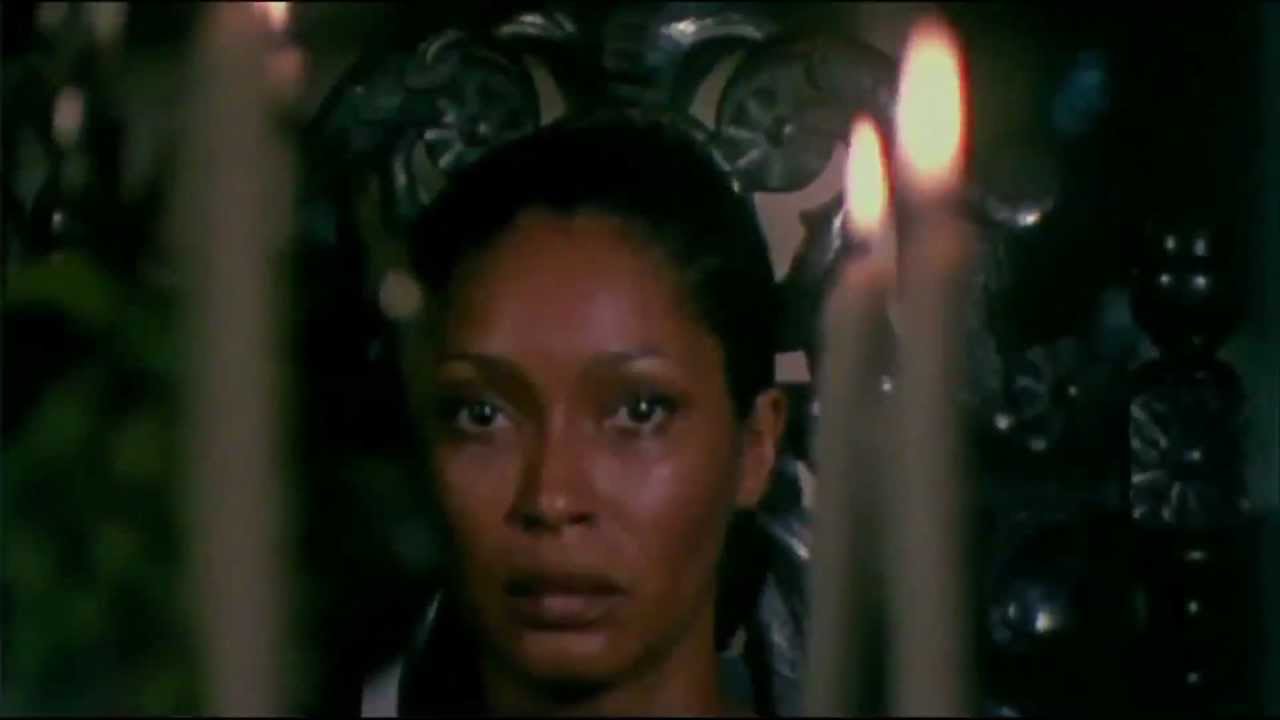
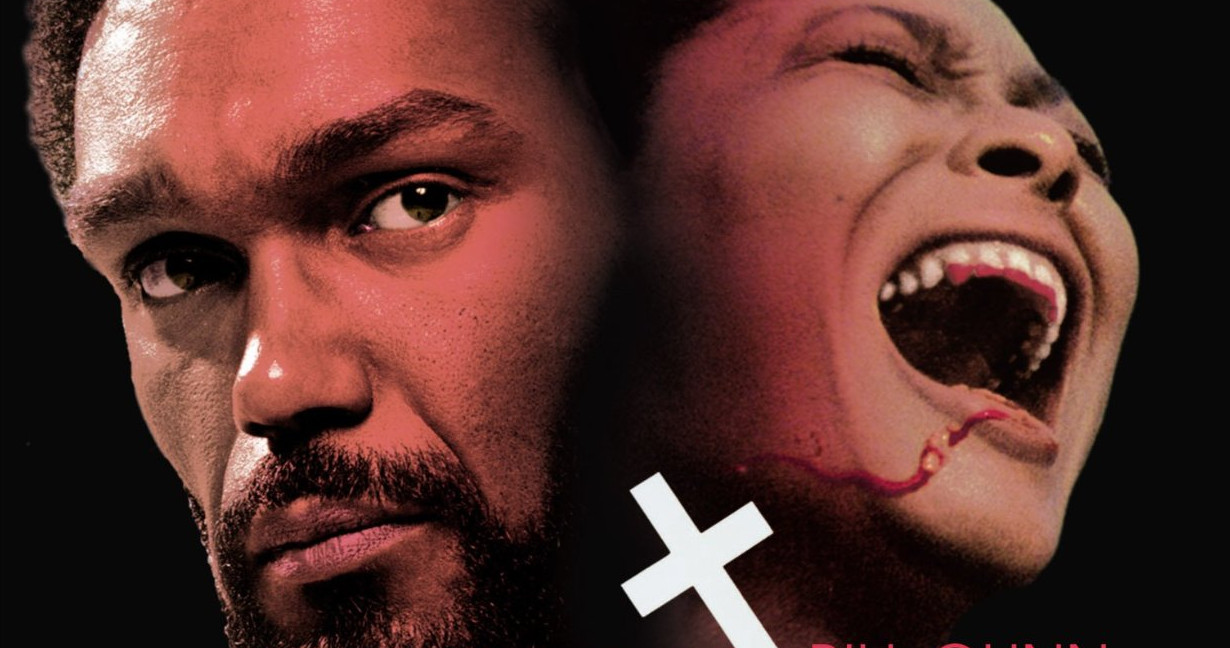
Ganja & Hess

Spooktober vampirism in Ganja & Hess

Bill Gunn’s lurid, poetic experiment in form and experimentation bombed upon its release (despite a welcome reception at Cannes), and was radically recut by the distributor into a form disavowed by everyone involved. The French, as it turns out, were right the first time around, and Kino Lorber’s restoration shows why.

Mixing ancient anxieties of tradition and assimilation, meditations on the role of blood in Black Christianity and the street addictions he saw all around him, immersed in stark class divisions and predation on the lower strata, filled with either long silences, a laconic jazz-inflected score, and meandering discursive conversations that never seem to go anywhere in particular … this is heady stuff for a film that was intended, by its financiers, to be a seat-filling Blacula knock-off. The fact that Gunn even had the gall to assemble this particular vision rather than turn in the assignment remains fairly incredible.

Erotic, disturbing, and impossible to categorize, Ganja & Hess would’ve been hailed as a breakthrough if Antonioni had made it (or even Romero, whose Martin it sometimes vaguely resembles, in a mirror-image sort of way). Instead, it stabbed and bled its way into the counter-canon as one of the hallmarks of American Black cinema, steeped, dreamily, in the specific and the mythic at once.

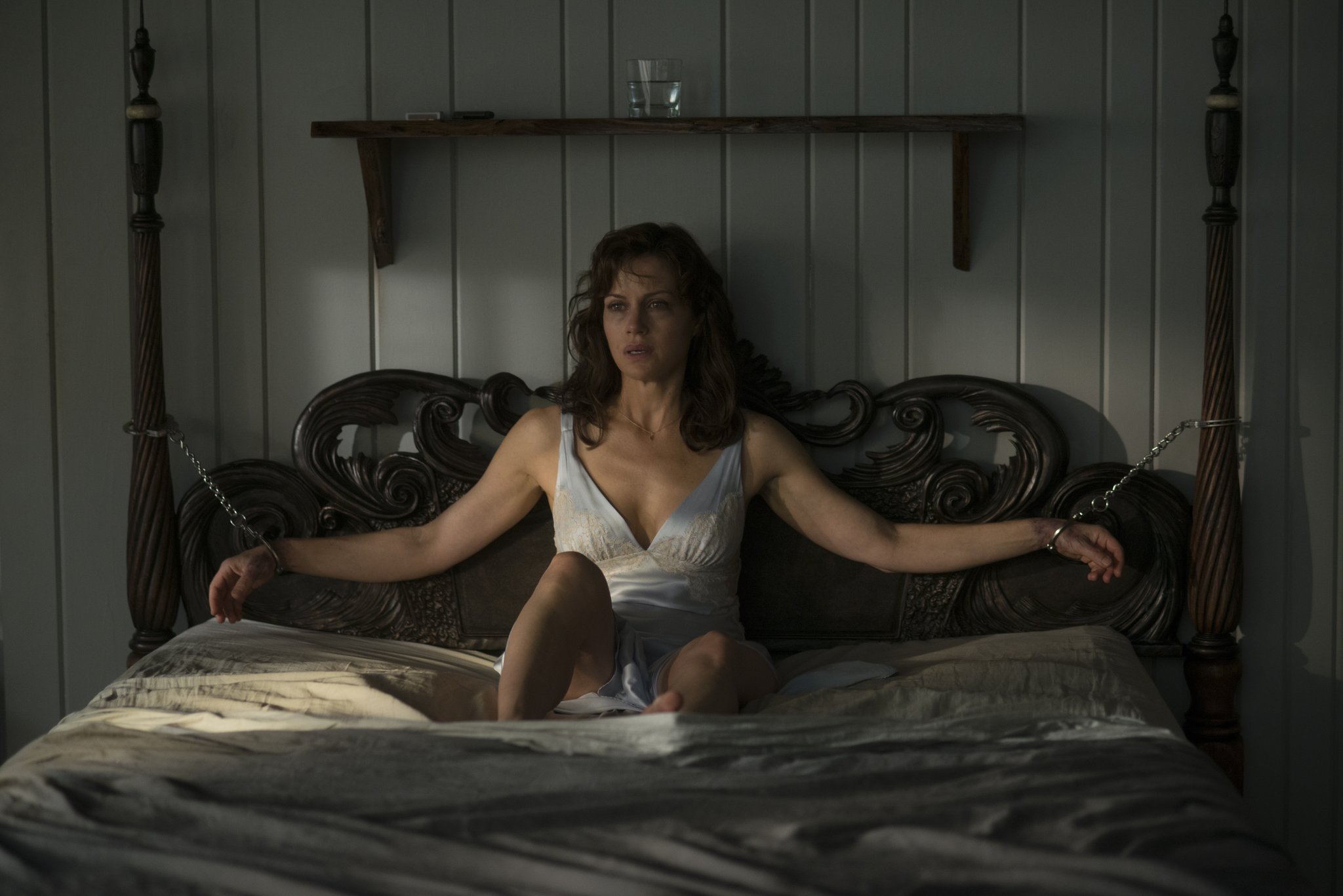
Gerald’s Game

Spooktober terribleness in Gerald's Game

I did not care for Gerald’s Game. I’m very sorry.

The Hands of Orlac

Spooktober silent The Hands of Orlac

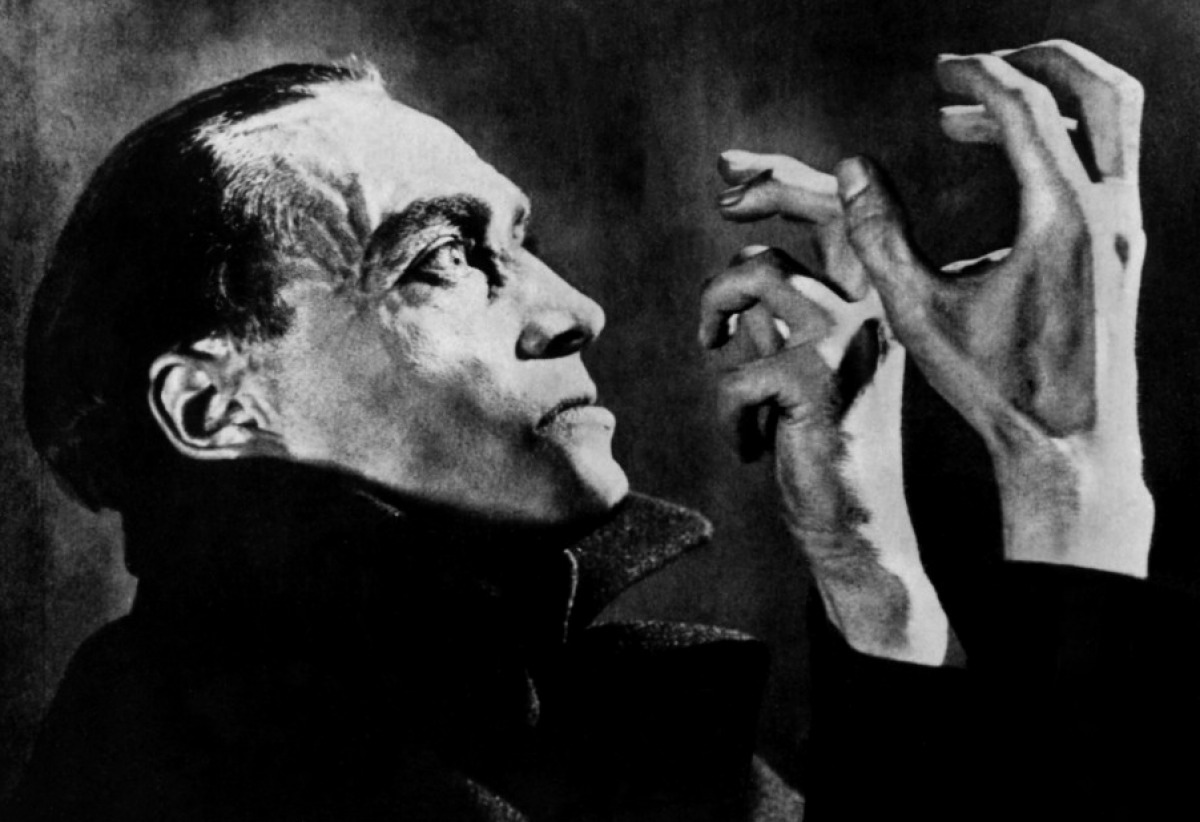
Four years after Caligari, Robert Wiene directed this retelling of Maurice Renard’s story about a successful pianist named Orlac who loses his hands, only to find them surgically replaced with the hands … of a murderer! Like some sort of proto-Ash, or the guy with the idle hands in Idle Hands, this doesn’t turn out well for Orlac and his poor wife. Conrad Veidt is wonderful in the lead, and there are some effective sequences, but the film drags, particularly when the narrative turns to the couple seeking additional income to supplement the money they’ve lost, thanks to his no-good hands, which are way more interested in killing people than playing the piano, and the final resolution ranks among the dumbest in the silents.

Still, it’s scary when your hands turn against you. That’s just a Spooktober fact.

October 19, 2017 0 comments
0 FacebookTwitterPinterestEmail
Other

Welcome Liz Lundberg!

by rick October 18, 2017
written by rick

It’s my pleasure to formally welcome frequent contributor Liz Lundberg to the tiny but ever-increasing “staff” here at Luddite Robot. (In this context, “ever-increasing” specifically refers to Liz and Liz only, but it made it sound more prestigious.)

After a certain amount of time referring to someone as a “guest,” it inevitably becomes clear that they actually just live here now, and this is the situation with Liz. Her pieces on the uses and misuses of jazz in cinema and the excessive image rank among my favorite things I’ve published here, and she also played on outsized role in compelling me to watch The Happening three times, an experience I won’t soon forget. In fact, insights from our private discussions have found their way into more than a few essays kicking around on this site.

I couldn’t be more pleased — for one thing, she’s an excellent writer, thinker, and foil for my ramblings, and for another, I’ve long wanted to include voices apart from my own. Changing the “About Me” sidebar heading to “About Us” brings me no small amount of joy. What will Liz write about? Who can say? (My original pitch that she helm our Washington Desk and cover the lesser, though still very important, Congressional hearings was met with a healthy skepticism.)

Along with our pals Peter and Aaron of We Love To Watch, Liz and I are already collaborating — or threatening to do so, anyway — on the podcast Pod’s Not Dead, so this is just one more iron in the fire.

But it’s gonna be good! Stay tuned, and welcome, buddy.

October 18, 2017 0 comments
0 FacebookTwitterPinterestEmail
CommentaryFilm

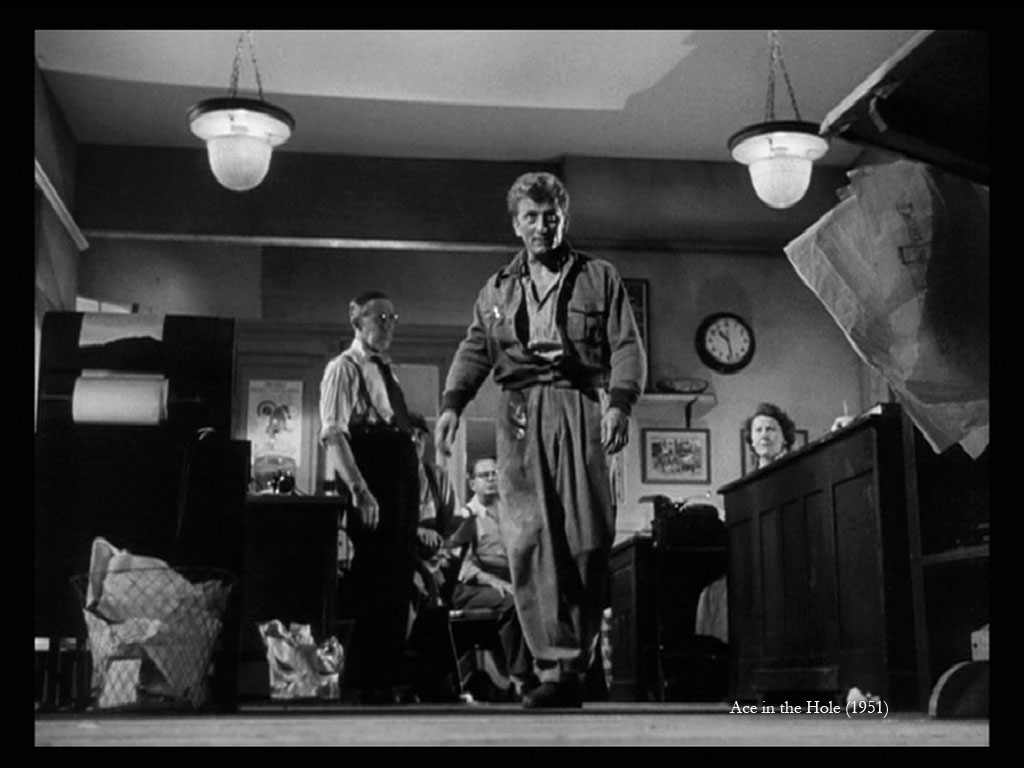
The illusion of cynicism in Ace In The Hole

by Lark October 17, 2017
written by Lark

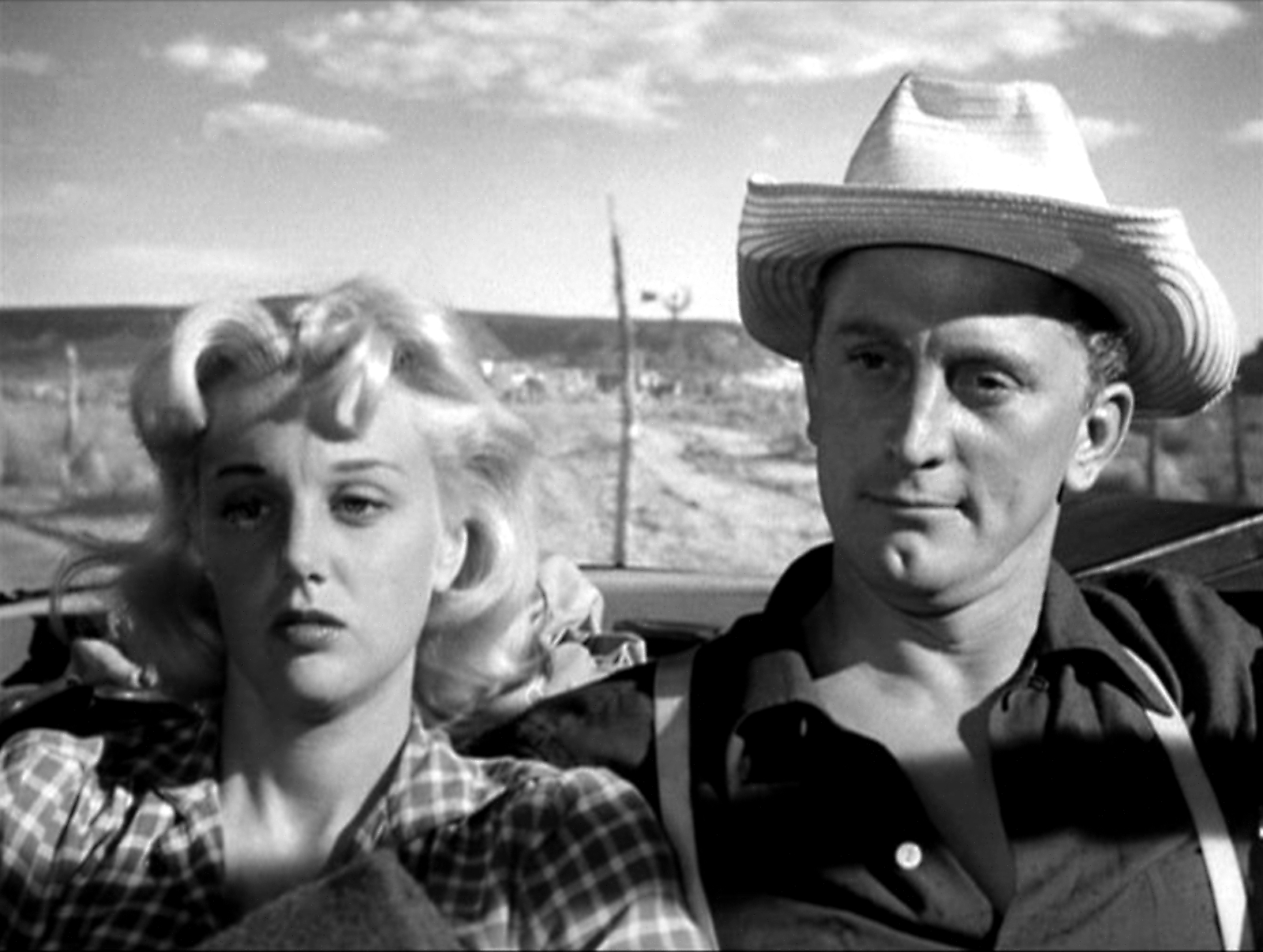
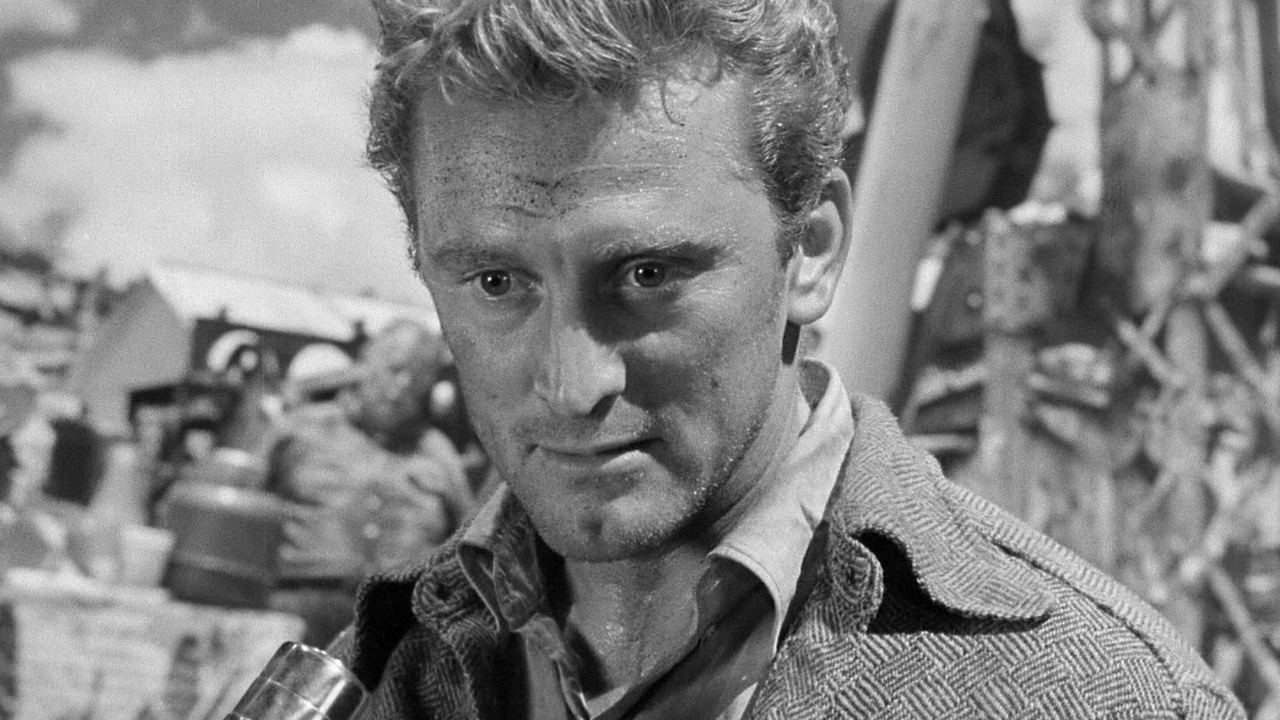
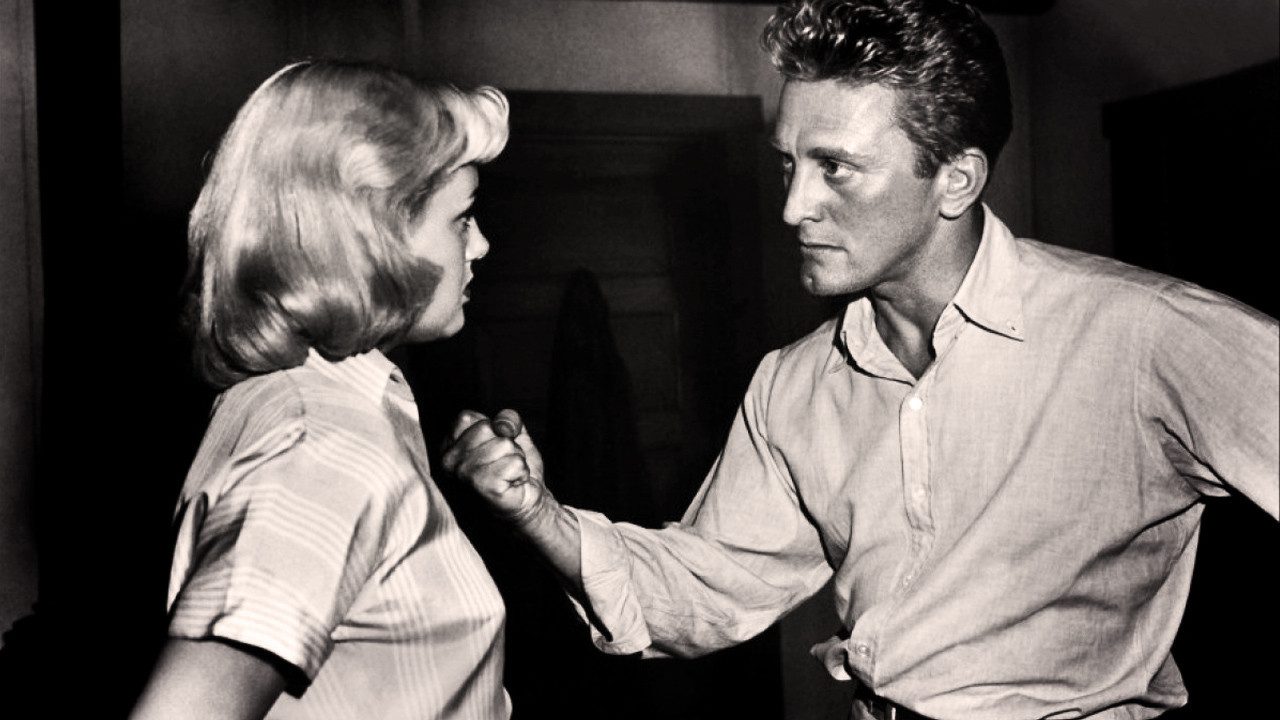
Things Ace in the Hole is: A fantastic movie. A perfect showpiece for Kirk Douglas. One of the tightest scripts Wilder ever wrote, with a perfect first half hour.

Things Ace in the Hole isn’t, really: a cynical satire.

I know this is a bold, slightly preposterous statement, and I suppose I’m framing it more strongly than I need to. After all, Ace in the Hole certainly criticizes newspaper sensationalism and the hollow ethics of journalists. But, despite the pitch that’s emerged since it has been rediscovered by film lovers after a miserable first run: at its core, it is more a melodrama than a satire of anything.

Ace in the Hole rests on one of the most melodramatically perfect characters ever, Leo (Richard Benedict), who ranks up with Little Nell in his suffering purity. His perfection is the film’s entire narrative edifice. It is the overwhelming lack of cynicism about him as a character that belies the idea of the movie as harsh and blackened.

It’s Leo’s overwhelming purity that begins to purify Chuck Tatum, Kirk Douglas’ scenery-chewing newspaper man, down on his luck and stuck in Albequerque, New Mexico (which, the movie seems to think, is a tiny town in the middle of nowhere). And it is that same impossible purity that leads to the characterization of Leo’s wife as the most cartoonishly evil woman imaginable.

It’s in her character – Lorraine, played to perfection by Jan Sterling – that reveals how gendered the movie’s would-be cynicism really is. Is it really so impossible to imagine that a woman who is constantly trying to escape her husband — a husband who, we are told casually, chases after her and drags her back every time she tries to run away — would not be particularly broken up about his death? Or, that she would use the excuse of his cave-in to make it farther than she had in the past?

To be properly cynical, one needs compassion. To be cynical is to not believe much in the reasons people give for their actions, and to suspect something much more primal and animal behind them: acquisitiveness, greed, and whatever else. But there is a compassion that lurks in that belief, one that understands why people feel the need for more. And there is no compassion for Lorraine’s plainly-stated desires in the movie.

Instead, she’s the classic melodramatic villain, closer to Ralph Nickleby than anything else. Her real purpose is to bring about the narratively necessary death scene, one that is barely parseable within the logic of the film itself.
When Tatum, filled with rage at her coldness, attacks her, she seemingly stabs him (in an incredibly unclear cut), but he still manages to stumble around for what seems to be, in narrative, a full 24 hours afterwards.

It’s a classic melodrama ending to a wonderful melodrama story. And that makes it far more interesting than simply another cynical satire.

October 17, 2017 0 comments
0 FacebookTwitterPinterestEmail
FilmReviews

MVFF Reportback: Radiance, After The War, Strange Birds, Mudbound

by rick October 16, 2017
written by rick

The Mill Valley Film Fest (MVFF), celebrated its 40th anniversary this weekend, wrapping up the festivities yesterday.

MVFF featured a number of high-profile premieres, renowned festival titles, panels and master classes, and visits from assorted indie luminaries like Great Gerwig, Todd Haynes, Dee Rees, Richard Linklater, and more. The festival’s star continues to rise, despite being somewhat tucked away in the North Bay, and it all sounds like great fun.

I went to none of those things! However, I did manage to check out some of the smaller titles in the MVFF programming, along with Rees’ more high-profile Mudbound. Here are some highlights.

Radiance

Ayame Misaki and Masatoshi Nagase in Radiance at MVFF

The basic plot summary — a famous photographer loses his sight and learns to love again through the kindness of a visual interpreter of cinema — is a catalog of pitfall sentimentalities, and Radiance finds itself mired in a few. But Naomi Kawase‘s film makes a wise choice in focusing on Ayame Misaki‘s Misako rather than Masatoshi Nagase‘s tortured Mr. Nakamori, avoiding the “haven’t we seen this movie before?” sense Radiance initially conveys.

Misako’s commitment to faithfully reproducing in spoken language the images she experiences is heartfelt, and the film never shies away from the gaps, physical and emotional, that divide experience. As Notes on Blindness demonstrated a few years back, the notion of auditory cinema is rife with possibility, forcing us to confront what it is we expect from art and imagination in the first place, what movies are for. Radiance doesn’t shine much light on its own themes, and Misako’s statement that “movies should be about hope” wins out to an unearned degree, but there’s plenty to recommend here. The quality of Kawase’s films will probably remain a subject of some debate, but Misaki is especially convincing in a debut feature role.

After The War

Giuseppe Battiston and Charlotte Cétaire in After The War at MVFF

A quietly gripping MVFF U.S. premiere, After The War is tragic in structure, about the sins of the father being be visited on his children (or, in this case, basically everyone around him). Annarita Zambrano’s examines a little-known period when the French government under Mitterand granted asylum to former Italian radicals, essentially, for a number of complicated geopolitical reasons, harboring left-wing militants who had carried out acts of violence in the preceding years.

The policy was effectively rescinded 20 years after its establishment, leaving folks like Marco (Giuseppe Battiston) in a precarious position: having raised his daughter Viola (first-timer Charlotte Cétaire, the stand-out in After The War) in France, he now faces extradition or once again going underground two decades after his failed revolution.

Zambrano‘s narrative is nuanced, but the film seems to assume a pretty deep familiarity with the period and its complications, and the character of Marco is never treated as more than a tyrant. We don’t even get a real sense of his politics, apart from hating “the barons” and bearing a well-earned grudge against the police state. The rest of the cast fares better, as we watch the ways his long-forgotten actions spiral out into the lives of his extended family.

Cétaire is utterly believable as a bewildered teenager caught between a revolution she doesn’t remember and a future she can’t envision, sneaking off to drink beer with boys by the water while also acquiring fake passports from underground former allies. Everything wraps up too tidily, but as a character study and an excavation of a particularly fraught legacy, After The War succeeds.

Strange Birds

Lolita Chammah in Strange Birds at MVFF

Lolita Chammah (daughter of the great Isabelle Huppert) stars as a new-to-Paris dreamer. She moves out of her rented flat where her friend is constantly having sex, and lands in a used bookstore with a mysterious older grouch. They quote literature to each other, and she walks thoughtfully along bridges at sunset. Sometimes, birds just fall from the sky. Transitions are often accomplished with pinhole fades. The word Drôle is in the original title.

You already know if you’re going to see this.

Mudbound

Jason Clarke and Jason Mitchell in Dee Rees' Mudbound at MVFF

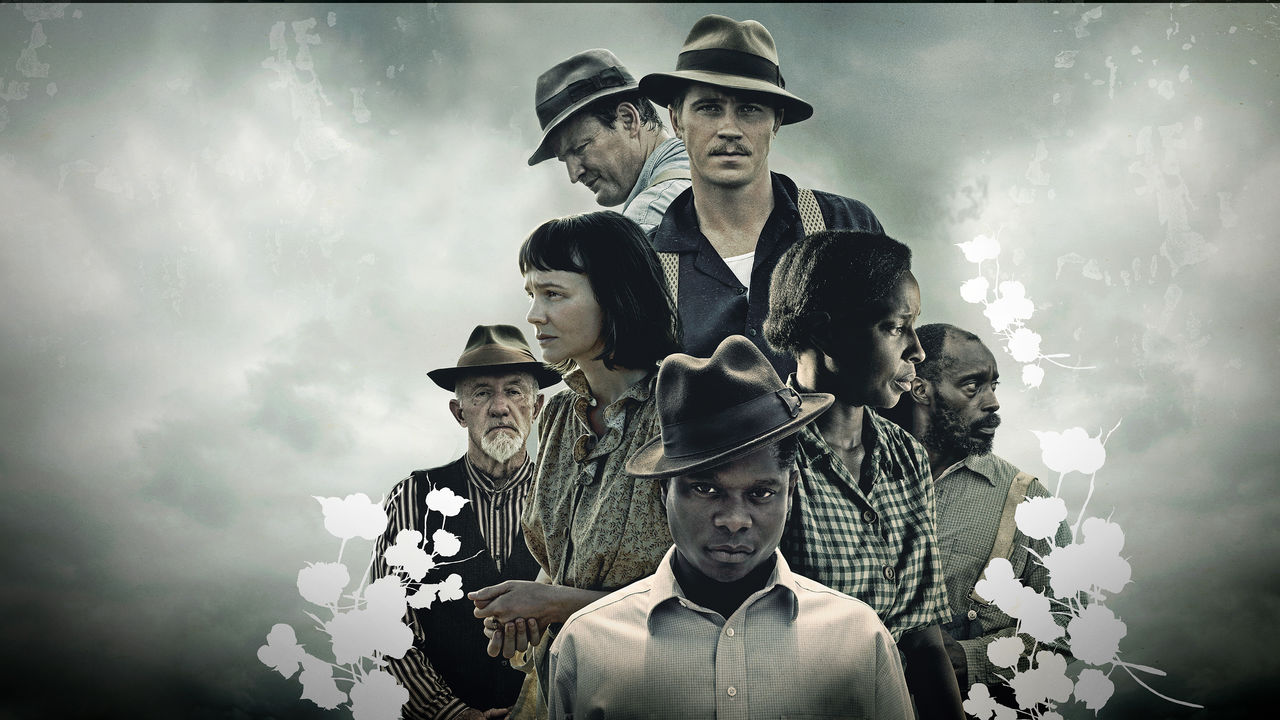
Dee Rees‘ Mudbound is well-meaning, sprawlingly epic in scope, urgent in theme, deeply attuned to nuance, and brimming with confident performances and luminous photography. It’s also somehow lifeless. 

Adapted from Hilary Jordan’s novel of the same name, Mudbound tells the intertwined stories of a white family returning to a plot of land in the Mississippi Delta and the Black sharecropper family who works it while aspiring to some kind of land ownership. Rees’ direction emphasizes the dire poverty with a huge amount of empathy and, aside from the Klan-affiliated monsters who populate the nearby village, charitably presents an array of personal dilemmas against the backdrop of intractable history.

The main problem with Mudbound arises from its split narration: in a web of voiceover, we hear from increasingly miserable Laura McAllen (Carey Mulligan), her stolid husband Garrett (Garrett Hedlund), Garrett’s dissolute but noble brother Harry (Jason Clarke), the preacher/patriarch of the Black family Hap Jackson (Rob Morgan), his wife Florence (Mary J. Blige), and their war hero son, Ronsel (Jason Mitchell), whose friendship with former veteran Harry will lead to disaster. That’s … a lot.

Too much. Perhaps on the page, these blended monologues work, but it becomes muddled on screen. The beauty, terror, and ambivalence of the images can’t prop them up, and we’re tossed around. Perhaps this is intentional on Rees’ part — the past, as Faulkner wrote, not even being past — and an avalanche of subjectivities definitely undermines the interminably Serious Narrative Structures we usually get from such period pieces.

But Rees keeps her distance, even in close confines and in moments that should resonate more personally. There’s something studied and mannered about Mudbound, despite all the grit and grime and violence. It’s especially surprising, given the energy she previously brought to Pariah. No one would suggest this vision of sharecropping economics and poverty logic should echo the manic movement of that film, but it’s really the polar opposite in terms of tone and pacing. Mudbound is 134 minutes, long by MVFF standards, and you can feel almost every one of them.

Still, it’s filled with startling moments and extremely strong turns from the entire cast. Rees lays some metaphors on thick — burying a virulent racist in a slave grave isn’t exactly subtle — but there’s beauty here, too, amid all my objections. And if it ends in a flourish of hope — close to eye-rollingly so, even if the moment is appropriately tempered by sorrow — maybe that’s alright. Maybe that’s something we need to see right now anyway, and it’s to MVFF’s credit to feature it so prominently in the programming.

October 16, 2017 0 comments
0 FacebookTwitterPinterestEmail
Newer Posts
Older Posts

About

About

Towards a provisional theory of the cinema, or, failing that, just some shit about movies

Authors
Rick Kelley
Lark Lundberg

Keep in touch

Facebook Twitter

Categories

  • Conversation
  • Film
  • Film By Film
  • Great Movie Project
  • Great Movies: The Counter Programming
  • Guest
  • News
  • Other
    • Commentary
    • Film
    • Interview
    • Reviews
    • Song for a Sunday
  • Streaming Selections
  • TV
  • Uncategorized
  • Vegan Horror

Archives

  • April 2019
  • March 2019
  • January 2019
  • December 2018
  • November 2018
  • October 2018
  • September 2018
  • August 2018
  • July 2018
  • June 2018
  • May 2018
  • April 2018
  • March 2018
  • February 2018
  • January 2018
  • December 2017
  • November 2017
  • October 2017
  • September 2017
  • August 2017
  • July 2017
  • June 2017
  • May 2017
  • April 2017
  • March 2017
  • February 2017
  • January 2017
  • December 2016
  • November 2016
  • October 2016
  • September 2016
  • August 2016
  • July 2016
  • June 2016
  • May 2016
  • April 2016
  • March 2016
  • February 2016
  • January 2016
  • December 2015
  • October 2015
  • September 2015
  • August 2015
  • July 2015
  • June 2015
  • May 2015
  • April 2015
  • March 2015
  • February 2015
  • January 2015
  • December 2014
  • November 2014
  • October 2014
  • August 2009
  • September 2008

Recent Posts

  • China Girls, Death Proof, and the Hidden Face
  • Old News: Old Noise Edition
  • Old News: April 1, 2019
  • Nicolas Winding Refn, Marginalia, and the Deaths of Cinema
  • And now, let us praise Kanopy

Recent Comments

  • Franklin Kat on Michael Shannon shines again in Frank & Lola
  • Sean Tempesta on Cinema and dream-logic in Meshes of the Afternoon
  • ludditerobot on The Left-Wing Slapstick and Iconic Songs of 1937’s Street Angel
  • Franklin Kat on The Left-Wing Slapstick and Iconic Songs of 1937’s Street Angel
  • Arijit Mukherjee on Great Movies Project: The Counter-Programming
  • Facebook
  • Twitter

@2021 - All Right Reserved. Designed and Developed by PenciDesign


Back To Top
Luddite Robot
  • Reviews
  • Commentary
  • Great Movie Project
    • Great Movie Project
      Bride of Frankenstein is a movie for and…

      January 25, 2018

      Great Movie Project
      The Enduring Appeal of Nick and Nora in…

      November 29, 2017

      Great Movie Project
      The Ahistorical Fever Dream of The Scarlet Empress

      August 2, 2017

      Great Movie Project
      Dreams, Mundanity, and the Anarchist Yearnings of L’Atalante

      July 12, 2017

      Great Movie Project
      Duck Soup Is And Will Always Be A…

      April 19, 2017

  • Counter Programming
    • Great Movies: The Counter Programming
      Walking and Talking in the Shadow of Kanchenjungha

      March 7, 2018

      Great Movies: The Counter Programming
      A Brief Encounter in My Mother and Her…

      February 9, 2018

      Great Movies: The Counter Programming
      Horror’s Refusal in Farrokhzad’s The House Is Black

      October 13, 2017

      Great Movies: The Counter Programming
      The rage and beauty of The Cloud-Capped Star

      October 3, 2017

      Great Movies: The Counter Programming
      The daylight noir and social issue empathy of…

      June 22, 2017

  • Vegan Horror
    • Vegan Horror
      Julia Ducournau doesn’t think her film Raw is…

      June 7, 2017

      Vegan Horror
      Licking our wounds: The vampiric masculinity of Ravenous

      December 13, 2016

      Vegan Horror
      Eggertsson and animals: An approach to horror cinema

      September 15, 2016

      Vegan Horror
      “It’s Not My Nature” – Vegetarianism, Body Horror,…

      August 30, 2016

      Vegan Horror
      Bodies and Carcasses in Predator 2

      August 23, 2016

  • Interview
    • Interview
      Jasmine Leyva’s doc The Invisible Vegan aims to…

      May 3, 2017

      Interview
      Bridging The Abyss: An Interview With The Directors…

      November 28, 2016

      Interview
      7 Days in Ohio: An Interview with Nathan…

      September 12, 2016

      Interview
      Film Critic Phil Dy talks New Filipino Cinema

      June 17, 2016

      Interview
      “I Love Seeing Film Projected.” A Conversation with…

      March 22, 2016