Top Posts
Madeline’s Madeline: An Unclassifiable Panic Attack Maybe-Masterpiece
Shoplifters Steals Moments of Wonder from the Mundane
Burning and Forgetting What’s Not There
Kusama: Infinity Expands Beyond The Canvas
Mandy Risks Little, Wins Little
In We The Animals, The Children Are Away...
The Seagull Isn’t Quite Chekhov, But It’s Still...
5 Million Ways Boots Riley Isn’t Sorry To...
American Animals’ and the Queasiness of the Heist
A Star Is Born In Hearts Beat Loud
  • Reviews
  • Commentary
  • Great Movie Project
    • Great Movie Project
      Bride of Frankenstein is a movie for and…

      January 25, 2018

      Great Movie Project
      The Enduring Appeal of Nick and Nora in…

      November 29, 2017

      Great Movie Project
      The Ahistorical Fever Dream of The Scarlet Empress

      August 2, 2017

      Great Movie Project
      Dreams, Mundanity, and the Anarchist Yearnings of L’Atalante

      July 12, 2017

      Great Movie Project
      Duck Soup Is And Will Always Be A…

      April 19, 2017

  • Counter Programming
    • Great Movies: The Counter Programming
      Walking and Talking in the Shadow of Kanchenjungha

      March 7, 2018

      Great Movies: The Counter Programming
      A Brief Encounter in My Mother and Her…

      February 9, 2018

      Great Movies: The Counter Programming
      Horror’s Refusal in Farrokhzad’s The House Is Black

      October 13, 2017

      Great Movies: The Counter Programming
      The rage and beauty of The Cloud-Capped Star

      October 3, 2017

      Great Movies: The Counter Programming
      The daylight noir and social issue empathy of…

      June 22, 2017

  • Vegan Horror
    • Vegan Horror
      Julia Ducournau doesn’t think her film Raw is…

      June 7, 2017

      Vegan Horror
      Licking our wounds: The vampiric masculinity of Ravenous

      December 13, 2016

      Vegan Horror
      Eggertsson and animals: An approach to horror cinema

      September 15, 2016

      Vegan Horror
      “It’s Not My Nature” – Vegetarianism, Body Horror,…

      August 30, 2016

      Vegan Horror
      Bodies and Carcasses in Predator 2

      August 23, 2016

  • Interview
    • Interview
      Jasmine Leyva’s doc The Invisible Vegan aims to…

      May 3, 2017

      Interview
      Bridging The Abyss: An Interview With The Directors…

      November 28, 2016

      Interview
      7 Days in Ohio: An Interview with Nathan…

      September 12, 2016

      Interview
      Film Critic Phil Dy talks New Filipino Cinema

      June 17, 2016

      Interview
      “I Love Seeing Film Projected.” A Conversation with…

      March 22, 2016

Luddite Robot
Film critique, theory, and assorted nonsense.
CommentaryFilm

China Girls, Death Proof, and the Hidden Face

April 14, 2019

Old News: Old Noise Edition

April 8, 2019

Old News: April 1, 2019

Nicolas Winding Refn, Marginalia, and the Deaths of Cinema

CommentaryFilm

And now, let us praise Kanopy

January 24, 2019

Warren Sonbert and the Relief of Anti-Narrative

January 14, 2019

The World Is Ending and It Doesn’t Matter

The Best Films of 2018

FilmReviews

Madeline’s Madeline: An Unclassifiable Panic Attack Maybe-Masterpiece

December 21, 2018

Shoplifters Steals Moments of Wonder from the Mundane

December 11, 2018

Burning and Forgetting What’s Not There

Alien, Musicology, and Reading Soundtracks

CommentaryFilm

Shocktober III: Halloween 2018 Edition

October 24, 2018

Shirley Jackson’s The Lottery Traumatized Schoolkids in 16 mm

October 18, 2018

Shocktober 2018 II: Another Reshockening (of Horror)

Häxan is a movie made by a movie character

CommentaryFilm

Shocktober 2018

October 7, 2018

Unprofessional! Spring Night, Summer Night

October 3, 2018

The Wild Boys: A Luddite Robot Conversation

Kusama: Infinity Expands Beyond The Canvas

Film

Streaming Selections: Your Own Home Movies, or Marlon Wayans

by rick August 11, 2017
written by rick

Ah, the week of August 6th through 12th, the glory days of film-streaming in our new economy that is working out terrifically. What have you got for me, corporate overlords?

Netflix is very proud, I assume, to announce its quadruple punch of Black Site Delta, Diary of an Exorcist – Zero, Naked, and White Gold, which sounds like a terrible, kind of sticky evening at a Manhattan cinemateque circa 1977. The presence of Cam Gigandot, Marlon Wayans, and a production company called Life’s A Blitch don’t exactly bolster the respectability, either, but hey! Who’s judging, sight unseen? Perhaps they are all wonderful. You can find out.
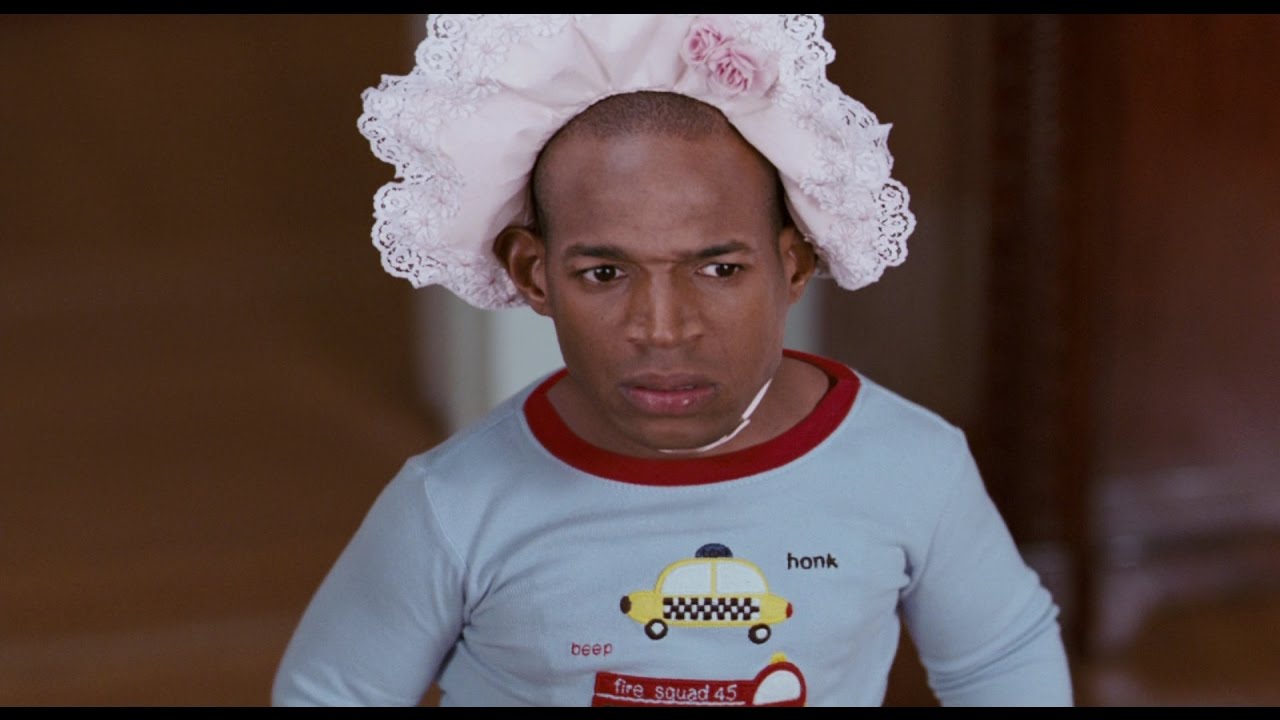
Not to be deterred, HBO busted out with Fantastic Beasts And Where To Find Them, and literally nothing else. That is absolutely a film that exists and can be watched.

Hulu, uncowed by the intensity of these offerings, did their part this week for the cultural zeitgeist: Mosquito, a film in which a group of “lone survivors … band together in a fight for survival as the mosquitoes continue their onslaught,” and Tall Men, where “[A] challenged man is stalked by tall phantoms in business suits after he purchases a car with a mysterious black credit card.” Interestingly, Jonathan Holbrook, the director of Tall Men, also made 2004’s Customer 152, which is summarized by IMDB as a story about “[A] challenged man … stalked by tall phantoms in business suits after he buys the car of his dreams with a mysterious black credit card.” Neat. Hulu means business this week.

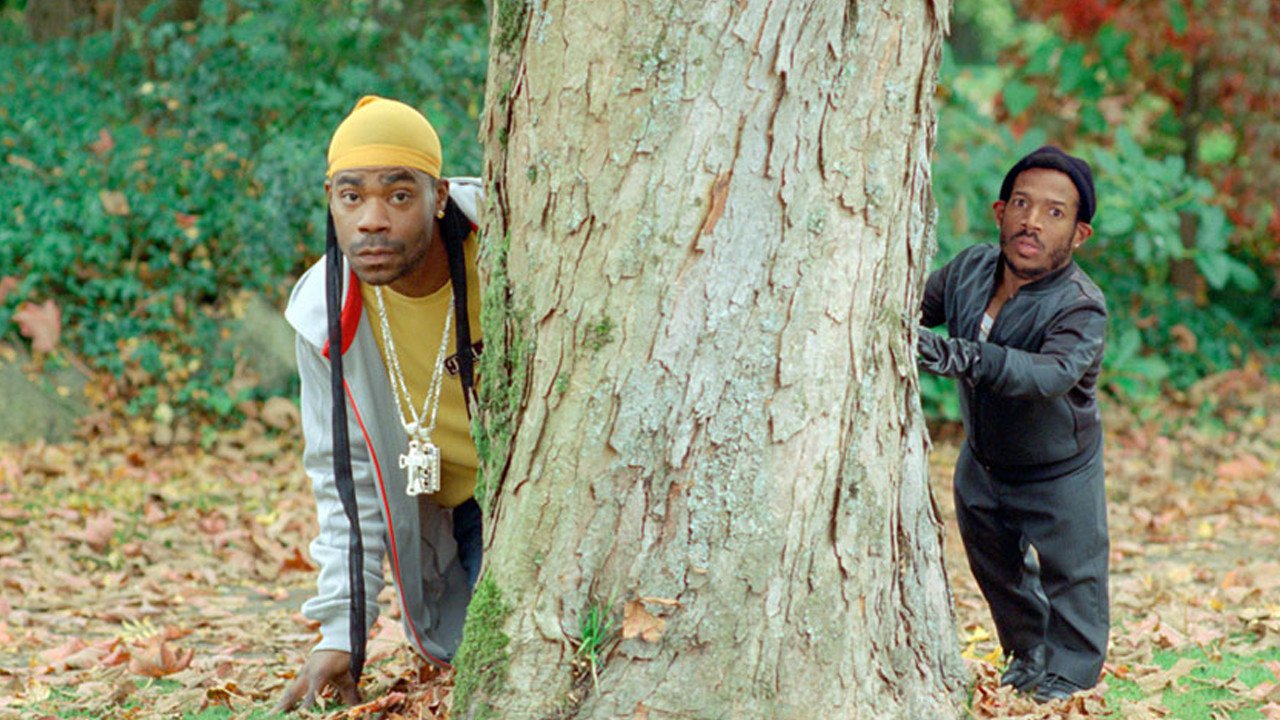
(A still from both Tall Men and Customer 152, presumably, but not Little Man)

Amazon Prime, apparently seeking to prove a point, offers literally nothing new on the film front.

What a time to be alive.

Instead of these “black sites delta” and “tall men” and “Marlon Wayans,” here are some other suggestions for your weekend.

Watch Home Movies Of Yourself

A fascinating PBS interview explores the world of home videos, the ways in which our self-representation tells “the essential story of the 20th century … the composite story made from identical events shown slightly differently.”

So why not skip streaming entirely and watch yourself on the silver screen?

I have several good films to view on this score, including My Girlfriend Plays Hockey and I Didn’t Know I Was Recording, But Here’s What BART Sounds Like I Guess.

Jackass, A Rhapsody

Filmmaker and critic Scout Tafoya is easily my favorite creator of video essays, and his ode to the post-punk transgressions of Jackass might be his best work to date.

While friend-of-the-site Liz Lerner maintains that valorizing Jackass is wrong-headed — that the masculinity on display is a cop-out and the whole thing should be filed alongside South Park in the category of “things that are not funny no matter how you rationalize it” — I relate strongly to this video. In fact, particular clips made me laugh so hard I risked waking up the neighbors, like some sort of nut-shot enthusiast version of Bryan Adams.

Team Tafoya.

Kiss

Speaking of Scouts, this video of Scout Niblett cavorting with Will Oldham is everything you need, if what you need includes false teeth, harmonies, and Will Oldham shaking his warbling booty. It’s probably better than Tall Men.

Stanley Kubrick’s Fear and Desire

OpenCulture is one of the great treasure troves of internet cinephilia, and you could lose hours just reading through its table of contents. (And that’s just the movies! Feel free to also listen to 20th c. poets read their works, study syllabi, and learn a new language while you’re at it.)

Fear and Desire is a standout. Kubrick despised his own film and wanted to burn all the prints so we wouldn’t be subjected to it. Kubrick was wrong! It’s a pretty gripping bit of existentialist war cinema, with a captivating Paul Mazursky sweating through the role. I wrote about it here, and you can watch it here.

The Rest

None of which is to say there aren’t worthwhile things in the digital stacks. The Incredible Jessica Jones is on Netflix and it’s fitfully funny, if you like cringing. Hulu has the under-loved Ali, and Shudder added Darren Aronofsky’s Pi, a film I watched too many times in college and which might make a good primer for his upcoming mother! (Oh, that trailer.) Finally, Shane Carruth’s Primer is a really good movie and would make a great end to this sentence, but unfortunately that’s not streaming anywhere as far as I can tell.

In conclusion, I’m starting to hate this column.

August 11, 2017 0 comments
1 FacebookTwitterPinterestEmail
Film

The Exhilarating, Possibly Fascist Epic Sweep of Dunkirk

by rick August 7, 2017
written by rick

Christopher Nolan is known, celebrated, and critiqued for two things: rigid attention to the clockwork nature of his spectacles, and a particular coldness to character. In Dunkirk, he splits the difference.

From Memento on, Nolan’s films seem much more enamored of mindfuck narrative structures than the people who populate them. The central characters are frequently stoic, stalwart types — your Young Man, your Magic Man, your Bat Man — in service to films they seem uncomfortable in.

But his fans are legion and very willing to shelve reservations about character development if the existential sweep works well enough. And not just among some stereotypical variety of Inception-happy, bong-hitting kids looking to get their minds blown, either. The guy clearly knows how to make a movie, and his repeat collaborations with cinematographer Hoyte Van Hoytema, editor Lee Smith, and composer Hans Zimmer indicate a stock company of similarly-minded folks. (Not to mention the nearly endless lists of effects coordinators and sound engineers that round out the very long IMDB entries for any Nolan film.)

Detractors would argue that — ok, fine, that’s pretty rad — but you need actual people in that movie. Technical wizardry aside, movies need characters. (Chris Evangelista makes a good case that this critique is overblown.)

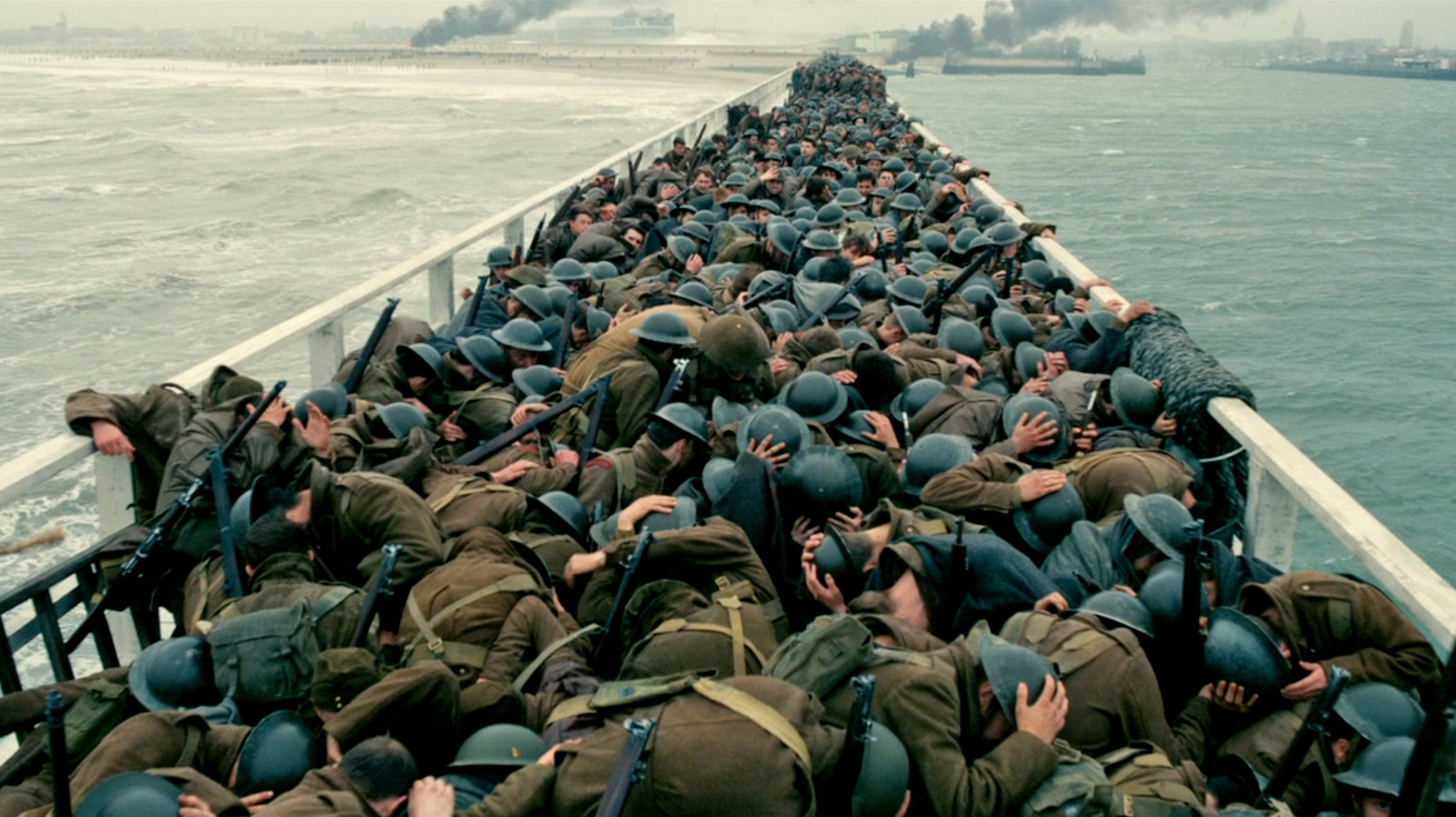
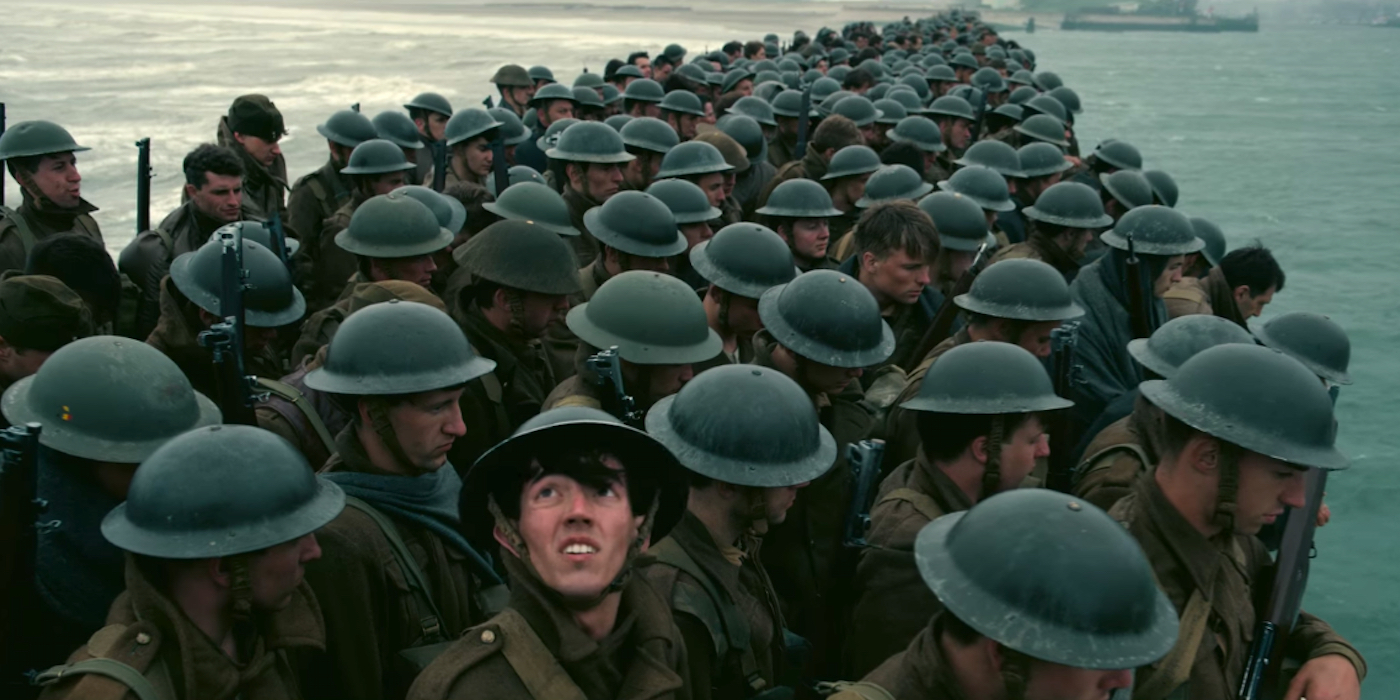
In Dunkirk, it seems Nolan wants to turn this blind spot into an asset. Filmed largely in IMAX 70mm, the film’s visual scope reduces nearly everyone to cyphers and metaphorical stand-ins, tiny little figures lost in the deafeningly loud and jarring sweep of history itself. There’s almost the sense of a challenge accepted: “You think I’ve reduced characters to bit players in their own dramas before now? Well, take a look at this.”

The story Dunkirk tells — about the heroic rescue of stranded British soldiers by stolid, common folk who rose to the call — is elemental, told before and bound to be told again. Nolan being Nolan here, it’s tri-furcated into an epic that’s both dislocating and conceptually coherent: three stories — taking place in the air, on land, and on sea, though with different time-stamps — that allow for a large pallette without ever quite merging. It’s a frantic series of snapshots, postcards from the war blown up to ludicrous proportions.

In this context, the smallness of character is the point. People come and go, celebratory moments like the sharing of sandwiches on a ship become horrifying visions of death moments later. No one sticks around for all that long in this war’s telling, and the only real victory is survival. The cinematography emphasizes this, with rows of men on abandoned beaches or gripping the undergirdings of ships in half-light. Even the interior sequences, which aim to elevate characters, turn out to depersonalize and idealize them (an aesthetic perversity Dunkirk shares with 2015’s excursion into film-happy claustrophobia and walking metaphors, The Hateful 8).

Still, Dunkirk is exhilarating in its best moments, going for broke on the notion that narrative doesn’t need to muck about with such small things as back-story or character or responsible context. This is a film that is completely within itself, plopping you down in moments and demanding attention to both their collective power and individual irrelevance.

The larger question it poses: what do we make of a cinema hostile to the individual? Is it a good thing to divorce character from narrative, burying them literally and figuratively in the frame, like the futurists dreamed? And by erasing the Germans from the war — they are only referred to obliquely, as “the enemy”, represented entirely by swooping planes and Zimmer’s thudding cues — does this heighten the drama, revealing ordinary people as part of a heroic collective in a mythic struggle, or simply do a disservice to the exact conditions that made the war possible? Is Dunkirk itself fascist?

The central narratives of each of the three parts follow individuals, and yet make those individuals somehow invisible, melting into their missions of staying alive, flying a plane, and steering a boat. (Or, in Tom Hardy’s case, simply obscured by some shit on his face. Call it “The Hardy Conundrum”.) A final, brief note presents a non-character’s death as a heroic gesture. There’s a bitterness to this, some sort of British echo of Sherman’s statement about military fame: “to be killed on the field of battle and have your name misspelled in the newspapers.”

Viewers will have to decide. It looks great, though.

August 7, 2017 0 comments
0 FacebookTwitterPinterestEmail
Great Movie Project

The Ahistorical Fever Dream of The Scarlet Empress

by rick August 2, 2017
written by rick

In a rather hilarious reflection on Josef von Sternberg’s The Scarlet Empress, the sixth of his seven films starring Marlene Dietrich, historian Alex von Tunzelmann is unimpressed with the history on display.

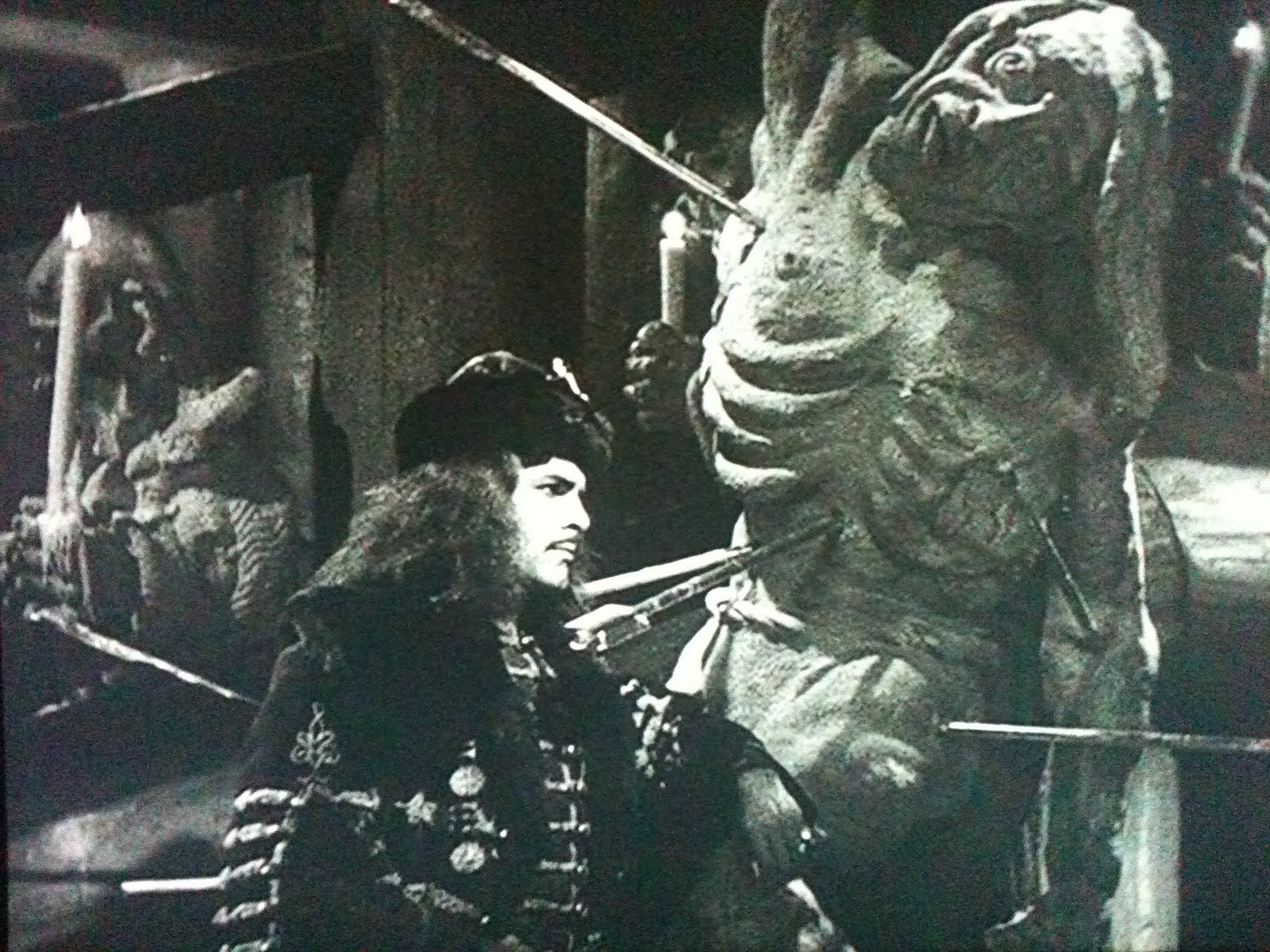
The reign of Empress Elizabeth (1741-1762) didn’t include nearly so much torture as the first few frames of The Scarlet Empress would indicate, and the Iron Maiden wasn’t even invented for another 100 years! The actual “Count Alexei” was way less hot. It is pretty unlikely that Catherine The Great fucked the entire army, and almost definitely not her horse. Generally speaking, the Russian palace wasn’t quite as festooned with gargoyles and freakish demon statues.

Entertainment grade: B
History grade: D-

All of which; fair.

But von Tunzelmann’s tongue is firmly in cheek, anyway: of course The Scarlet Empress is bad history, full of anachronisms that speak more to Sternberg’s vivid imagination than to anything resembling historical realism. In fact, there are only a few points in this ostensible period piece that even seem to exist in a recognizably human world, an irony typical of the director. In Sternberg’s hands, the rule of Catherine The Great is an excuse for every visual excess and barely-sublimated perversion he can cram into the frame. In short:

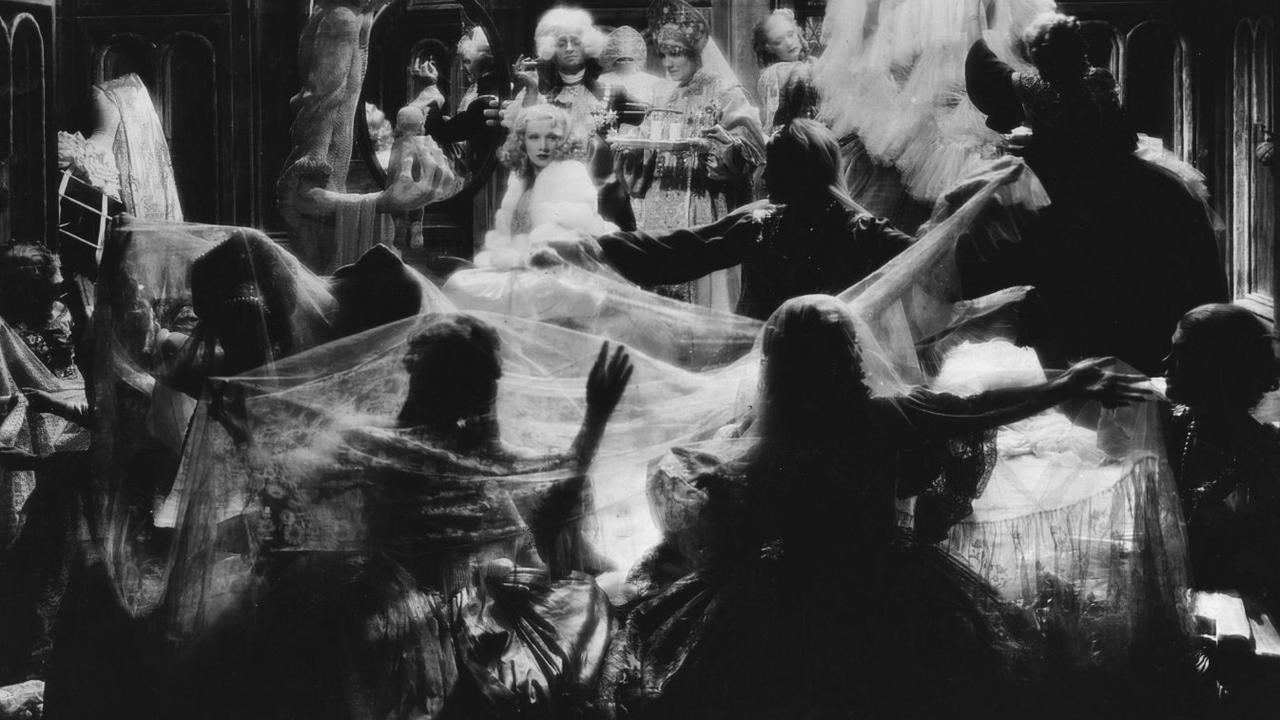
Verdict: The Scarlet Empress isn’t really aiming for credibility so much as providing Sternberg with an excuse to film bondage, bosoms, fur coats, schlocky expressionist sets and Marlene Dietrich’s face peering through bits of gauze.

And how. But that verdict has the benefit of hindsight. While The Scarlet Empress, and Dietrich herself, are now part and parcel of camp iconography, contemporaneous reviews were both less charitable and more eloquent. The New York Times opined:

Since the verdict has to be in the negative, let it be pronounced quickly. For Mr. von Sternberg, having sacrificed story, characterization and life itself to his own hungry and unreasonable dreams of cinema greatness, has at the same time created a barbaric pageant of eighteenth century Russia, which is frequently exciting. His scenes are like the vast, tortured world of another William Blake. In the great halls and chambers of the the imperial palace, weird figures of enormous height stand sculptured in attitudes of suffering. Gargoyles with nightmare faces and twisted bodies support mirrors and candelabra. There are panels of saints and martyrs in what is evidently the Byzantine style, and ikons, gigantic iron doors and clusters of candles. Five emaciated martyrs of tremendous size guard Elizabeth’s bed. The imperial treaure chests bear the sculptured bodies of saints in high relief on their covers. The imperial throne is shaped in the form of the avenging double-eagle of the Russias. There is a mirror curved into a horned and winged gargoyle and a chair formed in the image of a martyred saint, to accommodate the sitter in the saint’s lap.

That 1934 review isn’t wrong to complain about the lack of narrative cohesion. Dietrich struggles mightily to pull off her role in the early parts of the film, exuding a forced innocence that makes it perfect for camp: no one could fully believe her as a wide-eyed waif. There’s a distinct sense of relief when her Catherine graduates to self-aware femme fatale, rejecting the strictures of an arranged marriage to a moron and angling in on power herself. Sternberg’s allegiances are not too complicated; his theme, summed up by Robin Wood: “How does a woman, and at what cost, assert herself within an overwhelmingly male-dominated world?”

Still, that Dietrich doppelganger — innocent ingenue and charismatic, amoral ruler — underwrites the entire structure of The Scarlet Empress. Sternberg isolates her in the frame at every opportunity: completely on her own, gauzy, with a candle intimating danger or deception; suspended in the image between hellish gargoyles; hemmed in by the court.

The Scarlet Empress is a showcase for excess, but also surprisingly intimate. Dietrich is fetishized in many ways, but the primary focal point is less prurient than some comments suggest: her face. Sternberg is right in line with Dreyer 6 years earlier: “Nothing in the world … can be compared to the human face. It is a land one can never tire of exploring.”

For all its outsized spectacle and elaborate set design, The Scarlet Empress finds itself again and again curious about this one woman in a sea of men, and how she gets by. The nightmarish brutalism of the architecture sets the stage for intimate moments, amid all the vaguely S&M-ish trappings of the aristocracy and the looming, degenerate horror dread of autocratic rule.

Those critiques still exist here amid the decadent splendor, even if Sternberg gleefully substitutes faithfulness to fact for an obsession with flights of weird, auteurist fancy. Of course he was reaching for “cinematic greatness” — he had Marlene Dietrich, a handful of very particular fixations, and the ability to make 1,000 terrifying gargoyles. What would you do?

Favorite Ebert quote:

Soon her betrothed Peter the Great (Sam Jaffe) enters, a grinning, simpering simpleton dismissed by his mother as a “half-wit.” His principal royal duty is to produce an heir, something he is apparently unequipped to do, as von Sternberg hints in a scene where Peter is so desperate for a glimpse of his wife that he drills a spy hole through the eye of a mosaic in his mother’s bedroom, which I think is a Freudian trifecta.


August 2, 2017 0 comments
0 FacebookTwitterPinterestEmail
CommentaryFilm

Weekend Horrorthon! – The horrors of the built environment edition

by rick July 23, 2017
written by rick

For tonight’s matinee, we showcase three films exploiting what might be called Architectural Horror, which is a term I just made up right now and immediately decided to copyright so please don’t use it or I will have to talk to the lawyers. There’s an inherent link between the built environment of a film’s depiction and its mood, narrative, and meanings, but sometimes the associations are inextricable.

On the one hand, you have The Shining; on the other, The Happening, in which a case could be made that the entirety of its inexplicable running time is constructed out of visits to different buildings and houses, all fraught resonances that M. Night Shymalan apparently found very important.

It’s less a trope than a basic fact, from Expressionism on: the literal architecture of the film impacts, and occasionally embodies, the architecture of the mind it aims to evoke, successfully or not. Here are three successes, separated by decades but linked by a particular fixation on the built environment and its horrific consequences.

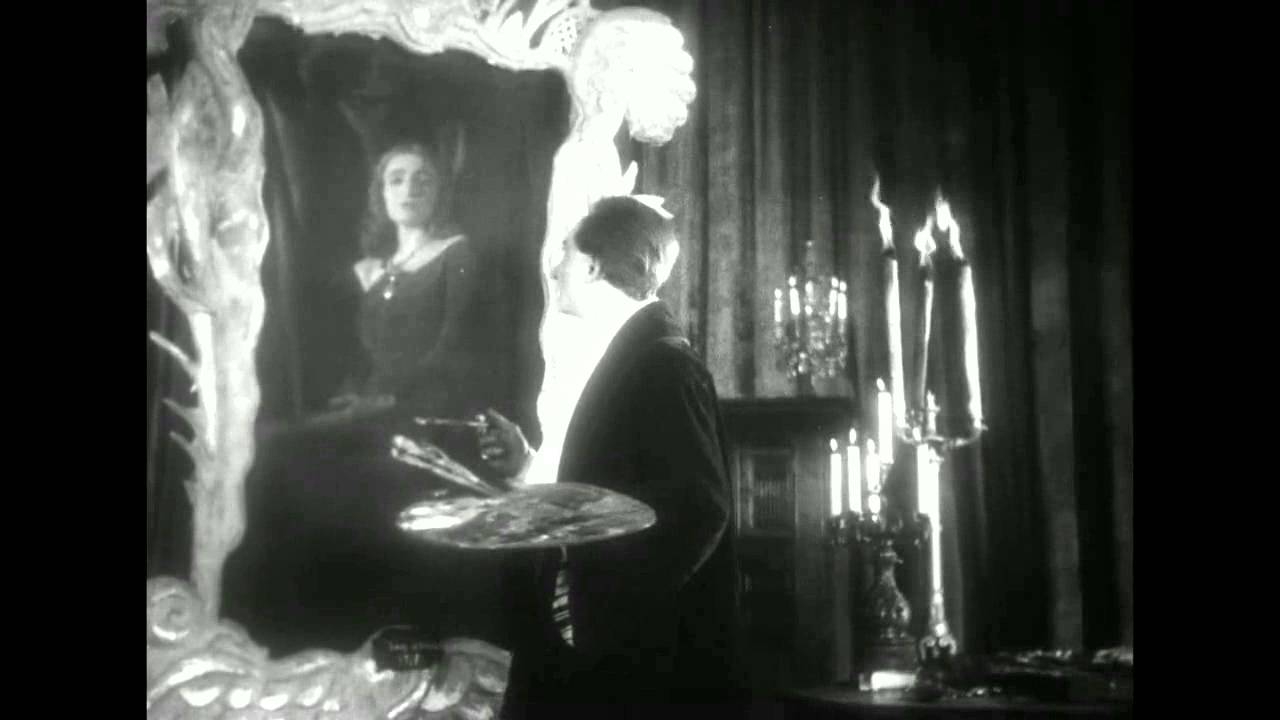
1) The Fall of the House of Usher – Jean Epstein (1928)

Poe’s classic bit of Gothic Horror isn’t necessarily terrifying; more filed under, “Steeped in Dread.” In Epstein’s hands, it became on opportunity to deploy every in-camera trick he could conceive, and immersing it all in an appropriately ethereal built environment: a haunted house, a living grave, an unreliable narrator, the tension between what is seen and what is felt, rampant doublings of character, and more.

Somewhere between Impressionism and Surrealism — Usher was the first film screened at the Cinémathèque Française founded by Langlois and Georges Franju, and was championed by Buñuel, who would later dismiss it and Epstein himself as hopelessly bourgeouis — it’s a marvel to look at. Visions of masculine control and post-Freudian hijinks animate it (there’s more than a whiff of Possession, and even a rocking chair scene), but it’s the aesthetics that linger, and send people looking for a non-dopey way of saying “Lynchian”. It’s a hell of a movie.

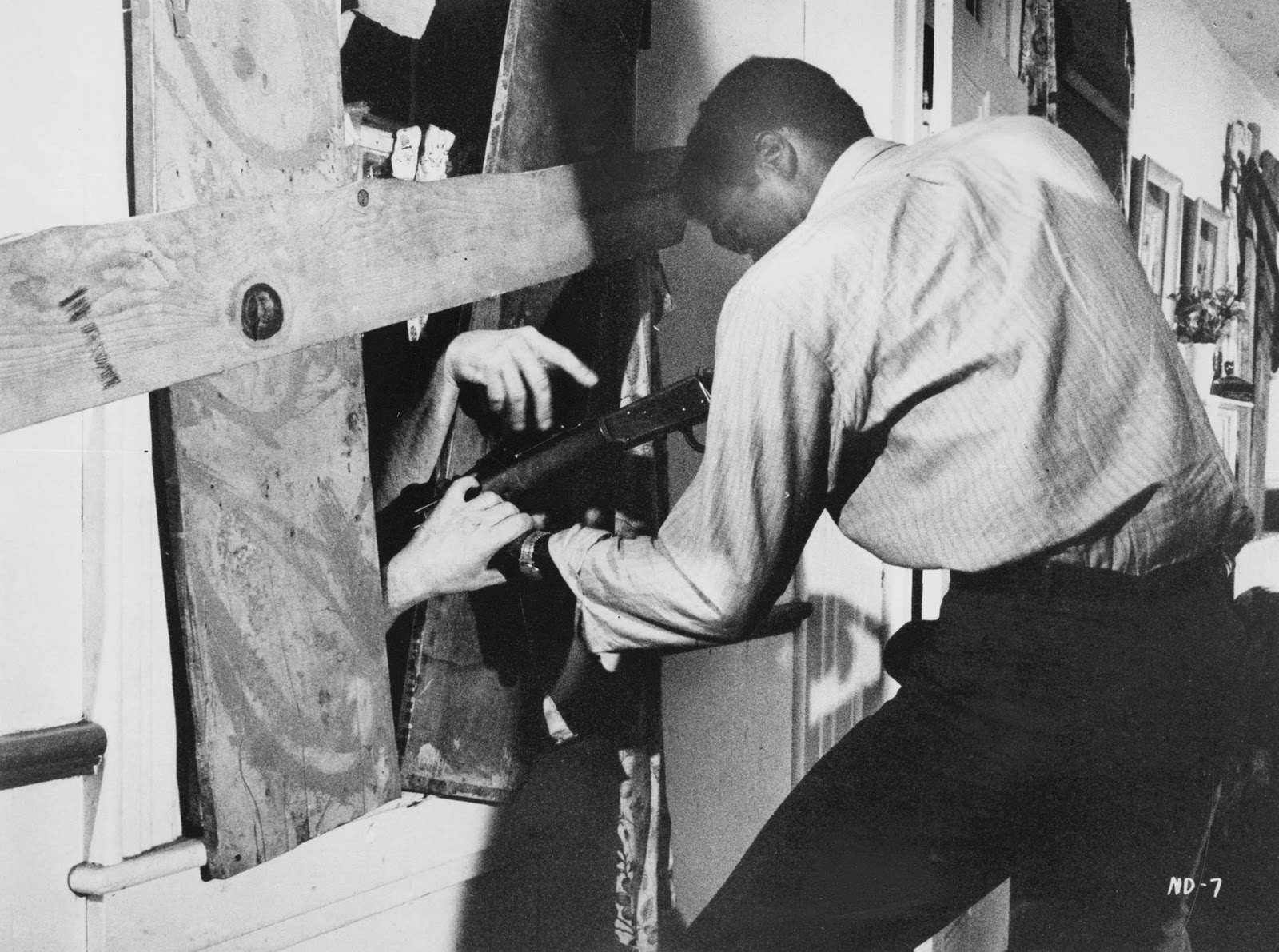
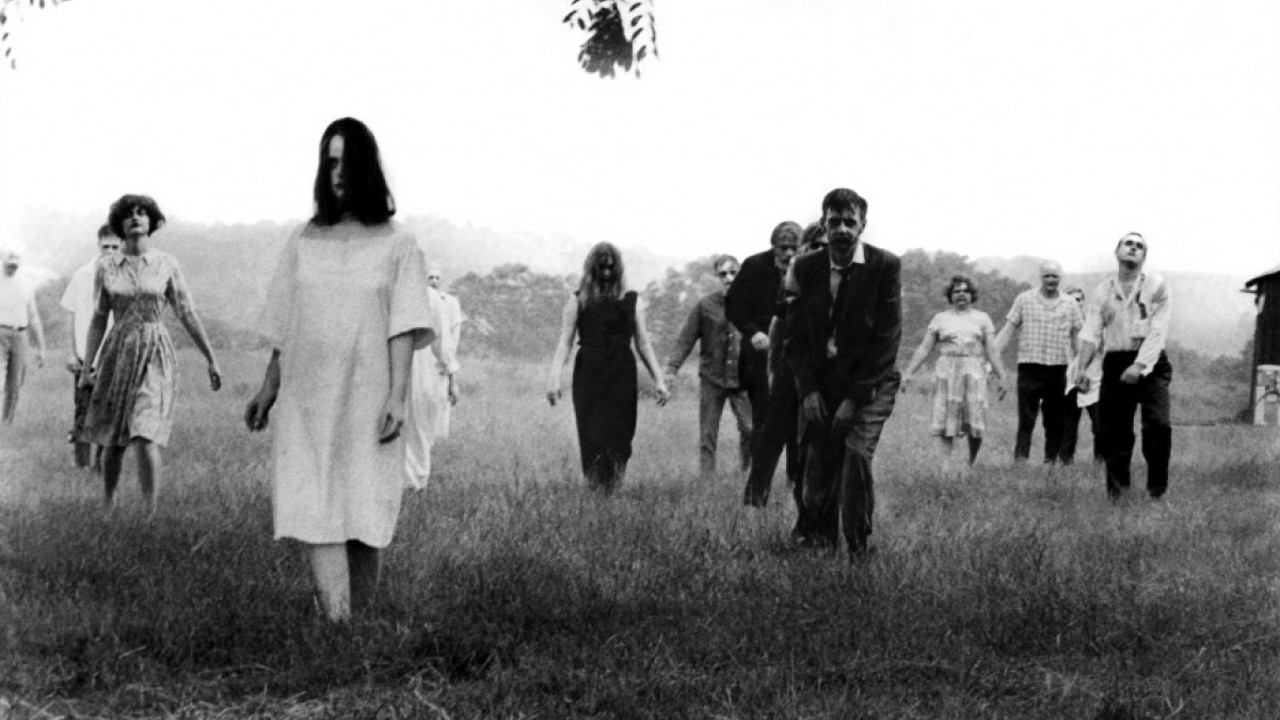
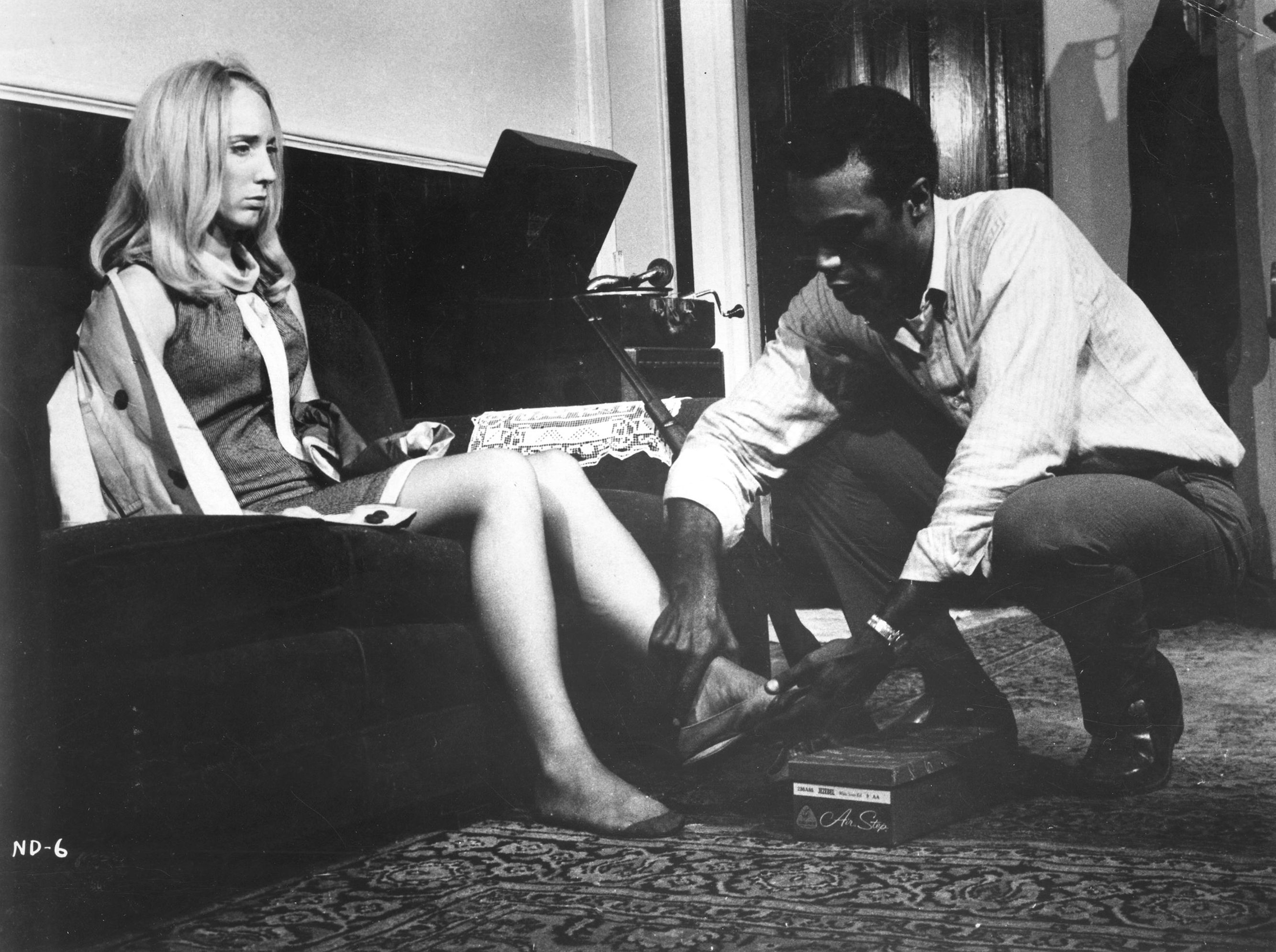
2) Night of the Living Dead – George Romero (1968)

Like everyone else, I wrote an obituary/MASH note about Uncle George this week. My admiration for his first and (come at me) greatest film is a matter of public record.

One aspect that is less frequently discussed — amid reflections on low-budget filmmaking and race, class and gender in the explosive context 1968 — is the centrality of the film’s lived environment.

The abandoned house in which our protagonists find themselves plays such a dominant, if limiting, role that it almost seems silly to mention it. It’s that key to the mise-en-scene. The acts of boarding up, and unboarding, are primary narrative devices; so’s the barred basement door, the sheets, the kerosene that provides for molotov cocktails, the gas tank in the yard. Romero mines these family-home signifiers for all kinds of associations and reversals, as our makeshift family-under-siege assumes the exact places and positions of those who’ve already been chased away or consumed.

I could go on about this all day, but I won’t. Let’s all just watch Night of the Living Dead again for the 1000th time.

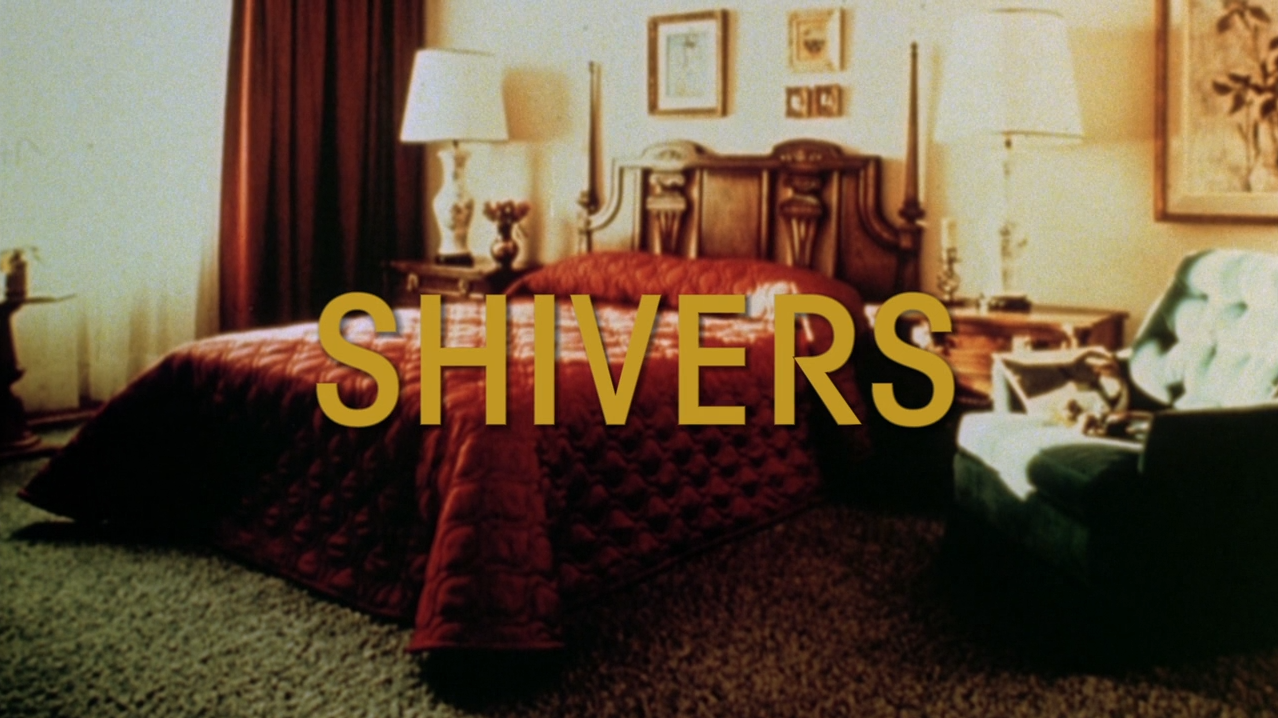
3) Shivers – David Cronenberg (1975)

Within a decade from the Pittsburgh debut of Romero’s first masterpiece, it had already been subsumed, zombie-like, into the culture. From the perspective of Architectural Horror (seriously, don’t steal this, I am so broke), Cronenberg’s ode to its implications traded the small confines of the bourgeois single-family-home for a Ballardian high-rise, a technocapitalist monument to the well-scrubbed future.

And then released the psychopharmocological sex zombies.

Shivers is not a great-looking film, certainly a world away from the gloss and sheen of later Cronenbergian deep-dives into mind-fuckery, leg-wound-fuckery, and just plain fucking. But that’s half the charm. Nascent ideas about technology, desire, and power infect the whole thing, taking the zombie trope of infection and turning it literally venereal.

Also, to its great credit, Shivers simply makes good on the promise of its creeping dread, that unsettled sense only lo-fi cheapies seem to deliver. Like Usher and Night of the Living Dead, its world is delimited, claustrophobic. But just like the earlier two, it turns out those structural horrors find counterparts in the people around us.

July 23, 2017 0 comments
0 FacebookTwitterPinterestEmail
Film

George Romero and the Hazy Child Dreams of Horror

by rick July 19, 2017
written by rick

If memory serves, I was about 6 or 7 when I first saw George Romero’s The Night of the Living Dead. It’s one of those film-viewing experiences that left an indelible imprint: I distinctly remember that feeling of sympathetic helplessness, the emerging sense that this was not going to end well, along with the viscera and brutality, the total bleakness of the film’s climax. Even, or especially, pre-critically, without anything resembling a framework to process what I was seeing, Romero’s left-field, low-fi masterpiece appeared on the screen, and I ate it up like so many intestines. I’ve loved horror ever since.

Of course, sometimes memory doesn’t serve well. For one thing, why was this nightmare being broadcast on television in the early 80s, beamed into the Maryland suburbs on Sunday afternoons, at least in my telling? And why would anyone allow me to sit through a movie that prominently features a young girl devouring her father’s entrails?

It doesn’t add up. I’ve tried, gumshoe-like but in vain, to corroborate my own story. Did I dream this whole thing? Did I see it years later on VHS at a friend’s house, pilfered from someone else’s collection during the late hours of a sleepover? Or years later still, amid bong hits and cigarette smoke instead, and just remember it this way because I felt like a terrified child watching it?

All I know for sure is that when I rewatched it, yet again, the other night after hearing this towering figure in cinematic horror had passed away, I was immediately carried back into that state of heightened dread I associate with kid-like terror. Maybe all those possibilities are true somehow.

Much has been written about the impact of Romero’s low-budget approach, the sense of freedom it imparted to young directors then and since: fellow horror icon John Carpenter reflects that Night of the Living Dead “gave hope to those of us in film school that it was possible to make a low-budget movie and get it on the big screen.” And just as much has been written about the underlying race and class tensions that animate his best work.

This is all true. Romero paved the way for the whole notion of the midnight horror, the power of grainy images assembled and distributed by weirdos on the cheap, tapping into the zeitgeist.

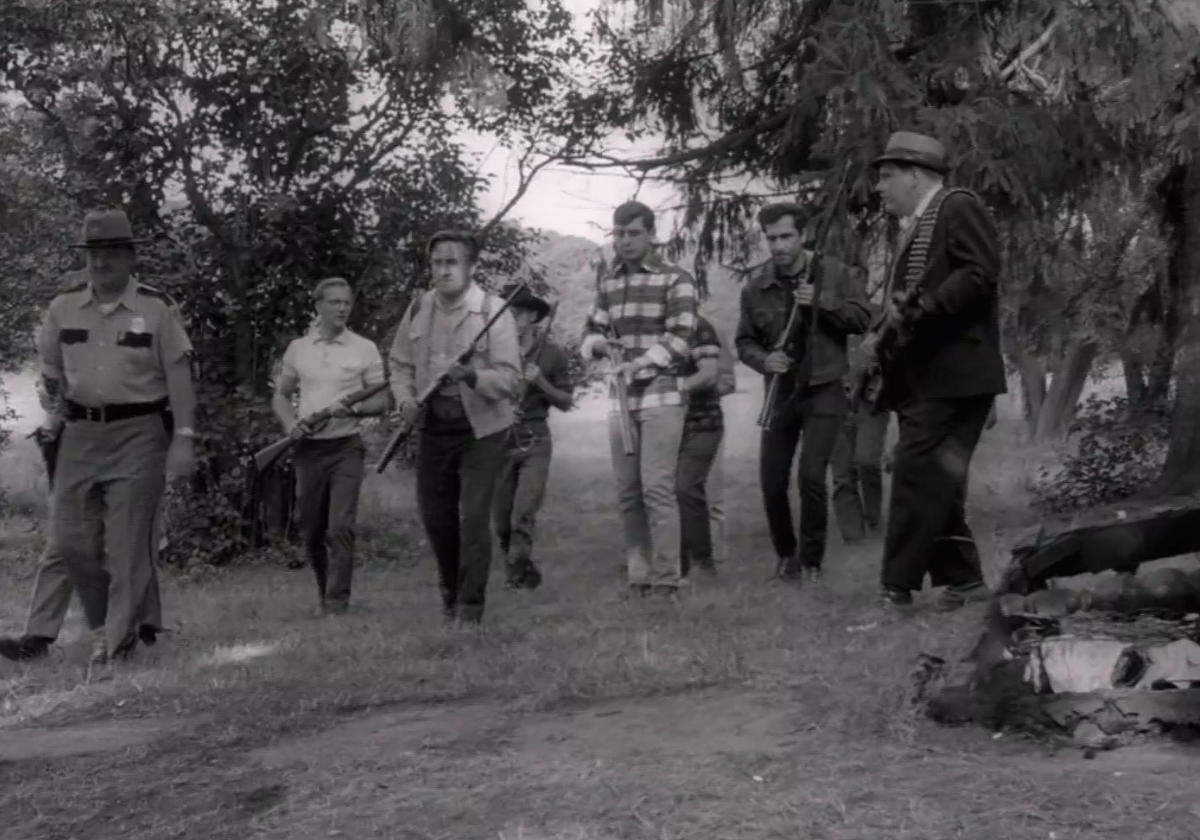
It’s also certainly correct that Night of the Living Dead centers race — via its protagonist Ben, the power struggles in a boarded-up house full of white people who fail to listen to him, and its climactic groups of redneck militias — in ways that still resonate.

Still, the lingering sense of the film, and a template for much of the best horror put on screen, is the way these subtexts arise organically from the material. Night of the Living Dead is incredibly sure of itself, its pacing and mood perfectly modulated to allow these subtextual meanings to bounce around without taking over the narrative itself. The lingering sense is overwhelming dread, processed, at least initially, like a child might. “The monsters are coming and they’re not going to stop.” Everything else comes later.

On rewatch, Romero’s deft touch becomes even clearer. The film’s first 10 minutes could be a standalone short just reveling in horror tropes: the radio foreshadowing, the Final Girl, the abandoned house. There’s an art-school sensibility at the start, a kind of fluttering, New Wave mood that Romero would put to devastating, more sustained use 10 years later in his under-celebrated piece of vampire melancholia Martin. Here, it’s a bait-and-switch, a promise of arthouse cinema promptly upended by splattering viscera and the literal claustrophobia of American life.

By more or less creating the zombie (a word never spoken in Night of the Living Dead), Romero assured his place in the horror pantheon. There’s a tendency to add to this a qualifier: “but he, and his films, are so much more than that.”

Well, they are and they aren’t. Romero himself liked to downplay the social contexts of genre, or at least his role in them, smiling and winking like a clever old man who knows he’s only half-right. (With his race-centering gore-fest premiering in Pittsburgh just 6 months after riots engulfed the city following Martin Luther King Jr.’s assassination, it’s doubtful Romero was completely oblivious to the subtext.)

The flipside of that qualifier is that downplays the real significance of the genre contribution. Romero infused his horror with social concern, whether by accident or design, but he also made incredibly tight, aesthetically accomplished horror movies, intelligent templates for others to explore and film experiences for many a young cinephile to treasure, even if he can’t exactly remember how the timing worked.

For a guy who liked to sign autographs with his admonition to “Stay Scared!”, that’s probably not a small matter.


July 19, 2017 0 comments
0 FacebookTwitterPinterestEmail
CommentaryStreaming Selections

Streaming Selections – Popstar: Never Stop Never Stopping

by rick July 15, 2017
written by rick

Although their SNL shorts and music videos are generally cherished by comedy and/or cannabis enthusiasts, the Lonely Island boys haven’t had the best of luck on the big screen. Hot Rod raced through both theaters and the public consciousness, raking in all of $14M at the box office; a few years later, the Jorma Taccone-helmed MacGruber failed to recoup its budget, outpaced, as Matt Singer once pointed out, by Furry Vengeance, “starring Brendan Fraser as a real-estate developer at war with a raccoon.” It would’ve been hard for Popstar: Never Stop Never Stopping to fall any lower on the scale of profitability than that cult-favorite MacGyer parody.

And indeed, it did not. 2016’s Popstar, featuring Andy Samberg as a gleefully oblivious Justin Bieber-like pop-culture phenom, earned roughly $300,000 more, still failing to clear $10M and providing a pretty solid case that audiences prefer their Lonely Island productions to be roughly 5 minutes long and also free.

To steal Singer’s framework, Popstar grossed less than half what Nine Lives pulled in, that film in which Kevin Spacey voices an anthropomorphic cat named Mr. Fuzzypants and Christopher Walken runs a shop called Purrkins’ Pet Store, because his name is Felix Perkins. All of which is too bad, because Popstar: Never Stop Never Stopping is hilarious (as were those previous box office bombs). Full of “Behind The Music”-style gags, celebrity cameos, and legitimately good, if ridiculous, songs, it’s Lonely Island’s most accomplished foray into feature film to date, and was therefore met with apparently widespread disinterest.
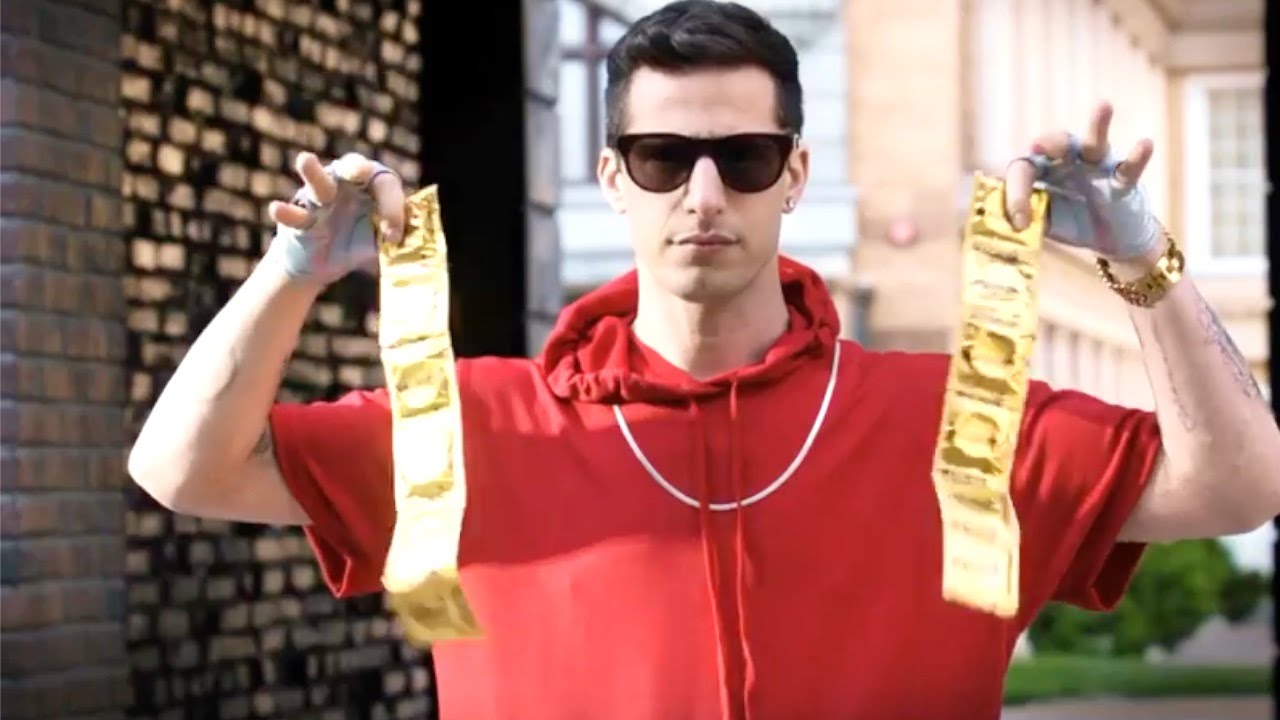
As Conor4Real, Samberg plays to his strengths, grinning like an idiot while he throws out non sequiturs, and the rest of the cast gamely ups the idiocy. (Chris Redd especially deserves mention for his ludicrously ferocious turn as the next big thing stealing Conor’s spotlight.)

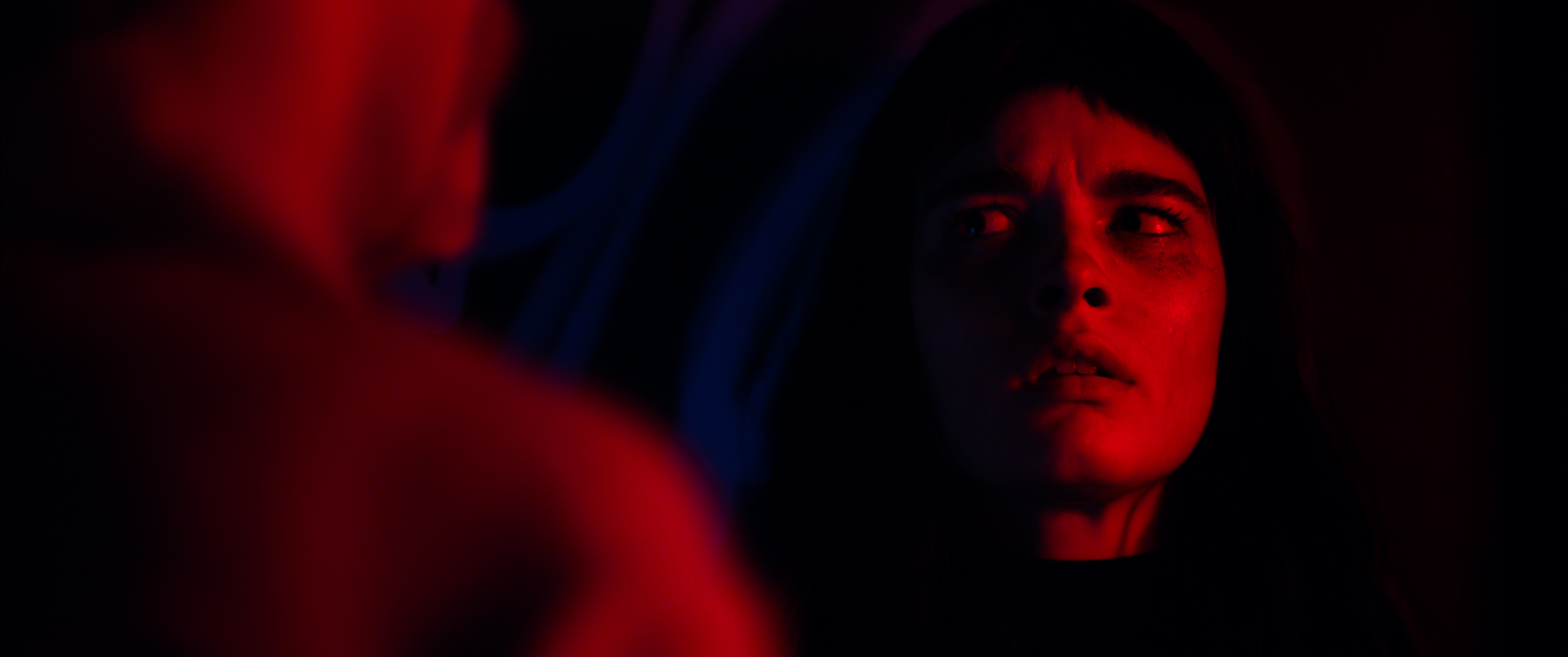
There’s even a story of brotherly love and redemption here, amid all the dick jokes and Samberg rapping things like, “I feel more humble than Dikembe Mutumbo after a stumble left him covered in a big pot of gumbo.” It’s fun for the whole family.

(Streaming on HBO Go)

Quick Links

The original Star Trek movies

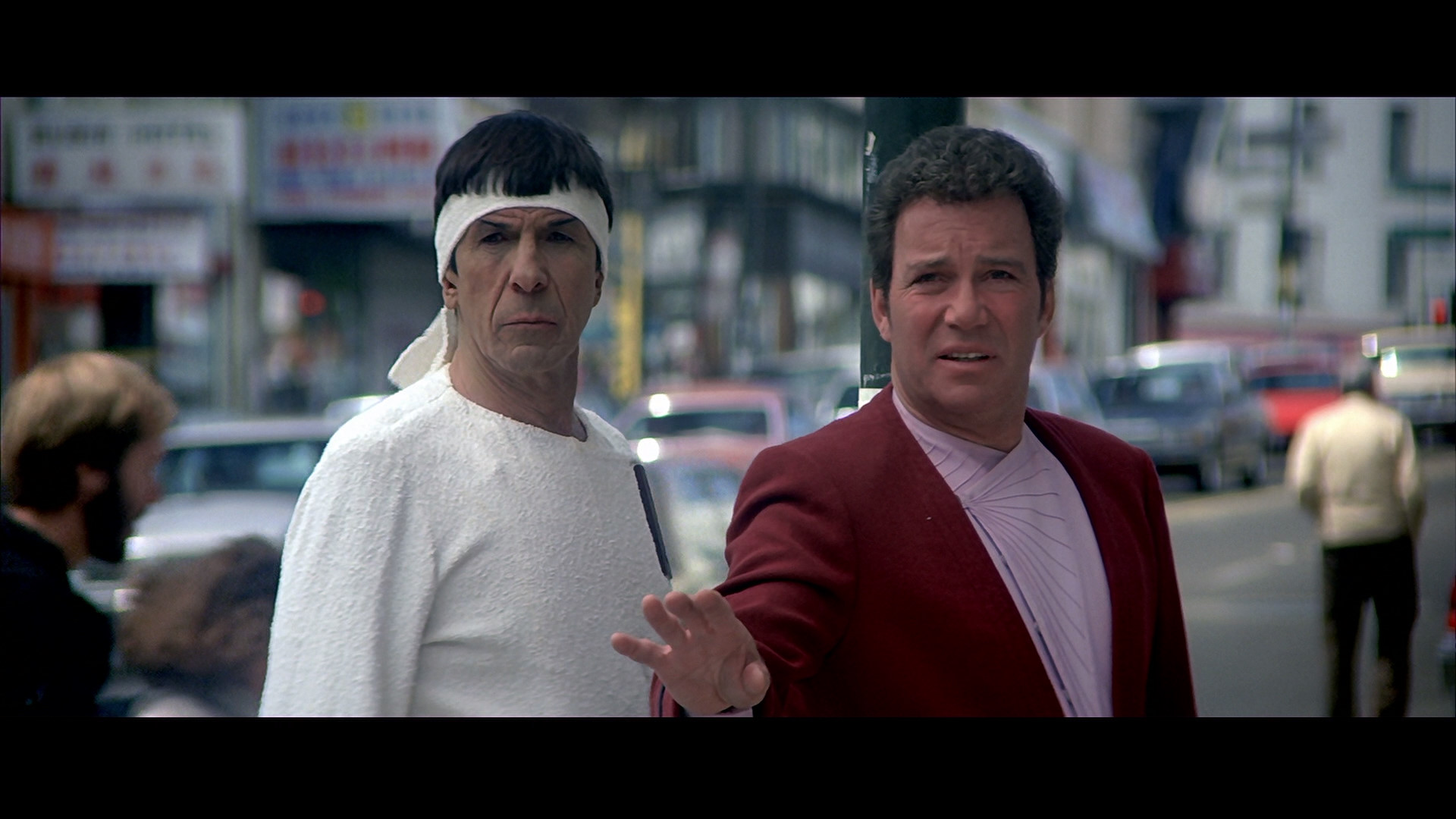
More on this next week, when I plan to discuss each of the films from the perspective of a guy who’d only seen Wrath of Khan previously, but all the original Star Trek films are available for your perusal. If you enjoy staring at other people who are staring at something else, you will find a warm welcome here! (Also, they’re — mostly — a lot of fun.)

(Streaming on Amazon Prime)

Best In Show

BEST IN SHOW, Christopher Guest, 2000

It’s debatable which offers the broadest foil for Christopher Guest’s stock company of improv goofs: the small-town musical theater enthusiasts of Waiting for Guffman or the lunatic dog competitors of Best In Show. Both carry more than a whiff of condescension and grabbing at low-hanging comic fruit.

But Best In Show gives a little room for a sympathetic (and hilarious) characterization from Guest himself, and the Fred Willard moments are worth the price of admission in and of themselves. Even if the premise is inherently silly, these are funny people often saying funny things. That’s still pretty good.

(Streaming on Netflix)

The Puppet Man

To be clear, The Puppet Man is a bit ludicrous. But if you want to spend 10 minutes luxuriating in Argento-style lighting and Carpenter homages, with a score and cameo by the man himself, here’s your movie.

(Streaming on Shudder)

Three Short Films by David Lowery

A Ghost Story, David Lowery’s latest, has been generating a lot of buzz recently, so now might be a good time to revisit some of his earliest works. Including Some Analog Lines from 2006, a short rumination on creative work in which he happens to reveal that his very first film, shot at age 7, was also titled A Ghost Story, and featured his brother in a ghost costume.

Le CiNéMa Club has gathered that and two others, presenting them together as a 13-minute piece of rapid-fire programming. The shorts are charming, knowing, and (unsurprisingly for someone who was originally an editor by trade) well-edited. The director’s fans will recognize some of his signature aesthetic tics, but everyone will find something to relate to in the rush of images and reflections.

(Streaming on Le Cinema Club)


July 15, 2017 0 comments
0 FacebookTwitterPinterestEmail
Great Movie Project

Dreams, Mundanity, and the Anarchist Yearnings of L’Atalante

by rick July 12, 2017
written by rick

The opening sequence of L’Atalante depicts a wedding procession through a provincial village. The natural environment is austere, and so are the spectators’ clothes and demeanor, more suited to a funeral than a wedding — all of which make the bride’s ornate gown, pale face, and blonde hair that much more otherworldly and out of place. In a memorable, offhandedly surreal gesture, she boards the rundown-looking barge that gives the film its title by riding its boom from the shore, dress fluttering briefly in the breeze.

That small moment of visual poetry at the film’s beginning — “handled,” writes Luc Sante, “with such matter-of-fact brevity that it almost slips by as another item in the boarding process” — is key to director Jean Vigo’s film, which routinely finds its way onto the greatest-of-all-time lists. 1934’s L’Atalante is not even his masterpiece (that title belongs to Zéro de conduite, an equally lyrical portrait of schoolboy revolution, released the previous year, that probably would have pleased his murdered anarchist father), but, of his short and fevered cinematic output, it’s the one that made the biggest impression in the years to come.

L’Atalante is the story of lovers negotiating — navigating, if you like — the new circumstances of their lives. Things do not always go well. For one thing, while the barge-commanding husband Jean (Jean Dasté) is romantic enough, he’s also grounded in the day-to-day demands of his work, which Juliette (Dita Parlo) couldn’t possibly have anticipated. (“She’s never even left the village!” one older wedding march attendee notes.) It turns out he’s jealous and she’s impulsive, for another.

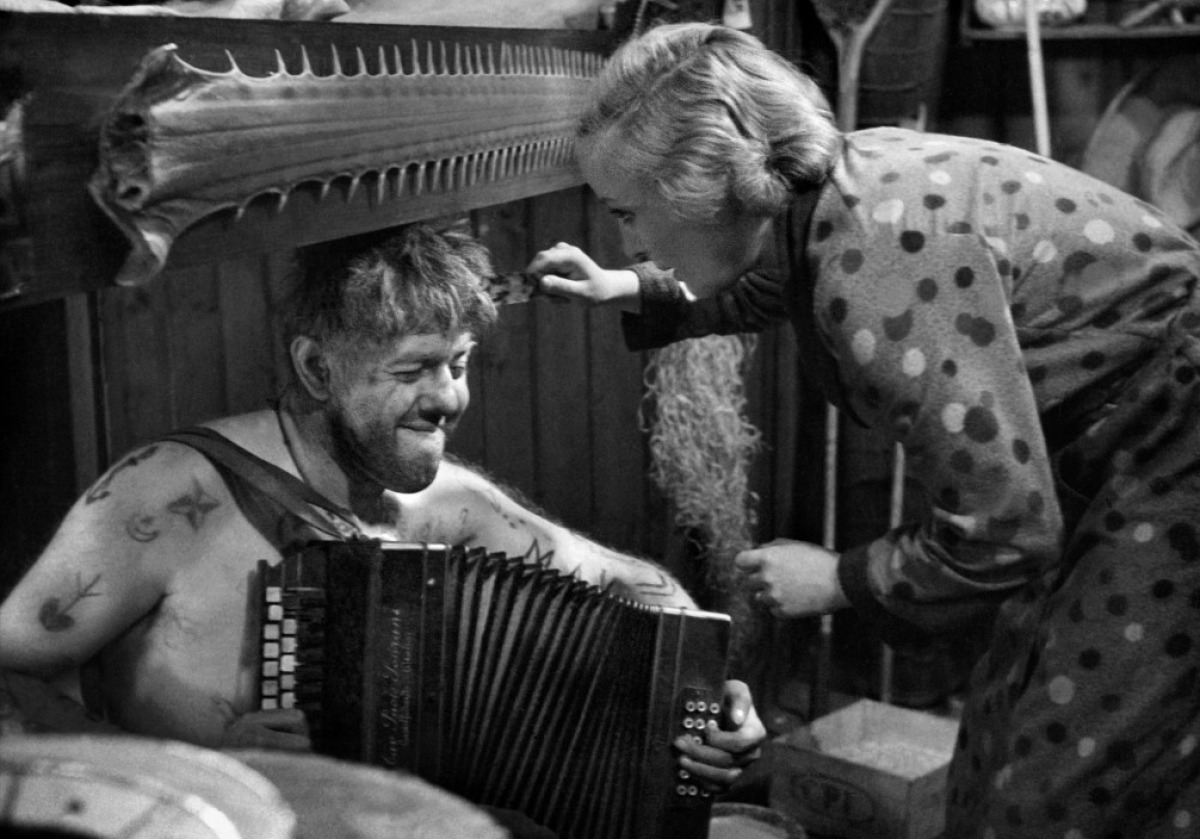
She dreams of Paris while surrounded by dirty clothes, the even dirtier cats who seem to proliferate in the close confines of the ship, all these trappings of working-class labor. Jean’s even got a crew of tattooed inebriates like Père Jules (the great Michel Simon, playing 20 years above his actual age), more accustomed to drink and his brand of machismo freedom than some new “missus” wanting to wash his socks and have him hold up a dress for her to hem.

Vigo is far more interested in these human interactions, and in contrasting epic desires and mundane realities, than the traditional narrative his financiers foisted on him for L’Atalante. There is a clear story here, of course — Juliette steals away from the ship to explore the big city, Jean spitefully sets sail without her and immediately regrets it, the lovers are reunited — but the camera lingers instead on small moments or deploys an army of visual tricks to get inside the individual psychologies. It’s less pure melodrama than a series of impressions and cues, luminous close-ups and superimpositions, realisms both social and “magical”.

Not long ago, I asked friends and colleagues for examples of movies they turned on, or that turned on them. Either direction was acceptable: perhaps a film you were initially cool to, or outright disliked, found you later and cohered, or perhaps an early enthusiasm turned sour on rewatch. The usual suspects were voiced: Fight Club, A Clockwork Orange, The Usual Suspects. L’Atalante is fits solidly in this wheelhouse, or barge cabin, for me.

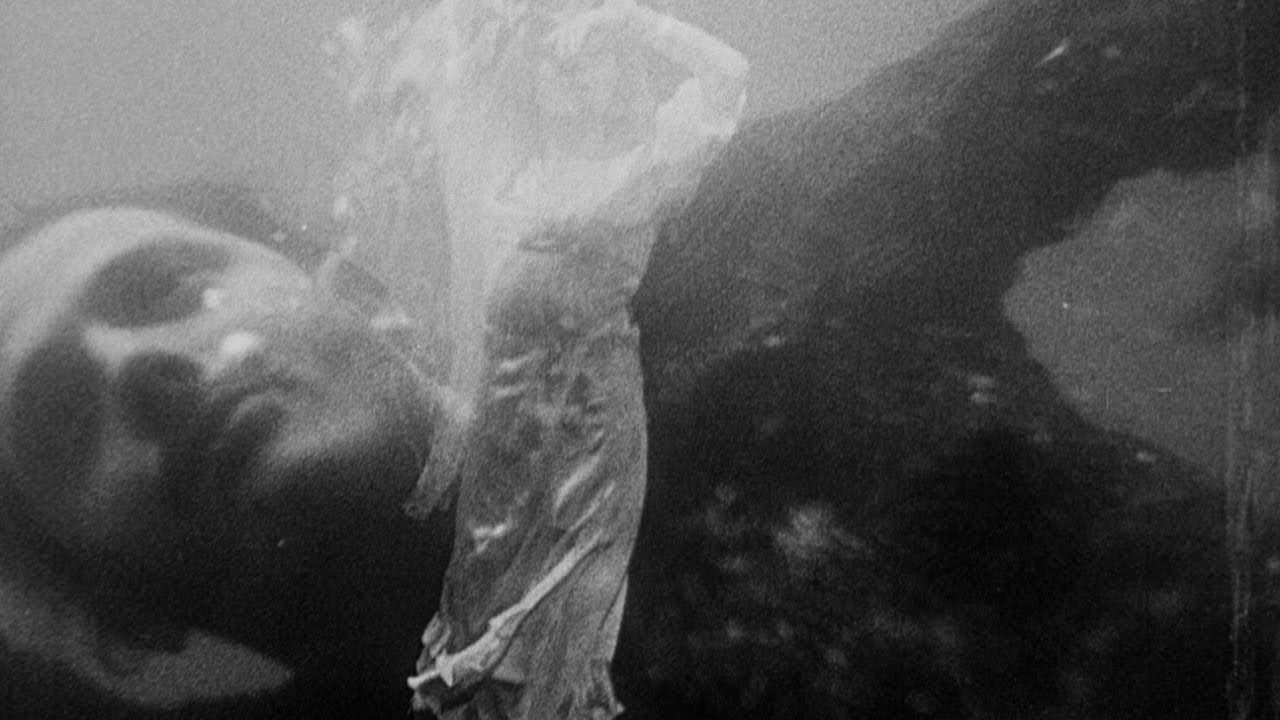
On first watch, I didn’t notice the humanity amid the technical wizardry, and to the degree that I did, I found Jean to be an insufferable prick who Juliette shouldn’t waste her time on. Now, I think I see it more clearly: those early lines about Juliette’s inexperience with the world at large colors everything. Indeed, it’s her story, a fact that the film’s title, evoking the heroic, virginal huntress and priestess of Greek myth, probably should’ve made clear. Juliette’s lonely scenes in Paris, with her fantasy butting up against the poverty and menace of the city, are as lovingly rendered as Jean’s eventual vision of his beloved in the water, making good on her earlier mystical promise that we will always see our true love when submerged.

It also occurred to me that the L’Atalante itself isn’t simply a barge but something of a traveling microcosm of human relation, an anarchist squat or group house collective on the water. This notion fits with Vigo’s politics but only becomes clearer upon revisiting. Anyone who has longed for adventure but discovered that group living, in a house or a ditch, requires compromise will understand Juliette; anyone who has been torn between the excitement of new love and the dangers to group cohesion will recognize Jean; and anyone who has looked askance when a beloved member of the house introduces a stranger into the mix, with which you’d been plenty content with in the first place, will laugh at Père Jules’ hijinks. Everyone is bound together by love, desire, and circumstance, but any sort of change will complicate matters.

Resolving those complications, or at least sighing deeply and learning to live with them, is part of what it means to exist in a society with others. L’Atalante presents all this in miniature, along with its gorgeous combinations of dream and mundanity. Vigo would never make another film, dead, a legend, at 29, with a body of work that can be viewed in the shorter part of an afternoon. But the sensibilities on display demonstrate a poet, prankster, comic, and someone in love with humans, especially at our most fallible.

Favorite Ebert passage:

To live happily ever after with the one you love, you must be able to live with them at all. It is not that simple. Little problems must be worked out. She does not like cats on the table while she is eating. He has a closet filled with a year’s dirty laundry. She treasures their private moments together. He treasures his best friend, who is bearded and garrulous and arrives at meals in an undershirt. She wants to see Paris. He worries about his work. You see how it is.

July 12, 2017 0 comments
1 FacebookTwitterPinterestEmail
FilmStreaming Selections

Streaming Selections: Okja

by rick June 30, 2017
written by rick

As 2013’s Snowpiercer demonstrated in no uncertain terms, Bong Joon-ho will never be accused of excessive subtlety. Okja, his latest, doubles down on this, revealing a director entranced by over-the-top characterizations (I’m looking at you, Jake Gyllenhahl) and over-stuffed narratives. Tonally whiplash-inducing, this Netflix-produced film lands firmly in the realm of love-it-or-hate-it, but it’s certainly never boring and often thrilling.

Tilda Swinton is at her Tilda Swintonest as the shiny new public relations face of corporate agribusiness, helming a Monsanto stand-in that seeks to “feed the world” through the mass production and industrialized slaughter of GMO “super-pigs”.

Okja is the name of one of these creatures, a sort of lovable cross between a pig, a manatee, and a floppy-eared basset hound. The only problem? The kind-hearted young girl who raised Okja in the Korean mountains is not about to sacrifice her friend to appease distant shareholders.

Much incident ensues, including elaborate chases through Seoul, the intervention of an Animal Liberation Front contingent led by Paul Dano, family strife for Tilda’s new-age CEO, a glimpse into the nightmare world of the slaughterhouse, and more. Bong corrals anti-corporate and animal welfare themes, letting them loose to ricochet throughout Okja. It’s E.T. by way of Earthlings, a political satire infused with a fairy-tale dream of youthful conviction, and an action film rolled into one.

In short, Okja has a lot on its mind, and if it doesn’t exactly cohere, no can fault Bong’s ambition. Review after review emphasizes that the film will turn your kids vegetarian overnight; a happy thought for some of us, but anyone seeking to locate an animal rights narrative in its whirlwind of plot may find themselves disappointed. That seems a wrong-headed way to look at Okja in the first place, though. It’s not a propaganda piece but something of a pastiche, full of charm and anger at the cynicism of global capitalism.

It’s also the best film Netflix has released to date, a fact of development that drew a firestorm of criticism at Cannes. The cinematic gatekeepers can boo all they like, as they stand in the way of history yelling stop. Okja is thoroughly engaging filmmaking, messiness and all.

(Streaming on Netflix)

Quick Links

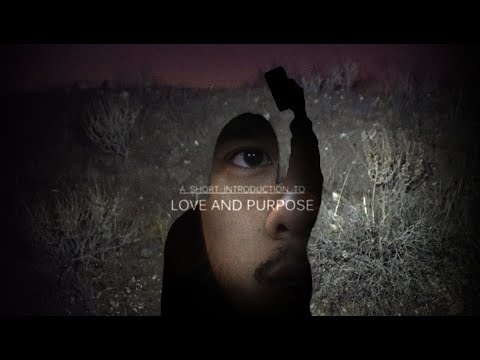
A Short Introduction to: Love And Purpose

There’s no easy way to construct a narrative of suicidal impulses and the kind of quiet desperation that leads people to them without going uncomfortably big or embarrassingly maudlin, and the challenges of the short film only exacerbate this. Stephen Day’s A Short Introduction To Love and Purpose threads that daunting needle with a crisply edited and well-performed character study, exchanging big moments for nuanced quiet ones. When our protagonist explains, “It’s exhausting. I just want to get off the ride so it can stop,” it’s almost without affect. It feels truly, sadly real in a way heightened melodrama never would.

As much a tender brother/sister story as a meditation on Camus’ “only … really serious question in philosophy,” Day packs enough emotion into the film’s 25 minutes to justify a running time twice that length. Naturalistic and morally resonant, here’s a film that opens in nameless, indeed unnameable grief and ends in the kind of hope only human connection can provide.

(Streaming on Vimeo)

Jaws

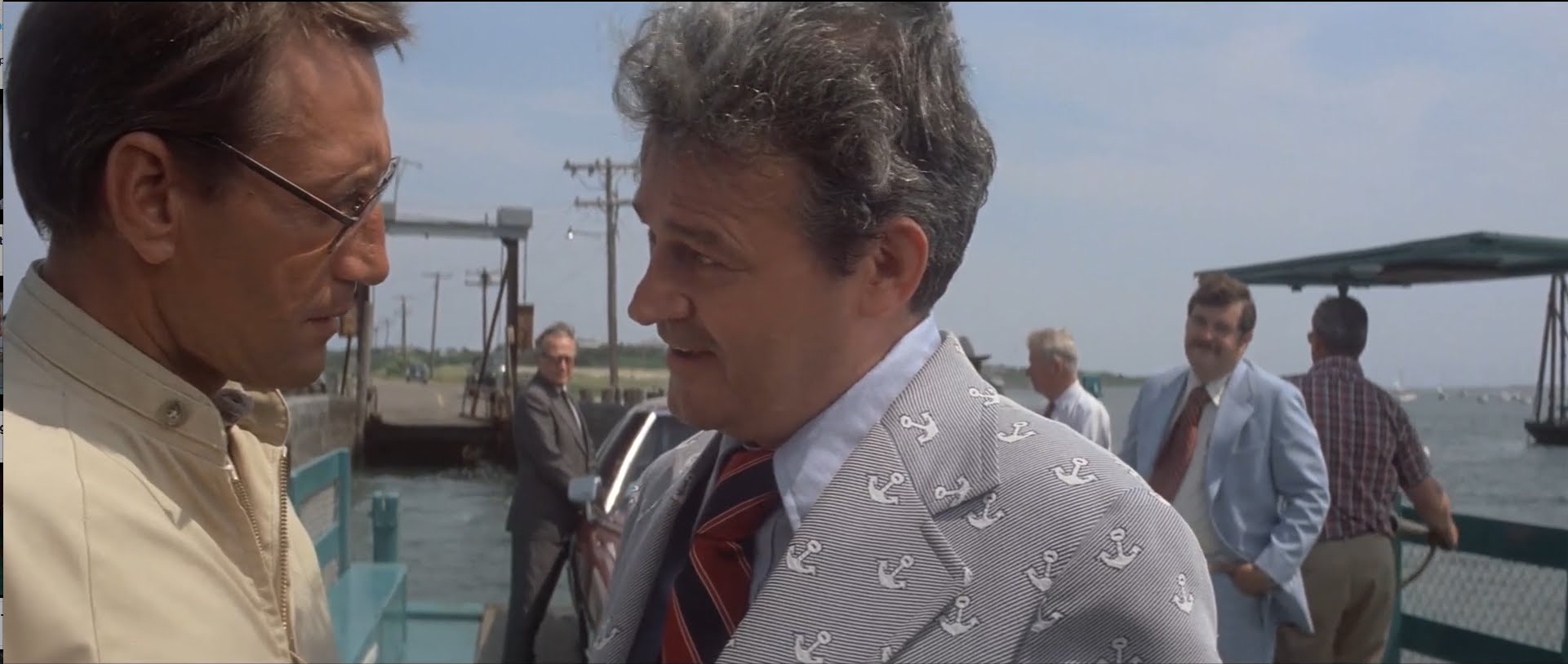
While I’m sad to report that you can no longer binge on the entirety of the Jaws series on Netflix, it’s always a good time to revisit Spielberg’s original classic.

And never more so than right now. As Brandon Ledet reports on Swampflix, the film spans the days between June 28th and July 8th, leading comedian Howard Kremer to encourage that fans watch it in real time. Ledet also helpfully provides the annotation:

June 28 (0:00-5:05): Chrissie Watkins is killed by a shark while skinny-dipping.

June 29 (5:05-18:39): Alex M. Kintner is killed by a shark.

June 30 (18-39-23:01): A $3000 bounty is placed on the shark.

July 1 (23:01-27:53): Michael Brody’s birthday.

July 2 (27:53-50:09): A caught tiger shark is shown to the public but does not contain human remains.

July 3 (50:09-53:27): Mayor Vaughn refuses to close the beach.

July 4 (53:27-1:07:02): The 50th Annual Regatta is interrupted by a shark.

July 5 (1:07:02-1:20:39): Martin Brody and Matt Hooper sail with Quint in search of the shark.

July 6 (1:20:39-1:36:23): The search for the shark continues.

July 7 (1:36:23-1:50:01): The shark damages the boat’s hull.

July 8 (1:50:51-2:03:55): Quint dies and the shark is blown up.

It’s a fun, slightly silly way to recontextualize a masterpiece that may seem all too familiar by now. Except, perhaps, to my girlfriend, who somehow has never seen Jaws. (Yeah, I know.) No time like the present!

(Streaming on Starz)

Venefica

 The horror movie streaming service Shudder — aka my current obsession — rounds out their collection of grime and Italian sexploitation with a number of films directed by women, including shorts from up-and-coming filmmakers. I’ll be profiling as many of these as I can when October rolls back around — thereby tackling both that month’s horror challenge and running up the score on #52FilmsByWomen — but Venefica is my favorite to date.

Director/writer/star Maria Wilson’s short is a rug-pulling coming-of-age story, depicting a witch undergoing a crisis of conscience in a remote location. But things aren’t what they seem, and in the course of less than 10 minutes, Wilson sets up the narrative only to cleverly undermine it. Venefica pulls off what short horror does best: immerse you briefly in a strange yet recognizable world, and then turn the tables on you. It’s funny and scary, as it should be.

(Streaming on Shudder)

20th Century Women

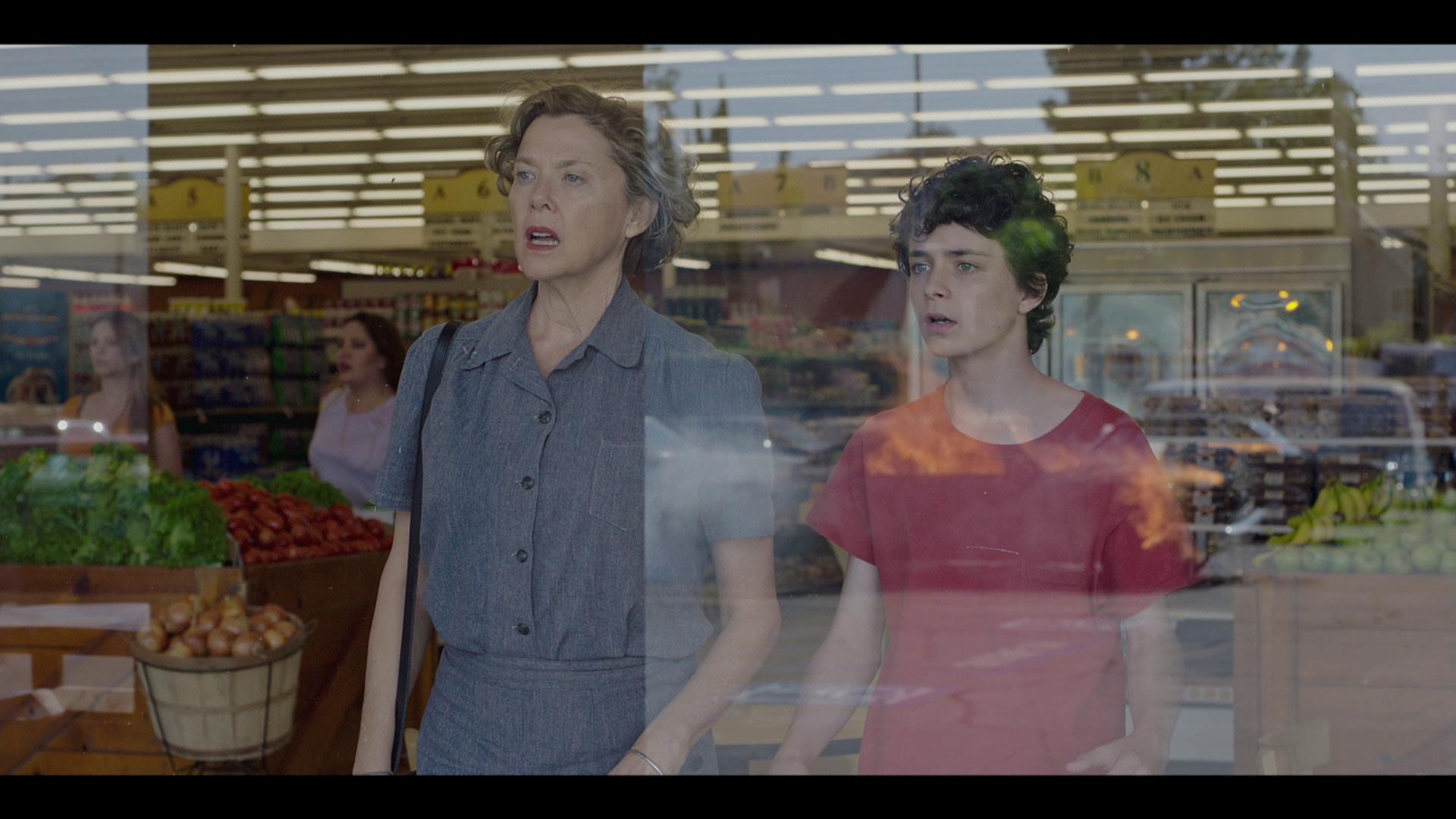
One of the best films of 2016, anchored by Annette Bening’s acting master-class but surrounding her with a first-rate ensemble, 20th Century Women is wry, sad, and continually rings true in unexpected ways. The details of its late-70s moment — the feminist consciousness-raising groups, the beefs between Black Flag and Talking Heads fans, the ubiquitous cigarettes — infuse every inch of the frame and ground its story of a boy jointly raised by the women in his life, who are going through epochal transitions of their own.

This is a deeply melancholy film that still finds time for some funny setpieces, some bedroom dancing, and all the trappings of a mixtape youth at the crossroads. It’s a time capsule and an honest reflection on all the forces that hold us together and pull us apart. Just a wonderful film all around.

(Streaming on Amazon Prime)

June 30, 2017 0 comments
0 FacebookTwitterPinterestEmail
CommentaryFilm

The desperate masculinities and gambling families of Mississippi Grind and California Split

by rick June 29, 2017
written by rick

For all of our cultural emphasis on the lonely, solitary gambler, awaiting one big score or trying to dig himself (it’s always a him) out of a hole of his own making, it’s also true that gambling can create families of sorts by definition. The existential angst of the guy alone at the casino bar or shoving doomed singles into midnight slot machines is invariably paired with the shared high of a winning streak at the craps table, the temporary companionships in comped hotel rooms, and the drunken odd couple friendships on the margins of respectability.

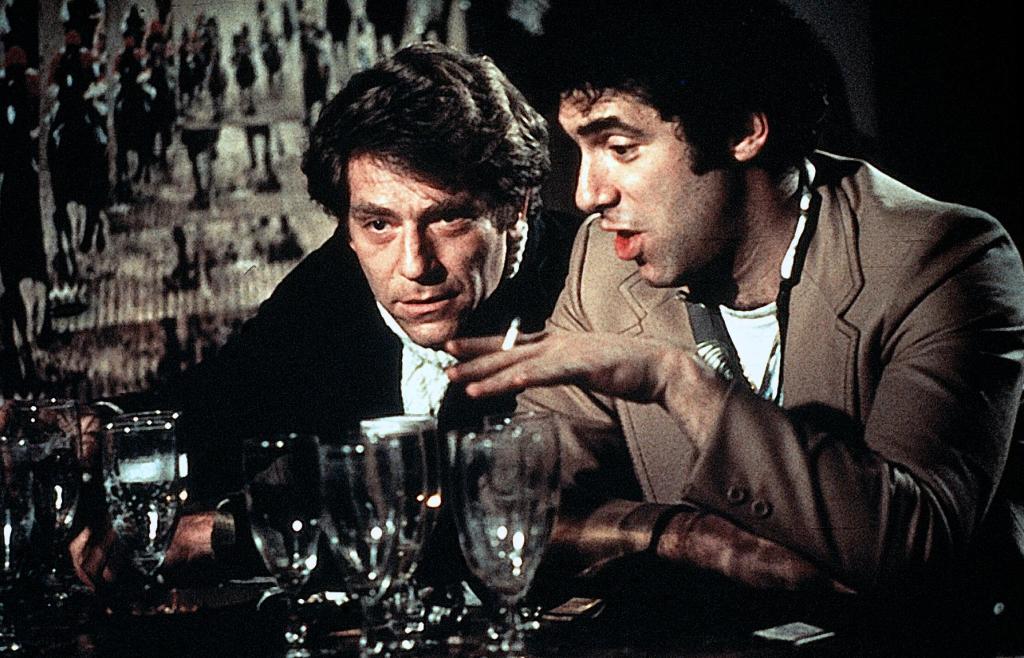
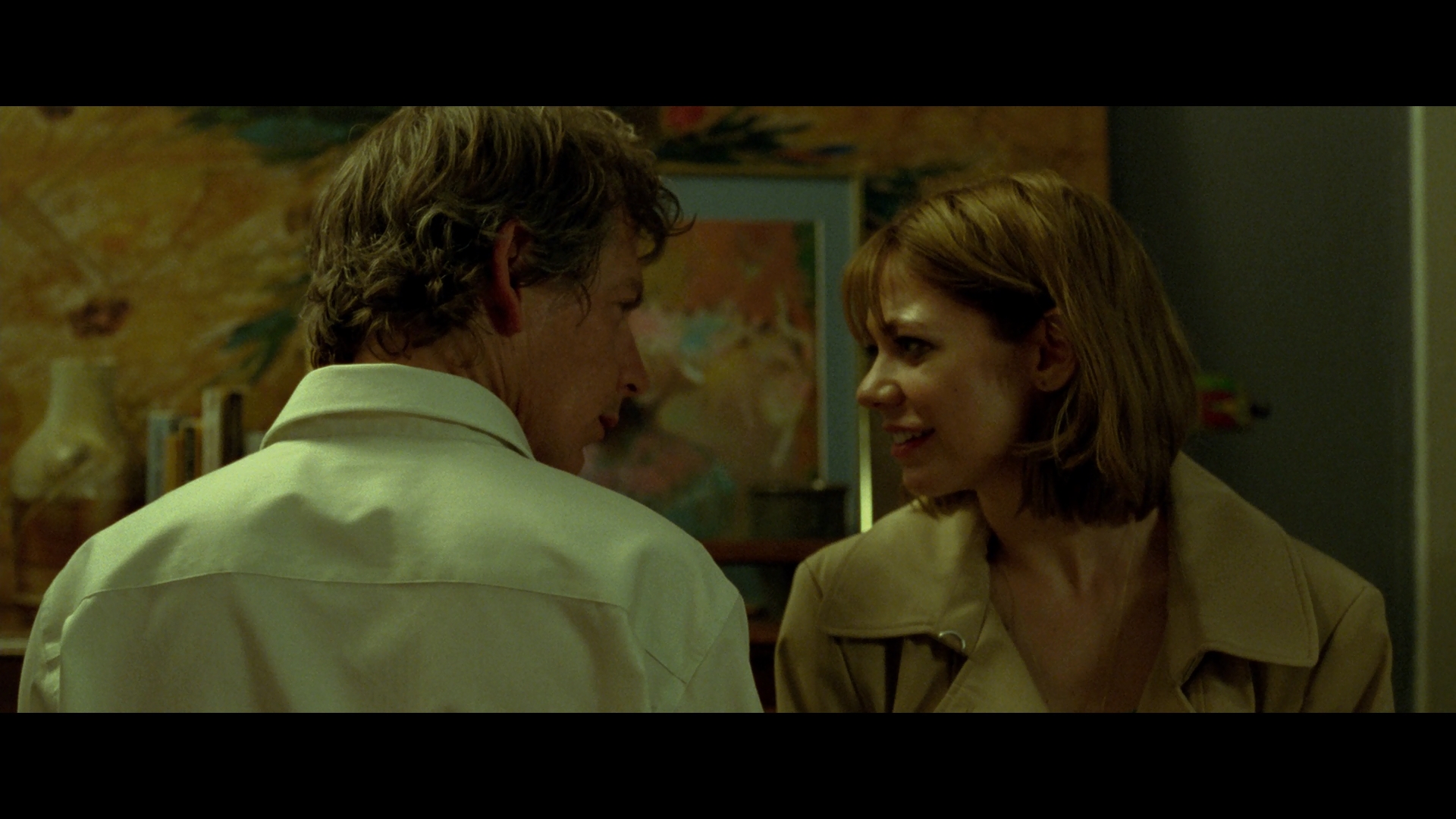
Like pool halls, dive bars, or anywhere else the eternally passed-over congregate, unlikely surrogate families spring up, very often at the expense of the actual families people are either fleeing or mourning the loss of. Both Elliot Gould and George Segal (in Robert Altman’s 1974 California Split) and Ryan Reynolds and Ben Mendelsohn (in its 2015 remake-in-everything-but-name Mississippi Grind) understand this all too well.

Altman’s film is, predictably, the more ramshackle of the two, winding its narrative around the mumbly, rough-hewn central relationship to the point that the gambling almost takes a backseat. Mississippi Grind is the more conventional. But there’s a kind of loss and desperation at the heart of both films, barely concealed beneath the hijinks and Americana travelogues.

Poker tables, racetracks, and dingy apartments also ground us in the characters’ lives. Surely those kind of grimy locales, along with the built-in propulsion of narratives that we know aren’t going to end well, offer an endless appeal to storytellers. Still, both manage, at their core, to be stories of families.

The similarities between the two films are too many to name. Both feature a meet-cute bromance across a poker table. Both present the same two possible visions of gambling men: the confident guy who’s just in it for the game, and the down-on-his-luck compulsive gambler. In both cases, the latter is a working stiff silently wrestling with demons we can spot immediately — and in both cases, he’s separated from his wife and doesn’t see his young daughter. They’re adrift and searching for some kind of kinship, which they locate with like-minded “beautiful losers” on the constant razor’s edge of willful bankruptcy.

So there’s a definite element of co-dependency that evolves between the two sets of opposites linked by a shared need to court disaster, and in both cases there’s a strong element of homoeroticism to the relation. Biological families are jettisoned for these relationships, or were jettisoned long ago while they waited for each other. (For Mendelsohn’s Gerry, Reynold’s Curtis is a “lucky charm” who suddenly “appeared … like a leprechaun.”)

The erotic push and pull of the central male relationships is offset, or complemented, in both films by a pair of ladies, vaguely represented as sex workers — though no one seems to have any actual sex in either film (despite Gould’s Charlie claim to have gotten laid, but who’s really going to take Charlie at his word). These interactions create another set of surrogate families, borne of the women’s desire to make something happen in their lives and the men’s quiet conviction that nothing really will, or should. (The crucial scene of frustrated desire and longing in Mississippi Grind is wonderfully discussed by CM Crockford.)

These families too are short-lived, abandoned in turn for the even more contingent ones the boys find at the table or bar. There’s a sense that this could play as misogyny, but it doesn’t. There’s little hatred to be found in these moments, just an inevitable, gravitational pull that smells more like stale cigarettes and desperation and broken noses or bathroom beatings. They ought to walk away from this life, find something real and permanent, but there’s no indication that’s even an option.

Knowing when to walk away is anathema to the gambling narrative, to the kind of masculinity it presents. No one wants to hear the epic tale of the guy who won $100 and declared, “Well, that’s pretty good! I guess I should call it quits and invest this in a blue-chip stock.” The very notion of this gambling masculinity demands the possibility of losing it all for no good reason.

This is why gamblers, at least the compulsive ones our fiction turns to again and again, never seem happy to win. Winning means the game is over. Without the risk of utter catastrophe, these guys would just be businessmen, betting on sure things and dutifully pocketing their chips. But it’s their perceived hollowness of stability that they’re running away from in the first place.

Neither California Split nor Mississippi Grind has any time for such reasonableness. Both films end with newly minted success stories, triumphs over impossible odds, and big-time winner who seem poised to throw it all away again — on principle, or laced with self-loathing.

They can’t help it, and, to anyone who’s spent time in a casino or a bar, there’s something peculiarly recognizable in the impulse.

June 29, 2017 0 comments
1 FacebookTwitterPinterestEmail
Film

Streaming Selections: XX

by rick June 23, 2017
written by rick

Anthology films, by their nature, are uneven, and so inherently disreputable. But when they work, they’re like a gift to viewers who really don’t want to sit through a 3 hour Marvel movie only to discover it’s also kind of uneven. And sometimes, the short formats elevate the material, as in XX.

I have raged on and on about how movies are too fast and too long for a while now, so I won’t belabor the point. But it still warms my cold heart to watch a handful of efficient, economically told scare-stories. Bonus points for XX, which enlists only female directors, so absurdly underrepresented in the genre.

Gathering visions from Roxanne Benjamin, Karyn Kusama, Annie Clark (aka St. Vincent), and Jovanka Vuckovic, and tying the loose threads together with an animatronic doll in place of the Crypt Keeper, XX is most definitely the lurking sort of creeper, rather than the shouty guy. The individual films — an existential horror, a Weekend At Bernies by way of domestic David Lynch, a visceral return of the repressed, and a Rosemary’s Baby update, respectively — privilege silence and ill-ease over gore, and the domestic over the isolated scream queen. It’s a welcome reprieve.

The films themselves are too short and punchy to risk spoiling. Better to just watch.


The first and last entries are the strongest, which seems almost a maxim for horror anthologies. But there is a particular kind of arthouse nuttery that animates each entry and ties them together, so the whole thing can be viewed as a unit.

I’ve noticed recent detractors from what we’re terming “A24 horror” — that is, thoughtful and slower-paced genre efforts. Those detractors might not dig what’s on offer here. XX is absolutely more interested in mood than viscera. So much the better (and if you want viscera, Shudder has you covered in the first place).

But for anyone looking for some Twilight Zone-esque chills, XX is the spot. It’s like the adult version of the book you tossed from your bed as a kid in the night, looked over your shoulder twice, and then went to retrieve, so you could see how the story ended. It’s a set of scary stories to tell in the dark.

(Streaming on Netflix)


Quick Links

Society

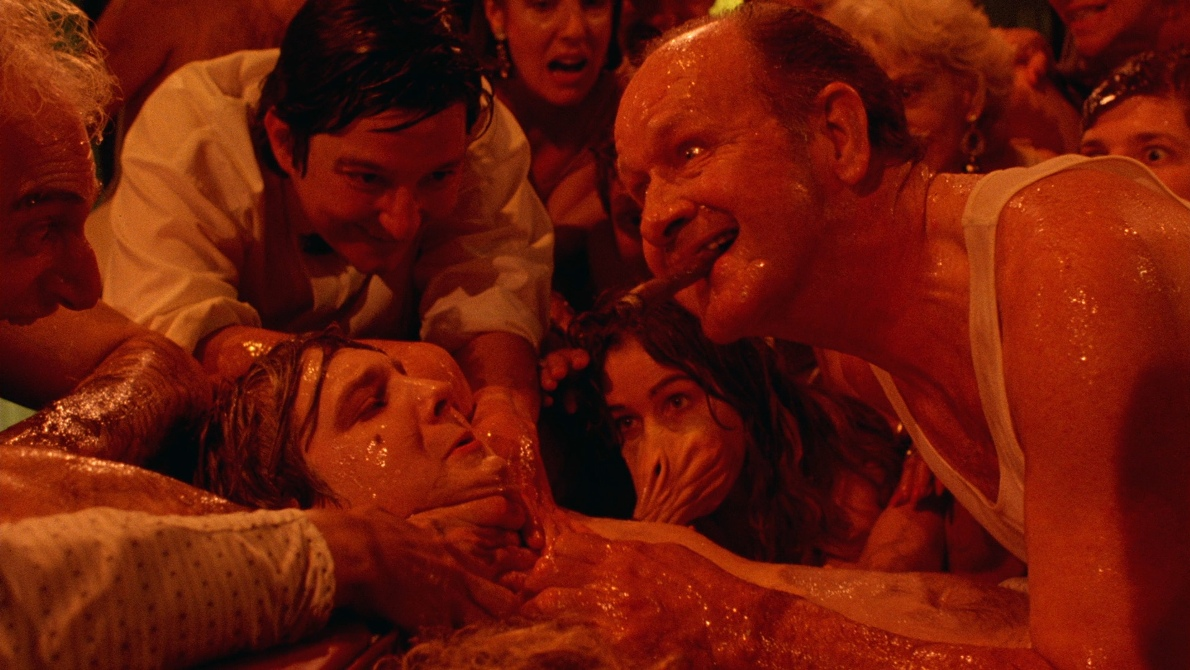
Bryan Yuzna‘s Society was released to no great fanfare in 1989, but its reputation has been rising ever since.

As it turns out, this goofball satire of patrician society that ends up devouring its own face might be the most appropriate coda to the 80s imaginable. The notion of feeding on the lower classes has never been so literal, or so damp.

(Streaming on Shudder)

The Bigamist / The Hitch-Hiker / The Smiling Madame Beudet / The Seashell and the Clergyman

Anyone interested in the films I wrote up this week can find all four of them here. They are very good.

(All streaming on Open Culture)

Oldboy / Sympathy For Mr. Vengeance / Lady Vengeance

Park Chan-Wook’s trilogy of cruelty and comeuppance isn’t for everyone, but, for those in its wheelhouse, it’s more or less without peer. Nihilistic? Sure! But clear-eyed and brutal in the way things unfold.

Don’t ever expect to “get away with it.” There’s no getting away.

I think Sympathy For Mr. Vengeance is the best of the bunch. Watch all three and tell me why I’m wrong.

(Streaming on FilmStruck)

Over The Top

Ok, that’s all too intense? Why not kick back and relax the way Sylvester Stallone, by way of Cannon Films, does — by driving big rigs, teaching a terrible kid how to be a terrible man, and arm-wrestling idiots in Vegas to the hot thrumming of Kenny Loggins and other people who sound remarkably like Kenny Loggins!

Turn that hat backwards in your power move and clear the toughs out of the arcade. Tonight, we go over the top!

(Streaming on Amazon Prime)

June 23, 2017 0 comments
0 FacebookTwitterPinterestEmail
Newer Posts
Older Posts

About

About

Towards a provisional theory of the cinema, or, failing that, just some shit about movies

Authors
Rick Kelley
Lark Lundberg

Keep in touch

Facebook Twitter

Categories

  • Conversation
  • Film
  • Film By Film
  • Great Movie Project
  • Great Movies: The Counter Programming
  • Guest
  • News
  • Other
    • Commentary
    • Film
    • Interview
    • Reviews
    • Song for a Sunday
  • Streaming Selections
  • TV
  • Uncategorized
  • Vegan Horror

Archives

  • April 2019
  • March 2019
  • January 2019
  • December 2018
  • November 2018
  • October 2018
  • September 2018
  • August 2018
  • July 2018
  • June 2018
  • May 2018
  • April 2018
  • March 2018
  • February 2018
  • January 2018
  • December 2017
  • November 2017
  • October 2017
  • September 2017
  • August 2017
  • July 2017
  • June 2017
  • May 2017
  • April 2017
  • March 2017
  • February 2017
  • January 2017
  • December 2016
  • November 2016
  • October 2016
  • September 2016
  • August 2016
  • July 2016
  • June 2016
  • May 2016
  • April 2016
  • March 2016
  • February 2016
  • January 2016
  • December 2015
  • October 2015
  • September 2015
  • August 2015
  • July 2015
  • June 2015
  • May 2015
  • April 2015
  • March 2015
  • February 2015
  • January 2015
  • December 2014
  • November 2014
  • October 2014
  • August 2009
  • September 2008

Recent Posts

  • China Girls, Death Proof, and the Hidden Face
  • Old News: Old Noise Edition
  • Old News: April 1, 2019
  • Nicolas Winding Refn, Marginalia, and the Deaths of Cinema
  • And now, let us praise Kanopy

Recent Comments

  • Franklin Kat on Michael Shannon shines again in Frank & Lola
  • Sean Tempesta on Cinema and dream-logic in Meshes of the Afternoon
  • ludditerobot on The Left-Wing Slapstick and Iconic Songs of 1937’s Street Angel
  • Franklin Kat on The Left-Wing Slapstick and Iconic Songs of 1937’s Street Angel
  • Arijit Mukherjee on Great Movies Project: The Counter-Programming
  • Facebook
  • Twitter

@2021 - All Right Reserved. Designed and Developed by PenciDesign


Back To Top
Luddite Robot
  • Reviews
  • Commentary
  • Great Movie Project
    • Great Movie Project
      Bride of Frankenstein is a movie for and…

      January 25, 2018

      Great Movie Project
      The Enduring Appeal of Nick and Nora in…

      November 29, 2017

      Great Movie Project
      The Ahistorical Fever Dream of The Scarlet Empress

      August 2, 2017

      Great Movie Project
      Dreams, Mundanity, and the Anarchist Yearnings of L’Atalante

      July 12, 2017

      Great Movie Project
      Duck Soup Is And Will Always Be A…

      April 19, 2017

  • Counter Programming
    • Great Movies: The Counter Programming
      Walking and Talking in the Shadow of Kanchenjungha

      March 7, 2018

      Great Movies: The Counter Programming
      A Brief Encounter in My Mother and Her…

      February 9, 2018

      Great Movies: The Counter Programming
      Horror’s Refusal in Farrokhzad’s The House Is Black

      October 13, 2017

      Great Movies: The Counter Programming
      The rage and beauty of The Cloud-Capped Star

      October 3, 2017

      Great Movies: The Counter Programming
      The daylight noir and social issue empathy of…

      June 22, 2017

  • Vegan Horror
    • Vegan Horror
      Julia Ducournau doesn’t think her film Raw is…

      June 7, 2017

      Vegan Horror
      Licking our wounds: The vampiric masculinity of Ravenous

      December 13, 2016

      Vegan Horror
      Eggertsson and animals: An approach to horror cinema

      September 15, 2016

      Vegan Horror
      “It’s Not My Nature” – Vegetarianism, Body Horror,…

      August 30, 2016

      Vegan Horror
      Bodies and Carcasses in Predator 2

      August 23, 2016

  • Interview
    • Interview
      Jasmine Leyva’s doc The Invisible Vegan aims to…

      May 3, 2017

      Interview
      Bridging The Abyss: An Interview With The Directors…

      November 28, 2016

      Interview
      7 Days in Ohio: An Interview with Nathan…

      September 12, 2016

      Interview
      Film Critic Phil Dy talks New Filipino Cinema

      June 17, 2016

      Interview
      “I Love Seeing Film Projected.” A Conversation with…

      March 22, 2016