Top Posts
Madeline’s Madeline: An Unclassifiable Panic Attack Maybe-Masterpiece
Shoplifters Steals Moments of Wonder from the Mundane
Burning and Forgetting What’s Not There
Kusama: Infinity Expands Beyond The Canvas
Mandy Risks Little, Wins Little
In We The Animals, The Children Are Away...
The Seagull Isn’t Quite Chekhov, But It’s Still...
5 Million Ways Boots Riley Isn’t Sorry To...
American Animals’ and the Queasiness of the Heist
A Star Is Born In Hearts Beat Loud
  • Reviews
  • Commentary
  • Great Movie Project
    • Great Movie Project
      Bride of Frankenstein is a movie for and…

      January 25, 2018

      Great Movie Project
      The Enduring Appeal of Nick and Nora in…

      November 29, 2017

      Great Movie Project
      The Ahistorical Fever Dream of The Scarlet Empress

      August 2, 2017

      Great Movie Project
      Dreams, Mundanity, and the Anarchist Yearnings of L’Atalante

      July 12, 2017

      Great Movie Project
      Duck Soup Is And Will Always Be A…

      April 19, 2017

  • Counter Programming
    • Great Movies: The Counter Programming
      Walking and Talking in the Shadow of Kanchenjungha

      March 7, 2018

      Great Movies: The Counter Programming
      A Brief Encounter in My Mother and Her…

      February 9, 2018

      Great Movies: The Counter Programming
      Horror’s Refusal in Farrokhzad’s The House Is Black

      October 13, 2017

      Great Movies: The Counter Programming
      The rage and beauty of The Cloud-Capped Star

      October 3, 2017

      Great Movies: The Counter Programming
      The daylight noir and social issue empathy of…

      June 22, 2017

  • Vegan Horror
    • Vegan Horror
      Julia Ducournau doesn’t think her film Raw is…

      June 7, 2017

      Vegan Horror
      Licking our wounds: The vampiric masculinity of Ravenous

      December 13, 2016

      Vegan Horror
      Eggertsson and animals: An approach to horror cinema

      September 15, 2016

      Vegan Horror
      “It’s Not My Nature” – Vegetarianism, Body Horror,…

      August 30, 2016

      Vegan Horror
      Bodies and Carcasses in Predator 2

      August 23, 2016

  • Interview
    • Interview
      Jasmine Leyva’s doc The Invisible Vegan aims to…

      May 3, 2017

      Interview
      Bridging The Abyss: An Interview With The Directors…

      November 28, 2016

      Interview
      7 Days in Ohio: An Interview with Nathan…

      September 12, 2016

      Interview
      Film Critic Phil Dy talks New Filipino Cinema

      June 17, 2016

      Interview
      “I Love Seeing Film Projected.” A Conversation with…

      March 22, 2016

Luddite Robot
Film critique, theory, and assorted nonsense.
CommentaryFilm

China Girls, Death Proof, and the Hidden Face

April 14, 2019

Old News: Old Noise Edition

April 8, 2019

Old News: April 1, 2019

Nicolas Winding Refn, Marginalia, and the Deaths of Cinema

CommentaryFilm

And now, let us praise Kanopy

January 24, 2019

Warren Sonbert and the Relief of Anti-Narrative

January 14, 2019

The World Is Ending and It Doesn’t Matter

The Best Films of 2018

FilmReviews

Madeline’s Madeline: An Unclassifiable Panic Attack Maybe-Masterpiece

December 21, 2018

Shoplifters Steals Moments of Wonder from the Mundane

December 11, 2018

Burning and Forgetting What’s Not There

Alien, Musicology, and Reading Soundtracks

CommentaryFilm

Shocktober III: Halloween 2018 Edition

October 24, 2018

Shirley Jackson’s The Lottery Traumatized Schoolkids in 16 mm

October 18, 2018

Shocktober 2018 II: Another Reshockening (of Horror)

Häxan is a movie made by a movie character

CommentaryFilm

Shocktober 2018

October 7, 2018

Unprofessional! Spring Night, Summer Night

October 3, 2018

The Wild Boys: A Luddite Robot Conversation

Kusama: Infinity Expands Beyond The Canvas

Great Movies: The Counter Programming

The daylight noir and social issue empathy of Ida Lupino

by rick June 22, 2017
written by rick

Here’s an imaginative exercise. To get a sense of what it must’ve been like to be one of the very, very few women directors in 1950s Hollywood, we can simply read The New York Times‘ obituary for Ida Lupino, published upon her death 40 years later, in 1995. Alongside Lupino’s biography and a cursory look at her accomplishments, we get this:

Miss Lupino was petite, standing only 5 feet 2 inches tall and weighing 112 pounds. She had auburn hair and violet eyes framed by half-inch-long lashes.

Again, that’s in 1995.

I haven’t bothered to read their post-mortem of Humphrey Bogart, Lupino’s co-star in They Drive By Night and High Sierra, but I’ll go ahead and presume that his eyelashes do not occupy so prominent a place in the remembrance.

Ida Lupino’s career was long and fascinating, spanning decades. As an actress, she was called “the English Jean Harlow” (or, in her own sly phrasing, “the poor man’s Bette Davis”). As a director — with her first credit showing up in 1949, after a 6-year stretch in which Hollywood failed to produce a single film directed by a woman — she called herself “the poor man’s Don Siegel.”

Even allowing for self-deprecation, Lupino seems even to herself fundamentally second-tier, an artist operating in the scrappy, low-rent margins of representation, a genre-obsessed high femme in a man’s world.

The two films she directed in 1953 both adamantly argue for her inclusion in any discussion of the period. The Hitch-Hiker is a dude-heavy daylight noir trending toward horror, and The Bigamist a fundamentally empathetic “whydunnit” social picture about impossible choices. Neither would’ve been made by a man. Or, at the very least, they would’ve played much differently, and probably much worse.

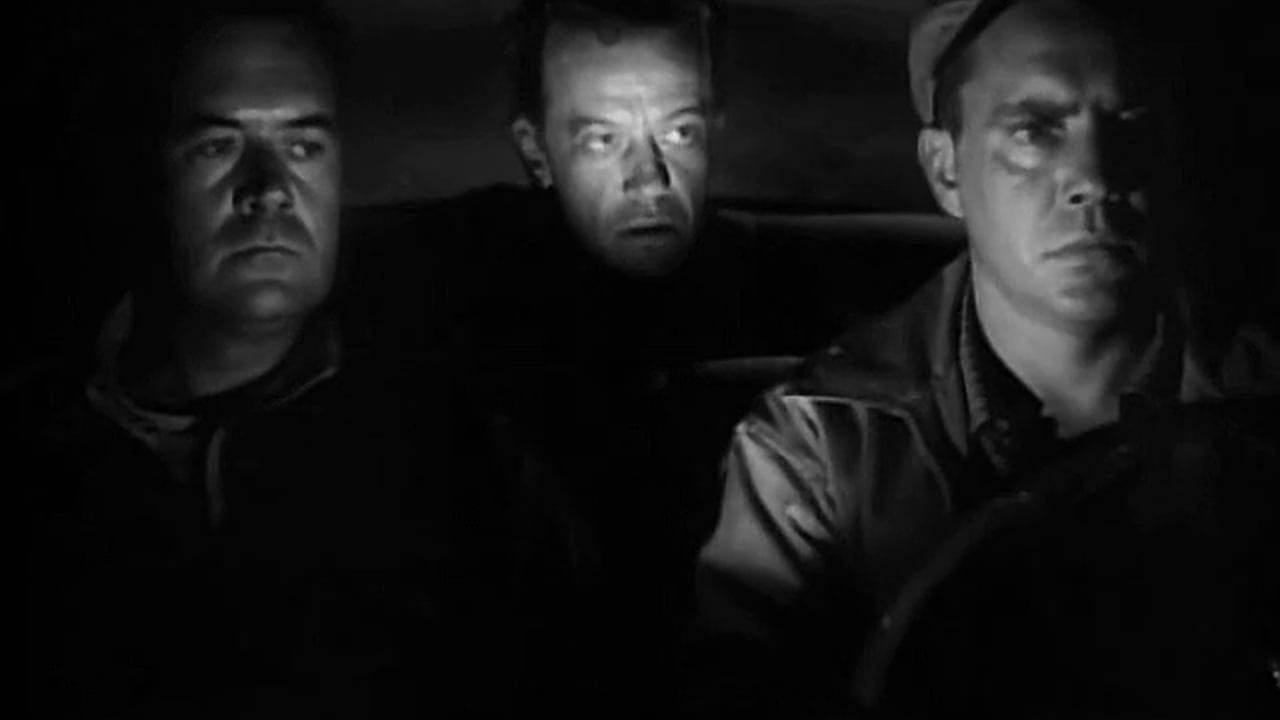
The Hitch-Hiker is a sweaty, nihilistic piece of cinema. Inspired by the dead-eyed, spree-killing murderer Billy Cook, with a script from blacklisted writer Daniel Mainwaring and tenebroso lighting from Out of the Past cinematographer Nick Musuraca, Lupino’s film is efficient and claustrophobic. Two men escape the doldrums of their post-War suburban lives for a fun weekend of fishing, but a spur-of-the-moment decision to dip into Mexico and relive past bachelor glories saddles them with a serial killer in the back seat. The entire rest of the movie follows the trio as we wait for the inevitable.

Lupino amps up tension all along the ride, and The Hitch-Hiker starts to feel less like noir and more like a psychological horror. This isn’t just attributable to the sun-baked landscapes and the absence of women, neither of which would make much sense in a traditional noir. There is no loot, no one last job, no double crossing. It’s as though we’ve stumbled into a particular variety of mobile, interpersonal hellscape, a kind of Huis Clos on wheels. The killer plays with his victims, taking as much pleasure in tormenting them through tested allegiances as overt violence. The theme, it turns out, is not innate human foibles, but the collision of masculinities and desire.
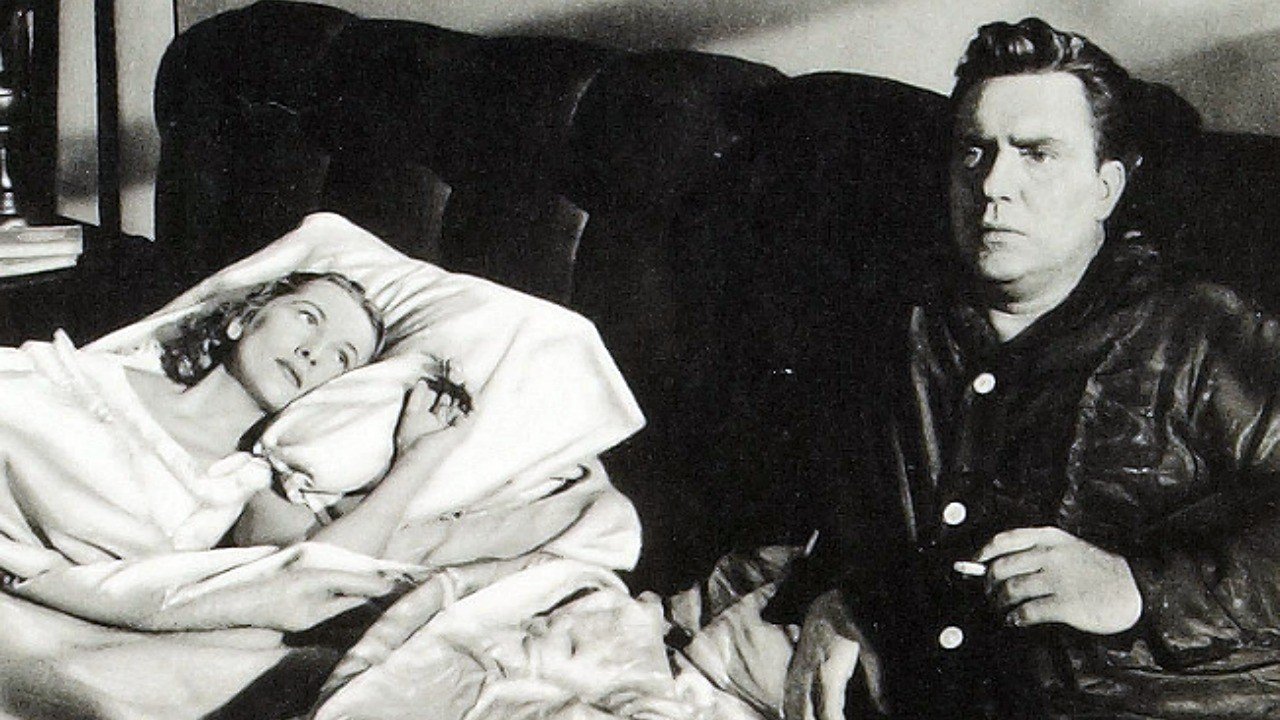
In The Bigamist, Lupino returns, in a fashion, to the sort of social issue drama that animated most of her earlier films with The Filmakers (one ‘m’, for reasons no one can explain), the production company she set up with her then-husband Collier Young. Others had dealt with rape, polio, abandoned children — noble-minded and of-the-moment, and not things Hollywood was likely to touch with a ten foot pole. (There are remarkable similarities here with Lupino’s predecessor Lois Weber, and the film’s pedantic final moments recall Louise Brooks in Diary of a Lost Girl.)

The concerns of The Bigamist are right there in the title. But if you’re showing up for a lurid story, Lupino aims to disappoint. The Bigamist is overflowing with empathy for its titular hero, a traveling salesman locked in a loving marriage to Joan Fontaine that is feeling more and more like a business partnership, as well as his wife and the woman down in L.A. he ends up marrying after she gets pregnant (Lupino).

In a strange way, The Bigamist is the more narratively noir-ish of the two: totally predictable impulses lead to totally irreconcilable situations, and nothing but the tragic awaits us. Lupino allows the tale to unfold in such a way that guilt, if not hard to establish, is understandable. The film’s soap opera title hides a classic story of a few bad choices writ large.
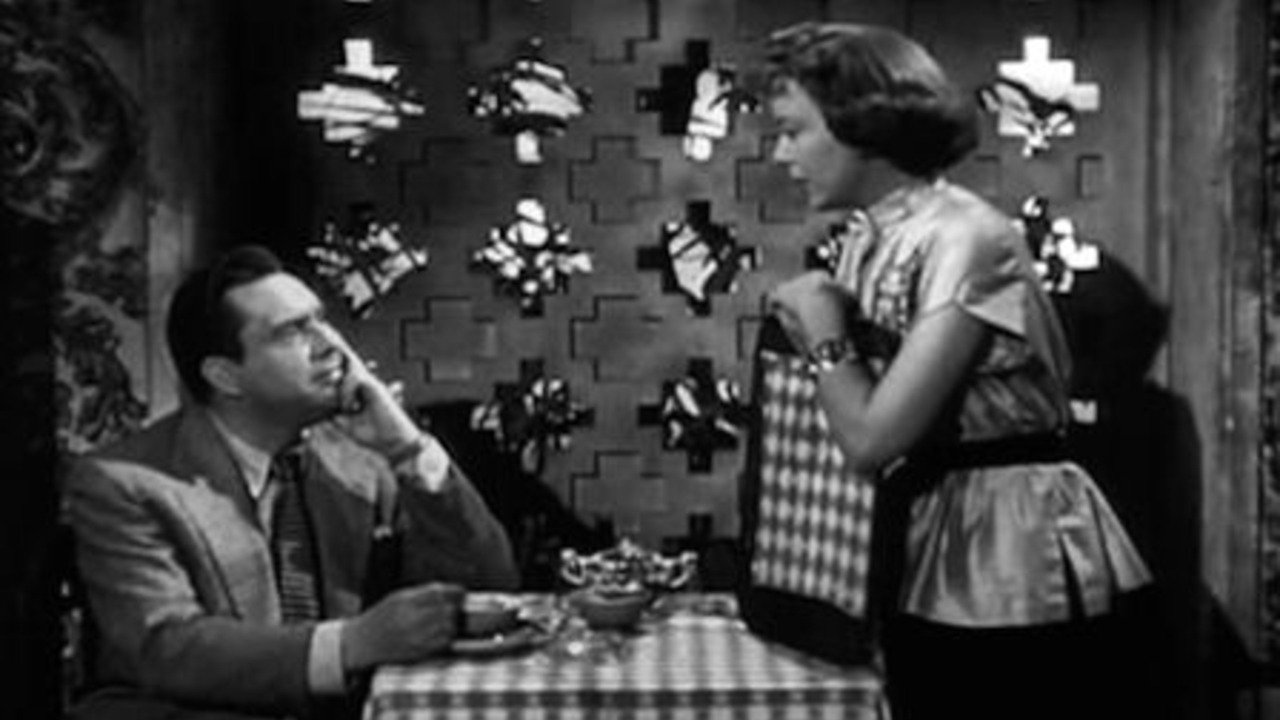
And, of course, she casts herself as the “other woman,” cannily recognizing how audiences perceived her in the first place. (Not to mention that Collier Young, who wrote the film, would shortly divorce Lupino and marry Fontaine in real life. Awkward.) A famous scene depicts the clumsily philandering, but mostly lonely, husband meeting Lupino on an L.A. tourist bus visiting the Houses of the Stars. The lines between fantasy and reality are blurred, until they’re not; after all, if he’s there for a diversion, she tells him she just rides buses to sleep between waitress shifts.

As in The Hitch-Hiker, and as an actress throughout her career, Lupino has a gift for the small gesture, the ways solitary movement prefigures joint action. Framing the killer between the two kidnapped men, mediated only by the gun that binds them somehow segues to the man in a courtroom, buttressed by wives with equal claims. These are hard-nosed films, horror/noir and melodrama by turn, but Lupino’s hand is recognizable in each.

I have no more explanation why she wasn’t included on the original Counter-Programming list than I do for Germaine Du Lac, whose work I discussed yesterday. But she absolutely merits a place here for any number of reasons: as actress, director, producer, and master of genre. If her work is too square for the round holes of the canon, so much the better. These are films that demand repeat viewings.



June 22, 2017 0 comments
0 FacebookTwitterPinterestEmail
Great Movies: The Counter Programming

Feminist? Impressionist? Surrealist? The Overlooked Enigmas of Germaine Dulac

by rick June 20, 2017
written by rick

There are no doubt a number of reasons why the name Germaine Dulac is not as immediately familiar to most folks, including cinephiles, as her contemporaries Salvador Dalí, Luis Buñuel, or her collaborator-turned-detractor Antonin Artaud. Here are two: the casual misogyny of the Surrealist Boy’s Club, and the fact that Dulac’s films don’t really fit the Surrealist mold very well in the first place. In fact, her two most famous seem, at least at first, at odds even with each other.

Both The Smiling Madame Beudet (1922) and The Seashell and the Clergyman (1928) are loose, impressionistic adaptations of literary works, the first indications that Dulac is operating from a different starting point than something like Un Chien Andalou, released shortly after in 1929 to much scandalous fanfare and continuing to fill our heads with sliced eyeballs to this day.

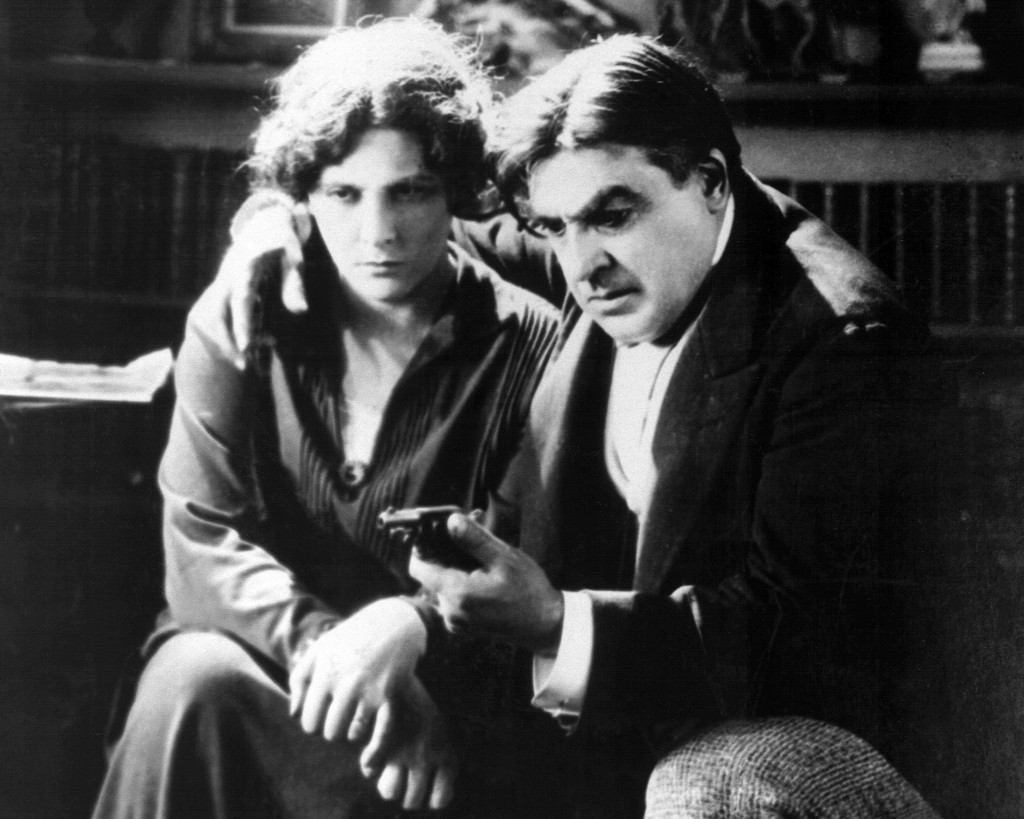
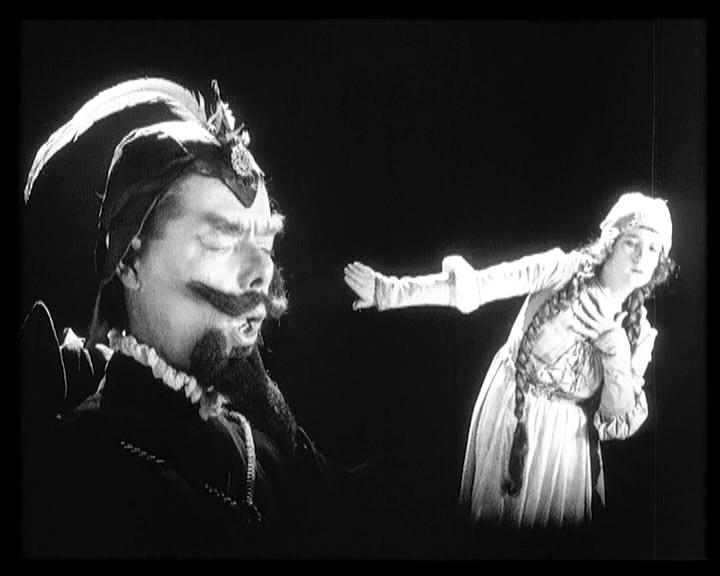
Often called “the first feminist film,” Madame Beudet especially argues against the “pre-Surrealist” tag. Based on a story by Guy de Maupassant, Dulac’s breakthrough is Impressionistic through and through. Dulac deploys superimpositions, in-camera daydreams, distended images, and manipulation of the frame-rate to tell the story of a bored housewife, her nasty and controlling cloth-merchant husband, and her erotic, sometimes violent dreams of escape. When the husband implores her to come to see Faust with another couple, Dulac makes clear how exactly how much this tedious prospect appeals to Madame.

The roots of her ennui aren’t exactly specified, but they’re not hard to discern. In the most immediate sense, her husband is boring and boorish: tallying up numbers, failing to tuck in his shirt like a slob, slurping soup and letting it fall through his gross teeth.

Not to mention his profoundly uncharming, and frankly very weird, penchant for playing mock Russian Roulette at his desk with an unloaded pistol, either for laughs (his own) or as a whiny rebuttal to her failure to be more cheery. (It goes without saying that The Smiling Madame Beudet does not, in fact, smile very much.)

At the same time, Dulac frames this narrative in ways emphasizing her protagonist’s more general imprisonment in the domestic space. The husband is awful, to be sure, but he’s just a foot soldier for the patriarchy.

A recurring motif finds her arranging a vase of flowers towards the edge of a table, only for the husband to breeze through the room and put it back, nice and orderly, in the center. It’s a small conflict that speaks volumes in its repetition:

A flower kept in a vase does not have the same freedom as one growing out in the open air, but at the very least, it’s able to reach for the sun from it’s place on the table. The husband’s almost constant fiddling destroys it’s harmony, and emphasizes the complete control men have over women. The women are not even given the freedom to thrive freely within the confines of their home, and are left with little more than their own body to control.

Much of the film depicts these sorts of simmering resentments, filtered through almost constant, superimposed fantasies of independence and desire. In a memorable scene, a sexy tennis player emerges from a magazine to attack the husband with his racket (one of the moments The Smiling Madame does smile, in some sort of proto-9 to 5 scenario). Mirrors figure prominently, too, underscoring the unsettling reflections and refractions of identity. In the end, as Chekhov could’ve told you, there will be a bullet in that gun we keep seeing.

If none of this sounds particularly Surrealist, I’d agree. The overwhelming sense in The Smiling Madame Beudet is an artist having fun with the possibilities of the cinema to augment, invert, or subvert its source material, to use the camera in a way that distinguished film from the page or the stage. The whole idea of the superimposition — that we can witness two or more things simultaneously, that the mundane real and erotic imaginary can intrude on each other in the same field of vision — speaks to Dulac’s interest in the medium itself.

Five years later, The Seashell and the Clergyman marked a pronounced switch from this approach. Based on Artaud’s book, and shot from his screenplay, this film downplays narrative to the point that the British Board of Film Censors called it “so cryptic as to be almost meaningless.” (British to the end, they added, “If there is a meaning, it is doubtless objectionable.”)

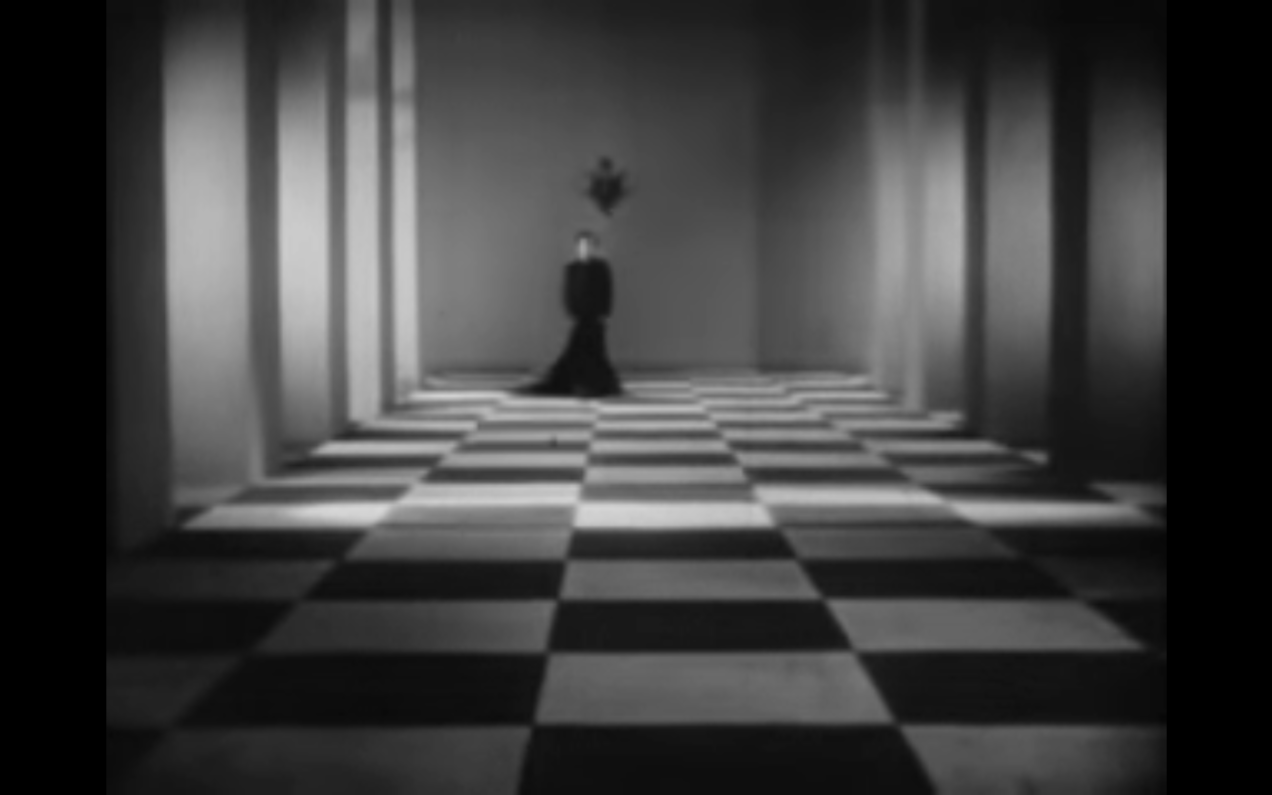
The censors overstate the case. In The Seashell and the Clergyman, Dulac and Artaud are pretty clear in their intention: a fragmented vision of frustrated desire, fraught fantasy, and unstable images that intentionally don’t cohere. For these reasons, at least, it often gets saddled with the title “the first Surrealist film,” whether the Surrealists liked it or not. (Note: they did not like it.)

As far as narrative is concerned, this is apparently the story of a priest who lusts after the wife of a general. That’s about it. Dulac is far more concerned with the musicality of its presentation, with the rhythmic editing and odd juxtapositions that Un Chien Andalou would be celebrated for the following year. Perhaps even the fact that a short narrative description is possible is what alienated the Surrealists from it, including, eventually, Artaud himself.

It’s hard to see what he had to complain about, though. His scenario included passages such as this:


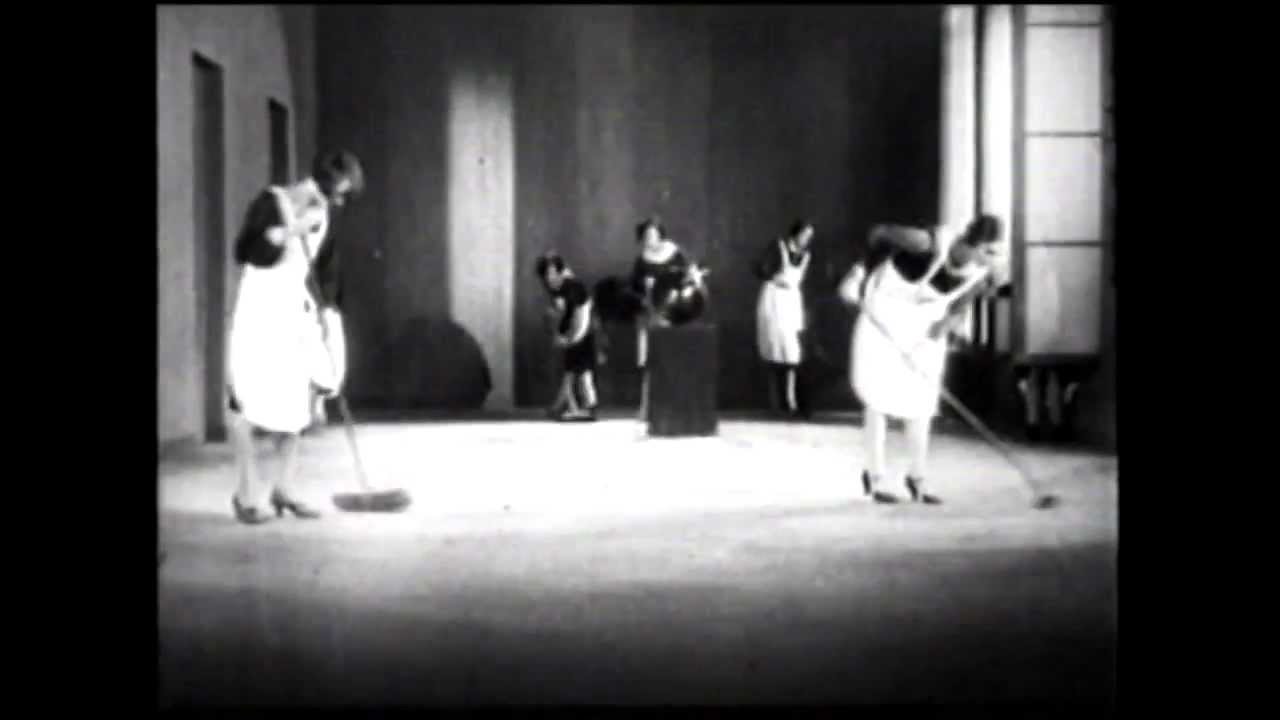
A series of close-ups of the priest’s head, unpleasantly sweet, welcoming when it appears in the woman’s eyes, and hard, bitter, terrible when it considers the clergyman…[The clergyman] is on the summit of a mountain, in superimposition at his feet, rivers and plains interlaced…[The clergyman] throws himself on the woman and rips off her blouse as if he wanted to lacerate her breasts.  But her breasts are replaced by a carapace of seashells.  And snatches this carapace and brandishes it in the air where it shimmers.  He shakes it frenetically in the air and the scene changes and shows a ballroom.  Couples enter; some mysteriously on tiptoe, others extremely busy.  The lights seem to follow the movements of the couples.  All the women are wearing short dresses, legs on display, breasts bulging, hair cut short. […] Servants, housekeepers invade the room with buckets and brooms, rush to the windows.  They scrub all over with intensity, frenzy, passion.  A sort of rigid governess, dressed all in black, enters with a bible in her hand and goes to stand by a window.  When we can distinguish her face, we notice that it’s still the same beautiful woman.  On a path outside, we see a priest who is hurrying, and further away a young girl in a garden dress with a tennis racket.  She is playing with an unidentified young man.

This is exactly what transpires.

Still, Dulac’s concern seems more a particular blend of pure cinema and Impressionism, with the female object of desire retaining an elusive and mysterious agency amid all the ambiguous cuts and contrasts. That alone separates The Seashell and the Clergyman from its more famous younger sibling, with its iconic cloud eyeballs and dragged pianos. Instead of abandoning perspectives in favor of glorious nonsense, Dulac blurs them (along with genders and devotional/erotic ritual). The result is actually more interesting.

Neither of these two films were originally included in this series, demonstrating the degree to which the works of early women filmmakers have been devalued in the canon (and even in the anti-canon). But that’s also why several empty spots were left on the list. There’s just a wealth of incredible film that should get more attention than it does.

Dulac, at least as represented in these films, was a singular and odd talent. The uneasy coexistence of dream and life bring to mind Jean Epstein, the way she shoots water prefigures Mario Peixote’s 1931 Limite, and numerous moments can’t help but evoke that other not-quite-Surrealist of our own time, David Lynch. (In fact, one scene in The Smiling Madame Beudet is remarkably similar to one of the internet’s favorite bits of Twin Peaks nightmare fuel.)

But these comparisons aren’t necessary, as though these two remarkable films from a woman director in the 20s needed validation by fellow travelers and weirdos of the screen. Germaine Dulac’s work is plenty weird and transfixing on its own.

June 20, 2017 0 comments
0 FacebookTwitterPinterestEmail
Streaming Selections

Streaming Selections: Crash!

by rick June 9, 2017
written by rick

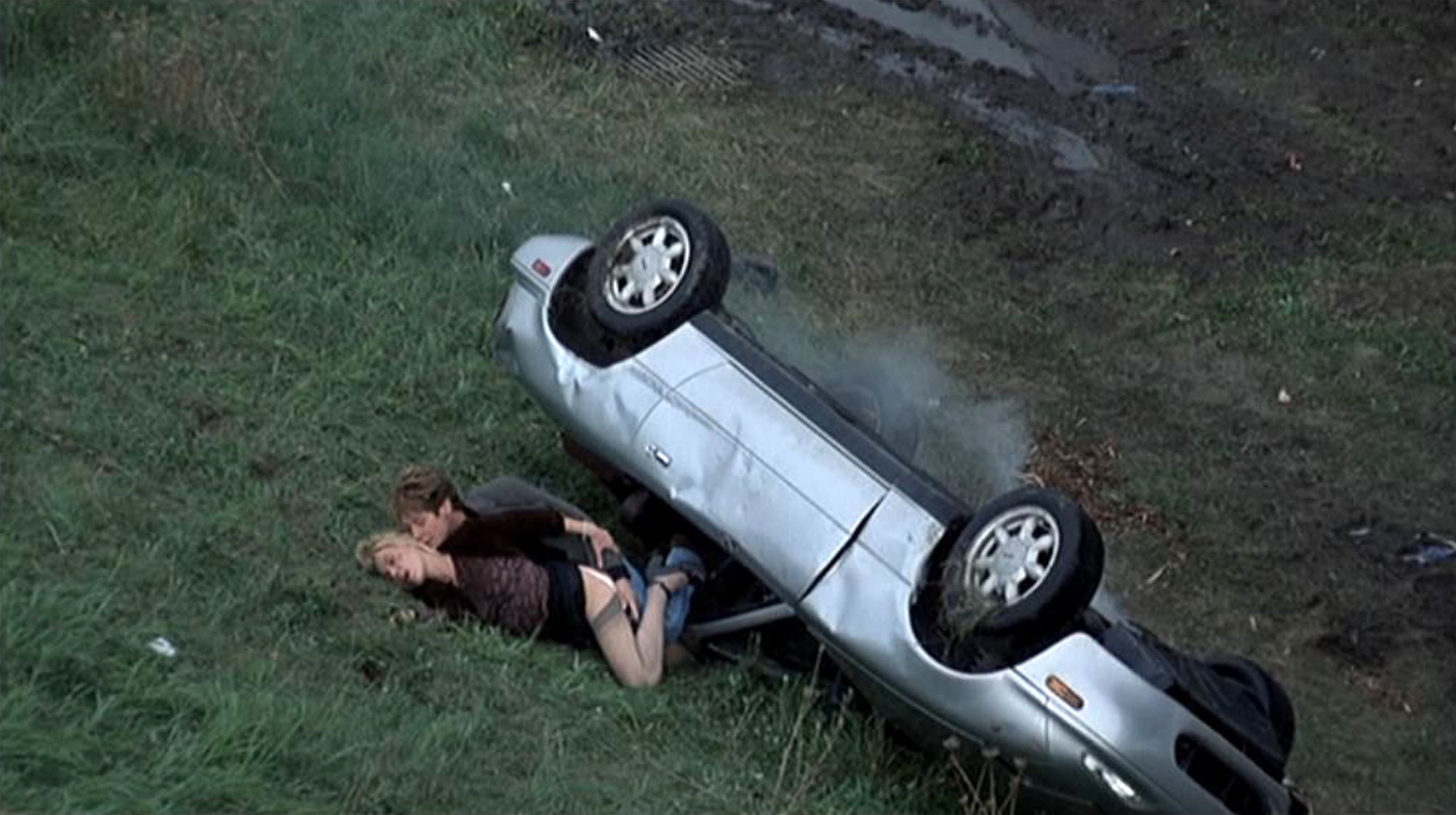
Decades before David Cronenberg released his cult masterpiece Crash, Harley Cokeliss (Battletruck, Dream Demon, one episode of Xena: Warrior Princess) gave the material a try.

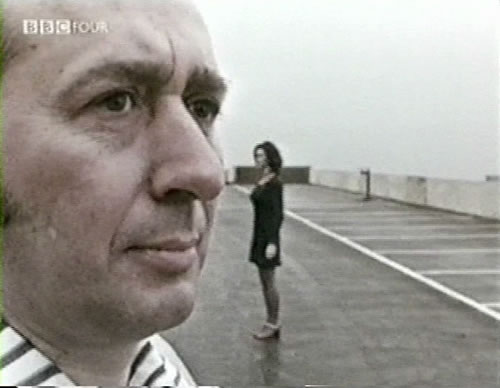
His short, similarly though more enthusiastically titled Crash!, has the additional bonus (or novelty, at least) of featuring author J.G. Ballard himself, glowering on screen and ruminating on voiceover.

Ballard’s thoughts on the intersections of technology and desire are front and center, of course, but it’s particularly striking to see how many images Cronenberg draws from here for his later work: hands gently caressing the sleek curves of the vehicles, the impassivity on faces. Hell, there’s even a carwash, though a more chaste one.

Here, however, there’s a greater emphasis on the bloody image, which is, for the most part, curiously absent from Cronenberg’s vision.


As a 17-minute BBC oddity from 1971, Crash! is historically fascinating, but it’s also aesthetically interesting on its own terms, and, given Ballard’s overt participation, unsurprisingly true to The Atrocity Exhibition and Ballardian philoso-weirdness in general.

Highly recommended for fans of Ballard who haven’t seen it yet, as well as Cronenberg enthusiasts and people who just really like cars. One downside: the unrelenting coldness of Ballard’s observations precludes all the fun sexy times, despite the exclamation point! At least we still have Cronenberg to thank for this:

(Screening on YouTube via OpenCulture)

Quick Links

Within Our Gates

The entirety of the Pioneers of African American Cinema series is still streaming on Netflix, and one of its centerpieces, Oscar Michaux’s Within Our Gates, is available on Amazon Prime.

There’s been a resurgence of interest in Michaux’s socially-minded retort to The Birth of a Nation, which also screened this past week at the San Francisco Silent Film Festival, and though no streaming service is a match for watching its complex narrative unfold on the big screen, this is the next best thing.

(Streaming on Amazon Prime)

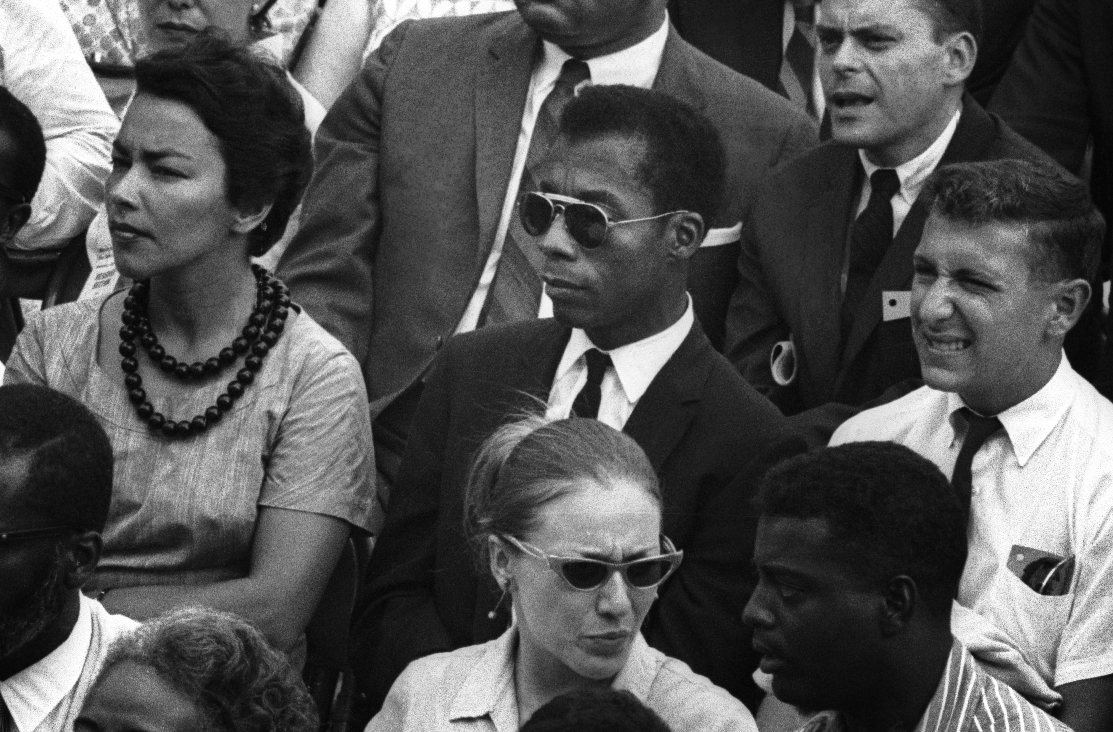
I Am Not Your Negro

If you missed this James Baldwin doc in theaters, you’re in luck. The film has proven divisive among my own friends — some of whom, like myself, admired its richoceting poeticism, while others wondered who and what exactly it’s for — but the film is absolutely worth your time.

Baldwin’s words ring far truer than most and have lost none of their power over the years. Unfortunately, the palpable rage behind his analysis of American Blackness remain as relevant as ever.

(Streaming on Amazon Prime)

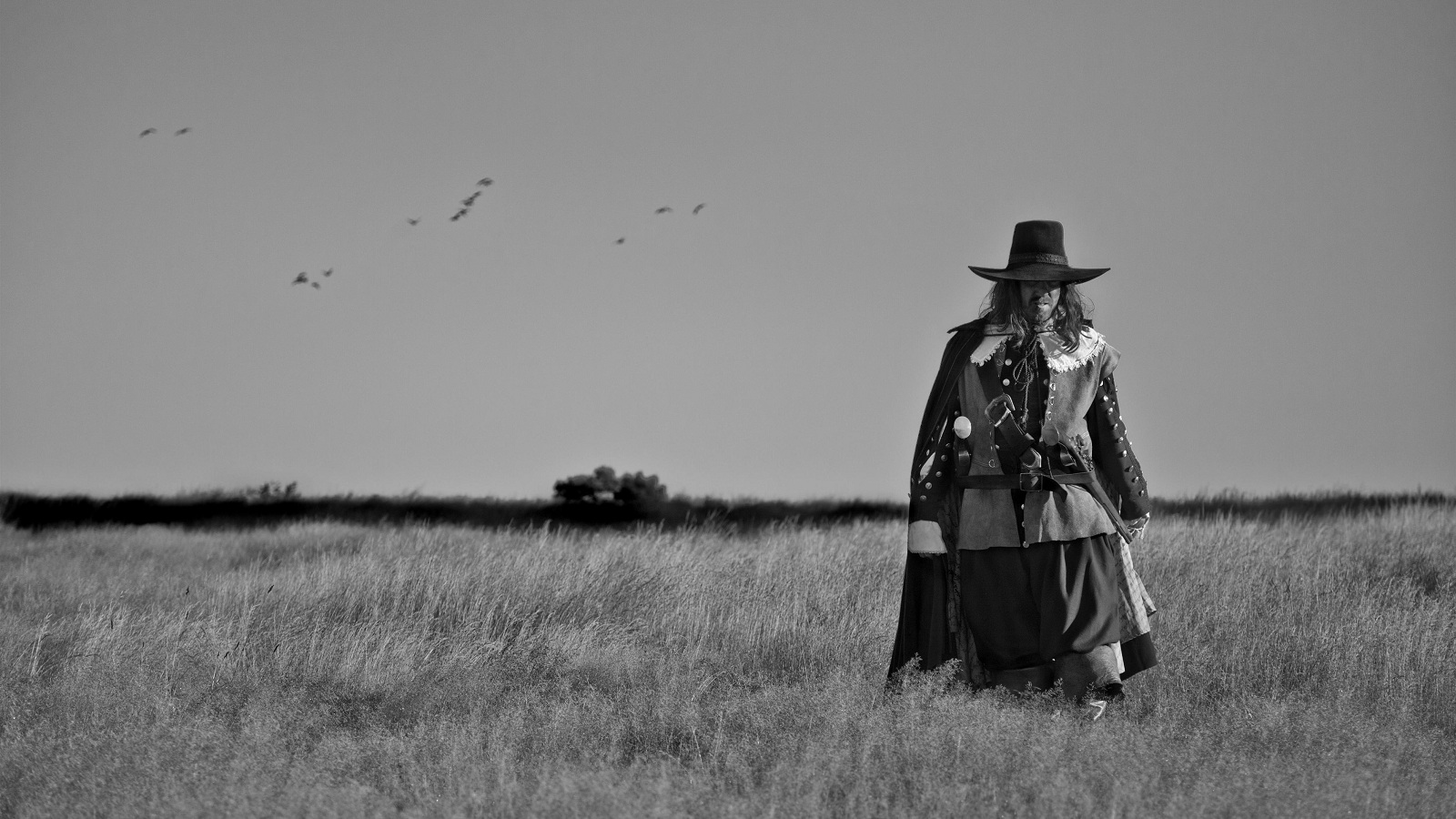
A Field In England

After reading my Patreon-fan-service write-up of the excellent Kill List, did you think, “I could really watch some more Ben Wheatley!” Well, it’s your lucky day!

Both this surreal, austere, and gorgeous film and the darkly comic Sightseers are available to fill that Wheatley-sized hole in your eyeballs.

(Streaming on Shudder)

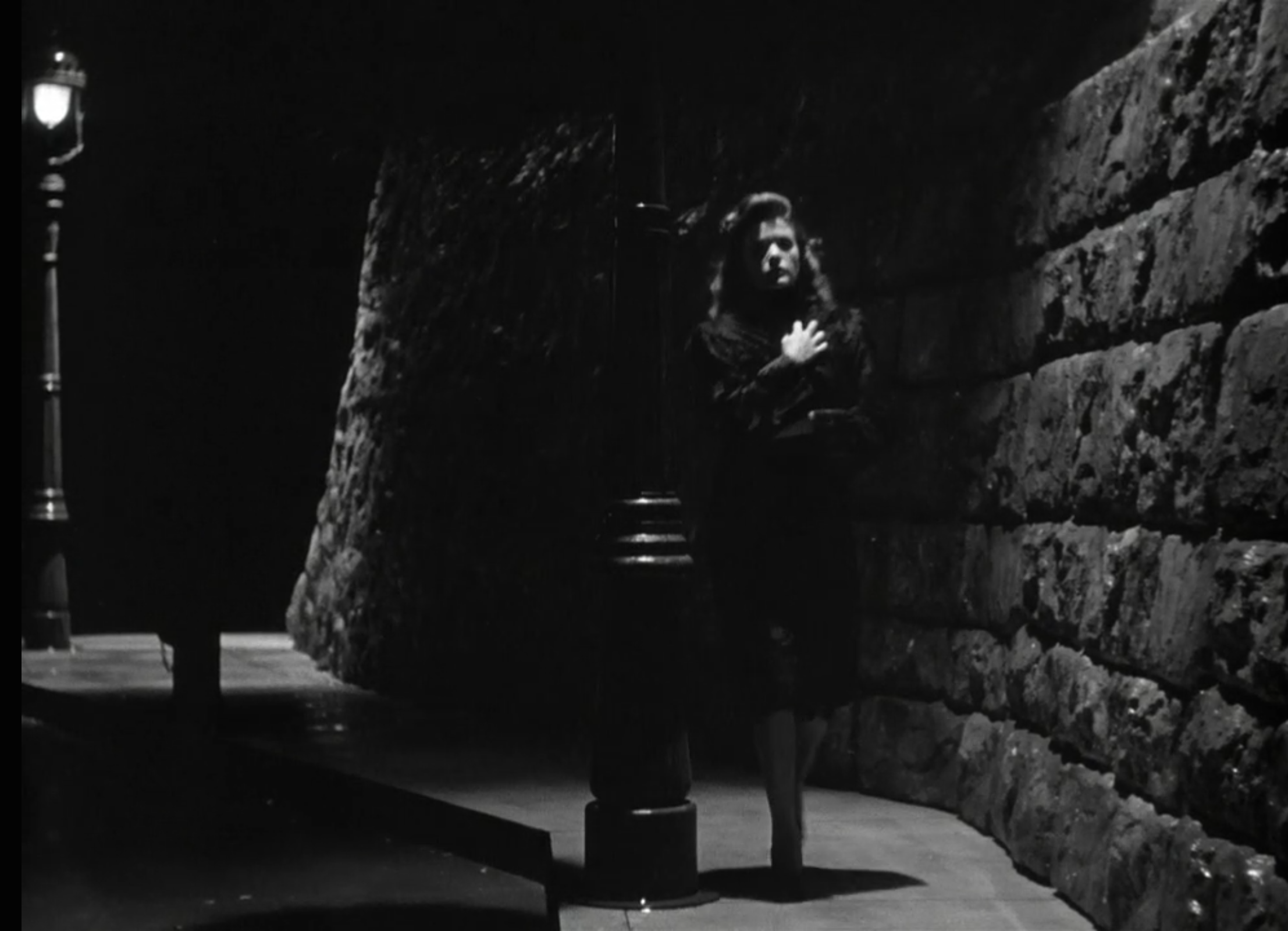
Cat People

One of the great Val Lewton-produced films of the 40s is all psychosexual dread and hints of offscreen terror, which is one of the reasons it survives not just as a kitsch classic but an actual lo-fi masterpiece. Any time American horror generates suspense from little more than shadows and a creeping sense of unease, Lewton’s RKO films lurk in the background.

(Streaming on FilmStruck)


June 9, 2017 0 comments
0 FacebookTwitterPinterestEmail
FilmVegan Horror

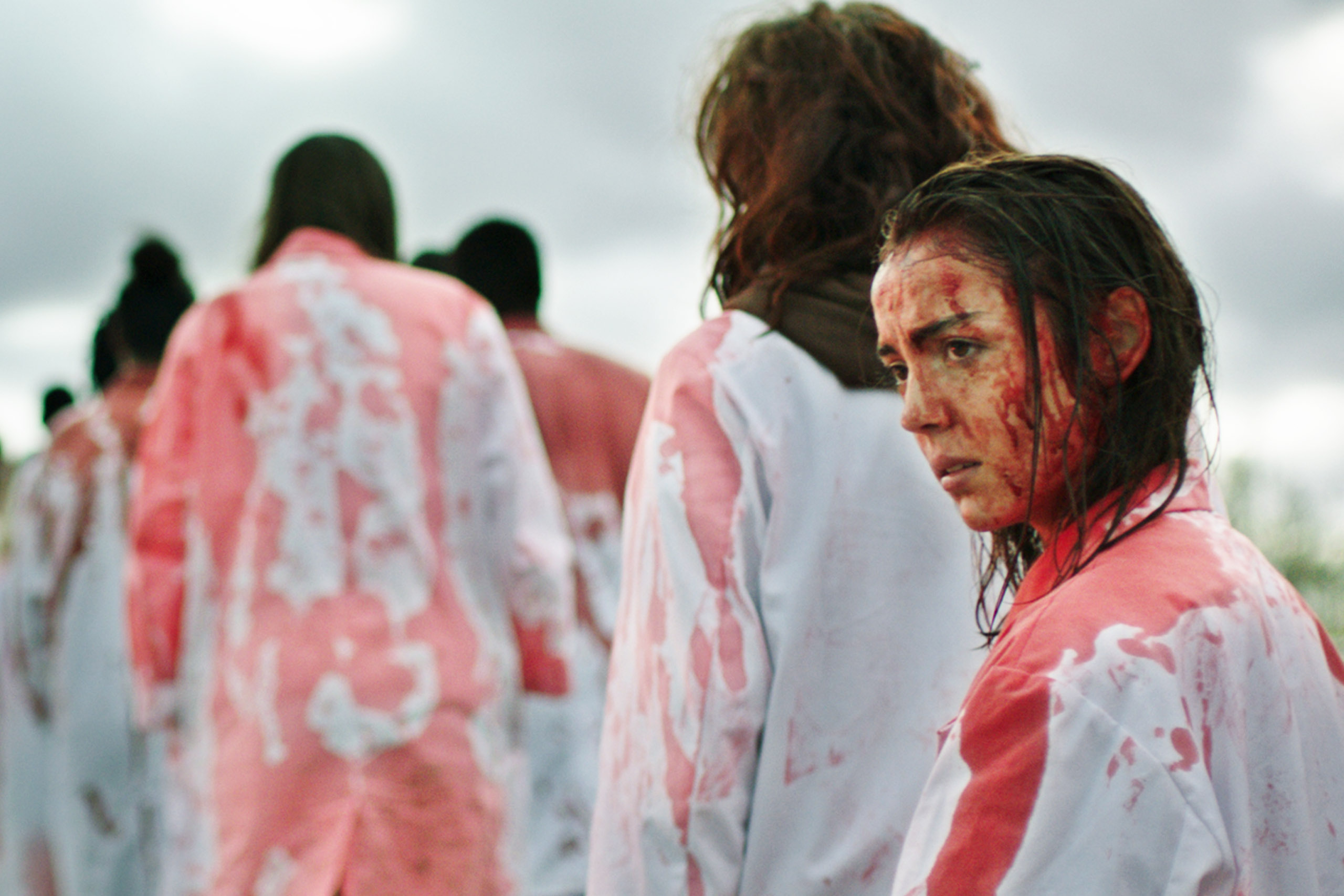
Julia Ducournau doesn’t think her film Raw is about animals. Raw sure seems to, though

by rick June 7, 2017
written by rick

Earlier entries in the Vegan Horror series have tended to focus on films with an animal rights subtext (even if their directors occasionally felt compelled to shout out, “It’s about meat”). The whole notion is founded on the idea of mining the signifiers to point out the underlying logic and related concerns. With Julia Ducournau‘s Raw, that would seem to belabor the point.

In Raw — the pulsing, edgy story of virginal vegetarian who, with her first taste of animal flesh, turns cannibal while studying to become a vet — the subtext is simply text.

The French director’s film has a lot on its mind — hierarchies and hazing, power struggles within cliques, sexual repression, body issues, and sisterhood — but the emphasis on animality is never far from the surface (or the screen). Raw is, without question, a body horror consumed by and fixated on the ways we construe the whole idea of the human and the nonhuman. As in Ravenous, Justine’s first taste comes from actual blood, thrown upon her and her classmates in a Carrie-like initiation. Soon, the vegetarian will find herself compelled to eat a rabbit’s kidney, and things will never be the same.

Sounds pretty animal rights related! Don’t ask Ducournau about it, though:

“When I read reactions stating that this is a vegetarian movie, I get very confused … Her being vegetarian is just a storytelling tool. If you’re going to have a character become a cannibal, it’s good to have her be the complete reverse of that at the start of the story. It’s so funny because if I wanted to make a film about vegetarians than I would have made a whole other movie.”

Fair enough, though this once again affirms the old adage that the author is invariably the last person you want to ask about their work. (Not to mention the fact that Ducournau’s earlier genre-melding shorts include Junior, about a bullied tomboy who metamorphosizes into a skin-peeling snake-like creature before emerging as a “real girl”.)

The animalistic transformation of our protagonist Justine (Garance Marillier) in Raw — or at least the transformation animality allows — is no less drastic. Introduced as a shy, college-bound freshman who, while dining with her similarly vegetarian parents, encounters a piece of horrifically unwelcome animal meat in her meal, Raw aligns us with her character from the start. This will prove a fraught identification.

Justine is following in the footsteps of her sister Alexia (Ella Rumpf), and her parents’ footsteps before her, to veterinary school. At least early on, this elision of flesh-consumption, animal-based healing industry, and generational family dynamics straddles the line between playful and a bit silly in its insistence. Of course, perhaps the director is correct and I’m simply reading too much into this relentless drumbeat of signifiers.

Sarcasm aside, Ducournau is absolutely earnest in emphasizing the film’s focus on hierarchy, power, and vulnerability. A nightmarishly hallucinogenic set-piece introduces us to the school, where the “Elders” or “Great Ones” (as they demand to be called) lord it over the incoming class like a particularly sadistic outtake from Dazed & Confused, with more molly and French dance music.

For our purposes here, Raw introduces from the start several sets of removes: parental control; a struggle for identity between older and younger sisters; an institutionalized divide between the seniors and the freshmen, and between the instructors and the students; the more fundamental divide between the doctors-in-training and their specimens, alive or dead; and, of course, that ubiquitous blood and flesh that will ultimately awaken something frightening in Justine, no matter how much she tries to hide from it. Even concerns about race, class, and queerness find their way in.

Like the early David Cronenberg, who she clearly admires, Ducournau has a knack for pairing high-art unease with splatter-schlock tableaux, giving Raw an entirely uncomfortable sense throughout.

Despite a rather clever, William Castle-like reputation for making audiences pass out in fright upon release, Raw functions on a much more cerebral level, with long takes and anxious formalism more akin to Claire Denis’ Trouble Every Day than some midnight gross-out cheapie. And it’s more effective for just this reason: the narrative proceeds with an inevitability from the opening moments and only picks up resonances, particularly as Justine begins to own the new being she’s becoming. (Another Cronenberg nod: Raw is as sympathetic to the monsters as Shivers or Rabid was to the virus.)

It would be easy, and unfortunate, to map through a basic throughline that reads as anti-vegan all the way: the sheltered girl finds growth and power once she tastes flesh, revealing a fundamental nature that her upbringing had foolishly denied. In this way, Raw could simply be the “where do you get your protein?” of body horror confrontations.

But there is more going on in the film than that. Ducournau assembles these references and oblique readings on top of a sometimes obvious narrative, and we’re left unclear whether Justine has in fact become something worth becoming. A brief scene mentions bulimia and another anorexia (just as the revenge story Mange did, another of Ducournau’s earlier shorts). Questions of determinism and free will underline much of the final third, along with a murder (or should it be a “kill”?) that causes a great deal of grief. The sisters will find themselves linked by blood in the most literal sense, just as the vet students will be immersed in viscera as part of their studies.

It is better to take Ducournau at her word, then, while also allowing for the numerous interpretations Raw allows. The conception of vegan horror here, she will no doubt be relieved to hear, isn’t to find a key to unlock art. It’s simply to examine how these echoes manifest, and in what ways.

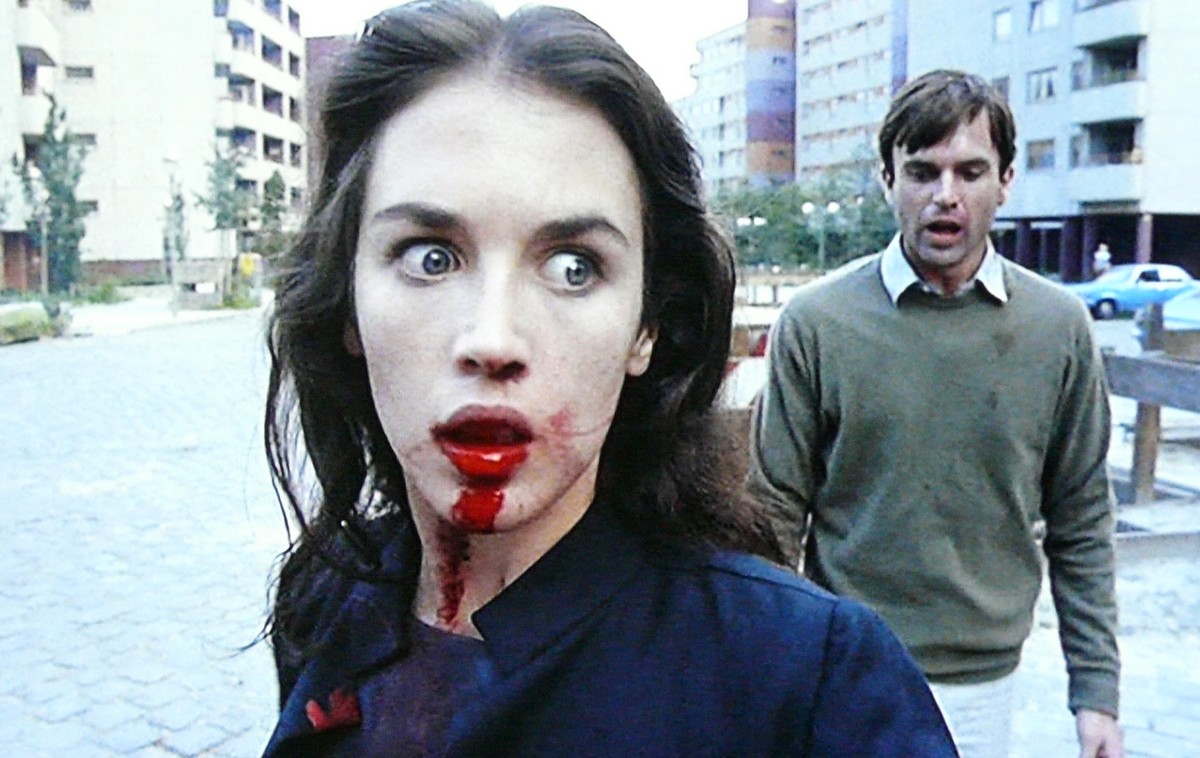
In Raw, they spider out like fault lines. Is this a “vegan film”? Sure, and of course not. Is Andrzej Zulawski‘s Possession about divorce? Appropriately enough, Ducournau invokes that meaning-rich film overtly:

Despite its thematic fixations, and like Texas Chainsaw and its progeny, Raw excels at spurring on thought through the logic of its images and the internal coherence of its narrative. The rest is up to the viewer.

June 7, 2017 0 comments
0 FacebookTwitterPinterestEmail
Film

Streaming Selections: Zodiac

by rick June 2, 2017
written by rick

David Fincher is a director I know I am supposed to admire — his fans will be happy to make this crystal clear for you, if you have anything approaching a misgiving — but whose films frequently leave me cold. Zodiac is the exception that proves the rule.

An actual procedural masterpiece — with creeptastic setpieces right out of the gate, solid performances down the line, and some gorgeously unsettling cinematography courtesy of Harris Savides — Fincher’s period-specific take on the Zodiac killings pulls off a series of neat tricks.

Chief among them? It’s a mystery that presents itself as unsolvable, and devours its investigators. That’s much creepier than any third-act reveals from your Kevin Spaceys, Edward Nortons, or Rosamund Pikes.

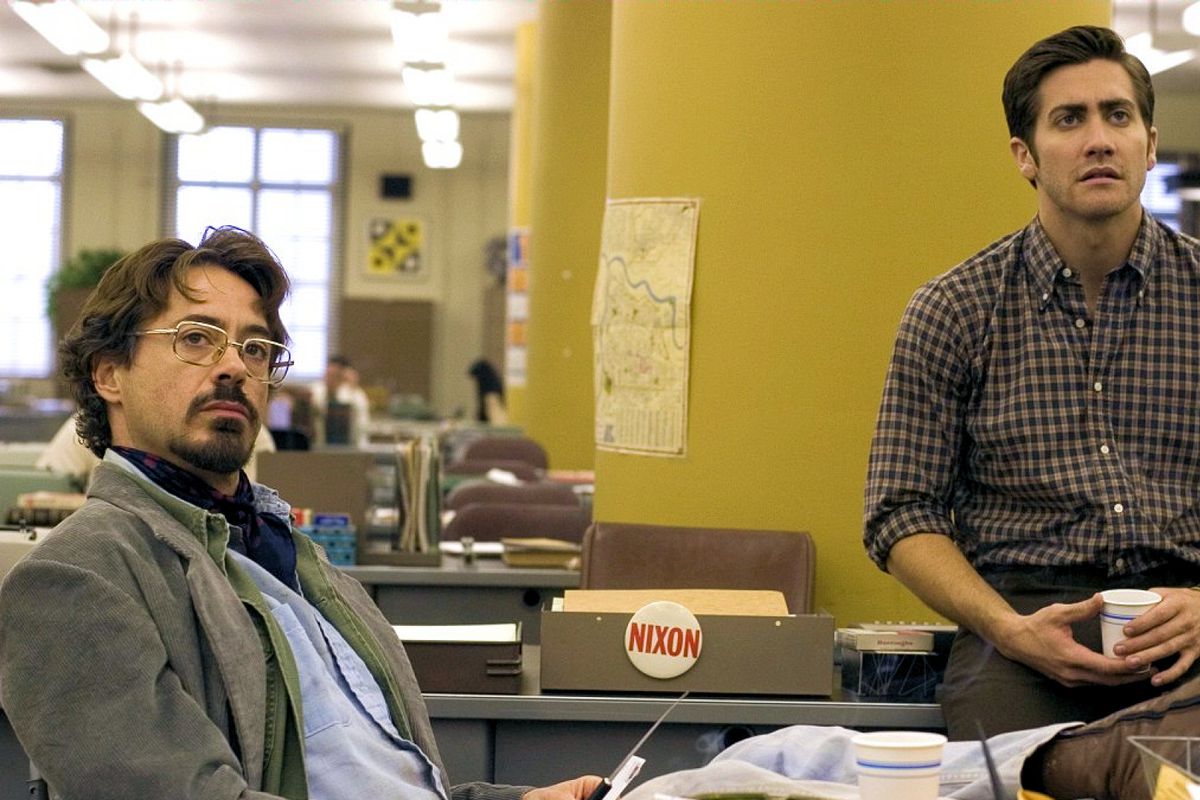
Zodiac Trojan Horses us into a hunt for a serial killer, but its heart lies elsewhere. As SF Chronicle employees, crime-beat reporter Robert Downey Jr. and increasingly unhinged puzzlemaster/cartoonist Jake Gyllenhaal serve as our compass, morally as much as narratively. Fincher lures the audience into a trap: the heyday of madmen writing confessionals to the newspaper positions us to expect thriller-worthy resolution.

As in real life, it’s not forthcoming, which is both maddening and entirely more profound than its alternative.

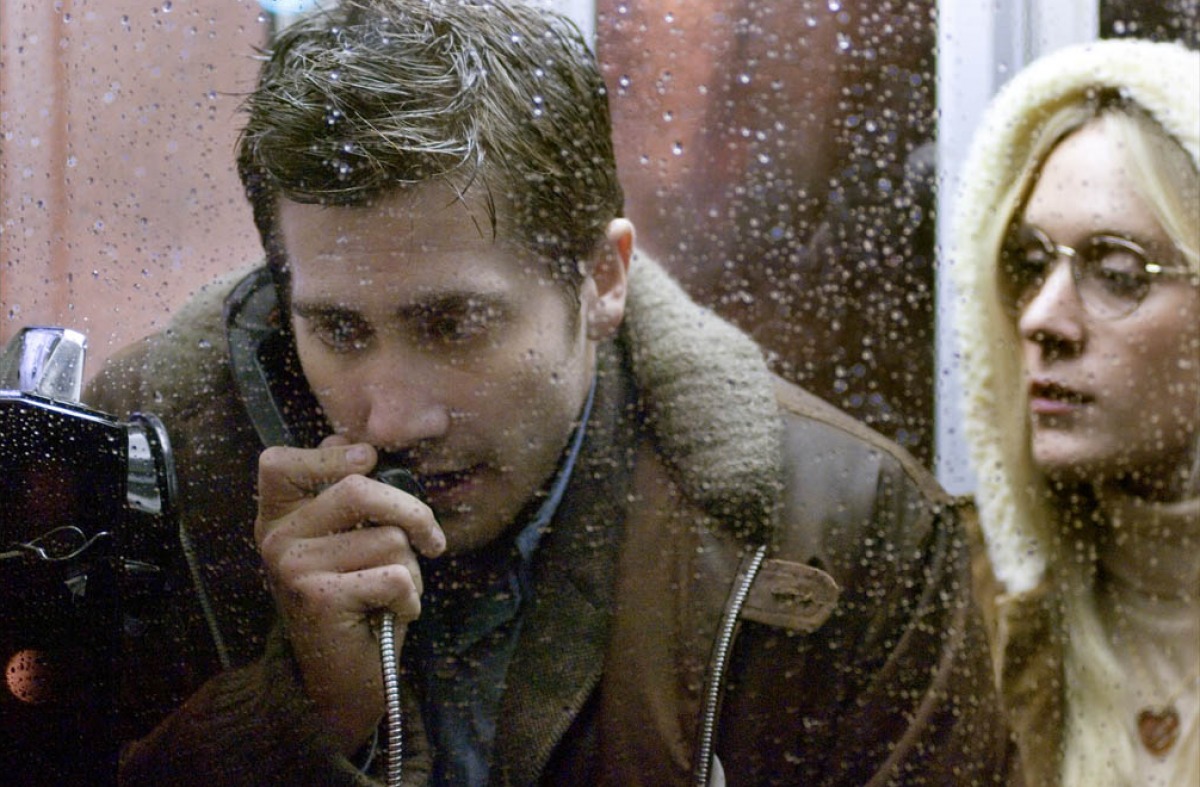
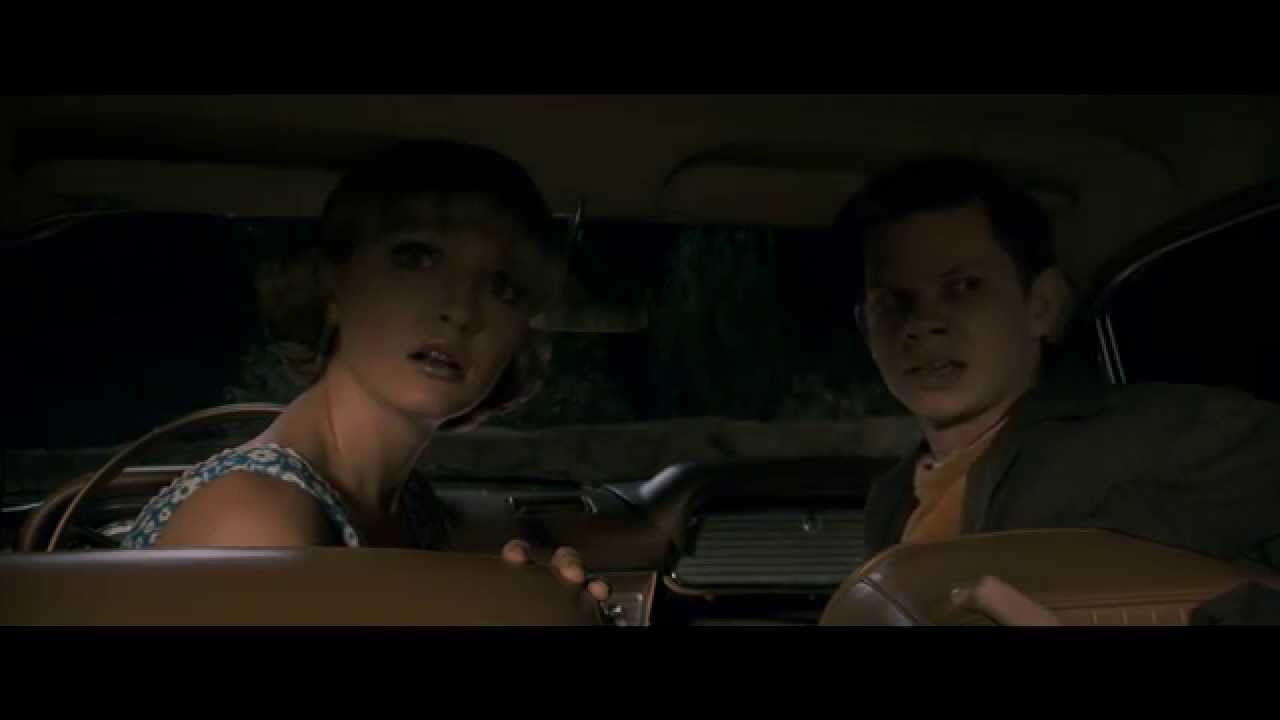
Savides’ moody camera catches jittery, in-between images — doomed lovers at a make-out parking spot in the Northern California hills, the boxy news office scored to blaring telephones, the light playing off the desolate rain next to phonebooths.

As we, like Zodiac‘s protagonists, become more engrossed in the grisly story and the killer’s self-aggrandizing passions, it becomes abundantly clear that we’re outmatched. The hunt itself will punish the inquisitors, and play out in a press that can’t realize its being played.

That’s horrifying.

(Streaming on Netflix)

Quick Links

Full Metal Jacket

Even for an auteurist with no shortage of detractors, Stanley Kubrick’s hyper-masculinist Vietnam freakout proved divisive. Its structure — essentially, cleaved in two, with the first half an immersive bootcamp horror and its second something much stranger — doesn’t allow for easy answers.

In fact, it probably invites an argument, with Kubrick setting up referents like dominoes and than walking away, figuratively speaking. But we still haven’t finished talking about it.

(Streaming on Netflix)

Regarding Henry

Real talk: I am including this entry entirely because my girlfriend once referred to it as “Dirty Henry”, and now that’s what I call it. Harrison Ford stars as Dirty Henry.

(Streaming on Amazon Prime)

Shivers

If Stereo and Transfer were initial plunges into David Cronenberg’s gestating sensibility, Shivers was the announcement that he’d arrived. I’ll have much more to say on this soon, but for now, here are some words: Sex Zombies; new age apartment building; poolside sacrifices; stomach worms that look like pieces of poop; extreme perversion.

In other words, just another day in the White House! Ha ha! Zing.

Anyways, this is an excellent film.

(Streaming on Amazon Prime)

Je, Tu, Il, Elle

Rather incredibly, the IMDB description of Chantal Akerman’s greatest film reads:

‘Je’ is a girl voluntarily lock up in a room. ‘Tu’ is the script. ‘Il’ is a lorry driver. ‘Elle’ is the girlfriend.

I guess?

Akerman’s camera captures bodies in isolation and together, and that quote’s sort of breathless, slightly goofy narrativizing is pushed far back in the frame. Instead, we simply watch a woman hang around her apartment, eat sugar, and get laid. The film is both intimate and distant, with some kind of alienation coursing through it alongside the desire.

If you’ve never seen an Akerman film, this is the best place to start.

(Streaming on YouTube)

June 2, 2017 0 comments
0 FacebookTwitterPinterestEmail
Film

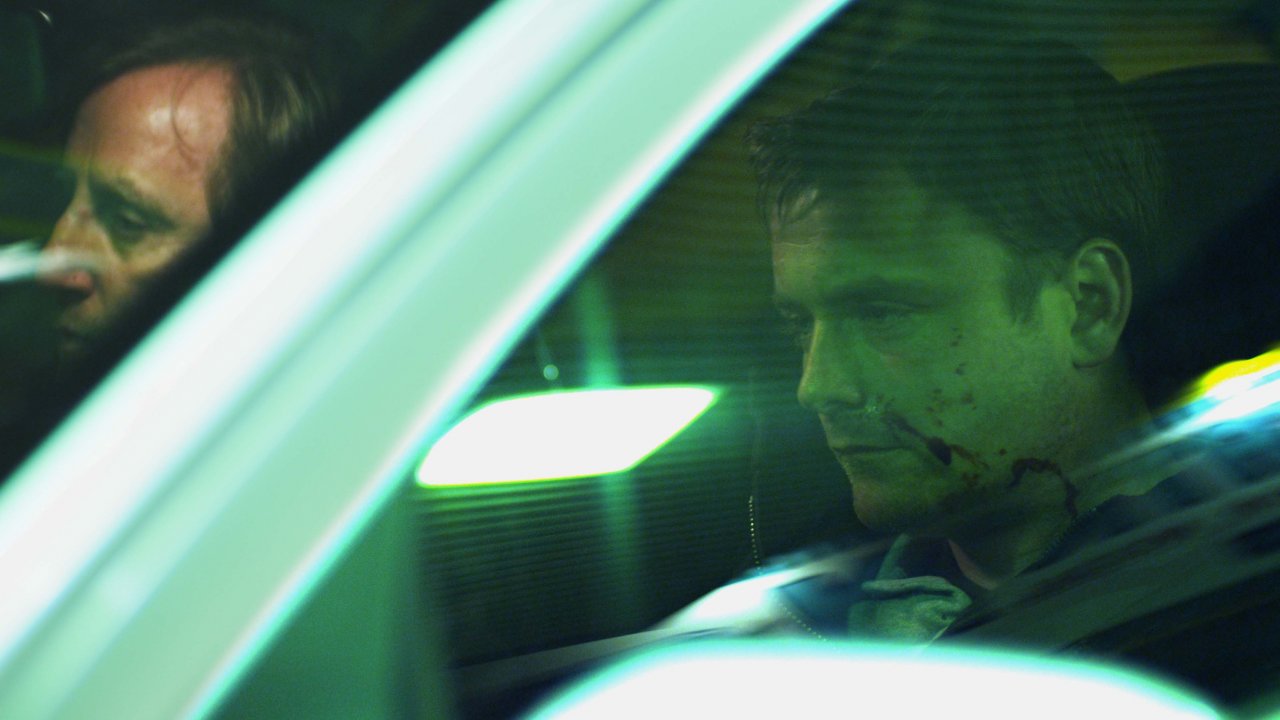
The social-realist noir horror [insert adjective here] freakout of Kill List

by rick May 31, 2017
written by rick

Released just over five years ago, to decidedly mixed reviews, Ben Wheatley’s inscrutable Kill List now plays like a disjointed summary of our times.

Wheatley‘s more recent J.G. Ballard adaptation High-Rise might seem the more of-the-moment production, with its Cronenbergian fixations and bonkers class-consciousness. But there’s something so profoundly 1981 about that film’s assumptions. In Kill List, Wheatley’s jagged post-punk flavor — all visual conspiracy and genre-mashup; red herring, unstable reference, and post-facto internet speculation — seems a reckoning with the world we’ve made. If Wheatley ended the film with a title card, all block text like the ones he enjoys here, simply reading Covfefe, it wouldn’t be entirely inappropriate.

So what is Kill List? It’s a social-realist noir horror freakout. It’s the story of a scarred, alienated combat vet trying, and failing, to provide for his wife and son, while also being courted by a demonic force that can’t be properly understood — not by him, not by us. And, if that weren’t enough, it’s also a love triangle and a meditation on evil.

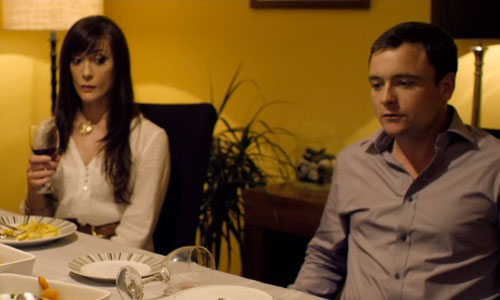
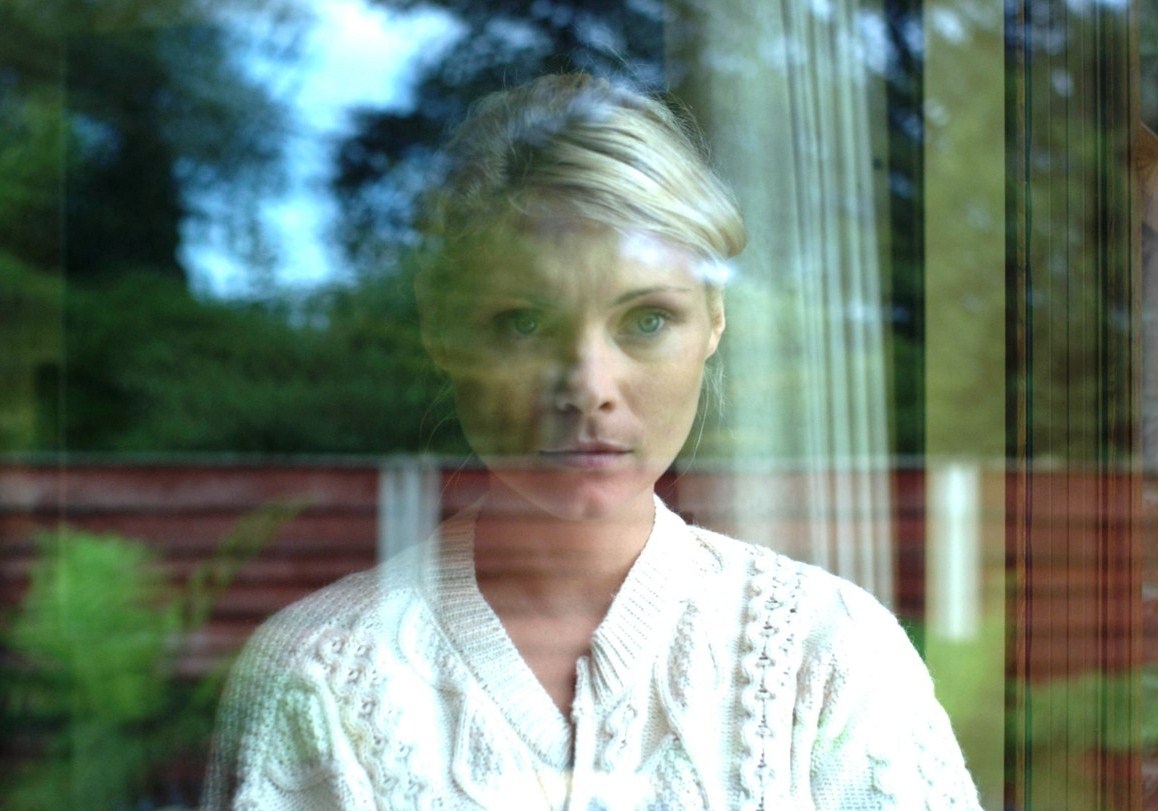
We are almost immediately thrown into a kitchen-sink domestic drama as Kill List starts, but first we gather some information. Jay (Neil Maskell) is out of work and his back hurts. (He misses his Jacuzzi, in particular.) His Swedish wife Shel (MyAnna Buring) isn’t having any of this — she needs him to step up.

Almost immediately, the couple, and their young child Sam, entertain guests, one of whom is a former coworker of Jay’s. Gal (Michael Smiley) and his apparent girlfriend Fiona (Emma Fryer) try to make the best of an increasingly tortured dinner, smoothing over the housebound discord, but tablecloths are inevitably ripped away, glasses are shattered, and the hosts move to another room to shout. We’re in a Cassavetes film, with hints of something noirish and doomed under the surface.

It doesn’t stay there for long.  

Wheatley’s long takes at the dinner table will increasingly contrast with frantic editing. We’re never on sure feet regarding the characters, their attitudes, or their relations. Quick cuts from angry arguments morph into tender moments. There’s a sense that this is simply how we live — in fragmentary ways, easily jarred — and another sense that this is how Jay views the world, as though he’s editing the vision presented.

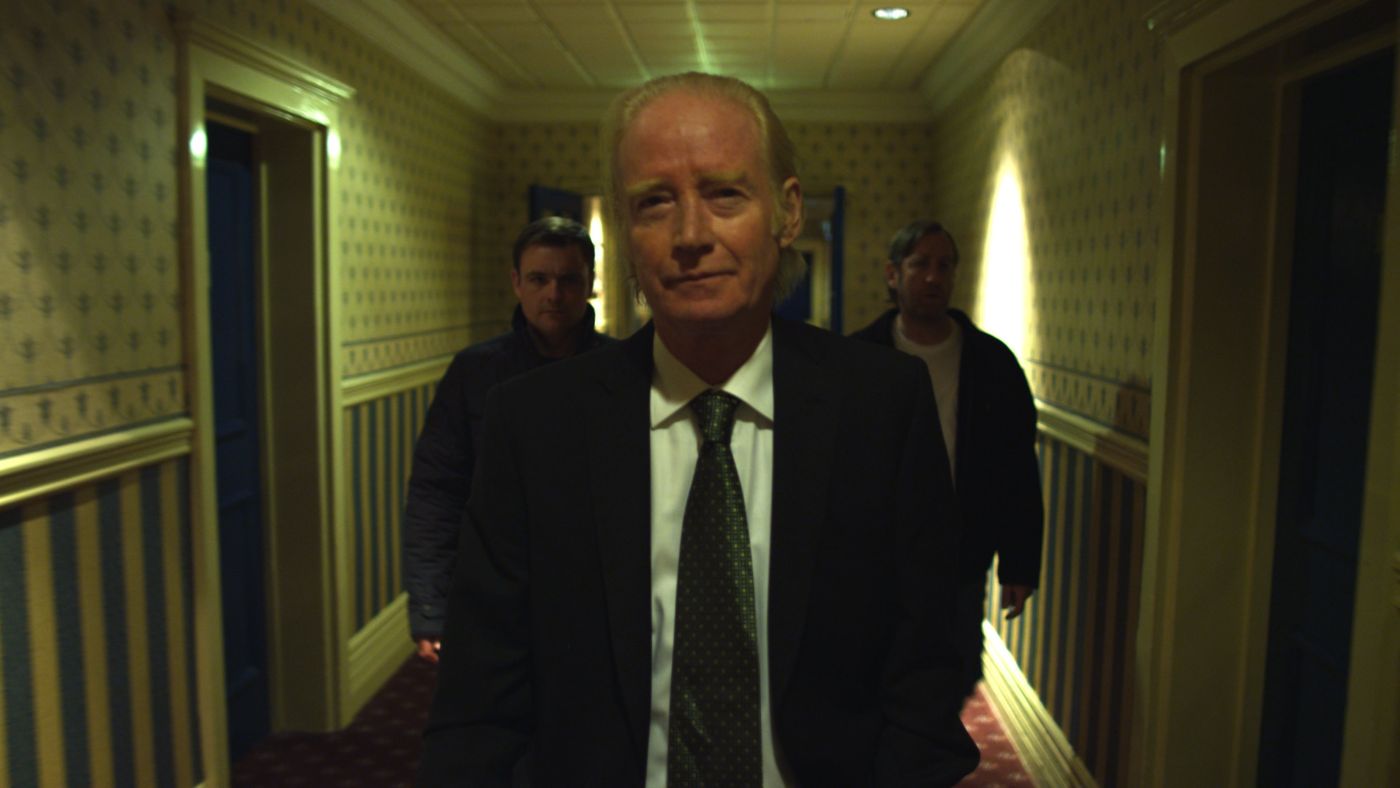
Turns out they’re hitmen, recovering from some sort of botched job in Kiev (a MacGuffin that animates the narrative). Kill List segues into a “one last job” plucked straight from the annals of noir, but we’re left to wonder why, exactly. Jay is definitely in financial straits, like any number of noir protagonists before him, and he definitely seems to want the hot tub fixed, but something seems off.

The edgy Jay we met at the film’s start has become icy and calm once he agrees to take the job, and Gal actually becomes the more worrisome sort. As it turns out, the killings may be retribution for heinous acts on the part of those listed. Maybe the two are heroes.

Kill List derives much of its power from looking and feeling like a horror movie without actually playing by horror rules. The early social-realist scenes blend into the murderous procedural — hell, even the Unsuspecting Wife trope gets inverted, waving a suburban goodbye, with their child in tow, to her husband as he drives off in the morning, to go kill people. Everyone knows what these two are up to.

But Wheatley conjures a kind of road-trip brotherhood at the same time out of role-reversal. Jay is not merely unstable, but perhaps extremely dangerous; Gal, who waltzes into the frame as a plot device determined to suck his friend back into danger, is a God-fearing kind of soul, seemingly tortured by the past even as he gets the job done. He’s also clearly worried about his friend.
The narrative choices, and Wheatley’s insistence on ambiguity, make Kill List a strange little cypher. By the time people are scrawling esoteric symbols on the backs of mirrors and each of the murder victims sincerely thank Jay for his efforts, it’s pretty clear we’ve had the rug pulled out. Kill List threatens to become a horror movie from its opening moments; in its final third, it makes good on the promise.

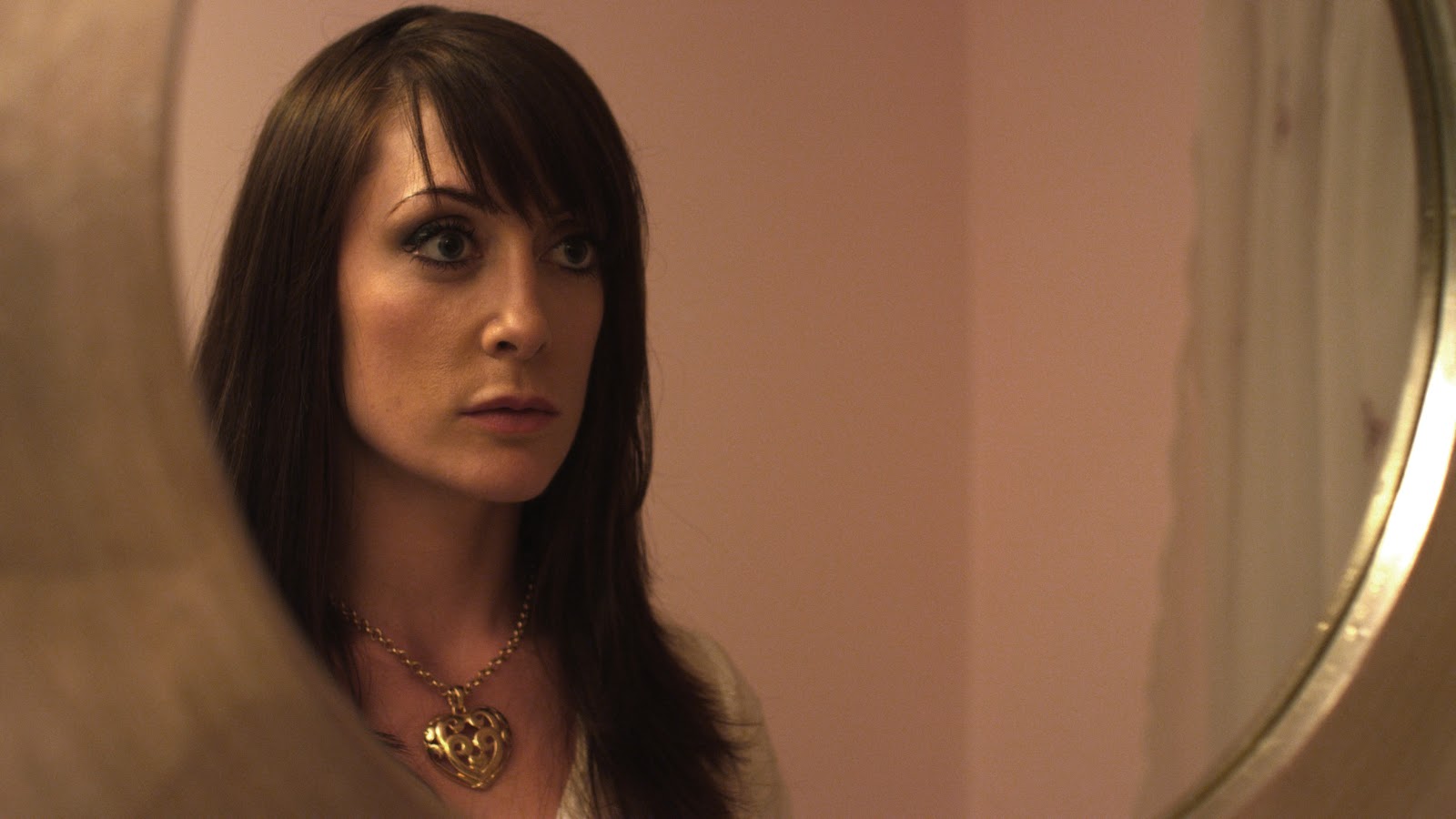
Throughout the film, Wheatley is obsessed with reflections and refractions, never more so than with the two leading female characters. (In a surprise to no one, internet sleuthing reveals they are the most implicated in the final reveal.) Instead, those moments are visual cues, linked in tenuous ways to the narrative. Kill List can be read easily as a cult saga, a hitman story, a revenge narrative, a domestic abuse allegory, a PTSD fantasia … but it can be read in other ways, too. It doesn’t want to be resolved into a coherent whole, a point its interpreters seem to miss.
So the impossible question: what, then, is Kill List about? Its clear-eyed undermining of traditional narrative structure seems to focus us on the character of Jay — why he behaves like he does, with such latent violence and simmering glee at the prospect. It looks a lot like the problem of evil.

In a great essay about the Coen Brothers, Morgan Meis found in their work a connection to the writings of St. Augustine:

Augustine finally came to understand, paradoxical though it may sound, that evil does not exist because “existence” names all that is created and everything created is good. He observes that there are separate parts of God’s creation, which we think of as evil because they are at variance with other things.

In Kill List, this seems to play out from moment to moment. Whatever happened during the war, whatever happened in Kiev, Jay is out of sequence. His good intentions — maybe — are out of place. He is a discordant note, a set of noble desires rubbing up in the wrong way, and producing evil.

Perhaps he wants it, or perhaps he is, as a central character suggests, a cog in the machine. The Pynchonian echoes don’t seem accidental. Either way, we end up in a dangerous place.

This post is aimed squarely at Patreon subscriber Trevor Collins, who insisted I review this film with sufficient tenacity that I had to finally do it. (Thanks, Trevor!) If you would also like to harangue me into reviewing some particular movie, I will absolutely do it and do it on the cheap.

May 31, 2017 0 comments
2 FacebookTwitterPinterestEmail
Film

Streaming Selections: The Girl With All The Gifts

by rick May 27, 2017
written by rick

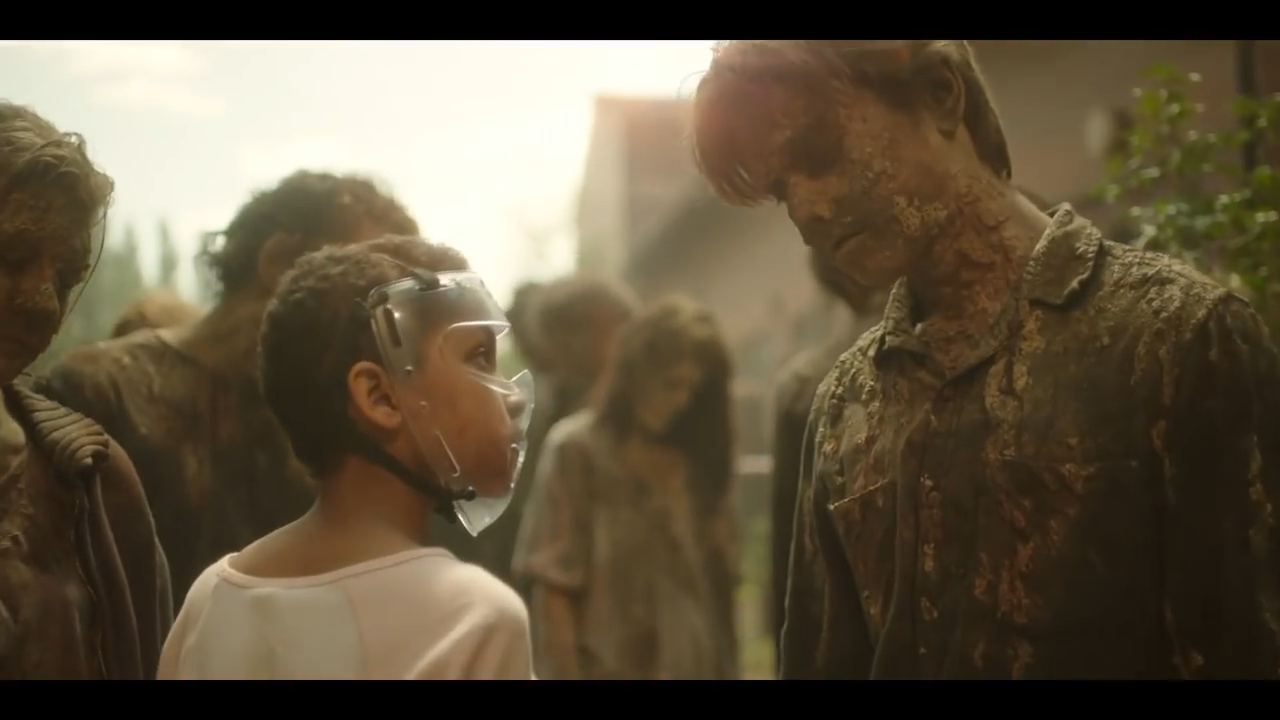
Poised somewhere between the fast-zombie viscera of 28 Days Later and the existential unease of Ex Machina, with a dose of Cronenbergian sympathy for the virus thrown in for good measure, The Girl With All The Gifts is micro-targeted to a very particular horror fanbase. They (we) will enjoy it very much.

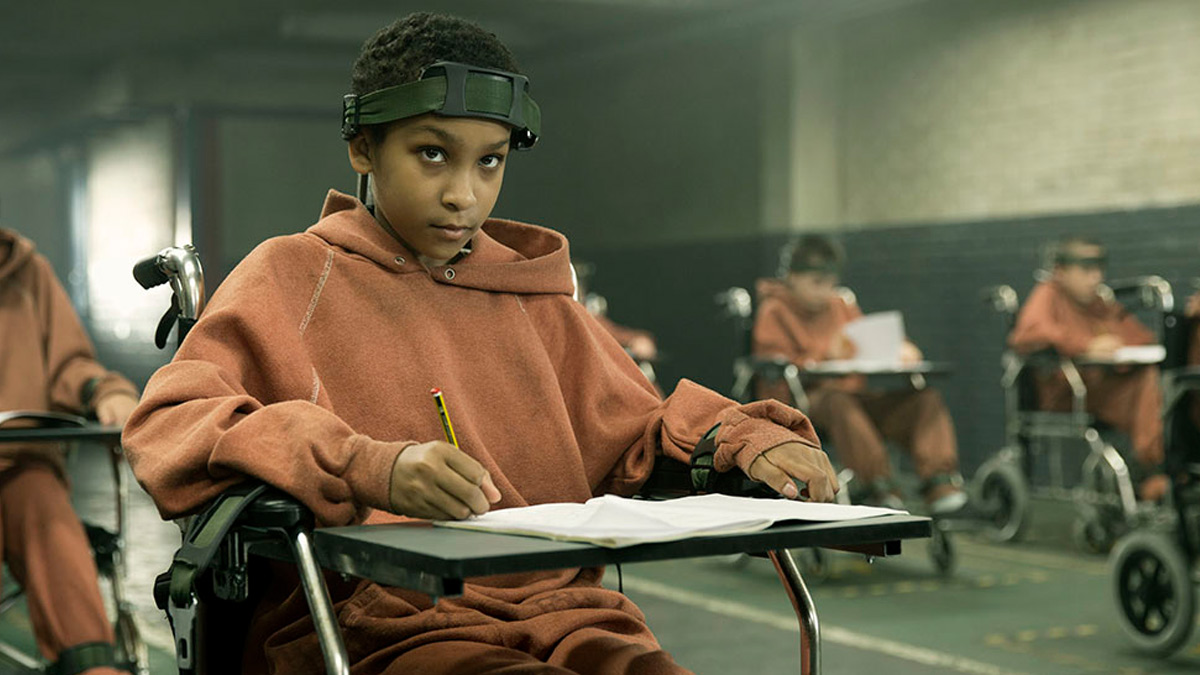
The feature film debut from prolific TV director Colm McCarthy, The Girl With All The Gifts takes its time in the early going. We grow accustomed to some sort of Hostel-like, dystopian basement full of orange jumpsuit-clad children in wheelchairs and restraints before McCarthy reveals the hell on earth transpiring just outside the doors. The film is stronger for his restraint.

The lead performances are strong, particularly Gemma Atherton as an empathetic teacher and the young Sennia Nanua in the uncanny title role. Glenn Close, the most famous name in the cast, is somewhat ironically the loose link, showing up at opportune moments to spell out the plot for the slower viewers in the audience. But even Close rises above the material she’s given: The Girl With All The Gifts mostly rolls out its thoughtful narrative with confidence.

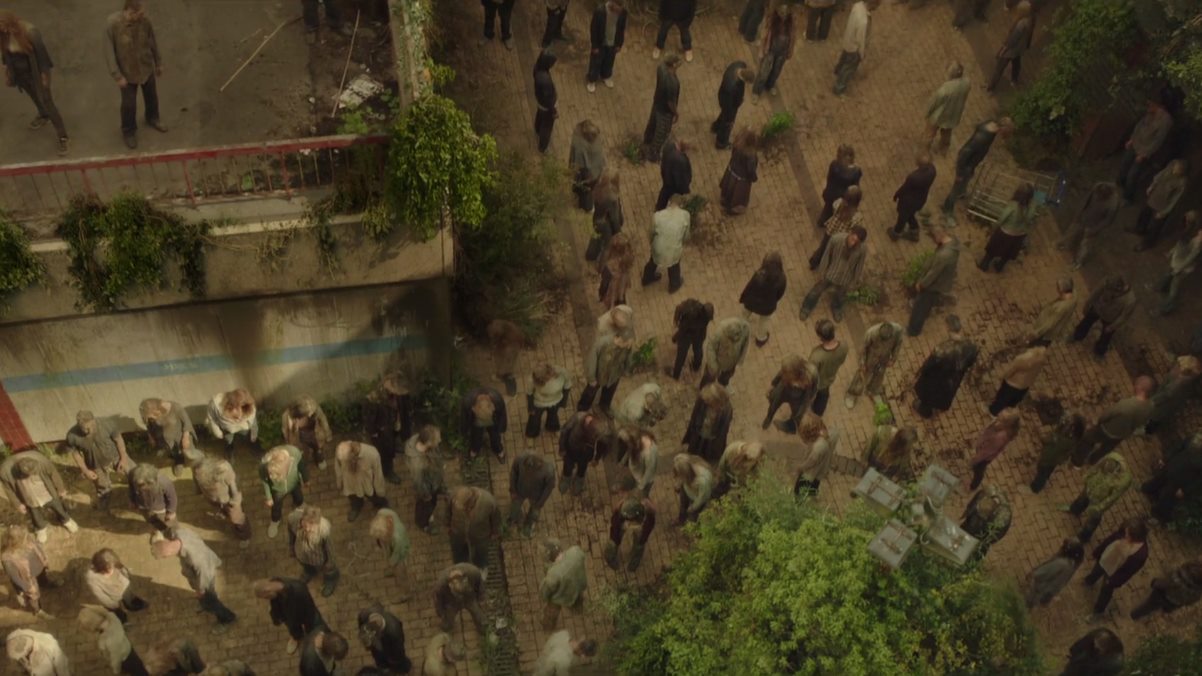
Particular moments prove haunting: the very fact that these fast zombies are also notable for their motionlessness until triggered makes for some creepy tableaux. The entire world seems divided between breathless lurking and manic violence, which keeps The Girl With All The Gifts on something of a permanent edge.

This is a confident film that manages, against all odds, to find a unique take on familiar horror beats you might think have been exhausted at this point. Its closing, shocking if inevitable, is startlingly humane, particularly for a film focused on the decidedly inhuman.

(Streaming on Amazon Prime)

Quick Links

De Palma 

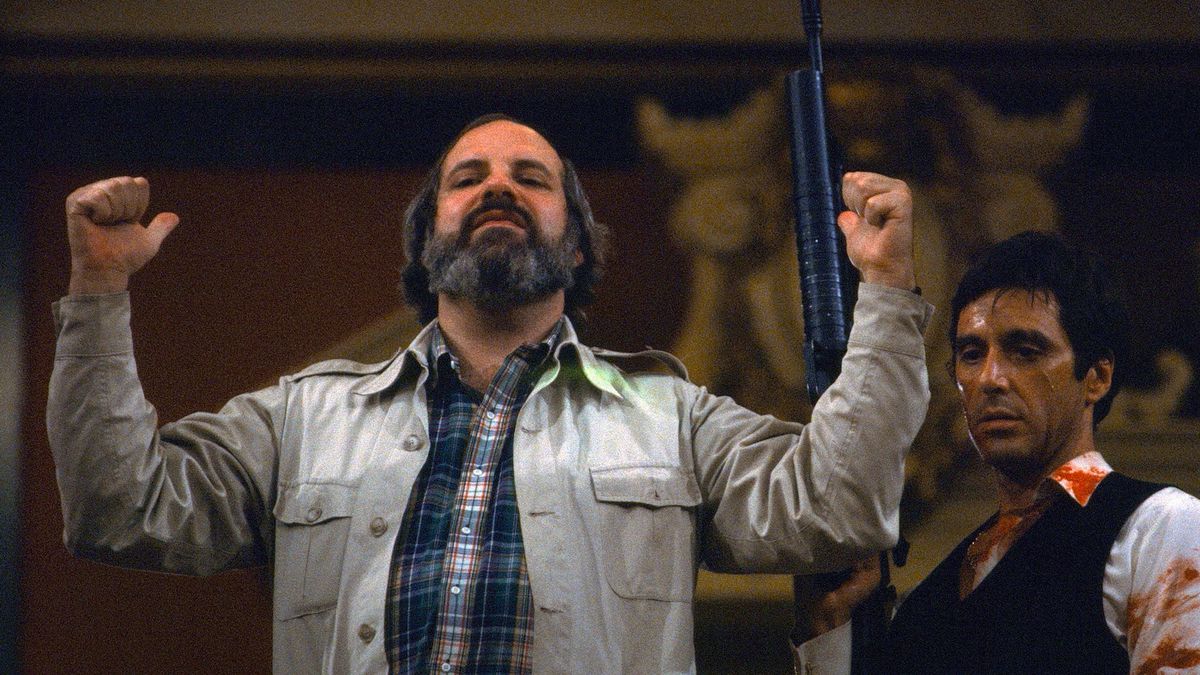
The world of cinema enthusiasts may, in fact, be divided into two groups: those who consider Brian De Palma talking non-stop at a camera for two hours a gift from the Gods, and those who would consider that fucking insufferable and rather stab themselves repeatedly in the eyes, possibly in an ostentatious split-screen take.

Where do you fall? This De Palma-heavy doc will solve the riddle. By turns engrossing, irritating, illuminating, and uniformly confirming of the fact that Brian De Palma is a Grade A creepazoid, De Palma is still a must for fans and detractors alike. (As a bonus, Amazon Prime is also streaming The Wedding Party right now, if you’d like to know what a wacky, screen-debuting Robert De Niro looked and sounded like. Hint: it’s almost exactly what Robert De Niro continues to look and sound like.)

(Streaming on Amazon Prime)

Get Me Roger Stone

You know who’s an asshole?

Roger Stone. Roger Stone is an asshole.

This Netflix doc explores the various nooks and crannies of his unparalleled assholery.

(Streaming on Netflix)

Mulholland Drive

With the release of Twin Peaks Season 3, now might be a good time to revisit David Lynch’s puzzle-box masterpiece. Naomi Watts has never been better than in her star-making turn, effortlessly channeling Lynch’s sensibilities in her dual role, and enough details accumulate throughout Mulholland Drive to keep it perpetually mysterious and enthralling. Silencio.

(Streaming on Netflix)

The Gleaners and I

Part depiction of urban/rural life, part celebration of inherent human dignity, and part meditation on what it means to pick up pieces of other’s lives and mold them into a film, the great Agnes Varda’s The Gleaners and I is quiet and lovely.

If you are tired of listening to Brian De Palma talk about himself, or Roger Stone talk about himself, or David Lynch talk about … whatever Mulholland Drive is getting at, this might be a welcome retreat into observational, personal filmmaking.

May 27, 2017 0 comments
0 FacebookTwitterPinterestEmail
CommentaryFilm

The Left Behind films ranked, from Chosen to Passed-Over

by rick May 24, 2017
written by rick

It’s exceedingly easy to dismiss evangelical cinema as an amateurish, maudlin, pandering, and cynical exercise in preaching to the converted. This is at least in part because it’s generally been the case.  But the field isn’t completely identical, even if it might look so from the outside: the Left Behind franchise in and of itself demonstrates that there are a number of forms these appeals can take.

For a whole host of reasons, overtly religious entreaties and polemics don’t often make for engaging films, unless you have arrived at the theater simply to cheer for your team, in a contest with no opponent. In the Left Behind films, first Kirk Cameron and then others tried to infuse their scolding narratives with a sense of epic grandeur and existential angst, to varying degrees of success.

Despite my limited familiarity with the films, I’ve made just as much fun of these films as anyone. This is, as Kirk Cameron would no doubt assure me, bearing false witness. As penance, I watched them and will now, appropriately, pass judgement.

Here are the Left Behind films, ranked, just like the moral precepts contained in the Scriptures, from Hot to Not. (Note: This may not be the actual structure of the Scriptures.)

1. Left Behind: The Movie

Despite its direct-to-video aesthetic, the presence of characters hilariously named “Buck Williams” and “Rayford Steele”, and a voiceover that includes the line “How do you describe both the beginning and an end? We should have known better, but we didn’t. What does it matter if we think we know? In the end, there’s no denying the truth,” Kirk Cameron’s first foray into adapting the blockbuster Left Behind novels is the best of the bunch.

Left Behind: The Movie (not to be confused with Left Behind: The Book, Left Behind: The Musical, or Left Behind: 35 Meatless Recipes For A Post-Rapture Picnic) sets the stage for the original, Cameron-heavy trilogy. Its best attribute is the inclusion of doubt, an aspect the series will increasingly jettison as it continues.

Cameron’s Buck Williams is a hot-shot, agnostic reporter, introduced outside a Jerusalem that looks suspiciously like a rock quarry outside of Ontario (because that’s exactly what it is). Soon, many people will vanish mysteriously, planes will strafe the GMO fields an Israeli scientist has developed to feed the world, an Antichrist will seize the reins of earthly power, and a similarly God-doubting pilot who insists on being called Rayford will have an epiphany.

It’s rare that the throat-clearing first installment proves to be the most fun, but it’s the case with Left Behind: The Movie. We have nowhere to go but down from here.

2. Left Behind: World At War

The final installment of Left Behind: The Cameron Years finds our heroes on the brink and a world … well, at war. The evil Nicolae Carpathia, who really should’ve been banned from a global leadership role on the basis of his scary name alone, is plotting his end-game, delivering on the promises in the Book of Revelation.

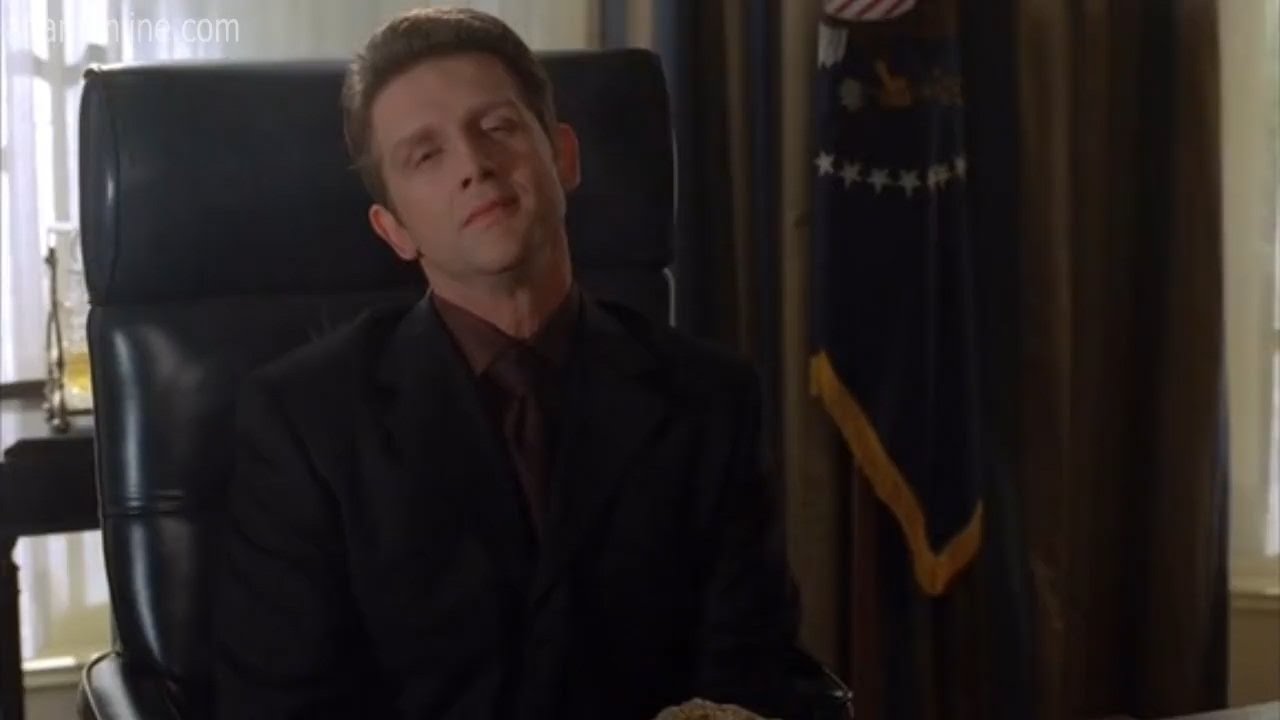
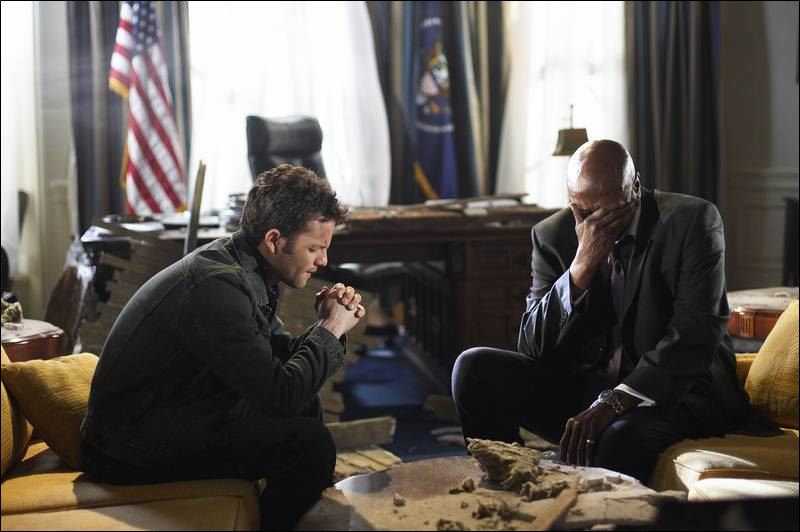
Oddly, World At War opens with a double-marriage — Buck to Chloe, Rayford to a woman we’ve never met until literally just this moment — but then seems to forget about our protagonists for much of the film. Instead, we follow U.S. President Gerald Fitzhugh (Iron Eagle‘s Louis Gossett, Jr.) as he pivots from the murder of his second-in-command to an all-out assault on the forces of Satanic domination.

Why Louis Gossett, Jr.? Who can say? My theory: with the departure of Clarence Gilyard Jr., who played Pastor Bruce Barnes in the first two films and also Sundown in Top Gun, the producers decided they needed to compensate with an actor who had also appeared in a mid-80s film about airplanes. There may also have been a Canadian tax break involved if you cast the requisite number of Juniors.

Anyway, though a crisis of faith interrupts the narrative, and also provides Cameron an opportunity to preach the Word to Fitzhugh (or, as I like to think of him, the Right Rev. Charles “Chappy” Sinclair), Left Behind: World At War mostly sticks to things blowing up. Its body count is certainly the highest of the franchise, pre-Nic Cage, and at times it seems more like London Has Fallen than Left Behind: The Movie. But it’s entertaining enough, and Gossett is always an appealingly gruff presence.

3. Left Behind: Vanished: Next Generation

Tripling down on the Left Behind films’ odd penchant for colons in the title, Left Behind: Vanished: Next Generation represents the most recent attempt to reboot things. In this case, it could’ve been called Left Behind: Breaking Dawn – Part I without any damage to accuracy or titular clunkiness.

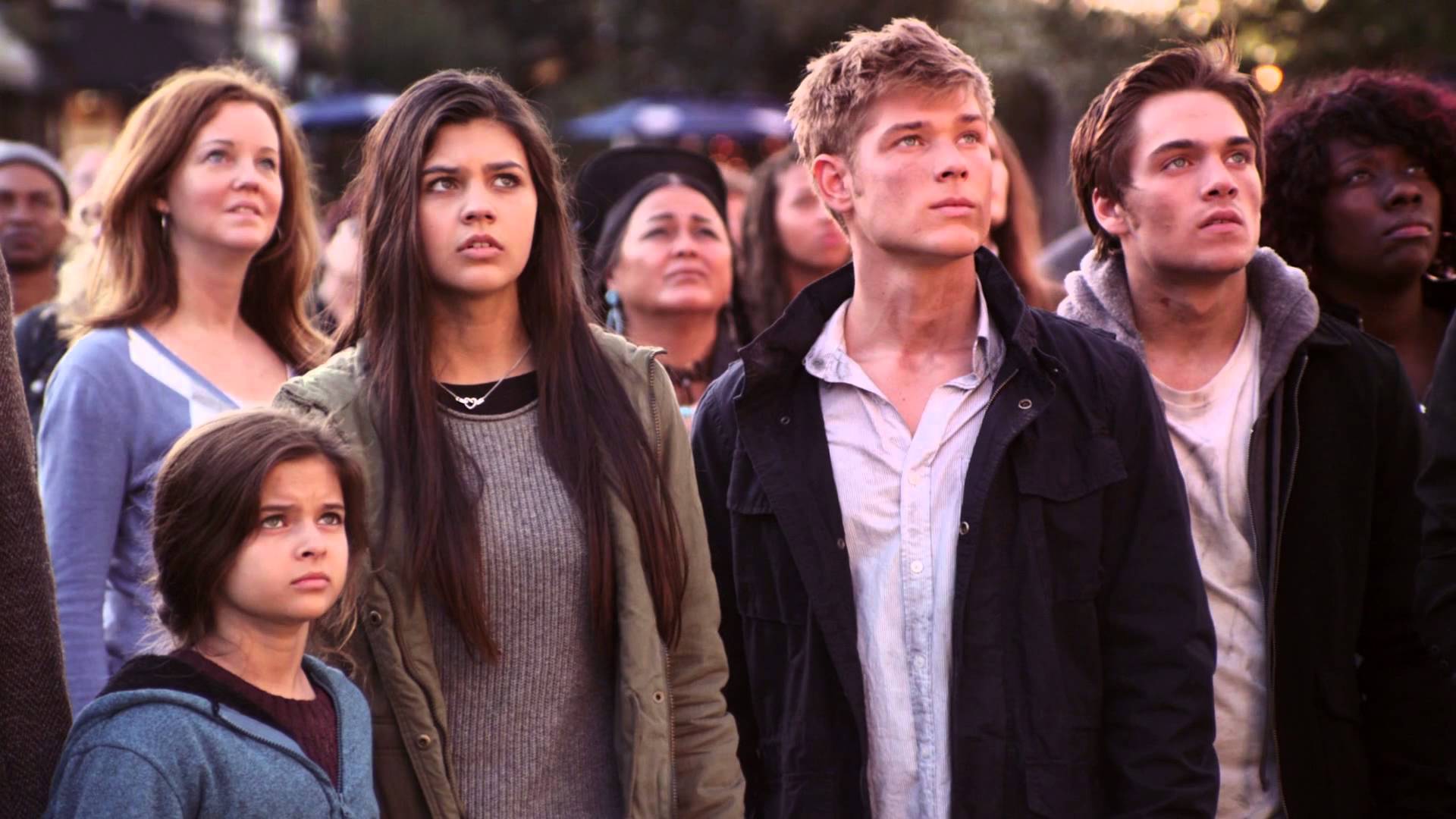
Vanished: Next Generation wears its “youth appeal” trappings on the sleeves of its clerical robes, even going so far as to mimic Twilight‘s love triangle. It’s a curious entry, and actually pretty interesting in its evangelical motivations. For one thing, it presents a post-Rapture world that dispenses with almost all aspects of the central narrative, and instead follows a bunch of kids into the woods, where they are menaced by an insane survivalist/horticulturalist. (From the Edenic, desert-blooming fields of Left Behind: The Movie to this latest paranoid fantasy, we get the distinct sense that gardeners are not to be trusted. Best leave the harvest to God, kids.)

This tween Rapture narrative reminded me of 10 Cloverfield Lane more than anything — a reimagining of apocalyptic text as small-scale character drama. Unlike 10 Cloverfield Lane, it’s terrible, but it’s rarely boring. Also, Tim LaHaye’s grandson casts himself as Carpathia in a closing cameo overtly modeled on Barack Obama, a fascinating moment in which you can almost hear the writers shout, “Oh shit, we forgot about the Devil! And also Barack Obama! Same diff!”

4. Left Behind: Tribulation Force

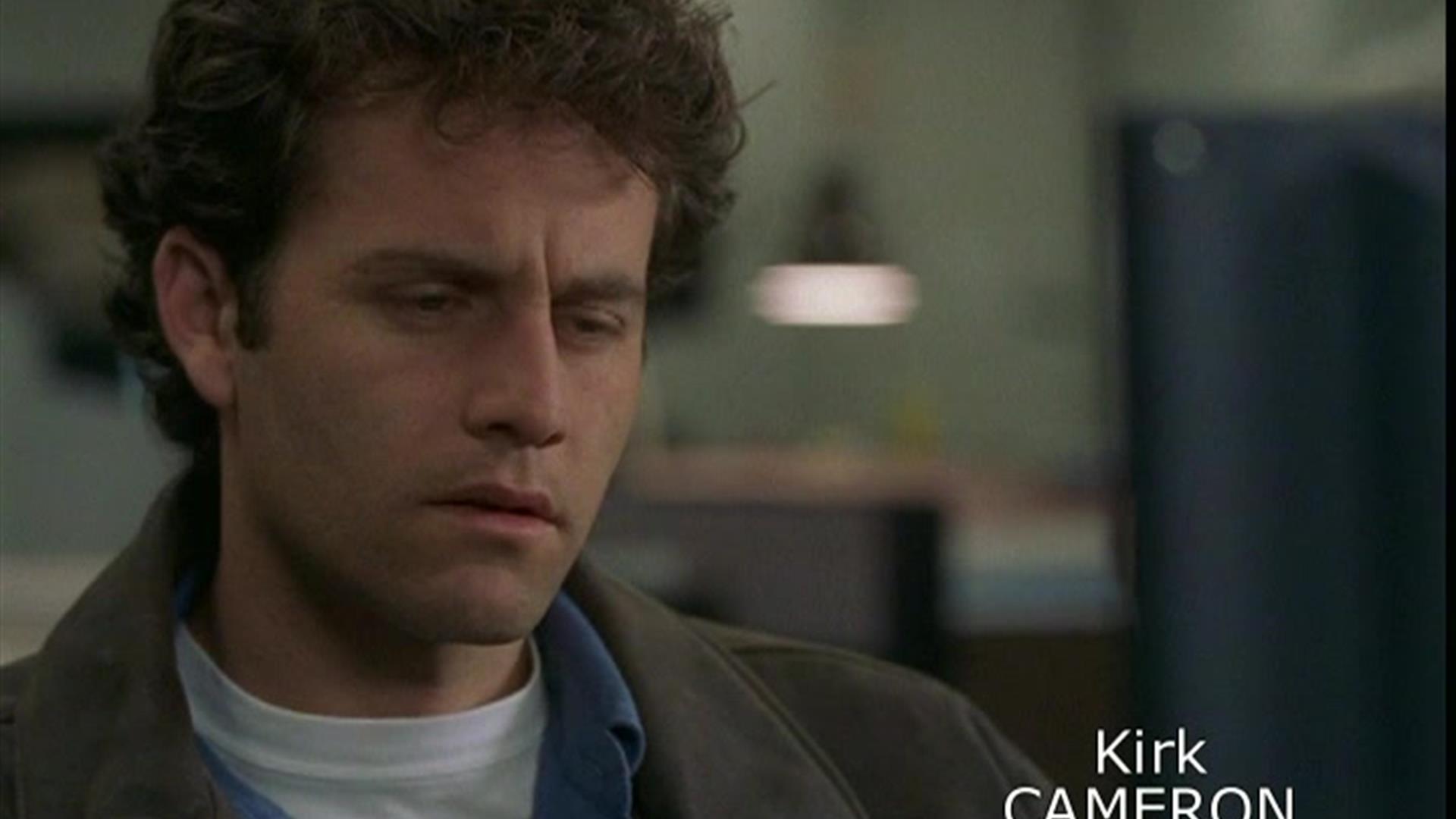
As Buck Williams, Kirk Cameron wears this expression for much of Left Behind: Tribulation Force, the funniest and most offensive of the franchise.

Realizing what they’re up against, Buck, Ray, Chloe, and Bruce The Wayward Pastor form an evangelical Superhero Team, which they ostentatiously dub, in one of the cinema’s great moments, “The Tribulation Force”. Their mission? The dispensing of Bibles, which have now been outlawed as Carpathia tries to institute a One World Religion policy, to go along with the One World Currency and the global rule of the United Nations. (Left Behind is, generally speaking, very worried about fiscal policy, among other things.)

Tribulation Force has many of the series’ most howlingly bad lines (Chloe: “You guys are crazy! You want to work for the Antichrist, and you want to have lunch with him?”) and it’s often the most fun for this reason alone. However, in its closing moments, it also features the apparent conversion of the “world’s most learned Rabbi” to Protestantism after he witnesses a miracle at the Wailing Wall, which, c’mon. C’mon, Kirk Cameron. That’s not cool.

5. Left Behind (2014)

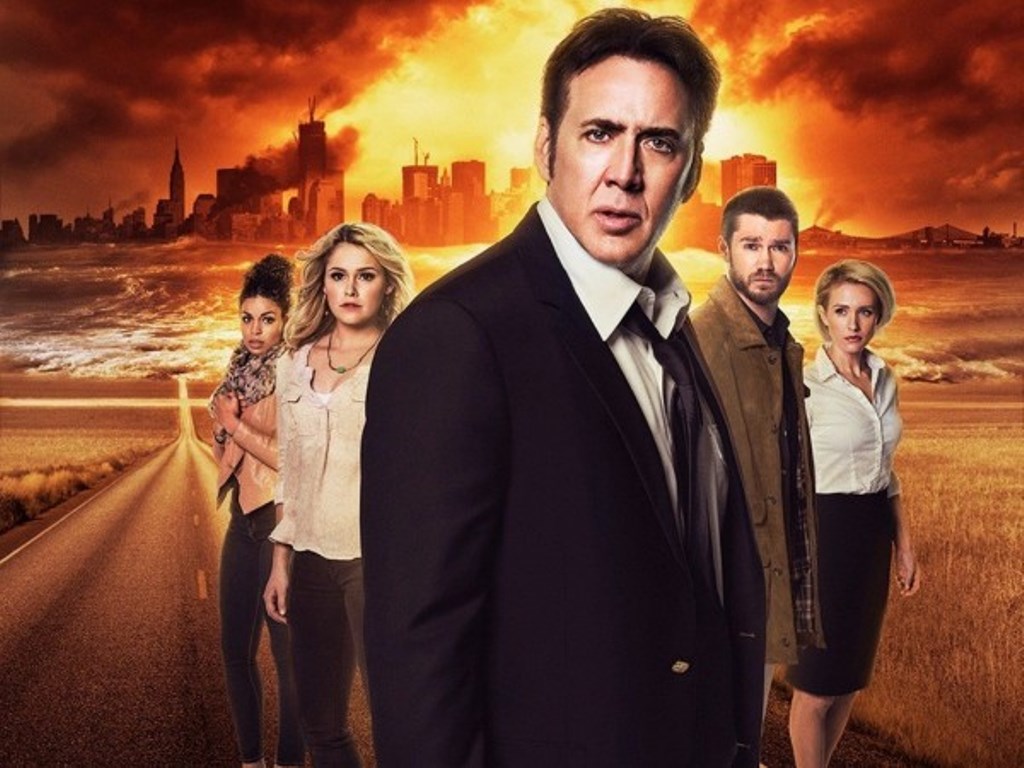
Expectations were high for this Nic Cage reboot several years back. At least, mine were. Who wouldn’t want to see Cage star as Rayford Steele, bringing his bonkers sensibility to already bonkers material? How could it miss?

Answer: by being crazy boring. You do not cast Nicolas Cage in this sort of production and then tell him he is not allowed to do anything but shout “Chloe!” over and over again. It is, frankly, insulting. Not quite as insulting as using the Wailing Wall as a backdrop to evangelical conversion, but insulting all the same.

A year and a half ago, I wrote this:

This is actually not the worst plot ever, which is one of the many strange aspects of Left Behind. If we get past the milleniarian nuttery of its set-up, it reads a lot like an action movie in which casting Cage would make perfect sense. There are even moments when various people’s crises of faith generate some interest, and there’s a narrative lurking just below the surface about the compassion and resilience of ordinary people under extraordinary, existentially-fraught circumstances. It could’ve been Non-Stop: The Reckoning, if that narrative had somehow muscled to the front.


But, no. That narrative, unfortunately, stays way in the back, buried well below the surface of a movie that can’t decide if it’s Evangelical propaganda or Con-Air. At all the places the tension should mount, confusion does instead. So does unintentional comedy.


For some reason, for instance, Jordin Sparks is there. The American Idol contestant plays an unhinged passenger who assumes the disappearance of her Heaven-bound child is a plot by her basketball-playing husband, and seizes a Rapture’d air marshal’s gun to threaten the people she considers his accomplices. A belligerent little person squares off with a Muslim man, with predictably inappropriate comments bandied about on all sides. It’s a situation that involves a whole lot of Buck Williams speeches, which are exactly as thrilling as they sound.

I have nothing more to add. It pains me that the Nic Cage Rapture is the most boring Rapture, but what can you do? The Lord, and His Motion Pictures, work in mysterious ways.

May 24, 2017 0 comments
0 FacebookTwitterPinterestEmail
CommentaryFilm

No Home Movie deconstructs the form to find something essential

by rick May 22, 2017
written by rick

The entire filmography of Chantal Akerman is a series of breaths, and No Home Movie is among her breathiest.

This is transparently the kind of eye-rolling claim that makes people tune out — why, after all, should anyone watch or listen to a series of breaths? Why do we go to the movies, anyway? Probably not to hear breathing, on screen or off. If anything, we want to be held breathless. To be transported. Akerman was always destined, then, for a small, devout crowd. Her focus was on deconstruction, questioning, embodiment, tenuousness. Her films breathe.

No Home Movie is her final film: its subject, her mom Natalia, would be dead shortly after it wrapped; Akerman would be dead by her own hand shortly after its premiere.

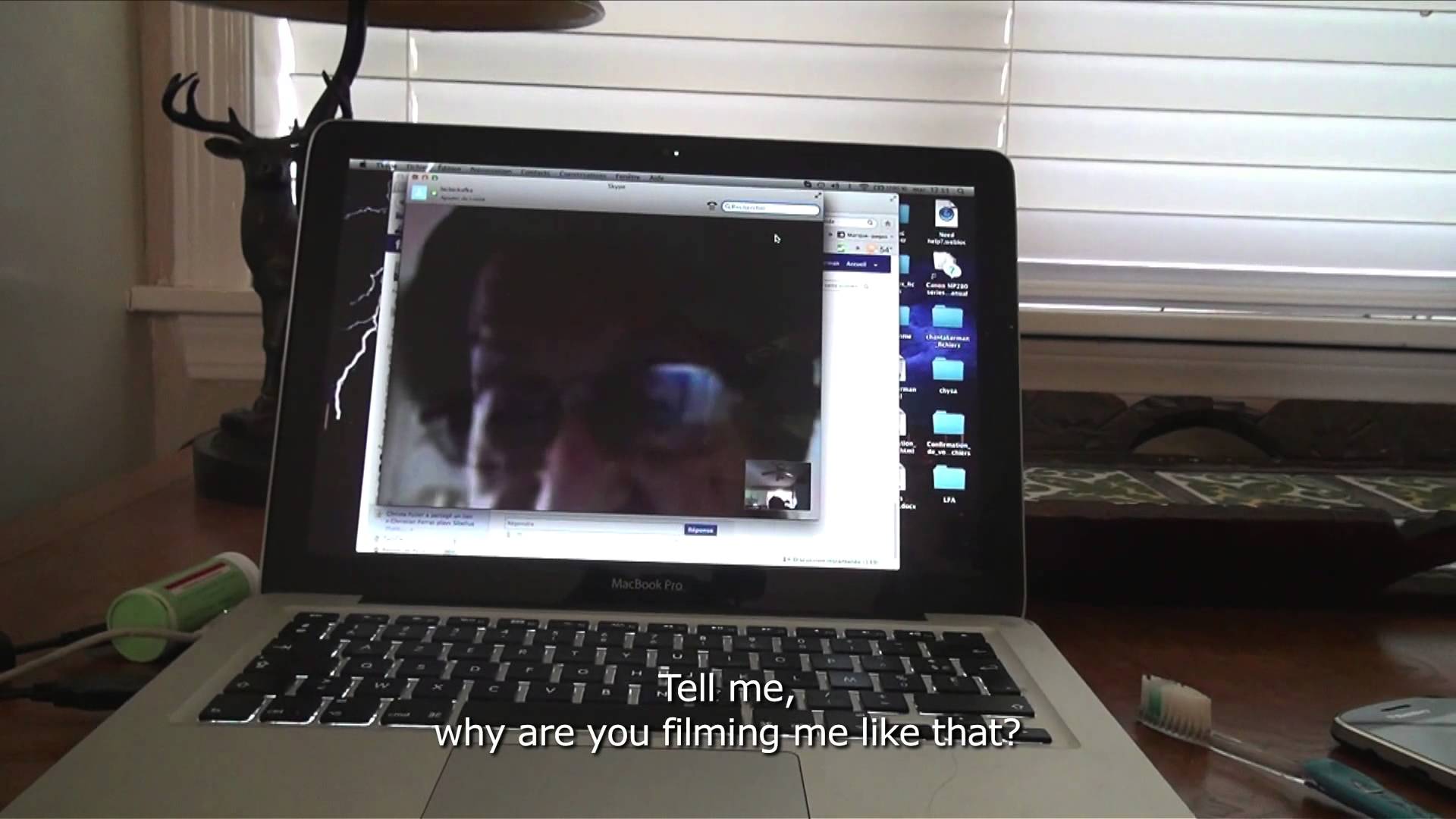
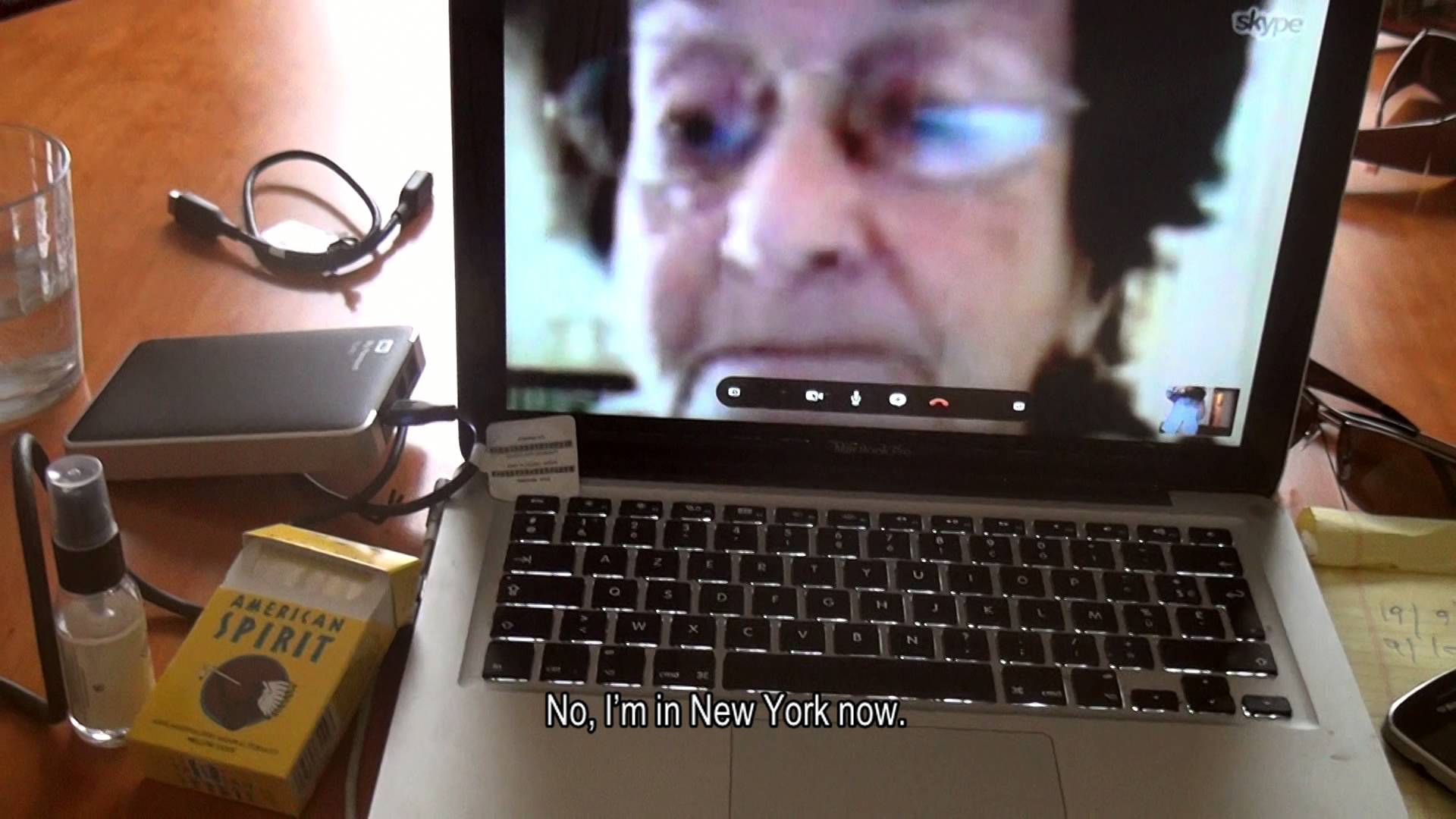
It’s as painful and beautiful as cinema comes: composed of her typically static shots and, less typically, involved, intimate conversation, No Home Movie is compulsively watchable and almost impossible to absorb. With the camera arranged just so, it feels like spying.

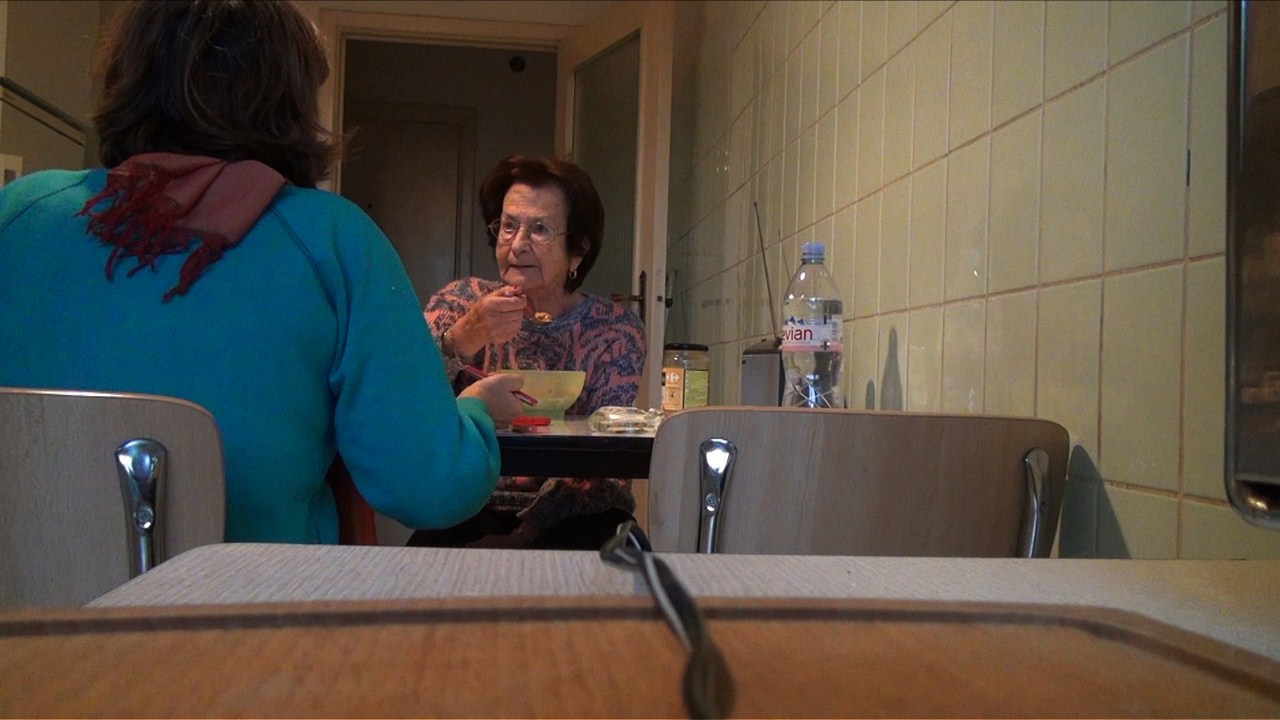
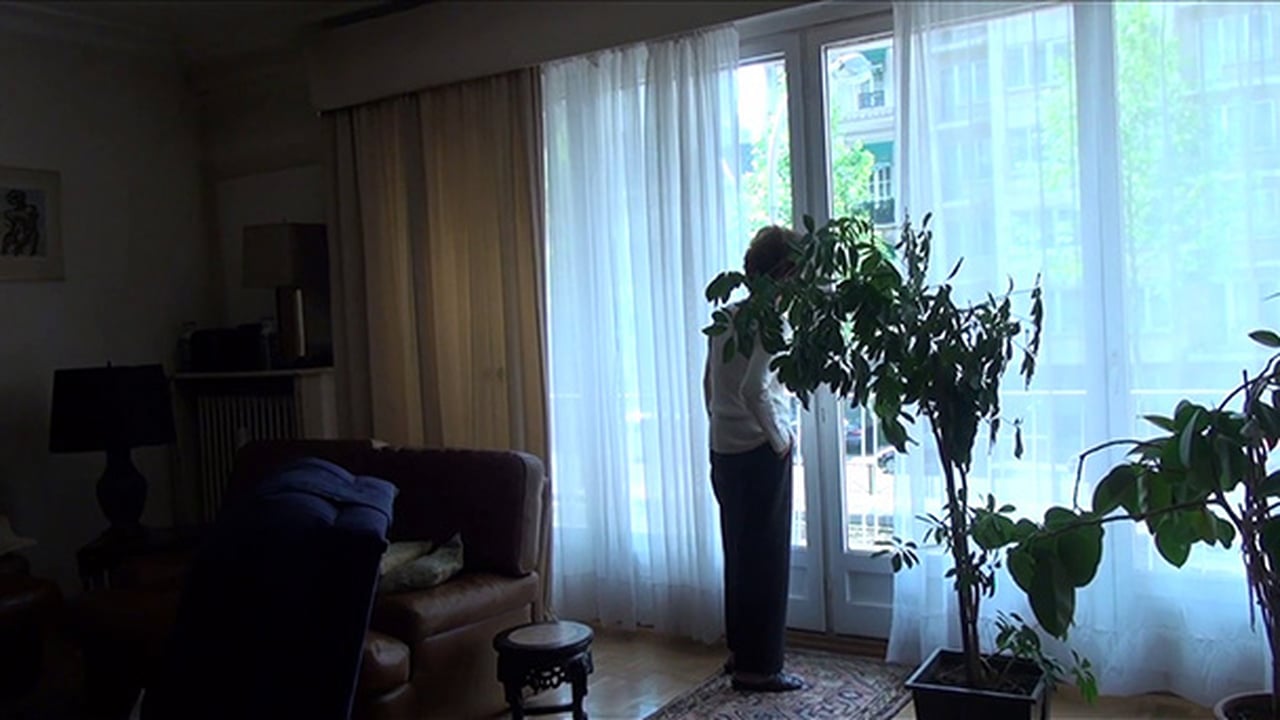
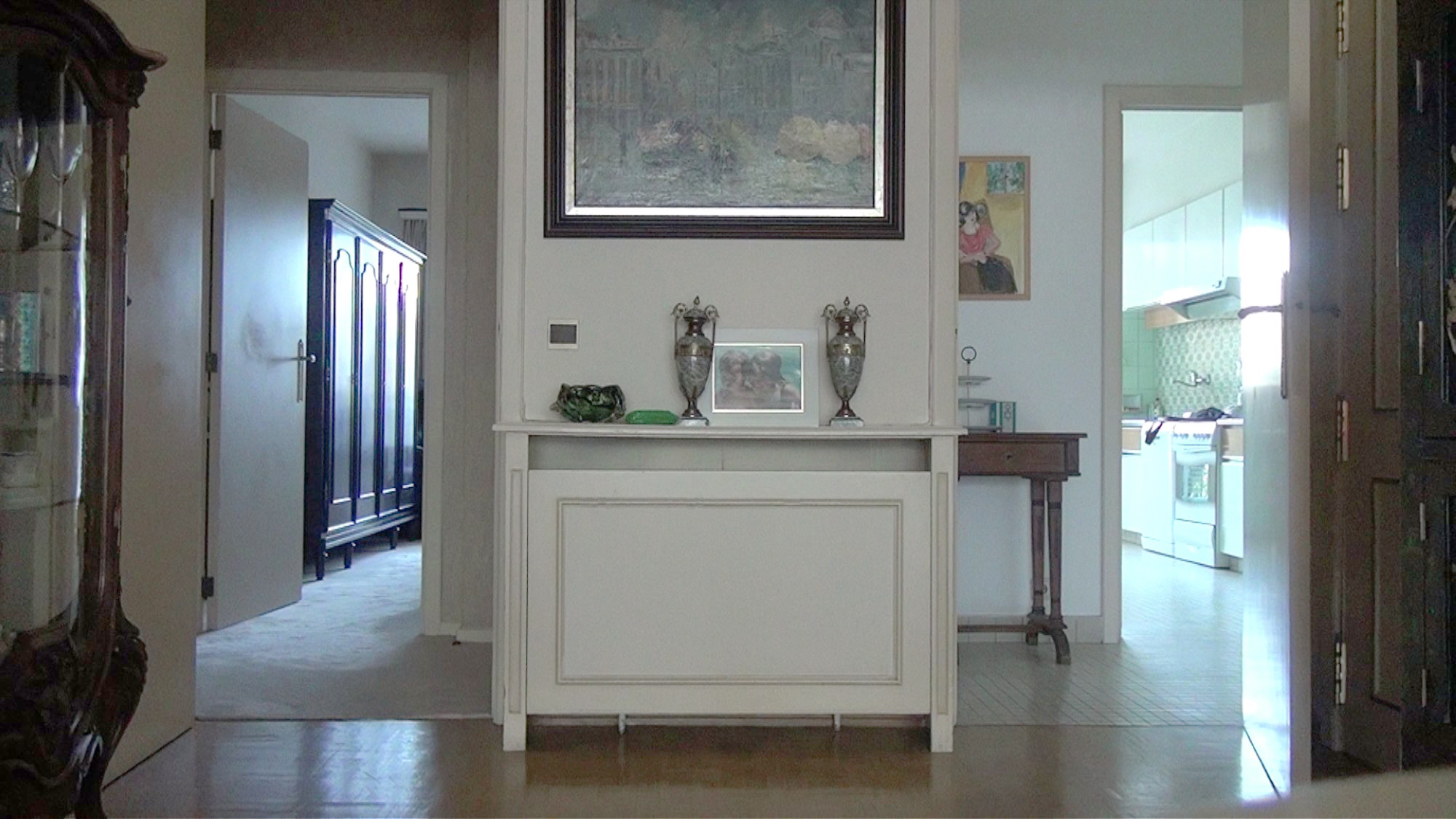
No Home Movie is a chronicle of Natalia’s final days. It doesn’t begin that way, but it becomes clearer and clearer, probably just as did for Chantal. The film itself is deceptive in his simplicity: just as in her enormously influential, feminist avant-garde masterpiece Jeanne Dielman, 23 Commerce Quay, 1080 Brussels, Akerman favors long shots, mundane details. We observe Natalia’s apartment, with its old trappings and beautiful furniture. We eat breakfast with the two of them, as they discuss the family history. Sometimes, we just stare at empty rooms.

I watched this film on a flight from the east coast of the U.S. to the west coast, after my father’s funeral the other day. Akerman’s long shots could so easily be read as “boring”, and I hesitate to recommend the film to people unfamiliar with her work. It probably is. But I was struck by its humanity, by its focus on absence and the way grief can manifest in small ways. A dresser can be an epic. A fluttering curtain can be an elegy. A Skype call can be a prayer.

In his deeply-felt video eulogy, Scout Tafoya notes:

Akerman changed the way an audience relates to moving pictures by asking every member to consider what they would expect from a film. If you’re angry or upset that nothing is happening, ask why you believe that something should? Is film not a visual medium? Is an artist not meant to relay secret truths that only they seem able to divine? What do we value from the experience of sitting in the dark and communing with 35mm film running through a projector? And, more to the point, who is behind the camera?

I’ll add to Tafoya’s comment, which emphasizes two points of the triad: the writer and the text. There is, of course, also the reader. It is fashionable to allege that the text itself should stand on its own; it’s been fashionable for 50 years to assume auteurist intent. Aside from reader-response criticism, it’s never been particularly fashionable to focus on those of us who meet art where we find it. The job of the critic seems to be to decode what is already there, to silo our prejudices and reactions and simply determine “what it is all about.”

This is insipid, and a fundamental misunderstanding of art. As someone watching No Home Movie on the way home from a father’s funeral, I feel confident in dismissing such aesthetic piety out of hand. As it happened, I watched We Need To Talk About Kevin on my earlier flight, and couldn’t help thinking how different this would play if I had a kid. Who would argue with this? And why? Audiences are constitutive of texts. They need us more than we need them.

Except, of course, for when they don’t. Akerman — and No Home Movie in particular — is a challenge. At no point does the film seem to need an audience, or even desire one. Here is a series of tableaux — silent, talky, shot from a car window in transit, stationary in a kitchen corner — that is almost aggressive in its impassivity. But (paradoxes abound!) that impassivity is full of tenderness and rage and love.

We travel halfway through the film before Natalia even broaches the subject of her experiences in Auschwitz. Chantal never seems to press the issue, though she presses quite a few others, in that inimitable way grown children have with their parents. The camera never seems to shut off, and Natalia, as far as we can tell, never demands that it do so. The love between the two of them is palpable and fraught.

Watching this film as I did, at the moment I did, was appropriate. The labored breathing that marks its transitions matches the wind through the trees, which Akerman holds for 4, 5, 6, 7 minutes. This is, shall we say, not a film for the current moment, where everything is intricate narrative and every sentence spawns a sequel.

Instead, No Home Movie is a portrait of a family at a crossroads. We know how it turns out, or we can find out pretty easily. But Akerman’s camera captures everything in the pauses, in the rooms emptied of bodies, or the bodies quickly passing before the camera. We’re alive in these moments: it feels like we are there.

I can personally feel like I am there. I know this room, and now I know these people. Nothing explodes. There is no monologue, or catchphrase. But there are lives and places in which they are lived. We meet them where they are they at, we look for them and we find them there, sometimes.

When people ask why I like movies, that’s my basic answer.

May 22, 2017 0 comments
0 FacebookTwitterPinterestEmail
Film

Streaming Selections: Don’t Think Twice

by rick May 12, 2017
written by rick

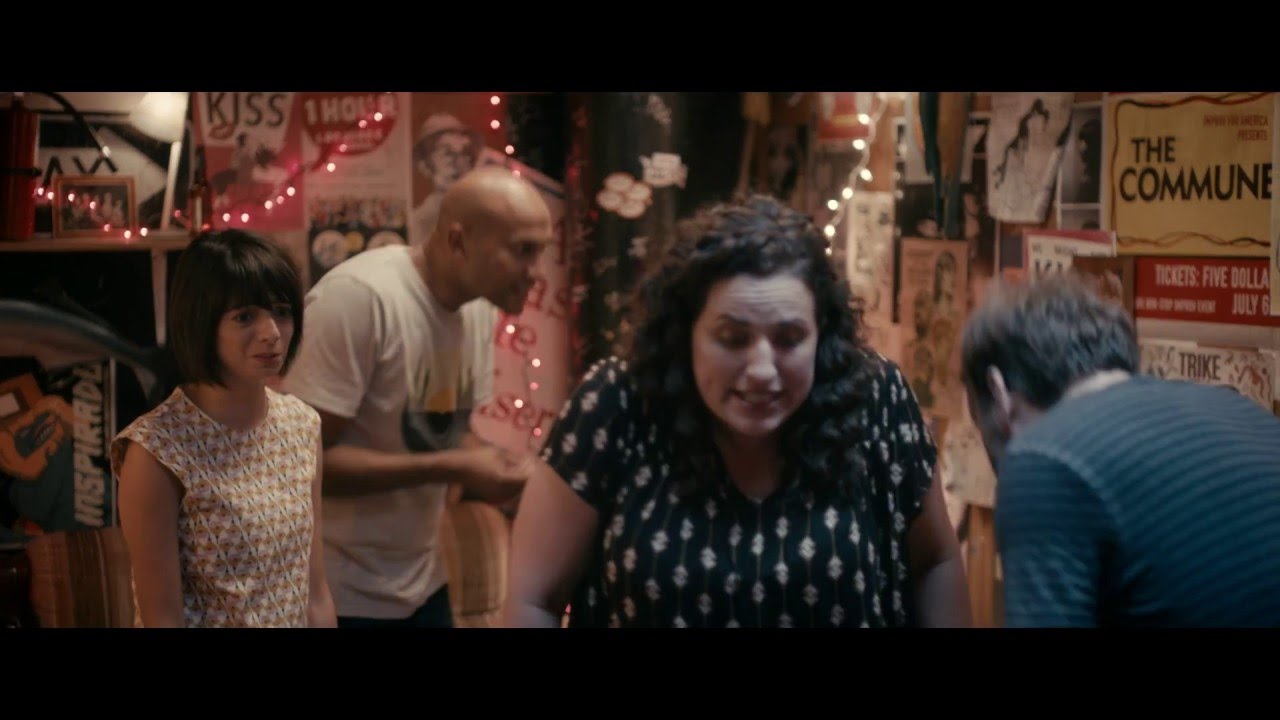
You don’t have to be a fan of improv — often referred to as “the Irritating Art”, by me — to enjoy Mike Birbiglia‘s ensemble dramedy. Don’t Think Twice is very much grounded in that world of audience prompts and miming, and very much enthralled with its performative nuances and history, but the film also tells a more basic story about belatedly growing up and growing apart. 

The authenticity that courses through Don’t Think Twice‘s veins isn’t hard to pinpoint: Birbiglia, Gillian Jacobs, Kate Micucci, Tami Sagher, Keegan-Michael Key, and Chris Gethard — who together make up the film’s improv ensemble The Commune — clearly have a deep familiarity with this world, or worlds very much like it. It shows in their on-screen/on-stage performances, but also in their interactions as they start to wonder how long they can keep this grind going, working shitty jobs during the day in the hope of that elusive thrill before an audience later that night — or even that big break if and when casting agents happen to show up. There’s camaraderie, hope, and more than a whiff of desperation.
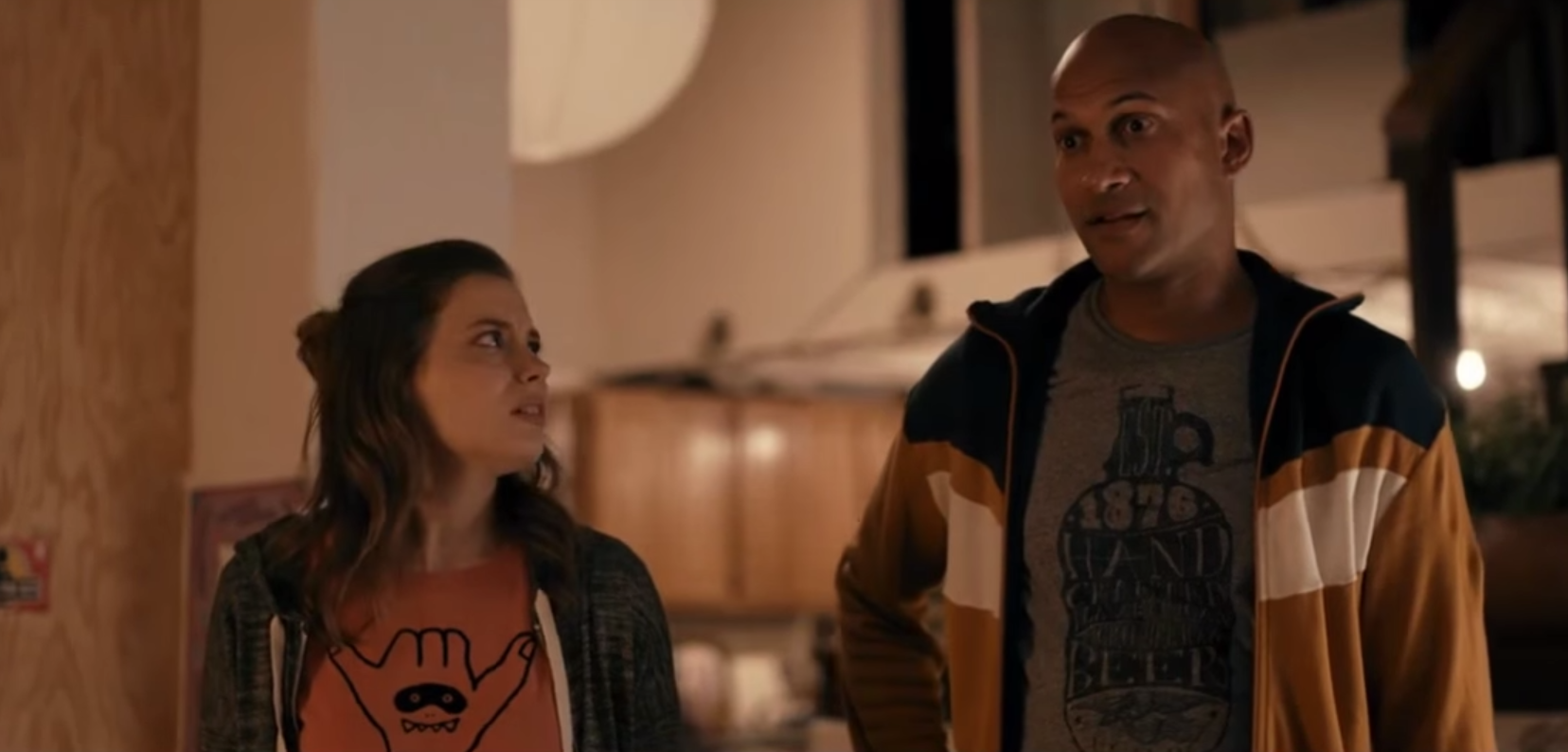
Don’t Think Twice gives the ensemble roughly equal screen time, but its narrative drive comes two main sources. The first is the relationship between Samantha (Jacobs) and Jack (Key), very adorably played but which will come under increasing stress as unexpected career options open. The second is the generally consuming, barely concealed sense of grievance Miles (Birbiglia) harbors, the erstwhile leader of the group who insists he’s always been just this close to breaking through to mainstream comedy success.

One of Don’t Think Twice‘s main charms is its low-key approach to these themes, and the ease with which it can invoke the tension formed in any circle of long-time friends and then allow it to be cast off with genuine laughs. It’s a very familiar dynamic, and the fact that they all work together grounds it in an honest way.

These are people who love each other and want each other to succeed, while also recognizing that any individual success  probably spells doom for this cherished thing they put together as a team. An improv troupe is uniquely constituted to illustrate this push and pull, and Don’t Think Twice makes the most of it.
Like most of its characters, Don’t Think Twice has modest ambitions that it completely fulfills, with enormous help from a very funny cast filling in nicely delineated roles with believable detail. (Key and Jacobs are especially good in what end up being the central roles.) Birbiglia sets his film in the improv world, but its insights and the particular brand of aching that accompanies growth could be mapped onto just about any endeavor. There’s a lot to relate to here.

(Streaming on Netflix)

Quick Links

Gasman

The first few minutes of Lynne Ramsey’s Gasman could be storyboarded with still photographs: a brush against a nice shoe, a dress hanging, steam rising in a working class Scottish kitchen. The nice and tumult in the background suggest it’s a big day, though we barely catch a phrase and don’t see a single face. An impressionistic juxtaposition of closed images and diegetic sound, we simply encounter activity and stillness as things get going.

As a former photographer, this is where Ramsey excels: giving a sense of place through the objects of her film’s world. The story itself, told essentially through a child’s eyes, is both unremarkable and epic, as things usually appear through child’s eyes. A family will go to a Christmas party at the pub, minus mum, and come home. Along the way, oblique mysteries will arise and go unsolved — how is a kid to know why the adults behave strangely and speak in quiet tones? It simply happens.

There’s resentment and fun, some dancing with Santa, working-class men throwing back pints while the children wrestle or hold hands, a long walk home. Gasman is an utterly lovely depiction of a very particular kind of holiday, out past the train tracks in the dark. It put Ramsey on the map for good reason.

(Streaming on Le Cinema Club through Sunday)

Into The Forest

In Patricia Rozema‘s vision of the end of the world, nothing explodes. A distant power outage initiates civilizational collapse, but we spend nearly all of our time examining what this means for the relationship between two sisters sequestered miles away from anything. For the majority of its running time, anyway, this is the most polite, Canadian of apocalypses.

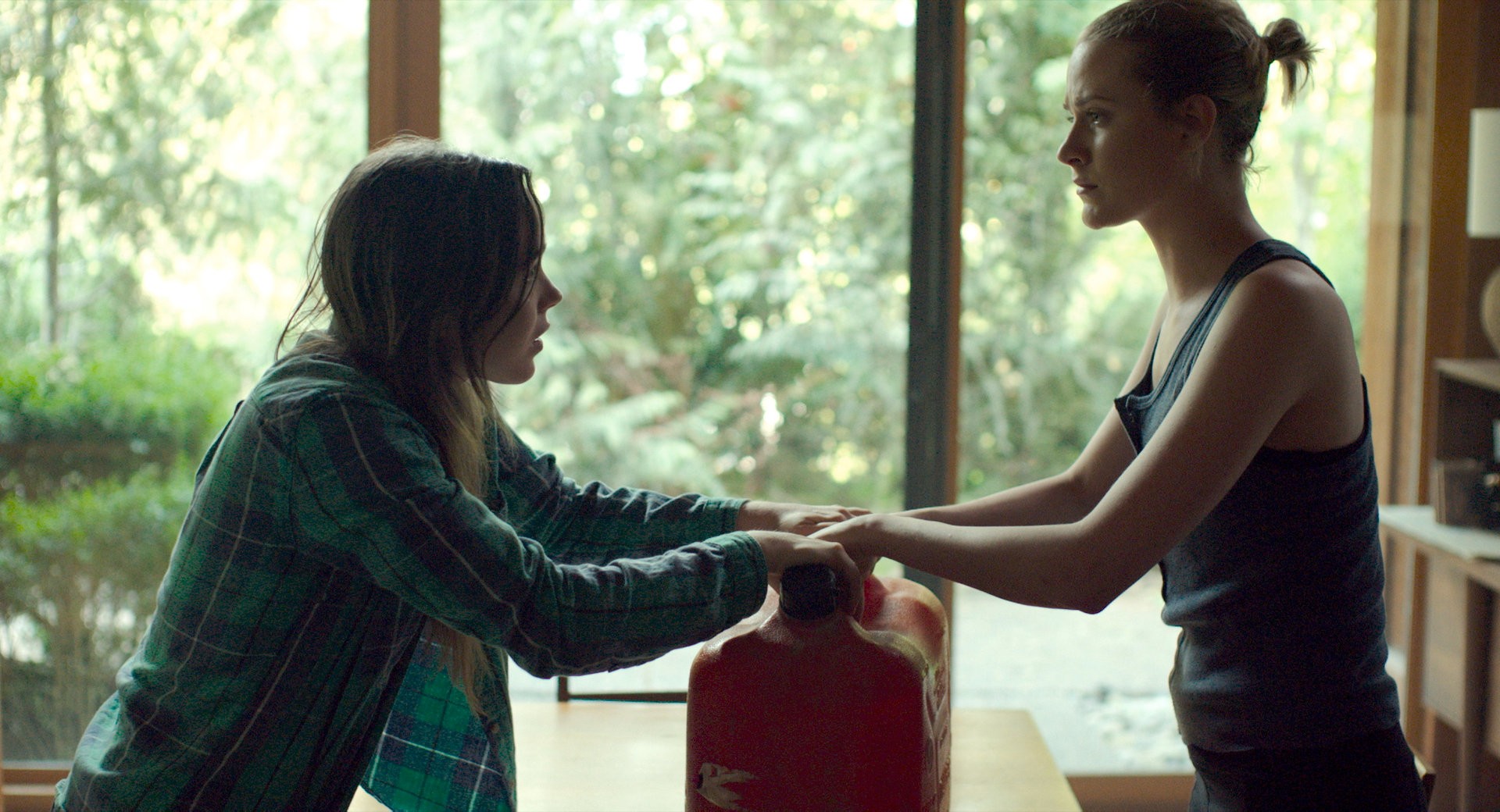
Ellen Page and Evan Rachel Wood are both excellent in the leads, despite looking not much like sisters and nothing like the teenagers they’re supposed to be. It’s a credit to both of the performances, though, that they absolutely convey their somewhat prickly history and long-term bond — they sell the hell out of these parts, Page especially. Rozema keeps the pace slow and steady, with an undercurrent of mounting dread shouldering up against this picture of sisterly solidarity.

If you prefer your cataclysmic events more along the lines of Last Night or Searching For A Friend At The End Of The World than 2012 or The Day After Tomorrow, this might be for you. If you’d like a strong dose of eco-feminism to go with it, then you should already be watching this by now. 

(Note: I don’t ordinarily include trigger warnings, but for the record, there’s a pretty upsetting, though non-exploitative, depiction of sexual assault included, and another scene involving a pig that might squick some readers out.)

(Streaming on Amazon Prime)

Blank Panthers: Vanguard of the Revolution

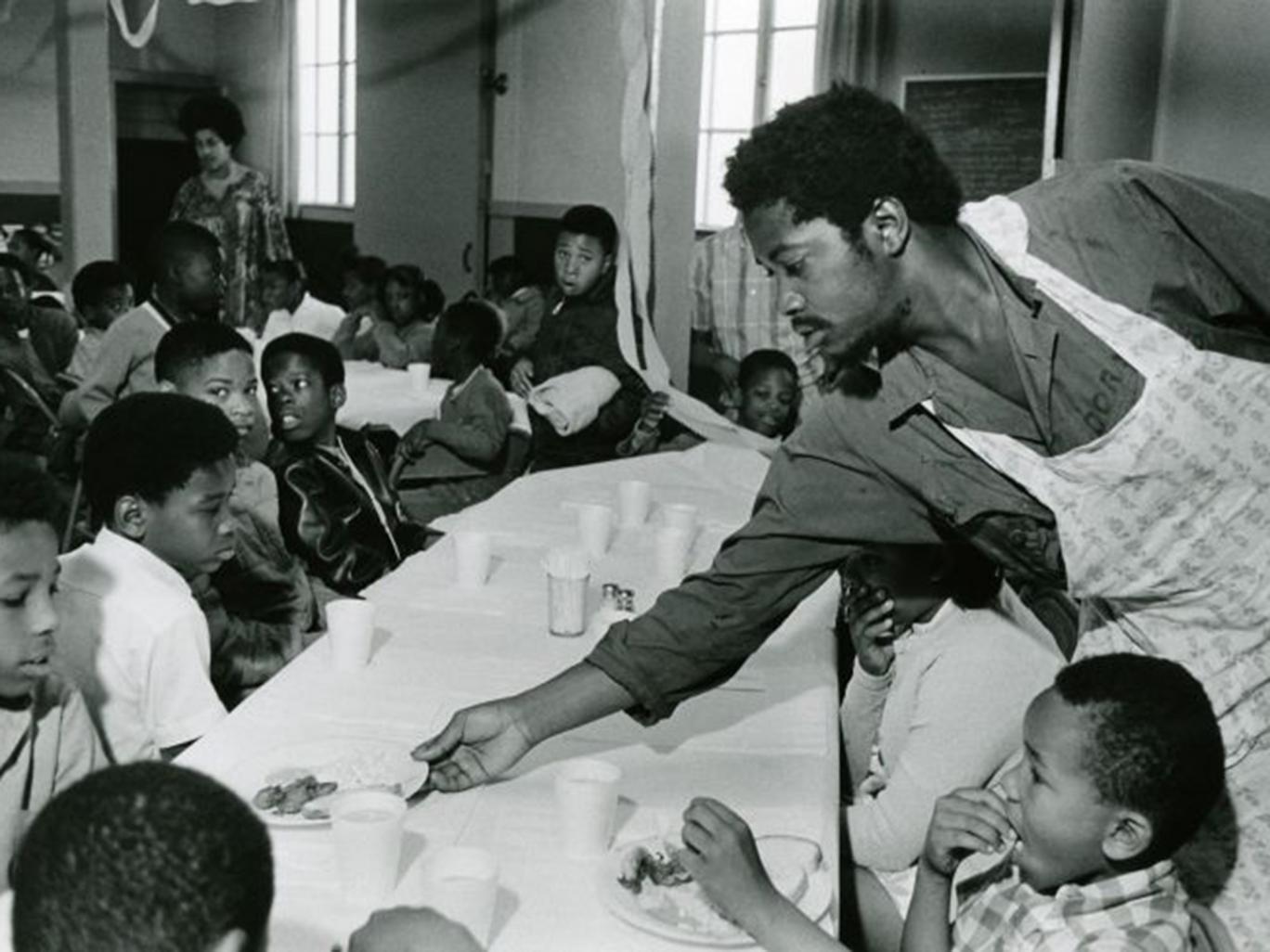
With Antoine Fuqua reportedly considering a Fred Hampton biopic (please let this not be terrible if it happens; we haven’t forgotten you, Stonewall), now might be a good time to check out Stanley Jordan’s solid archival doc about the birth, growth, and complicated dissolution of the Black Panther Party.

When I saw the film, which I thought was competent and fair, screened in 2015 before a Bay Area audience, Jordan was berated by Elaine Brown during the Q&A for his treatment of Huey Newton. So suffice to say: no telling of the Panther story is without controversy. (Also: you do not want to get yelled at by Elaine Brown.)

But Vanguard of the Revolution is full of amazing images, revelatory footage, and insight, no matter where one comes down on the internecine struggles within the party. It gives an overview of its rapid ascent in the public mind and body politic, with particular attention to the crucial role women played — a fact that often gets overlooked in the fetishized, militant images of Black guys with guns. We hear much more about the internal workings of the Survival Pending Revolution programs, and, yes, of the eventual split between factions. Still, it’s a living history always worth revisiting.

(Streaming on Netflix)

Online Field Guide to Sponsored Films 

Speaking of living history, the National Film Preservation Foundation has done everyone a solid and made available 452 “sponsored films” from its collection. These include worker training materials, animated propaganda, product ads, and anything else “made by corporations, schools, medical organizations, religious groups, political entities … to record, orient, train, sell, and persuade.” It’s a treasure trove of film history oddities. You could lose a day in here and not scratch the surface.

Of particular interest? The 1966 John Birch Society 16 mm production Anarchy, USA:

Right-wing film arguing that the civil rights movement and urban disturbances of the 1960s were evidence of a worldwide communist revolution and growing dominance at home. The polemic warns that communists may be planning to create an independent African American state.

Directed by notorious lunatic G. Edward Griffin, this one has to be seen to be believed.

(Streaming at the National Film Preservation Foundation)


May 12, 2017 0 comments
0 FacebookTwitterPinterestEmail
Newer Posts
Older Posts

About

About

Towards a provisional theory of the cinema, or, failing that, just some shit about movies

Authors
Rick Kelley
Lark Lundberg

Keep in touch

Facebook Twitter

Categories

  • Conversation
  • Film
  • Film By Film
  • Great Movie Project
  • Great Movies: The Counter Programming
  • Guest
  • News
  • Other
    • Commentary
    • Film
    • Interview
    • Reviews
    • Song for a Sunday
  • Streaming Selections
  • TV
  • Uncategorized
  • Vegan Horror

Archives

  • April 2019
  • March 2019
  • January 2019
  • December 2018
  • November 2018
  • October 2018
  • September 2018
  • August 2018
  • July 2018
  • June 2018
  • May 2018
  • April 2018
  • March 2018
  • February 2018
  • January 2018
  • December 2017
  • November 2017
  • October 2017
  • September 2017
  • August 2017
  • July 2017
  • June 2017
  • May 2017
  • April 2017
  • March 2017
  • February 2017
  • January 2017
  • December 2016
  • November 2016
  • October 2016
  • September 2016
  • August 2016
  • July 2016
  • June 2016
  • May 2016
  • April 2016
  • March 2016
  • February 2016
  • January 2016
  • December 2015
  • October 2015
  • September 2015
  • August 2015
  • July 2015
  • June 2015
  • May 2015
  • April 2015
  • March 2015
  • February 2015
  • January 2015
  • December 2014
  • November 2014
  • October 2014
  • August 2009
  • September 2008

Recent Posts

  • China Girls, Death Proof, and the Hidden Face
  • Old News: Old Noise Edition
  • Old News: April 1, 2019
  • Nicolas Winding Refn, Marginalia, and the Deaths of Cinema
  • And now, let us praise Kanopy

Recent Comments

  • Franklin Kat on Michael Shannon shines again in Frank & Lola
  • Sean Tempesta on Cinema and dream-logic in Meshes of the Afternoon
  • ludditerobot on The Left-Wing Slapstick and Iconic Songs of 1937’s Street Angel
  • Franklin Kat on The Left-Wing Slapstick and Iconic Songs of 1937’s Street Angel
  • Arijit Mukherjee on Great Movies Project: The Counter-Programming
  • Facebook
  • Twitter

@2021 - All Right Reserved. Designed and Developed by PenciDesign


Back To Top
Luddite Robot
  • Reviews
  • Commentary
  • Great Movie Project
    • Great Movie Project
      Bride of Frankenstein is a movie for and…

      January 25, 2018

      Great Movie Project
      The Enduring Appeal of Nick and Nora in…

      November 29, 2017

      Great Movie Project
      The Ahistorical Fever Dream of The Scarlet Empress

      August 2, 2017

      Great Movie Project
      Dreams, Mundanity, and the Anarchist Yearnings of L’Atalante

      July 12, 2017

      Great Movie Project
      Duck Soup Is And Will Always Be A…

      April 19, 2017

  • Counter Programming
    • Great Movies: The Counter Programming
      Walking and Talking in the Shadow of Kanchenjungha

      March 7, 2018

      Great Movies: The Counter Programming
      A Brief Encounter in My Mother and Her…

      February 9, 2018

      Great Movies: The Counter Programming
      Horror’s Refusal in Farrokhzad’s The House Is Black

      October 13, 2017

      Great Movies: The Counter Programming
      The rage and beauty of The Cloud-Capped Star

      October 3, 2017

      Great Movies: The Counter Programming
      The daylight noir and social issue empathy of…

      June 22, 2017

  • Vegan Horror
    • Vegan Horror
      Julia Ducournau doesn’t think her film Raw is…

      June 7, 2017

      Vegan Horror
      Licking our wounds: The vampiric masculinity of Ravenous

      December 13, 2016

      Vegan Horror
      Eggertsson and animals: An approach to horror cinema

      September 15, 2016

      Vegan Horror
      “It’s Not My Nature” – Vegetarianism, Body Horror,…

      August 30, 2016

      Vegan Horror
      Bodies and Carcasses in Predator 2

      August 23, 2016

  • Interview
    • Interview
      Jasmine Leyva’s doc The Invisible Vegan aims to…

      May 3, 2017

      Interview
      Bridging The Abyss: An Interview With The Directors…

      November 28, 2016

      Interview
      7 Days in Ohio: An Interview with Nathan…

      September 12, 2016

      Interview
      Film Critic Phil Dy talks New Filipino Cinema

      June 17, 2016

      Interview
      “I Love Seeing Film Projected.” A Conversation with…

      March 22, 2016