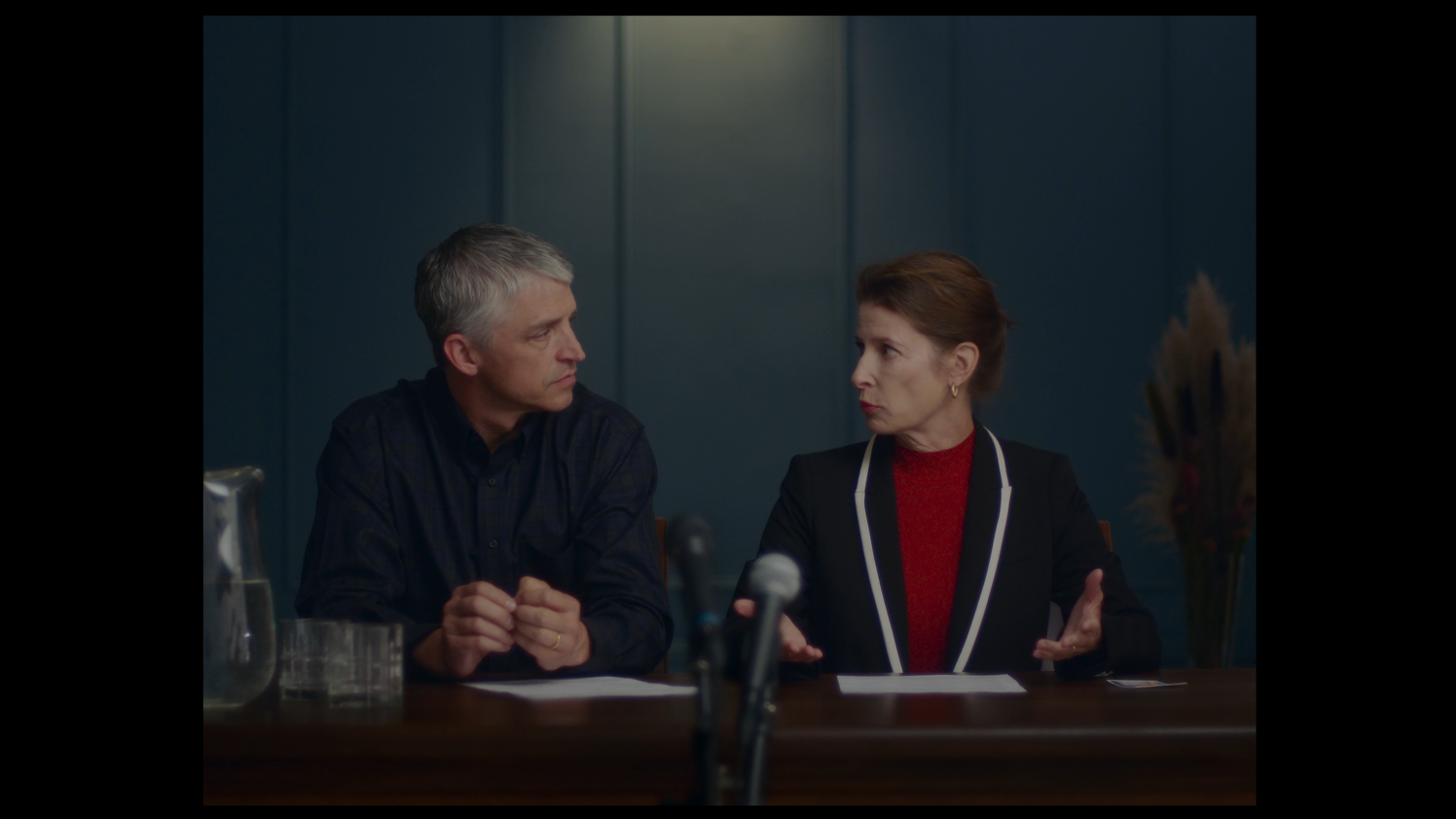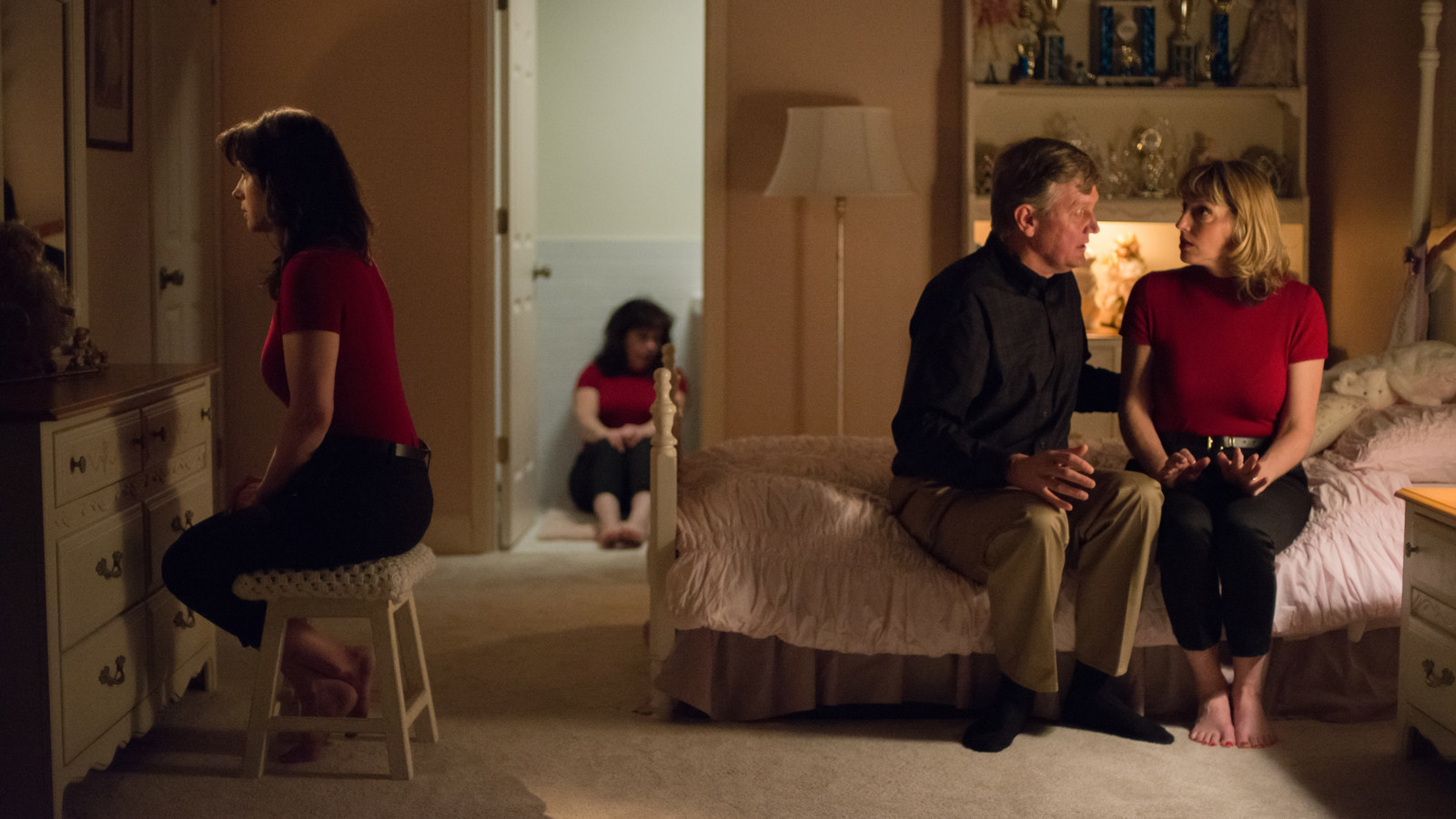
Top Posts
Madeline’s Madeline: An Unclassifiable Panic Attack Maybe-Masterpiece
Shoplifters Steals Moments of Wonder from the Mundane
Burning and Forgetting What’s Not There
Kusama: Infinity Expands Beyond The Canvas
Mandy Risks Little, Wins Little
In We The Animals, The Children Are Away...
The Seagull Isn’t Quite Chekhov, But It’s Still...
5 Million Ways Boots Riley Isn’t Sorry To...
American Animals’ and the Queasiness of the Heist
A Star Is Born In Hearts Beat Loud
  • Reviews
  • Commentary
  • Great Movie Project
    • Great Movie Project
      Bride of Frankenstein is a movie for and…

      January 25, 2018

      Great Movie Project
      The Enduring Appeal of Nick and Nora in…

      November 29, 2017

      Great Movie Project
      The Ahistorical Fever Dream of The Scarlet Empress

      August 2, 2017

      Great Movie Project
      Dreams, Mundanity, and the Anarchist Yearnings of L’Atalante

      July 12, 2017

      Great Movie Project
      Duck Soup Is And Will Always Be A…

      April 19, 2017

  • Counter Programming
    • Great Movies: The Counter Programming
      Walking and Talking in the Shadow of Kanchenjungha

      March 7, 2018

      Great Movies: The Counter Programming
      A Brief Encounter in My Mother and Her…

      February 9, 2018

      Great Movies: The Counter Programming
      Horror’s Refusal in Farrokhzad’s The House Is Black

      October 13, 2017

      Great Movies: The Counter Programming
      The rage and beauty of The Cloud-Capped Star

      October 3, 2017

      Great Movies: The Counter Programming
      The daylight noir and social issue empathy of…

      June 22, 2017

  • Vegan Horror
    • Vegan Horror
      Julia Ducournau doesn’t think her film Raw is…

      June 7, 2017

      Vegan Horror
      Licking our wounds: The vampiric masculinity of Ravenous

      December 13, 2016

      Vegan Horror
      Eggertsson and animals: An approach to horror cinema

      September 15, 2016

      Vegan Horror
      “It’s Not My Nature” – Vegetarianism, Body Horror,…

      August 30, 2016

      Vegan Horror
      Bodies and Carcasses in Predator 2

      August 23, 2016

  • Interview
    • Interview
      Jasmine Leyva’s doc The Invisible Vegan aims to…

      May 3, 2017

      Interview
      Bridging The Abyss: An Interview With The Directors…

      November 28, 2016

      Interview
      7 Days in Ohio: An Interview with Nathan…

      September 12, 2016

      Interview
      Film Critic Phil Dy talks New Filipino Cinema

      June 17, 2016

      Interview
      “I Love Seeing Film Projected.” A Conversation with…

      March 22, 2016

Luddite Robot
Film critique, theory, and assorted nonsense.
CommentaryFilm

China Girls, Death Proof, and the Hidden Face

April 14, 2019

Old News: Old Noise Edition

April 8, 2019

Old News: April 1, 2019

Nicolas Winding Refn, Marginalia, and the Deaths of Cinema

CommentaryFilm

And now, let us praise Kanopy

January 24, 2019

Warren Sonbert and the Relief of Anti-Narrative

January 14, 2019

The World Is Ending and It Doesn’t Matter

The Best Films of 2018

FilmReviews

Madeline’s Madeline: An Unclassifiable Panic Attack Maybe-Masterpiece

December 21, 2018

Shoplifters Steals Moments of Wonder from the Mundane

December 11, 2018

Burning and Forgetting What’s Not There

Alien, Musicology, and Reading Soundtracks

CommentaryFilm

Shocktober III: Halloween 2018 Edition

October 24, 2018

Shirley Jackson’s The Lottery Traumatized Schoolkids in 16 mm

October 18, 2018

Shocktober 2018 II: Another Reshockening (of Horror)

Häxan is a movie made by a movie character

CommentaryFilm

Shocktober 2018

October 7, 2018

Unprofessional! Spring Night, Summer Night

October 3, 2018

The Wild Boys: A Luddite Robot Conversation

Kusama: Infinity Expands Beyond The Canvas

CommentaryGuest

On The Excess Of Effects Over Causes, Or All Those Movies About Hollywood

by Lark May 10, 2017
written by Lark

There’s a particular type of movie, the kind that depicts bourgeois capitalist decadence and excess, usually in the art world, or more specifically in the film world. La Dolce Vita is the iconic example, and all of the followers reference it; the recent examples I have in mind are The Great Beauty and Knight of Cups. They often depict listless men wandering from place to place through a city of decadence, sleeping with women and watching modern art performances.

In The Great Beauty, the scene that sticks in my mind is that of a child painting abstract expressionist paintings, while a crowd of adults stands around and praises her. Our protagonist, Jep, watches all of this, silently judging everyone for their shallowness: all these frauds, he thinks, enjoying the performance. They all speak of the child with hushed tones and abstract academic terms, tones and terms of which Jep is wholly suspicious and disdainful.

And yet, the paintings are beautiful, and the performance is beautiful, despite, or because, of the child that is their origin. This is how the film can eat its cake and critique it, too. We can be struck by the visual beauty of the paintings and the performance (and can forget the fact that, in the real art world, this form of Pollockian abstract expressionism died in 1964) and still assuage whatever guilt is left around (whether it is because the style is not politically relevant, or about not “getting” it, or about whether or not the fact that a child can make it undermines it as a form).

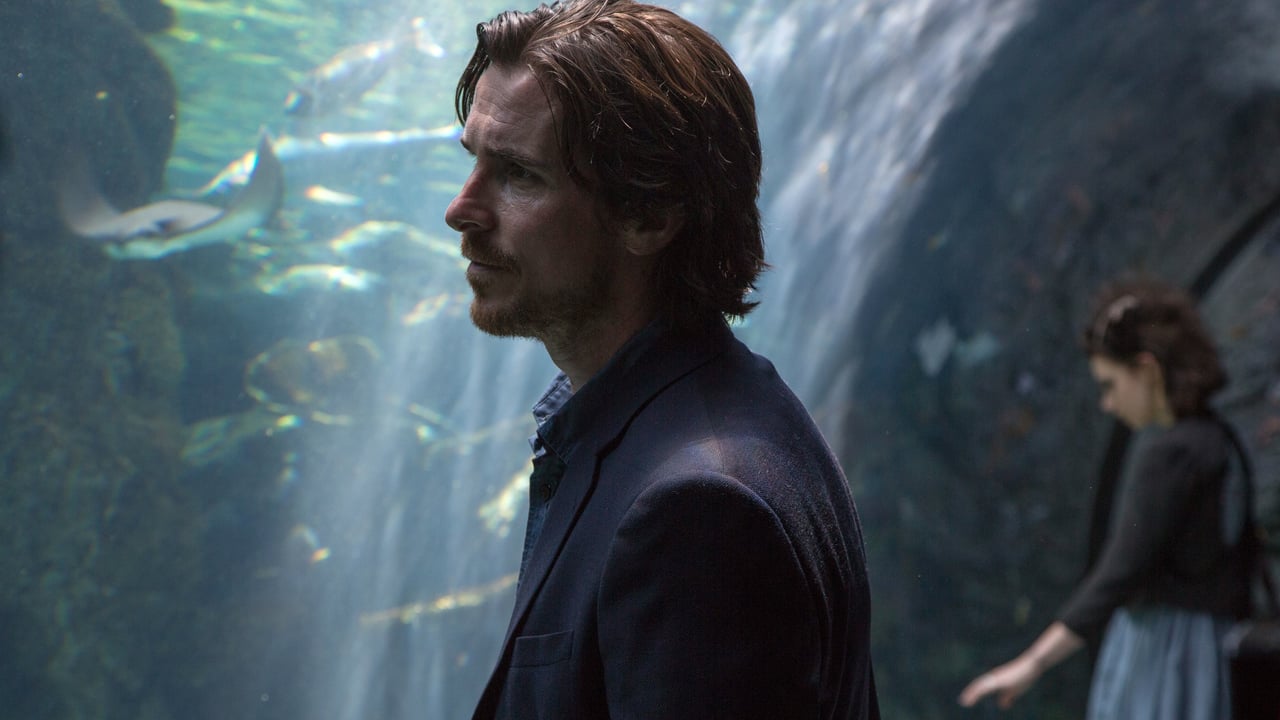
We get a similar moment in Knight of Cups, as the camera wanders away from Christian Bale’s meandering to watch an experimental film playing on a nightclub wall. The camera lingers for far longer than you would expect in these films, until one forgets the context and is simply watching an experimental film. It is actually by placing the works clearly within a narrative context that the viewer can ultimately engage with them outside of a clear context; if they were presented without context, simply as a film presented on its own in a theater, many viewers – myself included, sometimes – would be too distracted trying to contextualize it (what is the artist trying to say, is this all pretentious bullshit, will I seem pretentious if I enjoy it) to enjoy it without context.

This same ambivalence towards artistic decadence shows up in other places, too. I think primarily of The Neon Demon, a movie people insisted was supposed to be critical of misogyny. Despite what my friends told me, I didn’t see much criticism actually present – reading Refn’s interviews ahead of time, in which he argued that since most fashion magazines were run by women, the sexism was mostly women’s fault, probably dampened the possibility of seeing any. But me searching for that form of criticism distracted me from what I think I actually did enjoy about the movie itself. There is a visual brilliance happening, images of intensity that are ultimately not reducible to the question of whether or not the film is critical or uncritical of the underlying sexism. The intensities of the images of modeling overcome their apparent social causes.
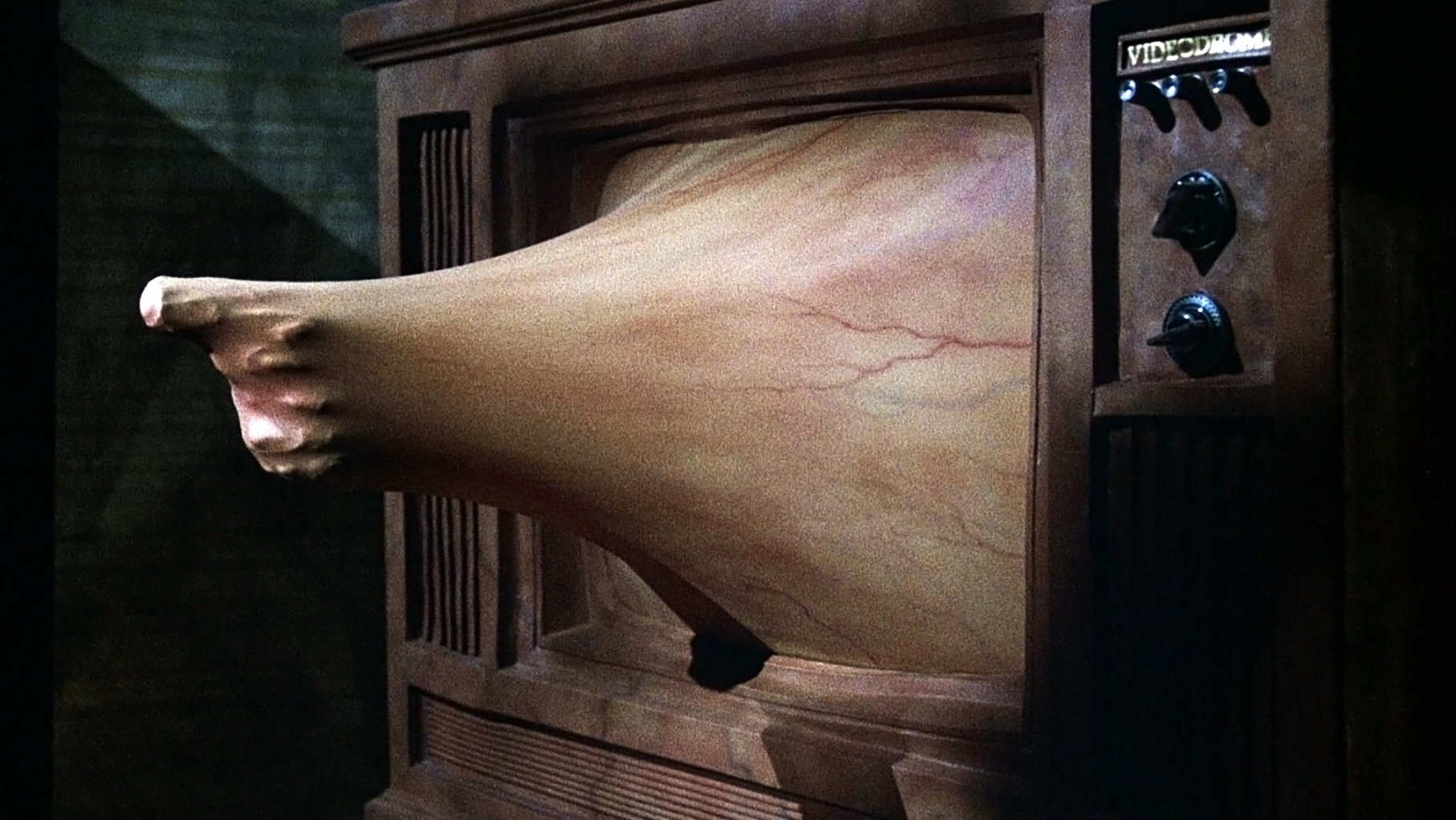
It also reminds me of a common criticism of Cronenberg: that he is ultimately a conservative figure, fearful of technology (at least before his turn from excessive to “realistic” at Spider). But ultimately, this is just an assumption: his creatures are excessive in a bizarre way, and we have been trained to assume this form of excess, of images that operate on the level of intensity rather than reasoning, is in some way satirical or critical. But in a pure sense, trying to read a film like Videodrome as a moralistic tale on any side, whether it is criticizing the new technology or those who are fearful of it, can’t explain the desire to watch and rewatch the movie. Like Gulliver’s Travels, if we think of the attempt to satirize as cause and the excessive images as effect, we miss the degree to which the images exceed their cause.

—

I don’t think it’s a coincidence that two of the most visually brilliant TV series of the last few years both revolve around mentally ill characters: Legion and Mr. Robot. Not just visually brilliant in a dull “One. Perfect. Shot” way, but brilliant at the level of the editing and timing of the visuals.

Both shows interrupt our understanding of cause and effect, making us always unclear what the base level of reality we are operating at is. Of course, that might sound boring as hell, like it will lead to another Inception-inspired conversation with insufferable film nerds: “Like, what is real, man? Is it just our perception of things?” Luckily, neither series does too much of that, but even when they do, it’s not ultimately relevant. Like the paintings, the brilliance that the concept of the characters’ mental dissociation inspires is not reducible to their contextual inspiration.

What it reminds me of, primarily, is one of those famous books that everyone references and few have read: Deleuze and Guattari’s Anti-Oedipus (PDF), volume one of Capitalism and Schizophrenia. (It is also one of those rare books, like How to Talk About Books You Haven’t Read (PDF), which gives you permission to talk about it without having read it cover to cover.) The book is most infamous for its conception of schizophrenia as a positive way of life, one that creates images without being bogged down in concepts like cause or origin, and which psychology tries to destroy by “healing” it with rationality.

Now, obviously, if you have ever met a schizophrenic, this will seem absurd, even repugnant. It definitely can be read as an example of that extremely shallow valorization of mental illness that ignores the very real damage it causes to those afflicted and their family. I think this is actually where the co-authors diverge (despite their claims that as writers they are indissoluble, and that the writer “Deleuze & Guattari” cannot be reduced to either “Deleuze” or “Guattari”, or even “Deleuze” and “Guattari”).

Felix Guattari, radical psychoanalyst, is definitely searching for a Wilhelm Reich-ian openness to life that can help the mentally ill accept themselves, which may or may not be a helpful approach. Gilles Deleuze, on the contrary, is not particularly interested in the mentally ill as people, but as an idea, a way of thinking that is more than the actual, often miserable, lives of the mentally ill. It’s Deleuze, then who writes one of the most revealing lines in the book: “No, we have never met a schizophrenic.”

If D&G’s work is to have any impact on thinking about art, and, particularly, film – and it seems he/they are the new growing go-to French author, replacing Lacan – it is essential to understand that in the end, one should not assume that any author, but particularly Deleuze, is actually talking about what it looks like he/they are talking about. For example, it seems (from brief skimming through a few new books) that the new wave of Deleuze was delayed because film writers assumed that the most relevant books would be his two volumes on film, helpfully titled Cinema 1 and 2, when in fact those two books are very little help at all.

What I am trying to get at is this: these series, ostensibly about mental illness, are actually about something much broader: life today, in this culture, at this point in time. We should not be beholden to only using these modes of presentation, of seeing and editing, within the context of mental illness, because even though a desire to depict mental illness was the cause of their creation, it is not the totality of their effect.

—

One image from La Dolce Vita always sticks in my mind. It is from one of the final doomed parties of the movie. Someone rips open a pillow and throws it in the air, and the feathers float in front of a window. I don’t care what the goals of the movie are, to depict a form of cultural burn-out – that image will always be serenely beautiful to me.
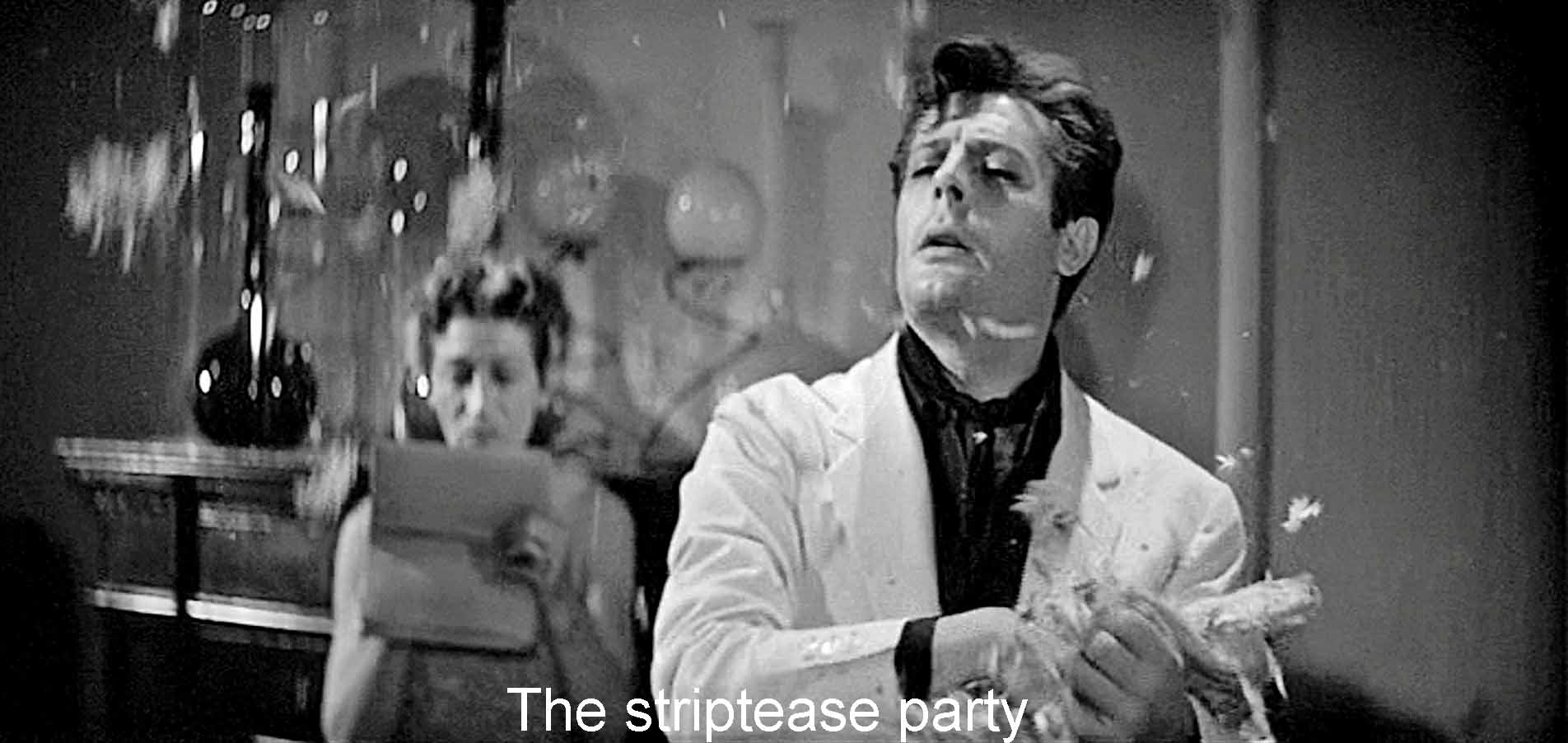
To make the connection explicit: this form of artistic decadence, endless parties of bodies swirling in free expression, is still of immense worth, regardless of the attempts a film makes to be satirical or critical. These parties are presented as the ultimate pleasures of the bourgeoisie, but the bourgeoisie in this context are taking their fullest place as a class: by accruing material wealth and freeing themselves from physical desire, they can fully express themselves.

Their crime is not expressing themselves fully, but privating that right to expression from others. This is how we can all participate in their excess with just the cost of a movie ticket. (This would require a longer, fuller essay by someone more qualified than me, but I think this point counteracts the constant criticism of the “materialism” of young black men and popular rap music.)

In this excess of effect over and against cause is united Legion and Mr. Robot’s depictions of mental illness; La Dolce Vita, Knight of Cups, and The Great Beauty’s depictions of the film world’s gluttony; Cronenberg’s ambiguous criticisms of “the new flesh”; even Scorsese’s two-faced critiques of excessive masculinity, whether in mobster or capitalist form.

It is absolutely possible to go too far in this celebration of excess. Causes are still real. Sexism is still real. Racism is still real. It is too easy to end up reading all absurd excess as a positive, joyful object – a mistake Deleuze and Guattari make in their somewhat absurd reading of Kafka. I don’t know how to synthesize these two points together, but it is definitely one of the key projects of future analysis of art, not simply more ideological criticism or lazy populism.


May 10, 2017 0 comments
0 FacebookTwitterPinterestEmail
Film

Barely avoiding exploitation, Casting JonBenet examines facts and fictions

by rick May 10, 2017
written by rick

In Casting JonBenet, we revisit a true-crime mystery that captivated the U.S. But we do so obliquely: director Kitty Green is as interested, more interested, in the stories we tell about the stories we tell than anything so mundane as solving a case. The result is a Russian nesting doll of provocation and artful images, and it winds up just this side of inappropriate.

While many very good linear, mid-shot talking-head documentaries continue to be produced, the ground has been shifting for a while. If those conventional efforts come across increasingly staid, it’s at least in part because of the risks other documentarians have taken with their films, bending “fact” (always in scare quotes) and narrative approach to suit the material in exciting, challenging, or dangerous ways. Casting JonBenet finds itself in this tradition: it walks a fine line between engrossing and exploitative, but it’s certainly never boring.

The still-unsolved murder of 6-year-old JonBenet Ramsey — on December 25th or 26th, 1996 in Boulder, CO — began as a horrific tragedy before rapidly spiraling into outright tawdry spectacle. Captivated audiences across the country watched as her parents John and Patsy detailed the events in a press conference and followed along as the investigation proceeded. There was overwhelming sympathy and a sense of shared grief.

And then some troubling questions began to arise. Why were the parents so impassive in public? Who takes the time to write a three-page ransom letter — on the Ramsey’s stationary, with their pen, demanding the exact amount of John’s Christmas bonus ($118,000 — not “1 million” or “500,000.” $118,000, exactly) — and then leaves the body in the basement after all? Why didn’t the police secure the crime scene, and why were so many leads unfollowed?

Stories began to circulate about the family, and about an alleged “dark corner of Boulder” enmeshed in child molestation rings. JonBenet’s involvement in beauty pageants — the inherently creepy act of sexualizing young children — certainly didn’t make things any less murky or gross. A confession from a known sexual predator, later revealed to be false, complicated things further. At one point, even a local mall-store Santa was a suspect. Somehow, JonBenet herself was both lost in all this speculation and fragmented, as the theories created any number of scenarios for armchair sleuths with a taste for the morbid.

One of the strengths of Casting JonBenet is that it literalizes this fragmentation. We don’t see a single second of archival footage or photography, or hear from anyone involved with the case (except from restagings). Instead, Green presents a cross-section of Boulder residents trying out for parts in the retelling. It’s a kaleidoscope of takes both hot and more considered, drawing on their own experiences as actors trying to get into the roles. We’re left to consider the relation between fact and fiction, and the psychologies at play when we pretend to be things we’re not.

The danger of exploitation should be obvious. As people tell their own stories that allow them access to the “characters”, there’s a queasiness about the whole affair. (Not least of which being: how much did these actors know about the project in which they’re featured? It’s never clear.) Pushing things even further, Green allows them to reveal some pretty intimate moments of their own lives, while juxtaposing the telling with a graceful, often beautifully-shot formalism.

Casting JonBenet is strong, unsettling stuff. It trips up at moments: what I’ll call “the watermelon scene” is almost certainly the one likeliest to draw offense, but more generally the film runs the risk of turning its subjects into rube archetypes. At the same time, its emphasis on artifice and the craft of acting, even for these would-be actors, is revealing. Several fascinating sequences, jump-cutting between alternate takes of line-readings, make clear that our representations of events depend heavily on what we believed about them in the first place.

The film’s Godardian finale — shot on a visibly evident soundstage, with a tracking shot following another camera shooting a tracking shot — is astounding. All of the stories we’ve heard and theories we’ve considered occupy the frame simultaneously. It’s mesmerizing and deeply uncomfortable.

Given the self-reflexive nature of Casting JonBenet, much is left unexamined. This is not a film that will grapple with larger socio-cultural concerns, for instance, like why the murder of one white child draws a fascination and outrage that the murders of many more non-white children do. (Though, closing to the strains of “There She Is, Miss America”, perhaps we do get one clue on that score: “And there she is / Walking on air, she is / Fairest of the fair, she is…”) And it’s not going to dive deep into our enduring desire to tease out narrative strands and demand their resolution, since its logic insists on their never being resolved.

But those complaints amount to demanding Casting JonBenet simply be a different film. As it is, Green has constructed a maddening, disturbing puzzle box about the ways we think about what we think. It’s not an easy watch, but it’s a rewarding one.

May 10, 2017 0 comments
0 FacebookTwitterPinterestEmail
Great Movies: The Counter Programming

Madness at the train depot in Cairo Station

by rick May 8, 2017
written by rick

As Qinawi — our despondent, hobbling, would-be protagonist in Cairo Station — retreats to his shed outside the train depot to rest, he shifts the pants hanging from a ramshackle clothesline to block the midday sun from his eyes. It’s the kind of Neorealist detail that the great Egyptian director Youssef Chahine excels at here, in this, his arguable masterpiece.

Italian Neorealism had more or less run its course by 1958, when Cairo Station was released. Its aesthetic influences and social concerns, creeping across the screens of the globe, were still being felt in treatments like this.

At the same time, Cairo Station could just as easily be cited as a moody noir — with its chiaroscuro window blinds and doomed misunderstandings — or a horror for that matter, or a melodrama. Chahine’s view is expansive.

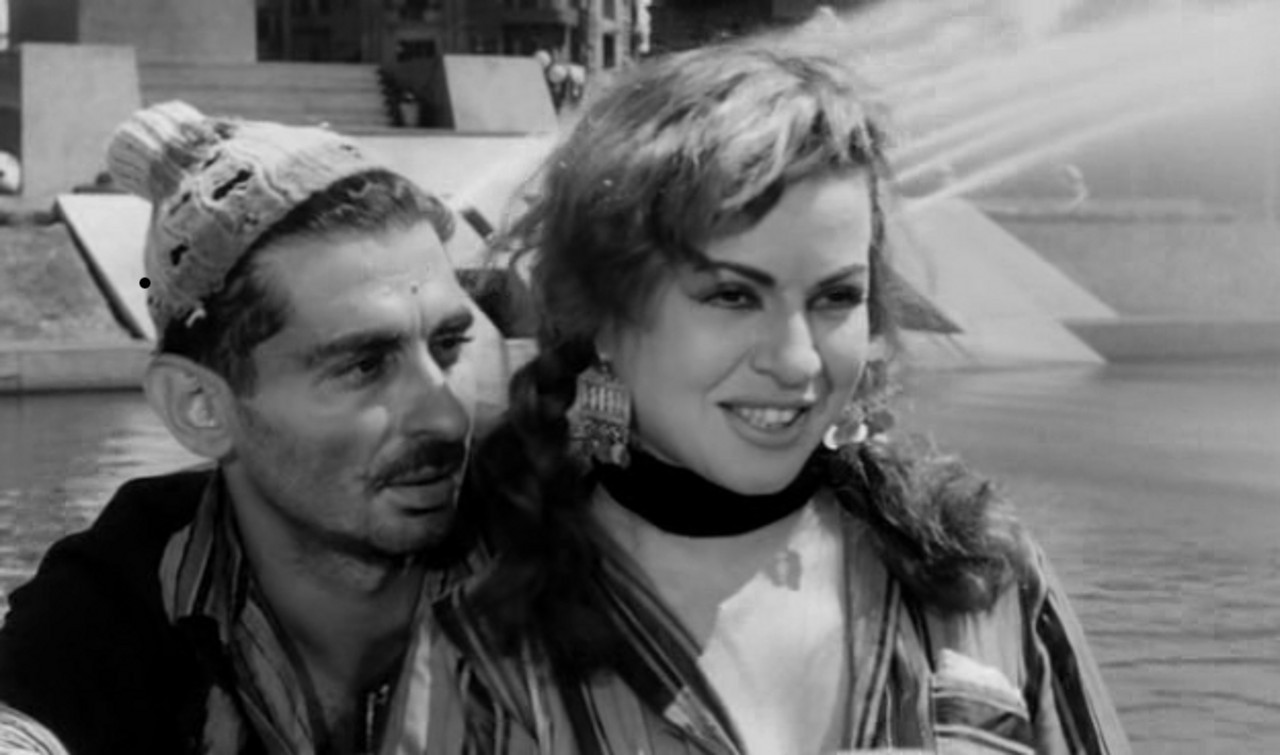
Youssef Chahine and Hend Rostom in Cairo Station

Casting himself as the rather pathetic newspaper vendor with a limp, Chahine’s 11th film diverged from earlier Egyptian cinema in look, feel, and narrative. Taking place over a single day at the train depot, Cairo Station hinges on an unrequited love triangle (there’s the melodrama!) that develops between Qinawi, the over-the-top vivacious Hannuma (Hend Rostom), and her labor organizer fiancee Abu Siri (Farid Shawqi).

It’s really a love triangle in name only, though, existing in Qinawi fevered, lonely imagination. In close-ups of his own eyes held either agonizingly long or shot through in manic flashes, Chahine indicates where this is going, and it’s no place good. 

Throughout all the film’s mounting intensity, there is also a sense of an Egypt in flux. Concerns range from the effect that the union organizing will have on existing power structures among the vendors, the rise of feminism and a rejection of marriage as an institution, rock n’ roll suddenly emerging as a destabilizing force threatening the traditionalists. Cairo Station packs a lot of social and political observation in among the tragedies and ultimate bloodletting.

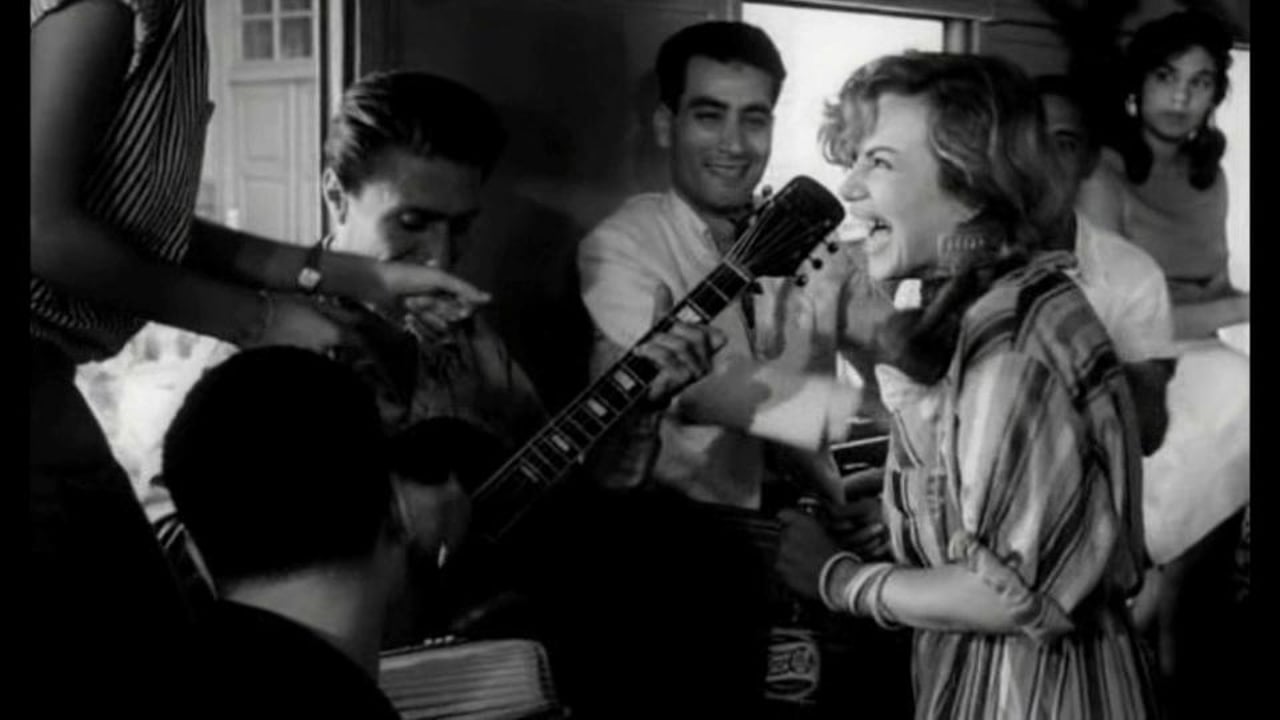
Hend Rostom dancing in Cairo Station

And lastly, there is the nameless young couple who make three appearances. In the first, he sneaks through to briefly hold her hand at the station, breaking away from his family to steal a private moment. In the second, she waves goodbye to him as his train departs. And in the film’s final shot, it’s her we see, a spectator to the disaster of love and desire.

Is Chahine implying a new cycle about to begin? Or the possibilities of an unsure future, handed off to the pining youth after the adults have gone mad? It seems like a curiously hopeful, if ambiguous, shot to close on for Cairo Station, which is rarely particularly hopeful or ambiguous in its more general impact.

Chahine would go on to make films throughout the next several decades, though some stories indicate this was the one he held closest. It’s a great place to start.

May 8, 2017 0 comments
0 FacebookTwitterPinterestEmail
Film

Streaming Selections: Kokoa, by Moustapha Alassane, the first African director to make an animated film

by rick May 5, 2017
written by rick

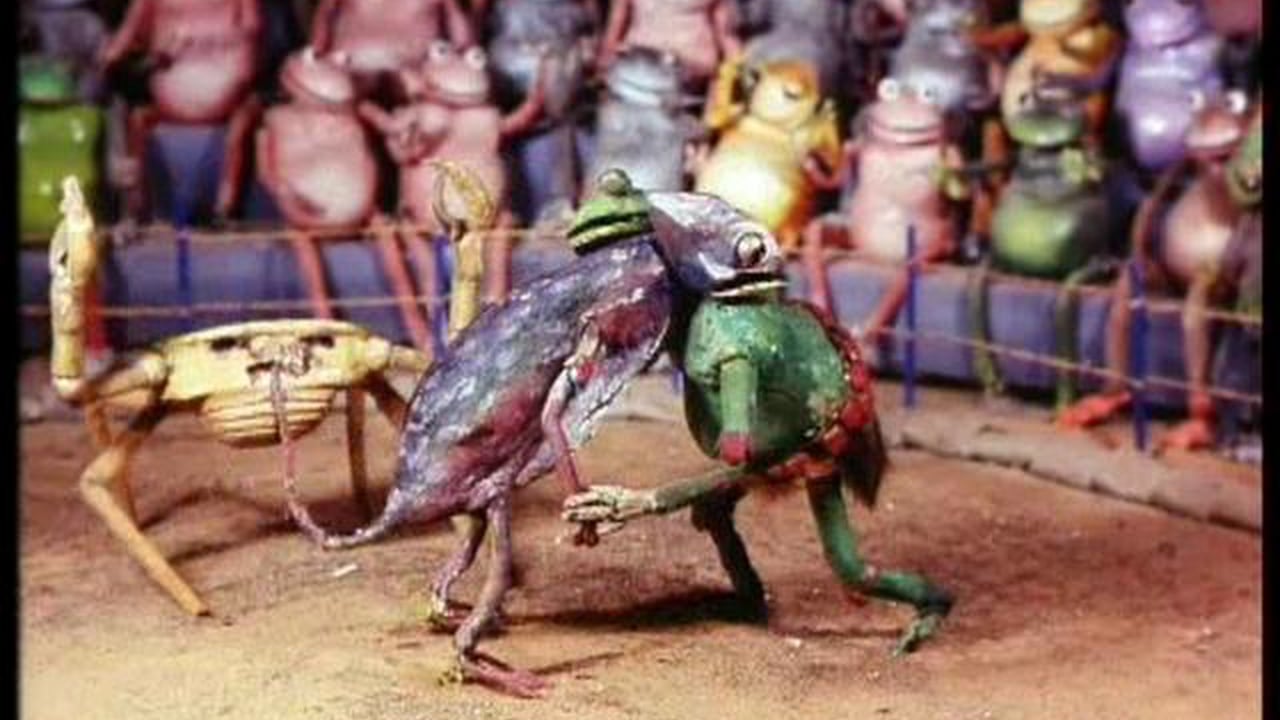
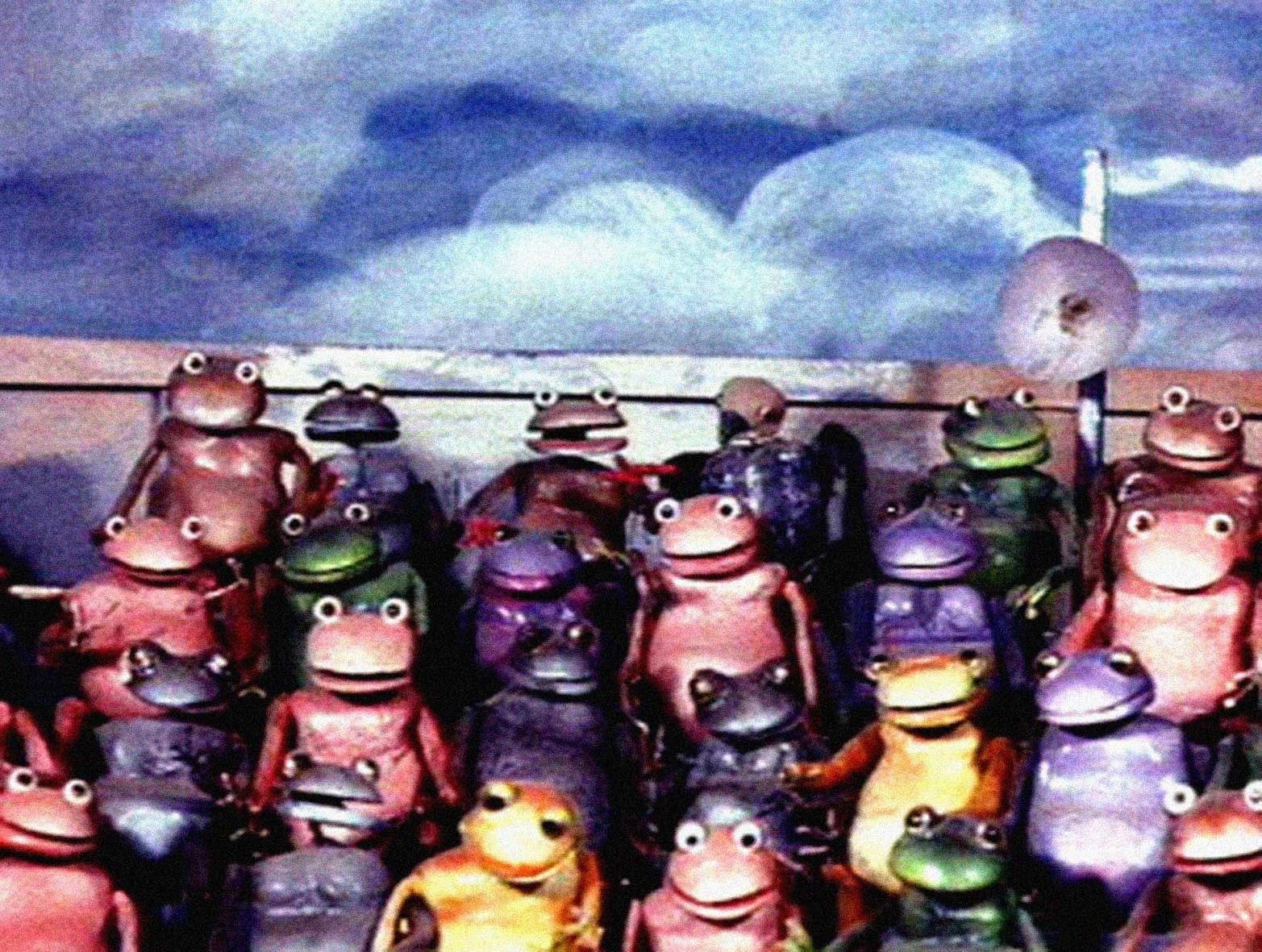
In the hilarious 2001 stop-motion film Kokoa, we witness a series of wrestling matches featuring, in turn, a toad, a chameleon, a bird, and an iguana — with a crab referee and emceed by a Howard Cosell-like reptile.

Do I even need to go on about why you should watch Kokoa?

Fine. It’s also a rarity from the pioneering Nigerian director Moustapha Alassane, generally credited as the first African director of animation. Its 13 minutes are filled with visual wit and an abundance of color splashes. Drawing on the enormous popularity of traditional Igbo wrestling, Alassane fashions a surreal vision grounded in cultural specificity. The result is eye-opening in every way.
There’s no “plot” to recount and no reason to recount it. A bunch of fanciful creatures grapple while our narrator offers a play-by-play. Occasional cuts to the audience provoke laughter, as does the fact that the chameleon turns red when he gets mad. There’s not much more to Kokoa than that.

But Kokoa is far from a trifle. It’s a significant accomplishment of stop-motion animation, particularly given the circumstances of Alassane’s creation. He told Le Cinema Club:

I was, at school, excellent at drawing, and I ended up one day making shadow theatre. I could show my classmates lions, elephants… Neither my friends nor me knew at the time about cinema, nor had we heard about it. I had an assistant to help me, who’s now a marabou in Togo. When he noticed that what I was doing attracted people, and that he was the only one to know the technique, he started doing the same thing on his own. We were then two in the village and I had to improve my own technique. That’s how I thought of organizing a show in colors. To do so, I increased the light power and worked with a material that could let the light through: the transparent packaging of cigarettes packs! Later, I was able to go see movies, and I even ended up making on my own a film camera that worked!

(Streaming on Le Cinema Club)

Quick Links

Cabin Fever

We could argue all day about the colonialist, gore-based douchebaggery of Eli Roth’s more recent homages to his Italian schlock heroes, but there’s no denying that he was once a very promising horror director.

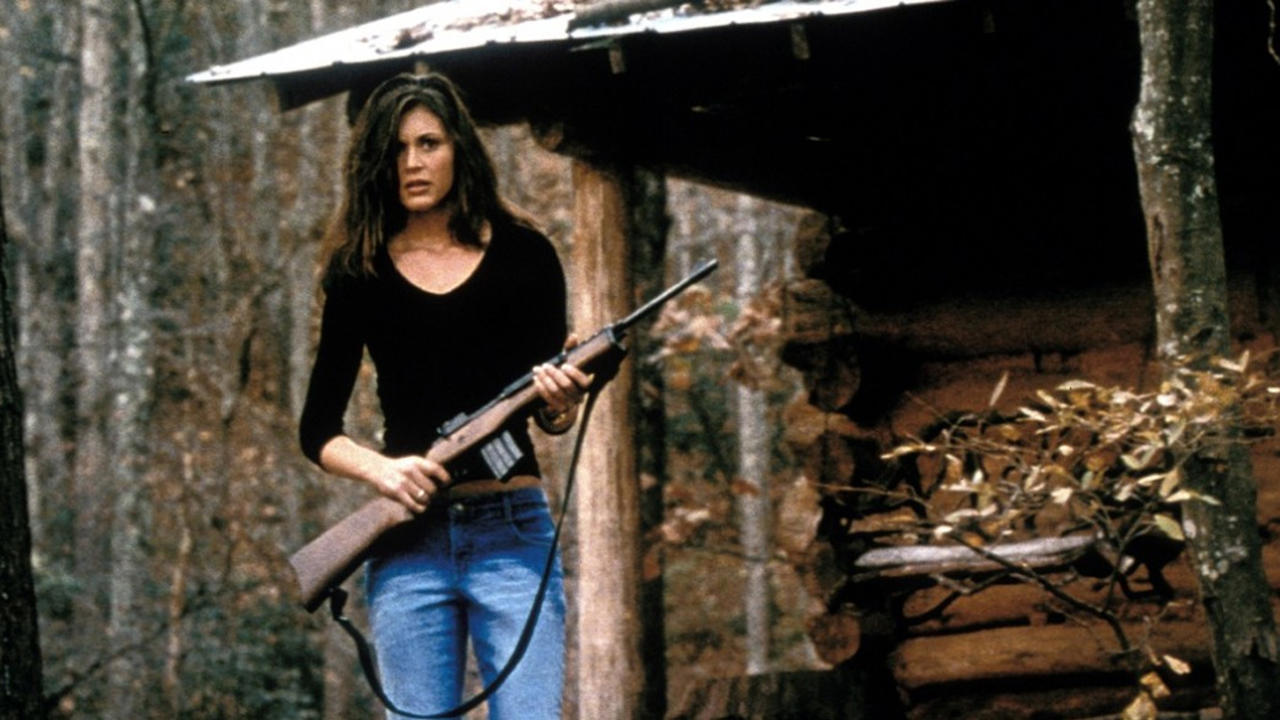
I’ve already made the case for Hostel as a slice of vegan horror, but his earlier Cabin Fever is even more elemental. Effectively a “house in the woods” motif that doubles down on gross-outs, it’s the kind of movie a Tom Savini-obsessed 13 year old would make. Which is to say, I like it.

(Streaming on Amazon Prime)

Winter’s Bone

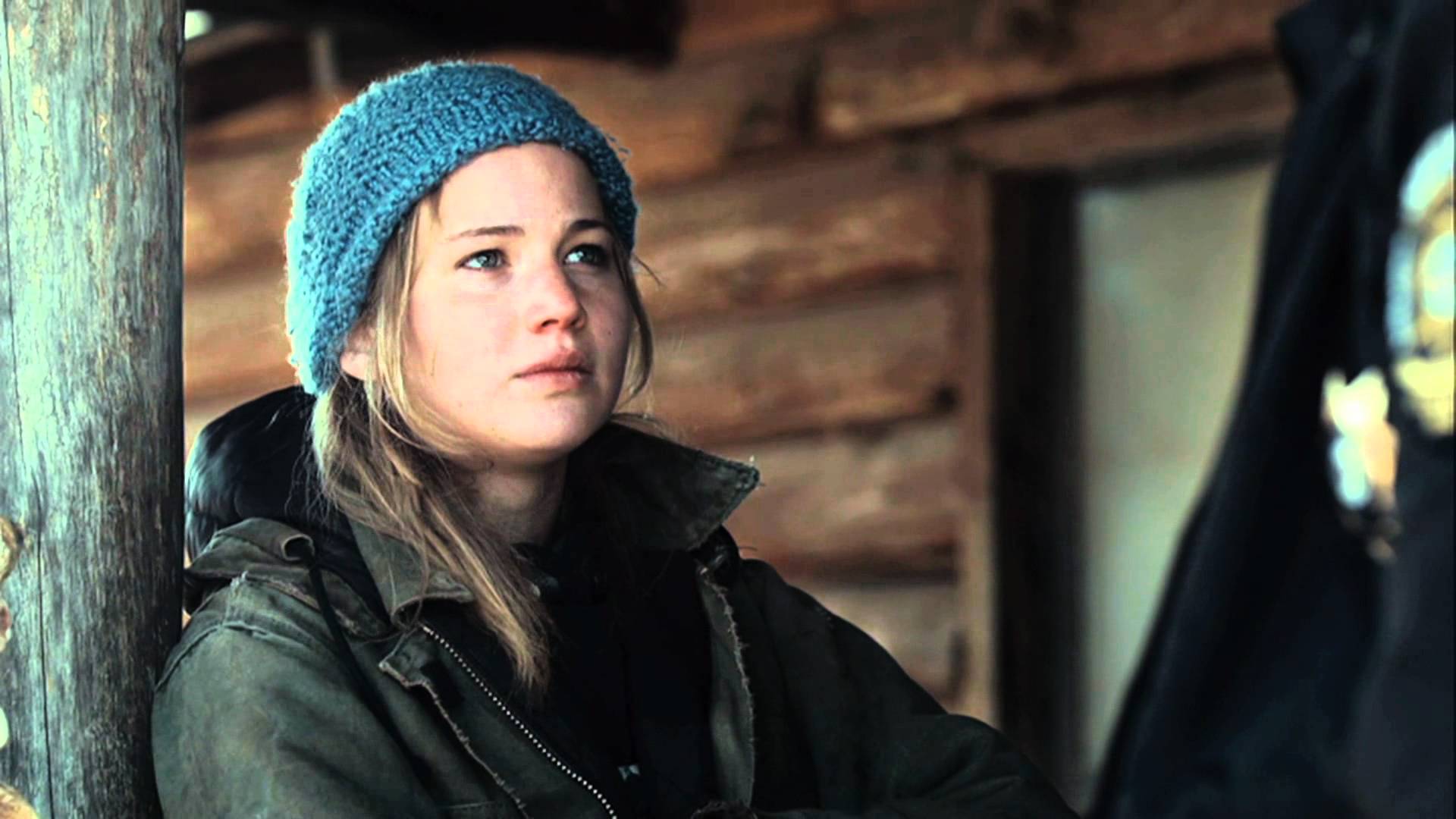
Debra Granik hasn’t released a feature film since 2010’s Winter’s Bone, which is a damn shame.

But the movie shouldn’t just be remembered as Jennifer Lawrence’s breakthrough. It’s an austere and uncompromising thing, full of regional detail and expertly filled-in characters. “Bleak” is usually the term that gets thrown around, but Granik’s portrait of the Ozarks is more complicated than that. It’s a powerful, and empathetic, look at lives lived on any number of crossroads.

A Matter of Life and Death

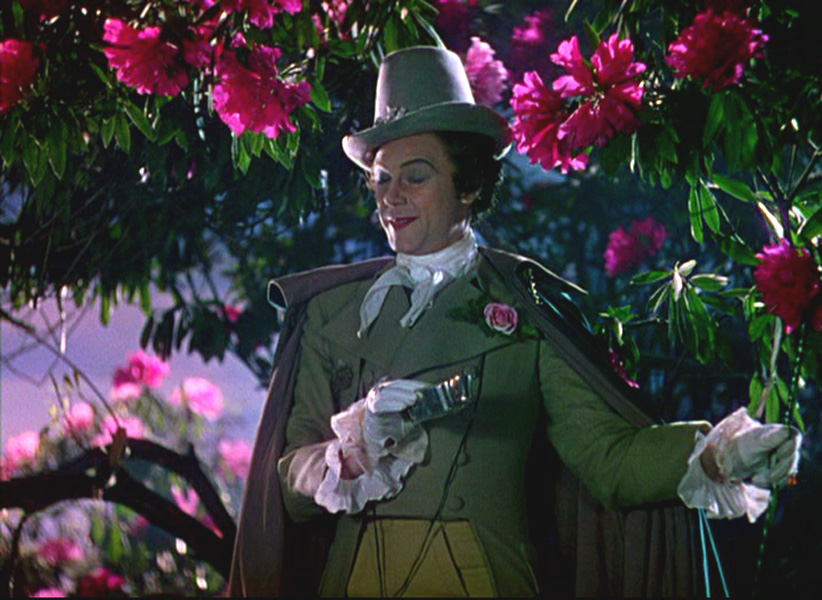
The Archers have no shortage of masterpieces to their name, but A Matter of Life and Death (also released with the unfortunate title Stairway To Heaven) might be their most purely enjoyable.

The film’s depiction of a man on trial in the afterlife has too many descendants to count, but it’s the images that make the most impression — the long escalator to the stars, the jarring shifts between black and white and impossibly bright Technicolor.

The Red Shoes will always remain the perennial favorite, but here’s to this funhouse challenger.

(Streaming on Open Culture)

Oddball Film Archive

San Francisco’s Oddball Films is a treasure trove of weird.

The outfit has provided vintage footage from its notoriously eclectic archives to many documentaries and other projects over the years, and its curatorial instincts remain appropriately bizarre: lost commercials for forgotten products, sexploitation films, cautionary PSAs, and so forth. Spending an evening at Oddball is like skipping through some distorted mindscape of our times, where Russian cartoons might meld with 50s Americana and people having sex in unusual locations.

On Oddball’s website, you can find hundreds upon hundreds such ephemera. Take some acid and have a look. I’d recommend this strangely apologetic ad for Skippy Peanut Butter, for which someone decided the best spokesperson would be a bunch of sentient eyeballs.

(Streaming at Oddball Films)

May 5, 2017 0 comments
0 FacebookTwitterPinterestEmail
Commentary

Health Care in Two Days, One Night and in our Dystopian Congress

by rick May 4, 2017
written by rick

It’s a sad, cynical day in these United States. With elected officials seemingly hell-bent on depriving people of health care for the worst reasons they can muster, things seem a bit gloomy.

Of course, there is an occasional, fitful awareness that this monstrosity of a bill, which no one voting on has read, can’t make into law in its current form, and that we’re still engaged in the shadow theater of masturbatory spectacle.

But the anger is still there, everywhere I look: why are we targeting the sick and the poor, with a special vendetta against women? What is that?

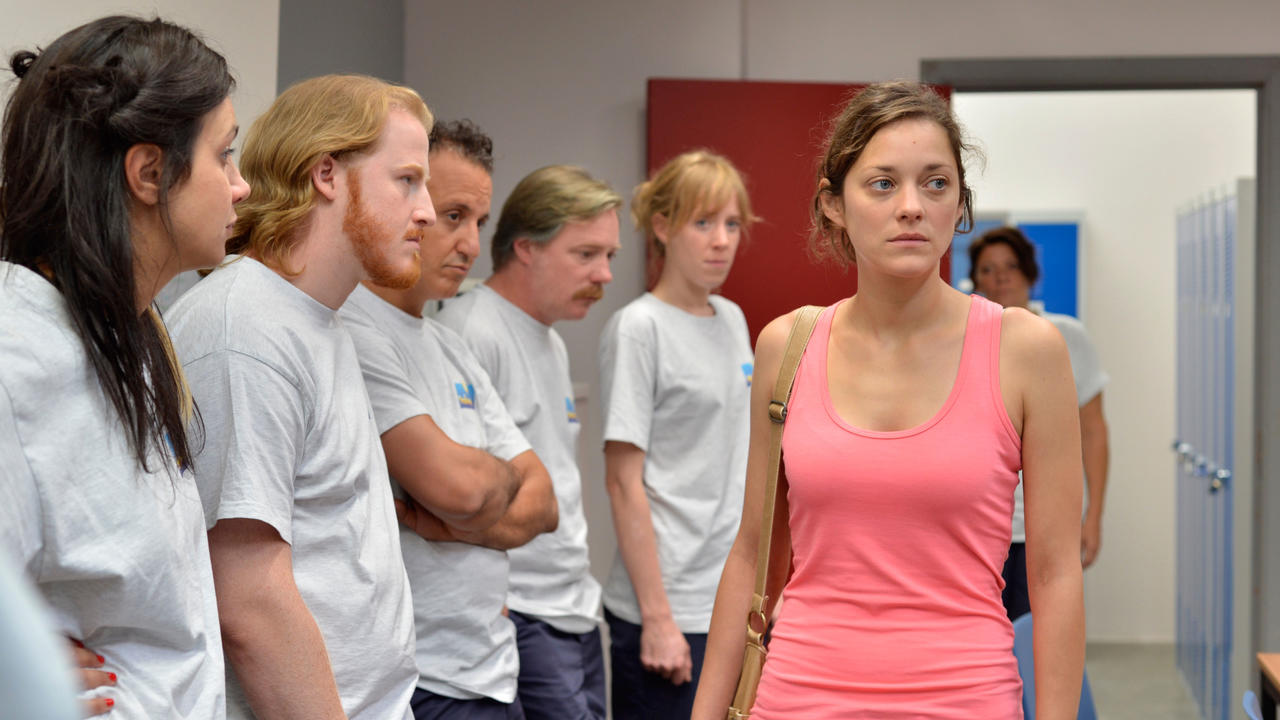
As usual in moments of crisis and confusion, I turn to film and fiction. The Dardennes’ Two Days, One Night seems to have only become more relevant, despite being set in Liège, Belgium rather than, say, Scranton, PA.

Two Days, One Night might not immediately present itself as a “health care movie”, if such a genre can be said to exist. The narrative, about a woman named Sandra who can only get her job back by convincing her co-workers to forgo their own bonuses, seems likelier to be understood as a moral parable focused on the ravages of capitalist dislocation — the ways in which workers are compelled to weigh their own interests against their solidarity, and the ways we fight each other over the scraps our employers deign to toss us.

But, in typical Dardenne fashion, the film stealthily sneaks in from a different angle. Sandra has been absent from work, grappling with depression. Its root is never specified — nor does it need to be. It could be any number of things (all of which are probably considered non-starter “pre-existing conditions” under the current U.S. health “care” bill.) Everything else proceeds from there.

As Sandra tries to shake it off, regain agency, assert herself and the need for solidarity, we are forced to face the basic notion that the people who monetize (i.e. “steal”) our labor do not care about us. They never have. The glimmers of hope in Two Days, One Night arise from the individual human interactions: her patient but pained husband Maru’s insistence she try to engage, a co-worker’s near-collapse in relief, thanking her for the opportunity to do what he knows he should’ve done in the first place, eventually Sandra’s own self-redemption in the face of workaday callousness.

This is how things go under late-capitalism. We elect wealthy people selling populist platforms only to watch them steal from the poor to give to the rich, over and over again, while we argue with each other about whether we matter individually. That’s a deeper sickness. It’s also one not covered under the health care bill.

Two Days, One Night — and the Dardennes’ work more generally — can help make this clear. Like all good art, it starts from the premise that we can see ourselves — our desires, our interactions, our fears and realities — in scripted fantasy, and perhaps emerge from it with a different understanding.

It ought to be shown in Congress. That is, if they’re not too busy triumphantly entering to the theme from Rocky.

May 4, 2017 0 comments
0 FacebookTwitterPinterestEmail
FilmInterview

Jasmine Leyva’s doc The Invisible Vegan aims to expand the frame

by rick May 3, 2017
written by rick

Actor, producer, and now director of The Invisible Vegan Jasmine Leyva doesn’t feel like mincing words.

When asked about why she wanted to make her new documentary-in-progress and how it relates to earlier films like Food, Inc., she responds:

Most of [the] experts are all white males; you don’t even introduce a POC until the 50-minute mark. Black vegans can feel invisible in their own community, and on the opposite side, you’re invisible in white spaces. It’s ok to be vegan, but not ok to be a Black vegan, despite how food impacts racial politics. You’re supposed to check your blackness at the door.

An independent production with a very clear point of view, Leyva’s labor of love follows in the ongoing tradition of folks like A. Breeze Harper, Food Empowerment Project‘s lauren Ornelas, and others, who work to center critical race theory and intersectional activism in the still-overwhelming white animal rights movement. The Invisible Vegan seems determined to upend stereotypes wherever it finds them.

During a brief but wide-ranging chat, Leyva told me about the motivations behind the film, and also what she’s learned as an independent filmmaker:

I think you have to just do it — when you’re female, you’re not upper class, you’re Black, people are not breaking down doors for you. So I learned: you know what? I’m going to use what I have and make what I can.

Ironically, this approach seems to accidentally echo the very foodways mentioned by several people in the above trailer, except in reverse — “make do with what you have.”

What’s inspiring is Leyva’s tenacity and forthright politics, which recognize contradictions and problems but stay grounded in a kind of compassionate assurance regarding nonhuman animals and the wider communities at large.

And, as ever, there’s no lack of (white) skeptics:

She also clearly knows her history, which The Invisible Vegan, with its title riffing on Ralph Ellison’s classic, promises to detail further. “[The Invisible Vegan] attaches veganism to African roots,” she emphasizes. “When people think of ‘African-American food’, they think of soul food — but hey now! Our history didn’t start on a plantation.”

At one point in our conversation, I ask if she has any concerns about tokenism with The Invisible Vegan — I’m, after all, a white, straight, male, middle-class vegan asking her about her film. Animal rights efforts have been notorious over the years for this kind of thing, these blind spots and a prevailing sense of liberal do-goodism.

There’s a brief, total silence on the other end of the line. “You know,” I say, “maybe we should skip that. Maybe that’s not the best question for me to be asking.”

“Yeah. Alright,” Leyva says.

Moments later, halfway through the next question, she interrupts me. “Can we go back to that last one?”

“Of course!”

I don’t mind being a representative. But if it’s presented in a way that I’m one of the sole black women interested in veganism, then it’s a problem. If I’m one of the voices — and there are and have been lots of these voices — and then I’m ok with it.

The Invisible Vegan has its first screening on July 15th, with plans for wider distribution by the end of the year.

May 3, 2017 0 comments
0 FacebookTwitterPinterestEmail
Film By Film

Film By Film: David Cronenberg’s Transfer and From The Drain

by rick May 2, 2017
written by rick

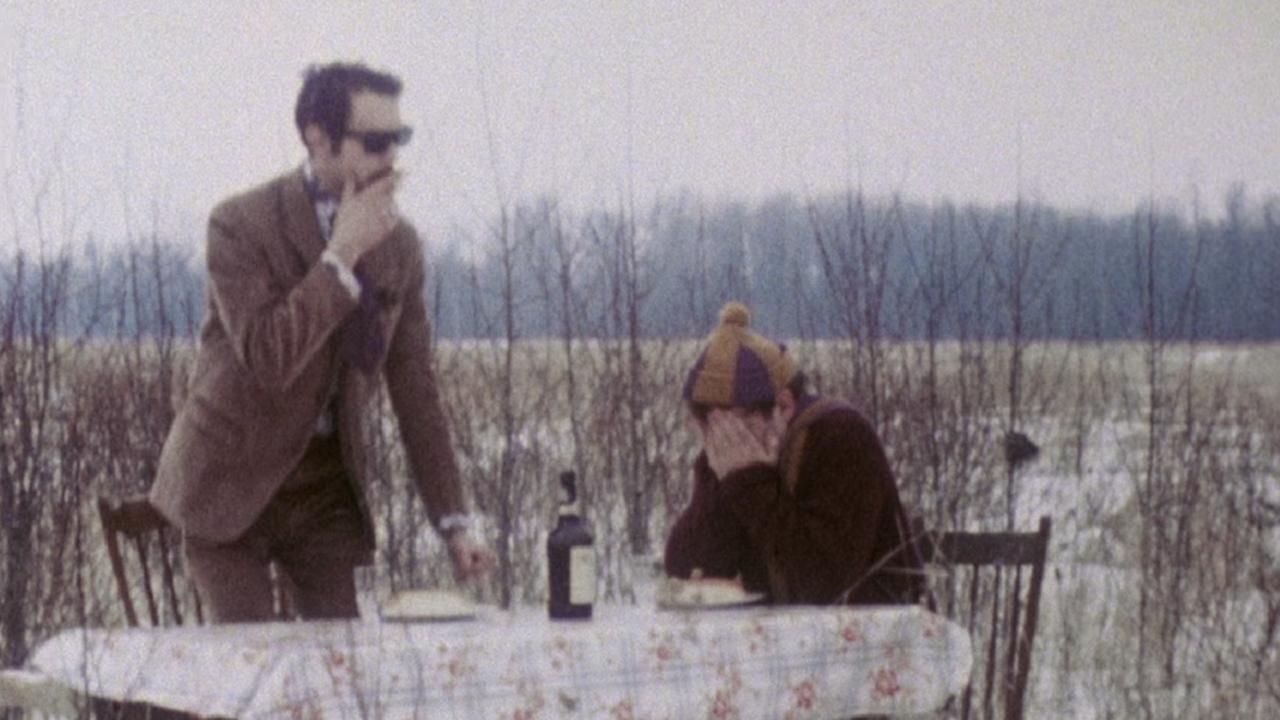
There’s always something a little jarring, a little suspect about revisiting an artist’s early work. The impulse is to read the texts as prologue: what is to come. So, if David Cronenberg’s first foray into filmmaking — the 1966 short Transfer, made when he was just 23 years old — is (what’s the word?) “bad”, at least it can be recuperated by identifying the tendencies that will animate later, more accomplished films.

I’ll be doing some of that here, at least in part because there really are interesting aspects of a gestating auteur. But art should also be encountered where we find it, on its own terms. And let’s not shit ourselves: the overwhelming majority of Beckett-inspired, handheld movies from 1966, conceived by 23 year olds and cast with non-actors, are just not going to be classics for the ages. Cronenberg’s debut is no different.

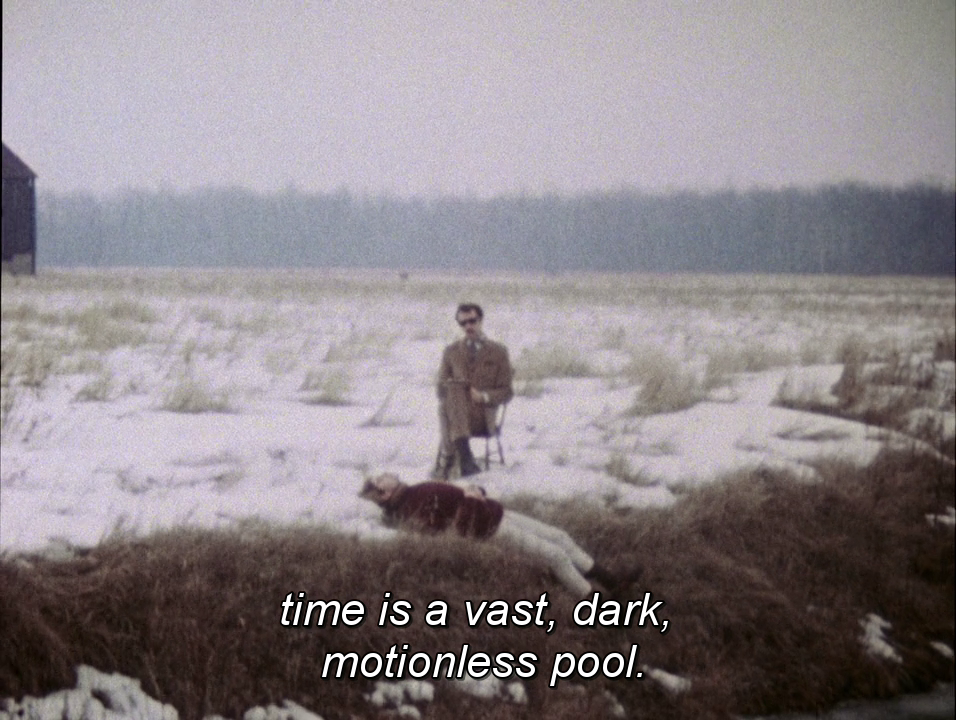
 In Transfer, Cronenberg presents a psychoanalyst and a patient who’s been stalking him. We get the sense that the analyst lives outdoors, in snowy fields or by ramshackle structures, where he and his undesired companion eat dinner and argue. Cronenberg himself called it a “surreal sketch,” noting, “The only relationship the patient has had which has meant anything to him has been with the psychiatrist.”
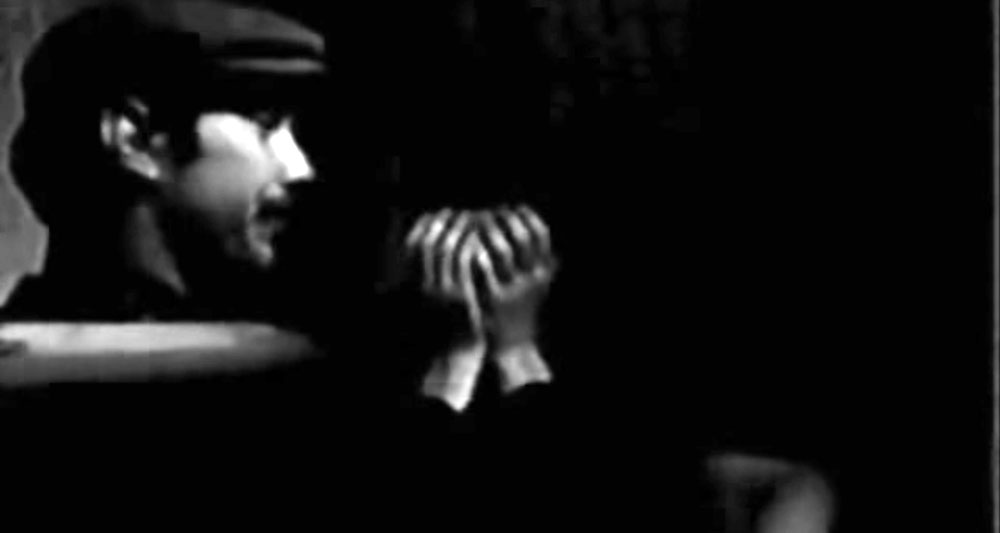
We are already in the realm of his later films, including Stereo, The Brood, and Scanners (to say nothing of A Dangerous Method‘s literalism, or the patient/charismatic figures of Videodrome or Dead Ringers). From the start, there’s a wellspring of suspicion about the authority of charisma and psychoanalysis, an idea of a symbiotic relationship between host and virus (to use Cronenberg’s preferred metaphor), and the role language has to play in all of this confusion. There’s even a sense of the encroaching visceral, mostly through dry-wit jump-cuts and uncomfortable frames.

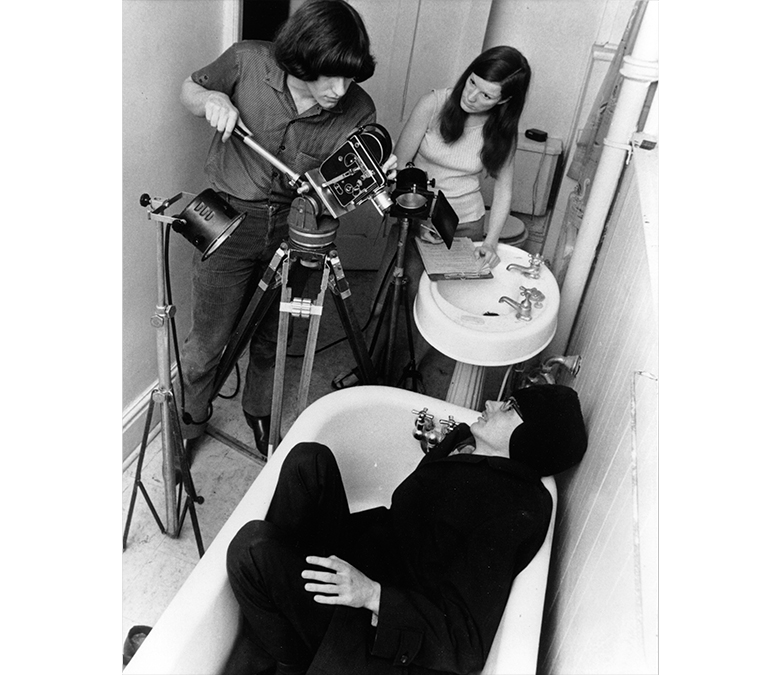
With From The Drain, released the following year, we start to recognize the Cronenberg who will come to the fore. If Transfer is a first-attempt at absurdist parable, From The Drain is full-on experimental goofball horror, or at least what a 24-year-old director might consider as such.

Focusing on two war veterans who find themselves in a bathtub together, and a possibly imaginary plant-like creature whose tendrils pose existential threats, From The Drain is a curious little number, a spec-script oddity that only barely survives its amateurish performances and murky shadows.

Still, that summary alone conjures up a bit of the weirdness that will define Cronenberg’s work, once the stagy self-consciousness, Brechtian and Godot-like emphases, and “who needs pacing?” sensibilities are jettisoned. His later films are sometimes considered almost mannered to a fault; no one will accuse From The Drain of that sin, anyway, regardless of its failure or success on its own terms.

In both these early shorts, one also gets the sense of a very mid-60s approach to no-budget transgression. If they both aim for something Persona-like in their depictions of role reversals and the uncanny, they also both lack anything like Bergman’s sheen, for obvious reasons.

Nor is either film particularly good; in fact, parts of From The Drain are nearly unwatchable in their current state of disrepair, though that may have as much to do with the performances as the 16 mm film stock.

But as artifacts, they’re pretty fascinating: even as a youngster, we find someone engaging with both the work of his time and some pet obsessions that will only get more intense over the years. The combination of twinning, psychoanalysis, dangerous proximity, and transformation will all be hallmarks of Cronenberg’s career.

This is the first in a film-by-film series examining David Cronenberg’s work. Next up: Stereo.

May 2, 2017 0 comments
0 FacebookTwitterPinterestEmail
Film

Streaming Selections: Queen of Katwe

by rick April 28, 2017
written by rick

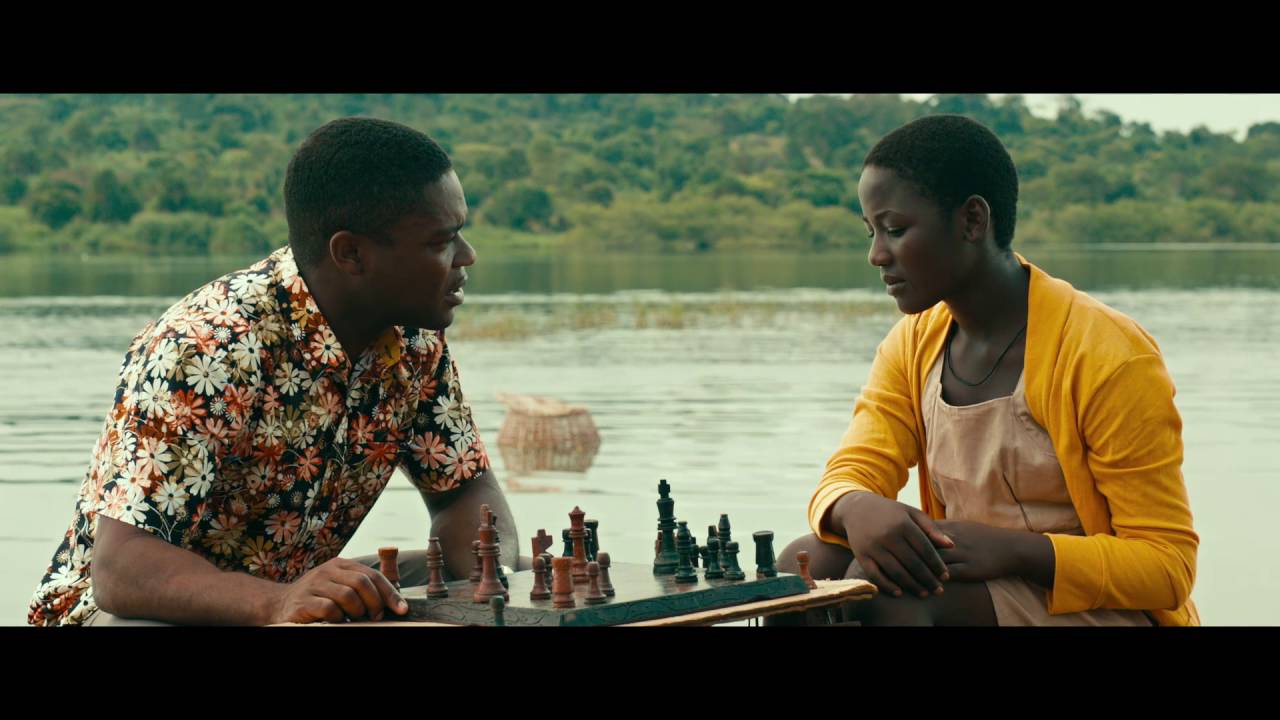
Chess is not, shall we say, the most cinematic of games. But Mira Nair’s Queen of Katwe gamely tries to resolve this dilemma with compelling characters, a quietly heroic, underdog narrative, and a whole lot of Ugandan sensibilities and imagery. It mostly works. And best of all, there’s not a white person in sight.

That last point might sound like faint praise. It’s not meant that way. I spent half of Queen of Katwe uneasily awaiting the arrival of Brad Pitt or someone: the white, Western salvational figure who would undermine what is essentially a charming story about a local girl done good. The fact that he never arrives elevates the film.

Queen of Katwe is a Disney production, and you can feel it every step of the way. It’s occasionally hamfisted and obvious, those Disney trademarks. But there’s a lot of affection here for Phiona (Madina Nalwanga), its chess-prodigy protagonist, who bucks convention on multiple levels: a 10-year-old superstar from the slums, and a girl at that. (Somewhat hilariously, Queen of Katwe seems to presume girls can’t play chess; if it were basketball, maybe it would’ve seemed stereotypical. The implication here, as ever, is that folks think girls can’t do fucking anything.)

With David Oyelowo as her stalwart mentor and Lupita Nyong’o as her distressed mom, Queen of Katwe is not lacking for  star power. We follow young Phiona as she learns the game, realizes she has a talent, and shows up the rich boys. It’s a sports movie formula set in rather dire poverty, and Nair doesn’t skimp on the complications this involves. But she also doesn’t miss the moments of beauty and connection in between.
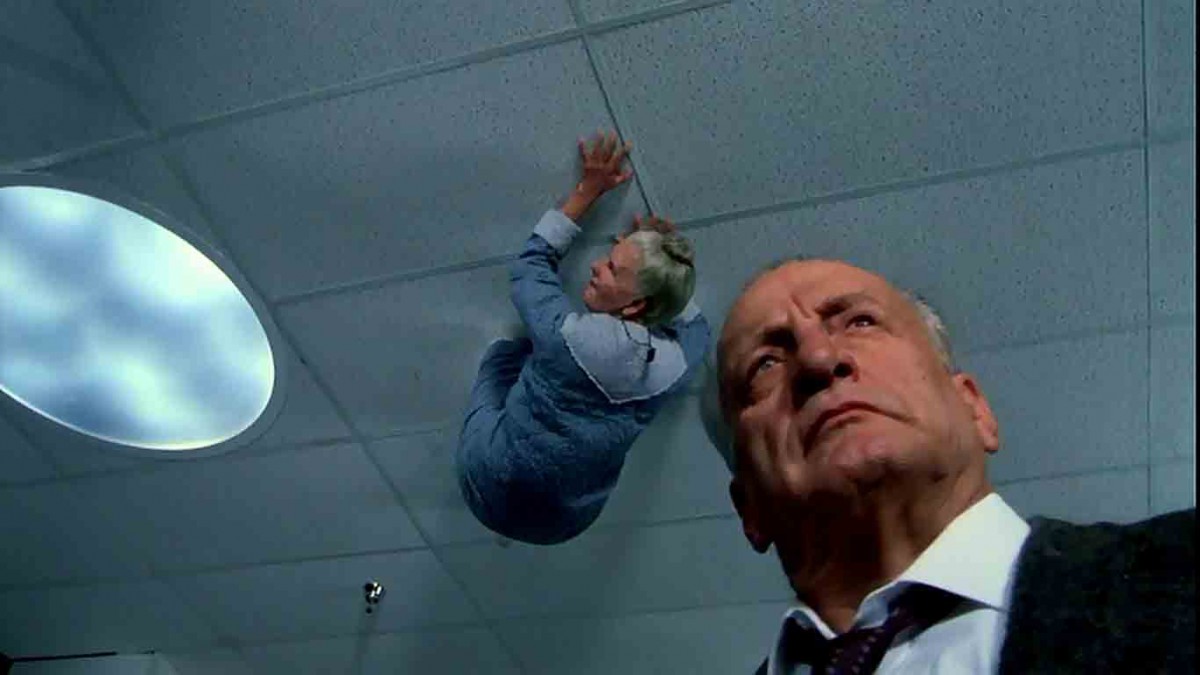
This isn’t a perfect film, and there are some eye-rolling moments, amid the swelling uplift and Disney-fied score. But strong performances abound, and its basic story is both familiar enough to resonate and distant enough to inspire. It’s a multi-layered, character-focused, class-conscious coming-of-age film based around chess in Uganda, and, again, no Brad Pitt shows up to shift the focus to some white man’s burden.

Kids could do much worse, and adults might have to pretend they’re not crying, too.

Quick Links

Dead Ringers

David Cronenberg often gets valorized, or ribbed, as Professorial Horror. Despite his early, Corman-backed forays into visceral thrills, there’s always something a bit removed and cold about his body freakout sensibilities. It’s not to every, er, taste.

That vibe probably reached its zenith with Dead Ringers, which is as cold as horror comes. Any highly-mannered story about twin gynecologists obsessed with “mutant” women would probably tend in that direction.

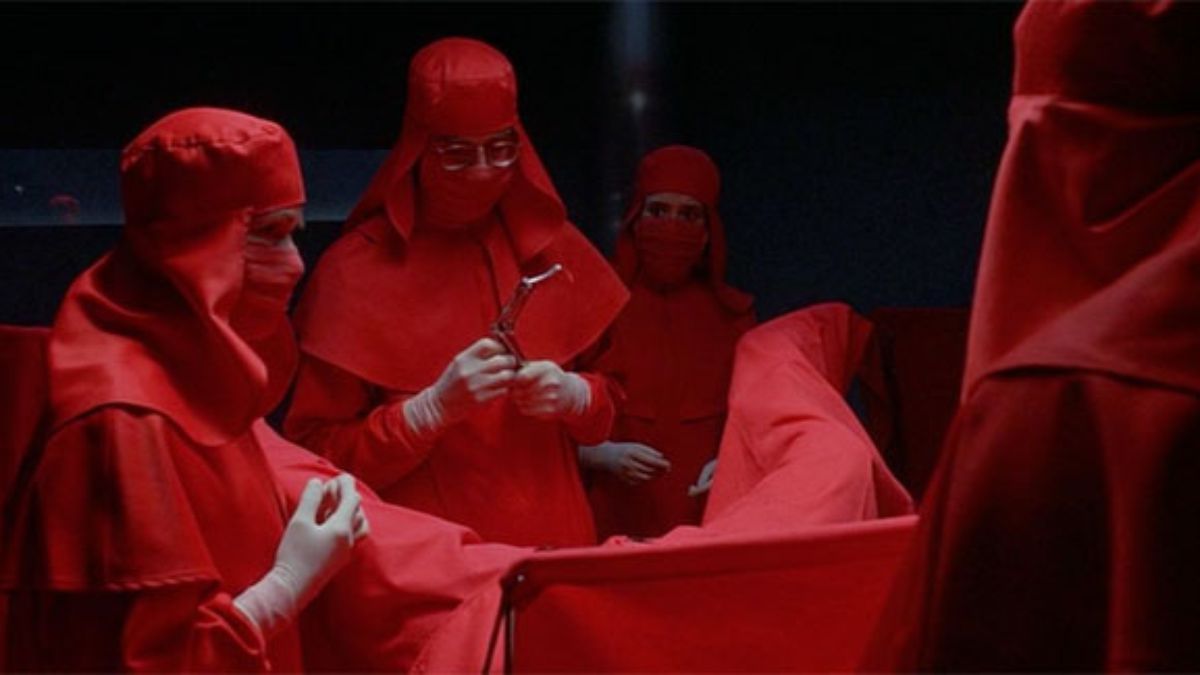
But Dead Ringers combines some of this Canadian auteur’s pet themes in unique and startling ways. Cronenberg himself remarked once that it was always men who found the gyno examination scenes the most disturbing, and he’s almost certainly right about that. The double-performance of Jeremy Irons grounds the picture in the uncanny, but we’re also forced to face the fact that men, generally speaking, are in charge of women’s bodies — not just physically, but in their definition(s).

Dead Ringers opens with two twin children discussing the idiocy of sexual coupling, and longing for a day when sex and reproduction could be divorced. Everything else proceeds from there, including self-designed medical instruments.

Hold on tight.

(Streaming on Shudder)

American Autumn

Albert Moya, a young Catalonian director, had a wonderful idea. What if we played a dinner party sequence from some lost Bunuel or some pre-production mumblecore picture, except cast it entirely with children?

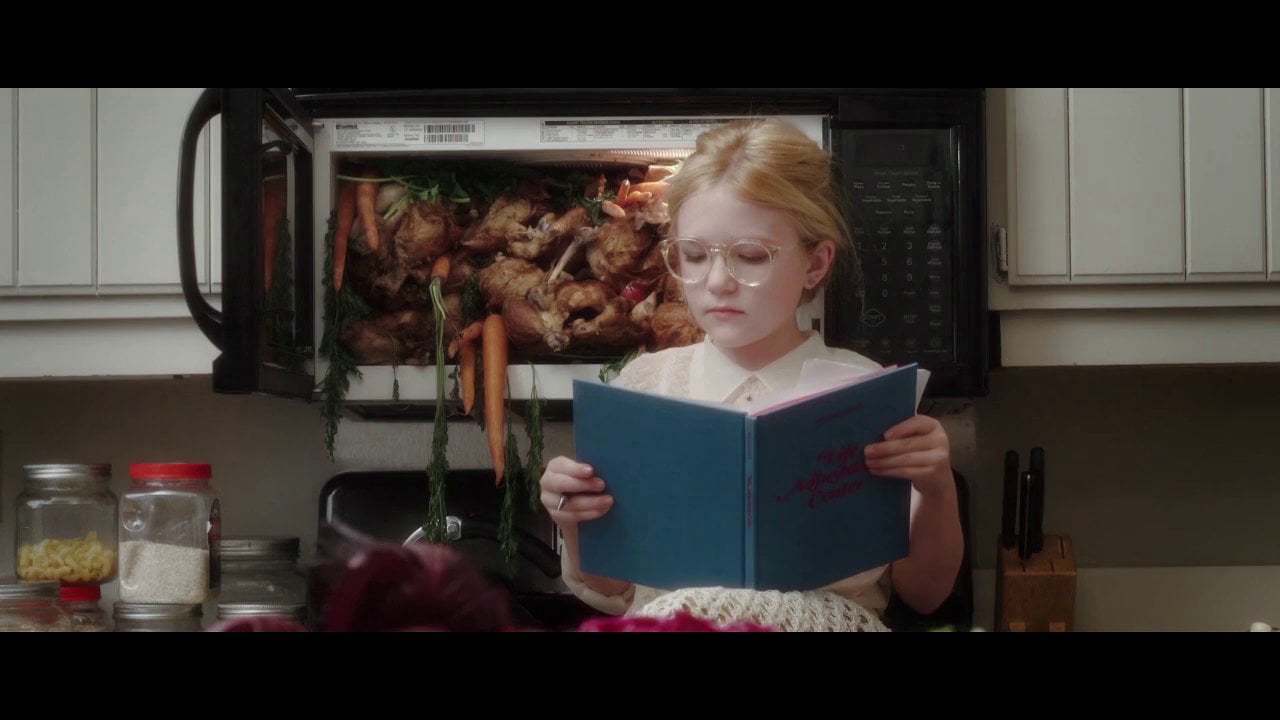
The result, in American Autumn, is both hilarious and disturbing. The general distance from the material provokes a weird sense that nobody would talk like this — it’s satire, critique, and comedy rolled into one. Oddly, it reminded me of the classic sketch from The Ben Stiller Show, in which they faithfully reproduce Woody Allen’s Husbands and Wives but cast it entirely with monsters. (“She makes me feel young again!” “You’re 300 years old!”)

Even as a goof, it would be intriguing. But American Autumn also happens to be ably shot by Robert Leitzell, who gives the whole thing a kind of gorgeous sheen. With a few exceptions, the short could be substituted into any number of NYC apartment dramas and nobody would really notice.

We’re told Moya is working on a new film he co-wrote with Efthymis Filippou (Dogtooth, The Lobster). That seems about right.

(Streaming on Le Cinema Club through Sunday)

The Exorcist III

Little-known fact: The Exorcist III is the scariest, funniest, and most enjoyable entry in the franchise.

True story!

(Streaming on Shudder)

The Ghost and The Darkness

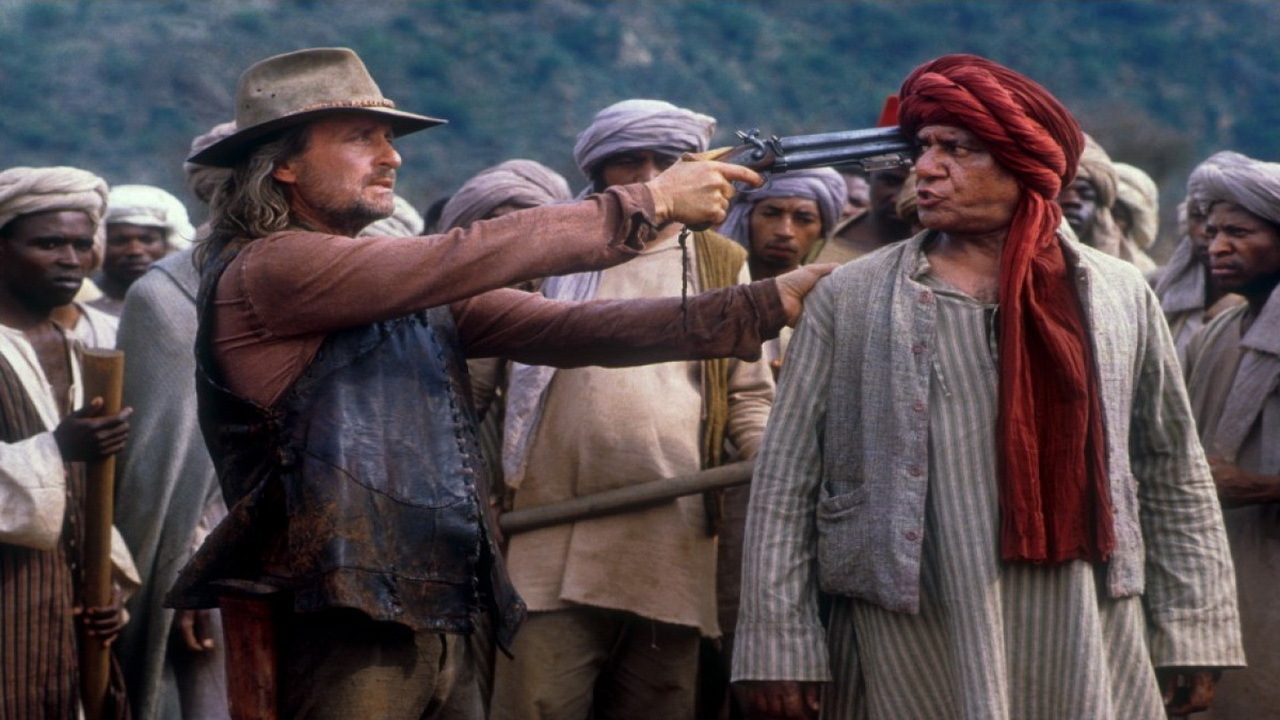
If Queen of Katwe is the most faithful and respectful vision of heroes in Uganda, without white saviors, Stephen Hopkins’ The Ghost and the Darkness might be its doppelganger.

The man who brought us A Nightmare on Elm Street 5: Dream Child, Judgment Night, and, of course, the best Predator film, Predator 2,  also took a deep dive into colonialism and angry lion attacks in 1986. It’s profoundly dumb, though not as bad as its reputation. (Roger Ebert: “I hope someone made a documentary about the making of “The Ghost and the Darkness.” Now that would be a movie worth seeing.”)

Val Kilmer is sturdy and unmiffed, every hair in place, as our protagonist; Michael Douglas, who doesn’t even show up until it’s almost over, is very Michael Douglas-y. We await Kathleen Turner’s arrival.

The film is a boy’s adventure tale, paired with heavy-handed critiques of colonization and also near-mythological lions. It’s like The Lost City of Z, but without the gravitas, and most definitely without Darius Khondji. It does have a Jerry Goldsmith score, which helps, slightly, and one of the outright funniest dream-scare sequences I’ve ever seen.

I recommend drinking heavily throughout it.

(Streaming on Amazon Prime)

April 28, 2017 0 comments
0 FacebookTwitterPinterestEmail
CommentaryFilm

Jonathan Demme’s Humanism Was On Full Display In “Who Am I This Time?”

by rick April 27, 2017
written by rick

When Jonathan Demme died yesterday at the age of 73, the tributes poured out. Not only a prolific and varied filmmaker — a guy who could make an iconic horror movie as easily as the greatest concert film of all time, not to mention studied forays into documentary and slice-of-life realist pictures — but also, by all accounts, a kind, decent human being. That combination would be rare in any field; in the notoriously cut-throat world of Hollywood, it made him something of a unicorn.

Here is a man who optioned Susan Orleans’ “The Orchid Thief”, but handed it over to Charlie Kaufmann and Spike Jones because he thought their approach was smarter. As with many Demme stories, the refrain goes: “Who does that?” Names both famous and less so lined up to sing his praises in the last day: as a great filmmaker, an enthusiastic fan, and a generally supportive person in love with his craft.

Many wonderful pieces have already been written about Silence of the Lambs, Stop Making Sense, Rachel Getting Married, Something Wild, Philadelphia, Married To The Mob, and the rest. More, I’m sure, will be rolling out. Demme’s polyglot interests, always anchored in characters and faces, leave so much room for appreciation.

I want to talk a bit about a lesser-known entry, 1982’s short film Who Am I This Time?

It’s not something I even realized existed until, sadly, yesterday, but it’s a tremendous, and a tremendously delightful, marker of Demme’s much-touted humanism.

First, a word on that. For something so often invoked in his memory, “humanism” in film is a nebulous term. Does it mean empathy with the characters? Or simply a focus on the characters themselves, rather than austere formal trappings? Is it reflected in those close-ups, that bring us closer to individuals than the world outside of cinema allows?

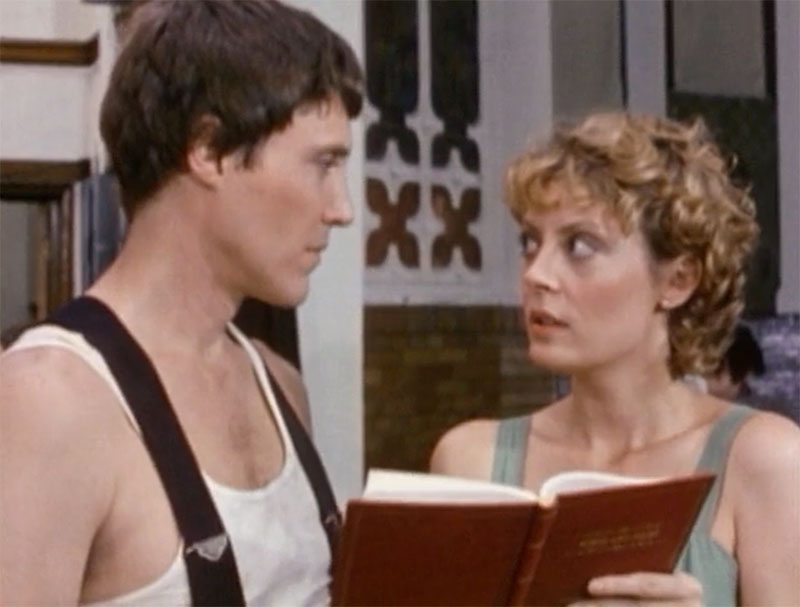
The 1982 American Playhouse production — based on Vonnegut, starring Susan Sarandon and Christopher Walken, scored by John Cale, directed by Demme — would definitely argue for “all of the above.” Part whimsical small-town vision, part examination of the act of acting, and all-around delightful, Who Am I This Time? is, in Sheila O’Malley’s words, “a funny and accurate look at why grown men and women put on costumes and cavort about with fake swords for a paying populace.”

In Demme’s hands, the film feels lived-in and naturalistic. We are in the town of North Crawford — Hinckley, IL, in fact, but who’s got time for facts here — and the local players of the North Crawford Wig and Mask Company are wrapping up their well-received performance of Cyrano. Its star, a declaiming Harry Nash (Walken), declines to show up at the cast party. We learn this is Harry’s way — a perpetual small-town star at home in character on stage or else literally at home, an introvert who wants nothing to do with those adoring eyes in the crowd.

The entire opening sequence is filmed in Altmanesque breathlessness, with a hint of Cassavetes’ Opening Night. There’s an excitement and professional thrill mapped onto what is, in essence, a pretty ramshackle, local production, engineered by a director and cast who will return to regular jobs tomorrow. This, the film seems to argue from the very start, is the point. Our quotidian lives require the elevation of make-believe. We’re just grown-up kids.

To call it “escapism” is to miss the train entirely. We discover this more and more, as it’s revealed just how central our fictions are to our self-constructions and identities, and the way we relate.

The newly-appointed director George (Robert Ridgely, instantly recognizable to fans of Boogie Nights) finds himself tasked with staging “A Streetcar Named Desire”, and, in a phone shop while contesting a charge for a call to Honolulu he never made, spots Helene (Sarandon). He decides on the spot she’ll be his Stella, though she’s never acted and, as another introvert, has a hard time relating to a fiery character.

The rest of the film proceeds apace, and you don’t need a roadmap. (In fact, you could just read Vonnegut’s 14-page story, to which Who Am I This Time? is almost rigorously faithful, right down to the dialog.)

The larger point here is how Demme uses the camera: to capture the manic energy backstage, the loneliness of an actor after a show as hollow congratulations rain down and they wonder what’s next, how faces are illuminated by each other, both becoming more than they were alone through the deceptively simple act of pretending to be someone else.

“We are what we pretend to be,” Vonnegut wrote in a very different context, “so we must be careful what we pretend to be.” In Who Am I This Time?, the punny, existentialist title shifts that focus, while remaining concerned about its implications. It contains both exasperation and desire. These fraught self-constructions can be undone by artifice, but it’s artifice that can also allow us to become who we are. It’s a paradox Demme seems to relish here.

At the end of the film, the ground has shifted and love is in the air. Two introverts have found a way, through the text, to each other.

That much-vaunted humanism of Demme’s is on display, and I think we arrive at a different definition: it’s about meeting people where they’re at. Few directors have the the selflessness to do that, and that’s part of Demme’s enduring charm. Though the material is Vonnegut’s, it becomes something slightly less cynical here. There is no condescension, no idea that this is a throw-off. Demme took a 50-minute TV movie adaptation and turned it into a delightfully self-aware meditation on stage, film, authorship, and love.

Again, who does that?

April 27, 2017 0 comments
1 FacebookTwitterPinterestEmail
CommentaryFilmGreat Movies: The Counter Programming

The Weirdly Erotic Nostalgia of Ritwik Ghatak’s Ajantrik

by rick April 25, 2017
written by rick

At a crucial moment in Ritwik Ghatak’s Ajantrik (frequently translated as The Pathetic Fallacy), our hero Bimal strokes the most important person in his life and says, “Never mind, Jaggadal. You and I … we’re together.”

It’s a poignant moment, this Bengali portrait of devotion and erotic desire in the face of widespread mockery and community derision.

Also, Jaggadal is his car.

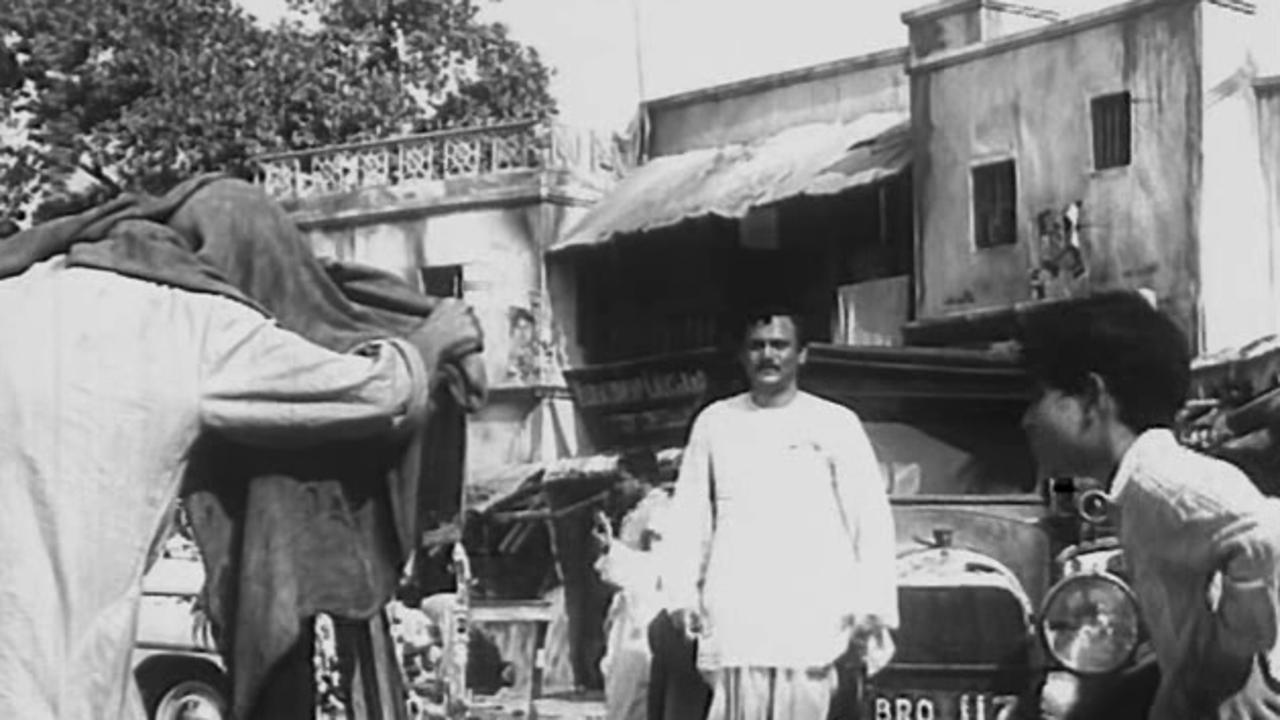
Ritwik Ghatak AjantrikAjantrik channels many modes simultaneously: manic slapstick, Brechtian absurdity, deeply felt commentary on social conditions. Satyajit Ray is commonly credited with founding Indian parallel cinema, mixing social realist tropes with local concerns as a quiet rebuttal to mainstream movies, but there’s a good argument that Ghatak — with his first, pre-Pather Panchali film The Citizen — got there first. Ajantrik was his second. Its influences can be felt in Ray’s Abhijan four years later, and in the general outline of Ray-devotee Martin Scorsese’s Taxi Driver quite a bit later then that.
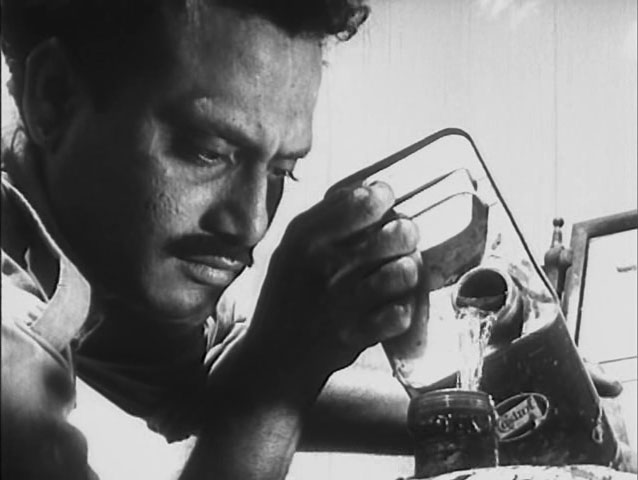
Regardless of lineage, Ghatak seemed to be up to something different in Ajantrik. The film tells the story of Bimal, a man out of place and not in sync with his time. He too is a taxi driver, but refuses to give up his beloved Jaggadal, an aging, creaking, huffing and puffing car he’s had for over a decade. In his insistence that it’s never broken down, so why should he get a new one, you can hear every stubborn man refusing the latest invention.

But Ghatak mines deeper: even though his beloved is, as he’s constantly reminded by his incredulous boss and mocking neighbors, “a hunk of iron and steel,” Jaggadal is also a symbol that goes way beyond its physical manifestation. It’s a bit of pre-Partition nostalgia, and his clinging to seems to represent a rejection not just of newfangled imports but modernity itself.

Ritwik Ghatak Ajantrix petrolNo one else’s car has a name. And certainly no one would lavish upon their car the care he reserves for Jaggadal. His self-identity is bound up with this thing, which, in Ghatak’s hands, takes on a life of its own. Long before the Disney-helmed Bernie series, post-production sound design give Jaggadal an almost corporeal personality: the car is essentially the main character of the film with Bimal in the supporting role. As Stephen Holden notes, the car constantly produces “a comic symphony of wheezes, honks and rattles.”

All of this is very funny and very ridiculous, but Ghatak isn’t just out for Hulot-like laughs. Another crucial scene features Bimal coming across a ceremony as he struggles to get Jaggadal moving again. Omar Ahmed writes:

One could definitely label this as a road movie, with Bimal’s episodic journey across the plains of the Ganges delta providing some illuminating compositions of rural landscapes. However, it is the observation of the Oraons tribe through the elaborate dance rituals that offers a glimpse of Ghatak’s personal ethnographic fascination with marginalised cultures and people…

In the scene, though, you get the sense that Bimal isn’t comfortable here, either. The observed ritual seems to evoke an even more distant past, one further remote from his struggles than his uncomfortable segue into an unsure modern age. He simply has his car, and he wants to keep it.

It’s not to be. When Jaggadal finally gives up the ghost and is sold for scrap, Bimal treats it as a funeral, perhaps his own. (Ghatak underlines this: Bilal apparently lives right next to a graveyard.)

The eroticism of the earlier scenes isn’t exactly David Cronenberg’s Crash, but the fierce merging of man and machine is evident. We close on a child playing with the car horn, the only piece that survived — appropriately enough, for a film obsessed with noises, the sound-making one. His delight brings a smile to Bimal’s face. Perhaps Jaggadal lives on.

It could be a nostalgic vision only, except that the goofball laughs end up being played straight. There’s certainly something silly about a man whispering to his car, but Ghatak infuses the film with so much historically specific pathos that it feels more like a eulogy.

A eulogy for an inanimate fetish object, sure, but a eulogy all the same.


April 25, 2017 0 comments
1 FacebookTwitterPinterestEmail
Newer Posts
Older Posts

About

About

Towards a provisional theory of the cinema, or, failing that, just some shit about movies

Authors
Rick Kelley
Lark Lundberg

Keep in touch

Facebook Twitter

Categories

  • Conversation
  • Film
  • Film By Film
  • Great Movie Project
  • Great Movies: The Counter Programming
  • Guest
  • News
  • Other
    • Commentary
    • Film
    • Interview
    • Reviews
    • Song for a Sunday
  • Streaming Selections
  • TV
  • Uncategorized
  • Vegan Horror

Archives

  • April 2019
  • March 2019
  • January 2019
  • December 2018
  • November 2018
  • October 2018
  • September 2018
  • August 2018
  • July 2018
  • June 2018
  • May 2018
  • April 2018
  • March 2018
  • February 2018
  • January 2018
  • December 2017
  • November 2017
  • October 2017
  • September 2017
  • August 2017
  • July 2017
  • June 2017
  • May 2017
  • April 2017
  • March 2017
  • February 2017
  • January 2017
  • December 2016
  • November 2016
  • October 2016
  • September 2016
  • August 2016
  • July 2016
  • June 2016
  • May 2016
  • April 2016
  • March 2016
  • February 2016
  • January 2016
  • December 2015
  • October 2015
  • September 2015
  • August 2015
  • July 2015
  • June 2015
  • May 2015
  • April 2015
  • March 2015
  • February 2015
  • January 2015
  • December 2014
  • November 2014
  • October 2014
  • August 2009
  • September 2008

Recent Posts

  • China Girls, Death Proof, and the Hidden Face
  • Old News: Old Noise Edition
  • Old News: April 1, 2019
  • Nicolas Winding Refn, Marginalia, and the Deaths of Cinema
  • And now, let us praise Kanopy

Recent Comments

  • Franklin Kat on Michael Shannon shines again in Frank & Lola
  • Sean Tempesta on Cinema and dream-logic in Meshes of the Afternoon
  • ludditerobot on The Left-Wing Slapstick and Iconic Songs of 1937’s Street Angel
  • Franklin Kat on The Left-Wing Slapstick and Iconic Songs of 1937’s Street Angel
  • Arijit Mukherjee on Great Movies Project: The Counter-Programming
  • Facebook
  • Twitter

@2021 - All Right Reserved. Designed and Developed by PenciDesign


Back To Top
Luddite Robot
  • Reviews
  • Commentary
  • Great Movie Project
    • Great Movie Project
      Bride of Frankenstein is a movie for and…

      January 25, 2018

      Great Movie Project
      The Enduring Appeal of Nick and Nora in…

      November 29, 2017

      Great Movie Project
      The Ahistorical Fever Dream of The Scarlet Empress

      August 2, 2017

      Great Movie Project
      Dreams, Mundanity, and the Anarchist Yearnings of L’Atalante

      July 12, 2017

      Great Movie Project
      Duck Soup Is And Will Always Be A…

      April 19, 2017

  • Counter Programming
    • Great Movies: The Counter Programming
      Walking and Talking in the Shadow of Kanchenjungha

      March 7, 2018

      Great Movies: The Counter Programming
      A Brief Encounter in My Mother and Her…

      February 9, 2018

      Great Movies: The Counter Programming
      Horror’s Refusal in Farrokhzad’s The House Is Black

      October 13, 2017

      Great Movies: The Counter Programming
      The rage and beauty of The Cloud-Capped Star

      October 3, 2017

      Great Movies: The Counter Programming
      The daylight noir and social issue empathy of…

      June 22, 2017

  • Vegan Horror
    • Vegan Horror
      Julia Ducournau doesn’t think her film Raw is…

      June 7, 2017

      Vegan Horror
      Licking our wounds: The vampiric masculinity of Ravenous

      December 13, 2016

      Vegan Horror
      Eggertsson and animals: An approach to horror cinema

      September 15, 2016

      Vegan Horror
      “It’s Not My Nature” – Vegetarianism, Body Horror,…

      August 30, 2016

      Vegan Horror
      Bodies and Carcasses in Predator 2

      August 23, 2016

  • Interview
    • Interview
      Jasmine Leyva’s doc The Invisible Vegan aims to…

      May 3, 2017

      Interview
      Bridging The Abyss: An Interview With The Directors…

      November 28, 2016

      Interview
      7 Days in Ohio: An Interview with Nathan…

      September 12, 2016

      Interview
      Film Critic Phil Dy talks New Filipino Cinema

      June 17, 2016

      Interview
      “I Love Seeing Film Projected.” A Conversation with…

      March 22, 2016