Top Posts
Madeline’s Madeline: An Unclassifiable Panic Attack Maybe-Masterpiece
Shoplifters Steals Moments of Wonder from the Mundane
Burning and Forgetting What’s Not There
Kusama: Infinity Expands Beyond The Canvas
Mandy Risks Little, Wins Little
In We The Animals, The Children Are Away...
The Seagull Isn’t Quite Chekhov, But It’s Still...
5 Million Ways Boots Riley Isn’t Sorry To...
American Animals’ and the Queasiness of the Heist
A Star Is Born In Hearts Beat Loud
  • Reviews
  • Commentary
  • Great Movie Project
    • Great Movie Project
      Bride of Frankenstein is a movie for and…

      January 25, 2018

      Great Movie Project
      The Enduring Appeal of Nick and Nora in…

      November 29, 2017

      Great Movie Project
      The Ahistorical Fever Dream of The Scarlet Empress

      August 2, 2017

      Great Movie Project
      Dreams, Mundanity, and the Anarchist Yearnings of L’Atalante

      July 12, 2017

      Great Movie Project
      Duck Soup Is And Will Always Be A…

      April 19, 2017

  • Counter Programming
    • Great Movies: The Counter Programming
      Walking and Talking in the Shadow of Kanchenjungha

      March 7, 2018

      Great Movies: The Counter Programming
      A Brief Encounter in My Mother and Her…

      February 9, 2018

      Great Movies: The Counter Programming
      Horror’s Refusal in Farrokhzad’s The House Is Black

      October 13, 2017

      Great Movies: The Counter Programming
      The rage and beauty of The Cloud-Capped Star

      October 3, 2017

      Great Movies: The Counter Programming
      The daylight noir and social issue empathy of…

      June 22, 2017

  • Vegan Horror
    • Vegan Horror
      Julia Ducournau doesn’t think her film Raw is…

      June 7, 2017

      Vegan Horror
      Licking our wounds: The vampiric masculinity of Ravenous

      December 13, 2016

      Vegan Horror
      Eggertsson and animals: An approach to horror cinema

      September 15, 2016

      Vegan Horror
      “It’s Not My Nature” – Vegetarianism, Body Horror,…

      August 30, 2016

      Vegan Horror
      Bodies and Carcasses in Predator 2

      August 23, 2016

  • Interview
    • Interview
      Jasmine Leyva’s doc The Invisible Vegan aims to…

      May 3, 2017

      Interview
      Bridging The Abyss: An Interview With The Directors…

      November 28, 2016

      Interview
      7 Days in Ohio: An Interview with Nathan…

      September 12, 2016

      Interview
      Film Critic Phil Dy talks New Filipino Cinema

      June 17, 2016

      Interview
      “I Love Seeing Film Projected.” A Conversation with…

      March 22, 2016

Luddite Robot
Film critique, theory, and assorted nonsense.
CommentaryFilm

China Girls, Death Proof, and the Hidden Face

April 14, 2019

Old News: Old Noise Edition

April 8, 2019

Old News: April 1, 2019

Nicolas Winding Refn, Marginalia, and the Deaths of Cinema

CommentaryFilm

And now, let us praise Kanopy

January 24, 2019

Warren Sonbert and the Relief of Anti-Narrative

January 14, 2019

The World Is Ending and It Doesn’t Matter

The Best Films of 2018

FilmReviews

Madeline’s Madeline: An Unclassifiable Panic Attack Maybe-Masterpiece

December 21, 2018

Shoplifters Steals Moments of Wonder from the Mundane

December 11, 2018

Burning and Forgetting What’s Not There

Alien, Musicology, and Reading Soundtracks

CommentaryFilm

Shocktober III: Halloween 2018 Edition

October 24, 2018

Shirley Jackson’s The Lottery Traumatized Schoolkids in 16 mm

October 18, 2018

Shocktober 2018 II: Another Reshockening (of Horror)

Häxan is a movie made by a movie character

CommentaryFilm

Shocktober 2018

October 7, 2018

Unprofessional! Spring Night, Summer Night

October 3, 2018

The Wild Boys: A Luddite Robot Conversation

Kusama: Infinity Expands Beyond The Canvas

Commentary

Nathan Rabin’s Happy Place is live and you should support it

by rick April 24, 2017
written by rick

Faithful readers, as well as people I’ve met casually on the street, probably, will know that I am a huge fan of Nathan Rabin.

I have interviewed him. I have written a tribute to the inherent empathy of his work. I have shamelessly pilfered his ideas, not once, not twice, but three times.

Frankly, this level of fandom approaches the creepy.

But I can’t help it: Rabin is among the best writers around in pop-culture world, whether that world feels like recognizing it or not. He’s a big part of why this site exists in the first place (which might be damning with faint praise, but there you go).

All of which is why I’m personally excited that his brand spanking new website is live: Nathan Rabin’s Happy Place. It promises to be a veritable cornucopia of Rabinisms, and you should support it.

As he lays out in the intro, Nathan Rabin’s Happy Place will feature variations on the many of the different kinds of obsessively detailed pieces he’s produced over 20 years on the scene: deep dives into the ouevre of Weird Al, sharp looks at terrible films, a personal blog, new movie reviews, commentaries on fatherhood, and basically whatever the fuck he feels like.

Will it be perfect? Rabin isn’t so sure:

That alone has been enough to keep me from venturing out on my own before, a fear that I won’t be good enough, that I won’t be professional enough, that without responsible adults heroically standing in between the world and my messy prose, I’ll be exposed as a rank amateur who got lucky yet grows less lucky by the day.
I’m going to concede upfront that there are going to errors and typos and misspellings in Nathan Raebin’s Happy Place. Hell, I misspelt my own last name in the previous sentence. Pretty sloppy, eh? But you know what, I’m okay with that. I want the world to see me as I really am.
Frankly, that’s a dude who can’t can’t always be counted upon to correctly spell his name.

But in an increasingly brutal marketplace of click-driven ideas, empty listicles, and internet articles tackling the great quandaries of our time, like why so many cartoon characters are yellow, Rabin’s site promises to be singular and honest, as his work and voice have always been.

Give it a look, and then all your money.
 

April 24, 2017 0 comments
0 FacebookTwitterPinterestEmail
FilmReviews

Streaming Selections: Eyes Without A Face

by rick April 21, 2017
written by rick

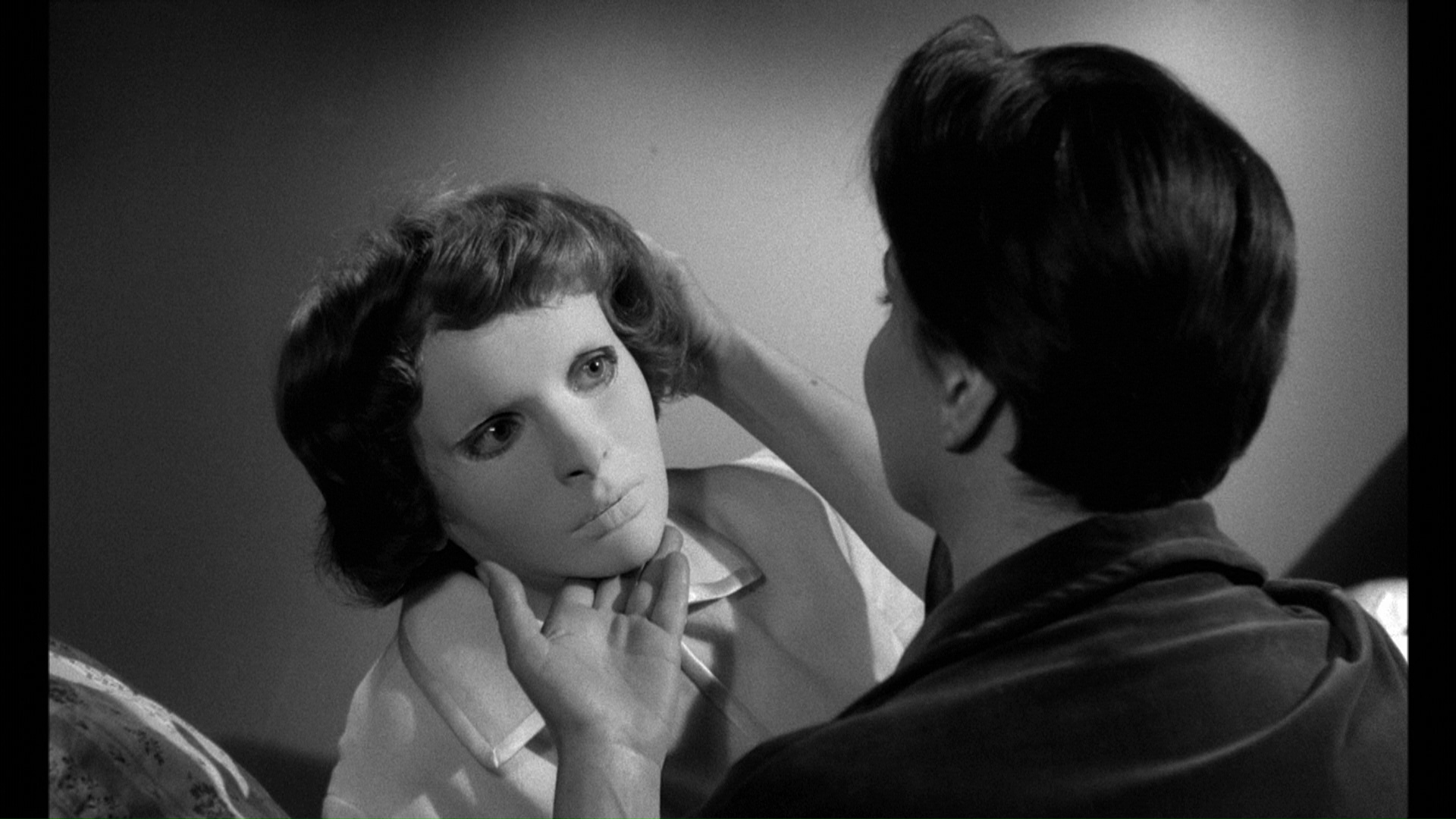
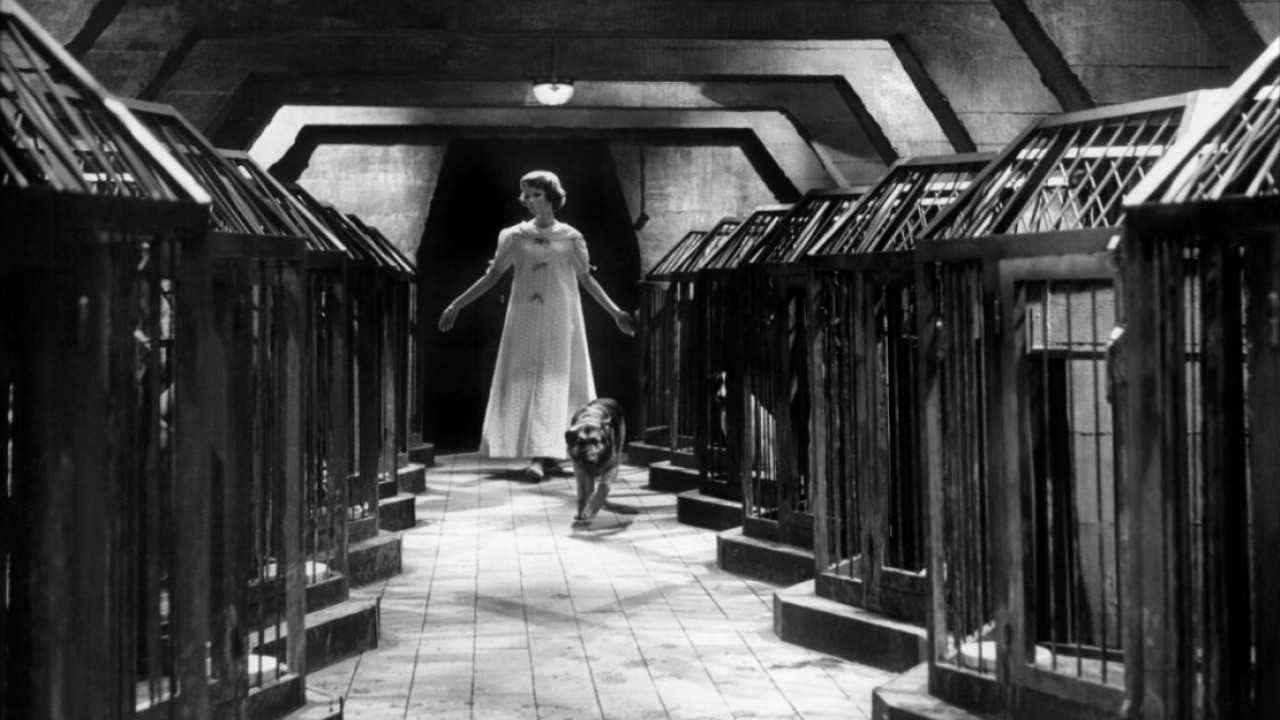
Twenty three years before Billy Idol crooned its title while disconcertingly staring at music video audiences, Eyes Without A Face was a horror masterpiece.

Georges Franju’s unsettling meditation on the uncanny still haunts our films. (Pedro Almodóvar had fun reprising it earlier this decade.) A sort of Gallic Hitchcockian thriller, Eyes Without A Face is a deep dive into the patriarchy, and as long as dudes continue to decide to remake the world in their own image, it’ll remain relevant.

The plot is simple, as it should be. A near-corpse discovered in a river is brought, more or less, back to life. As the film progresses, we learn that this has more to do with the desires of the living than those of the almost-dead.

Franju cranks up the tension, and lovingly films his protagonist’s disfigurement as a reproach to all the ways men control women. It’s the rare horror movie that evokes more pathos than fright. An entire subplot involving animal experimentation nudges the film into the realm of vegan horror.

Based on a notorious novel, Eyes Without A Face somehow slipped by the censors. We’re lucky it did.

(Streaming on FilmStruck)

Quick Links

Breaking Away

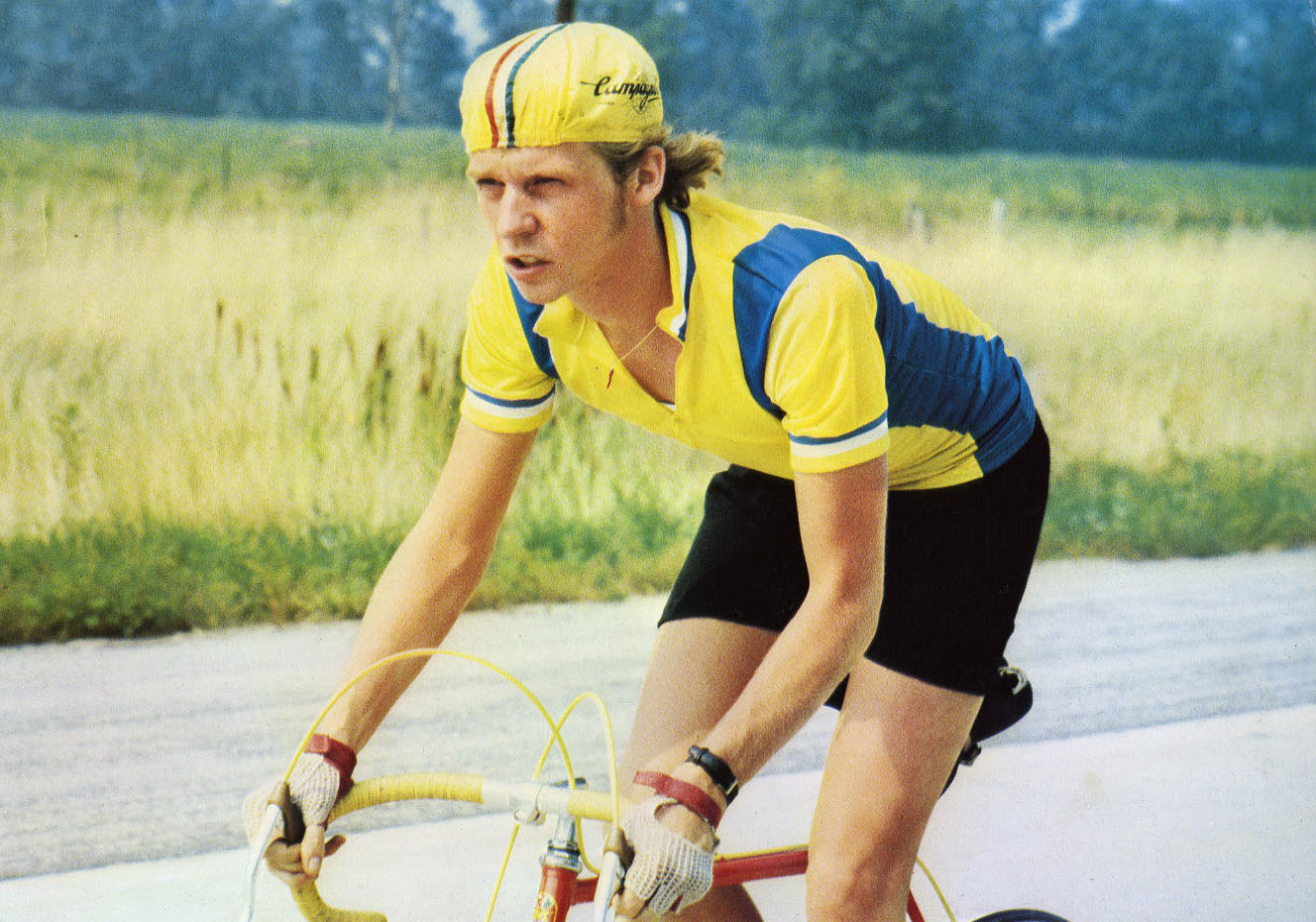
This film about bicycles, Italian opera, and townies almost won the day last year, when my girlfriend and I considered the greatest sports movies of all time. It’s charming and stupid and you might like it.

(Streaming on HBO Go)

Twin Peaks: Fire Walk With Me

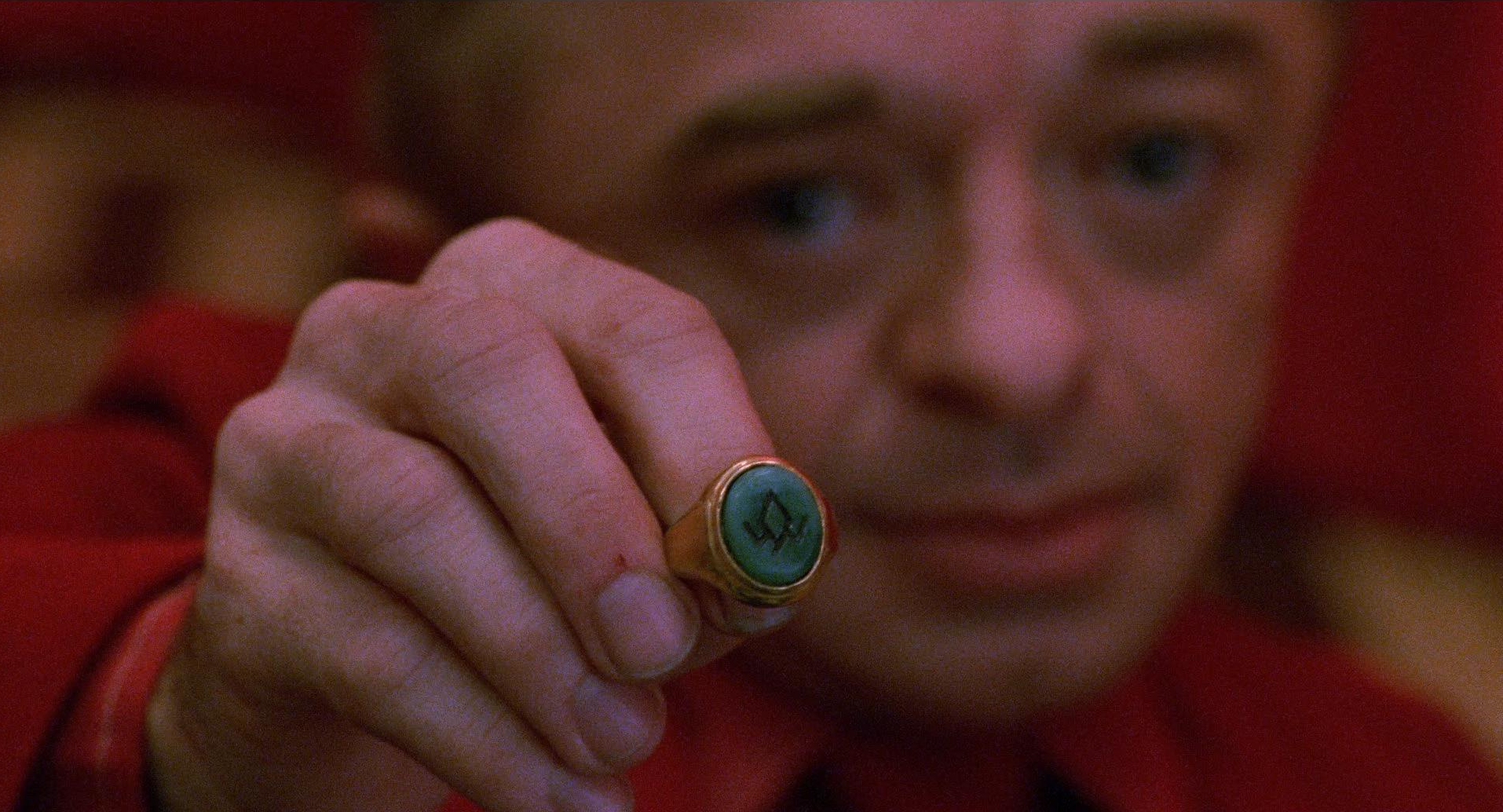
With the return of Twin Peaks to the teevee, now might be a good time to revisit one of David Lynch’s more divisive pictures.

At the time of its release, it horrified fans of the show — both revealing too much and way too little about our dead heroine, Laura Palmer. The groups of fans who gathered to drink coffee and eat donuts did not know what to make of this Lynchian mindfuck, which plays far more as horror than jokey televised whodunit.

It’s also amazing.

(Streaming on Showtime)

The Flower In Hell

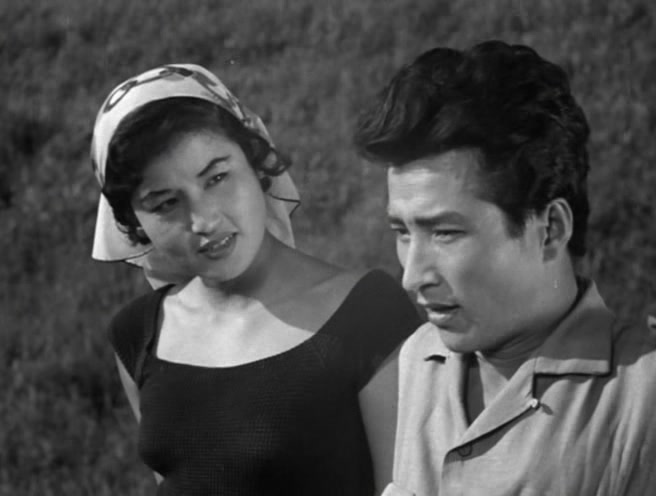
Shin Sang-ok’s daylit noir was recently featured in the Counter-Programming series, but here I am, hyping it again.

Fans of Sam Fuller and Nicholas Ray will feel right at home. The Flower In Hell codes American imperialism as a precursor to family strife, giving the film a sense of inevitability. But there are surprises sprinkled throughout, not least of which Choi Eun-hee as a femme fatale temptress. It’s a Korean B-movie with a lot on its mind, and it’s streaming for free on YouTube.

(Streaming on YouTube)

Antichrist

Lars von Trier is what we might charitably call “an acquired taste”. In the sense that, once acquired, you can’t get enough, and have trouble explaining this to your respectable friends.

In one of his earliest movies, he plays himself, declaring, “A film should be a pebble in your shoe.” Antichrist might be that pebble. It’s vicious, absurd, potentially misogynistic or at least gynophobic, and smarter than me. Charlotte Gainsbourg is ideal in the leading role; Willem Dafoe is, as ever, quite Willem Dafoe-like.

A lot of people despise this film. I am not one of those people. I’d shake it off if I could, but it’s still there, creeping me out at night. Chaos reigns.

(Streaming on FilmStruck)

April 21, 2017 0 comments
0 FacebookTwitterPinterestEmail
CommentaryFilm

American Honey was the best film of 2016, and almost no one noticed

by rick April 20, 2017
written by rick

Critical responses to American Honey seem to fall into two camps: those who loved its portrait of outsider culture and female empowerment, and those who felt, in the words of my friend and noted critic Charles Bramesco, that it was”just feral white kids ecstatically and unabashedly screaming the N-word over barely listenable trap-rap.”

With all due respect to Charles and his insufferable euphemism — a kowtowingly polite dodge that actually affirms white supremacy — this is a hot take that needs some cooling.

American Honey, as it turns out, is smarter than all that. It is a pitch-perfect image of life on the margins, struck through with racial anxiety, class antagonism, and gender dysphoria, all conveyed through striking moments of sunny dislocation. It’s a film about how we live.

This is clearest in one of the film’s most iconic scenes. Our hero, Star (non-actor Sasha Lane, in a film full of non-actors) is trying to acclimate herself to this weird new world. She skipped out of her previous one, underwritten by abuse, and finds herself in the company of these idiot kids selling magazine subscriptions. Director Andrea Arnold films this transition as a collection of moments of wonder, a weird confluence. While E-40 plays in the heartland, Star navigates her new world.

Somehow, white critics miss several things. First of all, Star is not white. This is a crucial aspect of the narrative. Secondly, those “feral kids” are intended for comic relief, to a certain degree, but they also speak to the dire poverty and lack of options that pervades the midwest. Their attempts at living the life they hear about in songs is the exact root of their alienation. It’s impossible to watch this clip without seeing unmoored children, which is the point. The appropriation springs from an absence.

Of course, Star’s attempts to reach out is an entirely relatable vision of home-searching: her care for insects, her patronage of the lesser respected women in the circle, and her furious notion that she can make it out. Her love interest — Shia LaBeouf, never even close to better — marks this, as well. He’s saving up money. He’s going to buy a place in the woods.

Sure he is.

American Honey will one day be seen as a chronicle of the rootlessness that defines an entire generation of kids. You can see it right away, if you’re looking. The very act of miming and mimicking hip-hop songs is part and parcel. Arnold implies, rather hopefully, that we can get out of it — we can care for a turtle, we can wade into the water.

Here’s hoping she’s right.

April 20, 2017 0 comments
0 FacebookTwitterPinterestEmail
Great Movie Project

Duck Soup Is And Will Always Be A Low-Brow Goof, And That’s A Good Thing

by rick April 19, 2017
written by rick

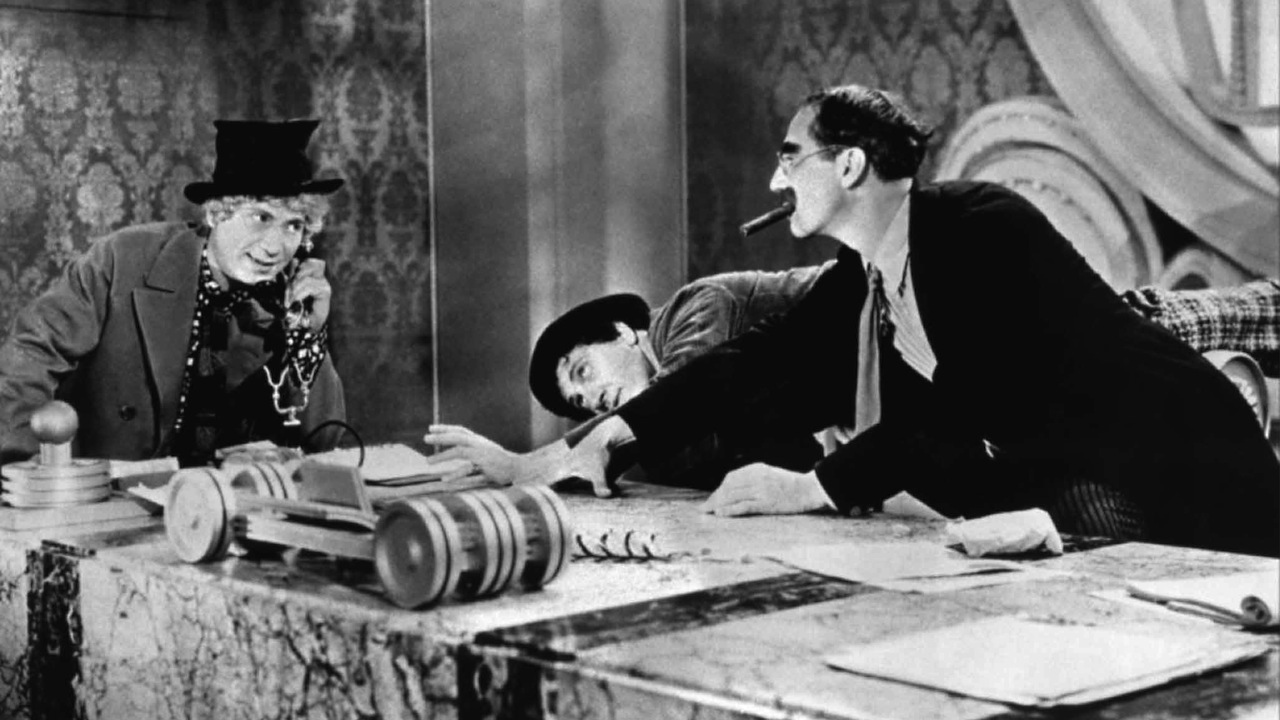
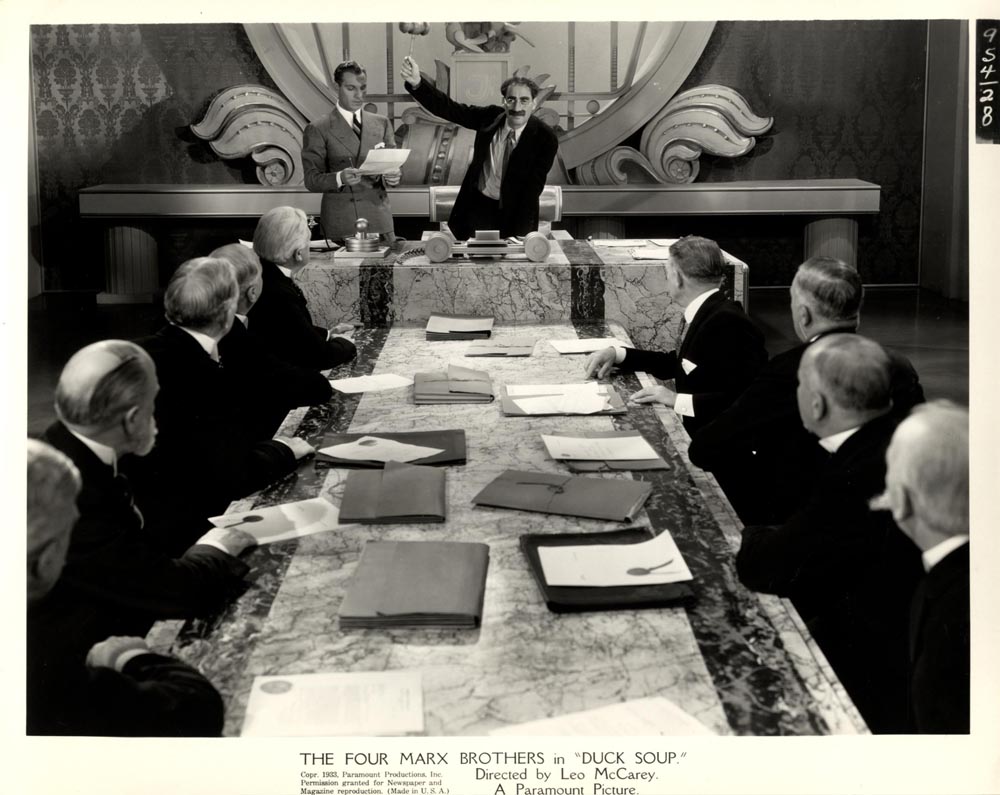
“I got a good mind to join a club and beat you over the head with it.” So says Groucho at one point in Duck Soup, in a pun that doubles as a summary of the film’s approach.

Duck Soup was the final film the brothers made for Paramount, a bridge-burning coda to their time there. It flopped, of course, only to be recuperated generations later and elevated to a level of respect and admiration that must’ve made them giggle. This is not a respectable film.

Combining their background in vaudeville with Groucho’s nonstop idiot patter, Duck Soup is an affront to respectability and seriousness, which makes its canonization that much goofier. High-minded critics tend to find in it a Dadaist sensibility, an absurdist take on the trappings of power. Here, in a film in which a tony ambassador angrily declares, “I didn’t come here to be insulted!” and Groucho responds, “That’s what you think.”

Duck Soup, a film in which Groucho is inexplicably brought in to head up the fictional country of Fredonia, would seem to be the closest the troupe got to outright political satire, and much of the esteem that’s been heaped upon it stems from that. But all these attempts to turn the Marx Brothers into political avatars are undermined by their own comedy. “I’d never join a club,” Groucho famously remarked, “that would have me as a member.”

Instead, we are treated to an almost punishing collection of dad jokes, with some interminable physical comedy gumming up the works. This is a film more fondly remembered than watched.

The best things about Duck Soup all arise from Groucho’s wordplay — an almost endless list. In less than an hour and a half, I’m not sure the man has a line that isn’t a double entendre. And he has a lot of lines.

Well, that covers a lot of ground. Say, you cover a lot of ground yourself. You better beat it – I hear they’re going to tear you down and put up an office building where you’re standing. You can leave in a taxi. If you can’t get a taxi, you can leave in a huff. If that’s too soon, you can leave in a minute and a huff. You know, you haven’t stopped talking since I came here? You must have been vaccinated with a phonograph needle.

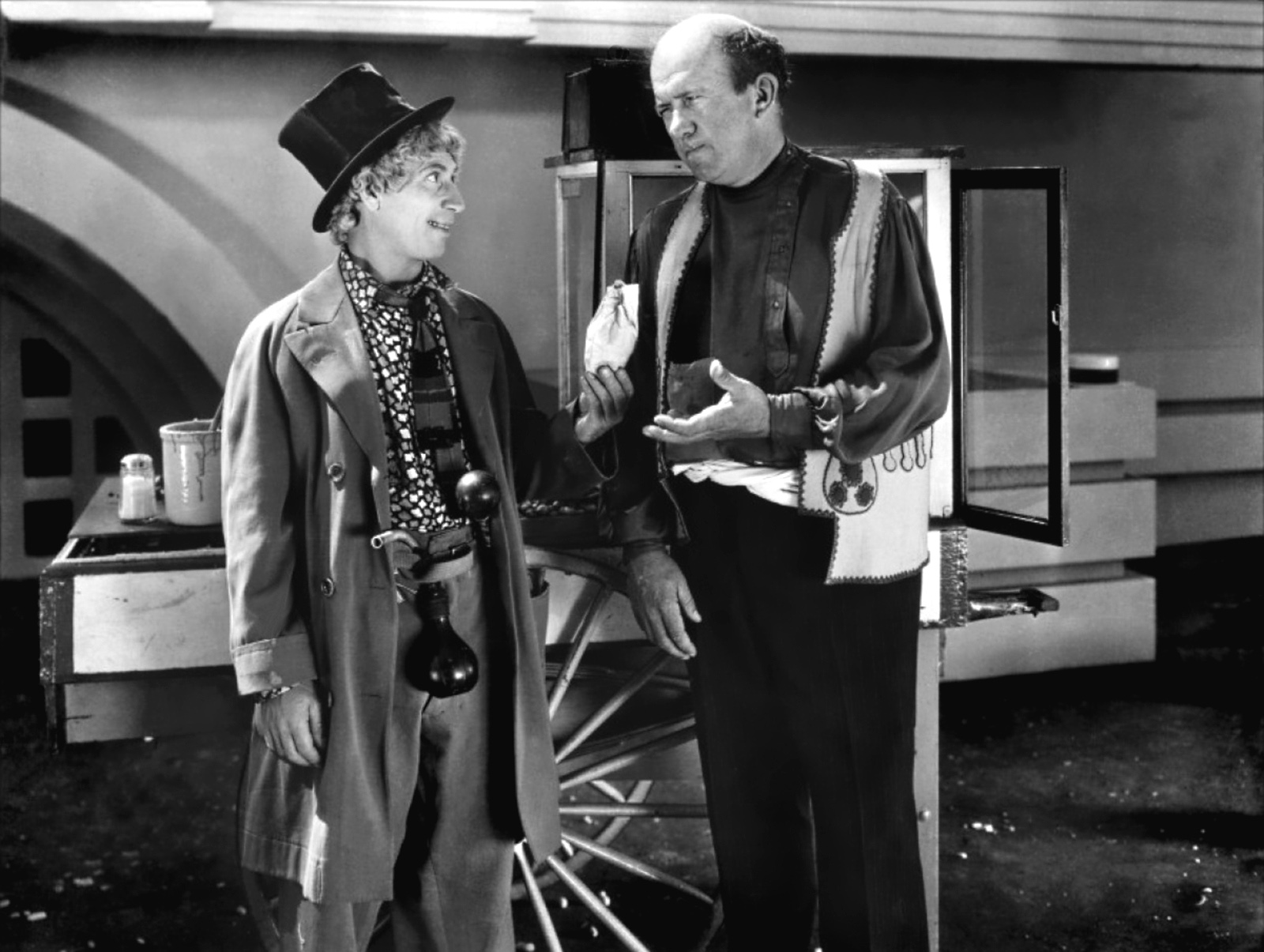
Meanwhile, his character, the wonderfully-named Rufus T. Firefly, hires Chico to be his Secretary of War, despite (or perhaps because) he’s a peanut vendor. Chico and Harpo are actually double agents, working for the country of Sylvania. We encounter them, as Craig Brown notes, as human puns:

When Harpo next appears, he is with Chico. They arrive at the Ambassador’s door as his appointed spies, both wearing bearded masks and hats, with Harpo’s eyes whirling round on springs. But the mask itself is then unmasked: Chico turns Harpo round; his real face is on the other side of his head.

It’s a decent gag, but it underscores the larger point: this is Groucho’s film, and everyone else just weighs it down. The long, nearly silent segments in which Chico and Harpo mess with a lemonade salesman are a tribute to their vaudevillian lineage.

They are also totally unfunny. The contrast between sharp wordplay and wordless hijinks is evident, and the physical goofballery loses out. Perhaps contemporary audiences found it rib-ticklingly hilarious, but it’s difficult to imagine almost anyone now agreeing.

So why do so many people maintain, against all available evidence, that Duck Soup is the pinnacle of the Marx Brothers’ output? For one thing, it’s received wisdom: they heard Roger Ebert say so once. For another, the film marks the moment before the transition to MGM, when the brothers would be relegated to bit parts in their own films, wacky characters dancing around love stories in which they were not involved. It’s a last hurrah.

None of which is to say it’s bad. Quite the opposite — Duck Soup is frequently hilarious, at least when Groucho is talking. (I mean, Harpo doesn’t even get to play a harp. What is that.)

There is absolutely a strain of anti-authoritarian anger that runs through the film, barely coded. (“You’re a brave man. Go and break through the lines. And remember, while you’re out there risking your life and limb through shot and shell, we’ll be in be in here thinking what a sucker you are.”)

On rewatching, I’m reminded more than anything of the dinner table sequence in Gravity’s Rainbow, where our declasse heroes make their rich hosts vomit with gross alliterations at their fancy meal: Smegma Stew! Menstrual Marmalade! Clot Casserole! This is the level on which Duck Soup plays.

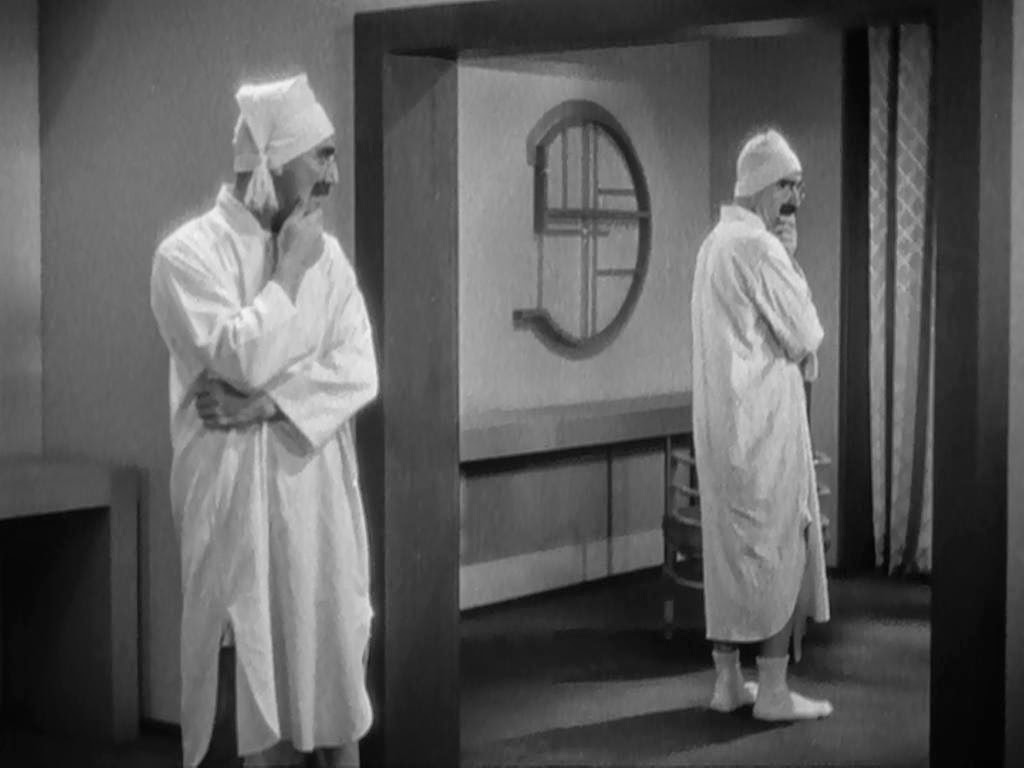
There are great physical bits, particularly the famous mirror scene, in which Groucho and Harpo (dressed as Groucho) mimic each other. In just a few short minutes, the film engenders an entire trope that will be carried through cartoons for the rest of time. There’s also something oddly touching about it: you can feel the staginess and yet you don’t care. The gag is too good to care.

As far as I’m concerned, digging into a Marx Brothers film is a fool’s errand. They were, and are, meant to entertain. The ultimate goal is a giggle, not an essay. Duck Soup (Groucho explaining: “Take two turkeys, one goose, four cabbages, but no duck, and mix them together. After one taste, you’ll duck soup the rest of your life.”) was never meant to occupy some sort of breathless, rarefied place in cinema history. It was supposed to make you laugh.

It mostly still does.

Favorite Ebert excerpt:

My father loved the Marx Brothers above all other comedians or, indeed, all other movie stars. The first movie he ever took me to was “A Day at the Races.” All I remember about that experience was the fact of my father’s laughter. But there was something else, too, that I understood only much later: The sound of his voice as he described the brothers. He used the tone that people employ when they are talking about how someone got away with something.


That is the same tone I have heard, and used, in discussing such subjects as “Some Like It Hot,” “The Producers,” “Blazing Saddles,” “Airplane!,” Monty Python, Andy Kaufman, Saturday Night Live, “South Park,” Howard Stern, “There’s Something About Mary” and “Being John Malkovich” — and even movies that are only indirectly comedies, like “Pulp Fiction.” There is a kind of admiration for material that dares something against the rules and yet is obvious, irresistibly, funny. How much more anarchic the Marx Brothers must have seemed in their time than we can understand today. They were among the first to evoke that tone; you can see who the Marx Brothers inspired, but not who they were inspired by, except indirectly by the rich traditions of music hall, vaudeville and Yiddish comedy that nurtured them.

April 19, 2017 0 comments
0 FacebookTwitterPinterestEmail
Film

The Weak and Idle Theme of Hermia and Helena

by rick April 17, 2017
written by rick

The films of Matias Piñeiro are, we are told, above all other things “clever”. Arthouse confections structured, however loosely, as riffs on Shakespeare’s plays, the Argentinian-born director’s works straddle a line between creative reimaginings and film school twee. Hermia and Helena is my first Piñeiro (grain of salt and all that), but if it’s any indication, I’m coming down decidedly on the side of the latter. This is a film of ideas that amount to far less than the film seems to think they do.  

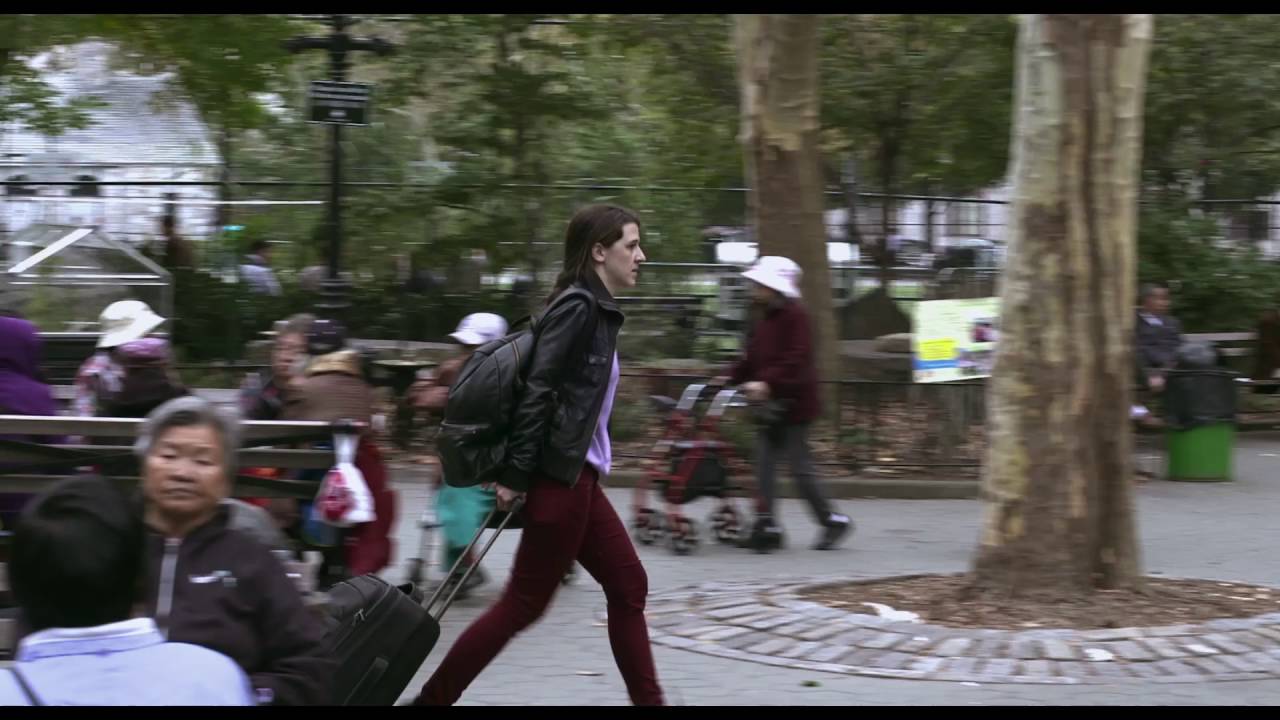
As the title suggests, we are in A Midsummer Night’s Dream territory here: the air-light narrative emphasizes doublings, four interconnected plots, and other ethereal call-backs. We open with Carmen (María Villar) vacating her NYC apartment after finishing up an artistic residency there and preparing to return to Buenos Aires. Camila (Agustina Muñoz), the woman with whom we spend the most time, arrives from Argentina to take her place in the program, and quickly strike up a relationship with an American named Lukas (Alex Ross Perry favorite Keith Poulson), who also had something going with Carmen it seems. (Lukas, with his indie flick hipster sensibility, seems likely to have something going with anyone in this program.) 

The doublings and meta-texts pile on top of each other. Camila’s project in Hermia and Helena is to translate (you guessed it!) A Midsummer Night’s Dream into Spanish for an Argentinian performance back home: her walls are covered with transliterations, and Piñeiro misses no opportunity to remind us that this is what it’s all about. Unfortunately, he frequently has to — the connections between stage play and romantic ex-pat Round Robin are so tenuous you have to squint to see them in the first place.

There is more. A left-behind Argentinian boyfriend is slighted by Camila’s bubbly shrug of a departure, and the two can connect only through the internet. A former lover in New York — a filmmaker whose Du Maurier-inspired short Piñeiro compels us to watch in full, like a guest arriving with a slide-show from his trip to undergraduate studies — is encountered and just as quickly jettisoned. Carmen receives postcards from a mysterious friend of Camila’s making her way across the Western U.S., which she turns into an art project as she awaits the arrival of someone she doesn’t know. Dislocation is the theme of the day here; if you missed it, Piñeiro tells the entirety of Hermia and Helena backwards, at random intervals. “Clever”.

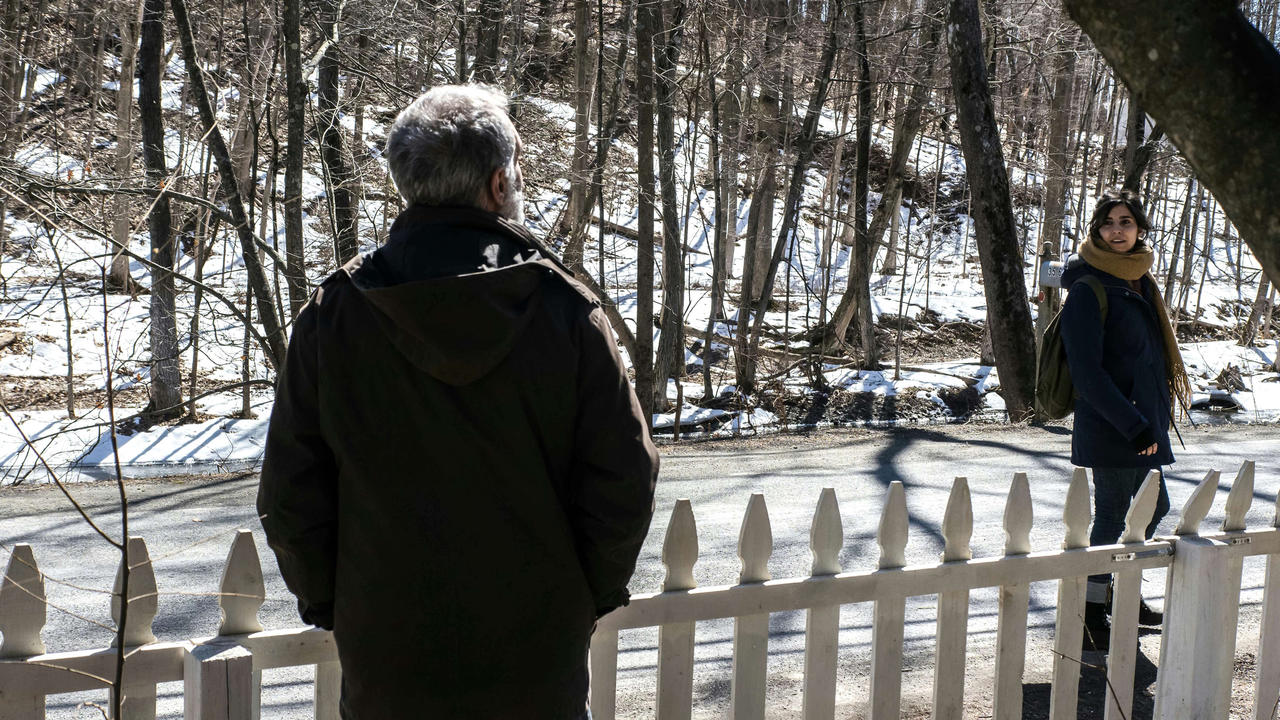
Still, there are deft touches and some pleasant light comedy amid all the writerly hijinks. Superimpositions, sometimes three or four deep, convey that dislocation better in a few short transition moments than the narrative scenes they divide, and they’re beautiful to boot. One longish scene, set in upstate New York, in which Camila meets the father she never knew hints at a grounded film with recognizable humans, rather than the collection of fantasies, dodges, and non-places that constitute the bulk of Hermia and Helena‘s front-loaded aesthetic.

But these moments can’t redeem the interminable frothiness of the rest. Clocking in at less than an hour and half, Hermia and Helena somehow felt simultaneously far longer and far slighter than Cristi Puiu’s three-hour Sieranevada. Both Piñeiro (who splits his time between Argentina and New York) and the Romanian Puiu (who wrote his script after the death of his own father) clearly draw on personal experience in constructing their latest features, but to much different effect. Sieranevada feels like a comic grappling with ritual. Hermia and Helena feels like a clothesline on which to pin half-finished notes.

And irony of ironies: an introductory title card dedicates Hermia and Helena to Setsuko Hara, the iconic star of some of Ozu’s best films. Is Piñeiro subtly poking himself, contrasting the frequent silence and stasis of Tokyo Story or Late Spring with the non-stop, incongruously ragtime-scored motion of his film?

He doesn’t seem like a particularly self-deprecating director, so I’m guessing no. What that dedication means is up for grabs. But what’s clear is that Hermia and Helena is too long, too unmoored, and too faulty in its conception to work, even on its own terms.


April 17, 2017 0 comments
0 FacebookTwitterPinterestEmail
Film

Streaming Selections: The Love Witch

by rick April 14, 2017
written by rick

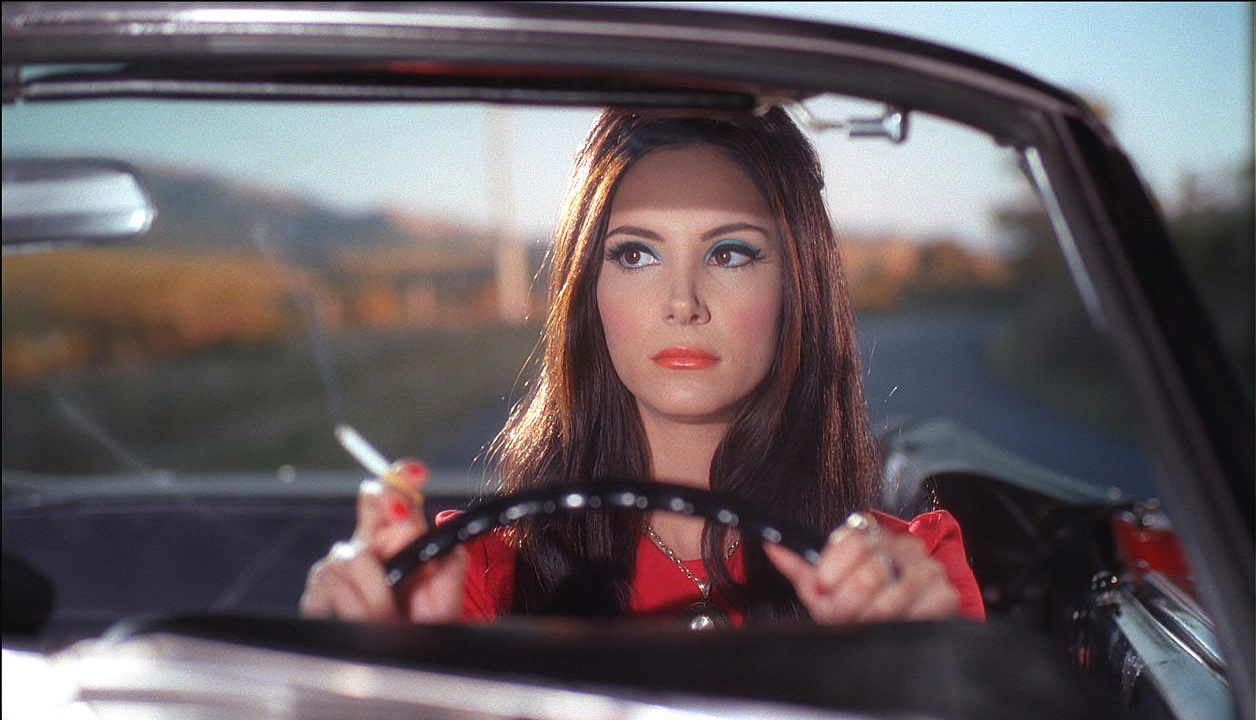
The Love Witch is a two-hour MASH-note to bygone genre films, with the blindingly bright color palette of a late 60s cheapie and the stilted dialog to go with it. For producer/director/writer/editor/set and production and costume designer/non-harp-playing harp-music composer Anna Biller, it’s clearly a labor of love: there’s a handmade quality to every aspect of The Love Witch‘s pulp-horror stylings, and a witty, feminist self-awareness.

Samantha Robinson plays Elaine, our titular protagonist and ultimate femme fatale. Unlike a similar character in a noir, though, Elaine is not out to ruin men’s best-laid plans; she’s out to fall in love (and get laid, full stop). After a disastrous split from Jerry, the man she thought would bring her happiness, she falls in with a coven of witches and sets out to be the very embodiment of feminine allure. For her, the shift to witchy seductress works splendidly. For the men who come under her gaze, significantly less so.

In one of many nods to the B-cinema of yesteryear, we first meet Elaine behind the wheel, with Biller rolling out some delightful rear-projection for period authenticity. At first, The Love Witch feels a bit like a Technicolor Psycho, but a conversation with the cop who pulls her over quickly assures us we’re in the world of pulp. With red lipstick, red nail polish, a red dress, and, we discover, matching red luggage, offset only by shock blue mascara, Elaine has likelier stepped out of a burlesque show or off the cover of a cheap paperback than out of anything Hitchcock would recognize.

It turns out she had to leave Berkeley (of course) after a bit of unfortunate man-slaughter, heading north to the laid-back, redwood-lined Humboldt County town of Arcata where some of her fellow witches reside. Here, she will put all of her efforts into finding a new man in the traditional fashion: by, as she tells her new friend Trish (Laura Waddell), becoming everything they’ve ever dreamed of.

Be careful what you dream of, boys.

Biller’s direction and editing are so assured and pitch-perfect that The Love Witch often feels like it could have teleported here from 1969 — equal parts I Dream of Jeannie and The Stewardesses 3D — but there’s something entirely more punk-rock about its nipple-tasseled deconstruction of the form.

And any notion that Biller’s film belongs to the exploitation realm (she’s adamant it does not) is undone by three things. First, its gender politics point in the other direction, arriving at something much closer to a hilariously misandrist take on the female gaze than something the flesh-loving underground auteurs would’ve cranked out. Second, the elaborate set design and eye-popping costumes, obviously requiring substantial labor, would feel out of place in a quick-to-the-screen cheapie, even if The Love Witch gleefully operates with the logic of one. And third, it’s smarter than all that, particular in its visual name-dropping: how many sexploitation films can you name that overtly reference Häxan?

Elaine’s quest for true love, by way of potions, pentagrams, and stickpin dolls, runs into some snags up in Arcata, as the police begin to get suspicious. (This is the sort of thing that will happen when you bury a man in a shallow grave with a bottle full of urine, a used tampon, and various witchy herbs.) Will she seduce everyone in sight, including the police? Will an entire scene resemble a RenFaire fantasia, complete with harps and lutes, before seguing into a nude Satanic dance around a fire? Will Elaine ever find a good man?

The Love Witch is an adoring pastiche to a serious set of visual, sartorial, and cinematic obsessions. Biller’s sense of fun is contagious, and her film is a gift to trash-art enthusiasts everywhere.

(Streaming on Amazon Prime)

Quick Links

Kubo and the Two Strings

Laika’s visually magnificent, Oscar-nominated latest is a stop-motion fable, and it has everything adults or kids could want from an animated extravaganza. It’s a compelling enough story of important lineage and child peril, in the grand tradition of fairy tales everywhere, but its real strength is the gorgeousness of its images.

As with the studio’s earlier films — Coraline, ParaNorman, and The Boxtrolls — the plot gets a little lumpy, but it makes no difference on the whole. This is a movie to marvel at.

(Streaming on Netflix)

In A World… 

Lake Bell‘s 2013 feature debut is an immensely likable character study, romantic comedy, and satire of male-dominated industry rolled into one, and it’s very funny. As a woman trying to make it in the voiceover world, Bell plays her heroine as both sympathetic go-getter and amiably awkward goof, and the result is an almost uniformly enjoyable riff on family dysfunction, (literal) patriarchy, and dramedy in a weird corner of show biz. As writer, director, and star, she’s got a deft touch, and In A World… is as comedically assured a first film as you could hope for.

(Streaming on Amazon Prime)

The Handmaiden

With plots inside of plots and schemes behind schemes, revenge-maestro Park Chan-wook‘s The Handmaiden keeps you guessing right up to the end. Adapted from Sarah Waters’ psychosexual freak-out Fingersmith, the Korean director plays the material to his strengths: lush imagery, stately pacing, lurid gawking, and a healthy dollop of climactic gore.

It’s a social horror movie told in three parts that turn in on themselves, as we shift perspectives and slowly glean information about who’s conning who, and why. It’s a scandalous, kink-filled slowburner, with enough Sapphic set-pieces and monstrous male sexuality to almost qualify as art-porn.

And that’s before the Ben Wa balls show up.

(Streaming on Amazon Prime)

In Chris Marker’s Studio

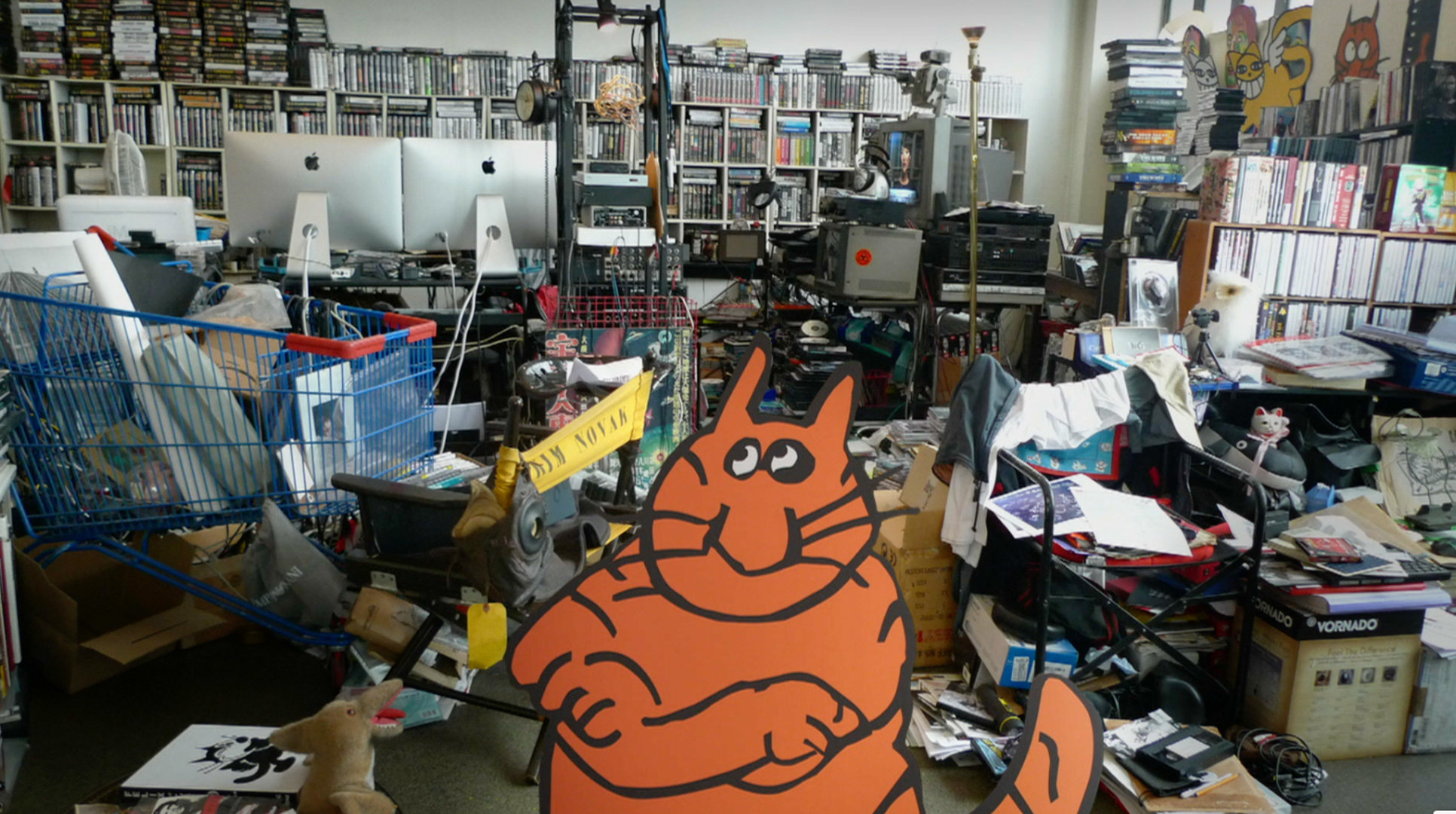
Agnès Varda is among the most curious filmmakers we’ve ever had. Not in the sense that we find her curious — though her open-ended questions and quirky observations certainly mark her as a bit of an odd duck — but because she herself is full of wonder. In this short, she visits the extraordinarily messy studio of the reclusive master Chris Marker (the late leftist artist who gave us La jetée, Sans Soleil, and many other personal works) to obliquely discuss his work and practice.

Marker is never onscreen, as befitting his persona. Instead, his cat avatar stands in for him, as he and Varda explore representation, Second Life, and what constitutes identity in a post-self age. It’s charming and eye-opening.

(Streaming on LeCinemaClub through Sunday)


April 14, 2017 0 comments
1 FacebookTwitterPinterestEmail
Film

Wake In Farce: The Maddening, Hilarious Family Dynamics of Sieranevada

by rick April 13, 2017
written by rick

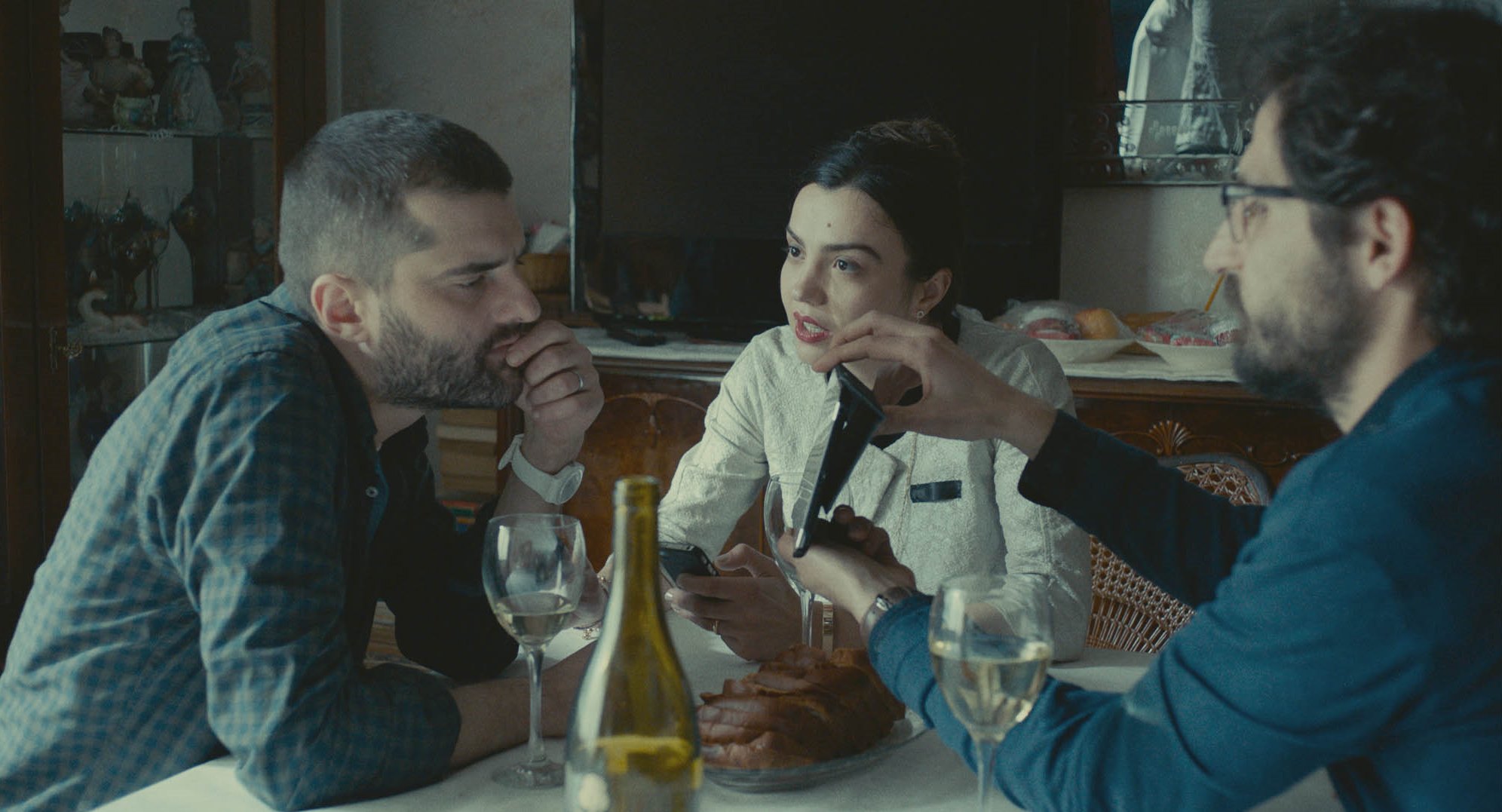
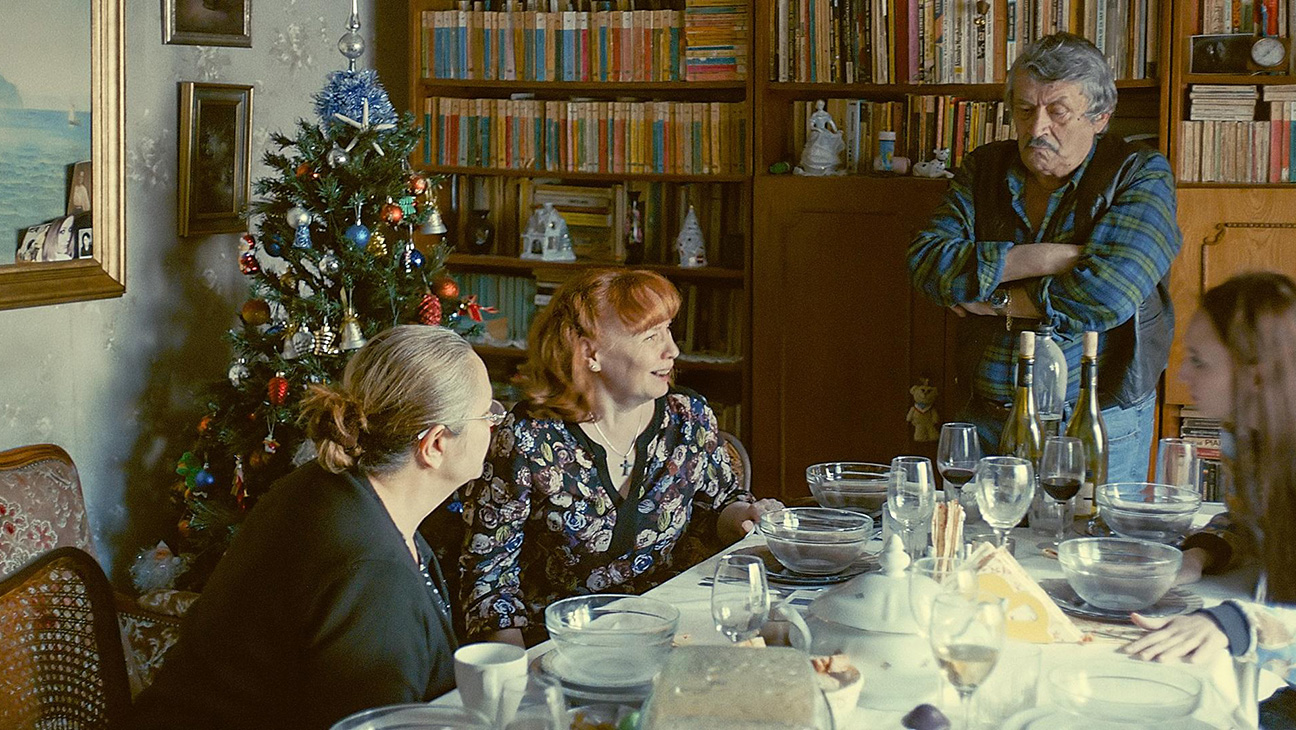
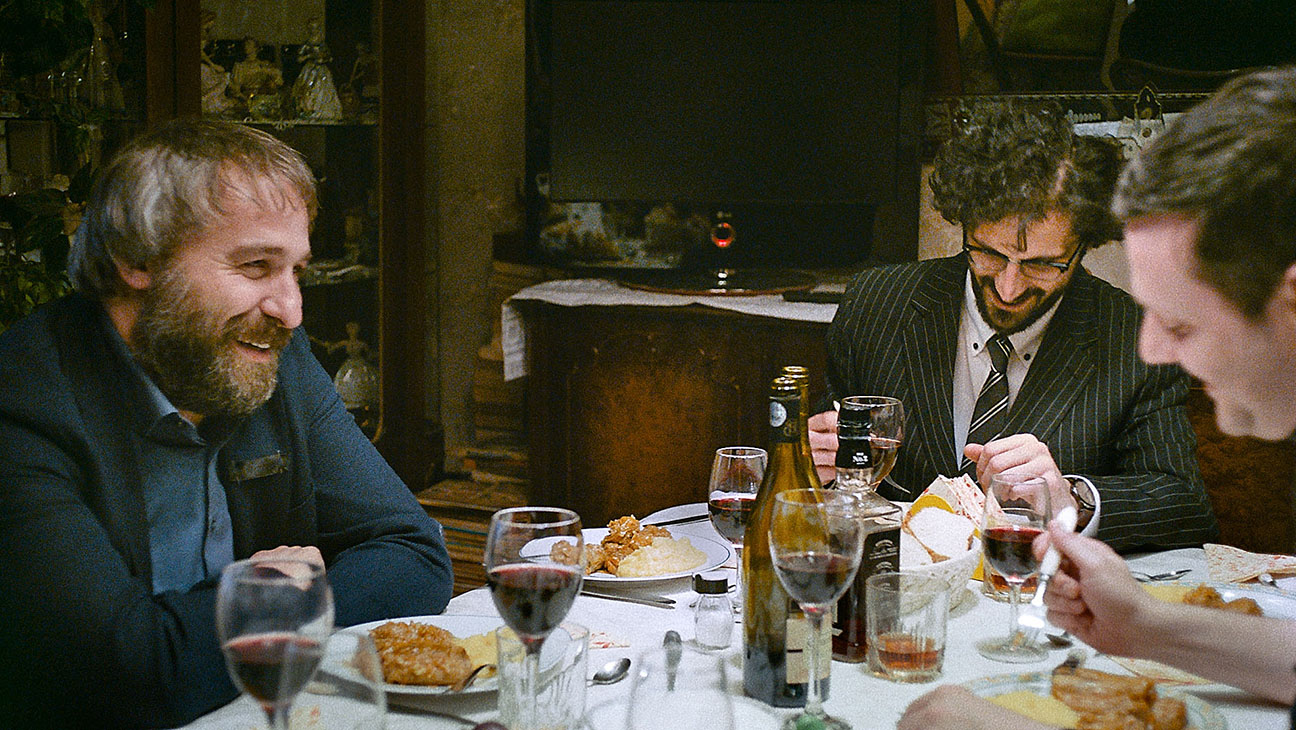
Sieranevada is a chronicle of false starts and interruptions. Clocking in at nearly three hours and rarely venturing out of a single, cramped apartment, writer/director Cristi Puiu‘s ultra-realist epic of Romanian family dysfunction is simultaneously hilarious and insufferable, filled with complicated interpersonal back-stories, old grudges, and meals that can’t seem to get started. Someone’s always arriving, departing, getting into a political argument, or dredging up past offenses.

Sound familiar? Sieranevada plays like an absurdist version of many an off-screen family gathering. Though probably with significantly more chain-smoking in the kitchen.

Our protagonist is Lary (Mimi Branescu, who also appeared in Puiu’s 2005 breakthrough The Death of Mr. Lazarescu), a mild-mannered guy who gives off a bemused, long-suffering air — the shaggy referee of the family, always two seconds from bursting into laughter at everyone’s ludicrous behavior. We meet him and his wife stuck in Bucharest traffic, appropriately enough, bickering because he bought the wrong color dress for their daughter’s Disney-themed play. (“The Brothers Grimm never even said the color of the dress,” he argues. “The play includes Mulan. Did the Brothers Grimm write Mulan?” she counters.)

They’re headed to Lary’s mother’s apartment (Nusa, played by Dana Dagaru, another Mr. Lazarescu vet) to commemorate the death of his father Emil, 40 days prior. According to custom, the family will gather, a priest will sanctify things, and a symbolic suit will be passed on. In this way, the passage of Emil’s soul to heaven will be assured.

Things don’t go well.

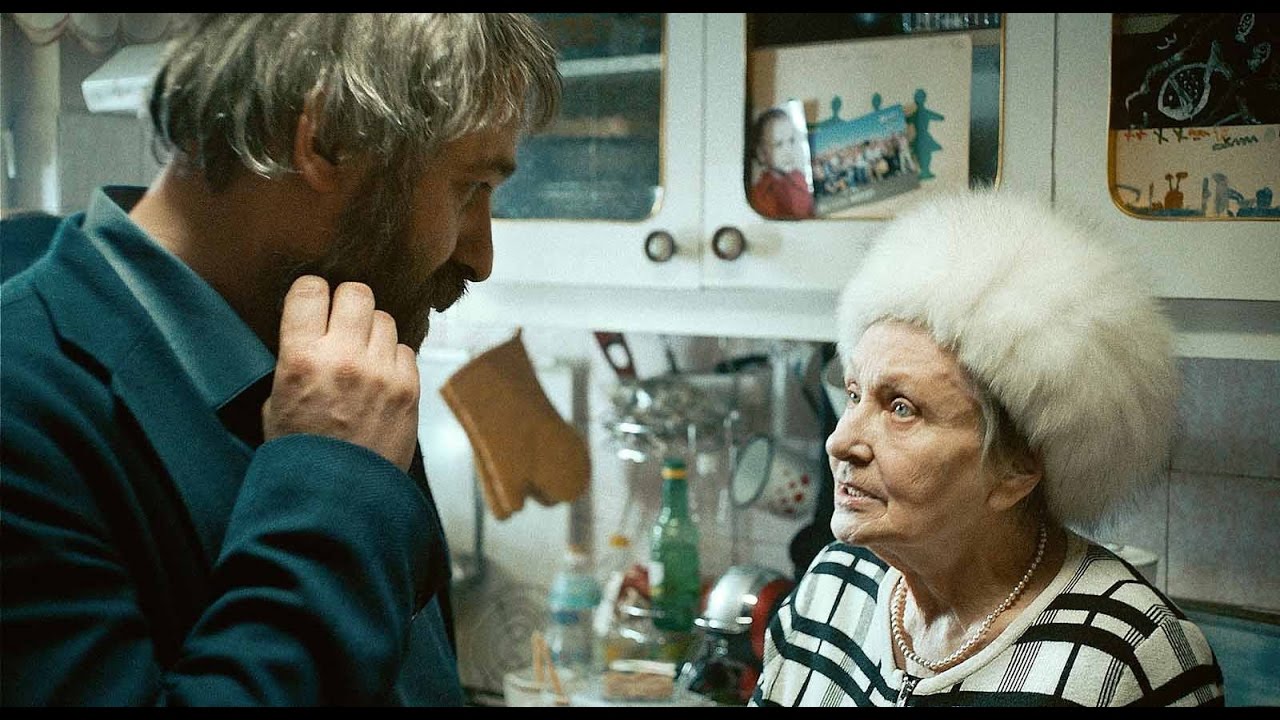
For starters, it’s been only three days since the Charlie Hebdo attacks, and a conspiracy theorist nephew with a laundry list of internet references wants to open everybody’s eyes to the various plots afoot. The communist grandma’s pride in the revolution butts up against the modern liberalism of Lary’s sister Sandra (Judith State). The priest is late, as usual. A rebellious niece arrives with a passed-out friend in tow, who spends the entire film in an adjacent room, occasionally vomiting. No one wants to wake up the baby.

And that’s all before Nusa’s blustering brother-in-law Tony shows up, despite having been told to stay away thanks to his recent philandering with the building manager’s wife.

This narrative account could go on for, well, three hours. Puiu piles character on character, locking them into this small flat full of opening and closing doors. Sieranevada generates huge, stagy laughs from all these dynamics, as well as the kind of claustrophobia that only family can provide. The film’s insistent emphasis is on the quotidian and banal: one amusing sequence involves the stationary exercise bike that Lary, a doctor, has brought for his mother’s health, assembling it only to realize it needs a power adapter for the Romanian outlets. This is how things go here: the time spent on everything — bike assembly, food preparation, tailoring the ill-fitting suit so central to the ritual — is undone by something else.

Puiu plays his narrative like Bunuel in reverse: instead of a party one can’t leave, this is a gathering that can’t seem to get going.

Along the way, Sieranevada makes offhand references to contemporary politics and Romanian history, embodied in the generational conflicts and things as simple as those goddamn power outlets. Relationships are discussed — as is Tony’s notorious blow-job, much to his children’s horror, at the would-be dinner table — and histories revealed.

Puiu and cinematographer Barbu Balasoiu emphasize those seemingly endless doors that open to include or shut to separate, but also the constant motion of people going nowhere, trying to keep things under control. The ceremonial aspect of the gathering is mirrored in other rituals: the setting, and un-setting, of the table, the pouring of drinks in lieu of food that seems like it’s probably never going to be served, the trip to the store for cigarettes, the smoking of cigarettes. (The characters in Sieranevada smoke a lot of cigarettes.)

The one time we do leave the apartment, it comes as something of a relief (just as it would in real life). Of course, that outing is something of a catastrophe, too, so maybe it’s safer inside, with the devils you know.

Sieranevada takes its time going nowhere, and audiences unwilling to invest that time will likely find themselves frustrated. But if you have three hours to spend immersed in this world and its farcical trappings, Puiu’s latest is charming, in a maddening sort of way, and even revealing: about this family, this culture, and a Romania caught between eras.

April 13, 2017 0 comments
0 FacebookTwitterPinterestEmail
Film

Triumph, Redemption, and Tragedy in I Called Him Morgan

by rick April 12, 2017
written by rick

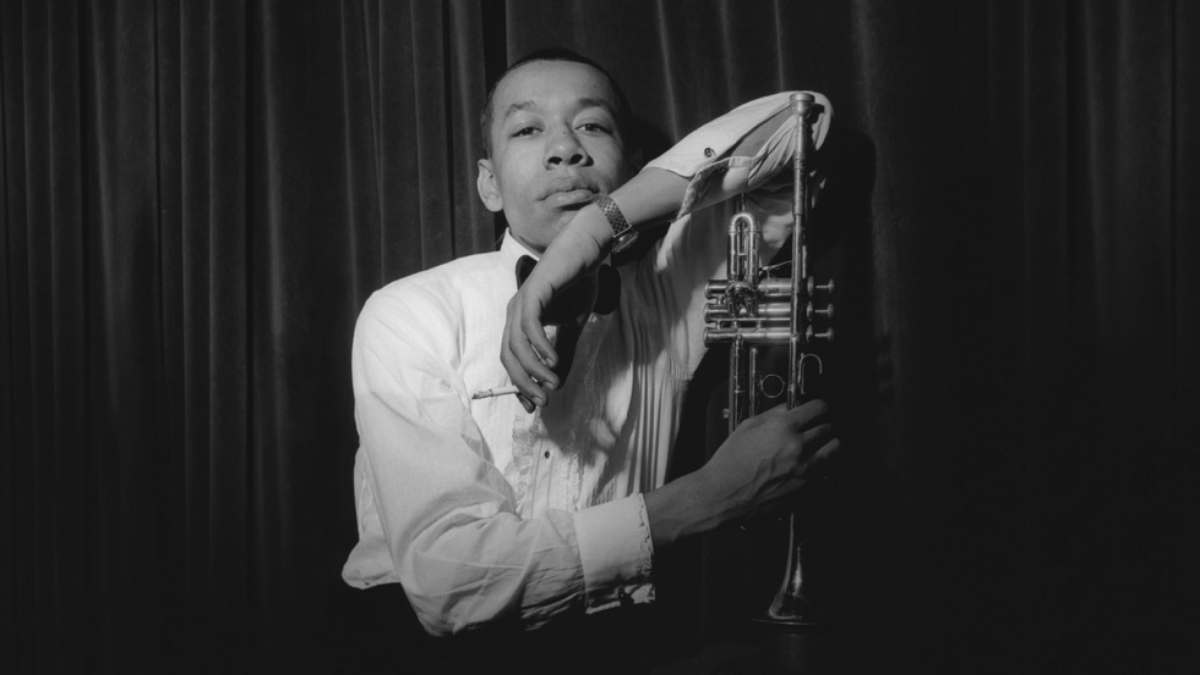
Lee Morgan was only a teenager when he exploded onto the bop scene, a cocky but undeniably talented kid ably sharing the stage with Dizzy Gillespie. He played alongside his friend Wayne Shorter in Art Blakey’s legendary Jazz Messengers, basically defining Blue Note’s hard bop sound at the time. He released seminal records under his own name like The Sidewinder, Search for the New Land, and The Rumproller before getting caught up with heroin, vanishing into addiction, and triumphantly returning clean and full of energy.

And at 33, Morgan was shot dead on stage at a sawdust-floored Lower East Side saloon.

It’s a hell of a story, and I Called Him Morgan tells it concisely, through archival footage, still pictures, talking-head interviews, and the one big coup around which it structures the narrative: a late-in-life audio testimonial from the woman who shot him — his long-time common-law wife and manager, Helen Morgan.

Lee Morgan with trumpet

I Called Him Morgan announces its dual focus in the title, which is a quote from Helen. (She didn’t care for the name ‘Lee’.) The film wisely splits the telling in two, tracking the early lives and careers of both the doomed trumpeter and the woman who would bring him back from the dead only to kill him.

For one thing, this helps I Called Him Morgan avoid the standard archival doc pitfall of only featuring colleagues saying things like, “Boy, he was good” over records you could check out on YouTube, while also rounding the story out with crucial context. And, even if it’s in this tragic context, try and name another cinematic treatment of jazz that gave any space to the women in these stars’ lives? I can’t do it. (When Helen tells of meeting Miles Davis — “that nasty man” — who told her, “You got a smart mouth. I don’t mess with bitches with smart mouths,” we remember how these things usually go.)

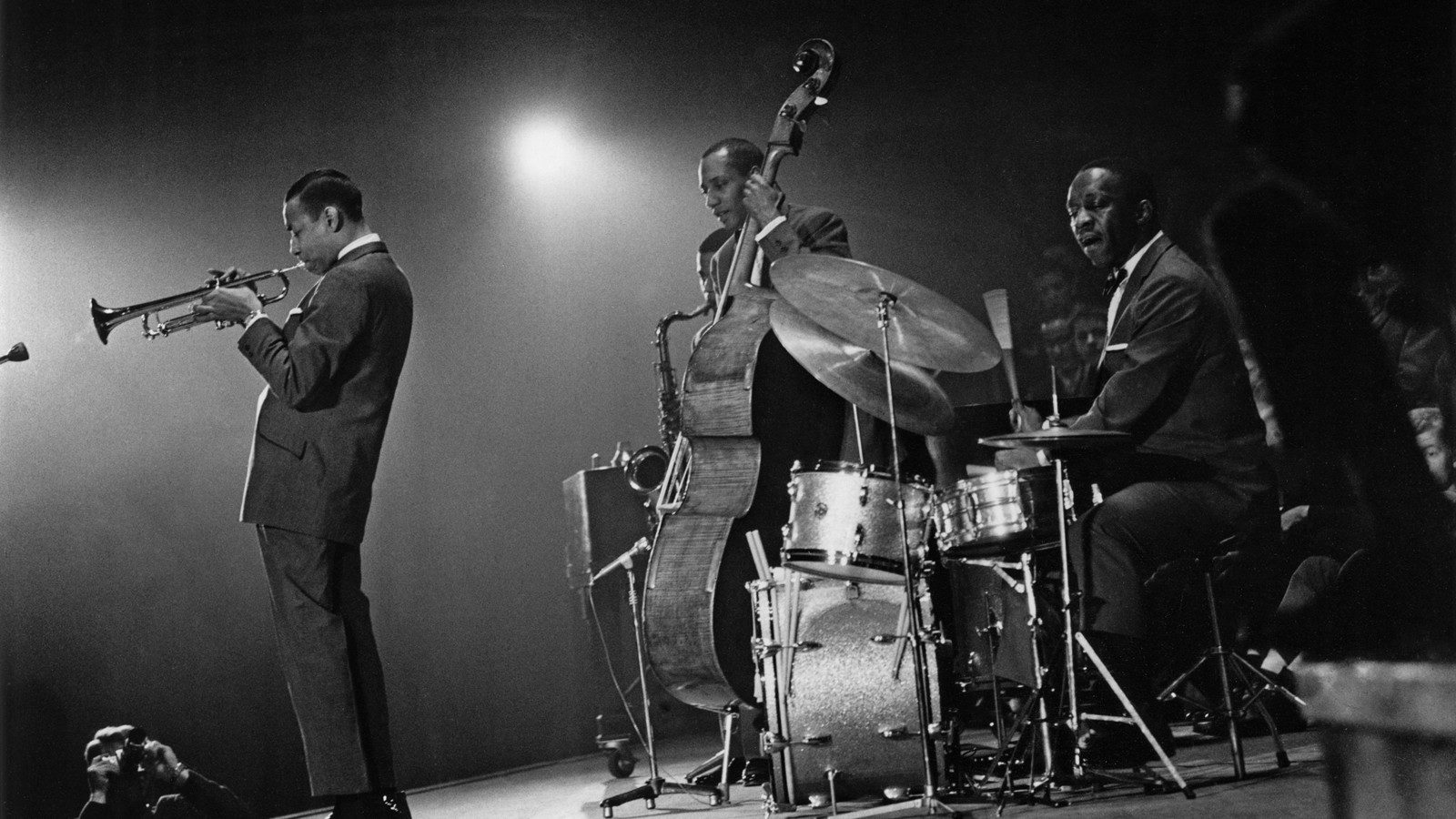
Not that the film lacks for head-nodding footage of Morgan in action. Far from it. We get early performances with Gillespie and some great footage of the Jazz Messengers tearing it up, testimony to his talent and underscoring what was lost for no particularly good reason at all.

Morgan on stage

By interweaving the audio of Helen, recorded by her adult education teacher with a penchant for jazz a month before she died, with depictions and recollections of earlier times, I Called Him Morgan feels like an elegy for an entire era. The hardscrabble Helen, who grew up in the South and fled for New York as soon as she could, emerges as a sympathetic voice — if not necessarily earning forgiveness, at least deserving of understanding.

It’s difficult to listen to her frank account of their tumultuous life together — almost single-handedly rescuing Morgan from the gutter, supporting him, getting him back to work on his art — and not feel at least some amount of empathy when he more or less turns his back on her. Nor is hard to see why he would. Things are complicated in this world.

Some of the best moments come by way of his friend and collaborator Wayne Shorter, who sits down with the documentarians along with many others. (Cinematographer Bradford Young is credited with some of the later footage, and it’s not hard to guess which ones.) Shorter speaks of his admiration for Morgan, and also his horror at the toll Morgan’s drug use was visibly taking. When he stares at one of Francis Wolff‘s iconic pictures of the two of them, you can feel the sadness in his loss of words. He points out what’s behind his expression: a growing feeling that his friend is lost. Like me, you might end up wanting an entire documentary about the subjects of these images excavating their own fraught histories.

For those who know the story, there will not be a tremendous amount to learn here, except about Helen’s childhood. For those who do not, I Called Him Morgan may prove a mind-blowing, often artful dive into a true-crime story, with a hard bop score.

Still, even it doesn’t exactly break new ground, the film is absolutely solid, depicting the times and places, the people and relationships, with skill and nuance. It tells a story that needs to be told. Jazz fans will surely seek it out for the archival footage alone. Anyone interested in tales of glory, redemption, and tragedy should join them.

April 12, 2017 0 comments
0 FacebookTwitterPinterestEmail
Film

The Lost City Of Z Is A Picture, In Every Sense

by rick April 11, 2017
written by rick

When The Lost City of Z was screened earlier this week at the San Francisco International Film Festival, director James Gray took to the stage to briefly introduce it.

After some kind words about our fair city and an enthusiastic celebration of the communal theater experience he holds so dear, Gray closed it out by saying:

Well, that’s probably enough. We should start the movie — I hear it’s four and a half hours long. Anyway, I hope you enjoy the picture.

140 minutes later — that part was a typically self-deprecating joke, delivered in an indelible NYC accent — Gray’s word-choice seemed perfect. Not a “movie”. Not a “film”. A “picture”.

With that single word, he underscored where he, and The Lost City of Z, are coming from.

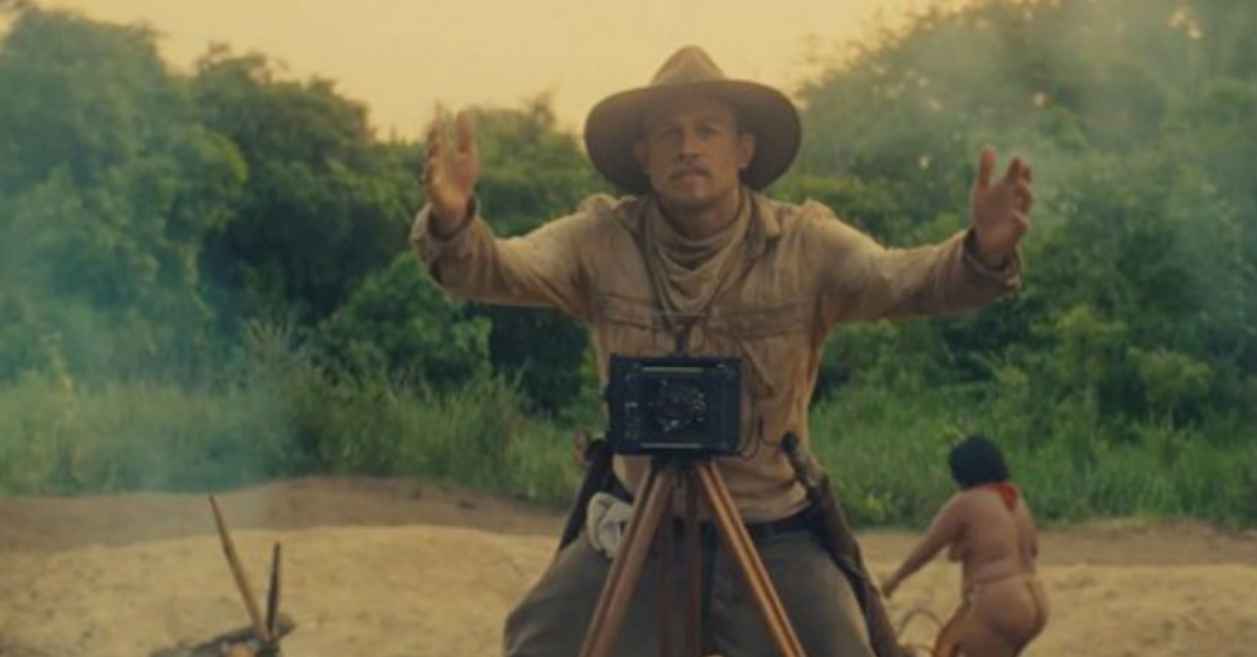
The term’s vaguely antiquated sense of mid-century spectacle perfectly encapsulates this gorgeous epic, its contemplative pacing and 35 mm vistas recalling Lawrence of Arabia as much as its jungle setting and single-minded protagonist bring to mind Aguirre: The Wrath of God or Apocalypse Now. The Lost City of Z is about an Englishman determined to find evidence of a civilization that’s been left behind by modernity; it could just as easily be about a director unearthing older, slower traditions to argue for their value in the age of the comic-book blockbuster.

The story itself, adapted from David Grann’s account, concerns the cross-continental adventures of Percy Fawcett, a moderately déclassé member of the British colonial forces who fears he’ll never be able to ascend the ranks and achieve military honor. (“He was rather unfortunate in his choice of ancestors,” one witty courtier, emerging directly from a Jane Austen novel, remarks.) But, with a background in surveying and cartography, he’s tapped by the Royal Geographic Society to undertake a perilous mission to the Amazon and provide information on what he finds to the Empire.

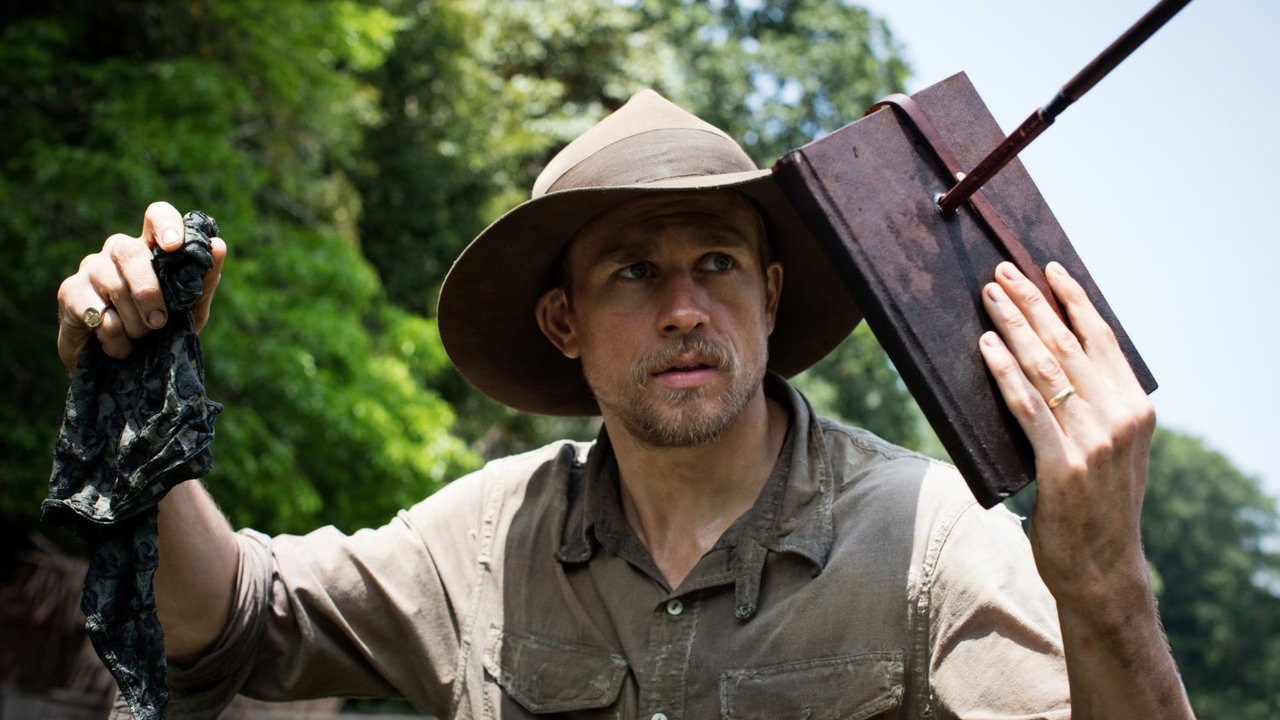
Fawcett, played by a surprisingly sturdy Charlie Hunnam, jumps at the chance, even though it means years away from his wife and newborn child. Along with an unrecognizably bearded Robert Pattinson, a crew of ruffians, and some native slaves, he embarks down the river, trying to find its source. Danger lurks at every turn: hostile indigenous folks who want nothing to do with these interlopers to their land, menacing local rubber barons (a touch that echoes the similarly beautiful, though significantly more caustic, The Embrace of the Serpent), jungle diseases of all kinds. They float, dreamlike, through this space.

Fawcett’s discovery of pottery is a focal point of The Lost City of Z, indicating (to him at least) that the English have profoundly underestimated the “primitives” they so deride. Another set-piece finds a make-shift opera performed under the trees, a nod, perhaps, to Fitzcarraldo.

But Gray’s portrait is far more flattering to the colonialists than Herzog’s: it isn’t madness Fawcett finds but conviction — that there are things we do not know, that others have access to systems of knowledge we dismiss at our peril. His mania is not borne of Herzog’s merciless jungle infecting his brain, or Coppola’s Kurtz “going native” (though there are echoes of both). It’s a reflection of a deep-seated belief in the unknown.

Of course, no one shares this rather open-minded view. Fawcett is nearly laughed out of the convention hall upon his return, cartoonishly aristocratic Brits mocking the idea that anything could exist in the Amazon but cannibals and half-naked savages. The Lost City of Z posits Fawcett as a more or less lonely voice for equality, supported primarily by his independent wife Nina (Sienna Miller), who loathes his years-long absences but believably argues for the importance of the cause.

There’s more; much more. The First World War interrupts the expeditions, and Gray finds time for a harrowing, trench-set battle scene. More children are born, and the eldest comes to deeply resent his absent father. The toll of his career choices on Percy and Nina’s relationship is explored in nuanced detail. A famous explorer urges yet more trips to the jungle, and promptly sandbags the mission with his own self-absorption, callous disregard, and class privilege.

There is a lot going on in The Lost City of Z. Gray was joking when he said his picture played for four hours, but it occasionally starts to feel like it might.

Still, the cinematography — courtesy of the legendary Darius Khondji, who also luminously shot Gray’s 2013 New York-set triumph The Immigrant — is unbelievably striking. The jungle compositions are contrasted with the endless green of the English countryside, a division that echoes Fawcett’s own internal arguments (and Nina’s) between home and Elsewhere. The trench warfare plays like Kubrick’s Paths of Glory by way of Saving Private Ryan, with crane shots competing with muddy claustrophobia. The softly-lit domesticity of a shared bedroom bumps up against the fire-pits of an undiscovered land. It’s a visual feast.

For some, it still might play too long. Others might find something odd and unsettling in the apparent colonialist boosterism, the notion that the “undiscovered” places of the world should serve as a vehicle for one man’s desire. Still others might balk at the offhand cruelty (to animals, very much included).

But if you can get on its wave-length, you’ll find an intensely picaresque throwback to classic cinema, crafted by some of our most talented filmmakers. See it in a theater if you can; James Gray would most certainly appreciate the gesture.

April 11, 2017 0 comments
0 FacebookTwitterPinterestEmail
Film

The Thrilling Ma’ Rosa Raises Some Uneasy Questions

by rick April 11, 2017
written by rick

Brillante Mendoza‘s films, social realist to the core, tend to focus on marginalized people in Manila struggling to get by in gritty circumstances. The prolific Filipino auteur (24 credits in 11 years) won the Best Director award at Cannes for his Kinatay, and the electrifying Ma’ Rosa continues in a similar thematic vein. Crimes of necessity run up against unexpected complications; in this case, the drug war corruption of the local authorities.

The titular Ma’ Rosa (Jaclyn Jose, herself picking up an award at Cannes for the role this time around) runs a sweetshop in the slums (actually filmed just east in Mandaluyong) and supplements her family’s income selling small amounts of crystal meth on the side. Jose is ideal for the part: she is every bit a hardscrabble woman making do, while also bringing a kind of street-smart dignity to Ma’ Rosa. When we’re first introduced to her, haggling over candy prices and ignoring the calls for “Ice, Ma’ Rosa!” as she returns home, we know exactly who she is.

Unfortunately, so do the cops. After a night raid, she and her husband Nestor (Julio Diaz) are hauled in for their rather meager crimes. Mendoza films all of this in jittery hand-held, which, rather than distracting or ugly in its results, actually heightens the tension and provides a street-level view of the neighborhood. It’s intended to be immersive, and it is — the blending of neon and shadow, the off-kilter unease of the police station, and the velocity when things really get going all validate the choice.

This is no ordinary arrest, though. Or perhaps it’s better to say it’s all-too-ordinary. The very fact that Ma’ Rosa and Nestor are dragged through the back entrance to the cop station clues us in right away that a shake-down is afoot. And indeed, the authorities in charge have no interest in jailing these low-level drug dealers; they simply want $50,000 in “bail.”

So begins a frantic rush for cash. The entire family is enlisted: Ma’ Rosa and Nestor’s three children are the primary rushers, begging favors from extended family, selling cell phones, and even turning a trick. There’s a sense of crime and self-humiliation spiraling out from these circumstances; everyone has to bow down before this irrational, graft-driven authority in order to secure the release of the unfortunate couple, and everyone is oppressed in different ways by someone else. The politeness with which the captives and their family respond to the cops are testament to this. Even the snitching that set their arrests in motion proves to be, if immoral, not beyond the realm of understanding.

Jose is the film’s lynch-pin, so fully embodying Ma’ Rosa’s toughness and intelligence that you’d think she’d been living these circumstances all her life. (Indeed, when Mendoza demanded she spent a year in the neighborhood prior to shooting to get a feel for it, she agreed for the sake of the method, but assured him she actually came from a tougher place.) Mendoza presents a fully realized world of small, futile gestures and resignation to class oppression, which the drug war only fuels.

How to square this depiction with the fact that Mendoza also vocally supports the drug war’s patron, current president and noted scumbag Rodrigo Duterte? This is not conjecture. Mendoza told Agence France-Presse:

I know there are a lot of people who are not supportive in totality of what he wants and what he’s doing right now, but if you actually have witnessed the real situation, this is the way to go about it.

Not only that, but he actually shot Duterte’s “State of the Nation Address” last year, not long after wrapping Ma’ Rosa. Critics who disapproved of his shot choices were dismissed: “It shows power, and we want to show power,” he says.

There’s an endless debate about whether the “extra-textual” should affect how we receive a film, whether it matters that a director or writer or actor holds certain beliefs. “Stick to the aesthetics,” is the refrain. And the aesthetics in Ma’ Rosa — its look, feel, and narrative choices — are exhilaratingly realist and sympathetic to the plight of those on the margins.

But even those unrepentant aesthetes have to concede that this seems an unusual case: an empathetic, angrily anti-drug war film from a Duterte backer. When Mendoza says, “I try to stay away from political issues,” it is hard to keep one’s eyes from rolling. Even if all film isn’t in some way political (and in point of fact, it is), certainly these sorts of social-realist pictures, grappling with institutional injustice and current issues, would be. And if he’d wanted to stay away from political issues, agreeing to direct Duterte’s big speech, emphasizing its power, and then shooting two anti-drug commercials for the government would all seem to militate against this weird notion. He may as well claim it’s not really about the Philippines.

Mendoza is very clear that things may appear different to those from the outside, from the first world, than they do on the ground, and I’m sure he’s right. But this is a paradox from where I’m sitting. Ma’ Rosa is a gorgeous, nuanced, and thrilling interrogation of the low-level moral casualties of a drug war. That it arises in tandem with support for that very same effort is perplexing.

April 11, 2017 0 comments
0 FacebookTwitterPinterestEmail
Newer Posts
Older Posts

About

About

Towards a provisional theory of the cinema, or, failing that, just some shit about movies

Authors
Rick Kelley
Lark Lundberg

Keep in touch

Facebook Twitter

Categories

  • Conversation
  • Film
  • Film By Film
  • Great Movie Project
  • Great Movies: The Counter Programming
  • Guest
  • News
  • Other
    • Commentary
    • Film
    • Interview
    • Reviews
    • Song for a Sunday
  • Streaming Selections
  • TV
  • Uncategorized
  • Vegan Horror

Archives

  • April 2019
  • March 2019
  • January 2019
  • December 2018
  • November 2018
  • October 2018
  • September 2018
  • August 2018
  • July 2018
  • June 2018
  • May 2018
  • April 2018
  • March 2018
  • February 2018
  • January 2018
  • December 2017
  • November 2017
  • October 2017
  • September 2017
  • August 2017
  • July 2017
  • June 2017
  • May 2017
  • April 2017
  • March 2017
  • February 2017
  • January 2017
  • December 2016
  • November 2016
  • October 2016
  • September 2016
  • August 2016
  • July 2016
  • June 2016
  • May 2016
  • April 2016
  • March 2016
  • February 2016
  • January 2016
  • December 2015
  • October 2015
  • September 2015
  • August 2015
  • July 2015
  • June 2015
  • May 2015
  • April 2015
  • March 2015
  • February 2015
  • January 2015
  • December 2014
  • November 2014
  • October 2014
  • August 2009
  • September 2008

Recent Posts

  • China Girls, Death Proof, and the Hidden Face
  • Old News: Old Noise Edition
  • Old News: April 1, 2019
  • Nicolas Winding Refn, Marginalia, and the Deaths of Cinema
  • And now, let us praise Kanopy

Recent Comments

  • Franklin Kat on Michael Shannon shines again in Frank & Lola
  • Sean Tempesta on Cinema and dream-logic in Meshes of the Afternoon
  • ludditerobot on The Left-Wing Slapstick and Iconic Songs of 1937’s Street Angel
  • Franklin Kat on The Left-Wing Slapstick and Iconic Songs of 1937’s Street Angel
  • Arijit Mukherjee on Great Movies Project: The Counter-Programming
  • Facebook
  • Twitter

@2021 - All Right Reserved. Designed and Developed by PenciDesign


Back To Top
Luddite Robot
  • Reviews
  • Commentary
  • Great Movie Project
    • Great Movie Project
      Bride of Frankenstein is a movie for and…

      January 25, 2018

      Great Movie Project
      The Enduring Appeal of Nick and Nora in…

      November 29, 2017

      Great Movie Project
      The Ahistorical Fever Dream of The Scarlet Empress

      August 2, 2017

      Great Movie Project
      Dreams, Mundanity, and the Anarchist Yearnings of L’Atalante

      July 12, 2017

      Great Movie Project
      Duck Soup Is And Will Always Be A…

      April 19, 2017

  • Counter Programming
    • Great Movies: The Counter Programming
      Walking and Talking in the Shadow of Kanchenjungha

      March 7, 2018

      Great Movies: The Counter Programming
      A Brief Encounter in My Mother and Her…

      February 9, 2018

      Great Movies: The Counter Programming
      Horror’s Refusal in Farrokhzad’s The House Is Black

      October 13, 2017

      Great Movies: The Counter Programming
      The rage and beauty of The Cloud-Capped Star

      October 3, 2017

      Great Movies: The Counter Programming
      The daylight noir and social issue empathy of…

      June 22, 2017

  • Vegan Horror
    • Vegan Horror
      Julia Ducournau doesn’t think her film Raw is…

      June 7, 2017

      Vegan Horror
      Licking our wounds: The vampiric masculinity of Ravenous

      December 13, 2016

      Vegan Horror
      Eggertsson and animals: An approach to horror cinema

      September 15, 2016

      Vegan Horror
      “It’s Not My Nature” – Vegetarianism, Body Horror,…

      August 30, 2016

      Vegan Horror
      Bodies and Carcasses in Predator 2

      August 23, 2016

  • Interview
    • Interview
      Jasmine Leyva’s doc The Invisible Vegan aims to…

      May 3, 2017

      Interview
      Bridging The Abyss: An Interview With The Directors…

      November 28, 2016

      Interview
      7 Days in Ohio: An Interview with Nathan…

      September 12, 2016

      Interview
      Film Critic Phil Dy talks New Filipino Cinema

      June 17, 2016

      Interview
      “I Love Seeing Film Projected.” A Conversation with…

      March 22, 2016