Top Posts
Madeline’s Madeline: An Unclassifiable Panic Attack Maybe-Masterpiece
Shoplifters Steals Moments of Wonder from the Mundane
Burning and Forgetting What’s Not There
Kusama: Infinity Expands Beyond The Canvas
Mandy Risks Little, Wins Little
In We The Animals, The Children Are Away...
The Seagull Isn’t Quite Chekhov, But It’s Still...
5 Million Ways Boots Riley Isn’t Sorry To...
American Animals’ and the Queasiness of the Heist
A Star Is Born In Hearts Beat Loud
  • Reviews
  • Commentary
  • Great Movie Project
    • Great Movie Project
      Bride of Frankenstein is a movie for and…

      January 25, 2018

      Great Movie Project
      The Enduring Appeal of Nick and Nora in…

      November 29, 2017

      Great Movie Project
      The Ahistorical Fever Dream of The Scarlet Empress

      August 2, 2017

      Great Movie Project
      Dreams, Mundanity, and the Anarchist Yearnings of L’Atalante

      July 12, 2017

      Great Movie Project
      Duck Soup Is And Will Always Be A…

      April 19, 2017

  • Counter Programming
    • Great Movies: The Counter Programming
      Walking and Talking in the Shadow of Kanchenjungha

      March 7, 2018

      Great Movies: The Counter Programming
      A Brief Encounter in My Mother and Her…

      February 9, 2018

      Great Movies: The Counter Programming
      Horror’s Refusal in Farrokhzad’s The House Is Black

      October 13, 2017

      Great Movies: The Counter Programming
      The rage and beauty of The Cloud-Capped Star

      October 3, 2017

      Great Movies: The Counter Programming
      The daylight noir and social issue empathy of…

      June 22, 2017

  • Vegan Horror
    • Vegan Horror
      Julia Ducournau doesn’t think her film Raw is…

      June 7, 2017

      Vegan Horror
      Licking our wounds: The vampiric masculinity of Ravenous

      December 13, 2016

      Vegan Horror
      Eggertsson and animals: An approach to horror cinema

      September 15, 2016

      Vegan Horror
      “It’s Not My Nature” – Vegetarianism, Body Horror,…

      August 30, 2016

      Vegan Horror
      Bodies and Carcasses in Predator 2

      August 23, 2016

  • Interview
    • Interview
      Jasmine Leyva’s doc The Invisible Vegan aims to…

      May 3, 2017

      Interview
      Bridging The Abyss: An Interview With The Directors…

      November 28, 2016

      Interview
      7 Days in Ohio: An Interview with Nathan…

      September 12, 2016

      Interview
      Film Critic Phil Dy talks New Filipino Cinema

      June 17, 2016

      Interview
      “I Love Seeing Film Projected.” A Conversation with…

      March 22, 2016

Luddite Robot
Film critique, theory, and assorted nonsense.
CommentaryFilm

China Girls, Death Proof, and the Hidden Face

April 14, 2019

Old News: Old Noise Edition

April 8, 2019

Old News: April 1, 2019

Nicolas Winding Refn, Marginalia, and the Deaths of Cinema

CommentaryFilm

And now, let us praise Kanopy

January 24, 2019

Warren Sonbert and the Relief of Anti-Narrative

January 14, 2019

The World Is Ending and It Doesn’t Matter

The Best Films of 2018

FilmReviews

Madeline’s Madeline: An Unclassifiable Panic Attack Maybe-Masterpiece

December 21, 2018

Shoplifters Steals Moments of Wonder from the Mundane

December 11, 2018

Burning and Forgetting What’s Not There

Alien, Musicology, and Reading Soundtracks

CommentaryFilm

Shocktober III: Halloween 2018 Edition

October 24, 2018

Shirley Jackson’s The Lottery Traumatized Schoolkids in 16 mm

October 18, 2018

Shocktober 2018 II: Another Reshockening (of Horror)

Häxan is a movie made by a movie character

CommentaryFilm

Shocktober 2018

October 7, 2018

Unprofessional! Spring Night, Summer Night

October 3, 2018

The Wild Boys: A Luddite Robot Conversation

Kusama: Infinity Expands Beyond The Canvas

Film

The Dardenne Brothers Come Up Empty With The Unknown Girl

by rick April 10, 2017
written by rick

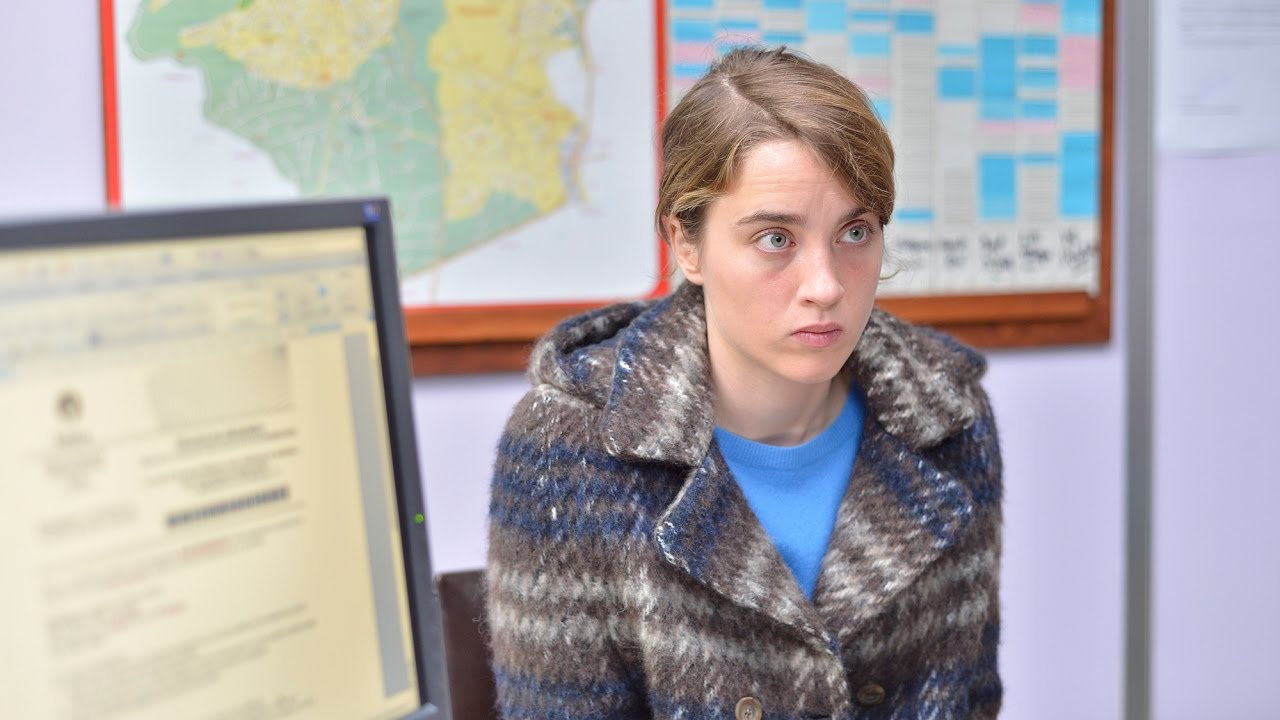
Jean-Pierre and Luc Dardenne specialize in humanist fables, small-scale social realist portraits of working-class people caught in difficult moral situations. At their best — the Palme D’or-winning L’Enfant, The Kid With A Bike, Two Days, One Night — the brothers conjure believably fraught circumstances and ethically conflicted characters on journeys of different kinds. The Unknown Girl fits snugly into this mold, but it squanders a typically fraught narrative with unknowable characters and a wandering tone that never coheres the way it should.

Those earlier films work because of the Dardennes’ obvious affection for their town of Liège, Belgium and its lived details, and because the stakes seem personally high for their protagonists. Here, our lead character — Dr. Jenny Davin (Adèle Haenel) — still remains a cypher by the end of The Unknown Girl. The title refers to a young woman Davin is trying to discover more about, but it could just as easily apply to her.

Dr. Davin is in a new head position at the hospital, and almost immediately something goes wrong. In true Dardenne fashion, it’s a small act with large consequences. Davin turns away a woman trying to gain entrance after-hours, concluding it doesn’t seem like much of an emergency from the looks of it. The next day, the woman is found dead across the street.

Most films would turn this into a potboiler, but that’s not how the Dardennes make movies. The Unknown Girl does indeed focus on Jenny’s one-woman search to learn who this girl was and how she came to be there, but the quest becomes more about her own need for resolution and alleviating her apparent guilt.

Meeting indifference or hostility at every turn, her mission amounts to giving a name and a story to this person who, it seems, society has cast off, to bear witness and to atone for the role she herself played in the death.
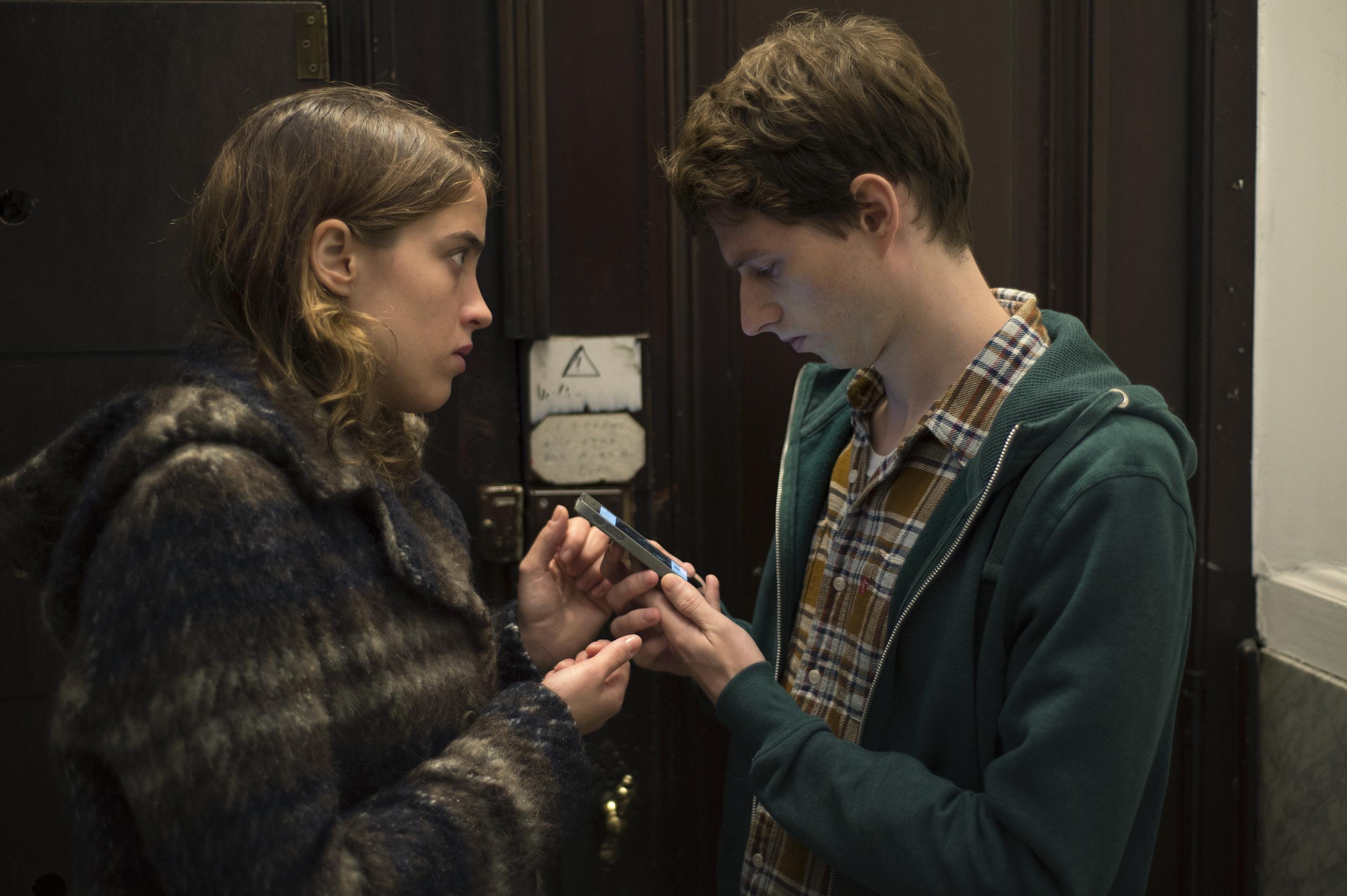
So far, so good. And The Unknown Girl has moments that work very well, particularly the doctor’s relationship with her young intern who was with her that fateful night.

But as the film proceeds, a kind of listlessness takes over: information is simply dropped into our lap rather than emerging organically from the story. And Jenny’s unchanging demeanor, presumably meant to convey determination but seeming more like boredom, doesn’t help matters.

All of which is a shame. There’s a morally compelling and engaging film in here somewhere, and one very much in the Dardennes’ existential wheelhouse. But, ironically, it’s the very notion of unknowability that sinks The Unknown Girl.
April 10, 2017 0 comments
0 FacebookTwitterPinterestEmail
CommentaryFilmStreaming Selections

Streaming Selections: Tower

by rick April 7, 2017
written by rick

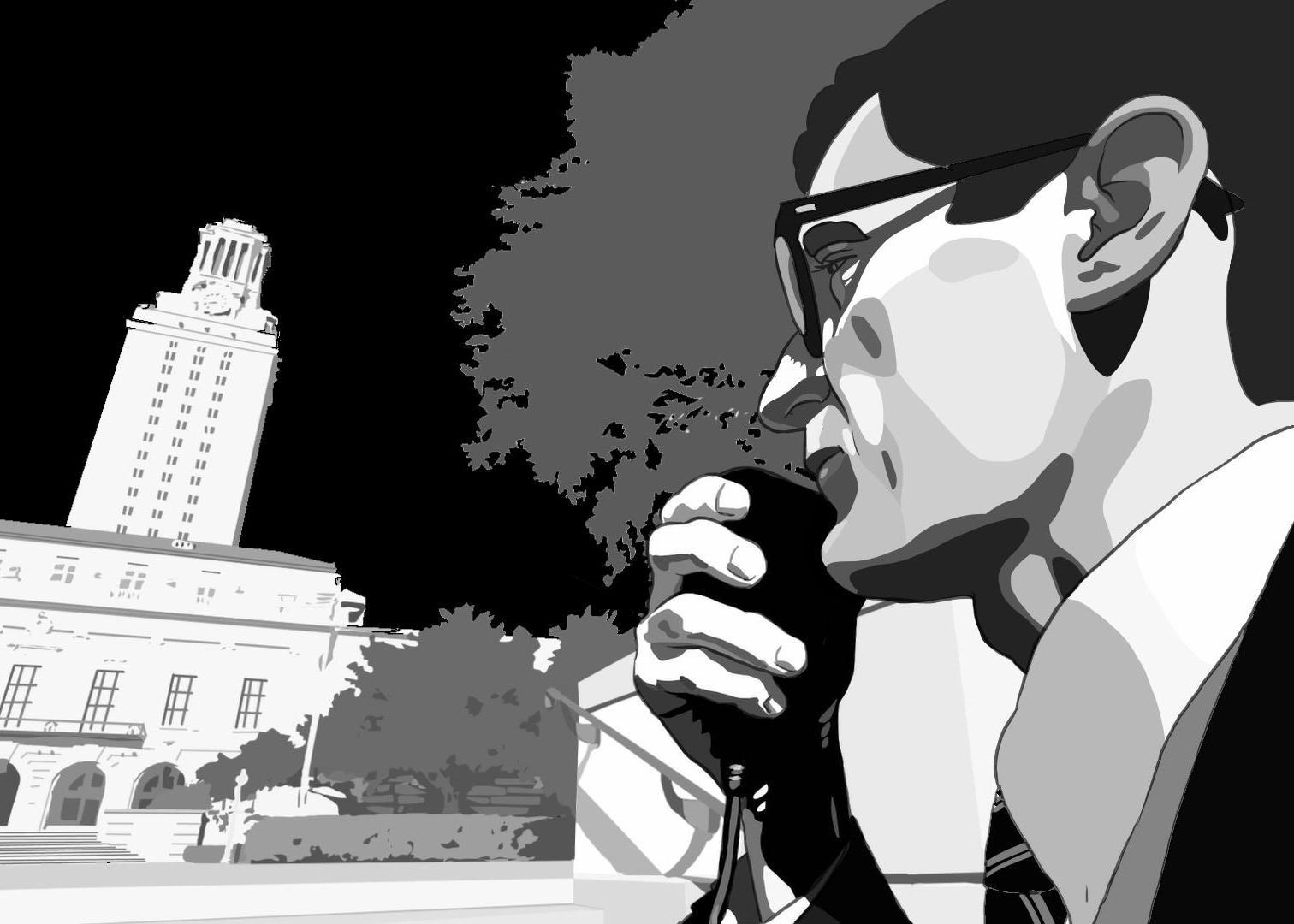
On a blisteringly hot August day in 1966, Charles Whitman — a former Marine who’d killed his wife and mother the night before — climbed the the Main Building tower at the University of Texas with an arsenal of weapons and started shooting. An hour and a half later, 16 people were dead and dozens wounded.

Tower is not about Charles Whitman.

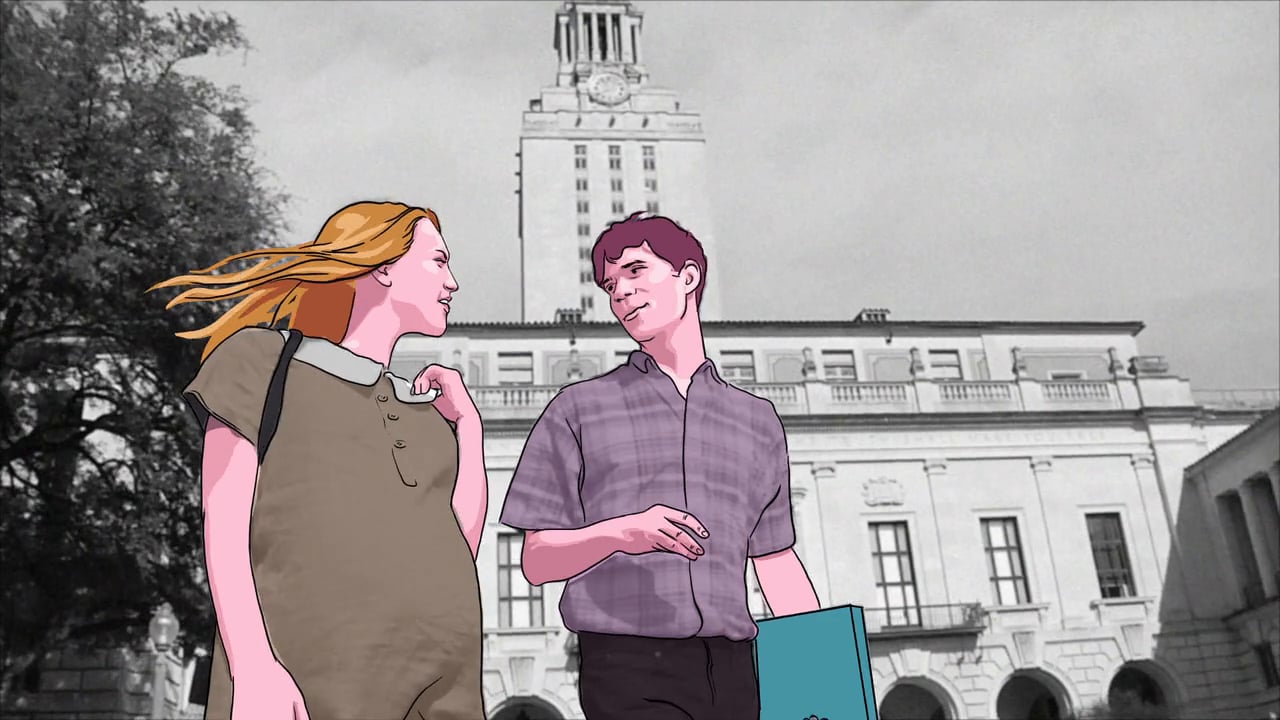
Keith Maitland‘s documentary almost removes him from the frame entirely. Using rotoscoped animation and actors to restage and recontextualize the events of that day, Tower is explicitly about the victims and the people on the ground. It bears witness. It’s an anti-exploitation film, a sort of memory purge born of empathy. Tower‘s effect is jarring, dislocating, and beautiful.
Tower

We meet numerous folks with stories to tell, which Tower allows to unfold in more or less real time. Claire is a pregnant student, and one of the first to be shot. Horrifyingly, she is forced to play dead for the entirety of the ordeal, lying on hot concrete next to her dead lover. Rita is one of the few people brave enough to come to her aid, if only to talk her through on the ground.

Maitland jumps between perspectives, as retold by survivors and reenacted by performers, who are themselves animated. In a kind of paradox, the distancing brings us closer. The radio reporter who gets the word out; the cops who finally climb the tower; the unbelievably heroic, kind of nerdy dude who can’t take it anymore and puts himself on the line to pull the fallen to safety. The woman who, to this day, wishes she’d done something, anything.

TowerWhen I first heard about this film, I, like many others, sighed deeply. Can a mostly animated retelling of a tragedy, one that’s recurred with alarming frequency in the years since, do justice to it? Will it be gross?
It can, and it is not. Tower surprises at every turn. By refusing the shooter the spotlight, Maitland ends up giving space for grief, guilt, and humanity. It’s one of the most powerful films of the decade.

Quick Links

A Nightmare on Elm Street

A Nightmare on Elm Street

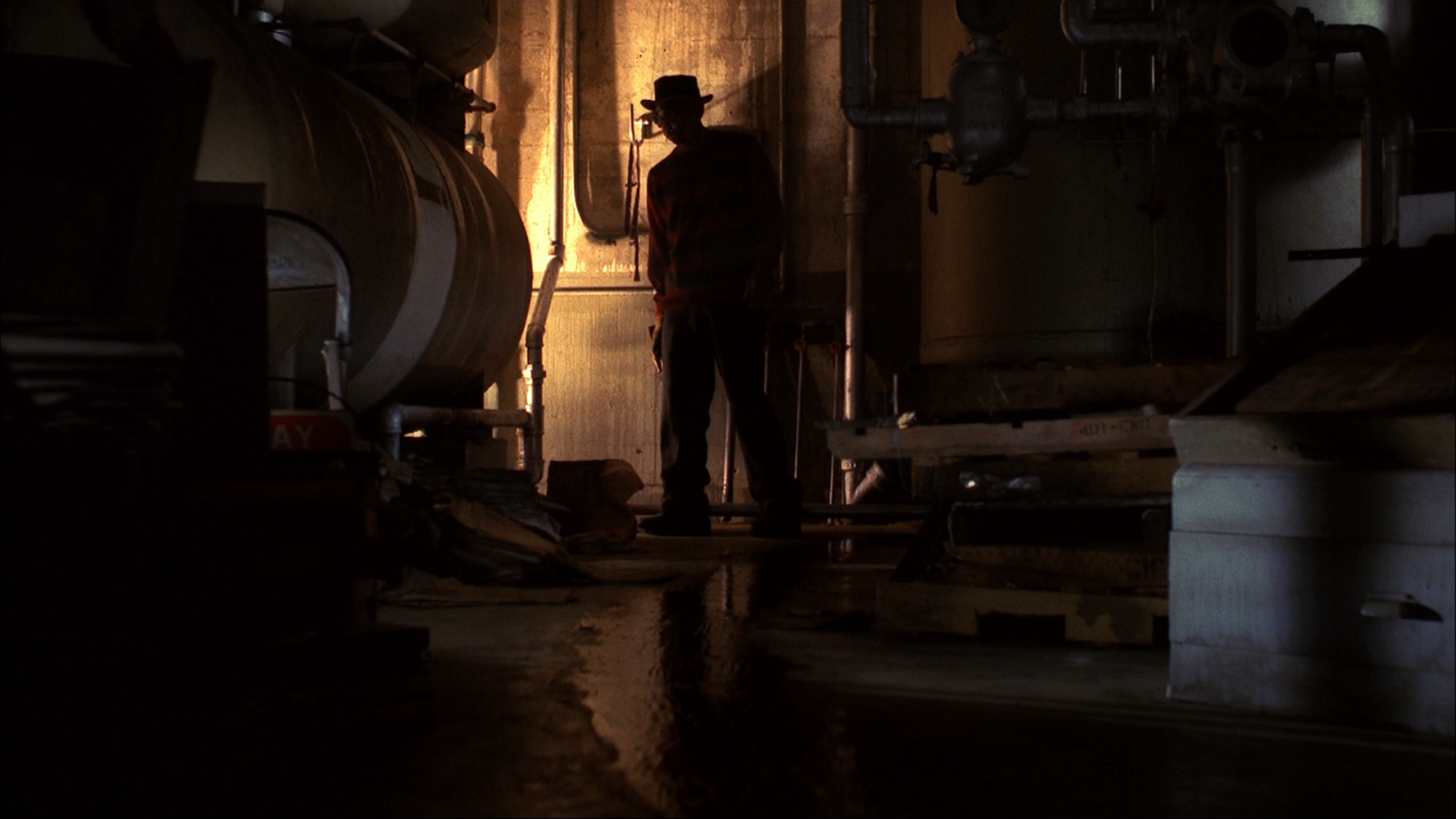
Sure, Freddy Krueger will never be as scary as he was when you were 10. His later devolution into purely pun-based terror didn’t help matters, emerging eventually as the Catskills Comedian Who Haunts Our Dreams.

But there’s still something fascinating and disturbing about his first appearance. Wes Craven taps into archetypes and bad dreams, and presents to us a child-murdering boogeyman with razors on his fingers. Give it a look and see if you can’t manage to be 10 again.

(Streaming on Netflix)

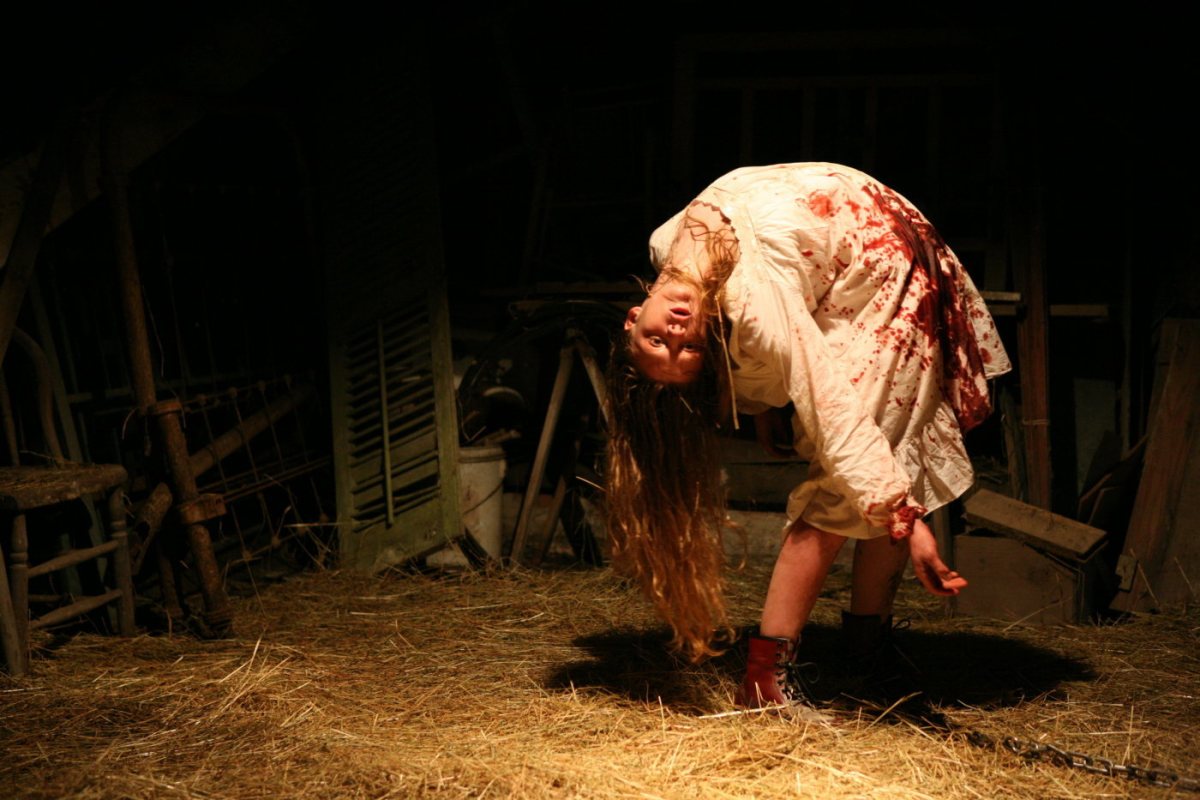
The Last Exorcism

The Last Exorcism

Unfairly maligned thanks to the glut of reboots and narratively lazy meta-horror, The Last Exorcism turns out to be a singularly frightening bit of horror. The premise — charlatans run up against true evil — isn’t exactly new, but it grabs its found-footage conceit and runs with it. For at least 2/3 of the film, it absolutely works. And let’s be honest: that’s pretty good, all things considered.

(Streaming on Amazon Prime)

Japanese Film Classics

Lost Japanese Classics

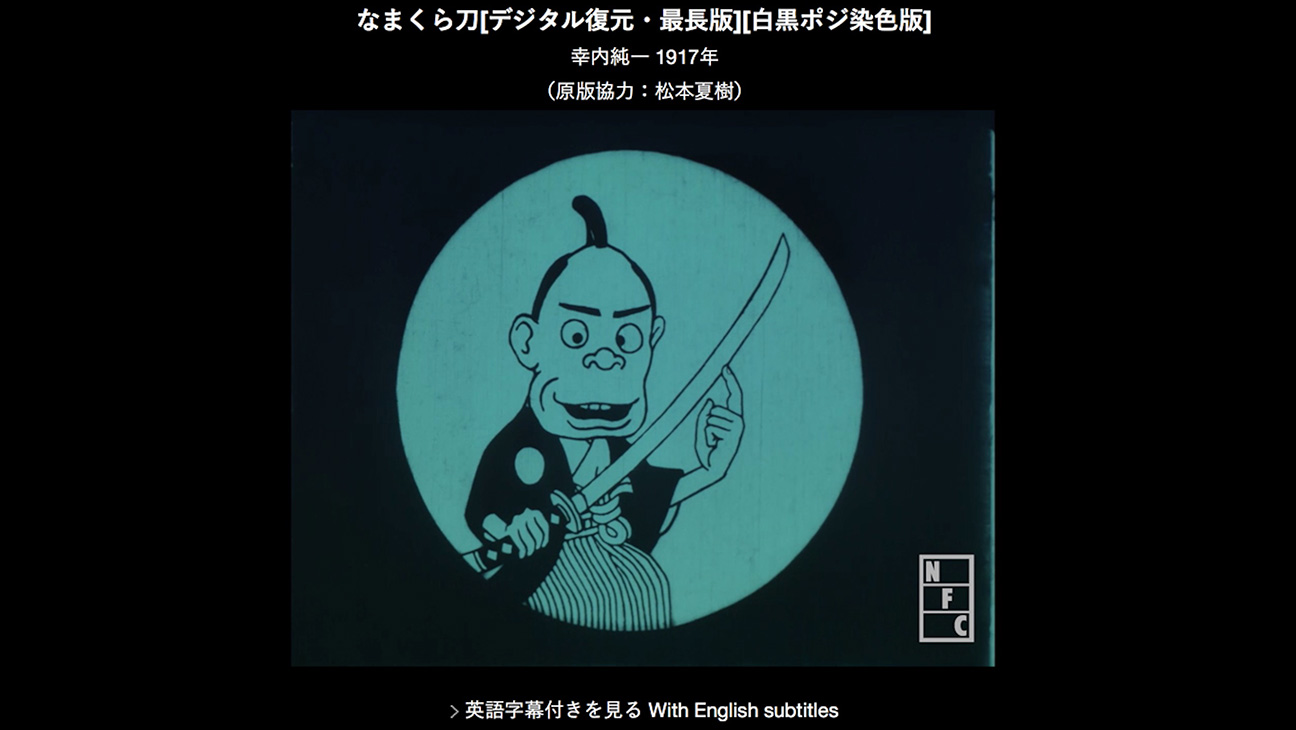
Thanks to the good folks at the University of Tokyo, a wealth of early Japanese film has been made available: fairy tales, pre-war propaganda, and incipient anime, primarily. It’s a treasure trove of movie history.

Recommended: the animated/live-action hybrid The Story of Smoked Weed and The Dull Sword, the oldest surviving entry in the catalog.

(Streaming, courtesy of the University of Tokyo)

Nightcrawler

Nightcrawler

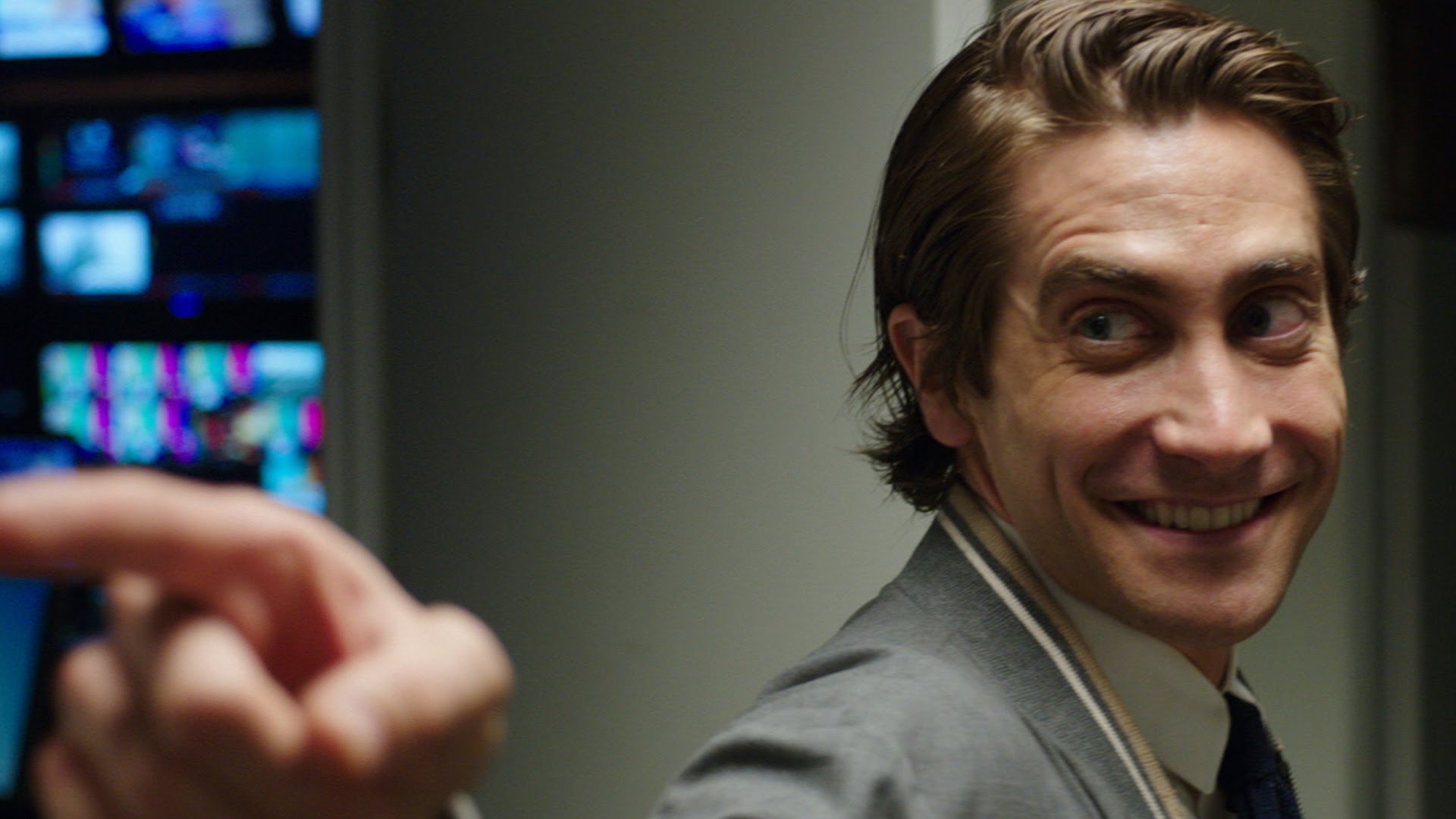
A lot of people consider Nightcrawler a bit too “on-the-nose” in its depiction of avarice in the age of mass reproduction, but where would they prefer it punch you? Jake Gyllenhaal is ideally suited for his role as an aspiring crime scene photographer, gleefully deploying the icy artifice that he brings to basically every film. Here, there are no false steps: he’s exactly the guy who would leech onto tragedy for gratifications both public and private. If Freddy Krueger doesn’t haunt your dreams, this dude might.

(Streaming on Netflix)

April 7, 2017 0 comments
0 FacebookTwitterPinterestEmail
Great Movies: The Counter Programming

Dialectics and the Korean B-Movie: The Flower In Hell

by rick April 6, 2017
written by rick

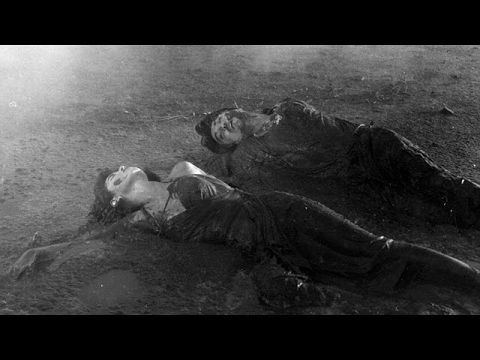
There is no moment in Shin Sang-ok‘s A Flower In Hell in which the American post-war occupation of Korea is absent. It is the film’s focal point, even when the soldiers aren’t on screen. Even when lovers are rolling around in the grass. Even when the melodrama climaxes, as it must, in blood.

A Flower In Hell is simultaneously a melodrama, a heist flick, a post-war chronicle, and a kind of steamy, self-conscious Korean riff on the American B-movie. It’s the story of a love set in squalor, bad choices in fraught circumstance, a country bumpkin undone by the sins of the city, and a faithless femme fatale pitting brother against brother. But throughout, Shin returns again and again to the American soldiers who haunt this land like plantation overseers. You never forget where all the trouble came from.

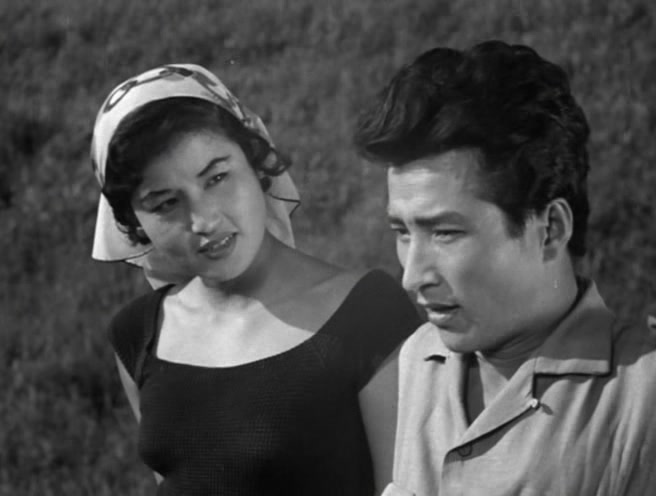
Choi Eun-hee and Jo Hae-wan in The Flower In Hell

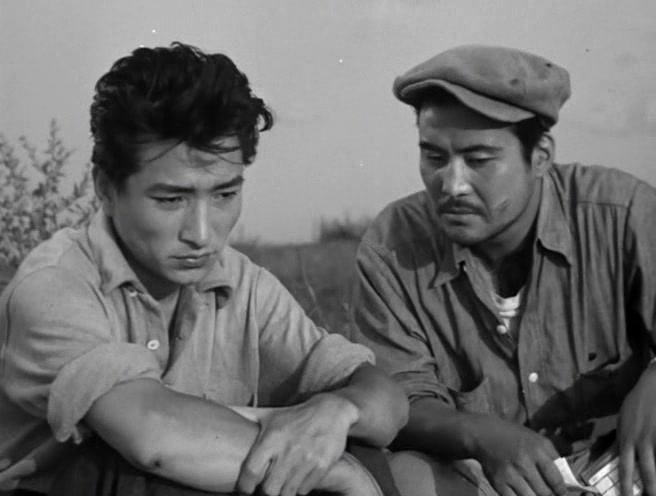
Choi Eun-hee stars as that femme fatale Sonia, a prostitute who comes between two brothers. Young-shik (Hak Kim) is a local leader, at home in this neighborhood of soldiers and whores on the outskirts of Seoul, who occasionally puts together big plans to rip of the Yankees. Dong-shik (Jo Hae-wan) is his younger brother, fresh out of the army, arriving in the big city to retrieve his sibling and bring him back to the country village of their youth.

From the start, Shin maps a dialectic of city and country values, with the added complication of the decidedly unsaintly love interest that mediates between them. Everything comes in threes here, and the resolution of that conflict will leave two dead in the mud and another, more faithful woman to round out the picture.

Of course, Young-shik is in stupid love with Sonia, and of course Sonia will take a shine to Dong-shik. This is archetypal stuff, some sort of Jungian love triangle we see coming from a mile away. For Shin, the interest seems to lie more in the contextual detail, the way one of humanity’s most basic stories plays out against the backdrop of war.

Jo Hae-wan and Hak Kim in The Flower In Hell

Or rather, the trappings of war. Soldiers go to nightclubs where these women perform. It’s soldiers who pay them for sex, call them (in English) “lovely,” buy their time and scurry back to the base. And it’s soldiers Young-shik and his crew are out to rob. Shin films the heist sequences in A Flower In Hell like a low-budget Korean Jules Dassin, relishing misdirection and elaborate plans. Michael Sicinski sees Edgar Ulmer or Sam Fuller; the frequent, throat-clearing interludes and faces mapped against empty sky made me think of Nicholas Ray.

No matter: the point is, it looks very good. As Sicinski notes:

In maintaining this tricky balance, Shin’s MVP is most certainly cinematographer Kang Beom-gu. Shooting his first feature, Kang moves easily between the Griersonian observation of base life and the sharp, sculptural framing of the love triangle, producing noir-in-broad-daylight compositions that flatten space with bold chiaroscuro and construct the 1:33 rectangle of the academy frame-ratio as a prison of erotic energy.

Choi Eun-hee is particularly strong in this role, the polar opposite of her virtuous widow exhibiting a kind of noblesse-oblige in Hometown In The Heart 11 years earlier. In A Flower In Hell, she is all swagger and sex, a duplicitous woman working on the fringes and playing the boys against each other. Is there a meta-text in this, and perhaps another dialectic? She’s an angel and a whore, a mother and a figure of pure desire. This certainly isn’t a problem restricted to Korean cinema, and one wonders how it can be resolved into something more true.

Shin resolves it with the belated, tacked-on substitution of another prostitute who has been hankering for Dong-shik, a hooker-with-a-heart-of-gold trope who takes her place in the moments before the credits roll. It’s not believable. Sam Fuller surely would’ve ended the film in the muck.

In the mud in The Flower In Hell

Still, A Flower In Hell is compulsively watchable, shot through with incident and ideas and striking images. The pairing of melodrama with occupation is brilliant, and the heist sequences generate yet another erotic thrill. (That the climax involves a train seems aimed directly at me.)

Roughly 20 years after the film’s release, both its director and star would be kidnapped by agents of Kim Jong-Il, spirited north and forced to make pictures for the burgeoning autocratic film industry the dictator hoped to recreate. Perhaps he saw A Flower In Hell and assumed it would be a good place to start, what with its clear affection for noir and classic Hollywood tropes mapped through a Korean lens. It’s a monstrous idea, but, if that’s the case, he wouldn’t be wrong.

April 6, 2017 0 comments
0 FacebookTwitterPinterestEmail
FilmReviews

Filming The War In Five Came Back

by rick April 4, 2017
written by rick

The three-part Netflix documentary Five Came Back, scripted by Mark Harris (on whose book it is based) and directed by Laurent Bouzereau, is a substantial achievement of narrative compression and historical context.

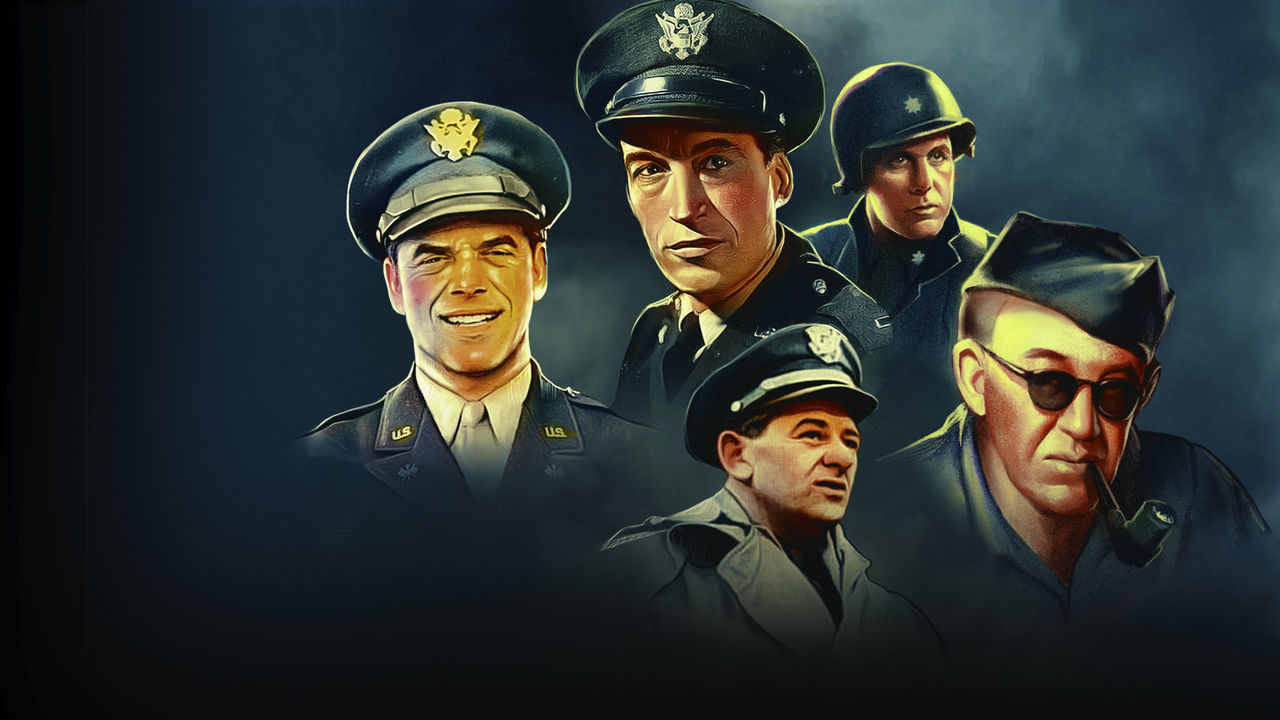
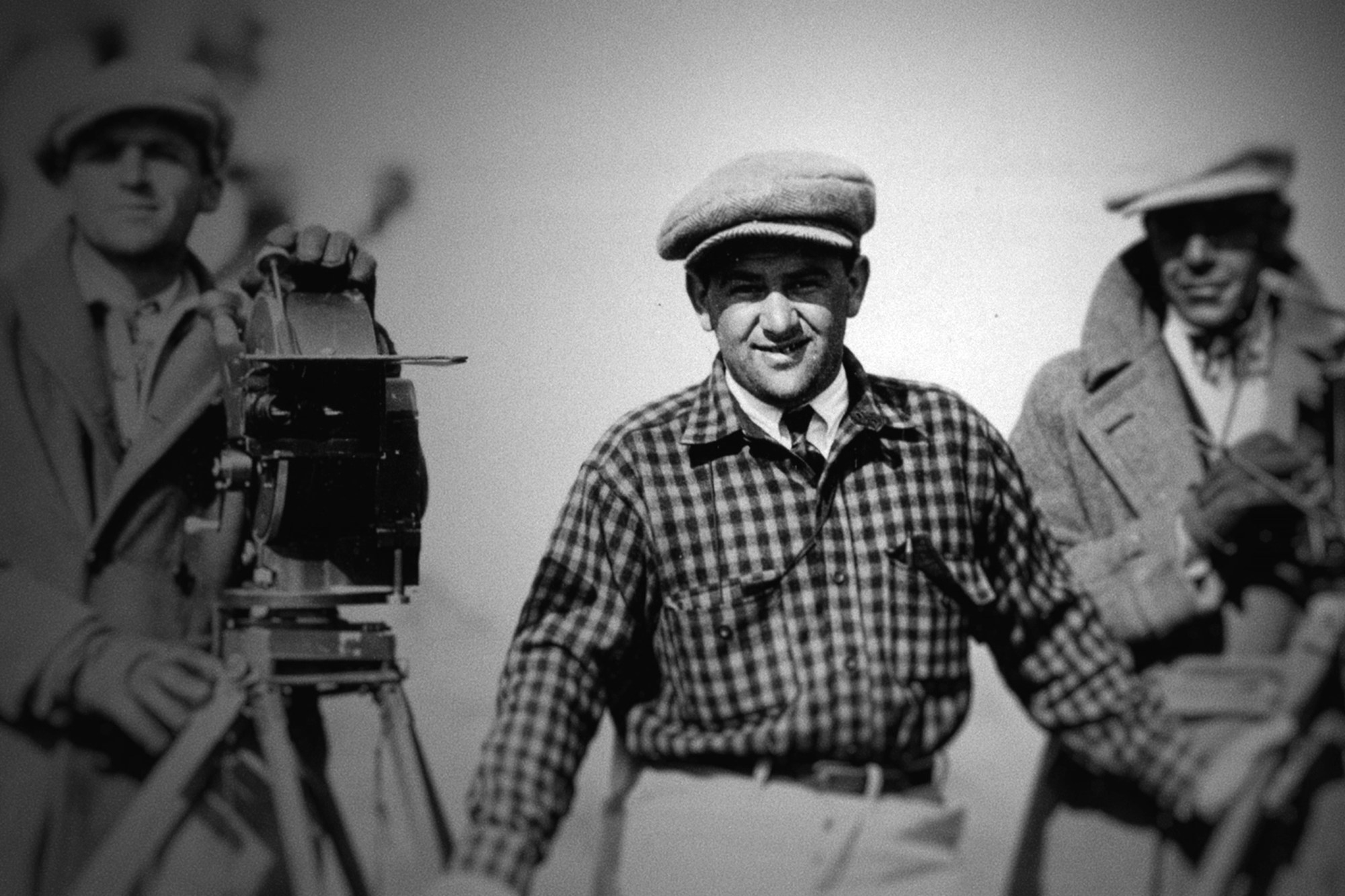
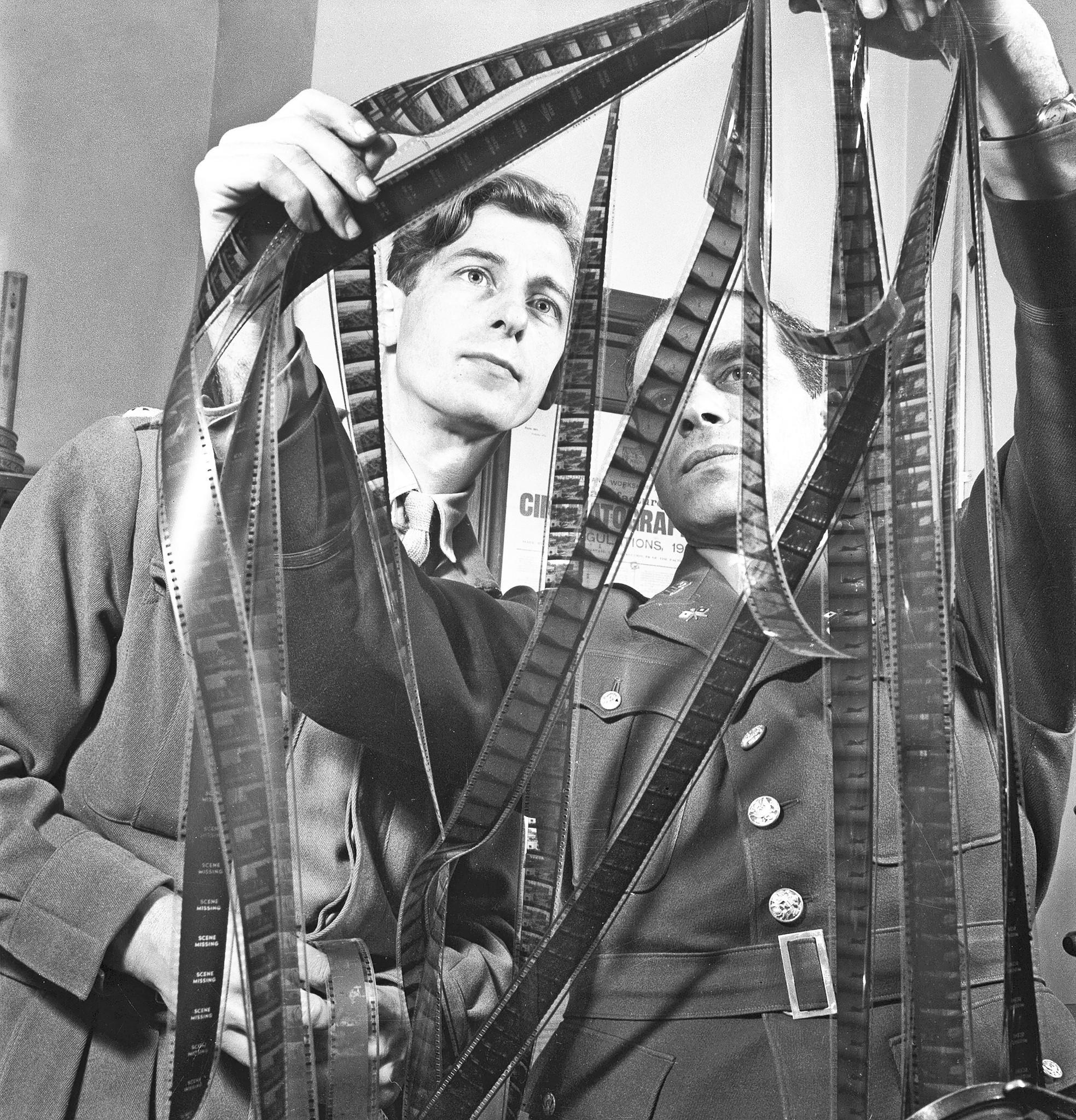
Focused on the wartime cinematic contributions of five acclaimed directors — Frank Capra, John Ford, John Huston, George Stevens, and William Wyler — Harris and Bouzereau examine the nature of filmic propaganda through the lens of individual personalities and creative pressures, seeking to balance a huge amount of information with the needs of the documentary form. The result is impressive, filled with smart commentary and skillful correlations between the demands of the state and the impulses of the artists. If Five Came Back could still stand to continue for another hour or five, that’s just testament to the fascination of the story. As it is, it’s never less than engrossing.

Five Came Back

The first part of Five Came Back takes a brief look at some of the directors’ pre-War output — Steven’s Swing Time, Capra’s It Happened One Night and Mr. Smith Goes To Washington, Ford’s Young Mr. Lincoln and Stagecoach, Huston’s star-making debut The Maltese Falcon, Wyler’s Jezebel (and later Mrs. Miniver). The doc deftly incorporates footage from those films, but also emphasizes the merging of propaganda (in the form of newsreels) with the theater experience; even before the American entrance into the war, the cinema was already a place of blurred lines, as light entertainment was preceded by real-world footage anticipating disaster.

This sets the stage for their sudden decision, upon the outbreak of war, to temporarily shelve their careers to turn their cameras on the war effort. Patriotic to a man, almost mindbogglingly so, and in most cases quite conservative, the next several years would find them on the front-lines or, in Capra’s case, organizing things stateside with single-minded determination.

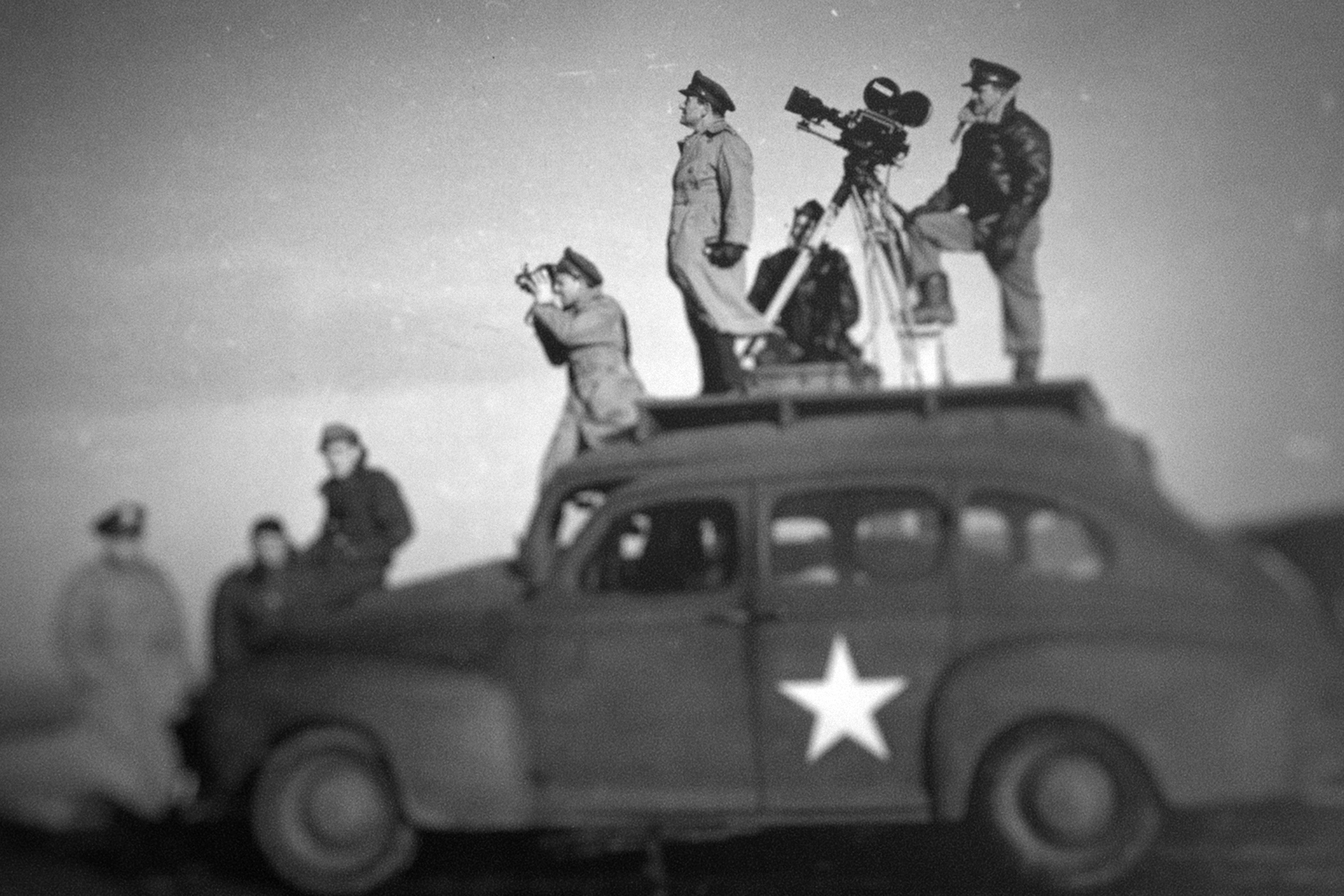
Part Two moves at a breakneck pace, as the directors travel to combat zones to collect their footage (or, for Huston in the case of The Battle of San Pietro, restage it when he arrived too late). There’s little doubt about the bravery involved in much of this: Ford filming the German planes from elevated platforms that couldn’t help but make him a target, Wyler, a German-born Jew, joining bombing runs that would’ve proved completely deadly for him had their planes been shot down.

Five Came Back

Five Came Back leavens this bravery with a clear-eyed recognition of the propaganda aspect of these efforts, particularly the demonization of the Japanese, who are portrayed with a nastiness the Germans never receive. Harris avoids hagiography, as do the five contemporary directors (Francis Ford Coppola, Lawrence Kasdan, Paul Greengrass, Steven Spielberg, and Guillermo del Toro) enlisted to comment, often insightfully, on these predecessors they clearly admire. Instead, we get a sense of the urgency and dedication, but also the pitfalls of pairing art and war.

The final segment is the strongest, and the saddest. Each of these men came back from their experiences profoundly changed. Wyler’s The Best Years of Our Lives is an elegy for all that was lost, and the unrecognizable world to which veterans returned. Ford would found an institute to help his crew and others deal with what we’d later call PTSD, and release increasingly darker, more cynical takes on the Western, like The Searchers. Capra’s It’s A Wonderful Life is our annual Christmas tradition now, but it’s still shot through with grief and powerlessness, even if it reflects an irrepressible hope. Huston, whose films had operated on the rather dark edge of the spectrum since the start, would only make darker ones as the years went by.

And no one was more affected than Stevens. The man who had directed Fred Astaire and Ginger Rogers, whose Woman of the Year launched the Tracy and Hepburn screwballs, who had been known as the master of the light comedy, found himself among the first to walk through and photograph Dachau after liberation. Jump-cuts reveal what he saw — much of it later used at the Nuremberg Trials — and there’s a palpable sense of horror; you can feel it in the footage. He would, upon returning, never make another comedy.

Five Came Back details all this and much more, deftly weaving the threads. (It does largely omit the contributions of Anatole Litvak, as Todd McCarthy notes; yet another argument in favor of a treatment twice this length.) If its first chapter is less cohesive than the other two, that’s attributable to how much material there is to get through, and perhaps also accidentally mirrors America’s own fraught relationship to a war it didn’t at first fully appreciate. By the end, the enormity of these events feels staggering.

Still, the film is successful in almost every way. The interpolation of film throughout will almost certainly drive any cinephile to seek out the originals (many of which are also streaming on Netflix), history buffs will find no shortage of fascinating detail, and general audiences will come away with an appreciation for the complicated interplay between fact, representation, propaganda, and war. Five Came Back tackles issues both enormous and deeply personal, providing a chronicle of a time that changed everything.

April 4, 2017 0 comments
0 FacebookTwitterPinterestEmail
CommentaryFilm

March Madness Movies 2017 gets started in April, because we are slow

by rick April 3, 2017
written by rick

As explained at the start of actual March Madness last month, we have embarked on our 2nd Annual Sports Movie competition for the crown, timed to coincide with the basketball extravaganza that wraps up tonight. And as expected, we are running behind. (Last year’s contest concluded in June, though, clearly revealing that clock management is not our team’s strong suit, so what are you going to do?)

However, there’s still an update to report! Two films have advanced from the opening brackets, and both were technically upsets in one way or another. Exciting!

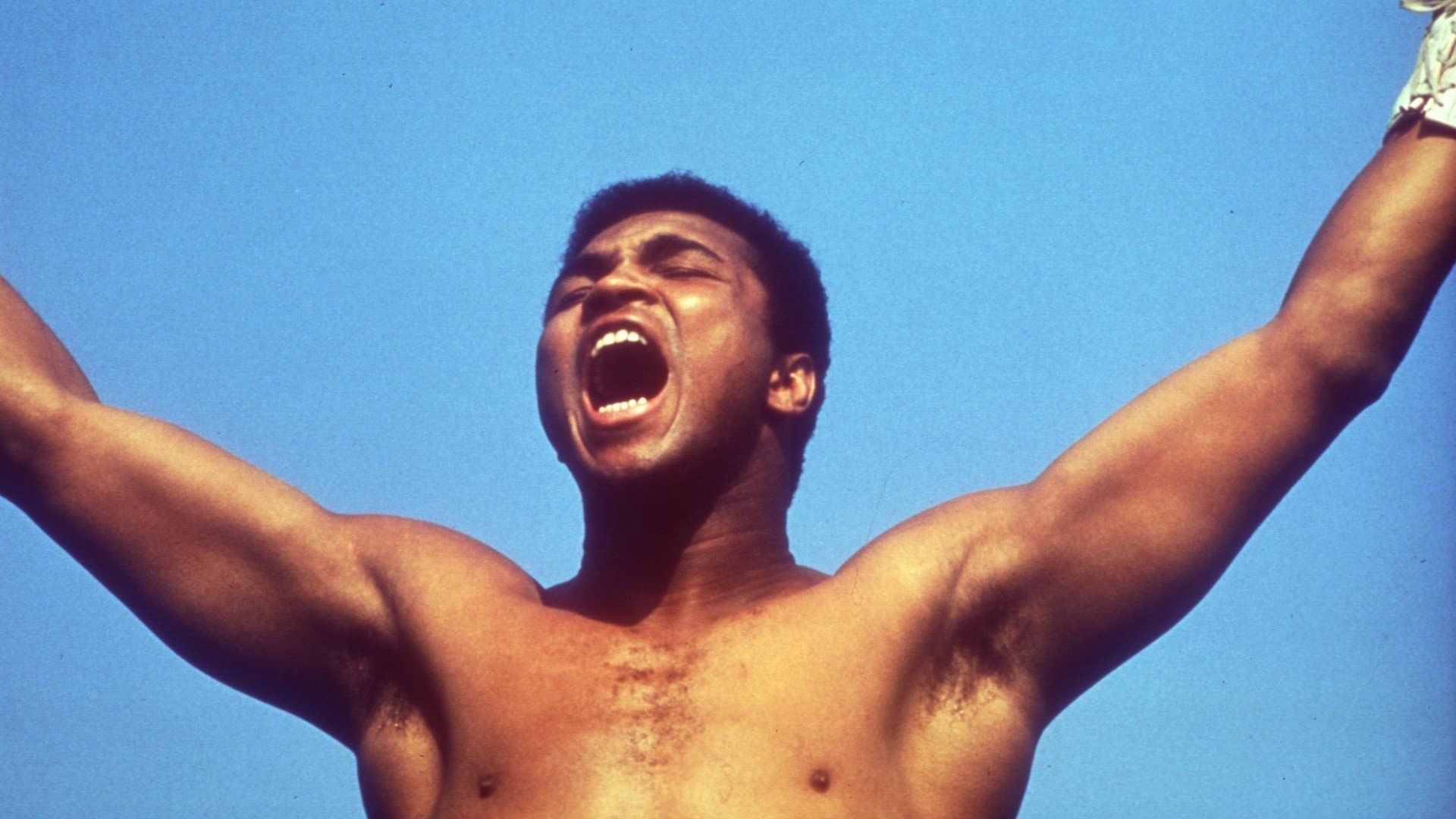
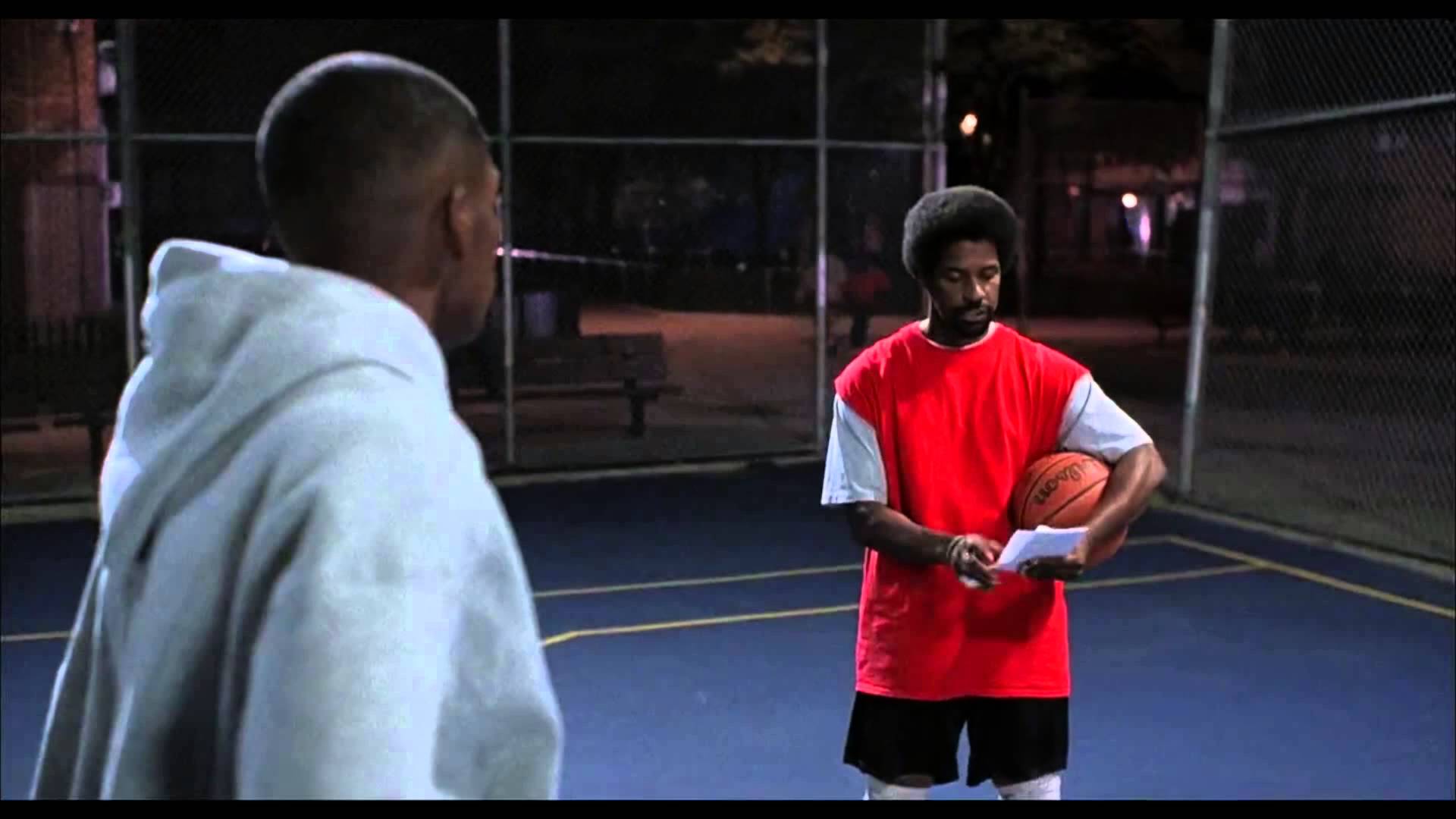
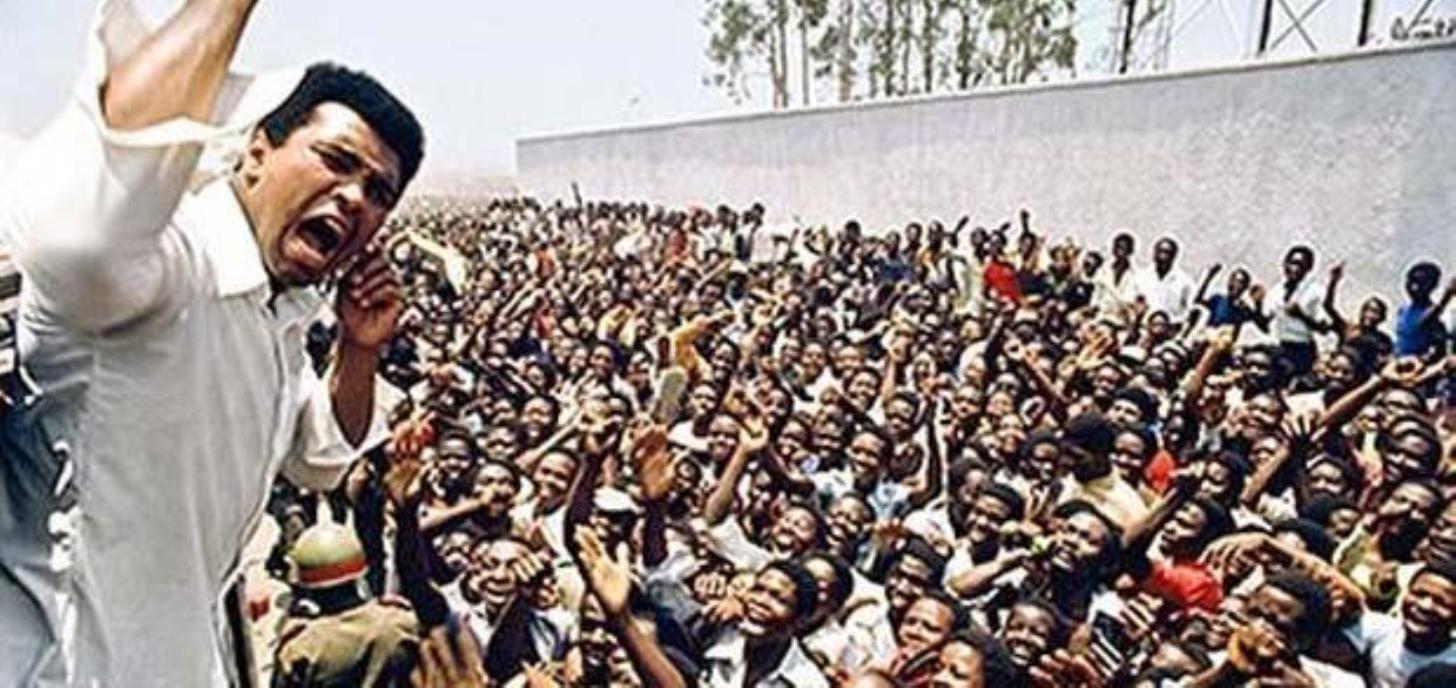
First up in our nerd version of March Madness: Spike Lee’s third-ranked He Got Game, a favorite among voters, prevailed over my top choice for the year, the classic documentary depiction of the Ali/Foreman bout When We Were Kings. Here’s why.

Carrie felt that When We Were Kings did a great job portraying the historical and cultural context surrounding the fight, but presumed throughout that viewers knew how things would turn out and so didn’t really bother much with the match itself. (She did not know, because she has no interest in boxing whatsoever.) Indeed, it does occupy a surprisingly small amount of screen time. She also charged that there was more than a whiff of exoticism about the whole portrayal, which was only increased by the fact that the commentators we hear most are George Plimpton and Norman fucking Mailer. (The moment when Mailer describes the quiet, somewhat mysterious George Foreman as “the embodiment of Negritude” has to rank up there with the most Norman Mailer-type things Norman Mailer ever saw fit to say to a camera.)

When We Were Kings initially got my vote — and why wouldn’t it? I nominated it in the first place — but I was won over. There’s something inherently exciting about the telling to me, and the cuts between the attendant, Black Power festivities and the difficulties of staging the fight that still really work. I could also just watch Ali talk all day, especially at the height of his electrifying powers. But one of our criteria was, “How well does the film engage with the sport it depicts?”, and on that score, When We Were Kings falls short. There are moments when it makes really clear the relationships between culture, masculinities, and boxing, but that’s not really where its heart is.

We both felt He Got Game was at least one sub-plot too many and a half an hour too long, weighted down by unbelievable dialog, some odd character moments that didn’t jibe, and too many ideas. But these are also simply different ways of saying, “It’s a Spike Lee movie.”

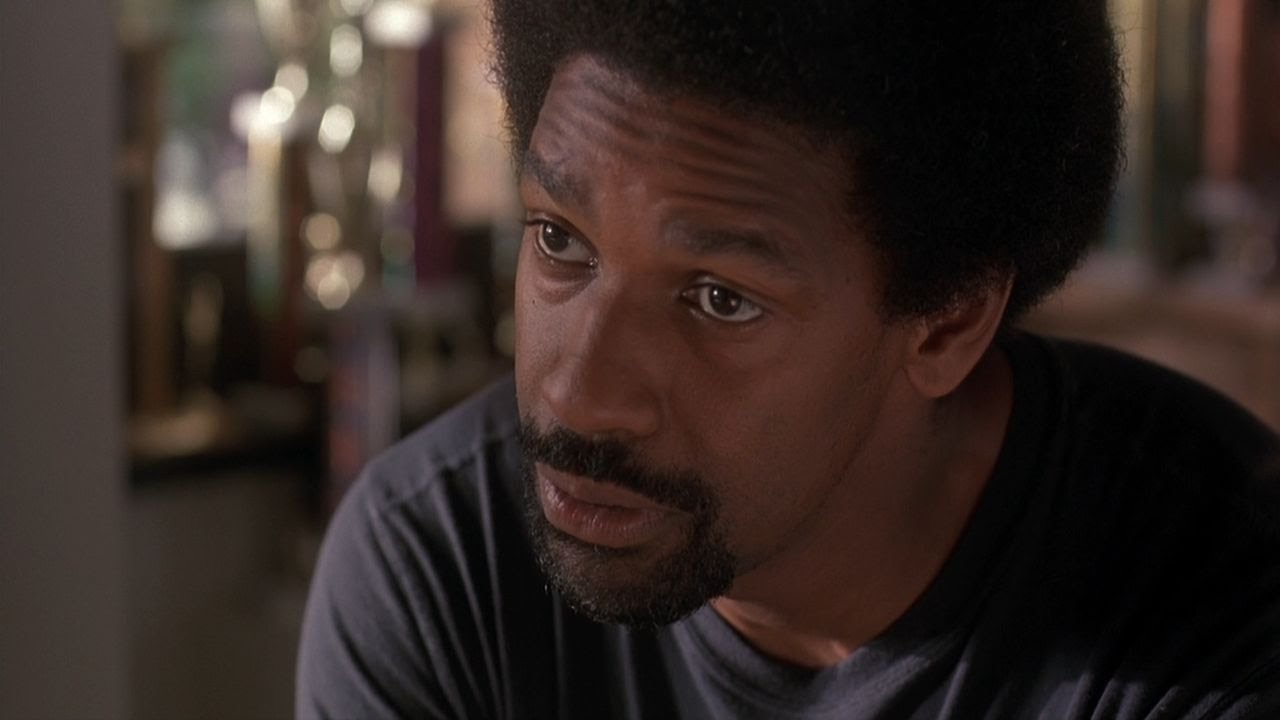
Denzel Washington is mostly superb, the father-son relationship feels legitimately fraught and psychologically revealing, and the way basketball itself is integrated into those dynamics was honest. Lee’s love for the sport — captured in especially stunning fashion in the film’s opening montage — is paired with a pretty bruising awareness of the toll any such obsession can take on individuals. The combat between ego and genuine passion for others is on display throughout, and the lumpy, overlong, stylistically brilliant He Got Game moves on in this version of March Madness.

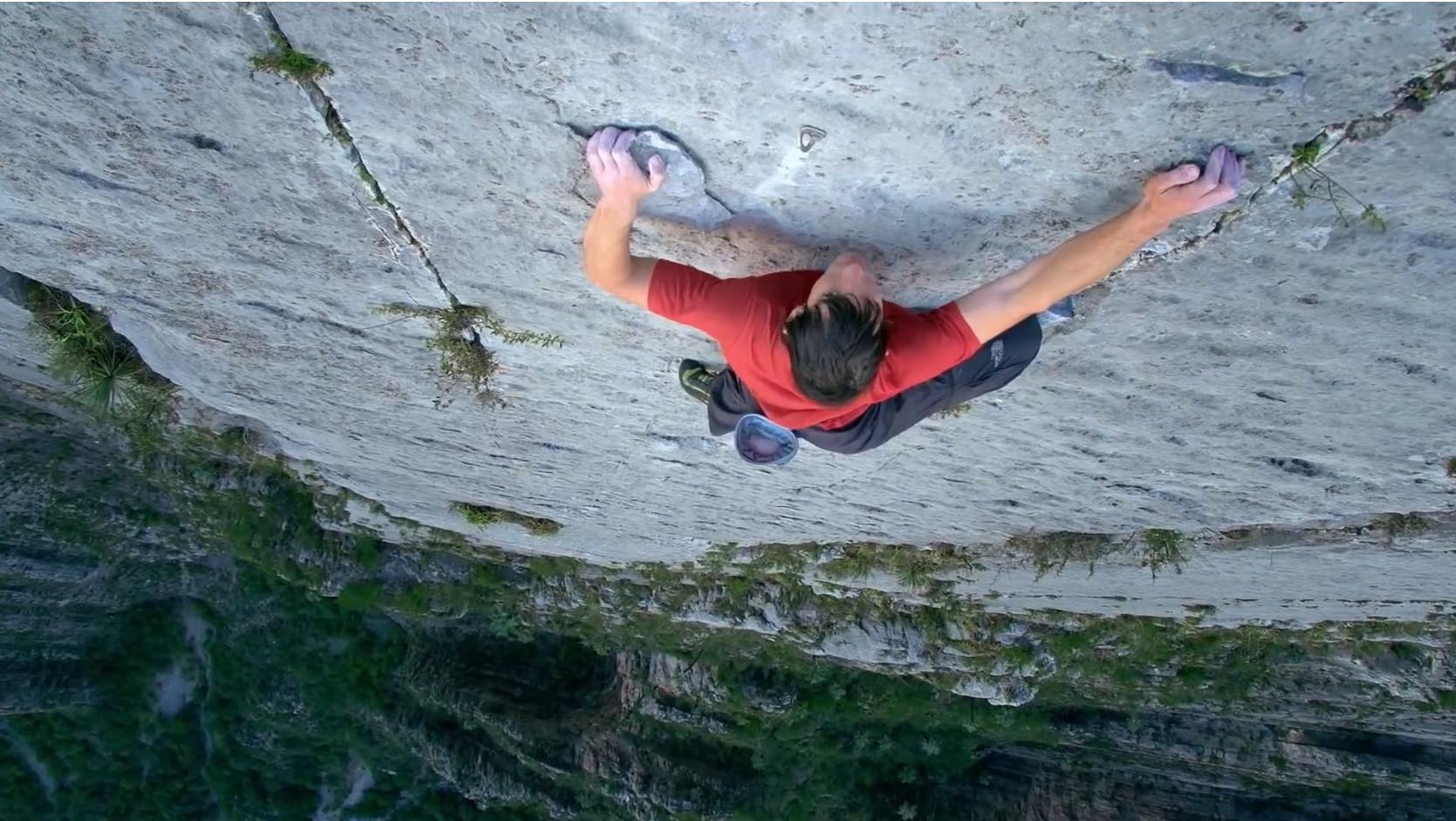
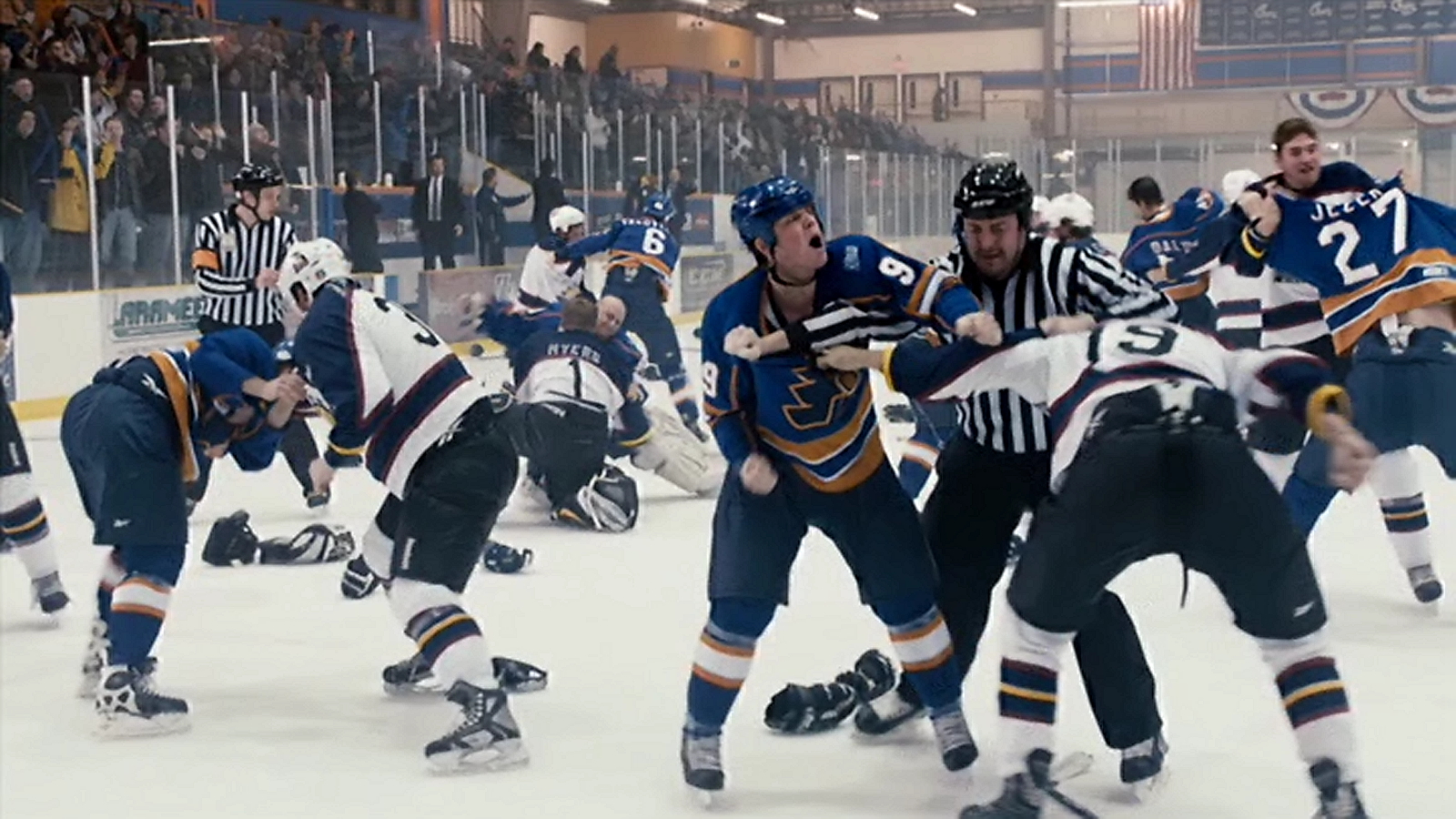
In our next completed bracket, Carrie’s #2 seed, Valley Uprising, was paired with the sublimely goofy Goon. The goofballs won out over the insanely committed daredevils.

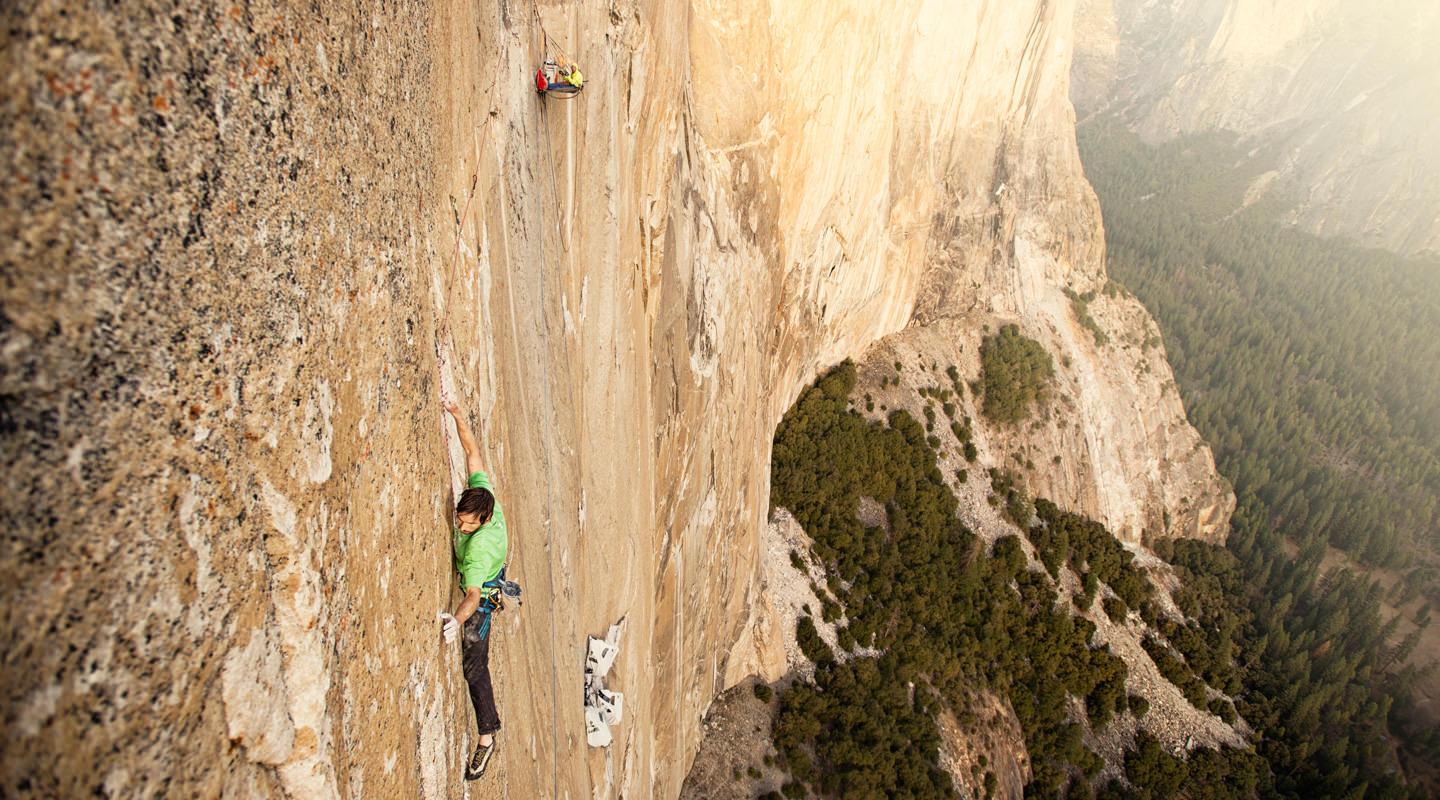
While Carrie is open about the fact that, after any number of horror movies foisted on her, she picked Valley Uprising for March Madness in part to vengefully exploit my fear of heights, she also argued that the doc does an excellent job recounting the generational progress of the sport. It’s full of colorful characters, interpersonal feuds, and incredible images of Yosemite, as mountain-climbing evolves over the years.

Agreed on all counts. If you want to know how techniques developed to the point that people now climb some of these faces in hours instead of weeks, this is your film. It’s also filled with enough cultural context to keep even my terrified ass engaged — the notion that the hippie-mystics who pioneered new approaches in the 60’s would also occasionally drink brandy and drop acid while suspended thousands of feet up sheer rock is among the nuttier things I’ve ever heard. On the other hand, some of the stylistic tics the directors deploy become a bit grating, and the film feels a bit overpacked by the end, particularly as we move into the BASE-jumping section. Still and all, it’s a quality documentary that reveals quite a bit about who these people are and why they do (the entirely bananas) things they do.

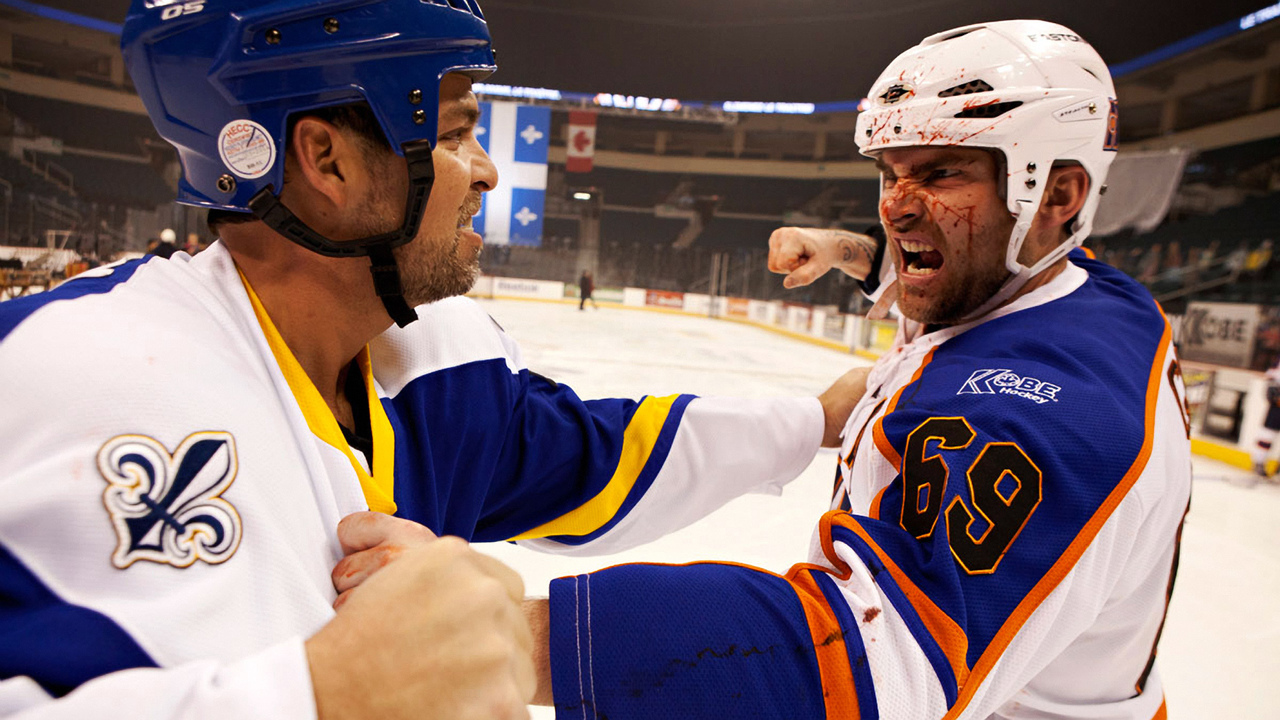
But Goon surprised us both. Focusing on the “enforcer” aspect of hockey, it hones in on something that might seem extraneous and reveals it to be key to the sport. Sean William Scott has never been more perfectly cast, his slightly dim-witted but sweet bruiser routinely generating big, reaction-shot laughs and lines delivered with a kind of earnest silliness. (After a piece of soiled paper flies through the air and smacks him as he walks down the street: “Sometimes trash just hits me in the face.”)

For all of its bloody fisticuffs, Goon also boasts some real tenderness, in its love-story but also its characterizations. The expected, offhand homophobia of some of the players is undercut by Scott’s totally sincere, empathetic emphasis on the fact that his brother is gay, shutting them down in hilariously deadpan fashion. It’s one of many contrasts the film sets up between idiot machismo and our protagonist’s basic decency, despite also being the go-to guy when someone needs to be punched in the head. It’s very funny, and advances to the next round.

So there we go! Neither of our picks made it past the first round of March Madness, undone by the wisdom of our voters. Stay tuned for the rest of the brackets, which hopefully will arrive before June does.


April 3, 2017 0 comments
0 FacebookTwitterPinterestEmail
CommentaryFilmStreaming Selections

Streaming Selections: Evolution

by rick March 31, 2017
written by rick

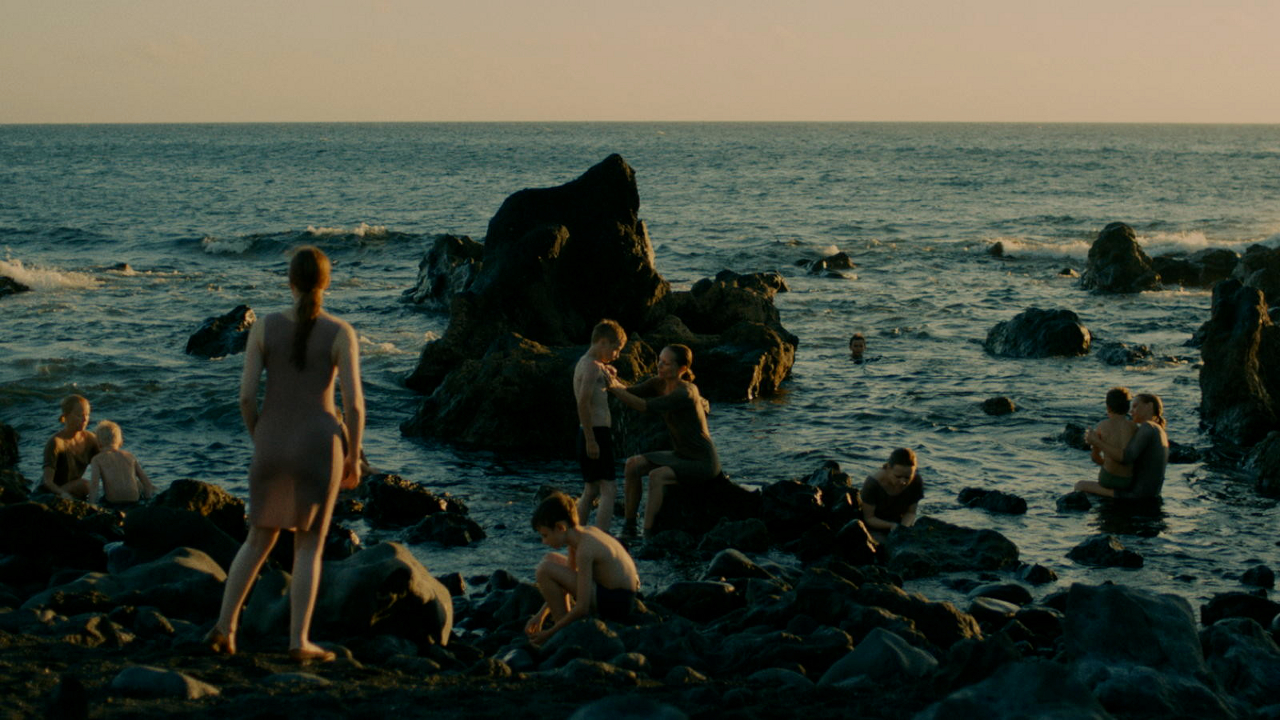
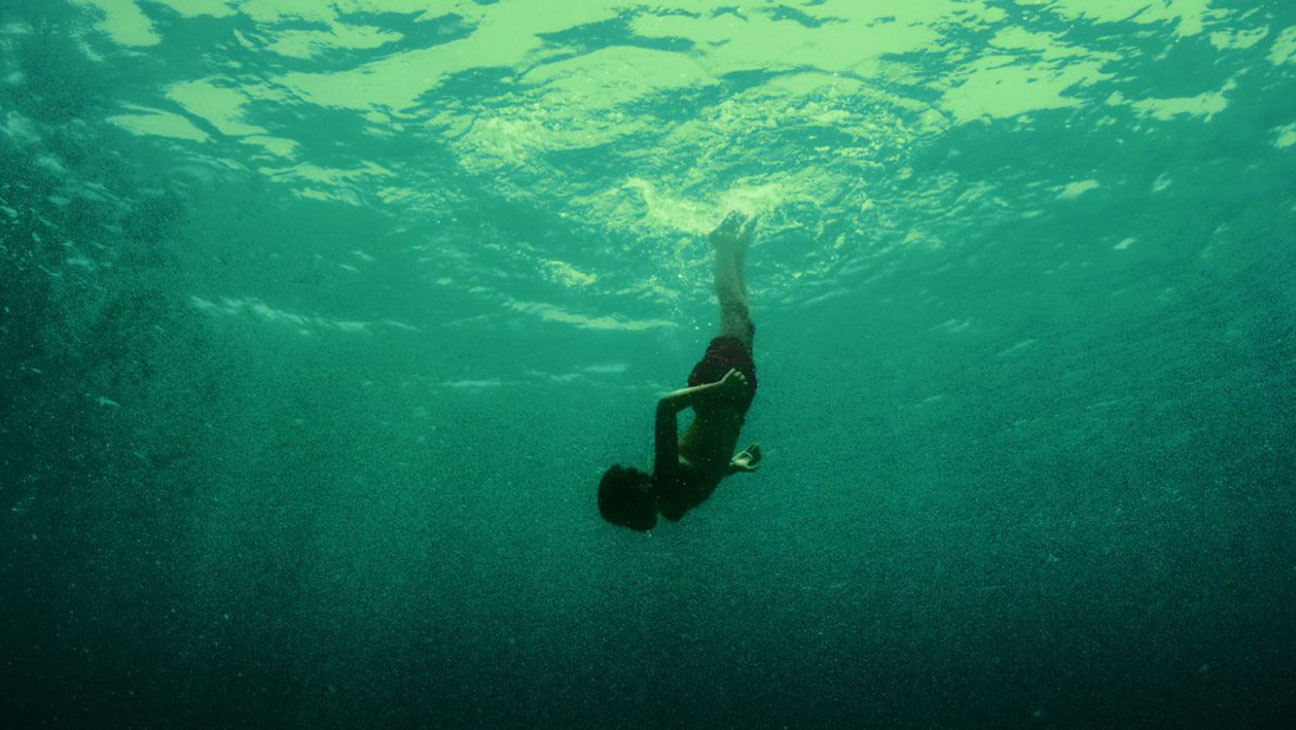
More than 10 years separate Lucile Hadzihalilovic‘s Innocence and her 2015 Evolution, but the decade in between didn’t diminish the director’s poetic vision, resolute emphasis on slowness and children, and tone of generally creeping dread. If anything, Evolution ups the ante, swapping in an uncanny group of young boys at an unsettling seasside resort for Innocence‘s female ballerinas and mixing in a huge dose of body horror to boot. 

Evolution is a nightmare of loose connections, tenuous allegories, damp bodies, damper walls, bloody noses, starfish, and scalpels. If David Cronenberg went to the sea for a vacation and ended up doing extremely strong narcotics with Guillermo del Toro, this might be the slide show he’d bring back.

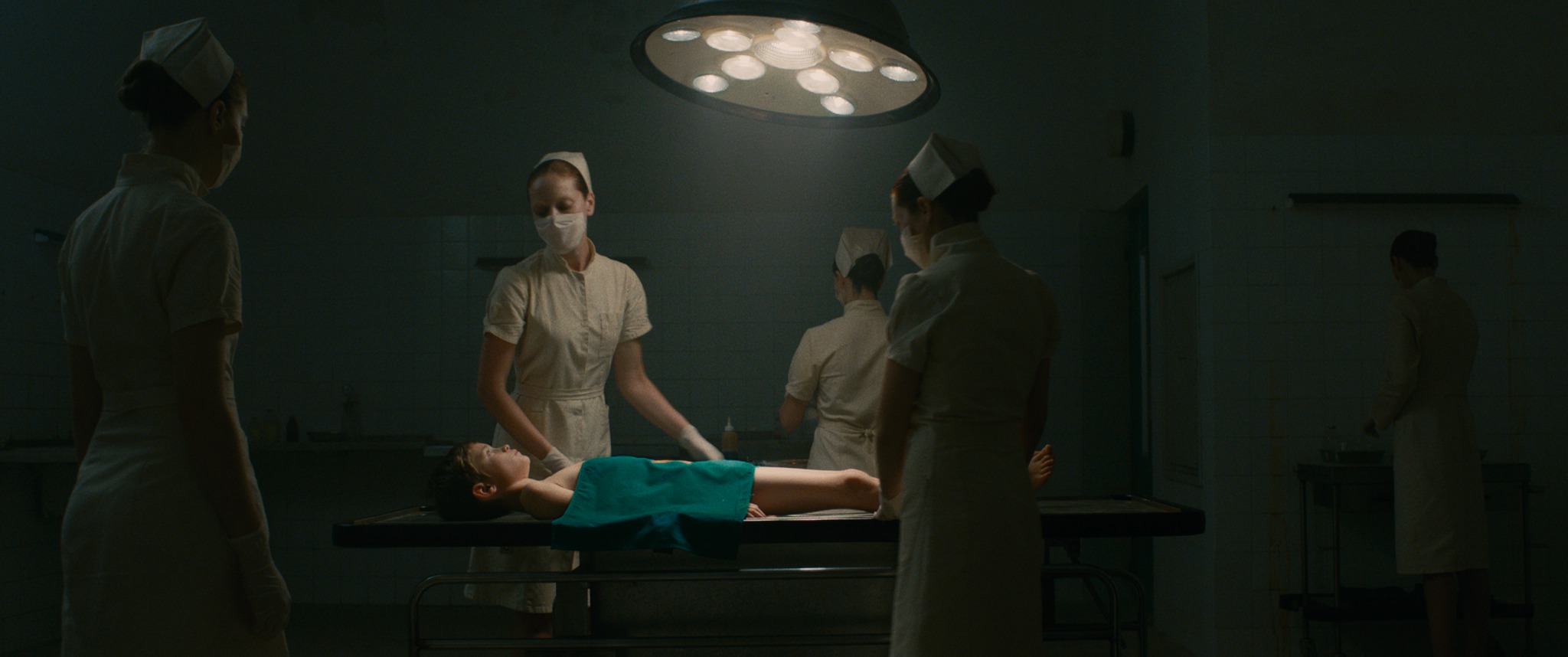
The narrative centers on a group of youngsters — all white, remarkably Aryan-seeming — sequestered in a small village. (Evolution was shot near Morocco, though I don’t think this is ever mentioned in the film itself.) There are no fathers. Some of the nurses who tend to them portray themselves as “mothers” to the individual children, but this is increasingly revealed to be a dubious claim. Something else is afoot.

In long, often-silent takes, Hadzihalilovic and her DP Manuel Dacosse (neo-giallo The Strange Color of Your Body’s Tears, The ABC’s of Death) drive the unsettling tone into our stomachs. Our protagonist is Nicolas (newcomer Max Brebent), who stares clear-eyed at the goings-on and, quite rightly starts thinking something is off here. Evolution taps into the thrill and questioning of childhood through Nicolas, becoming something of a detective story as he tries to uncover what’s behind the squid ink soup the boys are fed, the nightly medicine, impassive female staff, the belly surgeries.

And that’s before he even trails his keepers to the seaside at night, in a startling scene we can’t get into here without ruining it.

Everything in Evolution is viscous, wet, slimy. The operating rooms appear to have been inherited from an earlier time. Nicolas’ obsession with starfish and their regenerative powers is mirrored visually in the OR lights, and in his starfish-shaped pupils on at least one occasion. Hadzihalilovic has an incredible ability and deftness in her presentation of riddles that won’t be resolved; Evolution, as one disgruntled critic put it, raises more questions than it answers. An odd idea, this — that cinema is supposed to answer questions.

Final moments involve another dive into the deep, a distant town, and some rather suggestive, even transgressive sexual imagery. Evolution isn’t for everyone. But if you have the patience for it and want your horror drippingly murky and obsessed with bodies, this might be a weirdo classic.

(Streaming on Netflix)

Quick Links

The Life Aquatic With Steve Zissou

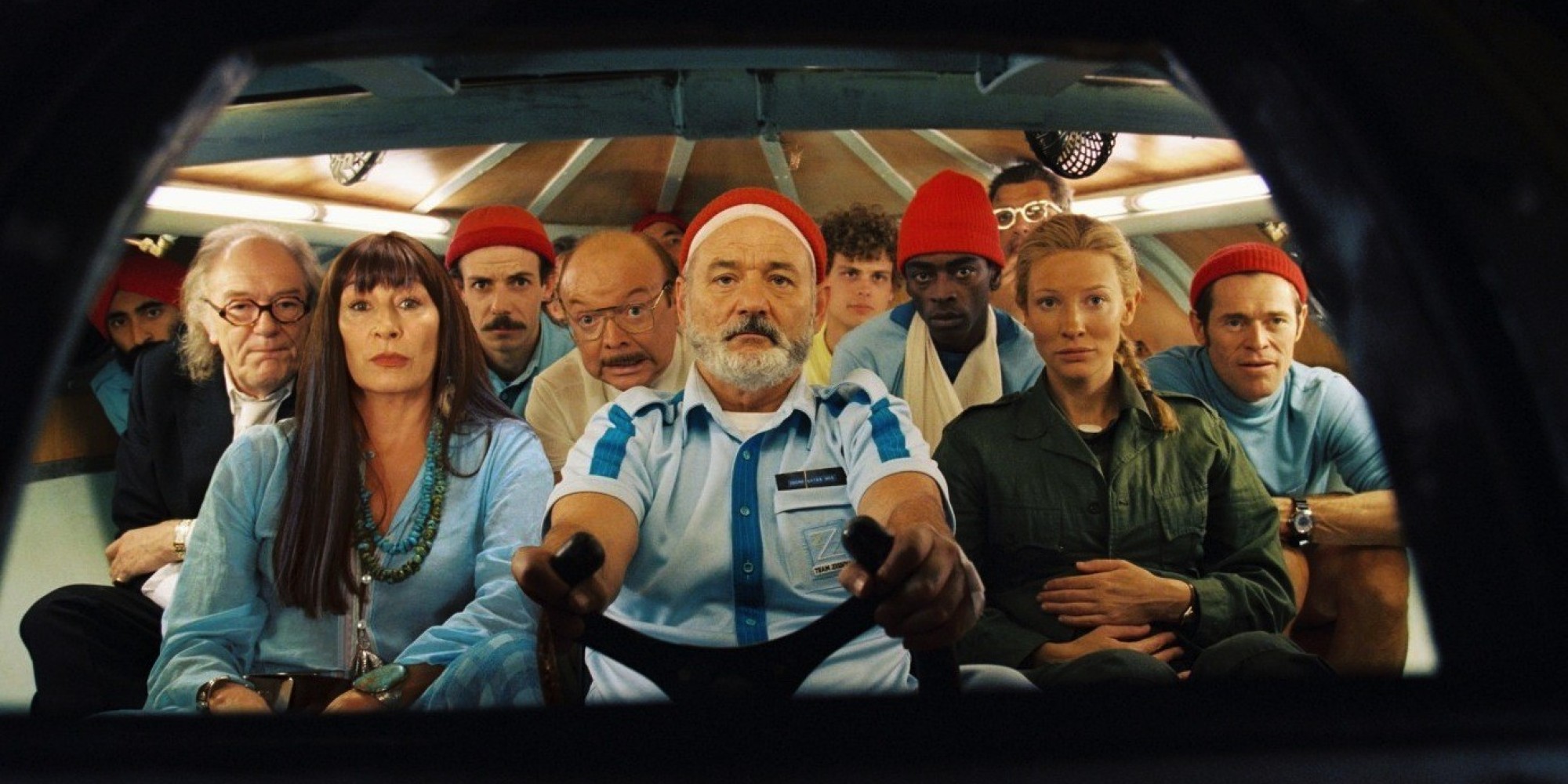
Keeping things on the damp side, you can also take a plunge into one of Wes Anderson’s most-overlooked films. Sure, it’s lumpy and ill-paced, but The Life Aquatic With Steve Zissou has so many charms that it seems unjust to fault it for failing to be The Royal Tenenbaums.

Anderson’s tics are in full effect, possibly front-loading the film to a degree that even many fans found grating upon its release. But it’s also full of wit and that particular ragged, hand-sewn geniality this auteur brings to all his projects. Plus the soundtrack is great.

(Streaming on Netflix)

Gremlins

Gremlins is Gremlins. Do I need to argue in favor of it? Joe Dante has never been more fun (with the possible exception of its sequel). Here’s a film in love with schlock and genre, wearing its heart on its sleeve. It’s fun for the whole family, assuming your family is a bit twisted.

(Streaming on Netflix)

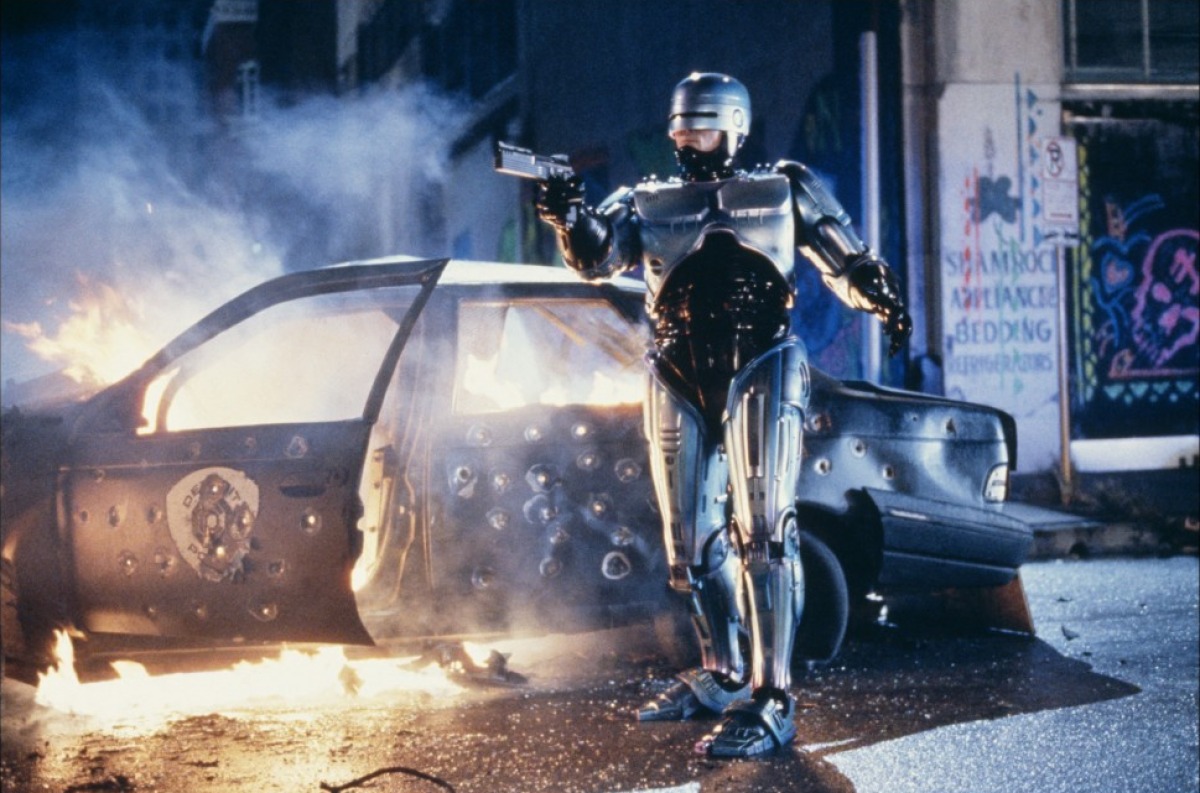
Robocop

Speaking of genre masterpieces, Robocop is also out there waiting for you. We could have long conversations about the thematic relevance of Paul Verhoeven’s post-human ode to the end times and Donald Trump’s post-factual America. Or we could just enjoy Robocop because it is awesome.

(Streaming on Amazon Prime)

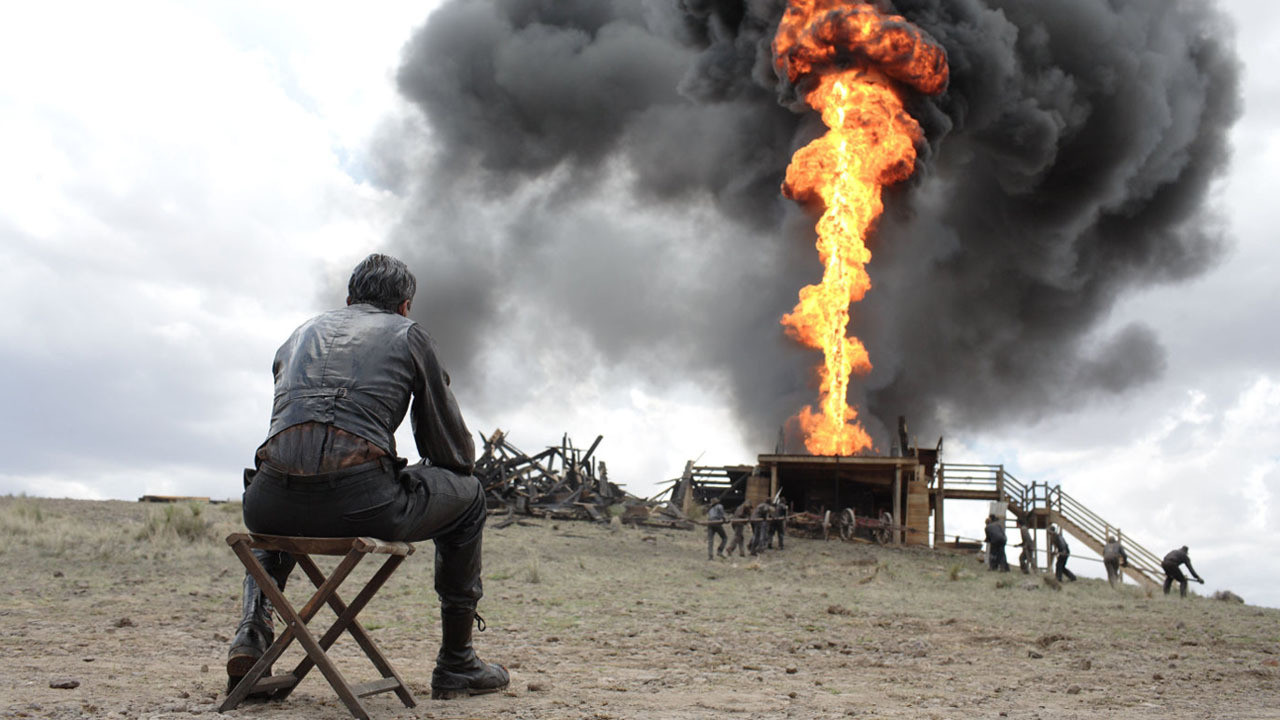
There Will Be Blood

Drawing on Upton Sinclair but playing fast and loose with the material, There Will Be Blood is the strangest of things: a cinematic treatment in love with ideas, images, and celluloid that also functions as an almost stage-bound drama, with Daniel Day-Lewis and Paul Dano squaring off on the ashes of frontier faith and capital.

It’s smart, funny, utterly gorgeous to look at, and ultimately bruising. Rewatch it today and marvel at the fact that “I drink your milkshake” ever entered the cultural lexicon.

(Streaming on Amazon Prime)

March 31, 2017 0 comments
0 FacebookTwitterPinterestEmail
Great Movie Project

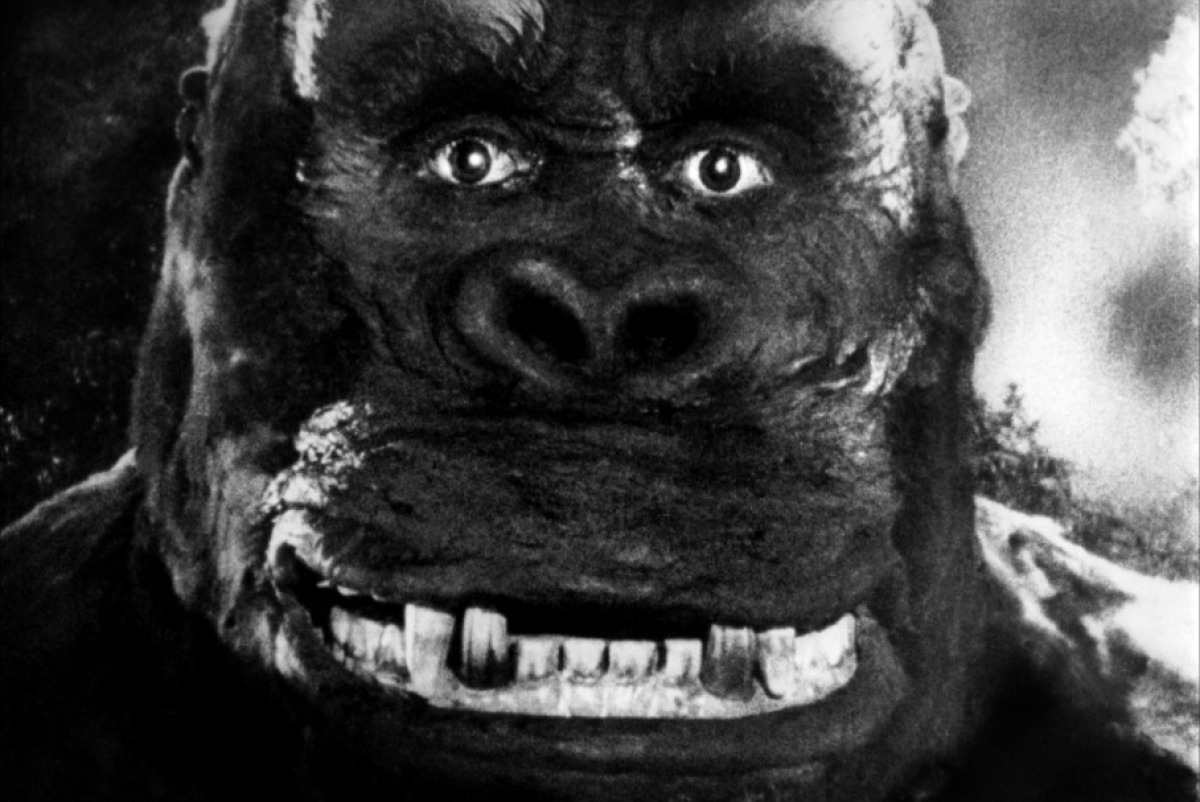
Giant Apes and the Post-Colonial: Why King Kong Won’t Go Away

by rick March 29, 2017
written by rick

“You will have the tallest, darkest leading man in Hollywood,” director Merian Cooper allegedly promised the B-movie actress and future scream queen Fay Wray. She assumed he meant Clark Gable; he meant King Kong.

King Kong, both 1933 classic and imaginative figure, retains one of the more central places in the cultural subconscious. Their lineage includes numerous sequels, spinoffs, sympatico jungle treatments, Jurassic Park, and perhaps every film ever made after 1933 in which a woman is menaced by a beast.

It also has given rise to a cottage industry of analysis focused on its colonial, gendered, and racial subtexts, much to the consternation of fans who’d rather skip all that and simply watch a Giant Ape movie already. (Indeed, just last week I found myself discussing this with irritated NPR listeners, who seemed in no mood to listen to a segment entitled “Can You Make A Movie With King Kong Without Perpetuating Racial Undertones?”)

What’s abundantly clear is that King Kong — like Satan, Dracula/Nosferatu,  and, to a lesser degree, Mr. Fuzzypants — refuses to go away. While there’s certainly an appeal to a giant ape destroying everything in his path, it’s hard to imagine retelling this story over and over (and as recently as this month, 74 years after the original’s release), did it not tap into something more essential, knocking down some sort of collective, Jungian door.

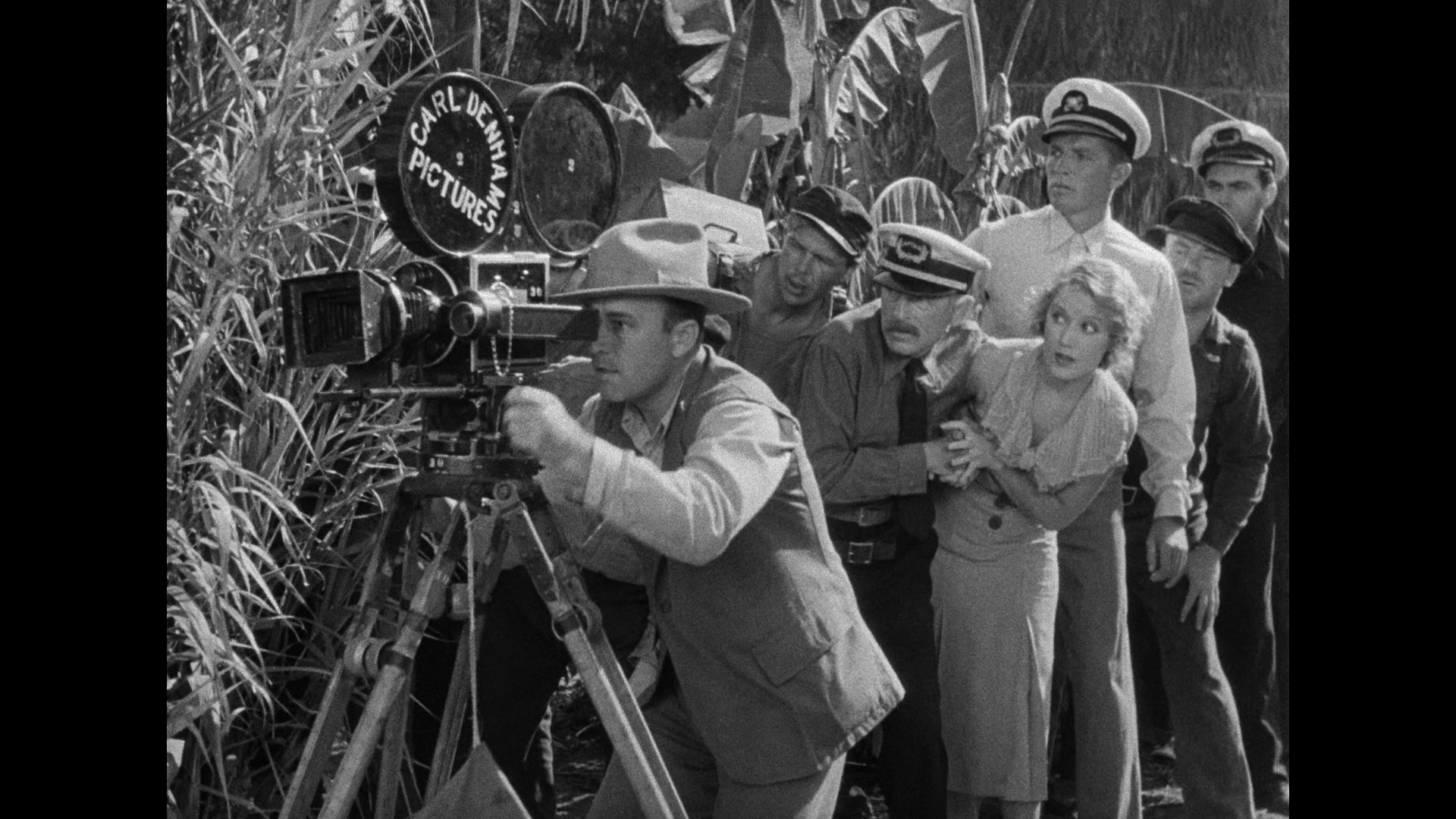
If you’ve ever seen a movie, you probably know the story of King Kong, but just in case. An intrepid filmmaker named Carl Denham (Robert Armstrong) sets off to a rumored island off the coast of Sumatra to make his latest epic. He’s apparently well-known for such far-flung, exotic endeavors, and has already enlisted a regular sailing crew to take him there, primarily consisting of Captain Englehorn (Frank Reicher) and his First Mate, John Driscoll (Bruce Cabot).

To Denham’s chagrin, he also finds himself compelled to cast a woman in the picture, because that’s apparently what audiences want these days. After a brief, last-minute search through New York, he lands on the destitute Ann Darrow (Fay Wray), who’s quickly convinced to join this filmic journey into the unknown.

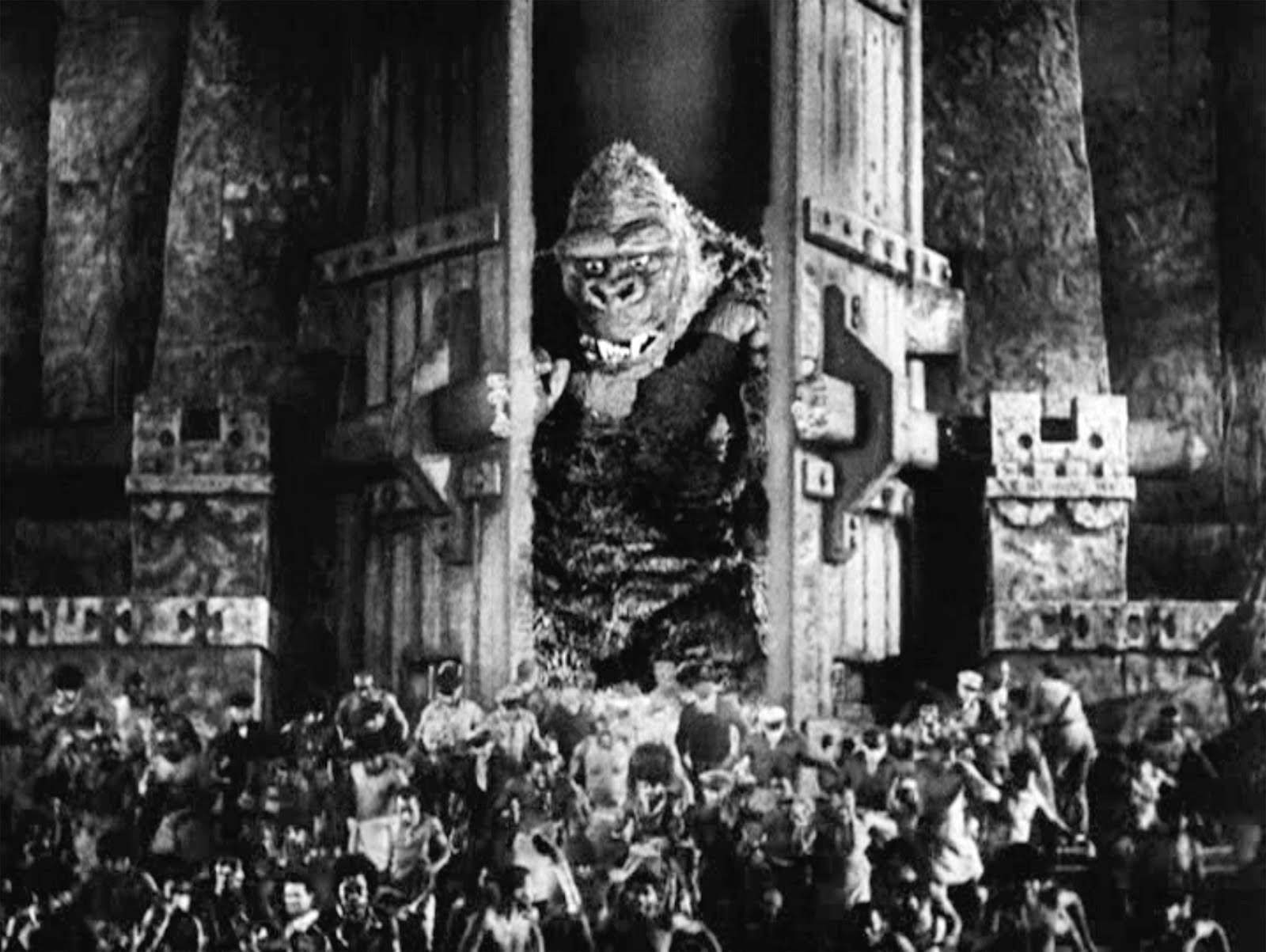
The crew eventually finds the mysterious island, guided through the fog by the drumbeats of mysterious natives who, it turns out, are somehow both African and East Asian and maybe also Mongolian. The savages are preparing to sacrifice a woman to appease a God they call “Kong”, but the arrival of Ann plants a different idea. After trying and failing to trade six of their own tribe for the “golden woman” (“Well, blondes are in pretty short supply here,” Denham quips, quite Denhamly, and also racistly, which are essentially synonyms), they kidnap her and offer her up to the God. That God is, of course, King Kong, the beast deity of this land.

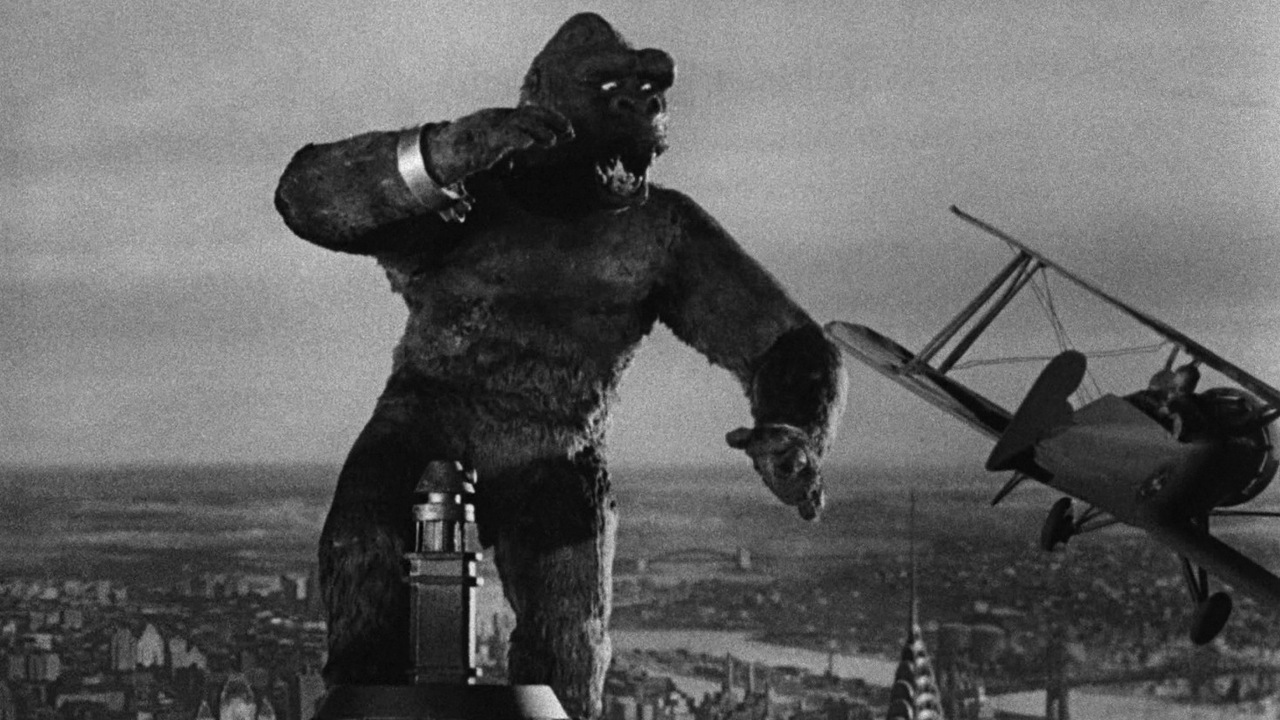
In the familiar twist, King Kong falls in something like love with his white captive, before her true love interest Driscoll saves her. As Kong chases them back and breaks through the door the natives have inexplicably built to keep him out, Denham gas-bombs the monster and brings him to New York for exhibition, billing him as the “8th Wonder of the World” and watching the money roll in. Unfortunately, overzealous press take too many pictures, the flash bulbs freak Kong out, he breaks free, finds Ann sequestered in a bedroom, and hauls her to the top of the Empire State Building. Machine-gun-equipped airplanes take him out, and she’s reunited with Driscoll, while Denham waxes rhapsodic about the whole affair.

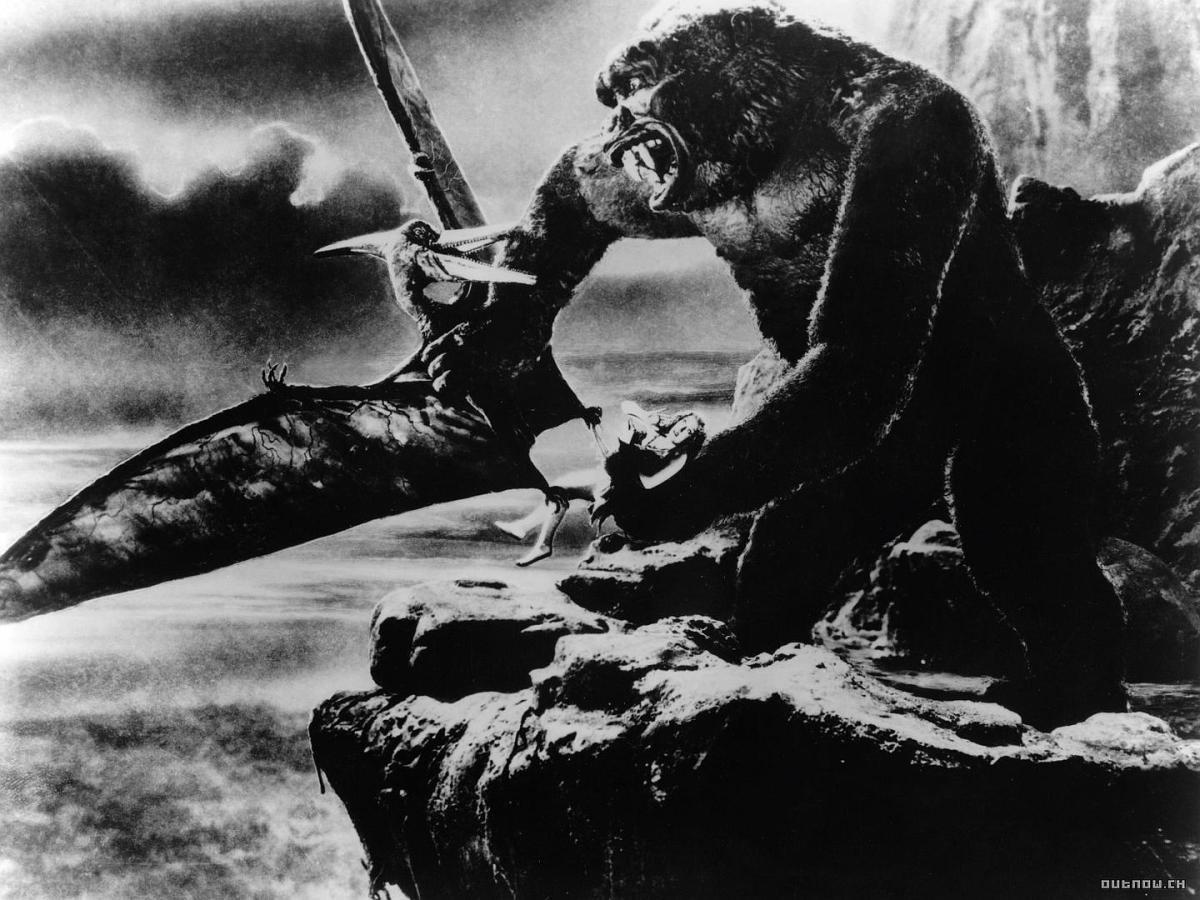
King Kong is, in other words, the quintessential B-movie, despite its centrality in the cultural imagination. Shot for roughly $600,000, starring mostly no-name actors, and with a script co-billed to Edgar Wallace for box-office attention despite a wholesale rewrite, much of the film really serves as a showcase for stop-motion pioneer Willis O’Brien‘s effects (not to mention Max Steiner‘s iconic score). Those effects are impressive to this day, even (or especially) in their jerky, tactile goofiness: not only does Kong fight off the white men with guns and the natives with spears, but he does battle with a Tyrannosaurus, a Pteranodon, a big snake, a Brontosaurus, and a Stegosaurus. Frankly, King Kong has a rough go of it just trying to make it through the day.
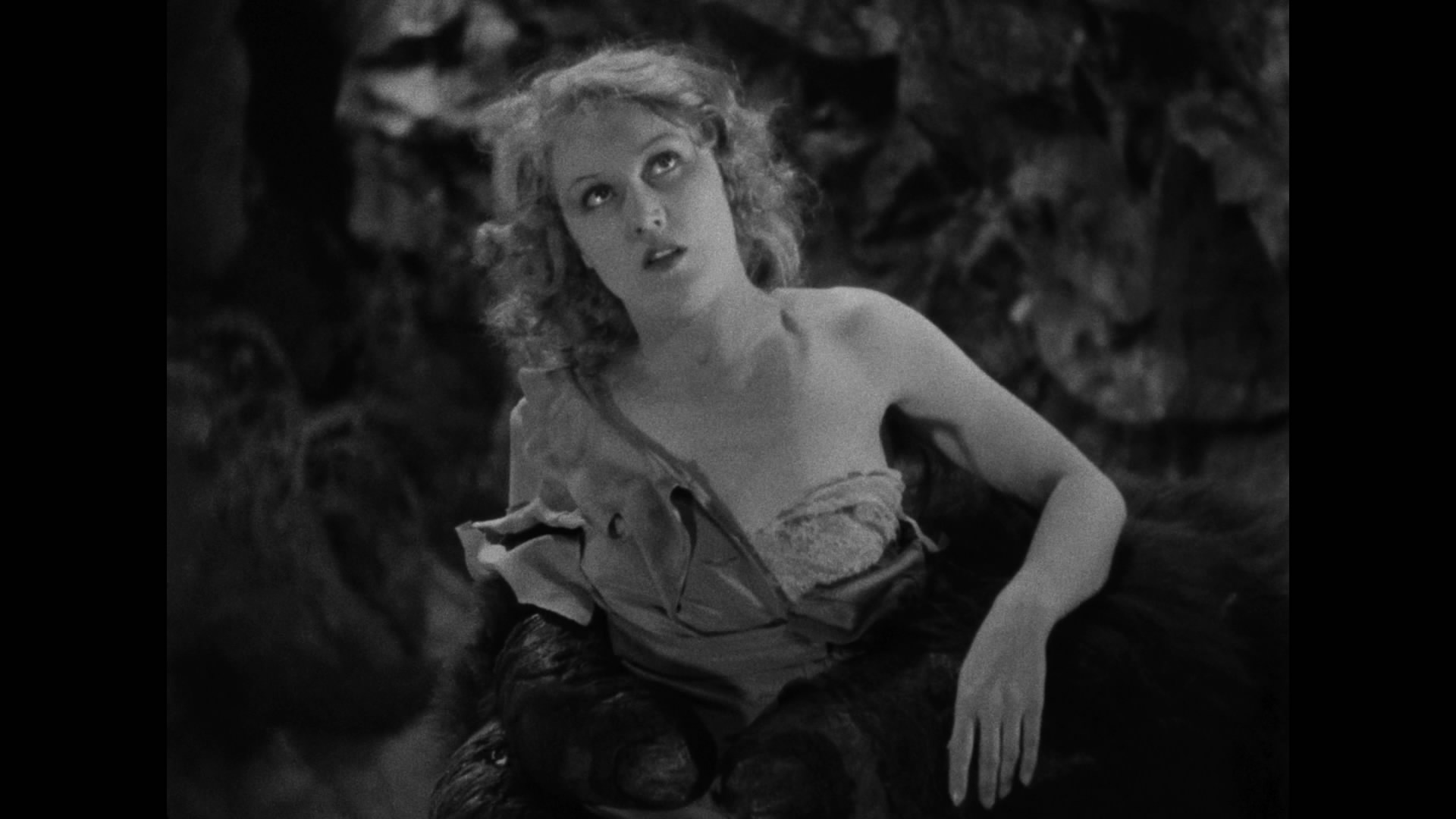
Watching the film again now, it’s apparent just how much Cooper and Ernest B. Schoedsack were of their time. The narrative itself draws on the contemporaneous popularity of jungle films and Orientalist exotica, but it also wears its exploitation trappings on its sleeve. The scene — once excised at the demand of censors, now restored in complete versions — where Kong holds Ann in his hand and casually strips her before ostentatiously smelling his fingers is one example.

The notion, so often repeated by the producers, that they were not trying to imply anything metaphorically takes a bit of beating on rewatch. Or, at the very least, reinforces the notion that the creators of art are the very last people you should consult for its analysis. Fay Wray’s frequent state of jungle undress, and the degree to which her character reciprocates the affections of the “tallest, darkest man in Hollywood”, is the subject of continued debate. For my part, there is literally no moment in King Kong when that last part is true, and I agree with Meghan O’Rourke that it is a total misremembering of the film to suggest otherwise. Folks may be confusing the 1933 version with its breathless, shockingly pro-bestiality adaptation from 1976, as Nathan Rabin notes.

This is nothing, of course, compared to one of King Kong‘s most notorious predecessors, Ingagi, which doubled down on the colonialist Orientalism years before, and made a fortune in doing so. It’s one of the most fascinating, racist stories in cinema history, arguably the first pure exploitation film, and almost certainly influenced the construction and marketing of Kong. Not a decade removed from Nanook of the North, Ingagi went ahead and billed itself as the true story of African women mating with primates, to the titillation of Western audiences, and grossed a huge amount of money before its controversial tour had run its course. That colonialism — either as representation, critique, or enactment — is also a large part of the film’s critical history. (Warren Patrick has a good deal to say on this, and I recommend giving it a read.)

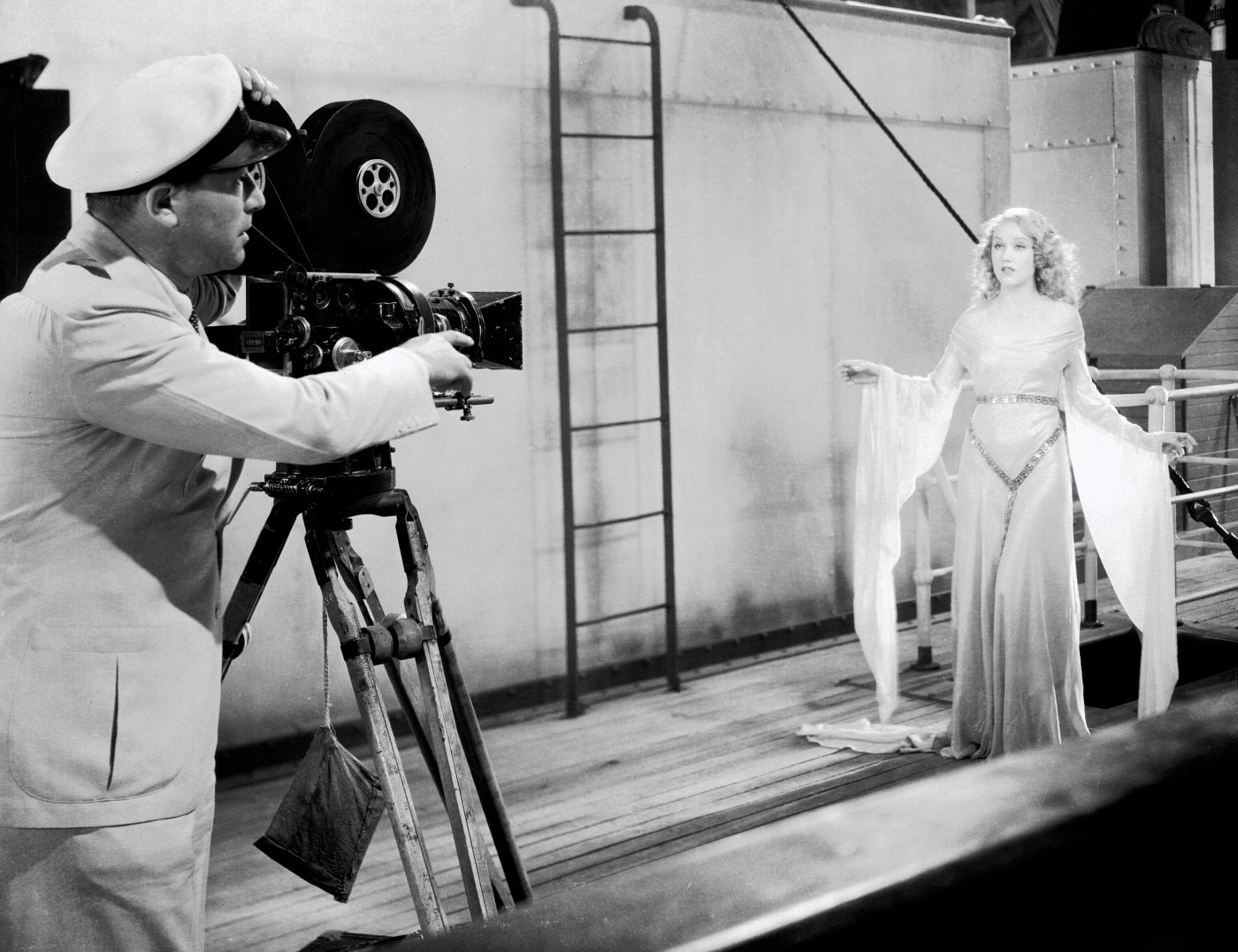
One last note on rewatching. This time, I was struck more than ever by the emphasis on film itself. Our “protagonist” (assuming Denham is our protagonist) is, of course, a filmmaker. An early scene on the ship, in which he coaches Ann into the poses she will ultimately experience for real, is one of the more striking touches, implying (like the cameras that send Kong into a fury at the film’s end) that representation itself is part and parcel of the colonial project. It’s also worth noting that he chooses her, after all, specifically because he finds her in a near-fainting state of submission — on his earlier attempt to pick up a would-be starlet, he finds them too brassy and aggressive.

Apparently, the intertwined notions of his representational needs as a filmmaker, the demand for a female star, and the monstrous desire of an ape-man coalesce around her passivity and peril. That her final scene should be set on the Empire State Building — that phallic triumph of industrialism only a few years old at the time of King Kong‘s release — seems appropriate. That her rapacious monster-love should lose his grip on it, and she fall into the arms of her white lover, while audiences below watch with bated breath? Doubly so. Today, they surely would have cell phones held aloft, directing her.

King Kong is a text that cannot be removed from its time and context, but also one that cannot be shrugged off as a simple monster movie. Or at least, so I (and the length of this piece) would argue. The question is never, “What did they mean?” The question always should be, “How does it function? On what presumptions does it draw?”

And on those grounds, we’ll probably never stop talking about a Giant Ape.

Favorite Ebert passage:

On good days I consider “Citizen Kane” the seminal film of the sound era, but on bad days it is “King Kong.” That is not to say I dislike “King Kong,” which, in this age of technical perfection, uses its very naivete to generate a kind of creepy awe. It’s simply to observe that this low-rent monster movie, and not the psychological puzzle of “Kane,” pointed the way toward the current era of special effects, science fiction, cataclysmic destruction, and nonstop shocks. “King Kong” is the father of “Jurassic Park,” the “Alien” movies and countless other stories in which heroes are terrified by skillful special effects. A movie like “Silence of the Lambs,” which finds its evil in a man’s personality, seems humanistic by contrast.

March 29, 2017 0 comments
0 FacebookTwitterPinterestEmail
FilmReviews

Distance and proximity in Sophie Savides’ The Funeral

by rick March 28, 2017
written by rick

Sophie Savides’ transcendent short The Funeral is an open question. Or really, a set of open questions. Is cinema about distance or closeness? The fictive or the real? Adhering to a rigorous three-part formalism, The Funeral isn’t about to provide any answers, which is an entirely appropriate approach to an achingly poetic depiction of a eulogy. Add one more question to the pile: who are eulogies for, anyway?

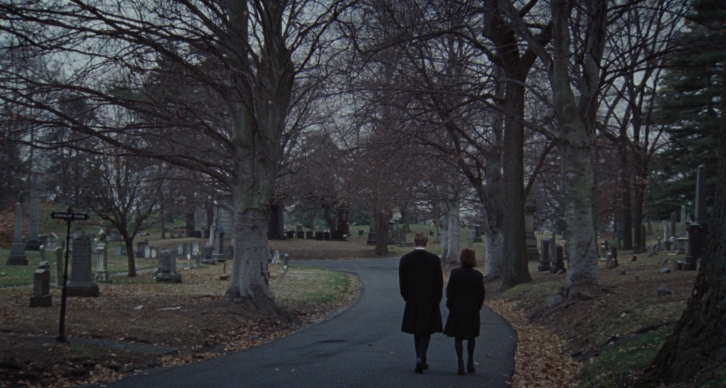
In what could be termed “Part One” of the seven-minute short, we watch a man and a woman walk down a winding graveyard path. It seems like a possibly brisk afternoon, as indicated by their overcoats and outfits and failing light. Post-film notes inform us The Funeral was shot in a single day in Greenwood Cemetery in Brooklyn, but it could be almost anywhere. The camera doesn’t move. For nearly two minutes, we watch them walk from above and behind; she puts her hand gently on his back. Eventually, they round a corner and disappear through the trees.

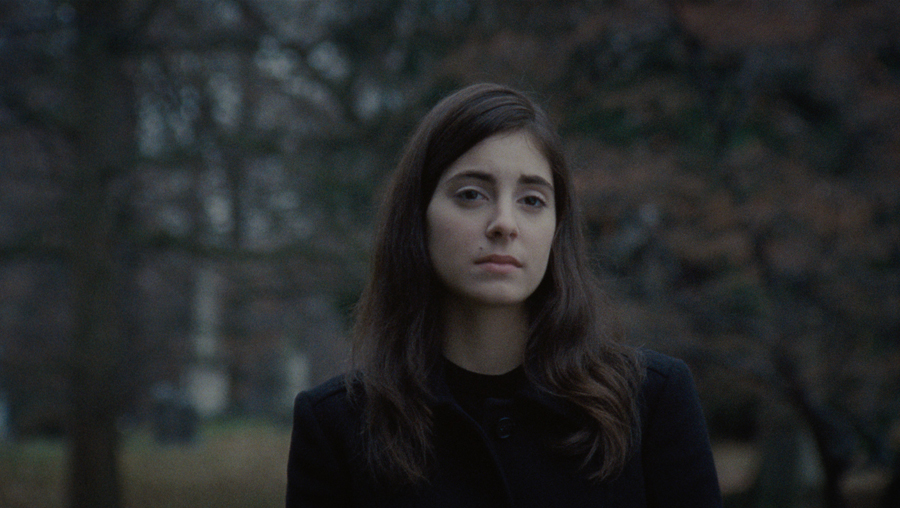
“Part Two” is another static shot, as lead actress Kristen Vaganos delivers a eulogy for her father, who recently passed after a two-year struggle with brain cancer. We see no other figures. Vaganos is isolated in the frame as she recounts aspects of her dad’s childhood, of her childhood. How he was shocked to find his own father was a fry-cook and not, as he had been told, the owner of a fancy restaurant. How he would let her stick her head out the window on car trips, and one time drove six hours to bring her the homework she forgot upstate. The camera imperceptibly moves as the monologue continues. Savides makes room for anger and irritation alongside the fond remembrances.

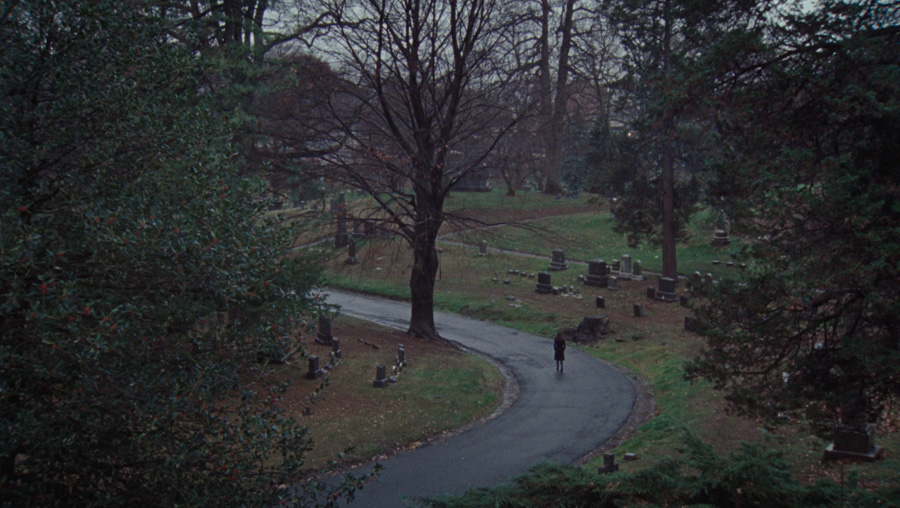
The Funeral closes on a “Part Three” of sorts. Vaganos turns and walks away, and our vantage shifts to an overhead shot similar to the one we started on. There is no one in the graveyard; there’s no audience for this eulogy. Except, of course, for us. Was she practicing? Did no one come, despite her spoken insistence that every one she ever met told her that her dad was their “best friend”? Once again, the camera refuses to move or elucidate. We watch her walk down that same path in reverse, and we fade to black.

It was only after The Funeral was over and the credits rolled that I realized Verganos was not one of the two people from the start. It was an establishing shot for physical context, not narrative per se. I had wondered why she would be the one consoling the man and not vice versa. But perhaps that’s still part of the point: her eulogy is a kind of consolation for listeners, even as it’s a reckoning for the speaker. The dead person, one assumes, doesn’t particularly care. There’s just a kind of vast emptiness that Savides’ insistent shots embody, and a resolute refusal to look away. It’s a brave telling.

As the daughter of legendary cinematographer Harris Savides, it’s hard not to read the treatment in autobiographical terms, especially as The Funeral is so formally attention-grabbing and imagistic. This was a guy who, before his passing in 2012, worked with — oh — Michel Gondry, Sophia Coppola, James Gray, Gus Van Sant, David Fincher, Noah Baumbach, and more, many of whom are thanked at the film’s end.

There’s an intensity to the young Savides’ short that speaks to a real familiarity with the image, the ways in which it allows and denies us entry: we start and finish with ambiguous distance, but in between are immersed in almost grueling intimacy. It’s an impressive way to film the story, and audiences could be forgiven for wondering exactly where this sensibility came from.

A few weeks ago, I attended a performance in San Francisco called “You’re Going To Die”. Structured as a recurring open mic, it features stories, poems, songs, and whatever else people feel like doing, all grappling with mortality. It was hard not to see the similarities: our protagonist in The Funeral could’ve been on that stage.

One crucial difference: the live theater aspect is absent. A eulogy on film is a life-line thrown into the abyss, but the formal aspects Savides emphasizes temper this desperation, turning an unflinching speech into a set of resonant images in conversation with each other.

I have no idea what comes next for the 22-year-old director, except for the logline on Le Cinema Club (where The Funeral is streaming for free until Saturday): her next project is, we are told, “a love story, imbued with Savides’ values and ideas about our modern society.” I can’t wait.

March 28, 2017 0 comments
0 FacebookTwitterPinterestEmail
CommentaryFilmStreaming Selections

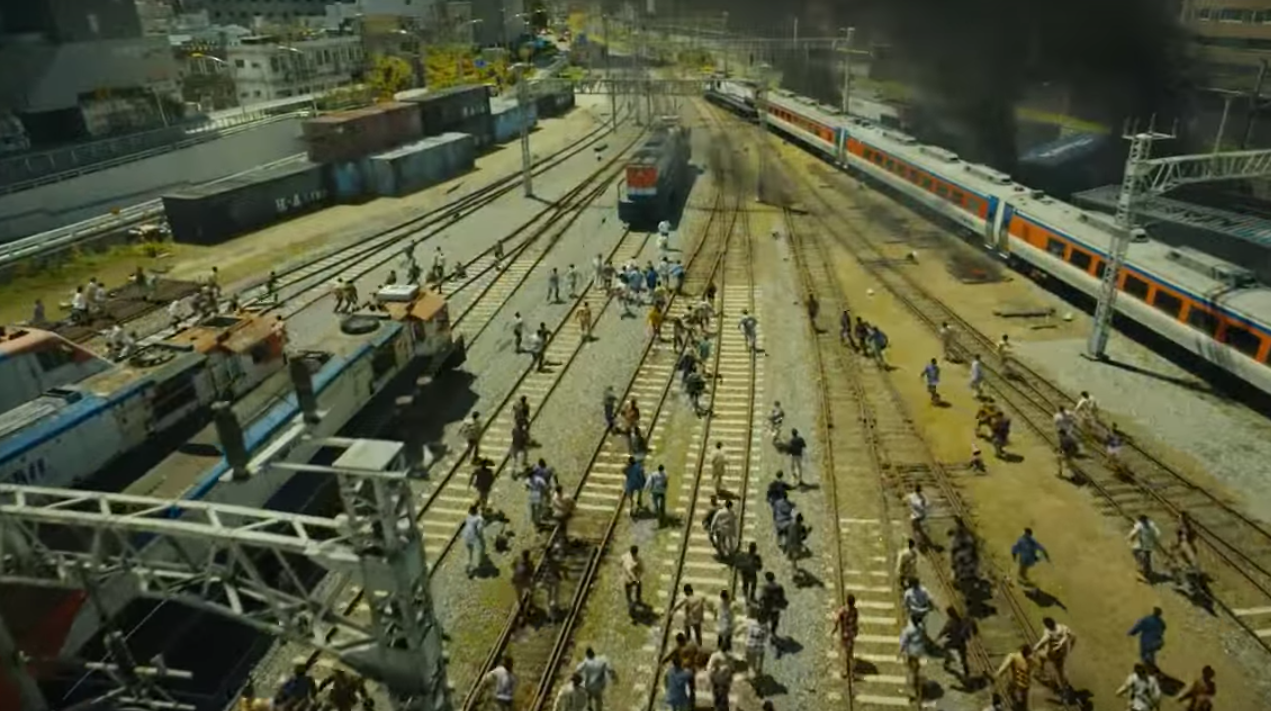
Streaming Selection: Train To Busan

by rick March 24, 2017
written by rick

Train To Busan begins with the routine frustrations of a hapless truck driver: a dodgy checkpoint, impassive security forces, a collision with a deer that he registers as just one more irritation on a frustrating route.

When he drives off, still huffing and puffing about how nothing’s going right, we watch the deer twitchily reassemble itself, stand upright, and stare off into the distance with clouded eyes. This bright day in South Korea is about to get substantially worse.

Director Yeon Sang-ho borrows liberally, and gleefully, from the zombie canon for Train To Busan, especially 28 Days Later and its descendants. But the genre genius that sets it apart is the setting: if we start with a truck, we very soon find ourselves on a train. This is a very interesting place to be, cinematically and metaphorically: its contours and evocations allow for claustrophobia, intimacy, and distance in turn.

That’s especially true when your co-passengers very much want to eat you.

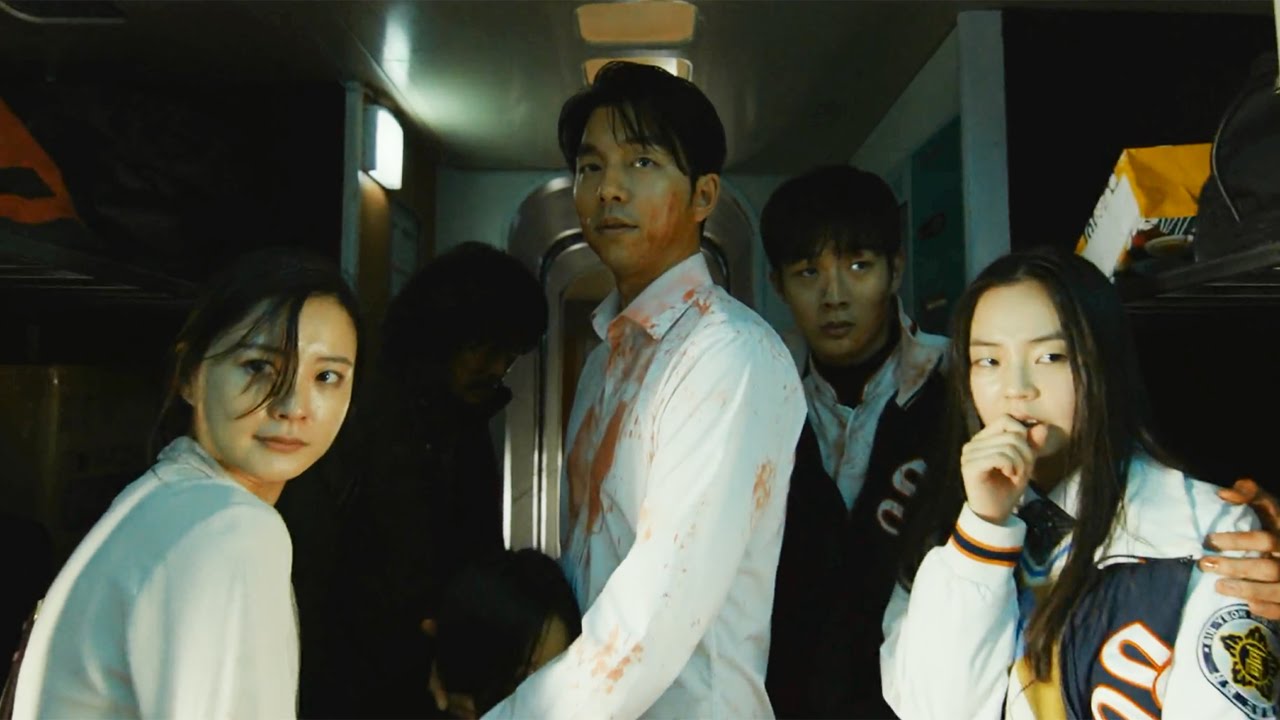
Train To Busan makes another smart choice by introducing us to compelling principle characters, including an adorable little girl protagonist. The human drama — a wayward dad too obsessed with his job, an expectant father with clear class antagonism, the lone girl among a group of teenage baseball players — raises the stakes and compels real investment. This is another thing the train helps elucidate: its close confines creates a revealing mise-en-scene, allowing character differences to come to the fore. This makes all the difference when the face-eating starts.
The debt to 28 Days Later and World War Z is most evident in the fast-moving zombies. Zombie purists might object, but Train to Busan capitalizes on the momentum of their tenacity, which structurally matches the speed and unstoppable inertia of the train itself. Yeon Sang-ho smartly plays the parallel for all its worth, and the result is a nail-biting dive into the abject.

In any case, the complaints of the “zombies are slow, goddammit” crowd are literally overrun by the biochemically-induced undead. As they should be. Train To Busan is smart, scary, gory, brutal, occasionally hilarious zombie fare that knows exactly what it’s doing.

(Streaming on Netflix)

Quick Links

The Devils

In its day, Ken Russell’s The Devils was reviled and banned. Pairing exploitation grotesquerie with religious iconography is usually a sure way to inspire condemnation.

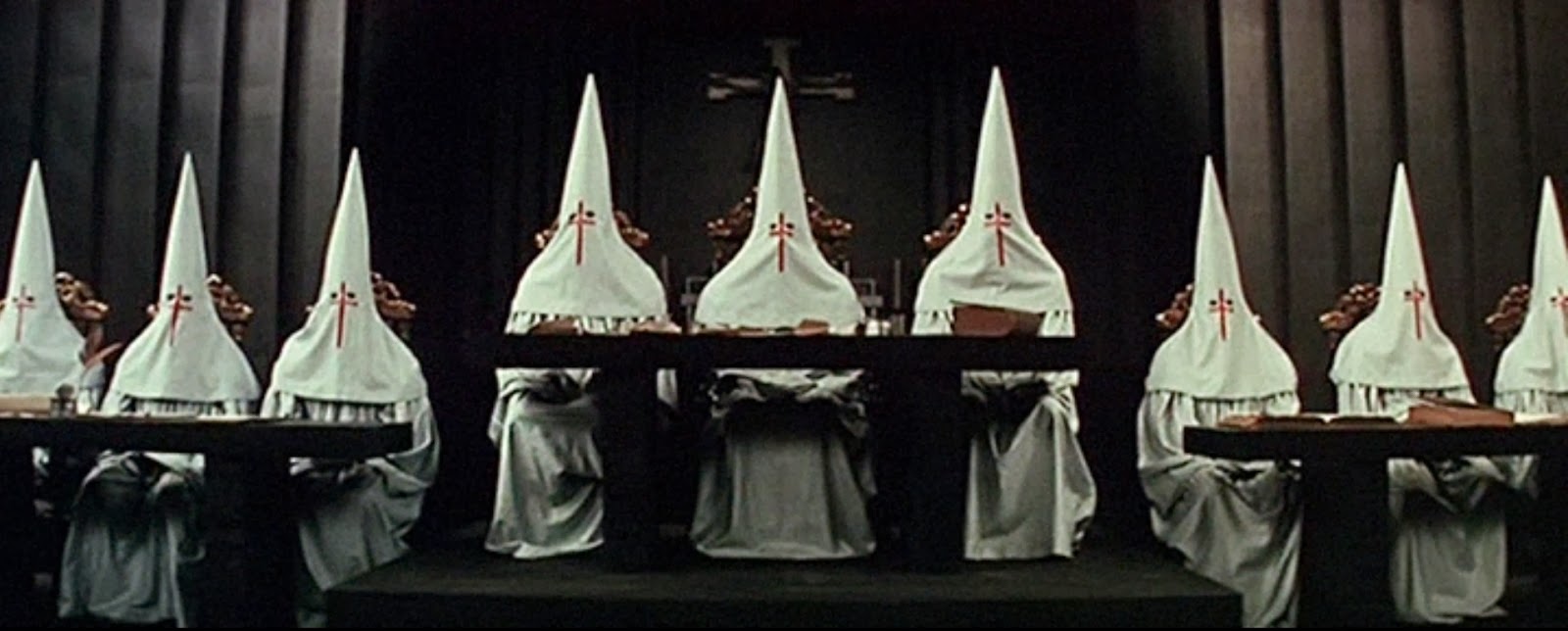
Viewed today, it’s a clear horror masterpiece, full of striking images and a deeply cynical, operatic take on patriarchy and the excesses of faith — a modern-day Häxan, from which it liberally borrows.

And it’s now streaming for your twisted pleasure.

Set in a convent where Satanic mania (hysteria?) is afoot, The Devils fills the frame with witchiness just as gleefully as Christensen did in 1922, though with considerably more full-frontal nudity and barely-concealed rage.


As the convent fever spreads across its 17th century setting, Russell spares no opportunity to shock the prudes. By the time Vanessa Redgrave’s repressed, hunchbacked nun and her possessed cohorts are sexually assaulting statues of Christ and masturbating with the burned tibia of the executed, you may begin to understand the controversy.

But The Devils remains one of the purest visions of cinematic effrontry ever created. It’s fearlessly brilliant and profane.

(Streaming on Shudder)

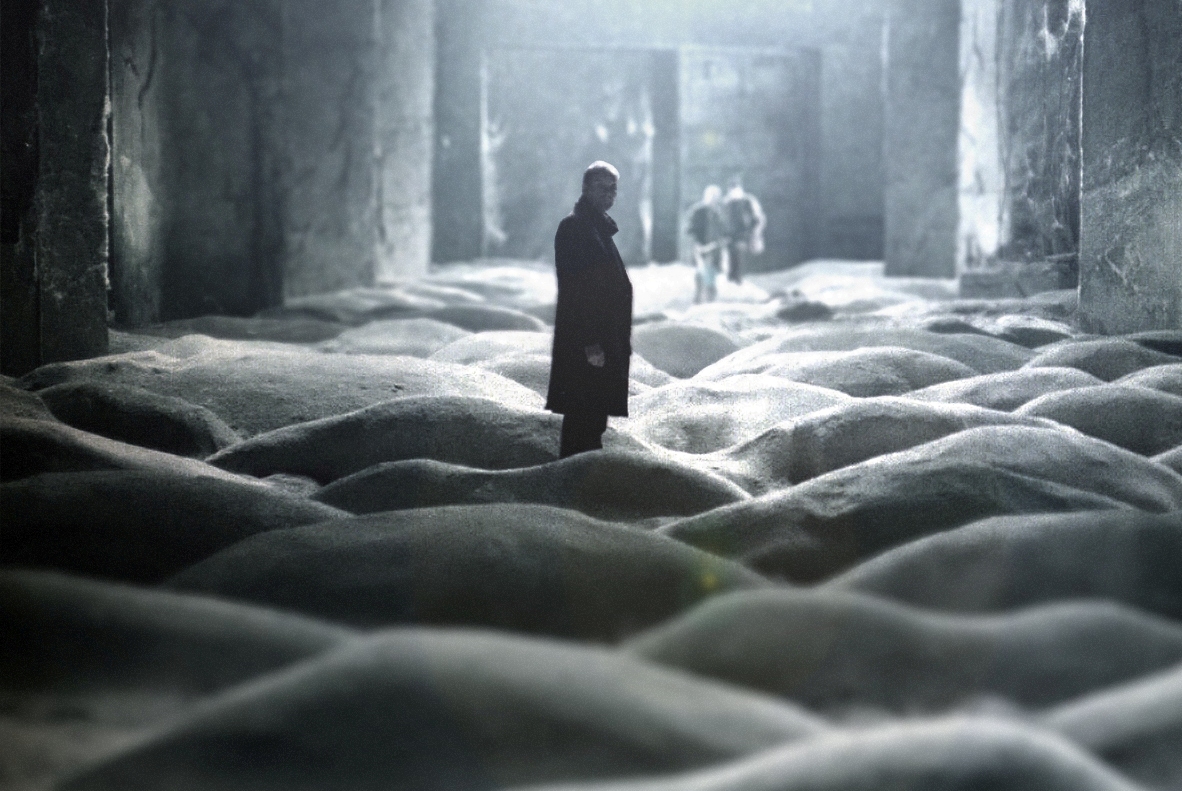
The films of Andrei Tarkovsky: Ivan’s Childhood, Andrei Rublev, Solaris, The Mirror, and Stalker

 Is Tarkovsky on your list of directors you know you should check out, but just haven’t yet? We understand: the Fast and Furious franchise ain’t going to watch itself!

But, thanks to the good folks at Open Culture, your excuses are running out. These gorgeous ruminations on faith and identity are streaming in their entirety, in excellent transfers, for free. Get to it.

 (Streaming on YouTube, via Open Culture)

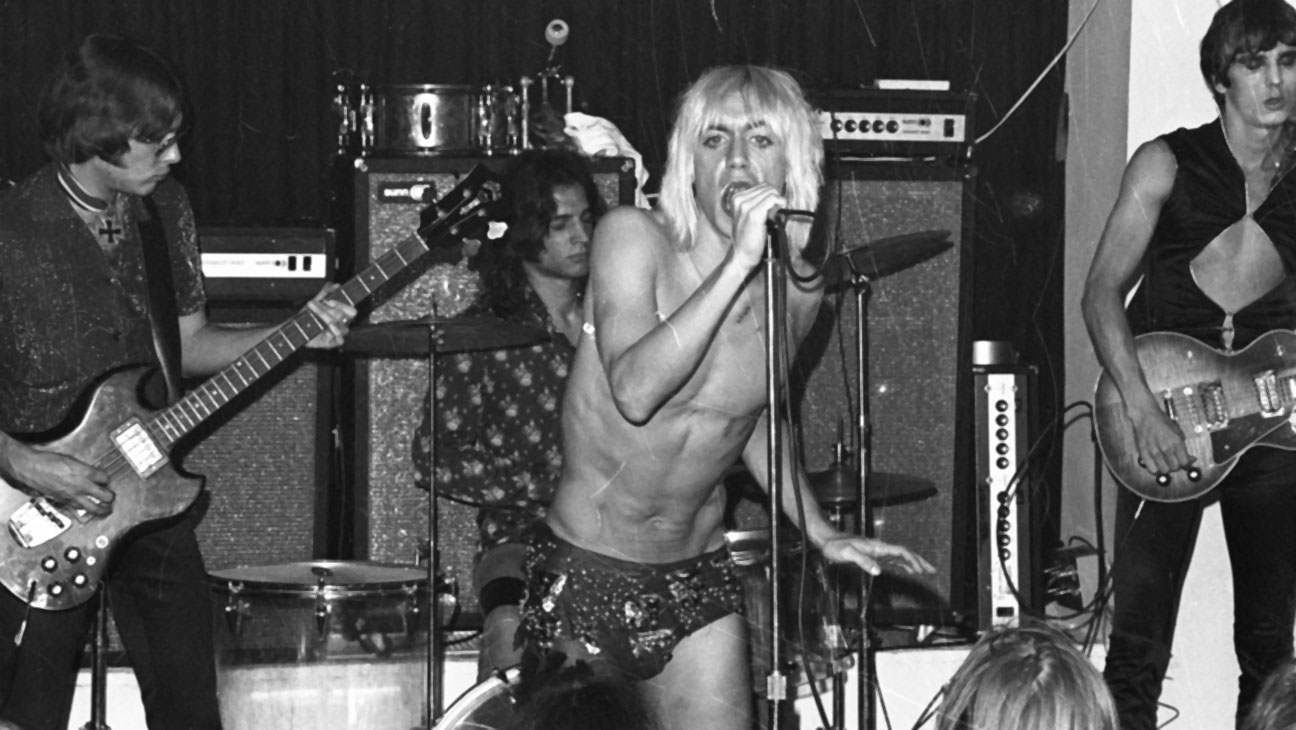
Gimme Danger

Jim Jarmusch. The Stooges. You know if you want this, and you probably want this.

(Streaming on Amazon Prime)

Woman In Deep

Janicza Bravo is a singular talent, and her 8th short is a beguiling vision of encroaching madness. Letterboxd and IMDB actually summarizes the film thus: “A woman calls a suicide prevention hotline and is put on hold.”

This is true, but it doesn’t really capture the short. Bravo and her team create a sustained mood of edginess in a house of splendor, with Allison Pill on the verge of a birthday breakdown in the title role. The central theme is loneliness, even in the company of others, and the failures of communication. It’s impossible to turn away.

The Panamanian-born director’s feature Lemon just premiered at SXSW and was promptly acquired by Magnolia Pictures. Now seems as good a time as any to get on her empathetic wavelength.

(Streaming on Le Cinema Club)

March 24, 2017 0 comments
0 FacebookTwitterPinterestEmail
CommentaryFilm

March Madness returns! Sport Movie It Up, Fans Of Sports Movies

by rick March 21, 2017
written by rick

Welcome to the Second Inaugural Showdown of Sports Movies!

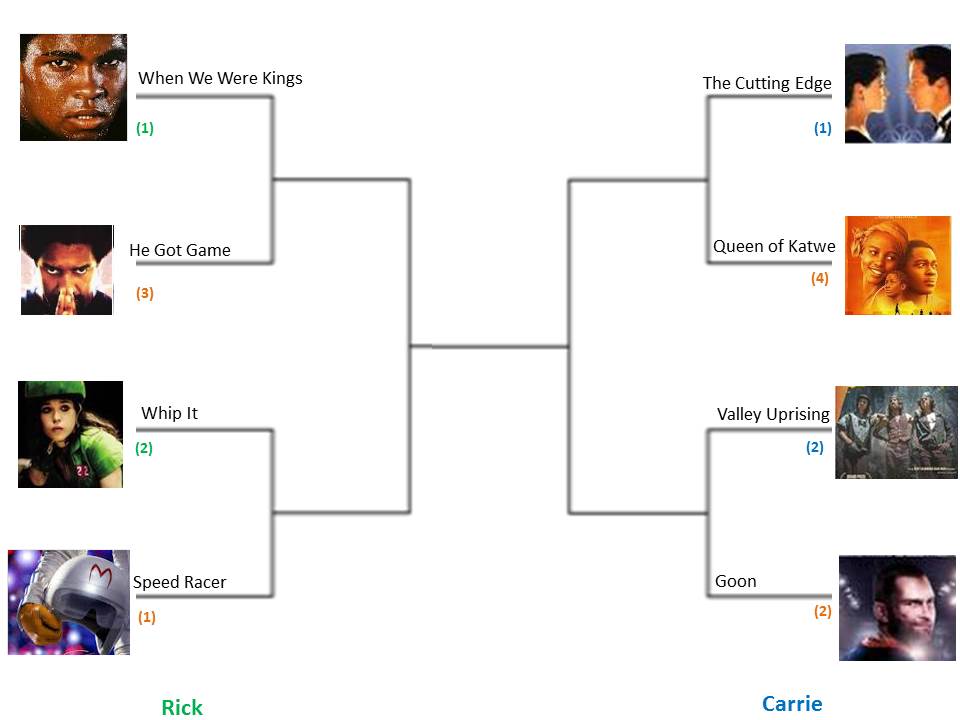
As faithful readers will surely remember, last year my girlfriend Carrie and I set out to watch a bunch of sports movies to coincide with March Madness. The idea was at once simple and, because we are kind of dorky, needlessly complicated. We each chose four favorite sports movies, polled friends for recommendations of films neither of us had seen, and created a seeded bracket. We then watched all of them and discussed their merits and flaws in respective pairings.

On the plus side, this was a very fun endeavor — we were introduced to The Loneliness of the Long Distance Runner, Shaolin Soccer, and eventual winner Lagaan, among others.

Unfortunately, it also took months. It’s simply a time-consuming thing for two people with different schedules to view and discuss 16 movies of varying accessibility. In retrospect, we felt that the time it took to accomplish the whole thing was incommensurate with the seriousness of the project.

This year, we cut it in half, each choosing only two films and incorporating four more from our sports movie enthusiast peers. One additional wrinkle: both of our individual choices needed to be first-watches for the other person. This, we hoped, would add some novelty, and we wouldn’t just be duplicating last year’s hijinks.

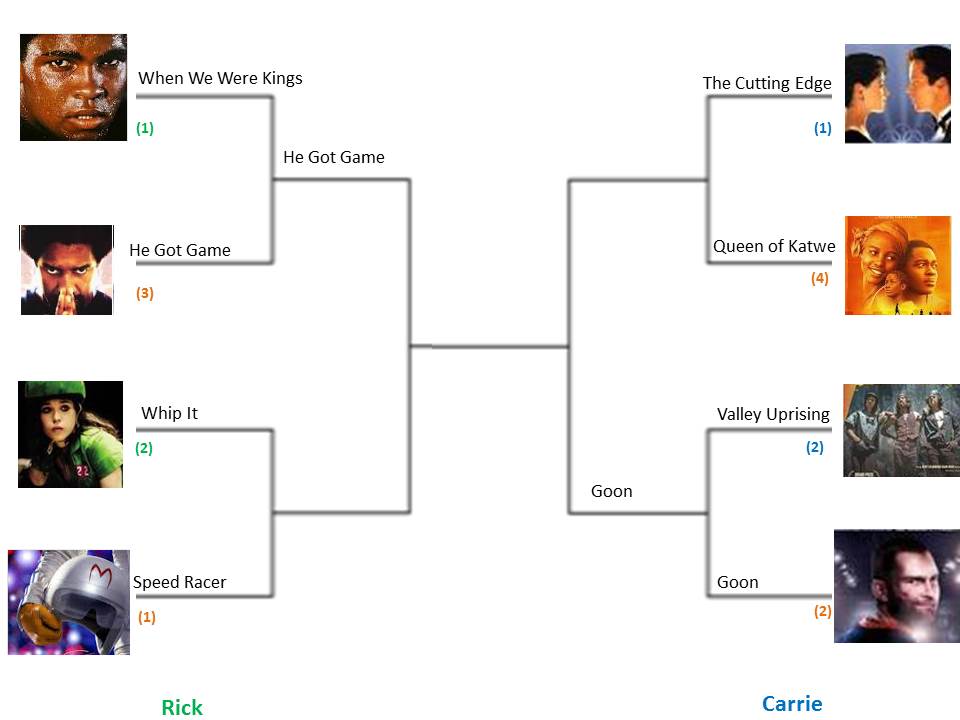
So! Below, we present our 2017 Sports Movie Bracket, along with a brief explanation of our two choices. As you can see, the definition of the “sports movie” is pretty robust, incorporating documentaries, rom-coms, comedies, dramas, and whatever Speed Racer is.

Stay tuned for exciting developments as we work our way through the match-ups!

Rick’s Picks

When We Were Kings was a pivotal movie for me. Along with reading Joyce Carol Oates’ On Boxing, foisted on me by a friend, it was one of the first times I could see boxing as a legitimate cultural event rife with existential undertones, and not just two idiots trying to kill each other as spectacle. (Though it is that, too.) There’s a lot going on in this film, and not just in the ring — the representation itself is somewhat fraught and questionable, and the showdown involves a lot more than a simple fight. As a documentary film, it’s gripping and vital.

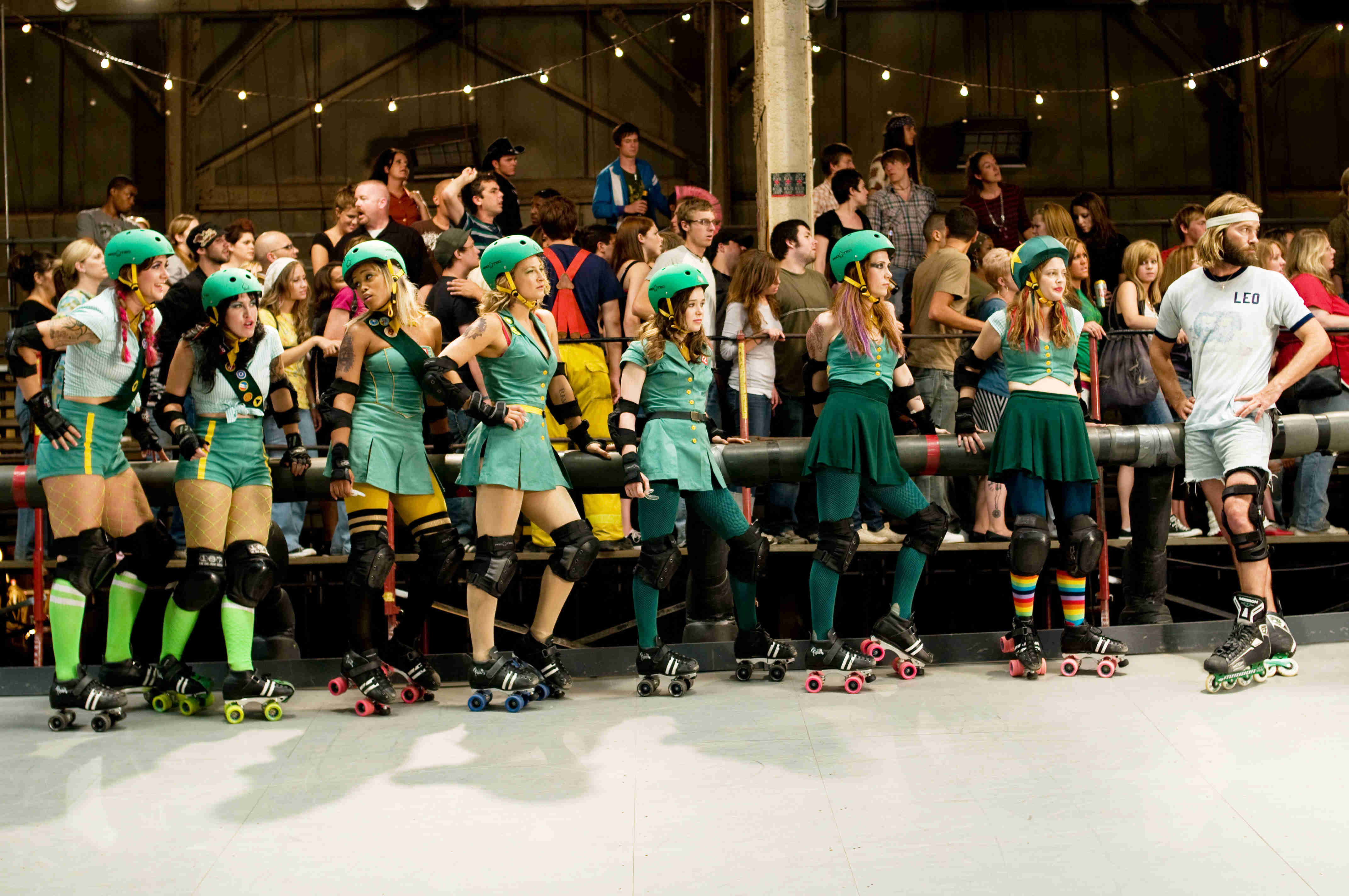
Whip It, on the other hand, is just fun as hell, full of solid performances and visceral moments, and I never felt like it got it a fair shake. Plus, roller derby is badass.

Carrie’s Parries

My favorite sports movies that:

    1. Weren’t in my bracket lasts year, and
    2. That Rick Kelley hasn’t seen.

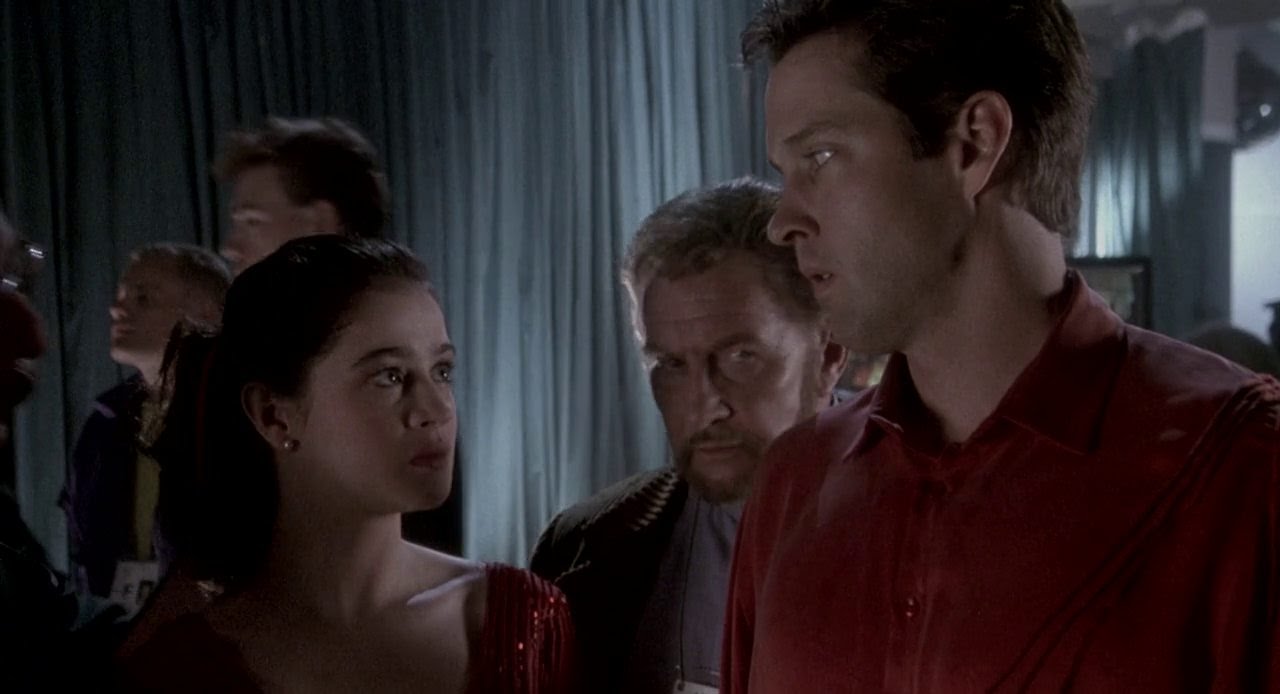
The Cutting Edge (which barely missed the ‘cut’ [ha] last year for my sports movies picks) met this year’s more ‘stringent’ qualifications. I picked The Cutting Edge because it is part rom-com and part sports movie, replete with 80’s fade-outs and slow-mo’s, 80’s hairdoes, the unlikely duo, and a team persevering despite all odds against them. And ohhhhh……… that Pamchenko twist.

But for the other, I was left with a pretty limited set of either childhood movie favorites like the made-for-tv movie Stone Fox or movies showcasing crazy cliff heights. I picked Valley Uprising because I loved the beautiful images, the generations of history of Yosemite climbing, watching the evolution of what people believe is possible, and because it would terrify Rick.


March 21, 2017 0 comments
0 FacebookTwitterPinterestEmail
Newer Posts
Older Posts

About

About

Towards a provisional theory of the cinema, or, failing that, just some shit about movies

Authors
Rick Kelley
Lark Lundberg

Keep in touch

Facebook Twitter

Categories

  • Conversation
  • Film
  • Film By Film
  • Great Movie Project
  • Great Movies: The Counter Programming
  • Guest
  • News
  • Other
    • Commentary
    • Film
    • Interview
    • Reviews
    • Song for a Sunday
  • Streaming Selections
  • TV
  • Uncategorized
  • Vegan Horror

Archives

  • April 2019
  • March 2019
  • January 2019
  • December 2018
  • November 2018
  • October 2018
  • September 2018
  • August 2018
  • July 2018
  • June 2018
  • May 2018
  • April 2018
  • March 2018
  • February 2018
  • January 2018
  • December 2017
  • November 2017
  • October 2017
  • September 2017
  • August 2017
  • July 2017
  • June 2017
  • May 2017
  • April 2017
  • March 2017
  • February 2017
  • January 2017
  • December 2016
  • November 2016
  • October 2016
  • September 2016
  • August 2016
  • July 2016
  • June 2016
  • May 2016
  • April 2016
  • March 2016
  • February 2016
  • January 2016
  • December 2015
  • October 2015
  • September 2015
  • August 2015
  • July 2015
  • June 2015
  • May 2015
  • April 2015
  • March 2015
  • February 2015
  • January 2015
  • December 2014
  • November 2014
  • October 2014
  • August 2009
  • September 2008

Recent Posts

  • China Girls, Death Proof, and the Hidden Face
  • Old News: Old Noise Edition
  • Old News: April 1, 2019
  • Nicolas Winding Refn, Marginalia, and the Deaths of Cinema
  • And now, let us praise Kanopy

Recent Comments

  • Franklin Kat on Michael Shannon shines again in Frank & Lola
  • Sean Tempesta on Cinema and dream-logic in Meshes of the Afternoon
  • ludditerobot on The Left-Wing Slapstick and Iconic Songs of 1937’s Street Angel
  • Franklin Kat on The Left-Wing Slapstick and Iconic Songs of 1937’s Street Angel
  • Arijit Mukherjee on Great Movies Project: The Counter-Programming
  • Facebook
  • Twitter

@2021 - All Right Reserved. Designed and Developed by PenciDesign


Back To Top
Luddite Robot
  • Reviews
  • Commentary
  • Great Movie Project
    • Great Movie Project
      Bride of Frankenstein is a movie for and…

      January 25, 2018

      Great Movie Project
      The Enduring Appeal of Nick and Nora in…

      November 29, 2017

      Great Movie Project
      The Ahistorical Fever Dream of The Scarlet Empress

      August 2, 2017

      Great Movie Project
      Dreams, Mundanity, and the Anarchist Yearnings of L’Atalante

      July 12, 2017

      Great Movie Project
      Duck Soup Is And Will Always Be A…

      April 19, 2017

  • Counter Programming
    • Great Movies: The Counter Programming
      Walking and Talking in the Shadow of Kanchenjungha

      March 7, 2018

      Great Movies: The Counter Programming
      A Brief Encounter in My Mother and Her…

      February 9, 2018

      Great Movies: The Counter Programming
      Horror’s Refusal in Farrokhzad’s The House Is Black

      October 13, 2017

      Great Movies: The Counter Programming
      The rage and beauty of The Cloud-Capped Star

      October 3, 2017

      Great Movies: The Counter Programming
      The daylight noir and social issue empathy of…

      June 22, 2017

  • Vegan Horror
    • Vegan Horror
      Julia Ducournau doesn’t think her film Raw is…

      June 7, 2017

      Vegan Horror
      Licking our wounds: The vampiric masculinity of Ravenous

      December 13, 2016

      Vegan Horror
      Eggertsson and animals: An approach to horror cinema

      September 15, 2016

      Vegan Horror
      “It’s Not My Nature” – Vegetarianism, Body Horror,…

      August 30, 2016

      Vegan Horror
      Bodies and Carcasses in Predator 2

      August 23, 2016

  • Interview
    • Interview
      Jasmine Leyva’s doc The Invisible Vegan aims to…

      May 3, 2017

      Interview
      Bridging The Abyss: An Interview With The Directors…

      November 28, 2016

      Interview
      7 Days in Ohio: An Interview with Nathan…

      September 12, 2016

      Interview
      Film Critic Phil Dy talks New Filipino Cinema

      June 17, 2016

      Interview
      “I Love Seeing Film Projected.” A Conversation with…

      March 22, 2016