Top Posts
Madeline’s Madeline: An Unclassifiable Panic Attack Maybe-Masterpiece
Shoplifters Steals Moments of Wonder from the Mundane
Burning and Forgetting What’s Not There
Kusama: Infinity Expands Beyond The Canvas
Mandy Risks Little, Wins Little
In We The Animals, The Children Are Away...
The Seagull Isn’t Quite Chekhov, But It’s Still...
5 Million Ways Boots Riley Isn’t Sorry To...
American Animals’ and the Queasiness of the Heist
A Star Is Born In Hearts Beat Loud
  • Reviews
  • Commentary
  • Great Movie Project
    • Great Movie Project
      Bride of Frankenstein is a movie for and…

      January 25, 2018

      Great Movie Project
      The Enduring Appeal of Nick and Nora in…

      November 29, 2017

      Great Movie Project
      The Ahistorical Fever Dream of The Scarlet Empress

      August 2, 2017

      Great Movie Project
      Dreams, Mundanity, and the Anarchist Yearnings of L’Atalante

      July 12, 2017

      Great Movie Project
      Duck Soup Is And Will Always Be A…

      April 19, 2017

  • Counter Programming
    • Great Movies: The Counter Programming
      Walking and Talking in the Shadow of Kanchenjungha

      March 7, 2018

      Great Movies: The Counter Programming
      A Brief Encounter in My Mother and Her…

      February 9, 2018

      Great Movies: The Counter Programming
      Horror’s Refusal in Farrokhzad’s The House Is Black

      October 13, 2017

      Great Movies: The Counter Programming
      The rage and beauty of The Cloud-Capped Star

      October 3, 2017

      Great Movies: The Counter Programming
      The daylight noir and social issue empathy of…

      June 22, 2017

  • Vegan Horror
    • Vegan Horror
      Julia Ducournau doesn’t think her film Raw is…

      June 7, 2017

      Vegan Horror
      Licking our wounds: The vampiric masculinity of Ravenous

      December 13, 2016

      Vegan Horror
      Eggertsson and animals: An approach to horror cinema

      September 15, 2016

      Vegan Horror
      “It’s Not My Nature” – Vegetarianism, Body Horror,…

      August 30, 2016

      Vegan Horror
      Bodies and Carcasses in Predator 2

      August 23, 2016

  • Interview
    • Interview
      Jasmine Leyva’s doc The Invisible Vegan aims to…

      May 3, 2017

      Interview
      Bridging The Abyss: An Interview With The Directors…

      November 28, 2016

      Interview
      7 Days in Ohio: An Interview with Nathan…

      September 12, 2016

      Interview
      Film Critic Phil Dy talks New Filipino Cinema

      June 17, 2016

      Interview
      “I Love Seeing Film Projected.” A Conversation with…

      March 22, 2016

Luddite Robot
Film critique, theory, and assorted nonsense.
CommentaryFilm

China Girls, Death Proof, and the Hidden Face

April 14, 2019

Old News: Old Noise Edition

April 8, 2019

Old News: April 1, 2019

Nicolas Winding Refn, Marginalia, and the Deaths of Cinema

CommentaryFilm

And now, let us praise Kanopy

January 24, 2019

Warren Sonbert and the Relief of Anti-Narrative

January 14, 2019

The World Is Ending and It Doesn’t Matter

The Best Films of 2018

FilmReviews

Madeline’s Madeline: An Unclassifiable Panic Attack Maybe-Masterpiece

December 21, 2018

Shoplifters Steals Moments of Wonder from the Mundane

December 11, 2018

Burning and Forgetting What’s Not There

Alien, Musicology, and Reading Soundtracks

CommentaryFilm

Shocktober III: Halloween 2018 Edition

October 24, 2018

Shirley Jackson’s The Lottery Traumatized Schoolkids in 16 mm

October 18, 2018

Shocktober 2018 II: Another Reshockening (of Horror)

Häxan is a movie made by a movie character

CommentaryFilm

Shocktober 2018

October 7, 2018

Unprofessional! Spring Night, Summer Night

October 3, 2018

The Wild Boys: A Luddite Robot Conversation

Kusama: Infinity Expands Beyond The Canvas

Guru Datt in Pyaasa
Great Movies: The Counter Programming

“Burn This World, Blow It Asunder”: The Outraged Melodrama of Pyaasa

by rick March 20, 2017
written by rick

The furious quote in the title, courtesy of our tortured poet protagonist Vijay (director/producer/star Guru Datt), arrives near the end of 1957’s Pyaasa. Spurned by a world that privileges commerce over art, that elevates duplicity over sincerity and integrity at every turn, Vijay has had enough. He longs not just for his own annihilation, but the destruction of every social condition that’s allowed for such rampant cruelty and greed. Datt’s Pyaasa is not fucking around.

It was also, somewhat incredibly, a monumental hit with critics and audiences alike. Blending the song and dance of classic Bollywood with comedic elements, doomed romances, and heart-on-the-sleeve social protest, Pyaasa is a very odd entry in late-50s cinema. It’s not hard to see its appeal, though: even if distributors forced a happy (ok, happy-ish) ending on Datt’s production, there is something for everyone here.

It also helps that Datt’s romantic direction, V.K. Murthy‘s expressionist cinematography, and S.D. Burman‘s effectively (and almost uniformly lovely) integrated songs work in tandem — if not seamlessly than at least not in distinction to each other. Pyaasa is a masterpiece of synthesis.
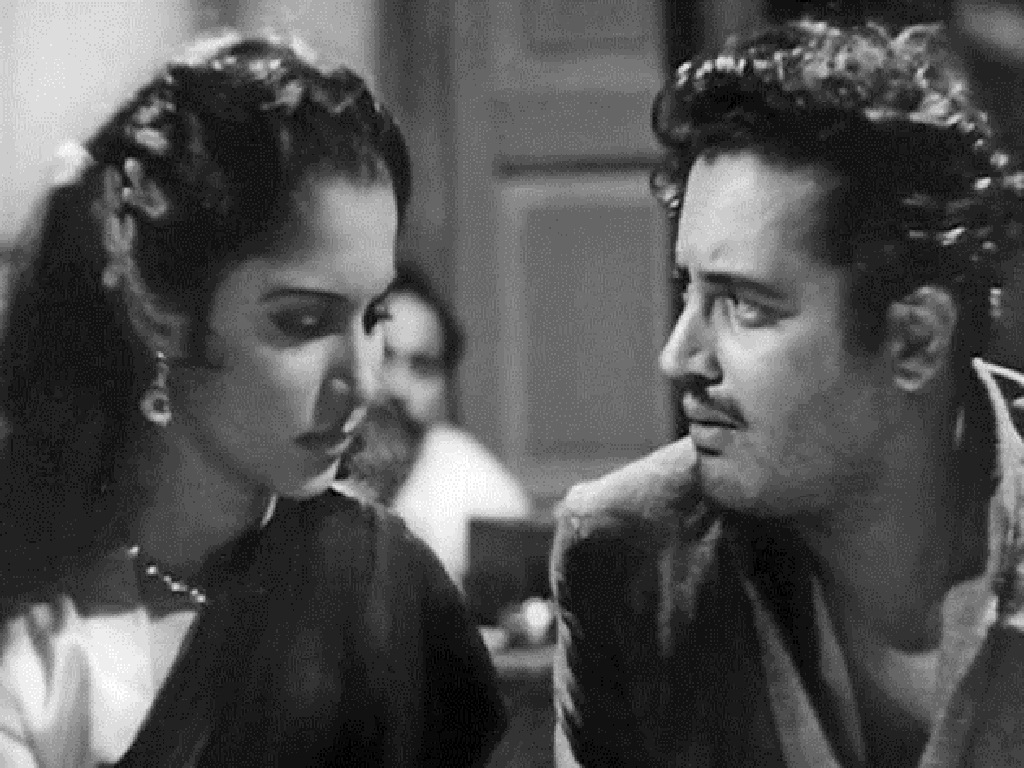
Guru Datt and Mala Sinha in Pyaasa

When the film opens, we find Vijay asleep in the forest, lost in painful reverie. He’s a penniless poet who thinks he has something important to tell the world, but finds the world decidedly uninterested, even hostile. Murthy’s camera trains in on a bee buzzing around a flower, as a poem (presumably Vijay’s) is recited, marveling at natural beauty but wondering what he could possibly add. Moments later, the bee is crushed by the shoe of a passing stranger.

In this moment, we learn two things: that the world is a tenuous place, and that Datt will not go light on the metaphors in Pyaasa.

Like that doomed bee, Vijay will be crushed under the heel of events. His two terrible brothers reject him as a good-for-nothing loafer, selling his poems for scrap paper and tossing him out of the family house, even over the objections of his long-suffering mother. An offer to publish his work ends up being a ruse orchestrated by a man named Ghosh (Rehman Khan) to find out why his wife Meena (Mala Sinha) so admires them. When circumstances indicate Vijay’s death, his work will be “posthumously” celebrated, as everyone in sight rushes to cash in on the fame they withheld during his life. It’s a cynical, untrustworthy land we’ve found ourselves in.
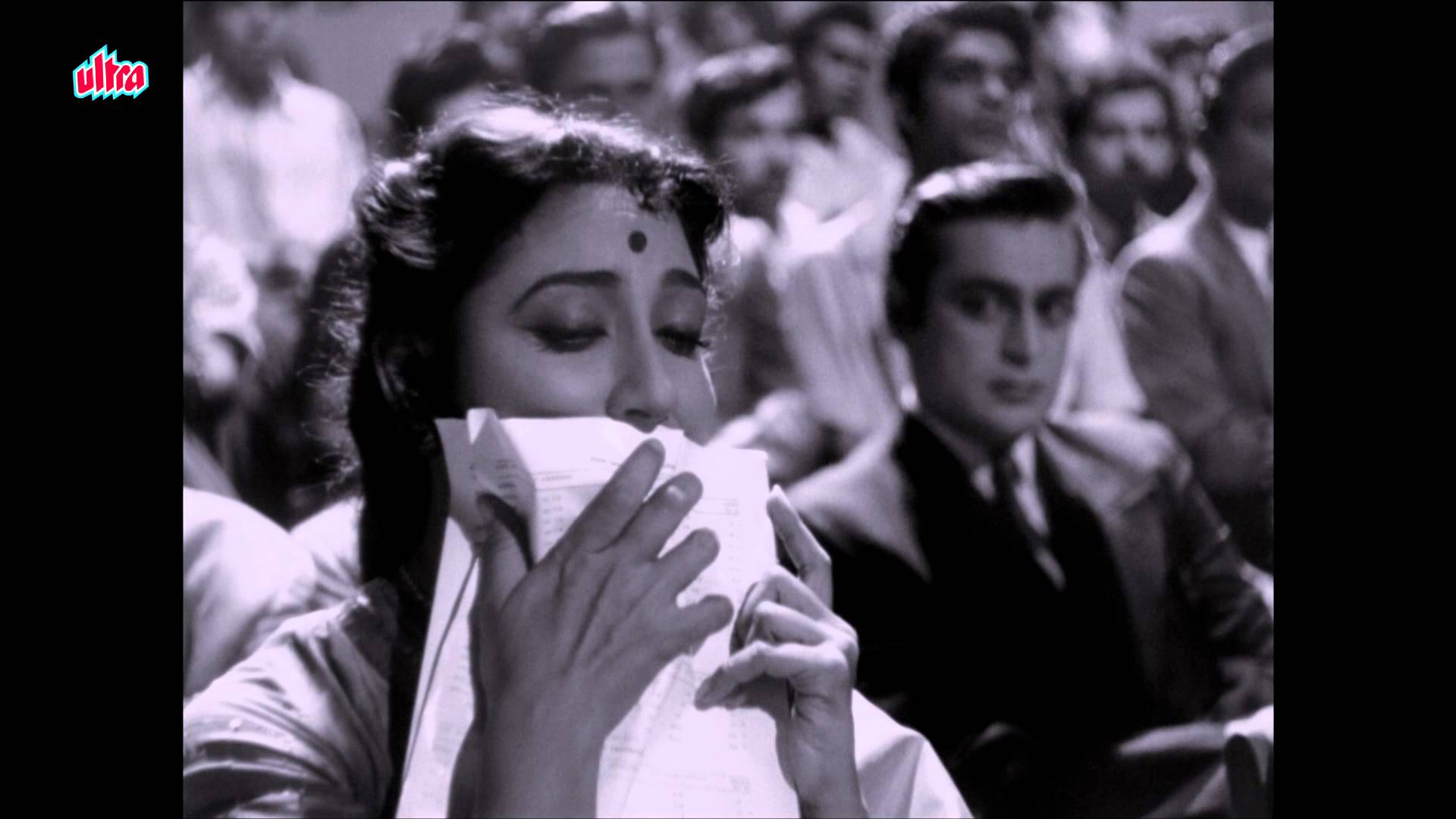
Rehman Khan and Mala Sinha in Pyaasa

The only consistent image of love and beauty is that of Gulabo (Waheeda Rehman), a sex worker as despised for her job as Vijay is for his apparent lack of one. The larger society that casts judgement is implicated for its hypocrisy, while Pyaasa‘s narrative emphasizes integrity and honesty on the margins.

As it turns out, Vijay and Meena had been college sweethearts, but she abandoned him for the security of wealth with the noxious Ghosh. Pyaasa deals harshly with this decision, and for all its emphasis on the dire choices women face in the streets, its text has virtually no sympathy with Meena’s decision. This is an unfortunate missed opportunity.

In any case, something of a love triangle emerges between Vijay, Meena, and Gulabo, though it’s a decidedly chaste one (clear-eyed discussions of sex work aside). I was strangely reminded of Trouble In Paradise, two decades prior and a world away, in which integrity is associated with those who operate outside the bounds of respectability and derision reserved for those who come to their fortunes through standard channels.
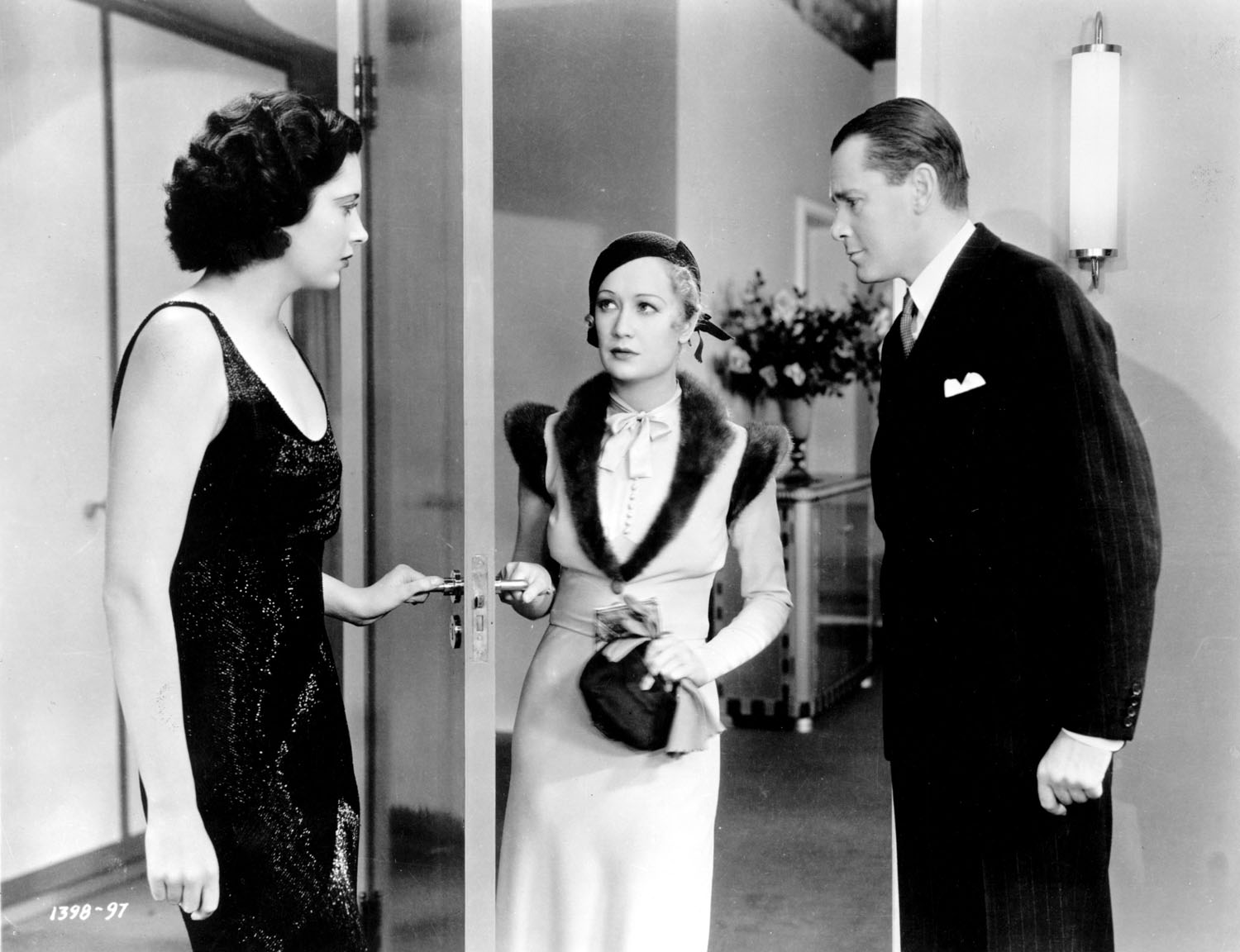
Trouble in ParadiseOne crucial difference: Trouble In Paradise never asked audiences to root against Madame Colet, and certainly never subjected her to any lecturing. In that sense, Datt, with his sincere belief in the virtue of the artistic and the maligned, is far removed from the Continental cynicism of someone like Pabst, who views everyone as a crook of one sort or another.

Of course, there are no fur coats or elegant cufflinks to be found in Pyaasa, which Datt actually wanted to partially shoot in the Red Light District until his crew was robbed by pimps and the production had to settle for replica sets. Post-Independence India is a rough place, and Pyaasa portrays it as such, as people with limited options scramble to get by. But through it all, even the most light-hearted moments, there is a very serious emphasis on the importance of integrity in a world of thieves.

Eventually, Pyaasa climaxes in a showdown between Vijay and the adoring audience who never loved him until he died. This is a strong moment in the film, and one with a lot of resonance in this or any time: we’re content to shrug off artistry in life and exalt it in death. Vijay refuses his fame and fortune, refuses even to prove his name. He sings to the riotous crowd:

A world where youth is driven to crime
A world where the young are groomed for the marketplace.
A world where love is another name for trade
For what will it profit a man if he gain the world?

A world where man is worth nothing
A world where friendship and loyalty mean nothing
A world where love is regarded with disdain
For what will it profit a man if he gain the world?

Burn this world, blow it asunder!
Take this world away from my sight!
This world belongs to you, you keep it.
For what will it profit a man if he gain the world?

As The Film Sufi astutely points out (in a piece containing more insight into Indian cinema than you’ll find here):

Since almost everyone that Vijay sees is out for his or her own selfish pursuits, his thoughts have now moved from frustration with his own personal circumstances (romance, family, joblessness) to a condemnation of the entire world.

Poems originally written for Meena, composed in heartbreak, now subsume life itself, at least as it’s lived by those in the gutters. Individual grief becomes social outrage, and Vijay leaves it behind in disgust.

None of this would work without the careful aesthetic, which not only emphasizes both close-ups and almost Wellesian in-depth compositions, but goes further into expressionism. One scene allows the camera to careen from Vijay’s face, zooming in and retreating, creating the effect of distance and longing the characters share. The final riot features an unexpected crane-shot of the assembled group of “mourners”, with Vijay backlit like Christ himself in a Church. Datt and his team are a long way from the static shots of musical numbers, or even the huge, intermittent spectacles of Raj Kapoor’s Awaara. This is something closer, more intimate, and angrier.

All of which it makes it sound like it’s lacking in fun. But the very fact that it was a mega-hit should dispel that notion. There are still songs, dances, and comic moments amid all the tortured meditations on social ills. I particularly enjoyed the goofball character of Sattar (Johnny Walker), a sympathetic huckster, and the brief appearance of Tulsi Chakraborty (the schoolteacher from Ray’s Pather Panchali) as a guy passing off counterfeit coins.

But the overwhelming sense you get from Pyassa is outrage that life can be so cheap, art so disrespected, women treated with such disdain. It’s a far more socially-minded film than I expected, and perhaps this, combined with its numerous other admirable elements, account for its popularity in 1957 and since.


 

March 20, 2017 0 comments
1 FacebookTwitterPinterestEmail
CommentaryFilmStreaming Selections

Streaming Selections: Pete’s Dragon

by rick March 17, 2017
written by rick

My nominee for the most inexplicably overlooked film of 2016, or at least one of the more under-discussed, Pete’s Dragon is that rarest of things: a movie that captures the very feeling of childhood without pandering or talking down to its audience. Full of verdant landscapes, gracefully incorporated CGI, moments of actual fear and wonder, and an overarching message of outsider solidarity, it’s a kid’s movie for anyone who’s ever been a kid.

The story, adapted from the equally undiscussed 1977 Disney animated feature of the same name, concerns an orphaned boy who (you guessed it) adopts a dragon. Or, really, the other way around. Director David Lowery (Ain’t Them Bodies Saints, editor of Upstream Color) juggles tones and nuances, as young Pete moves from the terror of his parents’ death to his bonding with an unlikely friend, protector, and surrogate father, a green, fire-breathing cuddle monster he names Elliott.

Taking place in the Pacific Northwest but looking unmistakably like New Zealand, Pete’s Dragon is a live-action fairy tale as animated by the landscape as the increasingly adorable relationship between two characters who’ve found in each other a safe haven from a hostile world.

If it feels dreamlike, that’s because it is: redwoods tower overhead, cliffs loom, dragons exist. It’s a child’s-eye view of experience — the world of Pete’s Dragon is majestic and much bigger than our small protagonist, with light filtering through the trees and danger around every corner. It’s frightening because of that, but also filled with possibility. In a typically astute piece, Charles Bramesco writes, “Every facet of [cinematographer Bojan] Bazelli’s camerawork aims to go easy on the eyes. He eschews the teal-orange color scheme that’s dominated so many recent studio projects and instead traffics in earth tones, conjuring a lushness and sense of calm through greens, browns, and grays that show the crucial difference between ‘dull’ and ‘washed out.'”

Lowery’s telling wisely drops the original’s musical numbers, delivering an honest treatment that takes the events at face value and works from there. Pete’s Dragon is an extremely difficult movie to dislike, probably for this exact reason. Its heart is on its sleeve, or possibly its wings.

The rest of the story contrasts the ways in which the rest of the adult world responds to their discovery of the feral boy and his magical friend. Those responses are not always positive, rooted in a kind of xenophobia and also a King Kong-inflected greed. The performances are almost sincere to a fault, but not quite. This is, after all, a movie about a wild child and a flying mythological beast. Some sort of method acting or harshness would be at odds with the story the film is telling. We’re in the realm of dream and fantasy, and Pete’s Dragon has the intelligence and artistry to allow these to speak for themselves.

Robert Redford plays a key role as the one true believer, channeling all his grizzly gravitas in service of the sweetness at the film’s center. But this is, above and beyond everything else, a remarkably accomplished, visually stunning, and utterly uncynical take on familiar tropes.

If Pete’s Dragon didn’t get all the attention it deserved last year, I predict that will change in the years to come. Like Elliott, it’s still out there, patient and lovely, waiting for a new generation of kids, and kids-at-heart, to discover it for themselves.

(Streaming on Netflix)

Quick Links

Marie-Louise ou la permission

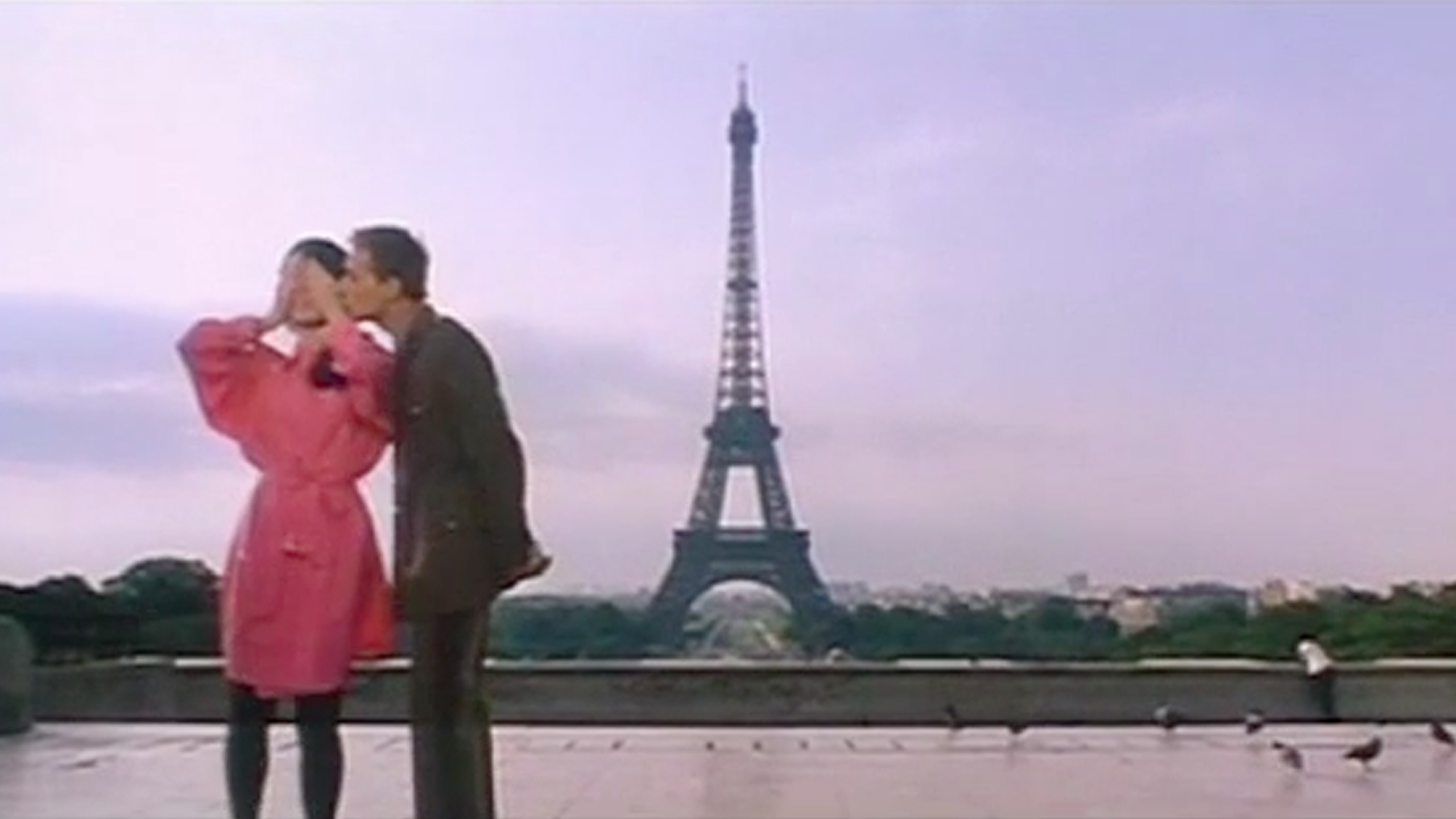
Never released in the U.S., this Darius Khondji-shot, Alexandre Desplat-scored romance is a manic MASH-note to Paris, and it is almost in danger of toppling over from its own charm. Filmed with virtually no money, and certainly no permits, Marie-Louise opens with a frank acknowledgement of its “American girl in Paris” cliche, then proceeds to upend it with some clear-eyed inclusions of class dynamics and sexual anxiety. But, for the most part, it just barrels through the French capital, driven by an infectious kind of reckless whimsy. Not for everyone, but you probably know who you are.

(Streaming on Le Cinema Club through 3/19)

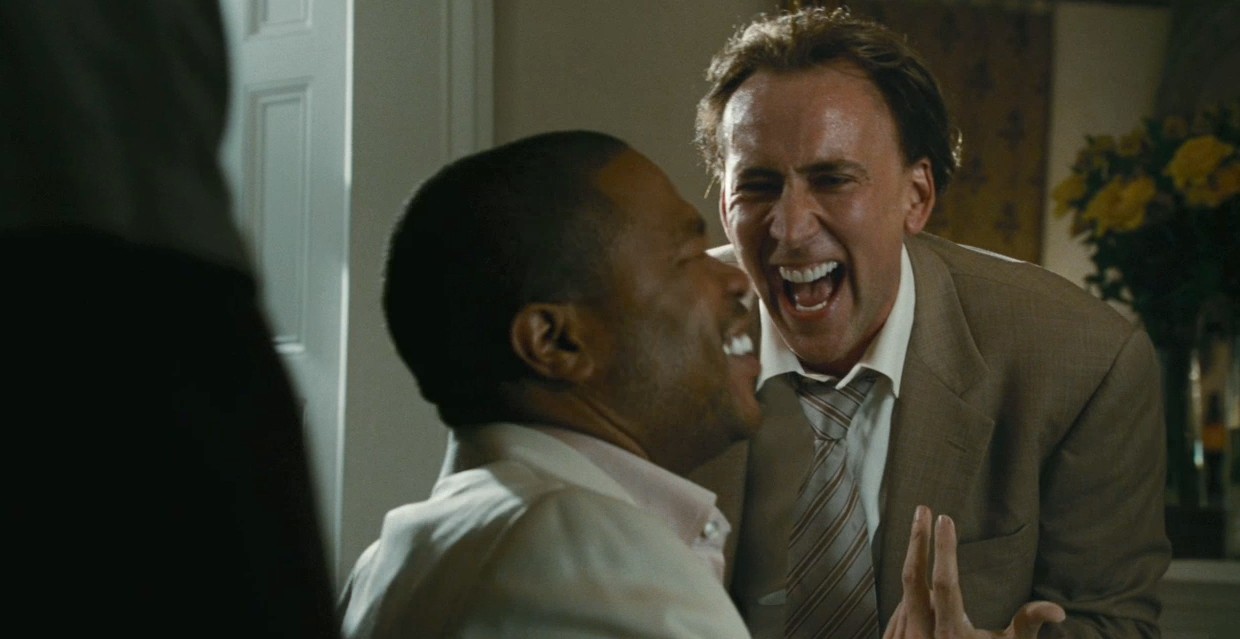
Big Fan

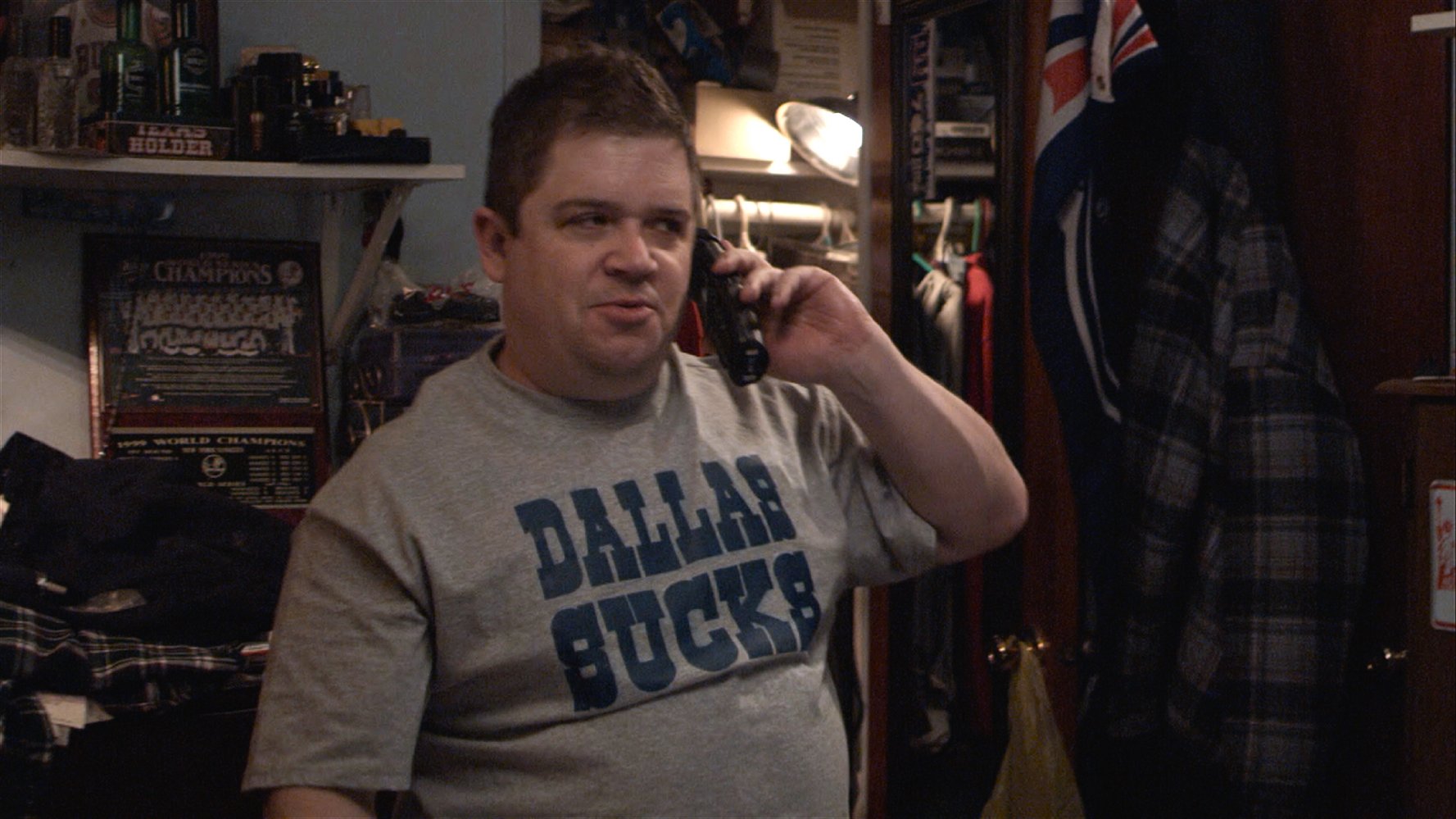
When my girlfriend Carrie and I watched an entire bracket of sports movies last year, Big Fan was an unexpected moment of shared appreciation. Razor-sharp and pitch-black, Robert Siegel’s film is queasily funny and deeply sad, with an impressive Patton Oswalt anchoring its interrogation of sports fandom and the idiotic things we invest with meaning just to get by. Watch it today, and get ready for our next foray into the world of competitive sports-movie-watching, arriving on this very site shortly.

(Streaming on Amazon Prime)

Detour

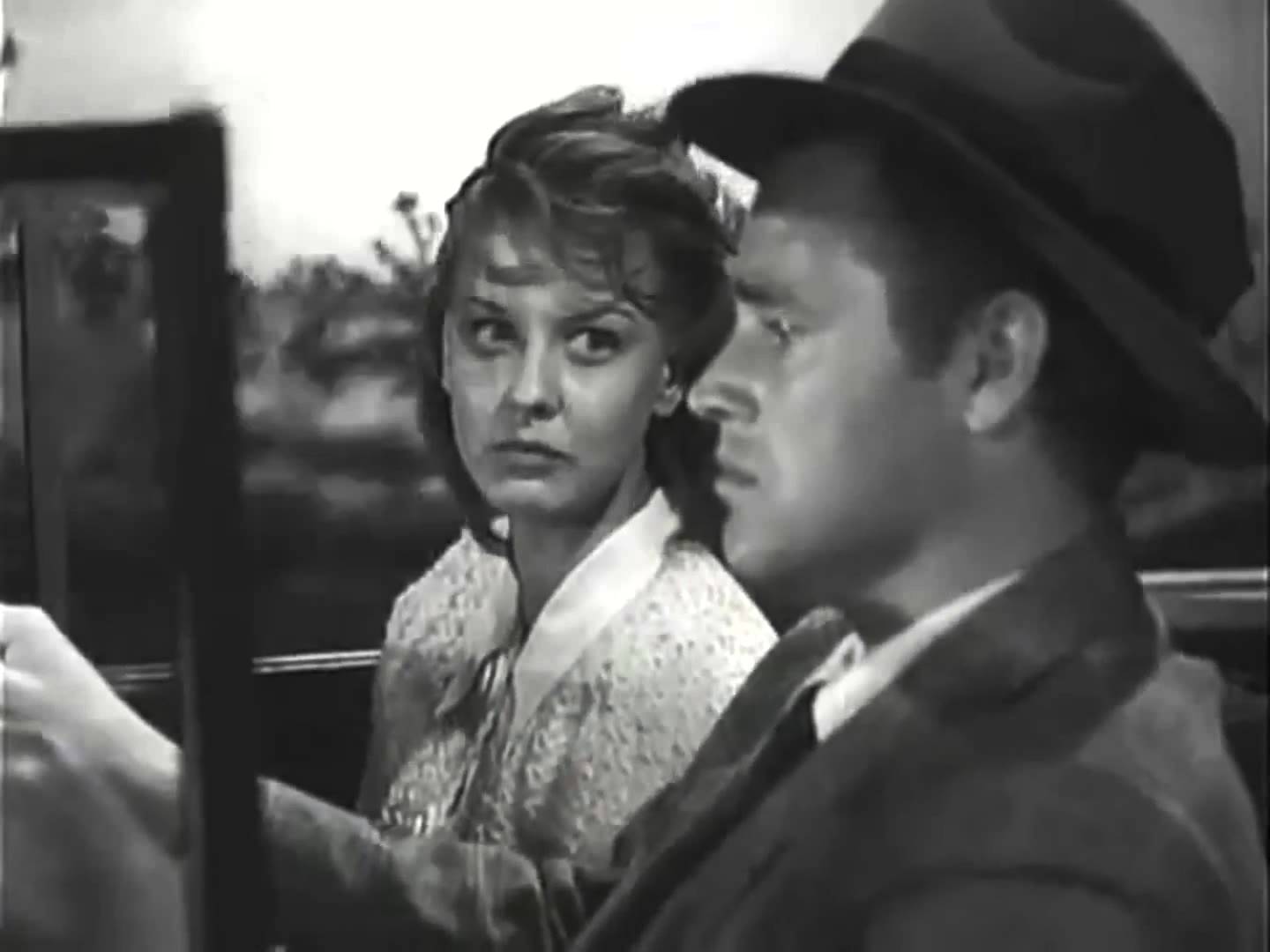
Shot in less than two weeks and for under $100,000, Detour is some grimy shit, the noiriest of films. It’s also off-handedly brilliant and a tribute to what you can pull off with some basic sets, a couple of strong performances, and an absolute conviction that the world is going to hell.

(Streaming on YouTube)

A Girl Walks Home Alone At Night

When I reviewed Ana Lily Amirpour’s debut on its release, I said:

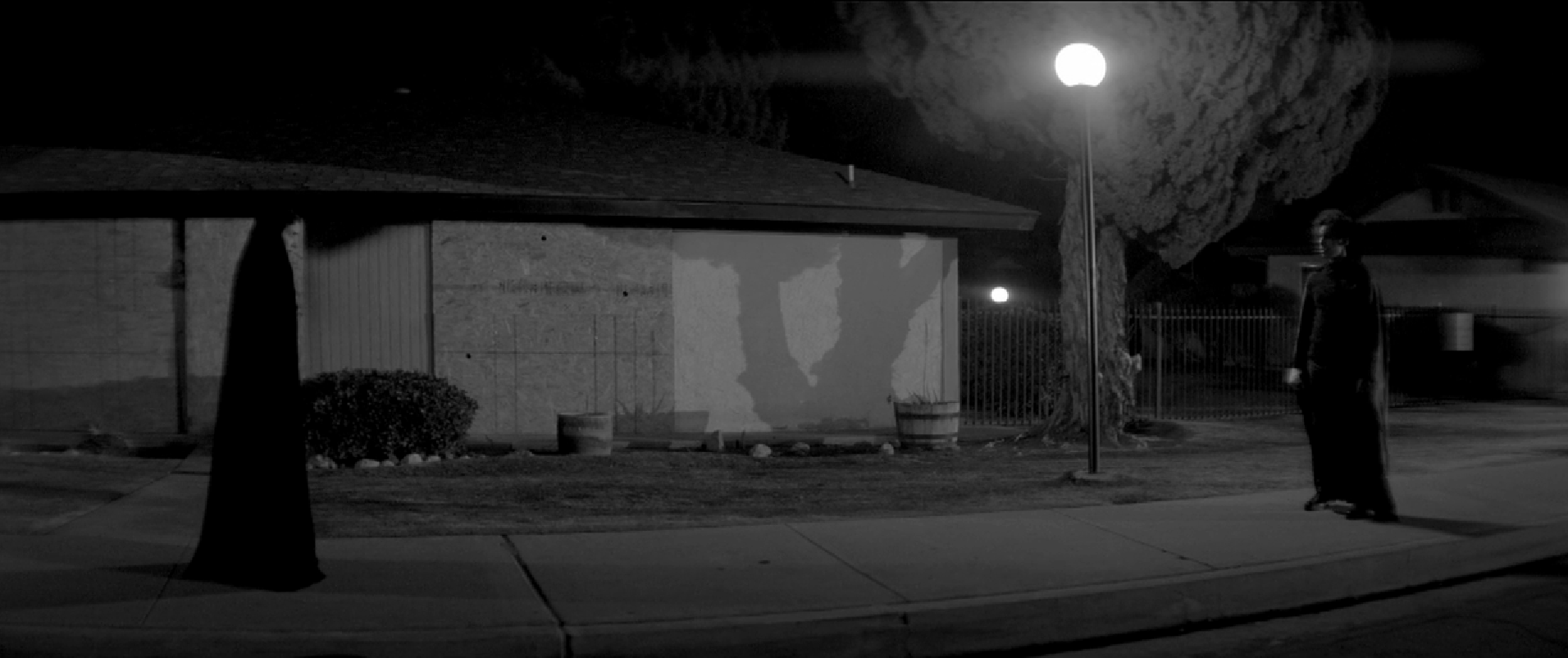
Its tagline could’ve included a range of other influences: noir, especially, the early 80’s indie sensibilities of Jim Jarmusch, occasionally the uncanniness of Lynch. If it sometimes comes across as too much of a formalist exercise, its sheer audacity takes it a long way. I’m not sure the world realized it needed a moody, noirish black and white vampire Western in Persian, but Amirpour knew better.

On a subsequent rewatch, the only thing I’d change is the qualification about it being a formalist exercise. There’s a weird kind of heart beating inside the film that only reveals itself after you get over the striking images. With her newest film — the “cannibal love story” The Bad Batch — set for release this June, maybe now’s the time to give this one another look.

(Streaming on Netflix)

March 17, 2017 0 comments
0 FacebookTwitterPinterestEmail
Benjamin Christensen's Häxan
CommentaryFilm

Häxan Is Out To Get You

by rick March 16, 2017
written by rick

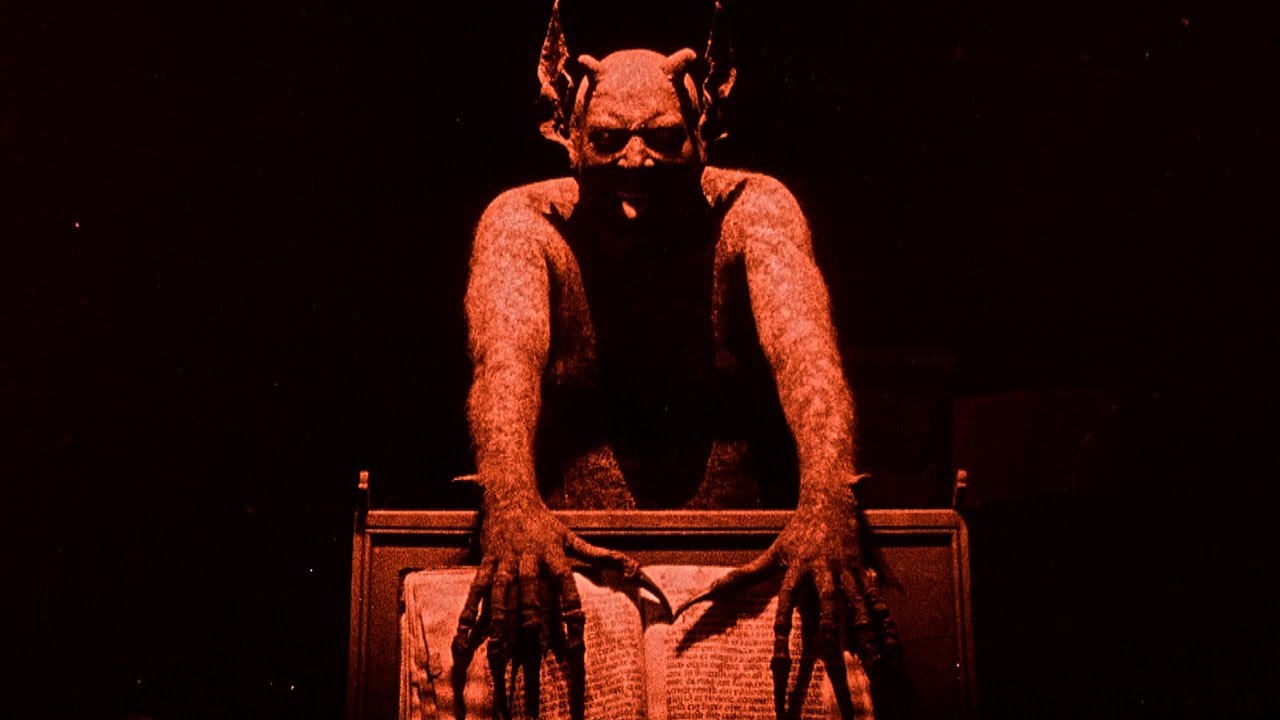
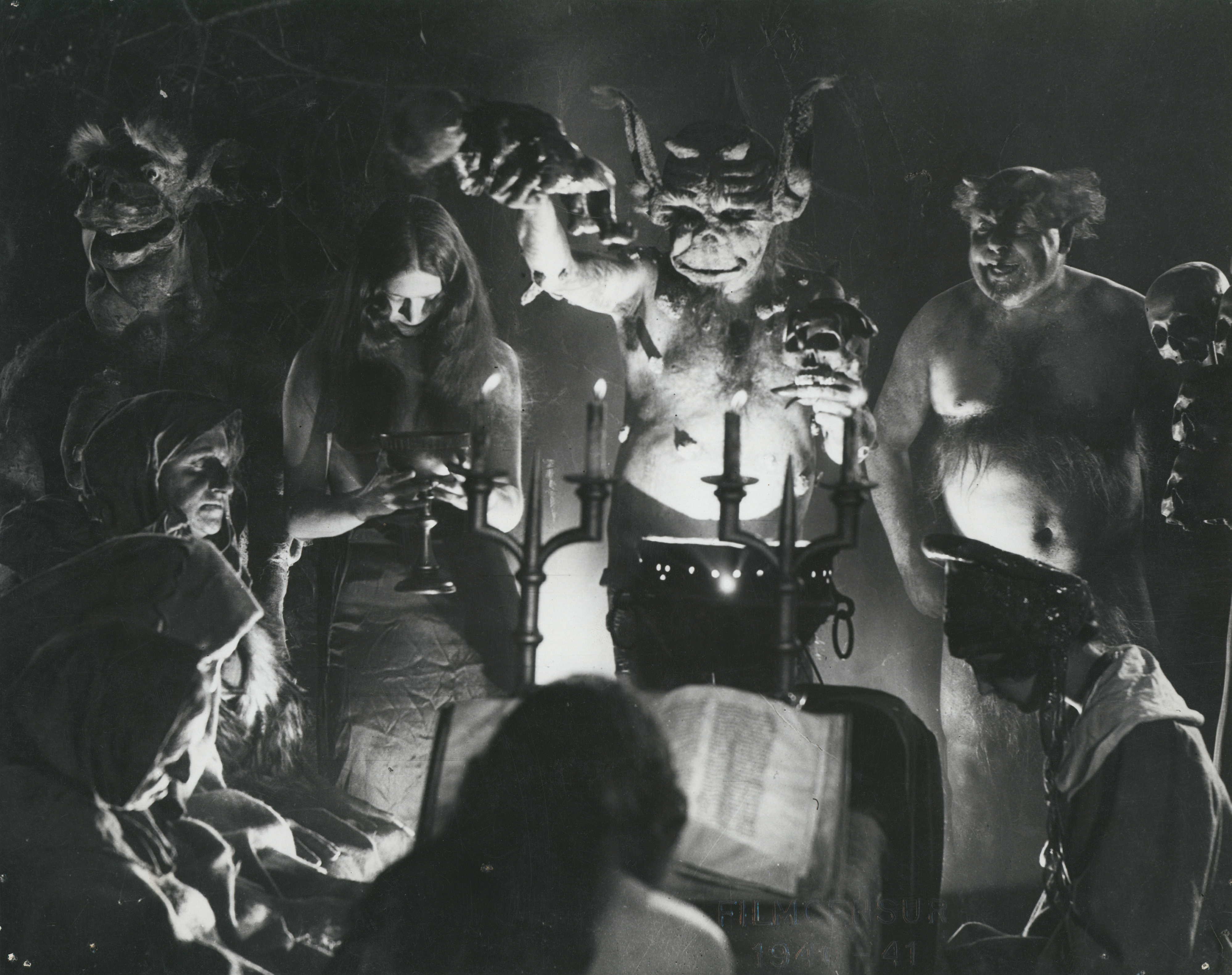
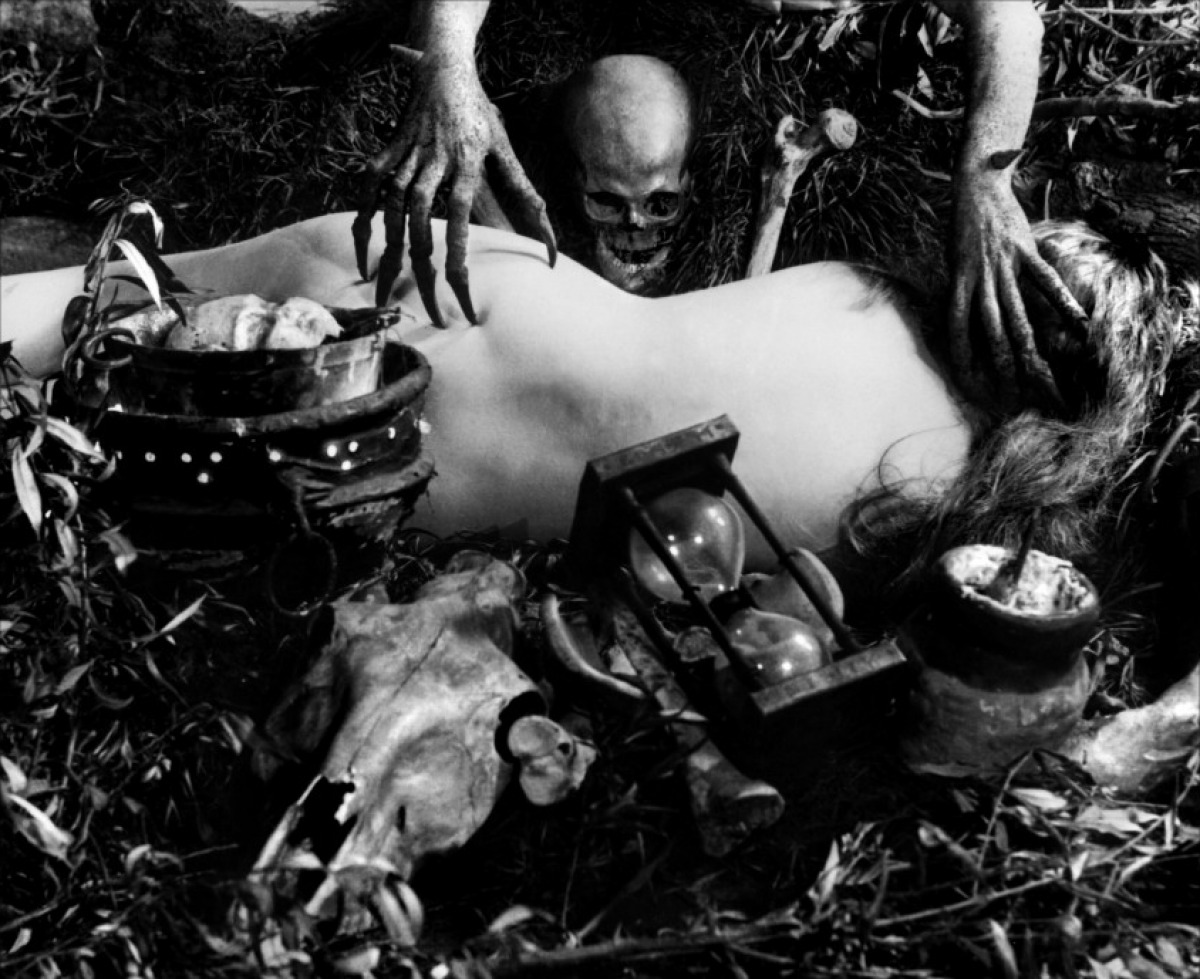
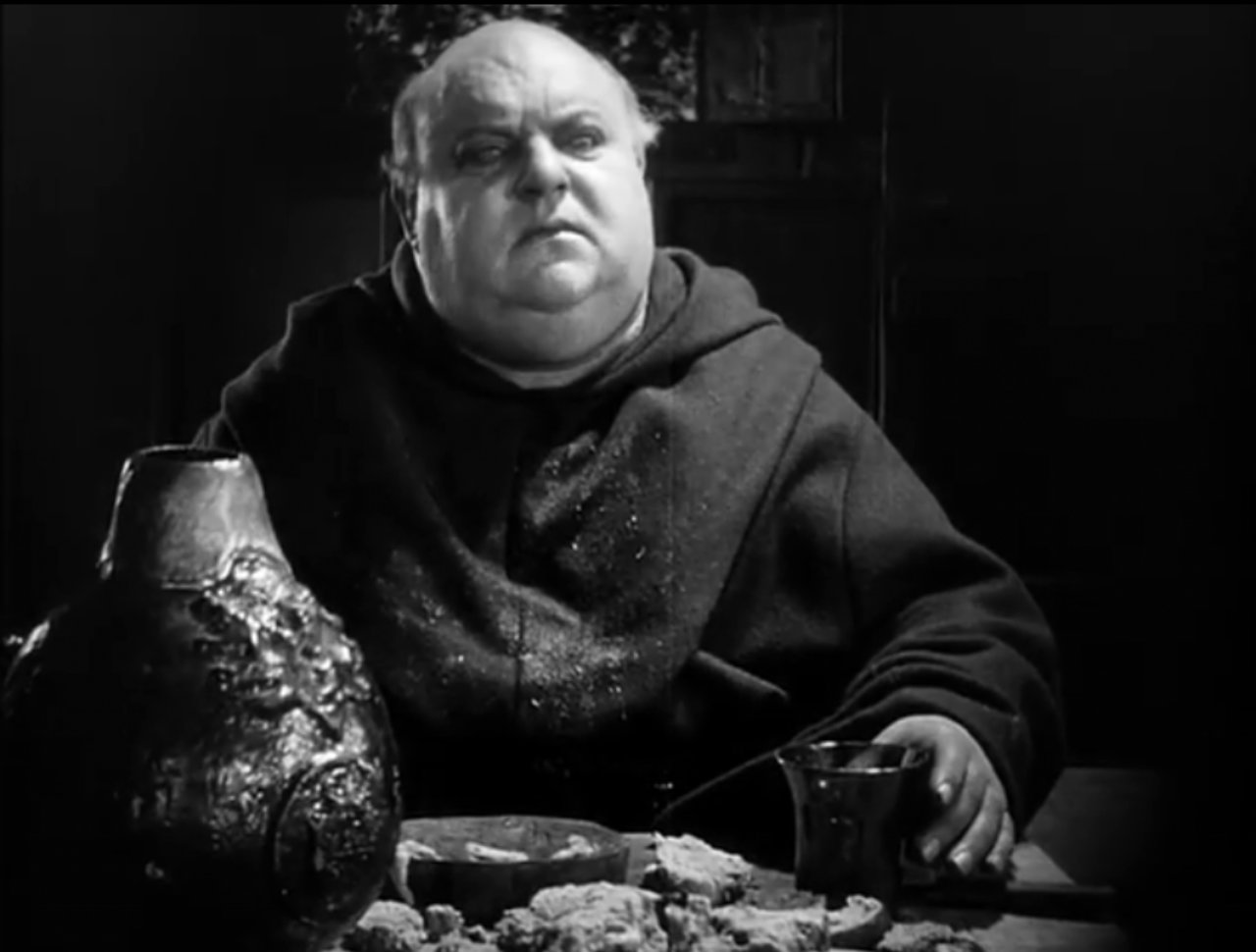
A woman approaches a witch in her lair, hoping to score a potion to seduce a cleric. She imagines how this will play, and we watch her reverie: he puts down his knife and meat long enough to check her out. But it’s not nearly enough for her, even as a dream. So she asks the witch if she can get something stronger, which leads to a rape-fantasy, a sequence we also watch. Welcome to Häxan.

Benjamin Christensen’s 1922 opus — a career-defining and career-destroying endeavor, as all masterpieces should be — isn’t out to please. Häxan aims to confound. While it’s couched in a pedagogical narrative, like many early silents (I am looking at you, Diary of a Lost Girl and Within Our Gates), Häxan also traffics in exploitation. There is no grotesquerie Christensen isn’t almost giddily eager to put on the screen.

Wouldst thou like to live deliciously? Häxan would.

Released the same year as Murnau’s Nosferatu and Flaherty’s Nanook of the North, Häxan is an incredible blending of forms in early cinema, a kind of genre-fuckery that only seems more revolutionary in retrospect. There wasn’t any such thing as horror on the screen quite yet; the documentary is still recovering from Flaherty’s staginess. And yet, here is a Danish director, with some Swedish funds, blending the two.

We are never on even ground in Häxan. The movie is out to get us.

Häxan is broken up into seven chapters, each detailing “witchcraft through the ages,” as the subtitle of the profoundly unnecessary, but apparently quite popular, William S. Burroughs-narrated 1968 version would have it. (Hippies! What can’t they ruin.) Each focuses on Satanic iconography, social dis-ease, and patriarchy. We get the frightening, gross, and dickish close-ups that prefigure Dreyer’s The Passion of Joan of Arc, the kind of social mania that animates Eggers’ 2016 masterpiece The Witch, and depictions of tortures that pre-date the grimmest of body-horror flicks by roughly a century.

It’s a fascinating text that won’t go away. People seem to discover it year by year. For a long time, Häxan was known primarily as either the ’68 midnight-movie freakout it never should’ve been, or else the background staging for a metal show — an old beggar woman pleading for her life while dude’s presumably shouted about some distant devil. Ironically, the devil feels very close by in Häxan.

That figure was played by Christensen himself — all wagging tongue and naked ass — which raises the question: what does it mean when the director casts himself as Satan? At one point in Häxan, the film stops so that Christensen can tell us how one of his actresses wanted to try out the thumb-screw. At another point, a title card mentions the fact that the same old beggar woman, an actually homeless person he persuaded to participate in production, told him in no uncertain terms that the Devil is real.

We return to the original image. A woman appears in what appears to be a documentary about witchcraft, recreating the events described. Christensen then follows her into a dream, an imaginary world where her desire is played out. We come back only to be thrust back into an alternate telling of the same dream. When we arrive home again, we realize just how little we understand about the relations between these dreams, this reality, and the image on the screen.

Häxan is furiously intent on dissolving any notion of perspectival wholeness. We just get tossed about, hoping for a lifeboat or some sort of stable structure. None will be forthcoming. It’s a documentary about horror, a horror film about how documentaries will never tell the truth, and a truthful rendering of our engagement with the fraught image.

In other words, it’s a movie. A really good one.

I spoke with Pete and Aaron of the We Love To Watch podcast about this film, and an episode will be forthcoming. In the mean time, maybe check out our discussion of Nosferatu, a film I discussed, released the same year.

March 16, 2017 0 comments
0 FacebookTwitterPinterestEmail
Great Movie Project

The sexy amorality of Trouble in Paradise

by rick March 14, 2017
written by rick

Nominating the bawdiest dialog from a pre-Code film is a fool’s errand — it’s a crowded field — but this exchange, from Ernst Lubitsch‘s sparkling, smirkingly amoral Trouble In Paradise, has got to be a contender:

If I were your father, which fortunately I am not, and you made any attempt to handle your own business affairs, I would give you a good spanking – in a business way, of course.


What would you do if you were my secretary?


The same thing.


You’re hired.

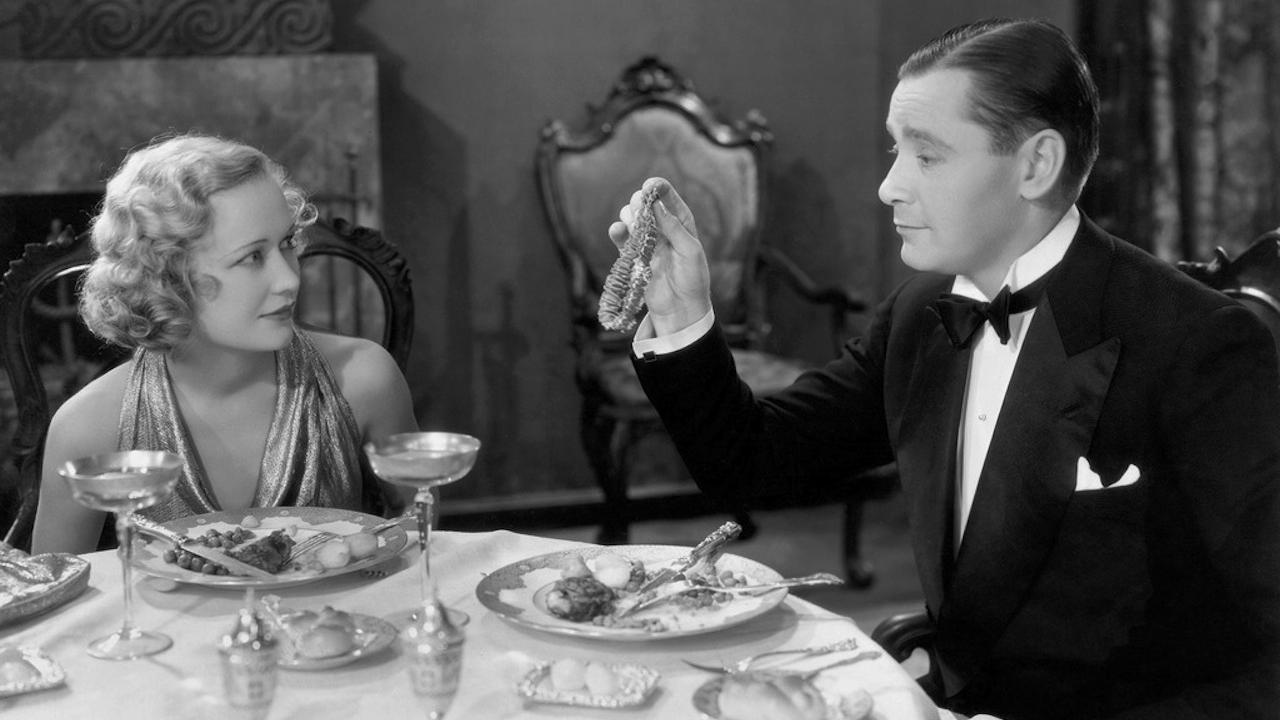
This is also quoted in Ebert’s review, but it’s impossible not to mention it again. The speakers are the dashing thief and imposter sophisticate Monsieur “Gaston Leval” — aka Gaston Monescu (Herbert Marshall) — and Madame Mariette Colet (Kay Francis), the perfume company heiress he’s set out to con.

In just a few short lines, Lubitsch and his frequent screenwriter Samson Raphaelson, adapting Trouble In Paradise from stage to screen, spell out several of their priorities: snappy, screwball wit, strong female leads unafraid to express desire (though nearly always couched in a joke, with an alluring smile), and an obvious sexuality that gleefully dances around any potential censors. With a few more additions, that’s Trouble In Paradise in a nutshell.

The narrative hinges on that favorite trope, the love triangle. In Trouble In Paradise, our players are Monsieur Leval, Madame Colet, and Leval’s fellow pickpocket and brassier soulmate Lily (Miriam Hopkins). Leval and Lily meet-cute at the film’s start, but in a way only Lubitsch could pull off: both impersonating someone else, both deep in a con, both robbing each other with a smile until they recognize themselves as kindred spirits. It’s a wonderful scene of misdirection, as the audience has been given no reason to suspect either of them yet, and also indirection: by the time Lily realizes that Gaston’s one-upped her wallet theft by actually stealing her garter from off her leg, she’s head-over-heels, and not in a chaste way.

While Lily might be an accomplished thief, Leval is a master — “the man who walked into the Bank of Constantinople, and walked out with the Bank of Constantinople,” as another favorite line would have it — and the two quickly team up. Lubitsch jumps ahead years, assuming we’ll implicitly understand they’ve embarked on a number of great robberies. It’s one of many sequences in which the famous, and famously difficult-to-define, “Lubitsch touch” is on display, the aesthetic itself embodying the sophistication and fun of the characters while the director elides the passage of time in favor of the frothy and glamorous.

The rest of the plot — and I do mean plot — involves Leval and Lily’s designs on Madame Colet, who turns out not to be the easy mark they imagined. There’s romance, Madame Colet’s idiot suitors, some tension as others start to put two and two together.

Throughout it all, there’s the witty repartee and the trappings of impossible wealth. Apart from the genius introduction, we’re always one step ahead, waiting to see if and when the other characters will finally figure out the game that’s afoot.

One of the many neat tricks Trouble In Paradise pulls off — and Trouble In Paradise is nothing if not a set of neat tricks — is to encourage audience identification with a couple of thieves. There’s even something aspirational about the whole affair, evident in Gaston’s proud identification as a “self-made crook.” Unlike the already-wealthy who came into their thievery through family reputation and class privilege, Gaston made something of himself, by playing to the prejudices and dim-witted assumptions of the upper class.

In America, we’re more used to the narrative notion of stealing from the rich and giving to the poor, but Gaston’s no Robin Hood, and it’s Lubitsch’s Continental sensibility that sells the whole thing as a lark. You don’t even get the sense Gaston ever considered the second part of that adage. Mainly, he just likes taking stuff from people who have more than they need, without apology, because it’s fun and he’d rather be rich than broke. It’s not hard to see why Depression-era audiences might’ve enjoyed that.

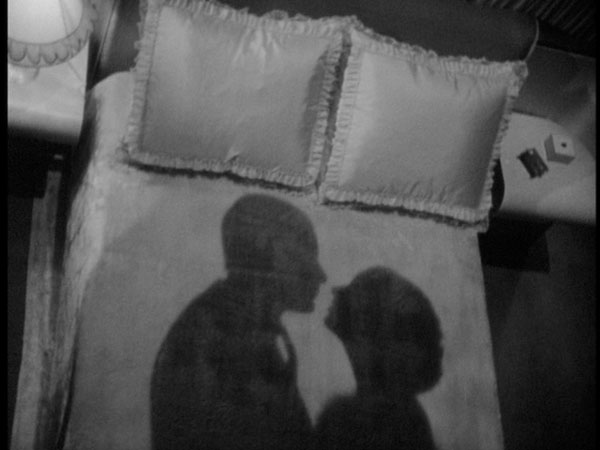
The inherent staginess of the material is undercut time and again by Lubitsch’s choices. The elision of time is one example; the fluidity of the camera, and its ability to suggest, is another. One famous shot pairs Madame Colet’s dreams of the future with the image of her and Gaston’s shadows on her bed. For all the constant talking, Lubitsch is only too happy to let the audience make the visual connection.

Meanwhile, Kay Francis plays Madame Colet as both a woman of principle — she smilingly rejects the staff salary cuts proposed by her Board of Directors, for instance, without a moment of deference to male authority — and also someone who treats romance and sex with a clear-eyed sensibility. As Ebert notes, she “thinks she can buy [Leval] but is content to rent him for a while,” but as Tasha Robinson points out, she’s never the villain she might’ve been. And Miriam Hopkins avoids becoming a nasty, jealous stock character: she just wants her man, and we hope it works out for the two of them, amoral thieves though they are.

Everything in Trouble In Paradise proceeds apace, while our protagonists screwball their way to a delightful ending. It’s a touch wistful, a bit sad, but mostly predicated on the further adventures and fun to come. It’s hard to imagine something like this being made today — a “romantic comedy” where virtually no lessons are learned and no crime punished.

Instead, we cheer on the sexy, smart, impossibly suave criminals and wish them the best, as they take to the road to fleece some more rich folks. Go get ’em.

Favorite Ebert passage:

When I was small I liked to go to the movies because you could find out what adults did when there weren’t any children in the room. As I grew up that pleasure gradually faded; the more I knew the less the characters seemed like adults. Ernst Lubitsch’s “Trouble in Paradise” reawakened my old feeling. It is about people who are almost impossibly adult, in that fanciful movie way — so suave, cynical, sophisticated, smooth and sure that a lifetime is hardly long enough to achieve such polish. They glide.


March 14, 2017 0 comments
0 FacebookTwitterPinterestEmail
CommentaryFilmStreaming Selections

Streaming Selections: Nine Lives

by rick March 10, 2017
written by rick

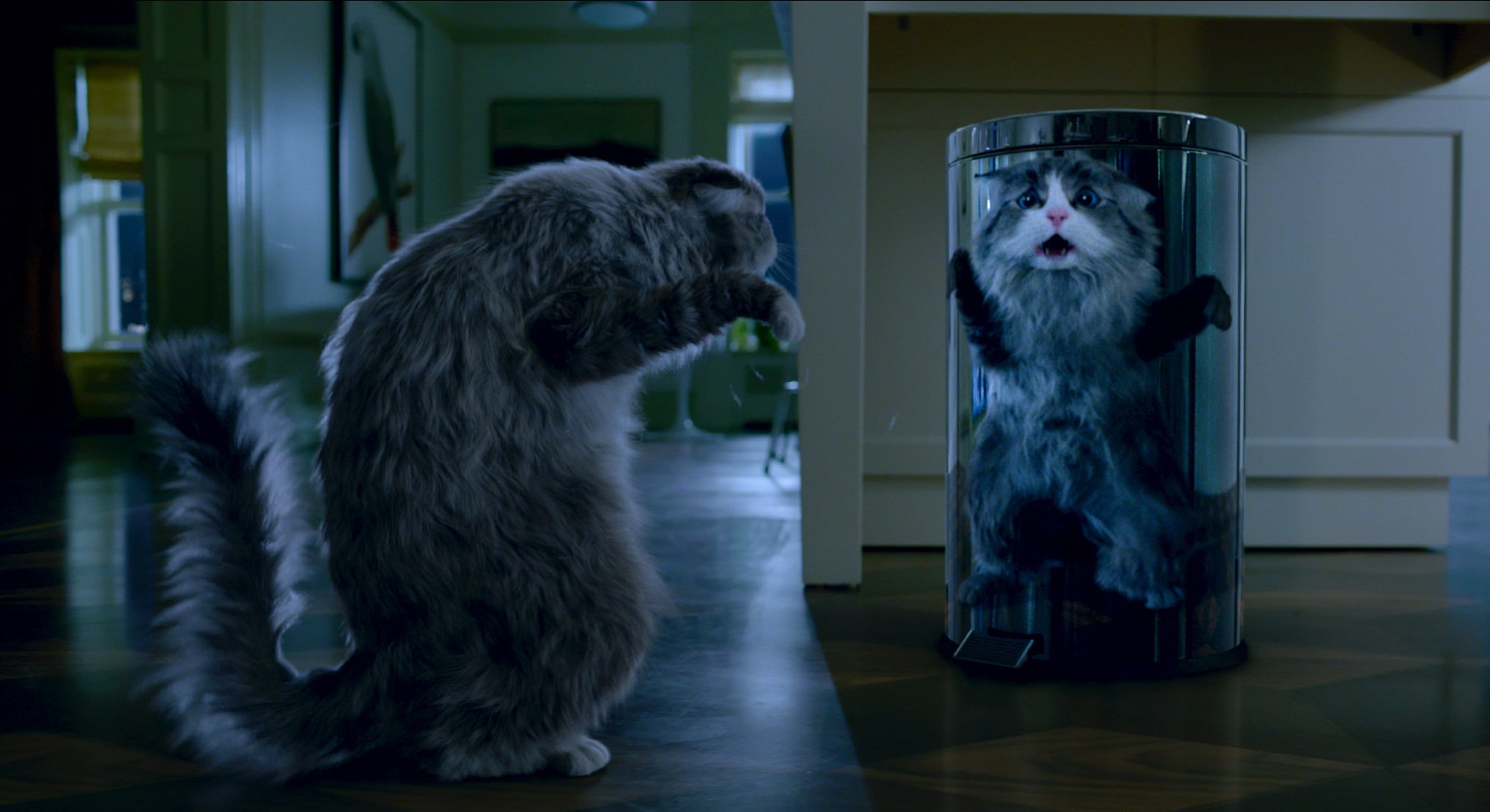
For some of us, the very words “Keven Spacey stars as a real estate mogul reincarnated as a talking cat named Mr. Fuzzypants” inspire a kind of maniac glee. Bad-movie aficionados live for such moments, so the release of Nine Lives, now streaming on Amazon Prime, was like a gift from the gods. Not the merciful gods who dot the divine landscape, but rather the trickster ones — the kind of gods who think it would be funny if they made us watch talking cat movies about self-improvement and redemption that also feature a lot of urinating into purses. Our kind of gods.

Others worship at a different altar, if Nine Lives’ striking 11% rating on Rotten Tomatoes is any indication. (The additional fact that the film wasn’t even screened for critics is a hilarious addition to its legend, and an equally striking bit of dodgy self-awareness.)  Common expressions re-occur: “not funny,” for instance, or “stupid and debasing,” or “cat-tastrophe.”

On the whole, people really did not care for Nine Lives.

Still, while it’s no meow-sterpiece, Nine Lives does feature exchanges like the following:

Do they do MRIs for cats?

You mean ‘cat scans’?

It also includes a pivotal suicide gag — always a winner — and a recurring castration joke sure to please kids and parents alike.

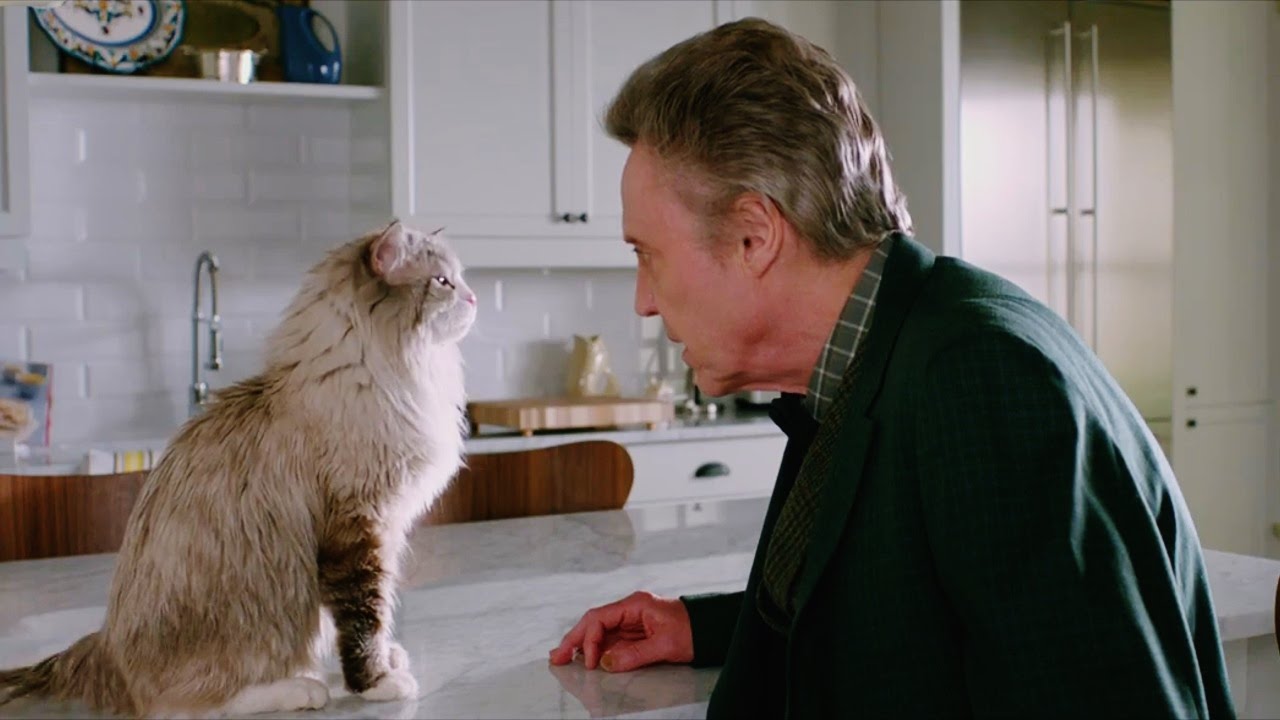
Spacey is Tom Brand, an aptly-named shitheel and absent father obsessed with building the tallest structure in Manhatten, ignoring his family, and, bizarrely, skydiving. When an accident puts him into a coma, his spirit is transferred into a feline named Mr. Fuzzypants, a mystical trick accomplished in the traditional fashion — by Christopher Walken, who runs a sort of Gremlins-inspired cat-store called Purrkins Pet Store because his name is Felix Perkins, which is absolutely a good joke and not the worst thing I’ve ever heard in my entire fucking life. The cat/man is then adopted by Tom’s wife Lara (Jennifer Garner, slumming like everyone else here) and their extraordinarily irritating daughter Rebecca (Madison Weissman).

Sequestered in the cat’s body and only able to communicate with Christopher Walken, Tom has some lessons to learn about family, friendship, selflessness, and life in general. Will these lessons involve personal growth, and also pooping? Will they hinge heavily on the curiously outsized role of base-jumping for no apparent reason? Will Tom’s son David (Robbie Amell) save the company, and also become a man (again, via skydiving)? Only Nine Lives can answer these questions. (The answers are “yes”.)


Director Barry Sonnenfeld (Coen Brothers DP, helmer of Wild Wild West), cinematographer Karl Walter Lindenlaub (Independence Day, Dolphin Tale), and all five writers cobble these disparate tones and inscrutable tracking shots into a Frankenstein’s monster of feel-good uplift, apparently deciding to throw everything at the wall (including CGI cats, literally) and seeing what sticks.

Nine Lives has a surprisingly rough edge to its saccharine redemption saga, though, what with all the castrating and murder and shitty ex-wives openly described as vampires, but its heart is more or less in the right place. I guess. Would I recommend it? I surely would! But then I’d also recommend having one of your friends kneel behind another of your friends while you knock them over like you’re in a vaudeville routine, so I’m not sure why anyone would listen to me.

In any case, among the talking animal movies — your Beverly Hills Chihuahua, your Karate Dog, your A Talking Cat?!, or even their more human-centered variants like Look Who’s Talking Now — you could do worse than Nine Lives.

It’s not purrfect, but it has its moments, clawing its way to watchability like Tom Brand trying to get a drink of scotch or a box of Fruity Pebbles while his family, reduced to viewers like ourselves except in-frame, look on in bewildered bemusement.

(Streaming on Amazon Prime)

Quick Links

Jurassic Park

While none of the dinosaurs actually talk in Jurassic Park, sadly, it’s still a pretty good film. The central idea is an accepted classic now, Jeff Goldblum is at his twitchiest, and the effects have stood the test of time. We could go on about how “nature finds a way,” but mainly you just want to watch velociraptors menace our protagonists and Newman get killed. And so you can.

(Streaming on Netflix)

The Omen

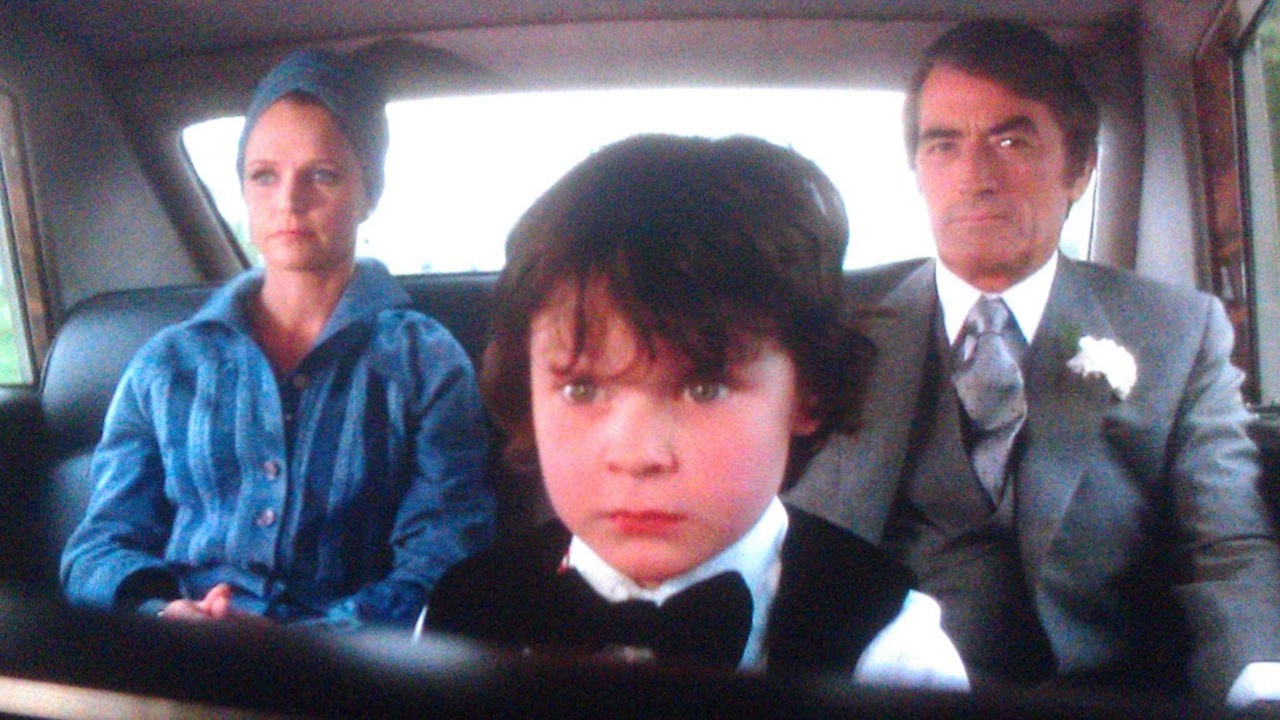
Contrary to popular belief, The Omen‘s third installment is actually the best of the series — I could watch Sam Neill engage in blasphemous monologues in front of a defiled Christ statue till the cows, or Satan, come home — but the original remains incredibly strong. The figure of Damien, and the way it taps into anxieties about the children we bring into the world, remains frightening, Gregory Peck is at his most cluelessly debonair, and the film even has something to say about the structure of global power.

But mainly, it’s all about the strange joy in the maid’s face when she says, “It’s all for you, Damien!” Nightmare-fuel, 41 years later.

(Streaming on Netflix)

Pear Cider & Cigarettes

The boldest — and longest — of this past year’s Oscar-nominated animated shorts, Pear Cider and Cigarettes is a decidedly adult affair, so much so that it’s theatrical release came with an on-screen disclaimer. It’s really not that intensely Grown Ups Only — brief nudity, frequent references to drug use, a generally unsettled mood — but it’s certainly no Piper, which predictably brought the award home for Pixar.

That was a cute film about growth and the sort of bravery we need to pick up if we’re going to survive, but Pear Cider and Cigarettes is far better. Equal parts personal essay and staggering set-pieces, it tells a dark story with relatable humor and empathy.

(Streaming on Vimeo, on-demand)

10 Cloverfield Lane

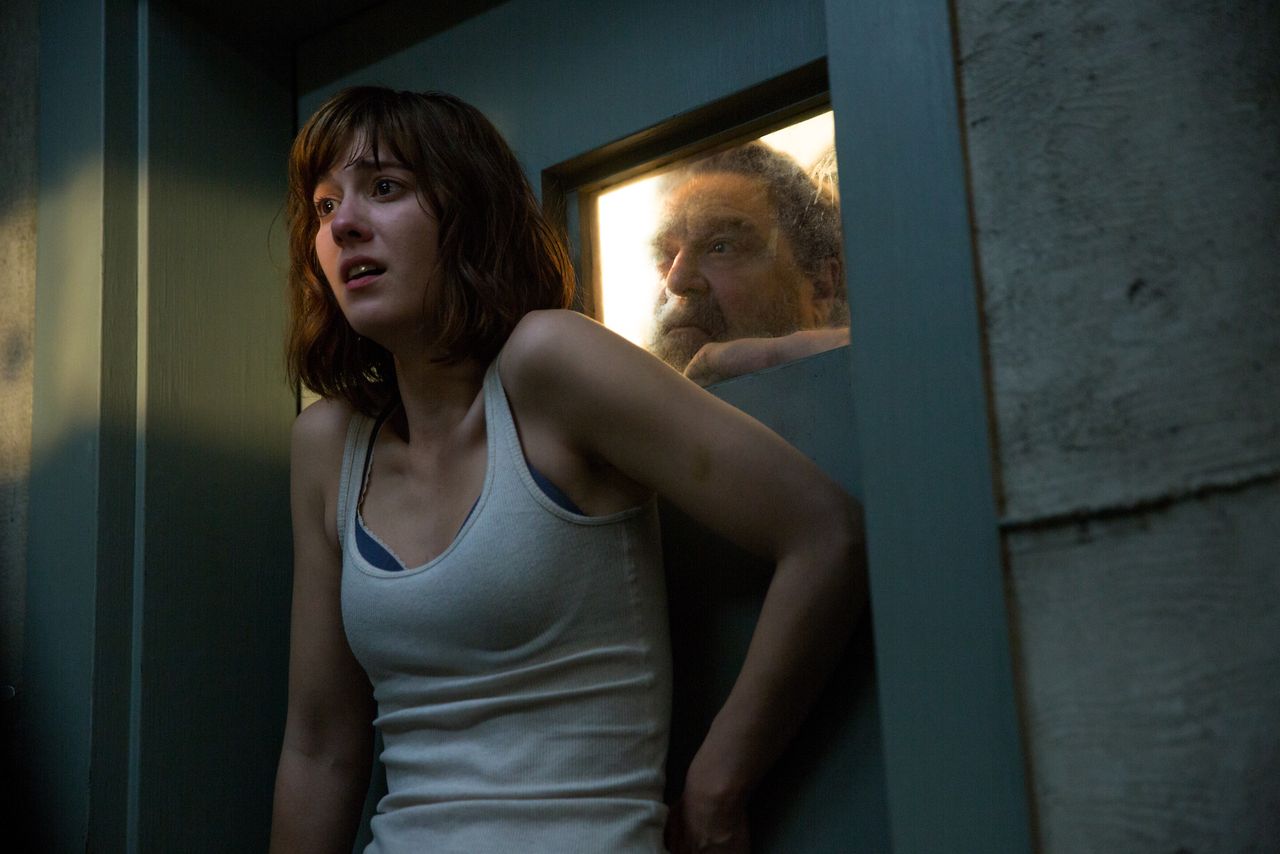
One of 2016’s most welcome surprises, 10 Cloverfield Lane seemed to offer a return to the blockbuster-oriented source material, and instead took a sharp detour into claustrophobia and character study. Here’s a horror movie that, at least for most of its running time, generates its tension by simply refusing to allow us safe ground or a sure sense of who to trust. Like Green Room, another excellent genre movie from last year, the film traps us in a no-frills frightening spot and lets the scares spill out from there. It would probably work just as well on the stage, a backhanded compliment that usually reads as “un-cinematic”. But John Goodman’s performance keeps us on our toes, and the film rolls out its tricks with a kind of offhand unpredictability. It’s tense, funny, and smart. Make some popcorn and turn the lights off.

(Streaming on Amazon Prime)

March 10, 2017 0 comments
0 FacebookTwitterPinterestEmail
CommentaryFilm

Neither Here Nor There: Cinema and the Train

by rick March 7, 2017
written by rick

In 1895, so the story goes, Auguste and Louis Lumière premiered their 49-second film The Arrival of a Train at La Ciotat Station, introducing an audience to the new medium of cinema. Panicked filmgoers, unable to distinguish representation from reality, cowered in terror, apparently under the impression they were going to be crushed beneath the locomotive.

It’s a charming foundational anecdote, the kind of tall-tale that gives shape and scope to people’s sudden engagement with unfamiliar technology and modes of expression, or at least the kind of story later generations apparently wanted to believe for reasons of our own. (In this way, the Lumière Brothers story isn’t so different from the Parisian “riots” that supposedly greeted Stravinsky’s Rite of Spring 13 years later.)

Unfortunately, it’s not supported by any additional evidence aside from its own legend — in fact, the film wasn’t even included at that famous premiere. But the story was too good to pass up, and enough for it to persist for over a century. Like all legends, it’s apparently one we need. Some have even gone so far as to call it the “first horror movie” because of the visceral reaction it allegedly provoked.

This close association between the cinema and the train is fascinating for a few reasons. It’s not hard to see its appeal: the kinetic nature of the vehicle’s technology is well-suited to a medium premised on capturing motion, and what better way to exhibit the possibilities of the moving picture than a representation of movement itself?

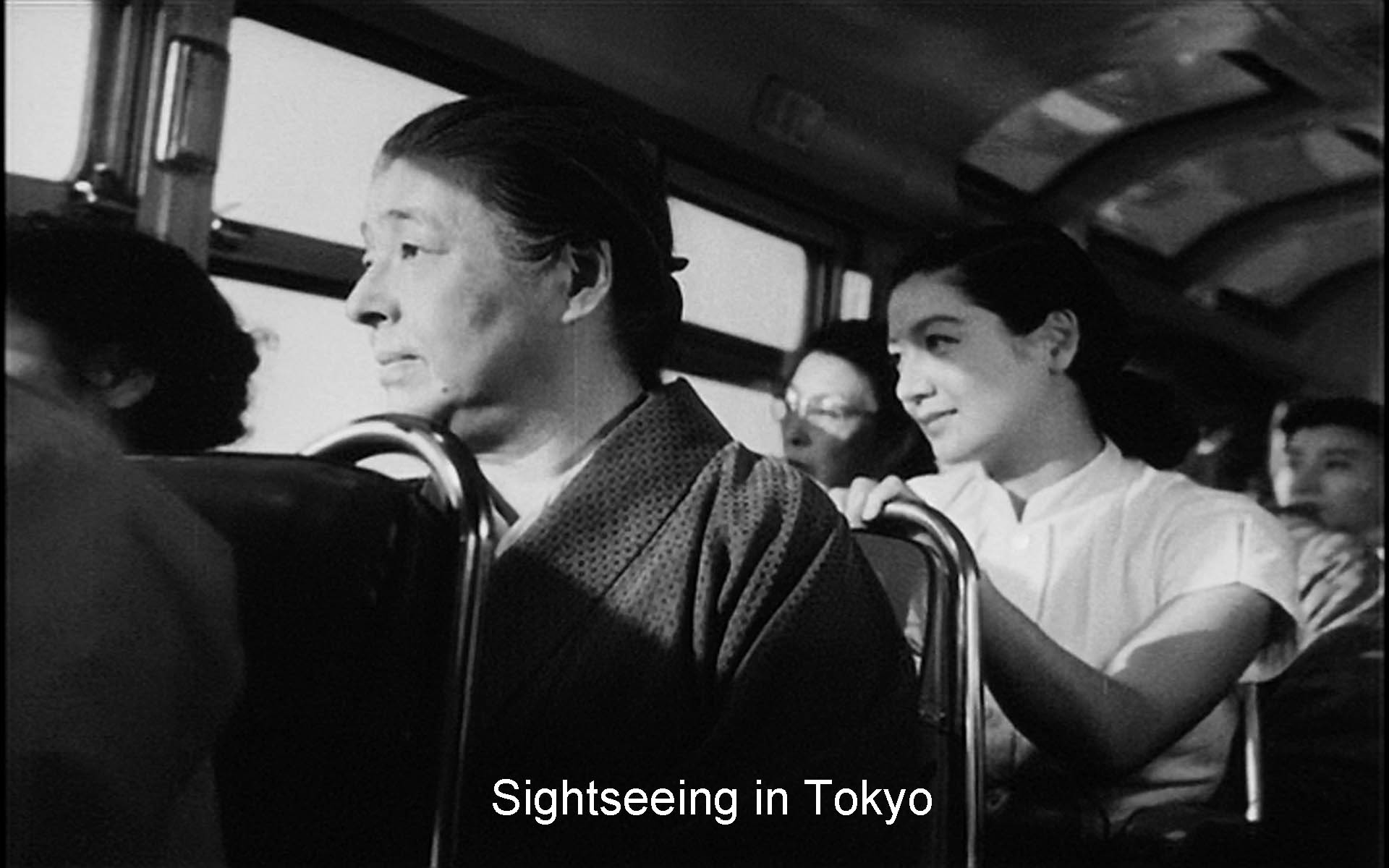
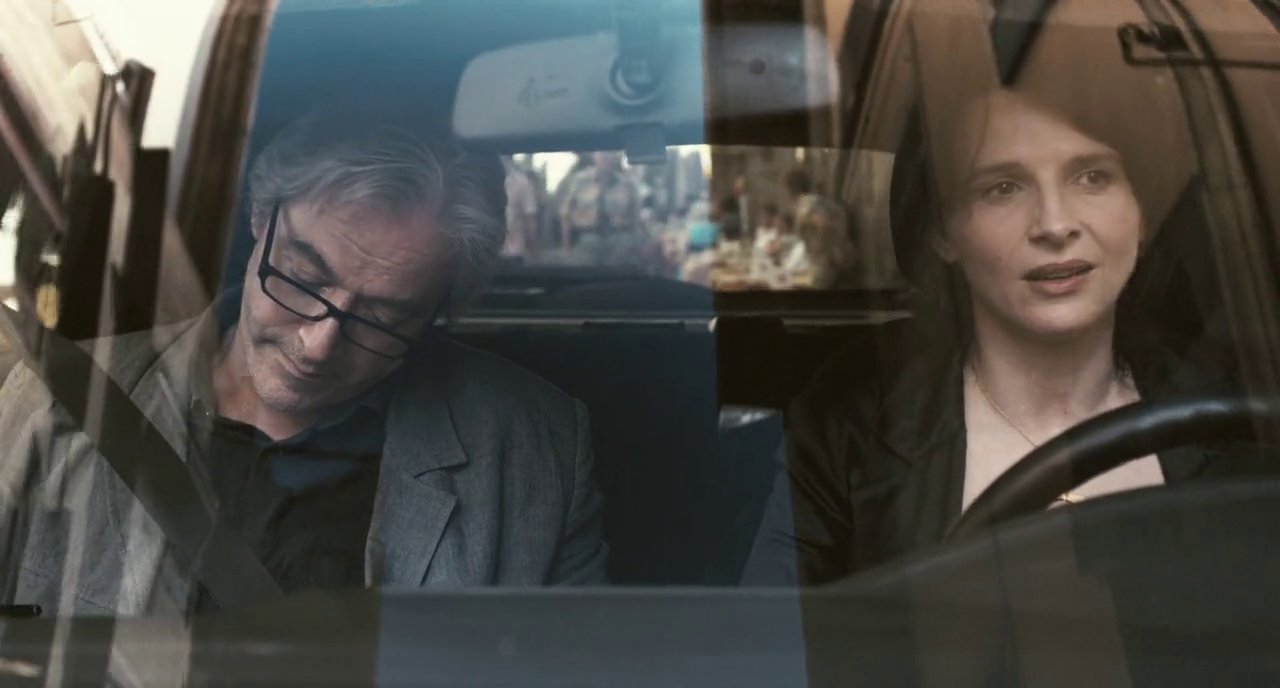
This thinking has the added benefit of highlighting the fascinations of futurism in the years to come, while also drawing a line in the mimetic sand between radical depictions of stillness (in Ozu, say, who incidentally loved nothing more than contrasting that stillness with “progress,” the hustle and bustle of the train as metaphor for life’s transitions) and the people-in-a-car fixations of someone like Kiarostami.

Train in Ozu's Tokyo Story

Car rather than train in Kiarostami's Certified Copy

In both cases, transit itself conjures the tensions of modernity, and the alienation they provoke from anyone who wants to sit still for a minute. Our protagonists are both here and not-here, somewhere in between, and our recognition or identification as viewers shifts just as easily.

As stand-ins for the built environment and the medium through which we’re looking at it, these vehicles are imbued with meaning, and provide a setting through which to understand the trapped characters speeding across the land. And the irony, as ever, is that a steady shot in such close confines, with the world flickering by, provokes both uncomfortable proximity and constant, disassociative distance. Or in other words, movies that take place in transit are always, on some level, about movies themselves.

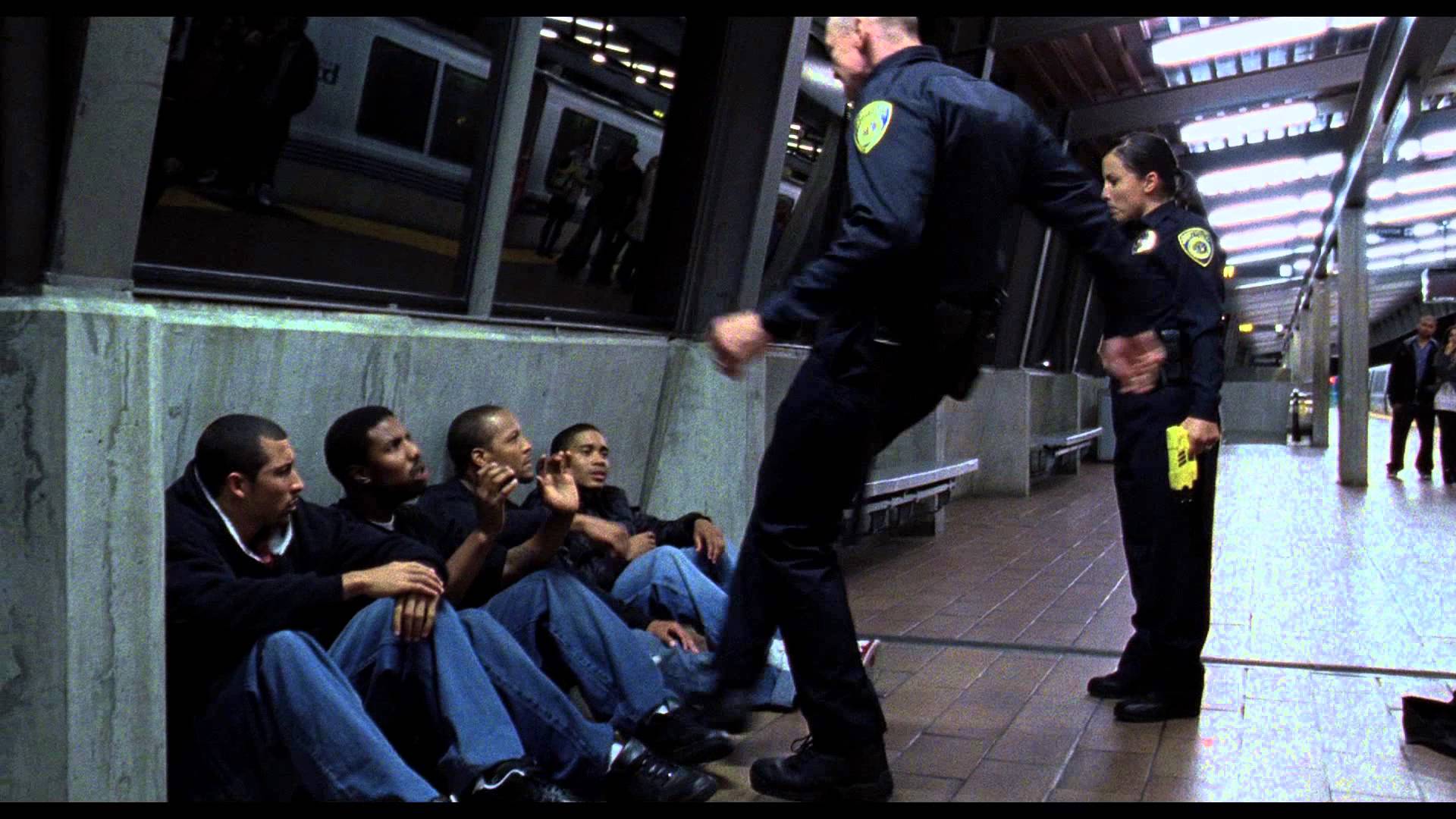
I watched Justin Tipping’s Kicks the other night, a film I disliked for a variety of reasons. But this debut, set in the East Bay I call home, gets at least one thing profoundly right, and that’s the ubiquitous presence of public transit. Like the much better Fruitvale Station, which focuses on BART trains for tragically obvious reasons, Kicks places the train front and center.

BART train in Justin Tipping's Kicks

BART train in Ryan Coogler's Fruitvale Station

Tipping’s narrative emphasizes the way distance is felt for his characters; a BART ride from Richmond to Oakland is depicted as a boundary-crossing, a voyage. And this, I think, is how many of us feel, even those of us who are not in danger for making the journey. The train marks a connecting thread and a separation, which Tipping cannily depicts from the perspective of kids who probably haven’t much left their neighborhood in years.

But it’s not simply boarding the train that indicates this. The constant click and clack of BART cars, overhead (and I really did use to live directly under one) or somewhere close by, is like the East Bay soundtrack. If San Francisco is synonymous with the improbable hills of muscle-car-fueled masculinities (see: Bullitt), the East Bay is its working-class cousin, a network of train towns, ports, and mass transit. (I can only imagine how New Yorkers must view the depictions of their city.)

In both Kicks and Fruitvale, the built environment is as much aural as material. There’s an inescapable sense of movement, you hear it everywhere you go, and this has the paradoxical consequence of invoking a feeling of being trapped, even if you’re surrounded by the built communities you cherish. You could always leave, but on the other hand, no, not really.

So we arrive at this idea, again, of in-between. Our technologies allow for escape, but they also somehow preclude it. And they never cease to remind us where we are, by depicting somewhere else. As the Lumières demonstrated over a century ago, film is uniquely positioned to make this clear.

March 7, 2017 0 comments
0 FacebookTwitterPinterestEmail
CommentaryFilmStreaming Selections

Streaming Selections: Frailty

by rick March 3, 2017
written by rick

Until his sad, untimely death last month, Bill Paxton was one of the true under-celebrated actors of his generation. As a genre star, he had legions of dedicated fans (and apparently an army of co-stars eager to sing his praises as a decent, hard-working, charming guy to boot), but he always seemed more likely to register with casual movie-goers as That Guy. His few directing credits, including Frailty, garnered even less mainstream notice, though no small amount of cult adoration.

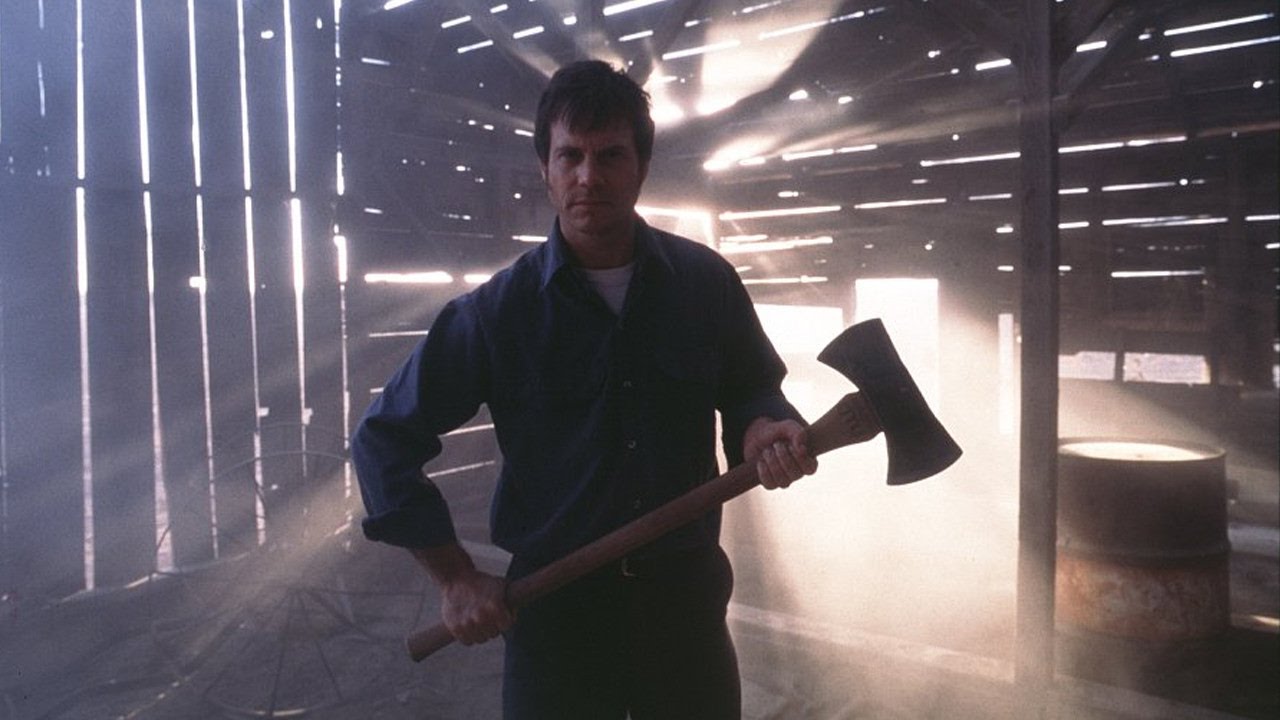
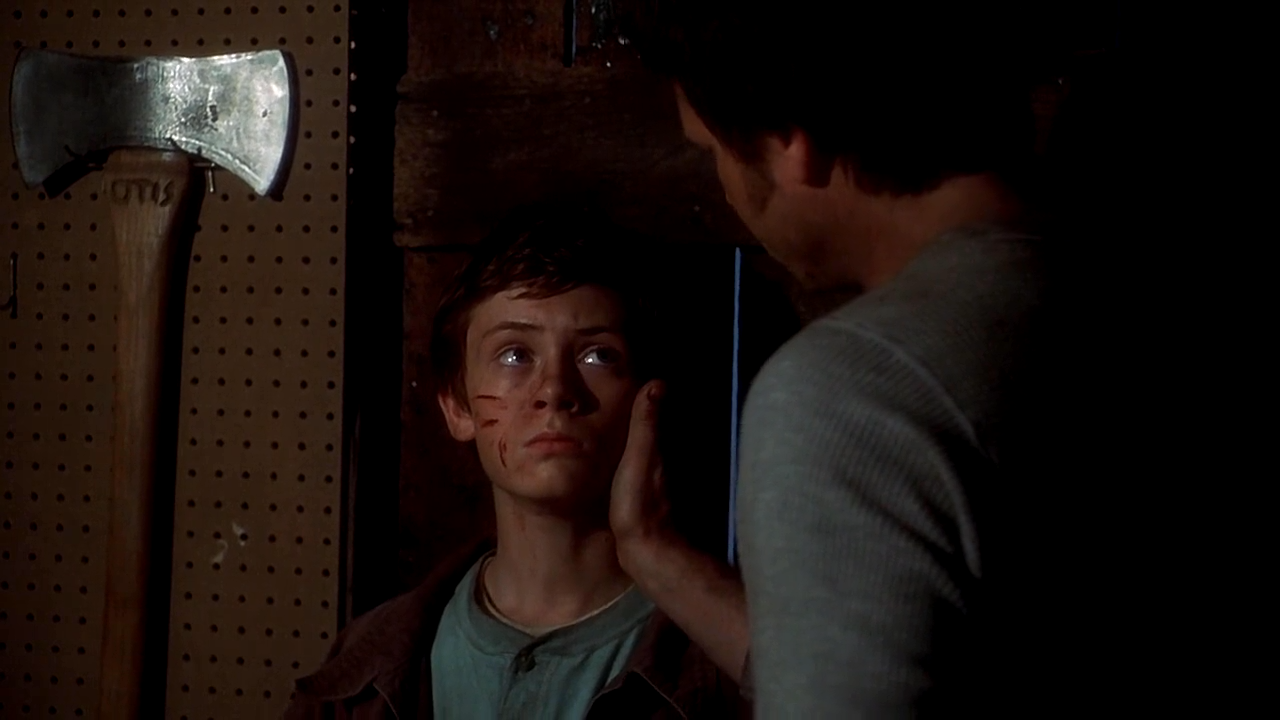
Frailty is as bare-bones and elemental as horror comes, but Paxton builds real terror from the mundane. The story of a working-class dad (Paxton) convinced he can see devils masquerading as regular people, and so is tasked with ridding the world of them, it’s devoid of special effects or even jump-scares. The horror lies in his maniac commitment to the mission — his voice almost never wavers, nor is he the kind of guy who needs to shout — and the ways he enlists his sons help to get the job done.

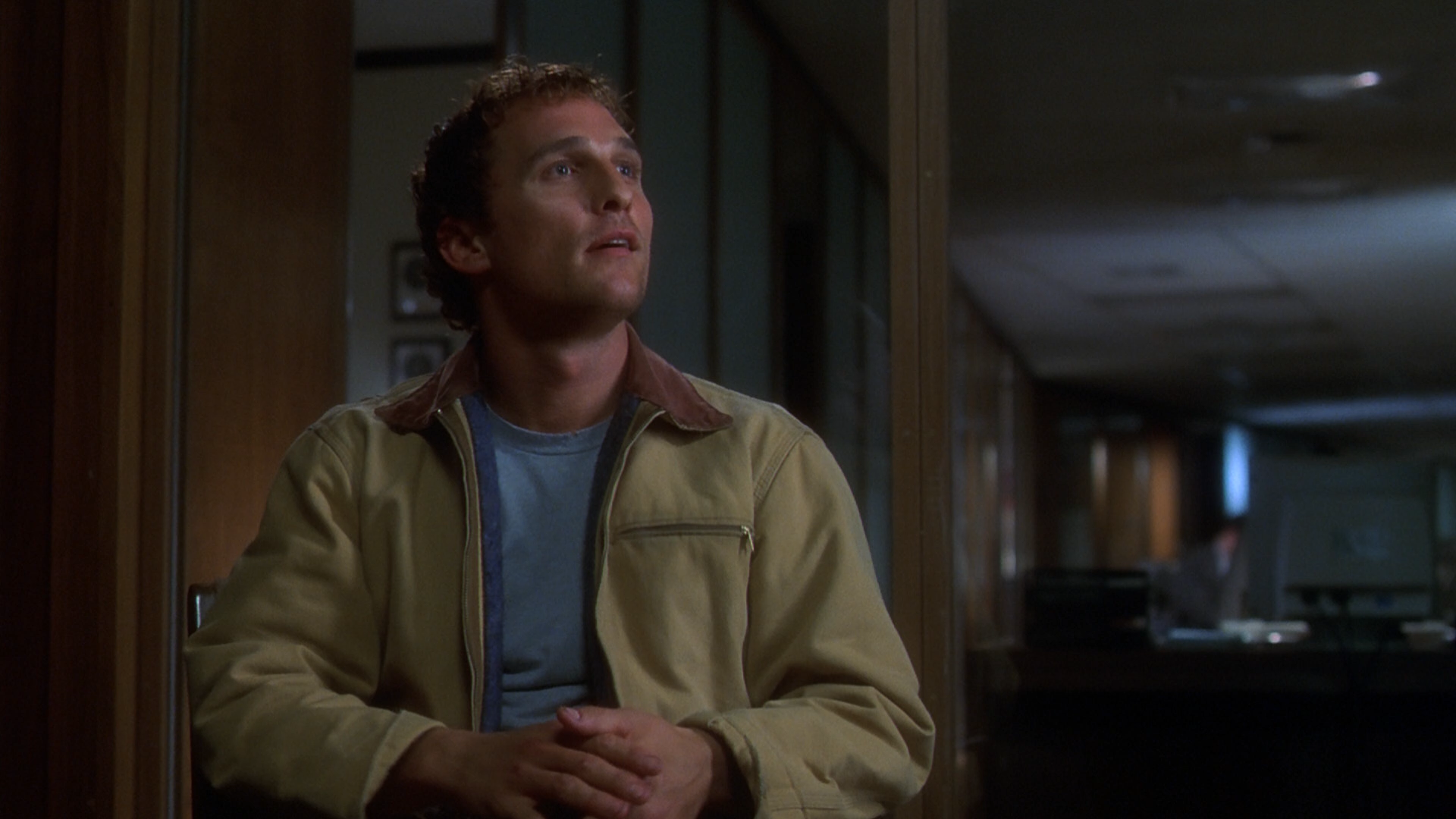
Matthew McConaughey plays one of those children, now grown and telling the story to a skeptical detective (the always-welcome Powers Boothe) who’s tracking a serial killer. Alongside John Sayles’ essential Lone Star, it might be his best performance, pre-McConaissance: all stoner Texan drawl and a fierce commitment he seems to have picked up from his dad, McConaughey helps set the uneasy mood.

There’s nothing groundbreaking in Paxton’s direction of Frailty: “workmanlike” is probably the word, with a particular affection for fades between past and present. But that same, almost documentary feel imbues the narrative with a cold chill, as the detective discovers some really unsettling corners of a single man’s faith and its effects on his family.

“Frailty” is a strange title for the film: does it refer to the weakness of the flesh? The ease with which children can be imprinted? The thin line that divides faith and madness? When Paxton brings up the story of Isaac, it comes as no surprise. Frailty places us in a Kierkegaardian grey area, where visions from God could just as easily be indications of mental illness, but they can’t, morally, be shrugged off.

Paxton will be lovingly remembered by anyone who grew up watching Alien, The Terminator, or Predator 2 (the superior Predator; come at me) … not to mention Near Dark, Titanic, Apollo 13, Twister, True Lies, or HBO’s Big Love.

But in Frailty, we see something of a more personal vision emerge, focused on conflict between the rational view of life as it’s lived and the absurd intimations of the divine. As usual with such things, when done well, Frailty is genuinely terrifying.

Quick Links

Frank Film

Frank and Caroline Mouris’ experimental short somehow garnered an Oscar in 1974, despite being weird as hell. The 70s! It was a different time.

Composed entirely of magazine clippings and other found art, Frank Film overlays dual audio tracks that vie for the viewer’s attention. The result is sometimes a maddening cacophony and sometimes a kind of harmony or counterpoint, as the detritus of modern images flash before us and a narrator tells the story of how he came to make the film. It’s insane, postmodern, expertly accomplished, and somehow counter-intuitively watchable, or at least absorbing.

I would never specifically advocate mind-altering drugs as a prerequisite for viewing a film, but in this case, it probably can’t hurt.

(Streaming on LeCinemaClub through 3/5)

The Craft

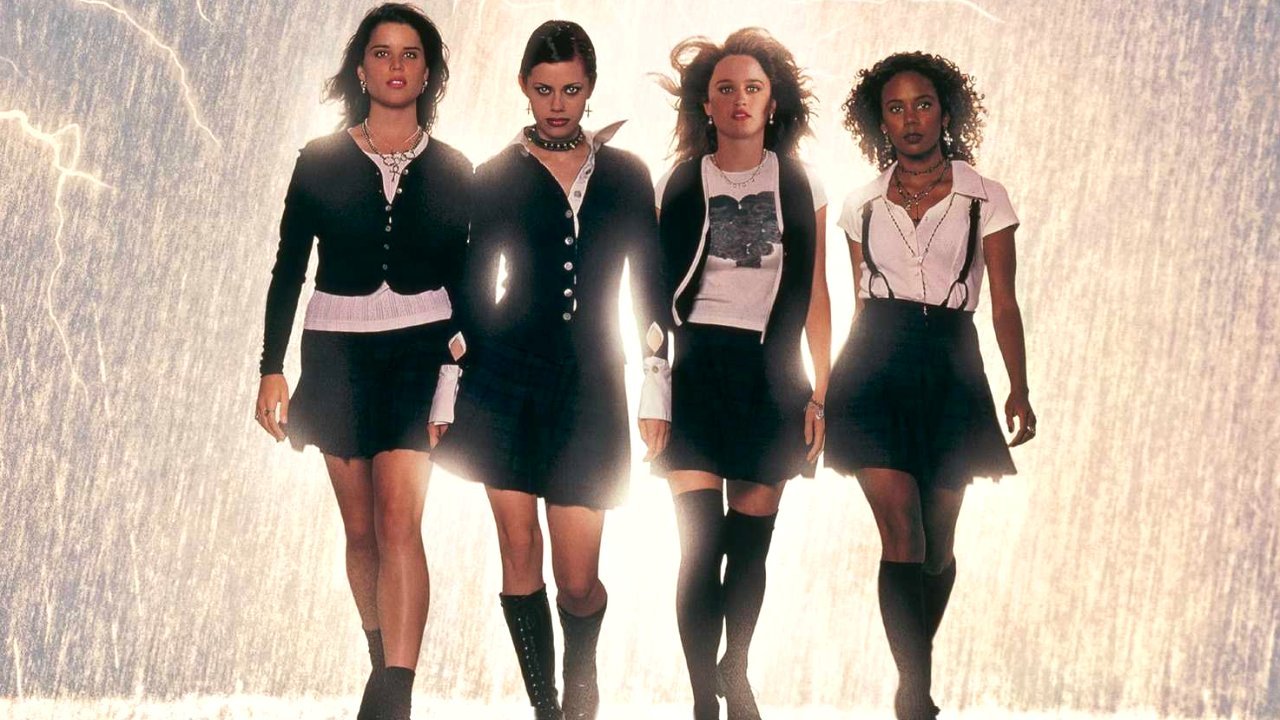
You know what else was a different time? The 90s. And nothing says “the 90s” quite as much as a coven of feminist witches featuring Fairuza Balk and Neve Campbell.

(Streaming on Netflix)

This Is Spinal Tap

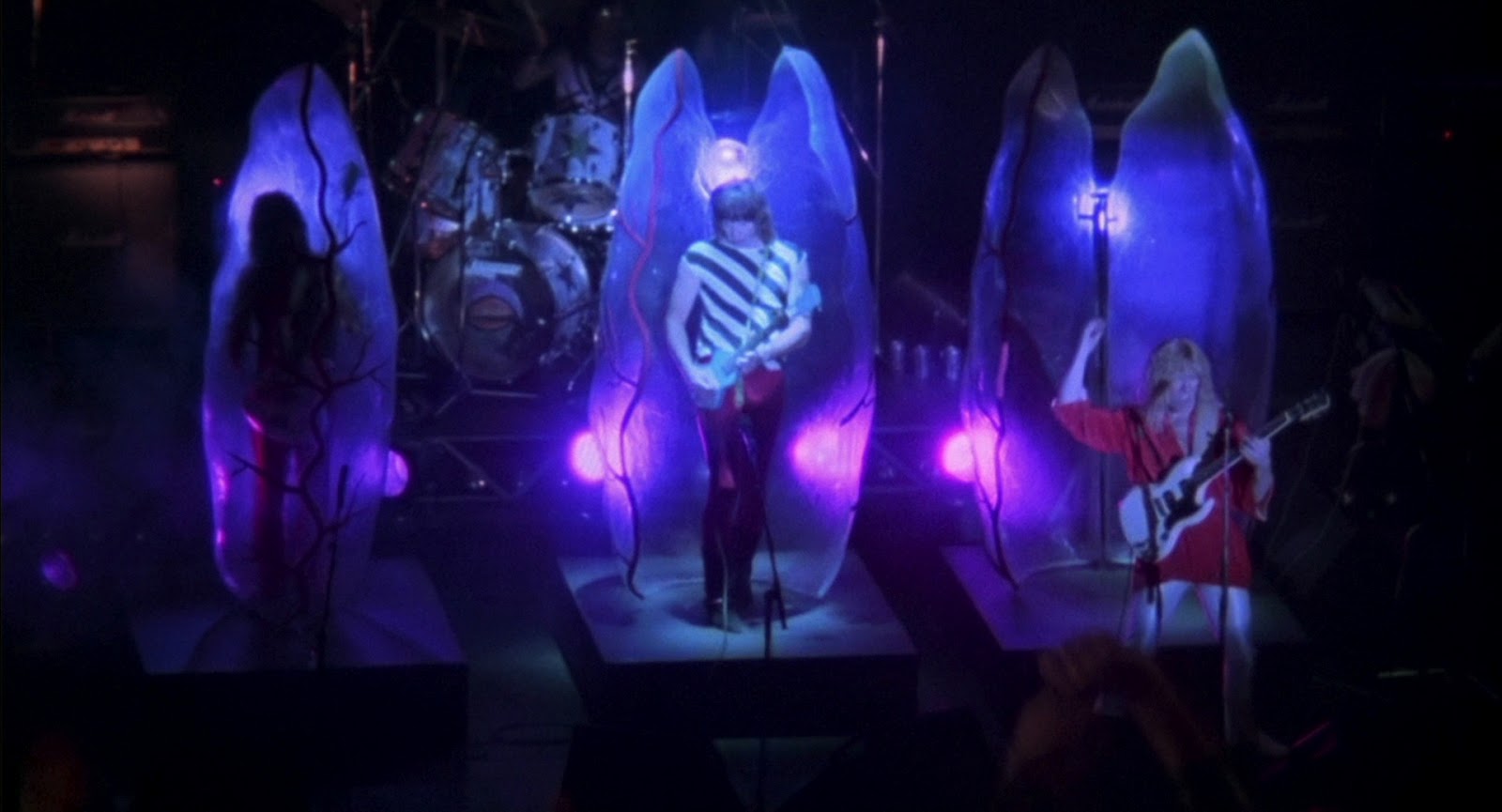
Have you watched the first and greatest of the Christopher Guest mockumentaries recently? Why not? It’s hilarious.

Not long ago, the good folks at The Next Picture Show talked about Spinal Tap‘s influence on The Lonely Island and the hilarious Popstar: Never Stop Never Stopping, and one aspect of the discussion that jumps out is the miracle of editing and compression in Guest’s masterpiece. There is hardly a wasted scene here: the film is impossibly tight for an unscripted goof, distinguishing it from some of its imitators (including Guest’s later work).

“It goes to 11.” “Perhaps we could rearrange the choreography, so as not to trod upon it.” “A fine line between clever and stupid.” “Never found out whose vomit it was.”

We could go on all day. Instead, let’s just rewatch This Is Spinal Tap.

(Streaming on Netflix)

What We Do In The Shadows

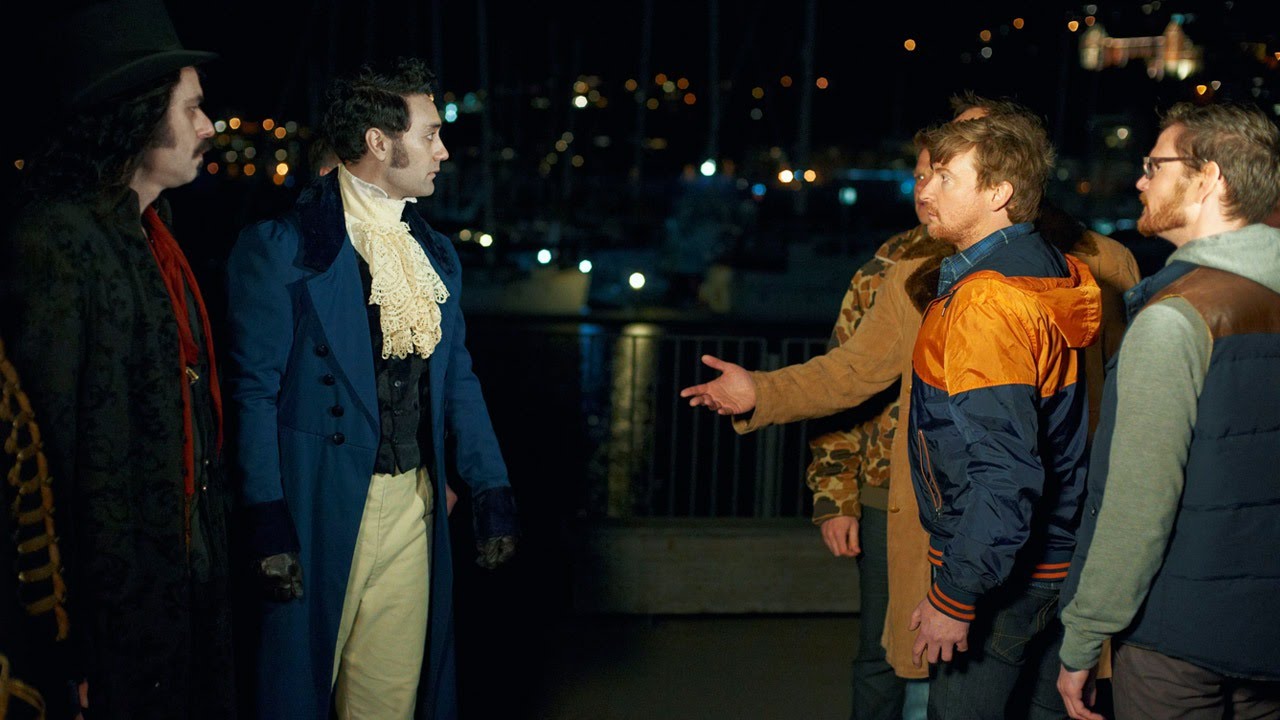
Sticking with the fake documentary, Taika Waititi and Jemaine Clement’s What We Do In The Shadows carries on the tradition in admirable fashion. Equal parts sweet and ridiculous, their film reimagines the single-camera aesthetic, giving us something like The Real World except about vampires. Both leads (and directors, and writers) are hilarious — fans of Flight of the Conchords and Hunt for the Wilderpeople will be unsurprised.

The basic premise of ageless vampires sharing a group house in Wellington, New Zealand is funny enough, but What We Do In The Shadows is also filled with stellar improv and some knowing nods to the horror genre in general. (I’m particularly fond of the brief appearance of Rhys Darby — Murray, from the Conchords — as a rather proper lycanthrope leader, with no tolerance for offensive language: “Hey, now. We’re werewolves, not swear-wolves.”)

(Streaming on Amazon Prime)

March 3, 2017 0 comments
0 FacebookTwitterPinterestEmail
Great Movie Project

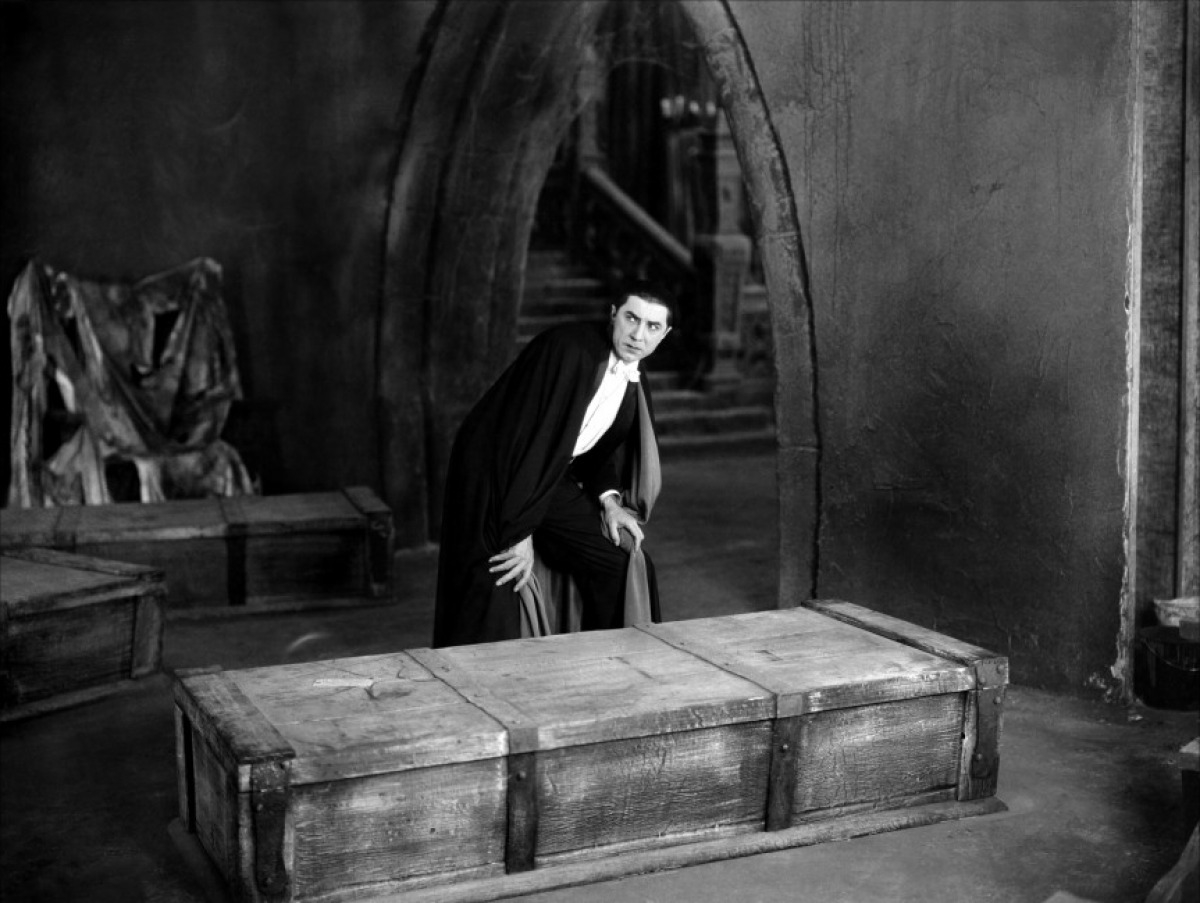
Tod Browning’s Dracula can’t compete with its own legacy

by rick March 2, 2017
written by rick

There are few monsters who’ve ingrained themselves as deeply in the cultural horror imagination as Count Dracula, on the page, on the stage, and on screen. By the time F.W. Murnau released his shamelessly copyright-shrugging Nosferatu in 1922, thereby incurring the wrath of Bram Stoker’s estate, multiple versions of the story had already been told.

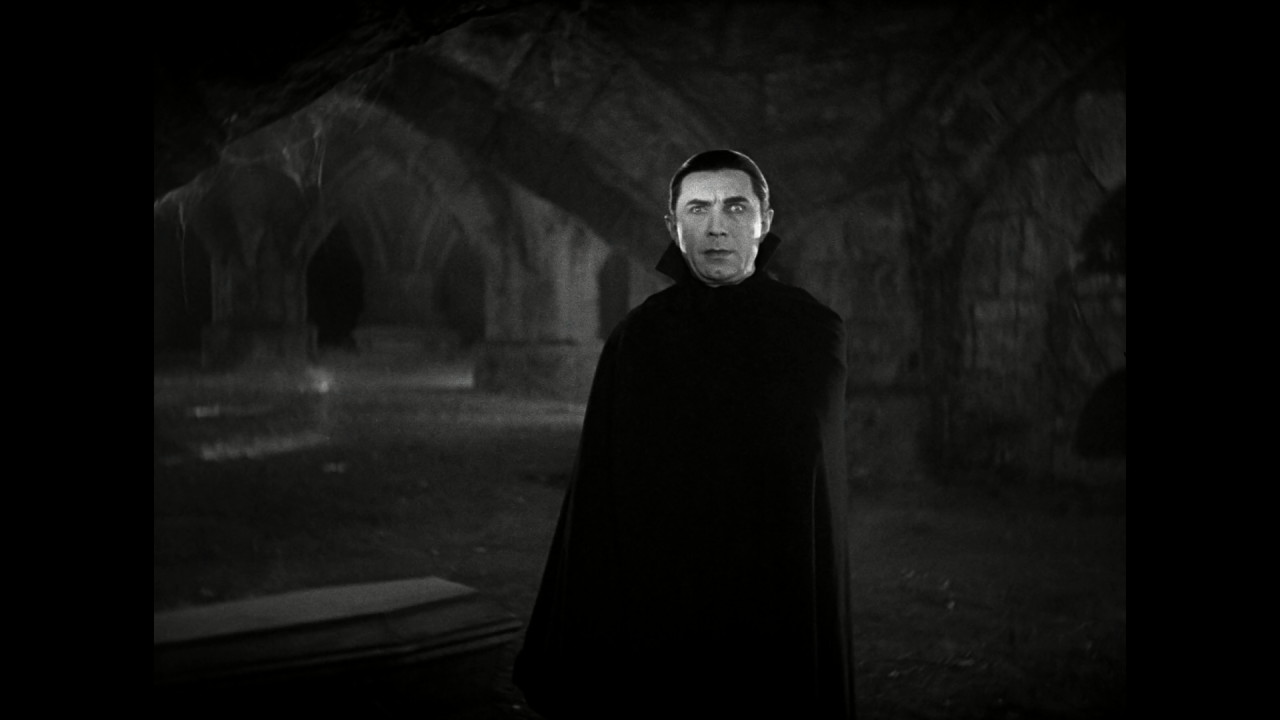
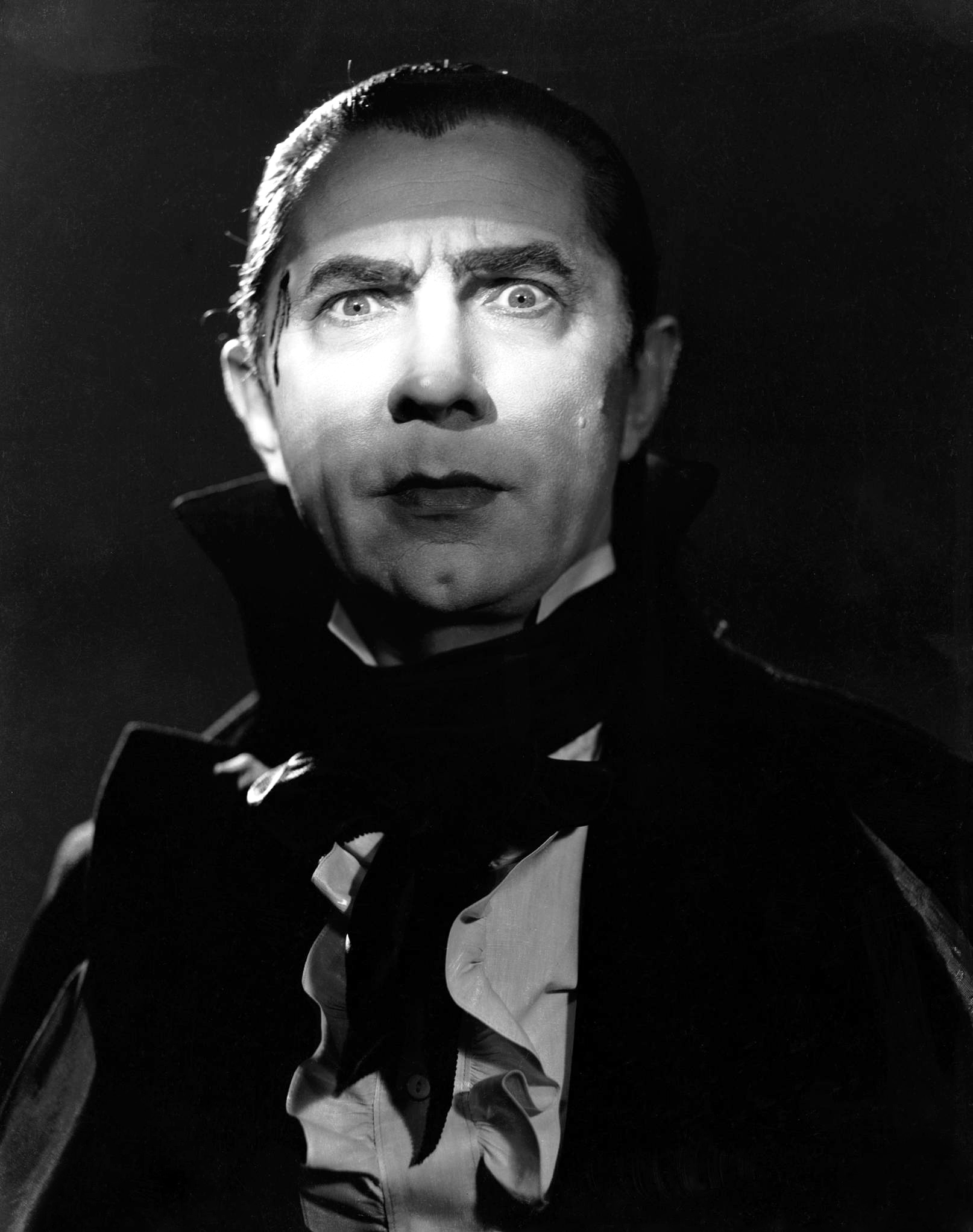
But it’s 1931’s Dracula, ostensibly directed by Tod Browning but actually helmed in large part by its cinematographer Karl Freund, that weaseled its way into the public mind. Bela Lugosi in particular. The jet-black, slicked-back hair, the halting Hungarian speech pattern and suspicious smile, the cloak, the cob-webbed mansion, the seductive sense of Old World charm and/or menace. That, I’d wager most people would say, is Dracula.

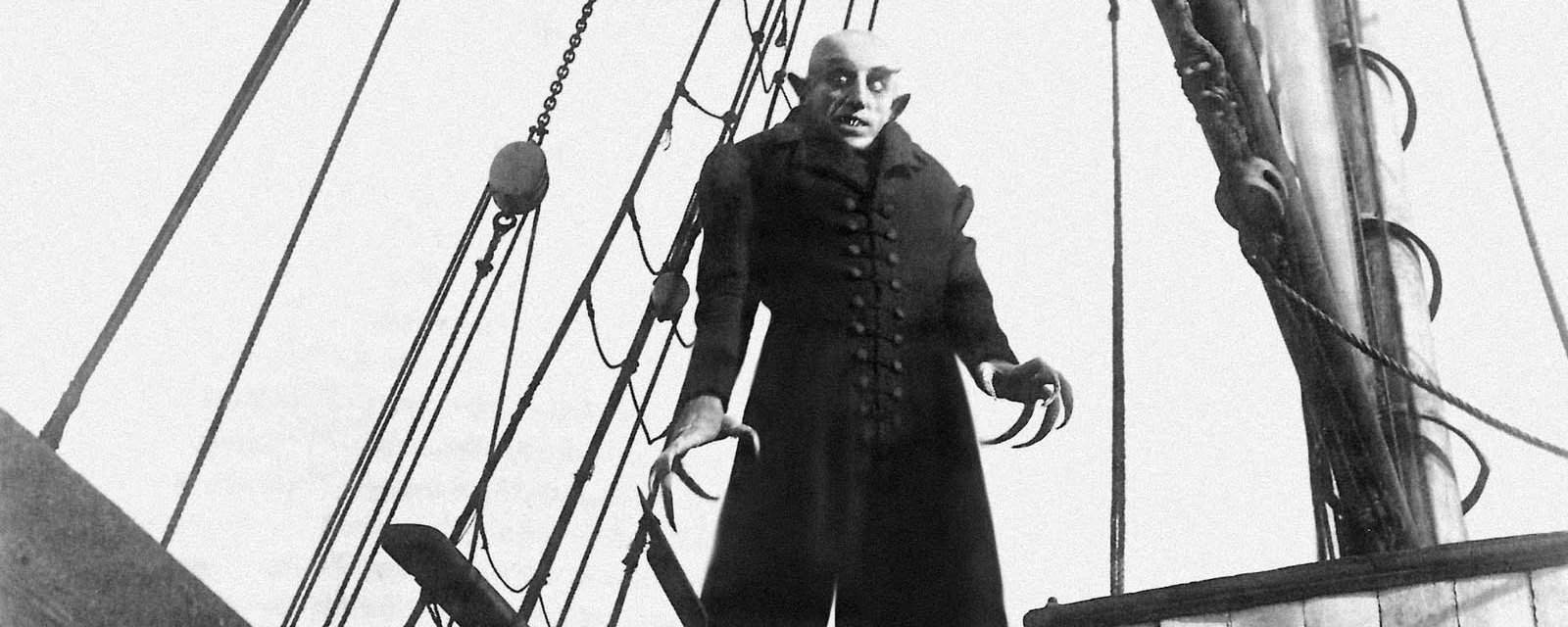
Lugosi relished the part for most of his life, came to despise it, and then was buried in costume after his death. His Dracula, so carved into shared fantasy, is simply one of those roles that cannot be escaped. At this point, the feral, vicious image of Max Schreck in Murnau’s film — all long claws, pointed ears, bald head, rodent-like teeth — is barely recognizable as the Count; Lugosi’s portrayal is the one that has endured.

But Lugosi’s debonair visage, apparently terrifying in its time, has also taken a beating over the years. Though it tapped into the eroticism and ambivalence of Stoker’s novel, it’s now more camp than chilling.

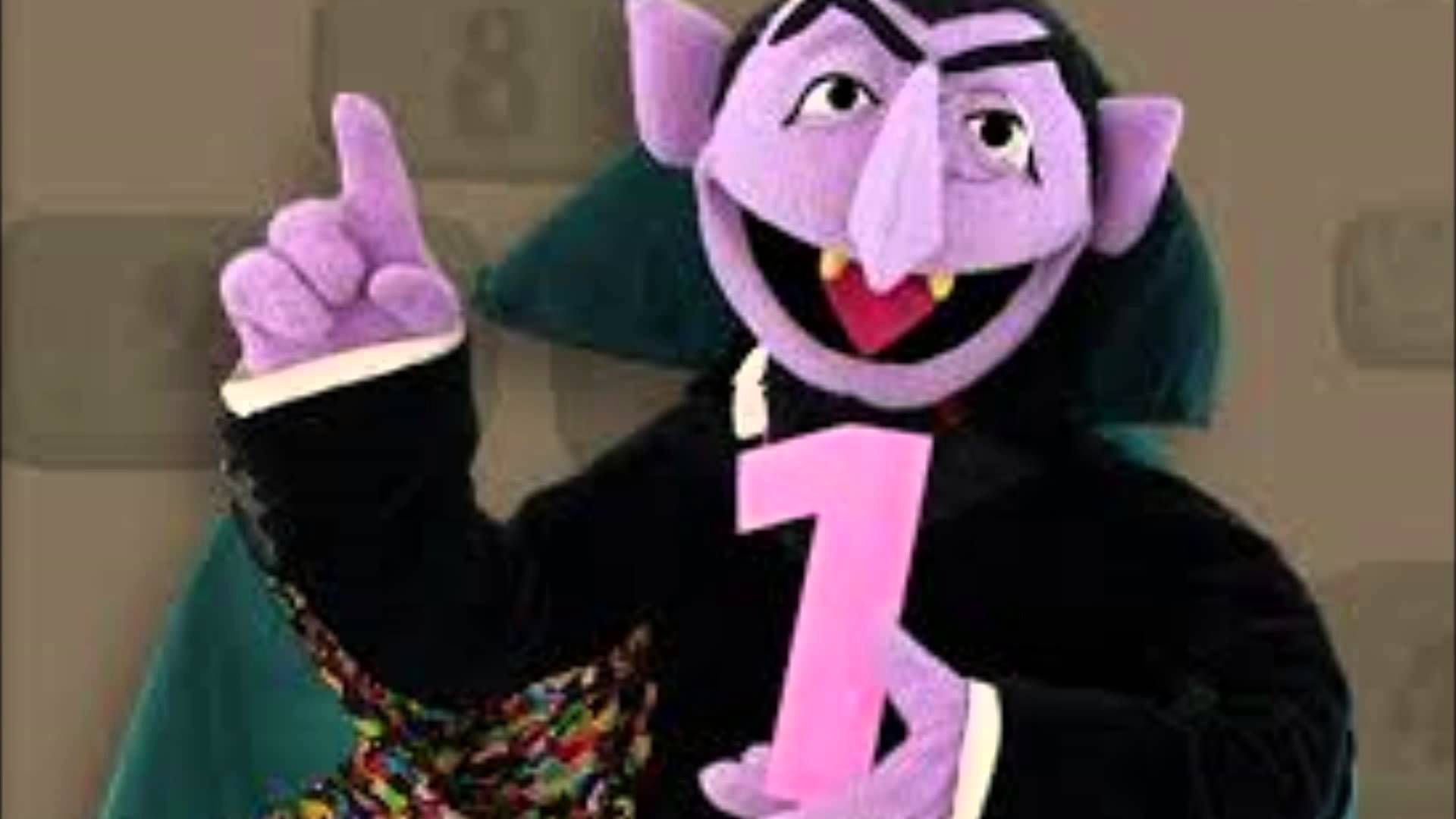
Even the name “Count Dracula” seems as likely to conjure up images of a chocolate-loving cereal mascot or a comical Sesame Street vampire who literally teaches kids to “count” as the lord of the undead. It can be difficult to see Browning’s version with fresh eyes nearly 90 years later.

The 1931 Dracula turns out to be one of the weaker of the classic Universal monster movies; the fact that Lugosi made such an impression is almost certainly related to the fact that little else does. The film owes a great deal to the earlier stage play by Hamiltion Deane and John L. Balderston — a Broadway hit in which Lugosi played the title role, thus landing him the gig — and, though visually infused with Freund’s German Expressionist impulses, Browning’s Dracula never really loses that particular staginess. It’s the kind of affair where people gaze out windows and describe what they see to everyone else in the room, and thus to us. Effective in person, maybe, but perhaps not the best use of the camera.
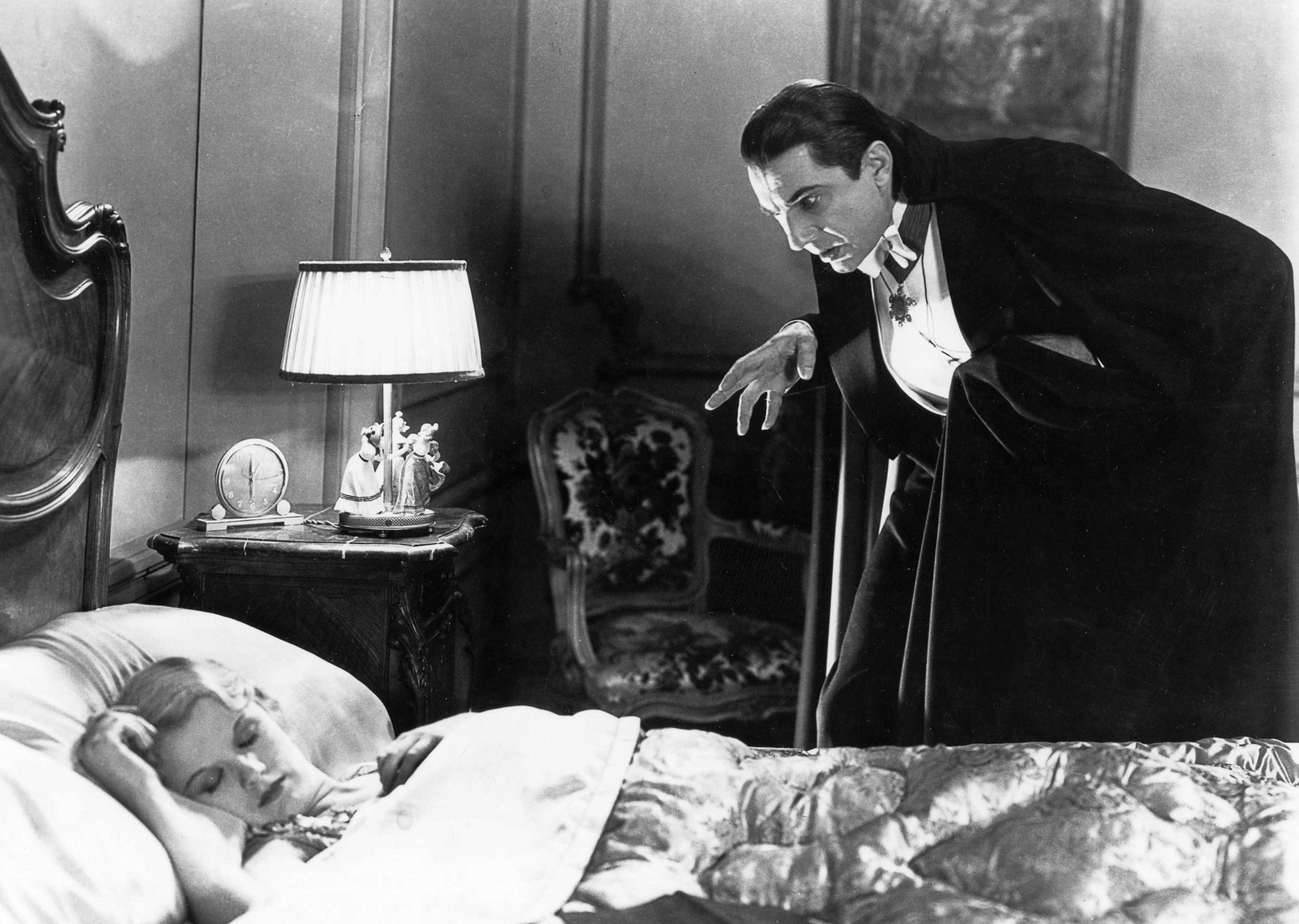
The film runs through the familiar beats — Renfield’s trip to Transylvania to sell a London property to the Count, the rat-infested ship returning with its dead crew, Van Helsing’s suspicions, Lucy in peril, a stake through the heart — but there’s a curious perfunctory sense to the narrative.

Unlike Murnau’s Nosferatu, very few scenes elicit genuine dread or fright. (The ghost ship, so eerie in Murnau and so blase here, with the voyage itself constructed out of interpolated footage from another movie, is a glaring example.) Eventually, Dracula doesn’t come to a climax so much as … end.

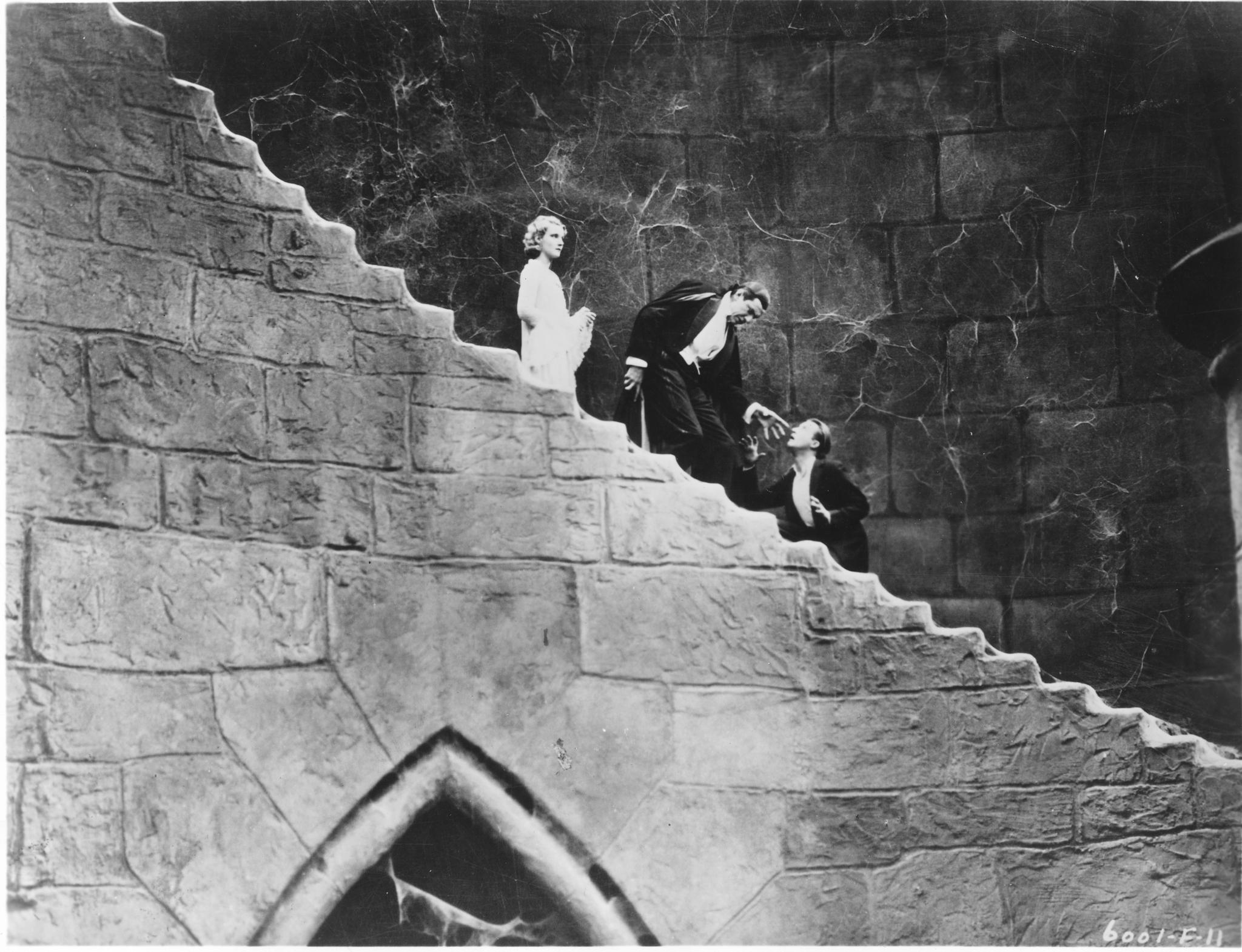
Still, Lugosi eats up the screen like some sort of voracious cinematic blood-sucker, and Freund’s cinematography is effective. Freund — who freed the camera from its station in The Last Laugh, provided indelible futurist images to Metropolis, and even arguably invented the look and feel of the classic sit-com through his work on I Love Lucy — shoots both the Gothic castle and Carfax Abbey as realms of shadows and uneven space. The pinpoints of light that shine in Lugosi’s eyes just underscore his inherently alien Other, and entire scenes set on dramatic, backlit staircases help conjure something otherworldly.

That Expressionist aesthetic also helps center the vast network of open-ended resonances that make up the Dracula story, which are in many ways more interesting than the film itself. The enormous success of the character on film and in pop culture argues for something deeply felt in the character. There’s the fundamental elision of sex and death, blood and flesh — a trope that never seems to wear out its welcome. The vampire figure has been deployed to represent both the capitalist and the communist, a sort of socio-political catch-all for something uncanny in the body politic.

And, of course, there is the issue of Jewish representation. Stoker himself was obsessed with the story of the Wandering Jew; a friend described it as “one of Bram’s pet themes.” The question of how much this subtext informs the story is the subject of extensive literature, not to mention the analysis of what it might mean.

This is, after all, the tale of a strange figure from the East, from over the mountains, apparently rootless but wealthy, who covets the blood of the European bourgeoisie. In the film’s telling, contra Nosferatu, the figure of Dracula is dangerous precisely because of his alien appeal, the way he threatens the structure of an otherwise contented West through the desire and fascination he invokes.

Is this putting too much on a Universal monster flick? In any case, it’s close enough to the surface that, when General Mills introduced a photorealist cereal box featuring the actual Lugosi in 1971, people were less impressed with their technology than horrified by the presence of the six-pointed star he was wearing. The medallion does appear in the early section of Dracula, but it seems likelier have been a prop lying around that helped emphasize the Count’s Old World aristocratic bling, or possibly his military exploits a la Vlad The Impaler, than a Star of David. This was no consolation to General Mills, who promptly axed the promotion.

Such considerations are the subject for a much longer treatment, and this is long enough already. Browning’s Dracula withstands the test of time in large part because of how profoundly it’s been subsumed into later treatments. If the film itself struggles to compete with its own legacy now, there are still moments of startling beauty and even some occasional creepy images. Both Browning and Lugosi would lead rather tragic lives, but the image of this particular Count lives on. We couldn’t kill it if we tried.

Favorite Ebert quote:

What was new about the film was sound. It was the first talking picture based on Bram Stoker‘s novel, and somehow Count Dracula was more fearsome when you could hear him–not an inhuman monster, but a human one, whose painfully articulated sentences mocked the conventions of drawing room society. And here Lugosi’s accent and his stiffness in English were advantages.

March 2, 2017 0 comments
0 FacebookTwitterPinterestEmail
Film

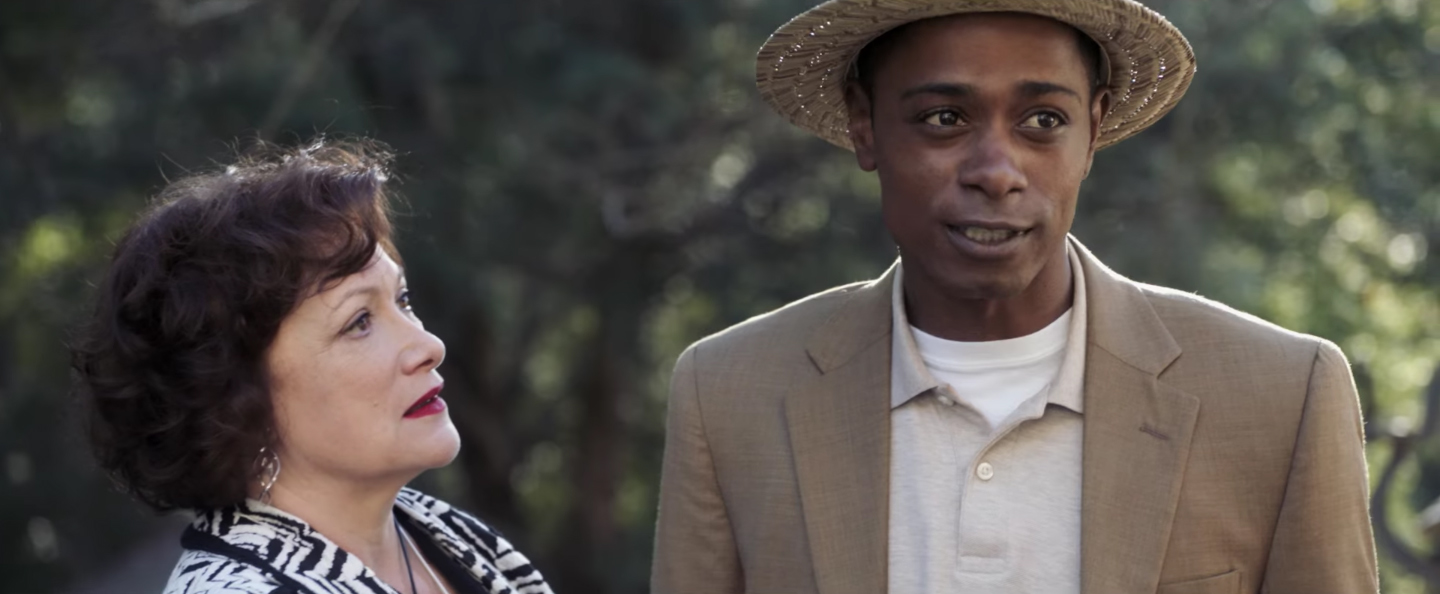
The horrors of microaggression in Get Out

by rick February 28, 2017
written by rick

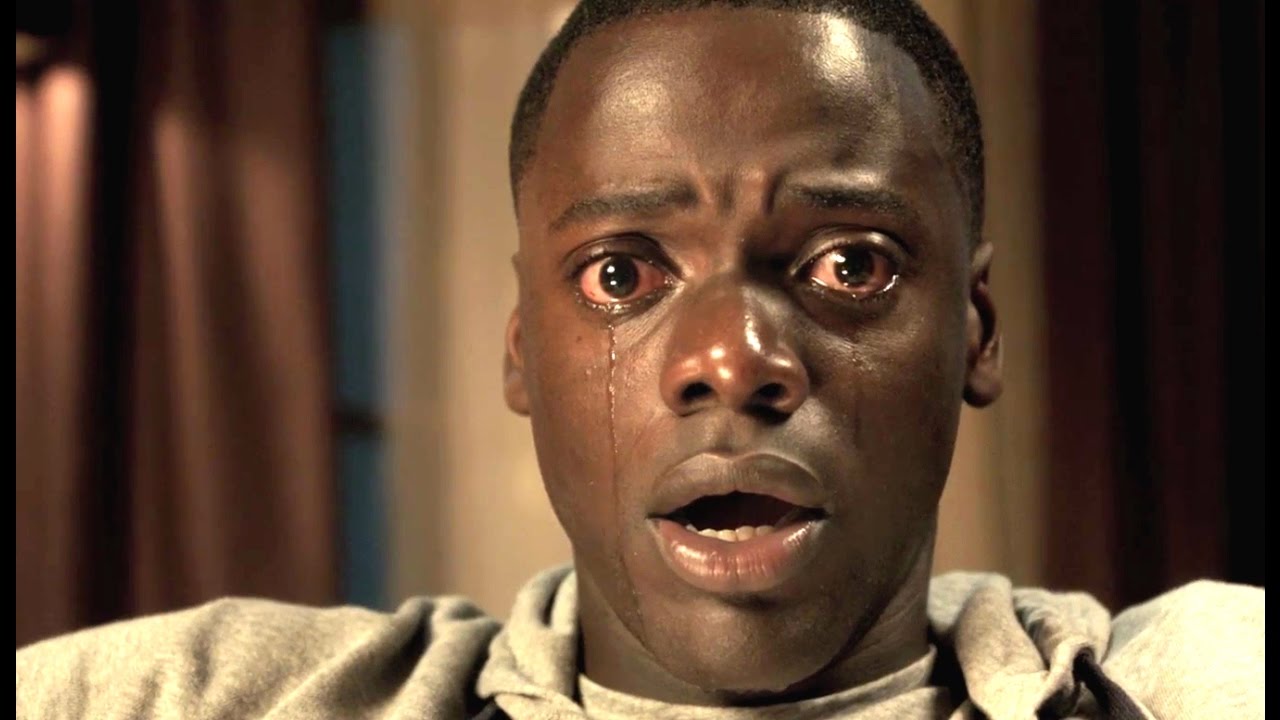
At a pivotal moment in Jordan Peele’s unbelievably assured horror debut Get Out, something snaps in one of the characters, and he delivers the title’s imperative with wide-eyed urgency to our protagonist Chris (Daniel Kaluuya). “GET. OUT.”

It’s an appropriately self-referential moment for a film that knows exactly what it is doing. Simultaneously conjuring the slyly knowing Halloween episodes of Peele’s defunct sketch comedy show Key and Peele and the meta-riffing of Don’t, Edgar Wright’s short parody contribution to Grindhouse, it’s both a funny and frightening sequence.

Even more relevant to Get Out, though, it also evokes Eddie Murphy’s joke in Delirious, imagining haunted house flicks like Poltergeist cast with Black characters instead of white bourgeois ones. (“We got a chandelier hanging up here, kids outside playing. Its a beautiful neighborhood. We ain’t got nothing to worry about. I really love it this is really nice.” “GET OUT!” “Too bad we can’t stay, baby!”)

Murphy plays the angle entirely for a barbed laugh, but Peele takes it more or less seriously, infusing the joke with a huge amount of unease. The result is a smart, overtly political scare film that only occasionally allows for either giggles or screams — sometimes to its detriment.

But on the whole, it works. Get Out is the nightmare, refracted through a deep familiarity with horror tropes, of the Black experience of liberal white pieties. With every suspiciously over-accommodating smile, every attempt to smooth over difference by “relating,” and every impulse on Chris’ own part to shrug off the mounting weirdness for the sake of getting along, we’re drawn closer to the edge. When the unthinkable arrives, we knew, of course, that it was there all along.

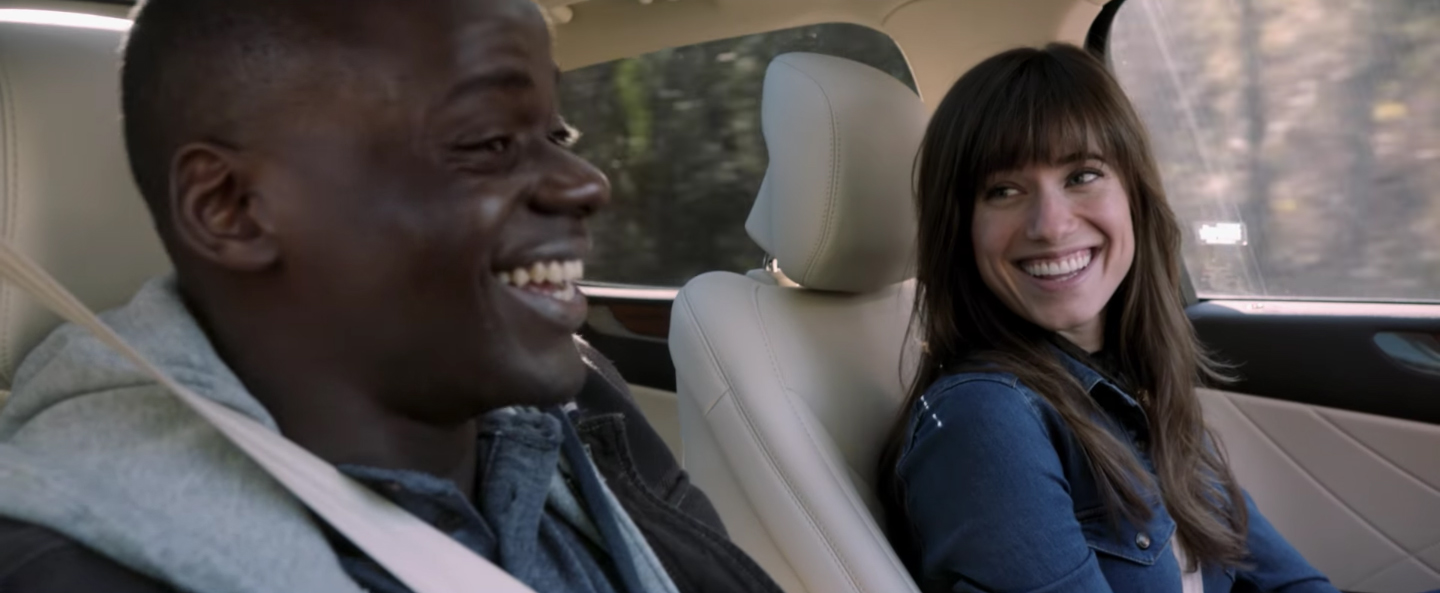
Chris and his girlfriend-of-four-months Rose (Girls‘ Allison Williams) are spending the weekend at her parents’ tony country house, a first for the couple. The normal tremors of meeting a significant other’s folks loom even larger here because Chris is Black and she’s white; Peele emphasizes, without putting too fine a point on it, the degree to which he realizes this matters and she either doesn’t or can’t. It is the first of many occasions when Chris will have to sigh and go with the (white) flow.

Things get off to a bad start when they hit a deer on the way out to the house, prefiguring a number of motifs that Get Out has up its sleeve. Rose’s parents Missy (Catherine Keener) and Dean (Bradley Whitford, building on Cabin In The Woods to solidify his place in the meta-horror genre) are hospitable but odd. Dean, in particular, is ingratiating to a fault, saying things like, “‘Sup, my man!” and singing the praises of getting to know other cultures through their art. Oh, and he “would’ve voted for Obama a third time” if he could.

To Rose, he’s just being a goofy dad. To Chris, this is getting mighty close to someone asking him if they can touch his hair. A later conversation about sports is cringe-worthy.

But all that watch-it-between-your-fingers cringe-comedy dissipates as it becomes clear something else is afoot. For one thing, why are the handful of Black folks — a maid, a groundskeeper, the lover of a much older white woman — behaving so strangely? Why does Chris’ cell phone keep getting unplugged? And why is the basement door sealed shut?

Peele wears his references on his sleeve (The Stepford Wives and Under The Skin both get a workout here), seemingly having the time of his life deploying familiar horror beats to expose something much closer to the surface than arcane mythologies. Get Out generates as much tension from the macabre atmosphere and its implications (old tricks) as from a cop car approaching a Black man at night in a white neighborhood (a decidedly contemporary one). This makes it one of the more vital horror movies likely to come out this year.

It’s hard to say much more and keep this spoiler-free. There’s little doubt, though, that Peele is a huge talent, delivering a gorgeously shot, expertly paced, well-acted horror movie that never holds back from the implications of its premise. It’s certainly not the first genre movie to grapple with race through the prism of comic-horror tropes — this has been a constant from Mercy, The Mummy Mumbled through Candyman — but it’s unusually stealthy about it, focusing on the benevolent self-image of white supremacy and landing on a kind of shell-shocked outrage that the viewer recognizes through the in-jokes.

If Get Out tilts occasionally too much to the comic rather than the horrifying for my taste, it’s still an absurdly impressive writer/director debut from Peele. And as I’ve argued repeatedly here, in a different context, one of the strengths of the genre is its ability to construct metaphors that glimpse the lived anxieties of modern existence, placing them in a space of heightened reality where they can be called by their names. Get Out is a substantial contribution to that tradition.

February 28, 2017 0 comments
0 FacebookTwitterPinterestEmail
CommentaryFilm

And the Oscar goes to … Nic Cage!

by rick February 26, 2017
written by rick

Oscar season is almost over! Soon, we will finally put the year to bed and get to work on the important things, like determining which films seem to be early contenders for Academy Award attention next year.

The other day, we provided some guidance to this year’s prestige awards, drawn from our viewing, reading, and arbitrary hunches. But we’d be remiss if we skipped the technical ones.

Unfortunately, as I’ve explained, I haven’t seen very many of the Oscar-nominated films. This renders my voice, sadly, unsure and disreputable. However, it is essentially required that one weigh in on this stuff, and so our two-part feature concludes below.

Who will win? Who will lose? Will either of them be Nicolas Cage? Both, somehow? Read on and discover.

Documentary (feature)

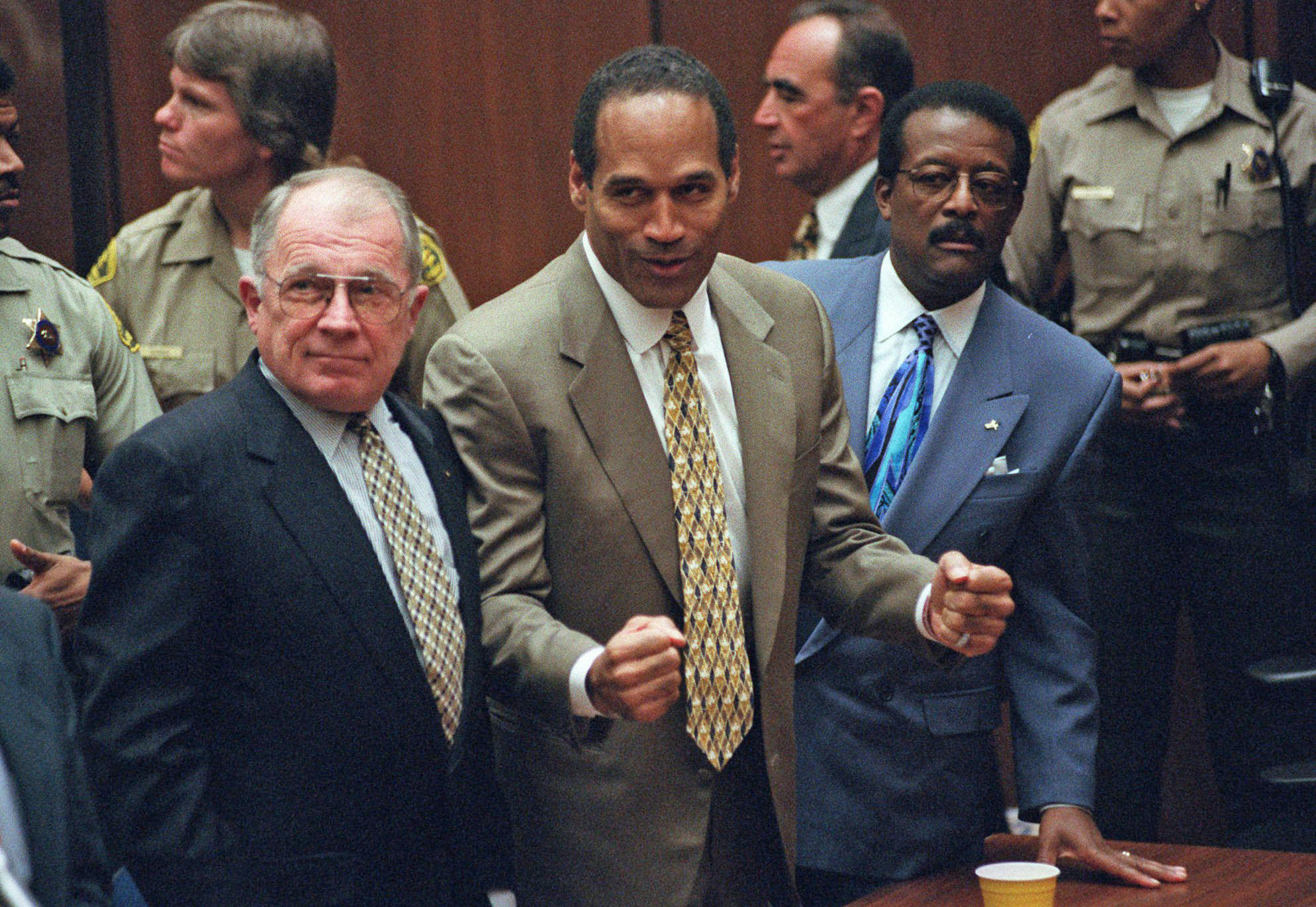
Will win: O.J.: Made in America

Ava DuVernay’s 13th would get my vote, and I Am Not Your Negro is a worthy, incendiary entry in the personal essay vein, but I’m guessing actual Oscar voters will be wowed by the scope, skill, and novelty of ESPN’s 8-hour tour de force. Assuming they stuck with it, that is, or had a sufficient number of people tell them it blew their minds. If their experience was anything like mine, it popped up in innumerable conversations, which is probably more than enough.

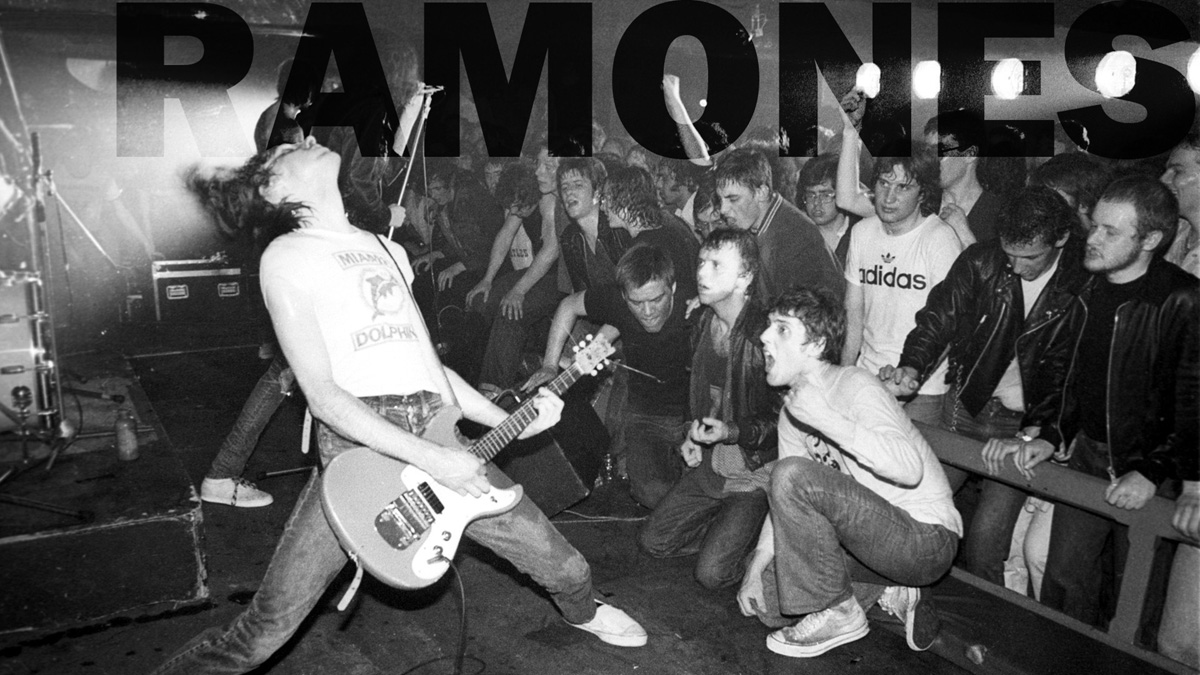
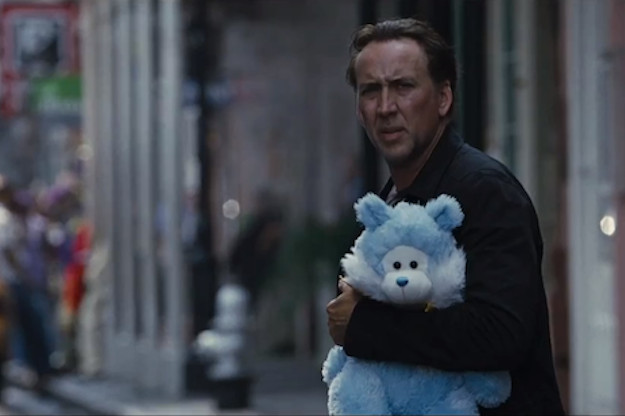
Would win, if restricted entirely to the Nic Cage canon: Too Tough To Die: A Tribute To Johnny Ramone

Pretty solid expositional doc, from the director who also brought you Bad Brains: Banned In D.C. You will be unsurprised to learn that Nic Cage enjoys The Ramones.

Documentary  (short subject)

Will win: 4.1 Miles

A strong category, with a possible spoiler from the heart-string-tugging Joe’s Violin. But 4.1 Miles feels immediate and urgent right now, with a stripped-down narrative about one man’s impossible choices and moral grappling amid the refugee crisis. In the mercenary politics of award season, this seems aimed directly at the consciences of Academy voters.

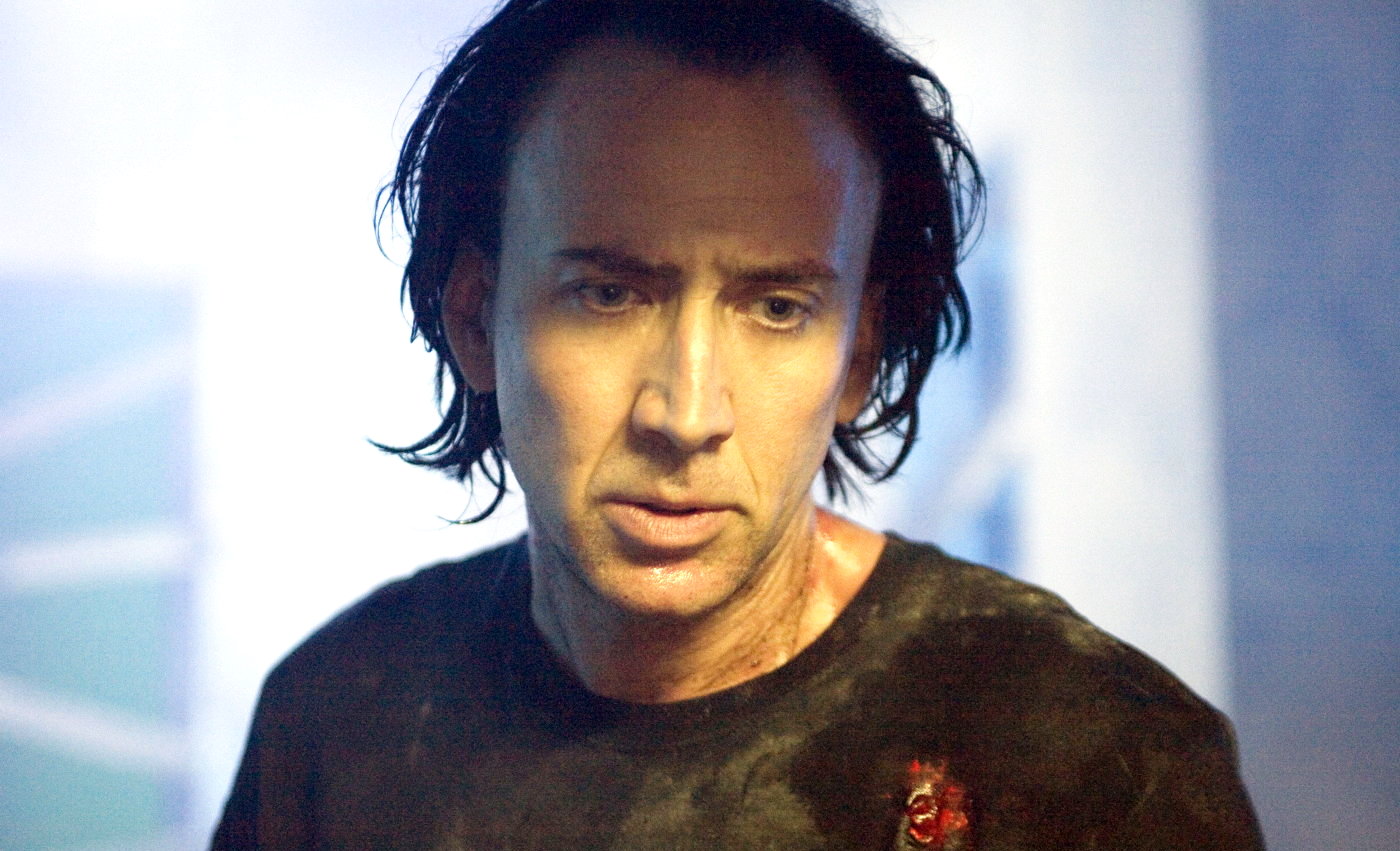
Would win, if restricted entirely to the Nic Cage canon: I don’t know, probably one of those “Making Of” features. Let’s go with The Making of ‘Stolen’

This seems like a good use of our time.

Film Editing

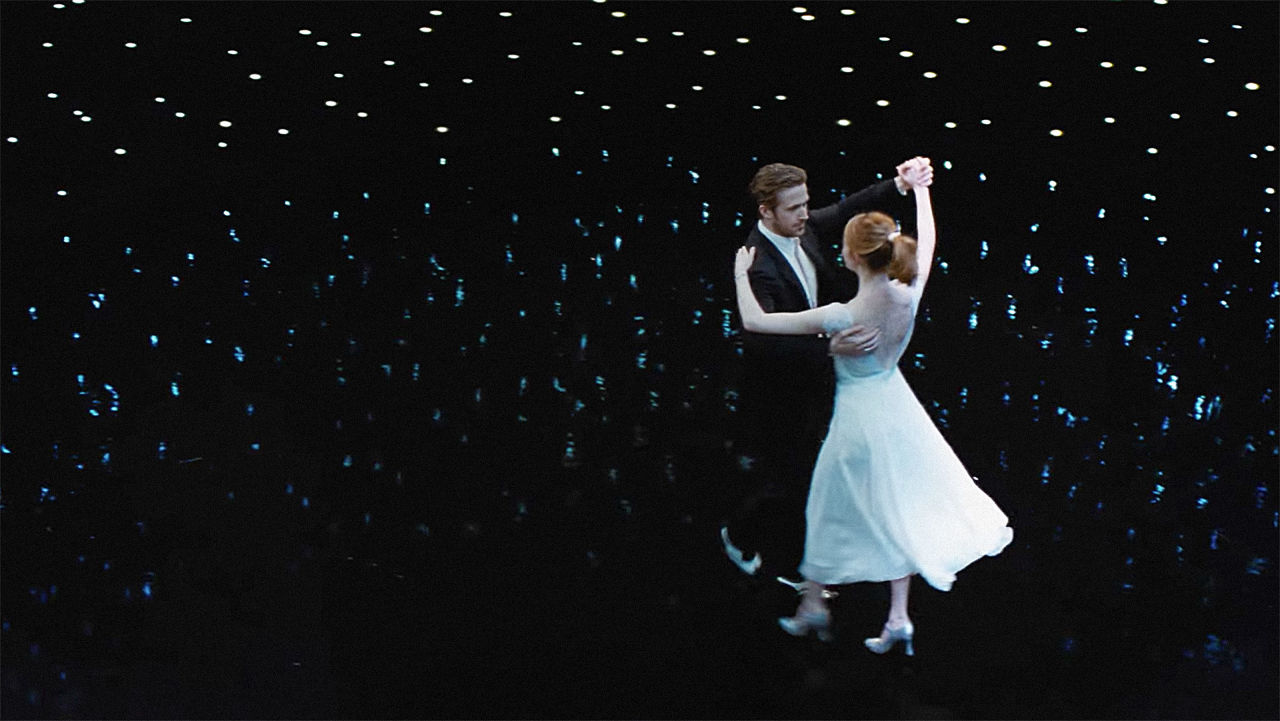
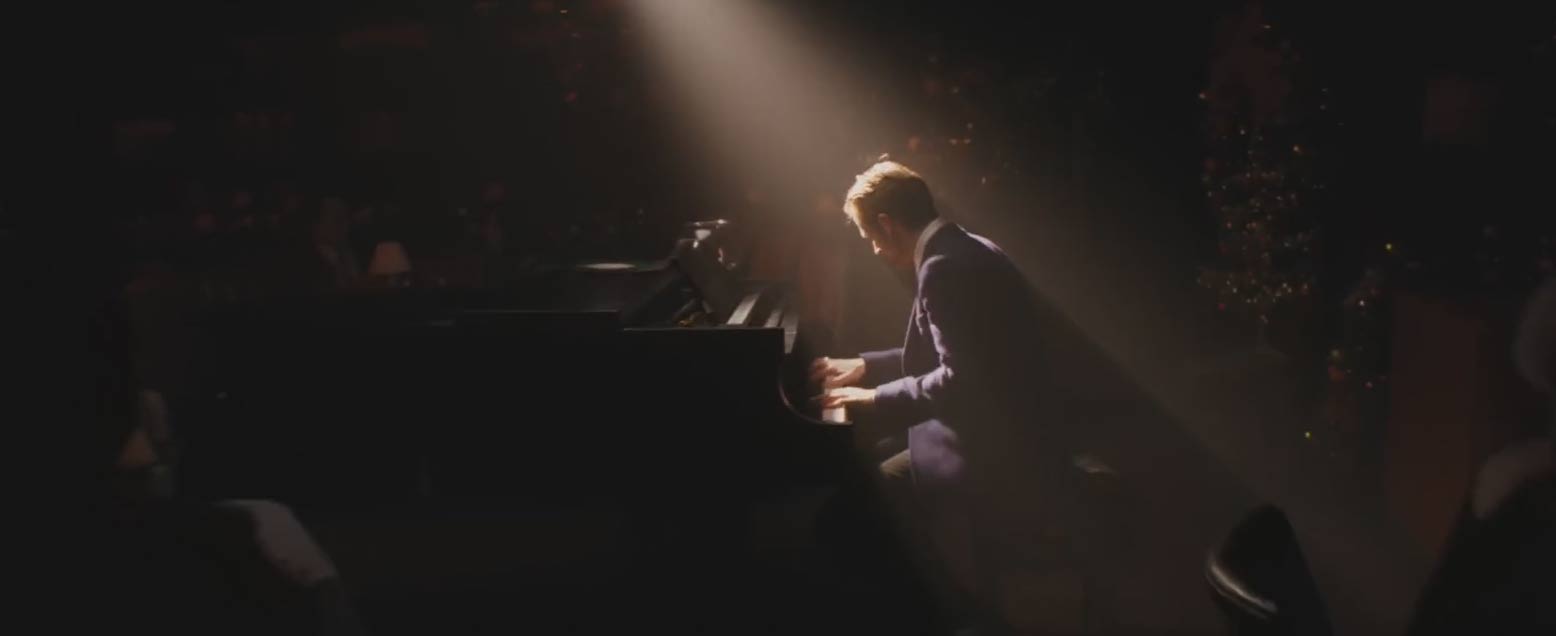
Will win: La La Land

La La Land is a film held together throughout its transitions and ricochets across time and space by the editing, which works in service to a human story. It’s also already going to win everything, so why not this? It’s entirely worthy.

Hacksaw Ridge, the most recent foray into salvation and suffering from the nefariously-bearded anti-Semite Mel Gibson, could also have a shot (even without having seen it, I’m guessing it’s easy to admire editing in combat sequences), and winless (by my count) Arrival is probably an outside contender.

But, for many people, I’d think La La Land is the Oscar go-to. Fluidity is key to musicals, and La La Land accomplishes that and more. Voters will go for it.

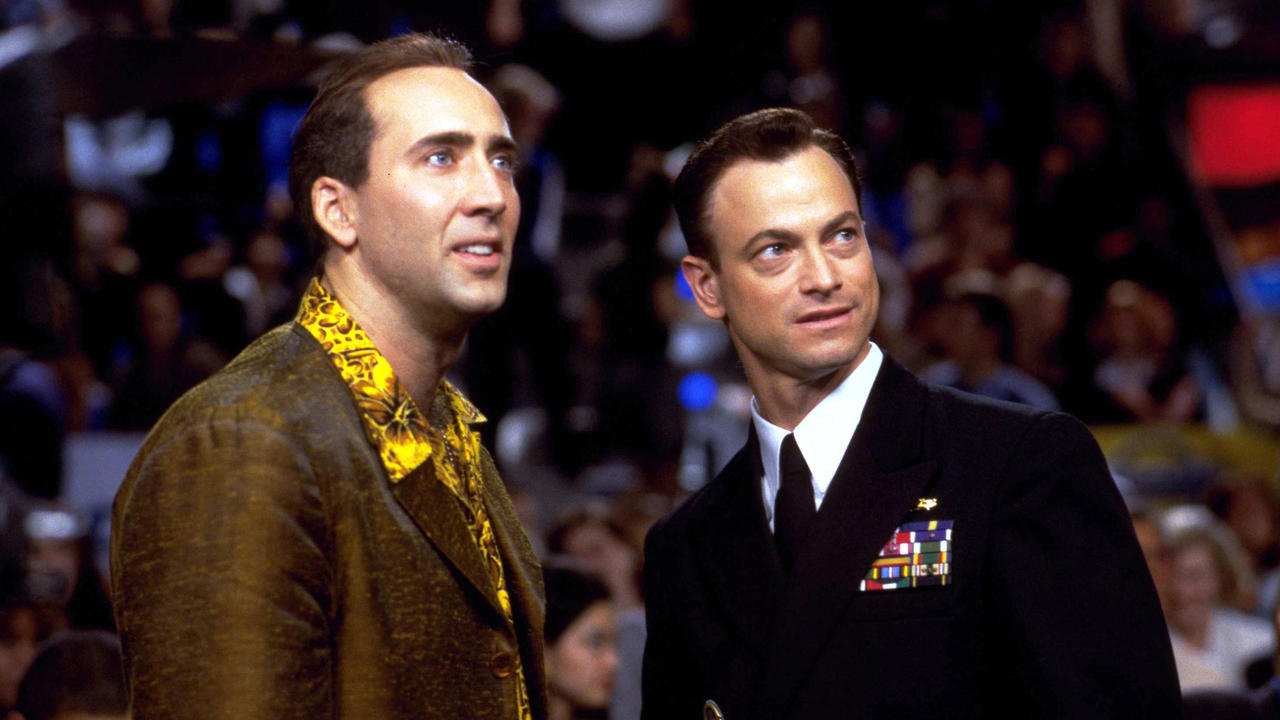
Would win, if restricted entirely to the Nic Cage canon: Snake Eyes

Editor Bill Pankow has worked with Brian De Palma a full 9 times since they first teamed up on Body Double in 1984. So if De Palma wins a Best Director Oscar for Snake Eyes — which he should, and did, from me — then Pankow’s a no-brainer here. All of the director’s usual tics are out in full force here, as various characters remember crucial details piece by piece, and it’s in large part through the editing that the (kind of stupid) story gets told. Movie magic!

Foreign Language Film

Will win: The Salesman

Toni Erdmann has won a lot of loyal and enthusiastic fans it seems, but Asghar Farhadi’s latest will win. Even for Academy members who haven’t been able to see it yet, it’s an opportunity to cast a protest vote and also reward a master filmmaker. Farhadi has refused to attend the ceremony “even if exceptions were made,” in protest of the U.S. government’s contemptible xenophobia. He’s opted instead to send Iranian astronauts on his behalf and the film is being screened for free in Trafalgar Square.

Meanwhile, the directors of all Oscar-nominated films in the category have issued a joint statement denouncing “the climate of fanaticism and nationalism we see today in the U.S. and in so many other countries”, and just yesterday, the Syrian cinematographer of nominee The White Helmets was denied entrance to the country.

This is a moment in which politics can’t even be tenuously separated from the art under consideration. As it happens, Farhadi’s A Separation and The Past are also among the greatest films of the decade, and only one of them won an Oscar. A victory for The Salesman seems assured.  

Would win, if restricted entirely to the Nic Cage canon: Bangkok Dangerous

Cage hasn’t really shown up in any films that technically fit the bill here, but Bangkok Dangerous is a remake of a foreign film, so that’s pretty close.

In any case, we all know his really vital work overseas: whatever this is.

Makeup and Hairstyling

Will win: Star Trek Beyond

A Man Called Ove has almost no reason to be in this category, and no one wants to use the words “Academy Award-winning Suicide Squad” for the rest of their lives.

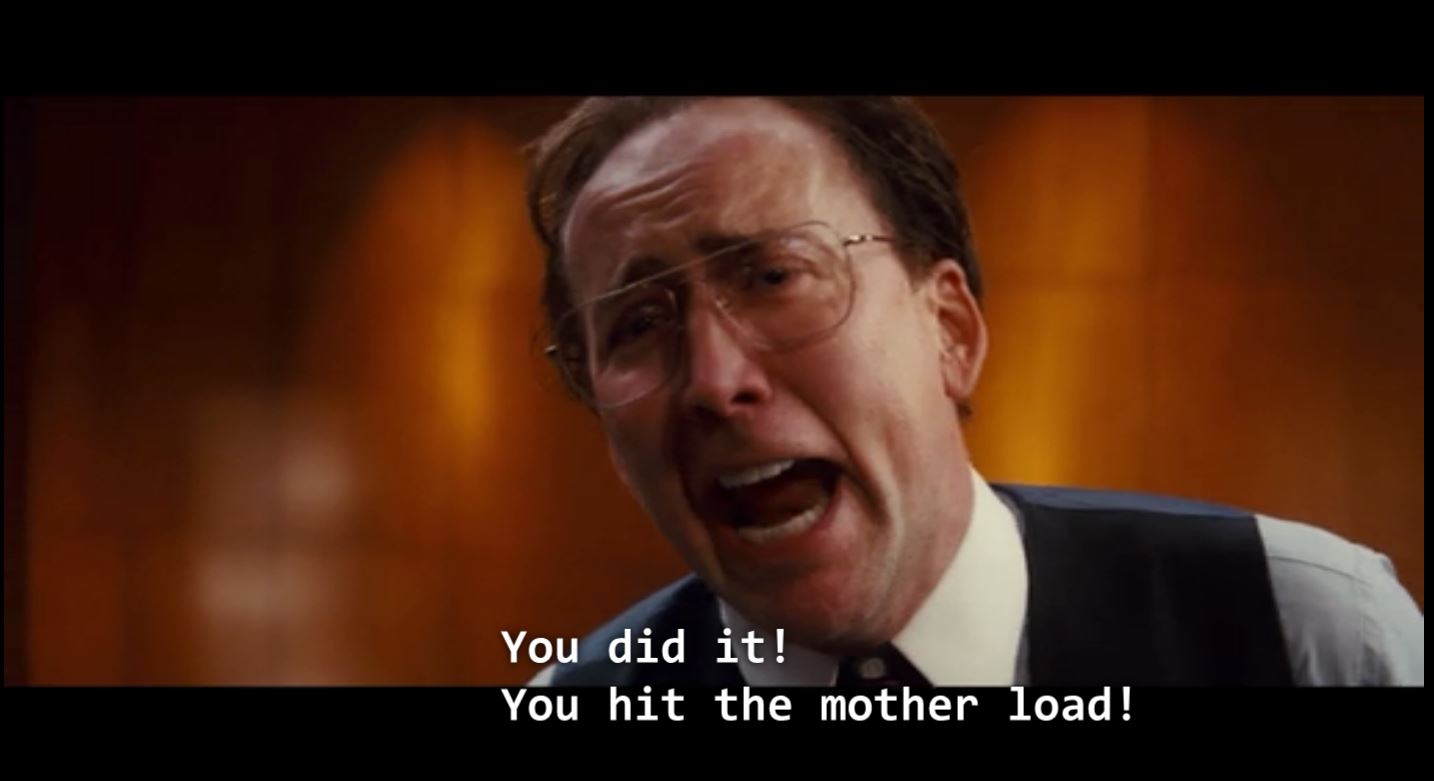
Would win, if restricted entirely to the Nic Cage canon: Trespass

While it might lack the flair of other entries, this mediocre home-invasion thriller never once let me forget that Nic Cage was a white guy living in a big house. This is at least in part attributable to whatever they did to his hair and face, a transformation out of which emerged a pasty, bespectacled middle-manager-type with delusions of grandeur, running through vaguely Straw Dogs-patterned routines of humiliation.

Runner-up: Con-Air.

Music (Original Score)

Will win: La La Land

Well, yeah.

Would win, if restricted entirely to the Nic Cage canon: Mark Isham, Bad Lieutenant: Port of Call New Orleans

Prolific film composer Mark Isham (Beyond The Lights, Dolphin Tale, The Mist, Timecop for some reason) shows up with alarming frequency in the background of Cage’s work. Sometimes, this is not for the best: his comically arbitrary score for Stolen, for instance, sounds like a Krautrock-inflected Mission: Impossible theme as imagined by a man with something on the stove.

But his sensibility works for Bad Lieutenant. It’s all angular and edgy and cool, much like Nicolas Cage. In fact, I assume this is what it sounds like in Nic’s head when he’s just walking around one of his castles or whatever.

Music (Original Song)

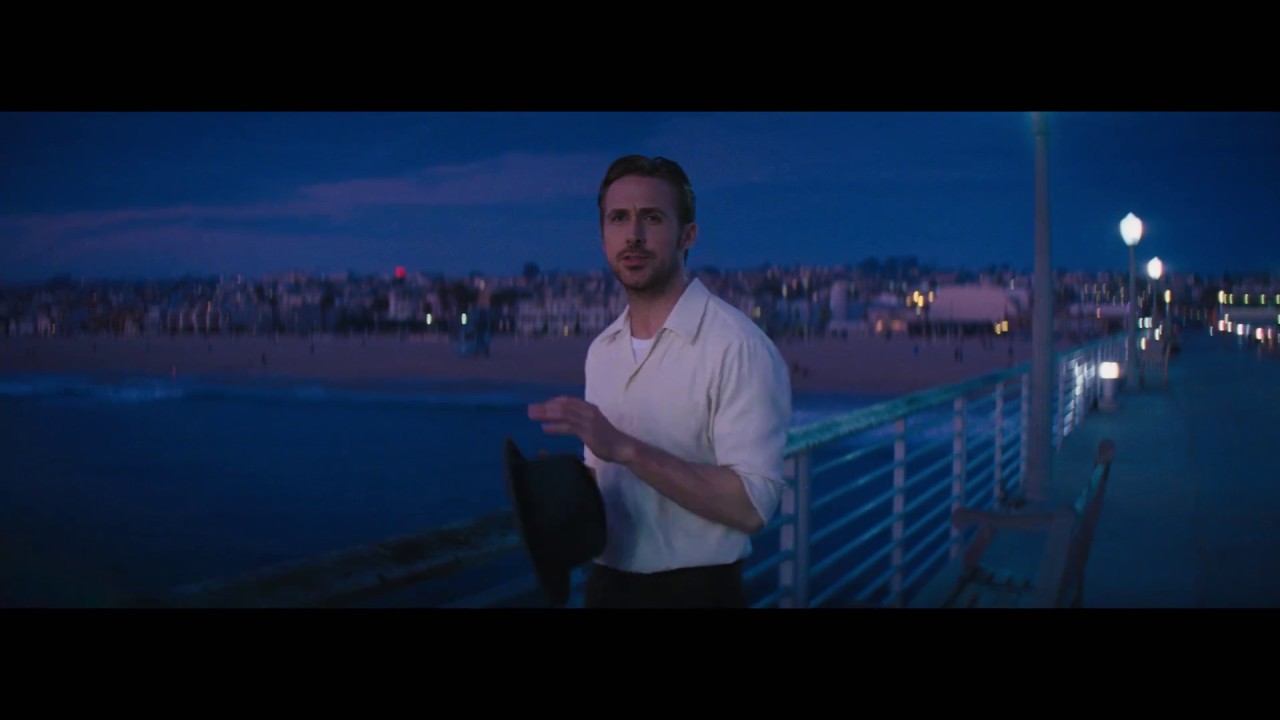
Will win: “City of Stars,” La La Land

Well, yeah.

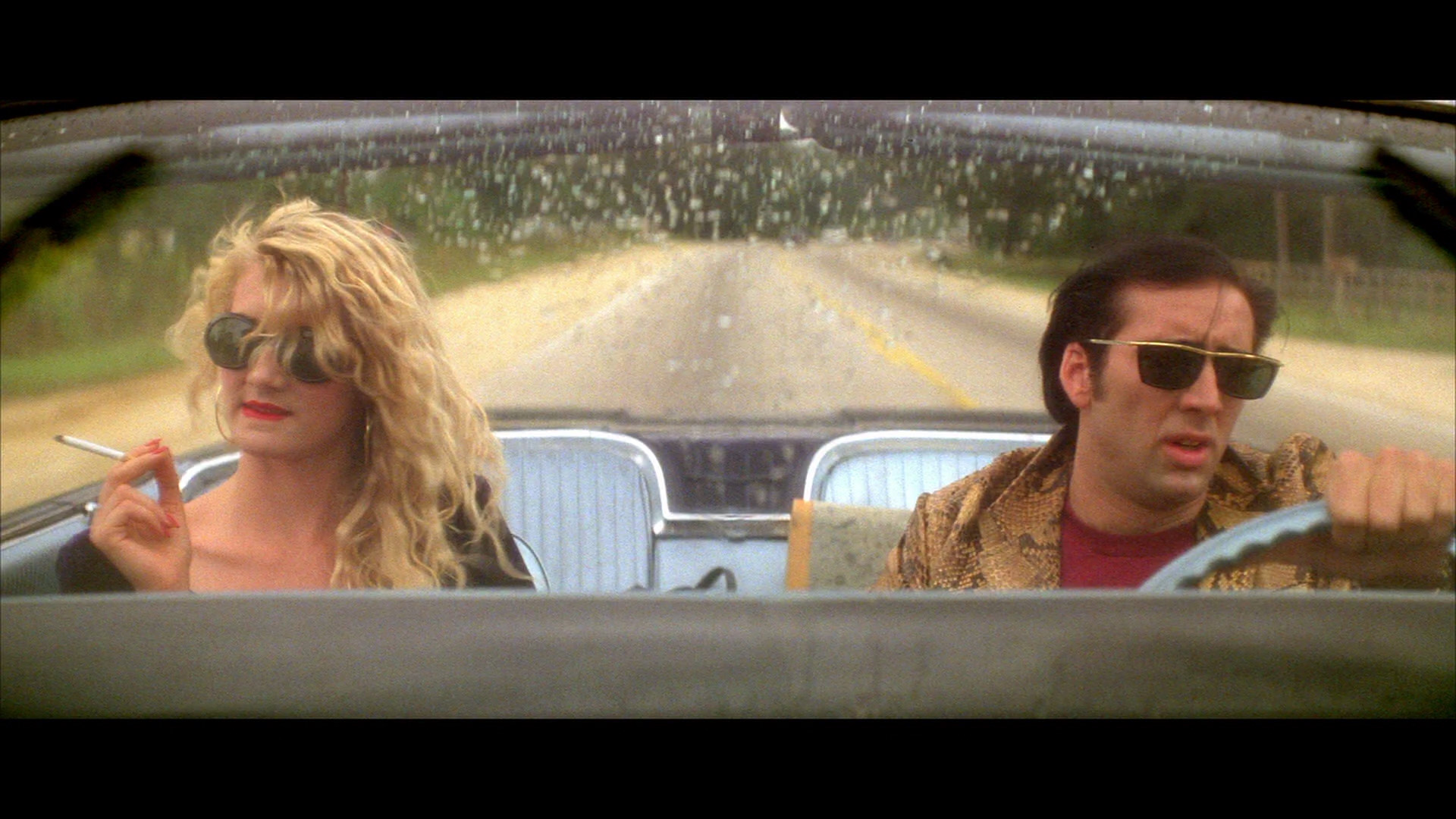
Would win, if restricted entirely to the Nic Cage canon: “Cool Cat Walk,” Wild At Heart

It just makes you want to throw on a snakeskin jacket as a symbol of your individuality and belief in personal freedom, smear some lipstick all over your face, and set out for California.

Production Design

Will win: La La Land

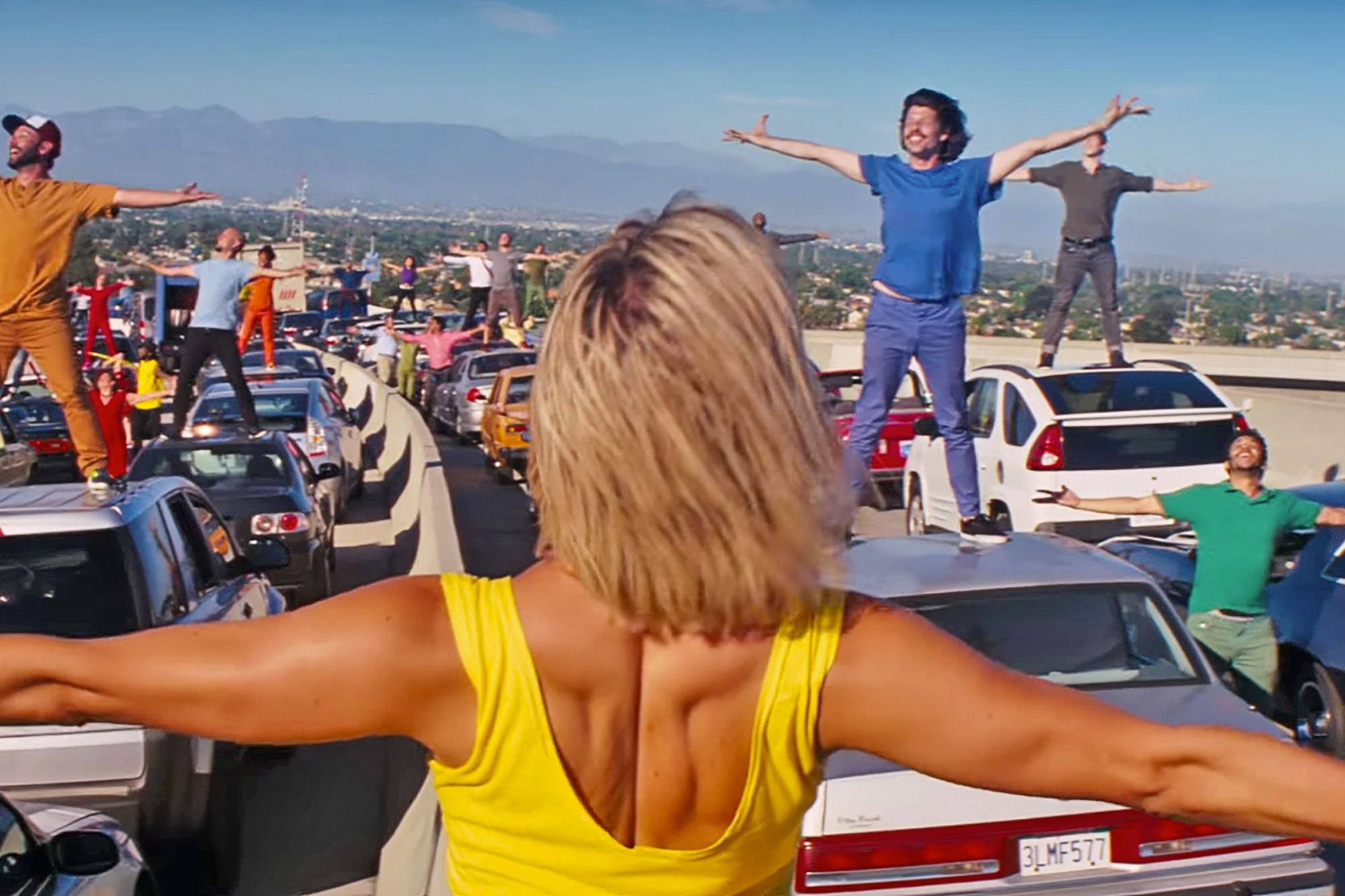
It’s nice that Hail, Caesar! got an Oscar nomination — its ludicrous attention to detail and meta-reference being its defining feature — but the juggernaut that is La La Land will carry the day here, too. And not without justification: Chazelle’s film pulls out all the stops in its recreation of Technicolor fantasies out of time. Its opening scene, which even its detractors tend to acknowledge seems engineered to send critics searching for synonyms for “lavish”, will particularly be on the minds of voters.

Would win, if restricted entirely to the Nic Cage canon: Dog Eat Dog

Paul Schrader’s heartfelt, absolutely sincere FUCK YOU to everything in sight is nasty, barbed, and mean-spirited. It’s also a pretty fun film noir, positing a one-last-score narrative as just another in a series of idiocies for small men in a small town. That town is Cleveland in Dog Eat Dog, and it’s pretty grimy. The production design underscores this at every opportunity: sparse, red-lit strip clubs, roadside motels subbing in for the high life. There’s a lot of coke but nowhere to go, and fatigue is written in every corner. That grossness seems to live on set, radiating out and swallowing its anti-heroes.

Cleveland is actually a very nice town! But not here, and not for these guys.

Short Film (Animated)

Will win: Piper

Here’s another category that’s overflowing with worthy choices. Pear Cider and Cigarettes is the bravest of the bunch, so adult in theme that it even arrived to theaters with its own content warning, in case parents thought it would be cute. It’s not, but Piper sure is. Pixar’s latest is a small story of growth and courage, gorgeously constructed and irresistible. It’ll be their first win in 13 years, and they earned it through maximum adorableness.

Would win, if restricted entirely to the Nic Cage canon: N/A

There are no nominees for this category. The category is hereby abolished from future Oscars.

Short Film (Live Action)

Will win: Ennemis Intérieurs

Sure, why not. It seems topical and actorly.

Would win, if restricted entirely to the Nic Cage canon: Werewolf Women of the S.S. (from Grindhouse)

There’s really no other option, is there?

Sound Editing

Will win: Hacksaw Ridge

As one of The Hollywood Reporter‘s crop of anonymous Academy voters noted this year, about sound editing and mixing:

These are the categories I have a really hard time with — it would be easier if they just had a “best sound” category, but as it is I’m really totally confused and prefer to just stay out of it.

Fair enough, I guess! Which is why Hacksaw Ridge is my pick here. I haven’t seen it and almost certainly never will, but I imagine it’s very loud, which I think is what voters are looking for here.

Would win, if restricted entirely to the Nic Cage canon: Con-Air

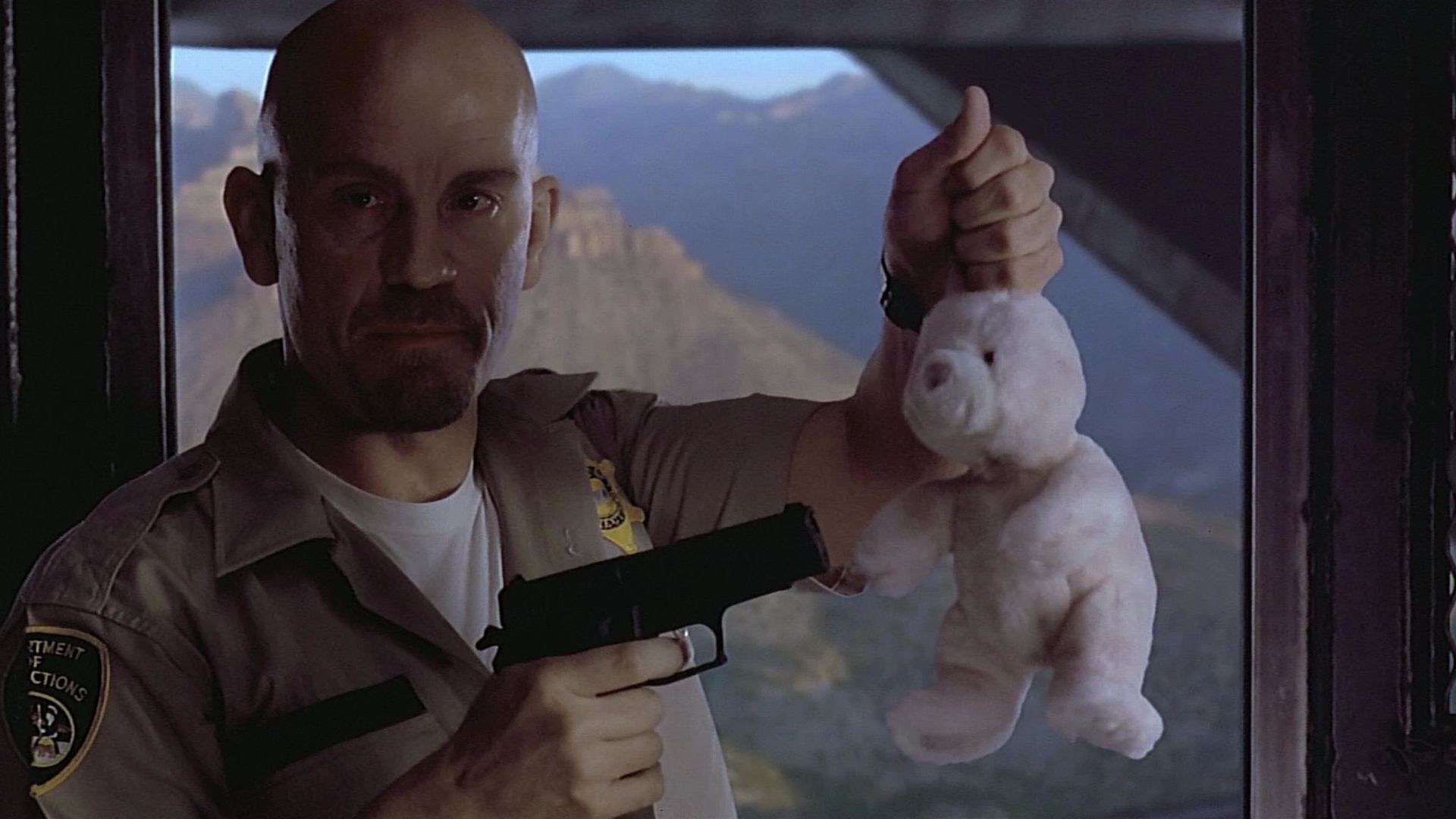
Although Face/Off was actually nominated in this category, losing out to the similarly understated soundscapes of James Cameron’s Titanic, Con-Air is my pick. The sound editors’ extensive resumes include Lethal Weapon 2, Bad Boys, and that Yoram Globus-produced Lambada movie, making them ideal for an action film where things are constantly exploding while Nic mutters, “Put the bunny in the box.”

Sound Mixing

Will win: La La Land

Being a musical, give or take, was probably all that was needed to make this a shoe-in. Winning top honors last week from the Cinema Audio Society just seals the deal.

Would win, if restricted entirely to the Nic Cage canon: The Rock

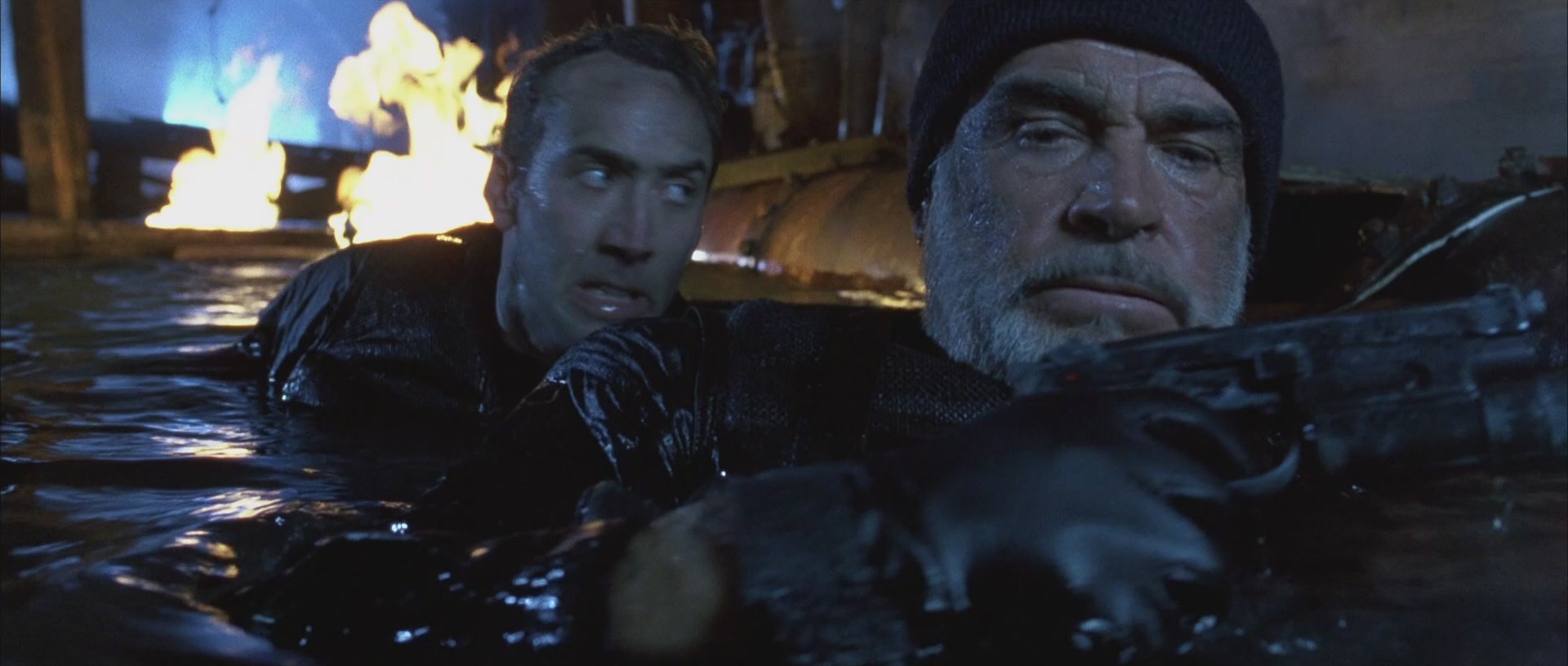
This Alcatraz-set thriller — and official Criterion release, which remains hilarious — was in fact nominated for a Best Sound Mixing Oscar in 1996. As a nod to Academy insight, The Rock‘s veteran sound department, and those halcyon days before everyone told me I was supposed to admire Pain and Gain, it wins here.

Visual Effects

Will win: The Jungle Book

There are jaw-dropping moments throughout this otherwise middling retelling of Kipling’s classic, and the photorealism will impress plenty of folks. Meanwhile, plenty of others will simply not have seen Kubo and the Two Strings, which ought to win but therefore won’t.

Would win, if restricted entirely to the Nic Cage canon: Bringing Out The Dead

Generally speaking, this Oscar should probably go to one of the explosion marathons that dot the Cagian filmscape: your World Trade Center, or Knowing, which uses the collapse of the World Trade Center, rather amazingly, as a hastily thought-through plot device.

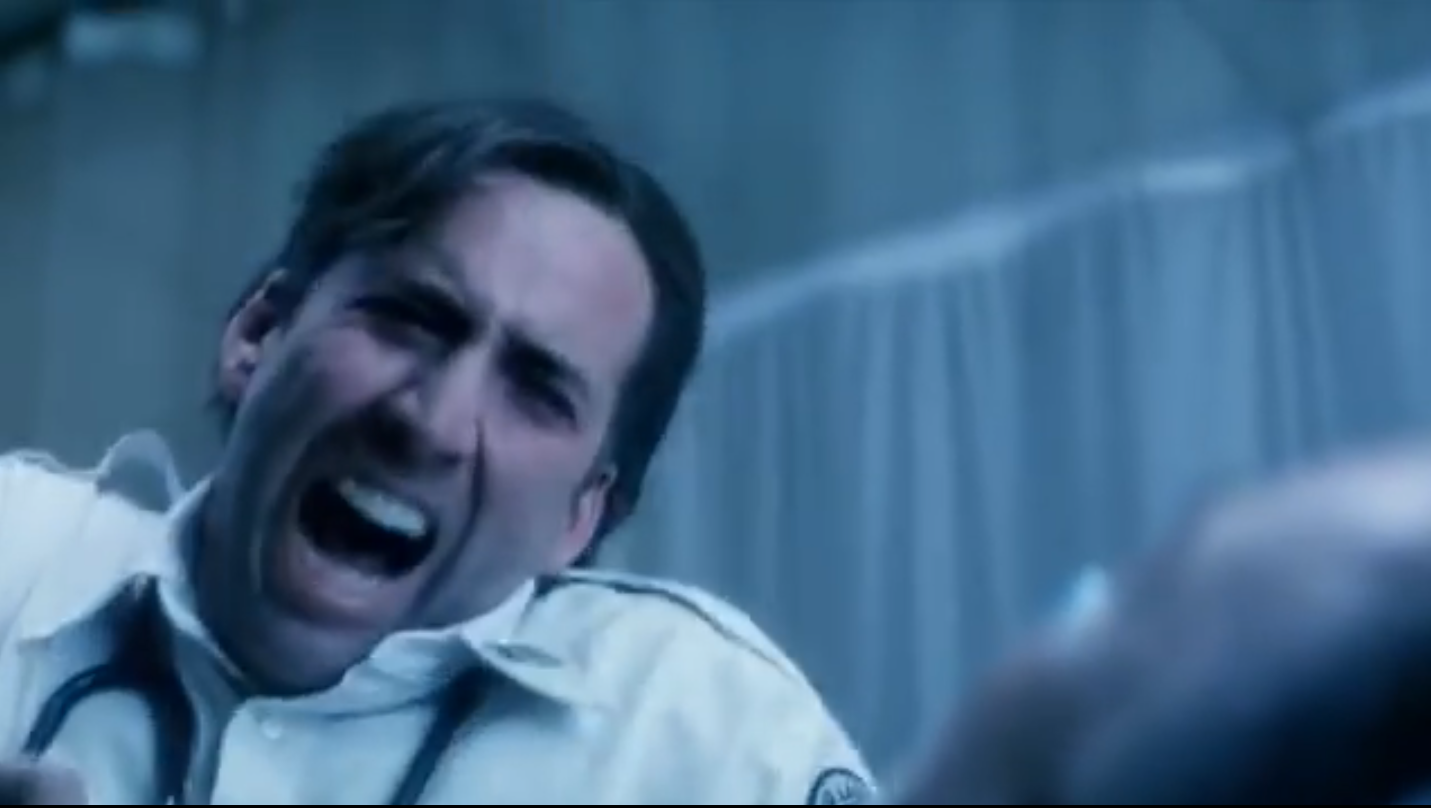
But Scorsese and Schrader emerge victorious. Bringing Out The Dead is a famously divisive, now seemingly ignored entry in auteurist lists, carried most of the way through Scorsese’s frenetic direction and on-the-nose needledrops. It occasionally slows down, however, at least long enough to indulge in some hallucinatory sequences that depict the guilt and possible madness of Cage’s one-foot-on-the-ledge ambulance driver. Sure, those very sequences have all the markings of screenwriter Paul Schrader’s worst impulses, but they look pretty cool.

Writing (Adapted Screenplay)

Will win: Hidden Figures

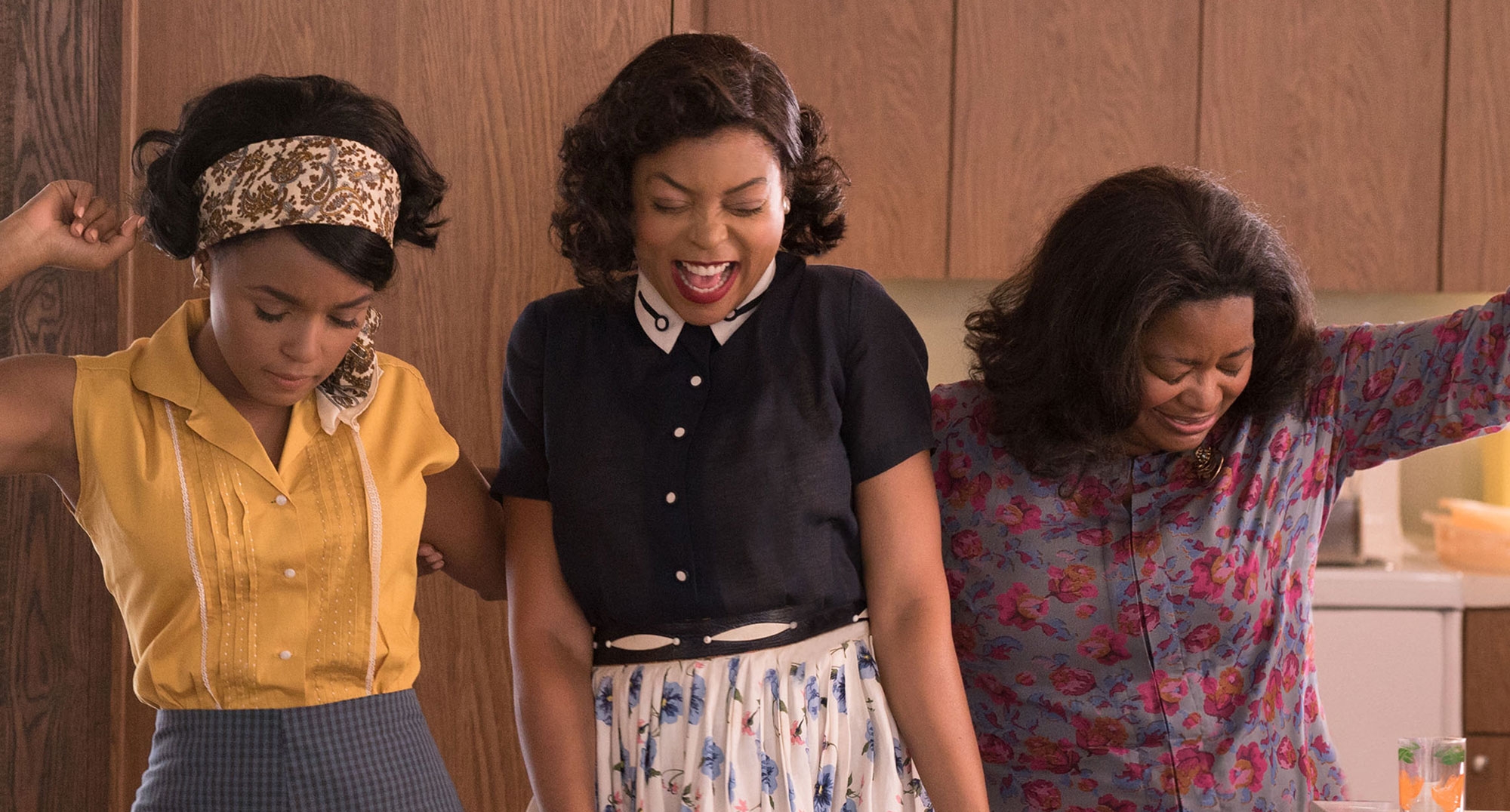
The fact that Moonlight and Manchester By The Sea weren’t competing for a writing award was seen as very good news for Moonlight, but I think the enormous success and crowd-pleasing aspect of Hidden Figures has to count for something with voters, and it’s pretty unlikely to pick up either of its other two nominations.

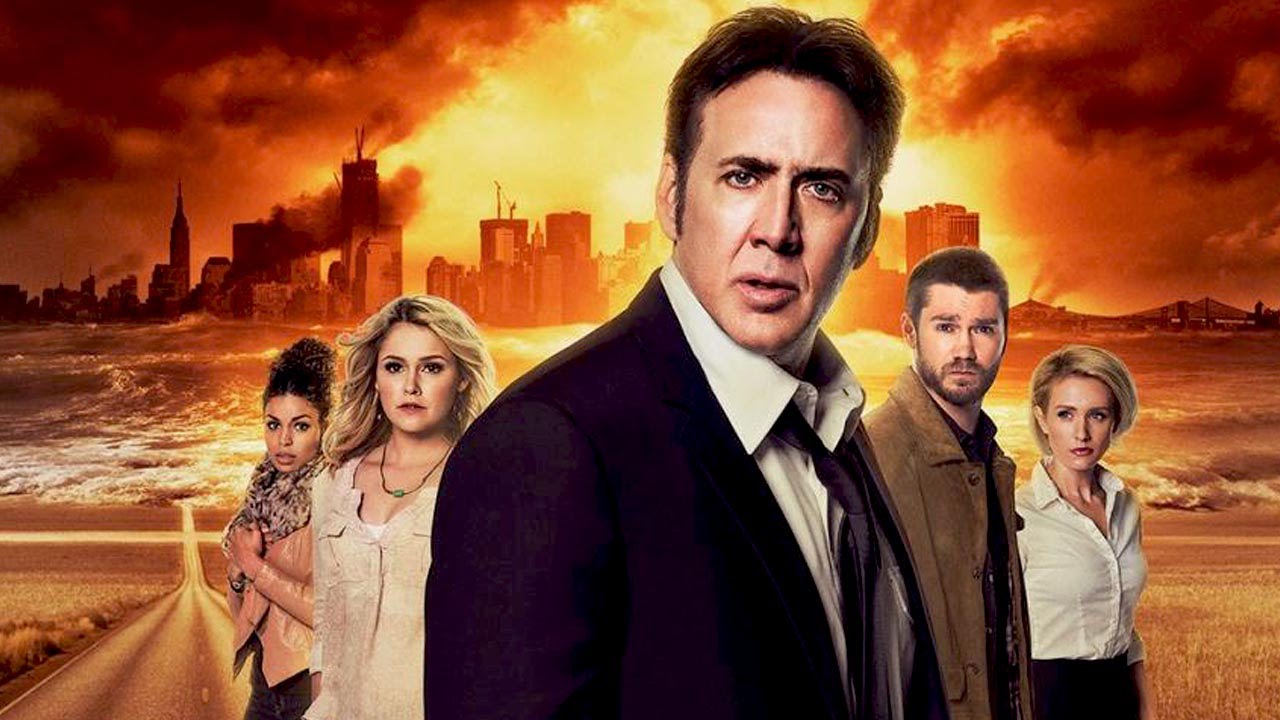
Would win, if restricted entirely to the Nic Cage canon: Left Behind

Let us pause to consider.

At some point, there must’ve been a conversation in which nervous producers — still reeling from when earlier attempts to render Left Behind marketable to audiences who were not insane foundered on the shores of Kirk Cameron’s grotesque unbankability — asked the screenwriter and director, “But … do we have to name him ‘Rayford Steele’? And does he have to say things like, ‘I have no spoilers, no flaps, no elevators, and if I run this thing dry, no reverse thrust, I need some room!'”

And that man (I assume) did what we all must do, eventually.

He sighed deeply, gazed into the distance, and replied, with the conviction only true faith can impart, “Yes, we do, and yes he does. Give me my Oscar.”

Writing (Original Screenplay)

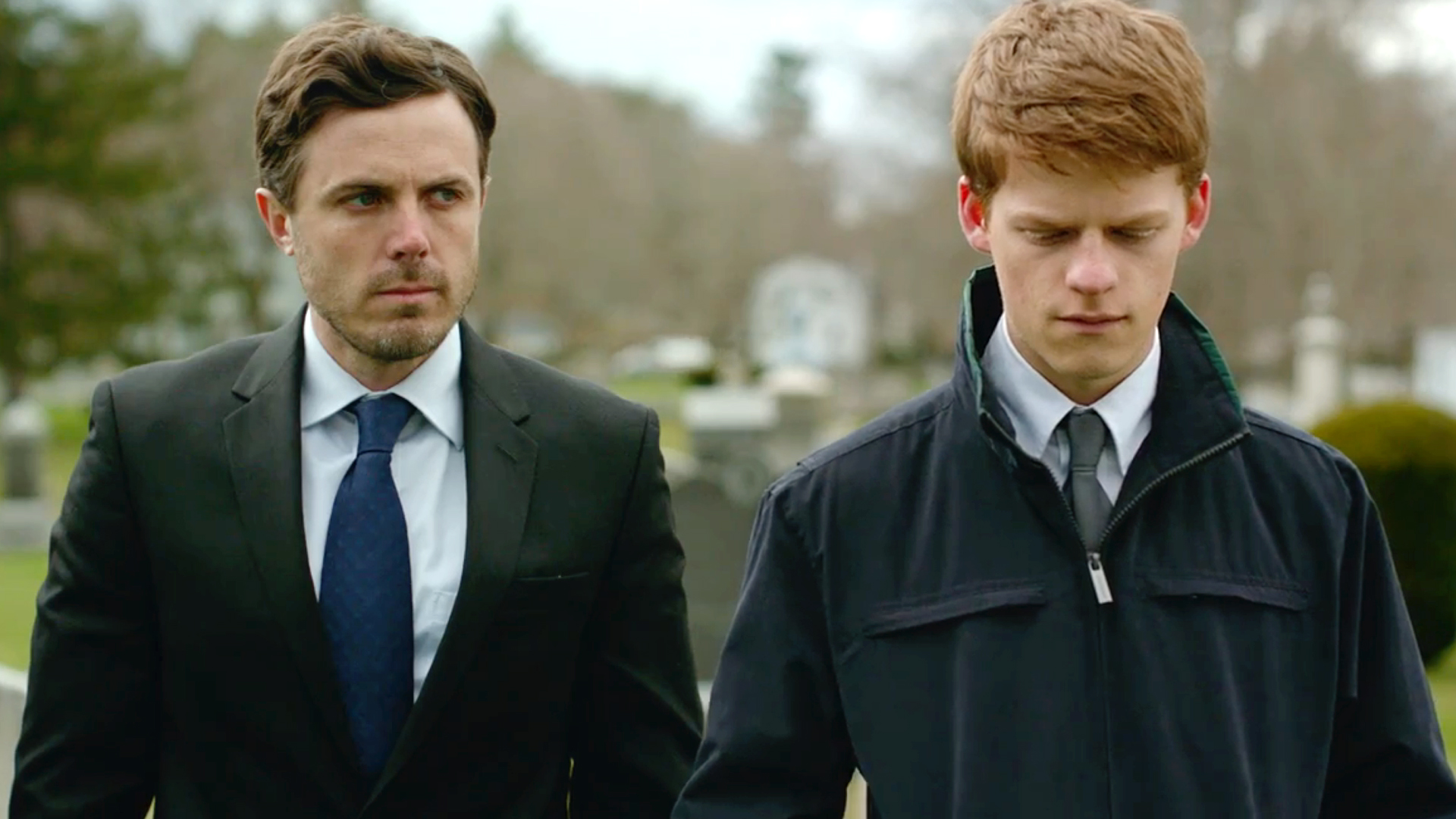
Will win: Manchester By The Sea

In other categories, it seems at some point people straight-up forgot this early frontrunner even existed, but Kenneth Lonergan’s script continues to generate effusive praise. On a night when Manchester By The Sea won’t win much else, this seems like a gimme.

Would win, if restricted entirely to the Nic Cage canon: Moonstruck

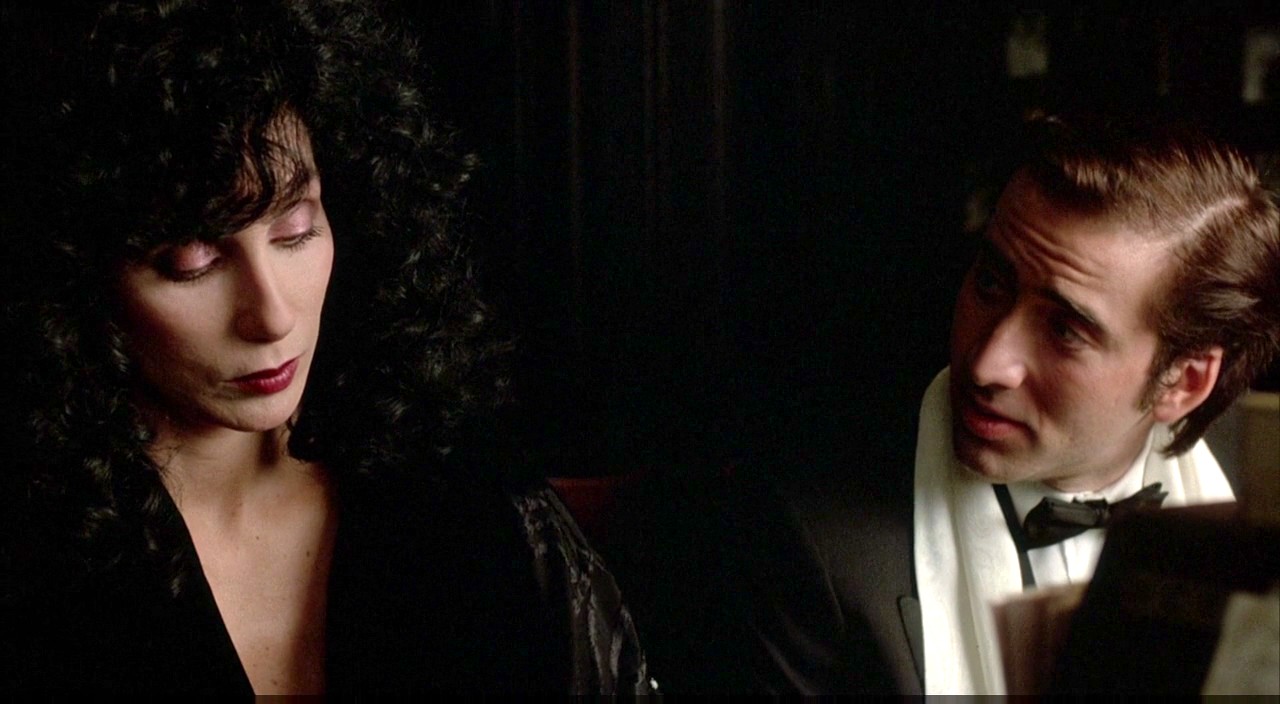
I’d like to award this to Adaptation, if only for the paradox of giving an Original Screenplay Oscar to a meta-riff on an existing text that went ahead and called itself Adaptation. Or Raising Arizona, which remains the Coens flat-out silliest film and provides my favorite deadpan exchange in all of their deadpan work. (“These balloons blow up into all them funny shapes?” “Well, nope. ‘less round is funny.”) But it is not to be.

Moonstruck is playwright John Patrick Shanley’s best work (outside of Joe Versus The Volcano, of course) and won Best Screenplay in real life. Of course it wins here, too. This is just a delightful film propelled by a witty, tight script.

February 26, 2017 0 comments
0 FacebookTwitterPinterestEmail
Newer Posts
Older Posts

About

About

Towards a provisional theory of the cinema, or, failing that, just some shit about movies

Authors
Rick Kelley
Lark Lundberg

Keep in touch

Facebook Twitter

Categories

  • Conversation
  • Film
  • Film By Film
  • Great Movie Project
  • Great Movies: The Counter Programming
  • Guest
  • News
  • Other
    • Commentary
    • Film
    • Interview
    • Reviews
    • Song for a Sunday
  • Streaming Selections
  • TV
  • Uncategorized
  • Vegan Horror

Archives

  • April 2019
  • March 2019
  • January 2019
  • December 2018
  • November 2018
  • October 2018
  • September 2018
  • August 2018
  • July 2018
  • June 2018
  • May 2018
  • April 2018
  • March 2018
  • February 2018
  • January 2018
  • December 2017
  • November 2017
  • October 2017
  • September 2017
  • August 2017
  • July 2017
  • June 2017
  • May 2017
  • April 2017
  • March 2017
  • February 2017
  • January 2017
  • December 2016
  • November 2016
  • October 2016
  • September 2016
  • August 2016
  • July 2016
  • June 2016
  • May 2016
  • April 2016
  • March 2016
  • February 2016
  • January 2016
  • December 2015
  • October 2015
  • September 2015
  • August 2015
  • July 2015
  • June 2015
  • May 2015
  • April 2015
  • March 2015
  • February 2015
  • January 2015
  • December 2014
  • November 2014
  • October 2014
  • August 2009
  • September 2008

Recent Posts

  • China Girls, Death Proof, and the Hidden Face
  • Old News: Old Noise Edition
  • Old News: April 1, 2019
  • Nicolas Winding Refn, Marginalia, and the Deaths of Cinema
  • And now, let us praise Kanopy

Recent Comments

  • Franklin Kat on Michael Shannon shines again in Frank & Lola
  • Sean Tempesta on Cinema and dream-logic in Meshes of the Afternoon
  • ludditerobot on The Left-Wing Slapstick and Iconic Songs of 1937’s Street Angel
  • Franklin Kat on The Left-Wing Slapstick and Iconic Songs of 1937’s Street Angel
  • Arijit Mukherjee on Great Movies Project: The Counter-Programming
  • Facebook
  • Twitter

@2021 - All Right Reserved. Designed and Developed by PenciDesign


Back To Top
Luddite Robot
  • Reviews
  • Commentary
  • Great Movie Project
    • Great Movie Project
      Bride of Frankenstein is a movie for and…

      January 25, 2018

      Great Movie Project
      The Enduring Appeal of Nick and Nora in…

      November 29, 2017

      Great Movie Project
      The Ahistorical Fever Dream of The Scarlet Empress

      August 2, 2017

      Great Movie Project
      Dreams, Mundanity, and the Anarchist Yearnings of L’Atalante

      July 12, 2017

      Great Movie Project
      Duck Soup Is And Will Always Be A…

      April 19, 2017

  • Counter Programming
    • Great Movies: The Counter Programming
      Walking and Talking in the Shadow of Kanchenjungha

      March 7, 2018

      Great Movies: The Counter Programming
      A Brief Encounter in My Mother and Her…

      February 9, 2018

      Great Movies: The Counter Programming
      Horror’s Refusal in Farrokhzad’s The House Is Black

      October 13, 2017

      Great Movies: The Counter Programming
      The rage and beauty of The Cloud-Capped Star

      October 3, 2017

      Great Movies: The Counter Programming
      The daylight noir and social issue empathy of…

      June 22, 2017

  • Vegan Horror
    • Vegan Horror
      Julia Ducournau doesn’t think her film Raw is…

      June 7, 2017

      Vegan Horror
      Licking our wounds: The vampiric masculinity of Ravenous

      December 13, 2016

      Vegan Horror
      Eggertsson and animals: An approach to horror cinema

      September 15, 2016

      Vegan Horror
      “It’s Not My Nature” – Vegetarianism, Body Horror,…

      August 30, 2016

      Vegan Horror
      Bodies and Carcasses in Predator 2

      August 23, 2016

  • Interview
    • Interview
      Jasmine Leyva’s doc The Invisible Vegan aims to…

      May 3, 2017

      Interview
      Bridging The Abyss: An Interview With The Directors…

      November 28, 2016

      Interview
      7 Days in Ohio: An Interview with Nathan…

      September 12, 2016

      Interview
      Film Critic Phil Dy talks New Filipino Cinema

      June 17, 2016

      Interview
      “I Love Seeing Film Projected.” A Conversation with…

      March 22, 2016