Top Posts
Madeline’s Madeline: An Unclassifiable Panic Attack Maybe-Masterpiece
Shoplifters Steals Moments of Wonder from the Mundane
Burning and Forgetting What’s Not There
Kusama: Infinity Expands Beyond The Canvas
Mandy Risks Little, Wins Little
In We The Animals, The Children Are Away...
The Seagull Isn’t Quite Chekhov, But It’s Still...
5 Million Ways Boots Riley Isn’t Sorry To...
American Animals’ and the Queasiness of the Heist
A Star Is Born In Hearts Beat Loud
  • Reviews
  • Commentary
  • Great Movie Project
    • Great Movie Project
      Bride of Frankenstein is a movie for and…

      January 25, 2018

      Great Movie Project
      The Enduring Appeal of Nick and Nora in…

      November 29, 2017

      Great Movie Project
      The Ahistorical Fever Dream of The Scarlet Empress

      August 2, 2017

      Great Movie Project
      Dreams, Mundanity, and the Anarchist Yearnings of L’Atalante

      July 12, 2017

      Great Movie Project
      Duck Soup Is And Will Always Be A…

      April 19, 2017

  • Counter Programming
    • Great Movies: The Counter Programming
      Walking and Talking in the Shadow of Kanchenjungha

      March 7, 2018

      Great Movies: The Counter Programming
      A Brief Encounter in My Mother and Her…

      February 9, 2018

      Great Movies: The Counter Programming
      Horror’s Refusal in Farrokhzad’s The House Is Black

      October 13, 2017

      Great Movies: The Counter Programming
      The rage and beauty of The Cloud-Capped Star

      October 3, 2017

      Great Movies: The Counter Programming
      The daylight noir and social issue empathy of…

      June 22, 2017

  • Vegan Horror
    • Vegan Horror
      Julia Ducournau doesn’t think her film Raw is…

      June 7, 2017

      Vegan Horror
      Licking our wounds: The vampiric masculinity of Ravenous

      December 13, 2016

      Vegan Horror
      Eggertsson and animals: An approach to horror cinema

      September 15, 2016

      Vegan Horror
      “It’s Not My Nature” – Vegetarianism, Body Horror,…

      August 30, 2016

      Vegan Horror
      Bodies and Carcasses in Predator 2

      August 23, 2016

  • Interview
    • Interview
      Jasmine Leyva’s doc The Invisible Vegan aims to…

      May 3, 2017

      Interview
      Bridging The Abyss: An Interview With The Directors…

      November 28, 2016

      Interview
      7 Days in Ohio: An Interview with Nathan…

      September 12, 2016

      Interview
      Film Critic Phil Dy talks New Filipino Cinema

      June 17, 2016

      Interview
      “I Love Seeing Film Projected.” A Conversation with…

      March 22, 2016

Luddite Robot
Film critique, theory, and assorted nonsense.
CommentaryFilm

China Girls, Death Proof, and the Hidden Face

April 14, 2019

Old News: Old Noise Edition

April 8, 2019

Old News: April 1, 2019

Nicolas Winding Refn, Marginalia, and the Deaths of Cinema

CommentaryFilm

And now, let us praise Kanopy

January 24, 2019

Warren Sonbert and the Relief of Anti-Narrative

January 14, 2019

The World Is Ending and It Doesn’t Matter

The Best Films of 2018

FilmReviews

Madeline’s Madeline: An Unclassifiable Panic Attack Maybe-Masterpiece

December 21, 2018

Shoplifters Steals Moments of Wonder from the Mundane

December 11, 2018

Burning and Forgetting What’s Not There

Alien, Musicology, and Reading Soundtracks

CommentaryFilm

Shocktober III: Halloween 2018 Edition

October 24, 2018

Shirley Jackson’s The Lottery Traumatized Schoolkids in 16 mm

October 18, 2018

Shocktober 2018 II: Another Reshockening (of Horror)

Häxan is a movie made by a movie character

CommentaryFilm

Shocktober 2018

October 7, 2018

Unprofessional! Spring Night, Summer Night

October 3, 2018

The Wild Boys: A Luddite Robot Conversation

Kusama: Infinity Expands Beyond The Canvas

Film

Streaming Selections: Dog Eat Dog

by rick February 24, 2017
written by rick

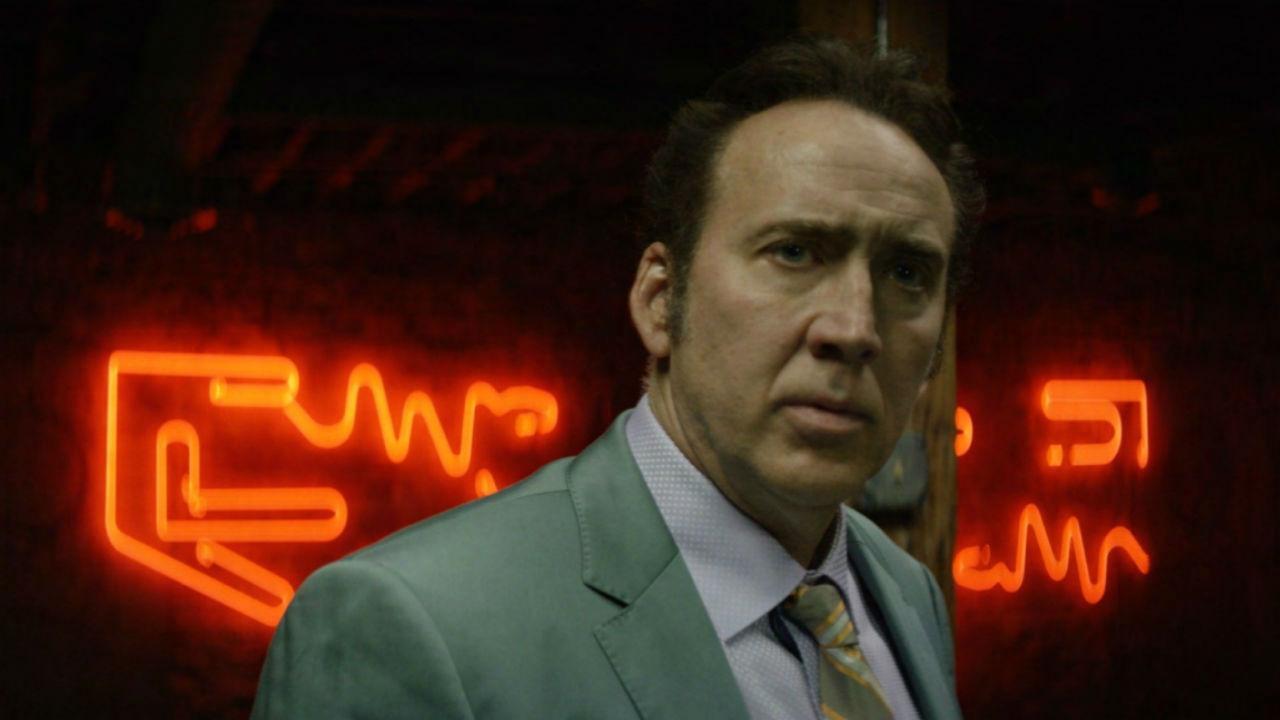
Dog Eat Dog has all the trademarks and tics you’d expect from Paul Schrader — twitchy griminess, awkward dialog, stray mentions of faith, ultra-violence, losers who just can’t win, cocaine, samurai references. But it’s overwhelming, mean-spirited mood connotes revenge more than anything else.

Sure, there’s the narrative itself, in which three ex-cons, in a respective cascade of cluelessness, are looking for one big, last score in the traditional fashion. (In a characteristic example of Schrader’s tone, Dog Eat Dog even allows one of these idiots — Christopher Matthew Cook, looking like a knuckle-dragging Sin City galoot come to life — to flatly state, “No one ever seems to come back from these one last jobs.”) Theirs is a mission that doubles as a way to exact revenge on a society that’s pushed them to the bottom, robbed them of possibilities, and made them irrelevant in their own lives.

Coming on the heels of his Dying Of The Light, the studio-manipulated disaster that Schrader and company publicly denounced in the most passive-aggressive way possible, it’s hard not to see Dog Eat Dog as his own personal revenge. And there’s nothing passive here about its protest; it’s all Schraderian aggression, from the outfits on down.
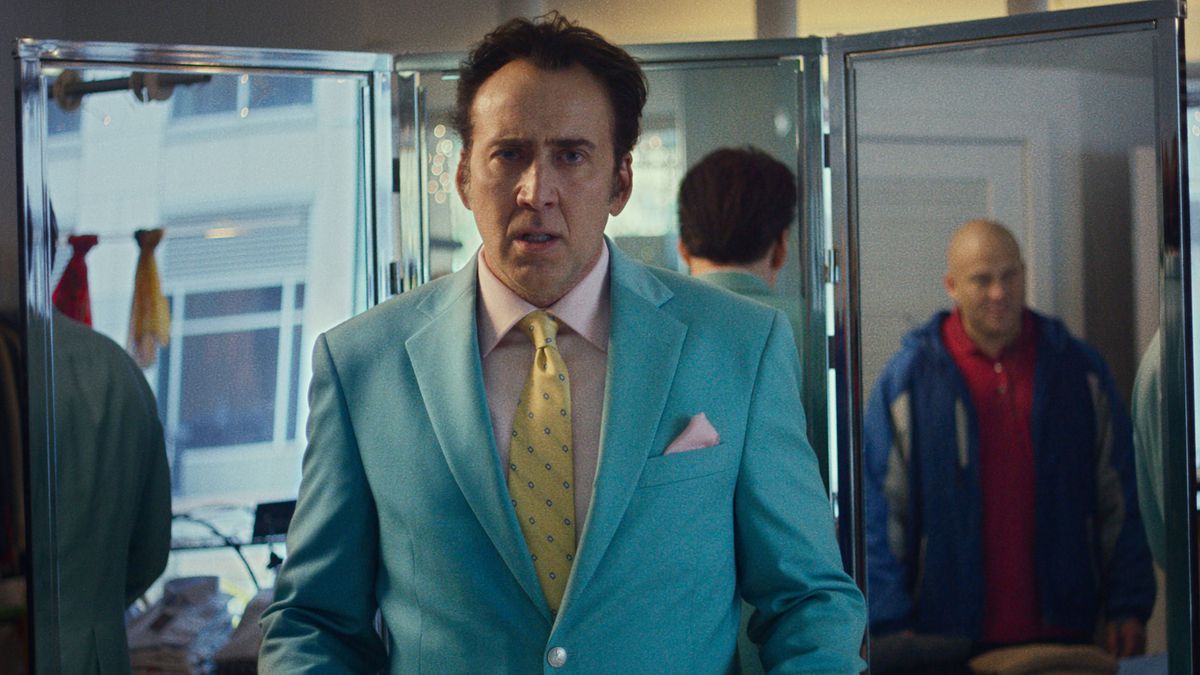
Set in a past-its-prime Cleveland, the camera edgily bouncing from shabby, red-lit titty club to $35-a-night motel room, Dog Eat Dog is decidedly cut-rate. These are guys whose delusions of grandeur are mocked by the very world they live in.

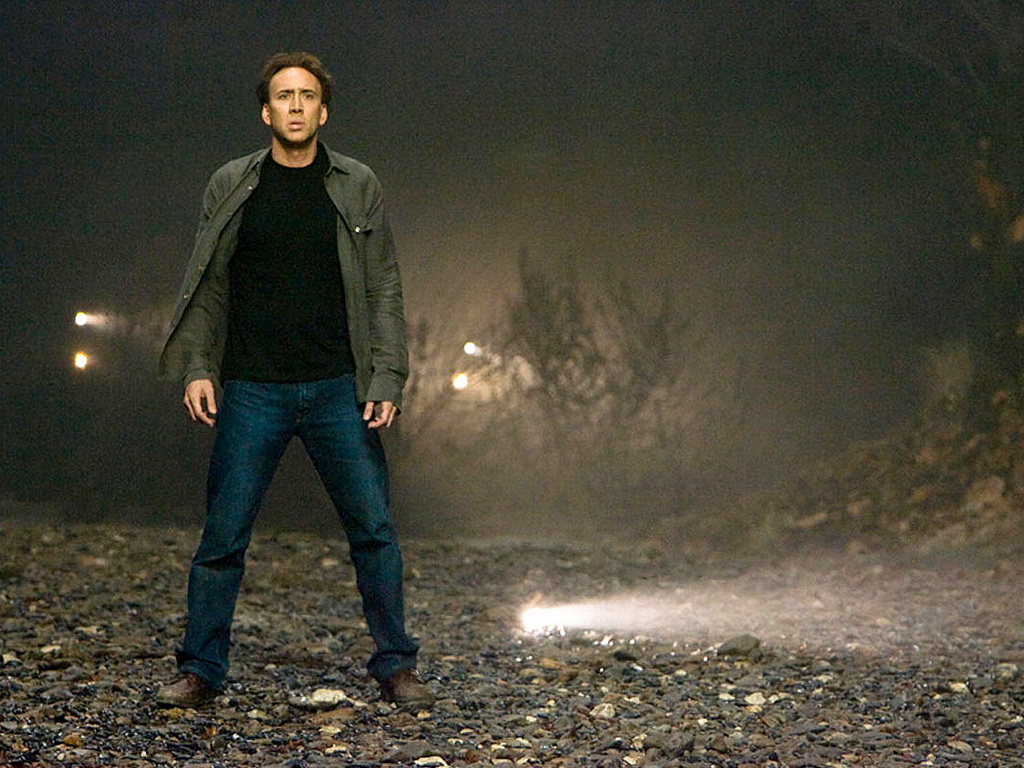
Nicolas Cage is the ringleader and mastermind, such as he is. Cook is the muscle. And Willem Dafoe is at his most unhinged as “Mad Dog”, a seemingly broken man who we first meet watching Asian porn in someone else’s house, ignoring an answering machine message about a middle school cupcake competition, and then brutally murdering his apparent girlfriend and her teenage child. Welcome to Dog Eat Dog.
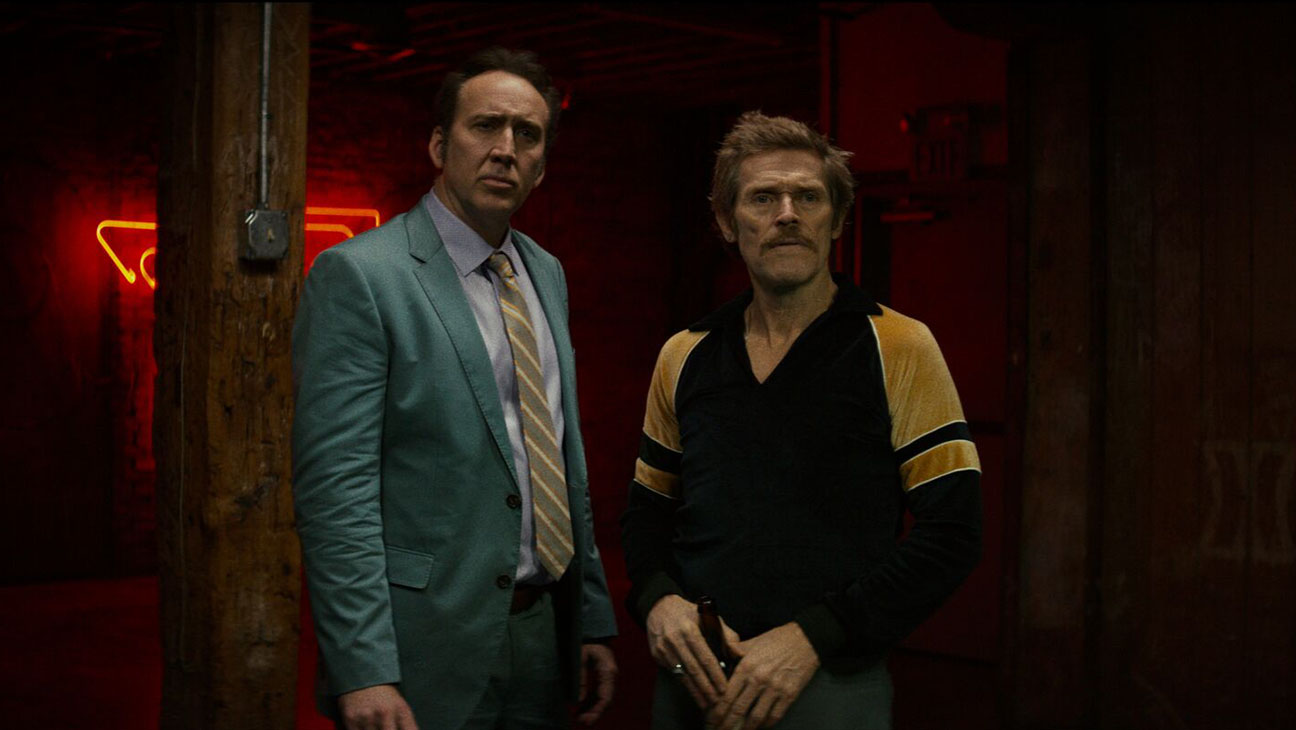
The story itself is no great shakes — a plan is hatched, and that plan quickly goes wrong — but the nasty fun is in the interactions between Cage and Dafoe, and Schrader’s caustic approach to tone. Dog Eat Dog is a work of fairly fierce loathing for everything it sees — for our protagonists and for the world that made them.

It’s not without its lighter moments (the most memorable being coke-fueled Nicolas Cage spraying ketchup and mustard on his comrades in a slo-mo hotel room sequence, a sort of anti-erotic scumbag version of Girlhood‘s brief moment of Rihanna-inspired freedom), but they’re few and far between. Instead, the whole thing seethes.

Somebody, perhaps everybody, has pissed off Paul Schrader. Dog Eat Dog is the result, and we could do worse.

Quick Links
Frankenstein’s Bride

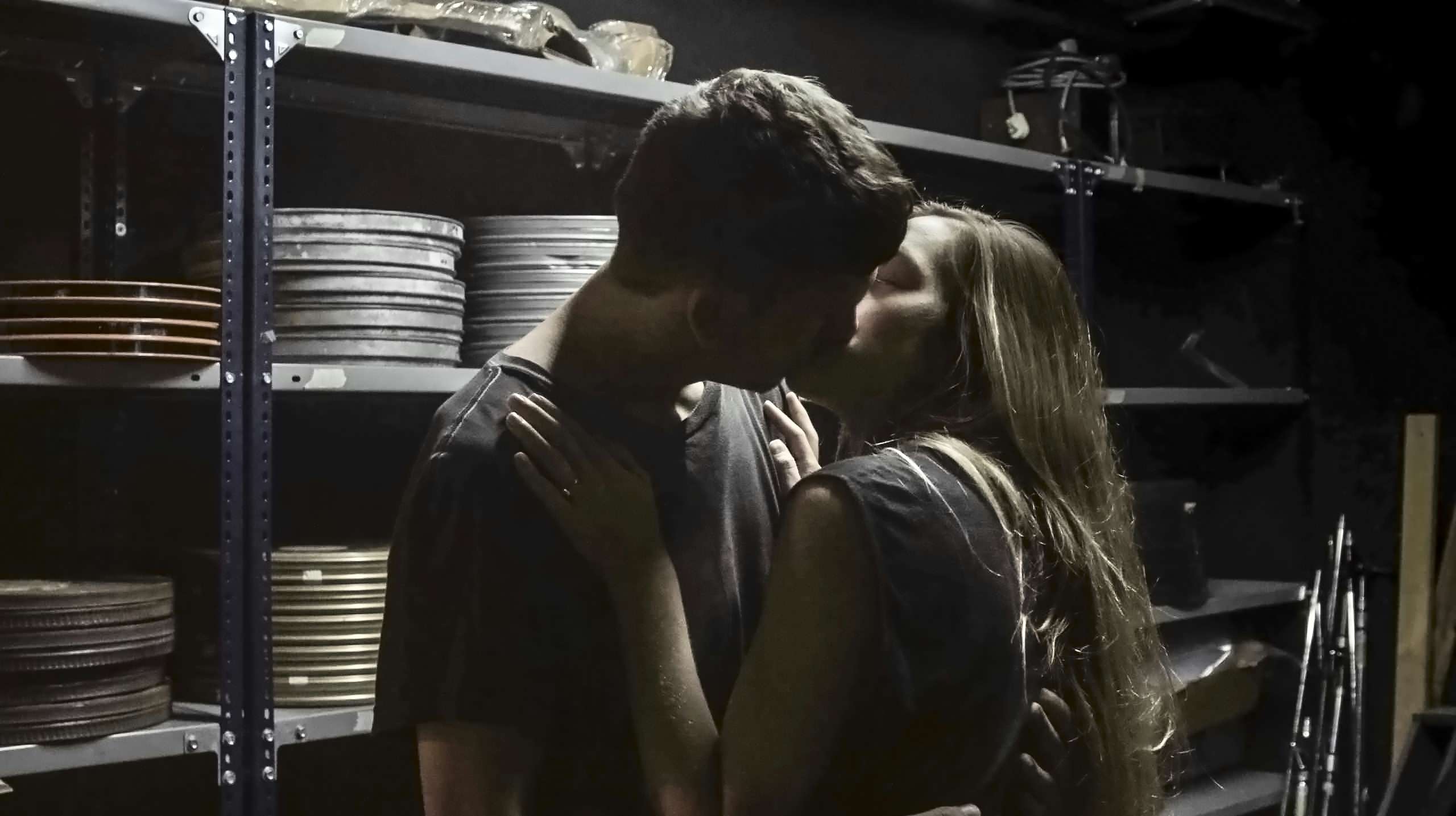
An Argentinian short about a young woman who shows houses and occasionally steals stuff, Frankenstein’s Bride starts nowhere in particular and moves on languidly from there, also to nowhere in particular. Its co-directors favor Eric Rohmer and Hang Sang-soo, evident influences, and their film bills itself as a Realist meditation on the way people fetishized the American dollar during Argentina’s financial crisis.

But none of it is heady as that synopsis: lead actress Miel Bargman anchors the narrative in a kind of pervasive casualness, whether she’s teaching a hustling friend how to pitch American tourists on exchange rates or making out with a film projectionist because a psychic told her to.
(Streaming on Le Cinema Club)

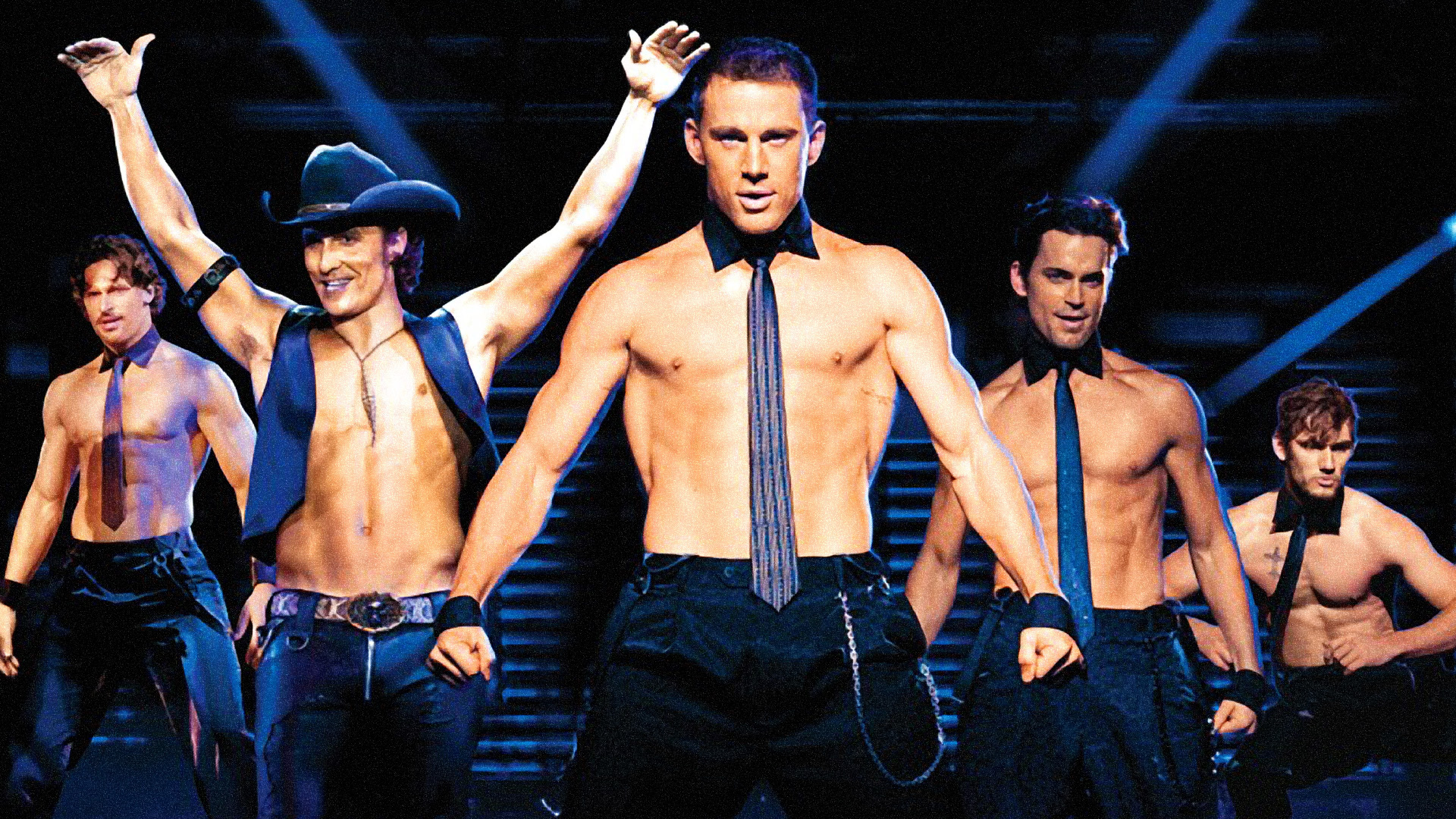
Magic Mike

Sure, Alex Pettyfer is pretty irritating throughout, but Magic Mike and its sequel remain the least expected entries in the Steven Soderbergh canon, over-the-top campy and absurdly enjoyable. That is, if you enjoy watching Channing Tatum and his half-naked comrades stripping their way to well-choreographed empowerment and dopey brotherhood, while celebrating the joys of female voyeuristic pleasure. And what kind of monster doesn’t enjoy that?

(Streaming on Netflix)
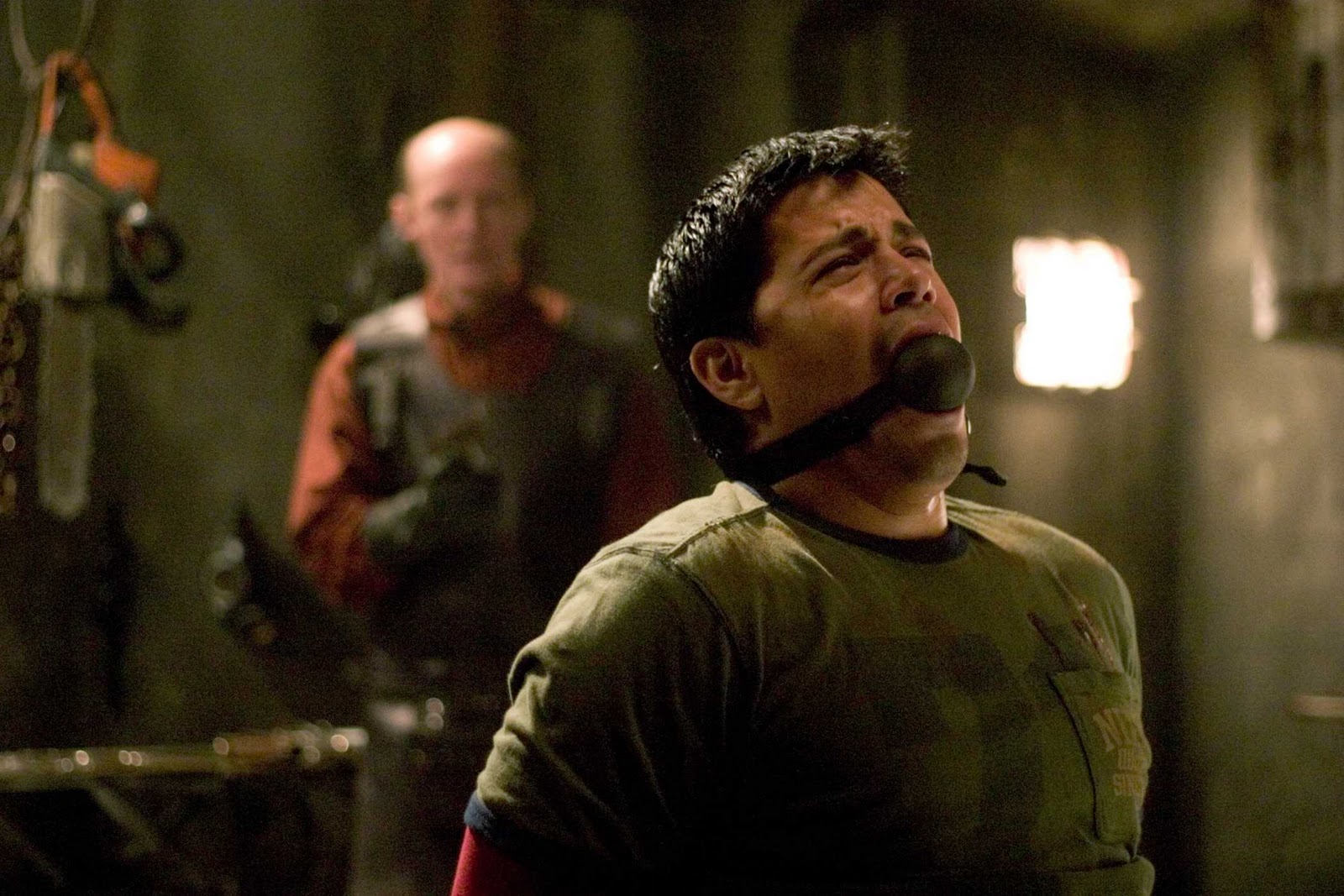
Hostel

The more nuanced of Eli Roth’s exactly two directorial efforts (the only other being Cabin Fever and please don’t disabuse me of this notion), Hostel has actual ambition and scares. Blending extreme cinema gross-outs with a political (and, I would argue, vegan!) subtext, it showed Roth’s promise and skill, back before he got side-tracked mocking Social Justice Warriors or whatever it is he does these days.

Oh well. This one still gives me the creeps.

 (Streaming on Netflix)
February 24, 2017 0 comments
0 FacebookTwitterPinterestEmail
CommentaryFilm

Oscar Predictions and Alternative Facts

by rick February 22, 2017
written by rick

With the Academy Awards being handed out this Sunday, it’s a popular and appropriate time for Oscar predictions. Any number of determining factors can help narrow down the field to an expected choice, and odds-makers all over the world are weighing in.

Here at Luddite Robot, however, I’m at a disadvantage in making many of these calls, in that I haven’t seen many of the biggest Oscar-nominated titles and don’t really care to delve into the cottage industry of awards-season probabilities. Further, the Academy, in its myopia, continues to restrict Oscar nominees to films that actually came out last year, instead of, say, the 1920s, and seems to have a baffling preference for uplift and biopics over Japanese melodrama, splatter movies, and schlock.

Still, I don’t want to be left out. In the past, I’ve offered up the film I think will win, the film I think should win, and the film I think should’ve been nominated. This year, I’ve decided to play to our strengths here and simply predict the eventual winner, while also suggesting the nominee that would’ve won if the Oscars stacked every category entirely with the Nicolas Cage canon.

This list will presumably come in handy when the Academy finally realizes how things should be run; namely, with more Nic Cage.

Best Picture

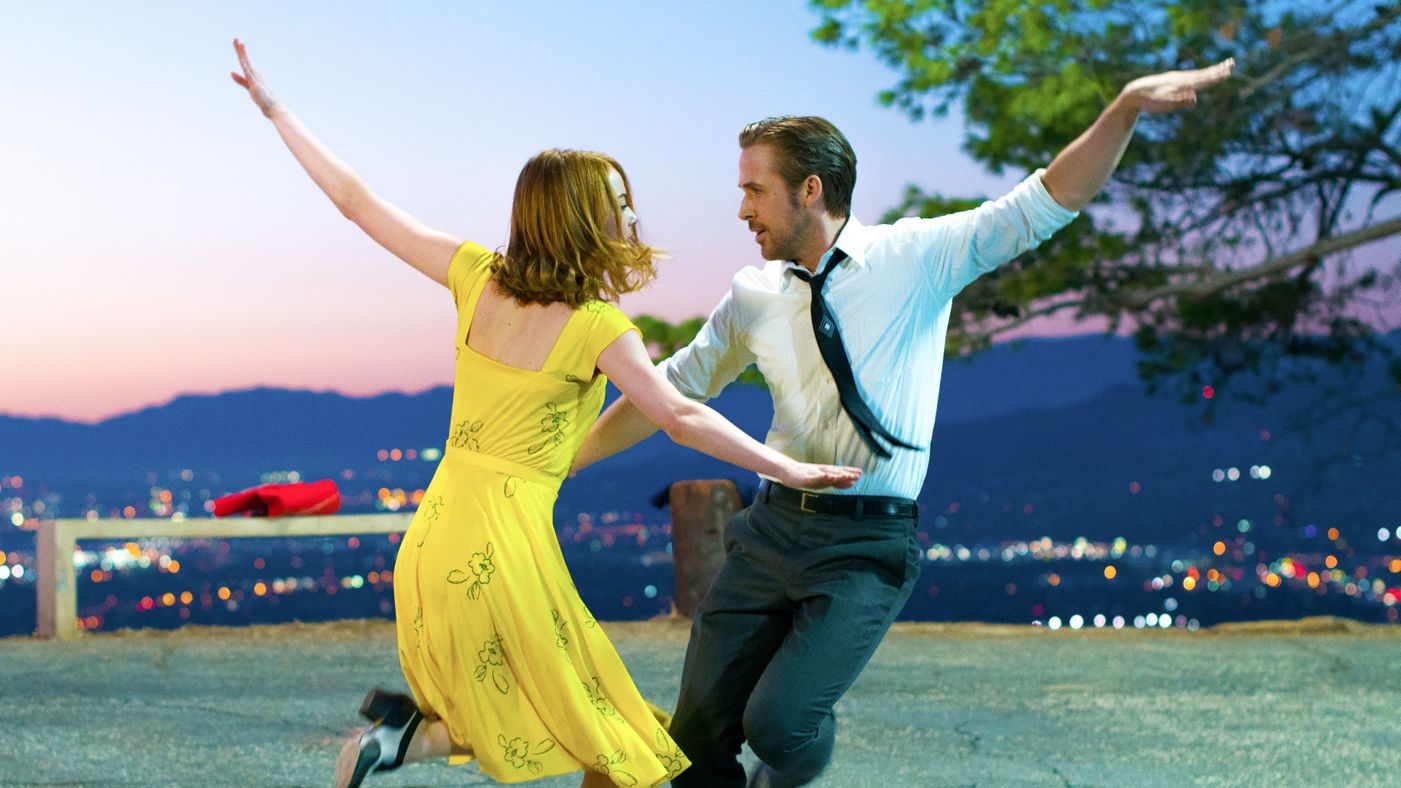
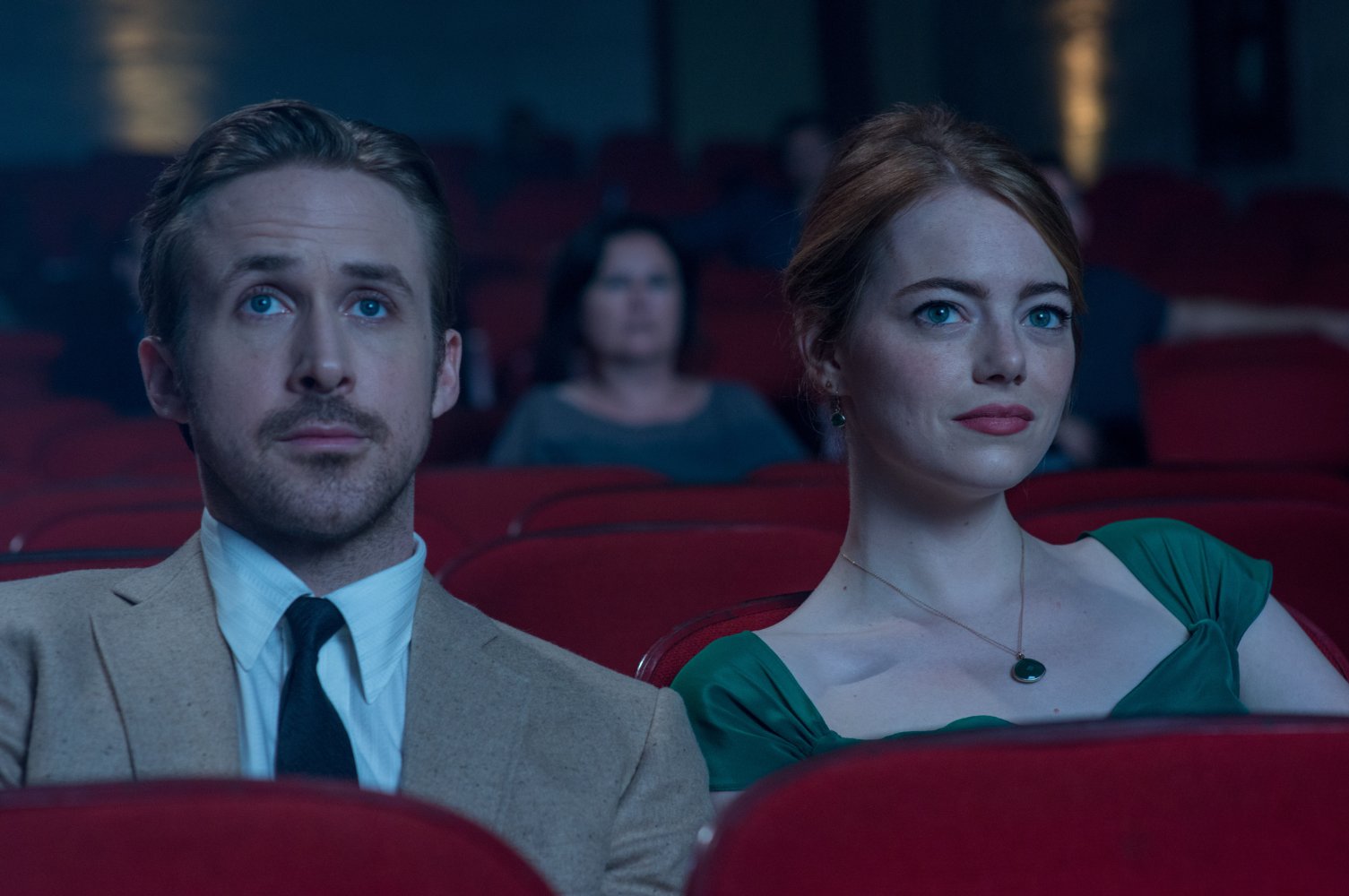
Will win: La La Land

Moonlight is the year’s best film, and it would be a tremendous victory for its director, cast, and crew — not to mention diversity and rewarding the most deserving nominee — if it pulled off an Oscar win. Unfortunately, that’s not going to happen.

La La Land encapsulates many things Oscar voters tend to favor: throwbacks to Old Hollywood, eye-catching direction, doomed love, and mega-stars looking beautiful and occasionally pained. It’s also, we are constantly reminded, a “love letter to the movies”. This, as it happens, is wrong, but it’s a fiction people seem to enjoy. And by now La La Land‘s marched rapturously to award after award, giving it a sense of inevitability. An upset is possible, but I don’t think it’s likely.

Plus, this will give a renewed push to the backlash against this excellent film, which must be music to the ears of freelance writers everywhere. Fate is cruel, but also, in its way, lovely.

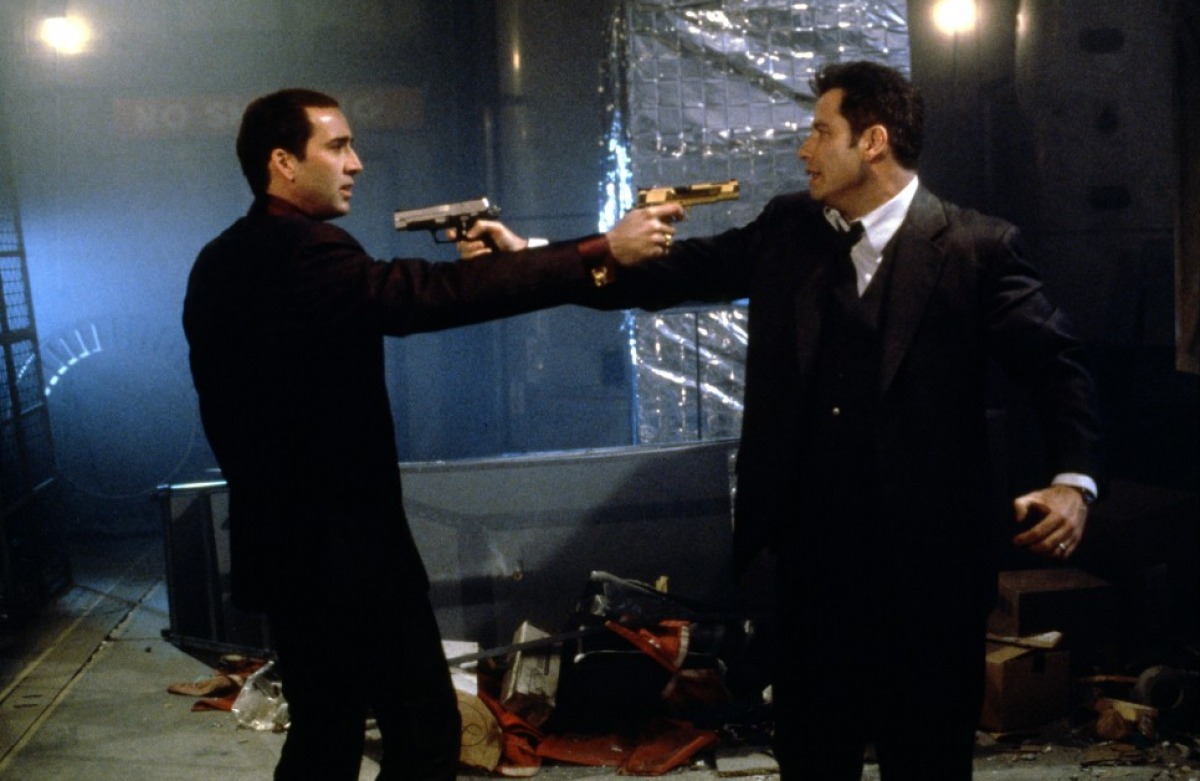
Would win, if restricted entirely to the Nic Cage canon: Face/Off

Because Face/Off is the best Nic Cage movie.

Actor in a Leading Role

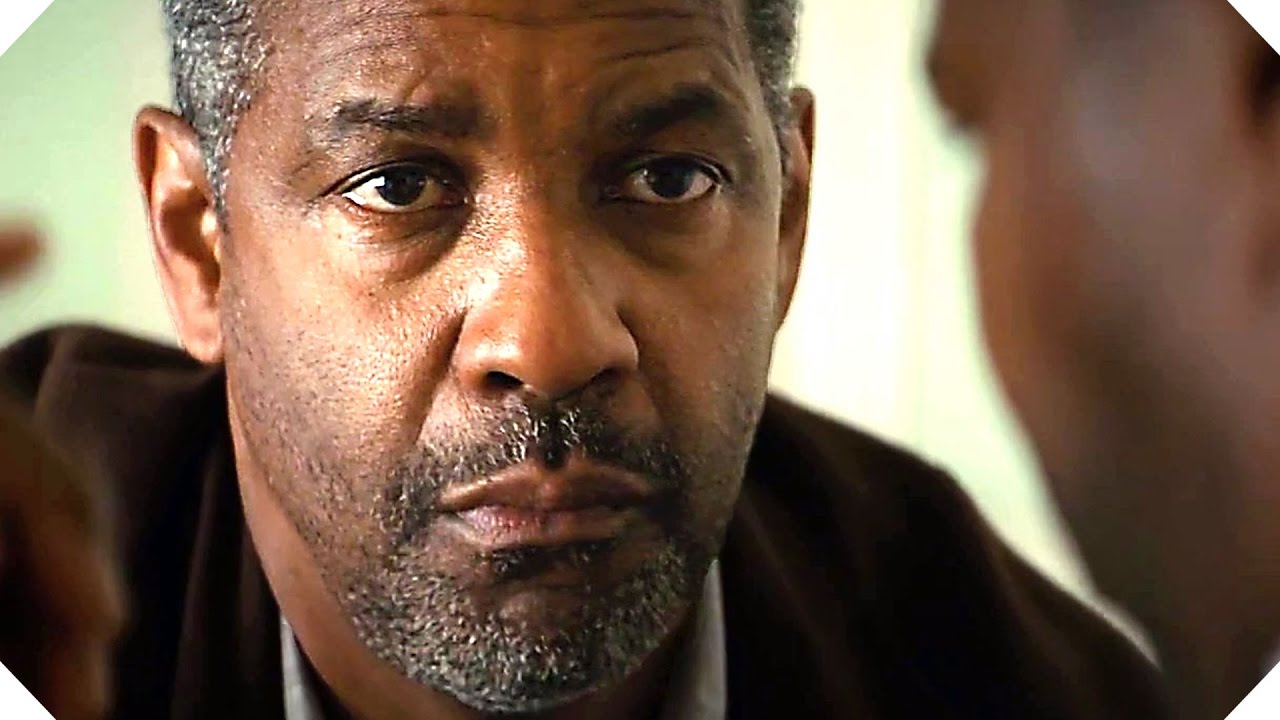
Will win: Denzel Washington, Fences

Casey Affleck’s performance in Manchester By The Sea had most of the early momentum, but I feel a late-game push for Denzel’s turn in his August Wilson adaptation (a stage role for which he was previously celebrated). Washington’s won before, but it’s been a while, and by all accounts he’s extremely strong here. In a better world, Affleck’s off-screen controversies might imperil his win, but this is not that world. Instead, I’m just playing a hunch here.

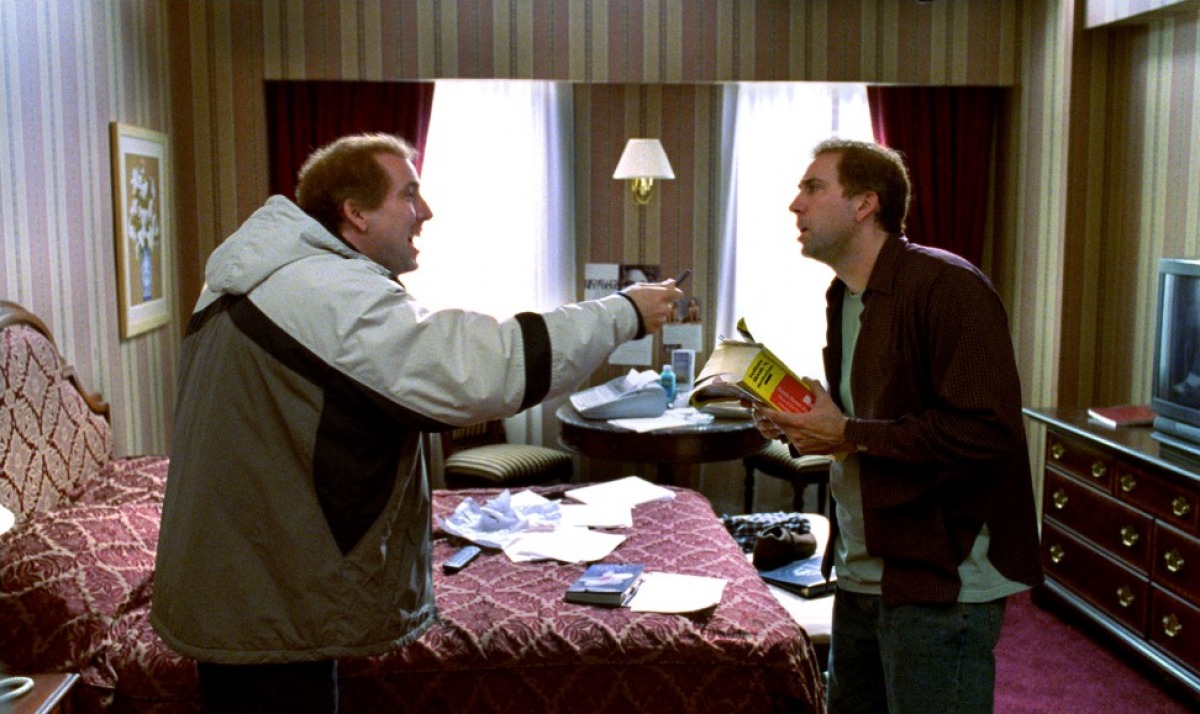
Would win, if restricted entirely to the Nic Cage canon: Nicolas Cage, Adaptation

Cage was fantastic in the double-role as Charlie/Donald Kaufman in Spike Jonze’s meta-gonzo Adaptation, and the Oscars — even my imaginary Oscars — love this kind of shit. In fact, he was Oscar-nominated for it in 2002, but lost to 2017’s winner, Denzel Washington, for his performance in Training Day. It all comes back around. 

Actress in a Leading Role

Will win: Emma Stone, La La Land

Isabelle Huppert’s surprise win at the Golden Globes ostensibly puts some wind in her sails, but also not really, as it’s the Golden Globes we’re talking about there. Portman’s turn as Jackie O generated huge early buzz, but Stone, who swept up SAG and BAFTA awards, is the Oscar frontrunner for a reason. And she’ll win.

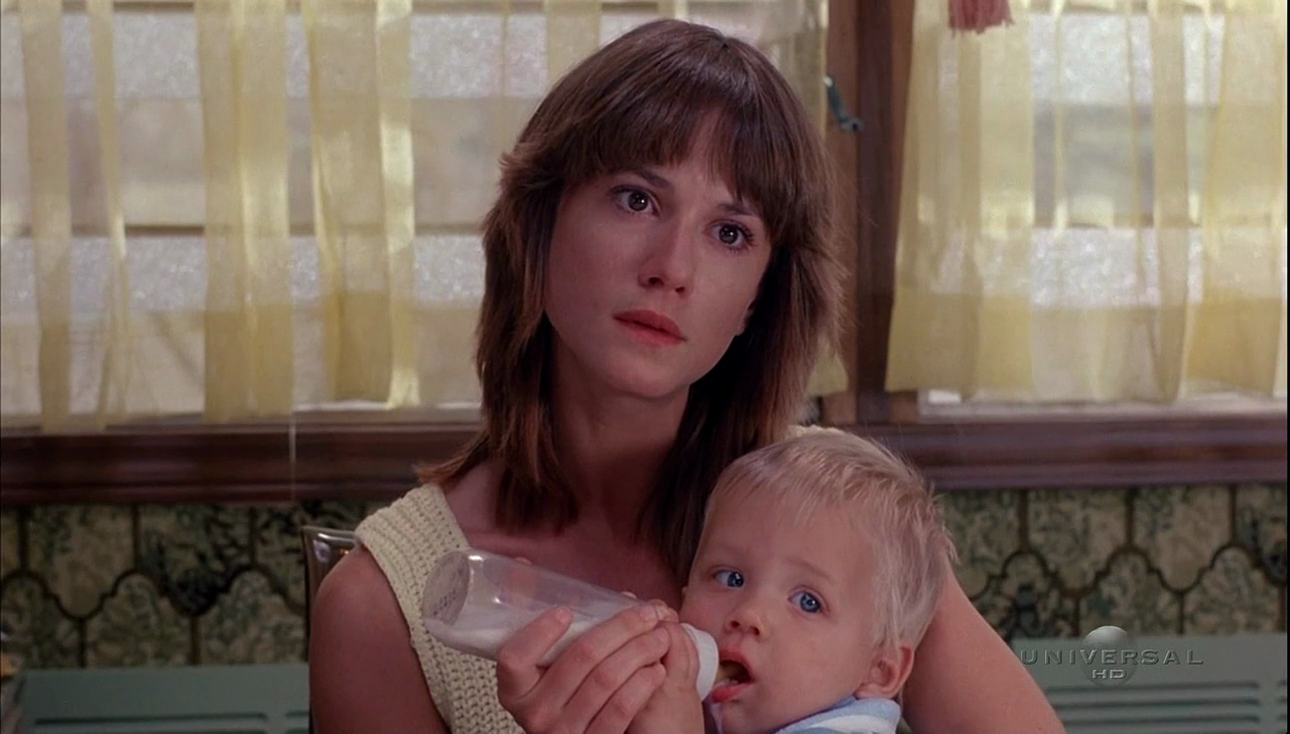
Would win, if restricted entirely to the Nic Cage canon: Holly Hunter, Raising Arizona

The Coen Brothers’ madcap comedic masterpiece boasts great performances all around, but it’s Hunter who helps ground the hijinks in that Coen rarity, actual human emotion. In the manic world of Raising Arizona, she’s its beating heart.

Actor in a Supporting Role

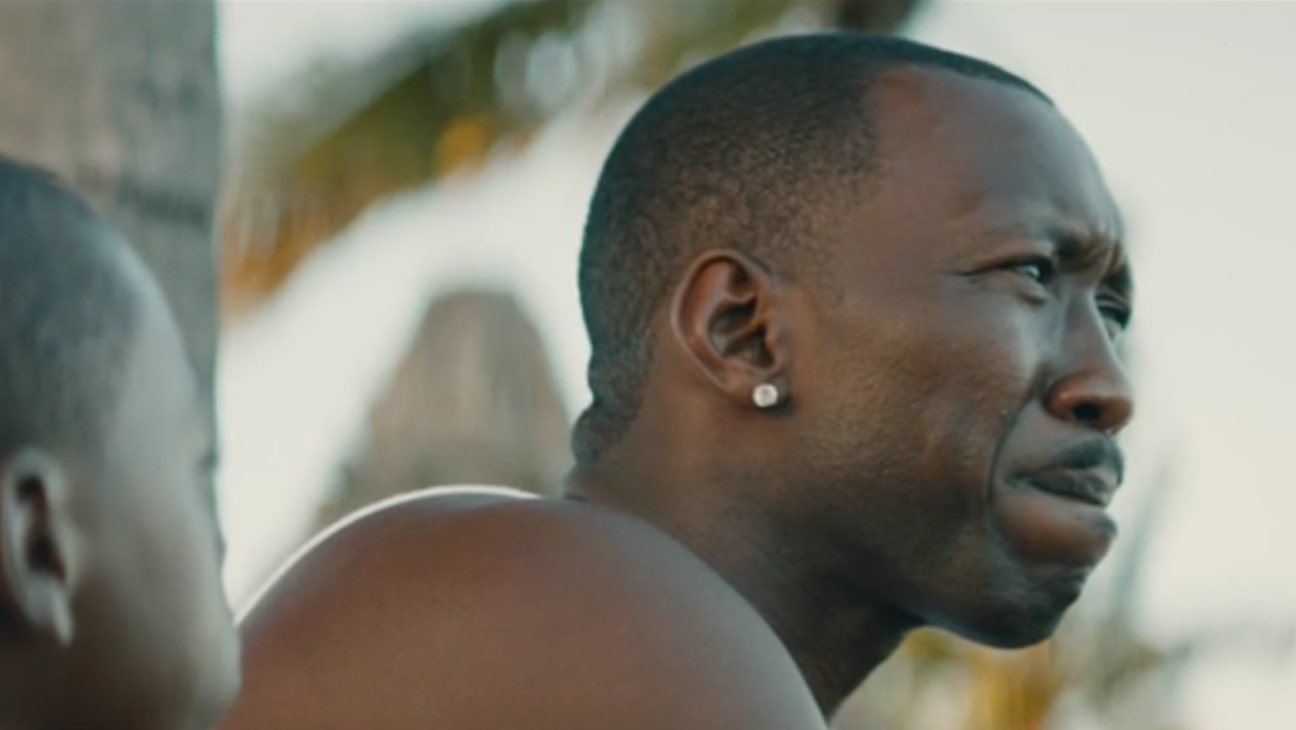
Will win: Mahershala Ali, Moonlight

As well he should.

Would win, if restricted entirely to the Nic Cage canon: Willem Dafoe, Wild At Heart

Willem Dafoe is allegedly a very nice man in real life, but that is not what his Bobby Peru would lead you to believe. David Lynch’s sex-addled, violent grab-bag of Wizard of Oz and Elvis Presley references isn’t generally considered among his best, despite featuring Crispin Glover’s greatest scene outside of Friday The 13th: The Final Chapter. But the film is compulsively watchable, not least because of Dafoe’s seething malevolence on screen.

Actress in a Supporting Role

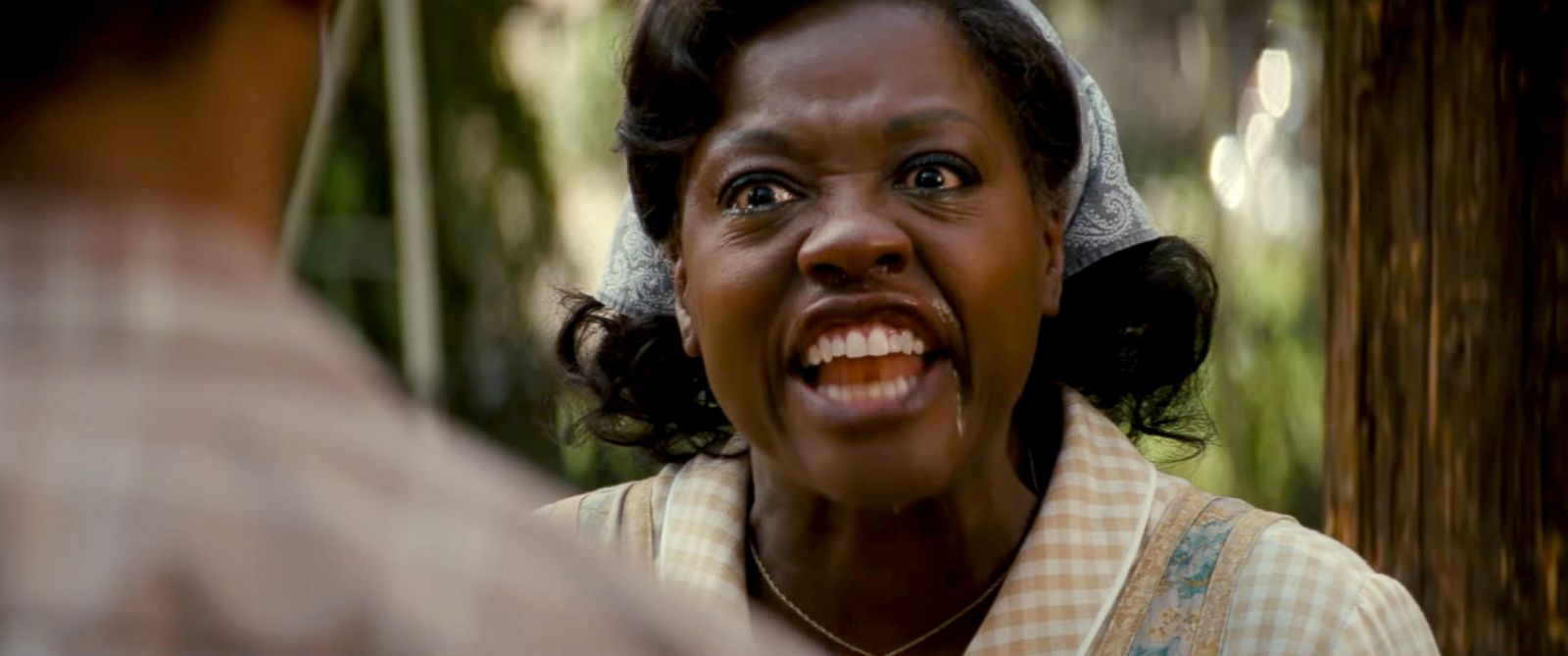
Will win: Viola Davis, Fences

Davis has triumphed in most of the big-name awards thus far, and is an actual national acting treasure, so we’ll go with her.

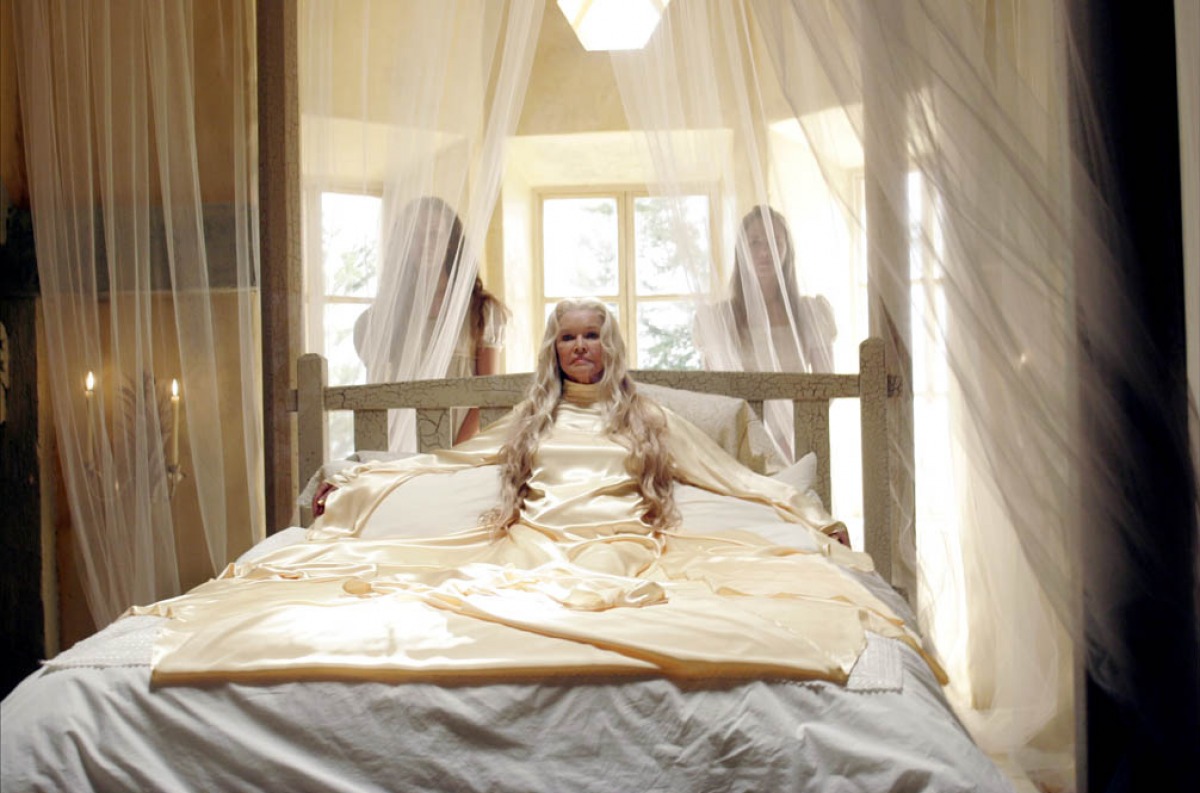
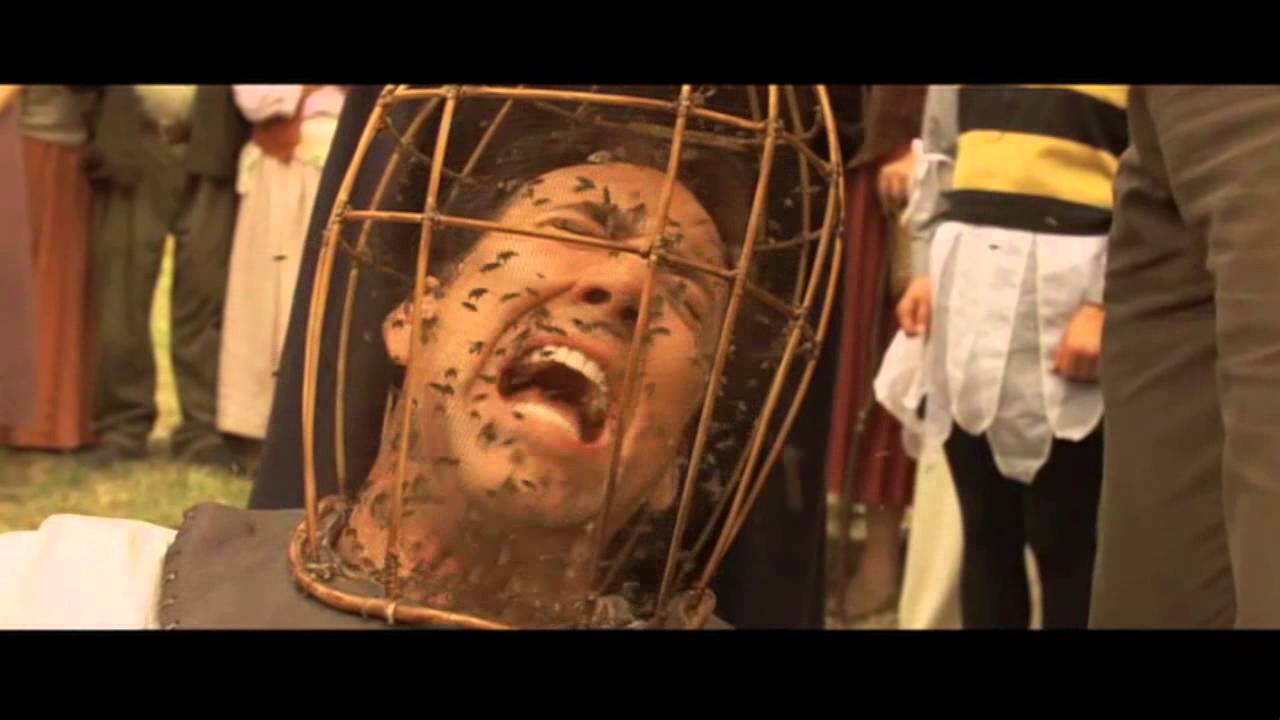
Would win, if restricted entirely to the Nic Cage canon: Ellen Burstyn, The Wicker Man

Although Cassi Thomson would surely win this for Left Behind if Oscars were determined solely by how many times other people shout your character’s name, Burstyn dominates this moderately ill-advised re-make of a horror classic. The Wicker Man isn’t really as bad as its reputation, but Burstyn in particular is better than the whole thing deserves. At one point, she even dons Braveheart face-paint for reasons no one can explain to this day. It’s a riveting turn.

Animated Feature Film

Will win: Zootopia

Faulted from some corners for narrative incoherence and a dodgy metaphor, Zootopia still has a wealth of imagination, a plucky heroine, and some good in-jokes. And sloths. Oh, those sloths.

Would win, if restricted entirely to the Nic Cage canon: The Croods

I don’t know, I guess?

Cinematography

Will win: James Laxton, Moonlight

Barry Jenkins’ film is effective for a number of reasons, not least among them his long-time collaborator James Laxton’s gorgeous images. La La Land could best it here too, if voters are sufficiently wowed by the trip-to-the-stars sequence, but the sustained mood that Laxton creates through melancholy framing and an entire world of blues ought to be enough.

Would win, if restricted entirely to the Nic Cage canon: Simon Duggan, Knowing

While Roger Ebert felt that Knowing was one of the best science-fiction films, not a huge number of people jumped on this bandwagon opinion, presumably because it is obviously untrue. Alex Proyas’ would-be mindfuck does, however, look gorgeous, particularly in its ponderous final moments.

Costume Design

Will win: Jackie

Jackie’s got to win something, and this seems like that something.

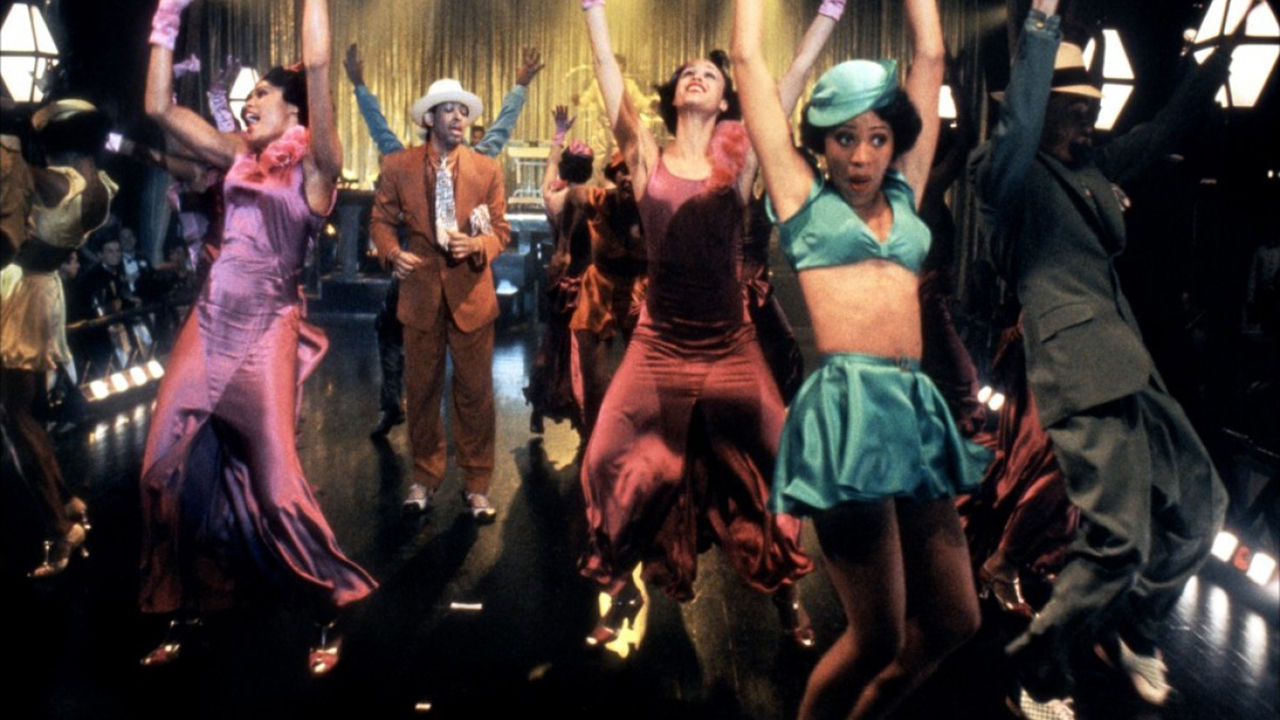
Would win, if restricted entirely to the Nic Cage canon: The Cotton Club

Cage hasn’t appeared in a ton of period pieces, and that’s what Oscar voters appreciate most. So Francis Ford Coppola’s strange ode to Harlem fits the bill. (As a bonus, there aren’t all that many Black people around in a film about jazz, so that should go over well.)

Directing

Will win: Damien Chazelle, La La Land

There is a distinct possibility that the Academy will split the difference here, bestowing best picture on La La Land but recognizing the power and nuance of Barry Jenkins’ profound …

Oh, who am I kidding. Chazelle wins.

Would win, if restricted entirely to the Nic Cage canon: Brian De Palma, Snake Eyes

This is perhaps the most competitive category in the Cagies, as I’ve literally just this moment decided to call them but am too lazy to go back and change the earlier text to reflect.

Nic Cage has worked with a who’s who of modern masters — your Scorseses, Coppolas, Coens, Stones, Lynchs, Jewisons, Roger Donaldsons.

But De Palma’s narrative fuckery, splitscreen aesthetic, and rather bizarre decision to deploy a Rashomon-like structure to this Vegas-set tale of intrigue and conspiracy marks a high point in the Cage canon. It’s not De Palma’s best work — not by a long shot — but it deserves mention for sheer audacity, delivering directorial chops that no one else in their right mind would’ve thought Snake Eyes particularly required.

All The Rest

Tune in next time, when we consider the writing, sound, music, and technical categories, many of which will be dominated by La La Land and Arrival, but all of which will have to contend with the masterpiece that is Con-Air. Happy Oscars! (Which is a thing I think one says.)

(Part 2)

February 22, 2017 0 comments
0 FacebookTwitterPinterestEmail
Film

Streaming Selections: Clouds of Sils Maria

by rick February 18, 2017
written by rick

Nearly every review of Oscar Assayas‘ weird, lovely Clouds of Sils Maria eventually brings up the Swedish master Ingmar Bergman, and I don’t see why this one should be any different.

The Juliette Binoche/Kristen Stewart two-hander often plays like Assayas received some sort of Five Obstructions-like challenge to conjure up something “Bergmanesque” without the benefit of Sven Nyquist or Liv Ullmann. Clouds of Sils Maria is up for the task.

As a celebrated actress returning to her iconic role, Binoche is predictably brilliant: brittle, full of self-doubt at this late stage in the game, but also deeply proud of her craft. Stewart plays her personal assistant, with whom she rehearses lines in a remote location in the Swiss Alps as prep-work.

As in Bergman’s Persona, Assayas’ clear touchstone and another portrait of two women on uneven ground in an isolated environment, some odd transferences start haunting the film. Then they haunt the play-within-the-film. And then they haunt the play-within-the-play-within-the-film. It’s that sort of affair.

The leads are brilliant — Binoche absolutely captures her funhouse-mirror twin of a character, and Stewart, somewhat unexpectedly emerging, post-Twilight, as one of cinema’s great talents in recent years, is revelatory here.

As in Assayas’ earlier Irma Vep, there’s enough meta here to power a small country (or at least a cabin in the Alps), and Clouds of Sils Maria is never less than engrossing.

(Streaming on Netflix)

Quick Links

Margin Call

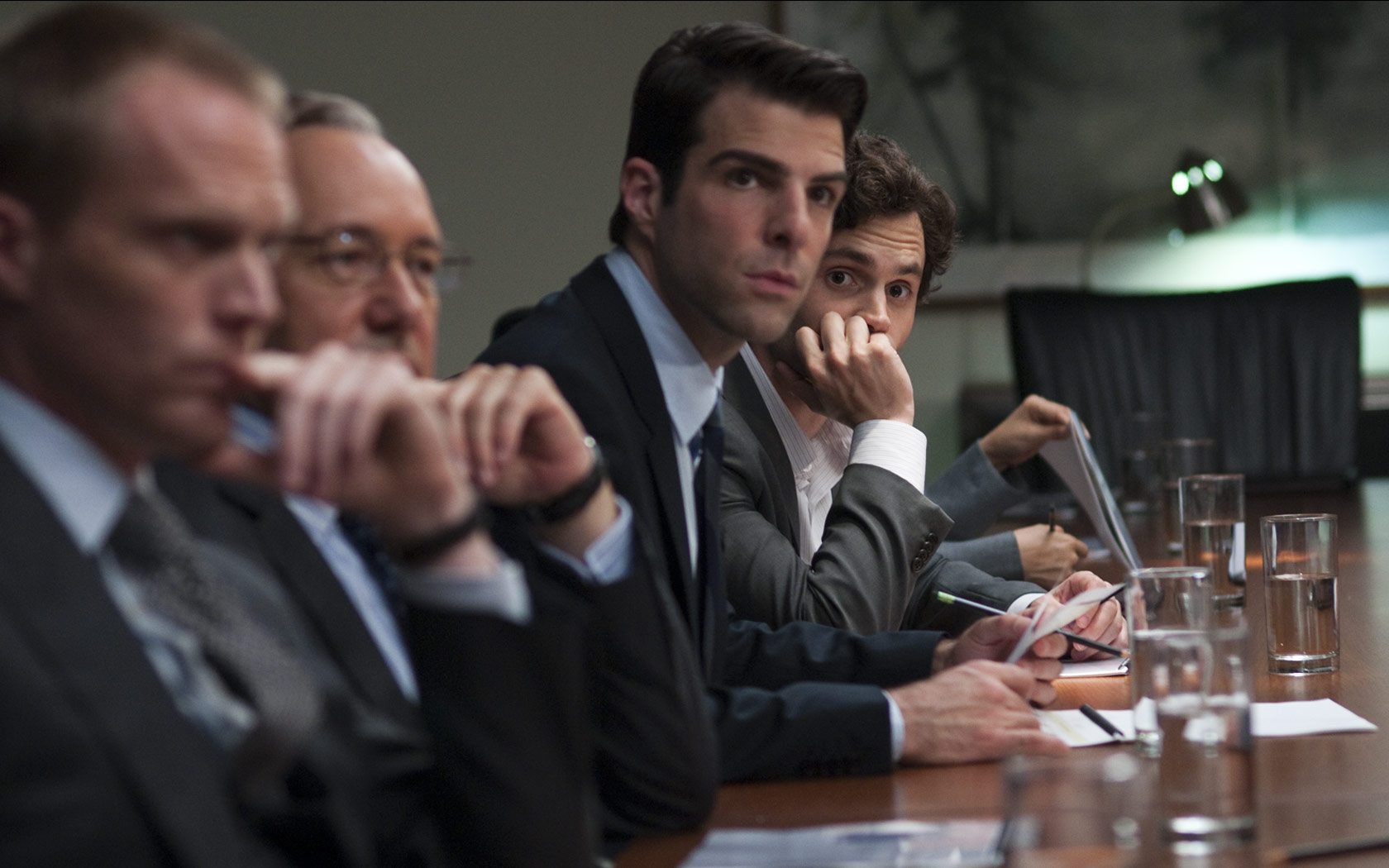
There’s no shortage of cinematic treatments of the 2008 financial crisis, but J.C. Chandor’s Margin Call might be the most accomplished of the bunch.

It works as a thriller and as a deeply cynical take on the industry, generating outrage and even some dark laughs, all without once deploying a bathtub lecture from Margot Robbie. (Sorry if you were hoping for that.)

In some ways, Chandor’s taut vision has more in common with Oliver Stone’s Wall Street than The Big Short, complete with a scene-devouringly villainous turn from Jeremy Irons. But the cast is stellar from top to bottom, and it keeps you on the edge of your seat even though we all know how the world of sub-prime mortgages turned out. It’s simply well-done all around: a gripping, unsettling portrait of morally fraught characters on the verge of disaster.

(Streaming on Amazon Prime)

Ciao, Lola

A trifle, but an engaging one (for all of its six minutes).

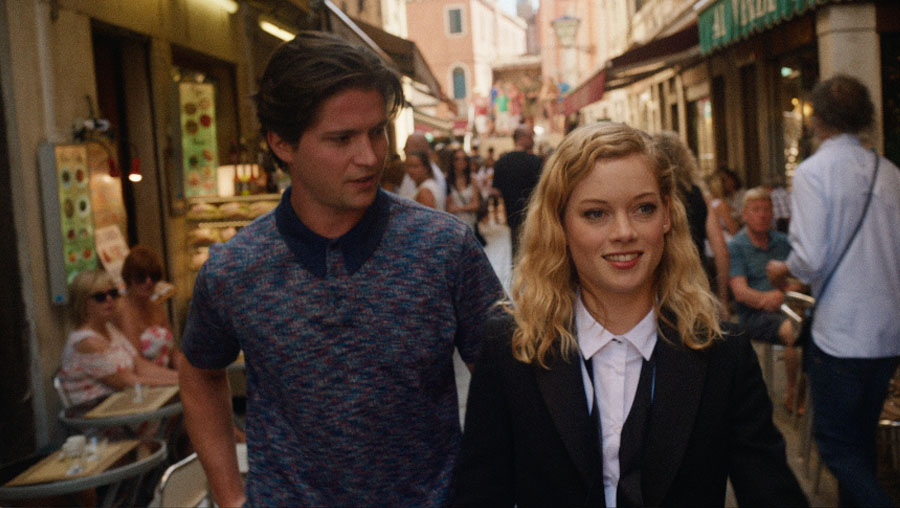
Director Oscar Boyson produced Noah Baumbach’s Mistress America and Frances Ha — facts that can serve either as an invitation or a threat, depending where you’re seated — and it shows. His Ciao, Lola is a love letter both to screwball comedy and the city of Venice, where a visiting boyfriend is unnerved to discover just how well his expatriate love has immersed herself in the local scene.

If you don’t expect much more than some cute interactions, some tomfoolery, some clever blocking and tracking shots, and some Venetian charm, you’ll walk away pleased. As shorts go, this isn’t a mindblower. But, if you’re in the right frame of mind, it’s delightful.

(Streaming on LeCinemaClub)

Snake Eyes

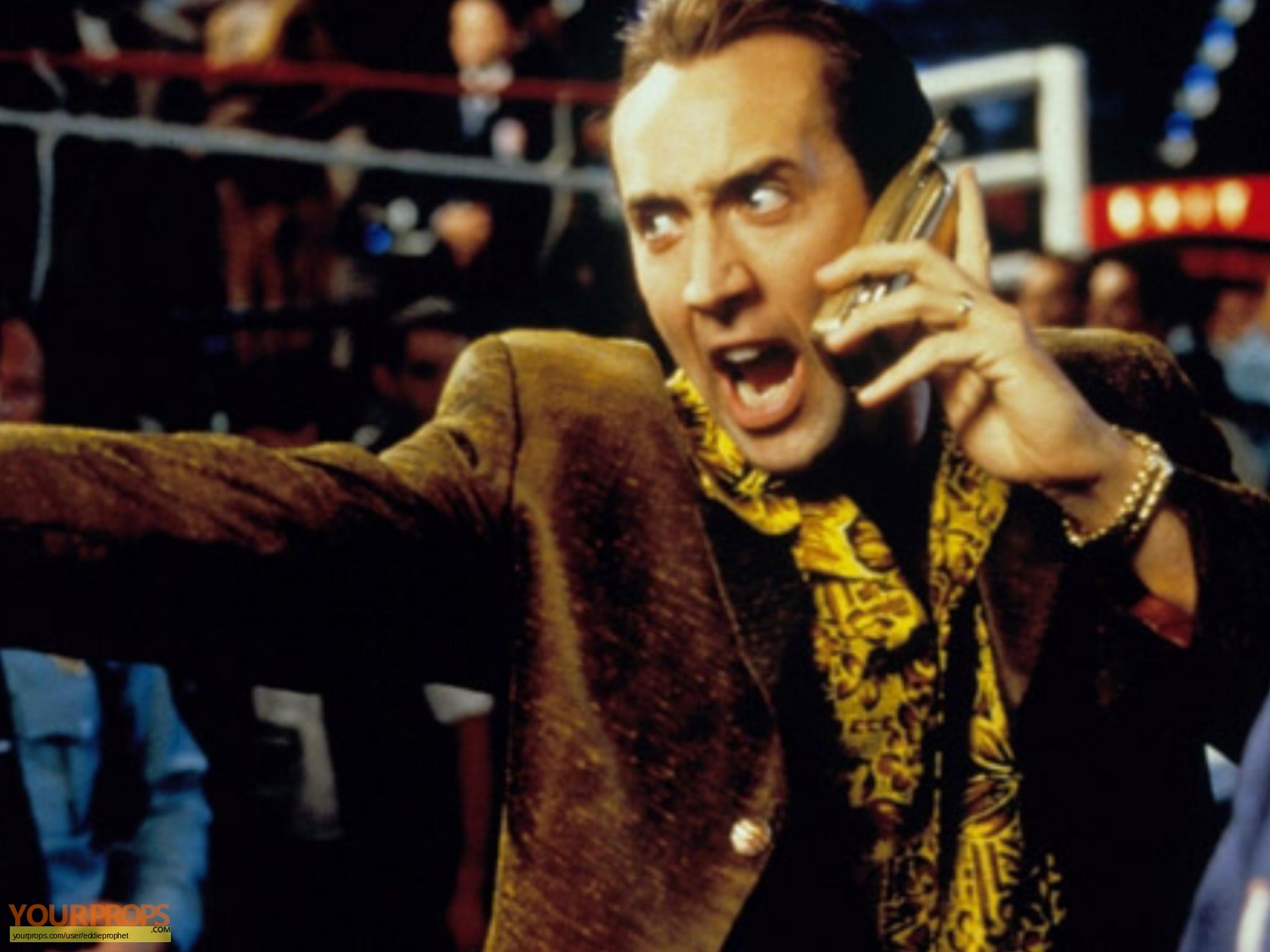
Somehow serving as both the worthiest entry in the “Nic Cage is in Las Vegas” canon and “Brian DePalma’s gonzo Rashomon,” Snake Eyes is all sorts of batshit. Would you expect less from this pairing?

Cage is a semi-corrupt cop out of his element with the big boys here. He thinks he’s running a scam at a prize fight, but other scammers have plans that far outstrip his penny-ante conspiracy.

The entire structure DePalma sets up is bonkers. We return again and again to crucial moments that, in hindsight, reveal the plot (and I do mean “plot”). Nic doesn’t go full-Cage here, but he’s serviceable enough for the material, and the rest of the cast rounds out the hijinks.

If you have an empty Cage-hole, this is absolutely a top-shelf choice to go ahead and shove in there.

(Streaming on Netflix)
Une Femme Coquette

And in the day’s biggest news, and the kind of thing that makes cinephiles lose their collective minds, Jean-Luc Godard’s first attempt at a narrative film Une Femme Coquette has shown up out of nowhere. Shot when he was just 24, it’s long been considered something of a holy grail for devotees, as the AV Club’s Ignatiy Vishnevetsky explained in 2014:

Une Femme Coquette is the most elusive rarity of the French New Wave, and possibly the most difficult-to-see film by a name filmmaker that isn’t believed to be irretrievably lost. Actually, plenty of references list it as lost—which, again, it isn’t—because it’s never been distributed and because no film archive or public collection will cop to owning a print.

And now, because everything is bizarre no matter where you look, it’s on YouTube, and presented below. You’ll have to learn French if you want to appreciate it fully, but you were probably planning to do that anyway.

February 18, 2017 0 comments
0 FacebookTwitterPinterestEmail
CommentaryFilm

My fellow white people need to watch I Am Not Your Negro

by rick February 17, 2017
written by rick

I don’t want to startle any of my readers, but it turns out I’m a white guy. Watching I Am Not Your Negro, this couldn’t have been clearer.

Perhaps you may have gleaned this fact about me somehow — say, my weird focus on Nicolas Cage or the fact that I genuinely, almost angrily enjoy La La Land. Fair enough.

But if you had not, let’s take a moment to affirm the obvious: pretty fucking white, this guy.

The world of film and film criticism is overwhelmed by white guys like me. This is a simple observation, not a ritual sacrifice. It’s profoundly uninteresting to watch someone tear their guts out in some weird version of atonement, and I have no compulsion to do so.

But I do think it’s important to note where critical things come from, the identities and perspectives that shape our reactions to pop culture. And I also think it’s important to try to make anti-racism a part of our practice.

On this site, for instance, the Counter-Programming series is intended to challenge the canon. I hope to emphasize films by women every chance I get. This is not an applause line; it’s a basic gesture toward inclusion and solidarity. It’s literally the least I can do.

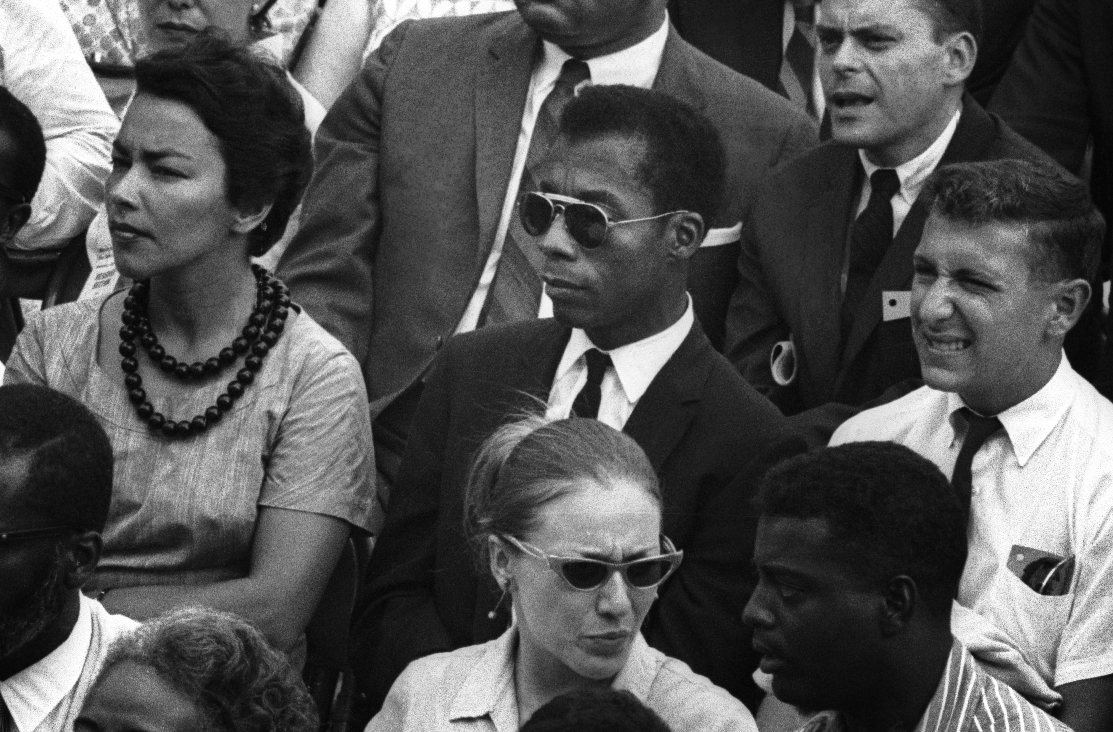
I just returned from Raoul Peck’s I Am Not Your Negro. It’s an acclaimed documentary about James Baldwin, which is another way of saying not many people probably saw it so far. This is a huge mistake.

I write this as a direct appeal to other white people. Please go see I Am Not Your Negro.

Peck’s film establishes a tripartite structure — focused on Baldwin’s remembrances of MLK, Malcolm, and Medgar Evers — but veers off into unexpected territory. Film itself becomes an issue: the whys and wherefores of representation. Samuel L. Jackson’s readings of Baldwin form the core of the film’s aural strategy, while we are richocheted across years and moments. It’s unbelievably smart.

Baldwin was a singular case, a guy who stood nearby epochal events but with enough distance to gauge them critically, but the whole weight of the American tragedy bears down on the film. In I Am Not Your Negro, we are forced to consider how these images weasel their way into our consciousness, how they structure our minds and behaviors. It’s not a pleasant story. But then, as Baldwin notes, neither is the story of America.

It’s defiant and relentless, and it shreds easy objections. It’s a history you — yeah, you — need to grapple with, told with skill and nuance and beauty.

The film’s rage is palpable, simmering. Like Baldwin’s prose, I Am Not Your Negro somehow keeps its head, but looks you right in your face.

SM 00

Black folks should absolutely check it out, too — it’s a great film! I don’t want to somehow construct an argument that the film is simply a pedagogical instrument for the improvement of white folks.

But it’s white folks who need it most. I am convinced of this.

I don’t care if you’re the most anti-racist motherfucker that ever walked the planet. There is stuff here for you to chew on.

And if you are that badass woke motherfucker that your iron-on patches say you are, then surely you want to engage with something that challenges your premises, presents images you need to see, and dares you to be more authentic and resolute in your rejection of the structures of white supremacy.

If not now, when?

February 17, 2017 0 comments
0 FacebookTwitterPinterestEmail
Commentary

In Praise of the Short Film

by rick February 15, 2017
written by rick

Movies, as we all know, are too long.

In the past, I’ve tended to roll my eyes at this allegation, chalking it up to the short-attention spans of the philistines who’d rather rewatch an episode of The Office yet again than encounter something new and daring, something incisive and in love with the image, something that has the unmitigated gall to last more than 45 minutes.

Sorry, Lav Diaz, we got shit to do today!

The “film vs. TV” debate rages on in some quarters, even as the lines between media blur more and more. On one level, it’s an inane discussion, a think-piece industry predicated on categorical absolutes that fall apart on the most cursory of examinations.

But in my experience, there’s at least some amount of empirical truth to it: I have friends that fall asleep during every film, yet somehow have time and energy to binge-watch an entire, 6-season series twice. What a world.

Enter the short film.

Usually defined as lasting less than 50 minutes and constituting a self-contained whole, the short film complicates things in a necessary way, challenging our easy categorical notions. Like the short story, its analog in the world of literature, the short film can prove just as emotionally or intellectually resonant as a “feature-length work,” and can even gain accumulate power through its concision. On the flip side, like the short story, it can also fall prey to charges of pretentiousness and a forced structure. A friend blames the tediousness of the modern American short story on a willful echoing of formal piety (and also Hemingway): vagueness, allusion, probably a revelation at the end that throws everything in doubt but leaves enough room for ambiguity. In other words, a preciousness.

With all due respect to my friend, there are too many exceptions to this to count, or therefore to even count as exceptions. Flannery O’Connor springs to mind. And a young Thomas Pynchon, who in later years never met a paragraph he thought couldn’t be elaborated on, put together some exceptional short work.

Pynchon’s example is worth considering in this context. Short films also have traditionally provided an entrance point for budding filmmakers working through ideas that would later be re-constructed as features. (To take one recent example, Houda Benyamina’s Divines, which I raved about here, had its clear genesis in her earlier short The Road To Paradise.) It’s a logical move: the short film can be seen, within the industry, as a test flight, engineered to generate finishing funds for a larger treatment, and for the artist it can be a proving ground, working out the nuances and ideas that will be developed in later work.

There’s nothing wrong with that, but it also short-changes the shorts themselves. At their best, short films aren’t somehow half-finished versions, awaiting their complementary middle section, but operate on an entirely different structural logic. This also allows for both formal innovation and offbeat visions, snapshots of worlds that rarely make it to the feature-length screen.

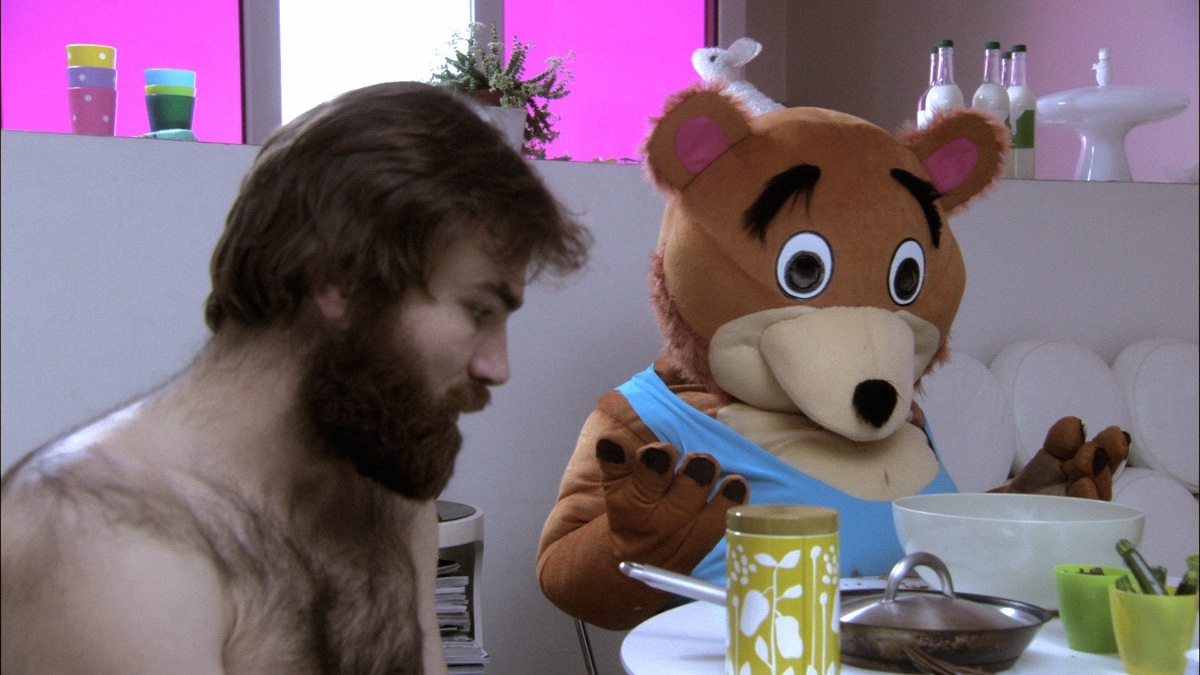
Consider Maman(s), Maïmouna Doucouré’s brief portrait of a Nigerian family at a crossroads. Or Barry Jenkins’ My Josephine, gorgeously shot by his collaborator James Laxton a full 13 years before their celebrated Moonlight, which gives a glimpse of the immigrant experience in post-9/11 New York. Or Benoît Forgeard’s Respect, about the tumultuous relationship between a cereal mascot and his frustrated lover who has decided to attend ninja school. Or Un Grand Silence, Julie Gourdain’s haunting depiction of pregnant teens shuffled away to seclusion by bourgeois parents as the Parisian insurrection of 1968 plays in the background.

None of these films would desire, or need, an additional hour or three. They show up, make their points, and leave the stage, while we, as viewers, wonder after them.

Can they ever overtake the ubiquity of predictable pratfalls, idiot plots, and that particular variety of soothing comfort familiar shows provide? Probably not. But they remain out there, waiting, and they’re more available than ever. The recently concluded My French Film Festival featured many; Le Cinema Club offers a new short every week; CutPrintFilm has an essential rundown of Vimeo’s best offerings every week.

There’s a world of stuff to explore, and most of it takes less time than making a cup of coffee. Who knows? Maybe you’ll discover the next great thing.

February 15, 2017 0 comments
0 FacebookTwitterPinterestEmail
Great Movie Project

The frightening prescience of Fritz Lang’s M

by rick February 13, 2017
written by rick

It’s almost a cliche to focus on opening or closing shots of a movie, as though these bookends hold within them all the mysteries the “middle section” (i.e. the film) will explore. But in the case of Fritz Lang’s masterpiece M, that virtuoso opening really does clue us in to the kind of film we’ll be encountering, its aesthetic and concerns.

A vertiginous crane shot reveals a group of children playing in a courtyard, singing a rhyme in a circle (a macabre one, as children frequently seem to prefer) — here, it’s a sort of eeny-meeny-meiny-moe game predicated on a serial killer of children. A mother on a staircase, suddenly shot from below, from the children’s viewpoint, yells at them to stop it with the dreadful theme. They briefly comply, and get back to it as soon as she leaves.

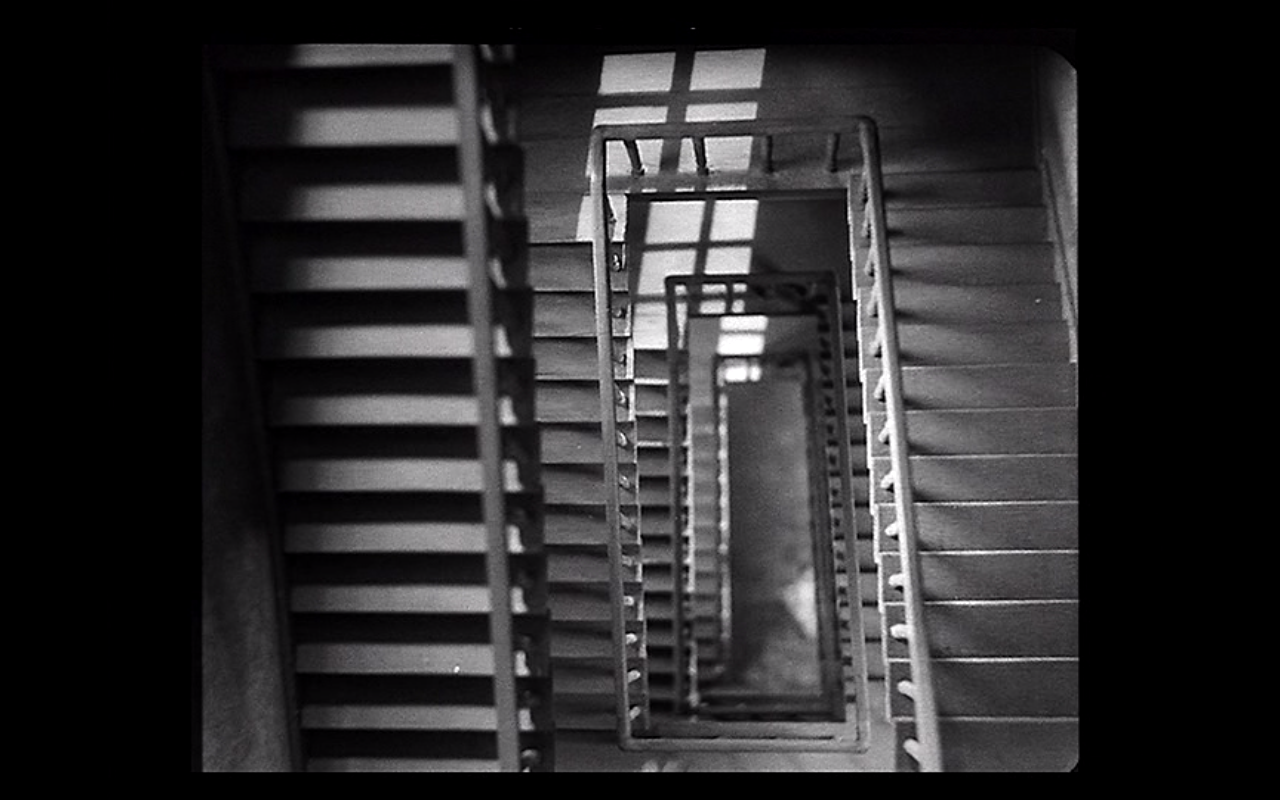
The children, seen from above as though from a hidden vantage point, look small and vulnerable; the mother, seen from below, seems inconsequential, a scolding figure of waning authority. There’s a lingering sense, a mood, that things are not right, that the center can’t hold, that we’re impinged upon by something unseen but felt. A specter is haunting Berlin, off-kilter, off-camera, in shadow, but captivating the public mind. And if the outside world is puzzling, the interiors are just as strange, like the moody, labyrinthine staircase in the tenement where a mother waits anxiously for her daughter to return from school.

M stands at a number of crossroads simultaneously. A visually striking and morally fraught examination of a child murderer and the efforts to stop him, it’s perched between German Expressionism and what would come to be known as film noir; it’s a “talkie” (Lang’s first) that plays like a silent, with a few dramatic and influential deviations in form; and, for many modern viewers, its queasiness, unease, and distrust can’t help but prefigure what was to come, as the frenzy of Weimar collapsed into the epochal horror of the Third Reich.

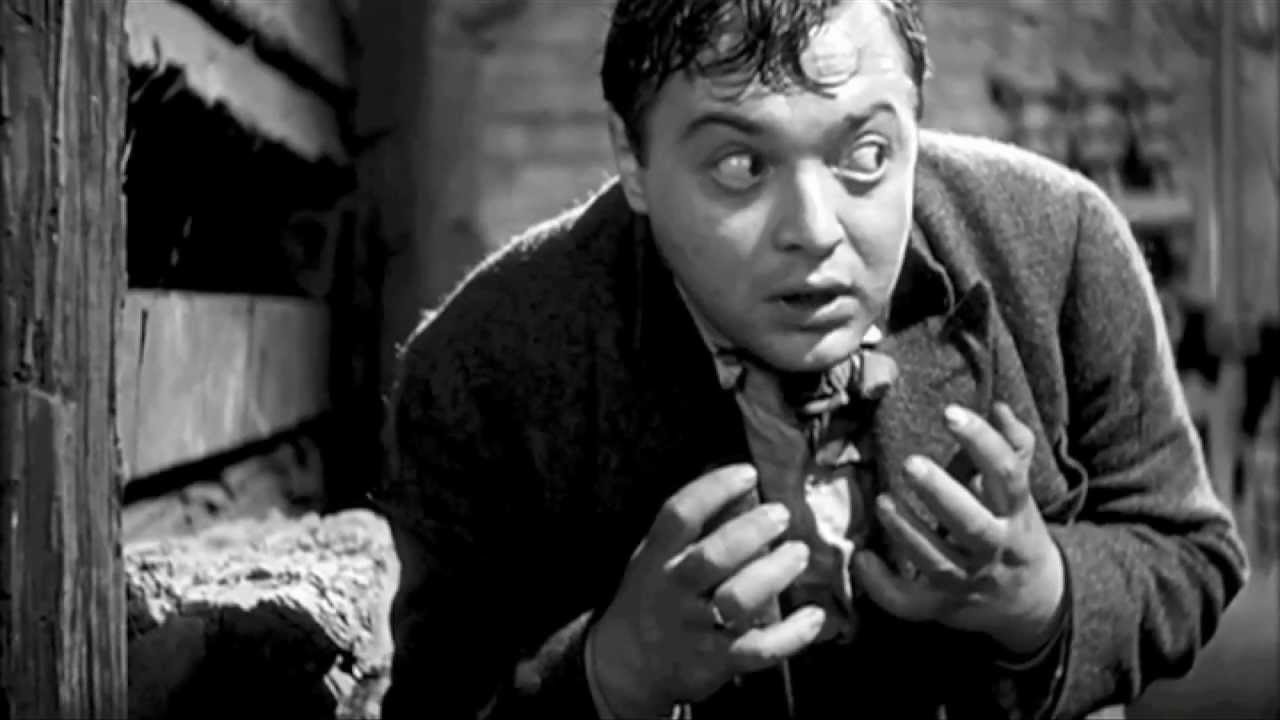
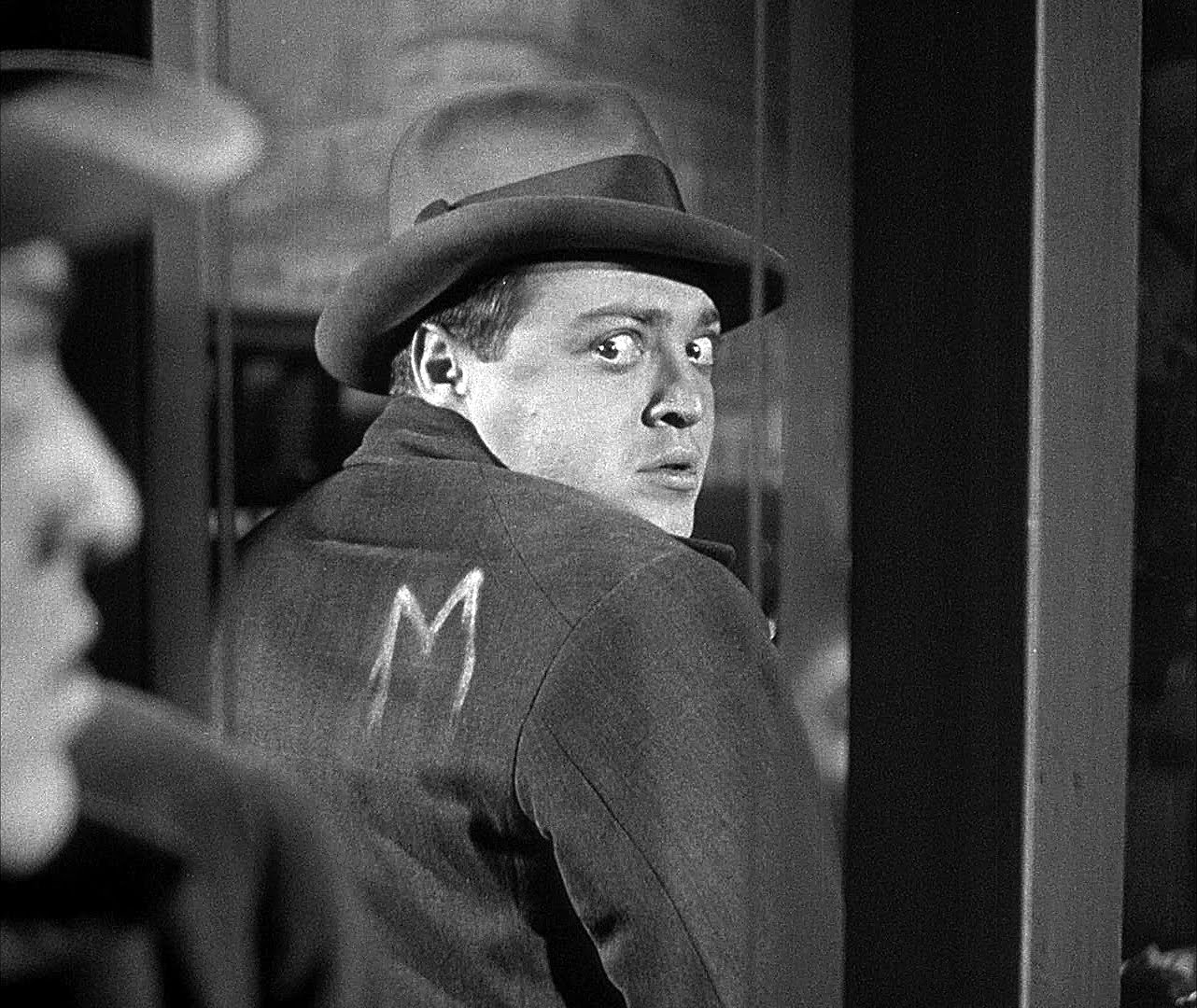
The killer is Hans Beckert (Peter Lorre, in a career-defining performance). This is not a spoiler. Although we, like most other characters in the film, don’t see Beckert’s face for a surprisingly long stretch of time, it’s never in doubt.

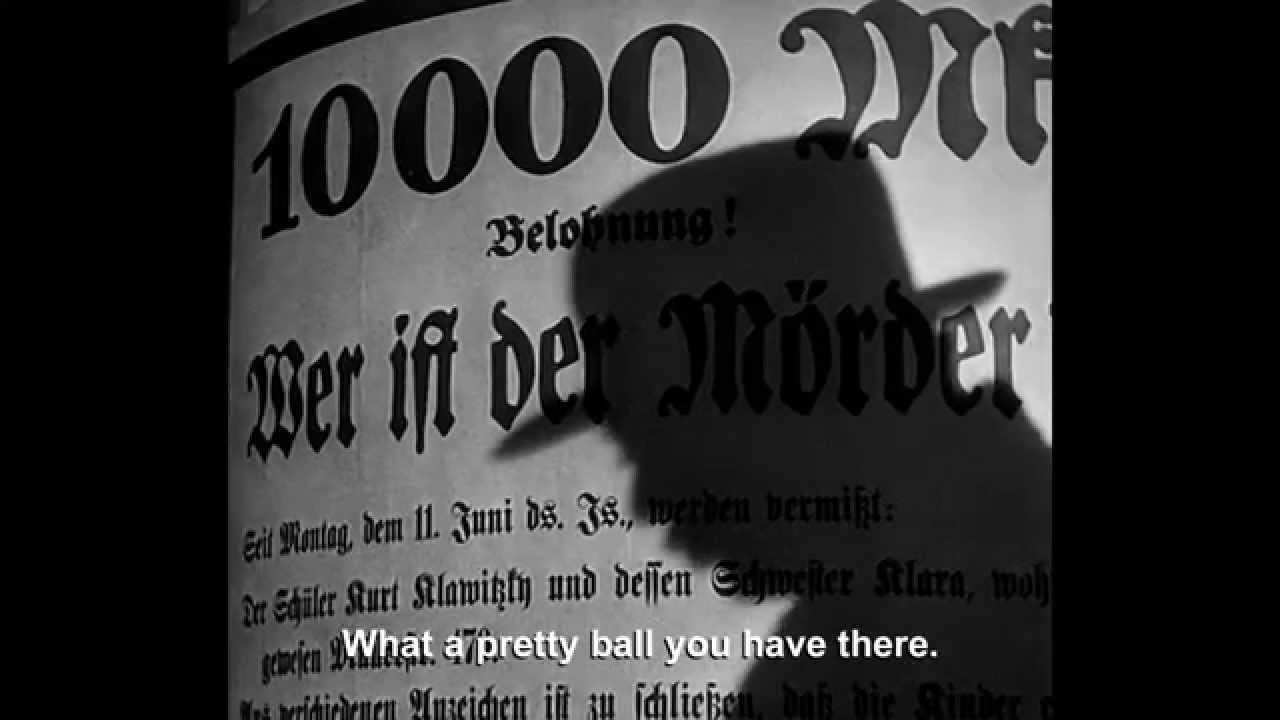
Beckert is a shadow, both there and not there. As viewers, we know him primarily through the sound of his whistling, which he does compulsively, always returning to Edvard Grieg‘s “In The Hall of the Mountain King” from Peer Gynt when his murderous impulses take hold. It becomes his calling card, the mechanism by which Lang registers the presence of an unseen, likely malevolent force. This signalling is a commonplace tactic now (think of Omar in The Wire), but as an innovation in early sound film, it’s astoundingly clever. Pair that with the superimposition of his profile, shadowed against his own Wanted poster, and you have the root of a whole library of horror and suspense techniques to follow.

Lang was in the habit, whether he knew it or not, of creating blueprints for genre films. If his Metropolis more or less invented a resonant set of images for dystopian society and high-art sci-fi spectacle four years earlier, it was M that really announced the serial killer narrative and the police procedural, or at least did so for the first time in immediately recognizable ways.

Another celebrated sequence contrasts a conference table of cops, under pressure to capture the killer and soothe public anxiety, with a similar group of criminals, concerned that the killings and the police response are clamping down on business. Lang fuses social critique with an entirely believable narrative in which collectives of interests mirror each other on either side of the law, but its lingering unease is the result of the camera’s twitchiness, its searching, as Tasha Robinson notes:

The whole film is a hunt for a murderer, and Lang’s voyeuristic camera is part of the hunt: The oddball angles make it impossible to forget where the camera is located, giving the sense that it isn’t an objective observer, so much as a spy constantly lurking, sneaking, and prying.

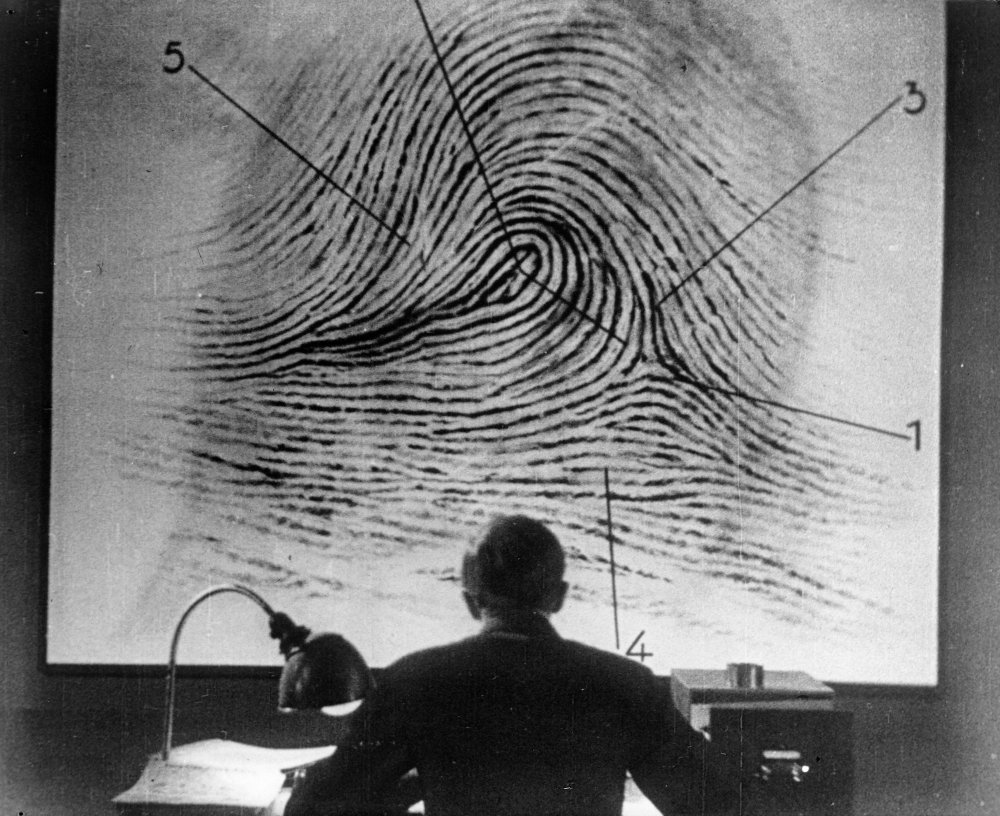
These visual techniques, emphasizing the subjective, co-exist uneasily in M with a focus on the rational. Both cops and criminals have their reasons, and make well-conceived plans to corner and capture their mark. The criminal underworld, we find out, is organized into cells, each representing territory (including the Beggar’s Syndicate, deployed for surveillance on the streets). Meanwhile, the new science of fingerprint identification is introduced dramatically to the screen, a towering image that evokes wonder even after thousands of CSI episodes.

As M shifts into its twinned procedural mode and tale of the criminal underworld, Lang creates a paradox for the viewer. Beckert’s absence from the frame aligns us with those seeking to stop his crimes, but, because of our knowledge of his guilt and compulsion, we are one step ahead of his pursuers, and strangely in the same boat as the murderer. It’s like a particularly accomplished and morally fraught version of The Fugitive, if Dr. Richard Kimble actually did kill his wife.

The film’s final, elaborate sequence is Beckert’s trial, not before a court of law but before the conglomeration of criminals who desperately want to divorce his mania from their more workaday crimes. Sure, they may break the law, but they do so out of necessity, trying to make a living. Child-murder is a step too far, marking Beckert, figuratively and literally, as beyond the pale of acceptable transgression. (Coppola would draw on this heavily in The Godfather, where drug-running is seen as anathema to a more honest criminal code.)

But for Beckert (and his stalwart defense attorney, conjured up by the crooks), this is exactly backwards. He really does have to do what he does; he is not a moral agent, he has no control, whereas the other criminals surely are, and do. He would stop if he could, but is called to commit heinous acts by a force he can’t understand or reject; they show no inclination to abandon their petty transgressions, though they can. How could he be seen as the worse of the two, simply because his crimes are so heinous? If he’s compelled to commit them, as his “lawyer” in the kangaroo court suggests, this is a case for the doctors, not the courts.

For Lang, M was a personal favorite, as he told Jean-Luc Godard 30 years after its release (and who would, 2 years later after that, posit the German master as the philosophically-grounded force of imagination and artistic integrity in his Contempt). Lang’s reasons are curious: from the start, he seemed to view the film’s purpose as pedagogical, and somewhat stripped of the politics that seem so overt now (and probably did then), amounting to a literal reading of its closing lines about looking after the children.

But it’s always hard to take Lang at his word. He wrote that M

point(s) an admon­ish­ing and warning finger at the unknown, lurking threat, the chronic danger emanating from the constant presence among us of compulsively and criminally inclined individuals, forming, so to speak, a latent potential that may devour our lives in flames…

Even allowing for hyperbole, this sounds quite a bit more than “looking after the children”. And indeed, Beckert disappears for the entire middle sequence of M. Instead, we witness the social frenzy that ensues when definitive answers aren’t available. Paranoia takes hold, and anyone who so much as speaks to a child is a potential killer. A man is beaten down in the street for telling a young girl the time when she asks. Allegations are hurled, phony leads stymie the police investigation. There’s a precarious sense that mob rule will overwhelm any vestige of reason.

Throughout his career, Lang was deeply suspicious of mob mentality, and this is seen in proto-form in M. Neither the stalwart cops, the careerist criminals, or even the insane Beckert are entirely to blame for the set of circumstances that leads to atrocity. But that “admonishment” Lang speaks of is directed without reservation to the self-appointed keepers of the public good who are so quick to rain down judgment on their fellow citizens. Beckert’s isn’t the only madness in town.

And history surely bears this out. His wife and artistic collaborator Thea von Harbou would become an enthusiastic Nazi; Lang would refuse Goebbel’s offer to become head of UFA, fleeing Germany (like his star Peter Lorre) for a career in Hollywood. The center wouldn’t hold, as it turns out. Millions of murders later, it’s understandable to see M as a prophecy.

But that risks reducing art to simple determinism. Lang would have none of it; he was struck by reports of serial killers in the press, and thought it would make good cinema. But good cinema has a way of naming things in advance, capturing the zeitgeist, and M remains a shocking example. It was instrumental in conjuring up the serial killer movie, the police procedural, even the heist film, and thereby making room for the aesthetics of film noir.

Still. The black-gloved hand on the map, the concentric circles, the notion of total surveillance, mob rule, the failure of decency and the withdrawal to mass suspicion would all prove resonant in the years to come. Even if the prescience was accidental, it’s there in the text. And it’s scary as hell.

Favorite Ebert passage:

Certainly “M” is a portrait of a diseased society, one that seems even more decadent than the other portraits of Berlin in the 1930s; its characters have no virtues and lack even attractive vices. In other stories of the time we see nightclubs, champagne, sex and perversion. When “M” visits a bar, it is to show closeups of greasy sausages, spilled beer, rotten cheese and stale cigar butts.

February 13, 2017 0 comments
0 FacebookTwitterPinterestEmail
Film

Streaming Selections: Cameraperson

by rick February 10, 2017
written by rick

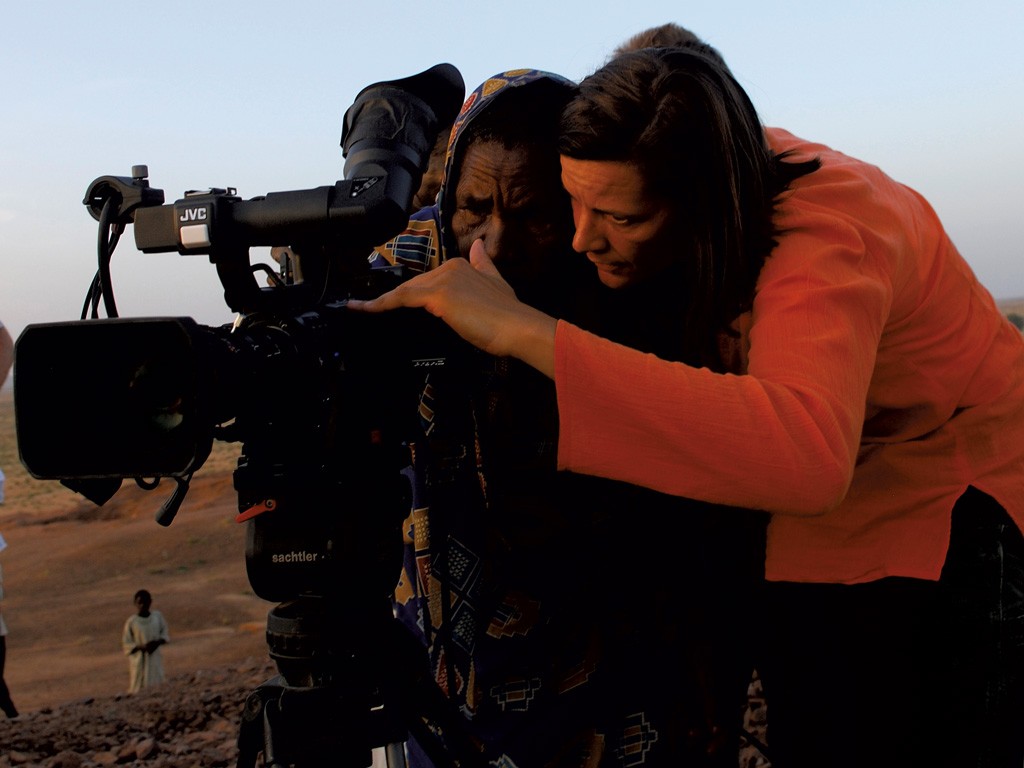
In its opening title card, Kirsten Johnson describes her acclaimed documentary Cameraperson as a memoir of her 25 years of filmmaking. Of course, any individual film is itself a memoir of sorts, preserving moments in time when subjects collided and collaborated and performed; it’s the nature of the medium. Johnson’s clever and moving approach is to address this head-on through formal technique, to frame the fragments of an individual story through the collective in which that story is situated. It’s a personal history told almost entirely through the images of others, and it accumulates enormous grace over the course of its running time.

The images themselves all come from unused material from films Johnson has shot, implying, without putting too fine a point on it, that there is value in the cast-off and discarded. Not just value: perhaps, once strung together, those are the moments that we return to when trying to assemble meaning.

Cameraperson makes few attempts to force that meaning. Transitions are perfunctory, new locales and eras indicated only by time-stamp or basic overlaid identifying text. Here we are in rural Bosnia, in a rec center full of ping-pong tables that was once the site of mass rape, or drinking blueberry tea in the mountains. Here we are outside a detention center in Yemen, with Nigerian midwives in a proud but ramshackle hospital, talking with Jacques Derrida as he moves briskly across a busy city street. Sections emerge and recede, sometimes returning with larger or smaller degrees of emphasis; Johnson’s mother, suffering from Alzheimer’s, makes several appearances, struggling to remember the details of the past.

Cameraperson has been described as a “montage of horror”, but that’s not quite right. For one thing, montage implies an Eisensteinian attempt at synthesis, and Johnson is much more interested in the images themselves than their resolution into a moralizing whole. “Collage” would almost certainly be the better term.

Nor is Cameraperson solely invested in horror, despite the grimness of some of its depictions. (Johnson’s work has taken her, for reasons familiar to anyone watching documentaries, to some grim places.) One sequence captures stills of sites of atrocity she has visited for her work, but it’s not atrocity that we witness. As in Night and Fog, we are invited instead to consider the normalcy, the mundanity, even the beauty of these locations, and certainly the resilience of the world. Such sequences butt up against depictions of family, children goofing around, joyous dancing. Johnson, as the cameraperson, tries only to get out of their way.

The irony, of course, is that the camera is itself always and forever an intrusion, a mediation. Other sequences emphasize the staginess of the set-up, the care in framing, trying to get it right — in a sense, trying to make sure the world she’s seeing registers, which is a way, Heisenberg Uncertainty Principle-like, of changing the world observed. Cameraperson is not merely unafraid of but invested in this contradiction, which is just one of many Johnson emphasizes.

In the end, Cameraperson is elusive and honest, full of gorgeous images and big ideas conveyed with minimum didacticism. Lovely, haunted, frightening, and truthful at least to its ambitions, it’s a filmic memoir about the world, the camera, and subjectivity itself.

(Streaming on Amazon Prime)

Quick Links

My Josephine

Fans of Moonlight will want to check out director Barry Jenkins’ debut short.

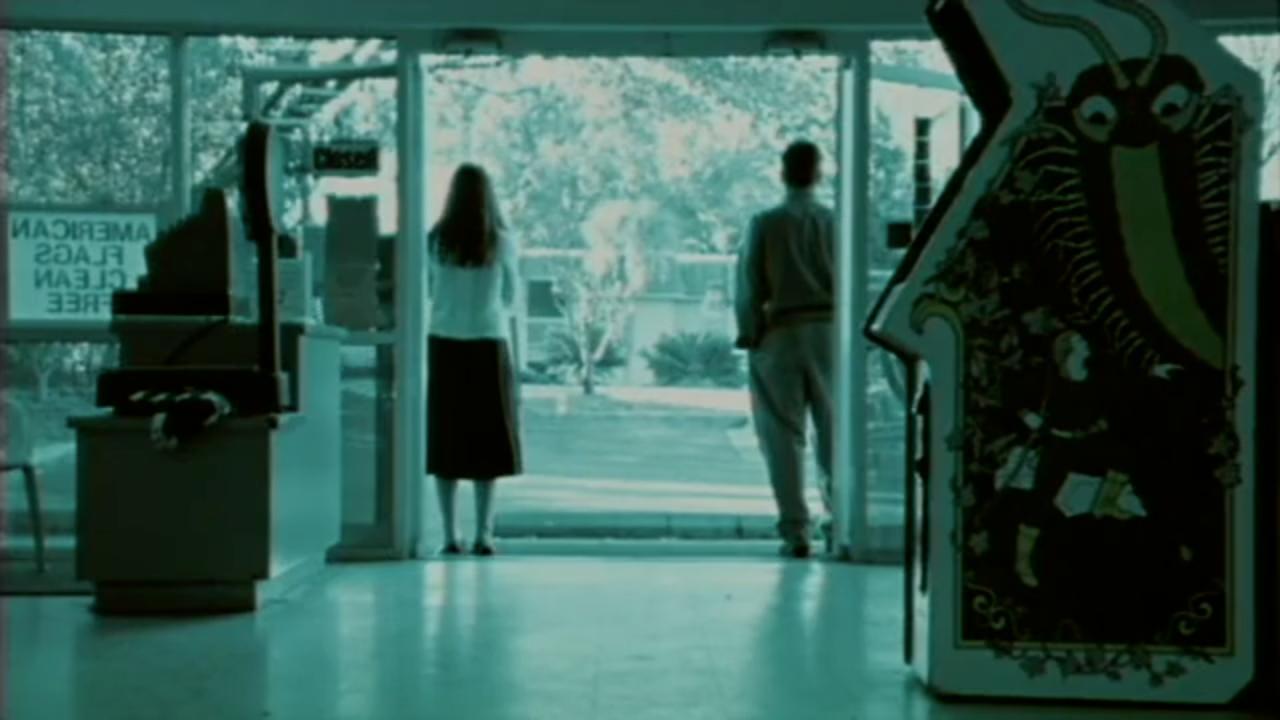
My Josephine was a student film, and it’s not hard to recognize this, but on the other hand there are flashes of poetic loveliness sprinkled throughout. Telling the oblique story of two lonely, immigrant folks working at a laundromat, one in love with the other, who wash American flags for free, it’s a quiet depiction of post-9/11 unease and much more timeless desire.

Jenkins busts out some formal experimentation that isn’t really needed, but longtime collaborator James Laxton shoots its eight minutes in washed-out tones suggesting distance, alienation, and hesitance. This isn’t a masterpiece, but it’s an interesting prelude to a career that’s now truly taking off.

(Streaming on Le Cinema Club through 2/11 and on Vimeo)

Flesh and Volcanoes

Director Clémence Demesme cites Bill Viola and Alejandro Jodorowsky as influences, but the impressionism on display in her 2015 short seems to have as much in common with Sophia Coppola or other impressionist chroniclers of adolescent (and post-adolescent) inner turmoil.

Flesh and Volcanoes is a coming-of-age story, marked by an absent mother, a laid-off dad, what seems to be a crush on a substitute teacher, and a mission to procure a bunch of animal hearts from a butcher shop for dissection in class. Interspersed are moments of tenderness as our protagonist Laura navigates her small village and imagines the world outside of it. It’s an assured statement from a director to watch.

(Streaming on My French Film Festival through 2/13)

Michael Bolton’s Big, Sexy Valentine’s Day Special

If the words “Lonely Island,” “Comedy Bang Bang,” and “Michael Bolton” don’t do anything for you, consider skipping this.

However, if you like the sound of those things together — meaning, also, absurdity, meta-send-ups, and offhand references to my favorite movie, The Santa Clause — then you probably can already envision what you’re in for.

Bolton’s unlikely late-career resurgence is not just attributable to Andy Samberg and crew; he’s legitimately funny and so game to spoof himself that this business can’t really fail, even if only half the jokes land. (Personally, I’ll be incorporating, “Wait … I’m your son? What the fuck is going on?” into my repertoire for some time.)

Meanwhile, all the regulars are in attendance, plus Maya Rudolph, Brooke Shields, Sinbad, Andy Richter, and Janeane Garofalo, and we get a soulful rendition of “Capt. Jack Sparrow”. Sold.

(Streaming on Netflix)
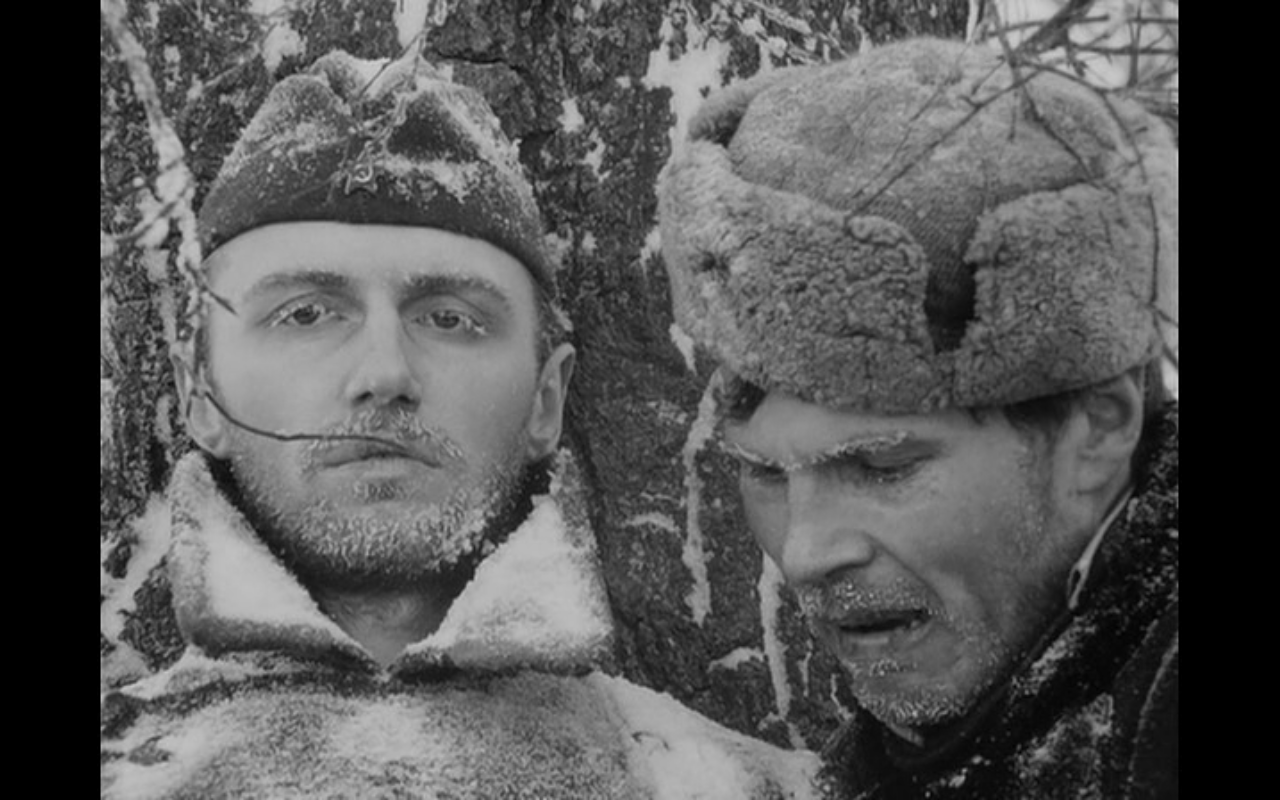
The Ascent

Released just two years before her untimely death in a car crash, Larisa Shepitko’s epic of sin, guilt, authenticity, and grace is one of the most haunting WWII films you’re likely to see. (I’d argue it rivals her husband Elem Klimov’s Come and See for visceral impact, and fully earns its place on the Counter-Programming list.)

Set in a Belarussian outpost so full of snow and ice that it’s cold to watch, The Ascent focuses on two stranded militants fighting the Germans, each facing dilemmas of collaboration and resistance. Fighting the censors every step of the way, Shepitko delivered an uncompromising vision of sacrifice, merging religious, nationalist, and existentialist tropes in ways that let no one off the hook too easily. Everyone should watch it.

(Streaming on FilmStruck)

February 10, 2017 0 comments
0 FacebookTwitterPinterestEmail
CommentaryFilm

5 Films About School for Betsy DeVos: A Cinematic Primer

by rick February 7, 2017
written by rick

Now that Betsy DeVos has been confirmed as our Secretary of Education of Bizarro World, she’s going to have a steep learning curve. This would be true for any newly-confirmed Cabinet member, but it seems particularly urgent in Betsy DeVos’ case, who shows no indication of even baseline competency for the position.

But we, and the movies, are here to help. Whether the issue is local control, charter schools, or the need to burn your tormentors with your mind, cinema has many lessons for our new Secretary of Education, who is Betsy DeVos, apparently. Here is a sample. (And yes, there will definitely be a test.)

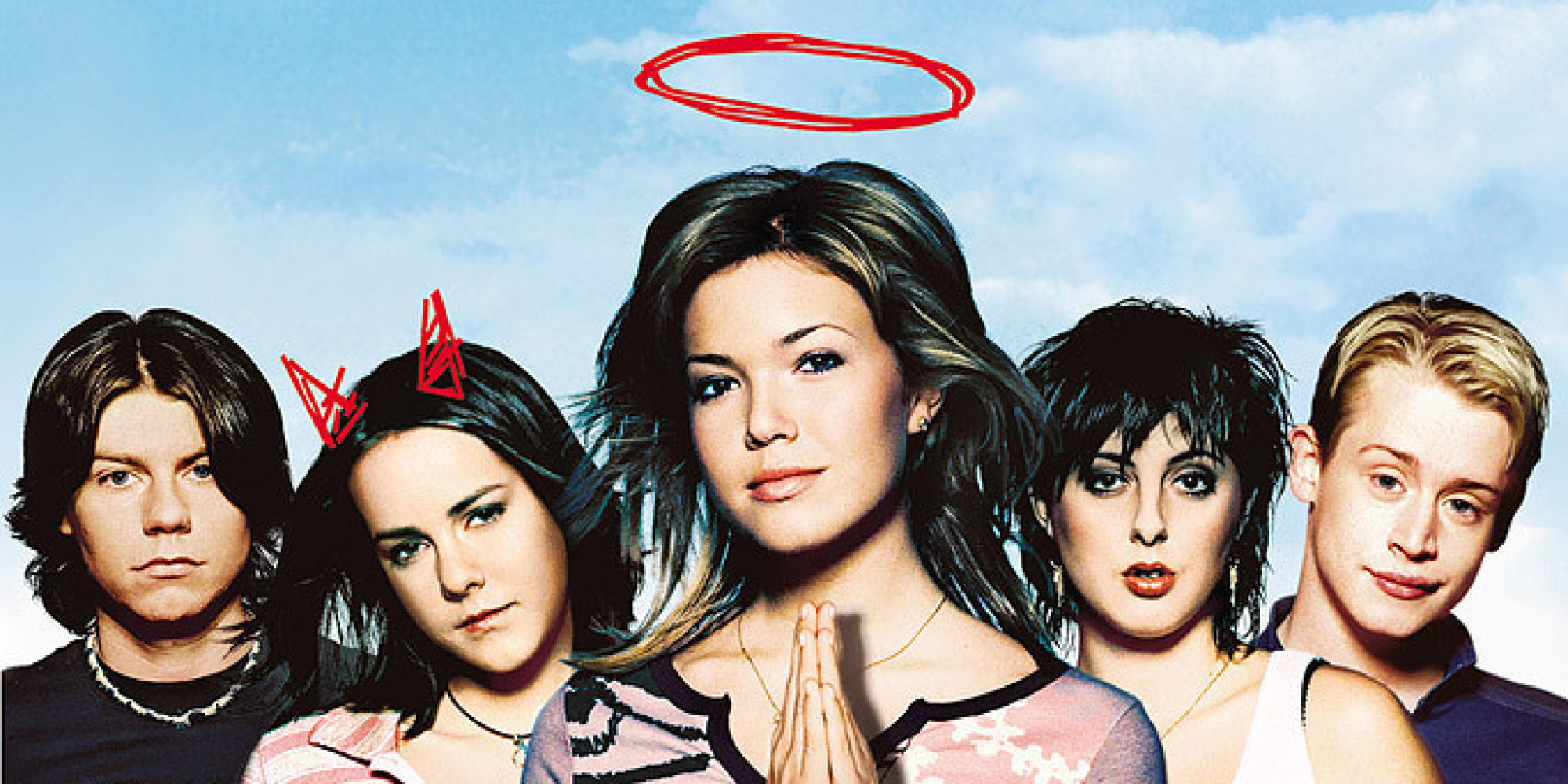
Saved!

saved!

Betsy DeVos will enjoy this entry, which pairs two things she seems to like — not understanding schools, and Jesus — into a single fun package! As she said in 2001:

Our desire is … to confront the culture in which we all live today in ways that will continue to help advance God’s Kingdom.

This may in fact have been a line originally intended for Saved!, which was released just three years later (coincidence?), so how could Betsy DeVos fail to appreciate the film?

Everyone else will appreciate its healthy skepticism toward Jesus School and Mandy Moore’s legitimately hilarious performance.

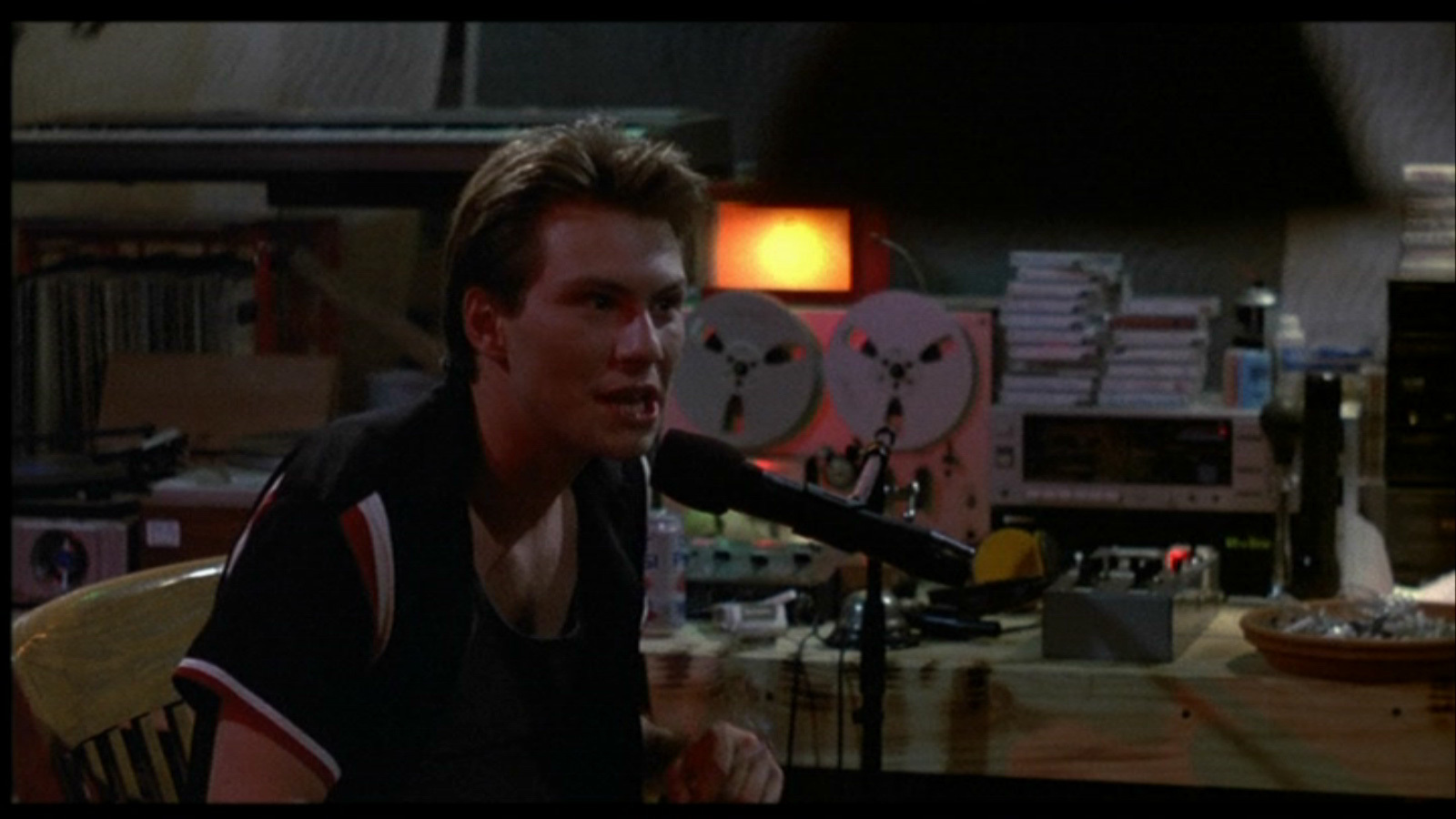
Pump Up The Volume

pump up the volume

When asked whether she’d commit to funding public schools rather than privatizing them, Betsy DeVos told Sen. Patty Murray:

We acknowledge today that not all schools are working for the students that are assigned to them. I’m hopeful that we can work together to find common ground and ways that we can solve those issues and empower parents to make choices on behalf of their children that are right for them.

This is exactly the sort of milquetoast, meaningless response one might expect from Mark Hunter, Christian Slater’s nebbish high-schooler in Pump Up The Volume, who morphs into the guerrilla-radio personality Hard Harry by night to rail against The Man.

Perhaps Betsy DeVos (whose full name we will continue to deploy, because it’s fun to say and vaguely sounds like some sort of colloquial expression a kindly older Italian man would offer if he saw you trip on a cobblestone, roughly translating to “Oopsy Daisy!”) will follow his lead and become Bad Betsy. Bad Betsy (DeVos) will then shrug off the shackles of the Administration and channel her rage through pirate radio to a sea of hungry teenage listeners desperate for revolution and a chance to unleash the sleeping giant of their collective power.

Probably not! But she should watch Pump Up The Volume anyway, if for no other reason than to actively wonder why Henry Rollins and Bad Brains are playing “Kick Out The Jams” and U.K. Surf covering The Pixies.

Perhaps this is what is wrong with our schools, or perhaps the 90s were just a strange time. Either way, Betsy DeVos will benefit from checking it out.

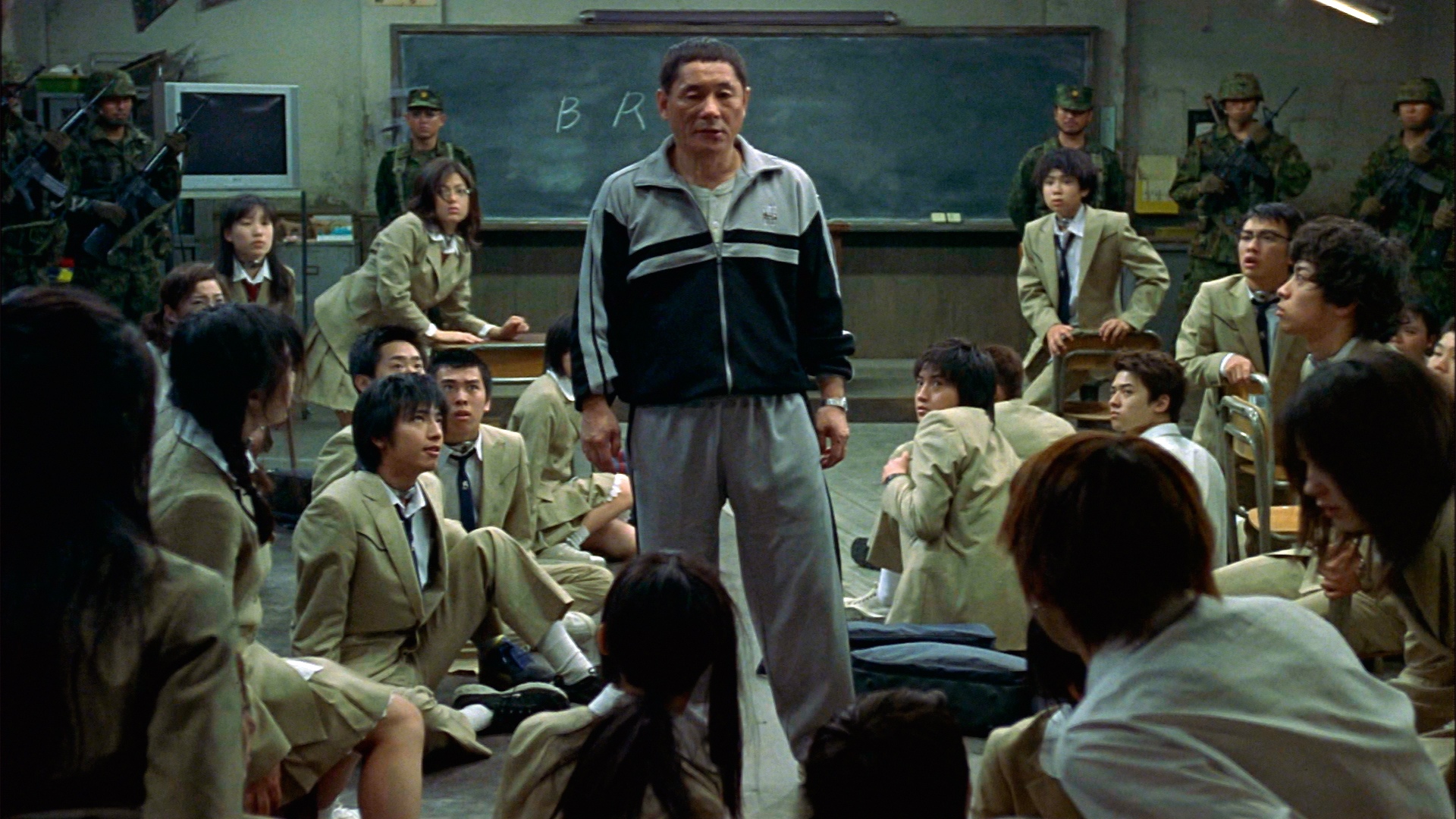
Battle Royale

battle royale

Ruminating on her own scholastic experience, Betsy DeVos once wrote,

I mean, I was bored all the way through high school. I can only imagine how much more boring it is today, when you check all of those new technologies at the door and go sit in rows of desks and listen to somebody talk at you for 30 or 40 minutes.

We relate, Betsy DeVos! So boring.

But Battle Royale offers a cogent alternative, and one worth considering in your new position. Every year, you could pick a class, send them to the wilderness armed with randomized weapons, and force them to murder each other for survival!

It sure beats a lecture, and I have a feeling Steve Bannon will love this idea.

Zero for Conduct

zero for conduct

At a rally in Michigan, Betsy DeVos proclaimed of her vision:

It won’t be a giant bureaucracy or a federal department. Nope. The answer isn’t bigger government. The answer is local control.

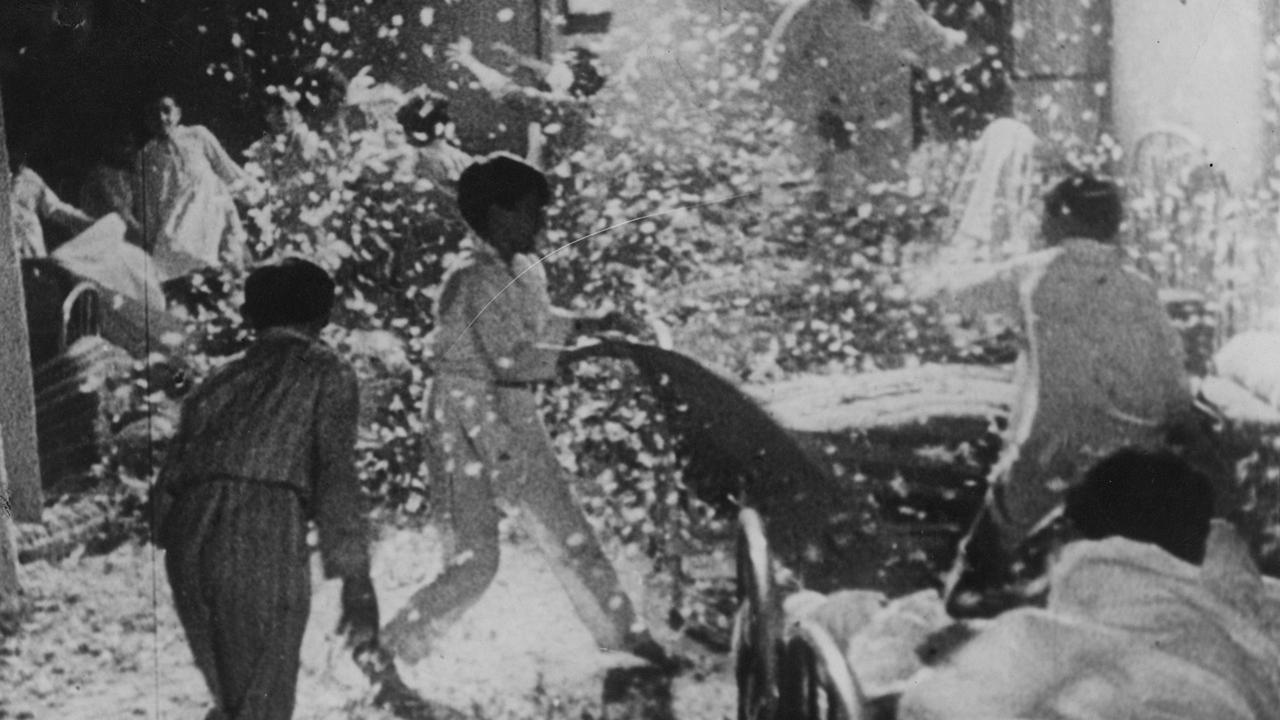
And how! In Jean Vigo’s 1933 masterpiece Zero For Conduct, local control is taken extremely seriously by the students. Unfortunately for Betsy DeVos, this is a private boarding-school rather than the publicly-funded hellholes she disdains, and that absurd control is seized by the kids rather than the corporations, but the point stands.

It’s as though know-nothing charlatans shouldn’t be glorying in their privilege and unjust authority over impressionable youth, but rather treating them as equals in a humanist project, without starving their schools of funding to pay sham companies to teach them lies.

There’s probably a lesson in there somewhere.

Carrie

carrie

When Betsy DeVos had to ask for clarification on the difference between “proficiency” (i.e. how well students are doing according to outside metrics) and “growth” (i.e. how improved they’ve become on their own terms), she stumbled. It was embarrassing to watch, and underlined how outside of mainstream educational discourse she is.

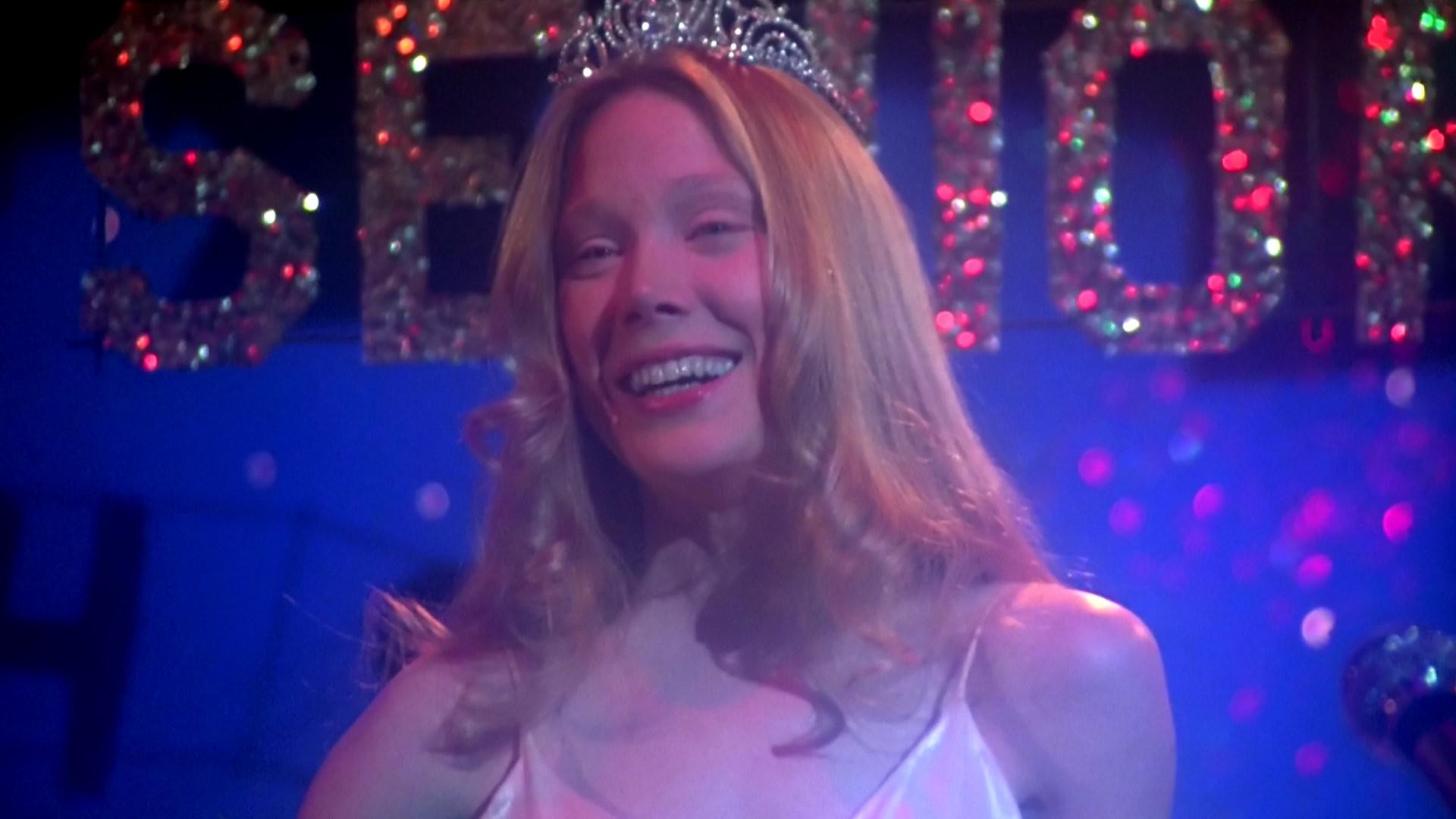
Had she watched Brian De Palma’s Carrie, this would not have been a problem. Sissy Spacek struggles in school — thanks to shyness, brutal teasing, and a somewhat Betsy DeVos-like mother — but grows, on her own terms and in her own time, to excel at setting everybody on fire with her mind and/or ovaries. Easy!

So we hope that helps out! Other selections to consider might include The Revenant, Bears, Care Bears 2: A New Generation, The Edge, Grizzly, and Day of the Animals. None of these have anything to do with school, but then neither does Betsy DeVos, apart from being the Secretary of Education for some reason. They’re just a few bonus titles that came to mind.

Anyway, happy viewing, Betsy DeVos! I can’t imagine how this could go poorly.

February 7, 2017 0 comments
1 FacebookTwitterPinterestEmail
Film

Streaming Selections: Pioneers of African-American Cinema

by rick February 3, 2017
written by rick

Just last week, I bemoaned the state of Netflix’s streaming options and reoriented this column specifically to account for it. In what I can only assume is a startling indication of this column’s influence and reach, Netflix responded a week later by making the near-entirety of the Pioneers of African-American Cinema collection available. This is exciting news.

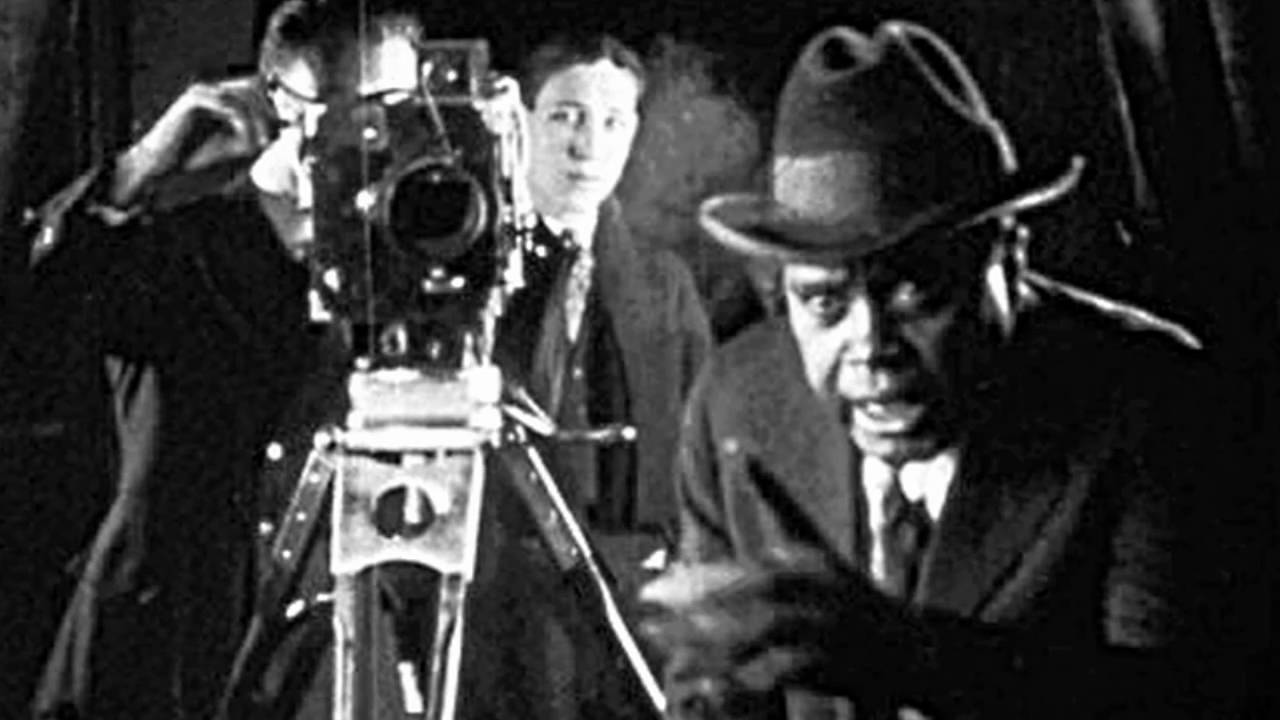
Kino Lorber’s monumental set showcases a range of restored early African-American cinema, from vaudevillian, goofball oddities and one-reelers to the devotionals of Eloyce and James Gist through Oscar Micheaux’s staggering output on the margins of the film industry.

oscar micheaux

All four of the African-American silents reviewed earlier as part of the Counter-Programming series are included: Micheaux’s classic Within Our Gates, Paul Robeson’s debut in Body and Soul, and the extremely weird God’s Step Children, along with Spencer Williams’ redemption tale The Blood of Jesus.

Bonuses from the actual set are not, unfortunately. (I’d really like to see a decent version of Zora Neale Hurston’s brief foray into cinema.) But this is absolutely a wealth of fascinating, underseen films from a forgotten era, so I won’t complain too much. Pioneers of African-American Cinema is an enormously valuable collection, and we’re lucky to have it.

In any case, it’s certainly preferable to whatever Balto III: Wings of Change is supposed to be. Though that’s also new to Netflix, if you’d prefer something called Balto III: Wings of Change.

Quick Links

A Sunday Morning

sunday morning

Like his hero Yasujirō Ozu (and even more like Abbas Kiarostami dedicating his Five to Ozu), Damien Manivel favors static wide shots, a meditative mood, and images of people simply living their lives.

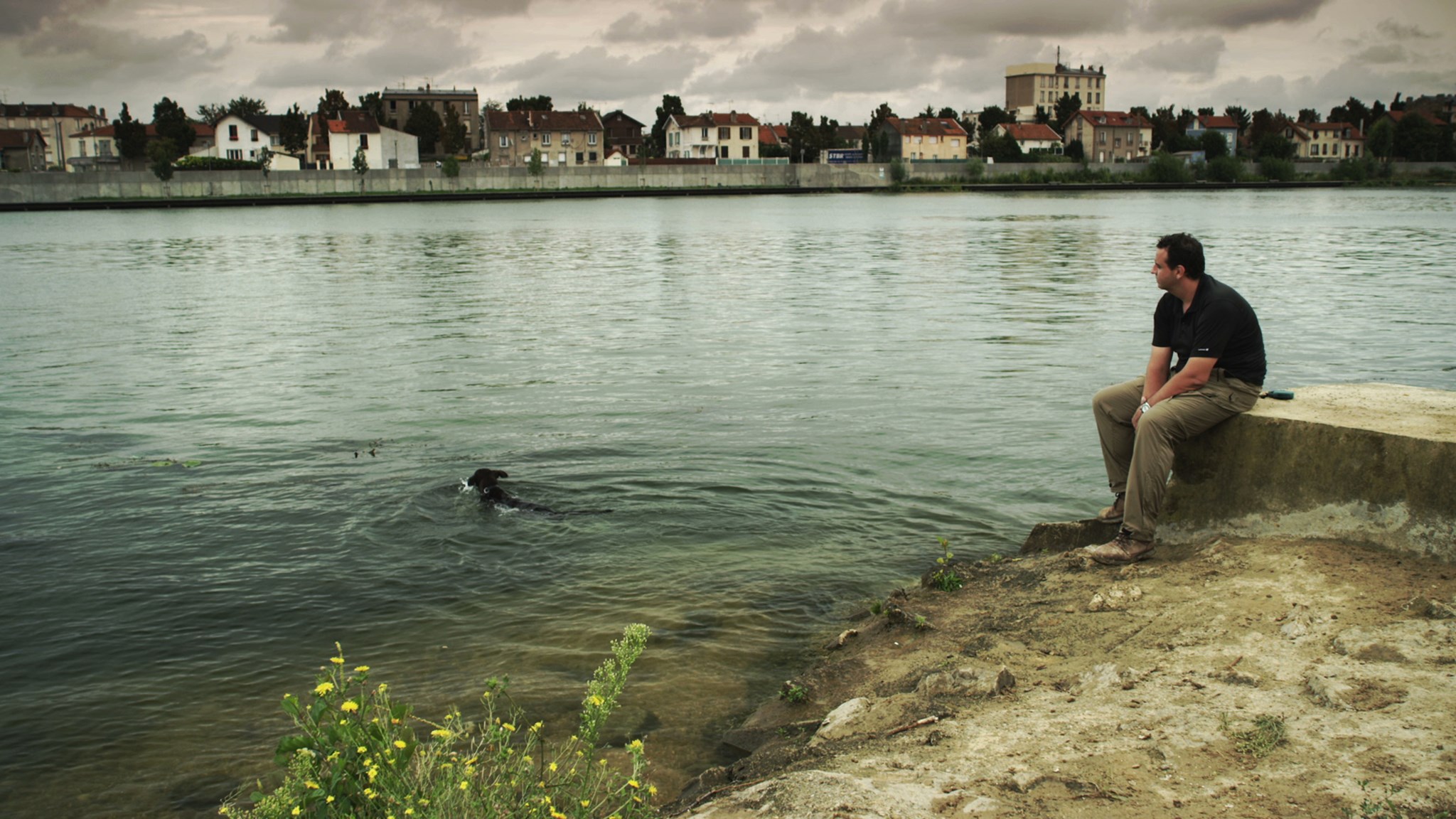
In A Sunday Morning, he offers exactly that: we watch a guy walk his dog through the Paris suburbs as the sun rises, presumably what he does every Sunday. Manivel frames the two like they are going on an epic journey in silence, and we are invited to sit back and see what his neighborhood looks like, what dramas will transpire. But this is the drama. There is no dialogue, and only diegetic sounds of passing trains and splashing water.

Does that sound boring? I guess it could. But one of the camera’s most obvious, shrugged-off qualities is how it preserves moments in time, transporting you to a different place where different people do stuff. We never get a sense of who this man is internally, or how he got this dog, or what their home life is like, or if either are in pain. We just watch them walk around for a while, occasionally exchanging affectionate gestures, before returning home. As the title suggests, it’s a Sunday morning.

(Streaming on LeCinemaClub)

 4.1 Miles

4.1 miles

This short doc, nominated for an Oscar this year, focuses on a singularly committed Greek coast guard captain on the Isle of Lesbos, compelled by necessity and a simple moral impulse to rescue migrants lost or in danger near his shores.

It’s a harrowing, timely glimpse into both their vulnerable status and his over-worked, maddening position, receiving little outside help but figuring, to his great credit, that these are people who need saving and he’s in the business of saving people.

If we only had a few people like him in leadership positions, maybe we wouldn’t seriously be entertaining the poisonous notion that everyone is on their own.

(Streaming on Vimeo)

Little Men

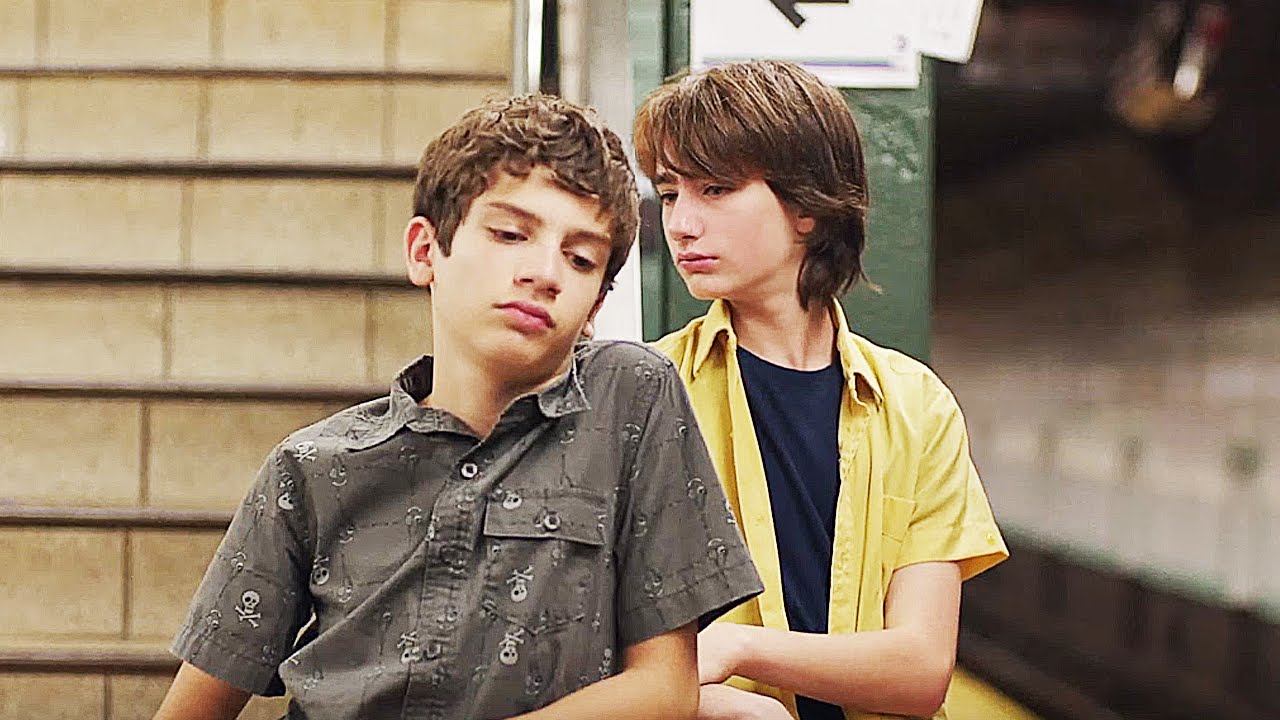
little men

When I saw Little Men at the SF Film Fest last year, I went in with high expectations and came out underwhelmed. In fact, I called it “a message-machine about gentrification, couched in a fleetingly charming story of youthful friendship, that never once feels effortless or honest.” Yeesh, that seems harsh.

Watching it again, I think I was the victim of those expectations. Ira Sachs is an accomplished filmmaker, the kind of director who mines intimate interactions for larger points, and Little Men doesn’t play nearly as didactic as I recall. The gears are visible as they turn, and there are some clunky bits, but on the whole, this is a lovely story of friendship amid the ruins of late-capitalism. It also boasts two extremely strong central performances and some breakout moments.

Was I wrong then or wrong now? You can decide.

(Streaming on Netflix)
Joe’s Violin

joe's violin

There is a critique to be made here about sentimentality and a certain kind of documentary artlessness, but honestly? What is the point of that.

Joe’s Violin is entirely noble, another Oscar-nominated short that tells the story of a Polish WWII refugee who long ago traded a carton of cigarettes for a violin in a displaced person’s camp, because it reminded him of simpler times. No longer using it in his old age, he donates it to a music program, and winds up becoming friends, if not soulmates, with the young girl who receives it, in a rough and underfunded section of The Bronx.

Shelve your cynicism and get some tissues.

(Streaming on The New Yorker’s site)

February 3, 2017 0 comments
1 FacebookTwitterPinterestEmail
FilmGreat Movie Project

City Lights and the Fading Glory of Charlie Chaplin

by rick February 1, 2017
written by rick

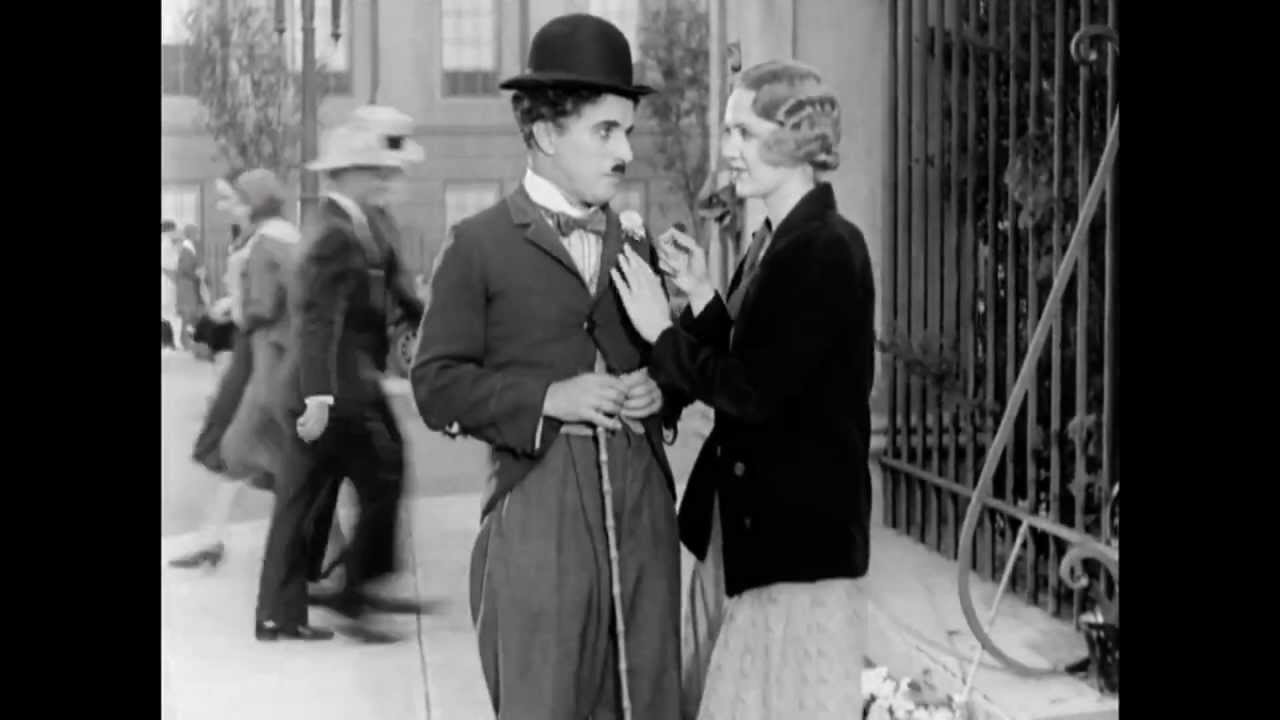
Choosing a favorite Charlie Chaplin film is a bit like deciding which of your kids you prefer. It feels intrinsically wrong. Still, general critical consensus has elevated City Lights above the rest, routinely placing the 1931 masterpiece on lists of the greatest movies of all time.

It’s not hard to see why. City Lights encapsulates so much of Chaplin’s appeal: a plot summary is really just a list of genial gags, childlike miming, and sentimental romance — precisely what made The Tramp one of cinema’s most beloved fixtures around the world. The fact that Chaplin also poured himself into the film with characteristic mania, and stubbornly shot a silent when everyone but him recognized that ship had probably sailed, only generates more respect. Even contextualized in the roughly 10-year span that also gave us The Gold Rush, earlier Great Movie entry The Circus, and Modern Times — surely one of the greatest runs a director/star ever had — City Lights stands out.

Central to its success is the way Chaplin strings together the fundamentally episodic gag-structure into a coherent feature. Unlike more than a few silent comedies, City Lights plays like an uninterrupted narrative, complete with character arcs and call-backs, rather than a collection of bits. Through unfussy direction and crisp editing, Chaplin integrated some of his more manic sensibilities with the larger story.

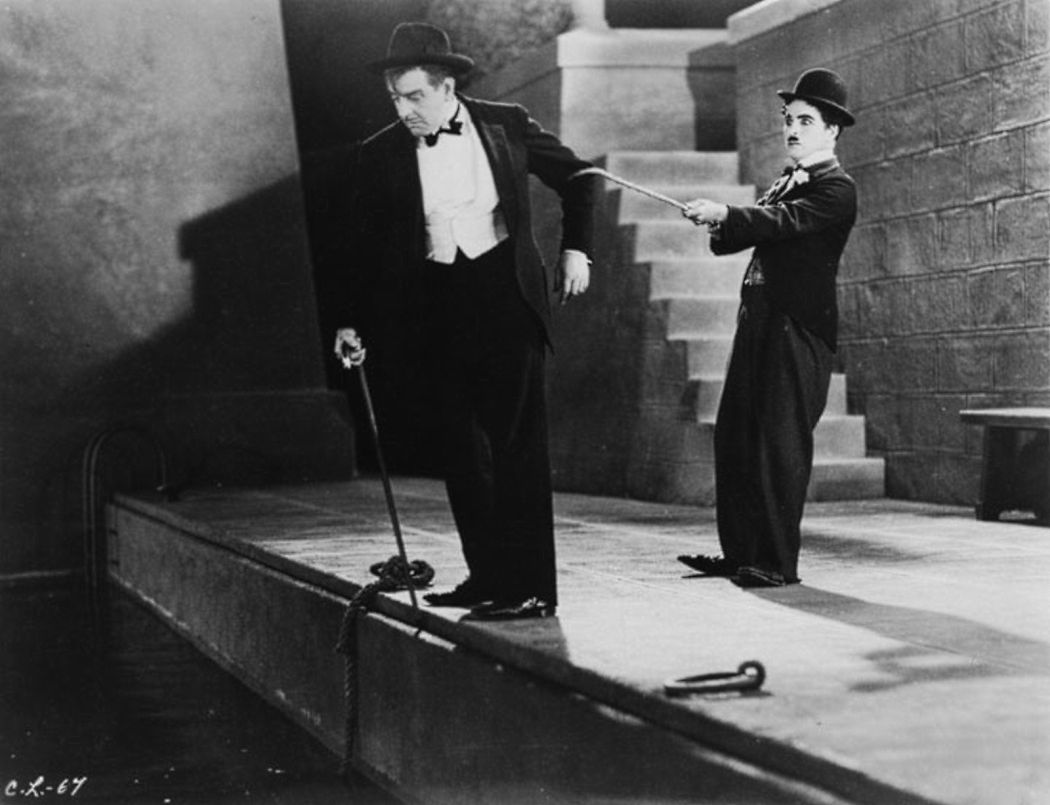
Still, those gags! The Tramp’s first encounter with the Eccentric Millionaire (a late-cast Harry Myers, getting some of the biggest laughs) is a keeper, an intricate little dance that rather darkly uses a suicide attempt as a set-up.

city lights charlie chaplin4

Chaplin’s character saves the millionaire, of course — one of several times throughout his career that the penniless fool comes to the rescue of the better-off, seeing from his disrespected and classless vantage point all the beauty in the world that others do not. (See again: Chaplin’s sentimentality.)

There’s more to it than that, though, and, in City Lights, Chaplin goes for broke spelling it out. At issue is the notion of seeing itself, of being seen by the larger society. It’s no accident that his chaste love interest here is a blind woman selling flowers on the street (Virginia Cherill), or that the millionaire can only recognize the new best friend who saved his life when inebriated, blind drunk. The Tramp waddles through the world almost entirely unseen, a fact that makes City Lights‘ justly famous final scene that much sweeter. (Notably, from a storytelling perspective, it was the first scene written and shot; in that way, City Lights is a narrative constructed in reverse.)

It’s useful to compare Chaplin’s persona with his contemporaneous greats, noted go-getters Buster Keaton and Harold Lloyd. It’s impossible to think of a Keaton character outside of their (sometimes accidental) profession and ambition: conducting a train, flying a hot-air balloon, being a film projectionist. In Safety Last!, Lloyd’s character’s attempt at upward mobility is the root cause of all his trouble: the film plays like a slapstick-heavy episode of The Office, where we cringe at his ever-more absurd attempts to cover up a lie about his job that he never should’ve told in the first place, to impress a girl.

The Tramp, on the other hand, is defined by his itinerant nature. If he lands a gig — say, as a trapeze artist — it’s a foregone conclusion that he has never even seen a trapeze before. There is little confidence that, one day, he will be the best, and his manic, flailing attempts only underscore this. He’s much more likely to be the guy awakened by a crowd at the unveiling of public art he slept on the night before.

Also, while both Keaton and Lloyd relish send-ups of their masculinity, it’s somehow easier to see them as sexual beings than it is with The Tramp. In The General, Safety Last!, and City Lights, much of the plot revolves around attempts to get the girl, but in only two of those cases is it imaginable that they’d ever be intimate at all. Keaton’s absurdist heroics and Lloyd’s unwitting feat of building-climbing bravery are both engineered to demonstrate virility on some level, but watching The Tramp role-play as a rich man and scheme to pay off the Flower Girl’s debts is much more like observing a 10-year-old shyly handing off a Valentine’s Day Card he made in class. It’s, basically, kind of adorable.

Chaplin’s profound lack of virility is put on hilarious display in the boxing scene, an expertly choreographed gag that proves eminently relatable for anyone who’s ever dodged a fight. (Which is to say, probably everyone.)

This is the fundamentally childlike appeal of Chaplin, and a partial explanation why so many audiences loved him. Rooted in mime, prioritizing small gesture and (non)reaction over big set-pieces and manic vaudeville, The Tramp is instantly understandable. The fact that he doesn’t even seem to talk much (again, a difference from the rather chatty-looking Keaton and Lloyd) also contributes to this sense — he’s honest, he’s not really trying to get anywhere, and he’s pretty happy on the margins, if he can just get out of this next scrape. All around the globe, people recognized his type and loved him for it.

My personal preference has always been for the existentialist absurdity of Keaton, the earnest, accepting, stone-faced protagonist in a world gone mad. In some sense, I think Keaton is for adults, or at least for those who can appreciate the disjunct between his sure sense of self and mission even as he’s waylaid and driven off course by outside events he doesn’t even notice, much less understand.

But The Tramp, the one Chaplin had arrived at by City Lights, is for the kids. That’s a compliment. Chaplin channels everyone who only has access to the resources she’s given, finds, or stumbles into, doesn’t have a tremendous respect for authority or pomp and circumstance, is rigorously honest but not above re-routing some funds when possible, and generally waddles through life, accepting and honest. The innocence of the character is, you’d think, its defining aspect.

Fascinatingly, this wasn’t always the case:

The character Chaplin plays in those early Keystone one-reelers is not the Tramp of The Kid or City Lights. He’s meaner, tougher and certainly not a rough sleeper. He is very often employed (as a piano mover, a waiter, a property man at a film studio), sometimes with a home, a wife and child. He’s a pleasure-seeking anti-authoritarian and a flirt, often prone to sneaking a drink, but not because he doesn’t have the money to pay for it.

These darker resonances remain even in City Lights — the suicide attempt, the fact that he is only loved by an inebriate and a blind woman who thinks he’s rich — but the rougher edges were sanded down by 1931. Chaplin was creating a character he thought the times required.

He also knew that the character wouldn’t last much longer. The introduction of sound (which Chaplin predicted wouldn’t last three years) played havoc with a lot of silent film conventions, but a recurring character so deeply rooted in mime and a kind of silent universality would be especially difficult to sustain. (Jacques Tati’s M. Hulot films might be the closest we got , but those would take two decades to emerge.)

City Lights represented perhaps the high-point of the end of The Silent Era, at least as far as The Tramp was concerned. It’s a fascinating film that rewards repeat viewings. Serious, silly, melancholy, romantic, and featuring a long scene where a guy repeatedly pours booze down another guy’s pants for no good reason. What more do you want?

Favorite Ebert passage:

When he made it, three years into the era of sound, Chaplin must have known that “City Lights” might be his last silent film; he considered making a talkie, but decided against it, and although the film has a full musical score (composed by Chaplin) and sound effects, it has no speech. Audiences at the time would have appreciated his opening in-joke; the film begins with political speeches, but what emerges from the mouths of the speakers are unintelligible squawks–Chaplin’s dig at dialogue. When he made “Modern Times” five years later, Chaplin allowed speech onto the soundtrack, but once again the Tramp remained silent except for some gibberish.


There was perfect logic here: Speech was not how the Tramp really expressed himself. In most silent films there’s the illusion that the characters are speaking, even though we can’t hear them. Buster Keaton’s characters, for example, are clearly talkative. But the Tramp is more of a mime, a person for whom body language serves as speech. He exists somehow on a different plane than the other characters; he stands outside their lives and realities, is judged on his appearance, is homeless and without true friends or family, and interacts with the world mostly through his actions. Although he can sometimes be seen to speak, he doesn’t need to; unlike most of the characters in silent films, he could have existed comfortably in a silent world.

February 1, 2017 0 comments
0 FacebookTwitterPinterestEmail
Newer Posts
Older Posts

About

About

Towards a provisional theory of the cinema, or, failing that, just some shit about movies

Authors
Rick Kelley
Lark Lundberg

Keep in touch

Facebook Twitter

Categories

  • Conversation
  • Film
  • Film By Film
  • Great Movie Project
  • Great Movies: The Counter Programming
  • Guest
  • News
  • Other
    • Commentary
    • Film
    • Interview
    • Reviews
    • Song for a Sunday
  • Streaming Selections
  • TV
  • Uncategorized
  • Vegan Horror

Archives

  • April 2019
  • March 2019
  • January 2019
  • December 2018
  • November 2018
  • October 2018
  • September 2018
  • August 2018
  • July 2018
  • June 2018
  • May 2018
  • April 2018
  • March 2018
  • February 2018
  • January 2018
  • December 2017
  • November 2017
  • October 2017
  • September 2017
  • August 2017
  • July 2017
  • June 2017
  • May 2017
  • April 2017
  • March 2017
  • February 2017
  • January 2017
  • December 2016
  • November 2016
  • October 2016
  • September 2016
  • August 2016
  • July 2016
  • June 2016
  • May 2016
  • April 2016
  • March 2016
  • February 2016
  • January 2016
  • December 2015
  • October 2015
  • September 2015
  • August 2015
  • July 2015
  • June 2015
  • May 2015
  • April 2015
  • March 2015
  • February 2015
  • January 2015
  • December 2014
  • November 2014
  • October 2014
  • August 2009
  • September 2008

Recent Posts

  • China Girls, Death Proof, and the Hidden Face
  • Old News: Old Noise Edition
  • Old News: April 1, 2019
  • Nicolas Winding Refn, Marginalia, and the Deaths of Cinema
  • And now, let us praise Kanopy

Recent Comments

  • Franklin Kat on Michael Shannon shines again in Frank & Lola
  • Sean Tempesta on Cinema and dream-logic in Meshes of the Afternoon
  • ludditerobot on The Left-Wing Slapstick and Iconic Songs of 1937’s Street Angel
  • Franklin Kat on The Left-Wing Slapstick and Iconic Songs of 1937’s Street Angel
  • Arijit Mukherjee on Great Movies Project: The Counter-Programming
  • Facebook
  • Twitter

@2021 - All Right Reserved. Designed and Developed by PenciDesign


Back To Top
Luddite Robot
  • Reviews
  • Commentary
  • Great Movie Project
    • Great Movie Project
      Bride of Frankenstein is a movie for and…

      January 25, 2018

      Great Movie Project
      The Enduring Appeal of Nick and Nora in…

      November 29, 2017

      Great Movie Project
      The Ahistorical Fever Dream of The Scarlet Empress

      August 2, 2017

      Great Movie Project
      Dreams, Mundanity, and the Anarchist Yearnings of L’Atalante

      July 12, 2017

      Great Movie Project
      Duck Soup Is And Will Always Be A…

      April 19, 2017

  • Counter Programming
    • Great Movies: The Counter Programming
      Walking and Talking in the Shadow of Kanchenjungha

      March 7, 2018

      Great Movies: The Counter Programming
      A Brief Encounter in My Mother and Her…

      February 9, 2018

      Great Movies: The Counter Programming
      Horror’s Refusal in Farrokhzad’s The House Is Black

      October 13, 2017

      Great Movies: The Counter Programming
      The rage and beauty of The Cloud-Capped Star

      October 3, 2017

      Great Movies: The Counter Programming
      The daylight noir and social issue empathy of…

      June 22, 2017

  • Vegan Horror
    • Vegan Horror
      Julia Ducournau doesn’t think her film Raw is…

      June 7, 2017

      Vegan Horror
      Licking our wounds: The vampiric masculinity of Ravenous

      December 13, 2016

      Vegan Horror
      Eggertsson and animals: An approach to horror cinema

      September 15, 2016

      Vegan Horror
      “It’s Not My Nature” – Vegetarianism, Body Horror,…

      August 30, 2016

      Vegan Horror
      Bodies and Carcasses in Predator 2

      August 23, 2016

  • Interview
    • Interview
      Jasmine Leyva’s doc The Invisible Vegan aims to…

      May 3, 2017

      Interview
      Bridging The Abyss: An Interview With The Directors…

      November 28, 2016

      Interview
      7 Days in Ohio: An Interview with Nathan…

      September 12, 2016

      Interview
      Film Critic Phil Dy talks New Filipino Cinema

      June 17, 2016

      Interview
      “I Love Seeing Film Projected.” A Conversation with…

      March 22, 2016