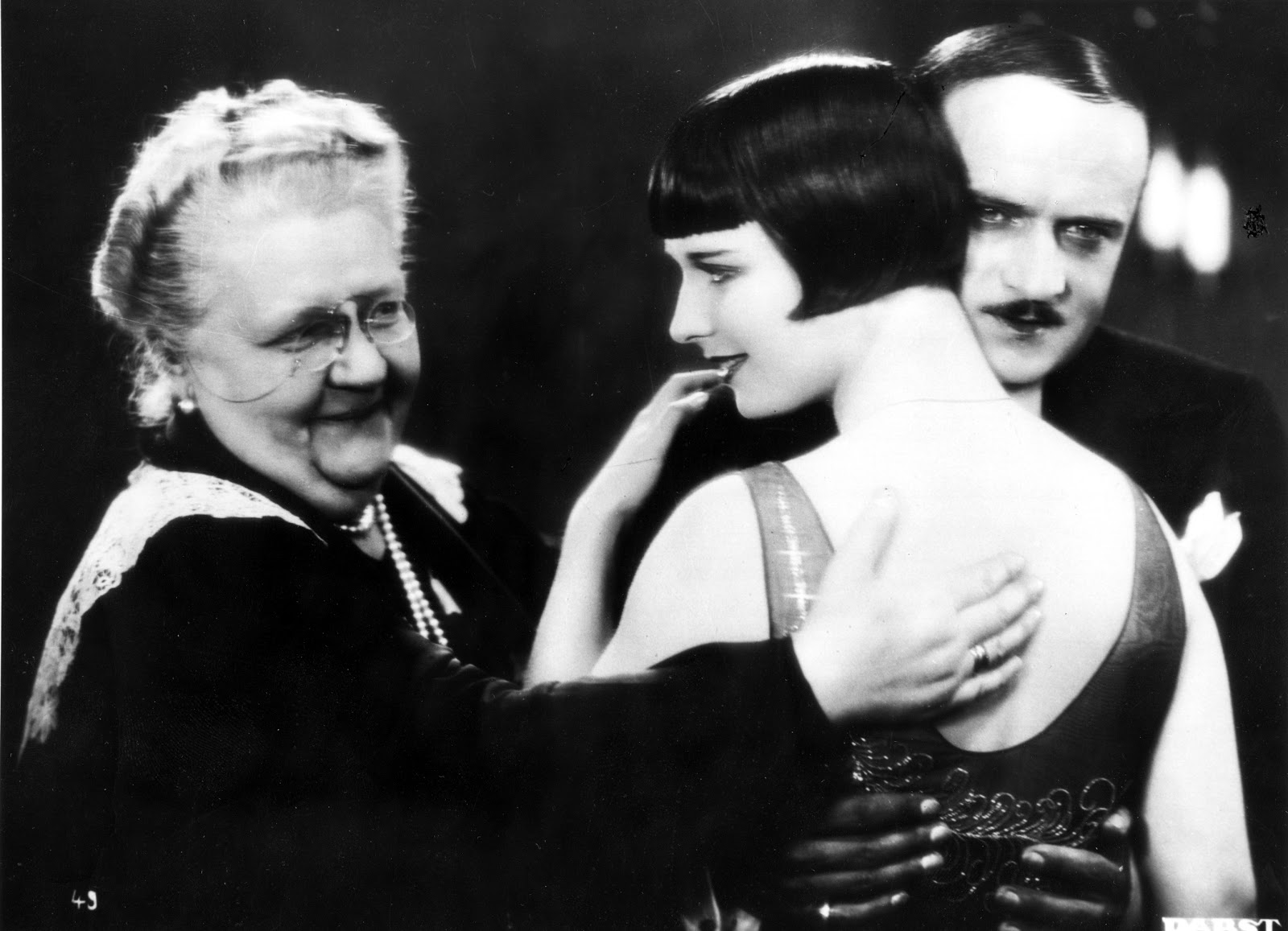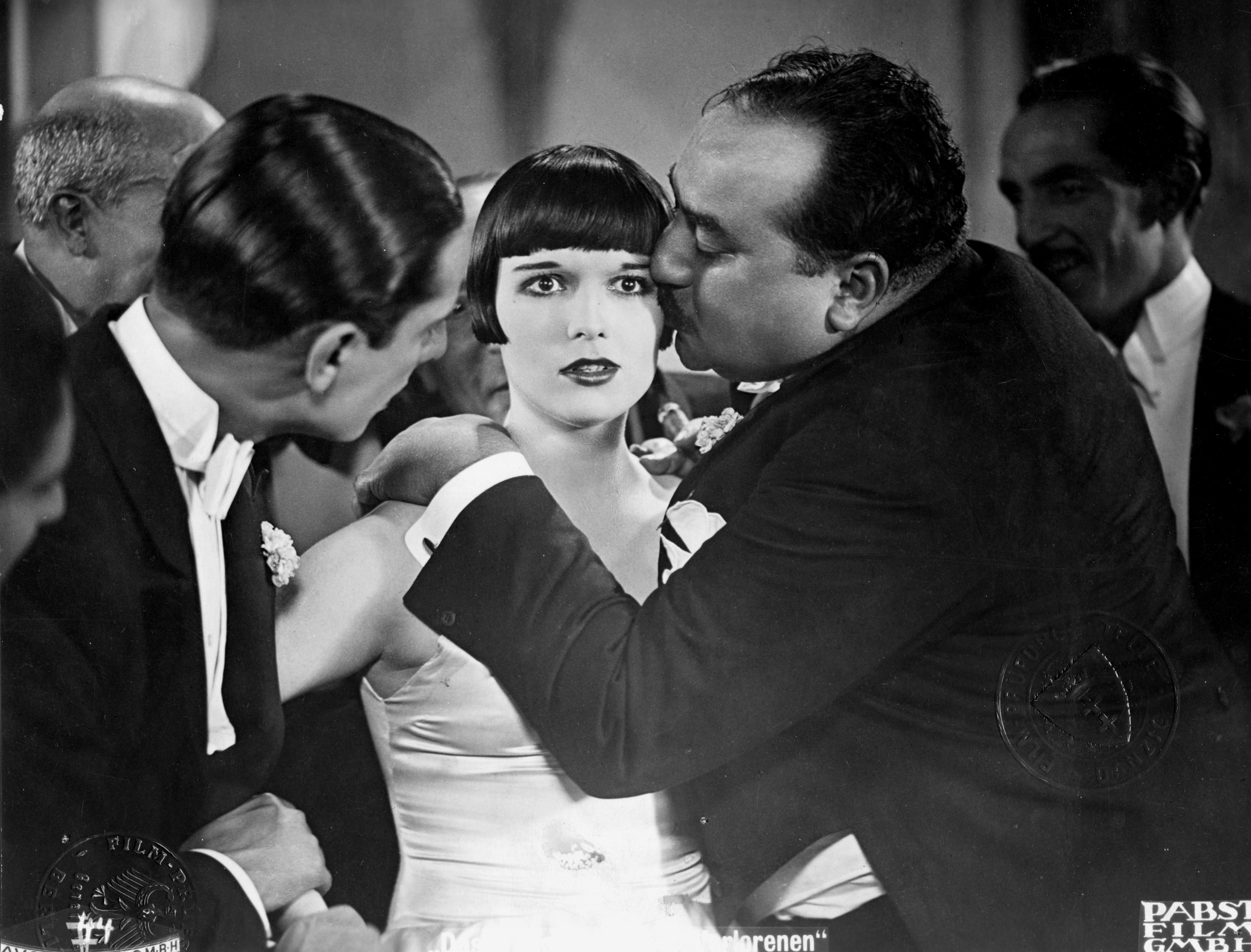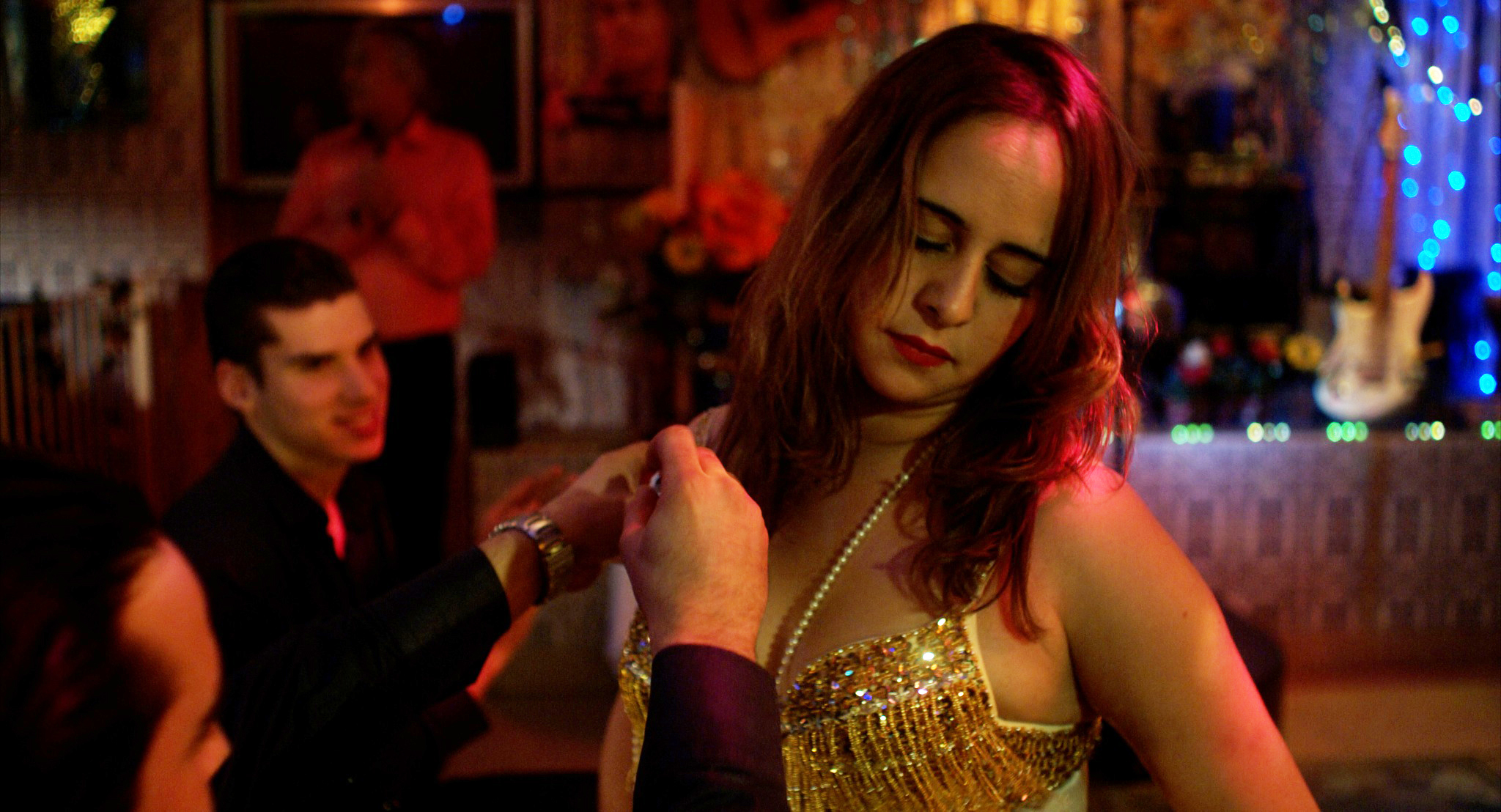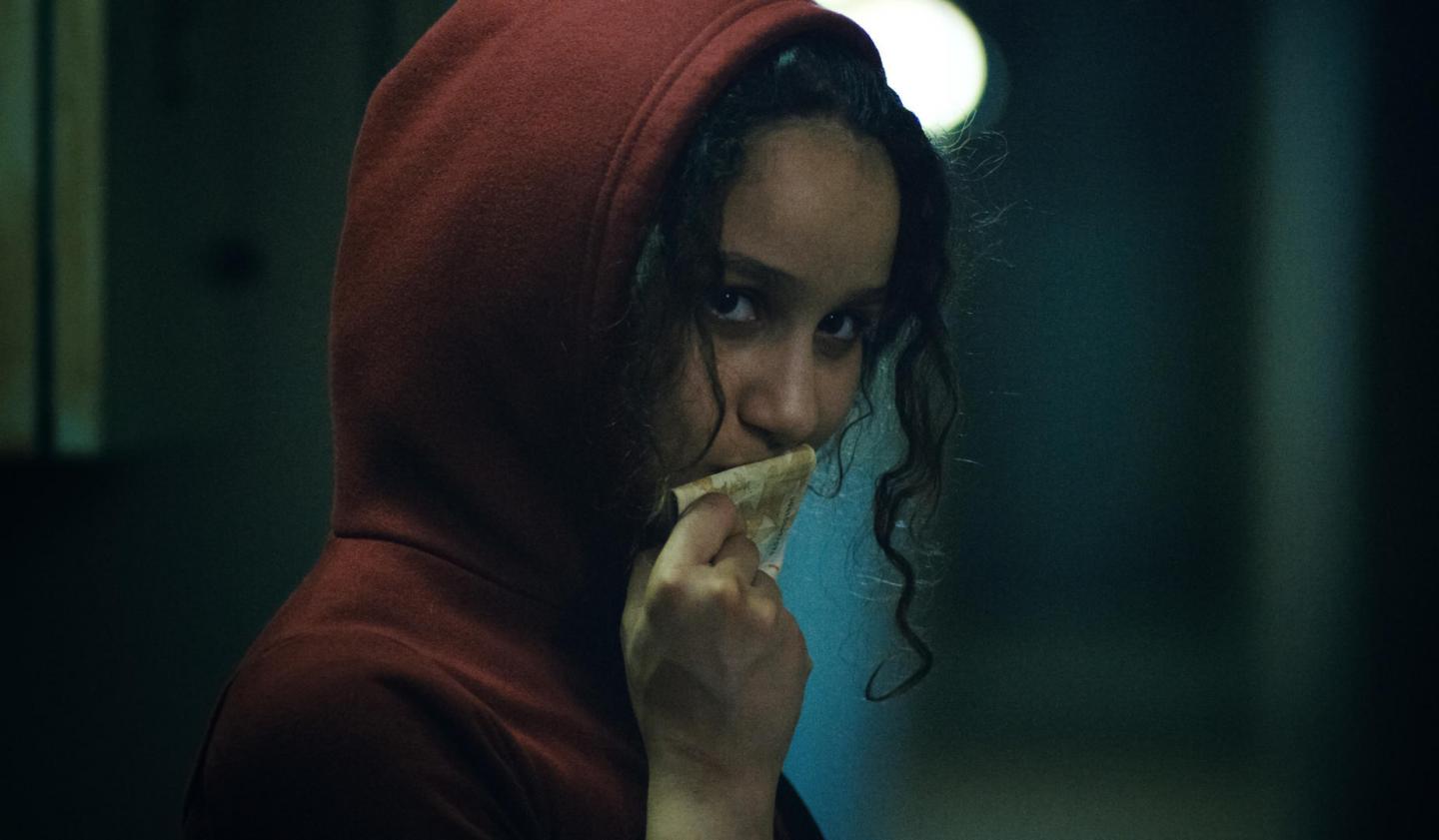
Top Posts
Madeline’s Madeline: An Unclassifiable Panic Attack Maybe-Masterpiece
Shoplifters Steals Moments of Wonder from the Mundane
Burning and Forgetting What’s Not There
Kusama: Infinity Expands Beyond The Canvas
Mandy Risks Little, Wins Little
In We The Animals, The Children Are Away...
The Seagull Isn’t Quite Chekhov, But It’s Still...
5 Million Ways Boots Riley Isn’t Sorry To...
American Animals’ and the Queasiness of the Heist
A Star Is Born In Hearts Beat Loud
  • Reviews
  • Commentary
  • Great Movie Project
    • Great Movie Project
      Bride of Frankenstein is a movie for and…

      January 25, 2018

      Great Movie Project
      The Enduring Appeal of Nick and Nora in…

      November 29, 2017

      Great Movie Project
      The Ahistorical Fever Dream of The Scarlet Empress

      August 2, 2017

      Great Movie Project
      Dreams, Mundanity, and the Anarchist Yearnings of L’Atalante

      July 12, 2017

      Great Movie Project
      Duck Soup Is And Will Always Be A…

      April 19, 2017

  • Counter Programming
    • Great Movies: The Counter Programming
      Walking and Talking in the Shadow of Kanchenjungha

      March 7, 2018

      Great Movies: The Counter Programming
      A Brief Encounter in My Mother and Her…

      February 9, 2018

      Great Movies: The Counter Programming
      Horror’s Refusal in Farrokhzad’s The House Is Black

      October 13, 2017

      Great Movies: The Counter Programming
      The rage and beauty of The Cloud-Capped Star

      October 3, 2017

      Great Movies: The Counter Programming
      The daylight noir and social issue empathy of…

      June 22, 2017

  • Vegan Horror
    • Vegan Horror
      Julia Ducournau doesn’t think her film Raw is…

      June 7, 2017

      Vegan Horror
      Licking our wounds: The vampiric masculinity of Ravenous

      December 13, 2016

      Vegan Horror
      Eggertsson and animals: An approach to horror cinema

      September 15, 2016

      Vegan Horror
      “It’s Not My Nature” – Vegetarianism, Body Horror,…

      August 30, 2016

      Vegan Horror
      Bodies and Carcasses in Predator 2

      August 23, 2016

  • Interview
    • Interview
      Jasmine Leyva’s doc The Invisible Vegan aims to…

      May 3, 2017

      Interview
      Bridging The Abyss: An Interview With The Directors…

      November 28, 2016

      Interview
      7 Days in Ohio: An Interview with Nathan…

      September 12, 2016

      Interview
      Film Critic Phil Dy talks New Filipino Cinema

      June 17, 2016

      Interview
      “I Love Seeing Film Projected.” A Conversation with…

      March 22, 2016

Luddite Robot
Film critique, theory, and assorted nonsense.
CommentaryFilm

China Girls, Death Proof, and the Hidden Face

April 14, 2019

Old News: Old Noise Edition

April 8, 2019

Old News: April 1, 2019

Nicolas Winding Refn, Marginalia, and the Deaths of Cinema

CommentaryFilm

And now, let us praise Kanopy

January 24, 2019

Warren Sonbert and the Relief of Anti-Narrative

January 14, 2019

The World Is Ending and It Doesn’t Matter

The Best Films of 2018

FilmReviews

Madeline’s Madeline: An Unclassifiable Panic Attack Maybe-Masterpiece

December 21, 2018

Shoplifters Steals Moments of Wonder from the Mundane

December 11, 2018

Burning and Forgetting What’s Not There

Alien, Musicology, and Reading Soundtracks

CommentaryFilm

Shocktober III: Halloween 2018 Edition

October 24, 2018

Shirley Jackson’s The Lottery Traumatized Schoolkids in 16 mm

October 18, 2018

Shocktober 2018 II: Another Reshockening (of Horror)

Häxan is a movie made by a movie character

CommentaryFilm

Shocktober 2018

October 7, 2018

Unprofessional! Spring Night, Summer Night

October 3, 2018

The Wild Boys: A Luddite Robot Conversation

Kusama: Infinity Expands Beyond The Canvas

Film

Streaming Selections: An American Werewolf in London

by rick January 28, 2017
written by rick

A note on this recurring column formerly known as New on Netflix. Due to diminishing new titles of interest, an increased focus on television programming and original productions, and Netflix’s apparent preference for streaming things like Sharknado: The 4th Awakens, we are changing this up a bit.

Recommendations will still include Netflix streaming titles, since this still seems like the major place people frequent, but other suggestions will come from all over. This week’s entries include a number of shorts available to stream for free.

Future columns might include titles from FilmStruck, Shudder, Fandor, Amazon Prime, or any of the other streaming services that are proliferating across the instant media landscape. I can just no longer, in good faith, cue up a new Netflix release like Angus, Thongs, and Perfect Snogging in the hopes that it is worth recommending. It’s probably not, and we’ve all got other shit to do. 

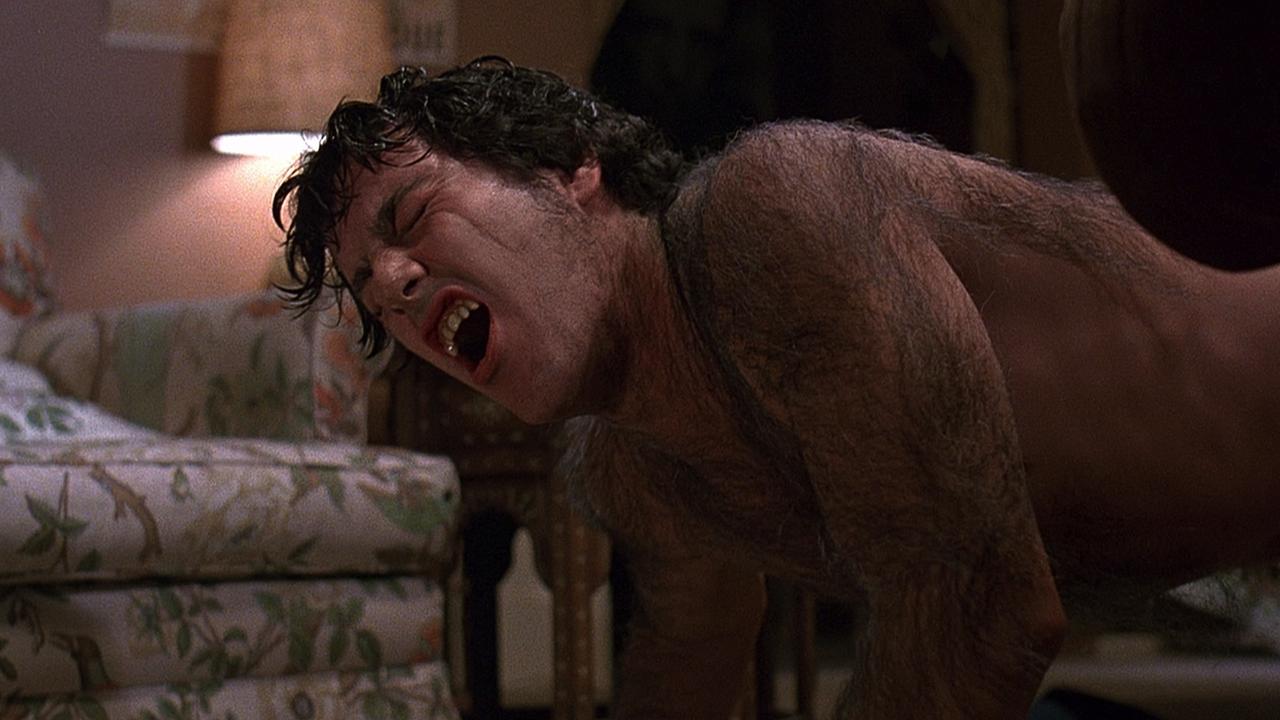
An American Werewolf in London

american werewolf2

John Landis’ horror-comedy masterpiece is back streaming on Netflix, and a stroll across the moors at night is always a good idea.

The script, punchy and fun (especially in the early going), is self-aware enough to keep the mood light and silly, without going overboard on the meta-horror. Makeup icon Rick Baker’s work here is justly celebrated, pairing legitimately gross set-pieces like Griffin Dunne’s steadily rotting corpse and David Naughton’s appropriately painful-looking transition from man to beast under the full moon.

This is a film that’s familiar even to those who haven’t ever actually sat down and watched it, thanks to the ubiquity of its imitations and parodies. But anyone even remotely interested in horror should give it a go, and those who’ve seen it already know it’ll be a revisit well spent. The Slaughtered Lamb is open for business.

Quick Links
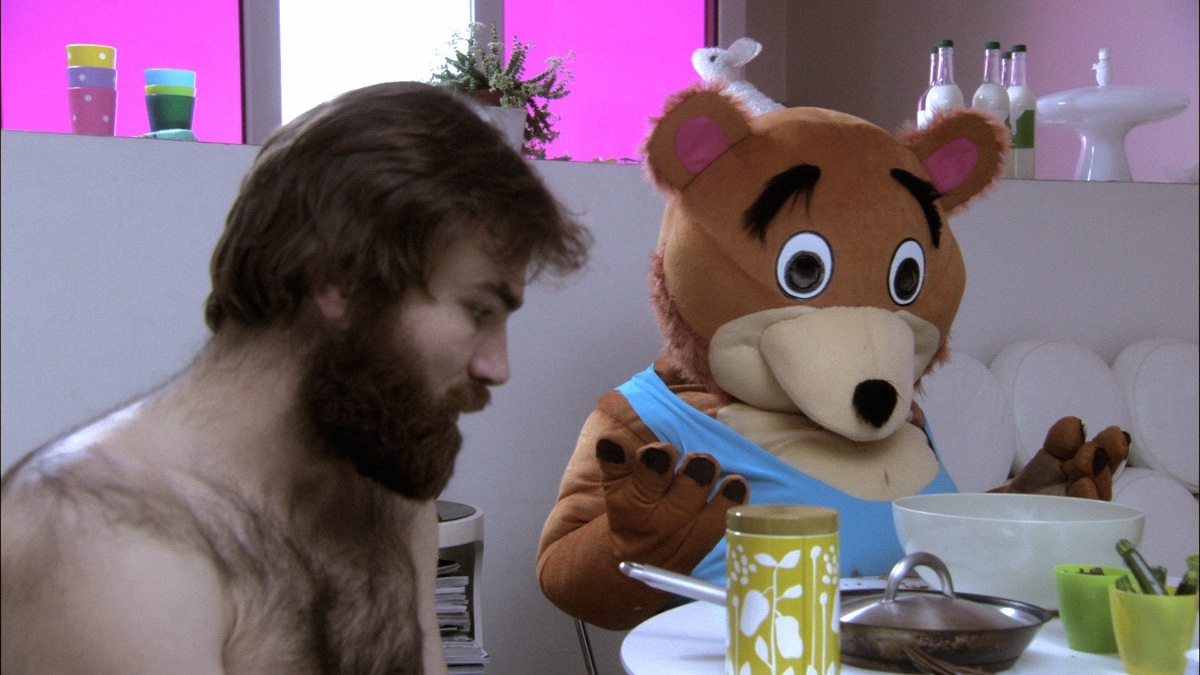
Respect

Respect streaming

Benoît Forgeard describes the genesis of his 2011 short thus: 

Walking through the cereal isle at the supermarket, I was suddenly stunned by the violence of the images. The bursting colors, the milk splashing ouf of the bowls. The creatures representing the brands show hypocrite smiles. The violence is at its peak at breakfast time.

That is a very serious, and very seriously French, rumination on a film about a product mascot named Flippy, his oppressive relationship with a human lover, and that human’s controversial decision to go to ninja school.

(Streaming on LeCiNeMa Club through 1/29)
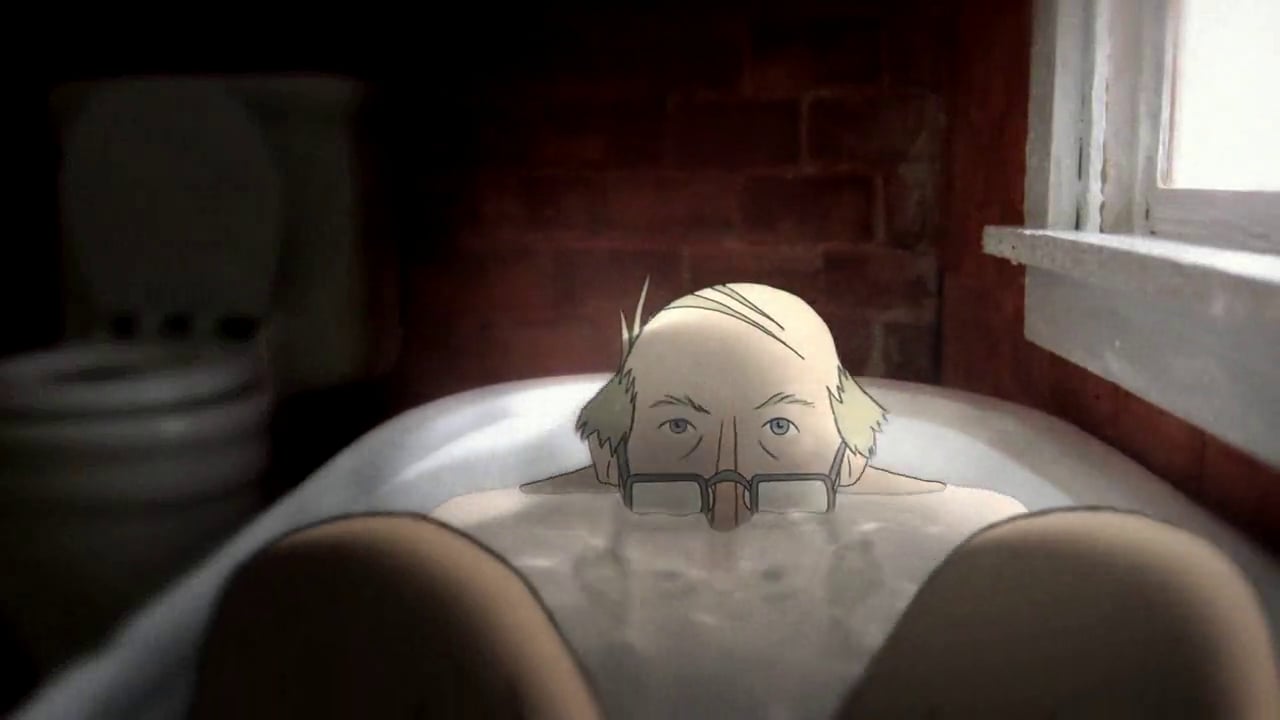
In Deep Waters

in deep waters

A moving and deeply sad film about the unfathomable connections to things we can’t ever get back. The animation in Sarah Van Den Boom’s short is lovely (particularly the superimposition of in-frame elements alongside hand-drawn images), but it’s the general sense of longing and fragmentation that sticks with you.

(Streaming at My French Film Festival through 2/13)
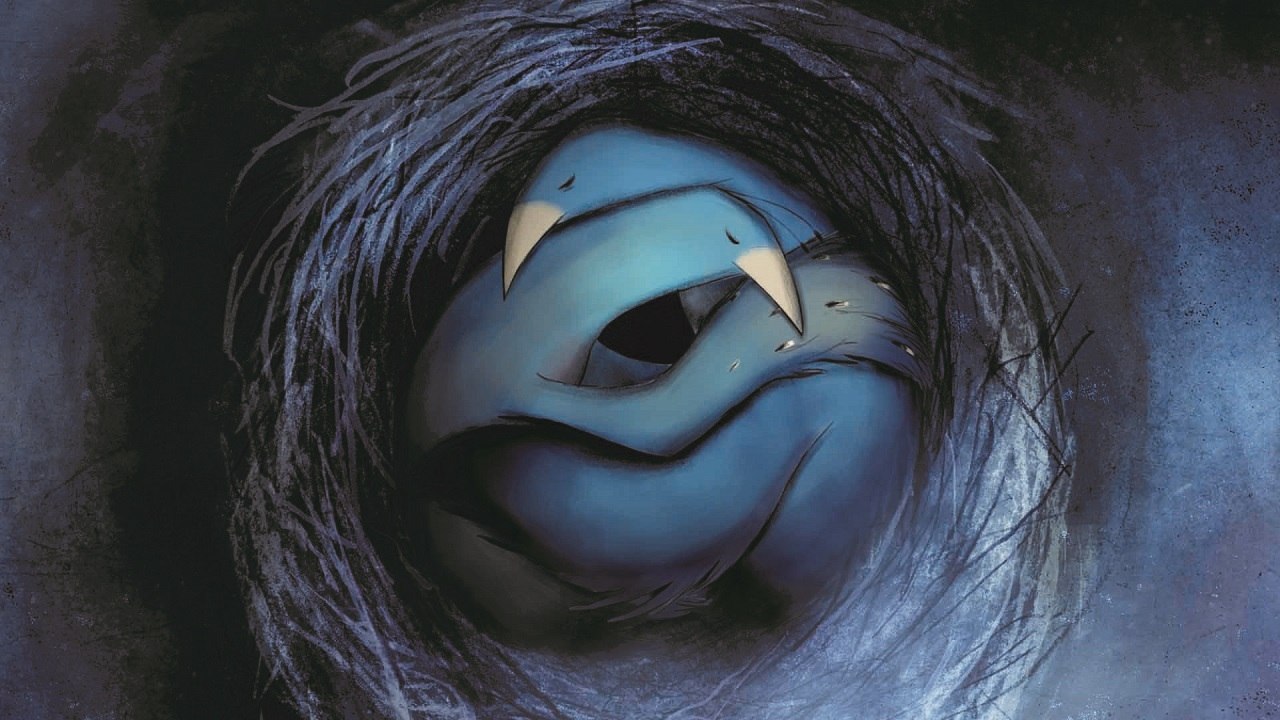
Of Shadows and Wings

of shadows and wings

A gentle and poetic rumination on conformity, and the revolutionary desire for authenticity, as felt by flightless birds in a subterranean society. Co-directors Eleonora Marinoni and Elice Meng present striking images and a sustained tone that combines melancholy and joy.

The term “tone poem” gets thrown around a lot, but I’m struggling to find a better one for this. It’s a gorgeous dream of escape and solidarity.

(Streaming at My French Film Festival through 2/13)
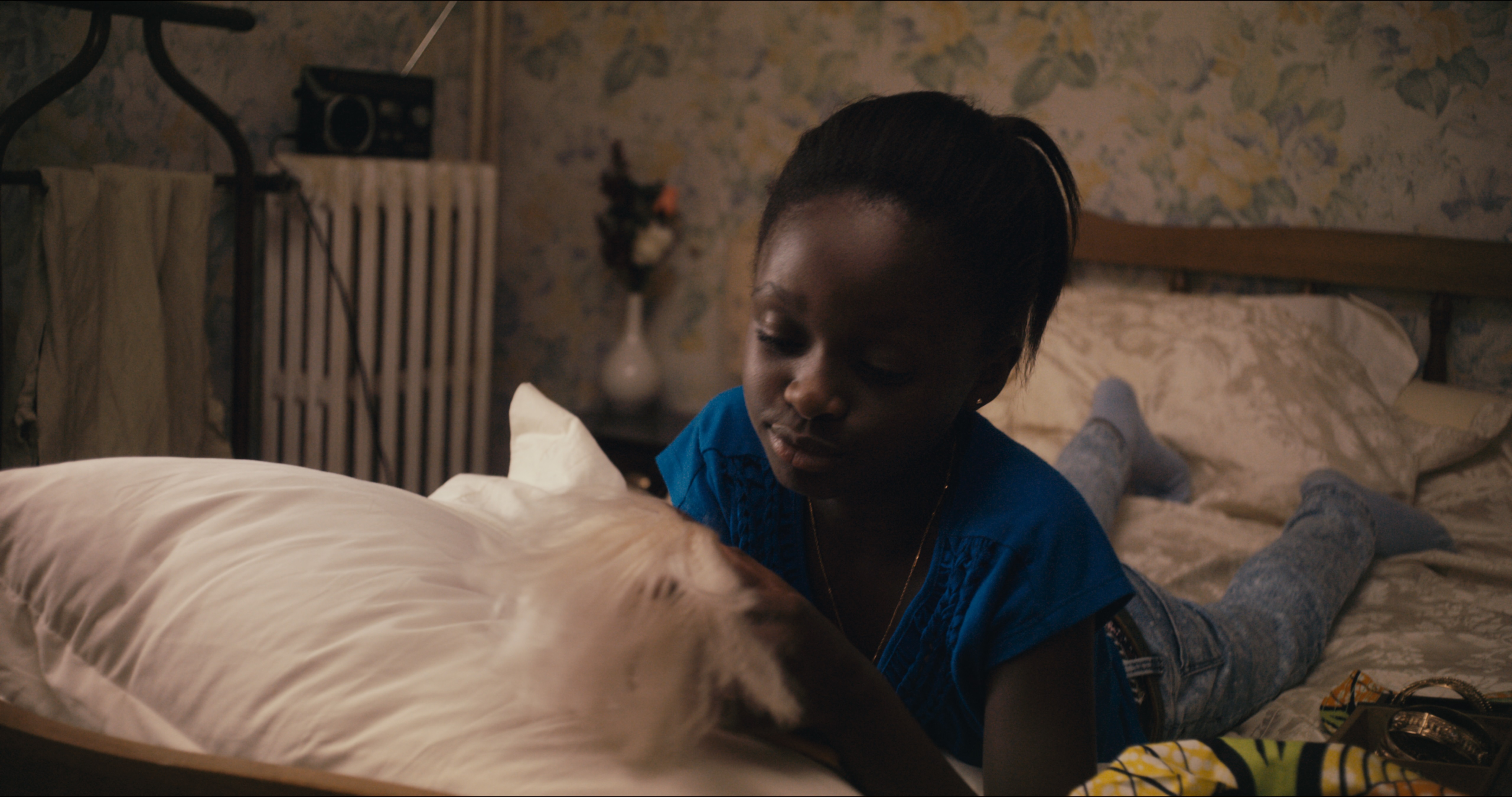
Maman(s)

mamans streaming

Maïmouna Doucouré’s short about an 8-year-old girl and the struggles within her Senegalese family calls out for a longer treatment, but as with the best short films, there’s a concision and compression that helps it land that much harder. Aida’s life in the Parisian suburbs — comfortable but confusing to her, immersed in the world’s mysteries as only a child can be — is disrupted by the arrival of her dad, his new wife, and their newborn.

Things get messy, but Doucouré refuses to sentimentalize or look away. This is Dardennes-style social realism located in an unmistakably genuine immigrant experience.

(Streaming at My French Film Festival through 2/13)
January 28, 2017 0 comments
0 FacebookTwitterPinterestEmail
Film

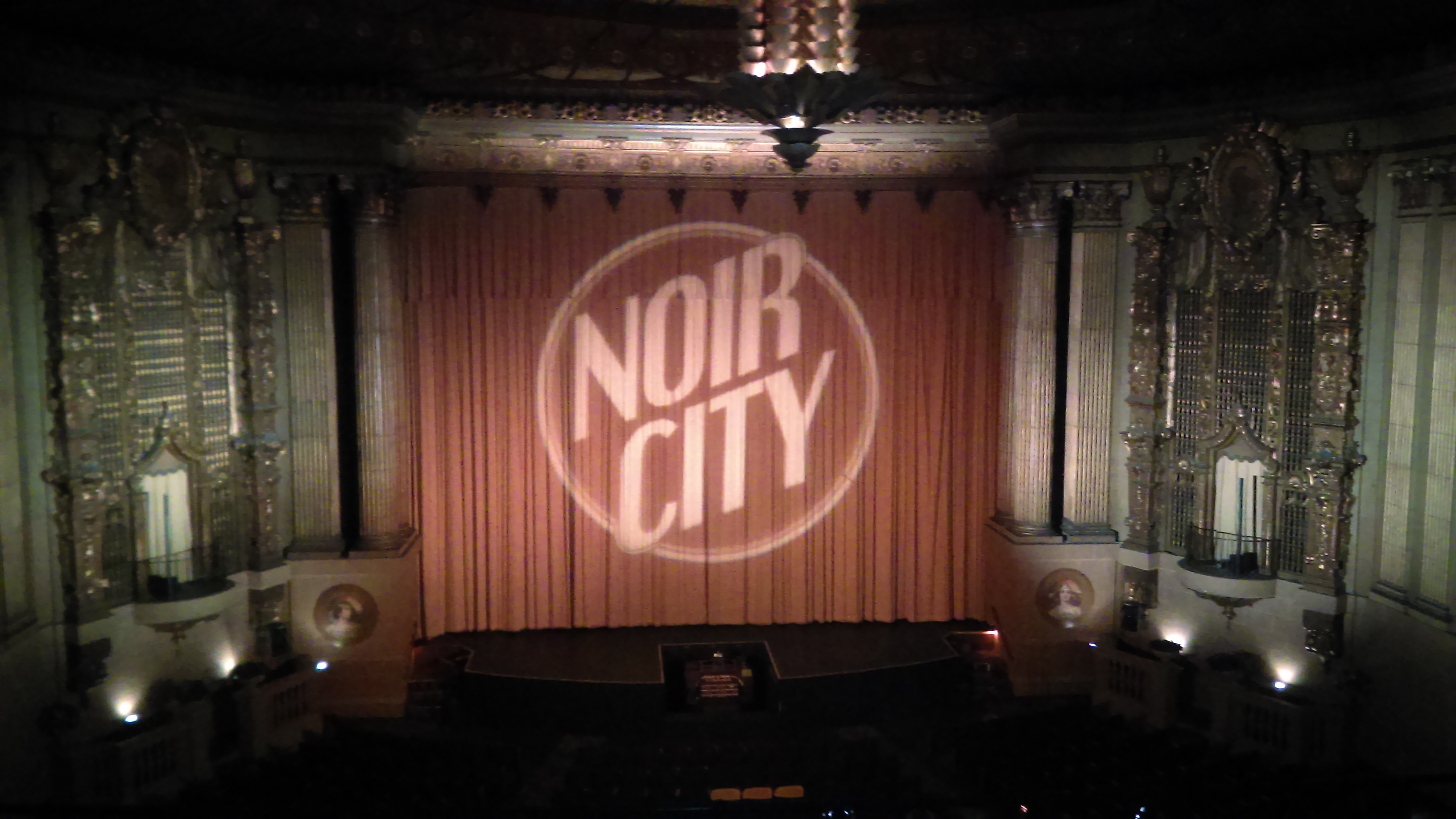
Noir City returns to the Castro

by rick January 25, 2017
written by rick

Of all the gorgeous old-time movie palaces around, San Francisco’s Castro Theater might be my personal favorite. Everything about it feels magical, from the 1920s marquee to the scroffito wall murals that seem carved out of gold. The Castro also plays host to some of the best programming in the Bay Area, including Noir City, which runs through Sunday.

Noir City focuses, as you might imagine, on film noir, but with enough tweaks to irritate purists and excite everyone else. Programmed as a series of double-features, the festival includes some expected classics — The Asphalt Jungle, Criss Cross, The Killers, Rififi — but goes out of its way to broadly internationalize the affair and bring it up to date. The fatalistic Code-era visions give way to less-expected riffs and descendants, from Cruel Gun Story to Blue Collar to El Aura. Noir City closes with a double-bill of Before The Devil Knows You’re Dead and Victoria, implicitly but clearly arguing that our conceptions of noir should be freed from their 1950s shackles.

And why not? As Eddie Muller notes in the program:

All of the titles on this year’s program, regardless of the country they come from, feature two elements crucial to noir: the anti-hero’s ingrained self-destruction and a rueful acceptance of fate’s indifference to our best-laid plans.

This narrative underwrites countless films, tragic or farcical or both. What’s more, as Muller also notes, audiences have always loved a good heist, from The Great Train Robbery in 1903 to the present. Noir’s sleight-of-hand is to both encourage our identification with the robbers, and then let us off the hook for this morally questionable allegiance by bearing witness to their ultimate, inevitable punishment, which we can see coming from a mile away.

Good plans always go bad, because we are ourselves imperfect. As in classic tragedy, downfall usually comes from within — some fatal flaw, a little too much sentimentality, the one detail we overlooked. But it’s still fun as hell hoping the marginalized and criminal and clever pull one over on the gatekeepers of propriety and order.

the-ladykillers-still

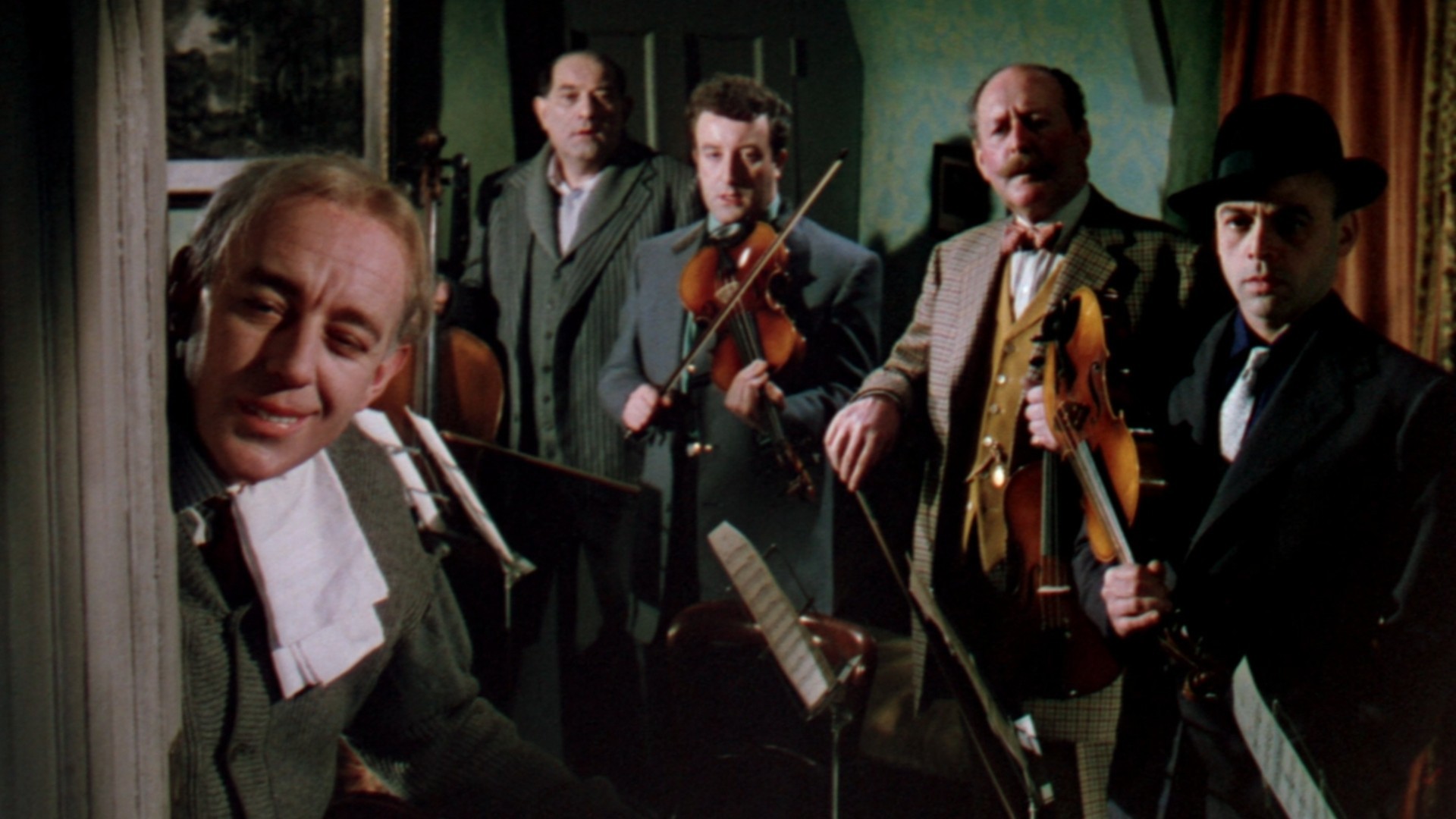
All of which is on display last night in 1955’s The Ladykillers, Alexander Mackendrick’s final film for Ealing Studios and its arguable masterpiece. Mackendrick would set sail shortly after for Hollywood — directing The Sweet Smell of Success before conflicts with Burt Lancaster drove him from the business — and its writer William Rose would find further acclaim with The Russians Are Coming! The Russians Are Coming! and Guess Who’s Coming To Dinner. But The Ladykillers is in a class of its own, the comic caper to end all others, and the most British entry in the noir canon imaginable.

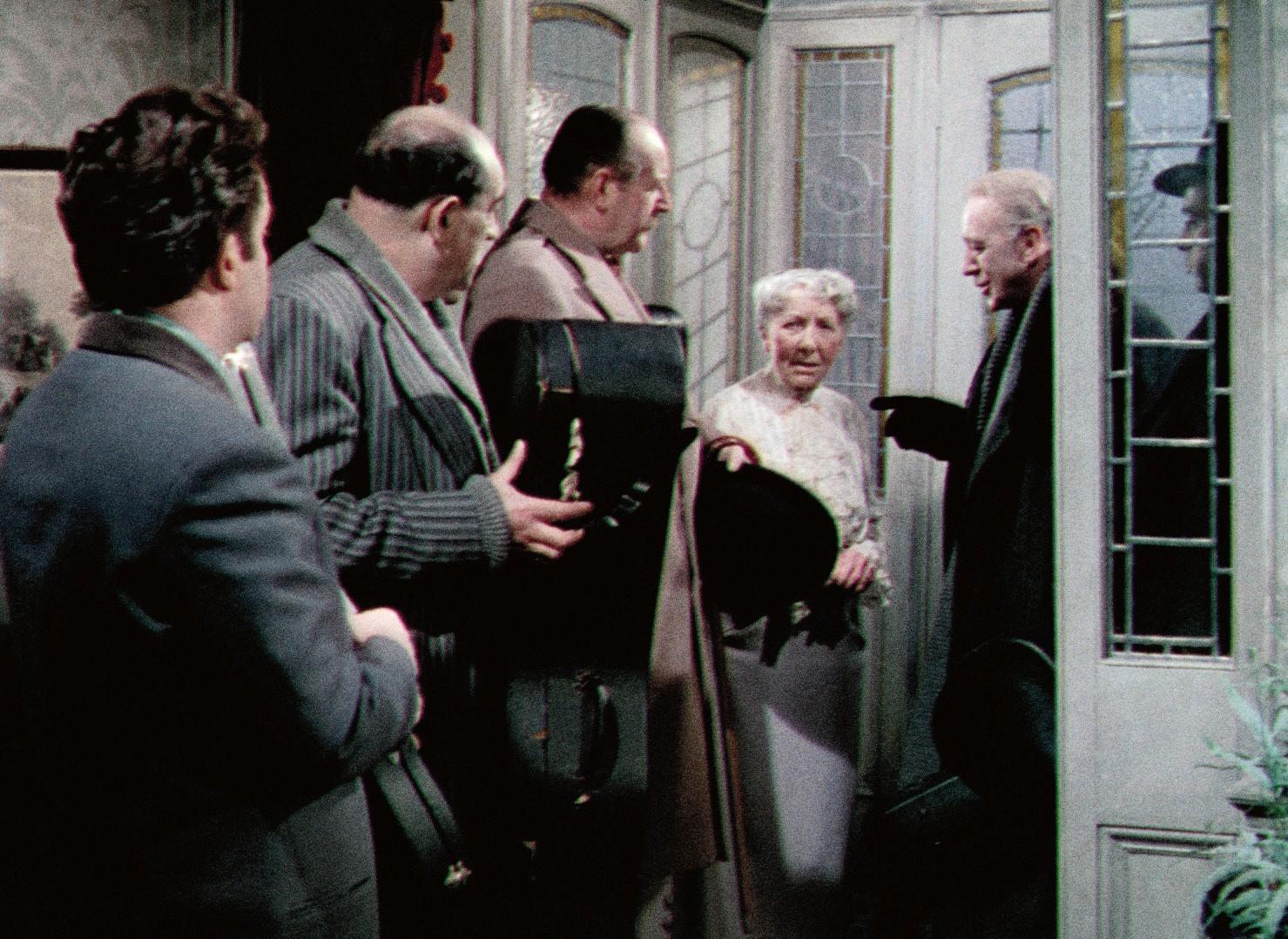
Starring a ludicrously false-toothed Alec Guinness, a pre-Pink Panther Peter Sellers, and the (eighth-billed!) Katie Johnson as a kindly old lady who accidentally foils the perfect plot, The Ladykillers is sharp, funny, and even tense. That tension comes from the contrasts and the absurdity: a gang of thieves and killers, posing as a string quartet, undone by a little old lady’s insistence on decorum. It’s a comedy of manners and slapstick affair in which (spoilers) basically everyone dies. Its final sequence is as black as comedy gets, but still manages to be as affable and pleasant as mid-day tea.

Mackendrick and the Ealing production folks pepper the whole thing with loving detail: everything in the old lady’s house is the ladykillersoff-kilter, leading the robbers to dub her “Mrs. Lopsided”; there is a strange musicality to the proceedings, whether it’s her squawking parrots, her hammering on the cold-water pipes, or the minuet the crew play as cover; the film’s color palette and sound design seem imported from fable. Rose’s script is pitch-perfect, marrying jokes (“He belonged to my late husband. I had four.” “Husbands?” “No, parrots.”) to heist-film hijinks.

Is it a noir, though? Shouldn’t it be more dour?

It’s a superfluous question. Like many other entries in Noir City’s program, The Ladykillers plays with the conventions for its own purposes, and lands fairly solidly in the genre, albeit with more giggling. And observed from a certain angle, it also exhibits a slightly skewed, adamantly British riff on the post-War malaise so associated with its Hollywood counterparts. In a comment worth quoting in full, Mackendrick noted:

The fable of The Ladykillers is a comic and ironic joke about the condition of postwar England. After the war, the country was going through a kind of quiet, typically British but nevertheless historically fundamental revolution. Though few people were prepared to face up to it, the great days of the Empire were gone forever. British society was shattered with the same kind of conflicts appearing in many other countries: an impoverished and disillusioned upper class, a brutalised working class, juvenile delinquency among the Mods and Rockers, an influx of foreign and potentially criminal elements, and a collapse of ‘intellectual’ leadership. All of these threatened the stability of the national character.


Though at no time did Bill Rose or I ever spell this out, look at the characters in the film. The Major (played by Cecil Parker), a conman, is a caricature of the decadent military ruling class. One Round (Danny Green) is the oafish representative of the British masses. Harry (Peter Sellers) is the spiv, the worthless younger generation. Louis (Herbert Lorn) is the dangerously unassimilated foreigner. They are a composite cartoon of Britain’s corruption. The tiny figure of Mrs Wilberforce (Wilberforce was the name of the 19th-century idealist who called for the abolition of slavery) is plainly a much diminished Britannia. Her house is in a cul-de-sac. Shabby and cluttered with memories of the days when Britain’s navy ruled the world and captains gallantly stayed on the bridge as their ship went down, her house is structurally unsound. Dwarfed by the grim landscape of railway yards and screaming express trains, it is Edwardian England, an anachronism in the contemporary world.


Bill Rose’s sentimental hope for the country that he and I saw through fond but sceptical eyes was that it might still, against all logic, survive its enemies. A theme, a message of sorts, one that I felt very attached to. But one that it took quite some time for me to consciously recognise and appreciate.

If the film’s director didn’t quite see this at first, we should take heart, even if it’s readily apparent once he points it out. The overwhelming sense in The Ladykillers is a fun one, with its muttered asides, goofball interactions, and absurdities. The doomed nature of film noir makes clear that nothing good will come of all of this, at least not for robbers, but we can still laugh at the little mistakes that undo our best-laid plans.

As Guinness’ mastermind points out, there’s no accounting for “the human element,” which has an insistent way of mucking up the gorgeous simplicity of theory. That’s noir in a nutshell.


January 25, 2017 0 comments
0 FacebookTwitterPinterestEmail
CommentaryFilm

The filmic hijacking and juvenile glee of In Search of the Ultra Sex

by rick January 19, 2017
written by rick

When the French comedians and prank-enthusiasts Nicolas & Bruno were putting together In Search of the Ultra Sex, did they anticipate its rave reviews, midnight screening success, and repeated, somewhat bewildering comparisons to Michael Hazanavicius?

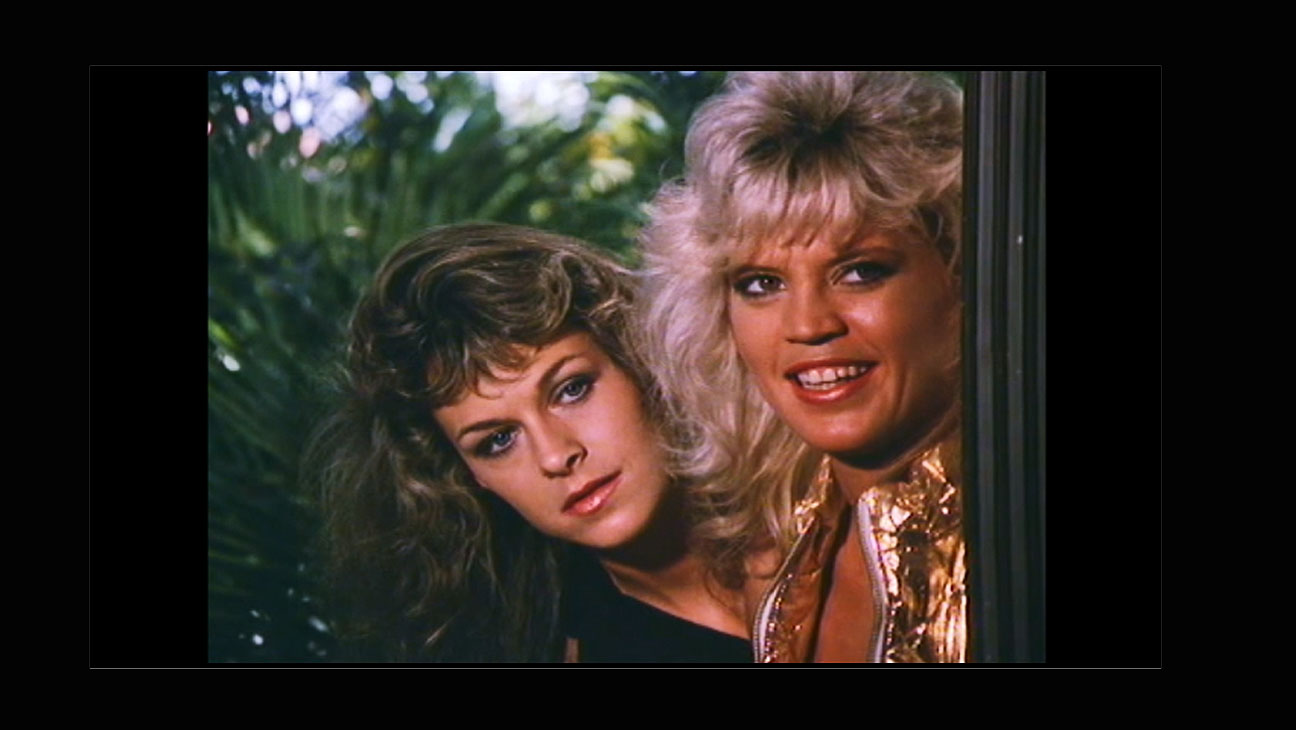
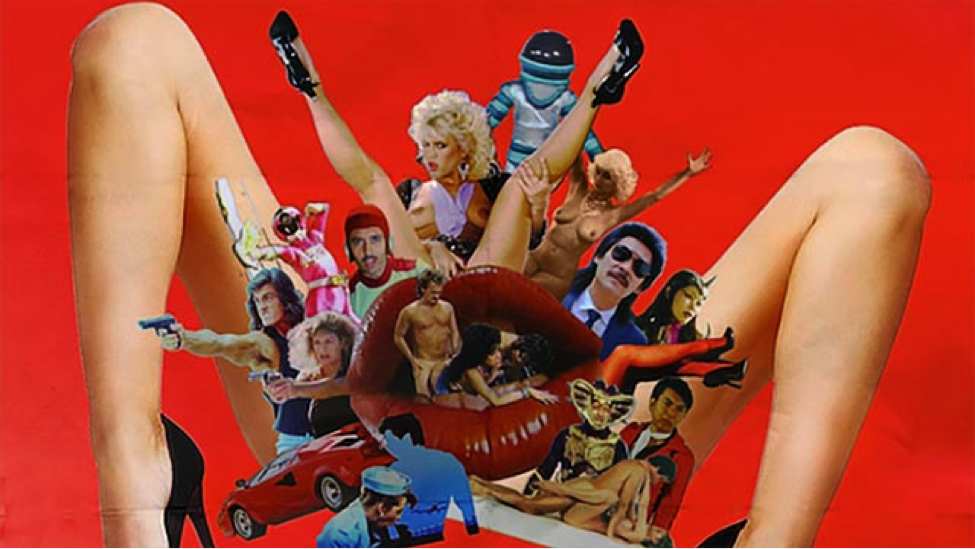
This is, after all, a film with no new visual content, constructed entirely out of vintage Canal+ porno excerpts and overlaid idiot dialog in the spirit of What’s Up, Tiger Lily?. Not only does it have considerably more sex on roller skates than Hazanavicius’ The Artist, but Ultra Sex also largely takes place in a region of space known as the “Butthole Galaxy” and includes lines like, “Roger that, Captain Cock. Read  you loud and clear, 4skin5.”

The plot, such as it is. Earth is in the grips of a global “sexual event”, a pandemic that has led seemingly ordinary people — your mechanics, your pizza delivery boys, your TV newscasters and professional roller skaters — to start copulating furiously. (Up to 30 times a day, we are solemnly told, by a man receiving a blow job in a park.) This is all related to the theft of an elusive McGuffin known as The Ultra Sex, which may or may not be in the possession of Nazi Ninja, a nefarious racketeer with designs for worldwide domination. Other culprits loom large, however, including the enemies of a curiously erotic version of the Mighty Morphin Power Rangers, as well as Daft-Peonk Robot, a robot who somewhat resembles one member of Daft Punk but not quite.

The fate of the world lies in the hands of Captain Cock and the literally dick-headed crew of the 4Skin5, as well as intrepid, earth-bound detectives Stormy Brushings and Bambi Darling, who communicate with suspects largely through spelling out individual letters on their underwear.

in search of ultra sex2

Nicolas & Bruno have a tremendous amount of fun reconstructing a narrative out of found parts, inserting jokes and juvenalia with abandon. If one doesn’t land, never fear: another will arrive in the next 5 seconds. In Search of the Ultra Sex is that sort of affair.

The Tiger Lily comparison is unavoidable, but unlike Woody Allen’s rather academic silliness, Ultra Sex plays for the back row. It’s gloriously trashy, enamored of puns and wordplay while still relishing the basic idiocy of hijacking existing film for absurdist purposes. Another distinction: where Allen is fixated on faithfully reproducing an individual film (albeit with lunatic interruptions) and then forcing it to devour itself, his French admirers assemble a pastiche instead. Hundreds of Canal+ films make their way into this fever dream of anti-erotic sci-fi, and the effect is a kind of delirious joy at the spectacle of it all.

in search of ultra sex3

Also, the root of Tiger Lily‘s joke is that overdubbed films are inherently funny — particularly Asian ones featuring young vixen temptresses, which is not in any way creepy for Allen to joke about. That film only works to the degree that you shrug it off and enjoy the contrast of Japanese image with the narrative’s resolutely New York Jewish infatuations. (“An egg salad so good you could plotz!”)

Ultra Sex, on the other hand, starts from the very defendable notion that pornography is ridiculous. The idea that the porn we create is all related, part of a huge tapestry of story, and can be structured to reflect a narrative is inherently amusing. There are also kernels of a larger idea buried in here, about the viewership and pastiche, sensory overload and the absurd structures of our engagement with cultural production.

in search of ultra sex4Those ideas are, admittedly, a bit hard to focus on, what with all the fucking robots and toys that sprout genitalia and mundane discussions between feverishly intertwined couples at the gym.

In Search of the Ultra Sex finds itself, almost unwittingly, in a longer tradition of artistic terrorism that includes everything from Dada to Mystery Science Theater 3000. Its 59 minutes are a mad rush of goofball exposition and self-referential humor, staring clear-eyed and affectionately at some of our most laughable creations. It’s impossible not to laugh along.

January 19, 2017 0 comments
0 FacebookTwitterPinterestEmail
FilmGreat Movie Project

Un Chien Andalou is a Dali landmark and the product of incipient fascism

by rick January 17, 2017
written by rick

There has perhaps never been a time when so many of us have uncomfortably pondered, or angrily debated, the relationship between art and artist in mainstream cultural production. Polanski and Allen loom large, but recent events have brought us Parker and Affleck, and an ever-growing menagerie of alleged (and almost certainly guilty) shitheels besides. Salvador Dali is, in some ways, their patron saint.

dali chien andalou5

Dali, self-proclaimed Napoleon of the arts and dorm-room hero of thrift-store stoners who should know better, would’ve enjoyed the current climate. Both the internet’s take-down ferocity and the equally strident pushback from modern-day aesthetes pushing their own version of “Art for Art’s Sake” — which, in our doomed age, usually takes the form of an anonymous user informing you that you should go fuck yourself — seem right in his wheelhouse. I’m sure he would’ve stayed up nights chipping away at the know-nothing gatekeepers of propriety, and/or posting memes of people eating poop or whatever.

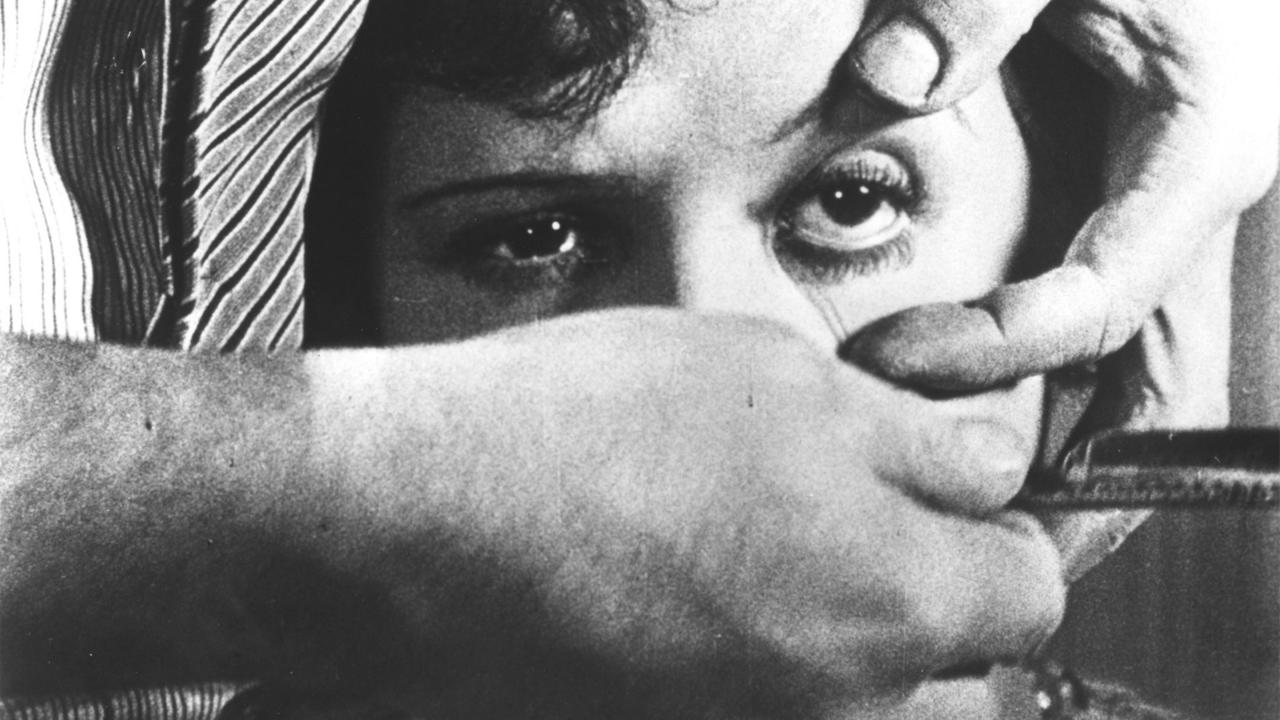
Un Chien Andalou, his explosive 17-minute collaboration with Luis Bunuel, stands as testament to this, as close as 1929 got to filmic trolling. It is universally celebrated as the first genuine Surrealist film, dispensing with narrative coherence and character to mine the relationships between images and dream-logic. Grossly inflated reputation aside, two decades later, George Orwell had his number. Commenting on Dali’s desperately scandalous autobiography, he decried knee-jerk bourgeois dismissal while also writing:

But if you talk to the kind of person who can see Dali’s merits, the response that you get is not as a rule very much better. If you say that Dali, though a brilliant draughtsman, is a dirty little scoundrel, you are looked upon as a savage. If you say that you don’t like rotting corpses, and that people who do like rotting corpses are mentally diseased, it is assumed that you lack the aesthetic sense. Since ‘Mannequin rotting in a taxicab’ is a good composition. And between these two fallacies there is no middle position, but we seldom hear much about it. On the one side Kulturbolschevismus: on the other (though the phrase itself is out of fashion) ‘Art for Art’s sake.’ Obscenity is a very difficult question to discuss honestly. People are too frightened either of seeming to be shocked or of seeming not to be shocked, to be able to define the relationship between art and morals.

Which is to say: a bad man can make a good film. In typical Orwell fashion, the entire essay lays out the basic notion, so perfectly encapsulated by The Simpsons, that “it can be two things.”

dali chien andalou3

Un Chien Andalou is Dali and Bunuel’s attempt to bend film until it breaks. The opening sequence — cutting from a cloud bisecting the moon to a razor slicing a woman’s eyeball, arguably the most famous “cut” in all of film — lives on in the cultural imagination (and Frank Black songs).

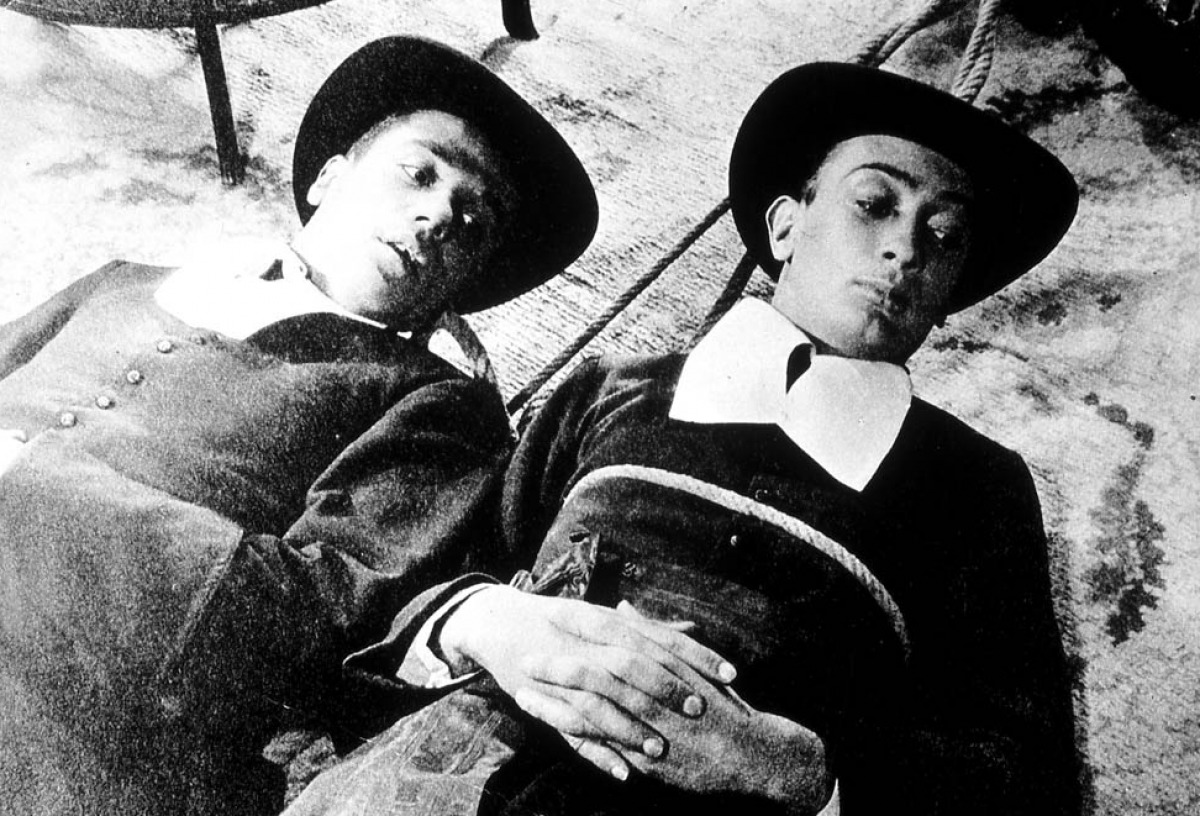
There are Dali’s beloved dead donkeys, whose eyes he gouged out with scissors for maximum grotesquerie, dragging a broken piano and two priests. Armpit hair vanishes but reappears on a mouthless face. Hands are everywhere: severed (resonant of castration) or stigmata-inflicted, filled with bugs. Women are, as always (in his art and life), demeaned and in peril. Interstitial timestamps mean nothing; we are in a nowhere world of symbol and refracted meaning.

Amounting, in the Surrealists’ proud gesture, to nothing. Later attempts to apply psychoanalytic or post-Freudian interpretations end up looking silly. Un Chien Andalou is nothing if not committed to the notion that nothing means anything, nor should it.

dali chien andalou2

This would all be well and good and admirable, in a general sense, if the film didn’t simultaneously drain anything resembling commitment from the avant-garde itself, in some ways to this day. Un Chien Andalou is a technical achievement by neophytes, a furious attempt to scandalize the masses, and an inherently fascist gesture. It assumes the primacy of the image over everything else; we cower before its authority.

Dali would shortly be tossed out of the Surrealists’ inner circle by a forward-thinking André Breton, who detected notes of fascism in his demeanor. The Spanish Napoleon would break with his collaborator Bunuel during the production of the much more accomplished L’Age d’Or, either because of Dali’s growing enthusiasm for totalitarianism or the fact that Bunuel attacked his wife. Dali would openly support Franco, camp out in France until actual fighting made him flee, flirt with Hitlerian enthusiasm, and make as much money as he possibly could.

Little of this is ever discussed in polite circles; all we ever hear about are the spectral triumphs of Un Chien Andalou, the scandal of L’Age d’Or (that nearly railroaded Cocteau’s The Blood of a Poet), and how cool “The Persistence of Memory” looks if you’re real, real high. Oh, and “Debaser“.

The film should obviously be taken on its own merits, encountered as an artifact of cultural production. But even doing so generates no real thrill, unless you find the obsolescence of meaning and reactionary politics thrilling. When critic after critic refrains from mentioning politics, imbuing their own worldview with a blinkered Art for Art’s Sake insistence on pure aesthetic, we’re in trouble. Now more than ever, the artifacts of the past should be approached as prologues of what’s to come, and, if we’re serious, we should take their seriouslessness seriously.

That’s how Dali would’ve wanted it anyway, before picking our pockets and gleefully skipping into the night, with his melting clocks and skull-fucked severed heads full of honey.

Favorite Ebert passage:

And yet we try to link them nevertheless. Countless analysts have applied Freudian, Marxist, and Jungian formulas to the film. Bunuel laughed at them all. Still, to look at the film is to learn how thoroughly we have been taught by other films to find meaning even when it isn’t there.

January 17, 2017 0 comments
0 FacebookTwitterPinterestEmail
Film

New on Netflix: Miss Sharon Jones!

by rick January 13, 2017
written by rick

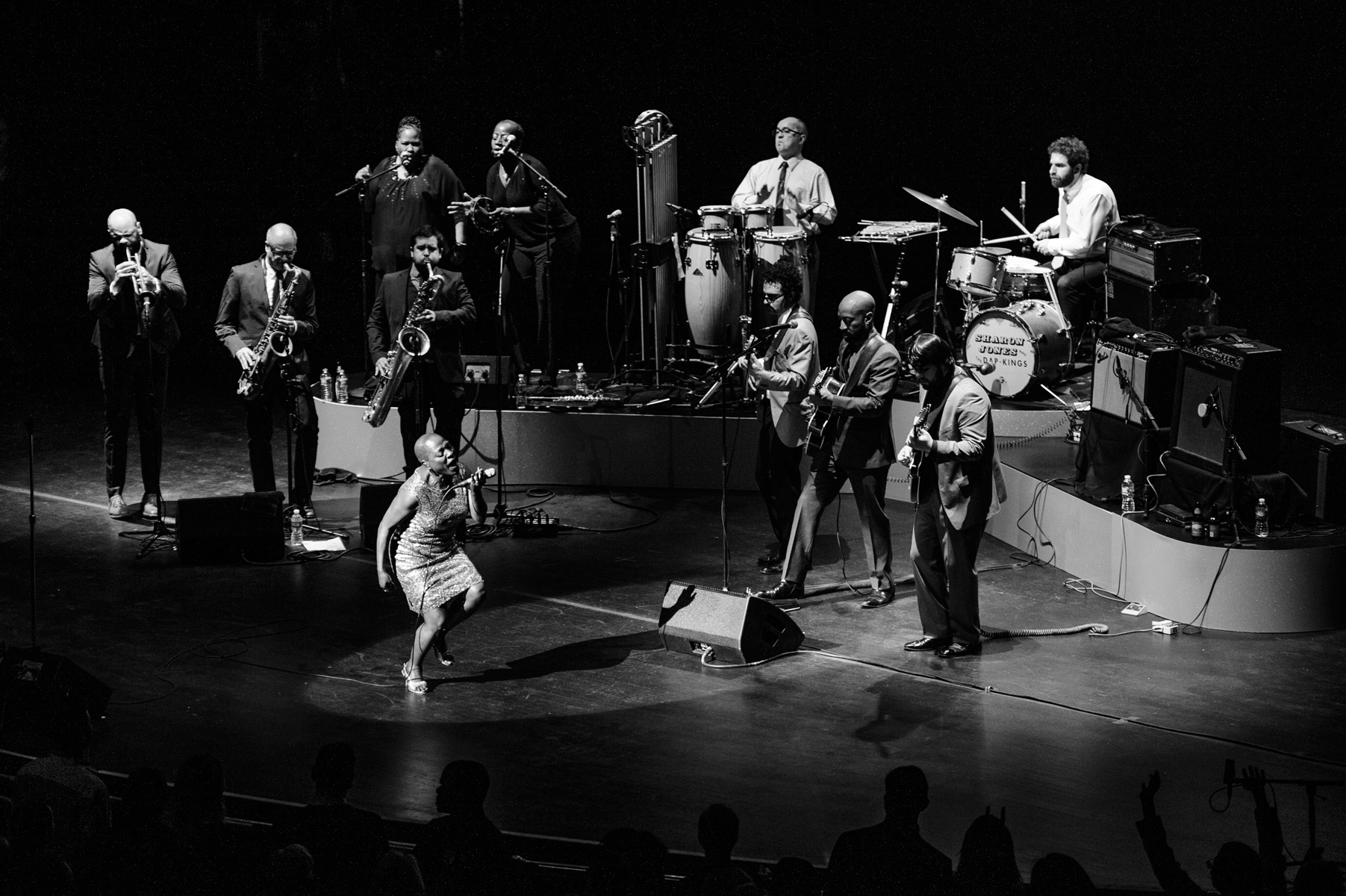
The late Sharon Jones — genius, honest-to-God lovely person — died too soon. Referred to as “the female James Brown” because of her stage energy and chops, she and the Dap-Kings built up a fervent fan base the old-fashioned way: by playing electrifying shows and putting out records (on vinyl!).

In Miss Sharon Jones!, veteran documentarian Barbara Kopple (Harlan County, U.S.A.) catches Jones on a final hurrah, illuminating her personal strength and public badassery. The soul icon would pass on not long after filming ended, a fact that haunts the movie but only underlines its observational narrative, imbuing it with a sense of urgency and wonder at her drive.

miss sharon jones3

Kopple wastes no time in her portrait. In fact, we only obliquely get a sense of Sharon Jones before she became MISS SHARON JONES, notably during a trip back to her childhood stomping grounds in Augusta, GA. But for the most part, Miss Sharon Jones! eschews that kind of biographical context, a somewhat unexpected choice that forces us to simply play catch-up and meet her where she’s at. It’s a canny move on Kopple’s part.

The ear-worm funk of the Dap-Kings is emphasized, as is the interplay between the members and the familial camaraderie of the ensemble. Sharon Jones’ struggles with pancreatic cancer form the crux of the film, along with the way they raise the stakes for an upcoming record release.

Jones seems to exist for the music; she can’t help it. She was born to sing, and that’s exactly what she’s going to do. The scenes featuring her chemo are fraught with tension, less because it might kill her and more because it might silence her. Which, it is clear, is the cruelest consequence in her own eyes.

miss sharon jones4

And then there’s the music. I didn’t walk into Miss Sharon Jones! a particularly enthusiastic fan, although I’ve always found her as good as anyone else on the scene. I walked out a huge admirer, and heartbroken that there won’t be another Sharon Jones record. Maybe you’ll do the same.

There’s nothing groundbreaking in Miss Sharon Jones! But like its subject, it’s honest, raw, and wears its heart on its sleeve. It’s a fitting last testament to a woman who refused to be stopped, and the final show is goosebump-inducing. Long live Sharon Jones.


Quick Links

Dukhtar

dukhtar

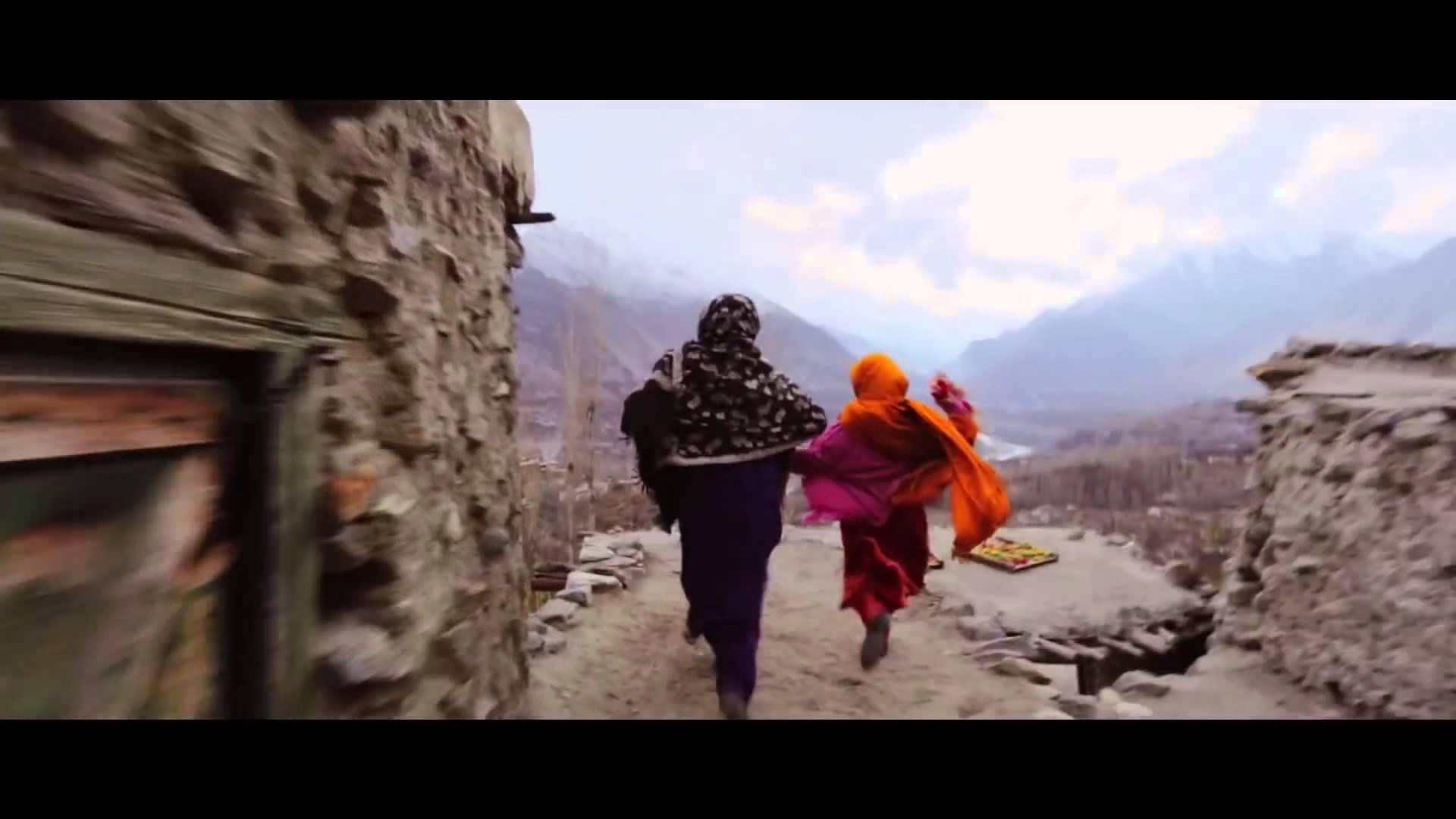
The first feature from Afia Nathaniel, Dukhtar starts as social realist parable and gradually becomes a full-fledged chase movie. A feud between clans is resolved, by the men, with an arranged marriage, but the women are having none of it. Sympathetic characters become monsters, and dubious rogues turn out to be heroes. It’s that sort of affair.

Nathaniel coaxes lovely performances from the central mother/daughter pair and fills the frame with jaw-dropping natural beauty. There’s an undercurrent of outrage that’s impossible to miss, but Dukhtar spends most of its time on the run. It’s not exactly a white-knuckle thrill ride, and leavened by quiet moments that reveal individual histories, but it’s entirely engaging throughout.

Divines (+ The Road To Paradise)

divines1

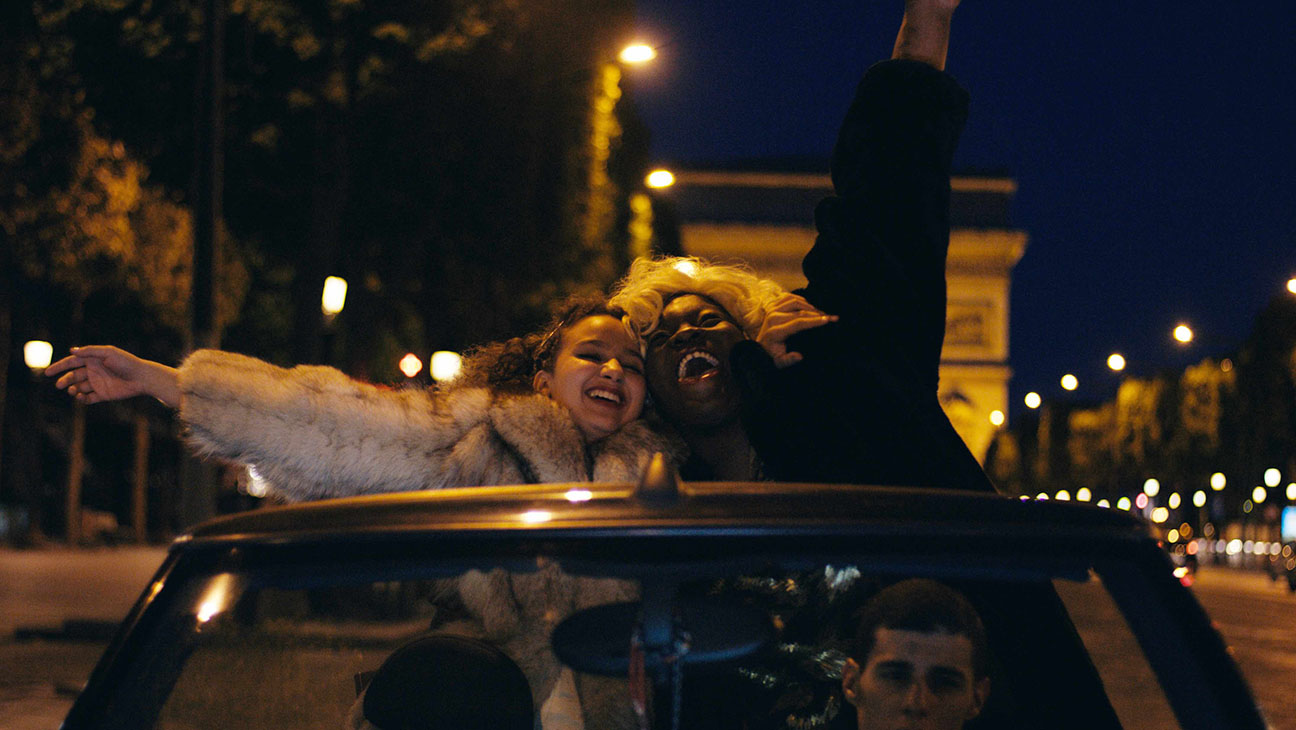
Earlier this week, I waxed rhapsodic about Houda Benyamina, and nothing has changed in the past few days. Divines is a must-see explosion of energy and socially-conscious rage, contrasting the dreams and desires of those living on the margins with the limitations imposed on them by bourgeois society. It’s also frantic, entranced by the ways our lives our mediated by technology, and occasionally scattershot, as though Benyamina can’t help but invest her film with every ounce of passion she can muster. I consider this a very good thing.

(Divines is available on Netflix; her earlier, more subdued, and extremely accomplished short The Road To Paradise is streaming, for free, for the next few days on Le Cinema Club.)

It Follows

it follows

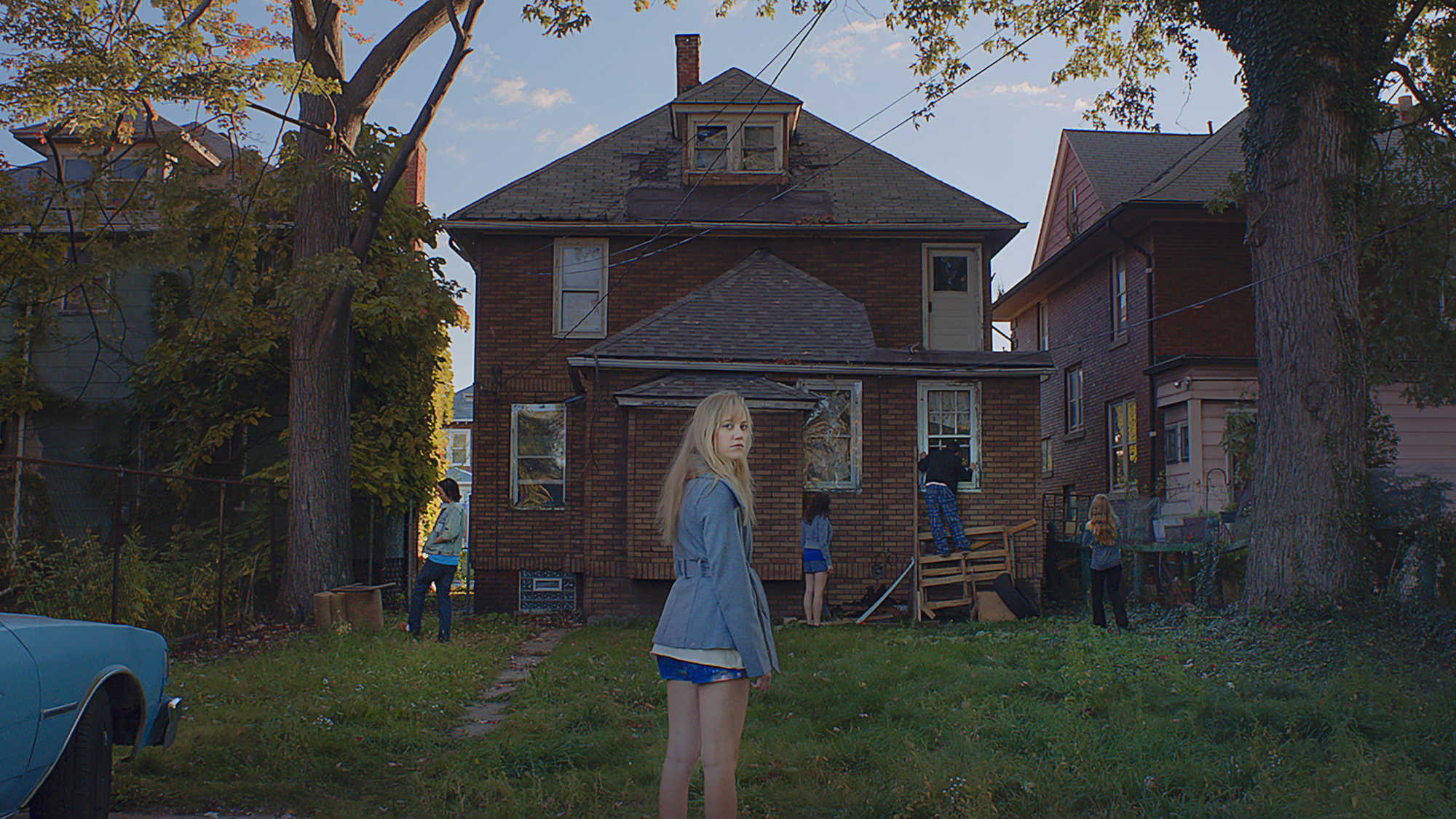
Equal parts slasher film and allegory about slasher films, It Follows took the world by storm a while back. If you missed it, here’s your chance. The film’s central conceit — that a relentless menace will stalk you until you pass it off to someone else — can be read in a number of different ways, but the actual machinations of the film force you to get queasily spooked first and consider the implications second. Director David Robert Mitchell stages things with aplomb (the opening sequence is a classic bait-and-switch), and cinematographer Mike Gioulakis shoots Detroit like a place where any numbers of evils might dwell.

A lot of people scoff at the final third, but I think it works well enough (especially if we consider It Follows an exercise in meta-horror). The driving force behind the film isn’t mimetic representation but nightmare logic, and on that level, it succeeds enormously. I’ve already had several nightmares about it.

Requiem for a Dream

requiem for a dream

Feeling good about the world? Darren Aronofsky can fix that for you!

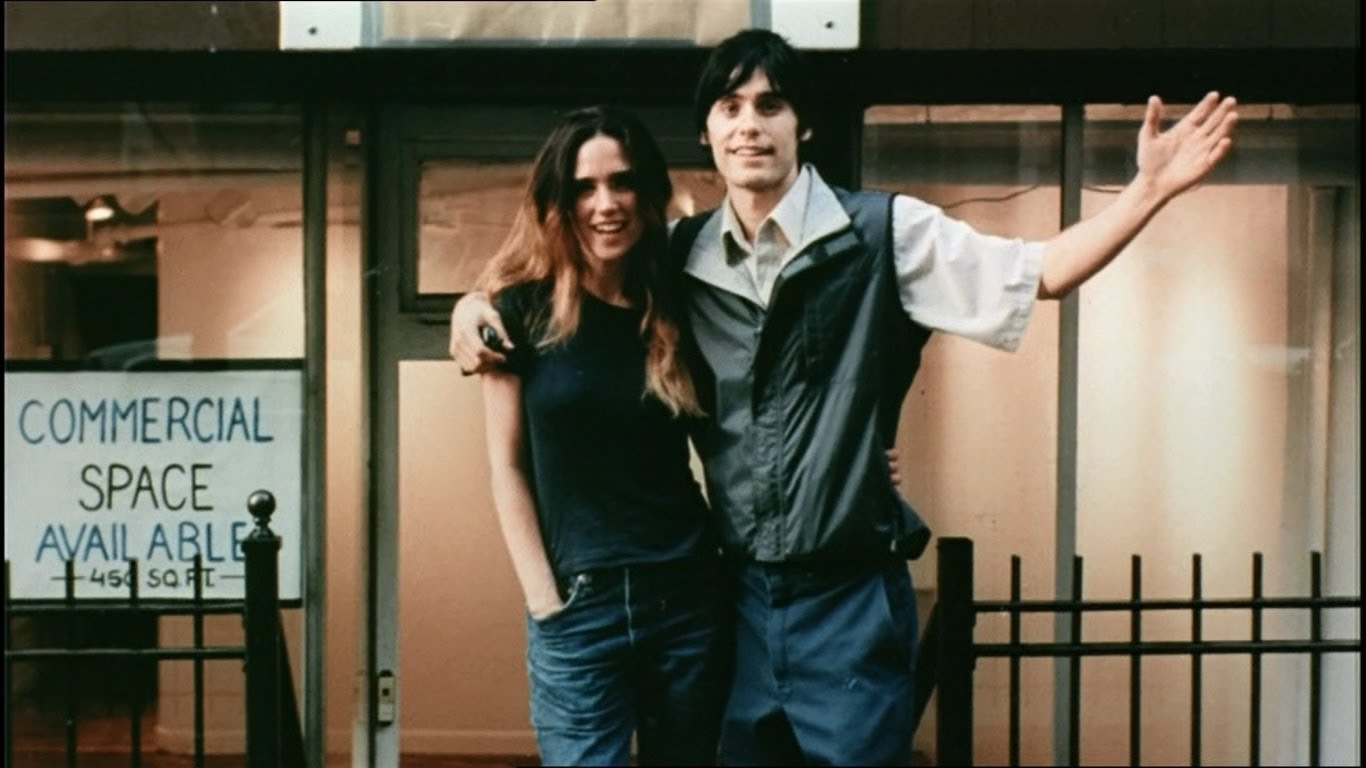
Featuring a brutally affecting Ellen Burstyn and a pre-insufferable Jared Leto, along with Jennifer Connelly and Marlon Wayans in best-ever turns, Requiem For A Dream is an uncompromising nightmare vision of American life. The sound design alone is worth paying attention to, with a score from frequent Aronofsky collaborator Clint Mansell and, I assume, an entire Foley team dedicated to nails-on-chalkboard effects. This is as bleak as it gets, but it’s impossible to shake off.

January 13, 2017 0 comments
0 FacebookTwitterPinterestEmail
FilmGuest

Guest Post: Jim Jarmusch, Permanent Vacation and Jazz That Doesn’t Suck

by Lark January 11, 2017
written by Lark

Unlike my pal Rick Kelley—who once told me, on the record, that “jazz sucks”—I actually like jazz music quite a bit, but I’m not great at just listening to it with full concentration. When my mind wanders, I sometimes play a game: “How would a rock music critic write about this?” You know the kind of awful prose I’m talking about, the kind written by people completely out of their depth and end up falling into the same clichés, something like:

Ahmed Jamal never plays a note he doesn’t want to. He hangs back until the right moment, then strikes like a cobra—a sudden arpeggio leaping upwards towards the light, a sudden tumble down the stairs that turns into an elegiac lament for a lost pet…

The old Pitchfork was the king of this, culminating in one of the most embarrassing, awful reviews ever written, their review of John Coltrane’s Live at the Village Vanguard: The Master Takes, which was written entirely in a funetik approximation of what a white dude thinks a “jazz cat” talks like. (No one brings this kind of bullshit out of writers like Coltrane or Charlie Parker, and we’ll get to the latter in a minute.) Only Billy Crystal’s approximation of the same, mostly imaginary stereotype comes close to being as embarrassing.

gravity's rainbow

Maybe the only person to do this style actually well is Thomas Pynchon in Gravity’s Rainbow, where in a hazy dream either one of our protagonists or an omniscient narrator or some mixture of the two recounts the audience’s reaction to hearing Parker play. Beyond just the complicated interplay of Pynchon’s self-awareness of whiteness and his protagonists’ complete lack of it (at least in GR), it works in that context because we are experiencing the first wave of discovery of Parker’s early bop style. That breathless grasping is an old language trying to keep up with new discovery.

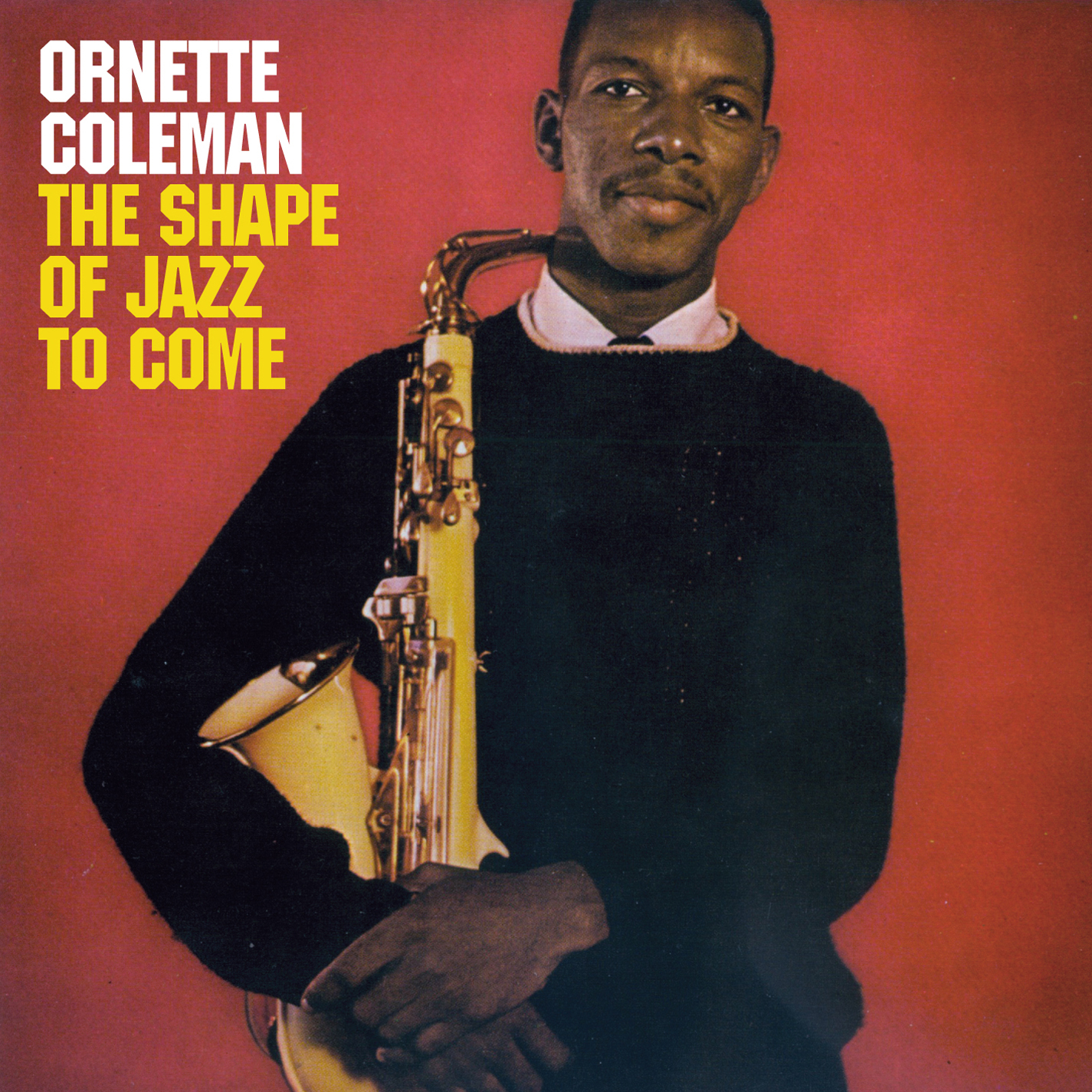
But if 80 years later, all jazz represents to people is this abstract “newness,” a freedom that doesn’t have any real content, what good is it? It is no coincidence that this kind of empty fetishism of the abstractness of jazz focuses on, essentially, the 50s and 60s, a period in which jazz went through the same modern development that so many art forms did, in which the playing field is cleared of anything unnecessary so the game can be played in earnest. How many of these critics talk endlessly about The Shape of Jazz to Come, but have never heard Coleman’s later masterpieces, like Sound Grammar or Science Fiction, which fulfill the promise of which Jazz to Come was only the shape? Did they miss the essentially forward-looking nature of the album’s title?

shape of jazz

This is why, despite the book falling into the other standard traps of the Specialist Music Critic Writes a Book genre, Ted Gioia’s recent How to Listen to Jazz never falls prey to this kind of breathless nonsense. Gioia actually can play jazz, so he knows the language. He doesn’t use the language—he doesn’t tell the reader about why it was important when pianists started adding left-handed voicings to Bud Powell voicings, or anything technical like that—but it is always obvious in his descriptions of musicians that he actually knows the technical side.

But that kind of writing and thinking about jazz is nothing new.

—

If you know that Permanent Vacation is Jim Jarmusch’s first film, made right as he was leaving film school, you probably can imagine much of its style. If you know that it comes as a bonus feature on the Criterion DVD of Stranger than Paradise, you can probably imagine it completely. There is a particular style to those early, supplementary films of directors of this era, like Linklater’s It’s Impossible to Learn to Plow by Reading Books (which comes on the DVD set of Slacker) or any of the Wenders movies collected in The Road Trilogy box set.

permanent vacation2

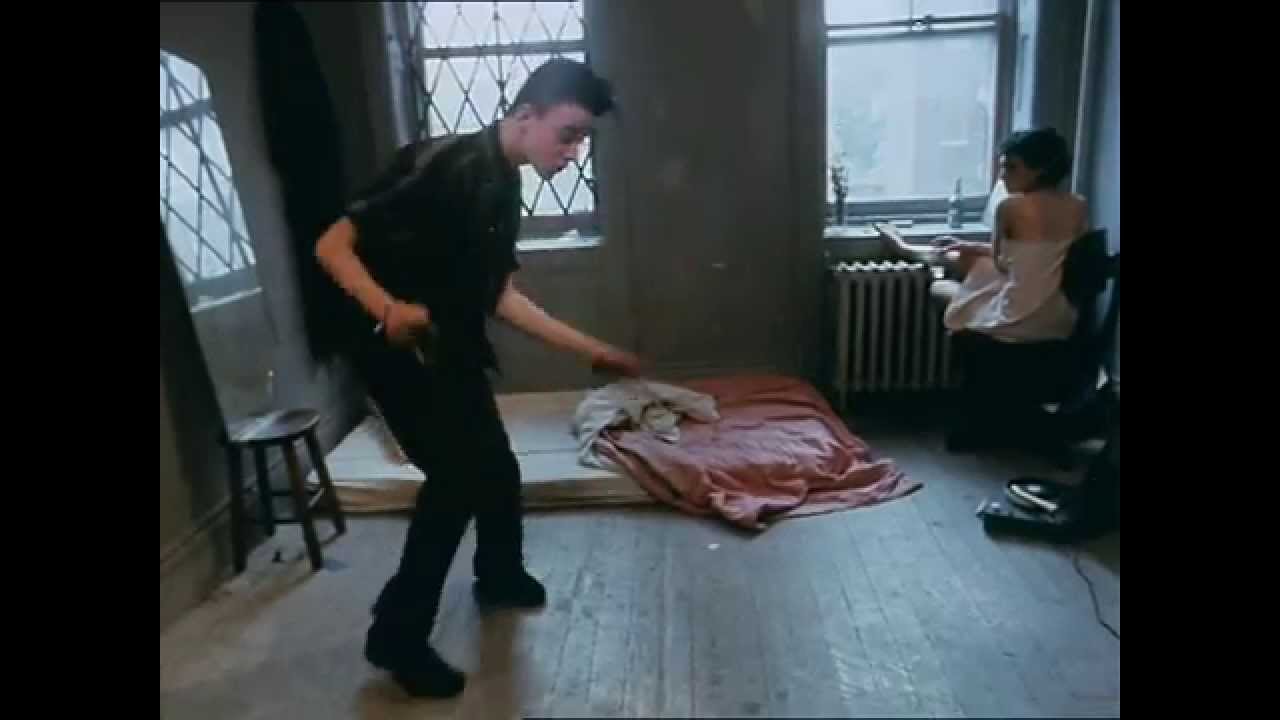
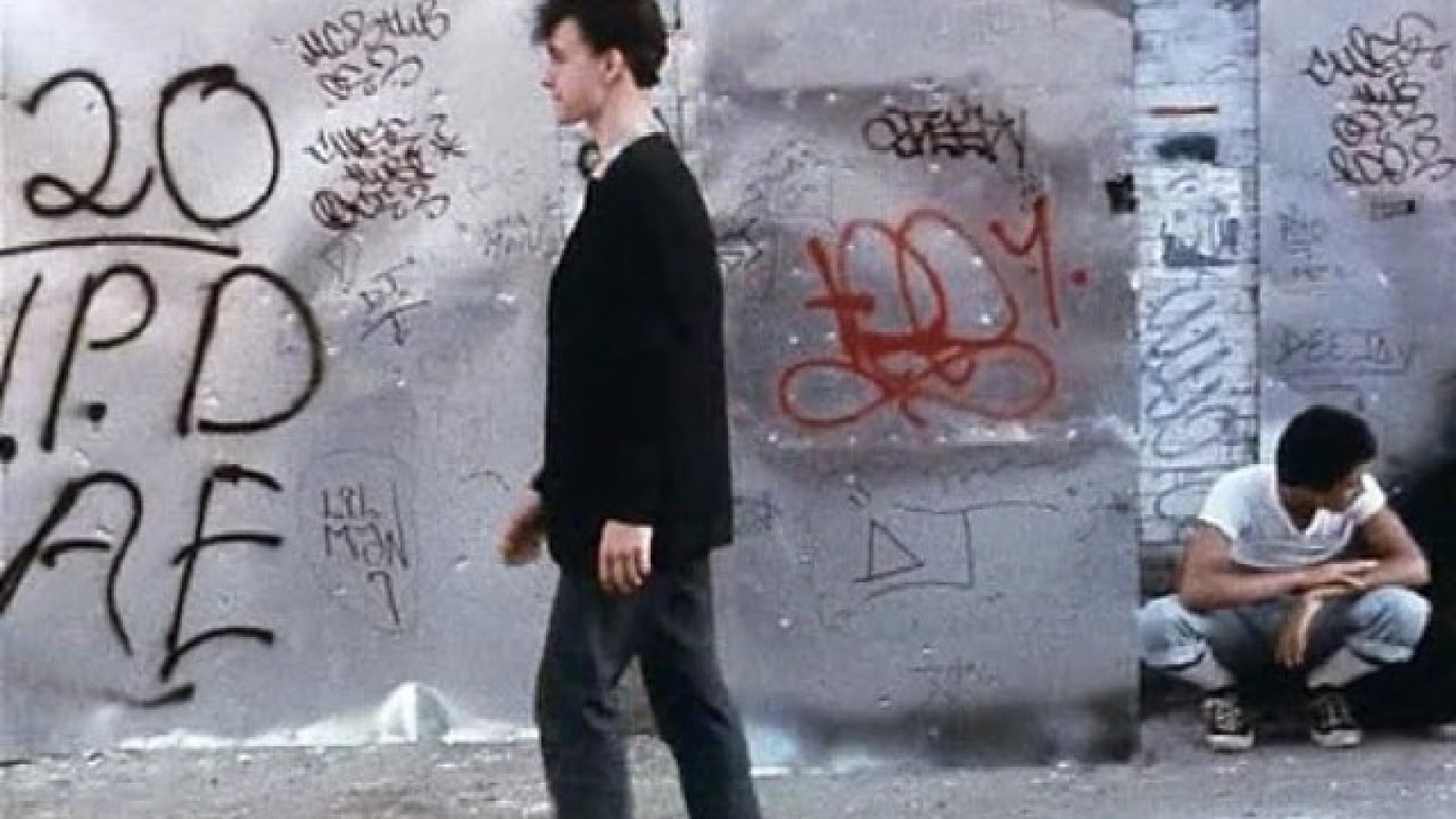
The protagonist will be a shiftless young man, of roughly the director’s age. He may be in a relationship, but will be drifting away from his partner, who does not understand his listlessness. The middle part of the film—which is refreshingly short in Vacation, but can stretch up to two hours in Wenders’ hands—will consist of the protagonist wandering from vignette to vignette, doing very little. He will be told at least one story by a boisterous, probably homeless person. He will go to see a movie, usually one of those top-tier genre films—the type that the Cahiers folk would like. (In Vacation it’s Nicholas Ray’s The Savage Innocents.) There will at least one person of color, who will be larger than life and mentally unwell. (Vacation gives us a Latina woman, screaming cat-like in an alley.) The protagonist will often end by leaving for a new town, in which he can wander aimlessly. And, of course, the protagonist will usually love jazz.

In the American version of this movie, at least, it’s usually jazz—Wenders replaces it with American rock music. (His complete disregard for American copyright is why some of his early movies, like The Goalkeeper’s Anxiety at the Penalty Kick, are hard to get in Region 1—the recent remaster of Wenders’ films was forced to replace most of the music.) Vacation’s protagonist, Allie Parker, tells us in the opening narration if he has a kid he’ll name him Charlie—“like Charlie Parker”, he explains for the benefit of the slower audience members. Just after telling us this and preening in a mirror, he dances to a jazz record.

The requisite story the protagonist listens to, mentioned above, is about a jazz musician who gets depressed because Americans don’t like the newness of his sound, so he moves to Europe—and finds they don’t like it, either. Shortly thereafter, Allie runs into a saxophonist on the street, played by his soon-to-be-long-time collaborator, John Lurie, who asks him, “What do you want to hear, kid?’ “I don’t care,” he responds, “as long as it’s vibrating, bugged-out sound. Man, what a sound,” he responds, in a monotone that almost sounds sarcastic. Lurie lets out a few notes, and the kid walks away, satisfied.

I don’t think that it’s a coincidence that Wenders use of American popular music as a whole and Jarmusch’s use of jazz here are analogous. The point is that in both instances, the music represents an energy that’s somewhere else. That passionate jouissance is always both present and absent: it’s on a record, or in a jukebox, or in a story, but never completely present. (This may be why Allie immediately becomes bored when Lurie starts playing the saxophone.)

permanent vacation3

There’s a definite element of coding, too. The energy contained in jazz music is related to the inevitable “larger than life” people of color, who often burst with an energy the other characters lack. (The man who tells Allie the story of the jazz musician, who can barely get through a sentence without bursting into laughter, is black, for instance. In fact, it’s worth noting that the only people who laugh in the movie are the two black characters and a white woman in an insane asylum.)

—

I suppose what I’m getting at is this: Jazz is not good at representing anything. There have been some arguments about jazz in movies lately, with Whiplash and La La Land being particular battlegrounds. (Note: I haven’t seen the latter, and only really know there are arguments about it from Rick.)

People have always wanted to overload jazz with semantic meaning. The American government’s use of it is a particularly fascinating case. During the Cold War, American jazz musicians were sent on tours, as the musical form was seen to represent the freedom of the American way. This is specifically the context of Adorno’s much, and unfairly, maligned article on jazz (PDF), which pointed out that while it may seem that each musician has freedom—they can stand up and perform their solo—at the end, they must be reabsorbed into the group.

One would think that, as a musician himself, Adorno wouldn’t fall for this obsessive overloading of music’s semantics, but that wasn’t a skill he had. (He considered Schoenberg just about the greatest composer around, but, when Schoenberg heard his reasons, he is said to have wondered “if [Adorno] has heard one note I composed.”)

This is not to say music is not political—the new musicology, partially inspired by Adorno, has produced any number of brilliant critiques. Even jazz itself has had deep political meanings—but always from within, like Max Roach’s We Insist! or Ornette Coleman’s This Is Our Music (which also serves as the title of a wonderful book on the relationship between African nationalism and free jazz).

Jazz on its own doesn’t represent anything very well. It’s a field as wide as rock music, or pop music, and filled with as muchla-la-land3 diversity. And when artists and critics and philosophers fetishize it as meaningful as a whole, they tend to do so by limiting the actual artistry behind it. Jazz is often reduced to a pure expression of the artist’s interior, and their technical skill and intelligence is often ignored. (One of those critical crimes that Gioia commits is related: the tendency to sand down the rough edges of musicians by pointing out the beauty of the music. Gioia says he can’t fully believe the stories about Miles Davis being an abusive, awful person, because he “makes such beautiful music”.)


What I am trying to get at is the laziness of the gatekeepers complaining Whiplash or La La Land or anything else isn’t “really” about jazz, or isn’t about “real” jazz. The importance isn’t the music itself—it’s what it means to the characters that’s important, because that’s all there is. What these people who complain about people not “getting it” actually want is something more like Permanent Vacation, which is more entrenched in a freer period of jazz music—but the music holds up that meaning just as little.

Besides, as Rick said: a lot of jazz does, actually, suck.

This is a guest post from Liz Lerner. It was originally posted on her site Destroy All Critics.

January 11, 2017 0 comments
1 FacebookTwitterPinterestEmail
FilmGreat Movie Project

Diary of a Lost Girl’s narrative bloat couldn’t contain Louise Brooks

by rick January 11, 2017
written by rick

Has there ever been an actress as dismissed in her heyday and as celebrated by later generations as Louise Brooks?

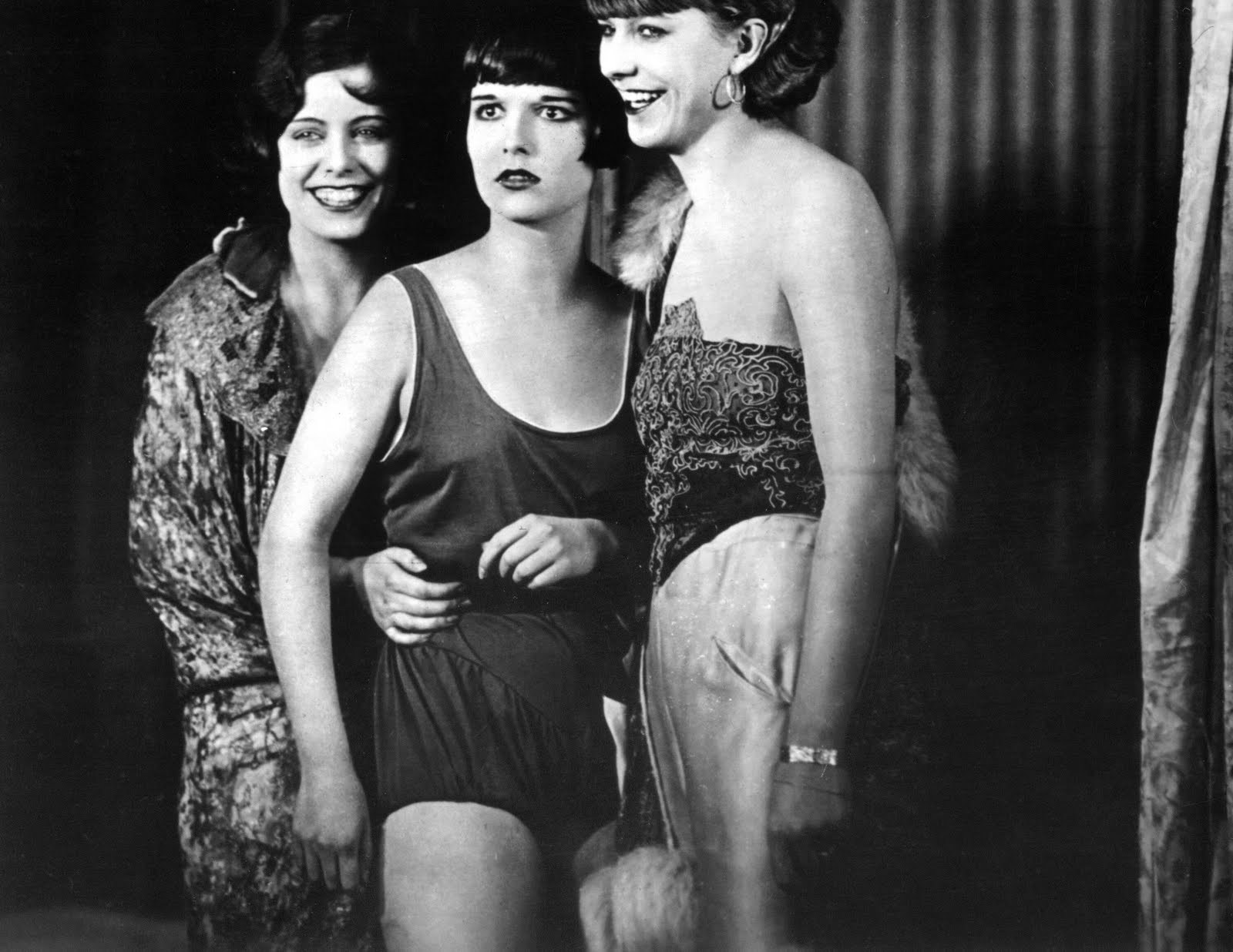
Her first collaboration with G.W. Pabst — the essential Pandora’s Box — rankled German critics, many of whom felt the beloved role of Lulu should never have gone to an American, much less “an inanimate dummy” who didn’t know how to be “enough of a whore”.

In Diary of a Lost Girl, their second and final film together, she didn’t fare much better: the film was heavily censored and so edited to incoherence upon its release, with Brooks, in one of the gentler notices, referred to as “monotonous”.

This is at least partially related to the fact that both films drew on well-known source material — Pandora’s Box suffered under the burden of iconic expectation, and Diary of a Lost Girl from the dismissive attitudes towards the blockbuster novel on which it’s based. The challenge of bringing either to the screen were different in type, but the same in result. When you’ve got noted critic Siegfried Kracauer attributing the popularity of your scenario to the enthusiasm of “the philistines of the past generation” for “slightly pornographic” stories about “some prostitutes,” you’re probably fighting an uphill battle for legitimacy.

diary-of-a-lost-girl5

Later generations would tend to agree with the philistines of generations past. If The Diary of a Lost Girl lacks the thrill of Pandora’s Box while still sharing its narrative bloat, it’s an effective, often gorgeous melodrama, carried by the confidence of Pabst’s staging and Louise Brooks’ strikingly modern naturalism.

The story, borrowed from Margarete Böhme‘s salacious first-person novel (cannily marketed as an autobiography, long before the age of Fake News) and crammed into the film’s too-short running time, deals with the trials and tribulations of Thymian (brooks).

The daughter of a pharmacist, she’s “seduced” (read: raped) by her dad’s creepy assistant and ends up pregnant. He refuses to marry her, the baby given away, and she’s sent to a militaristic reformatory lorded over by a barely-concealed lesbian headmaster, a sort of Nurse Ratchet in dominatrix mode, and a sadistic male guard. Pabst’s contempt for the patriarchal underpinnings of polite bourgeois society couldn’t be more clear.

diary-of-a-lost-girl4

Eventually, Thymian escapes the drudgery of this world of punishment and finds herself instead welcomed into a brothel. Money and wine flow freely, and she lives it up for a while. There’s a genuine sense in the brothel sequences, though, that, even if Thymian is flirting with immorality and scandal, at least here she encounters kindness and the absence of reproach. She forms a family of sorts with the other girls, and with a young, spendthrift Count she’s married, even if that means reconciling her shame at being placed on the margins with her enthusiasm for the possibilities for freedom it provides.

diary-of-a-lost-girl2

A chance encounter with her father shocks her out of this world too, unfortunately, and she returns to the fold. After his death, she’s heir to the pharmacy fortune (which is apparently a thing that used to happen), but, kindhearted soul that she is, gives away the money to her dad’s wife to help care for her half-sister. (Still with me?) This, in turn, leads her wastrel husband to throw himself literally out the window in despair at the fortune that came and went.

As I said, it’s far too much plot for a film that runs less than 90 minutes.

From here, Thymian’s taken under the wing of her dead husband’s sympathetic father, another Count, and suddenly elevated to a status of privilege. In a twist of fate, she finds herself a member of the aristocratic committee of women dedicated to saving wayward girls, who run the very same death-camp of a reformatory she was once imprisoned in. Realizing this, she makes an impassioned speech, sides with her oppressed sisters, and leverages her newfound social status to advocate on their behalf.

diary-of-a-lost-girl1

What we have, then, is a moral fable, however much it creaks and groans under the laborious plotting. (It’s hard to imagine what contemporary audiences made of a heavily edited version; it’s hard enough to follow as it is.) But the film’s best moments are its earliest, when Pabst trains his camera on Brooks and just observes her having fun. You have to imagine this was the real scandal and the reason for the censorship: life as a whore, sandwiched between the cruelty of home and the moralizing of the elite, seems Thymian’s happiest time, and no one in film history appears to be enjoying herself as much as Louise Brooks.

Pabst’s best decision is to train the lens on her features and watch. (By way of comparison, have a look at 1931’s Windy Riley Goes Hollywood, a sad footnote to Brooks’ career directed by a disgraced Fatty Arbuckle under a pseudonym, who had no idea what to do with her at all.) Diary of a Lost Girl can easily be read as a meta-text on Louise Brooks’ career itself — banished from home for things that were not her fault, some years in the wilderness, a self-discovery in the pleasure houses on the margins, and some sort of Pyrrhic victory on her own terms. But maybe that’s too much: the film works on its own terms.

It’s also noteworthy that, even if the ending comes off heavy-handed, her Thymian gets the last word here, sticking it to the preachy, self-deluded (wo)Man and firmly aligning herself with society’s cast-offs. In Pandora’s Box, Brooks’ freedom is punished, not just with poverty but with an actual encounter with fucking Jack the Ripper. In Diary of a Lost Girl, the girls stick together, positing their love and solidarity against a hostile world full of hypocrites. That alone makes Pabst and Brooks’ final collaboration a triumph.

diary-of-a-lost-girl3

Louise Brooks would continue to make movies through 1938, never equaling the Pabst years, before vanishing, nearly forgotten. She’d be rediscovered by the French (natch) in the 50s, and her characteristically frank, hilarious autobiography Lulu In Hollywood would cause a stir in 1982. Diary of a Lost Girl and Pandora’s Box exist as testaments to a very particular moment in time, when much more seemed possible for a polarizing, brasssy, unapologetic star. At least we still have the movies.

Favorite Ebert quote:

One notable element of the film is that it’s entirely the story of Thymian, just as “Pandora’s Box” was entirely the story of Lulu. Louise Brooks didn’t have a personality or screen presence that lent itself to supporting roles. If both young women are victims, neither is helpless, and the men who would exploit her find their evil turned against them. In a world of cruelty, the Brooks characters stand as enduring figures. How she accomplishes this is the mystery of her acting. “The great art of films,” she wrote, “does not consist of descriptive movement of face and body but in the movements of thought and soul transmitted in a kind of intense isolation.”

January 11, 2017 0 comments
0 FacebookTwitterPinterestEmail
Film

The furious energy of Houda Benyamina – Road to Paradise and Divines

by rick January 10, 2017
written by rick

Houda Benyamina is a force to be reckoned with, impassioned, outraged, and determined to fuck things up.

This would be clear enough from the director’s masterful 2011 short The Road To Paradise and her electric (Cannes d’Or-winning, Golden Globe-nominated) 2016 feature Divines, but Benyamina has wasted no time affirming it every chance she gets. A sampling (which does not even include her Cannes acceptance speech, in which she took to the stage shouting, “Les femmes! Les femmes!” and added, “I didn’t stop saying, ‘I don’t give a fuck about Cannes’ to my producer since the beginning.”):

Cinema is white, bourgeois and racist. That’s clear.” (The Guardian)

“The outsider needs to speak the language of the ruler, of the prison guard, and this is what everyone resented or found controversial in Cannes: that I didn’t speak this language. I don’t want to speak this language! I know how to speak it very well but I chose not to. I can’t be anything but natural.” (again)

The need for power and recognistion is not just reserved for men. No one ever asks male directors why they only cast male characters. Reality is changing. We can say, “You have to put your clitoris on the table” the same way you say, “You put your balls on the table.” (Cannes Q&A)

houda-benyamina

Both the short and the feature focus, at least obliquely, on life in Paris’ Roma camps, where danger from the state looms over everyday interactions and shoulders up against individual tenderness and longings to escape. The Road To Paradise is the more conventional of the two, a Dardennes-inflected piece of tragic social realism on the margins of French society. (Just don’t call it a banlieue film: “I don’t like that label. If a middle-class man had wanted to make such a film – no problem.”)

road-to-paradise2

Benyamina’s empathy and outrage are palpable, charting a Roma family’s attempts to navigate a hostile French culture seen alternately through the eyes of mother, Leila (Majdouline Idrissi), and daughter Sarah (Sanna Marouk).

An absent father, already in England and progressively distant from the family he’s left behind in the slums, is less than no help, but Leila, Sarah, and youngest child Bilal are also ensconced in a wider social and family circle that provides some amount of support. Not nearly enough, as Leila works a degrading gig and the family begs Euros on the street, but Benyamina includes plenty of warm moments amid the dire poverty to demonstrate the ways people get by.

road-to-paradise

It’s a humane, ultimately heartbreaking vision of impossible odds, its ending even hinting at the possibility of a new day, however painful. But Benyamina’s film doesn’t roll out like a polemic: mean-spirited schoolkids co-exist alongside one little boy with a doomed crush, impassive immigration forces with a protective principal. (A scene in which that principal is introduced, seemingly angry at the children, and is then revealed to be acting out of deep compassion is striking, and all-too-relevant in the U.S. at the moment.)

If The Road To Paradise fits more or less solidly in the spiritual existentialist tradition of French social realism, Divines marks a decisive split. A sort of Girlhood-by-way-of-Goodfellas explosion of energy, Benyamina’s debut feature is relentless inventive, and as restless as the young women whose stories structure its narrative. In fact, it might have too much energy for its own good, but it’s a remarkable, and remarkably furious, film.

divines4

Dounia (an unforgettable Oulaya Amamra, Benyamina’s younger sister) is another child of the encampments, a poorest-of-the-poor young woman simultaneously street-tough and vulnerable. Along with her best friend Maimouna (Déborah Lukumuena, just as good), she dreams of the kind of success and wealth the two see reflected in YouTube videos and Lil Wayne songs; in the gritty margins of the shadow economy, the closest they can get to that is ingratiating themselves with local dealer Rebecca (Jisca Kalvanda). Benyamina calls the two her De Niro and Keitel, but Dounia’s closet parallel is actually Henry Hill. Ever since she could remember, she wanted to be a gangster.

Divines is at its best in its first half, when the adorable naturalism of the Dounia and Maimouna’s relationship constantly butts up against the constraints on their lives. They attend a vocational school, which Dounia promptly quits with a furious tirade. Why, she asks her hapless instructor, should she study to graduate from poverty to check-by-check obsequiousness, smiling pretty for the very people who keep her down? And anyway, she pointedly tells her to her face, “what the fuck did you ever achieve?”

divines3

Divines is, in part, Benyamina’s response to the 2005 riots, which apparently affected her deeply and to which she profoundly related. (The riots also led her to found 1000 Visages, “an association that scouts and nurtures young talent from social minorities. ‘I founded the association because I found cinema white, bourgeois, and misogynistic. Even when you graduate from one of the grandes écoles, it’s complicated imposing yourself without a network, especially if you’re black, Arab, and a woman on top of it all.”) A sense of that upward mobility is a lie foisted on vulnerable populations by comfortable elites, that you’re on your own if you want to “make it,” underwrites nearly every moment of Divines‘ running time.

divines2

But this threatens to reduce the film to simple protest, which shortchanges its formal playfulness and nuanced takes on race, gender, religious, and class identities. There is also a coming-of-age love story buried in here, and a fixation on dance as a kind of unmediated truth. Dounia is a fully realized character in flux, and, like Girlhood‘s Marieme, becoming who she’ll be.

Whether you prefer the first or last half of the movie may be a matter of individual taste, as Scorsese overtakes Schiamma and things spin violently out of control. The final moments seem at odds with much of what’s come before, and I found myself wishing we could go back to the fraught longing that preceded the explosions. There’s so much going on in Benyamina’s telling, and so much passion, that it runs the risk of devouring itself.

But that’s for the viewer to judge. In an age in which too many films have too little to say, faulting Houda Benyamina for her films’ passion seems absurd. Both The Road To Paradise and Divines are remarkable films from an emerging voice in new French cinema.


January 10, 2017 0 comments
0 FacebookTwitterPinterestEmail
Film

New on Netflix: Sand Storm

by rick January 6, 2017
written by rick

As an empathetic portrait of contemporary Bedouin life, Elite Zexer‘s Sand Storm is a standout success, immersing us in the push and pull of tradition and modernity. As a familial melodrama, and a complicated narrative without villains, it’s even better. Fans of both should give it a look: think Asghar Farhadi in Southern Palestine, and you’re pretty close.

Zexer’s film — which won the Grand Jury Prize at Sundance and was Israel’s submission to the Academy Awards — focuses on three primary characters. Jalila (Ruba Blal) is the long-suffering spouse and mother who we meet in the unenviable position of preparing the house for her husband’s second marriage. That husband is Suliman (Hitham Omari), a relatively modern and forward-thinking patriarch who still feels his public actions must be guided by tribal norms. Their daughter Layla (Lamis Ammar) completes the central triangle, her desires butting up against old-world rigor and obligation to her younger sisters.

sand-storm1

This telling runs the risk of making Sand Storm sound more schematic than it actually is. Zexer places the three in a clearly delineated conflict, but, like Farhadi, imbues all the characters with psychological depth. These feel like real people, inhabiting a world Sand Storm depicts with nuance and admiration — and like real people, we understand their motivations and the strictures that bound their choices. As in all great melodrama, there’s an inevitability to the story’s unfolding. They are free to act in the world, but not free to choose the conditions in which they act.

sand-storm2

The characters of Jalila and Layla are especially well-drawn, with Blal movingly portraying both her fierce commitment to her daughters and her desire that they have more choices than she ever could, and Ammar presenting her Layla as a young woman grappling with the possibilities of autonomy and the pull of home. But Suliman is no monster, either. In the world of Sand Storm, there are none. There are just complicated people playing out the hands they’ve been dealt. Zexer adamantly refuses to judge.

sand-storm4

Awash in vibrant colors against the desert landscape, and attuned to the small contradictions of Bedouin life (the incongruous cell phone at a traditional wedding, the rolling suitcase and travel bags stacked on top of an old car, surrounded by technologies that seem not to have changed in 200 years), Sand Storm is a lovely, humane vision of essentially moral people caught between worlds. I look forward to whatever Zexer does next.


Quick Links

Boogie Nights

boogie-nights

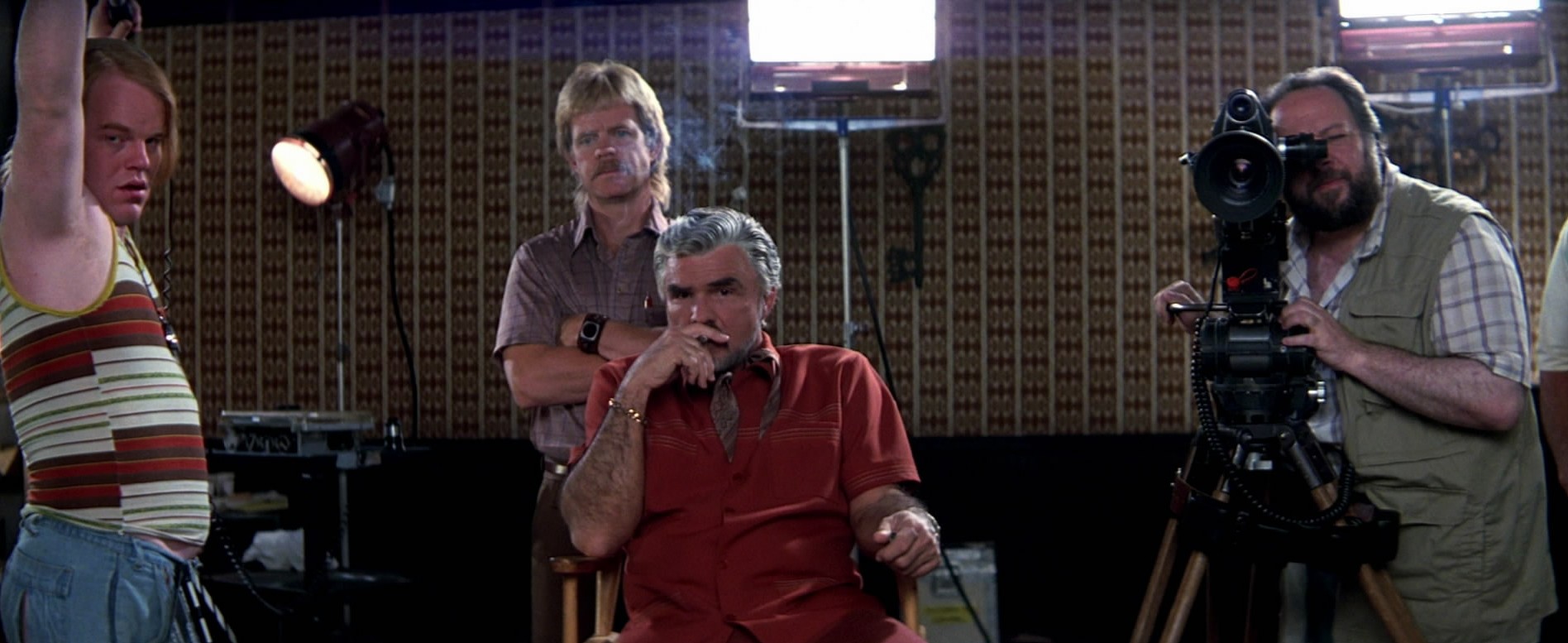
P.T. Anderson’s panoramic depiction of the rise and fall of a porn star might be his masterpiece. I know, I know: there are quite a few other contenders. But Boogie Nights manages to be exhilarating, hilarious, and deeply sad, anchored by its stellar cast and Anderson’s trademark auteurist tics. The late Philip Seymour Hoffman might have his single greatest moment here, of a uniquely great career, and the Scorsese homages come fast and furious. It’s a hell of a lot of fun, except for the parts where it isn’t, and it coheres in ways that some of PTA’s stuff never quite manages.

The Shining

the-shining

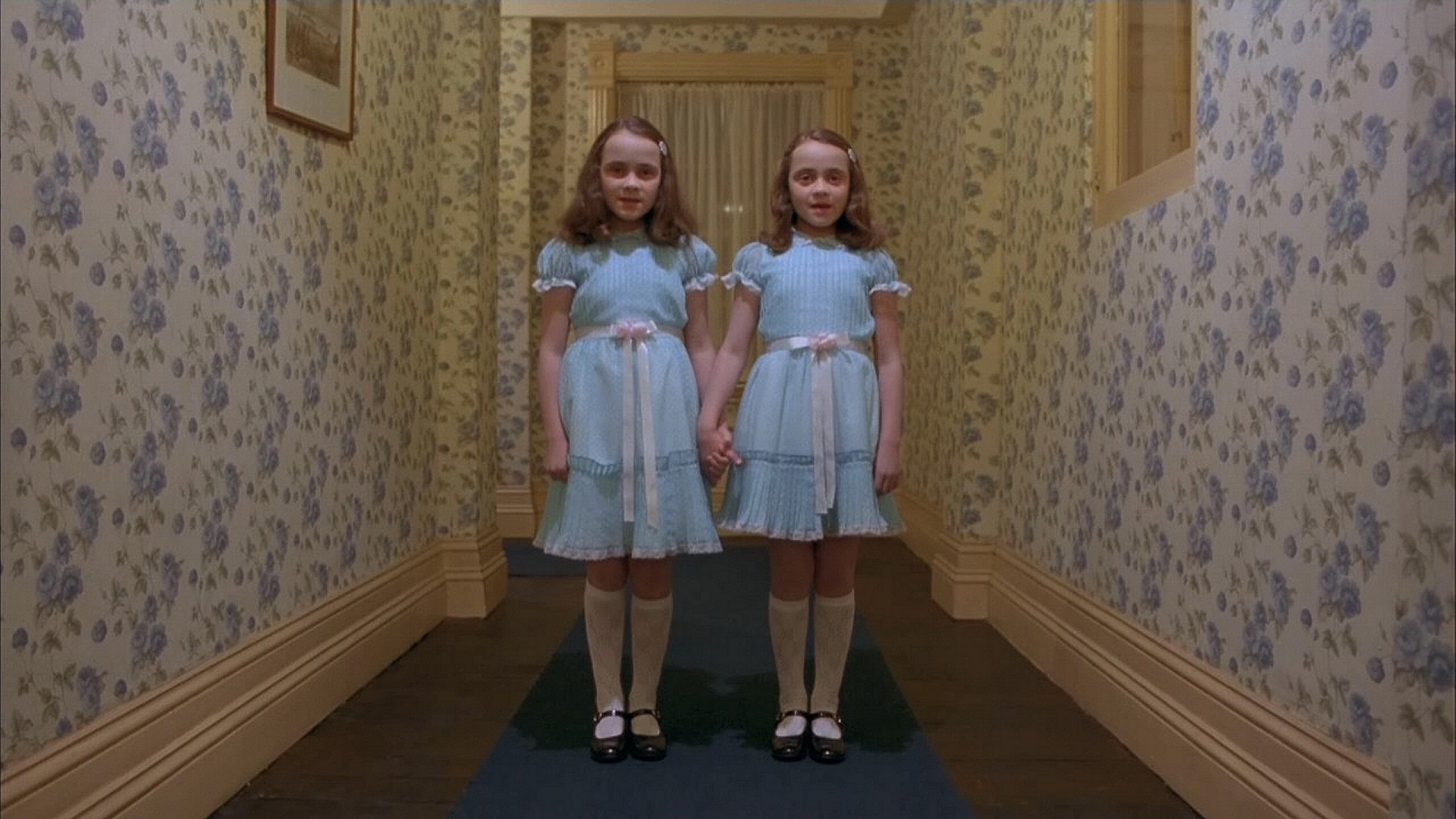
As long as we’re talking auteurs, here’s The Shining, also new to Netflix this month. Stanley Kubrick changed enough of Stephen King’s source material that King felt obliged to shit-talk it, thereby demonstrating that authors should not be in charge of judging adaptations of their darlings. Legitimately terrifying, filled wall-to-creepy-wall with visual motifs and iconic images, it’s a horror classic for a reason. Kubrick’s treatment of Shelley Duvall on set has only become more disturbing thanks to recent revelations, but the film itself remains gorgeous, troubling, and scary as hell.

Cheap Thrills

cheap-thrills

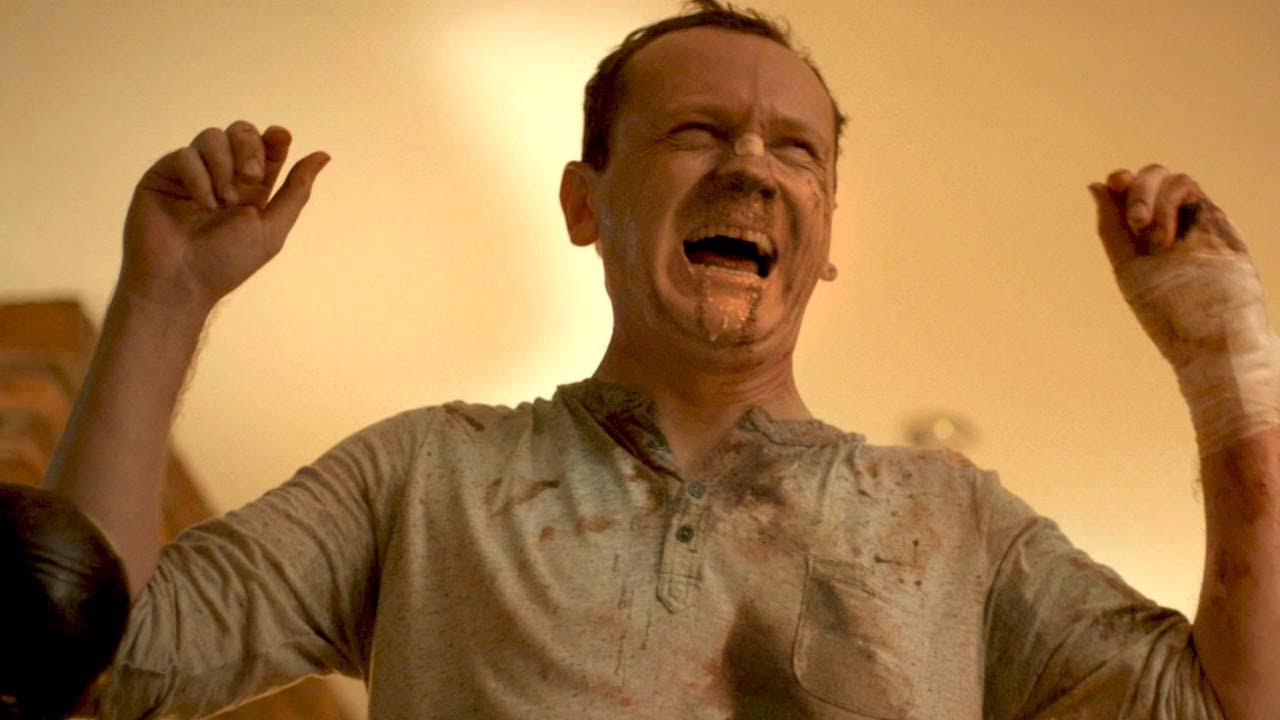
Not everything should or could be retrofitted as a commentary on Donald Trump’s election, but Cheap Thrills feels awfully of-the-moment all of a sudden. One of the best and most overlooked films of 2013, focused on a down-on-his-luck working class guy and the rich people who offer him money to perform more and more horrific acts for their amusement, E.L. Katz’s morality play is dark, edgy, and mean. It’s also hilarious. These are the times we live in, I guess.

Falling Leaves

falling-leaves

Lastly, another paradoxically not-on-Netflix entry in the series! (Don’t fear; it’s embedded below.) Alice Guy-Blaché, the pioneering early film director, tells a simple story in Falling Leaves, but suffuses it with melancholy and grace. We meet a young woman with tuberculosis, her anxious little sister, and a doctor with a miracle cure. The film’s central metaphor is a doozy: upon overhearing that her older sibling will die when the last of the leaves has fallen, the young Trixie sets out to tie the leaves one by one back on the branch. The understated gentleness of the scene is impossible to deny, or shake off, and you can find its echoes in Kiarostami and splashed throughout the New Wave.

It’s also fairly fascinating to watch Falling Leaves as a statement on home, domesticity, and illness, all themes that have animated more than a few women artists over the years. Guy-Blaché’s camera frames interiors in elegant ways, without the frantic movement of a Griffith or the anxious gag-frenzy of Keaton. Instead, we get a small, wistful story in a recognizable world. It’s worth eight minutes of your day.

January 6, 2017 0 comments
0 FacebookTwitterPinterestEmail
Commentary

52 Films By Women

by rick January 5, 2017
written by rick

The start of the new year is, for better or worse, a moment to pause, consider, and resolve. If you’re like me, most of those resolutions won’t amount to much. It’s arbitrary on a number of levels and a bit silly (no, you’re not going to start doing pushups every morning, and no, you’re almost certainly not taking up hang-gliding), but it’s as good a reason as any to tackle something new. Me? I’m resolved to completing the 52 Films By Women challenge.

52-films-by-women

Why is this necessary? On a macro level, the persistent inequality in the studio system, in distribution, and in availability means women directors are pervasively underseen and underpromoted. The question isn’t whether “their” films are any good; it’s whether they get to make films at all, and whether we get to see them. The soft exclusion of half the population from meaningful participation in one of our most impactful media is a scandal. Think of how much we’re missing.

On the micro level, for me, it’s necessary because, as much as it pains me to say so, I’m as guilty as anyone of failing to seek them out. Despite the Counter-Programming series — the entire idea of which is to introduce myself (and readers) to films by non-straight, non-Western, non-dudes, and (theoretically) thereby monkeywrenching the canon — less than 10% of the films I watched last year were by women directors. This isn’t meant to be self-flagellating or a performance of wokeness — I like horror movies and genre films and silents, and there just aren’t a ton of these directed by women.

But so what? This means I need to try harder to find ones that are.

If we’re serious about representation in the arts — and, for that matter, about representation itself — we all need to try harder. I’ve pledged to watch 52 films by women this year, and hope to exceed that. It’s frankly a low bar.

I’m posting this here so you can keep me honest, and join me, if so inclined. On every level, women have been involved in cultural production since the birth of the cinema — particularly in the editing room in the early days. But this is a shorthand for expanding our viewing experience.

It’s flat-out ludicrous how much our conceptions of The Auteur are coded masculine. Let’s fuck it up.

January 5, 2017 0 comments
2 FacebookTwitterPinterestEmail
Newer Posts
Older Posts

About

About

Towards a provisional theory of the cinema, or, failing that, just some shit about movies

Authors
Rick Kelley
Lark Lundberg

Keep in touch

Facebook Twitter

Categories

  • Conversation
  • Film
  • Film By Film
  • Great Movie Project
  • Great Movies: The Counter Programming
  • Guest
  • News
  • Other
    • Commentary
    • Film
    • Interview
    • Reviews
    • Song for a Sunday
  • Streaming Selections
  • TV
  • Uncategorized
  • Vegan Horror

Archives

  • April 2019
  • March 2019
  • January 2019
  • December 2018
  • November 2018
  • October 2018
  • September 2018
  • August 2018
  • July 2018
  • June 2018
  • May 2018
  • April 2018
  • March 2018
  • February 2018
  • January 2018
  • December 2017
  • November 2017
  • October 2017
  • September 2017
  • August 2017
  • July 2017
  • June 2017
  • May 2017
  • April 2017
  • March 2017
  • February 2017
  • January 2017
  • December 2016
  • November 2016
  • October 2016
  • September 2016
  • August 2016
  • July 2016
  • June 2016
  • May 2016
  • April 2016
  • March 2016
  • February 2016
  • January 2016
  • December 2015
  • October 2015
  • September 2015
  • August 2015
  • July 2015
  • June 2015
  • May 2015
  • April 2015
  • March 2015
  • February 2015
  • January 2015
  • December 2014
  • November 2014
  • October 2014
  • August 2009
  • September 2008

Recent Posts

  • China Girls, Death Proof, and the Hidden Face
  • Old News: Old Noise Edition
  • Old News: April 1, 2019
  • Nicolas Winding Refn, Marginalia, and the Deaths of Cinema
  • And now, let us praise Kanopy

Recent Comments

  • Franklin Kat on Michael Shannon shines again in Frank & Lola
  • Sean Tempesta on Cinema and dream-logic in Meshes of the Afternoon
  • ludditerobot on The Left-Wing Slapstick and Iconic Songs of 1937’s Street Angel
  • Franklin Kat on The Left-Wing Slapstick and Iconic Songs of 1937’s Street Angel
  • Arijit Mukherjee on Great Movies Project: The Counter-Programming
  • Facebook
  • Twitter

@2021 - All Right Reserved. Designed and Developed by PenciDesign


Back To Top
Luddite Robot
  • Reviews
  • Commentary
  • Great Movie Project
    • Great Movie Project
      Bride of Frankenstein is a movie for and…

      January 25, 2018

      Great Movie Project
      The Enduring Appeal of Nick and Nora in…

      November 29, 2017

      Great Movie Project
      The Ahistorical Fever Dream of The Scarlet Empress

      August 2, 2017

      Great Movie Project
      Dreams, Mundanity, and the Anarchist Yearnings of L’Atalante

      July 12, 2017

      Great Movie Project
      Duck Soup Is And Will Always Be A…

      April 19, 2017

  • Counter Programming
    • Great Movies: The Counter Programming
      Walking and Talking in the Shadow of Kanchenjungha

      March 7, 2018

      Great Movies: The Counter Programming
      A Brief Encounter in My Mother and Her…

      February 9, 2018

      Great Movies: The Counter Programming
      Horror’s Refusal in Farrokhzad’s The House Is Black

      October 13, 2017

      Great Movies: The Counter Programming
      The rage and beauty of The Cloud-Capped Star

      October 3, 2017

      Great Movies: The Counter Programming
      The daylight noir and social issue empathy of…

      June 22, 2017

  • Vegan Horror
    • Vegan Horror
      Julia Ducournau doesn’t think her film Raw is…

      June 7, 2017

      Vegan Horror
      Licking our wounds: The vampiric masculinity of Ravenous

      December 13, 2016

      Vegan Horror
      Eggertsson and animals: An approach to horror cinema

      September 15, 2016

      Vegan Horror
      “It’s Not My Nature” – Vegetarianism, Body Horror,…

      August 30, 2016

      Vegan Horror
      Bodies and Carcasses in Predator 2

      August 23, 2016

  • Interview
    • Interview
      Jasmine Leyva’s doc The Invisible Vegan aims to…

      May 3, 2017

      Interview
      Bridging The Abyss: An Interview With The Directors…

      November 28, 2016

      Interview
      7 Days in Ohio: An Interview with Nathan…

      September 12, 2016

      Interview
      Film Critic Phil Dy talks New Filipino Cinema

      June 17, 2016

      Interview
      “I Love Seeing Film Projected.” A Conversation with…

      March 22, 2016