Top Posts
Madeline’s Madeline: An Unclassifiable Panic Attack Maybe-Masterpiece
Shoplifters Steals Moments of Wonder from the Mundane
Burning and Forgetting What’s Not There
Kusama: Infinity Expands Beyond The Canvas
Mandy Risks Little, Wins Little
In We The Animals, The Children Are Away...
The Seagull Isn’t Quite Chekhov, But It’s Still...
5 Million Ways Boots Riley Isn’t Sorry To...
American Animals’ and the Queasiness of the Heist
A Star Is Born In Hearts Beat Loud
  • Reviews
  • Commentary
  • Great Movie Project
    • Great Movie Project
      Bride of Frankenstein is a movie for and…

      January 25, 2018

      Great Movie Project
      The Enduring Appeal of Nick and Nora in…

      November 29, 2017

      Great Movie Project
      The Ahistorical Fever Dream of The Scarlet Empress

      August 2, 2017

      Great Movie Project
      Dreams, Mundanity, and the Anarchist Yearnings of L’Atalante

      July 12, 2017

      Great Movie Project
      Duck Soup Is And Will Always Be A…

      April 19, 2017

  • Counter Programming
    • Great Movies: The Counter Programming
      Walking and Talking in the Shadow of Kanchenjungha

      March 7, 2018

      Great Movies: The Counter Programming
      A Brief Encounter in My Mother and Her…

      February 9, 2018

      Great Movies: The Counter Programming
      Horror’s Refusal in Farrokhzad’s The House Is Black

      October 13, 2017

      Great Movies: The Counter Programming
      The rage and beauty of The Cloud-Capped Star

      October 3, 2017

      Great Movies: The Counter Programming
      The daylight noir and social issue empathy of…

      June 22, 2017

  • Vegan Horror
    • Vegan Horror
      Julia Ducournau doesn’t think her film Raw is…

      June 7, 2017

      Vegan Horror
      Licking our wounds: The vampiric masculinity of Ravenous

      December 13, 2016

      Vegan Horror
      Eggertsson and animals: An approach to horror cinema

      September 15, 2016

      Vegan Horror
      “It’s Not My Nature” – Vegetarianism, Body Horror,…

      August 30, 2016

      Vegan Horror
      Bodies and Carcasses in Predator 2

      August 23, 2016

  • Interview
    • Interview
      Jasmine Leyva’s doc The Invisible Vegan aims to…

      May 3, 2017

      Interview
      Bridging The Abyss: An Interview With The Directors…

      November 28, 2016

      Interview
      7 Days in Ohio: An Interview with Nathan…

      September 12, 2016

      Interview
      Film Critic Phil Dy talks New Filipino Cinema

      June 17, 2016

      Interview
      “I Love Seeing Film Projected.” A Conversation with…

      March 22, 2016

Luddite Robot
Film critique, theory, and assorted nonsense.
CommentaryFilm

China Girls, Death Proof, and the Hidden Face

April 14, 2019

Old News: Old Noise Edition

April 8, 2019

Old News: April 1, 2019

Nicolas Winding Refn, Marginalia, and the Deaths of Cinema

CommentaryFilm

And now, let us praise Kanopy

January 24, 2019

Warren Sonbert and the Relief of Anti-Narrative

January 14, 2019

The World Is Ending and It Doesn’t Matter

The Best Films of 2018

FilmReviews

Madeline’s Madeline: An Unclassifiable Panic Attack Maybe-Masterpiece

December 21, 2018

Shoplifters Steals Moments of Wonder from the Mundane

December 11, 2018

Burning and Forgetting What’s Not There

Alien, Musicology, and Reading Soundtracks

CommentaryFilm

Shocktober III: Halloween 2018 Edition

October 24, 2018

Shirley Jackson’s The Lottery Traumatized Schoolkids in 16 mm

October 18, 2018

Shocktober 2018 II: Another Reshockening (of Horror)

Häxan is a movie made by a movie character

CommentaryFilm

Shocktober 2018

October 7, 2018

Unprofessional! Spring Night, Summer Night

October 3, 2018

The Wild Boys: A Luddite Robot Conversation

Kusama: Infinity Expands Beyond The Canvas

CommentaryFilm

October horror 3: Crocodiles, spooky houses, and the Devil

by rick October 18, 2016
written by rick

The horrifying saga continues. October will not be denied.

Taking stock, here is where we find ourselves on October 18th: 7 films from franchises, done; 5 decades, done; 5 films from before 1970, done; 1 silent, done; 1 classic Universal horror, done; 1 film with a witch/witchcraft, done; 1 Tobe Hooper film, done.

This leaves several criteria to hit for the rest of the month.

Before the end of October, we still need six countries (this is arguably satisfied, but Possession is technically a French/German co-production and so I’m not sure how to count it). I have first-watched nothing from Bava, Argento, Lenzi, Fulci, Henenlotter, Romero, or Stuart Gordon, much less five separate films. The quite poor Lake Placid, discussed below, is only the first of the requisite three crazy animal movies, and not particularly crazy at all, but let’s leave that to the side. The 2011 Fright Night needs its 1985 predecessor.  And Stephen King has yet to make an appearance.

The clock is ticking, ominously.

Will I make it out alive? Will I satisfy the arbitrary requirements of this self-imposed challenge? When October ends, will I expect every movie, from quiet relationship dramas to slapstick comedy, to feature incongruous jump-scares and/or crocodiles?

Only time will tell. (By which I mean, “yes, probably”.)

The Fall of the House of Usher (France, 1928, before 1970, silent)
usher2

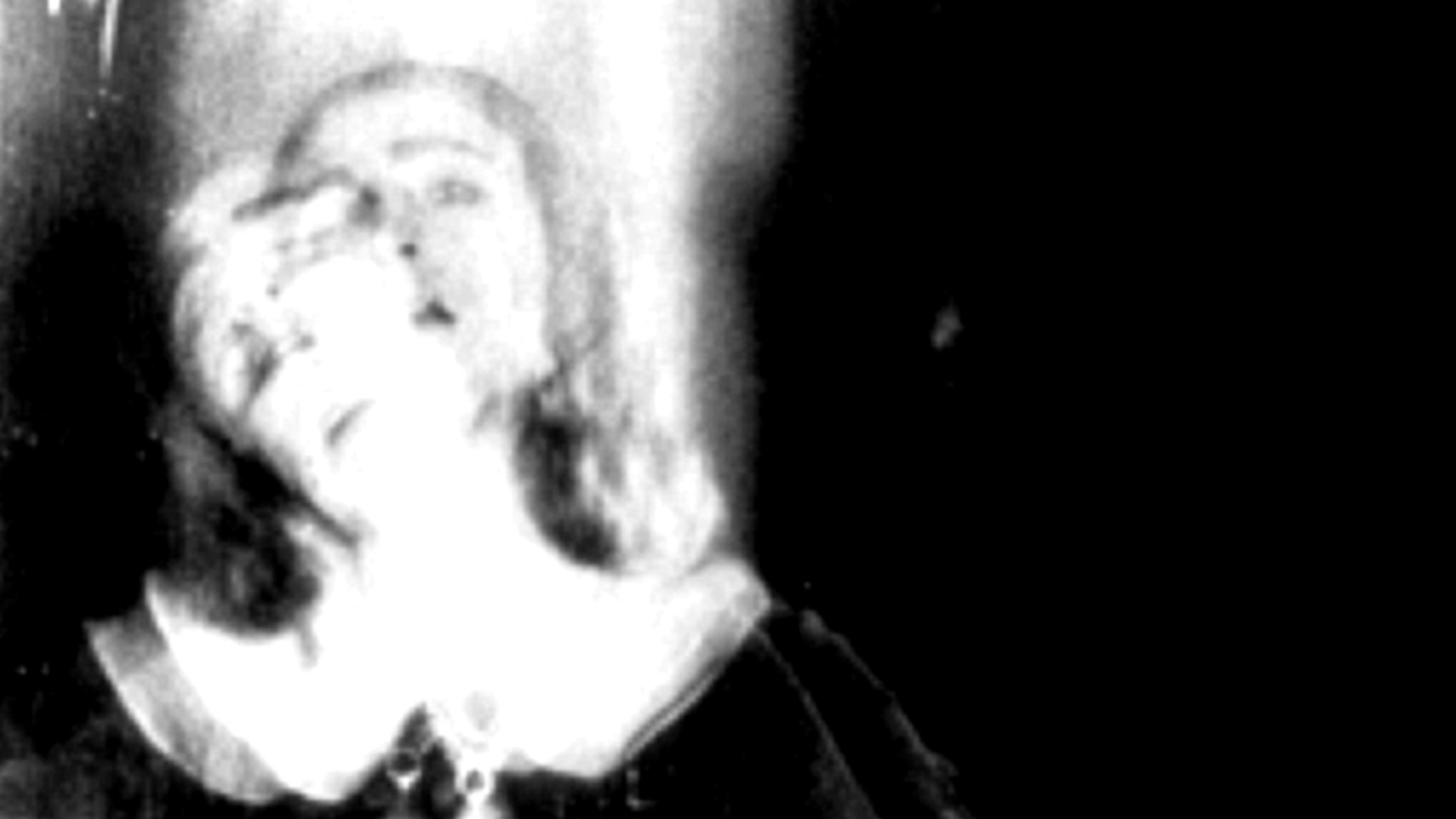
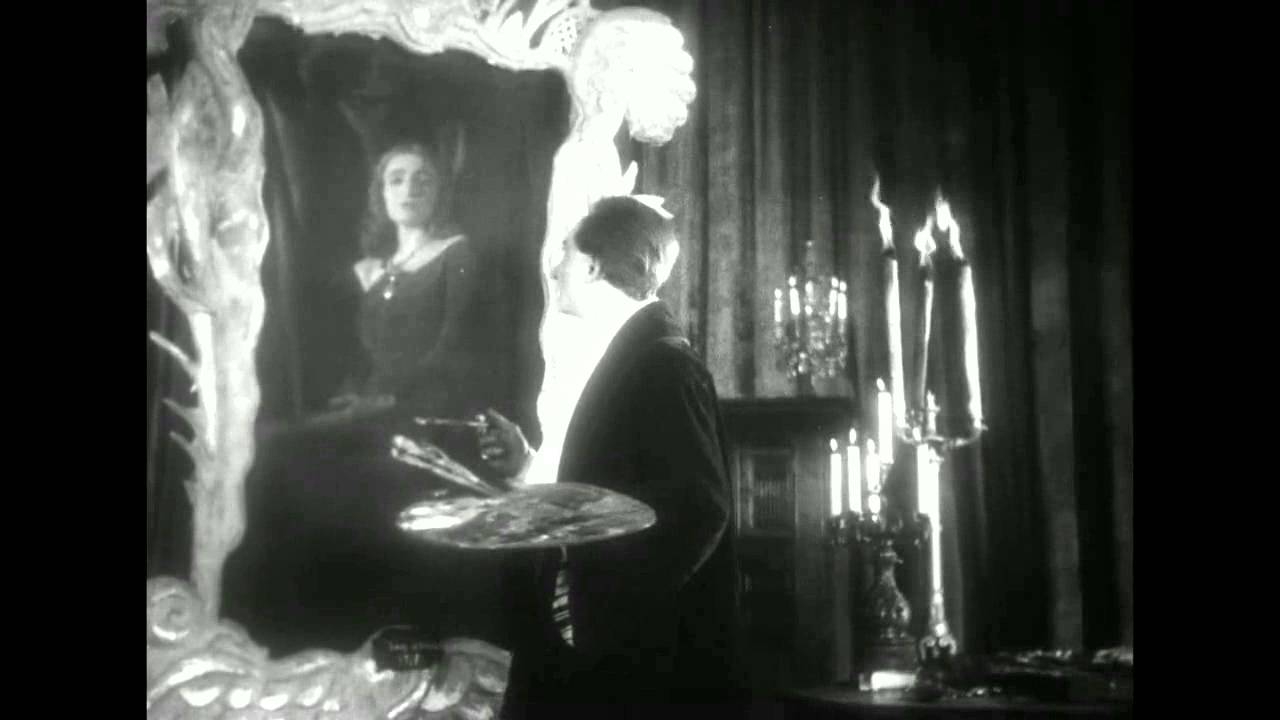
The most recent entry in the Great Movies series does double duty here. Liberally combining elements of multiple stories from Edgar Allan Poe, the great French director Jean Epstein conjured something fantastical and creepy. Serving both as a singularly cinematic treatment of the macabre and coda to a particular moment in the avant-garde, Epstein’s Usher is awash in dreamscape impressionism. Despite Ebert’s insistence, like many others’, that it is a work of Surrealism, Epstein is up to something else — a totalizing vision where every aspect in the frame correlates to psychology and message. Despite the participation of co-writer Luis Buñuel, that’s effectively the opposite of Surrealism, as would become clear with the two filmmakers’ mutual rejection and antipathy, underlined by the release of Un Chien Andalou the following year.

Movement credentials aside, though, Epstein’s quasi-Romantic, post-Freudian vision of obsession, hauntings, control, and the repressed is entirely effective as ghost story and silent film. He pulls out all the stops, and arrives at a film state somewhere between sleep and waking. Call it Lynchian, if you like. Regardless, it’s an unnerving masterpiece.

Friday The 13th: The Final Chapter (franchise, U.S., 1984)
friday-the-13th-the-final-chapter

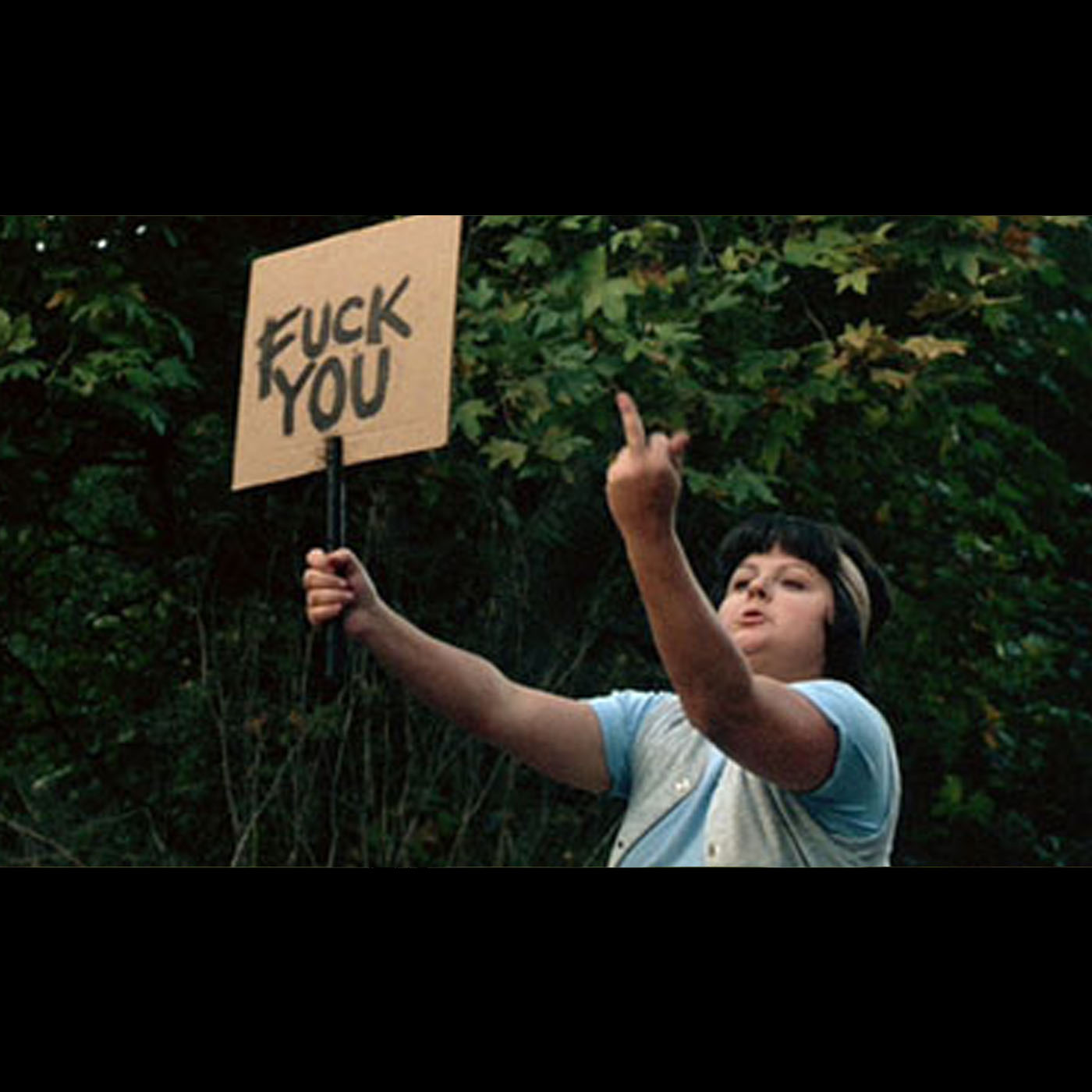
This still, featuring a minor character, sums up my reaction to Friday The 13th: The Final Chapter.

First of all, as we know, it is not the “final chapter”. Secondly, it is not scary when Jason throws people out windows. The presence of a young Corey Feldman and an eternally teenaged Crispin Glover, delivering his line “I’m soooo horny” in hilarious fashion, help mitigate the death march to nowhere. But this is just paint-by-numbers-in-blood schlock.

At least we’ll always have this.

Fright Night (U.S., 2011, an original and its remake)
fright-night

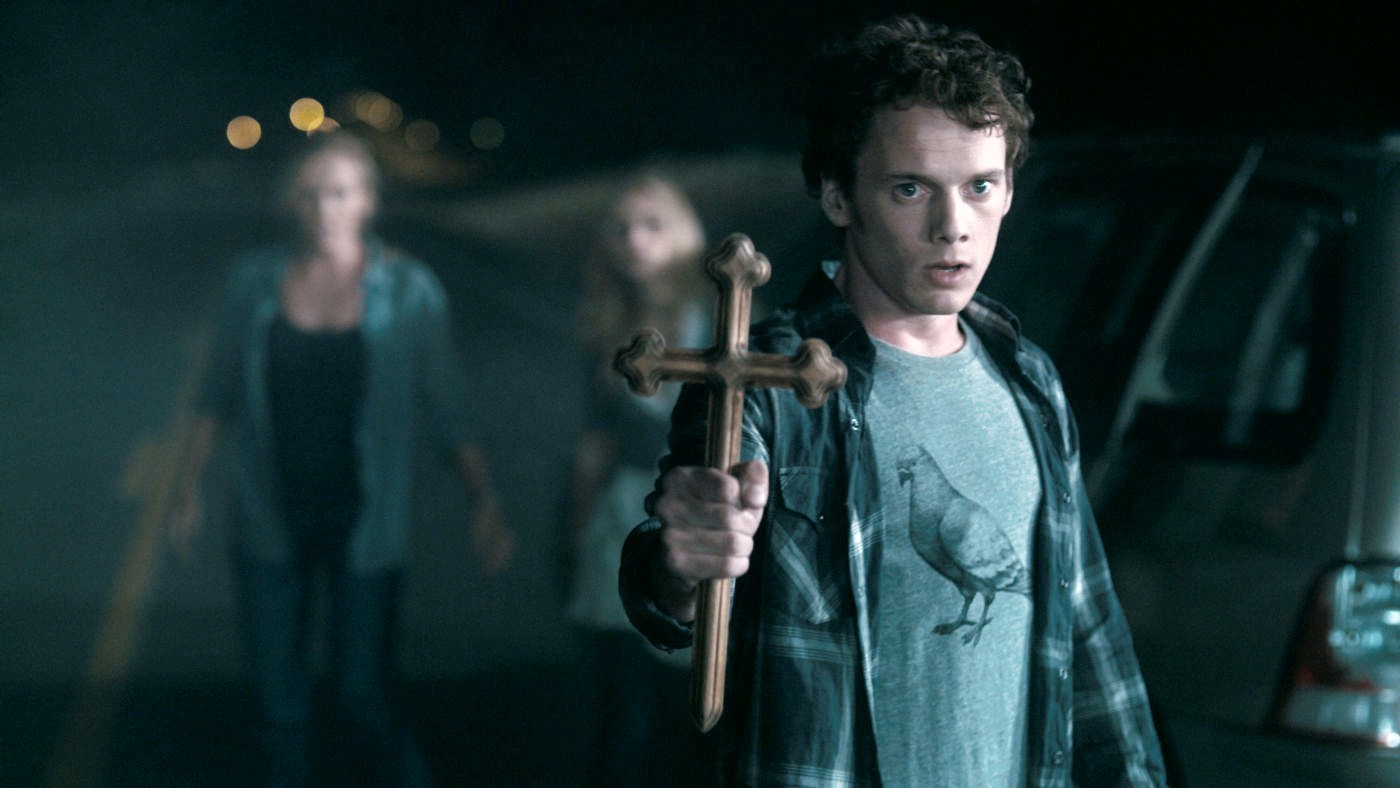
As noted, I’ve yet to see the original Fright Night, and so I have arrived at this 2011 remake in questionable order.

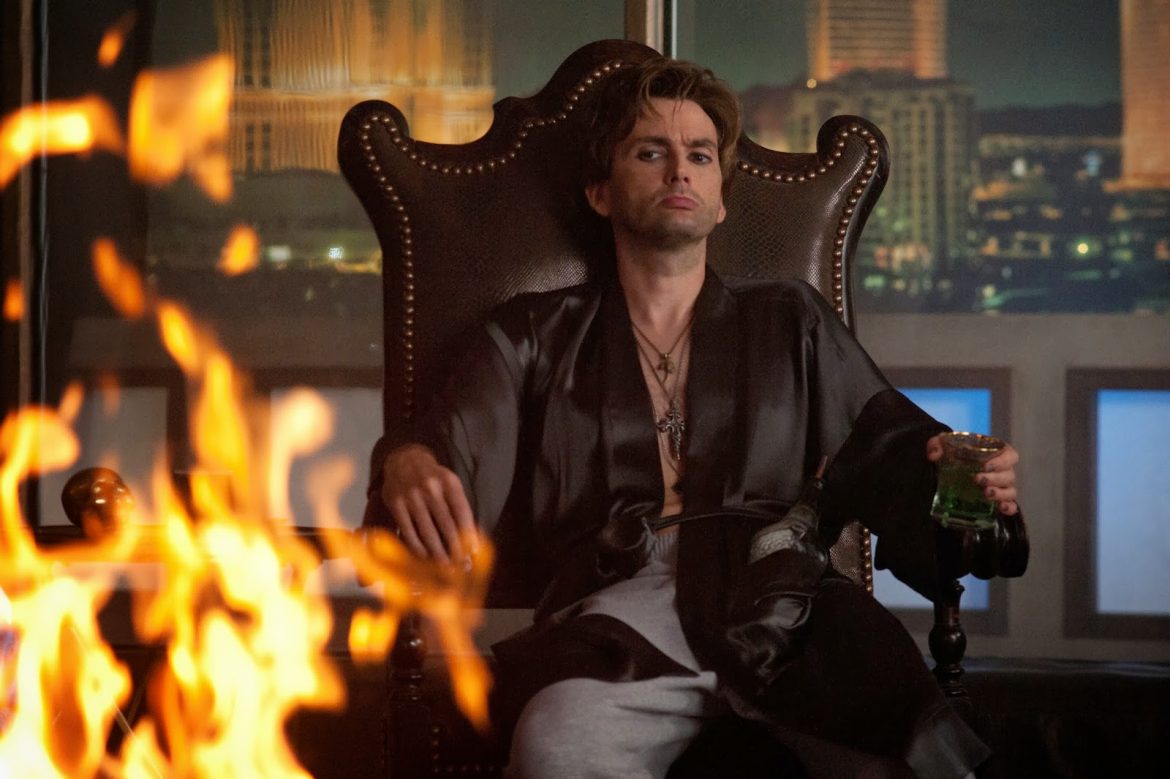
That said, the 2011 Fright Night is a ton of fun. The performances — from Colin Farrell, David Tennant, and the late Anton Yelchin — are all perfectly suited to the self-aware hijinks of Marti Noxon’s post-Buffy script. There’s tension, gore, and comedy (in that order). No one is going to hail this film as groundbreaking — the film itself would mock them for doing so — but it scratches a particular itch.

The whole central conceit of the Vampire Next Door is perfectly in Noxon’s wheelhouse, equally mining high school anxieties and middle-aged divorcee desire for that patented, blood-soaked wit. Plus, without Joss Whedon there to muck it up with relentless punning, Fright Night is just straight-ahead drive-in fare. Tennant, especially, seems to be having the time of his life, as a part-charlatan vampire expert, swaggering about and quipping.

Lake Placid (U.S., 1999, crazy animal)

lake-placid

What do you get when you cast Bridget Fonda, Bill Pullman, Brendan Gleeson, Oliver Platt, and Betty White in a film about crocodiles, written by TV scribe David E. Kelley?

Not a lot! Lake Placid asks us to suspend a lot of disbelief — in the way things work, in how people talk, in the responsibilities of both Fish & Game Wardens and New York City museum paleontologists, in the idea that Oliver Platt is charming. In fact, it asks far too much, and delivers far too little.

There might be a good crocodile monster movie gestating in someone’s fevered imagination right now. It is not this one, which relies on post-Jurassic Park CGI of the most half-hearted variety, the woodsy sexual allure of Bill Pullman, and Betty White saying “hilarious” things like, “If I had a dick, I’d tell you to suck it right now.” Stop that, Betty White. Stop it, all of you.

The Old Dark House (U.S., 1932, before 1970, classic Universal)
the-old-dark-house

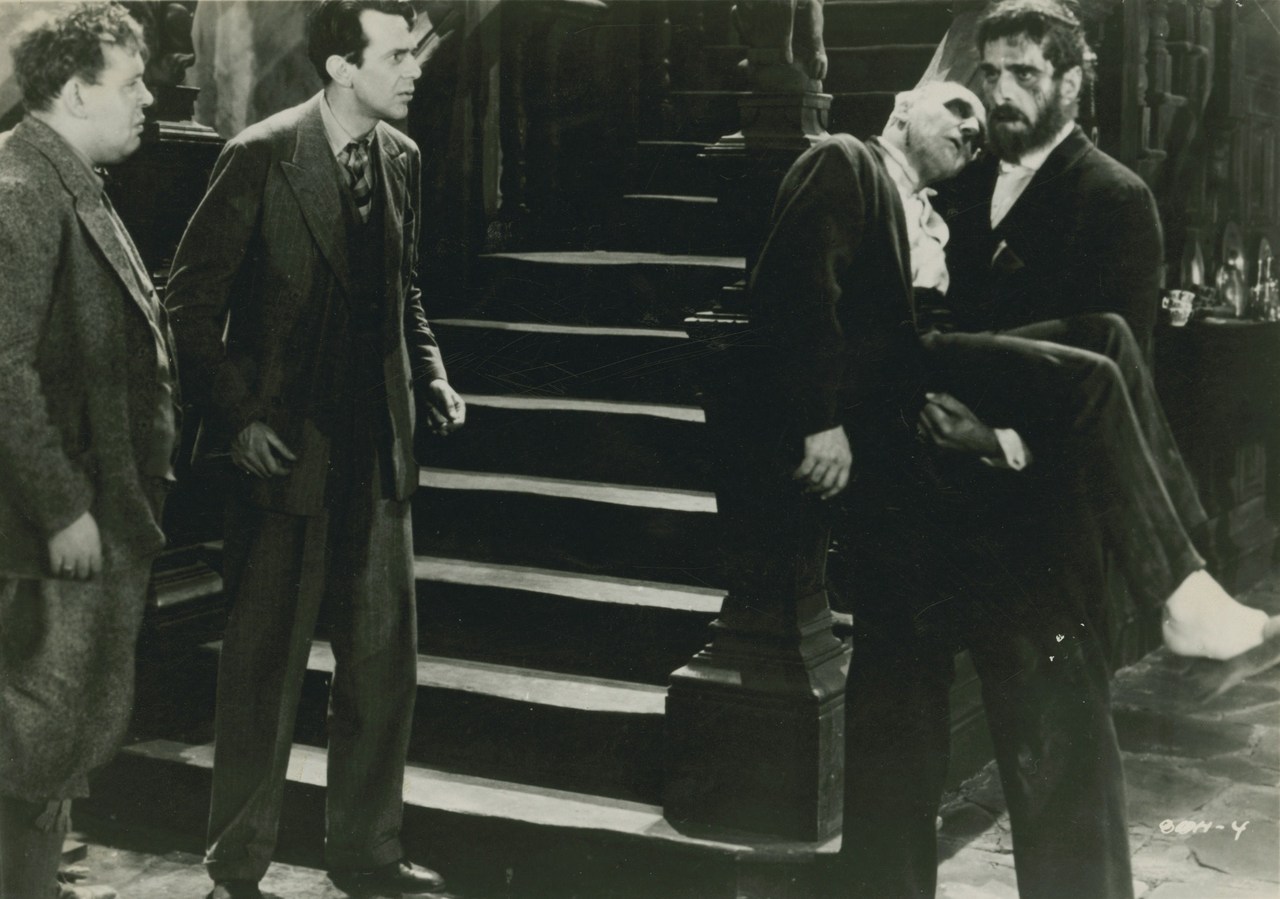
This is no Bride of Frankenstein, but James Whale’s creaky, creepy The Old Dark House does feature Boris Karloff in a mostly mute turn, alongside an ably talkative cast and a whole lot of shadows.

The standard genre tropes are all dutifully deployed, familiar to any acolyte of October scares: weary travelers in a storm, a mishmash of characters sequestered in close confines, weird noises from upstairs. They’re then combined with stage-y comic bits. Charles Laughton is there to declaim and speechify, but most of the fun comes from the rapid-fire interactions and the final, fiery set-piece, complete with burning banisters and hands, emerging from the darkness, to surprise the terrified guests.

The Omen III: The Final Conflict (franchise, U.S., 1981)
the-omen-iii

The eeriest aspect of the original Omen — apart from Jerry Goldsmith’s iconic score and its famous “It’s all for you, Damien!” scene — was its ending. The film presented a vision of corrupted innocence and a sense of the inevitable dominion of Evil that helped round out its more ridiculous moments.

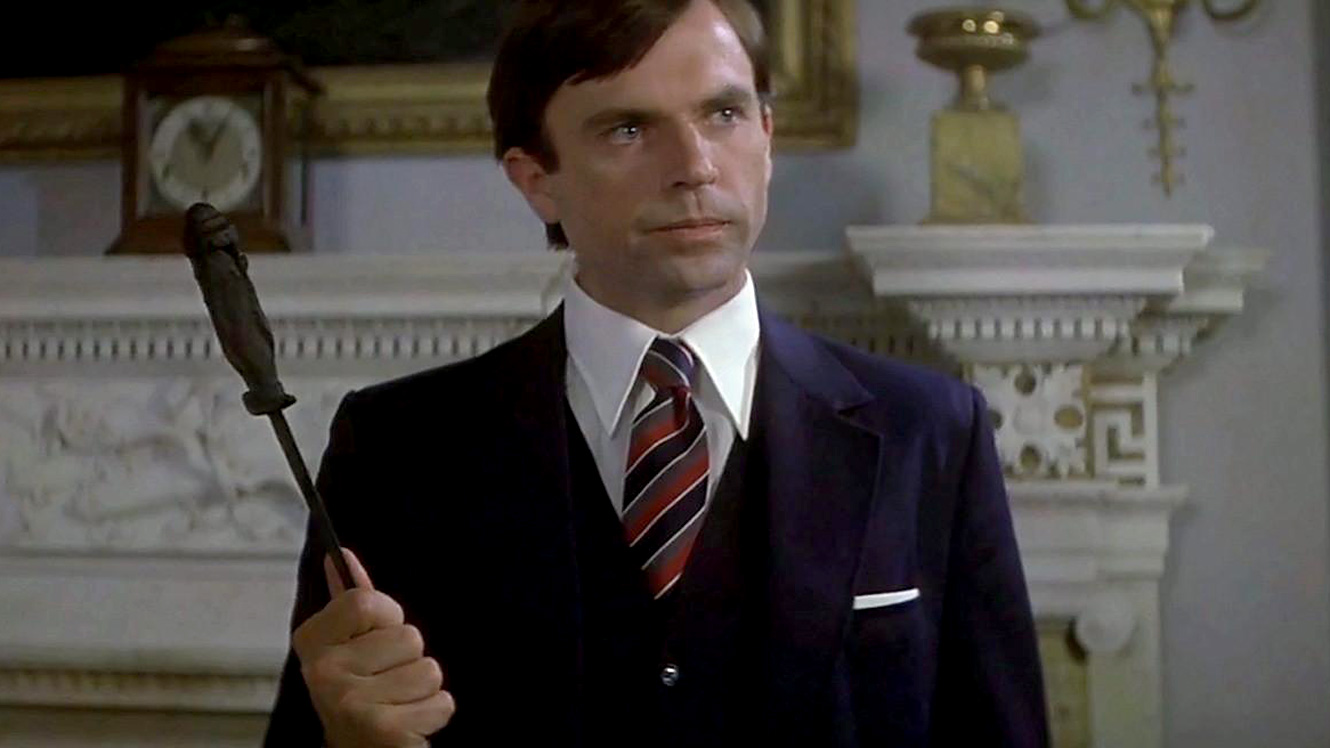
Oddly, The Omen III: The Final Conflict presents a world in which Damien’s triumph is not so assured at all. An entire theology informs its machinations — there are 7 sacred knives to kill the Antichrist, there’s a cabal of the holy and a counterforce of Satanic minions, and so forth. We are no longer held in dread about Evil’s triumph; as the title suggests, we only await the battle.

Still, Sam Neill (appearing for a second time on my October list, after his memorable turn in Possession) is an ideal adult Damien, that son of the Devil devoted to Hell on Earth. Neill runs a multinational food and commodity conglomerate (because of course he does), while also angling for an Ambassadorship to position himself for his Father’s return. In the meantime, he carries on wildly in monologues with blasphemous statues of Jesus, and gets caught up in a plot to murder the infant Christ, whose second coming has been foretold and has now come to pass.

The Omen III is often ridiculous itself, but compulsively watchable. Its final moments lapse into self-parody, but there is so much going on here — the elision of corporate interests and manifest evil, the convoluted Daddy Issues seeming to affect everybody on Earth and Beyond — I’m willing to give it a pass. If I slammed my beer down in frustration two minutes before the credits, it was out of affection for what preceded them. This is very close to a good horror movie. It’s certainly an interesting one.

What We Become (Denmark, 2016)
what-we-become

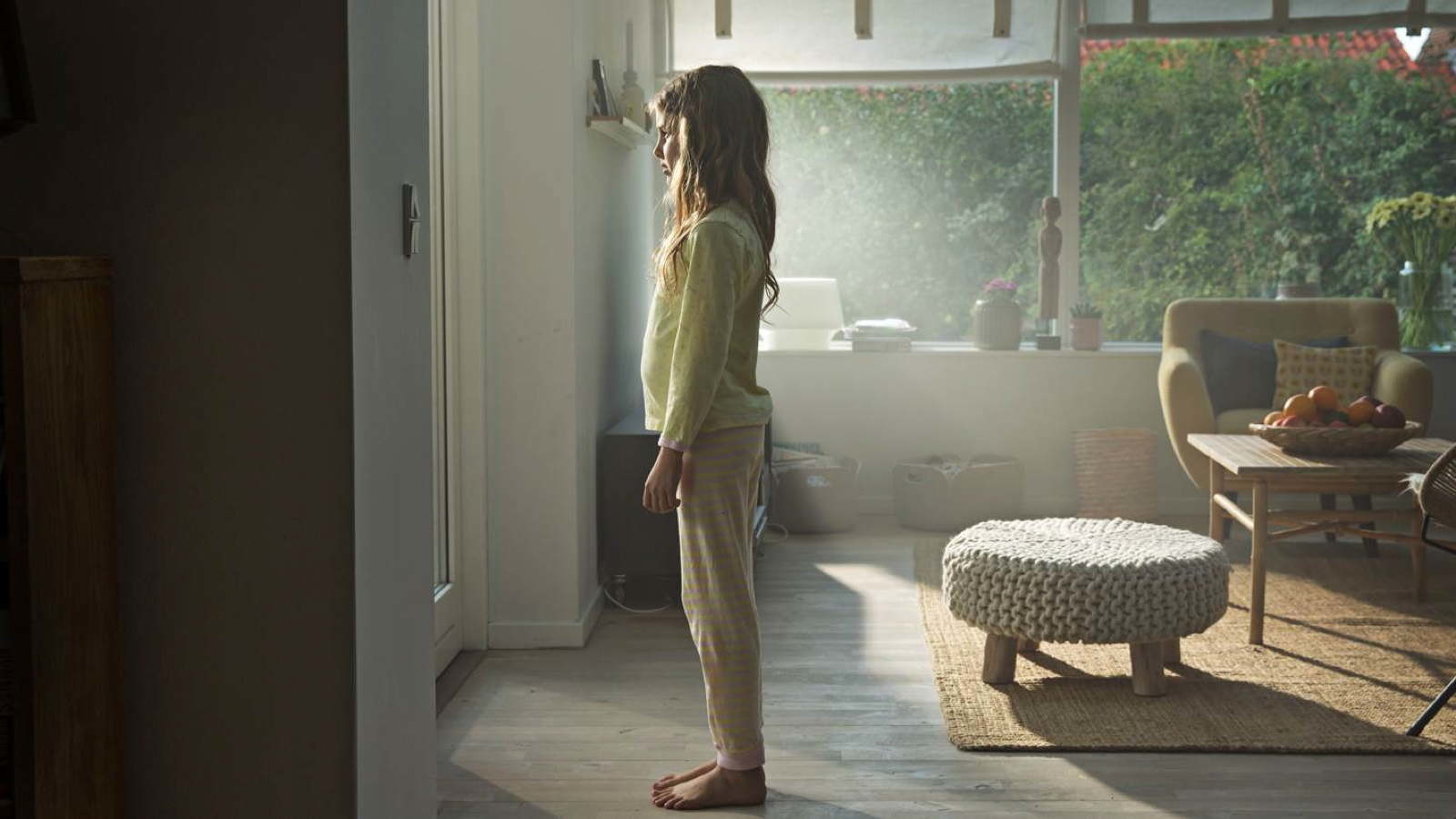
We covered this last week, when it showed up new to streaming on Netflix. It’s a taut and smart treatment of zombie mythology, but one much more interested in the ways we cope with trauma than the visceral, face-biting nature of the trauma itself. Until the end. Then, there go the faces.

The bloody climax is all well and good, though, and likely to please the October gore-fans who patiently waited. For everyone else, What We Become is a study in how quickly and resolutely the structures of bourgeois society can unravel. The idea that we ought to lock our doors, take care of our own, be reasonable, keep our heads down, trust in authority … these are monstrous conceits, in context.

Especially when that context involves actual monsters.
October 18, 2016 0 comments
0 FacebookTwitterPinterestEmail
CommentaryGreat Movie Project

Epstein’s Poe: The Fall of the House of Usher

by rick October 17, 2016
written by rick

Though not the first of his stories to appear on film, The Fall of the House of Usher is perhaps Edgar Allan Poe’s most well-known Gothic tale, and arguably the best suited for cinema. Its central themes — the embodiment of individual interiority in physical architecture, the more or less haunted house, the living grave, the unreliable narrator, the tension between what is seen and what is felt, the rampant doublings of character — all seem appropriate to an imagistic treatment.

In 1928, French director Jean Epstein (and co-writer Luis Buñuel) explored all this and more, delivering a haunting, occasionally ridiculous post-Freudian shadow-show. As a fixture of an advancing avant-garde that preferred Surrealism over Impressionism, Buñuel would go on to dismiss Usher and Epstein more generally, but the film was widely celebrated in cinephile circles on release, with Henri Langlois deeming it “not only the ultimate expression of ten years of experimentation but their justification.”

usher1

The story is famous but bears repeating, if only to showcase the liberties taken and interpolations enacted by Epstein and Buñuel.

In Poe’s telling, our narrator, a childhood friend of Roderick Usher, is summoned to his estate. Usher complains of illness, both his own and that of his sister Madeline. The house, he maintains, is alive and sentient. His friend attempts to distract him with painting and art, but the pervasive sense of madness holds sway. Madeline dies, or so we are told, and is interred in the family tomb, though our narrator can’t help but observe her lifelike aspect even in death. Features of the house begin to take on characteristics of Roderick’s paintings, and weird noises occupy them both. Eventually, Madeline herself returns from the grave during a storm, to the friend’s shock but seemingly not to Roderick’s. The siblings die together as the narrator flees, watching in horror as the house itself is cleaved in two.

The film retains much of this, at least in broad strokes. But there are significant differences.

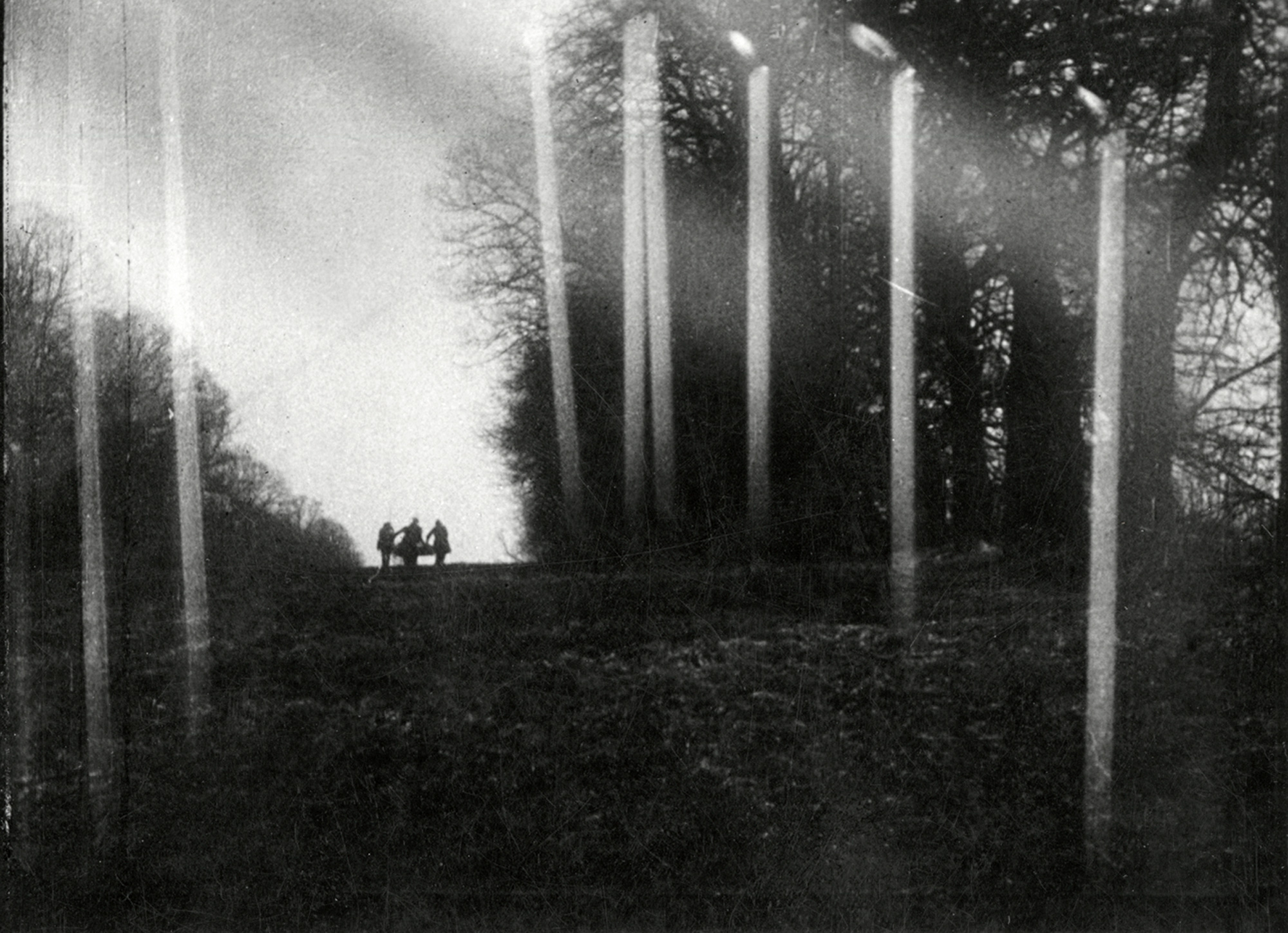
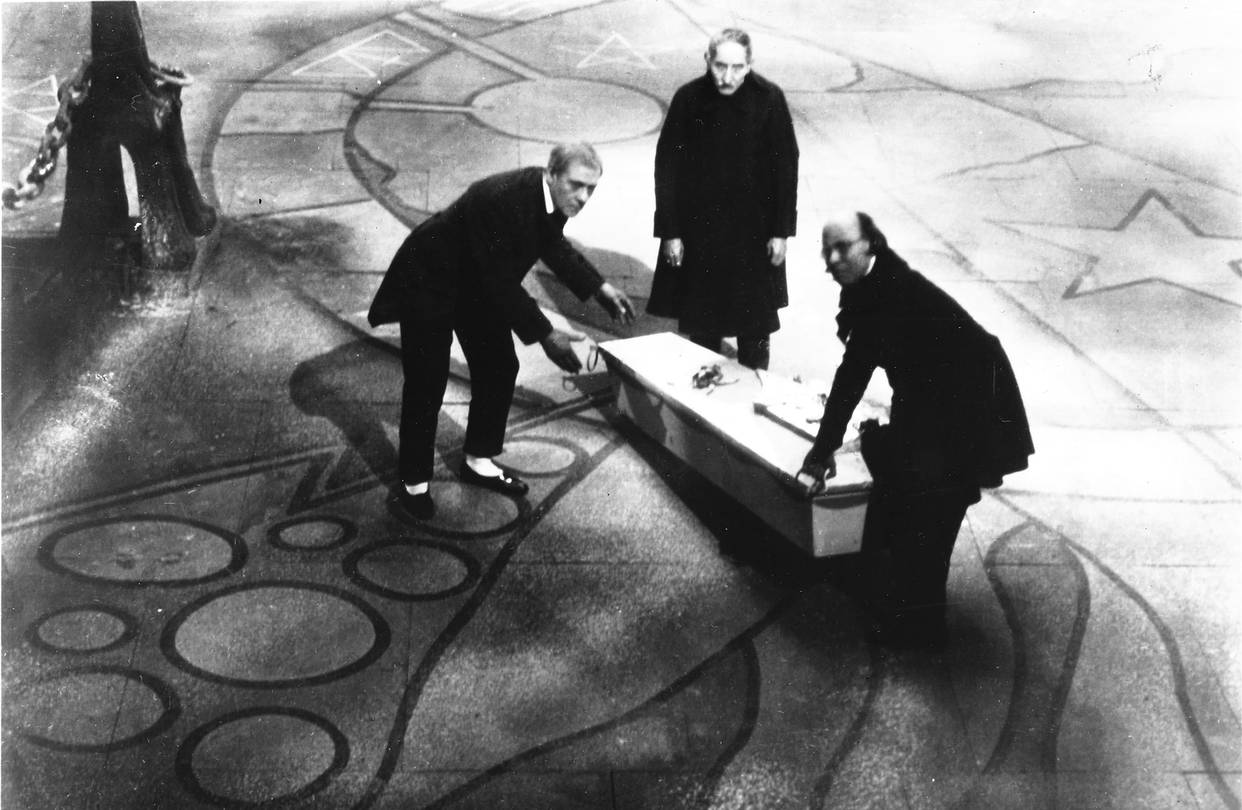
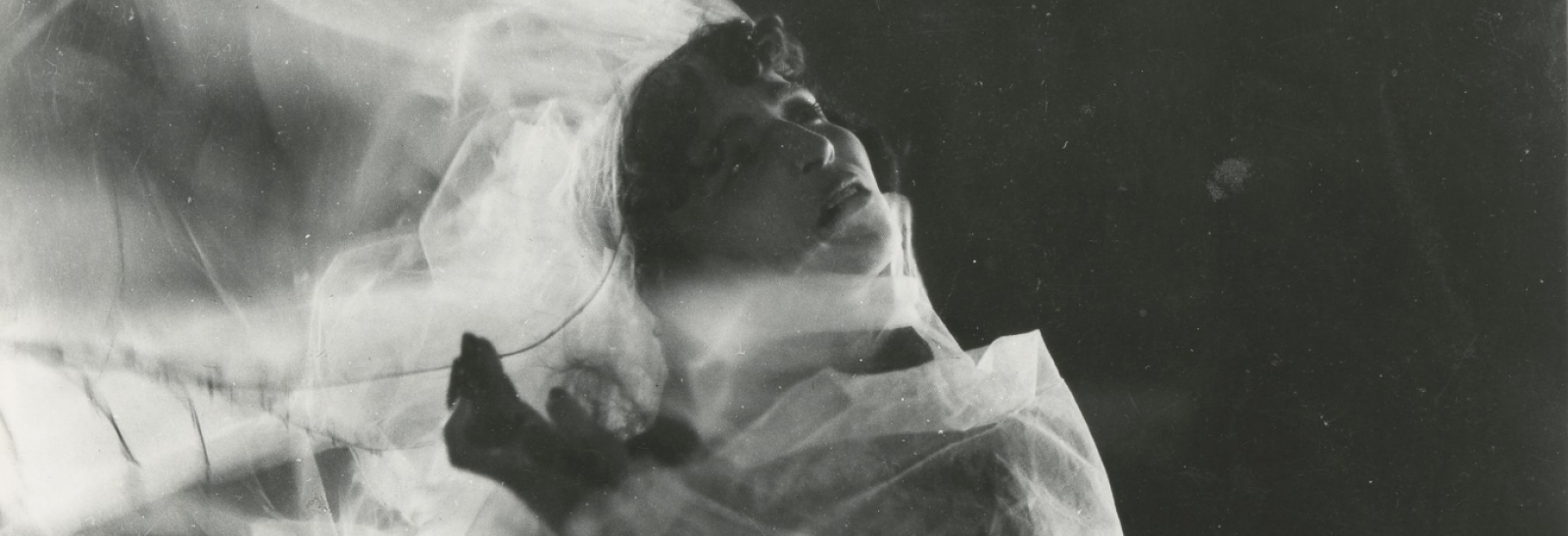
Here, Roderick (Jean Debucourt) and Madeline (Marguerite Gance, wife of fellow director Abel Gance, who Epstein admired) are married, a change in the narrative that could either signal Epstein’s more conventional Romanticism or a literalization of Poe’s barely-subtextual incest theme. Madeline also plays a much more central role in film than story, in which she barely appears in the flesh. Instead of a basement tomb, Roderick Usher, his friend, and a valet convey her out to the country for burial. Poe’s house-bound claustrophobia is somewhat mitigated by such excursions.

usher3

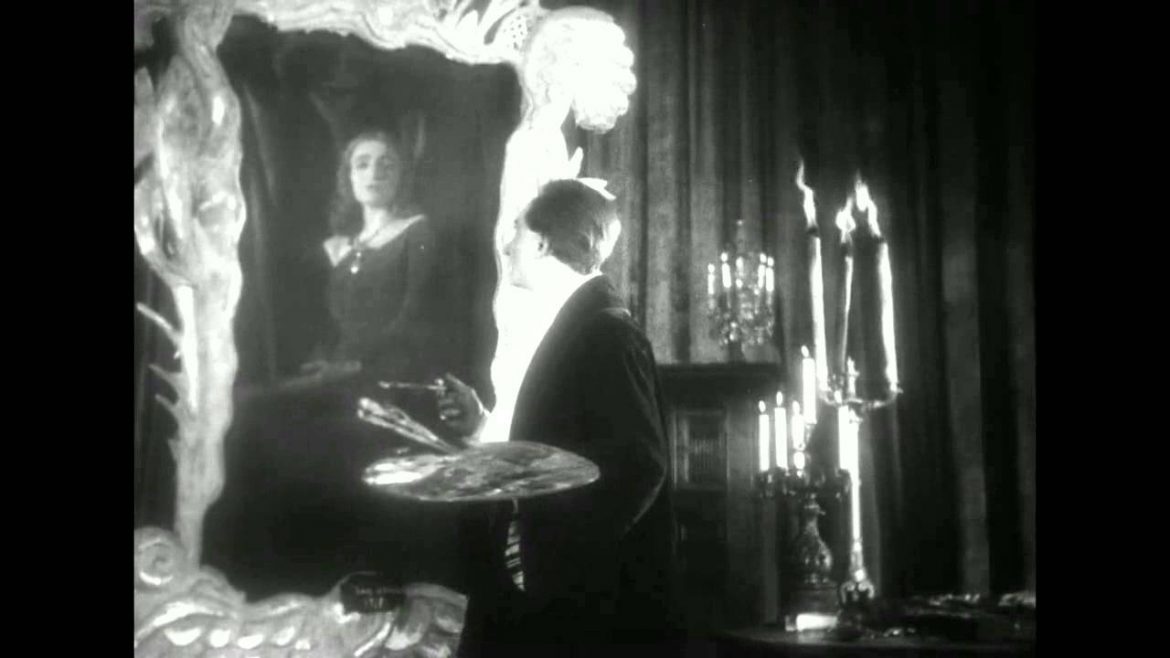
The most crucial distinction, however, is the role of painting, which occupies something like a reverse-Dorian Gray role in the film. As Darragh O’Donoghue notes:

The most obvious break is in the interpolation within Usher of motifs and narrative events from other Poe stories, most obviously the story-within-the-story of “The Oval Portrait” (1845), in which an artist’s painting of his wife becomes increasingly life-like in proportion to her wasting away and eventually dying.

Epstein films the early sequences of Roderick’s portraiture of his wife as a kind of artistic mania; indeed, Usher repeatedly assures anyone who will listen that “Here, here is where she lives!” Debucourt is filmed as though possessed by the beauty, not of his wife, but of his image of her — he aggressively dabs at his palette, single-mindedly securing her in “the frame” as the real Madeline fades, until eventually relegated to a murky, living grave outside.

usher5

Throughout the film, Epstein contrasts Roderick Usher with every other character through technically distancing sleights of hand. Certain scenes find only him in slow-motion while reverse-shots move at a normal speed; other sequences form montages of individual images (his hands, a billowing curtain, a grandfather clock that never seems able to strike midnight, a broken guitar string, a fast tracking shot down a hallway) that seem to indicate he either controls the house with his mind, or the house controls him.

It can be enormously unsettling. O’Donoghue finds that the contrasts can make The Fall of the House of Usher “a chore to sit through,” but I had the opposite reaction. There’s something gripping and uncanny about the whole enterprise. It’s a cliche to refer to silent films as, in and of themselves, “oneiric” and dreamlike solely on account of their flickering uncanniness, but Epstein emphasizes this to such a degree that it can’t be ignored.

His Usher is a collection of interrelated visions caught between worlds, and — with Debucourt frantically rocking back and forth in his chair as the world collapses — its vision of attempts at masculine control is startling. (Did Andrzej Żuławski have Usher in mind 53 years later, when he set Sam Neill in his lunatic rocking chair in Possession, another film about shadowy doubles and the vagaries of control? A question for another day.)

The Fall of the House of Usher, the first film screened at the Cinémathèque Française founded by Langlois and Georges Franju, would mark one of Epstein’s final flirtations with this variety of the early avant-garde, and France’s:

[T]he period of avant-garde experimentation in France was about to end, marked by the release of Buñuel’s Surrealist L’Âge d’or in 1930. Sound equipment was too expensive for these independent artists and American-style story films became the accepted standard for producers and audiences alike (…) Epstein had already begun to explore new territory, calling the craft of acting primarily “a school for lies” and advocating for realism in films.

Buñuel and Salvador Dali would release Un Chien Andalou the following year, and Surrealism would eclipse the Impressionist impulses pioneers like Epstein were already abandoning. Years of war would then change everything again (the Jewish socialist Epstein himself was imprisoned by the Gestapo and would only make a few more films after 1944).

usher4

But The Fall of the House of Usher remains a landmark, as haunting and personal an adaptation as you could want, a synthesis of influence and innovation. If its High Art aspirations look quaint and overly Romantic now, there’s no escaping its weird power.

Favorite Ebert passage:

There are times when I think that of all the genres, the horror film most misses silence. The Western benefited from dialogue, and musicals and film noir are unthinkable without words. But in a classic horror film, almost anything you can say will be superfluous or ridiculous. Notice how carefully the Draculas of talkies have to choose their words to avoid bad laughs. The perfect horror situation is such that there is nothing you can say about it. What words are necessary in “The Pit and the Pendulum”? “The Fall of the House of Usher” resides within its sealed world, as if–yes, as if buried alive.

October 17, 2016 0 comments
0 FacebookTwitterPinterestEmail
CommentaryFilm

New on Netflix: the Danish zombie flick What We Become

by rick October 14, 2016
written by rick

There is, generally speaking, no more appropriate time for a zombie movie than October, and the Danish What We Become, new to Netflix this week, is a worthy genre entry.

Writer/director Bo Mikkelsen borrows liberally from sources both past and current — “The Walking Dead” is an obvious contemporary comparison, even as What We Become draws on paranoid pandemic classics from Day of the Dead to 28 Days Later — but fashions something unique. Gore-hounds will probably mostly thrill to the film’s gruesome climax, but What We Become is actually strongest in the first section, when more attention is paid to the suburbanite self-assurance and teenage ennui of the protagonists than the inevitable viscera.

what-we-become3Clocking in at only 85 minutes, What We Become proceeds confidently, from bucolic neighborhood to creeping infection to jackbooted government agents to full-scale chaos. If the plot beats are familiar to anyone who’s seen a zombie movie, there is still a sufficient amount of tension and strong performances all around.
The overarching issue in What We Become is not “Who will get sick?” but, like Romero’s seminal Night of the Living Dead, the much more interesting “How do we respond to catastrophe?” As it turns out, there is as much to fear from each other indoors as from the boundary-blurring monstrosities banging on the window. Mikkelsen’s treatment of the teenage lovers is particularly affecting (young Gustav has a poster on his wall that reads, in English, “I will not change!”, a typically angsty sentiment that elicits a smile in context), and the fears of both parents and children are effectively mined.

What We Become doesn’t break too much new ground, but it’s an often frightening look into the undead abyss.

Quick Links

barton-fink

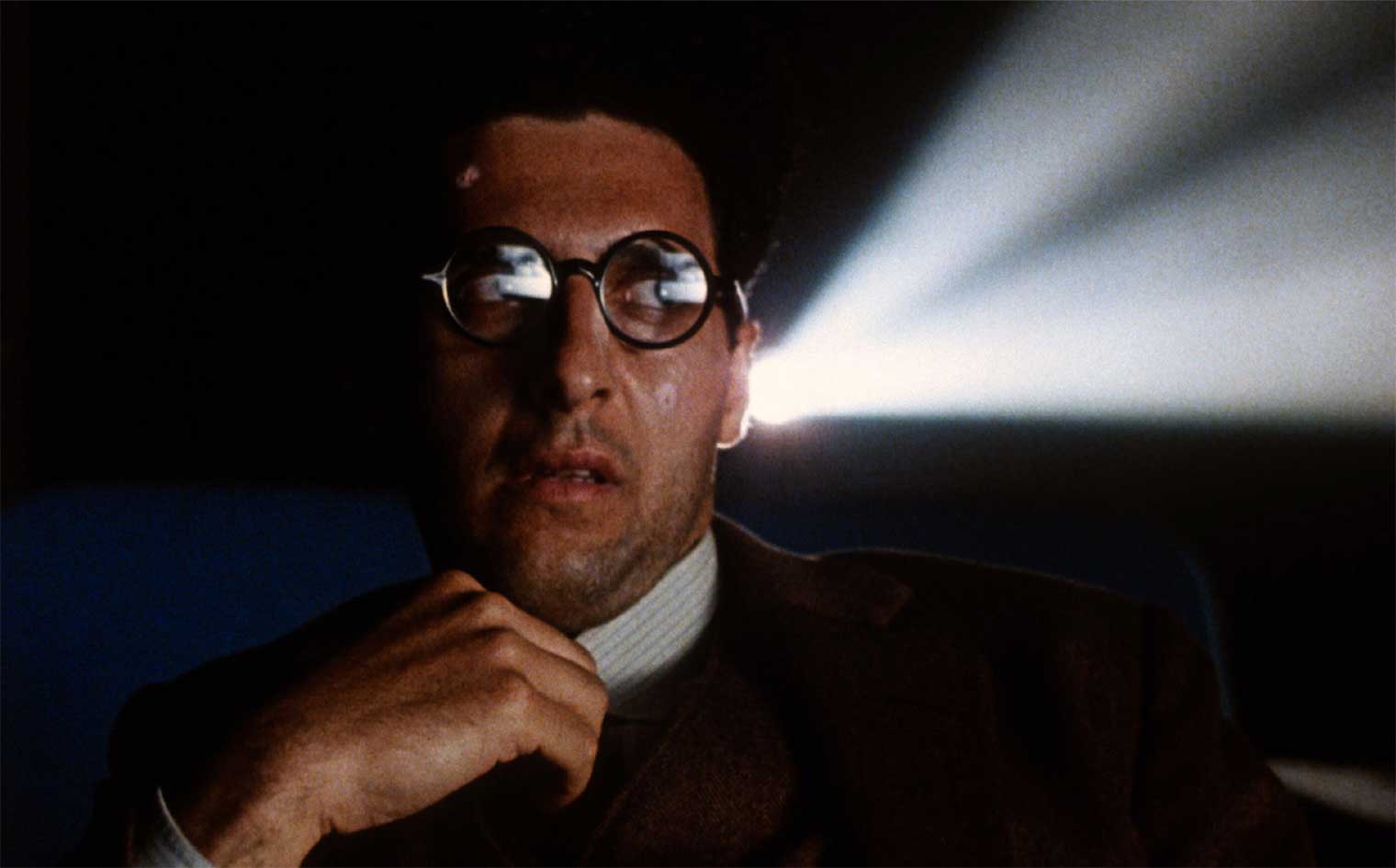
Barton Fink: The most explicitly nightmarish film in the Coen Brothers’ catalog, Barton Fink is anchored by masterful performances from John Turturro and John Goodman, but generously rounded out on all sides by a notable supporting cast. (Special mention should go to the late Jon Polito, hilariously selling his studio hack Lou Breeze.)

Based loosely on the real-life struggles of Clifford Odets, Turturro’s titular character is a self-proclaimed artiste toiling in the bowels of Hollywood, imagining himself a socially conscious poet of the working class while saddled with cranking out wrestling pictures he thinks are beneath him.

The Coens’ cynicism is in full effect, deploying a story about writer’s block to examine the tension between art and commerce, idealism and delusion. And Goodman’s avenging angel — a Regular Guy who comes to represent all the lies Barton has been telling himself about the common man — remains a terrifyingly surreal intrusion into the real. This is the Coens by way of David Lynch, and it’s entirely effective.

dope

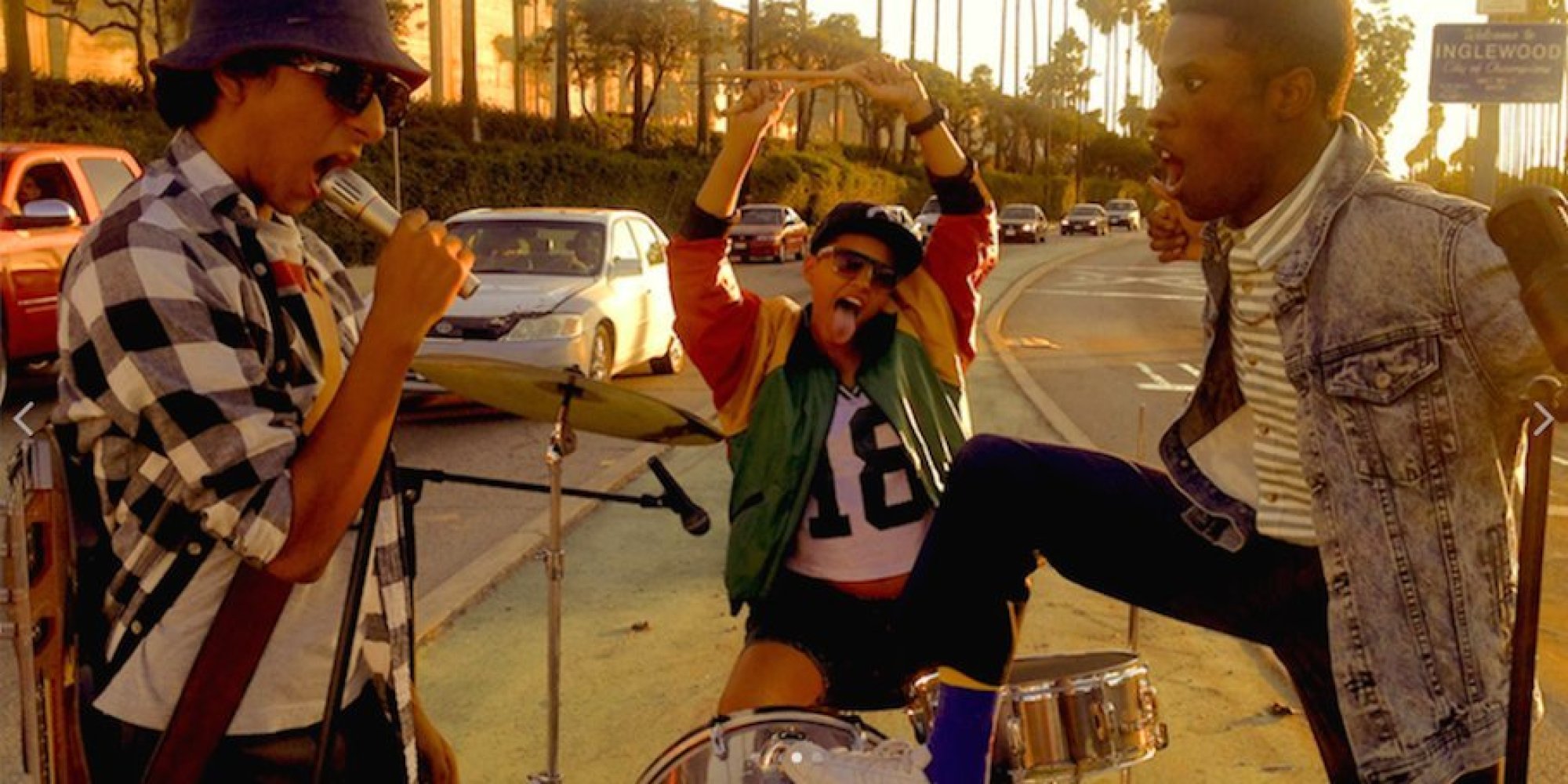
Dope: Rick Famuyiwa‘s L.A. story is many things at once — outcast narrative, chase film, teenage melodrama leavened with comic touches. The pieces don’t all fit, but there’s a lot to like here. Dope is nothing if not ingratiating, and Shameik Moore is a compelling leading man.

Moore’s Malcolm and his pals Jib (Tony Revolori) and Diggy (Kiersey Clemons) are 80s-obsessed, punk-rock-loving nerds growing up in modern-day Inglewood, as out of place and time as their clothes and fondness for analog technology. An accident of circumstance puts them in possession a bunch of molly, a gun, and a cellphone they really don’t want. As in any classic wrong place-wrong time narrative, we spend the rest of the film watching them try to figure out what happened and how they can get out of the mess.

As writer, Fumuyiwa draws out the tale admirably, and as director, he infuses Dope with a kinetic energy to match the events. It’s arguably too much all at once, and the crowd-pleasing finale doesn’t exactly feel earned, but it’s a fun ride all the same.

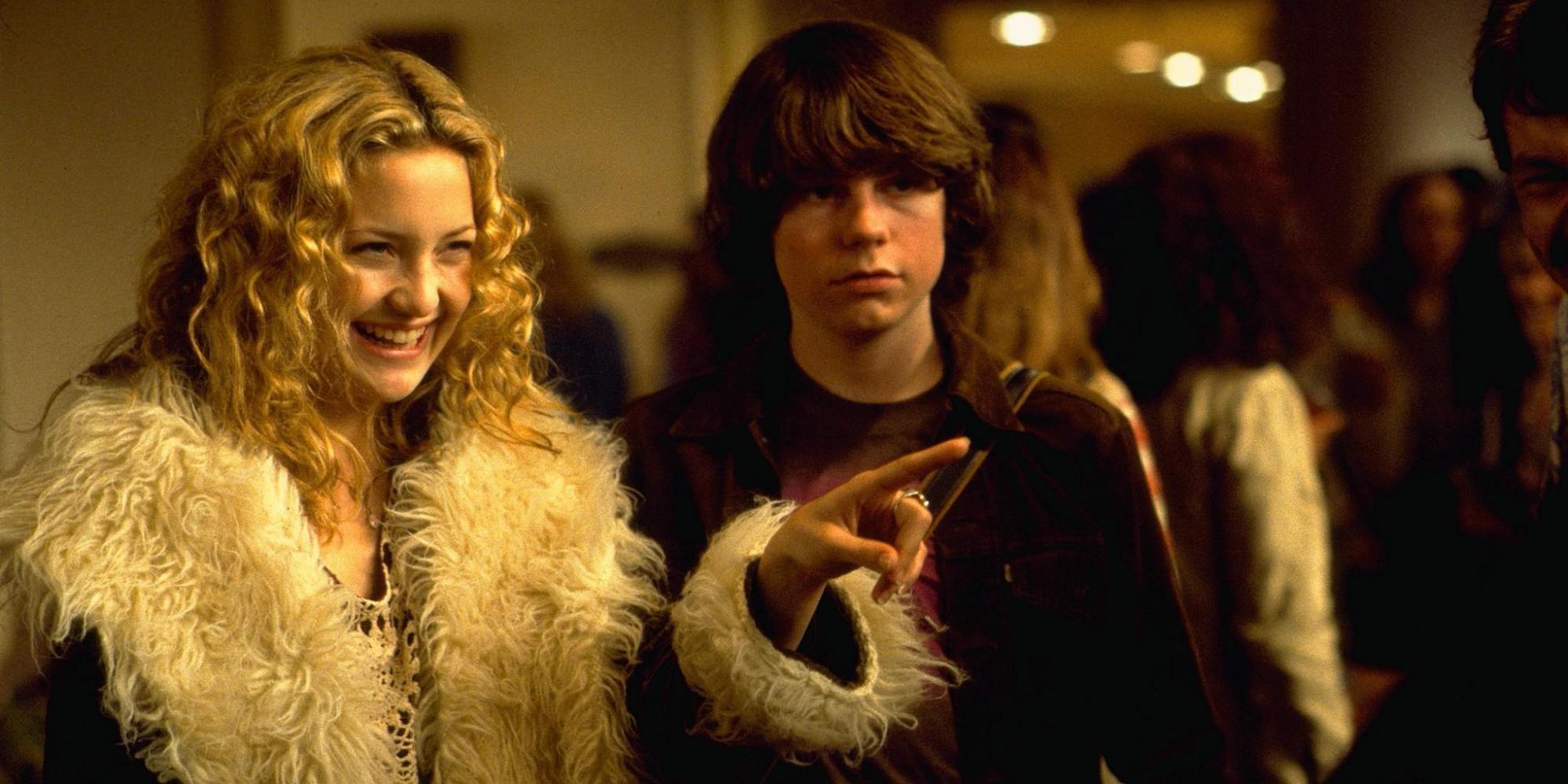
almost-famous

Almost Famous: Cameron Crowe is the one that got away. Say Anything remains dearly beloved by those with a soft spot for John Cusack (and a cautionary tale for the rest of us, who generally dislike the notion of showing up at someone’s house and creepily blasting boomboxes at them), but the We Bought A Zoo / Aloha one-two punch hasn’t done his legacy a lot of good.

Almost Famous, however, remains almost entirely lovable. A tale of hope, disillusionment, and rock n’ roll, Crowe tapped into his own experiences as a young journalist at Rolling Stone and crafted something honest out of them. The film also features one of the ultimate movie-stealing turns from the late, lamented Philip Seymour Hoffman. To this day, when I think of Almost Famous, I imagine his version of Lester Bangs is the main character. It was never true, but it’s one of those fictions that creeps into your head after a while.

As long as people are dropping film quotes, Hoffman’s telephone call with Crowe stand-in William Fugit will live on:

Lester Bangs: Aw, man. You made friends with them. See, friendship is the booze they feed you. They want you to get drunk on feeling like you belong.
William Miller: Well, it was fun.
Lester Bangs: They make you feel cool. And hey. I met you. You are not cool.
William Miller: I know. Even when I thought I was, I knew I wasn’t.
Lester Bangs: That’s because we’re uncool. And while women will always be a problem for us, most of the great art in the world is about that very same problem. Good-looking people don’t have any spine. Their art never lasts. They get the girls, but we’re smarter.
William Miller: I can really see that now.
Lester Bangs: Yeah, great art is about conflict and pain and guilt and longing and love disguised as sex, and sex disguised as love… and let’s face it, you got a big head start.
William Miller: I’m glad you were home.
Lester Bangs: I’m always home. I’m uncool.
William Miller: Me too!
Lester Bangs: The only true currency in this bankrupt world is what you share with someone else when you’re uncool.
William Miller: I feel better.
Lester Bangs: My advice to you. I know you think those guys are your friends. You wanna be a true friend to them? Be honest, and unmerciful.

the-wolfpack

The Wolfpack: Crystal Moselle’s portrait of the Angulo brothers — raised by a paranoid tyrant of a father, essentially locked inside for most of their childhoods, and processing the unknown world beyond their apartment through cinema — made a huge splash upon its release. This was immediately followed by questions about access and the veracity of its telling, an age-old issue for documentarians.

Still, the film is wonderfully constructed and its story really is amazing. Moselle uses the Angulo’s experience to examine the ways we mediate our lives through images and performance, even if just for each other. The drama of these lives is fully visible on screen, and the ideas the film grapples with linger long after it’s over.

October 14, 2016 0 comments
0 FacebookTwitterPinterestEmail
CommentaryFilm

October Horror Installment 2: Nuns, Ghosts, and Tentacle Beasts

by rick October 11, 2016
written by rick

Our month of horror staggers along, terrifyingly, into October, seeking whom it may devour.

Last week, we laid out the general rules: 7 films from franchises, 6 countries, 5 decades, 5 films from before 1970, films from Bava, Argento, Lenzi, Fulci, Henenlotter, Romero, and/or Stuart Gordon, 3 crazy animal movies, 1 silent, 1 original film and its remake, 1 classic Universal horror, 1 Stephen King adaptation, 1 film with a witch/witchcraft, 1 Tobe Hooper film.

Some of these criteria have been met, others not so much. But horror waits for no one!

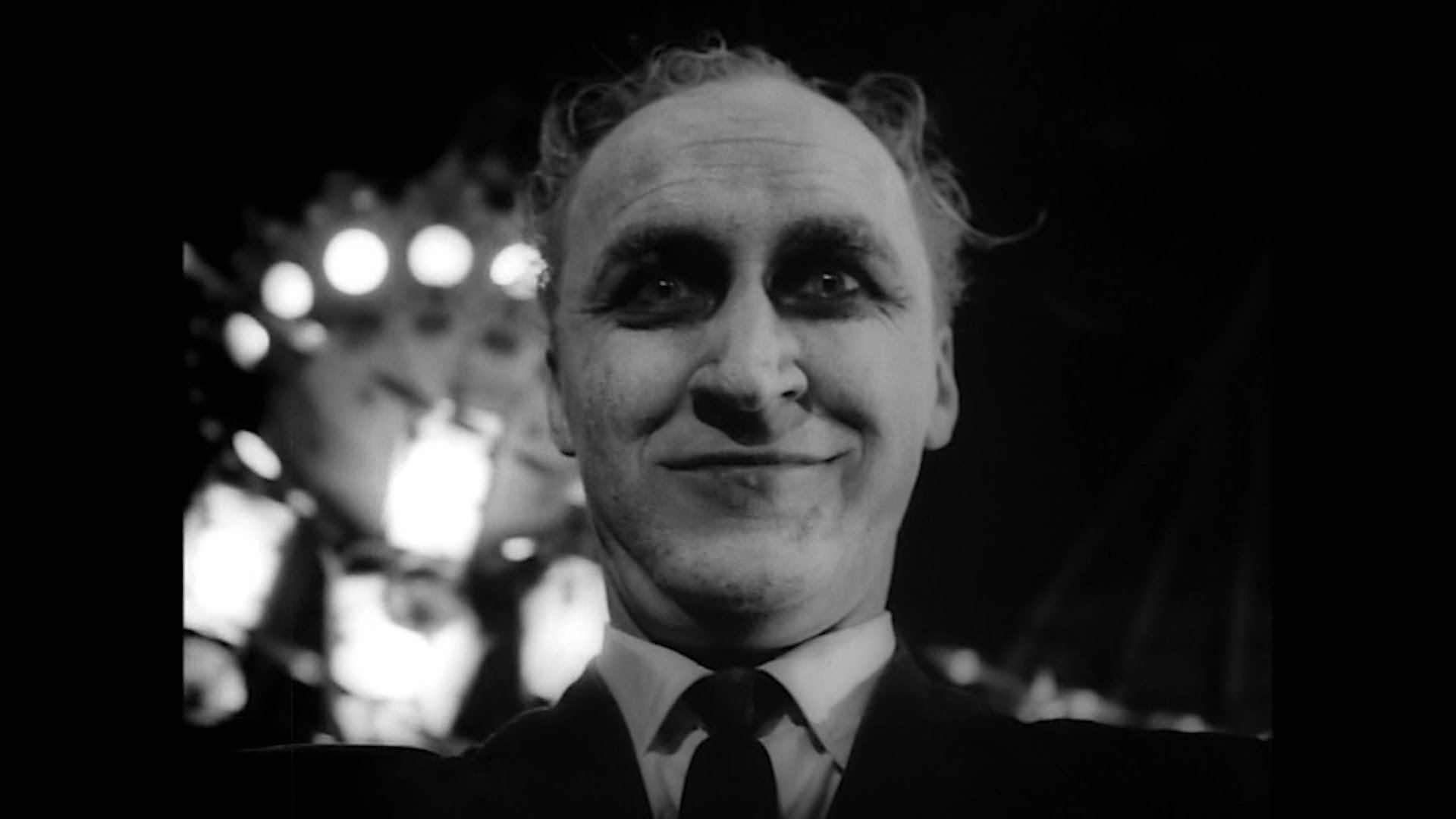
Carnival of Souls (U.S., 1962, before 1970)

carnival-of-souls

A low-budget dreamscape oddity, Carnival of Souls has become respected enough to be included in the Criterion Collection (alongside Armageddon, yes, I realize) while also remaining enough of a laughing-stock to be featured in RiffTrax’s Halloween event this year. And though Mike Nelson notes “I think people have to see it again and realize, oh yeah, it’s pretty crappy,” when has Mike Nelson ever been right about anything?

Watching Carnival of Souls for the first time this week, I found it entirely effective. It’s often cited as an influence on David Lynch and, while that might be a default shorthand for anyone wanting to note its weird disjuncts, awkward continuities, and “oneiric” tone, there’s something to it. This is, after all, a story about a woman who miraculously survives a car crash, emerging from the watery depths to become a church organist haunted by trauma, in a world that may or may not be filled with the dead. Like its protagonist, the film straddles worlds, and we’re never sure where we stand.
Folks can laugh all they want at the amateurishness of the production. There are creepy moments here, and a pervasive sense of dread as things go off the rails.

The Devils (UK, 1971, witch/witchcraft?)

the-devils

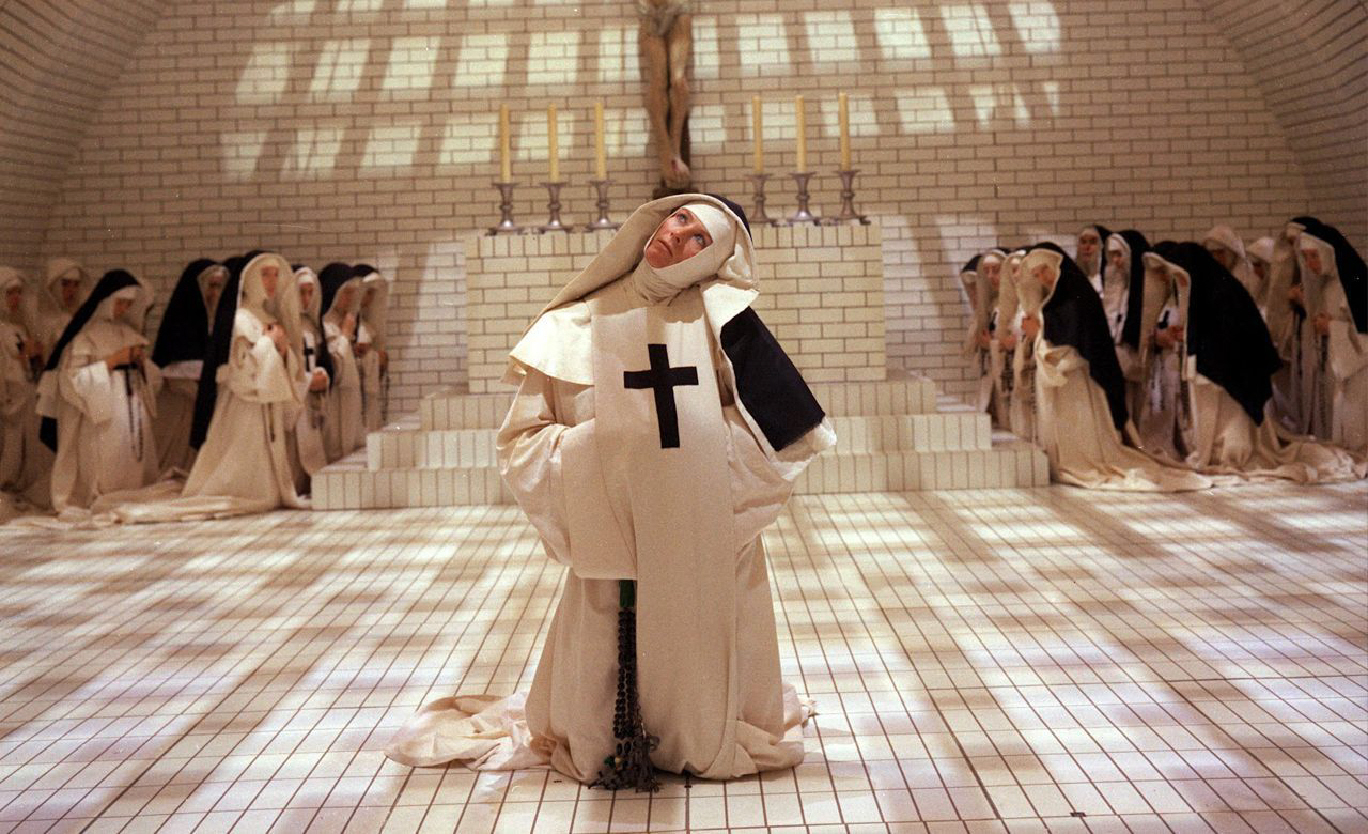
Ken Russell’s adaptation of Huxley was considered so scandalous, blasphemous, and indecent in its day that it was banned in multiple countries and saddled with an X-rating. Time has somewhat lessened the outrage at its images, but many of them remain shocking. The Devils was and remains out for blood, a full-throated attack on hypocritical charlatans everywhere. If Russell’s excessive aesthetic sometimes shows the wear and tear of age, the general terror can still be felt.

Focused on a wayward priest given to fleshly desire, a sexually repressed nun (Vanessa Redgrave) whose longings bring ruin on herself and the town around her, and the political operatives only too happy to seize on peasant fears to further their ambitions, this is a horror story where the monsters are both imaginary and all-too-real. The shift from psychological drama to fleshly torture feels inevitable — systems of repression invite horrifying return. By the time feet are bloodied with sledgehammers and nuns are sexually gratifying themselves, frantically, on jagged stones, it’s pretty clear there will be no redemption in the town of Loudon.

Halloween III: Season of the Witch (franchise, U.S., 1982, witch/witchcraft)

halloween-iii

Good friends assure me that Halloween III: Season of the Witch needs to be enjoyed as October camp. I am told that its total disconnection from the preceding installments — instead of Michael Myers, we are faced with the peril of an Irishman who stole part of Stonehenge to activate an age-old sacrificial ritual whereby children watching TV will have their heads turn into bugs or something — is its best quality.

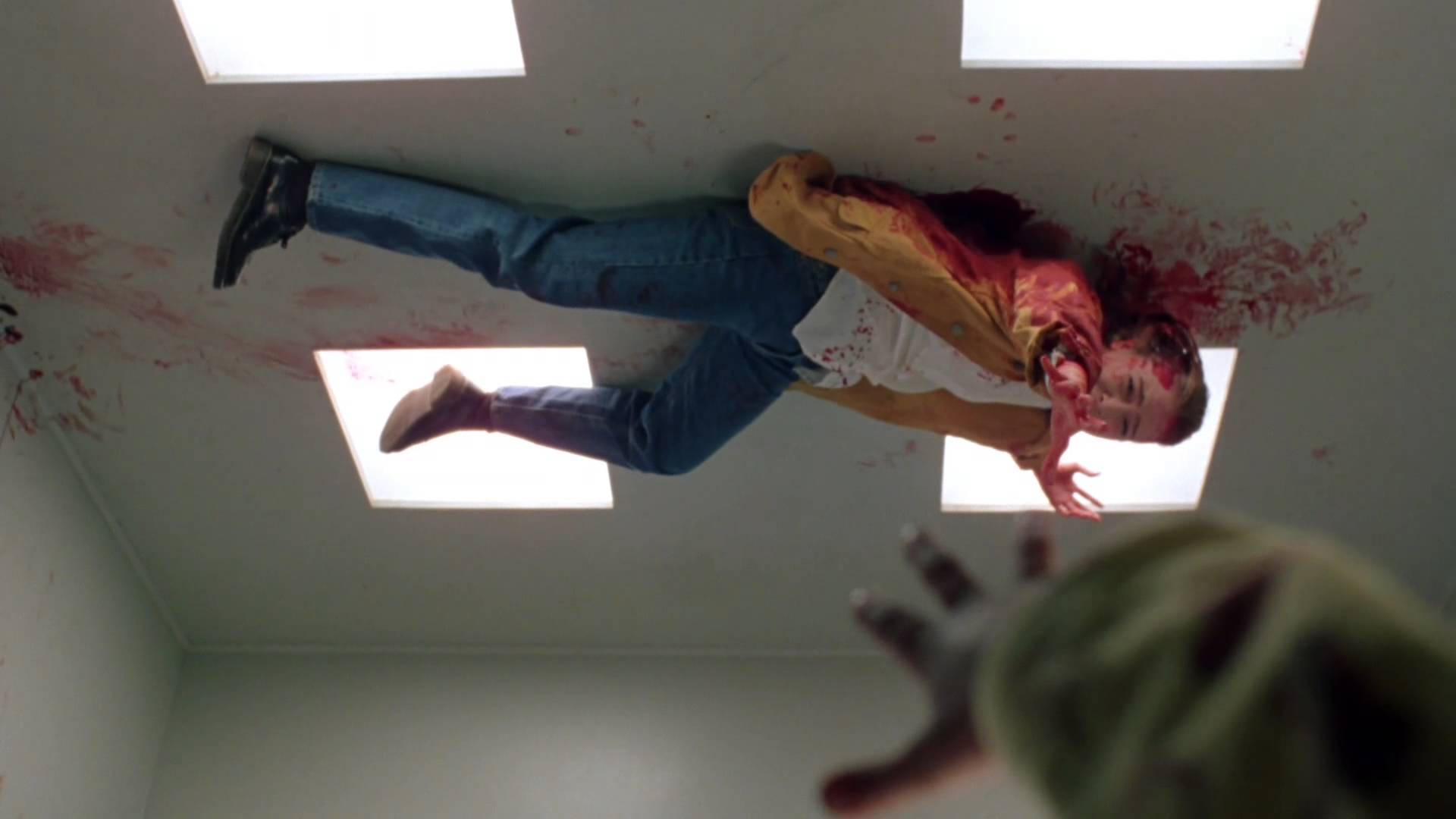
This is not true. Season of the Witch is simply bad. Its protagonist, a doctor who looks like an ESPN football commentator but who also somehow immediately beds the daughter of a man whose murder he’s investigating (a doctor’s work is never through), is bad. The idea of Irish wizard toymakers who create an army of plastic automatons who are also, inexplicably, filled with yellow goo is bad. And the jingle the films insists is ominous — “8 more days to Halloween / Halloween / Halloween / 8 more days to Halloween / Silver / Shamrock” — is anything but.
I did not care for this film.

Possession (France/Germany, 1981)

possession

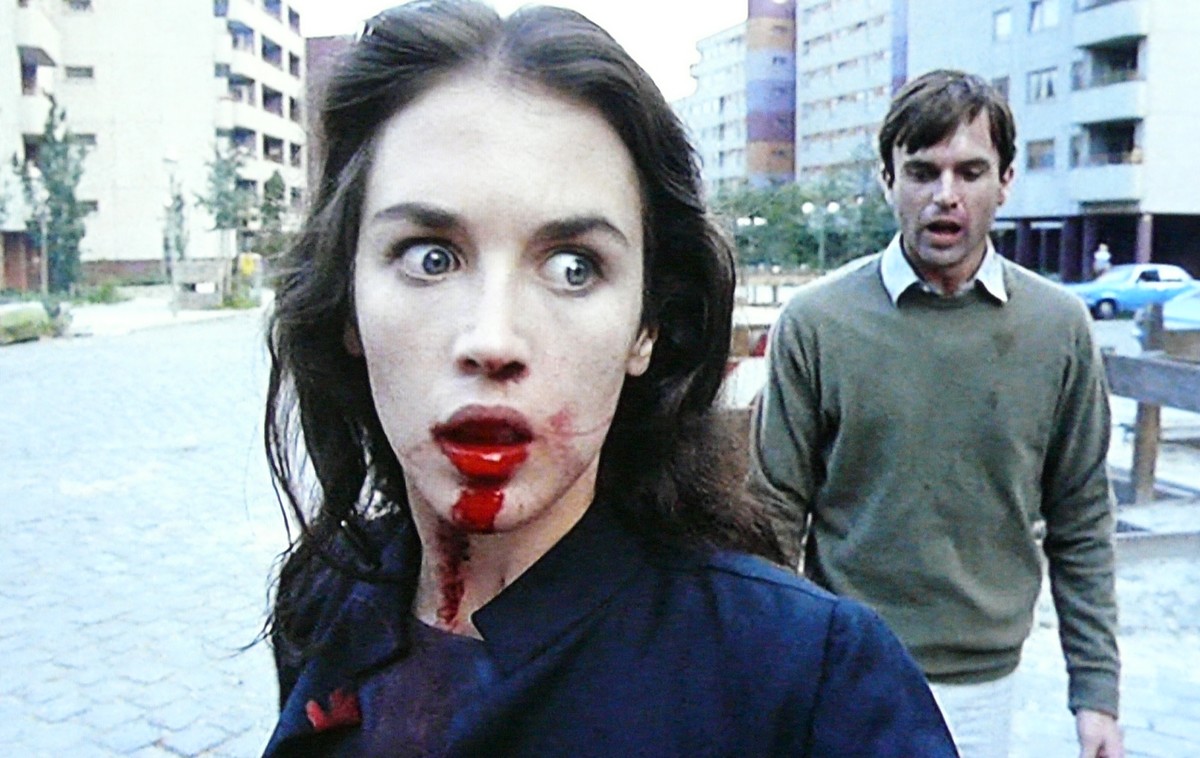
Possession, on the other hand, is a masterpiece.

Andrzej Żuławski’s rumination on divorce, desire, patriarchy, and tentacle sex-monsters is a gonzo dive into the imaginative uncanny. Isabelle Adjani delivers what has to be one of the single greatest performances from a female lead in any horror film in history. I’m not joking. She is unbelievable. By occupying several positions at once — both literally (as her character and its doppelganger) and figuratively (shifting between rage, lust, a fear at what she’s experiencing, a tremulous joy at her weird power) — Adjani anchors Possession somewhere deep in the troubled psyche.

Sam Neill also does his part, furiously kicking back and forth in his rocking chair, at one moment seeming a shitheel control freak, at the next a put-upon dad, and still again at the next possessed by something himself. Zulawski gives the viewer no option but to encounter each moment on its own terms; it’s an experience. You can try to guess what will happen next, but you’ll almost certainly be wrong. The only thing you can be sure of is that it will be unsettling, and, ultimately, inevitable.

Possession is my new favorite movie. Watch it, watch it again, and then listen to my pals over at We Love To Watch discuss it. This is a film that demands multiple viewings. Not because things will become clearer (they won’t), but just to visit this vision again.

Psycho III (franchise, U.S., 1986)

psycho-iii

Alfred Hitchcock’s Psycho made its enormous impact on audiences through Freudian implication, subversive subtext, and fleeting moments of overt terror. Psycho III, on the other hand, contains this bit of dialog:

Norma Bates: You dirty, dirty boy
Norman Bates: But I… I didn’t do anything, Mother… I didn’t do anything, Mother. She’s a nice girl.
Norma Bates: She’s a whore.
Norman Bates: But we didn’t do anything.
Norma Bates: You let her come between us.
Norman Bates: But this… It isn’t right. It isn’t natural.
Norma Bates: It’s perfectly natural for a son to love his mother.
Norman Bates: God, will you leave me alone, Mother? Will you leave me alone?

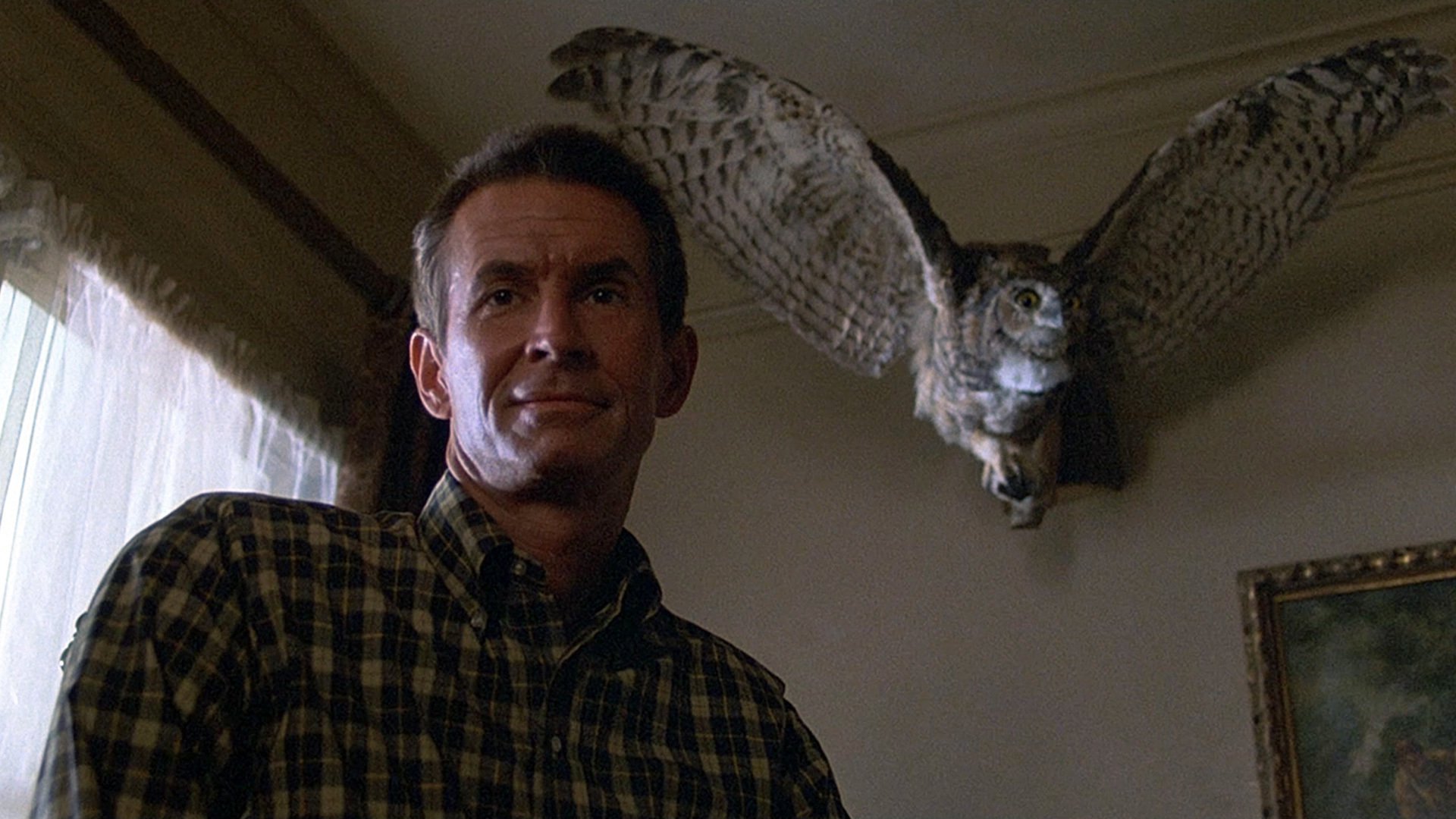
Anthony Perkins, directing as well as reprising his Norman Bates role, can still manage to give you the willies. He’s an odd duck, and Psycho III‘s best moments come when it gives him room to just stand there, being weird. He falls in love with a woman who reminds him of Janet Leigh and we await the consequences, hoping for something more creepy than we ever actually get. The film is intent on doubling down on every impulse it imagines audiences have come to see; there are even flashbacks to the shower scene.

What Hitchcock understood, and what Psycho III does not, is that we really don’t want more of Norman Bates’ conversations with his mom, or more backstory on how these things came to be. It’s far creepier to focus, say, on his taxidermy. (It’s a bad sign when Perkins stuffing and mounting a bird becomes the scariest part of the movie.) But sequel-itis sets in — there needs to be more, however determined.

To its credit, Psycho III gives us more. Unfortunately, it’s not enough.

October 11, 2016 0 comments
0 FacebookTwitterPinterestEmail
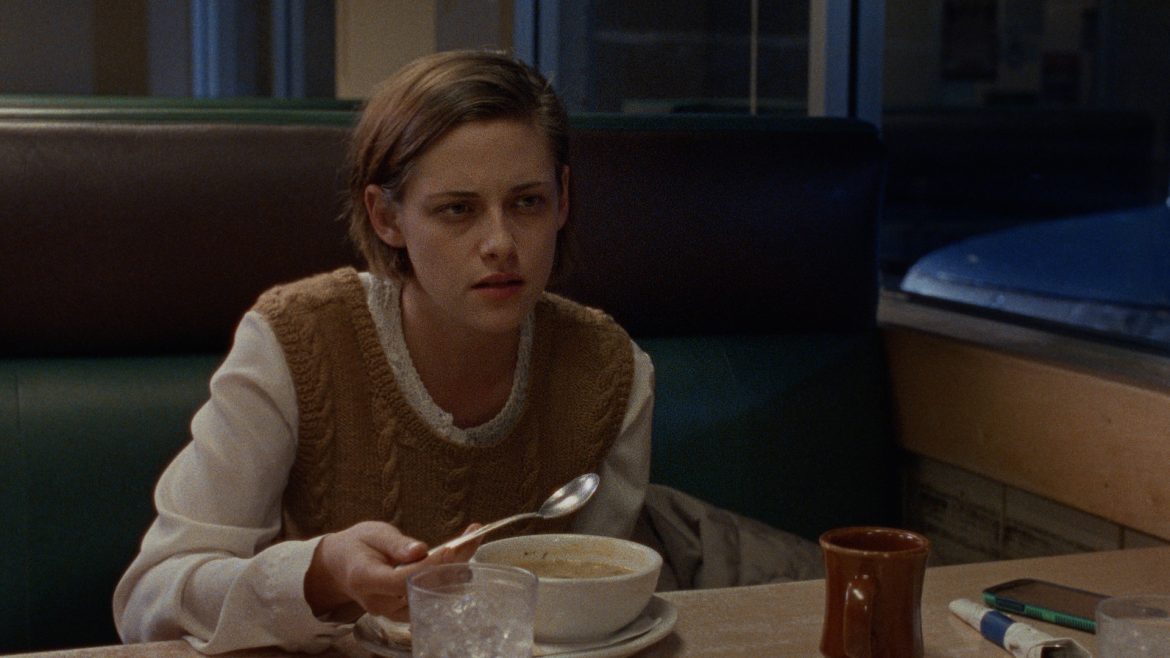
Kristen Stewart in Kelly Reichardt's Certain Women
FilmReviews

The mid-stride intimacy of Kelly Reichardt’s Certain Women

by rick October 10, 2016
written by rick

Laura is an attorney balancing the expected demands of her practice with the more unreasonable ones foisted on her by a demanding client. Gina seeks to build a dream house in the woods, while contending with a resentful daughter and a placating husband who always makes her the bad guy. Jamie is friendless and vulnerable, caring for horses on a lonely ranch while auditing a class on School Law, seemingly less as a means of education than human connection. These are the Certain Women of Kelly Reichardt’s new film, a typically quiet, elliptical mood piece from one of our most uncompromising working filmmakers.

Based on the short stories of Maile Meloy, Certain Women fits snugly into Reichardt’s body of work. Fans of Night Moves, Meek’s Cutoff, Wendy and Lucy, and Old Joy will be unsurprised to find her newest film both requires and rewards patience. Reichardt doesn’t traffic in explosions (even in Night Moves, a film about blowing up a dam). Her films prefer the sidelong glance, the awkward or passionate silence, the resonant images of things that go unsaid.

This makes the Montana-based triptych of Certain Women nearly ideal. Reichardt’s interior geographies map perfectly onto the landscape these characters inhabit, all big skies, distant Rockies, cold morning smoke breaks, ATVs distributing hay while horse hooves clank on ice, near-silent motel room trysts, gaudy shopping mall contradictions. The sense of place is palpable. These women could be nowhere else than here.

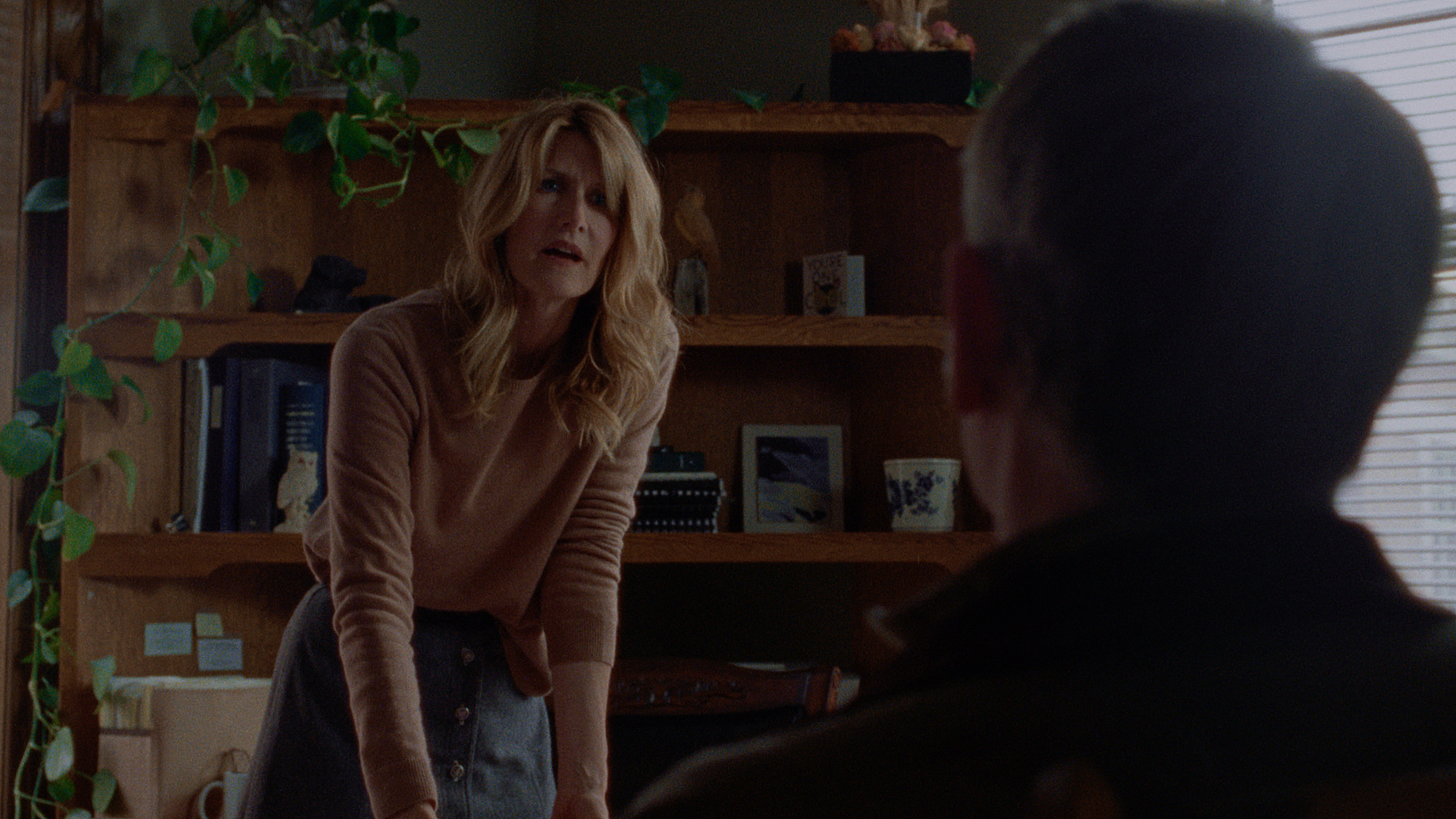
Laura Dern in Kelly Reichardt's Certain Women

The stories vary in emotional impact, and only briefly, tangentially intersect. Laura (Laura Dern) is exasperated with Mr. Fuller (Jared Harris), a worker injured on the job who made the mistake of accepting a settlement but insists he’s entitled to more than he got. Eight months of apologetically informing him he has no case are shrugged off until a male colleague informs him of the same. In Reichardt’s entirely offhand, and therefore deeply felt, feminist dialog, Laura can only sigh, “I wish I were a man. It would be so much more restful.”

We’re introduced to Laura as she wakes up in a frigid Livingston motel room with Ryan (James Le Gros). Their nudity and soft touches imply this isn’t the first time, but their division in the frame – separated here by a wall, there by a mirror – argue it might be the last.

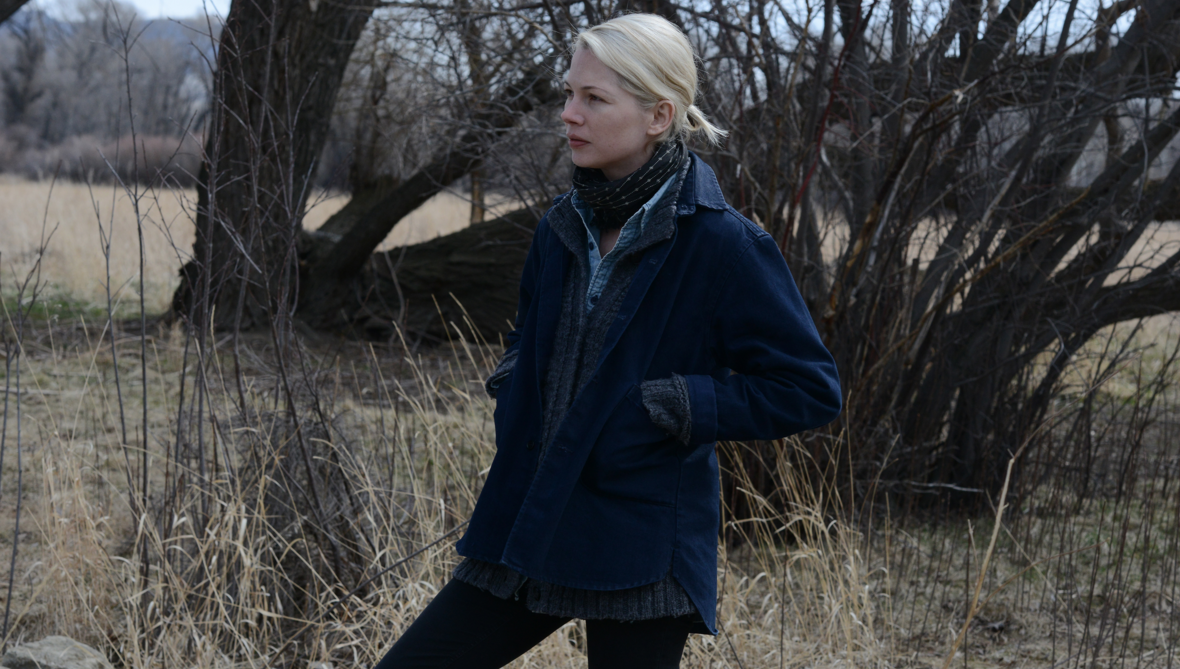
Michelle Williams in Kelly Reichardt's Certain Women

And indeed, Ryan is married to Gina (Reichardt regular Michelle Williams), if not happily then at least not miserably. The two are building a house, camping on the plot they own, demarcated with stakes for future structures. Like everyone else, they are stuck in between. Gina wants some sandstone from a neighboring property, but its owner (Rene Auberjonois) is aging, perhaps with dementia setting in, and no one feels particularly great about the transaction. This is what counts as drama in the world of Kelly Reichardt.

Lily Gladstone in Kelly Reichardt's Certain Women

Unconnected to all of this, Jamie (Lily Gladstone, a relative newcomer effortlessly stealing the entire film) cares for horses in a deep rural area, hours from the urbanity of town – meaning Livingston. (One of the great, quiet jokes of Certain Women is that Livingston represents the center of bustling activity and cosmopolitan life. Not Missoula or Billings or Helena or Bozeman or Butte or Great Falls. Livingston.)

As played by Gladstone, Jamie is a gentle soul, more at home with horses than people but longing for something – who can say what. (The film sure won’t.) When Beth Travis (Kristen Stewart), another Livingston denizen, comes to town to teach a class on School Law to locals (each of whom raise questions obviously more relevant to their small town than a law seminar, and probably more answerable by their union than the barely qualified Beth), Jamie starts attending.

Why? “I saw people come in,” Jamie shrugs.

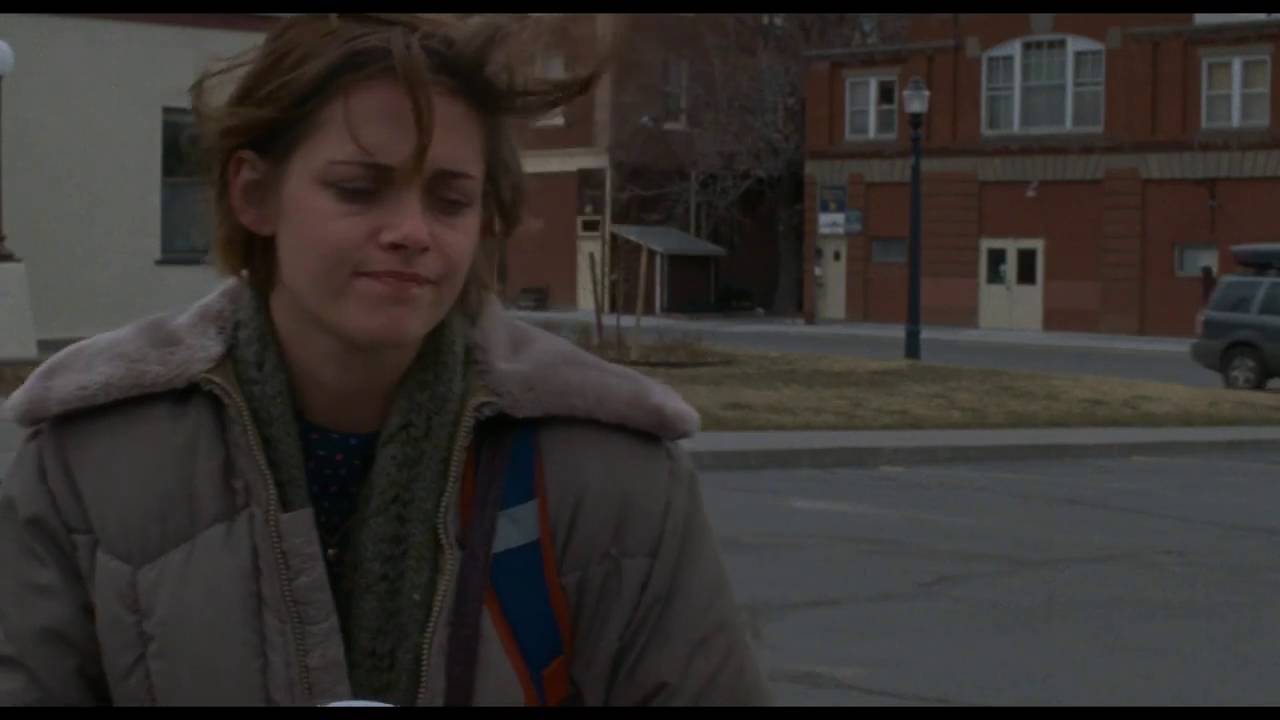
Kristen Stewart in Kelly Reichardt's Certain Women

The heartache and longing that transpires in the Jamie segments should be experienced rather than explained. We find ourselves in a love story of sorts, but not the kind you might expect. Unrequited, impossible, entirely awkward and entirely understandable, it’s the maximum outreach of self-restricted desire, met with gentle puzzlement. It could be heartbreaking, but the horses need feeding in the morning, and the snow is starting again, and there’s work to do back in the office.

This is Reichardt’s specialty, aided not just by the revelatory Gladstone but the entire cast. (Special mention should go to Kristen Stewart, conveying at least five different emotions in a single expression, and Auberjonois, so memorable as the devious Sheehan in McCabe and Mrs. Miller). But the film’s focus is on the central triad of women, as it should be. Embodying varying forms of care, for self and for others, the women of Certain Women are sketched in neutral, ambiguous tones. Their complexity is evident: they have singular histories and are headed to unspecified futures. But, as in all Reichardt’s films, we encounter these characters halfway between here and there. If most contemporary films chart a narrative race from start to finish, Reichardt is the poet of the mid-stride.

The luminous cinematography, shot on Super 16mm by Christopher Blauvelt, goes out of its way to avoid beauty for beauty’s sake, despite the unusual clarity of its images and the occasional, impossibly pretty halos of light on snow and faces. The temptation to drape everything in Montana’s natural splendor must’ve been strong. Instead, we are immersed in a world of people, animals, snow, clouds, damp rooms, long moments held in intimate mid-shot.

There is no one working right now who could’ve made this film beside Kelly Reichardt. It’s too quiet, too assured, and too honest. Certain Women likely won’t convince skeptics of a certain variety of slow film to reconsider. To everyone else, it’s another gift from one of our most personal auteurs.

October 10, 2016 0 comments
0 FacebookTwitterPinterestEmail
CommentaryFilm

New on Netflix: Ava Duvernay’s 13th is Essential Viewing

by rick October 7, 2016
written by rick

Some films simply arrive at the exact right moment. Whether through canny decisions on distribution and release, real-world events outside the producers’ control, or some other happenstance collision of histories, a cultural product arrives that is both inevitable and sorely needed. Ava Duvernay’s 13th, a Netflix original documentary released today, is this year’s example. It’s a bracing masterpiece of the form, an immediate top contender for the prestige awards, and essential viewing for anyone who cares about justice and human dignity.

The film’s title refers to the 13th Amendment, ostensibly abolishing slavery in the U.S.: “Neither slavery nor involuntary servitude, except as a punishment for crime whereof the party shall have been duly convicted, shall exist within the United States, or any place subject to their jurisdiction.”

As anyone who has read Michelle Alexander’s revelatory The New Jim Crow will immediately note, that second clause — except as punishment for crime whereof the party shall have been duly convicted — has had catastrophic consequences.

Duvernay’s film tracks those consequences, examining in detail the line from Southern cotton fields to Jim Crow brutality, from Nixon’s Southern Strategy to Reagan-era drug wars, Clintonian “Third Way” realpolitik cowardice to our own era of profit-driven mass incarceration and systemic disenfranchisement, COINTELPRO assassinations to the rehashed “outside agitator” narratives against Black Lives Matter.

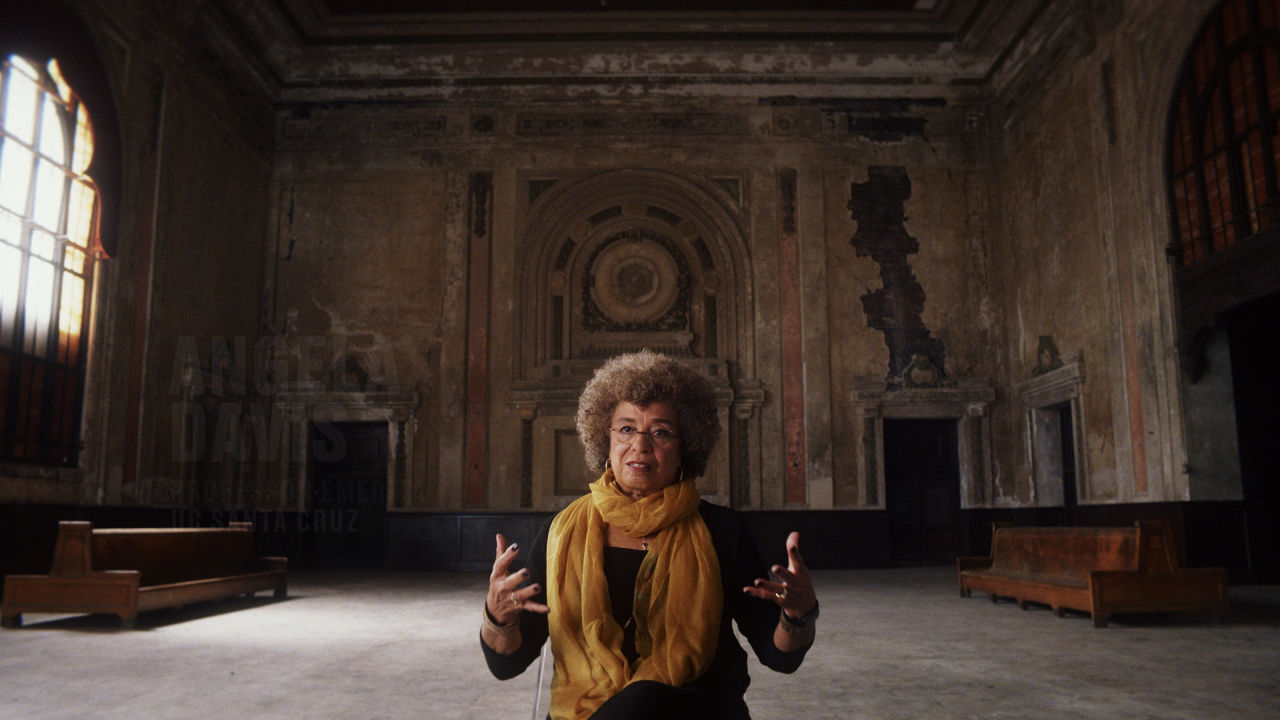
Angela Davis in Ava DuVernay's 13th

It is blood-boiling. Along with Angela Davis and many others, Alexander is on hand to help shape and guide this staggering amount of analysis into a coherent film that bristles with quiet, and sometimes not so quiet, outrage. 13th is full of cinematic flourishes, over-laid text, and deft deployment of archival footage, but it’s in Duvernay’s synthesis that its real power lies. The film never drags, or lets up, or provides an avenue for equivocating or shrugging off. The cumulative effect is devastating.

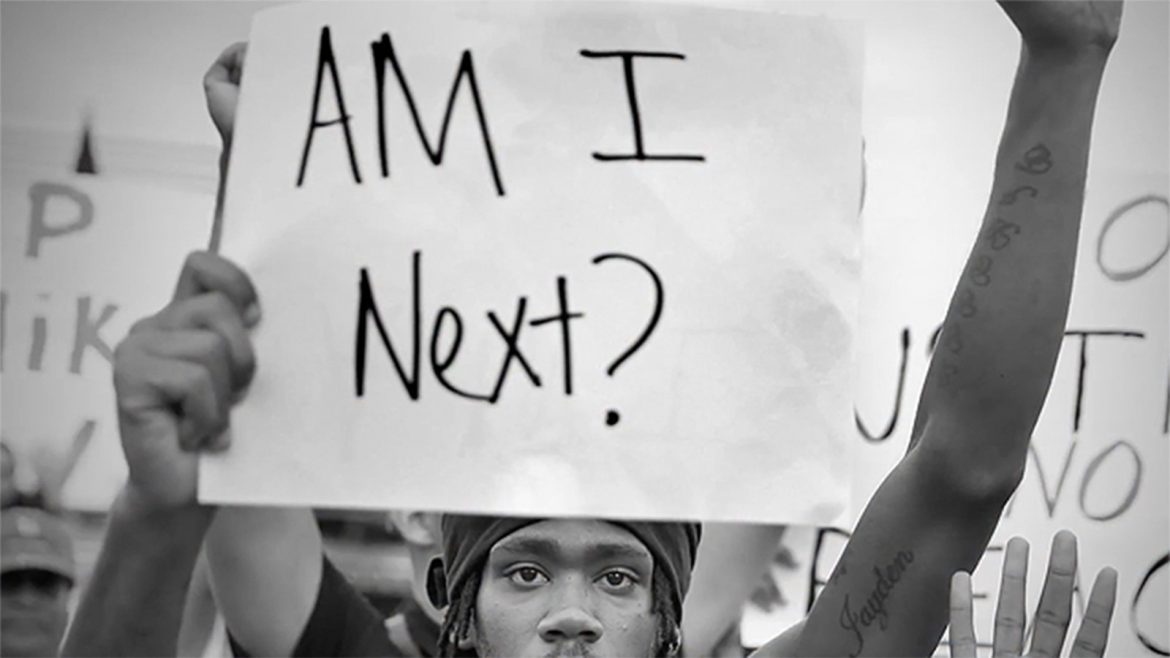
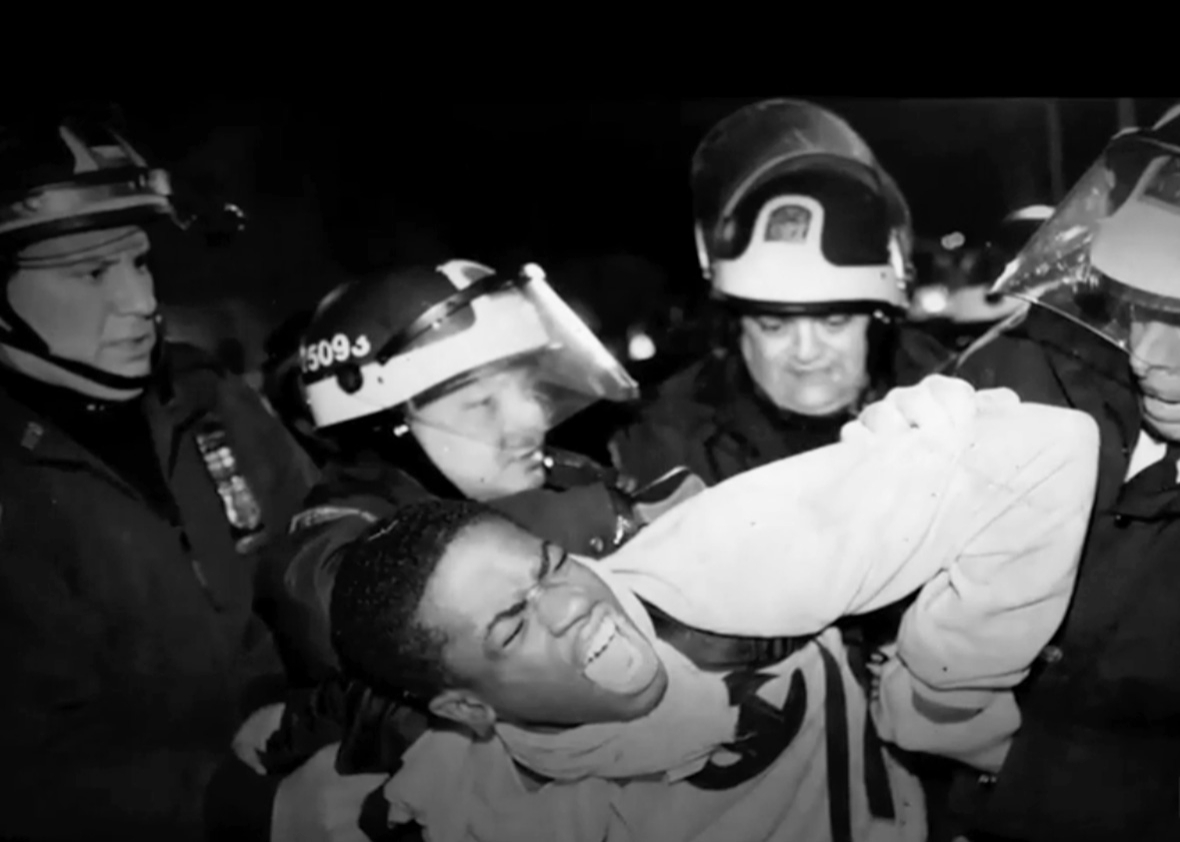
Beginning with Griffith’s Birth of a Nation, 13th charts the criminalized, dehumanized Black body in the white imagination, then integrates the countless examples across the years. We close on the present day with (be warned) family-approved footage from the spate of recent police murders of Black men. The message throughout is clear: the specific ways in which white supremacy manifests change, subject to popular will and economic necessity. But a close look reveals we are simply observing the same phenomenon, dressed up in different ways.

None of which will be news to many viewers inclined to watch 13th. But I would be surprised if others didn’t experience a few moments of genuine shock, and not just at the viscerally upsetting footage. I was somehow, shamefully, unaware of the details of Kalief Browder’s experience, which will now haunt me until the day I die. On a more positive note, others may be surprised by once-and-future terrible man Newt Gingrich’s newfound eloquence on criminal justice reform and white supremacy.

Ava DuVernay's 13th

However, for vast swaths of the American population, 13th should be received as a gut-punch. In this foul year of Donald Trump — an actual fascist ideologue who Duvernay, skillfully enlisting juxtaposition and montage, handily demolishes on film — we, white viewers, need to be shaken to our core.

One segment of the film focuses on the now-exonerated Central Park 5, railroaded by a racist system and demonized by none other than Trump himself. The fact that, to this very day, the candidate for the presidency continues to argue for their guilt only underscores the horror 13th lays bare. Hillary Clinton, now-repentant 1994 Crime Bill enthusiast, doesn’t get off particularly easy either.

If all this runs the risk of relegating 13th to the high-minded scrap-heap of Important Documentaries, “necessary” films that end up more respected and talked about than viewed, let me emphasize: it is much more than that. 13th is a film we cannot and must not ignore. It’s an essential cinematic reckoning, delivered with mastery and grace.

In Selma, Duvernay painted a humanistic and loving portrait of MLK at a crucial moment in time. In 2012, her Middle of Nowhere (also available on Netflix right now) found nuance, beauty, and a palpable outrage in lives lived in the shadow of mass incarceration. And now, in 13th, she’s targeted her skills directly at a system’s sick heart.

Watch this movie.

October 7, 2016 0 comments
0 FacebookTwitterPinterestEmail
FilmGreat Movie Project

Chaplin’s The Circus sensed the end of silents, and doubled down

by rick October 6, 2016
written by rick

Released in the closing days of the Silent Era, with production wrapping the same month The Jazz Singer premiered, Chaplin’s The Circus is a film that seems to know it’s aesthetic is on its way out the door.

Even with City Lights and Modern Times still to come, there’s an air of finality to it, perhaps most movingly encapsulated by its closing frames: we watch the circus leave the town and The Tramp behind, no better off than when he arrived to amuse the crowd at the start. Time and trends have passed him by.

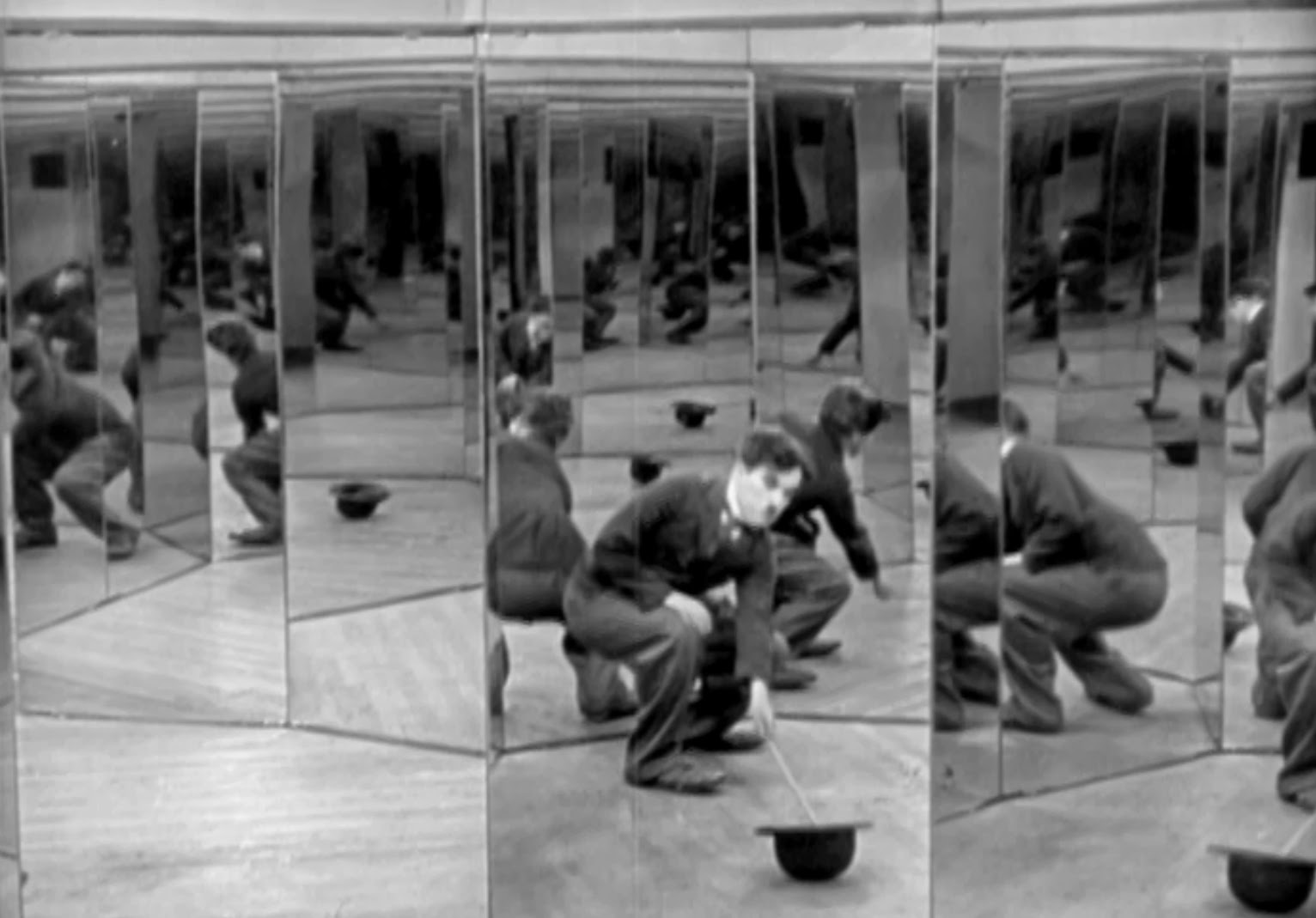
Less a coherent narrative than a loosely strung-together collection of gags, The Circus introduces love story conventions and triangles, set-pieces involving lions and tigers and monkeys (oh my), trapeze swinging and tightrope walking. One visually stunning sequence makes use of fun-house mirrors, and there’s meta-commentary to be mined from another one in which an old pie-throwing gag produces no new laughs. The Circus has a lot on its mind, and if it doesn’t all land, it boasts the benefit of something new to gawk at every minute.

the-circus3

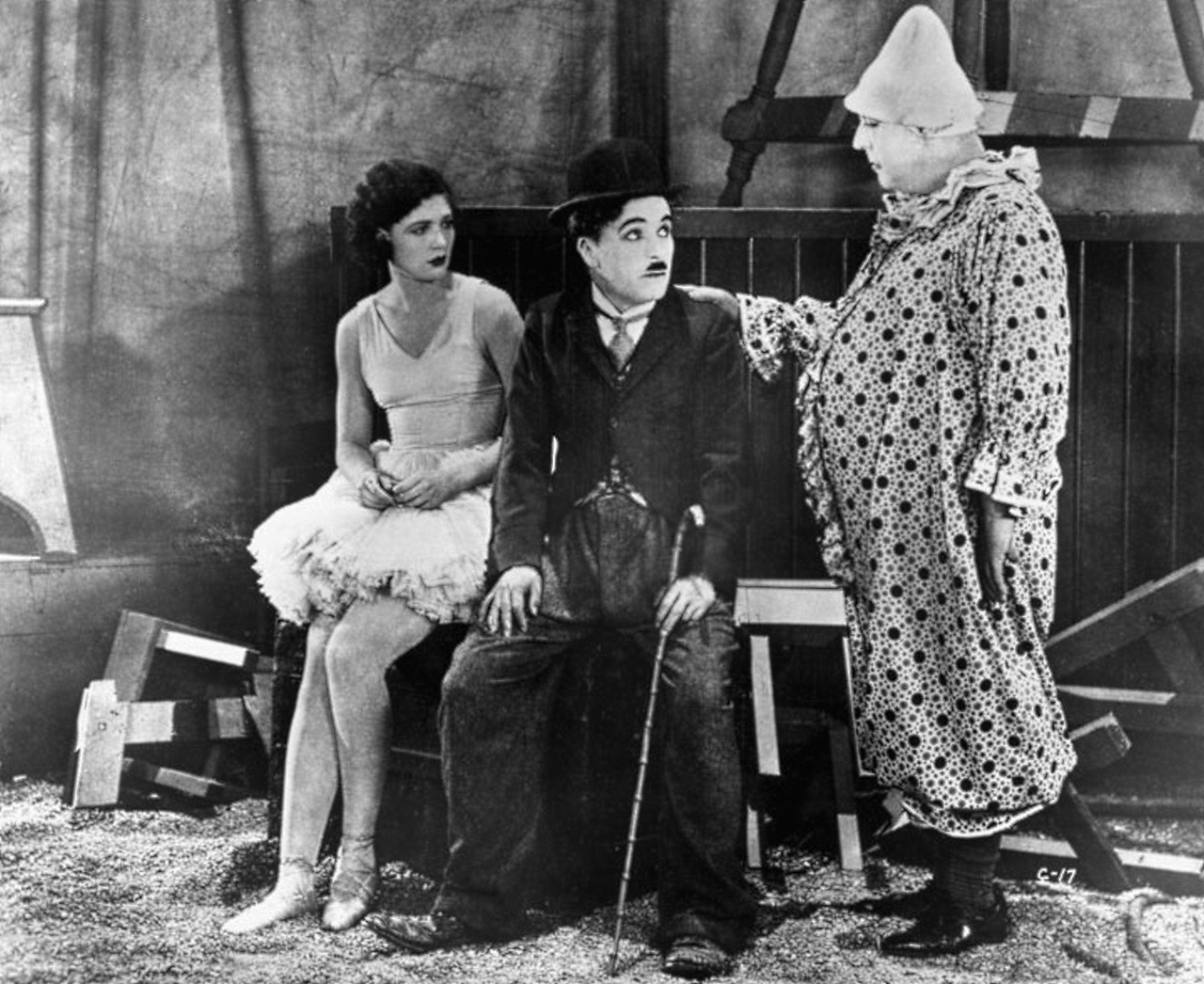
The story, such as it is: mistaken for a pickpocket, Chaplin’s Tramp evades the cops at a fairground by accidentally running into, and ruining, a circus performance. As it turns out, however, the crowd loves him: as we’ll discover, this is only true when he doesn’t know he’s being funny.

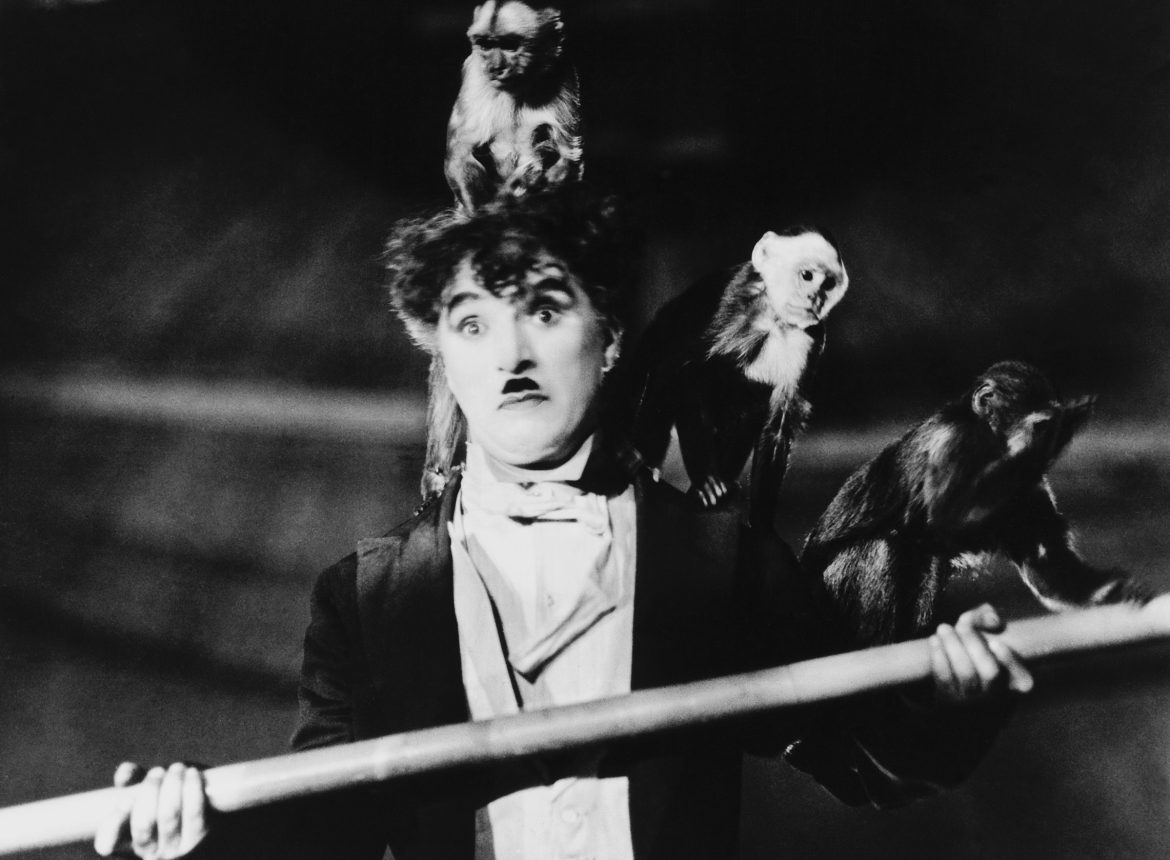
He falls in love with a trapeze artist, but her affections are usurped by the debonair tightrope walker who joins the circus somewhat later. In an attempt to win her over, the Tramp takes his place on the tightrope, producing a several-minute-long, monkey-filled escapade that apparently took Chaplin over 700 takes to get right. At its conclusion, the Tramp, good guy to the end, realizes he can’t offer her much, blesses her union with his rival, and sees them off to further adventures down the road. He silly-walks the other way, back to the camera, into the distance.

That’s the gist, anyway. There’s also the mean-spirited circus-master (the girl’s wicked stepfather, conveniently enough), a hilarious attempt to forestall arrest by pretending to be an animatronic robot, several quick boots to the bum, and many things falling on everybody’s head all the time.

the-circus2

There’s vaudevillian virtuosity on display throughout The Circus, celebrated by audiences and critics at the time and since (it grossed $3.8 million, making it the 7th-highest grossing silent ever). But there’s also something else in its tone, an anger and a sadness.

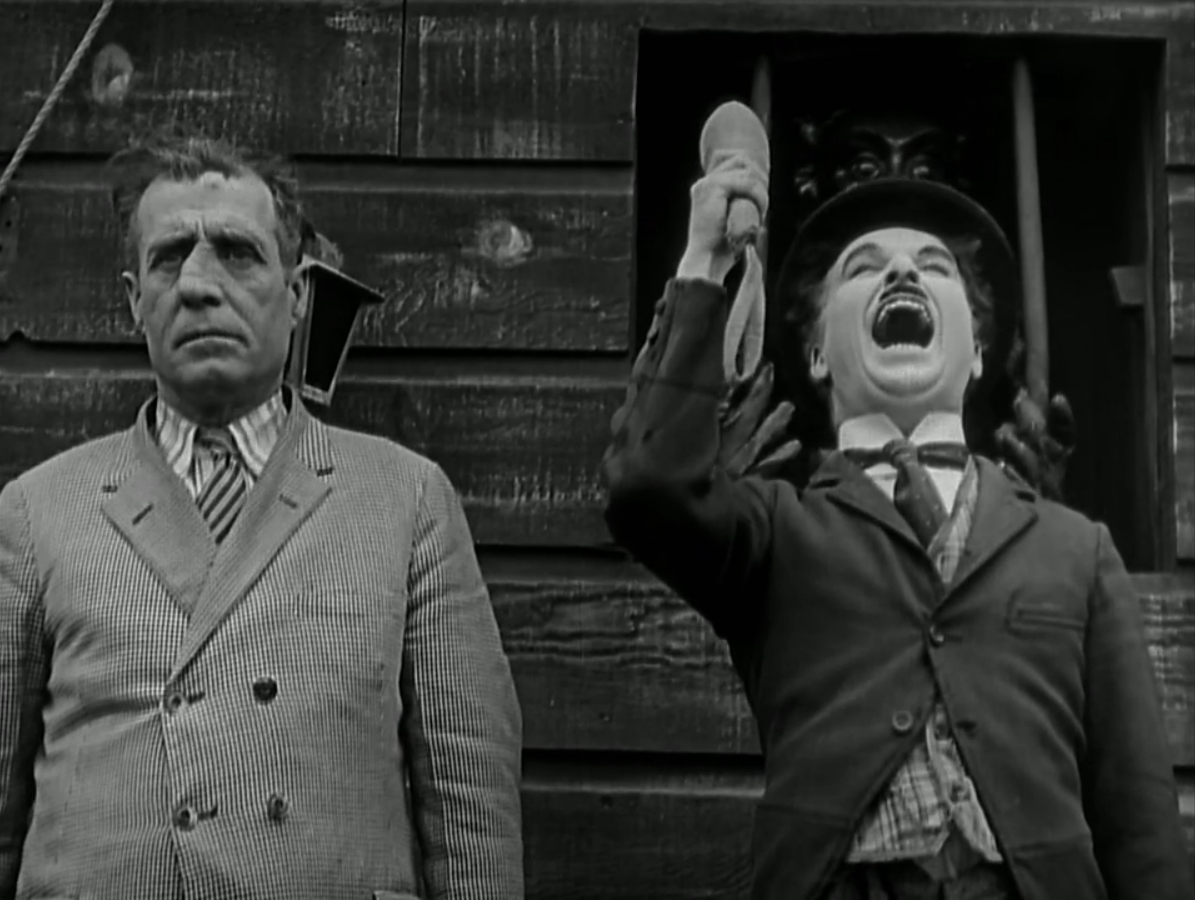
The intertitles go out of their way to note that the tightrope, the spectacular medium of the Tramp’s victorious romantic rival, is a newfangled operation, contrasted with the music-hall comedy of old. “I don’t like tightrope walking,” Chaplin tells the Girl, before gleefully chuckling when it seems the man might fall. Other gags involve Chaplin beating up his boss, imagining himself beating up the tightrope walker, bonking people on the head, kicking clowns into barrels. For many of us, the defining characteristic of the Tramp character is his loopy sentimentality — in The Circus, there’s much more of an edge, bordering on the mean-spirited at times.

the-circus4

Does this issue from Chaplin’s awareness that the techniques he’d spent a career developing will be of limited appeal in sound cinema, the real-world corollary to the tightrope-walkers of the screen? Or perhaps the torturous circumstances of The Circus‘ production itself bled into the tone:

Chaplin was in the throes of the break-up of his marriage with Lita Grey; and production of The Circus coincided with one of the most unseemly and sensational divorces of twenties Hollywood, as Lita’s lawyers sought every means to ruin Chaplin’s career by smearing his reputation. At the height of the legal battle, production of The Circus was brought to a total halt for eight months, when the lawyers sought to seize the studio assets. Chaplin was forced to smuggle such of the film as was already shot to safe hiding.


Even before shooting began, the huge circus tent which provides the principal setting for the film was destroyed by gales. After four weeks of filming, Chaplin discovered that bad laboratory work had made everything already shot unusable. In the ninth month of shooting, a fire raged through the studio, destroying sets and props.


Later, when the unit returned to work after the enforced lay-off, they found that Hollywood’s mushroom real-estate development had in the meantime transformed the scenery beyond recognition. The troubles persisted to the very end. For the final scene, of The Circus moving out of town, the wagons were towed to location. When the unit returned for the second day’s shooting the whole circus train had vanished. It had been stolen by some high-spirited students who planned to use it for a marathon bonfire. This time, luckily, Chaplin was just in time to prevent the catastrophe.

That The Circus was completed at all now seems like something of a small miracle, and it does hold together in its loose-knit way, even if it lacks the coherence of some other Chaplin productions (to say nothing of the ambitious, now-troubling films of his compatriot Buster Keaton).

But the image that remains in my mind — apart from the Tramp seeming to be 30 feet up in the air, no visible net, balanced on a thin rope, performing an act he doesn’t know, with a monkey biting his face — is the film’s final one.

The wagons departed, the stage empty, he finds himself in the middle of the circle in the dust they’ve left behind. A closing iris shot isolates him as he skips away.

Something seems unmistakably over, and it’s not clear what’s ready to begin. It’s a melancholy note to end on, and it seems entirely appropriate.

Favorite Ebert quote:

It’s interesting to ponder how smart the Tramp really is, and how much he understands the situations he finds himself in. He’s sort of a Holy Fool. In “The Circus,” he gets hired as a clown by accident after he proves so incompetent as a property man that he steals the laughter from the real clowns. He’s the star of the circus, but has to have this explained to him by Merna, who plays the ringmaster’s mistreated stepdaughter. He has no idea what made him funny, no clear idea of why he stops being funny, and usually seems the unwitting pawn of events outside his comprehension.


This makes him, for me, a little less inspired than Buster Keaton, whose characters are smart and calculating, if also beset by life’s disappointments. But both get many of their laughs by their sheer physical grace and acrobatic skills. The physical world conspires against them, and they prevail. They are often yearning romantics, with this difference: Buster seems a plausible mate, and the Tramp hardly seems to possess a libido, only idealized notions. If their comedies had been made in a more liberated time, it is possible to imagine Keaton in bed with a woman, but disquieting to think of the Tramp as a sexual being.

October 6, 2016 0 comments
0 FacebookTwitterPinterestEmail
CommentaryFilm

Since real life is already terrifying, October is for horror movies

by rick October 5, 2016
written by rick

It’s October. There’s a crispness to the autumn air, the falling leaves crunching underfoot, the smell of the first fires of the year issuing from neighborhood hearths as Halloween approaches, bringing with it all of the ghouls, goblins, and other horror figures that emerge from the shadows of the season.

Of course, I live in California, so almost none of that applies. It’s actually kind of hot, we’re still in the midst of a historic drought, and the only fires burning are devouring the Santa Cruz mountains and eight other locations across the state. Meanwhile, the garbage fire of electoral politics burns abated.

All of which is terrible. Let’s watch some of those horror movies.

For the past few years, folks in various internet enclaves have devoted the month of October to a challenge some have called Hoop-Tober (after horror movie maestro Tobe Hooper). Rules seem to have varied since its inception, but the essential idea is the same: to watch a whole bunch of horror movies, usually 31 for the month.

This year, I’m giving it a go, and will write up some brief reviews here (as well as on Letterboxd, where my master list resides). Here are the criteria:

  • 7 films from franchises (mix-and-match, or the same. 7 total)
  • 6 countries
  • 5 decades
  • 5 films from before 1970
  • 5 films from the following: Bava, Argento, Lenzi, Fulci, Henenlotter, Romero, Stuart Gordon (mix-and-match, or all one)
  • 3 crazy animal movies
  • 1 silent
  • 1 original film and its remake (Evil Dead, Frankenstein, Halloween etc..)
  • 1 Classic Universal horror
  • 1 Stephen King adaptation (in tribute to Stranger Things)
  • 1 Film with a witch/witchcraft
  • 1 Tobe Hooper Film

In addition, I’ve added that these all be first-watches, for my own edification and because I’ve never encountered a list-based challenge I couldn’t further complicate.

You’ll notice that these criteria assume some overlap, since the tally exceeds 31. Still and all, I’ve included a different film to satisfy each; if I fail to hit that tally, then I’ll hastily reconfigure things at month’s end, like a college undergraduate trying to argue that, in some ways, that physics course should count toward a philosophy degree. We’ll see how it goes. The point is not to get a Horror Professorship, anyway. The point is to watch new films from a genre I adore. Let’s do this.

We’re four days into the month, and I’ve watched five films from the list. This is going to be so easy! (Ed. note: The author was immediately eaten by a ghost and/or witch.)

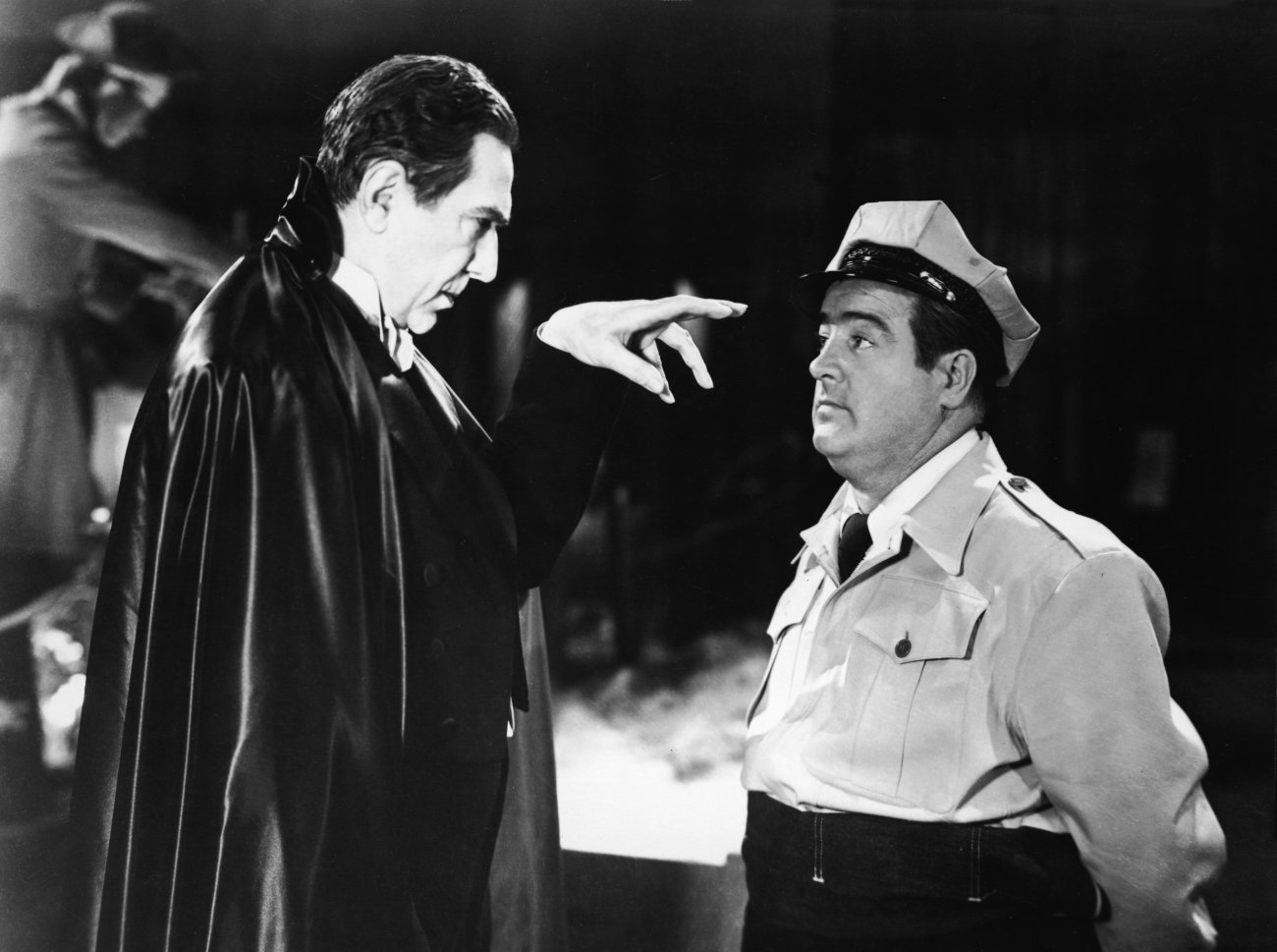
Abbott and Costello Meet Frankenstein (classic Universal horror, 1948, before 1970, U.S.)

Abbott and Costello Meet Frankenstein

Whether celebrated as a good-natured send-up of beloved horror icons or derided as a cheap set of gags rendering previously terrifying figures too goofy to take seriously, this was Abbott and Costello’s most profitable venture. It would hold up better as a “horror-comedy” if it were a bit scarier or funnier, but it has its moments.

Even without much familiarity with their other work, it’s obvious the comic duo at its center have honed their schtick to an effortless art, believably riffing off each other’s character in fitfully amusing ways. (Though Costello reportedly hated the script, at least initially.) Lon Chaney Jr., Bela Lugosi, and Glenn Strange all show up to reprise their roles as (respectively) Lawrence Talbot/The Wolfman, Dracula, and Frankenstein’s Monster.

Plopping these horror actors into a formulaic comedy never really seems to work, but everyone on screen is game to give it a go, and there are some laughs to be had. Scares? Not so much. This is a movie for kids, with a few meta-winks thrown in for the older fans. It’s so slight it doesn’t seem worth getting excited about, in its favor or against. A friend, who writes over at Swampflix, compared it to The Monster Squad, which seems exactly right.

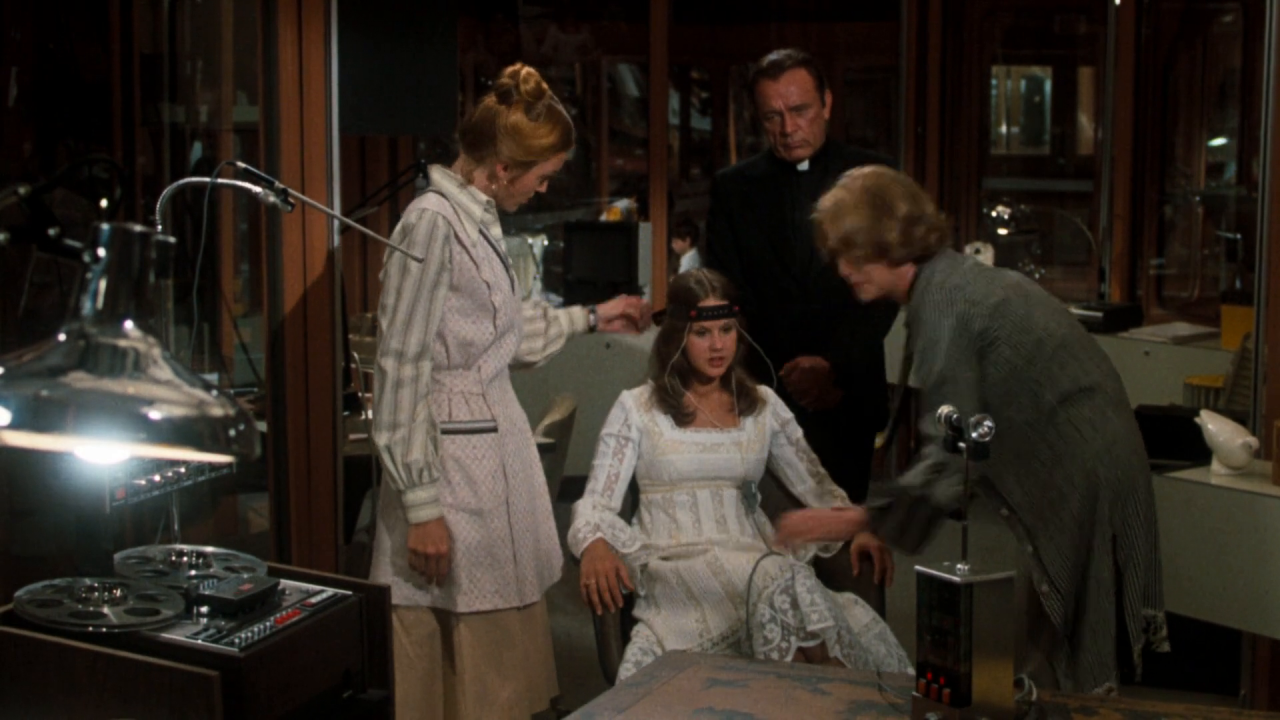
Exorcist II: The Heretic (franchise, 1977, U.S.)

The Exorcist II

Routinely described as one of the worst sequels of all time, John Boorman‘s 1977 follow-up to William Friedkin‘s horror sensation is … pretty bad, indeed.

Focusing on a teenage Linda Blair, her psychiatrist (played by Louise “Nurse Ratched” Fletcher), and the hammiest Richard Burton who ever hammed, Boorman’s film gets lost down a rabbit hole of hypnosis, repression, flashing lights, mind-melds, and an odd fixation on locusts that comes to its inevitable conclusion when James Earl Jones shows up, dressed as a man-bug. It’s that kind of movie.

The Catholic dread of the original is replaced by the more general, “otherworldly” spookiness of African shamanism and New Age charlatans. Blair delivers her lines in a weird, singsong cadence, often with a distant smile on her face; she seems to be under hypnosis — or possibly on really good acid — even at the very moments she ought to be frightened. It’s very strange.

In fairness, Boorman does shoot the Africa sequences well, probably because something is happening in the frame, which is often helpful to a filmmaker. Beyond that, it’s Burton declaiming, Blair smiling vacantly, Nurse Ratched dismissing the supernatural as silly while advocating for strobe-light hypnosis, and a man-bug. The Exorcist II is not the worst movie ever made, but it’s not the best.

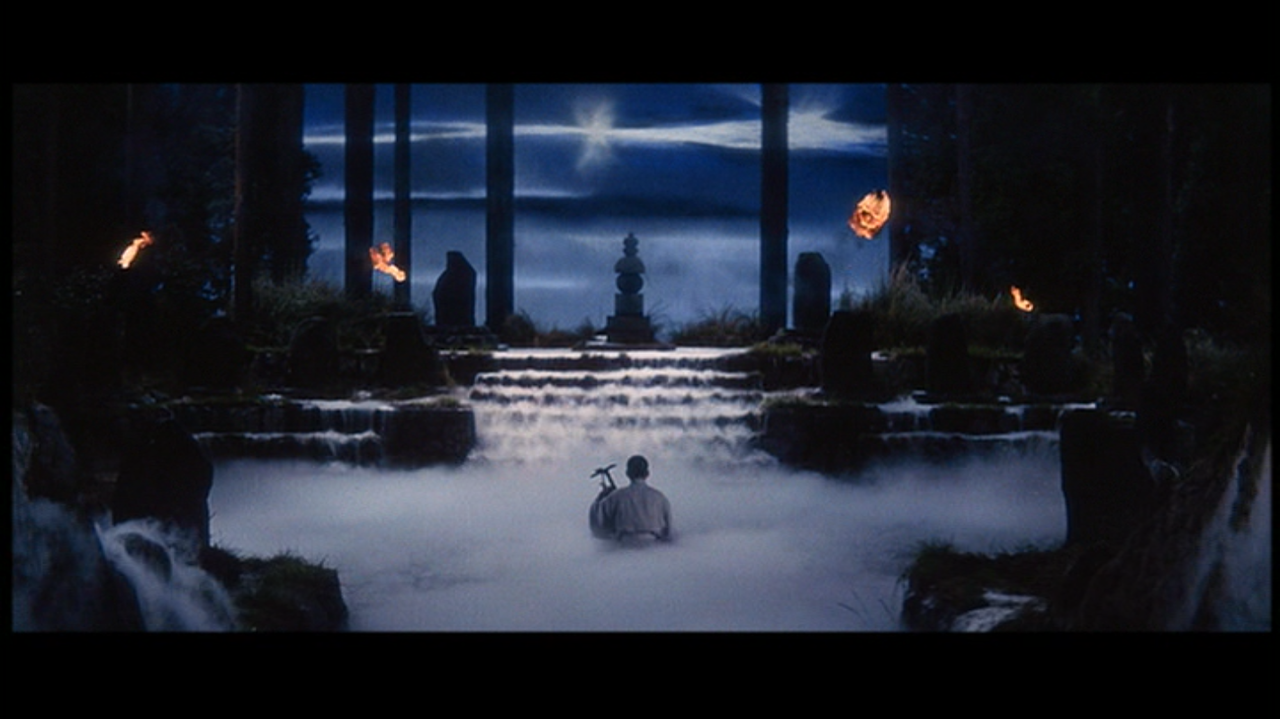
Kwaidan (1964, before 1970, Japan, witch/witchcraft)

Kwaidan

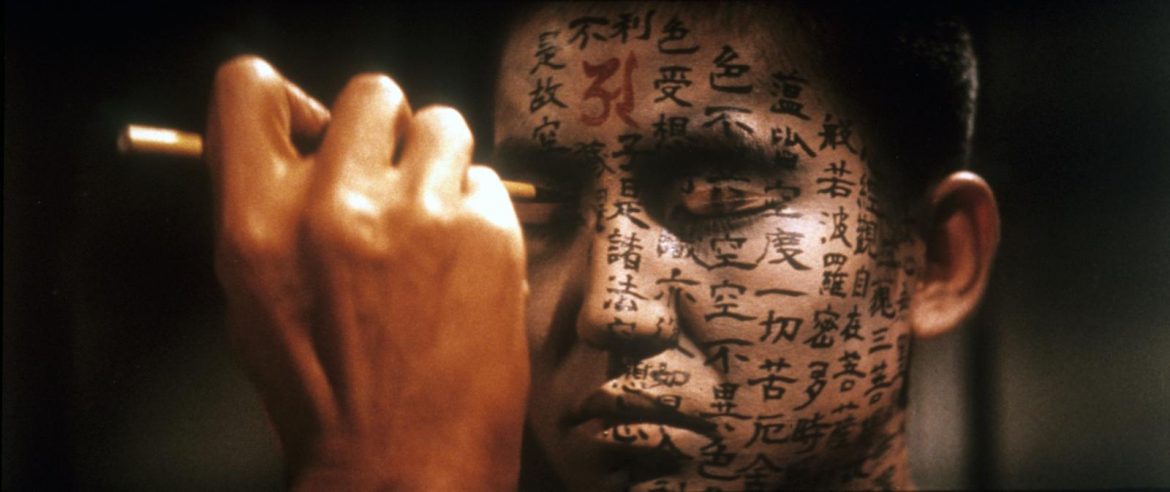
Masaki Kobayashi’s ravishing, four-story anthology won the Special Jury prize at the 1965 Cannes Film Festival, and has been on my to-watch list forever. Its celebration at Cannes is no real surprise: this is an art film trafficking in ghost story tropes, a point underscored by its fractured narratives and moments of silence.

I couldn’t agree more with Matthew Dessem’s typically astute analysis: focused more on the weird than the terrifying — and delivering two excellent tales, one near-miss, and one that simply doesn’t work in the end — Kwaidan is still never less than unsettling and visually gorgeous, while Tôru Takemitsu‘s score keeps the viewer intrigued and off balance.

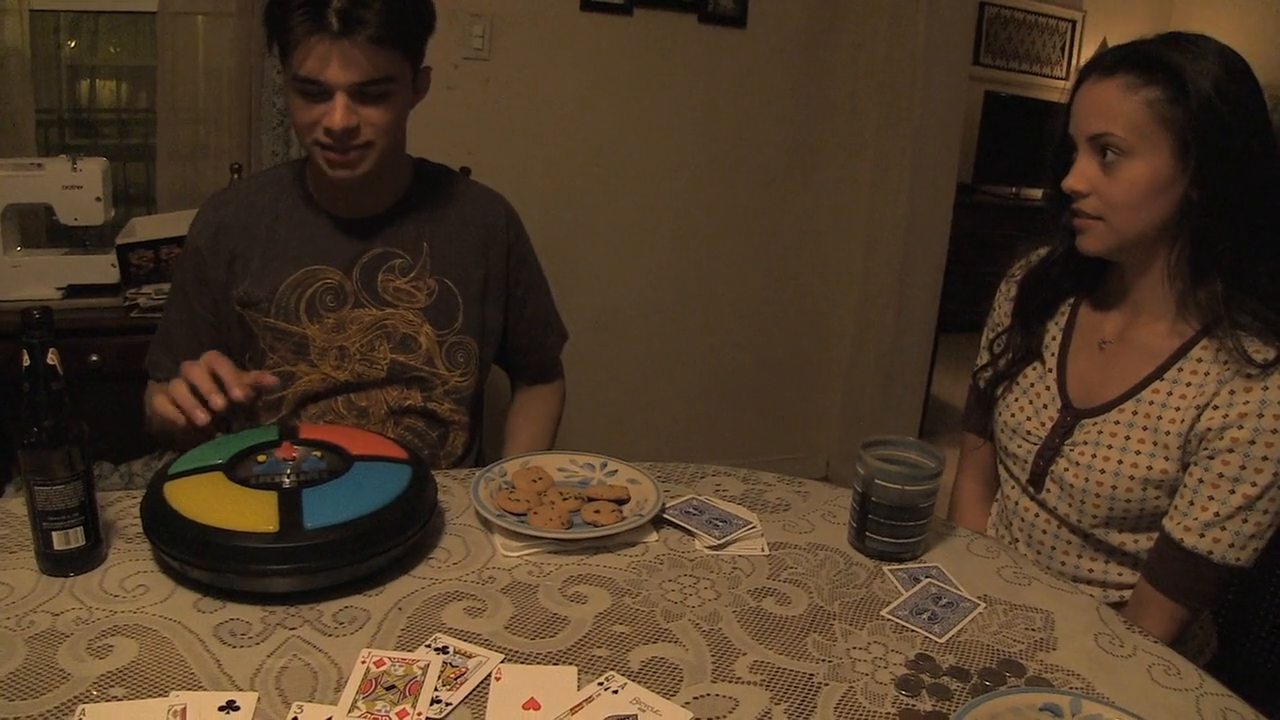
Paranormal Activity: The Marked Ones (franchise, 2013, U.S., witch/witchcraft)

Paranormal Activity The Marked Ones

After The Blair Witch Project briefly freaked everyone out in 1999 and its found-footage descendant Paranormal Activity became one of the most profitable movies in cinema history 8 years later, it’s been a rocky road for the found-footage conceit. Regularly declared dead by critics and fans alike, it’s shown a stubborn longevity, not least because the economics of making these movies are so appealing. The consequence, though, has been diminishing returns — the jump scares we’ve already seen, the increasingly glaring continuity errors, the lingering question of who did all the editing on this “found footage,” and the dashed-off, cash-grabbing scent many of the worst found-footage movies emit.

I hadn’t heard much in favor of The Marked Ones, except from contributor Liz Lerner, who I believe described it as “okay.” That seemed good enough for me, and you know what? The Marked Ones is better than ok! It’s actually, for 2/3 of its running time, pretty scary.

Set in a believable Oxnard, CA, with an almost exclusively Latino cast, The Marked Ones moves us away from the increasingly boring white suburbs of the earlier Paranormal Activity entries. In franchises, this usually signals a risky move, but it works here, reinvigorating the whole conceit. The central trio of teenagers are charming and recognizable, the invocation of both Catholic and animist anxieties feels real, and there is plenty of tension throughout the narrative. If the witchy payoff is a little silly, The Marked Ones still maintains a sense of heightened dread for most of its running time.

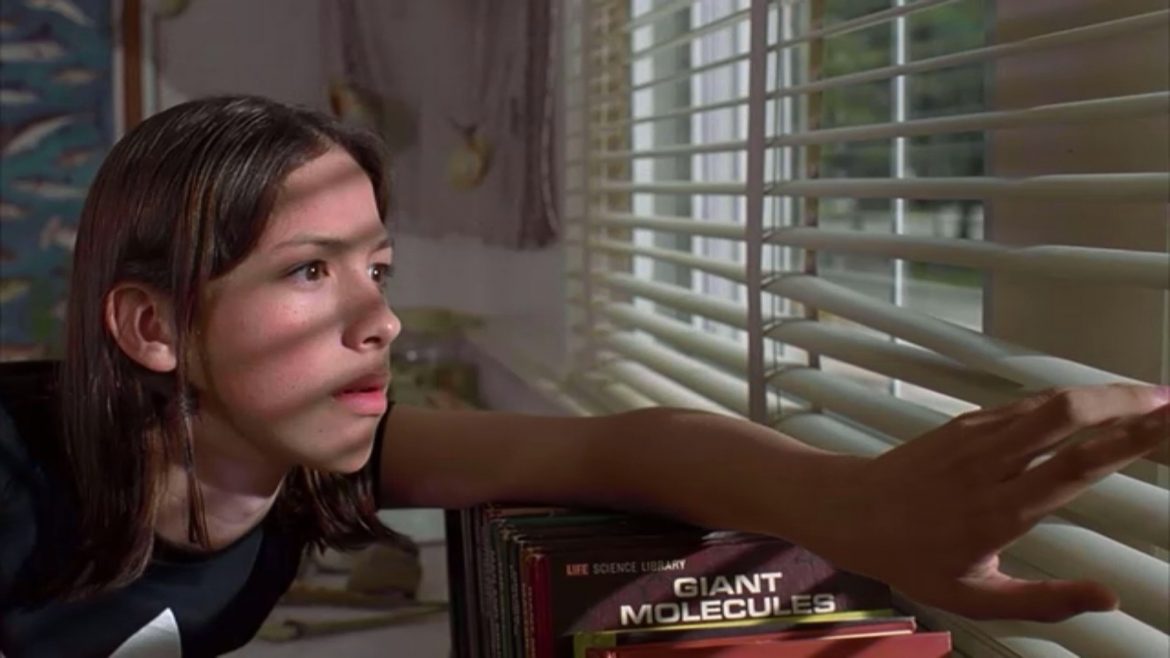
Inundated with goofball travesties as examples, we are increasingly forgetting just how much of an innovation the found-footage idea really was. The voyeurism and danger of the camera had been explored in horror for years, certainly since Hitchcock and Powell’s Peeping Tom (not to mention earlier, terrible iterations like Cannibal Holocaust).

But this is a particular kind of narrative that assumes the ubiquity of recording devices in our lives. From home videos to selfies to Snapchat, we mediate our world like shitty filmmakers, and found-footage is there to register this — the idea that, as we pan to the left, we might catch a glimpse of something horrifying that’s been staring right at us.

There are very bad, very illogical varieties of this out there. Paranormal Activity: The Marked Ones is better than most.

Wes Craven’s New Nightmare (franchise, 1994, U.S.)

Wes Craven's New Nightmare

Like The Marked Ones, Wes Craven’s New Nightmare also went out of its way to diverge from the entries that preceded it. Although in this case, it wasn’t by expanding the focus to new protagonists but by returning to earlier ones.

Two years before he cornered the market on meta-horror-comedy with Scream, Wes Craven closed the book on his iconic Freddy Krueger with New Nightmare. The entire narrative rests, somewhat shakily, on the idea that the antagonists of our dreams continue to live on while their stories are told, and so new stories must be told to put them to rest.

For Wes Craven’s New Nightmare, this means the creation of a film starring Heather Langenkamp (from the original and from Nightmare on Elm Street Part III: Dream Warriors) as herself, an actress grappling with the intrusion of the fictional murderer into her “real” life. Craven himself is on hand (and in the title) as the screenwriter pulling the strings, as are Robert Englund and John Saxon. Things get increasingly murky.

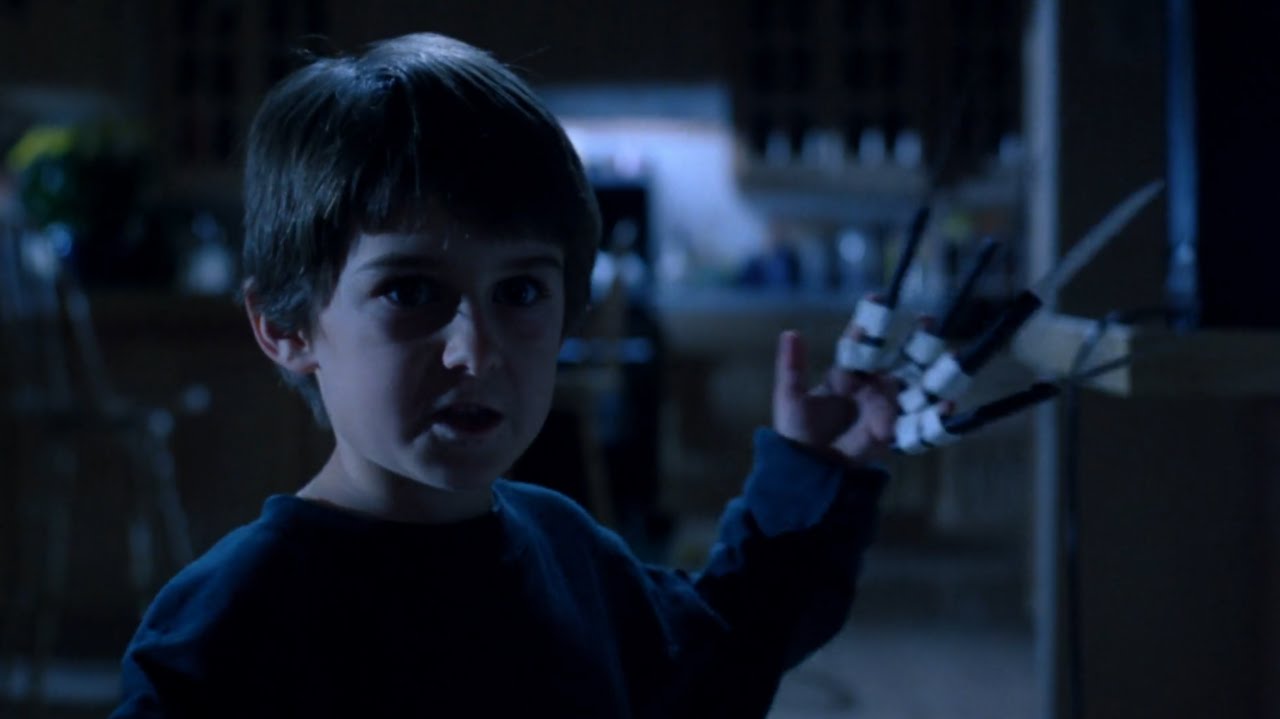
New Nightmare is a film of ideas, many of them smart. Though there are scares, it’s more a film concerned with the effect of horror, and not just on audiences (the usual didactic criticism). In a way, the film becomes Craven’s meditation on any creator’s relationship to the things she introduces into the world. In its early moments, we focus on the iconic spiked glove, and some of the men who are assembling it for a production. The sense of a Frankenstein’s monster that this conveys is no accident. What will happen when the horror we imagine becomes flesh?

That’s actually pretty scary. A lot scarier than Abbott and Costello, anyway.

October 5, 2016 0 comments
0 FacebookTwitterPinterestEmail
CommentaryFilm

The sad, weird pathos of Christopher Reeve’s Rear Window

by rick October 3, 2016
written by rick

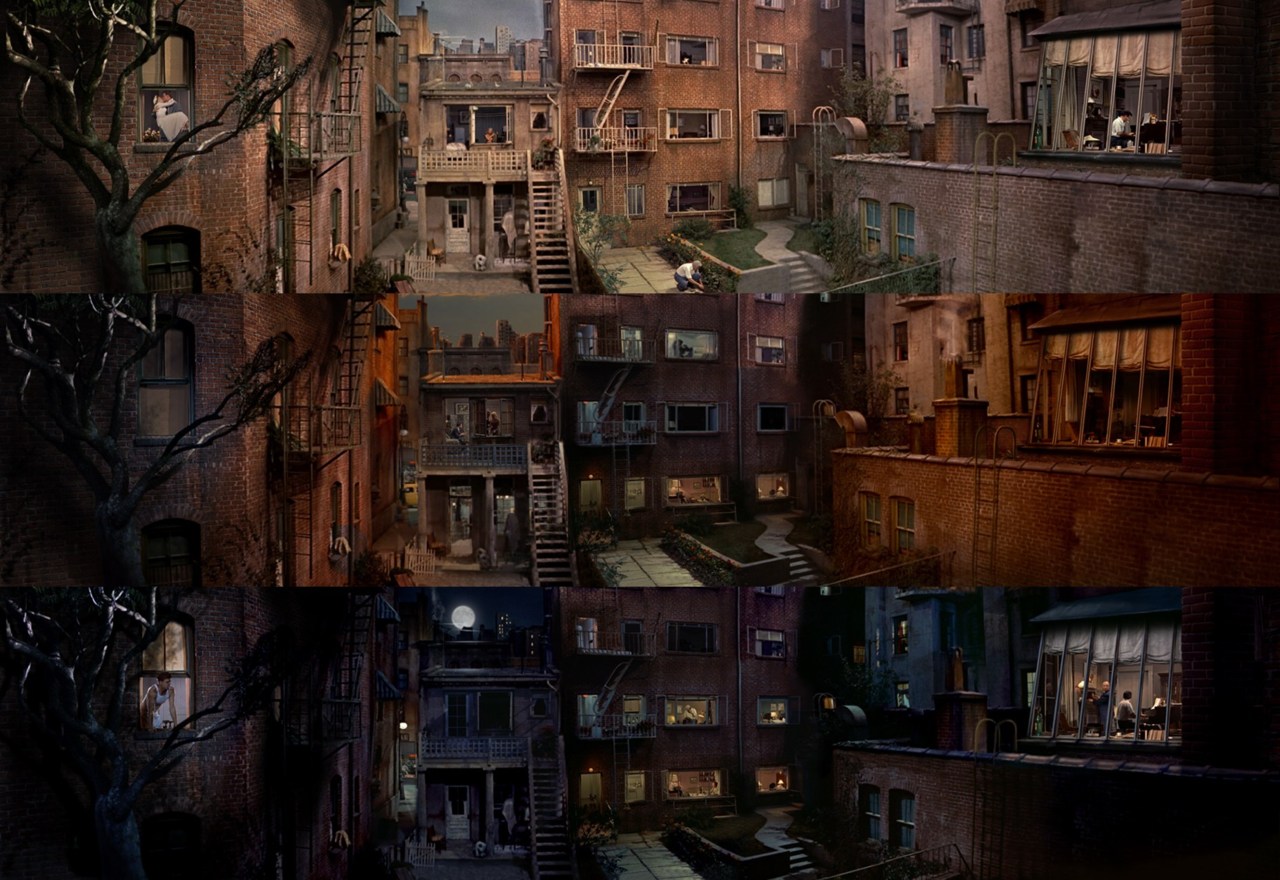
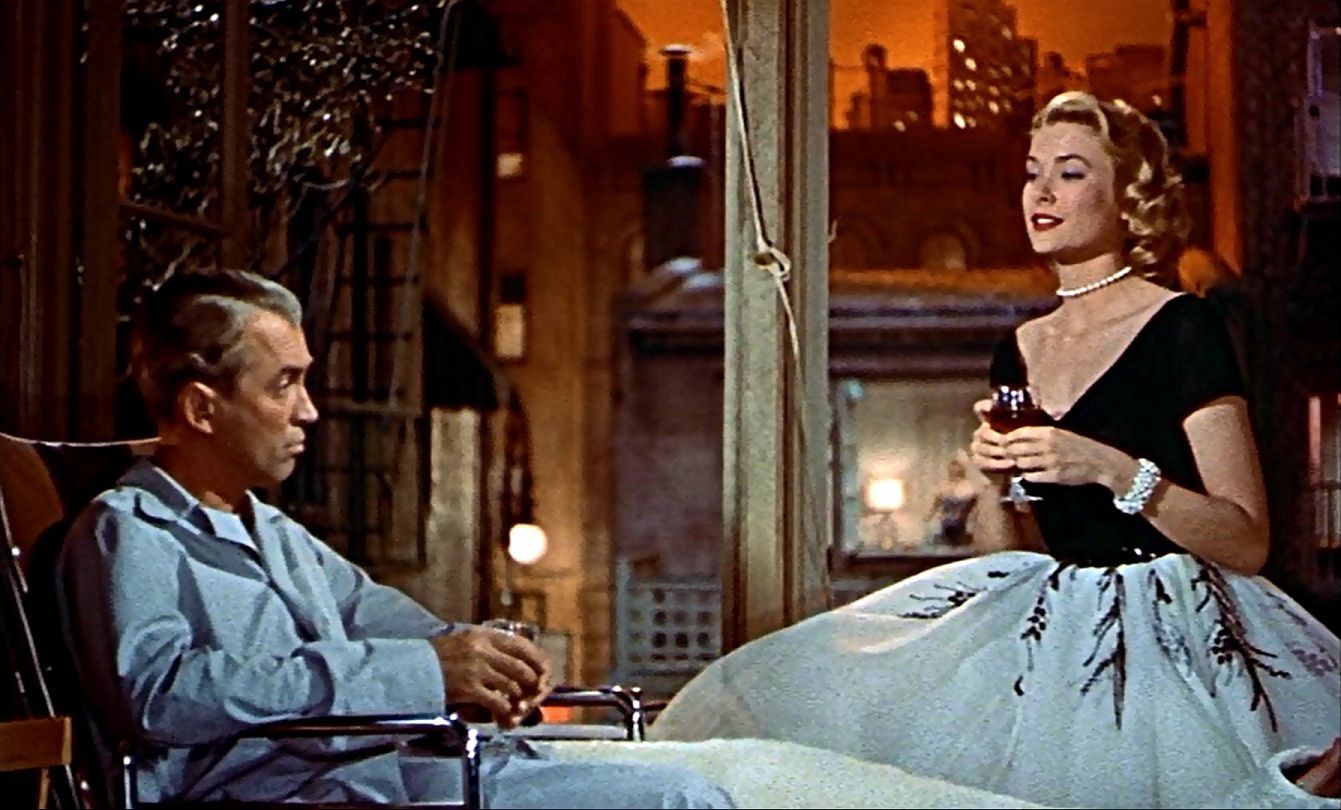
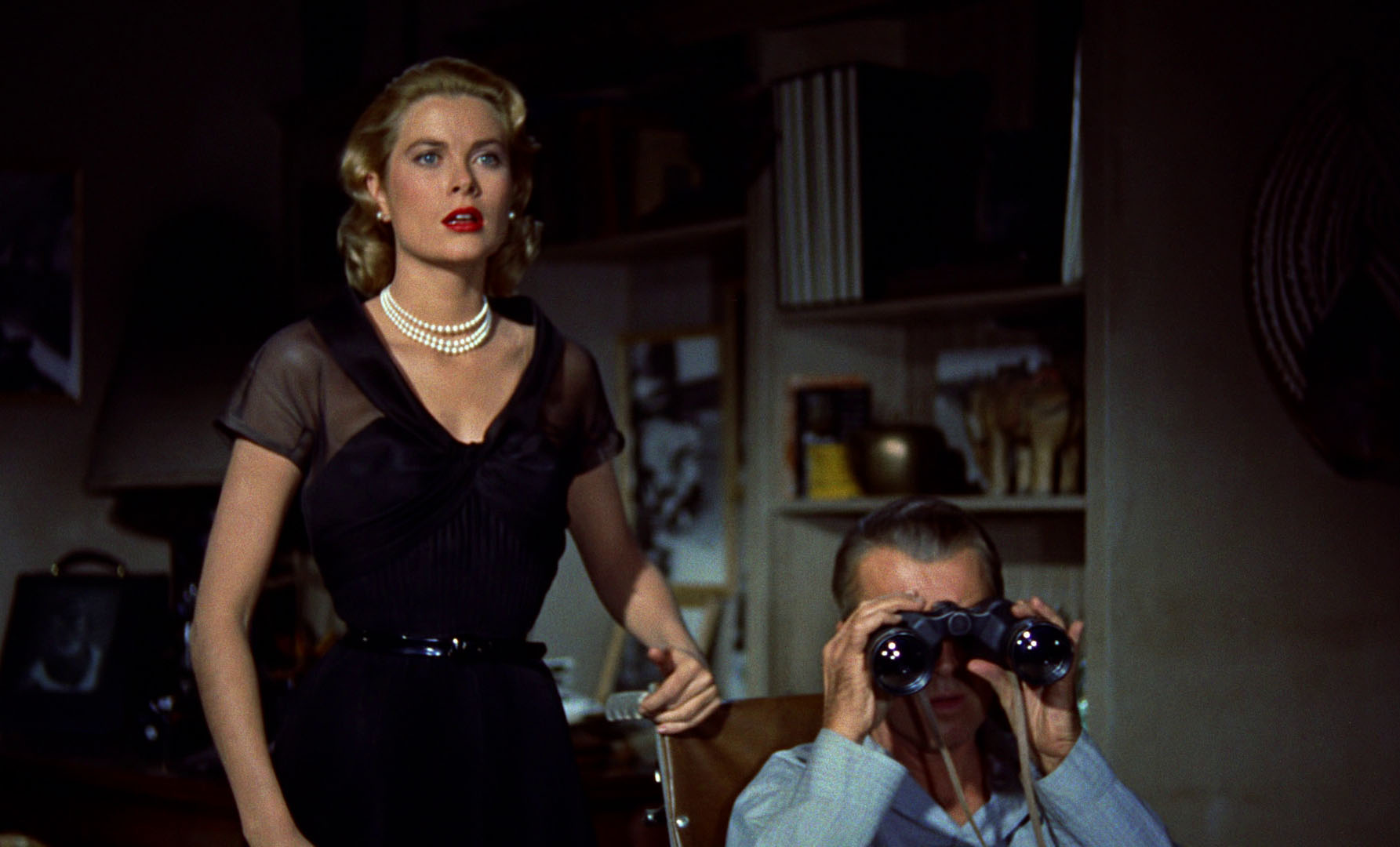
Alfred Hitchcock’s Rear Window is a true classic, beloved by cinephiles, critics, theorists, and casual moviegoers alike. Masterfully layered, featuring some of the best work its illustrious cast ever turned in, and providing analytical fodder for countless analyses of its themes and artistry, Rear Window unquestionably earns its place in the pantheon of masterpieces.

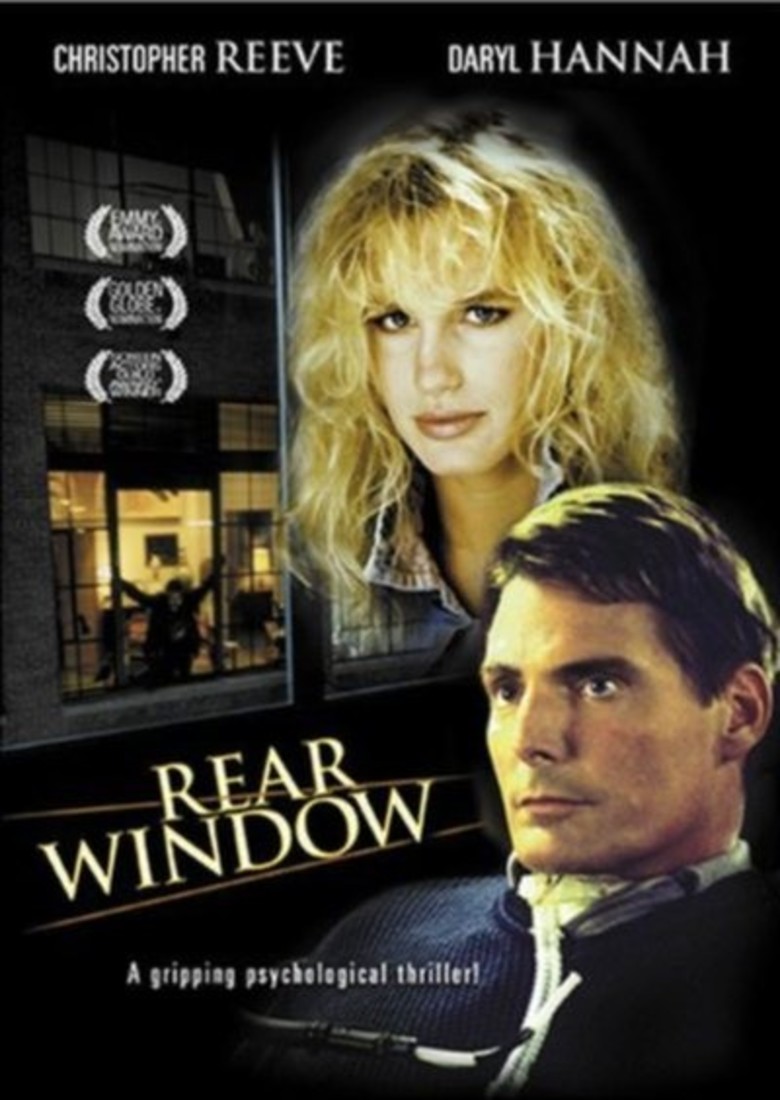
None of these things, I am sad to report, can fairly be said about 1998’s Rear Window, a made-for-TV adaptation I didn’t realize existed until Netflix thought I might like it. (Is this possibly related to a diminishing collection of streamable films on the service? In a word, yes.)

rear-window-7

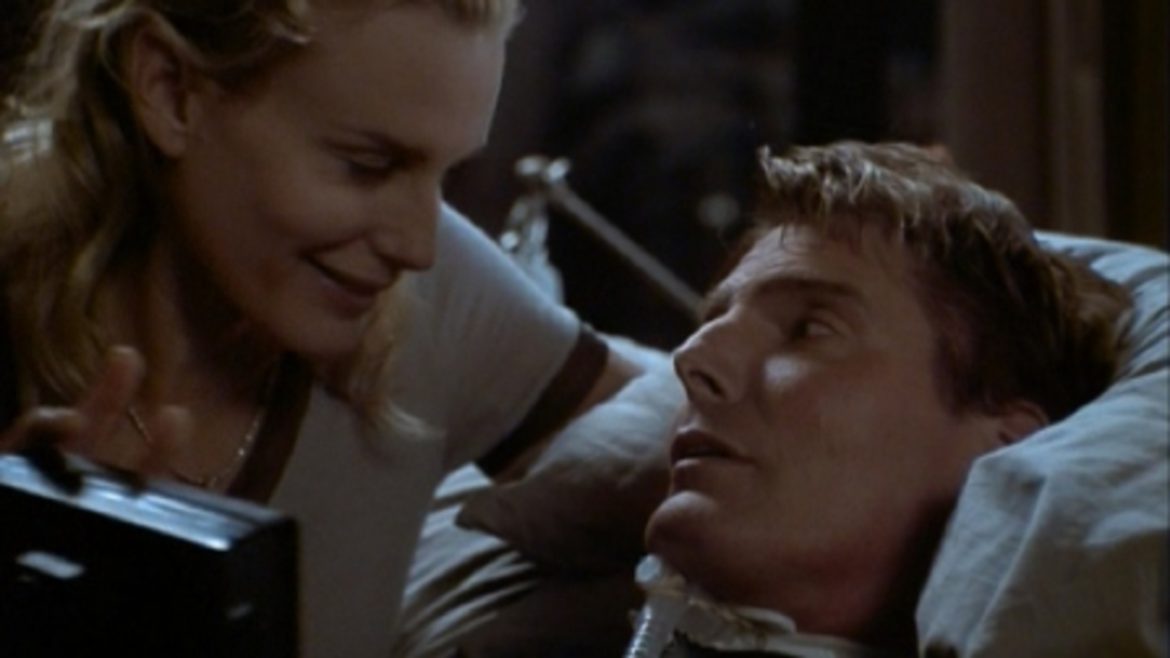
Starring Christopher Reeve in his first major appearance after a horrific accident resulted in his near-total paralysis, this weird, sad iteration of Hitchcock’s vision misses almost everything audiences enjoy about the original. It’s a truly uncanny sight to behold, and watching it carries more than a whiff of shame. The film does perform one useful service, however — it throws into stark relief the mastery of the original it so thoroughly bungles.

To be clear, I have not come to mock Christopher Reeve’s excruciatingly ill-advised decision. It’s impossible to really laugh at Rear Window ’98: that would be uncharitable at best and monstrous at worst. But you do have to wonder who thought this was a good idea, and allowed it to occur.

The Reeve adaptation hew fairly close to the original’s plot-beats — we are in an apartment with an immobile protagonist, there’s a possible murder across the way, there’s a blond love interest, and so forth — but it’s really after something else. Reeve and the writers use the familiar trappings of Hitchcockian suspense and voyeuristic kink to craft an issues drama instead. Adam-Troy Castro explains:

[B]y the time it was made, Reeve was quite rightly an advocate for spinal cord research, and for state-of-the-art medical treatments for people with spinal cord injury…and as such, acutely aware that this movie, by far his most substantial acting role after the accident, was the best place to advocate for his cause. So he made demands, and nobody involved with the production had the heart or the good sense to say no to him. So it begins with him in the hospital, features him declaring that he will walk again someday, and includes scenes of him undergoing arduous physical rehabilitation to triumphant music long before he even gets to the apartment where he will observe the murder across the way.

Rather than a razor-sharp script with clearly delineated characters interacting in service to the claustrophobic thriller at hand, we find ourselves in hospitals and rehabilitation wards. Noble, to be sure, but not exactly the stuff of suspense films. (There’s a reason Wait Until Dark isn’t primarily about the scientific race to fix Audrey Hepburn’s sight.)

rear-window-3

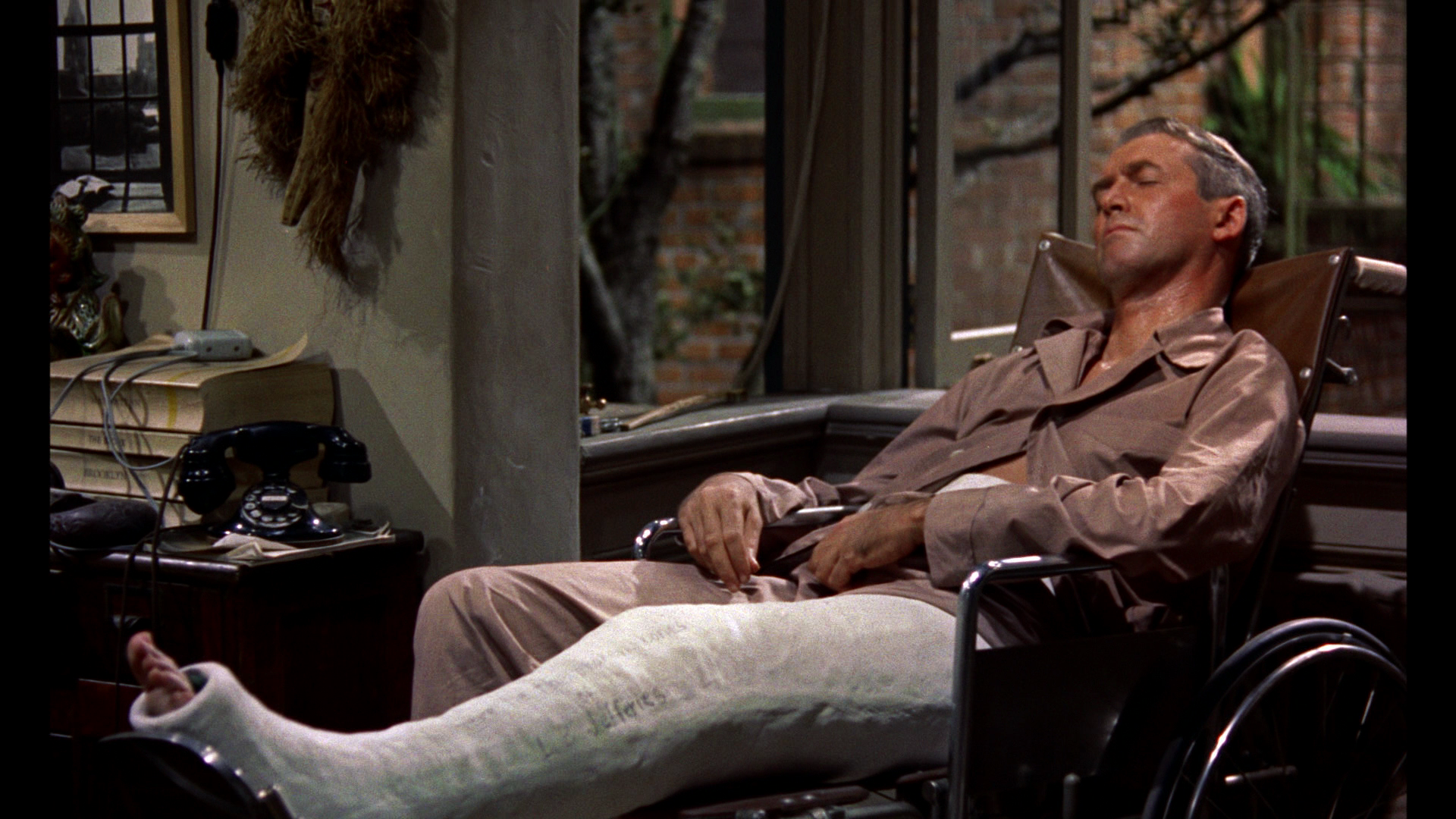
An original that prompted Laura Mulvey to ruminate on the depiction of the “male gaze”, Roger Ebert to consider the Kuleshov effect and the possibility that Jimmy Stewart’s cast represents his character’s impotence, any number of shot-by-shot analyses, and whatever this glorious madness is, Reeve and director Jeff Bleckner opt in their advocacy to focus on all the new technology available to quadriplegics. The story of what’s going outside the, um, rear window of the apartment is for all intents and purposes secondary.

rear-window-4

On top of this, basic changes chip away at the subtext and import of Hitchcock’s construction. Instead of one of the greatest indoor sets ever created, Reeve’s ultra-modern apartment robs the film of the intimacy that animates the original. It’s more High-Rise than Hitchcock. In the original, the heat wave and lack of A/C compels neighbors to engage more than they otherwise might; here, it is baffling why people don’t just pull down the shade.

The memorable figures of Miss Lonelyhearts, Miss Torso, the piano player, the older couple who sleep on the fire escape … all replaced with meaningless stand-ins. It becomes remarkably clear how, in Hitchcock’s vision, the tableau across the way represents a cross-section of different possibilities for Jimmy Stewart’s character and his future, a man-of-action grappling with immobility and a self-declared bachelor confronting commitment and/or performance issues with regard to impossibly angelic Grace Kelly (an unusual problem, to be sure, but fair enough in context). The 1998 version jettisons all of this; the filmmakers seem to have understood nothing at all about the why the neighbors are there.

rear-window

An all-purpose, and immediately nasty, villain takes over for Raymond Burr’s desperate, creepy husband, further eroding the original’s “did he or didn’t he?” tension. There’s never the smallest doubt that the guy’s a killer; perhaps because we spent so long dealing with the daily indignities of disability, there’s no time left to engender any dread. A kind of flatness and inevitability takes hold.

Even the voyeurism, that most Hitchcockian trope, is dead and buried, like a small dog who’d been sniffing around and getting a little too close. Famously, Stewart’s J.B. Jeffries is a renowned photographer — this couldn’t possibly be more important to the film. Reeve, on the other hand, is an architect, which couldn’t possibly be more meaningless, except insofar as it grants him some expertise to super-tech his apartment and hang out with colleague Darryl Hannah, who at all times looks like an actress doing her friend a favor.

rear-window-2

Finally, a few nice words. Despite the film’s programmatic insistence on uplift at the expense of story, Reeve is often very good. His schoolboy charm is communicated through that superhero smile, and so much of this comes from a place of pain that it’s impossible to avoid a real sense of empathy. Robert Forster is always a welcome presence, filling in the Wendell Corey role as a skeptical detective. The oversized absence of Thelma Ritter is deeply felt, but there are some touching scenes with Reeve and the crew that surrounds him, trying to help integrate him back into a world that has seemingly left him behind.

None of which, of course, has anything to do with the original the film purports to be “updating”. As a passion project and a testament to a pretty unbelievable work ethic on Reeve’s part, the 1998 Rear Window can be appreciated on its own terms, even if it is not very good. Unlike, say, Gus van Sant’s Psycho, this is not the sort of thing to dismiss as utterly inessential. It’s a curious failure, a well-intentioned series of missteps and ill-advised decisions married to the structure of a classic that didn’t need an update in the first place.

But it’s in those failures and missteps that it performs an admirable service: it makes you want to watch Hitchcock’s version again as soon as possible.

October 3, 2016 0 comments
1 FacebookTwitterPinterestEmail
FilmReviews

New on Netflix: Dazed and Confused

by rick September 30, 2016
written by rick

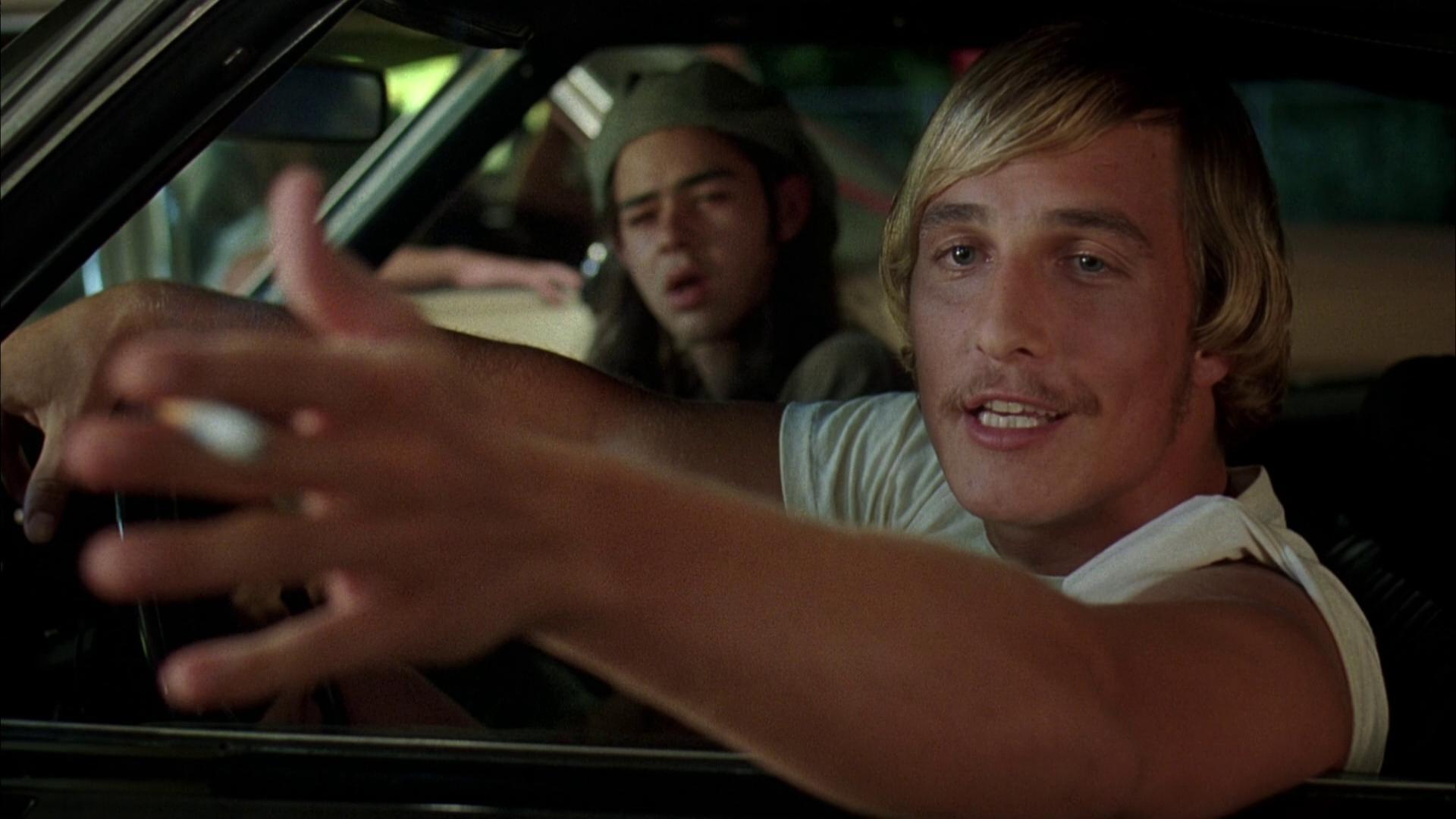
After the recent acclaim of Boyhood and the lovely triumph that is the Before Trilogy, it’s hard to imagine a modern American cinema without Richard Linklater. But when Dazed and Confused appeared on the screen in 1993, it came as a surprise, a fresh voice and a gentle, throwback approach to the “hangout movie” that resonated with fans of stoner comedies and wistful nostalgia alike. It’s a credit to Linklater’s assured yet offhand humanism that it still works today.

His previous film, 1991’s Slacker, introduced indie audiences to Linklater’s fixation on time passing, as the camera moves fluidly from person to person in chance encounters, giving us a weirdo’s insider tour of Austin, TX.  In the ensuing years, Linklater would film the Before series in discreet installments released nine years apart, as Ethan Hawke and Julie Delpy’s characters grew together and fans to debated their favorite entry. Boyhood emerged as a passion project shot annually with the same cast, the transitions purged of time-markers, seeking nothing less than the chronicle of a family over the years.

Dazed and Confused takes place over a single day and night, the last day of high school, May 28, 1976. The soundtrack — Aerosmith, Foghat, Ted Nugent, Black Sabbath — sets the tone, as kids make bongs in shop class, seniors haze incoming freshman in a sad and stupid tradition, teenagers dream of life outside this time and place, and everyone gears up for an epic party.

dazed-and-confused-2

Linklater’s nostalgia affects everything, though. Even the most fun scenes in Dazed and Confused seem shot through with the notion that something is coming to an end, and that no one really has any idea where they’re headed. Movies like this usually result in a catharsis of some kind, a resolution and lesson learned, but not here, really. Instead, we get a snapshot of different people on different trajectories. Some are holding on to things they don’t seem to realize they’ve long since lost, while others fumble towards things they can’t be sure of, or don’t even particularly understand.

In short, in its best moments, Dazed and Confused feels a lot like high school.

Quick Links

middle-of-nowhere

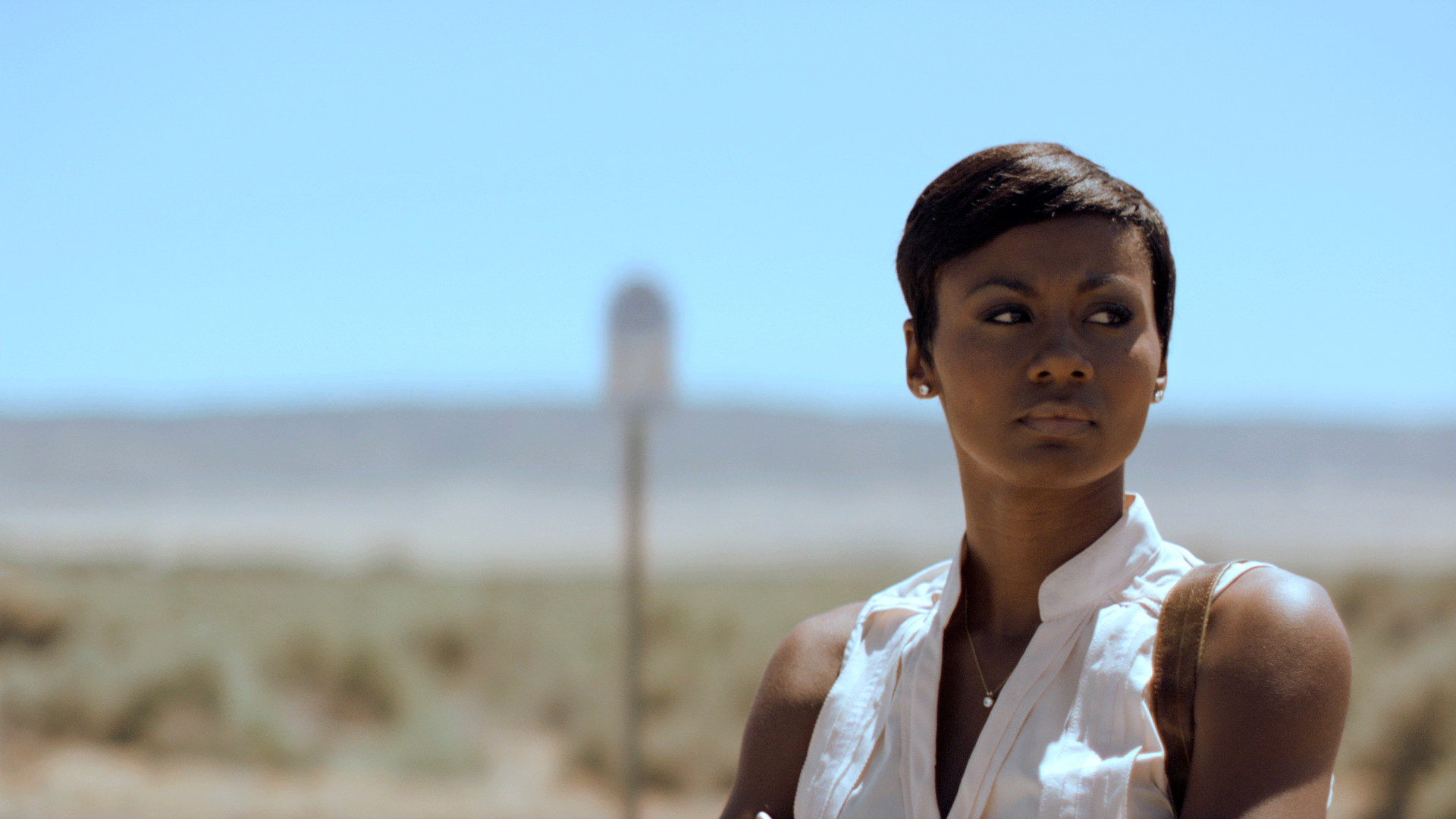
Middle of Nowhere: Ava Duvernay‘s second feature is an aching melodrama and character study, rooted in the human consequences of mass incarceration. We follow Ruby (Emayatzy Corinealdi), an RN with a husband (Omari Hardwick) serving time in Victorville on gun charges, as she tries to balance all the demands and pressures of her life, including a domineering mom who clearly hope better for her kids and an attraction to the interested bus driver (David Oyelowo) on one of her routes.

Gorgeously shot and lit in frequent chiaroscuro by cinematographer Bradford Young (Ain’t Them Bodies Saints, A Most Violent Year, and Duvernay’s own Selma), Middle of Nowhere can be slower at points than it needs to be, but there’s something deeply felt and moving in the film’s affection for its characters, their desires, frustrations, and the specificity of their lives. Duvernay also gets extra points for doubling down on the melodrama, sending two of her primary characters to see Ali: Fear Eats The Soul at the cinema. This is an earnest, honest, and heartbreaking film.

new-nightmare

Wes Craven’s New Nightmare: Before he unleashed the cheekily meta-goofballery of Scream, Wes Craven was killing his iconic Freddy Krueger off in a distinctly postmodern fashion. New Nightmare reunites Heather Langenkamp and Robert Englund, the stars of the original and A Nightmare on Elm Street Part 3: Dream Warriors, except this time they are playing themselves. In the years since, the notoriety of the films, the insanity of fandom, and their own fixations have allowed the fictional evil to gain new life in their lives. Contrary to the title of the previous installment, Freddy is not dead, and the only way to get rid of him for good is to make another movie. Craven even plays himself, a screenwriter waiting for the ending of the movie we’re watching to resolve itself.

Sure, it’s the kind of idea many a stoned horror fan has probably pitched to a friend on a couch, but in Craven’s hands, New Nightmare becomes a meditation on horror, storytelling, and the effect on those who make it. Also, Freddy tries to strangle someone with his tongue, so that’s cool.

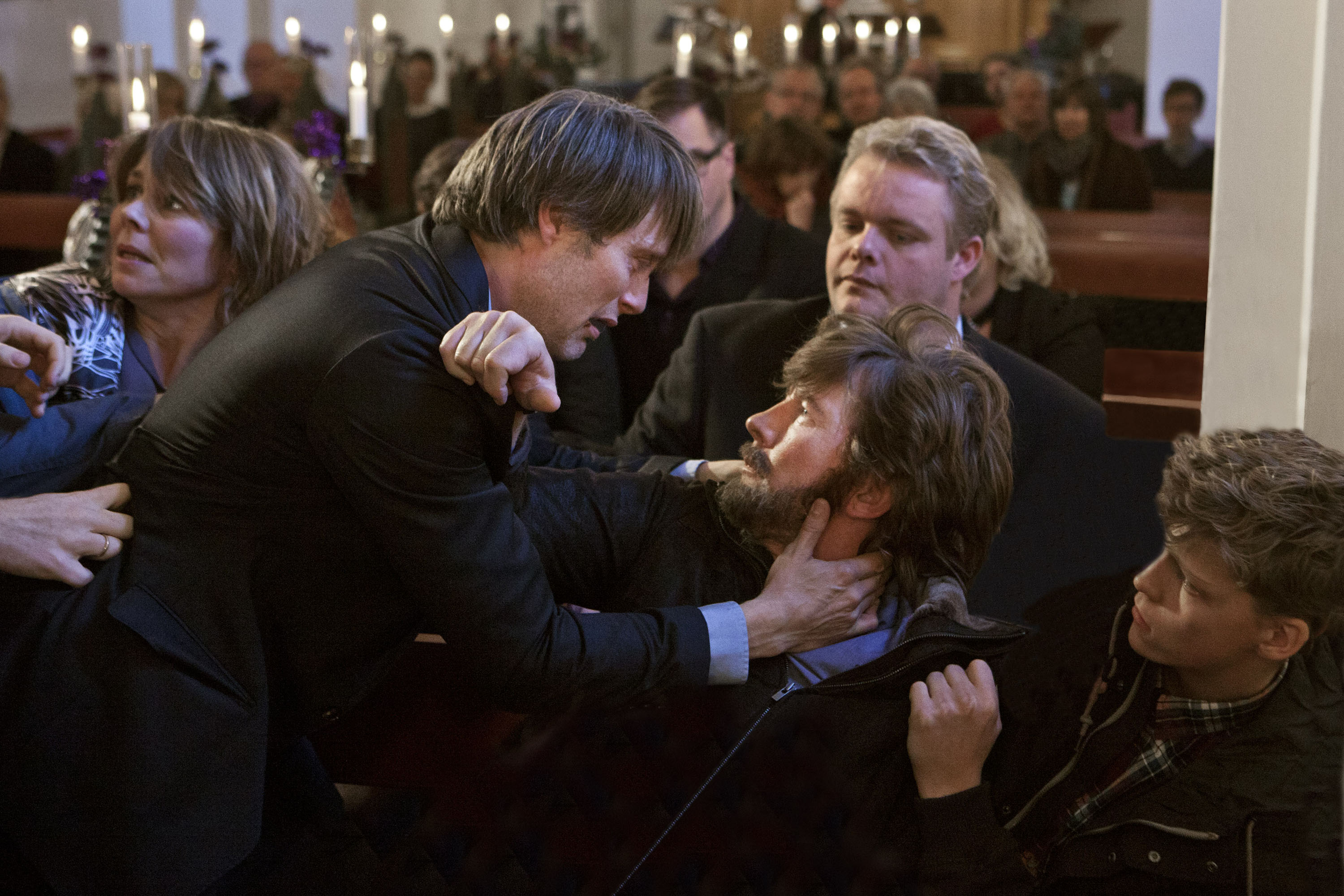
the-hunt

The Hunt: Mads Mikkelson stars in Thomas Vinterberg’s unsettling drama about a grieving man unjustly accused of a horrific crime. Vinterberg keeps everything taut and appropriately tense, as snow-covered small-town prejudices and whims coalesce, Crucible-like, all around him. Like Lars von Trier in Dogville, Haneke in The White Ribbon, or any number of filmmakers focused on the dissolution of community through malevolent gossip or desire, Vinterberg draws things out to their logical extremes, and Mikkelson carries the whole thing on his shoulders, embodying his character’s conflicted impulses toward guilt, rage, and an insistence on being treated with dignity.

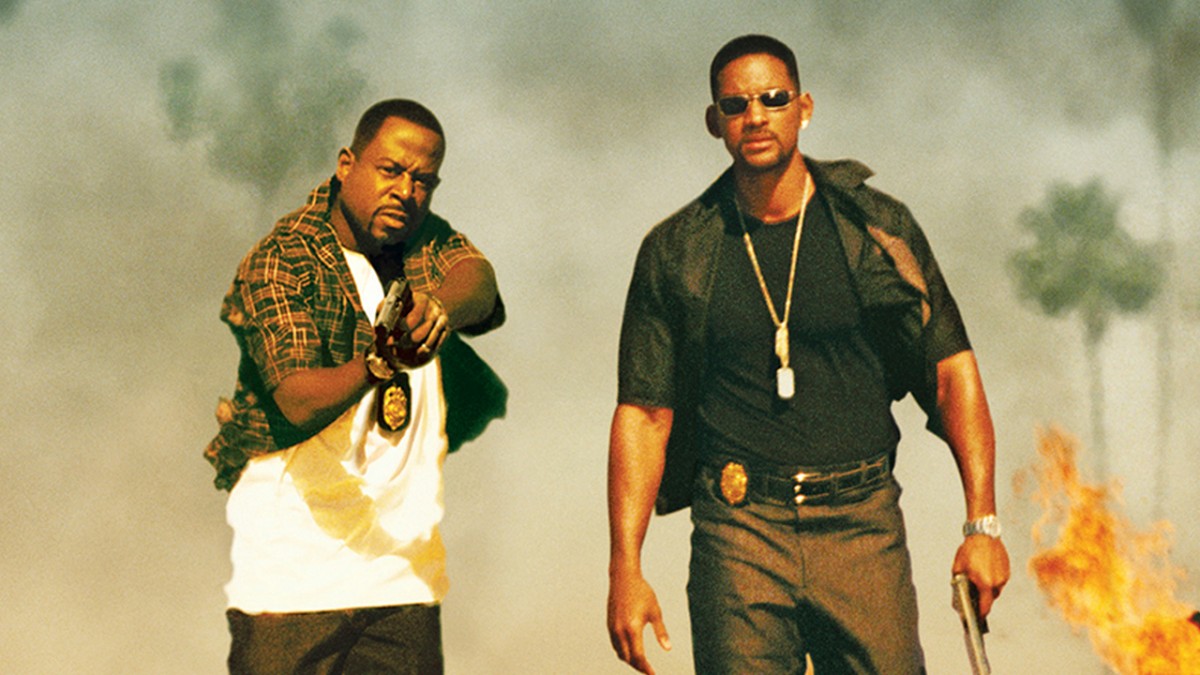
bad-boys-ii

Bad Boys II: Ahem.

Now’s the time!

September 30, 2016 0 comments
0 FacebookTwitterPinterestEmail
Newer Posts
Older Posts

About

About

Towards a provisional theory of the cinema, or, failing that, just some shit about movies

Authors
Rick Kelley
Lark Lundberg

Keep in touch

Facebook Twitter

Categories

  • Conversation
  • Film
  • Film By Film
  • Great Movie Project
  • Great Movies: The Counter Programming
  • Guest
  • News
  • Other
    • Commentary
    • Film
    • Interview
    • Reviews
    • Song for a Sunday
  • Streaming Selections
  • TV
  • Uncategorized
  • Vegan Horror

Archives

  • April 2019
  • March 2019
  • January 2019
  • December 2018
  • November 2018
  • October 2018
  • September 2018
  • August 2018
  • July 2018
  • June 2018
  • May 2018
  • April 2018
  • March 2018
  • February 2018
  • January 2018
  • December 2017
  • November 2017
  • October 2017
  • September 2017
  • August 2017
  • July 2017
  • June 2017
  • May 2017
  • April 2017
  • March 2017
  • February 2017
  • January 2017
  • December 2016
  • November 2016
  • October 2016
  • September 2016
  • August 2016
  • July 2016
  • June 2016
  • May 2016
  • April 2016
  • March 2016
  • February 2016
  • January 2016
  • December 2015
  • October 2015
  • September 2015
  • August 2015
  • July 2015
  • June 2015
  • May 2015
  • April 2015
  • March 2015
  • February 2015
  • January 2015
  • December 2014
  • November 2014
  • October 2014
  • August 2009
  • September 2008

Recent Posts

  • China Girls, Death Proof, and the Hidden Face
  • Old News: Old Noise Edition
  • Old News: April 1, 2019
  • Nicolas Winding Refn, Marginalia, and the Deaths of Cinema
  • And now, let us praise Kanopy

Recent Comments

  • Franklin Kat on Michael Shannon shines again in Frank & Lola
  • Sean Tempesta on Cinema and dream-logic in Meshes of the Afternoon
  • ludditerobot on The Left-Wing Slapstick and Iconic Songs of 1937’s Street Angel
  • Franklin Kat on The Left-Wing Slapstick and Iconic Songs of 1937’s Street Angel
  • Arijit Mukherjee on Great Movies Project: The Counter-Programming
  • Facebook
  • Twitter

@2021 - All Right Reserved. Designed and Developed by PenciDesign


Back To Top
Luddite Robot
  • Reviews
  • Commentary
  • Great Movie Project
    • Great Movie Project
      Bride of Frankenstein is a movie for and…

      January 25, 2018

      Great Movie Project
      The Enduring Appeal of Nick and Nora in…

      November 29, 2017

      Great Movie Project
      The Ahistorical Fever Dream of The Scarlet Empress

      August 2, 2017

      Great Movie Project
      Dreams, Mundanity, and the Anarchist Yearnings of L’Atalante

      July 12, 2017

      Great Movie Project
      Duck Soup Is And Will Always Be A…

      April 19, 2017

  • Counter Programming
    • Great Movies: The Counter Programming
      Walking and Talking in the Shadow of Kanchenjungha

      March 7, 2018

      Great Movies: The Counter Programming
      A Brief Encounter in My Mother and Her…

      February 9, 2018

      Great Movies: The Counter Programming
      Horror’s Refusal in Farrokhzad’s The House Is Black

      October 13, 2017

      Great Movies: The Counter Programming
      The rage and beauty of The Cloud-Capped Star

      October 3, 2017

      Great Movies: The Counter Programming
      The daylight noir and social issue empathy of…

      June 22, 2017

  • Vegan Horror
    • Vegan Horror
      Julia Ducournau doesn’t think her film Raw is…

      June 7, 2017

      Vegan Horror
      Licking our wounds: The vampiric masculinity of Ravenous

      December 13, 2016

      Vegan Horror
      Eggertsson and animals: An approach to horror cinema

      September 15, 2016

      Vegan Horror
      “It’s Not My Nature” – Vegetarianism, Body Horror,…

      August 30, 2016

      Vegan Horror
      Bodies and Carcasses in Predator 2

      August 23, 2016

  • Interview
    • Interview
      Jasmine Leyva’s doc The Invisible Vegan aims to…

      May 3, 2017

      Interview
      Bridging The Abyss: An Interview With The Directors…

      November 28, 2016

      Interview
      7 Days in Ohio: An Interview with Nathan…

      September 12, 2016

      Interview
      Film Critic Phil Dy talks New Filipino Cinema

      June 17, 2016

      Interview
      “I Love Seeing Film Projected.” A Conversation with…

      March 22, 2016