Top Posts
Madeline’s Madeline: An Unclassifiable Panic Attack Maybe-Masterpiece
Shoplifters Steals Moments of Wonder from the Mundane
Burning and Forgetting What’s Not There
Kusama: Infinity Expands Beyond The Canvas
Mandy Risks Little, Wins Little
In We The Animals, The Children Are Away...
The Seagull Isn’t Quite Chekhov, But It’s Still...
5 Million Ways Boots Riley Isn’t Sorry To...
American Animals’ and the Queasiness of the Heist
A Star Is Born In Hearts Beat Loud
  • Reviews
  • Commentary
  • Great Movie Project
    • Great Movie Project
      Bride of Frankenstein is a movie for and…

      January 25, 2018

      Great Movie Project
      The Enduring Appeal of Nick and Nora in…

      November 29, 2017

      Great Movie Project
      The Ahistorical Fever Dream of The Scarlet Empress

      August 2, 2017

      Great Movie Project
      Dreams, Mundanity, and the Anarchist Yearnings of L’Atalante

      July 12, 2017

      Great Movie Project
      Duck Soup Is And Will Always Be A…

      April 19, 2017

  • Counter Programming
    • Great Movies: The Counter Programming
      Walking and Talking in the Shadow of Kanchenjungha

      March 7, 2018

      Great Movies: The Counter Programming
      A Brief Encounter in My Mother and Her…

      February 9, 2018

      Great Movies: The Counter Programming
      Horror’s Refusal in Farrokhzad’s The House Is Black

      October 13, 2017

      Great Movies: The Counter Programming
      The rage and beauty of The Cloud-Capped Star

      October 3, 2017

      Great Movies: The Counter Programming
      The daylight noir and social issue empathy of…

      June 22, 2017

  • Vegan Horror
    • Vegan Horror
      Julia Ducournau doesn’t think her film Raw is…

      June 7, 2017

      Vegan Horror
      Licking our wounds: The vampiric masculinity of Ravenous

      December 13, 2016

      Vegan Horror
      Eggertsson and animals: An approach to horror cinema

      September 15, 2016

      Vegan Horror
      “It’s Not My Nature” – Vegetarianism, Body Horror,…

      August 30, 2016

      Vegan Horror
      Bodies and Carcasses in Predator 2

      August 23, 2016

  • Interview
    • Interview
      Jasmine Leyva’s doc The Invisible Vegan aims to…

      May 3, 2017

      Interview
      Bridging The Abyss: An Interview With The Directors…

      November 28, 2016

      Interview
      7 Days in Ohio: An Interview with Nathan…

      September 12, 2016

      Interview
      Film Critic Phil Dy talks New Filipino Cinema

      June 17, 2016

      Interview
      “I Love Seeing Film Projected.” A Conversation with…

      March 22, 2016

Luddite Robot
Film critique, theory, and assorted nonsense.
CommentaryFilm

China Girls, Death Proof, and the Hidden Face

April 14, 2019

Old News: Old Noise Edition

April 8, 2019

Old News: April 1, 2019

Nicolas Winding Refn, Marginalia, and the Deaths of Cinema

CommentaryFilm

And now, let us praise Kanopy

January 24, 2019

Warren Sonbert and the Relief of Anti-Narrative

January 14, 2019

The World Is Ending and It Doesn’t Matter

The Best Films of 2018

FilmReviews

Madeline’s Madeline: An Unclassifiable Panic Attack Maybe-Masterpiece

December 21, 2018

Shoplifters Steals Moments of Wonder from the Mundane

December 11, 2018

Burning and Forgetting What’s Not There

Alien, Musicology, and Reading Soundtracks

CommentaryFilm

Shocktober III: Halloween 2018 Edition

October 24, 2018

Shirley Jackson’s The Lottery Traumatized Schoolkids in 16 mm

October 18, 2018

Shocktober 2018 II: Another Reshockening (of Horror)

Häxan is a movie made by a movie character

CommentaryFilm

Shocktober 2018

October 7, 2018

Unprofessional! Spring Night, Summer Night

October 3, 2018

The Wild Boys: A Luddite Robot Conversation

Kusama: Infinity Expands Beyond The Canvas

Vegan Horror

Bodies and Carcasses in Predator 2

by rick August 23, 2016
written by rick

When I stopped by to chat with the good folks at We Love To Watch about the madness and overstuffed spectacle that is Predator 2, I briefly alluded to its animal rights themes, but assured the gracious hosts I wouldn’t burden them with that analysis on the show.

However, I feel no such compunction here, so prepare to be burdened.

Unlike the previous entries in this fledgling series, The Herd and The Texas Chainsaw Massacre, those themes are less visible and play a smaller role in the subtextual space of the film. But they are absolutely present. While The Herd positions itself explicitly as a metaphor about captivity and the horror of instrumental use, and while Tobe Hooper once summed up Texas Chainsaw by plainly stating, “It’s a film about meat,” Predator 2 (and, to a lesser degree, its predecessor) is more oblique in its treatments.
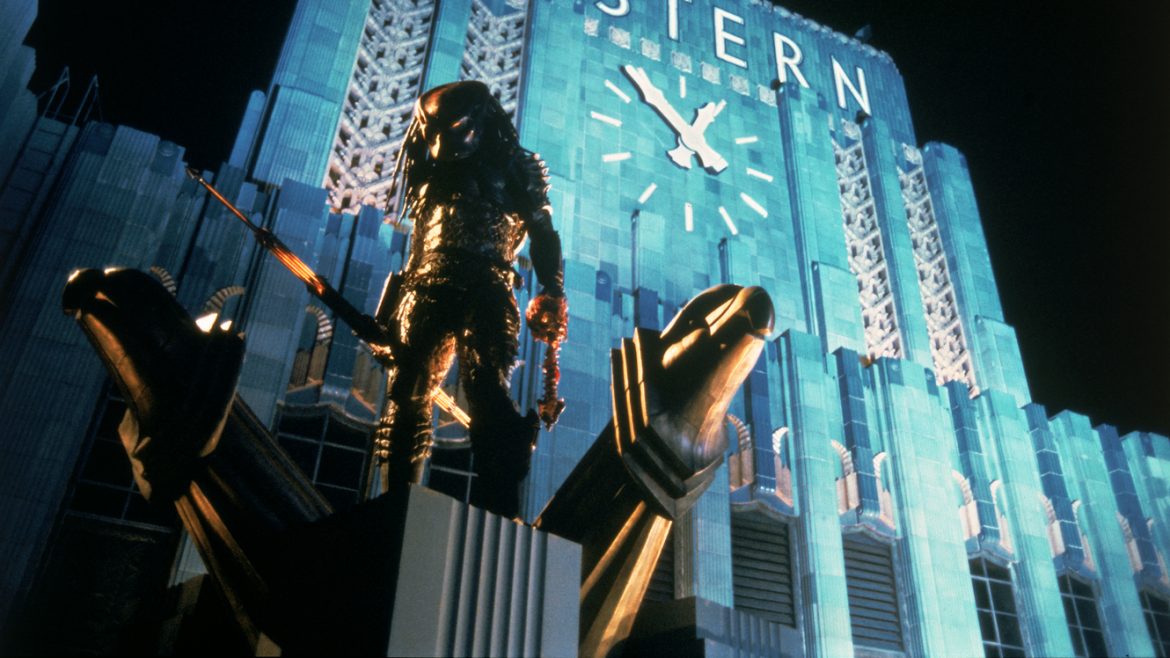
predator 2-1

The Predator series is rooted in the age-old notion of the hunter becoming the hunted. This isn’t sufficient to claim it as “an animal rights film”, but the inversion of these roles does hint at the possibility of that reading. In any case, I’m less interested in whether any given film is “an animal rights film”, but rather whether it’s plausible to see the emergence of those ideas in its narrative and frame, which give space to buried anxieties and returns of the repressed.

In the first Predator, a team of commandos, led by former California Governor Arnold Schwarzenegger, travel to the remote jungle to pick off some bad guys, but find themselves picked off one by one by a mysterious, apparently invisible hunter. We are repeatedly told the commandos are “the best of the best”; they are essentially hunters of men, and their entourage comes complete with an indigenous guide, as though they are on safari. The machismo and offhand misogyny of their interactions evokes the kind of callous bravado associated with hunters at their worst, flexing their muscles and glorying in the kills that give them meaning (as well as the subjugation of a kidnapped woman).
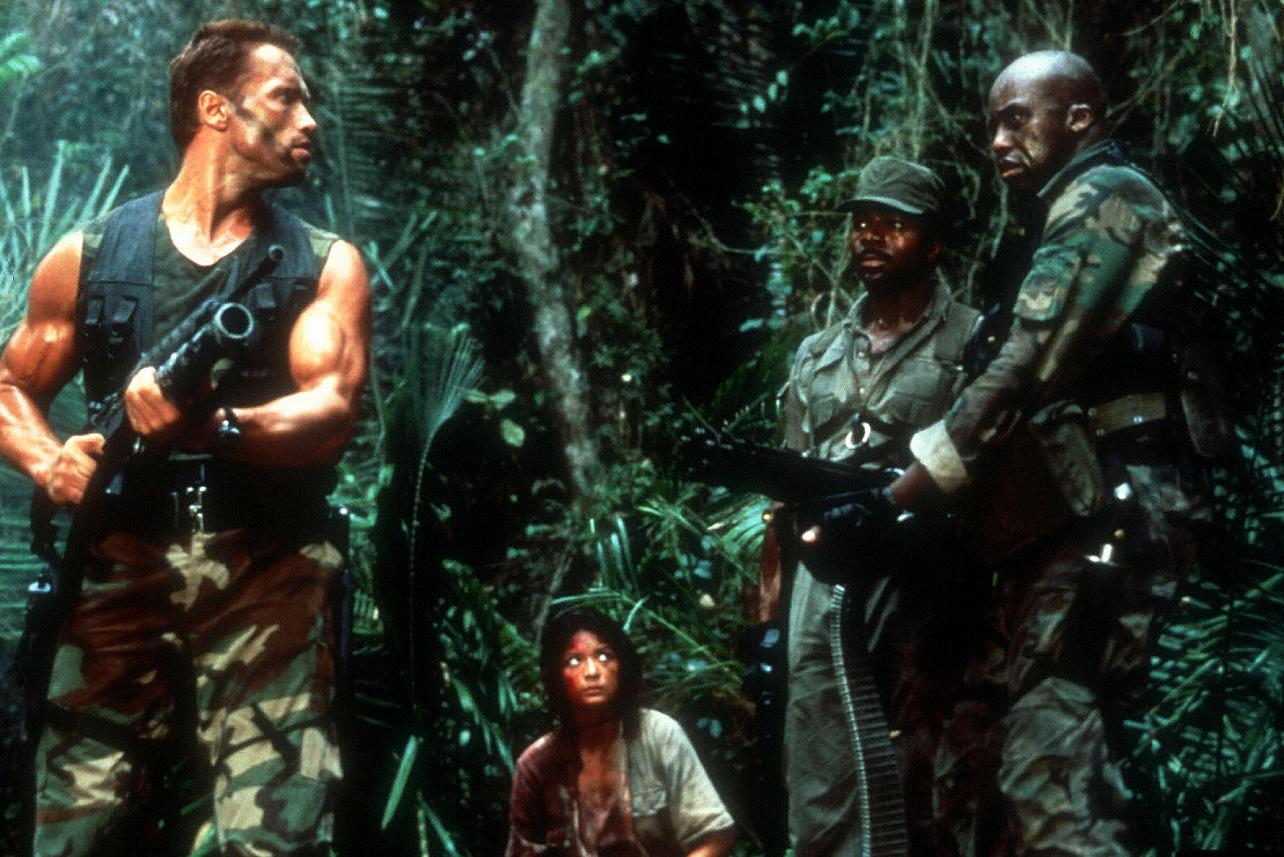
predator1

By the time the Predator finally shows up to turn the tables on them, his presence is long overdue. Director John McTiernan and writers Jim and John Thomas may have been aiming for audience allegiance with the humans, and so a sense of terror when roles are reversed, but I’d be lying if I said I wasn’t rooting for the invisible uber-Hunter the whole time. On the other hand, who cares what McTiernan and the Thomas Boys intended; we’ve got the movie.

But it’s Predator 2 — critically savaged upon its release, despite being a far better film than the first — that really doubles down on this role reversal and allusions to animality. (Of course, Predator 2 really doubles down on everything, for better and worse.)

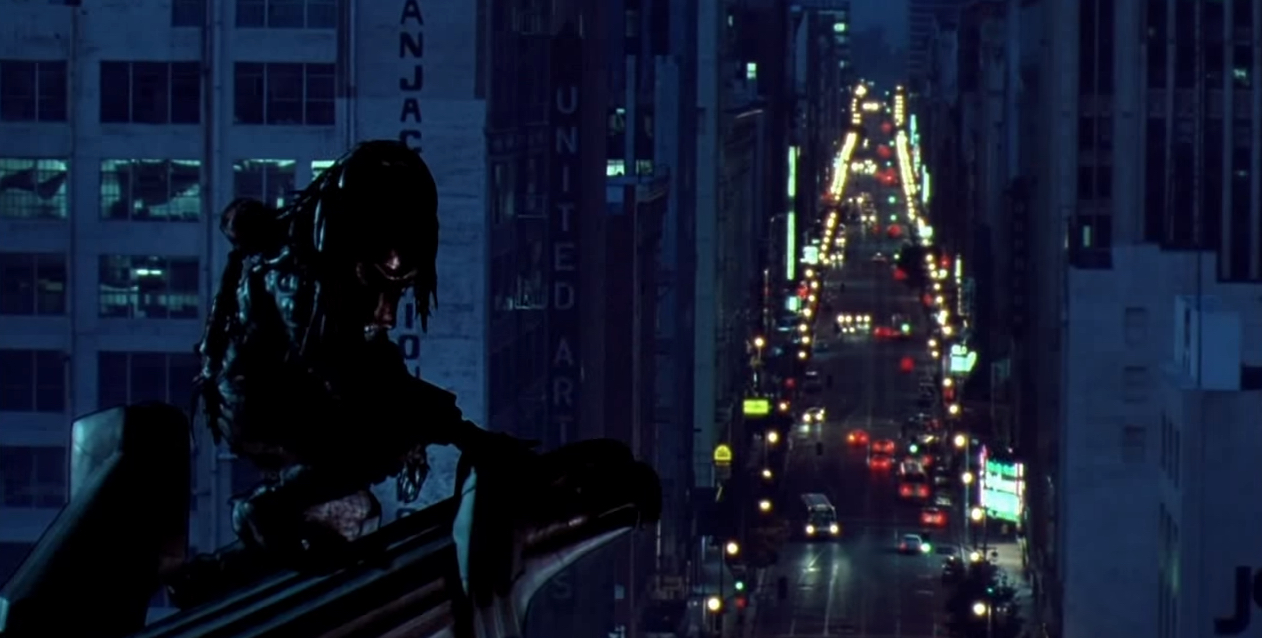
We’ve moved from the jungle to future Los Angeles (that is, 1997). It’s a dystopian hellhole in which drug-dealing gangs go to war for supremacy on the streets, while Danny Glover and his intrepid team of cops (and Bill Paxton) try to restore some semblance of order. In the midst of this chaos, the Predator returns — or a Predator, I should say. Bodies begin piling up, intrigue abounds, there’s a government conspiracy, and more. Predator 2 has a lot going on.
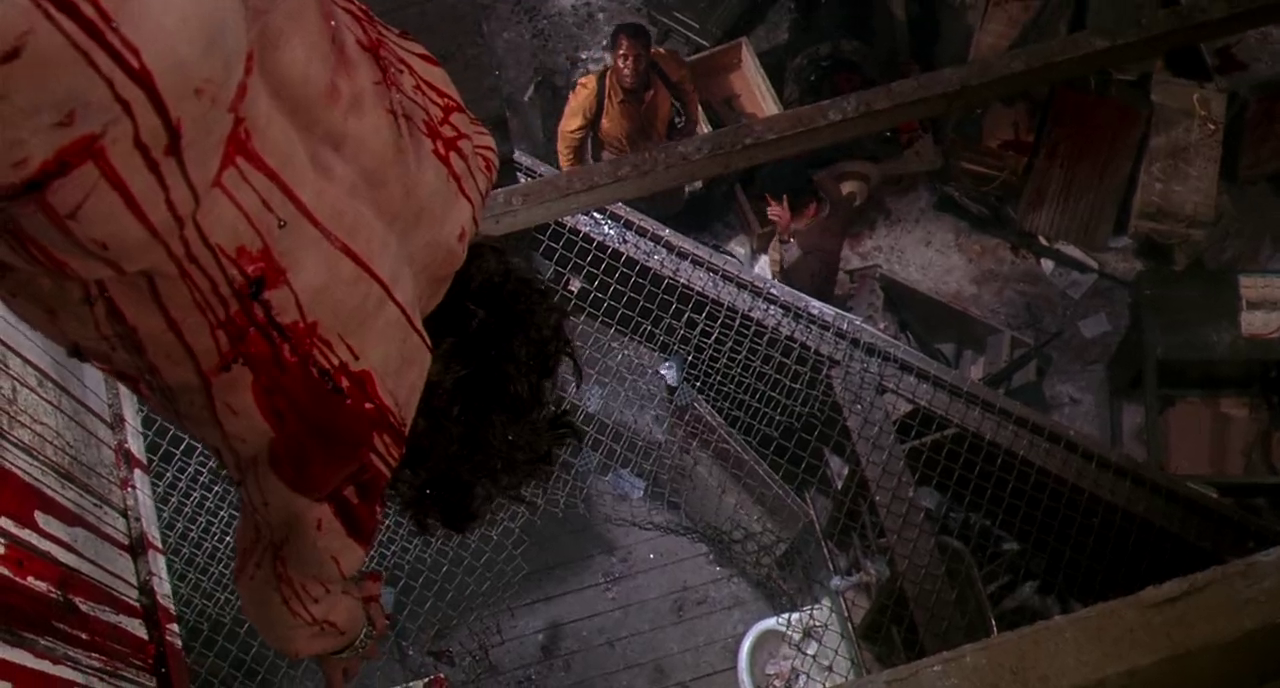
predator2

The fascinating thing from this perspective, though, is the film’s repeated trope of victims strung upside down, sometimes skinned and bleeding out. This is how the Predator prefers to leave his kills, and it’s also how the “Jamaican voodoo gang” (I know, I know) attempts to instill fear in its Colombian rivals (I know, I know). There is a sense that everyone in the film — not just the Predator and the gangs, but the cops and the government — are in some sense hunters, deploying violence and dehumanization to achieve dubious, morally fraught ends.
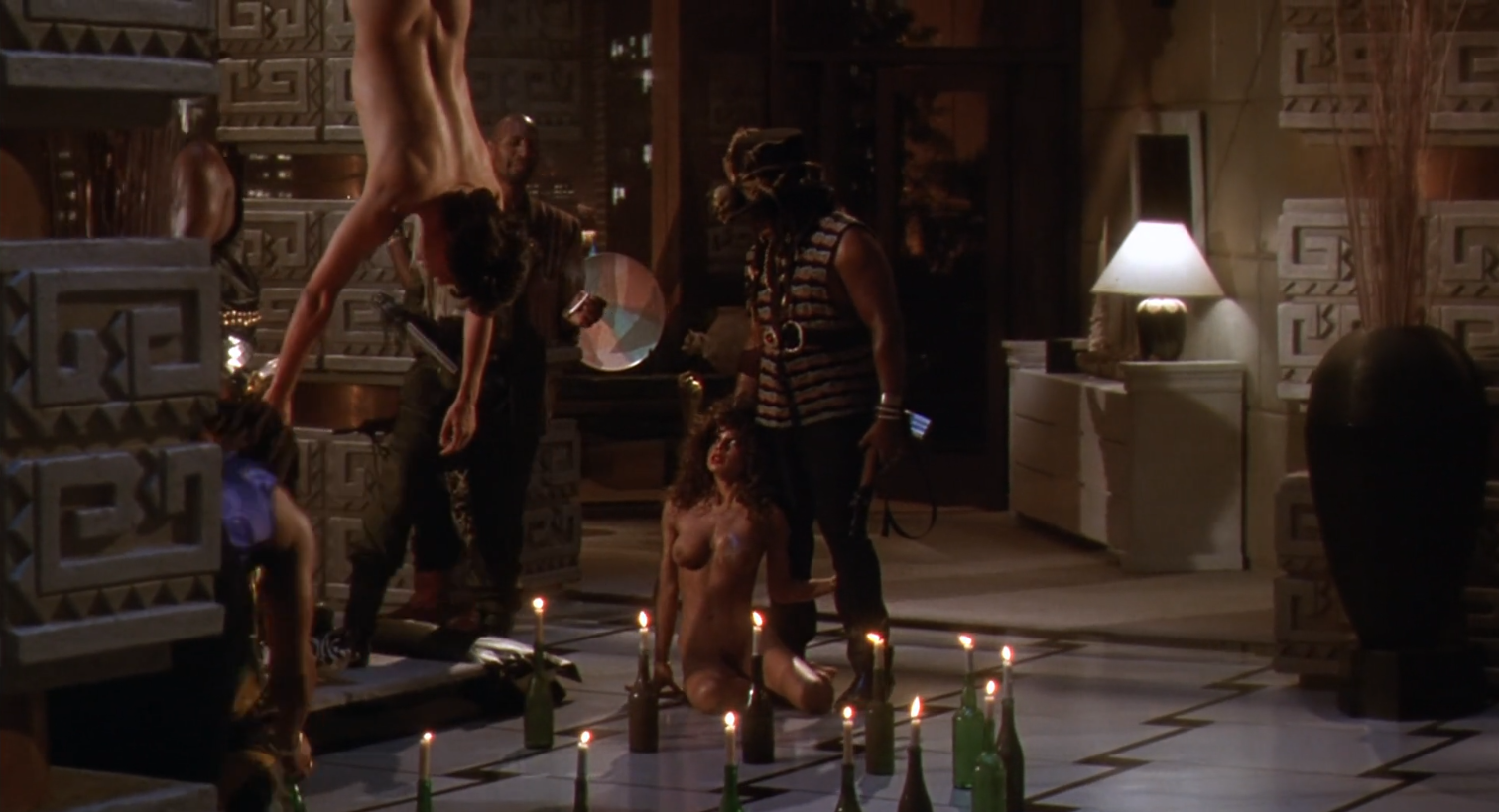
Predator2_1

As if in service to the central metaphor in question here, Predator 2 locates its climax in a warehouse full of cow carcasses on hooks, a mise-en-scene that also serves as a call-back to the earlier images of skinned human bodies similarly suspended. We are informed at one point that the Predator is attracted to places of violence and strife: this is presumably meant to refer to future L.A. itself, a cesspool of murder and vengeance that provides ample opportunity for invisible alien hunters to target their prey. But by situating the showdown among hunks of animal bodies, Predator 2 goes out of its way to suggest another form of violence that haunts its world.
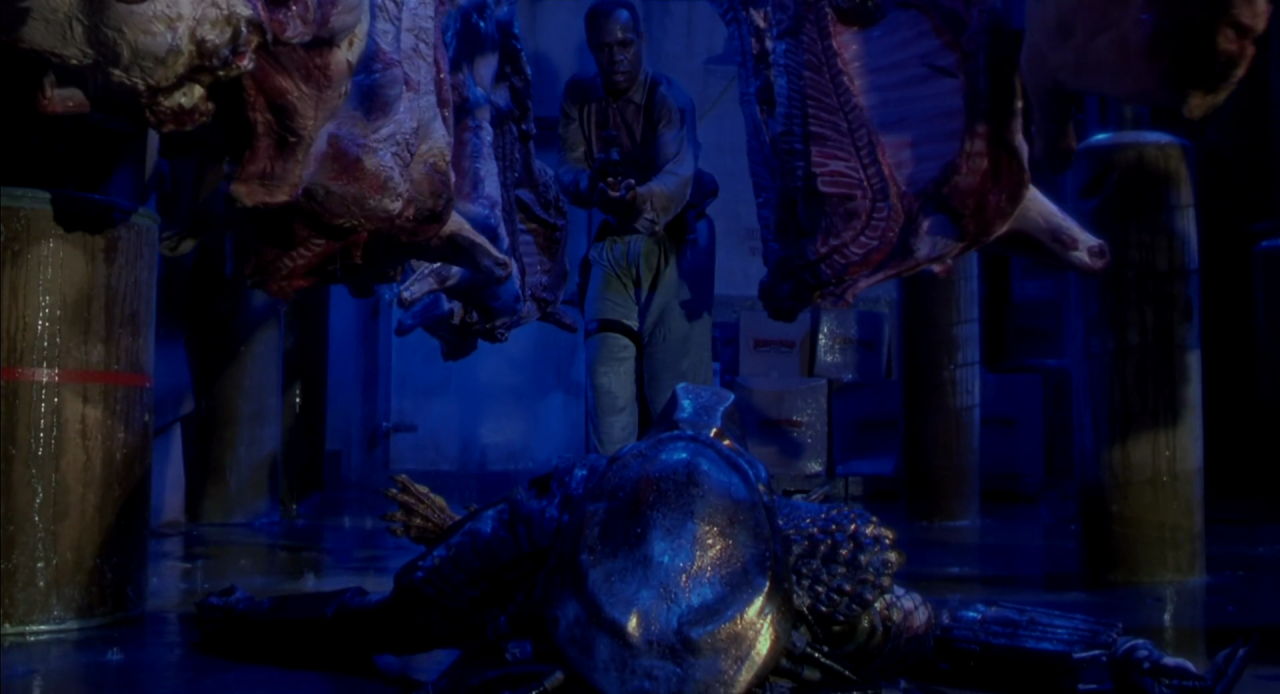
predator2-2

Both the first and second Predator movies are generally classified as sci-fi, but operate with the logic of the slasher film, bringing them closer to horror than might initially seem to be the case. (Indeed, Stephen Hopkins, Predator 2 director, had directed A Nightmare On Elm Street 5: Dream Child the previous year.) But both genres, at their best (and often at their worst), mine latent anxieties and fears through allusion and imagistic reference.

Regardless of authorial intent, the moment Predator 2 proceeds from its general “hunter become the hunted” trope to a morbid, visual fascination with skinned bodies suspended from ceilings and low-lit confrontations in warehouses full of the same, it’s arrived at an oblique insight into our relation to the non-human animal world. When the Predators’ trophy room is unveiled at the film’s end, and Glover presented with a trophy of his own, it becomes clear just how much trouble we may have been causing ourselves for centuries.
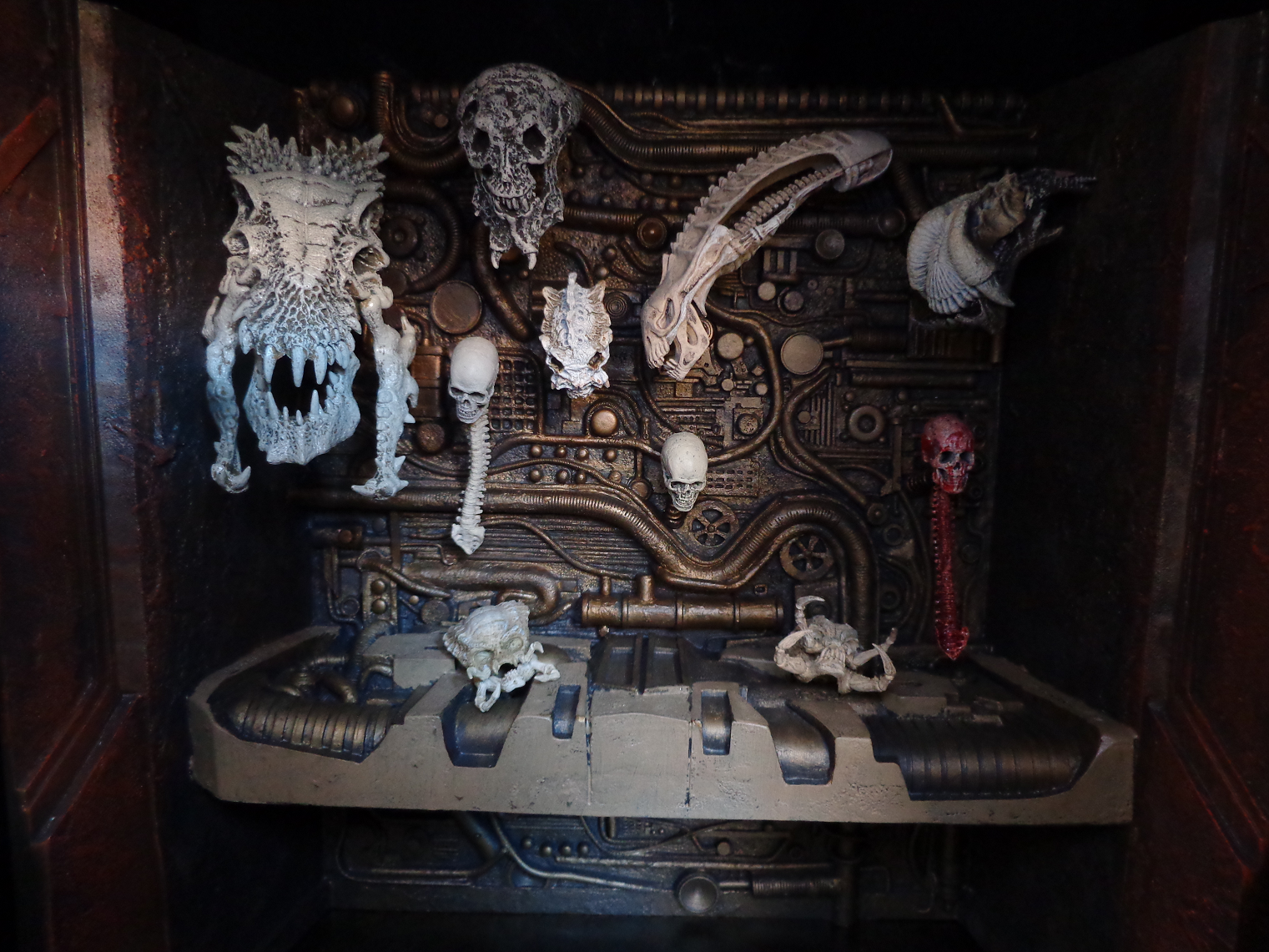
predator2-1

The fear that we will become prey to better hunters is simply another way of expressing anxiety about our treatment of the world and the beings in it right now. The transition of a “body” to a “carcass” is largely a linguistic trick buttressed with material weaponry. There won’t be much difference when we’re the ones on the hook.
August 23, 2016 0 comments
1 FacebookTwitterPinterestEmail
FilmGreat Movie Project

Sunrise: A Song About Attempted Murder

by rick August 22, 2016
written by rick

Sunrise is an undisputed masterpiece of the silent era’s final days, a staggering set of technical achievements in service to melodramatic fairy-tale pathos. It’s also the story of how sometimes the only thing needed to put the spark back in an empty marriage is a little bit of attempted murder.

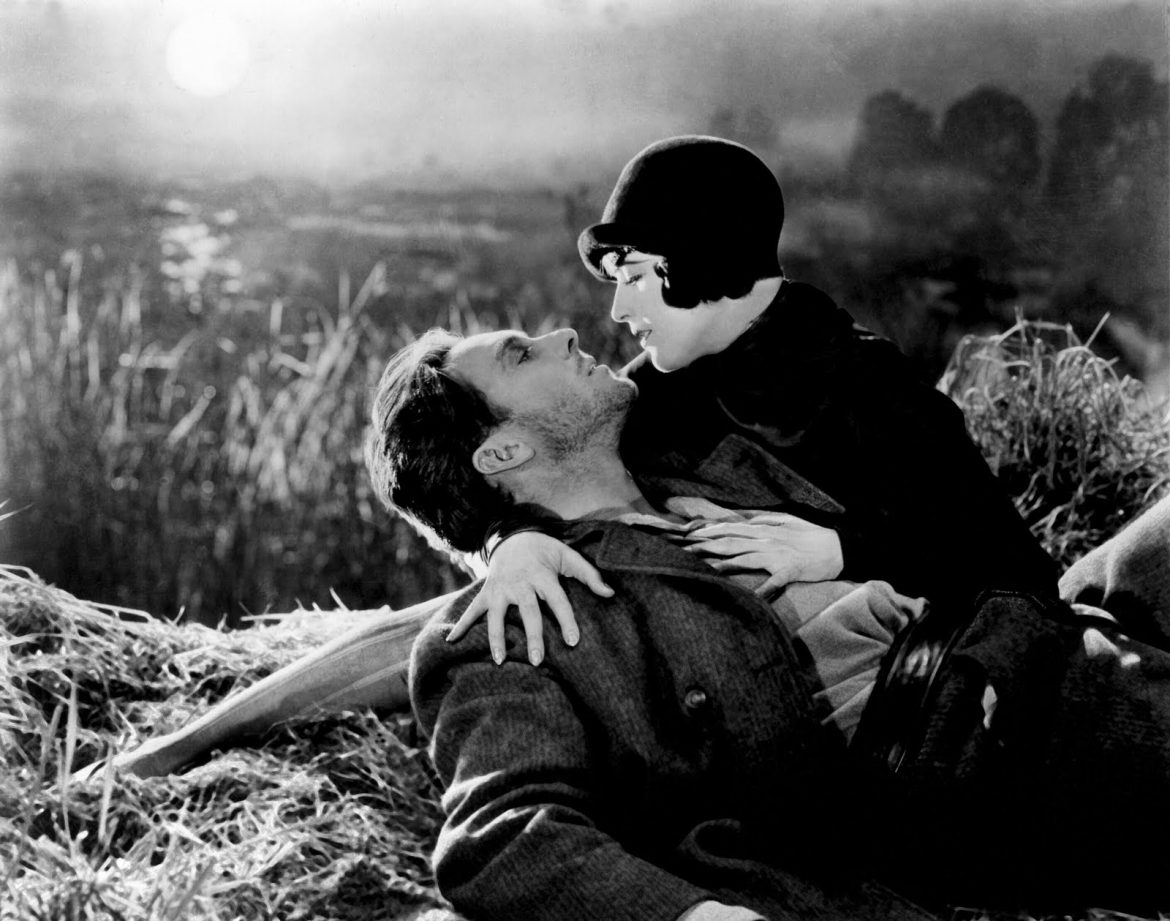
George O'Brien and Janet Gaynor in SunriseF.W. Murnau was brought to Hollywood from Germany by William Fox and given carte blanche to make his film. Fox had been so impressed by 1924’s The Last Laugh, its sweeping long-takes and Expressionist superimpositions so different from the Hollywood productions at the time, that he essentially handed Murnau a blank check and let him have at it.
Sunrise was the result. The film was not a hit, but it was lauded by critics and showered with prestigious accolades at the first Academy Awards, so it seems Fox made the right call.

The film’s narrative is intentionally painted in broad strokes, a point underlined in the opening intertitle: “This song of the Man and his Wife is of no place and every place; you might hear it anywhere, at any time.” No character is named, and even the location is anonymous — it could indeed be happening anywhere. This same sense is reinforced through a hybrid production history, as famed cinematographer Nestor Almendros once pointed out:

[T]he script was written in German, and even the sets were already designed in Germany by Rochus Gliese. This is why Sunrise is such a hybrid movie. The city looks like nowhere on earth; one wonders in what country it could be located. The landscape and the people – what are they? American? German? Scandinavian? It doesn’t matter, for Sunrise is a fantasy, not realism; there is stylization in every scene, and that hybrid quality contributed to the stylization.

The plot can be summed up quickly. The Man (George O’Brien) is spurning The Wife (Janet Gaynor) to carry on a tryst with The Woman From The City (Margaret Livingston). Livingston’s vampish, urban femme fatale talks O’Brien into murdering Gaynor, selling his farm, and living it up with her downtown, trading livestock for nightclubs and adventure. He tries to do so but can’t follow through, struck with remorse and self-horror. The Wife is terrified but eventually forgives him for the minor transgression of trying to drown her.

Instead, the two embark on a joyous, whirlwind tour of the city themselves, a free-spirited lark that doubles as a second honeymoon, with The Man and The Wife frolicking like young lovers. But, irony of ironies, their little boat in fact does capsize on the return trip. The Wife almost drowns but is saved at the last moment. The Woman From The City is vanquished and flees. The married couple are born anew, as the sun rises over their conjugal bed. It is a new day.

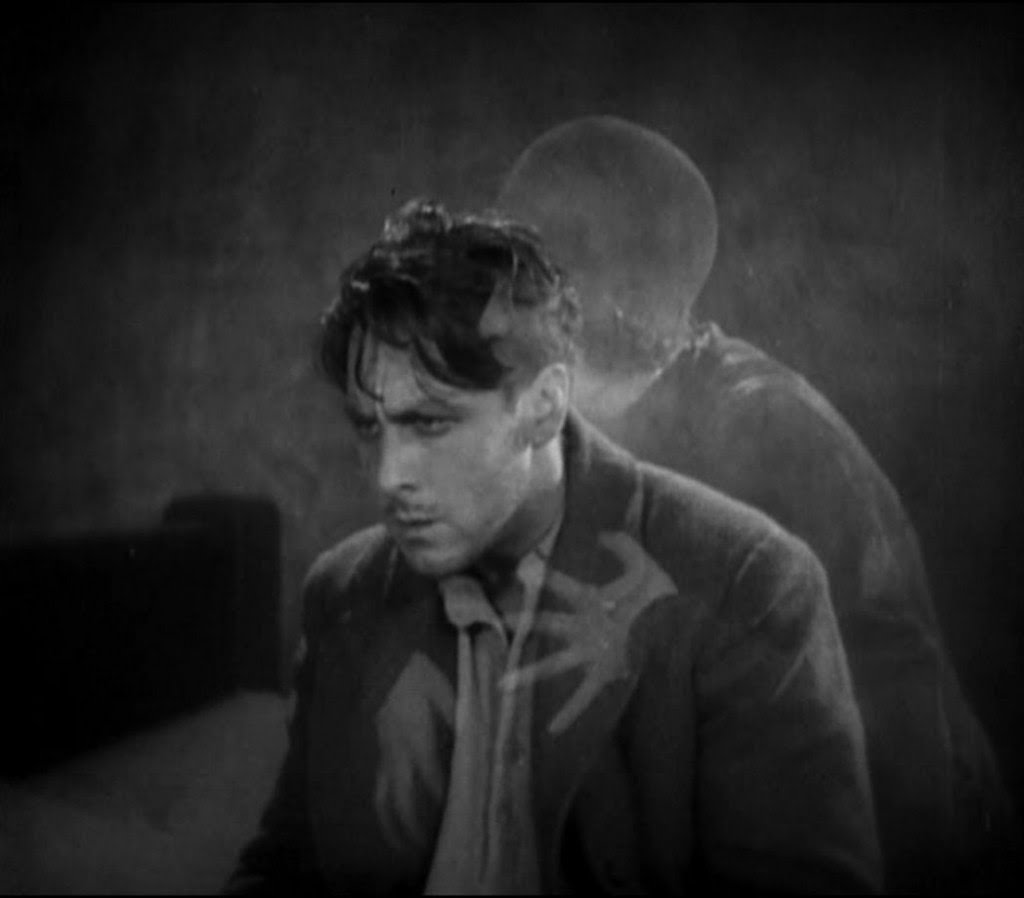
This is a narrative that manages to be both sentimental and offhandedly callous, but Sunrise is not a film primarily concerned with plot. Murnau marries German Expressionism with this fairy-tale boilerplate — and an incongruous comic set-piece involving a runaway piglet drunk on wine for good measure, perhaps a concession to American audiences — and emerges with something entirely different. Sunrise is a dreamscape of country and city, innocent blonde and nefarious brunette, torrential rains, capsized boats, anxieties made visible as ghostly superimpositions.

Superimposition in Murnau's Sunrise

And everywhere, everywhere movement. There is hardly a mode of transportation that is not emphasized, as The Man and The Wife row boats, jump trolleys, nearly get hit by whizzing cars, jump out of the way of horse-drawn carriages, attend a fair where roller coasters and rides animate the back of the frame. This constant motion adds a futurist vitality to the goings-on, with deep focus shots created through the insertion of smaller sets in the background of the larger ones, and inventive strokes, in the absence of wide lenses, like dressing children in adult clothes and placing them in the distance to suggest depth.

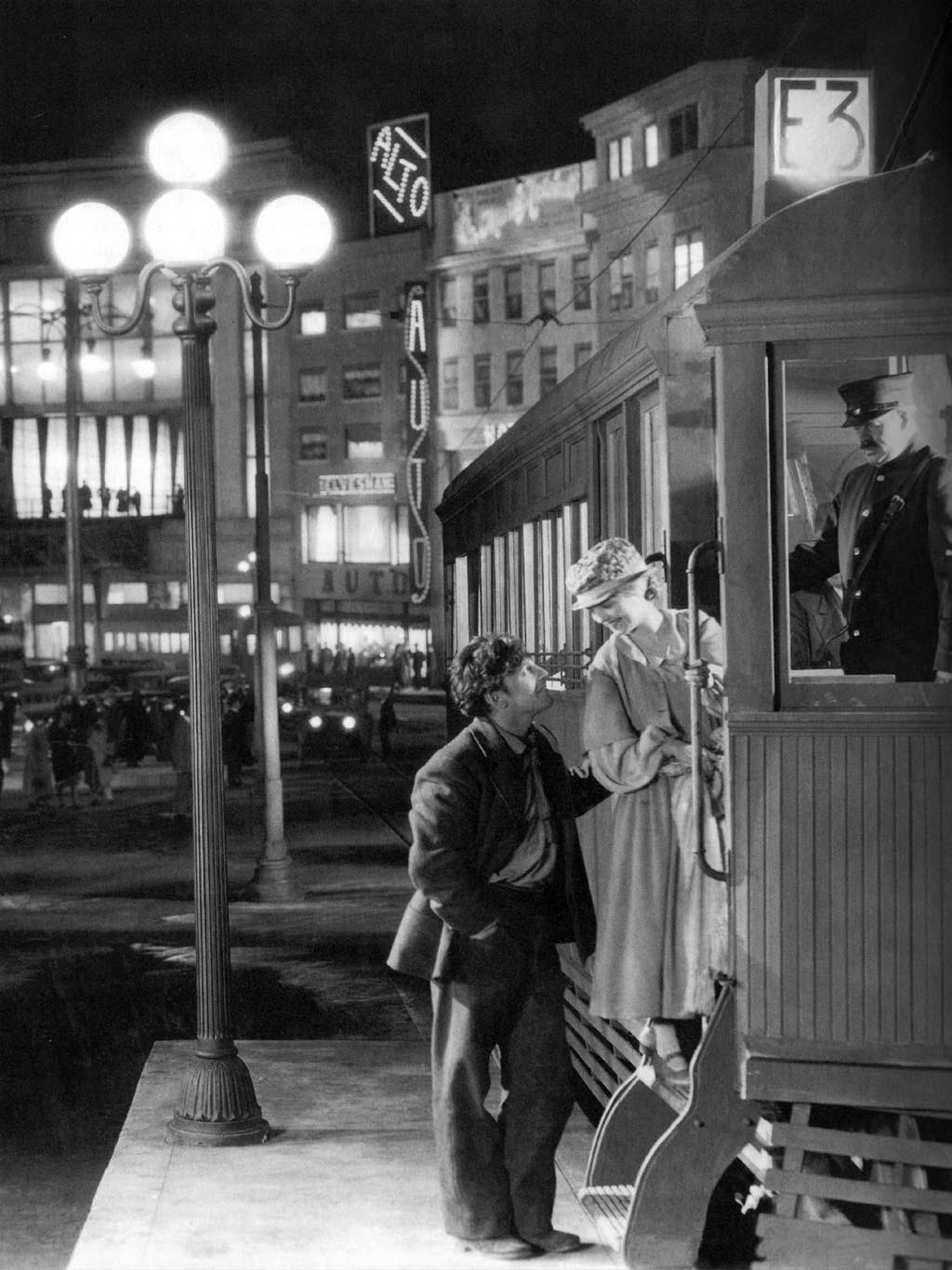
The camera dollies and free-flying tracking shots are probably the most celebrated aspects of Sunrise, particularly in the famous sequence depicting the couple’s entrance to the city. In unbroken takes, Murnau allows the camera to track their movement from trolley to street. A mass of cars seems to threaten imminent death, but the two are so lost in their shared reverie that the entire visual world shifts, suggesting that, in their minds, they are out for a stroll in the quiet countryside. It’s an enormously neat trick.

When The Man and The Wife stumble across a marriage ceremony, during which he tearfully realizes the gravity and barbarity of what he had almost done, the production design uses smoke to allow light from a high window to filter through in beams, illuminating the inside of the Church (in much the same way Murnau accomplished during a similar moment in his Faust). Legendary cinematographers Charles Rosher and Karl Struss apparently ran tracks on ceilings for overheads. The cityscape set alone was reputed to have cost an incredible $200,000. No expense was spared or idea disallowed, and it shows.

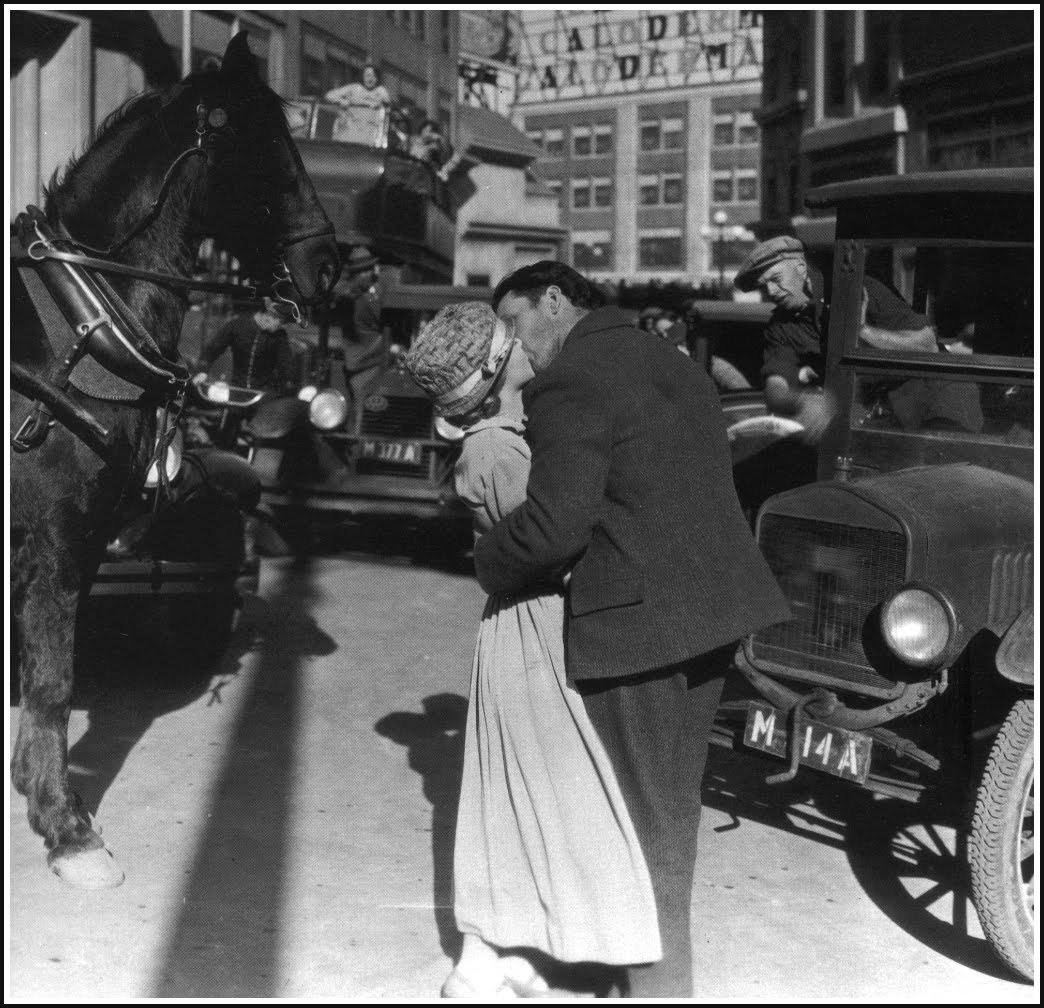
Street kiss in Murnau's Sunrise

O’Brien and Gaynor both turn in accomplished performances: his frequently hunched shoulders suggests the weight of the world (or something more sinister from a horror film), and her hesitations, fear, and ultimate joy in reunion are more believable than it would seem the plot would allow. Livingston, given less to do, fairs less well, but she ably conveys the kind of citified cynicism her character embodies.

Released the same year as The Jazz Singer, the American version of Sunrise came with a dedicated score (Gounod’s “Funeral March of a Marionette”) and a handful of synchronized crowd and animal noises (for instance, during the dreadful “comic” interlude involving the escaped pig). Audiences abroad would’ve seen it with live music and none of that, which was probably preferable.

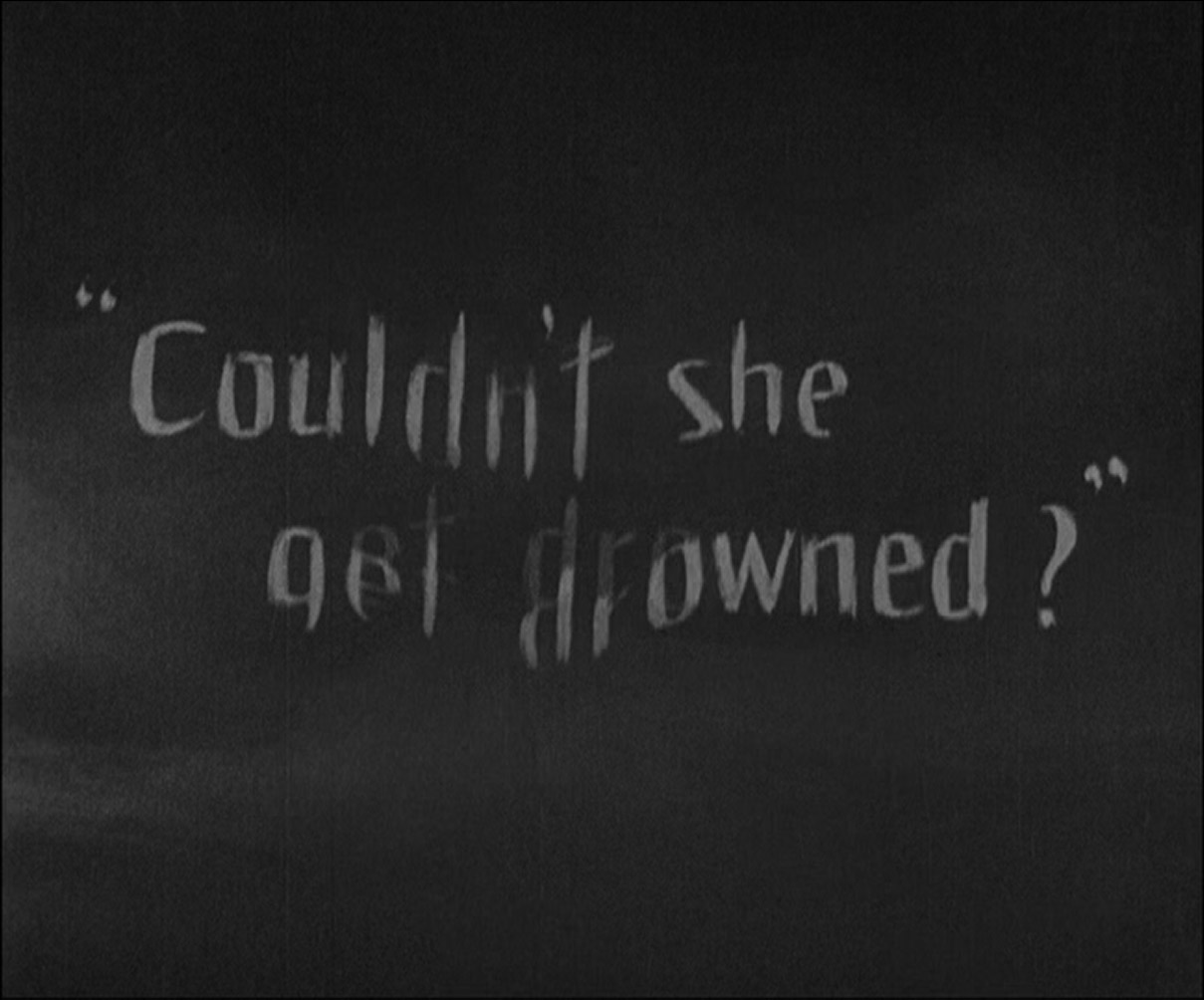
After all, Sunrise is visual spectacle first and last. Murnau didn’t even want intertitles but relented, and, appropriately enough, turned many of those into signifiers anyway; the title card below employs a typical Expressionist technique to simulate linguistic meaning through image:

sunrise title card "couldn't she get drowned?"

Despite its narrative shortcomings, Sunrise finds a master of the silent era employing every trick he knows, with a nearly unlimited budget and the full support of an early studio system. It’s a masterpiece, even if it does suggest that trying to kill your wife might be the best thing for your marriage.

Favorite Ebert quote:

It’s very broad melodrama, and the realism of spoken dialogue would have made it impossible. But silent films were more dreamlike, and Murnau was a genius at evoking odd, disturbing images and juxtapositions that created a nightmare state. Because the characters are simple, they take on a kind of moral clarity, and their choices are magnified into fundamental decisions of life and death.


I imagine it is possible to see “Sunrise” for the first time and think it simplistic; to be amused that the academy could have honored it. But silent films had a language of their own; they aimed for the emotions, not the mind, and the best of them wanted to be, not a story, but an experience.

August 22, 2016 0 comments
0 FacebookTwitterPinterestEmail
FilmReviews

New On Netflix: A Bunch of Garbage

by rick August 19, 2016
written by rick

Netflix released nothing this week. Nothing. Garbage. Sorry.

Well, ok. Apart from No Country For Old Men, which I already informed you about, there is something called The Curse of Sleeping Beauty, The Last Heist (starring Henry Rollins, of State of Alert), and God’s Club, a movie about how public schools won’t allow clubs about God because they are Godless institutions, starring everyone’s least favorite Baldwin, Stephen.

Garbage.

I am not going to watch these films and neither should you.

This feature, I fear, is doomed.

Luckily, there are still things worth diving through in the garbage pile, so here are a few of those. Better luck next week, let’s hope.

Quick Links

boxtrolls

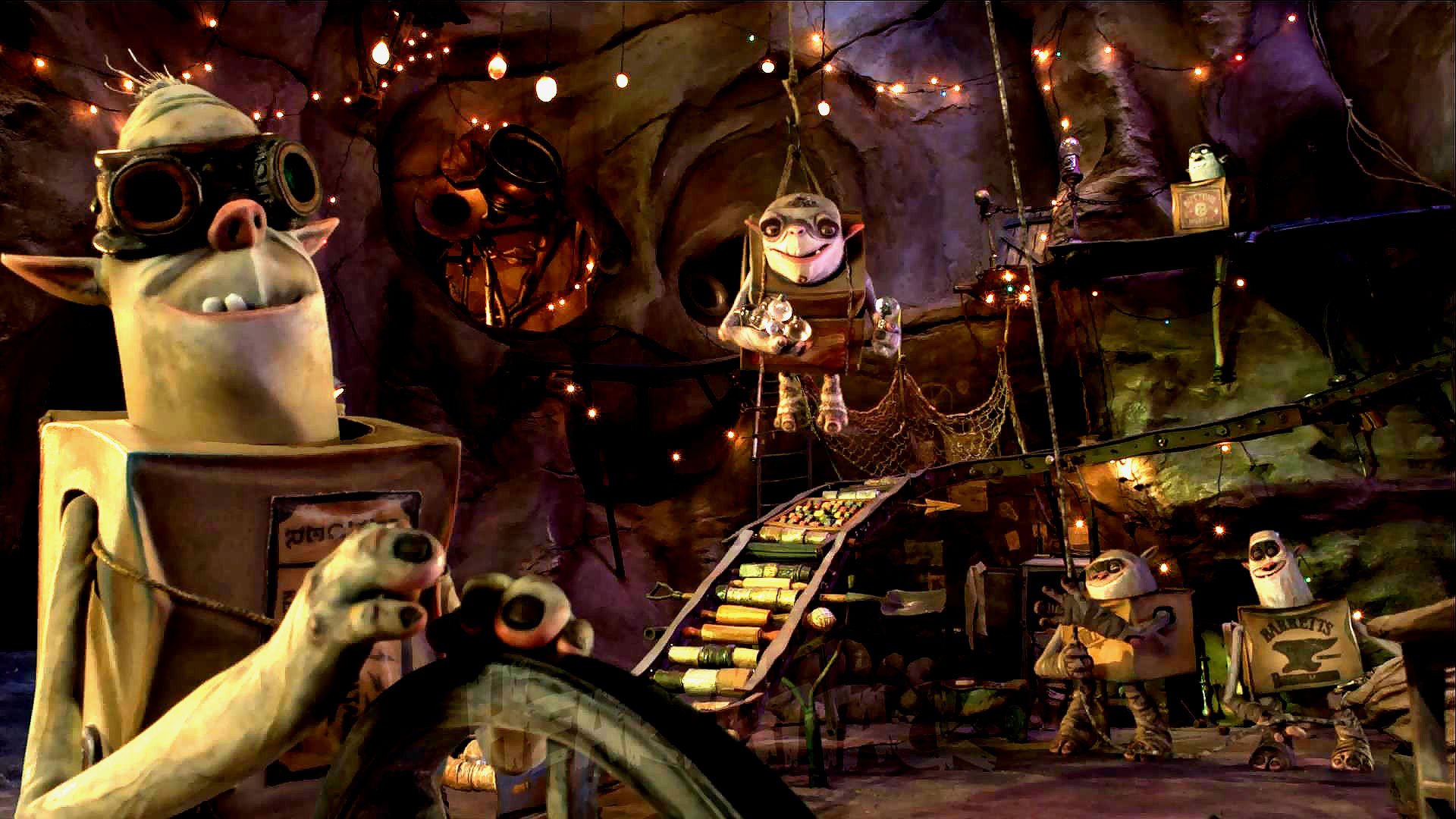
The Boxtrolls: With the release of LAIKA Studios’ latest, the rapturously received Kuba and the Two Strings, what better time could there be to check out their stop-motion wonder The Boxtrolls? Meshing a Dickensian narrative about a street urchin and allegories of class struggle with the Aardman-style sensibility of Wallace and Gromit, co-directors Graham Annable and Anthony Stacchi inventively assemble a fully-realized world.

The Boxtrolls live below ground, building their lives from refuse and hiding from the humans above, who demonize them as monsters and thieves. The Red Hats constitute an aggrieved middle class, hustling to enter the upper echelons of the White Hat ruling class. A Fagin-like villain schemes for that class mobility at the Boxtrolls’ expense — a regular Donald Trump of the steampunk-Victorian set — and an orphan human is caught in the middle.

That’s a lot of politics for a kids’ film — and there are also some genuine scares here that might be too much for the really little ones — but it’s all treated with a fleet touch and incredibly detailed, impressive animation. This was my first LAIKA production, and I can’t wait to dive into the others.

seeking a friend

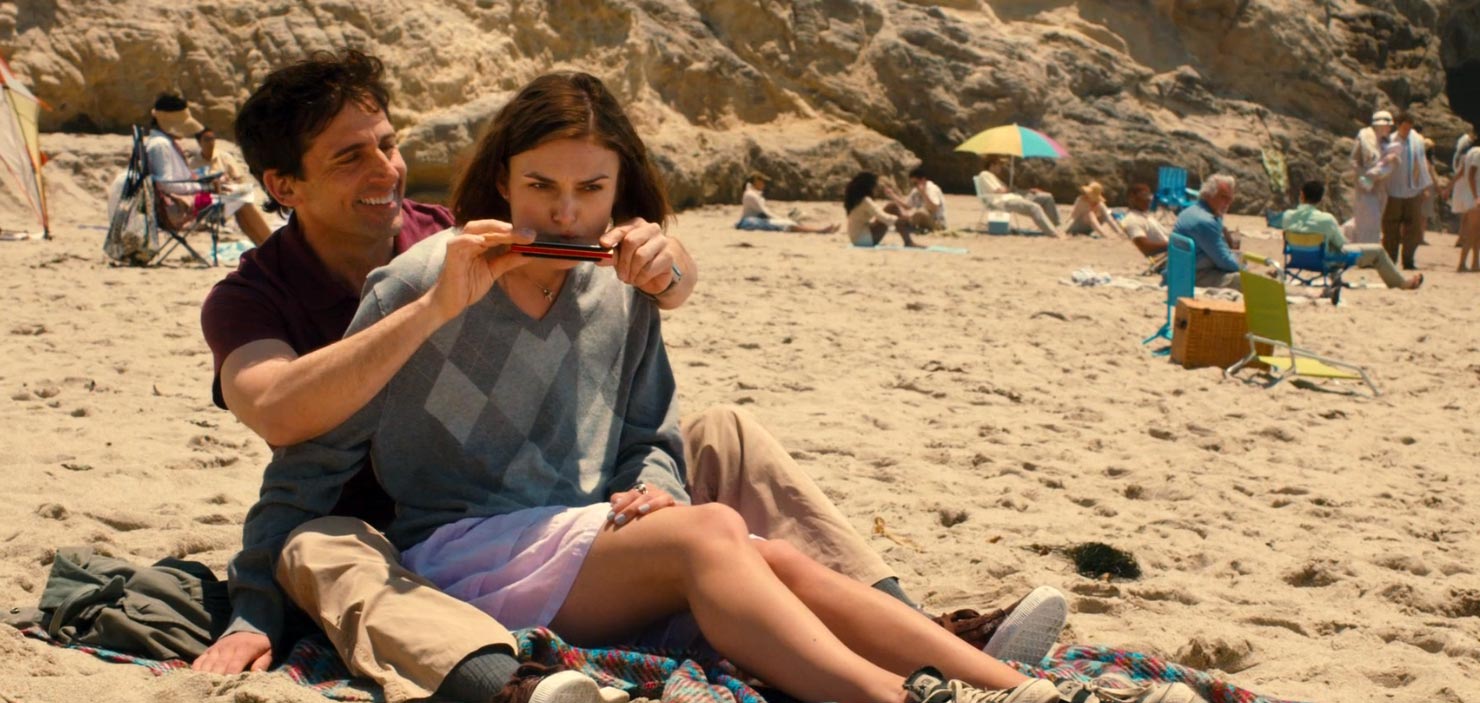
Seeking A Friend For The End Of The World: A surprisingly sweet and melancholy turn from Steve Carrell roots this apocalyptic rom-com, as he and Keira Knightley travel the countryside as humankind’s clock ticks down its final hours. There are scattered laughs, but director Lorene Scafaria has other things in mind — the ways in which we find shared meaning together, whether we mean to or not. It’s a lovely film that goes in unexpected directions.

congo

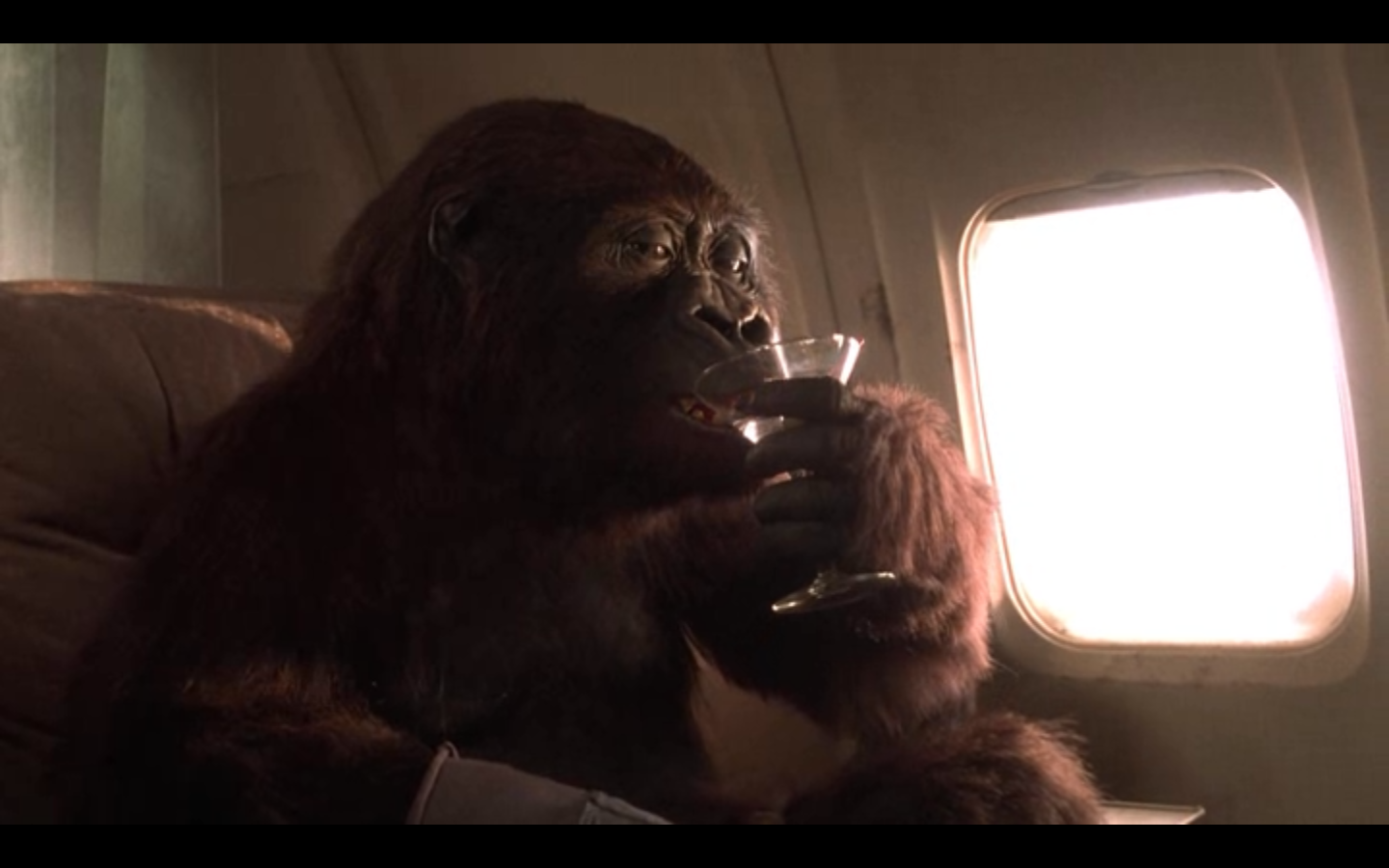
Congo: There are few sillier or more enjoyable goofball cinematic enterprises than 1995’s Congo. By all rights, it should be terrible — and, with its obvious “guys in ape suits” jumping around, it frequently is. But somehow it ends up being enormously fun. Stupid fun, but fun all the same. Tim Curry chews up the scenery like some sort of a man dressed in an ape suit, Ernie Hudson has the time of his life affecting an idiotic accent, and John Patrick Shanley’s screenplay strikes a perfect balance between a meta-awareness of its own lunacy and delivering the dubious, Michael Crichton goods.

tu dors nicole

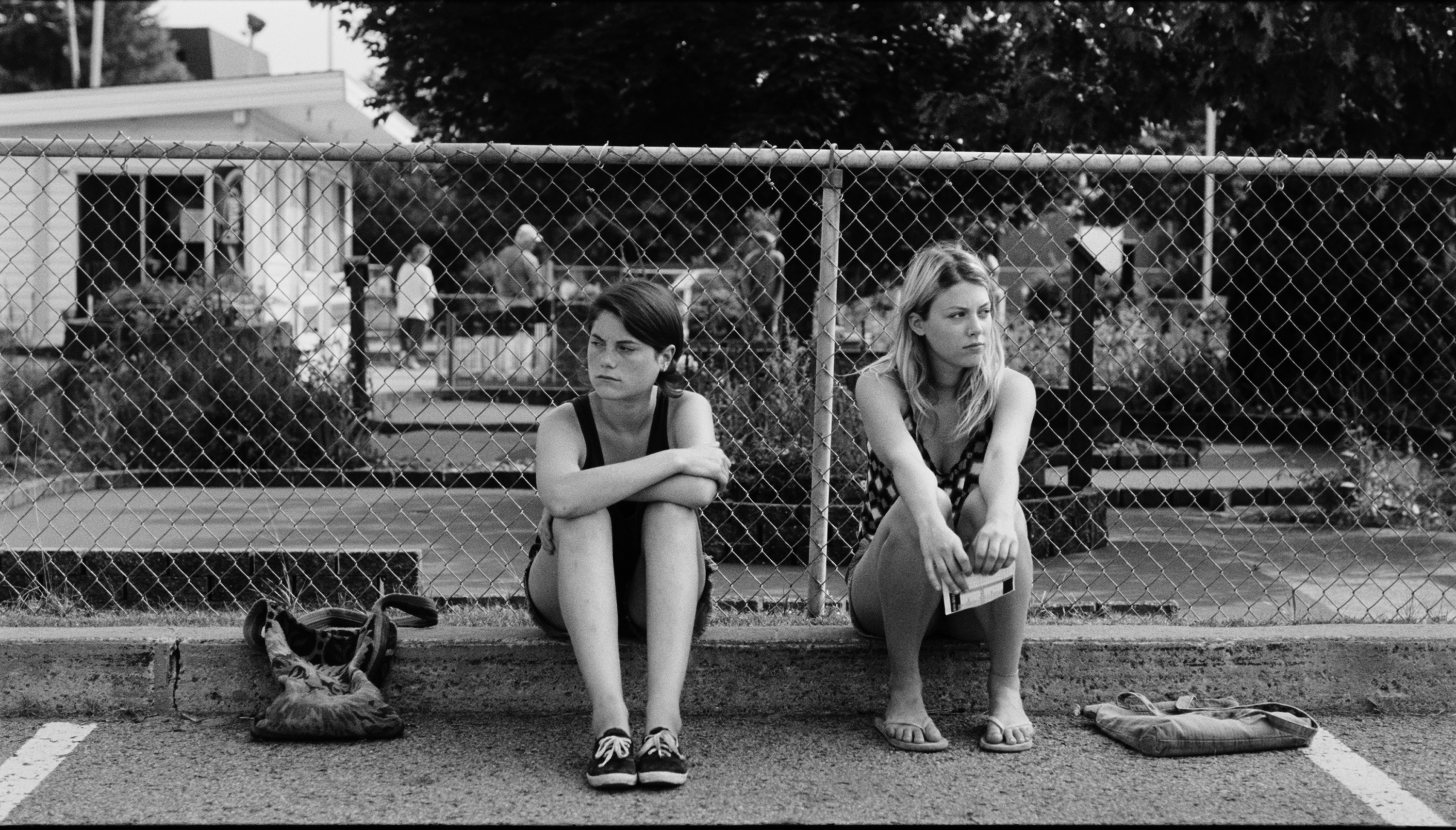
Tu Dors Nicole: Director Stéphane Lafleur composes gorgeous black and white images of the mundane, while the titular Nicole, 22 years old, floats dreamlike through a last summer before adulthood. Not much happens: her brother’s band wants to use their parents’ empty house to practice, much to Nicole’s chagrin, and she’s romanced by a 10-year-old Lothario, who imagines his early puberty makes him an eligible bachelor. Eccentric touches abound, but Lafleur never gets precious. Instead, Tu Dors Nicole feels pretty familiar, the gauzy, subdued memory of an earlier time, when one stands at a crossroad knowing one chapter is about to be over and another one ready to begin. It’s a very French sort of melancholy, a nostalgia for a time that’s not yet finished. It’s haunting, in the quietest way possible, and entirely familiar.

August 19, 2016 0 comments
0 FacebookTwitterPinterestEmail
CommentaryFilm

On Submission, Surrender, Power, and Radical Viewership

by rick August 18, 2016
written by rick

Earlier this week, The Washington Post’s Alyssa Rosenberg, one of the more nuanced pop culture writers around, published a piece titled “Art is about surrender. Stop asking for it to be custom-tailored.” 

Framed as a rejection of the worrying, internet-age tendency to demand narratives that suit audience expectations — not to mention the even more worrying impulse to attack and threaten artists personally for failing to deliver the pre-fab stories some audience members crave to a frightening and pathetic degree — Rosenberg’s piece is reasonable enough. We ought to surrender to the text as we find it, not send hate-mail to its creators.

As a study in how art works, though, it falls way short. By emphasizing viewer (or reader) submission to the authority of a singular artistic vision, it’s in a long line of bourgeois critiques that imagine audiences as empty receptacles waiting to be filled, rather than active participants in the creation of the works we consume.

We could start with the declarative insistence of its title — “Art is about surrender” — but it’s entirely possible Rosenberg had nothing to do with that. So let’s look at the text itself. Rather than surrendering to it, though, let’s pay attention.

The piece begins by considering the increasingly porous barriers between artist and audience. In the age of Twitter, and the necessity of “openness” and relentless self-promotion, we’ve largely done away with the idea of the reclusive genius, issuing artistry from a mountaintop somewhere, an idea that was passe two centuries ago but still somehow lives on in our imaginations.

And that’s a good thing: you can contact your favorite author or filmmaker, and sometimes even receive a response! I distinctly remember writing a fan letter to Lloyd Alexander as a child, and the incredible thrill when he wrote me back. That was rarer then. Today, all it often takes is a social media presence on your part, and a willingness (or requirement) to “connect with the fans” on theirs.

captain america

But, as Rosenberg points out, this can take toxic turns. The internet is an incredible place full of wonder, and also a shitty dystopian hellscape full of vitriolic assholes. That same openness has allowed for fans to harass and demean their would-be favorites, to insist that content be changed to their liking like an army of foot-stomping children, and worse.

Rosenberg is clear, though, that this isn’t the main concern:

It’s not news that the Internet can get out of hand, but stories like these, or the response to a Marvel comic showing Captain America as a Hydra agent, suggest something about the changing nature of the relationship between audiences and the art they love.

And what is that relationship? According to her piece, it is one of structural imbalance, its core feature the demotion of the reader in favor of the writer’s supremacy, the subjugation of viewer to text. Curiously, this is explicitly framed as something of a D/S relationship: when viewing a movie, we “submit”. We “surrender”. Our pleasure is located in powerlessness before the unfurling of authorial intent.

In case you think this is an exaggeration, here’s Rosenberg again:

The idea that fans should be able to get their art made to order has always felt odd to me, because on a fundamental level, art is about trust. When we open a book, put on an album, start a new television show, or settle in as the lights go down in a movie theater, we’re preparing ourselves for what is fundamentally an act of submission. We’re giving ourselves over to a world of someone else’s making, a piece of music that emanated from someone else’s brain, a story where we have no ability to control the outcome, or, at minimum, someone else’s interpretation of a familiar narrative.

suicide squad

And what if we do not care for what we find, from our prone position in the dark?

None of which is to say that this is a one-sided experience. There are plenty of ways for us to withdraw our consent to the artistic contract if we find that we don’t like what’s happening in a piece of work. Critics may grit our teeth and work our way through to the end, but audiences can always put down a book, change the channel, click over to the next Pandora station, or walk out of a movie, concert or stage performance, as I’ve done at two successive operas.

It’s a binary construction: accept the work you encounter, or leave. At no point does it seem to occur to Rosenberg that the viewer herself is a constitutive aspect of art. We, as viewers and readers, are irrelevant to our own reception. There is only an author, there is only a text. We are incidental to its existence, at best. It would seem movies don’t even need viewers. They are complete in and of themselves, and would be meaningful even if no one ever saw them.

That’s a very strange idea. But it’s one that has occurred through generations. “Reader-response criticism” addressed this decades ago. The Frankfurt School wondered how structures of mass production would come to affect discourse. Dreams of automatic texts and related textual criticism posited bodies of work with no author at all. There are other ways to look at things than this fundamentally bourgeois concept of submission and surrender.

I’ve been reading and writing about the late Iranian director Abbas Kiarostami recently, and seeking to watch all his films. He is fascinating in this context, and provides an entirely different conception.

For Kiarostami, the audience completes the film. There is no film until a viewer sees it, and so he sought to undermine narrative expectations at every turn. In his Taste of Cherry, the dying protagonist rises and comes over to talk with the director and cameraman about the shot. What does it mean? For Kiarostami, it means whatever you find in it. The image is unfinished, waiting for us.

where is the friends home

In the July/August 2000 issue of Film Comment, Kiarostami was asked why he favored such open-ended structures, why he wouldn’t demand “surrender”. He replied:

It’s a difficult question. People do have different ideas, and my wish is that all viewers should not complete the film in their minds the same way, like crossword puzzles that all look the same no matter who has solved them. Even if it’s “filled out” wrong, my kind of cinema is still “correct” or true to its original value. I don’t leave the blank spaces just so people have something to finish. I leave them blank so people can fill them according to how they think and what they want. In my mind, the abstraction we accept in other forms of art—painting, sculpture, music, poetry—can also enter the cinema. I feel cinema is the seventh art, and supposedly it should be the most complete since it combines the other arts. But it has become just storytelling, rather than the art it should really be.

This is a more appealing vision to me, and a more radical one. Elsewhere, Kiarostami talks about our role in the films we do or do not see, registering their existence and shaping them to our own ends as viewers:

Every movie should have some kind of story. But the important thing is how the story is told—it should be poetic, and it should be possible to see it in different ways. I have seen movies that didn’t attract me or make a lot of sense while I was looking at them, but there were moments in them that opened a window for me and inspired my imagination. I have left many films in the middle because I felt I already had an ending. I felt quite complete and fulfilled with the movie, and if I stayed longer that feeling would be ruined, because it would keep telling me more and forcing me to judge who is the good guy, who is the bad guy, and what’s going to happen to them. I prefer to finish it my own way!

Rosenberg is certainly right to worry about the implications of angry, anonymous idiots demanding one story rather than another, to insist that every story reaches the conclusion they deem appropriate.

But the focus on audience surrender ignores the role we play as viewers, our power (from the bottom, I suppose, in her metaphor), in creating the art we adore or despise. We have a role to play, and the idea that the only things that exist are the author and the text, without a world to engage them, marks a basic misunderstanding of how cinema works.

August 18, 2016 0 comments
0 FacebookTwitterPinterestEmail
FilmReviews

The well-oiled, monstrous lunacy of Cyborg

by rick August 17, 2016
written by rick

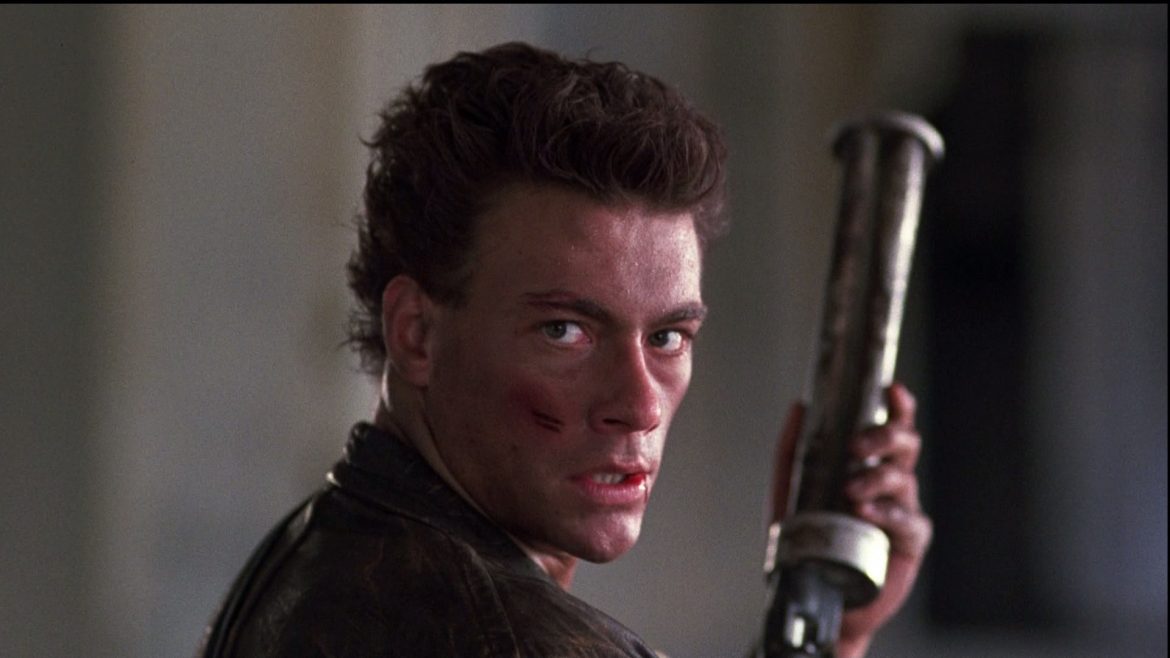
Cyborg is Cannon Films at its Cannon Filmsiest. The Jean-Claude Van Damme vehicle debuted in theaters on April 7, 1989, arriving at the tail end of Menachem Golan and Yorum Globus’ wild ride through the world of cinema, sandwiched between Bloodsport and Kickboxer (along with roughly 25 other films). Made for $500,000, it grossed $10 million, one of the last successful forays of a failing production house, which would close its doors only 8 months later.

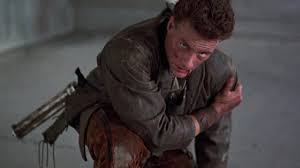
Cyborg is a bad movie. But it is bad in a way that also proves compulsively watchable. Cobbled together from the remains of two ill-fated Cannon projects — a sequel to their Masters of the Universe and an attempt at a Spiderman adaptation — the film is a true Frankenstein’s monster.

cyborg5

Written by would-be auteur Albert Pyun — who might be best remembered for The Sword and the Sorcerer, but who I prefer to think of as the man behind Max Havoc: Curse of the Dragon — Cyborg was specifically created so as to recoup the potential losses on costumes designed for those earlier projects. I don’t know if there is a precedent for this, but it is endlessly, ludicrously enjoyable to think about.

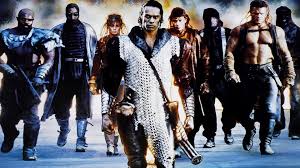
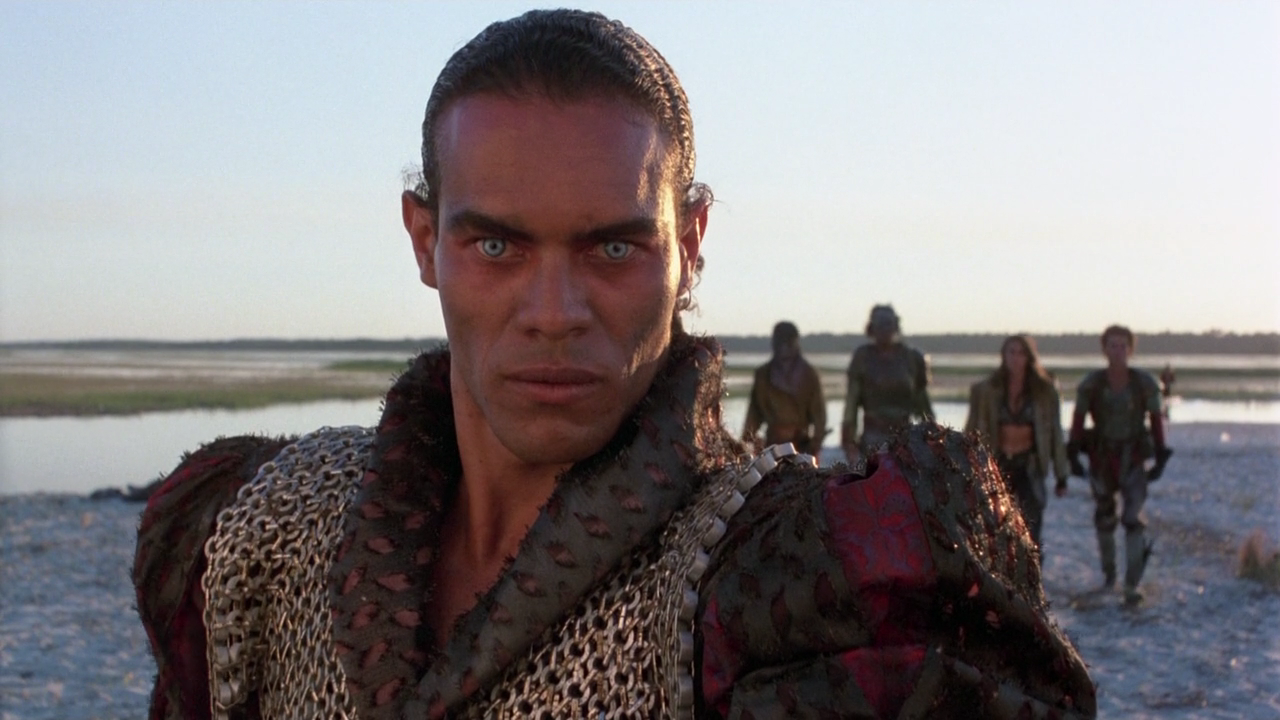
Allegedly written in less than a month, Pyun skimped on narrative, and even named all his characters after musical equipment. Van Damme plays Gibson Rickenbacher. The villain (played by a monosyllabic Vincent Klyn) is called Fender Tremolo. The cyborg, who holds the potential cure to a plague, is Pearl Prophet. Fender’s crew includes sidekicks Marshall Strat and Furman Vux. It is delightfully idiotic.

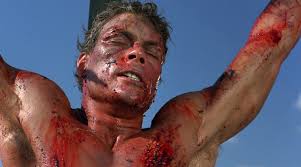
Apparently, Pyun hoped to shoot the film in black and white and score it to intense metal, but the Cannon impressarios decided this was ridiculous. (A truly amazing thing: when Goran and Globus reject your idea as too absurd, you know you have engineered something wacky.) Instead, Cyborg is a frenetic grab-bag of homoerotic frames, grunting, incoherent dystopian set-pieces, martial arts bloopers, and weirdly insistent crucifixion tropes.

cyborg5

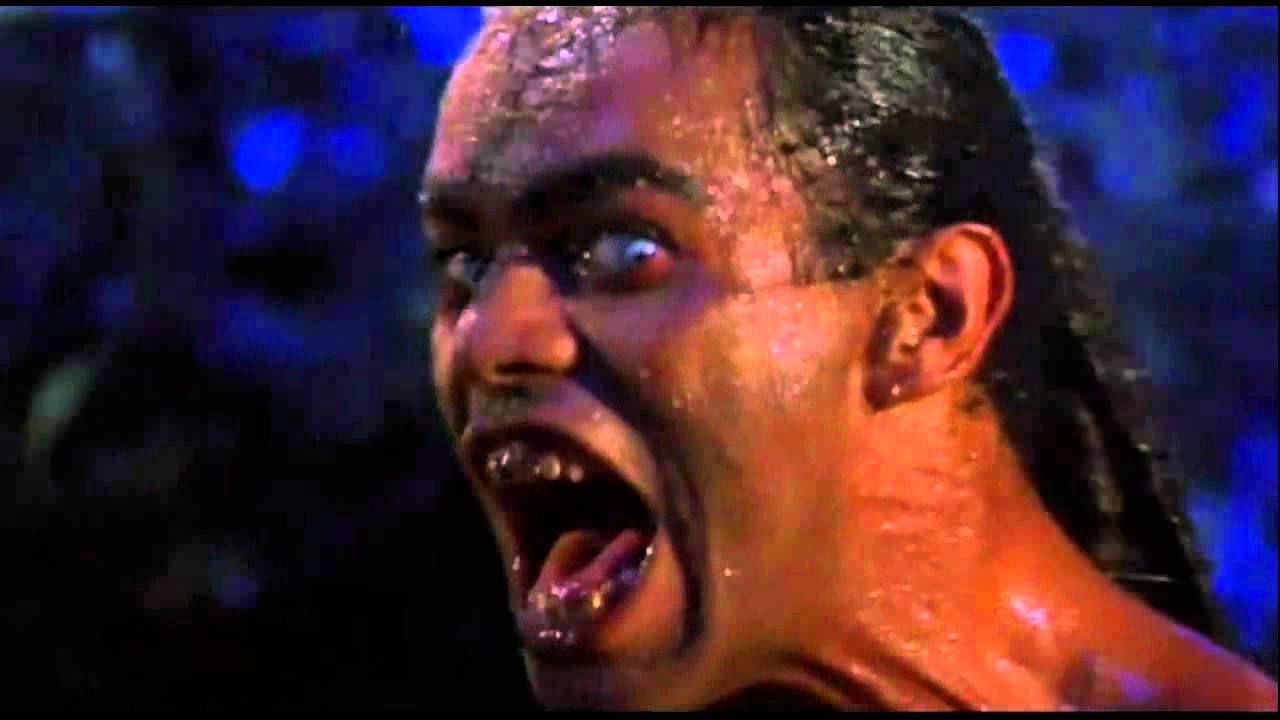
We open on a hellscape of a shattered world, sometime in the future. The narration is provided by Fender Tremolo. It’s an odd touch that the villain introduces the film, especially considering Fender spends the rest of the film shouting things like, “Blaaaaargh.” But it’s also odd that the cyborg isn’t the main character — you’d think, like The Terminator, The Running Man, or any number of action films, this would not be the case. But more on that in a minute.

Fender tells us:

First there was the collapse of civilization: anarchy, genocide, starvation. Then when it seemed things couldn’t get any worse, we got the plague. The Living Death, quickly closing its fist over the entire planet. Then we heard the rumors: that the last scientists were working on a cure that would end the plague and restore the world. Restore it? Why? I like the death! I like the misery! I like this world!

After the credits roll, he repeats this, in case we missed it literally seconds ago. Which is really kind of considerate, I guess. Maybe you were out of the room.

cyborg3

The plot is all in that narration. A cyborg has been developed. She was once human, but now has a computer brain, and she holds the secret to the cure. She is trying to get to Atlanta. (Because the CDC is still there? This is never clear, but it does provide opportunity for many people to say, “Aaaaattttlaaaaaanta,” so that’s positive.)

Unfortunately, she’s taken hostage by Fender and his crew, who have their own nefarious designs. Van Damme’s Rickenbacher is what’s called a “slinger,” essentially a gun-for-hire. He has a history with Fender, in the sense that Fender raped his ex-lover and forced the youngest daughter to drown the rest of the family in a well before kidnapping and corrupting her. Fender is bad.

cyborg1

Rickenbacher takes up with a woman named Nady Simmons (Deborah Richter, the worst) and the two of them travel south to save the world and/or get revenge. Much kicking and stabbing ensues.

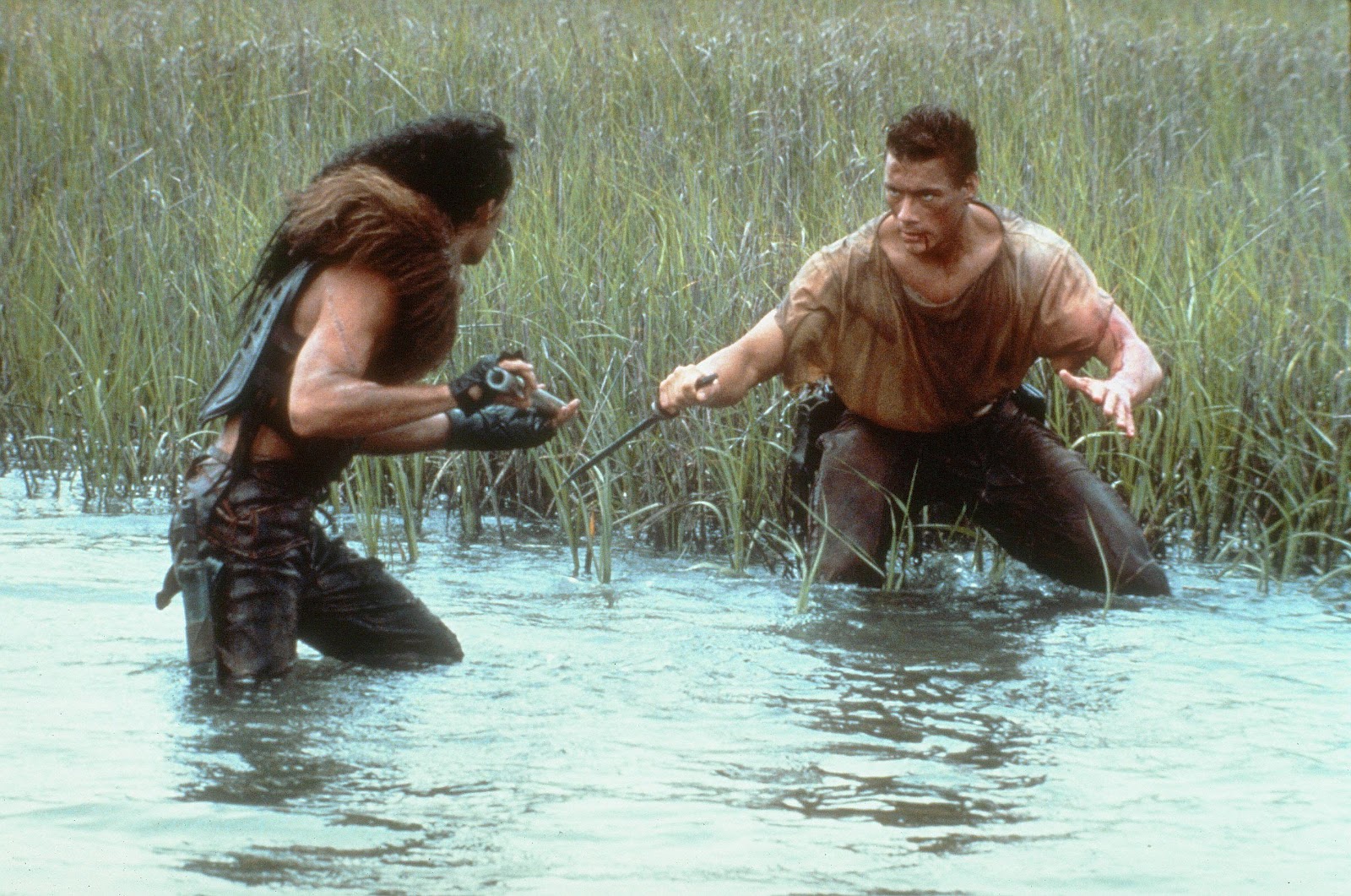
Pyun frames everything in murky darkness, with water pouring down whenever possible. His camera adores gleaming, oiled muscles and bloody torsos. If there is no sex in the film, it’s only because every scene is inherently sexual, lingering fetishistically on flesh. Most fights take place in what appear to be backlots and scrapyards. Pyun never found a shot he didn’t think could be improved with the addition of a few more pieces of garbage and bit more bicep.

cyborg4

Cyborg is fascinating for a number of reasons, but the connection between its eroticism and death fetish is its most notable. For reasons left unexplained, Fender and his men simply love nailing people to crosses. It’s their favorite thing to do. Their other favorite thing is to remove the flesh of their victims — an interesting corrollary to the film’s fixation on pre-removed flesh. It’s a fleshy affair.

After stumbling through high-profile disasters like Superman IV: Quest For Peace and Over The Top, Cyborg marked a return to Cannon’s bread and butter: shitty exploitation filmed on the cheap, with little or no concern for coherence and a whole lot of attention to profit margins. It worked, though not quite well enough to save them in the end.

Today, Cyborg is a cult classic, one of the true “has to be seen to be believed” exercises in popcorn-gobbling incompetence. It remains a bewildering fact that the same guys who made Cyborg financed Love Streams, but the 80s were a weird time no matter how you slice it.

cyborg3

Van Damme would go on to make many more pictures, but his work with Cannon may represent the purest distillation of his screen presence. Haunted, wounded, very strong, with limited English and, perhaps for this reason, not much to say, he unquestionably owns the screen in Cyborg. Whether that’s a good or a bad thing may be left to individual taste.

However, if you enjoy filmic silliness, stories built around outlandish costumes, gaping at deeply questionable narrative choices, and extraordinarily fit guys who mostly say, “Uuuuuuuuuunnnnnnnnnngggggghhhh”, Cyborg is the movie for you.

August 17, 2016 0 comments
0 FacebookTwitterPinterestEmail
Vegan Horror

Texas Chainsaw Vegan Horror: I like meat, please change the subject!

by rick August 15, 2016
written by rick

If we’re going to talk about vegan subtexts in horror cinema, we eventually are going to have to talk about The Texas Chainsaw Massacre, the macabre granddaddy of the trope.

Held up as “the ultimate pro-vegetarian film”, trumpeted by the perpetual attention-seekers and noted film critics at PeTA (in a list that also includes Lloyd Kaufman’s Poultrygeist: Night of the Chicken Dead, which is not quite as bad as ThanksKilling but still among the worst movies I’ve ever seen), and a mainstay of thinkpieces featuring “films with hidden activist agendas,” the subtext of Tobe Hooper’s horror classic is already well-established. Hell, ask Hooper himself: “It’s a film about meat.”

texas chainsaw6

Texas Chainsaw‘s celebrated status as an animal rights film still bears more than a passing mention, if only because it was among the first to so explicitly locate horror’s emphasis on vulnerability and instrumental use in the larger social context of slaughterhouse work and economic privation. Whereas a recent film like The Herd attempts to foreground the metaphor in service to advocacy and the sexual politics of meat/dairy, Texas Chainsaw derives its lasting power through allowing for multiple interpretations rooted in unsettling allusion.

Hooper sets this up right from the start. An early scene in Texas Chainsaw, ably subjected to formalist analysis on Horror Homeroom, forces the viewer to engage in a politics of sight:


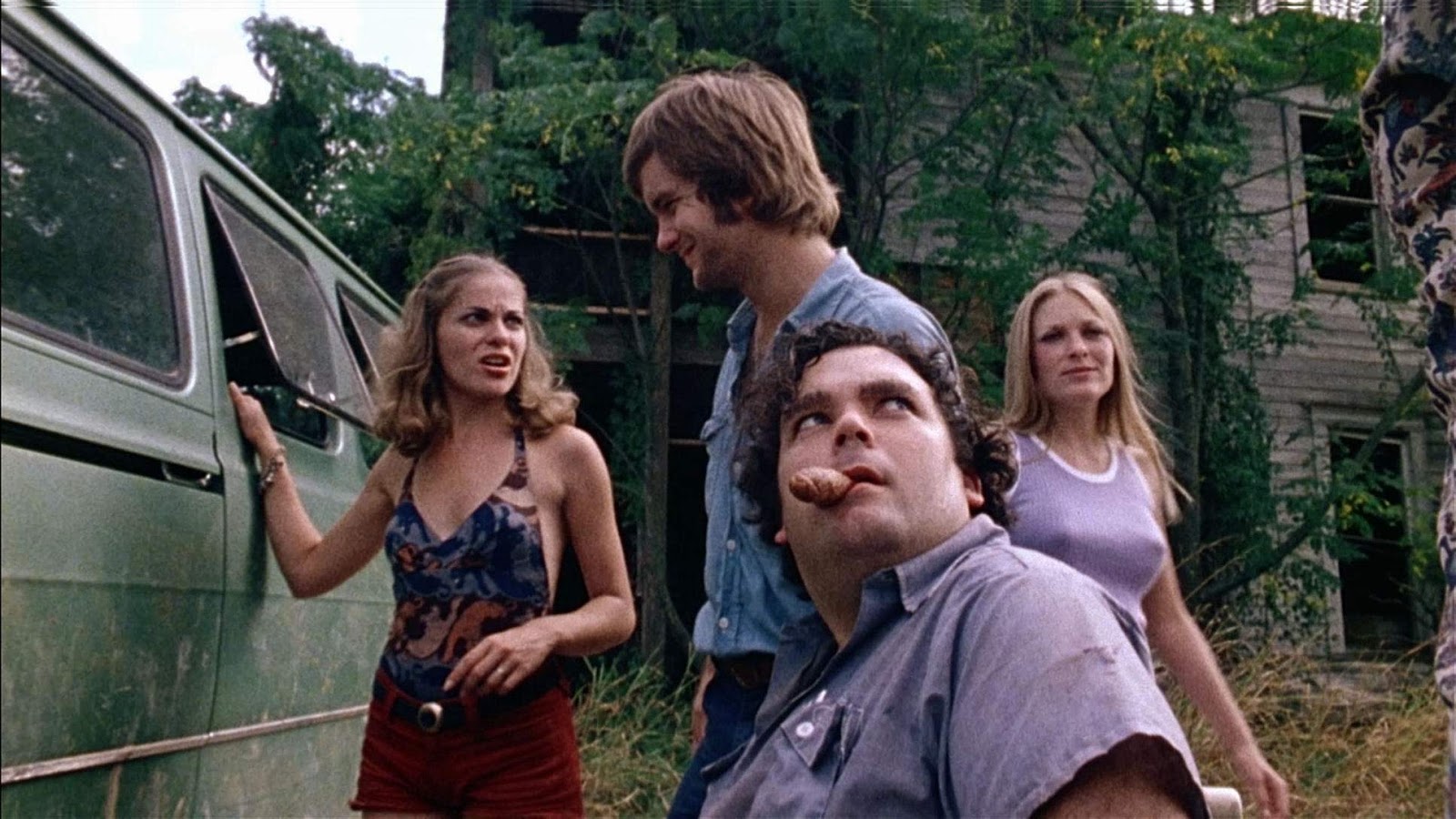
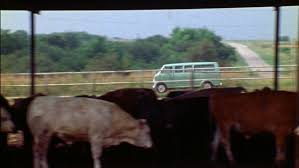
In their van, and right before they pick up the hitchhiker, the teens become overwhelmed by a stench. Looking out the window, Franklin declares (with some excitement) that it’s the “old slaughterhouse.” “You see that building there,” he says, gesturing beyond the van, “that’s where they kill ‘em. They bash ‘em in the head with a big sledgehammer.” Immediately afterward, the camera uncannily gives us a view the group would actually not be able to see from their van—a close-up the head of one of the cows in the slaughterhouse… Almost immediately, though, the camera pulls away and offers the view the teens do have—just a building, the living animals invisible somewhere inside it, a cattle mass, a mere blur as the human protagonists speed by on the adjacent highway.

Nothing shocking happens, by horror standards, but we are immediately aware of distance, both physical and moral. The slaughterhouse is the dominant fixture in Texas Chainsaw — the killers are slaughterhouse workers all, from a long line of the same — and yet it is barely glimpsed.

This is crucial to a film in which blood is also largely absent from the screen, despite what many audiences feel they remember about it. Humans are bashed on the texas chainsaw9skull, hung on hooks, their carcasses thrown in freezers. But as in the world outside the film, the mechanics of killing and consumption are omnipresent but invisible, a “mere blur as human protagonists speed by.”
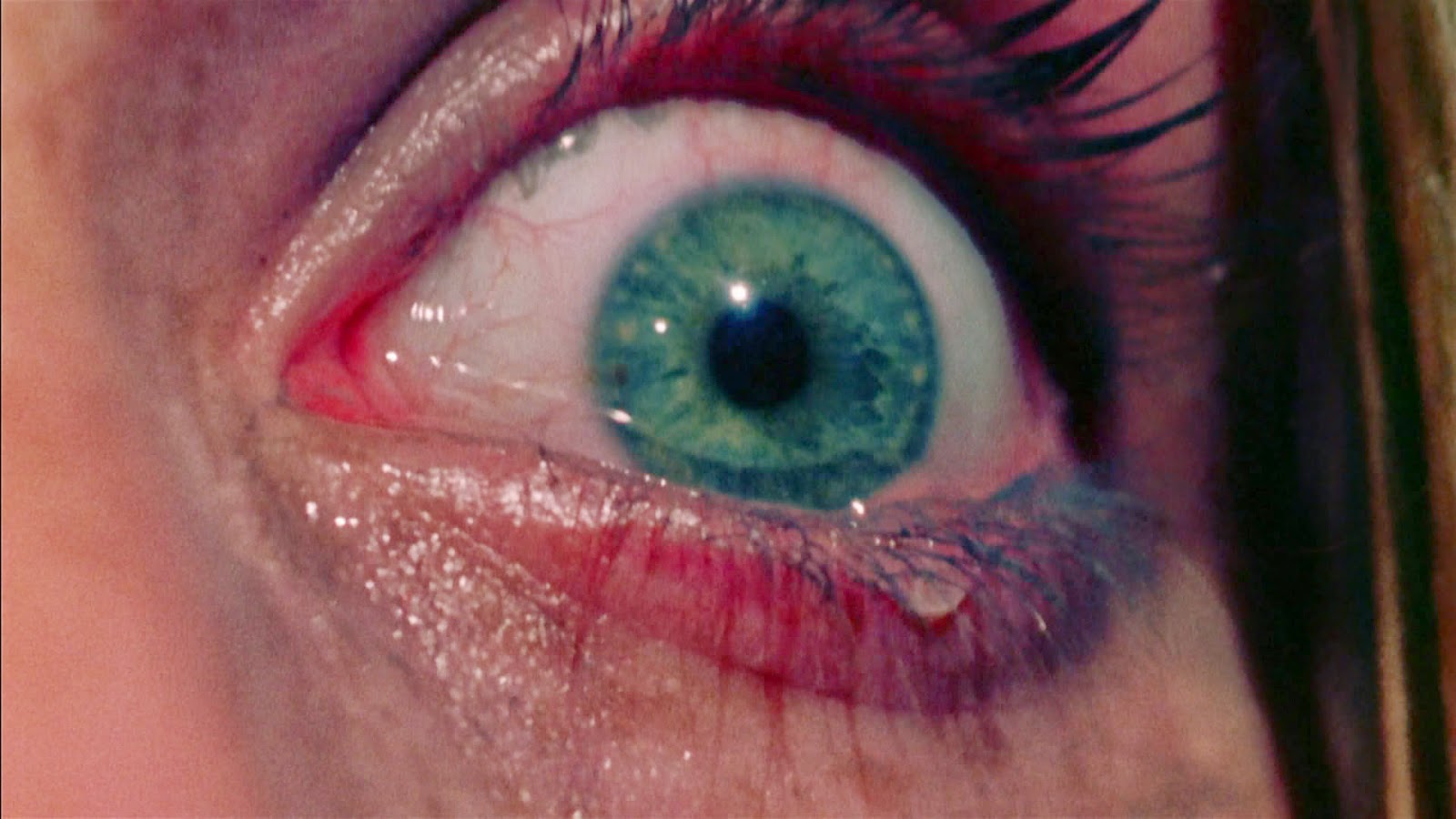
The following shot, however, reverses perspective, and we see the van from inside the pen. We are looking at those humans through cows’ eyes.

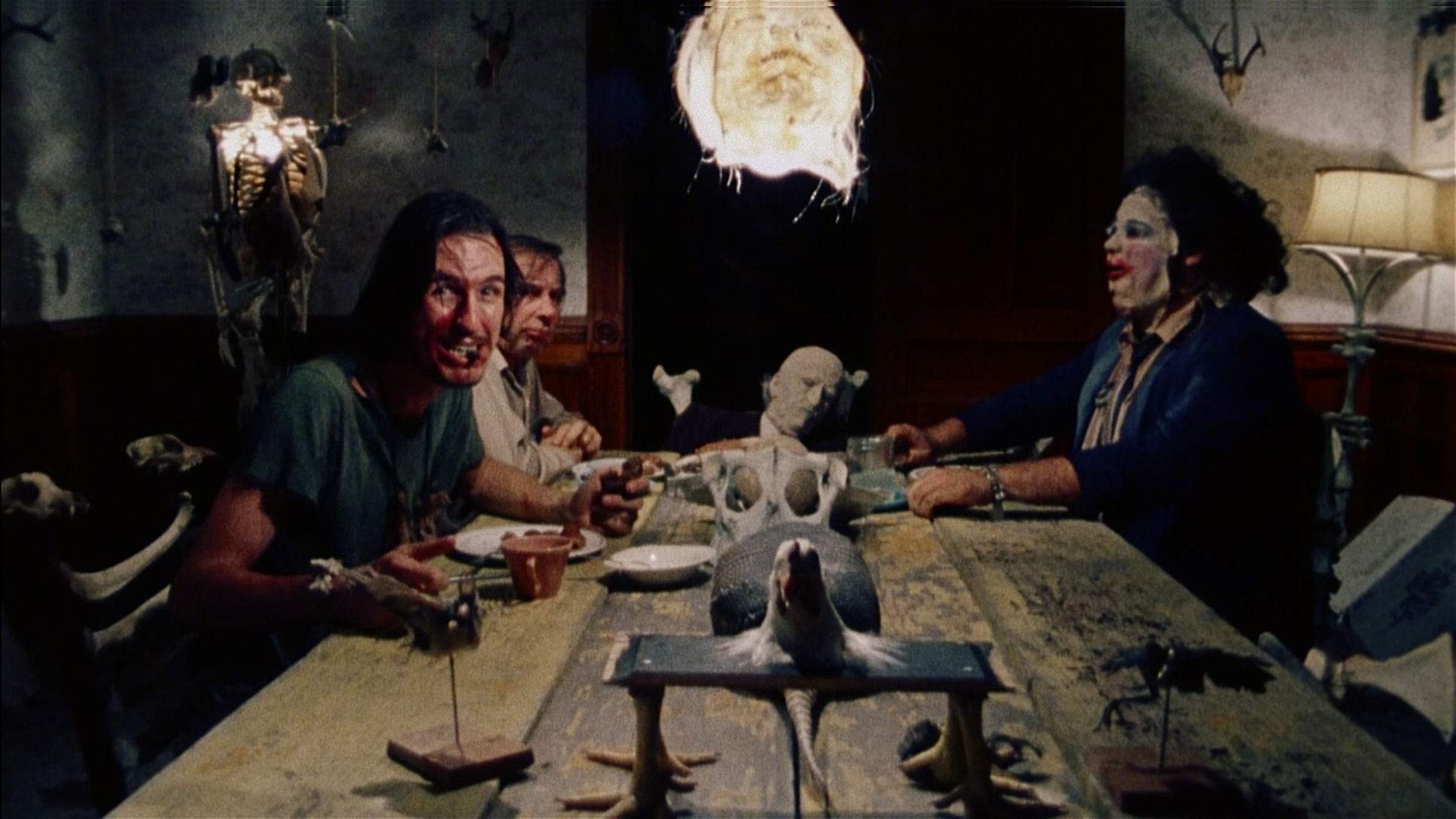
By complicating the POV, Hooper has rerouted that meaning, placing viewers in the position of livestock, just as the protagonists will find themselves as the film progresses. A final close-up of a cow’s eye prefigures the terrifying dinner table sequence, in which a close-up of Pam’s bloodshot and panicked eyeball almost seems to pulse due to the camera’s proximity, while her would-be renderers sit down for their version of a family meal and have some fun at her expense.

Texas Chain Saw Eye

texas chainsawIt’s a skin-crawling parody of wholesomeness — the family is, after all, just doing what they do — and the terror lies in understanding how close it is to our own tables. (Well, that and the screeching sound design.)
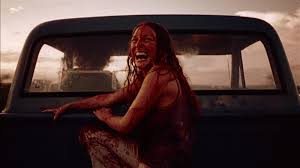

But there are several other layers to examine in Texas Chainsaw‘s treatment of the theme. Chief among them, there is the division between Sally’s grandfather’s cabin and the adjacent nightmare abode in which the family lives, bickers, and kills. (The family that slays together stays together!)

In his landmark investigative study Every 12 Seconds, sociologist Timothy Pachirat wrote about his time working in slaughterhouse environments and the ways in which the politics of sight are manipulated, maintained, and obscured through divisions of labor and physical separation:

The slaughterhouse as a whole is divided into compartmentalized departments. The front office is isolated from the fabrication department, which is in turn isolated from the cooler, which is in turn isolated from the kill floor. It is entirely possible to spend years working in the front office, fabrication department, or cooler of an industrialized slaughterhouse that slaughters over half a million cattle per year without ever once encountering a live animal much less witnessing one being killed.


But second and most importantly, the work of killing is hidden even at the site where one might expect it to be most visible: the kill floor itself. The complex division of labor and space acts to compartmentalize and neutralize the experience of “killing work” for each of the workers on the kill floor. After the knocker shoots the cattle, they fall onto a conveyor belt where they are shackled and hoisted onto an overhead line. Hanging upside down by their hind legs, they travel through a series of ninety degree turns that take them out of the knocker’s line of sight. There, a presticker and sticker sever the carotid arteries and jugular veins. The animals then bleed out as they travel further down the overhead chain to the tail ripper, who begins the process of removing their body parts and hides. Of over 800 workers on the kill floor, only four are directly involved in the killing of the cattle and less than 20 have a line of sight to the killing. There is a kind of collective mythology built up around the knocker, a mythology that allows for an implicit moral exchange in which the knocker alone performs the work of killing, while the work of the other 800 slaughterhouse workers is morally unrelated to that killing. It is a fiction, but a convincing one: of all the workers in the slaughterhouse, only the knocker delivers the blow that begins the irreversible process of transforming the live creatures into dead ones. If you listen carefully enough to the hundreds of workers performing the 120 other jobs on the kill floor, this might be the refrain you hear: ‘Only the knocker.’ It is simple moral math: the kill floor operates with 120+1 jobs.

Leatherface serves as the knocker in Texas Chainsaw, a damaged, almost child-like figure, but one of mystery and malevolence. His brother harangues him for various missteps, but he’s simply credited as the Cook.

Meanwhile, the space between the two structures, and between the two characters, come to assume something like the division between the “clean” and “dirty” sides of the kill floor, as Pachirat explains:

To give another example of how the work of killing is compartmentalized, the kill floor is divided spatially into a clean side and a dirty side. The dirty side refers to everything that happens while the cattle’s hides are still on them and the clean side to everything that happens after the hides have been removed. Workers from the clean side are segregated from workers on the dirty side, even during food and bathroom breaks. This translates into a kind of phenomenological compartmentalization where the minority of workers who deal with the “animals” while their hides are still on are kept separate from the majority of workers who deal with the *carcasses* after their hides have been removed.

The logistical demands of slaughterhouse morality, cloaked in the world outside the film as a concession to “food safety,” have crept into the mechanics of daily life (and death). Further, if the relative safety of the cabin marks a kind of clean floor, that’s only because we’ve allowed it to seem so. If we can’t see it, it’s because we don’t believe it, and if we don’t believe it, it’s because it remains unseen.

texas chainsaw2

Hooper’s achievements in Texas Chainsaw are substantial. The nexus of familial bullying, perverse domesticity, and the collapse of the local economy (as prefigured by the earliest scene of an abandoned gas station, implicitly referencing the shortages of the time, and the Hitchhiker’s contention that bolt pistols put sledgehammer-wielding brainbashers like him out of work) segue into treatments of class, gender, and consumption, all glimpsed through notions of the seen and the unseen.

And “the seen and the unseen” — the eyes on screen, our eyes on the screen — marks a fundamental notion of horror cinema aesthetics as much as it does a politics of industrialized slaughter.

This is all on screen, or just off of it. Before the horror starts, Pam reads Sally’s horoscope in the van.

There are moments when we cannot believe that what is happening is really true. Pinch yourself and you may find out that it is.

Meanwhile, the old drunk at the gas station can’t suppress his amusement at our blindness:

Things happen here about, they don’t tell about. I see things.

In the world of The Texas Chainsaw Massacre, the eyes are wide open.

August 15, 2016 0 comments
1 FacebookTwitterPinterestEmail
FilmReviews

New on Netflix: Leena Yadav’s Parched

by rick August 13, 2016
written by rick

Blending elements of Bollywood musicals, melodrama, and moments of jarring realism, Leena Yadav’s deeply feminist Parched explores the struggles and solidarity of four women in a rural Indian village. It’s a world of brightly colored joy and patriarchal despair in equal measure, and Yadav draws excellent performances from her three primary characters.

That tonal mixture makes for a strange set of contrasts at times — bouncing from light comic scenes to dance numbers to brief but horrifying moments of violence and sexual assault — but Parched is often gripping. It’s also beautifully shot by Russell Carpenter (of Titanic, Ant-Man, and the decidedly less feminist Monster-In-Law).

parched

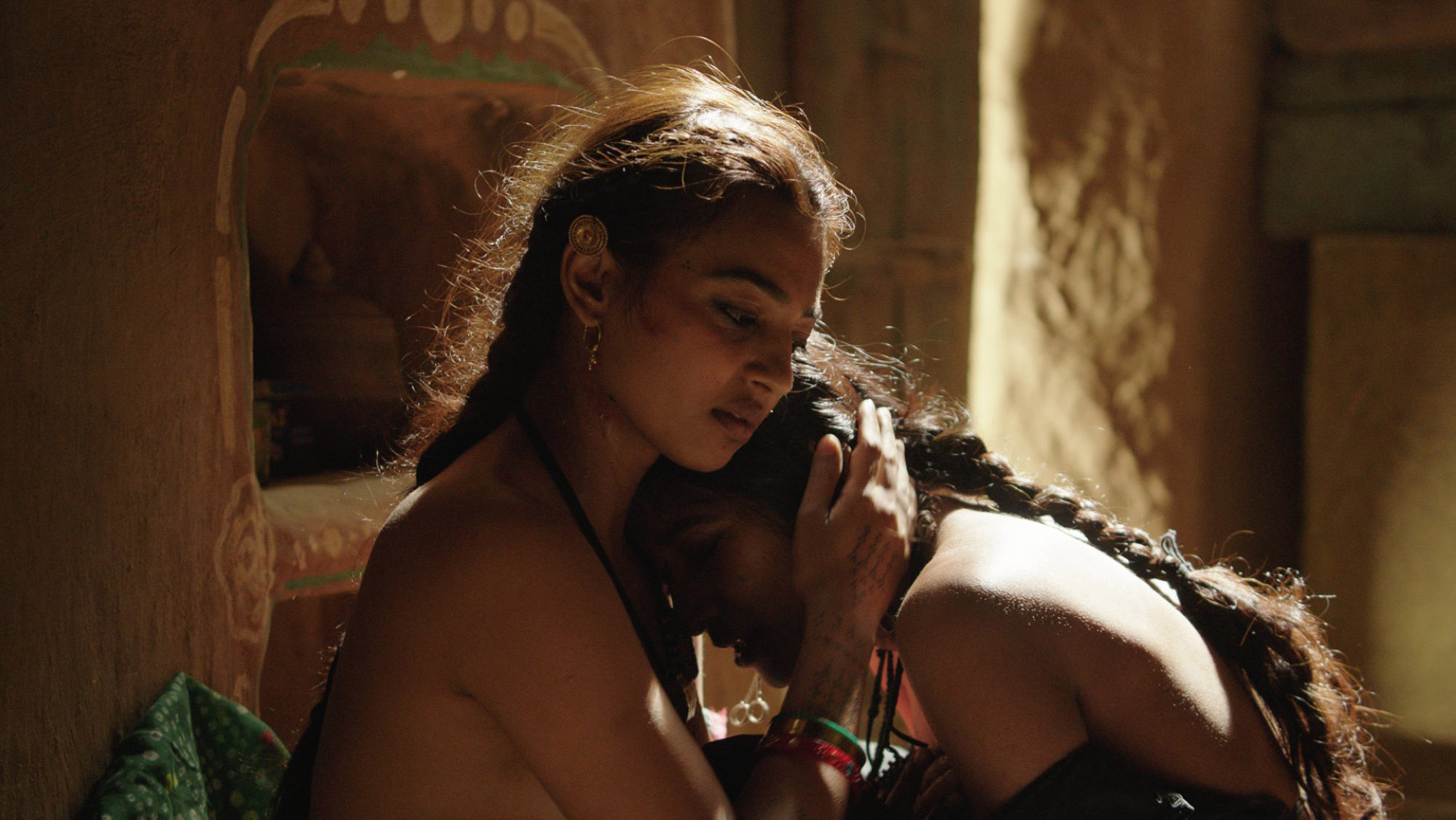
Parched focuses on three women with very different sets of problems, all rooted in patriarchy and smothering cultural norms. Lajjo (Radhika Apte) is a seamstress and wife to a drunken brute who holds their childlessness against her. Rani (Tannishtha Chatterjee) is a widow marrying off her entitled and increasingly nasty 17-year-old son Gulab to the even younger Janaki (Lehar Khan). And Bijli (Surveen Chawla) is a dancer/sex worker both disdained for lasciviousness (including by the men who cheer her on stage and hire her services) and admired for her relative freedom by her friends and the wider community.

Yadav and co-screenwriter Supratik Sen create astute and individual psychologies for the three women, and place them in a narrative that allows wider complexities to take hold. Parched can get a bit didactic or heavy-handed — the men are, by and large, cartoonish in their villainy — but this is offset by how well the character scenes work.

parched2

The frequent grimness of its depiction is also made much more palatable by a counter-intuitively light touch, which finds humor, brightness, and beauty amid desperate circumstances.

The English-language title Parched implies that desperation, but, by the time our unlikely heroines are Thelma-and-Louising their way to the excitement and trepidation of new lives, it’s clear that the connections fostered between them will be their sources of relief.

Quick Links

robinson crusoe on mars

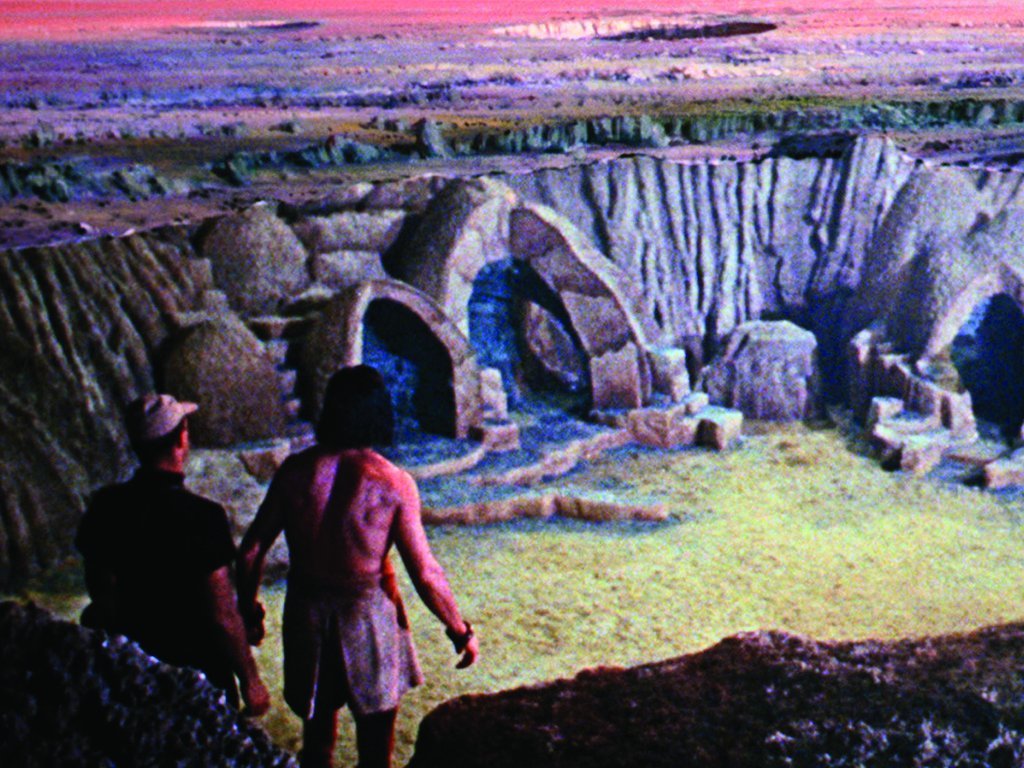
Robinson Crusoe On Mars: As the saying goes, “Before there was Matt Damon, there was Paul Mantee.” Ok, that’s not a saying at all, but 1964’s Robinson Crusoe On Mars followed some similar narrative broadstrokes to the recent The Martian, but with more ’60s-style sci-fi trappings, a monkey, and Adam West. If that sentence didn’t hook you, I don’t know what will.

cartel land

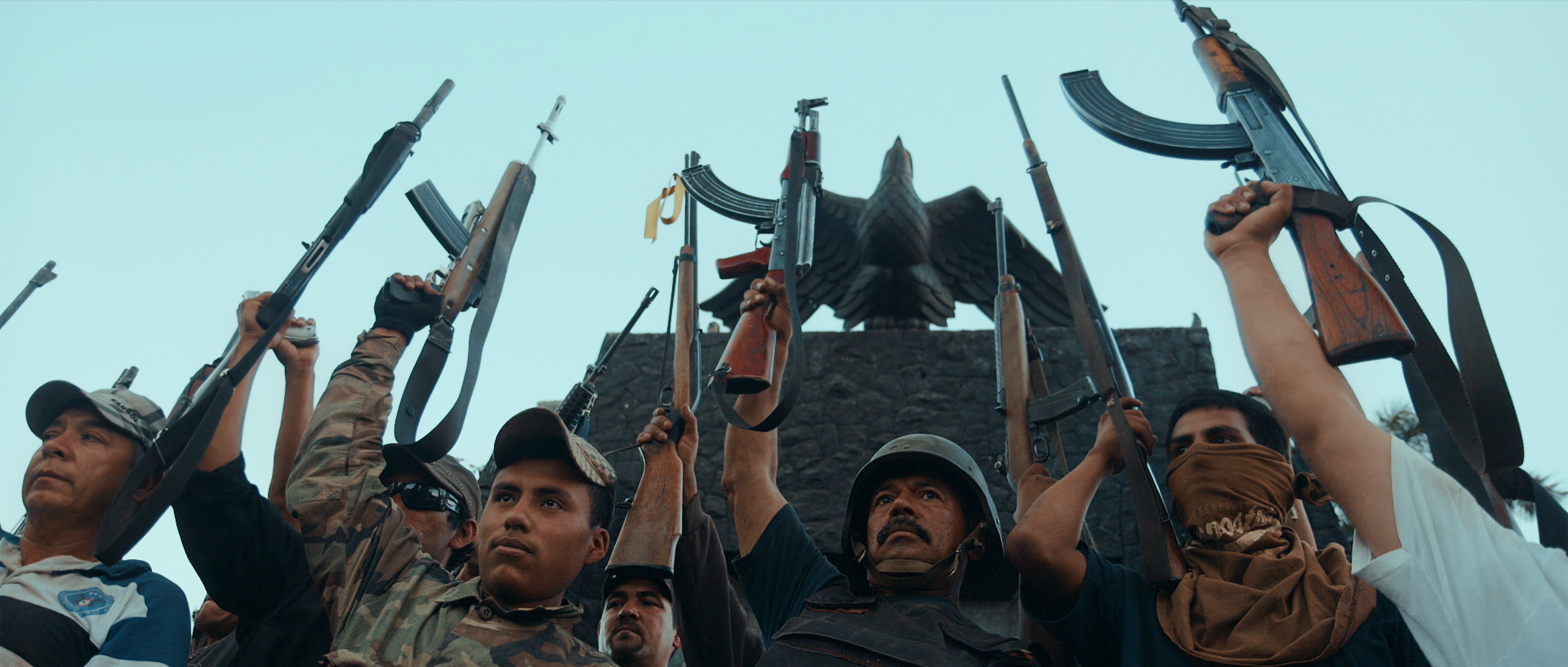
Cartel Land: A gripping drug war documentary, director Matthew Heineman gets into some dangerous territory while covering paramilitary vigilante groups on both sides of the U.S./Mexico border caught in intractable bloodshed and battle with the cartels. The digital, hand-held footage is harrowing, the Autodefensas are inspiring (until they aren’t), and the issues are complex and timely. This is excellent filmmaking.

melancholia

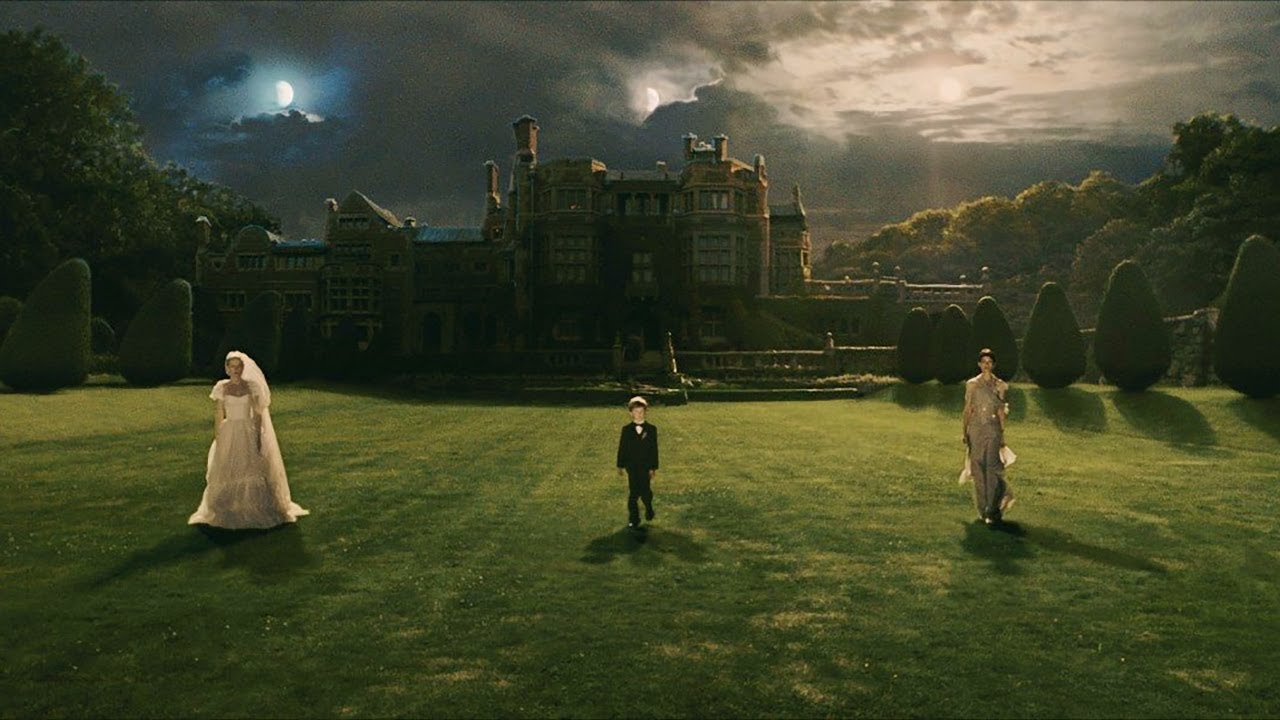
Melancholia: Lars von Trier’s meditation on depression and the end of the world isn’t a ton of laughs, but it’s gorgeously filmed and feature impressive performances all around. Kirsten Dunst and Kiefer Sutherland in particular make the most of their parts, and there are truly resonant moments here. It’s not a standard von Trier provocation, for better and worse, but it is probably his most approachable work. Yes, the “depression and end of the world” film is the approachable one. That’s Lars von Trier for you.

big short

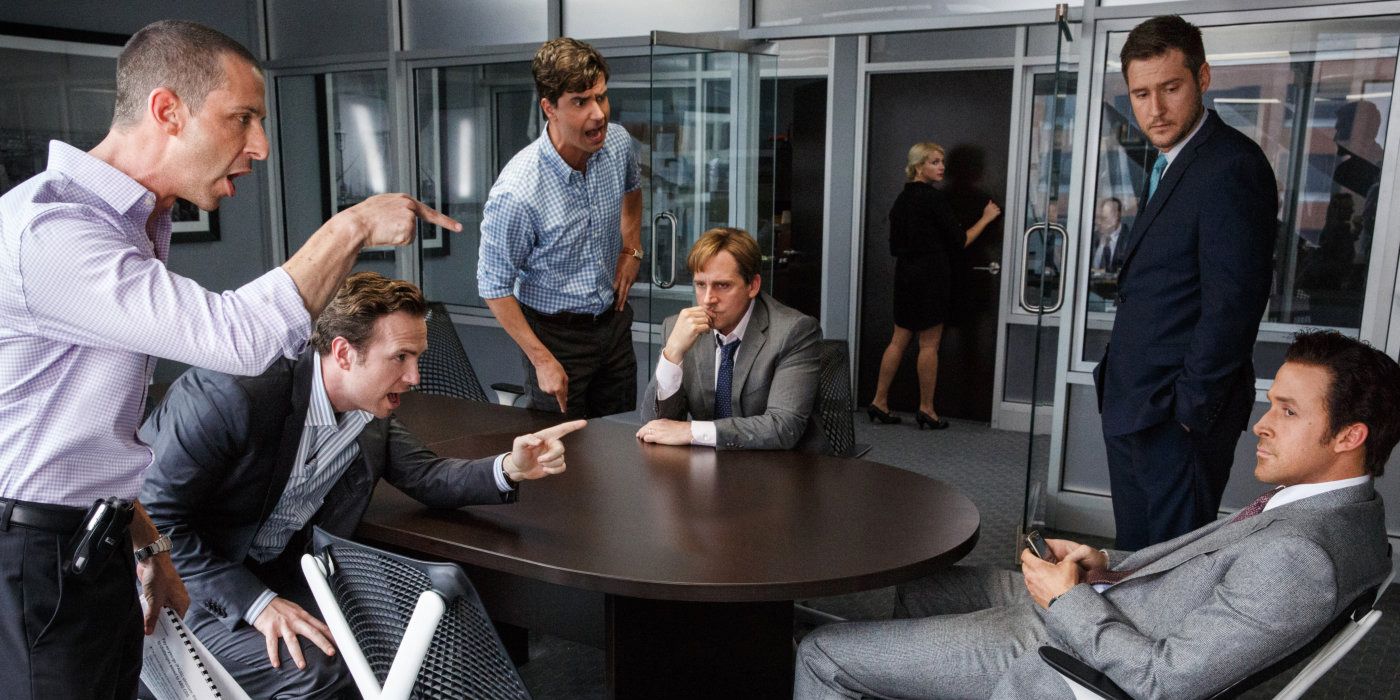
The Big Short: “The director of Anchorman takes on the financial crisis” sounded from the start like it would be divisive, and The Big Short doesn’t disappoint in that department. It’s uneven and full of questionable choices. Yet somehow it works. Director Adam McKay throws everything he can at the topic, juggling outrage and absurdity in equal measure, a combination that suits the material. Does the film have flaws? Absolutely. But it’s something of a small miracle that, by the end, its ADD-sensibility comes to seem absolutely appropriate, and even the surreal, fourth-wall-breaking jokes can’t hide an anger I didn’t expect from McKay. Love it or hate it, you should check it out.

August 13, 2016 0 comments
0 FacebookTwitterPinterestEmail
CommentaryFilmGreat Movie Project

Murnau’s spectacular Faust is an old story made new

by rick August 10, 2016
written by rick

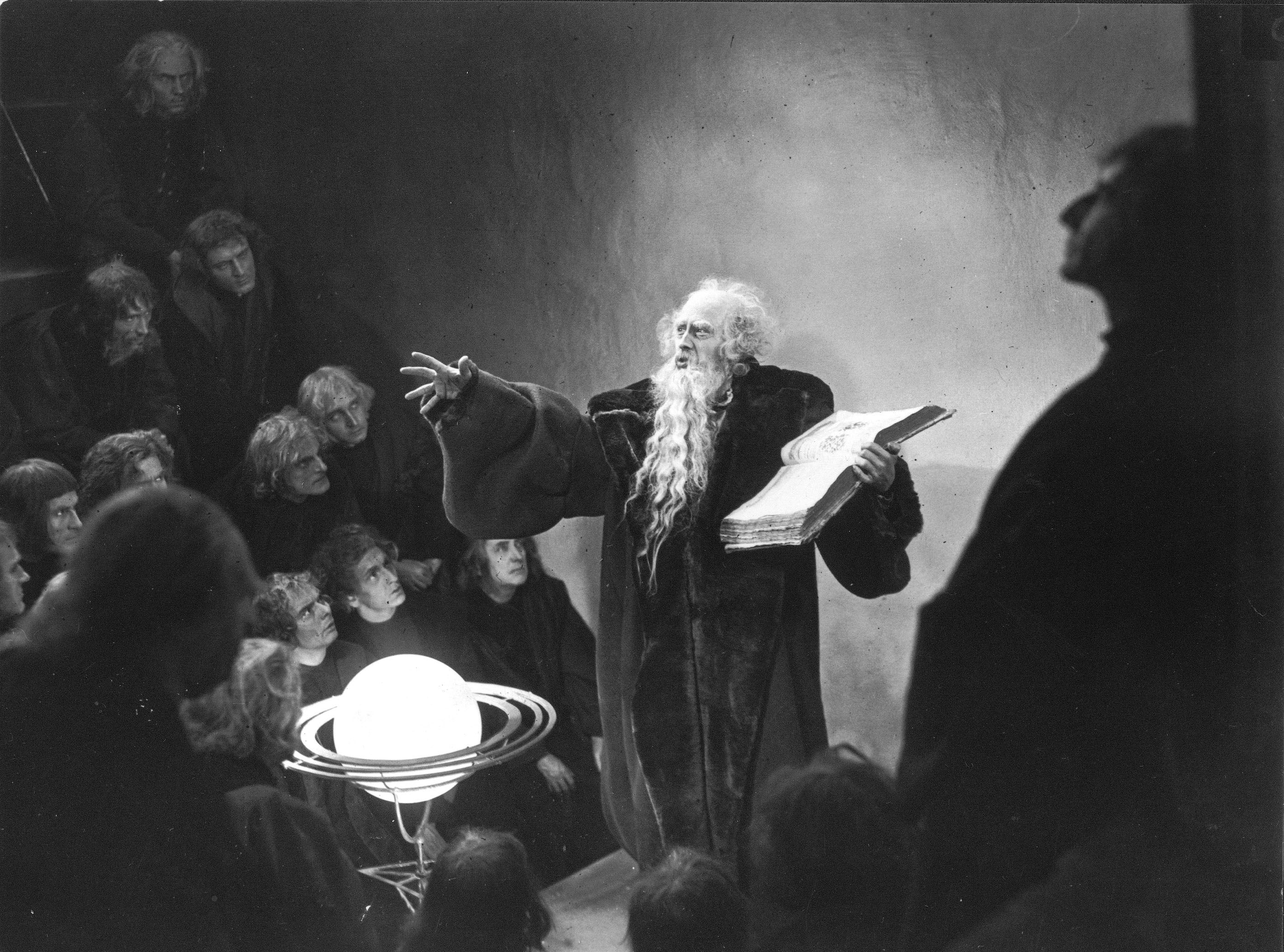
Many silent classics, and much art more generally, have drawn on the oldest tales, mining the legacies of myth and the commonalities of familiar narratives to present them anew. Ursula Le Guin writes, “That is the gift the great storytellers have. They tell the same stories over and over (how many stories are there?), but when they tell them they are new, they are news, they renew us, they show us the world made new.” F.W. Murnau’s Faust is a visually spectacular entry in this tradition.

faust7

His 1926 masterpiece, the last of what’s termed his German period, came on the heels of The Last Laugh, reviewed earlier in this series. Faust tends to get relegated to some kind of historical-cinematic second-tier, ambitious but flawed (though it has its passionate defenders). And indeed, it was something of a bust at the box office and with contemporary critics like Siegfried Kracauer, champion of Weimar cinema, especially Caligari and Fritz Lang.

faust2

But this is a bewildering disservice to his Faust. Mapping this centuries-old story of good and evil — told most famously by Marlowe, Goethe, and Gounod, but dating much further back — onto contemporary concerns, and presenting it with unprecedented practical and in-camera special effects, Faust could just as easily be held up as the pinnacle of German Expressionism, not a footnote to it.

If you are unfamiliar with the tale, in its many overlapping versions, it goes like this. Faust is an aged, learned man, an alchemist who feels he’s exhausted the limits of the world’s knowledge, yet longs for more. He makes a pact with the Devil, trading his soul for a taste of that which has eluded him. The Devil, in turn, has made a bet with an Archangel, hinging on the notion that Faust can be turned to evil and renounce God. After sampling any number of worldly delights, with Mephisto as his guide and servant, Faust grows bored with his limitless power, discovering, usually too late, that he has the whole world at his fingertips but it has come at a terrible cost.

faust3

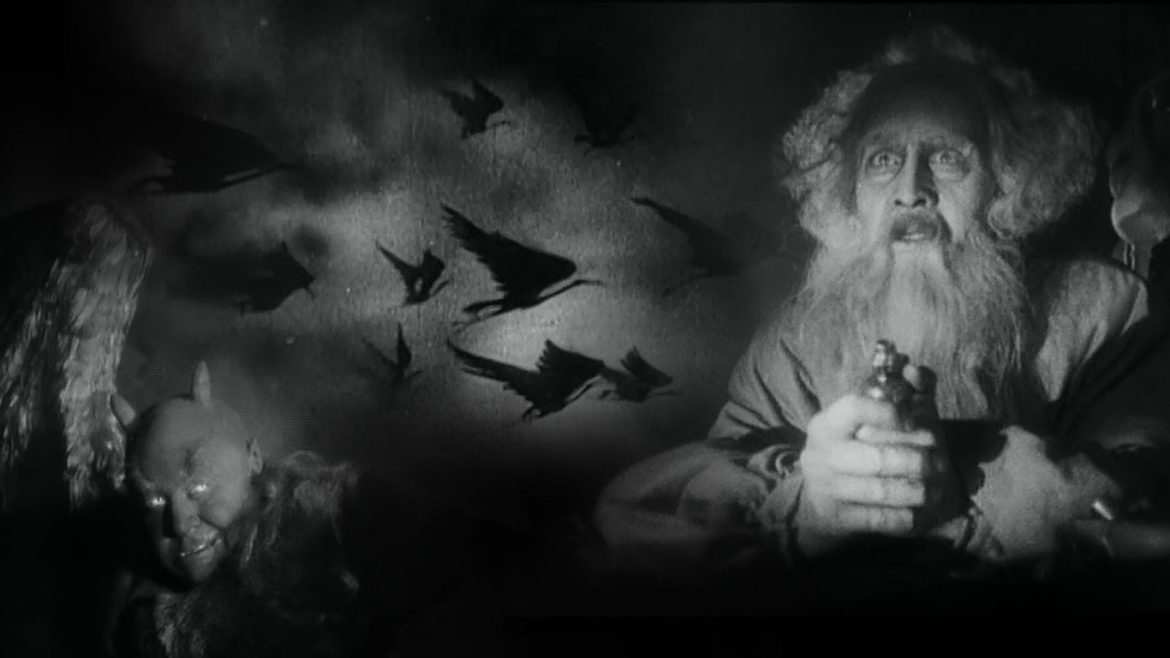
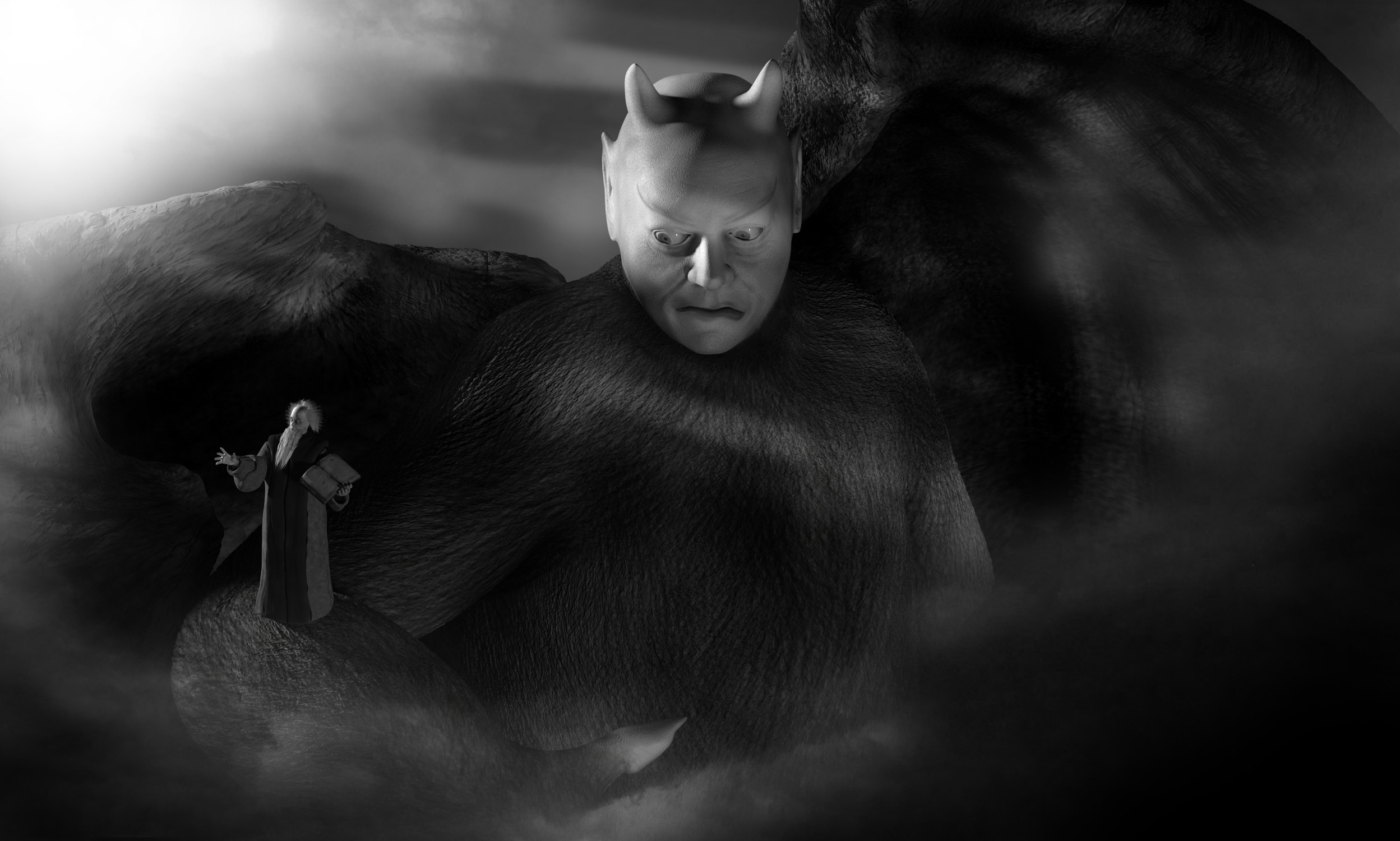
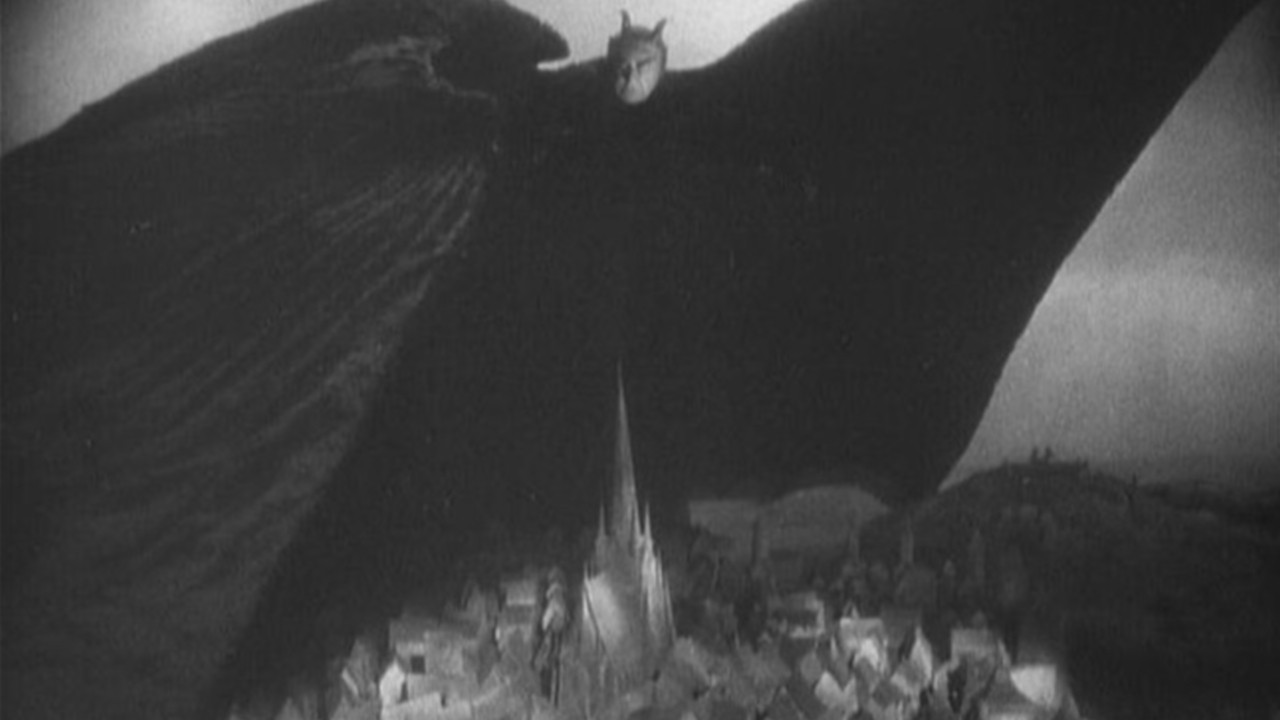
In Murnau’s telling, which meshes several versions of the story, Faust (Gösta Ekman) is an old man unable to use the power of Christ to aid villagers dying of the plague. That plague, of course, was introduced into the village by the Devil himself for the purpose of his game: in exactly the kind of practical effect some of us miss in the age of CGI, Satan (Emil Jannings) looms over a replica with cloak and wings outspread, spreading pestilence and suffering throughout the land. It’s horrifyingly striking, in the way nightmares can only be.

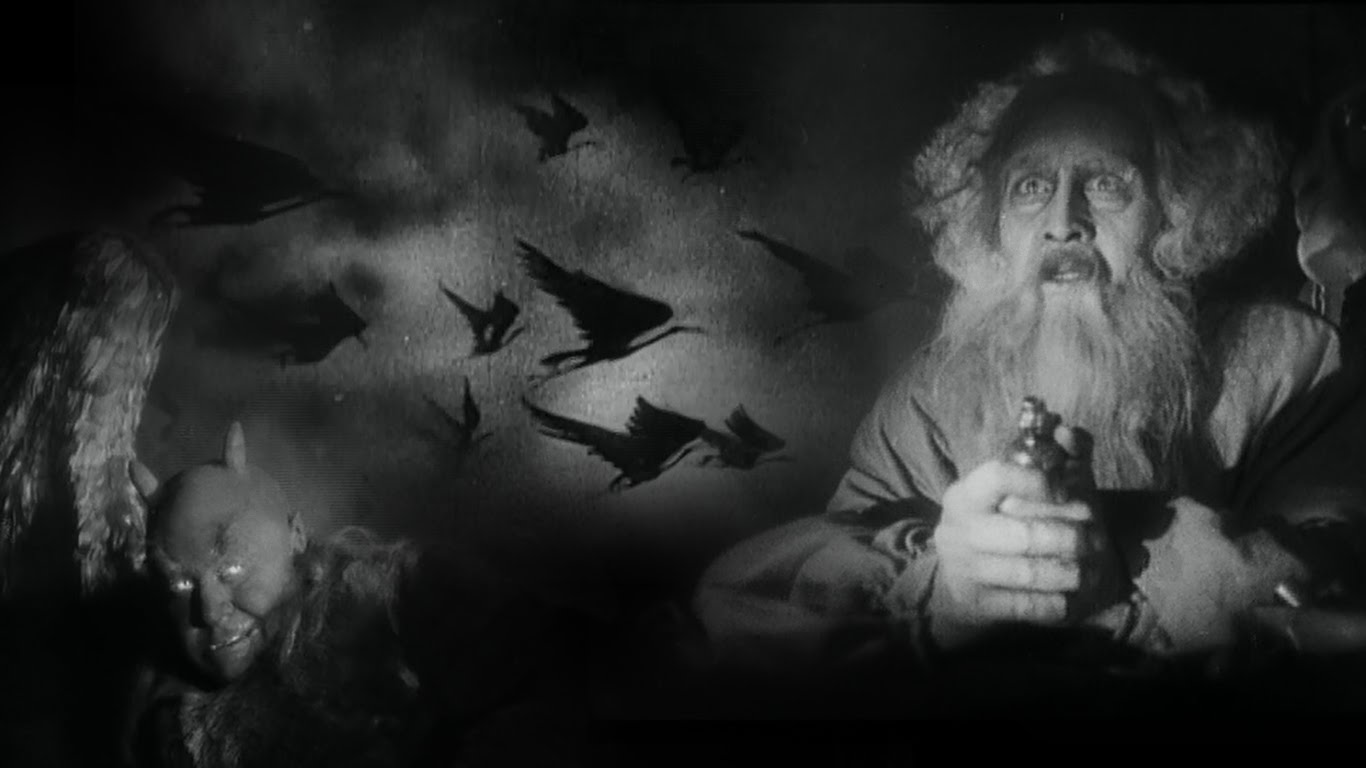
After discovering the power of the Devil instead, Faust brings Mephisto to his side, a wish-granting nemesis in disguise. He cures others, but is shunned by the cross. Instead, he wishes for youth, travels the world, woos a Duchess in Italy, takes a still-incredible magic carpet-ride as the world spreads before him, with all its possibilities.

But he grows bored with this endless ability to fulfill any wish he imagines. Desire outstrips desire, and Faust decides he wants nothing more than to return home. There, he promptly falls in love with pious, ethereal Gretchen (Camilla Horn, in a role the producers hoped for Lillian Gish and, curiously, future Nazi propagandist Leni Riefenstahl wanted for herself).

faust1

It turns out it’s not so easy to both sell your soul to the Devil and also romance church-going village ladies. Things take a sharp turn toward violence and then calamity. But at the last moment, and with none of the crowd-pleasing wish-fulfillment of The Last Laugh, our hero is redeemed through the awesome power of love, and his soul saved.

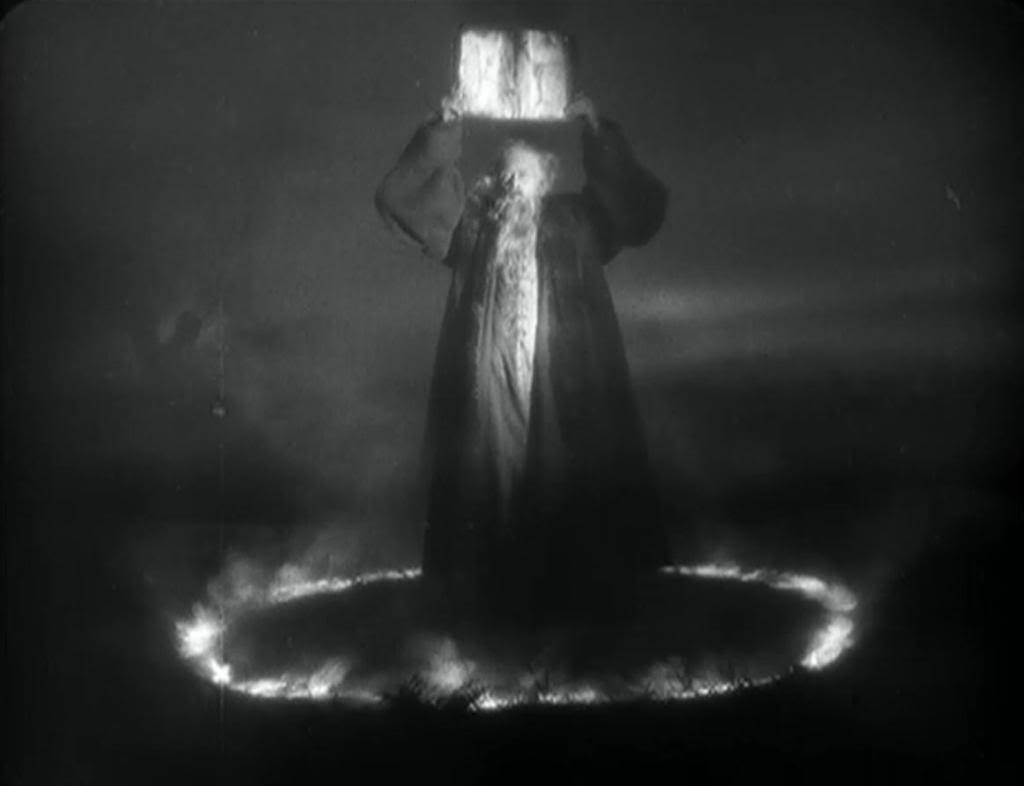
It’s an epic and gorgeous tale spun out through some of the most spectacular images ever committed to film. The world Murnau creates is one of contrast, shadows and light, that literalize the binary struggles at the narrative’s core. Full of superimpositions and set-pieces like the plague scene, the magic-carpet ride, and the visualization of Gretchen’s scream across the countryside, Faust is remains one of the most incredible visual fantasias of all time, testament to a master at the height of his powers.

faust4

It’s also a hodge-podge of tones, shifting abruptly from comedy to tragedy, often in a single scene (especially when Jannings is involved, who can be unnervingly realistic one moment, stagy the next, and borderline-Kabuki performer a moment later). A long sequence after Faust’s return home and courtship of Gretchen also features some leering innuendo between Mephisto and Gretchen’s Aunt Marthe, which seems to have arrived from a different film.

But the messiness actually suits Faust here. This is a film that, like its titular anti-hero, wants to be everything at once. The social concerns of the period are reflected in the townsfolk’s treatment of the wretched, abandoned, and mocked Gretchen, but by drawing on archetypal images of struggle in the world, Murnau seems to be after something much more universal than social critique.

faust6

Perhaps, like Caligari, his Faust is rooted in the fervor and anxiety of Weimar, with an unsettling focus on the dangers of ambition and epistemic closure that would take a genocidal turn in ensuing years. But the film’s head is in the clouds, where angels and the Devil square off.

It is a fascinating thing that Eric Rohmer, that quiet cataloguer of moment and gesture, wrote his doctoral dissertation on Murnau and Faust. In some ways, it is hard to imagine two more different filmmakers. But a closer analysis, as conducted here, makes very clear how much they shared.

faust5

This similarity is, at least in part, because Faust is obsessed with rendering images that accurately depict complicated psychologies and relations. Murnau’s deployment of light — whether the book burning in a fire, the ring around Faust as the Devil is invoked, the world spreading out before him, the clarity of Gretchen’s face during their lovemaking in the woods, the scream emanating through time and space, or just the shadows that create an artifical pinhole POV on the screen — is the mark of someone exploring all that film might do.

For now before the Judge severe
No crime can pass unpunished here
All hidden things must plain appear

That’s a title card from a pivotal scene towards the end, but it could serve as Murnau’s modus operandi here. All hidden things must plain appear. In Faust, as nowhere, else they suddenly do, and an old story seems new again.

Favorite Ebert quote:

Like all silent-film directors, Murnau was comfortable with special effects that were obviously artificial. The town beneath the wings of the dark angel is clearly a model, and when characters climb a steep street, there is no attempt to make the sharply angled buildings and rooflines behind them seem real. Such effects, paradoxically, can be more effective than more realistic ones; I sometimes feel, in this age of expert CGI, that I am being shown too much — that technique is pushing aside artistry and imagination. The world of “Faust” is never intended to define a physical universe, but is a landscape of nightmares. When the elderly Faust is magically converted by Mephisto into a young man, there is a slight awkwardness in the way one image is replaced by another, and oddly enough that’s creepier and more striking than a smooth modern morph.

August 10, 2016 0 comments
0 FacebookTwitterPinterestEmail
CommentaryFilm

Cinema, cinema, cinema: Against cinema

by rick August 9, 2016
written by rick

Do films have to be watched in their entirety? Is that a heretical question even to ask? Is it cinema if you only watch half?

A friend and I were pondering this earlier today, perplexed that more people weren’t showing up for her online programming. That’s a model with structural constraints: solid internet connections, the appropriate time to carve out of busy schedules.

But it’s an enduring question, posited in different ways in different contexts. It really comes down to the question, “What is cinema?”

Nick Pinkerton’s excellent Sight & Sound piece, “The Great Levelling: ‘expanded cinema’ and the humbling of the movies” offers some thoughts. As it happens, this was published concurrently with some cinephiles’ enthusiasm for “The Movie Orgy”, director Joe Dante‘s snapshot ode to all the things he enjoys.

lisa and the devil

Pinkerton writes about the ways in which our experience of cinema has changed, partly attributable to new modes of production and reproduction, but also reflective of the modes of our engagement. “The screen” is not what it once was, and, as it turns out, “the screen” was never what it once was.

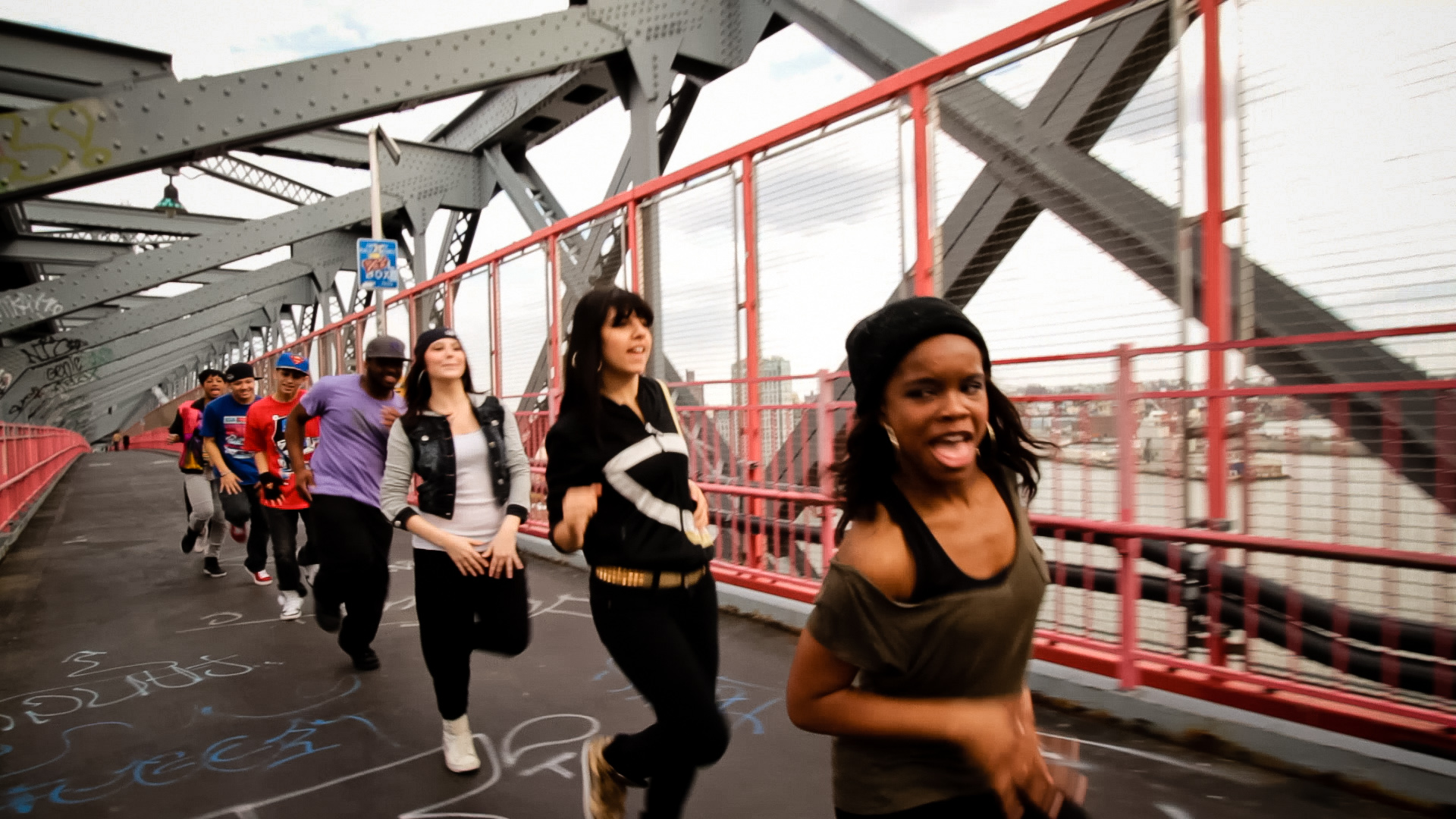
girl walk all day

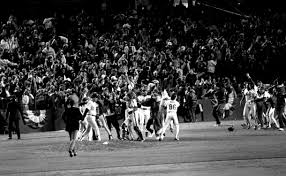
There is a fetishization of a particular variety of filmmaking and corollary critique that has come to dominate our notions of film. When David Ehrlich put Girl Walk // All Day on his “Best Of” list for the year, you could hear the distant cries (even though J. Hoberman said Game 6 of the 1986 World Series was one of the best cinematic events of the year 30 years ago).

game 6

It needs a screen to be a movie, no? And a big screen at that. And a plot, or imagistic structure, indebted to the anxieties and childhood remembrances of its creator. And almost certainly a white guy grappling with an existential quandary, perfectly framed, drawing on either impressionistic or expressionistic mechanisms, depending on the material, presented for committed viewers to mull over and discuss, hopefully over coffee or wine. Everything else is philistinism, targets for auteurs to rail against.

The Movie Orgy is a collection of interpolated clips, originally running 7 hours, a free-form assemblage of reference and visual association divorced from the supposed coherence of the roots that give it meaning. Yet fans are enthusiastic. Is this a different and more interesting approach, an oppositional counter-critique suspicious of narrative, or just a bunch of bullshit thrown at the wall for the short attention spans of easily distracted viewers with phones in their pockets?

The classic notions of cinephilia — the demands that one must pay full attention, that going outside to get high or making out in the back of the theater is a sin against cinema itself, that every work forms a coherent work of art, communicated from earnest filmmakers to the eager visual receptacles of polite viewers, desperate to parse the illusory meanings of its creation — seem more distant by the day. We pretend we’re in another time, but we’re not.

Pinkerton writes:

For most people, movies are experienced now as digital files of variable resolution viewed on an assortment of glowing rectangles of descending size, from the movie-sized screen to the living room flatscreen to the tablet to the phone – and on most of these multipurpose devices the ‘movie’ is just one of a bevy of entertainment options. While a revolution in viewing habits has taken place, film cultural discourse has lagged behind, mired in nostalgia for the days before the barriers fell. Among other things, this means that contemporary cinema is retrofitted to be understood according to a familiar narrative of cultural-critical history, so that there is an unbroken continuity between the Cahiers du cinéma moment of the mid-1950s and 2016, and there is always a new crop of geniuses hiding in plain sight, working craftily within the constraints of the Hollywood system, disrespected by the hoity-toity cultural gatekeepers, and Justin Lin is the new Anthony Mann, and it’s eternal summer in Paris as we emerge blinking from the rue d’Ulm Cinémathèque of our minds to relive and relive the Golden Age of Cinephilia.

But it’s gone, and we do ourselves no favors by failing to reflect on the kinds of artistic creation that define our own time. By all means, watch classic films (g-d knows I do). But let’s not imagine that we exist in a moment we do not. There are amazing things going on, and they need our attention. And not all of them originate in the west, much less on film.

oddball

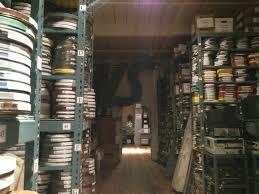
Last Friday, I went to a screening of 16 and 35 mm prints at Oddball Films. It is truly ironic that the curators there use such prints to intervene in their presentation, but that’s the idea — a post-MST3K assemblage of news footage, pornography, and assorted oddities. It wasn’t the Movie Orgy, but I bet there were more penises.

The striking thing for me was the way in which rapidly vanishing modes of representation were incorporated, contrasted (via double projection), and made dangerous again. It wasn’t mere irony. It was reflective of the curatorial impulse, the archival spirit, willing to abbreviate things, screen shorts, show one movie on top of another. It was enormously entertaining and enlightening.

We don’t live in the age of auteurs, and there’s a good case that auteur theory has hurt us more than it’s helped. It’s heartening to know that, here and there, people are scrambling the code of authorship and narrative, creating new things through juxtaposition and manipulation of images.

We live in dangerous times, and, despite a collective horror, our films are far too safe. Renewed attacks on “cinema” are well overdue. We need a discursive insurgency. Cinephiles should be first in line.

August 9, 2016 0 comments
0 FacebookTwitterPinterestEmail
Vegan Horror

Vegan Horror in Melanie Light’s The Herd

by rick August 8, 2016
written by rick

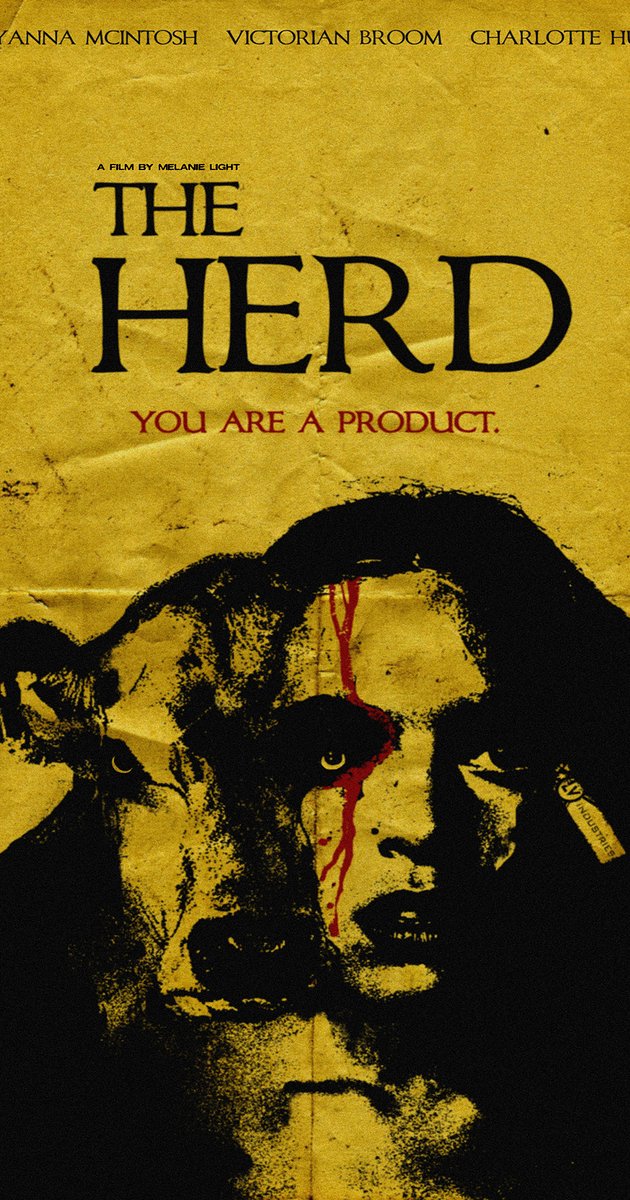
Many horror and sci-fi films play with themes drawn from our treatment of nonhuman animals and the natural world. From the Night of the Living Dead to the Texas Chainsaw Massacre movies, and on through pure exploitation and extreme cinema, the subtexts are often hard to miss — a focus on vulnerability, powerlessness, instrumental use. Melanie Light’s The Herd (2016), on the other hand, dispenses with the subtext altogether, delivering a 20-minute shocker that explicitly doubles as a piece of animal advocacy.

This is both a credit to the commitment of its creators and something of a knock against the film itself. As I’ve argued, part of horror’s power in this regard is the often oblique, askew approach. The Herd is indeed an eco-feminist take on captivity and exploitation, with some anti-capitalist underpinnings, but something seems lost amid all the brute force of metaphor.

herdposter

Like The Herd, The Texas Chainsaw Massacre lends itself to an animal rights reading through analogy and by emphasizing what theorist Carol Adams, borrowing from linguistics, has called “the absent referent”. But it managed to do so without a coda of actual slaughterhouse footage in case we missed the point.

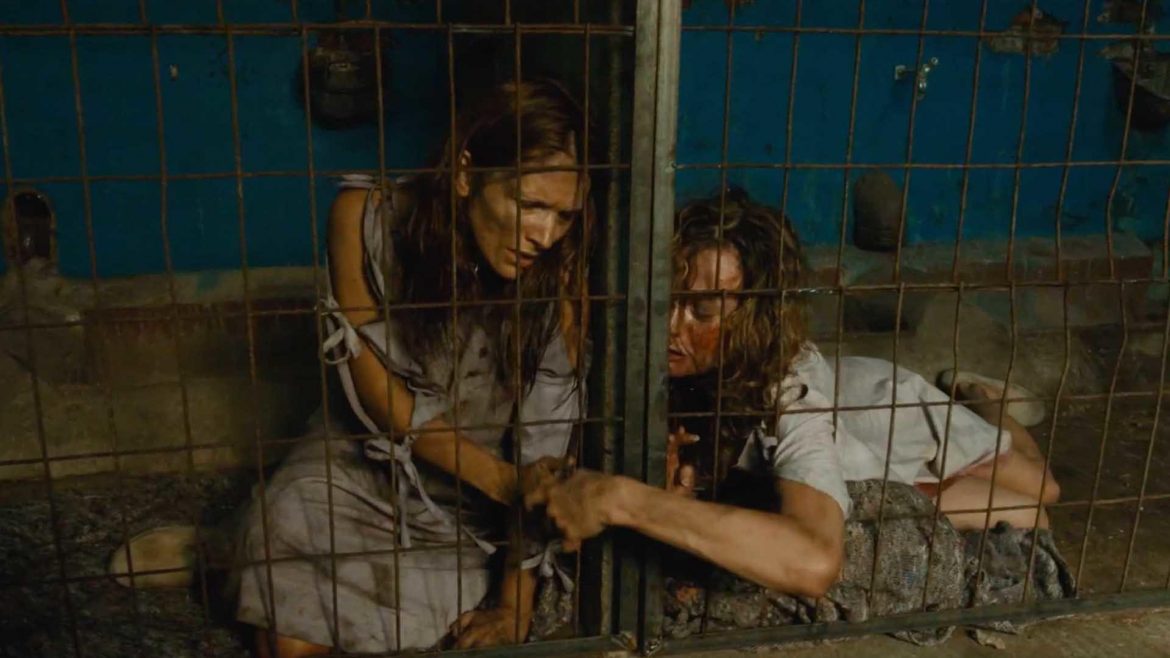
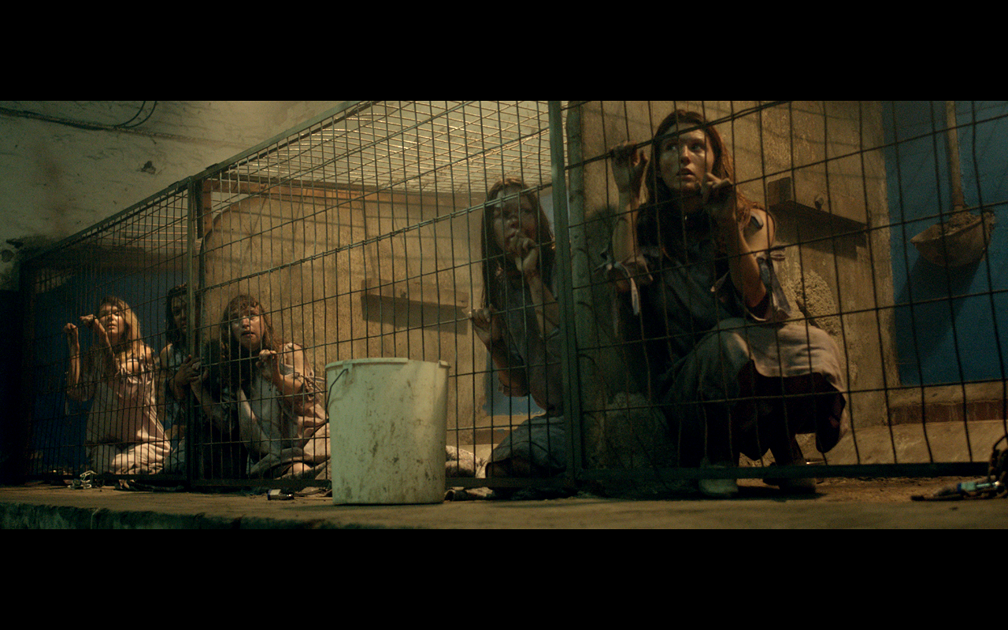
Still, Light’s film is just as upsetting as it means to be. We open on a cringe-inducing body horror sequence of forced artificial insemination, then move on to squalid basement cells filled with dirt-encrusted human women and take a stroll through a nightmare of dairy-like milking stations. It’s the torture-farm of Hostel made explicitly to evoke the treatment of nonhumans, and it’s every bit as horrifying as it sounds.

Light might stage these metaphorical terrors with a heavy hand, but her direction is accomplished. The murky rooms are framed with light from outside that filters through when doors open, and the sound design is an appropriate aural representation of hell.

When one of the caged women gives birth, she smiles with delight upon being told that it’s a boy; of course, in a dairy, that’s a death sentence, and the human infant is promptly tossed into a trashcan while she watches.

If this sounds tough to take, that’s because it is. Light and her cohorts’ ambition is to literalize the suffering of farmed animals, and its monstrous absurdity. In this facility, the end-product is a facial cream for the more affluent, imbued with “nature’s finest ingredients.”

the herd2This class-based touch is an intriguing addition to the anti-patriarchy and, were The Herd longer than 20 minutes, perhaps it would’ve figured more prominently. We never really learn who these women are or how the system works, apart from its reliance on institutional cruelty and bureaucratic indifference. As a feature, maybe Light could expand on the themes.

As it stands, The Herd is an intentionally shocking punch in the gut, an exercise in mondo transgression with a revenge narrative exploitation fans will enjoy. But I suspect it’s of limited appeal outside of vegan and extreme horror circles. The film hopes to change minds through brute force, but it’s hard to imagine it succeeding at that. If anything, its on-the-nose substitution of human for nonhuman grief and terror seems likelier to drive audiences away.

Of course, for all its subtextual subtlety and remarkable near-bloodlessness, The Texas Chainsaw Massacre isn’t exactly a mainstream lark, either, so maybe that’s a distinction without a difference. But if Light could expand The Herd‘s analogy and provide some measure of character development, maybe it would make the kind of difference the filmmakers envision.

August 8, 2016 0 comments
0 FacebookTwitterPinterestEmail
Newer Posts
Older Posts

About

About

Towards a provisional theory of the cinema, or, failing that, just some shit about movies

Authors
Rick Kelley
Lark Lundberg

Keep in touch

Facebook Twitter

Categories

  • Conversation
  • Film
  • Film By Film
  • Great Movie Project
  • Great Movies: The Counter Programming
  • Guest
  • News
  • Other
    • Commentary
    • Film
    • Interview
    • Reviews
    • Song for a Sunday
  • Streaming Selections
  • TV
  • Uncategorized
  • Vegan Horror

Archives

  • April 2019
  • March 2019
  • January 2019
  • December 2018
  • November 2018
  • October 2018
  • September 2018
  • August 2018
  • July 2018
  • June 2018
  • May 2018
  • April 2018
  • March 2018
  • February 2018
  • January 2018
  • December 2017
  • November 2017
  • October 2017
  • September 2017
  • August 2017
  • July 2017
  • June 2017
  • May 2017
  • April 2017
  • March 2017
  • February 2017
  • January 2017
  • December 2016
  • November 2016
  • October 2016
  • September 2016
  • August 2016
  • July 2016
  • June 2016
  • May 2016
  • April 2016
  • March 2016
  • February 2016
  • January 2016
  • December 2015
  • October 2015
  • September 2015
  • August 2015
  • July 2015
  • June 2015
  • May 2015
  • April 2015
  • March 2015
  • February 2015
  • January 2015
  • December 2014
  • November 2014
  • October 2014
  • August 2009
  • September 2008

Recent Posts

  • China Girls, Death Proof, and the Hidden Face
  • Old News: Old Noise Edition
  • Old News: April 1, 2019
  • Nicolas Winding Refn, Marginalia, and the Deaths of Cinema
  • And now, let us praise Kanopy

Recent Comments

  • Franklin Kat on Michael Shannon shines again in Frank & Lola
  • Sean Tempesta on Cinema and dream-logic in Meshes of the Afternoon
  • ludditerobot on The Left-Wing Slapstick and Iconic Songs of 1937’s Street Angel
  • Franklin Kat on The Left-Wing Slapstick and Iconic Songs of 1937’s Street Angel
  • Arijit Mukherjee on Great Movies Project: The Counter-Programming
  • Facebook
  • Twitter

@2021 - All Right Reserved. Designed and Developed by PenciDesign


Back To Top
Luddite Robot
  • Reviews
  • Commentary
  • Great Movie Project
    • Great Movie Project
      Bride of Frankenstein is a movie for and…

      January 25, 2018

      Great Movie Project
      The Enduring Appeal of Nick and Nora in…

      November 29, 2017

      Great Movie Project
      The Ahistorical Fever Dream of The Scarlet Empress

      August 2, 2017

      Great Movie Project
      Dreams, Mundanity, and the Anarchist Yearnings of L’Atalante

      July 12, 2017

      Great Movie Project
      Duck Soup Is And Will Always Be A…

      April 19, 2017

  • Counter Programming
    • Great Movies: The Counter Programming
      Walking and Talking in the Shadow of Kanchenjungha

      March 7, 2018

      Great Movies: The Counter Programming
      A Brief Encounter in My Mother and Her…

      February 9, 2018

      Great Movies: The Counter Programming
      Horror’s Refusal in Farrokhzad’s The House Is Black

      October 13, 2017

      Great Movies: The Counter Programming
      The rage and beauty of The Cloud-Capped Star

      October 3, 2017

      Great Movies: The Counter Programming
      The daylight noir and social issue empathy of…

      June 22, 2017

  • Vegan Horror
    • Vegan Horror
      Julia Ducournau doesn’t think her film Raw is…

      June 7, 2017

      Vegan Horror
      Licking our wounds: The vampiric masculinity of Ravenous

      December 13, 2016

      Vegan Horror
      Eggertsson and animals: An approach to horror cinema

      September 15, 2016

      Vegan Horror
      “It’s Not My Nature” – Vegetarianism, Body Horror,…

      August 30, 2016

      Vegan Horror
      Bodies and Carcasses in Predator 2

      August 23, 2016

  • Interview
    • Interview
      Jasmine Leyva’s doc The Invisible Vegan aims to…

      May 3, 2017

      Interview
      Bridging The Abyss: An Interview With The Directors…

      November 28, 2016

      Interview
      7 Days in Ohio: An Interview with Nathan…

      September 12, 2016

      Interview
      Film Critic Phil Dy talks New Filipino Cinema

      June 17, 2016

      Interview
      “I Love Seeing Film Projected.” A Conversation with…

      March 22, 2016