Top Posts
Madeline’s Madeline: An Unclassifiable Panic Attack Maybe-Masterpiece
Shoplifters Steals Moments of Wonder from the Mundane
Burning and Forgetting What’s Not There
Kusama: Infinity Expands Beyond The Canvas
Mandy Risks Little, Wins Little
In We The Animals, The Children Are Away...
The Seagull Isn’t Quite Chekhov, But It’s Still...
5 Million Ways Boots Riley Isn’t Sorry To...
American Animals’ and the Queasiness of the Heist
A Star Is Born In Hearts Beat Loud
  • Reviews
  • Commentary
  • Great Movie Project
    • Great Movie Project
      Bride of Frankenstein is a movie for and…

      January 25, 2018

      Great Movie Project
      The Enduring Appeal of Nick and Nora in…

      November 29, 2017

      Great Movie Project
      The Ahistorical Fever Dream of The Scarlet Empress

      August 2, 2017

      Great Movie Project
      Dreams, Mundanity, and the Anarchist Yearnings of L’Atalante

      July 12, 2017

      Great Movie Project
      Duck Soup Is And Will Always Be A…

      April 19, 2017

  • Counter Programming
    • Great Movies: The Counter Programming
      Walking and Talking in the Shadow of Kanchenjungha

      March 7, 2018

      Great Movies: The Counter Programming
      A Brief Encounter in My Mother and Her…

      February 9, 2018

      Great Movies: The Counter Programming
      Horror’s Refusal in Farrokhzad’s The House Is Black

      October 13, 2017

      Great Movies: The Counter Programming
      The rage and beauty of The Cloud-Capped Star

      October 3, 2017

      Great Movies: The Counter Programming
      The daylight noir and social issue empathy of…

      June 22, 2017

  • Vegan Horror
    • Vegan Horror
      Julia Ducournau doesn’t think her film Raw is…

      June 7, 2017

      Vegan Horror
      Licking our wounds: The vampiric masculinity of Ravenous

      December 13, 2016

      Vegan Horror
      Eggertsson and animals: An approach to horror cinema

      September 15, 2016

      Vegan Horror
      “It’s Not My Nature” – Vegetarianism, Body Horror,…

      August 30, 2016

      Vegan Horror
      Bodies and Carcasses in Predator 2

      August 23, 2016

  • Interview
    • Interview
      Jasmine Leyva’s doc The Invisible Vegan aims to…

      May 3, 2017

      Interview
      Bridging The Abyss: An Interview With The Directors…

      November 28, 2016

      Interview
      7 Days in Ohio: An Interview with Nathan…

      September 12, 2016

      Interview
      Film Critic Phil Dy talks New Filipino Cinema

      June 17, 2016

      Interview
      “I Love Seeing Film Projected.” A Conversation with…

      March 22, 2016

Luddite Robot
Film critique, theory, and assorted nonsense.
CommentaryFilm

China Girls, Death Proof, and the Hidden Face

April 14, 2019

Old News: Old Noise Edition

April 8, 2019

Old News: April 1, 2019

Nicolas Winding Refn, Marginalia, and the Deaths of Cinema

CommentaryFilm

And now, let us praise Kanopy

January 24, 2019

Warren Sonbert and the Relief of Anti-Narrative

January 14, 2019

The World Is Ending and It Doesn’t Matter

The Best Films of 2018

FilmReviews

Madeline’s Madeline: An Unclassifiable Panic Attack Maybe-Masterpiece

December 21, 2018

Shoplifters Steals Moments of Wonder from the Mundane

December 11, 2018

Burning and Forgetting What’s Not There

Alien, Musicology, and Reading Soundtracks

CommentaryFilm

Shocktober III: Halloween 2018 Edition

October 24, 2018

Shirley Jackson’s The Lottery Traumatized Schoolkids in 16 mm

October 18, 2018

Shocktober 2018 II: Another Reshockening (of Horror)

Häxan is a movie made by a movie character

CommentaryFilm

Shocktober 2018

October 7, 2018

Unprofessional! Spring Night, Summer Night

October 3, 2018

The Wild Boys: A Luddite Robot Conversation

Kusama: Infinity Expands Beyond The Canvas

FilmReviews

Scream, Blacula, Scream (Bob Kelljan, 1973)

by rick February 2, 2015
written by rick

In his A-Z of Horror, Clive Barker includes a section on Black treatments of the familiar horror themes, focusing on Blaxploitation shock features and modern-day horror-core ensembles like The Gravediggaz (featuring Rza from Wu-Tang, under the name The Rza-rector). While there’s an inescapable element of silliness to these efforts (case in point: “Rza-rector”), the main idea – pairing the horror of the Black experience in America to established horror movie themes – has always been a smart one in my opinion. Candyman might be the best example, as it’s awesome and terrifying, but the underlying notion is sound. It’s no wonder that nascent Black Power politics found its way into horror back in the day, a genre fundamentally about Otherness, alienation, power, and violence.

Scream, Blacula, Scream doesn’t quite live up to this high-minded thesis statement. For starters, it is a film called Scream, Blacula, Scream. In the grand tradition of Faster, Pussycat! Kill! Kill! and similar outings pitched to the bleachers, it is first and foremost concerned with delivering thrills, chills, and kills. It’s mostly unique for aiming squarely at a Black audience – no white folks ever show up on screen (except for a bewilderingly seated elderly couple at a party, a detail that will approach “person in animal suit blowing guy in The Shining” levels of inscrutability if I focus on it too much), and the entirety of the film transpires in a world where such people seem not to exist. White people tend to, let’s say, turn up in American films, so in and of itself, that’s interesting.

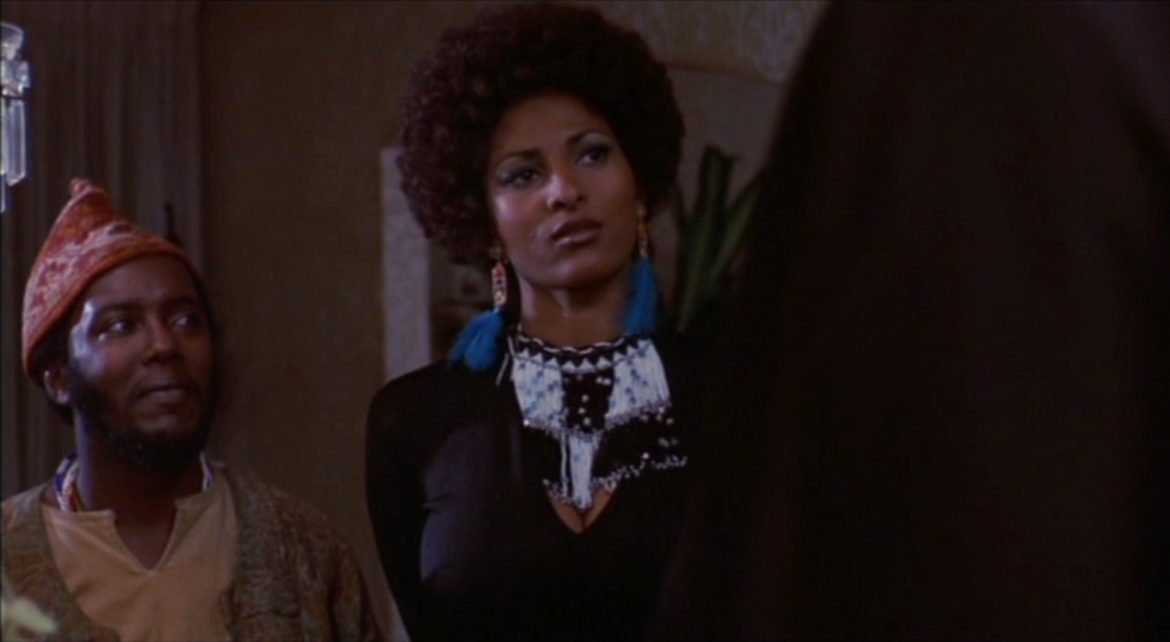
William Marshall is Blacula, cursed ages agp by a villain (a white guy, weird!) to live for all time in desperate need. Pam Grier is Lisa Fortier, 1973’s pre-eminent voodoo master and heir to the throne of a voodoo cult after her adoptive mother’s passing, despite her lack of blood lineage. (Still with me?) As it turns out, Blacula himself is kind of in the Angel mold, if you’re a Whedon fan: torn between his blood-lust and his desire to rid himself of evil. Lisa’s intimacy with voodoo is his hope – he thinks it can change the destiny forced on him – though he still can’t keep himself from killing everyone around her, and occasionally just for fun, apparently. That’s just how it is for Blacula.

The movie suggests that his victims are deserving. We recognize them by their hair and class status. Grier’s Lisa, her ex-detective boyfriend Willis, and Blacula himself all have natural hair, whereas everyone else seems to be rocking variations on a 1950s girl-group beehive or an incredibly elaborate curly look, distractingly. This is probably unique in the history of vampire films.

The cultural critiques don’t stop there. An early scene features our protagonists meeting at an exhibition of African art put on by a bourgeois Black collector in his mansion – you will not be surprised to find people die at this party (and which people those are – again, mind the hair). Piling on the subtext, Blacula kills two pimps on his walk home, announcing (kind of out of nowhere, really) that they are the new slavemasters, adopting the tactics of their former oppressors. Later, the police chief says, for no particular reason, “Am I prejudiced on the basis of race, creed, and color? Sure! But nobody’s perfect.” This is actually one of Scream, Blacula, Scream’s lighter moments: everyone takes his unprompted revelation more or less in stride. It’s not what you’d call a subtle film.

It is, however, what you’d call an awesome film. It’s filled with inspired set pieces, just-this-shy-of-laughing-at-it digressions, and several actually scary moments. It’s a horror movie, a joke on horror movies, a proto-tortured vampire with a soul picture, an early 70s showcase for Black talent, and a fist in the air protest.

It’s also completely fucking weird. I can’t recommend it highly enough.
February 2, 2015 0 comments
0 FacebookTwitterPinterestEmail
FilmReviews

They Came Together (David Wain, 2014)

by rick February 2, 2015
written by rick

Straight-ahead comedies aimed at adults occupy a weird space in the cultural landscape. It’s not that they’re invisible exactly – 2014’s 22 Jump Street stands out, and even The Grand Budapest Hotel essentially fits the bill, if mediated through Wes Anderson’s whimsical (and no doubt vintage) Russian nesting doll aesthetic. But everyone seems to (tacitly or otherwise) agree that comedies are fundamentally lesser entities. Discussions of the year’s movies tend to focus on the spectacles of summer (usually action movies and comic book universe installments these days) and awards-season contenders (biopics, 12-years-in-the-making auteur experiments, handsomely mounted yet serious interrogations of Ar-r-r-r-r-t). A movie like David Wain and Michael Showalter’s They Came Together easily slips through the cracks.

That’s, for lack of a better word, stupid.

Wain and Showalter, probably best known to general audiences for their masterpiece Wet, Hot American Summer, work in a particular kind of reference-heavy comedy that doesn’t always land for everyone. (The in-joke context is key: it’s legitimately hard, for me, to imagine enjoying They Came Together as the first movie you ever saw.) They also like stupid jokes, like portraying a guy who “has a pole up his ass” actually walking around with a pole up his ass, occasionally knocking things over.

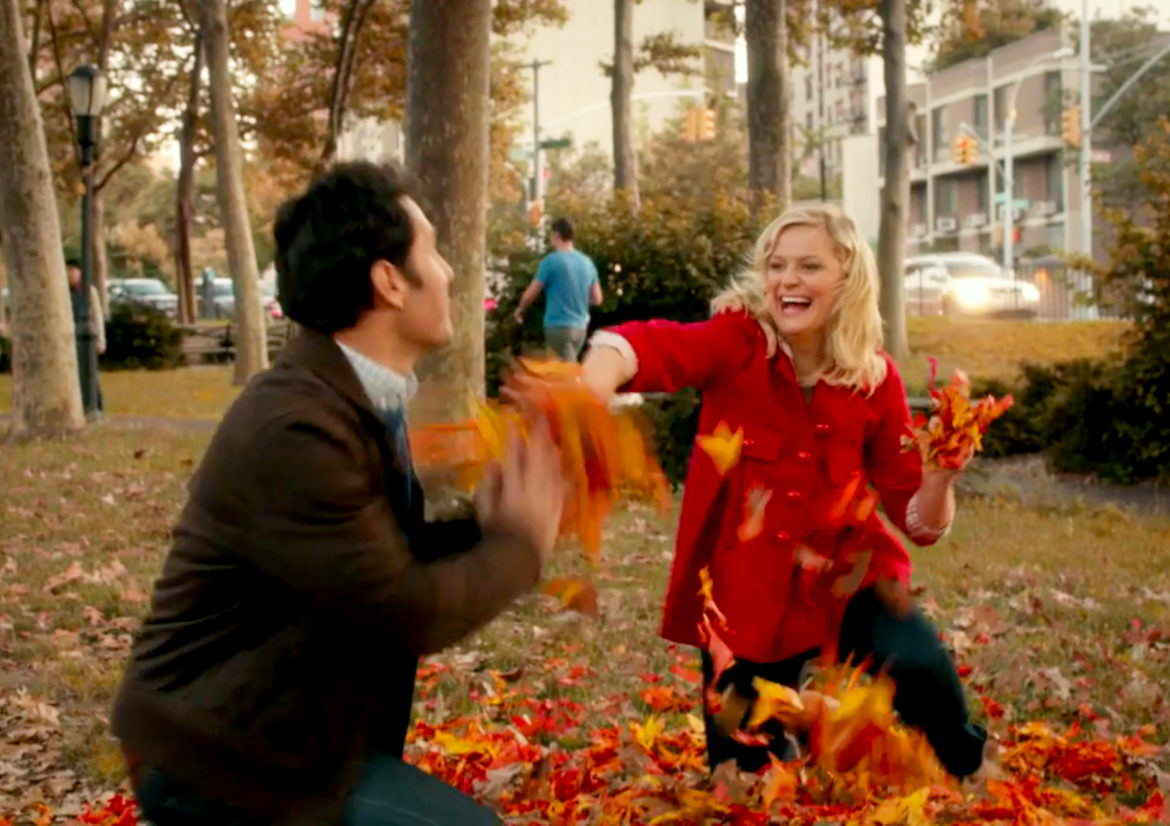
They Came Together has unfortunate bits like that, but its jokes hit more than they miss … and in its best moments it’s fucking hilarious. Pairing Amy Poehler and Paul Rudd – recently voted the two most charming, funny, and adorable people on Earth in a poll I conducted, of myself – seems like the sort of thing that would’ve received more attention, but oh well. It’s the kind of film that will find its audience eventually.

Wain and Showalter take aim at every rom-com convention they can think of. Poehler’s character has an appropriately improbable job (sole proprietor of a candy shoppe). She’s aided by her sassy black friend and employee, who constantly thanks Poehler for relying on her (maybe my favorite touch). Rudd, of course, is a corporate raider for a candy conglomerate who want to open a storefront across the street, gleefully crushing the little guy under the leadership of SVU’s Christopher Meloni. The two star/candy-crossed lovers meet-cute (and angry) at a Halloween party, where they’re both inscrutably dressed as Ben Franklin.

A framing device establishes that their whole story is told over dinner to another couple (played by Bill Hader and Ellie Kemper), who grow increasingly bored with their clichés and keep trying to leave but cannot. (Is this a reference to The Exterminating Angel or do I just want it to be?) Tired tropes are evoked and skewered – “New York is kind of a character in our story, really!” – and Rudd and Poehler make the most of every joke in the script. (There are many; not all of them are the best.) The two leads are the film’s undeniable appeal, at least for me – there is basically nothing funnier than Paul Rudd smiling charmingly while saying the wrong thing, or the contrast between Amy Poehler’s pasted-on, fake-confident grin and the expressions she conveys with her eyes. Like I said, they’re just ridiculously amusing goofballs, and it suits the material perfectly.

I won’t spoil the plot, partly because that would be rude and partly because it would be impossible, if you’ve ever seen a romantic comedy. It’s the kind of movie where Poehler announces at the start where people should go look for her if she ever flees from a climactic romantic scene. So helpful!

They Came Together won’t show up on too many best-of lists, but it’s easily the most accomplished meta rom-com spoof of 2014 starring Paul Rudd, Amy Poehler, and everyone else you’ve ever seen. It’s smart, biting, and the performances are top-notch. Especially New York, which is actually kind of a character itself.

February 2, 2015 0 comments
0 FacebookTwitterPinterestEmail
FilmReviews

Happy Christmas (Joe Swanberg, 2014)

by rick January 26, 2015
written by rick

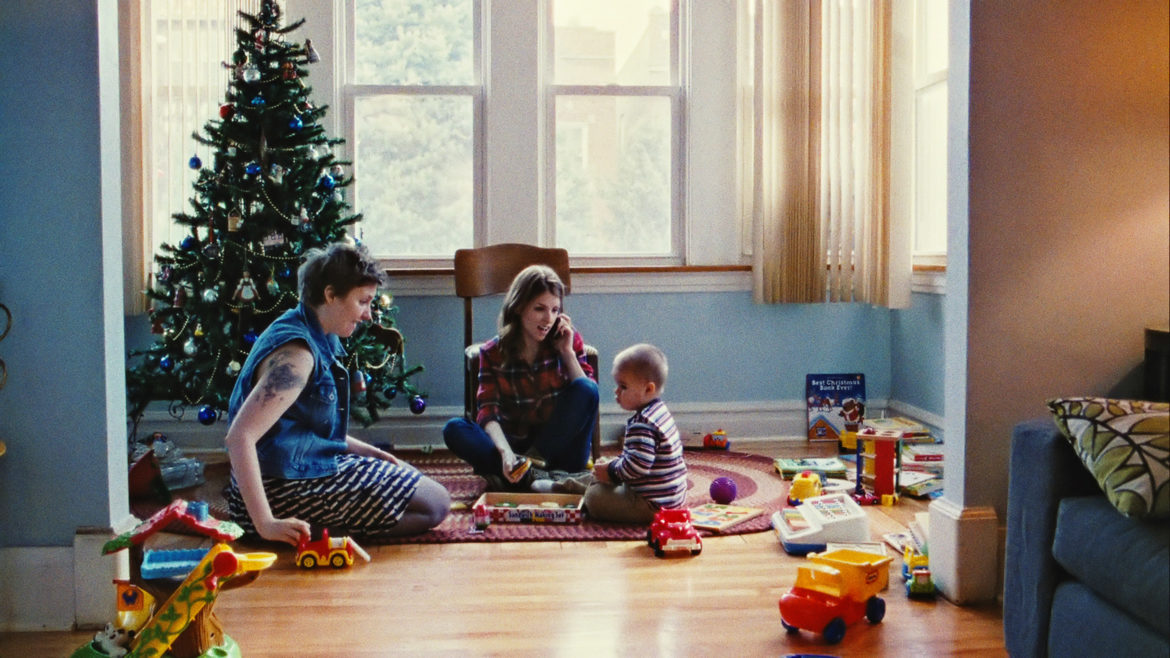
Joe Swanberg is still not quite a household name. But with a staggering 27 directing credits to his name, according to IMDB, the mumblecore stalwart can’t be faulted for lack of trying. And things may be shifting. His feature in the first V/H/S was the stand-out, his 2011 starring role in Adam Wingard and Simon Barrett’s terrific suspense flick You’re Next got more attention than usual (editor’s note: see their 2014 Swanberg-less The Guest, one of the best films of the year), and his 2013 Drinking Buddies attractively married the patented low-key approach of his hangout scene to something approximating a Hollywood rom-com. Happy Christmas, starring the absurdly likable Anna Kendrick, with Lena Dunham in a key supporting role and a baby that steals every scene, is his best, most approachable film to date.

Let’s say it up front: almost nothing happens in Happy Christmas. Kendrick’s Jenny is a down on her luck 27 year old who comes to crash with her older, married brother Jeff (Swanberg), his wife Kelly (Melanie Lynsky), and their infant (Jude Swanberg – the whole team showed up for this one!). Her friend Carson (Dunham) comes by every once in a while. She smokes weed, has afternoon drinks, and generally disrupts what we perceive as an increasingly mundane day-to-day.

Kelly’s a frustrated writer, with some success behind her but overwhelmed with the realities of raising a kid. Her Christmas request? Some time to write. So she splits her hours between home and a room of her own, increasingly shared with Jenny and Carson, who have big ideas about how her next book should go. Basically, they see her way out of depending on her husband is to make a lot of cash with a romance novel, vaguely modeled on 50 Shades of Grey or Danielle Steele. No one really cares what happens in this novel – it just has to sell copies. And for the movie, it just has to serve as a reason for the three lead actresses to improvise, which they do wonderfully.

In the mean time, we track Jenny’s romantic encounters, especially with the nice, noise-band enthusiast Kevin, who sells her pot. (Actually, he gives her pot; he’s too nice to start selling it.) Their scenes are adorable and fun – a highlight includes how she’d like her hair pulled during sex, which I don’t think they ever really work out. Fuck, it’s complicated!

We also watch Jenny fail to grow up, but see how her presence effects everyone else, often in very good ways. She’s like a manic pixie dream girl without a boy to redeem – or maybe the whole family is that boy? Kelly starts writing again, Jeff is kinder. The baby is cute, but that was already true.

Happy Christmas is almost the Platonic ideal of a hangout movie. The people are fun to be around, the stakes are small, and it’s very relatable. When Jenny burns a pizza and the house fills up with smoke, alarming everyone else while she sleeps, I flashed back to a house on U St. in Washington D.C., circa 2005. One of my roomates, a mild-mannered guy, lost his fucking mind the third time another roommate fell asleep with pizza in the oven. Shook him by the collar in his bed, screaming, “WHY DO YOU FUCKING MAKE PIZZAS AND FALL ASLEEP, WHAT THE FUCK, I THOUGHT WE WERE GOING TO DIE?”

It was a good question then and it’s a good question now. Happy Christmas comes on charmingly, and it ends up feeling like a friend. Kendrick is unbelievably charming, both Swanberg and Lynsky do good work, Dunham is hilarious, and what is the deal with that fucking baby? Has he also already directed 27 films? Kid’s a natural, and I would’ve watched another hour.

January 26, 2015 0 comments
0 FacebookTwitterPinterestEmail
FilmReviews

Finding Vivian Maier (John Maloof and Charlie Siskel, 2014)

by rick January 24, 2015
written by rick

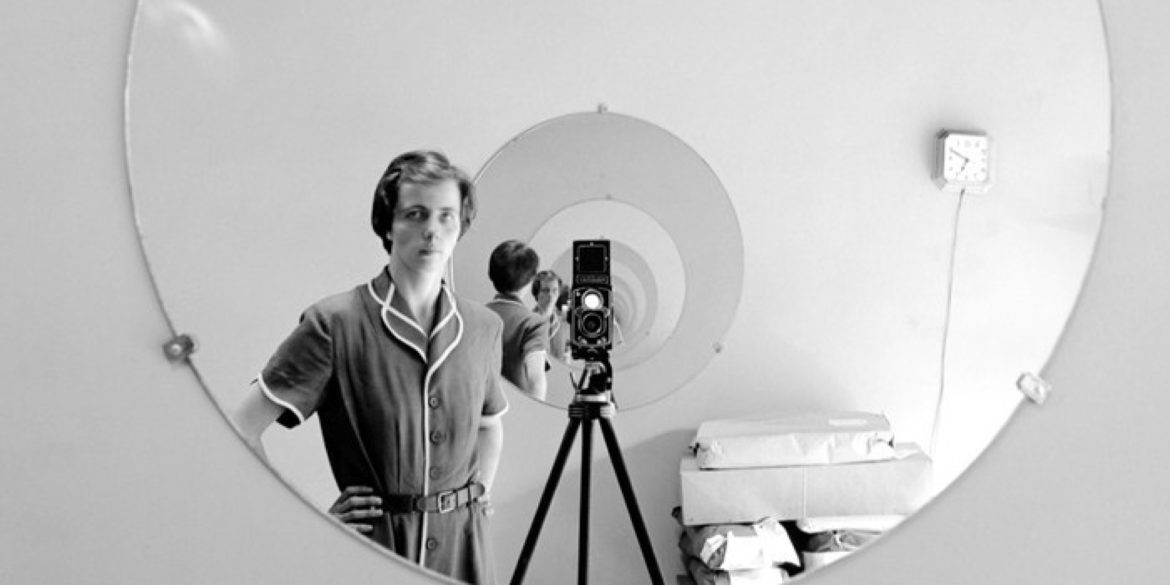
By all accounts, Vivian Maier was an eccentric and complicated woman, a mystery to those who knew her best (not many) and an outsider artist in the truest sense – a gifted street photographer who hoarded her own work, but continued to snap images everywhere she went in her paid job as a nanny for a series of families. Maier is a legitimately fascinating subject, and she deserves a much better movie than Finding Vivian Maier, John Maloof’s perplexingly well-regarded, Oscar-nominated, feature-length humblebrag about his discovery of her work.

This is not to say that Maloof’s story – and Finding Vivian Maier is most definitely Maloof’s story – is without interest. While working on a book about Chicago history, he frequented auctions and estate sales, looking for old negatives and images that might be of use. One purchase, a trunk belonging to the late V. Maier, delivered something else: a real-life mystery.

Filled with thousands of negatives and rolls of undeveloped film, along with miscellaneous odds and ends that had been methodically collected and stored for reasons unknown, it sent him on a slightly obsessive mission to discover more about the photographer. His film details that journey, presenting some of Maier’s photographs throughout its standard, creakingly deployed talking heads format, in which former employers, charges, and acquaintances provide their (often conflicting) recollections of the woman herself, and various art historians and gallery owners chime in with their thoughts on her work. It’s as standard as a documentary can be, aesthetically, and not distinguished in any particular way visually.

But aesthetics aside, one overarching question haunts the film: why would someone go to such great lengths to document their time and place through their considerable artistry, only to lock the photos away? Maier was intensely private, according to everyone, and very possibly mentally ill to some degree, but that’s still an extreme thing to do – thousands of pictures taken, tens of thousands maybe, rolls of undeveloped film, a lifetime of considered observation, for no one to see. That her medium was photography, which assumes a viewer, only underscores the strangeness.

It’s a great question, but it’s undercut by another nagging one Maloof can’t avoid – does he have the right to display them now that she can no longer object? A friend of Maier’s (one of the few she had, it seems) states it plainly: “If Vivian were alive, she never would’ve allowed this to happen.” Maloof deserves some amount of credit for allowing that statement to be aired, and he wonders about it himself later, but it has the feeling of someone who confuses raising an objection with answering it. He is, after all, now the mouthpiece for his accidental find, and, one assumes, this has been pretty lucrative for him. At its worst, Finding Vivian Maier plays more like a promo for “a Maloof exhibition, coming soon to a gallery near you!” than a heartfelt appreciation of a forgotten (or never known) master.

That queasiness never subsides. On the other hand, the images themselves are striking – focused on the ignored and passed-over denizens of Chicago slums, on crime scenes, poverty and surreal juxtapositions, on the range of small joys and kindnesses that she encountered just walking the streets, they paint an indelible picture that’s simultaneously raw and empathetic, violent and full of grace. All were shot from chest-level, with the camera that hung around her neck, and so often give the impression that the figures in them are looming above you. The fact that she herself asked no one’s permission to photograph them, stealing their images on the sly, adds another wrinkle – she stole unguarded moments from strangers, and now a stranger has stolen them from her, to put on a stage she probably would’ve rejected.

When he’s not breathlessly recounting his own tenacity in getting the pictures to the world, Maloof does often come across as a true believer, and I don’t doubt that he is. But in its first moments, the film clues you right in. An off-camera Maloof asks one interviewee whether he would’ve done anything different in retrospect, and he replies, “I would’ve bought that trunk instead of you.”

They both laugh. I doubt Vivian Maier would’ve joined in.

January 24, 2015 2 comments
0 FacebookTwitterPinterestEmail
FilmReviews

American Sniper (Clint Eastwood, 2014)

by rick January 22, 2015
written by rick

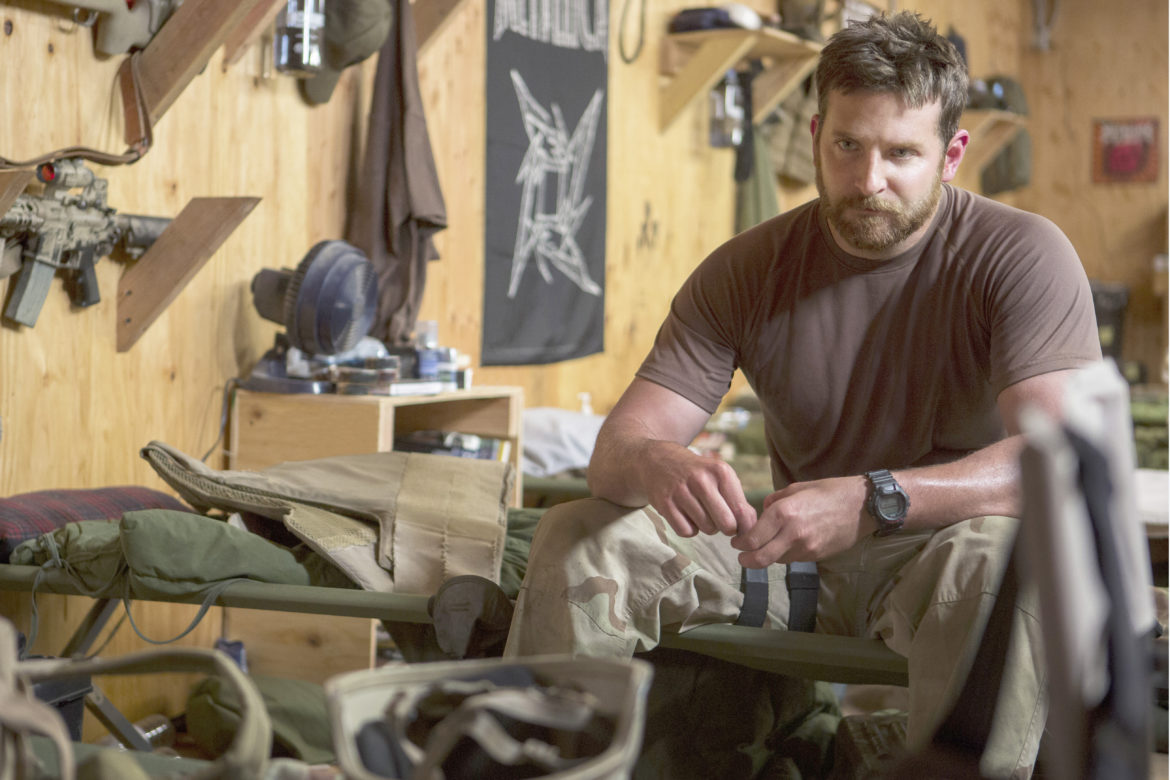
American Sniper, Clint Eastwood’s latest examination of male violence and its repercussions, is a curious beast. It’s neither as jingoistic as its critics claim (some of whom, embarrassingly, didn’t bother to see the film before reviewing it) nor as nuanced as its defenders submit (see Mark Hughes for a well-done and serious consideration of its merits).

Eastwood, a by-now iconic director with a slate of legitimate classics on his resume, presents something less than either of those.

Continue Reading
January 22, 2015 0 comments
0 FacebookTwitterPinterestEmail
FilmReviews

Comment ça va? (Jean-Luc Godard, 1978) and Hélas pour moi (Jean-Luc Godard, 1993)

by rick January 18, 2015
written by rick

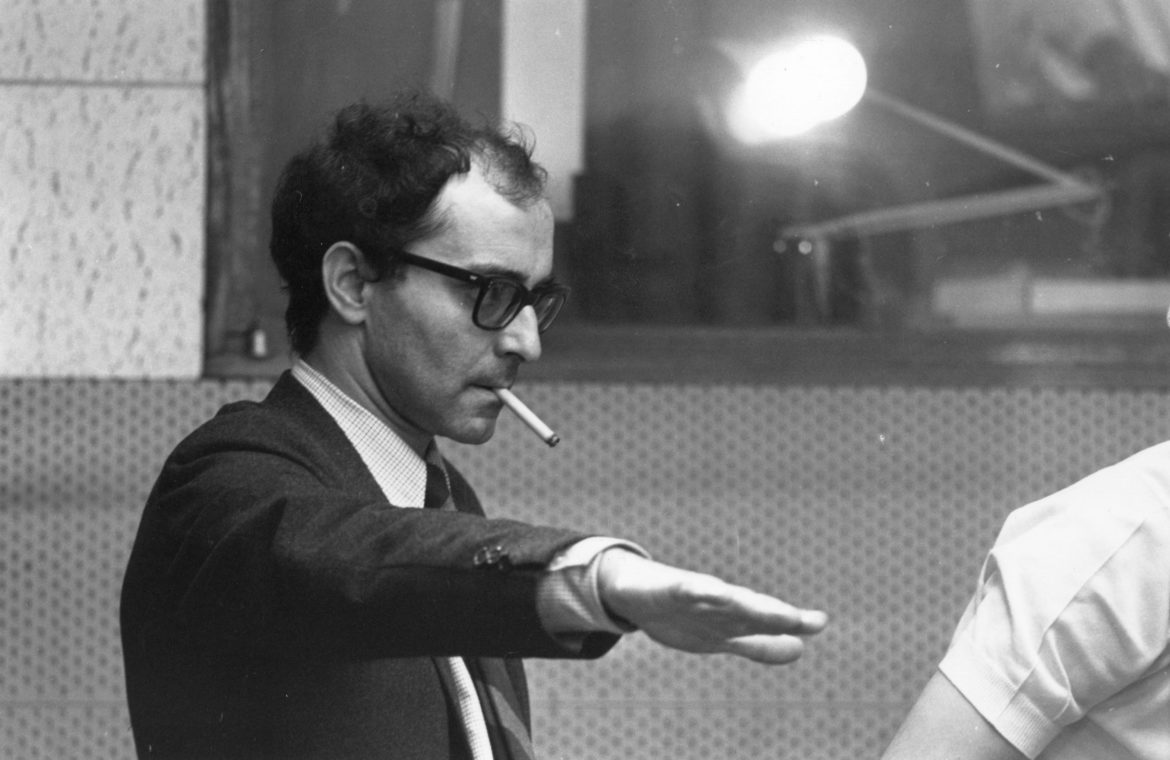
There’s a sense that the phrase “later Godard” – meaning most of the great director’s post-sixties work – is used pejoratively as much as a descriptor: it means impenetrable, pretentious, stridently political, cold, formalism for its own sake.

“Comment ça va?” and “Hélas pour moi,” two later films separated by nearly two decades, denote my first engagements with later Godard, and neither of the two films bear out this critique.

Continue Reading
January 18, 2015 0 comments
0 FacebookTwitterPinterestEmail
FilmReviews

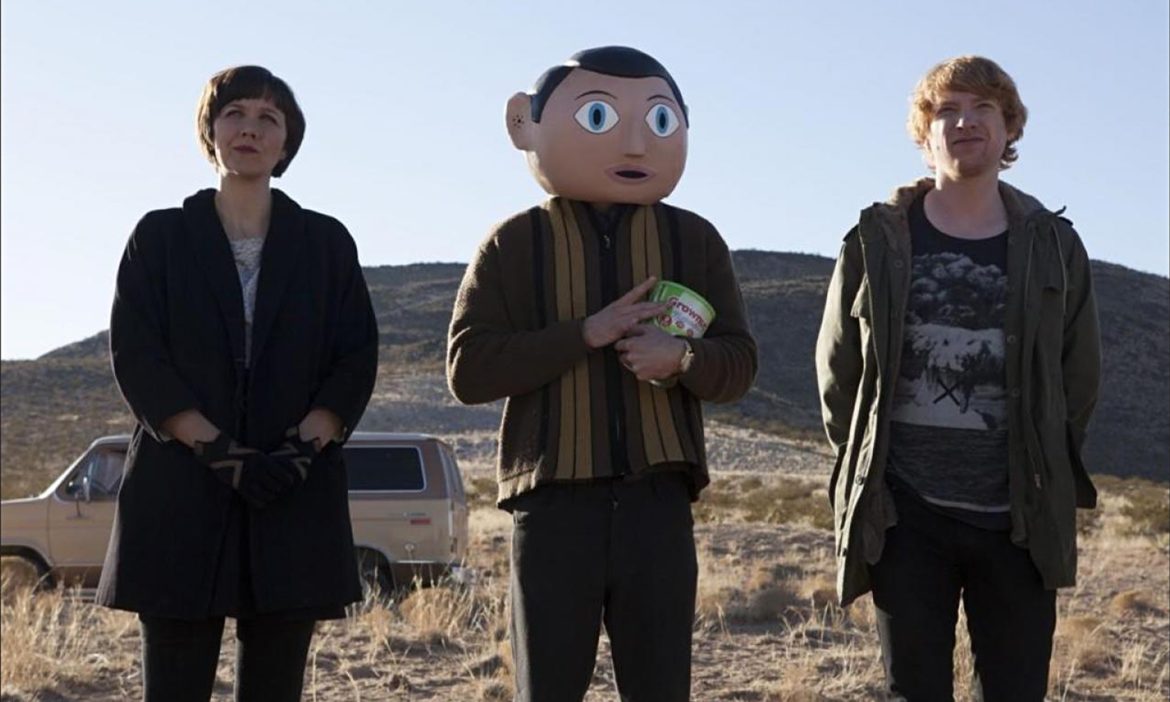
Frank (Lenny Abrahamson, 2014)

by rick January 17, 2015
written by rick

As I catch up on movies from the last year that I missed in theaters, it’s increasingly clear that all the laments about 2014 being a bad one for film are total nonsense.

The list of excellent movies, or at least the one I’m working on, keeps growing: leaving aside the quiet awards juggernaut of Boyhood (all deserved), that list already includes the tense revelations of Blue Ruin and Calvary, James Gray’s monumental The Immigrant, Paul Thomas Anderson’s Pynchon-noir Inherent Vice … not to mention Ida, Under The Skin, Wetlands, Obvious Child, Noah, and We Are The Best! Not too shabby, and those are just some of the ones I’ve managed to see so far.

And now add Frank to the list.

Continue Reading
January 17, 2015 0 comments
0 FacebookTwitterPinterestEmail
FilmReviews

Wetlands (David Wnendt, 2013)

by rick January 15, 2015
written by rick

David Wnendt’s Wetlands, based on Charlotte Roche’s novel, asks a simple, revealing question of audiences, one that’s never been asked quite so specifically: “How many depictions of anal fissures are you willing to allow in your charming romantic comedy?”

Think hard about this. Your answer (which you don’t have to share) probably says a lot about you, and also determines how much you will enjoy Wetlands, a coming-of-age story that I will never, ever, ever watch again.

Carla Juri is our protagonist Helen, introduced walking barefoot through a swamp in a vomit-worthy public bathroom, before lovingly rubbing herself against a toilet seat.

She … has some issues with hygiene.

But she’s our protagonist all the same: in a hilarious Goodfellas reference that feels like a Simpsons joke, she announces, “Ever since I can remember, I’ve had hemorrhoids.” For better or worse (and definitely for grosser), we’re on Team Helen as far as the film is concerned.

Juri makes it easy. She has the lovable enthusiasm of Greta Gerwig’s Frances Ha even when she’s licking walls, fucking every single vegetable in the crisper and rating their relative value, and possibly permanently damaging her body just to hang out a bit longer in the hospital, because she likes the nurse.

It’s grotesque, and intentionally so (the film definitely mocks rom-com tropes). But it’s also weirdly sweet. For reasons the film makes (somewhat) clear, Helen really can’t help herself: that there’s a sadness at her core is beyond dispute, but the film never tips into saying she’s “trying to plug a hole,” or something equally annoying. All the relationships are slightly melancholy, actually. But, from moment to moment, Helen really doesn’t seem to care – she’s just doing her thing. The film weirdly morphs into a feminist body-horror worthy of early Cronenberg, while still smiling sweetly at you. Its honesty is adorable, but you might have to watch it (like me) with your face half-covered.

So that’s my lyrical telling of the film. As a counter-point, I offer this compendium of reactions I’ve seen online: “NOPE NOPE NOPE NO NO NOPE FUCK THIS NOPE NO WAY JESUS CHRIST FUCK NO STOP NOPE GODDAMNIT GROSS NO.” So there’s that.

That critic I just summarized is not wrong. But if you can make it through the gross-outs, there’s an underlying sense that Helen’s complete disregard for propriety is healthier than the repression of everyone around her, and there are several stories she’s navigating. She’s kind of a feminist punk hero, really.

But, yes, the movie is punishing – gleefully so! – in its distribution of bodily fluids and focus on flesh. Consider yourself warned.

January 15, 2015 0 comments
0 FacebookTwitterPinterestEmail
FilmReviews

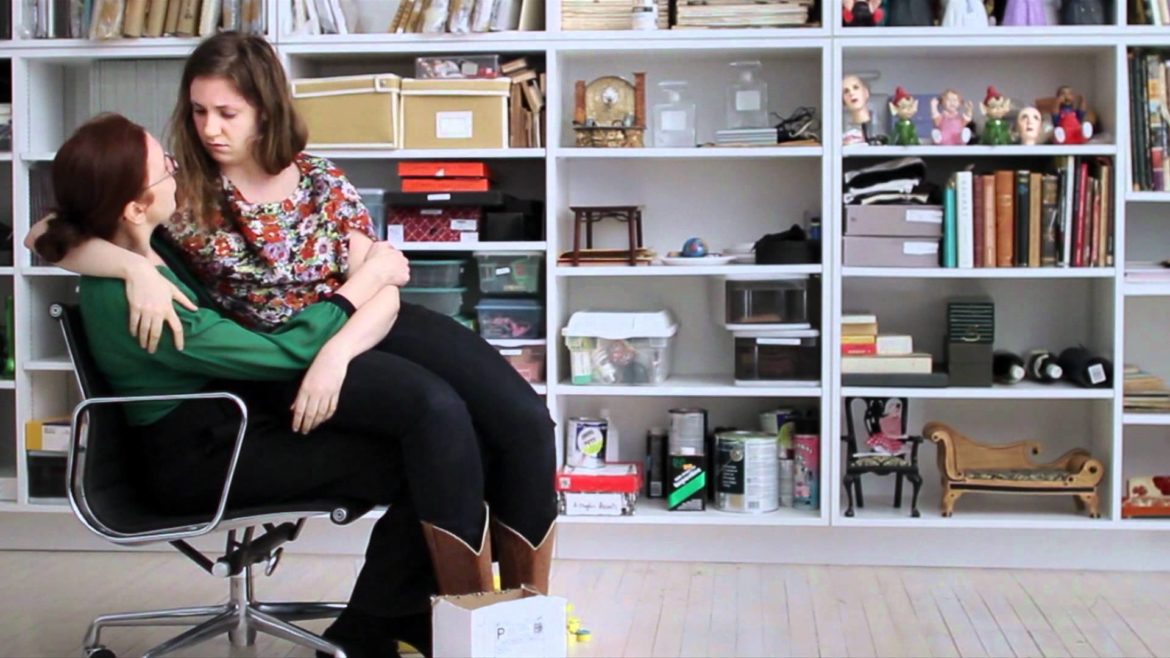
Tiny Furniture (Lena Dunham, 2010) and Creative Nonfiction (Lena Dunham, 2009)

by rick January 11, 2015
written by rick

I have never seen a full episode of Girls.

I say this at the outset not to demonstrate my hipness or lack thereof, but as a statement of fact that’s relevant here.

Online or in print, virtually all discussions about the work of Lena Dunham – noted screenwriter/director/actress/TV star/author/astronaut (probably) – seem to end up being about Dunham herself. There are legitimate reasons for this (e.g. much of that work is explicitly self-referential, so talking about it necessarily involves talking about her) and others that are less so, ranging from the unfair to the outright sexist (she’s a trust-fund kid who just lucked into fame, she only gets attention for various states of undress, her body is the wrong kind of body, ew, put some clothes on, etc.). None of the latter have anything to do with the quality or significance of, you know, her art, but they seem to come up invariably for some reason. (Note: that reason is patriarchy.)

So, with no prior experience of her work, I came to Tiny Furniture, her first major film, and Creative Nonfiction, its more low-budget dry run from a year prior (included on the Criterion release), without significant baggage, or at least without any rigid viewpoint honed through snarky internet debate. And I made this shocking discovery: her early, pre-Girls stuff is … okay.

Let’s start with Tiny Furniture, the more well-known and widely distributed of the two. Dunham plays Aura, a just-out-of-college child of privilege who’s moved back in with her wealthy photographer mom and younger sister. Like many a young 20-something, she’s adjusting to post-college life, trying to figure out what she wants to do while being pressured from all sides to figure it out quicker.

Like young real-life Dunham, her heart is in making and watching goofy YouTube videos, but, in a try for respectability, she takes a job as a “day hostess” at a restaurant that isn’t open during the day (one of many attempts at absurdist comedy that never really work), hangs out with some friends while selfishly dropping others, gets into screaming matches with her sister (who resents her taking up space in the enormous house), and makes reckless sexual decisions with awful dudes. The script is heavy on banter that recalls Noam Baumbach’s Kicking and Screaming (a good thing) and visual jokes that recall Zach Braff’s Garden State (one of the worst things in the world), but the main focus is on Aura at a crossroads, trying and mostly failing to grow up.

The camerawork is mostly pretty uninspired, favoring hangout-movie long takes and groan-worthy visual puns – to name two examples, her mom tells her to get something from “the white cabinet” (the house is basically a network of white cabinets) not once but twice, and she has a sexual encounter with a tentacle-rape porn enthusiast in a section of abandoned pipe in the street (how low can she go!). But this is somewhat offset by the occasionally incisive script and her performance, which is often awkwardly affecting and genuinely melancholy. Tiny Furniture plays exactly like the kind of film people see at festivals and say it “shows promise” (something the success of Girls would seem to bear out).

Creative Nonfiction is essentially a first stab at the themes that run through Tiny Furniture, shot on the cheap a year prior. To my mind, it’s actually the better film. It focuses on the decidedly minor trials and tribulations of college student Ella (as opposed to Aura, both of them presumably pretty close to Lena) and her friends.

Some of Tiny Furniture’s key players showed up here too, playing versions of themselves (or at least versions of their later characters), and the film jumps all over the place, dealing with the tenuousness of college relationships and romantic betrayal, the awkwardness of sex, and a young woman trying to figure herself and the world out. The film, especially the sections shot in 16 mm and some of the seemingly improvised dialogue, feels vital and real, and it’s far more self-deprecating – the narrative is intercut with witty depictions of Ella’s developing screenplay, for instance, which is pretty hilariously bad and not at all thought through (her main focus seems to be how her protagonist’s hair should look in different scenes, while she has no explanation for why people show up when they do).

Ella feels far more lived-in than Aura ever does, probably because Dunham is simply playing a version of herself at that time: she’s sharp, vulnerable, and awkward, and, by cycling through so many styles and cinematic influences, the film is ambitious but never gets bogged down in the weeds of Garden State-level symbolism. If it has the trappings of an art project, that’s because it is, and that’s not necessarily a bad thing. Dunham’s much-loved and much-hated fearlessness about self-representation is already apparent, and it works better in this ramshackle, self-aware context than when she actually got funding for a more polished picture.

These are both visions of a particular kind of young adulthood, as relayed by a filmmaker who is all-too-aware of how she will be perceived and eager to challenge the notion that she has no place on the screen, or that her minor experiences and navel-gazing aren’t worth relaying. Sometimes, especially in Tiny Furniture, the approach doesn’t work, but I think it does more often than not. And with Creative Nonfiction especially, it’s clear she’s an artist with something to say. Take to the countless comment sections and argue about it, dismiss it, laud it, valorize it, or do whatever else you like, but that’s a valuable and worthy thing. Maybe I should check out Girls sometime after all.

[schema type=”movie” url=”http://www.imdb.com/title/tt1570989/” name=”Tiny Furniture” description=”About a recent college grad who returns home while she tries to figure out what to do with her life.” director=”Lena Dunham” producer=”Kyle Martin” actor_1=”Lena Dunham” ]


January 11, 2015 4 comments
1 FacebookTwitterPinterestEmail
FilmReviews

The Guest (Adam Wingard, 2014)

by rick January 10, 2015
written by rick

Director Adam Wingard and writer Simon Barrett traffic in playful homage and neat subversion of other horror movies. Their 2011 low-budget collaboration You’re Next combined elements of home invasion and slasher flicks with an in-joke sensibility – a mumblecore Scream. With 2014’s The Guest, they went full-on John Carpenter, layering on the mounting dread and the insistent synth score, while drawing liberally (or borrowing wholesale) from the plot of The Stepfather and similar “who are you really?” thrillers.

It’s a ridiculously fun ride, with an over-the-top central performance by unnervingly blue-eyed Dan Stevens and a climax in a Halloween haunted funhouse. What more do you want? Ok, maybe a resolution a bit less silly, but this is a popcorn movie after all, not Persona. I liked their previous outing very much, but The Guest is a sleeker, smarter, scarier, and funnier movie.

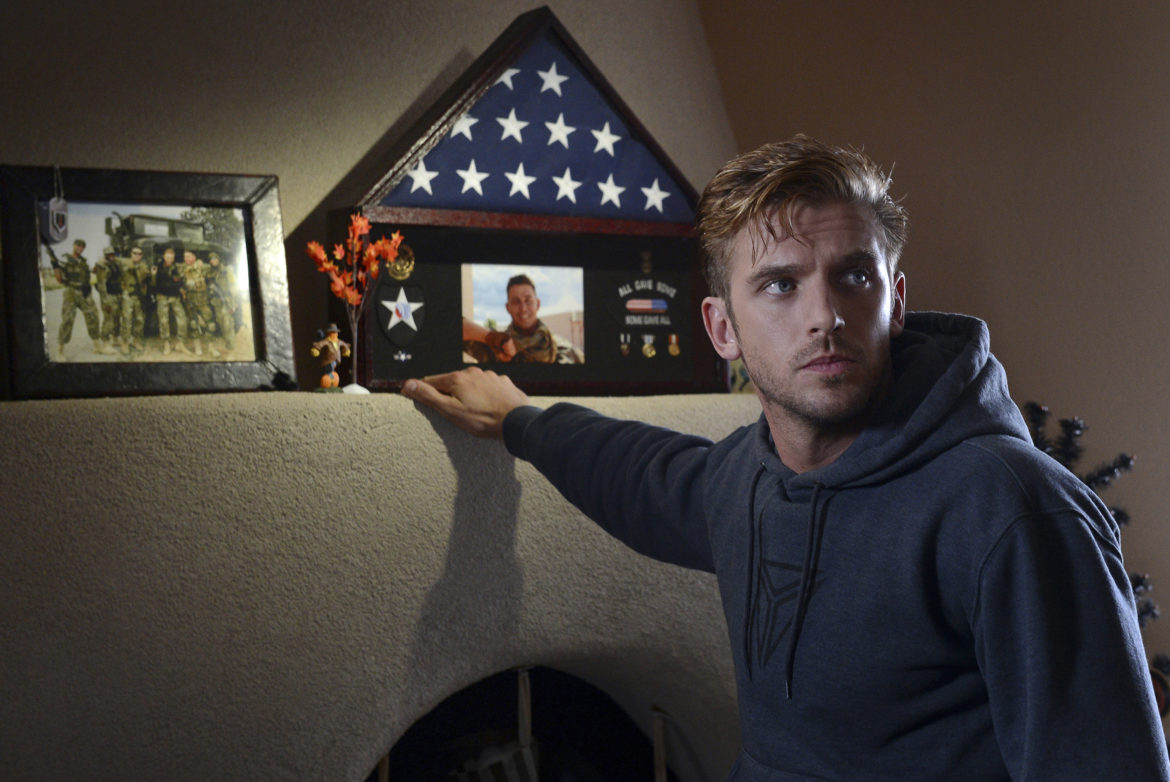
We meet most of the Peterson family at home in the morning, preparing for the day. Dad Spencer is taking son Luke off to school, and mom Laura is left alone to stare sadly at a picture on the mantel of her eldest Caleb, in uniform, with a plaque reading “All gave some, some gave all.”

Almost immediately, a knock on the door brings David (Stevens), who introduces himself as having served alongside Caleb. He certainly looks the part: extremely fit, carrying himself with a soldier’s rigor, addressing everyone as “m’aam” and “sir,” unfailingly polite and disciplined. He’s even in the group picture on the mantel, and says he was with Caleb when he died, who asked him to check on the family, convey his love, make sure everything is alright. Laura excuses herself and breaks down in sobs in the other room. In her grief, it must feel like a miracle, a greeting from beyond that she couldn’t have hoped for, and she wants to know everything.

Daughter Anna is more skeptical, and when Spencer returns from work to find that his wife has not only been hanging around the house with this complete stranger all day but has offered to house him while he’s in town, he’s angry at first. But shortly, he and David end up bonding too, staying up late drinking beer while Spencer confides in him about his struggles at work and other things it seems he has no one to talk to about.

David quickly insinuates himself into the Peterson’s. He’s everything to everyone: a solace to a grieving mom, a drinking buddy to a frustrated dad, a protector and alpha male role model to nerdy, bullied Luke, and an object of desire to Anna. There are frequent indications that something is off here, but the characters’ motivations all make sense, and they want to hold off on questioning things as long as possible.

Similarly, Wingard and Barrett hold off through most of the film on the Big Reveal, amping up the tension as much as possible and leaving things ambiguous – a very good choice, since that reveal ends up being underwhelming when it comes. But the atmospherics, Carpenterisms, and performances more than make up for that.

Stevens carries the film: his ice blue eyes are used to hilariously eerie effect, and he perfectly suggests both reassurance and threat, conveying several different possibilities even over the course of a scene. I know nothing of Downton Abbey, the series for which he’s known, so to me this is a breakout role. (Also, I somehow doubt he’s such a brutal ass-kicker on Downton Abbey, unless I’ve seriously misunderstood what that show is about.) The Guest is a memorable role for him, and a big step up for Wingard and Barrett.

[schema type=”movie” url=”http://www.imdb.com/title/tt2980592/” name=”The Guest” description=”A soldier introduces himself to the Peterson family, claiming to be a friend of their son who died in action. After the young man is welcomed into their home, a series of accidental deaths seem to be connected to his presence.” director=”Adam Wingard” actor_1=”Dan Stevens” ]

January 10, 2015 0 comments
0 FacebookTwitterPinterestEmail
Newer Posts
Older Posts

About

About

Towards a provisional theory of the cinema, or, failing that, just some shit about movies

Authors
Rick Kelley
Lark Lundberg

Keep in touch

Facebook Twitter

Categories

  • Conversation
  • Film
  • Film By Film
  • Great Movie Project
  • Great Movies: The Counter Programming
  • Guest
  • News
  • Other
    • Commentary
    • Film
    • Interview
    • Reviews
    • Song for a Sunday
  • Streaming Selections
  • TV
  • Uncategorized
  • Vegan Horror

Archives

  • April 2019
  • March 2019
  • January 2019
  • December 2018
  • November 2018
  • October 2018
  • September 2018
  • August 2018
  • July 2018
  • June 2018
  • May 2018
  • April 2018
  • March 2018
  • February 2018
  • January 2018
  • December 2017
  • November 2017
  • October 2017
  • September 2017
  • August 2017
  • July 2017
  • June 2017
  • May 2017
  • April 2017
  • March 2017
  • February 2017
  • January 2017
  • December 2016
  • November 2016
  • October 2016
  • September 2016
  • August 2016
  • July 2016
  • June 2016
  • May 2016
  • April 2016
  • March 2016
  • February 2016
  • January 2016
  • December 2015
  • October 2015
  • September 2015
  • August 2015
  • July 2015
  • June 2015
  • May 2015
  • April 2015
  • March 2015
  • February 2015
  • January 2015
  • December 2014
  • November 2014
  • October 2014
  • August 2009
  • September 2008

Recent Posts

  • China Girls, Death Proof, and the Hidden Face
  • Old News: Old Noise Edition
  • Old News: April 1, 2019
  • Nicolas Winding Refn, Marginalia, and the Deaths of Cinema
  • And now, let us praise Kanopy

Recent Comments

  • Franklin Kat on Michael Shannon shines again in Frank & Lola
  • Sean Tempesta on Cinema and dream-logic in Meshes of the Afternoon
  • ludditerobot on The Left-Wing Slapstick and Iconic Songs of 1937’s Street Angel
  • Franklin Kat on The Left-Wing Slapstick and Iconic Songs of 1937’s Street Angel
  • Arijit Mukherjee on Great Movies Project: The Counter-Programming
  • Facebook
  • Twitter

@2021 - All Right Reserved. Designed and Developed by PenciDesign


Back To Top
Luddite Robot
  • Reviews
  • Commentary
  • Great Movie Project
    • Great Movie Project
      Bride of Frankenstein is a movie for and…

      January 25, 2018

      Great Movie Project
      The Enduring Appeal of Nick and Nora in…

      November 29, 2017

      Great Movie Project
      The Ahistorical Fever Dream of The Scarlet Empress

      August 2, 2017

      Great Movie Project
      Dreams, Mundanity, and the Anarchist Yearnings of L’Atalante

      July 12, 2017

      Great Movie Project
      Duck Soup Is And Will Always Be A…

      April 19, 2017

  • Counter Programming
    • Great Movies: The Counter Programming
      Walking and Talking in the Shadow of Kanchenjungha

      March 7, 2018

      Great Movies: The Counter Programming
      A Brief Encounter in My Mother and Her…

      February 9, 2018

      Great Movies: The Counter Programming
      Horror’s Refusal in Farrokhzad’s The House Is Black

      October 13, 2017

      Great Movies: The Counter Programming
      The rage and beauty of The Cloud-Capped Star

      October 3, 2017

      Great Movies: The Counter Programming
      The daylight noir and social issue empathy of…

      June 22, 2017

  • Vegan Horror
    • Vegan Horror
      Julia Ducournau doesn’t think her film Raw is…

      June 7, 2017

      Vegan Horror
      Licking our wounds: The vampiric masculinity of Ravenous

      December 13, 2016

      Vegan Horror
      Eggertsson and animals: An approach to horror cinema

      September 15, 2016

      Vegan Horror
      “It’s Not My Nature” – Vegetarianism, Body Horror,…

      August 30, 2016

      Vegan Horror
      Bodies and Carcasses in Predator 2

      August 23, 2016

  • Interview
    • Interview
      Jasmine Leyva’s doc The Invisible Vegan aims to…

      May 3, 2017

      Interview
      Bridging The Abyss: An Interview With The Directors…

      November 28, 2016

      Interview
      7 Days in Ohio: An Interview with Nathan…

      September 12, 2016

      Interview
      Film Critic Phil Dy talks New Filipino Cinema

      June 17, 2016

      Interview
      “I Love Seeing Film Projected.” A Conversation with…

      March 22, 2016