Top Posts
Madeline’s Madeline: An Unclassifiable Panic Attack Maybe-Masterpiece
Shoplifters Steals Moments of Wonder from the Mundane
Burning and Forgetting What’s Not There
Kusama: Infinity Expands Beyond The Canvas
Mandy Risks Little, Wins Little
In We The Animals, The Children Are Away...
The Seagull Isn’t Quite Chekhov, But It’s Still...
5 Million Ways Boots Riley Isn’t Sorry To...
American Animals’ and the Queasiness of the Heist
A Star Is Born In Hearts Beat Loud
  • Reviews
  • Commentary
  • Great Movie Project
    • Great Movie Project
      Bride of Frankenstein is a movie for and…

      January 25, 2018

      Great Movie Project
      The Enduring Appeal of Nick and Nora in…

      November 29, 2017

      Great Movie Project
      The Ahistorical Fever Dream of The Scarlet Empress

      August 2, 2017

      Great Movie Project
      Dreams, Mundanity, and the Anarchist Yearnings of L’Atalante

      July 12, 2017

      Great Movie Project
      Duck Soup Is And Will Always Be A…

      April 19, 2017

  • Counter Programming
    • Great Movies: The Counter Programming
      Walking and Talking in the Shadow of Kanchenjungha

      March 7, 2018

      Great Movies: The Counter Programming
      A Brief Encounter in My Mother and Her…

      February 9, 2018

      Great Movies: The Counter Programming
      Horror’s Refusal in Farrokhzad’s The House Is Black

      October 13, 2017

      Great Movies: The Counter Programming
      The rage and beauty of The Cloud-Capped Star

      October 3, 2017

      Great Movies: The Counter Programming
      The daylight noir and social issue empathy of…

      June 22, 2017

  • Vegan Horror
    • Vegan Horror
      Julia Ducournau doesn’t think her film Raw is…

      June 7, 2017

      Vegan Horror
      Licking our wounds: The vampiric masculinity of Ravenous

      December 13, 2016

      Vegan Horror
      Eggertsson and animals: An approach to horror cinema

      September 15, 2016

      Vegan Horror
      “It’s Not My Nature” – Vegetarianism, Body Horror,…

      August 30, 2016

      Vegan Horror
      Bodies and Carcasses in Predator 2

      August 23, 2016

  • Interview
    • Interview
      Jasmine Leyva’s doc The Invisible Vegan aims to…

      May 3, 2017

      Interview
      Bridging The Abyss: An Interview With The Directors…

      November 28, 2016

      Interview
      7 Days in Ohio: An Interview with Nathan…

      September 12, 2016

      Interview
      Film Critic Phil Dy talks New Filipino Cinema

      June 17, 2016

      Interview
      “I Love Seeing Film Projected.” A Conversation with…

      March 22, 2016

Luddite Robot
Film critique, theory, and assorted nonsense.
CommentaryFilm

China Girls, Death Proof, and the Hidden Face

April 14, 2019

Old News: Old Noise Edition

April 8, 2019

Old News: April 1, 2019

Nicolas Winding Refn, Marginalia, and the Deaths of Cinema

CommentaryFilm

And now, let us praise Kanopy

January 24, 2019

Warren Sonbert and the Relief of Anti-Narrative

January 14, 2019

The World Is Ending and It Doesn’t Matter

The Best Films of 2018

FilmReviews

Madeline’s Madeline: An Unclassifiable Panic Attack Maybe-Masterpiece

December 21, 2018

Shoplifters Steals Moments of Wonder from the Mundane

December 11, 2018

Burning and Forgetting What’s Not There

Alien, Musicology, and Reading Soundtracks

CommentaryFilm

Shocktober III: Halloween 2018 Edition

October 24, 2018

Shirley Jackson’s The Lottery Traumatized Schoolkids in 16 mm

October 18, 2018

Shocktober 2018 II: Another Reshockening (of Horror)

Häxan is a movie made by a movie character

CommentaryFilm

Shocktober 2018

October 7, 2018

Unprofessional! Spring Night, Summer Night

October 3, 2018

The Wild Boys: A Luddite Robot Conversation

Kusama: Infinity Expands Beyond The Canvas

FilmSong for a Sunday

Song for a Sunday – Be My Baby (The Ronettes, Mean Streets)

by rick January 5, 2015
written by rick

It’s hard sometimes to remember that Martin Scorcese, the undisputed elder statesman of American cinema and advocate for cinema more generally, was once a scrappy kid trying to cobble together a feature film.

But he definitely was, and that film was Mean Streets, a slice-of-life portrait of what it means to make it in America, specifically as an Italian-American male, and focused on barely grown-up kids struggling with crime, faith, and responsibility. Its opening credit sequence is set to The Ronette’s classic, “Be My Baby,” probably the most propulsive girl-group jam on record, and probably my personal favorite pop song of all time.

Yes, I may sometimes sing “Be my / Be my Bandit” to my dog, whose name is Bandit. Is that weird?

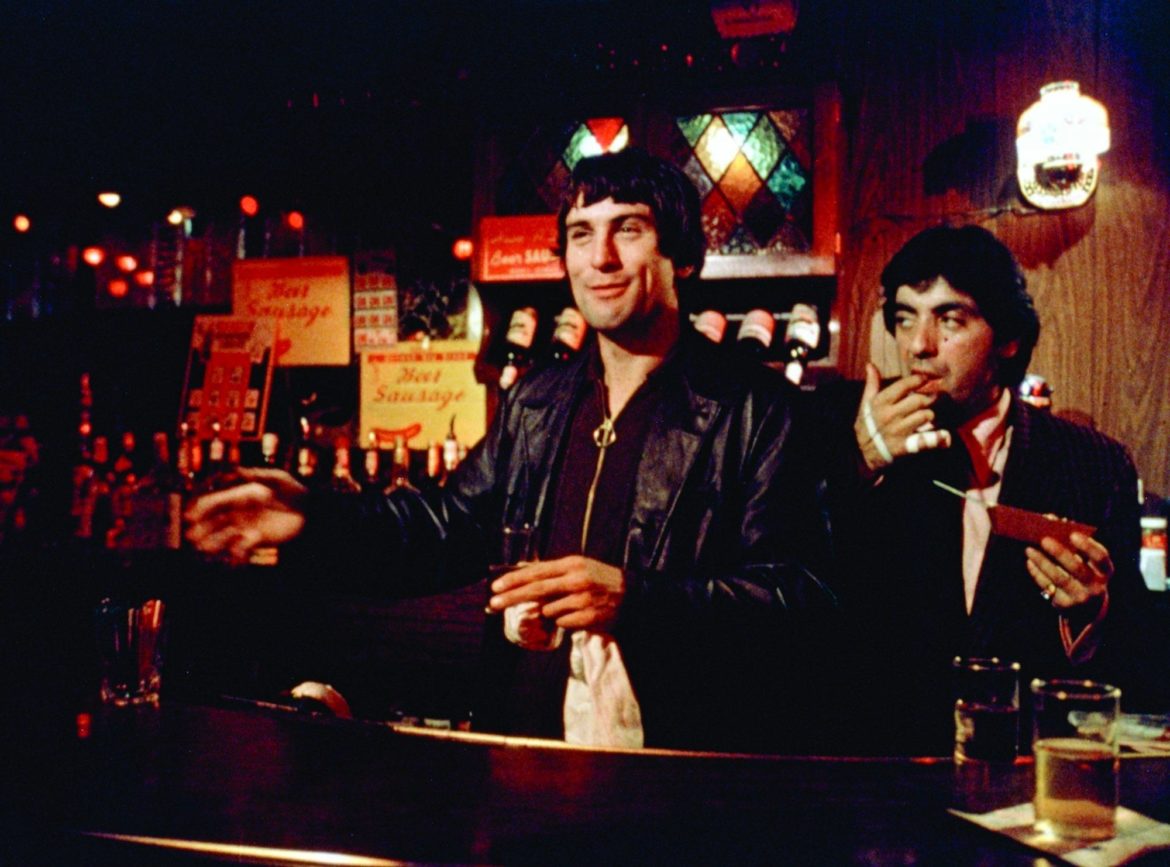
As far as this bloggy theme goes, I imagine the default choice for Mean Streets would be Deniro’s entrance, as impossible fuck-up Johnny Boy,  to the Rolling Stones’ “Jumping Jack Flash.” It announces a star and a style, and it’s amazing.

But I relate to Scorcese’s affinity for Girl Group bombast, harmony, and propulsive Wall of Sound production. As with his use of “And Then He Kissed Me” in Goodfellas, “Be My Baby” in Mean Streets feels immediately dangerous and edgy – ironic since we think of these songs as the most saccharine things imaginable.

Scorcese makes the song orient us in a time and place while also letting us know that something real is coming. We start, without the song, on the image of Harvey Keitel’s Charlie in bed, commenting, maybe in dream:

You don’t make up your sins in Church. You do it in the streets. You do it at home. The rest is bullshit and you know it.

Then he wakes, and the camera turns on itself literally, and the images shift to quick shots of the neighborhood, the families, and the characters we’ll come to know: it’s like a slideshow your neighbors might make you watch. We are immediately located in a world of Catholic guilt, family responsibility, lower-middle-class struggle, and violence. And all the while, the Ronette’s sing of crazy devotion to impossible love;

“You know, I will adore you / ‘Til eternity. / So won’t you / please …”

Martin Scorcese, with all his ideological, religious, and technical fixations, announced himself in this credit sequence. You can trace a lot of later efforts from this business right here. It still hasn’t been equaled.

Live:

January 5, 2015 0 comments
0 FacebookTwitterPinterestEmail
CommentaryFilm

2014 Year In Review: Movies That Won’t Win Awards

by rick December 31, 2014
written by rick

It’s awards season, and there’s no shortage of commentary. I might chime in myself in a few weeks. (Spoilers: Boyhood, Ida, The Immigrant, Under The Skin, and Noah would win all the things if it were up to me, and Uma Thurman would get a best Supporting Actress nod for Nymphomaniac Vol 1 — it is not, it turns out, up to me.)

But I thought I’d take the opportunity to highlight some of the best movies I saw this year which won’t be winning awards, primarily because some of them are from nearly 100 years ago.

Without further ado, the best movies of 2014 that didn’t come out in 2014, according to some guy on the internet.

  1. Sherlock, Jr. 1924

sherlock jr

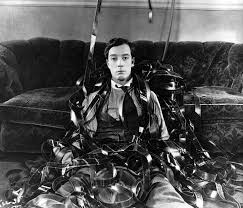
Buster Keaton’s endlessly inventive piece of meta-cinema, in which at one point his classic stone-faced protagonist falls asleep on the job as a projectionist and enters a world of pure film, was easily the biggest revelation of the year for me. I’d seen some Keaton before (though much more Chaplin), and knew enough to expect spirited gags, his hangdog demeanor, and show-stopping stunts (all of which he famously did himself), but I was totally unprepared for Sherlock, Jr.’s frantic bursts of inspiration and genius. I watched it four times in two days. Thank you, staff and readers at the Dissolve.

  1. Before Sunrise (1995), Before Sunset (2004), and Before Midnight (2013)

Before-Sunrise-006before sunsetBefore-Midnight-3

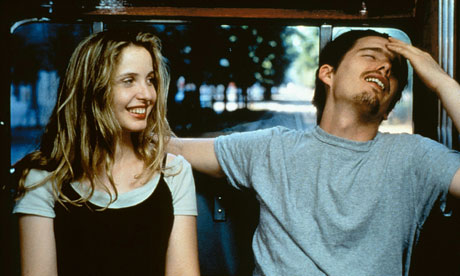
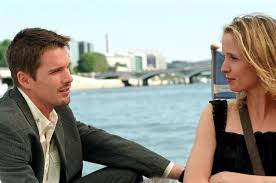
The release of Boyhood, and my enthusiasm for it (I know, it’s a lonely road to walk), finally compelled me to face the sad fact that I’d only ever seen the first entry in director Richard Linklater’s “Before” series, an extended character study of two lovers as they meet, meet again, and grow up. I fixed that in short order, and discovered the second two films deserve every bit of their acclaim. In 2014, Boyhood confirmed Linklater as the greatest American poet of time working in movies today, but the Before films demonstrate how expected that should’ve been. I’m still not sure if I’ve recovered from the gut-punch that is Before Midnight, the last and best of the trilogy.

  1. The Kid with a Bike (2011)

the-kid-with-the-bike-3

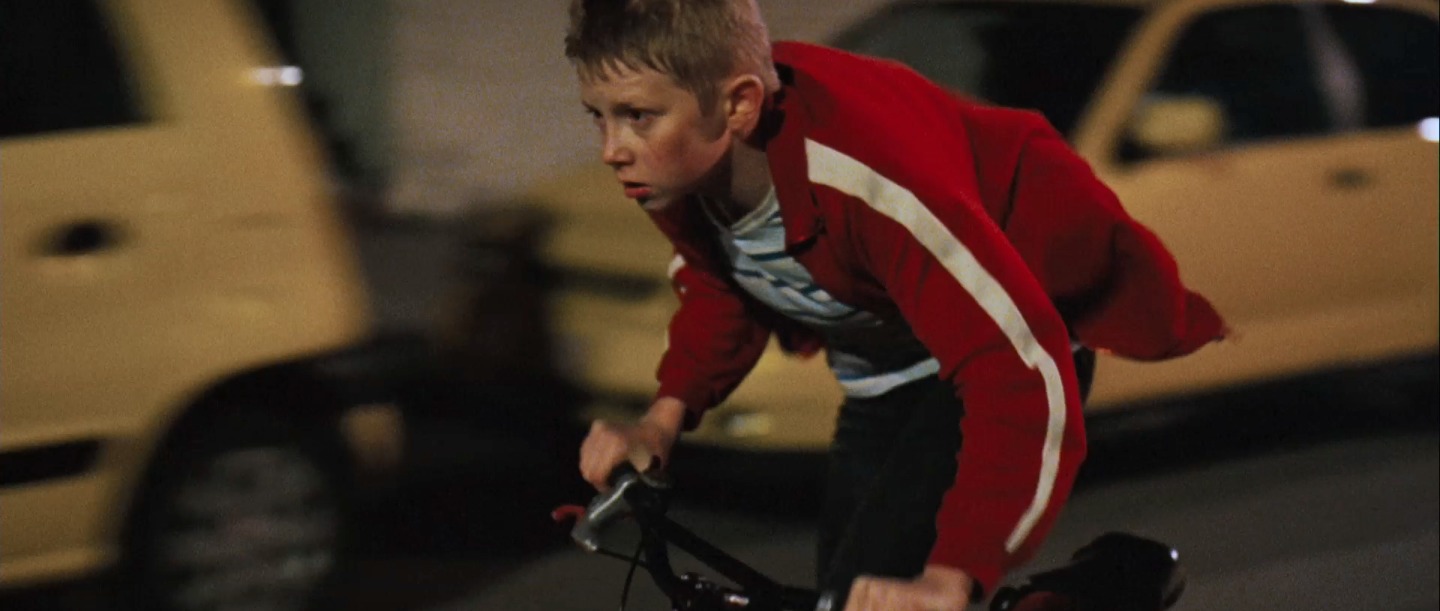
Like Linklater, the Belgian directing duo known as the Dardennes brothers (Jean-Pierre and Luc) have been showered in awards and Oscar-buzz this year, for their film Two Days, One Night. That one hasn’t been released around these parts yet, but their 2011 The Kid With A Bike broke my heart. Its understated but uncompromising approach perfectly suit the story of Cyril, a semi-abandoned, scrappy boy looking for a father-figure. He’s played with a raw urgency by young Thomas Doret, and his adventures around the projects of Liege, Belgium accumulate throughout the film into a portrait of growth and resilience in the economic and emotional margins. And its final scene, which could’ve sank under the weight of its cynicism, instead lands on a moment of grace that was the most quietly beautiful thing I saw all year.

  1. 3 Women (1977)

3 women

Robert Altman claims the outline of 3 Women came to him in a dream. There’s not much on screen that would argue against this. It’s an ethereal, weird film that turns in on itself, much more interested in allusion, symbol, and mood than narrative. Sissy Spacek and Shelley Duvall both turn in monster performances, and, with the possible exception of Under The Skin, I found myself thinking back on this movie more than any other. If Altman wanted to put a dream on the screen, he came close – it’s ravishing, operates according to its own logic, and seems perpetually in danger of being forgotten upon waking.

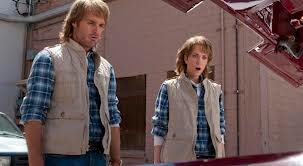
  1. MacGruber (2010)

macgruber

MacGruber is neither ravishing nor ethereal. These are not words one would use to describe Will Forte’s almost staggeringly confrontational SNL spin-off, which holds the incredible title of “worst performing SNL spinoff ever.” For context, this is a group that includes Night At The Roxbury and It’s Pat.

It is, however, the most hilarious movie of 2014, and its 5th best overall, despite coming out 4 years ago! This is a movie where our idiot hero – part MacGuyver, part Bond, all incompetent – deploys the celery trick to distract his enemies. What is the celery trick, you ask? Well, that is Will Forte literally sticking a piece of celery up his ass and chicken-walking around naked, cupping his balls. Classic MacGruber. The men with guns do pause in disbelief, and ask the only plausible question under the circumstances: “What the fuck?” (Not content to let it go at that – a phrase that could basically serve as a tagline – Forte advises his reluctant colleague Ryan Philippe, “You know, it sounds counter-intuitive, but if you ever use the celery trick, you want to focus on the big end. Otherwise, it just falls right out.” Philippe replies: “Yeah, I’m not ever going to use the celery trick.”) This is actually the least gross joke I could reference, so put that in your back pocket. Or just go watch MacGruber, that shit is hilarious.

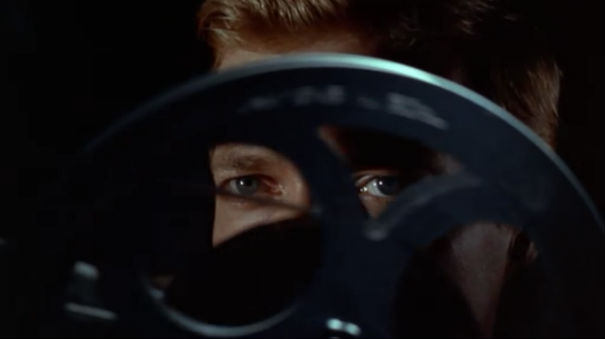
  1. Peeping Tom 1960

peeping_tom

Michael Powell’s creepfest Peeping Tom effectively ended his otherwise successful career, as critics savaged its lurid plot about a cameraman who films himself killing women with a knife protruding from the camera itself, and then obsessively watches his work in a screening room at home. Audiences stayed away in droves. Thanks to the efforts of his acolyte Martin Scorcese and others, there’s been a recuperation of the film since, and it’s well deserved. All the themes about representation, the Male Gaze, and the controlling power of the image that have dominated horror and suspense movies over the years are present here, and the figure of obsessive madness at its center is compelling. Like Sherlock, Jr., Peeping Tom is a movie about movies, but not everyone wants to be reminded that they too are voyeurs when the images start rolling, especially when the character we are aligned with is a monster.

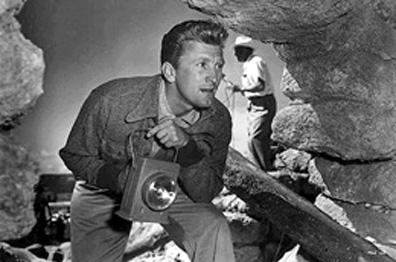
  1. Ace in the Hole (1951)

ace_in_the_hole

For all the lighter, wackier fare for which he’s known, the great Billy Wilder could be a hell of a cynic, and his Ace in the Hole is one of the most acidic satires I’ve ever seen. Kirk Douglas is a journalist seeking to break out from his low-profile gig for a local paper in Albuquerque and hit the big time with a blockbuster story. A worker trapped in a cave-in gives him the opportunity, and he does whatever he can with his purple prose, some occasionally “massaged” details, and eventually intrusion into the whole situation, so the story can keep building. Ace in the Hole is also about representation and the power to shape viewpoints, along with cut-throat capitalism and the lies we tell ourselves to get by. The film proceeds at a slow burn, as hypocrisies increase, and then it explodes.

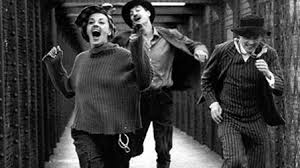
  1. Jules and Jim (1962)

jules and jim

Francois Truffaut once wrote “The film of tomorrow will not be directed by civil servants of the camera, but by artists for whom shooting a film constitutes a wonderful and thrilling adventure.” I don’t know if this is how he experienced filming Jules and Jim, but it would be appropriate. The film’s first 15 minutes are a breathless rush of exposition, as we meet these two friends and learn their histories. Eventually, they meet Jeanne Moreau’s Catherine, who has love affairs with both. It’s complicated, but there’s never true animosity between them – both the quiet and manic moments the three share are highlights of the movie, and at one point they even live together in a house (a cute shot shows two of them opening the shutters, the third below, and greeting each other in the morning). It’s a melodrama for sure, but it’s also a wonderfully intimate portrait of a particular kind of triad, placed against the backdrop of war and changing norms, propelled by some sort of furious force of compassionate honesty. I’m embarrassed I hadn’t seen this until now, but I’m glad I did.

  1. Wadjda (2012)

wadjda

Haifaa Al Mansour, the first female Saudi Arabian film director to shoot on location in the country, helmed this portrait of razor sharp, free-minded, endlessly adorable Wadjda (Waad Mohammed), a young teen who dreams of nothing more than learning to ride a bike and beating her friend in a race. Mohammed is an instant star, and Al Mansour’s pointed contrasts – Wadjda decides to win a Koran recitation contest, in order to use the prize money to purchase something her teachers consider inappropriate for a girl – and her powerful depictions of homelife, ritual, and day-to-day interactions would be impressive even if you set aside her unique biography as a filmmaker. It’s a really well done piece of Saudi Arabian feminist bike advocacy, with a lead performance that makes you wonder what Mohammed will do next. Basically, stop reading and go see it now, if you haven’t.

10. Persona (1966)

9c Ingmar Bergman persona3_thumb[3]

Ingmar Bergman is a huge blind spot for me, so catching up to Persona was gratifying. Like Altman’s 3 Women (a film that draws deep from its well), Persona is dream-like and hard to pin down. Liv Ullman’s Elisabet is a performer who had a breakdown on stage and has refused to talk since. Bibi Anderrsson is Alma, the nurse who takes her to a remote seaside cabin to recuperate, and hopefully bring her out of her shell. Things get pretty weird. Alma fills the house with chatter, compensating (or over-compensating) for Elisabet’s silence – she reveals secrets, dreams, desires. It seems she can’t stop talking, and the nurse/patient role seems to flip. The characters begin to take on each other’s aspects, and things get increasingly tense. And then Bergman blows your mind.

December 31, 2014 2 comments
0 FacebookTwitterPinterestEmail
FilmSong for a Sunday

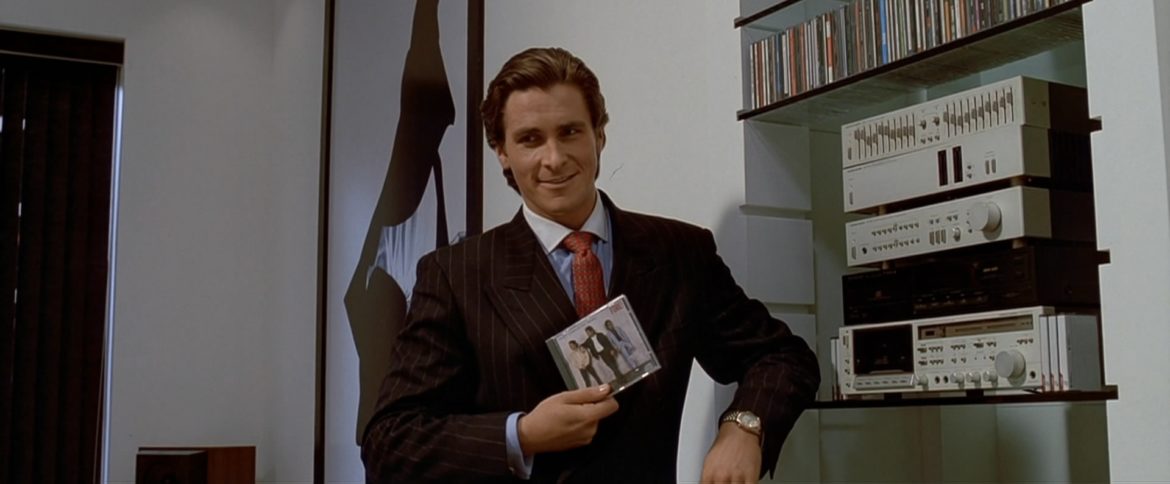
Song for a Sunday – Hip To Be Square (Huey Lewis and The News, American Psycho)

by rick December 28, 2014
written by rick

“I like my bands in business suits, I watch them on TV
I’m working out ‘most everyday and watching what I eat
They tell me that it’s good for me, but I don’t even care
I know that it’s crazy
I know that it’s nowhere
But there is no denying that
It’s hip to be square!”

As Huey Lewis sings these wise, profoundly un-hip words over the stereo, Christian Bale’s unhinged, upper-class psychopath Patrick Bateman moonwalks through the room and slaughters a rival with an ax in his tastefully decorated apartment.

Newspapers line the floor – “Do you have a dog?” his guest asks, before gushing blood – and Bale is protected from the blood by a transparent poncho. Moments earlier, he holds forth on the relative merits of Huey Lewis and The News throughout their career (the early work was “too new-wave” for his taste, though they really hit their stride later on). Like much of American Psycho, it’s ludicrous, bitingly satirical, ghastly, and hilarious.

Throughout the film, expertly adapted by Mary Harron from Bret Easton Ellis’ notorious novel, the emphasis is on surfaces, glosses, veneers. The newspapers on the floor and the shiny, blood-spackled raincoat are the tip of the iceberg – for instance, there’s a recurring theme about the look and feel of business cards, eroticized to the point of absurdity, the nearly identical suits the men wear continually leads to people mistaking each other for someone else, and Bale’s constant, increasingly comic refrain when confronted with situations he wants to escape: “I need to return some videotapes.”

Bateman, clearly, could be hiding in plain sight. Alternately, maybe Bateman is simply venal American capitalism and status-seeking taken to its logical conclusion.

Huey Lewis’ hyper-produced, glossy 80s pop scores this world appropriately, and Bateman’s monologues about it, the seriousness and maniacal enthusiasm with which he approaches songs most people would just laugh at, are satirical gold. In Ellis’ book, it’s even more clear – pages and pages are devoted to analysis and close readings of throwaway pop garbage, as Bateman goes over the edge into total madness.

Or does he? Both the film and novel leave open the possibility that none of this is real, except in the mind of a frustrated and deeply troubled man.

But in moments like this, you get the horrifying sense of what it might feel like to Bateman, who just has simple needs, like anyone: as much money as he can amass, the nicest apartment of all his friends, the most sophisticated business cards, and a quiet night at home, murdering people with axes while Huey Lewis and The News cheer him on with pop odes to the importance of conformity.

December 28, 2014 0 comments
0 FacebookTwitterPinterestEmail
Film

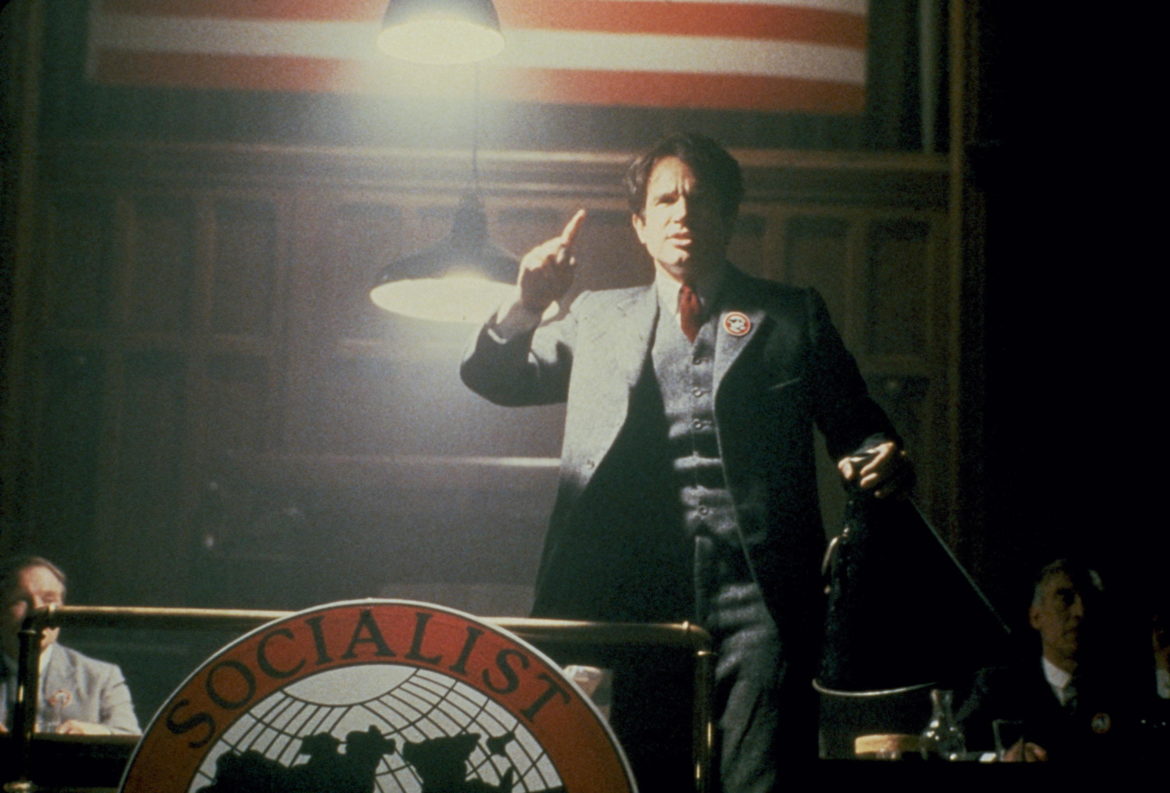
Reds (Warren Beatty, 1981)

by rick December 27, 2014
written by rick

Warren Beatty’s 1981 passion project Reds is such a sprawling monster of a movie that it’s difficult to figure out how to approach it.

It’s a 195-minute epic he devoted years and years to bringing to the screen, about the American journalist John Reed (the only American buried at the Kremlin), the Russian Revolution, leftist sectarian politics in the U.S. labor movement and then later within the fledgling Soviet bureaucracy, with a healthy dollop of cross-continental melodrama.

Do you write a historical treatise, pointing out what the film gets right and wrong? Do you write a polemic agreeing with or denouncing its characters’ stated beliefs, the ways in which they are elevated or subverted by the picture? Do you dig into the New Hollywood moment that produced the film, and talk about Beatty, Nicholson, Keaton, and all the lefty or post-lefty aspects of that cinematic moment?

You can, but I won’t. I’m going to skip all that and look at the movie.

The reality is that contemporary audiences, even ones likely to watch a 195-minute epic about the Russian Revolution and star-crossed American lovers in pursuit of transcendence and connection and solidarity, don’t give a shit about all that. The question is: How does Reds play, nearly 15 years after its release and almost a century removed from the period it depicts?

The answer is – it holds up pretty fucking well.

From the start, Reds feels fresh and vital. One of Beatty’s key stylistic choices (and one of his best) is to frame the retelling of Jack Reed’s (Beatty’s) story with documentary-style talking heads of people who knew him. These old-timers recount their experiences, many of which are very minor, with Reed and his very complicated love Louise Bryant (Diane Keaton), in the old neighborhoods. When we launch back into the story, the bemused, conflicted, and admiring tones of these actual people follow us, and frankly make up for what Beatty and Keaton often lack as believable leads. It feels urgent.

The first half of the film concerns Reed’s rise to prominence as a working-class anti-war agitator and professional rabble-rouser, Louise’s attempts to establish herself independently as writer, and her affair with mutual friend and sometimes-comrade Eugene O’Neill (Jack Nicholson, in a role in which he’s so good I can’t believe people don’t bring it up more frequently).

This section of the film, as the first world war impinges and conditions seem to get more serious around the margins, is focused on domestic unhappiness at home, and attempts to calm it down. Reed and Bryant argue publicly and privately for free love, but the first signs of jealousy derail their ambitions, at least for themselves. Nicholson calls them “parlor socialists,” and he’s not wrong. They yell at each other a lot. Her trysts lead him to propose marriage, presumably to keep the leaking ship afloat for a while. She accepts. They get a dog.

The second half of the film opens to Warren Beatty in an apron, like Jimmy Stewart in The Man Who Shot Liberty Valance, burning a roast. (Yes, really.) The talking heads discuss his rare passion and the ways in which he threaded the needle to bring Bolshevism to the people, but on screen he is lumbering about a kitchen like an idiot, while things burn.

Mere moments later, he’s off to Russia on behalf of one sectarian wing of the American Communist Party, hoping to get the Kremlin’s ok for their splinter group and assume the role of revolutionary vanguard of the U.S. workers.

The film continues and many more things happen, but this contrast gets right to the problem in the film. Beatty wants to expose the personal in the political, and vice versa. He wants to zoom in on the relatable struggles of lovers – fucking up dinner for your girl who just came back, which you really want to go well – and then pull back to show how such small interactions reflect and embody greater social upheavals.

It’s a worthy goal, and Reds is an ambitious film, but it never seemed to come together for me. It seemed like several movies locked in an argument. The pacing is off. Keaton seems to scream at you for an hour. I found myself struggling to remember why people were even in certain scenes. Gene Hackman is wasted (Ha! It’s funny because it’s true), and I got the distinct impression George Plimpton only shows up because someone lost a bet.

But the film’s best moments come right after intermission: Keaton’s Bryant agrees to come to Russia, and she and Beatty’s Reed start collaborating, taking criticism with a smile and a sense of excitement. You get the sense history is happening right in front of them, and all that petty bullshit is behind. Typewriters click in the back of the score, and, for a brief, lovely moment, no one is crying or shouting. In fact, they couldn’t be happier.

Are they just at their best when the world is crumbling down around them? The great cinematographer Vittorio Storano frames them constantly on opposite sides, in windows and doorframes and shadows, unless they are alone. One of the best shots shows Keaton’s face watching Beatty speak at a rally; as the crowd grows more adamant in its support of his position, she fades into the indecipherable crowd. “Politics,” he writes in a letter to her from the Russian front, “does a number on your poetry.”

Is Reds a good movie? I think Keaton is often woefully out of place. Beatty fares a bit better with his aw-shucks rogue routine, and Nicholson has rarely been better. Its politics are questionable but it asks the right questions, and its melodrama worked for this guy. The shots are often gorgeous, and even Beatty isn’t the most inspired director who ever showed up on the scene, you got that Storano to help plug the gaps. It tells a story worth telling, and I was surprised – after bellyaching about the film’s length – that my first impulse when it closed was to want one more scene.

So yeah, I won’t argue too much with myself. For its considerable number of missteps, Reds is a pretty good movie.

December 27, 2014 0 comments
0 FacebookTwitterPinterestEmail
Film

The Exterminating Angel (Luis Bunuel, 1962)

by rick December 25, 2014
written by rick

Luis Bunuel created a masterpiece in The Exterminating Angel, a savagely funny satire of bourgeois manners and the latent brutality they barely manage to conceal. Alternately, it might be a shameless rip-off of the 6th Season Buffy episode Older and Far Away which, presumably through some magic portal or Faustian bargain, Bunuel was able to view 40 years in advance. Probably the first one.

The film’s one-sentence synopsis on IMDB is accurate: “The guests at an upper-class dinner party find themselves unable to leave.” That is exactly what happens, and little more, narrative-wise. But all the deadpan laughs, surreal touches, and political critique are found in the interactions between these entitled members of the ruling class.

At the end of a successful dinner party, the guests inexplicably begin to prepare for bed in their hosts’ living room. Not wanting to offend anyone, and delighted at this show of unusual spontaneity, they all bunk down for the night. In the morning, coffee is served in the room, as this is what one does. No one even tries to leave, though one guest bemoans the fact that her kid is at home and needs looking after. By the time people really try to make a break for it, it becomes clear they can’t cross the threshold.

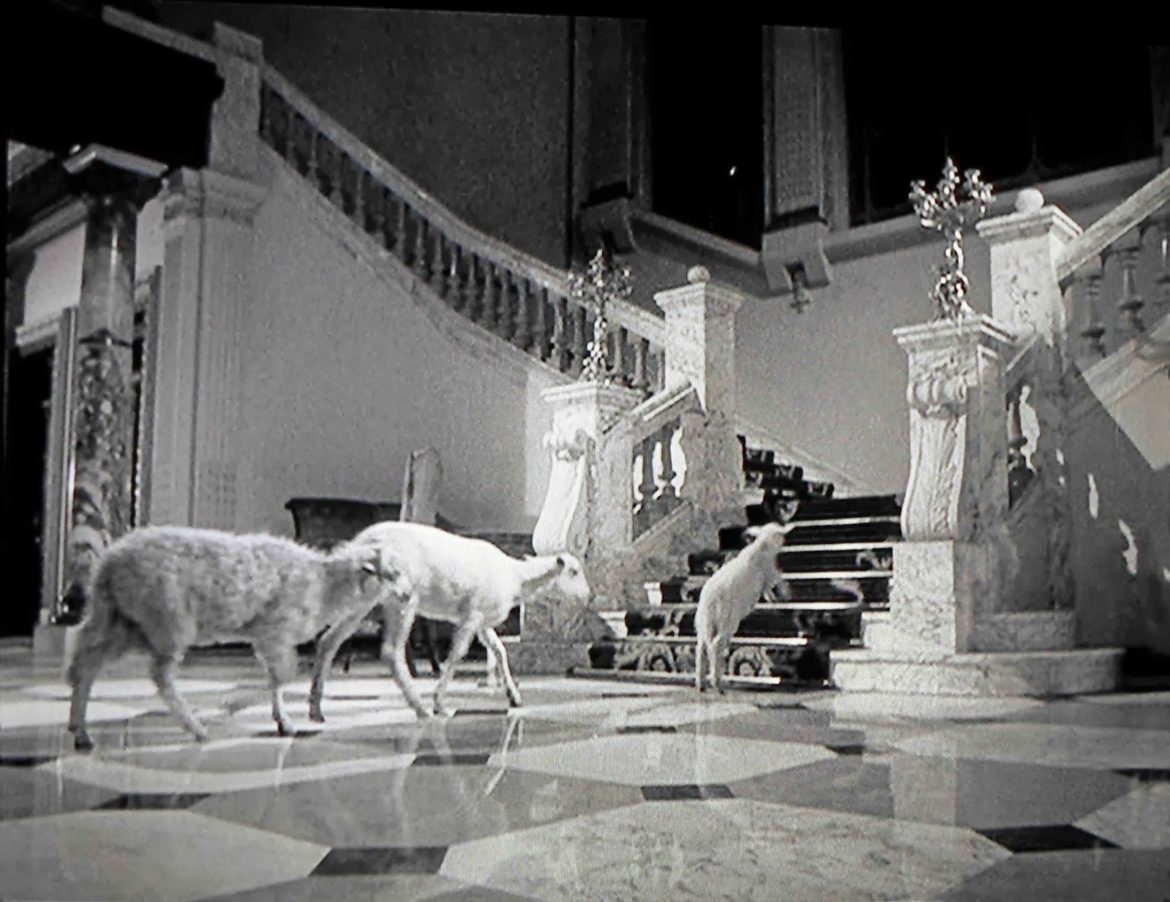
Hours turn into days, then days to weeks, until no one can remember how long they’ve been in this room. Food and water supplies collapse, and the proceedings become increasingly grim as the veneer of upper-class sophistication falls away. They threaten each other’s lives and engage in some ruthlessness; trash accumulates just across the doorway, where they pile it; two lovers kill themselves in desperation and are placed in a closet. Two sheep enter the room and they slaughter them (they were supposed to be included in after-dinner entertainment, also featuring a bear, which never came to pass. Later, we see the bear just hanging out).

Outside the house, friends, family, and concerned strangers have gathered, but they too can’t enter from their side. In fact, they come up with immediate excuses and don’t bother to try. They circle about making meaningless suggestions and small talk.

When a solution is found to break the spell, the joyous group of ruling class hypocrites plan a large mass to thank God for their deliverance … only to find they can’t seem to leave the church, either. The Exterminating Angel is an obsessive work, vitriolic and hilarious in its scorn for the ruling class, and for the Spanish elite in particular.

Roger Ebert described Bunuel this way: “an enemy of Franco’s Spain, he was anti-fascist, anti-clerical and anti-bourgeois … [his] firmest conviction was that most people were hypocrites–the sanctimonious and comfortable most of all.” This comes through in every moment of the film, seared onto celluloid by an artist on a mission. The Exterminating Angel is both righteous in his anger and devoted to its surreal comedy, two things that for Bunuel were never far apart.

December 25, 2014 0 comments
2 FacebookTwitterPinterestEmail
Film

The Strange Color of Your Body’s Tears (Hélène Cattet, Bruno Forzani, 2014)

by rick December 25, 2014
written by rick

From its arthouse title to its opening act, drawing heavily on Dario Argento’s color palette and prog-rock scores, The Strange Color of Your Body’s Tears announces itself as a meta-genre movie, aimed pretty squarely at fans of giallo and exploitation, though straddling a line into the uncanny just enough to please the David Lynch and Bunuel fans in the crowd.

It is, by turns, gorgeous, scary, slightly gory, disturbing, overwrought, brilliant, smarter than it thinks, and unfortunately, for long sections, unjustifiably dull. The easily squicked-out and those wanting a straight forward narrative should probably skip it, but there’s a lot to hold your interest if you’re on its wavelength. Most of the time.

We meet telecom rep-of-some-variety Dan returning from a business trip, trying to reach his wife on the phone without luck. She’s not at the apartment either, which he has to break into since the chain lock is on, though no one’s home. The rest of the film is his search for her, a journey that reveals all kinds of hidden evils and mysteries in the building they live in, and in the dangerously linked private lives of its residents.

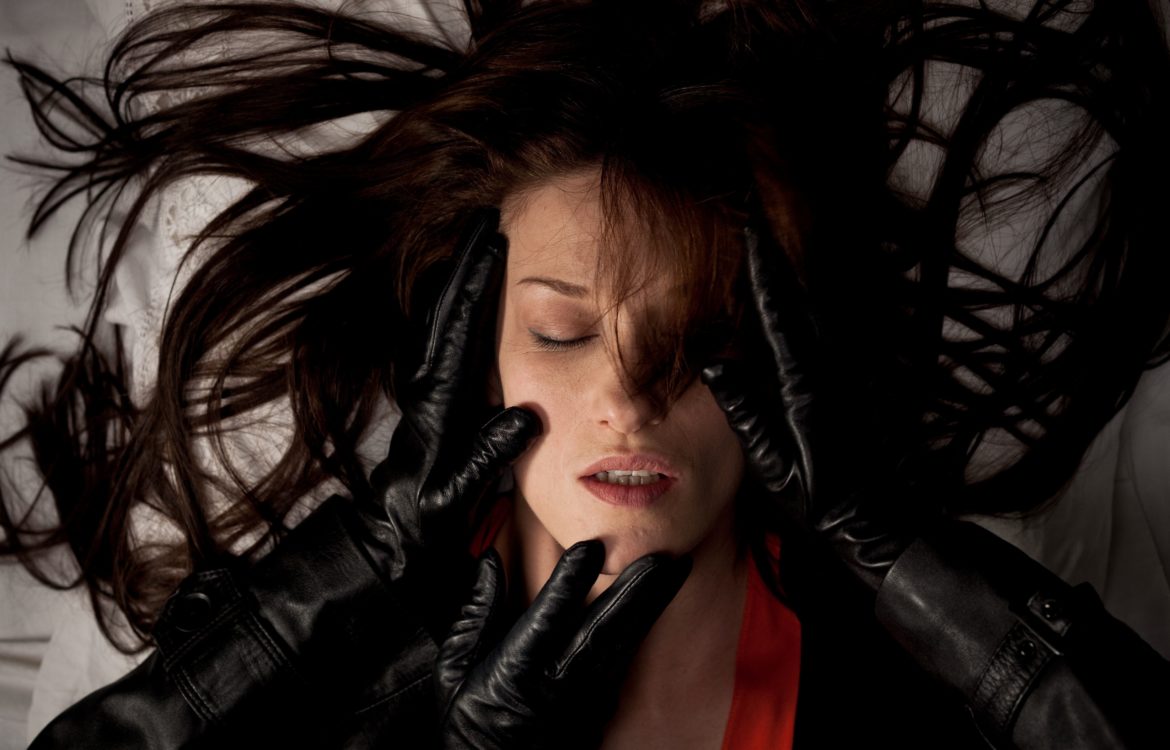
The film draws and occasionally comments on the giallo genre of horror/thriller, most prominent in the 70s and associated with directors like Argento, Bava, Fulci, and others. A typical characteristic is the gloved hand of the murderer, which we see on screen without knowing which of the characters it belongs to – a trope used really effectively here.

Another key aspect is the notion that investigations into murder or other gruesome crimes tend to reveal secrets, even ones unrelated to the central mystery. The detective, like the audience, is a voyeur, which is maybe why cameras and recordings feature so prominently in these films (not to mention eye-stabbings, that Italian horror specialty).

The Strange Color of Your Body’s Tears zeroes in on these themes, playing them for nervous laughs (as when a character drills an eye-sized hole in the ceiling and someone else sticks lit matches through them, to help him see in the rafters) and accentuating them through jagged editing, DePalma-esque split-screens, shots that evoke Michael Powell’s Peeping Tom, German expressionism, and much else besides. Its technique and images are both sexy and infused with dread.

I haven’t seen Cattet and Forzani’s previous film Amer, which many commenters view as superior to this one, but The Strange Color of Your Body’s Tears is still an evocative if overlong genre exercise. By the fourth time we see the same shot of a knife brushing an erect nipple, it’s clear the directors could’ve killed a few of their darlings and improved the film.

Still, if you’re a fan of gialli or any of the directors mentioned above, you should check it out. If you prefer your cinema without self-aware arthouse trappings and significantly fewer crotch-stabbings, you probably should look elsewhere.

December 25, 2014 0 comments
0 FacebookTwitterPinterestEmail
FilmReviews

Noah (Darren Aronofsky, 2014)

by rick December 21, 2014
written by rick

Despite its huge budget, action movie trappings, and scriptural focus, there was never any real concern that American auteur Darren Aronofsky was going to make a boring sandal-clad, desert epic. The person behind Pi, Requiem for a Dream, The Fountain, The Wrestler, and Black Swan is seemingly incapable of approaching any material without transforming it into a “Darren Aronofsky project” in the process.

That’s not necessarily an endorsement in the abstract – I like some of those movies much more than others – but not one of those films lacks ambition, artistry, or deep commitment to their ideas. The notion that Aronofsky – obsessed with driven anti-heroes, moral compromise, corrupting influences, and struggles to transcend – would ever phone it in, or offer up some spectacle schlock, just seems profoundly unlikely.

Still, I was taken aback by how much I liked Noah.

Based on reviews and trailers, I expected a full-blown studio picture with plenty of CGI, occasionally punctuated by Aronofsky’s examinations of faith, doubt, and transcendence. Turns out, it was exactly the other way around: spectacle is (mostly) in service to much more intimate stories, and Noah’s transition from a decent man grappling with impossible and morally complex demands to a tyrant assured of his knowledge of the divine is among the most serious attempts to tackle these things I’ve seen on film.

There are also cool rock monsters.

Aronofsky maps the story of Noah (Russell Crowe) onto a post-apocalyptic vision that’s growing increasingly familiar in modern cinema – Noah’s family (including Emma Watson and Jennifer Connelly) hides out as though they are in Mad Max or The Road, the land is barren under the rule of evil, and God is preparing to wipe out what’s left and start over. Or so Noah learns in a dream.

The building of the ark is an epic endeavor, but it’s not shrugged off in the cutesy way I remember from CCD – two of each fluffy animal, a triumph of a world born anew. This Noah is fully aware that these visions mean, at best, the end of most human life, at least for a time and maybe, by necessity and divine decree, forever (a nihilistic vision that comes to dominate the film in a way I don’t remember the Old Testament suggesting quite so adamantly).

Noah approaches his job – which is, again, to facilitate the annihilation of most and possibly all human life – first as a man on a mission to both carry out God’s will for the non-human creatures, while also taking care of himself and his own. (He’s a lot like Michael Shannon’s Curtis in Take Shelter in this regard, another film that, in its focus on impossible responsibility and the existential absurdity of faith, strikes me as much more spiritual now than when I saw it.)

Before the deluge begins in earnest, there are a lot of juggled plot-points (possible title for future essay: “Juggled Plot-Points: The Story Of The Bible” ~ ed. note) and a lot of turmoil between characters, but the central focus remains on the choices Noah makes and their repercussions. His determined doubt, which guides his earlier decisions, is replaced with a kind of fanaticism, a certainty in his interpretation of what he’s been asked to do, and the film amplifies the horror of what that might mean. It also suggests that the position he ends up in – knowing for a fact what God wants – is vanity, pure and simple, and has more in common with the world left behind than the new one he hopes to see into being.

Yes, there are big fights and floods and CGI animals aplenty, and there are also startlingly beautiful sequences rendered in the same vein. But that’s not where the film’s heart is, or Aronofsky’s. Noah is an unusually sincere treatment of faith, doubt, punishment, and transcendence from a filmmaker who returns to these themes again and again.

As weird as it may sound, a CGI-heavy action movie about the Biblical flood is one of the most serious and challenging movies of the year.

December 21, 2014 0 comments
0 FacebookTwitterPinterestEmail
FilmSong for a Sunday

Song for a Sunday – In Dreams (Roy Orbison, Blue Velvet)

by rick December 21, 2014
written by rick

I won’t lie – I’ve always found Roy Orbison kind of creepy. And I say this as a fan.

I know “Oh, Pretty Woman” was supposed to make us feel warm and fuzzy in the Julia Roberts film of almost the same name, but it filled with me dread instead. “This isn’t going to end well,” I thought, improbably, about Pretty Woman. The combination of Orbison’s classic croon, his weird ethereal falsetto, the ever-present black shades and his doughy features combine to make everything about him a little eerie and not altogether right. He’s almost a 1950s balladeer, but not quite.

And so he’s perfect for a David Lynch film.

Lynch’s masterpiece Blue Velvet is the story of psychosexual violence and deep weirdness hidden just below the surface of suburbia. Its iconic sequence of images at the start – a hyper-glossy, slow-motion montage of Norman Rockwell-esque wholesomeness that zeroes in on the grass, and then the ants, and then the severed ear that sets the plot in motion – is basically a mission statement, the film in miniature. It’s a journey through the looking glass/ear canal, and leans heavily on Lynch’s fixation on finding surreal contrasts in the everyday.

As such, Orbison’s “In Dreams” is right in his wheelhouse. On its surface, it’s a loping love song, a sad lament about the one who got away and who now can only be encountered, well, in dreams. But, from the first line on, it also conjures up nightmares. The opening lines might have been intended in some romantic way – “A candy-colored clown they call the sandman / Tiptoes to my room every night” – but as far as I’m concerned, it sounds like a horror movie premise and my first impulse isn’t to swoon but to run away in abject terror.

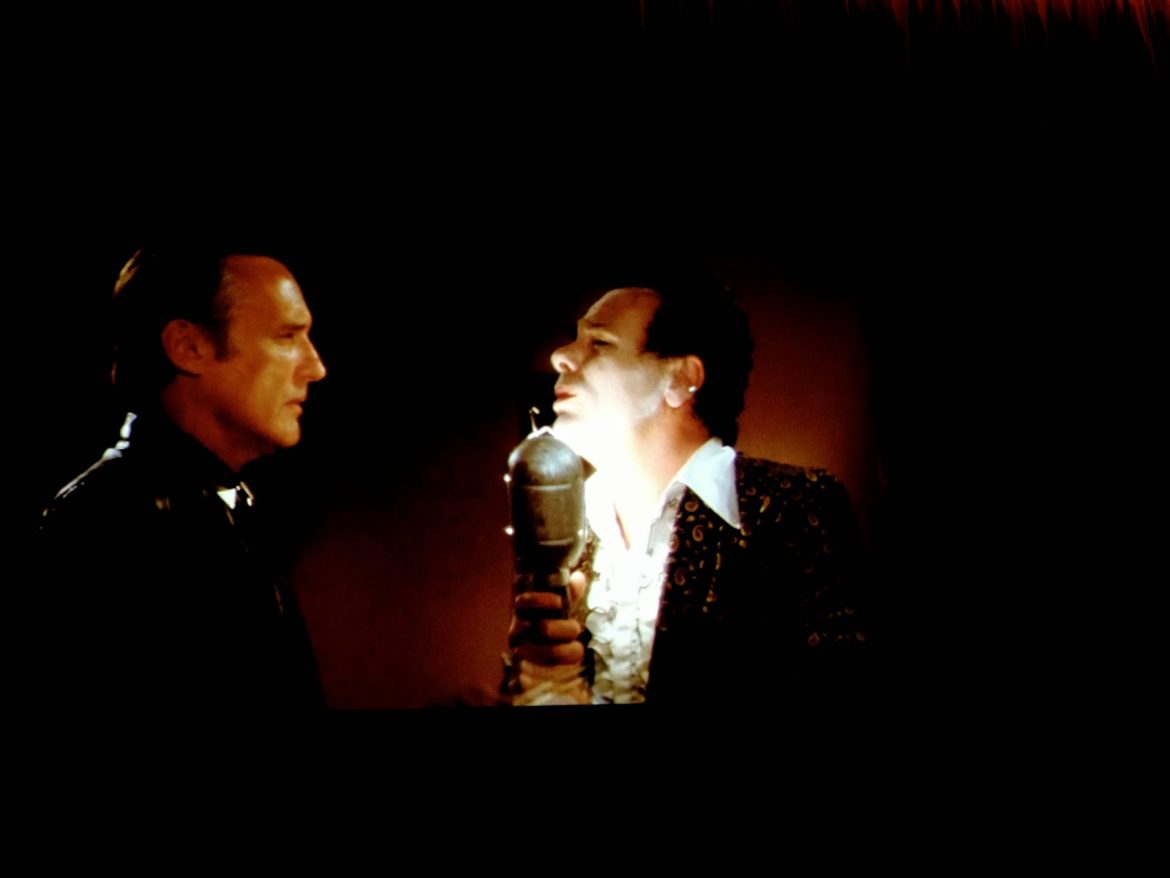
In one of Blue Velvet’s most disturbing scenes, the great Dean Stockwell – in freak-out make-up, lit by a lamp standing in for a spotlight and microphone, standing before a crowd of bizarre criminals and Kyle MacLachlan’s kidnapped Jeffrey, in way, way over his head – lip-syncs the song. Dennis Hopper’s psychotic Frank Booth is framed next to him, mouthing the words in turn and seeming deeply affected. (As an earlier version of the title song makes clear, music has a big effect on Frank.)

It’s creepy and comic for the same reason – surreal incongruity, which is David Lynch in an admittedly simplistic nutshell.

Speaking for myself, this song and scene are now indistinguishable. By which I mean: if you sneak up behind me and start singing, “The candy-colored clown they call the Sandman,” I might lose my mind.

Seriously, don’t do that.

December 21, 2014 0 comments
0 FacebookTwitterPinterestEmail
FilmReviews

Obvious Child (Gillian Robespierre, 2014)

by rick December 21, 2014
written by rick

It was probably inevitable that Gillian Robespierre and Jenny Slate’s Obvious Child would be greeted as “the first abortion rom-com.” That’s like catnip to critics and headline-writers everywhere, and it’s true as far as it goes.

But having finally caught up to seeing the movie, I think it also obscures the bigger story: that Obvious Child is something of a miracle, a film that could’ve sabotaged itself at almost any step of the way but ended up being one of the most charming, funny, and welcome movies of the year, with one of the best lead performances.

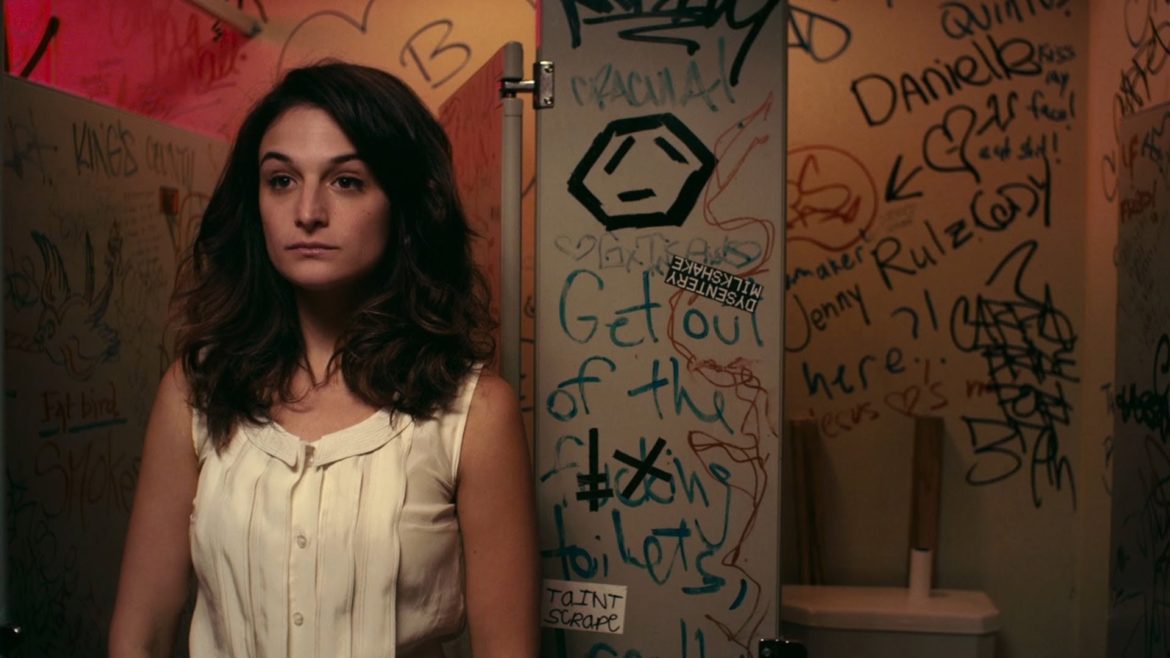
In what can only be described as the ever-clichéd “breakout role,” Jenny Slate stars as Donna Stern, a struggling stand-up comic who we first meet on stage at a small club, right before her boyfriend dumps her in favor of a mutual friend he’d secretly been seeing. She doesn’t take it well – she describes standing outside his apartment to get a glimpse of them as “some light stalking,” and later has a truly cringe-comic, drunken breakdown during a set. But that same evening, she ends up meeting Max (Jake Lacy), at the bar and, encouraged by a friend and fellow comic, spends the night with him.

Flash forward a bit and … uh-oh. Her competing recollections of that night – “Didn’t you use a condom?” her friend asks. “Well, I know a condom was there.” – are hilarious and real, but facts are facts and she now has to deal with this.

What’s so interesting about how the film plays out is her complete lack of wavering or agonizing over her choice, and the emphasis on Donna’s personal agency. There’s an emotional scene with her mom (Polly Draper), who discloses she also had an abortion in her youth, under much more difficult and dangerous circumstances, but the film, thankfully, never becomes a tear-jerker. It has a point of view, of course, but deftly navigates the personal and political. Its focus is on the relationships between characters and on Donna herself, working through her issues on stage and in conversation, not melodrama or tortured pathos. To call it refreshing would be an enormous understatement.

Lacy also deserves serious credit for his portrayal of Max. In what could’ve been a thankless role as Nice Guy and/or Big Nerd (“I bet he knows Santa,” Slate observes), he also gives a lived-in and funny performance. In a pivotal scene, his face reflects his initial discomfort about Donna’s decision, but he also never once falls into melodrama. Max is basically a pretty stand-up guy trying to do the right thing, and Lacy makes him a lot more appealing than he could’ve been.

But everyone knows Slate’s the real star here (along with the script). She’s fantastic – witty, silly, and fart-obsessed (here’s to a leading lady who thinks farts are hilarious). And also extraordinarily self-aware, with an undercurrent of anxiety that she keeps at bay with jokes. She feels very much like someone you might meet, or might already know. Slate is sure to have a higher profile thanks to this performance, and that’s a really good thing.

December 21, 2014 0 comments
0 FacebookTwitterPinterestEmail
FilmReviews

Under The Skin (2013, Jonathan Glazer)

by rick December 21, 2014
written by rick

The weird abstractions and head-scratching symbolism of Under The Skin probably account for its not-entirely enthusiastic reception, but they’re also its strongest feature.

Along with Scarlett Johansson’s fascinatingly cryptic and brave performance, which continues her recent (and welcome) foray into challenging roles that foreground and then subvert audience expectations, these imagistic themes demand engagement and interpretation, and nothing is made particularly easy. It’s a cold film for much of its running time, and probably merits multiple viewings, but it’s also often incredibly beautiful.

What it’s all about is another story. Johansson is a nameless creature, listed in the credits as “The Female”: most descriptions call her an alien, though I don’t think that’s ever actually confirmed. The film’s lovely first five minutes could reasonably imply some sort of stellar transit, with moons and other bodies eclipsing each other before morphing into her retina, but no title card ever appears announcing, “Meanwhile, ON EARTH.”

That she’s “otherworldly” is beyond dispute, though. She begins by changing clothes with a woman pulled from a ditch by a mysterious motorcycle man who recurs throughout the film, credited as “The Bad Man”. She applies red lipstick, dons an instantly iconic fur coat, and drives around Glasgow, Scotland, trying to pick up men who are alone and without apparent connections.

She seduces them, brings them back to a house, and, as they follow her disrobing form to what they presumably imagine to be a bedroom, they’re slowly swallowed up in an inky black pit of some viscous substance. They do so willingly, though, seemingly drawn to her with a magnetic pull. She retraces her steps and picks up the clothes she’d discarded, walking herself without effort over the darkness, and heads back out in her van to look for more.

This continues for some time. Much of the film was shot covertly, on a house-built camera, and simply involves Johansson talking out her window to strange men on the street. This verite feel stands in stark contrast to the highly mannered formalism of the abstract shots, like the mysterious ink pit or assorted shows of light and darkness. It’s a bold choice, even if some of the passing Scots are borderline impossible to understand (for this guy, anyway).

Eventually, something shifts. Throughout the film, Johansson’s encounters have been clearly underwritten by her otherworldliness – her blank eyes and face suddenly shift to a charming and coy version of herself, as though she’s learned to smile from instructional videos. She is all performance, with a hollowness at her core. But after an encounter with a severely deformed man, it seems she’s become aware of her own physicality, and interested in whatever is human about her (which the movie refuses to make clear). A scene where she inspects herself in front of the mirror is striking and oddly sad.

After all the close confines, shadowy corridors, and black mystery pits, we find ourselves mostly in the forest all of a sudden, surrounded by rain and earth elements. Is she returning to something? Or escaping from this life imposed on her by the Motorcyle Man, who’s some sort of interstellar pimp?

Conversation with a friend after the film focused on the masculine and feminine and the ways they were embodied and portrayed, an inescapable element of whatever it is that’s going on here. And especially on the “male gaze” in cinema, which, with Her, it seems Johansson is currently picking projects specifically to toy with, complicate, and subvert. After all, it is her character who spends most of the time looking at others in the film, even as we look at her, and even as the Bad Man looks at her. It’s her character who seduces and traps these unwitting men — maybe she is able to survive only by consuming their essence, or maybe she’s tasked with this by someone further up a hierarchy that never reveals itself, exactly.

Or maybe Under The Skin is determined to remain elusive on such questions. It’s a movie to marvel and wonder at, and if it drags in parts, the high points more than make up for that. It’s a unique experiment, and experience, and has more to say, even obliquely and with its images, moods, and technique, than most 10 films combined.

December 21, 2014 0 comments
0 FacebookTwitterPinterestEmail
Newer Posts
Older Posts

About

About

Towards a provisional theory of the cinema, or, failing that, just some shit about movies

Authors
Rick Kelley
Lark Lundberg

Keep in touch

Facebook Twitter

Categories

  • Conversation
  • Film
  • Film By Film
  • Great Movie Project
  • Great Movies: The Counter Programming
  • Guest
  • News
  • Other
    • Commentary
    • Film
    • Interview
    • Reviews
    • Song for a Sunday
  • Streaming Selections
  • TV
  • Uncategorized
  • Vegan Horror

Archives

  • April 2019
  • March 2019
  • January 2019
  • December 2018
  • November 2018
  • October 2018
  • September 2018
  • August 2018
  • July 2018
  • June 2018
  • May 2018
  • April 2018
  • March 2018
  • February 2018
  • January 2018
  • December 2017
  • November 2017
  • October 2017
  • September 2017
  • August 2017
  • July 2017
  • June 2017
  • May 2017
  • April 2017
  • March 2017
  • February 2017
  • January 2017
  • December 2016
  • November 2016
  • October 2016
  • September 2016
  • August 2016
  • July 2016
  • June 2016
  • May 2016
  • April 2016
  • March 2016
  • February 2016
  • January 2016
  • December 2015
  • October 2015
  • September 2015
  • August 2015
  • July 2015
  • June 2015
  • May 2015
  • April 2015
  • March 2015
  • February 2015
  • January 2015
  • December 2014
  • November 2014
  • October 2014
  • August 2009
  • September 2008

Recent Posts

  • China Girls, Death Proof, and the Hidden Face
  • Old News: Old Noise Edition
  • Old News: April 1, 2019
  • Nicolas Winding Refn, Marginalia, and the Deaths of Cinema
  • And now, let us praise Kanopy

Recent Comments

  • Franklin Kat on Michael Shannon shines again in Frank & Lola
  • Sean Tempesta on Cinema and dream-logic in Meshes of the Afternoon
  • ludditerobot on The Left-Wing Slapstick and Iconic Songs of 1937’s Street Angel
  • Franklin Kat on The Left-Wing Slapstick and Iconic Songs of 1937’s Street Angel
  • Arijit Mukherjee on Great Movies Project: The Counter-Programming
  • Facebook
  • Twitter

@2021 - All Right Reserved. Designed and Developed by PenciDesign


Back To Top
Luddite Robot
  • Reviews
  • Commentary
  • Great Movie Project
    • Great Movie Project
      Bride of Frankenstein is a movie for and…

      January 25, 2018

      Great Movie Project
      The Enduring Appeal of Nick and Nora in…

      November 29, 2017

      Great Movie Project
      The Ahistorical Fever Dream of The Scarlet Empress

      August 2, 2017

      Great Movie Project
      Dreams, Mundanity, and the Anarchist Yearnings of L’Atalante

      July 12, 2017

      Great Movie Project
      Duck Soup Is And Will Always Be A…

      April 19, 2017

  • Counter Programming
    • Great Movies: The Counter Programming
      Walking and Talking in the Shadow of Kanchenjungha

      March 7, 2018

      Great Movies: The Counter Programming
      A Brief Encounter in My Mother and Her…

      February 9, 2018

      Great Movies: The Counter Programming
      Horror’s Refusal in Farrokhzad’s The House Is Black

      October 13, 2017

      Great Movies: The Counter Programming
      The rage and beauty of The Cloud-Capped Star

      October 3, 2017

      Great Movies: The Counter Programming
      The daylight noir and social issue empathy of…

      June 22, 2017

  • Vegan Horror
    • Vegan Horror
      Julia Ducournau doesn’t think her film Raw is…

      June 7, 2017

      Vegan Horror
      Licking our wounds: The vampiric masculinity of Ravenous

      December 13, 2016

      Vegan Horror
      Eggertsson and animals: An approach to horror cinema

      September 15, 2016

      Vegan Horror
      “It’s Not My Nature” – Vegetarianism, Body Horror,…

      August 30, 2016

      Vegan Horror
      Bodies and Carcasses in Predator 2

      August 23, 2016

  • Interview
    • Interview
      Jasmine Leyva’s doc The Invisible Vegan aims to…

      May 3, 2017

      Interview
      Bridging The Abyss: An Interview With The Directors…

      November 28, 2016

      Interview
      7 Days in Ohio: An Interview with Nathan…

      September 12, 2016

      Interview
      Film Critic Phil Dy talks New Filipino Cinema

      June 17, 2016

      Interview
      “I Love Seeing Film Projected.” A Conversation with…

      March 22, 2016