
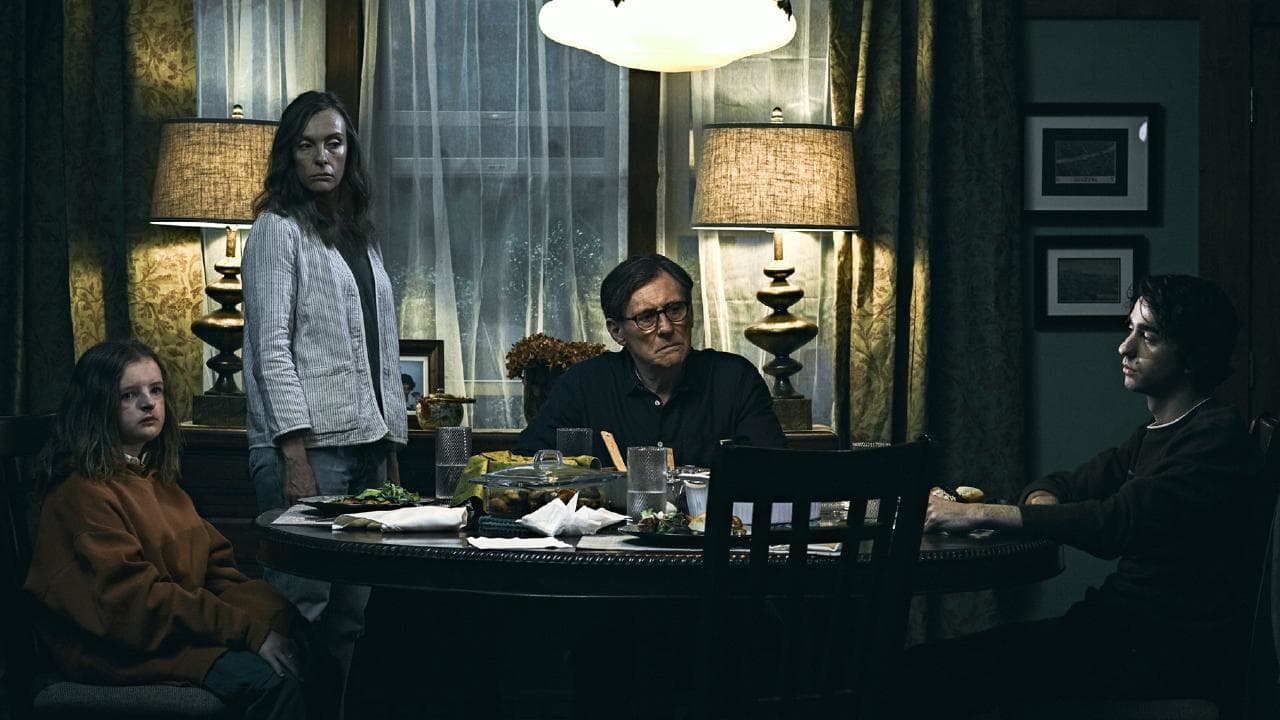
Miniatures are inherently unsettling. Like all copies of the world, they carry a whiff of the uncanny, and a possibility that they will escape the control of their creators; in horror movies, we are particularly trained to expect them, infused with some breath of terrible life, to rise up and wreak havoc. In Hereditary, when we are introduced, with a razor-sharp buzz on the score and a bravura opening shot, to Toni Collette‘s Annie as an artist who works with miniatures, there’s every reason to expect the worst from these little things she’s brought into the world.
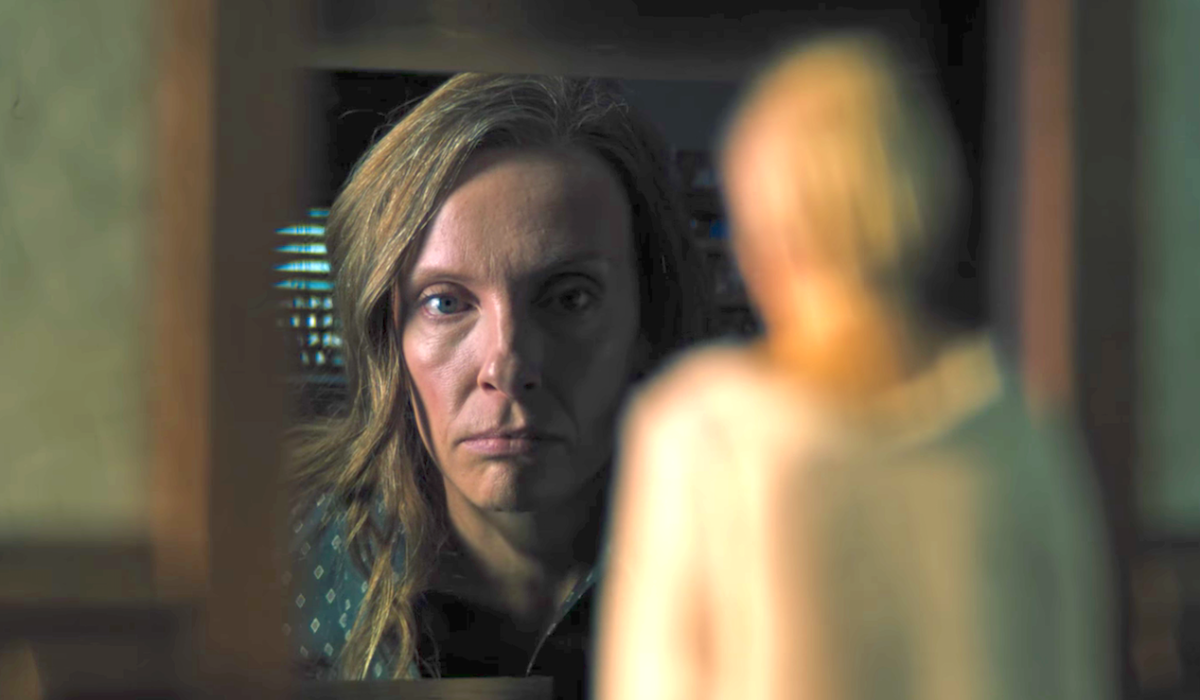 This moody speculative horror is the best of the three films that writer/director Ari Aster (with a huge assist from cinematographer Pawel Pogorzelski) have crammed, not always comfortably, into their dollhouse. Hereditary falls in that long line of horror, stretching back to Frankenstein, that mines parental anxieties, and maternal ones in particular, for resonance. (The Babadook is an obvious touchstone, but instead I kept thinking of We Need To Talk About Kevin.) And then there’s also a kitchen-sink realism, too; for long stretches in the early going, Hereditary feels an awful lot like a dramatic portrait of a deeply unhappy family, claustrophobically imprisoned in their small world. If madness took the form of God in the walls, we might be headed in a different direction.
But it’s not God in these walls. When Annie’s not locked away in a room of her own, meticulously rendering the details of her life in miniature for an upcoming gallery show, she’s also mother to Peter (Alex Wolff) — a detached, usually stoned high schooler who, Hereditary seems curiously fixated on informing us, owns a very big keyboard — and his younger sister Charlie (Milly Shapiro), who does a clucking thing with her tongue, draws weird pictures, and collects the heads of dead birds. (Charlie, introduced sleeping in the cold treehouse out back, in particular does not seem well; the jury is out on whether or not she plays the keyboard.) Husband Steve (Gabriel Byrne, Irish King of the Weary Slouch) benevolently hangs around in the back of the frame for much of Hereditary.
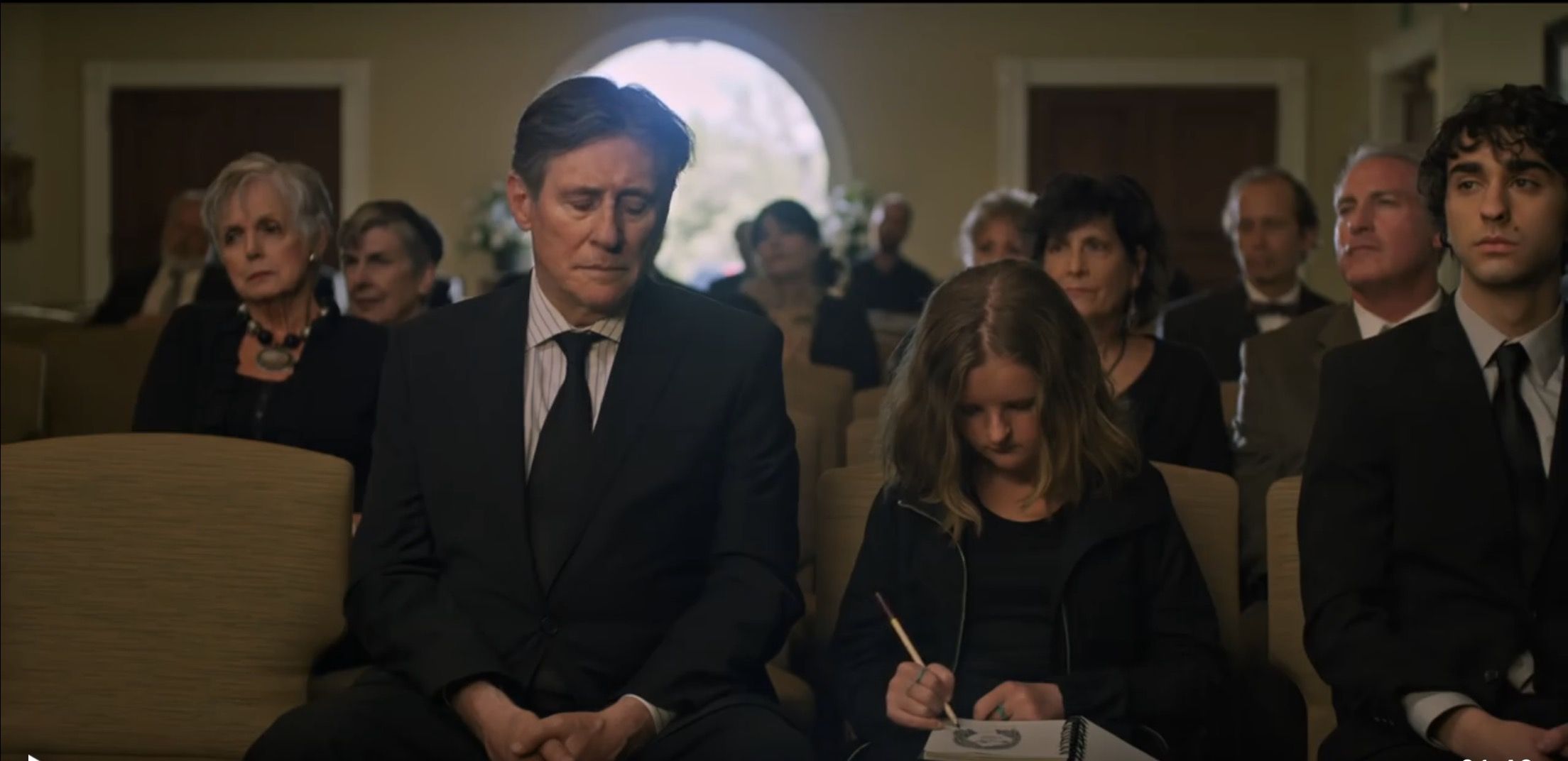 Aster grounds Hereditary in generational grief, or at least its trappings, from the get-go. Annie’s semi-estranged mom has just died, and at the funeral, from her eulogy, we learn about their supremely ambivalent relationship – a withdrawn mother from whom the daughter has inherited her stubbornness. But it’s not long before the spectre of the old woman — already hovering over the proceedings, driving Annie to a grief support group in an attempt to feel more grief and haunting the already morbid Charlie’s thoughts — starts making itself visible in the shadows.
From here on out, Hereditary goes for broke on sustained tension, a sense of atmospheric disturbance and dread in the house’s geometric corridors. The camera methodically tracks the empty hallways like it’s on a ghost hunt. There are boxes of the old woman’s books, inscribed with vaguely ominous postmortem apologies for all that she’s been silent about in life. Doors are open that should not have been opened. The clucking intensifies, along with the aural buzz. Everything builds to a catastrophe, and then more catastrophes. When fellow support group member Joan (Ann Dowd) approaches Annie, offering consolation in her compounding grief and prying her with questions with all the reserve of a Minnie Castevet, things go definitively off the rails.
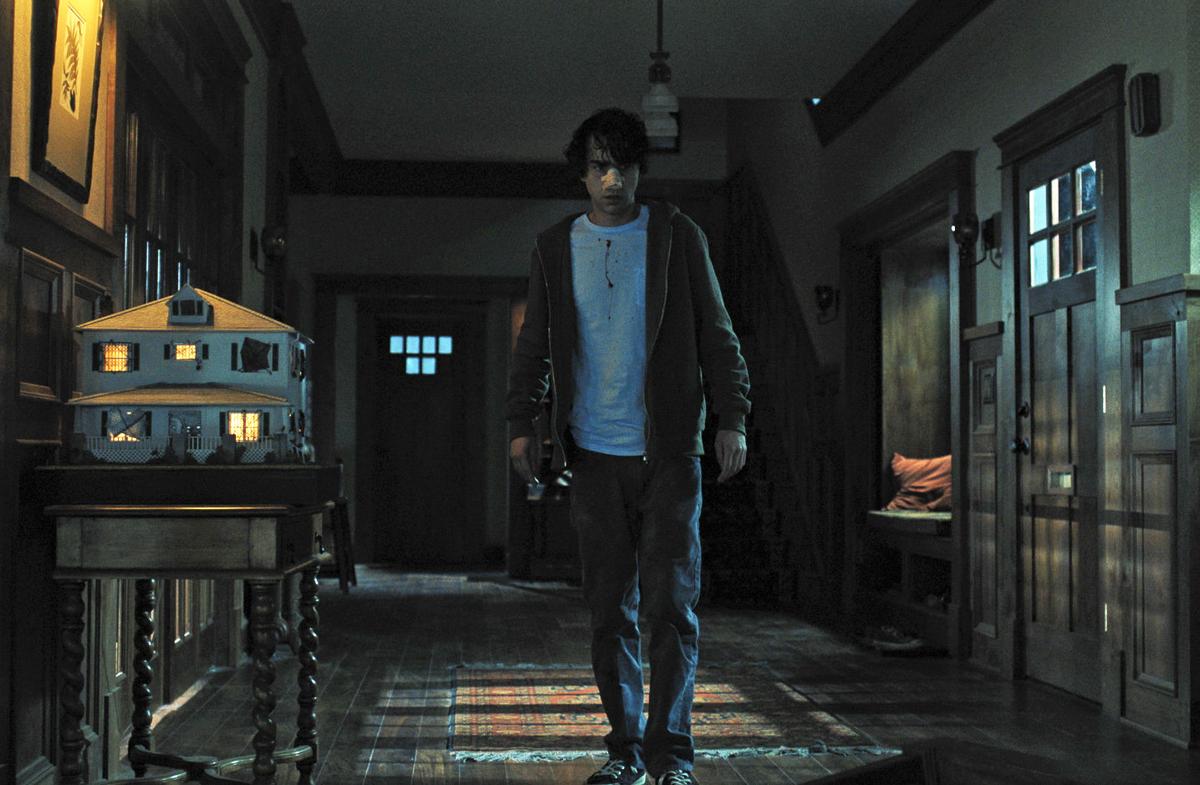 It’s often effective, if kind of predictable, but Aster has trouble wrestling Hereditary into consistent coherence. (Again, the technical wizardry, Pogorzelski’s elegant camerawork, and the miniature motif papers much of this over.) Long moments of held-breath anxiety are punctuated with sudden bursts of awkward exposition. A crucial reveal takes place in a room we hadn’t, as far as I could tell, been given any indication exists. A key requirement for the séance (of course there will be a séance) makes little sense. The jump-scares (and there are two excellent ones) don’t sit quite right with the Old, Dark House unease – ideally, the two should accentuate each other, with the scare all the more jumpy because of the nervy quiet that preceded it. With one major exception, the opposite often happens; the GAAAH! moment proves a let-down instead of a jolt, and almost retroactively diminishes the discomfort of the previous moment.
Still, Hereditary is a horror of ideas, even if it’s being marketed as a pulse-quickening screamfest, and Collette is remarkable at conveying them. In the film’s best scene, when Aster’s tendency to rushed exposition runs headlong into his film’s more uncanny sensibility, we watch Annie – possessed, sleepwalking, dreaming, or none of the above – blurt out a lifetime of sublimated resentment, eyes filled with mortified terror at her own words, unsuccessfully covering her mouth with shaking hands as though trying to force them back in.
Its a startling moment: a woman whose art is dedicated to meticulously controlled representation giving voice to unruly demons. Hereditary works most effectively as this kind of return of the repressed, the tidy explanations provided by its cosmology much less satisfying than the sudden, not entirely explicable eruptions of what’s been anxiously buried.
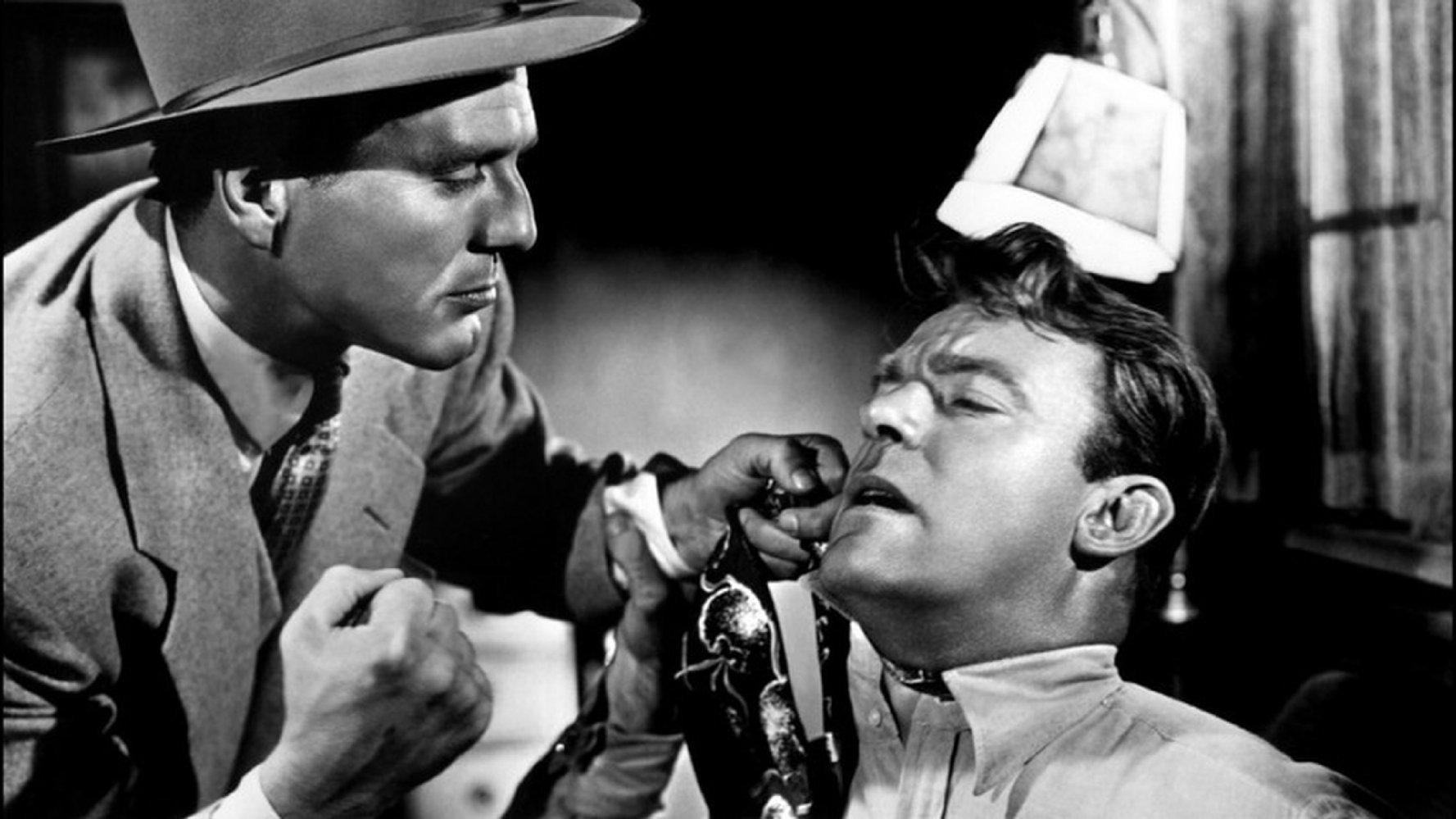
 But why not? Crime movies are defined in part by their simmering anti-capitalism, often featuring anti-heroes undone by their fetishes.
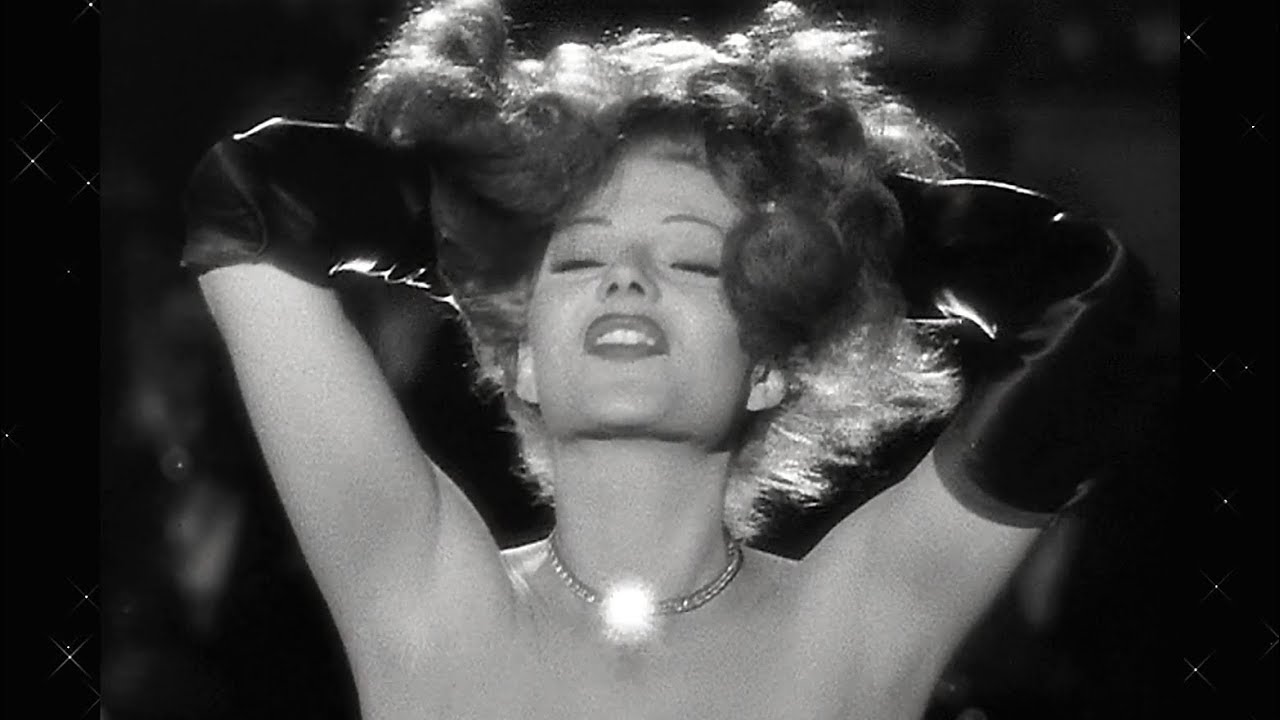
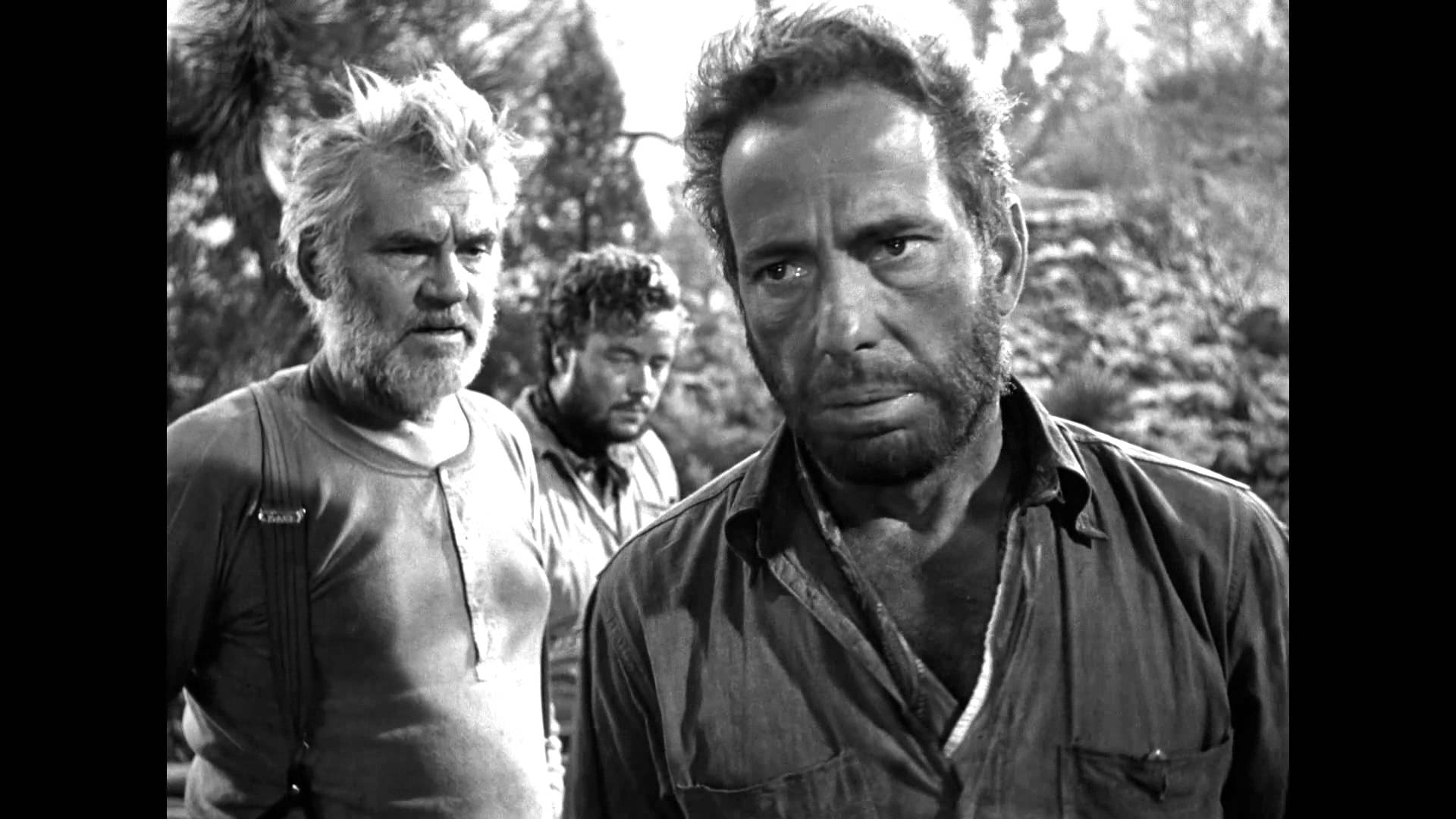
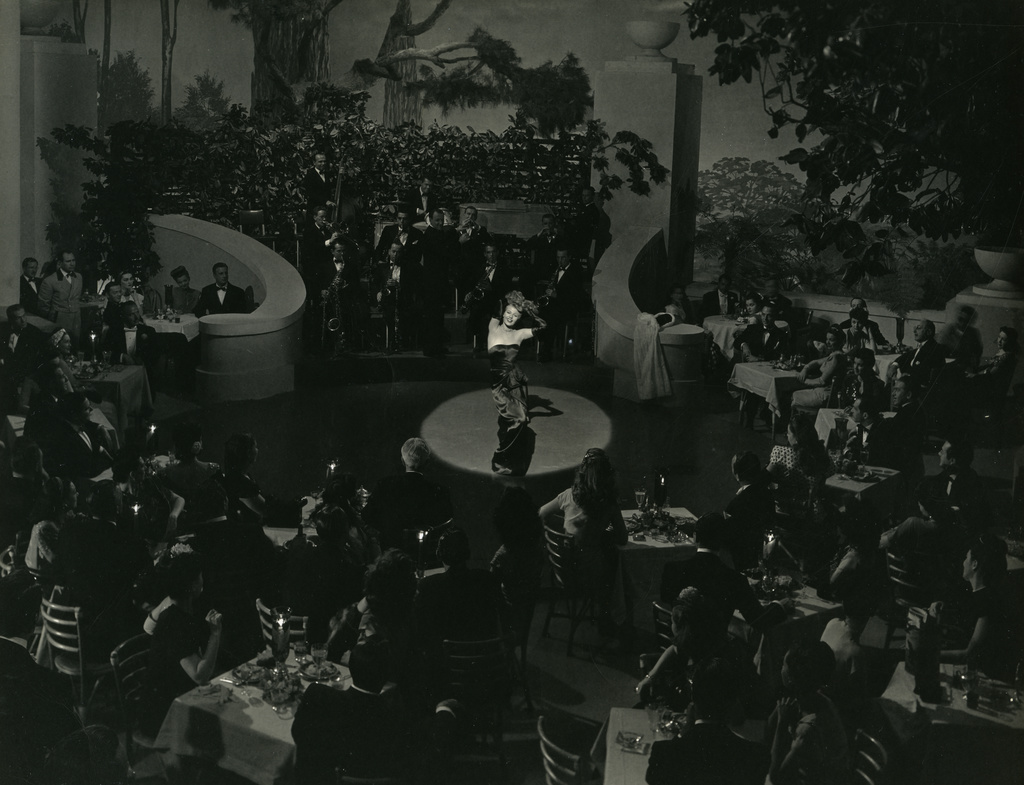
 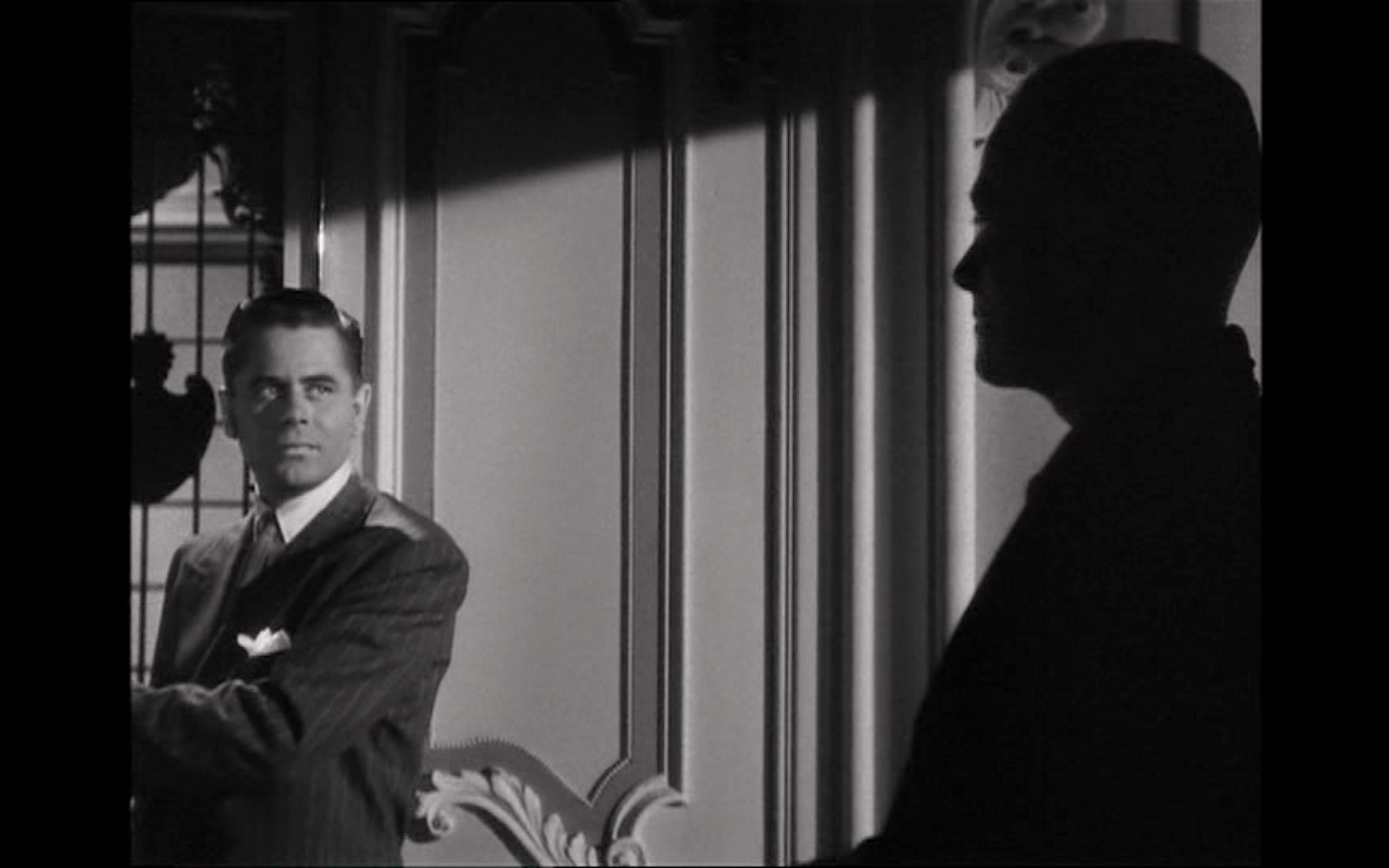 In any case, the supremely perverse relationships between Gilda‘s three principles already does the heavy lifting in the fetishization department; between Macready’s “little friend” – the cane-sword with which he woos Ford’s American drifter and then holds him as a willing hostage in his world – and Hayworth’s gravity-defying black dress (which has
  Still, I know … tungsten. But it’s this banality that points to the wider conspiracies of capital which noir assumes as a matter of course. In some sense, Gilda‘s tungsten operates like plastics in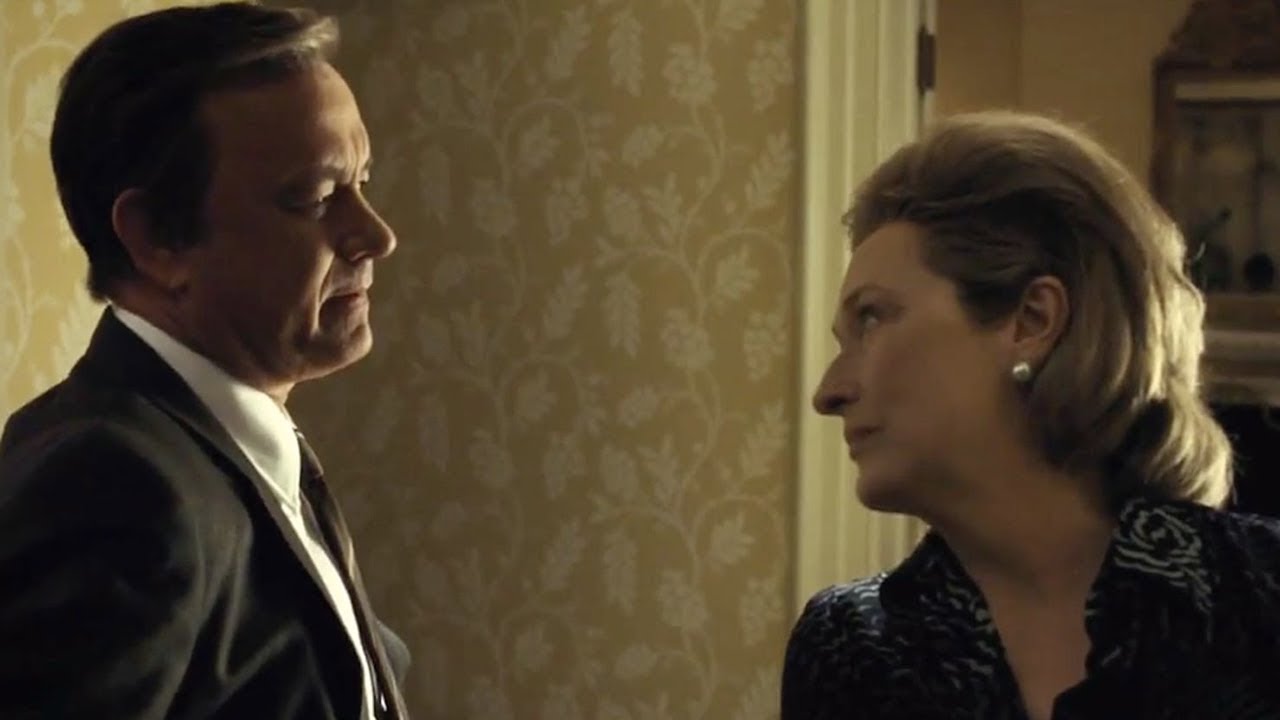
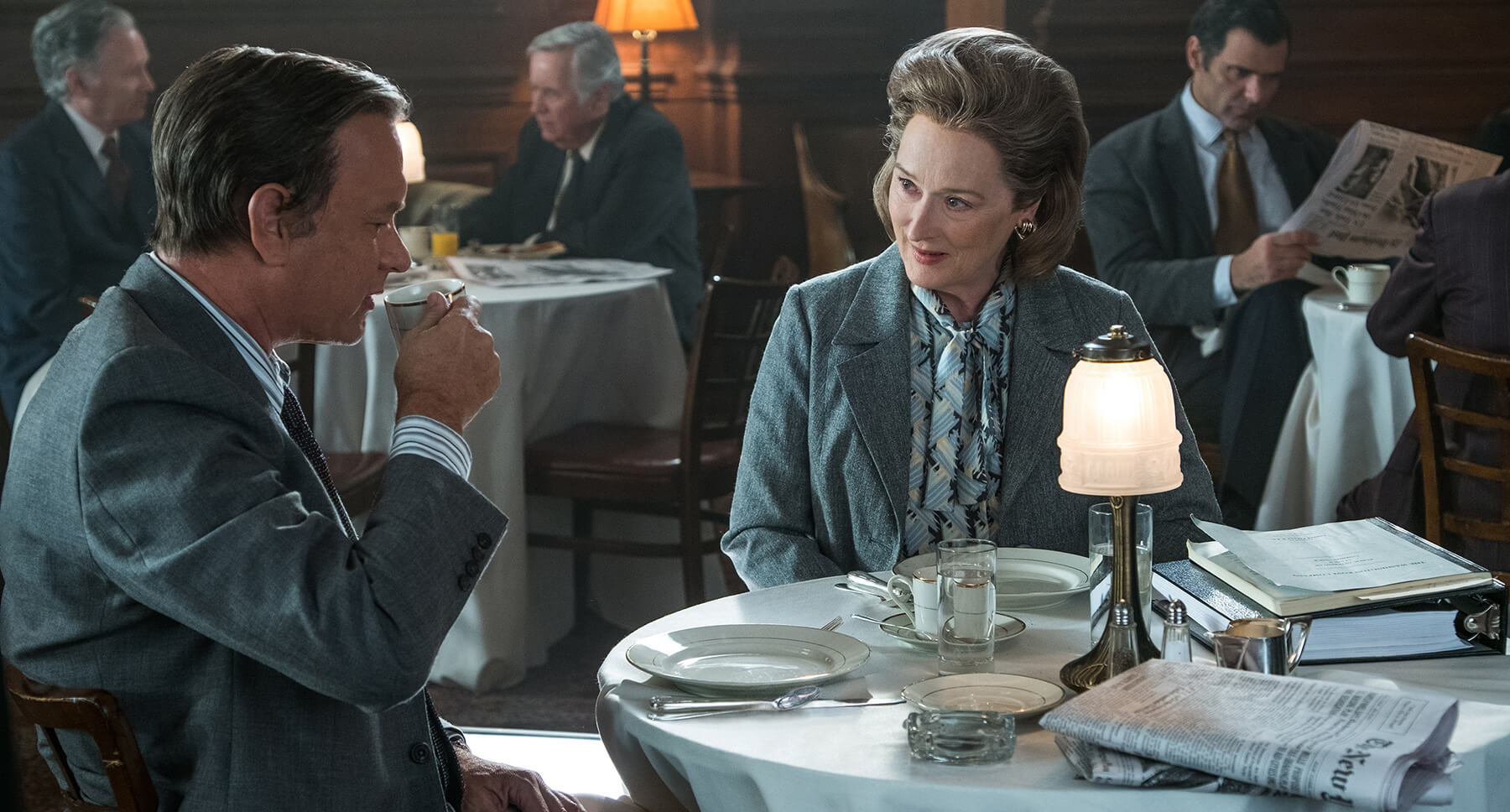 In these scenes — for example, the excruciatingly long one in which Streep and
 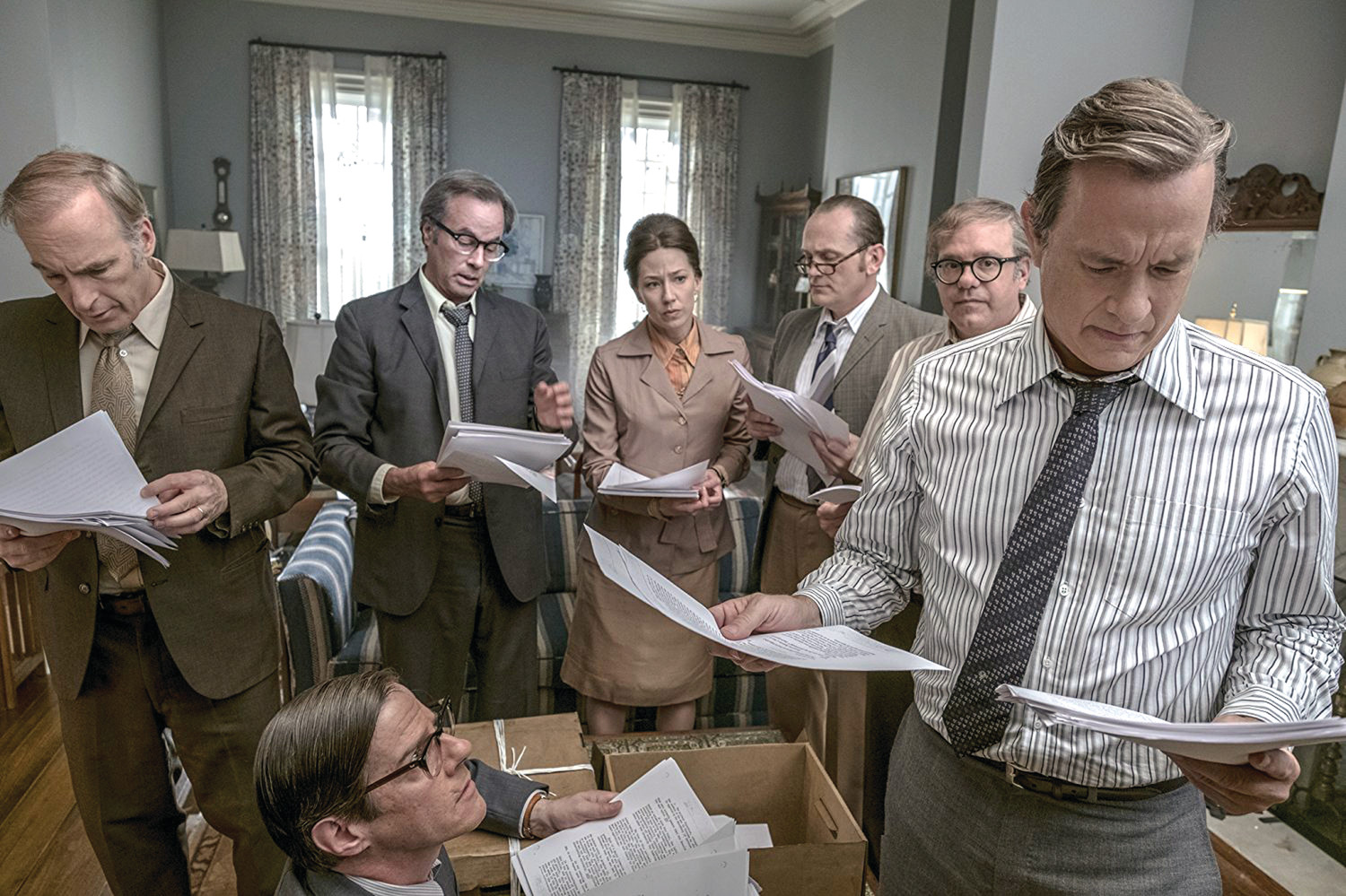 This brings about the third film, and the third shooting style, borrowed mostly from The West Wing. Unfortunately, most of the characters can’t do too many walk-and-talks — it’s hard to walk-and-talk with one ear to a corded phone, and too much of Tom Hanks’ brain is occupied flexing every muscle in his face to also handle bipedal movement — so the camera is forced to make up the difference.
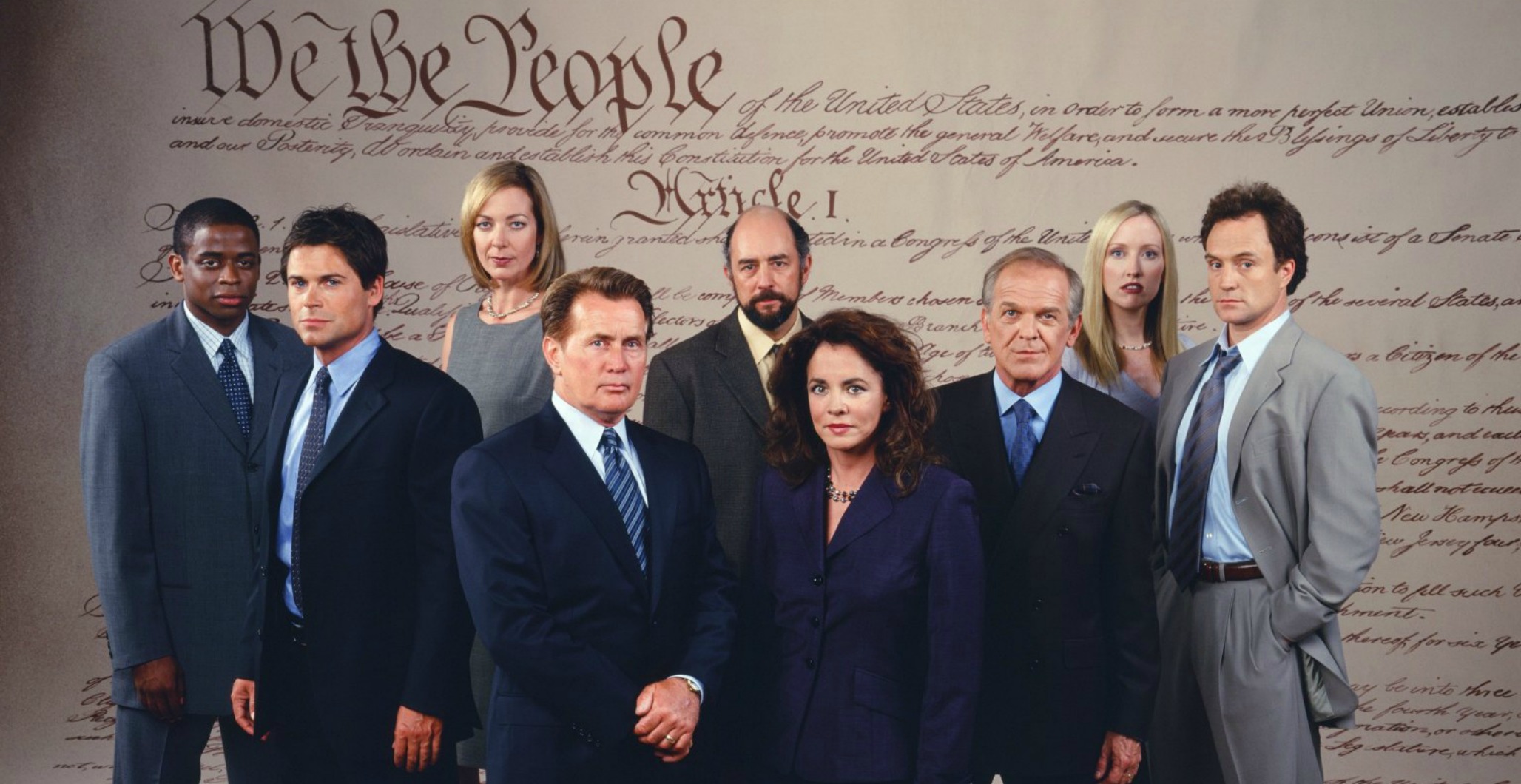 The endless speeches about the freedom of the press raise in prominence at the same rate the Sorkinesque style takes over the film, and this is not a coincidence. The West Wing is the darling of liberals because it manages to act like a vision of a progressive future while having its heroes constantly make the “pragmatic” decision — that is, sell out their values to stay in control so that they can ostensibly do something good at some unstated future point.
 The real horror of Vietnam barely comes up because it would interrupt the free flow of fantasy that the film offers. Our heroes in the film were pragmatic people who Know the Score and just want to get that information to the people, just like the filmmakers themselves Know the Score — they know who all these newspapermen are, unlike those rubes outside of big cities, unlike those millennials who don’t even know how typewriters work — and are telling an important story to the people, just like we in the audience Know the Score because we chose to watch The Post.
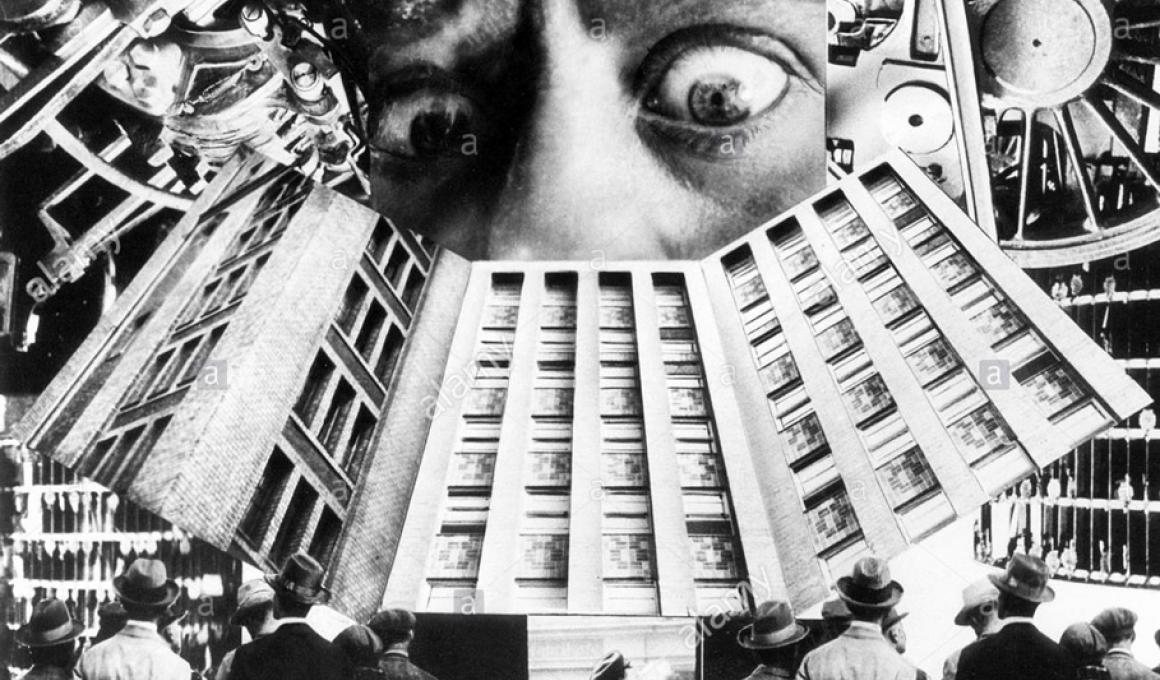 One of the strange things about watching a city symphony film now is the double position we must take. To follow the film, we have to place ourselves in the position of the film’s ideal viewer: someone of the time who is shocked by the newness of the images and the speed of the world.
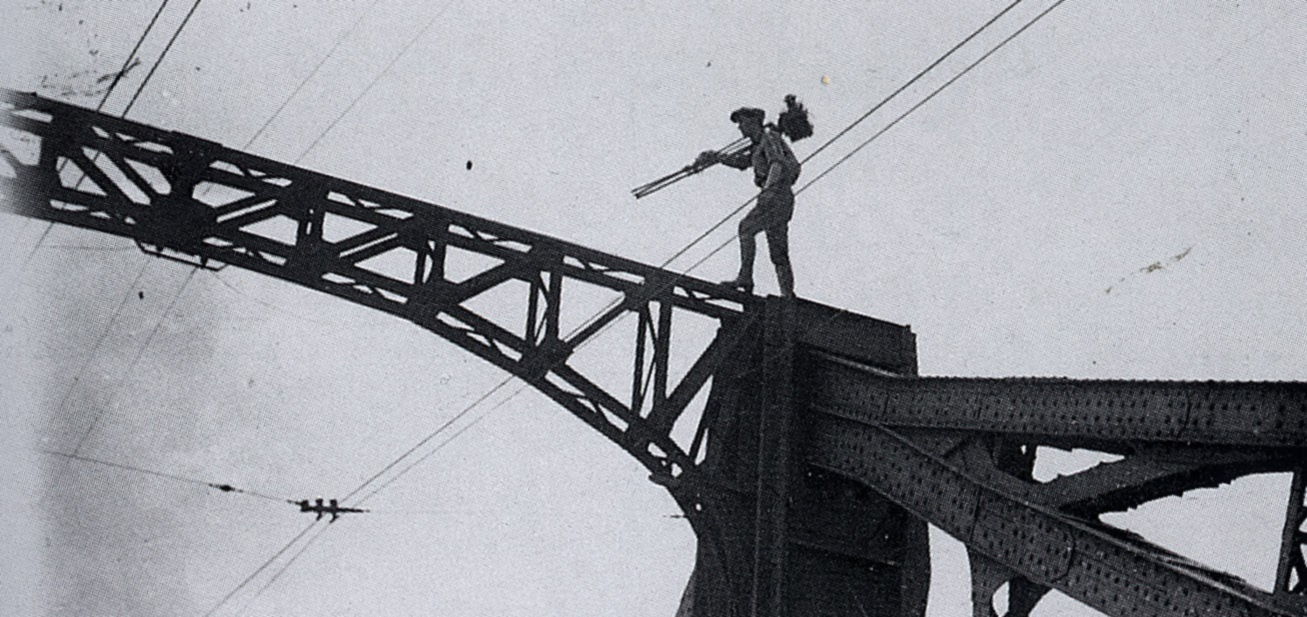 With that common language, it is easy to slip entirely into the mindset of someone watching a narrative film, waiting for the real story to start now that we have a sense of the time and space. But there is no real story to come.
 Like Mann’s
 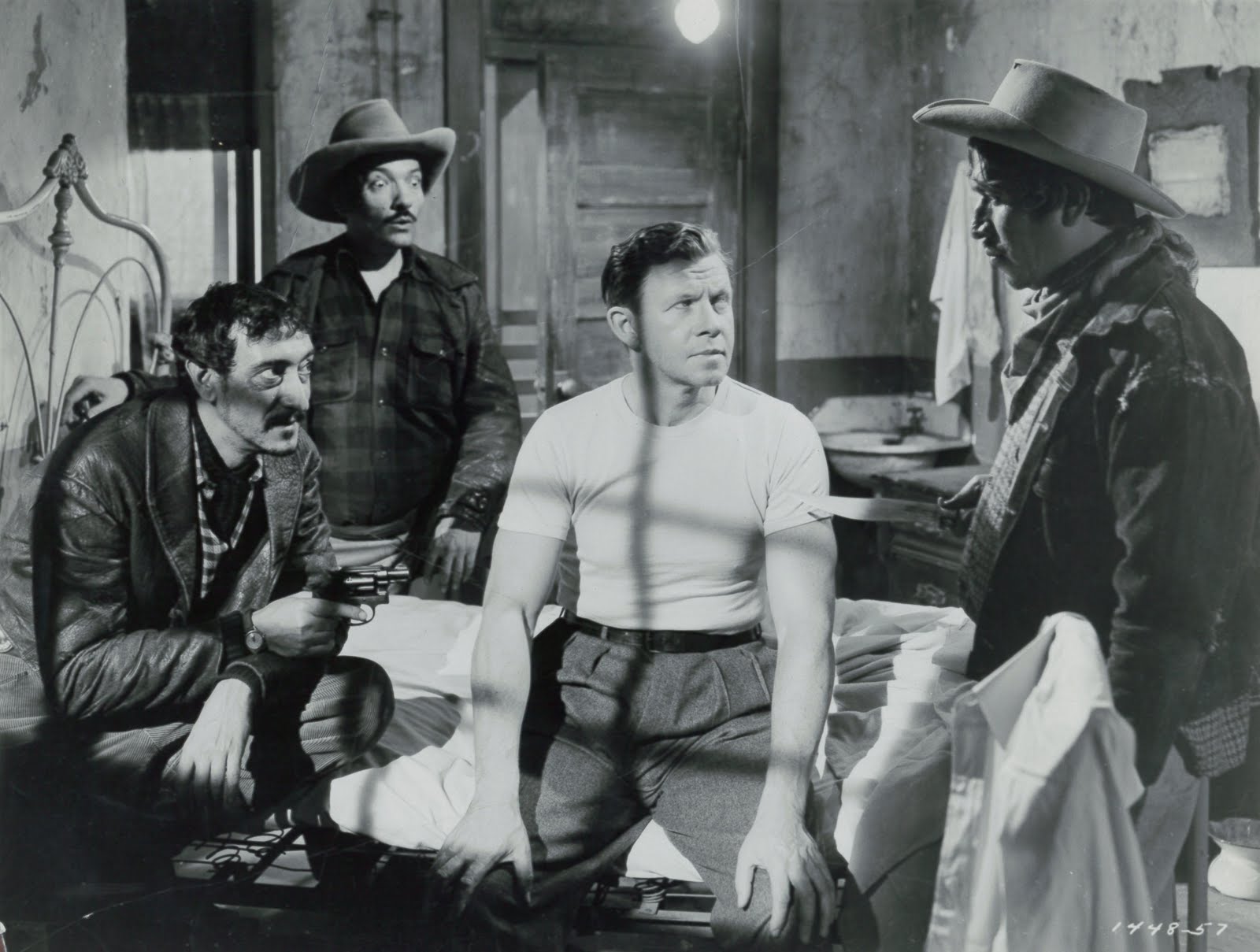 The implicit Leftism of this construction is hard to miss, barely concealed by the paeans to patriotism and the stamp of approval. What’s interesting, from a viewpoint under daily assault by the Trump administration’s venality, is how clearly compassion and justice feed a country’s self-image: there’s no contradiction here. It is a marker of patriotism, of American (and Mexican) greatness, that our protagonists care about the downtrodden.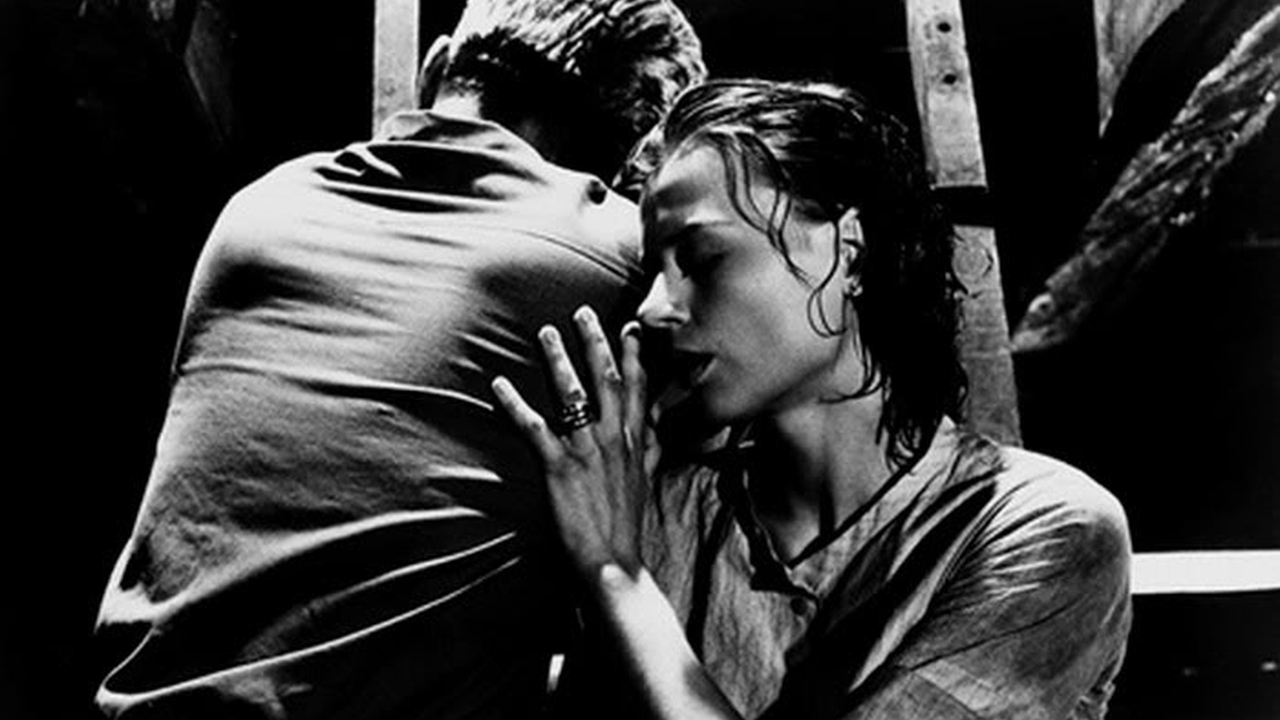
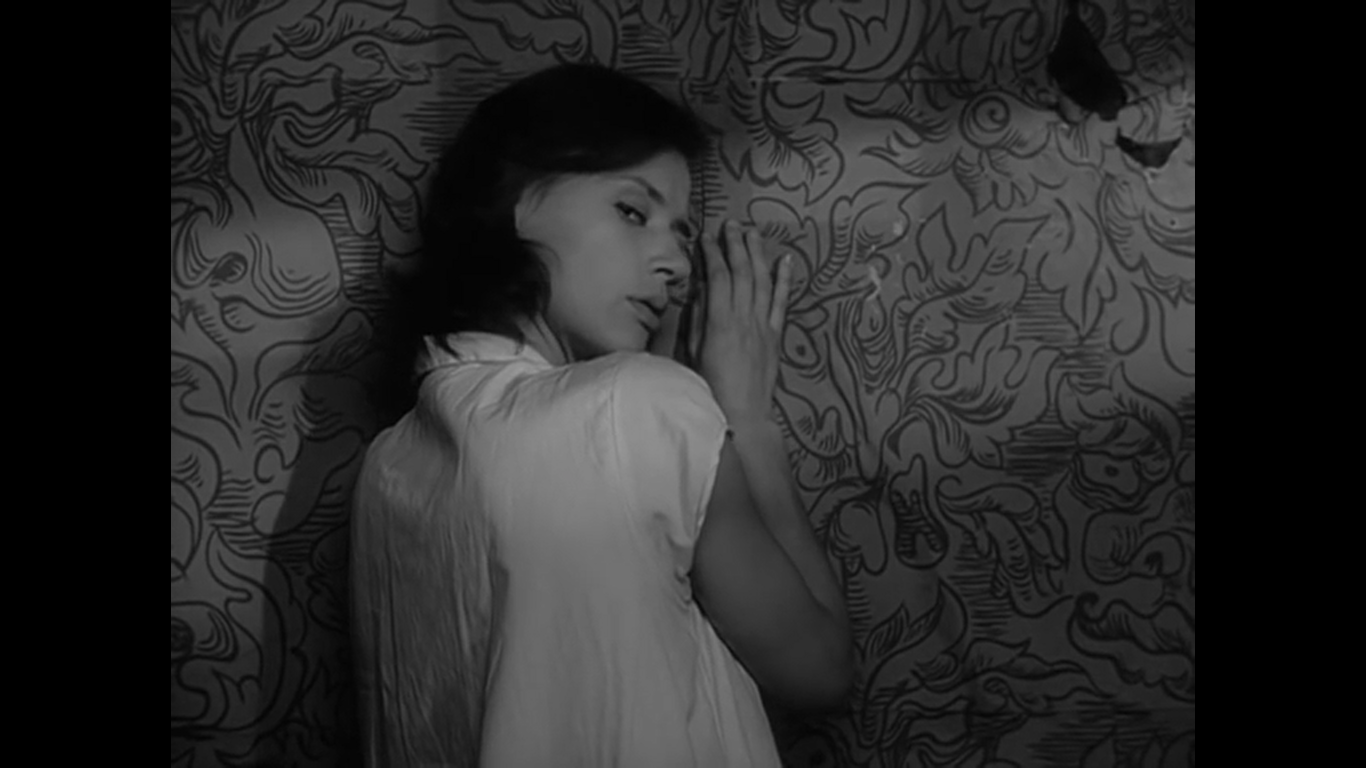 Knocking Bergman for being “out of touch” is no new game. I open
 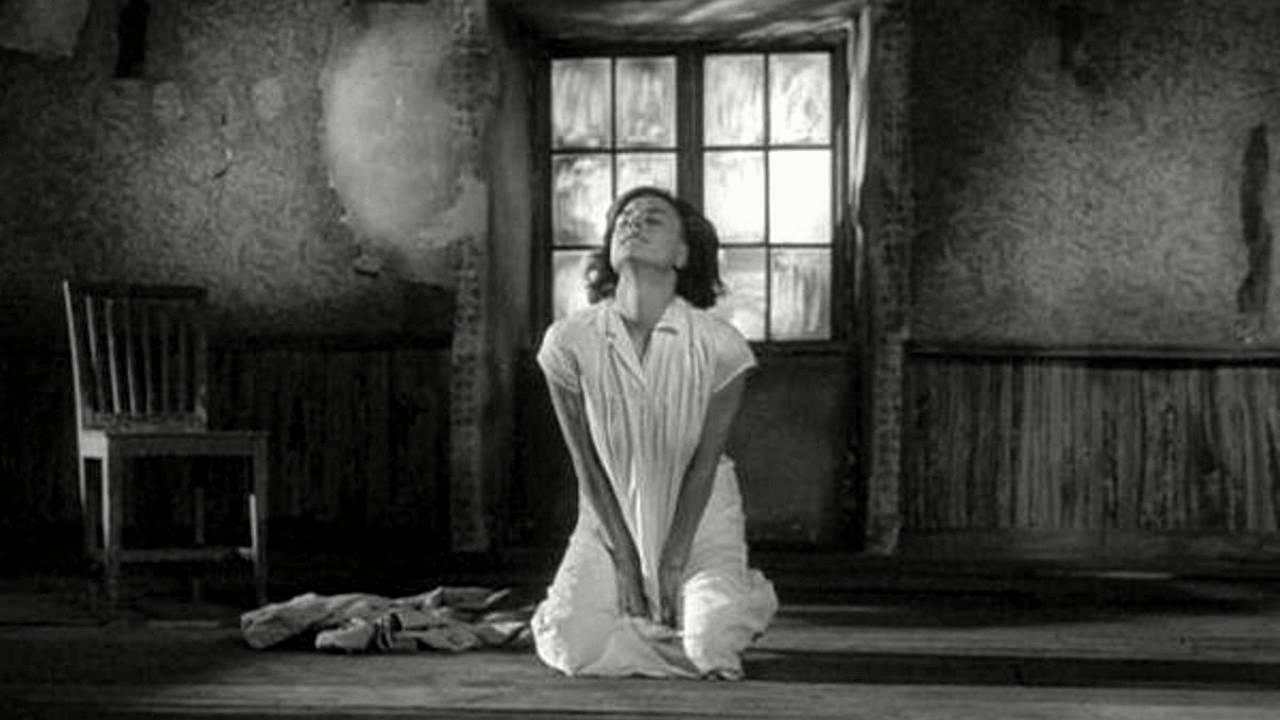 The God of Through a Glass Darkly lives in a gash in a wall. This is the gash where Karin (
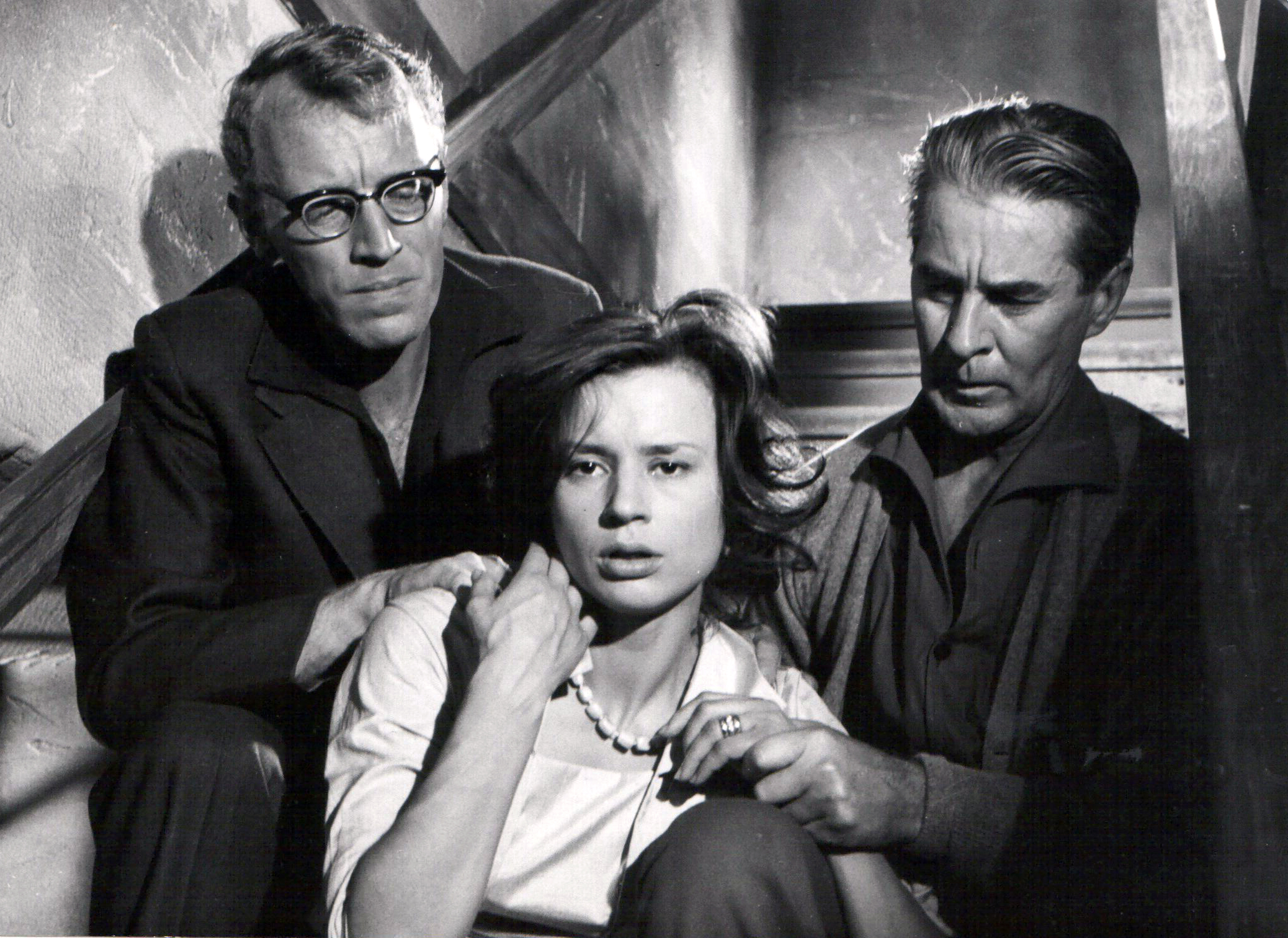 In that, I would suggest that the “difficult” corner of the canonical web can be just as relevant to the modern viewer than the “fun” corner. And I wonder if it is not a fear of confrontation with unpleasant but common realities that keeps some viewers away — whether it is sometimes too easy to use the entirely legitimate cause of diversifying art and not underrepresenting minority figures to avoid works that might be difficult to enjoy.
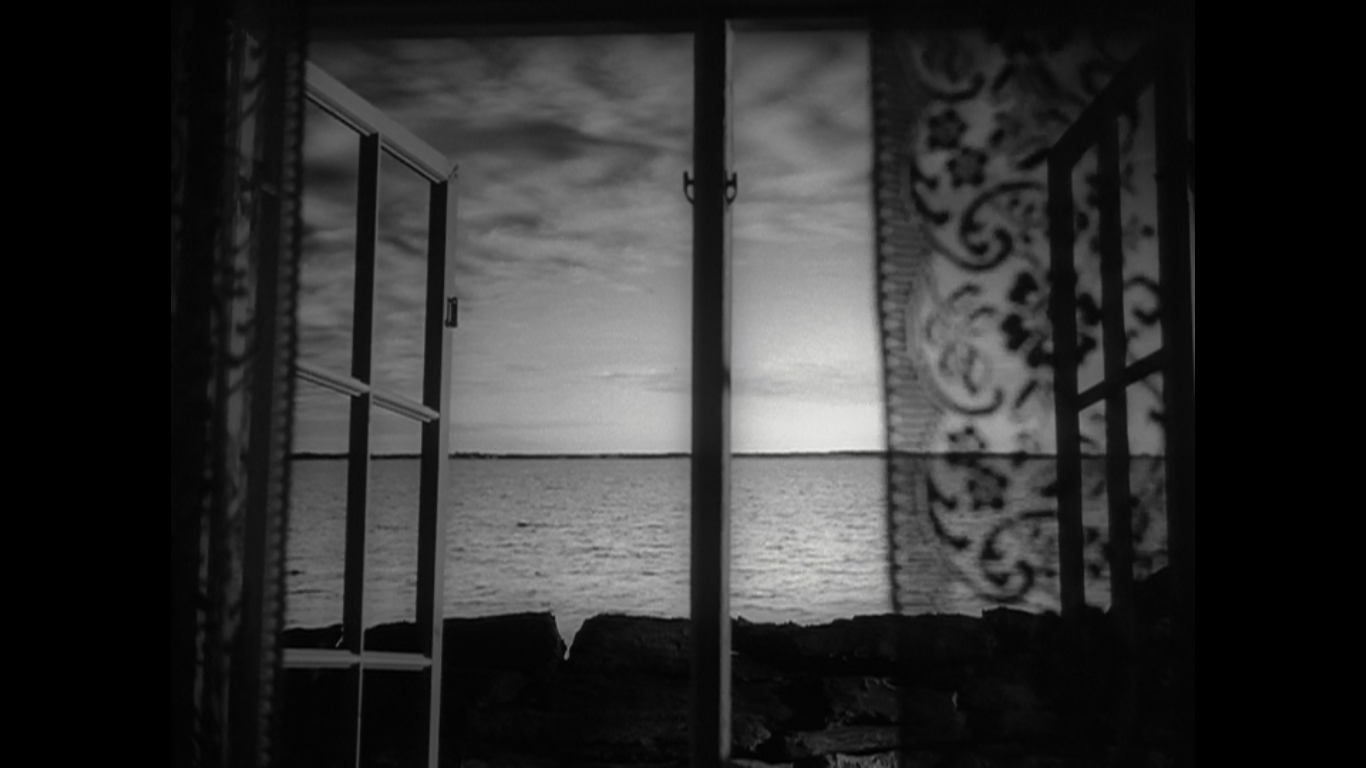 To those people I can only say: I don’t know what baggage the “slow depress-o” corner of the art film canon might bring to you. But the fact that one might react that way to the work as a whole might mean that the work itself might be particularly well-suited to one. The same tension one feels hovering over a film that one Should Have Seen when flipping through Netflix is itself within many of these canonical films, in particular Bergman’s masterpieces.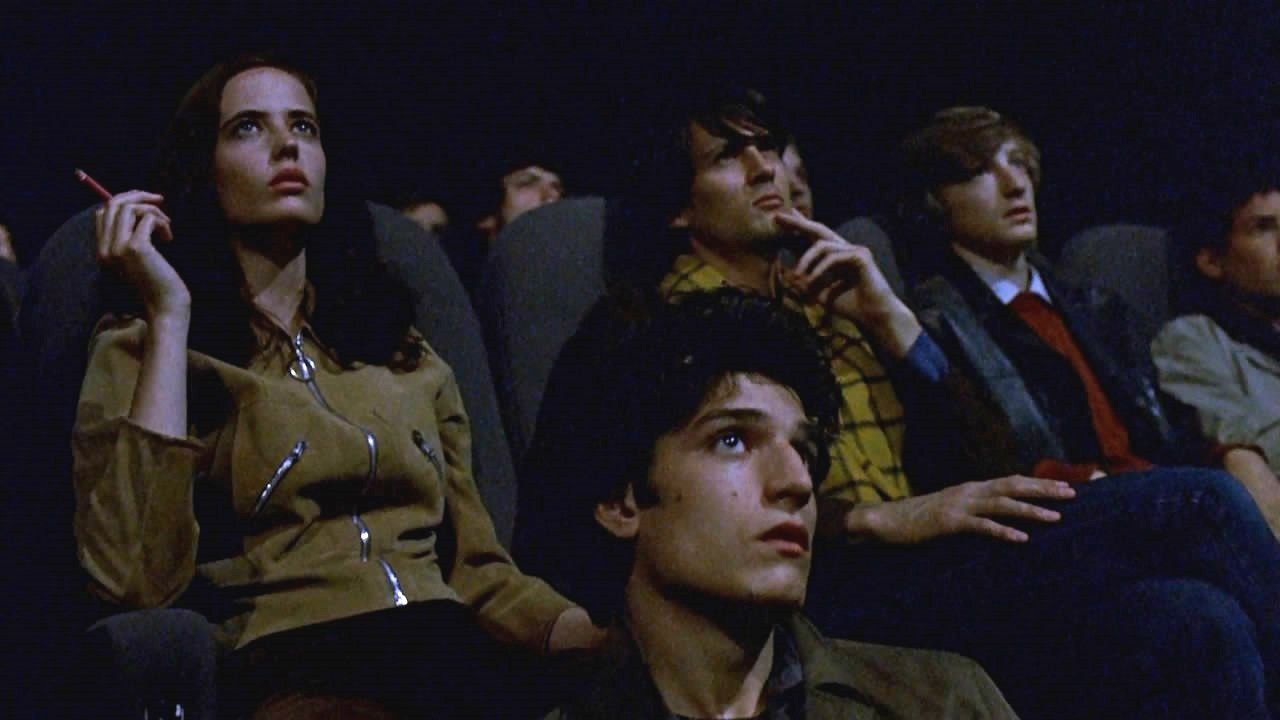
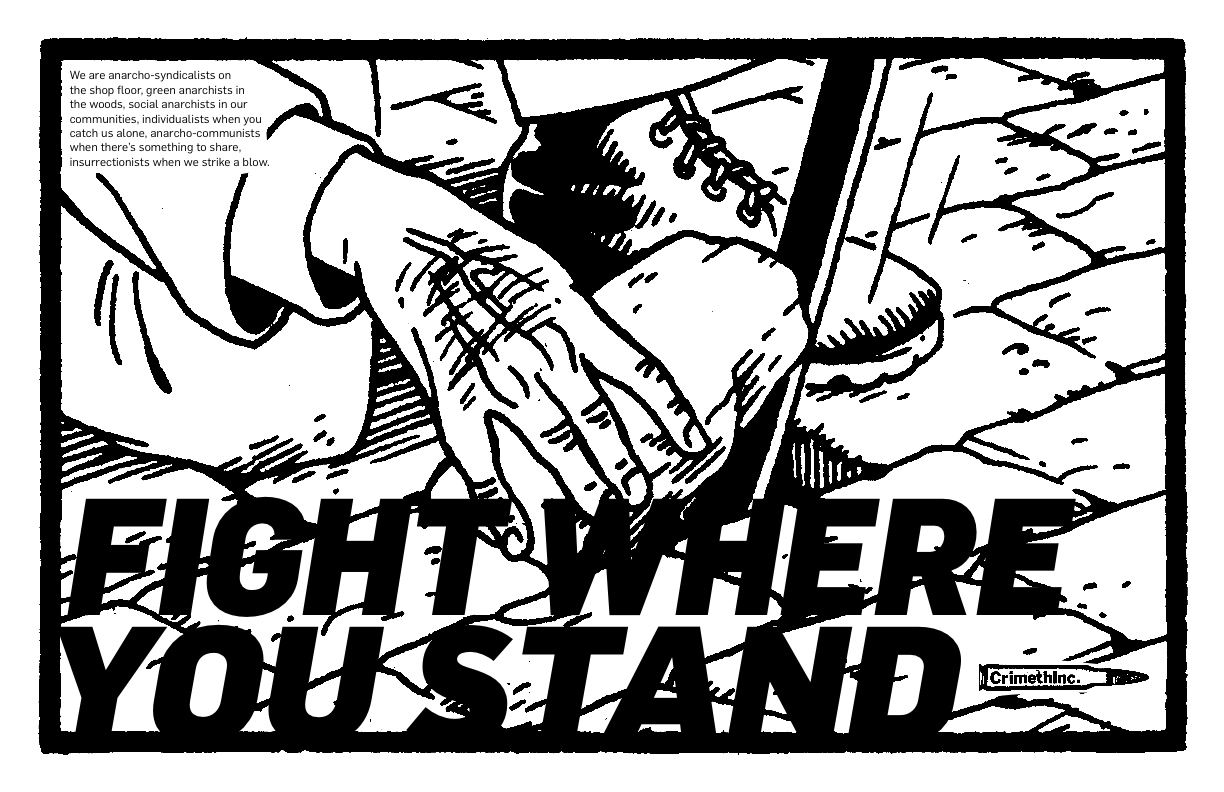 Within some radical circles (in the Situationist-inflected sloganeering of Crimethinc, say, or the enduring wheatpaste aesthetic of protest movements) and among some cinephiles (those who remember, first or second or third-hand, the shutdown of Cannes and the long shadow of that period’s mythology) this is sometimes less the case. But on the whole, explanation seems required, 50 years out.
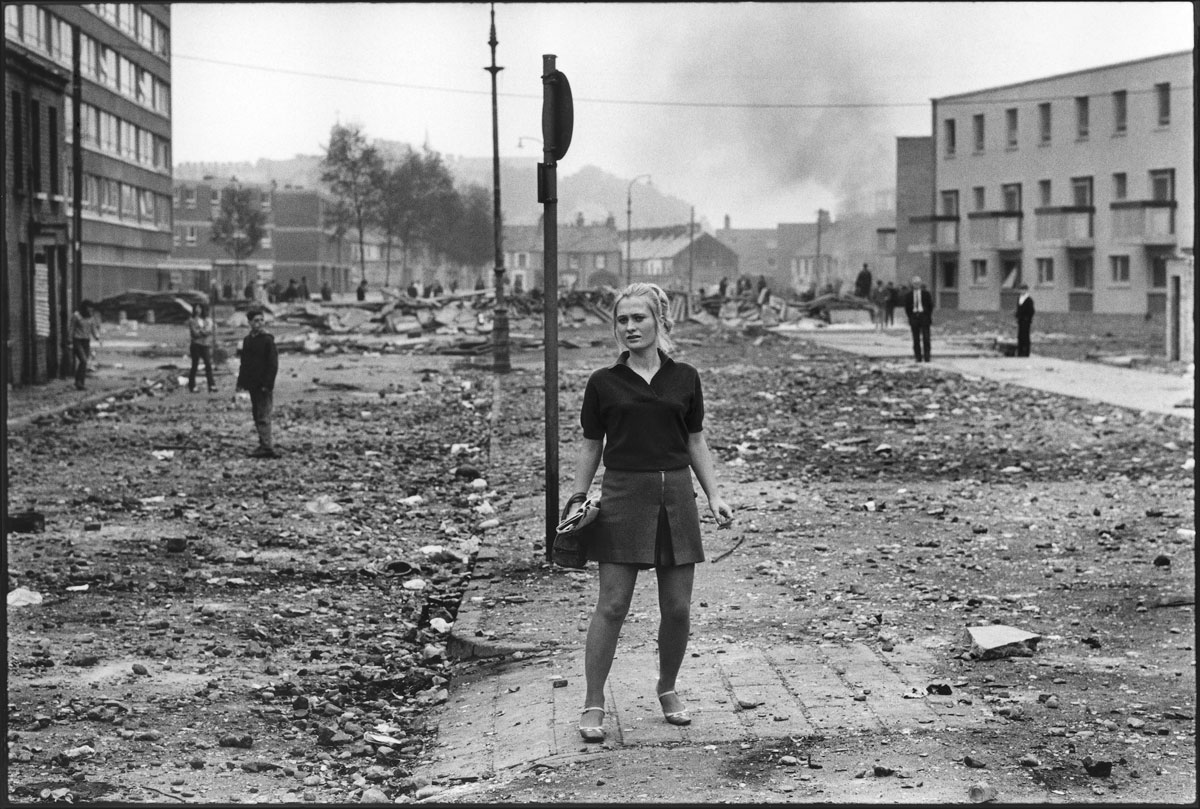 The reader wonders, then, at this French insurrectionary miracle, where factories were shut down and a general strike called amid truncheons and barricades, all in defense of that most noble struggle, the undying integrity of collegiate horniess. The intended point – that demands for social and political change, largely springing from youth revolt, coalesced with labor’s aspirations in a time of widespread questioning of norms and global tumult – is so elided that we end up with a comic shorthand: Sex strike! (Not to say that fucking isn’t worth setting cop cars on fire for. Bien sûr.)
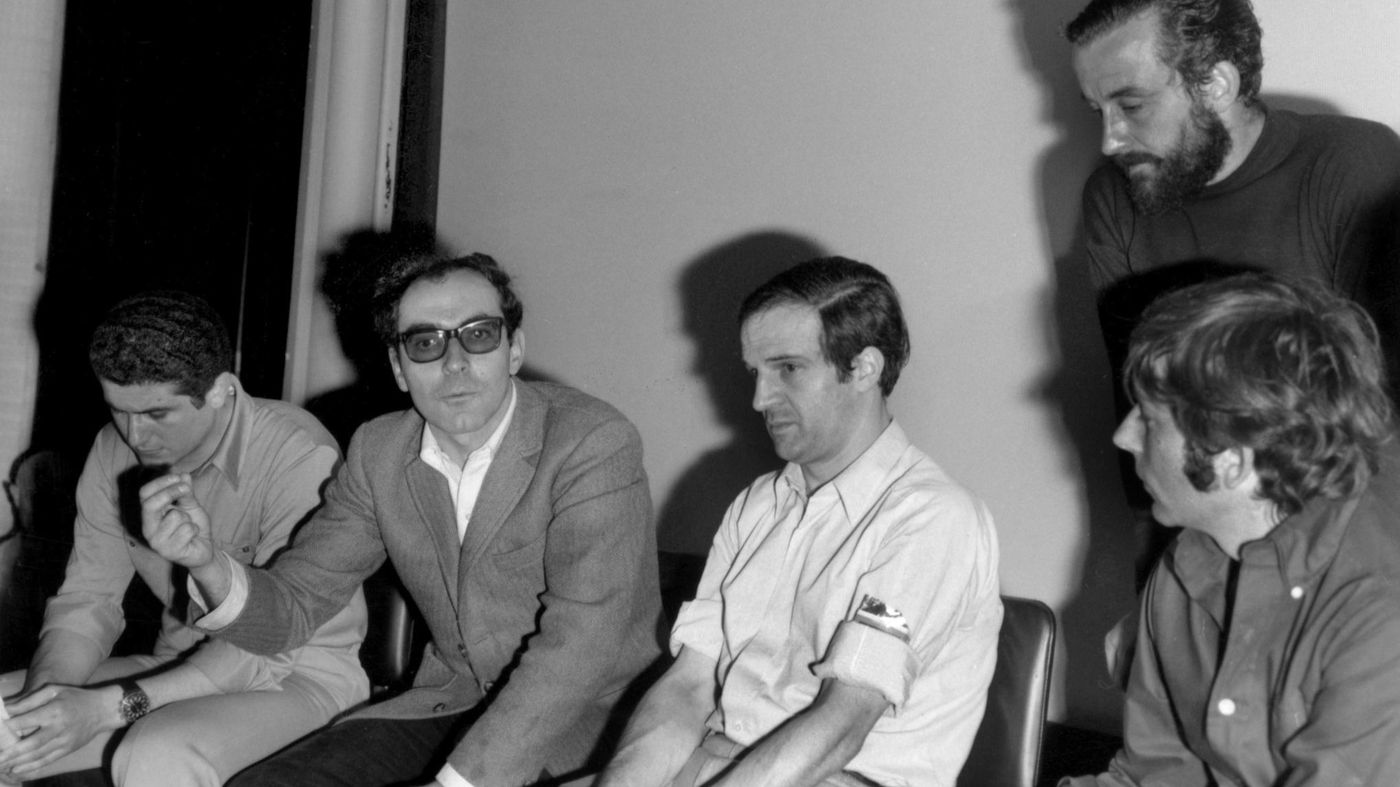 Film, of course, remembers. Between the
 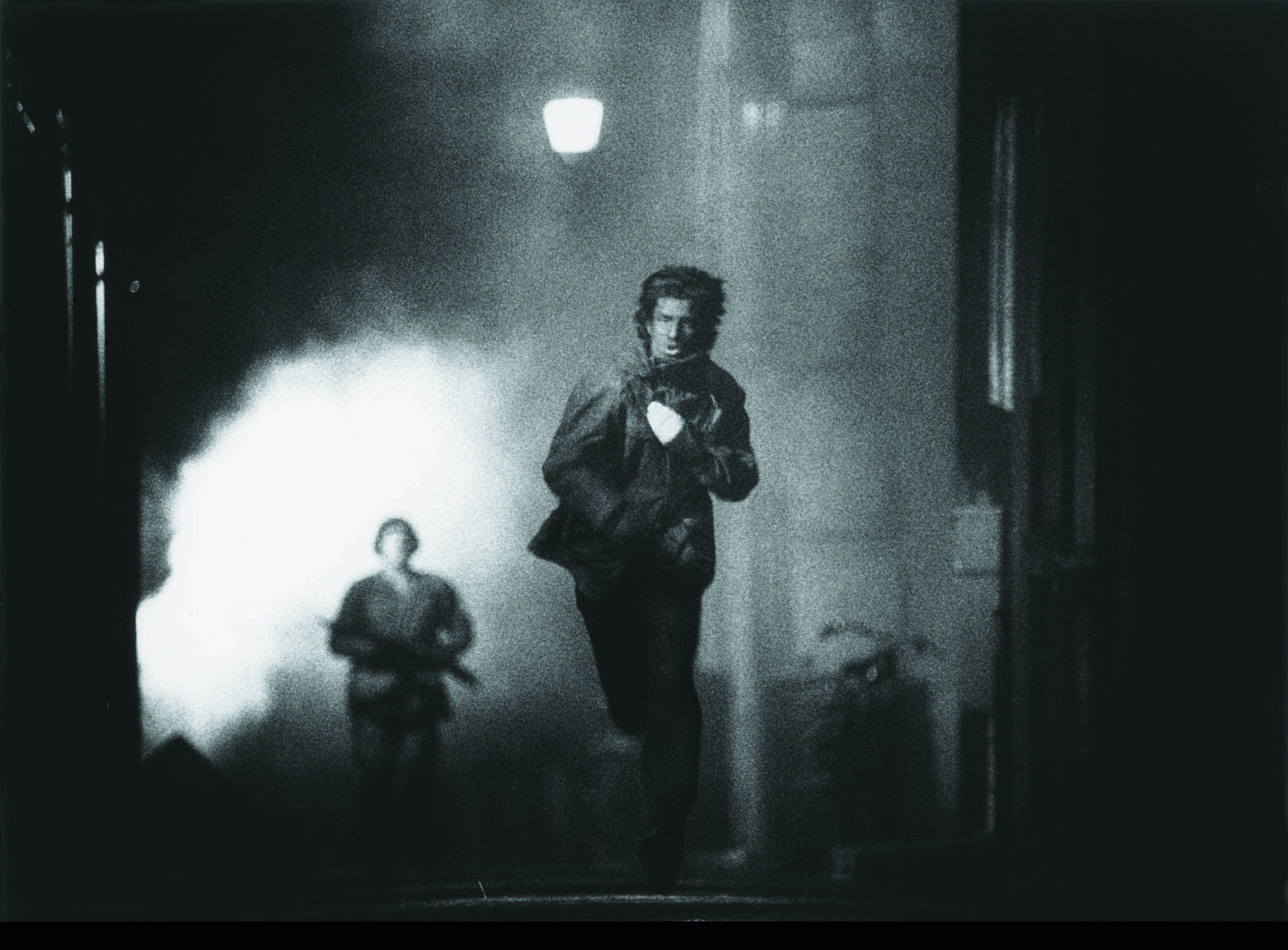 In fact, at Regular Lovers‘ Venice premiere, the two Garrel’s amusingly recounted how the film was made: to cut costs, they intentionally followed Bertolucci’s footsteps like an old Hollywood B-movie, reusing costumes and sets. And even extras — the young Garrel is recounts with bemusement that he found himself staring down the same flics across the same barricades. The memories intertwine in their retellings and their images.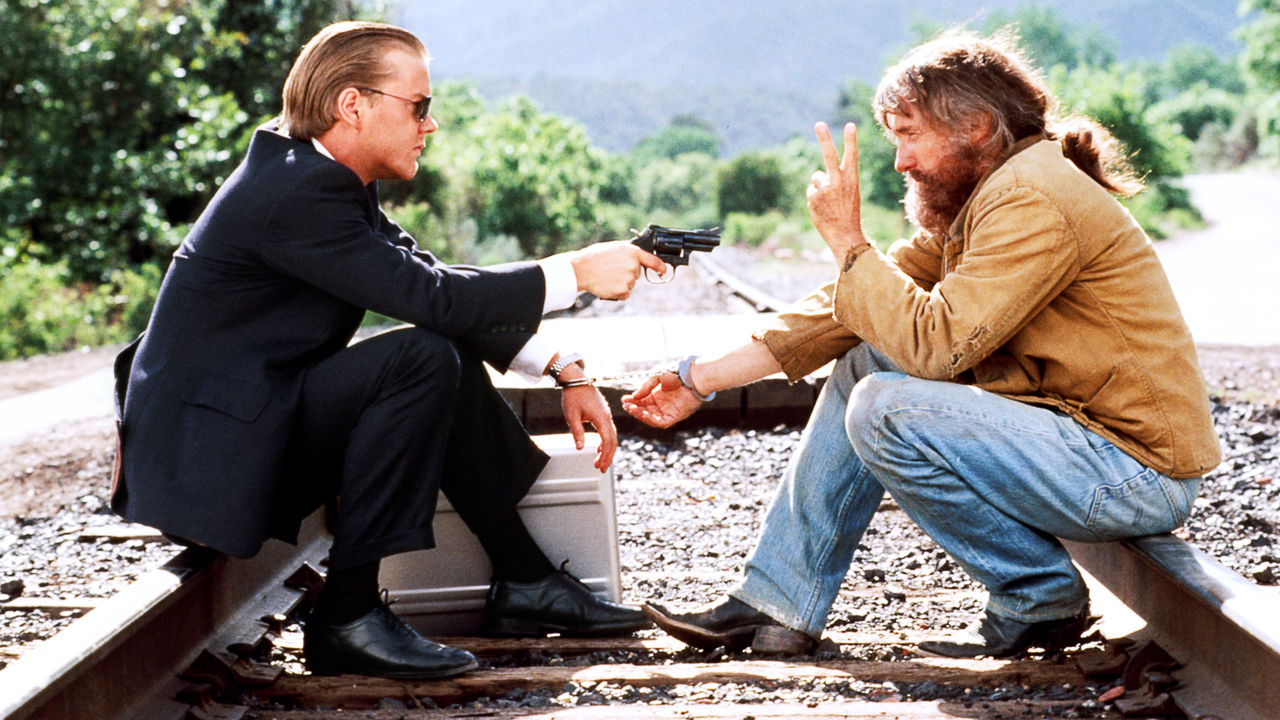
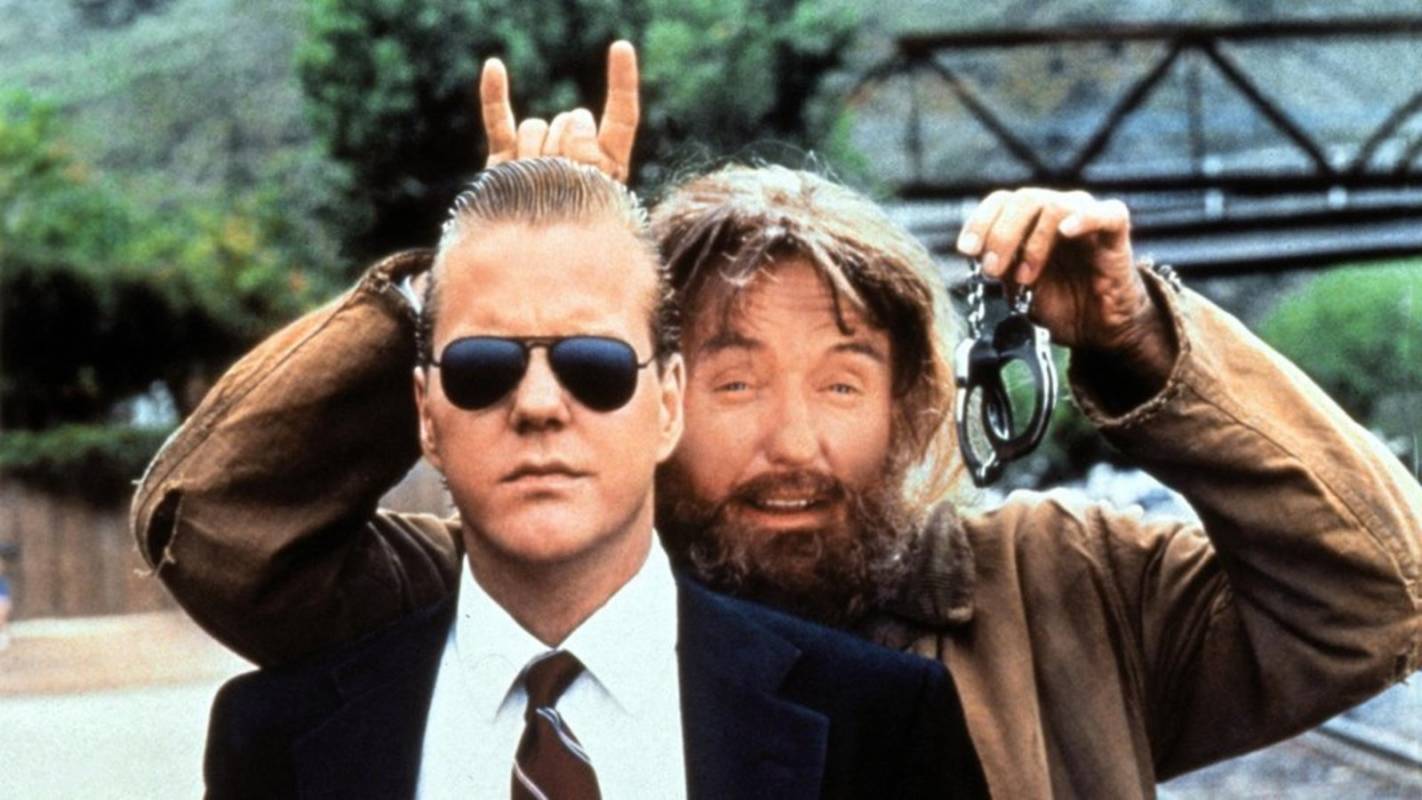
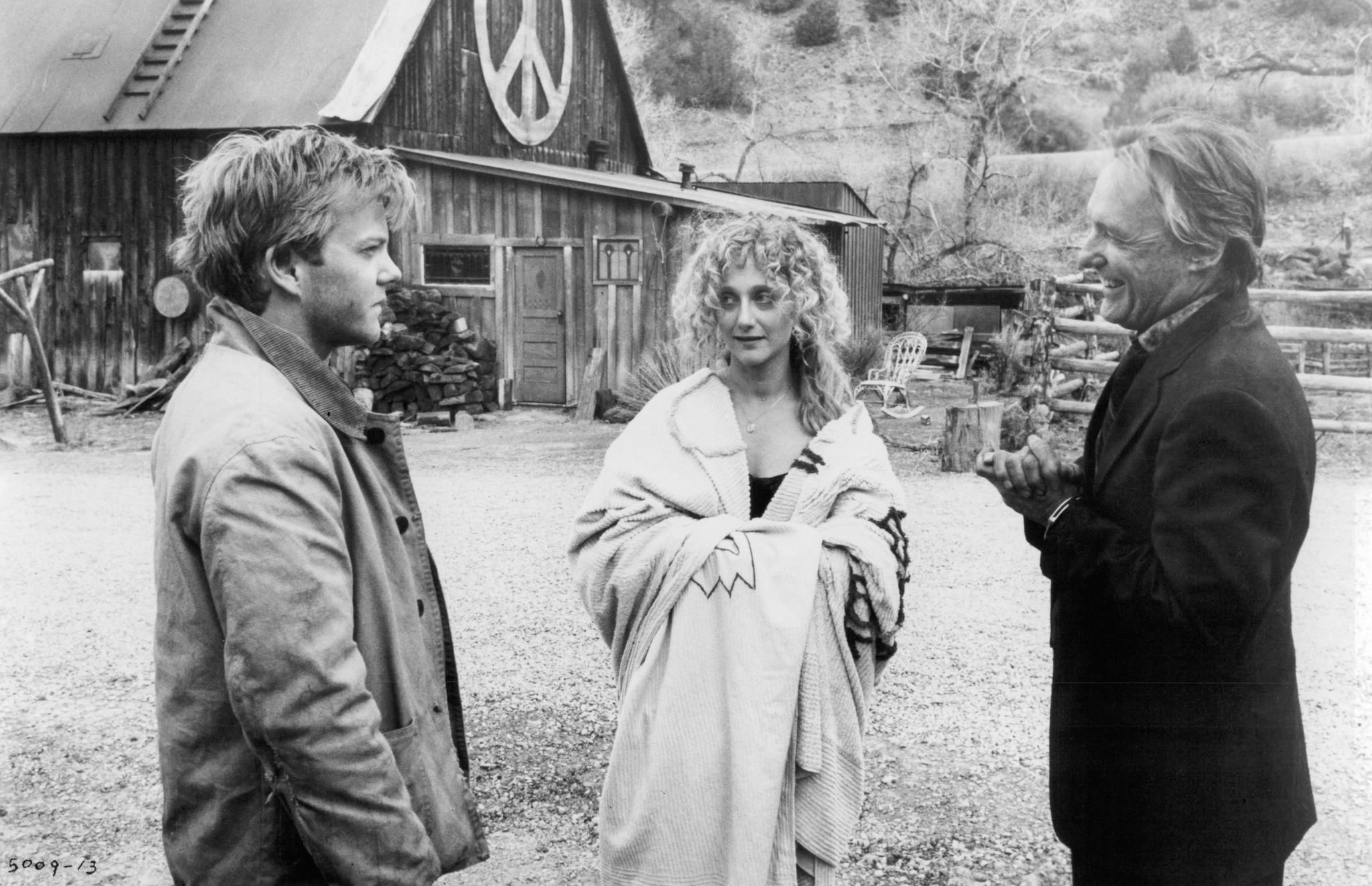
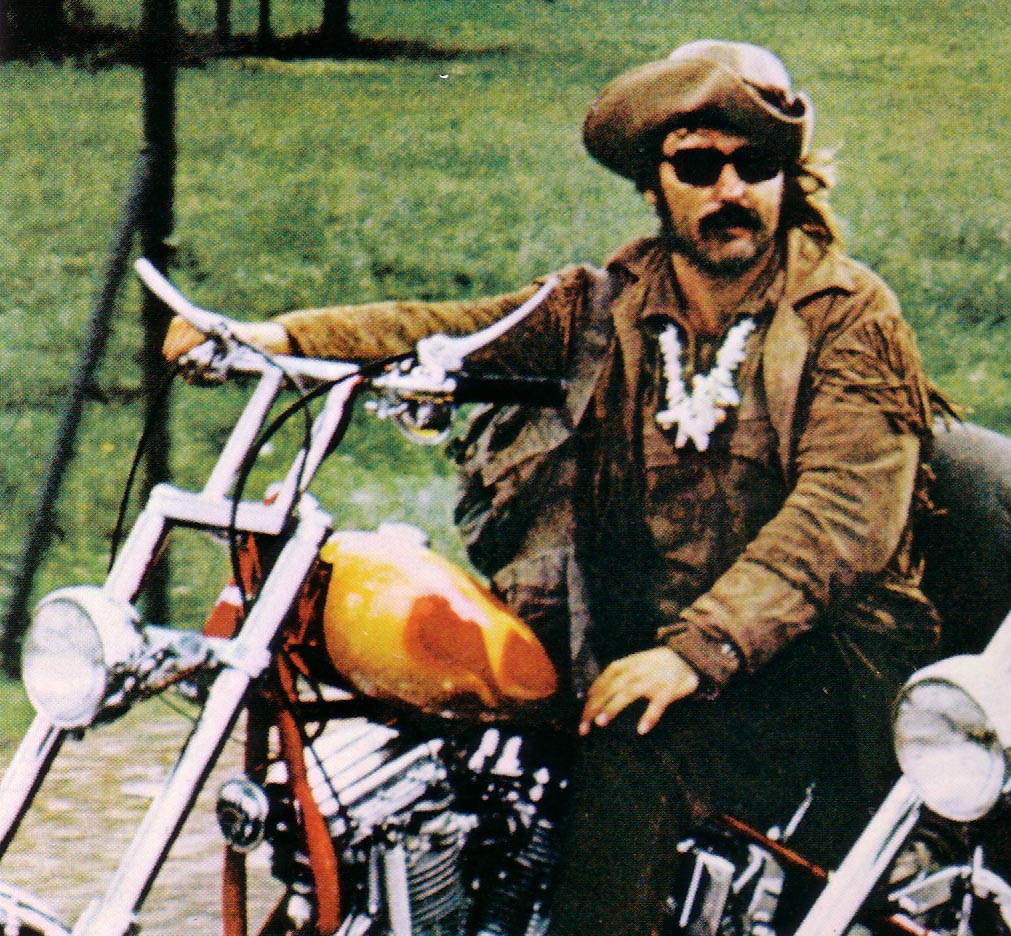 This is, of course, very boring, but what is interesting about Flashback is the way it remembers, the specific forms of cinematic citation it deploys for contemporary meaning. Hopper is the central focus here precisely because he is himself an icon of the late ’60s, and his every gesture and Dennis Hopperism reminds us of this. Lest we forget his acid auteur status, Huey even compares their trip to
  Commenting on Bertolucci and 1968,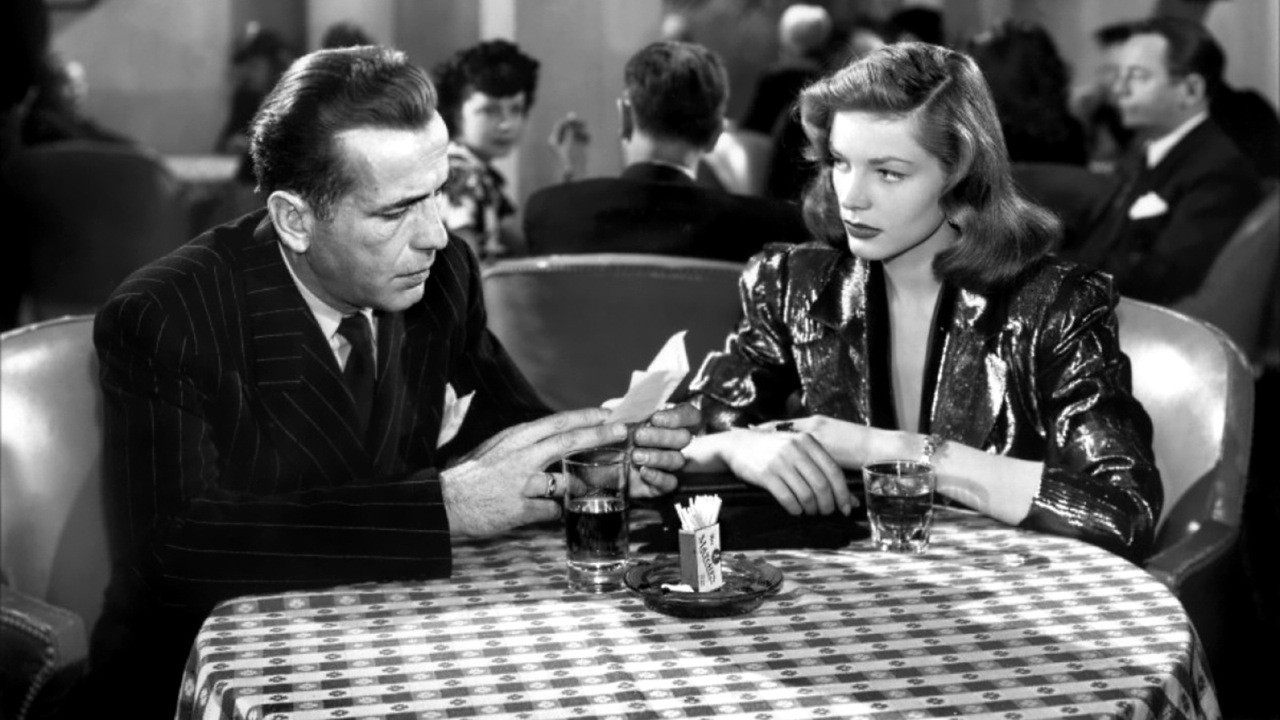
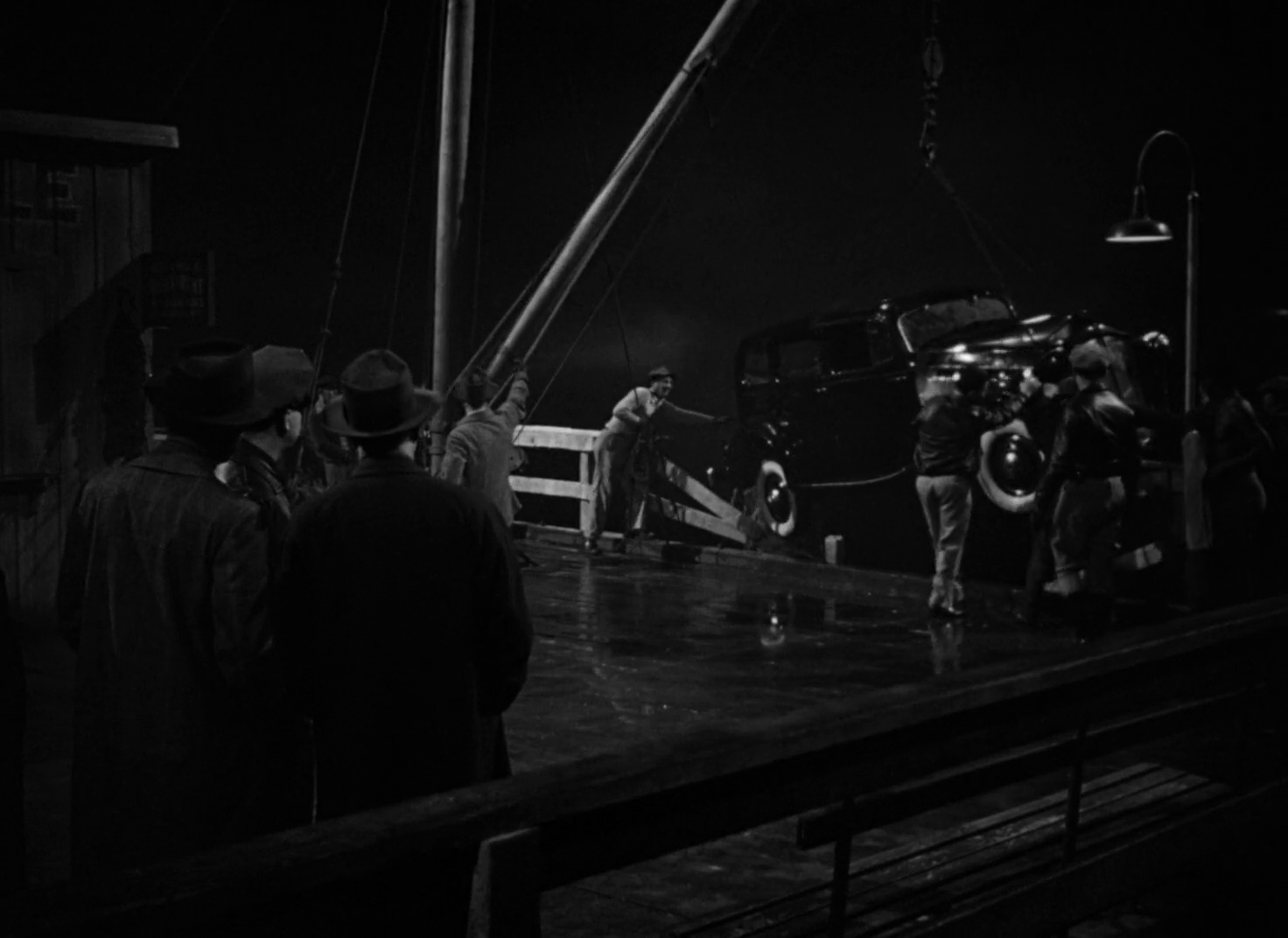 Marlowe quickly discovers that Geiger runs a pornography library with a large circulating collection. Trying to investigate Geiger further, he stumbles into the scene of a murder: Geiger dead in his living room, with Carmen drugged and naked in front of a camera which had recently been used, but from which the film had been taken.
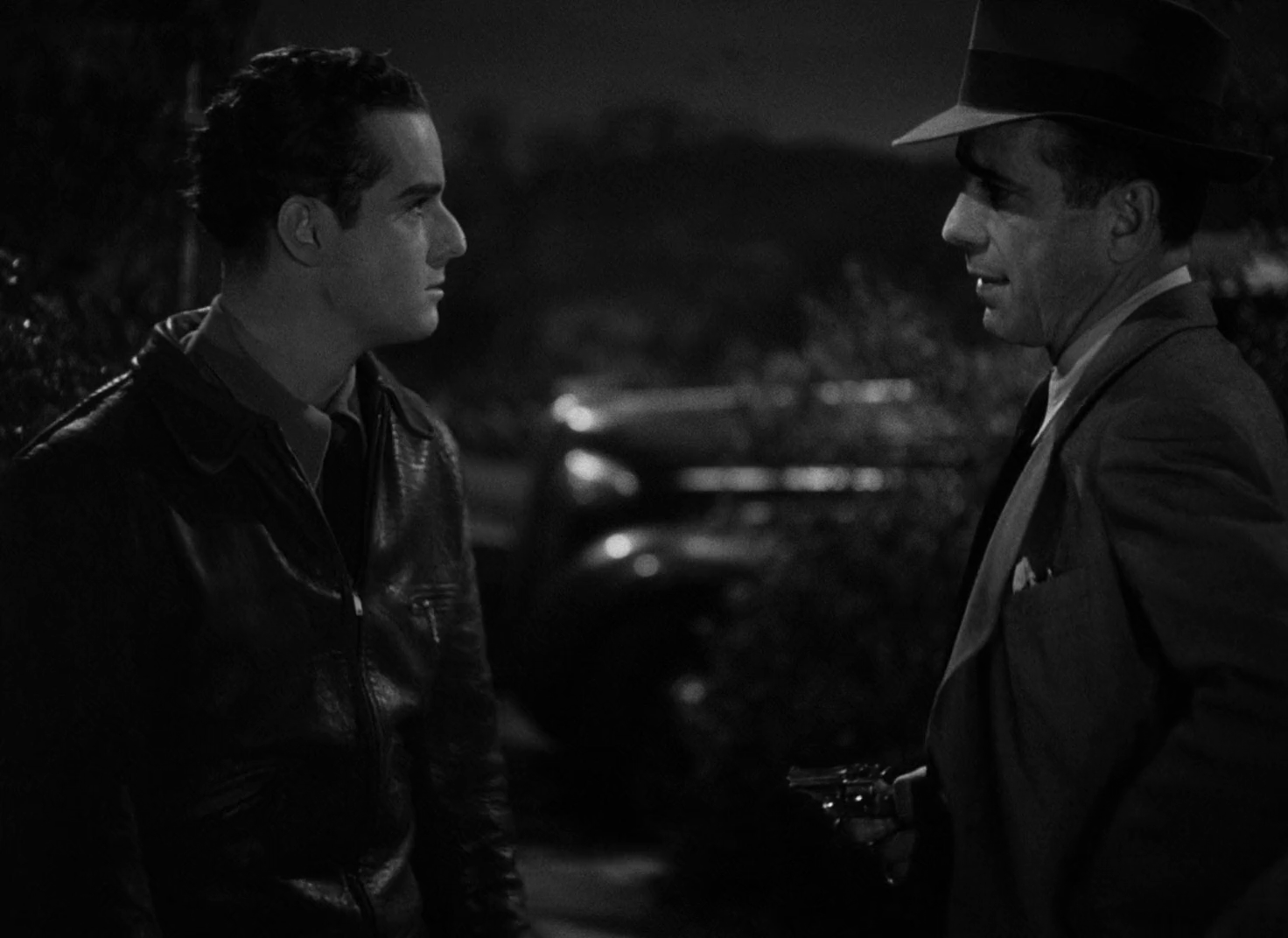 This is around where your average reader starts to nod off, but there’s an entire second chunk of plot to come. Marlowe decides to try to find the missing Regan, Vivian’s missing husband, as a favor to … the General? Vivian? All of the above. Regan ran away with the wife of a prominent gangster and the owner of a casino, Eddie Mars, but everyone agrees Mars couldn’t have killed the man — he would be too obvious as a suspect.
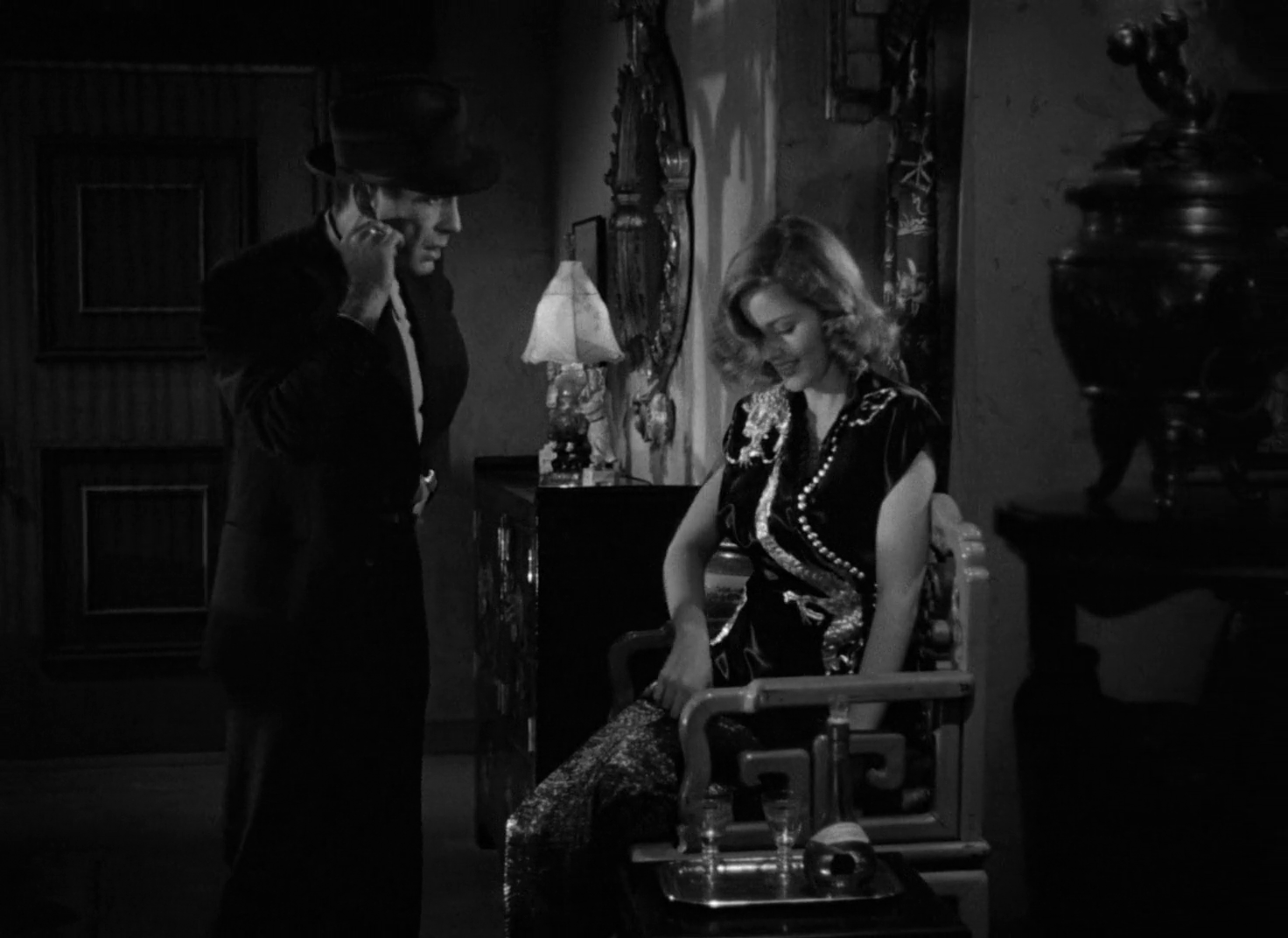 For starters, there’s the censorship. I know I’m not the only one who, watching the movie over and over, could never figure out why Carmen was being blackmailed with pictures of her … fully clothed. (Maybe, I thought, she was being blackmailed because the photos put her at the place of the murder — but the photos could have been taken at any time! And if they were set up to capture the murder, too, who would have set it up that way, since the murder was committed by the chauffeur — who was angry about the pictures?)
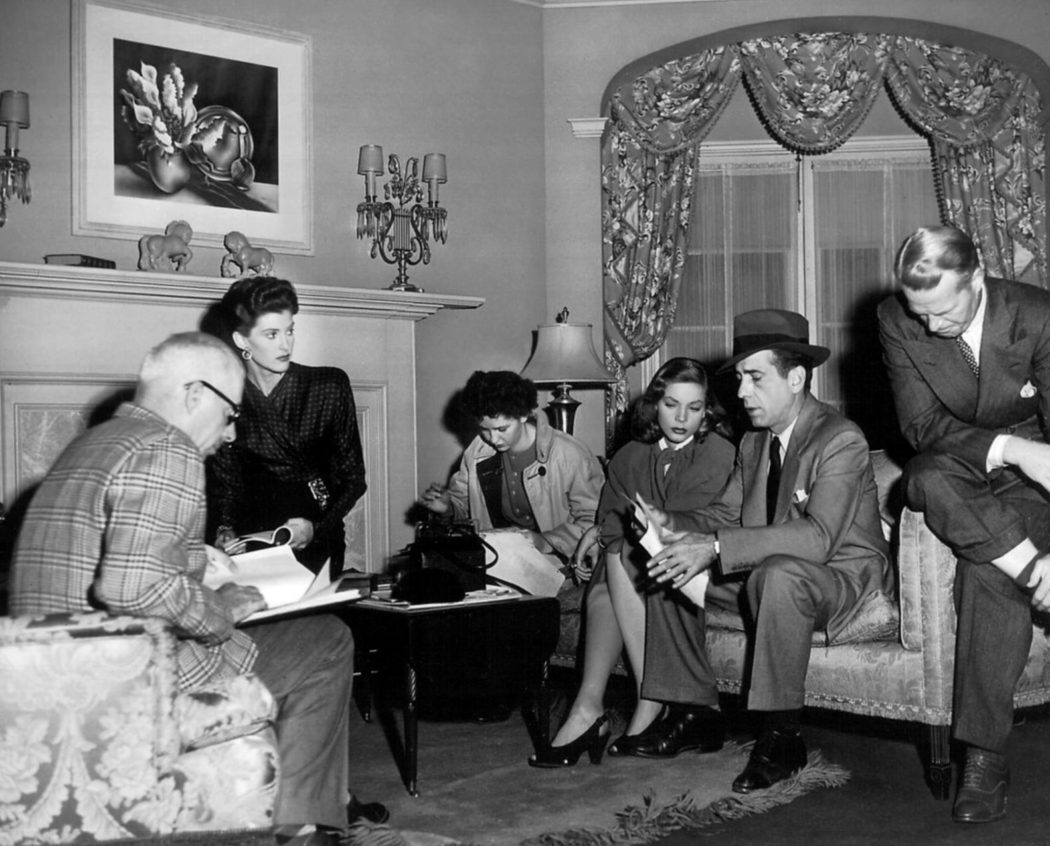 As in the novel, Mars covered up the murder by having his wife go into hiding, and spreading the story that she and Regan ran off together. But if Mars actually did kill Regan, this makes him a much stronger suspect. If only Regan disappears, it could have been a random murder, with Mars being protected by the idea that he is too smart to be the murderer. But if both Regan and Mars’ wife disappear, then the most likely explanation is that Mars killed them both out of jealousy. And if it was all merely to blackmail the Sternwoods, that makes no sense, because there is no reason to suspect Carmen murdered Regan!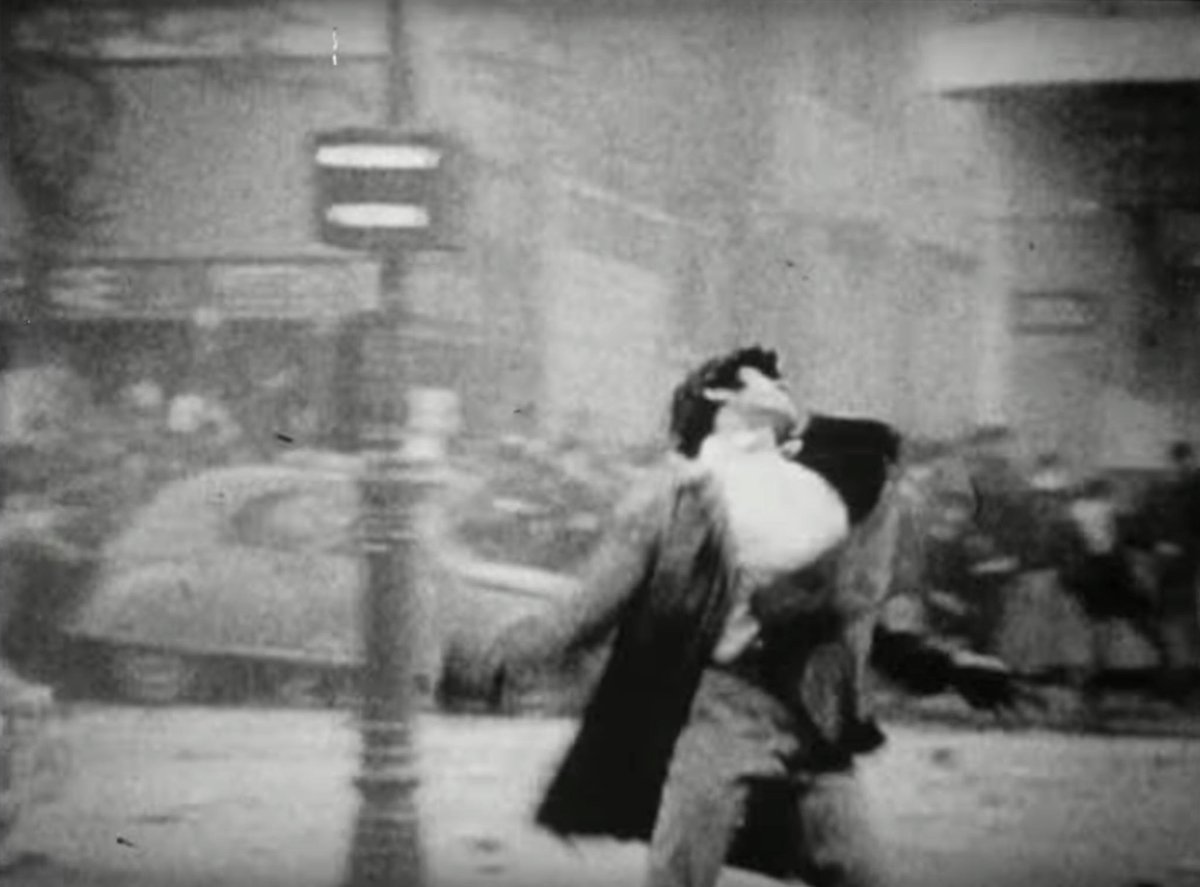
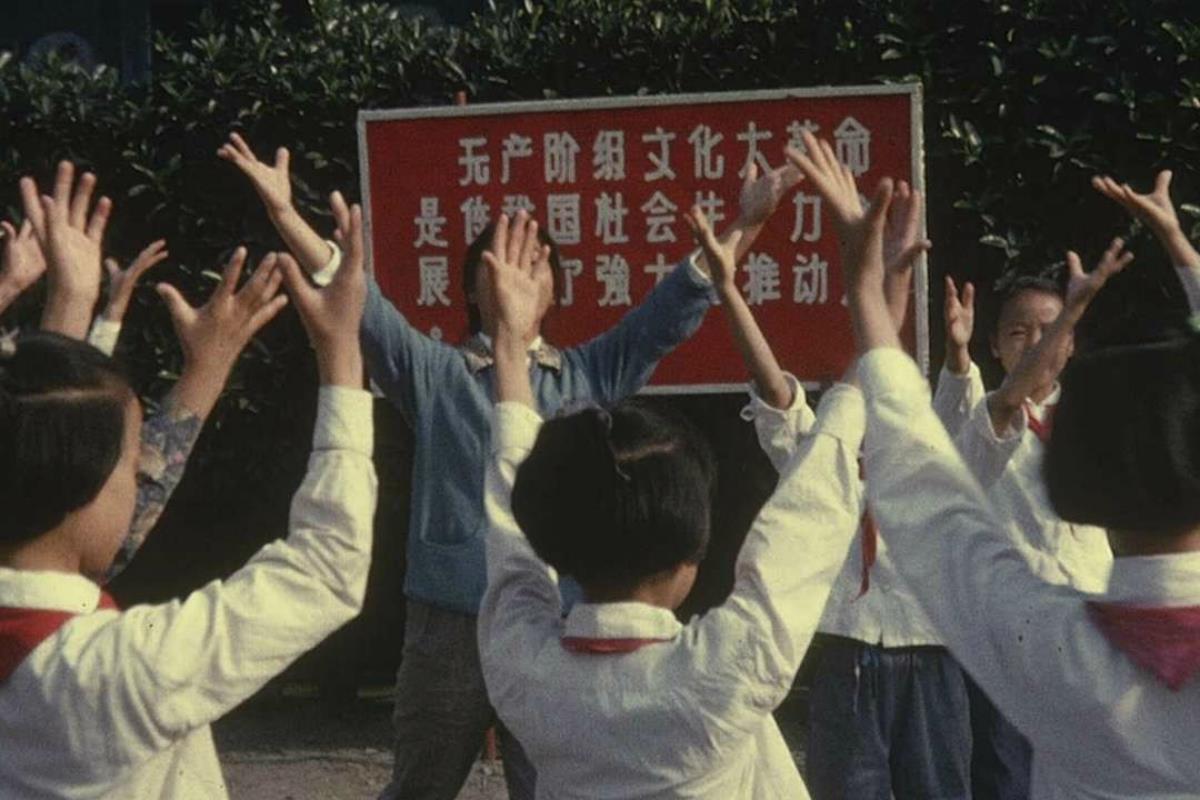 As a lyrical treatment of a tumultuous time, though, the film often succeeds in transporting the viewer, making unexpected connections that diverge from your standard barricades-and-pranksters portraits. In The Intense Now is at its best when zeroing in on specific fragments, usually culled from the archival material. The images of a family in a Czechoslovakian home movie are read — by their clothes, countenances, placement within the frame — for commentary on social and class conditions. Footage shot surreptitiously from an apartment window reveals the unseen dangers on the Prague street that drove the anonymous videographer upstairs, to film his or her own city like a spy. The joy evident on his mother’s face in China tells more about her life and its dwindling moments of possibility than it does about the Cultural Revolution she fails to see transpiring in the background.
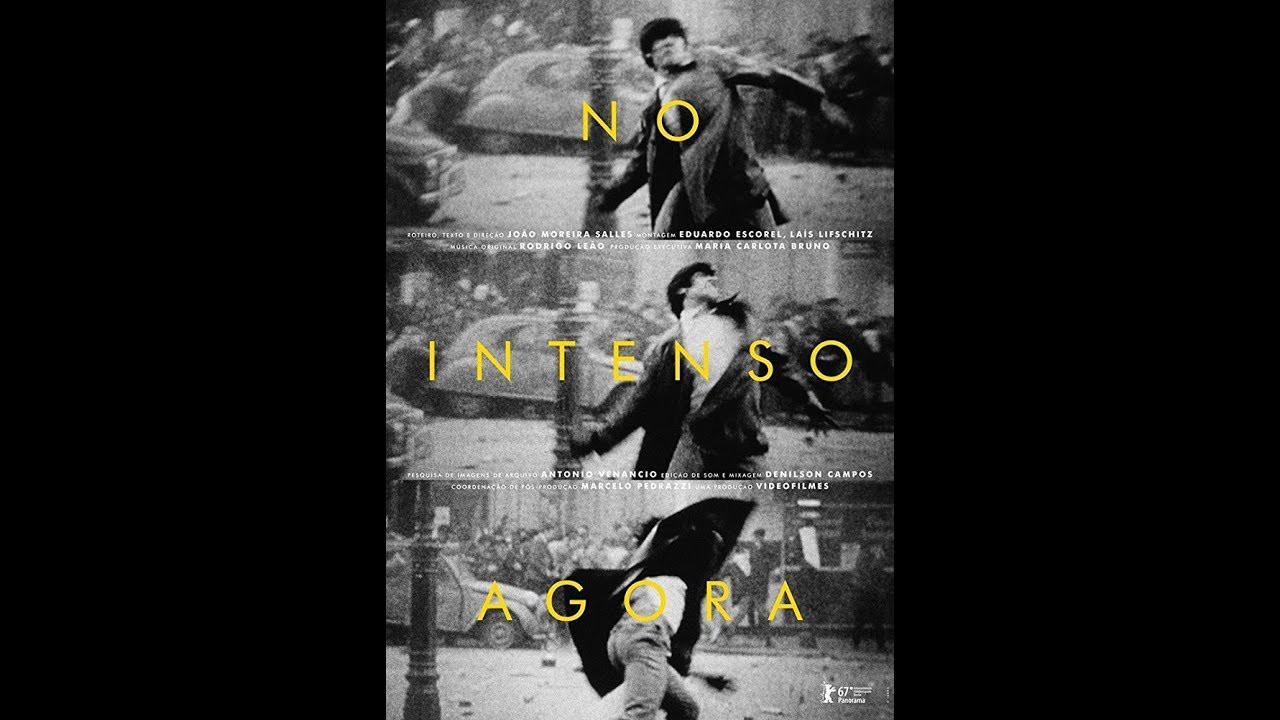 And then there is the famous image of the Parisian protester hurling a stone; you know the one. It adorns every depiction of the events of May, carried down to us by screenprints, Banksy, and, inevitably, the promotional materials for In The Intense Now itself. Salles’ analysis is stirring, astute, and ultimately delivered with a sigh: we always see the insurgent’s wind-up, a fiercely physical expression of possibility, the heroic moment of release. We rarely remember the retreat. And there is always a retreat, as the footage makes clear again and again, even in the moment. The stone is hurled, the momentum carries passionately outward, and then there are several steps back. We remember the general strike on the 13th, but not the hundreds of thousands marching for a reclaimed stasis on the 30th. It’s the film’s aesthetic and politics, embodied in the moment.
 Sartre and Cohn-Bendit appear mythically here as the Marxist and the Anarchist, some sort of Aesopian fable we haven’t lived to see resolve yet into a moral. It pops up every time we are asked to give a 10-point plan, for it to be subsumed, in time or almost immediately, into the mechanics of governance or aesthetic despair.