Top Posts
Madeline’s Madeline: An Unclassifiable Panic Attack Maybe-Masterpiece
Shoplifters Steals Moments of Wonder from the Mundane
Burning and Forgetting What’s Not There
Kusama: Infinity Expands Beyond The Canvas
Mandy Risks Little, Wins Little
In We The Animals, The Children Are Away...
The Seagull Isn’t Quite Chekhov, But It’s Still...
5 Million Ways Boots Riley Isn’t Sorry To...
American Animals’ and the Queasiness of the Heist
A Star Is Born In Hearts Beat Loud
  • Reviews
  • Commentary
  • Great Movie Project
    • Great Movie Project
      Bride of Frankenstein is a movie for and…

      January 25, 2018

      Great Movie Project
      The Enduring Appeal of Nick and Nora in…

      November 29, 2017

      Great Movie Project
      The Ahistorical Fever Dream of The Scarlet Empress

      August 2, 2017

      Great Movie Project
      Dreams, Mundanity, and the Anarchist Yearnings of L’Atalante

      July 12, 2017

      Great Movie Project
      Duck Soup Is And Will Always Be A…

      April 19, 2017

  • Counter Programming
    • Great Movies: The Counter Programming
      Walking and Talking in the Shadow of Kanchenjungha

      March 7, 2018

      Great Movies: The Counter Programming
      A Brief Encounter in My Mother and Her…

      February 9, 2018

      Great Movies: The Counter Programming
      Horror’s Refusal in Farrokhzad’s The House Is Black

      October 13, 2017

      Great Movies: The Counter Programming
      The rage and beauty of The Cloud-Capped Star

      October 3, 2017

      Great Movies: The Counter Programming
      The daylight noir and social issue empathy of…

      June 22, 2017

  • Vegan Horror
    • Vegan Horror
      Julia Ducournau doesn’t think her film Raw is…

      June 7, 2017

      Vegan Horror
      Licking our wounds: The vampiric masculinity of Ravenous

      December 13, 2016

      Vegan Horror
      Eggertsson and animals: An approach to horror cinema

      September 15, 2016

      Vegan Horror
      “It’s Not My Nature” – Vegetarianism, Body Horror,…

      August 30, 2016

      Vegan Horror
      Bodies and Carcasses in Predator 2

      August 23, 2016

  • Interview
    • Interview
      Jasmine Leyva’s doc The Invisible Vegan aims to…

      May 3, 2017

      Interview
      Bridging The Abyss: An Interview With The Directors…

      November 28, 2016

      Interview
      7 Days in Ohio: An Interview with Nathan…

      September 12, 2016

      Interview
      Film Critic Phil Dy talks New Filipino Cinema

      June 17, 2016

      Interview
      “I Love Seeing Film Projected.” A Conversation with…

      March 22, 2016

Luddite Robot
Film critique, theory, and assorted nonsense.
CommentaryFilm

China Girls, Death Proof, and the Hidden Face

April 14, 2019

Old News: Old Noise Edition

April 8, 2019

Old News: April 1, 2019

Nicolas Winding Refn, Marginalia, and the Deaths of Cinema

CommentaryFilm

And now, let us praise Kanopy

January 24, 2019

Warren Sonbert and the Relief of Anti-Narrative

January 14, 2019

The World Is Ending and It Doesn’t Matter

The Best Films of 2018

FilmReviews

Madeline’s Madeline: An Unclassifiable Panic Attack Maybe-Masterpiece

December 21, 2018

Shoplifters Steals Moments of Wonder from the Mundane

December 11, 2018

Burning and Forgetting What’s Not There

Alien, Musicology, and Reading Soundtracks

CommentaryFilm

Shocktober III: Halloween 2018 Edition

October 24, 2018

Shirley Jackson’s The Lottery Traumatized Schoolkids in 16 mm

October 18, 2018

Shocktober 2018 II: Another Reshockening (of Horror)

Häxan is a movie made by a movie character

CommentaryFilm

Shocktober 2018

October 7, 2018

Unprofessional! Spring Night, Summer Night

October 3, 2018

The Wild Boys: A Luddite Robot Conversation

Kusama: Infinity Expands Beyond The Canvas

Cuadecuc vampir
FilmReviews

Portabella on Mushrooms: Cuadecuc, vampir Between Doc and Horror

by Lark May 6, 2018
written by Lark

I distinctly remember being in ninth grade, trying to convince friends to make a movie with me. The pitch: the opening scene of the film was interrupted by the lead actor being hit by a car; as the serious narrative went on, the film kept being interrupted by worse and worse accidents, by more and more actors leaving, until the last scenes were filmed by the director alone in his bathroom, depicting the action with dolls.

What I remember was giving this pitch to a friend. He turned to me and said, very seriously: “A movie about making movies?” A pause. “It’s been done.”

Somehow, the sheltered private school kids in my ninth grade class already knew that movies about making movies are as masturbatory as it gets. Pere Portabella’s 1971 Cuadecuc, vampir isn’t quite the typical entry, though.
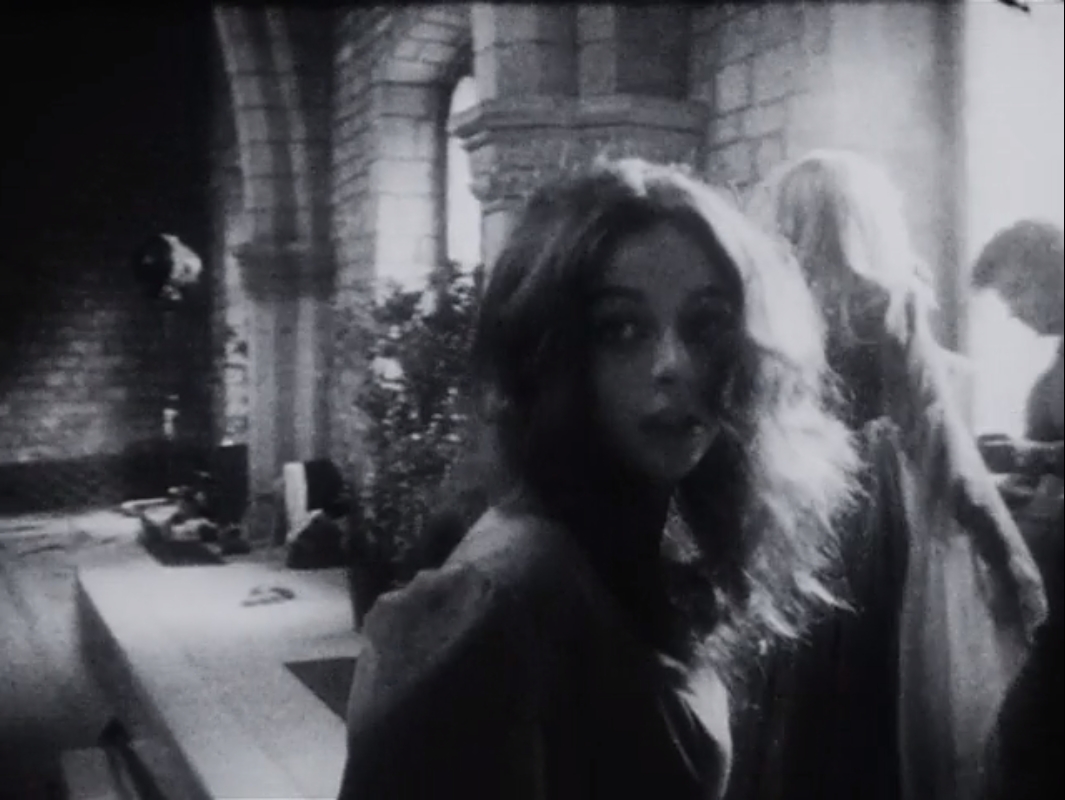
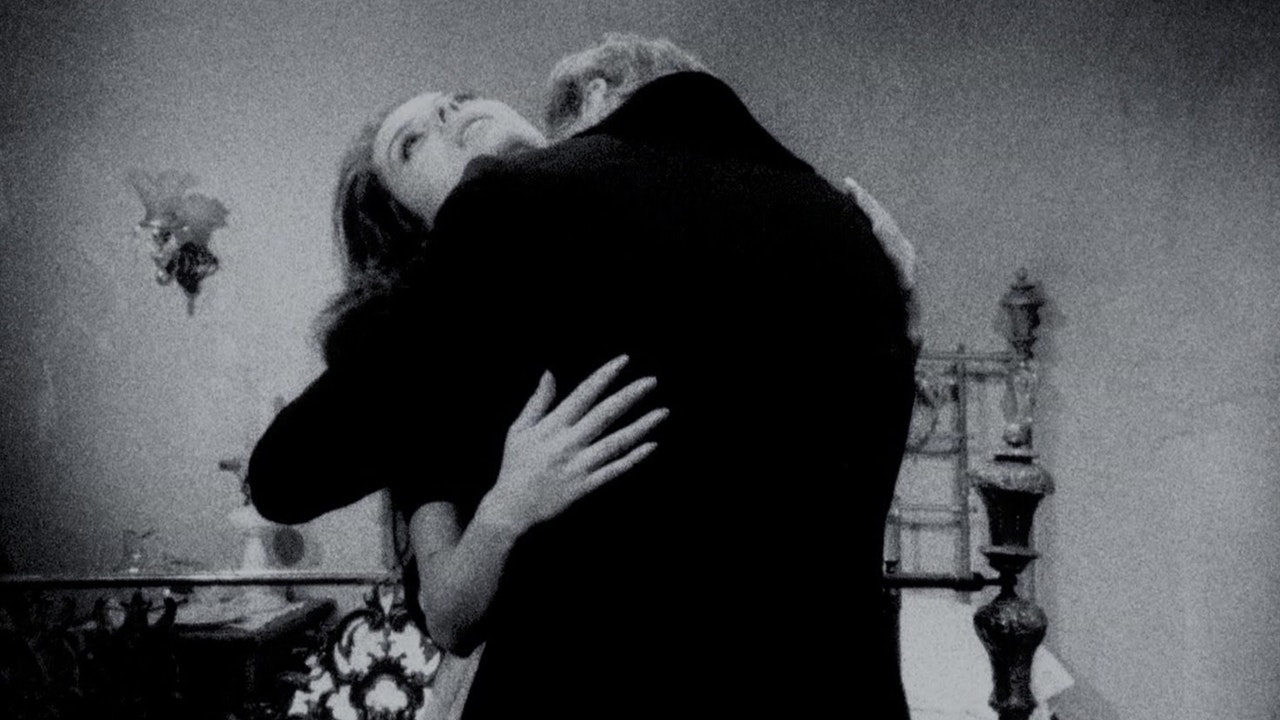
Maria Rohm and Soledad Miranda in Pere Portabella’s Cuadecuc, vampirCuadecuc is made up of footage shot on the set of Jess Franco’s 1971 Count Dracula, but, shot on very high-contrast black-and-white film with no spoken dialogue recorded, it can’t be called a documentary. Approximately two-thirds of the footage is shot as if it was diagetic, and we more or less follow the narrative of Franco’s Dracula film.

Between scenes, we see glimpses of set work: Christopher Lee, playing Dracula (despite this not being a Hammer production), lies in his coffin while PAs spray spiderwebs over him with a rotating fan; Maria Rohm and Soledad Miranda (as Mina and Lucy, respectively) ironically pose for Portabella’s camera.

But at no point do the interstitial scenes feel more real than the narrative ones. The complete absence of on-set sound (until the final moments) finishes what the cinematography begins, unmooring us as viewer from “the set” as a specific place. Instead, we are left with Carles Santos’ soundtrack, who sets everything to barely-audible drones and bleeps that sound like Stars of the Lid accidentally doubled their daily dose of laudanum.

Christopher Lee in Pere Portabella's Cuadecuc, vampirThe editing and camerawork, too, play too much into the story to allow the real and fictional worlds to settle into layers. Portabella uses a cut to turn Lee into a bat, matching Franco’s original cut, and the zooming handheld camera — Portabella regularly repeats that most characteristic of classic horror camera moves, the slow zoom on a woman’s horrified face — to invest emotional energy here and there, where it makes dramatic sense.

Jonathan Rosenbaum, a vocal fan of Cuadecuc, sees in it a deep political significance. I will leave such speculations to those more informed about Portabella, who certainly was politically engaged in Spanish life, although I’m not sure the connection between Jess Franco the director and Francisco Franco the dictator is enough to go on. Even absent all subtext, though, Portabella’s film is a strange, wonderful thing, and deserves to be seen.
May 6, 2018 0 comments
0 FacebookTwitterPinterestEmail
FilmReviews

Godard Mon Amour Is, In Fact, A Stupid, Stupid Idea

by rick April 30, 2018
written by rick

How do you approach making a bio-pic about a filmmaker like Jean-Luc Godard, whose aesthetic and political concerns are so deeply interwoven into the cinema of  a particular time and place that entire strains of film history are unthinkable without him? How do you bend the hoary conventions of the mass-market bourgeois romance, the subversion of which was so central to his art, in illuminating ways?

It’s like writing a theology of Nietzsche, and the answer is almost certainly: You don’t. But if you accept the challenge of making cinema about a filmmaker who proclaimed its death, and then proceeded to interrogate its forms and warp his own mythologies for decades after the funeral over which he presided, you better think this thing through.

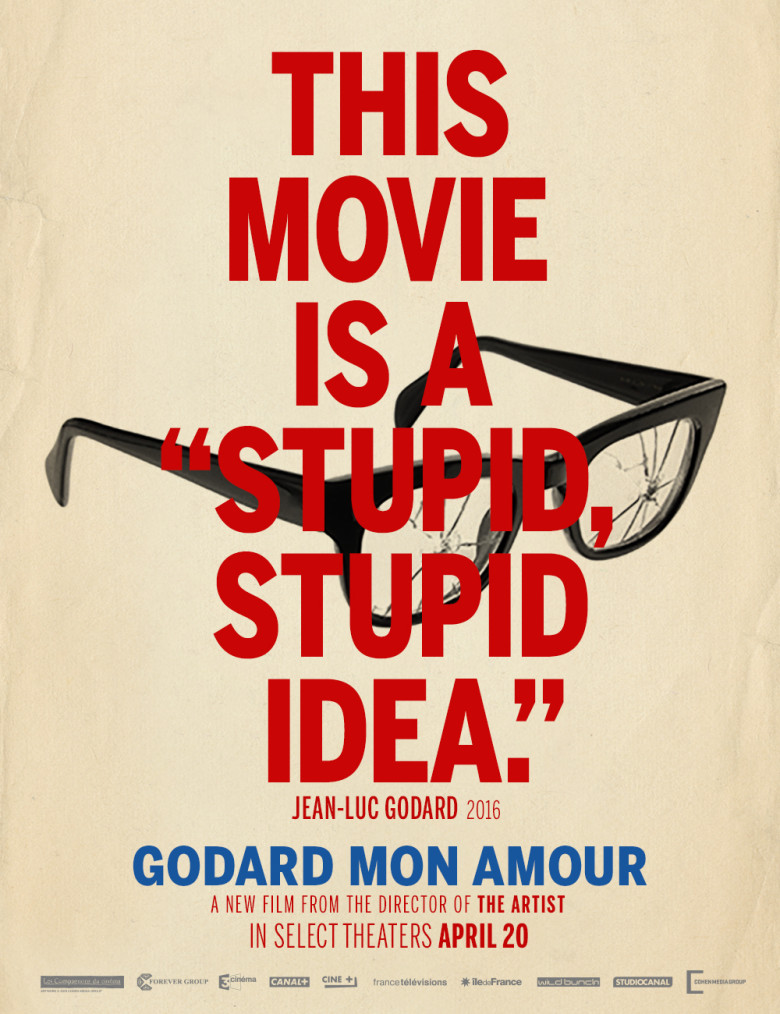
Godard Mon Amour posterThinking things through is not Michel Hazanavicius‘ strong suit. His Godard Mon Amour evinces virtually no understanding of its subject. It barely even registers an interest in an understanding. Like his Oscar-winning The Artist, a gimmicky “tribute” to silent film that also mimed an undergraduate disdain for an entire era he seemed mostly to have heard about second-hand, Godard is a checklist of references without substance, a hollow highlights reel that can’t distinguish saying something from meaning it. It’s the kind of film invariably described as “irreverent,” by which we mean “not funny, but generally shaped like a funny thing.” It is, as Godard himself pointed out when approached, “a stupid, stupid idea.”

That this quote was used on a promotional poster is, of course, part and parcel of Hazanavicius’ irreverence. “See?” we are begged, “Godard doesn’t like it, curmudgeon that he is! Isn’t that fun? Well, isn’t it?” 

Godard Mon Amour, adapted from the memoirs of actress Anne Wiazemsky, his second wife, positions itself from the get-go as operating at several removes. The couple’s relationship, spanning the tumultuous years of 1968 and ’69, overlapped with world historical events, on the streets and screens of Paris, and marks a pivotal point for Godard the filmmaker, essentially the frantic approach to what he considered an aesthetic and political dead-end.

There’s plenty here to examine, and, according to Richard Brody (the books haven’t been translated into English), Wiazemsky provides more than enough unsparing detail for a curious filmmaker to fashion something probing, empathetic, or vital. Not Hazanavicius. He “doesn’t so much adapt Wiazemsky’s memoirs as lay waste to them, pillaging the books for anecdotal sketches of a romance that he detaches from its surroundings, minimizing its intellectual fervor and historical urgency.”

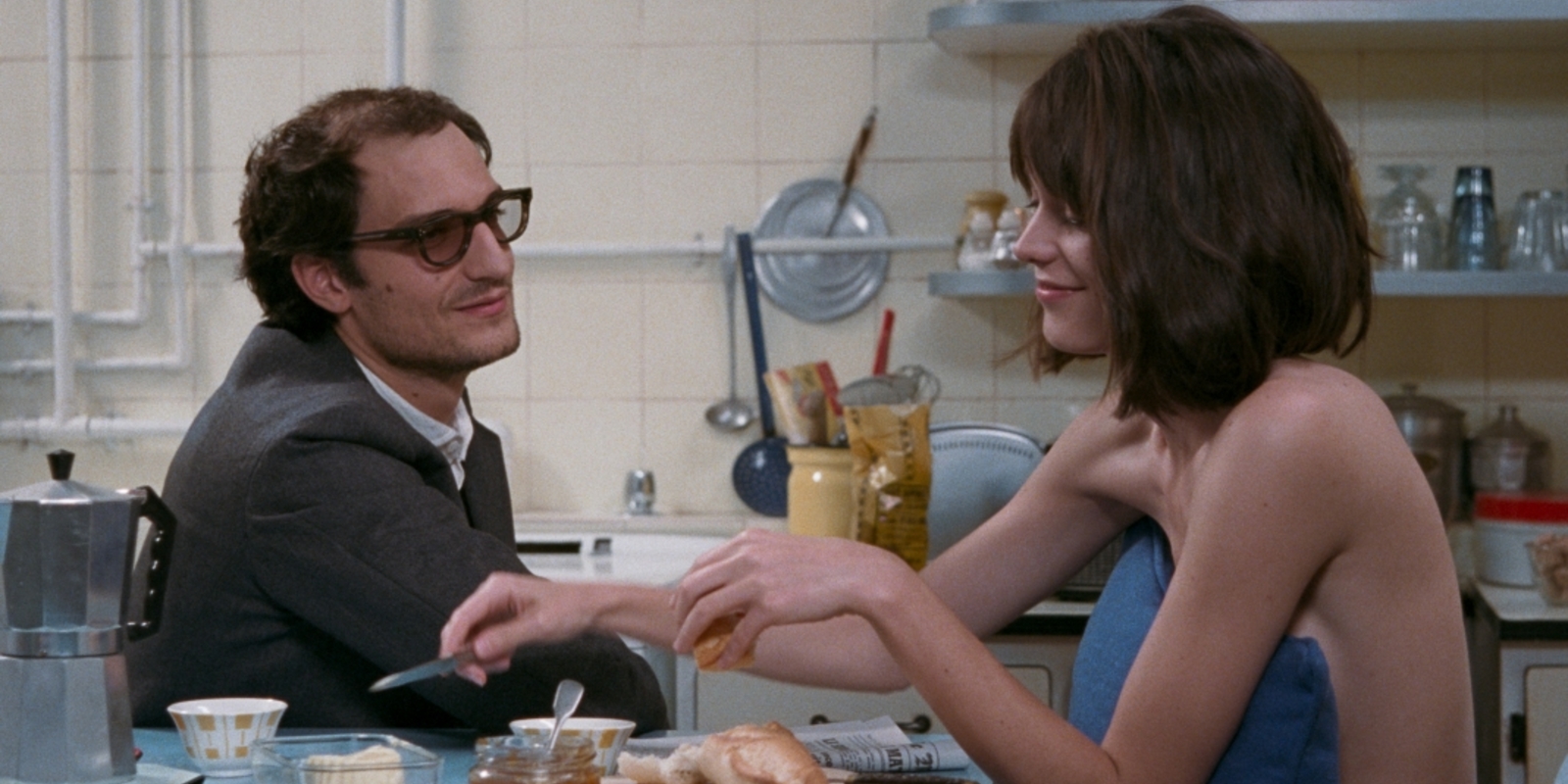
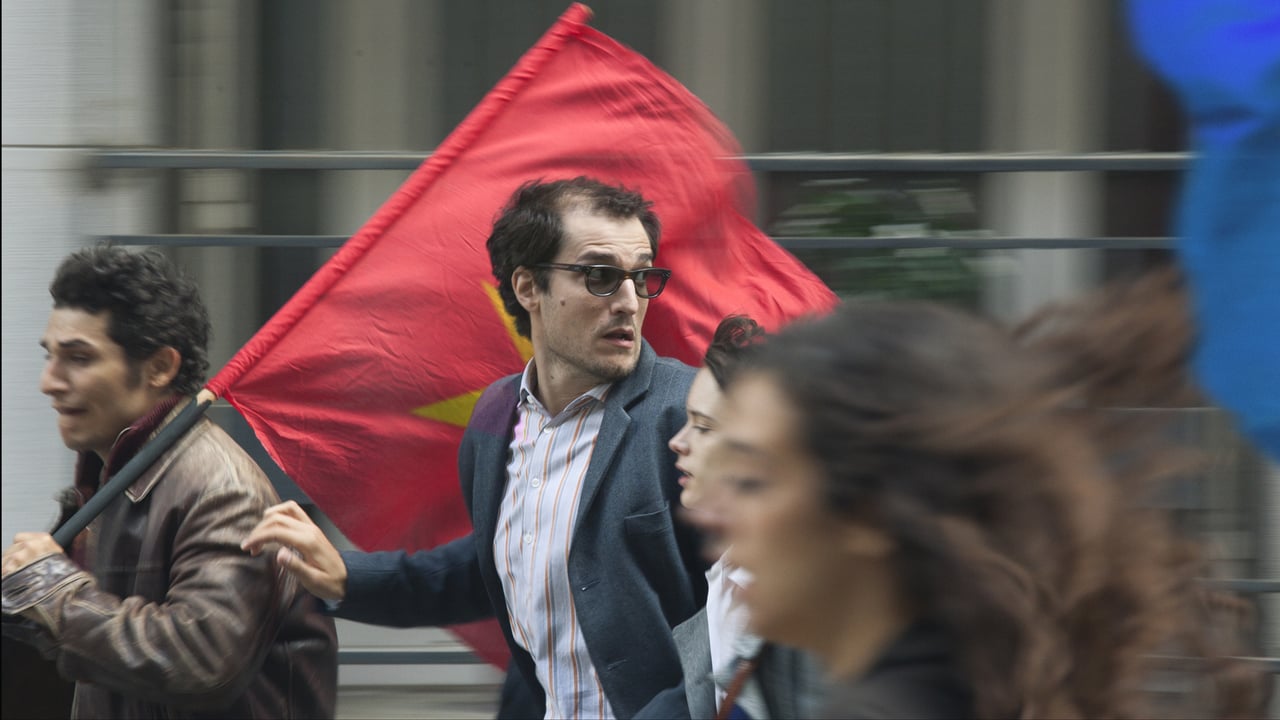
Louis Garrel and Stacy Martin in Hazanavicius' Godard Mon AmourBrody is too kind. Godard Mon Amour posits that Godard (Louis Garrel) participated in the Cannes boycott, in a leadership role no less, because of an offhand remark from a mocking student in the street, right before a pitched street battle takes hold, which Hazanavicius presents in montage backed by a jaunty Gallic score. Generally speaking, political commitment, when it surfaces, is a punchline, with a perpetually clueless Godard buffoonishly stumbling about, desperate for the kids to like him, up to and including an inability to stop talking politics even when he’s going down on his girlfriend. (A psychoanalytic analysis would ask where this film’s breathless desperation is actually issuing from.)
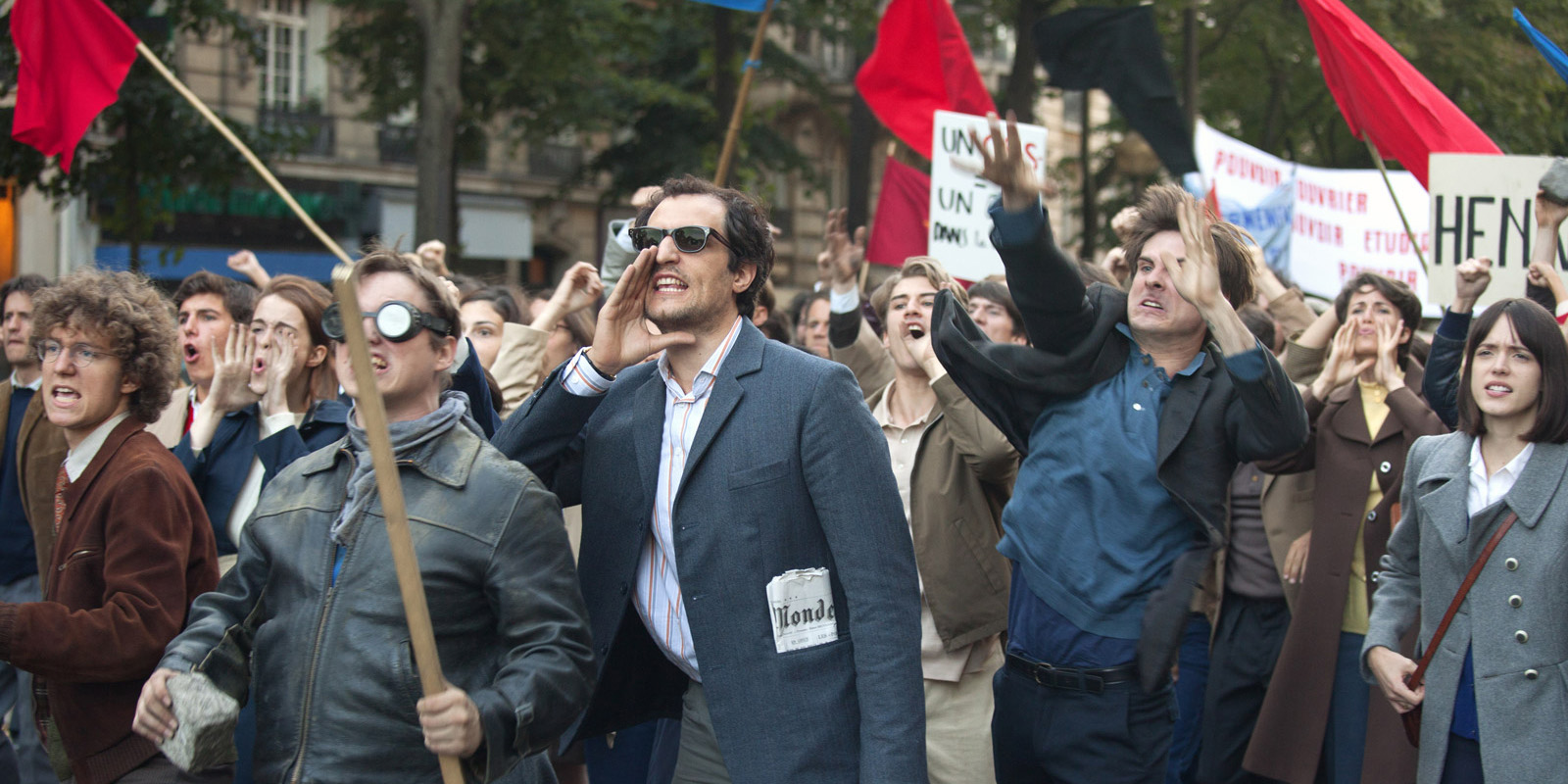
As Anna, Stacy Martin is a flighty teenage know-nothing in thrall to a self-deluded, already past-his-prime oaf, the kind of girl who genuinely laughs when her lover demonstrates his unconventional approach to life by literally walking backwards when others walk forwards. There isn’t the slightest indication she’s ever had a thought in her pretty little head. The formation of The Dziga Vertov Group is played for laffs: Hazanavicius is one step removed from a bemused wag wondering how collectivists ever make decisions at meetings. This happy horseshit trolling continues unabated.

Louis Garrel in Hazanavicius' Godard Mon AmourGarrel is encouraged to play Godard as the Forrest Gump of the revolution, stalking around with the mock-simian postures of a Groucho Marxist, minus the anarchist glee. A recurring slapstick motif finds Godard’s glasses repeatedly crushed, often by protestors, which does double duty in demonstrating that: a) he’s a Harold Lloyd figure, minus the athleticism, in perpetual danger of being pushed in a locker; and, b) that Hazanavicius discovered, in his research, that Godard wore glasses. At moments like this, we remember that we are watching an account of May ’68 from the guy who made the OSS 117 movies.
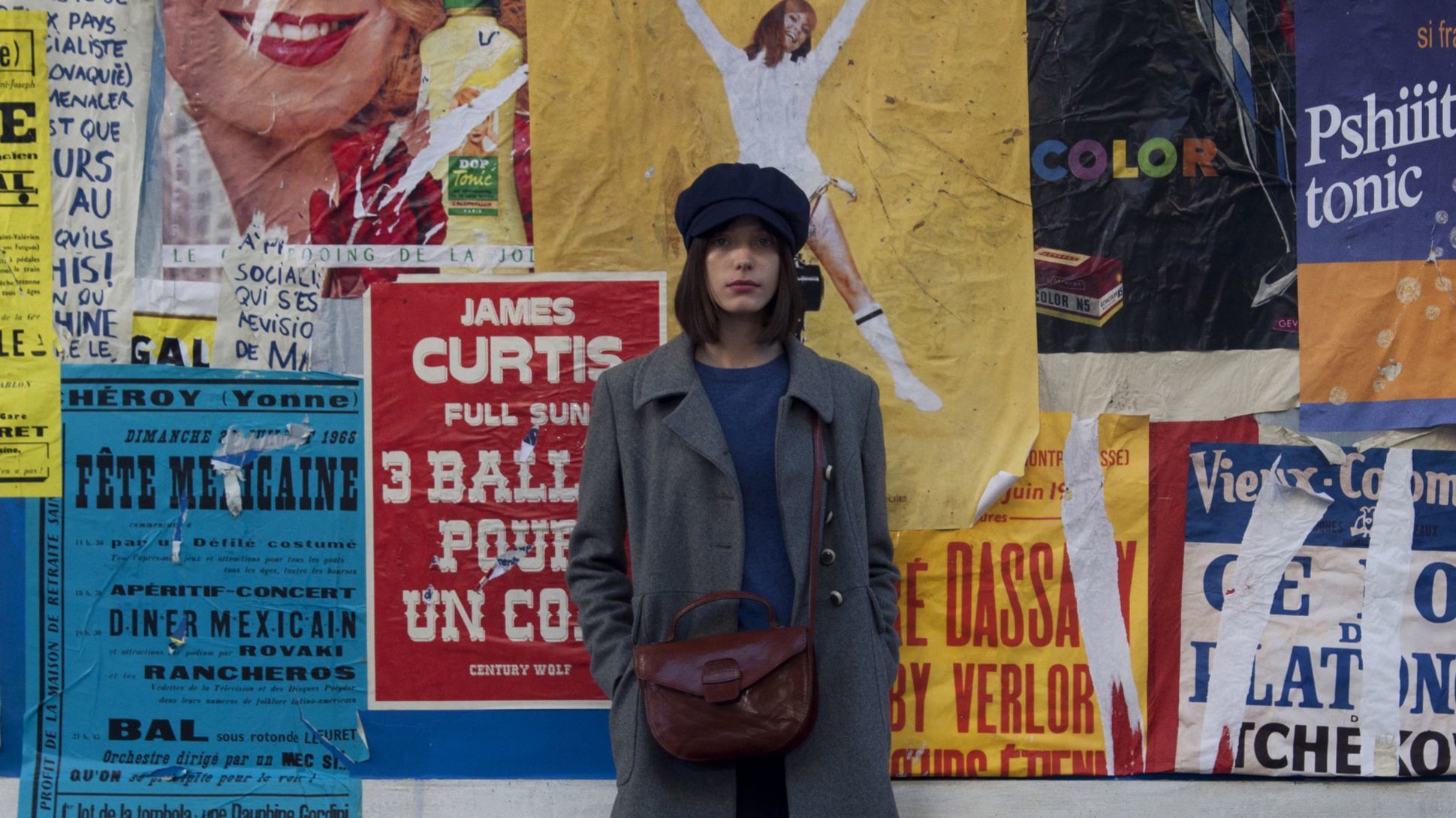
Apartments are festooned with copies of Mao’s Little Red Book and primary color installments (check). A long tracking shot (check) takes in the Situationist graffiti. Hazanavicius even has Garrel give the little speech about how he hates actors; later, this proud reference morphs into a nude Garrel and Martin declaring they’d never appear nude on camera. Interstitial pun titles abound, complete with overdetermined gunshot effects. There’s a dialogue in which the subtitles convey inner thoughts rather than the words spoken, a la Annie Hall, presumably because someone told Hazanavicius to look up signifier/signified on Wikipedia. Check, check, check.

Stacy Martin in Hazanavicius' Godard Mon AmourWhy, then, does Godard Mon Amour exist? For who? The biopic elements, that bourgeois romance, is clumsily intertwined, a transtexual Contempt for the Cliff’s Notes set. The whole air of insouciance, this trademark irreverence, advertises itself  as a good-natured ribbing, but it is not. Hazanavicius seems determined to puncture a deflated balloon. Every moment has a sense of sticking it to the pretentious elites, the academic filmmakers and their slavish idolators, while simultaneously professing to have enjoyed the films once upon a foolish time.

In what world is that necessary? The festival crowd around me — these people who paid top dollar to be insulted by a guy who acknowledged he didn’t know much about the Hays Code, while making a film about it — laughed it up, knowingly applauding every half-studied reference, as impressed as parents of grade-school kids on report-card day. But, god, why? Art cinema is in need of being taken down a peg?

If The Artist was a tortured stand-up routine whose punchline amounted to, “Silent films? Those guys don’t even talk!”, Godard Mon Amour is simply beside itself. What a riot, the notion that anyone ever thought cinema could matter!

It’s too late for that joke, though. No one thinks that anyway.


April 30, 2018 0 comments
0 FacebookTwitterPinterestEmail
Avengers: Infinity War
FilmReviews

Infinity War might not be a movie

by Lark April 28, 2018
written by Lark

It’s probably pointless to try to write a review of Infinity War. [Don’t worry, no spoilers.]

It’s certainly pointless in the traditional way, as a verdict: two and a half stars, B-plus, 72 percent, thumbs up. It’s pointless to talk about the lighting or the editing, the performances or the sound design.

All of this is pointless, to one degree or another, because Infinity War is not a movie.

OK, yes, sure: it’s a thing that you can go to a theater to see, all silently staring in the same direction. Fine. But, judging by the signs that have filled my theater last month, you could do the same thing with the finale of The Walking Dead. So — other than the millions and millions more one cost than the other — what’s the difference?

Like the Walking Dead finale, Infinity War does not even pretend to have a hook for newcomers. It begins immediately with the aftermath of Thor: Ragnarok and does not stop for a moment to explain anything. About a half hour of the film is characters meeting and reuniting with each other … but if you don’t know why this person is mad at that one, why this meeting is awkward and that meeting is joyful, too bad.

There are none of those clear, clean, effective character arcs Marvel movies are known for, mostly because no one is on screen long enough to go through one. (Somehow, the Guardians of the Galaxy get perhaps the biggest screen role. If anyone would have told me Andy Dwyer would be upstaging Iron Man and Captain America, I would never have believed them.)

Josh Brolin as Thanos in Avengers: Infinity WarI’ve noticed some reviewers try to frame the central arc as that of Thanos, Josh Brolin’s giant purple growler. But although Brolin makes the character far more effectively emotional than anyone expected, there is no real arc there, either — just a couple of flashbacks and a much, much less stupid motivation than his comic book counterpart.

All of this, though, is irrelevant. All of these traditional aesthetic values that can be used to divine the good blockbusters from the bad — depth of character, a self-contained well-structured story — are only valuable to the extent that they allow the viewer to know where to invest their emotional energy. There is no more energy to invest here. This is the payoff.

What Infinity War is is a climax, one that lasts longer than any climax has before. It’s a physically exhausting thing to go through, but it’s never boring.

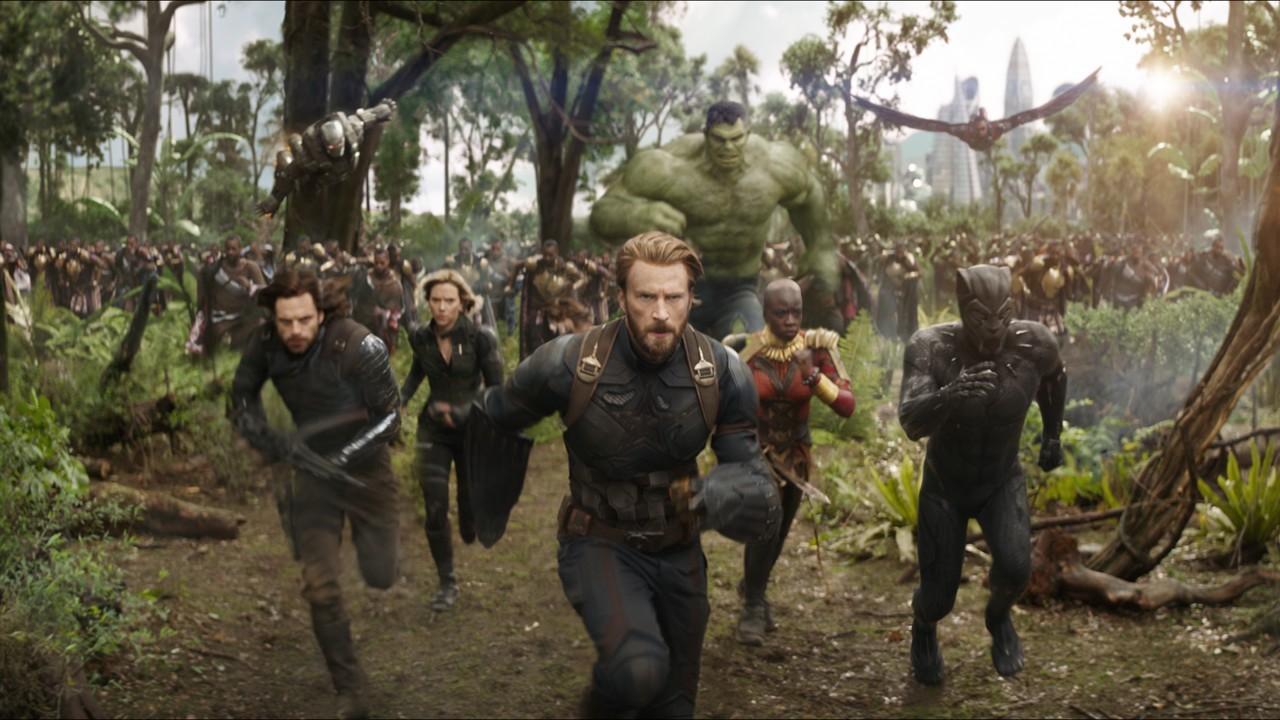
Avengers Infinity War Black PantherIt’s never boring because boredom is (usually) the conflict between not being interested in something, but feeling you should pay attention to it for some later payoff. But no scene in Infinity War points towards some future payoff; as a result, almost every scene is unnecessary. If you zone out for a few minutes, you’ve missed nothing; if you pay attention to every moment perfectly, you’ve gained nothing.

In fact, one can imagine the film stretching like an accordion. The same narrative could have lasted 30 minutes, or it could have lasted 10 hours. Entire subplots, like Thor reforging his weapon, could have been cut entirely; battles that seem to last half an hour are instantly rendered pointless.

But, again, none of this can be held against it unless we are expecting it to be a traditional narrative, a goal the film has no interest in. This is a TV season finale, but the biggest, most gorgeous one ever made.

One of the easiest ways to respond to a bad review, particularly late into a beloved series, is to say something like Kevin Smith did when Jay and Silent Bob Strike Back flopped: “It wasn’t for you, critics, it was for the fans.”

Infinity War is for the fans. It just happens that their fanbase is so massive, so monstrously huge, that they are the mainstream.

April 28, 2018 0 comments
0 FacebookTwitterPinterestEmail
Jess Franco's Succubus
CommentaryFilm

Jess Franco’s Succubus and the End of the Erotic Film

by Lark April 25, 2018
written by Lark

Certain genres, subgenres, movements, categories of art have threatened to purify themselves, if not into silence entirely, at least so far out of the artistic mainstream that it becomes something wholly inward, communicating only with itself.

There are two types of genres that risk such a fate: the most avant-garde and the most lowbrow. Certain moments in classical music (Boulez) or experimental film/video art (The Cremaster Cycle) have come close to the former, but no avant-garde project has come as close to exiling itself as pornography has.

By the time I was aware of porn, the exile had already taken place. (My aggressively censored childhood didn’t help; I didn’t watch a PG-13 movie with my parents until I was 15 or so.) So there has always been something uncanny about watching the “erotic” movies of the 60s and 70s, like Jess Franco’s Succubus.

The strangeness was something like: Who are these sex scenes for? Are they for masturbating to? Why would you watch this hybrid-porn, porn with surrealism and strangeness mixed in?

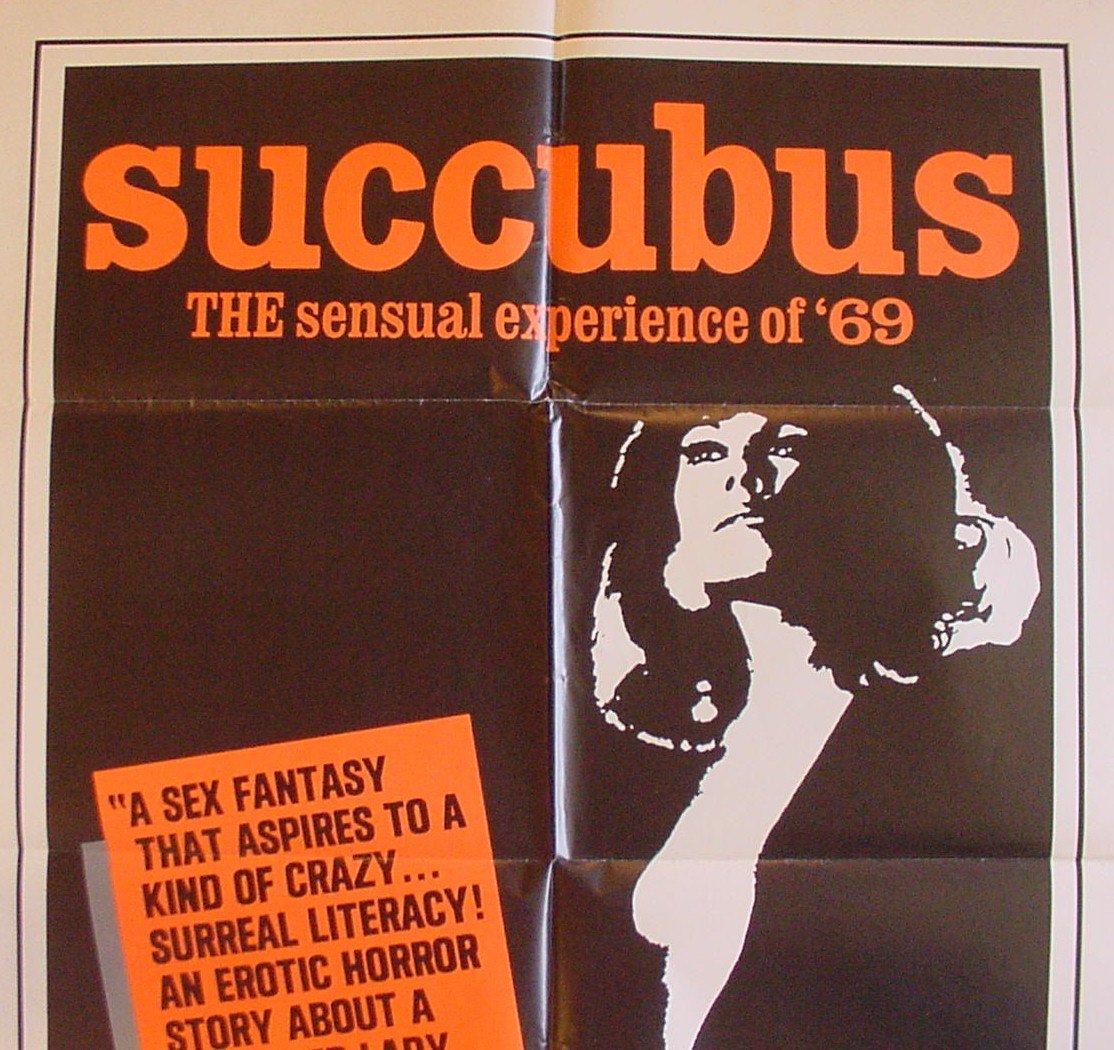
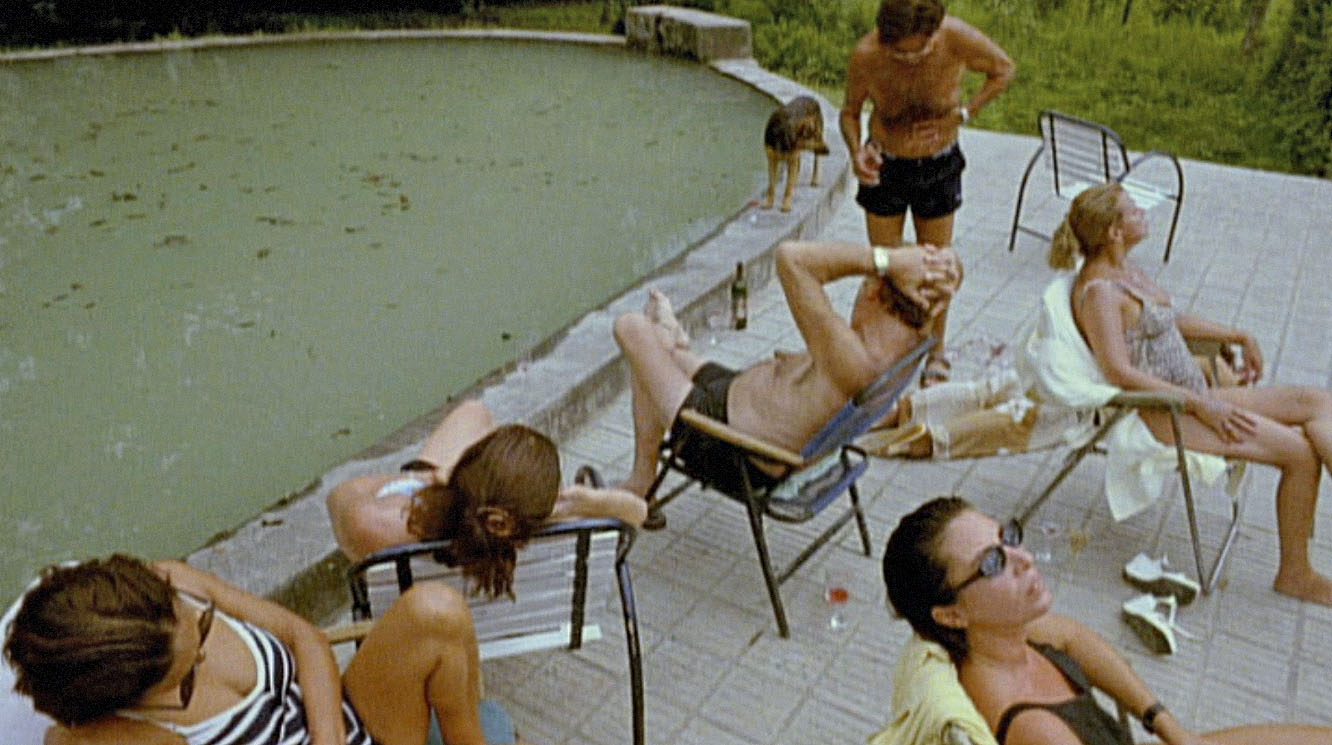
Poster for Jess Franco's SuccubusIf I had seen Succubus (1968) about a decade earlier, my 16-year-old self would probably have just given up and mentally categorized it as a horror movie. The movie does open up with one of those BDSM-themed theater acts that are omnipresent in 60s European movies, and there are a few murders sprinkled throughout, as our heroine Lorna Greene (Janine Reynaud) daydreams surreal episodes and ends up around dead bodies.

The English title makes the whole murderous ordeal sound more purposeful than it is; the German title translates Necronomicon – Dreamed Sins, which is a more accurate representation. The film is by no means a horror film, to the extent that it has any plot at all. (We spend about as much time with Lorna’s theater owner boyfriend William (Jack Taylor), who is worrying that he is becoming artistically irrelevant.)

I would suggest that it only ends up categorized as a horror movie, sitting on Shudder alongside Sleepaway Camp and [REC], because we have lost the erotic as a category. Surreal moments, like those which large bits of Succubus try to create, exist in the play between the erotic and the horrific. Some films sit closer to one end and some to the other, and some attempt to be both at once; but if eroticism is given over entirely to porn, then surrealism can only sit at the horrific end.

Without the possibility of an erotic movie that isn’t quite porn, that doesn’t exist on a separate website with pop-ups and viruses but as a live option in communication with others, we don’t just lose another form of pleasure. We’re not just in danger of losing eroticism, but surrealism itself.

In a time when these questions were less important, it was probably reasonable to agree with Roger Ebert, who called Succubus “a flat-out bomb” (although it’s surprising to see Uncle Roger go on to say that “even the girl was ugly”). But if we have lost something that that film understood implicitly — that the erotic cannot be refined and distilled into something done behind a locked bedroom door — then it is still worth digging back into it and its time.

April 25, 2018 0 comments
0 FacebookTwitterPinterestEmail
Solidarity Forever in Robert Greene's Bisbee '17 (2018)
CommentaryFilm

Observe and Perform: The Refracted Histories of Bisbee ’17 and Purge This Land

by rick April 24, 2018
written by rick

On the face of things, Robert Greene‘s Bisbee ’17 and Lee Ann Schmitt‘s Purge This Land don’t look a lot alike. They’re both documentaries, and they both screened at the recently-concluded San Francisco International Film Fest, but in subject and approach, they seem worlds apart. Closer looks dispel that notion.

If we can be a tad reductive for a minute (and we can), we can think of the documentary tradition running as parallel streams, the observational and performative. Flaherty complicated this right out of the gate with Nanook of the North in 1922 — an observation of a quasi-performance — but it works well enough in broad strokes.

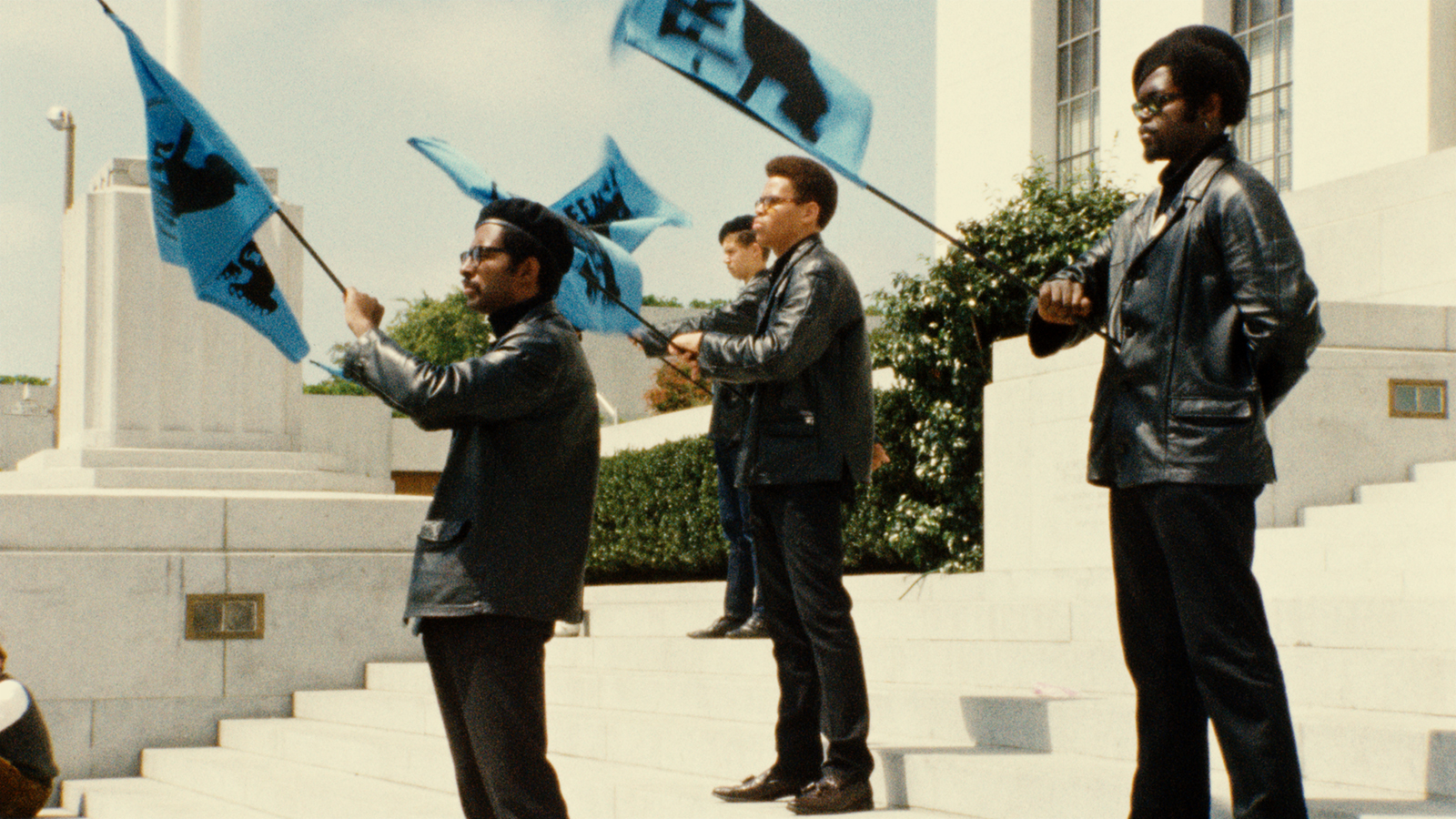
Black Panthers Agnes VardaYou can find it in the talking head/archival model abutting the discursive essay film (Hearts and Minds vs. Far From Vietnam), or the fly-on-the-wall contrasted with the recursive loop (Varda‘s Black Panthers vs. I Am Not Your Negro). More recently, Joshua Oppenheimer helpfully made companion pieces from opposite banks, with The Act of Killing‘s performative poeticism refracted, two years later, in The Look of Silence‘s observational, committed detachment. The ambitions might be pedagogical in both cases, but the aesthetic approaches differ greatly.
The documentary programming at SFIFF underscored this. Something like The Rescue List, its stylization aiming at verite and its heart on its sleeve, wants to inform, outrage, generate action through teaching. Its camera does not lie, or claims not to; we are meant to imagine that the camera is not even there, that we have been granted a window into this world, with lessons to take back to ours. Shirkers, on the other hand, is a nesting doll of absences — a time-warped film about a film lost to time, a collection of moods and sensibilities that evoke more than they transmit. To reduce further, it’s something like the Lumières and Méliès.

It’s not that neat, of course. The real point of any category exercise is to knock it out at the knees. Both Bisbee ’17 and Purge This Land occupy strange middle territories, freely borrowing elements from these aesthetics to interrogate them, bend them to other uses.

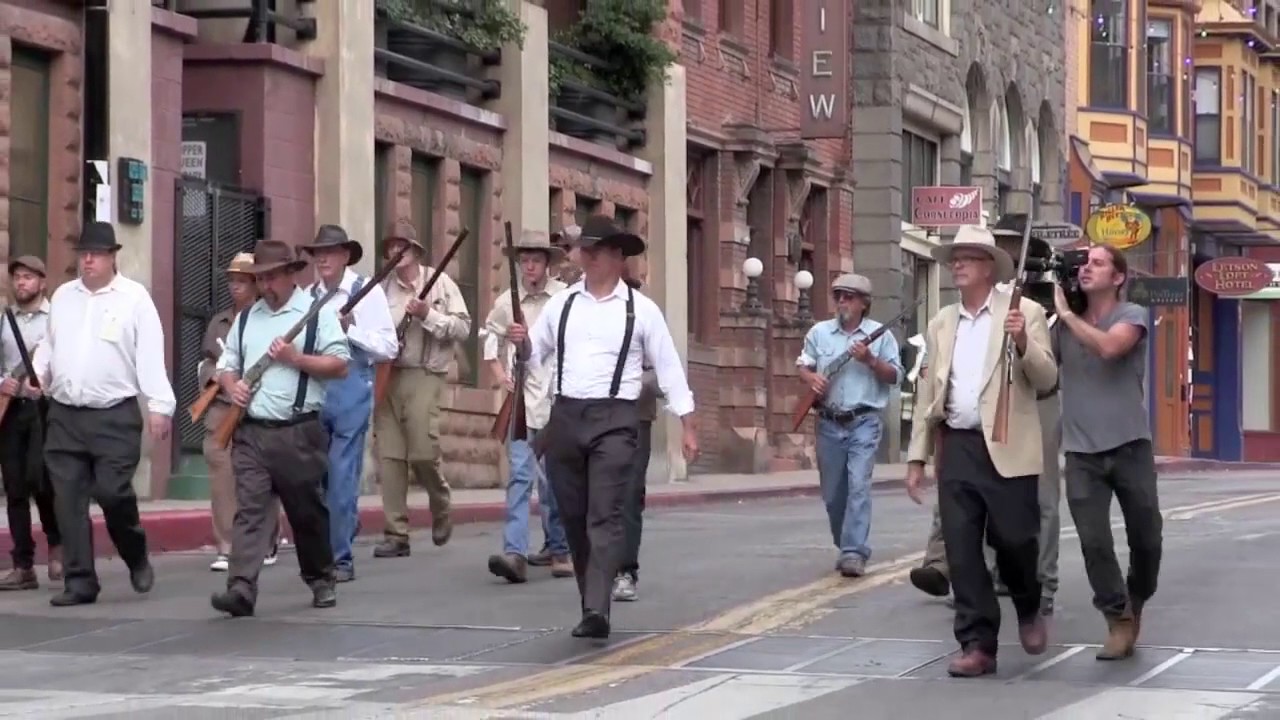
Robert Greene's Bisbee '17Like much of Greene’s work (Actress, Kate Plays Christine), Bisbee ’17 is performative in the most literal sense. The film details a largely forgotten moment in labor history — the strike-breaking deportation of 1,200 miners from Bisbee, AZ, the Wobbly leaders and the mostly immigrant workers loaded on trains by friends and family and shipped off to the desert to die — through the documentation of its re-enactment on its centennial.

This foundational moment in a town’s story hides in plain sight, ideologically undergirding the now-abandoned mine. The mine itself still powers most of Bisbee’s remaining economy, with descendants of miners and company men playing tour guide for visitors, or acting out the events of the OK Corral in nearby Tombstone. (The lingering animus between Bisbee and Tombstone, fighting for fleeting notoriety, is an interesting footnote.)

The remaining retail outlets of Bisbee are staffed by another batch of first-generation immigrants, one of whom, embodying a fictitious miner, will sing “Solidarity Forever” as Bisbee ’17 briefly becomes a musical, a stirring moment in Greene’s tapestry of the real.

Bisbee ’17 actively intervenes in its telling of history; cameras in the frame foreground its artifice, and Greene draws attention to the way the recontextualized past is experienced as present through its staging. It’s a lie that aims at truth. You don’t walk away from Bisbee ’17 simply knowing more about the events it depicts; Greene’s film aims to make you feel what it is like to know, to question what knowing entails. It is a flurry of significations in constant dialogue.

Lee Ann Scmitt's Purge This LandBy contrast, Purge This Land is almost entirely still, oblique enough to invite charges of inscrutability. As the title quote indicates, this is a meditation on John Brown, but it’s a meditation that feels outside of time and context. We see fields, flowers, small movements in the wind. Broken-down barns on the outskirts of large cities, water and sky, advertising structures and historical plaques no one reads anymore. The camera is motionless, shot lengths creep ever upward, it’s observational in the extreme. But what are we observing?
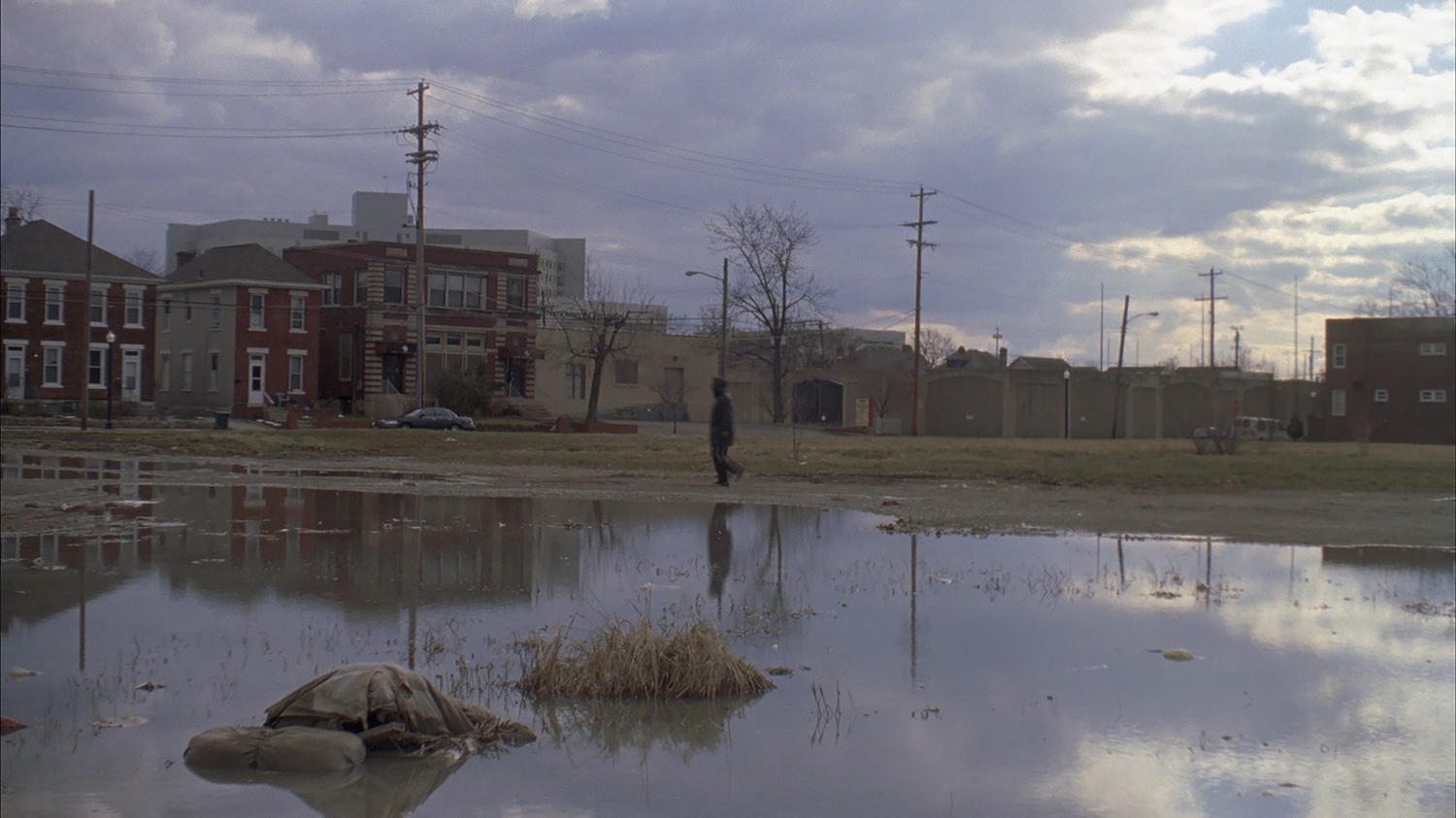
There are virtually no humans on screen — Schmidt is uncomfortable with the political implications of such representation, with capturing bodies in the service of imaginative liberation. Her narration weaves the history of American racism and revolts into the police murders of today, her anxiety as the white mother of a Black son as palpable throughout as the frenetic score. (It’s from her partner Jeff Parker, of post-rock stalwart Tortoise, interweaving generations of Black music with the strains of “John Brown’s Body”; this was, in turn, the model for “Solidarity Forever,” the venerable labor standard that someone in Bisbee ’17 denounces as unpatriotic. Circles inside circles.)

Lee Ann Schmitt's Purge This LandMeanwhile, we look at the land, the places Brown lived and traveled, the house where he spent a final night with Frederick Douglas, who declined to accompany him on his doomed mission. Schmitt’s film doesn’t editorialize, but the authorial presence is there all the same. We are left wondering how a stubborn gaze, a refusal to zoom or pan, even could editorialize, but we feel it. What are these objects, these landscapes? What do they reveal or hide? What do they “mean”? Why are we being asked to look, and look, and look closer? There’s something unsettled. We become unsettled.
So both Bisbee ’17 and Purge This Land draw from both streams, almost rigorously observational in their performativity and indeterminate authorship. In documentary films, as elsewhere, it’s in the category lapses that things become really interesting.

April 24, 2018 0 comments
0 FacebookTwitterPinterestEmail
CommentaryFilm

Lucrecia Martel and “The Anxiety of Identity” at BAMPFA

by rick April 22, 2018
written by rick

There’s something perverse in writing about Lucrecia Martel. The silence of words on a page seem singularly ill-equipped to convey the senses of a director so attuned to aural dreamscapes, to stories told with particular cadences and rhythms as much as a personal vision. In La Ciénaga (2001), The Holy Girl (2004), and The Headless Woman (2008) — Martel’s so-called “Salta Trilogy” — the sounds are not just inseparable from the worlds they invoke; it’s the sounds that come first.

“It is sound that drives me,” Martel has said. “Image is a way of avoiding something that I want to hear but not to see.” Those sounds were front and center at BAMPFA’s Friday night screening of Martel’s stunning debut, which made full, immersive use of the recently revamped Berkeley cinemateque’s acoustics. The scraping of deck chairs, ice tinkling in glasses of apparently bottomless wine, the hillside reverberations of gunshots in the distance, out where the boys are playing with guns … it was all there. Even, or especially, in those moments in Martel’s restless, sweaty portrait of a fragmented family when you wish it would it let up.

The Friday screening kicked off “The Anxiety of Identity,” BAMPFA’s program, which runs through May 10th. The traveling retrospective is just one indication that the auteur — the most recognizable presence in what would hopefully be called the New Argentine Cinema, and somehow, like Godard for the nouvelle vague a half-century ago, also its least representative — is having something of a moment.

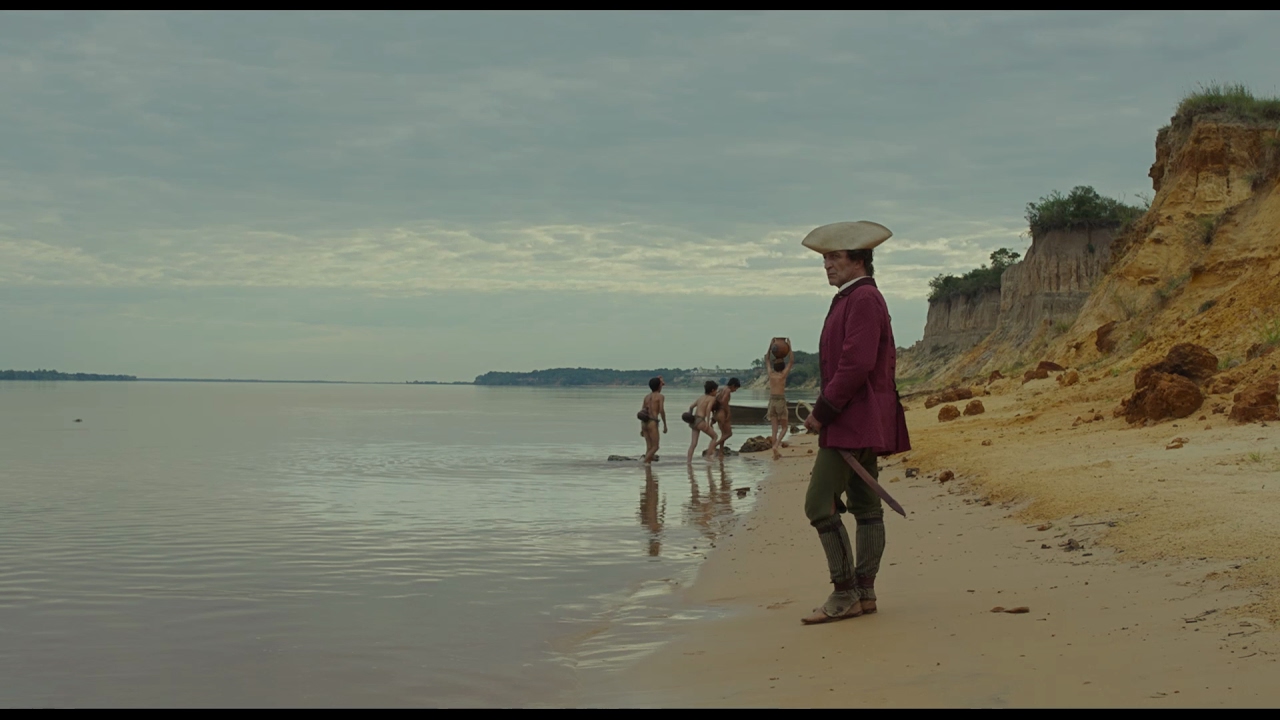
Lucrecia Martel ZamaThe occasion is technically the release of Zama (BAMPFA’s sold-out screening is tonight, 4/22, with Martel in attendance). It’s her first film in a decade and one that, on paper at least, would seem to break with certain aesthetic throughlines that have defined her work to date. But perhaps there’s something more generally in the air that’s made the time right for a reemergence.
Don’t look for Martel to put too fine a point on it. Her aesthetic concerns have always laid at the intersection of the quotidian and mythic, seeming to bubble over from some other wellspring outside the frame, from half-remembered dreams, free-floating desires, and oppressive social relations. BAMPFA’s title for the series gets it right; Martel makes films about identities, but obliquely, and without faddish reference to any filmic universe but her own, and with a resolutely anti-patriarchal bent. She is in cinema, she told Filmmaker Magazine:

because of the influence of my grandmother, who told stories to me, and because of my parents, who told me films and stories. In the world of the cinema, I feel like an impostor. I belong to the ranks of family conversations, stories at siesta time, long telephone calls, etc.

Or again:

My love of storytelling comes from oral tradition, the stories from my grandmother and conversations with [my] mother. The world is full of discussions of condensation, drifts, misunderstanding, repetition. These are the materials I work with. My debt is to these women.

Women are indeed the protagonists in each of her films, though this is likely not exactly, or not only, what Martel means (and it’s also an area in which Zama at least superficially marks a departure). Bodies, their visibility and positions, take up the screen, and what is just off to the side structures the center.

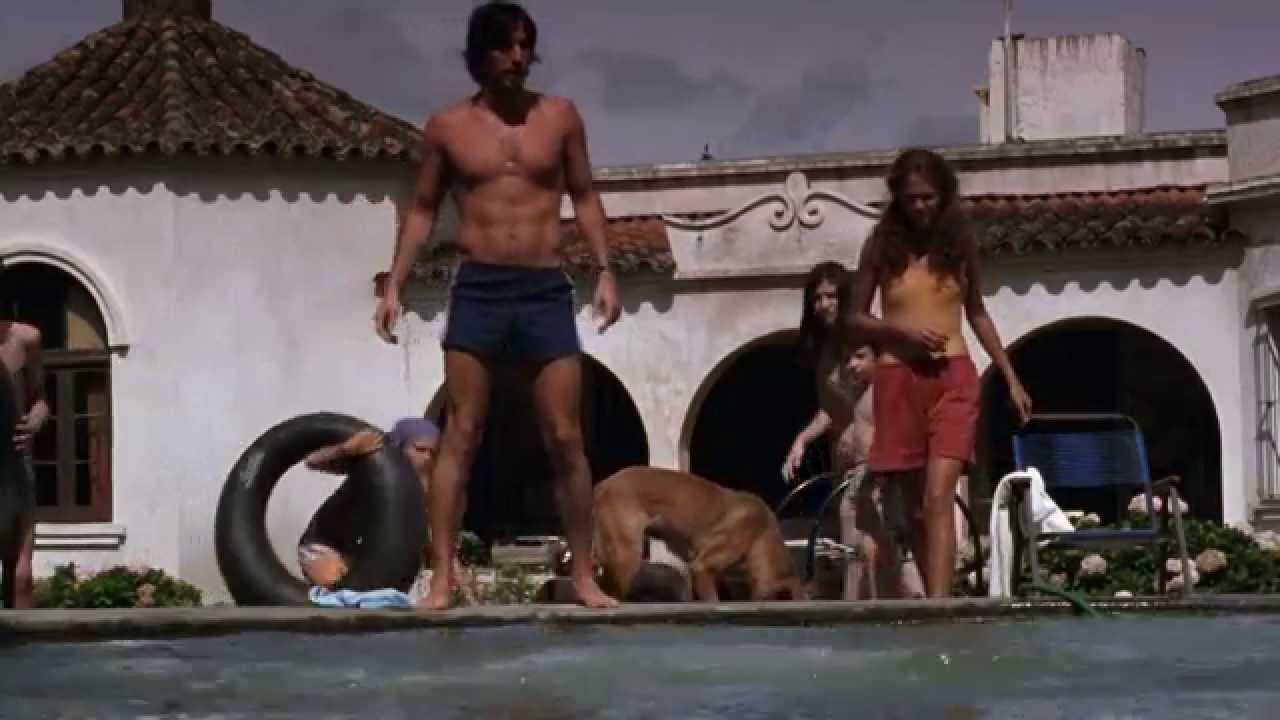
Lucrecia Martel La CienagaLa Ciénaga has a number of options amid its sprawling bourgeois tapestry of a cast, but there’s little doubt that the men mostly haunt the periphery, phantoms of dissolute or dubious influence, their taciturn bodies frequently subject to a female gaze in the sweltering heat, with the erotically frantic teenagers, in J. Hoberman’s apt turn of phrase, “hanging around like ripe fruit.”
In The Holy Girl (screening at BAMPFA on 5/5), Amalia is inappropriately touched in a crowd by a married doctor; the melodramatic trappings are subverted when she decides this is an opportunity to save him from sin.

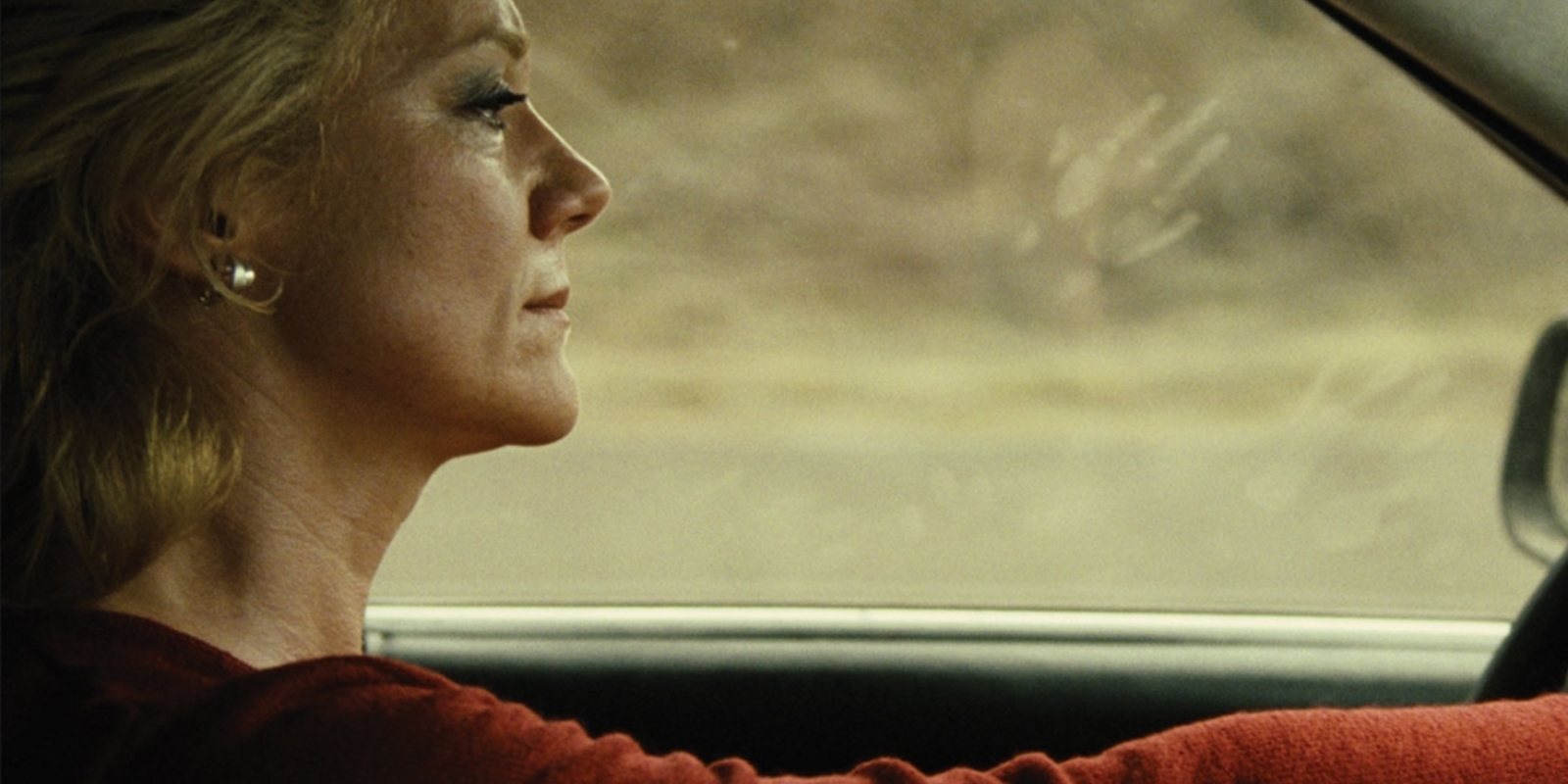
The Headless Woman (screening tonight at after Zama, and again on 5/10) is as much a nightmare of stasis as Martel’s debut — an accident on the road may have killed either a dog, an indigenous child, or no one at all, but the film takes on its protagonist’s mental fog so much that we can’t be sure. No one can. It’s a nightmare of lived forgetting, “[T]hat mechanism of oblivion,” in the director’s words, “of pretending that nothing has happened, [which] is, in its core, the most frequent horror of our society.”

The political content latent in that phrase is obvious, but it never feels so in the worlds Martel conjures with a Faulknerian attention to imaginative place. Criterion’s “3 Reasons” video sums up La Ciénaga: inherited decadence, simple desires, everyday dangers. True enough, as far as it goes, but it misses the near-comic, near-horrific element, a narrative circularity worthy of her countryman Borges, and a pervasive sense of confinement in worlds without end.

“No one can organize emotions along a linear timeline,” Martel told the Chronicle the other day. “Things happen simultaneously and without order.” The BAMPFA program has no choice but to organize these sounds and images all the same. Like the kids at the dam in La Ciénaga — alternately confronting and hiding in the spillway — we’d do well to stand in the flow of her work and, giddily, dangerously let it wash over us.

April 22, 2018 0 comments
0 FacebookTwitterPinterestEmail
CommentaryFilm

Fantasia and the Packaging of Classical Music

by Lark April 19, 2018
written by Lark

Laura Bohannan was preparing to leave to study the rituals of the Tiv people in West Africa when she got into a disagreement with a fellow Oxford professor, who claimed that Americans, not steeped in English culture, naturally misunderstand Hamlet. Bohannan, being an American, took umbrage, and in an attempt to prove that Shakespeare is naturally universal and accessible to anyone, she packed her copy of Hamlet with her to teach to the Tiv.

The result, which she described in her 1966 essay “Shakespeare in the Bush”, was, by her original standards, a failure. The Tiv refused to accept the supernatural aspects, and were baffled by the way authority worked: Horatio, they decided, should have gone to the elders instead of a young man like Hamlet.

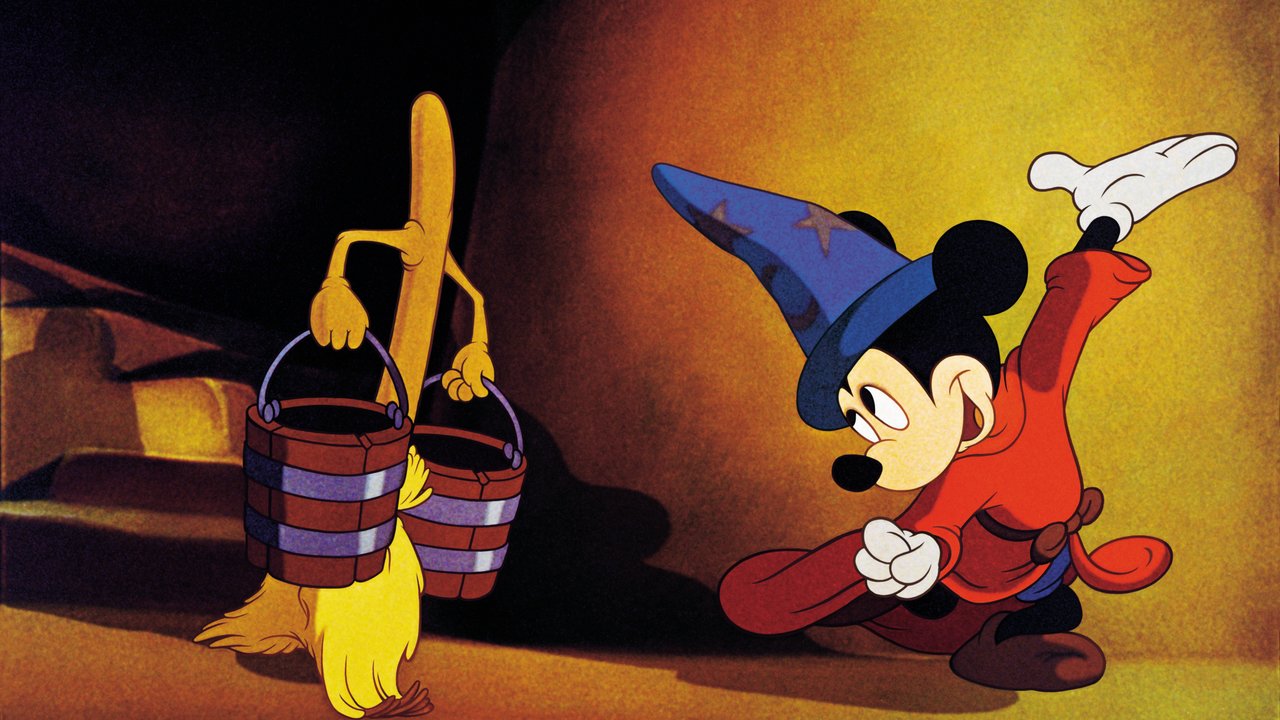
Deems Taylor FantasiaRe-watching Fantasia for the first time since childhood, I thought a lot about Bohannan’s piece. Deems Taylor, the narrator, presents Fantasia to the viewer as educational in his opening comments, but is the point here merely to “educate”? After all, to educate is to pass on a body of knowledge, something that could be done much more effectively by a series of lectures and full performances than by animated short films.

No, the goal of Fantasia is to excite the viewer, to grow within them a passion for classical music. But the question still stands: why? As someone who has loved classical music their whole life — someone who spent every other Saturday the last couple years of high school watching the Metropolitan Opera broadcast to their movie theater — it doesn’t matter to me one bit whether anyone else on Earth is interested in it.

I would suggest that the goal is not merely to spread the love of classical music from a disinterested, philanthropic perspective, but something closer to what Bohannan was attempting with Hamlet. Bohannan wanted to prove that Hamlet was universal, so she required something closer to “primal” humanity. If the Tiv can be taught to love Hamlet, the logic went, then anyone could.

The average viewer of Fantasia fills the role of the Tiv as something closer to “brute” humanity. If the average moviegoer can learn to like classical music, the logic goes, then anyone can. But what we get in the film is not quite classical music.

To start with, the entire mode of presentation focuses the attention to the motive. All motion corresponds to the motive, that thing you can leave the theater whistling. We lose almost all harmonic content and a ton of connective tissue, and are left with little more than a handful of scattered melodies.

I understand the appeal of using melodies this way: harmonic content is not always the easiest thing to learn to listen for. Moreover, focusing on motives makes it easier to prove the audience has been “educated”: they now can recognize the first movement Beethoven’s Sixth when they hear it, at least.

The animations themselves try to make the works in some way primal, too. Other than the opening Toccata and Fugue, every piece selected is program music — that is, it tells a story of its own. But other than Ponchielli’s Dance of the Hours, all of these pieces have been stripped of their original narrative and placed into primitive, natural settings: the centaurs and fairies of Beethoven’s Sixth, the fish and flowers of the Nutcracker Suite, the creation of the Earth in Rite of Spring. Even the famous Sorcerer’s Apprentice, placed in an ambiguously medieval setting, is introduced as a “very, very old story, going back millennia”.


There almost seems to be a divide between education and entertainment at play here. Education is inherently synchronic — that is, the goal is a body of knowledge that is solid and which pays no attention to time. It doesn’t matter in what order or how you learned something, whether you heard the Sixth before the Rite or the other way around.

Fantasia dinosaursBut entertainment is diachronic: the order of things does matter. It does matter whether we learn about modernism after Romanticism, or the other way around. As such Fantasia is stuck between two positions. We cultured elites must entertain the average moviegoer to get them to learn about classical music — we must introduce it to them on a reduced, primal level.

Once we have entranced them with the base, universally human message — the ancient world of magic, the simplest melodic fragments — they can climb the ladder to true knowledge and kick simple diachronic entertainment aside.

Fantasia, then, succeeds only to the extent that it fails. It succeeds as a wonderful work of animation that can seduce people into loving its music; it fails in that it is something we can return to and stay with, that we do not need to “develop past,” that works in ways the creators may not have wholly anticipated.

Pierre Bayard, in his fantastic book How to Talk About Books You Haven’t Read, points out that Bohannan’s Tiv audience managed to make a number of points about Hamlet that would in following decades become major points in academic analysis (in particular, that the ghost could be lying, and that Hamlet may not be correct about what is going on). There are generations of people for whom The Rite of Spring simply is about dinosaurs, about the creation of the world; perhaps someday those who love classical music “properly” will catch up with them.

April 19, 2018 0 comments
0 FacebookTwitterPinterestEmail
Maggie Mulubwa in Rungano Nyoni's I Am Not A Witch
FilmReviews

Ribbons, bodies, and colonialism in I Am Not A Witch

by rick April 18, 2018
written by rick

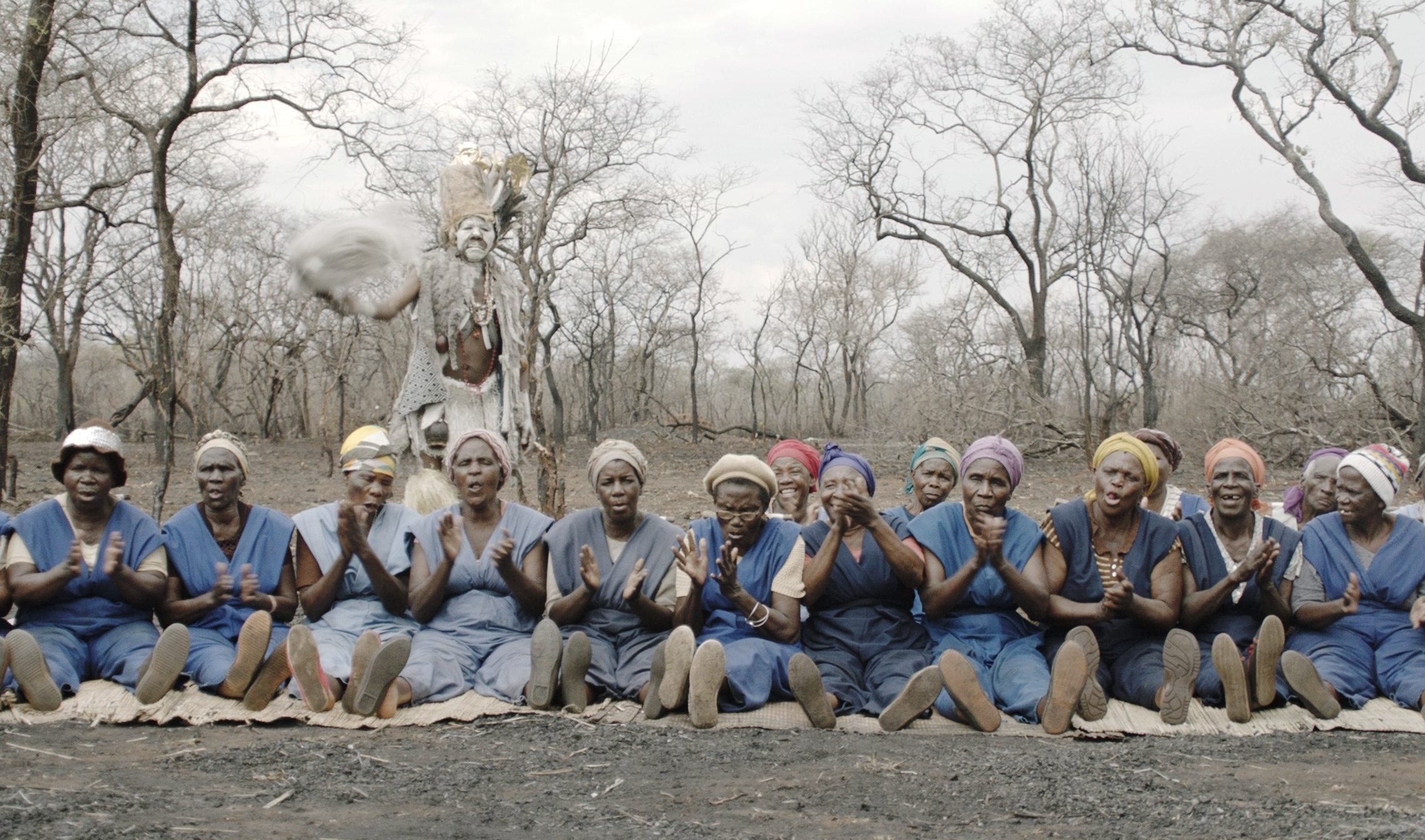
A group of older Zambian women — seated on the ground, penned in by a fence, faces painted and contorted into shrieks, bodies gesticulating wildly, long fluttering ribbons attached to their native dress like leashes — are photographed by smiling white tourists. A Godardian tracking shot slowly observes the human zoo; in our seats, we are the tourists. This indelible image kicks off Rungano Nyoni‘s I Am Not A Witch, a fierce, assured debut in English, Bemba, Nyanja, and Tonga that doesn’t always cohere in its individual moments but proceeds with striking dream logic and undeniable passion.

Older women in I Am Not A WitchI Am Not A Witch is full of these images, hauntingly captured by David Gallego with some of the same trancelike acuity he brought to 2015’s Embrace of the Serpent. The story itself is a heartbreaking simplicity; Wikipedia’s one-sentence summary — “In Zambia, an 8-years old girl is sent to a witches’ camp after a banal incident at her local village.” — is true enough. Nyoni’s aesthetic interests lie outside of plot, at the intersections of colonialism and gender, “primitive” and “modern,” observer and observed.

As the protagonist Shula, Maggie Mulubwa ably leads a cast of non-professionals, who cumulatively give I Am Not A Witch something of a verite feel. But, again, it’s something of a hyper-reality, more real than real, like a dream. People do not so much read their lines as state them, an effect Nyoni emphasizes with shots that linger too long and the occasional odd juxtaposition.

Maggie Mulubwa in I Am Not A WitchShula’s adventures can take her from a government-mandated outdoor school in a forest clearing to the set of a Zambian talk show, coming on after a hip-hop artist to sit silently while her overseer tries to normalized her presence and more urbanized Africans look with something like horror at her exploitation. All of the witches are attached to ribbons, which can be retracted by enormous, surreal spools when they are needed elsewhere.

In Caliban and the Witch, the pivotal text of sorcery, extermination, and capital, Silvia Federici wrote:

This process required the transformation of the body into a work-machine, and the subjugation of women to the reproduction of the work-force. Most of all, it required the destruction of the power of women which, in Europe as in America, was achieved through the extermination of the ‘witches.’

Ribbons and bodies in I Am Not A WitchNyoni’s magic realist satire inverts this: witches are born rather than exterminated in Shula’s Zambia of the mind, though their bodies are still rendered work-machines for late capitalism. An early comic scene in I Am Not A Witch finds a villager recounting his evidence for Shula’s sorcery in detail to the local policewoman — the girl appeared out of nowhere and lopped his arm off! — before abashedly adding that this happened in a dream. Still, the information is sent up the chain, from village rumor to police report to corrupt government official Mr. Banda (Henry B.J. Phiri), who farms out his fleet of witches to solve crimes and change the weather for tributes. The feared and despised Feminine is also a lucrative commodity.

Unevenness is built into I Am Not A Witch, so it’s problematic to fault Nyoni’s debut for jarring transitions and a slippery tone. In this sense, it reminded me of another inventive recent debut that juggled genre signifiers and thrived on surprise, Ana Lily Amirpour’s A Girl Walks Home Alone At Night. It’s hard to hold onto, but it’s also hard to forget.

April 18, 2018 0 comments
0 FacebookTwitterPinterestEmail
Rescue List
FilmReviews

Looking for the helpers in child slavery doc The Rescue List

by rick April 17, 2018
written by rick

Lake Volta, formed when the massive Akosombo Dam was completed in 1965, covers nearly 4% of Ghana. With a surface area over 3,000 square miles (that’s 13 Lake Meads!), it’s one of the biggest man-made lakes in the world and, as photographed in Alyssa Fedele and Zachary Fink‘s compelling documentary The Rescue List, surely one of the most beautiful. It’s also the site of rampant child slavery.

This dark subject is treated with a surprising matter-of-factness in The Rescue List, which is not to say it’s taken lightly. Avoiding the incendiary or reductive, Fedele and Fink examine the ways this immoral institution is interwoven with the fabric of everyday life for local villages. It’s an approach that mirrors the almost non-judgmental or at least deeply pragmatic attitude of Stephen Kwame Addo, a former child slave who spearheads an effort by an NGO called Challenging Heights to rescue as many of the kids as they can, stabilize and educate them, and reunite them, when possible, with caretakers who have their best interests in mind, filling a gap the Ghanian government is unable or unwilling to address itself.

Children at Challenging Heights in The Rescue ListThe focus is less the beatings suffered and deadly dangers faced by the children — mostly recounted in heartbreaking asides, all the more painful because of the youthful innocence and shrugs hiding unimaginable hurt — then the friendships that sustain them in horrific circumstances. Poetic and lavish images of sunsets on the water alternate with memories of brutality and with the story of 17-year-old Peter, awaiting the removal from bondage of his missing friend. We also trail Kwame, verite-style, on rescue missions by boat across the vast expanse.

This approach has plenty of merits, some of them curious; for one thing, The Rescue List is a child slavery movie suitable for children, which has to be something of a boon for educators looking to address the issue. Its emphasis on the org’s pragmatism — scenes of Kwame patiently waiting, talking the situations over with village elders, holding off as long as possible on threats of police intervention to allow the village to do the right thing — are culturally specific and fascinating. Kwame is eternally patient, though you can see the outrage of a former child slave animating his passion.

But he plays by the local rules, appeals to better angels, and seems to understand the position some of these others are in — from a certain vantage point, he is simply disrupting their workforce. After all, few of the children seem to have been taken by force; their families sold their labor, fair and square. They’re housed and fed, which may or may not be better than the situations they knew before. All of this is heinous, but it’s not any harder to understand, in and of itself, than other objectionable capitalist arrangements. The point, from where Kwame and The Rescue List are sitting, is to get the kids back, and Challenging Heights has decided the best way to do so is to allow village elders to feel they’ve elected to do the right thing.

Kwame on prow in The Rescue ListBut there’s a structural limit to the film’s perspective. For one thing, it would’ve helped The Rescue List, and our understanding of the situation, to spend more time with the parents. We get a bare sense of why they would do it — poverty — but never get to delve deep into psychological or social ramifications in home villages (with small exception at end). We are talking about selling your own children here; the film’s otherwise admirable matter-of-factness obscures the gravity of this act. Fedele and Fink also opt to steer clear of any real examination of the government’s role, or the mining companies that created the conditions for slavery to flourish, or the colonialism that created the condition for the mining companies. We are routinely submerged, in media res, and experience first-hand what it’s like to confront these injustices, but we never get a full grasp on how or why they came to be.

Still, there’s enough to recommend The Rescue List on its own terms, and the quiet, committed heroics of Kwame and his crew speak for themselves. Fred Rogers, the focus of several other recent documentaries, urged us to “look for the helpers” in even the most dire situations. The Rescue List ably finds some of them, patiently crossing names off the ledger, hidden in shadows alongside one of the most picaresque lakes in the world.

April 17, 2018 0 comments
1 FacebookTwitterPinterestEmail
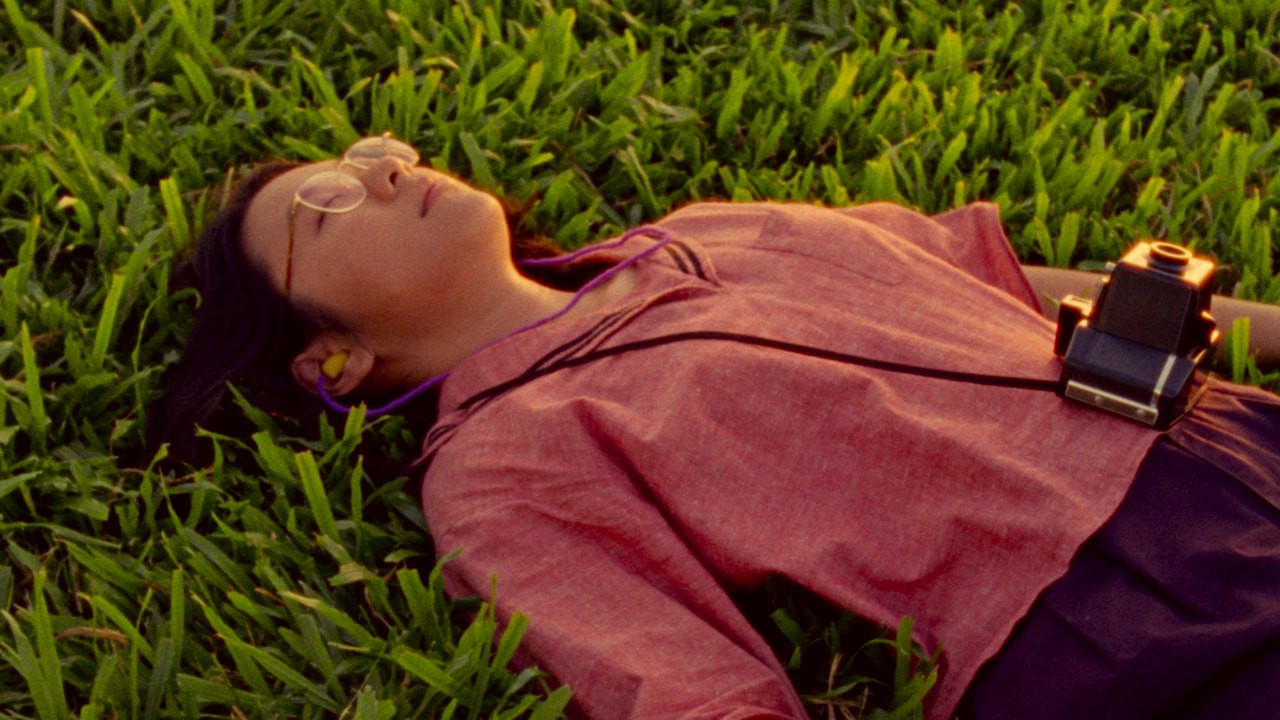
Sandi Tan is Shirkers footage on grass
FilmReviews

The Delightful Shirkers Builds Something Out of Nothing

by rick April 16, 2018
written by rick

We are familiar with the “making-of” documentary, but Sandi Tan‘s Shirkers turns it inside out. This is a “losing-of” documentary — a relentlessly charming love letter to indie cinema and its irrepressible DIY spirit, but also a confounding psychological mystery that asks, “How do you represent a film that exists almost entirely in memory?”

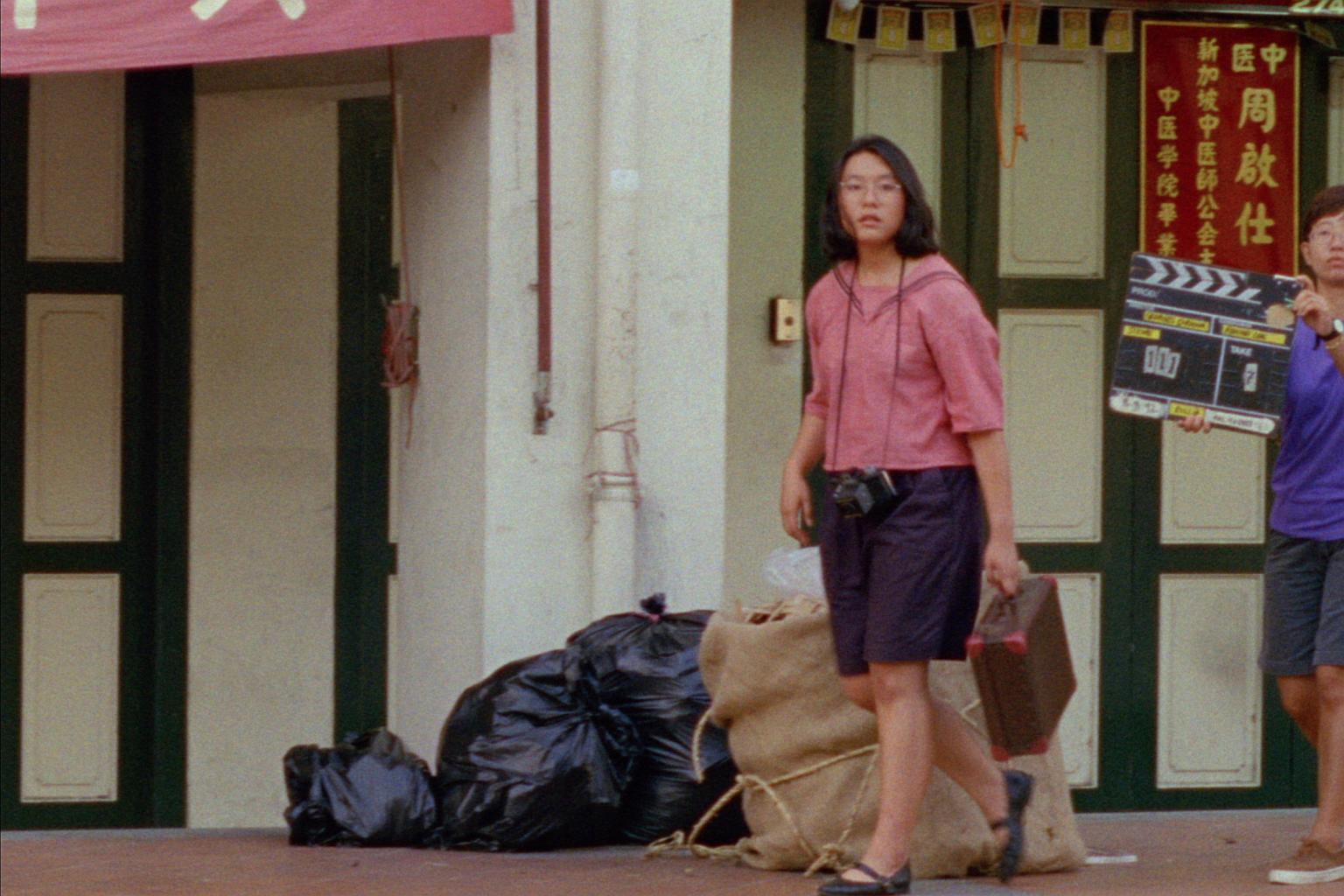
The film in question was meant to be titled, like its decades-later doppelganger, Shirkers. A metaphysical ghost story / revenge narrative / road movie written by and starring Tan, and filmed in an early 90s Singapore that wasn’t exactly a haven of filmmaking, independent or otherwise, Shirkers was not so much “lost” as “absconded with.”

Cleopatra Wong, Singapore cinema in ShirkersFor a variety of reasons, Singapore has not historically been known for its cinema, certainly not its home-grown productions. With the notable exception of They Call Her Cleopatra Wong, a 1978 martial arts / distaff superspy flick self-consciously reworking the Blaxploitation of Cleopatra Jones for local audiences, there are very few touchstones after the industry declined post-Independence in 1965. (Wikipedia’s “List of Singapore films by year,” for example, collapses the 1920s – 1990s into a single category.) Shirkers might’ve changed that, or at least marked an early explosion of rebellious energy, had the reels not been stolen by a sinister, charismatic international man of mystery named George Cardona. Cardona — who represented himself as a filmmaking mentor and well-connected old hand, and even dubiously bragged that he’d been the model for James Spader‘s character in sex, lies, and videotape — was Shirkers‘ erstwhile director. He zealously coached a group of Jarmusch-and-Varda-loving teenagers into making their road movie passion project, and then vanished with the footage, like a total, absolute weirdo.
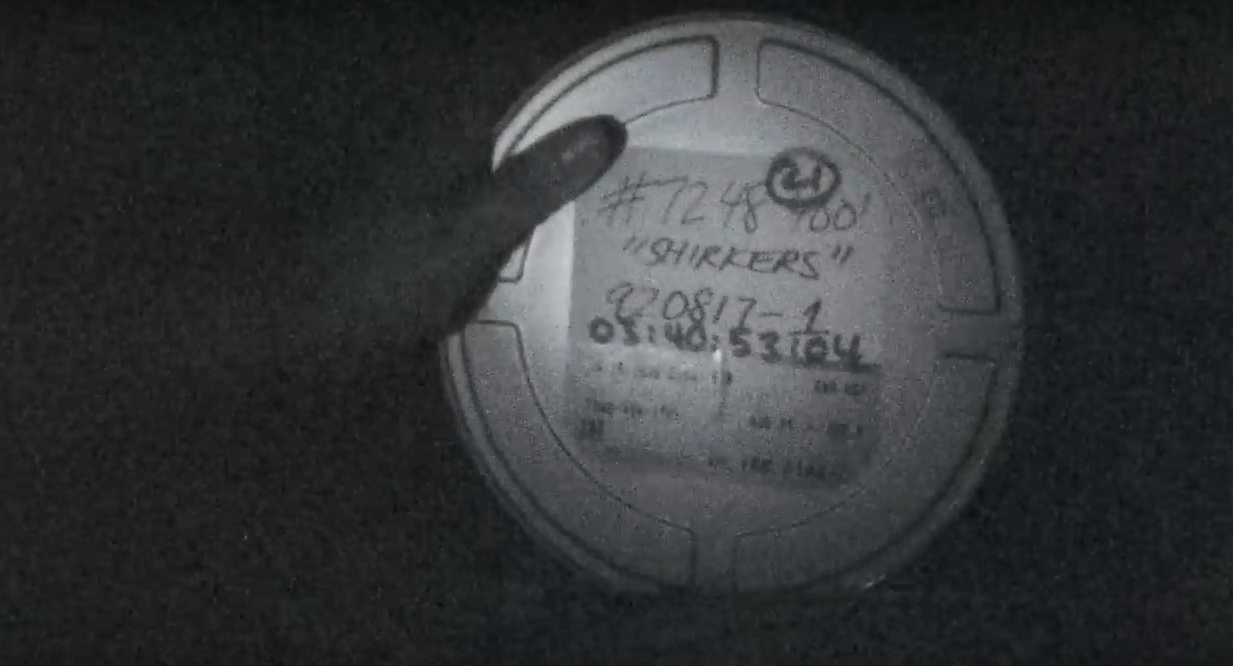
Shirkers film reelTan’s documentary is an evocation of the time, place, and people involved in this oddball story, and also something of a necromancy. After Cardona’s death decades later, his widow gets in touch; Shirkers lives! The complete reels of film, minus the sound, had been kept and preserved over the years, transported obsessively between the houses and countries where Cardona had lived in the interim, along with an alarmingly meticulous collection of Shirkers ephemera. He’d somehow appointed himself sole curator of the world’s most bizarre personal archive, like a mythological creature hoarding other people’s memories.
Why would he do this? Shirkers, and Tan, try on some answers for size — To sabotage success he could never obtain personally, a pattern other Cardona acquaintances recognize? To wield some kind of fetish power? Did he envision editing and releasing the film himself? — but nothing really fits. Cardona’s motivations remain as absent as the location recordings he pointedly trashed. The whole situation has a strong sense of abuse — the age and power differences; recollections of his increasingly controlling, occasionally outright suspicious behavior during production; sending, as his final gesture of post-Shirkers contact, dummy videotapes full of snow in lieu of the footage, like a serial killer without the killing or a bizarro James Spader — and Tan seems to feel that something, an innocence or trust, was indeed stolen along with her movie.

Sandi Tan in ShirkersWe are left with a triple absence, in the form of a movie that never was and a man it is nearly possible to situate in a country that has changed dramatically since Tan’s cameras captured its storefronts and countrysides. Shirkers, the documentary, is not simply Cardona’s story, as creepily compelling as it is. It’s also the road movie — its unspooling, indeterminate structure emphasized with experimental manipulations and complex textures in the sound design — that Tan never got to release, an excavation of memory and an occasion for reunion. Her Shirkers compatriots Jasmine Ng (with whom Tan endearingly pledged to form “the Coen Sisters” back in the day) and Sophia Siddique are on hand to give their takes, which range from lingering bewilderment to bemused grievance; the two are, respectively, a filmmaker/activist and the chair of Film Studies at Vassar. Their Shirkers is a flickering, cinematic bond between the three, made of fugitive stills.

It’s tempting to clamor for the reconstruction and “re-release” of Shirkers, the enigmatic road movie, now a silent (or, as Tan puts it, “rendered mute.”) What we see of the footage is intriguing: it could be lyrical, post-punk outsider art, wearing its color-saturated heart on an absurdist early-90s Singapore sleeve. The Tan who comes across in the documentary seems unlikely to make that film now, though. Her interrogation of Shirkers and its ghosts is more interesting anyway. It is Shirkers, and we’re lucky to have it.

April 16, 2018 0 comments
0 FacebookTwitterPinterestEmail
Newer Posts
Older Posts

About

About

Towards a provisional theory of the cinema, or, failing that, just some shit about movies

Authors
Rick Kelley
Lark Lundberg

Keep in touch

Facebook Twitter

Categories

  • Conversation
  • Film
  • Film By Film
  • Great Movie Project
  • Great Movies: The Counter Programming
  • Guest
  • News
  • Other
    • Commentary
    • Film
    • Interview
    • Reviews
    • Song for a Sunday
  • Streaming Selections
  • TV
  • Uncategorized
  • Vegan Horror

Archives

  • April 2019
  • March 2019
  • January 2019
  • December 2018
  • November 2018
  • October 2018
  • September 2018
  • August 2018
  • July 2018
  • June 2018
  • May 2018
  • April 2018
  • March 2018
  • February 2018
  • January 2018
  • December 2017
  • November 2017
  • October 2017
  • September 2017
  • August 2017
  • July 2017
  • June 2017
  • May 2017
  • April 2017
  • March 2017
  • February 2017
  • January 2017
  • December 2016
  • November 2016
  • October 2016
  • September 2016
  • August 2016
  • July 2016
  • June 2016
  • May 2016
  • April 2016
  • March 2016
  • February 2016
  • January 2016
  • December 2015
  • October 2015
  • September 2015
  • August 2015
  • July 2015
  • June 2015
  • May 2015
  • April 2015
  • March 2015
  • February 2015
  • January 2015
  • December 2014
  • November 2014
  • October 2014
  • August 2009
  • September 2008

Recent Posts

  • China Girls, Death Proof, and the Hidden Face
  • Old News: Old Noise Edition
  • Old News: April 1, 2019
  • Nicolas Winding Refn, Marginalia, and the Deaths of Cinema
  • And now, let us praise Kanopy

Recent Comments

  • Franklin Kat on Michael Shannon shines again in Frank & Lola
  • Sean Tempesta on Cinema and dream-logic in Meshes of the Afternoon
  • ludditerobot on The Left-Wing Slapstick and Iconic Songs of 1937’s Street Angel
  • Franklin Kat on The Left-Wing Slapstick and Iconic Songs of 1937’s Street Angel
  • Arijit Mukherjee on Great Movies Project: The Counter-Programming
  • Facebook
  • Twitter

@2021 - All Right Reserved. Designed and Developed by PenciDesign


Back To Top
Luddite Robot
  • Reviews
  • Commentary
  • Great Movie Project
    • Great Movie Project
      Bride of Frankenstein is a movie for and…

      January 25, 2018

      Great Movie Project
      The Enduring Appeal of Nick and Nora in…

      November 29, 2017

      Great Movie Project
      The Ahistorical Fever Dream of The Scarlet Empress

      August 2, 2017

      Great Movie Project
      Dreams, Mundanity, and the Anarchist Yearnings of L’Atalante

      July 12, 2017

      Great Movie Project
      Duck Soup Is And Will Always Be A…

      April 19, 2017

  • Counter Programming
    • Great Movies: The Counter Programming
      Walking and Talking in the Shadow of Kanchenjungha

      March 7, 2018

      Great Movies: The Counter Programming
      A Brief Encounter in My Mother and Her…

      February 9, 2018

      Great Movies: The Counter Programming
      Horror’s Refusal in Farrokhzad’s The House Is Black

      October 13, 2017

      Great Movies: The Counter Programming
      The rage and beauty of The Cloud-Capped Star

      October 3, 2017

      Great Movies: The Counter Programming
      The daylight noir and social issue empathy of…

      June 22, 2017

  • Vegan Horror
    • Vegan Horror
      Julia Ducournau doesn’t think her film Raw is…

      June 7, 2017

      Vegan Horror
      Licking our wounds: The vampiric masculinity of Ravenous

      December 13, 2016

      Vegan Horror
      Eggertsson and animals: An approach to horror cinema

      September 15, 2016

      Vegan Horror
      “It’s Not My Nature” – Vegetarianism, Body Horror,…

      August 30, 2016

      Vegan Horror
      Bodies and Carcasses in Predator 2

      August 23, 2016

  • Interview
    • Interview
      Jasmine Leyva’s doc The Invisible Vegan aims to…

      May 3, 2017

      Interview
      Bridging The Abyss: An Interview With The Directors…

      November 28, 2016

      Interview
      7 Days in Ohio: An Interview with Nathan…

      September 12, 2016

      Interview
      Film Critic Phil Dy talks New Filipino Cinema

      June 17, 2016

      Interview
      “I Love Seeing Film Projected.” A Conversation with…

      March 22, 2016