
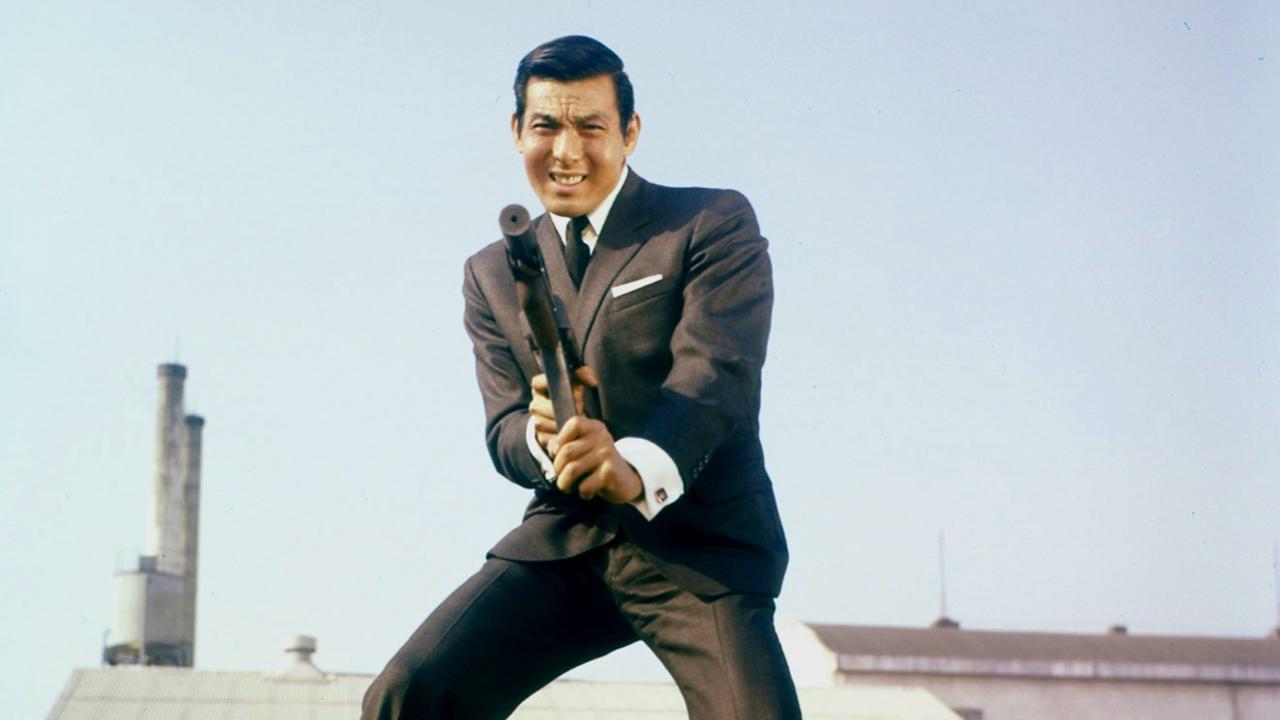
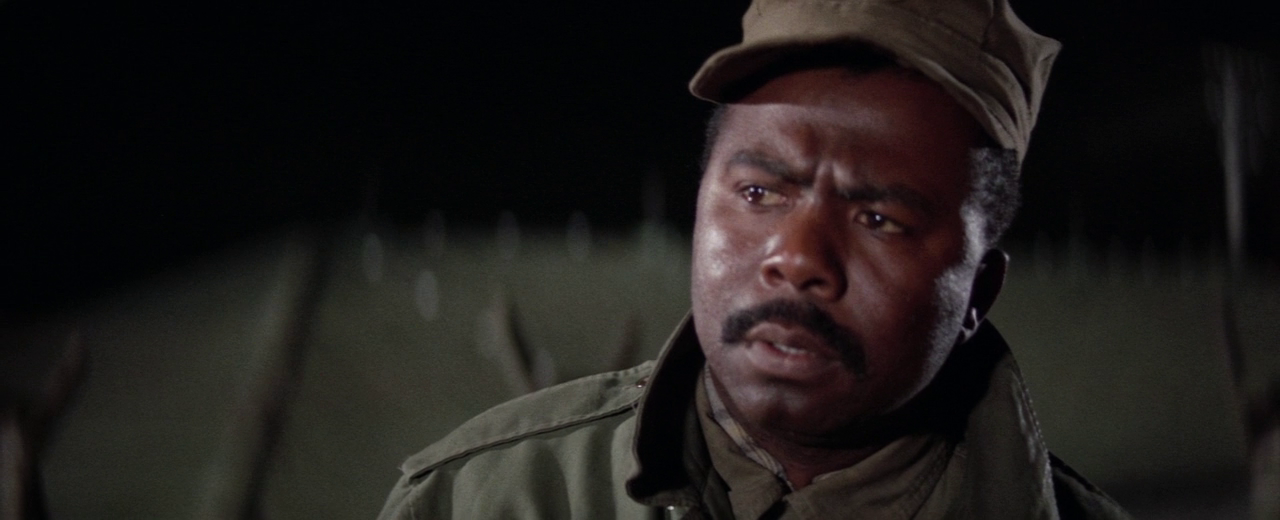
“We aren’t in some American TV show. We don’t need any private detectives,” a policeman tells Joe Shishido (the chipmunk-cheeked tough guy from Branded to Kill and A Colt Is My Passport) early in Detective Bureau 2-3: Go to Hell, Bastards! He’s not quite right: they are actually in a Japanese movie, but one almost perfectly modeled on American TV.
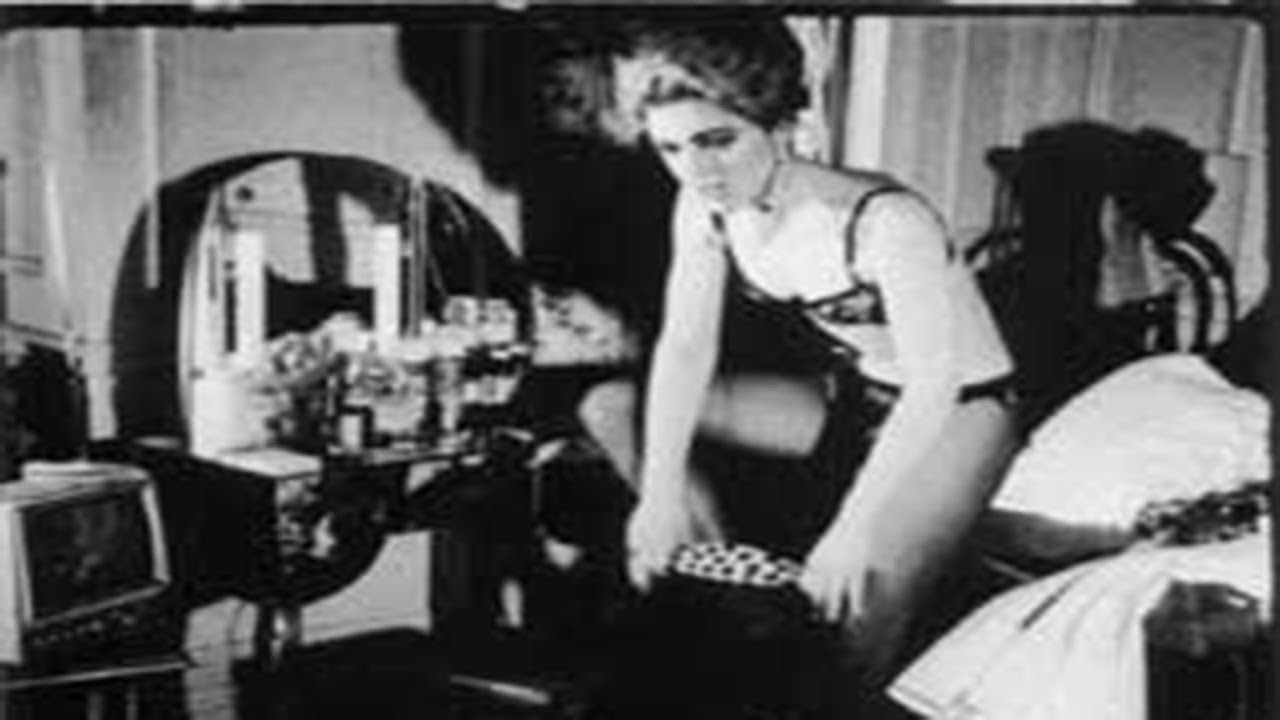
Here there are very few of the traits that would characterize Seijun Suzuki’s late career insanity and that would get him fired from Nikkatsu. Like Dorothy Vallens’ apartment in Blue Velvet, there’s only one place in the film lit with Suzuki’s to-be-iconic color washes; instead, most of the style comes from the ludicrously elaborate suits everyone is required to wear.
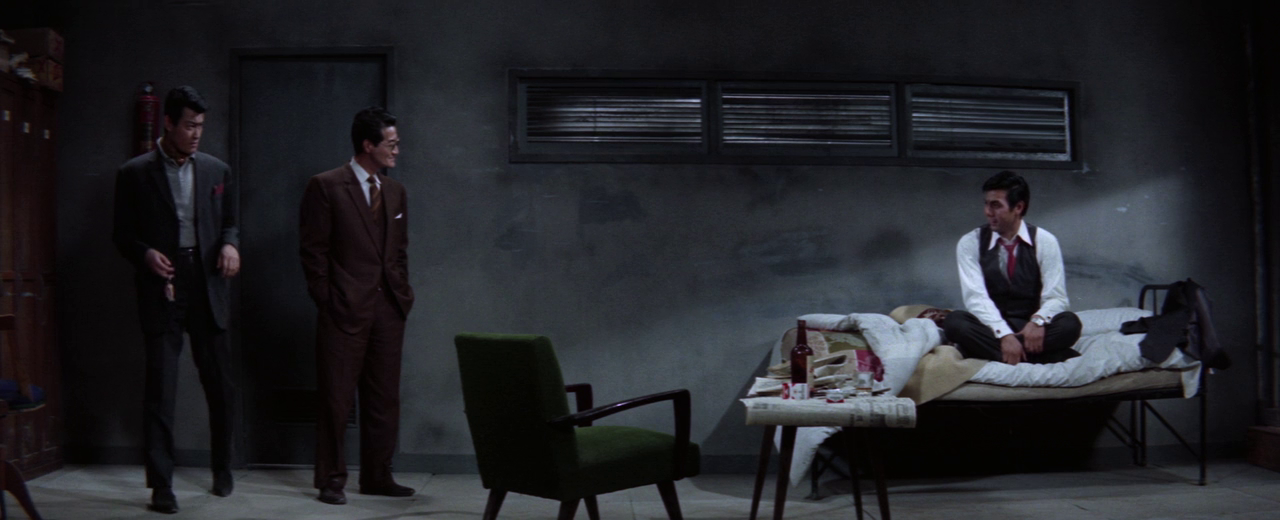 At its core, this is a Red Harvest-style “get hired by one gang and play them against another gang to destroy them both” plot. Ironically, Suzuki would release another version of the same plot, Youth of the Beast, in the same year (1963).
But where Youth is a grim story of revenge, Go to Hell is lighthearted series-fodder. We are no more surprised when Joe Shishido makes it through to the end OK than when Joe Friday does. The extended cast is a little too big and too well-fleshed out not to themselves feel like they are borrowed from a longer, more established series (especially his expert-in-blackmail assistant, who is for me a style icon).
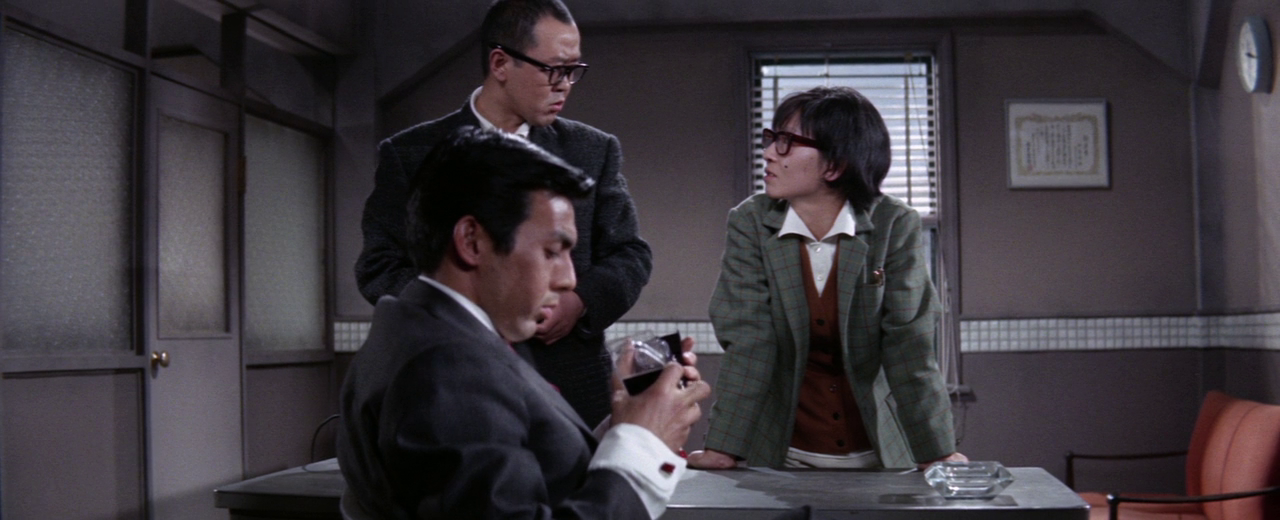
What we end up with is not necessarily what people might expect from the legend of Suzuki. The plot is coherent and the action easily followed; there is a traditional love story involving a gangster’s moll that ends with her going straight and driving off with Joe into the sunset (for vacation, of course – he has to be back for the sequel).
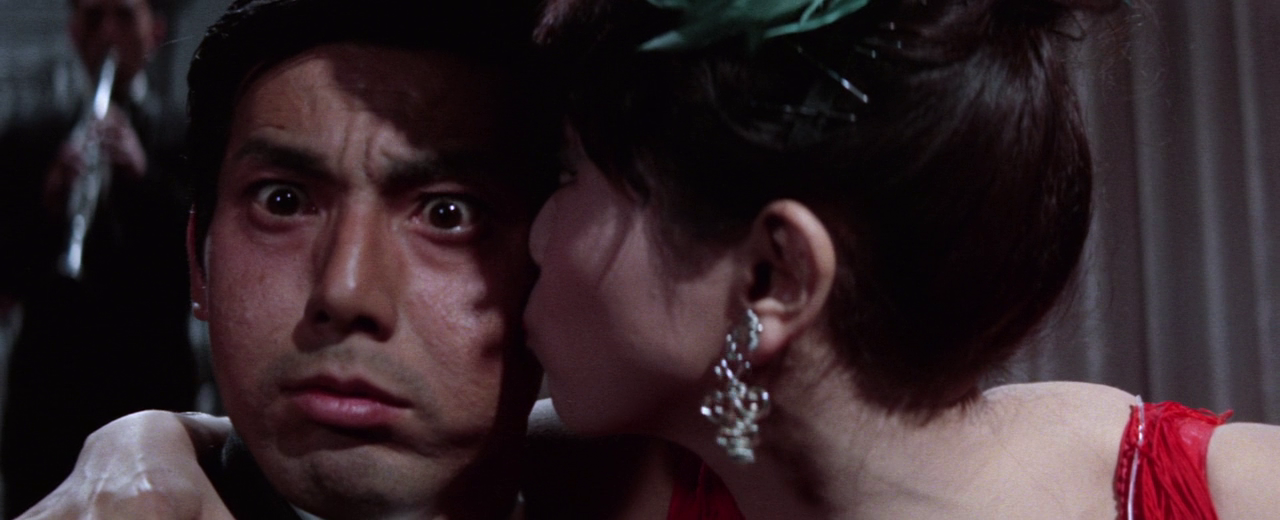
But on top of being tremendously fun on its own, Go to Hell reveals how much more Suzuki is than just a shocking weirdo who made a couple weird movies and one very weird one (if you haven’t seen Branded to Kill, you’re in for a ride). He was much cleverer than that, taking American influences and taking them to their furthest possible point in the way only a non-native speaker of a genre-language can.

 And it’s understandable. If you want to do a film, you have to cut a lot out; as in much of Chekhov, there are a lot of speeches that aren’t quite monologues, but do just go on in a way a film can’t. If you’re going to strip The Seagull down to — well, maybe not the bone, but down to the muscle, at least, you have to stick to the main story of the thing: Treplyov trying to be a writer, his “muse” Nina leaving him to go off with Trigorin, Trigorin abandoning her and her failure to be a superstar actress.
 It all helps that the cast is fantastic. In a more traditional adaptation,

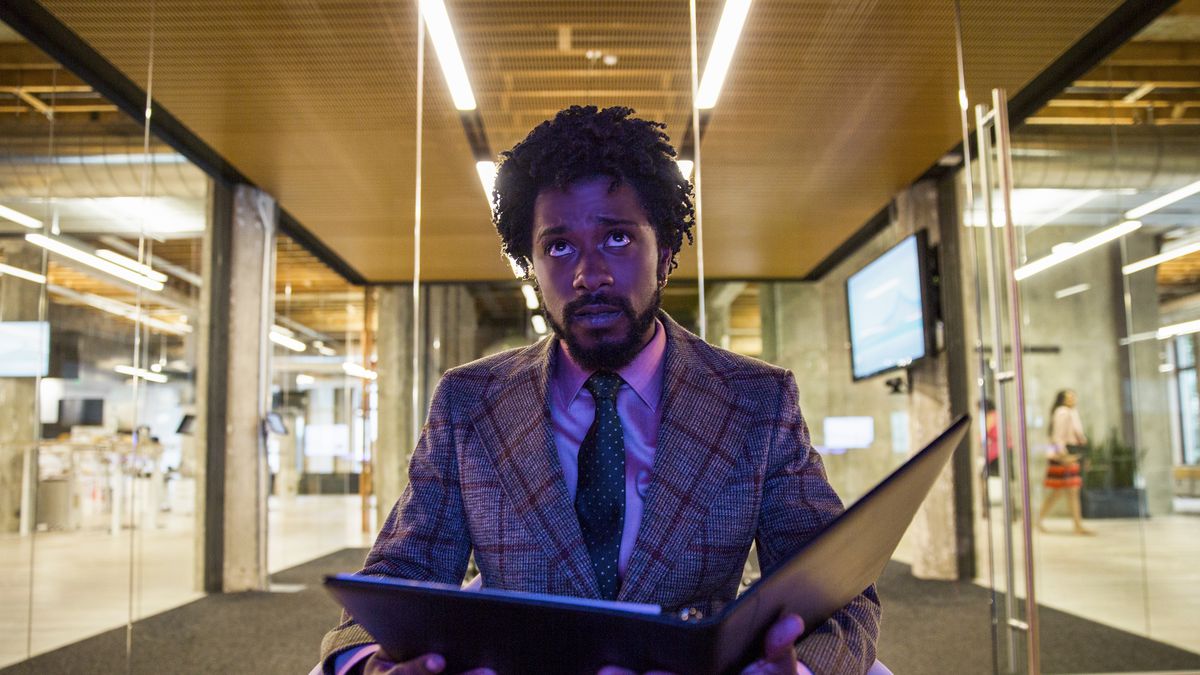 Cassius’ early failures to make a sale are some of Sorry To Bother You‘s funniest bits, as Riley plops his protagonist and his desk down, as if by magic, in the living rooms of his would-be marks. No one is having it, or even staying on the line, until a fellow worker (
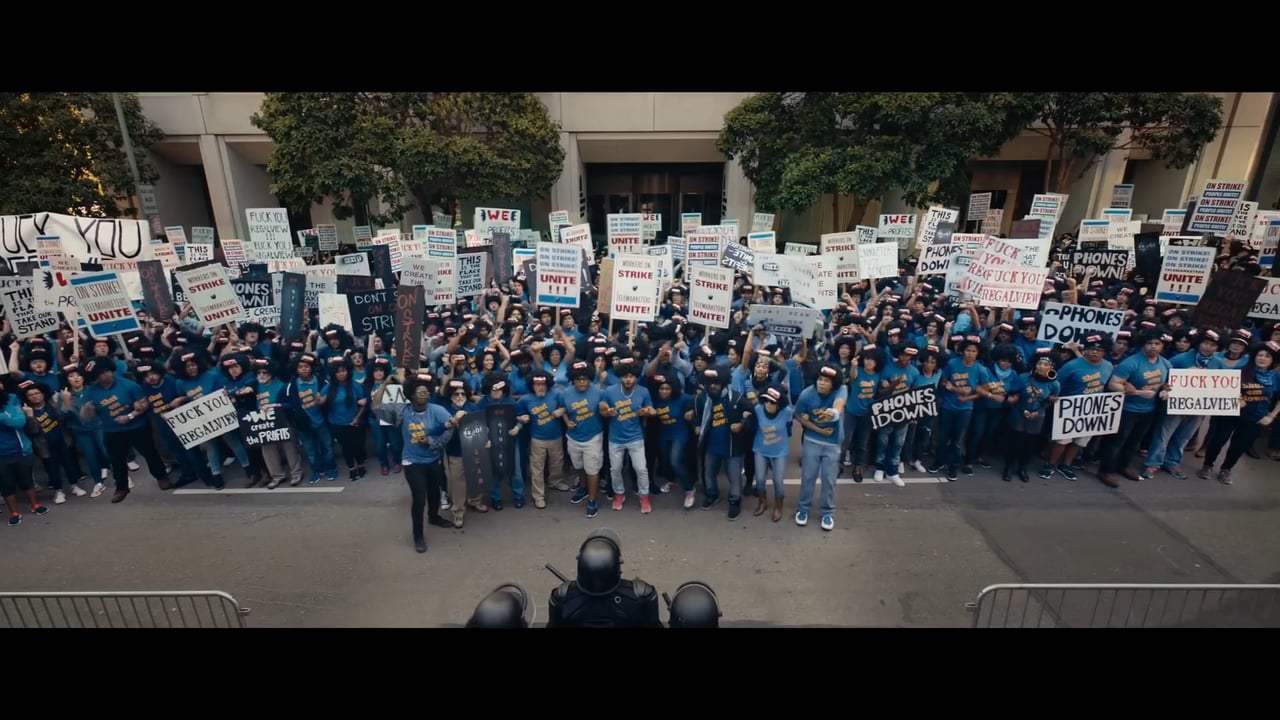 The film’s final pedagogical thrust emphasizes the importance of collective action rather than attempting to beat the bastards at their own game; even the most damaging revelations Cassius presents to the public are quickly recuperated by capital. The revolution still will not be televised. Here, Riley draws on some familiar images and sounds: the recent experiences of Occupy Oakland, in which he was something of a de facto public face, hang heavy over the film’s Oakland streets and scenes of pitched confrontation. There’s a rich engagement between screen and street throughout Sorry To Bother You: not just shoutouts to recognizable locales like the downtown buildings, The Layover where they get drinks, or the Grace Beauty Supply sign hanging over Broadway, across the street from where Thompson’s character stages her post-art performance, a block off from the 19th St. station, along a corridor through which we ran through tear gas late at night not very long ago.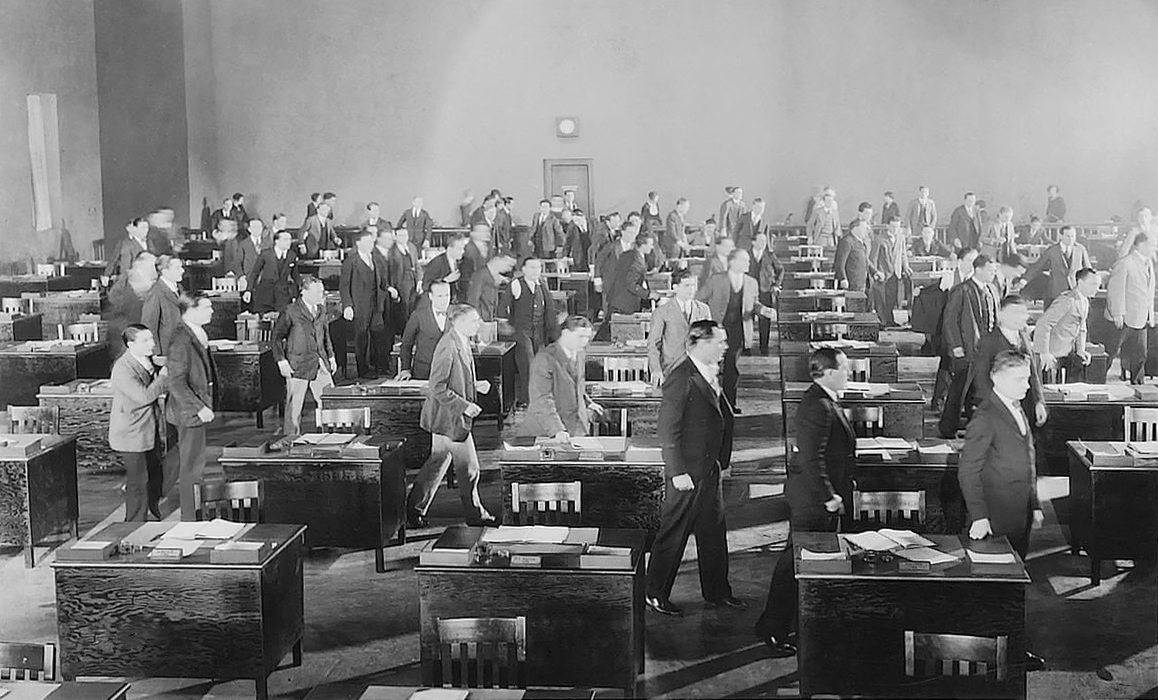
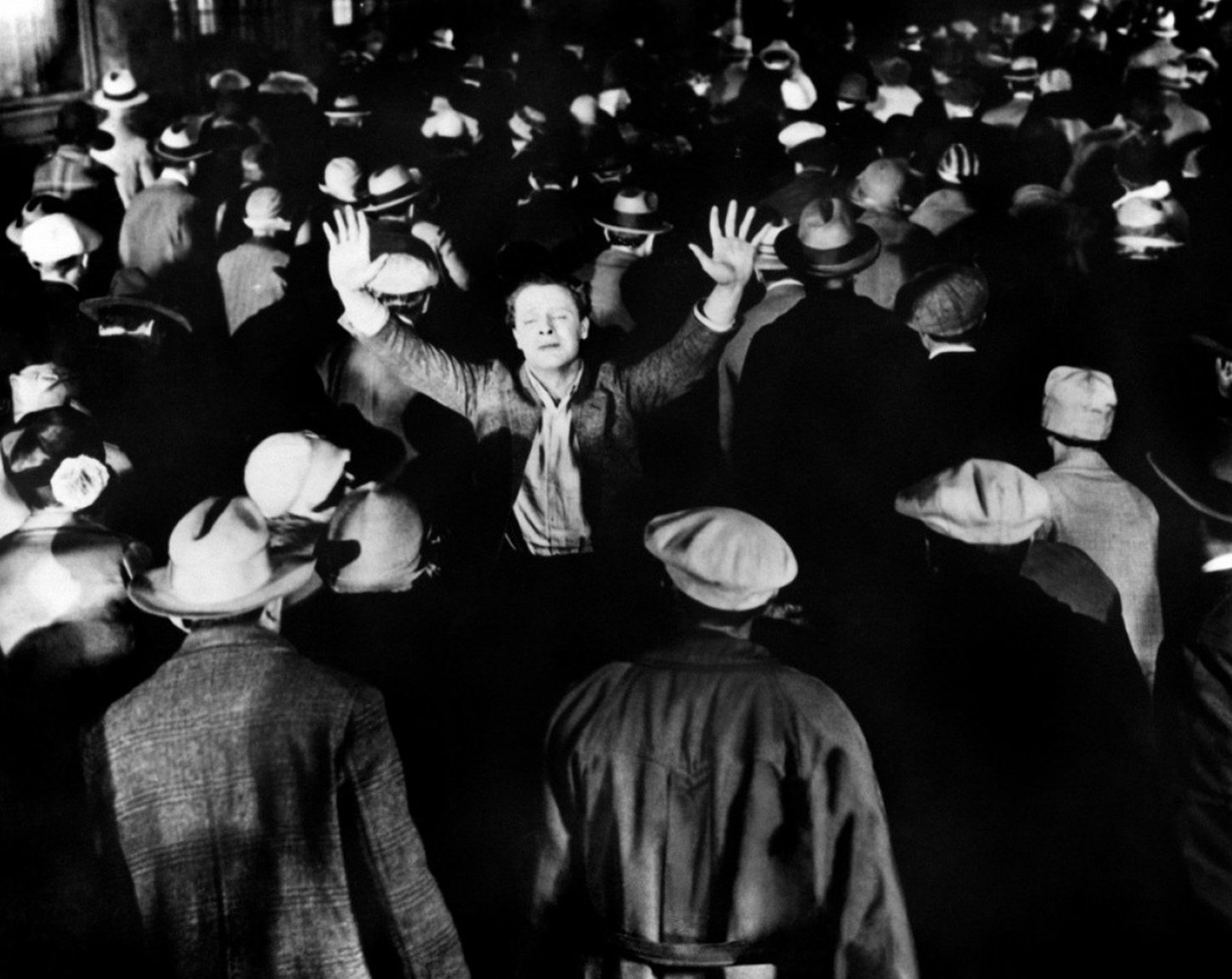 And that sense of a nuclear unit comes with us to the movie theater. We get upset if other people’s phones or talking interrupt our experience. A reminder that other people are in the theater with us is as irritating as a loud neighbor interrupting our Westworld time.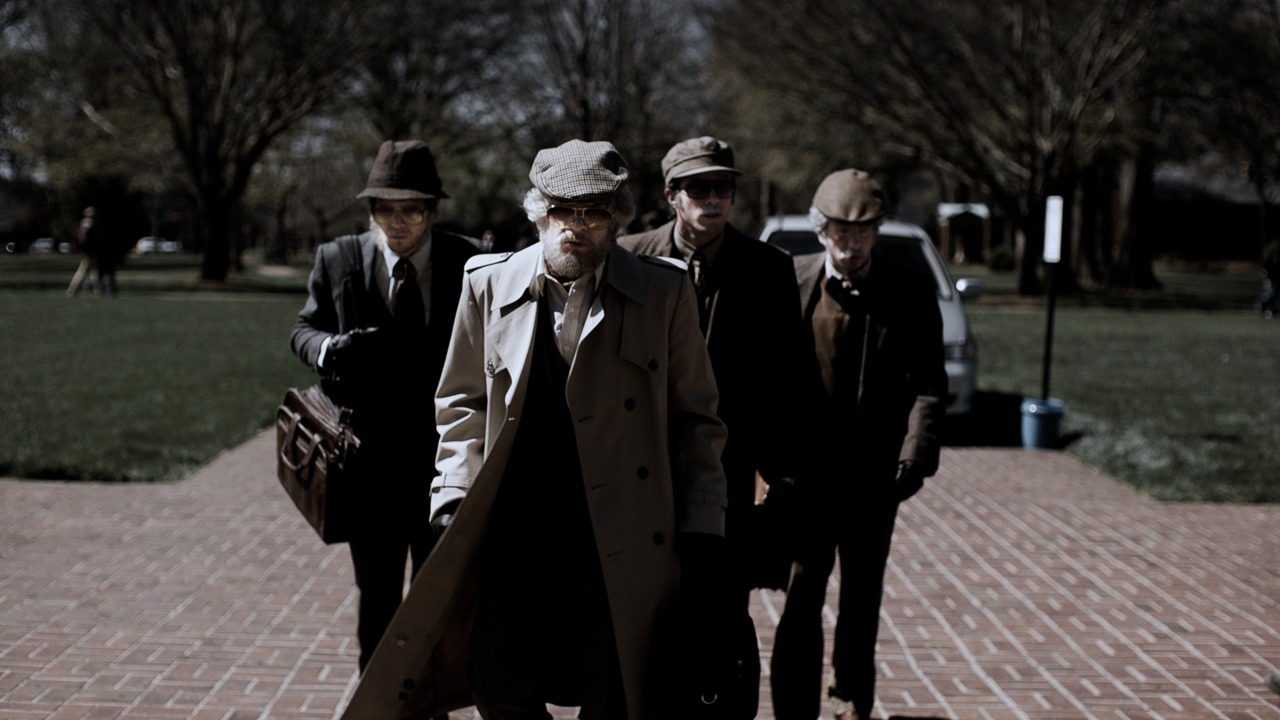
 American Animals is a sporadically clever but underwritten contribution to his trend. Its narrative –
 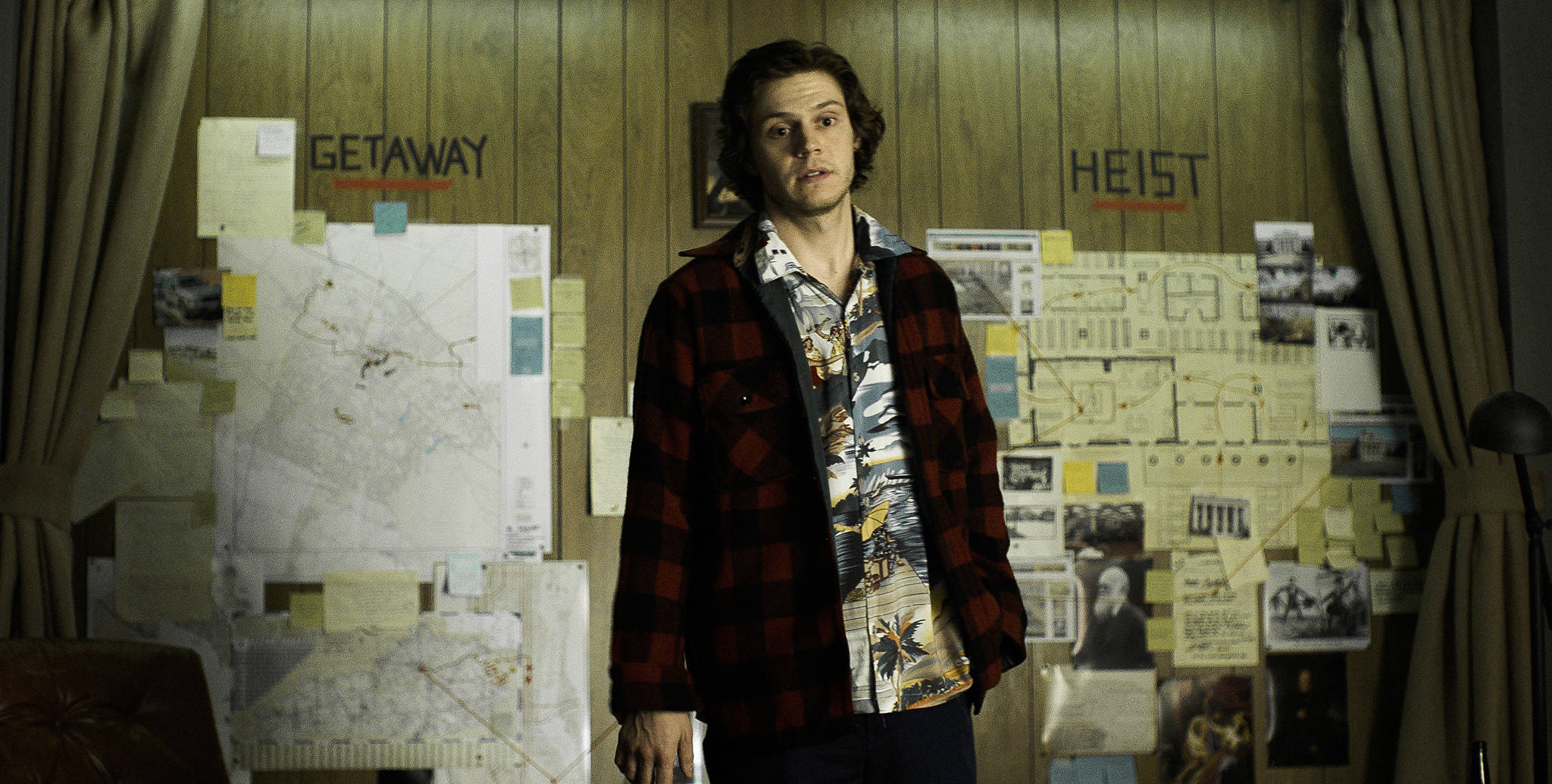 What American Animals does do very well is puncture the consequence-free fantasy of the heist movie. I can’t remember the last time a film placed so much emphasis on the person the robbers tie up as a matter of course, as part of their larger plan. We’re rarely encouraged to think of them except as the protagonists do; an obstacle to be removed, hopefully without much violence, and never considered again. We’re often encouraged to laugh at the hijinks: the pitiable, surprised exclamation, the bonk or bag over the head, the darkly comic struggle over the shoulder as they’re carried out of the story.

 The beating heart of Hearts Beat Loud is the father/daughter relationship between
  The problem with Westwood: Punk, Icon, Activist is all there in the over-stuffed title.
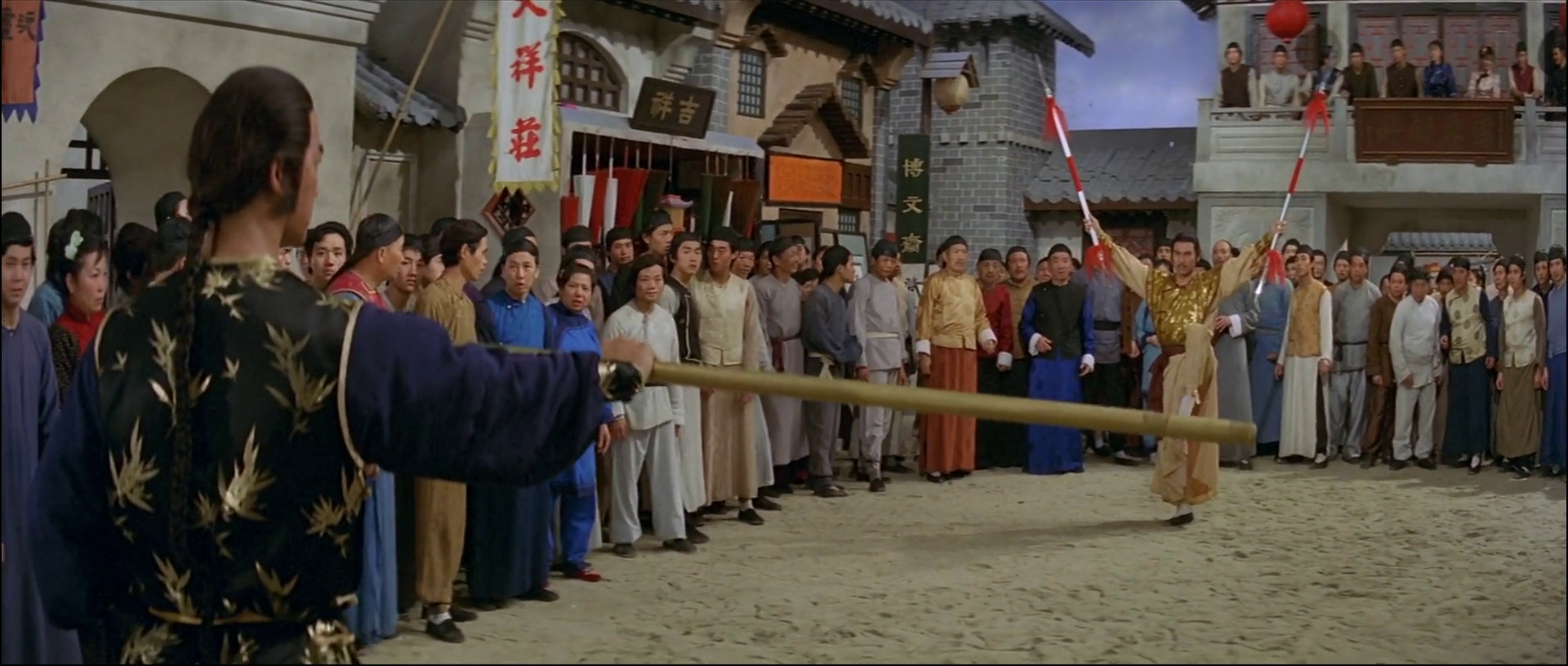 That’s why, I think, it is hard to find a lot of critical writing about the Shaw Brothers’
 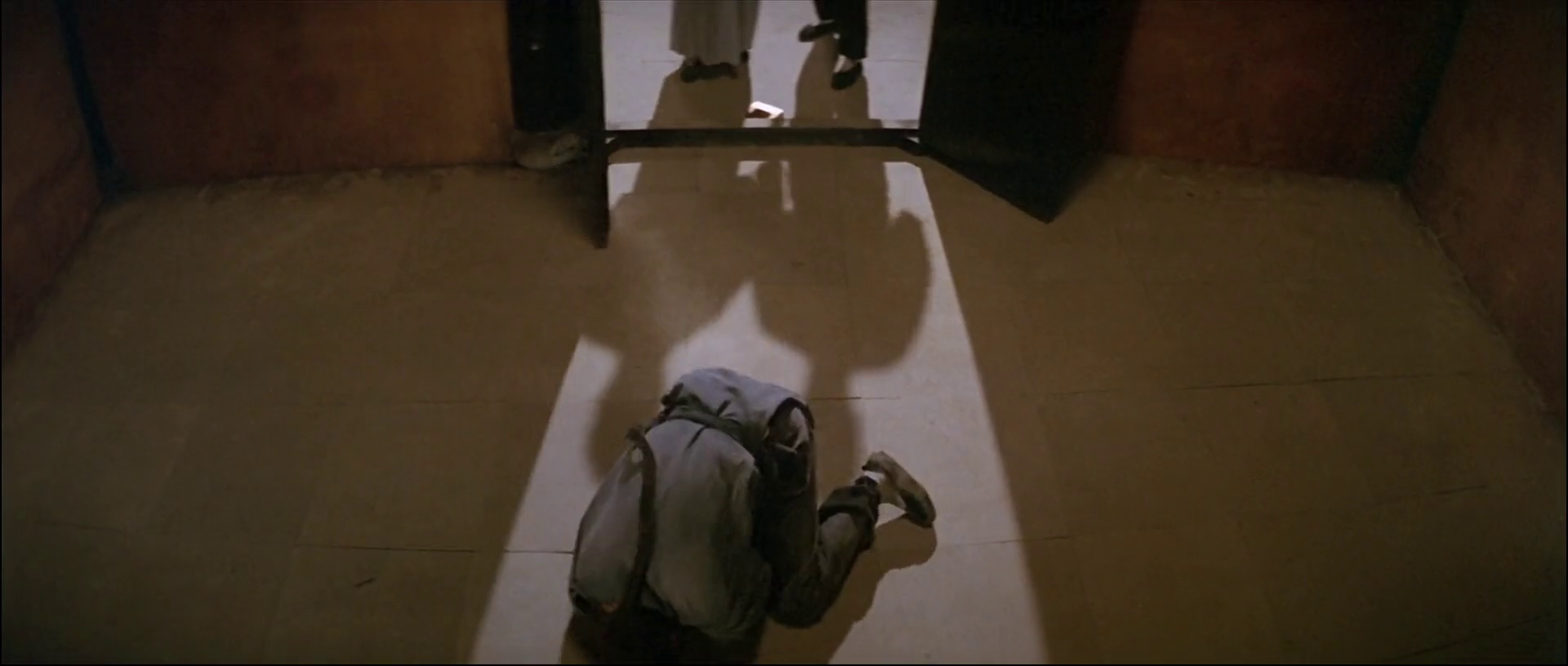 We meet our titular kung fu master (
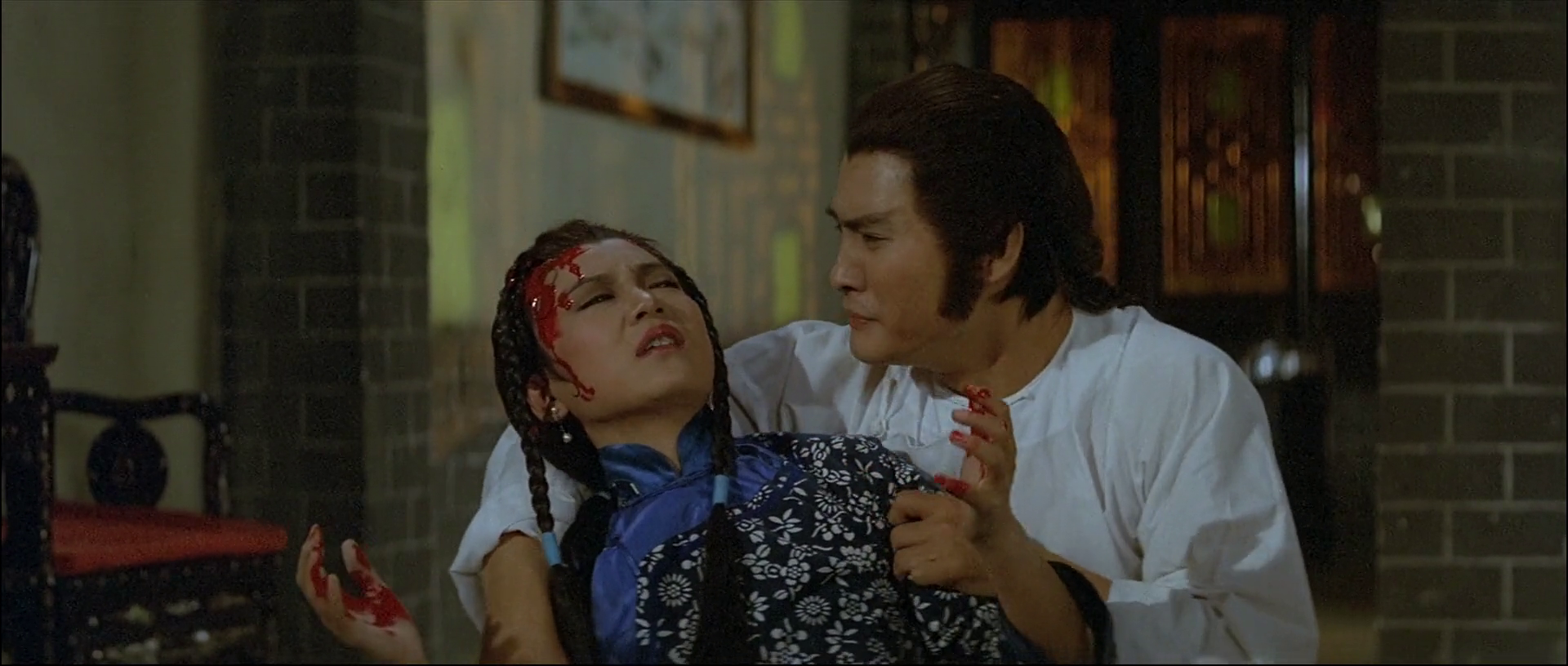 But it isn’t content with just one tragedy. Seeing the tableau, another of Ti’s followers attempts to burn down the opium house and is, in classic Hong Kong action style, dispatched by a particularly evil goon with a villainous weapon. (We know the weapon itself is villainous because it is very pointy, it is covered in metal, and it is completely unclear how it could ever actually harm a person.)
 It is a mystery how Ross and co-screenwriter
 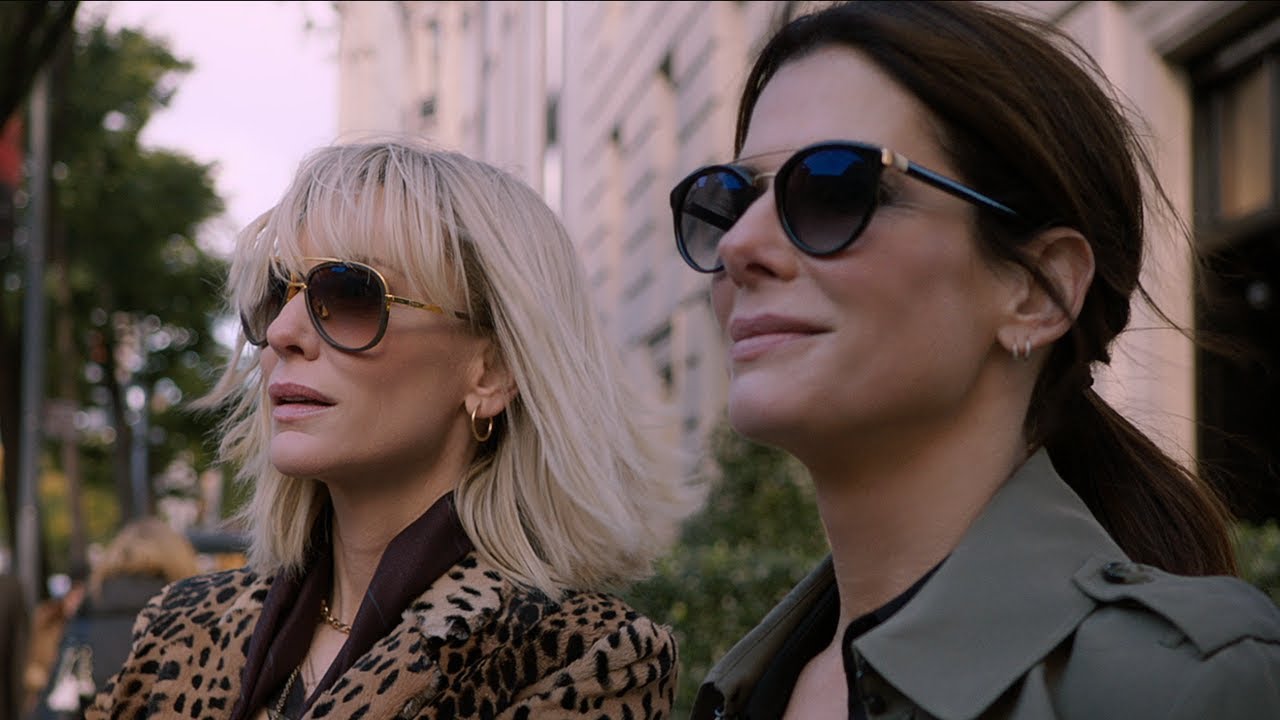 Ocean’s 8 has nothing along these lines, rendering the entire cast a set of interchangeables and draining any personal stakes. (Another brief interaction, this one between Bullock and Blanchett, indicates that the film remembers it ought to have subtext but can’t be much bothered with it, figuring that alluding to this structural need is the same as developing it.) Similarly, previous entries presented antagonists who structured the action, pricks to kick against, and who also grounded the films in
  So much for the characters; at least there’s a spectacle to look forward to, something high-wire and clever. But the heist itself is almost aggressive in its insistence that nothing go wrong. It simply happens, and then it’s over. (Though not before multiple trips to the bathroom; this is easily the most bathroom-focused heist in history.) Nothing breaks up its easy flow: no silly costumes, no impressive stunts, no thinking-on-their-feet or unexpected snags. It mostly hinges on a 3-D scanner and a secret lockpick, both of which are provided with all the difficulty of placing an Amazon order.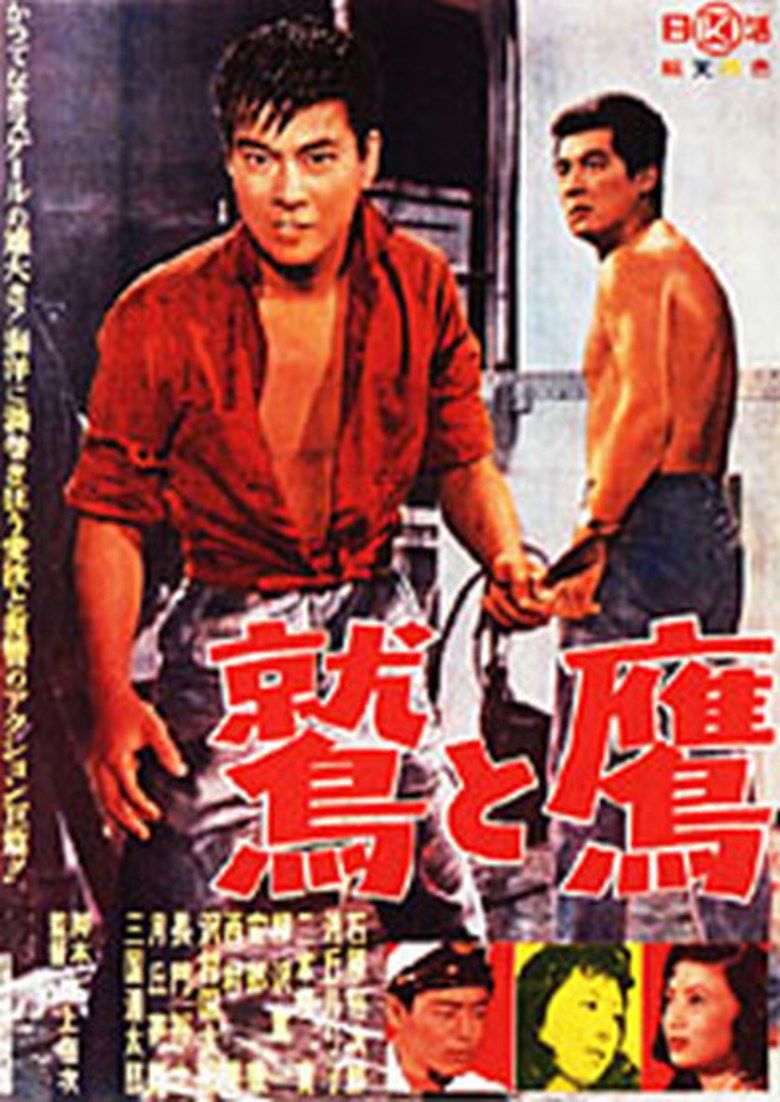
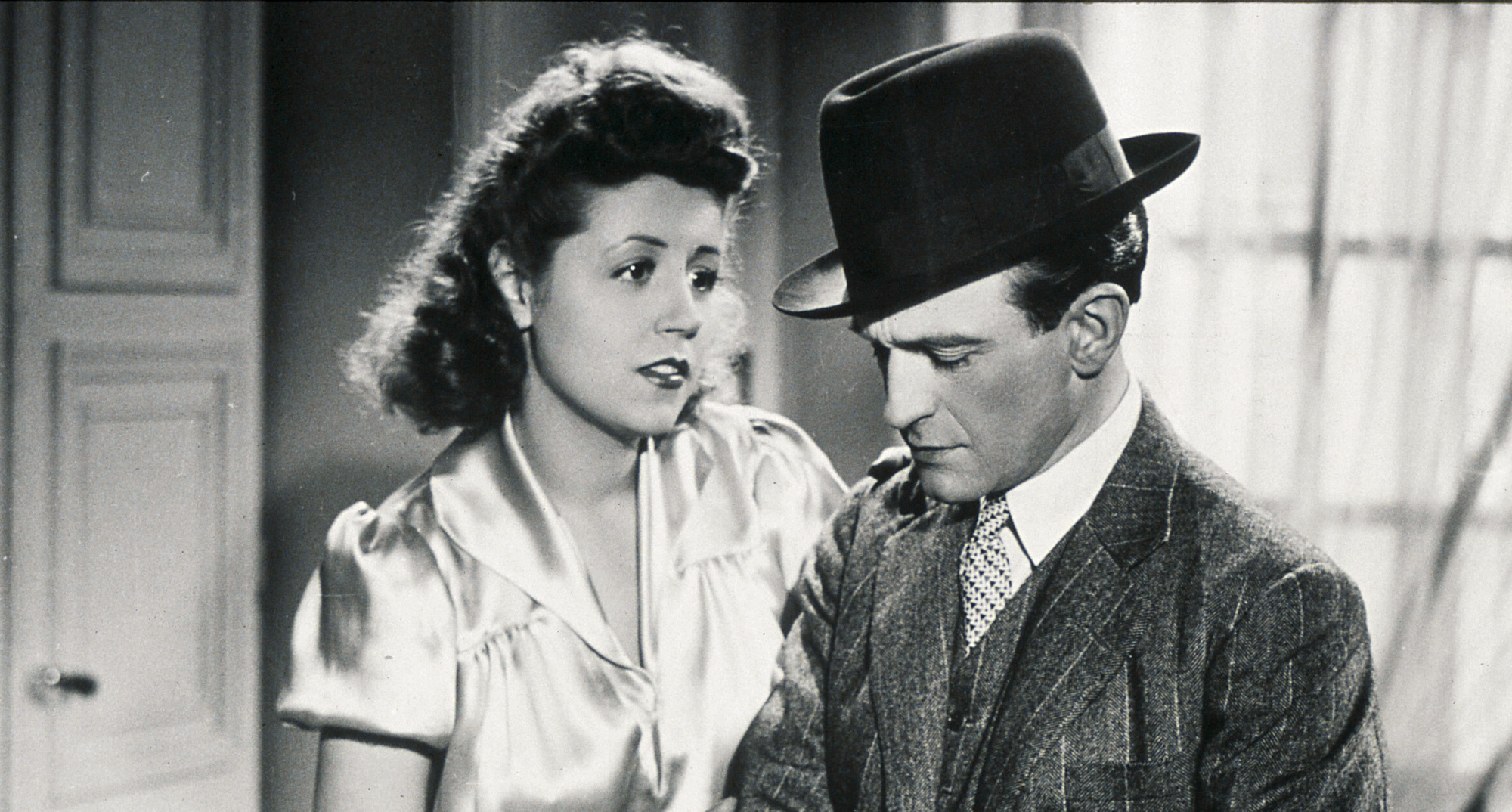
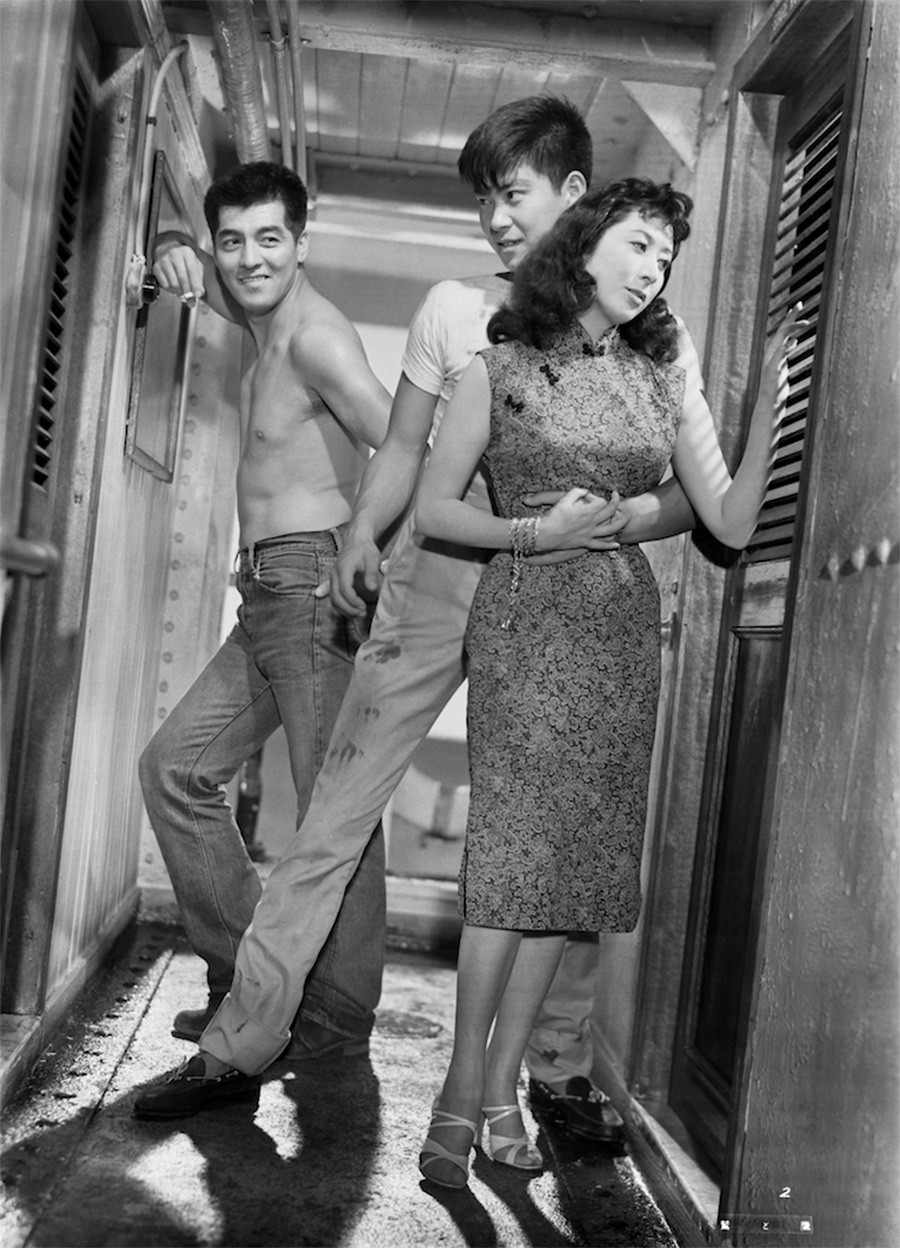 The Eagle gives us, recounted in short, two female stowaways (one high culture, one low-class), a love triangle that expands over time into a pentagon, a secret cop, a secret criminal, a dark backstory for the captain and his first mate nephew, a revenge plot, insurance fraud, a climactic typhoon (apparently filmed in a real typhoon), a repeated musical number that becomes plot-relevant, a common-man trope character who wins the lottery while at sea and manages to lose his ticket, and a man-with-a-past one day away from passing the statute of limitations for a long-ago murder.