
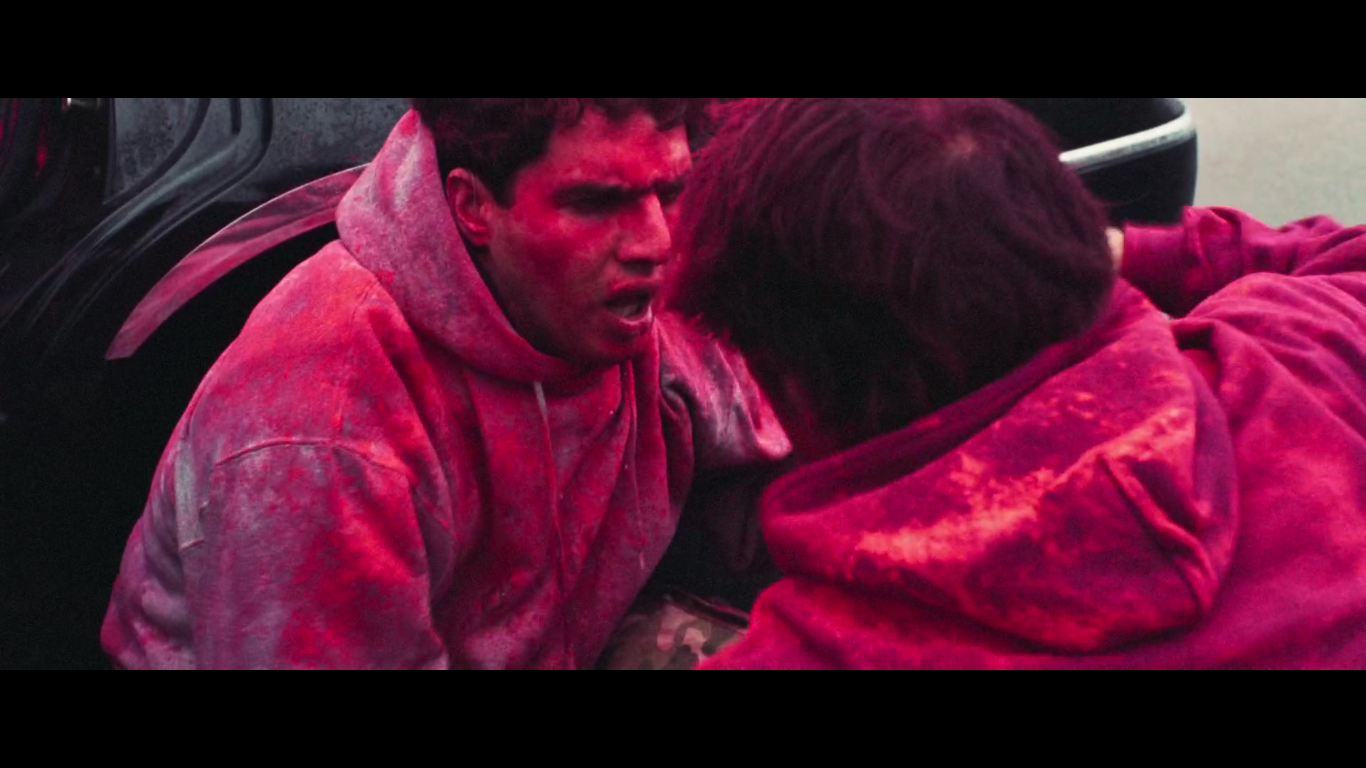
When we marked the end of 2017 with our respective best-of lists, we added the standard caveat that we hadn’t seen many of the year’s most acclaimed films yet. Every year bleeds into the next, cinema-wise, and there are always things we miss. Good Time was one of those things.
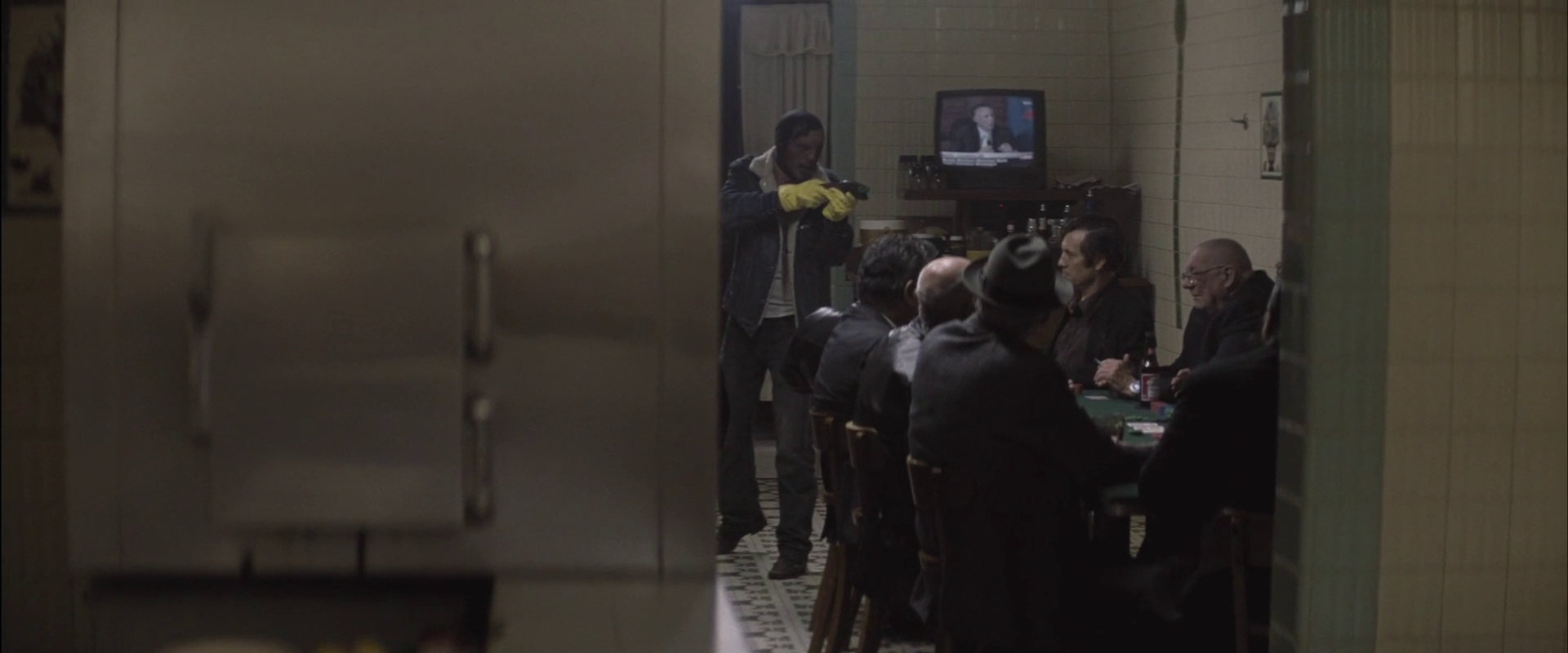
Better late than never. The Safdie brothers‘ pulsing, twitchy portrait of a day in the life of Queens-based scumbag Connie (Robert Pattinson) and his developmentally-challenged brother Nick (Benny Safdie) is an aggressively ugly film, presented with an eye for moments of unlikely visual beauty. It’s violent, deeply uncomfortable, and not at all the lark its title promises. The direction and cinematography know exactly what they’re going for, and Pattinson — doggedly knee-capping any notion that he’ll always be Edward Cullen — turns in career-best work against a jagged aural backdrop and Winding Refn-like colors.
For the second in a series of longer conversations on particular films, we take a dive into the little corner of frenetic nastiness and insatiability that is Good Time.
Good Time Discussion
Liz: It’s funny you picked Good Time, Rick, because I don’t think I ever would have watched it if you hadn’t. And if we weren’t writing about it together, I’m not sure I would have made it to the end. But let’s start with you – what did you think of it?
Rick: Well, I’m glad you stuck with it, and I hope I didn’t inflict too much unnecessary anxiety by suggesting it. It’s one anxious, morally queasy movie.
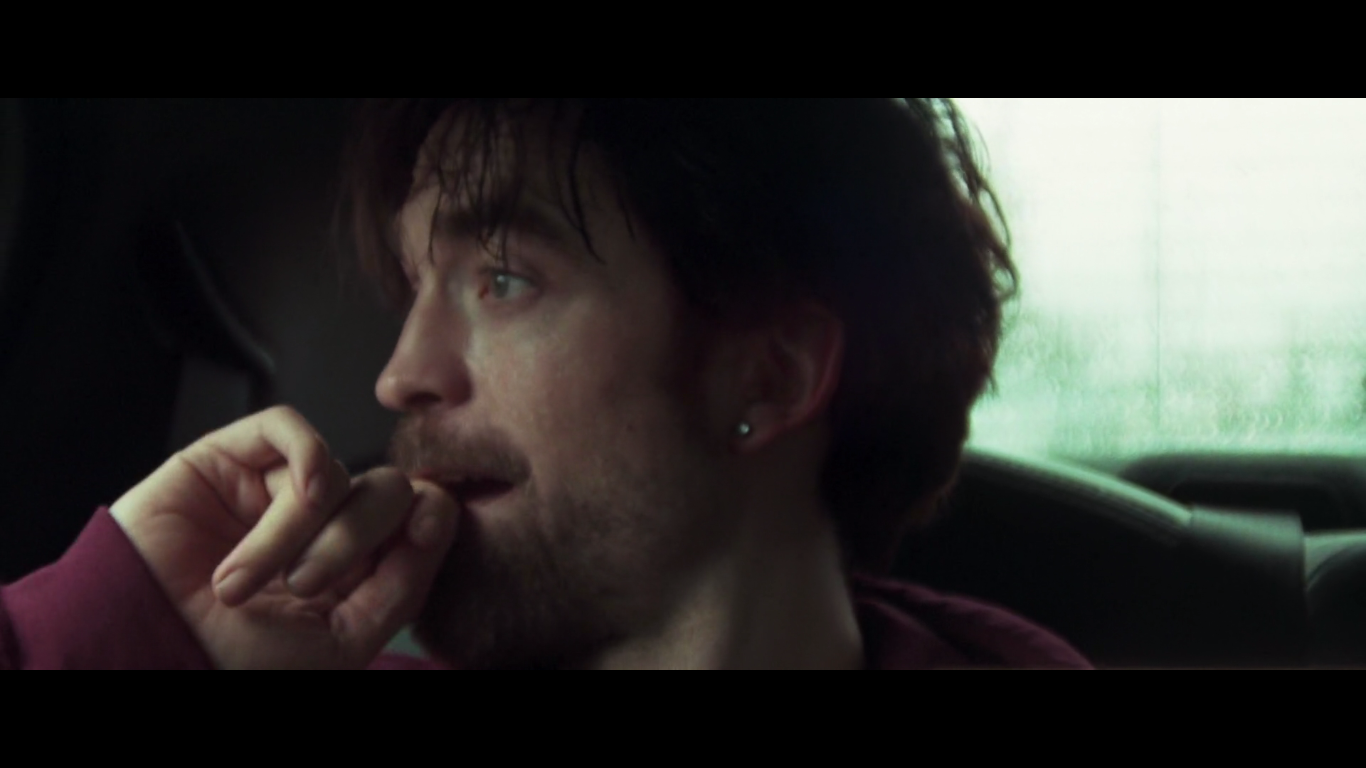 But the relentless way that queasiness is conveyed is a big part of the reason Good Time is shaping up to be my favorite 2017 release I didn’t see until 2018. I’m not familiar with the Safdie brothers’ earlier films, but here they seem to have a sure hand on slippery material. Sean Price Williams’ cinematography is often brilliant at conveying characters and relationships — the first scene, in which a shot-reverse shot calmness in the doctor’s office turns frantic in an instant with the arrival of Robert Pattinson’s volatile scumbag Connie, is a mission statement — and the Oneohtrix Point Never score is effectively unsettling, with all its gurgles and blurps. And then there’s Pattison himself, who disappears into a role that could charitably be described as “challenging.” I found the whole thing aesthetically and narratively fascinating, and often rather moving, in its way.
But don’t get me wrong: Good Time is also a horror show. What were your immediate takeaways?
L: The score was something, for sure. I’ve listened to some OPN before, and generally liked it, but at first I was little worried about it; I was worried it was going to just ape John Carpenter the whole time. But there’s an extra flavor to his pulsing synths, in particular these melody lines that come very close to sounding like the theme song for a cheesy cop show. (An early, pivotal scene revolves around a TV playing the Law and Order theme, which really cemented the sonic tone in my mind.)
The main director who was coming to mind in terms of the aesthetic as a whole is a very controversial one: Harmony Korine. It’s a much, much more accomplished film than anything Korine has put together, but the way that poverty is depicted as permeated with what Zizek would call “surplus-enjoyment” really reminded me of his provocations.
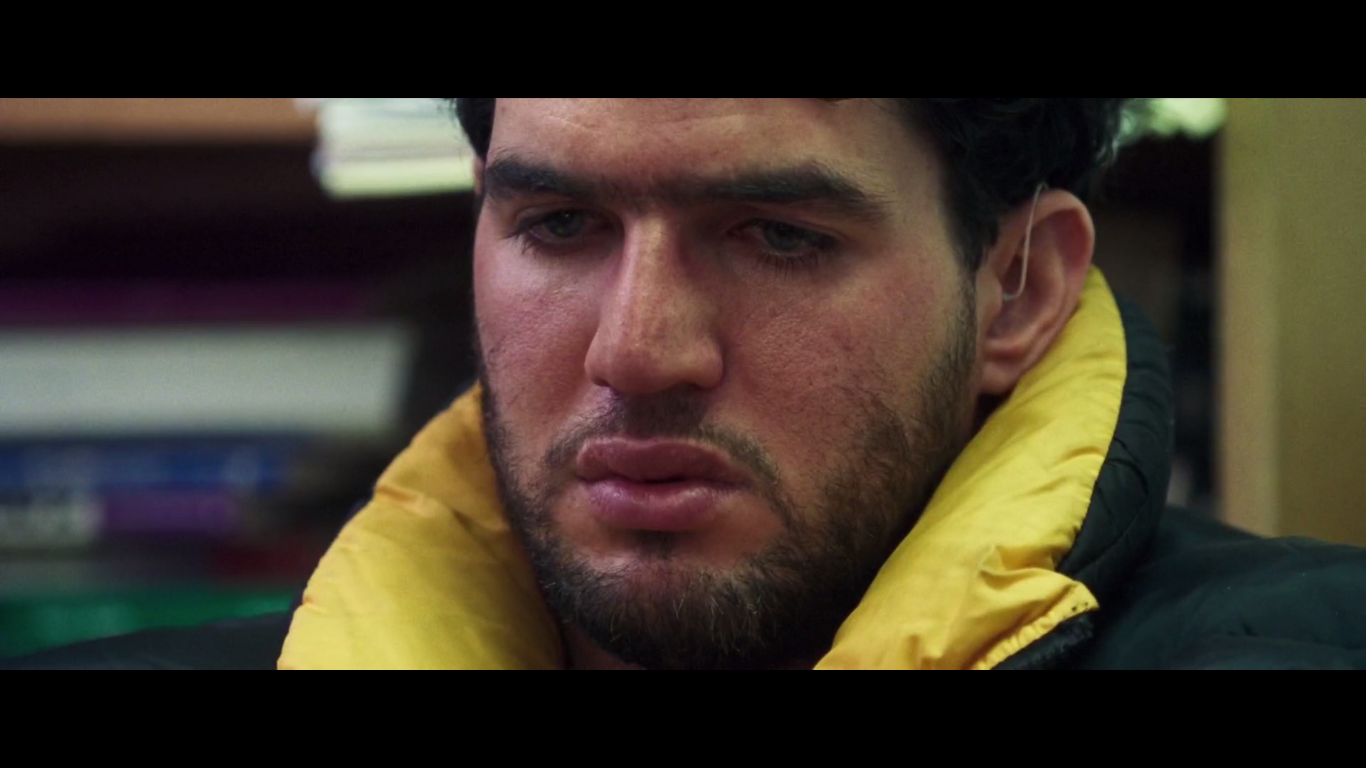 What struck me leaving the film was the way the Safdie brothers bring together all these different ways of being a “subject” of the state. We open with Nick, who is developmentally disabled and is being interviewed by a psychiatrist, and he objects vehemently to having what he says written down for people to talk about later. His brother (after taking him from the meeting and encouraging him to rip up the form) asks him if he thinks he’s “like one of those,” referring to another patient in the hallway. Then, the plot revolves around his imprisonment and hospitalization, making him a subject 3 times over (as mentally disabled, prisoner, and medical patient).
Anyway, what do you think of all that?
R: I haven’t seen enough of Korine to comment on that comparison, though I think the Zizek point is apt. There is definitely a sense of the unquenchable running through Good Time, a constant excess amid all the desperation, with Pattinson stalking Queens like a caged tiger.
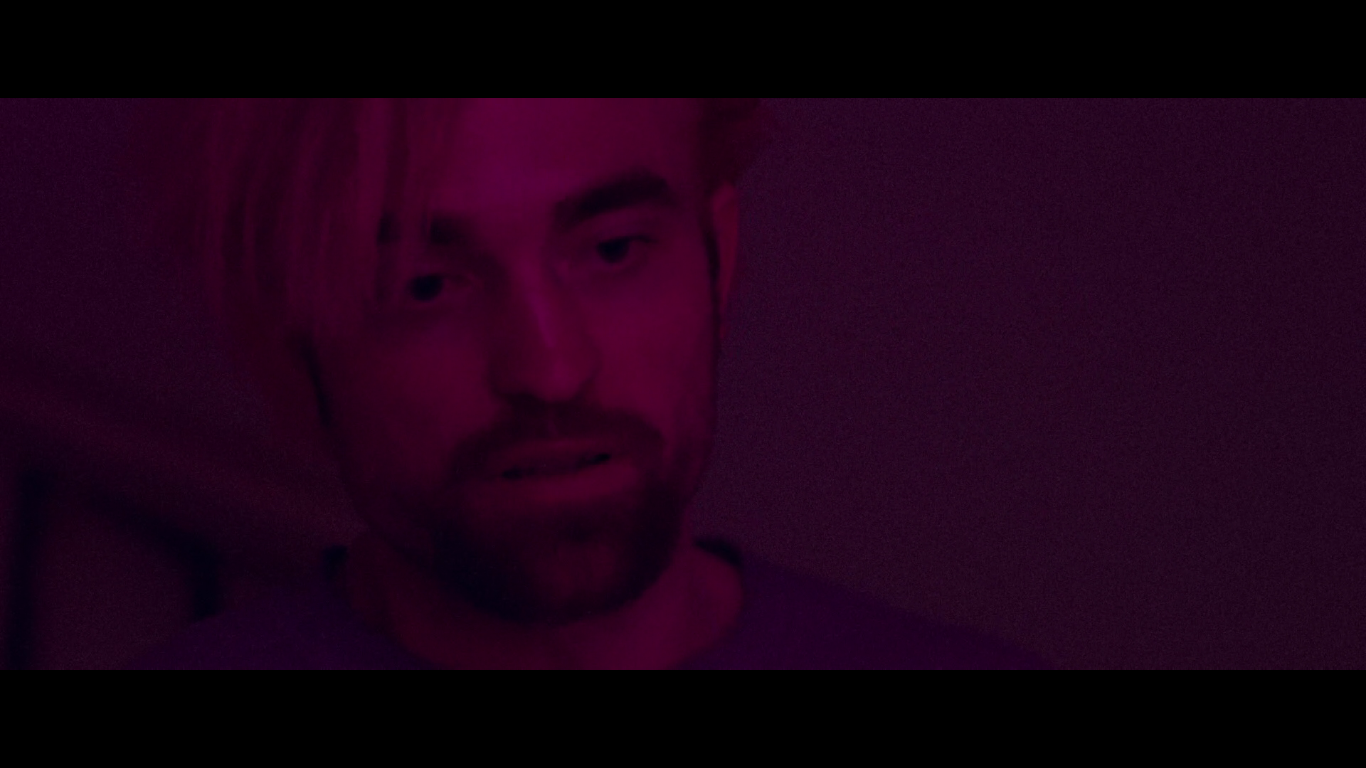 The idea of Nick as a subject of the state 3 times over also occurred to me … and before the credits finish, at that! This is effectively Nick’s entire role in the film. That casually contemptuous aside that you cite from Connie — “like one of those” — seems crucial. His affection for his brother demands that he draw a distinction between Nick and these others, who he considers virtually sub-human, or at least little more than means to an end. (Sociopath that he is, this applies to everyone he meets, and occasionally extends to Nick too, though some other impulse seems to block it.)
When the narrative shifts and Nick is replaced by Buddy Duress’ Ray, who Connie liberated from the state by accident, this loathing comes out full force. Pattinson’s near-monologue shows someone who imagines themselves a dissident force, outside of state control, but also has this curiously seething disdain for those he considers either lacking in a work ethic or the ability to provide for themselves:
I am better than you. The second you got here, you went to the booze and got fucked up. But that’s fine, that’s just who you are. You’re a fuck up. I don’t care, whatever. I don’t give a shit. Look, losers like you are incapable of taking care of themselves. You’re either leeching off mommy, or leeching off welfare, or living off the government in jail. That’s you. You serve absolutely no function whatsoever.
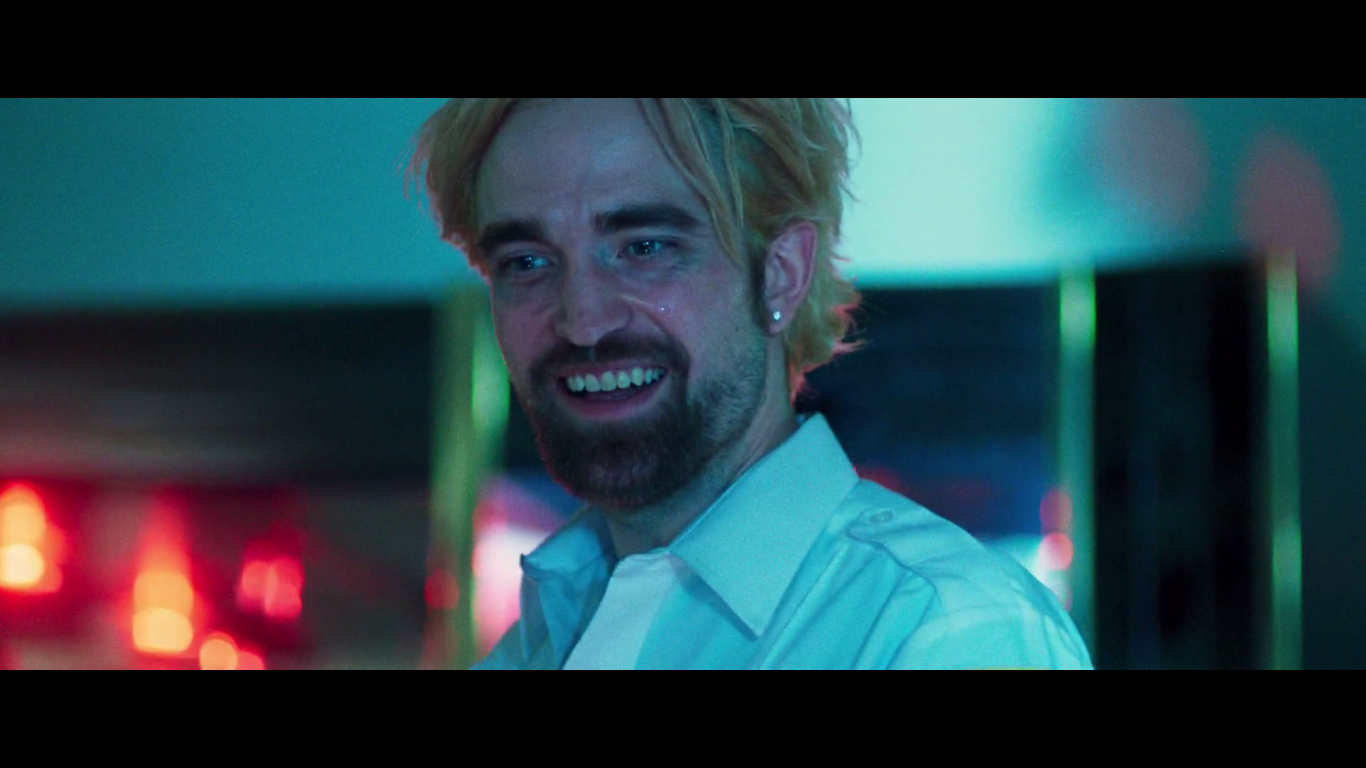 It’s one of his longest rants, and one of the more savage. What did you make of that sudden break in the text, by which Nick is essentially eclipsed or substituted by Ray?
L: That scene in particular kind of was the key to his character for me. There’s the famous line of Steinbeck’s that America never had socialism because everyone thinks of themselves as temporarily embarrassed millionaires. I can’t use it without pointing out that it’s not an exact quote, and the actual passage is more about the privileged position of the Communists he knew, but it does seem relevant to Connie.
Connie seems to me like someone who has internalized the narrative of the deserving poor, and thinks of himself exactly as a temporarily embarrassed millionaire. He thinks of himself as being a mover and a shaker, an actor who can get things done, who is always just about to be in a stable place.
The way he takes advantage of anyone being kind to him (from his girlfriend to people waiting for the bus) felt more than just him doing anything to survive; it felt like he had a need to not owe anyone anything. It’s more than just pragmatic lying; it’s like he invents a fictional person who should be pitied, someone separated from himself, so he can take advantage of their gift without being the subject of it.
And in the final scene, in which Nick becomes part of a therapy class, we see with the psychiatrists this act of real kindness and real gift-ness that Connie can’t accept and can’t let Nick accept. What do you think of that?
R: Spot-on. There’s absolutely a sense of brotherly duty, even love, in Connie’s relation to his brother, but everything is mediated through his own needs, psychic or otherwise. Good Time doubles things with such frequency that it’s no surprise the brothers are mirrors, but for Connie that takes on a specific urgency, in exactly the way you suggest. There’s an ache beneath everything here, I think, which is encapsulated almost too well by the refrain to the final song in the film, the only one with words, delivered by Iggy Pop: “The pure always act from love / And the damned always act from love / The truth is an act of love.”
That final scene, or truth-act, is one of empathy and reaching-out, something Connie could never allow. (Though the psychiatrist tells Nick that Connie “did the right thing” by letting him come to the hospital; in this case, the right thing was apparently relinquishing control under duress.) The moment Nick walks across the room — in response to, I think, “If you’ve ever felt lonely” — is his first real flash of agency, and it’s a quietly heartbreaking way to end a violent, frenetic film.
But we should wrap this up — I have a Sprite bottle full of liquid acid to sell. Any closing thoughts?
L: Just that next time, I’m picking the movie. I’m thinking something a little less tense, like Paddington 2.
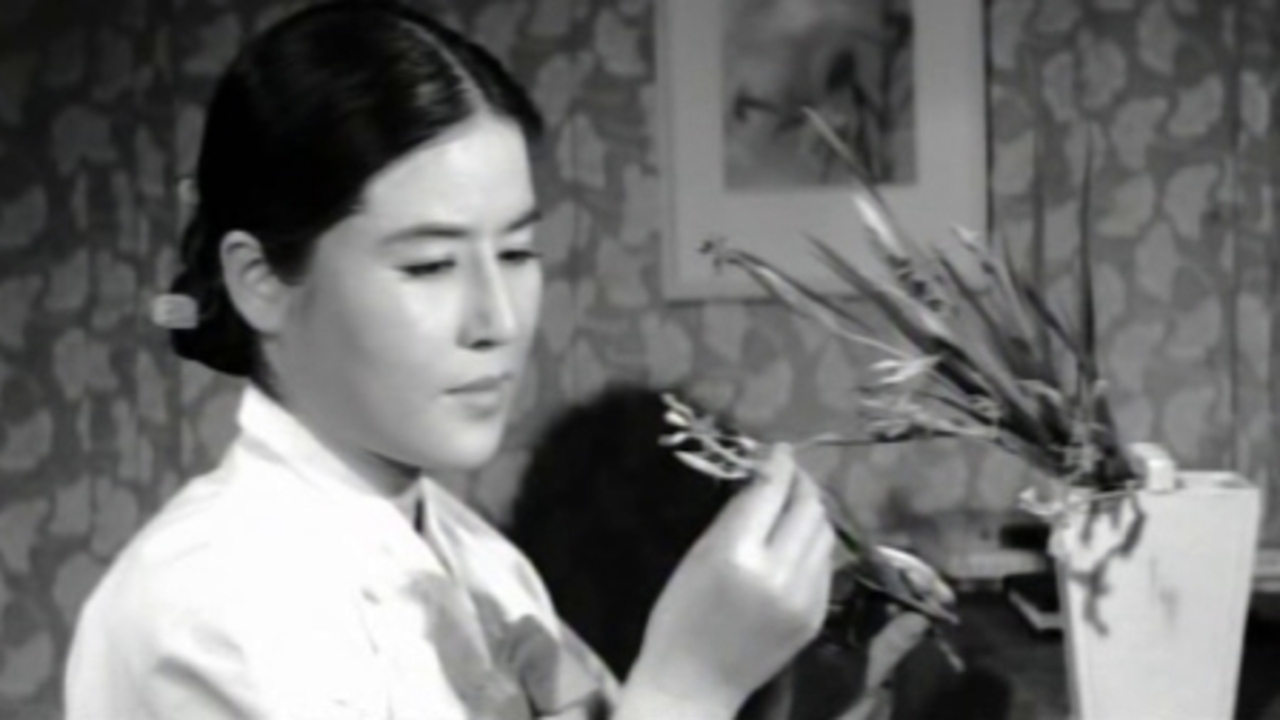
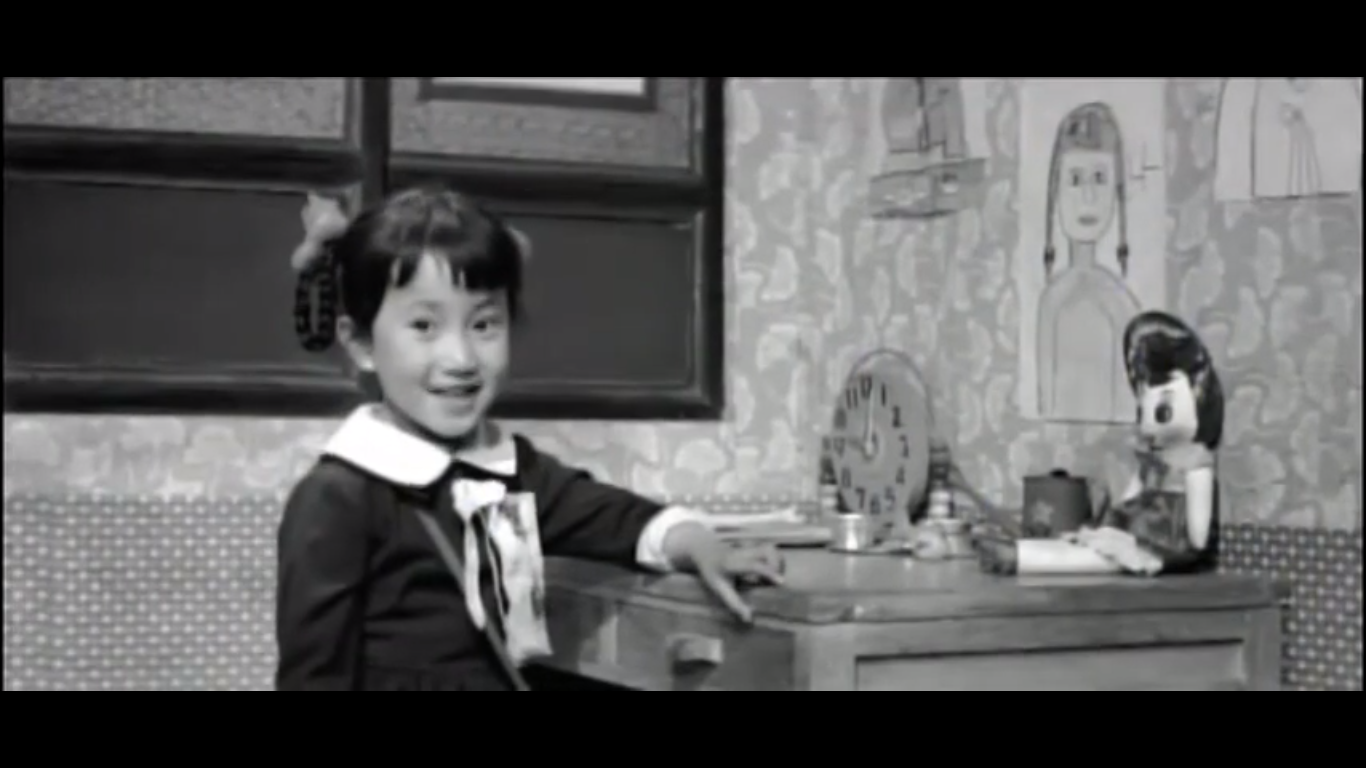
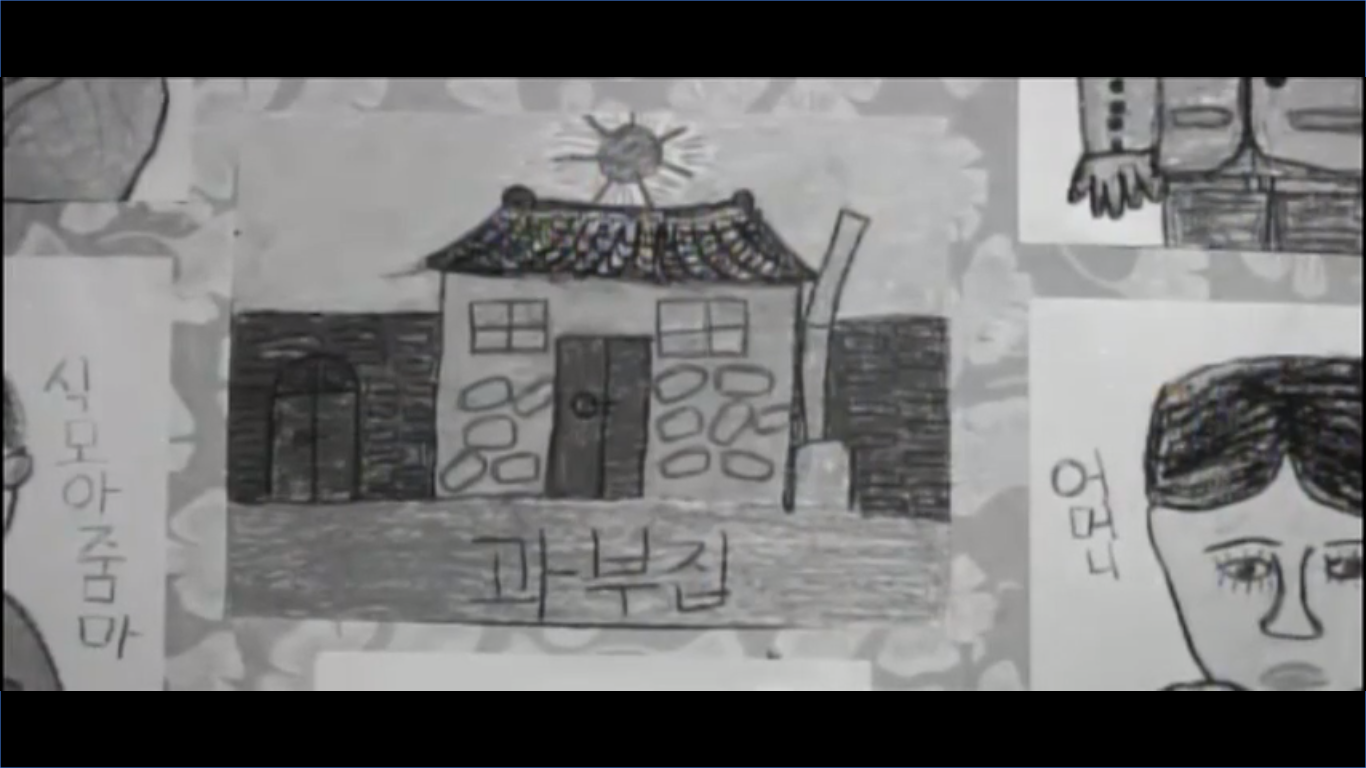 The narrative is guided by 6-year-old Ok-hee (
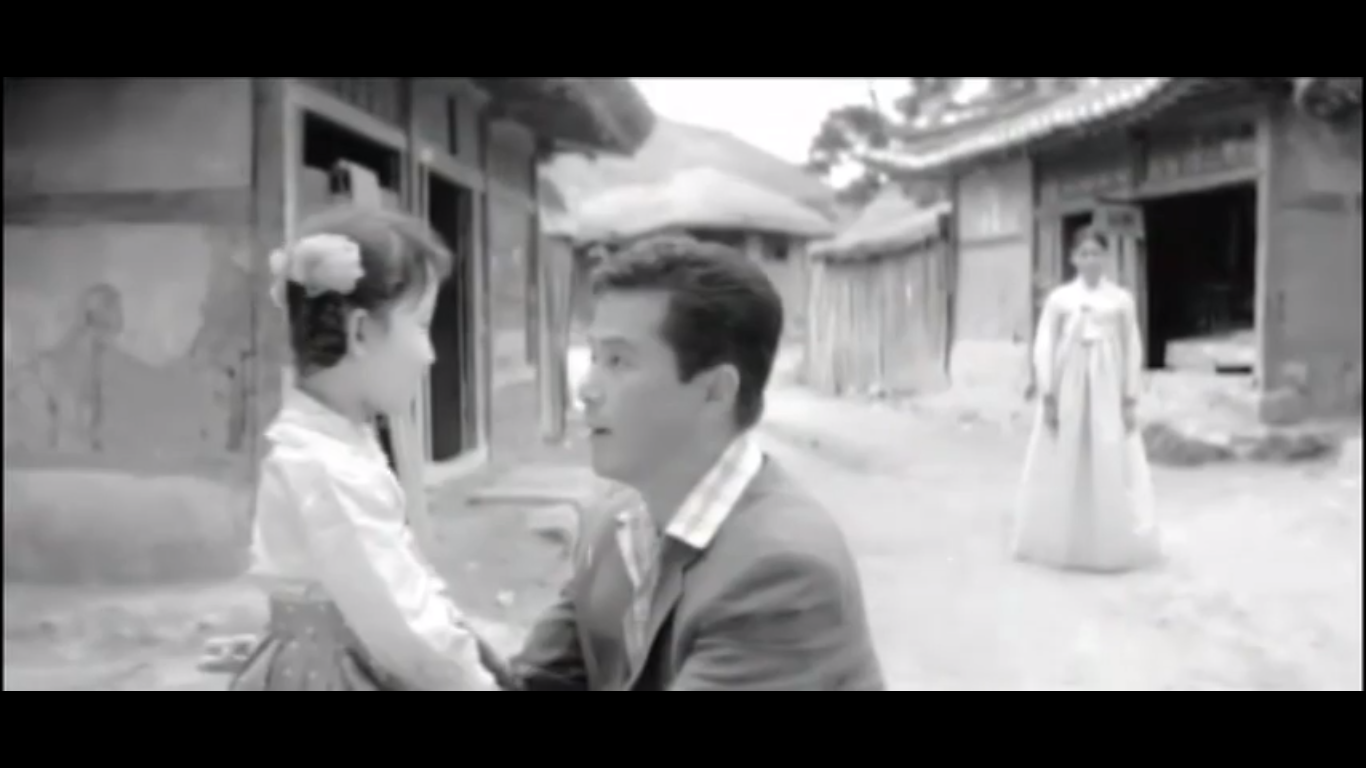 Of course, the world is not so easy. There are strictures against conversation outside the family, much less widows re-coupling. Combined with obligations to home and to her mother-in-law, we doubt the possibilities of the romance the film tenderly draws out. Much of My Mother and Her Guest carries the wistfulness of melodrama. The “will they or won’t they?” aspect is more or less cut off at the knees, which is the point. But Choi and Kim convey all their longing effectively, with surreptitious and fumbling attempts at quasi-courtship frequently made even sweeter by Ok-hee’s tendency to just blurt stuff out. There’s a selfishness and a tendency to color around the details to her would-be match-making, which is entirely appropriate to a 6-year-old girl trying to make sense of her world.
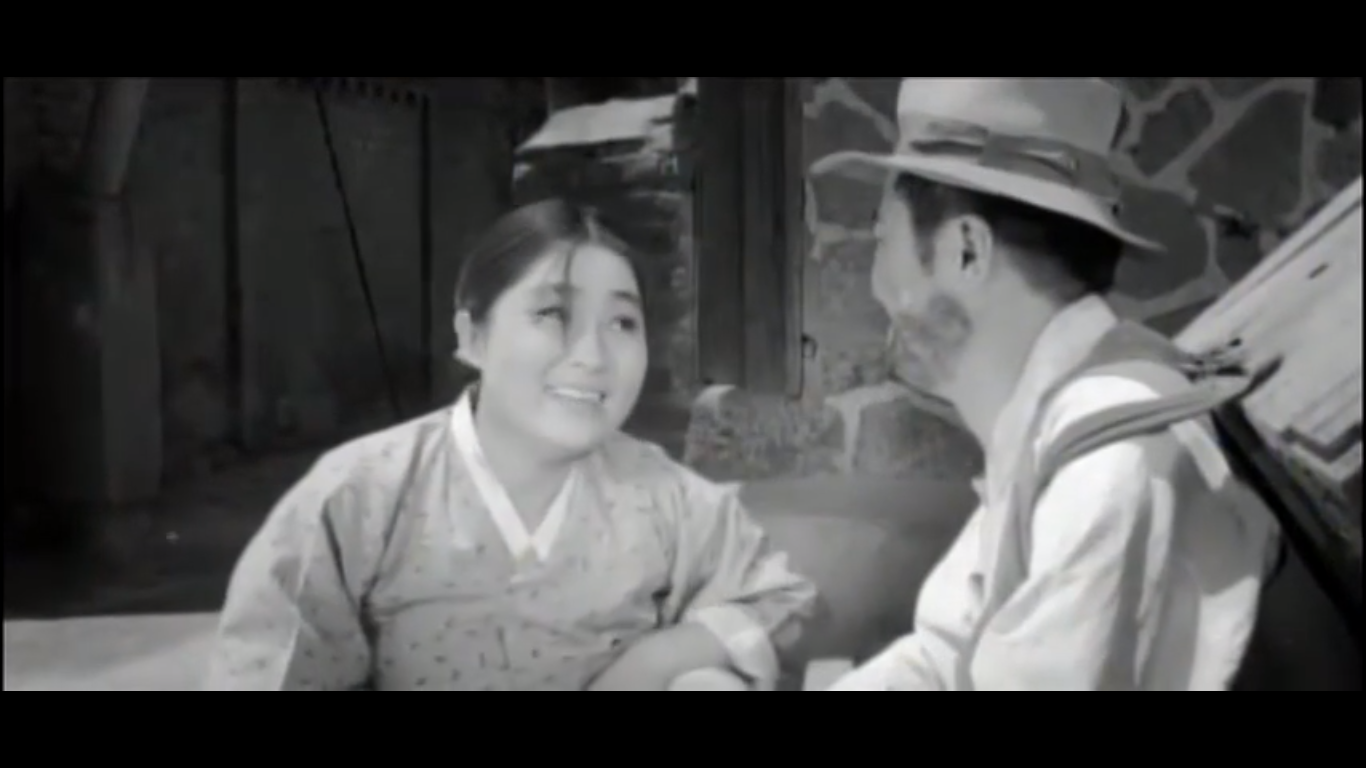 The only really happy romantic relationship in the small cast is the one that develops between the maid and the local egg vendor. Shin seems to imply that their particular place in the structure, widowed and working class, allows possibilities denied to more proper folks. (They are even implied to fool around just offscreen when everyone is out of the house, a pretty startling development in My Mother and Her Guest — I was not expecting maid/egg vendor sex.) It rings a bit simplistic, but from the very opening moments, the maid’s appetites are emphasized, and she’s “the happiest person in our family,” according to Ok-hee. So that’s nice.
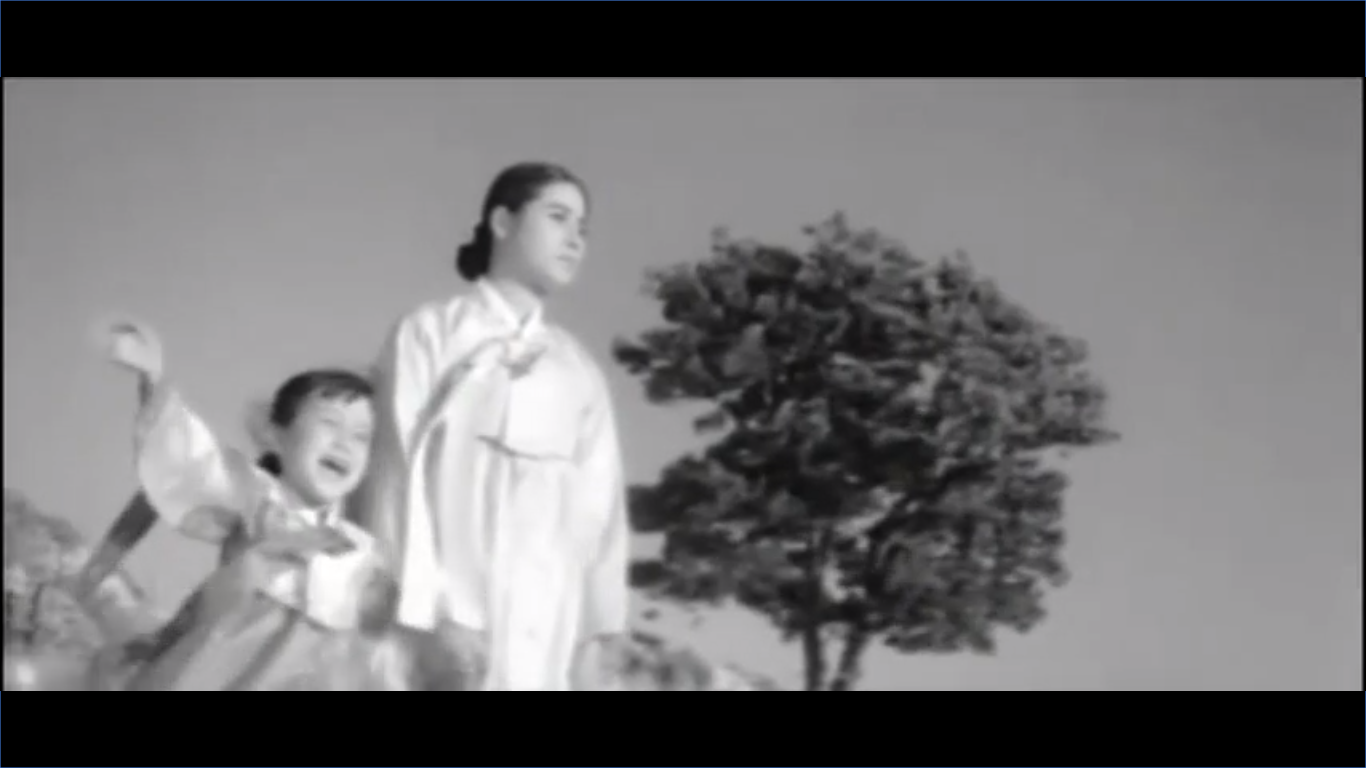 Still, as the title would have it, this is not their story. The main focus here is on an impossible romance, and the film manages to portray this without turning didactic. There’s very little anger in My Mother and Her Guest; just a lingering sense of what could’ve been, if the world were different than it is.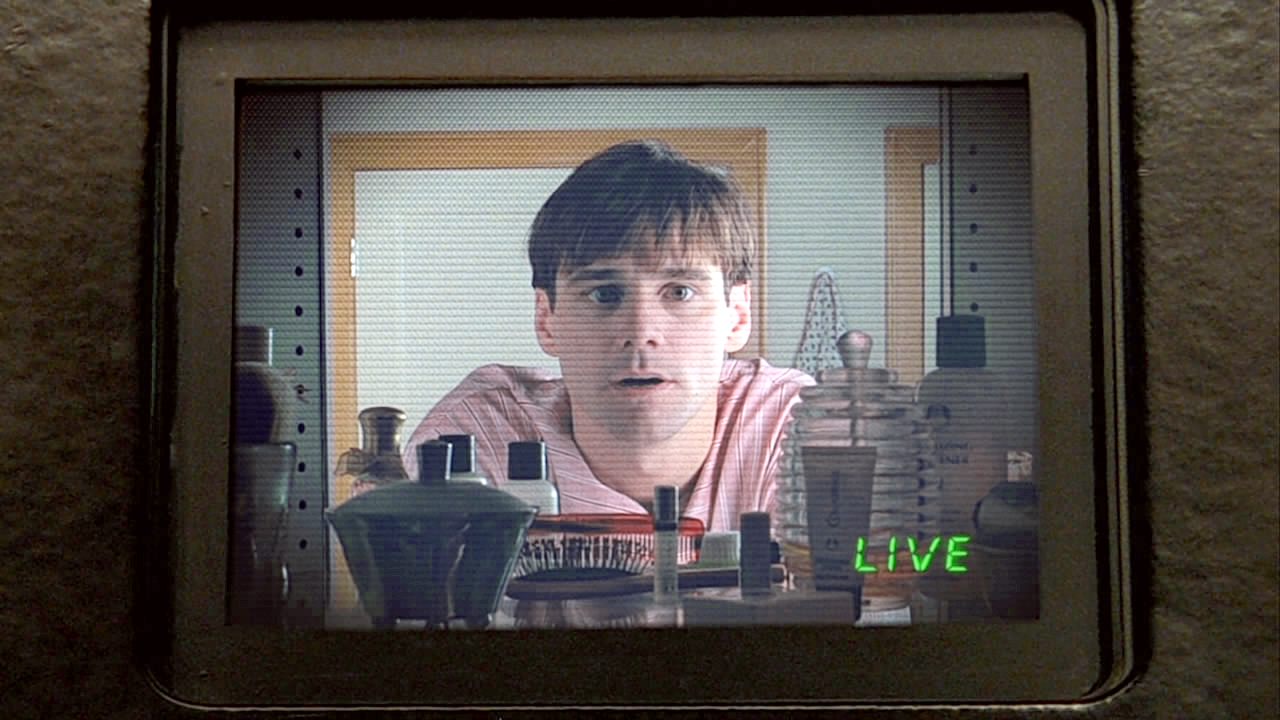
 Buber has often been accused of romanticizing the early Hasidic movement —justifiably — and I would say that he exaggerates the horrible evil of Gnosticism (as we’ll see in discussing
 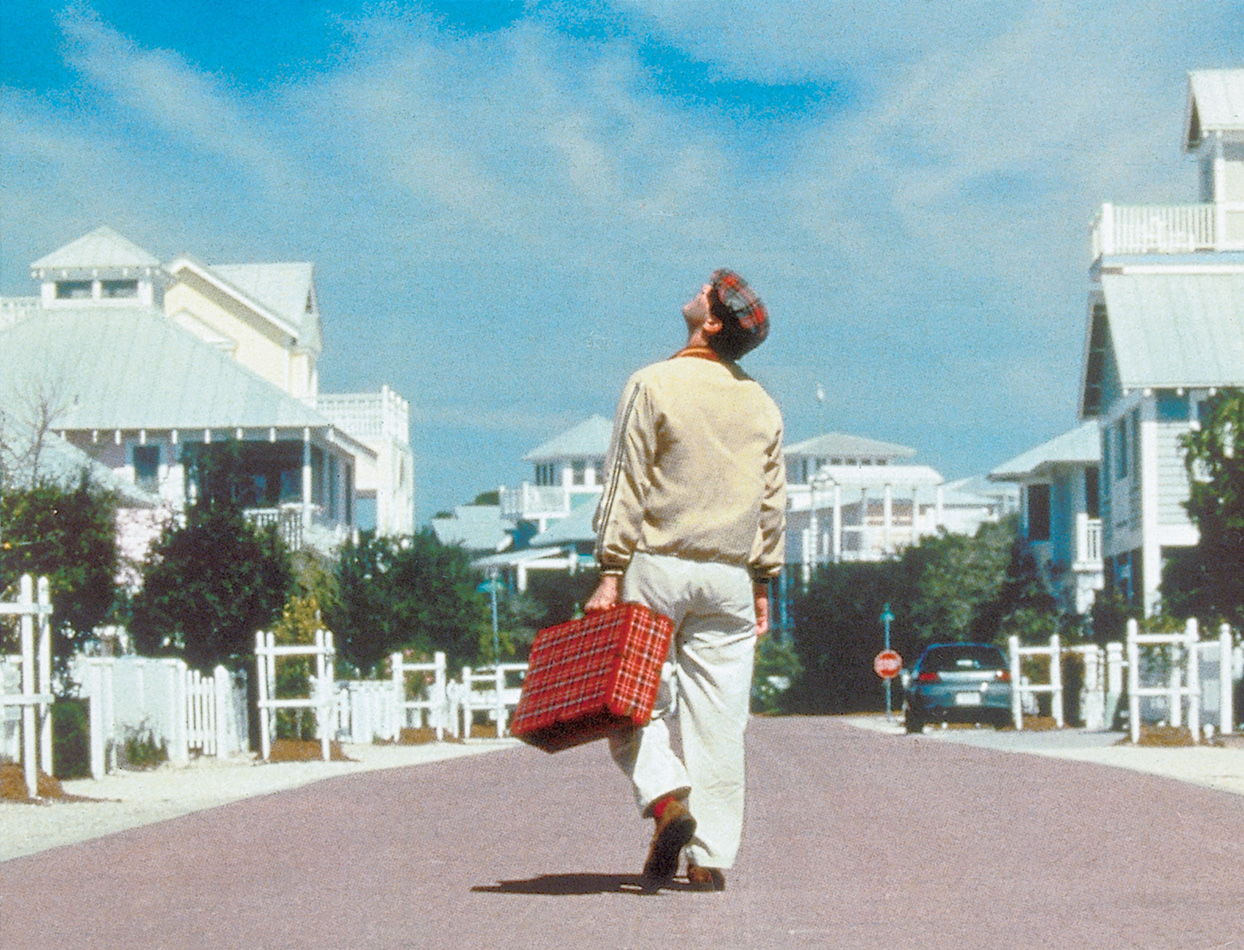 The first half of Truman is the apex of this fantasy, the fantasy of discovering some knowledge that frees you from being a subject. Realizing the world is fake,
 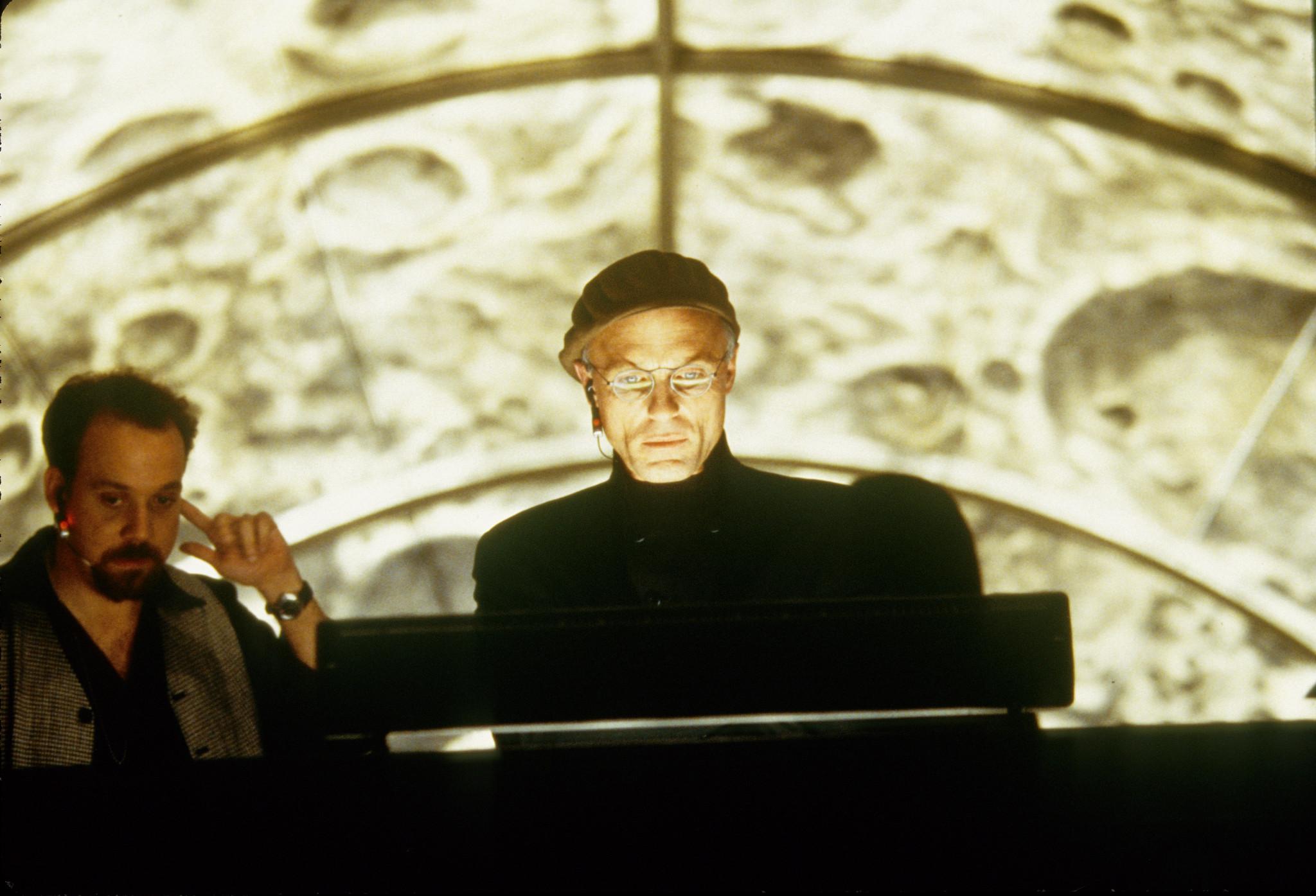 If Buber is right and Gnosticism is about dissolving social ties, then the first half is the properly gnostic half. But a complete dissolution of social ties, the fantasy of invisibility, isn’t emotionally satisfying for very long. The second half of Truman reorganizes the fantasy: the social ties are all restored, but they are all one-directional. They all head towards Carrey, and none head away.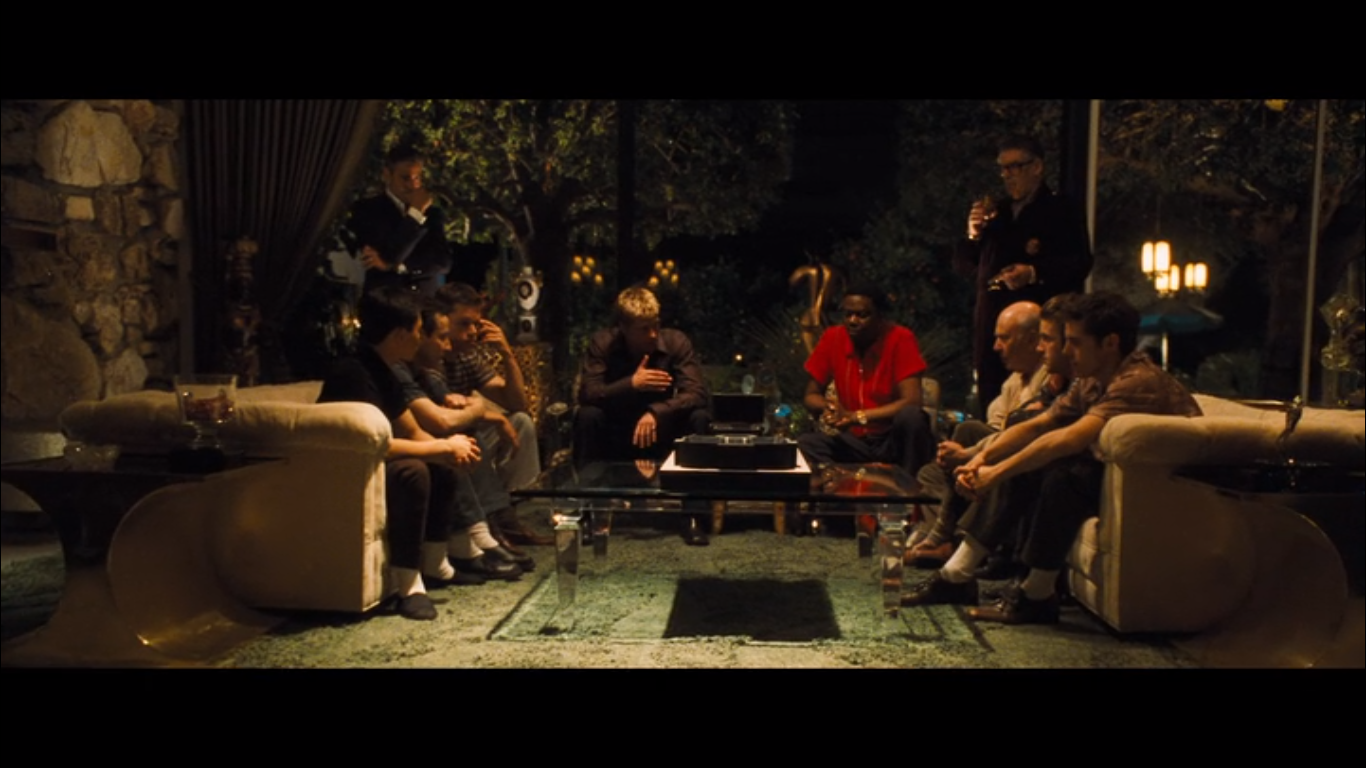
 Focused more on professional lovable rogue
 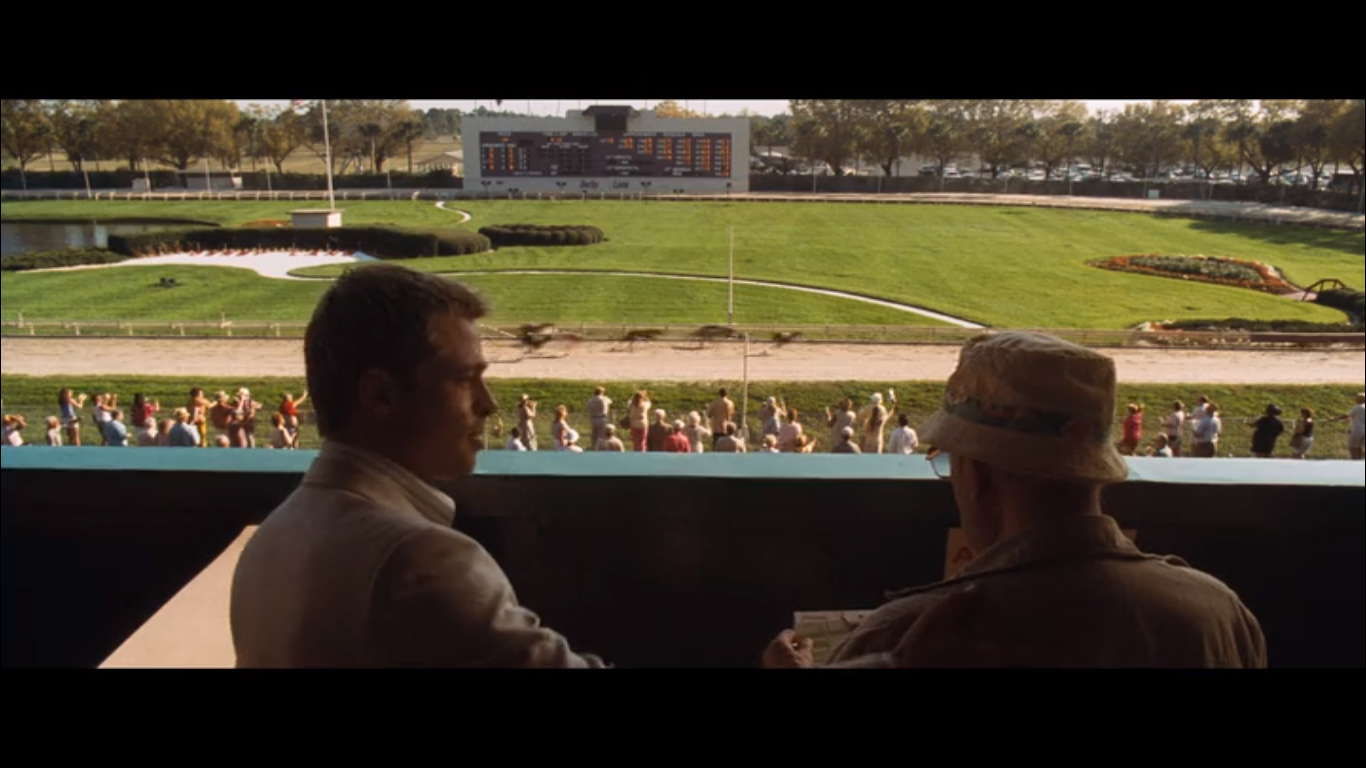 But of those lovable rogues, Ocean’s team hews closest to the essentials of Lubitsch’s protagonists in
 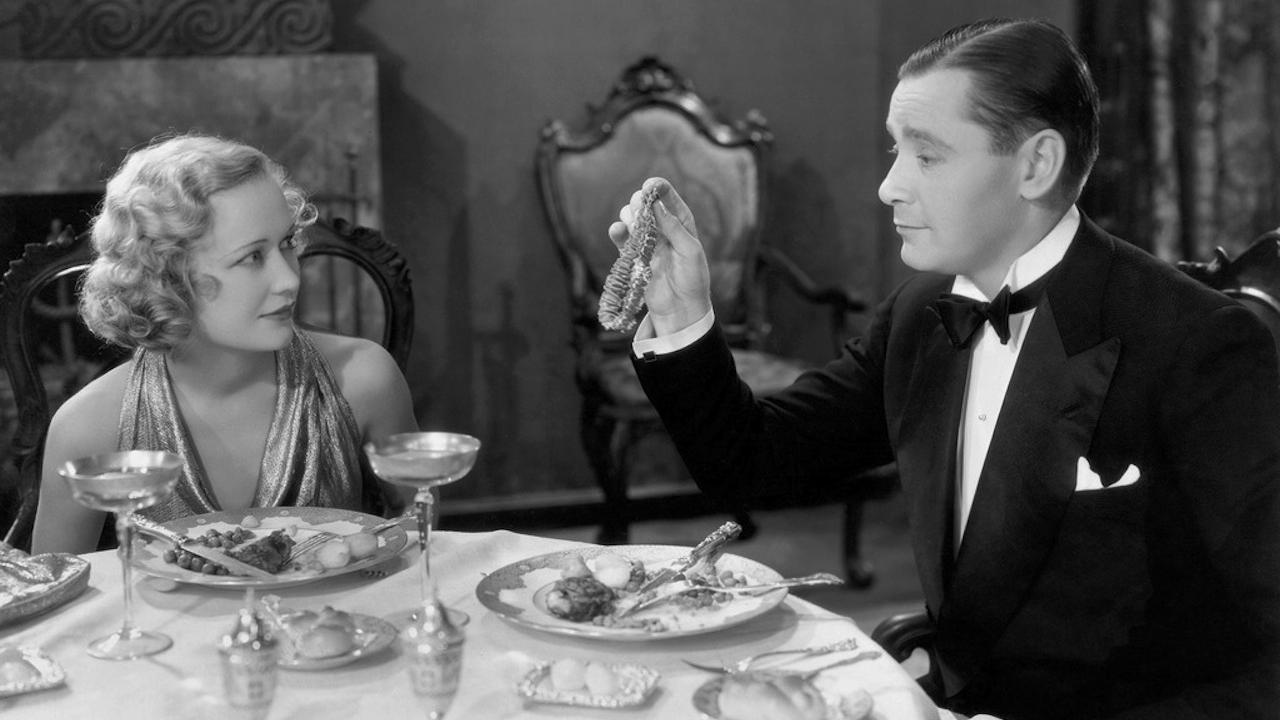 The Lubitsch classic was released at the height of the Great Depression. Ocean’s Eleven arrived just as
 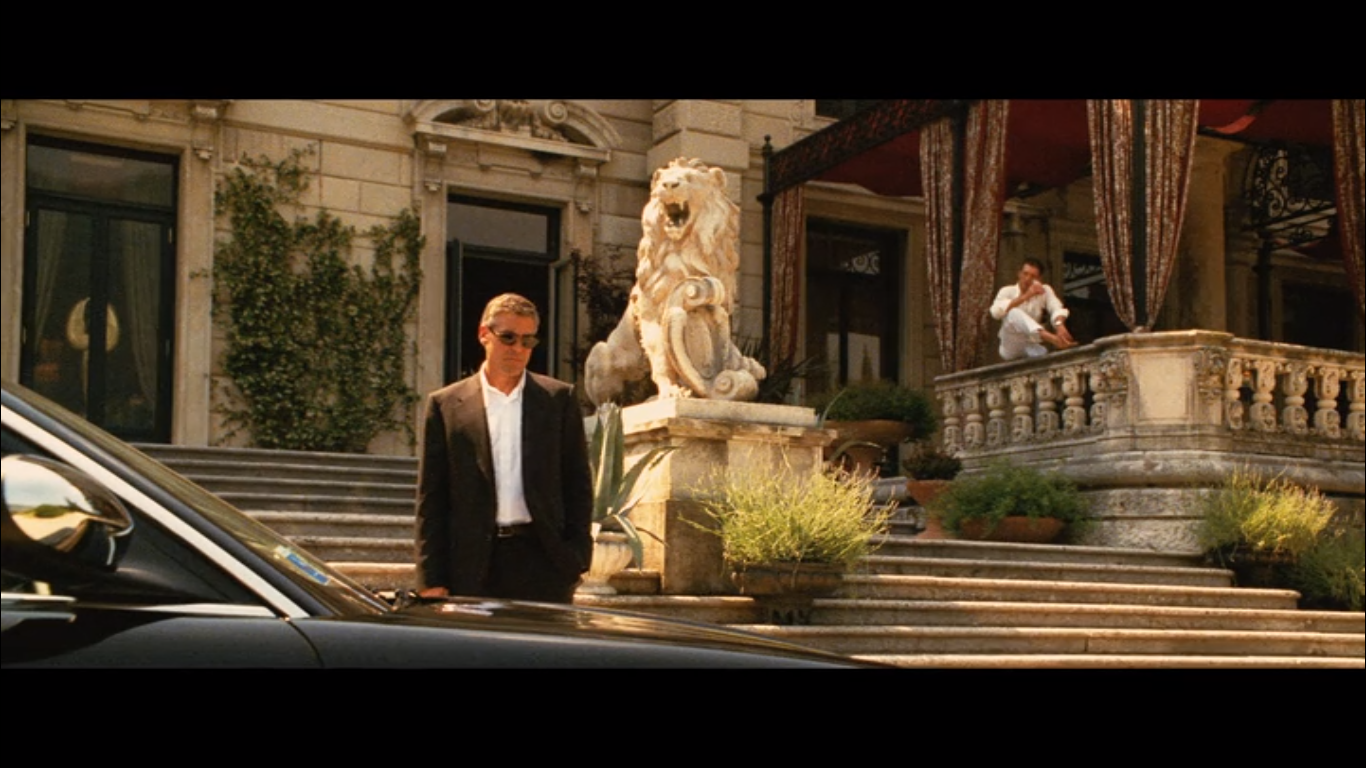 The irony is that we cheer on famously wealthy actors as they fleece the 1%. Hell, scenes in Ocean’s Twelve are shot at a Lake Como villa, not dissimilar from the one Clooney owns, the scoundrel. (That
 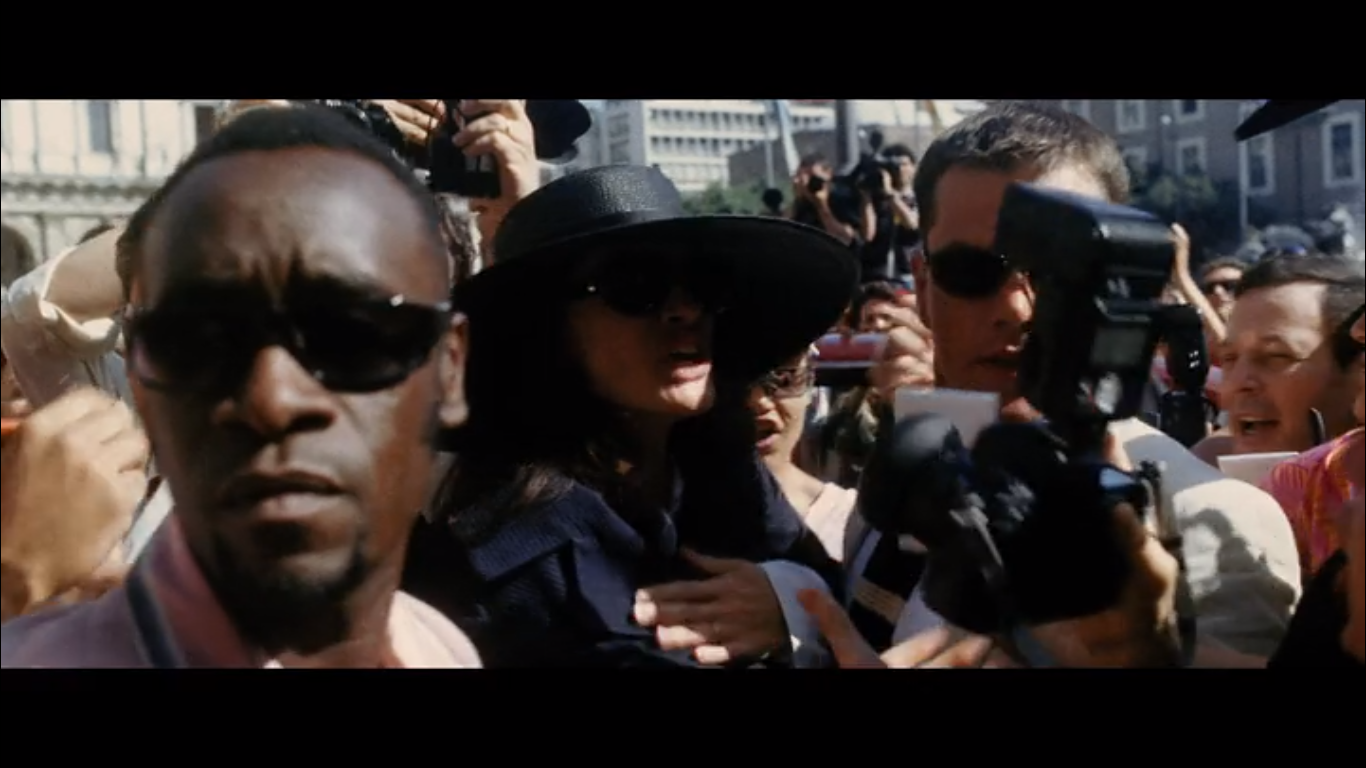 impersonate the “real” Julia Roberts, before running into Bruce Willis, playing himself. A shaky-cam sequence in Ocean’s Thirteen features Damon in London,
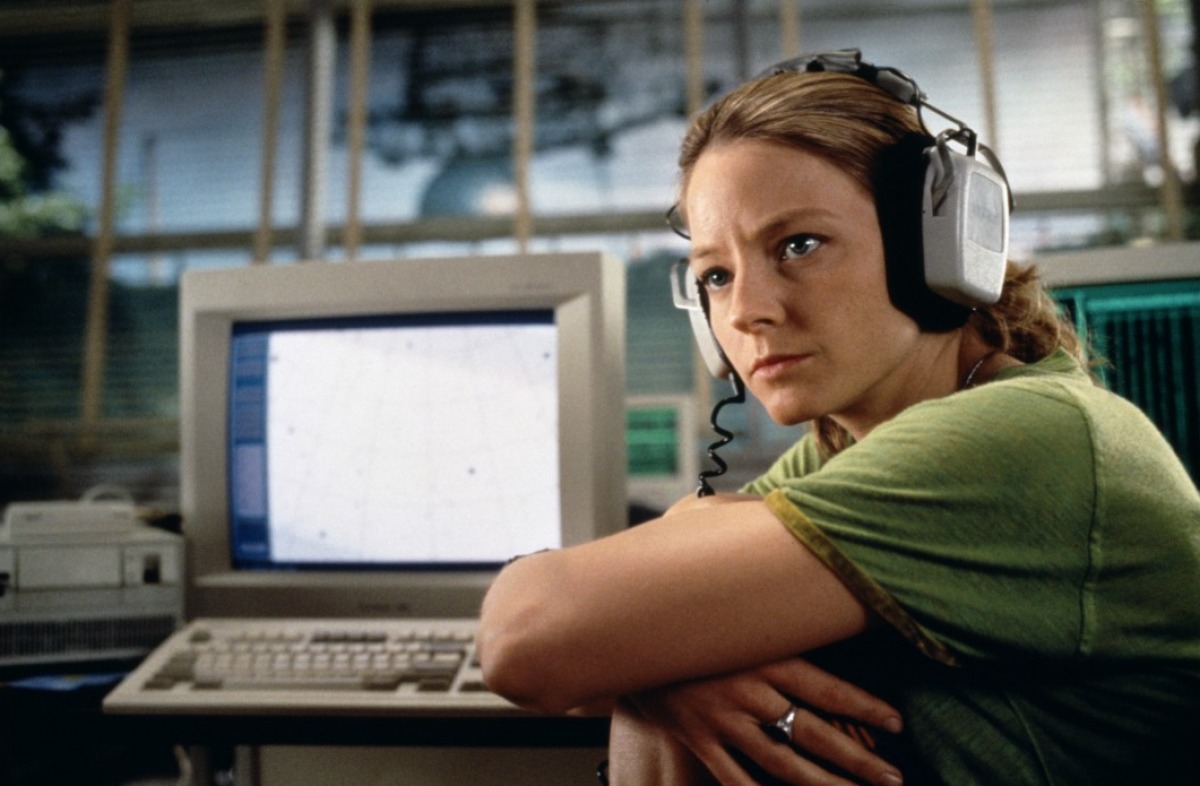 They would, of course, have no trouble with
  Foster admits that there is no evidence she traveled to a foreign planet, but, borrowing language from McConaughey’s earlier description of his religious experience, she stands by her experience. It’s a wonderful scene, and if I were ever teaching a class on
 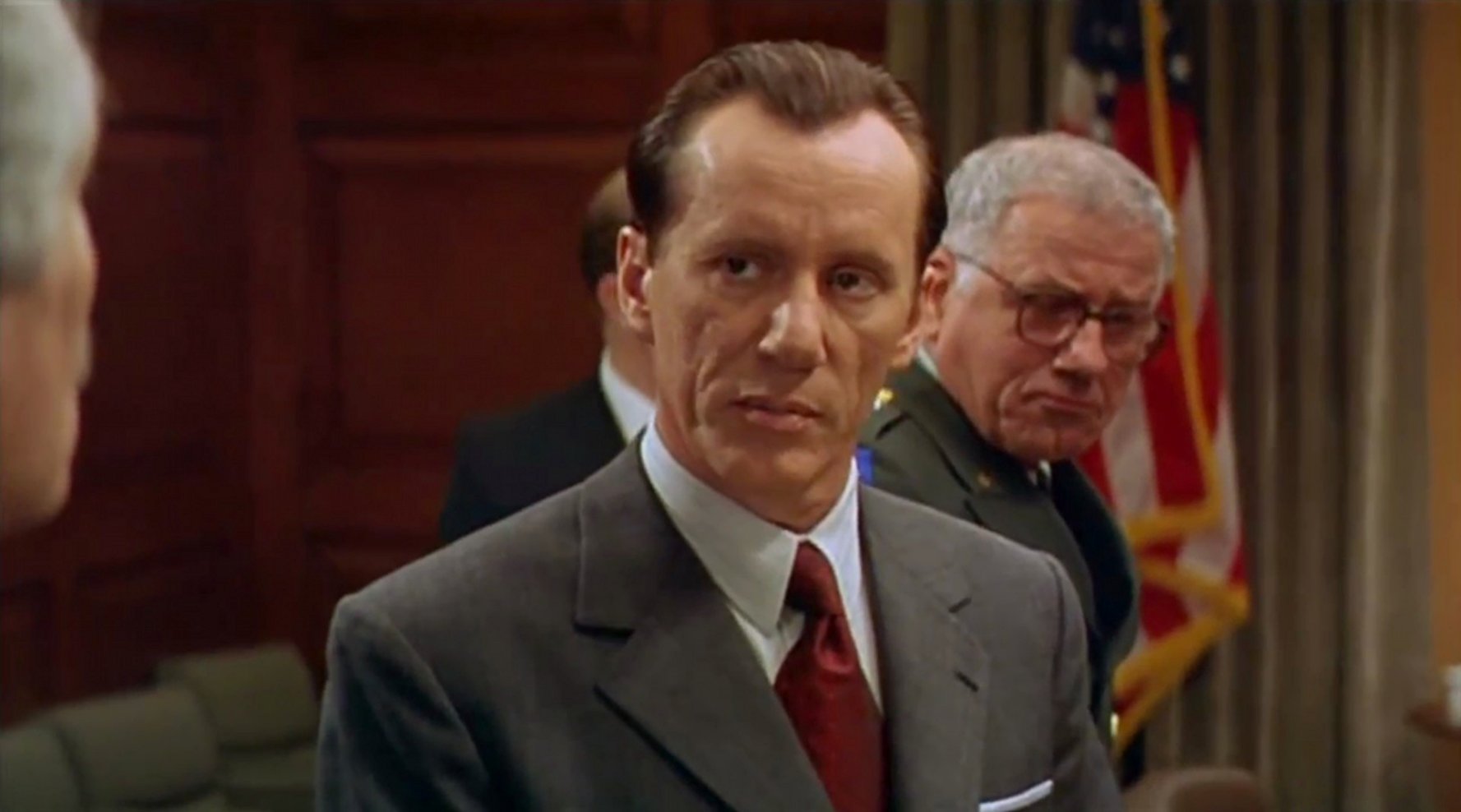 And yet, they can’t stick with it. Slipped in between the climactic scene and the final credits is one last conversation between Woods and a minor assistant. (Woods, by the way, may have been hit on the head during filming and may have been stuck in this persona ever since.) It is revealed that while the camera did only record static during Foster’s visit, it “recorded 17 hours of static”, a fact that the government is hushing up.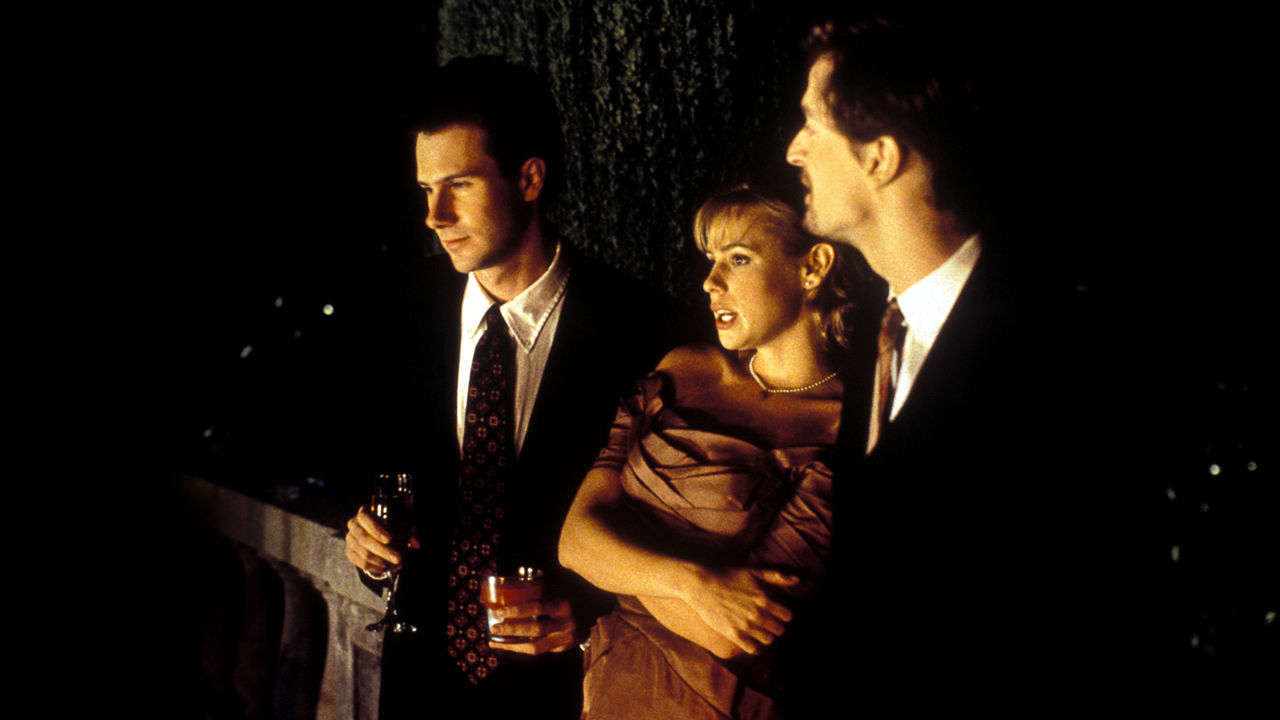
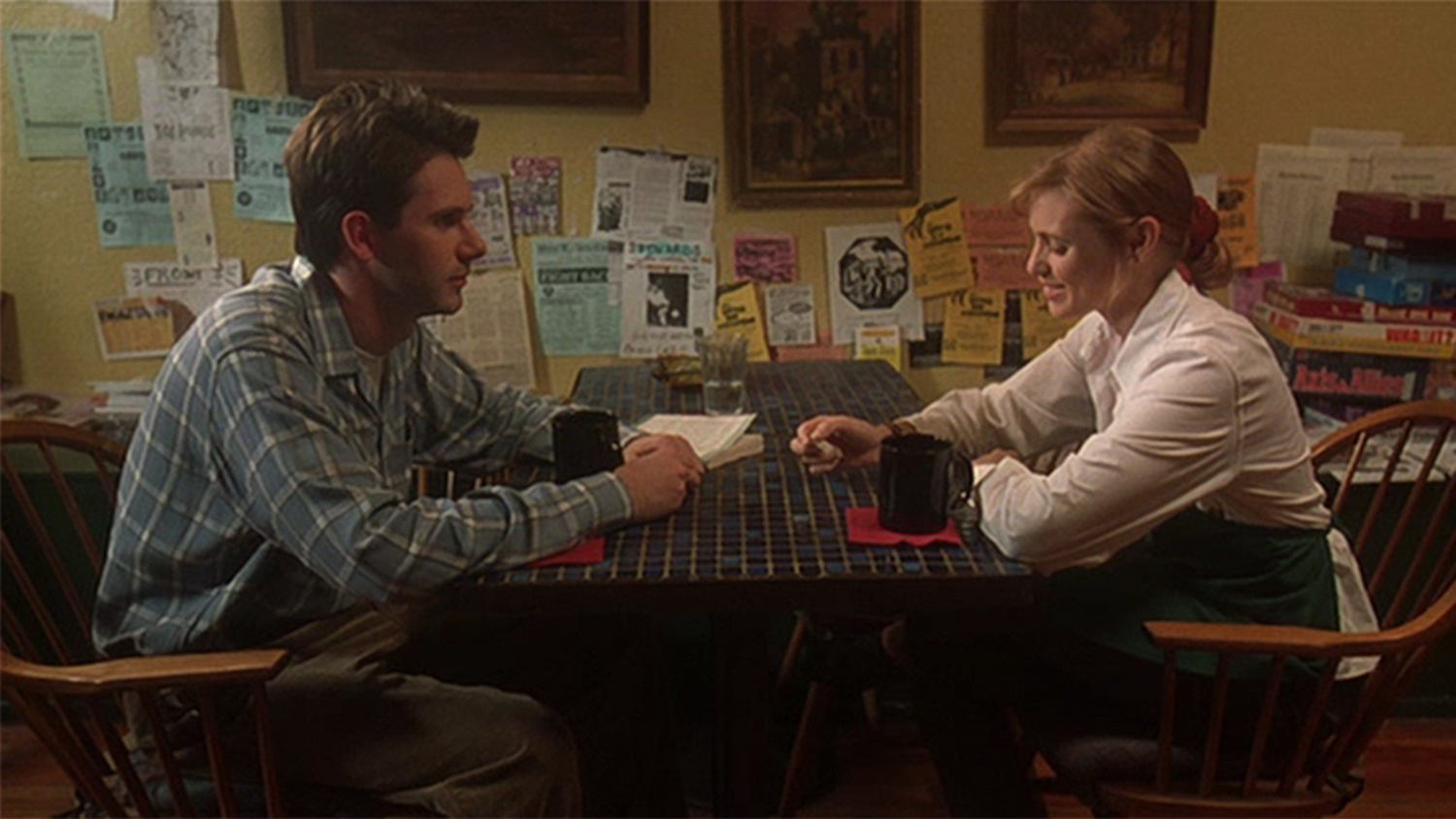 Over the years I’ve spent watching Kicking (I first discovered it in the early days of my Criterion obsession at around 16 — Lord knows what I got from it then — and have treated it as a bit of an end-of-the-year tradition) I had never considered that anyone could think we were supposed to think this was a clever line.
 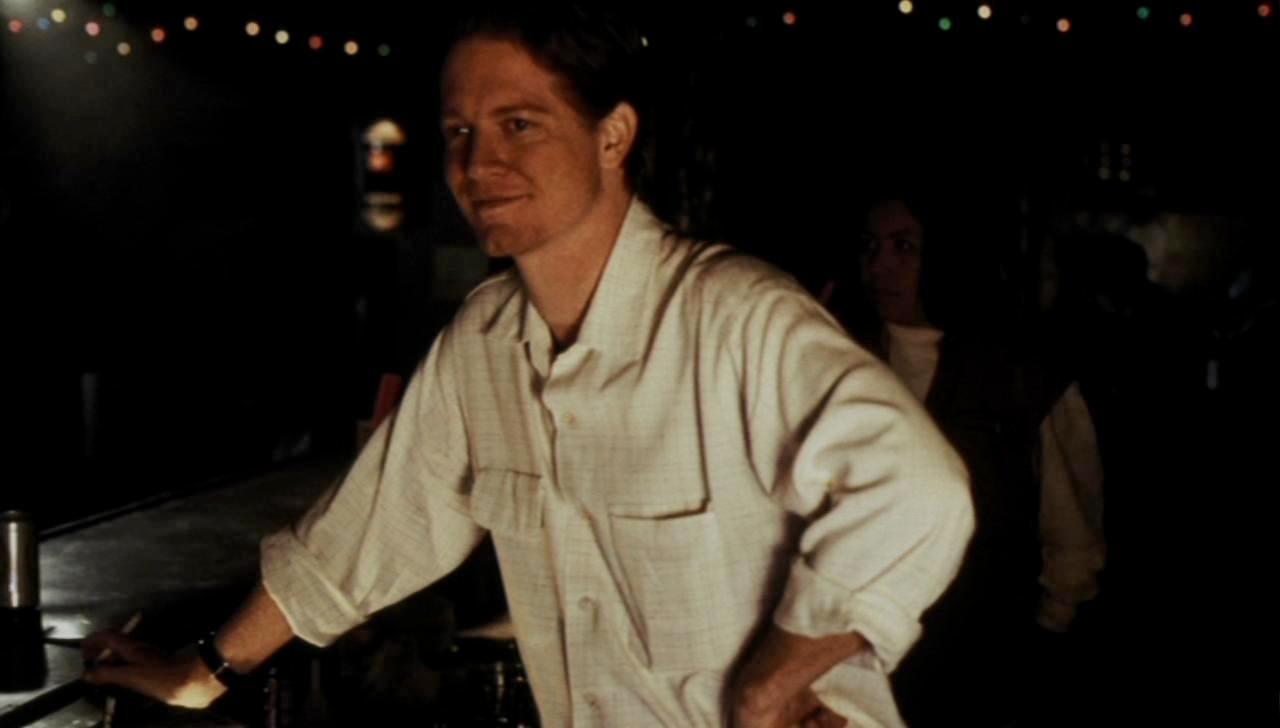 But while whoever I was talking to is wrong about the line in particular, he did get to the heart of why Kicking and Screaming, Baumbach’s first, is a peculiar one. For all its needling mockery of the recently graduated — almost every detail of which feels perfect, like a broken cup swept into a pile and covered with a piece of paper that says BROKEN GLASS — it is also soddenly sincere in parts. Baumbach might try to undercut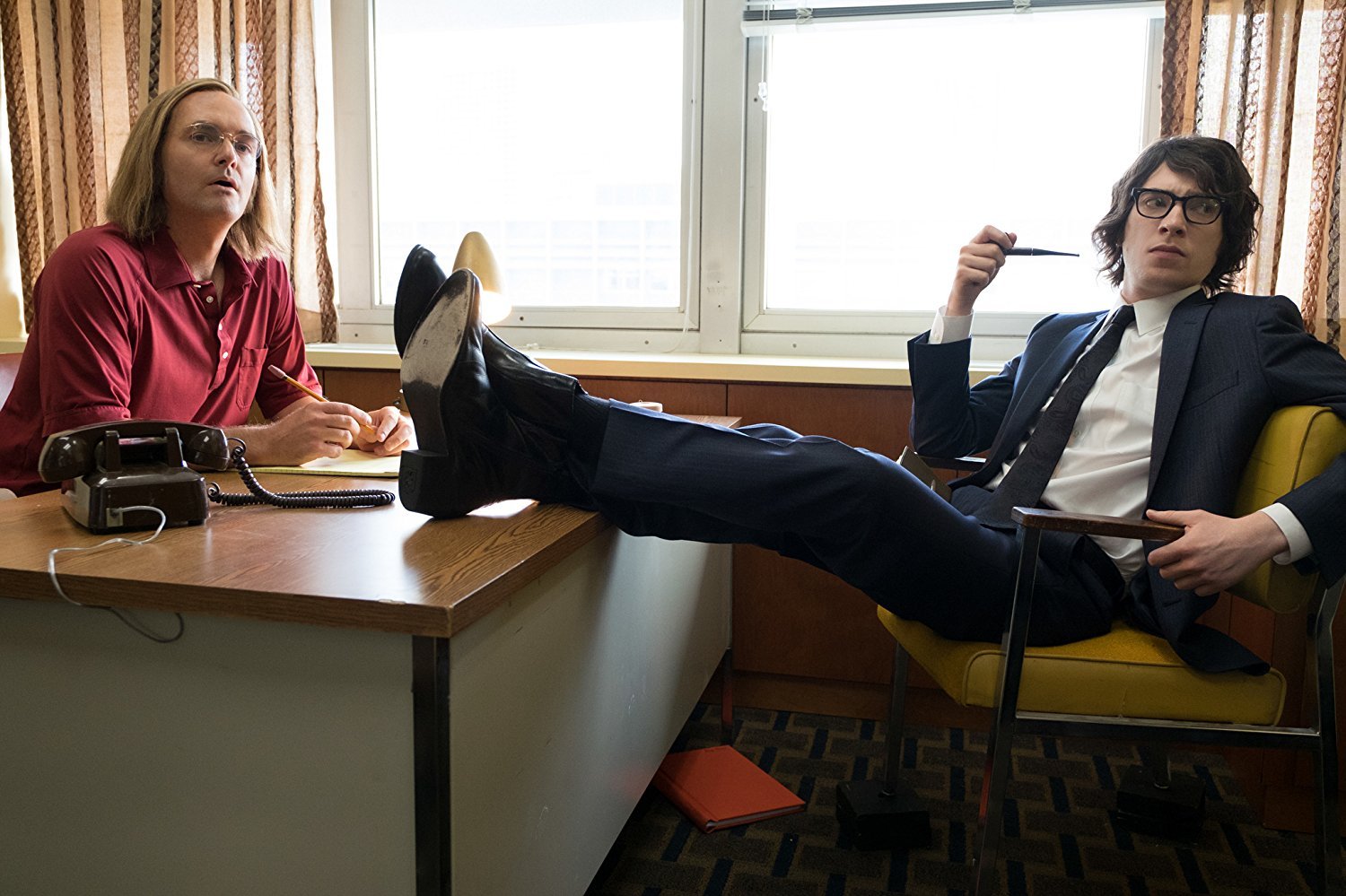

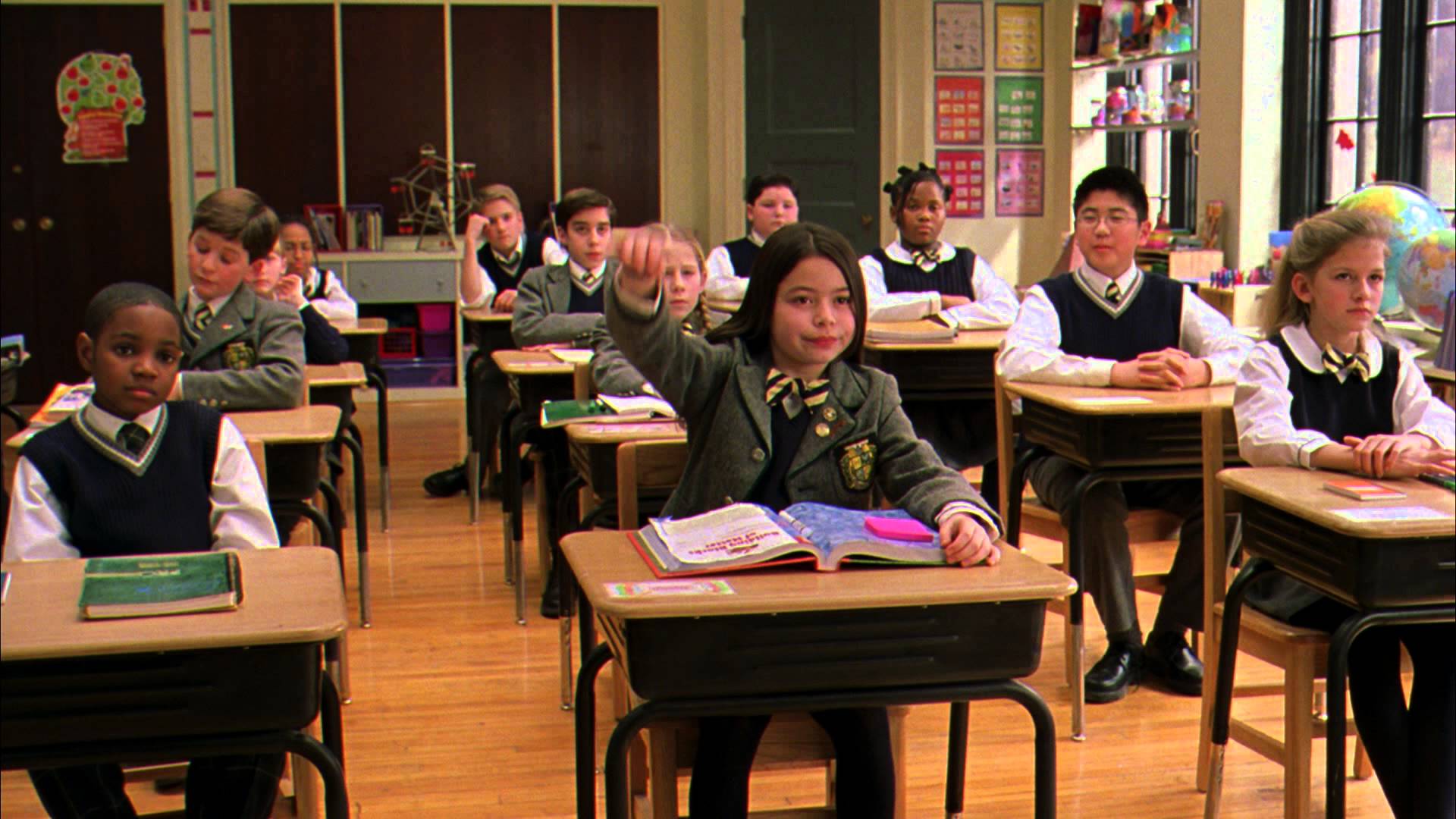 Roger Ebert
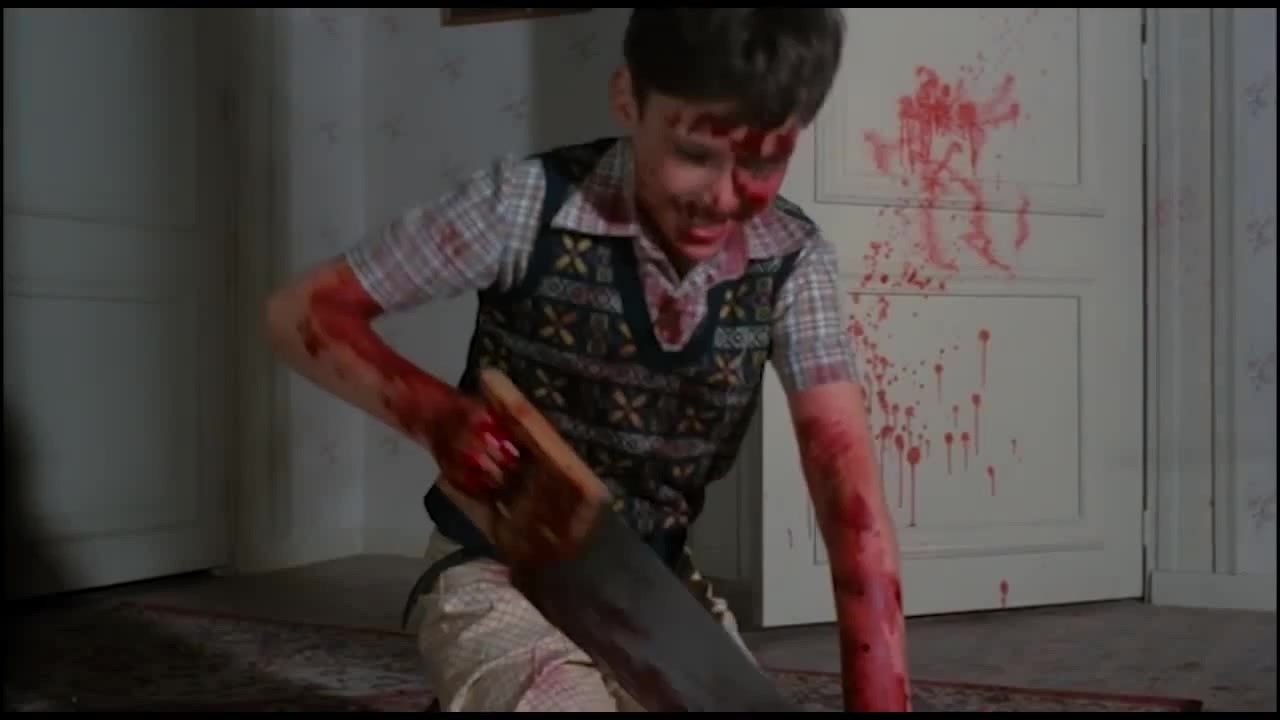
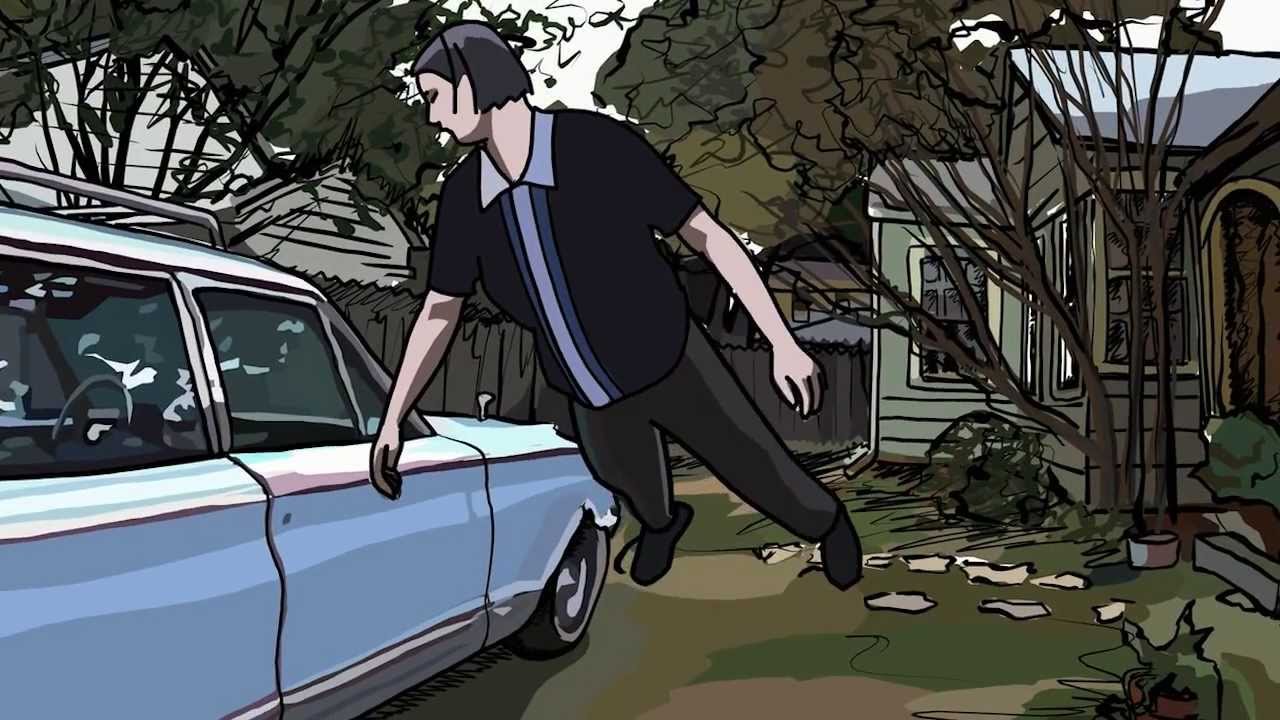
  In the great push and pull of everything, it’s fair to say that both Waking Life and School of Rock are silly texts. They ask very little of you, apart from joining them on a swift ride, steered by a guy who might just leap off the boat.
 That Linklater would insist on its inclusion tells us a lot about Linklater. The central conflict in the poem is between romance and time. Apart from the “one for me, one for them” logic of his output, we have to acknowledge this emphasis. “The deep river ran on.”
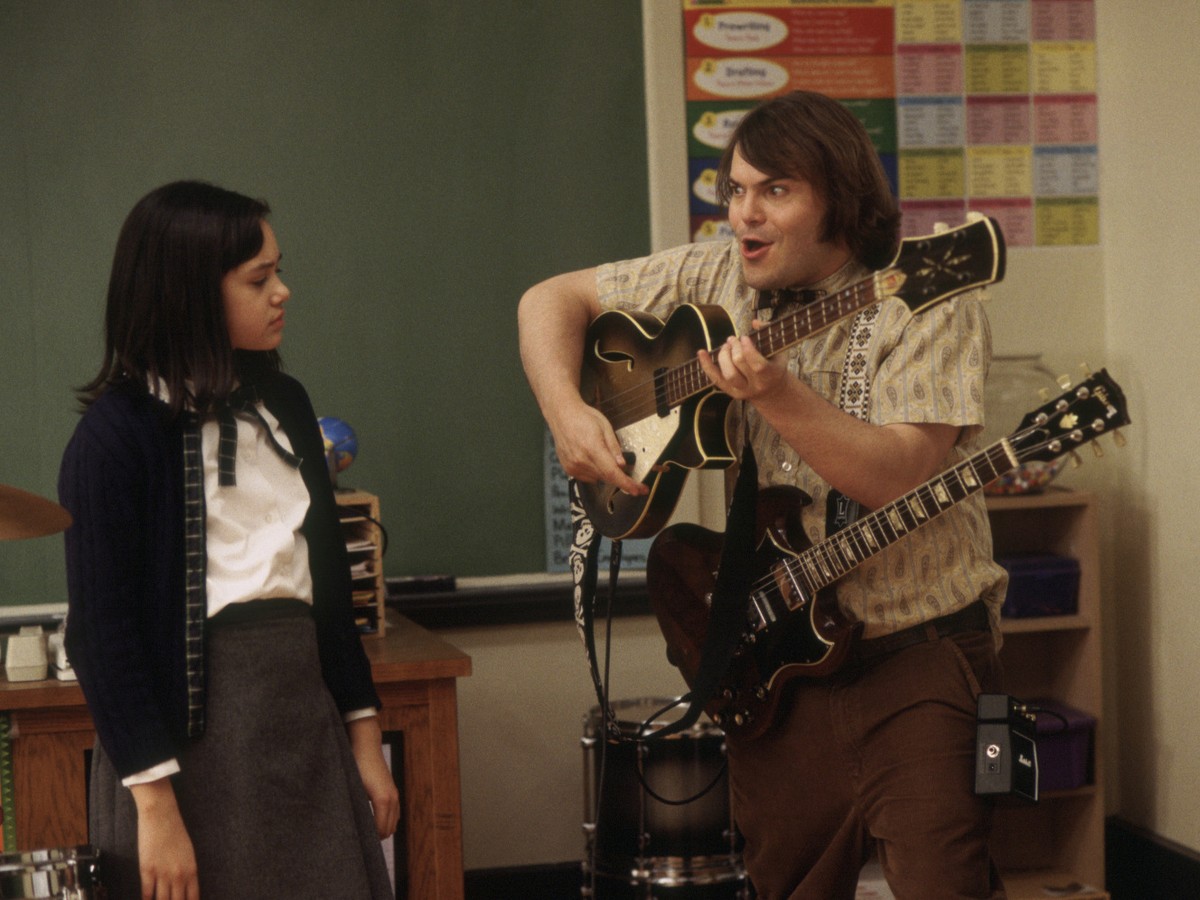 The rotoscoped half-wisdoms of Waking Life would have no place in the offbeat formula comedy of School of Rock (written by and starring
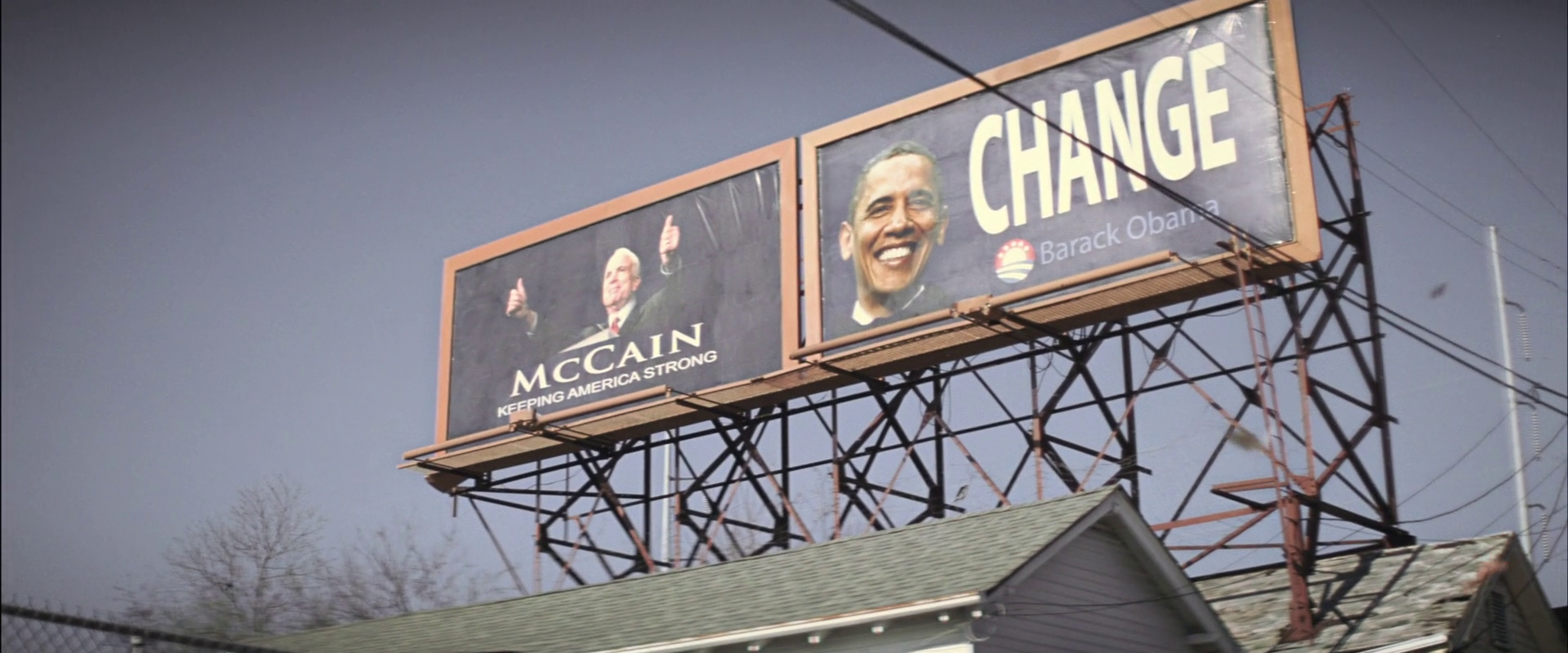 However, I’m reasonably sure that real life mobsters watch a lot less C-SPAN. Out of a desperate desire to turn Higgin’s novel into a timely bit of political commentary,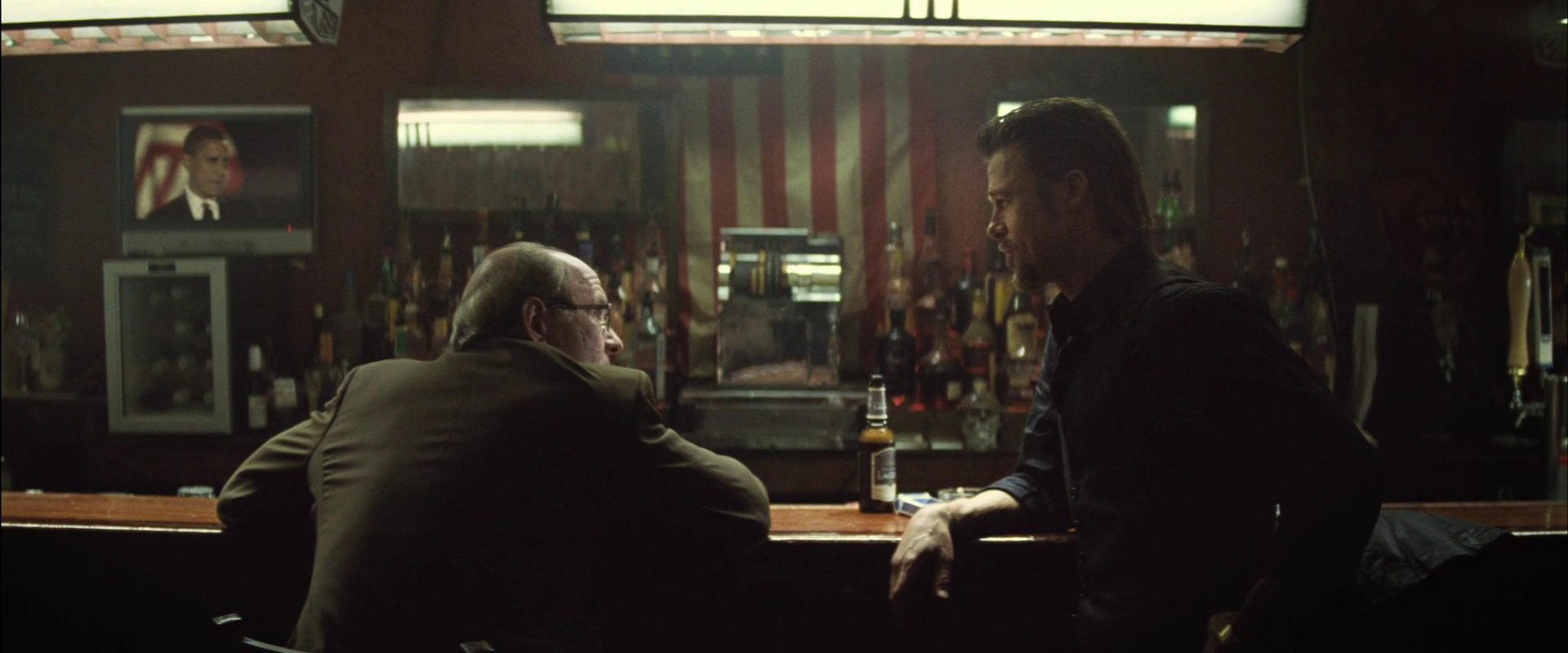
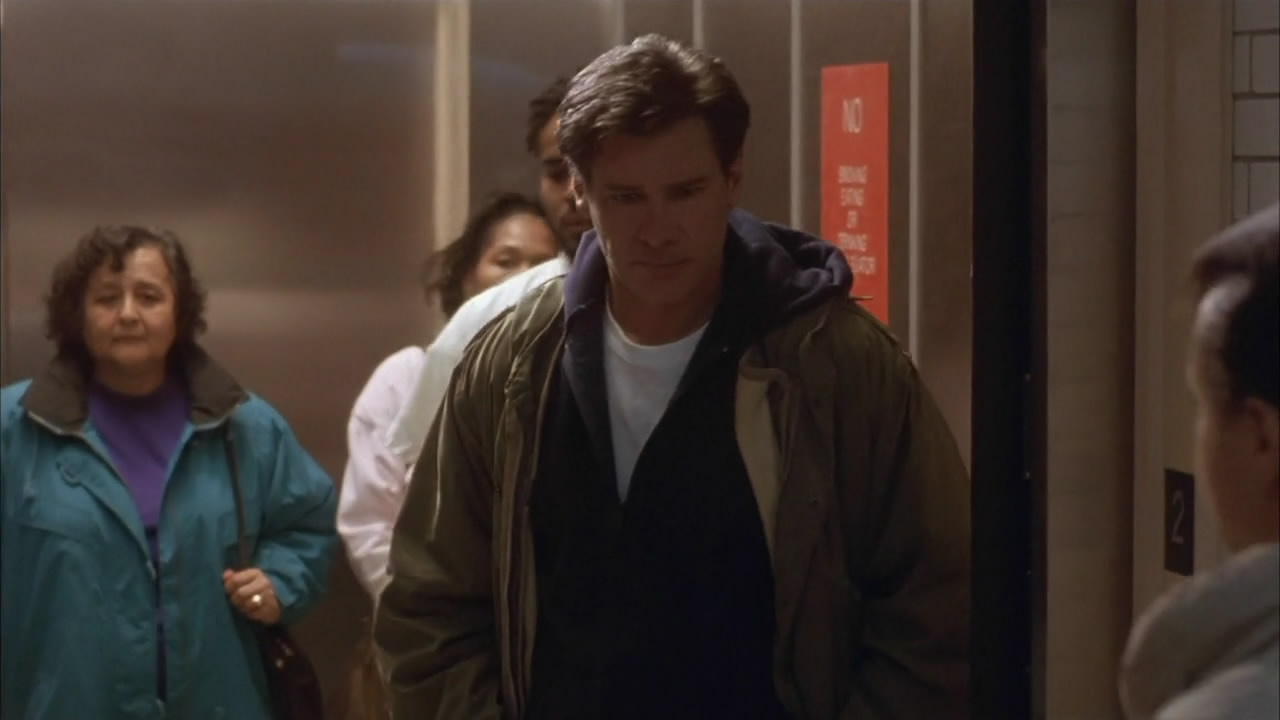
 As “Dr. Richard Kimble” (the prestige prefix is non-optional),
 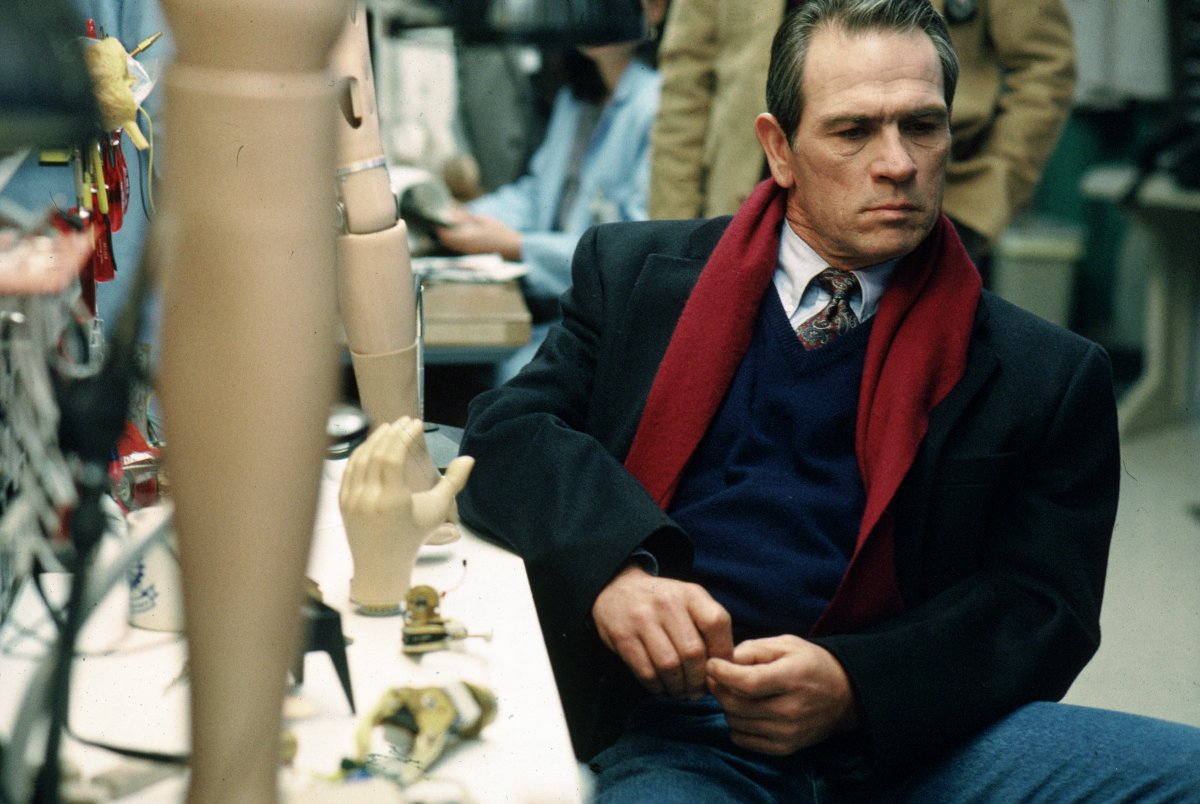 Dr. Richard Kimble is on the run from more than
 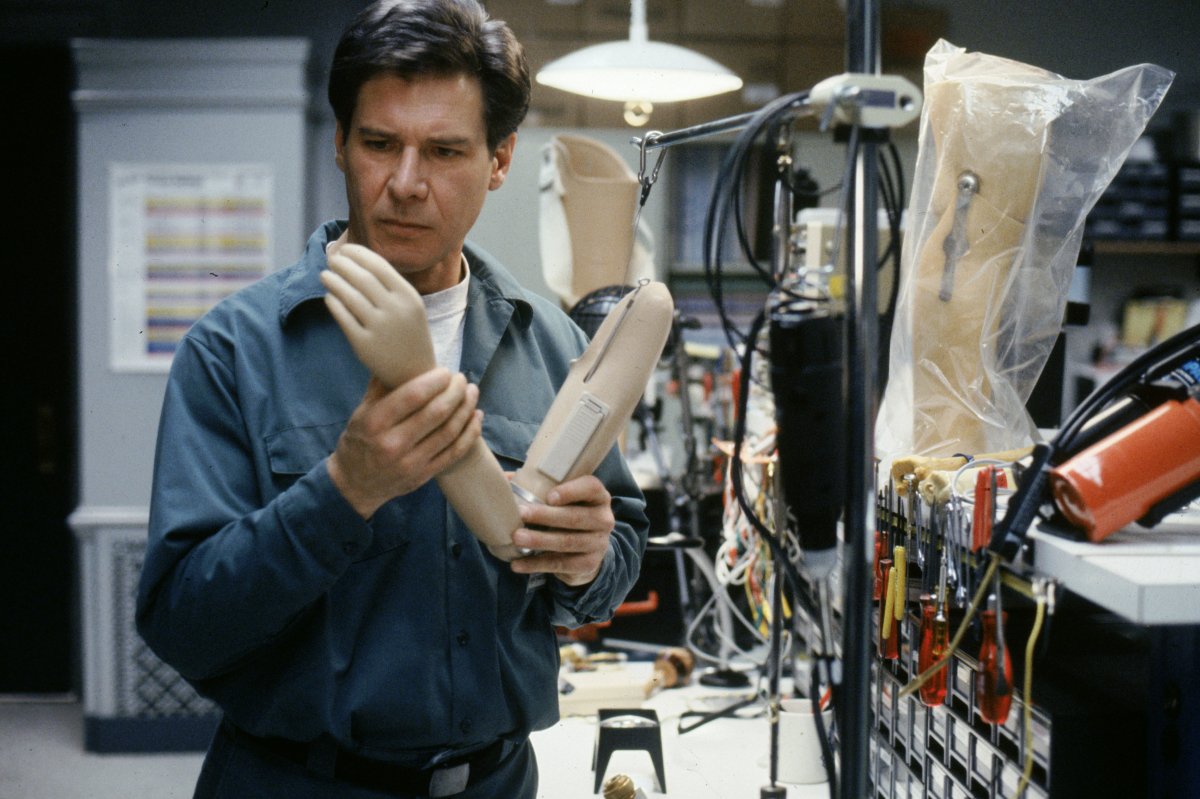 As in
As in 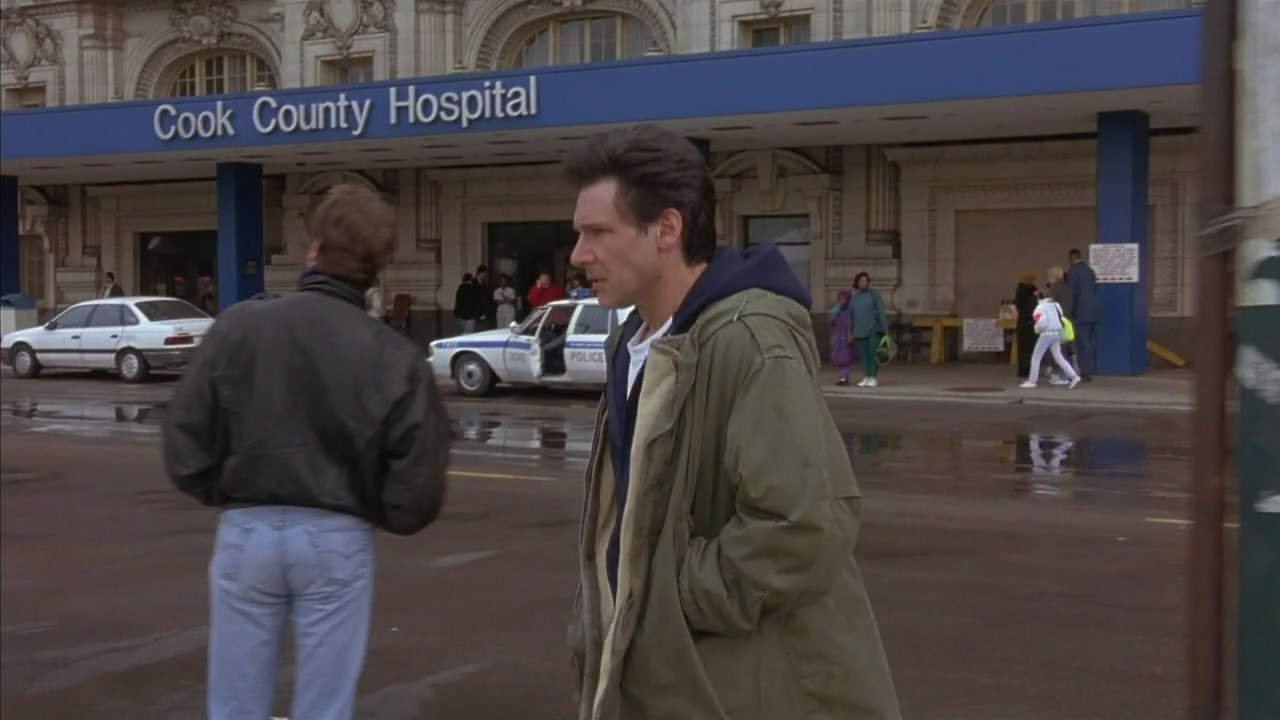 The entire structure of the film revolves around the (rather brutal, rather pointless) murder of Kimble’s wife Helen (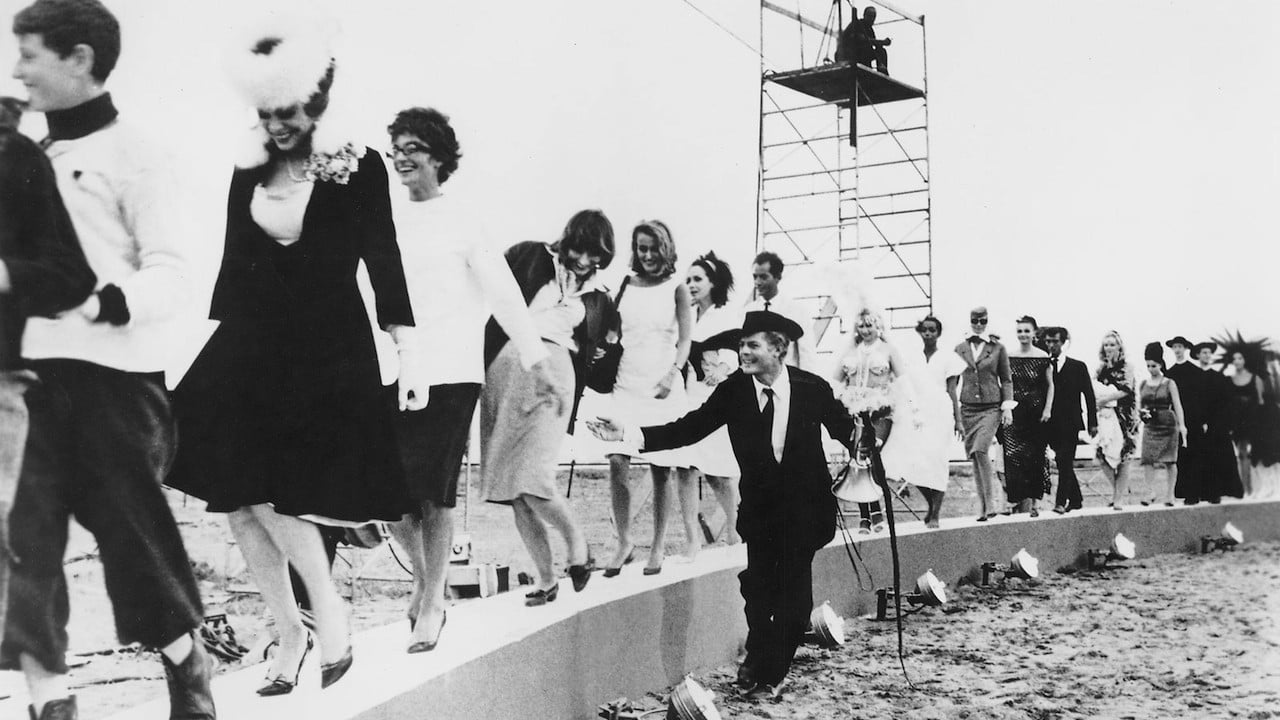
 To continue, let me pick a specific example somewhat arbitrarily — mostly just because it’s what I watched last night: Fellini’s
 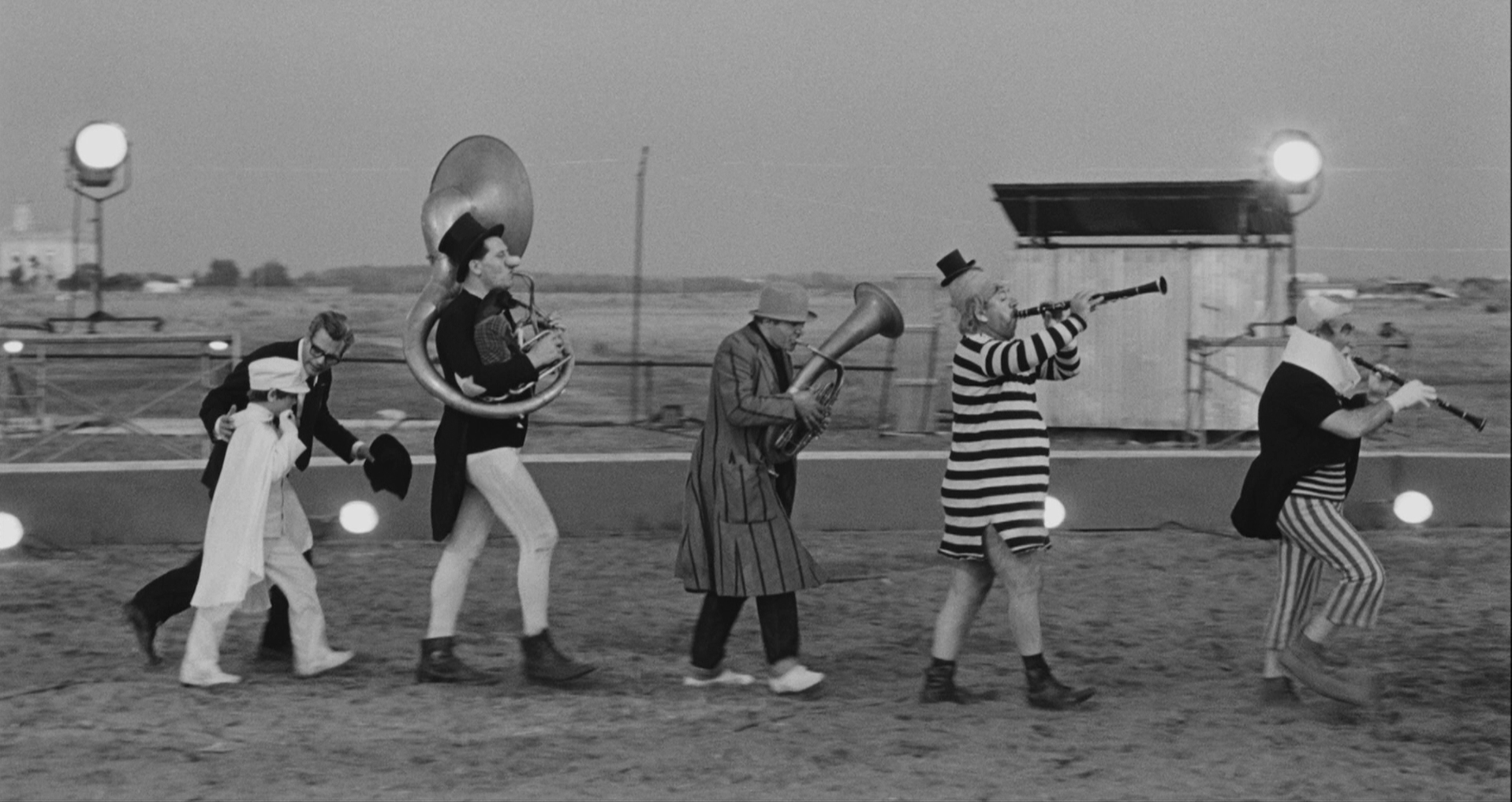 And yet, we spend the entire movie essentially in his head. We fantasize with him, and all the brilliant visual touches are in service of him: the final, justly famous moments, in which all the characters dance to circus music, are really just a recapitulation of his harem fantasy.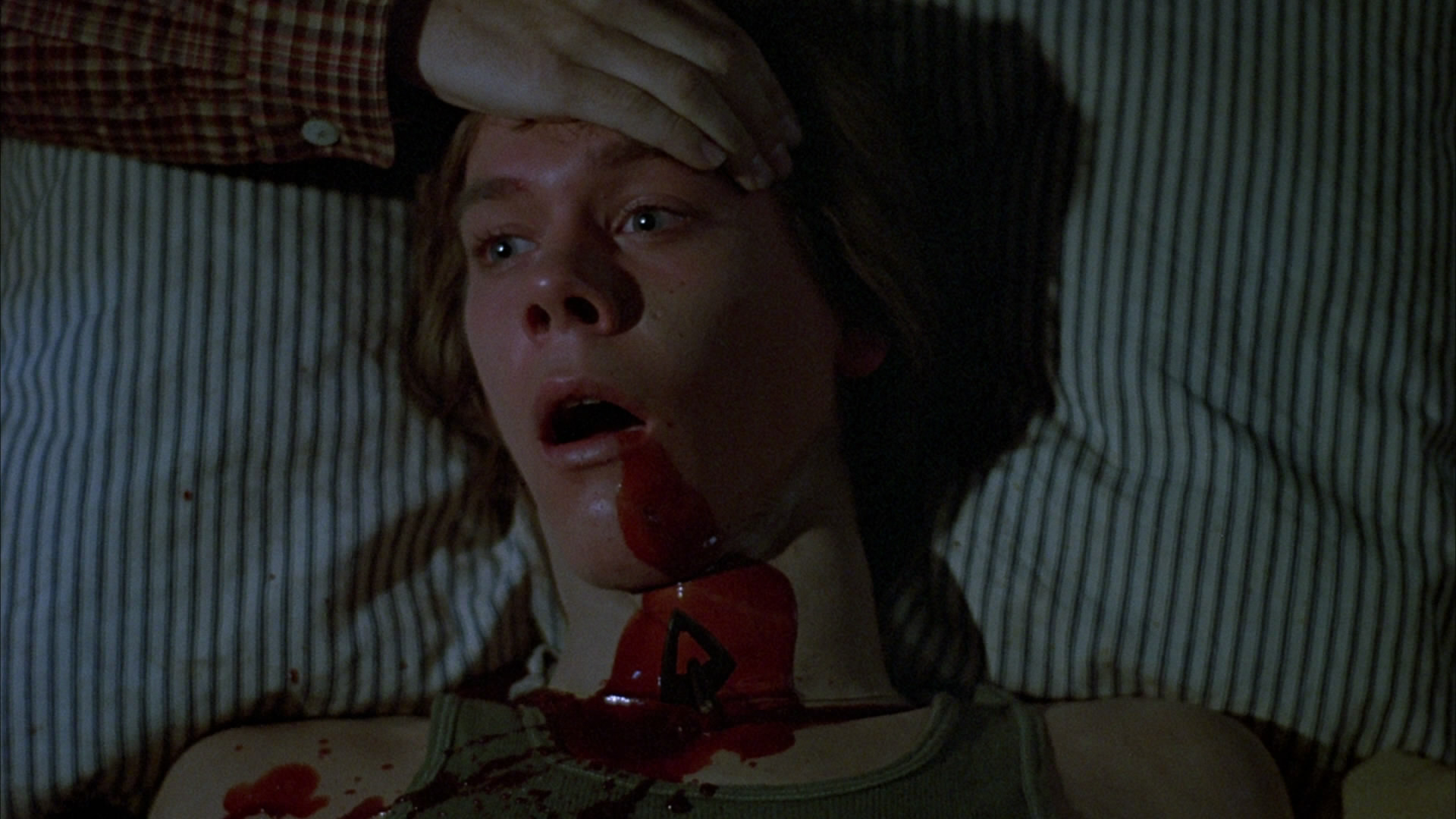
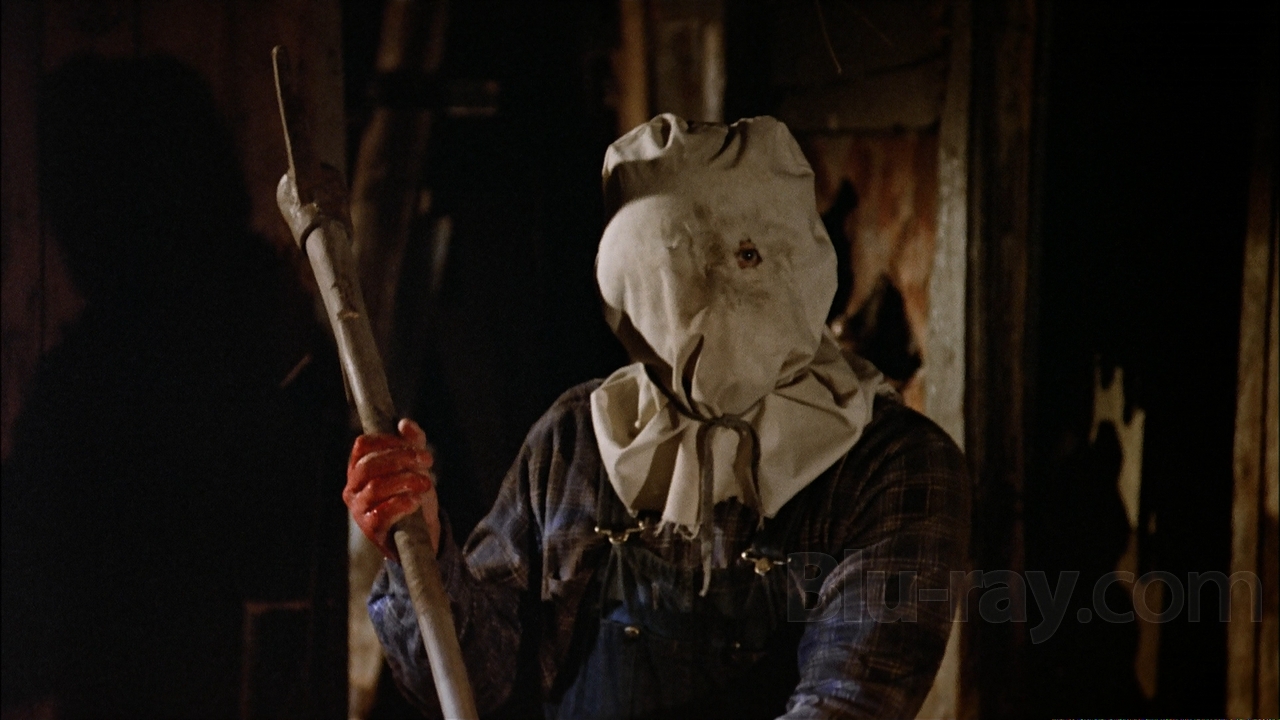
 To extend this idea of betting a little bit more, and circle back to the idea of virtue being a matter of re-watching: It is extremely unlikely to me that I will ever watch another Friday the 13th movie. I’ve seen a few scattered entries, and found them cruel and vicious, lacking in even the virtues of the other classic slasher series (like Halloween or Nightmare on Elm Street).