
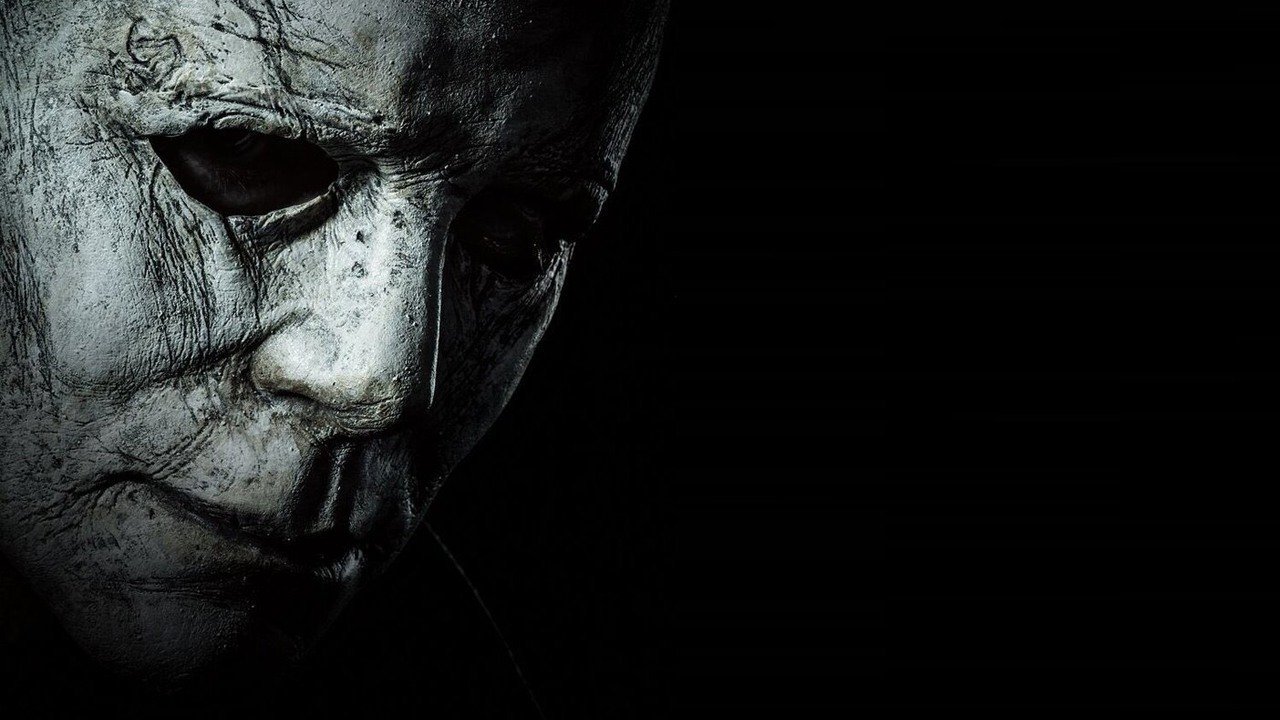
Halloween is a week out now! Scared yet?
No? Perhaps it’s something like the genre exhaustion we’ve been feeling, or the gnawing sense that the horrors of the screen are ill-equipped to keep pace with the horrors of the world. (Am I alone in finding First Reformed to be the best horror movie of 2018?) Or maybe scary movies were never that scary in the first place? Now that’s a frightening idea.
In any case, my 31 days of Shocktober horror count continues apace, even if the write-ups here have lagged. Here are more, with more to come. Perhaps the next seven days will deliver something vital and jarring. If not, I’ll have to settle for my two favorite first-watches of the month, maybe even the year.
Halloween might not be terrifying anymore, but it’s still the weirdest time of the year.
~ Rick
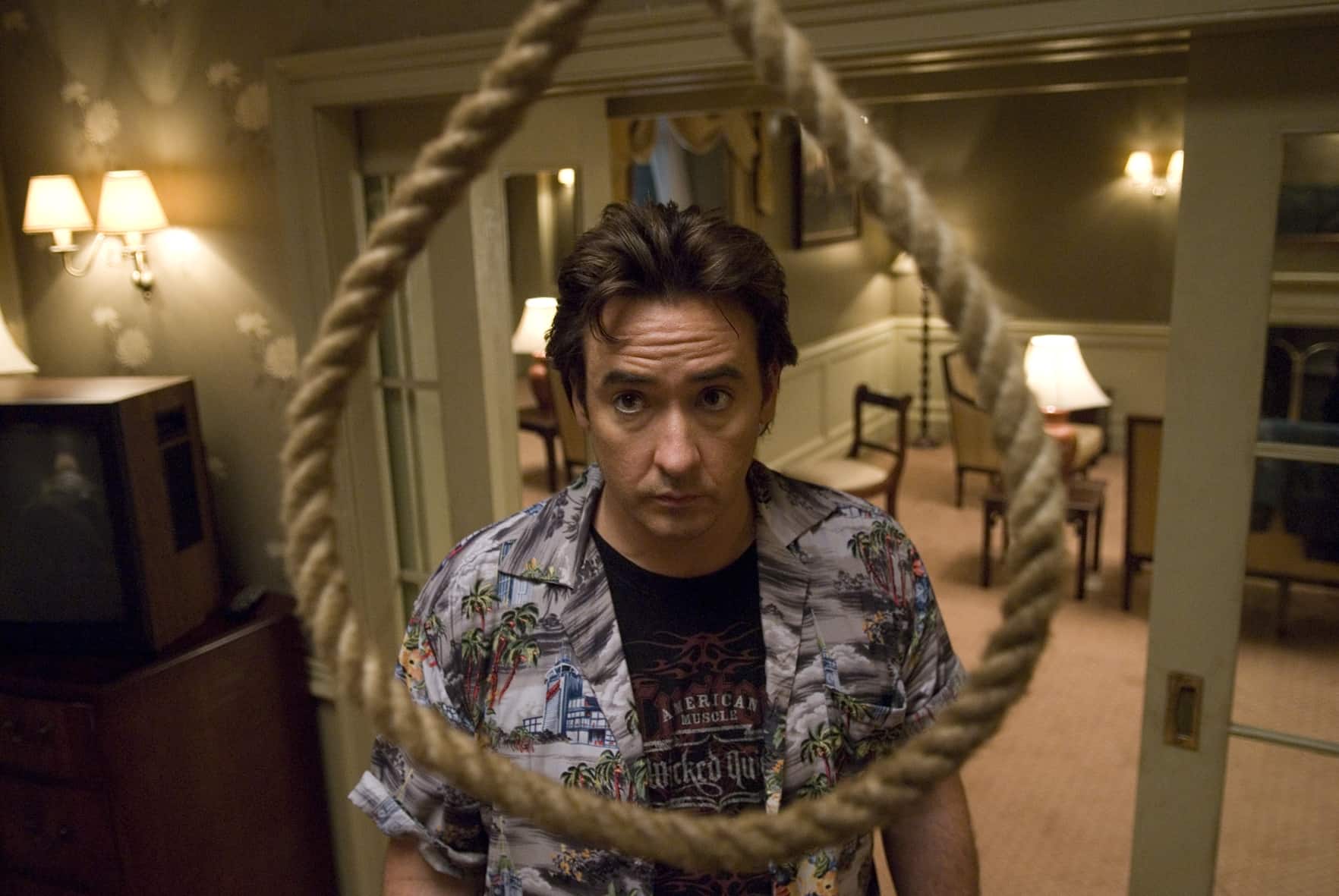 1408
1408
Many Stephen King stories focus on his struggles with alcoholism, the haunted architecture of addiction. This is another one of those, for better or worse.
Mostly for worse. 1408 isn’t bad, per se, but it feels like such a pro forma retread of the themes that you spend the entire running time simply waiting for it to resolve.
John Cusack plays (guess what) a writer, this time the jaded chronicler of the supposedly supernatural who’s finally encountering the real deal. Samuel L. Jackson haunts the fringes as a dubious hotelier. We’ve seen it all before.
 47 Meters Down
Although its (apparently hellish, poisonous seaweed and broccoli-water-filled) production began earlier, the Mandy Moore-starring sharkfest 47 Meters Down lagged behind The Shallows in arriving on screens, and predictably suffered as a result.
This lack of acclaim may also have something to do with the fact that The Shallows is a far better film. Where that film’s Blake Lively is given an effective if genre-exaggerated backstory, our risk-taking protagonists here mainly want to stick it to an ex-boyfriend. Where Lively is stranded and alone, forced to summon all her strengths in desperate circumstances, here we have Matthew Modine on a radio, king of a George Clooney-in-Gravity figure who actually exists (terrible accent and everything). The supporting cast is all local idiot color, and worst of all, the leads in 47 Meters Down are able to get out of the cage — leading to expansive, tension-dissipating tableaux that someone like Collet-Serra would never allow, even if we do get some spectacular underwater photography out of the deal.
It all just has a lingering sense of mediocrity and inferiority. Knowing the backstory of its production and Weinstein-stunted release, I feel bad for everyone involved, but not bad enough to recommend this in a world where we already have The Shallows.
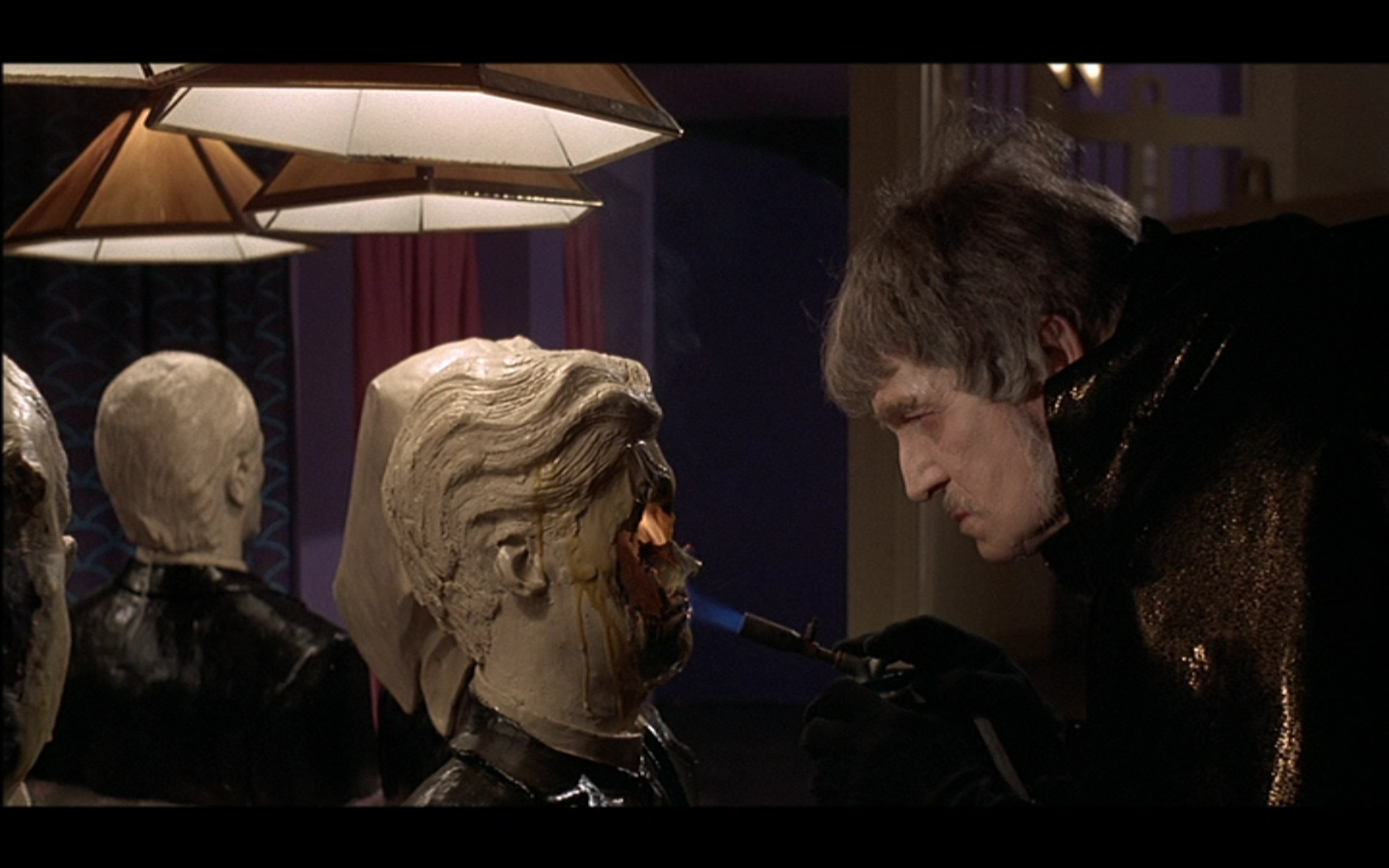 The Abominable Dr. Phibes
No amount of cult hype could’ve prepared me for my second favorite Halloween season first-watch. From its opening moments — or rather, its first, disorientingly wordless 10 minutes — I knew that Dr. Phibes would be going into regular rotation, Halloween season or not.
Vincent Price places the titular doc cum celebrated organist (the kind of pun only British horror, and I, could love). He’s introduced, cape to the camera, leading a psychedelic band of unnervingly masked musicians, and we discover he only speak through a gramaphone. Things only get weirder from there.
The plot itself is sort of a Talmudic pre-mash-up of Seven, Saw, and The Phantom of the Opera, with Phibes eliminating one by one the people he deems responsible for his beloved wife’s death in surgery and his own disfigurement. Hilariously hapless cops trail him through town, trying and failing to thwart his occult revenge, and we’re treated to extended, candy-colored musical interludes. By the time he reveals the final, ludicrously complicated setpiece, I’m all in. This movie is batshit in every right way.
 Creepy
Kiyoshi Kurosawa is revered in Japan but less well-known elsewhere. He’s probably most familiar to American audiences for his 2001 Pulse, a terrifying genre entry that helped solidify one of today’s most au courant subgenres, the “internet is trying to kill you” movie, and was remade terribly five years later with Kristen Bell. (Fun fact: Harvey Weinstein, noted world’s worst man, was so disappointed in it that he nixed the director’s preferred bummer ending for 47 Meters Down before briefly relegating that film to the Walmart bargain bin. It all comes back around.)
Creepy epitomizes the slow-burn tendency in modern horror. There’s eventually a suitably horrific pay-off for all its mood, but Kurosawa is less interested in guts-and-gore genre tropes — if anything, the genre most centered here is the police procedural — than a more basic anxiety: we live more or less on top of each other without ever really knowing our neighbors. In Creepy, a deeply unsettling Teruyuki Kagawa embodies every concern you’ve ever had that there’s something off about the guy next door, as bucolic gates turn sinister and the narrow separations between dwellings and identities collapse.
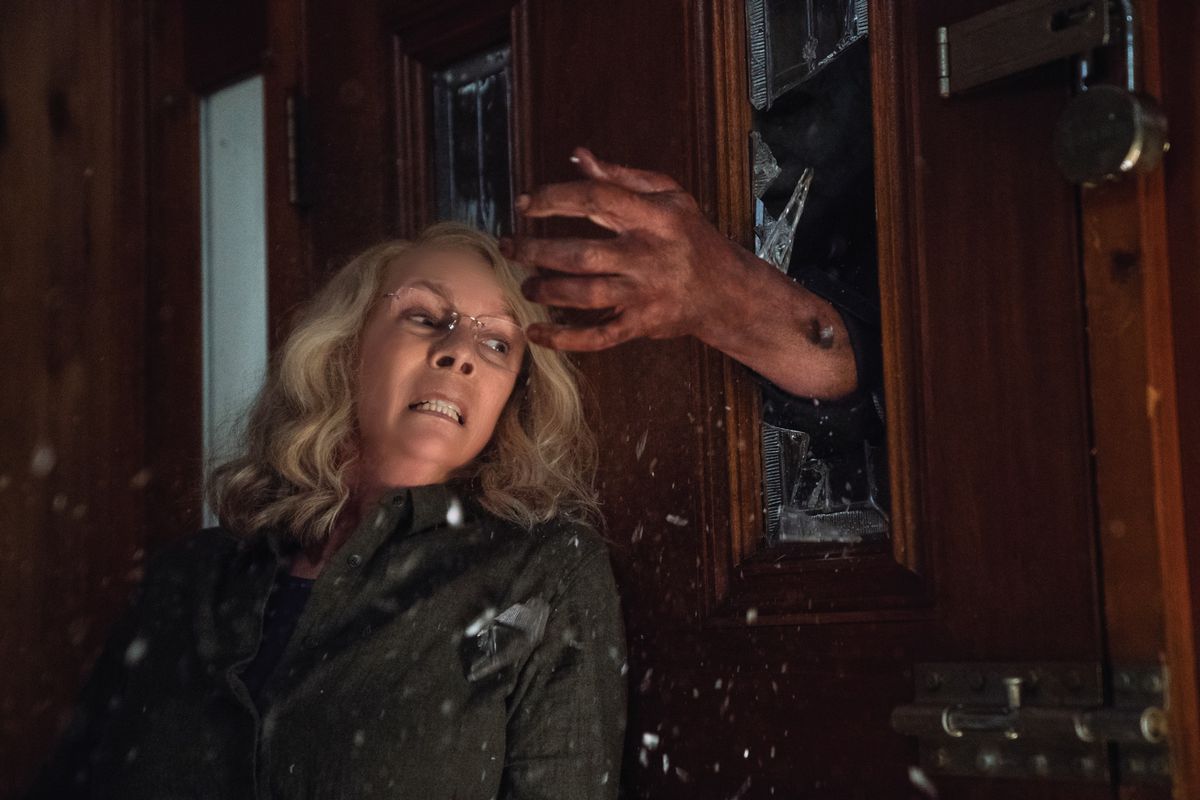 Halloween
For effectively its entire history, horror, and the slasher subgenre, has weathered disrepute, and a range of critical charges: of exploitation and the fetishization of violence, of misogyny, of juvenile escapism, of desensitization to cruelty. The latest installment, which flat-out ignores everything since John Carpenter‘s pivotal 1978 stage-setting, seems squarely focused on recuperation.
That might be a good thing or a bad thing, depending on your point of view, but it’s not a particularly scary thing. As the current crop of horror turns relentlessly inward, its representations of anxiety shifting more toward of examinations of fractal trauma itself, there’s a feeling of desire for respectability in its images and accompanying commentary. We’ve been given both the text and supplementary reading at the start of the semester; the exam is open book.
Thus, in David Gordon Green‘s Halloween we get offhand mentions of Viktor Frankl alongside inverted references to the original film, with Jamie Lee Curtis‘ Laurie Strode occupying physical spaces (outside windows, absent from spaces on the grass she’d been moments before) associated with her nemesis, Michael Myers. In this Halloween, she’s Sarah Connor, waiting patiently in a fortified existence for the return of the repressed. The trauma is intergenerational and elastic; we watch it cascade from mother to daughter to granddaughter, enveloping the family.
It’s poignant, though Green and co-writer Danny McBride undercut it with ill-advised stabs at humor throughout. (The silent theater response to a zany Black kid who’s included to deliver one-liners amid the murders was my most awkward moment at the movies in 2018; if Halloween is woke af with regard to female trauma, it’s not quite there as far as race is concerned.)
Does it matter when horror isn’t scary? Halloween 1978 was an inchoate scream, and Halloween 2018 is a term paper about screaming. Your call.
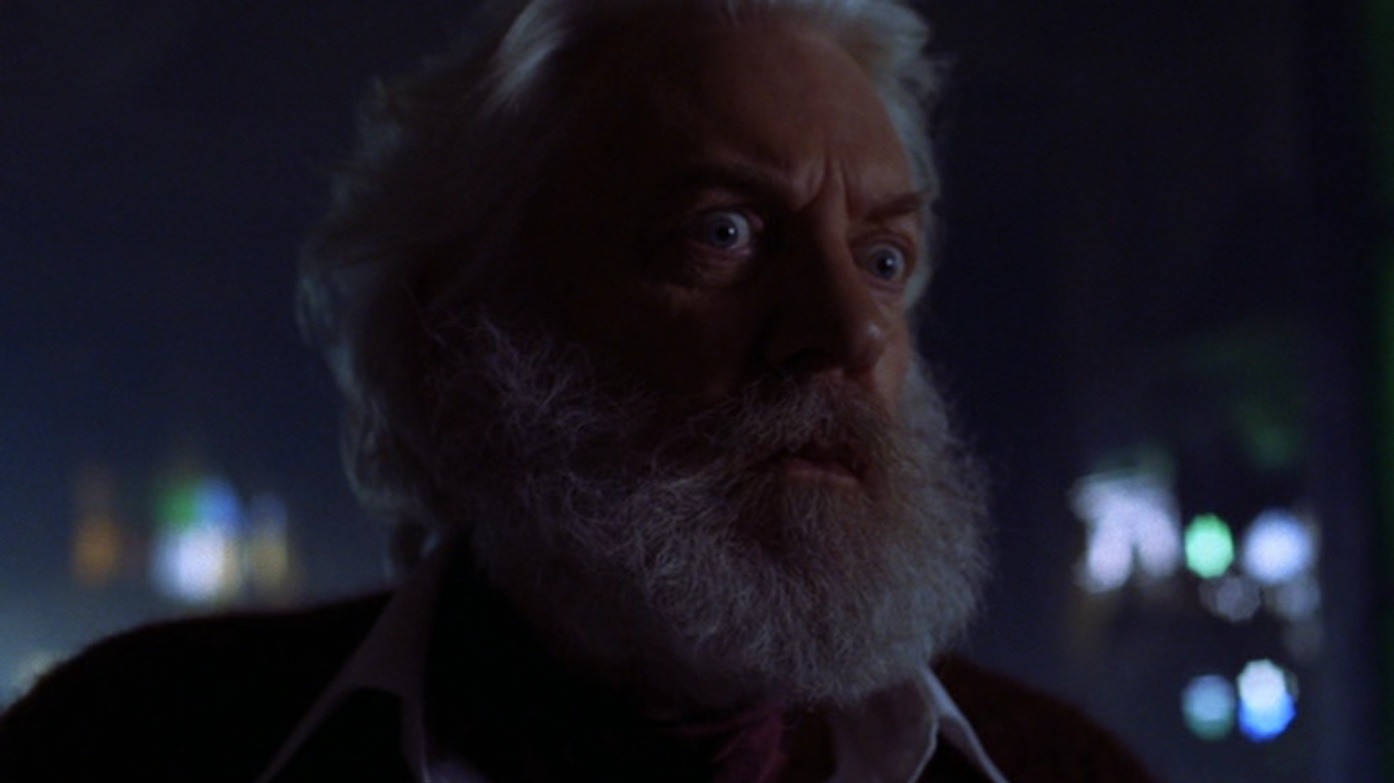 Salem’s Lot (2004)
In a very on-brand move, I decided to check out this TNT miniseries adaptation of the Stephen King favorite, after having watched Larry Cohen’s in-name-only “sequel” earlier this month and still without having seen the Tobe Hooper version people actually like.
And it’s … not bad? Occasionally fun, even? Rob Lowe intones the clearly-from-the-text narration like he just stepped out of Stand By Me: Vampire Chronicles, but he’s serviceable in the lead, atop a talented cast who cumulatively don’t get to shine much but have their moments. Donald Sutherland in particular suffers from minimal screen time, if only because he’s so much fun when he does show up, and I missed Sam Fuller‘s Nazi-hunter from Return.
This Halloween season is grinding me down with the exhaustingly Kingian “this ground / hotel / house / person / car / dog is not good, no sir” narrative, but Salem’s Lot is a compelling enough story at heart: you can go home again, but it’ll be filled with monsters.
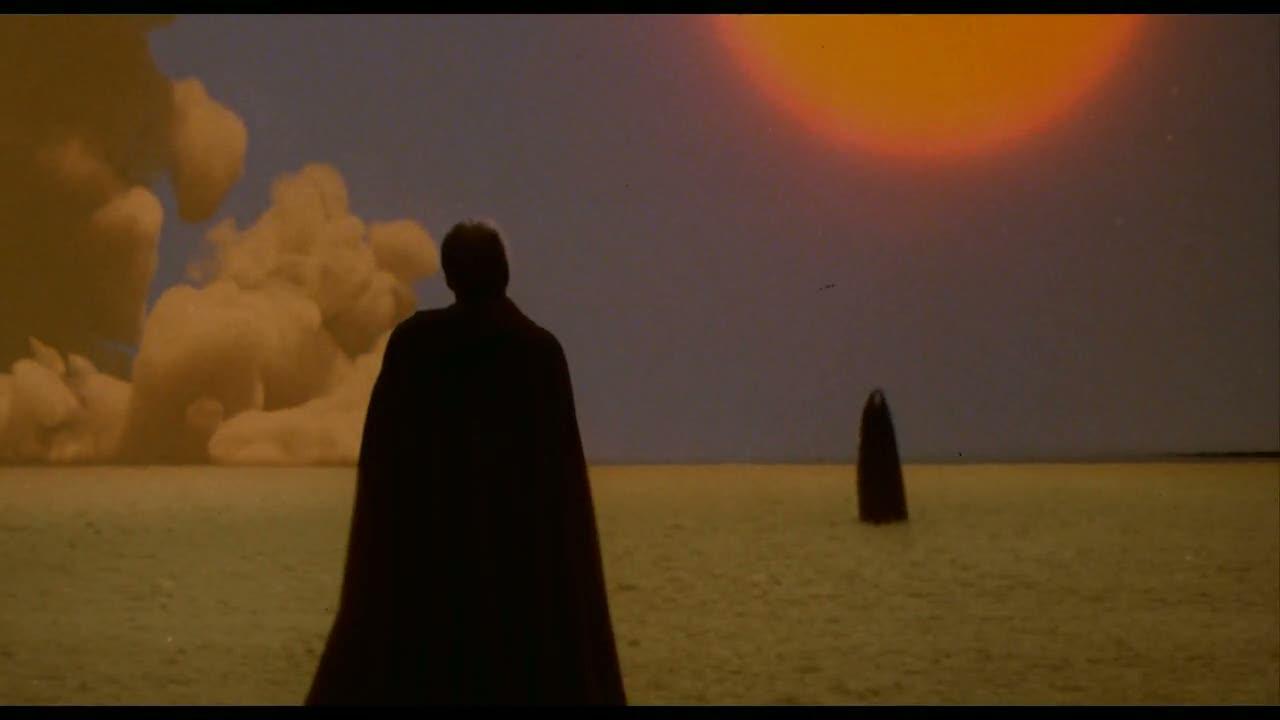 The Visitor
Liz wrote about this 1979 drive-in head-scratcher back in the decidedly less Halloween-y month of April, but I only experienced its wonders this week.
And boy howdy, is it wondrous.
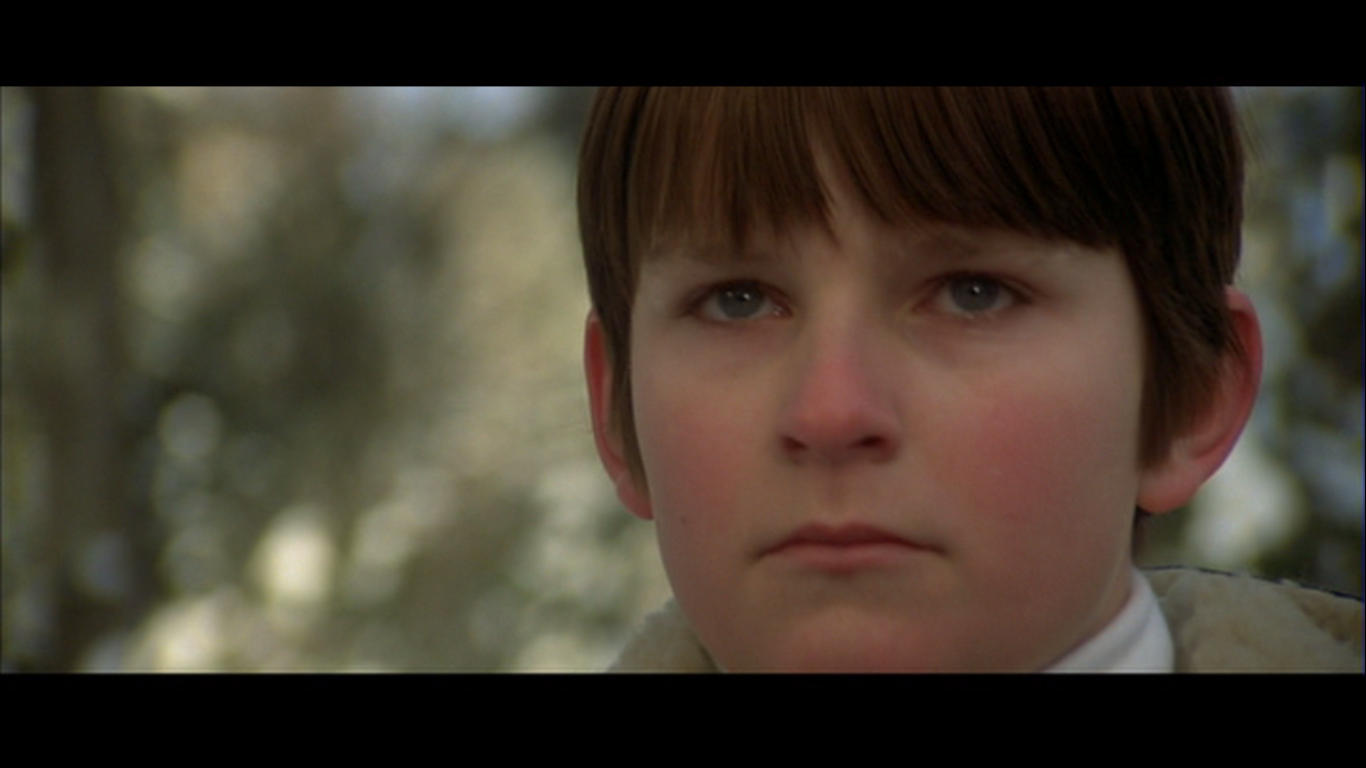
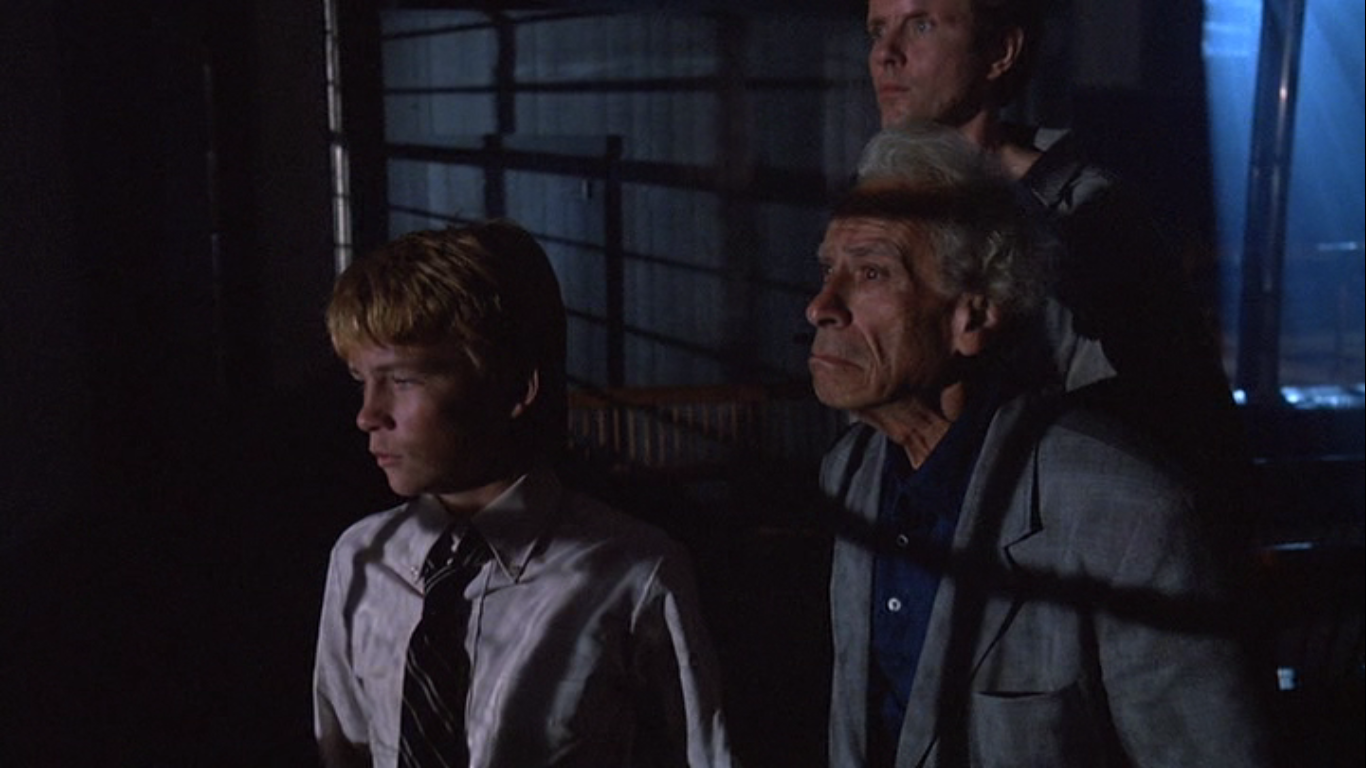
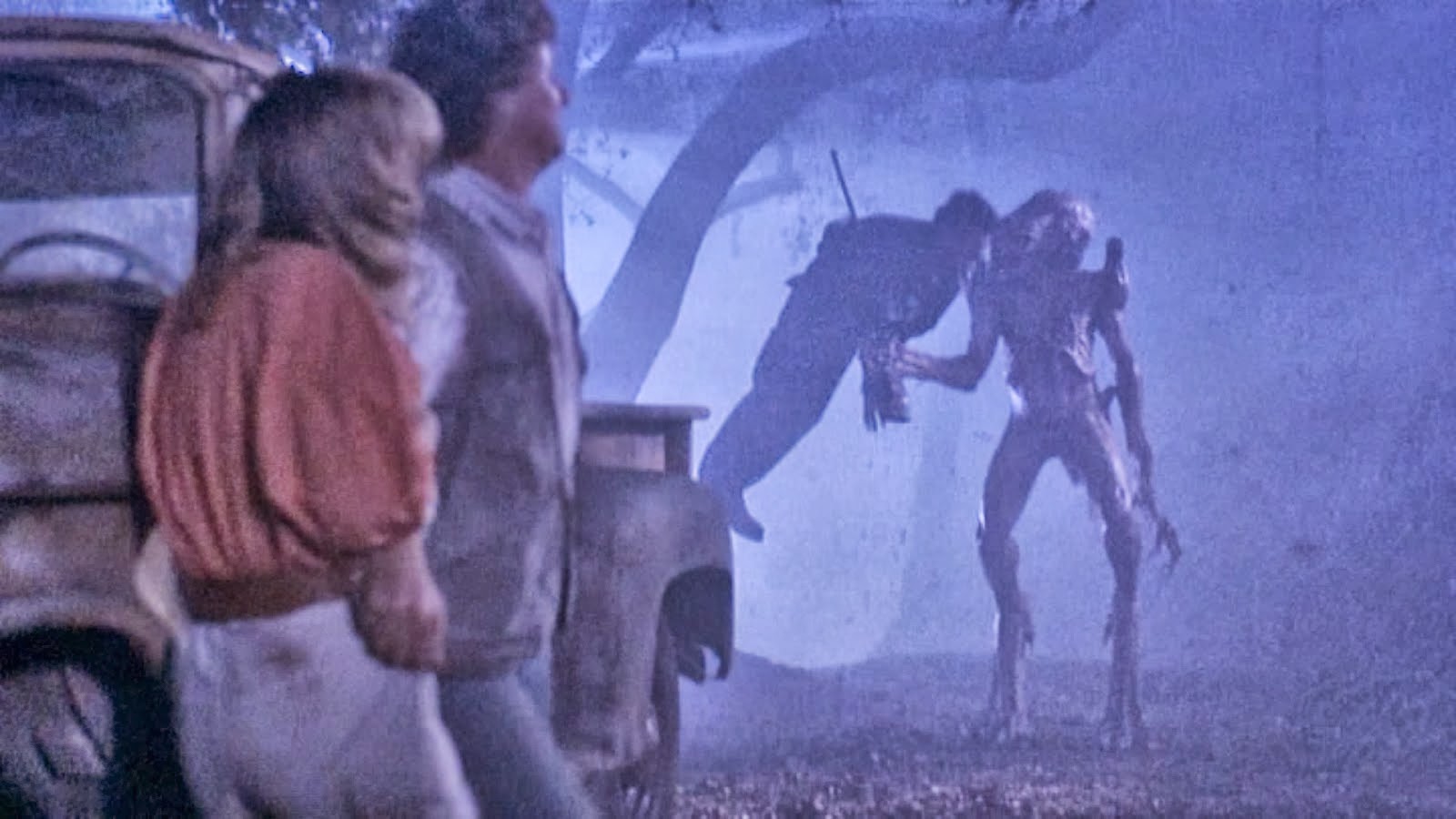
From John Huston‘s space-eyed turn as a kind of celestial bounty-hunter for monstrous, telekinetic children to an inexplicable set-piece set in the world’s ugliest basketball arena to, in Liz’s words, “the presence of Yahweh, an extremely cult-leader-looking man who seems to live in a spa,” The Visitor is operating on a logic only the 1970s could produce, or understand. It’s my favorite movie I’ve seen this October.
Side note: Franco Micalizzi‘s score is all kinds of awesome, and I’m considering carrying it around with me (on my Walkman) to add some horror-funk grandeur to my entrances.
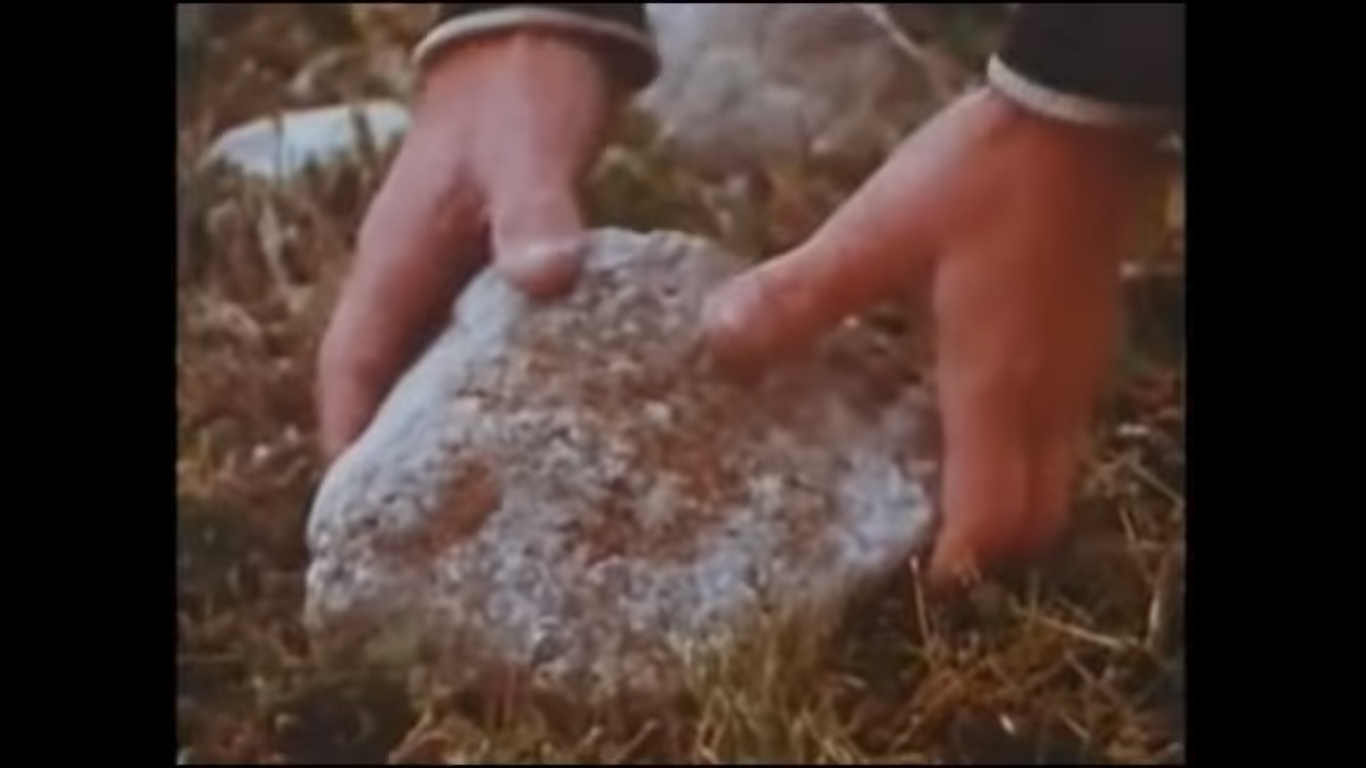
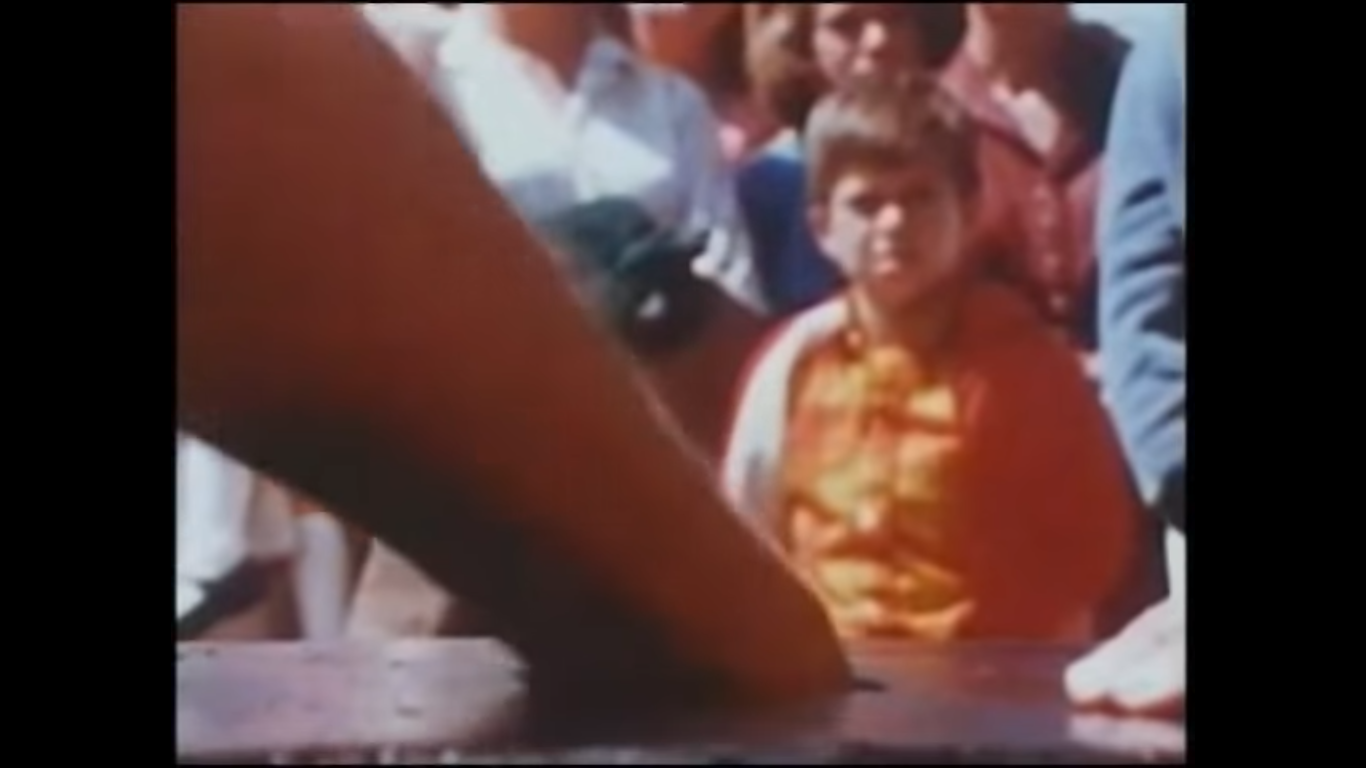 The bone-brittle plot of The Lottery is well known. (Read
 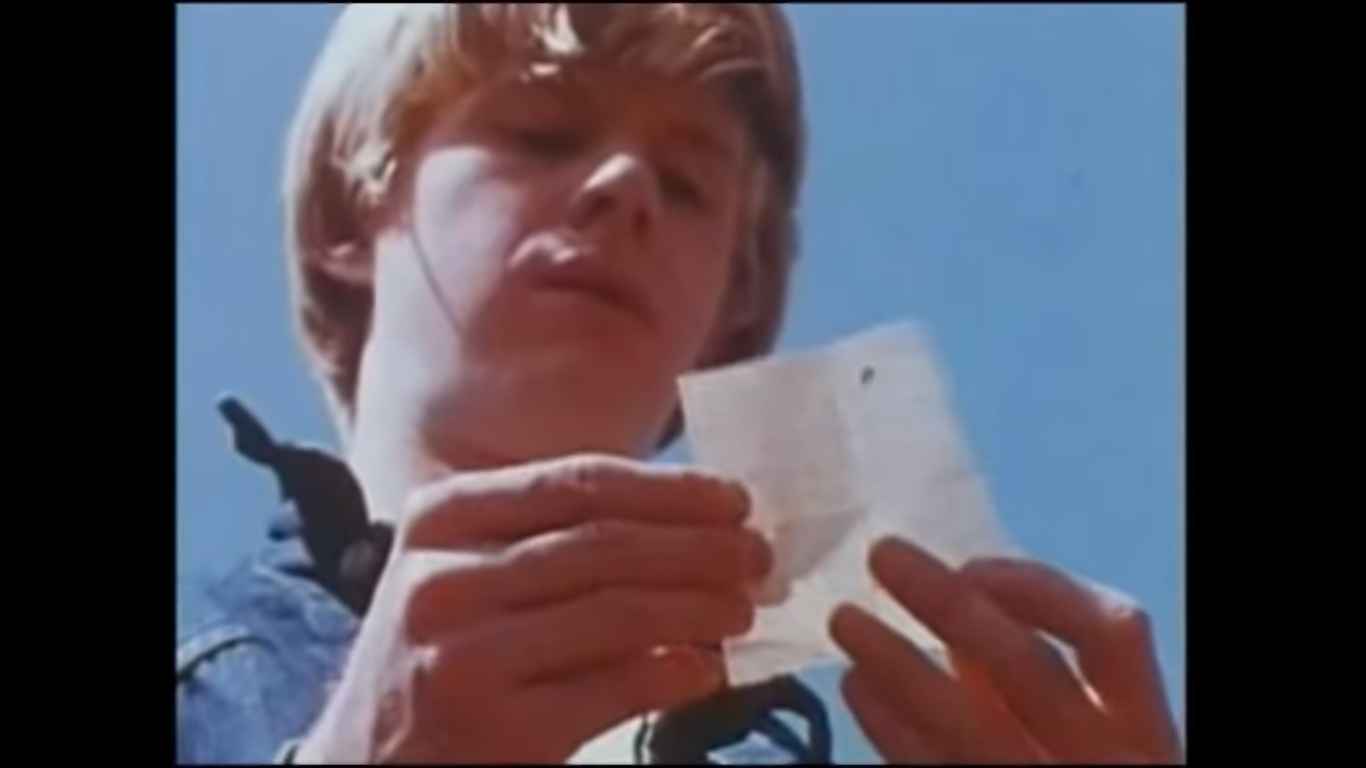 The film’s treatment of Jackson’s material is extremely faithful, down to the sparse dialog; how could it not be, adapting such an elemental seven pages? The Lottery plays out its hand methodically and mercilessly. Its only flourishes are quick, disorienting pans across faces in the crowd to heighten the sense of social claustrophobia in the still, open air. It lacks Jackson’s austere but pointed style — one commenter remarks, “My favorite part is when they point the camera at someone and he talks” — but it gets the job done, while also introducing the world to Ed Begley, Jr.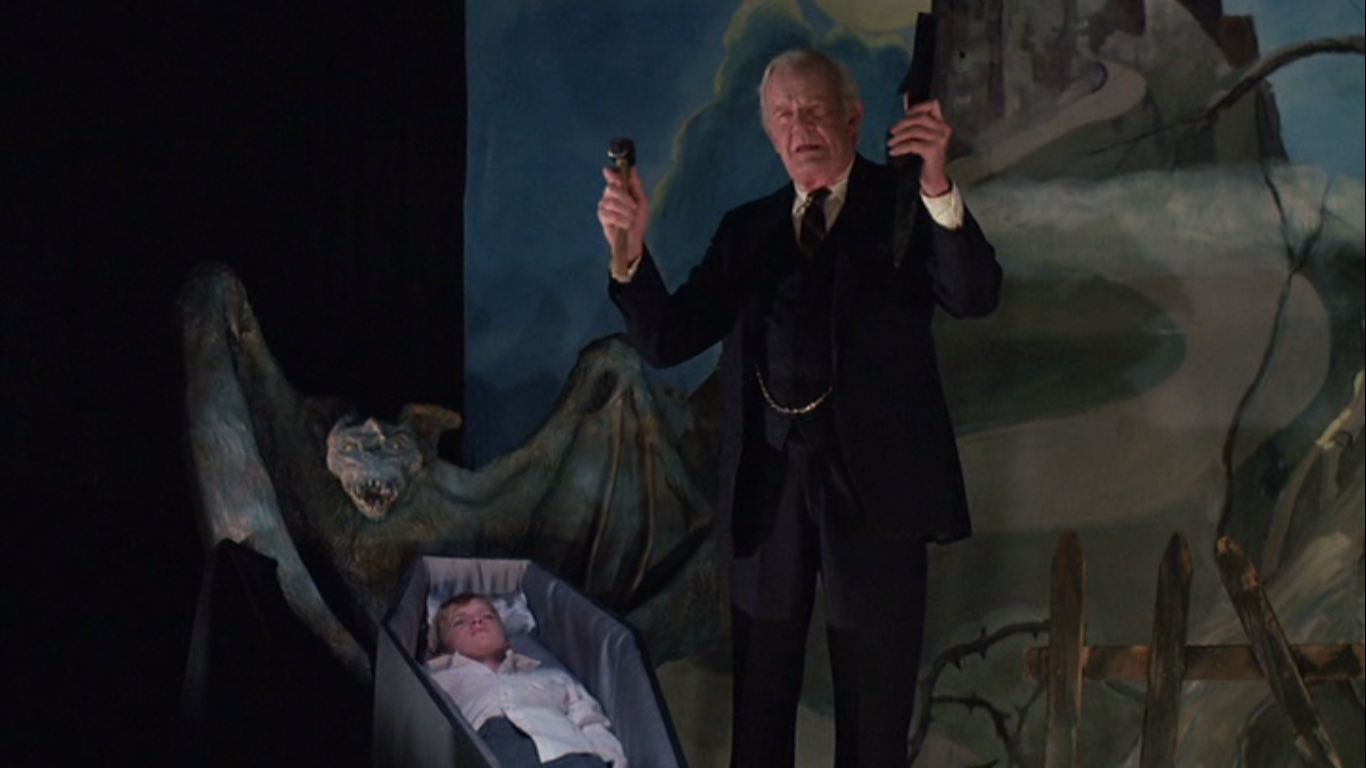
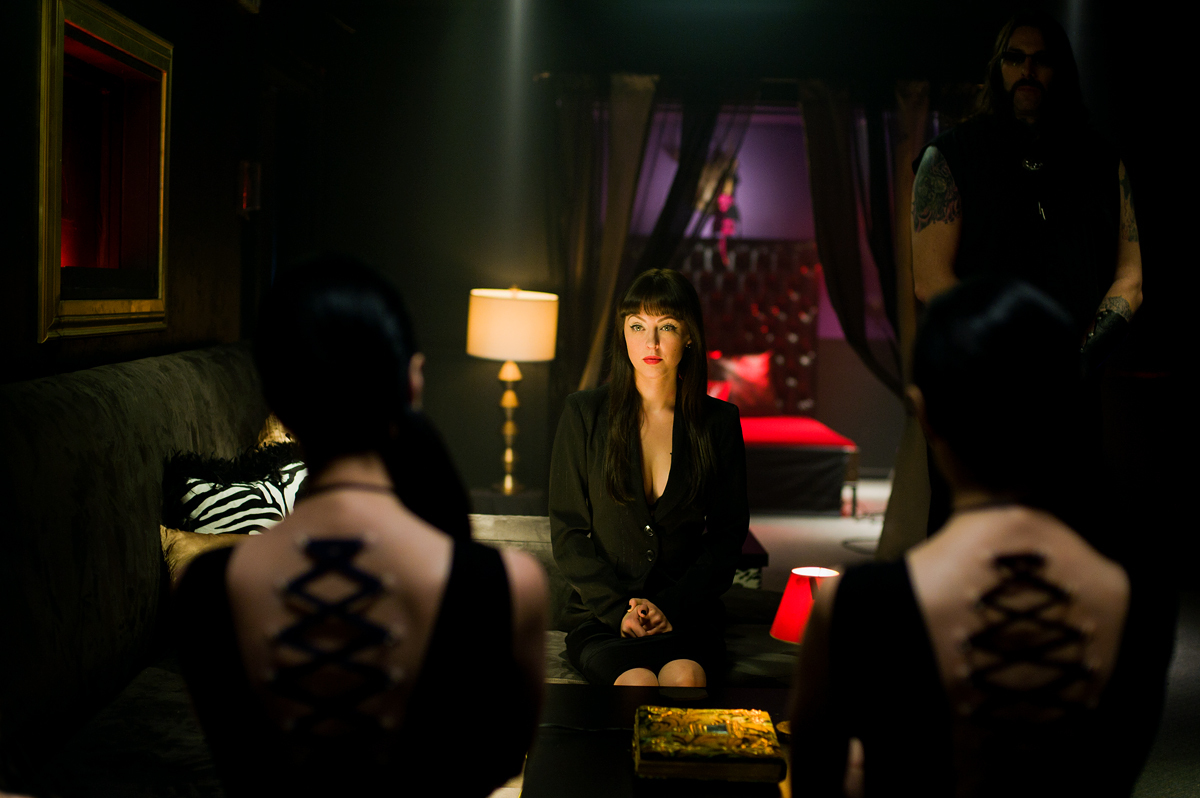
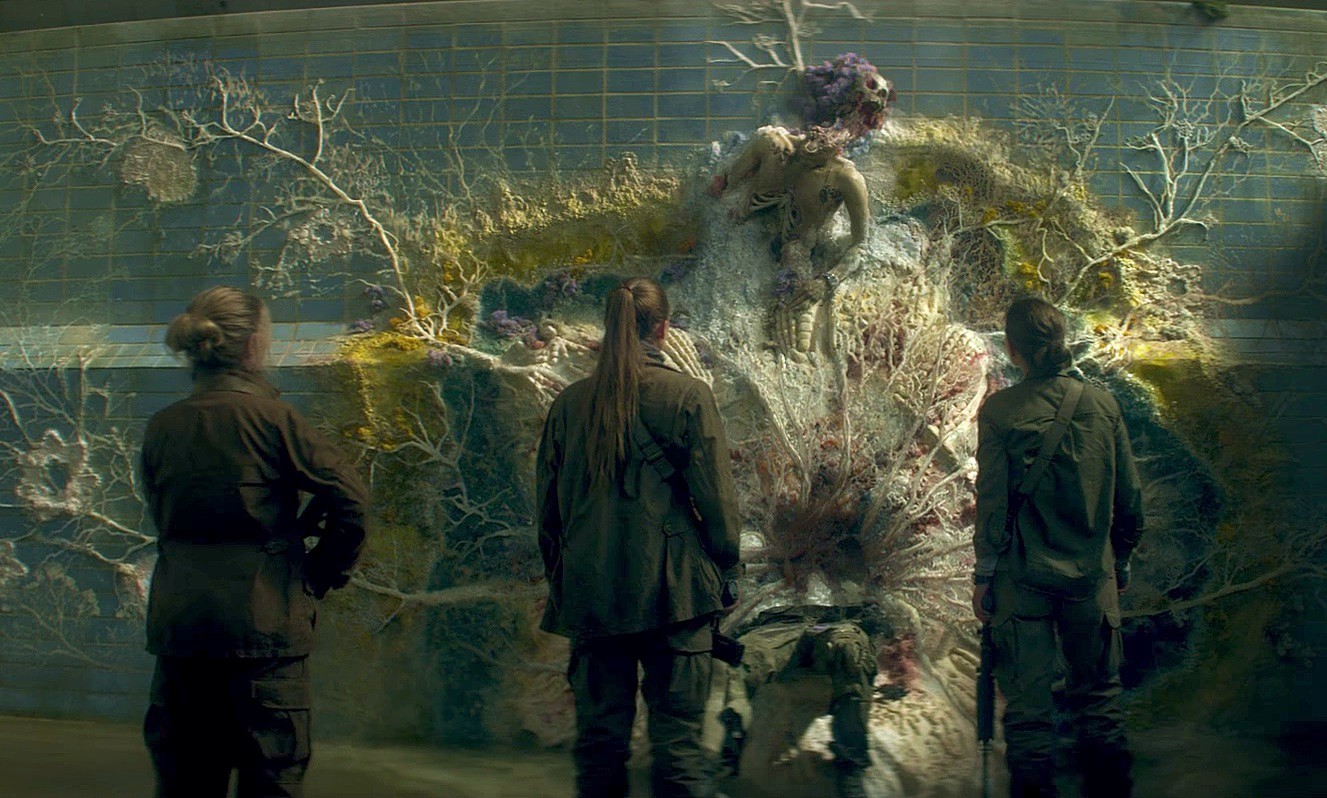
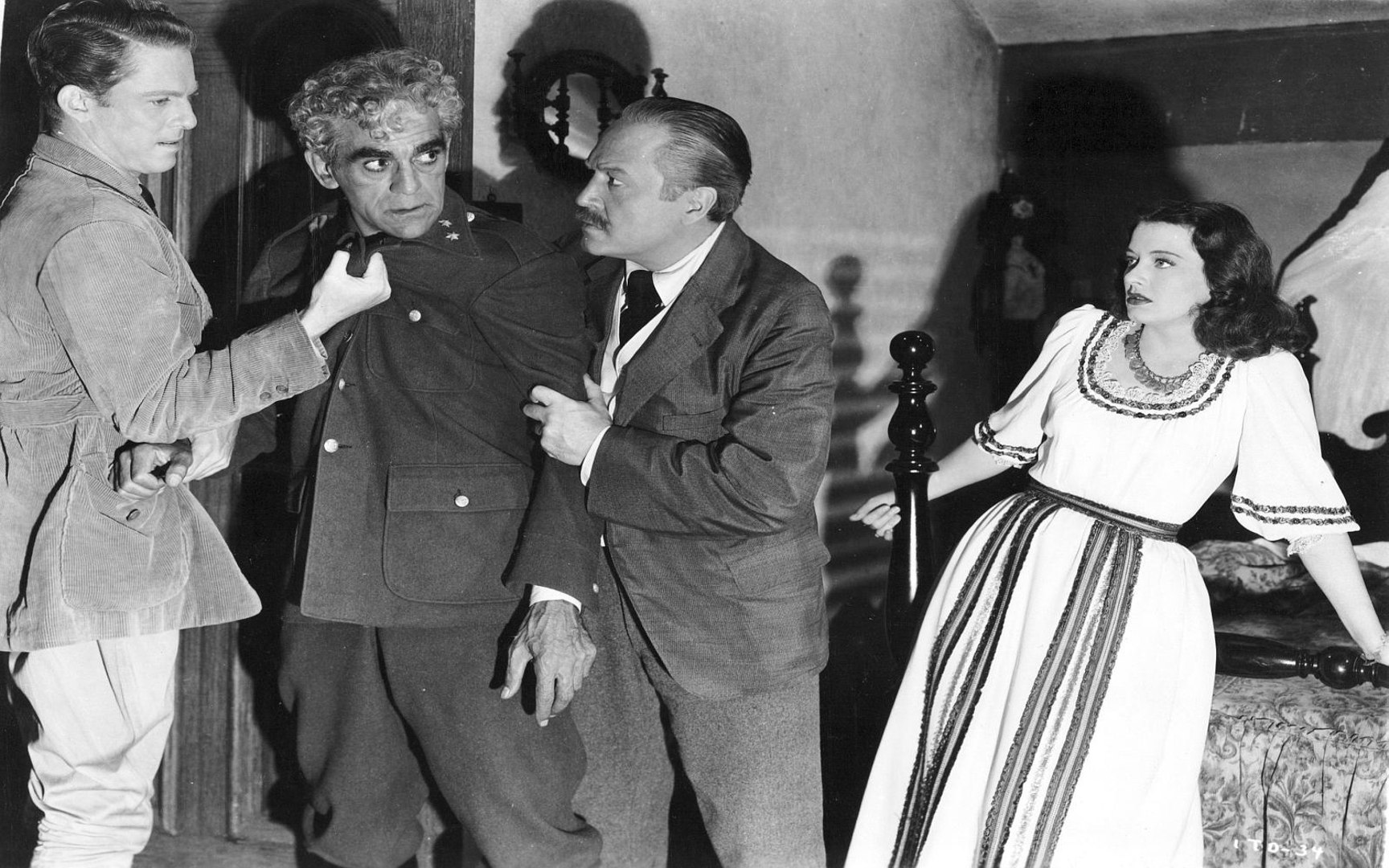
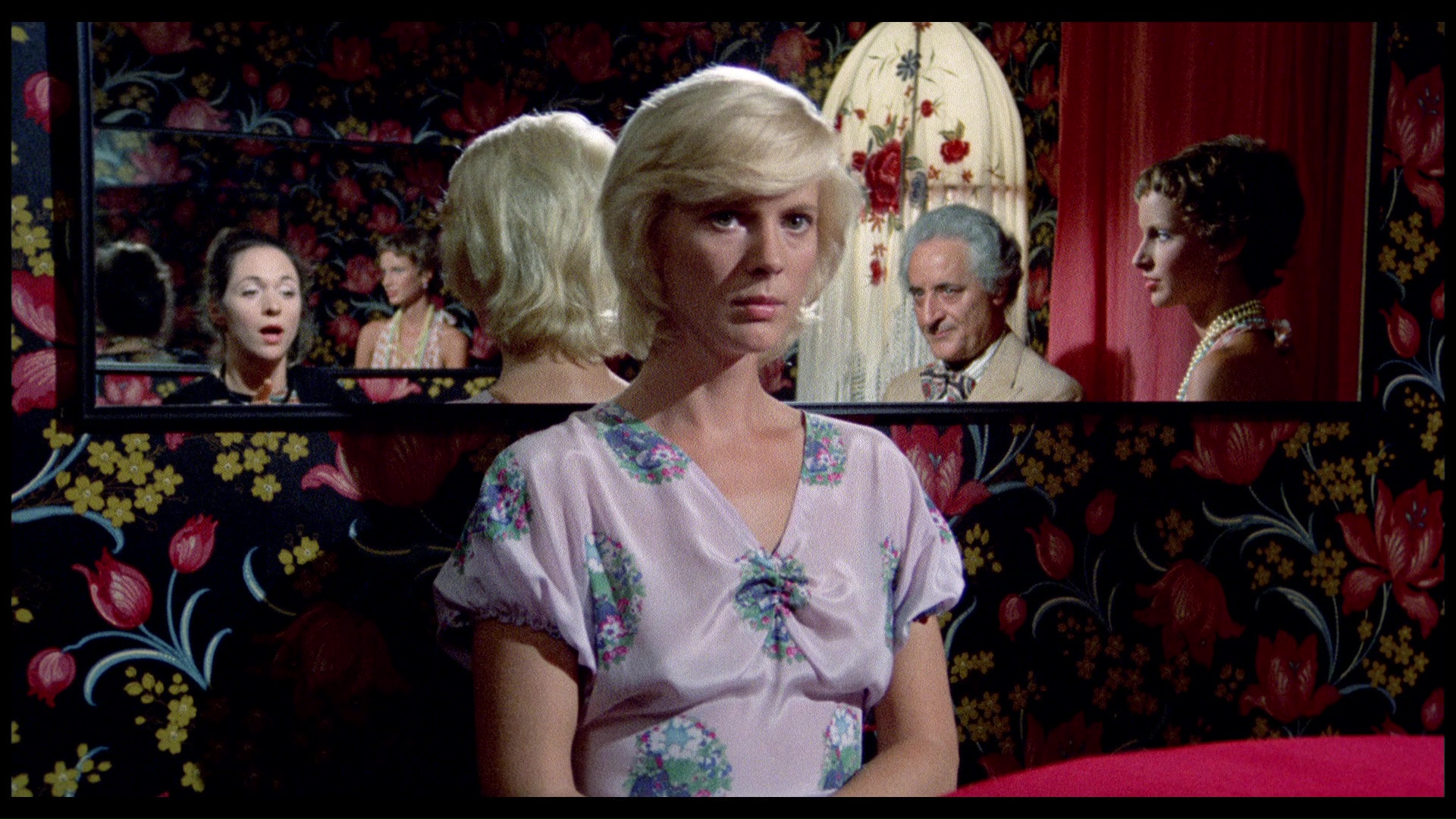
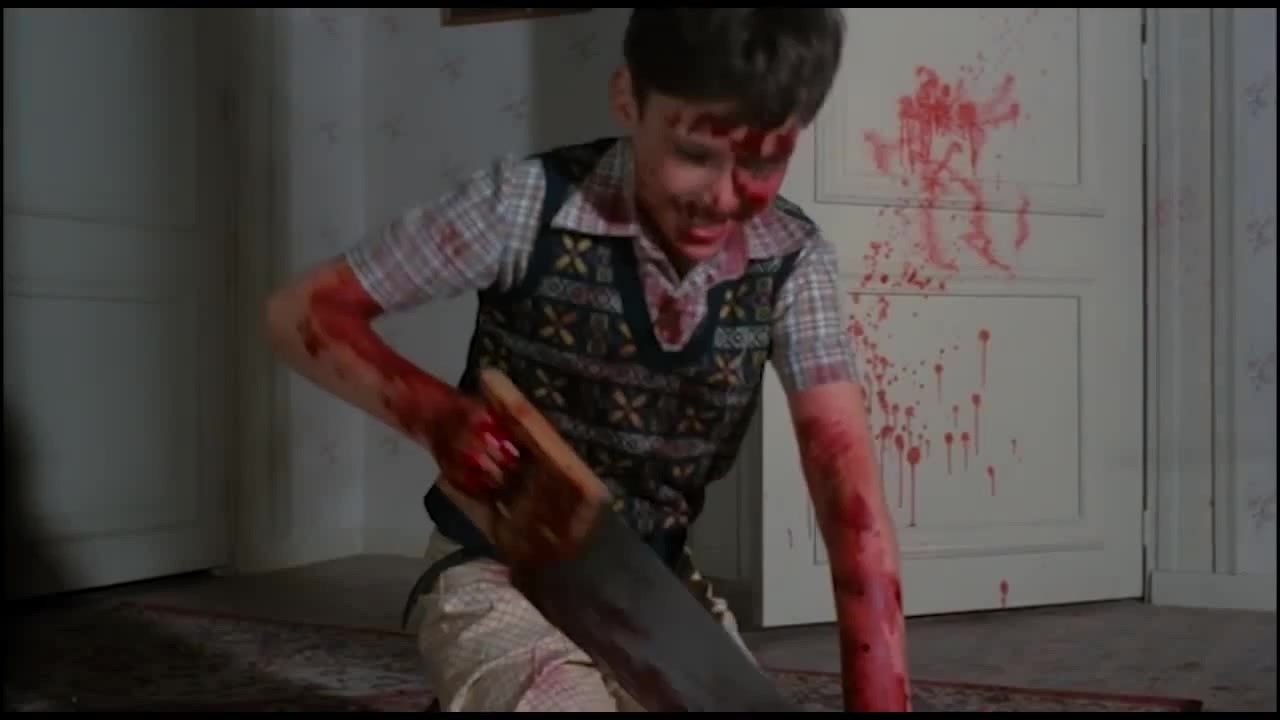 It really hammers home the alternate history feel of the whole genre: “What if all horror movies, instead of copying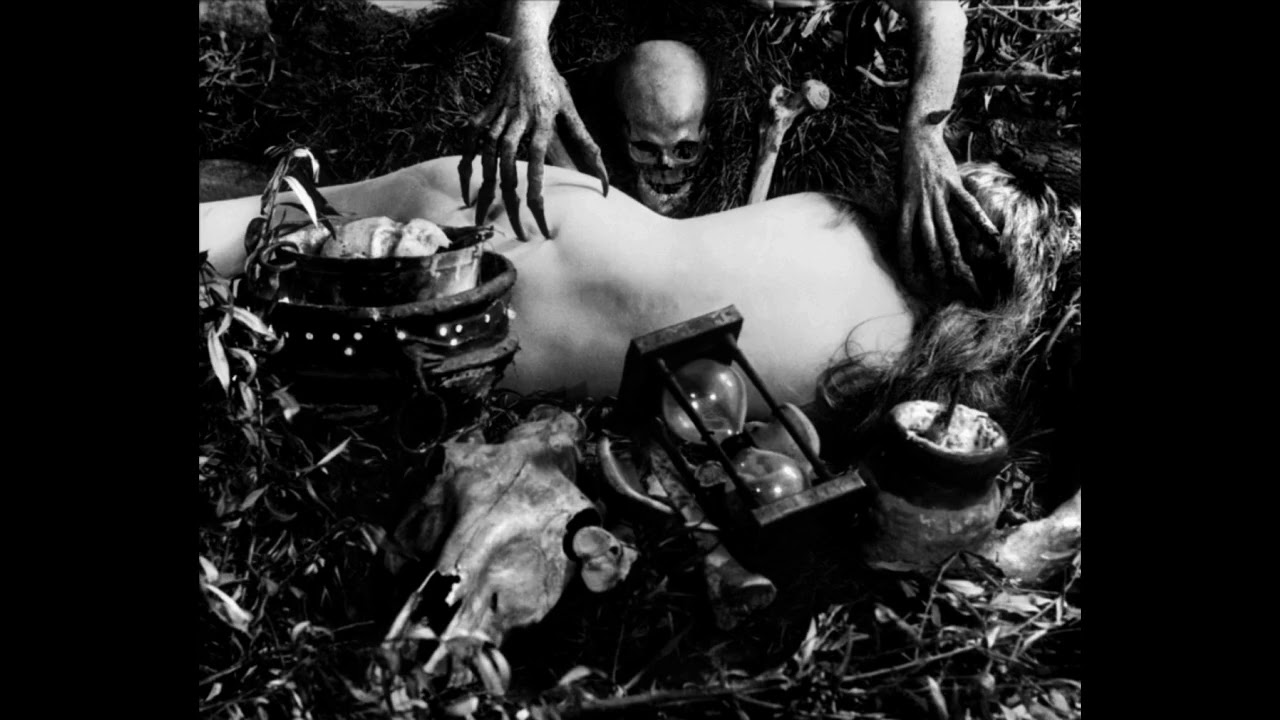
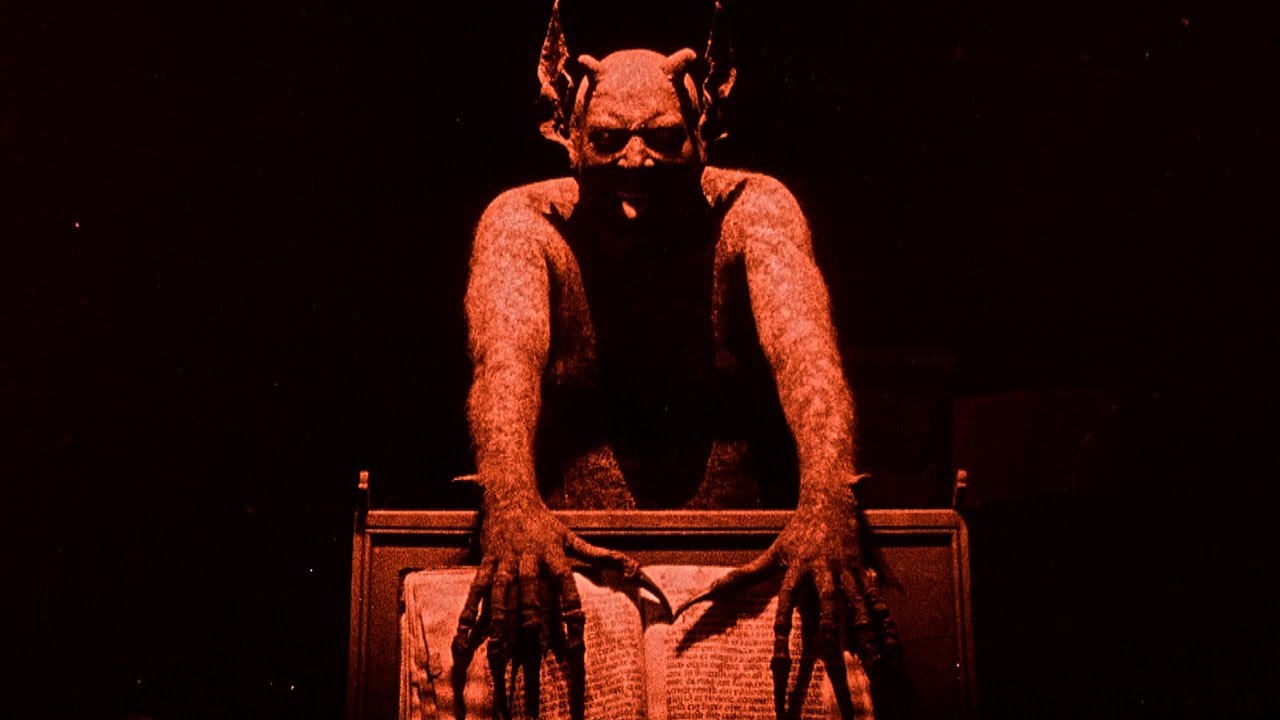 Häxan is chock-full of liminal fun.
 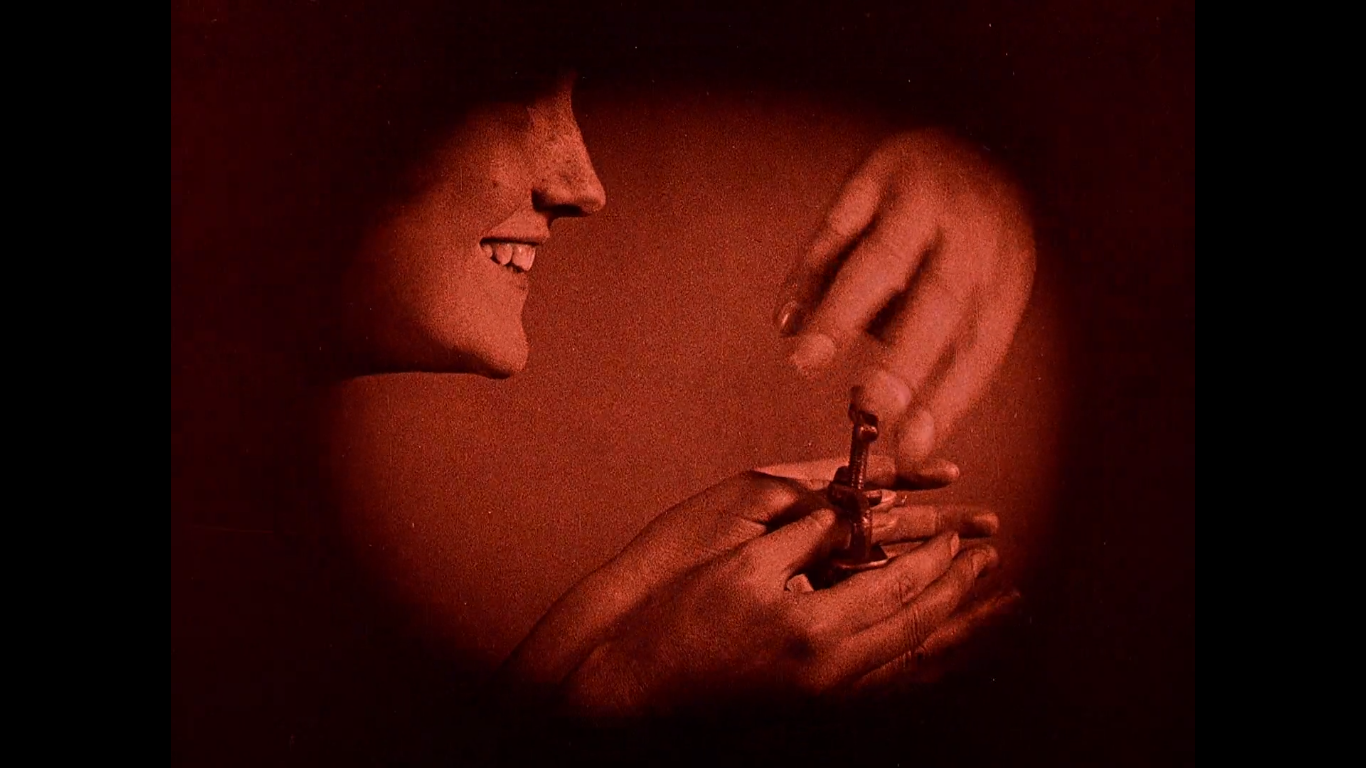 Director, writer, researcher, scientist: an objective mind, dealing with the matter objectively.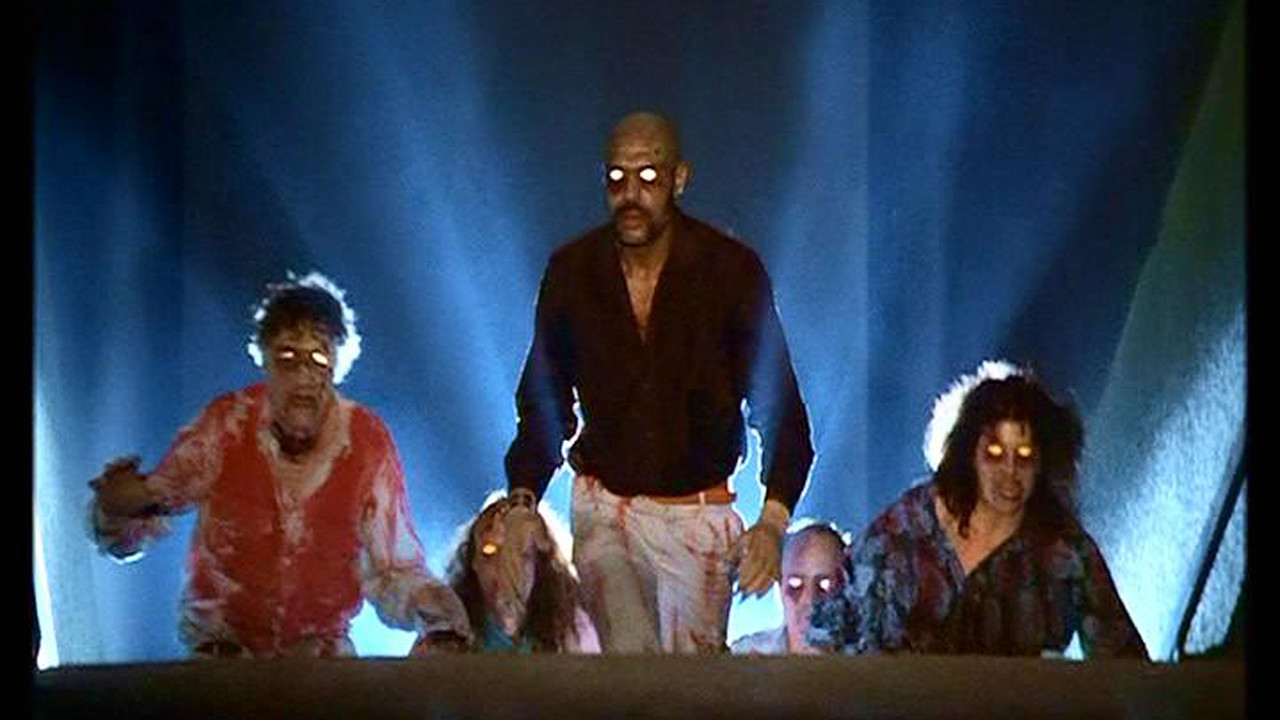
 I haven’t really been feeling horror season this year. I started
  I also watched
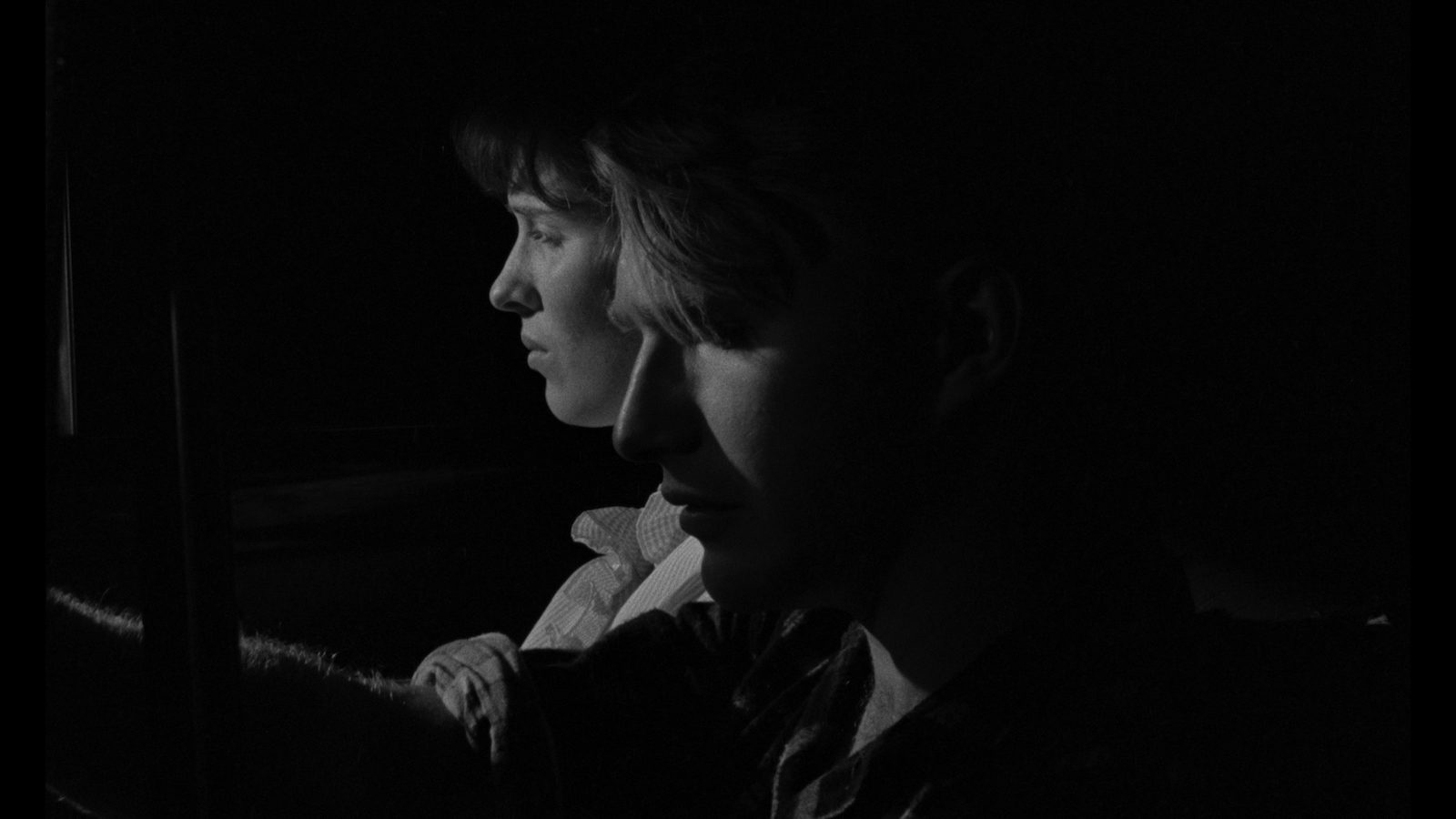 For the first quarter, the film seems like a moseying depiction of the desperate boredom of the small southern town: there is a fight around a dinner table; a grandmother goes to a revival meeting; the youths dance to fiddle music. Then, suddenly, returning home from a bar, Jessica and Carl have sex.
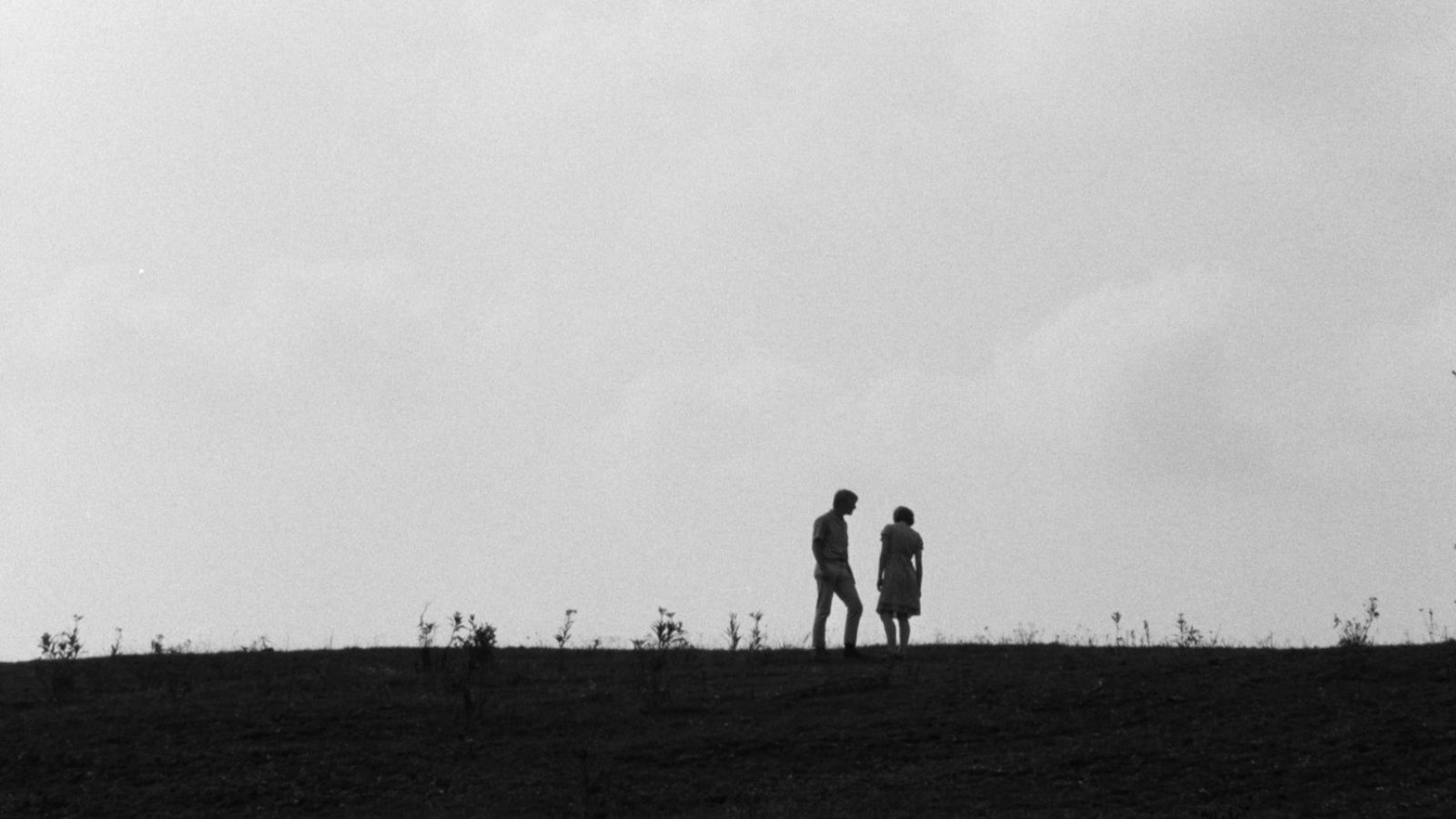 Instead, like the audience in Kaufman’s film, you try to interpret how much of the irony of the character is at different discursive levels. How much do the actors and director know about how a national U.S. audience would interpret their depiction of rural life?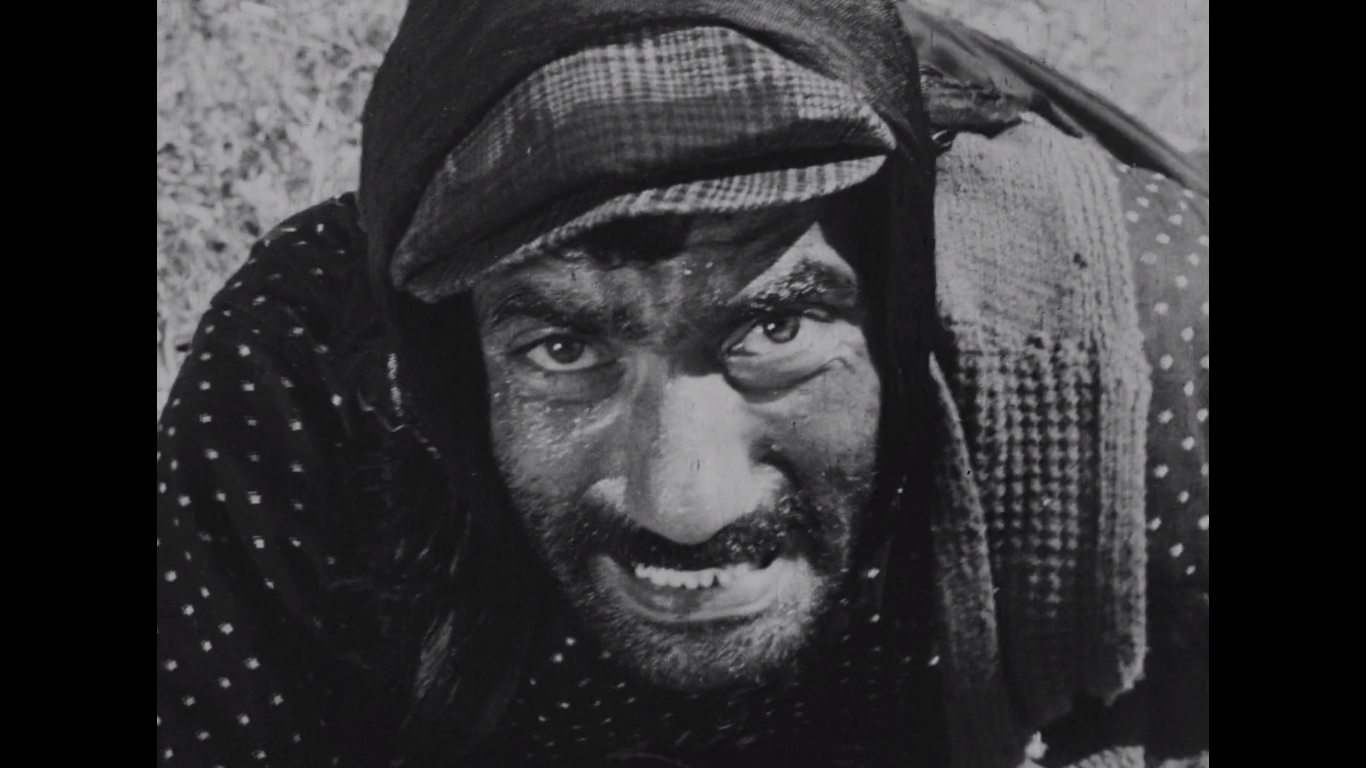
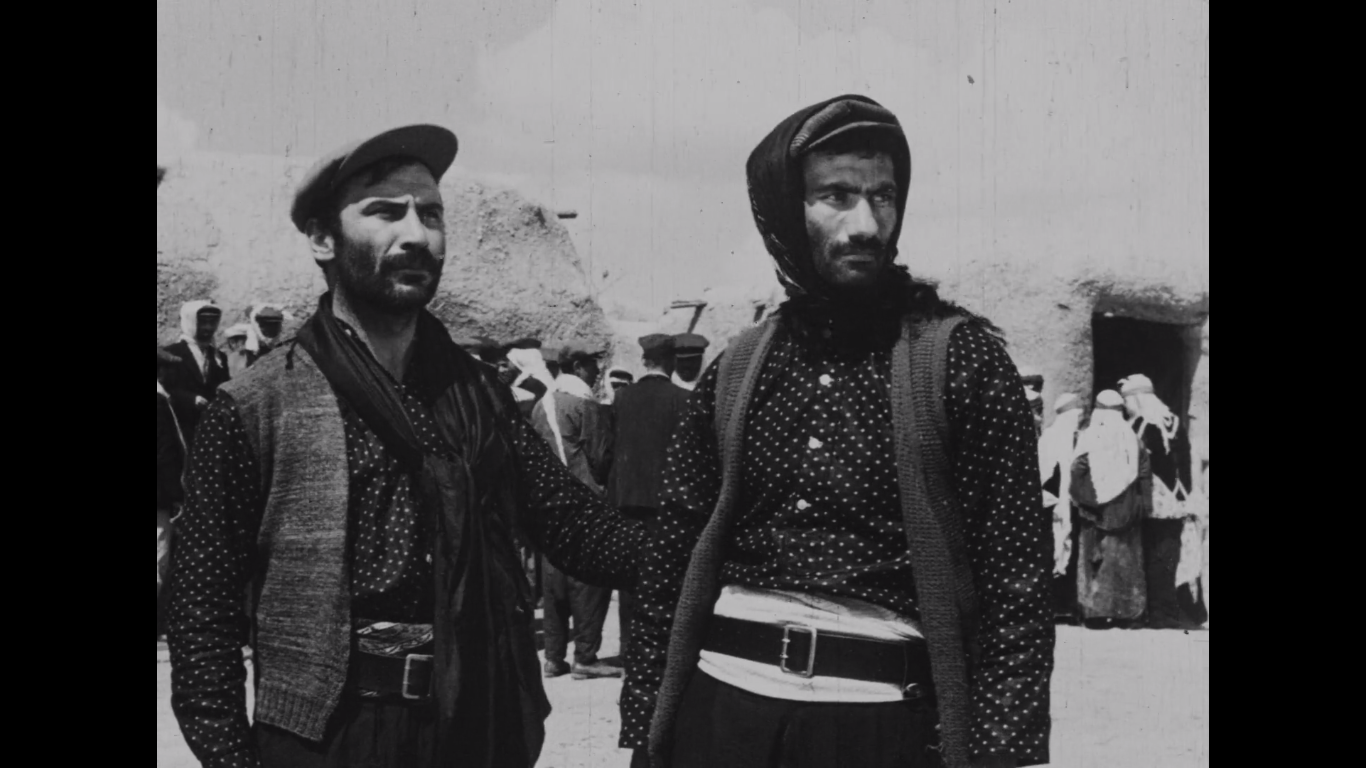 Imprisoned again for a week following the 1971 coup, he fled Ankara to make a film in Anatolia, and then was rearrested a year later, amid 1972’s widespread crackdown on leftists and sympathizers, for harboring anarchist student radicals. This unrest also included
 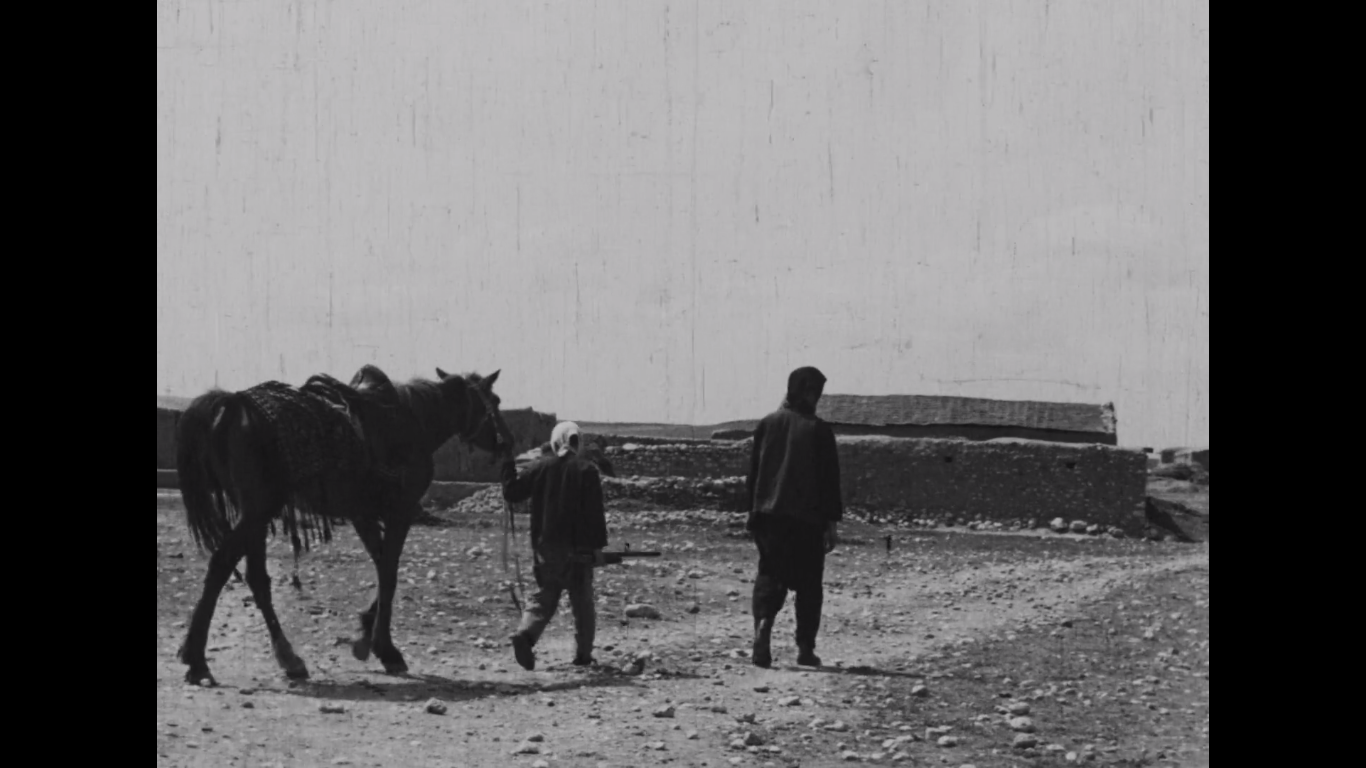 That’s a hell of a story, so why the relative invisibility? It may have something to do with the fact that Güney was largely erased even from Turkish cinema history until the early 80s. I only came across Güney in the course of my latest strategy for deciding on a movie to watch in the face of Streaming Paralysis: clicking Play semi-randomly on films I don’t know on Filmstruck, sorted alphabetically by director. In this case, it was Akad’s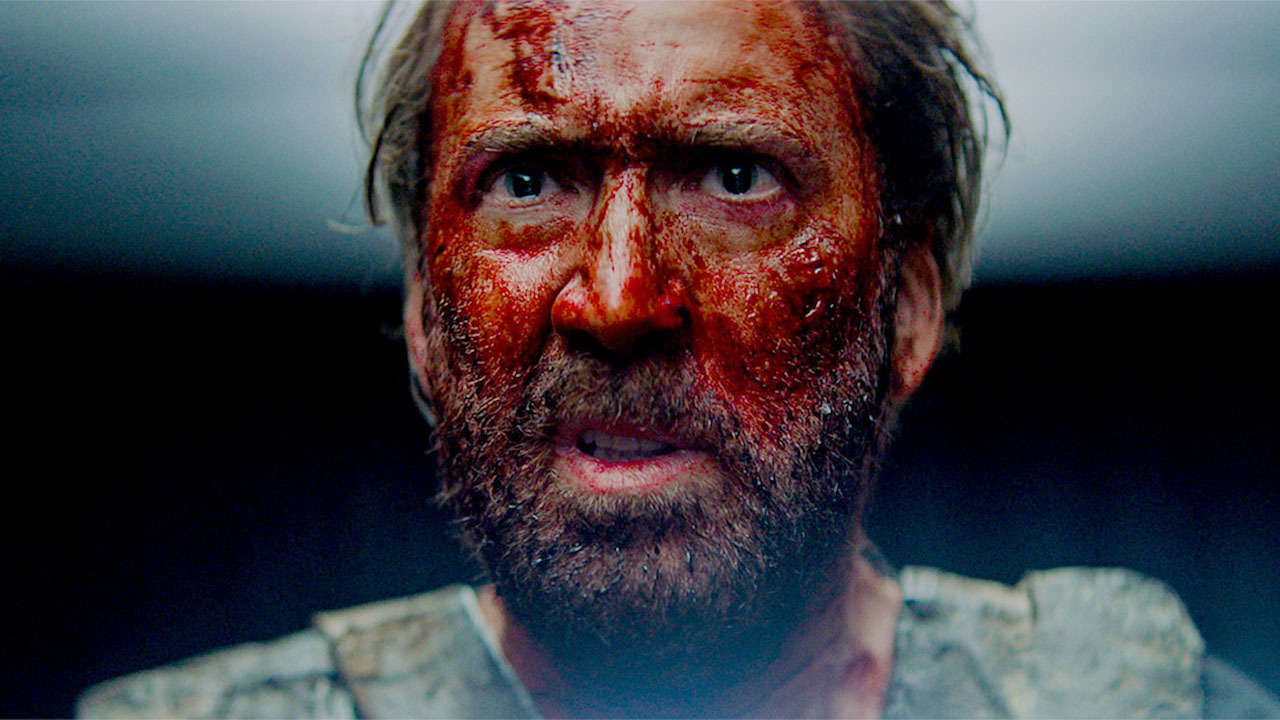
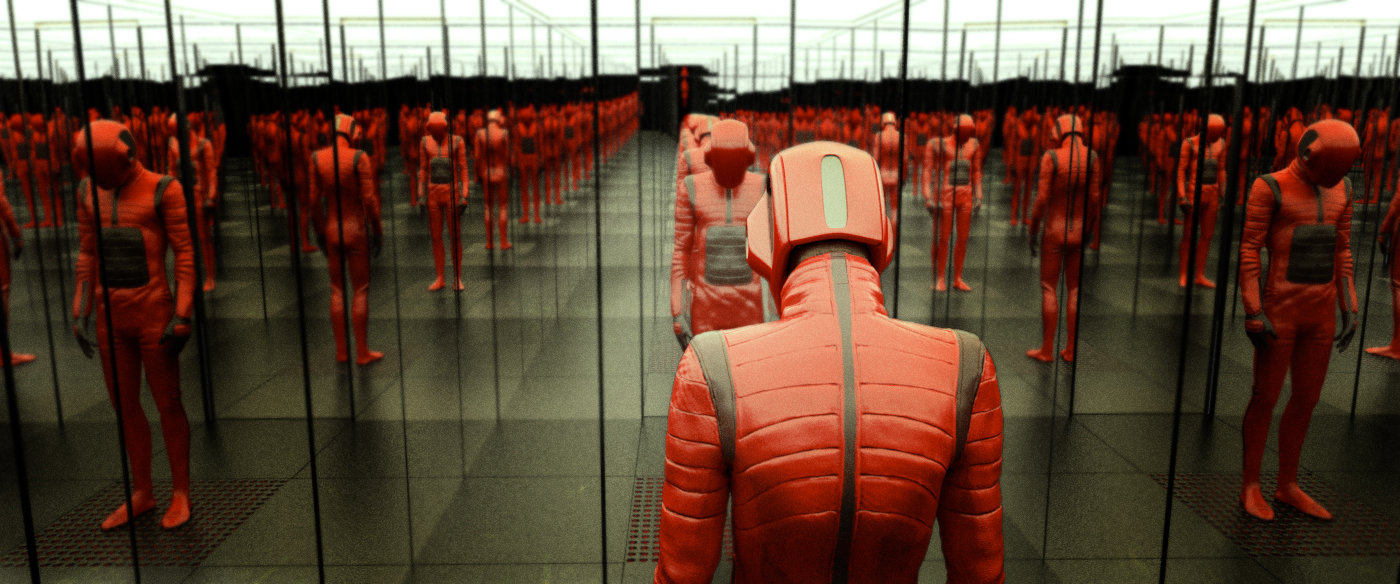 Rainbow does, in fact, do something more than that. The other movies in this little clade —
 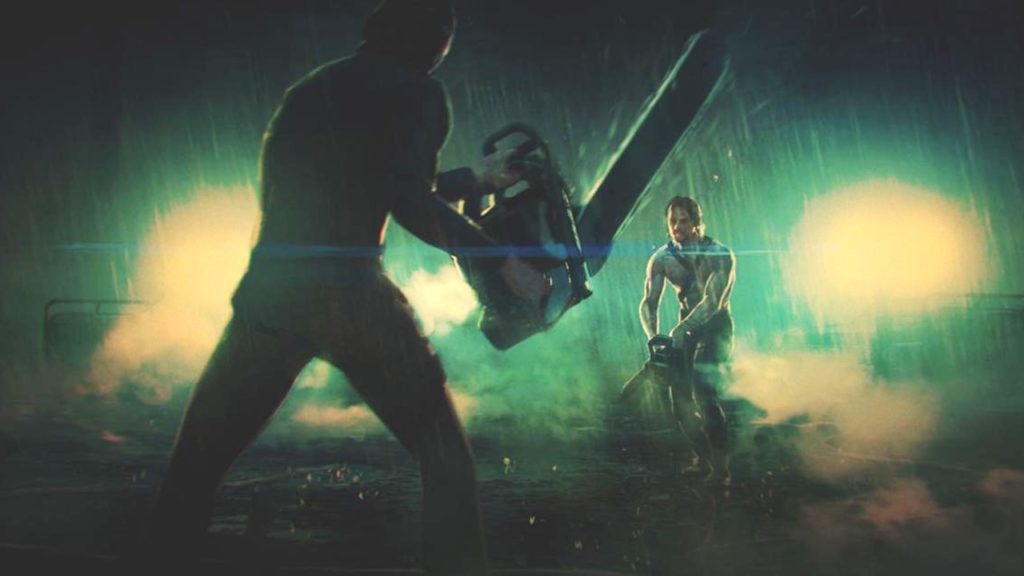 The last half has no doubt about itself, and it has no doubt because it comes entirely pre-digested. Scenes like Cage pouring the metal for a D&D-looking battleaxe and snorting from a gigantic pile of coke are meant only to be talked about with other genre buffs, and as such are incapable of surprising anyone. You can hear that Cage gets into a chainsaw duel with a biker, and you can imagine the scene for yourself; no addition the film could give you could change the purpose of the scene, which is to be discussed with others later and given a badassedness rating.
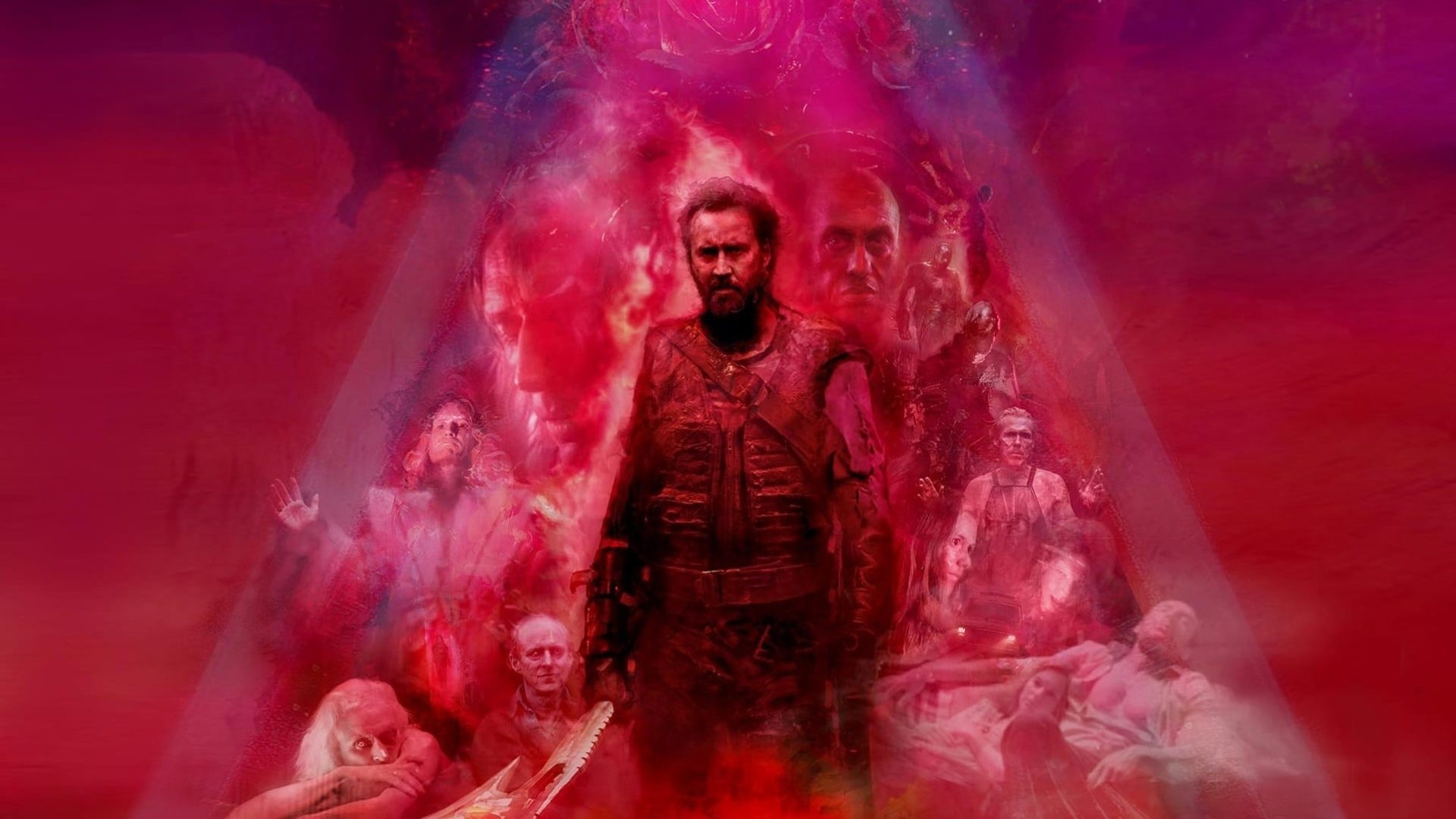 That is the secret answer to the obvious question to the positive press on Mandy. I’ve seen several people say something like: “Mandy is awesome because it’s a heavy metal album cover come to life.” And the obvious question is: Who needs it to come to life? Don’t you have thousands of heavy metal album covers? Who needs a movie of them?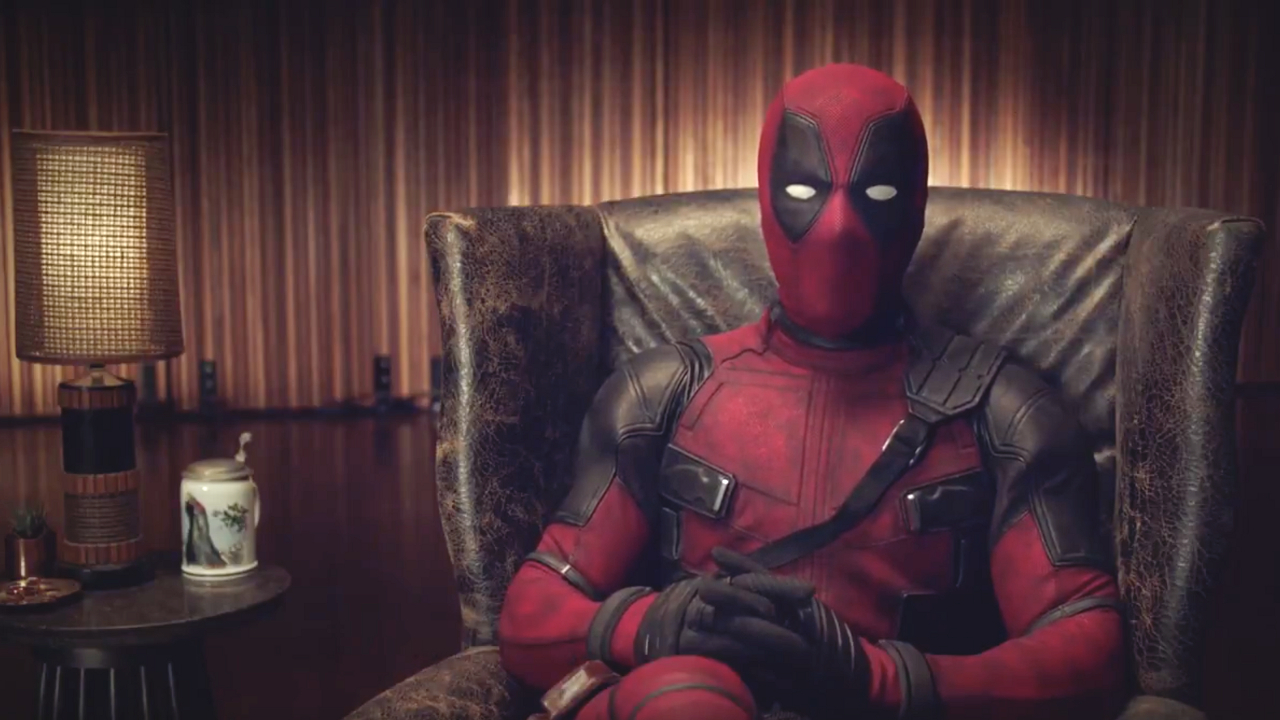
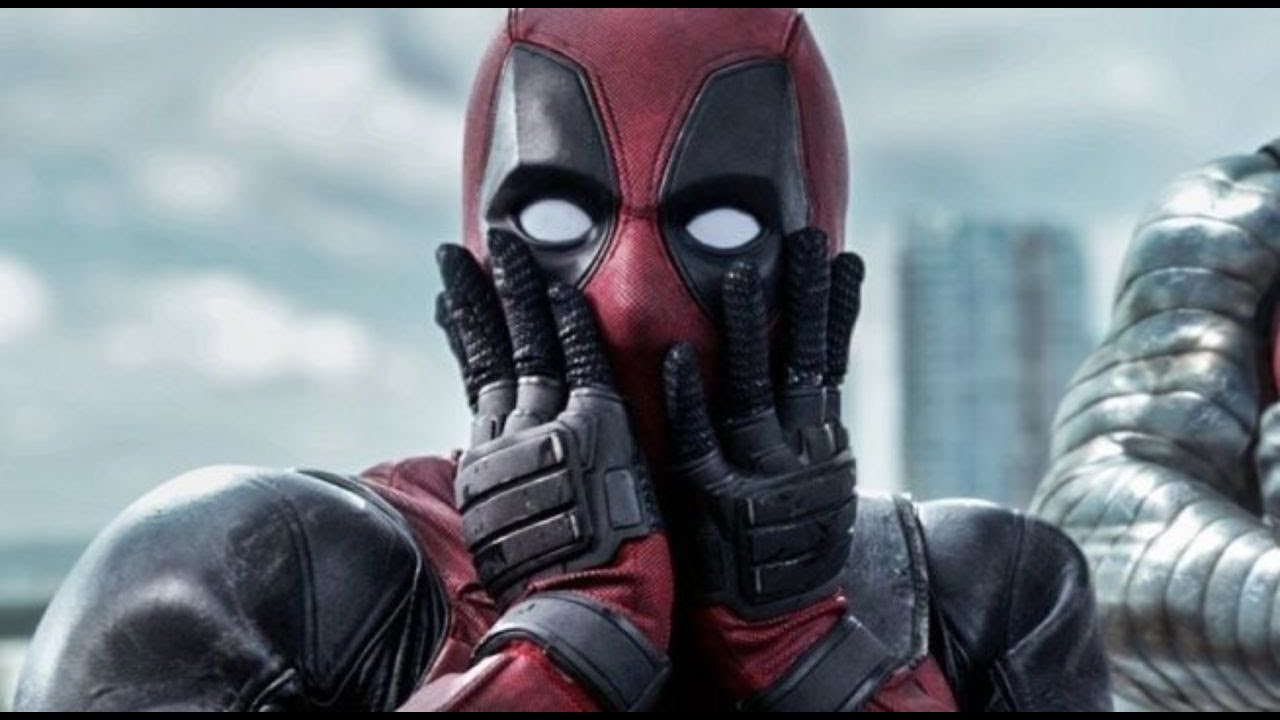 Does that mean anything to you? Does the idea of Deadpool referring to Cable, the antagonist-then-partner played by
 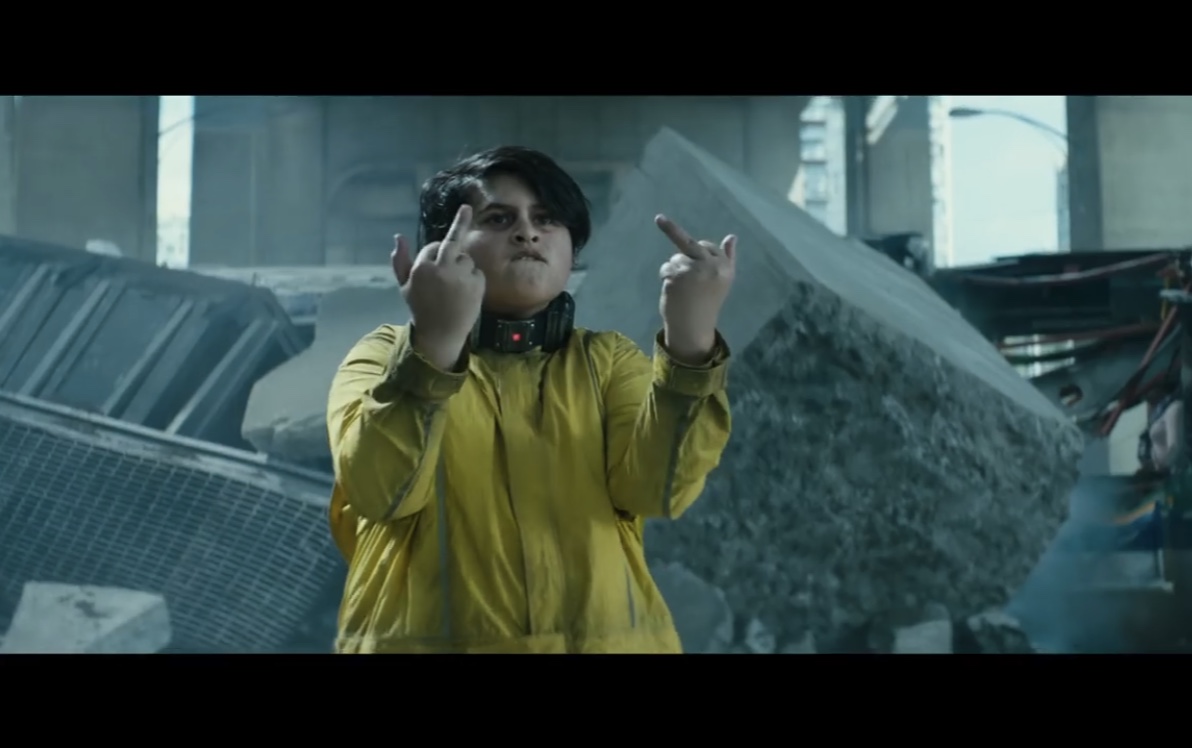 The weirdest thing about the movie, though, is that emulsion structure. Everything about the Firefist plot is intensely sincere. Cable has come back from the future to kill Firefist, who was arrested on his way to kill the people who abused him at an orphanage as a kid; in the future, Cable says, he becomes addicted to murder and kills Cable’s family. Deadpool, inspired by the dying words of his girlfriend (
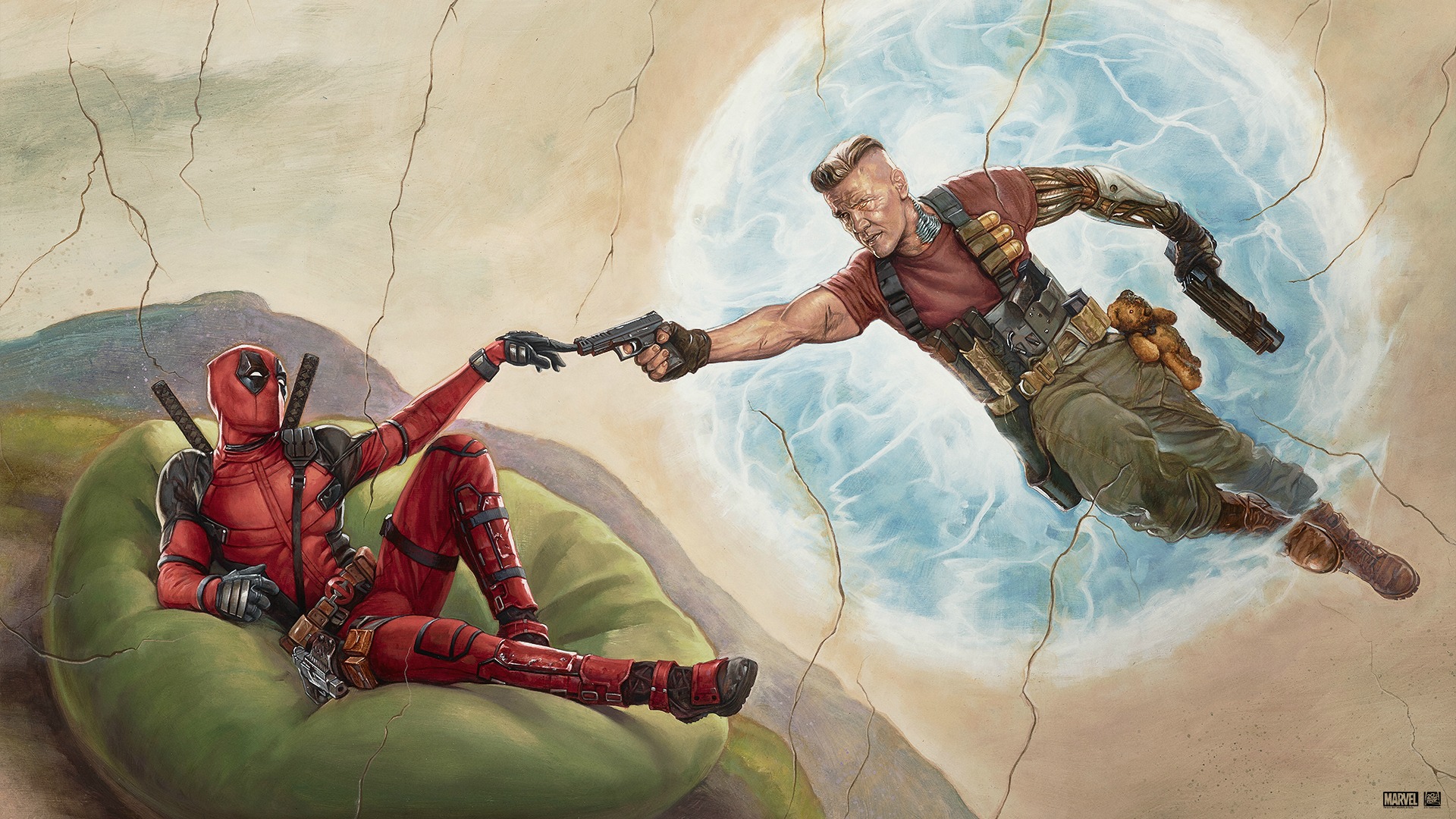 Why am I talking about any of this in relationship to Deadpool 2? Because to me, the double position of Deadpool, as sincerely emotional figure within the narrative and sarcastic joker outside the narrative, reflects a need for that kind of second-level conversation about the narrative world. And if a film like this needs so desperately to comment on itself, then that makes me start to believe that the current antipathy to that kind of commentary is not a new, less human world emerging or the final success of capitalism over art.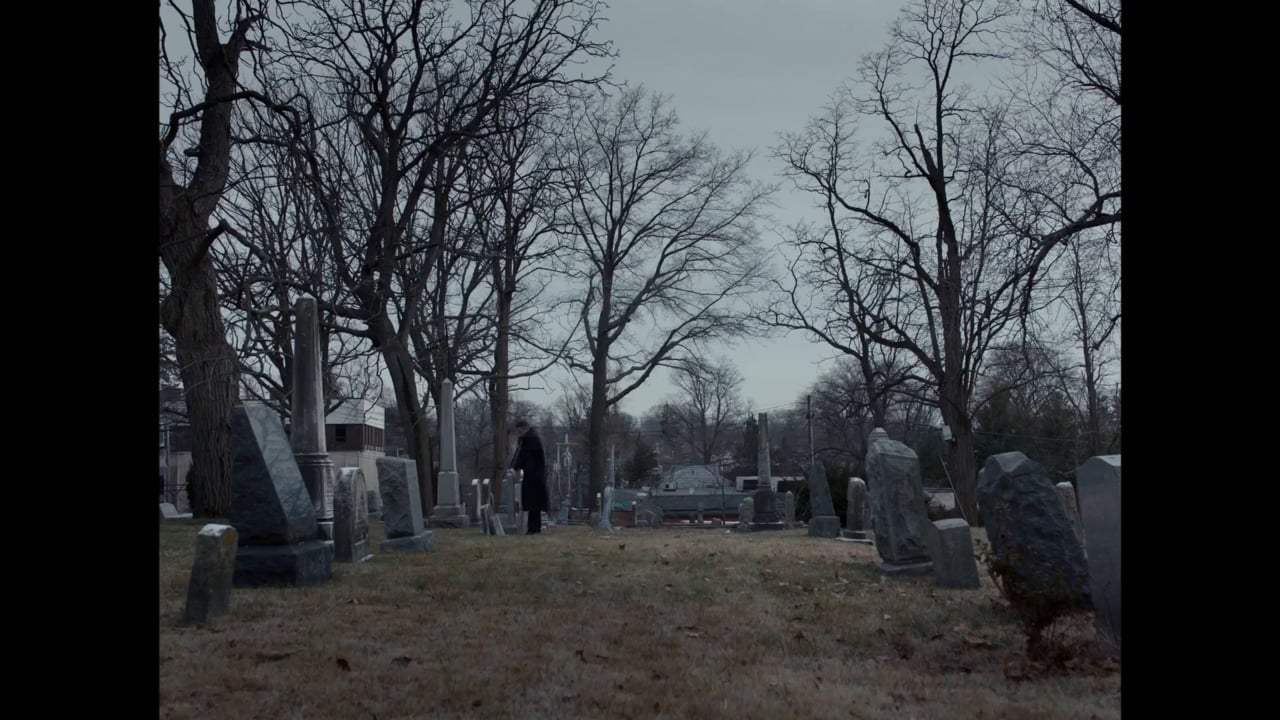
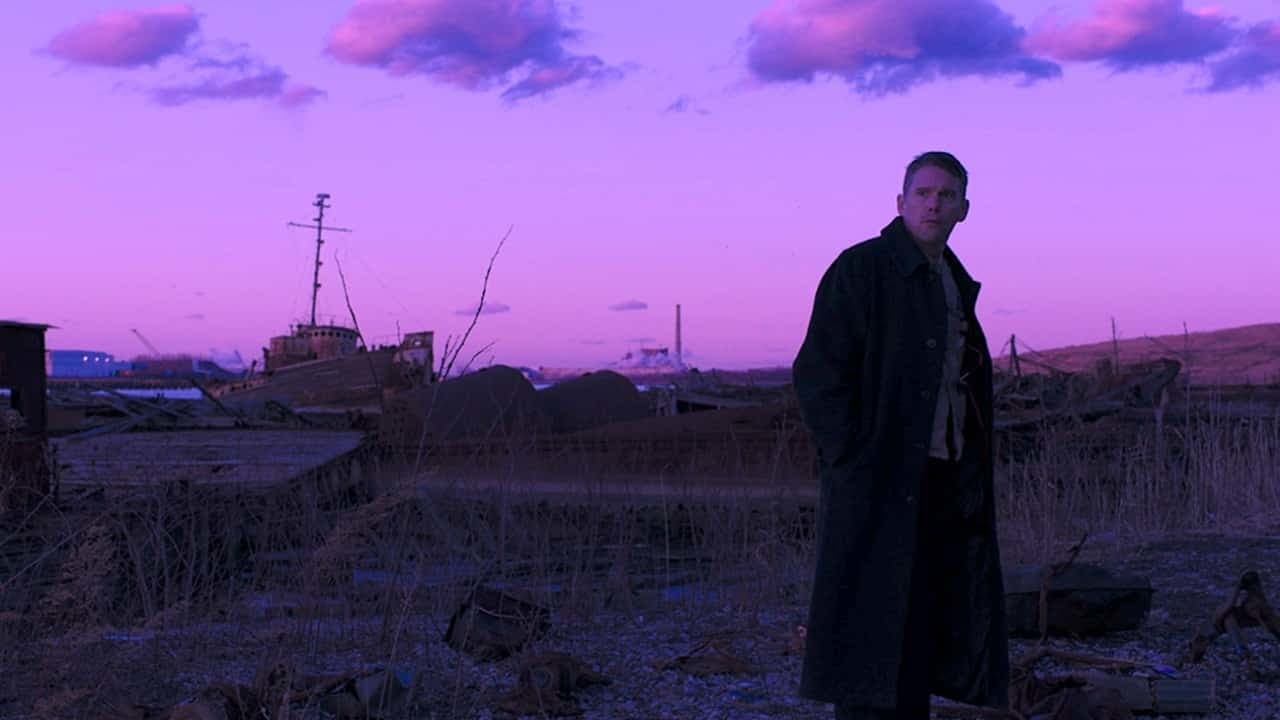 Rick: Sure. I first saw First Reformed at the San Francisco International Film Festival, and excitedly wrote it up immediately afterwards. I was impressed by its seriousness, by the grace of its formal elements and its pretty ostentatious callbacks to influences like
 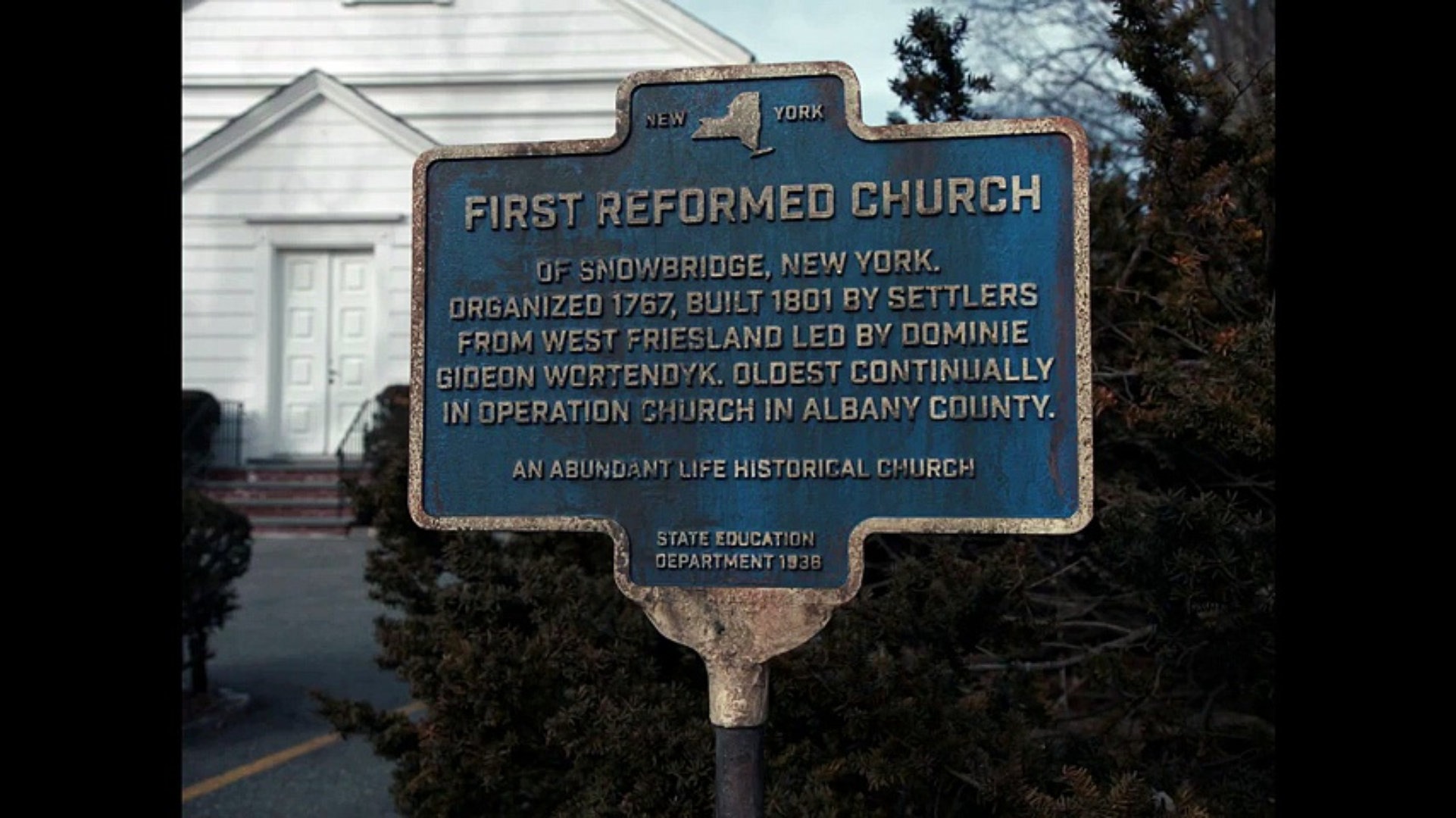 I really relate to the despair of this movie. Honestly, I think most art about “faith” in a liberal or post-liberal world or whatever treats it as something of a hobby, essentially: one believes in something, and it’s kind of a weird little quirk that should be protected or that is valuable because it gives life meaning or whatever.
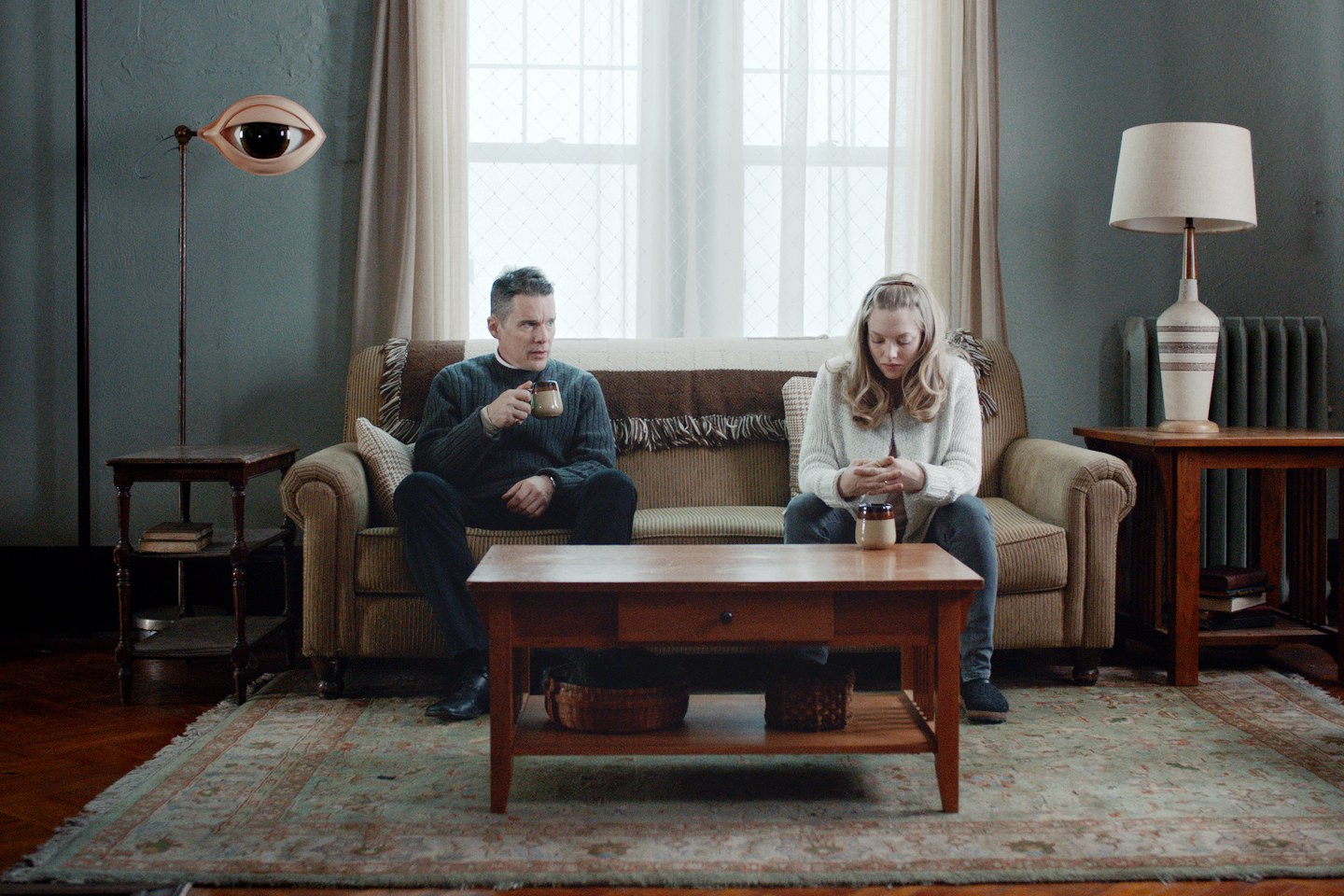 Rick: I think she’s wonderful in it. She brings a kind of casual groundedness to the narrative, an “earthiness” which is obviously part of her role as First Reformed’s “Mary”. But as someone grappling with things as much as anybody in the narrative, she conveys direct modes of engagement that are welcome respites from Toller’s self-lacerations. This could easily turn into gendered cliche — bike-riding and the curative, God-given power of exercise! Embodied communion as hope! — but I don’t think it does: Seyfried carries herself very much like the sometimes-activist she portrays, the kind of person who does describe herself as “spiritual” in the film, who returns to churches in strange towns out of habit and some unnamed desire. I think of her response when Toller blames himself for the suicide: “He just didn’t want to live.” Sometimes, there’s not much else to say.
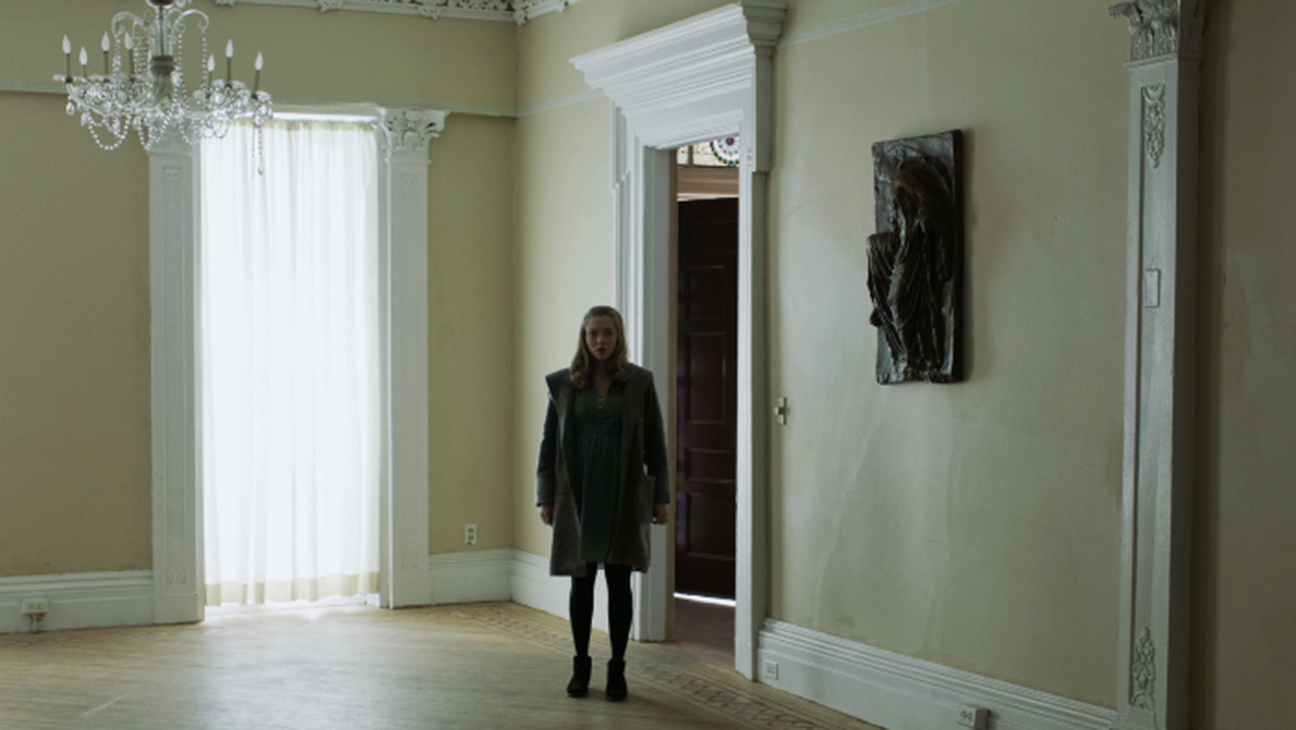 Liz: Honestly, to contradict what I said before — because I mostly really did like this movie and I feel bad saying this, and also, I do not like 90 percent of narrative endings — it felt like a dull cop-out, about heterosexual personal love overcoming the political and philosophical anxiety and dread. I would like to see something else in it, but I just feel like there wasn’t that much there. But I didn’t really think of it in terms of Taxi Driver or anything, so I’m sure you have a much more interesting take.