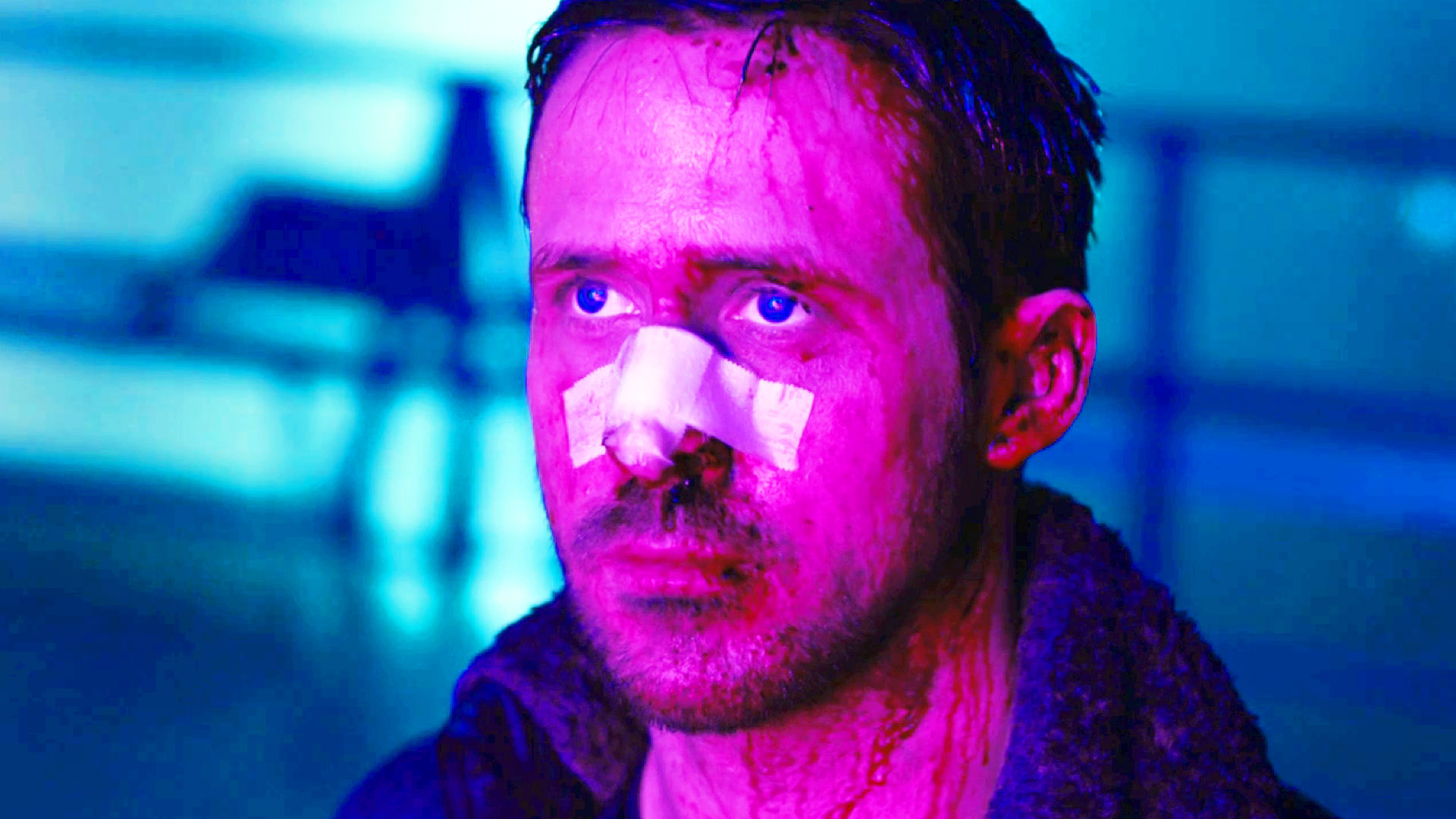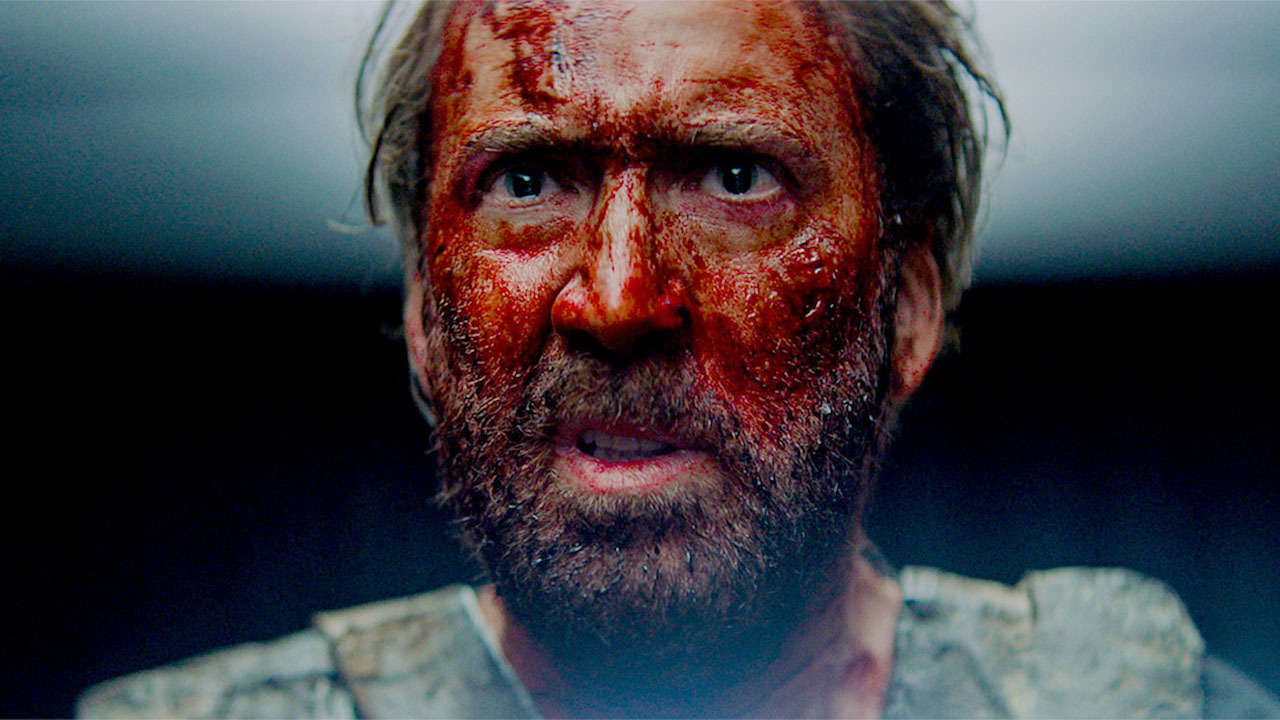
I will say, “Mandy feels like the last movie I will ever be disappointed by.” And you will say, “That’s ridiculous. We will all go on getting our hopes up and sometimes be disappointed on a scale from rarely to usually, depending on the tightness of your clenched asshole.”
And you’d be right, of course. But right now my disappointment with Mandy does feel almost nostalgic for me. It’s a disappointment that has come back to me from a couple of years ago, back when I still spent hours every day arguing with people about movies on message boards of one sort or another.
(I apologize in advance for sounding condescending. I suspect it’s impossible to talk about a past activity in your life that you shared with others, and which others still engage with, without sounding condescending.)
Mandy’s “new intense horror movie” hype cycle was big enough that it reached me through a video game website. It was, from the moment I heard about it, pitched as “badass”. I should have been suspicious from the start, but my love for Panos Cosmatos’ first movie, Beyond the Black Rainbow, prevented me.
But Mandy lacks everything that made Beyond the Black Rainbow unique. Rainbow could have fit into a long line of Refn-style thrillers: heavy synths, fog machines, color wash. There was a time when that felt impossibly new, so new we all expected it to be squashed out by market realities. Each new music video stretched to feature length (I’m not complaining here) felt like a baby fawn found in the woods, something that must be protected at all costs.
I think, on that front, we can admit: we are safe. There are no shortage of color-drenched giallo-inspired hyperviolent movies about silent white men. We can start to ask if any of these movies offer anything beyond just two hours of blacklight posters that happen to move.
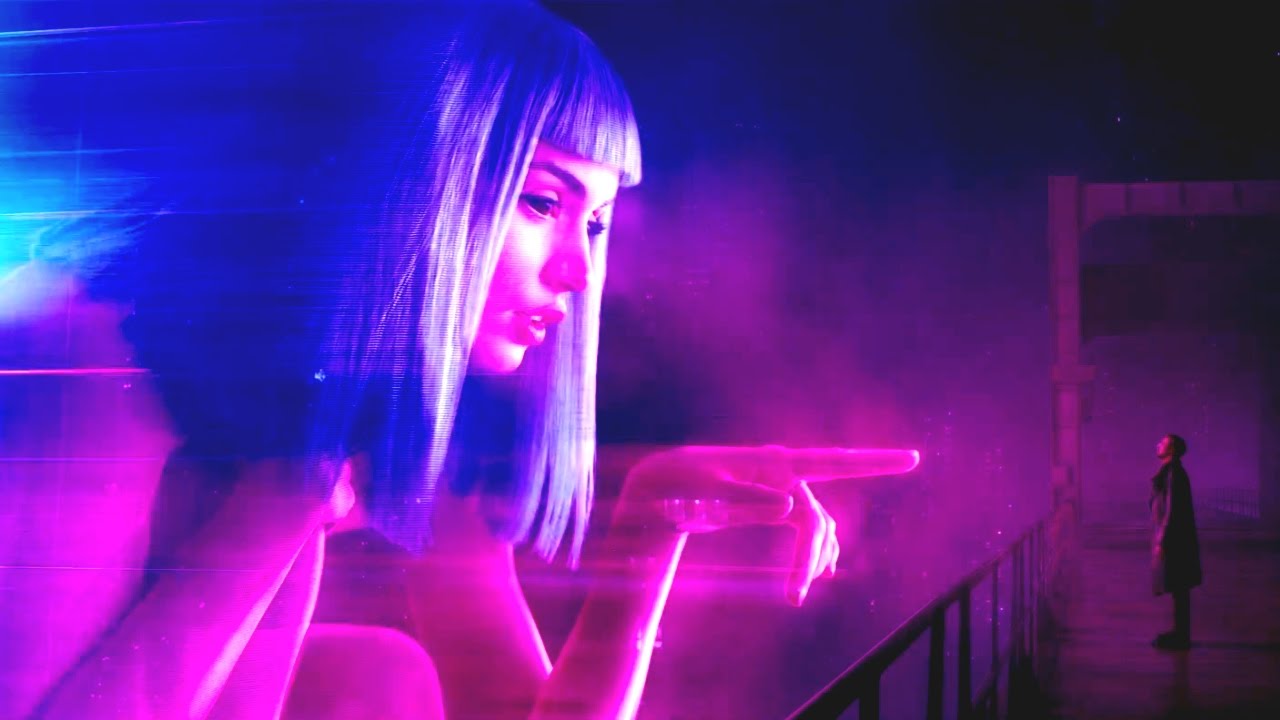
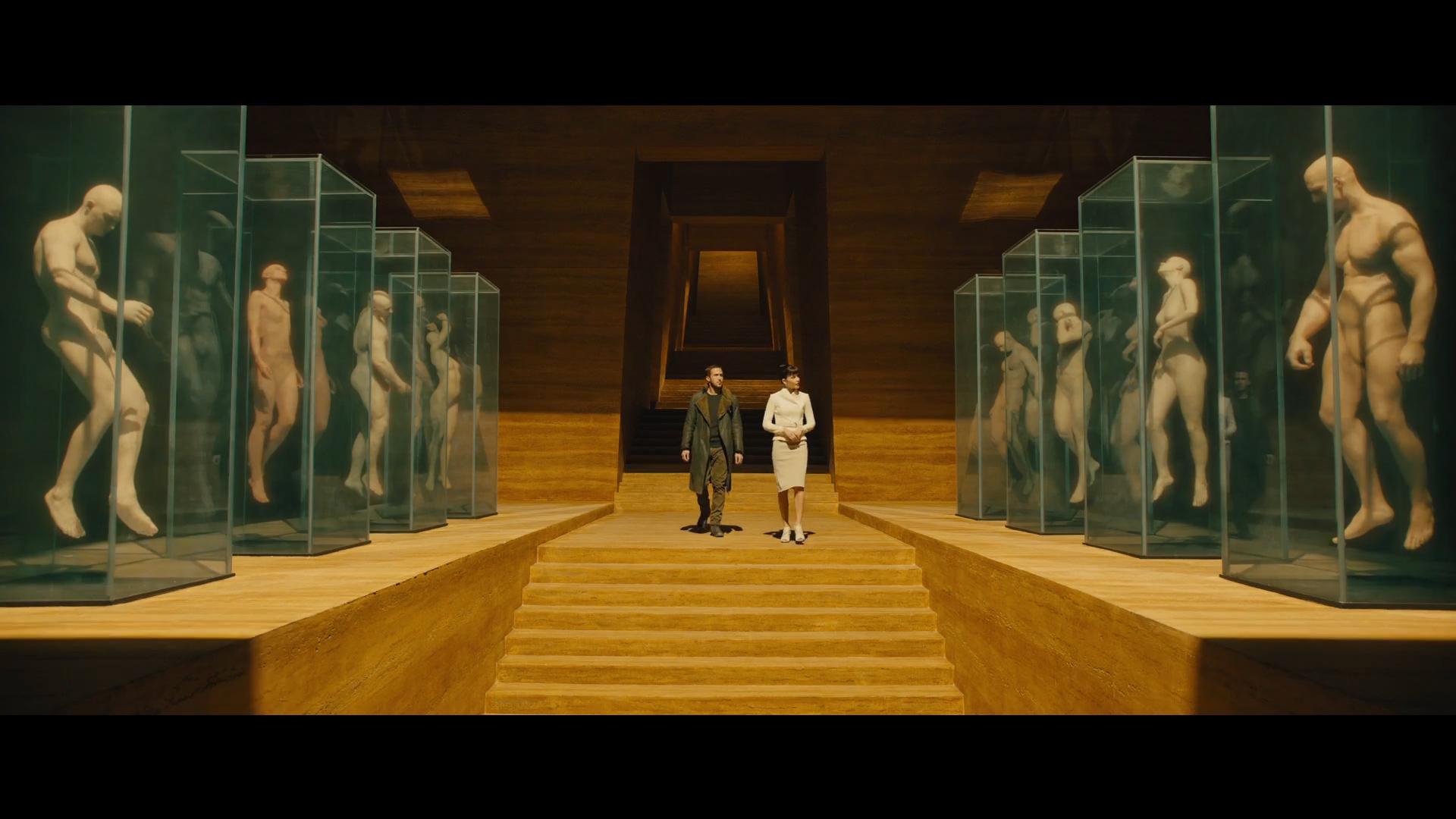
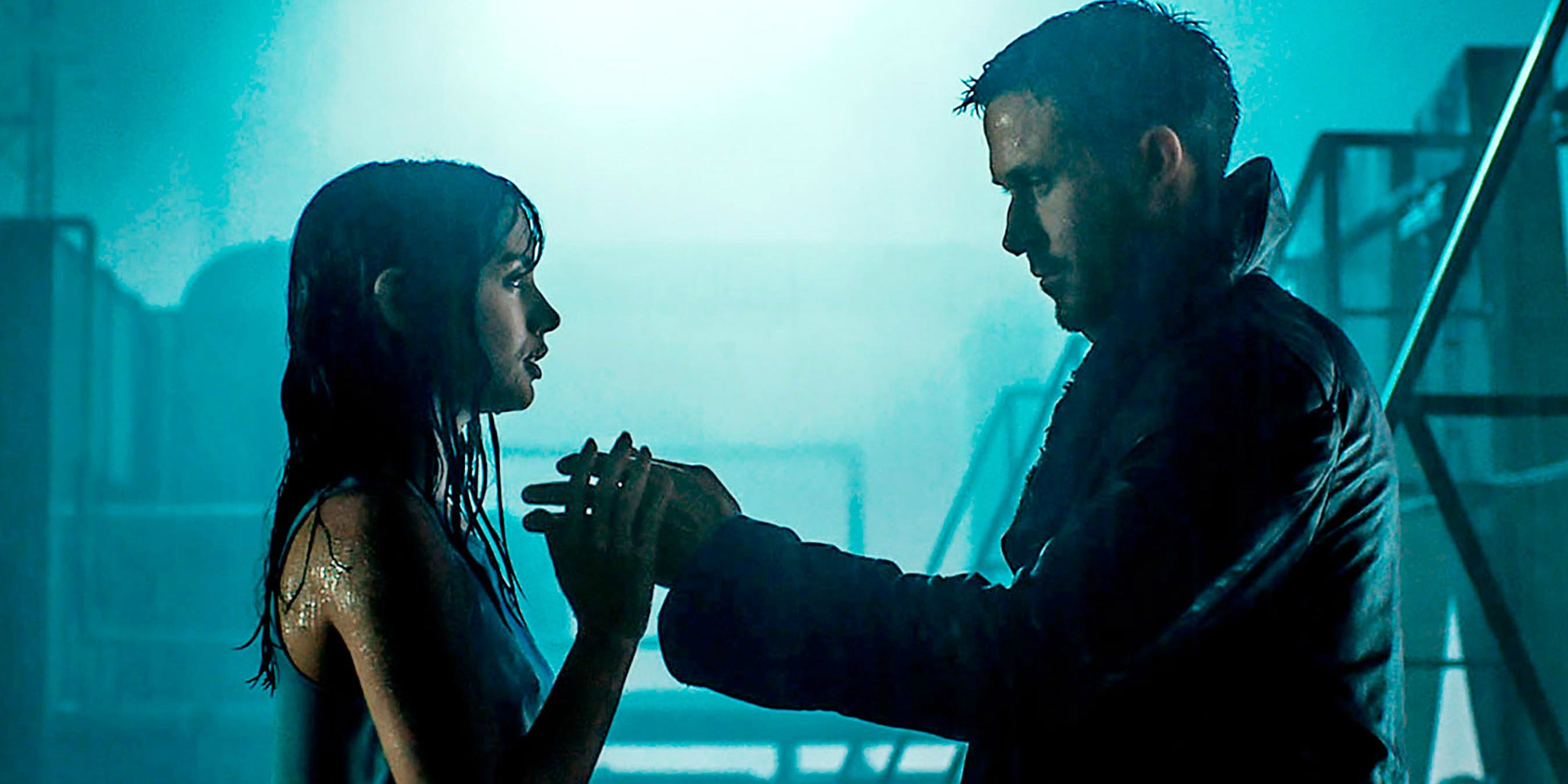
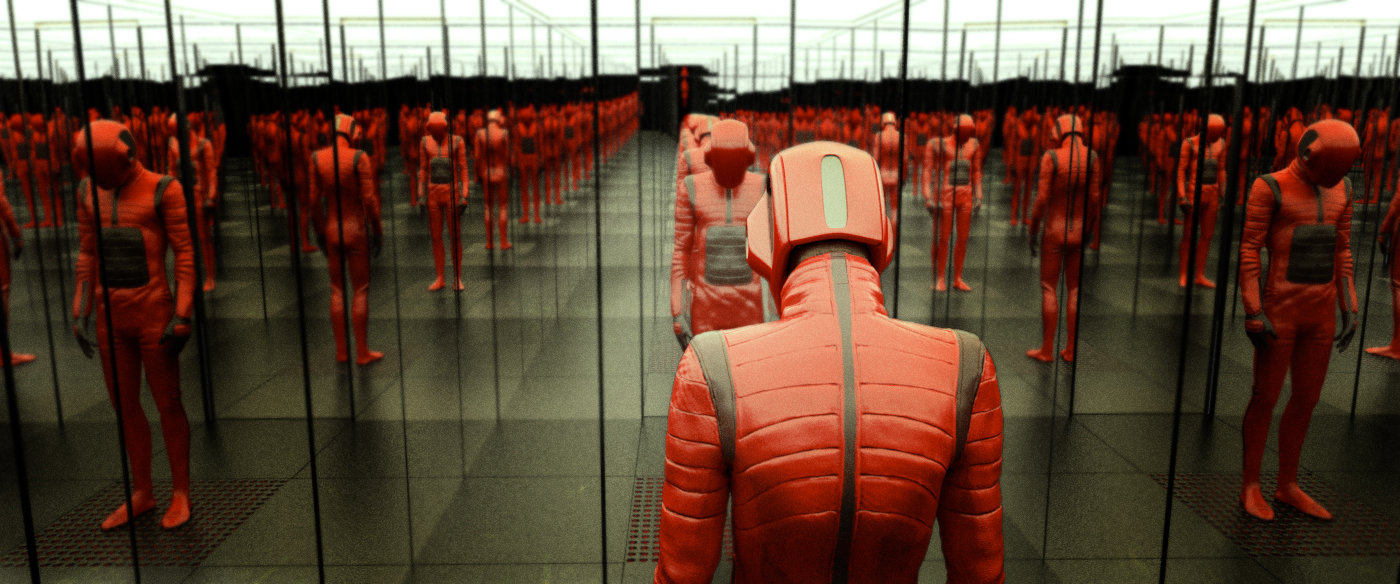 Rainbow does, in fact, do something more than that. The other movies in this little clade — Blade Runner 2049, say, or most of the independent movies that show up on Shudder — act under an absolute belief in their own coolness. The synths, the clothes, the emotionless faces: no one ever even considers that this might not be identical to cool.
Rainbow, though, constantly risks being dated and lame. Its plot — really nothing more than: a weird doctor submits a Whedon-style traumatized pale brunette psychic to experiments, until she escapes and murders him — doubles down on the new age origin of the “cool” aesthetic. In making its evil doctor — Michael Rogers as Barry Nyle — and everyone around him talk in new age platitudes about “ascending”, it swings back and forth between swimming in the new age calm and mocking it.
Set much more firmly in the 1980s, Mandy seems sometimes —especially early on — like it will foreground even more the new age hippie goofiness. (The first lines of the movie are this conversation between Nick Cage’s Red to Andrea Riseborough’s titular Mandy after a long day chainsawing down trees: “Knock knock.” “Who’s there?” “Eric Estrada.” “Eric Estrada who?” “Eric Estrada from CHiPs,” Cage says.)
The movie even threatens to simply replicate the main triangle from Rainbow (Barry the doctor—Whedonesque waif—Barry’s devoted and mistreated wife Rosemary) with the cult that comes to town (Jeremiah the Manson-style “prophet”—Mandy, who he becomes obsessed with—Mother Marlene, his devoted and mistreated lover).
But it doesn’t last for long. The last hour of Mandy is, as advertised, Cage cutting a swath of violence through the cult and its biker army. Cage says almost nothing — he says maybe a hundred words in the last half of the film, which is used to terrific effect once and is simply boring the rest of the time. The violence is dull as dishwater. It is astonishing how it both moves impossibly slowly and quickly: slowly because nothing interesting is happening, quickly because the end credits come and I thought, “That’s it?”
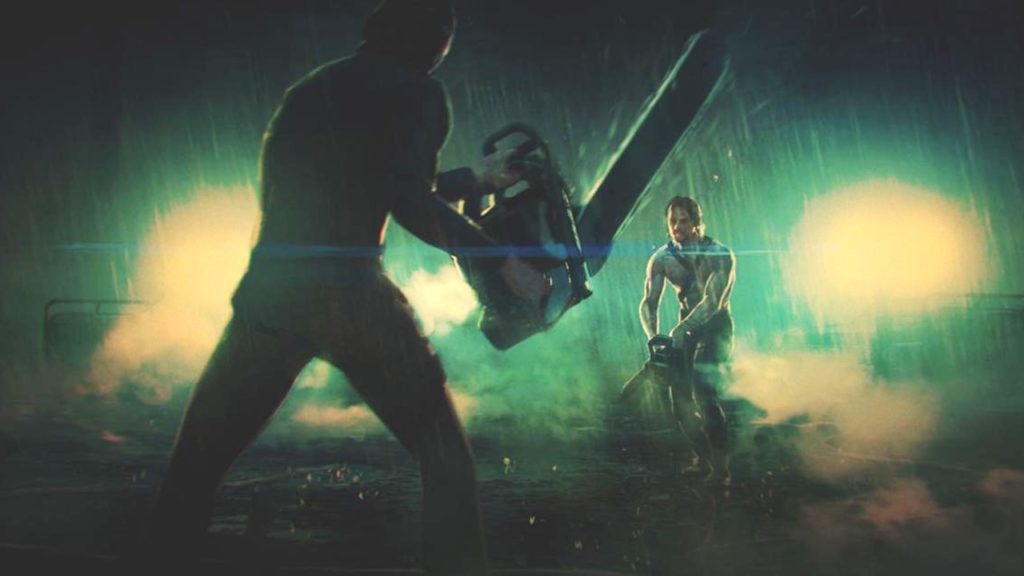 The last half has no doubt about itself, and it has no doubt because it comes entirely pre-digested. Scenes like Cage pouring the metal for a D&D-looking battleaxe and snorting from a gigantic pile of coke are meant only to be talked about with other genre buffs, and as such are incapable of surprising anyone. You can hear that Cage gets into a chainsaw duel with a biker, and you can imagine the scene for yourself; no addition the film could give you could change the purpose of the scene, which is to be discussed with others later and given a badassedness rating.
The last half of the movie is a movie for fetishists. The fetishist is someone who needs something real to allow him to fantasize. The shoe fetishist has to know that a real woman wore the shoe before he can use it to justify his fantasies; he fetishizes not because he is too committed to fantasy, but because he is not able to fantasize purely enough. He demands the same thing, the thing he already has in his mind. He can’t just hear the phrase “Nick Cage chainsaw fight”; he needs to know that the real Cage pretended somewhere to fight another actor, that some gigantic amount of money changed hands, that someone actually made it.
It’s the same thing we see in the reaction to Marvel movies: comic book fans want the stories they already know, but passed through a “reality” filter to justify it. The realness of it is a shield against anyone who would find it boring, or lame, or repetitive.
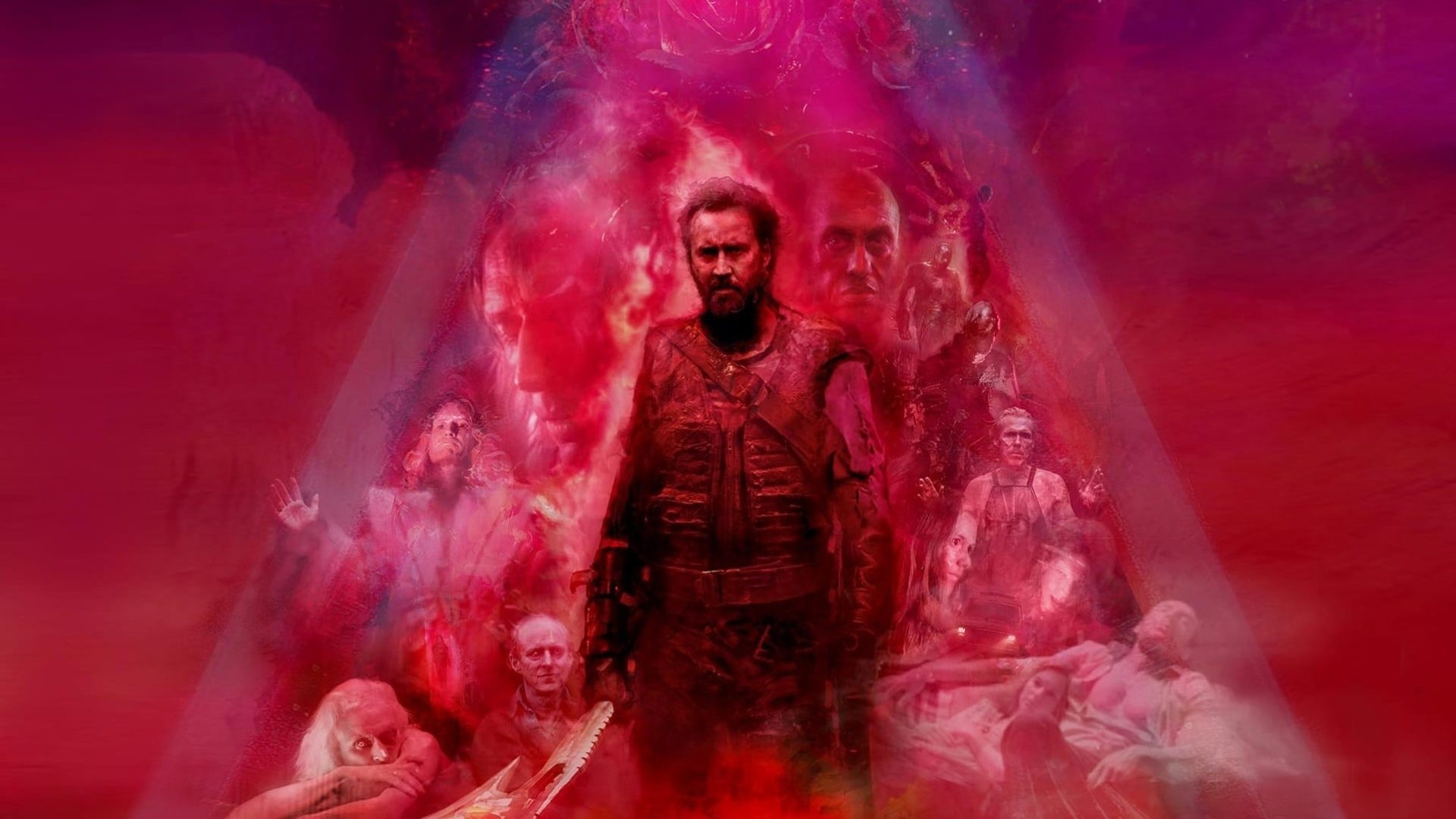 That is the secret answer to the obvious question to the positive press on Mandy. I’ve seen several people say something like: “Mandy is awesome because it’s a heavy metal album cover come to life.” And the obvious question is: Who needs it to come to life? Don’t you have thousands of heavy metal album covers? Who needs a movie of them?
But the movie anchors the fantasy, and makes the question of lameness unaskable.
And all of this is why I feel like Mandy is the last disappointment for me, even though I know it’s not, even though I know that’s absurd. Because I did sincerely want more of the same. I wanted the same thing the fetishist wants: repetition by way of reality. I wanted another film that dug into the new age core of the Refn-style 70s/80s revival, but without changing too much. And I wanted it because of personal arguments, of emotional energy I have invested in conversations that don’t represent me anymore.
More than anything because of a fear of seeming lame myself. I can’t pretend I don’t find a lot of new age-ass music entrancing, or 70s/80s cheese enthralling. And I have some voice in my brain, one I listen to very little these days but which I can still hear sometimes, that says: all that shit is lame, dude, in the same way that I find the last half of Mandy incredibly lame.
In the best scene in the film, Mandy has been kidnapped by the rapist hippie creeps and dosed with a powerful drug. She is brought into a room with Jeremiah, the Manson prophet, who gives her a lecture about what God has given him and his ability to take whatever he wants. He puts on a record. (“Do you like the Carpenters? I think they’re divine, but this is even better,” he says.) It’s impossibly cheesy music, a Byrds worse than the Byrds ever were, and he dances and praises it.
Mandy has been stoned into silence, but manages to come to herself a little bit. “You wrote this,” she realizes. “You wrote this about yourself.” Then she starts to laugh, horrifyingly, demonically. It overpowers everything in the room, and her face is distorted. Jeremiah can’t take it.
I would suggest the terrible hippie music is a stand-in for the heavy metal of the film itself. Mandy here is the inversion of Rainbow’s almost-silent psychic girl, and Mandy’s grotesque laugh at the lameness of Jeremiah is a version of the girl’s fantastically unceremonious killing of Barry (whose name, I realize now, could be meant to bring the contemporaneous ur-lame dude Barry Manilow to mind).
Mandy the character is the threat of someone thinking Mandy the film is lame. The violence everyone talks about, Cage’s revenge path, is an attempt to ground that coolness in something “real”: the only truly thing “real” in a narrative, real because irreversible, violence. In that, it fails to do anything to separate itself from a hundred other saturated violent movies; but in that failure, it can still say something about ourselves as viewers.
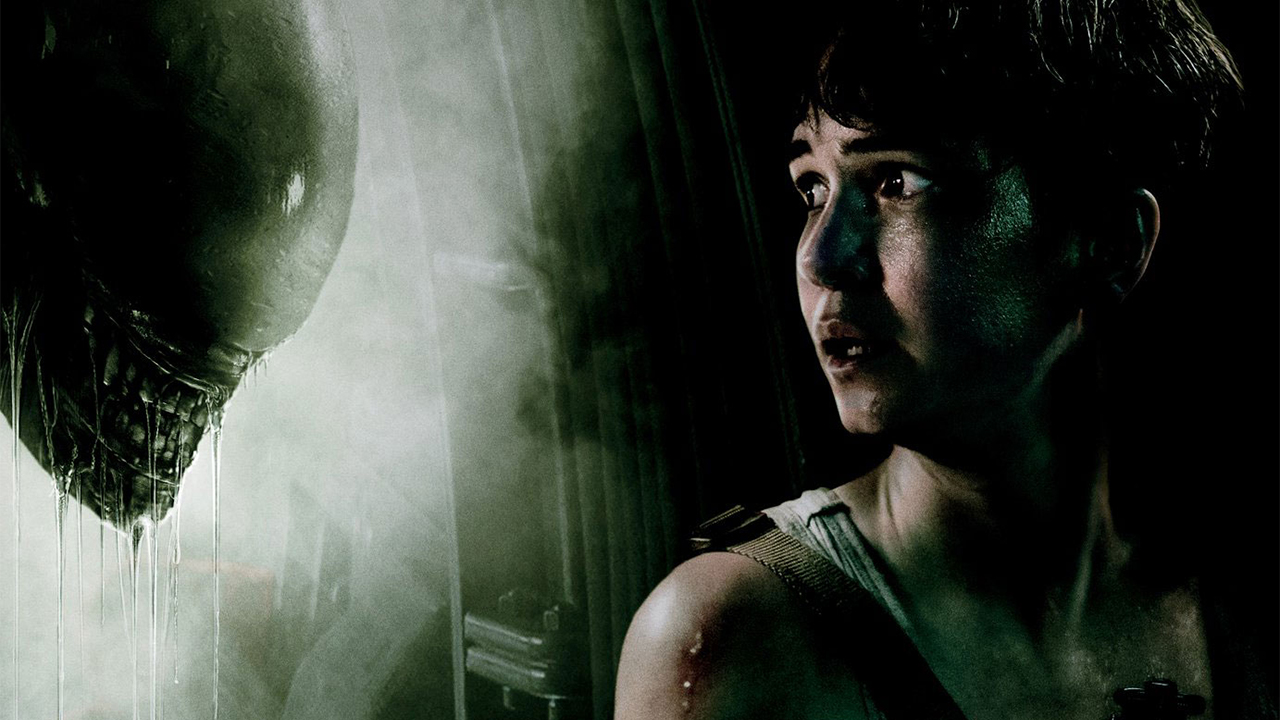 It may spend its first half hour playing out the standard tropes of the Alien franchise, but once you arrive in Michael Fassbender’s bizarre alien Dracula castle, it becomes something else. Bonus points for being one of three movies to prominently use “Take Me Home, Country Roads” this year.
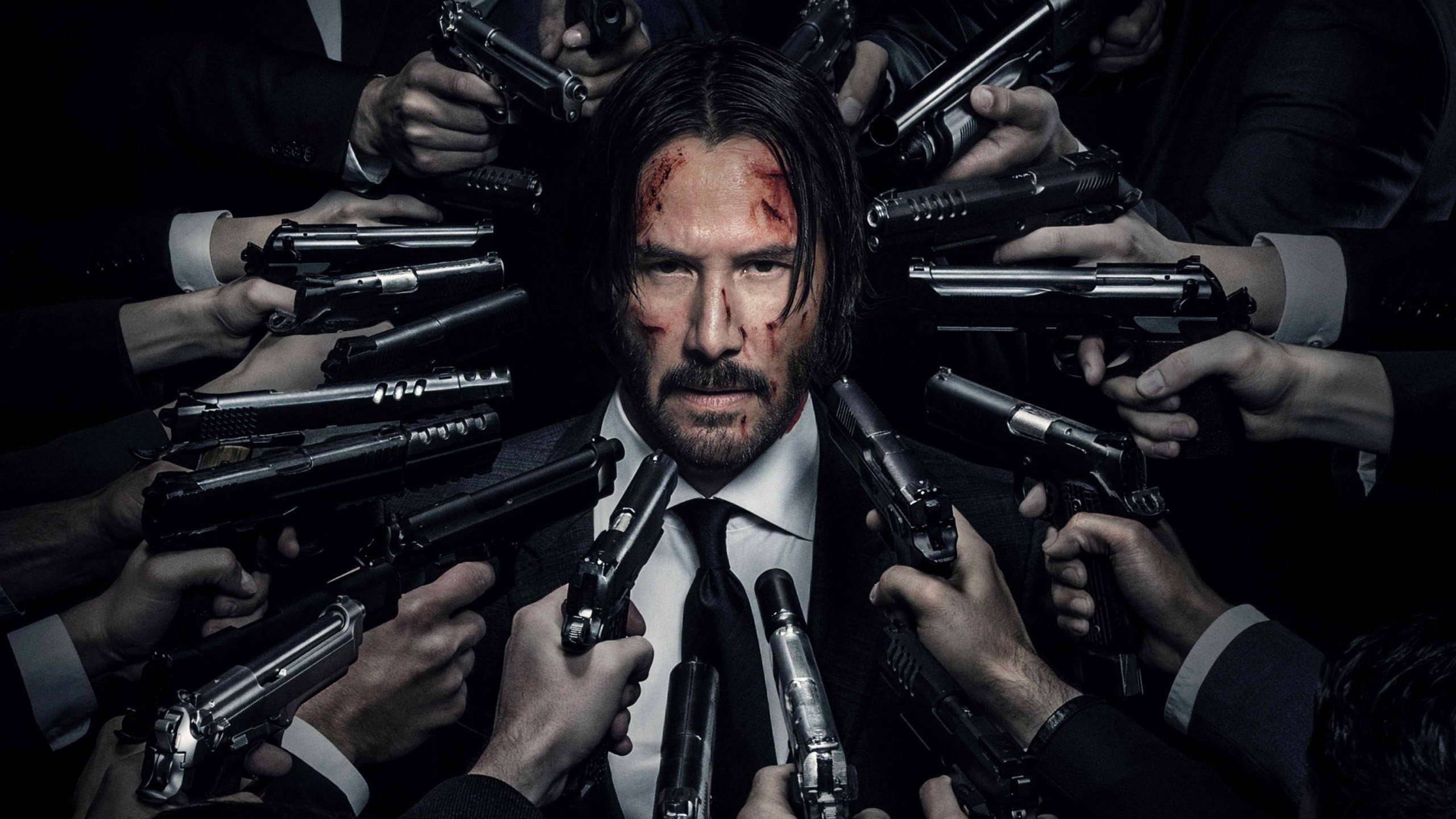 All of my friends put up with a lot of talking about the original and this sequel over the last 2 years or so. (How does the economy make any sense? Getting rid of a body costs as much as a drink?) But this one felt much, much cooler than the original to me, which relied on goofy-looking dudes in suits being inherently visually fascinating. Also, no Marilyn Manson this time.
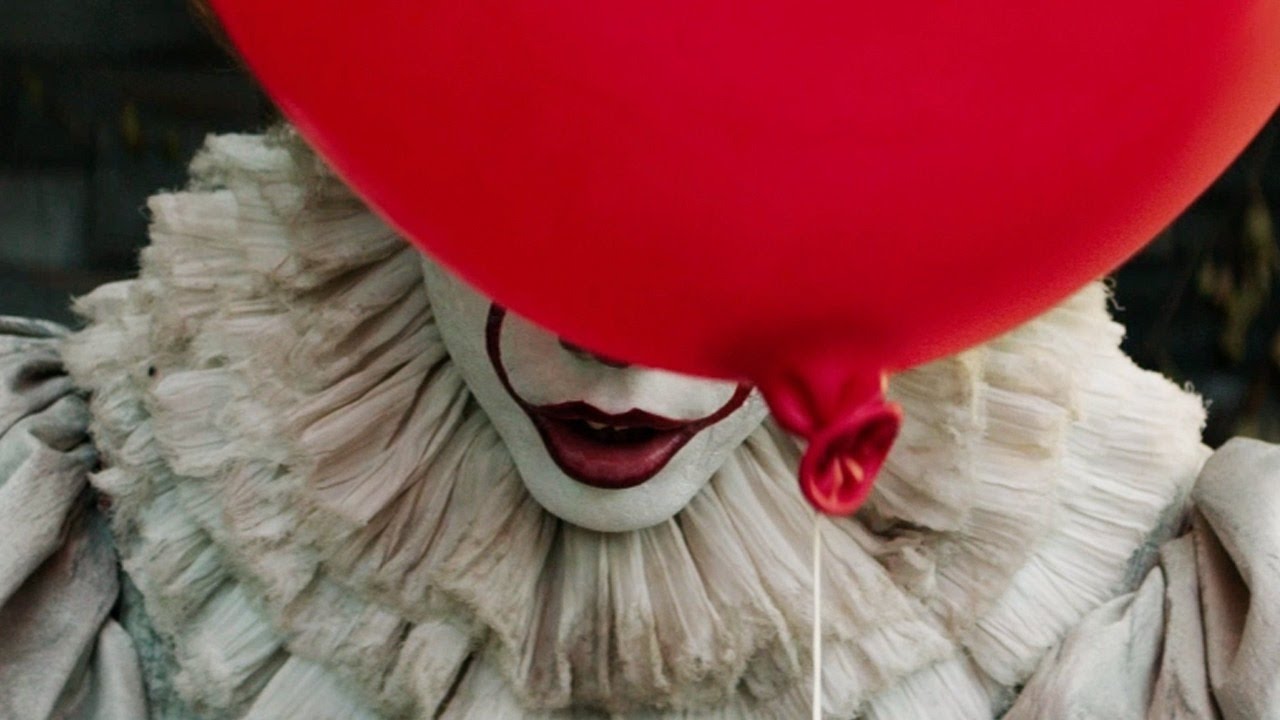 I will stand by my fervent anti-Stephen King bias—I think he’s atrocious—but this movie helped me get the appeal. There is a sense of a genuine wider American horror mythology at play here, much wider and less place-dependent (and less explicitly dependent on racist fears) than Lovecraft. Everything about Beverly was exhausting and lazy, but I get why this was a phenomenon.
  I have a piece on this in the works, but frankly, I am always going to be excited about an adaptation of 14th century writer Boccaccio’s impossibly ribald Decameron. It’s the definition of slight, but
  Yes, it’s just Groundhog Day as a horror movie, but the free mixture of pop music empowerment and horrible murder makes this something really curious and charming. One particular montage set to Demi Levato’s “Confident” is simply the best use of music I saw this year.
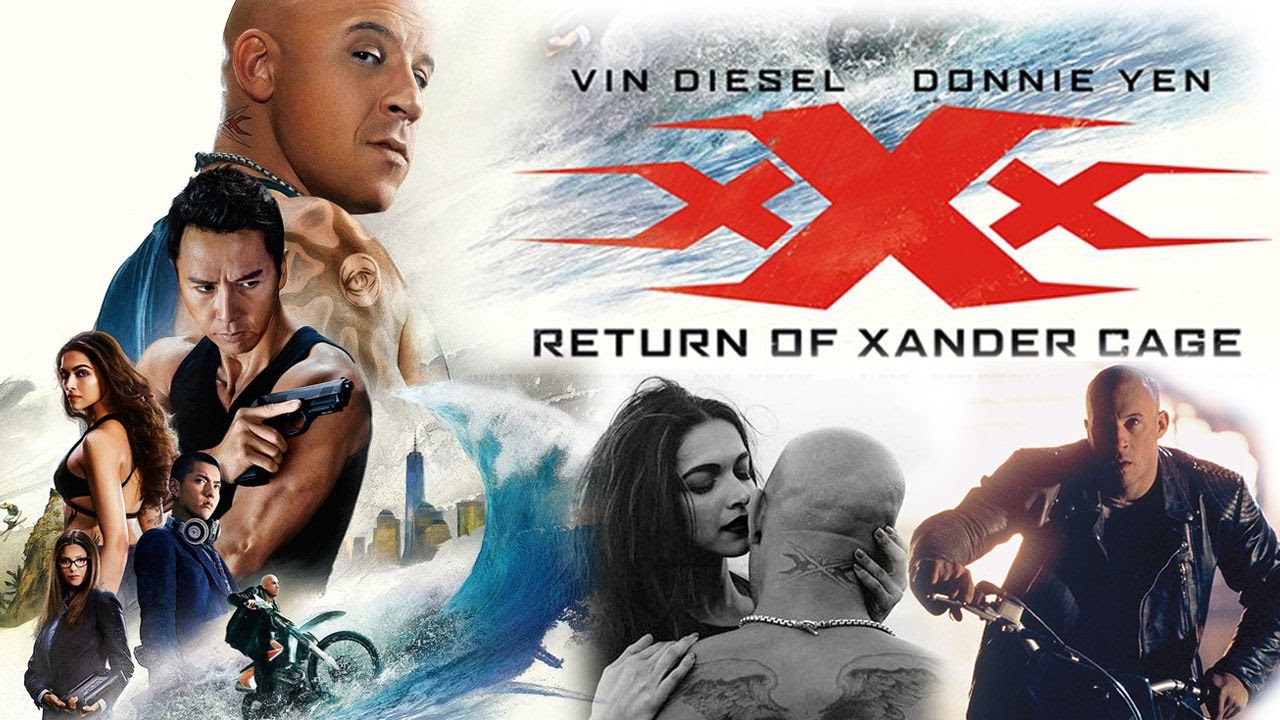
 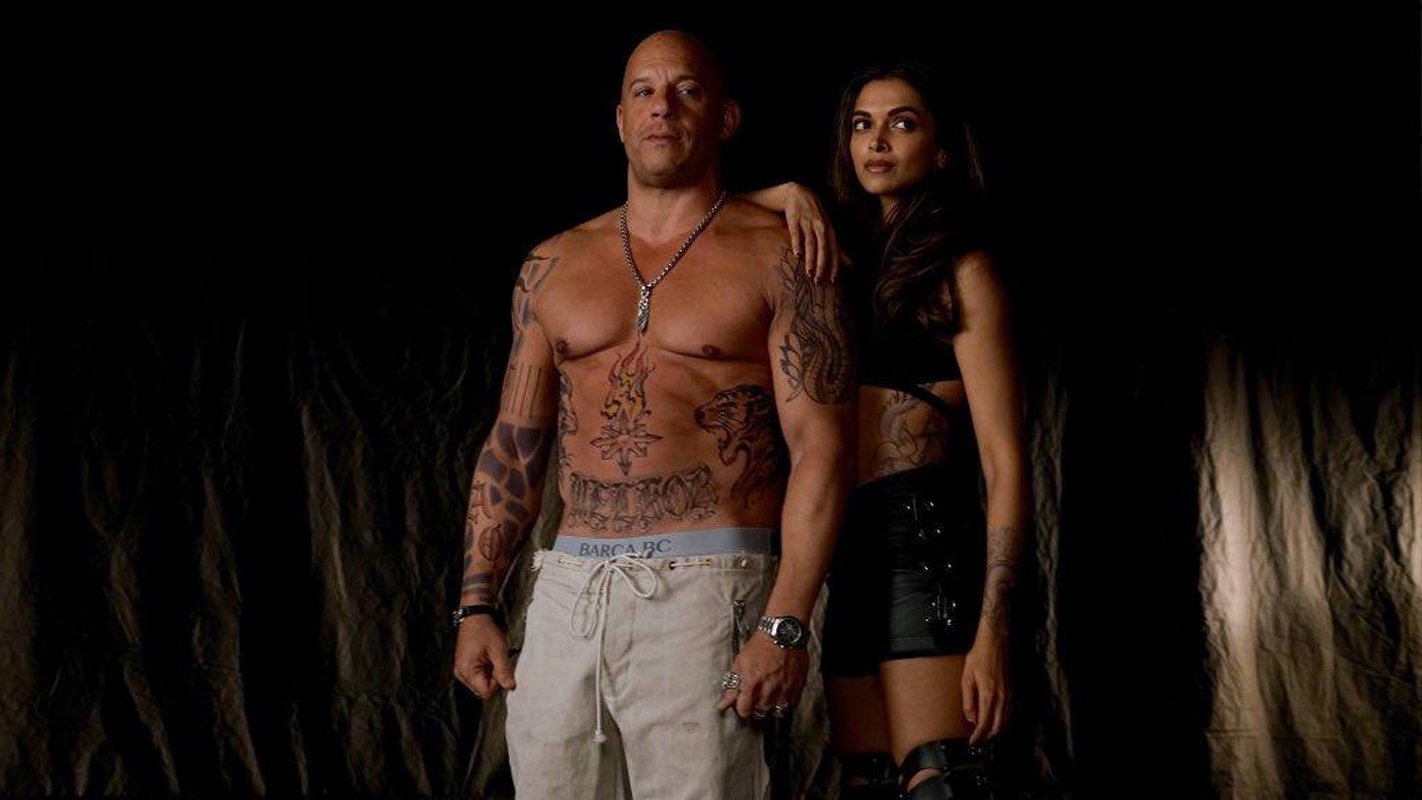 Vin Diesel’s throbbing cock became sentient and made a movie. Two stars.
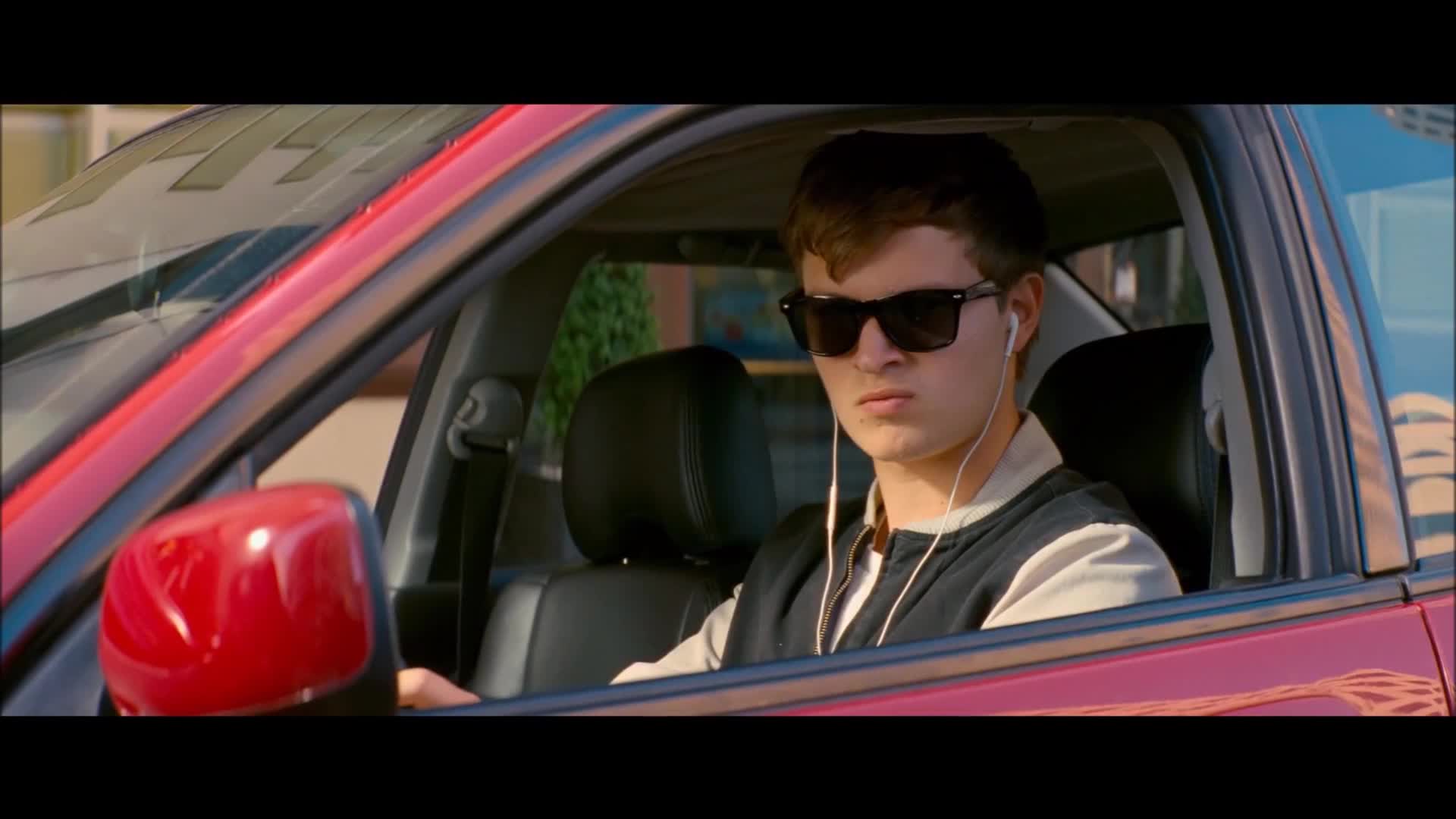 What idiot called this car chase movie with intensely weird Oedipal themes “Baby Driver” and not “Oedipus Wrecks”? Thank you.
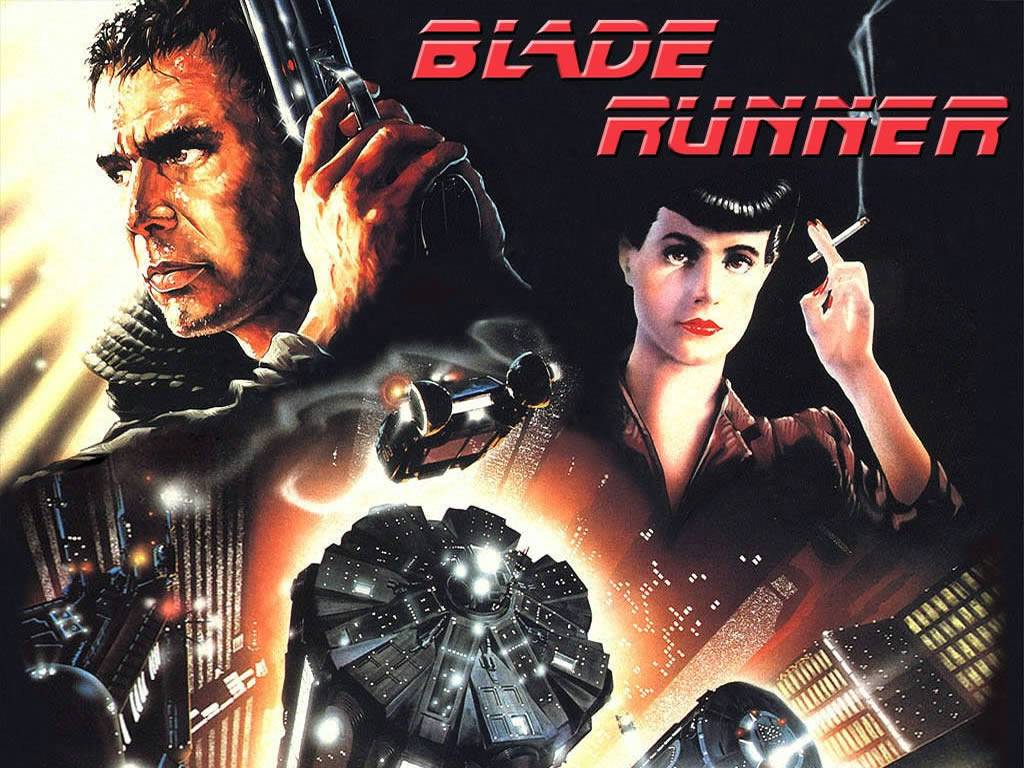
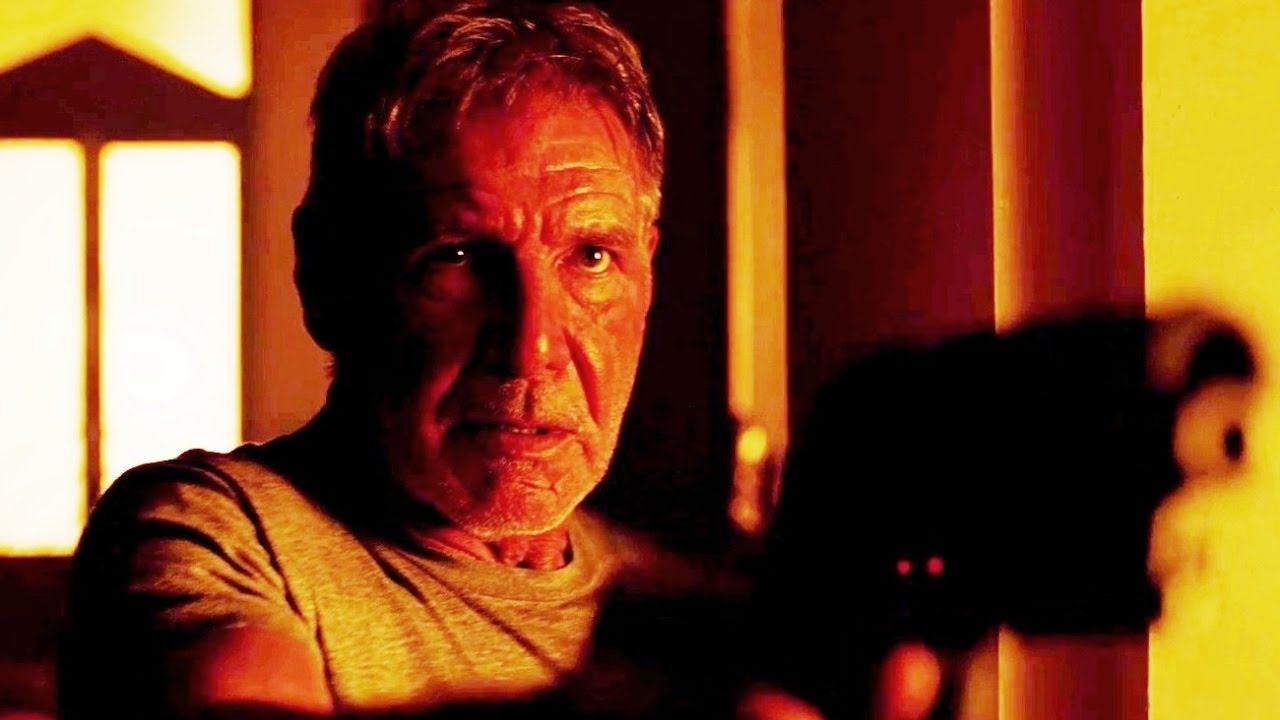
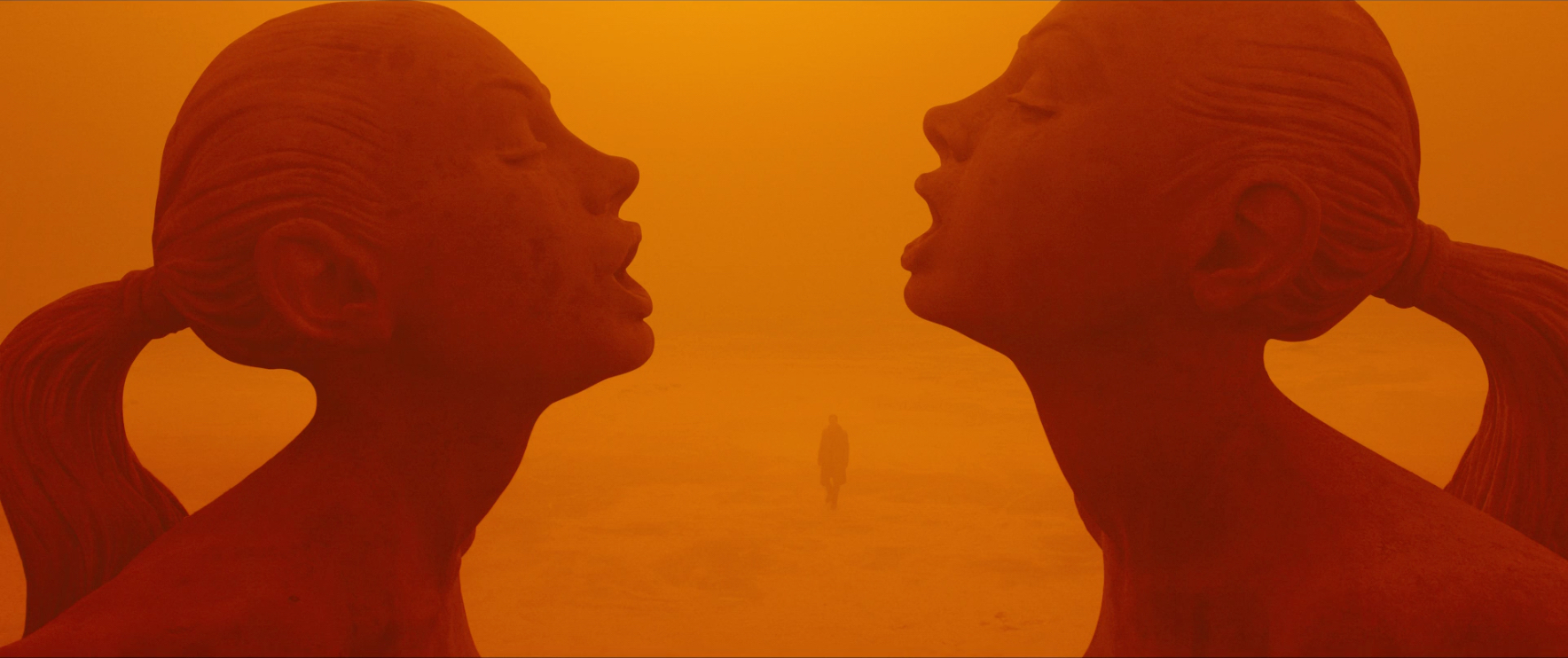 What would this movie be if it ended the frame before Harrison Ford showed up on screen? The idea that Rick Deckard—less a character than a narrative point in the original film, a fold in the world that helped reveal how the viewer’s assumption of the protagonist’s point of view can make them complicit in quiet fascism—is suddenly to be embraced as hero could be done, but it would require a hell of a lot more set-up than we get here. I do appreciate the implication, however, that Edward James Olmos has the magical ability to intuit what animal fills the fantasy life of each character.
 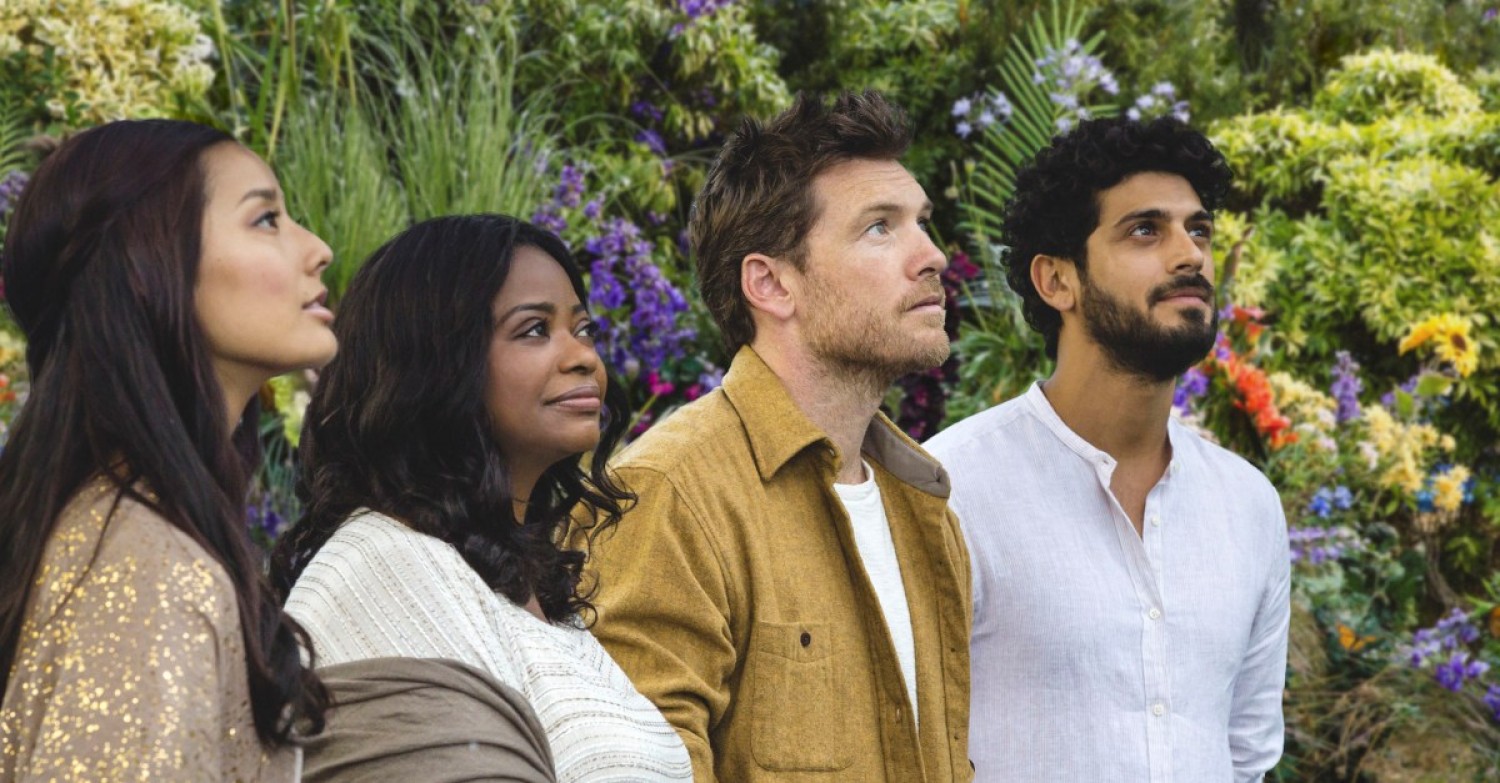 We recorded an episode of
 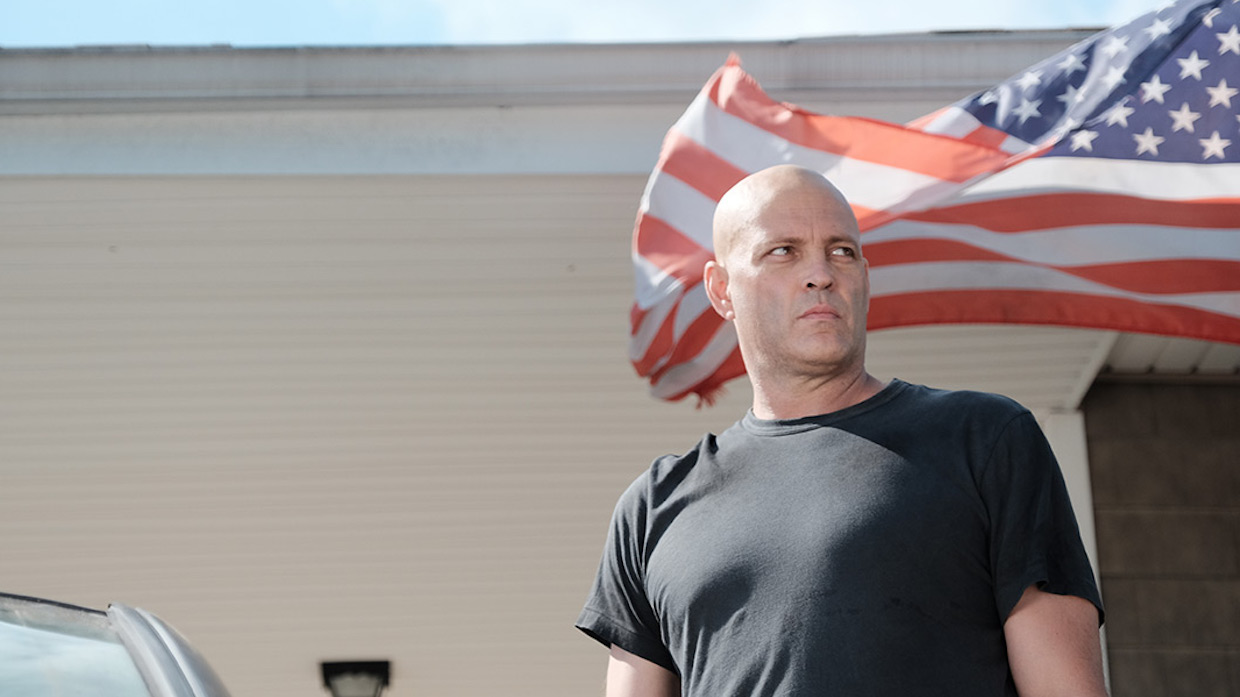 Someone will probably make the argument that we’re not supposed to like Vince Vaughn’s protagonist here—I tend to assume that a movie with a traditional narrative wants us to not just empathize with, but like our protagonist unless there’s strong evidence to the contrary—but there is a thick gross layer of tough-guy worship over this movie. It’s firmly in the tradition of Taken or Die Hard, movies for divorced dads who sit at home thinking, “Oh, she thinks I’m prone to violence now, but when she’s kidnapped by ambiguously ethnic criminals she’ll appreciate me.”
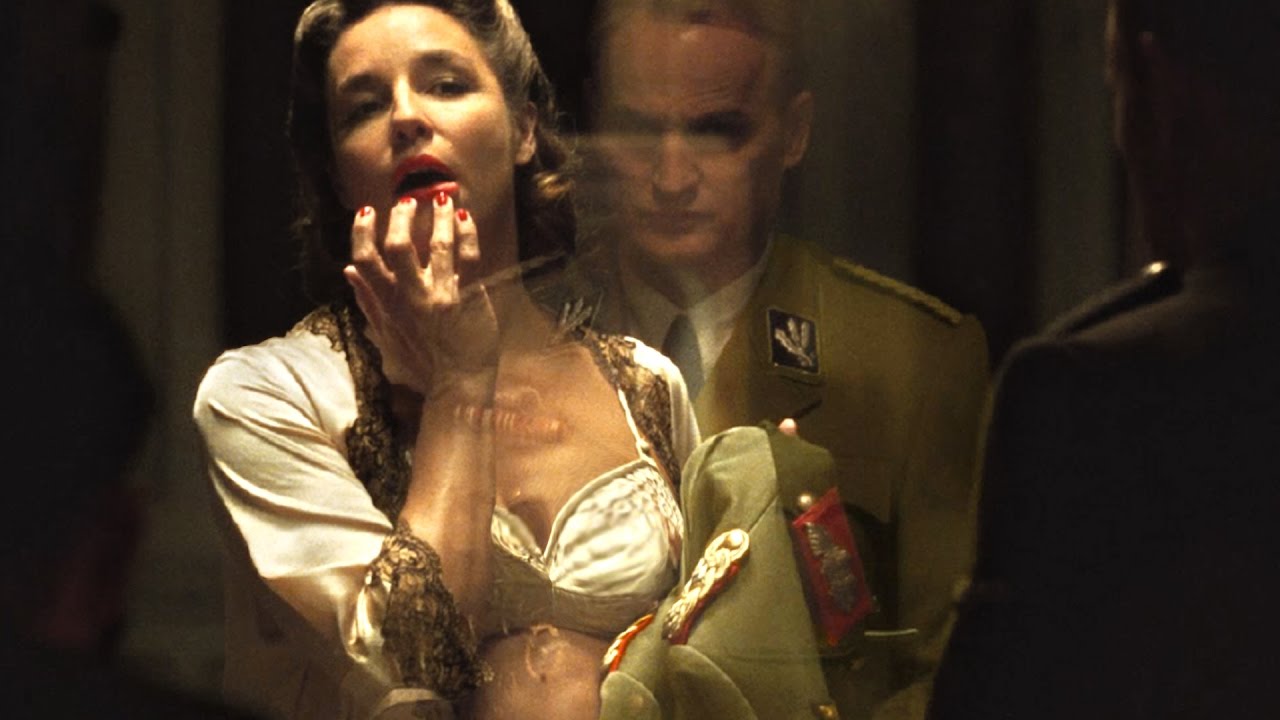 A historical biopic not even quite interesting enough to fall into the “released directly to 12th grade US history class” camp.
 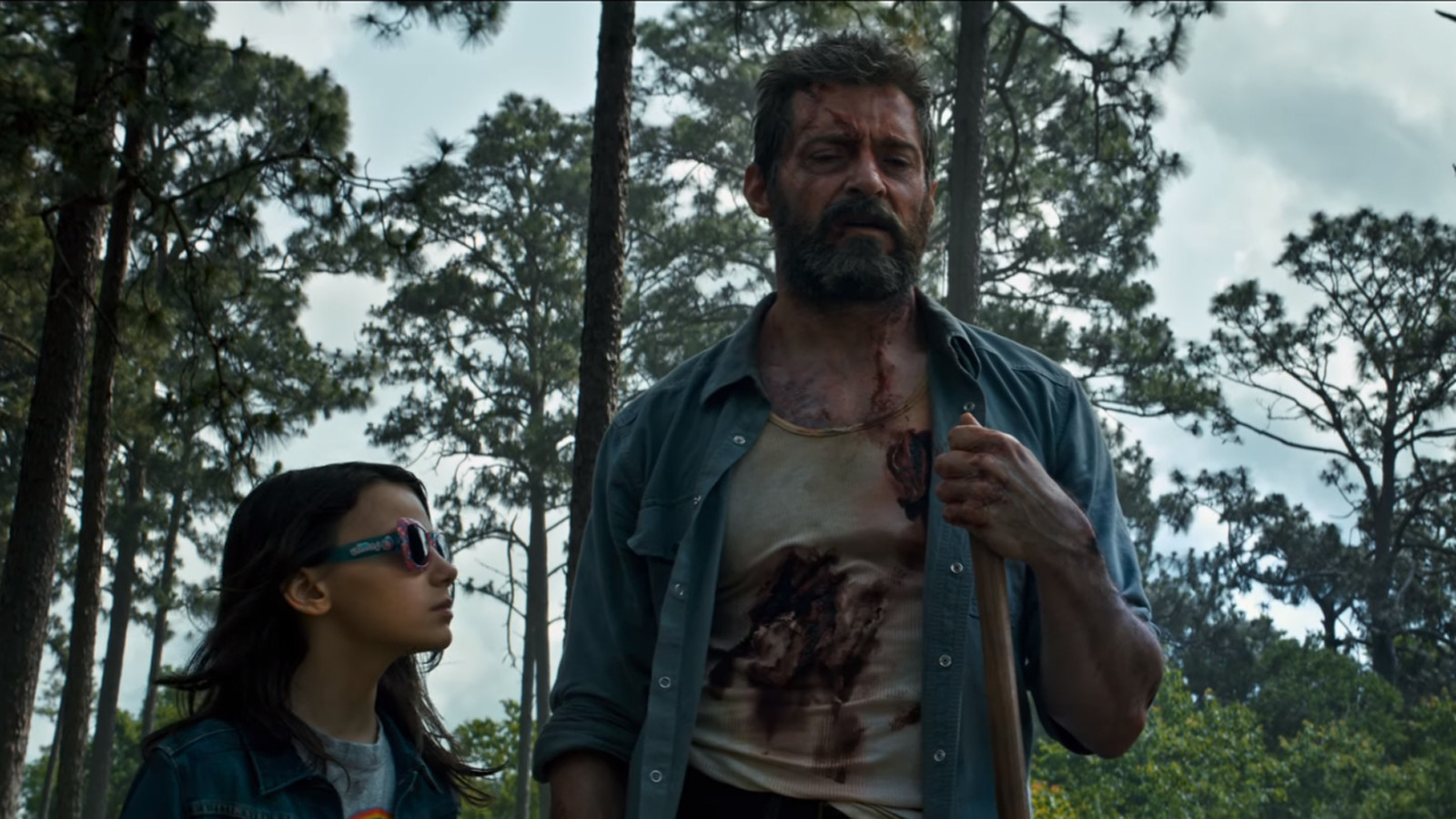 This is only ranked so low because I was so hyped up for it. There’s one perfect moment: when Wolverine instinctively uses his body to protect the limo from gunfire. That brief moment perfectly encapsulates the world he’s living in and his place in it. Unfortunately, the rest of the movie is unbelievably boring (everyone always knew that getting stabbed with claws is violent and horrible—seeing the blood oozing out adds nothing). I’ve never felt more separated from other movie dorks than on this, honestly.
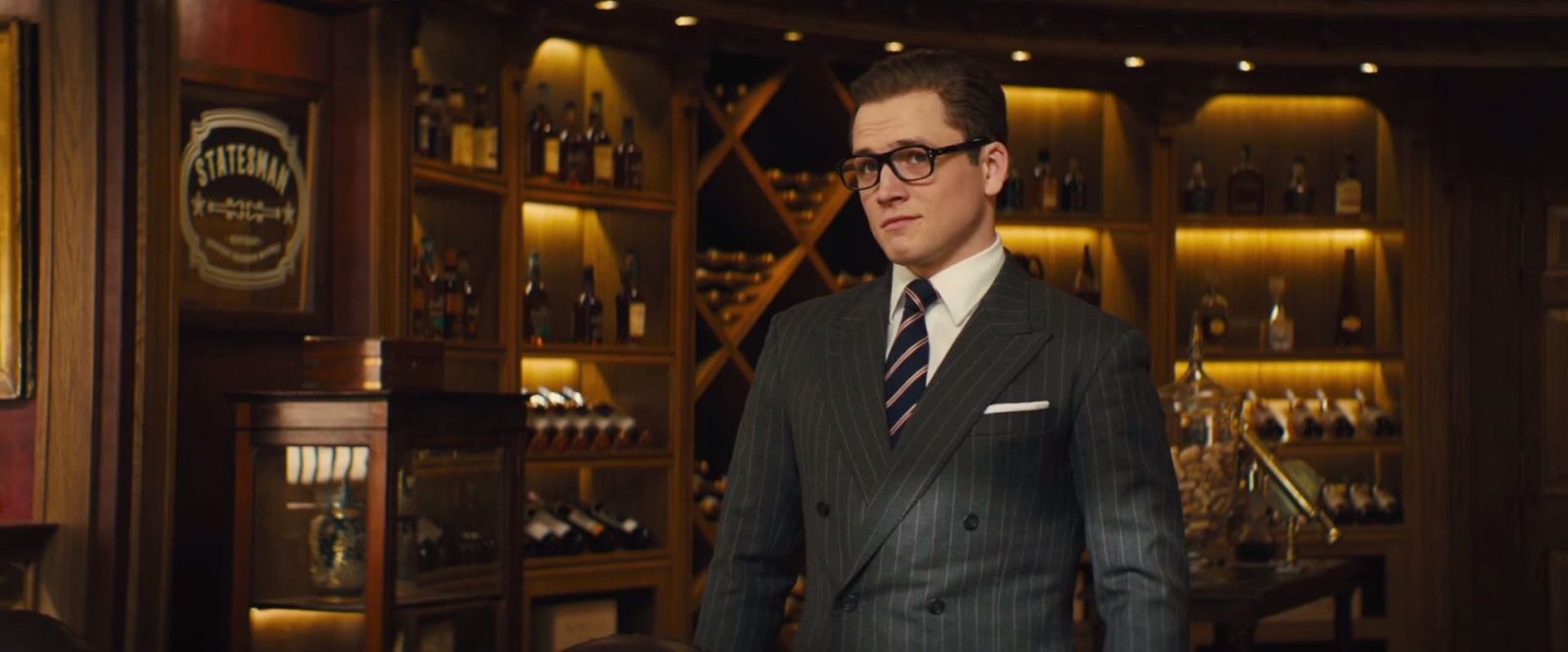 Axe body spray in an Yves Saint Laurent bottle. Points taken off for the absolute worst usage of “Take Me Home Country Roads” this year. (Logan Lucky apparently used it, too; I’ll let you know how it was in 2018 sometime.)