
Arriving to overblown fanfare and unreasonable expectations, Ava DuVernay‘s A Wrinkle In Time was never going to live up to the hype.
It was bad enough that box office watchers openly wondered how A Wrinkle In Time would compete with Black Panther, a money-printing machine of historic, multi-hyphenate proportions. A non-franchise adaptation of a beloved if wonky Christian children’s fantasy novel, one that intuitively seems better suited for a Netflix series than a 110-minute standalone, DuVernay’s picture was somehow tasked with proving that a) Black female directors can helm $100M+ tentpole spectacles, and b) that the audience exists to justify further studio spending on majority-minority casts in such films. (The internet being the internet, the film was also greeted by the usual anonymous gangs of sad little white men trying to tear it down in advance; that tesser is always on time.) Simply being an entertaining, visually stunning kid’s movie stamped by a personal vision was never going to be sufficient. A Wrinkle In Time had to change the world to justify its existence.
 Well, it doesn’t and it won’t. Instead, A Wrinkle In Time and its team will have to settle for being an entertaining, visually-stunning kid’s movie stamped by a personal vision and aimed at youthful audiences who don’t often see themselves on screen.
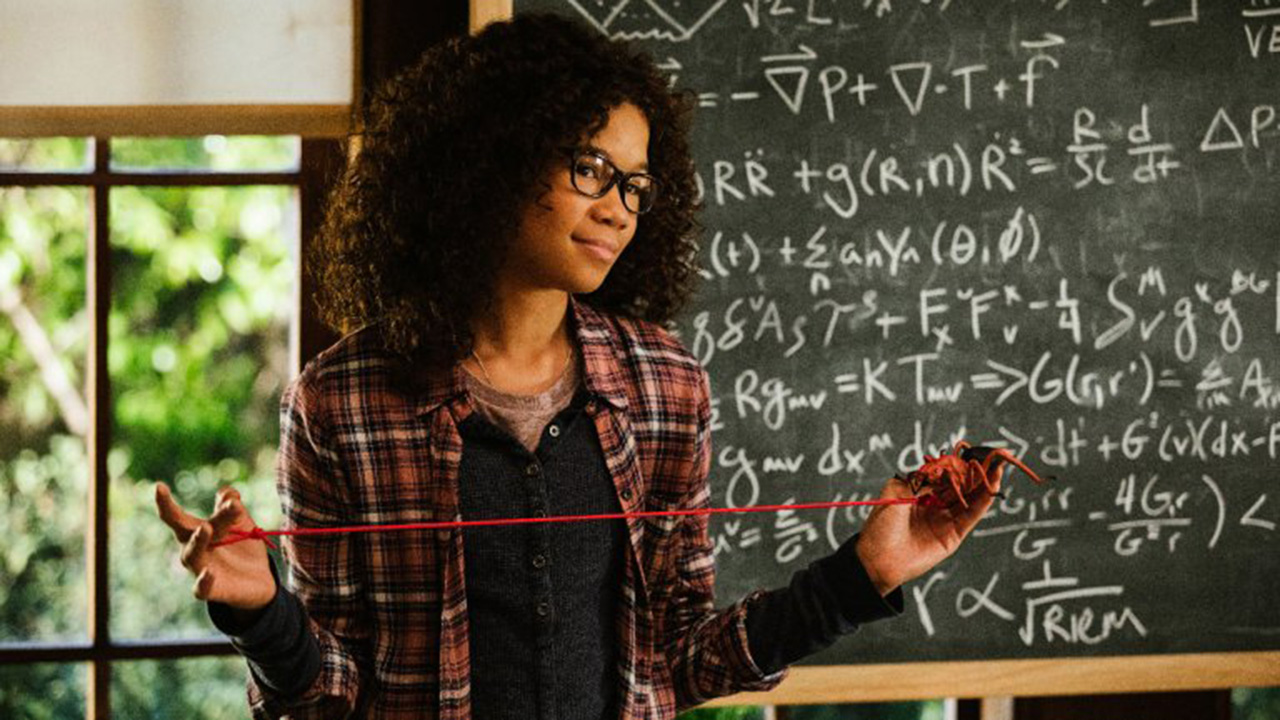
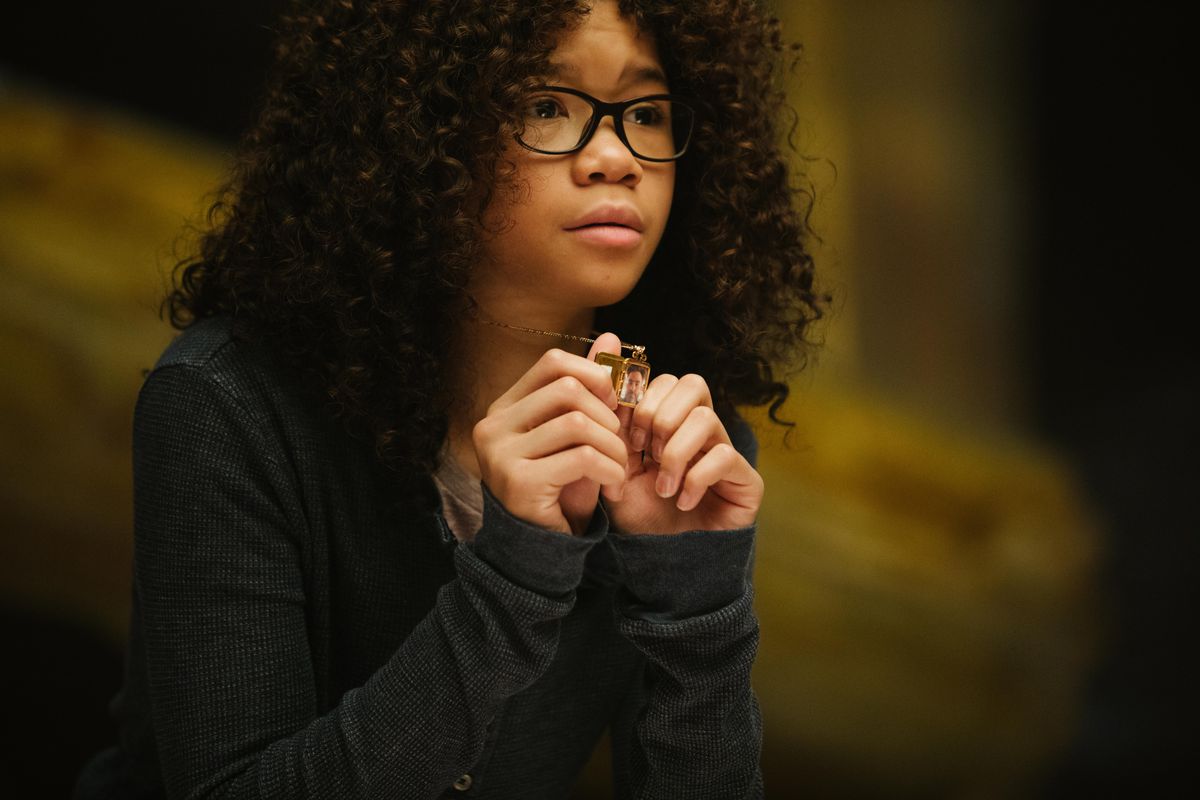
The plot, for those who never read or barely remember Madeline L’Engle’s classic, concerns our young protagonist Meg (Storm Reid, A Wrinkle In Time‘s breakout star and, with all due respect to Oprah, unquestionably its biggest asset). Introduced discovering the wonders of physics alongside her loving scientist dad (Chris Pine), Meg is an adorably precocious audience surrogate. In short order, she acquires an adopted little brother – the even more precocious, significantly more irritating Charles Wallace (Deric McCabe) – but loses her father, who vanishes without a trace while working on some high-level science stuff with the kids’ mom (a severely underused, under-developed Gugu Mbatha-Raw).
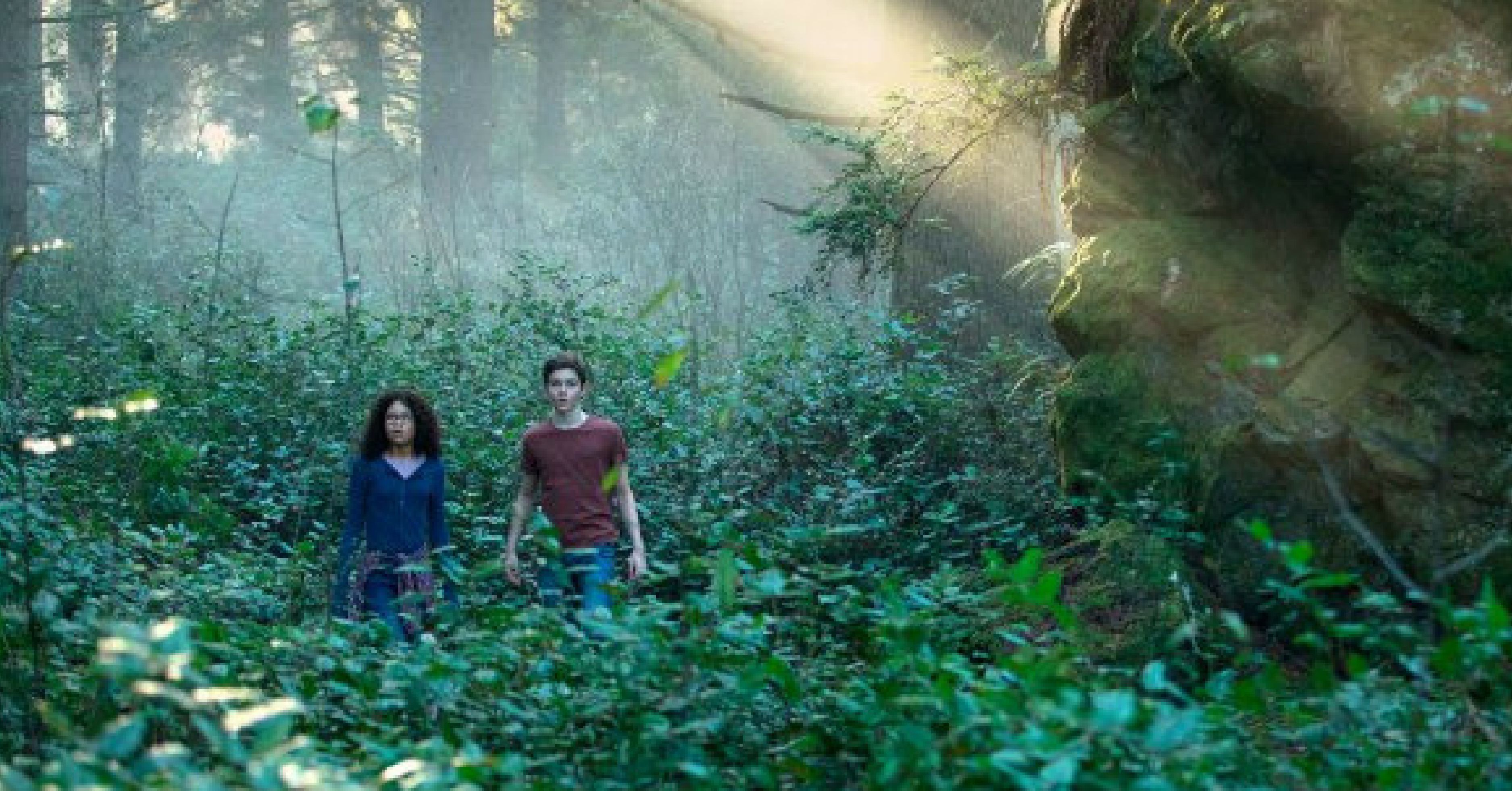 Dad’s tragic absence, and the quest to find him across space and time, drives the narrative. After a brief check-in regarding Meg’s struggles in school four years later, a hero’s journey is set in motion by the unexpected arrival of a strangely-clad woman named Mrs. Whatsit (Reese Witherspoon, striving mightily to sell clearly novelistic lines like “Wild nights are my glory!” as she runs out into the rain). Meg, Charles Wallace, and the extremely clingy love interest Calvin (Levi Miller), whose primary character attributes seem to be his moderately inappropriate infatuation with Meg’s hair and a general air of fanboy adoration, will meet the other two members of L’Engle’s Trinity – the ever-smiling Mrs. Who (Mindy Kaling) and the terrifyingly astrally-projected Mrs. Which (Oprah) – and A Wrinkle In Time is off.
If this all seems abrupt, that’s because it is. DuVernay and screenwriters Jennifer Lee and Jeff Stockwell never really get a handle on the pacing; the intro seems too short, parts in the middle seem unexpectedly leisurely, and it all ends like a timer went off or the money ran out. (Perhaps Reese may had had to film a featurette for something.)
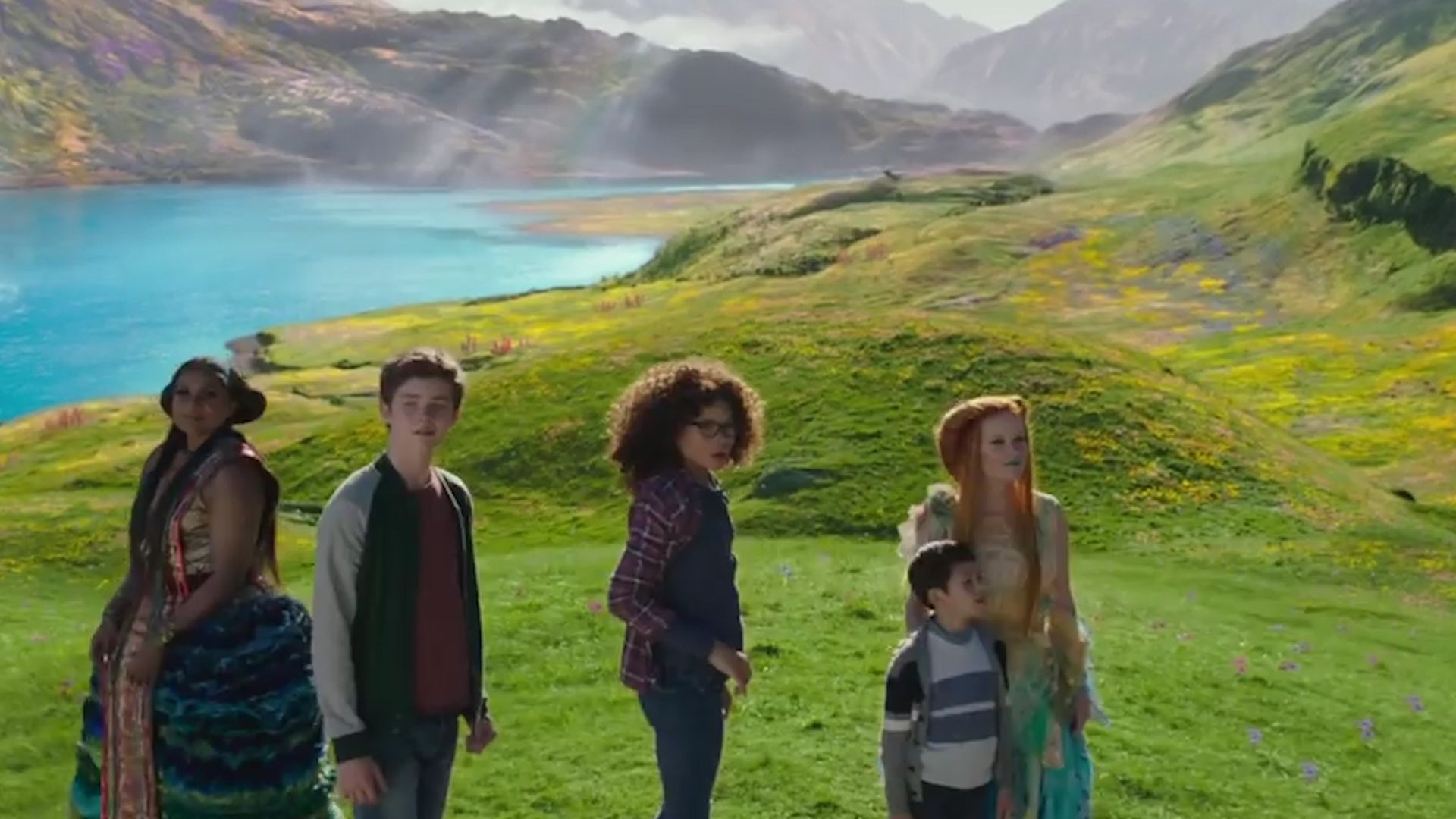 Still, amid the unsteady pacing, there are some glorious images. In order to find Dad, the trio is introduced to the tesseract, a space-time continuum, the title’s “wrinkle.” They fly across alien skies, interact with sentient flowers, hang out with a very funny Zach Galifianakis, and, eventually, encounter a force of pure malevolence known as The It (menacingly voiced by David Oyewolo). The effects team conjures up some striking visuals all along the way, and Meg’s woo-woo tour guides through the cosmos gently coax her into self-confidence and recognition of her unique value as an individual.
A Wrinkle In Time wears its heart so prominently on its sleeve that faulting it for that very aspect just seems unkind. There’s a particular moment of self-realization – you’ll know the one – that’s among the more powerful depictions of self-doubt, adolescent fear, and even biracial anxiety that I can remember in a recent kid’s movie. It’s raw stuff, standing out even more than it otherwise might amid all the outsized New Agery on display.
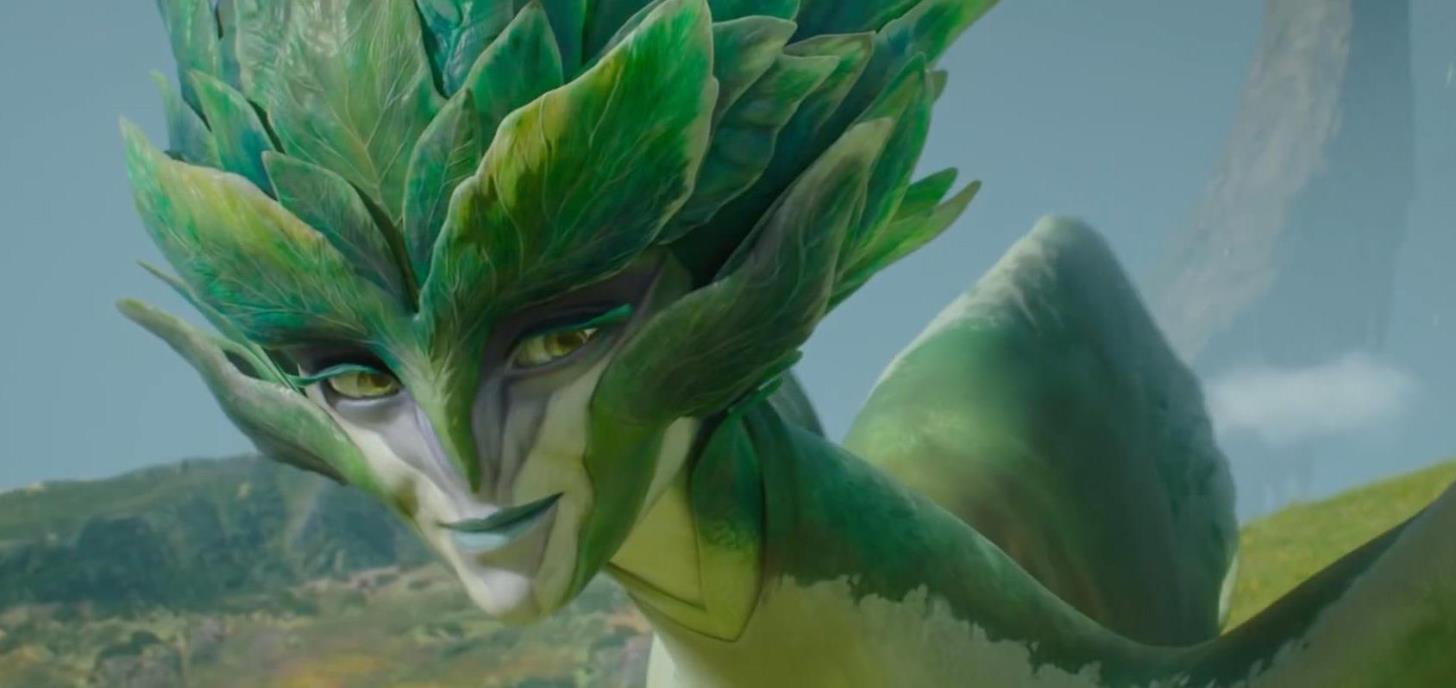 Is it weird that Witherspoon, Kaling, and Winfrey, the ostensible draws, make the least impact and are the least developed characters, apart from Mbatha-Raw? Functioning, as Scott Mendelson notes, as “the kind of ‘now you go here’ guides found in a video game,” they more or less arrive and depart at random, smiling knowingly through their makeup. They do provide a sense of wonder and magic, though it’s not too much to wish they’d been given more to do. (Or say. Kaling’s Mrs. Who, who speaks only in the words of others because she has “grown past language,” except for when she doesn’t, is especially contradictory and useless.) Oh well; it’s not their film anyway. Storm Reid’s Meg is the focus, as she ought to be, and she’s fantastic.
It still feels like A Wrinkle In Time is fated to be a victim of its expectations. And it’s not all a nefarious conspiracy. Some of these expectations can reasonably be laid on the producers and the marketing departments – did we really need an introductory featurette attesting to how hard everyone worked on the project, a form of pre-emptive apology I last encountered at a Regal Cinema trying to convince me to see Reese Witherspoon’s instantly forgotten Home Again? Or Armie Hammer inscrutably firing hot dogs from a hot-dog-shaped hot-dog cannon at a preview audience during the Oscars? Or Nissan creating custom Wrinkle In Time electric vehicles, like they did for that last little modest studio effort, Star Wars: The Last Jedi? – but, for the most part, they came from outside. To take a random example, when DuVernay told Vanity Fair that the story’s protagonist is “hopping planets and flying and saving the freakin’ world,” and Refinery 29 titled their same-day piece “Ava DuVernay Hopes That A Wrinkle In Time Will ‘Save The Freaking World’,” it’s hard to place that at DuVernay’s feet. This bizarre elision of creator and created seems reserved for her alone. It’s instructive to ask why. (I imagine DuVernay channeling Bob Dylan in Don’t Look Back: “Did you misquote Rian Johnson like that?”)
In the end, this seems like the sort of film that will find the audience that needs it. Uneven and charming in equal measure, it gets the job done. And the kids in the row behind me – you know, the intended audience – loved it. Outside the theater, one little girl declared, “That was great” to no one in particular. On some level, the rest is just a bunch of boring old people talking over her.
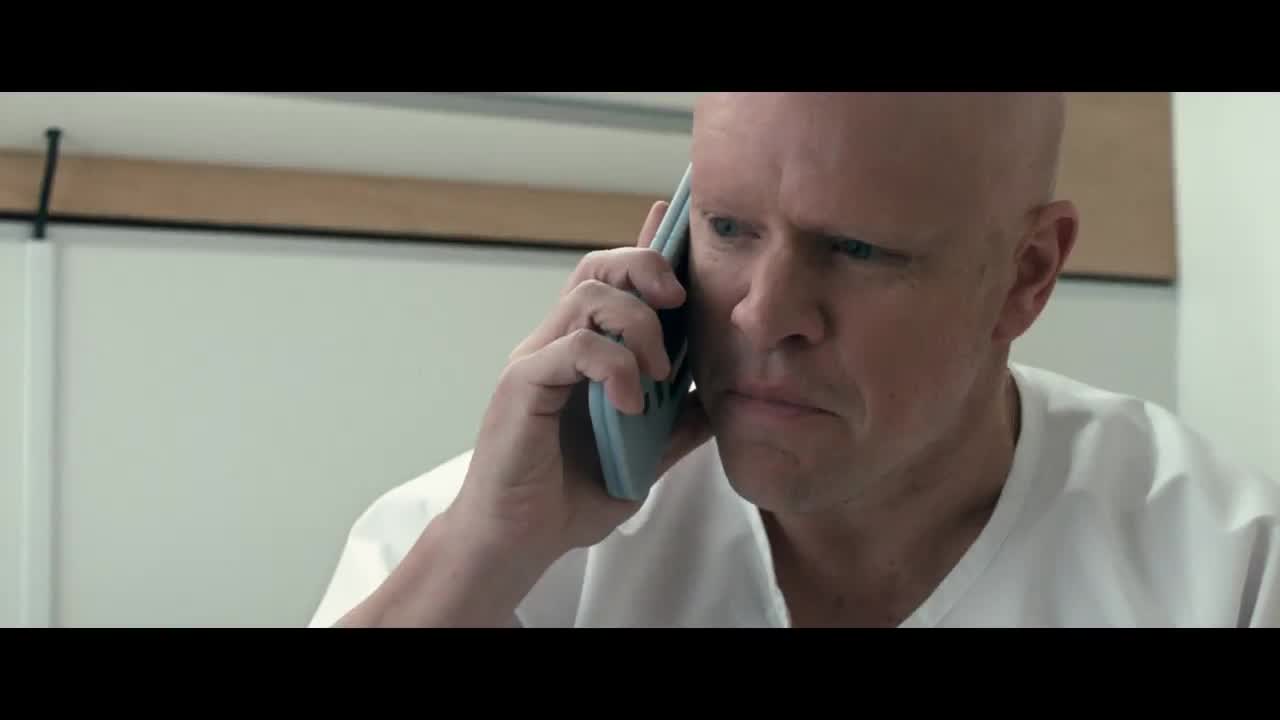
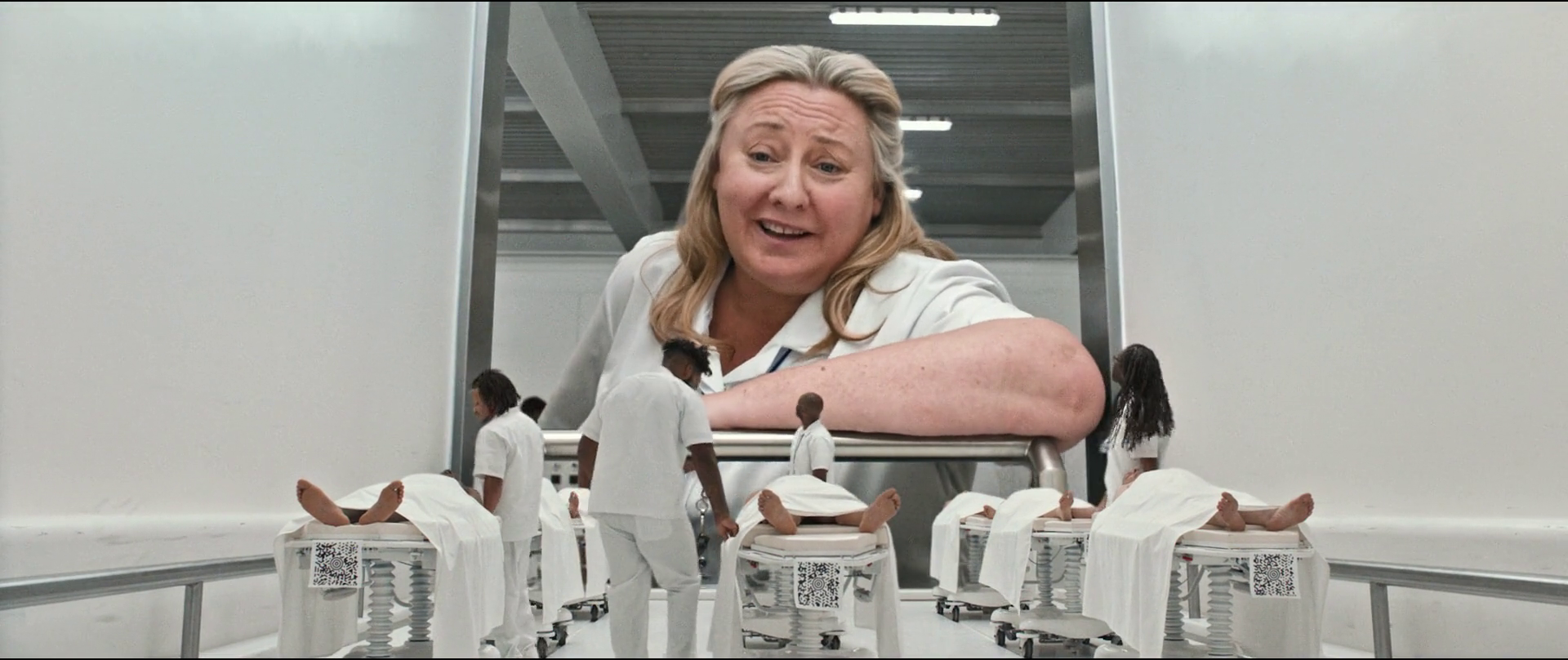 Of those varieties, none are more boring than a movie with a clever idea and nothing else. Who on Earth is
 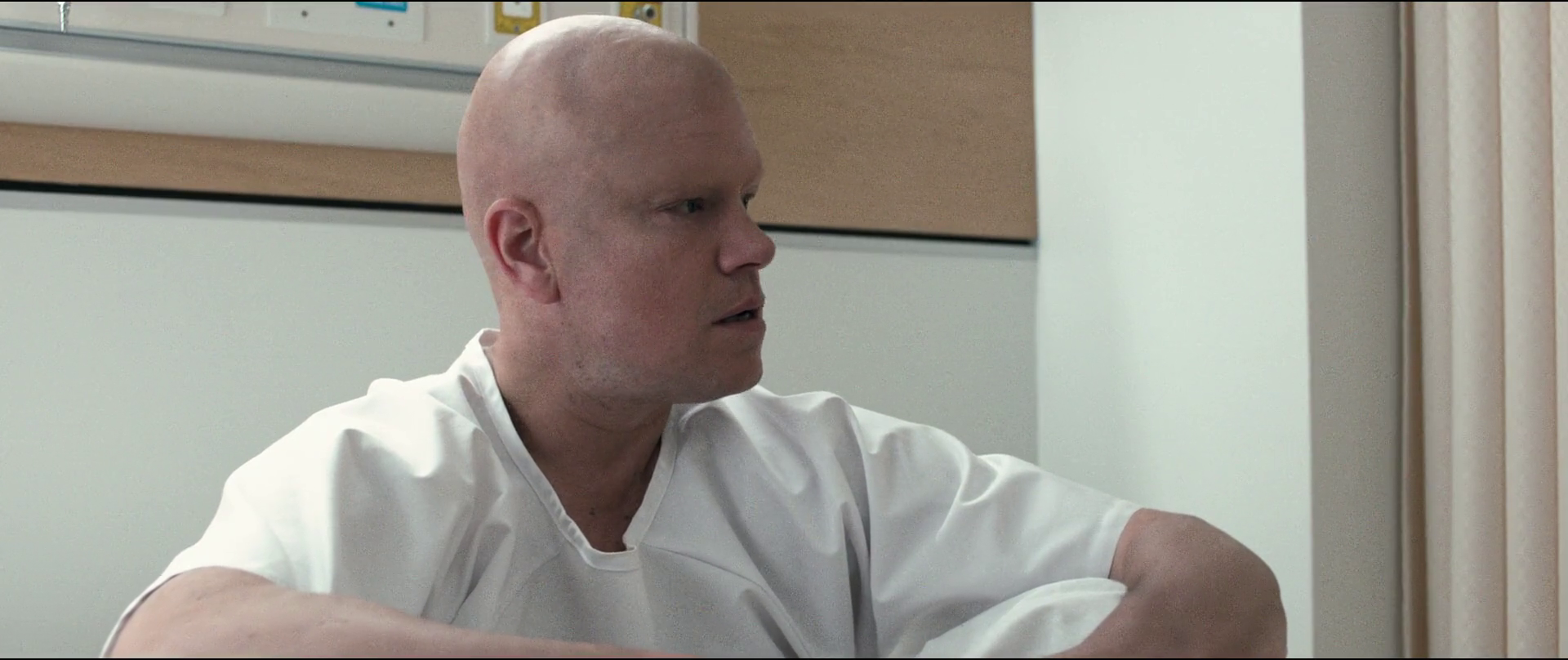 It is only at minute 33 that we get to the titular downsizing, by far the most fascinating sequence in the film. For some reason, to be made “little,” you have to have your hair shaved and your teeth removed. So, set to an off-brand
 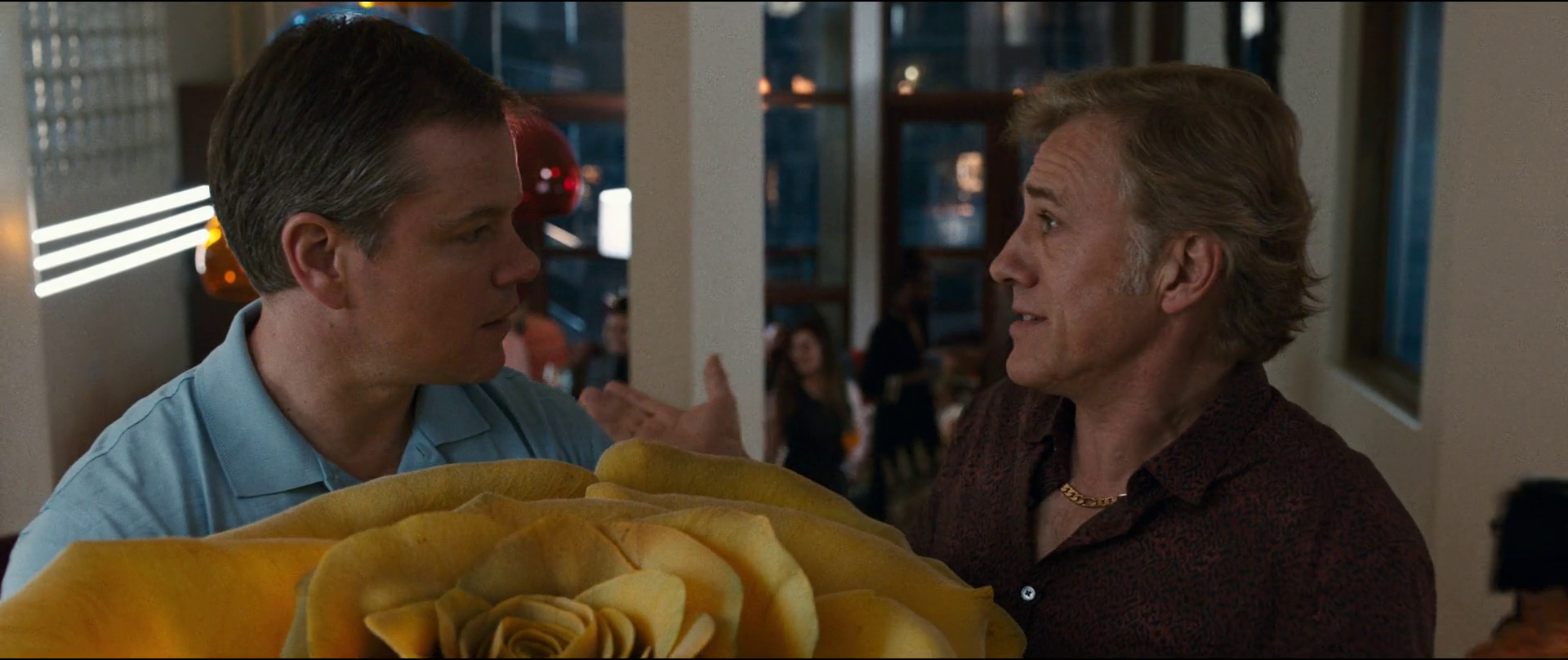 This is the 50-minute mark, and we are almost done with Downsizing‘s preamble. Audrey refuses to get the procedure and divorces Paul, and, through the slow, wandering process by which white middle-aged divorced men fall within the orbit of the kooky non-whites, he ends up neighbors with and attends a party hosted by Dusan (
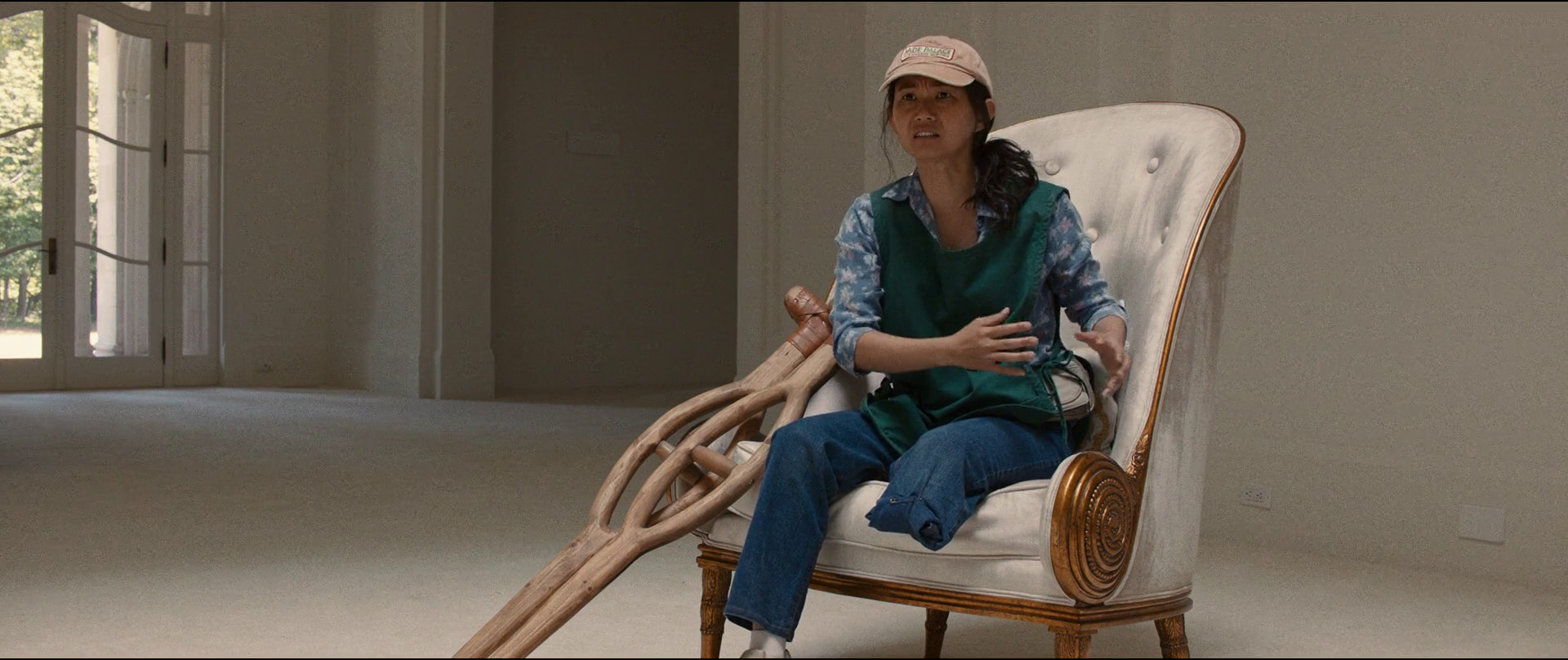 Past this point, the plot is not worth recapping. Nick purposefully breaks Tran’s prosthetic foot so he can help her take care of those living in the “little” slums. (Is any of the destitution supposed to be some sort of black comedy? In their first scene together, Nick and Tran accidentally overdose a sick friend on Percocet and kill her. Is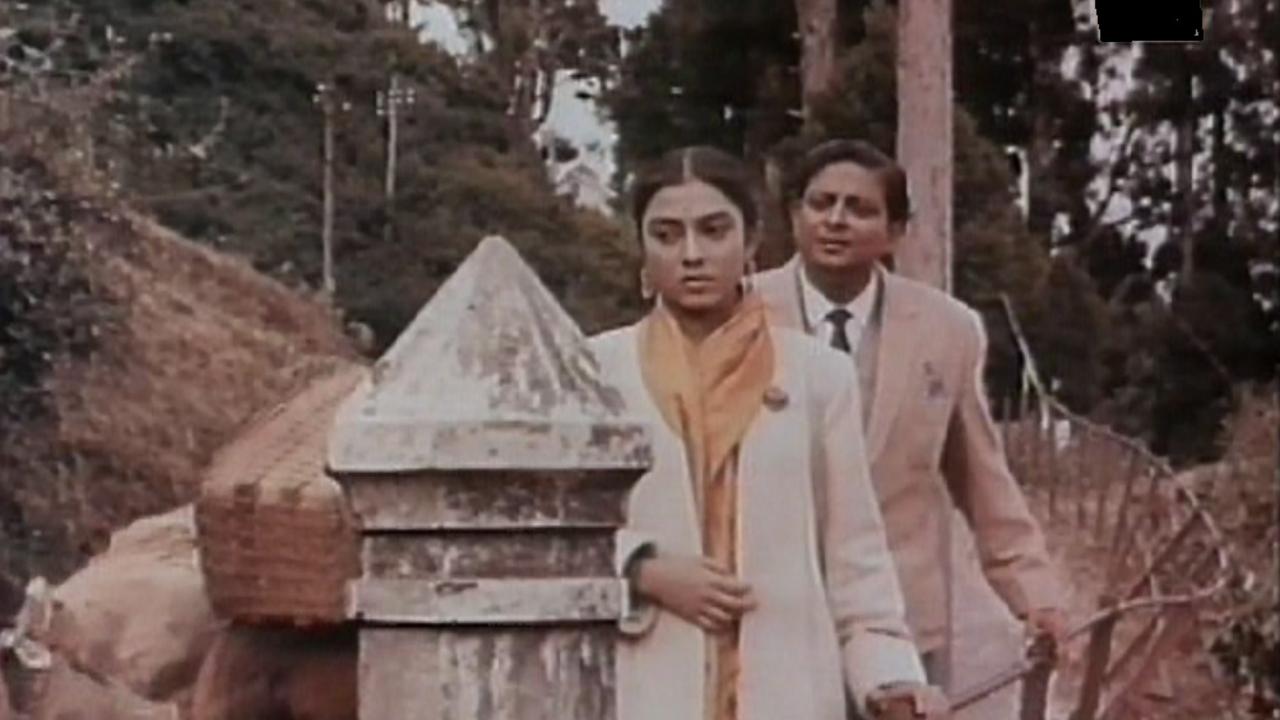
 Where the “
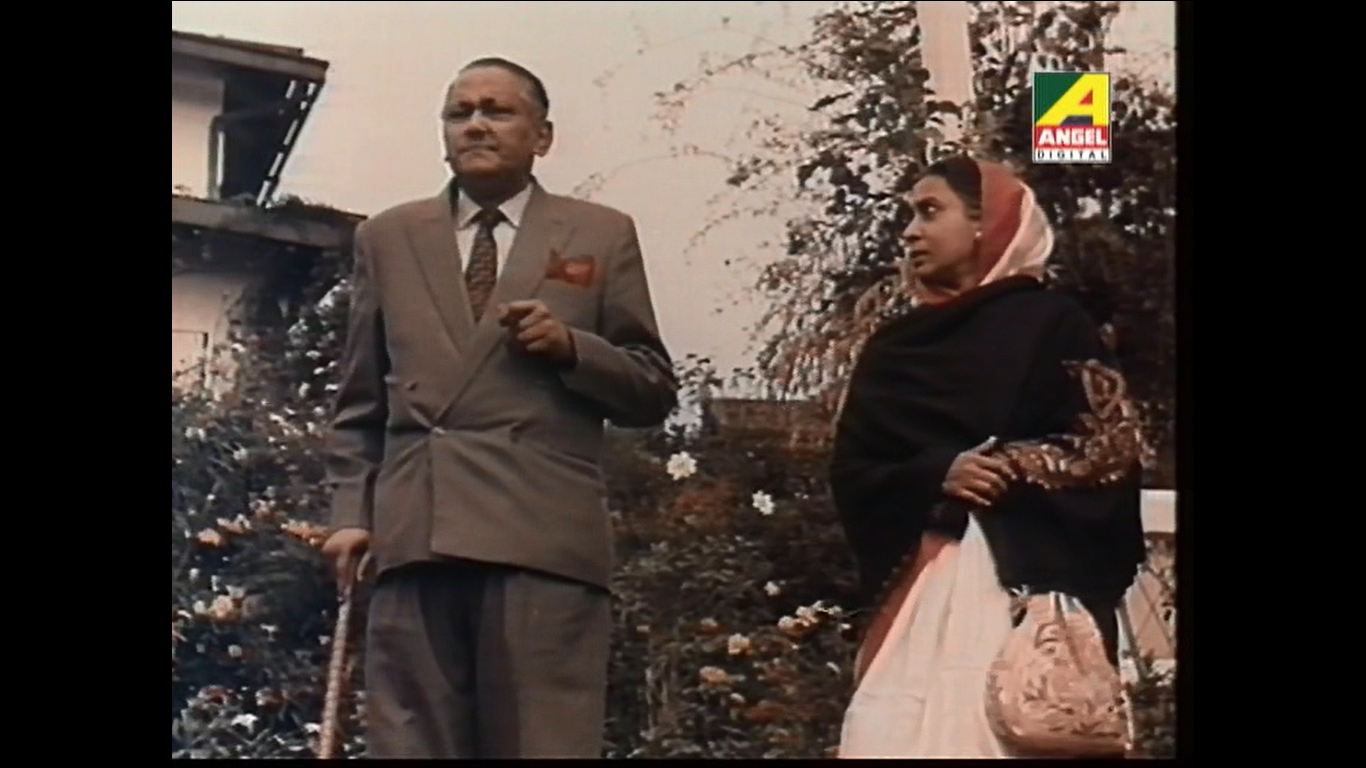
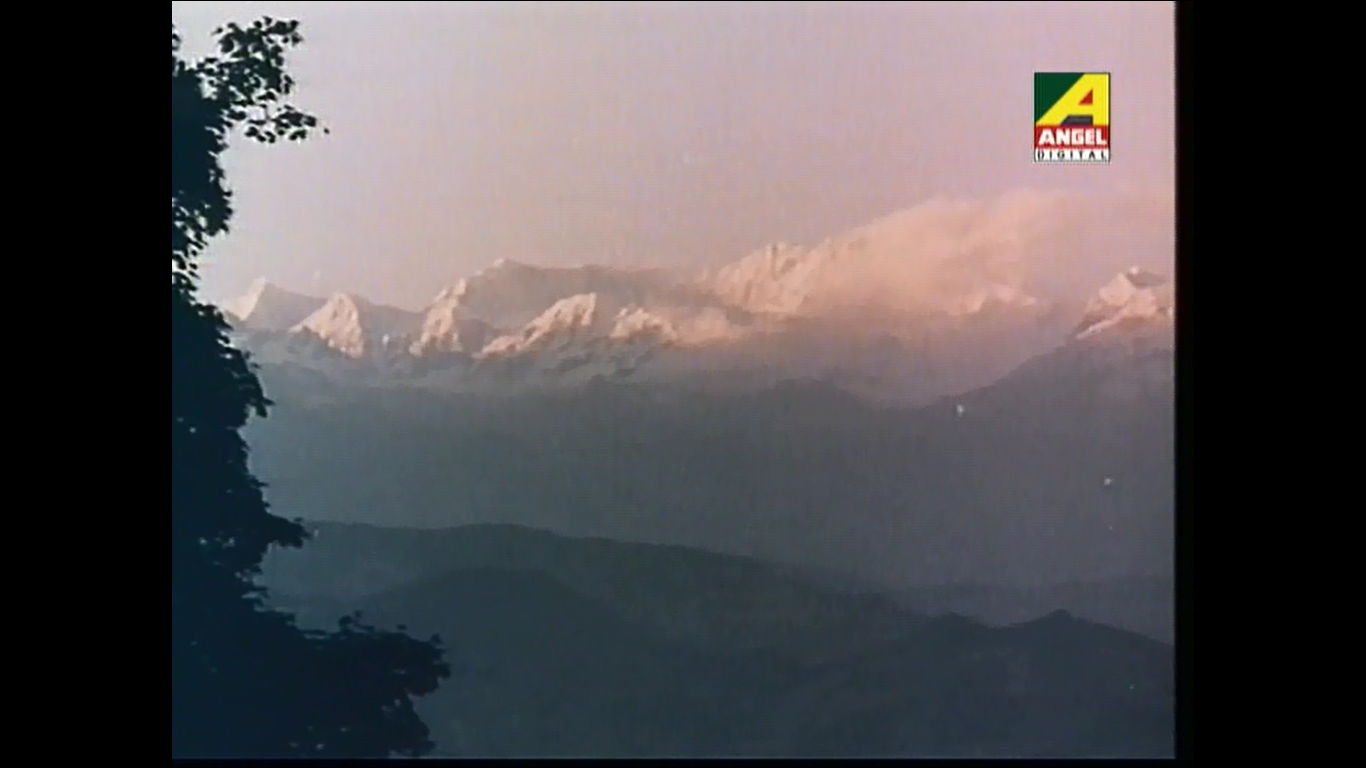 That reckoning won’t happen within the structure of Kanchenjungha. The holiday ends without a marriage (or, for that matter, a divorce). Ray is content to set up the dominoes, and far less interested in knocking them over. The film’s ending is open to any number of possibilities, though, contra Crowther, the long-delayed appearance of the mountain itself isn’t just symbolic of “the emergence of Indian society” (whatever that means). It seems instead part of a continuum, a brute, beautiful fact reasserting itself but transformed; its textual meaning is more a function of the fact that Indranath fails to even notice its emergence … this event that the whole film, the whole holiday in the film, has waited for. He’s lost in thought instead.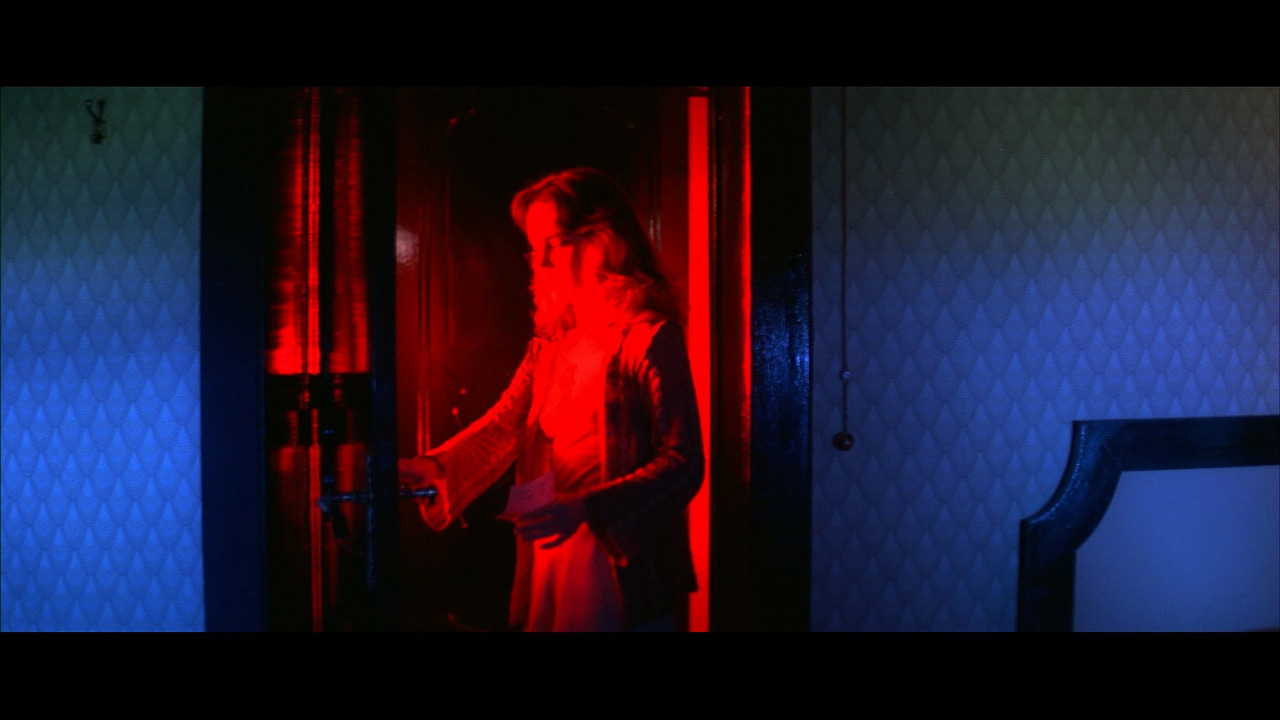
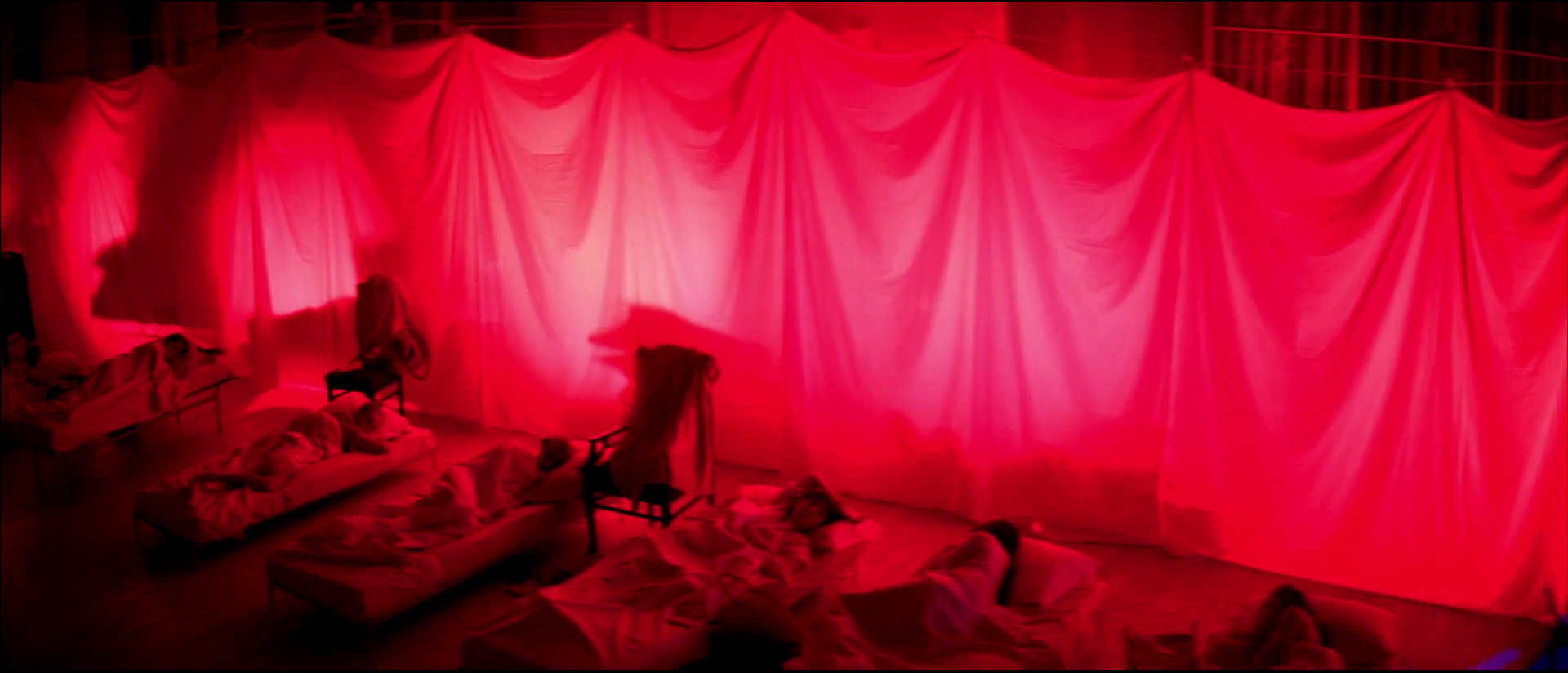 The colors coat every surface, to the point where it becomes impossible to tell how much is paint and how much is lighting. They are impossibly, cartoonishly vibrant, almost becoming a form of violence against the viewer. They are so garish one has to turn away from the screen. In their own way, they take the place of the violence typical of the
 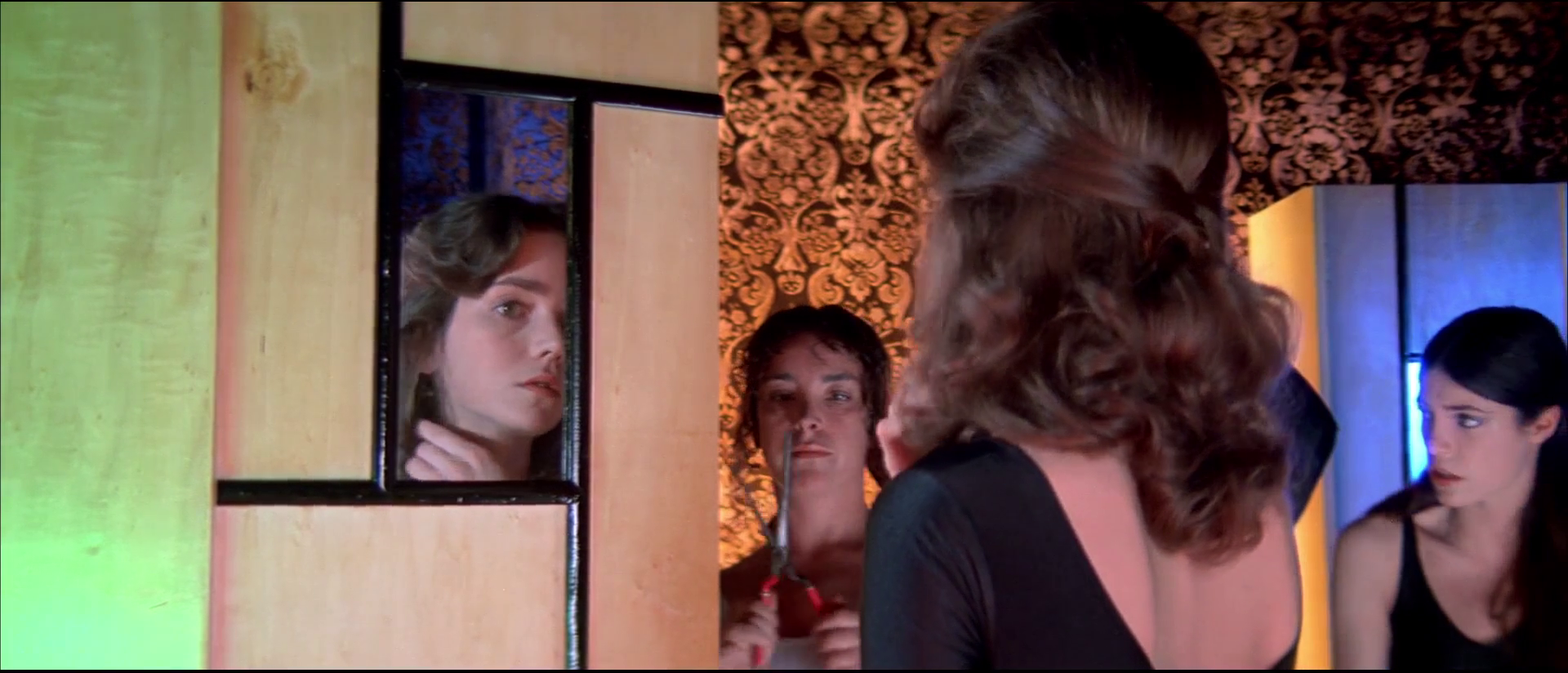 What strikes me most about Suspiria‘s colors is the way they completely fail to coordinate in any meaningful way. The colors may be technically complementary — the blue and gold so notoriously overused in movie posters make quite a few appearances — but they don’t act as complements to one another, with one breaking up the other as an accent.
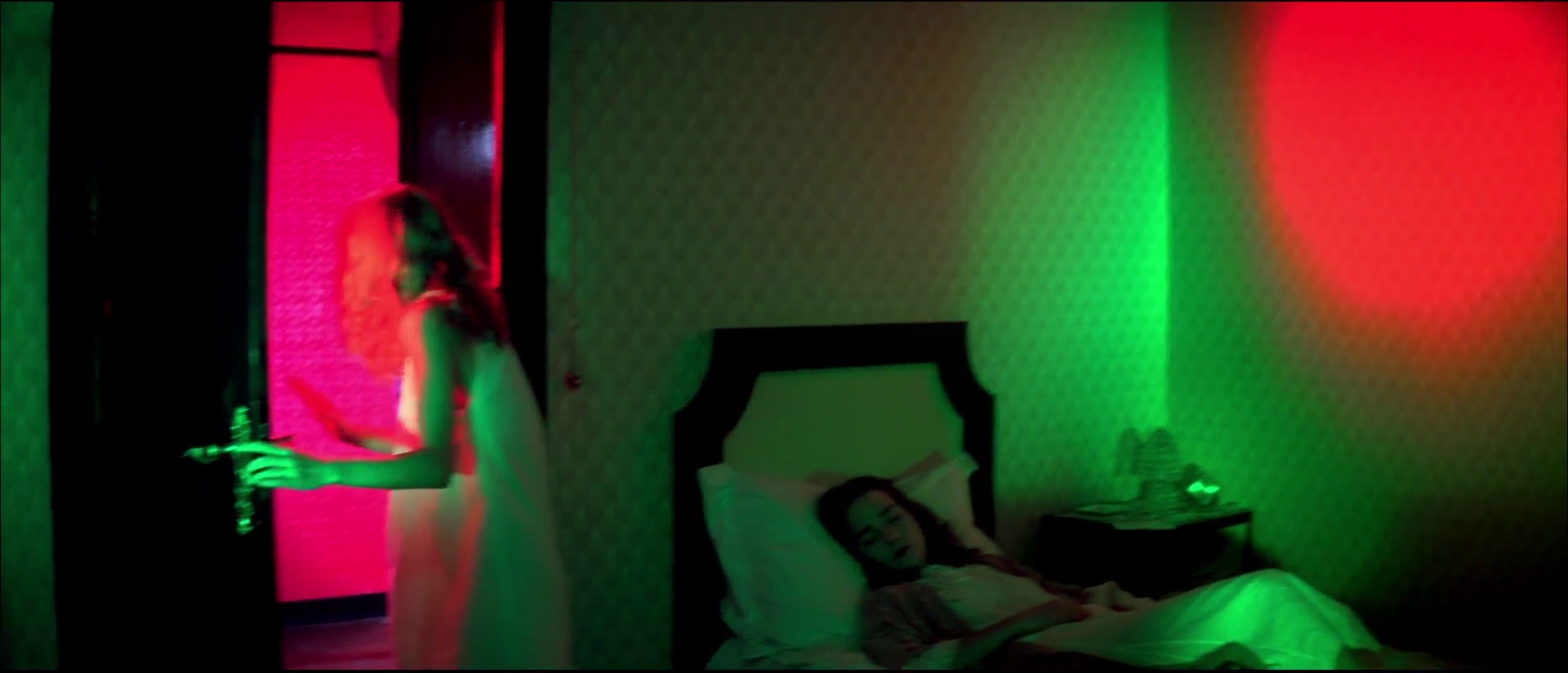 The very impossible brightness of the brightest patches and the completely monochromatic design draw our eyes to the shadows and the nuances in a way the typical use of color does not. It is as if we are watching a black-and-white movie, but one in which there are different kinds of white at play.
 We know it isn’t because
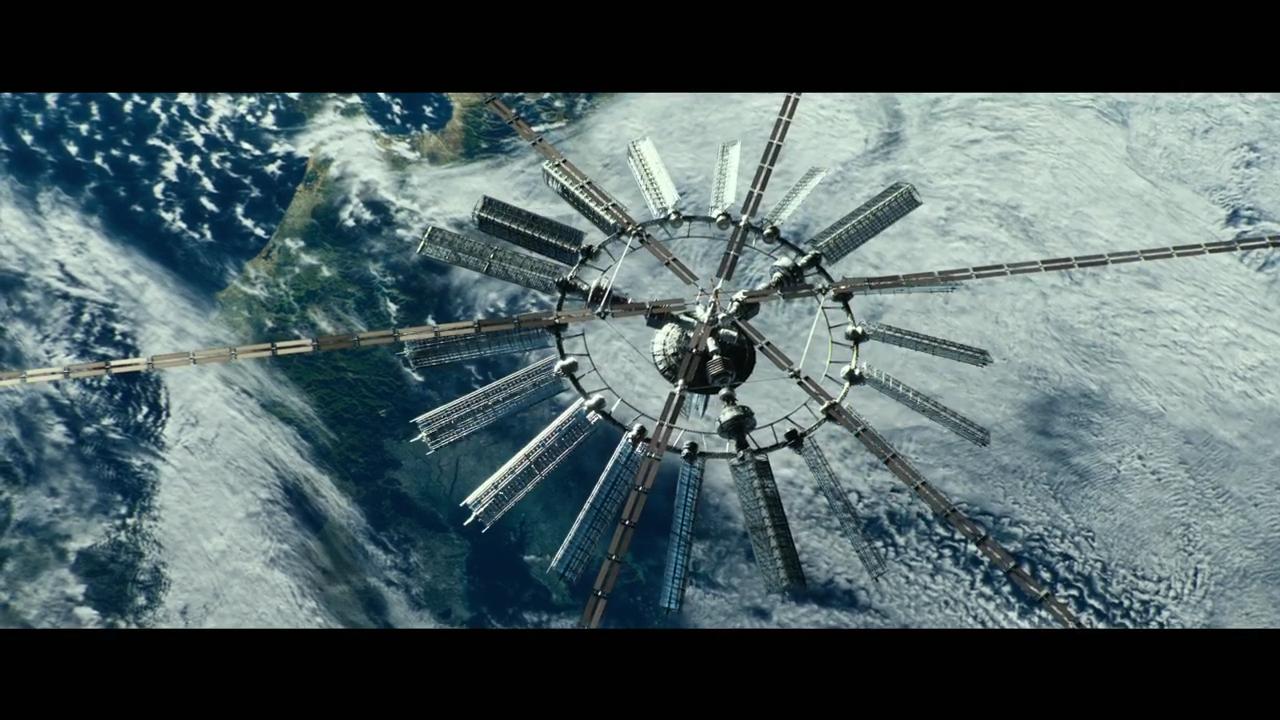
 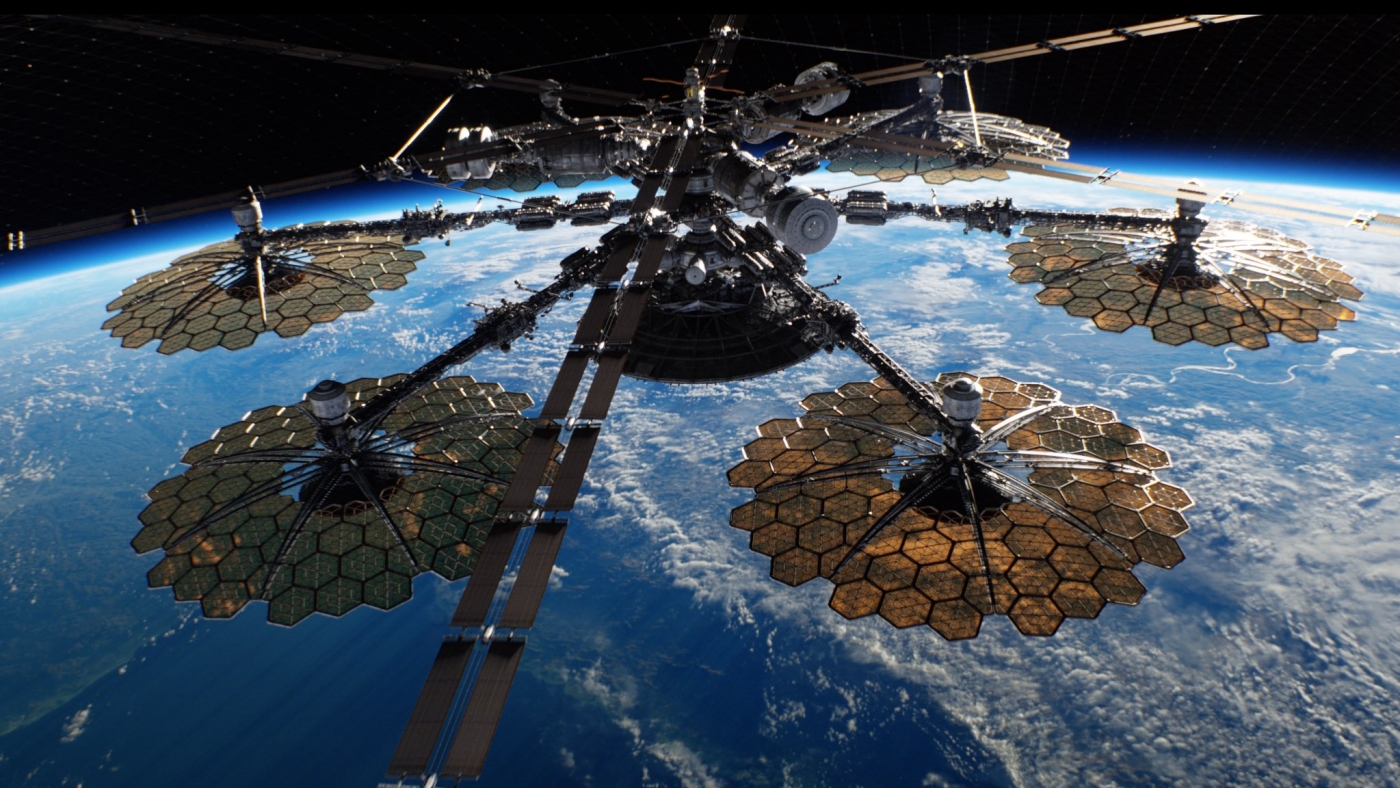 Geostorm
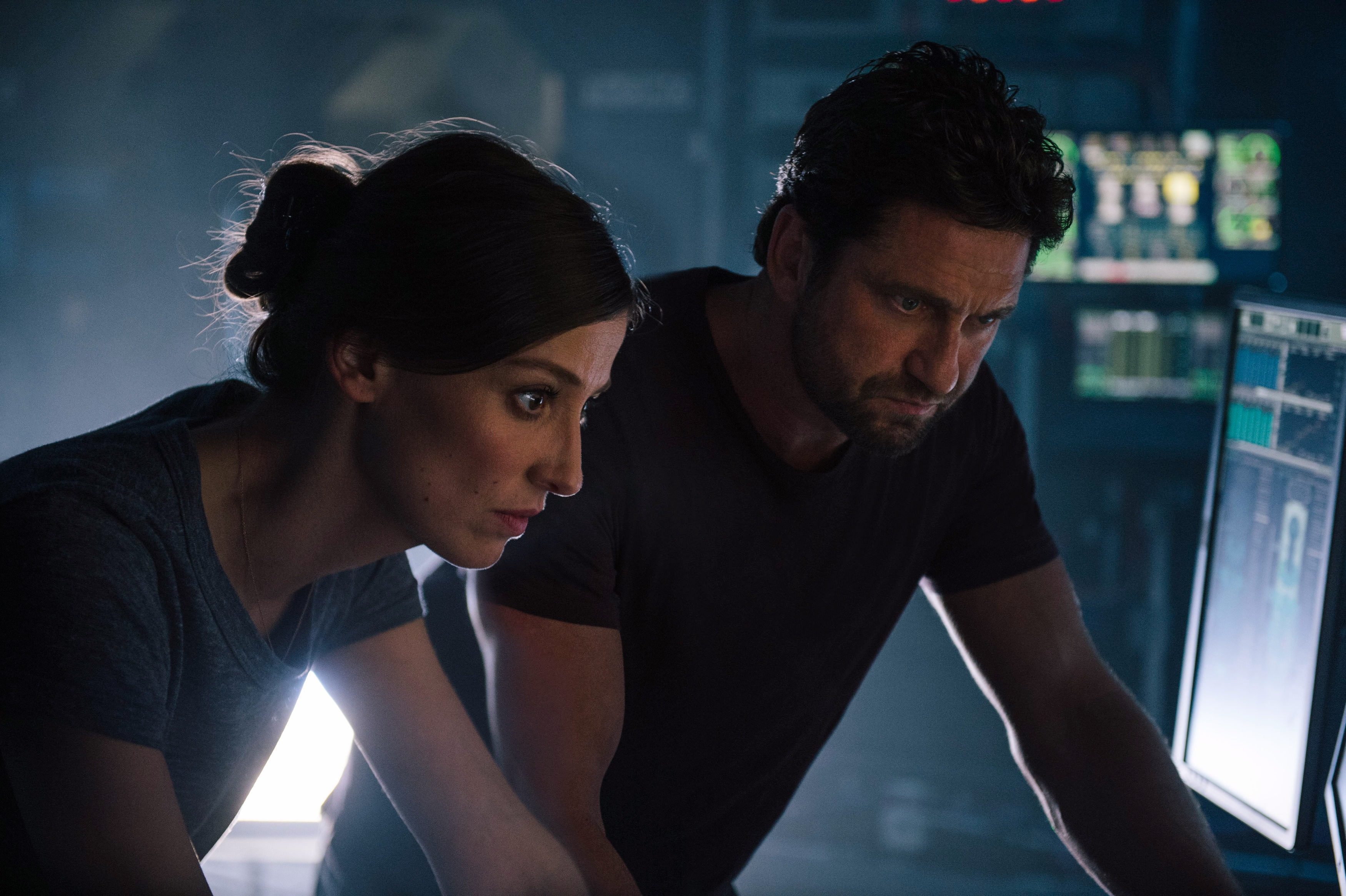 In the final moments, we are set up for
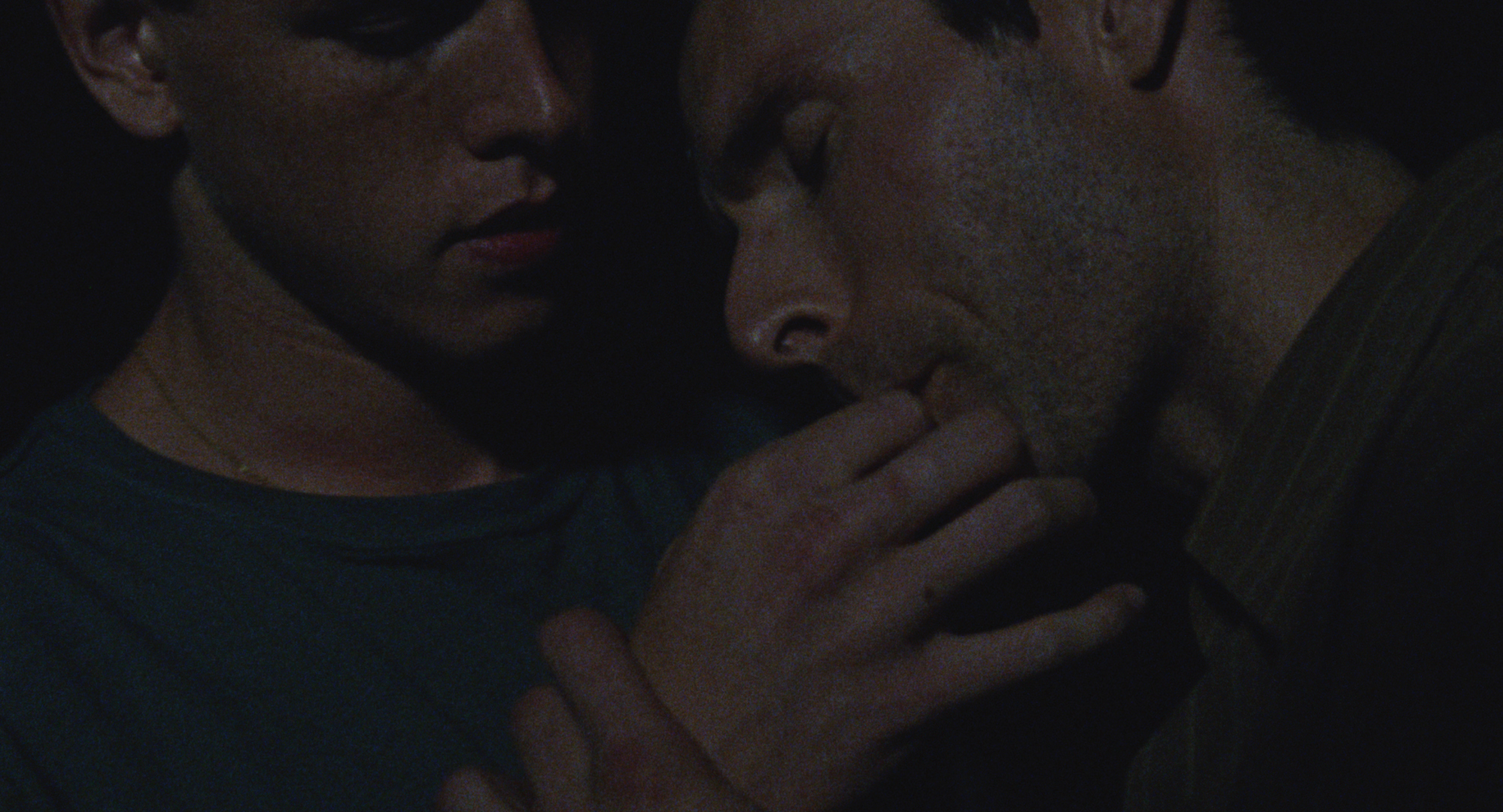 Frankie is a closeted teen, trying and mostly failing to square the low-rent machismo of his idiot Brooklyn friends with his own desires, which he retreats to at night in chatrooms and, later, in furtive hook-ups. Much of the mood and atmosphere sets the viewer up for some sort of Stranger By The Lake narrative twist, but Beach Rats doesn’t go that route. Instead, Hittman follows Frankie’s journey with a huge amount of empathy and a rare wisdom — it’s not clear whether it will, indeed, get better for him, at least not within the structure of Beach Rats itself. Hittman’s strategy is observational, her images mirroring Frankie’s confusion and desire. It’s tense and undeniably intoxicating.
  Newcomer Dickinson is stellar, and so is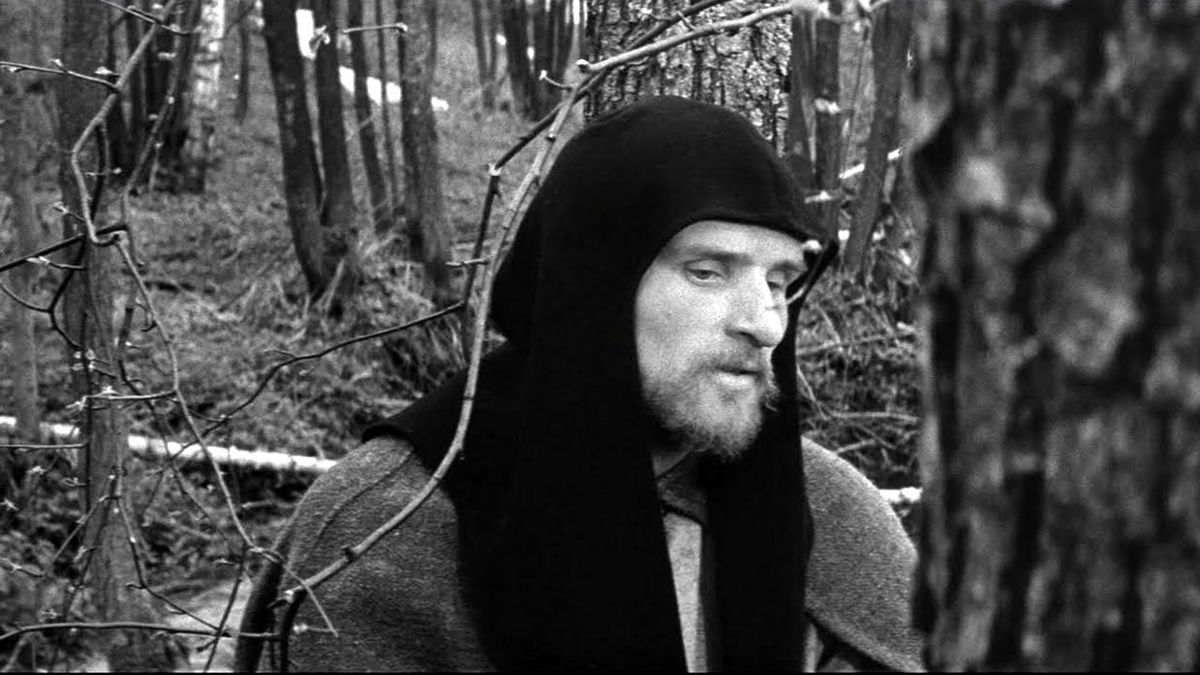
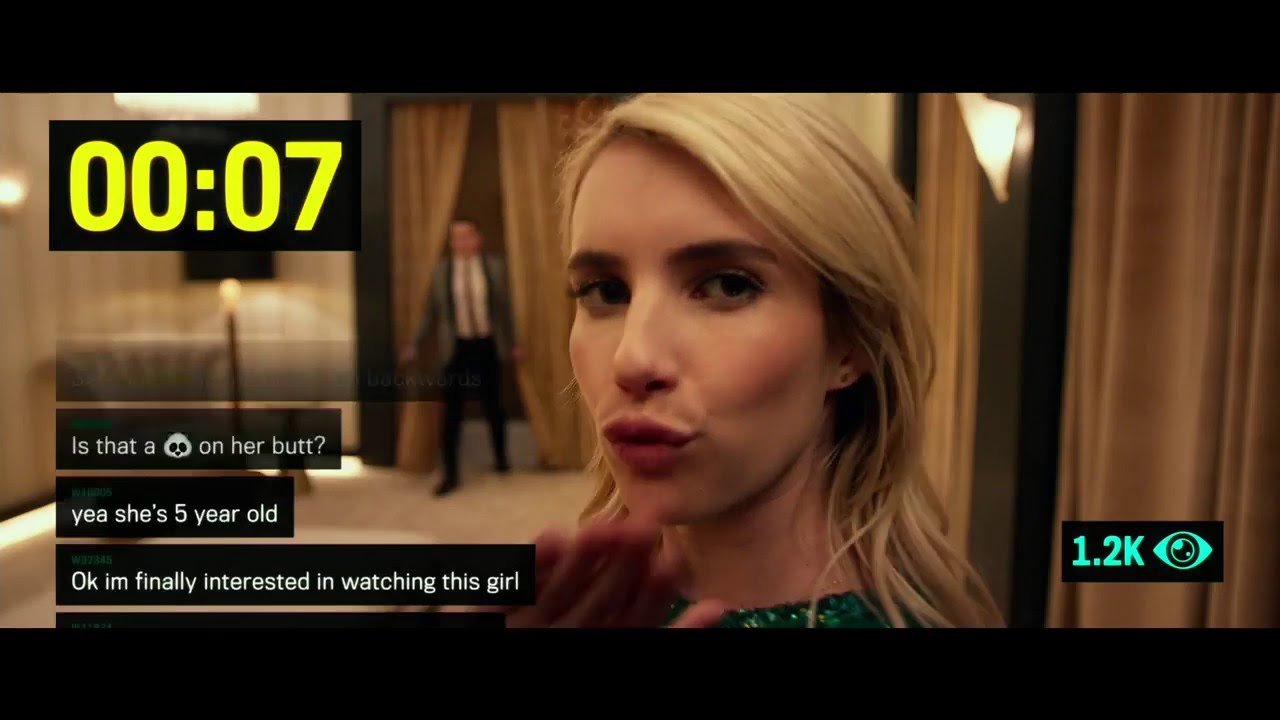
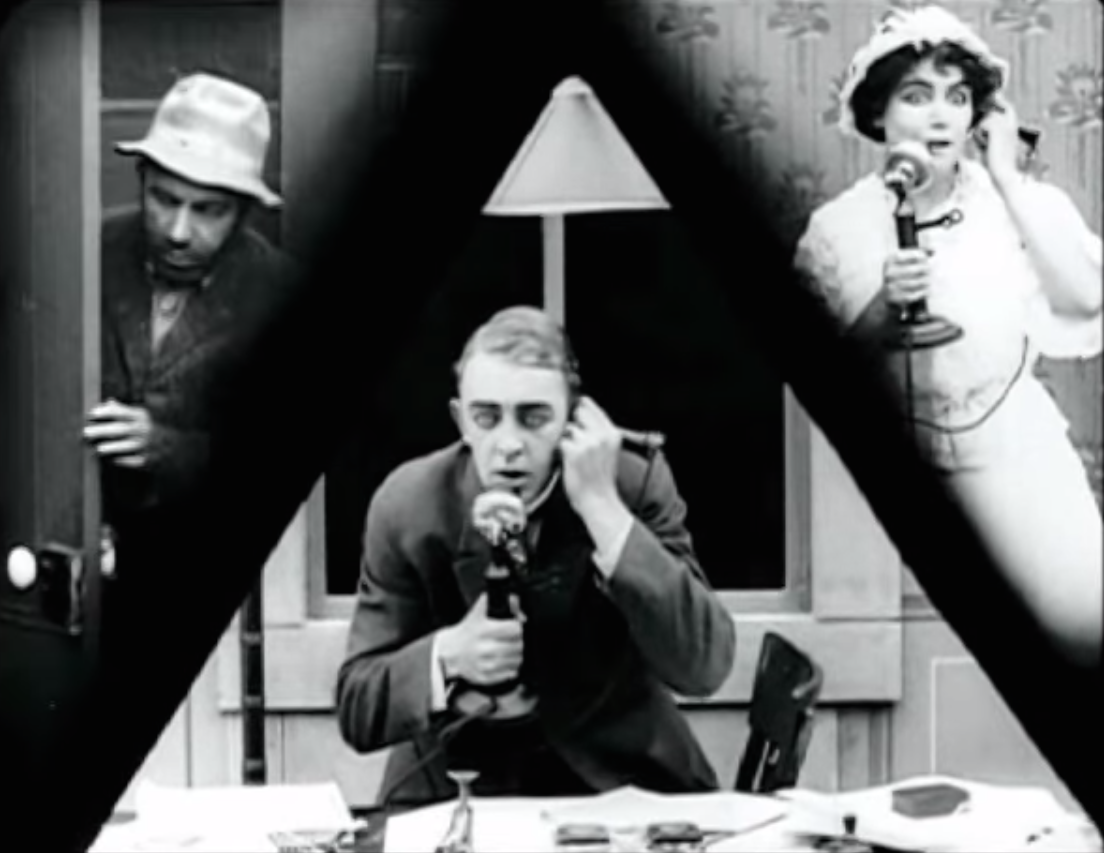 The emphasis, in itself, is nothing new. High art or low, schlock or masterpiece, we’ve been fed a steady cinematic diet of people on the phone. (Lois Weber’s tri-furcated
 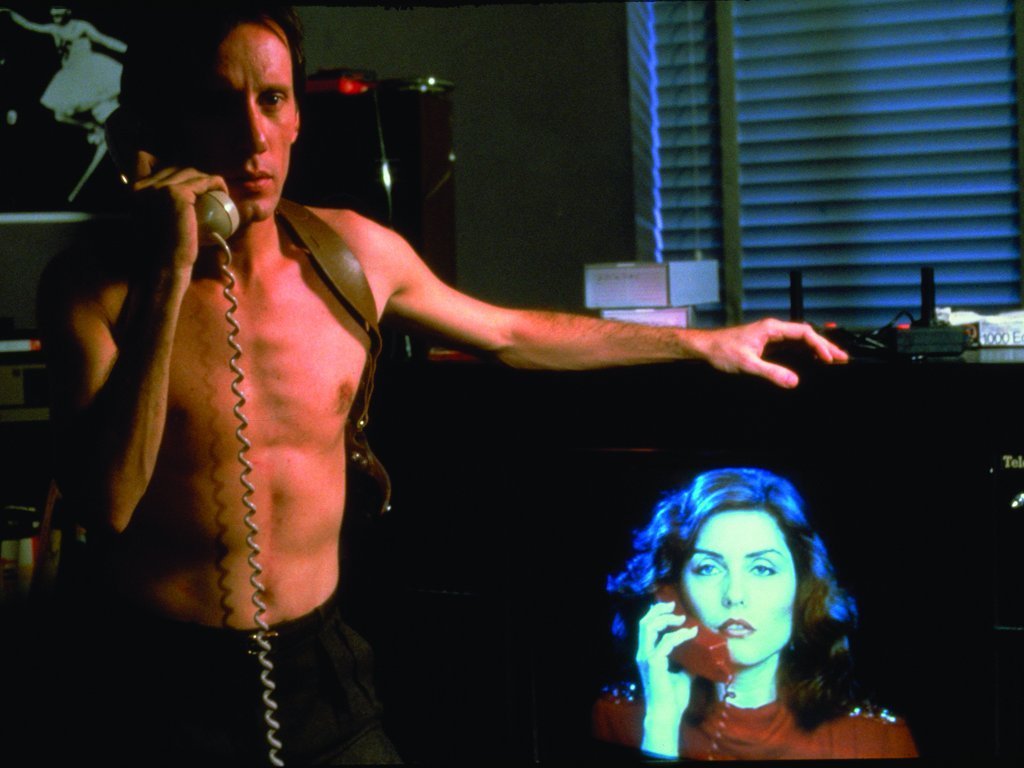 communication, AI … these are all familiar background elements, the sometimes literal wallpaper of the past’s dreams of the future, which, as
 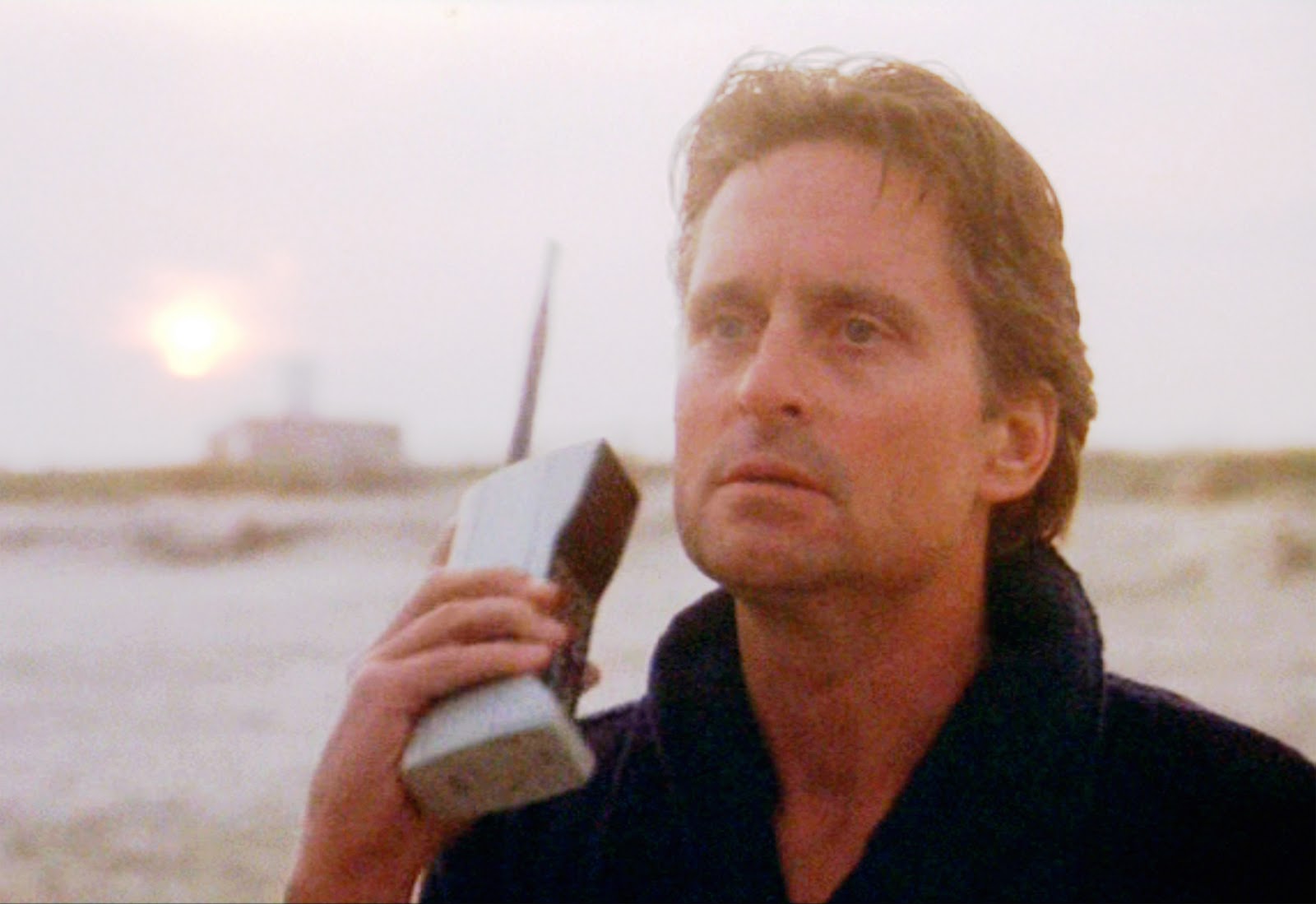 Nerve and Ingrid Goes West mark a fairly radical shift from that construction, though. In Wall Street, the phone is an accoutrement, a capitalist signifier of Gecko’s own power and ubiquity, and those of people like him. In these newer films, the relation is reversed. Our protagonists are creatures of the phone in a way completely alien to a creation like Gecko; the worlds we encounter in Nerve and Ingrid Goes West, the interesting parts of those worlds anyway, largely do not exist outside of the phone. It’s not that the world are fake, as in
 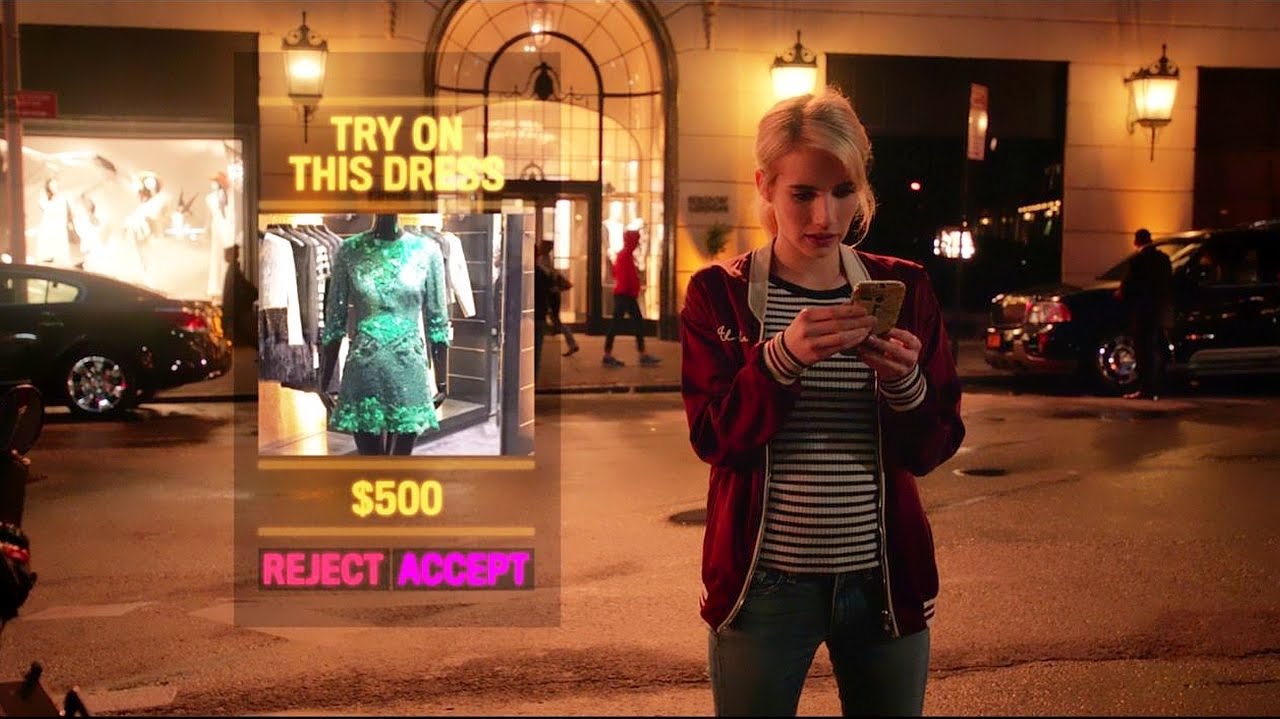 Nerve tells the story of a sort of Dark Web interactive game, in which users sign on as “players” or “watchers”. The watchers suggest outlandish dares, ranging from Jackass-style cringe-comedy to life-threatening stunts, and the players seek to outdo each other for the anonymous approval of strangers (and also prize money). Directors
  Meanwhile, Ingrid Goes West takes place mostly in a sun-dappled L.A., where Aubrey Plaza’s protagonist, an Aubrey Plaza type, has fled after an unfortunate stint in the mental hospital. She, too, is more an accessory to her phone than the other way around. Consistently refusing to realize that,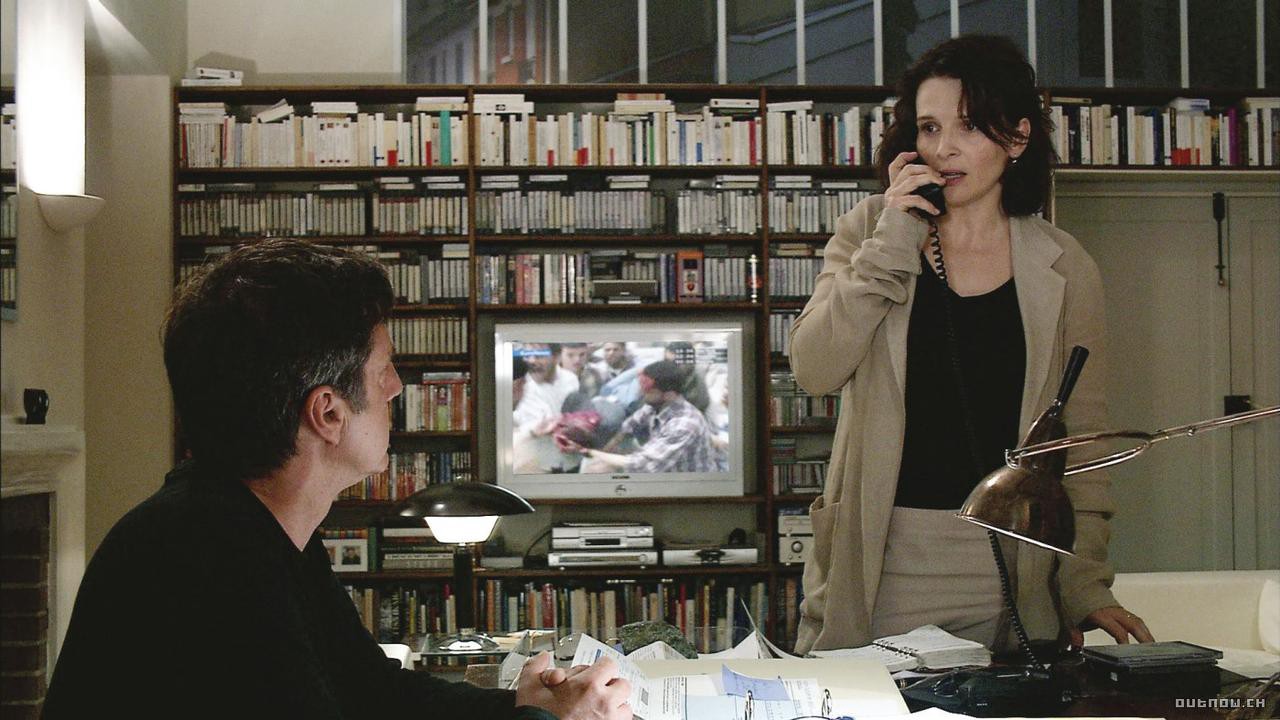
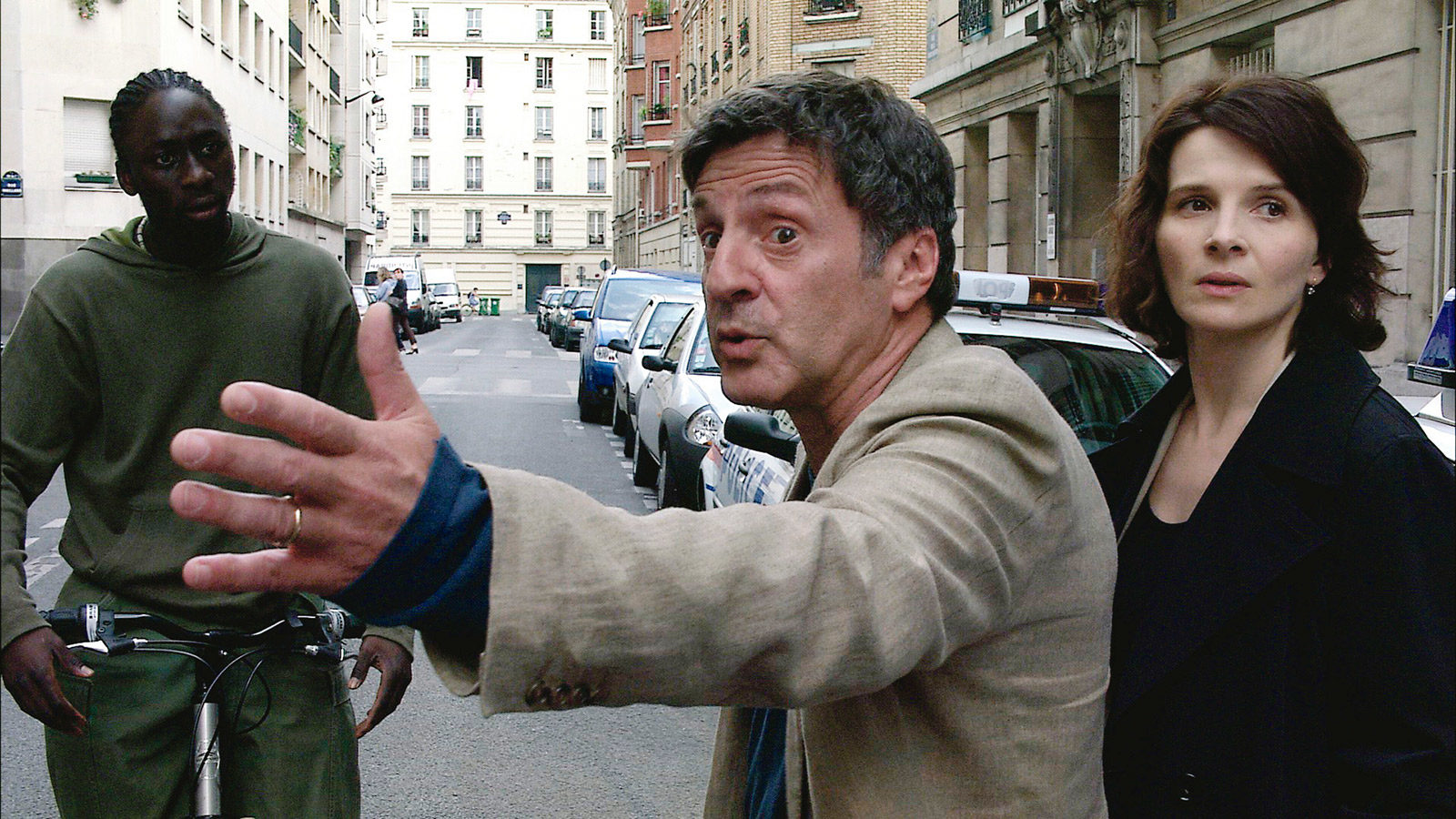 How do you identify the off-putting thing about Haneke’s movies? Is it that they’re dour? Sure, but there have been plenty of great dour filmmakers. Is it that he’s preachy? Sure, but most of the things he’s preaching against — racism and the casual cruelty of people with cultural power — are legitimately horrible.
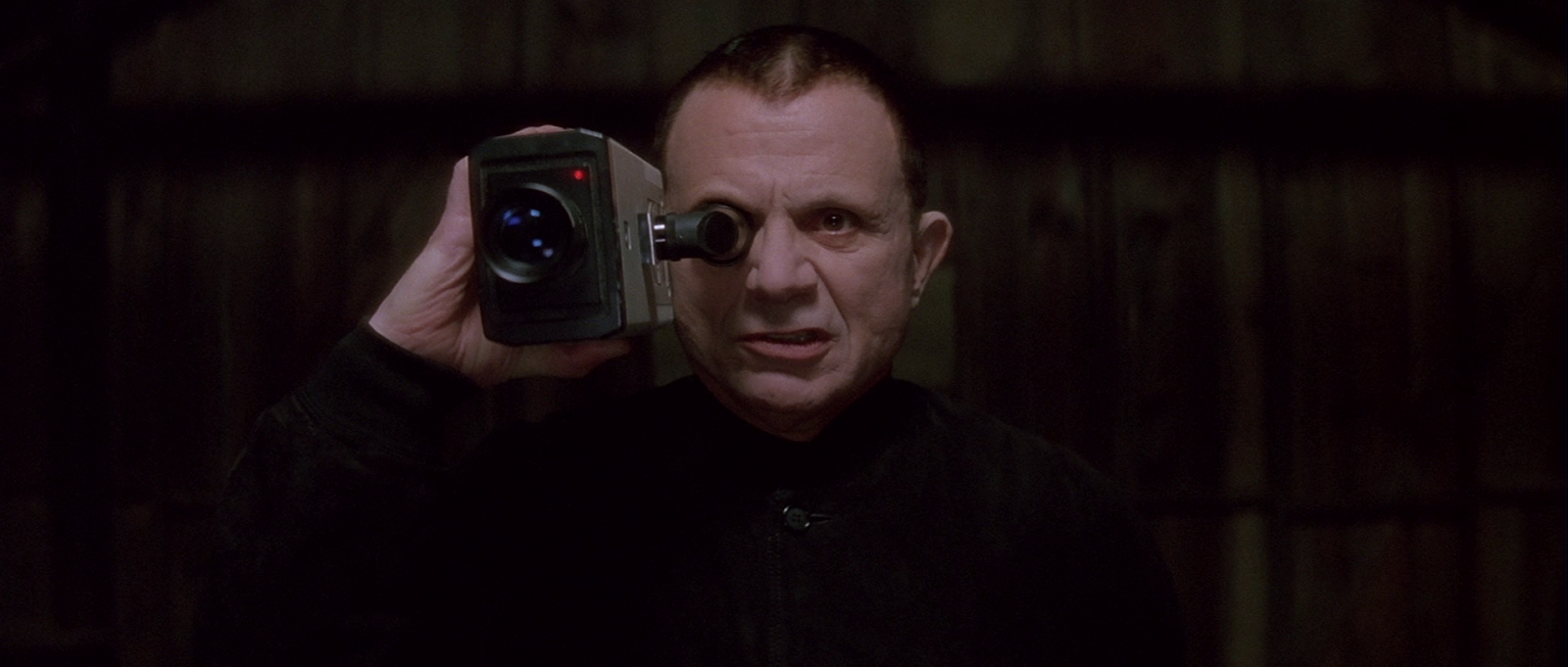 I’m not sure if 2005’s
  By placing
 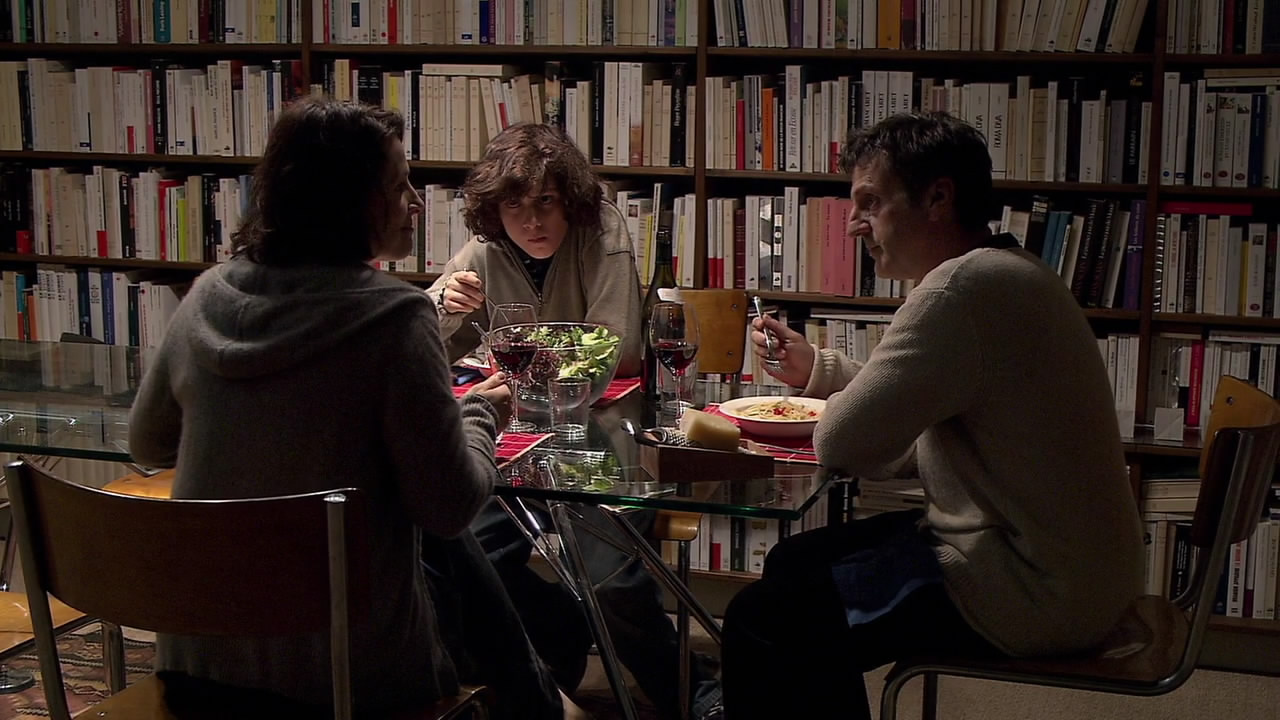 All of this makes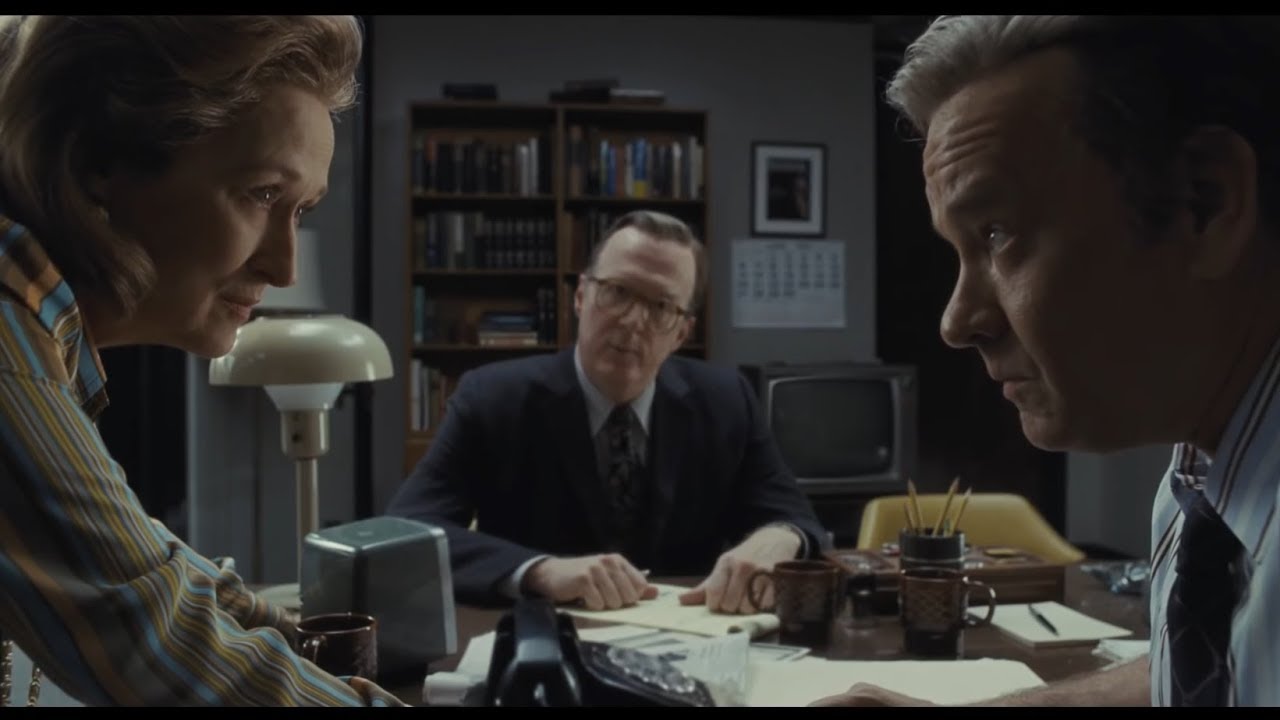
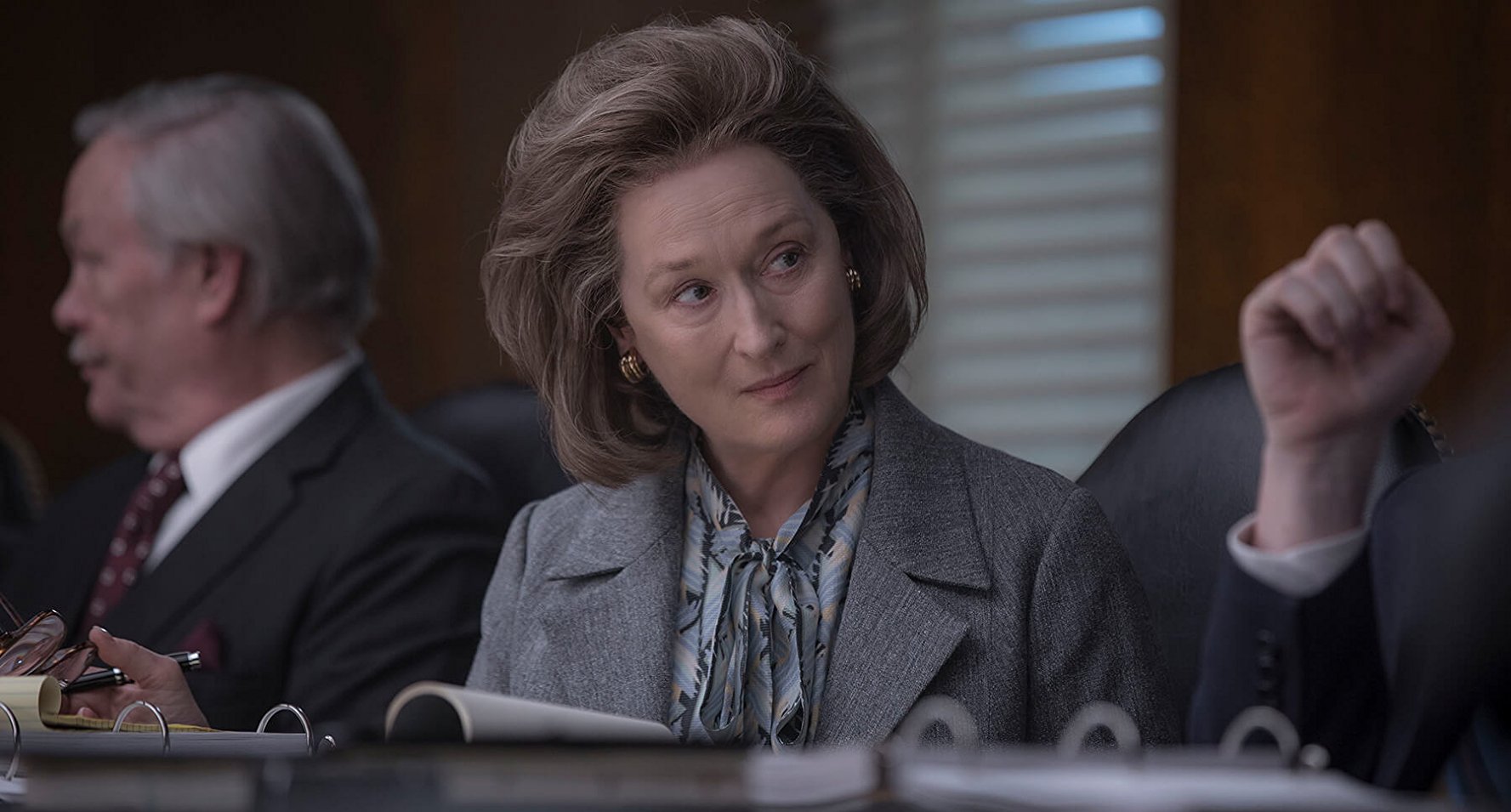 The Post tells, once again, the story of
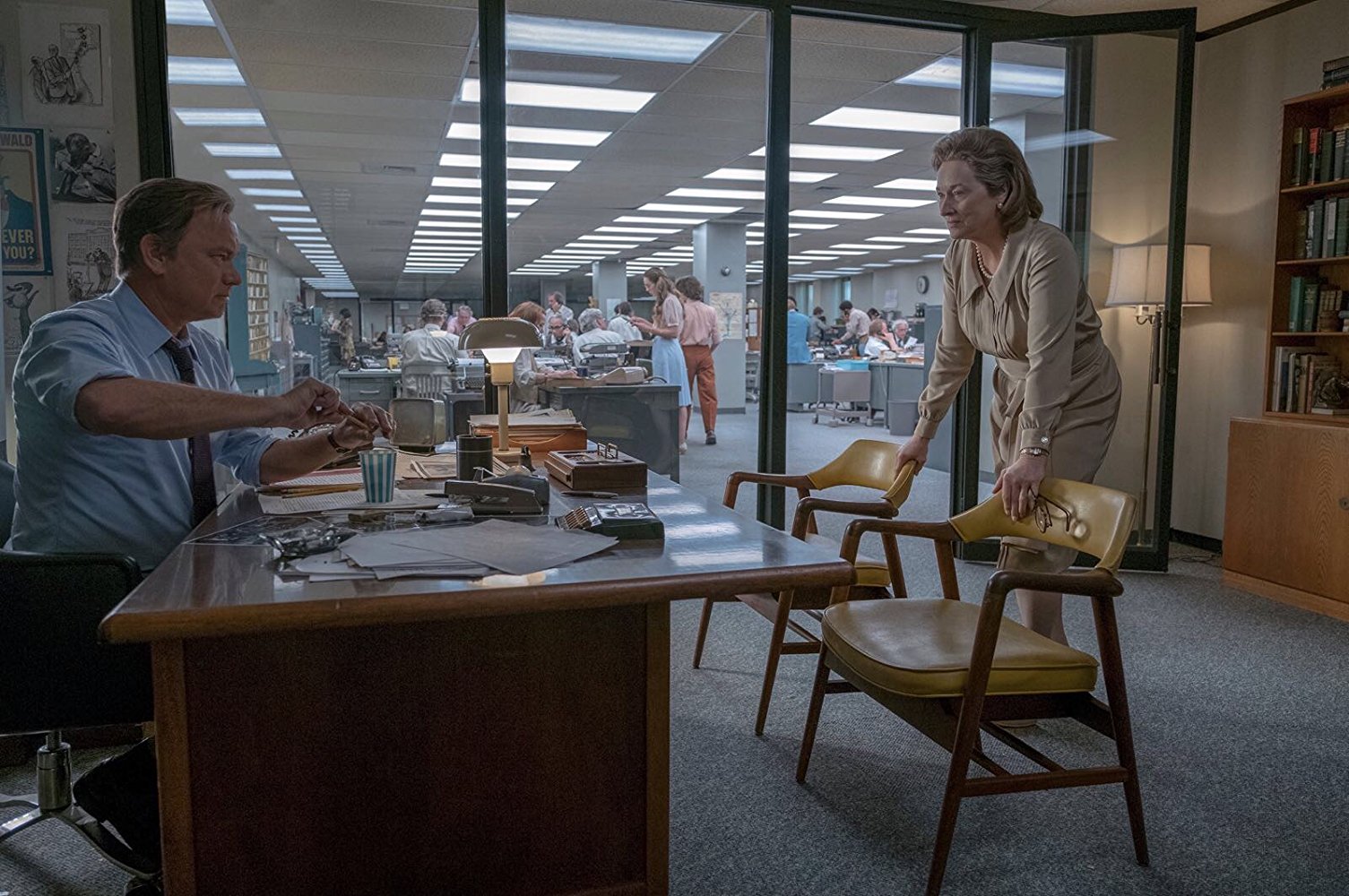
 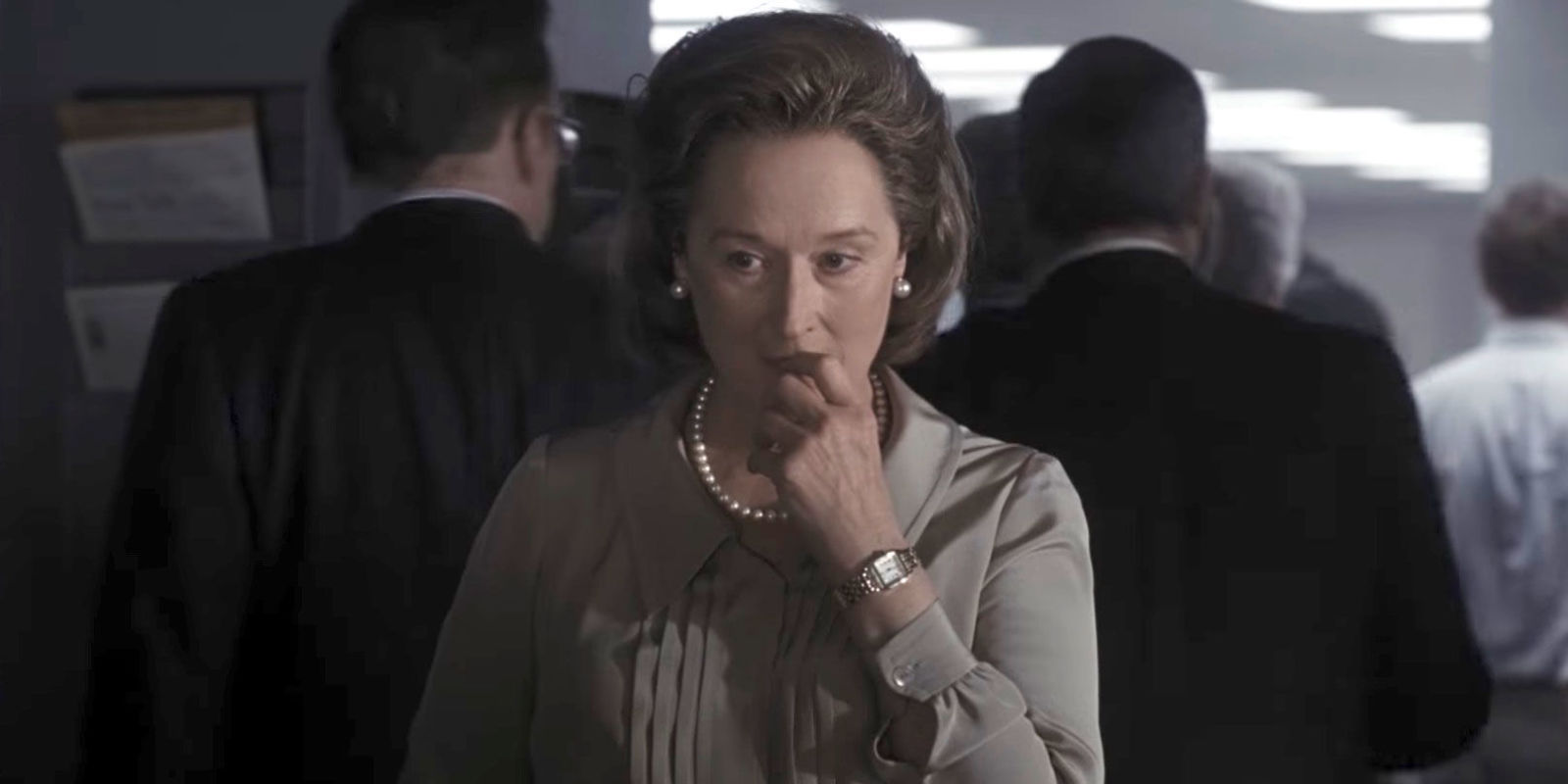 Spielberg is at his best in The Post when he lets the images do the sermonizing for him. The blue-collar materiality of the paper’s production – The Post loves its typesetters, machines, and ink-stained scribes, as noble and unerring as any Gus from
  Those complications, and their attendant questions, occasionally threaten to rise to the surface. Do Graham’s socialite friendships with the powerful, or Bradlee’s allegiances to the Kennedys, affect the stories that can be told? What does the development of the Post’s ownership model, or its scoop-heavy ambitions, portend for the kinds of media that would proliferate in the years to come? Is a woman who occupies the most rarefied, whitest, wealthiest echelons of social power really the #MeToo icon the moment demands, a construction The Post goes out of its sappy way to underscore in the cringiest slo-mo shot of the year? Where are all the Black people?