

Don’t let the name or the opening moments trick you: Self-Criticism of a Bourgeois Dog is not really about dogs. But that feint is itself representative of Julian Radlmaier’s comedy, which propels itself along by sudden swerves.
Its first real narrative thread is inauspicious: Radlmaier, playing himself, out of money to make his next film, is forced to work at a peach-picking plantation, convinces a woman (Deragh Campbell) he is doing research for a new film that he wants her to star in. (She’s rightfully suspicious: he just wants to sleep with her.) It is the dullest variation on the dullest story (director makes a film about himself trying to make a film), but it quickly turns into a meandering comedy.
 The politics of the plantation are a little blunt and simplistic (the term “neo-liberalism” could be used a lot in describing it), but the film is saved by Radlmaier’s incredible eye for comedic shot construction. As both director and star, he has a Chaplinesque combination of skills, both at framing a shot to tell a joke on its own and at using his tall, lanky body in inherently funny ways.
Eventually, he fades away, and Bourgeois Dog becomes more of a free-floating comedy on Marxist themes. One section in particular — in which two workers are convinced that the Communists have taken over Italy, and wander around, convinced every sign is proof of the successful revolution — is such a clever idea that I’m shocked I haven’t seen it before.
MUBI’s description compares it to Bunuel, but I’m not sure outside of their shared political beliefs that’s entirely fair. Bunuel may have abandoned narrative form, but usually held carefully onto his concepts. Godard seems a better comparison, both for Radlmaier’s careful Academy ratio compositions and for his floating form.
But if he’s like Godard, it’s Godard at his funniest, his most humane, and his least doctrinaire. Despite some touchy aspects (even as the subject of a comedy, no one needs another film about misogynist directors), it’s a real accomplishment and something to be shared.

 But the relentless way that queasiness is conveyed is a big part of the reason
 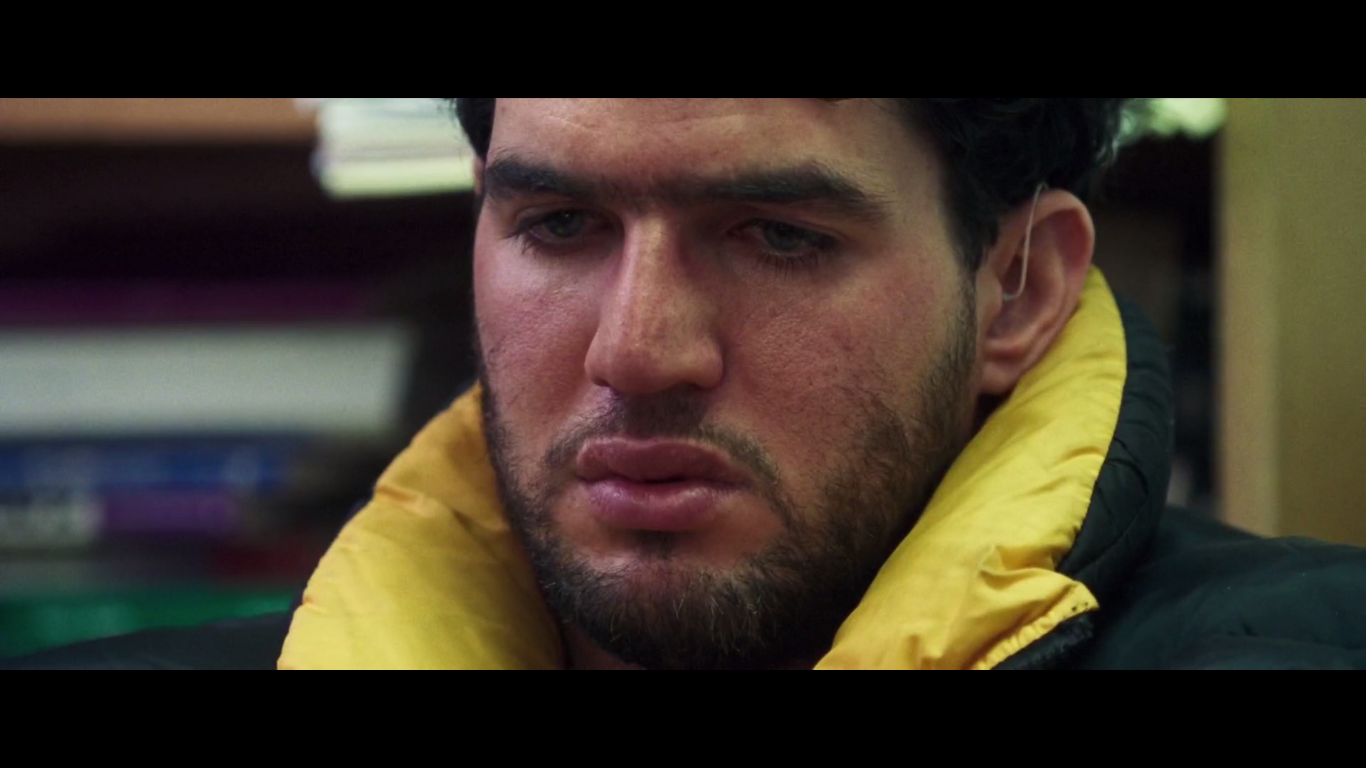 What struck me leaving the film was the way the Safdie brothers bring together all these different ways of being a “subject” of the state. We open with Nick, who is developmentally disabled and is being interviewed by a psychiatrist, and he objects vehemently to having what he says written down for people to talk about later. His brother (after taking him from the meeting and encouraging him to rip up the form) asks him if he thinks he’s “like one of those,” referring to another patient in the hallway. Then, the plot revolves around his imprisonment and hospitalization, making him a subject 3 times over (as mentally disabled, prisoner, and medical patient).
 The idea of Nick as a subject of the state 3 times over also occurred to me … and before the credits finish, at that! This is effectively Nick’s entire role in the film. That casually contemptuous aside that you cite from Connie — “like one of those” — seems crucial. His affection for his brother demands that he draw a distinction between Nick and these others, who he considers virtually sub-human, or at least little more than means to an end. (Sociopath that he is, this applies to everyone he meets, and occasionally extends to Nick too, though some other impulse seems to block it.)
 It’s one of his longest rants, and one of the more savage. What did you make of that sudden break in the text, by which Nick is essentially eclipsed or substituted by Ray?
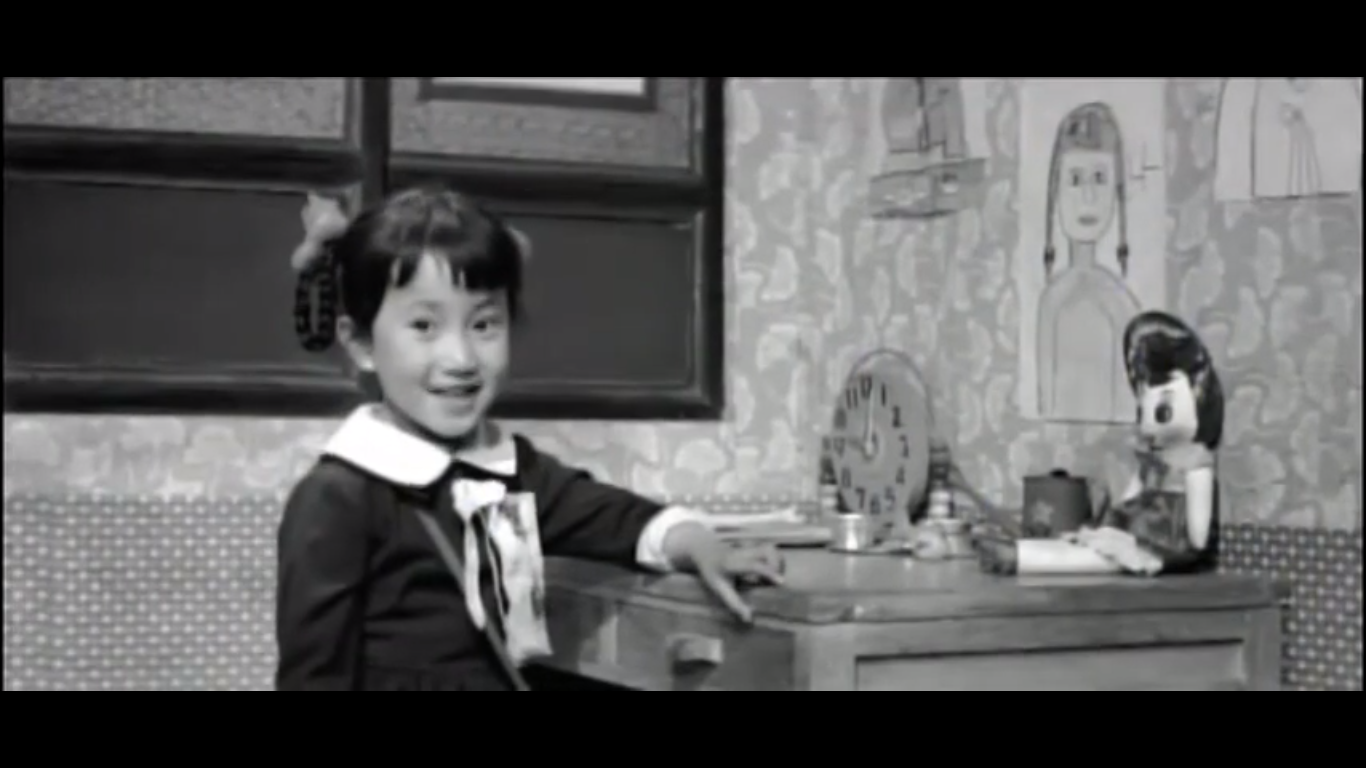
 The narrative is guided by 6-year-old Ok-hee (
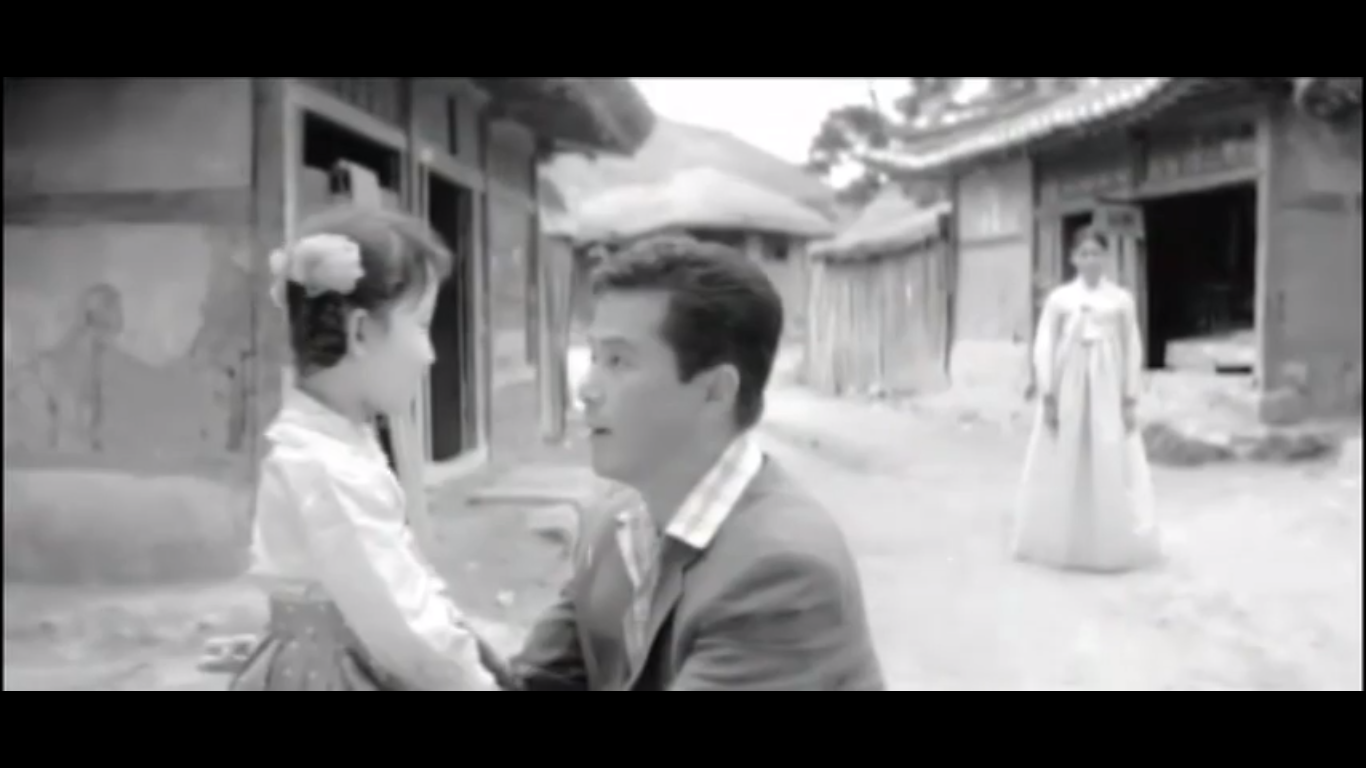 Of course, the world is not so easy. There are strictures against conversation outside the family, much less widows re-coupling. Combined with obligations to home and to her mother-in-law, we doubt the possibilities of the romance the film tenderly draws out. Much of My Mother and Her Guest carries the wistfulness of melodrama. The “will they or won’t they?” aspect is more or less cut off at the knees, which is the point. But Choi and Kim convey all their longing effectively, with surreptitious and fumbling attempts at quasi-courtship frequently made even sweeter by Ok-hee’s tendency to just blurt stuff out. There’s a selfishness and a tendency to color around the details to her would-be match-making, which is entirely appropriate to a 6-year-old girl trying to make sense of her world.
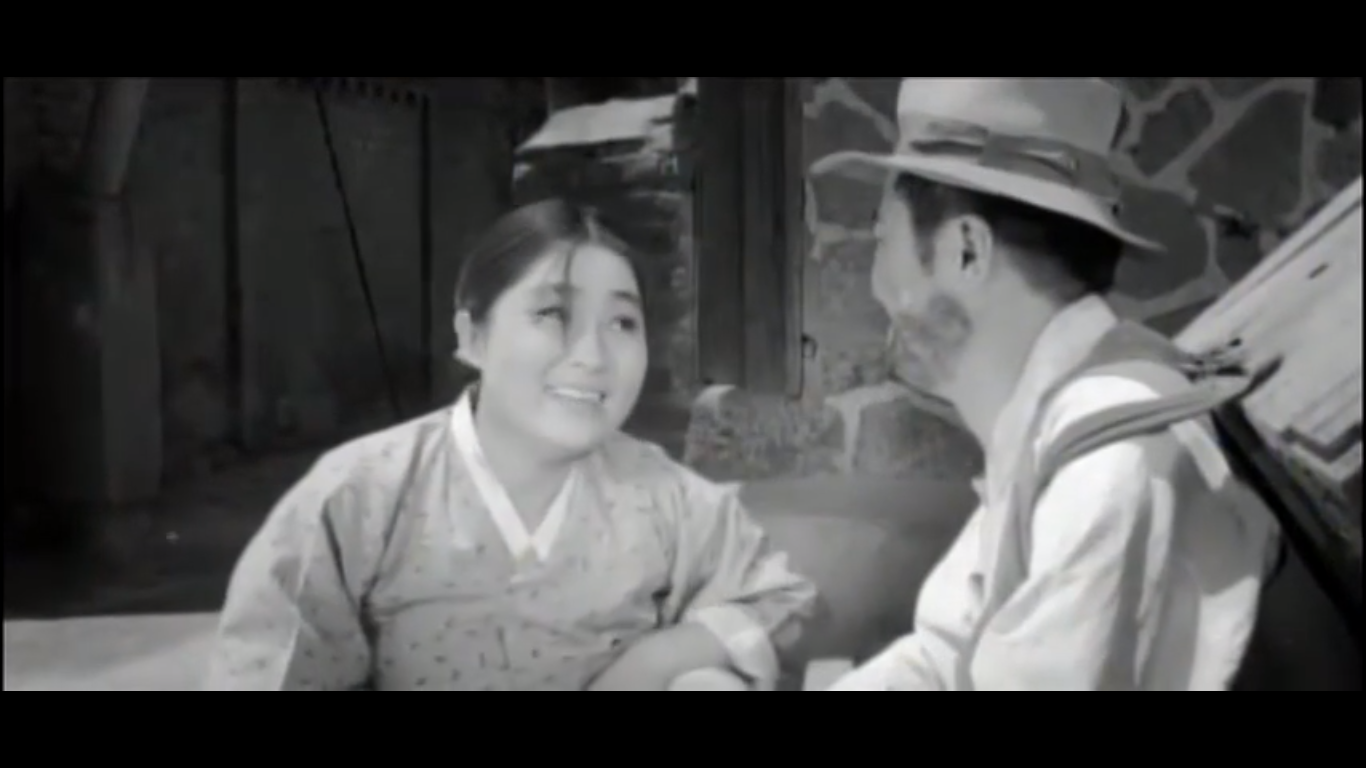 The only really happy romantic relationship in the small cast is the one that develops between the maid and the local egg vendor. Shin seems to imply that their particular place in the structure, widowed and working class, allows possibilities denied to more proper folks. (They are even implied to fool around just offscreen when everyone is out of the house, a pretty startling development in My Mother and Her Guest — I was not expecting maid/egg vendor sex.) It rings a bit simplistic, but from the very opening moments, the maid’s appetites are emphasized, and she’s “the happiest person in our family,” according to Ok-hee. So that’s nice.
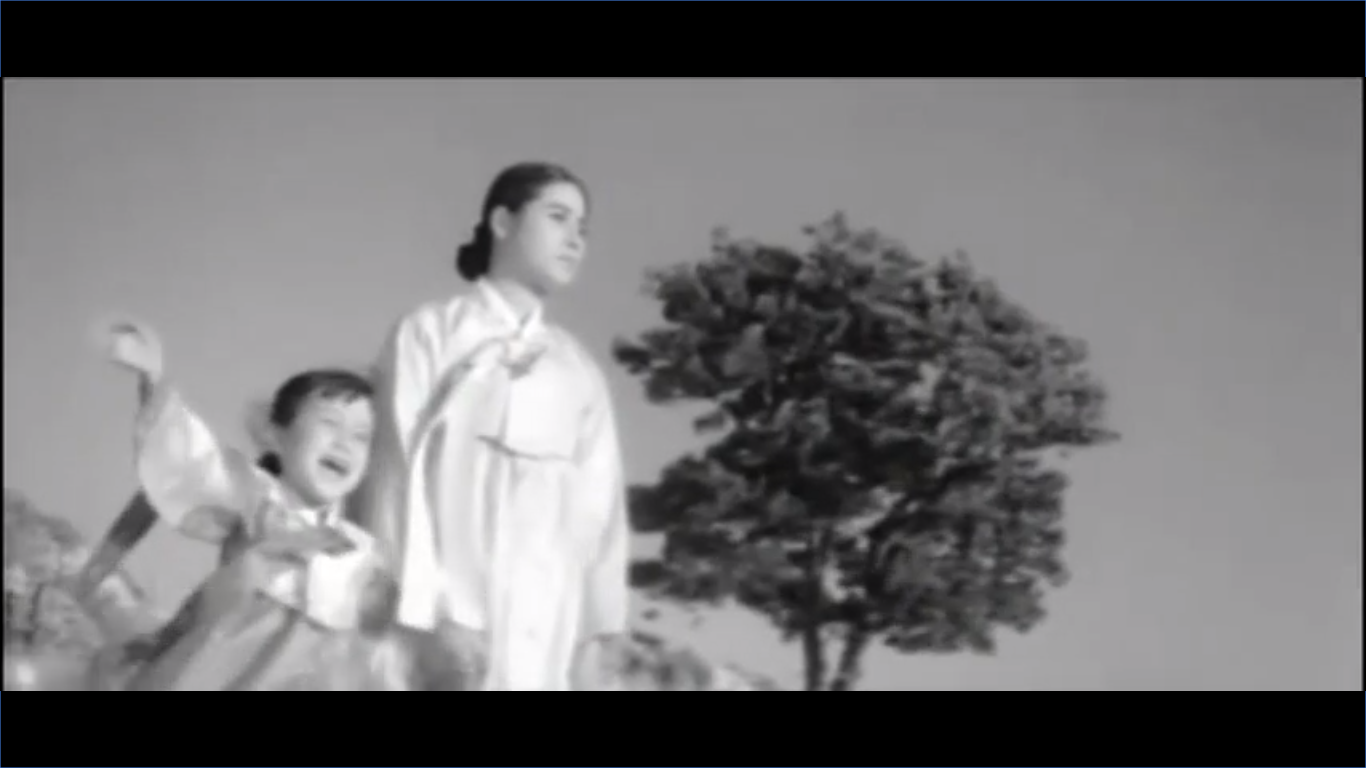 Still, as the title would have it, this is not their story. The main focus here is on an impossible romance, and the film manages to portray this without turning didactic. There’s very little anger in My Mother and Her Guest; just a lingering sense of what could’ve been, if the world were different than it is.
 Buber has often been accused of romanticizing the early Hasidic movement —justifiably — and I would say that he exaggerates the horrible evil of Gnosticism (as we’ll see in discussing
 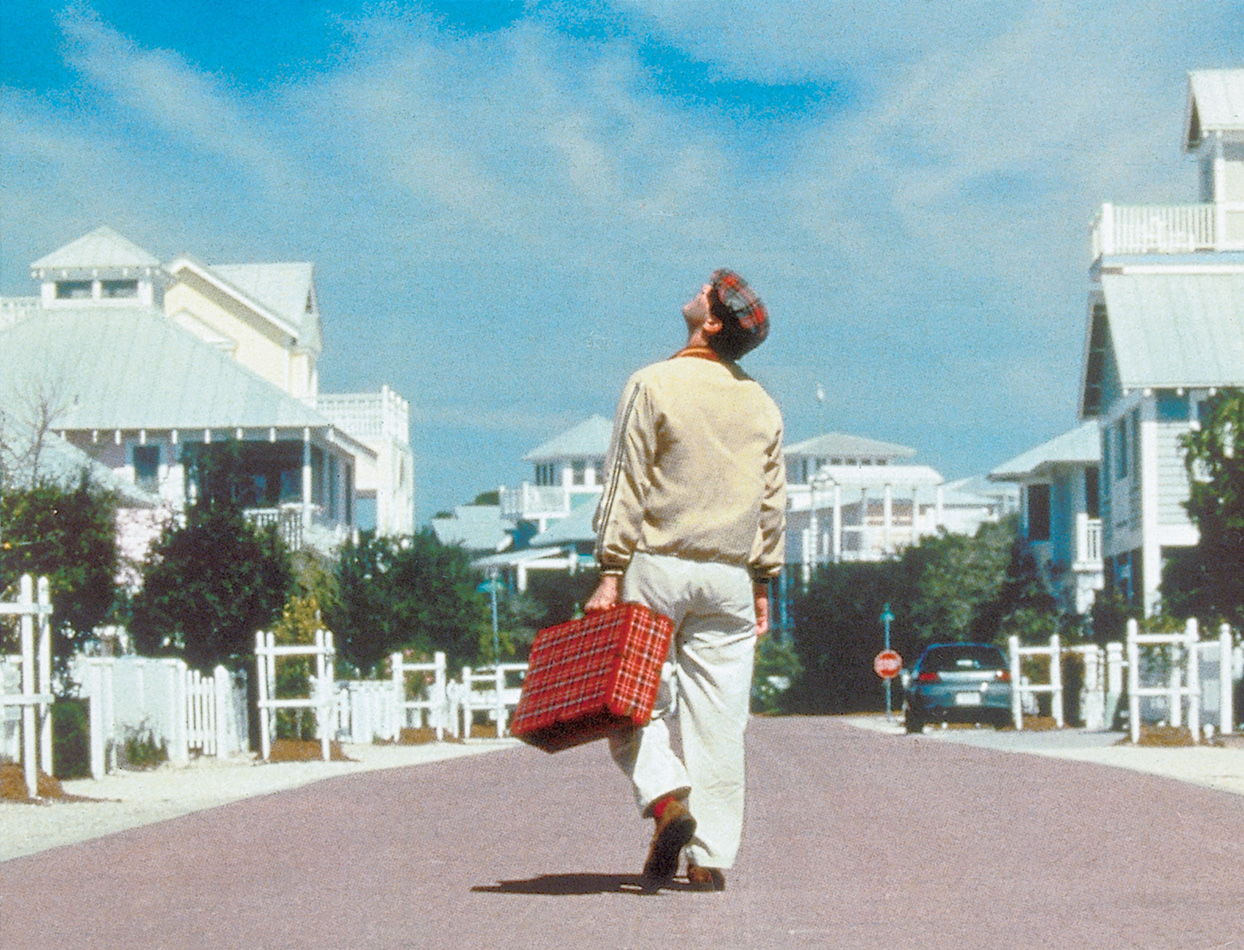 The first half of Truman is the apex of this fantasy, the fantasy of discovering some knowledge that frees you from being a subject. Realizing the world is fake,
 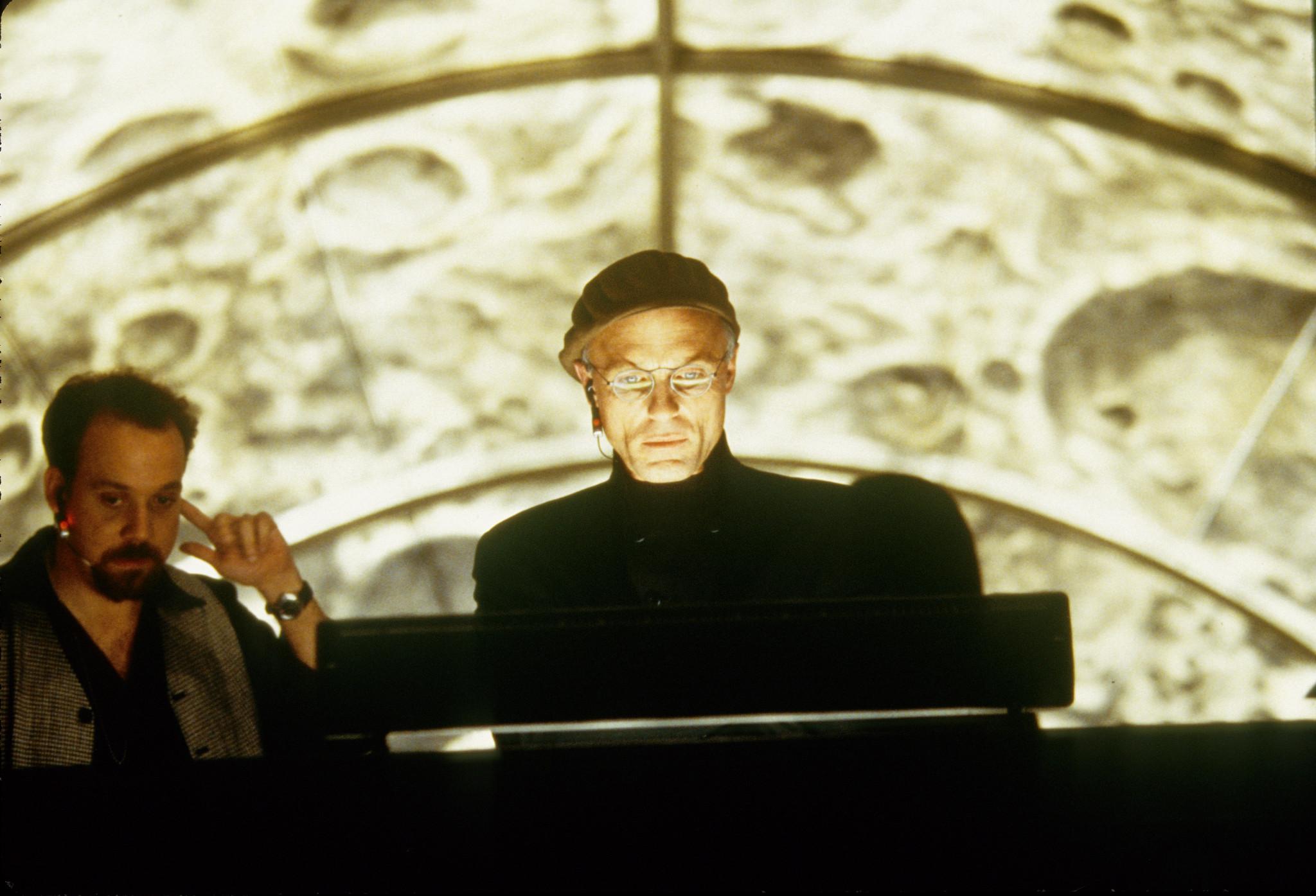 If Buber is right and Gnosticism is about dissolving social ties, then the first half is the properly gnostic half. But a complete dissolution of social ties, the fantasy of invisibility, isn’t emotionally satisfying for very long. The second half of Truman reorganizes the fantasy: the social ties are all restored, but they are all one-directional. They all head towards Carrey, and none head away.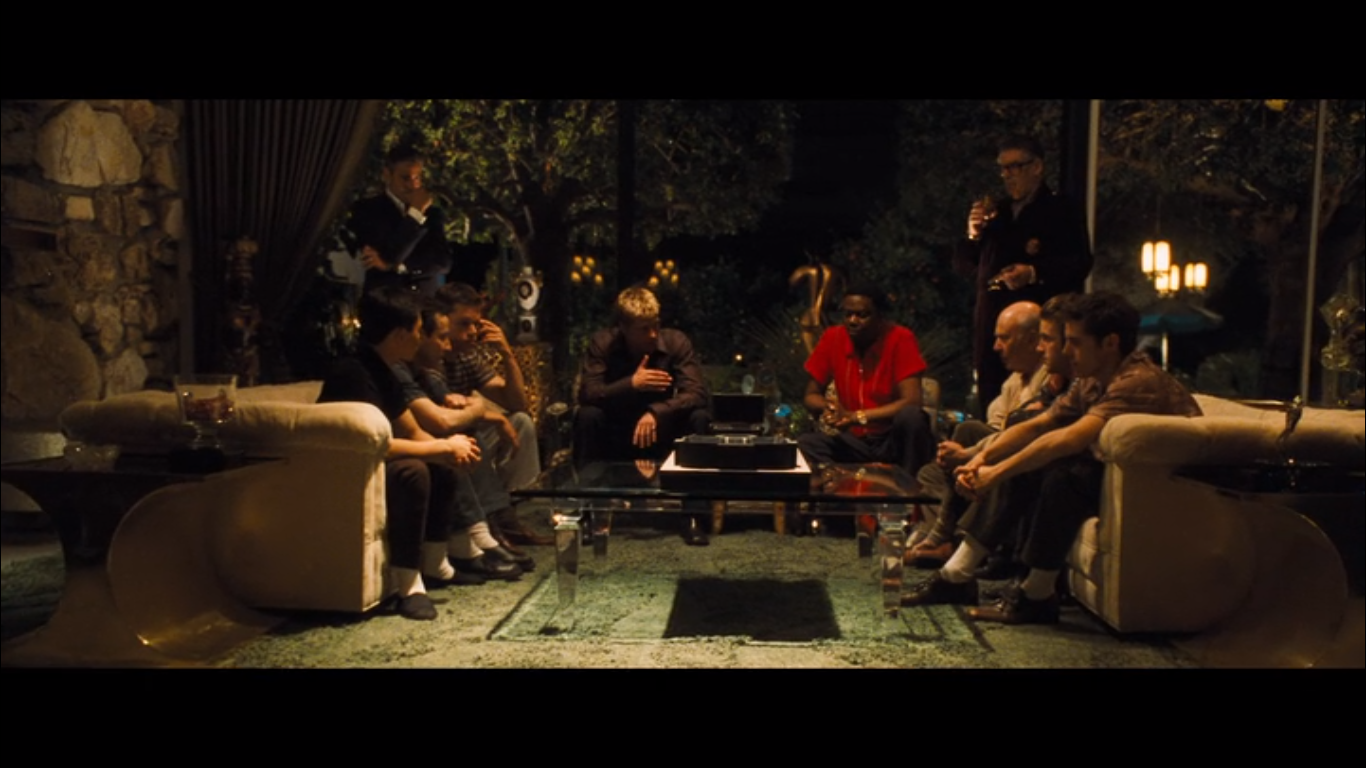
 Focused more on professional lovable rogue
 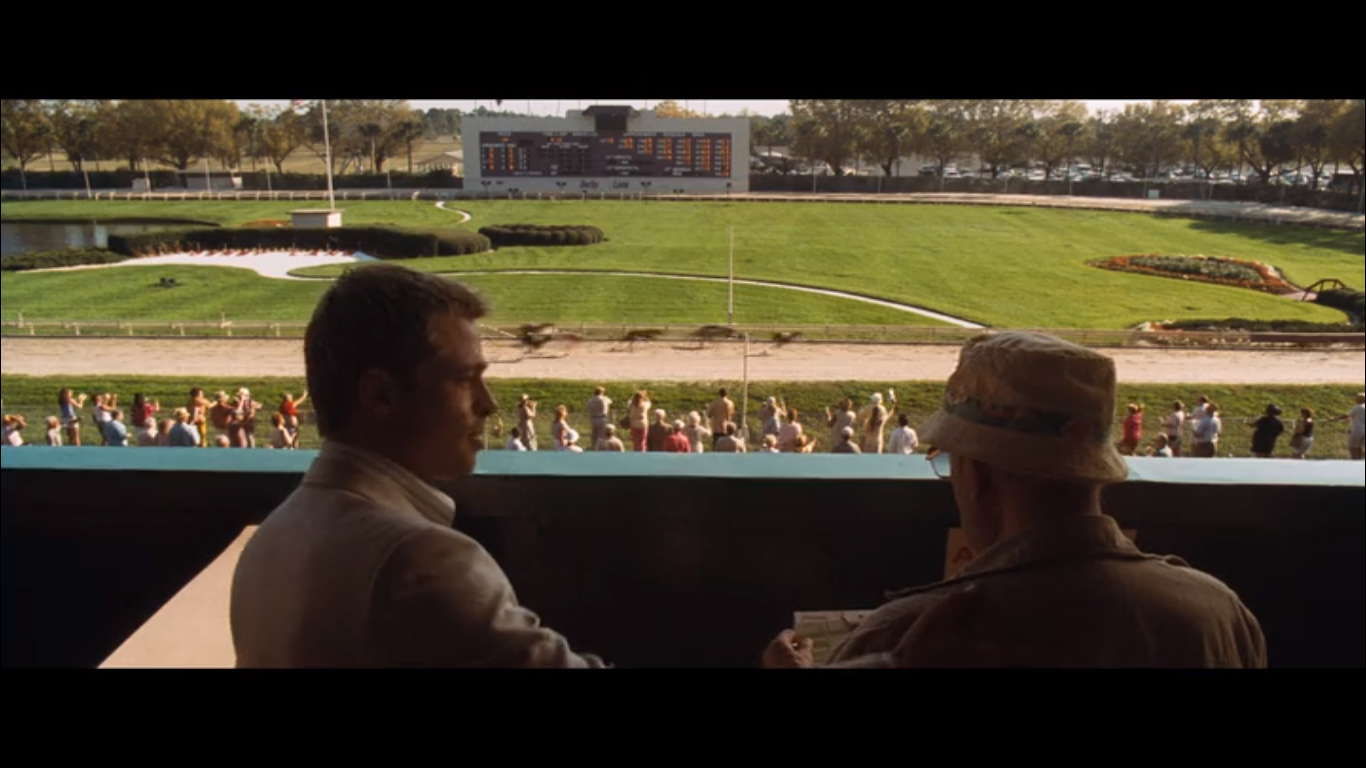 But of those lovable rogues, Ocean’s team hews closest to the essentials of Lubitsch’s protagonists in
  The Lubitsch classic was released at the height of the Great Depression. Ocean’s Eleven arrived just as
 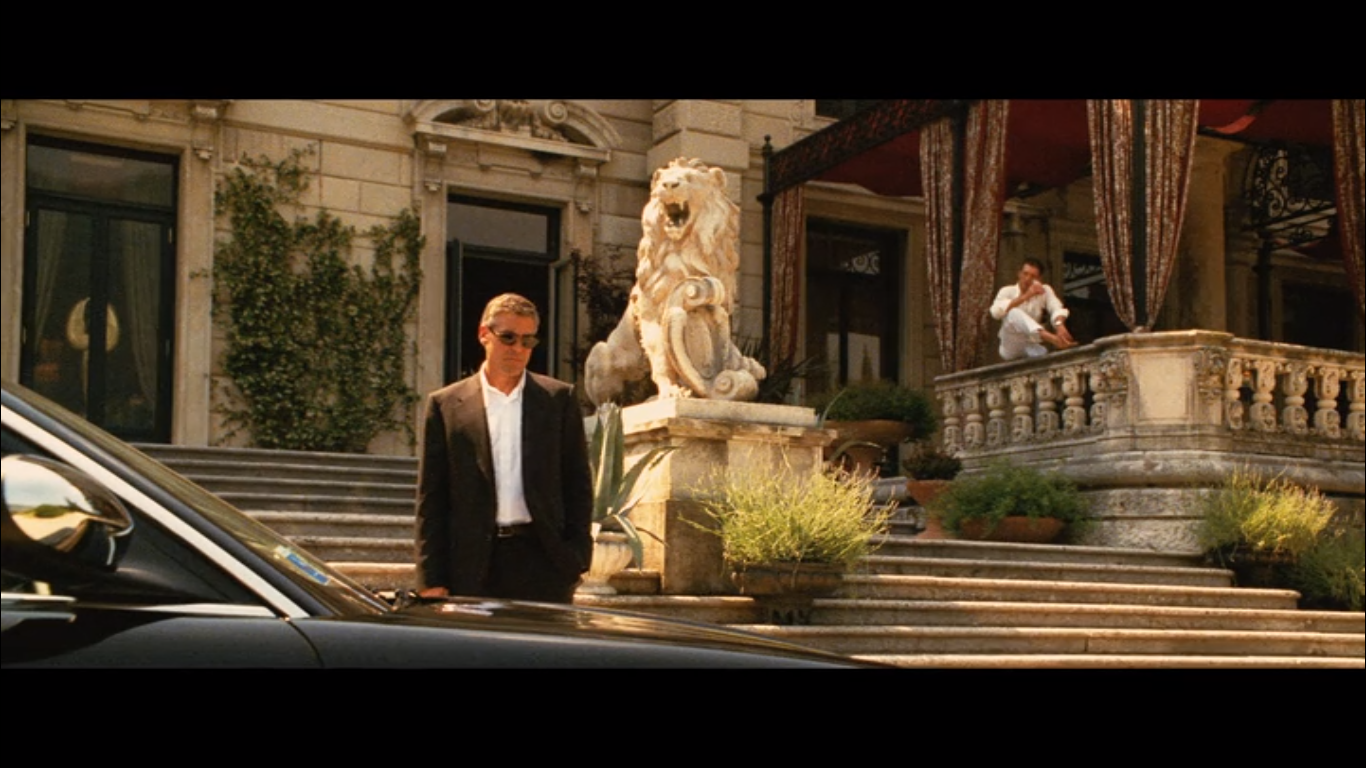 The irony is that we cheer on famously wealthy actors as they fleece the 1%. Hell, scenes in Ocean’s Twelve are shot at a Lake Como villa, not dissimilar from the one Clooney owns, the scoundrel. (That
 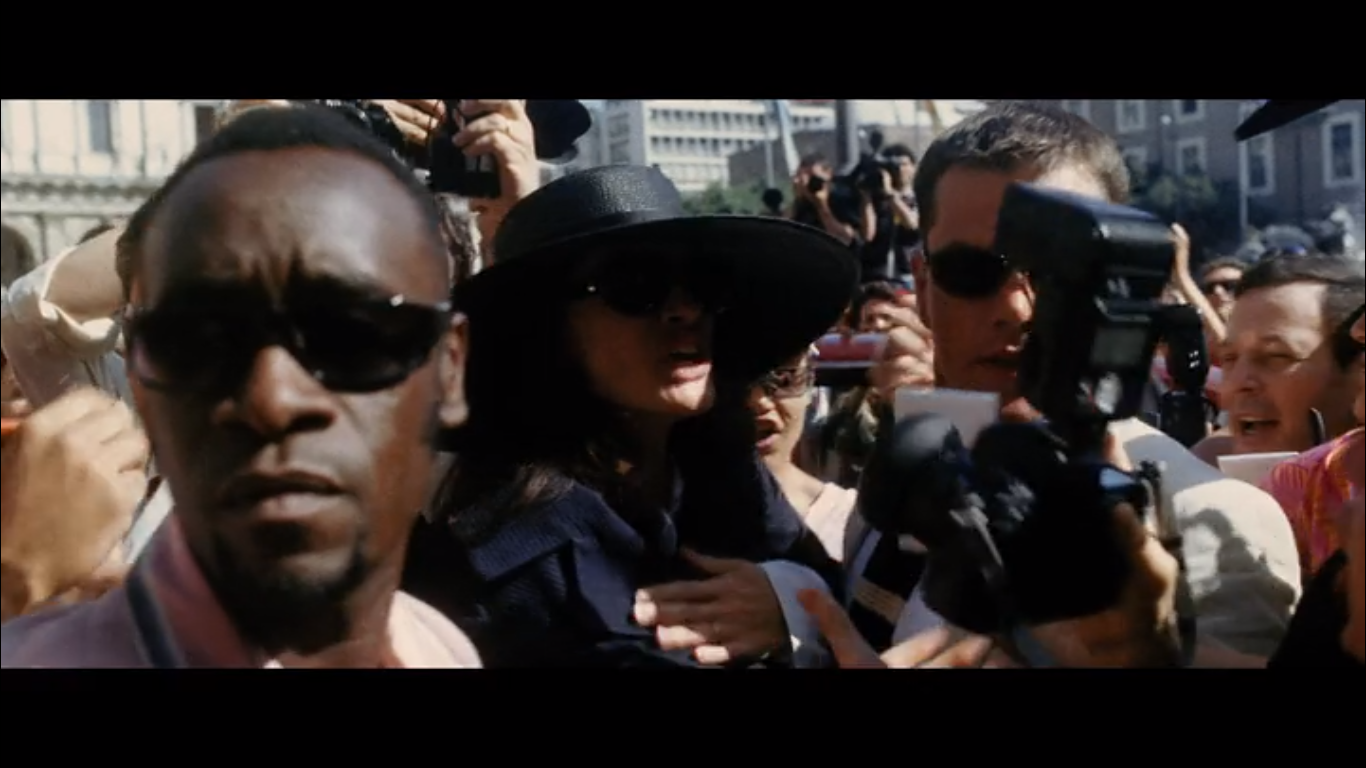 impersonate the “real” Julia Roberts, before running into Bruce Willis, playing himself. A shaky-cam sequence in Ocean’s Thirteen features Damon in London,
 They would, of course, have no trouble with
  Foster admits that there is no evidence she traveled to a foreign planet, but, borrowing language from McConaughey’s earlier description of his religious experience, she stands by her experience. It’s a wonderful scene, and if I were ever teaching a class on
 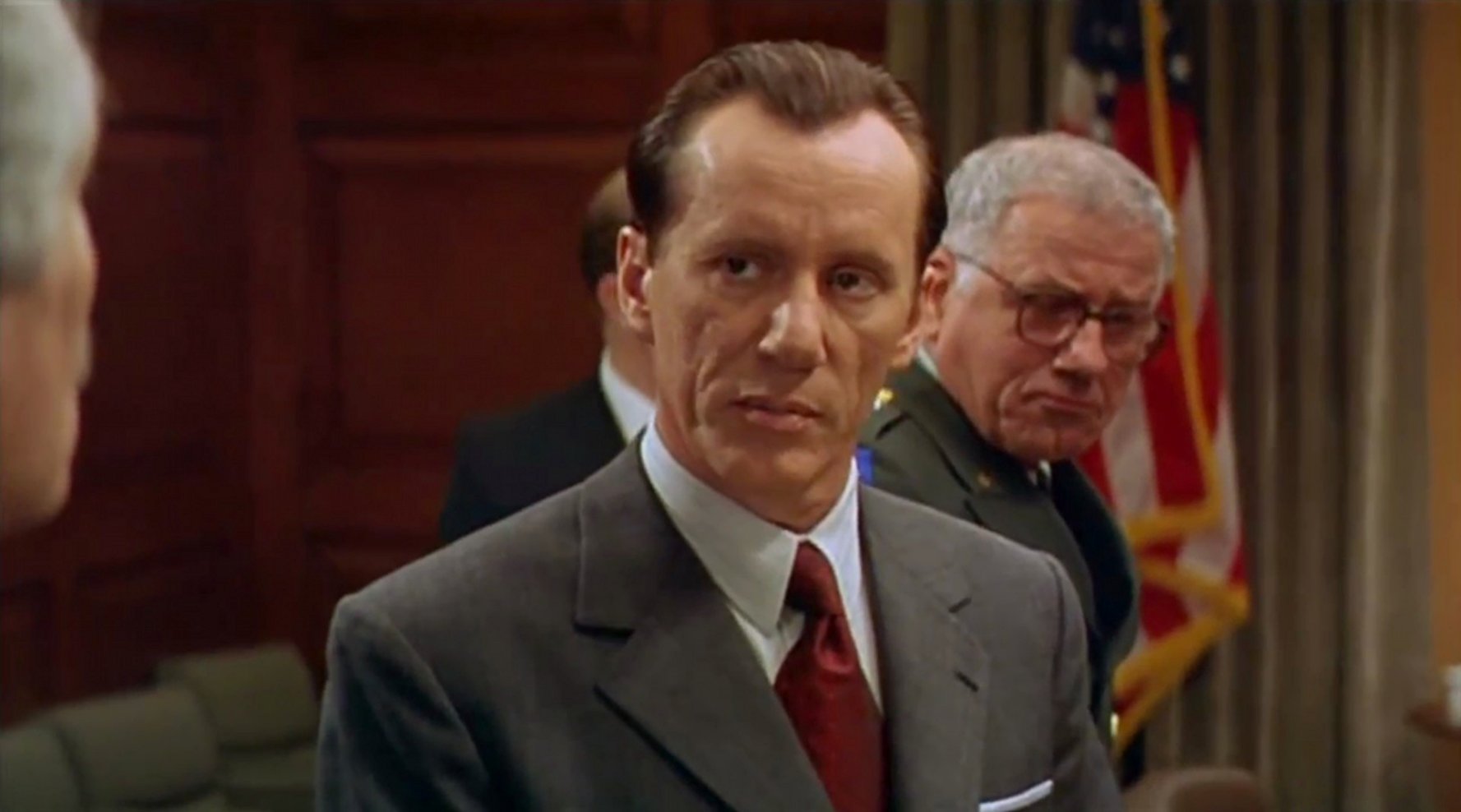 And yet, they can’t stick with it. Slipped in between the climactic scene and the final credits is one last conversation between Woods and a minor assistant. (Woods, by the way, may have been hit on the head during filming and may have been stuck in this persona ever since.) It is revealed that while the camera did only record static during Foster’s visit, it “recorded 17 hours of static”, a fact that the government is hushing up.
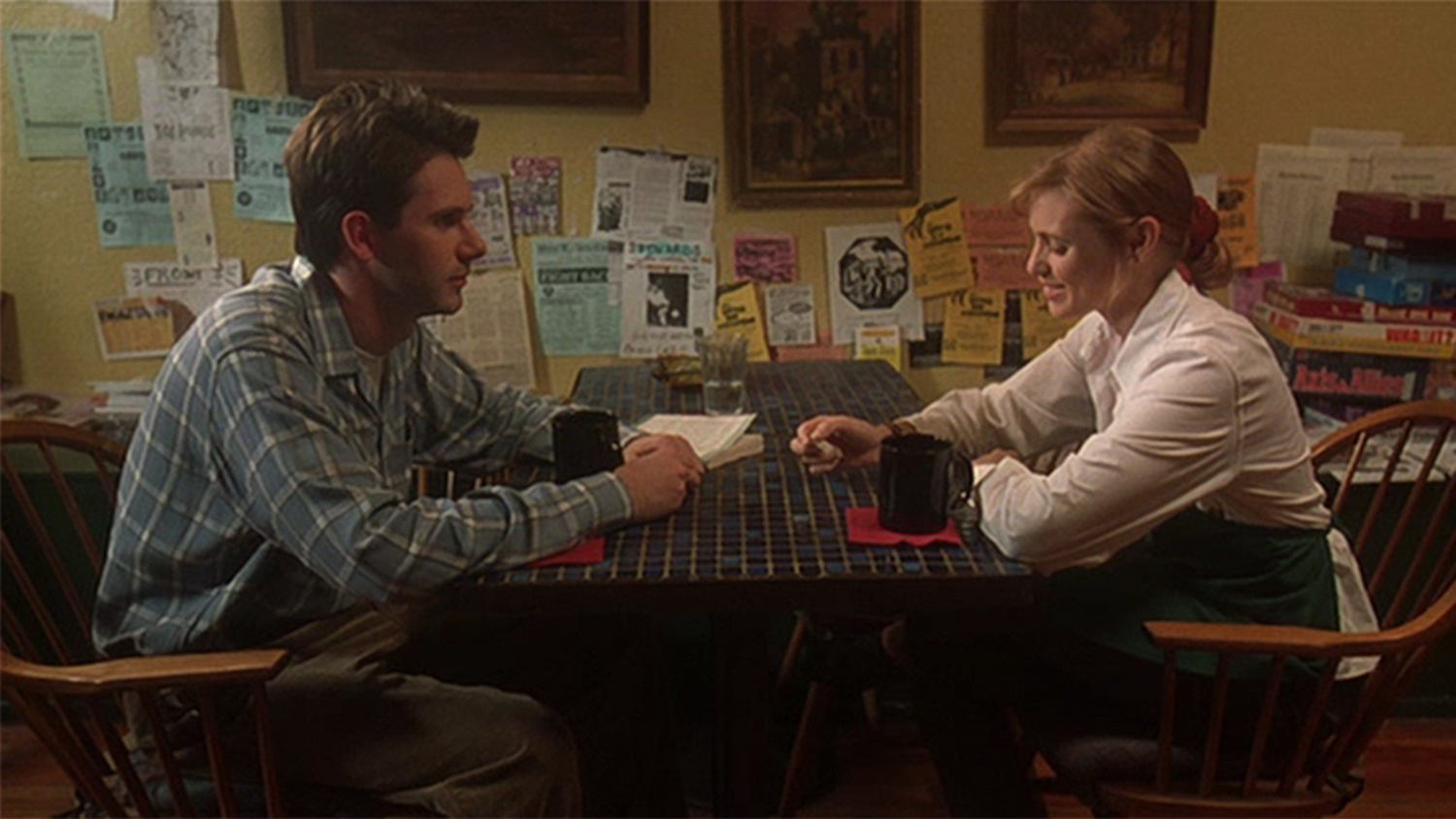 Over the years I’ve spent watching Kicking (I first discovered it in the early days of my Criterion obsession at around 16 — Lord knows what I got from it then — and have treated it as a bit of an end-of-the-year tradition) I had never considered that anyone could think we were supposed to think this was a clever line.
 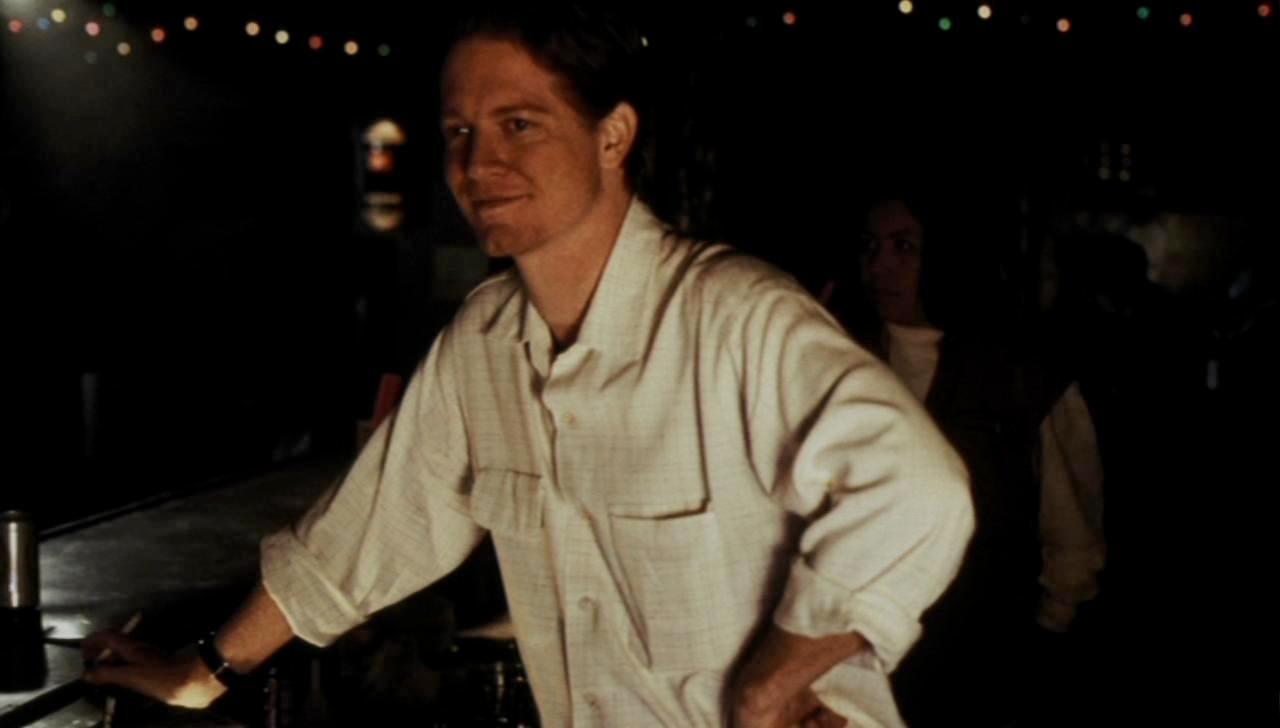 But while whoever I was talking to is wrong about the line in particular, he did get to the heart of why Kicking and Screaming, Baumbach’s first, is a peculiar one. For all its needling mockery of the recently graduated — almost every detail of which feels perfect, like a broken cup swept into a pile and covered with a piece of paper that says BROKEN GLASS — it is also soddenly sincere in parts. Baumbach might try to undercut


 Roger Ebert
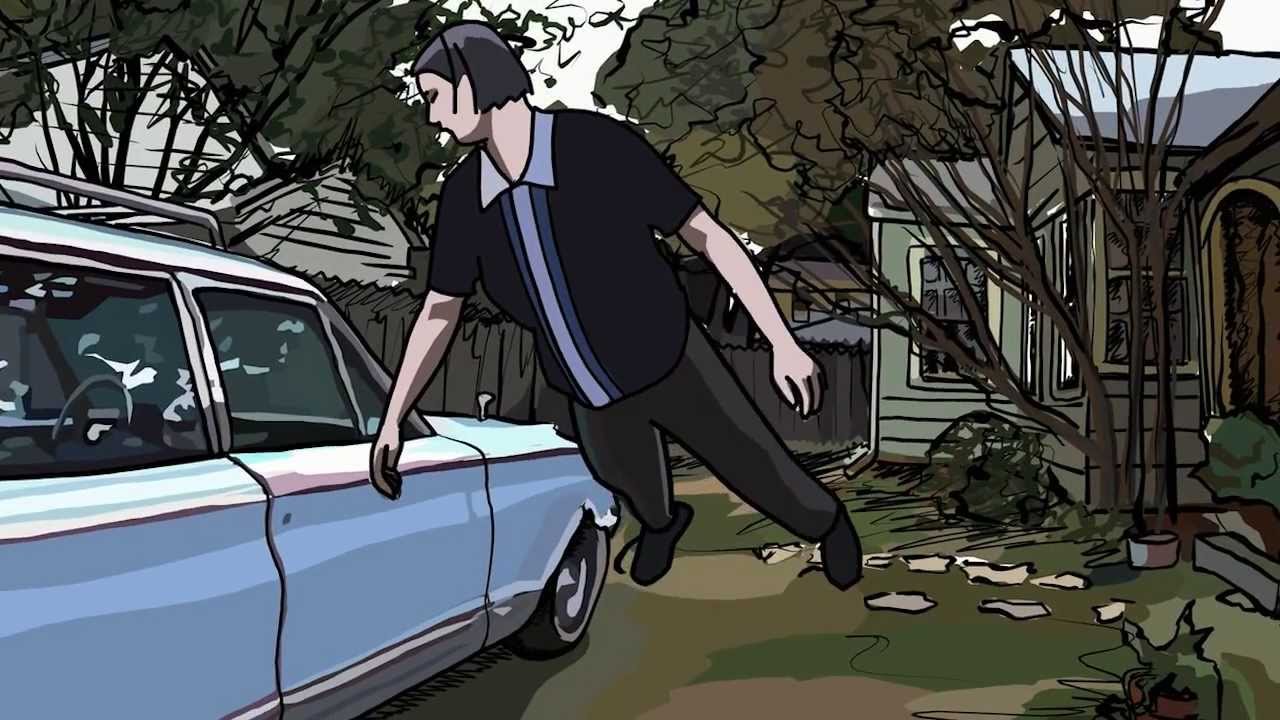
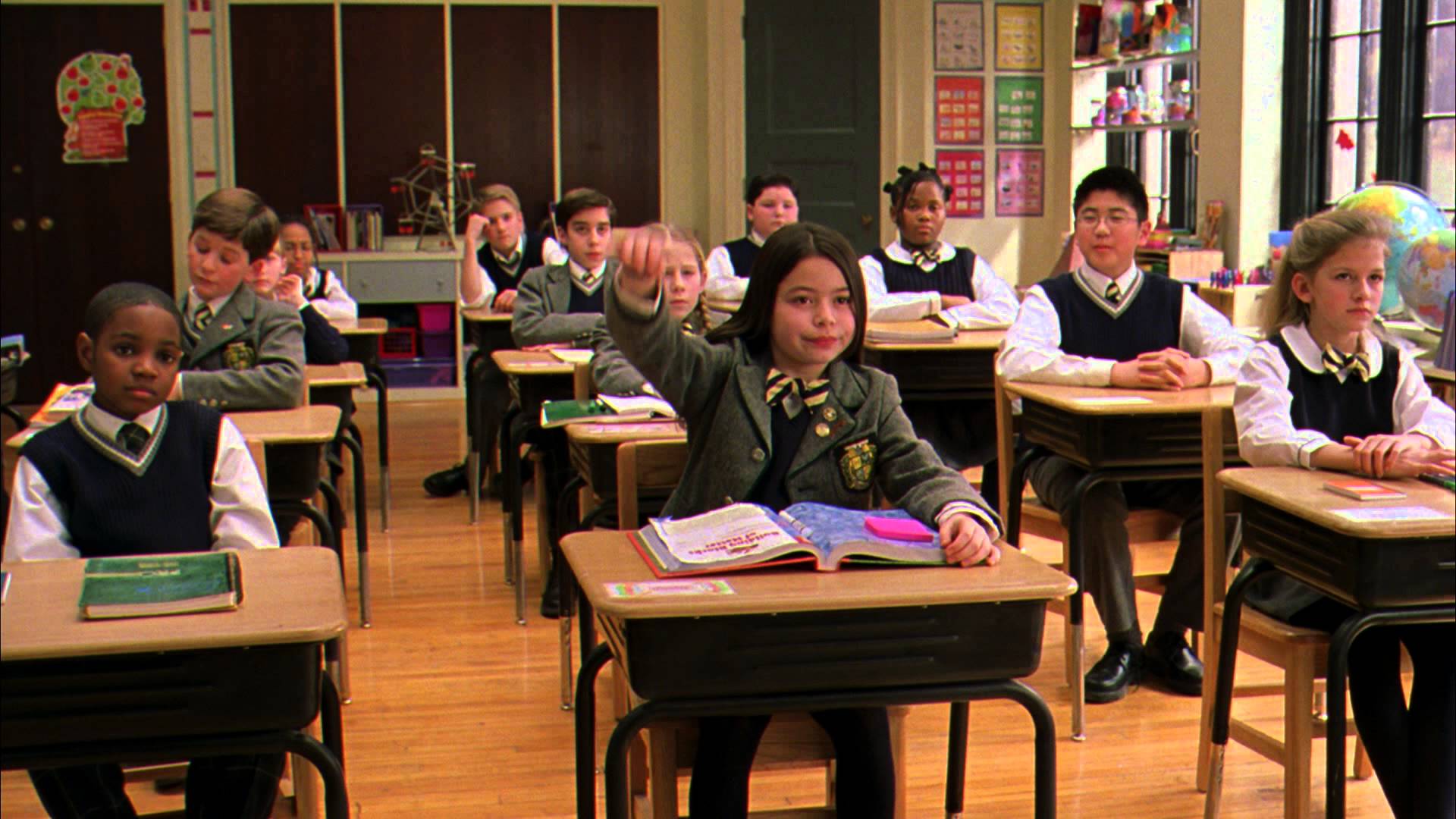
  In the great push and pull of everything, it’s fair to say that both Waking Life and School of Rock are silly texts. They ask very little of you, apart from joining them on a swift ride, steered by a guy who might just leap off the boat.
 That Linklater would insist on its inclusion tells us a lot about Linklater. The central conflict in the poem is between romance and time. Apart from the “one for me, one for them” logic of his output, we have to acknowledge this emphasis. “The deep river ran on.”
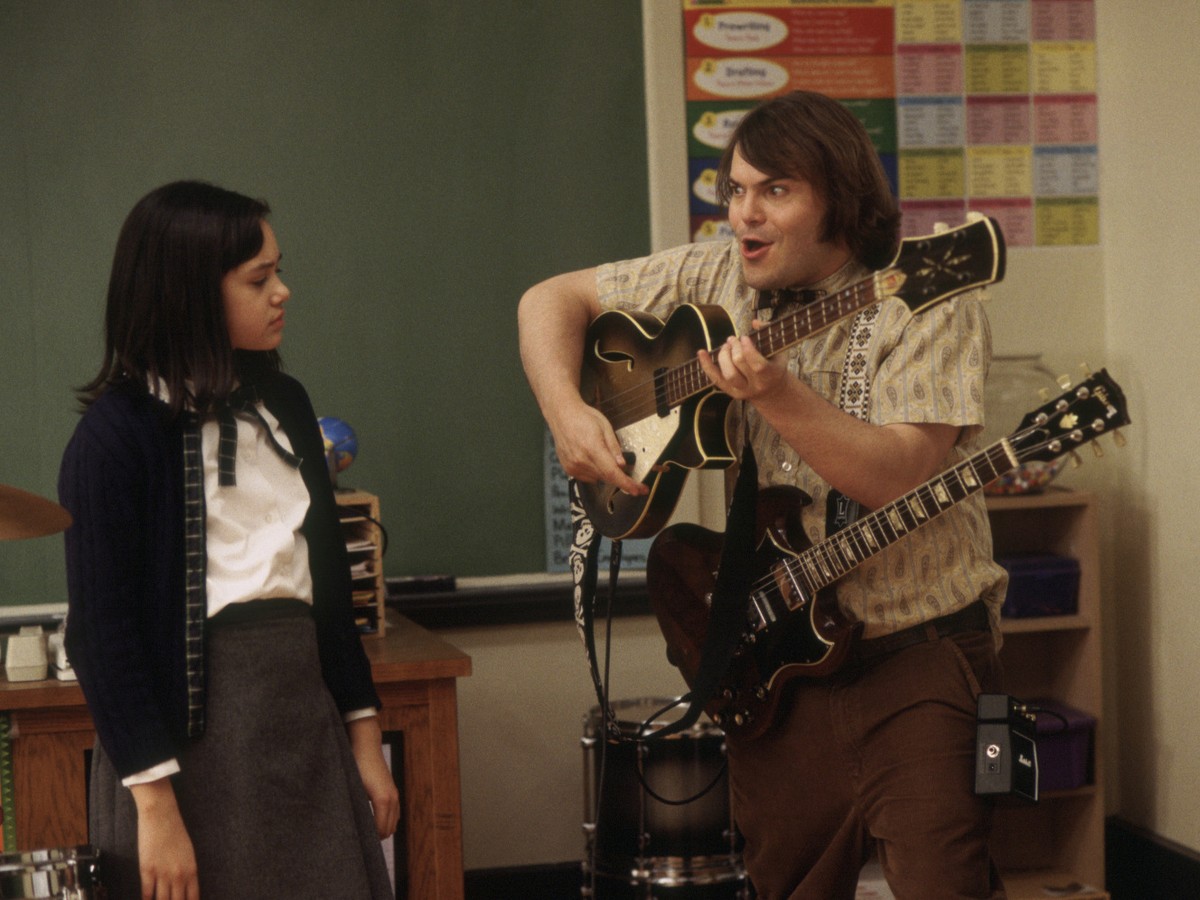 The rotoscoped half-wisdoms of Waking Life would have no place in the offbeat formula comedy of School of Rock (written by and starring
 However, I’m reasonably sure that real life mobsters watch a lot less C-SPAN. Out of a desperate desire to turn Higgin’s novel into a timely bit of political commentary,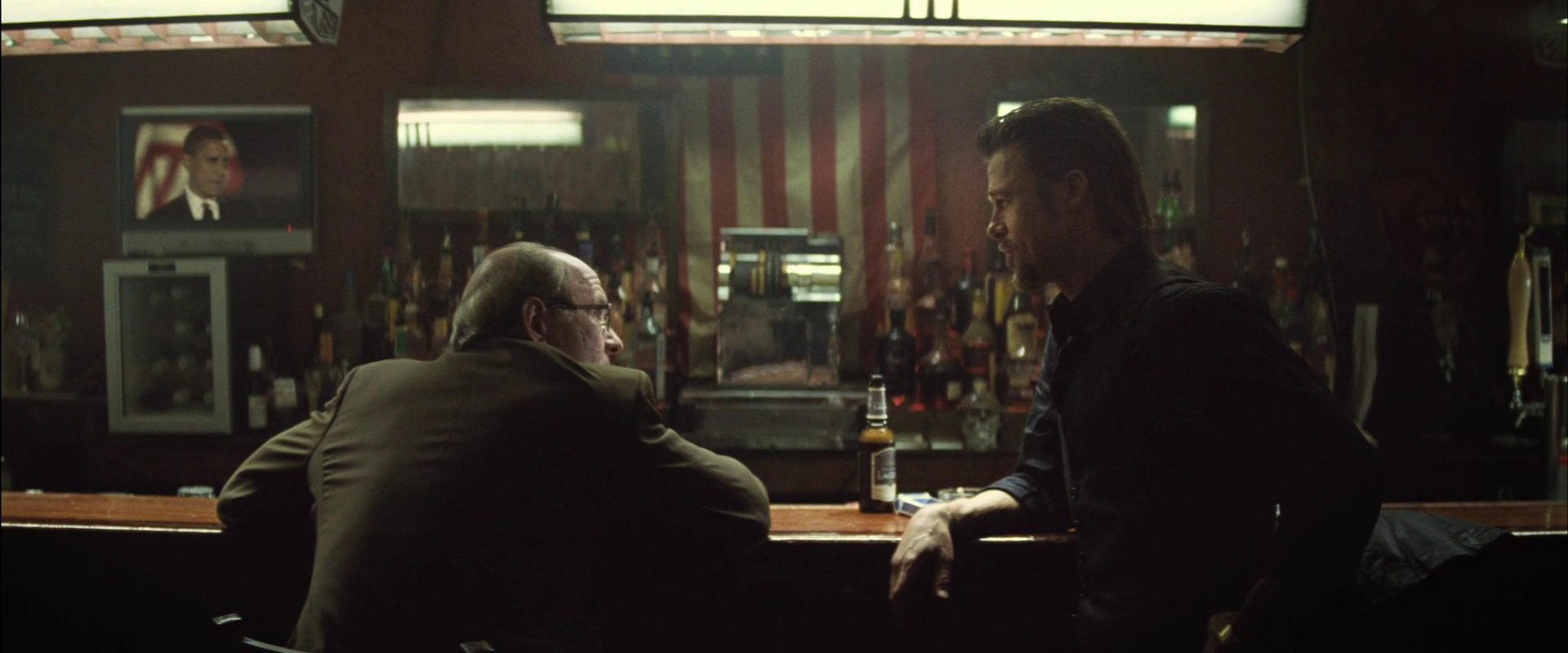
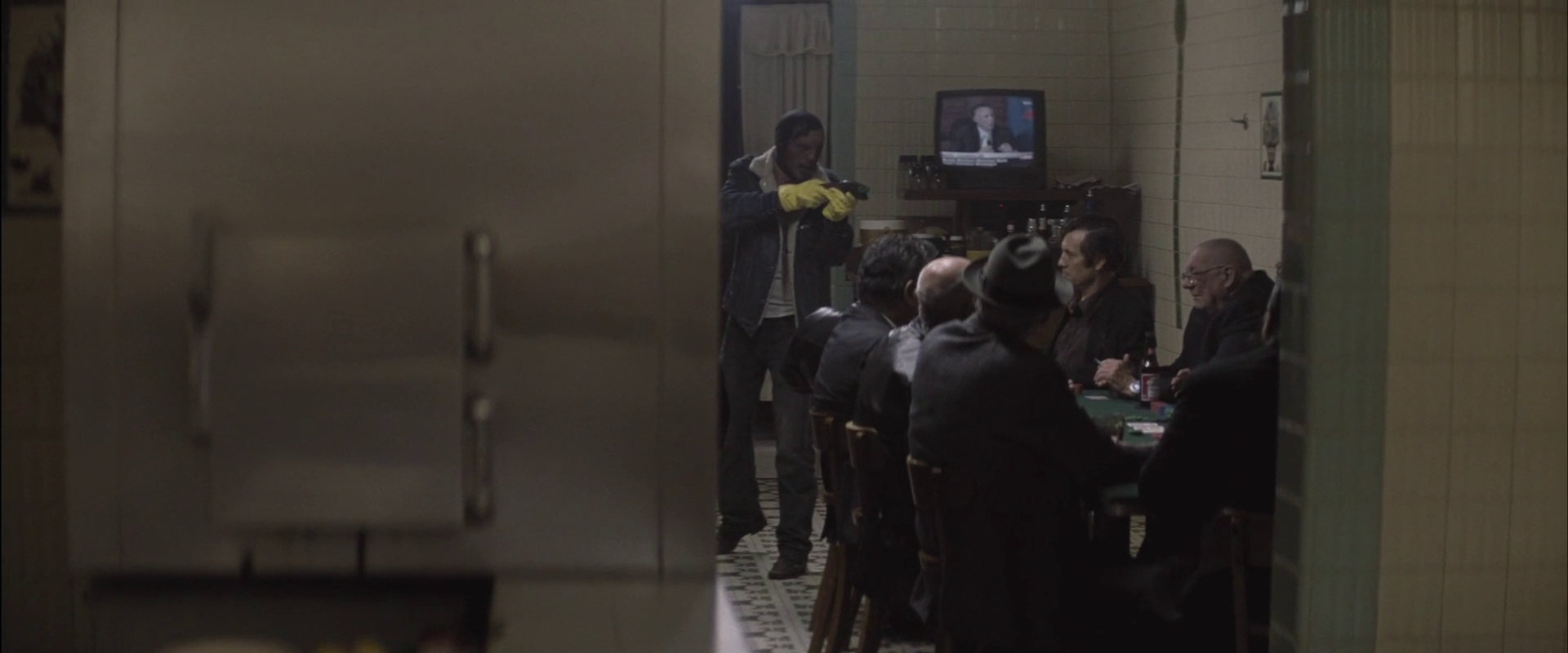
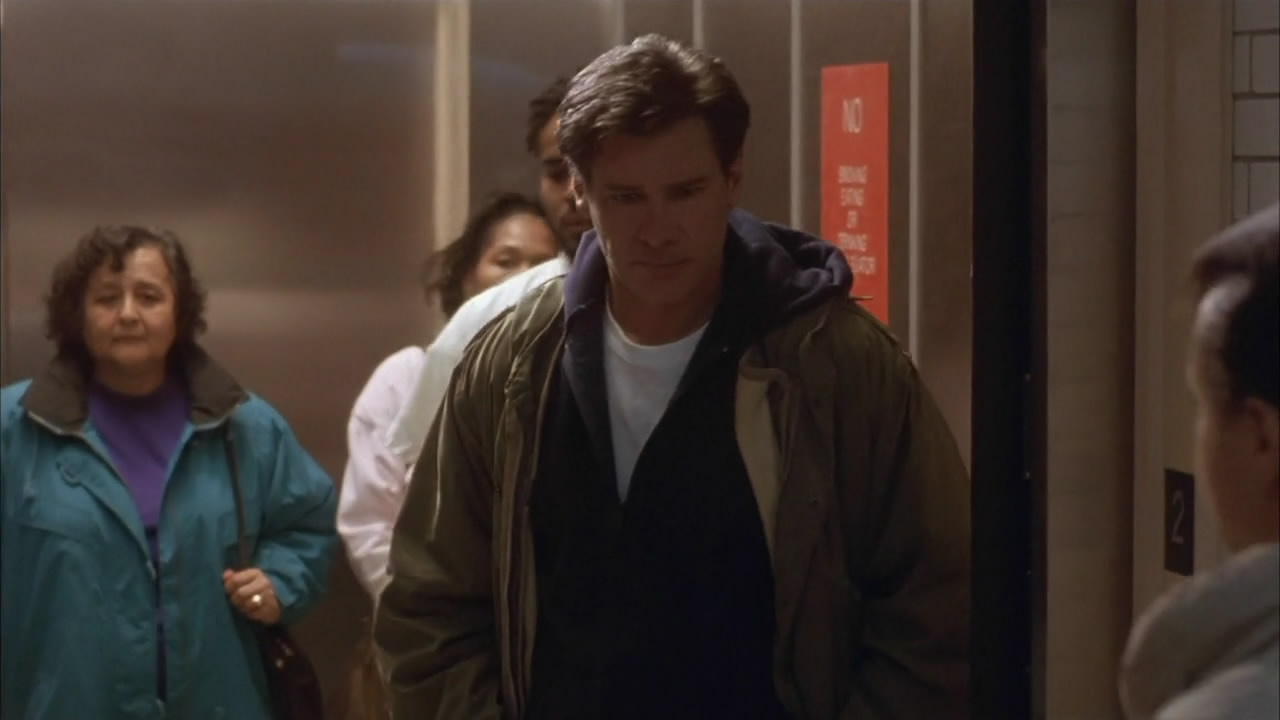
 As “Dr. Richard Kimble” (the prestige prefix is non-optional),
 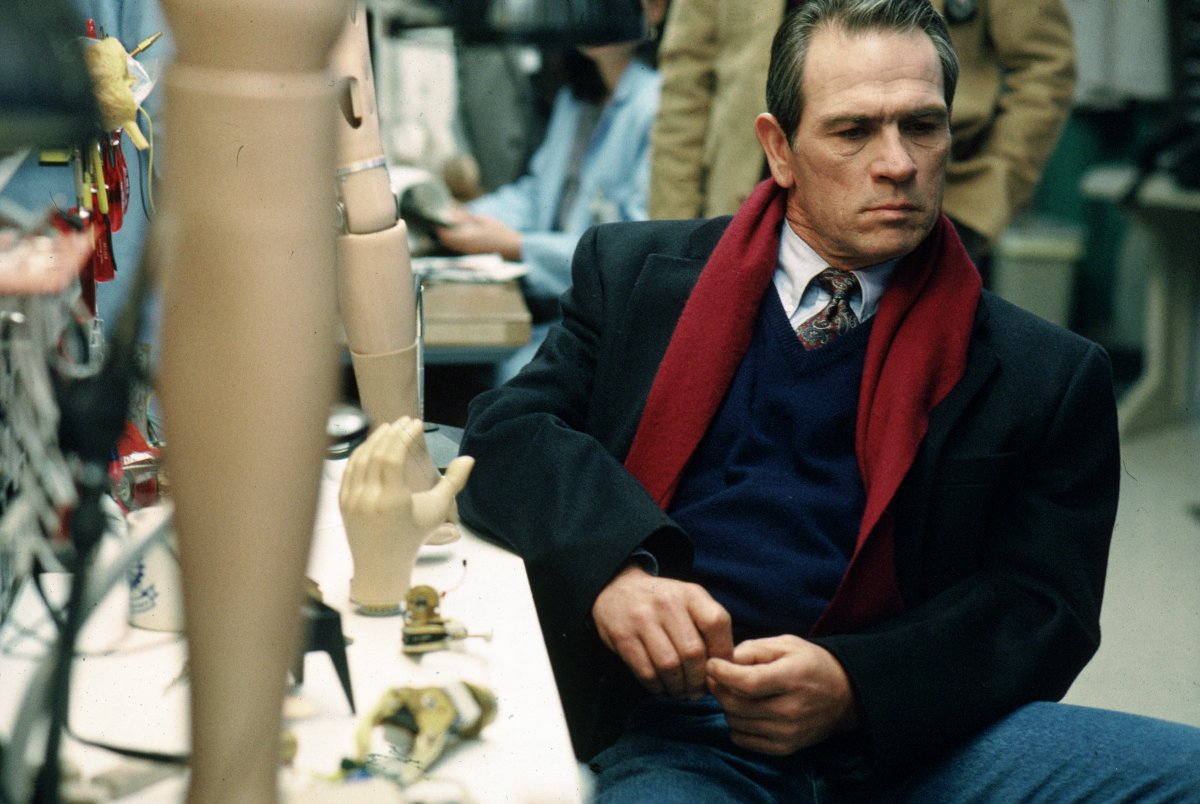 Dr. Richard Kimble is on the run from more than
  As in
As in  The entire structure of the film revolves around the (rather brutal, rather pointless) murder of Kimble’s wife Helen (