
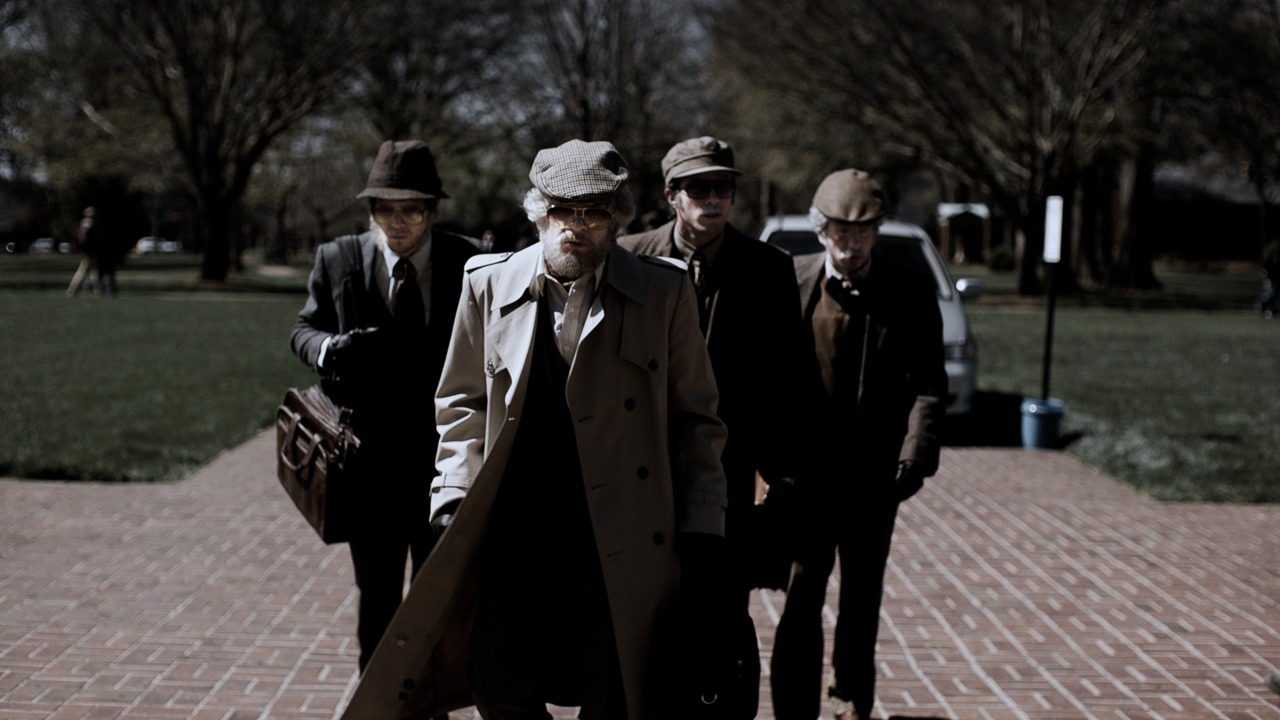
Increasingly, our mainstream cinema seems consumed with the act of storytelling itself. We can add American Animals to a list that already includes recent films as different as I, Tonya and Bisbee ‘17. This inward turn is nothing new for the avant-garde and the art-house, long characterized, from Bergman to Godard to Kiarostami, by the foregrounding of artifice. (Feel free to sub in literally dozens of others, and then move on to theater, literature, and beyond. Take your time.)
But there seems to be something particular in the air right now, a dubiousness about representation itself, or an implied belief that honest art ought to make clear that art itself isn’t the whole story – that our stories are always, at some level, about the conditions of their telling, Heisenberg Uncertainty Principle-style.
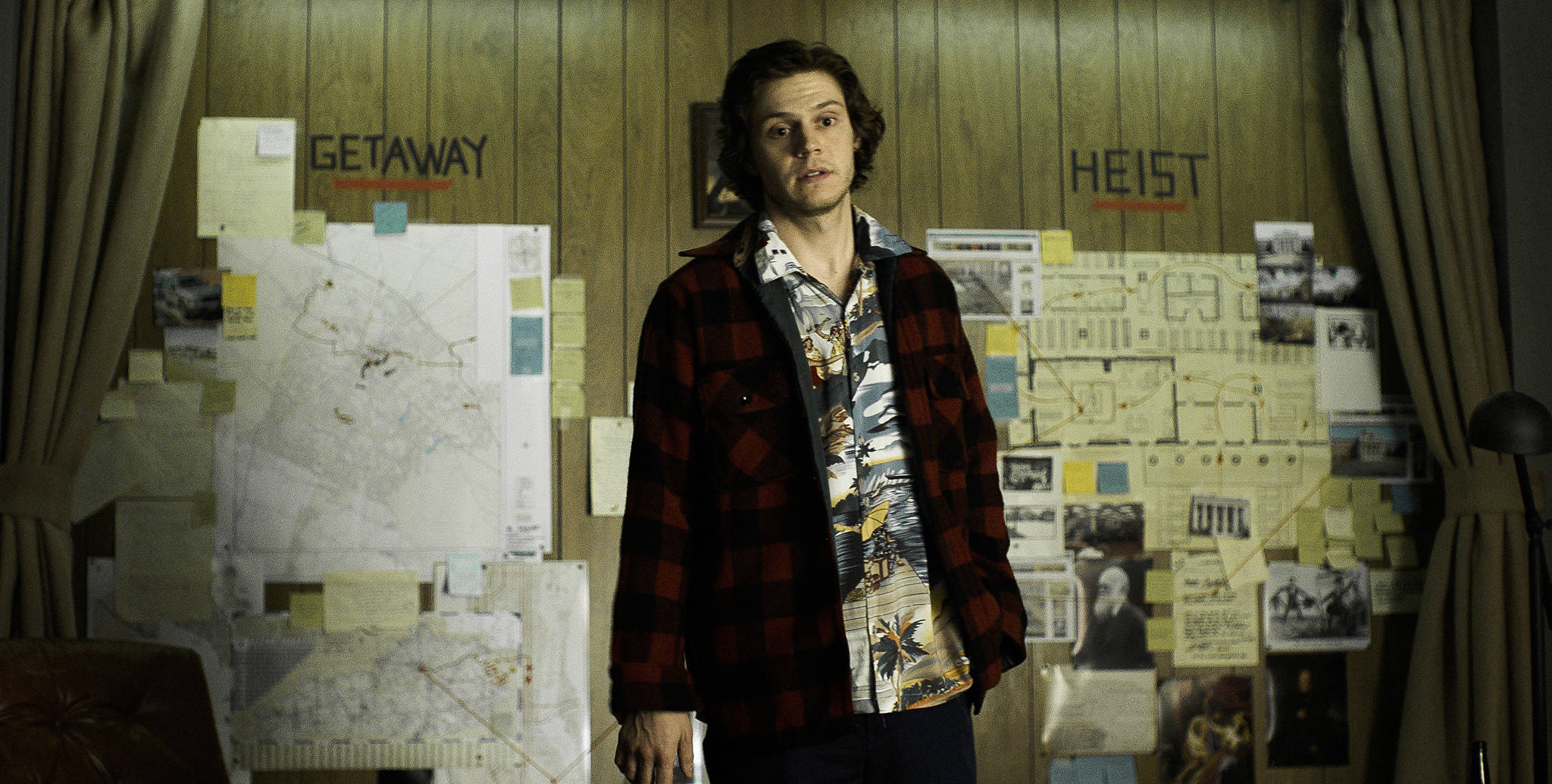
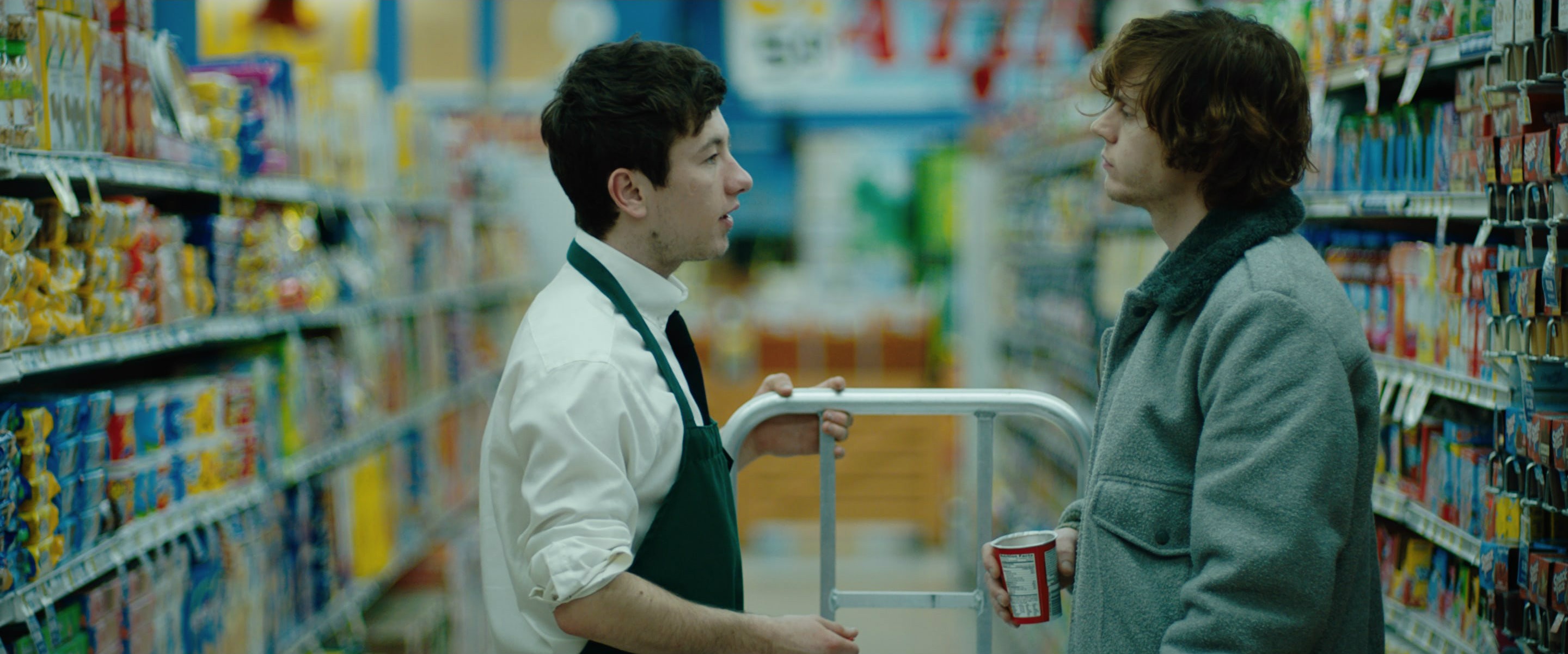 American Animals is a sporadically clever but underwritten contribution to his trend. Its narrative – the true-ish story of several bored kids who plan an art heist as a stab at generating a sense of grandeur, the epic kind we know from the movies and which their lives otherwise lack – is less the point than its formal interventions. The real players show up on screen to provide Errol Morris-like contradictory accounts, for instance, and briefly even share space in the frame with the actors portraying them, one-upping I, Tonya’s detail-minded re-enactments for bonus frisson.
It’s all very meta, and the script seems to hope this will be enough. Otherwise, jokes fail to land and purple prose comes out the mouths of people we’ve been given no indication would talk this way. Perhaps that’s another nod to its artificiality? In any case, American Animals doesn’t draw you in so much as awkwardly sit next to you, watching itself watch itself.
 What American Animals does do very well is puncture the consequence-free fantasy of the heist movie. I can’t remember the last time a film placed so much emphasis on the person the robbers tie up as a matter of course, as part of their larger plan. We’re rarely encouraged to think of them except as the protagonists do; an obstacle to be removed, hopefully without much violence, and never considered again. We’re often encouraged to laugh at the hijinks: the pitiable, surprised exclamation, the bonk or bag over the head, the darkly comic struggle over the shoulder as they’re carried out of the story.
Played here by Ann Dowd, that perennial figure of narrative disregard takes center stage instead: her fear is the point. She doesn’t know these kids mean her no harm; no one told her they’re the main characters of a lark of a robbery born of boredom and self-indulgence. The camera lingers on her pants, soiled with urine. We spend an agonizing amount of time listening to her muffled cries. That she won’t be murdered by idiot children is, presumably, little comfort in the moment. Most of the movie struck me as too cute, but there is nothing cute about this rawness. American Animals succeeds enormously in that moment of shattered escapism.
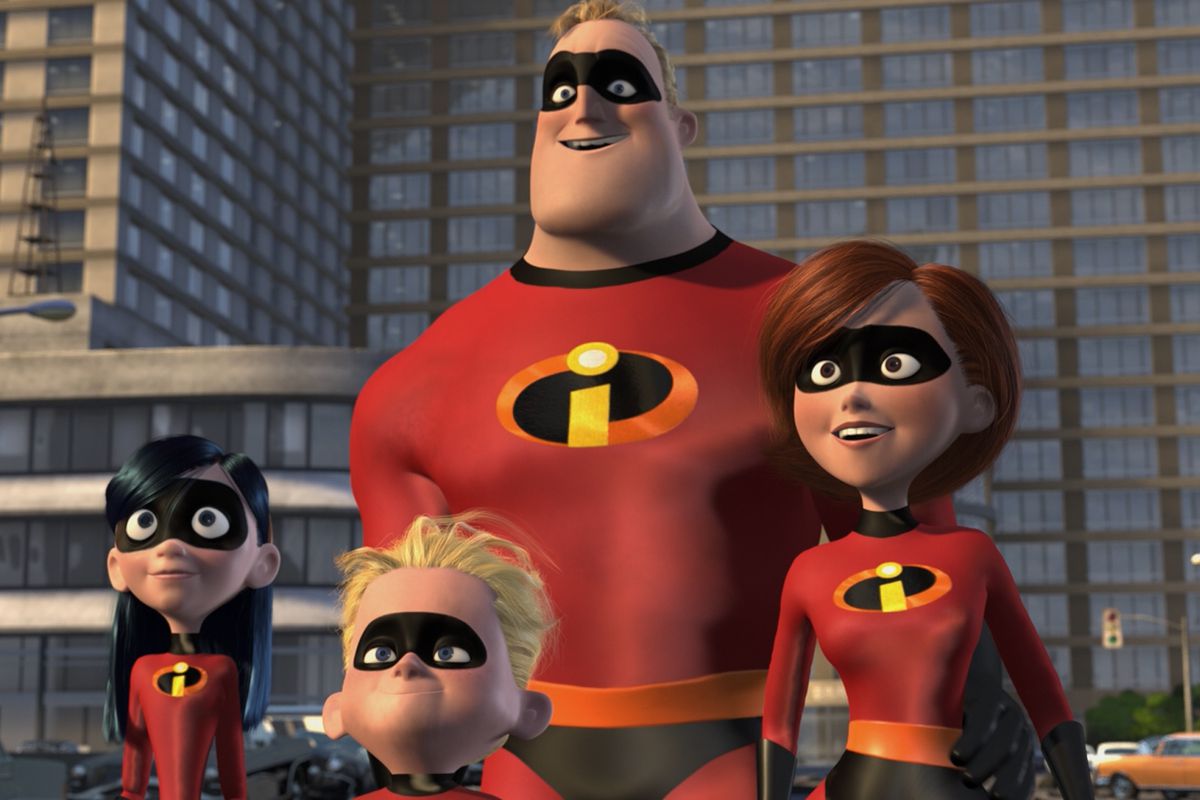
Brad “Don’t Call Him An Objectivist” Bird has “always thought the Ayn Rand comparison lazy & inaccurate at best,” and with Incredibles 2, he has a point. As Inkoo Kang noted in Slate, the narrative is far too muddled to count as a treatise on anything, really.
Not that it’s lacking in themes for viewers to tease out and analyze. There’s the perpetual “superheroes needing to justify being superheroes” motif, the fount of all Randian critiques but also a by-now de rigeur trope in this particularly anxious cultural mythology. There are the curiously retrograde gender examinations. (Can women work outside the home, while men share household responsibilities? Incredibles 2 thinks – prepare yourself for the biggest surprise of 1973 – that they can!) And then there’s something about the problematic distancing caused by our ubiquitous screens, which both make us easily duped, disempowered plebes and also help us control our children, but in a good way.
Well, good luck to those viewers. These are less ballasts keeping Incredibles 2 thematically stable than curios for adult viewers to parse while the kids are laughing. And there are some good laughs, along with some even better action set-pieces. The 60s-spy pastiche sits uncomfortably alongside the technophobic villainy, but everything looks great, and the whole thing floats by with a breeziness that undercuts the painfully unnecessary introductory assurances from the cast that we will enjoy the spectacle. (Who is that thing for? It’s a very strange mark of cinematic insecurity to assume viewers need a pinky-swear from Craig T. Nelson that the film we already paid to see is, in fact, worth seeing.)
As for what we, and the laughing kids, learn from Incredibles 2? Well, that women can have jobs, too, I guess; that fathers should hang out with the kids sometimes; that phones are bad, except when they’re not; that even superheroes need some help sometimes; that if siblings run a corporation, at least one of them is bad; that Anthony Lane never actually saw the 50 Shades movies, but cartoons give him a boner and that’s nice for him and also don’t eat popcorn with Anthony Lane.
Side note: Incredibles 2 screens with Domee Shi’s Bao, which is an absolute goddamn delight, and much more worthwhile than any given 8 minutes in the feature it accompanies.
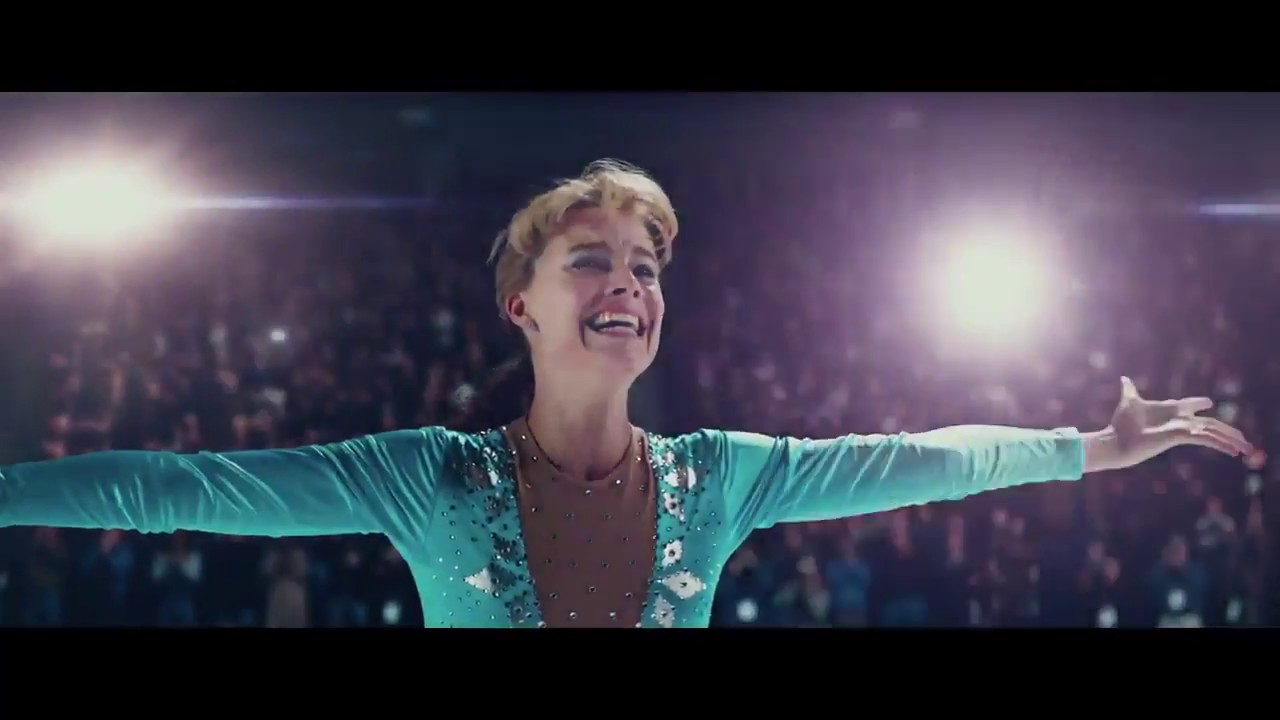
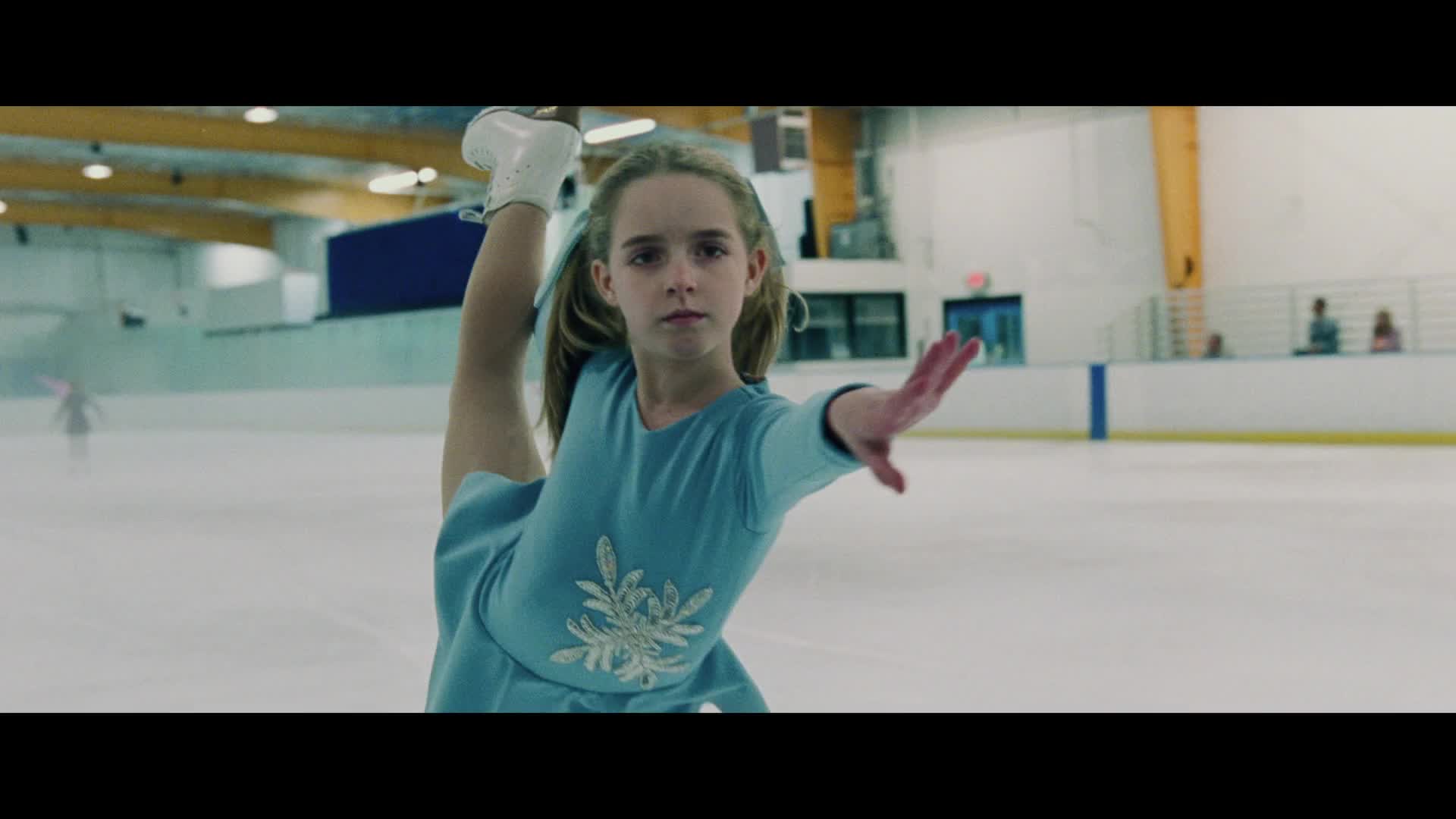 classism on display, as a rarefied world of hoity-toity ice princesses and stodgy judges react with nothing short of contempt for a roughneck upstart who can land jumps no one else can, helps. So do the biographical details — a monstrous mother (
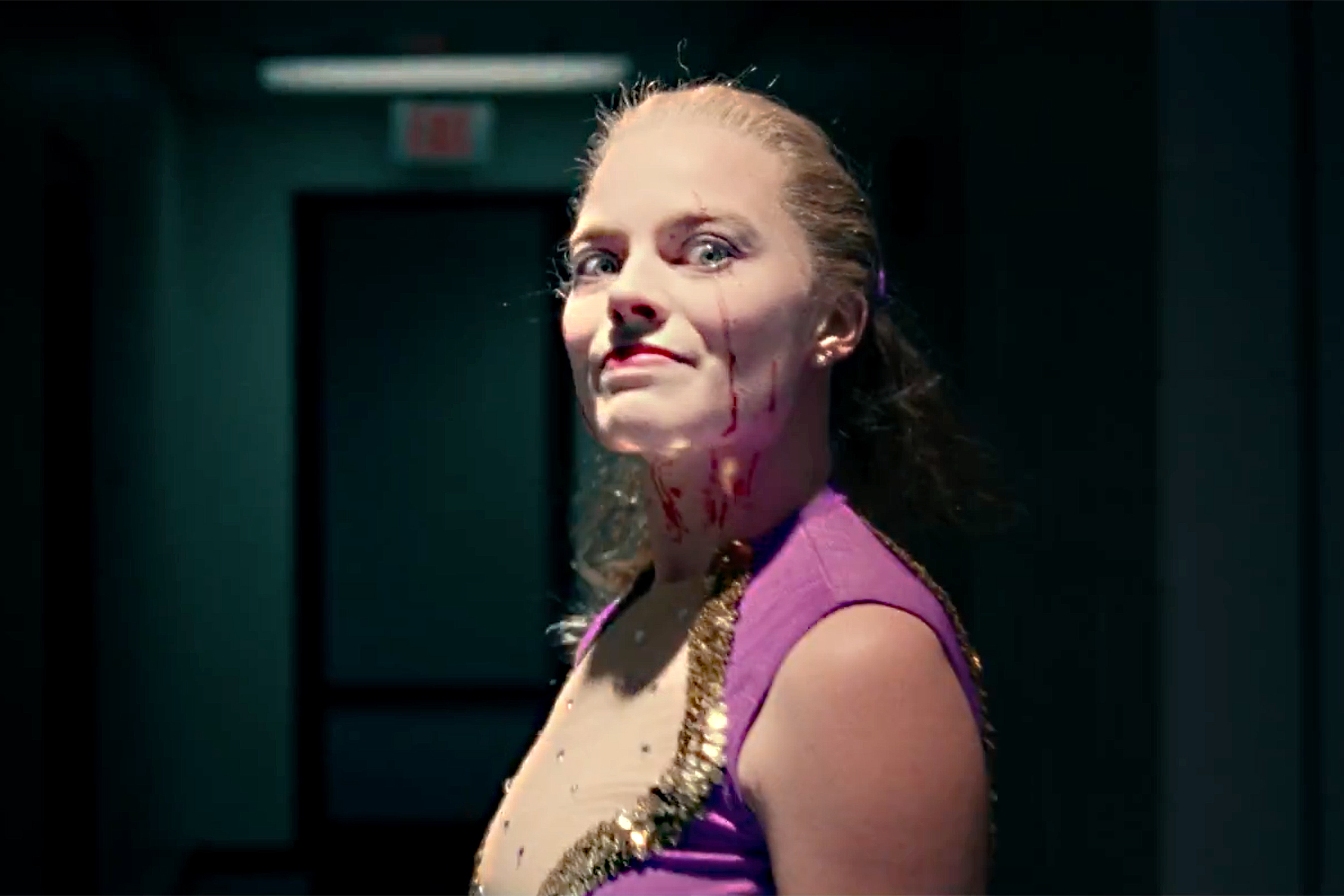 This tendency reaches its nadir in a fantasy sequence of Harding beating Kerrigan personally, horror-movie-style, brutally quick-cut, Tonya’s gleeful, bloody face. Introduced by a bemused Gillooly, it’s a mock execution for all the morons in the world (read: the audience) who imagined this is how it went down. But it’s also a re-enactment that fulfills that viewing desire. We are meant to laugh at the idiocy of the vision while simultaneously celebrating the cleverness of having it presented to us, having our bluff called by a film that knows: this is what you came here to see, isn’t it? Again and again, I, Tonya wants it both ways: to disown and pillory toxic celebrity while catering to its worst aspects, to mock its redneck players in the name of anti-classism, to deploy every trick it can muster to engineer snappy fun out of brutality and then chide us for indulging in the fantasies it created. The effect is striking, and not in a good way.
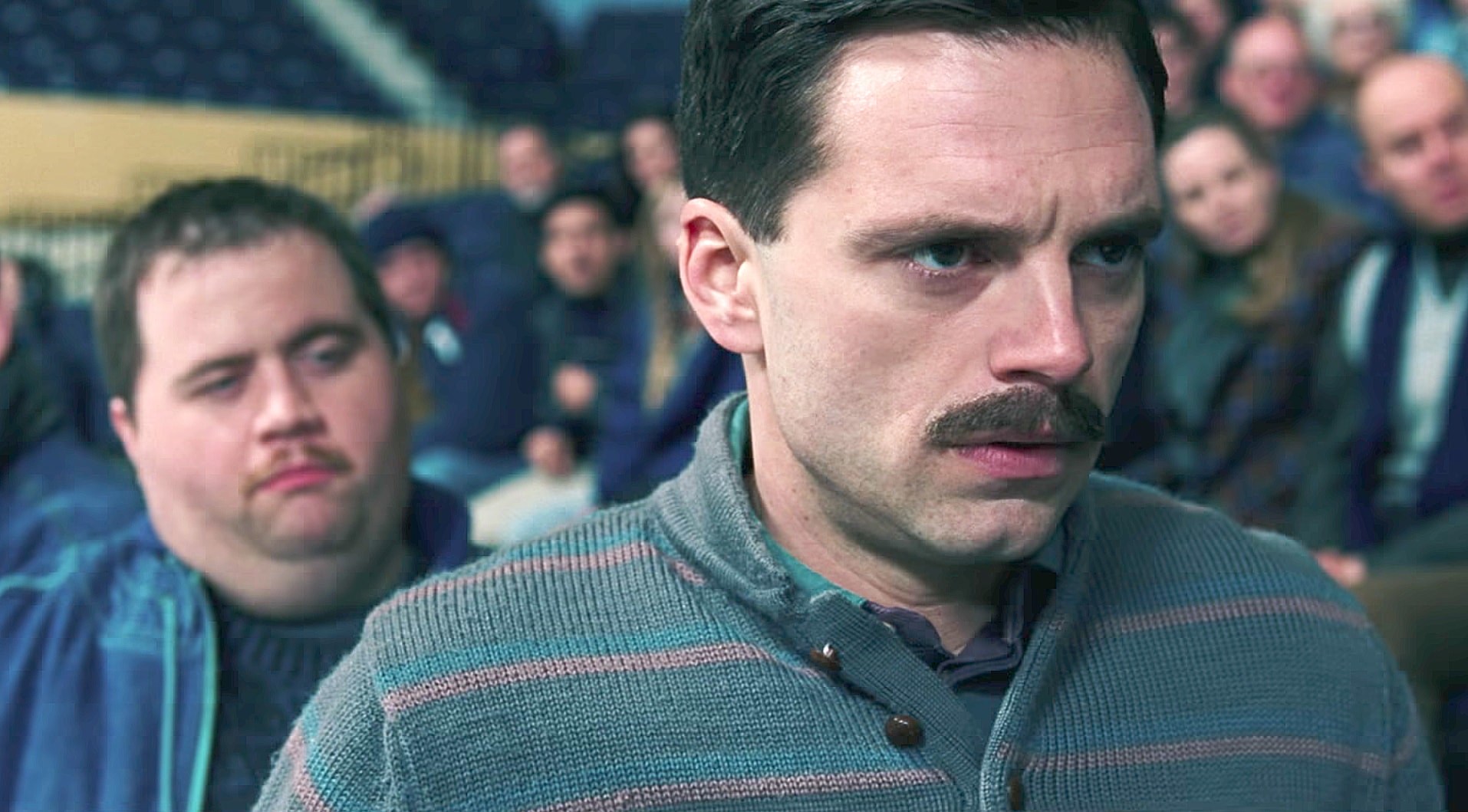 violence, but also some laughs … which the jump-scare has trained us to do. The film’s conceit seems to be that, by eliding tones and genres in these discordant ways, something important will be said about viewership as much about Tonya, or the 24 hour news cycle, or anything else. What’s more clear is how little I, Tonya actually cares about the violence it deploys in attempts to be cute.
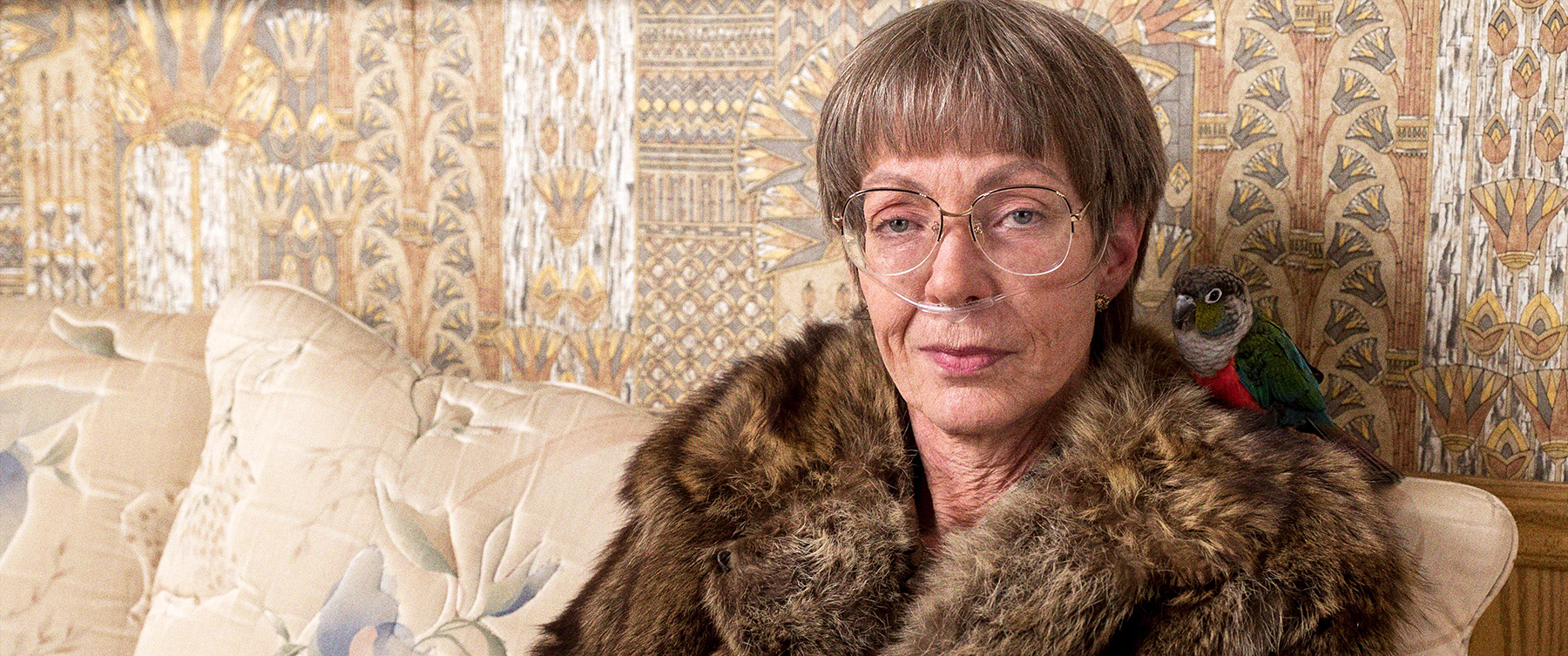 I, Tonya would, I am certain, laugh at any expectation of a “moral,” but is it too much to ask for some kind of rigor to the filmmaking, a desire to contextualize things in ways that resolve into something more than “Everyone has their own truth,” spit out with disdain for the players, the audience, even for the film itself? Reflexive self-laceration and gotcha finger-wagging, what Gillespie seems to imagine are the film’s contributions, are nothing new, certainly not in a world where Haneke already exists.