
No one told me about Yılmaz Güney, and I find this extremely rude.
Sure, I could’ve discovered one of the most famous figures of Turkish cinema on my own. It probably wouldn’t have been too difficult to uncover “the most seismic and controversial cultural figure of his generation and a catalyst for a new era of politically engaged filmmaking,” in Bilge Ebiri’s description, a writer and director who “remains an icon in Turkey to this day, his face gracing posters in coffeehouses and theaters, his name regularly invoked by contemporary filmmakers.” But would it have killed you to bring him up, given that he’s apparently the most interesting person in the world?
Here is a guy who was born to a Kurdish mother and a Zaza Kurd father, itinerant cotton workers who emigrated to Southern Turkey; Güney’s “career in cinema began in 1953 when he took a job with a film distributor touring prints nationwide.” (Later, by way of convincing him to return to filmmaking, he’d tell director Lütfi Akad, “I fed myself on your movies.” Güney meant this literally: “I slept on top of the boxes holding the reels.”) He’d serve his first prison term of many for writing a story identified by censors as “communist” (perhaps a percursor to later films exhibiting a broad sympathy to the disenfranchised). He rose through the ranks of Turkish cinema: first, as a star in a rush of genre movies — modeling himself after Cagney and Bogart and earning him the moniker “Ugly King” — and then as a director and screenwriter.
 Imprisoned again for a week following the 1971 coup, he fled Ankara to make a film in Anatolia, and then was rearrested a year later, amid 1972’s widespread crackdown on leftists and sympathizers, for harboring anarchist student radicals. This unrest also included the executions of Deniz Gezmis, Yusuf Aslan, and Huseyin Inan of the People’s Liberation Army of Turkey (THKO), Marxist urban guerillas who’d carried out a string of actions of the “propaganda of the deed” variety. (Gezmis’ last words: “Long live a fully independent Turkey. Long live the great ideology of Marxism-Leninism. Long live the Turkish and Kurdish peoples’ fight for independence. Damned be imperialism. Long live the workers and the villagers.” Where this guy’s biopic?)
Released after a two-year stint, Güney promptly killed a right wing judge under disputed circumstances (he maintained his innocence), and was handed down a 19-year sentence. He cranked out screenplay after screenplay from behind bars which, though directed by others, still bore his authorial mark. (In fact, he seized on the conditions of their production to make a political claim, echoing the Dziga Vertov Group and others: “[P]ointing out,” according to the Harvard Film Archive, “that filmmaking is always a collaborative process, Güney declared himself deeply satisfied with these films.”)
In 1981, Güney didn’t so much “escape” as simply walk out of prison. If imprisonment was meant to diminish his fame, this hadn’t worked out at all, and he claimed, with some support, that the Turkish authorities preferred him exiled to jailed at this point. Still, he was officially persona non grata and fled, making films the whole time, including his most internationally celebrated one. As The New York Times succinctly put it, Güney “directed ‘Yol‘ from his cell in a Turkish prison and then escaped to edit the movie and see it win top honors at the 1982 Cannes Film Festival.” Güney was dead two years later of stomach cancer. He was 47 years old.
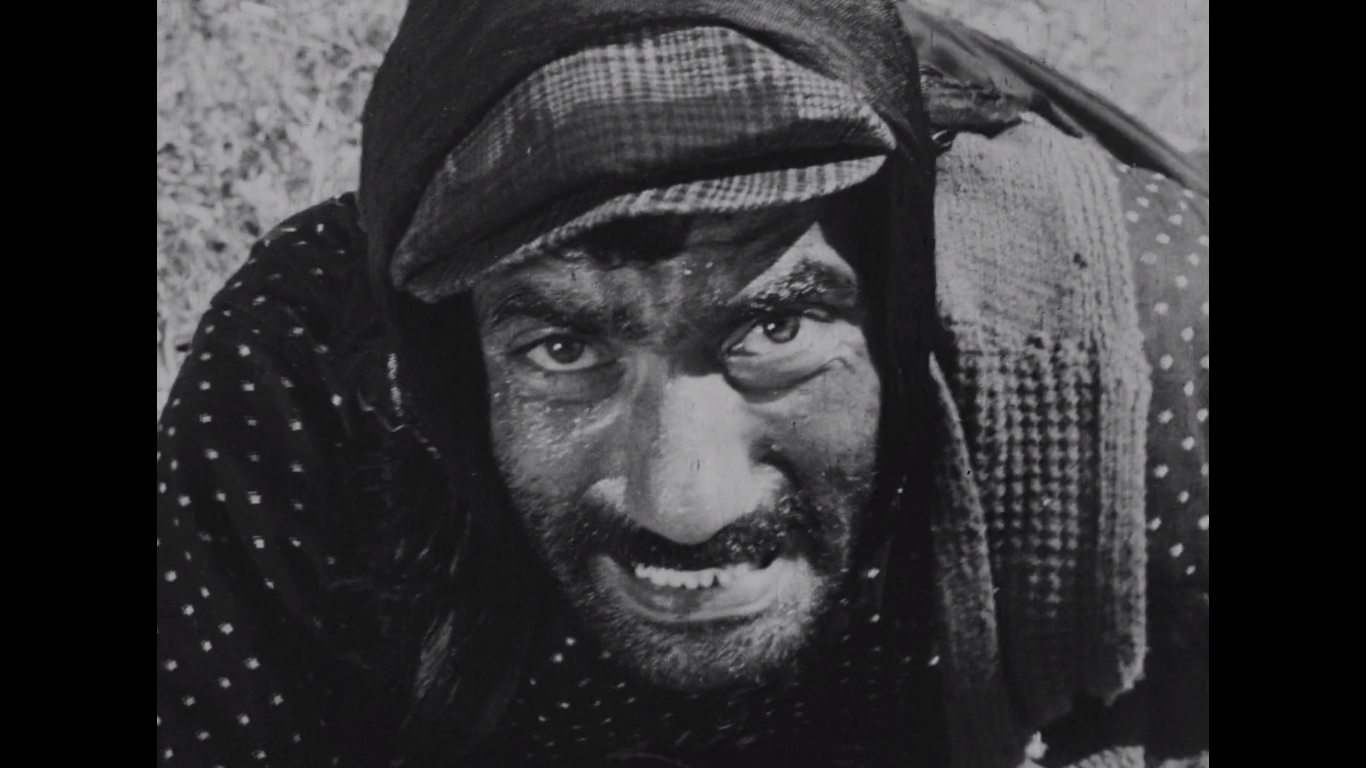
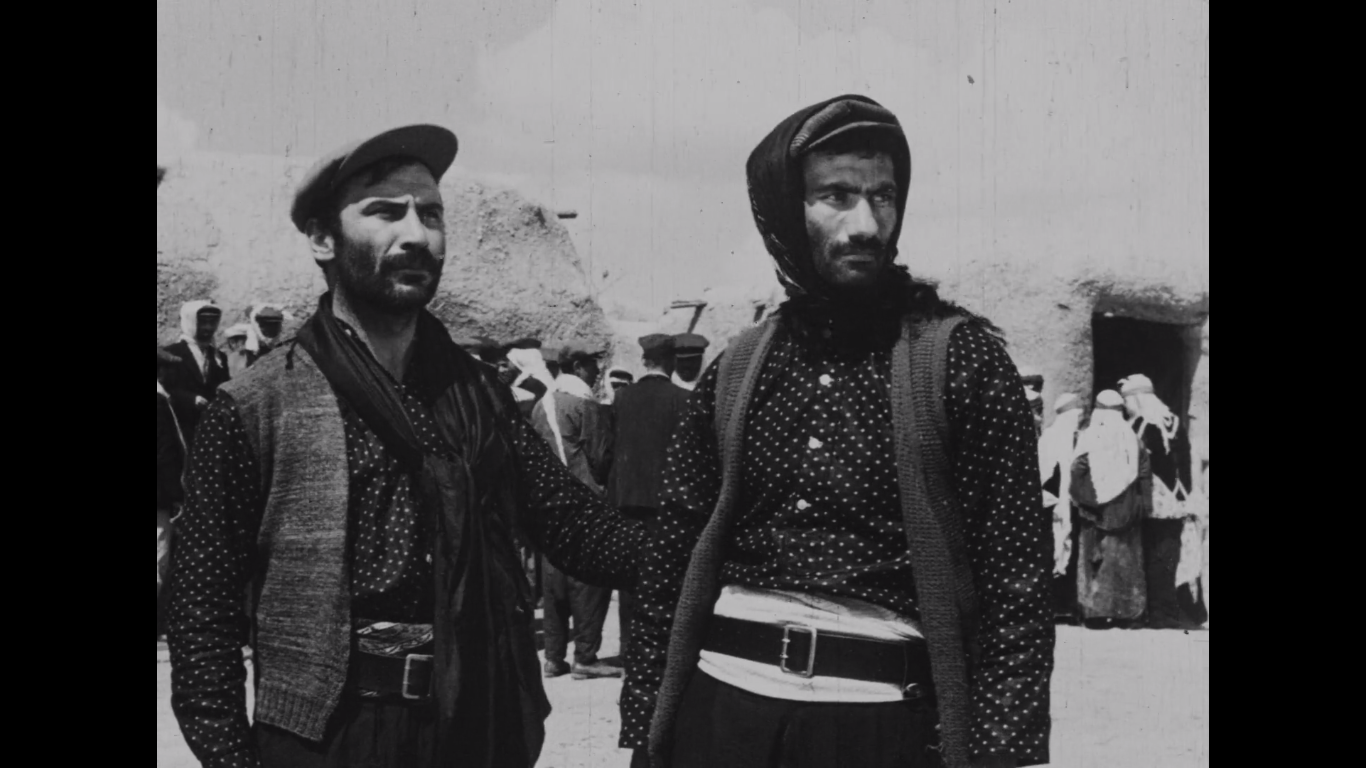
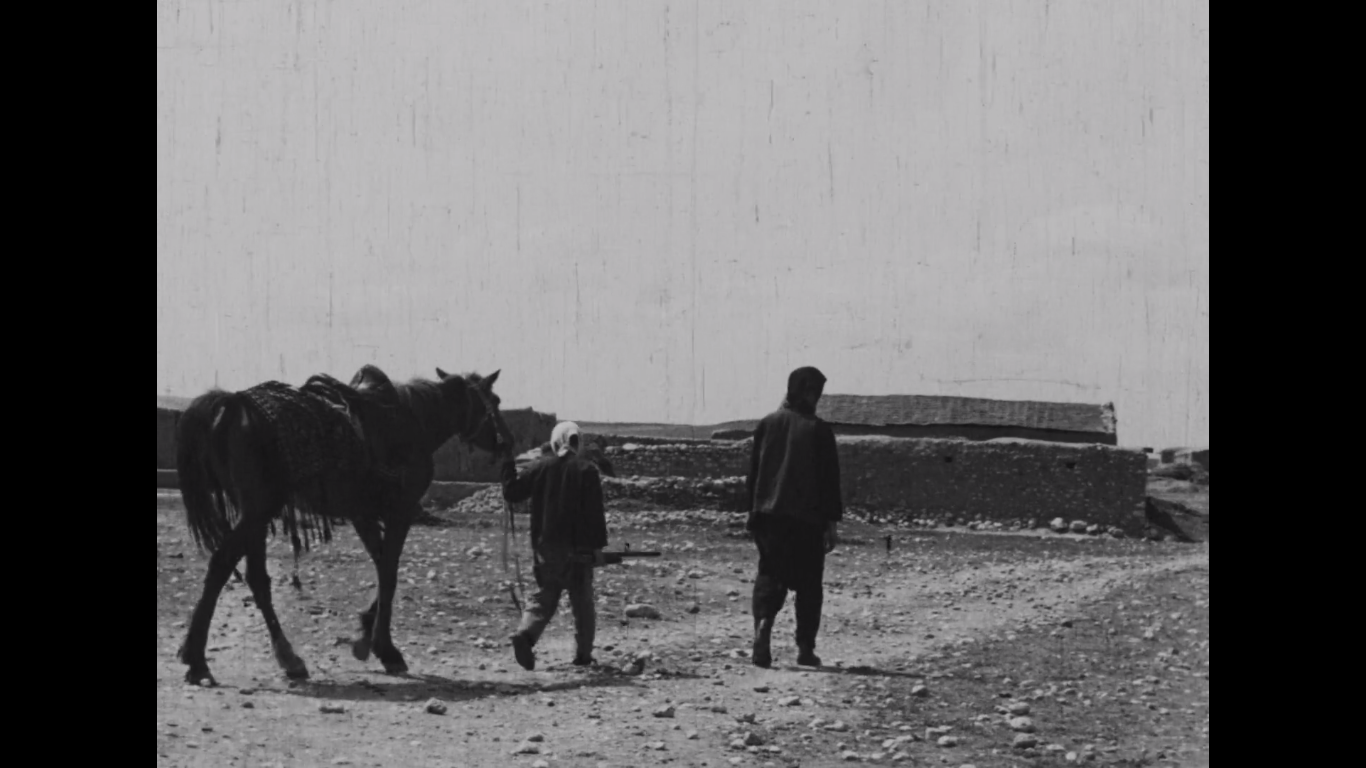 That’s a hell of a story, so why the relative invisibility? It may have something to do with the fact that Güney was largely erased even from Turkish cinema history until the early 80s. I only came across Güney in the course of my latest strategy for deciding on a movie to watch in the face of Streaming Paralysis: clicking Play semi-randomly on films I don’t know on Filmstruck, sorted alphabetically by director. In this case, it was Akad’s Law of the Border, a nearly-lost 1966 Turkish “western” (there are horses, anyway) in which Güney plays Hidir, a stoic bandit-type who shares more with Eastwood than Cagney.
Law of the Border is the kind of film that begs to be described as “elemental”. It fits: it’s all white rock-and-sand expanses, lonely figures against unforgiving backdrops, furtive hiding and tense shootouts. It’s terrific. Akad makes wonderful, understated but deft use of the specifically Turkish architectural elements (one gun-toting chase through narrow alleys and unexpected archways stands out), and the script — Güney’s, stripped down by Akad to, well, its elements — is shot through with empathy for the villagers, scorn for the land-baron, and a sense of moral fable. (The central plot — about efforts to smuggle sheep across barbed-wire borders — shares more than a little with anti-capitalist, trans-national noirs like Anthony Mann’s Border Incident.) Güney carries entire scenes without a word, silently drawing all the attention to himself even as others jabber away and gesticulate. A sub-plot involving the creation of the village’s first school is a resonant tweak on themes of civilization and the badlands, while also tying in the hopes of Güney”s character for his young son, an ambivalent attitude toward citified salvational figures, and more.
All in all, I’m left wondering why it took so long for me to find Güney, hiding in plain sight amid the endless digital options, but I’m glad I did. This semi-random, alphabetical Filmstruck method is unlikely to become yet another Luddite Robot feature, but it’s almost certainly going to stay in regular rotation in my house. Though, if you’re wondering about pre- and post-Akad options: Valentina Agostinis‘ Blow Up of Blow-Up was enjoyable enough for Antonioni fans, and Chantal Akerman‘s Saute Ma Ville is like a looking-glass Jeanne Dielman by way of Daisies. The rest you’ll have to find out for yourself, and Turkish westerns starring judge-killing (allegedly), anarchist-harboring (definitely) fugitive filmmakers are a pretty solid place to start.
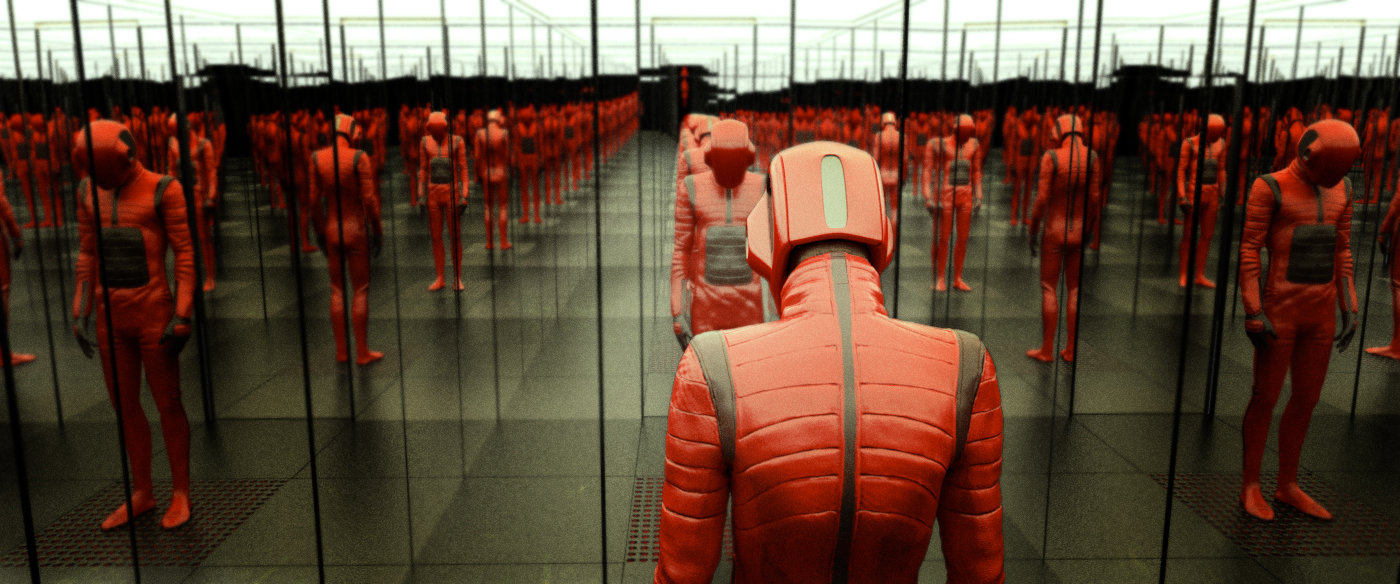 Rainbow does, in fact, do something more than that. The other movies in this little clade —
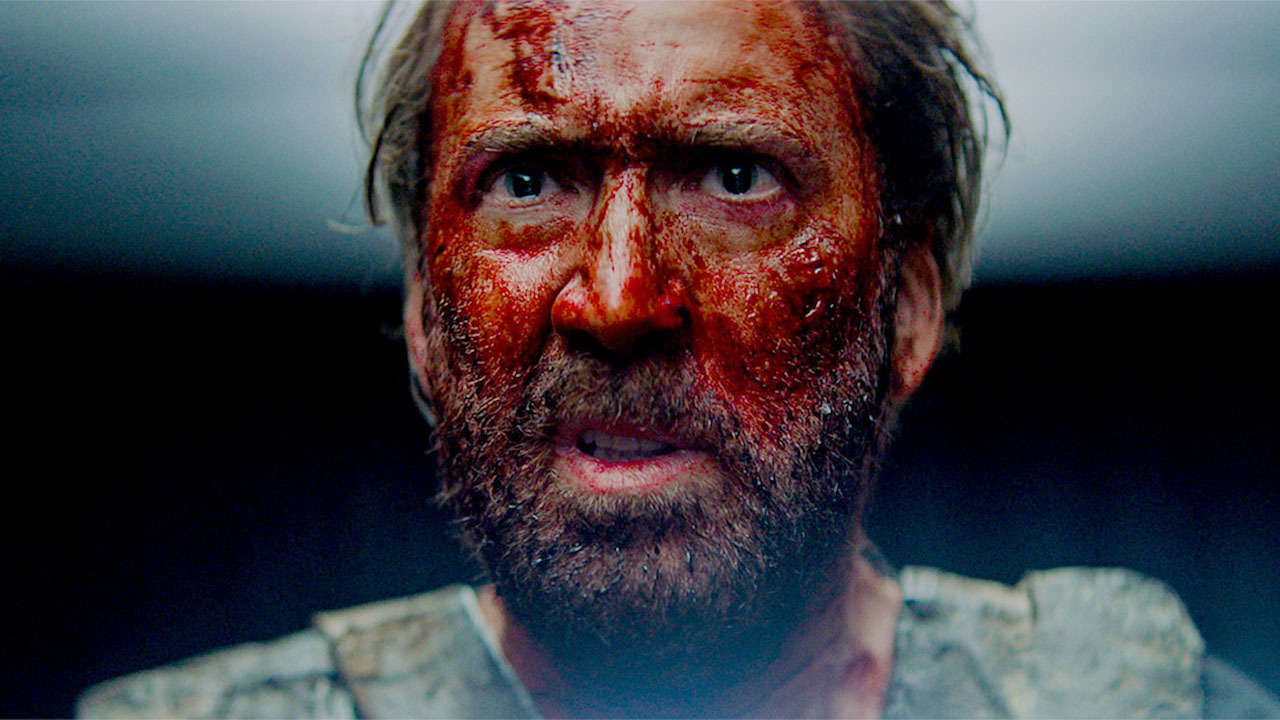
 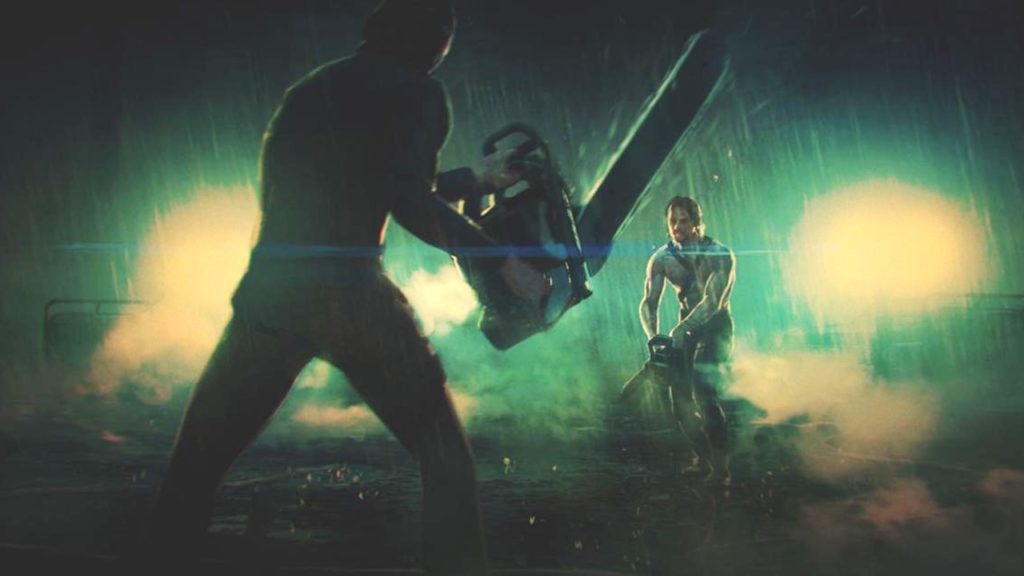 The last half has no doubt about itself, and it has no doubt because it comes entirely pre-digested. Scenes like Cage pouring the metal for a D&D-looking battleaxe and snorting from a gigantic pile of coke are meant only to be talked about with other genre buffs, and as such are incapable of surprising anyone. You can hear that Cage gets into a chainsaw duel with a biker, and you can imagine the scene for yourself; no addition the film could give you could change the purpose of the scene, which is to be discussed with others later and given a badassedness rating.
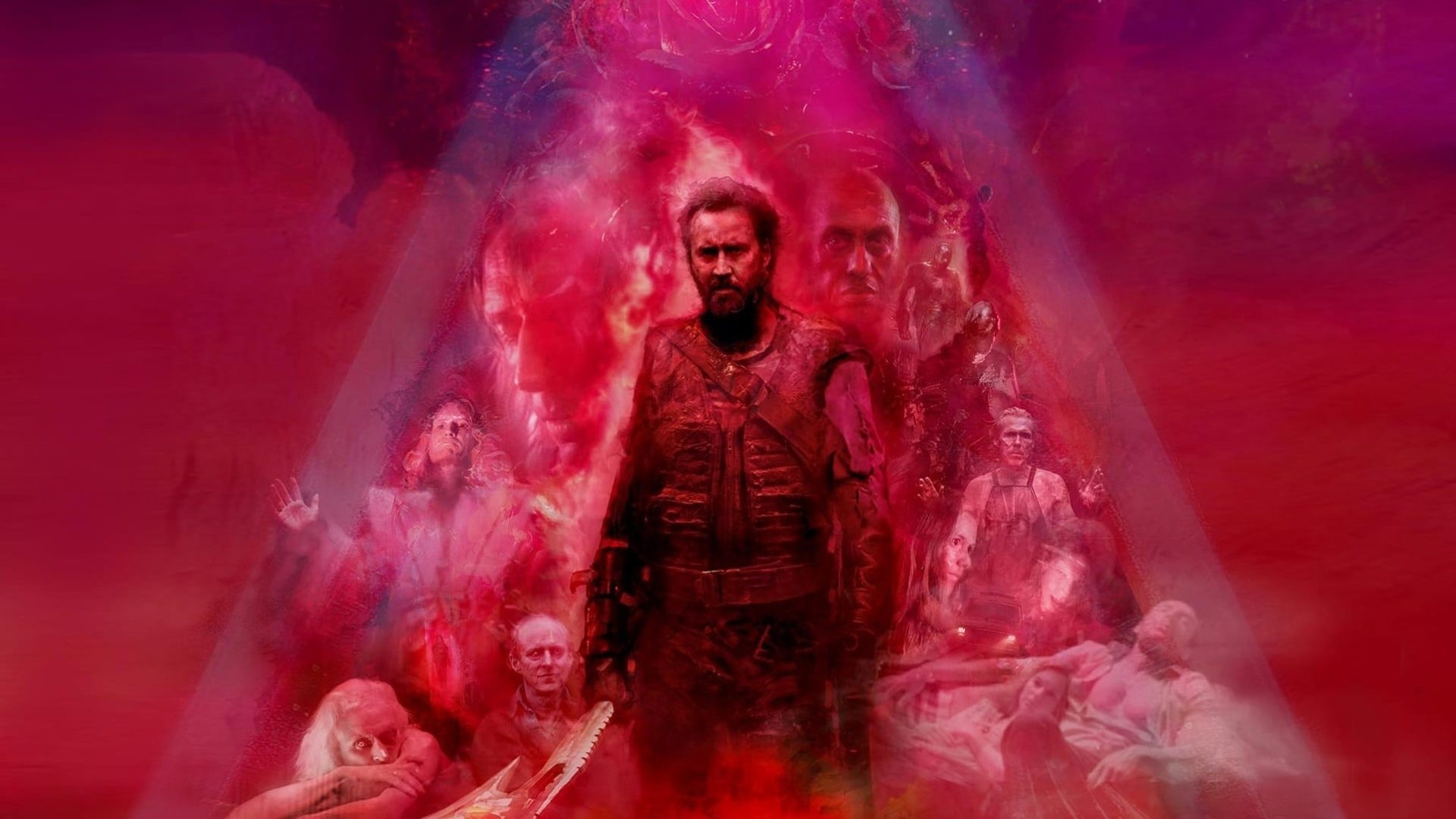 That is the secret answer to the obvious question to the positive press on Mandy. I’ve seen several people say something like: “Mandy is awesome because it’s a heavy metal album cover come to life.” And the obvious question is: Who needs it to come to life? Don’t you have thousands of heavy metal album covers? Who needs a movie of them?
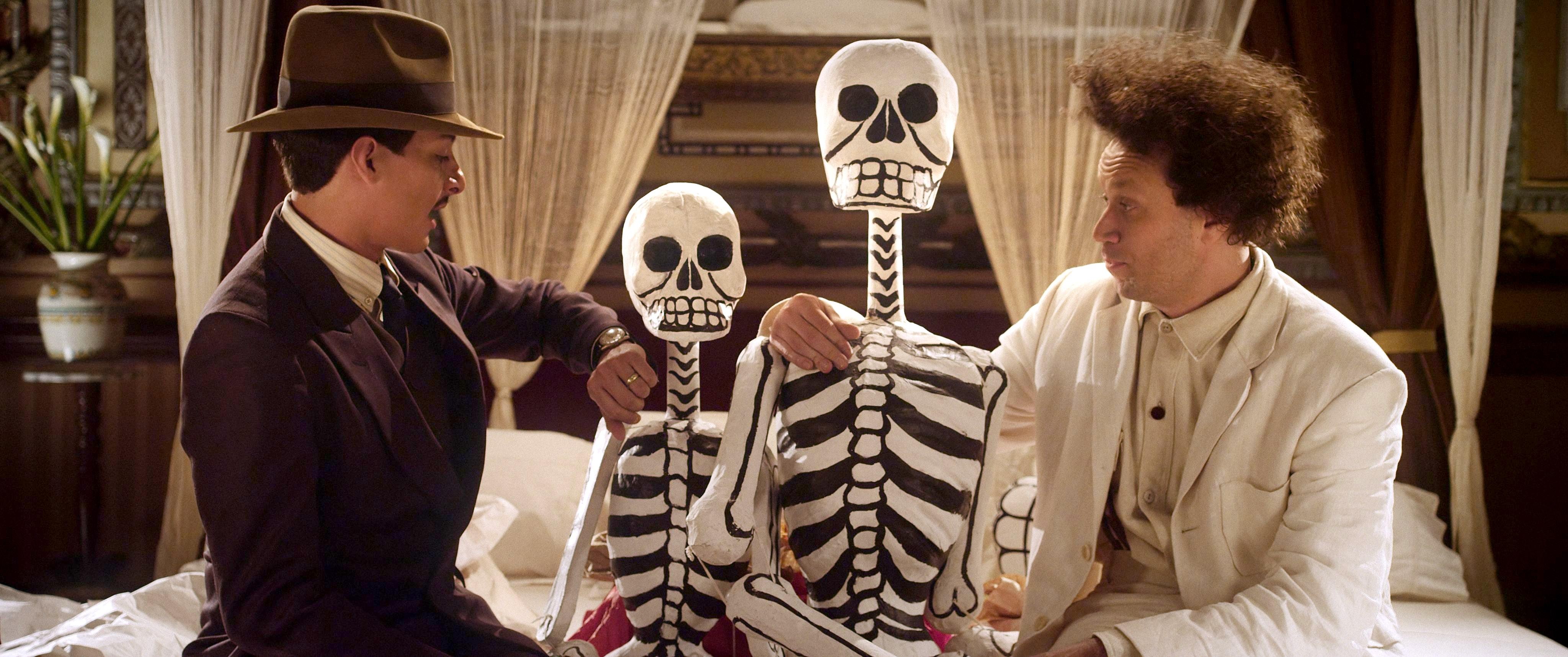 Liz: So, Rick, this is the first time we’ve done one of these discussion pieces on anything not recent, and Eisenstein in Guanajuato probably looks like a bit of a random choice. I think I had had
 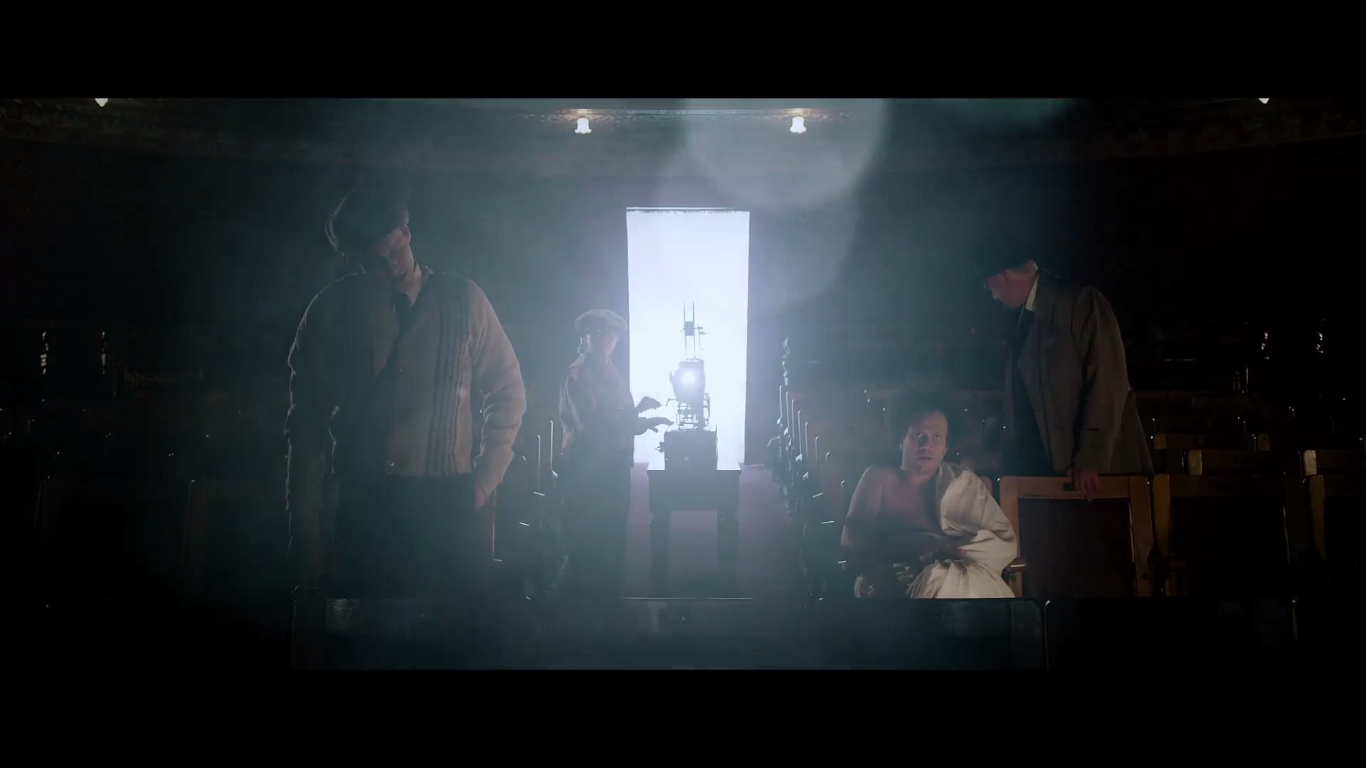 Rick: Eisenstein is so exuberant and draws so much attention to itself, both formally and as a kind of playful re-imagining of a major player in film history, that I think it’s pretty much impossible to avoid asking what it’s all about!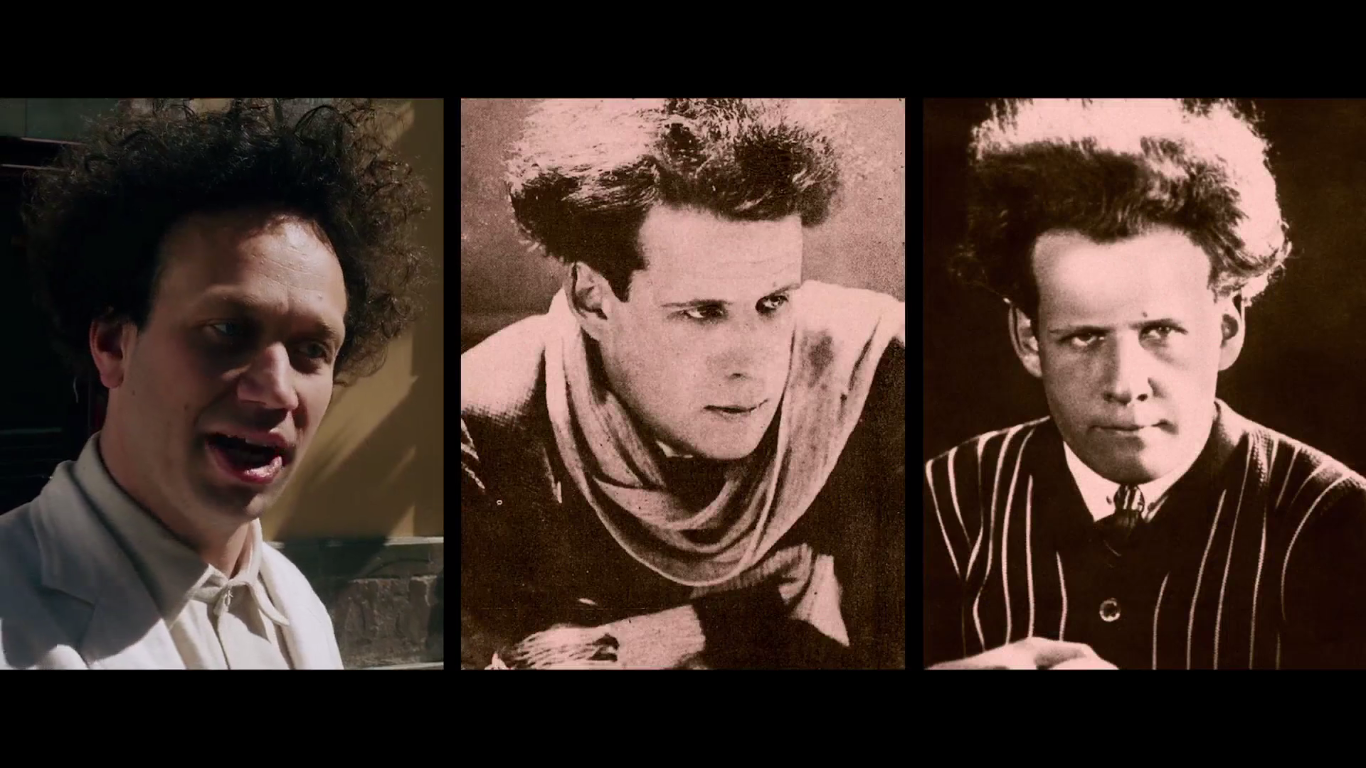
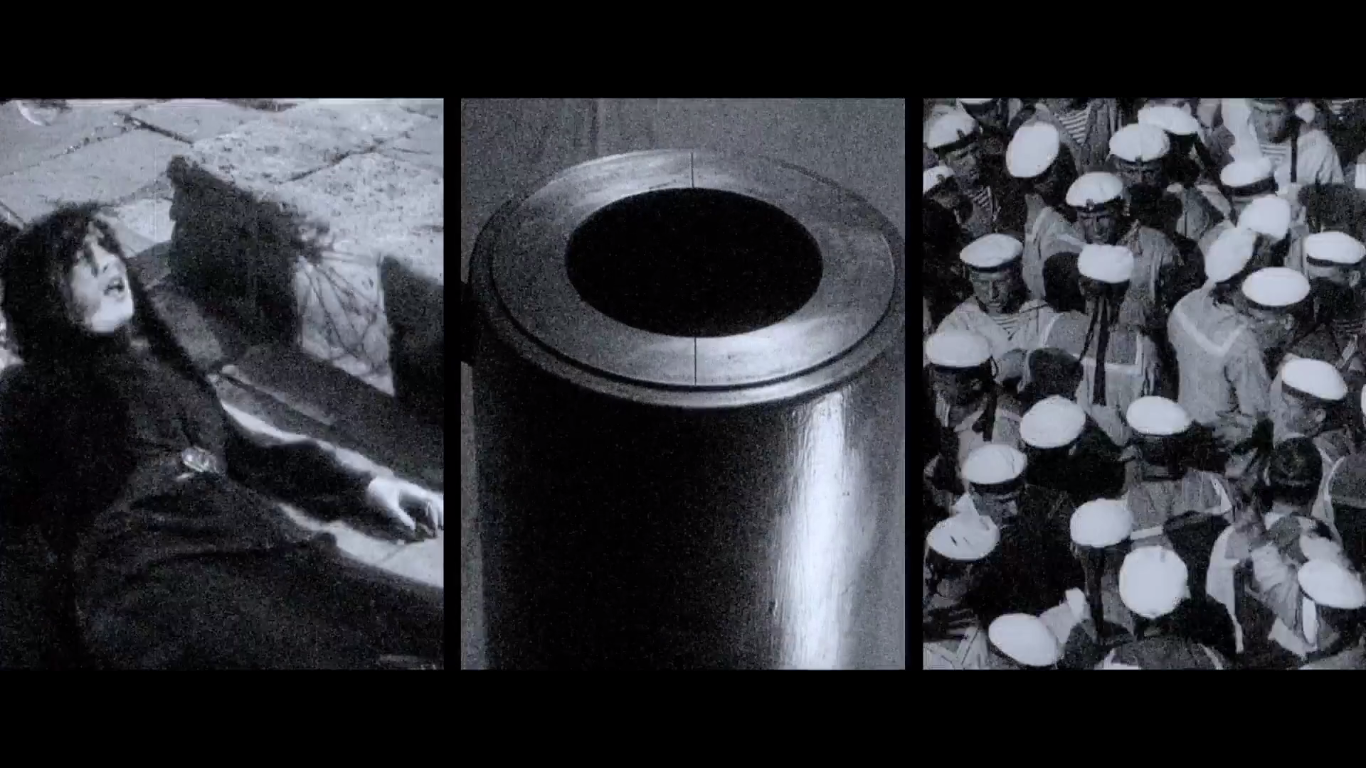
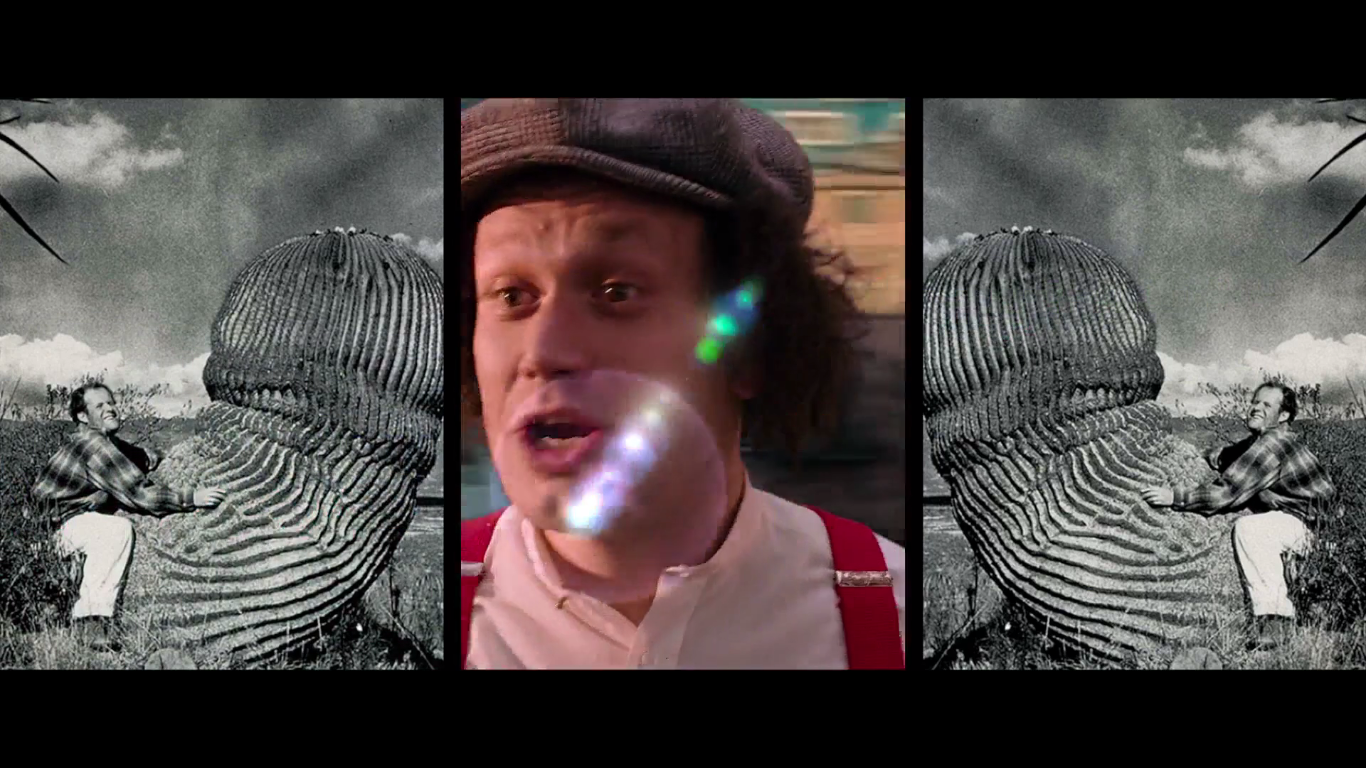
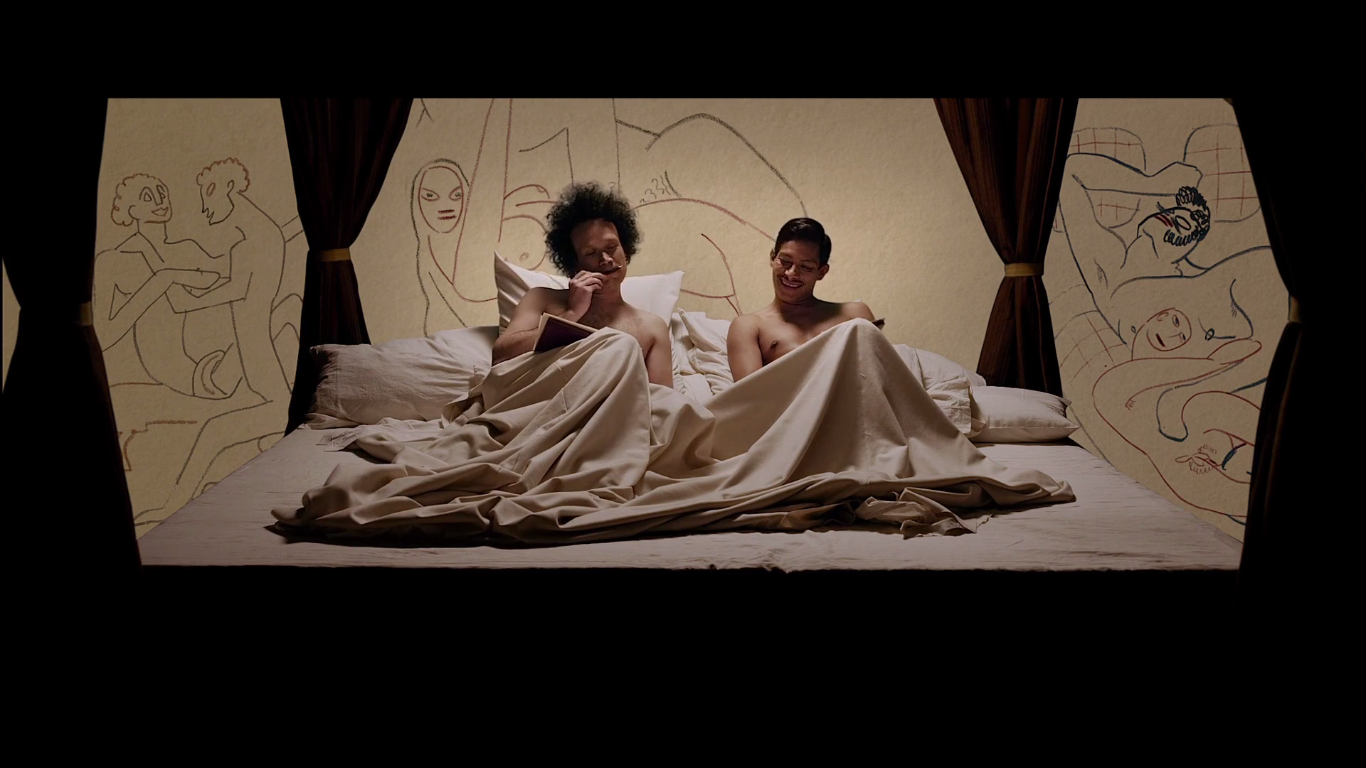 I also do want to comment on how much I loved the performances here. Not just Elmer Back as Eisenstein, who I’ve mentioned already (I sincerely want to know what Greenaway told him to get this performance out of him), but also the man who plays his guide-turned-lover,
 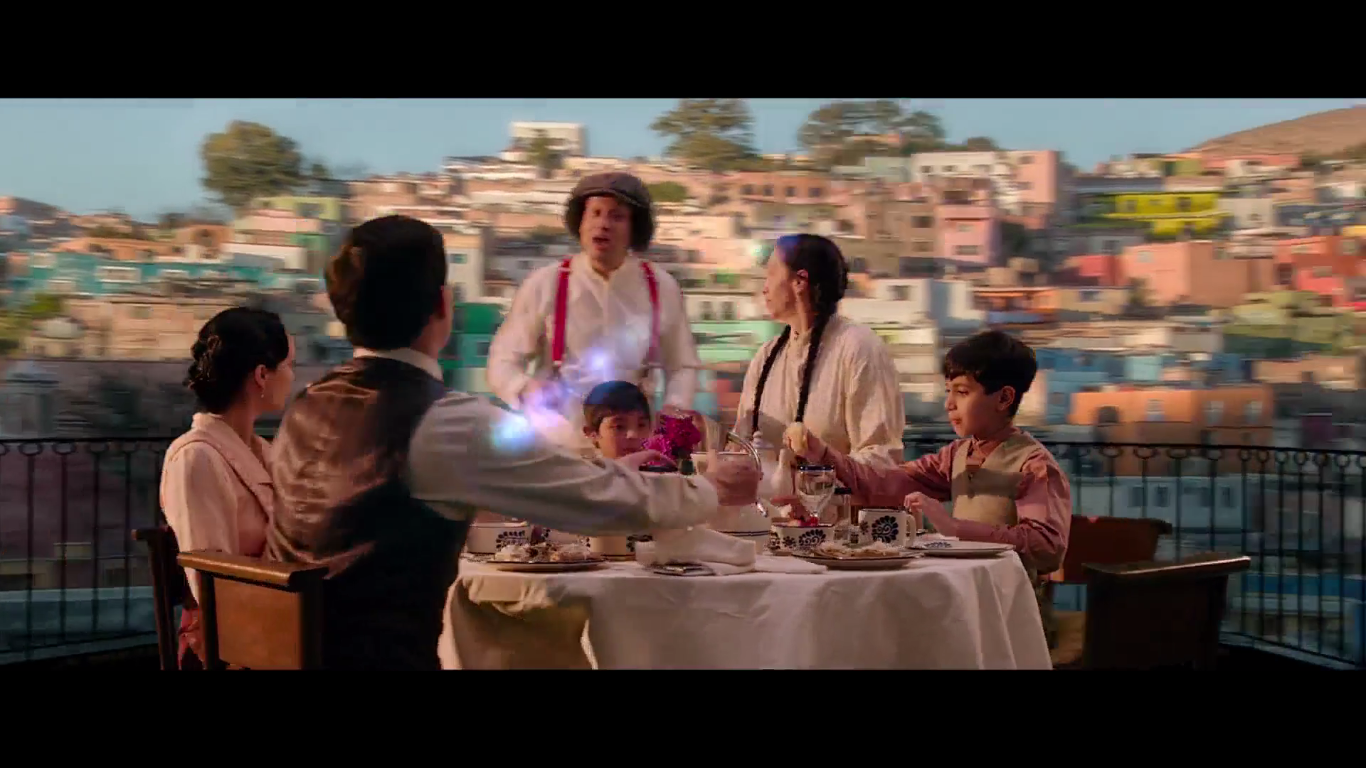 Liz: Hmm… I suppose I can see it. I can see the idea that he is somehow expanding or realizing Eisenstein’s dialectical imagery, that the two images inter-penetrate each other, but I’m not entirely certain I see it relating to Eisenstein’s homosexuality here. And that’s definitely partly because I’m a bit exhausted of the idea of “queering” in academic writing, and tend to resist it unless I see a pretty clear line of development.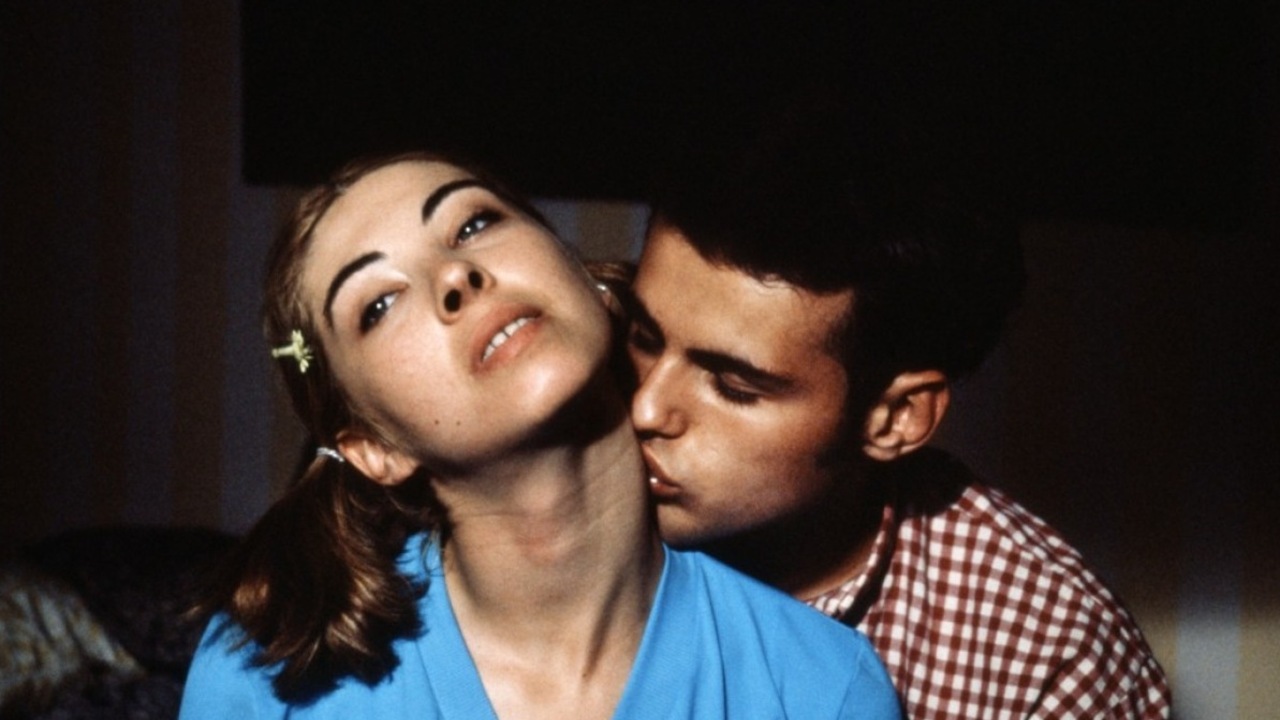
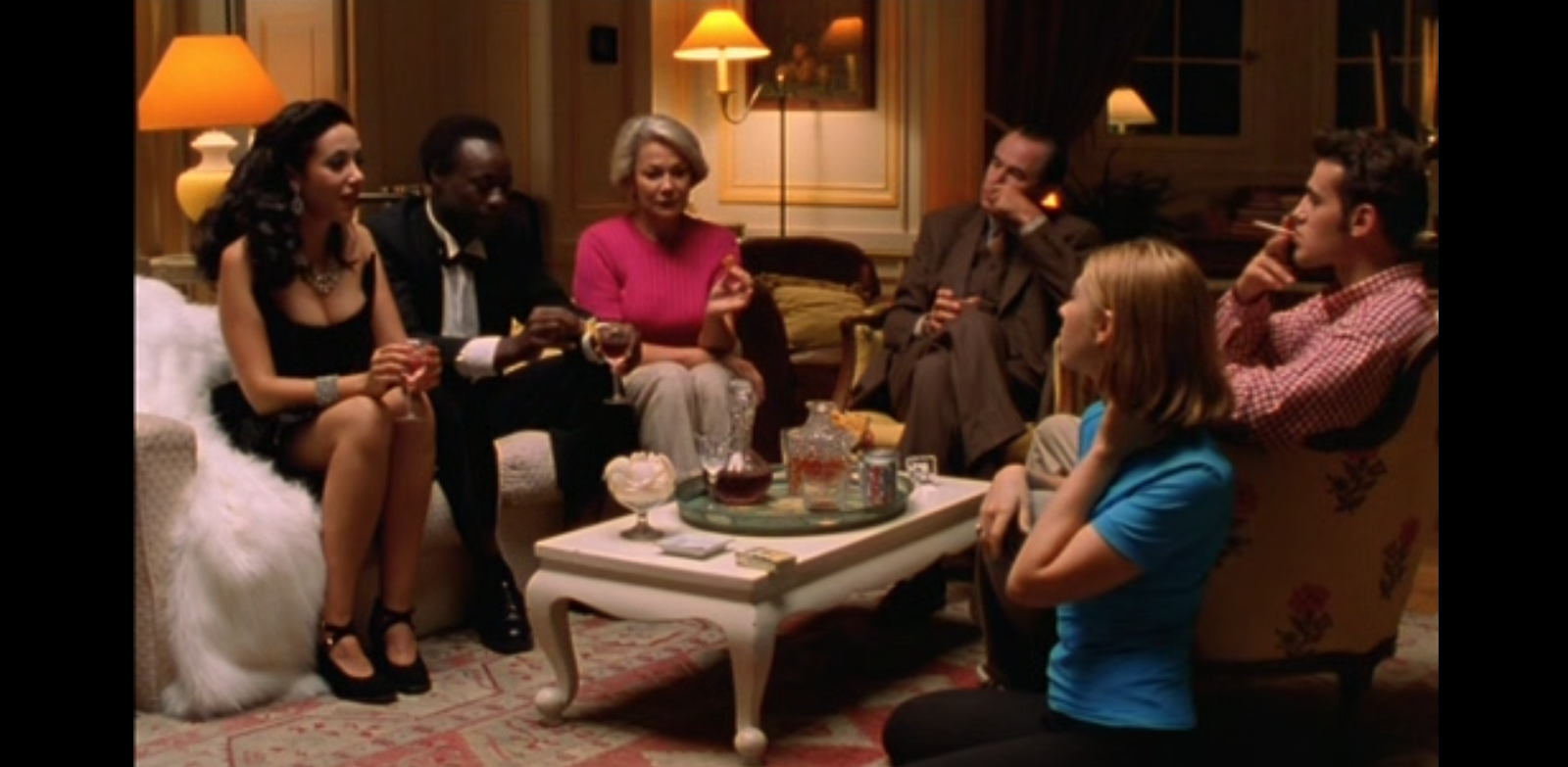 Then, the flashback. It is weeks earlier and the family is alive, balanced for maximum future debasement: a father and a mother, a son and a daughter, and a maid (Spanish, and with an African husband; the mother’s
  All the cold repulsion one might expect from the camera ends up in the place of the father, who finally gets sick of the whole situation. There is a moment here that is the clear original end of the film: the father plays with the rat, gets the same red-eyed shot as everyone else, and we see the scene from the opening, in which he returns home and shoots everyone. Then, suddenly, at the sixty-minute mark, this is revealed to be a dream of his. (It’s a goofy decision, and I wonder who told Ozon he needed another fifteen minutes of footage.)
 I feel a little dumb for having taken so long to finally watch this.
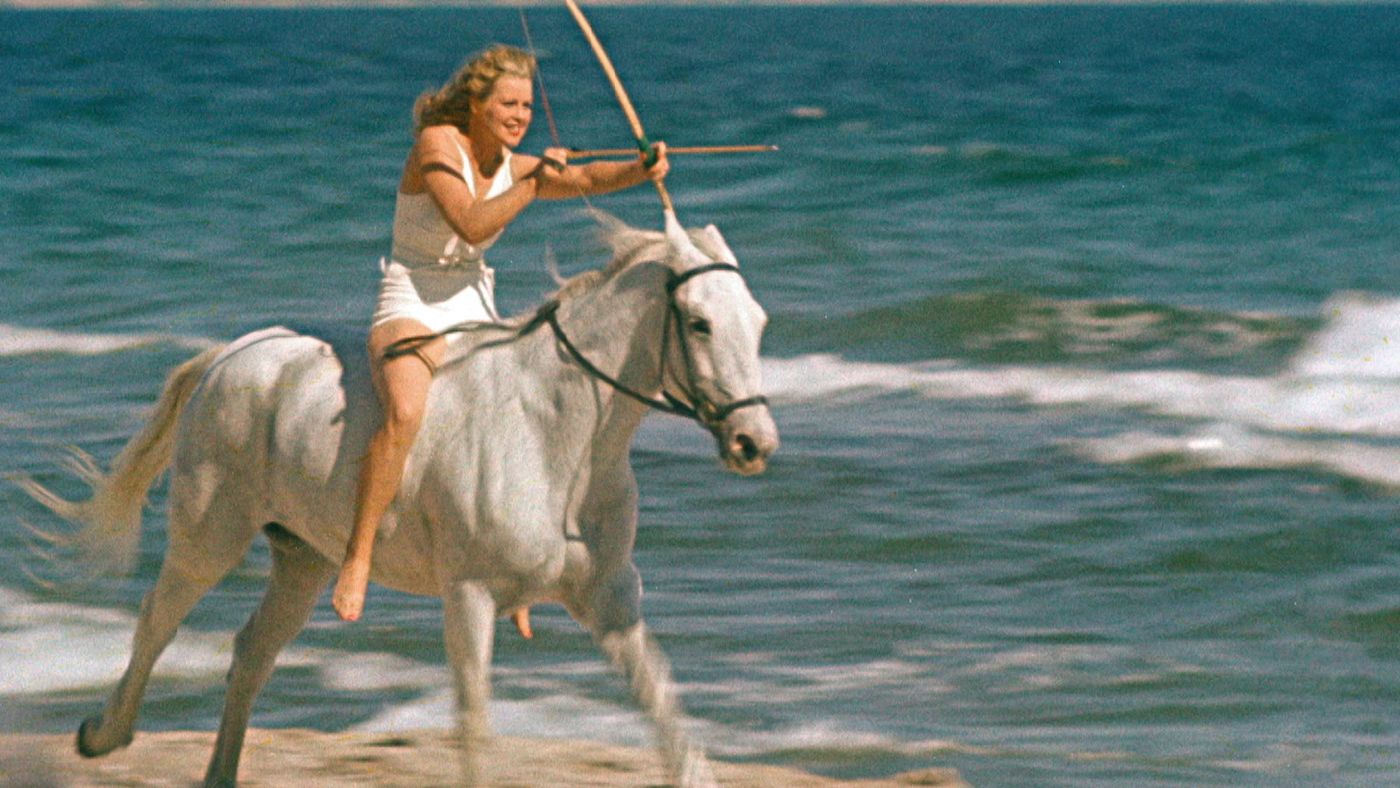 Hitler’s Hollywood is more or less a companion piece to director Rüdiger Suchsland’s 2014
 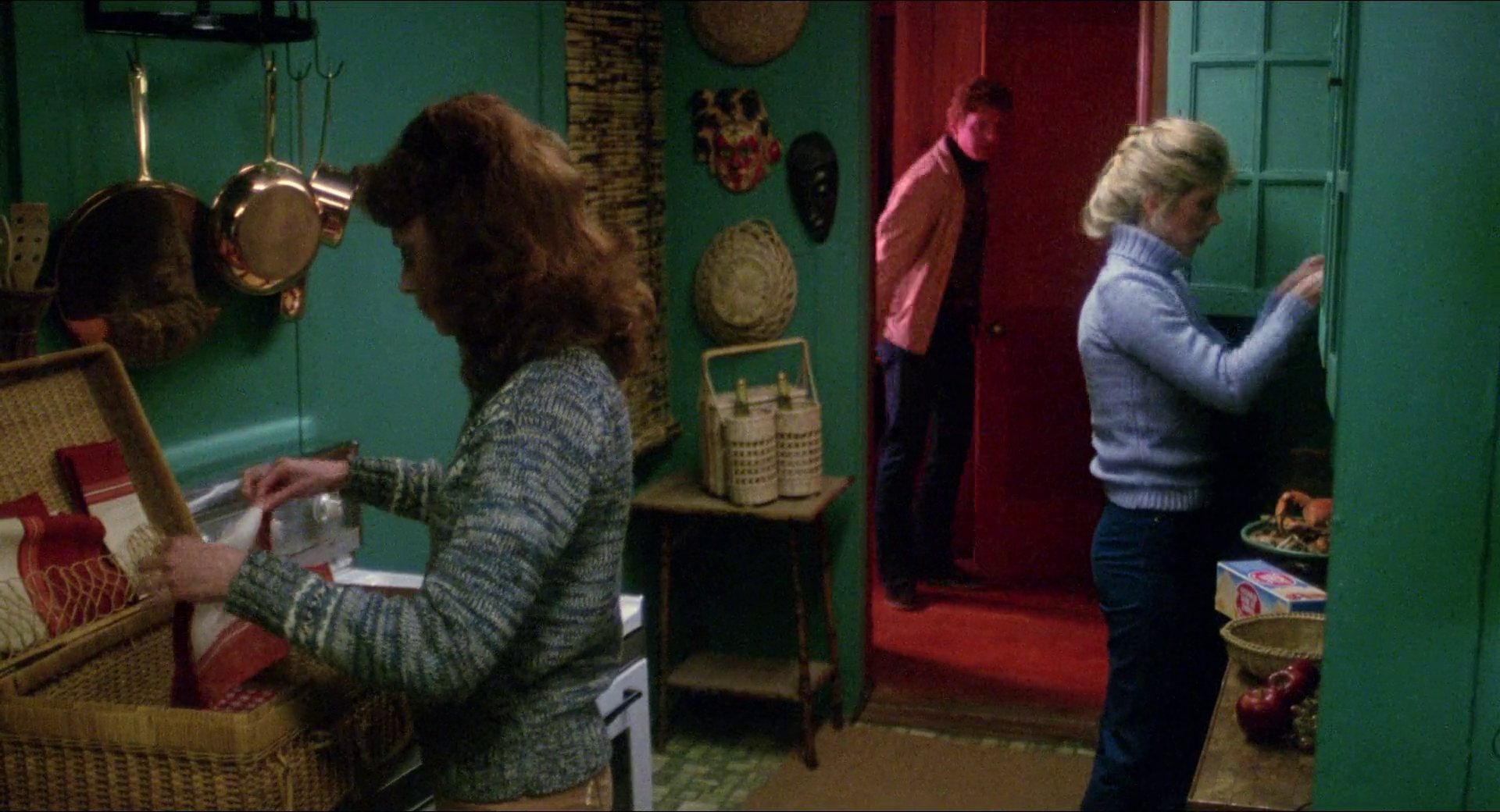 I’m starting to think that bad acting is one of those concepts that is way more interesting and complicated than we give it credit for. How distinctive does bad acting have to be before it becomes in some way aesthetically interesting?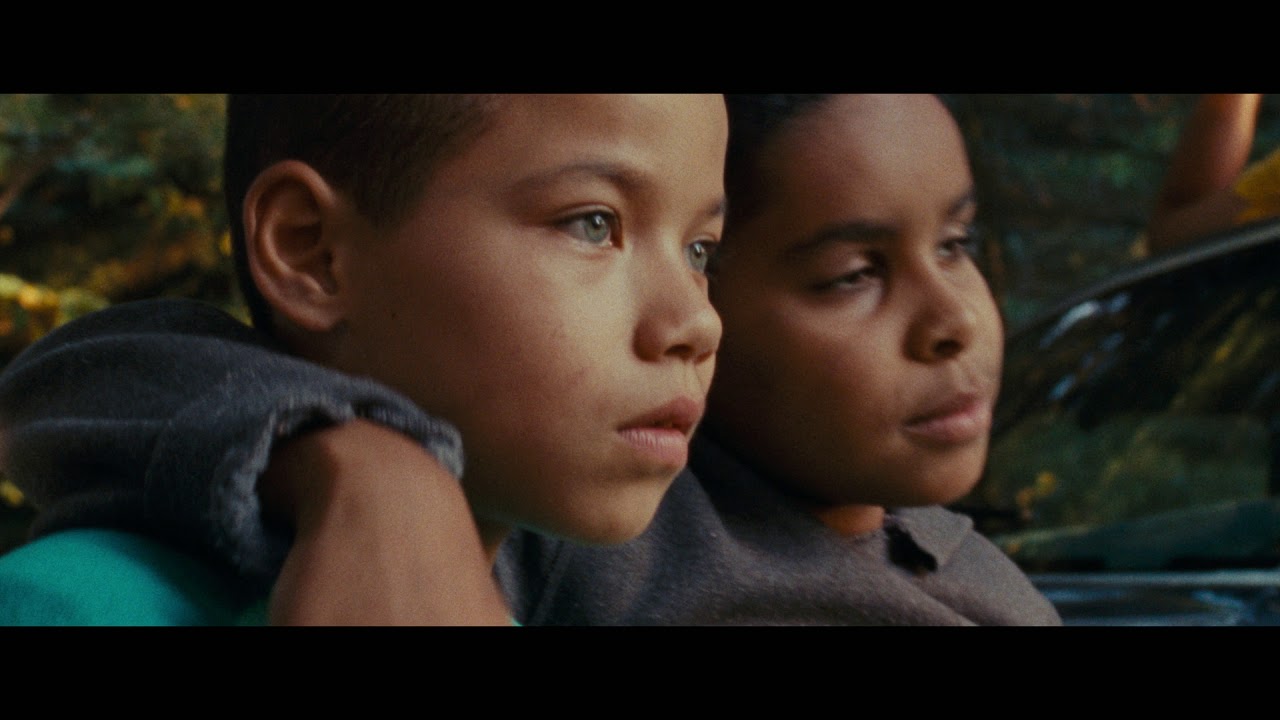
 The narrative, such as it is, concerns a white Brooklyn mother (
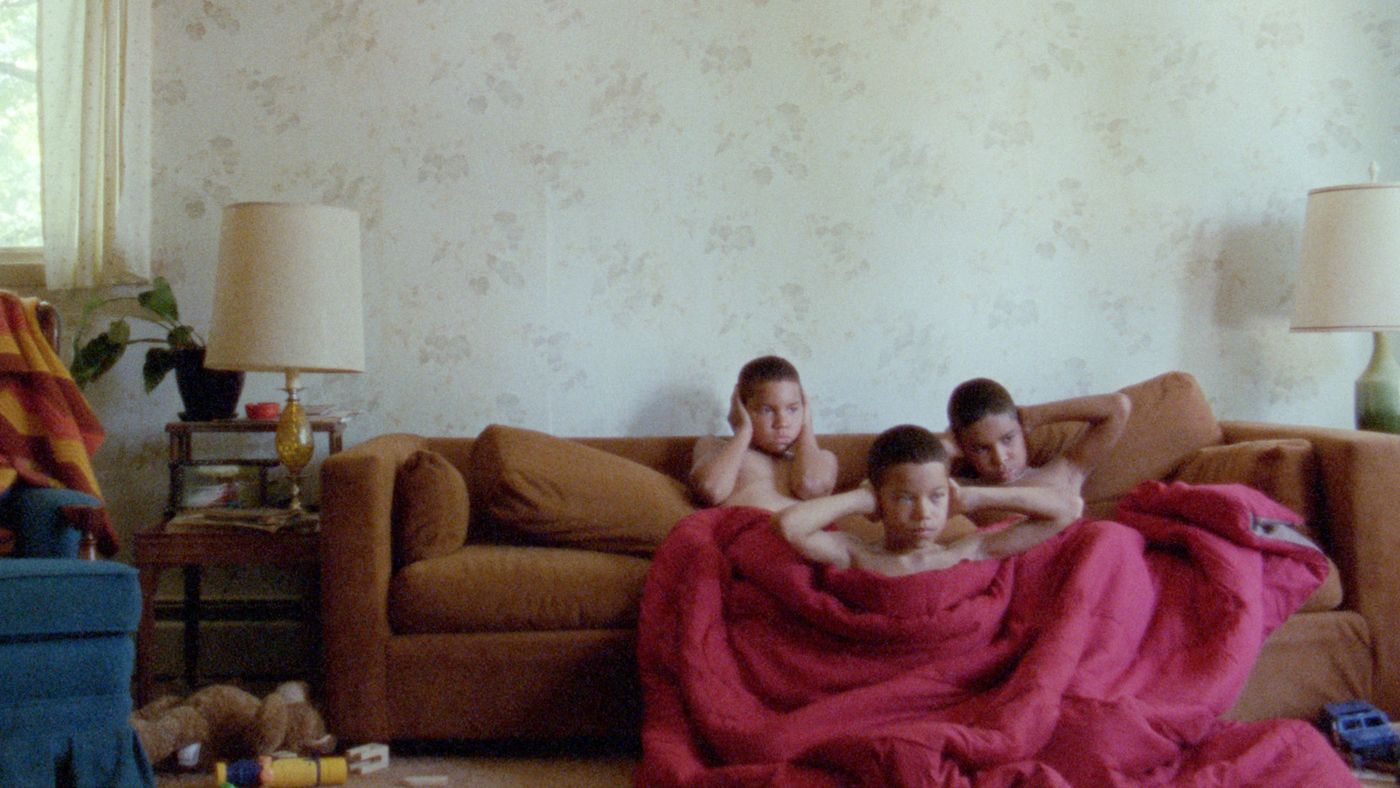 It can’t last. Cumulative traumas lead to acting out, to semi-random violence like throwing rocks at cars — desperate acts to announce, defiantly, that they exist. In We The Animals, nearly every act carries with it that child-like desperation for presence: “I am here.” Jonah’s secret notebooks — he writes under the bed at night, dreaming up fiery imagery and fierceness, words we never read spilling out all over the place, desires upon desires — are discovered, and he’s marked, wordlessly, as the “weird one”. He falls in love with the metalhead down the road, risking everything for a kiss. Once, we see him smile, alone in the dark.
 Does that mean anything to you? Does the idea of Deadpool referring to Cable, the antagonist-then-partner played by
 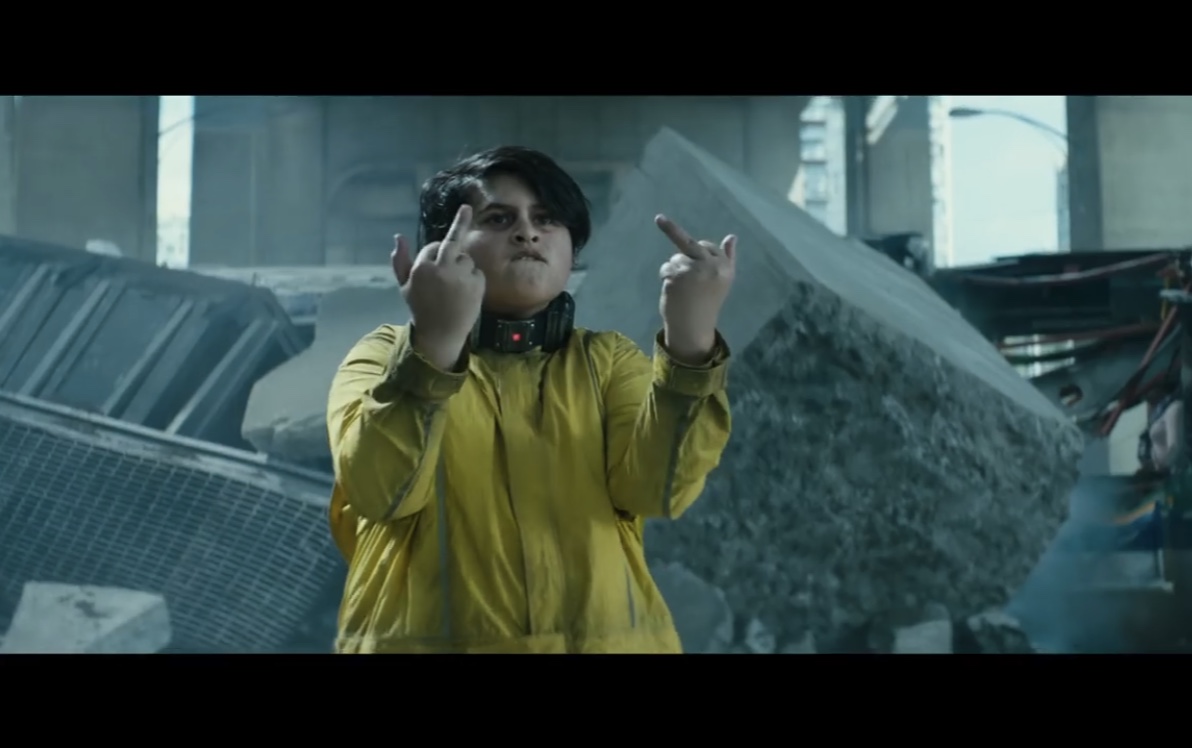 The weirdest thing about the movie, though, is that emulsion structure. Everything about the Firefist plot is intensely sincere. Cable has come back from the future to kill Firefist, who was arrested on his way to kill the people who abused him at an orphanage as a kid; in the future, Cable says, he becomes addicted to murder and kills Cable’s family. Deadpool, inspired by the dying words of his girlfriend (
 Why am I talking about any of this in relationship to Deadpool 2? Because to me, the double position of Deadpool, as sincerely emotional figure within the narrative and sarcastic joker outside the narrative, reflects a need for that kind of second-level conversation about the narrative world. And if a film like this needs so desperately to comment on itself, then that makes me start to believe that the current antipathy to that kind of commentary is not a new, less human world emerging or the final success of capitalism over art.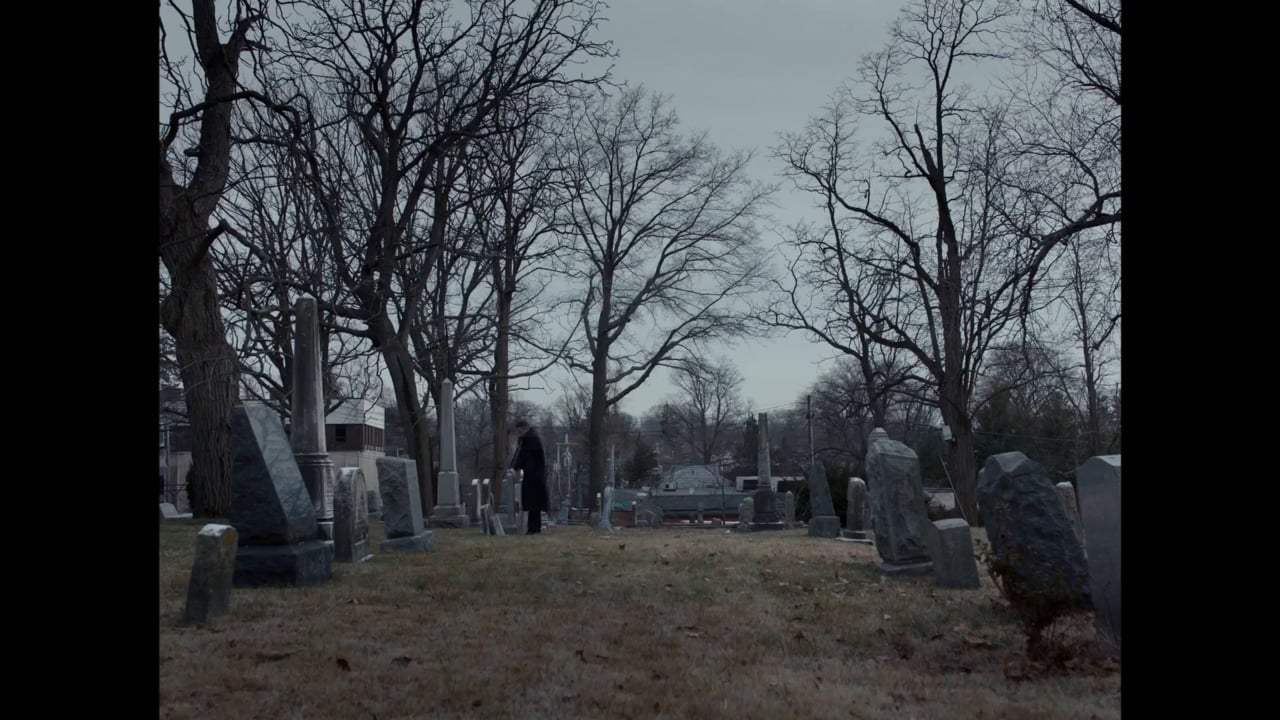
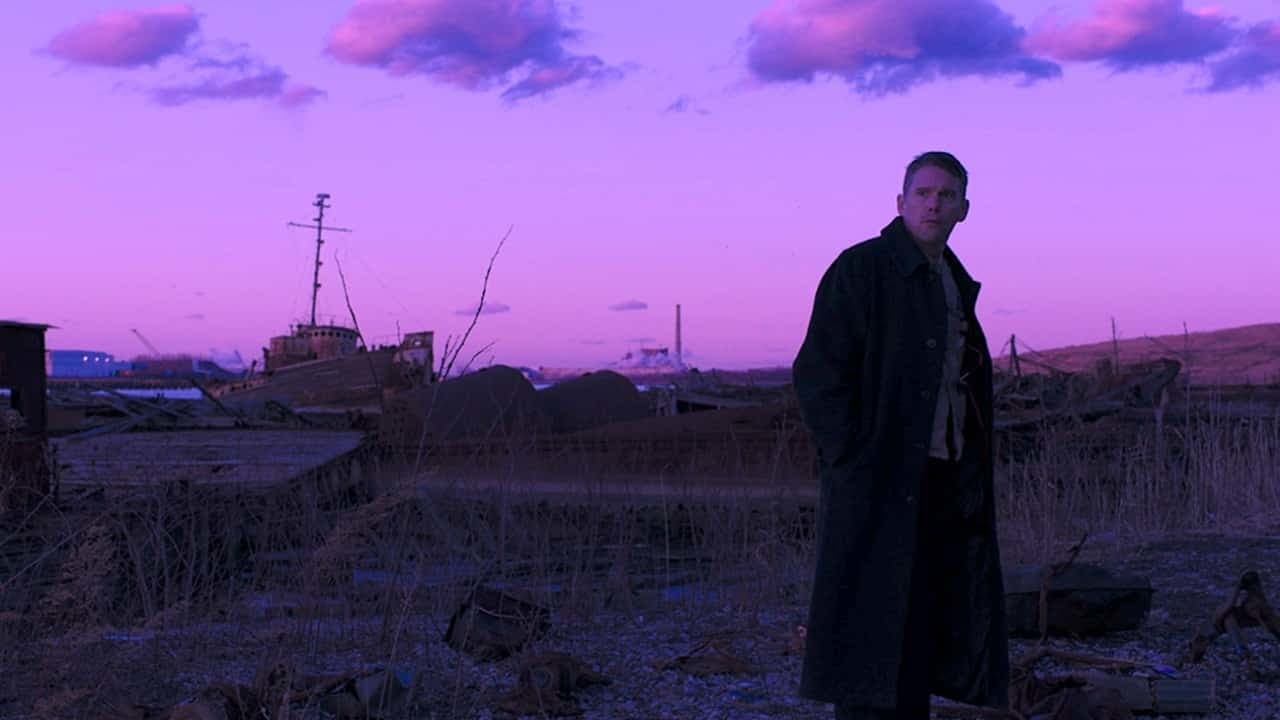 Rick: Sure. I first saw First Reformed at the San Francisco International Film Festival, and excitedly wrote it up immediately afterwards. I was impressed by its seriousness, by the grace of its formal elements and its pretty ostentatious callbacks to influences like
 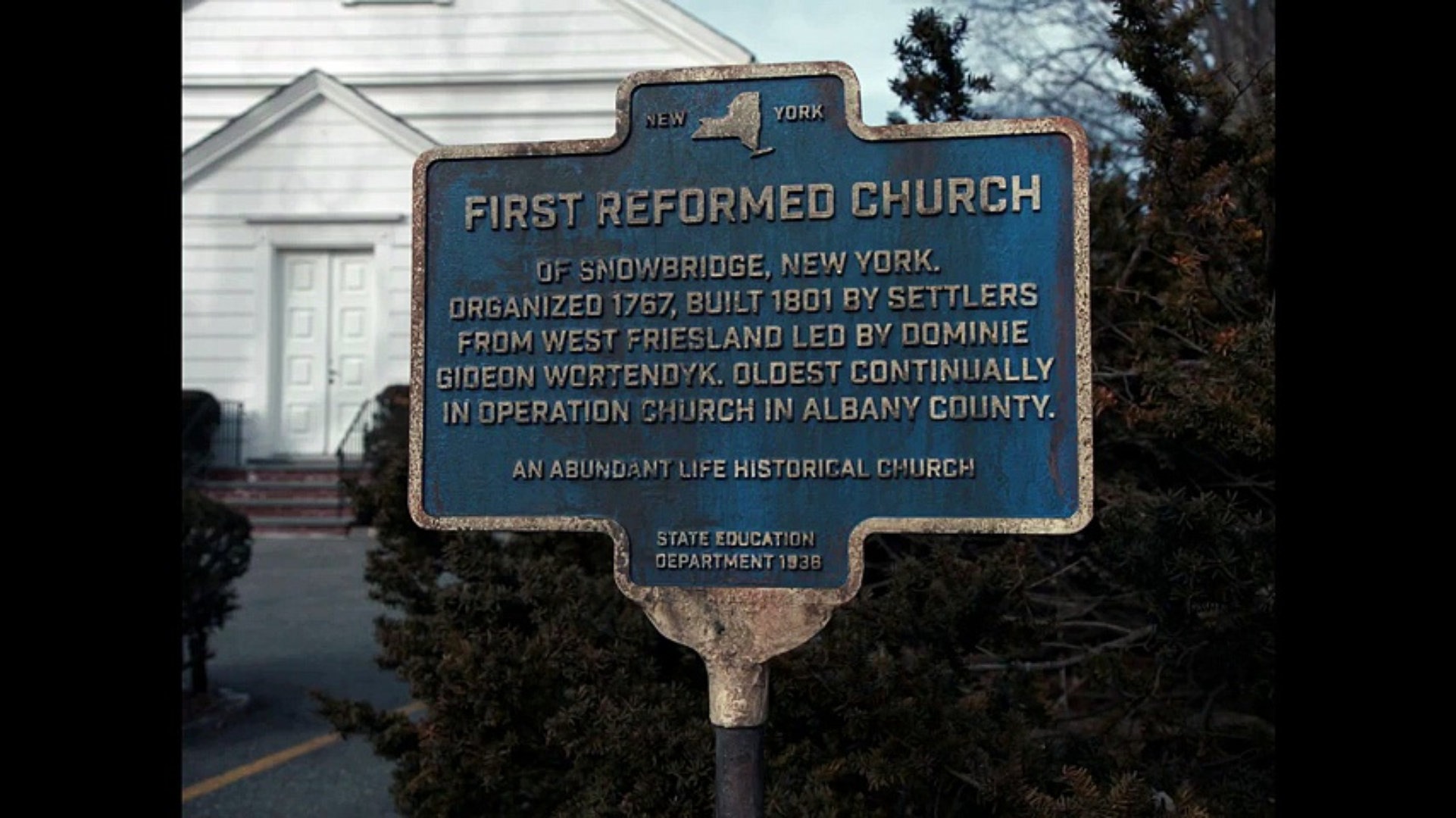 I really relate to the despair of this movie. Honestly, I think most art about “faith” in a liberal or post-liberal world or whatever treats it as something of a hobby, essentially: one believes in something, and it’s kind of a weird little quirk that should be protected or that is valuable because it gives life meaning or whatever.
 Rick: I think she’s wonderful in it. She brings a kind of casual groundedness to the narrative, an “earthiness” which is obviously part of her role as First Reformed’s “Mary”. But as someone grappling with things as much as anybody in the narrative, she conveys direct modes of engagement that are welcome respites from Toller’s self-lacerations. This could easily turn into gendered cliche — bike-riding and the curative, God-given power of exercise! Embodied communion as hope! — but I don’t think it does: Seyfried carries herself very much like the sometimes-activist she portrays, the kind of person who does describe herself as “spiritual” in the film, who returns to churches in strange towns out of habit and some unnamed desire. I think of her response when Toller blames himself for the suicide: “He just didn’t want to live.” Sometimes, there’s not much else to say.
 Liz: Honestly, to contradict what I said before — because I mostly really did like this movie and I feel bad saying this, and also, I do not like 90 percent of narrative endings — it felt like a dull cop-out, about heterosexual personal love overcoming the political and philosophical anxiety and dread. I would like to see something else in it, but I just feel like there wasn’t that much there. But I didn’t really think of it in terms of Taxi Driver or anything, so I’m sure you have a much more interesting take.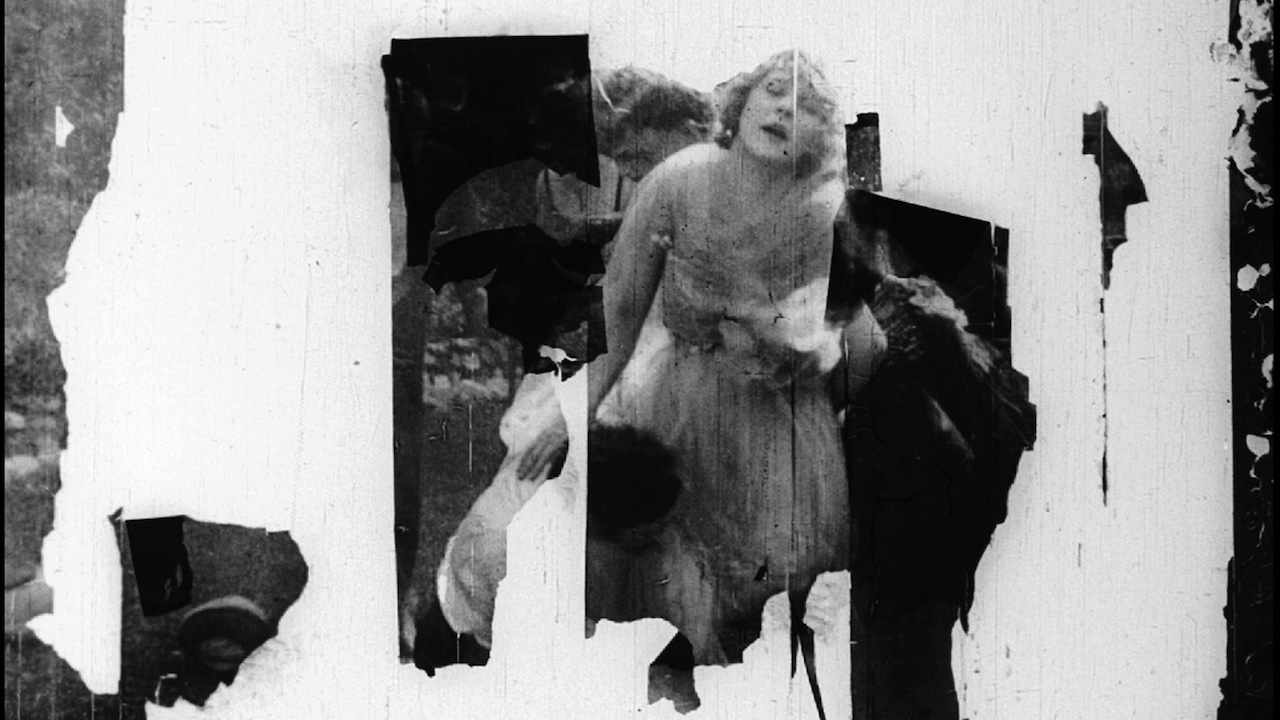
 Scholars, historians, and film enthusiasts can be forgiven some hyperbole, then, as far as the Dawson City find is concerned; every discovery’s notable, but more than 500 at once? These are films that everywhere else have literally exploded and burned down the buildings where they were clumsily housed, or tossed out as unprofitable garbage (including, in Dawson City, into the Yukon River), back in the days when the notion of “preserving” something so trivial as a film at all would’ve sounded ludicrous. The primary reason so many reels even remained in Dawson City in the first place is that distributors and studios were unwilling to pay to transport them back.
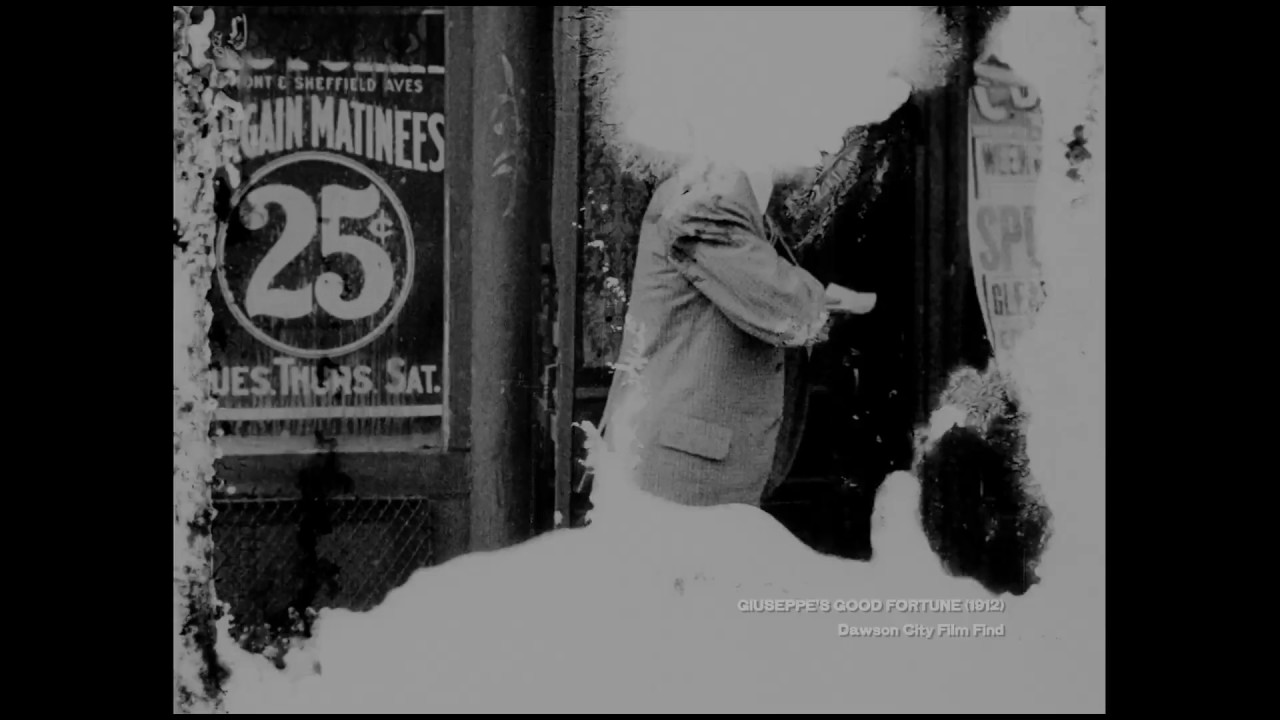 Drawing on Florence Hetzler — who described a ruin as”the disjunctive product of the intrusion of nature upon the human-made without the loss of the unity that our species produced” — Zambenedetti, in his Celluloid Museums (
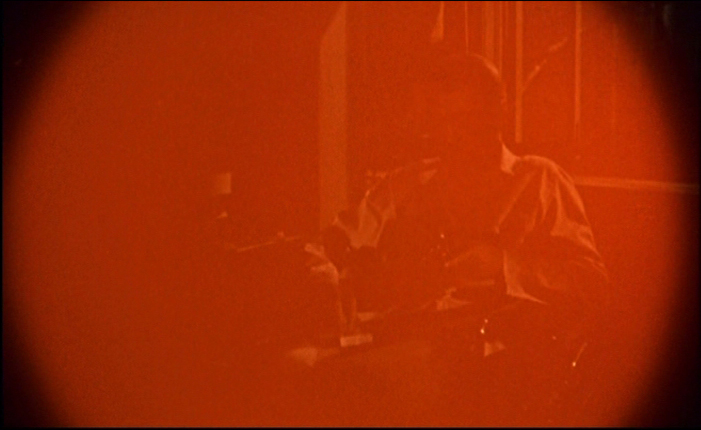
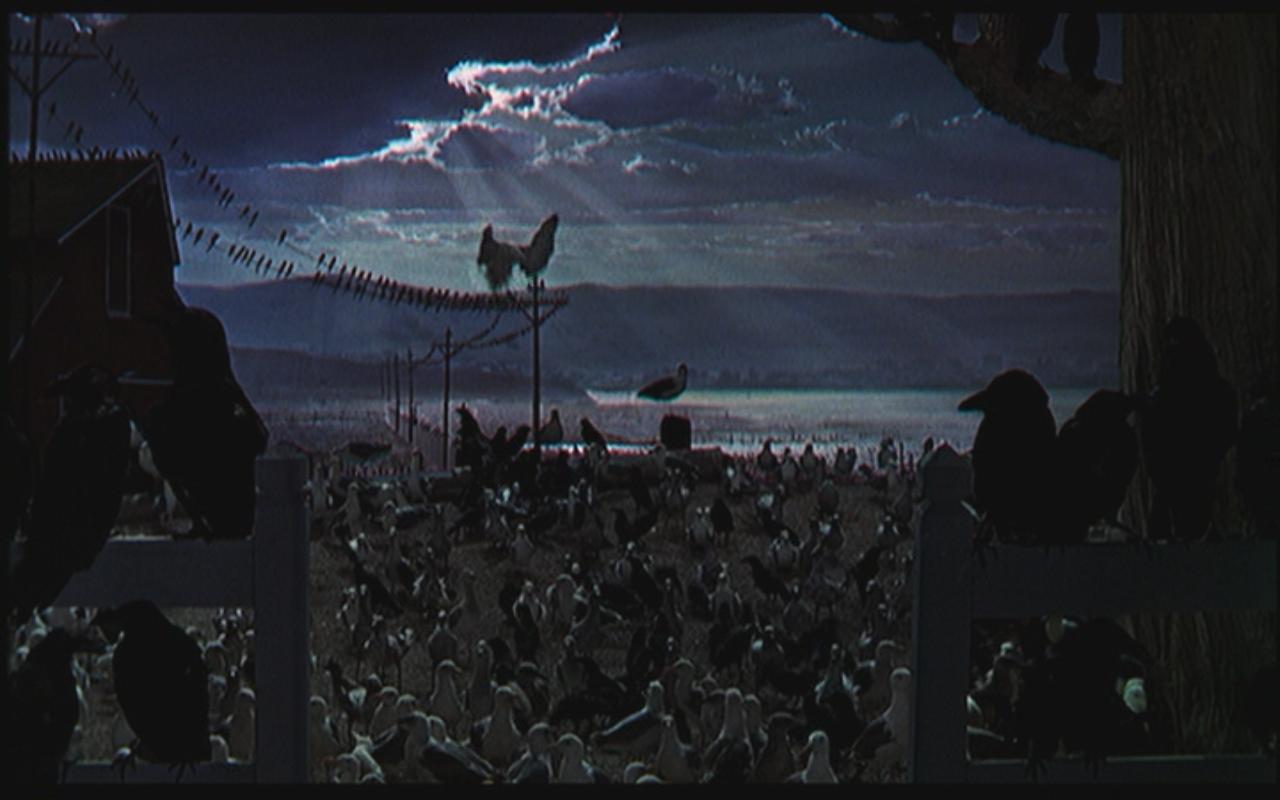 Here’s the secret: I’ve only seen a handful of Hitchcocks, and I only really remember the beginnings and endings. I remember the opening music hall scene of